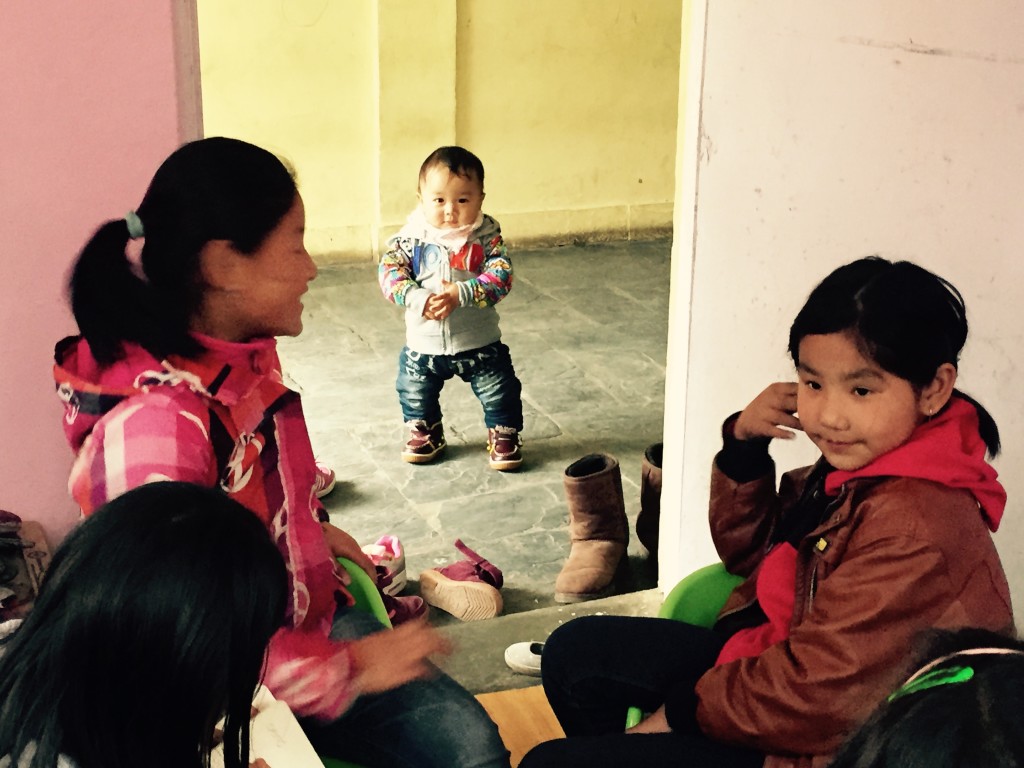
How Reading Rooms Keep Himalayan Languages Alive
The role of reading rooms in preserving endangered Himalayan languages reaches far beyond storing books on shelves. In mountain communities where a local language may be spoken at home but rarely printed, a welcoming reading space can make reading, storytelling and creative expression part of everyday life. It gives children a reason to see their language as useful, modern and worthy of careful attention.
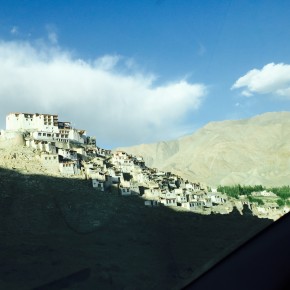
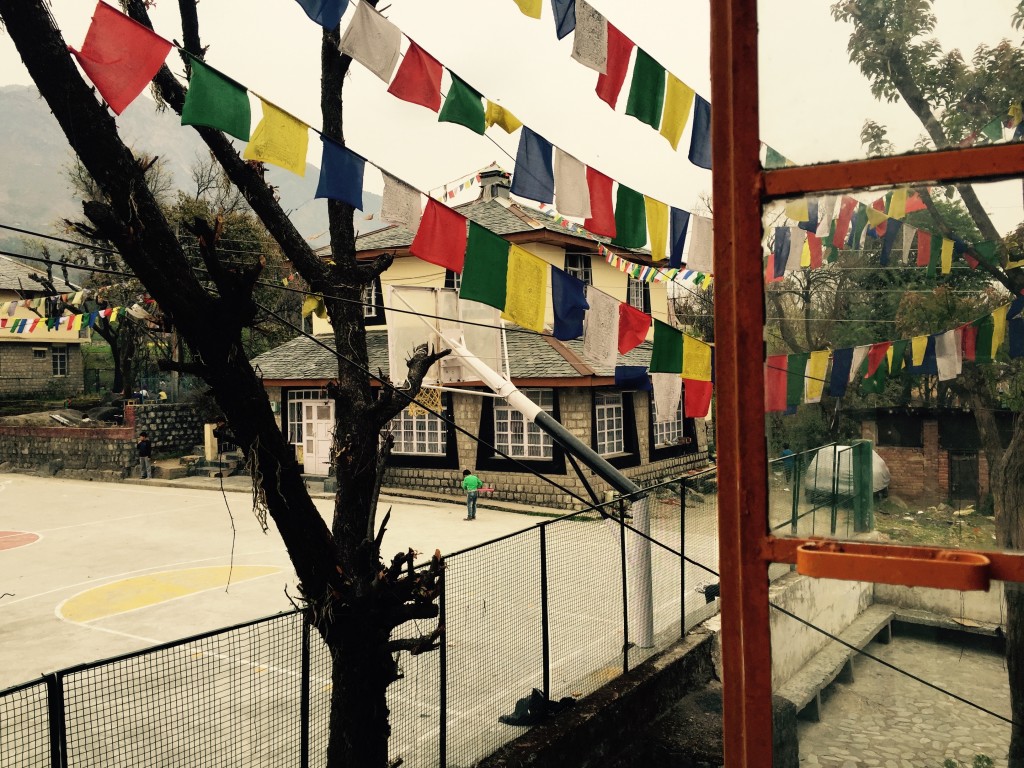
Across Ladakh and neighbouring Himalayan regions, language is closely tied to family history, local landscapes, religious practice and oral tradition. A child may hear one language at home, study mainly in another at school and encounter English in technology and popular culture. Without regular opportunities to read and write in the language of their community, vocabulary can narrow between generations.
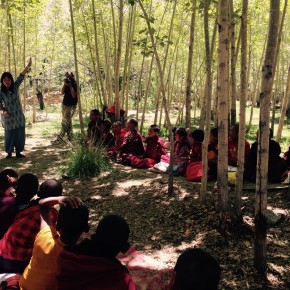
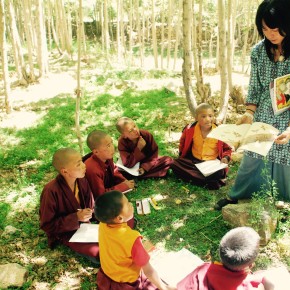
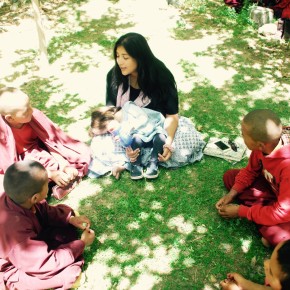
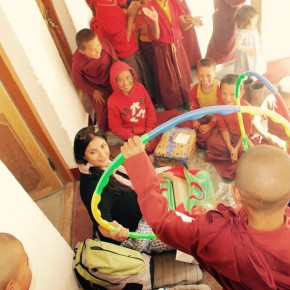
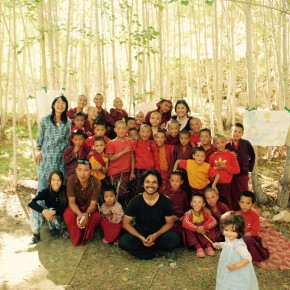
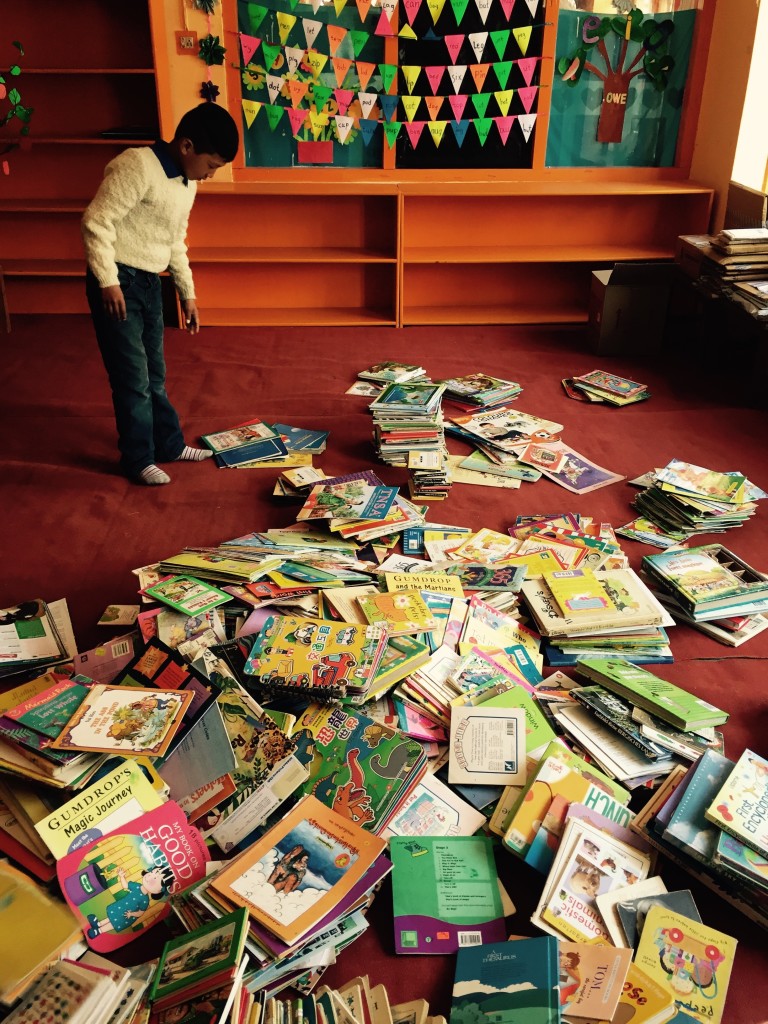
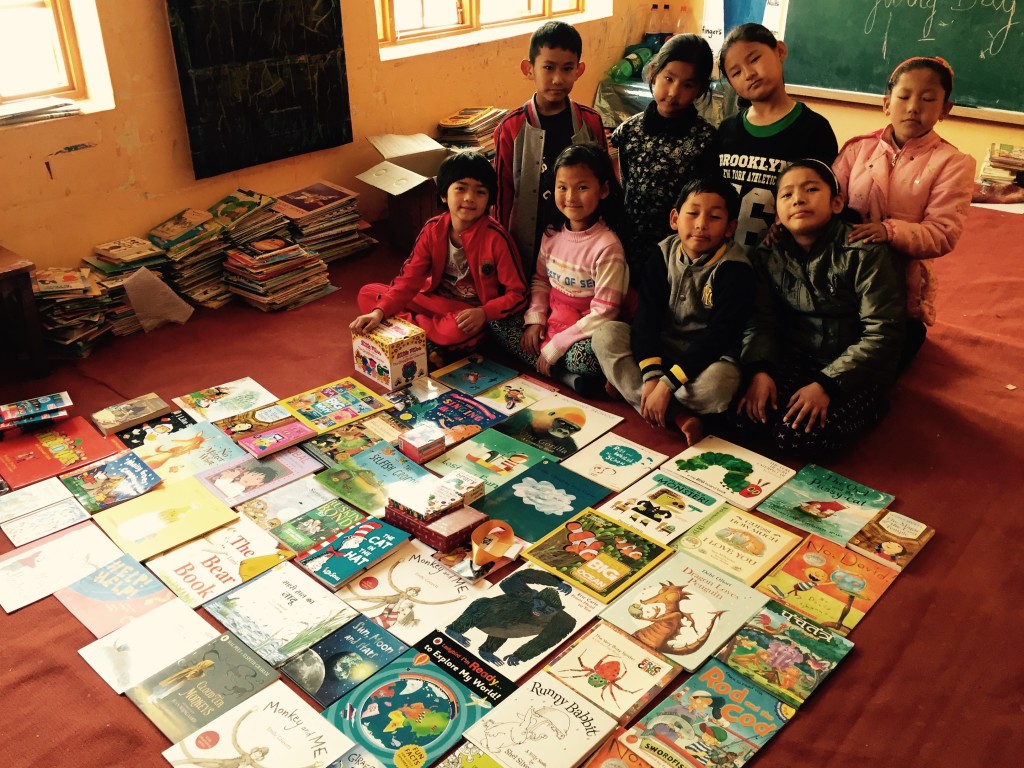
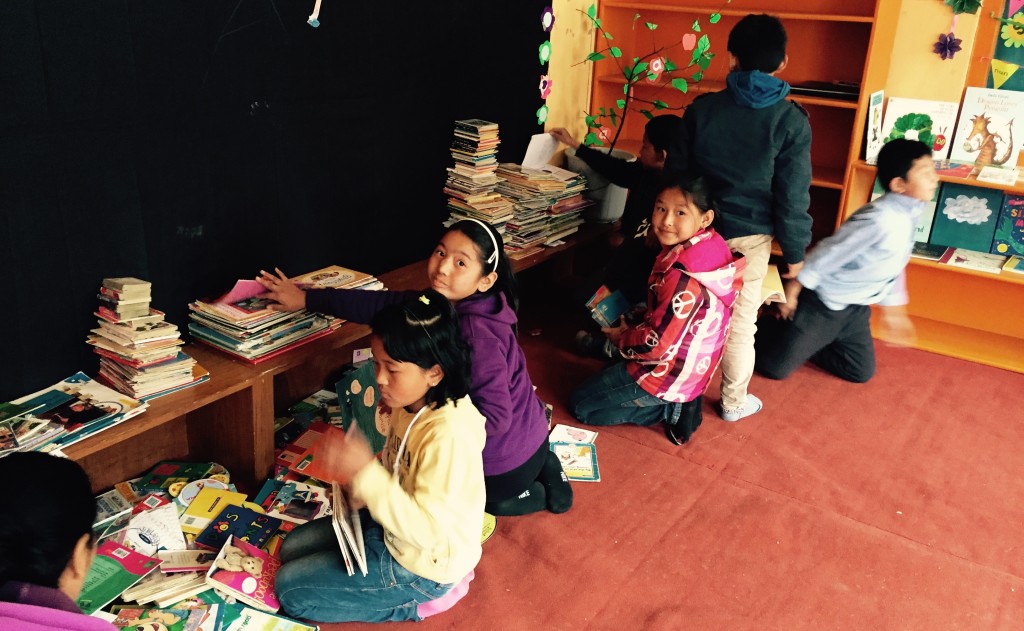
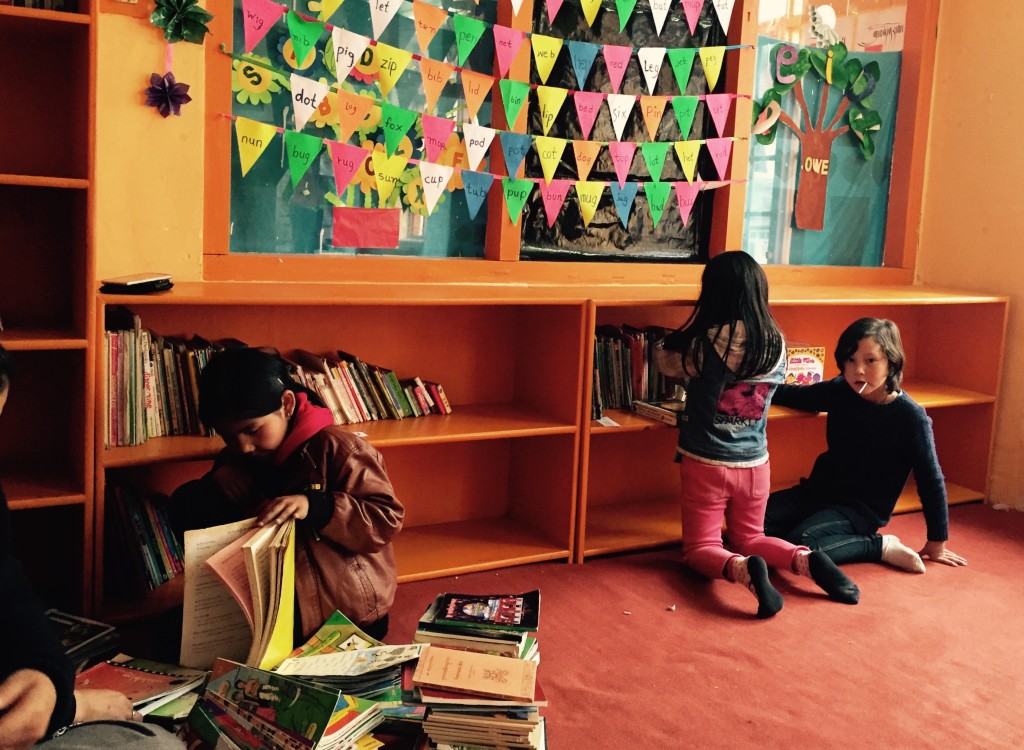
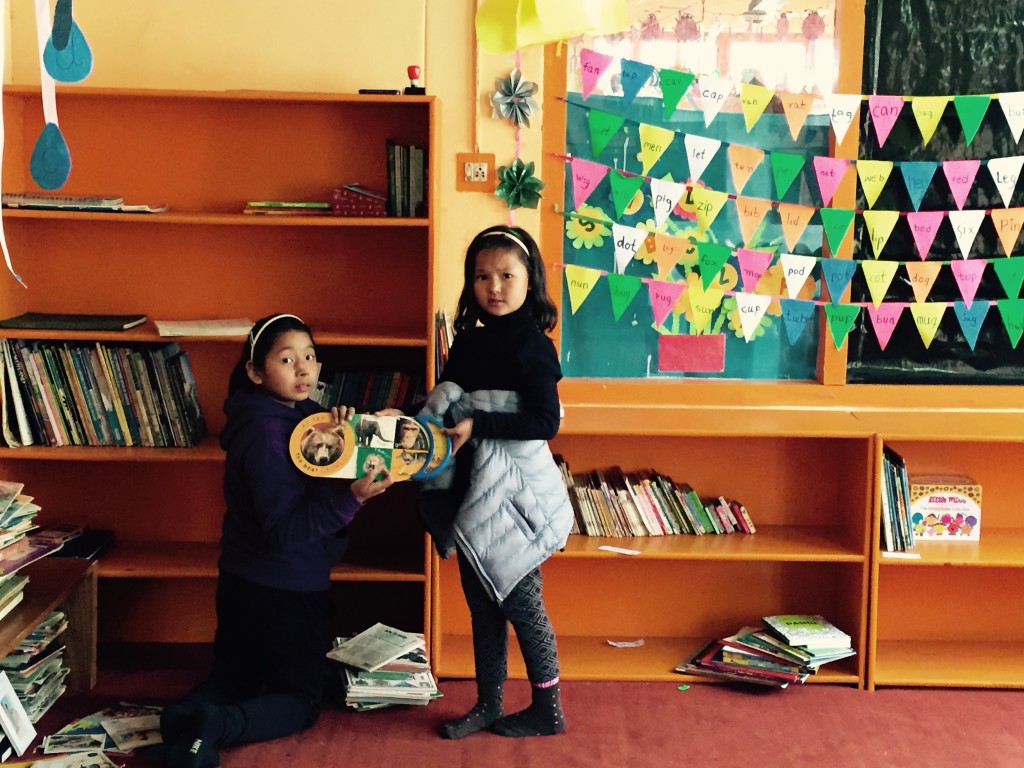
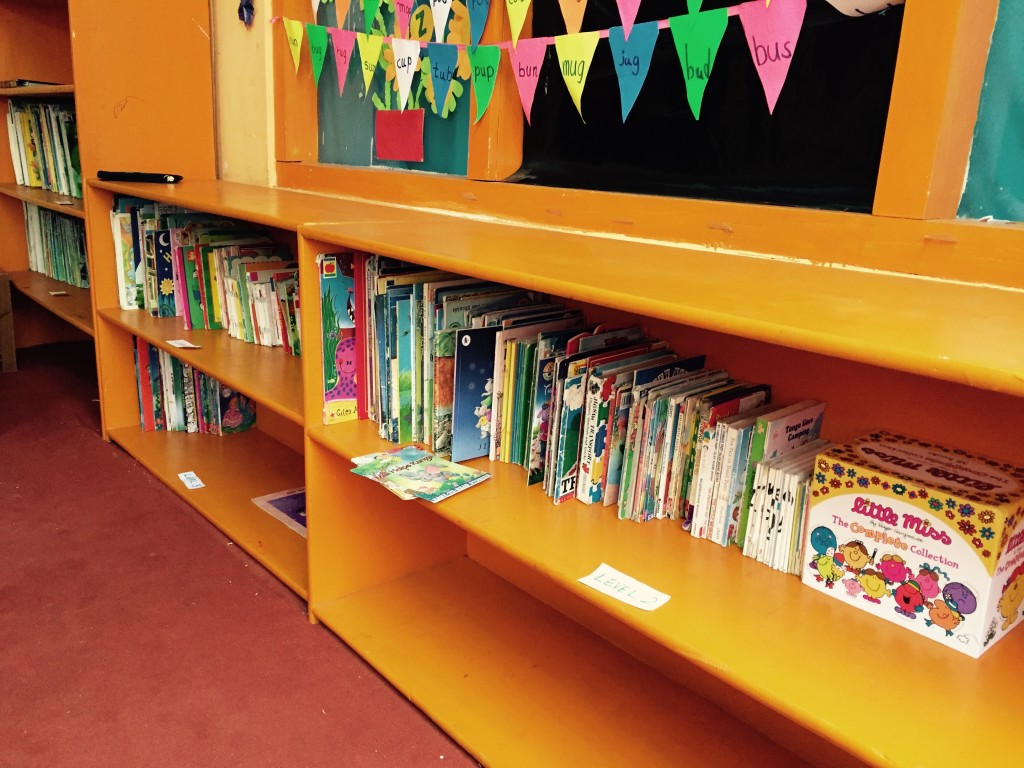
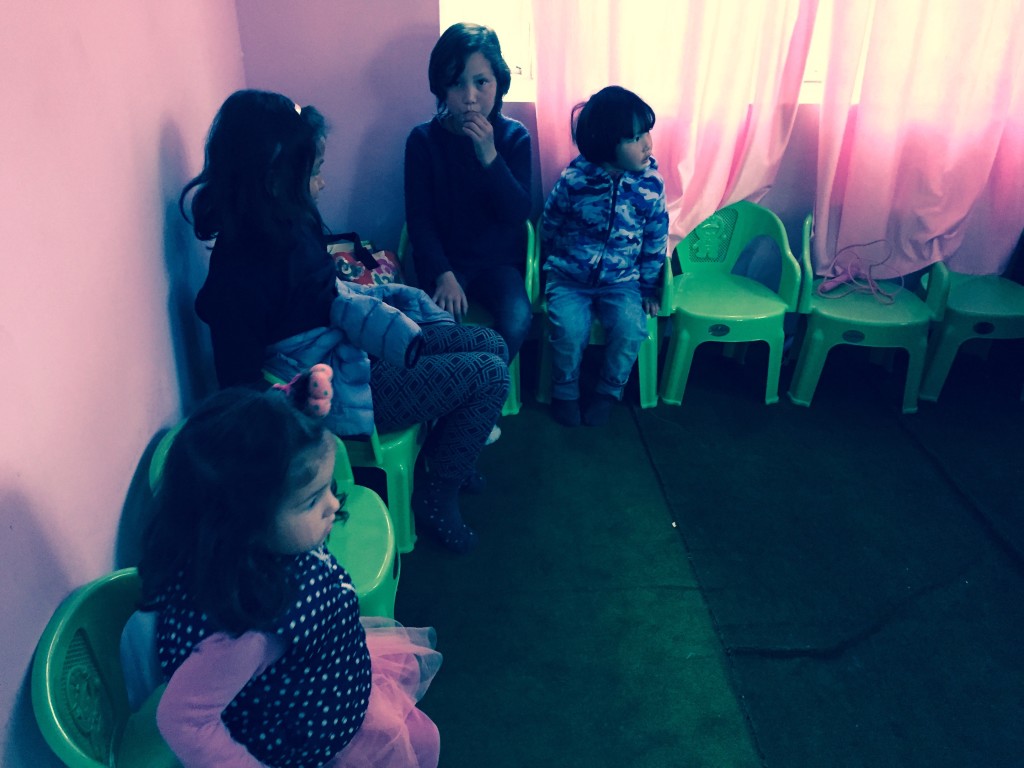
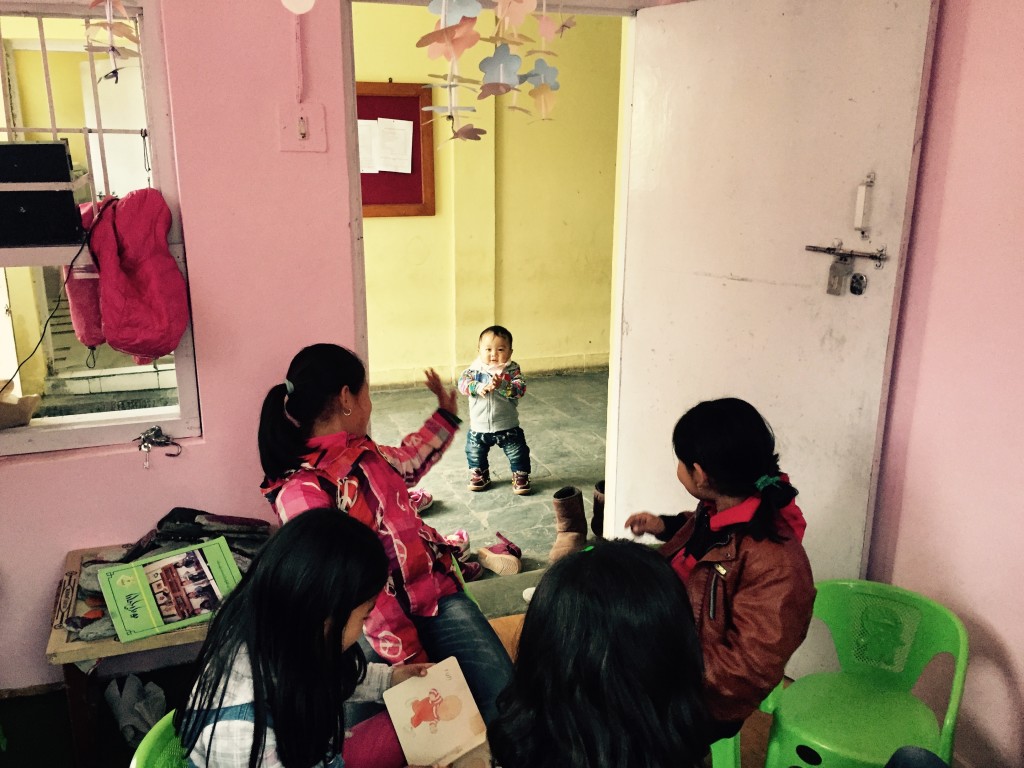
Reading rooms respond to this gap by placing books, conversation and shared learning in the same physical space. They can support children who have limited access to libraries, young monks developing literacy skills and families who want educational activities close to home. Stories, drawing, music and discussion allow language learning to feel active rather than like another examination subject.
This work also speaks to Australian supporters. People in Melbourne, Sydney, Perth and regional towns understand the value of public libraries, school holiday programmes and community language schools. Australian donors often look for clear community outcomes, responsible governance and practical evidence that resources reach children, especially when supporting projects across long distances.
A Safe Place For Everyday Language
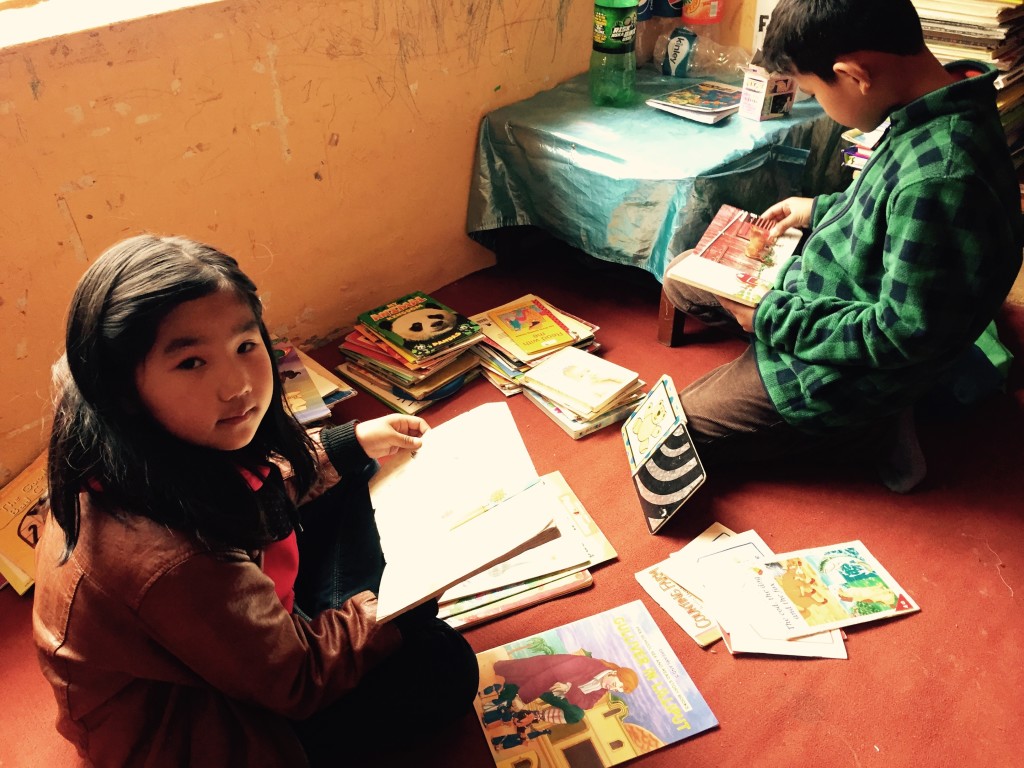
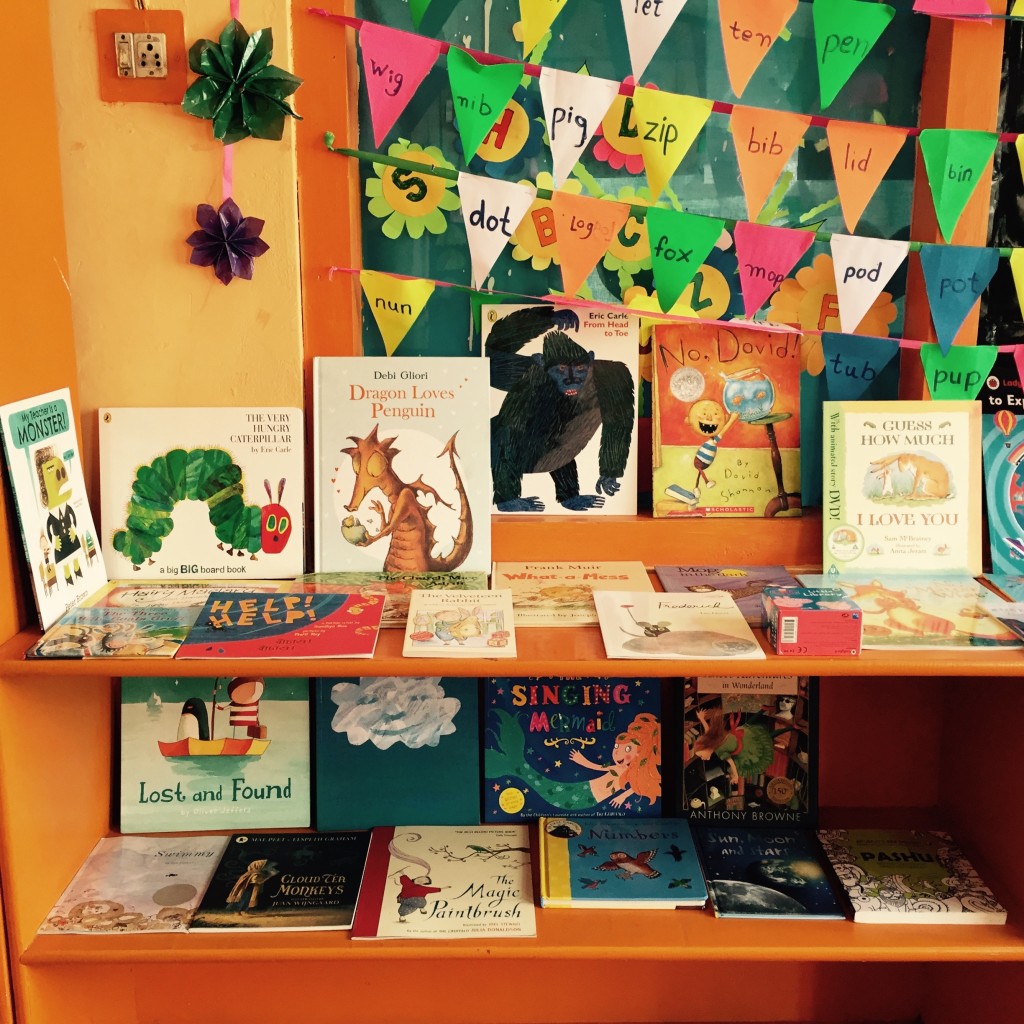
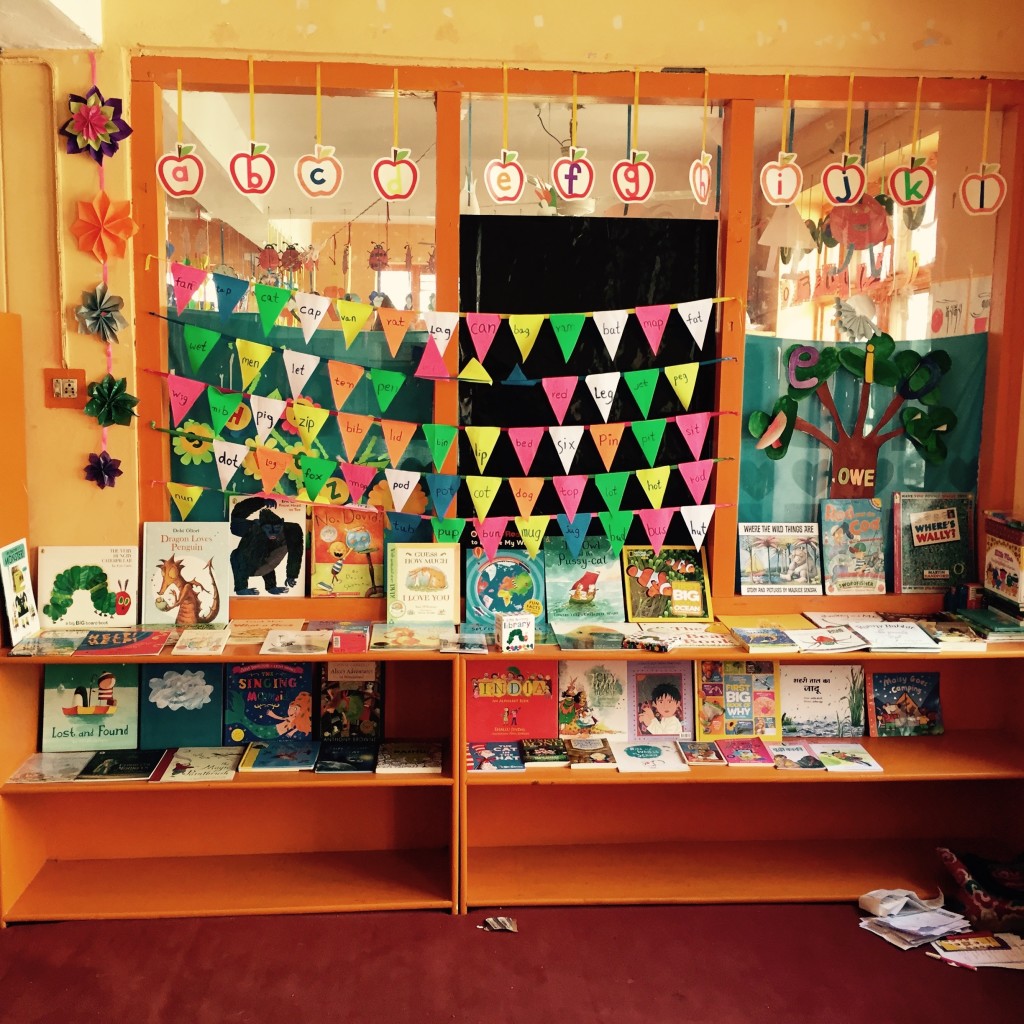
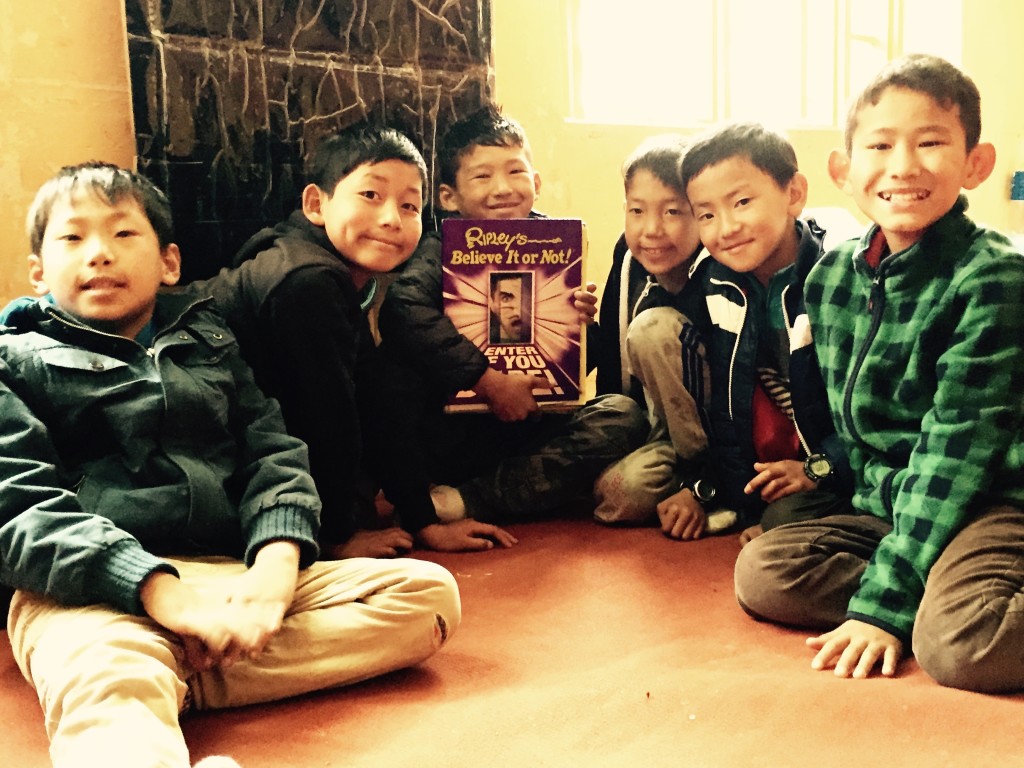
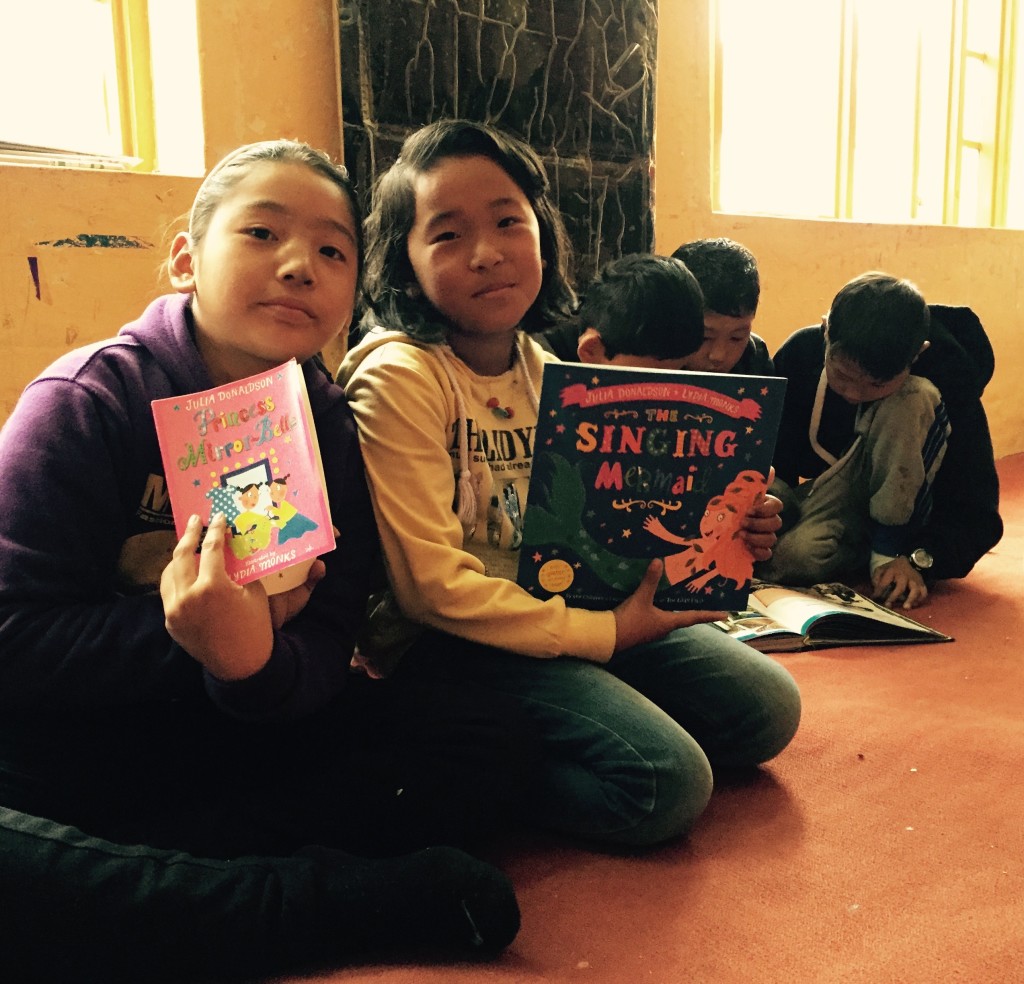
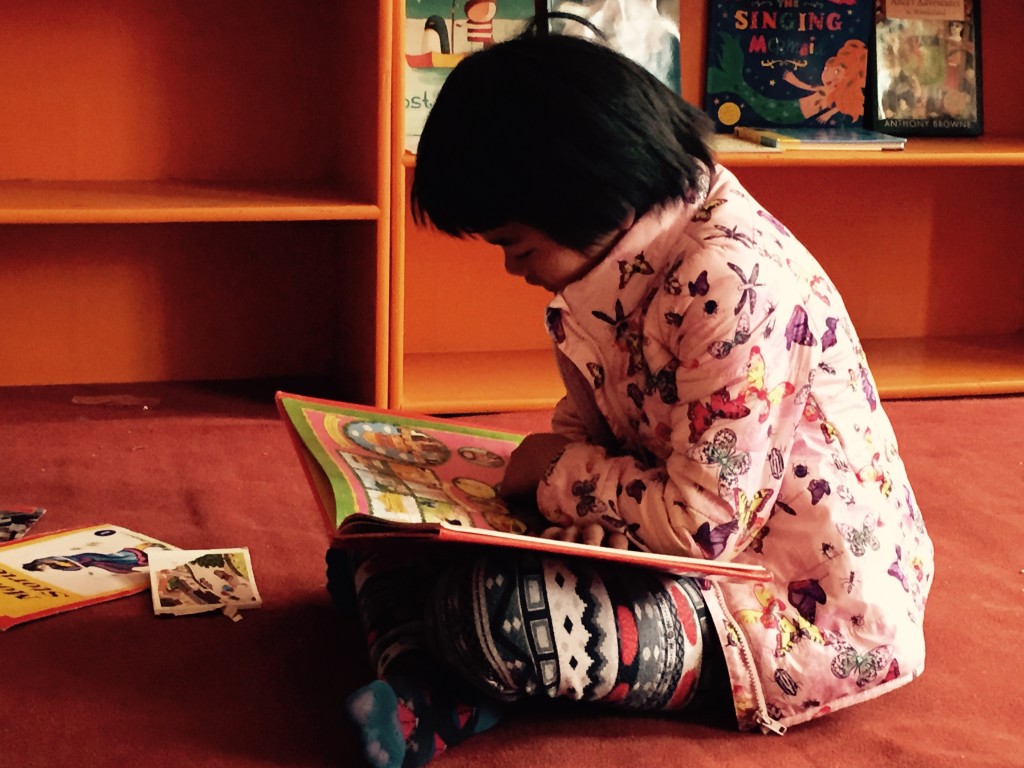
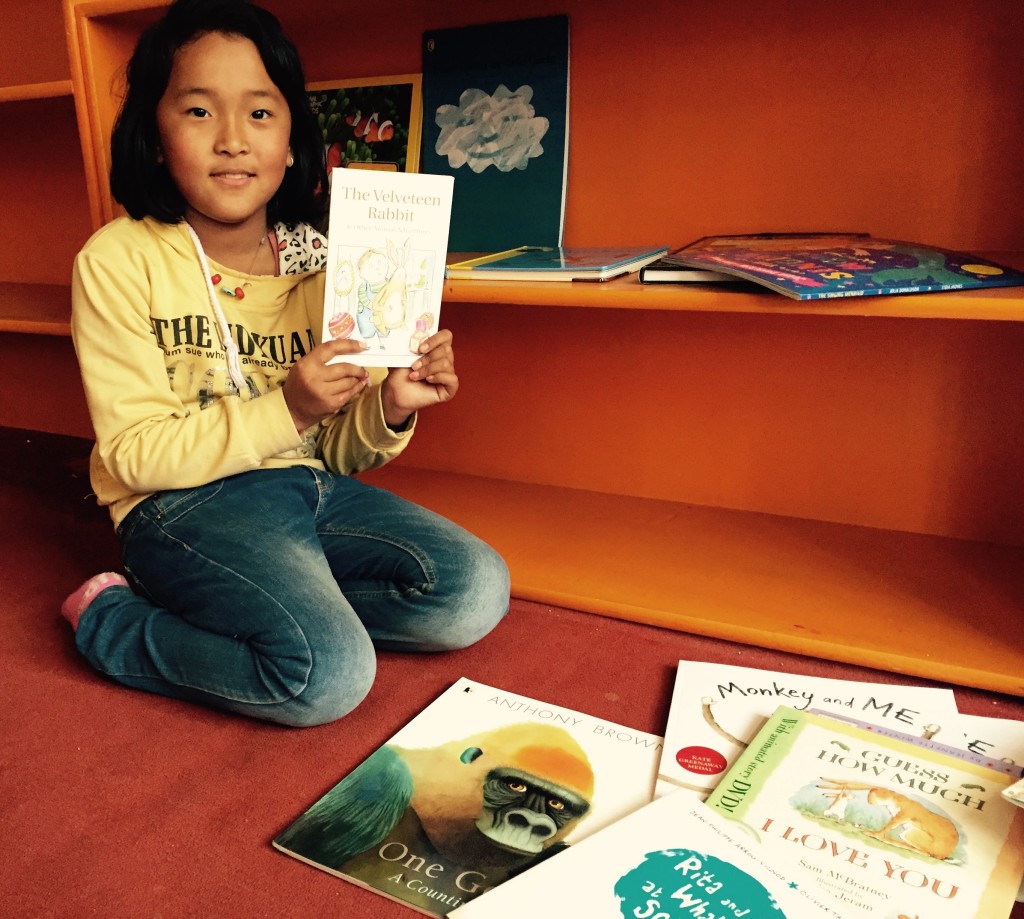
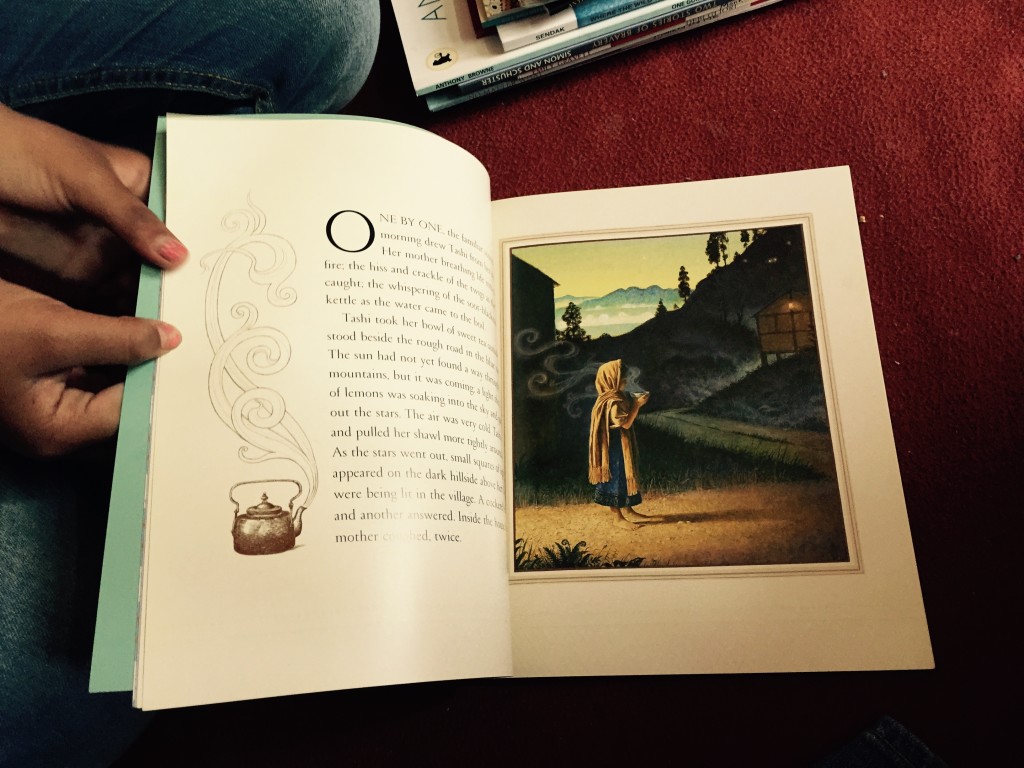
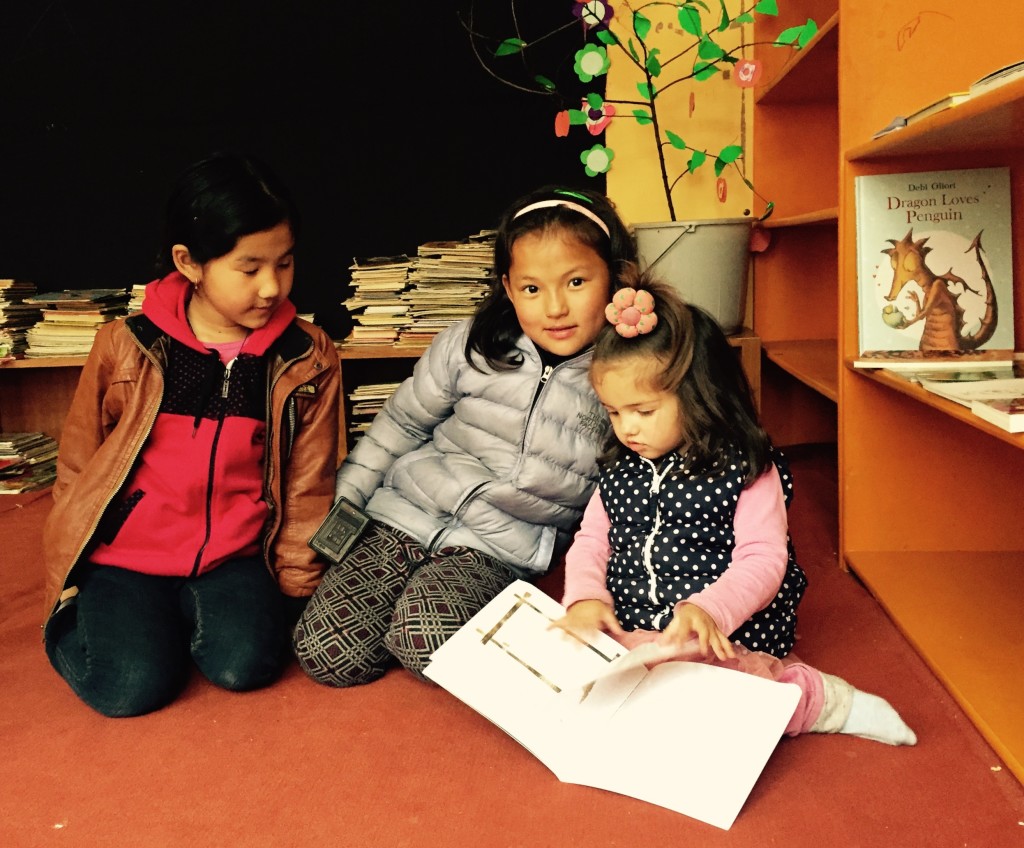
A reading room creates a regular setting where children can encounter a Himalayan language outside the home. Picture books, folktales, poems and simple reference materials help turn spoken words into visible ones. That shift matters because literacy gives children another way to remember names, describe their surroundings and communicate with older relatives.
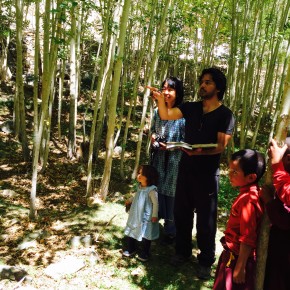
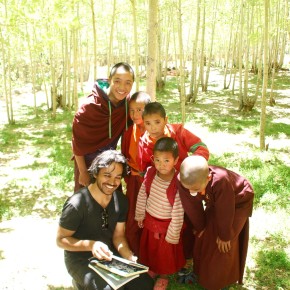
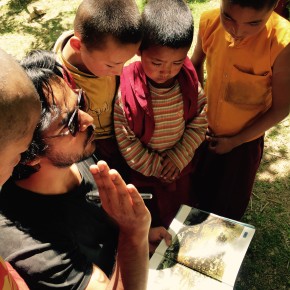
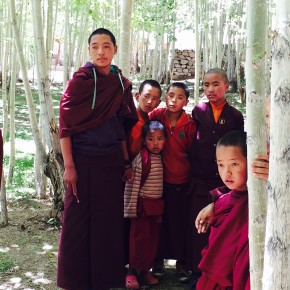
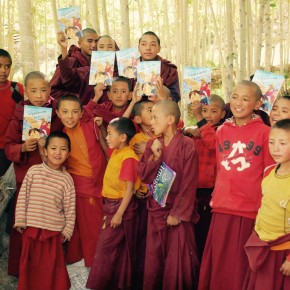
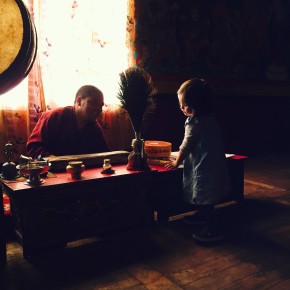
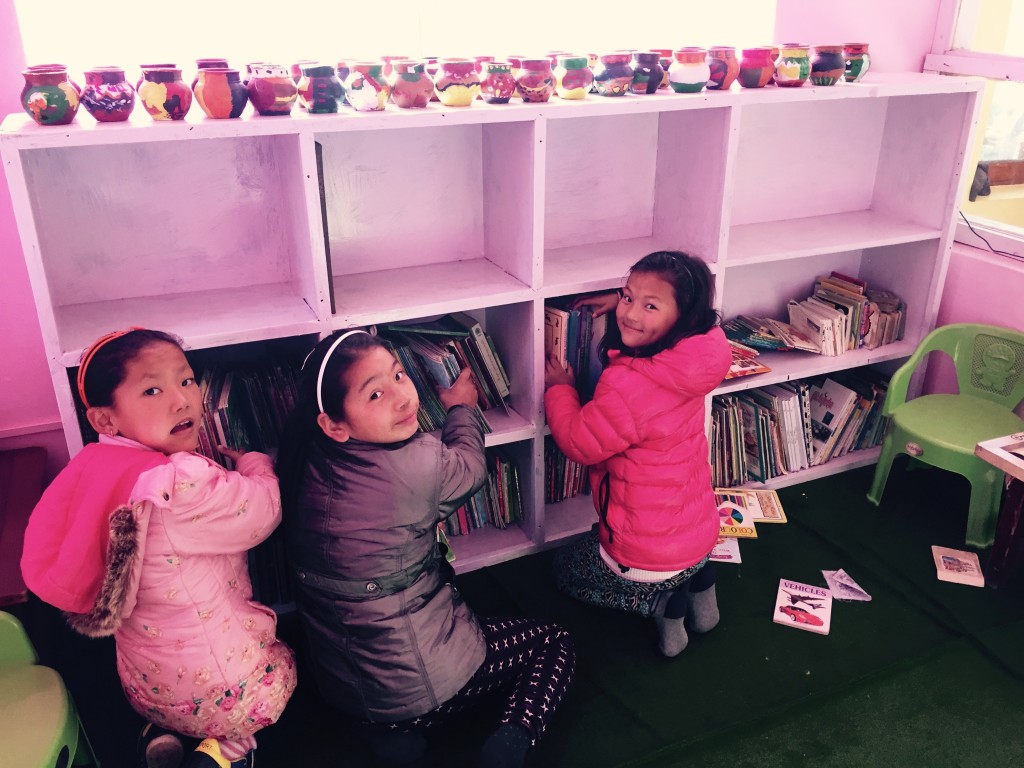
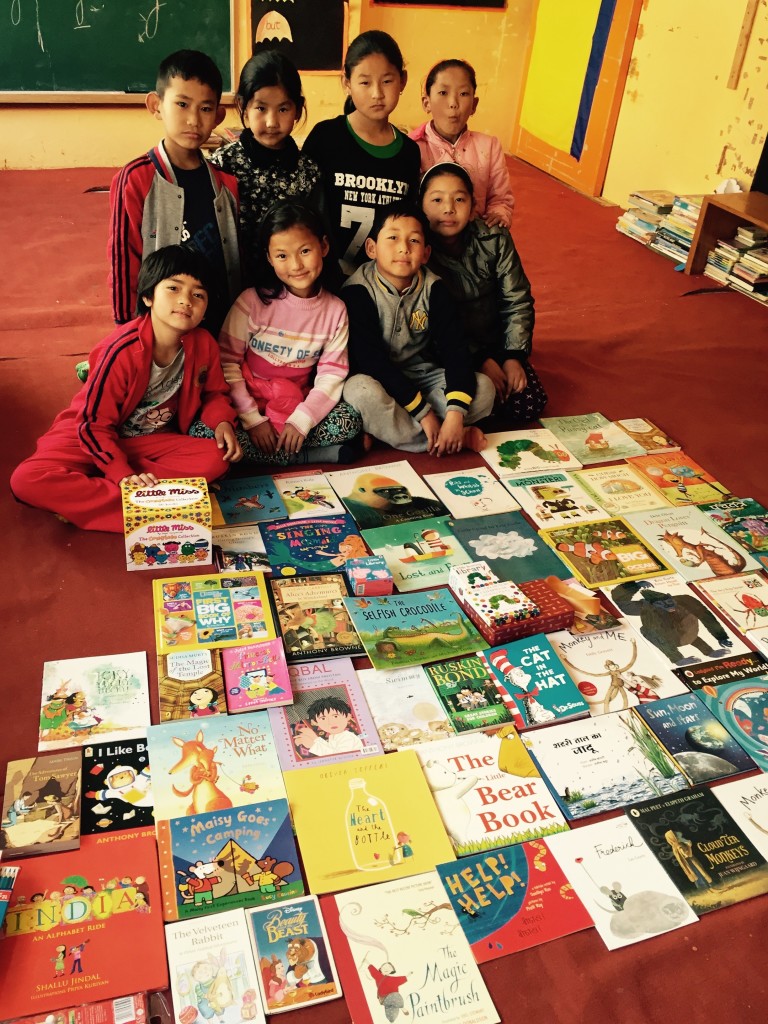
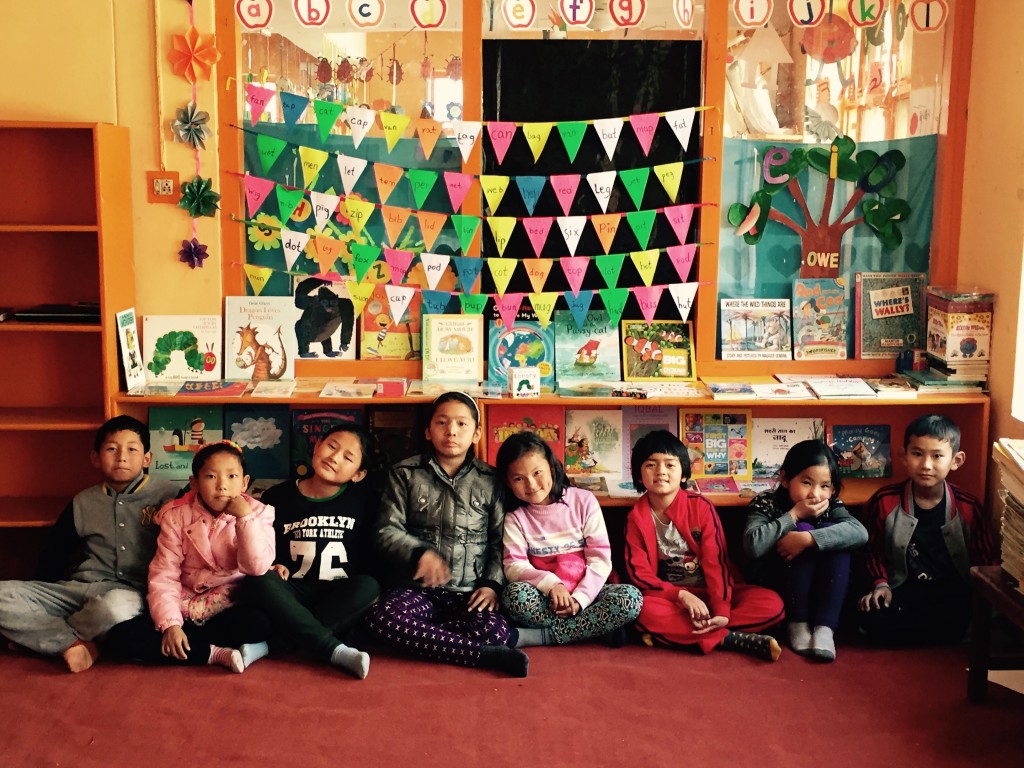
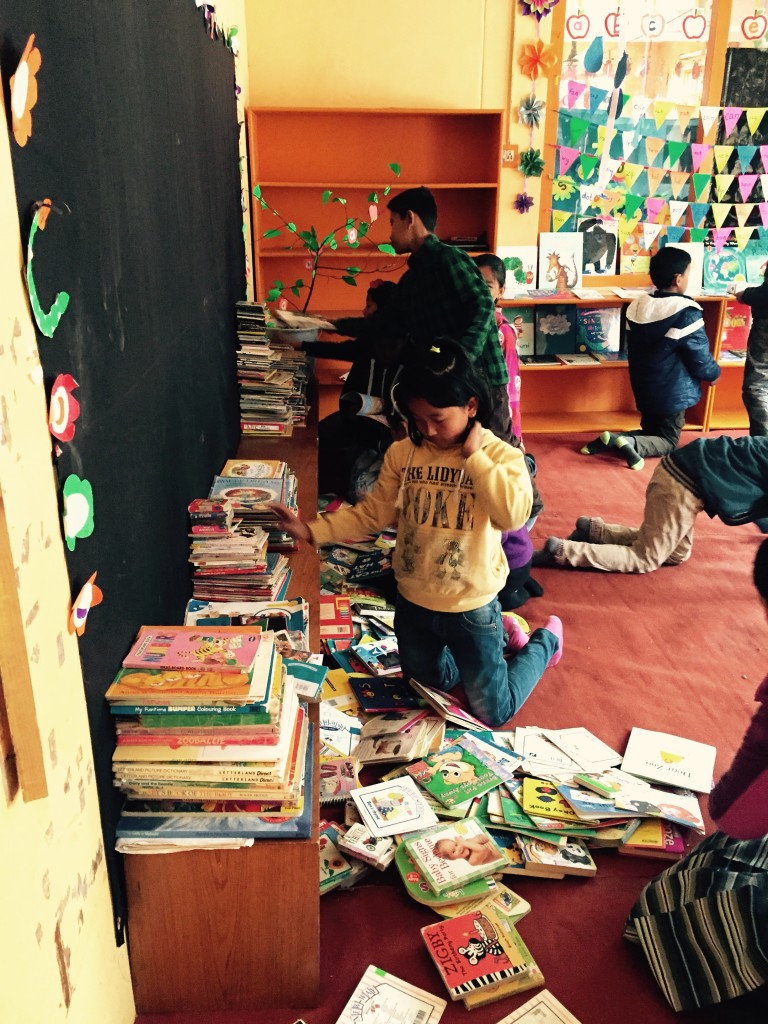
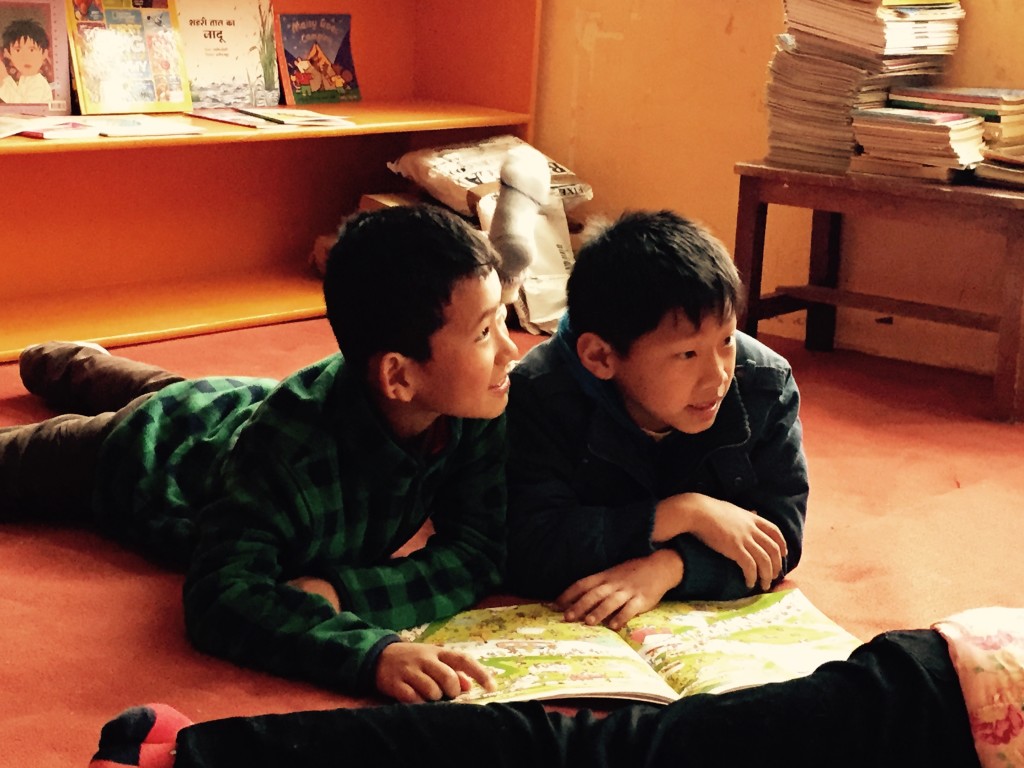
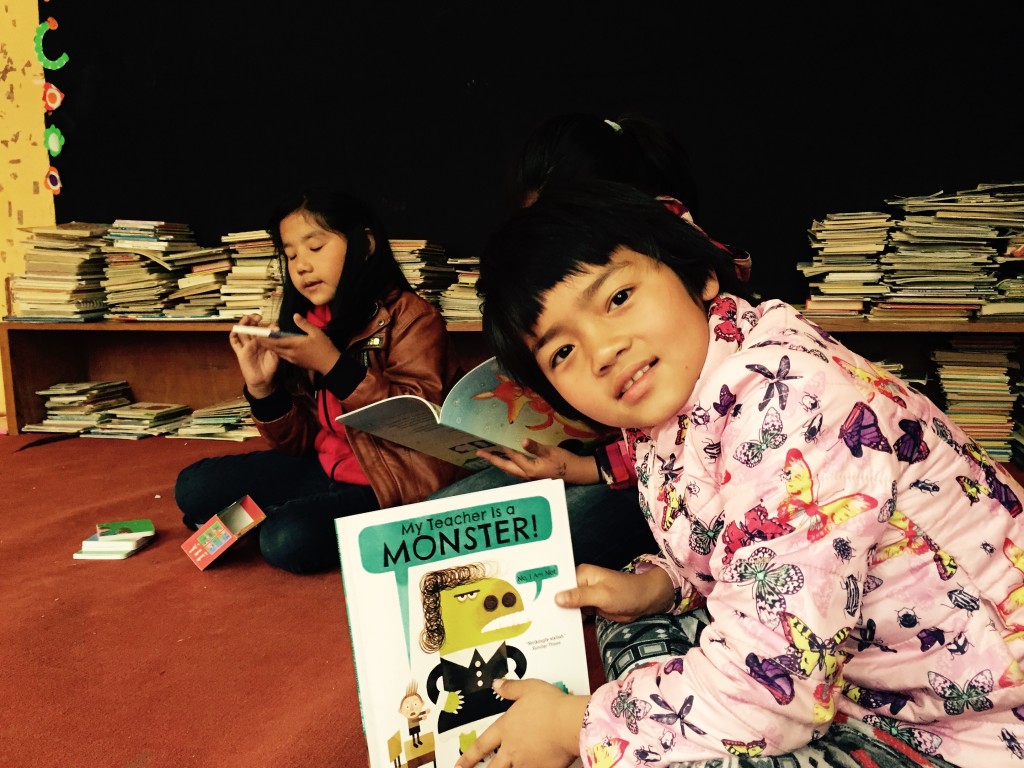
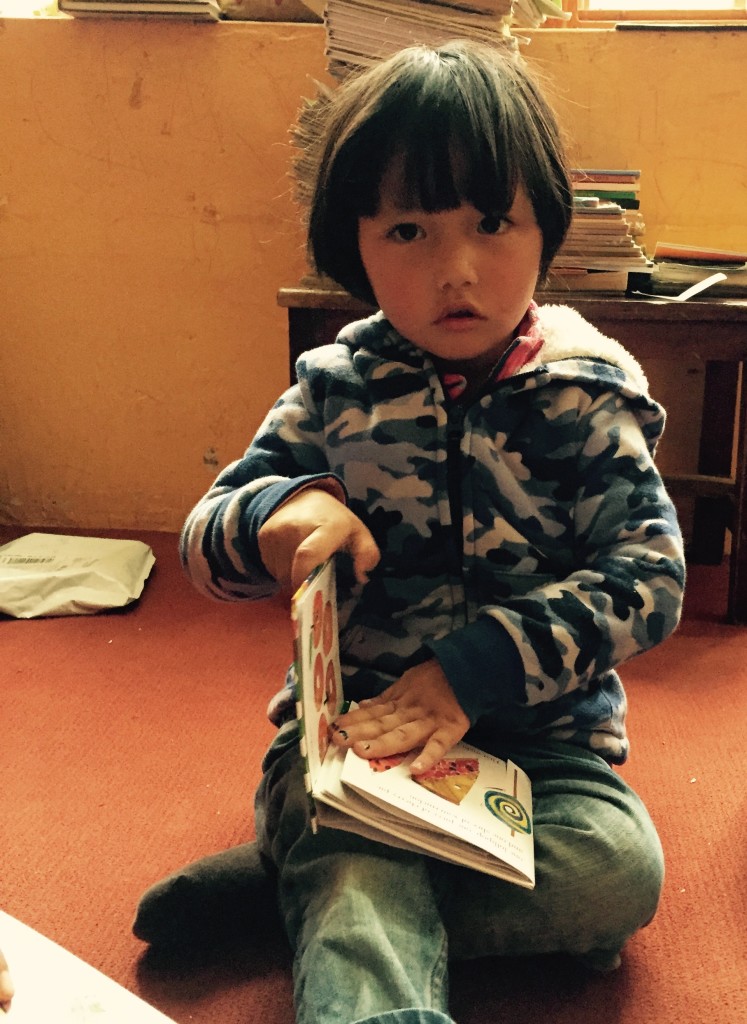
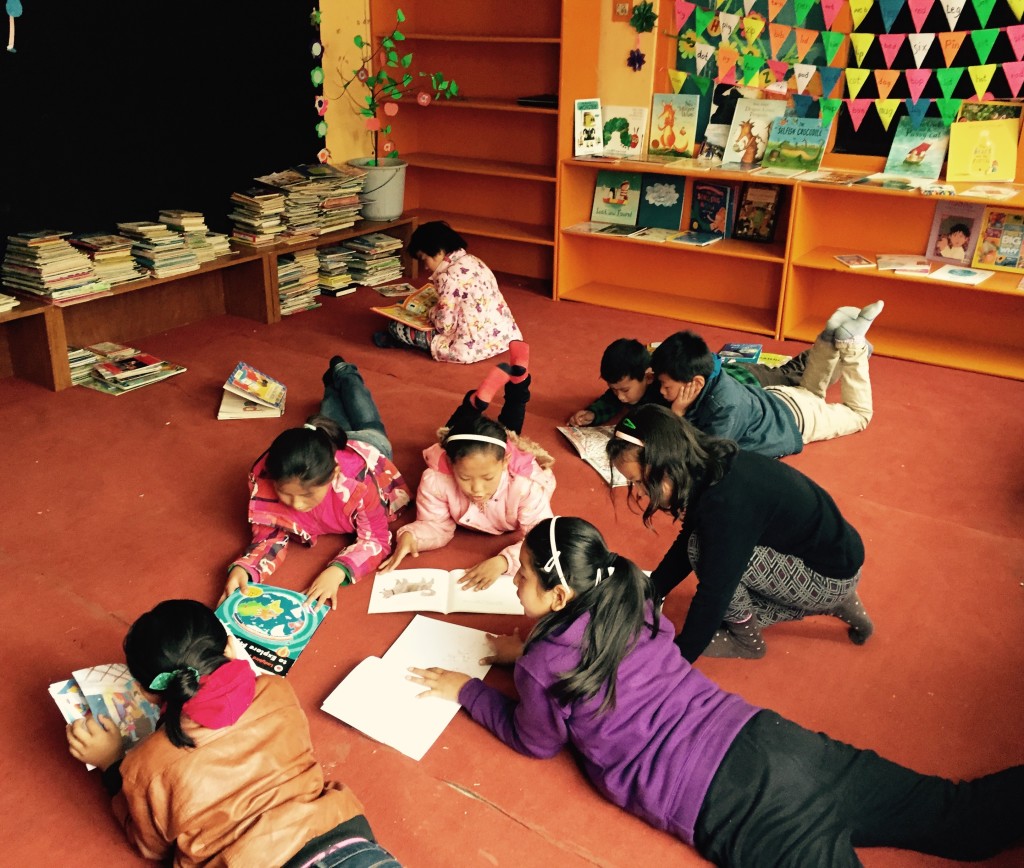
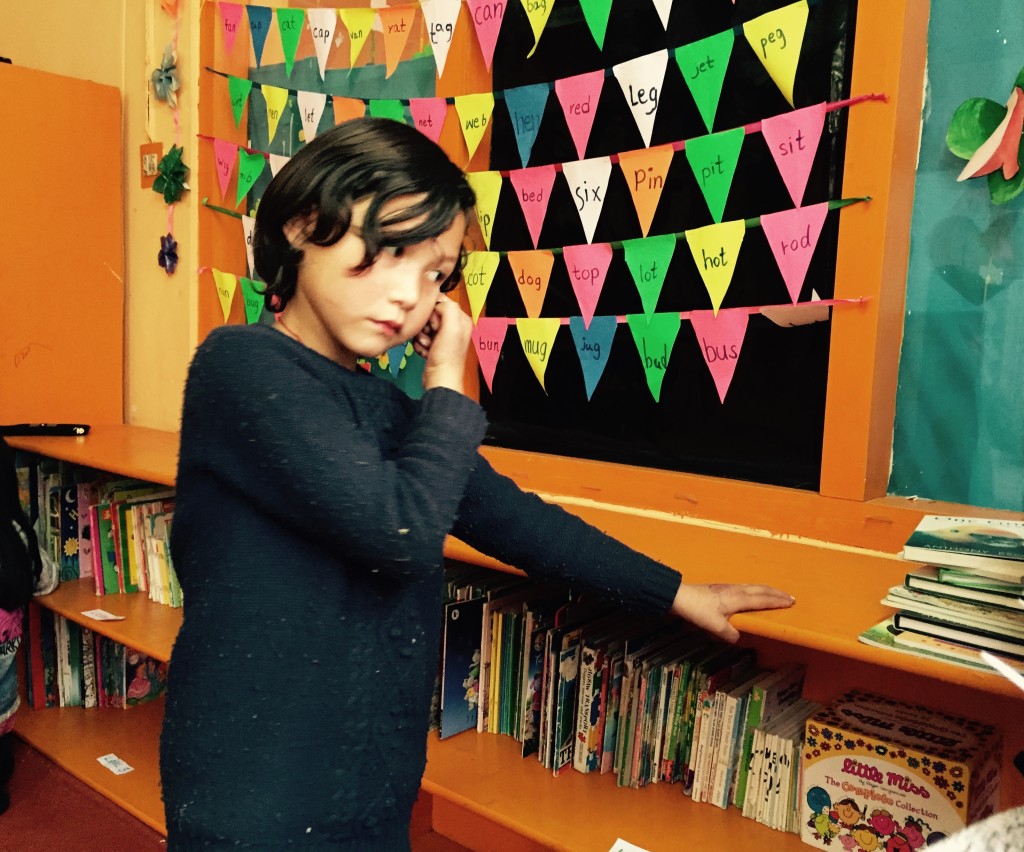
The space itself is important. A child who associates books with a warm room, friendly volunteers and creative activities is more likely to return. Informal reading alongside drawing or music can lower the pressure that some children feel when learning a script. Young monks may read religious texts, local stories and general knowledge books, while younger visitors explore illustrated materials at their own pace.
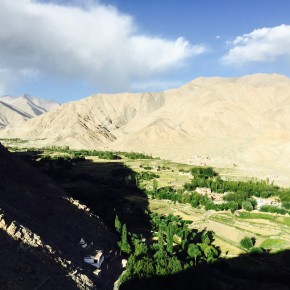
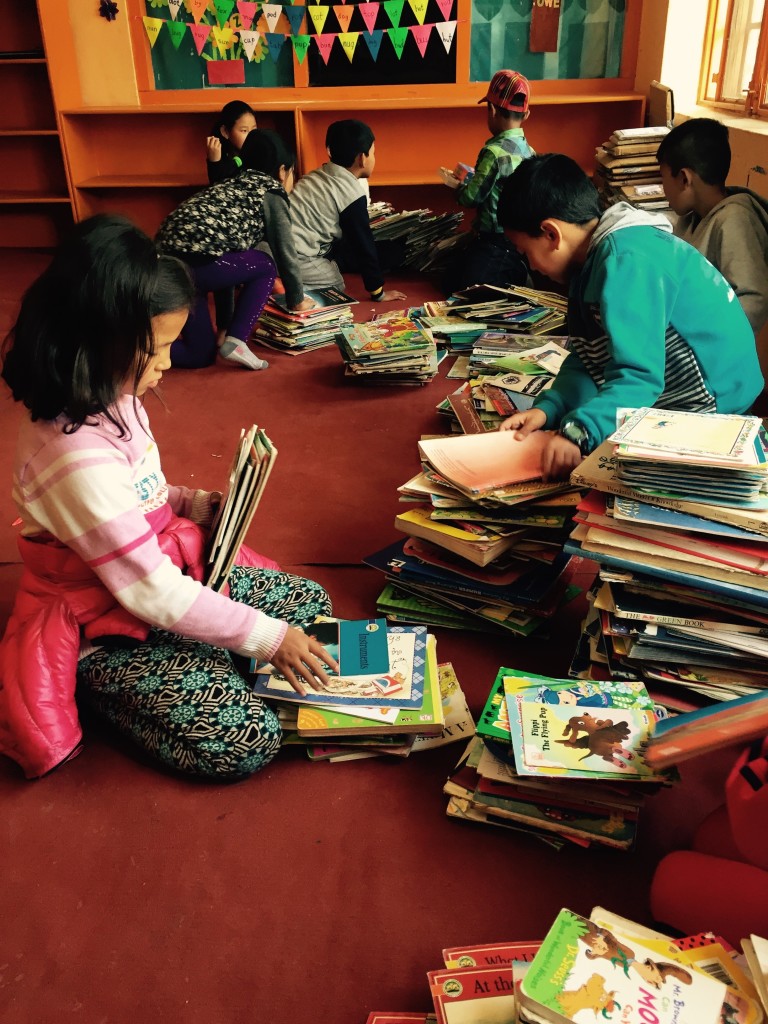
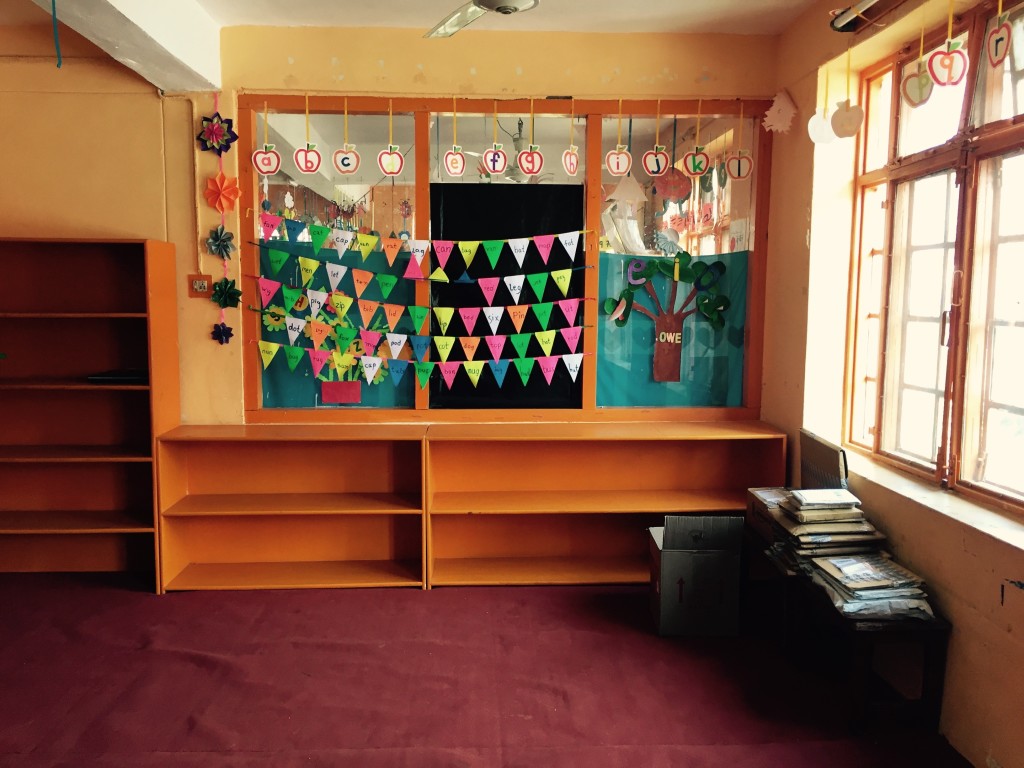
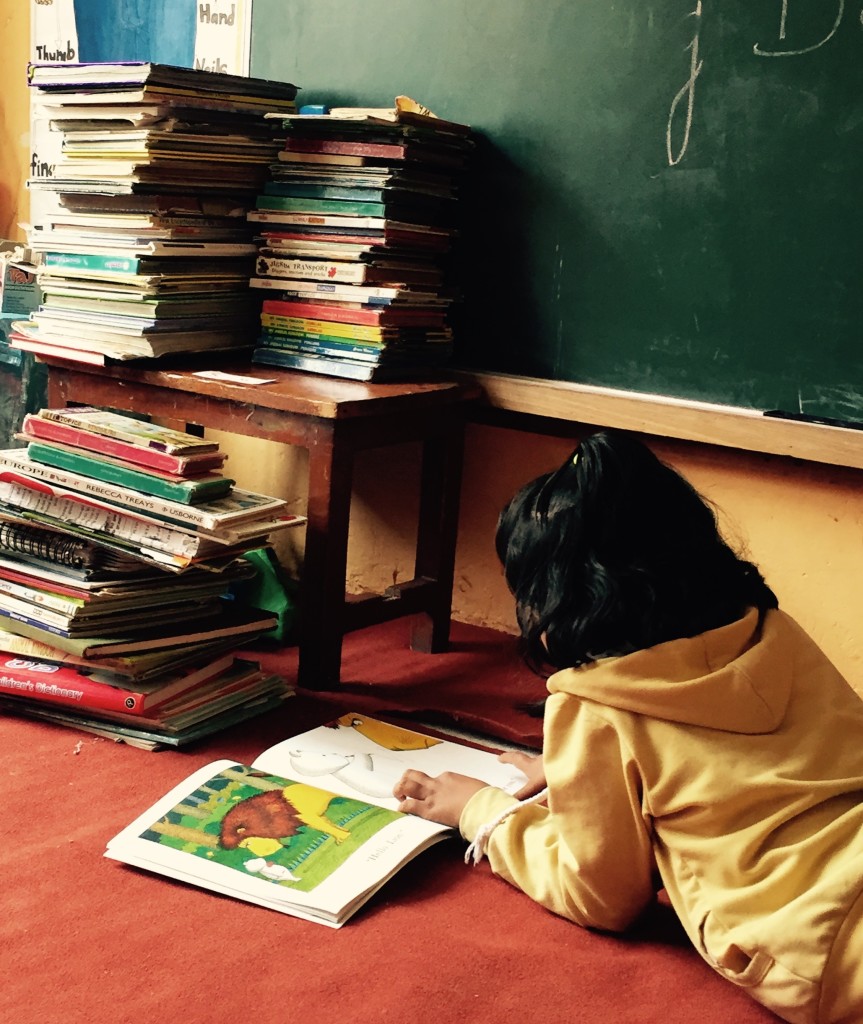
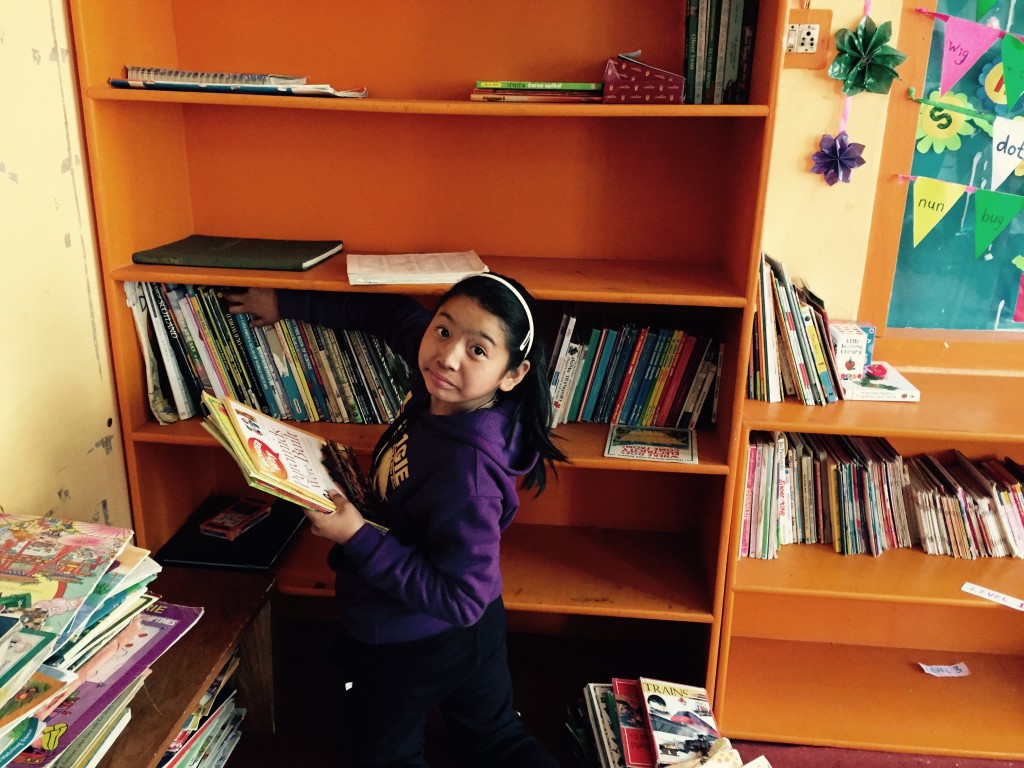
In remote Himalayan settlements, access to a broad collection can be limited by geography, weather and household income. A carefully developed room becomes a community resource rather than a private possession. It can welcome several age groups and support both independent reading and shared storytelling.
Books Carry Memory Across Generations
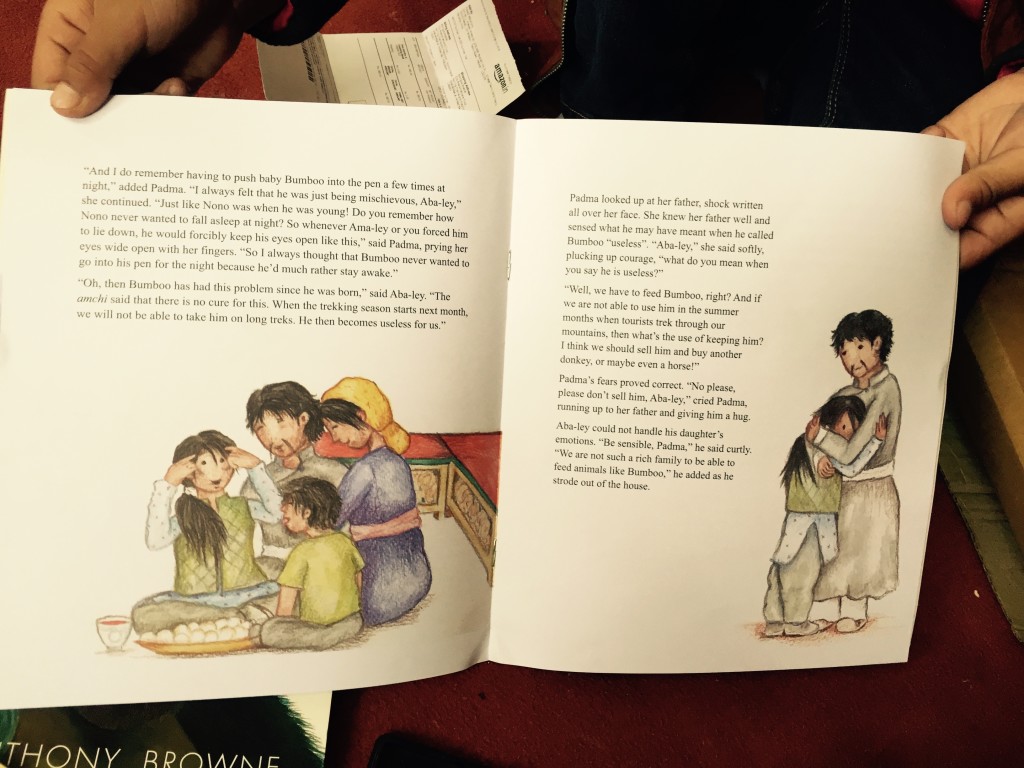
Endangered languages are often threatened when children understand a heritage language but do not develop confidence using it. Reading materials help bridge that gap. A story about a local river, a mountain pass or a seasonal festival carries vocabulary that may not appear in standard classroom texts. It also confirms that local experience belongs in written culture.
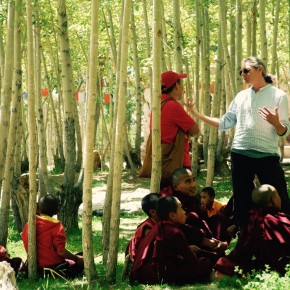
Elders, teachers, monks and parents can contribute to this process by sharing oral histories and checking words, names and expressions. Their involvement helps prevent language preservation from becoming an outside project imposed on a community. A reading room can host storytelling sessions where children listen first, then retell a story through writing, illustration, drama or song.
The same principle can resonate with Australian audiences familiar with the importance of First Nations language revitalisation. The histories are different, and Himalayan communities should be understood on their own terms, yet both contexts show why language work must involve knowledge holders and respect community authority. A library collection should support living speakers rather than present their language as a relic.
Literacy, Creativity And Confidence
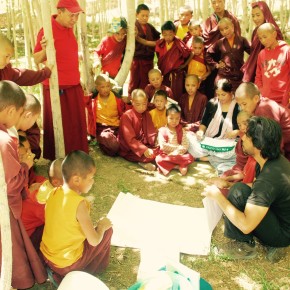
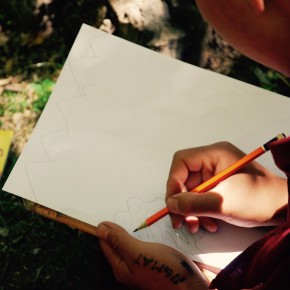
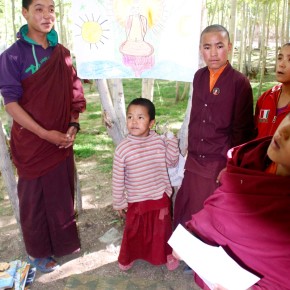
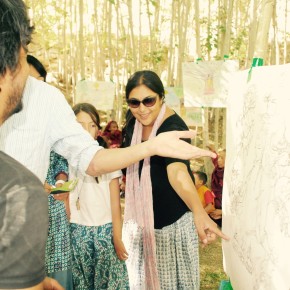
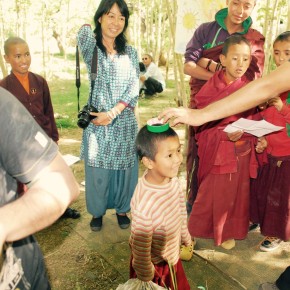
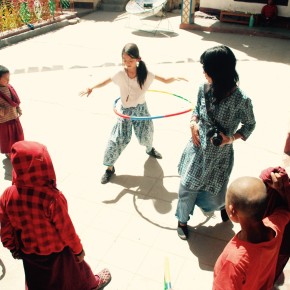
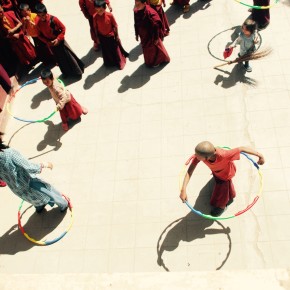
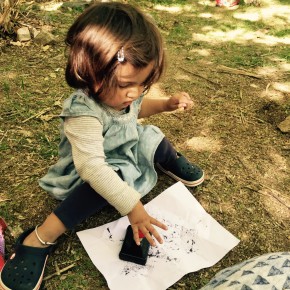
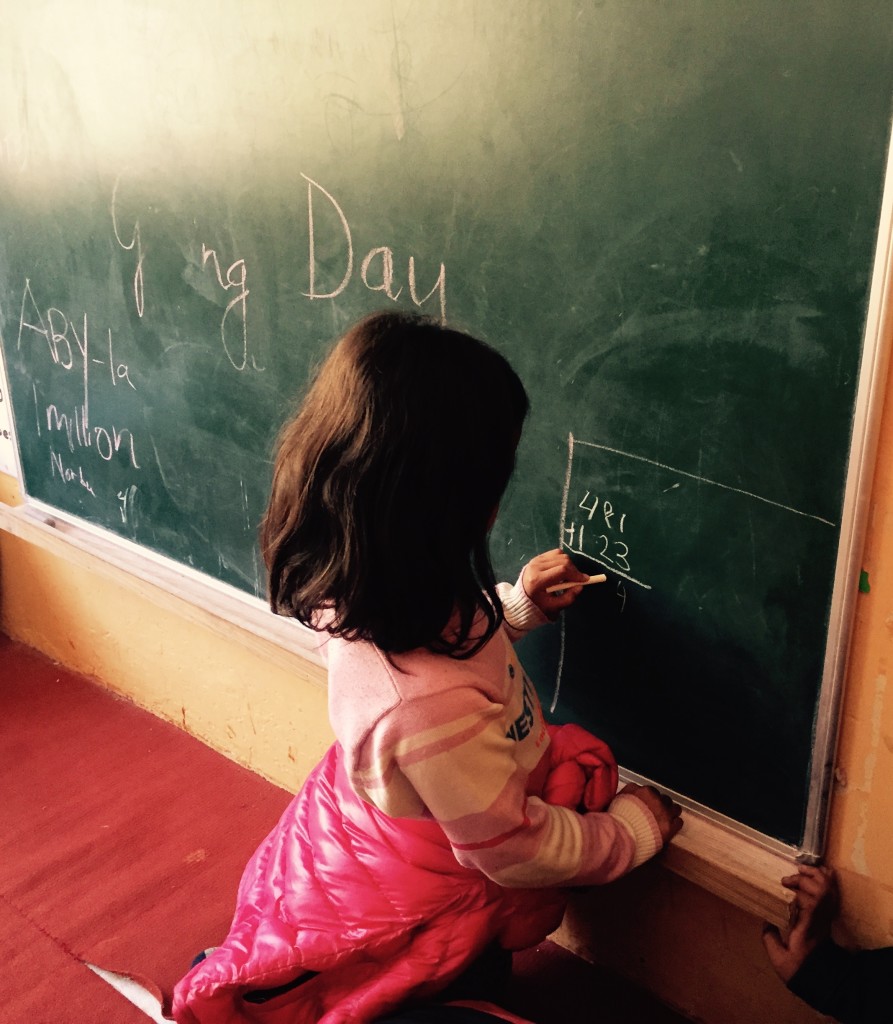
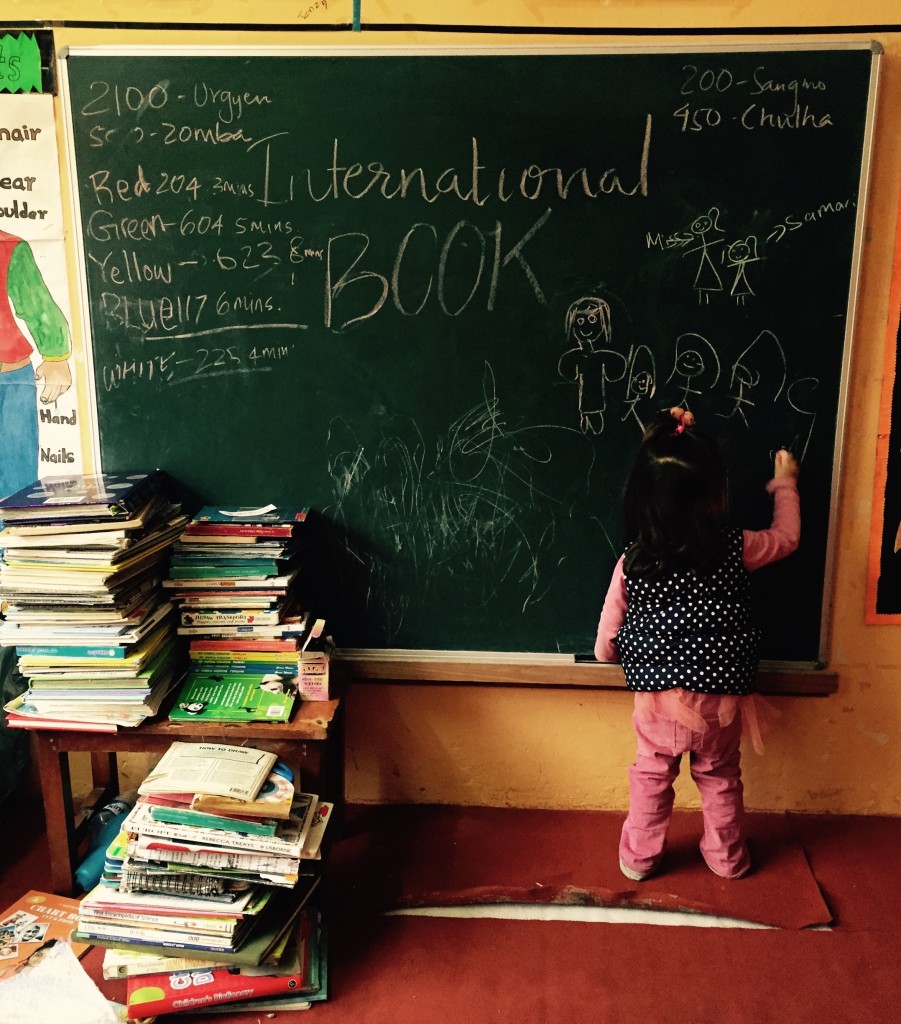
Reading rooms are most effective when language learning connects with the arts. A child might read a folktale, paint a scene from it, learn a song based on its theme and perform a short version for family members. These activities strengthen comprehension while giving children several ways to use new words. They also allow those who are less confident readers to participate meaningfully.
For young monks, artistic and musical activities can complement religious education and broader schooling. For other children, the room may offer a rare place to browse books, practise handwriting or receive help with homework. A varied programme supports different learning styles and helps children discover that literacy is linked to imagination, memory and social connection.
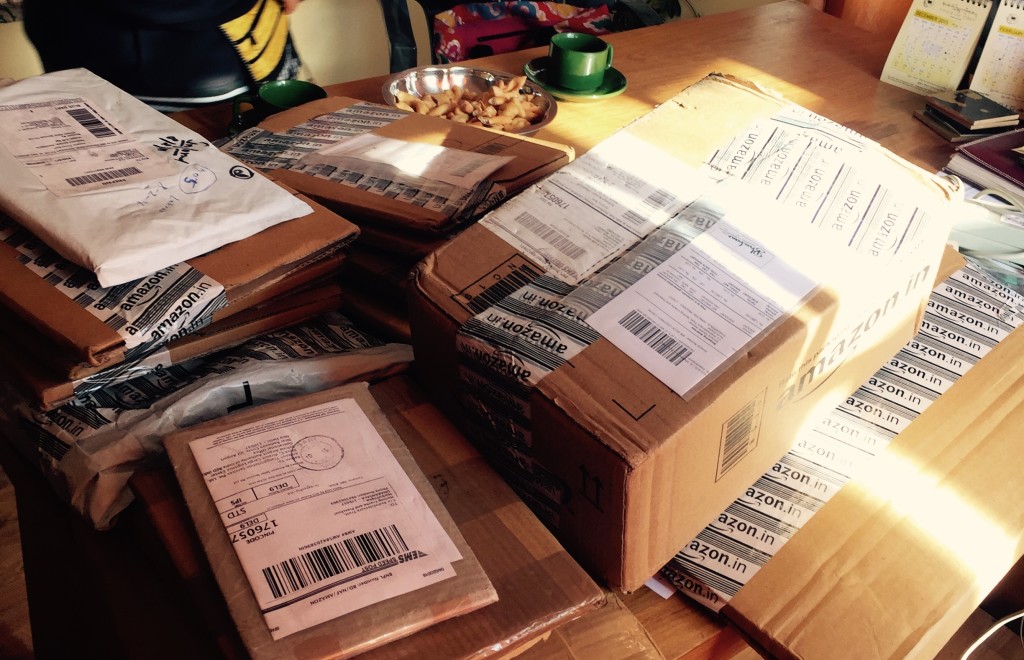
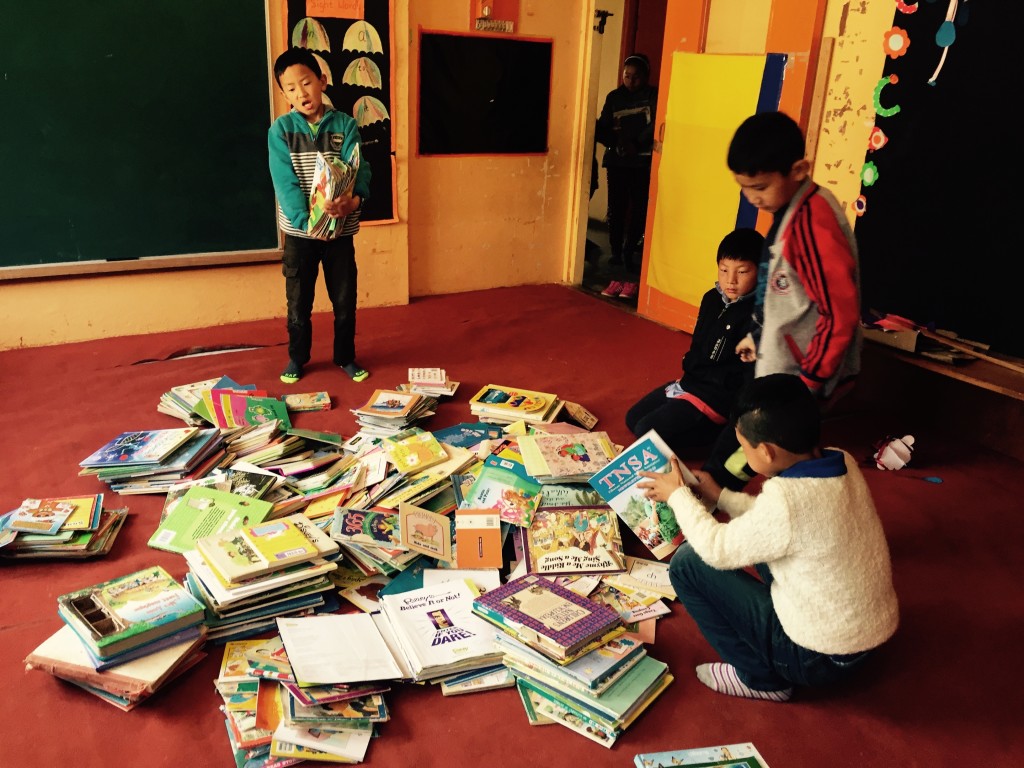
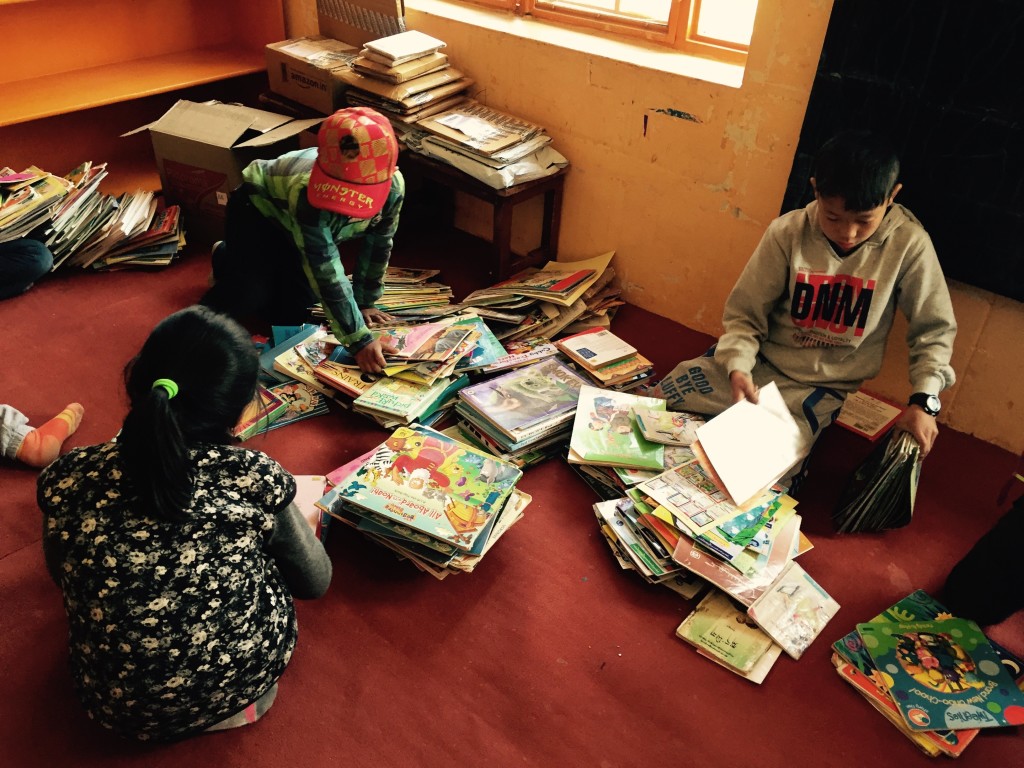
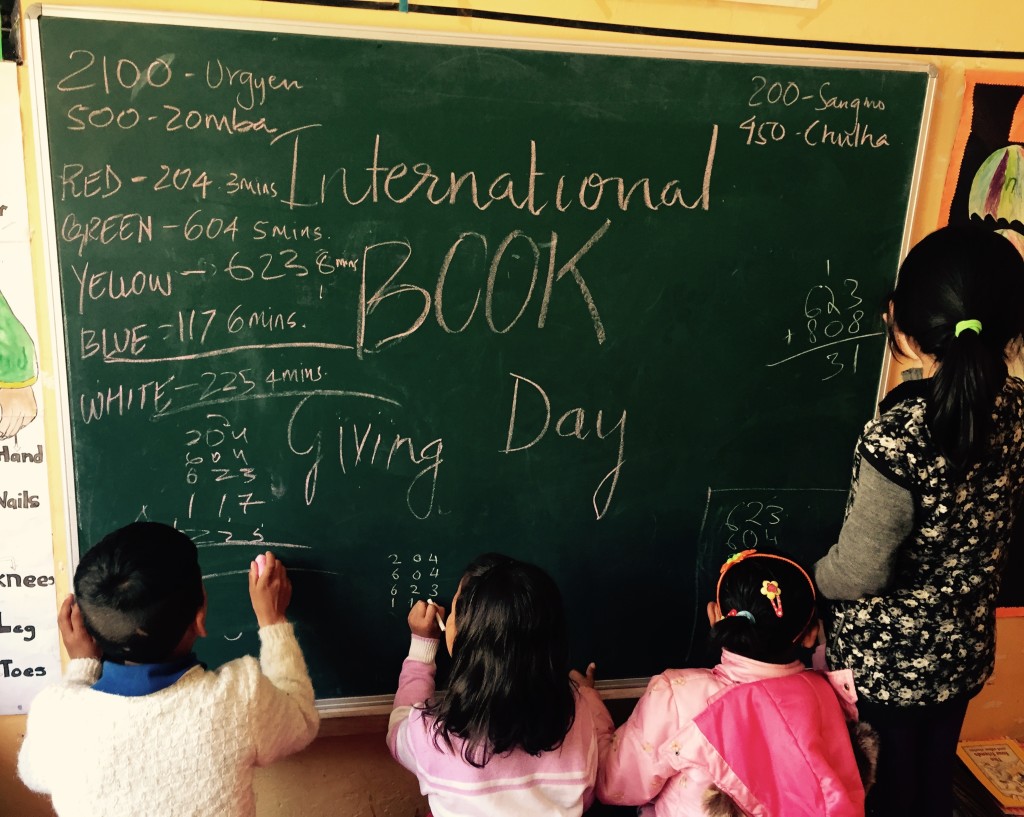
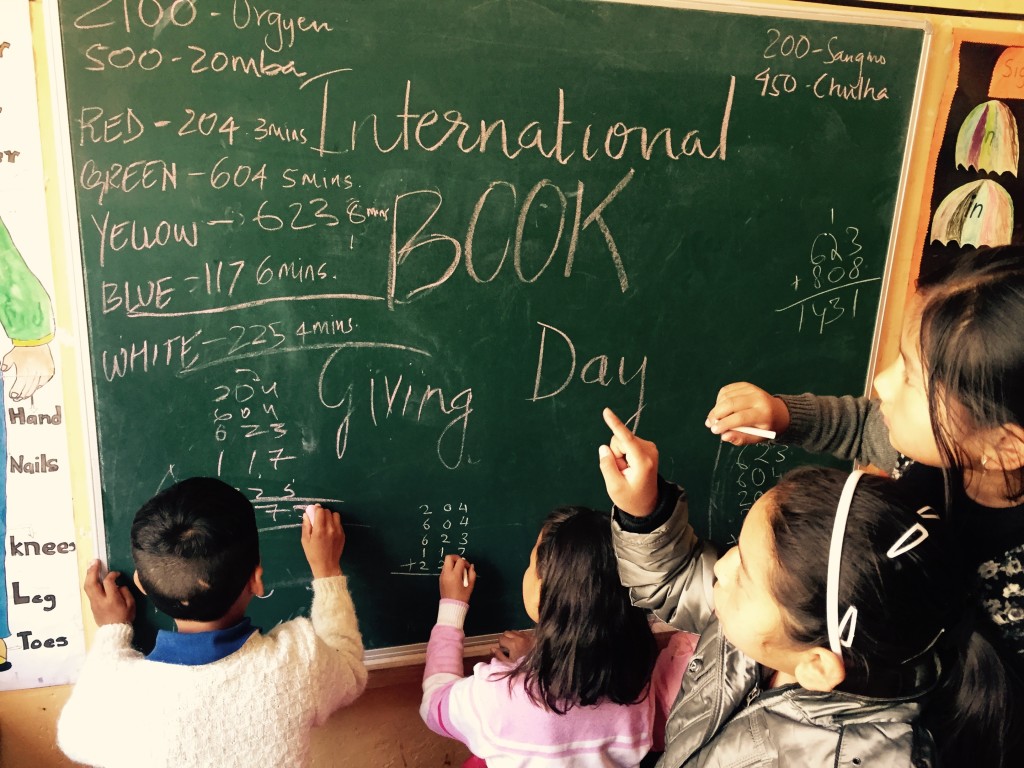
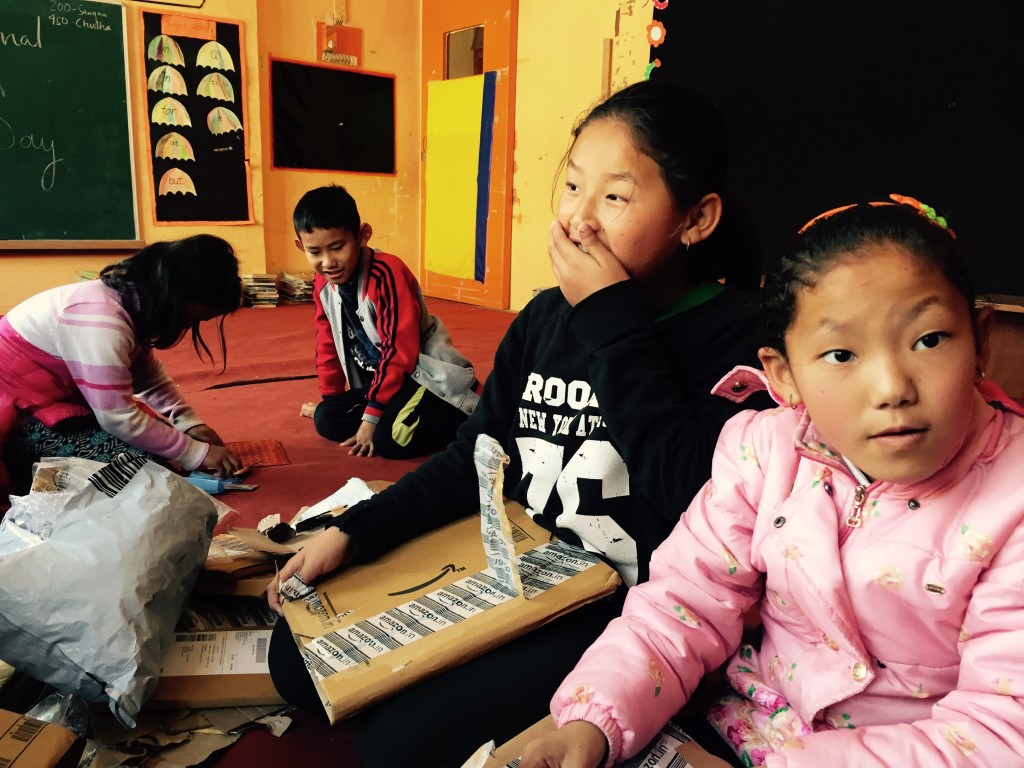
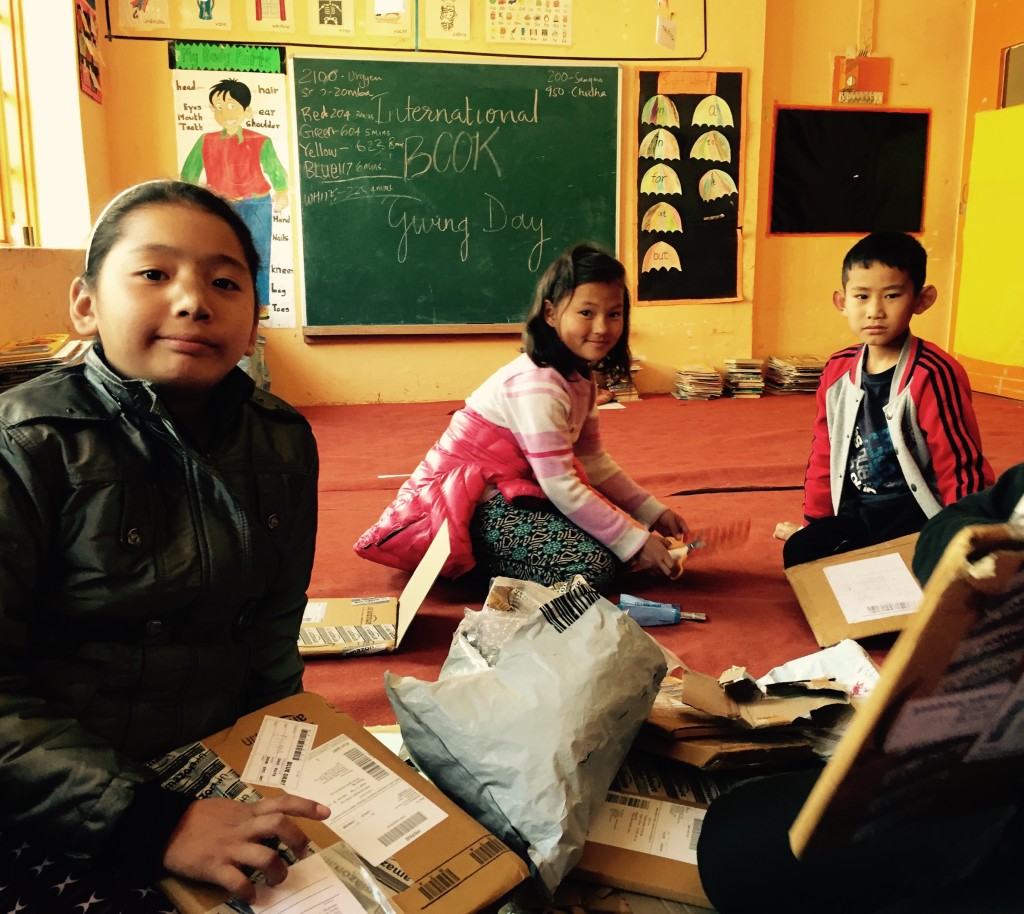
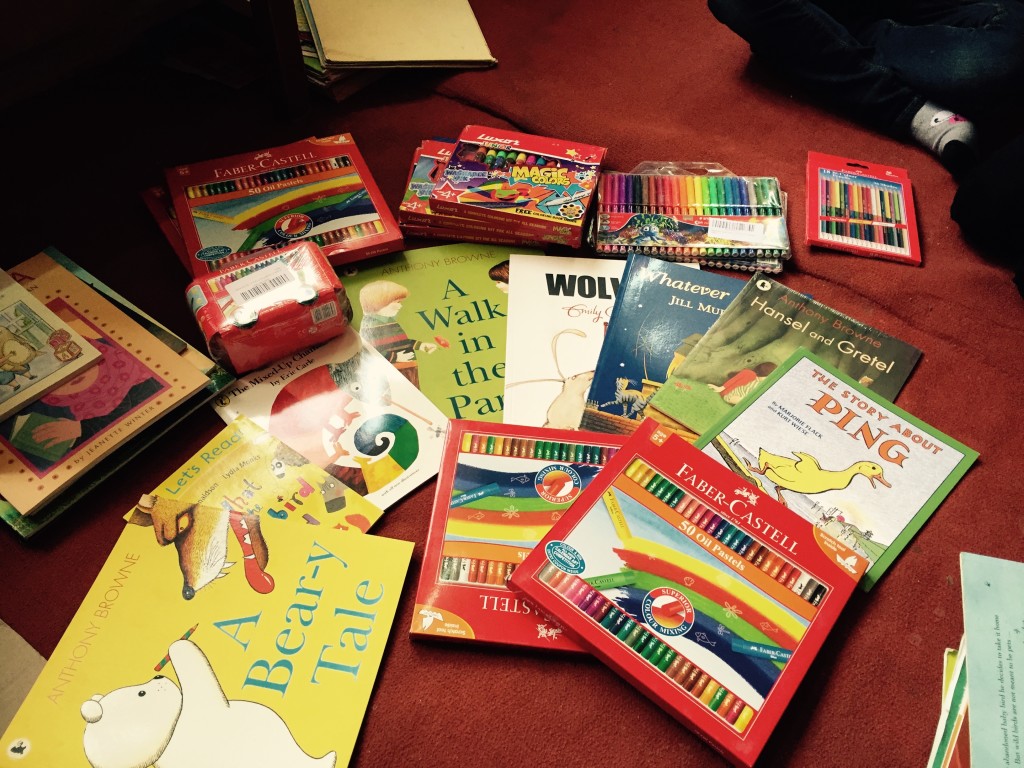
The reading room work supported by Avalokiteśvara Trust reflects this wider understanding of education. Book drives and learning activities are valuable because they build an environment around the book, not simply a shipment of books. The quality of the collection, the way it is used and the relationships formed around it all influence whether children keep returning.
Building Collections That Belong
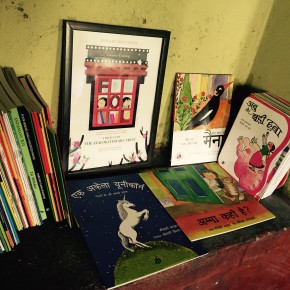
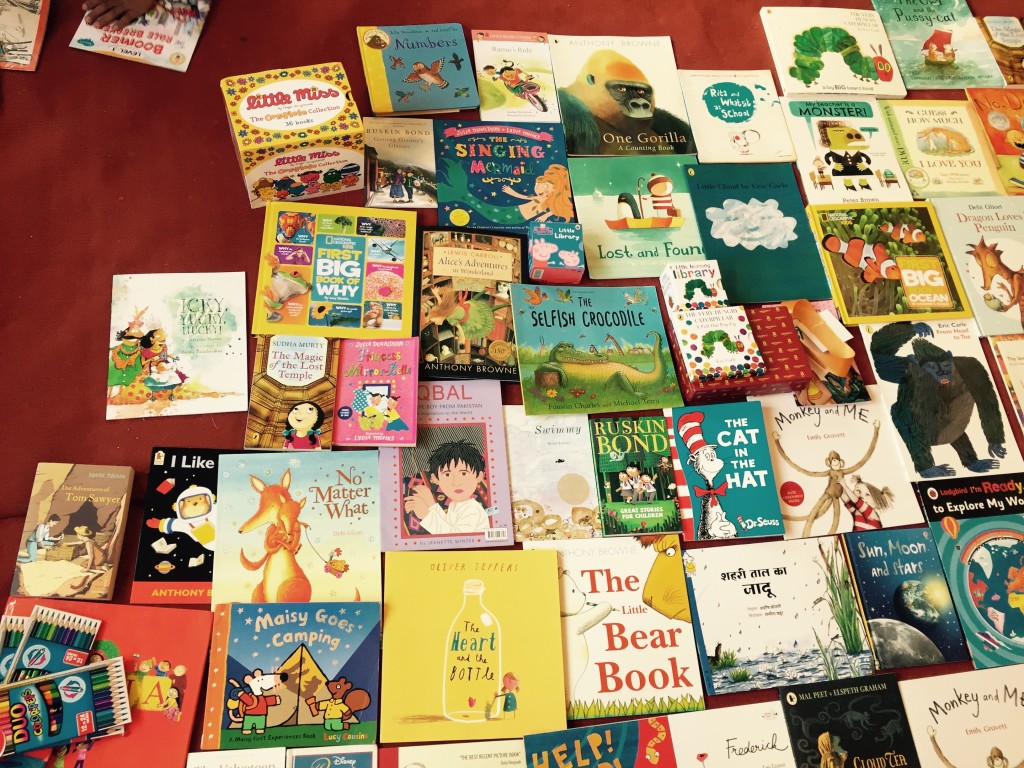
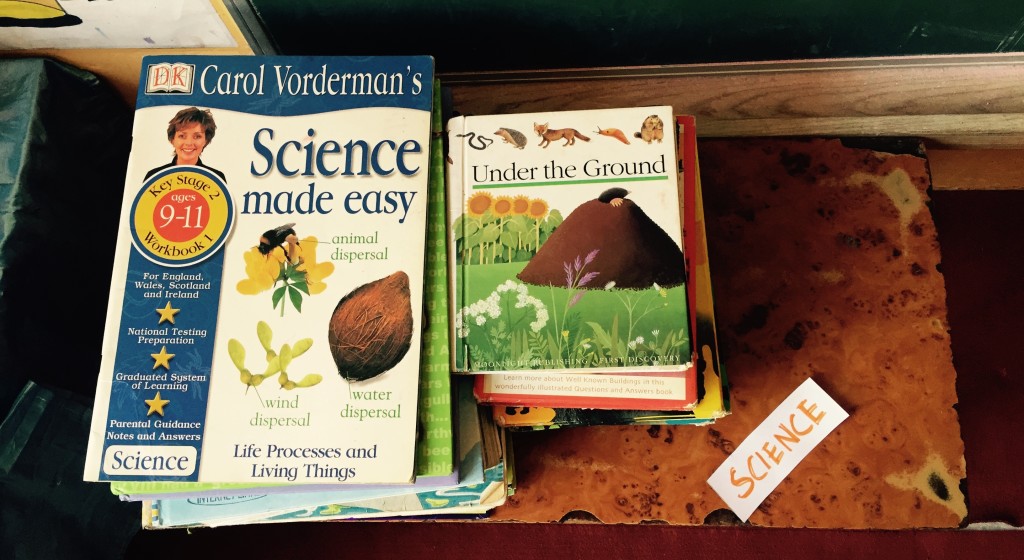
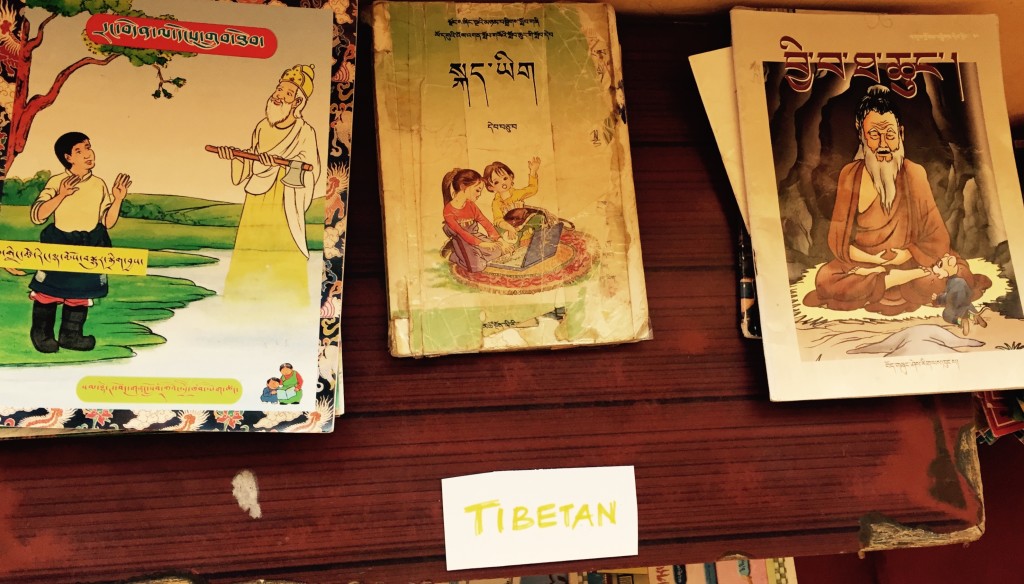
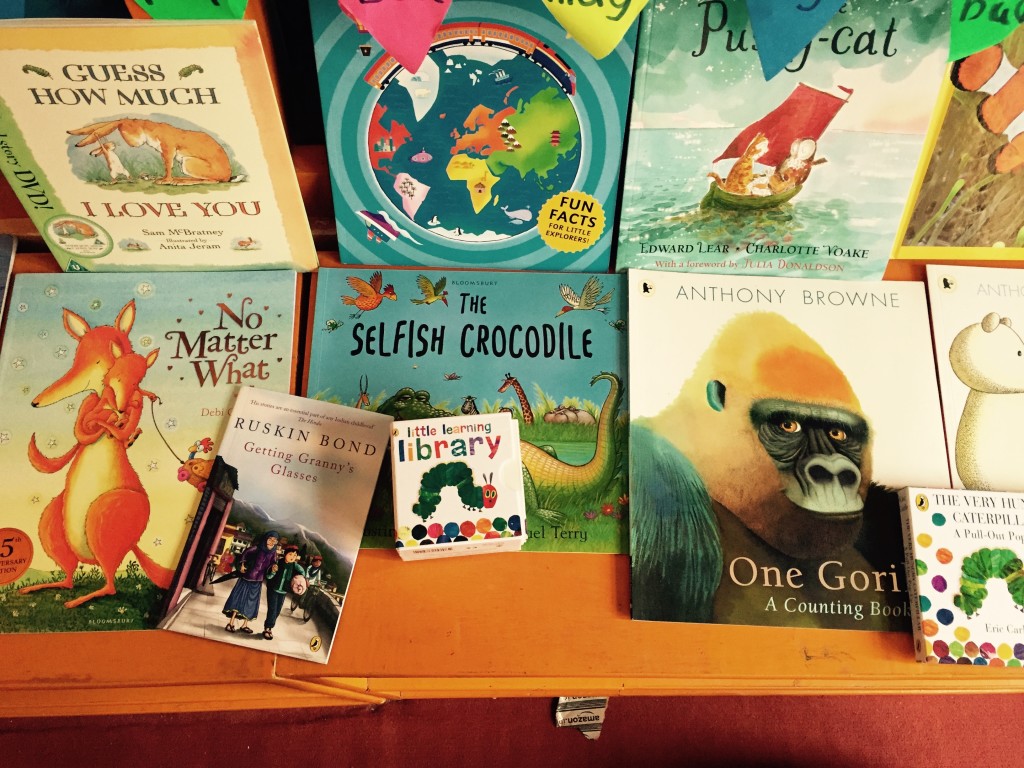
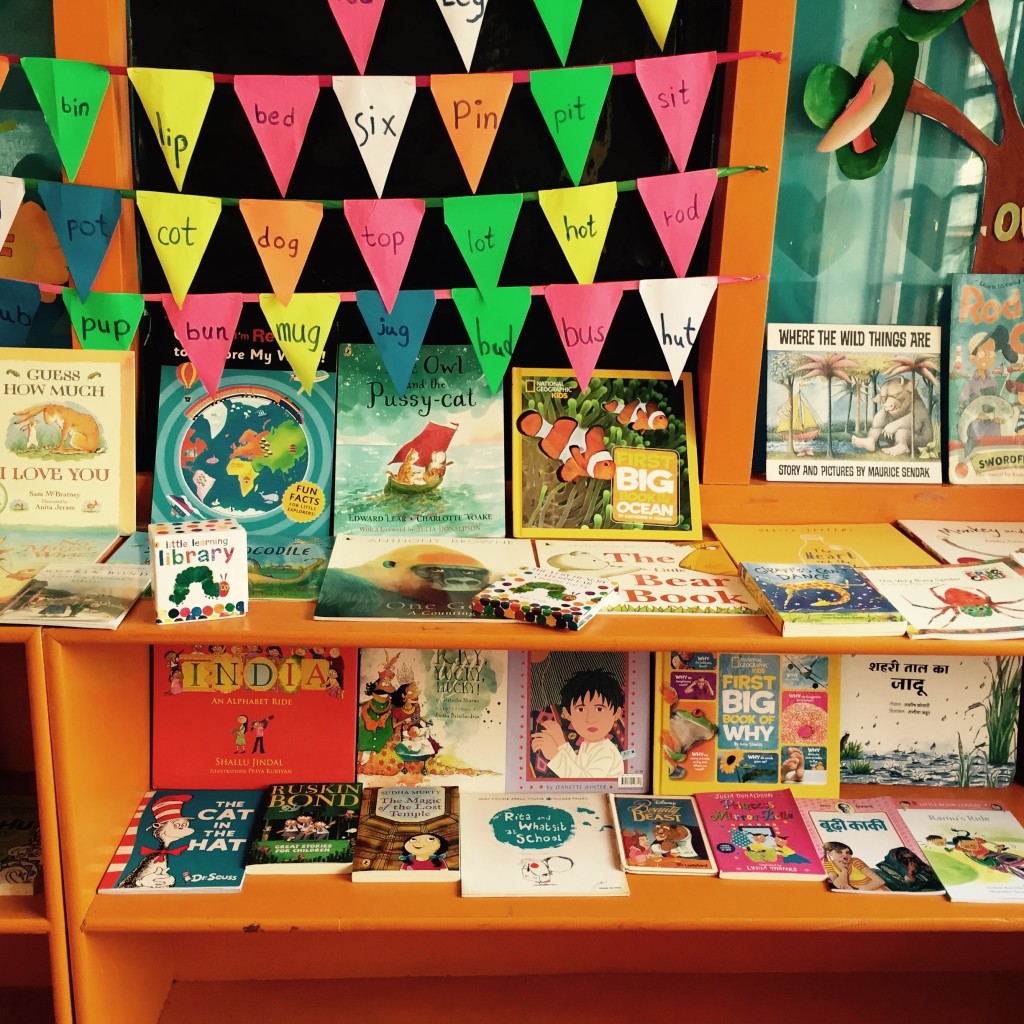
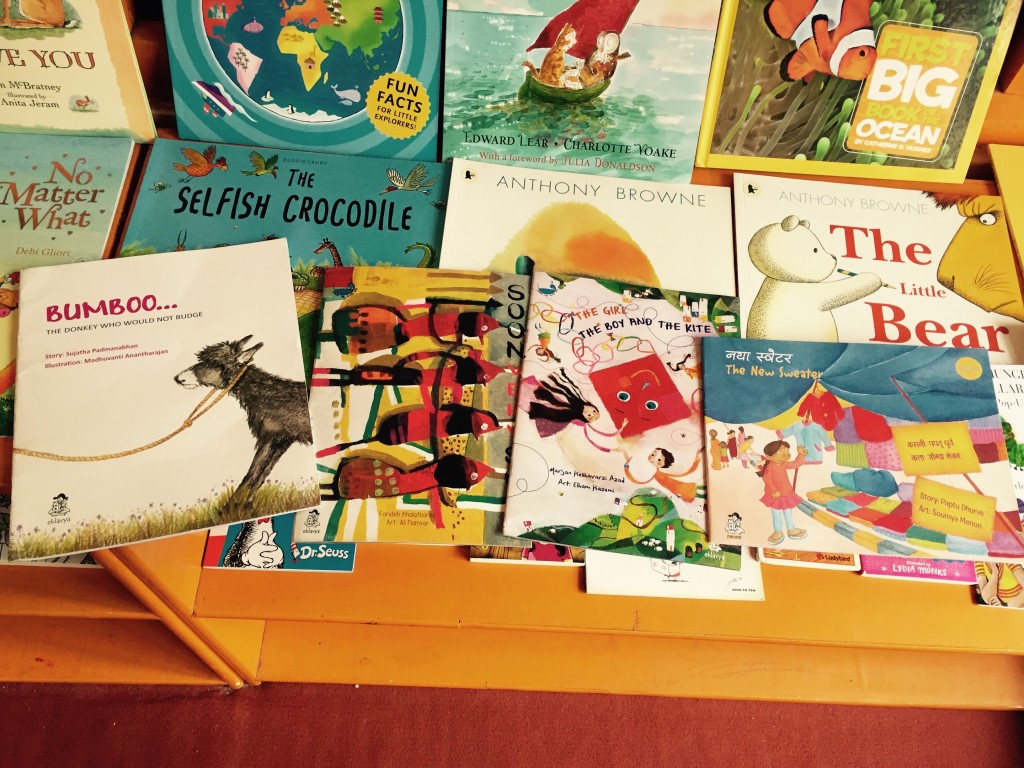
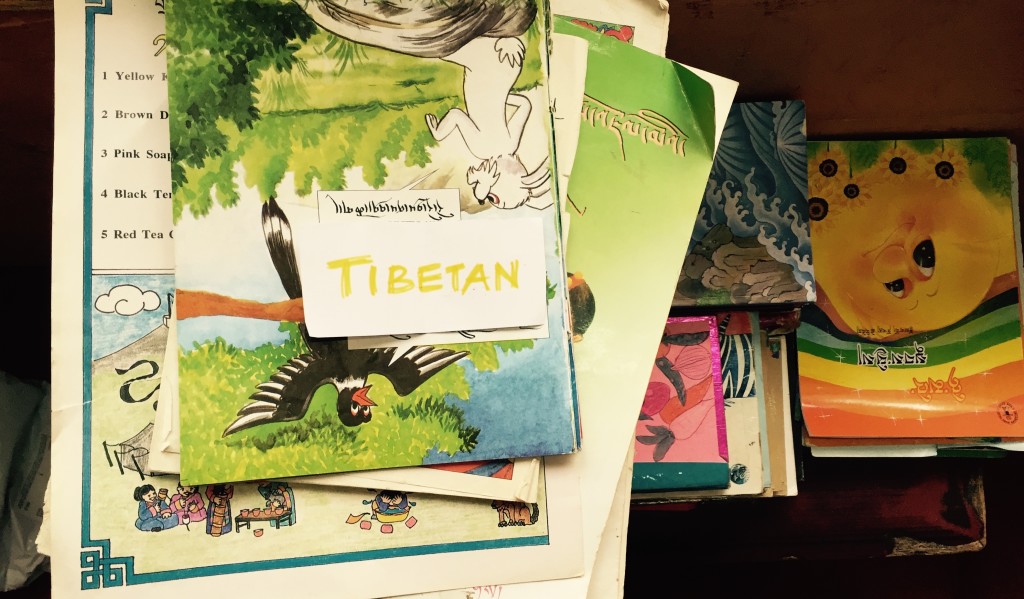
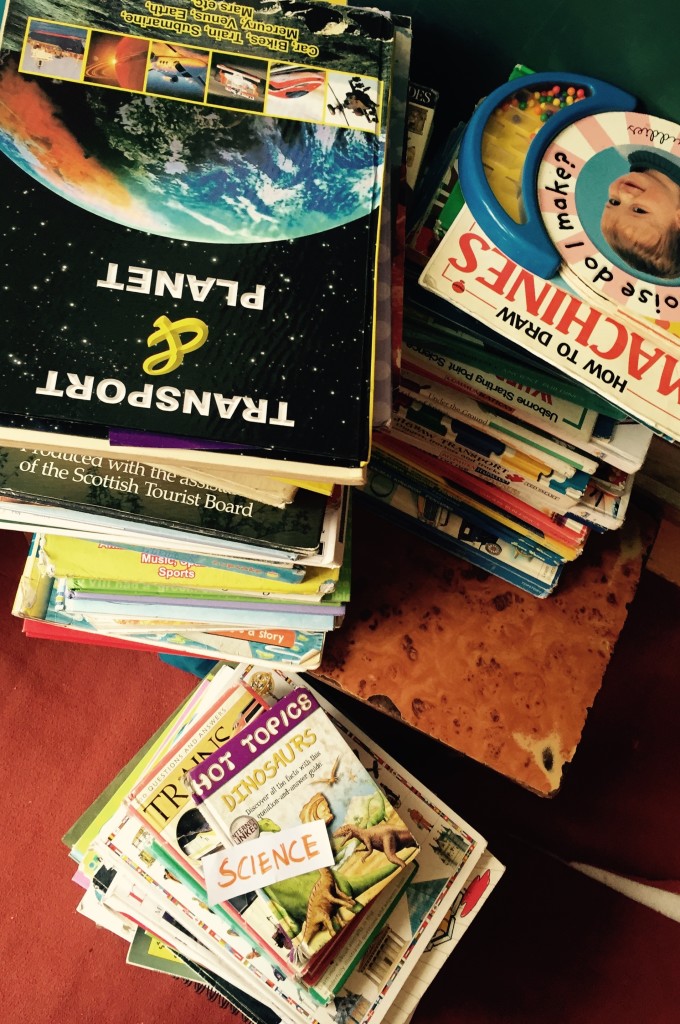
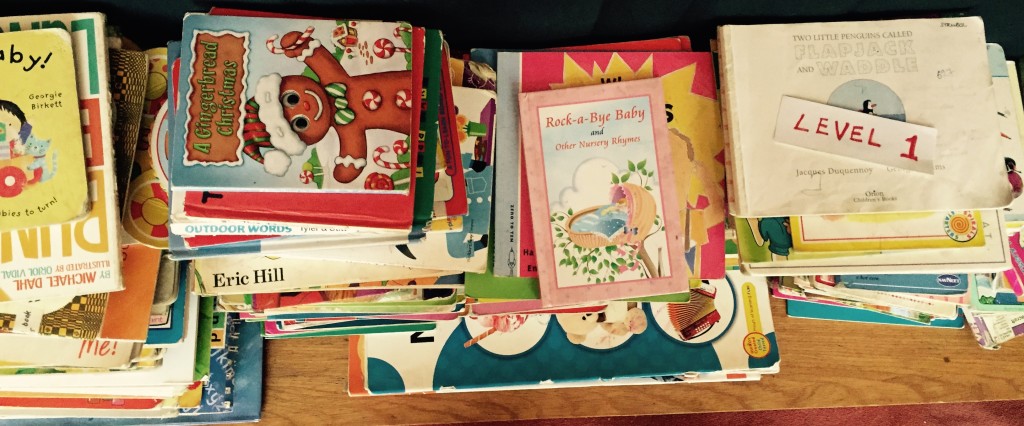
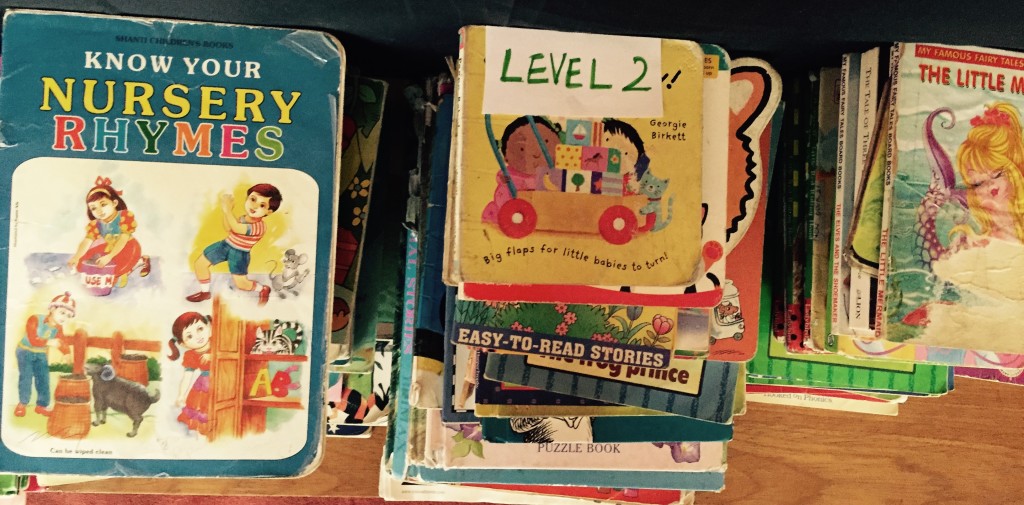
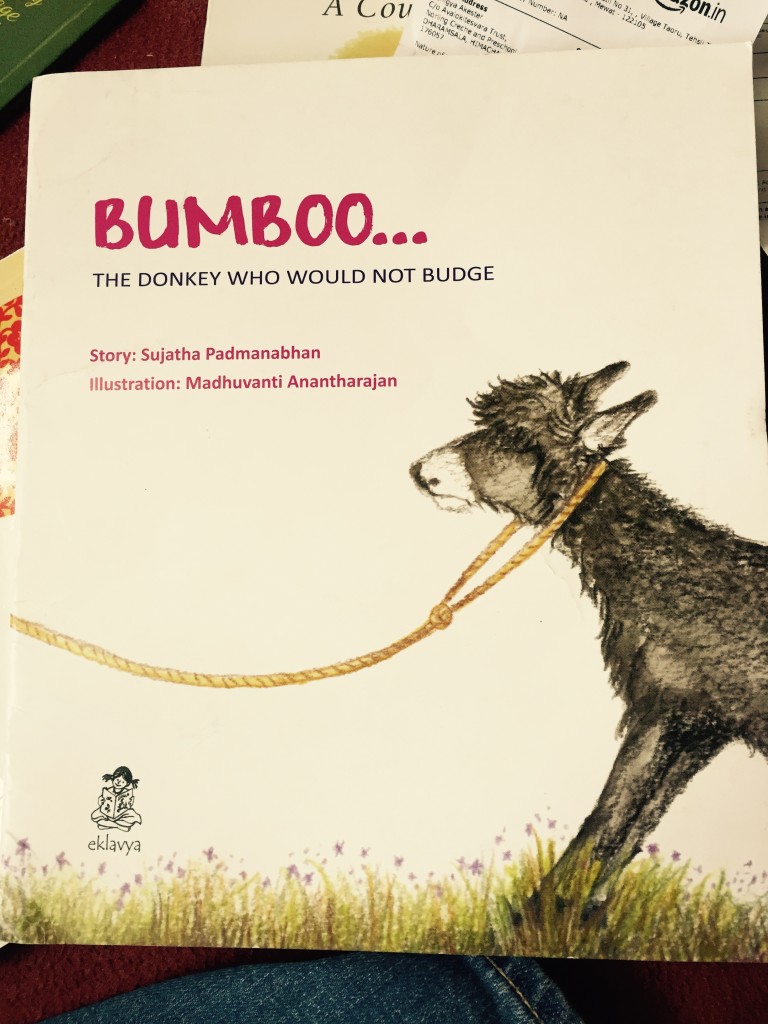
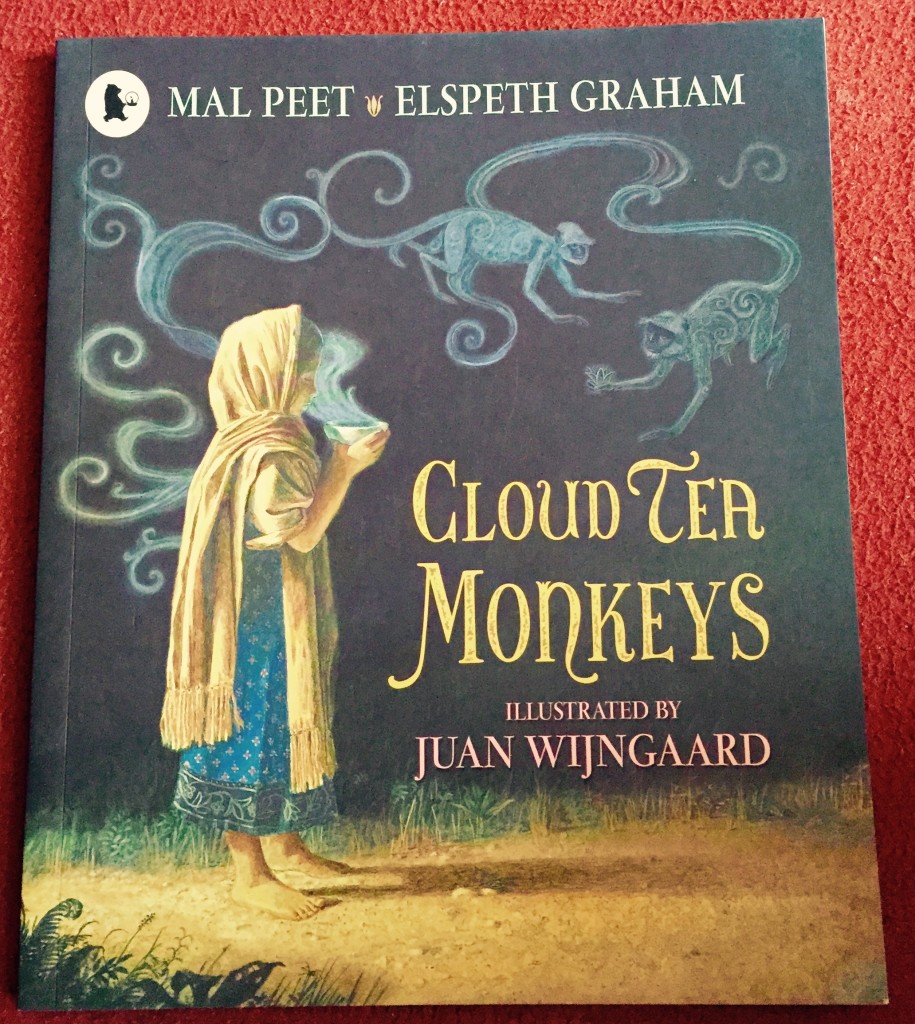
A useful collection needs more than donated titles. Books should match local ages, reading levels, scripts and cultural interests. Materials in Ladakhi and related Himalayan languages may be difficult to source, while books in Tibetan, Hindi or English can fill important educational gaps when selected thoughtfully. Local educators can identify which resources support classroom learning and which invite pleasure reading.
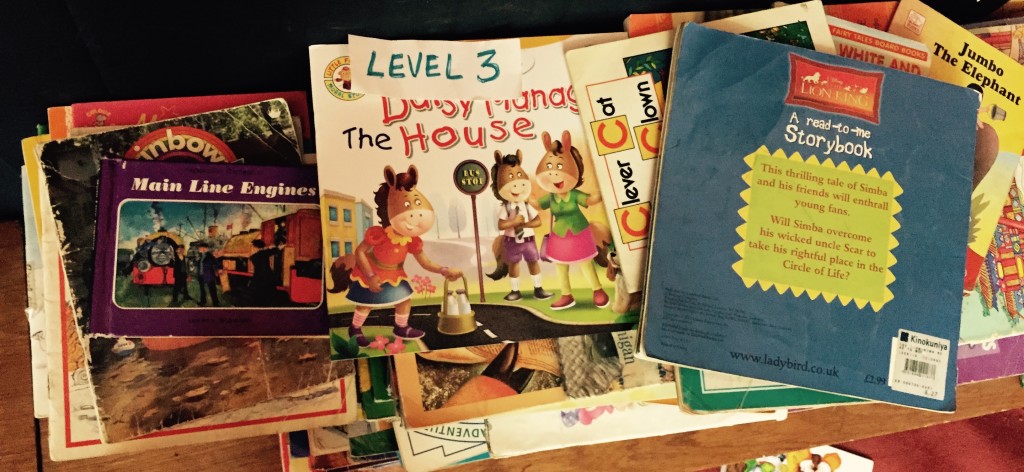
Cataloguing and care also matter in high-altitude communities. Dust, cold, transport delays and limited storage can damage books. Simple shelving, repair supplies and clear borrowing routines extend the life of a collection. Digital resources may help with scarce texts, but they cannot replace a physical space where children read together, especially where internet access or electricity is unreliable.
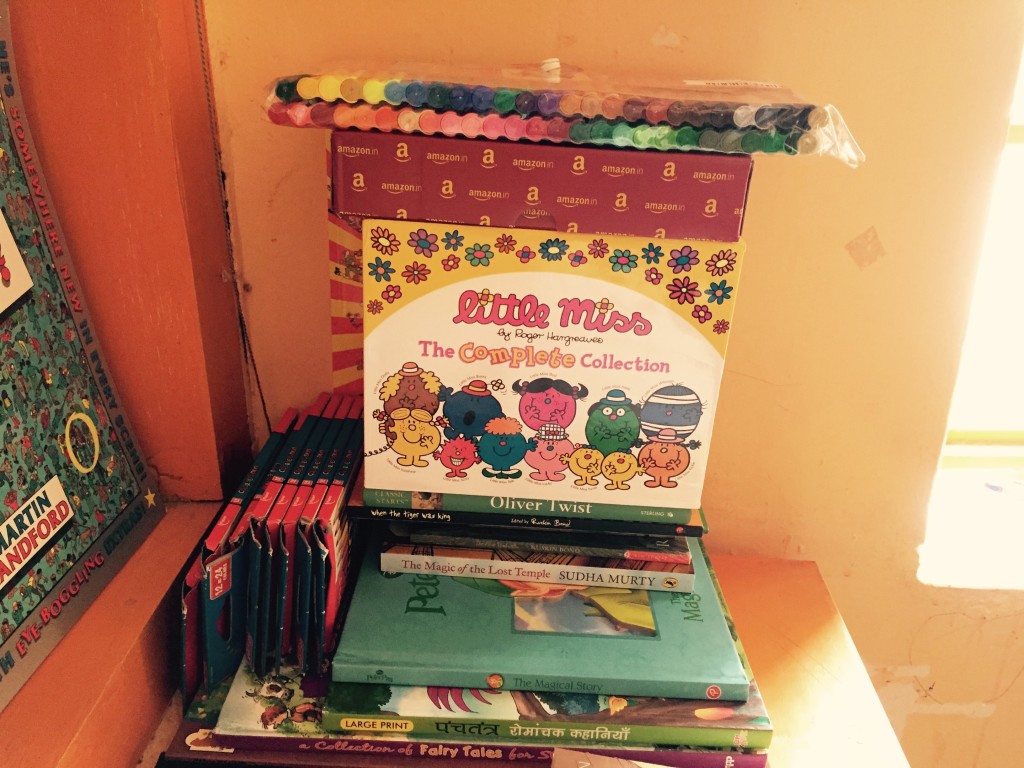
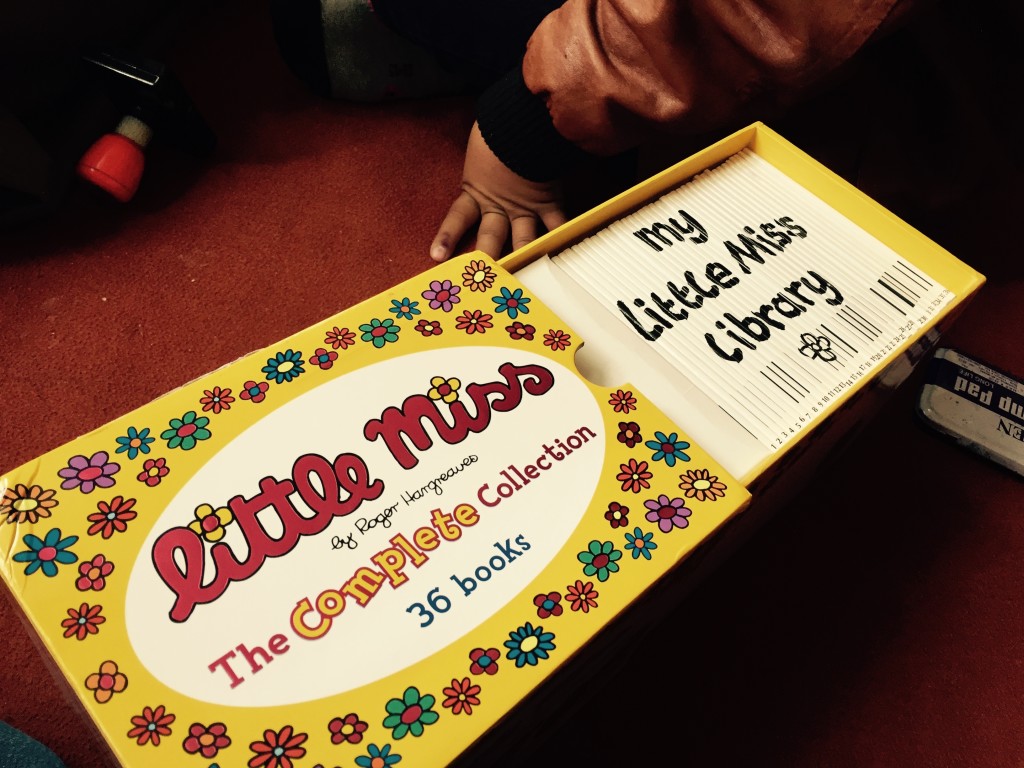
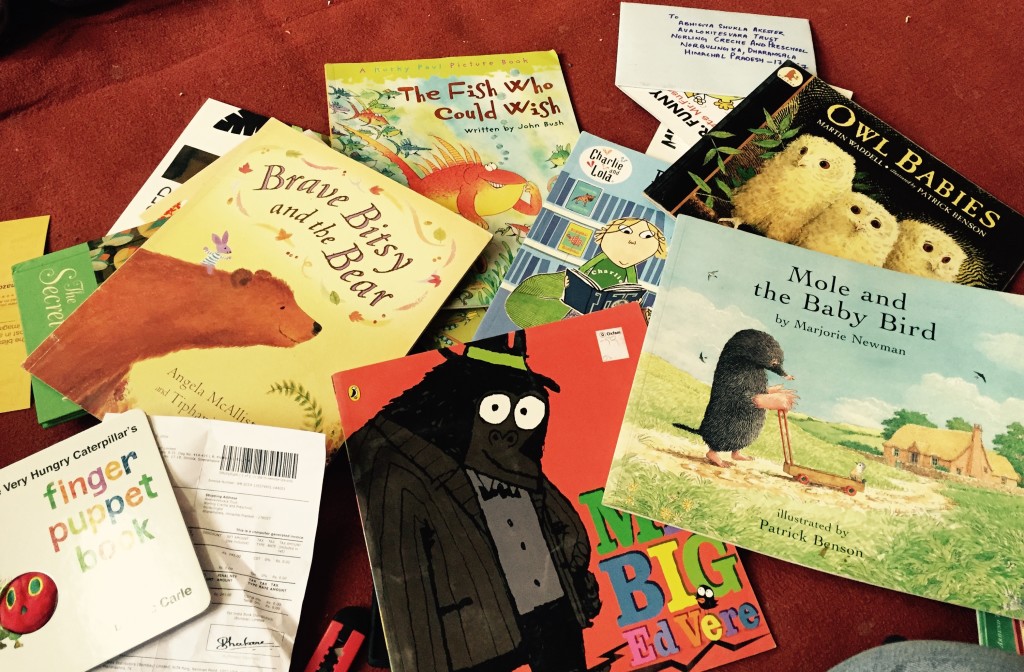
Australian supporters can contribute effectively by treating local partners as the people best placed to select materials. A Melbourne school, a Sydney Tibetan community group or a regional library may be able to run a focused book drive, but sending unsuitable books creates extra work. Practical support may include fundraising for locally chosen titles, storage, teacher resources and transport rather than relying only on surplus stock.
Practical Ways To Strengthen Language Access
Long-term success depends on consistent use. A reading room that opens only during a special visit may create excitement without establishing a habit. Regular hours, trusted staff and activities that fit local calendars give children a dependable reason to come back. Monitoring can remain simple: attendance, borrowing patterns, new local-language materials and examples of children’s work can show how the room is being used.
Partnerships can extend the reach of a small project. Schools may recommend age-appropriate resources, monasteries may support literacy sessions, and families may contribute stories or songs. Australian community groups can help by sharing updates in plain language and explaining where funds go. Terms such as “give it a go” and “community hub” may sound informal, yet they capture the welcoming spirit that makes a reading room approachable.
For supporters assessing a cross-border project, Australian charitable expectations also matter. Donors commonly check an organisation’s governance, reporting and whether a contribution is tax-deductible through the appropriate Australian arrangements. Clear communication should distinguish between a general donation, a book drive and support for a specific activity, so that enthusiasm is matched by accountability.
Recommendations For Meaningful Support
- Fund locally selected books in Himalayan languages alongside carefully chosen multilingual resources.
- Support regular opening hours, trained facilitators and activities that encourage children to return.
- Invite elders, teachers and monks to guide storytelling, vocabulary and cultural content.
- Pair reading with art, music, drama and handwriting practice to reach different learners.
- Ask Australian schools, libraries and community groups to run focused, quality-controlled book drives.
- Share concise updates on attendance, new resources and children’s participation rather than relying only on photographs.
- Check governance and donation arrangements before promoting a project to Australian supporters.
A reading room cannot reverse language decline by itself, but it can change the daily choices surrounding a language. When children see it in books, hear it in stories, use it in creative work and share it with friends, the language remains part of ordinary life. That continuity is the foundation of preservation: a language survives when people have reasons to speak, read, write and enjoy it.
For an Australian supporter, the most useful first step is to fund or organise a small, locally guided collection of age-appropriate books and record which children’s activities will bring those books into regular use.