Grandparents, Oral Tradition, And Young Readers
A child’s first experience of literature does not always begin with a printed book. It may start beside a cooking fire, during a walk through a mountain village, or in the quiet hours before sleep, when a grandparent recalls a local legend, family memory, animal tale, or Buddhist teaching. These spoken narratives give children a sense of language, belonging, and curiosity long before they can read independently.
Grandparents hold a special place in this process because they connect generations. Their stories often carry details that do not appear in schoolbooks: the name of an old path, the meaning of a festival, the habits of a rare bird, or the hardships faced by earlier families. When children listen closely, they gain cultural knowledge while developing the attention and imagination that support literacy.
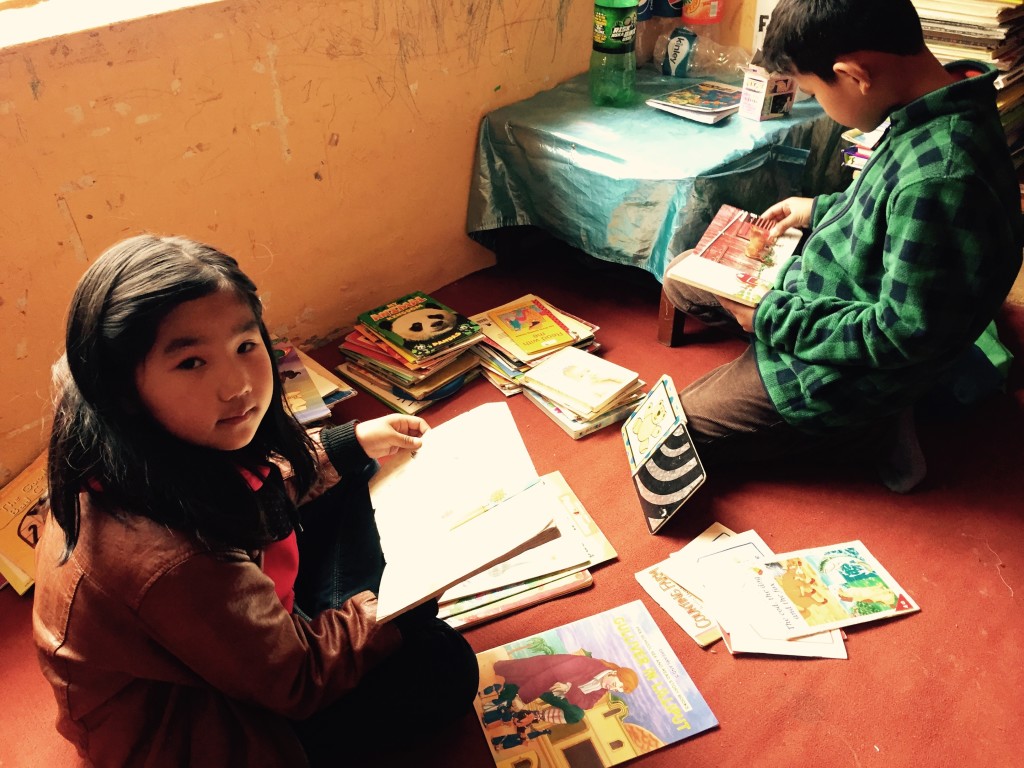
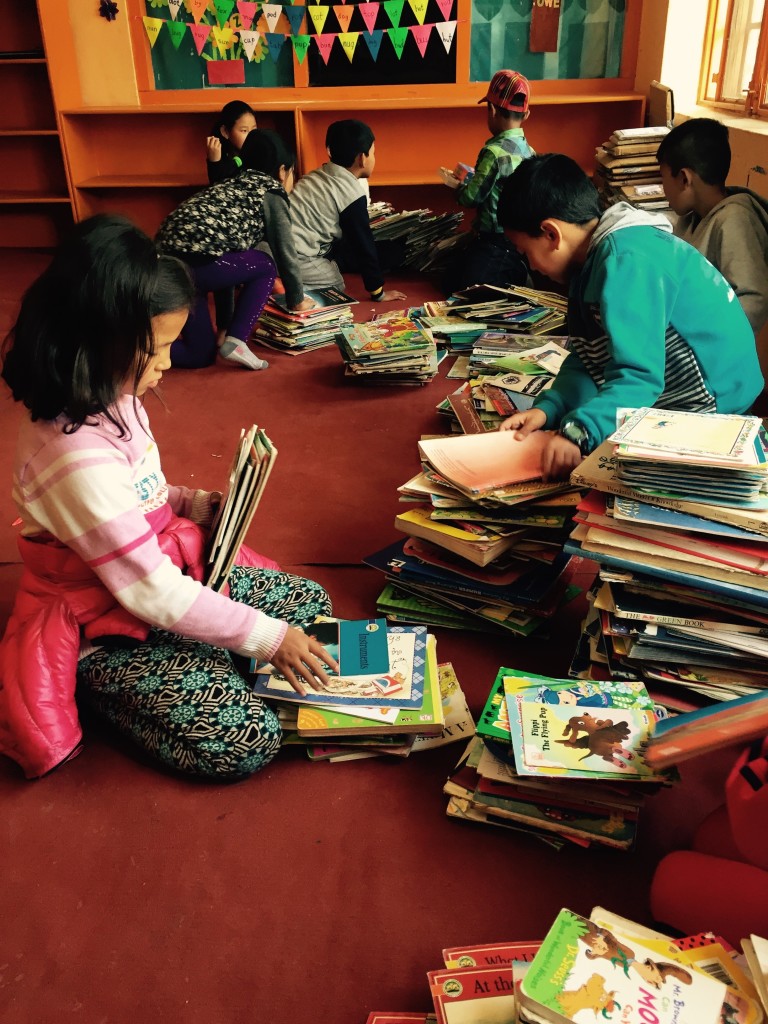
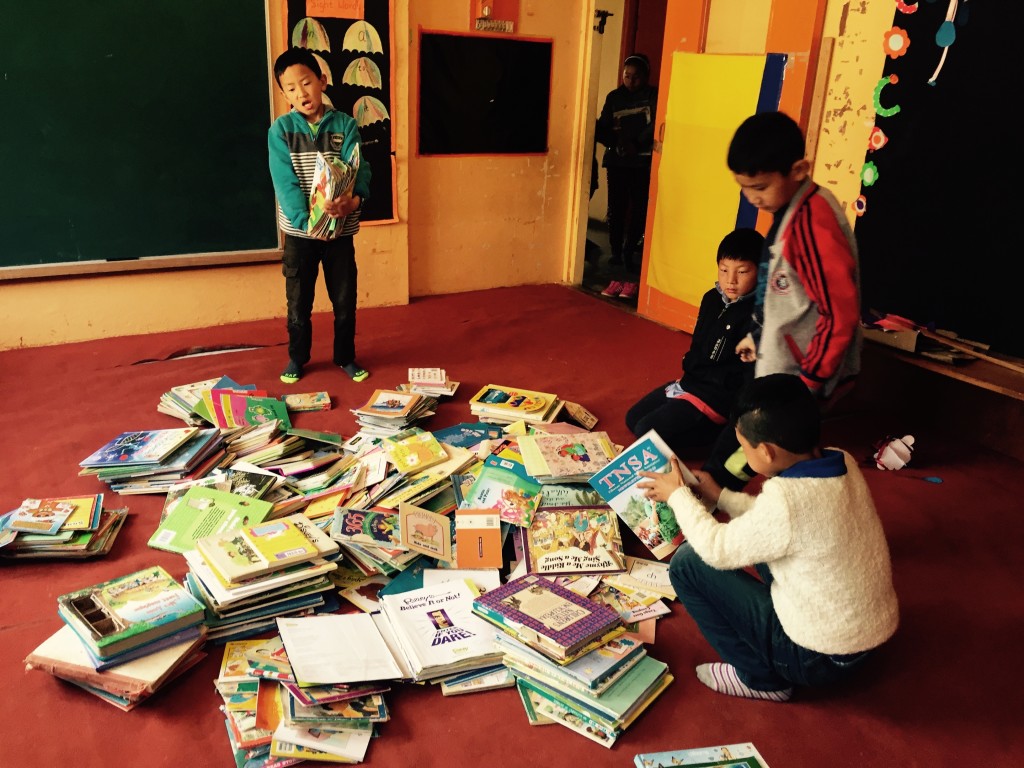
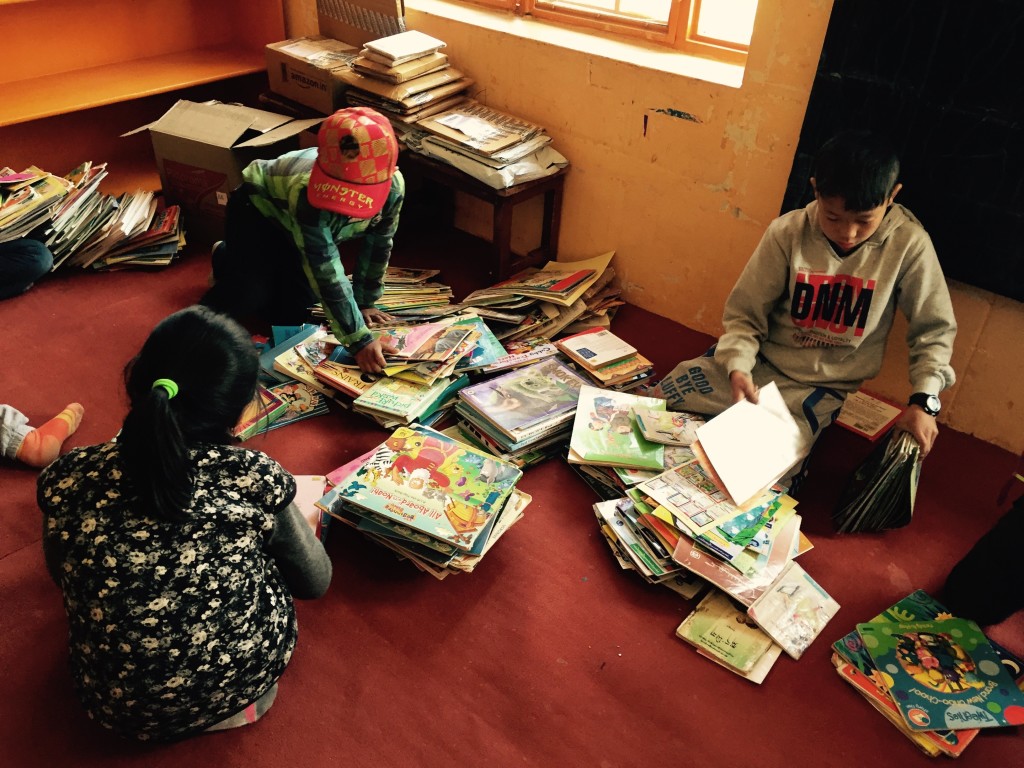
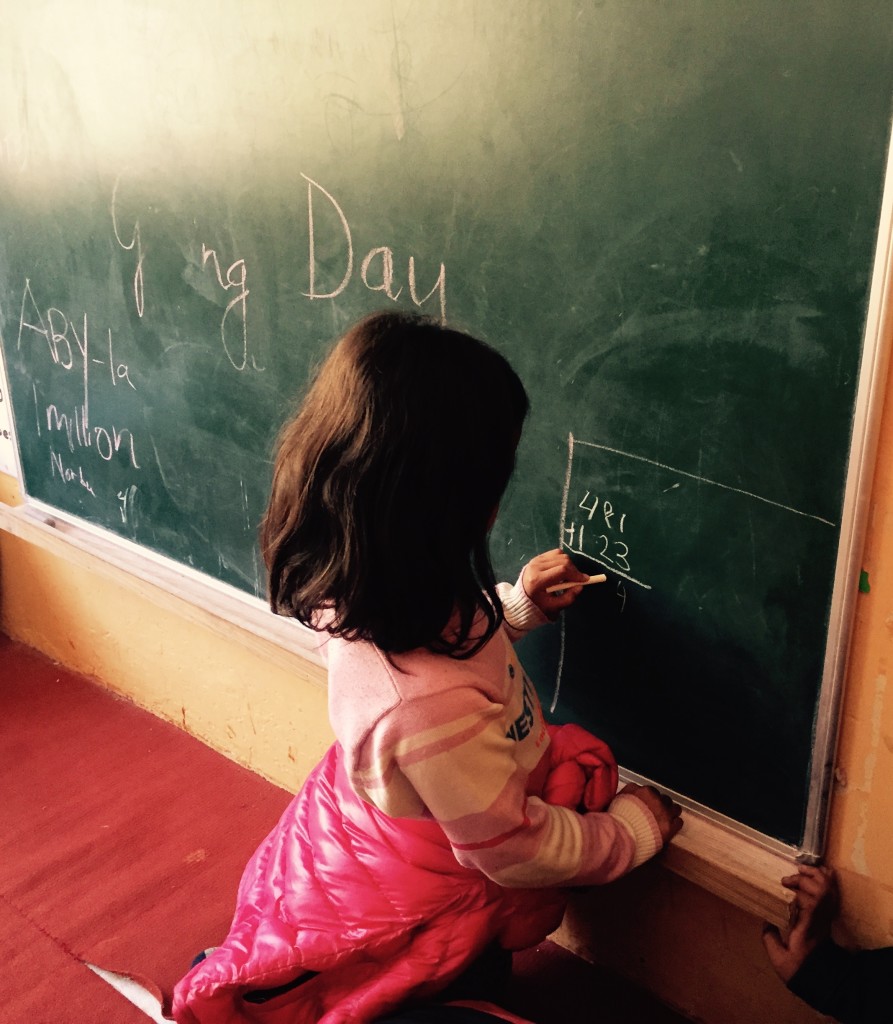
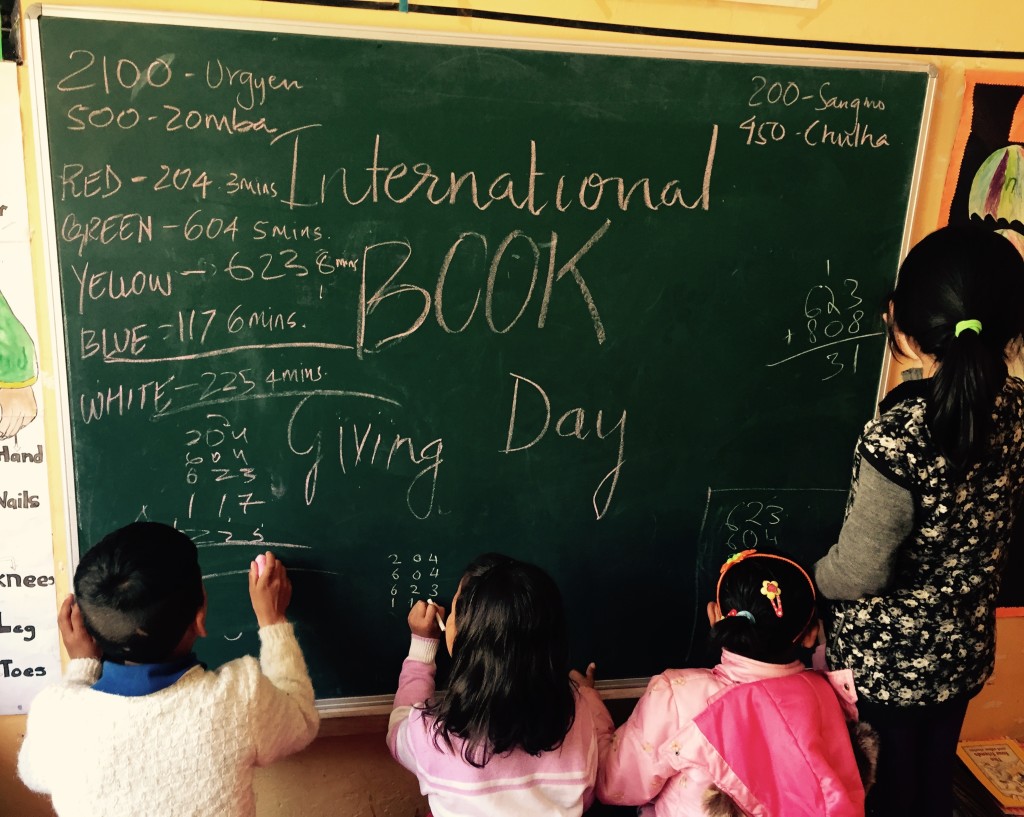
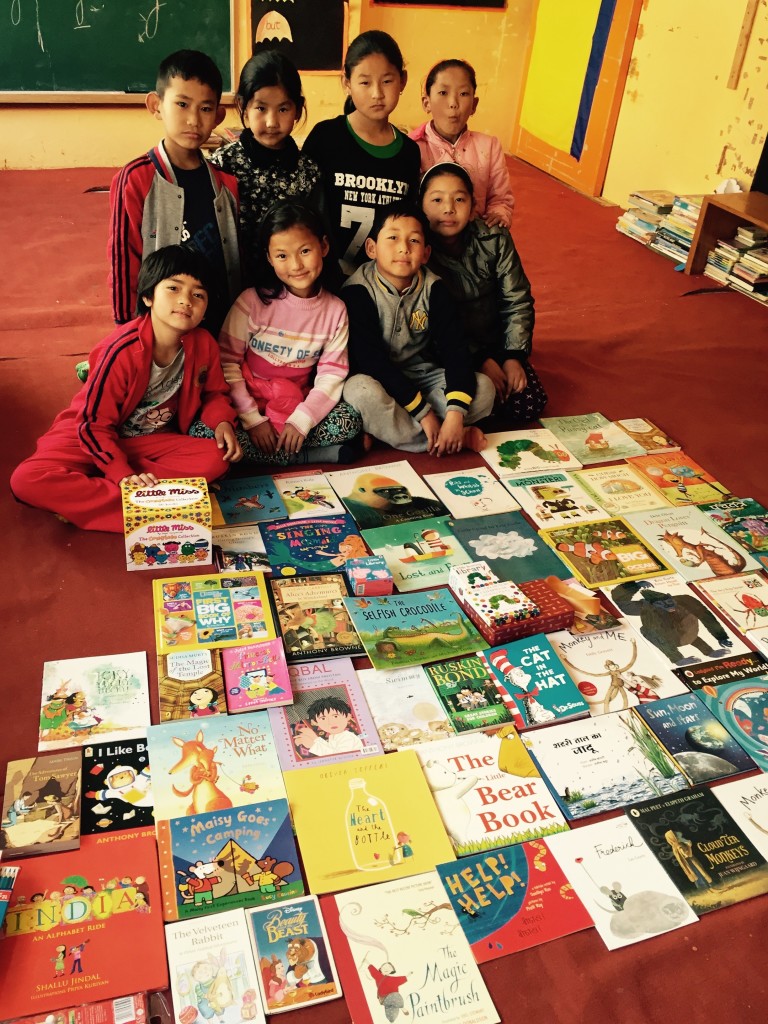
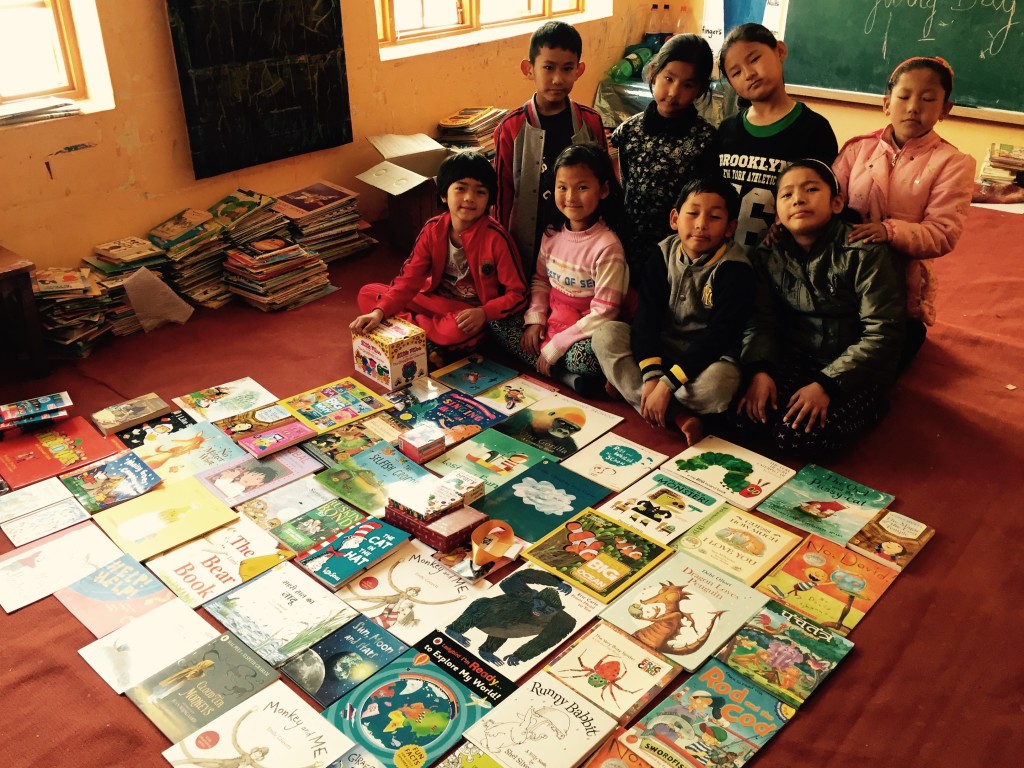
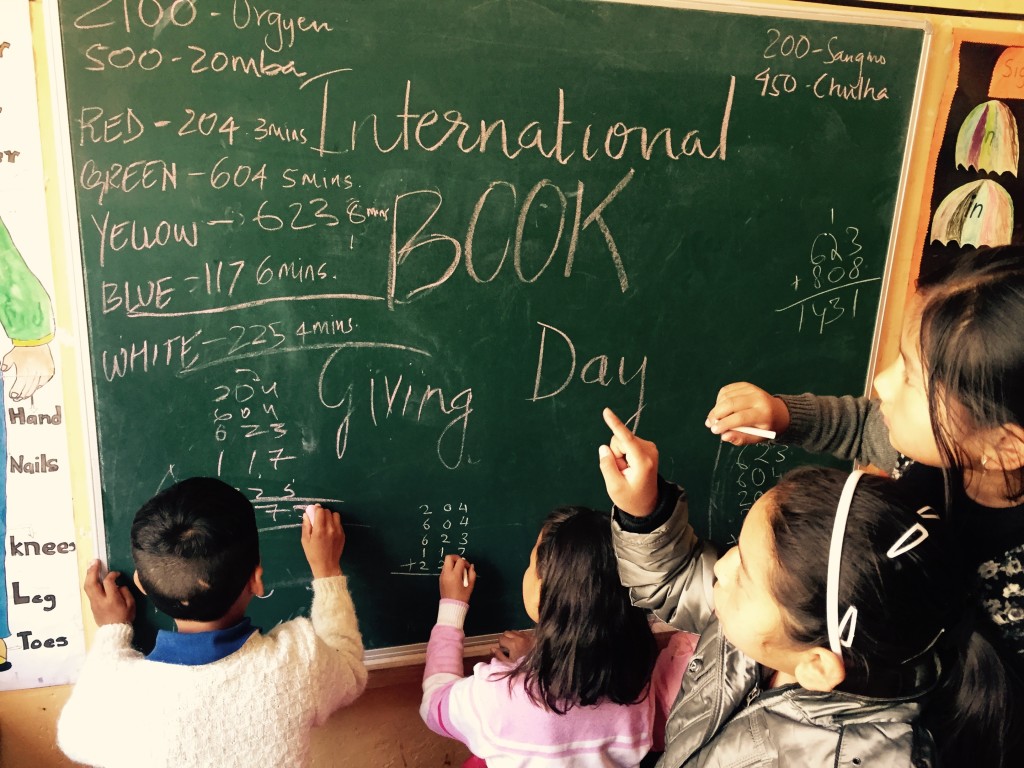
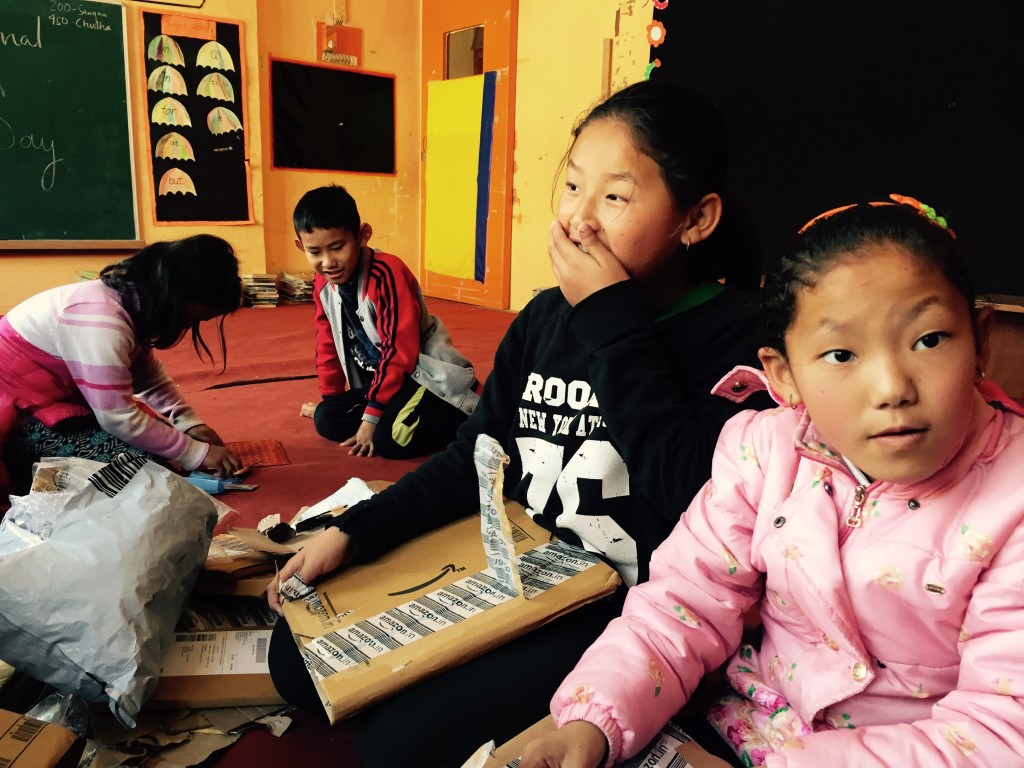
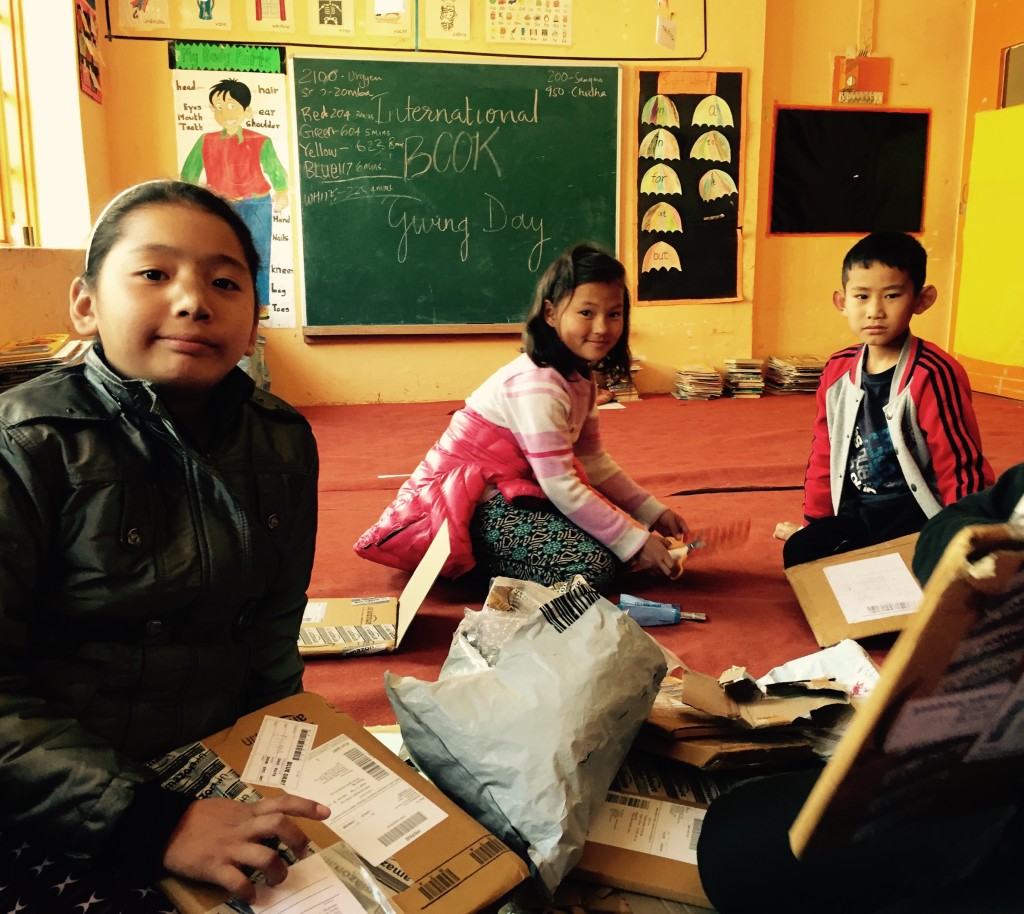
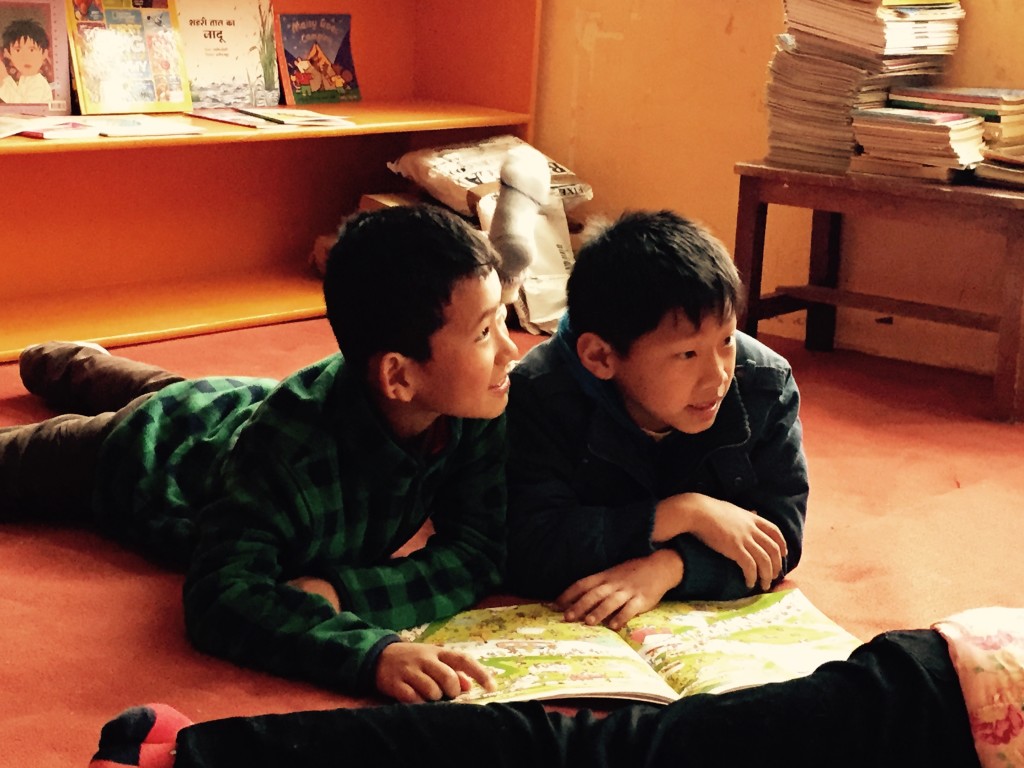
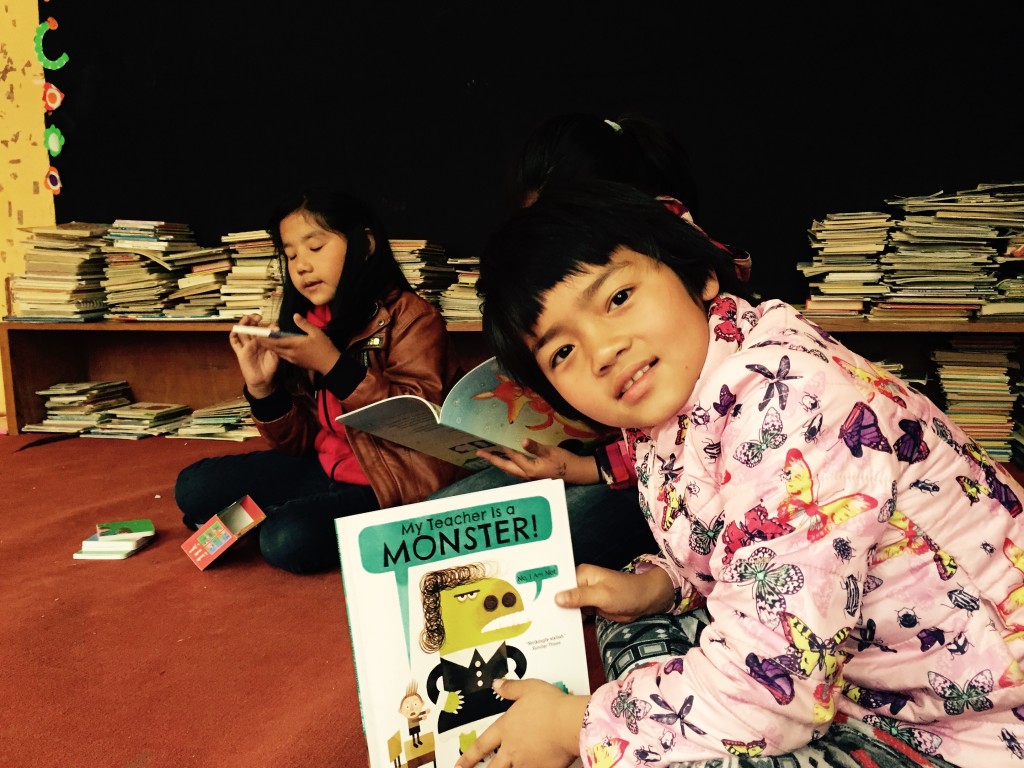
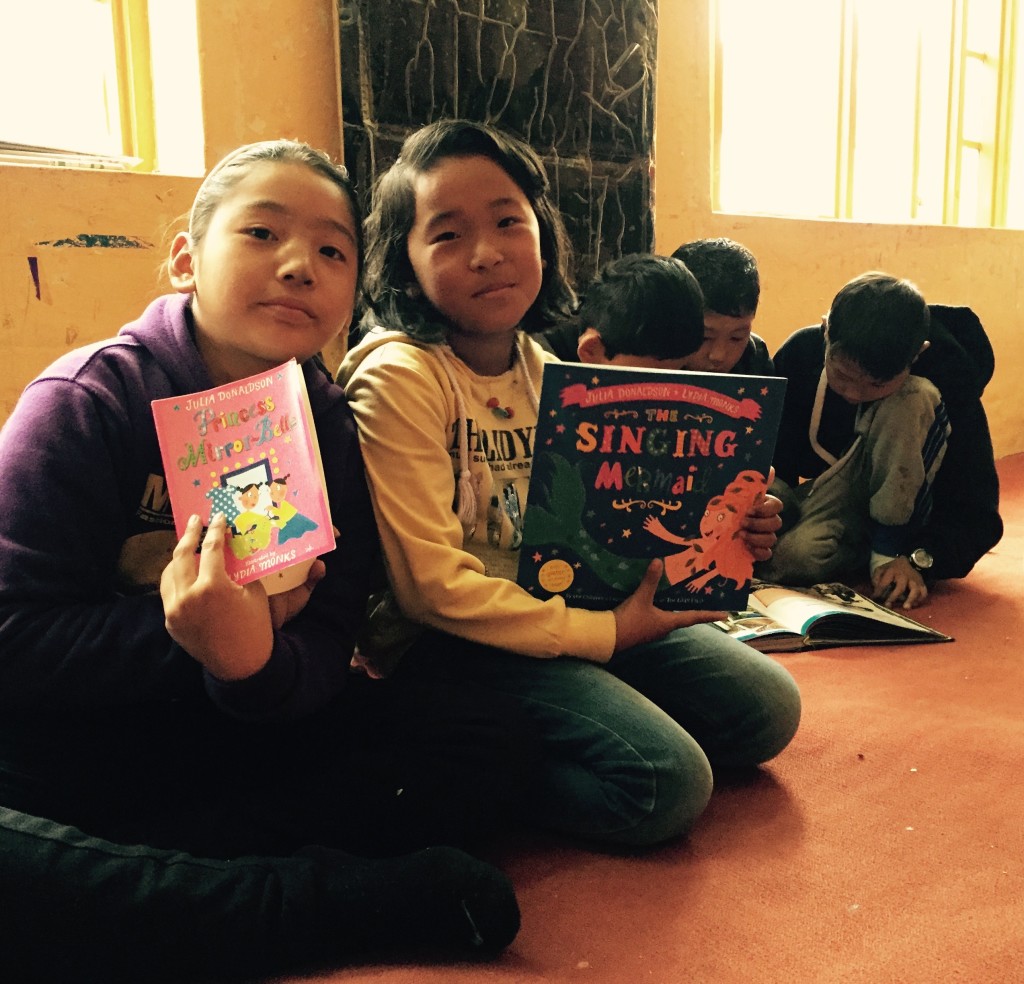
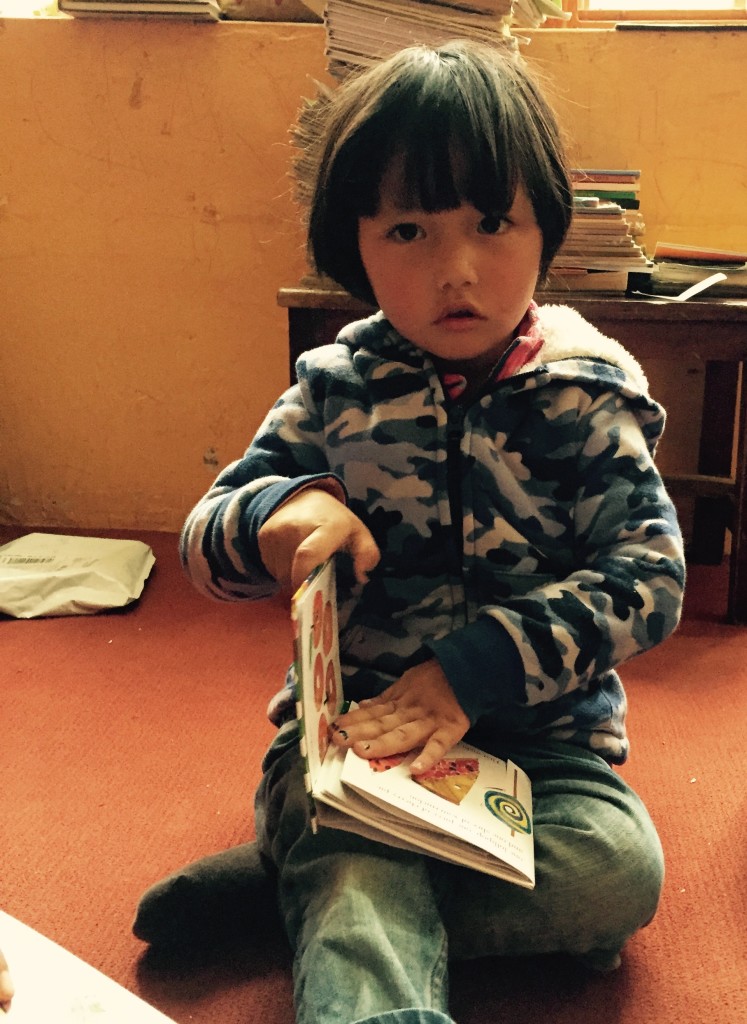
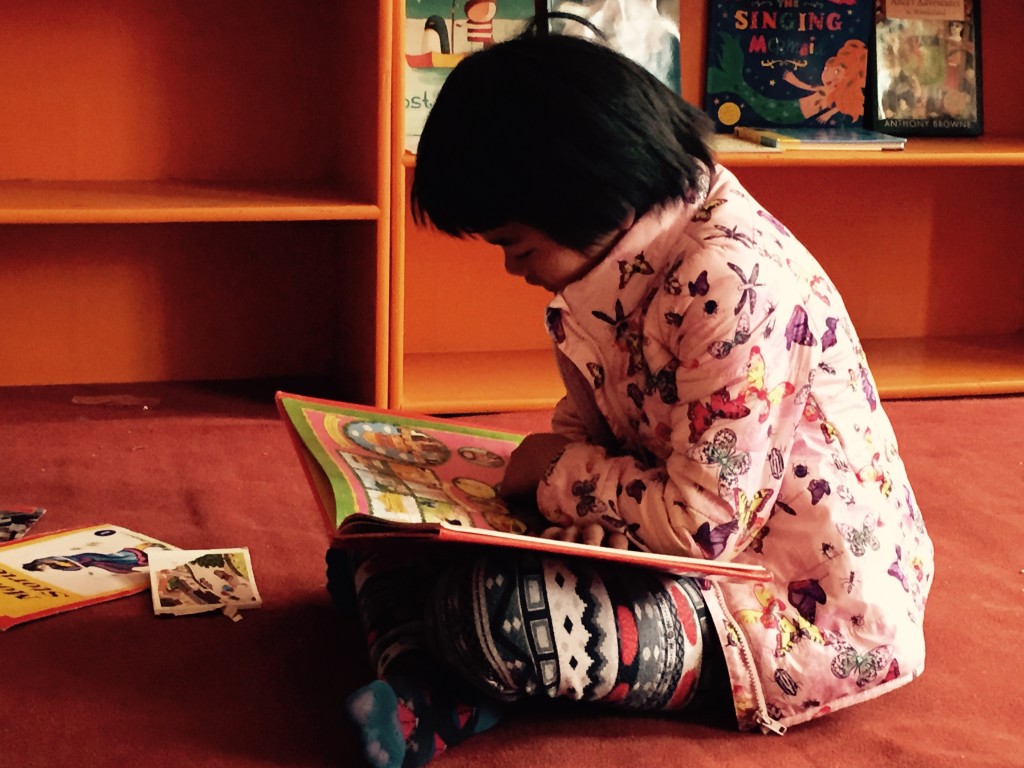
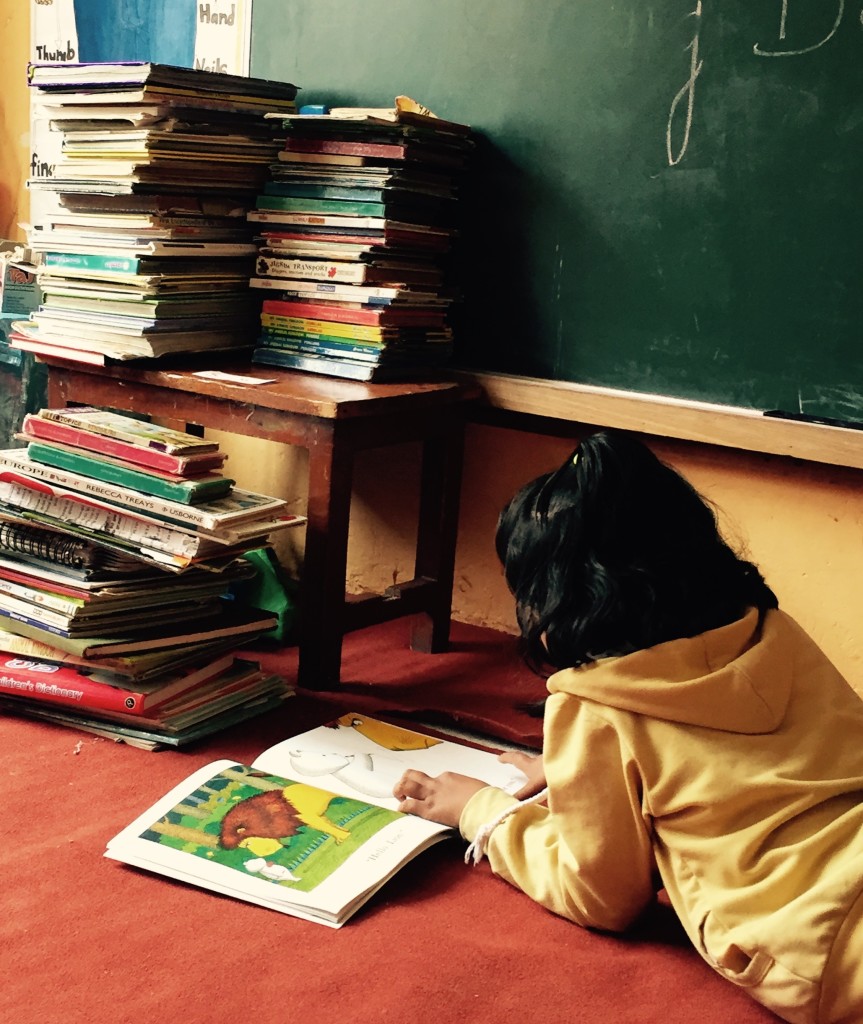
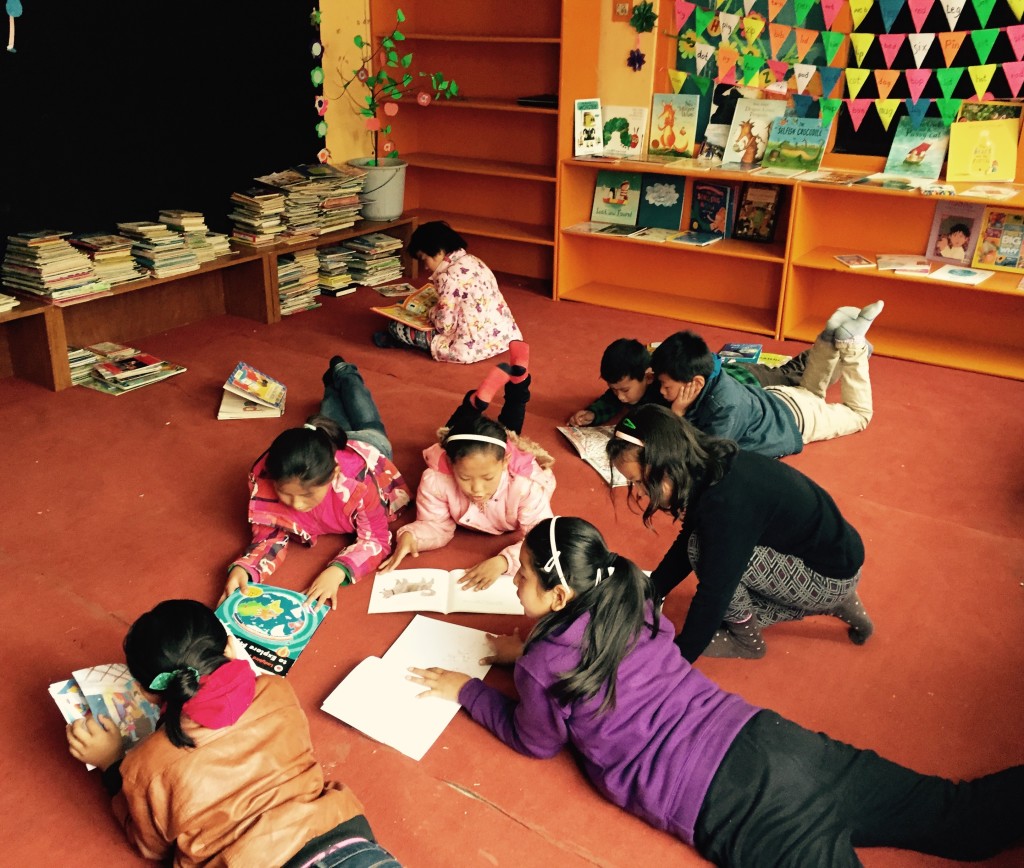
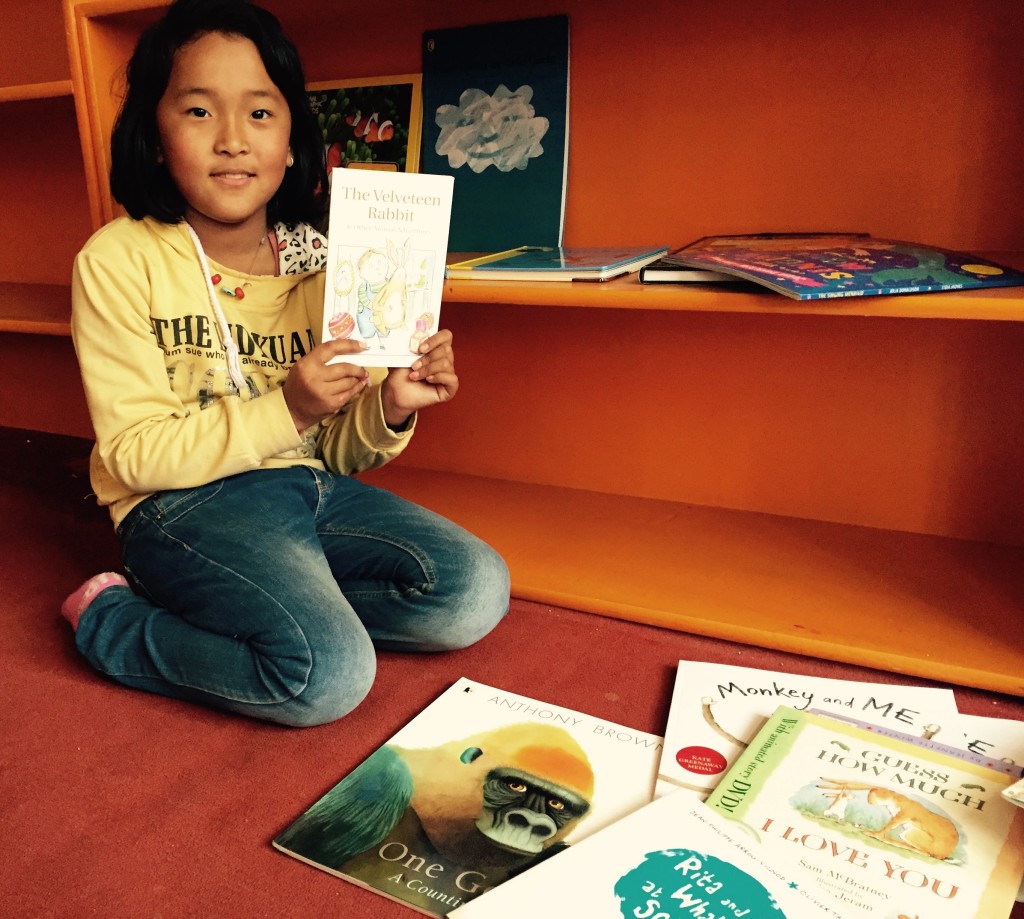
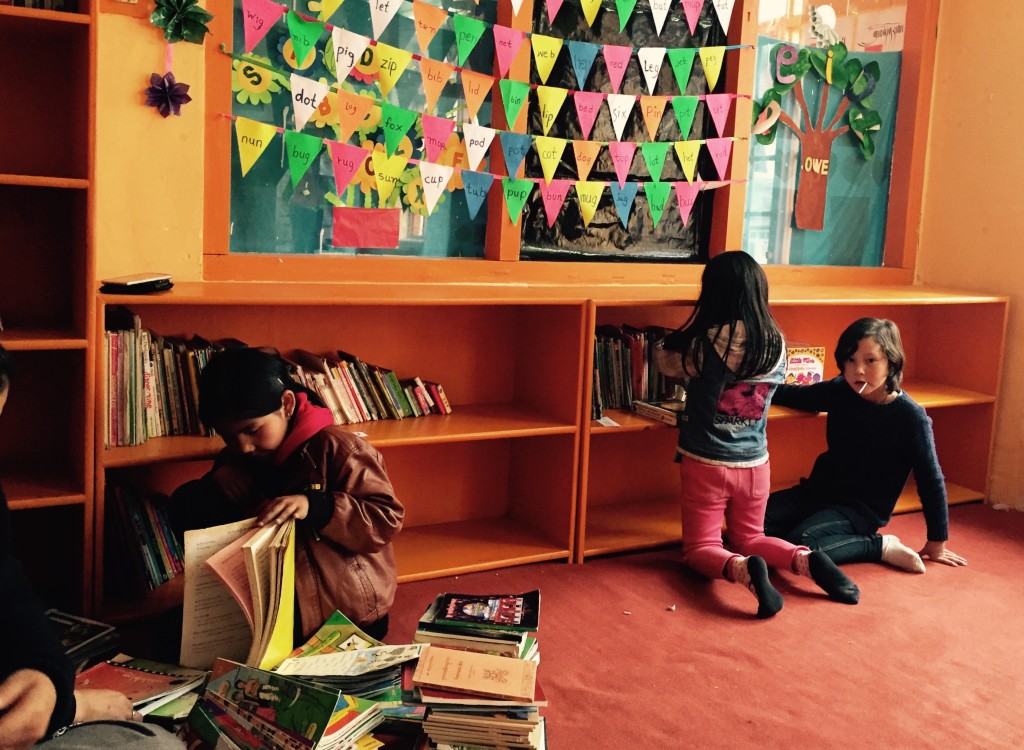
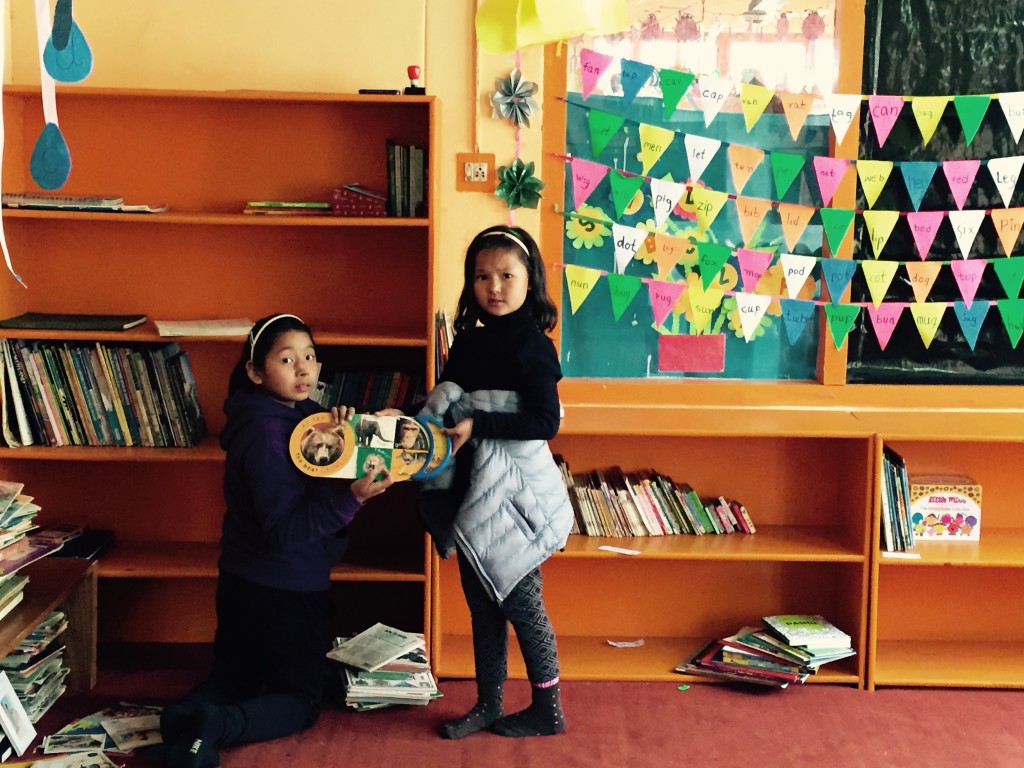
In Himalayan communities, oral storytelling can complement access to books and formal education. Reading rooms, book drives, and creative activities give young readers new tools, while family narratives help them understand how knowledge is shaped by place and experience. Together, these forms of learning can make reading feel personal rather than separate from everyday life.
Grandparents As Living Libraries
A grandparent is often a living archive of language and memory. Stories may be told in a local dialect, in a family’s preferred language, or through a mixture of languages used across the region. Each retelling introduces children to vocabulary, rhythm, descriptive phrases, and patterns of speech that strengthen their command of language.
Oral narratives also teach children how stories work. A beginning establishes a setting, a character faces a problem, and an ending offers change, wisdom, humor, or reflection. Young listeners absorb this structure naturally. Later, when they encounter picture books, folk tales, or school reading assignments, they are better prepared to follow sequence, recognize motives, and anticipate what may happen next.
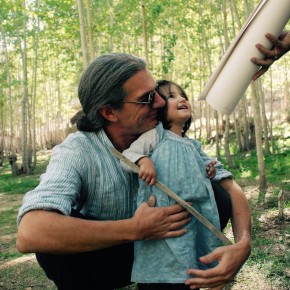
The value of these exchanges is emotional as well as educational. A child who hears a story from a trusted grandparent learns that their questions matter and that their family history deserves attention. This sense of confidence can encourage them to speak, draw, write, and eventually share books with others.
From Listening To Reading
Oral storytelling and reading should not be treated as competing activities. They reinforce one another. A spoken tale can create interest in printed stories, while a book can give children new ideas, images, and narrative forms to discuss with older relatives. Moving between listening and reading expands a child’s understanding of language.
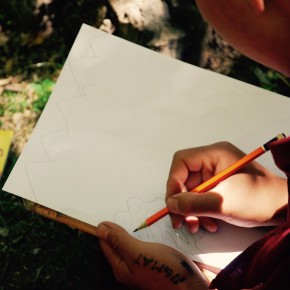
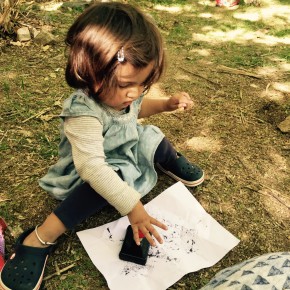
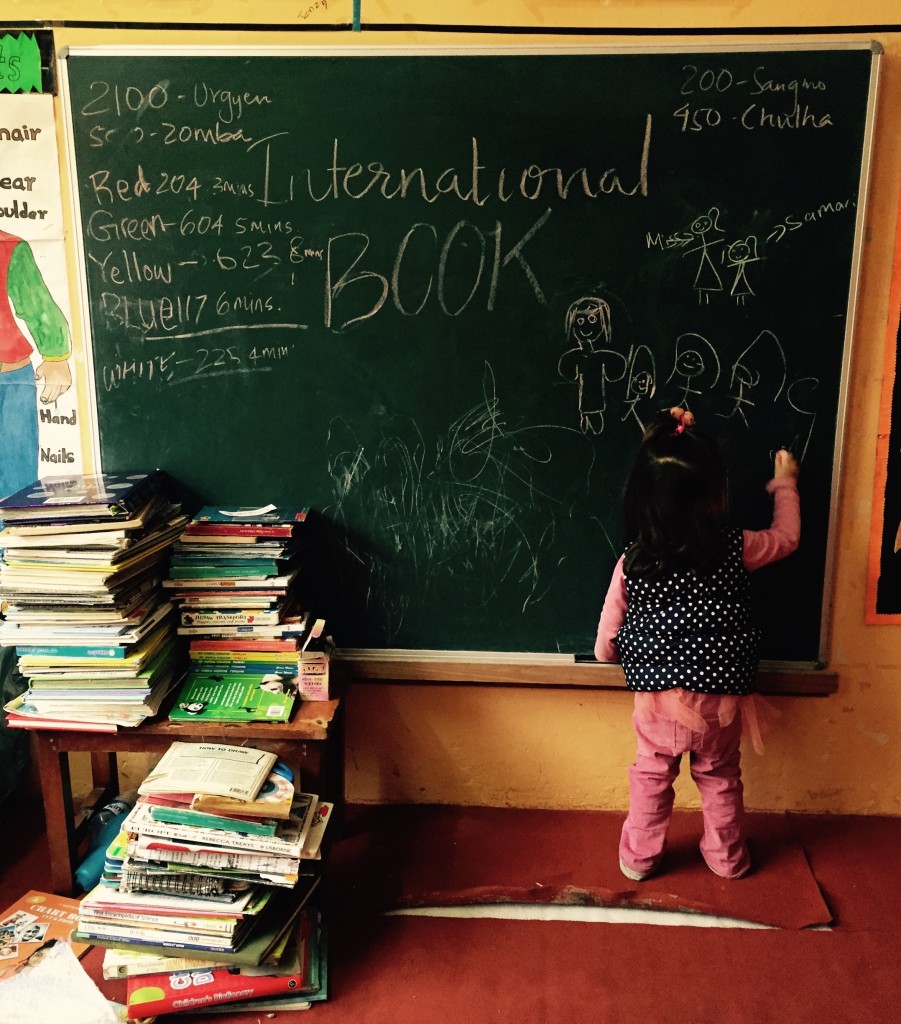
Adults can build a bridge between the two by inviting children to retell a story in their own words. They might draw a favorite scene, arrange pictures in the correct order, identify unfamiliar words, or compare two versions of the same legend. These simple responses transform passive listening into active comprehension.
Grandparents can also help children become careful readers by pausing during a story. They can explain why a character made a choice, describe an unfamiliar plant or custom, or ask what the child thinks will happen next. Such conversations develop inference, memory, and critical thinking without making reading feel like a test.
Stories Rooted In Place
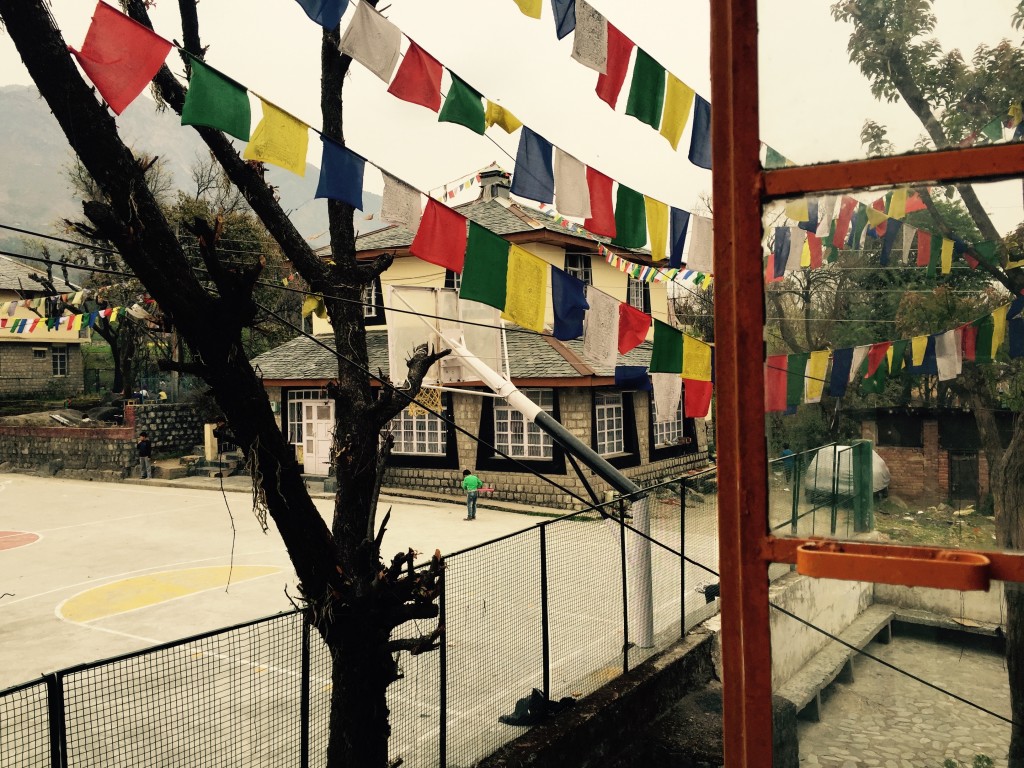
A story connected to a particular valley, monastery, river, or trail gives reading a strong sense of place. Children recognize that books and spoken narratives can preserve landscapes, beliefs, work traditions, and local concerns. This is especially meaningful in communities where geography shapes daily life and travel between settlements may be difficult.
The process of preserving a family story should remain respectful. Children can ask permission before recording an elder, clarify whether a story is private, and write down the teller’s name, location, and preferred language. They should understand that an oral tradition belongs to a community and should not be presented as an anonymous curiosity.
A small family archive might include handwritten notes, audio recordings, drawings, photographs, or bilingual versions of a tale. These materials can be shared in a classroom or reading room when permission has been granted. Organizations such as reading initiatives can help create welcoming environments where books, storytelling, art, and music support one another.
| Storytelling Practice |
Reading Skill Developed |
Meaning For Children |
| Listening to a detailed family tale |
Concentration and recall |
Family knowledge feels valuable |
| Retelling events in sequence |
Comprehension and organization |
Children learn how narratives are built |
| Learning local words and expressions |
Vocabulary and language awareness |
Home language gains visibility |
| Discussing a character’s choices |
Inference and empathy |
Children consider different viewpoints |
| Drawing or writing a new version |
Creativity and self-expression |
Oral tradition becomes personal and active |
Building Intergenerational Reading Spaces
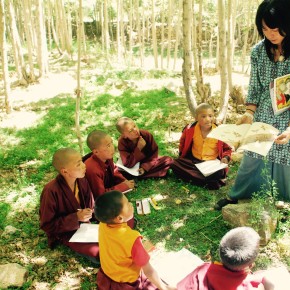
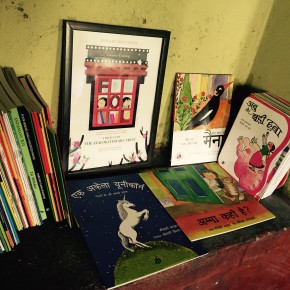
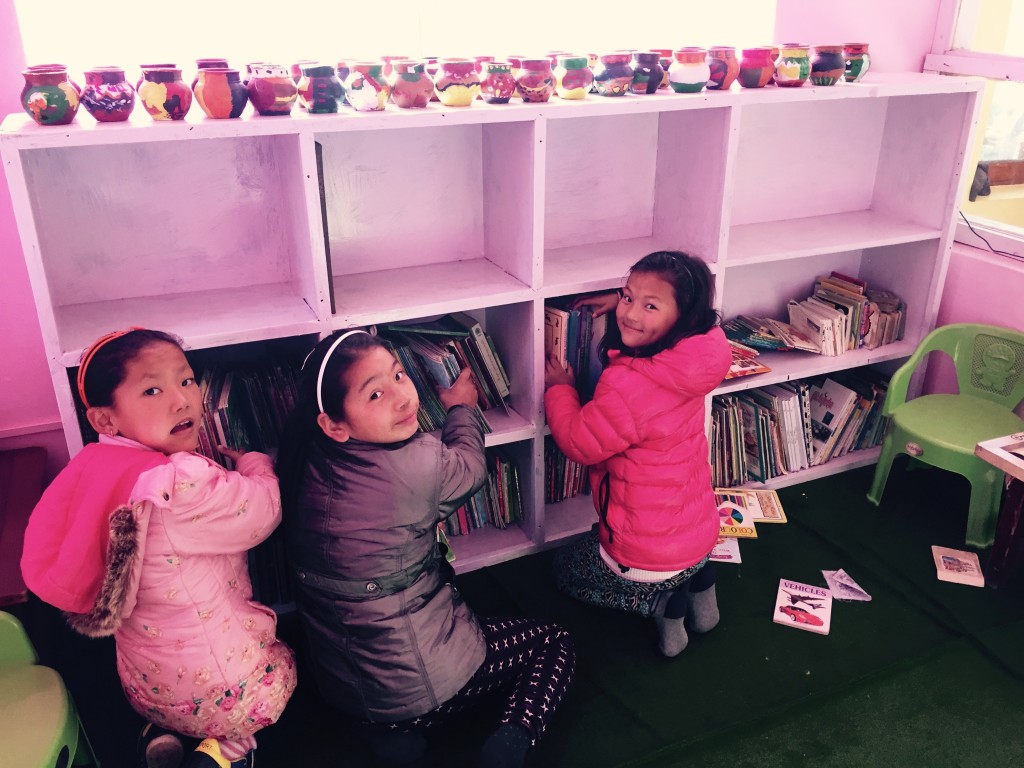
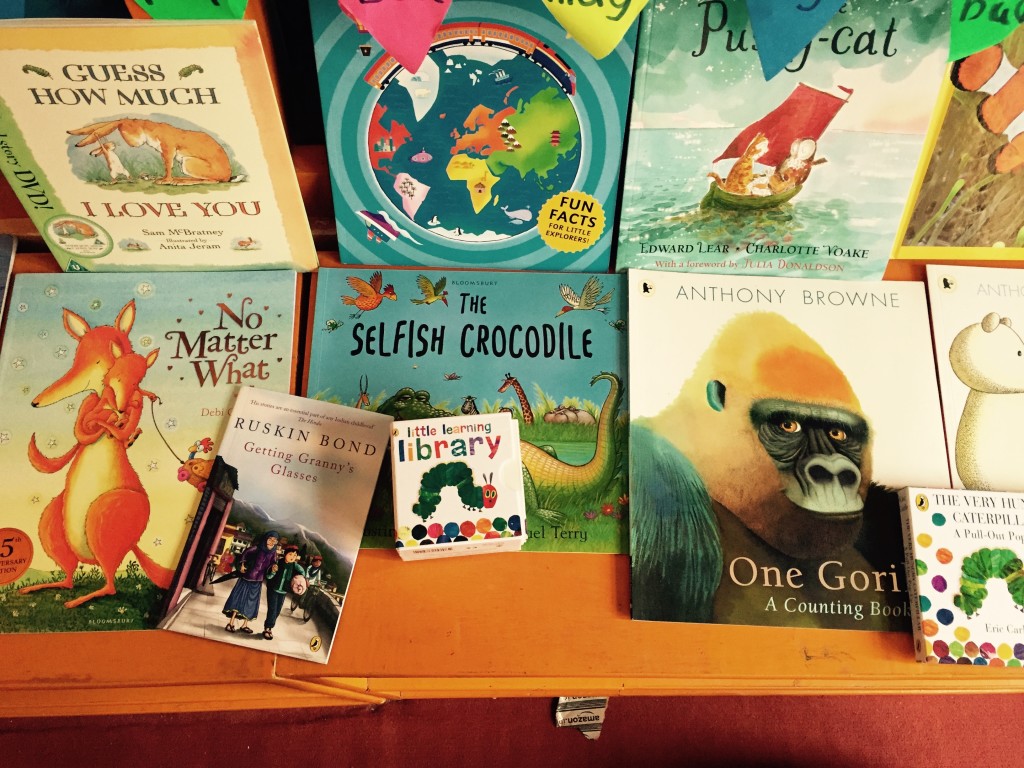
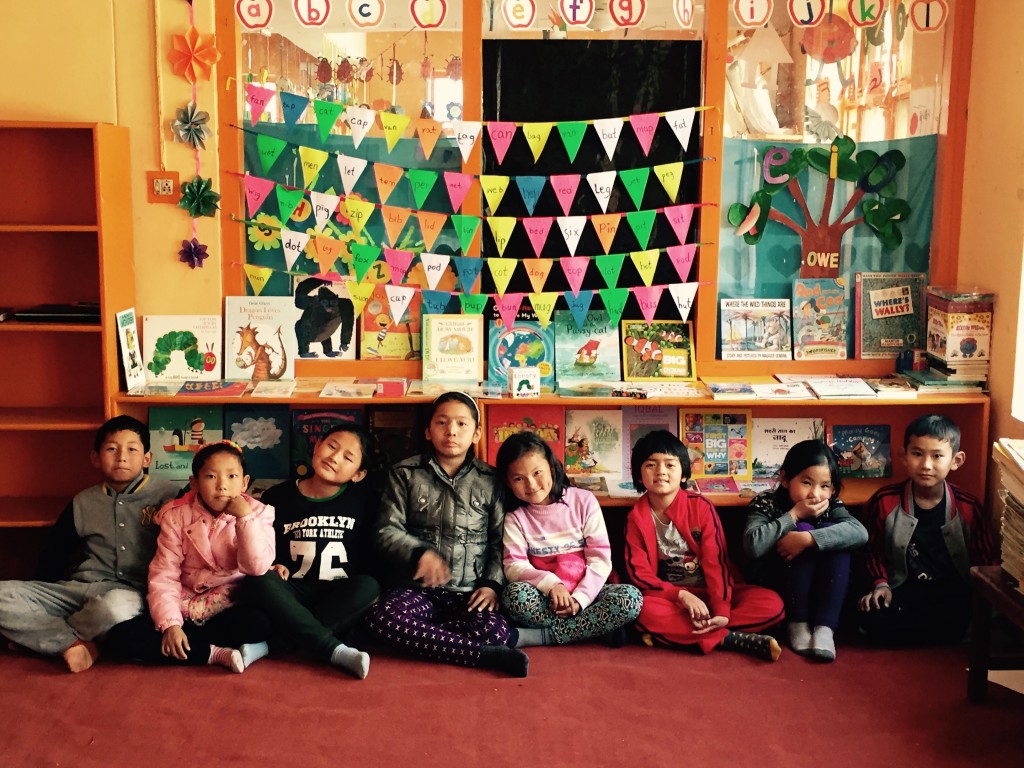
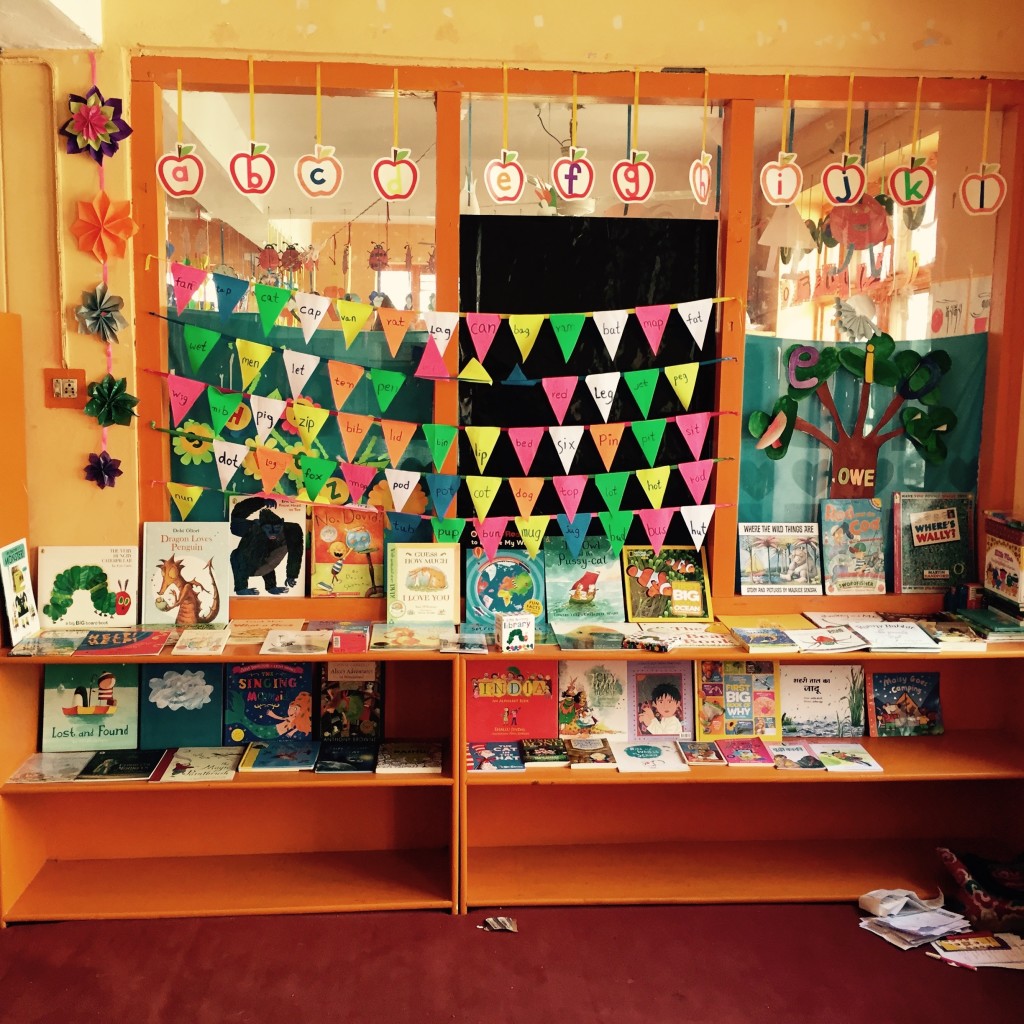
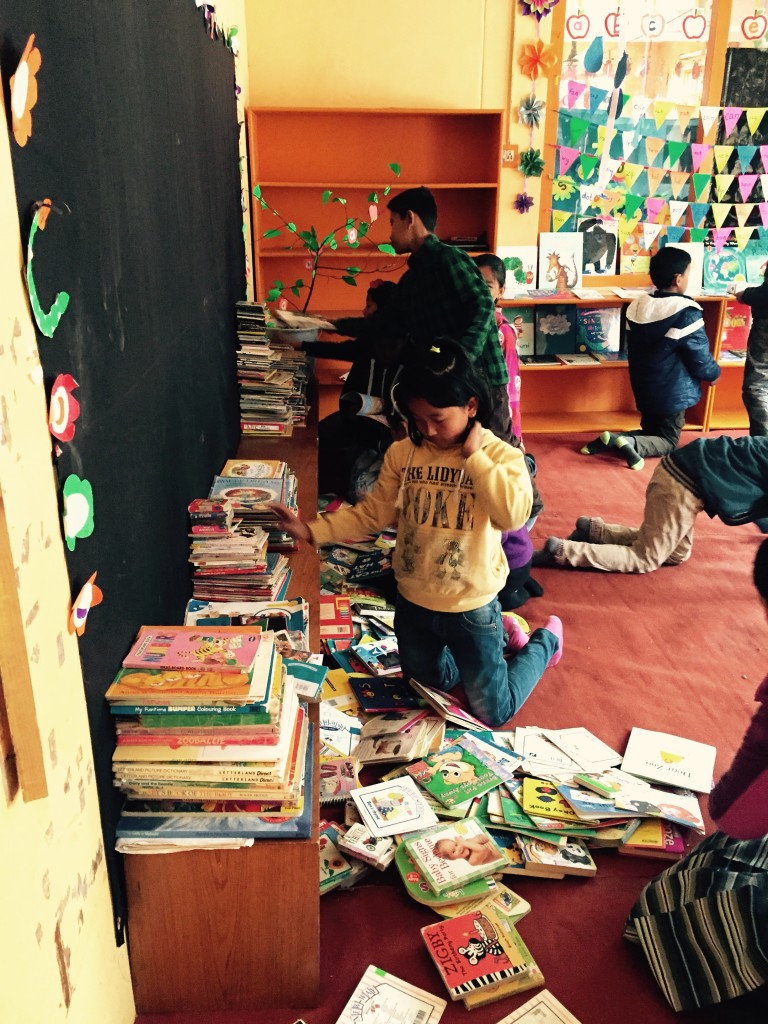
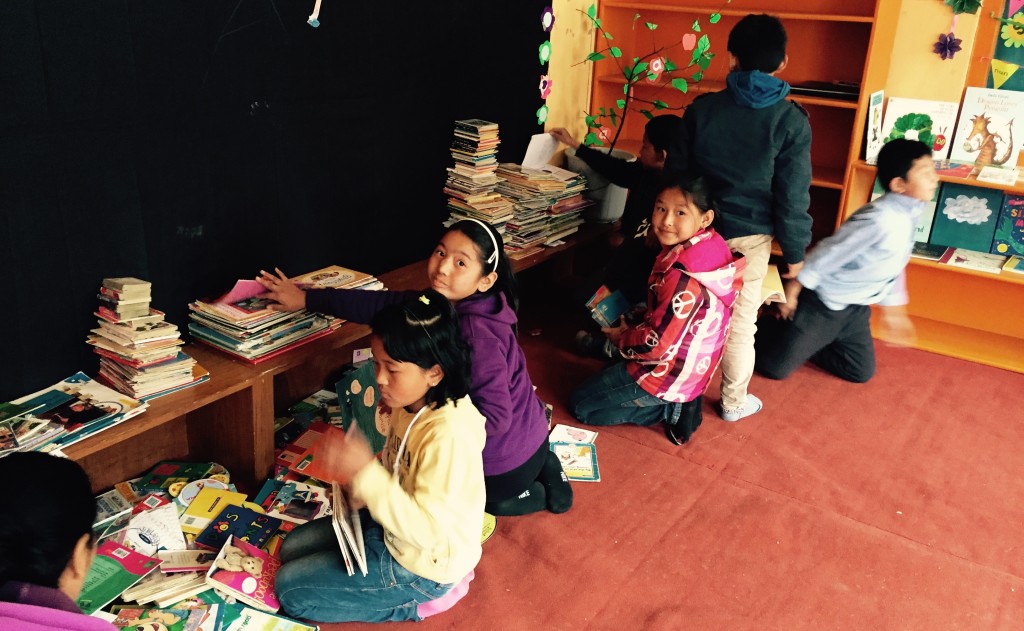
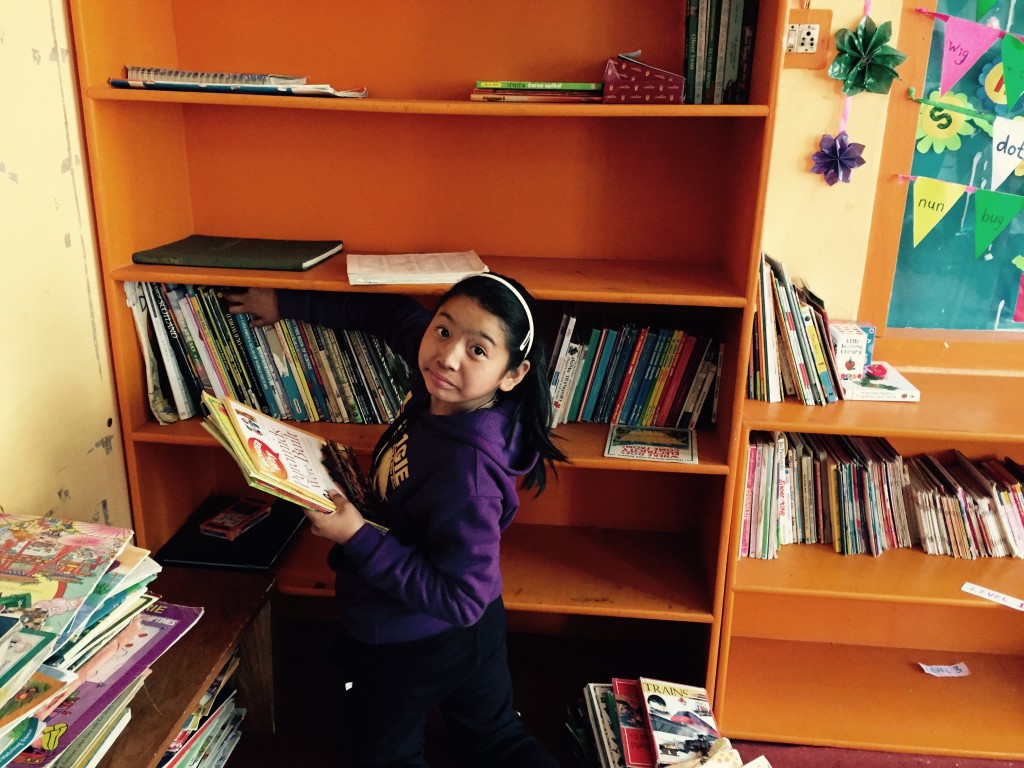
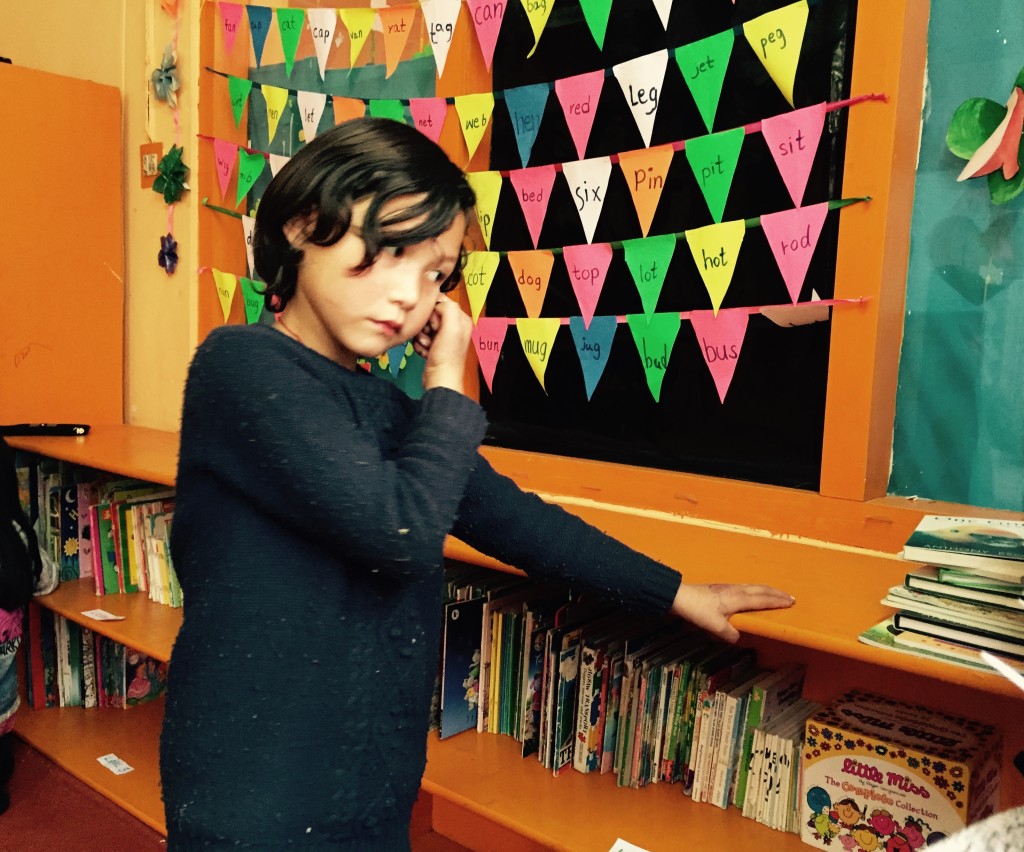
A reading room can become more than a place filled with shelves. With thoughtful planning, it can serve as a meeting point where children discover printed stories and elders contribute oral knowledge. A weekly storytelling hour, for example, might invite grandparents to share a tale followed by a related picture book or poetry session.
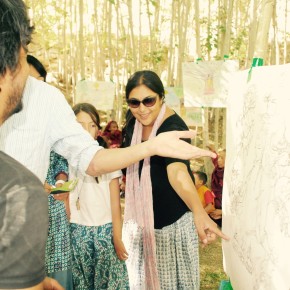
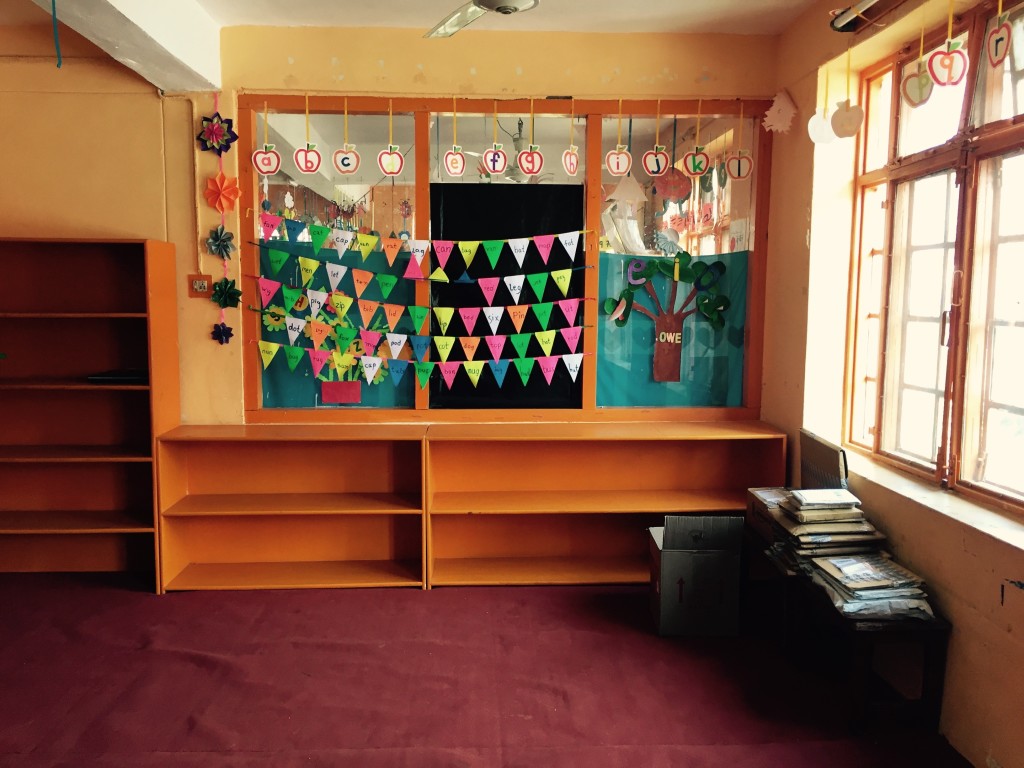
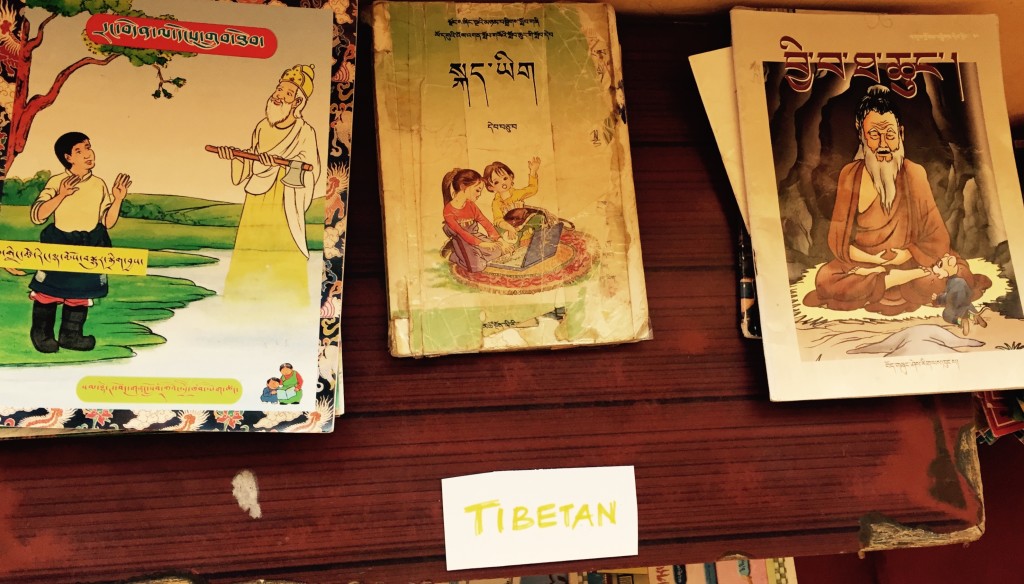
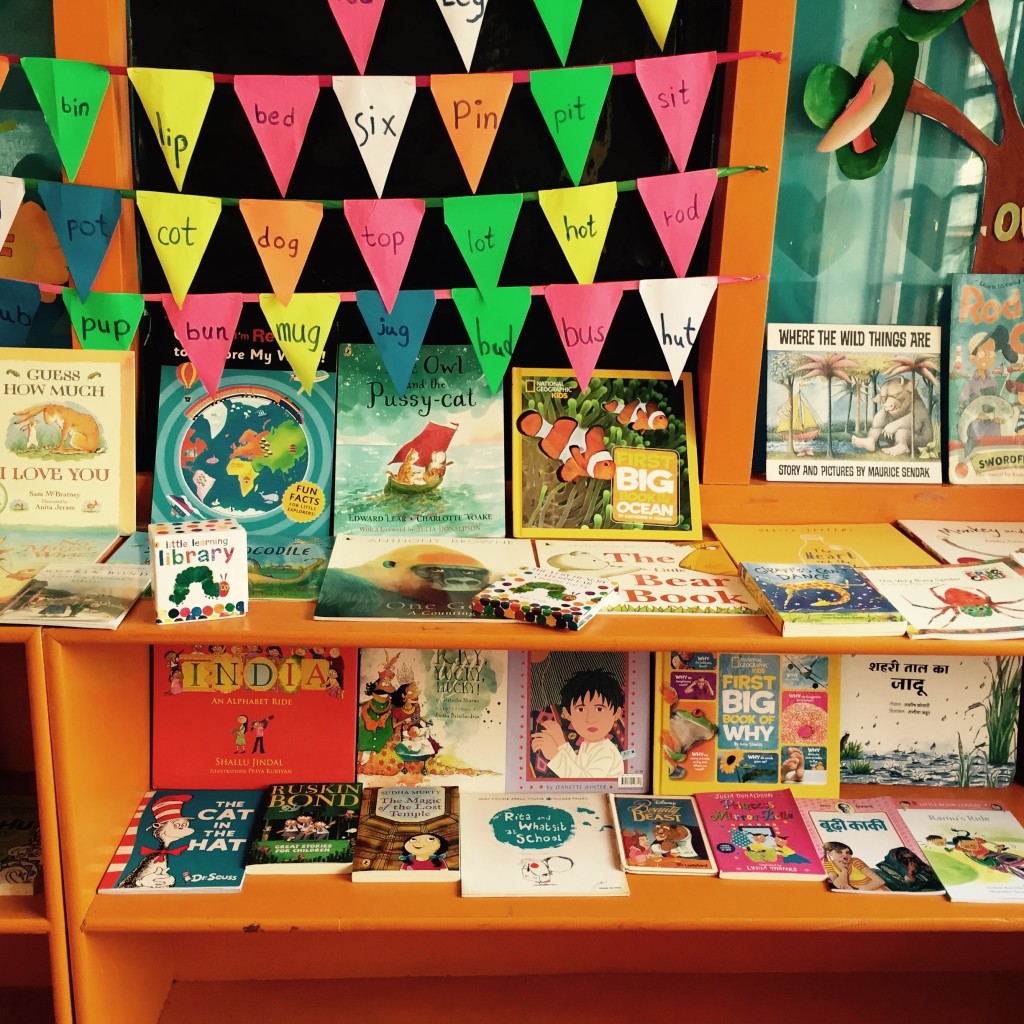
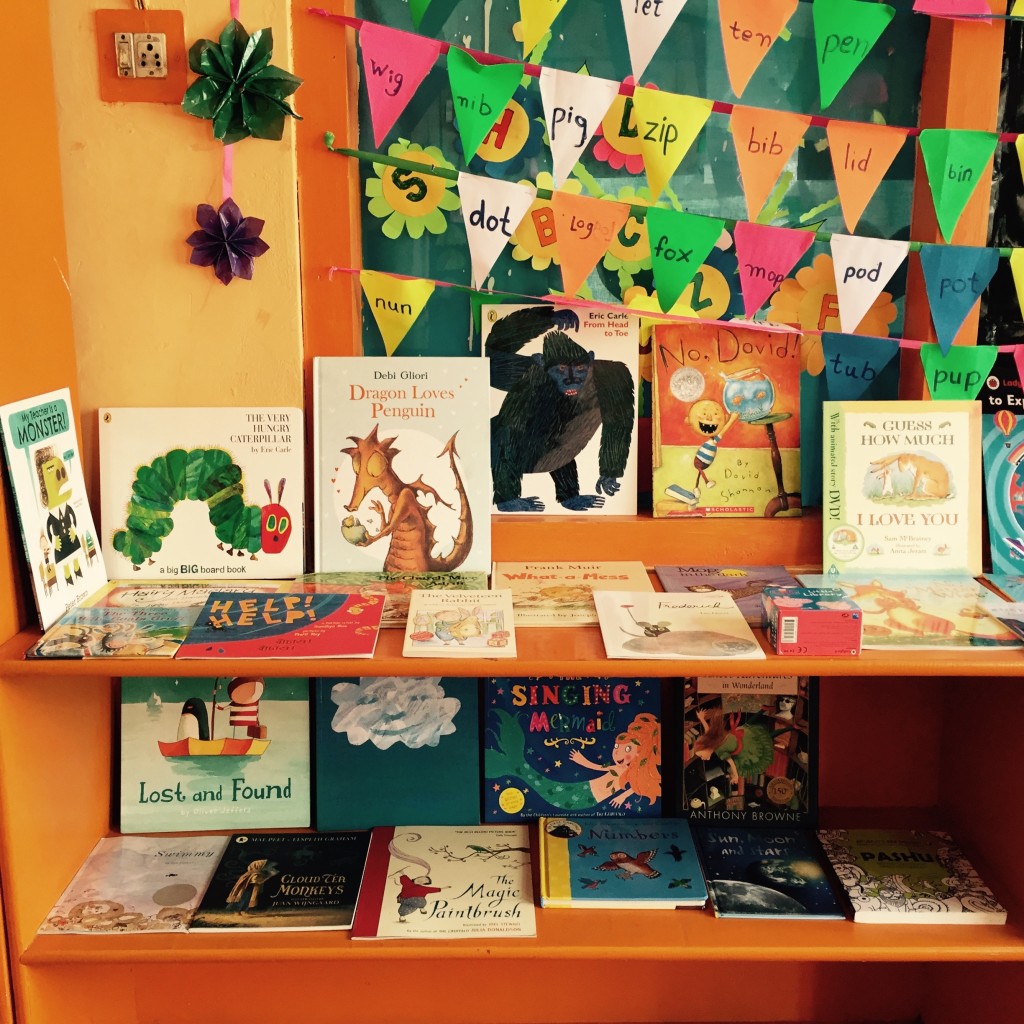
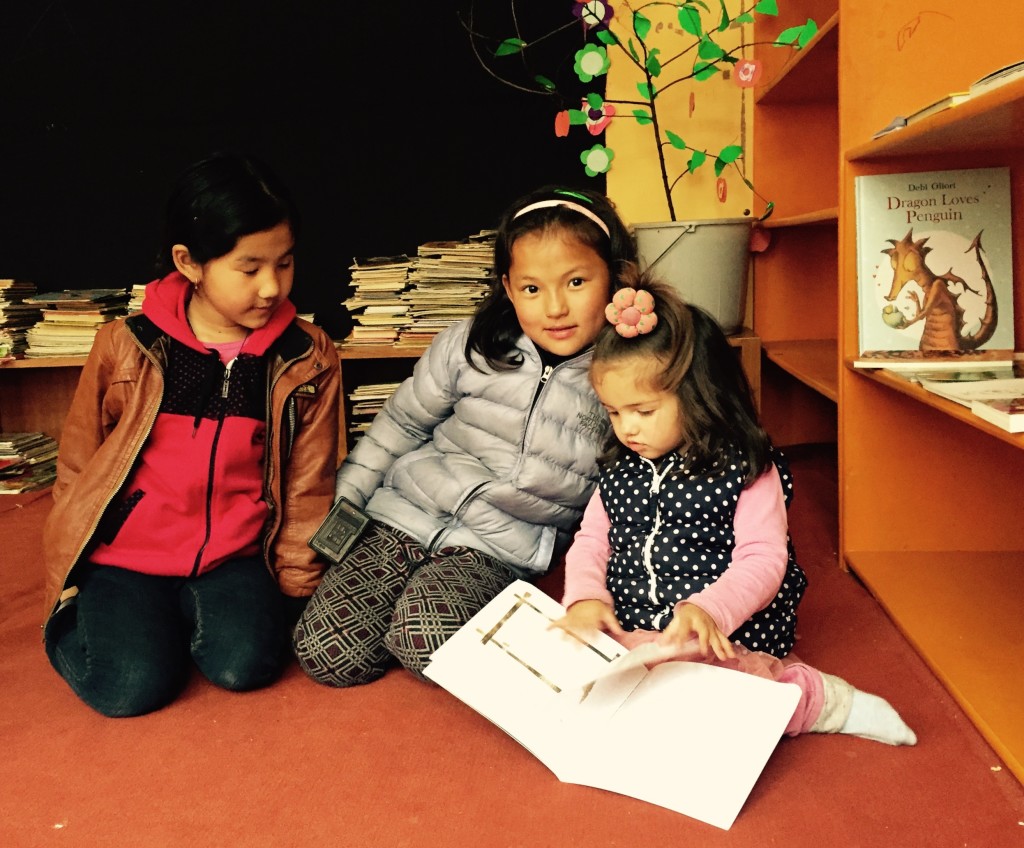
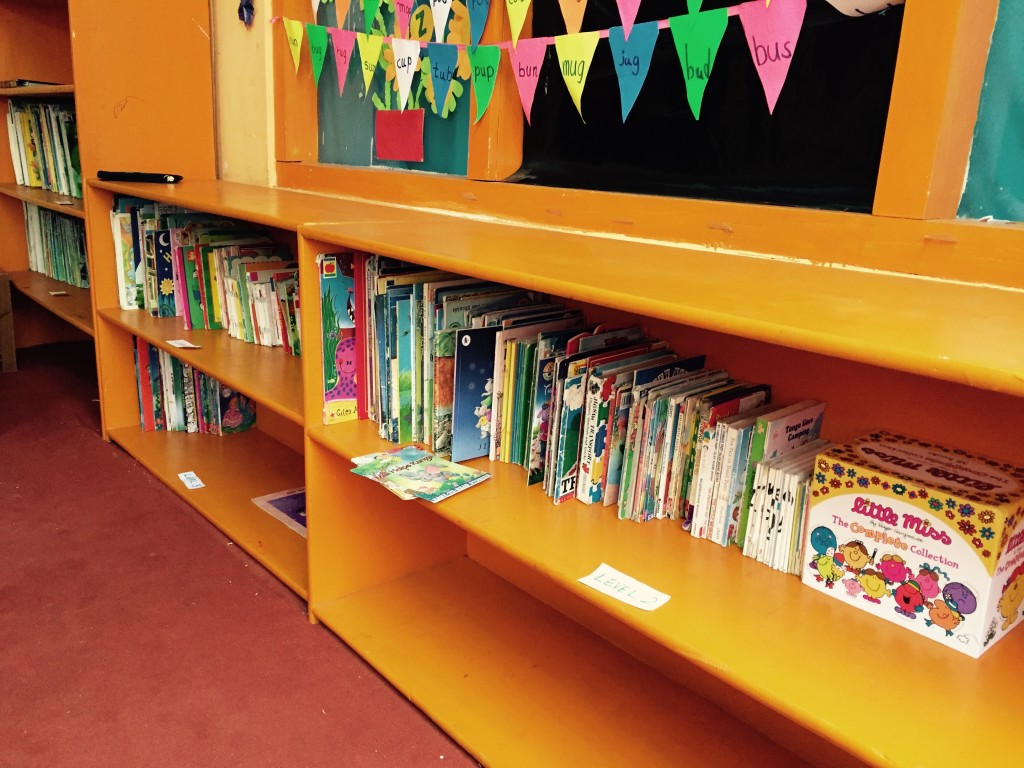
The setting should be comfortable and inclusive. Cushions, low shelves, clear lighting, and books in familiar languages can make younger readers feel at ease. Visual prompts, puppets, musical instruments, and maps may help children connect a spoken narrative with the wider world it describes.
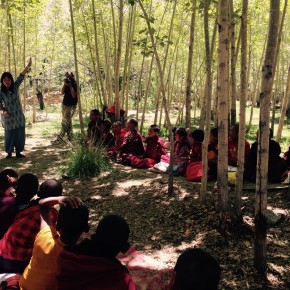
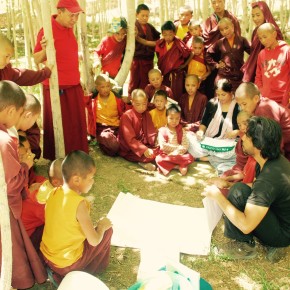
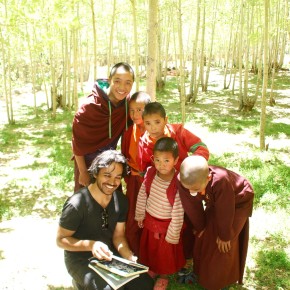
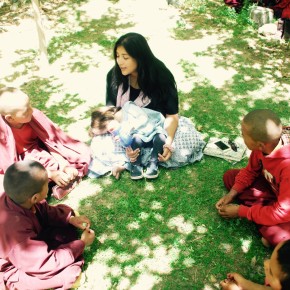
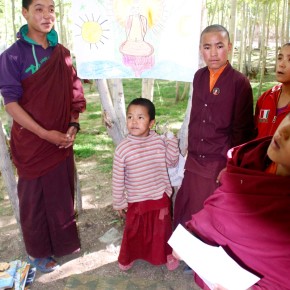
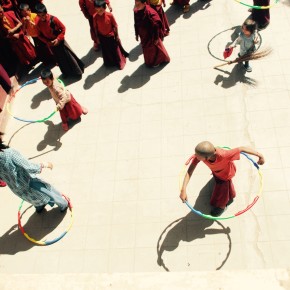
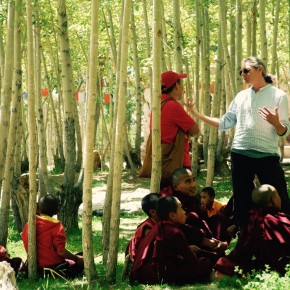
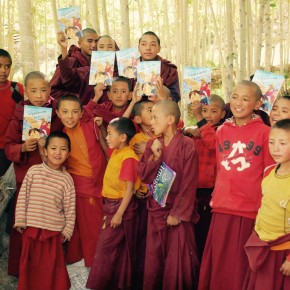
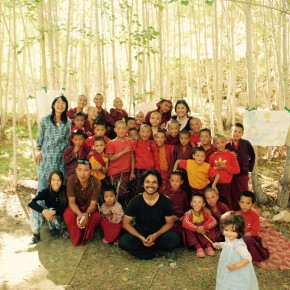
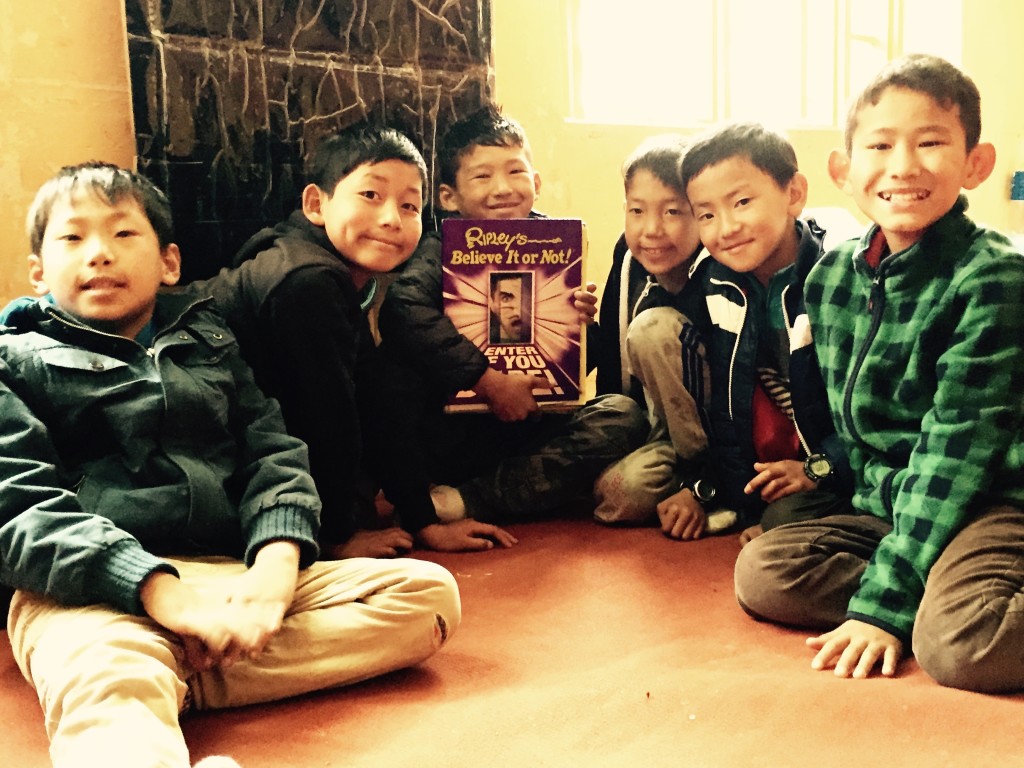
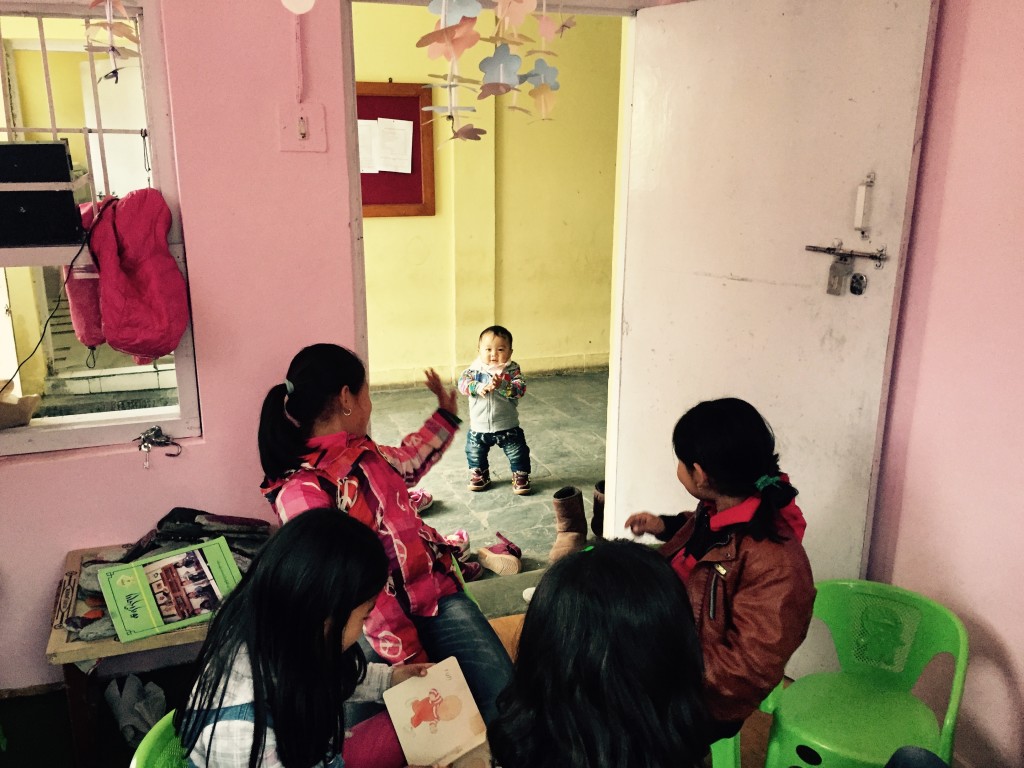
Young monks and children can also participate as hosts, illustrators, interviewers, or storytellers. This gives them responsibility and encourages mutual respect between age groups. An elder is valued for experience, while a child is valued for curiosity and creative interpretation.
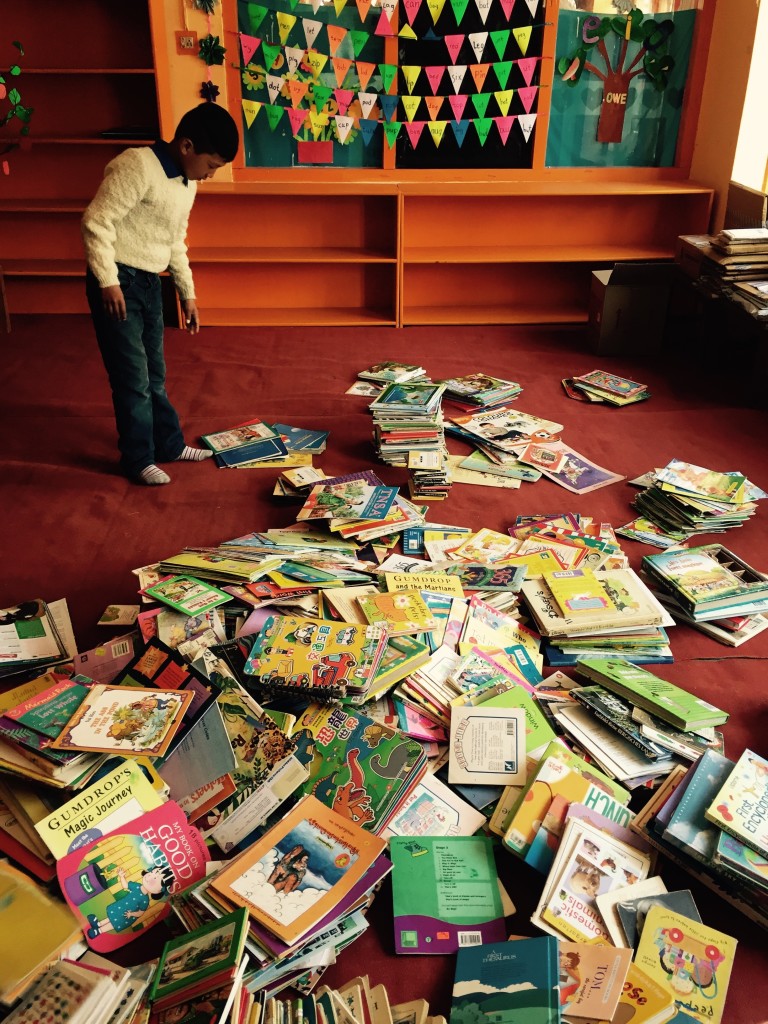
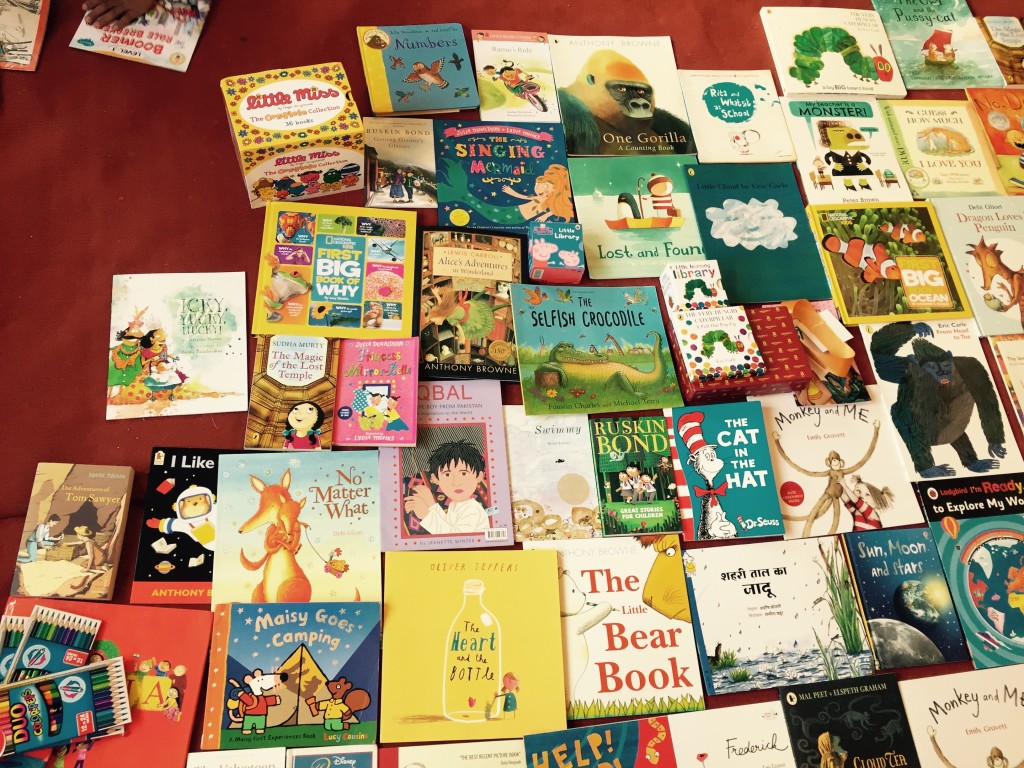
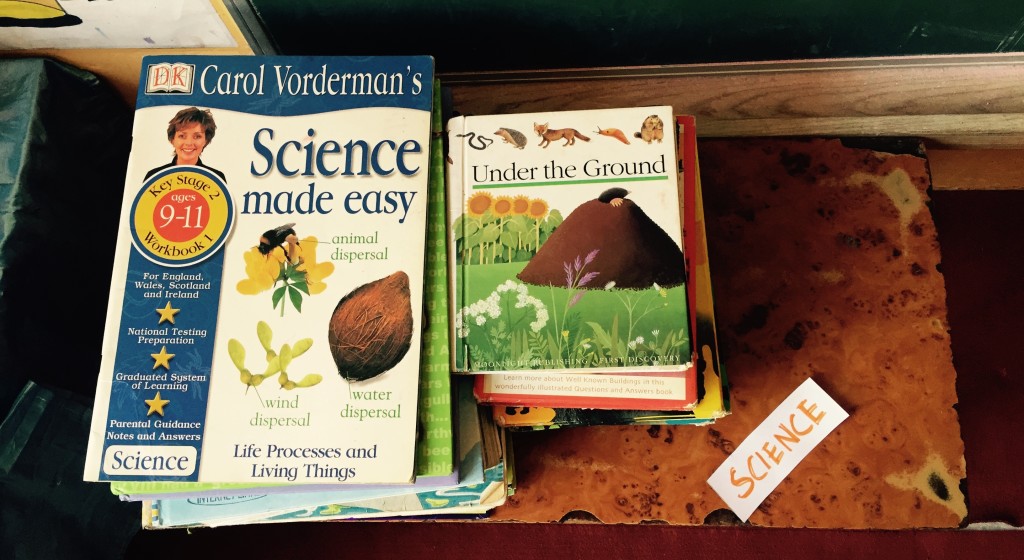
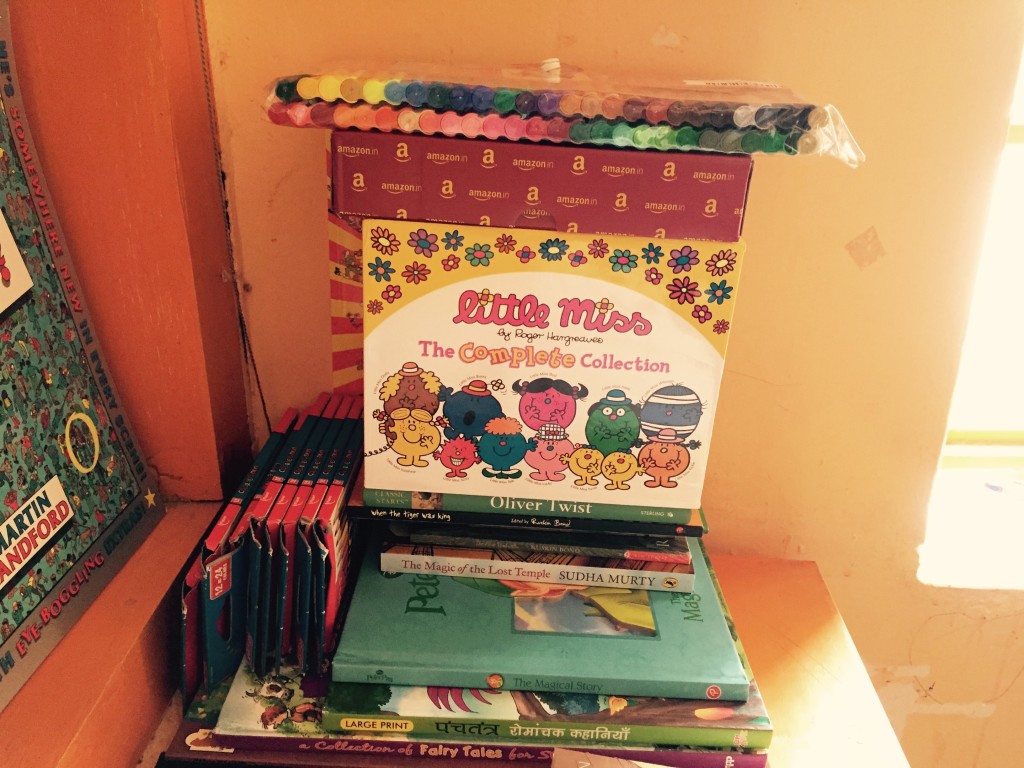
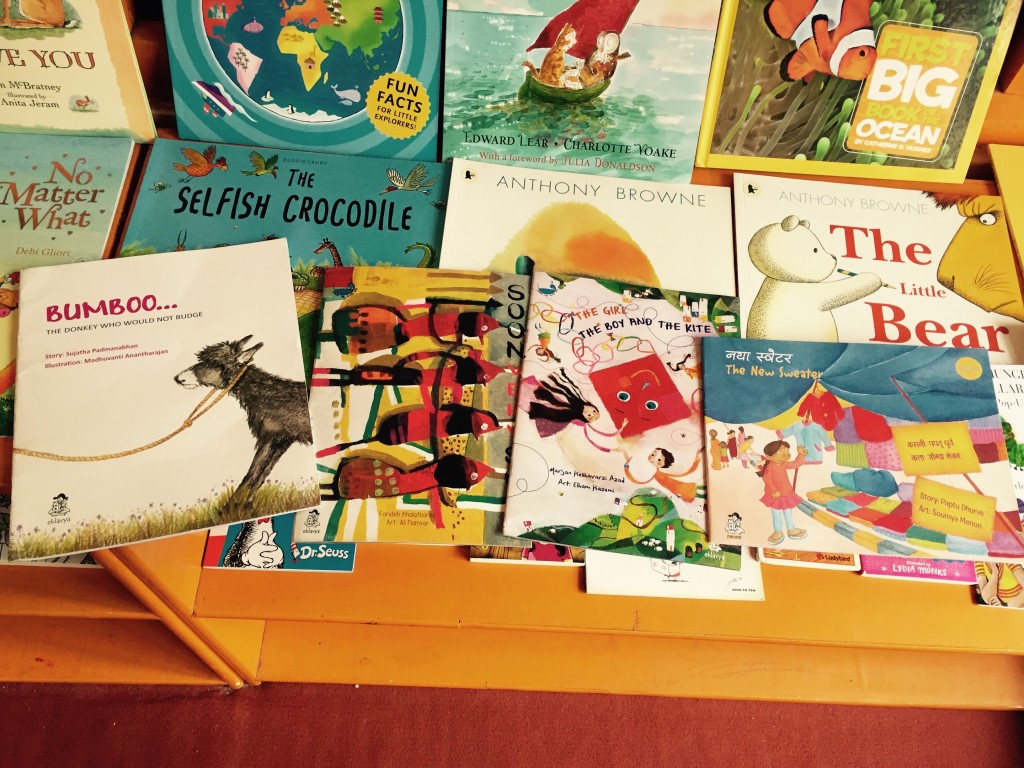
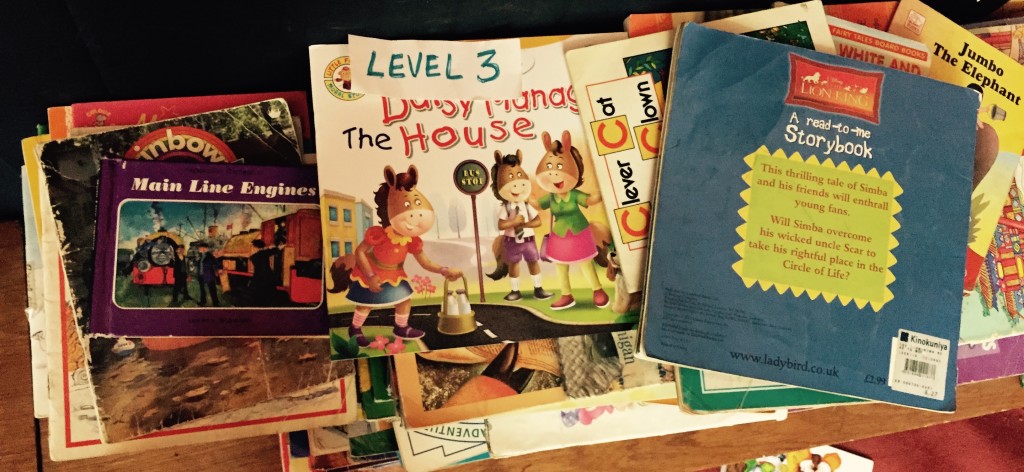
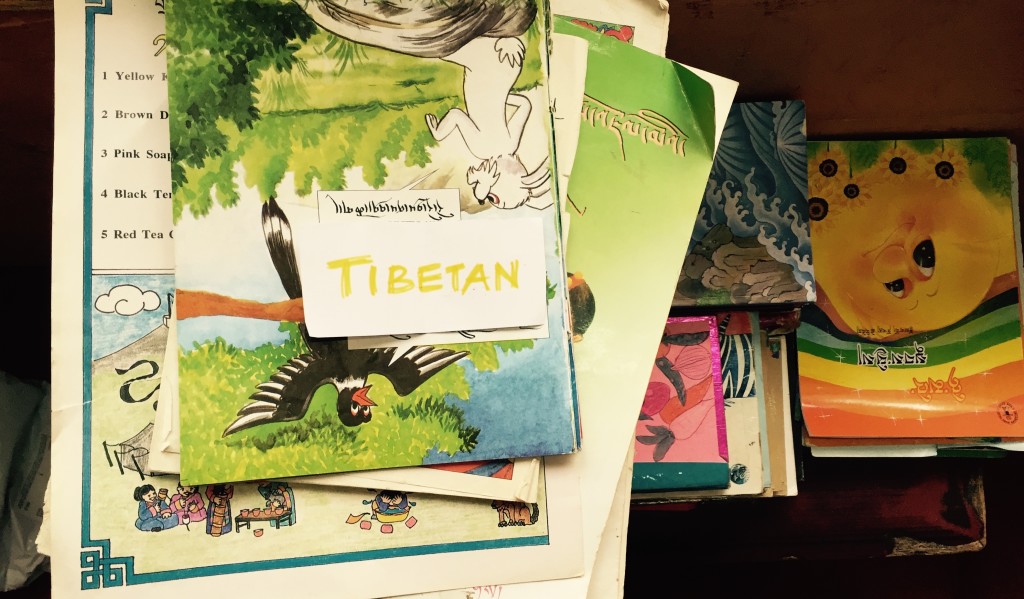
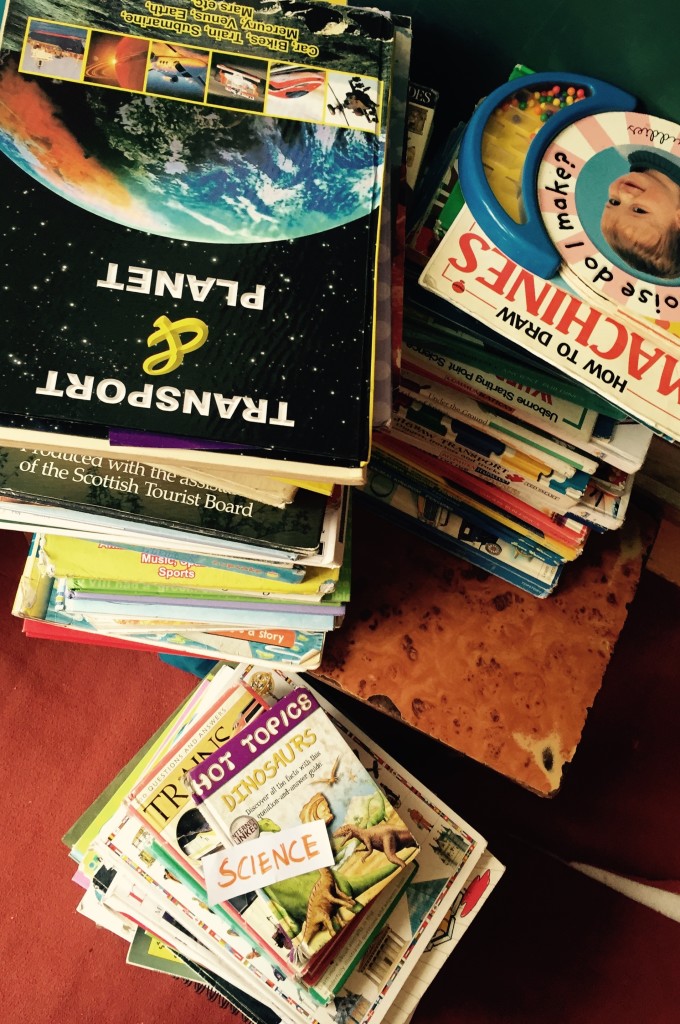
Such spaces can support communities where access to quality books is limited. A carefully selected collection may include local folklore, biographies, science books, poetry, religious literature, and stories from other cultures. Grandparents help children approach these materials with a strong foundation in listening and lived knowledge.
Practical Ways To Keep Stories Alive
Families and educators do not need expensive equipment or formal training to encourage intergenerational storytelling. A regular ten-minute conversation can preserve a memory and give a child a meaningful reason to use language. The most important elements are patience, attentive listening, and respect for the storyteller.
Useful activities include:
- Invite a grandparent to tell one story in the language most comfortable for them.
- Ask children to create a story map showing characters, places, and important events.
- Compare a spoken tale with a related book, noting what remains the same and what changes.
- Make a shared family word list with translations, pronunciations, and examples.
- Hold a small storytelling circle where children may read, draw, sing, or retell a narrative.
These activities can be adapted for schools, monasteries, community centers, and homes. Children who are shy about reading aloud may begin by illustrating a story or recording questions for an elder. Gradually, participation becomes a natural part of their learning rather than a demand placed upon them.
Supporting Storytelling Across Communities
Preserving oral stories requires cooperation among families, educators, librarians, volunteers, and cultural organizations. Grandparents provide firsthand knowledge, but young people help carry it forward. Teachers can connect local narratives with lessons in language, history, environmental studies, and the arts.
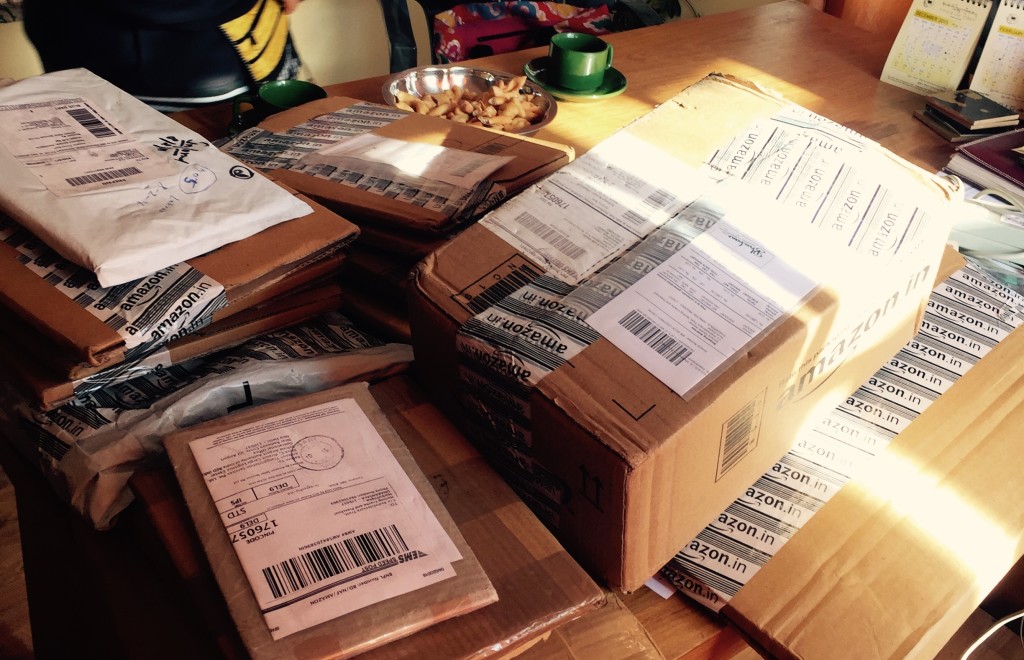
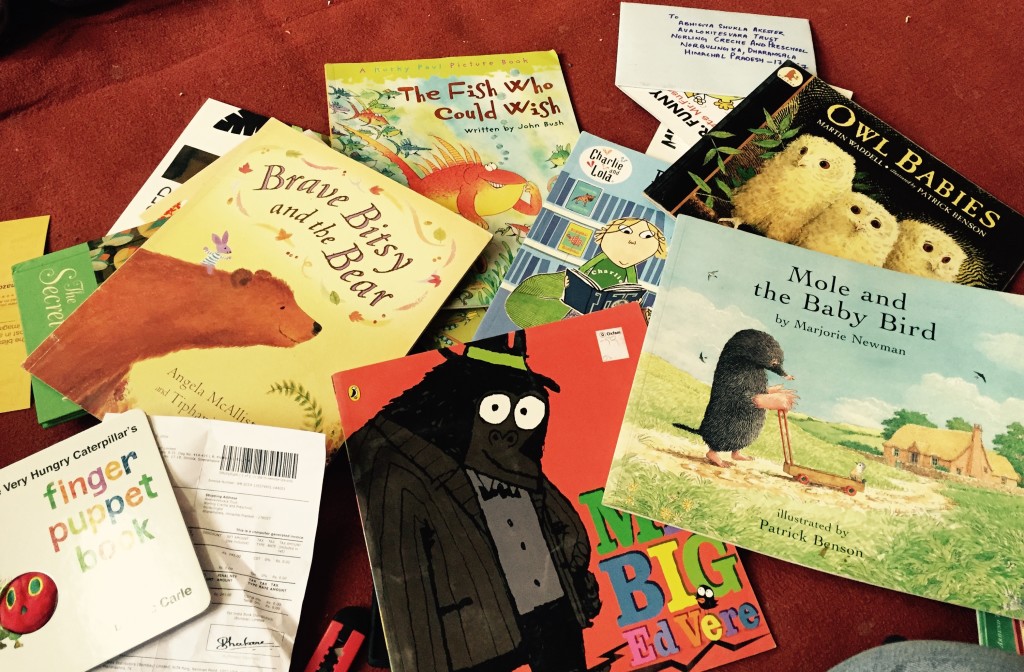
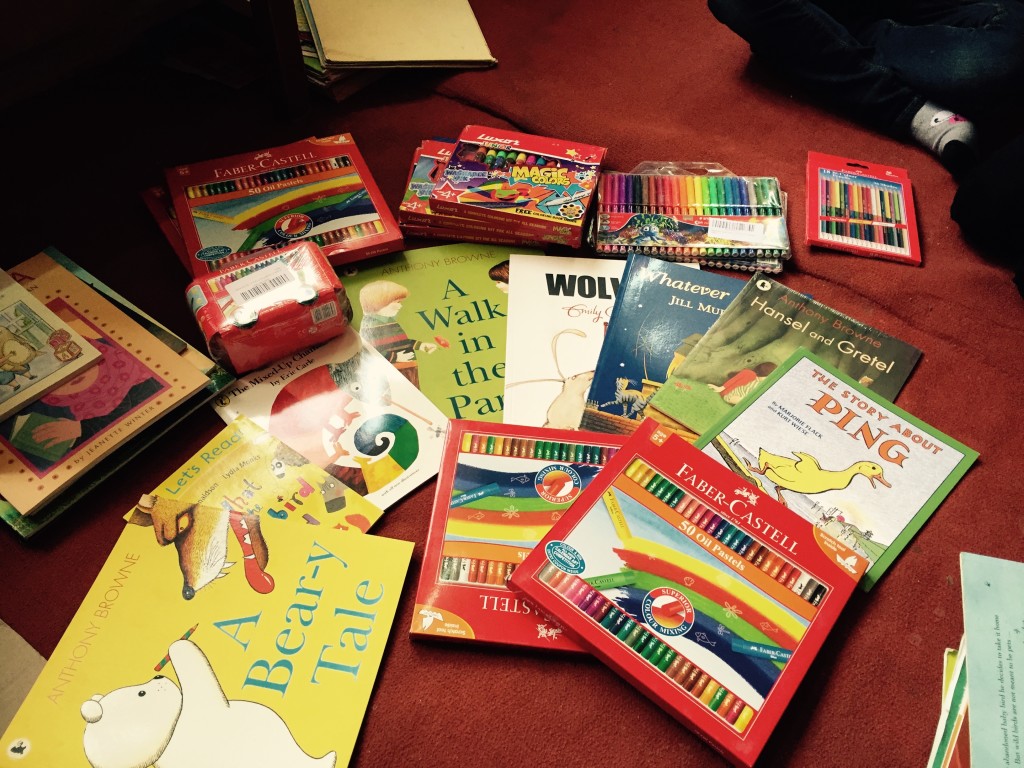
Book drives and volunteer programs can strengthen this work when they include materials that reflect children’s lives. A collection should offer both local relevance and wider horizons. A child might read a Himalayan folktale, learn about another mountain community, and then return to a grandparent to compare customs, landscapes, or moral themes.
Documentation should also be approached carefully. Some stories may be suitable for public sharing, while others may belong only within a family, religious setting, or particular community. Consent, accurate attribution, and protection of sacred knowledge are essential. The aim is to support living traditions, not to remove them from their cultural context.
When young readers see elders treated as sources of knowledge, reading becomes connected to dignity and belonging. When elders see children engaging seriously with stories, they may feel that their memories will continue beyond their own lifetime. This exchange creates a powerful cycle: listening inspires reading, reading encourages questions, and questions invite more stories.
Every family, school, and community can help sustain that cycle. Set aside time for an elder’s story, place a few well-chosen books nearby, and give children space to respond through words, pictures, music, or play. Supporting literacy in Himalayan communities begins with access to resources, yet it grows through relationships that make knowledge memorable. Support the work of connecting children with books, creativity, and cultural memory through the Avalokiteśvara Trust.