How Female Monks Help Girls Learn And Lead
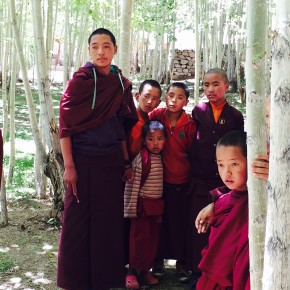
In Himalayan communities, education is shaped by more than classrooms and textbooks. Distance, difficult terrain, household responsibilities, limited school resources, and social expectations can all affect whether a girl has consistent access to learning. Trusted local adults therefore play an important role in helping children stay curious, confident, and connected to education.
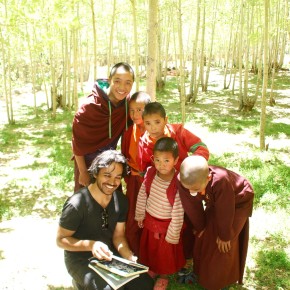
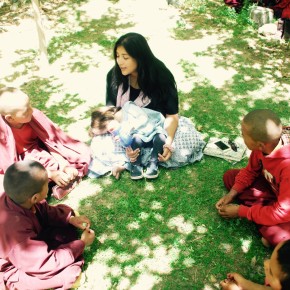
Female monks, often known as nuns or female monastics, can become powerful educational role models. Their presence shows girls that women can be scholars, teachers, artists, community leaders, and lifelong learners. Through reading rooms, study sessions, creative activities, and compassionate guidance, they can help make education feel relevant and attainable.
For organizations such as Avalokiteśvara Trust, supporting these relationships is part of a wider commitment to literacy and opportunity. Books, safe learning spaces, and community partnerships can strengthen the work already being done by schools, families, and monastic communities across Ladakh and the Himalayan region.
A Trusted Presence In Girls’ Education
Female monks often understand the cultural and practical realities faced by girls in their communities. They may recognize the pressures of household work, limited transport, seasonal migration, or family concerns about safety. This understanding can help them offer guidance that feels respectful rather than imposed from outside.
A female monastic can encourage a girl to continue reading, ask questions, attend school, or explore a subject that seems unfamiliar. Her example also broadens a child’s idea of what an educated woman can become. Seeing a woman committed to study, discipline, compassion, and service can make academic ambition feel more realistic.
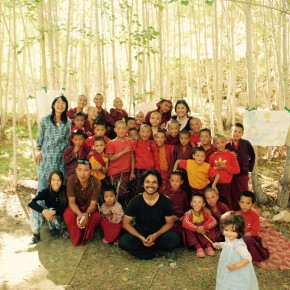
Trust develops through regular contact. A nun who welcomes children into a reading room, listens to their concerns, or helps them choose a book may influence their education in ways that a single lesson cannot. Consistent encouragement can be especially important for girls who have few female mentors beyond their family.
Learning Through Books And Creative Practice
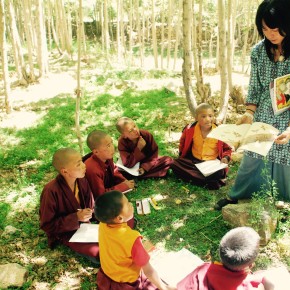
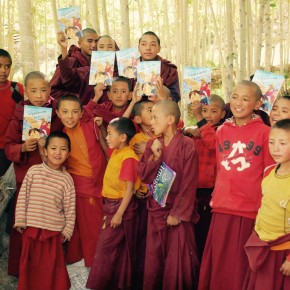
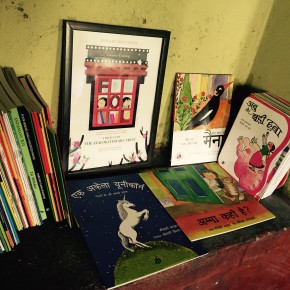
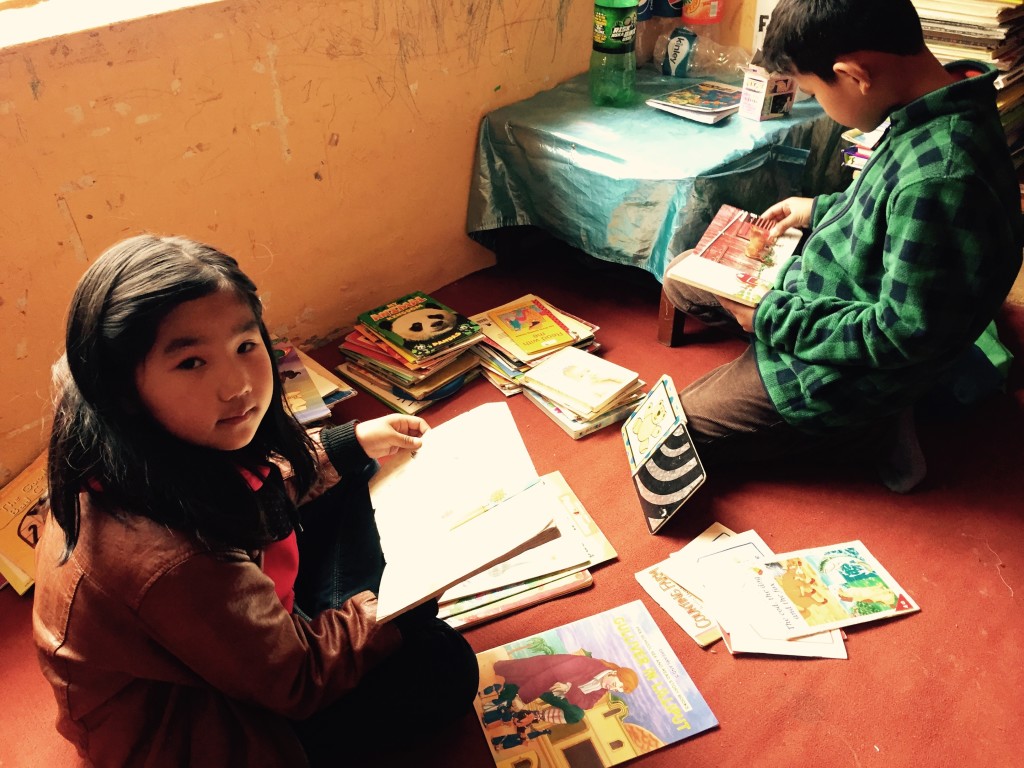
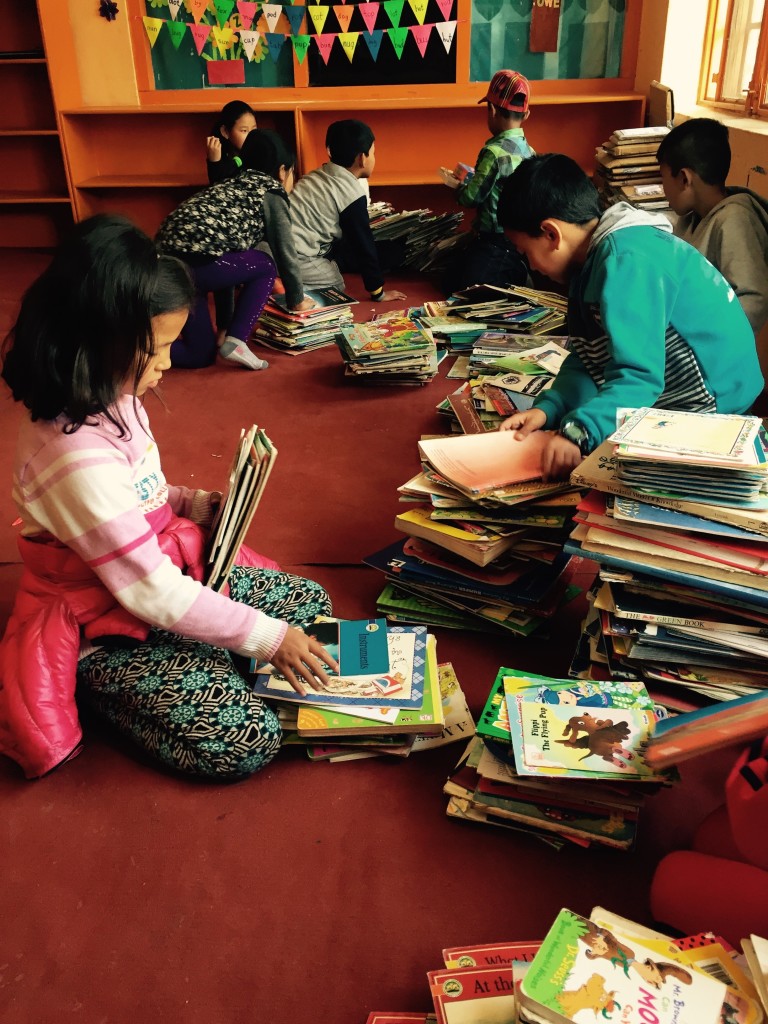
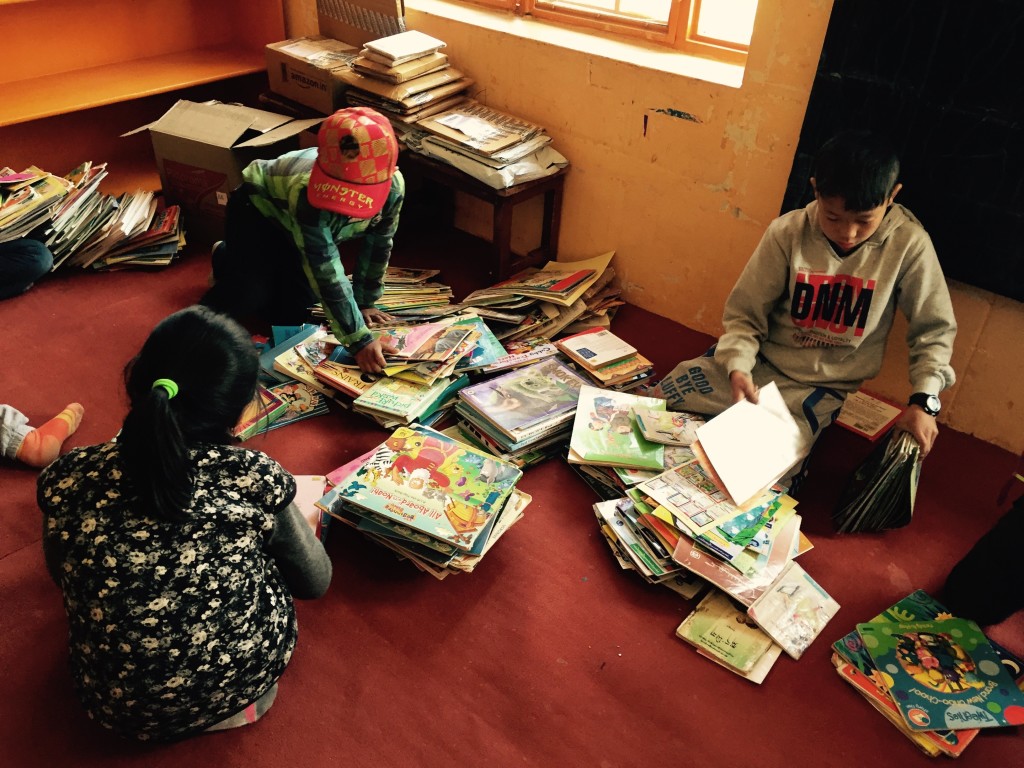
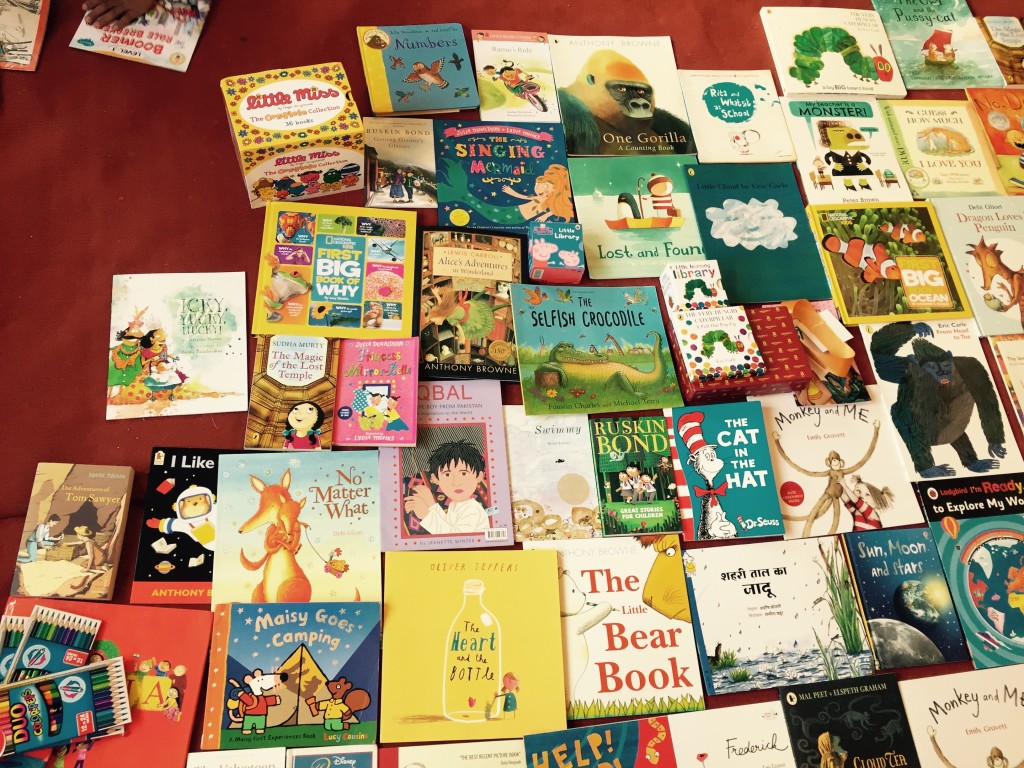
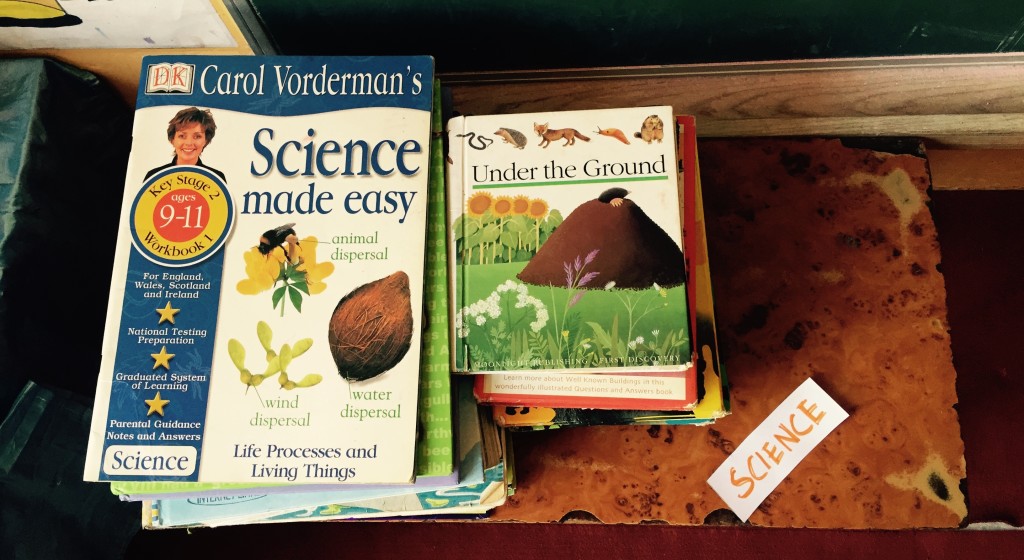
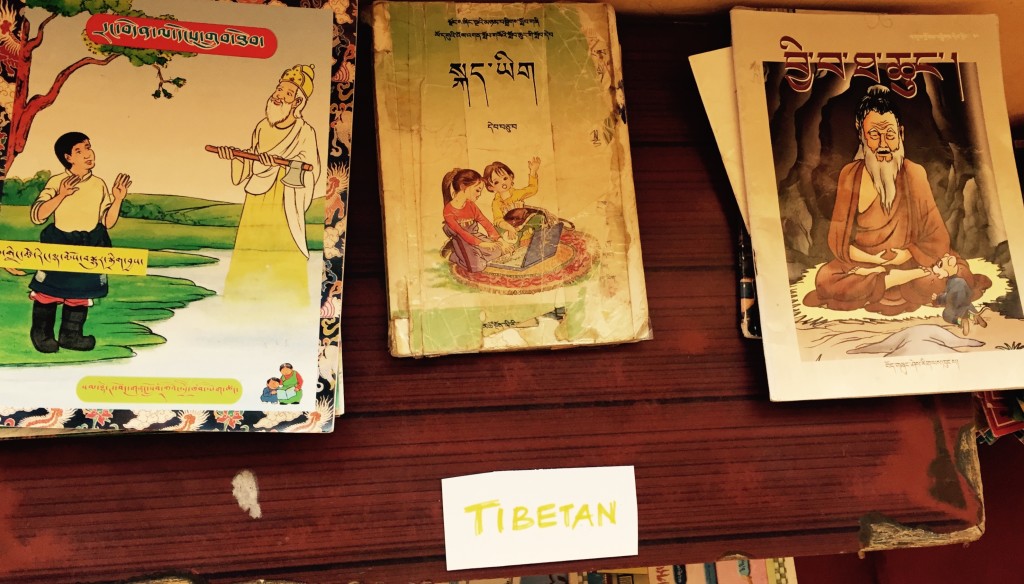
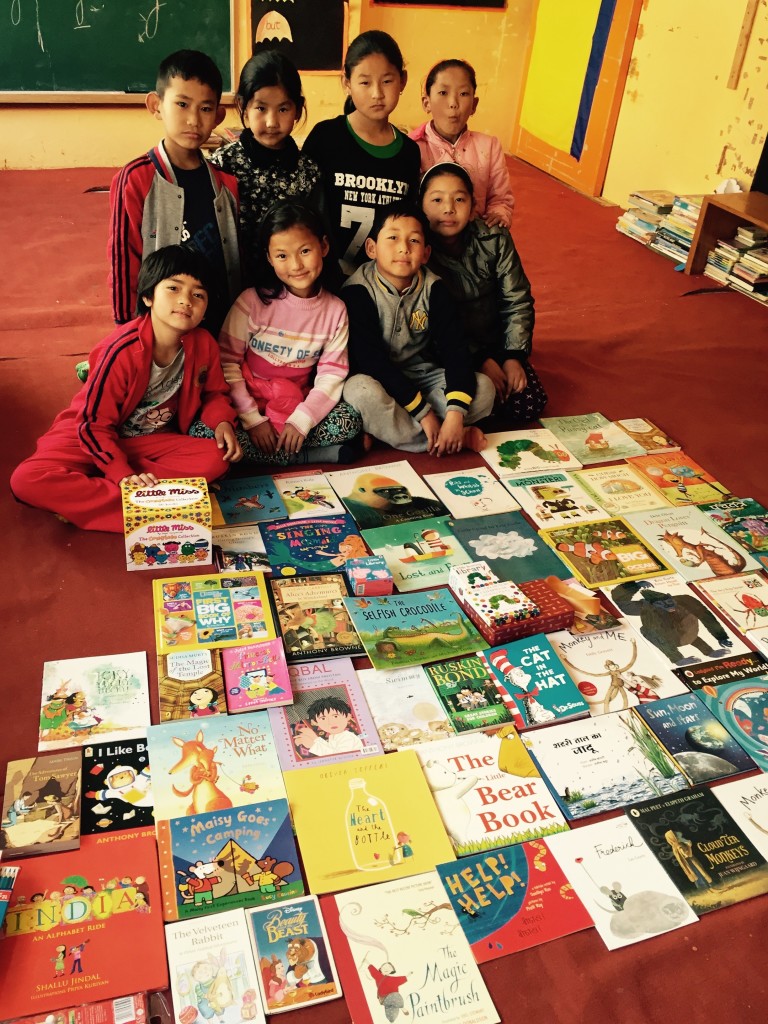
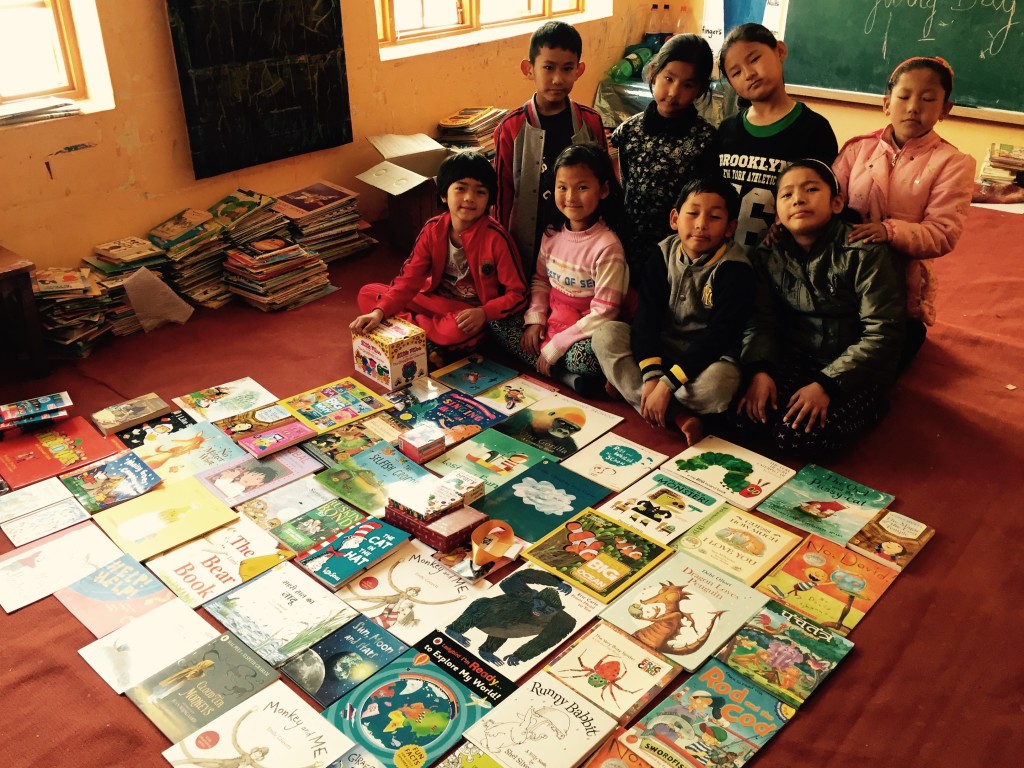
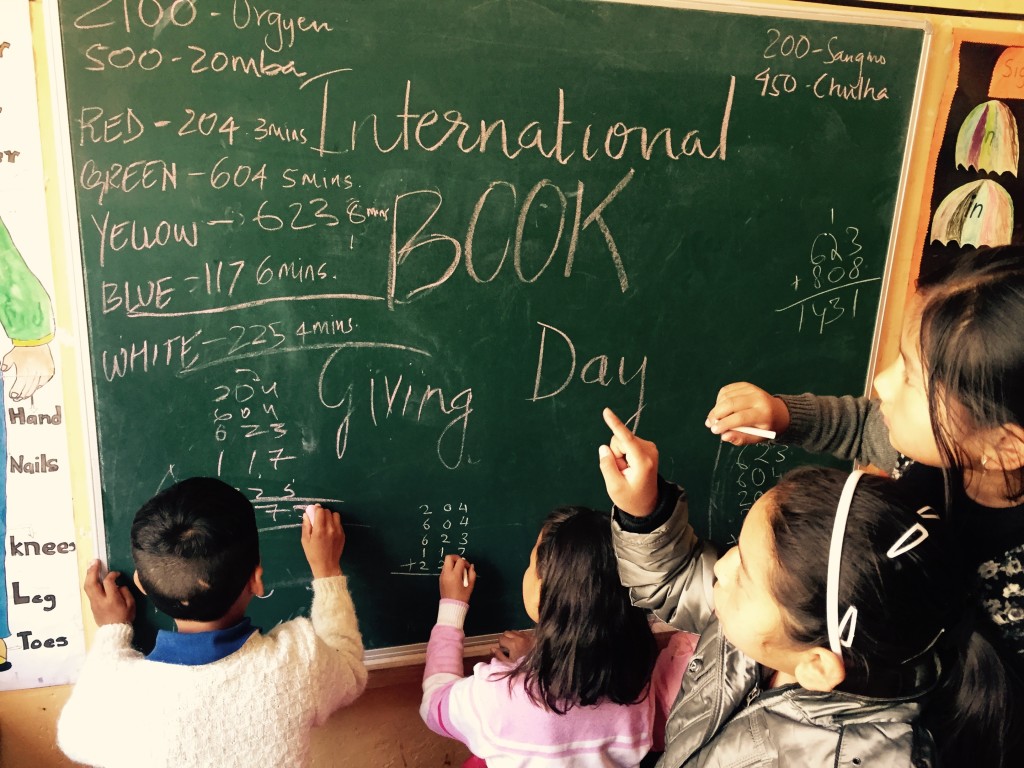
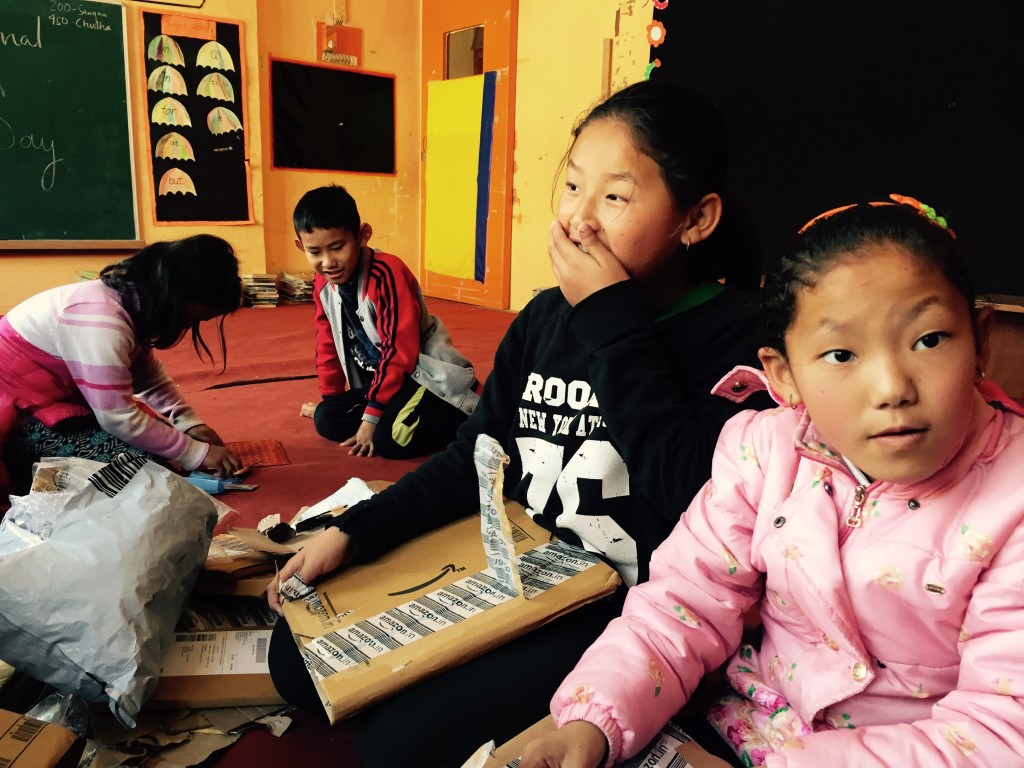
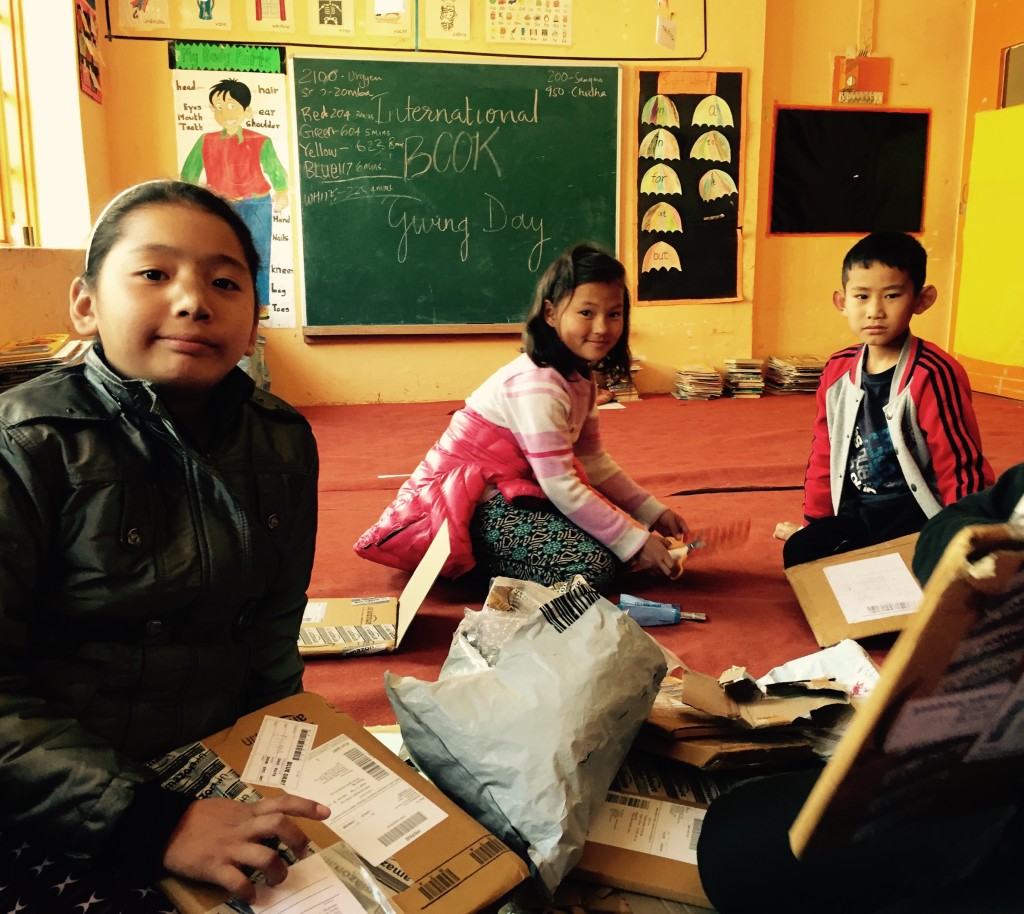
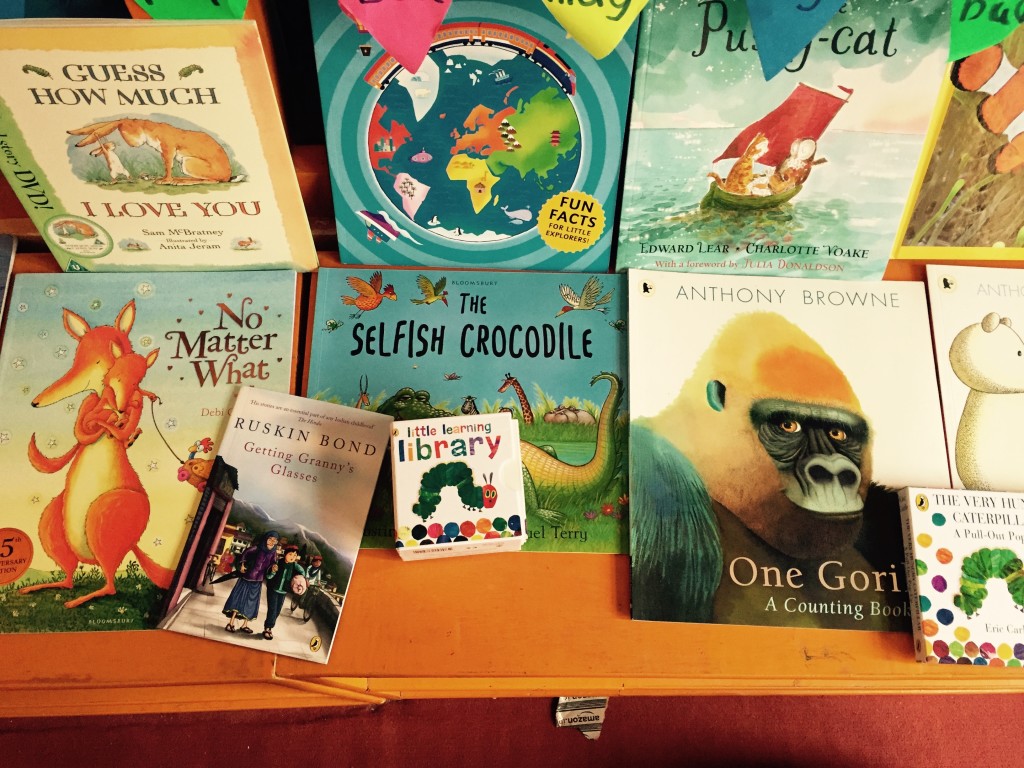
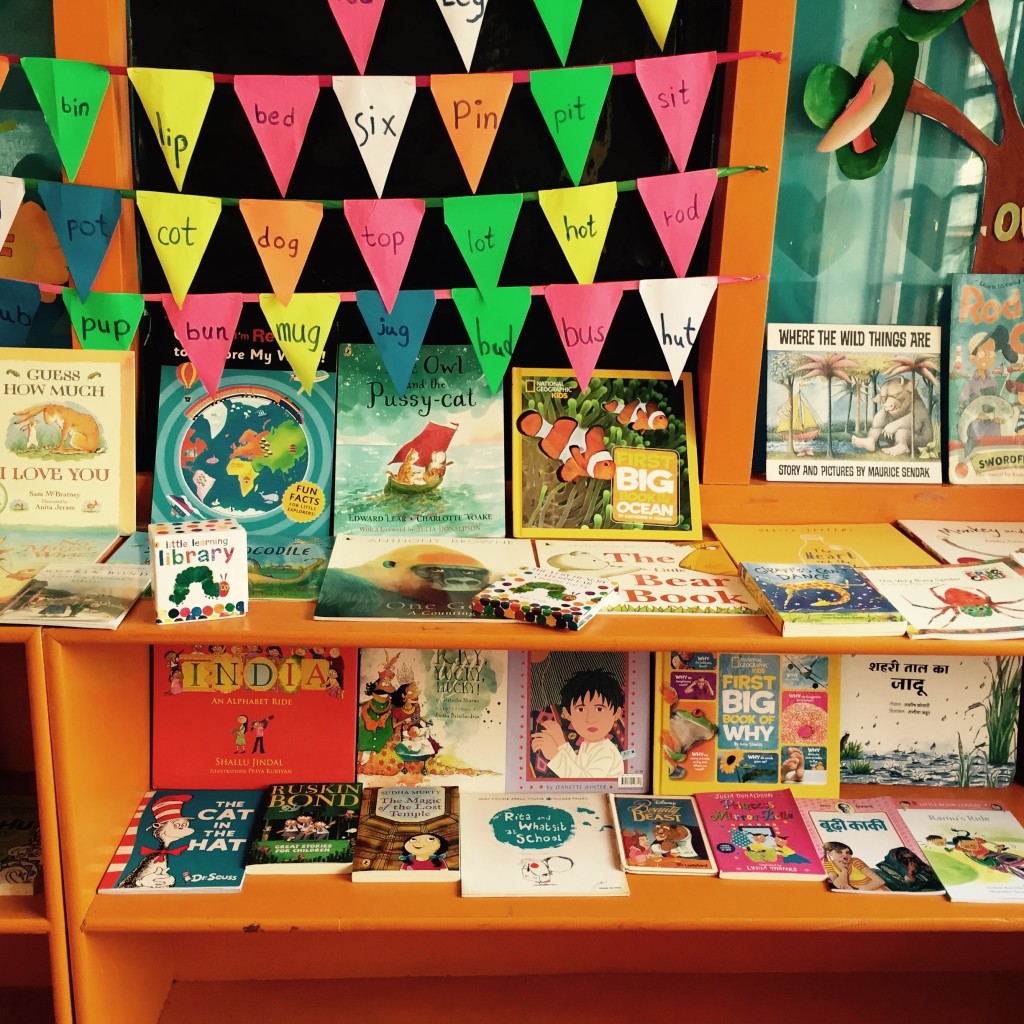
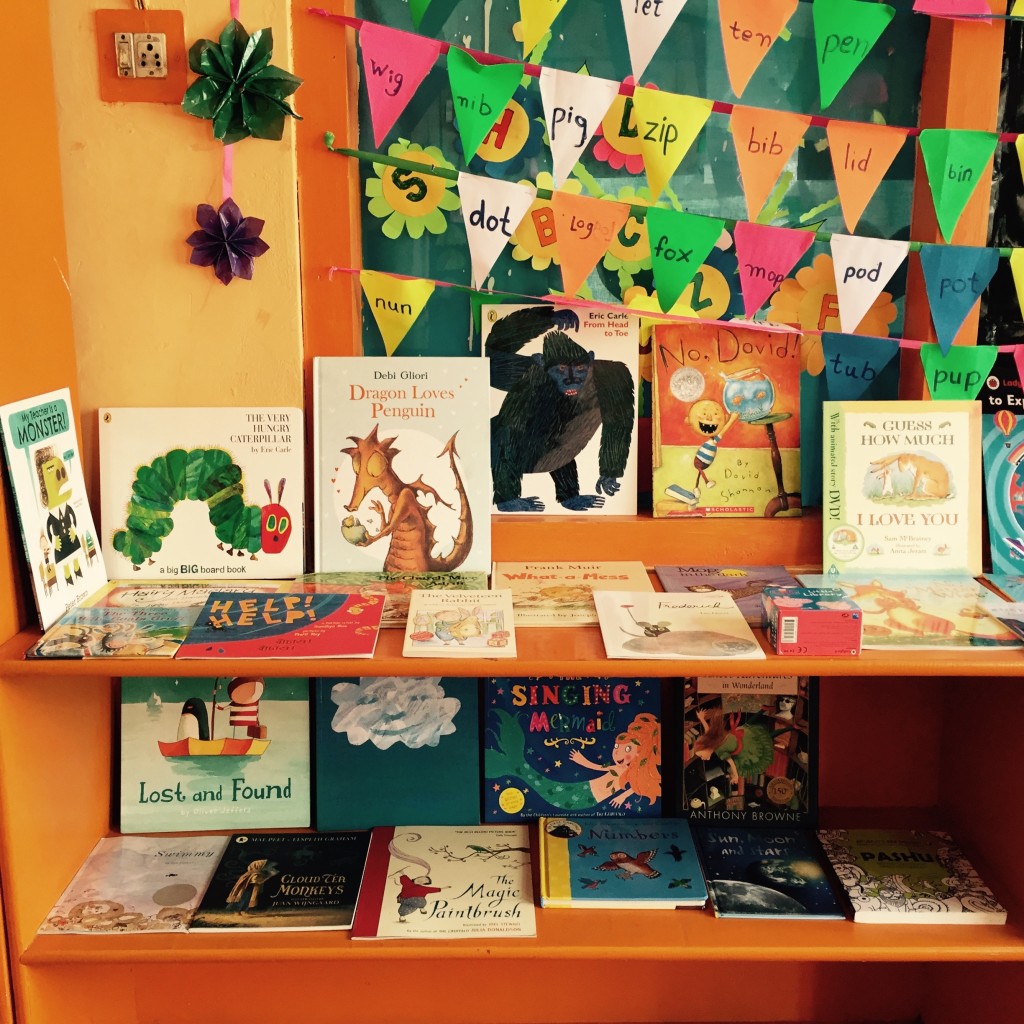
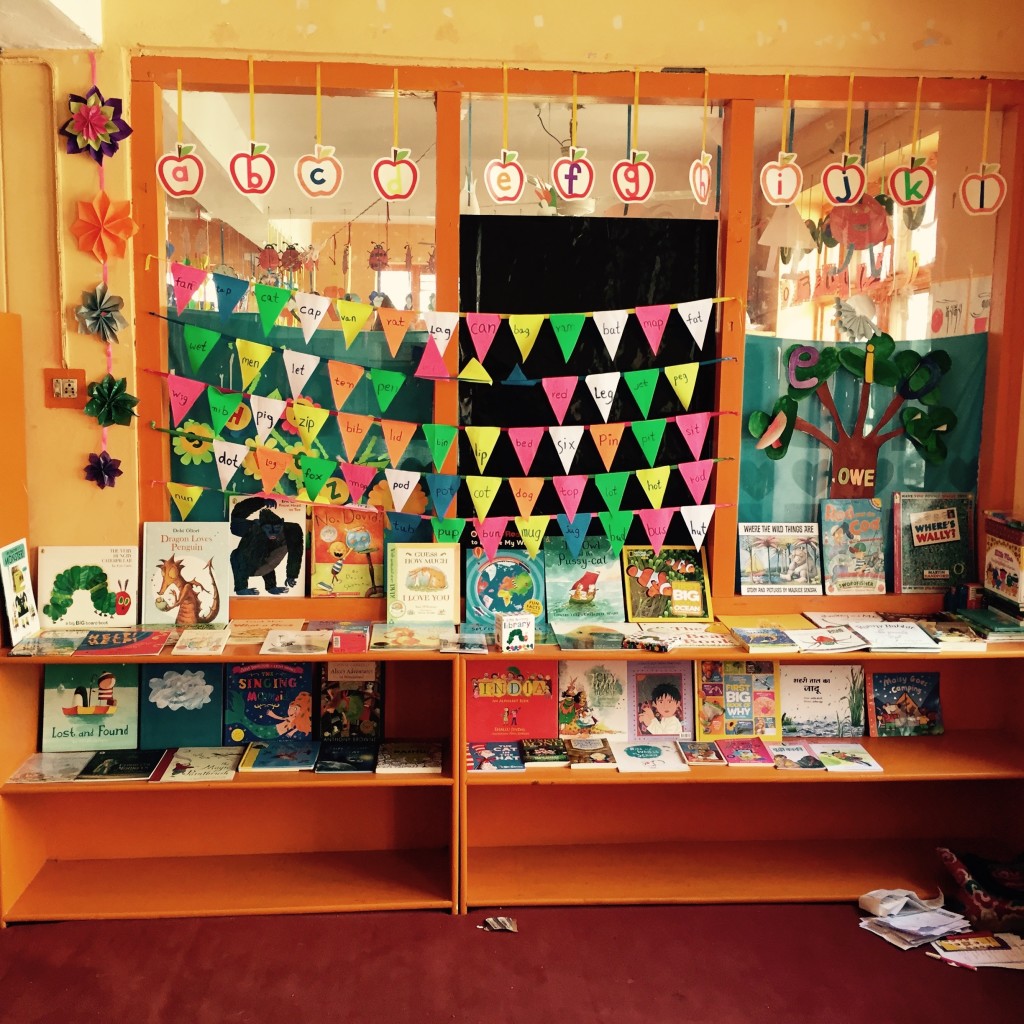
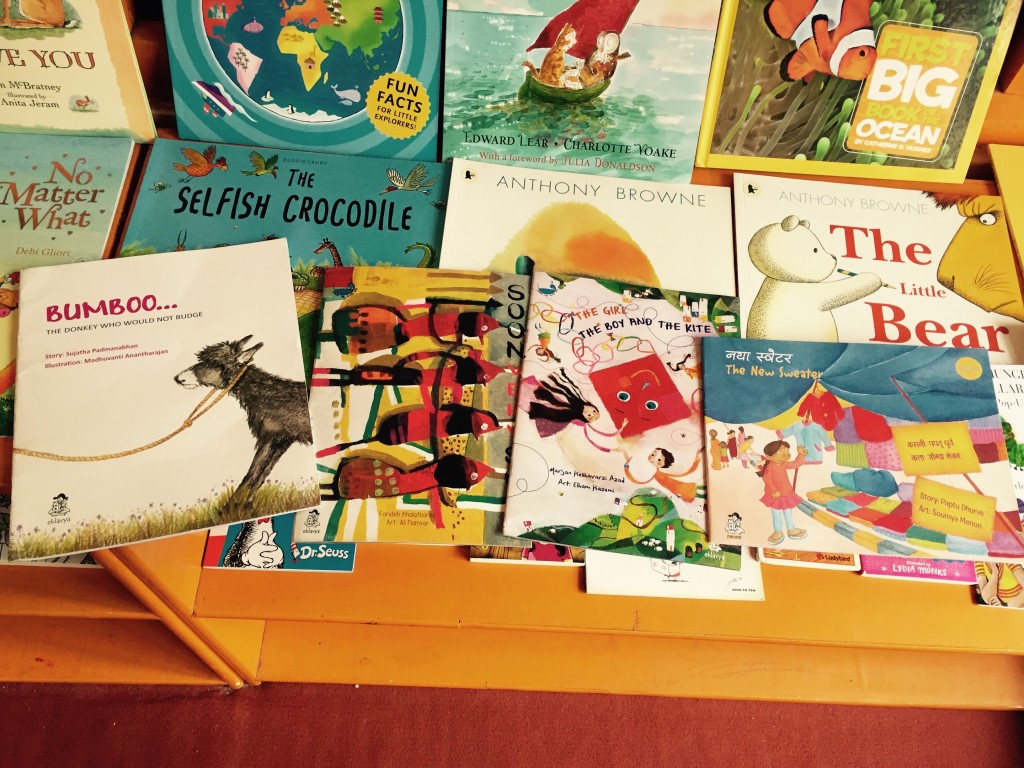
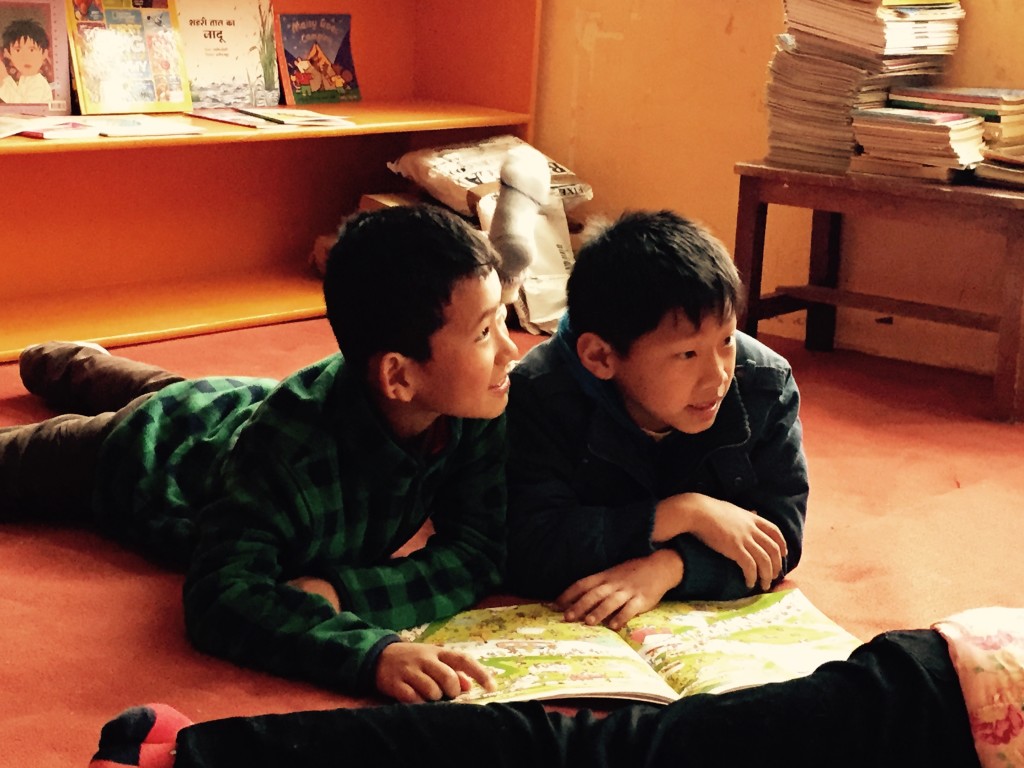
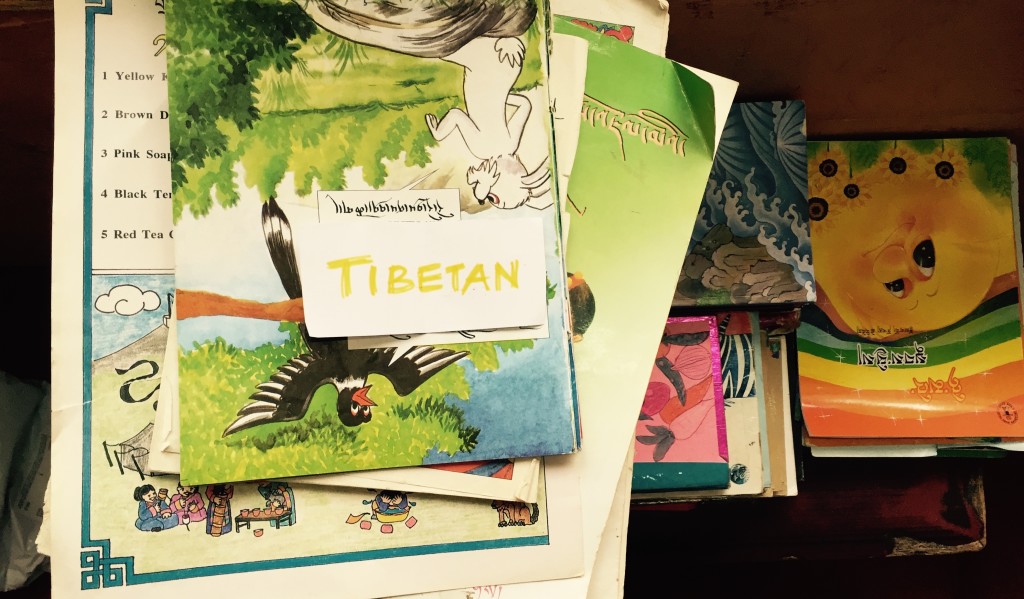
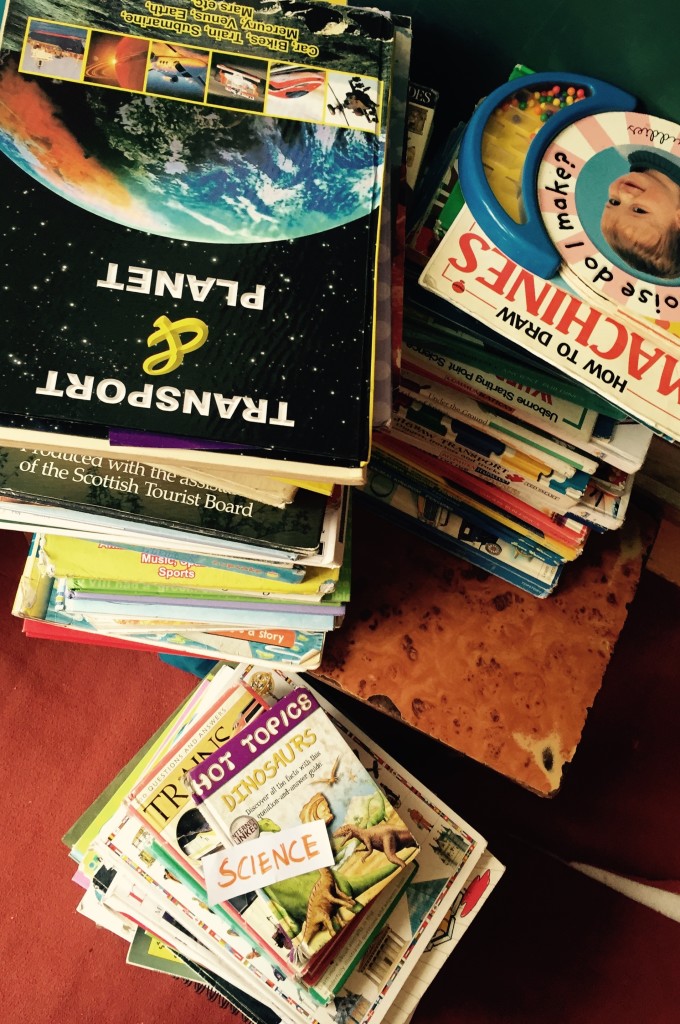
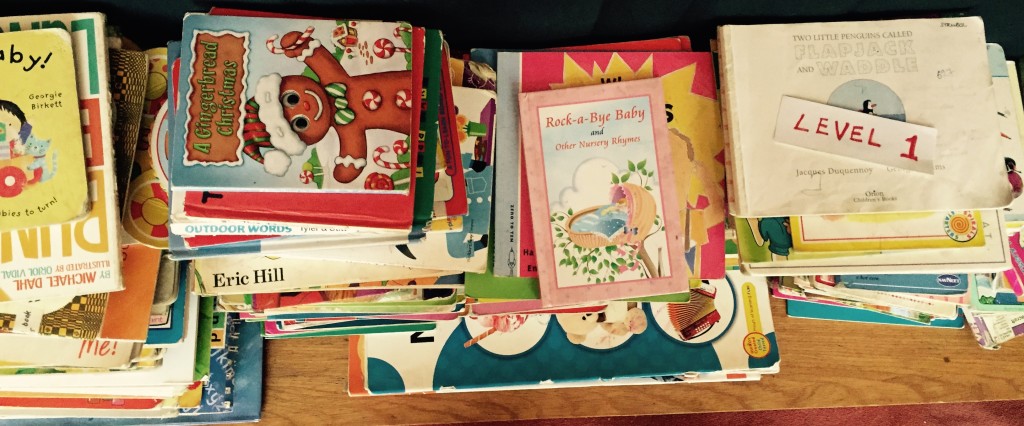
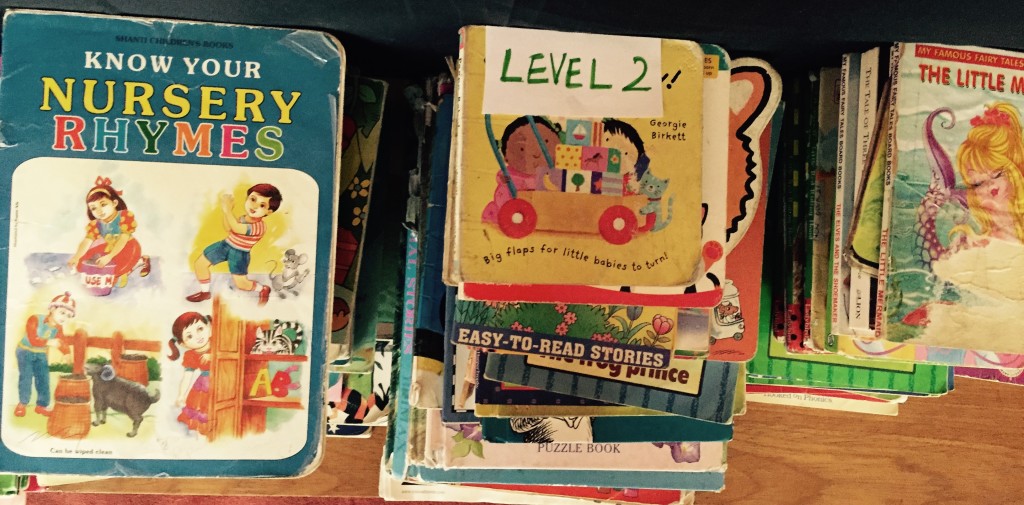
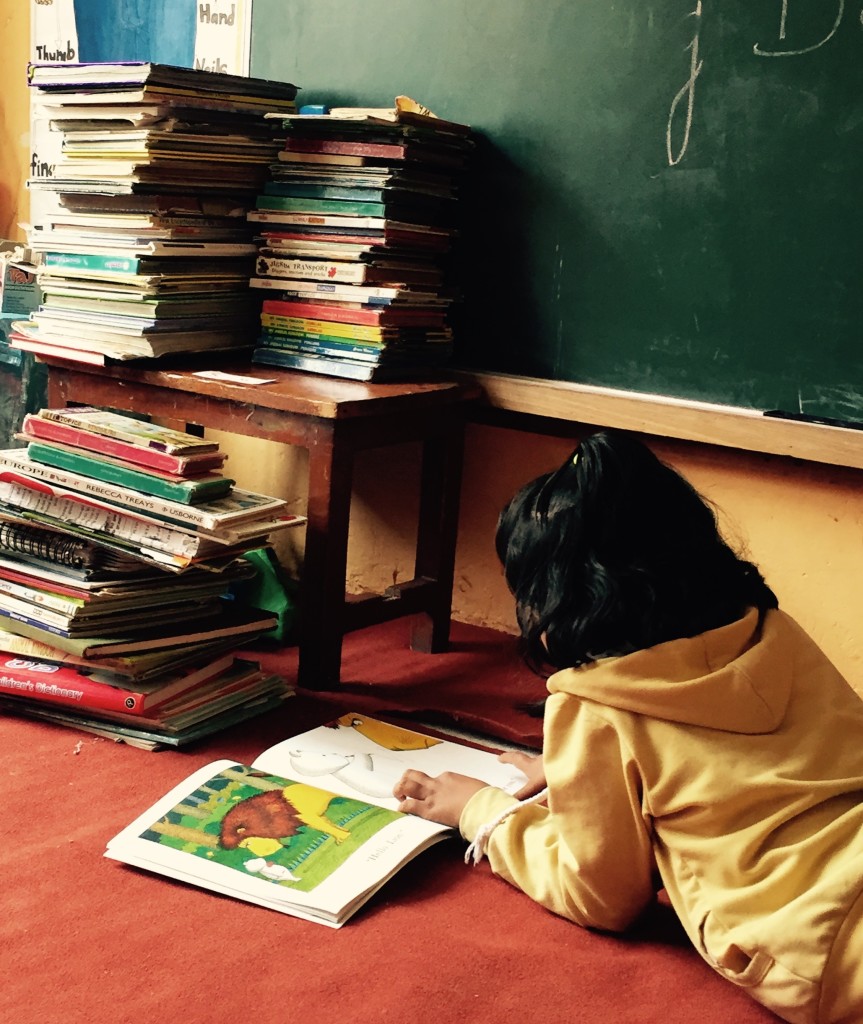
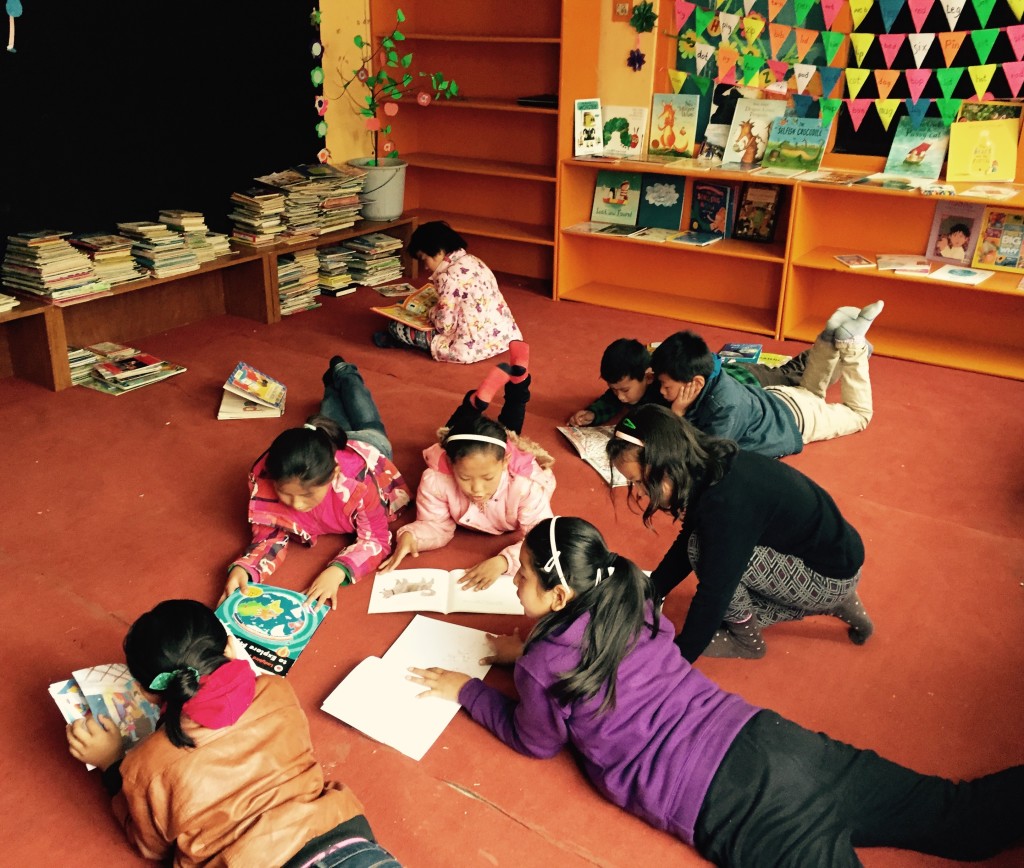
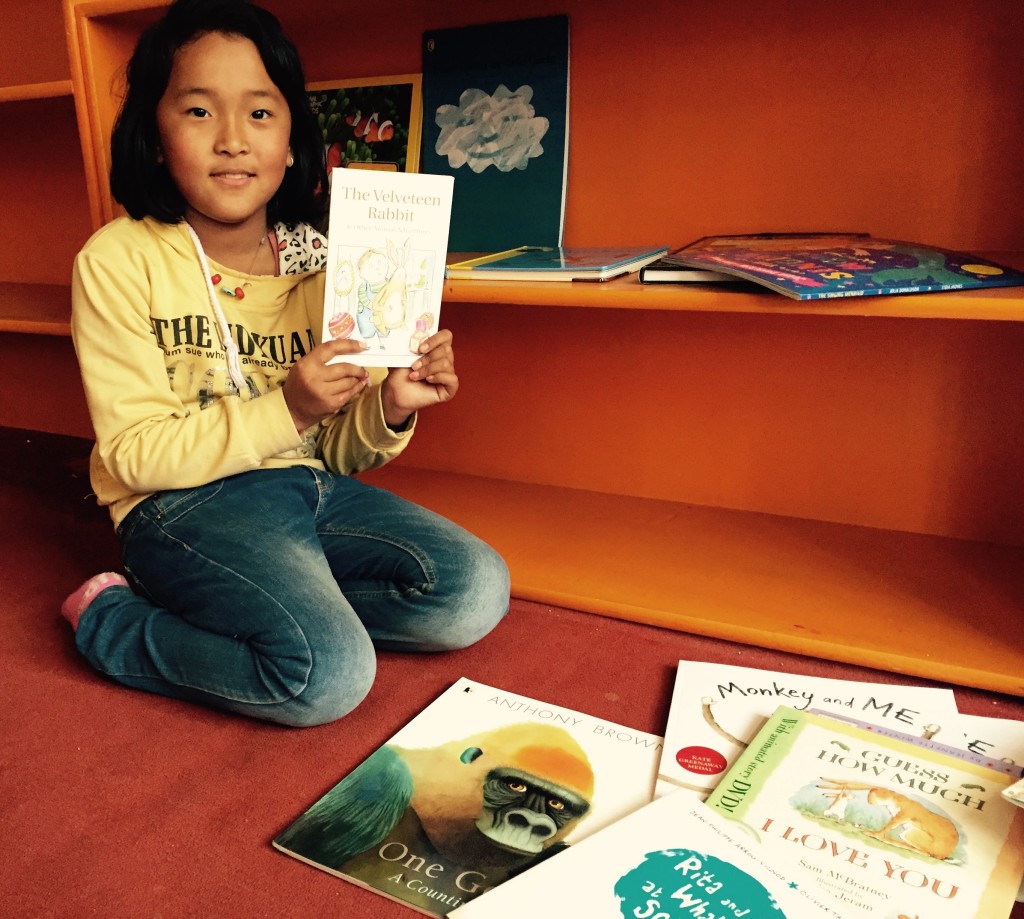
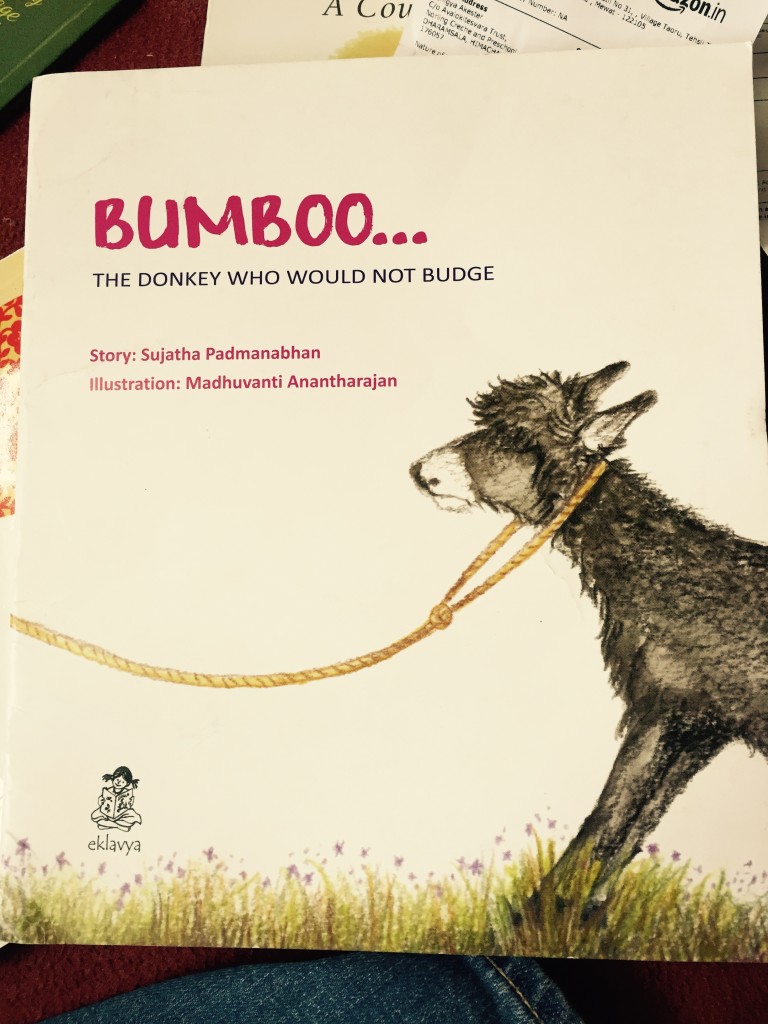
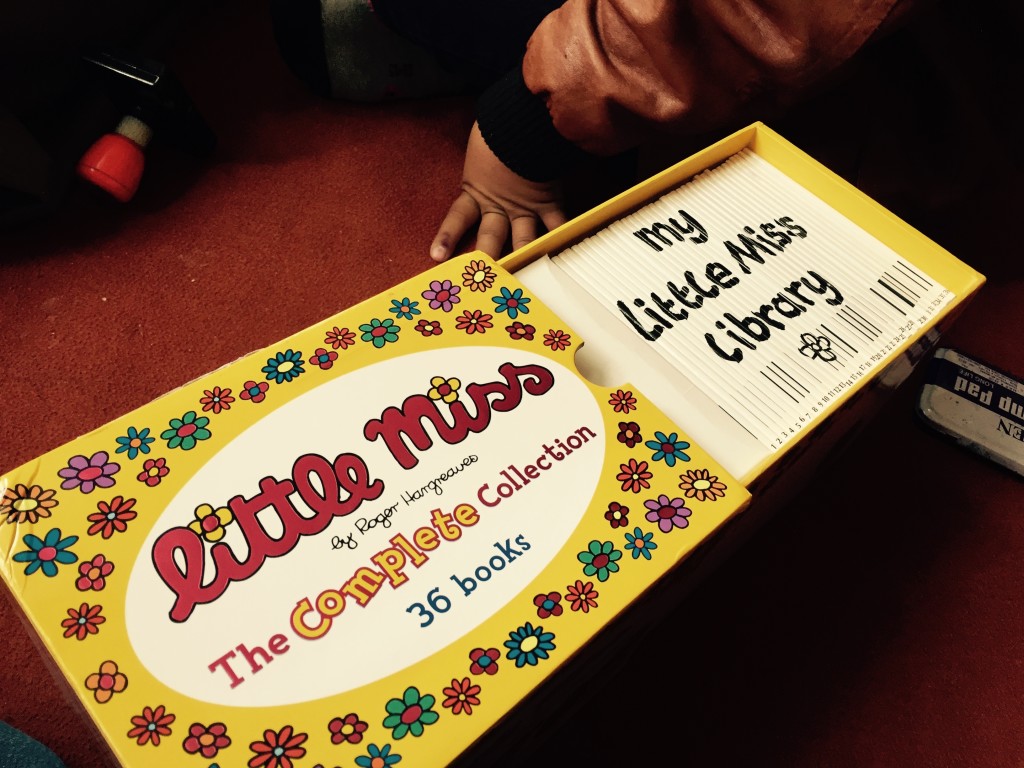
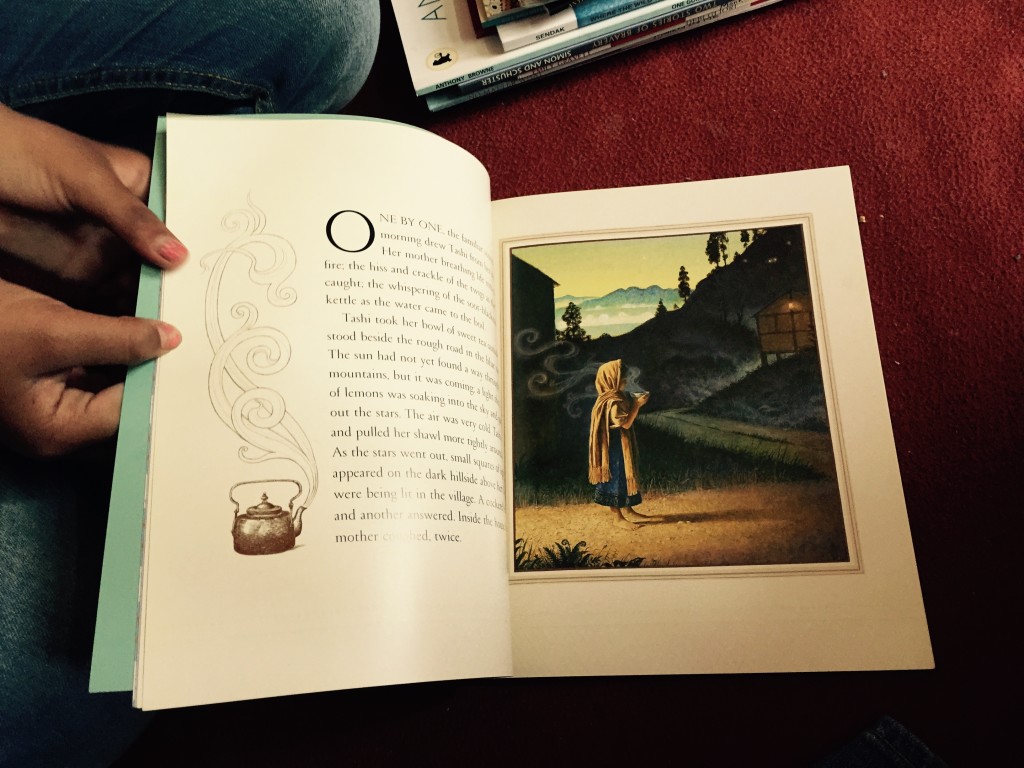
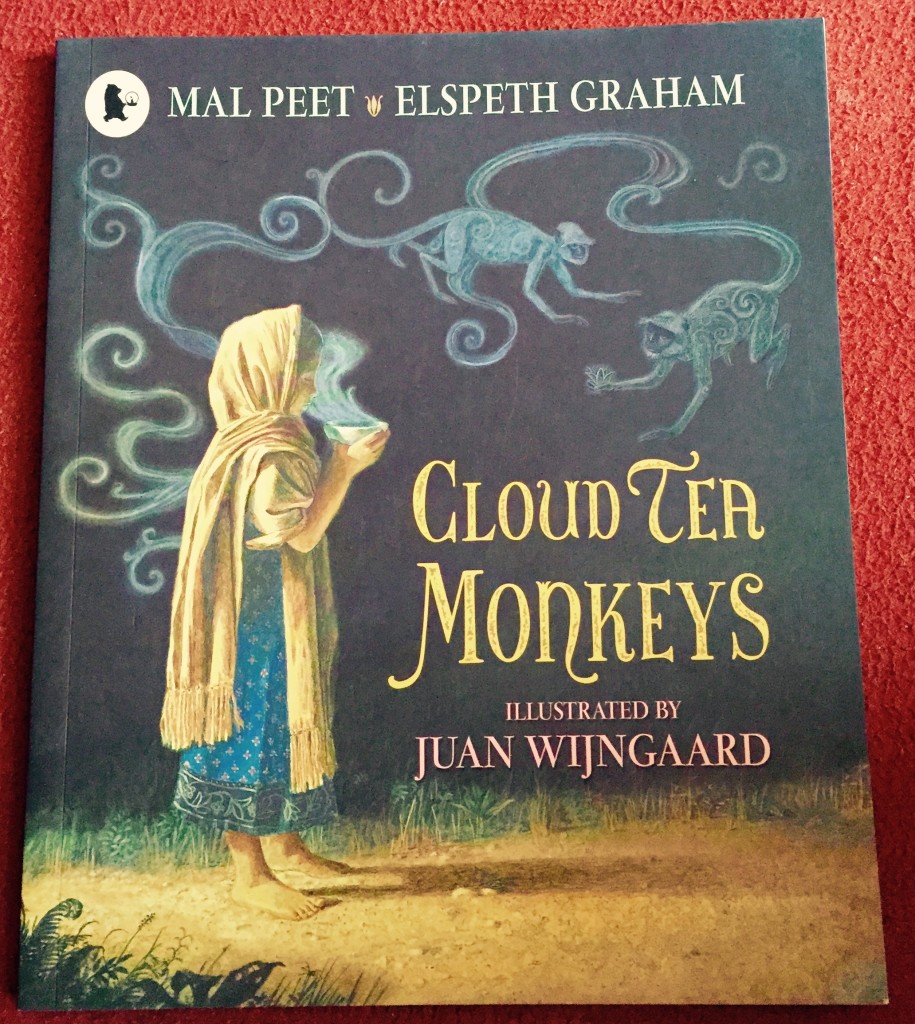
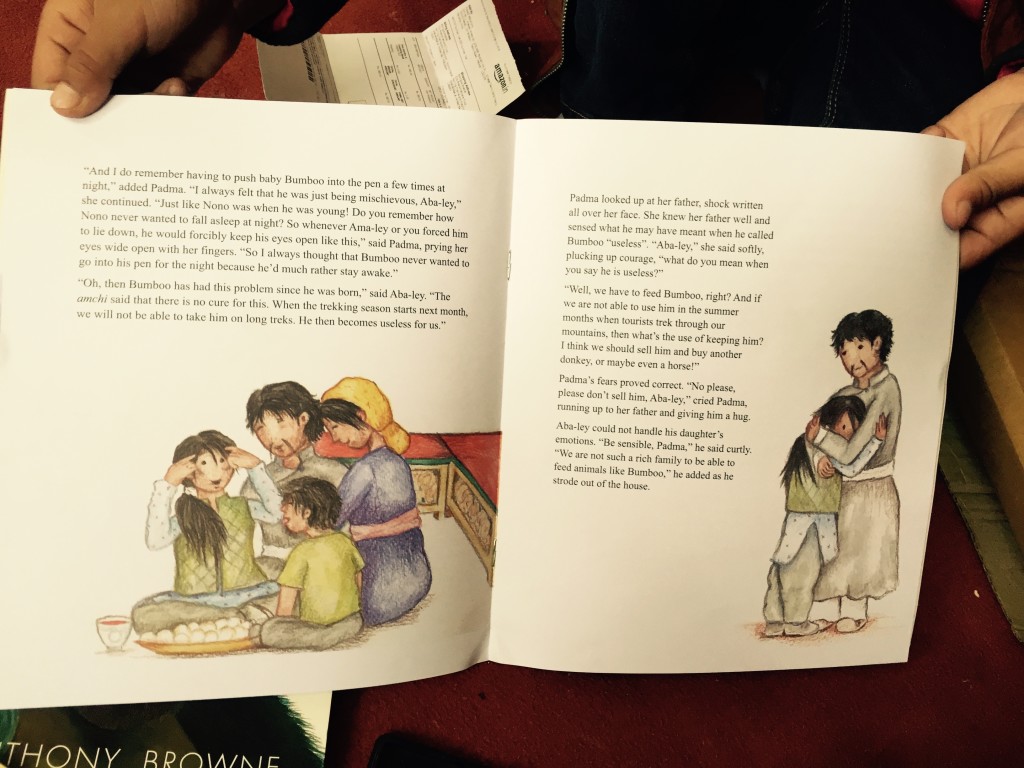
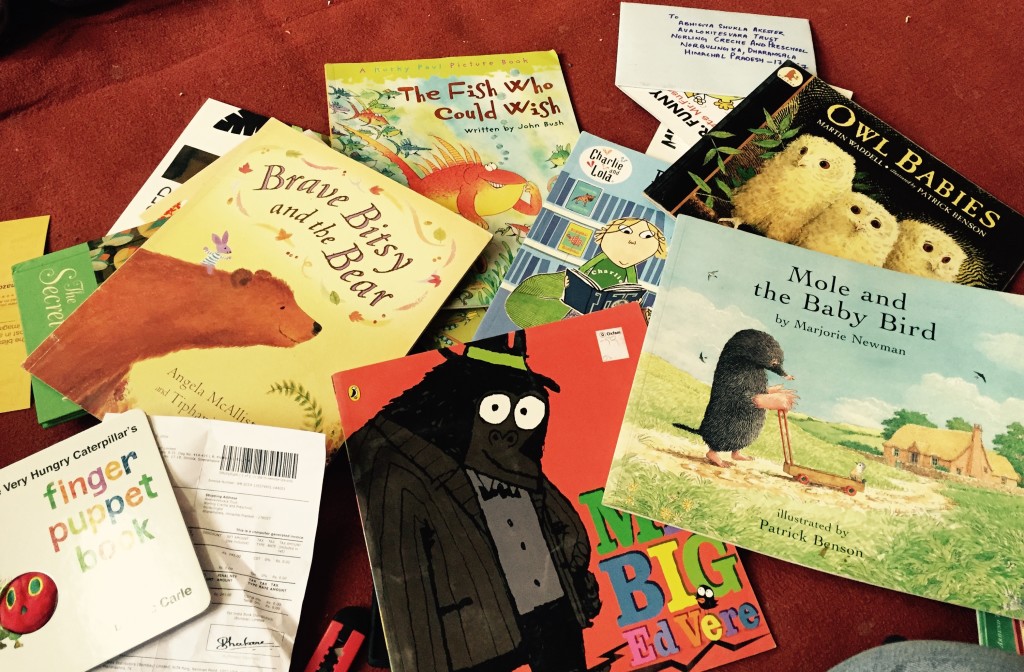
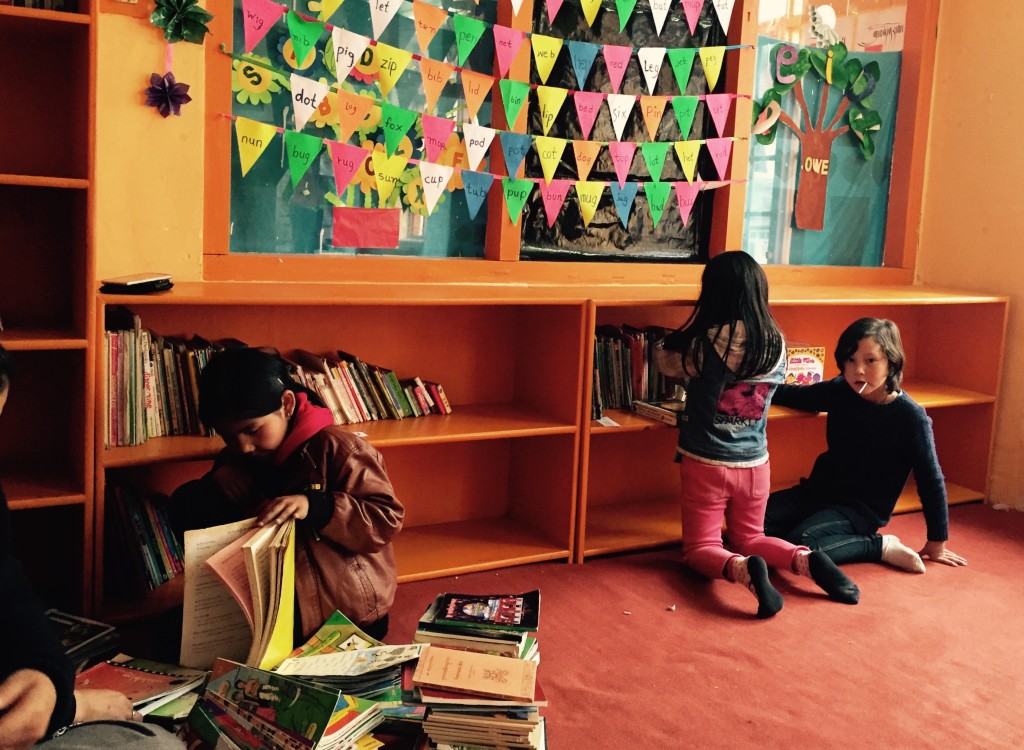
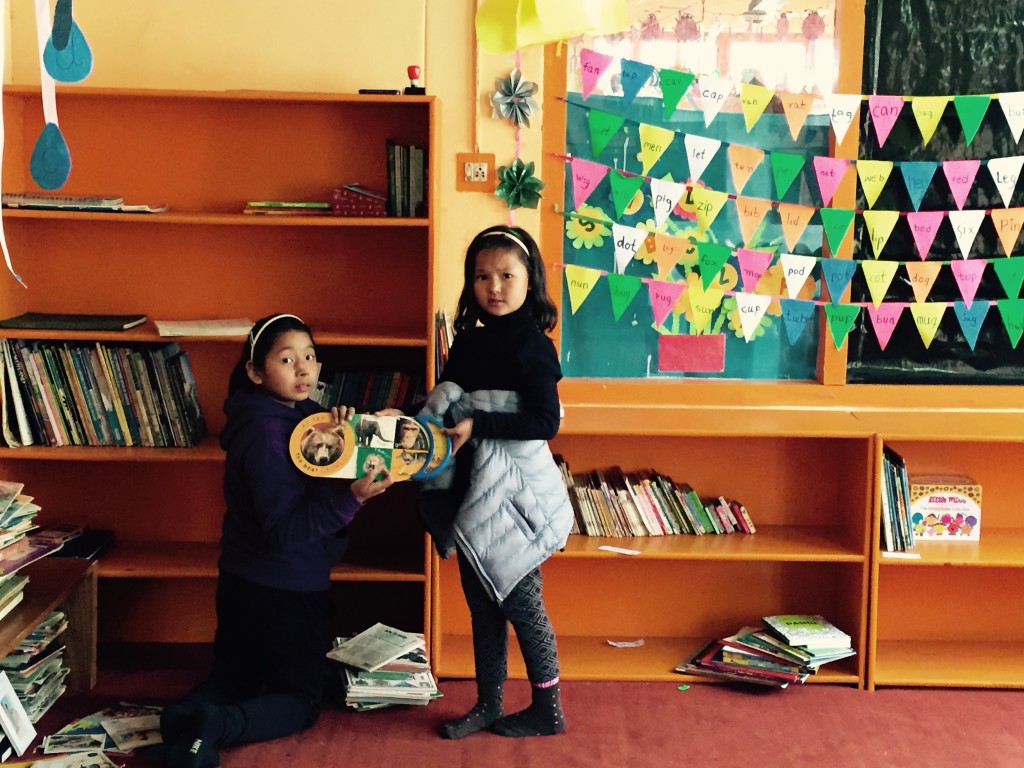
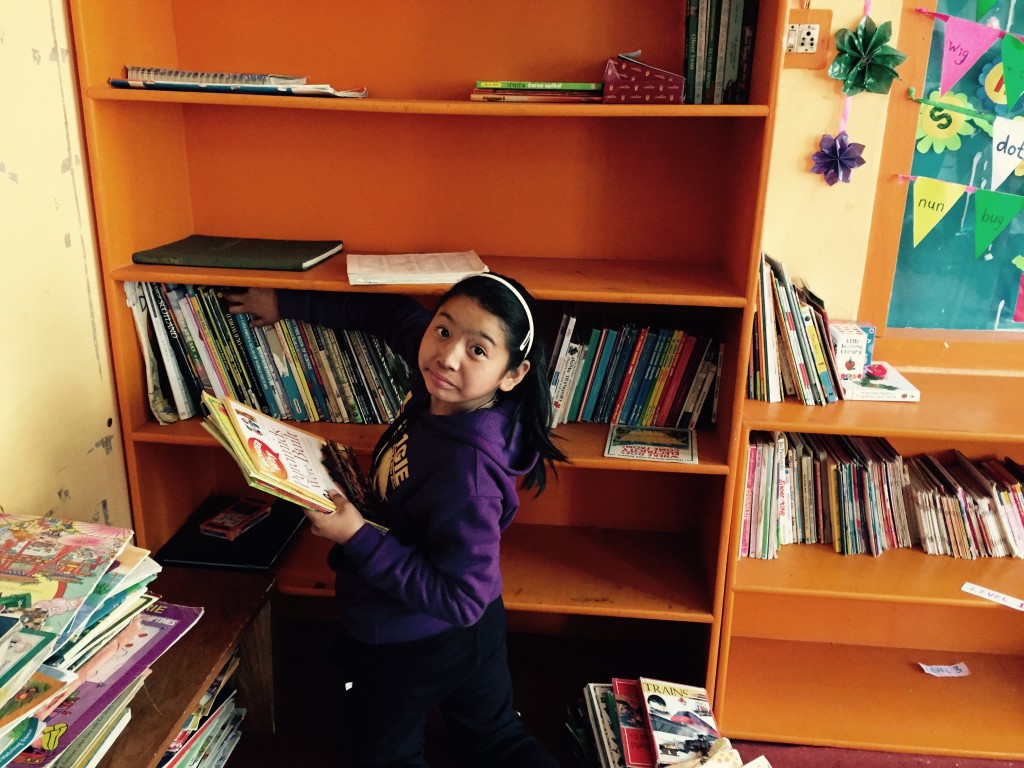
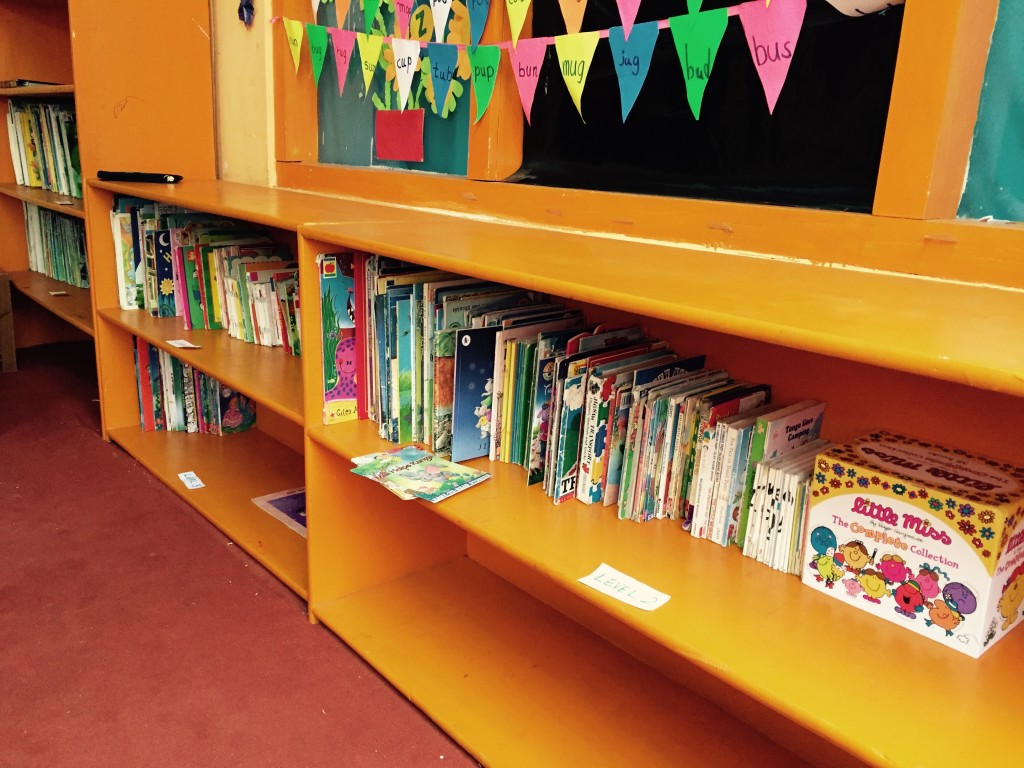
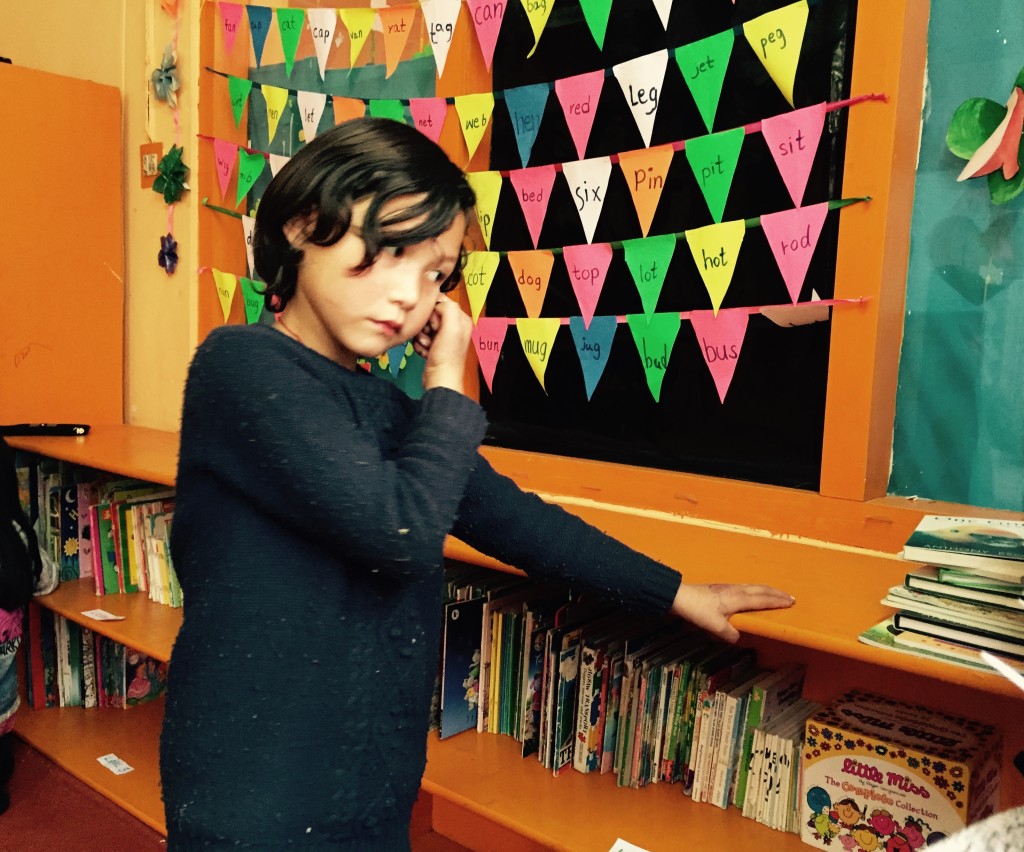
Access to quality books is central to literacy development. A well-stocked reading room gives girls the chance to read for pleasure, build vocabulary, strengthen comprehension, and encounter stories from beyond their immediate surroundings. It can also provide material in several languages, supporting both local identity and wider communication.
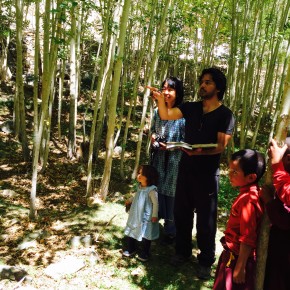
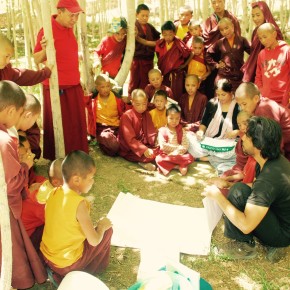
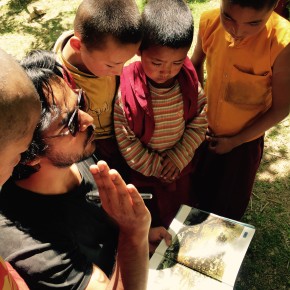
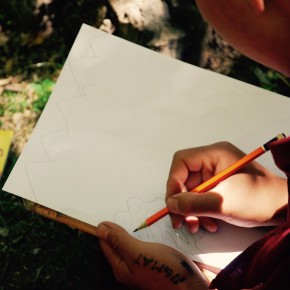
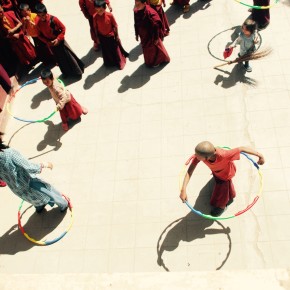
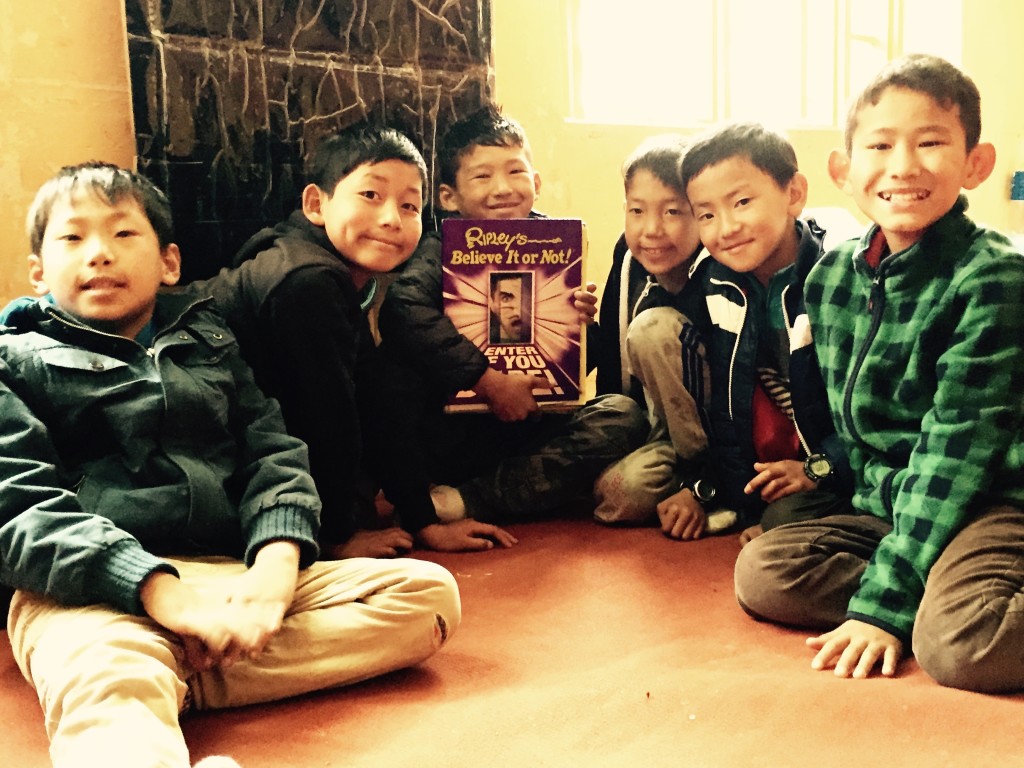
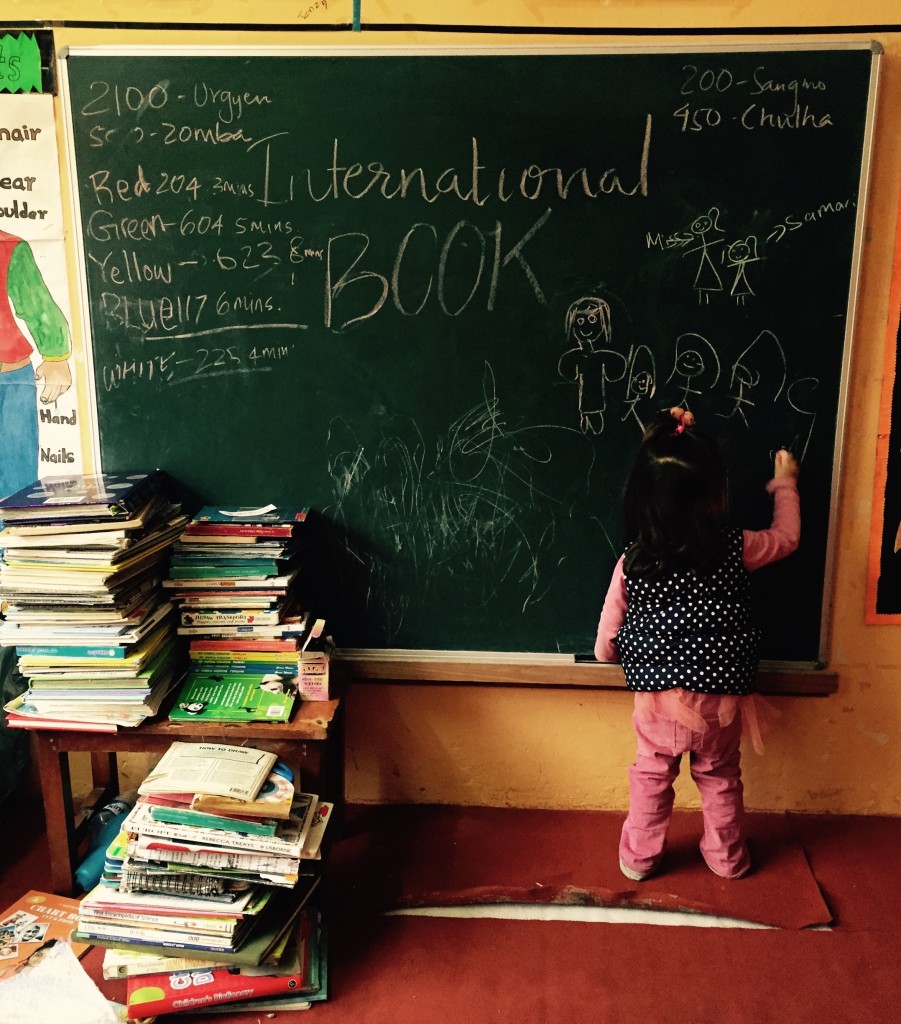
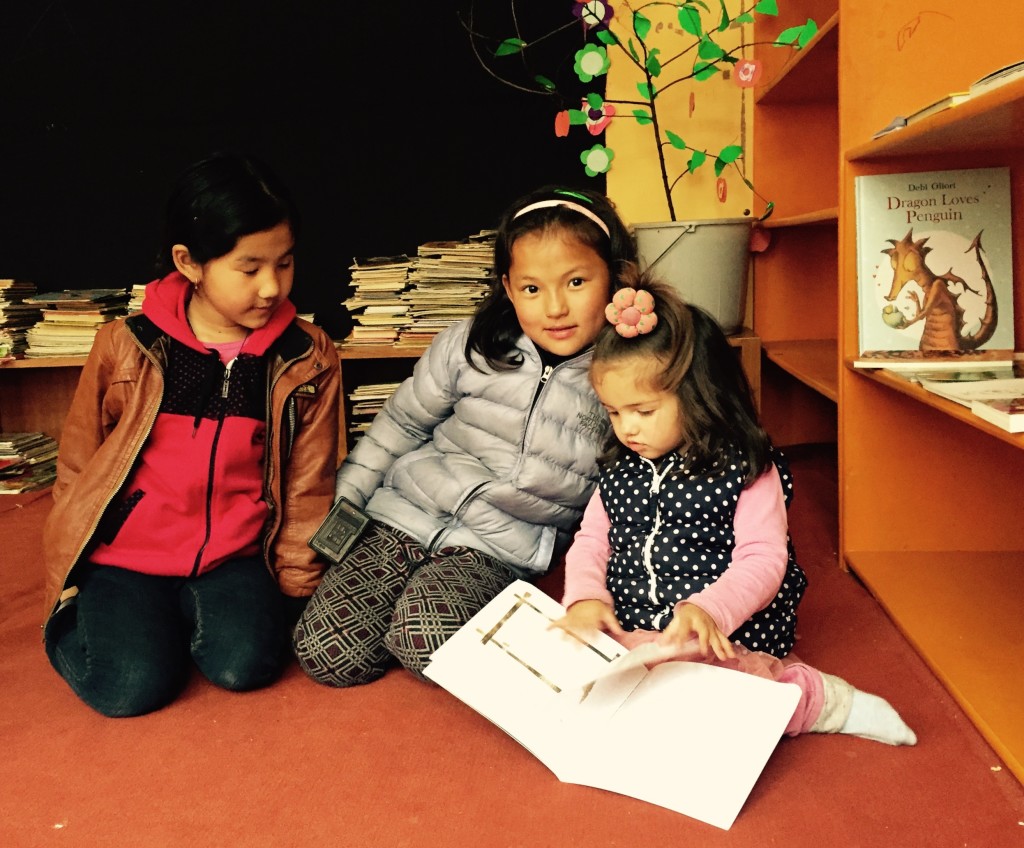
Female monks can help children approach books with curiosity rather than fear of making mistakes. Storytelling, shared reading, drawing, music, drama, and writing activities make learning active. These methods are useful for girls who may be hesitant to speak in formal classroom settings or who learn best through artistic and collaborative work.
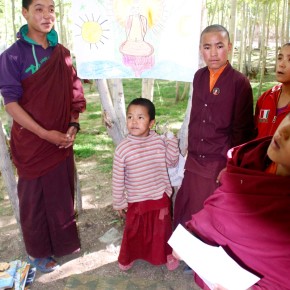
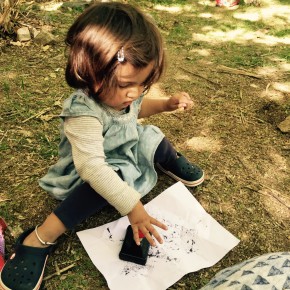
Creative education also gives girls a way to express their experiences. A poem about mountain life, a painting of a village, or a musical performance based on local traditions can connect learning with personal identity. When children see their culture reflected in educational activities, literacy becomes a source of pride rather than a demand disconnected from daily life.
The Wider Benefits Of Female Monastic Mentorship
The contribution of female monks extends beyond academic skills. A trusted mentor can help girls develop communication, decision-making, teamwork, and problem-solving abilities. These qualities support success in school while preparing young people to participate in family, civic, and professional life.
Female monastics may also provide a calm setting in which girls can discuss confidence, friendship, responsibility, and future goals. The role should complement parents, teachers, and trained professionals, especially when children face serious emotional, health, or safeguarding concerns. Strong partnerships keep support appropriate and protect the wellbeing of every child.
The following comparison shows how different forms of educational support can work together:
| Supportive role |
What girls may gain |
How community partners can help |
| Female monk as mentor |
Confidence, encouragement, and a visible role model |
Support training, safe meeting spaces, and regular activities |
| Reading room facilitator |
Reading fluency, vocabulary, and independent study habits |
Provide age-appropriate books, shelves, lighting, and learning materials |
| Arts and music leader |
Creativity, self-expression, collaboration, and cultural connection |
Fund instruments, art supplies, workshops, and exhibitions |
| School and family partner |
Continuity between home, school, and community learning |
Share information, coordinate schedules, and respect local priorities |
| Volunteer or donor |
Additional time, resources, and educational opportunities |
Contribute responsibly while following local guidance and safeguarding standards |
Making Girls’ Learning More Accessible
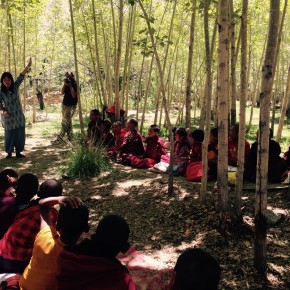
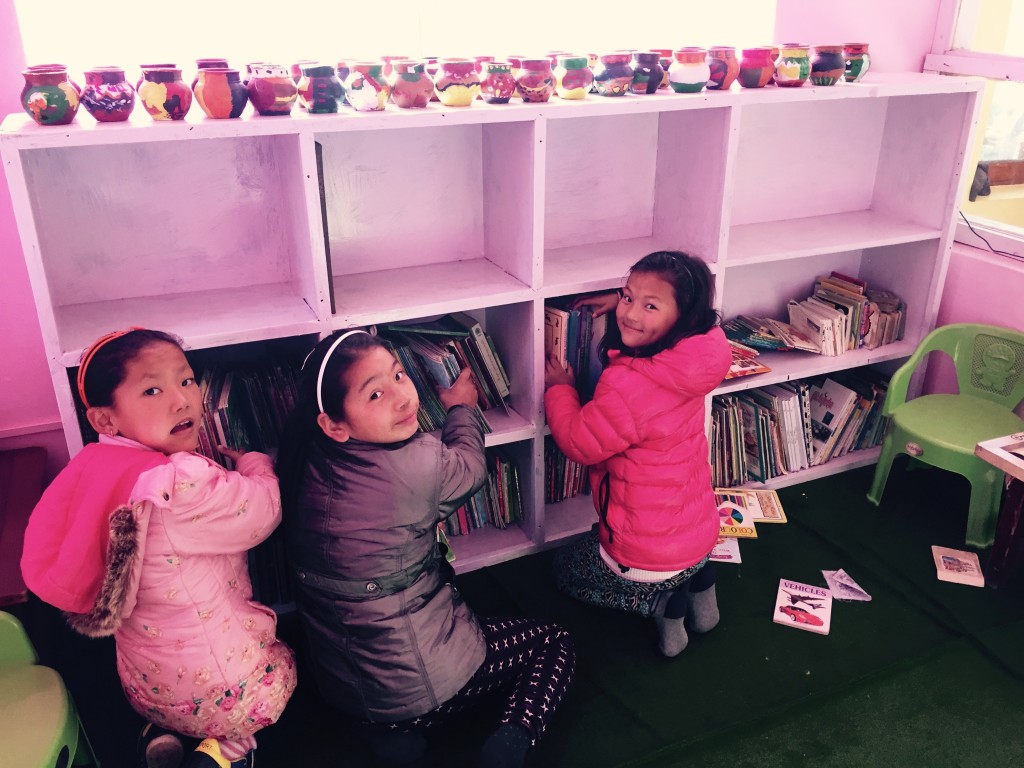
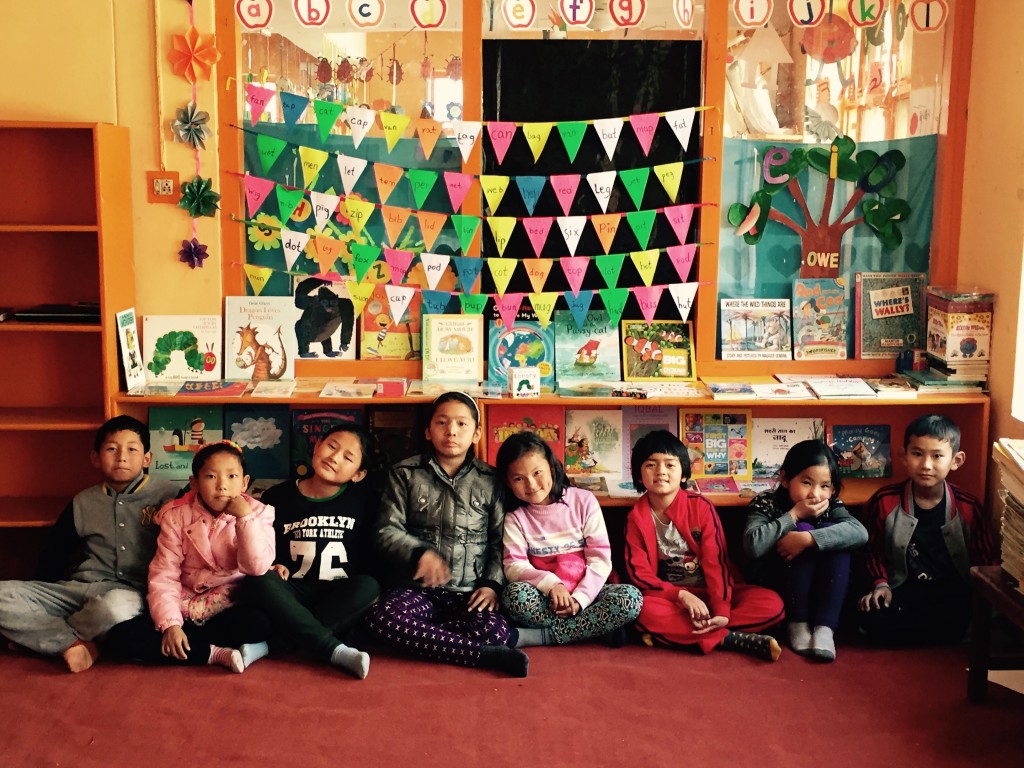
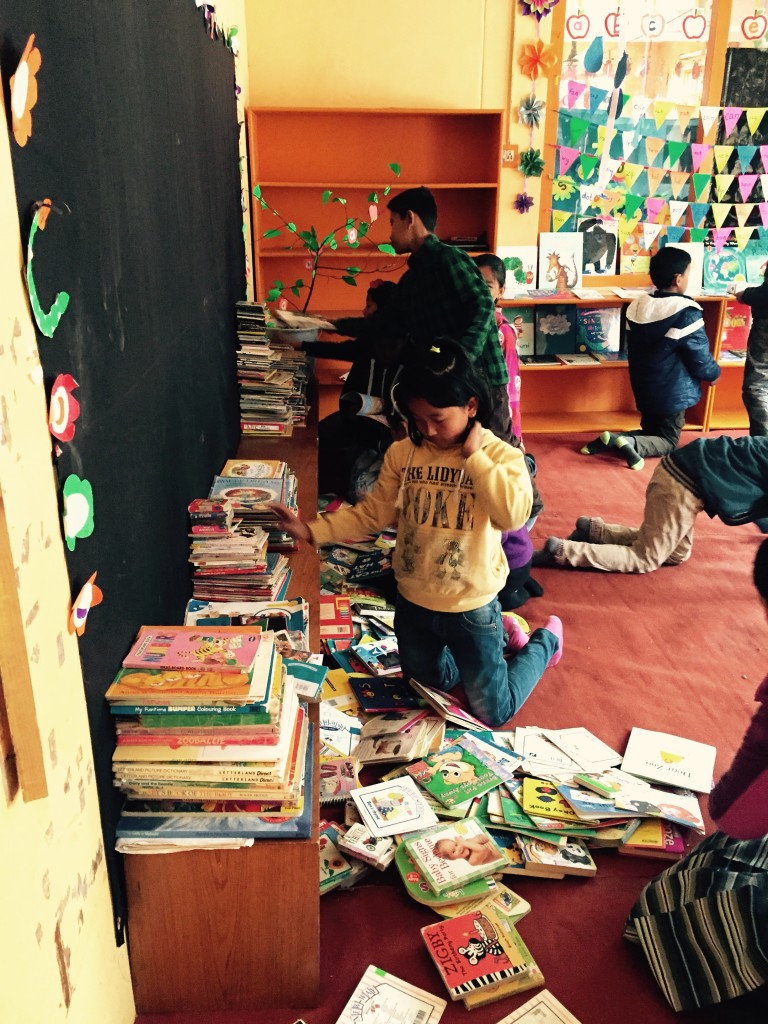
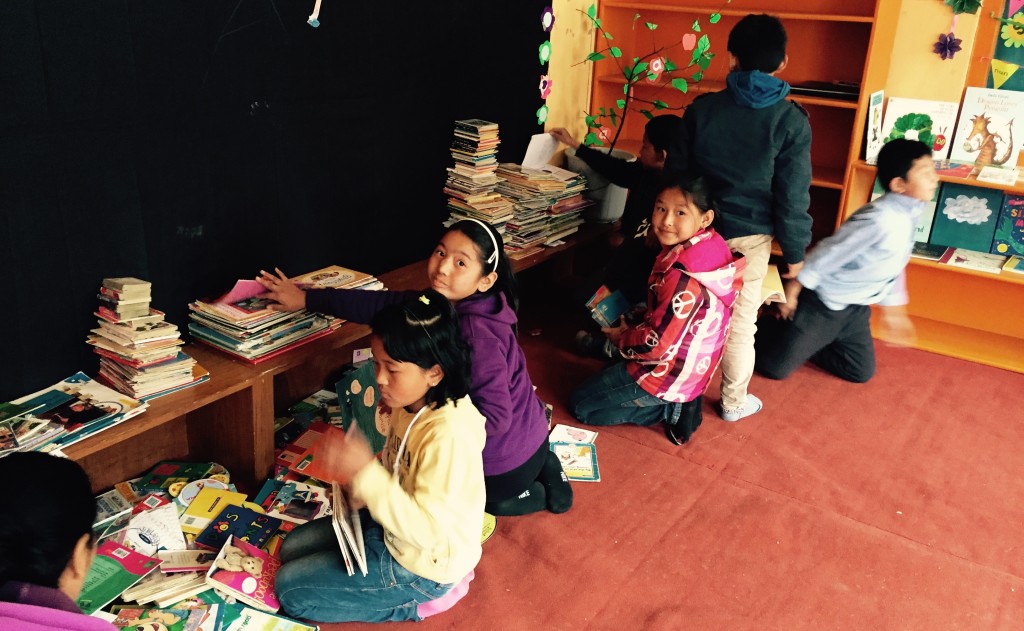
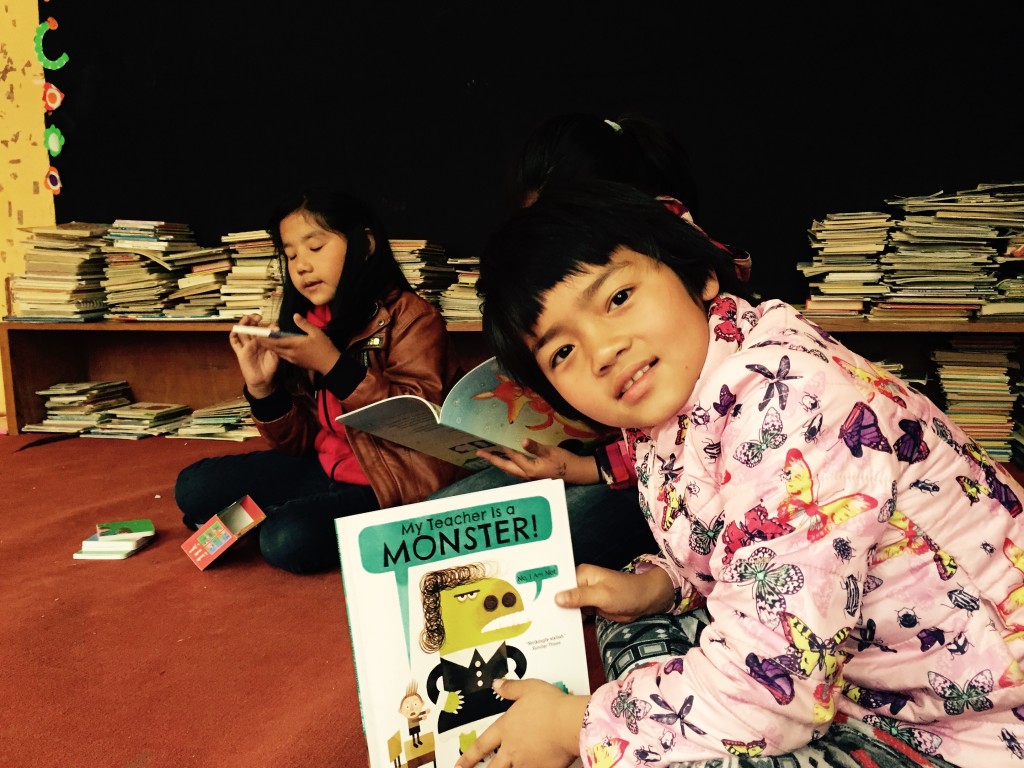
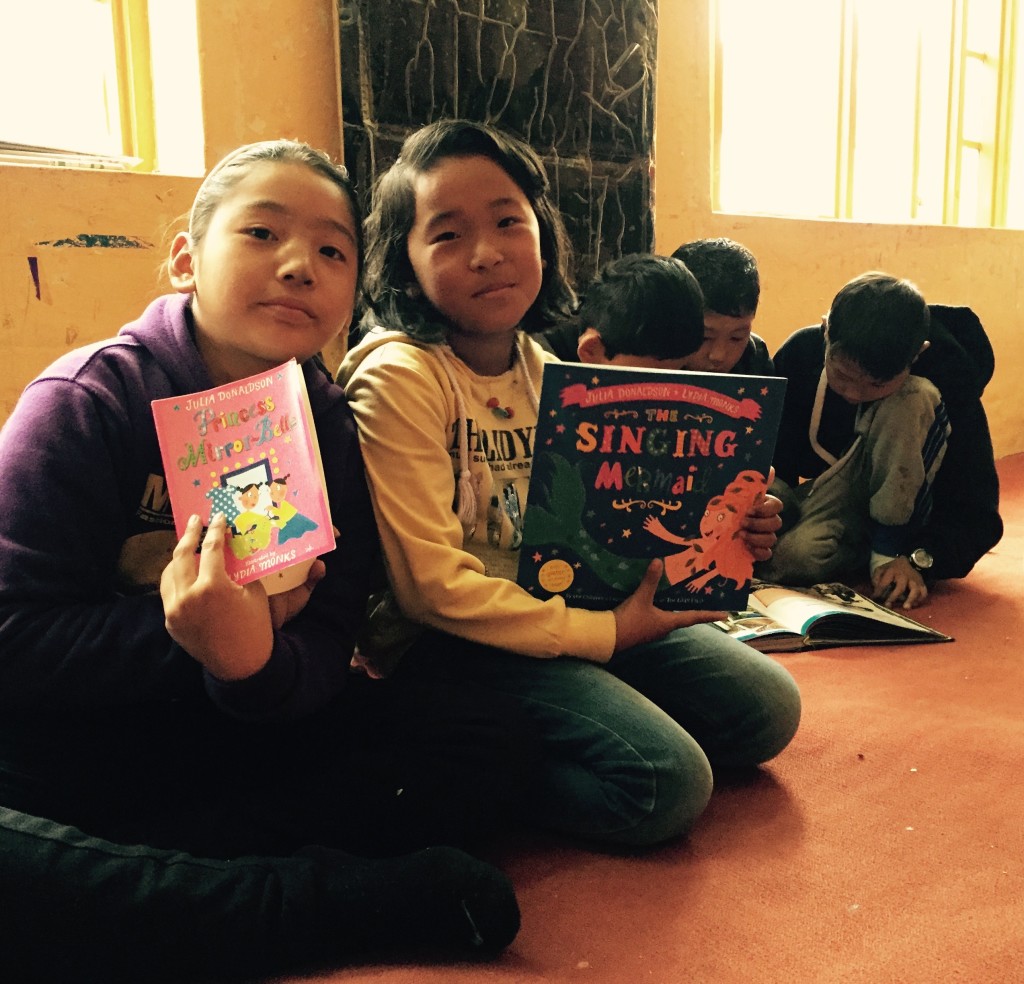
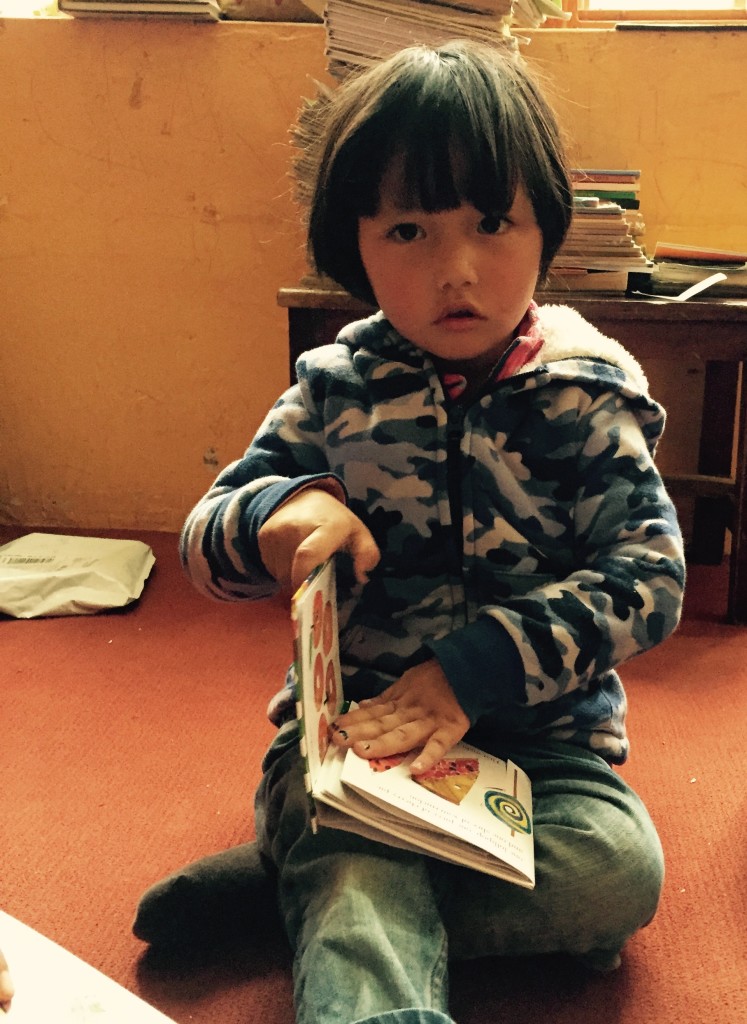
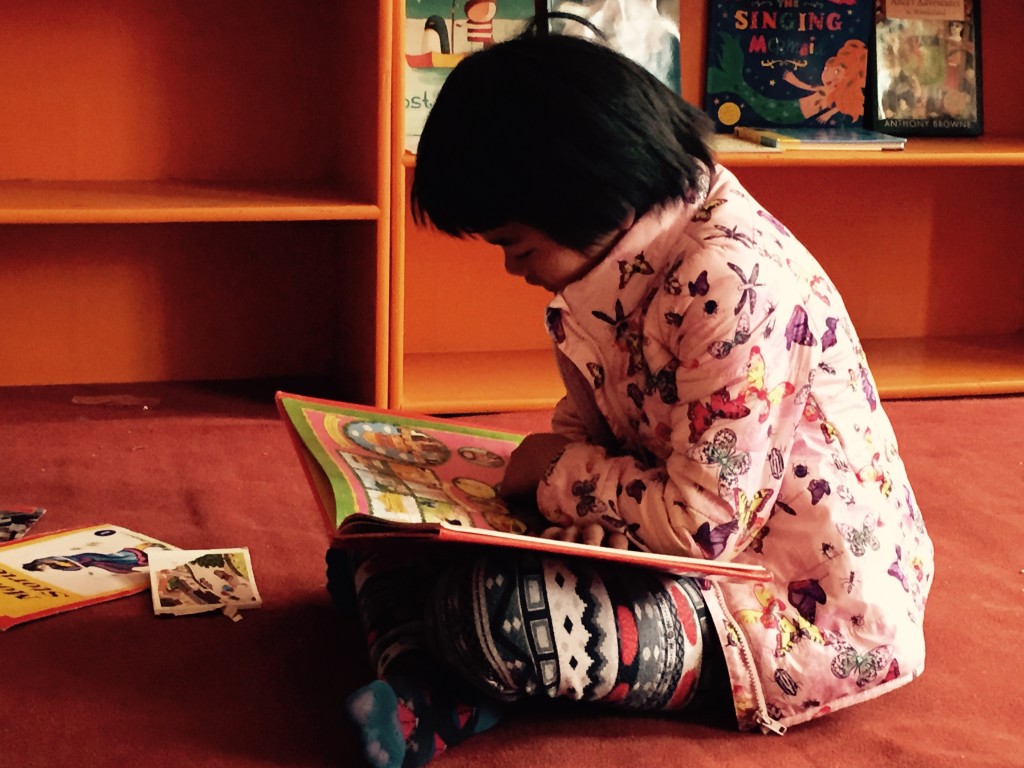
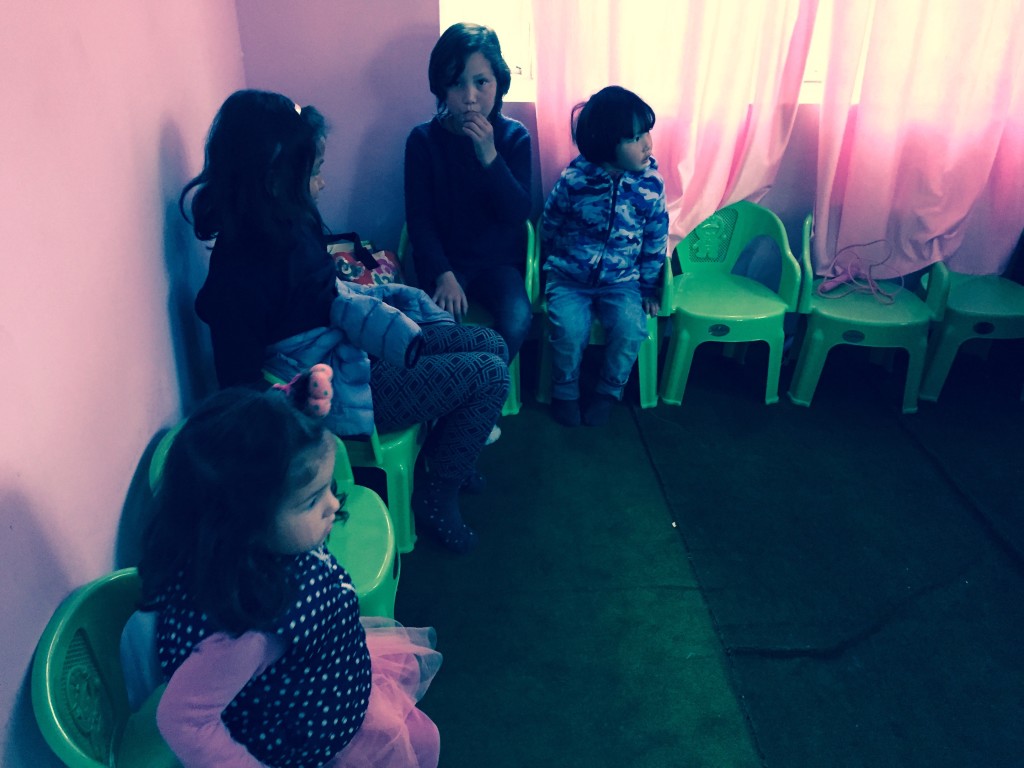
A reading room can reduce some of the barriers that prevent children from studying. It may offer a quiet place to complete homework, borrow books, join a group activity, or receive informal help with reading. In remote Himalayan areas, such spaces can be valuable when homes are crowded or schools have limited libraries.
Accessibility also depends on timing and atmosphere. Activities scheduled around school, family duties, and seasonal conditions are more likely to welcome regular participation. Girls benefit when learning spaces are safe, inclusive, well supervised, and free from teasing or pressure. Female monks can help create an environment where children are treated with patience and dignity.
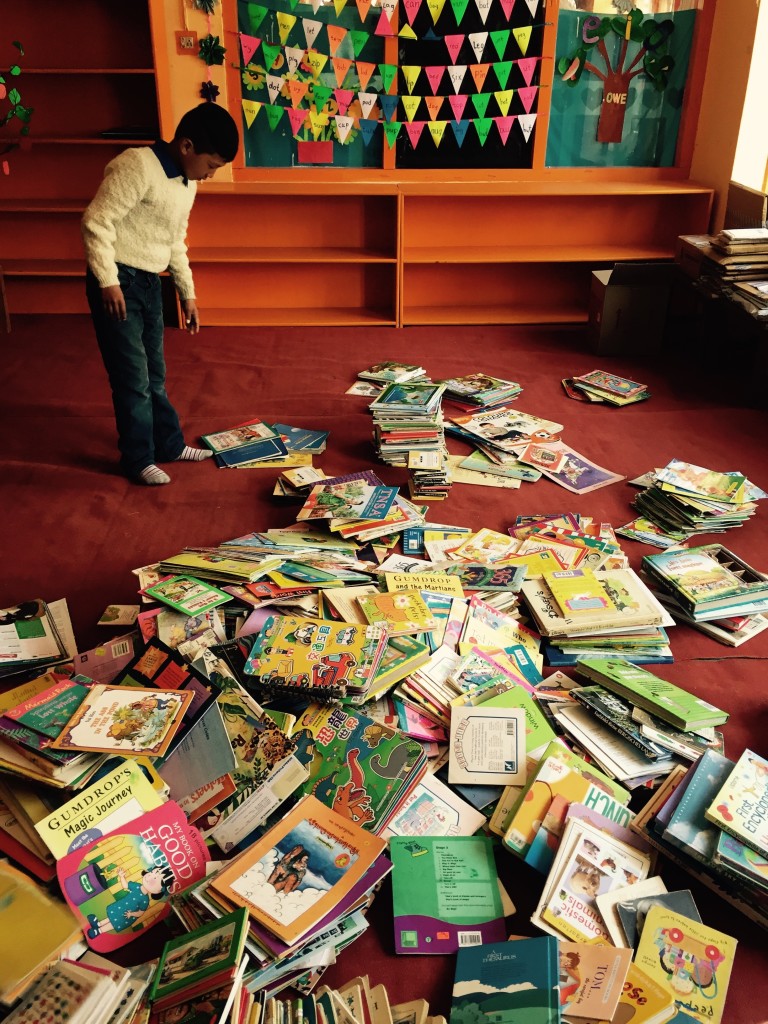
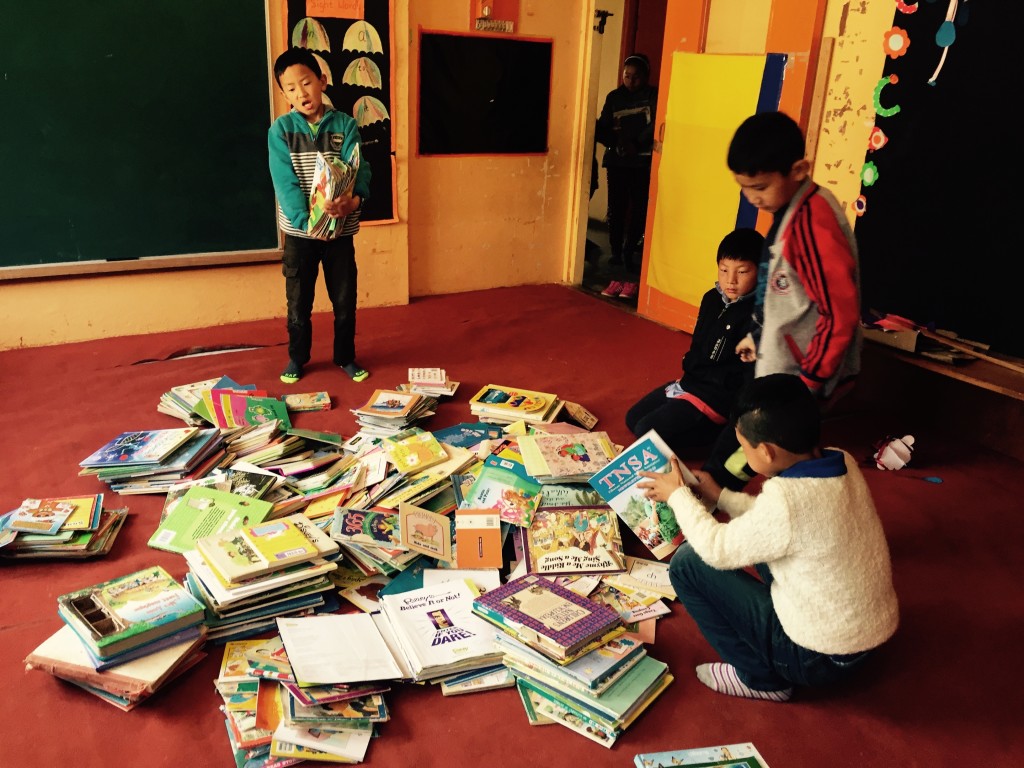
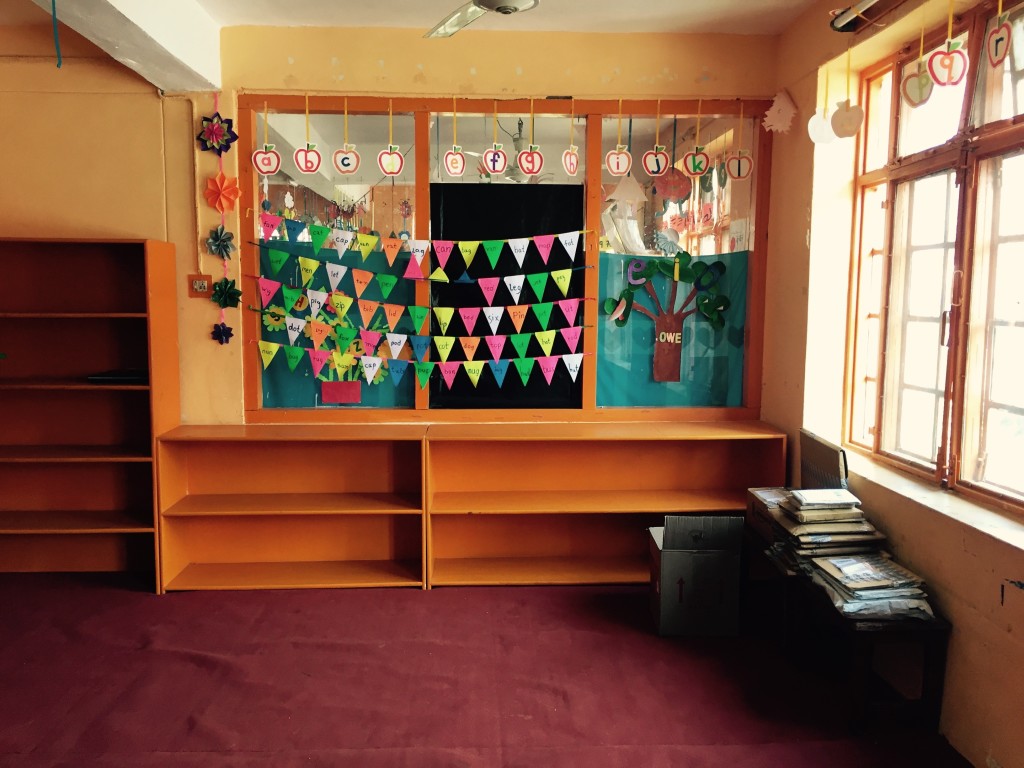
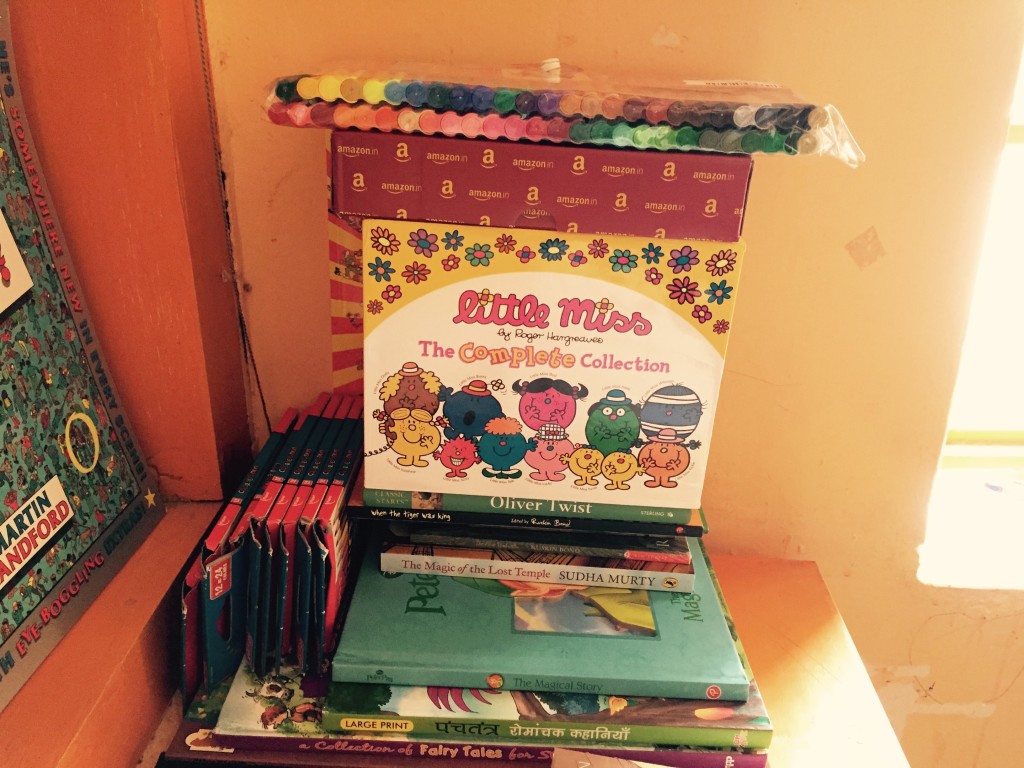
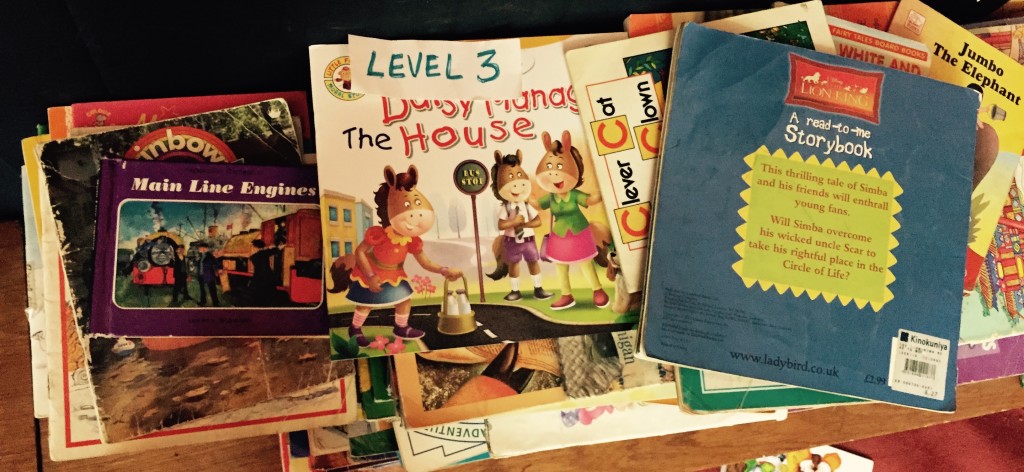
Small practical details matter. Good lighting, floor cushions or suitable furniture, books in familiar languages, and materials for different age groups can affect whether children return. Book drives should therefore focus on relevance and condition, rather than sending resources that are difficult to use or disconnected from local interests.
Building Confidence Through Leadership
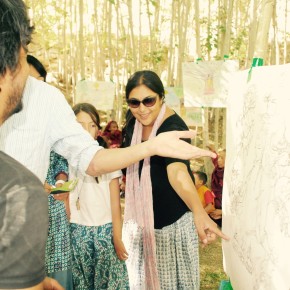
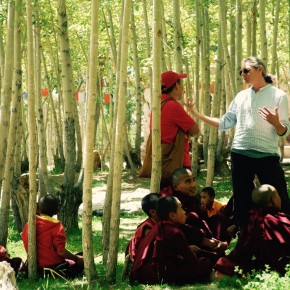
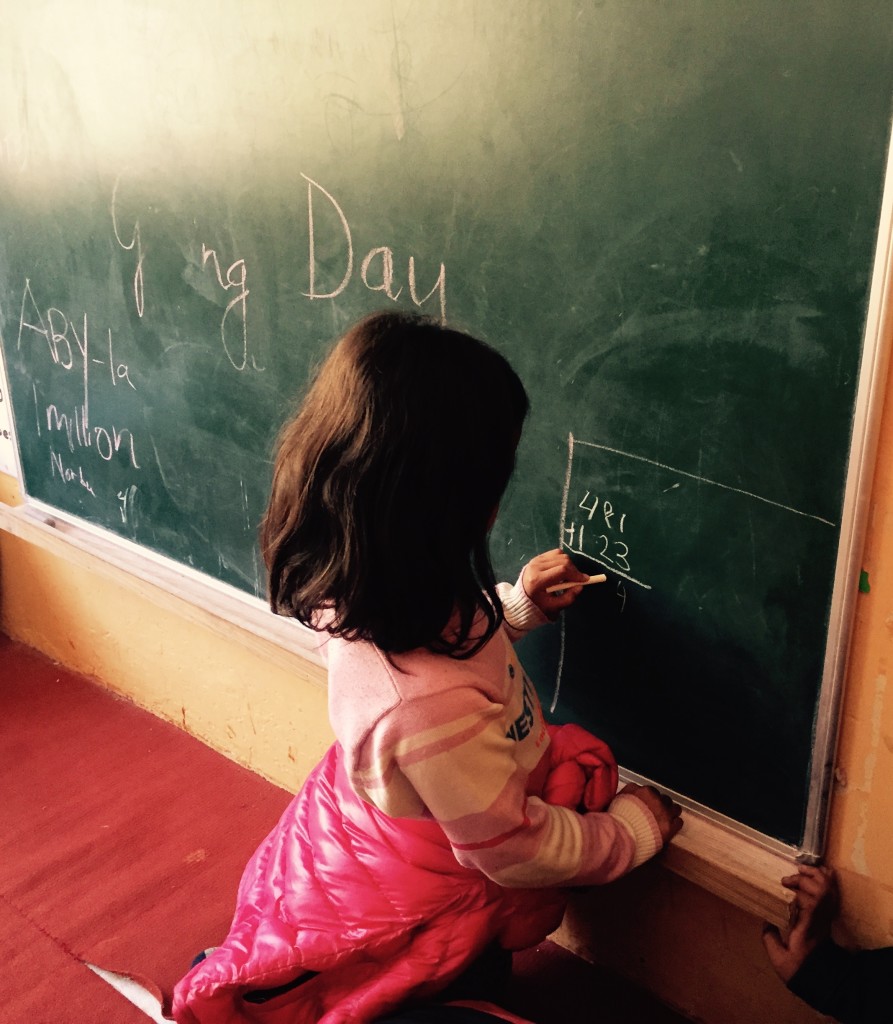
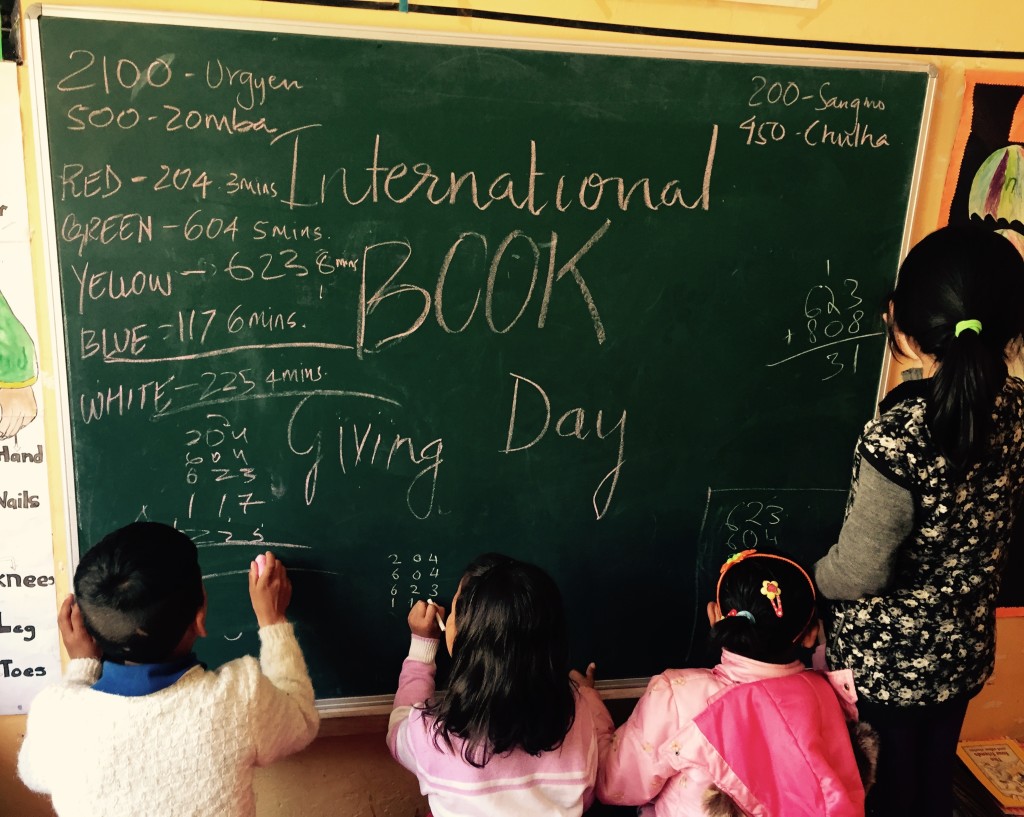
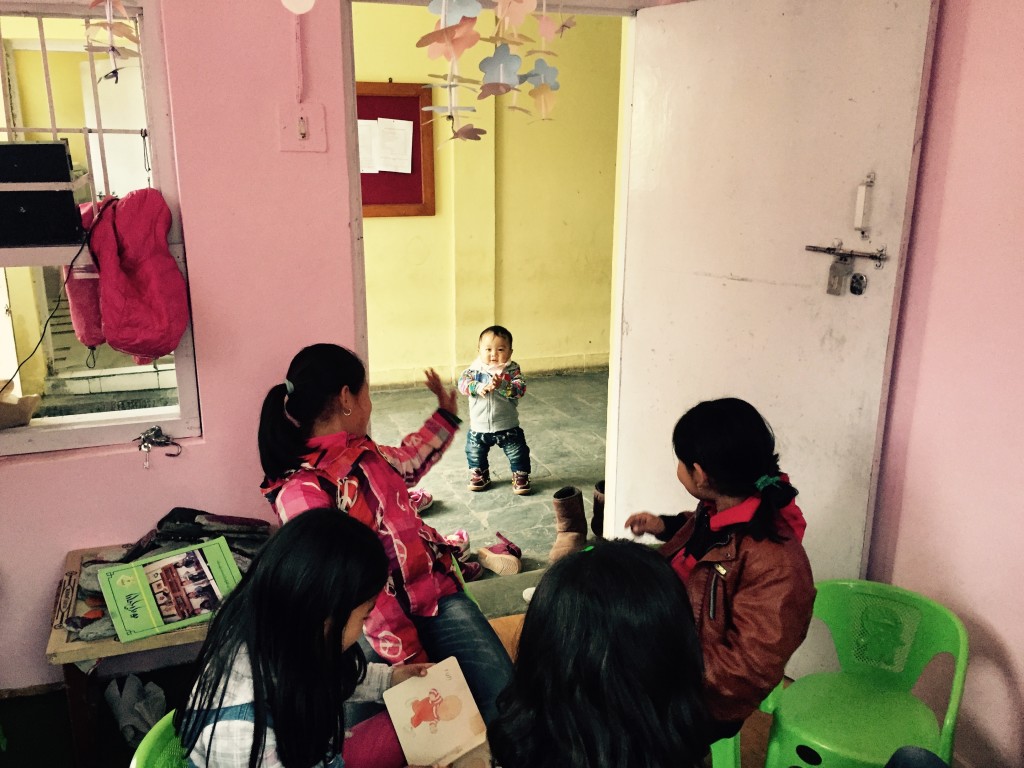
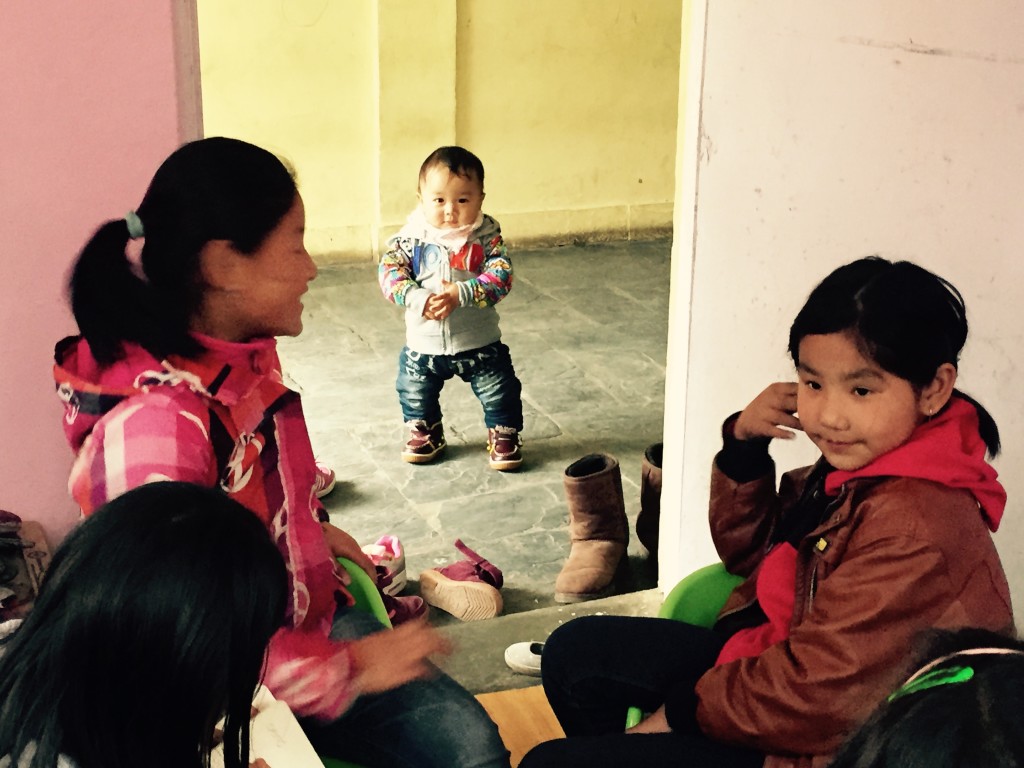
Girls’ education becomes stronger when girls are invited to take active roles. A female monk might ask older students to read aloud to younger children, organize a storytelling circle, care for shared books, or help prepare an art display. These responsibilities teach reliability and give girls visible evidence of their own abilities.
Leadership opportunities should be varied. Some children may enjoy speaking, while others may prefer drawing, arranging books, playing music, or supporting group activities quietly. Recognizing different forms of participation helps more girls discover their strengths and avoids defining confidence as being the loudest person in the room.
These experiences can influence aspirations over time. A girl who learns to lead a reading group may later feel more prepared to speak in class, apply for further study, or contribute to a local project. The immediate result may be a stronger reader or a more engaged student; the longer-term effect can be a greater sense of agency.
Working With Families And Local Communities
Education initiatives are most sustainable when they are shaped with local communities. Families, teachers, female monks, community leaders, and children themselves can help identify which books, activities, schedules, and facilities are genuinely useful. Listening before expanding a program reduces waste and builds shared ownership.
Community trust is particularly important when working with girls. Parents need confidence that activities are safe, respectful, and compatible with family responsibilities. Clear communication about schedules, supervision, photographs, and participation helps organizations serve children ethically.
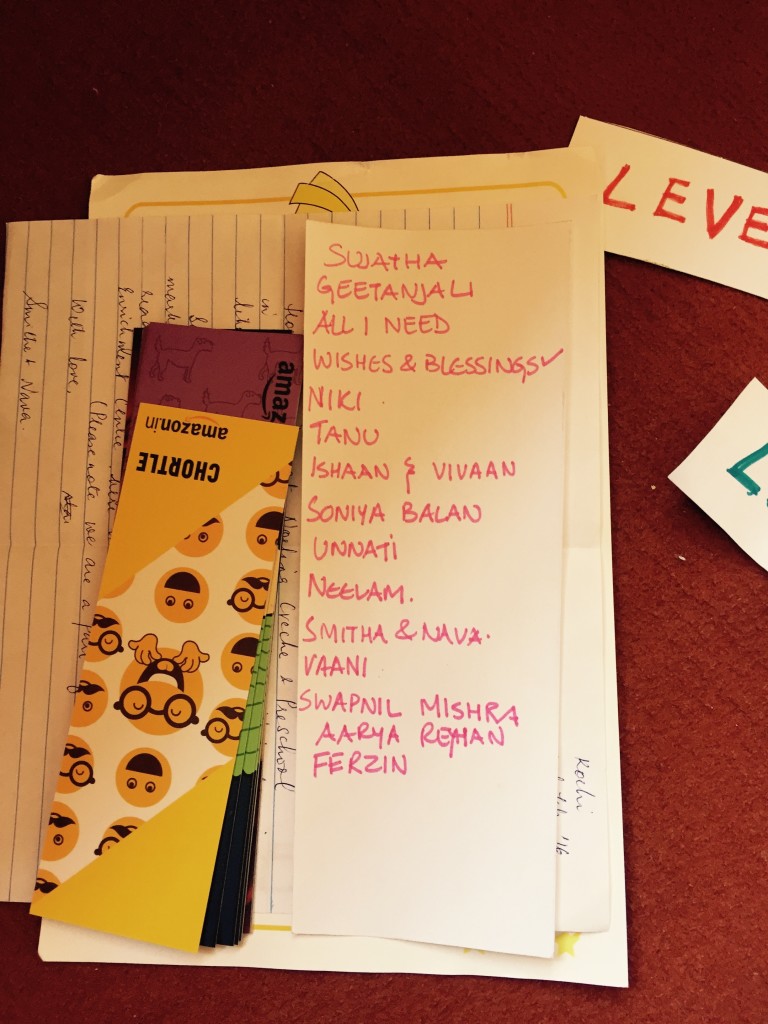
Avalokiteśvara Trust’s focus on reading rooms, book drives, and educational, artistic, and musical activities can support this collaborative model. Donors and volunteers can strengthen local capacity by providing resources that complement existing knowledge. The goal is not to replace local educators or monastic communities, but to help them create more opportunities for children to learn.
Practical Ways To Strengthen This Work
Support for female monks and girls’ education can take many forms. Effective contributions are thoughtful, locally guided, and sustained over time.
- Donate high-quality children’s books selected for local language, age, and cultural relevance.
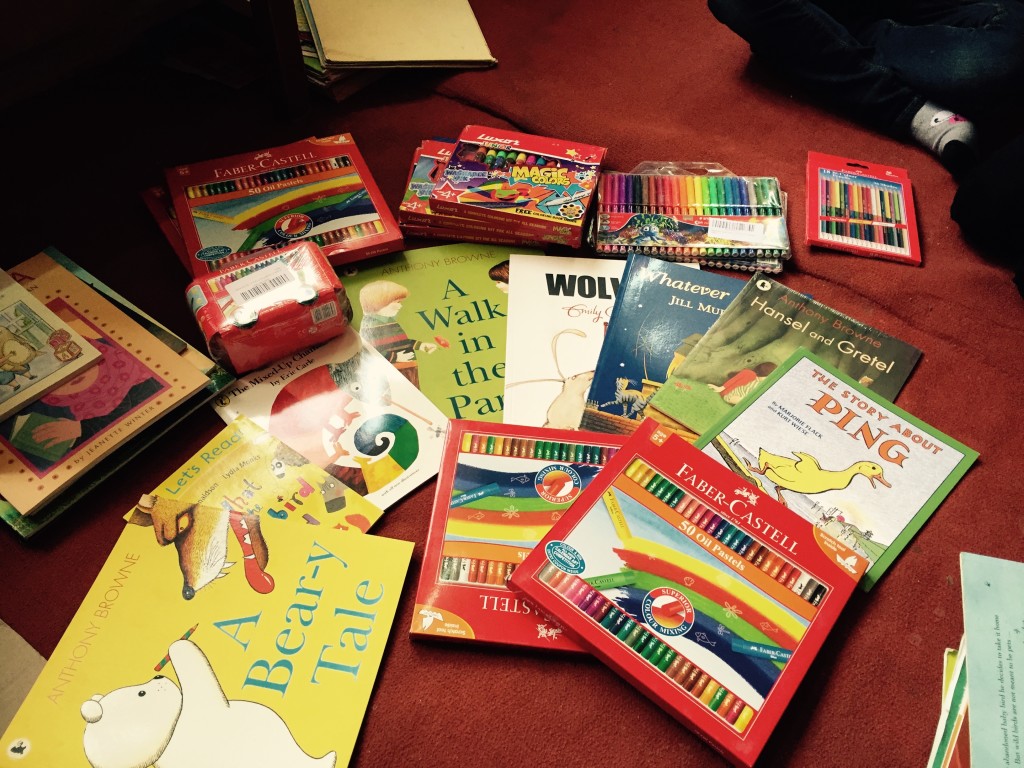
- Help equip reading rooms with shelving, lighting, seating, stationery, and creative learning materials.
- Fund arts, music, storytelling, and literacy sessions that allow girls to learn through different abilities.
- Support responsible volunteer programs that follow community guidance and child safeguarding practices.
- Share stories from Himalayan education projects to build wider awareness of girls’ learning and women’s leadership.
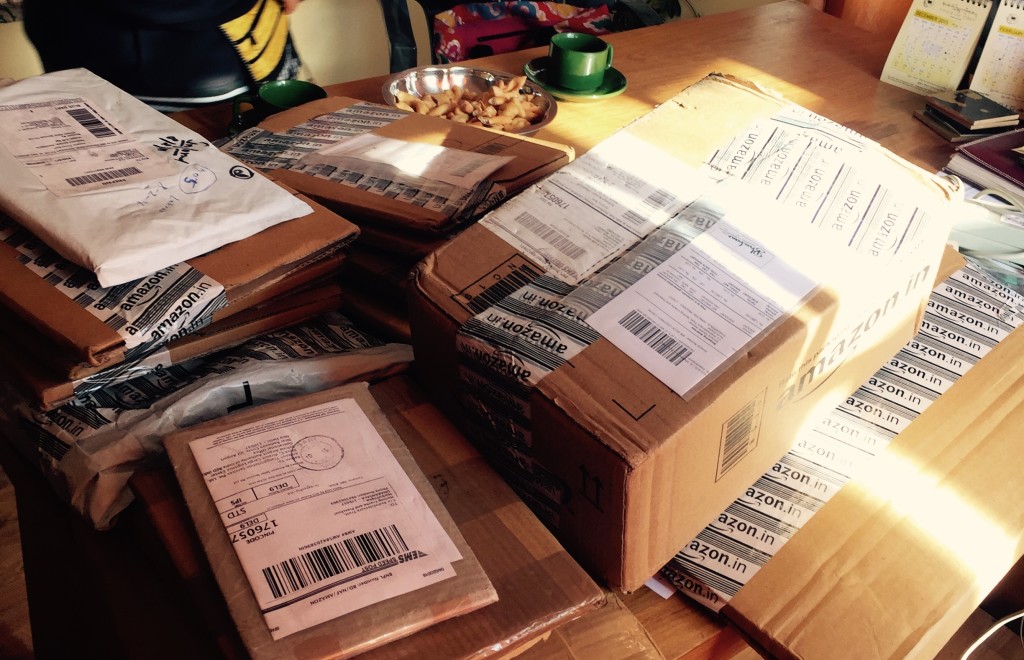
Every book placed in a child’s hands can open a new subject, language, or possibility. Every welcoming study space can make learning easier to continue. When female monks are supported as mentors, educators, and community partners, girls gain more than access to resources: they gain examples of purpose, scholarship, and service.
Avalokiteśvara Trust welcomes people who want to help expand literacy, creativity, and educational opportunity in Ladakh and other Himalayan communities. Explore the organization’s projects, support a reading room or book drive, volunteer with care, and help create learning environments in which girls can read widely, express themselves, and shape their own futures.