The Rhythm of the Mountains: Teaching Drumming to Young Monks
In Himalayan monasteries, learning often unfolds through sound. Bells, chanting, cymbals, horns, and hand drums give shape to prayer, ceremony, and community life. For young monks, these sounds can become an accessible doorway into concentration, cultural memory, and creative expression.
Teaching drumming offers far more than a musical pastime. It gives children and adolescents a practical way to listen carefully, coordinate movement, remember patterns, and contribute to a shared performance. Each beat carries a lesson in patience: the player must wait, respond, repeat, and stay aware of everyone around them.
In communities where educational resources may be limited, music activities can bring energy to learning spaces. A small collection of drums, a thoughtful teacher, and regular practice can create an environment where young monks feel encouraged to explore their abilities while respecting the traditions that surround them.
Sound As A Living Lesson
A drum is a simple instrument, yet it contains a remarkable range of learning opportunities. Students can begin with the difference between a deep center beat and a sharper edge tone. From there, they can practice steady pulses, pauses, accents, and repeated rhythmic phrases. These foundations help children understand musical structure without requiring advanced theory or written notation.
Rhythm also strengthens listening skills. A student who concentrates on a teacher’s pattern must notice timing, volume, and changes in speed. When several players practice together, they learn that their own sound belongs within a wider pattern. This form of attentive listening supports classroom learning, conversation, and respectful participation in community life.
Drumming lessons can be adapted to different ages and abilities. Younger children may echo short patterns, while older students can lead warm-ups or create arrangements for a group. This flexible approach keeps practice welcoming and allows every learner to experience progress.
A Bridge Between Practice And Tradition
For young monks, percussion may connect daily discipline with the ceremonial world of the monastery. Traditional instruments often accompany rituals and special gatherings, so learning their rhythms can deepen a student’s sense of place. Instruction should therefore include context: when a rhythm is used, what it expresses, and how players prepare themselves before performing.
Teachers can present this knowledge with care, avoiding pressure to imitate sacred practice without understanding. A lesson might begin with quiet observation, followed by a demonstration and a chance to ask about the instrument. Students can then rehearse a simplified pattern before gradually approaching more complex sequences.
This method respects local knowledge while making room for creativity. Young monks may learn established rhythms alongside free composition, call-and-response games, or music inspired by the landscape. The result is a balanced musical education that honors heritage and gives children permission to develop their own voices.
Learning In A Circle
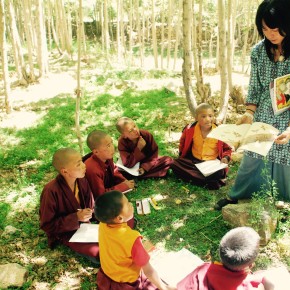
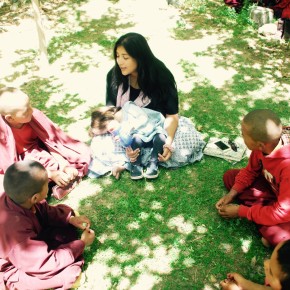
Group drumming changes the atmosphere of a learning room. Instead of facing a teacher in rows, students can sit in a circle and see one another’s hands, expressions, and movements. The arrangement encourages cooperation and makes musical progress visible: a hesitant player can find confidence by following a steady neighbor.
Ensemble practice teaches important social habits. Players must keep time, make space for others, and recover calmly when a mistake occurs. A teacher can pause the group, identify what worked, and invite students to try again without embarrassment. Over time, this supportive repetition builds resilience and a willingness to participate.
| Learning Element |
What Students Practice |
Wider Benefit |
| Steady pulse |
Maintaining an even beat |
Patience and concentration |
| Call and response |
Listening and echoing patterns |
Memory and communication |
| Group performance |
Coordinating with other players |
Cooperation and confidence |
| Improvisation |
Creating new rhythmic ideas |
Creativity and self-expression |
| Instrument care |
Handling and storing drums properly |
Responsibility and respect |
A small performance can mark the end of a learning cycle. It might take place during a community gathering, a cultural celebration, or an informal session for families and teachers. The purpose is not flawless presentation. It is to recognize effort, shared practice, and the courage to be heard.
From Drumskin To Daily Skills
The benefits of rhythm extend beyond the music room. Keeping a beat requires sustained attention, while remembering a sequence engages short-term memory and pattern recognition. These abilities can reinforce reading, language study, and other academic tasks. A student who learns to divide a phrase into smaller rhythmic units may become more comfortable breaking a difficult lesson into manageable steps.
Physical coordination matters as well. Holding an instrument correctly, controlling the hands, and balancing force with sensitivity help develop fine motor awareness. Teachers can use movement games and body percussion when instruments are scarce, ensuring that participation does not depend on having a drum for every child.
The emotional benefits are equally valuable. Music gives students a structured way to express excitement, uncertainty, pride, or calm. A young monk who rarely speaks in a group may find an initial form of confidence through a repeated beat. As trust grows, musical participation can lead to greater engagement in reading rooms, art sessions, and other educational activities.
Creating A Supportive Musical Space
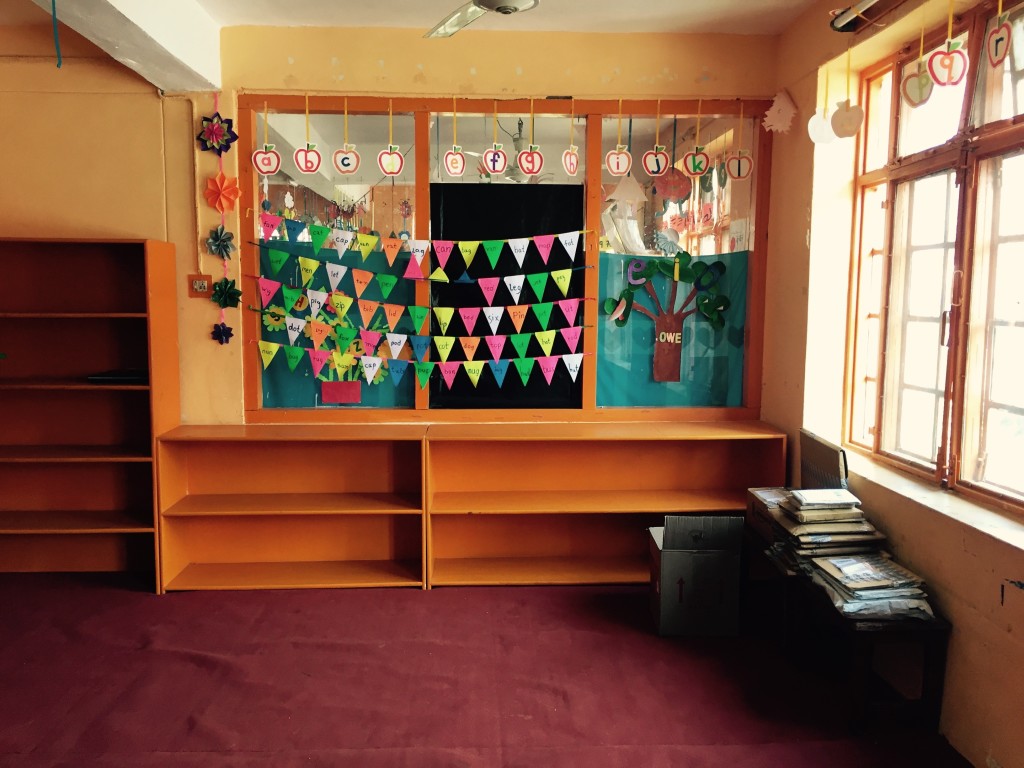
Effective drumming instruction depends on the quality of the environment. Instruments should be durable, safely stored, and suitable for the students’ size and strength. A quiet corner, a mat-covered floor, and a regular schedule can make practice feel purposeful even when resources are modest.
Teachers and volunteers should introduce clear routines. Students can begin by checking the instruments, warming up their hands, and listening in silence before playing. Ending with cleaning and storage reinforces the idea that creative materials are shared resources. These habits protect the equipment and give each session a calm beginning and end.
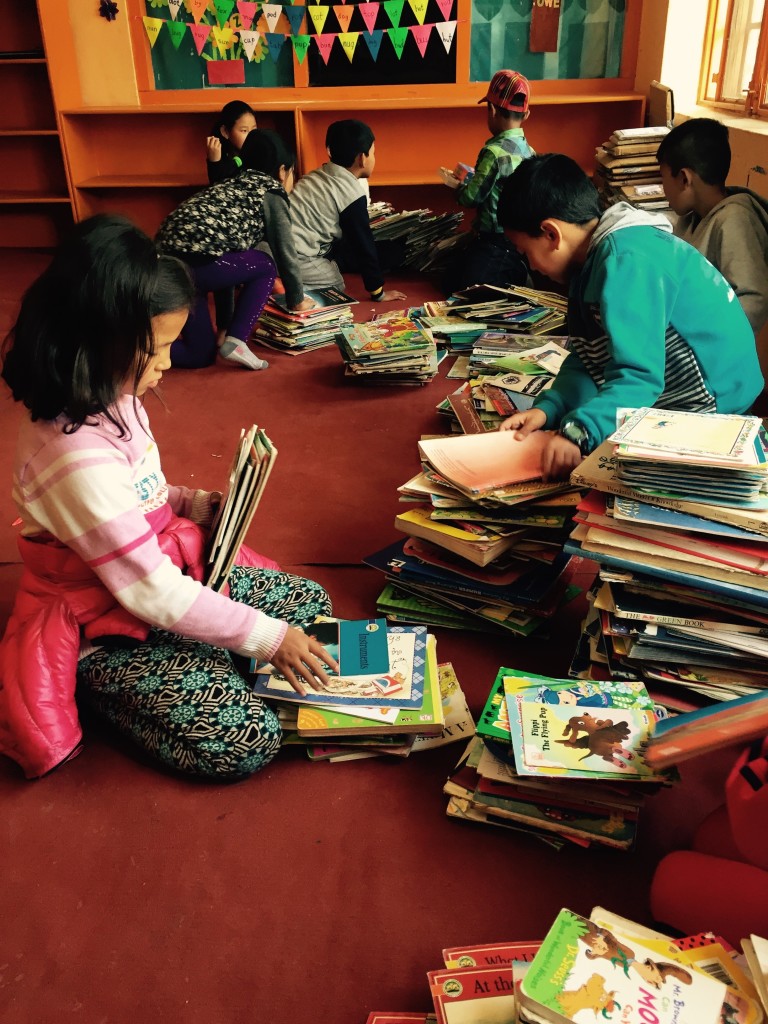
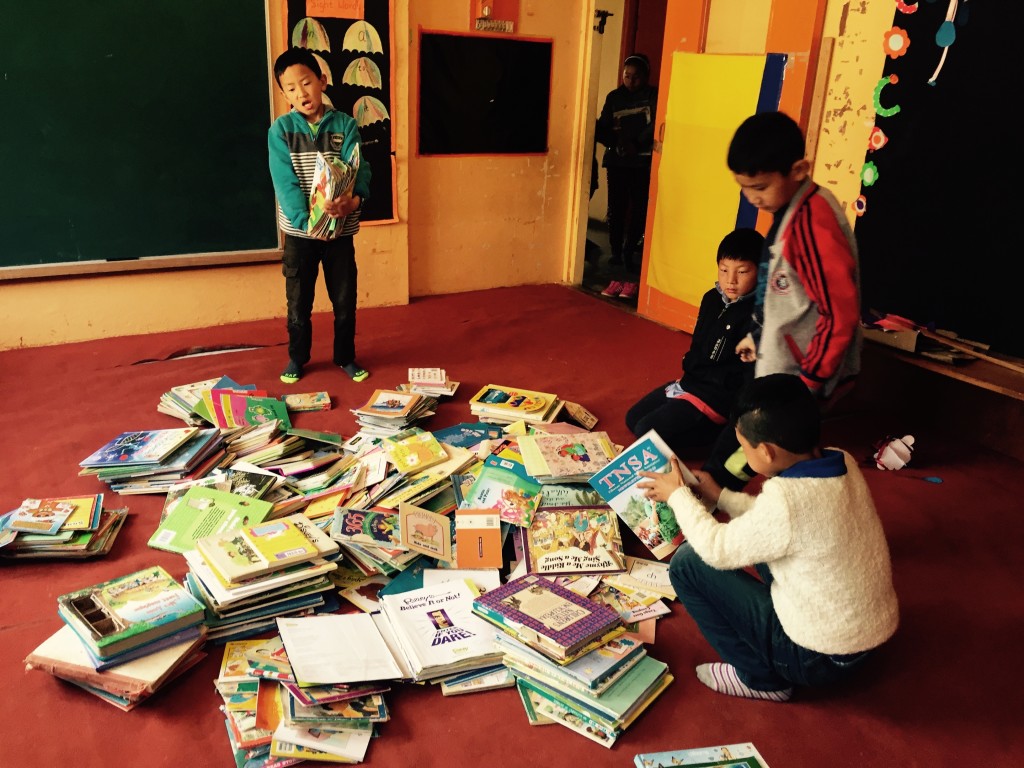
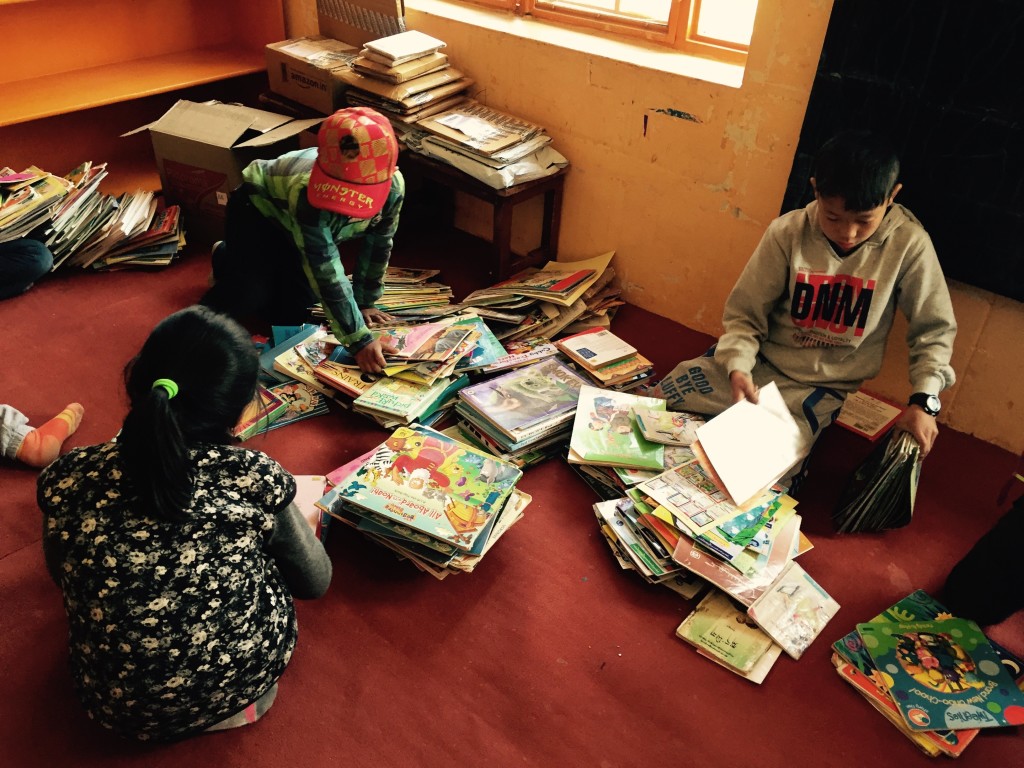
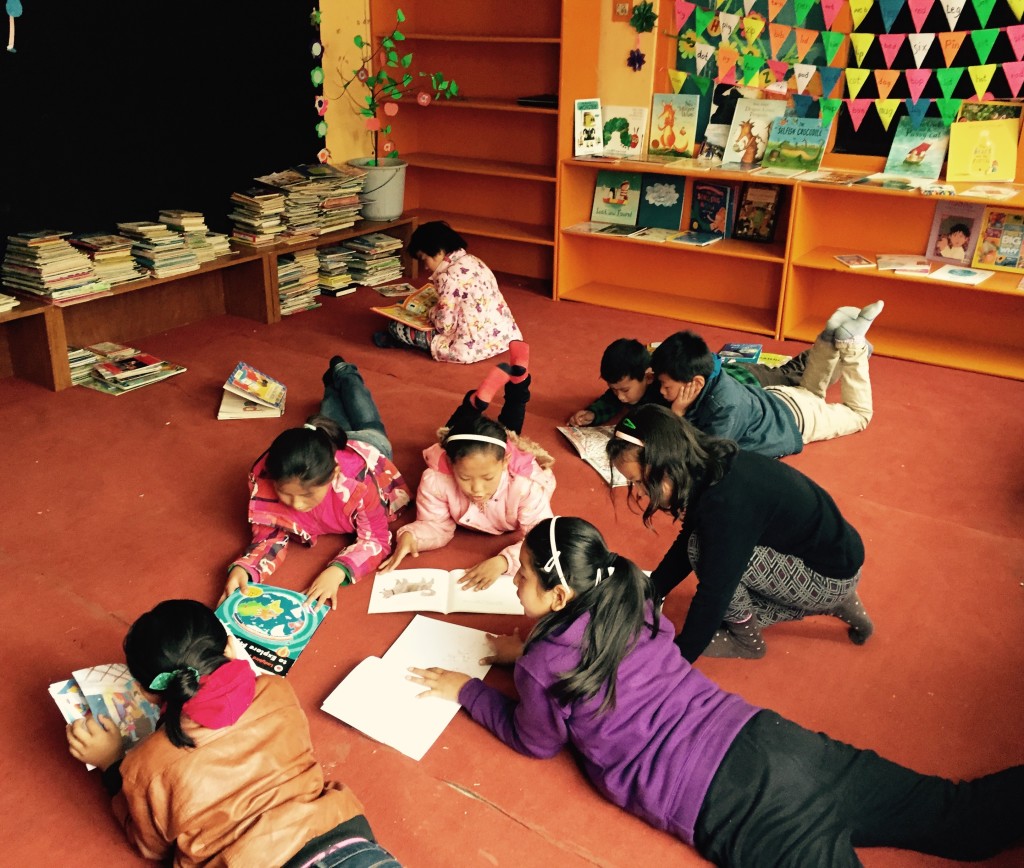
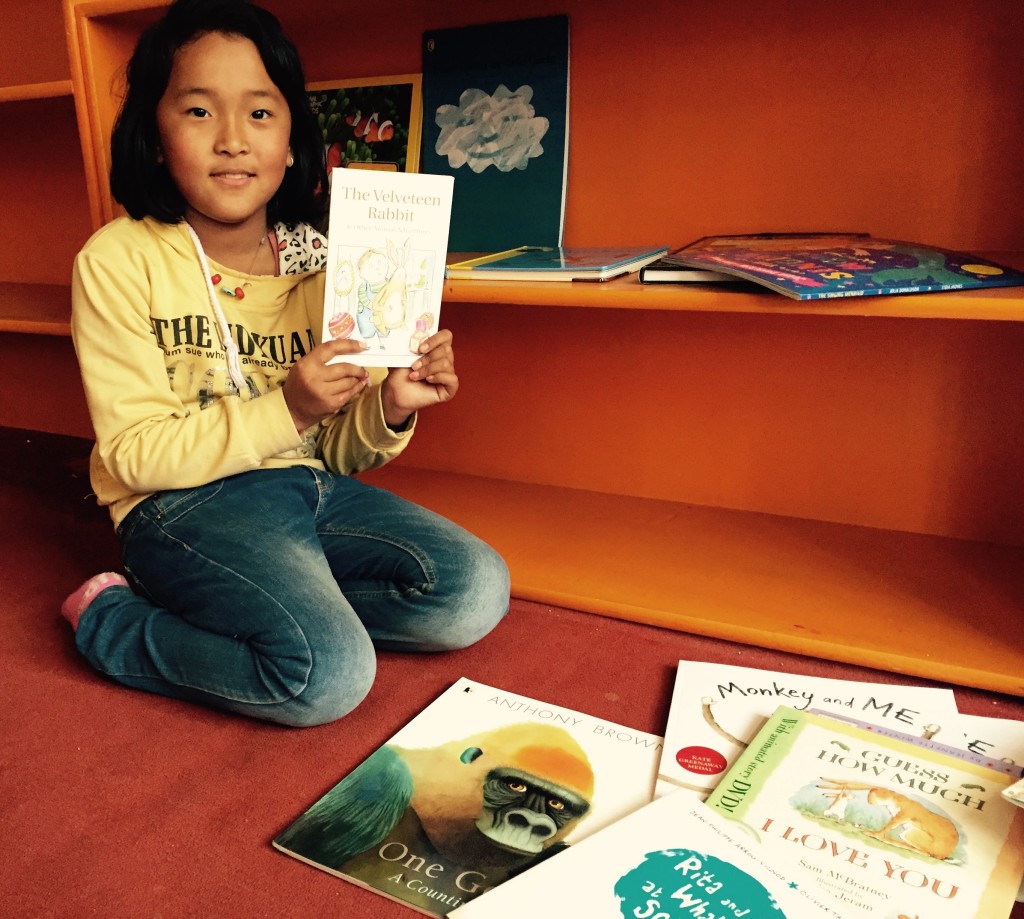
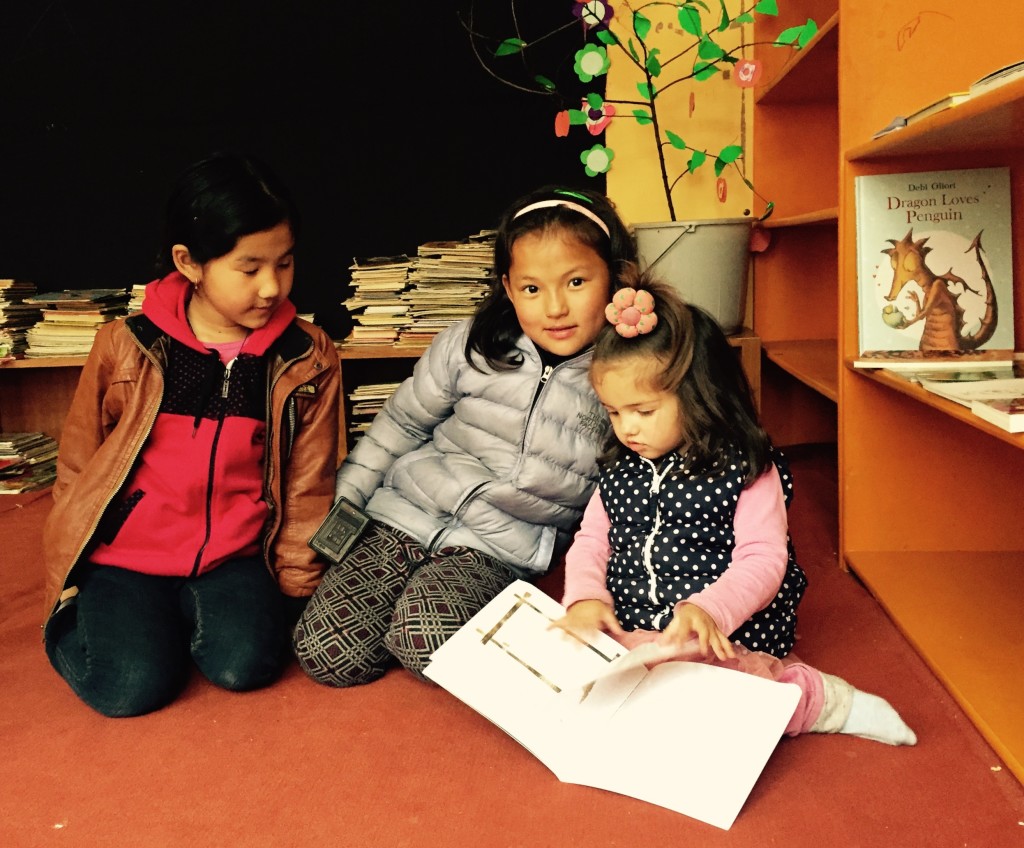
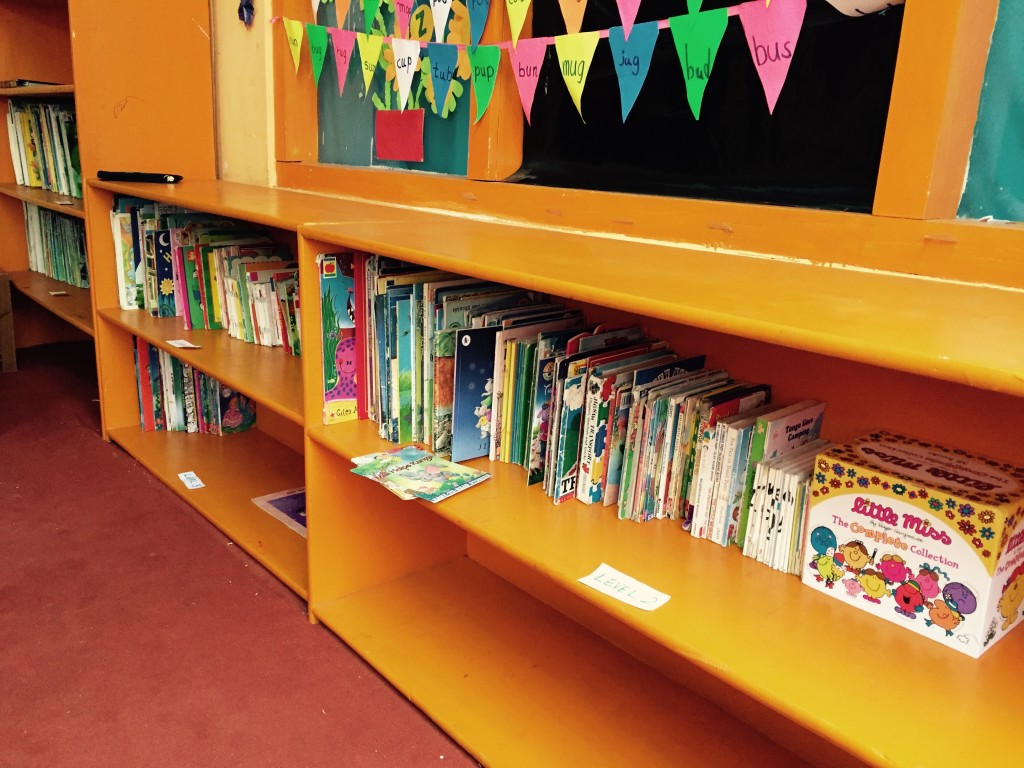
Local collaboration is essential. Monastic teachers, community members, musicians, and education workers can help identify appropriate instruments and rhythms. Organizations such as Avalokiteśvara Trust support learning environments where books, creative activities, and cultural connection can work together. When musical projects are shaped with local guidance, they are more likely to remain relevant and meaningful.
Practical Ways To Encourage Young Players
A successful program does not need elaborate equipment or a large budget. It needs consistency, encouragement, and opportunities for students to take ownership. The following practices can help teachers, volunteers, and supporters build a sustainable rhythm program:
- Begin with short echo patterns, then add pauses, accents, and layered parts as students gain confidence.
- Pair experienced learners with beginners so that leadership develops naturally within the group.
- Use body percussion, clapping, and found materials when instruments are limited.
- Set aside time for students to invent rhythms connected to weather, animals, journeys, or mountain life.
- Celebrate progress through informal performances rather than judging students against one another.
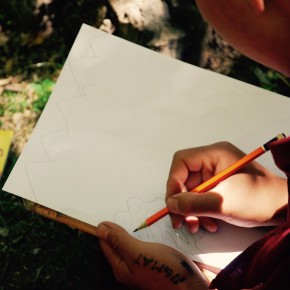
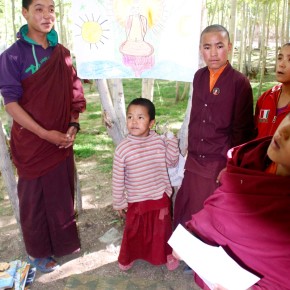
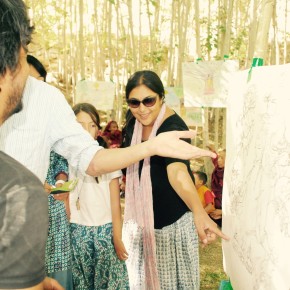
Documentation can deepen the value of the project. With appropriate permission, teachers may record a student-created rhythm, write down its story, or display drawings of instruments in a reading room. These records help children see their creativity as something worth preserving and sharing.
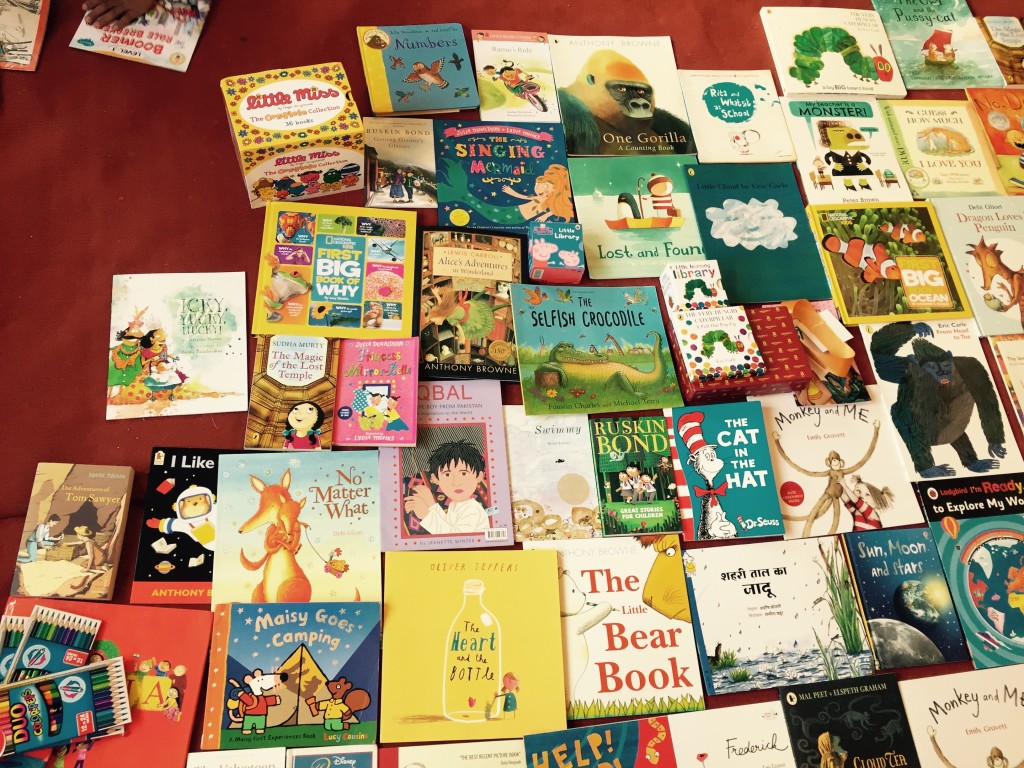
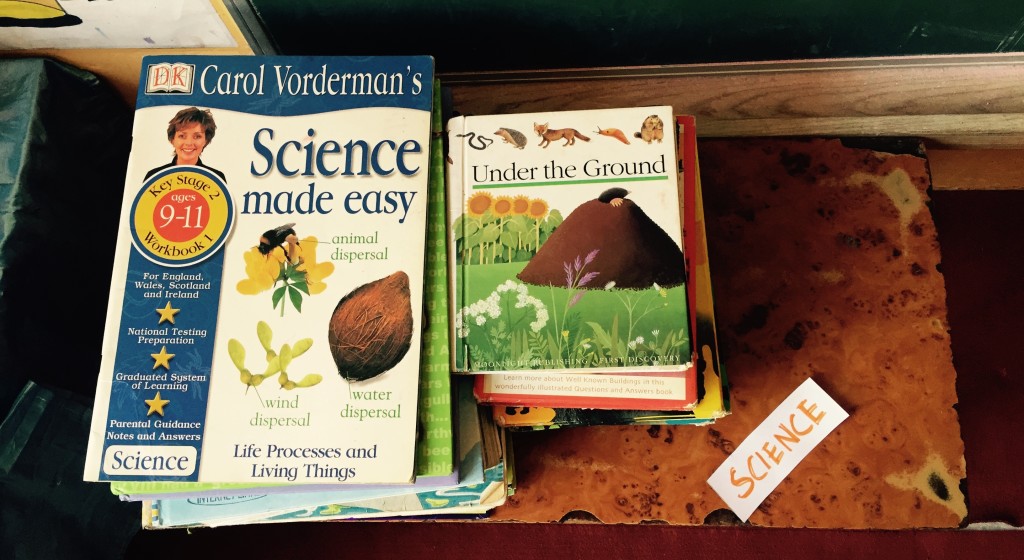
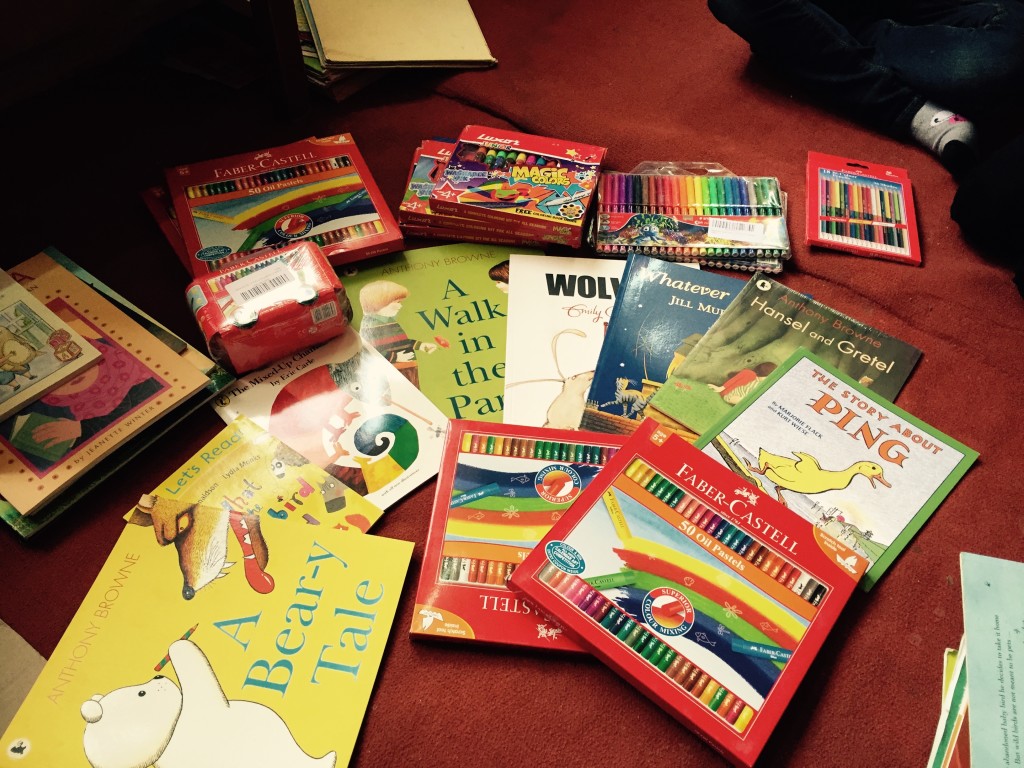
Supporters can contribute in practical ways by funding quality instruments, transportation for instructors, maintenance supplies, or training for local educators. Donations of books and art materials can strengthen the wider learning environment around the music sessions. Volunteers may also assist with organization, photography, storytelling, or activity preparation while following the guidance of community leaders.
Let The Learning Continue
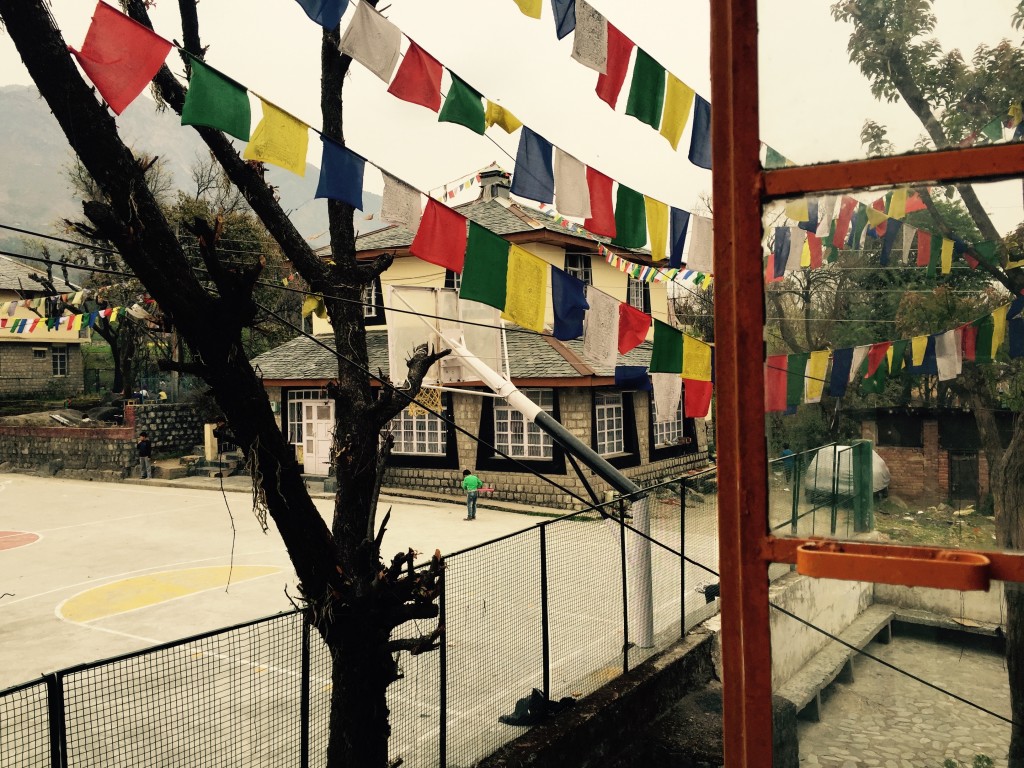
The beat of a drum can travel through a monastery courtyard, a classroom, or a mountain village, carrying attention from one person to another. For young monks, learning percussion can strengthen cultural understanding while opening pathways to confidence, imagination, and collaboration. Each practice session becomes a meeting point between discipline and play.
A sustainable program grows through repeated care: a teacher who returns each week, an instrument repaired instead of discarded, and a student trusted to lead a pattern. Support this work by helping provide books, creative activities, and musical opportunities for children and young monks across the Himalayan region. Through steady investment in learning, every shared beat can become part of a larger future.