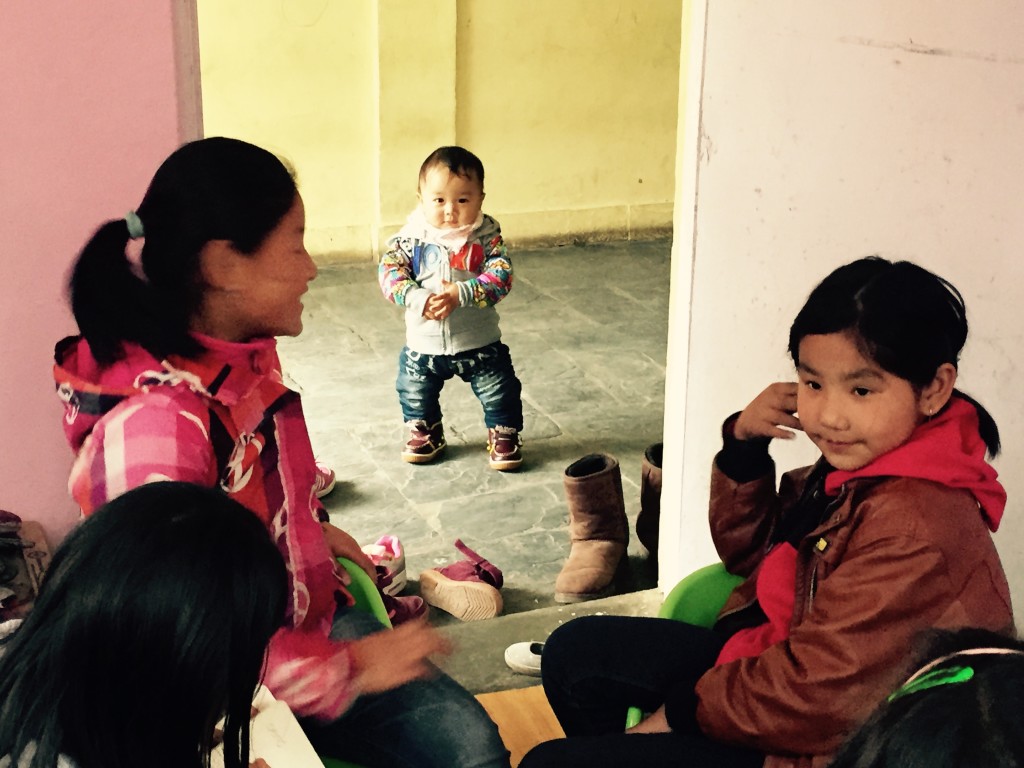
The power of a quiet corner for children’s learning
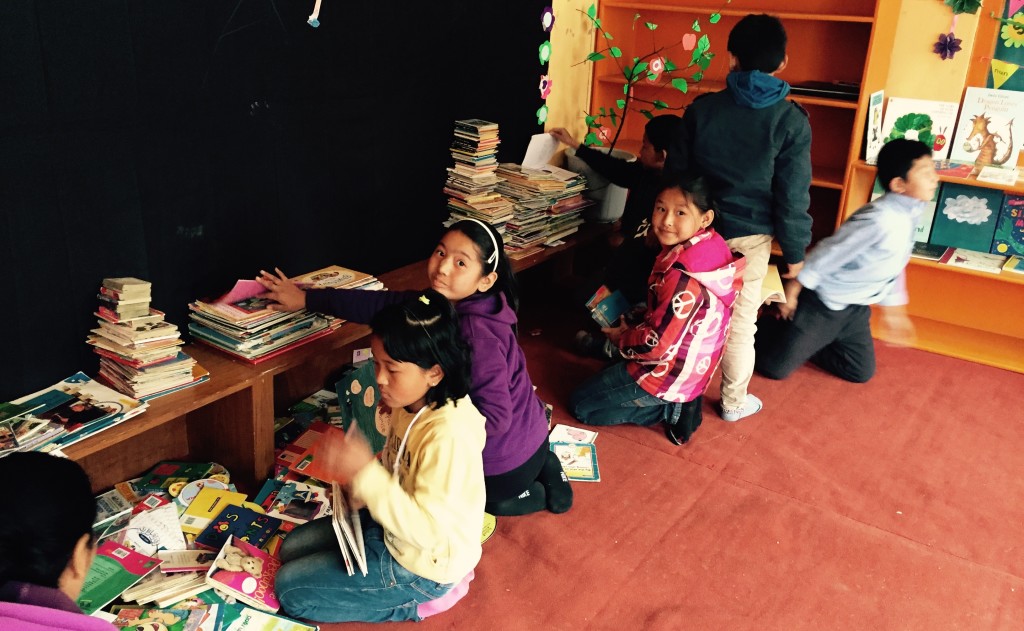
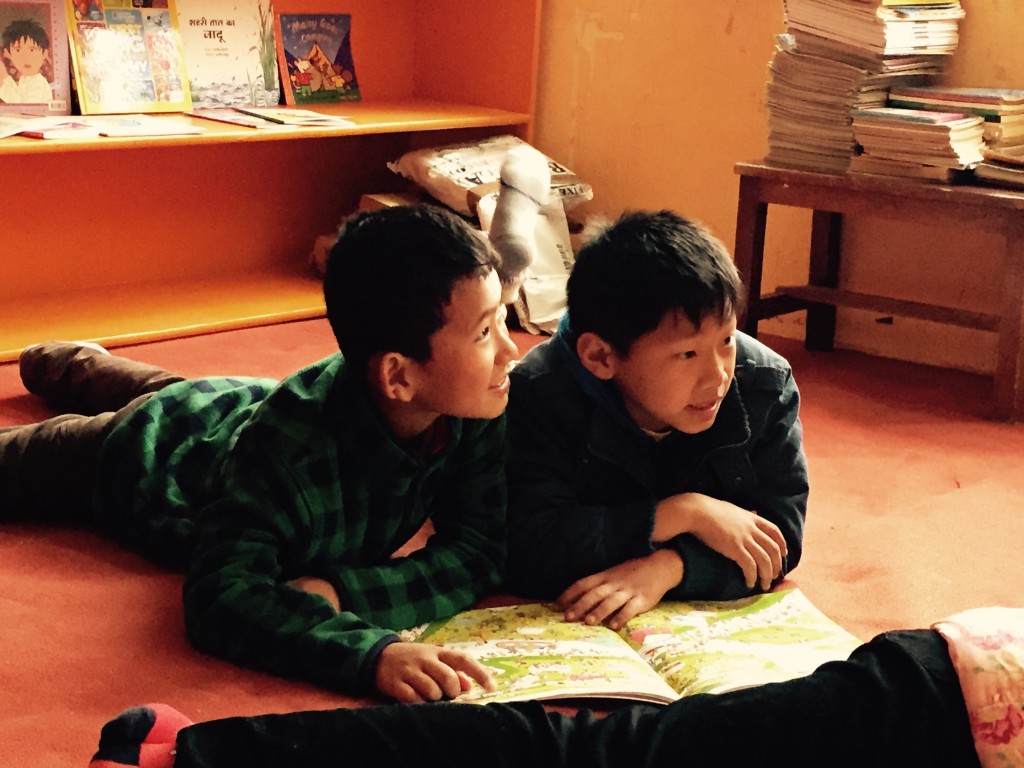
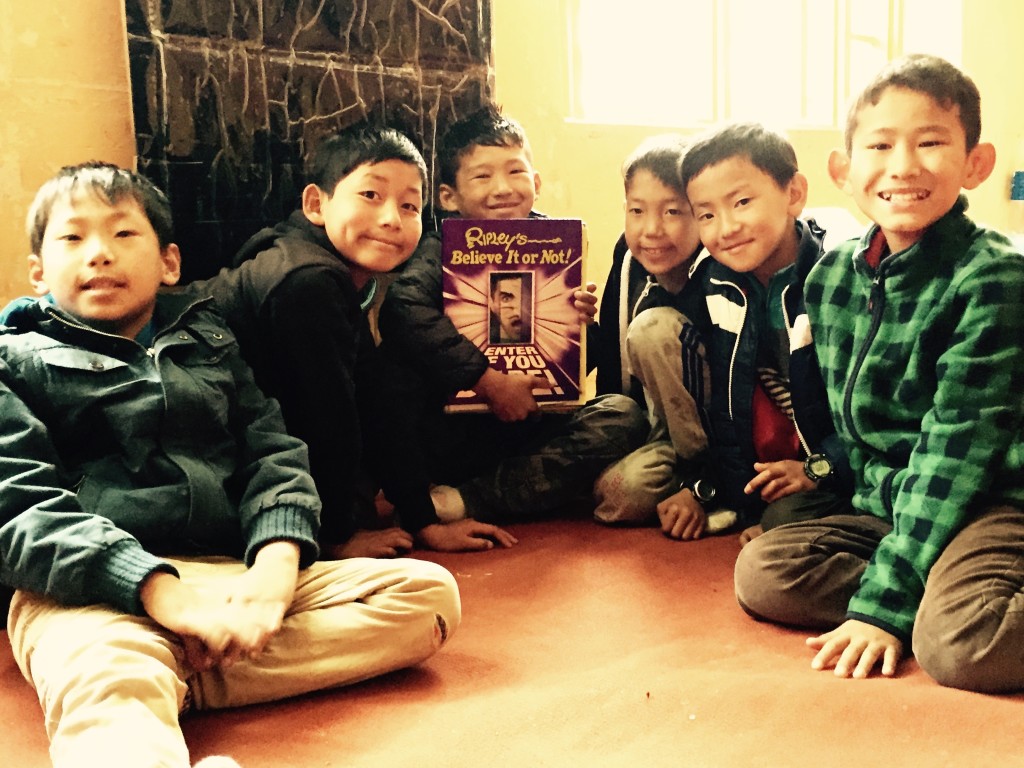
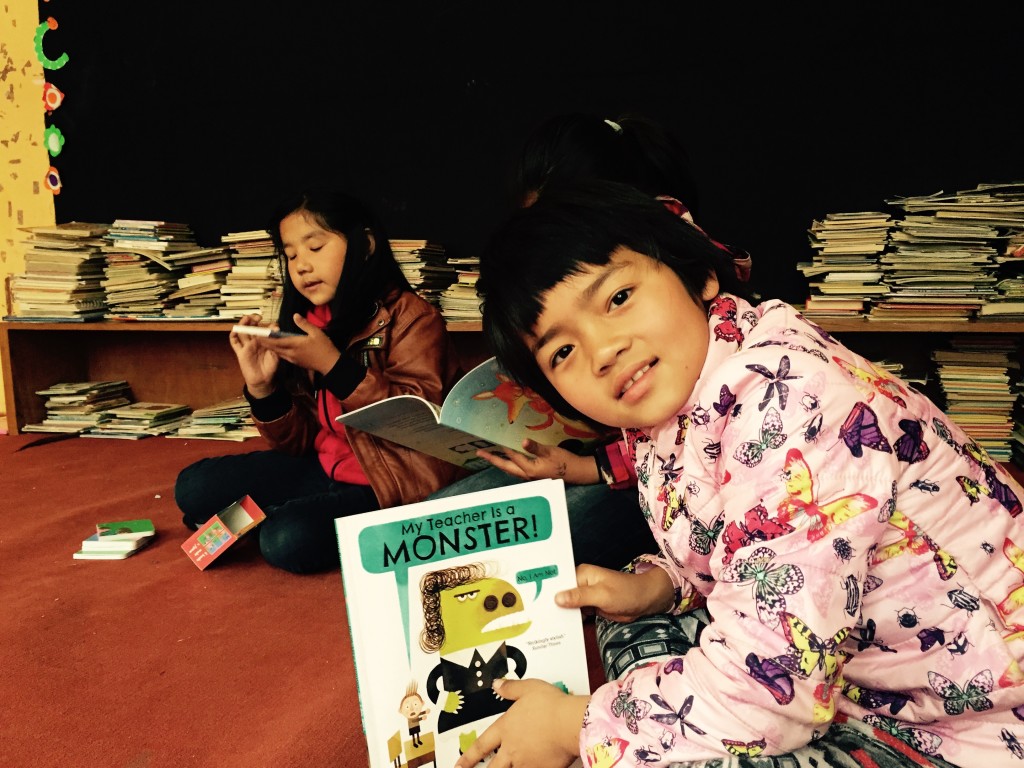
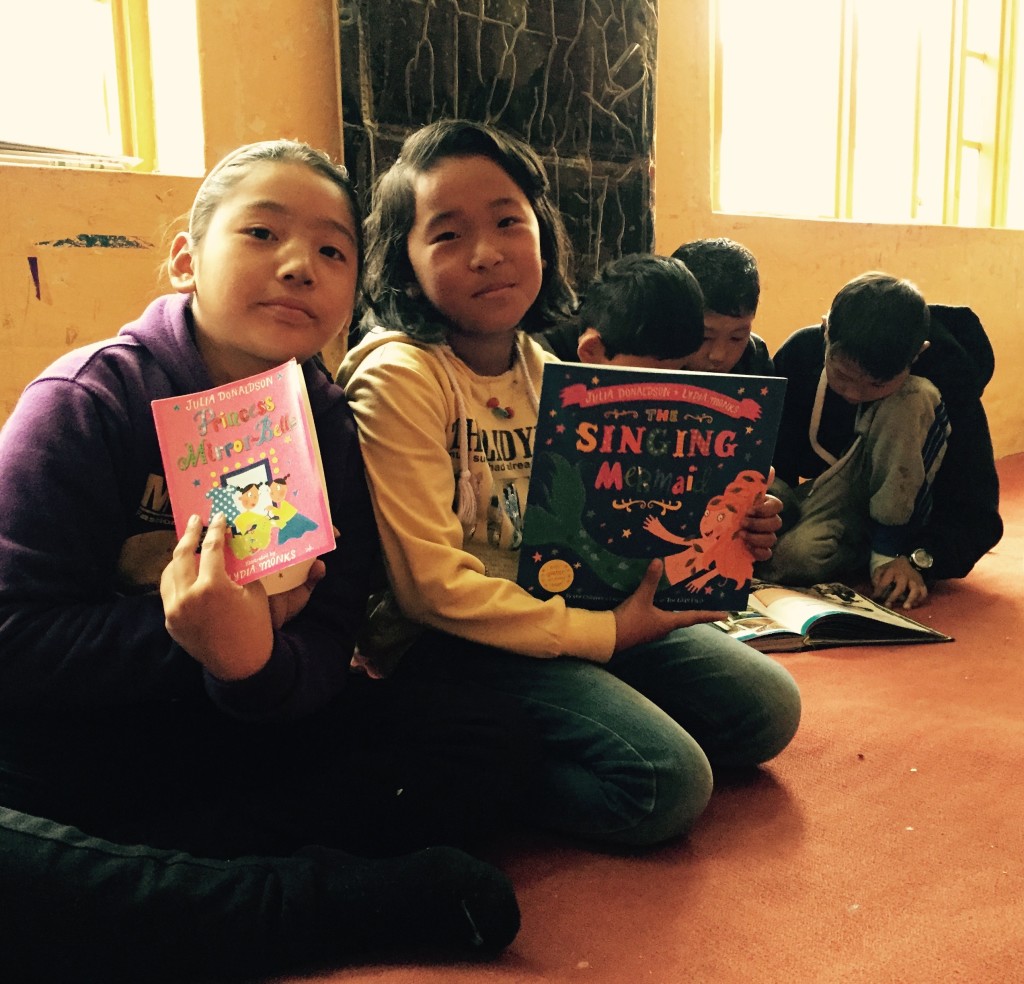
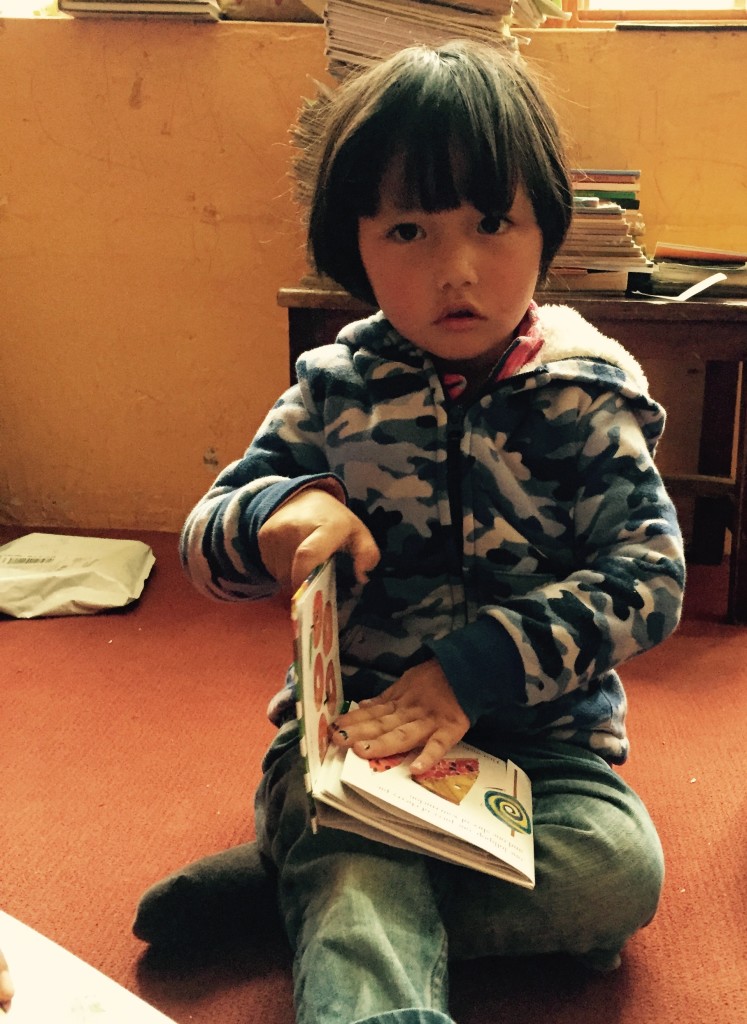
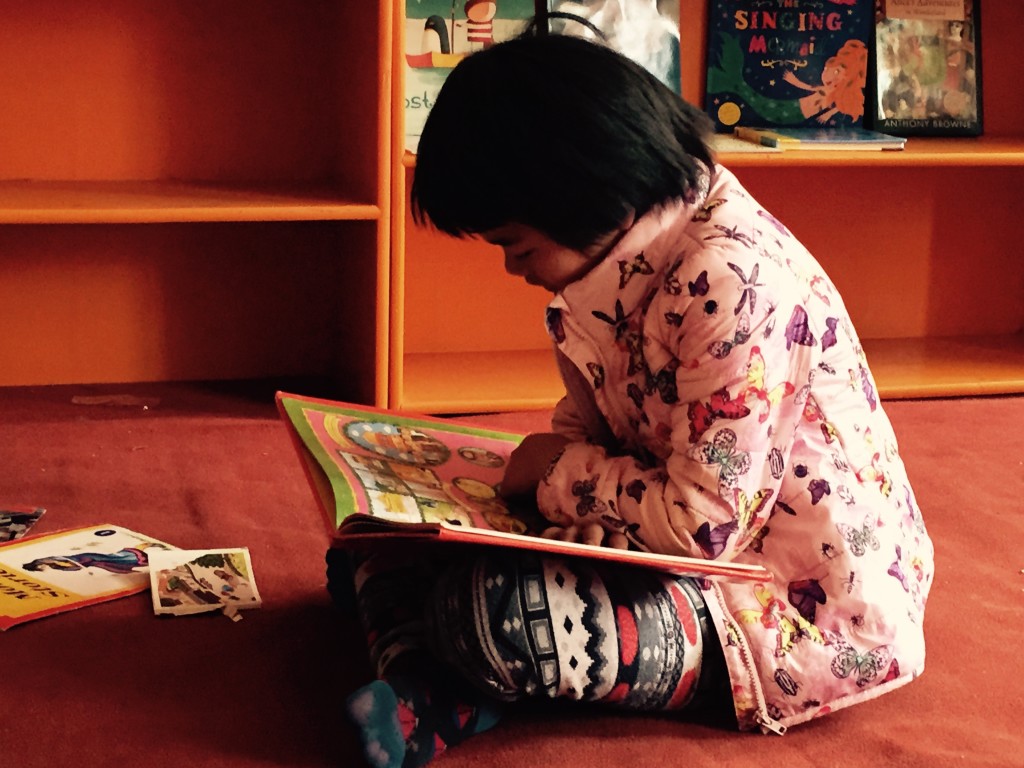
A reading space can be small, simple, and deeply meaningful. For a child, a cushioned seat beside a low shelf may become a place to discover new worlds, practice an unfamiliar language, or spend a peaceful afternoon with a favorite story. In communities where books and educational resources are limited, that corner can support confidence, curiosity, and a lasting relationship with learning.
Designing a children’s reading area is less about expensive furniture than thoughtful choices. Light, comfort, access, and a sense of welcome all influence whether young readers want to return. A well-planned room can serve children with different ages, abilities, interests, and levels of reading experience.
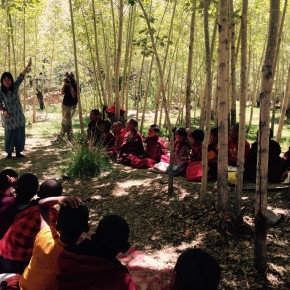
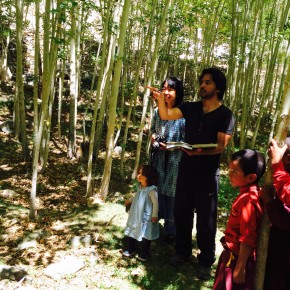
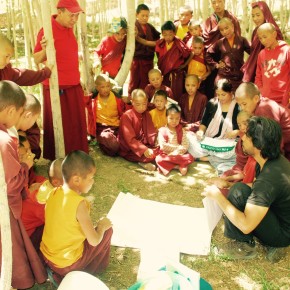
For initiatives in Ladakh and other Himalayan communities, the setting adds practical considerations. Mountain climates, remote locations, shared buildings, and limited supplies call for adaptable solutions. The strongest reading rooms respect local life while creating a calm environment for literacy, creativity, art, and music.
Begin with safety and belonging
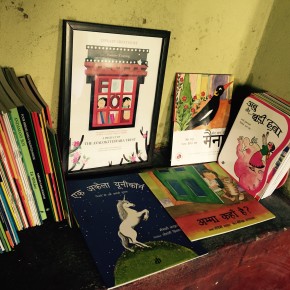
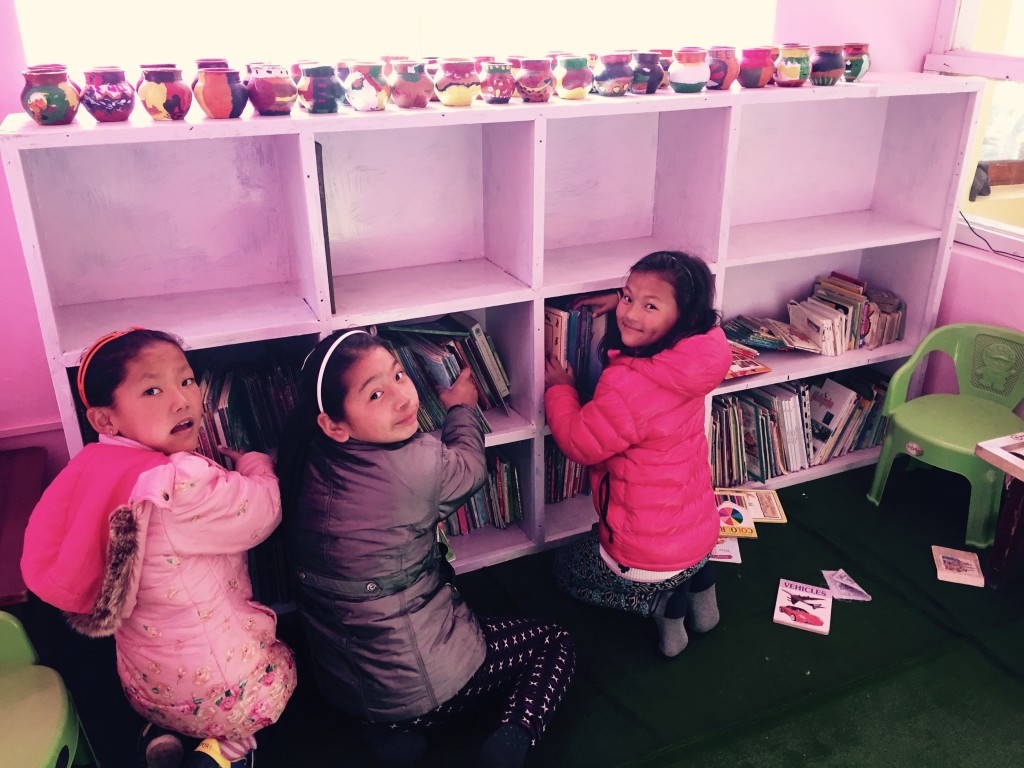
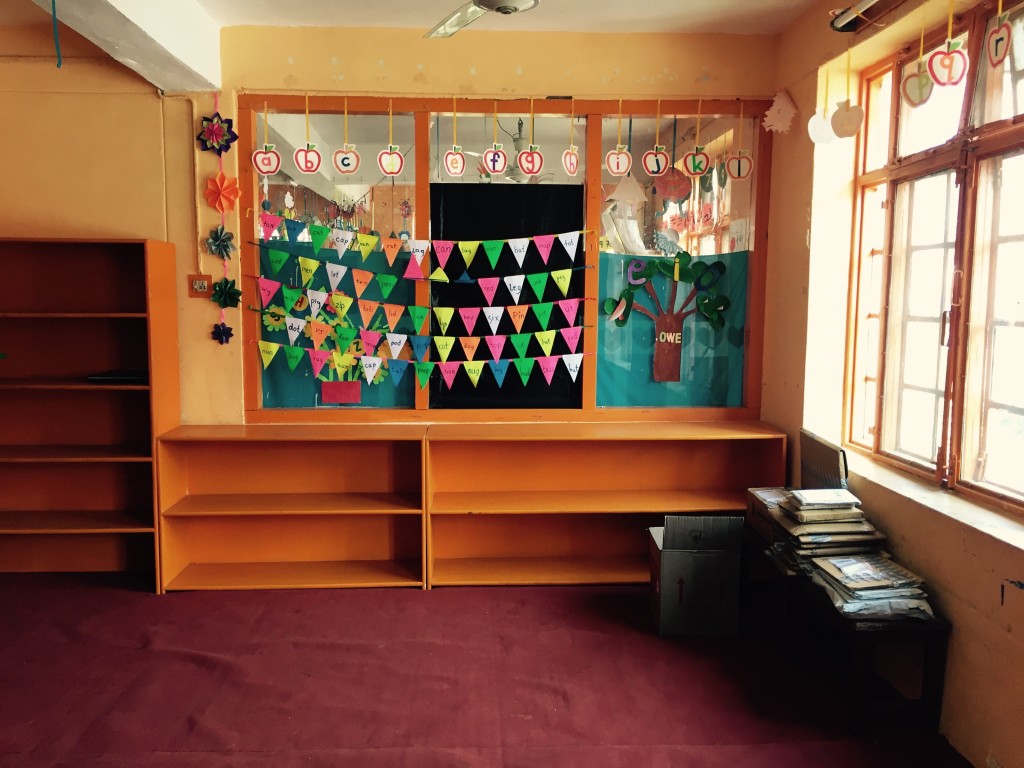
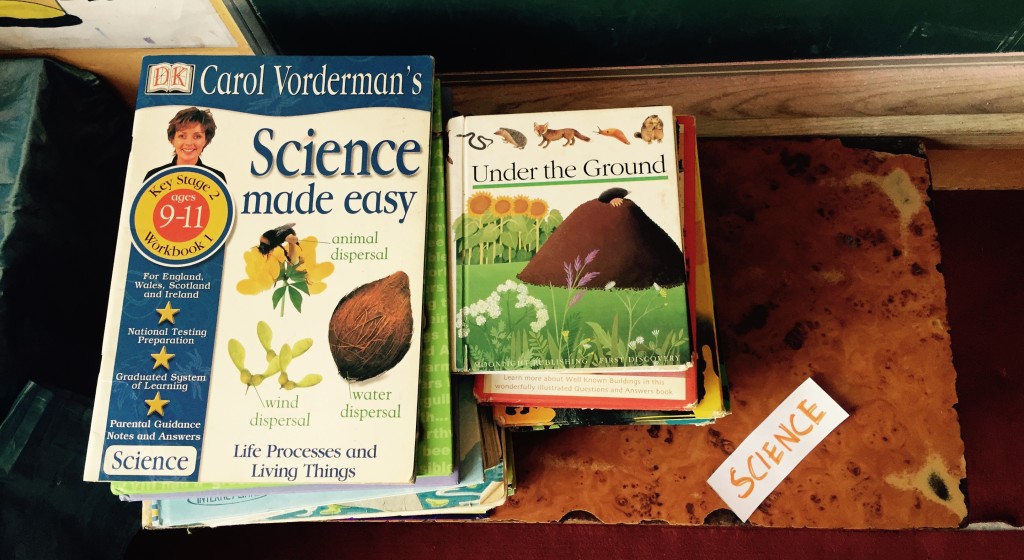
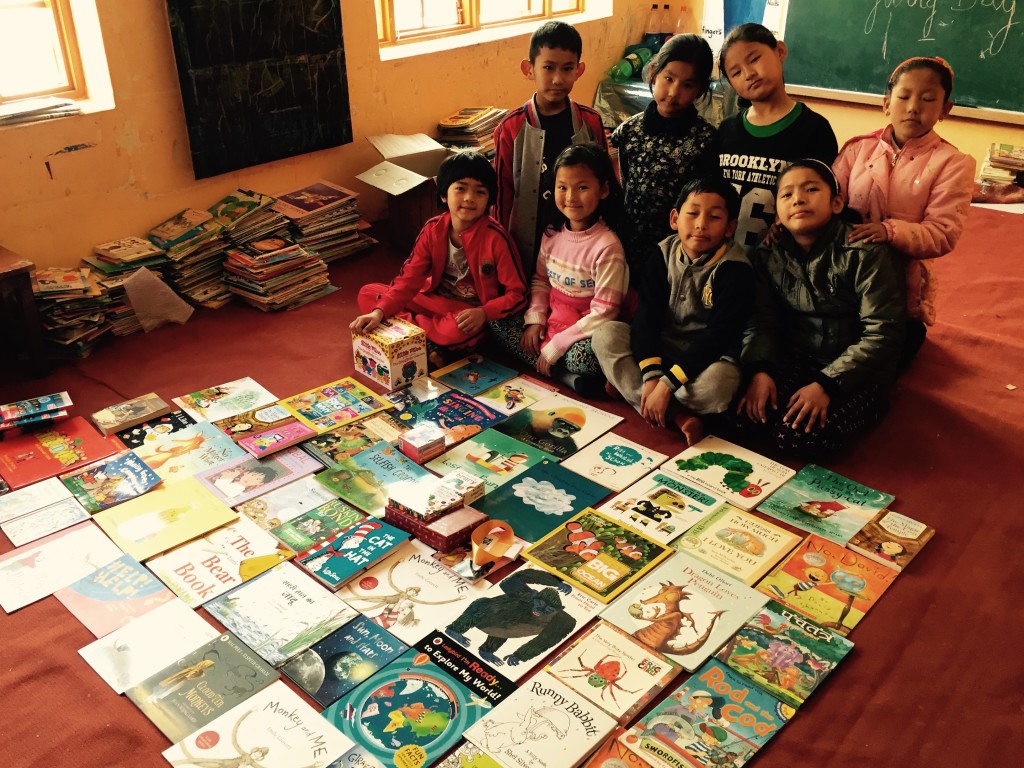
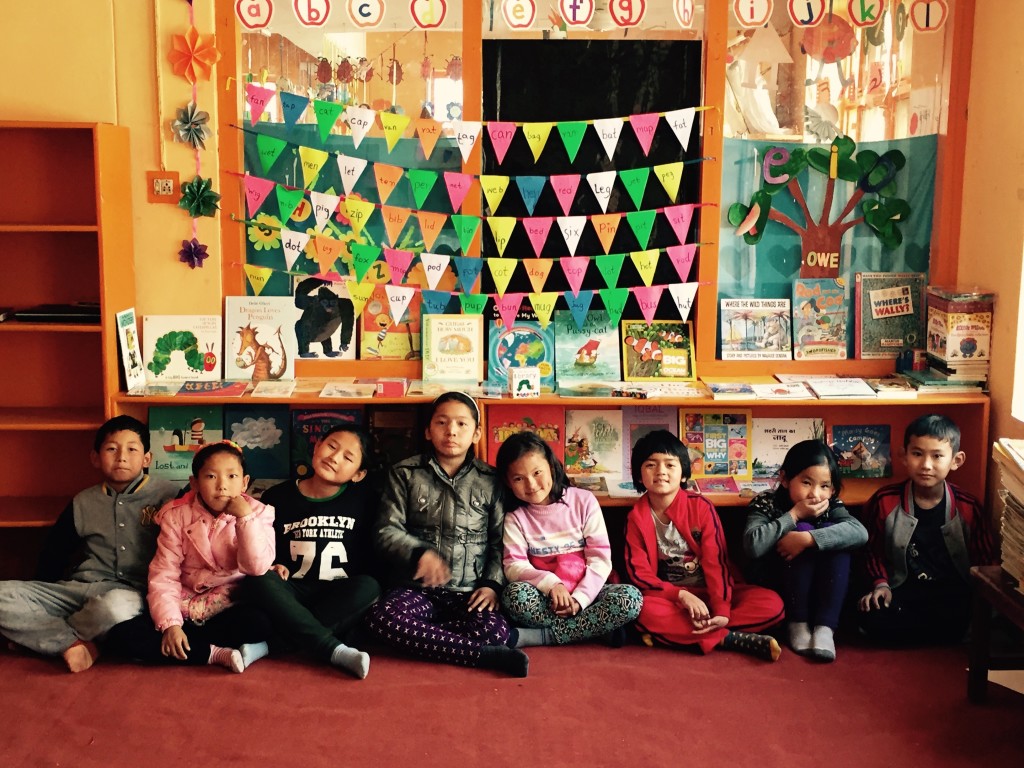
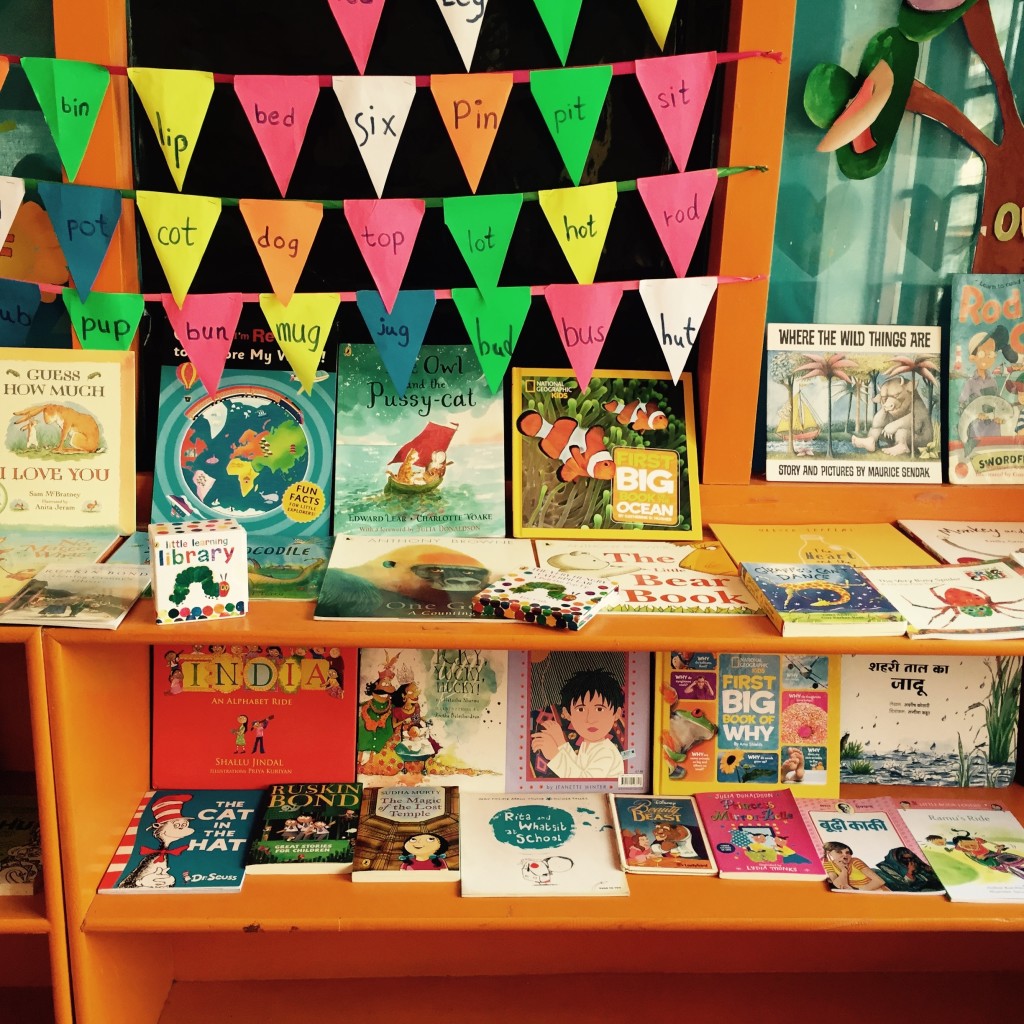
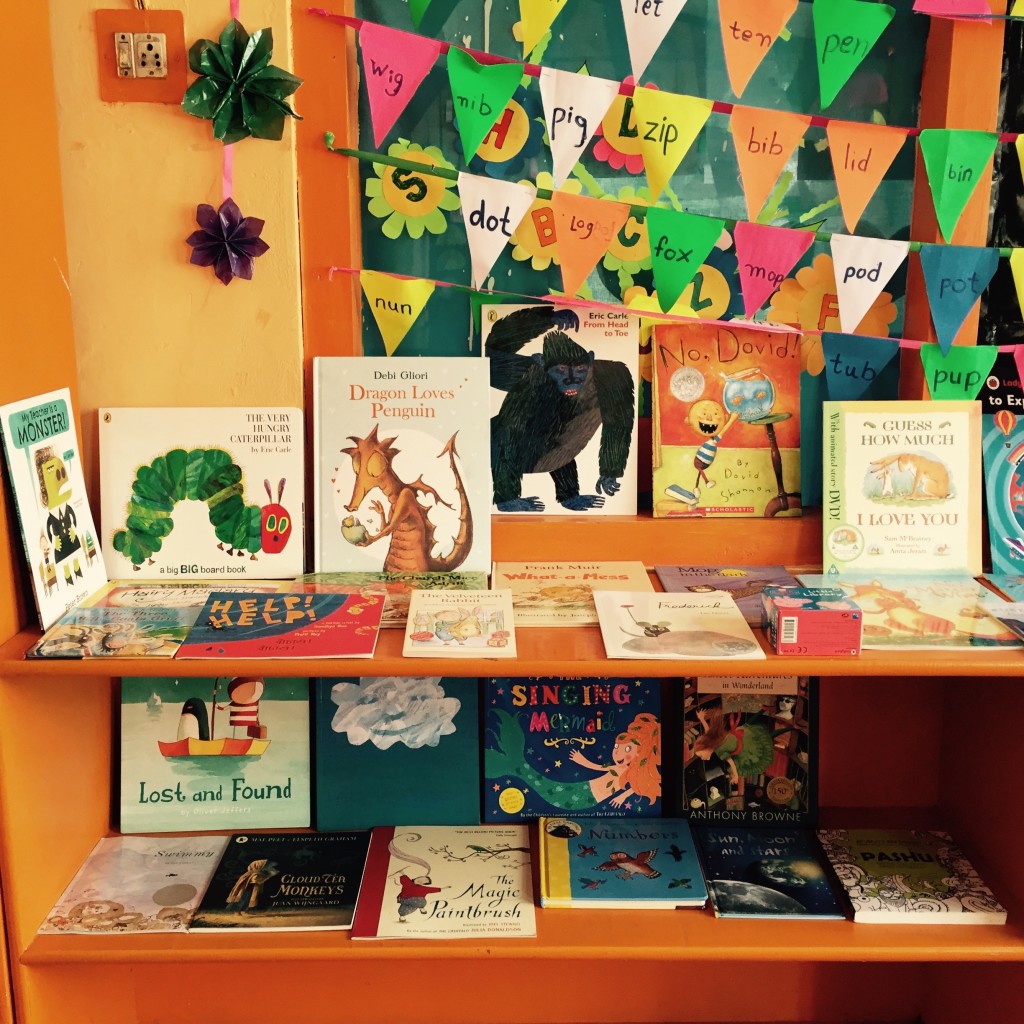
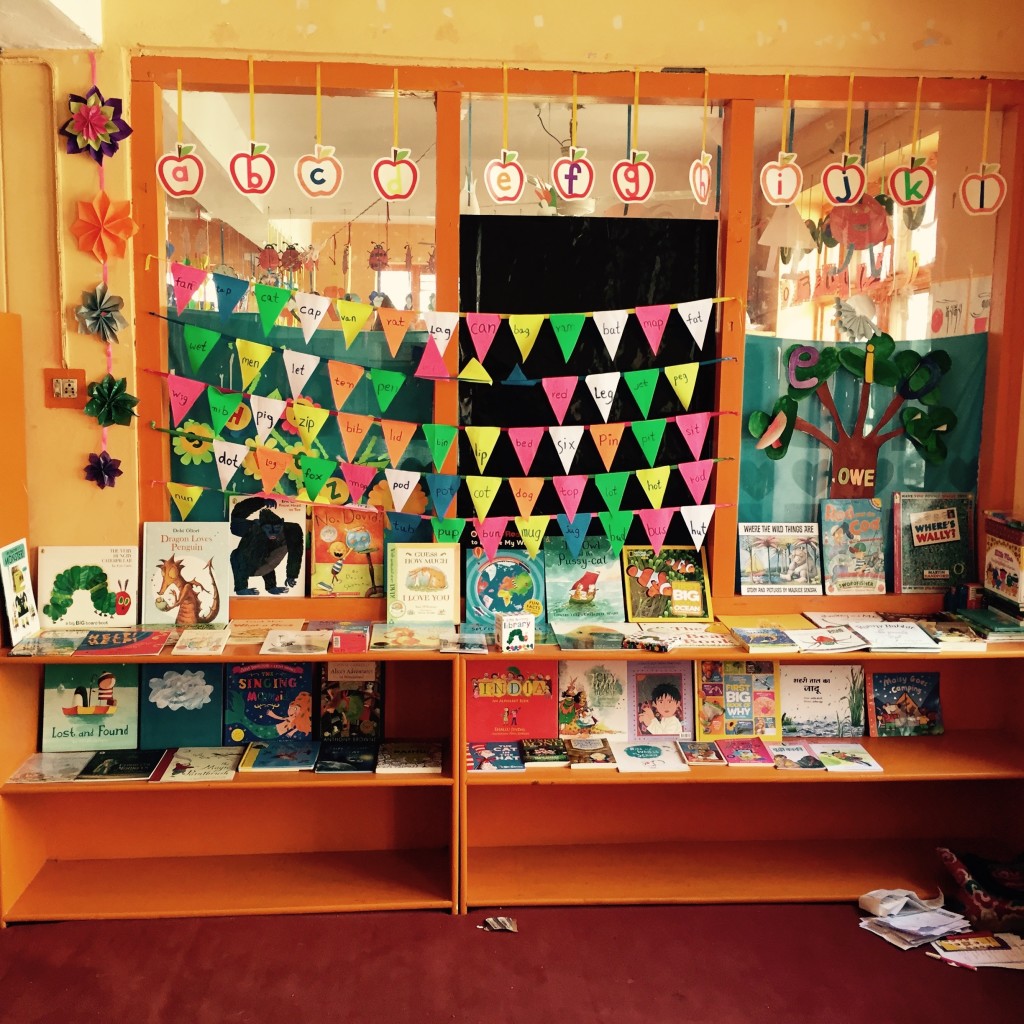
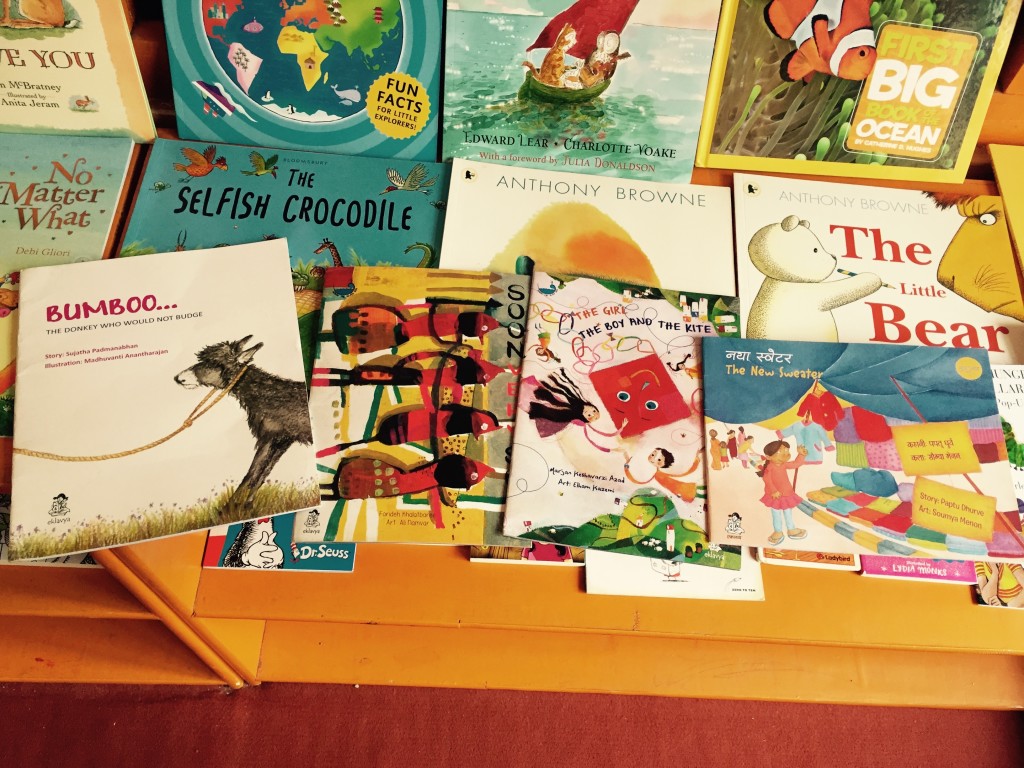
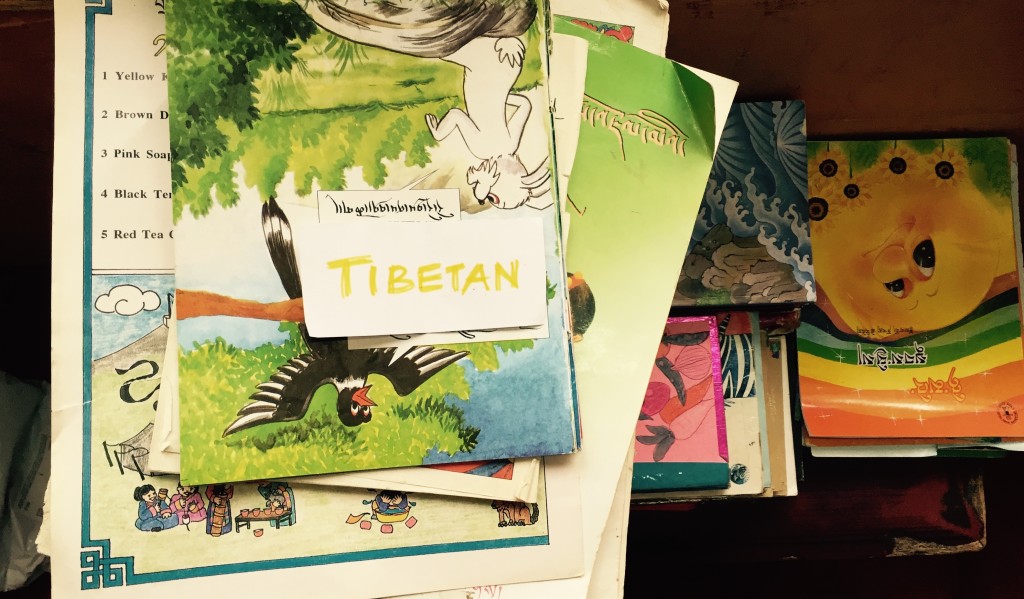
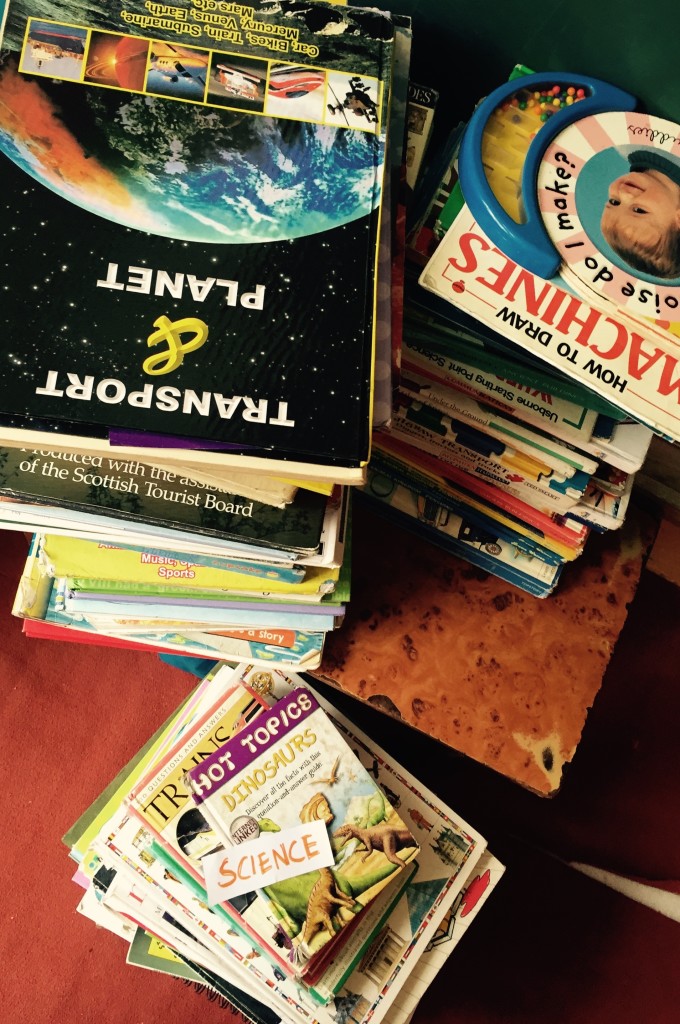
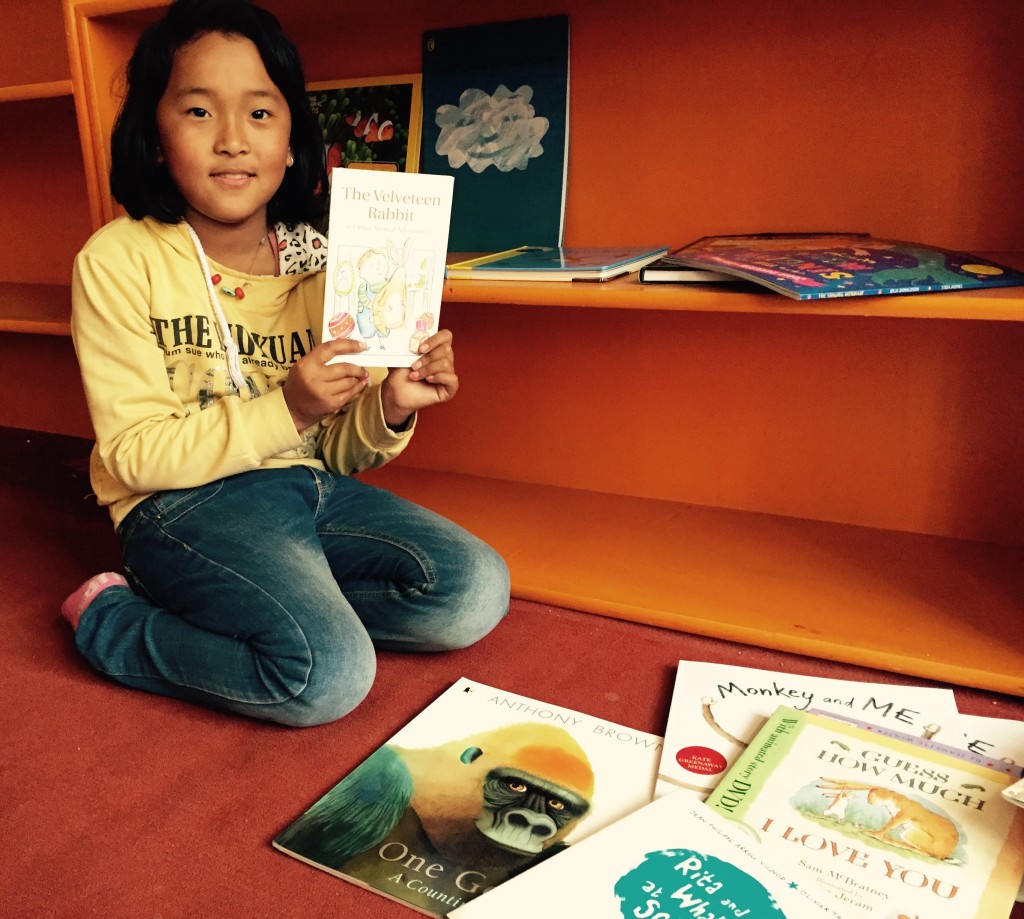
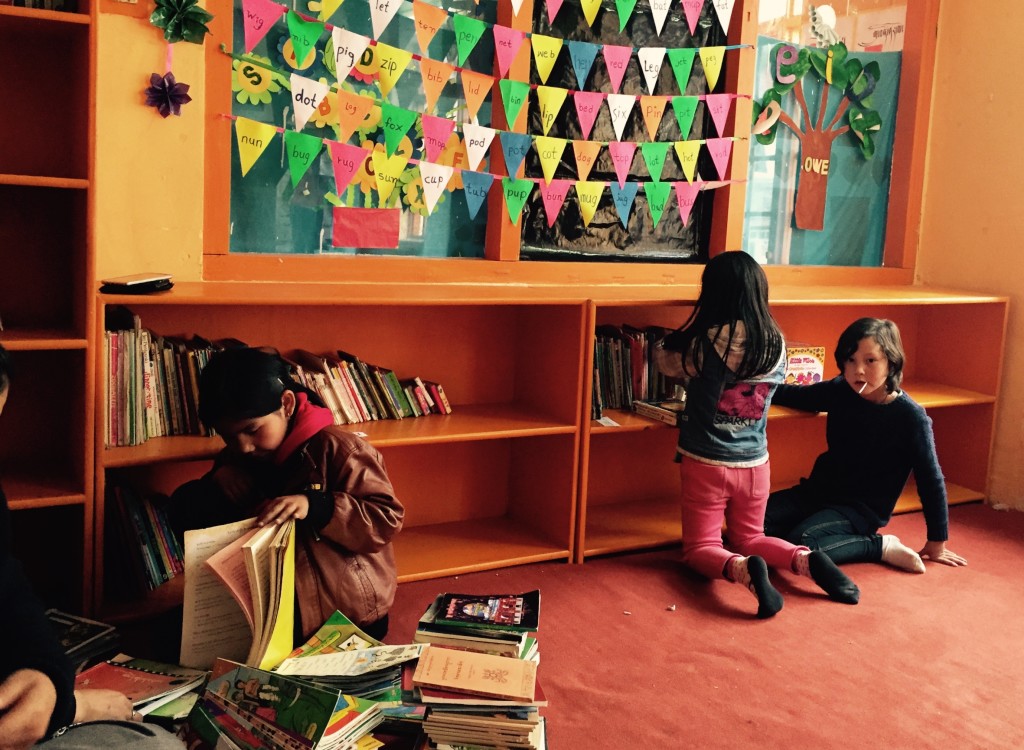
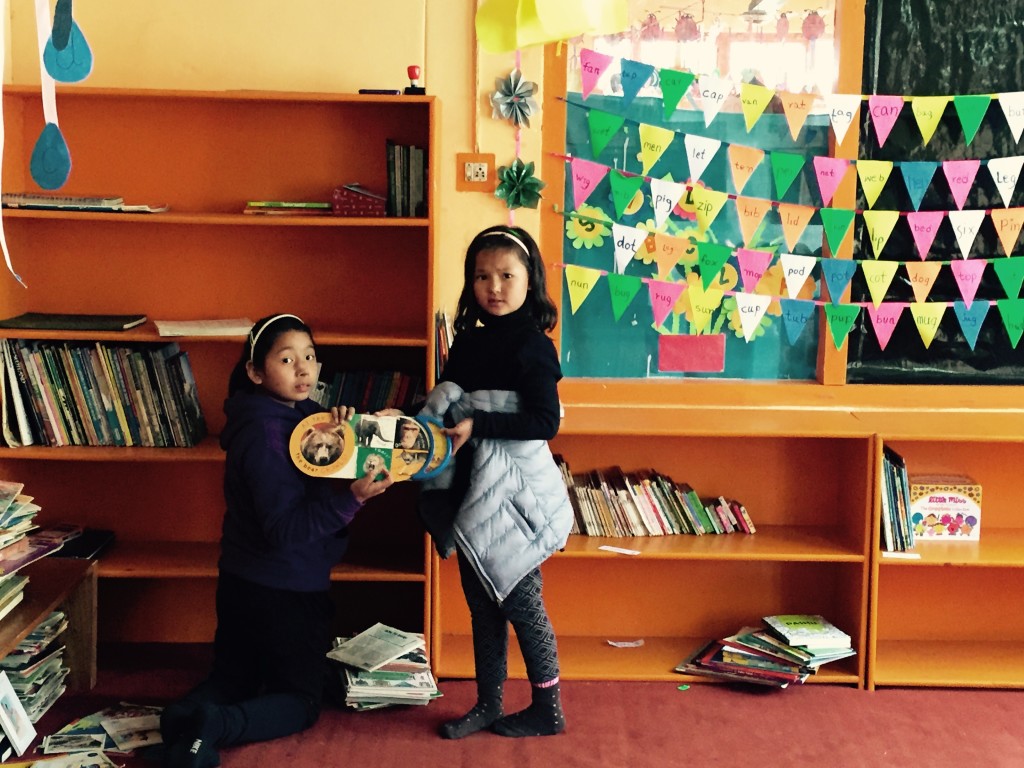
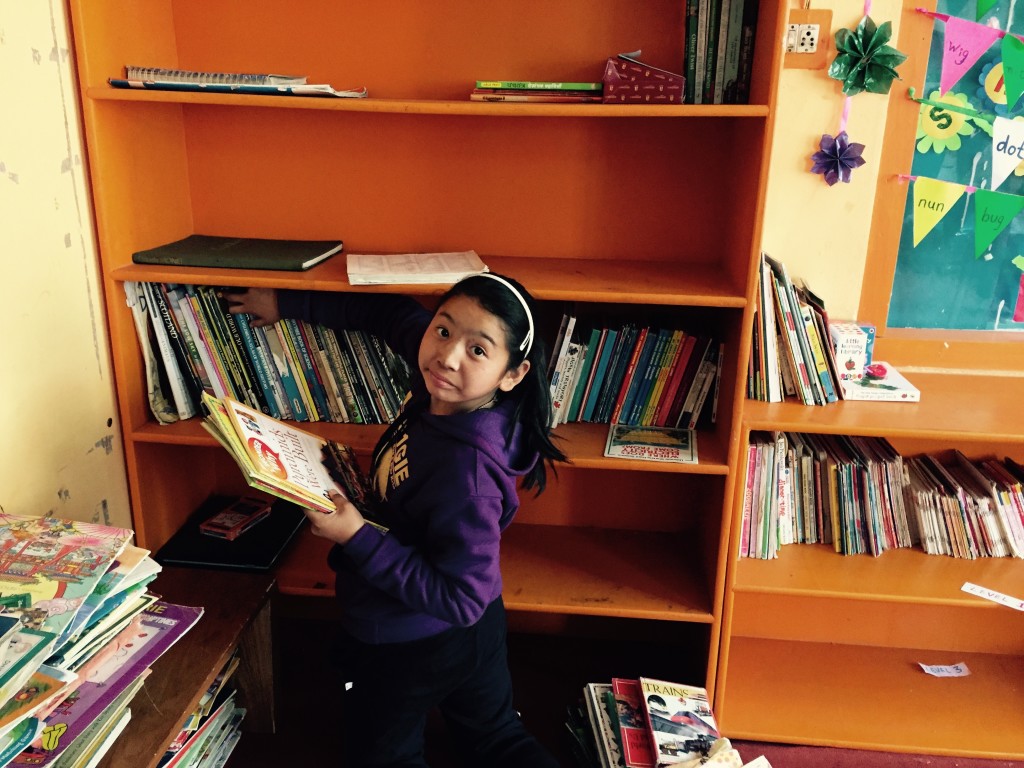
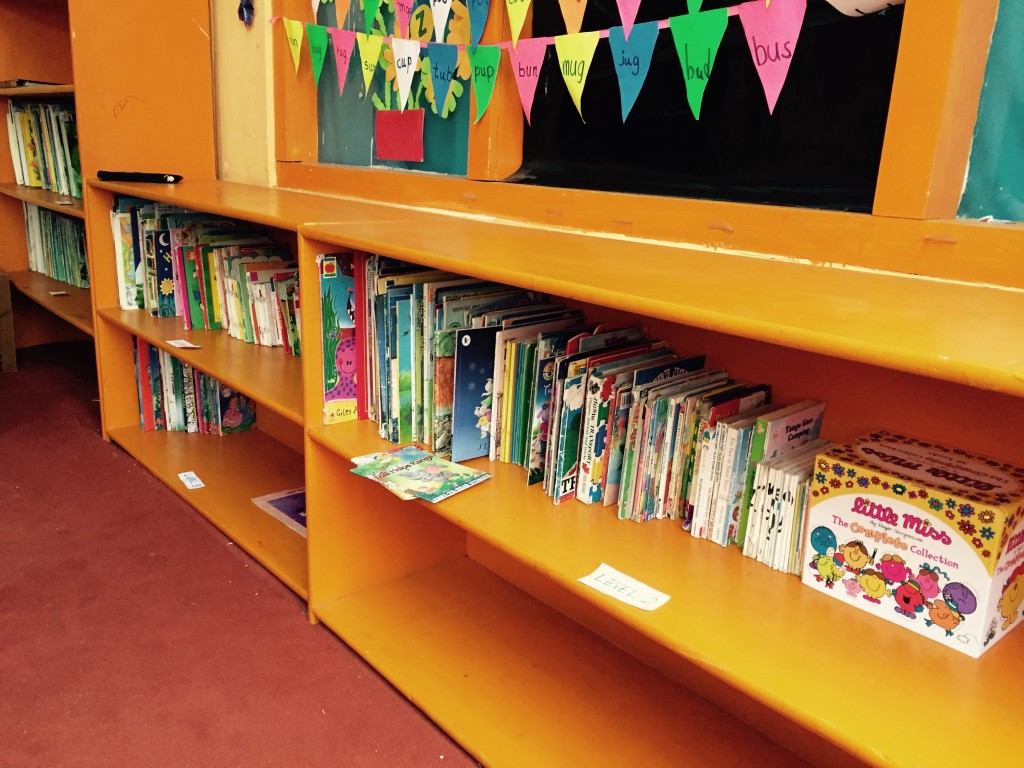
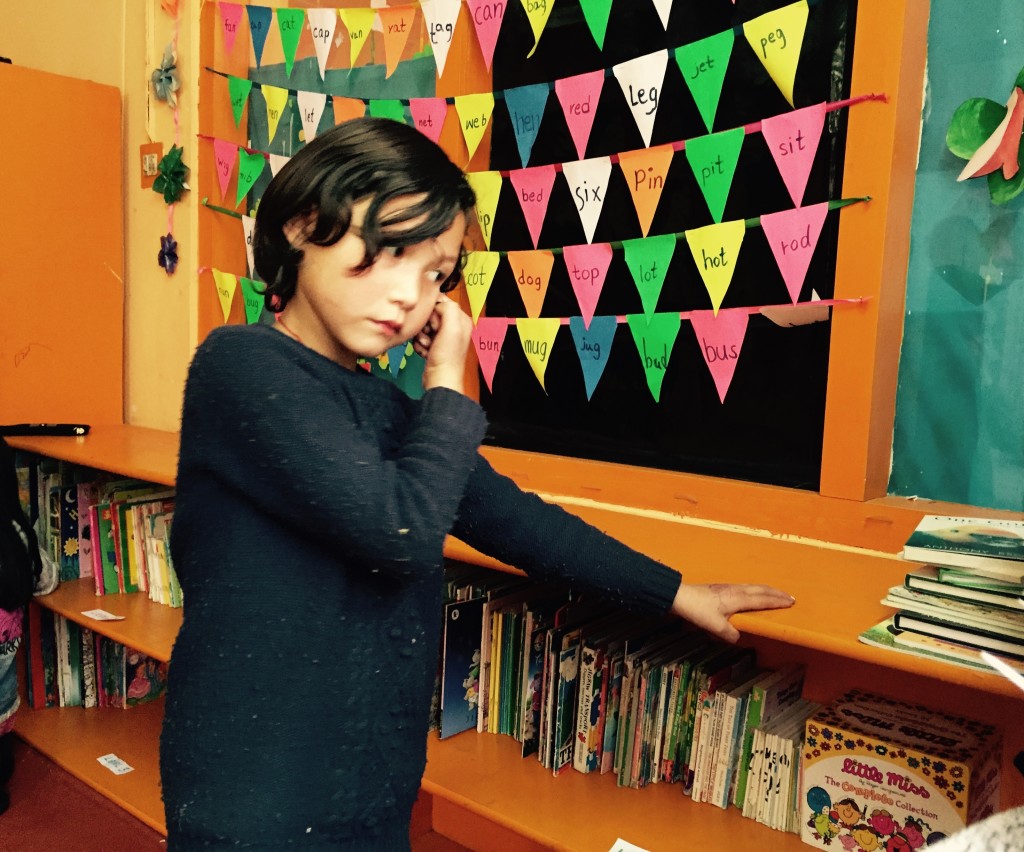
Children should feel that a reading room belongs to them. Low shelves allow young readers to browse independently, while clearly marked sections help them find picture books, folk tales, science titles, poetry, and books in familiar languages. Covers displayed face-out can attract children who may not yet know what kind of story they want.
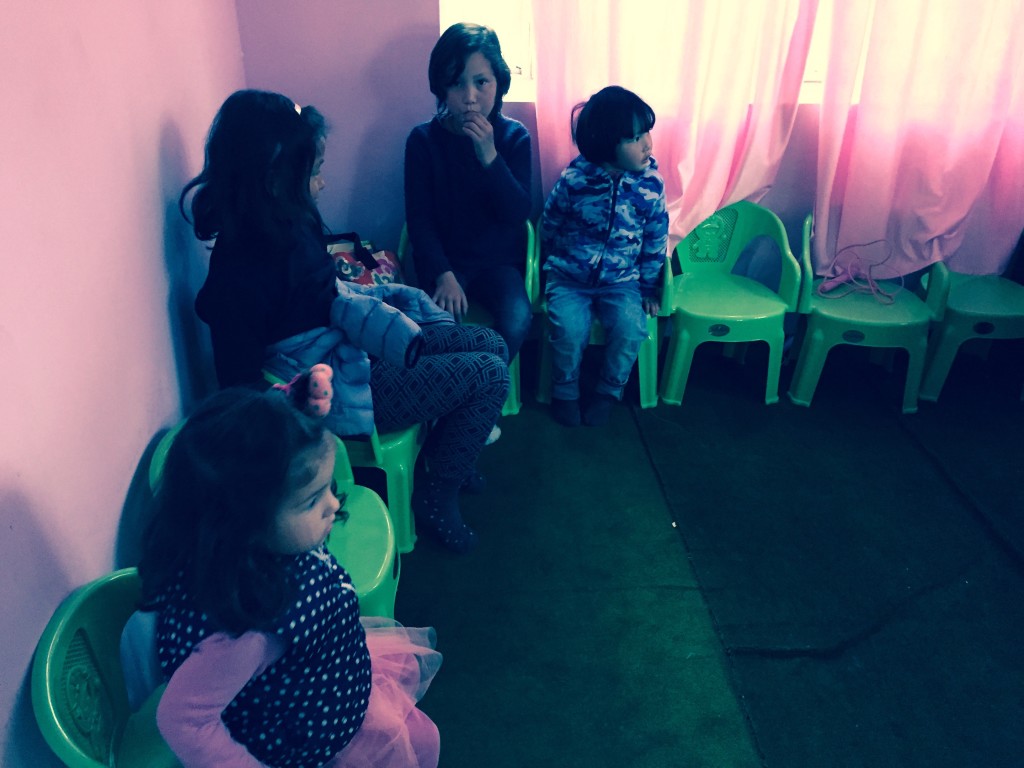
Furniture should be stable, smooth-edged, and suitable for the ages using the space. Floor cushions, woven mats, benches, and small tables can provide flexible seating without making the room feel formal. A clear path between shelves and activity areas supports movement and makes the room more accessible for children with different physical needs.
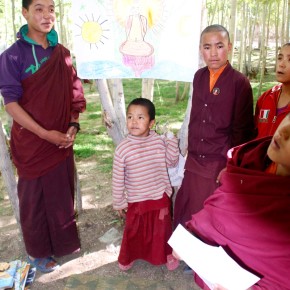
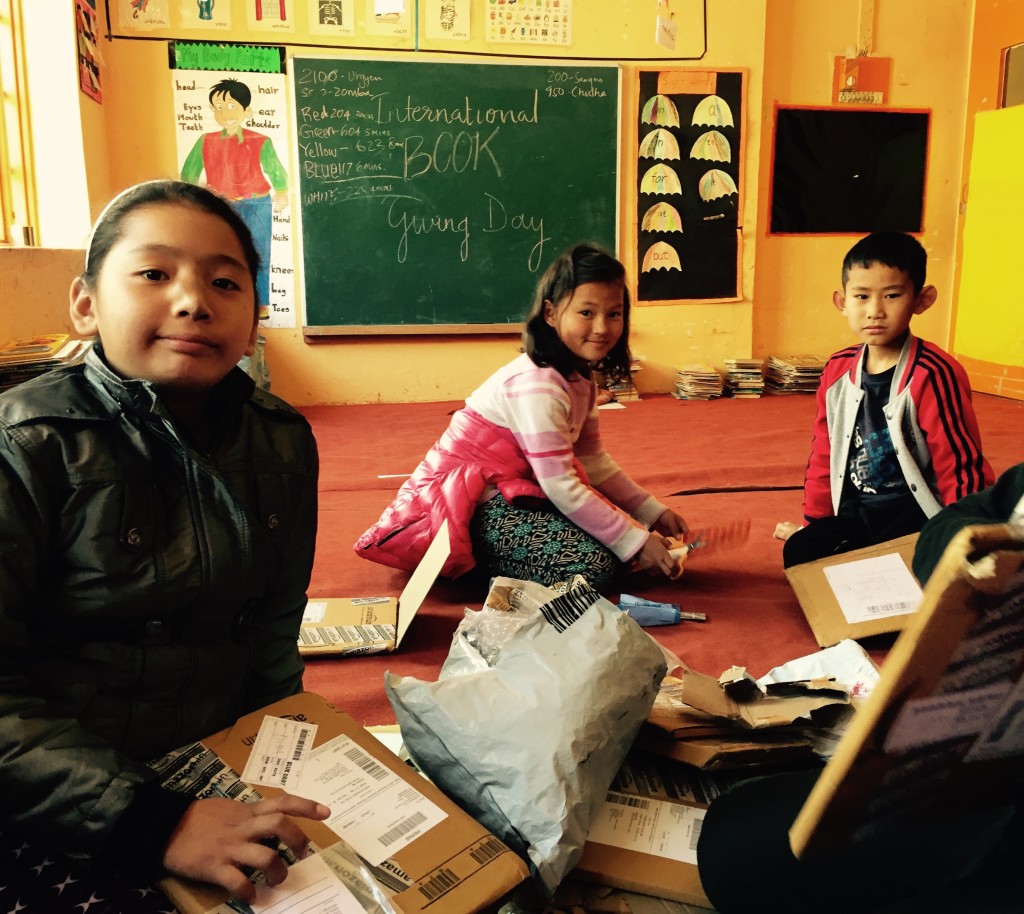
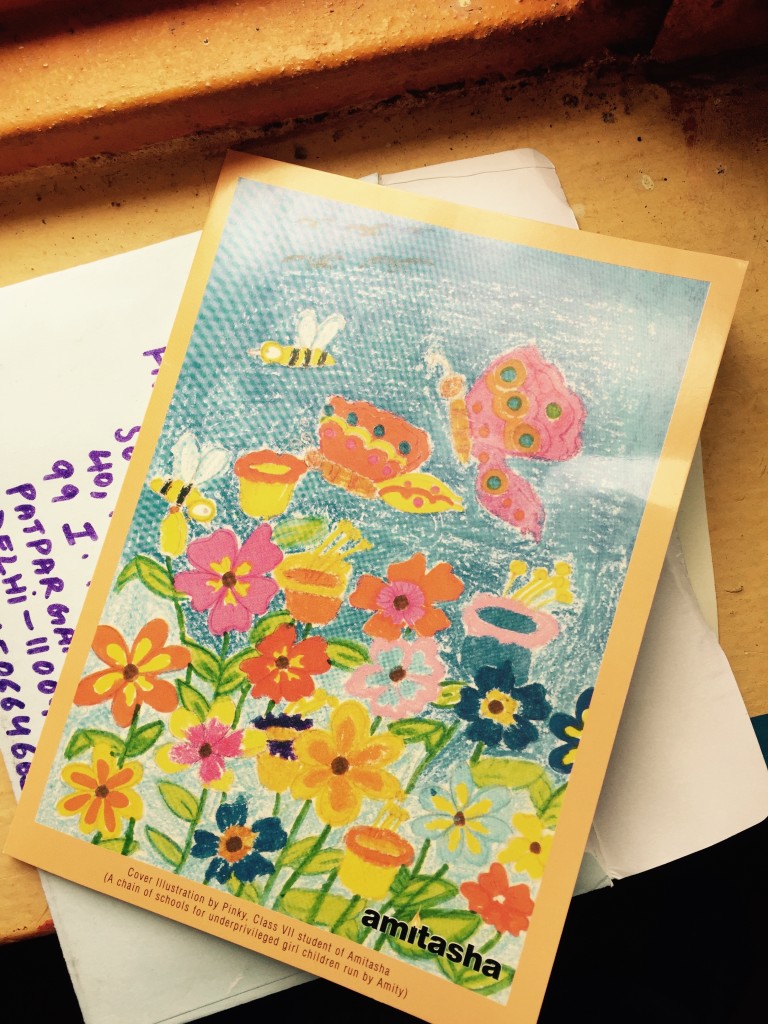
A welcoming space also reflects local identity. Handmade artwork, children’s drawings, regional patterns, and familiar landscape images can make the room feel connected to its community. The aim is a peaceful setting that feels cared for, rather than a room where children are expected to remain perfectly still.
Use light, color, and sound with care
Natural light is valuable in a reading environment, especially when children spend long periods looking at print. Seating near a bright window can create an inviting reading nook, but direct glare should be reduced with curtains, shades, or careful furniture placement. In sunny high-altitude locations, soft filtered light can protect both eyes and book pages.
Color can guide mood and function. Gentle earth tones, warm whites, and muted blues or greens often support concentration, while brighter accents can identify a creative corner or display area. Too many competing colors, posters, and decorations may make it harder for children to focus, so visual variety should be balanced with open wall space.
Sound deserves equal attention. A reading room beside a busy classroom or communal area may need rugs, fabric panels, curtains, or book-filled shelves to soften noise. A small quiet corner should not demand silence from the entire group. Instead, separate active zones for drawing, music, discussion, and reading so children can choose an appropriate level of energy.
Choose materials that serve many readers
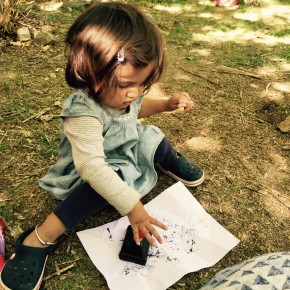
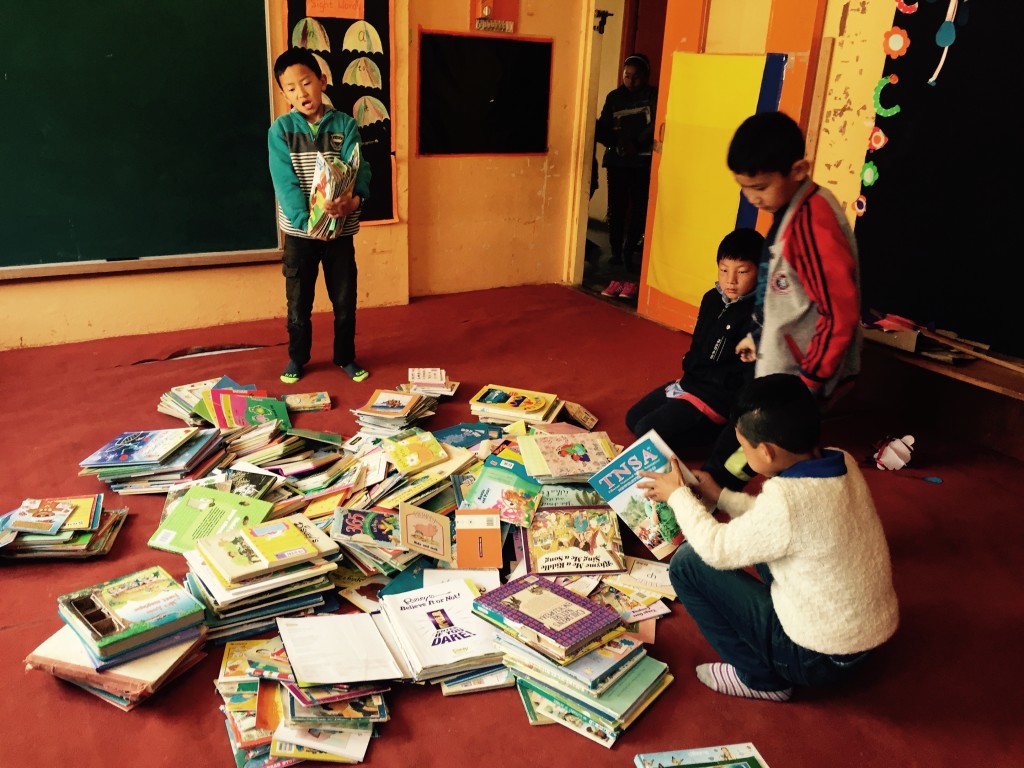
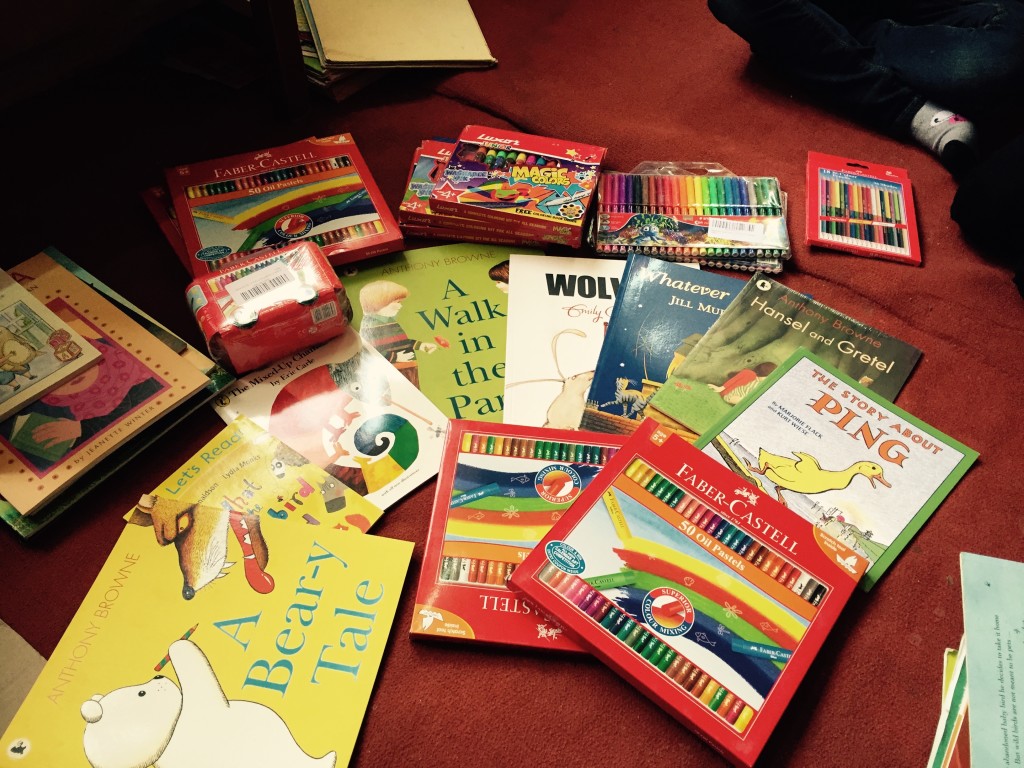
A useful reading room includes more than shelves of books. It may offer drawing paper, pencils, bookmarks, simple writing tools, magnifying glasses, story cards, and prompts for creative response. These materials help children connect reading with storytelling, observation, performance, and art.
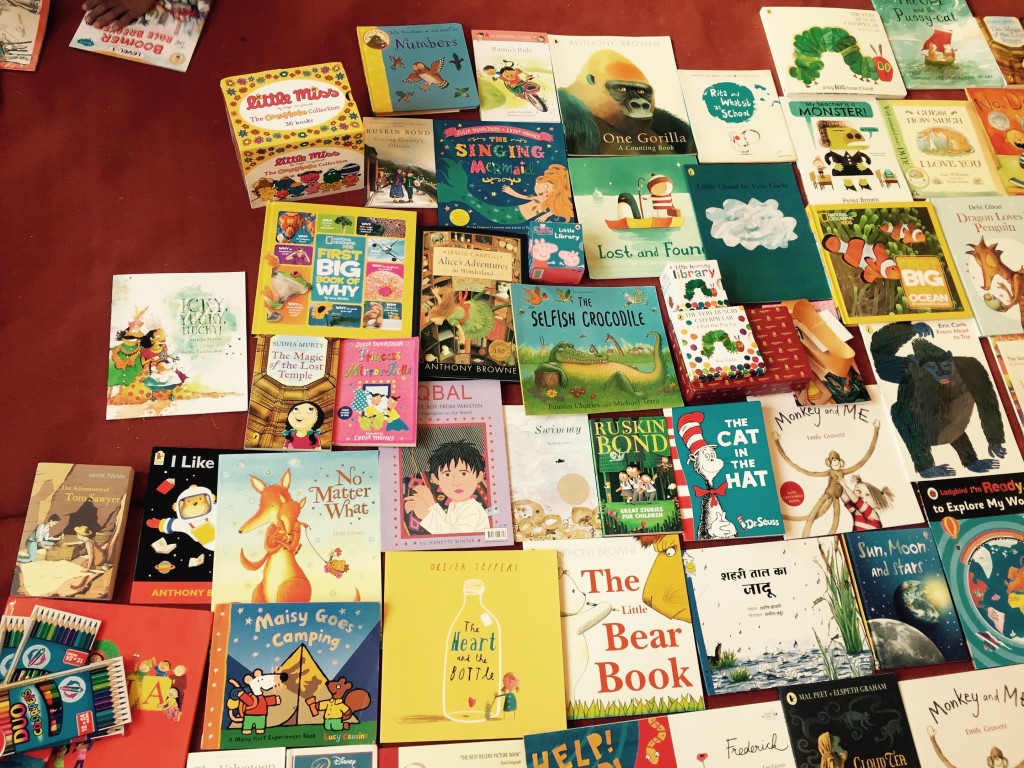
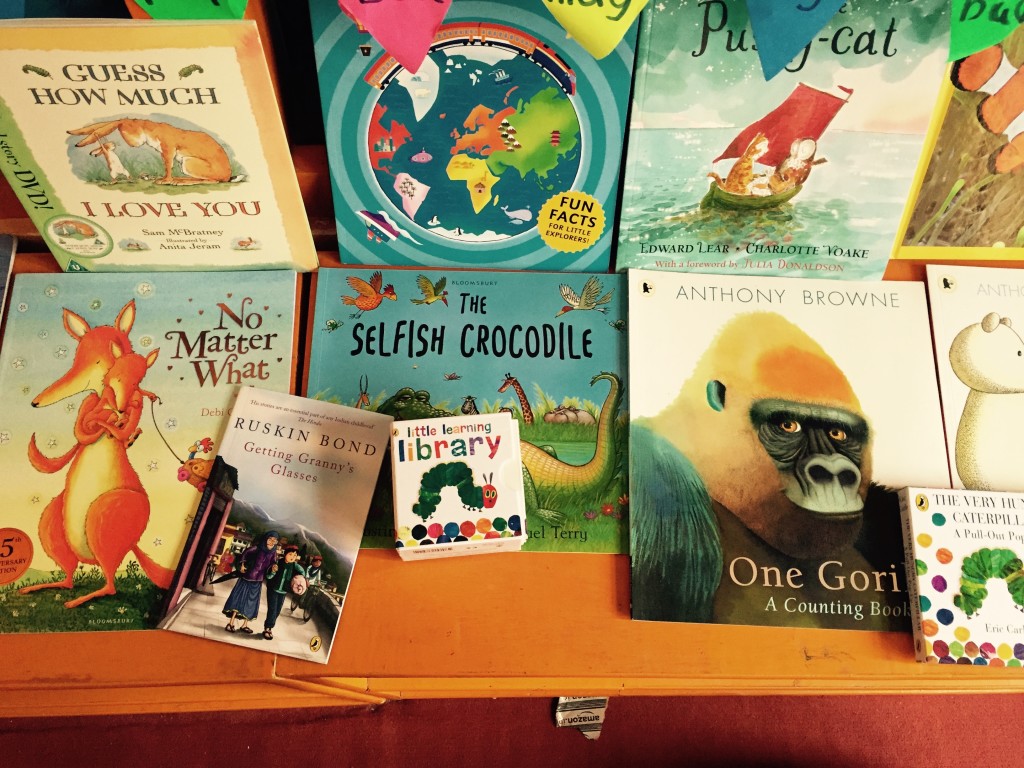
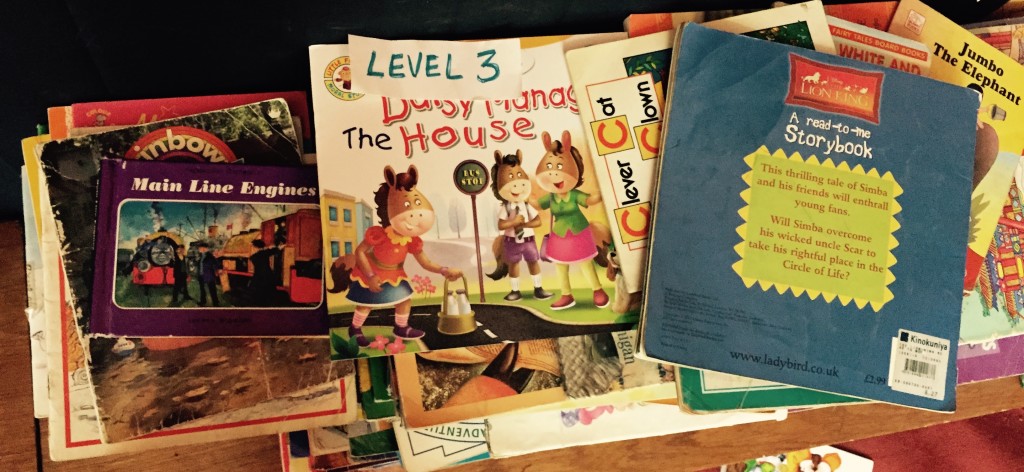
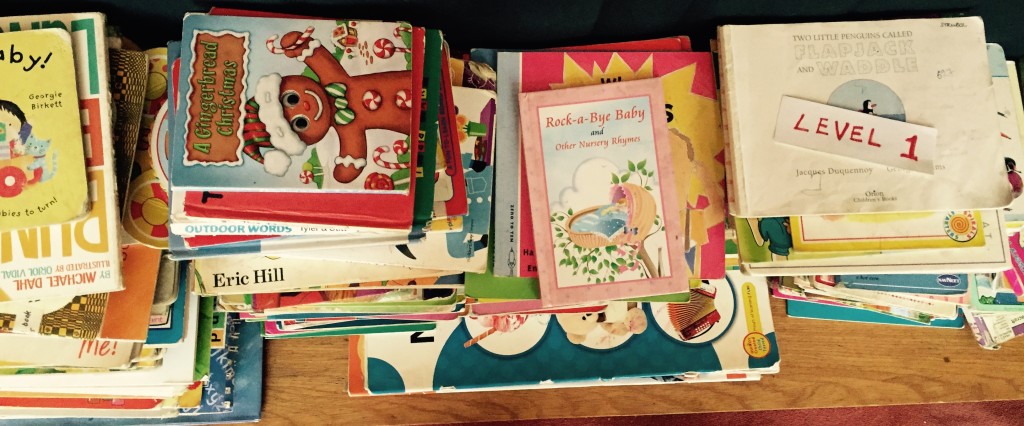
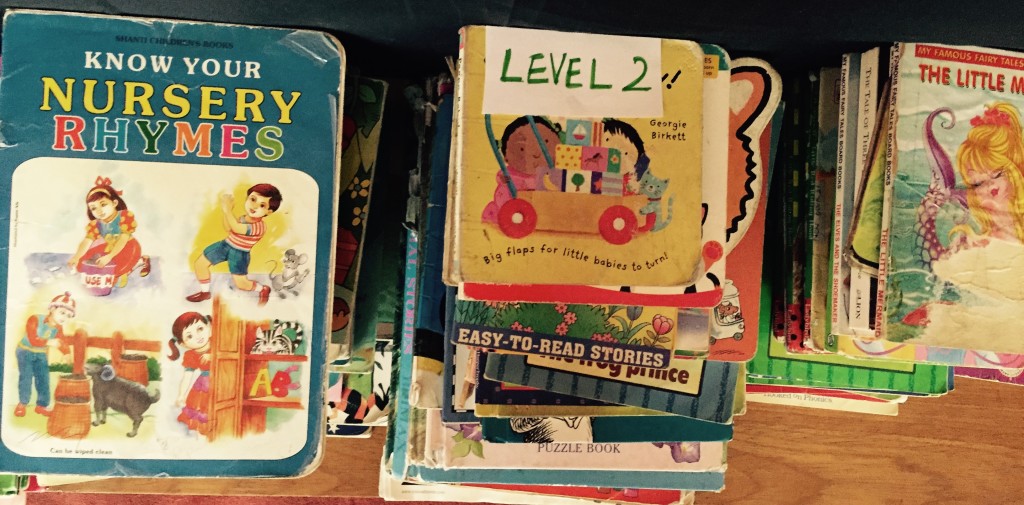
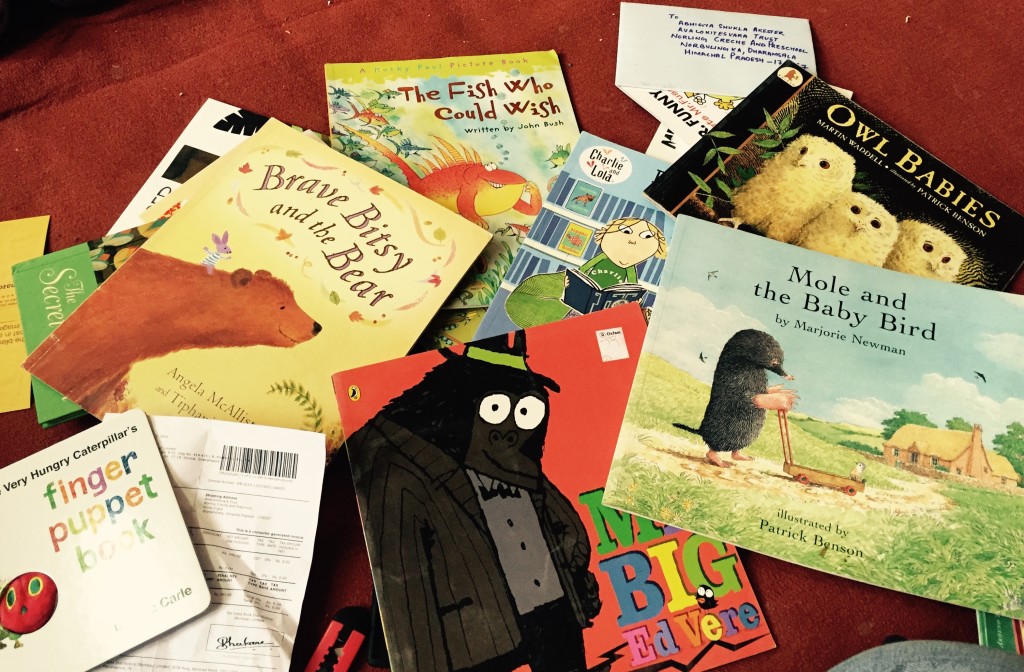
Books should be varied in format and difficulty. Picture books support early literacy and visual interpretation; short novels build reading stamina; nonfiction encourages questions about nature, history, science, and daily life. Bilingual or multilingual books can strengthen language learning while ensuring that children see their own culture and experiences represented.
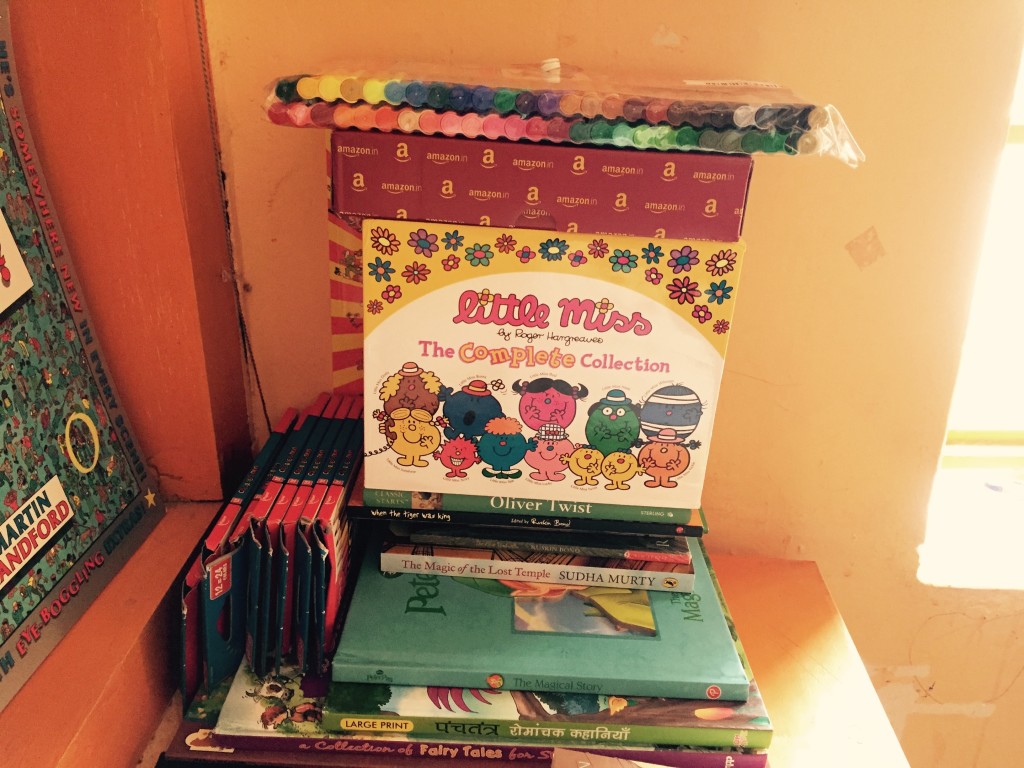
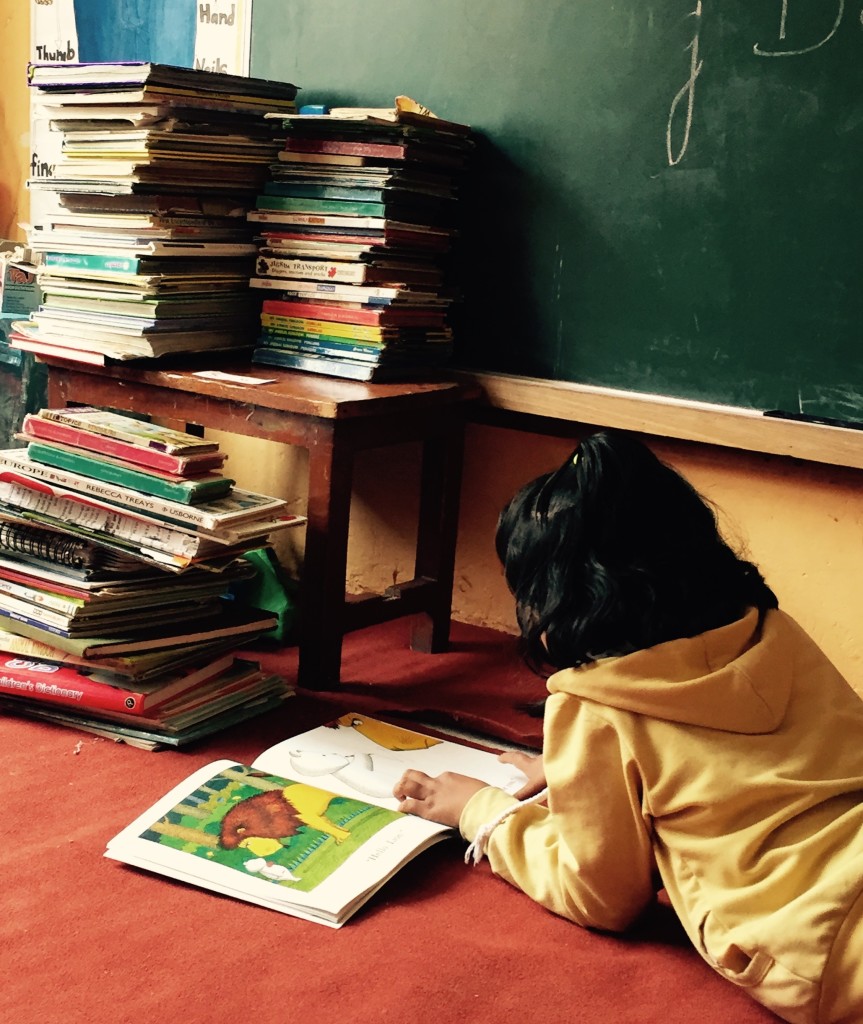
Durability matters where replacement supplies are difficult to obtain. Washable floor coverings, sturdy shelves, repairable furniture, and protective book covers extend the life of a reading space. A modest collection that is well organized and regularly maintained can be more useful than a larger collection that is difficult to access.
Match the design to local conditions
A reading room in a Himalayan village may need to function through cold winters, bright summers, and changing community schedules. Warm textiles, insulated windows, and safe heating arrangements can make reading possible across the year. Furniture that can be moved or stacked allows the room to host workshops, storytelling, music practice, or group lessons.
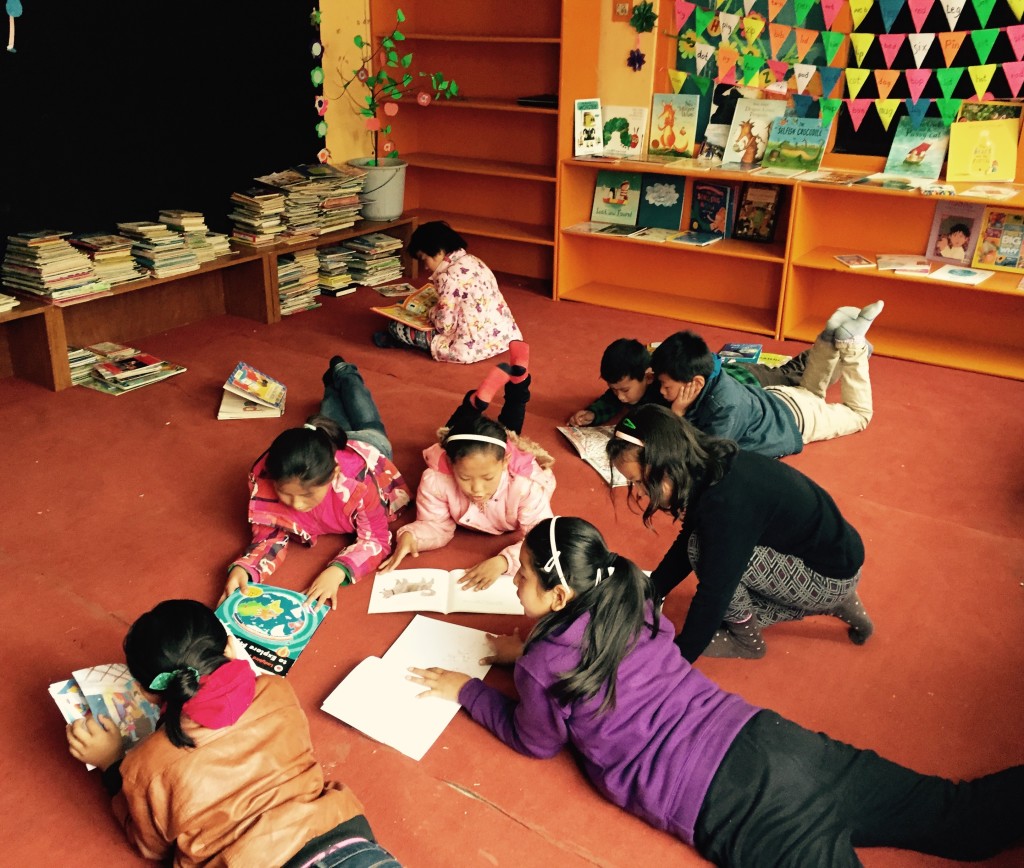
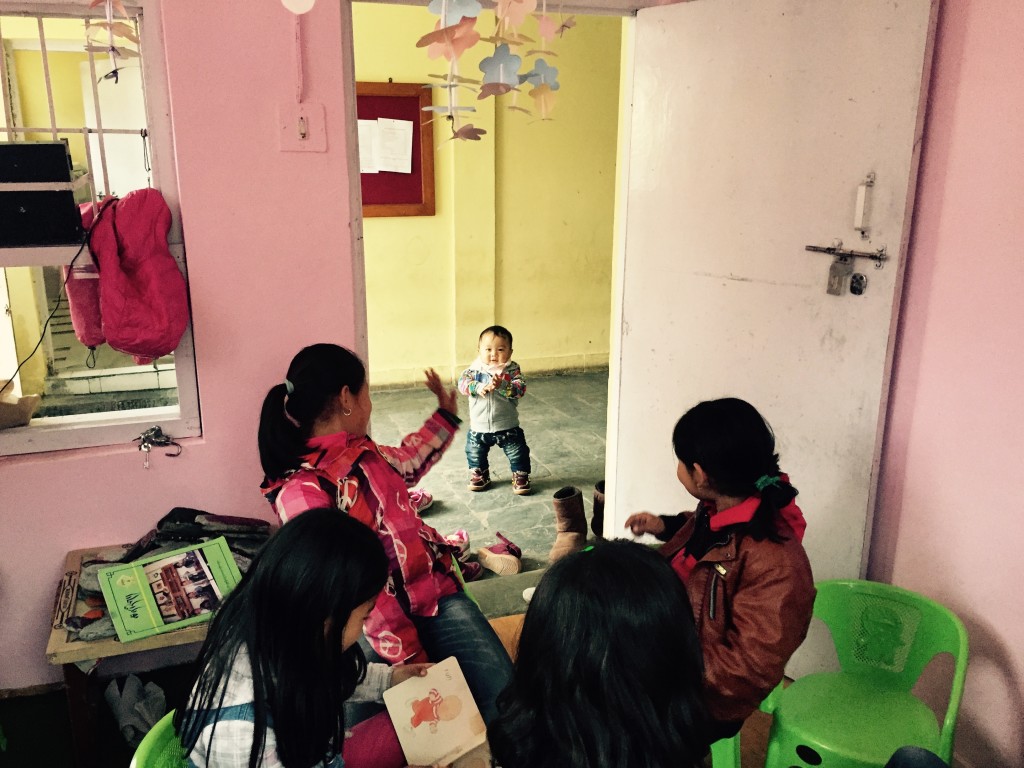
Space should be planned around real patterns of use. If several age groups share the room, create a lower, softer area for younger children and a more independent study space for older readers. If monks, families, volunteers, or teachers use the room at different times, simple storage systems can keep materials organized between activities.
Local makers may be able to build shelves, benches, or display units using available materials. This approach can reduce transport costs and create a stronger sense of community ownership. Practical design becomes more sustainable when maintenance skills and replacement materials are available nearby.
Small choices can shape daily reading habits
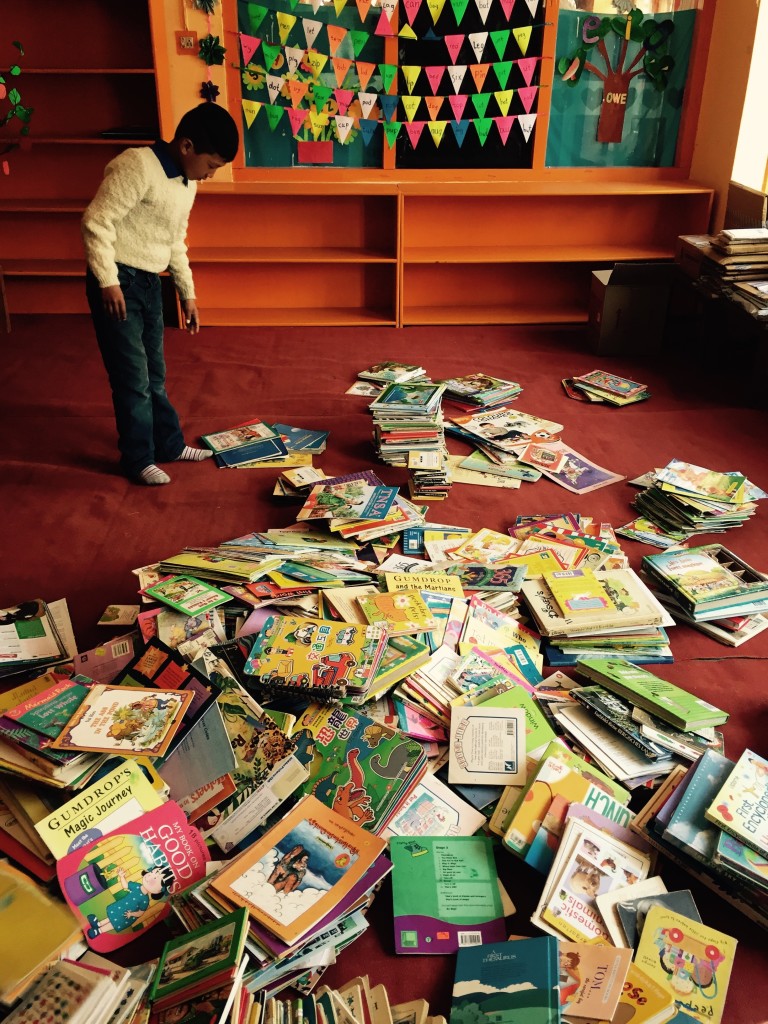
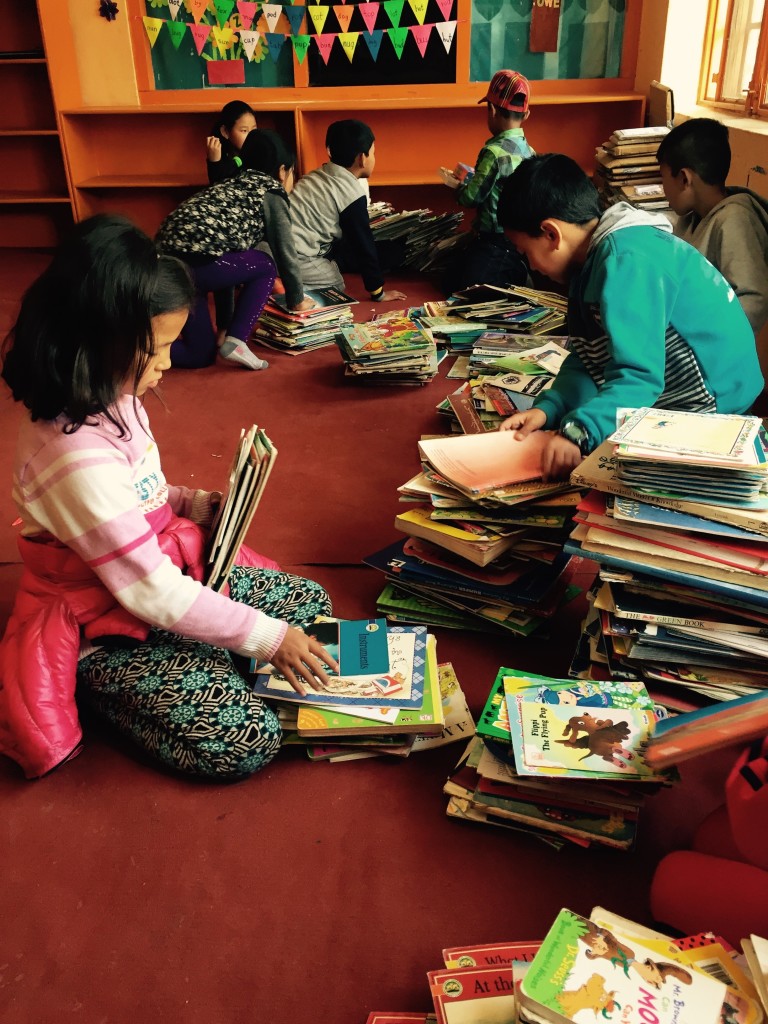
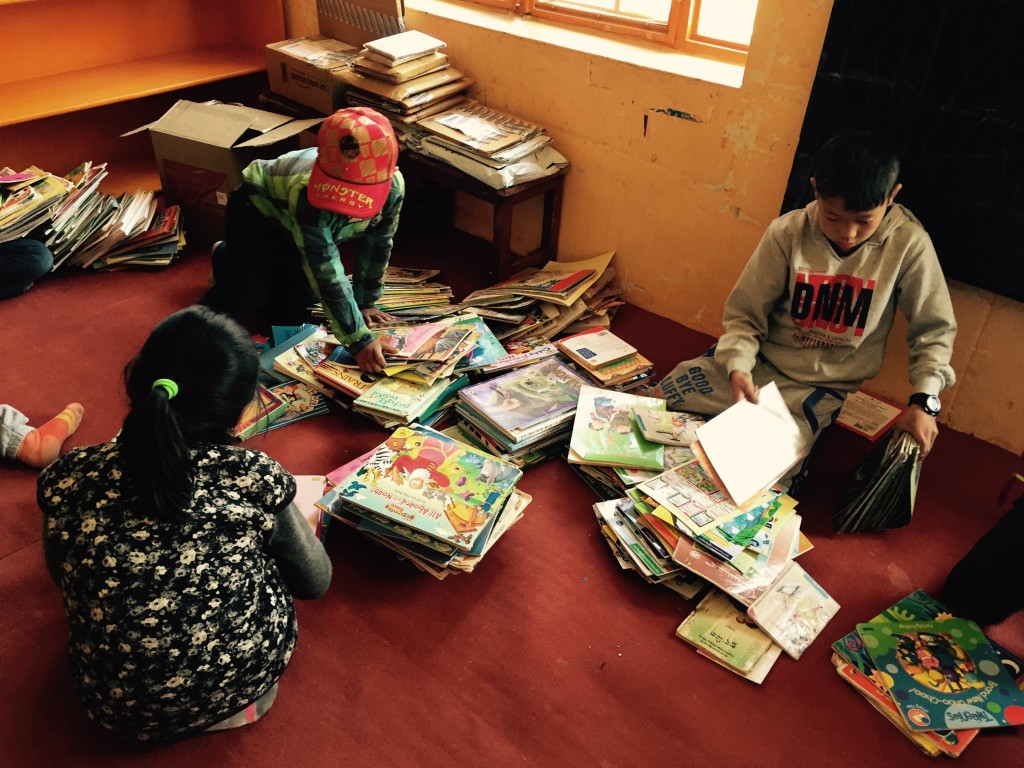
A child is more likely to choose a book when the process is easy. Labels with words and pictures, color-coded shelves, and baskets for different subjects can help children browse without constant adult assistance. A return box prevents books from being placed randomly and makes tidying a shared routine rather than a punishment.
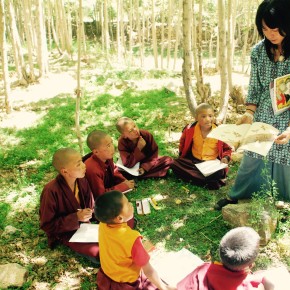
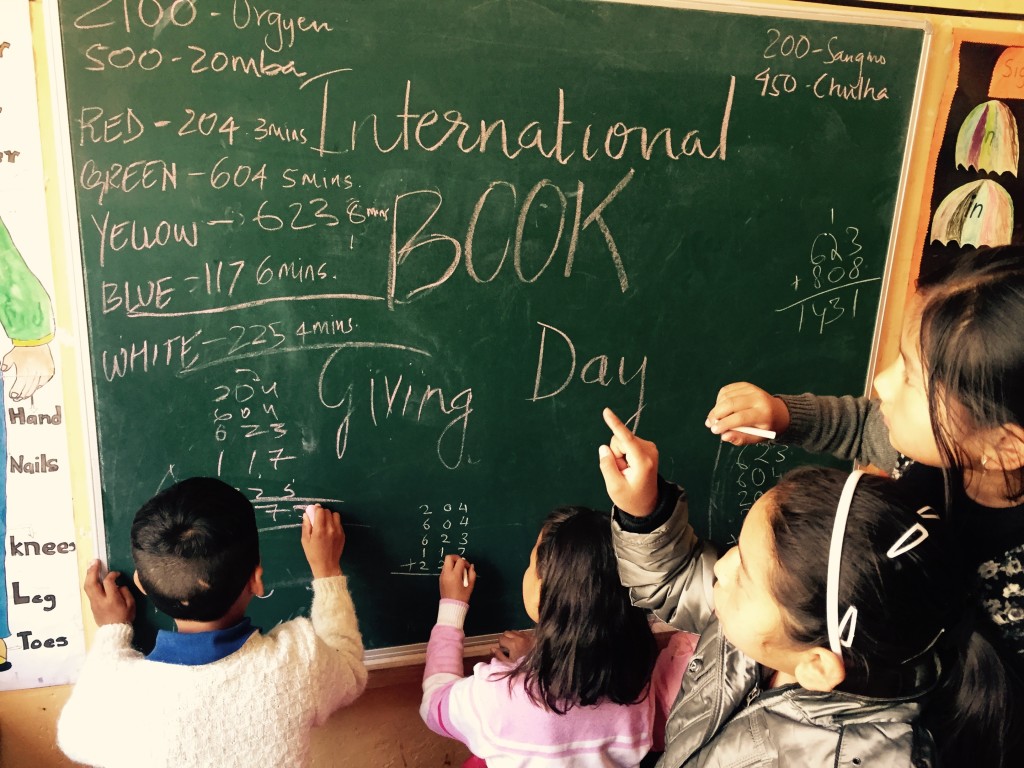
A visible reading calendar can encourage regular visits. It might include storytelling days, quiet reading periods, book discussions, drawing sessions, and opportunities for children to recommend titles. These activities turn a room into a living learning environment instead of a storage area for donated books.
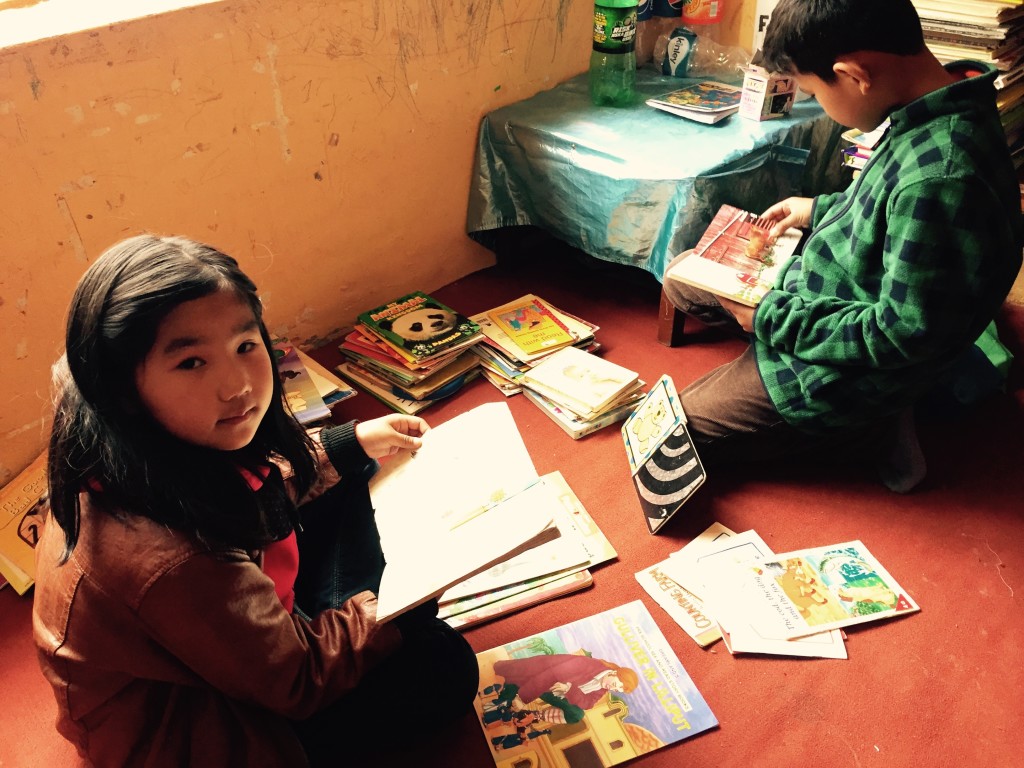
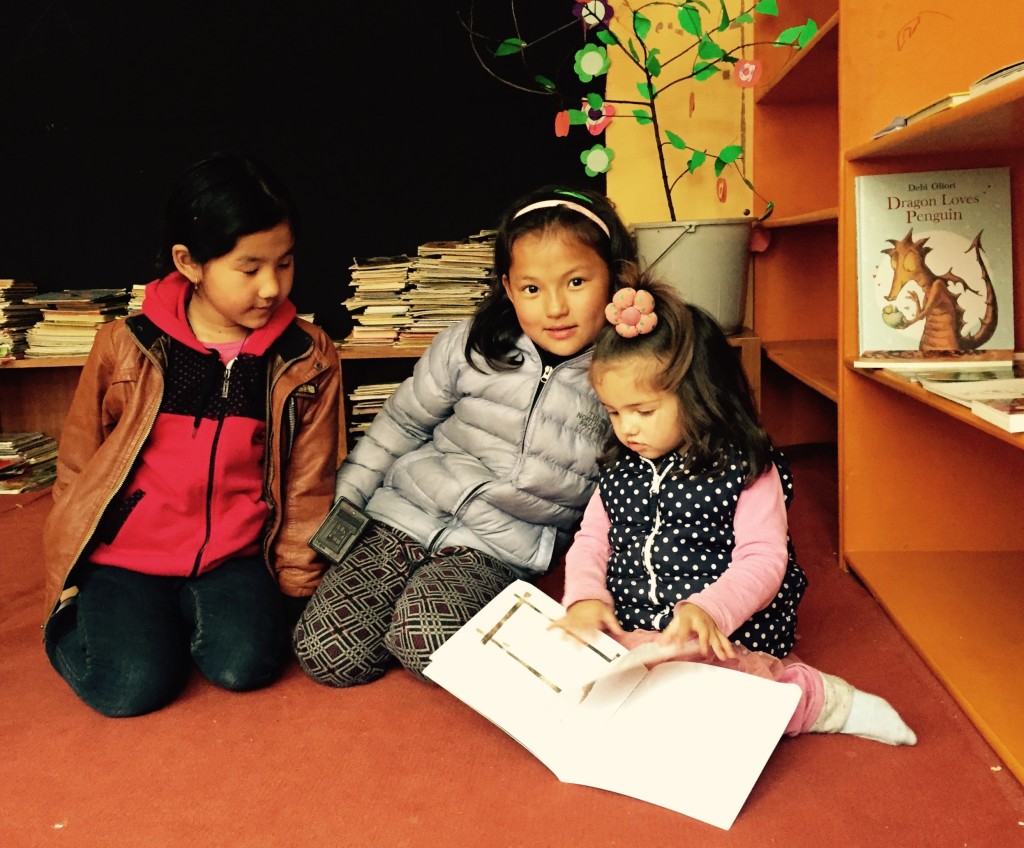
The arrangement should leave room for personal choice. Some children enjoy reading alone, while others learn through conversation and shared stories. Providing both individual nooks and group seating respects these differences and allows confidence to grow at a comfortable pace.
| Design element |
Practical choice |
Benefit for children |
| Seating |
Cushions, mats, low benches, and small chairs |
Supports comfort and different reading styles |
| Shelving |
Low, stable units with face-out displays |
Encourages independent browsing |
| Lighting |
Natural light with curtains or shade |
Reduces glare and improves focus |
| Acoustics |
Rugs, textiles, and separated activity zones |
Creates a calmer reading atmosphere |
| Materials |
Durable furniture and repairable book covers |
Extends the life of limited resources |
| Organization |
Picture labels, baskets, and return boxes |
Builds independence and shared responsibility |
| Community identity |
Local art, languages, and familiar stories |
Helps children feel represented and welcome |
Build a space that grows with its community
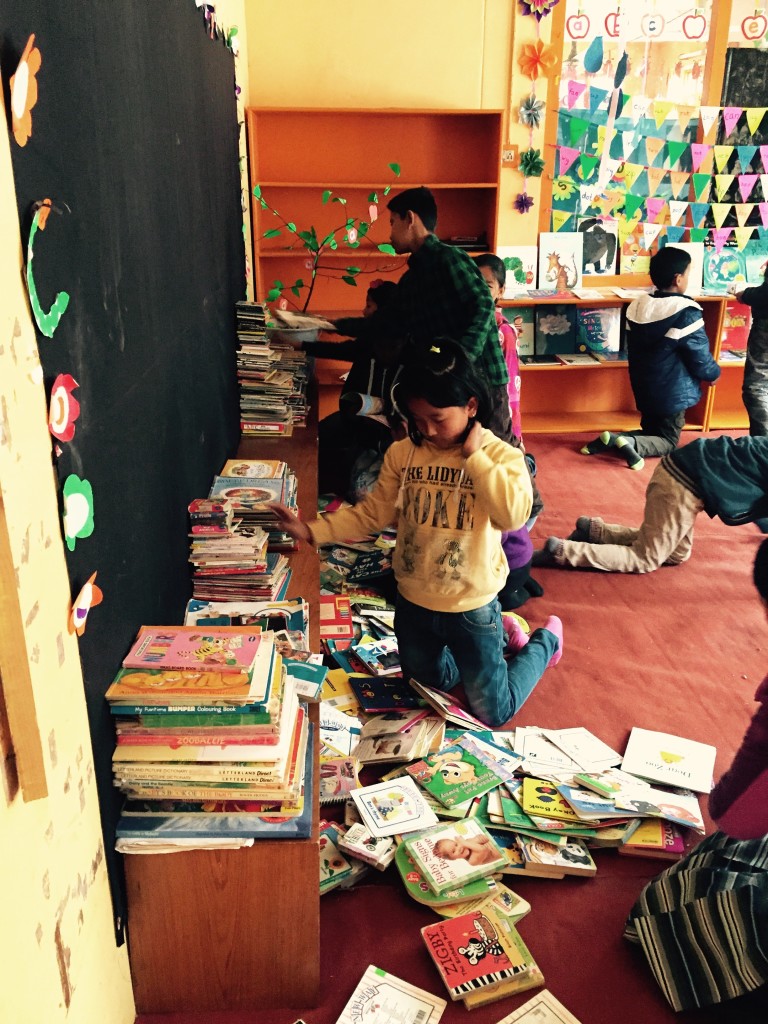
A reading room should be evaluated by how children use it, not simply by how attractive it looks on opening day. Volunteers and teachers can observe which shelves are most popular, where children prefer to sit, and which materials are rarely selected. These observations provide useful guidance for future book drives and room updates.
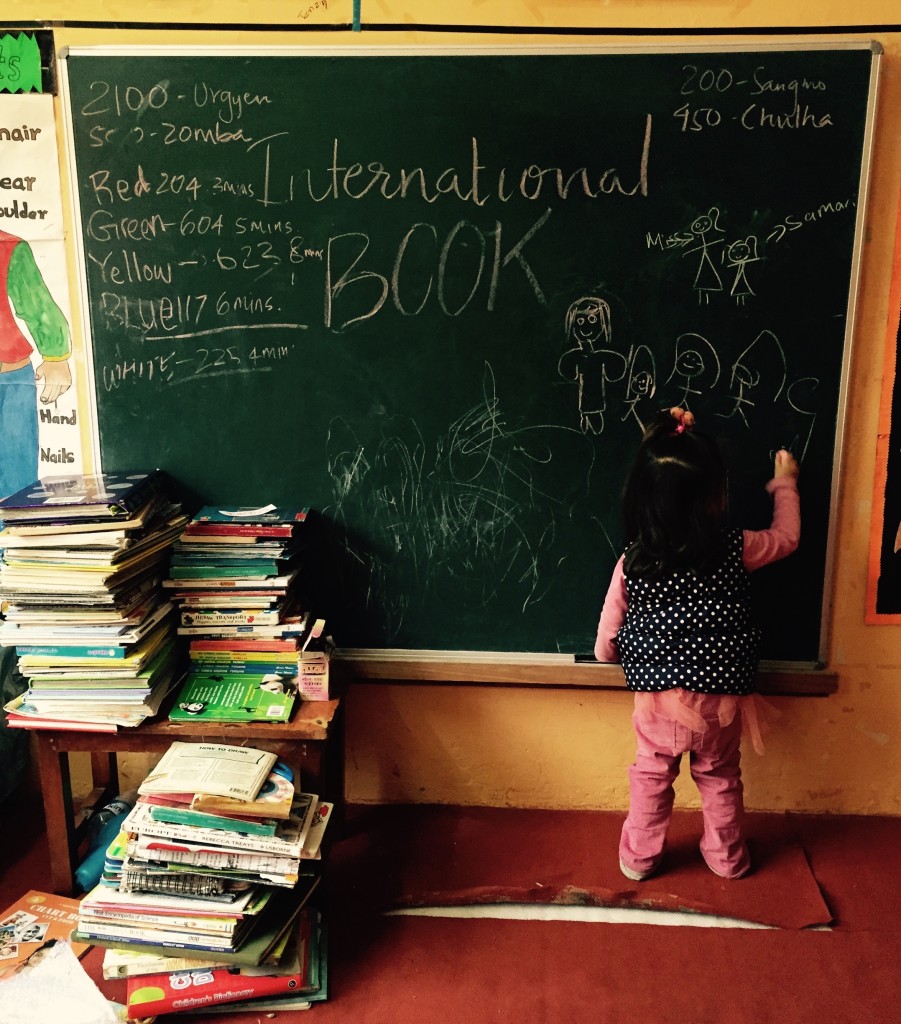
Children can participate in improving the space. They may create signs, illustrate reading cards, suggest new titles, or help choose a name for the room. Giving children a voice teaches responsibility and reveals their interests more accurately than adult assumptions alone.
Regular care is essential. Books need sorting and repair, cushions need cleaning, and displays need refreshing. A simple maintenance schedule shared by staff, volunteers, and older students can keep the room inviting. Continued attention communicates that children’s learning is valuable every day, not only during a special event.
Practical principles for a lasting reading nook
A successful children’s reading area can begin with a few deliberate steps:
- Place books where children can see and reach them without help.
- Combine quiet individual seating with flexible space for storytelling and group work.
- Select durable, locally maintainable furniture and materials.
- Include books, artwork, and languages that reflect the community.
- Review the space regularly and adapt it to children’s changing needs.
The most important feature is consistency. When children find the room open, cared for, and stocked with inviting materials, they learn that reading is part of ordinary life. Even a small corner can become a dependable place for concentration, imagination, friendship, and discovery.
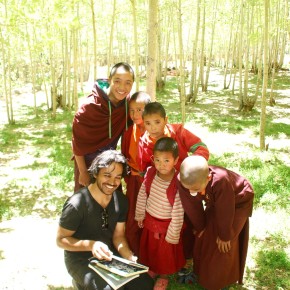
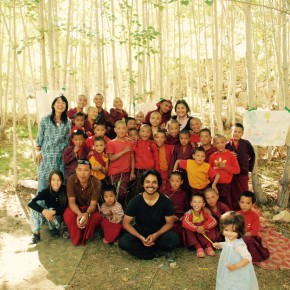
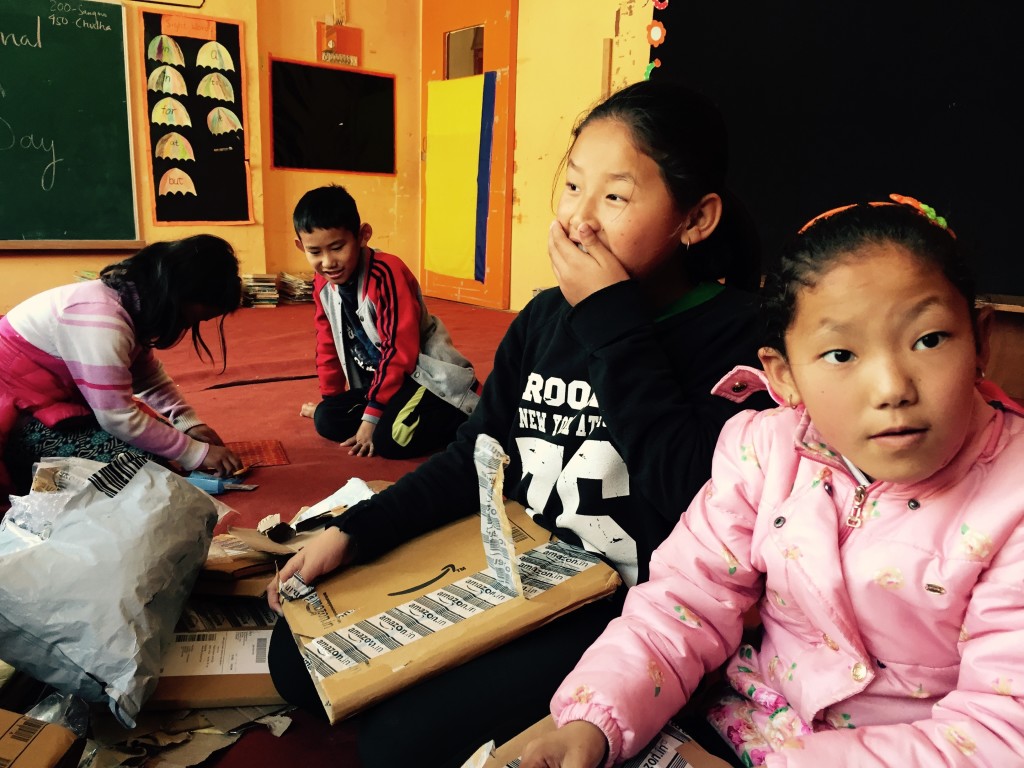
Avalokiteśvara Trust helps create opportunities for children and young monks through reading rooms, book drives, educational activities, and creative programs in Ladakh and other Himalayan communities. Supporting this work can help place quality books, welcoming spaces, and the tools for lifelong learning within reach of more children. Donate books, contribute to a reading-room initiative, or volunteer your time to help turn a quiet corner into a shared doorway to knowledge.