The First Picture Book and the Smile That Changed a Room
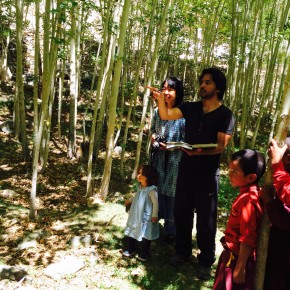
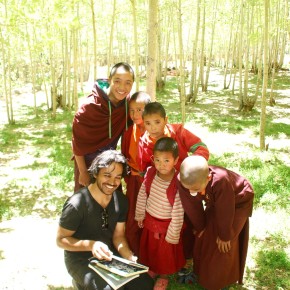
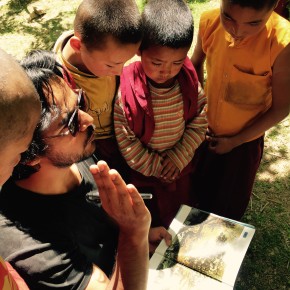
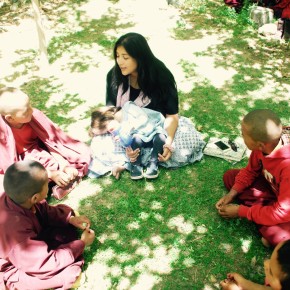
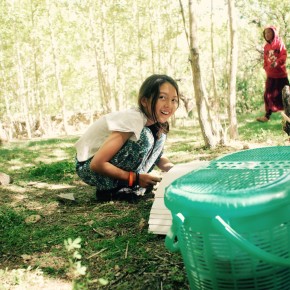
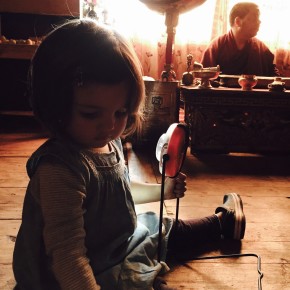
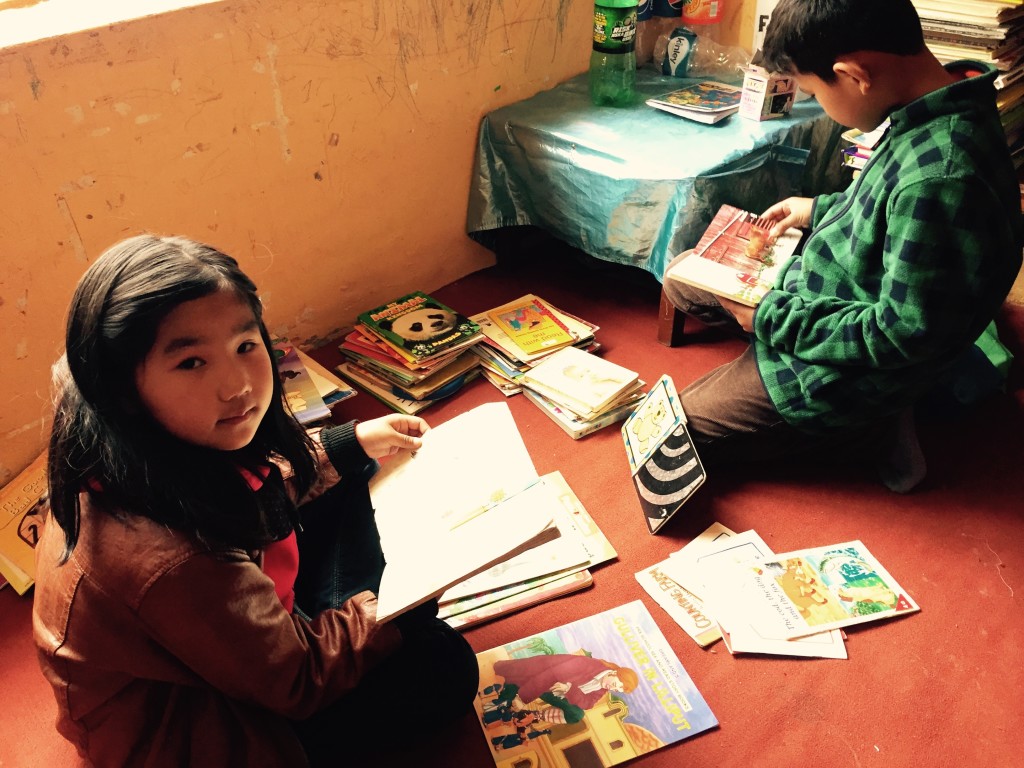
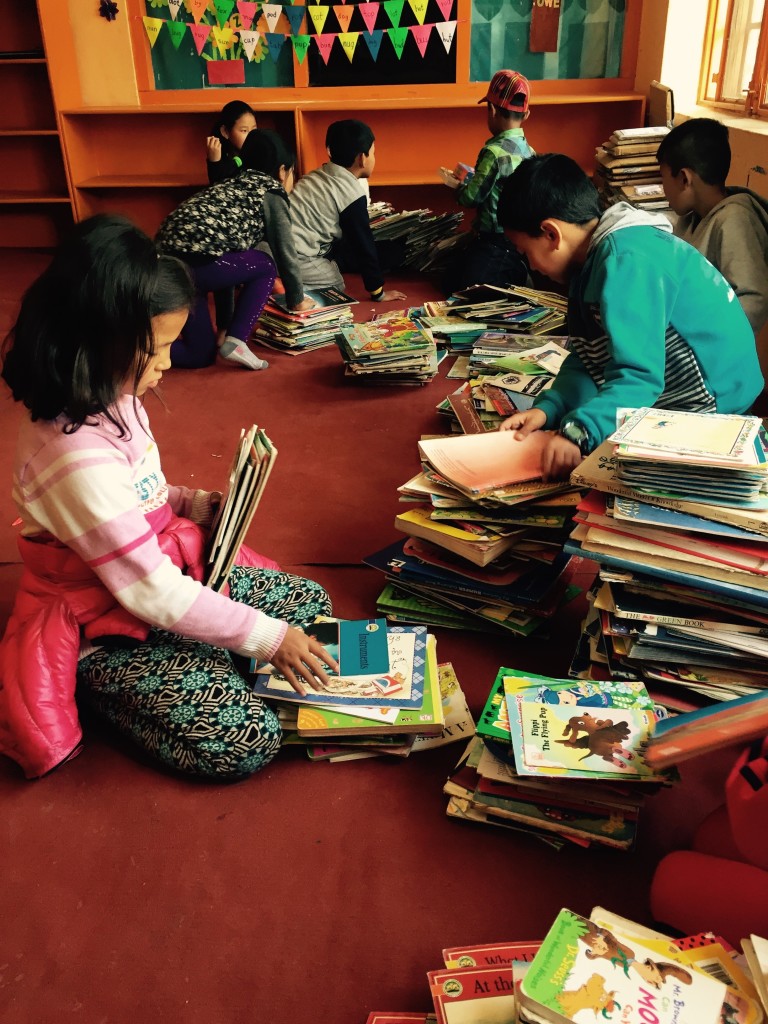
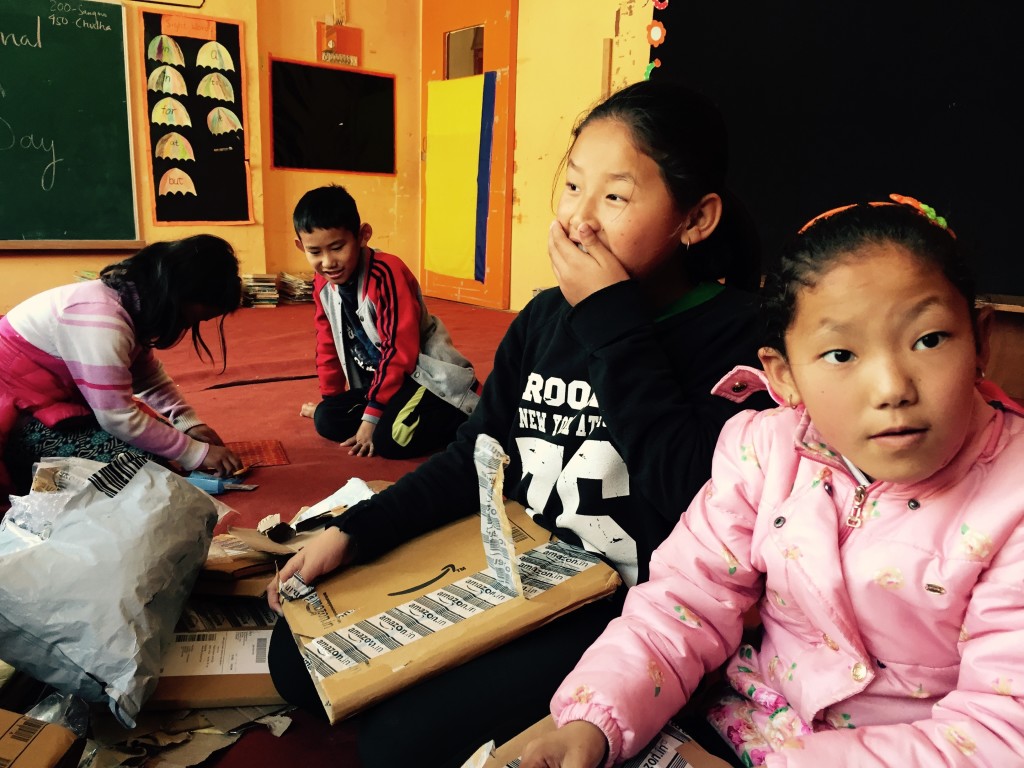
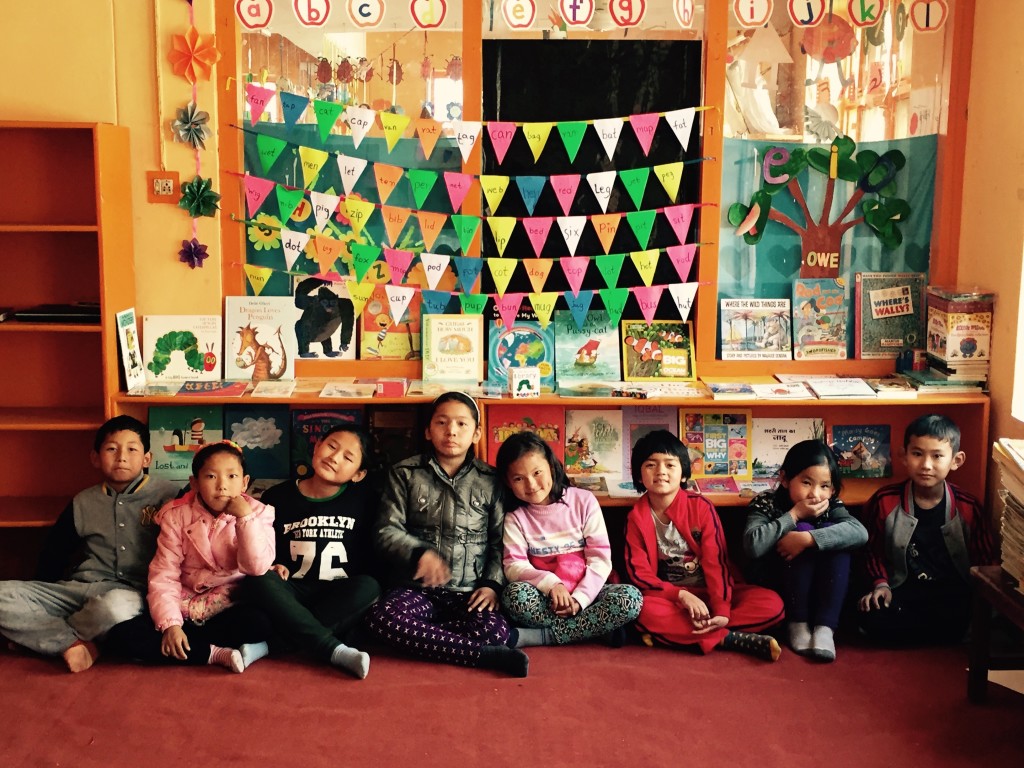
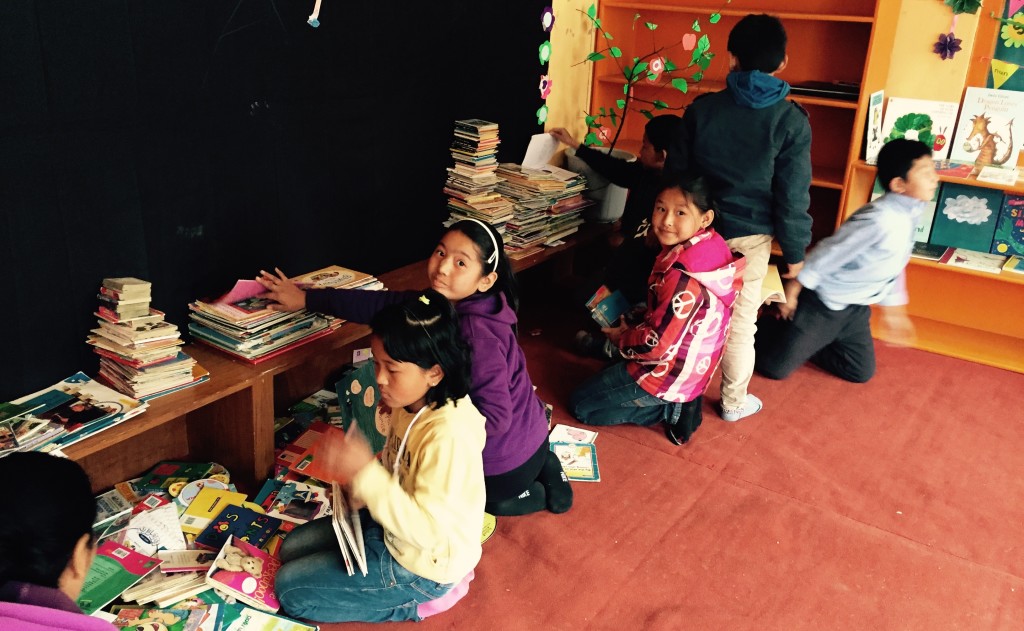
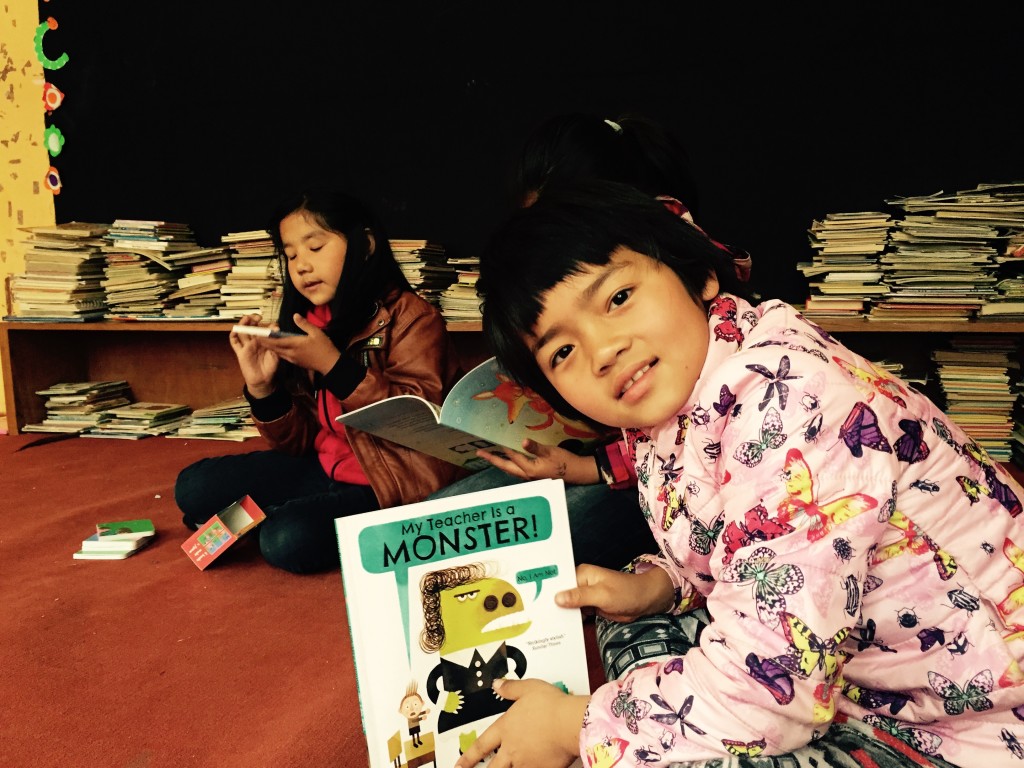
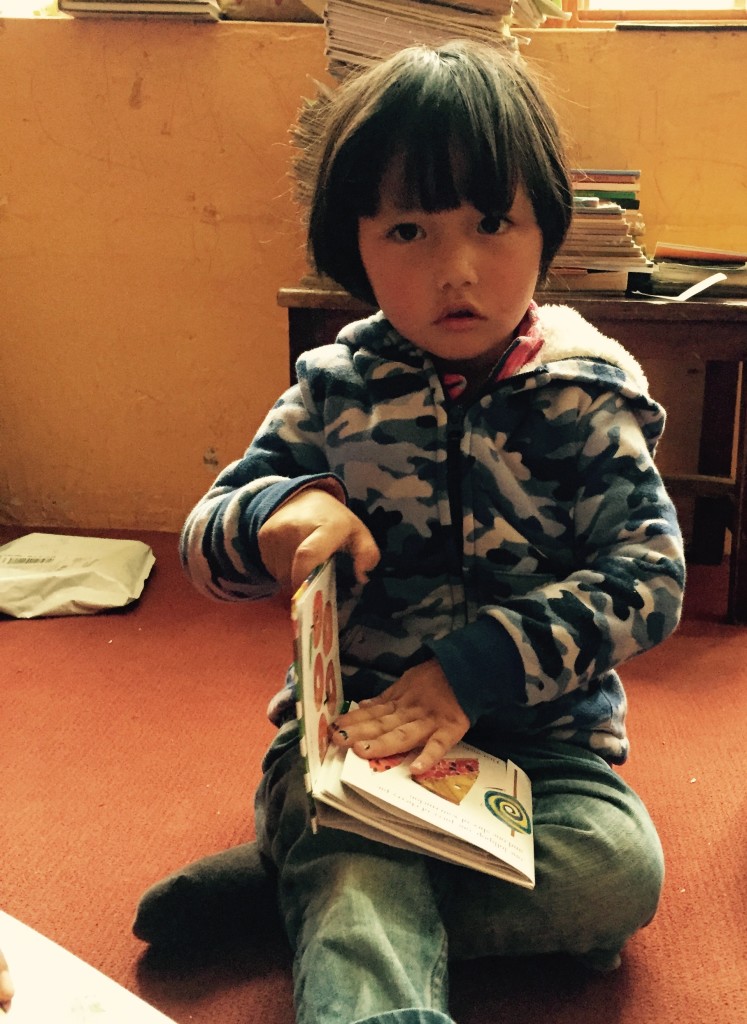
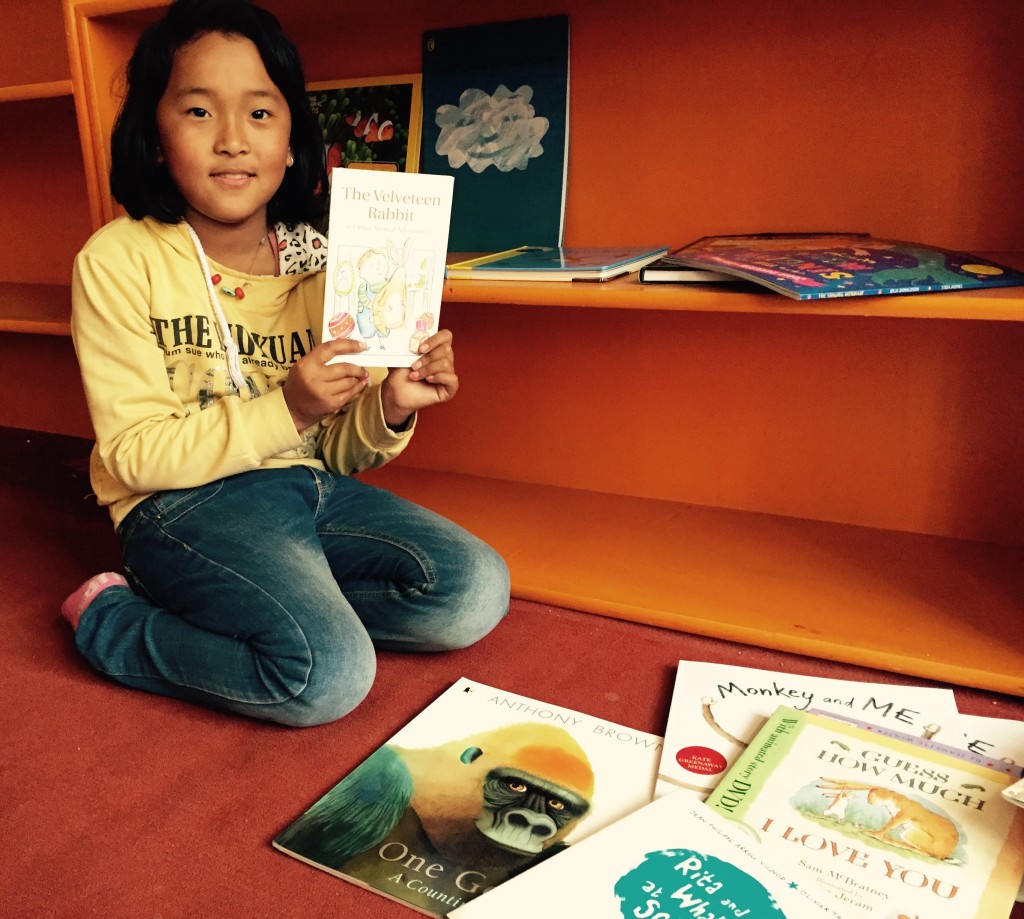
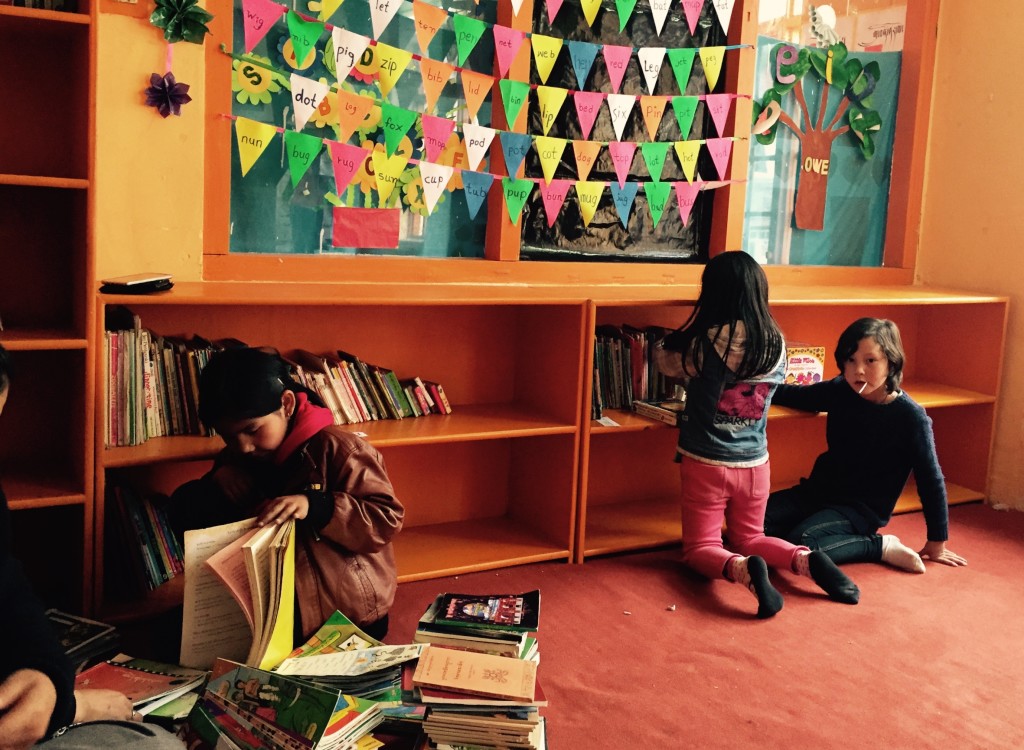
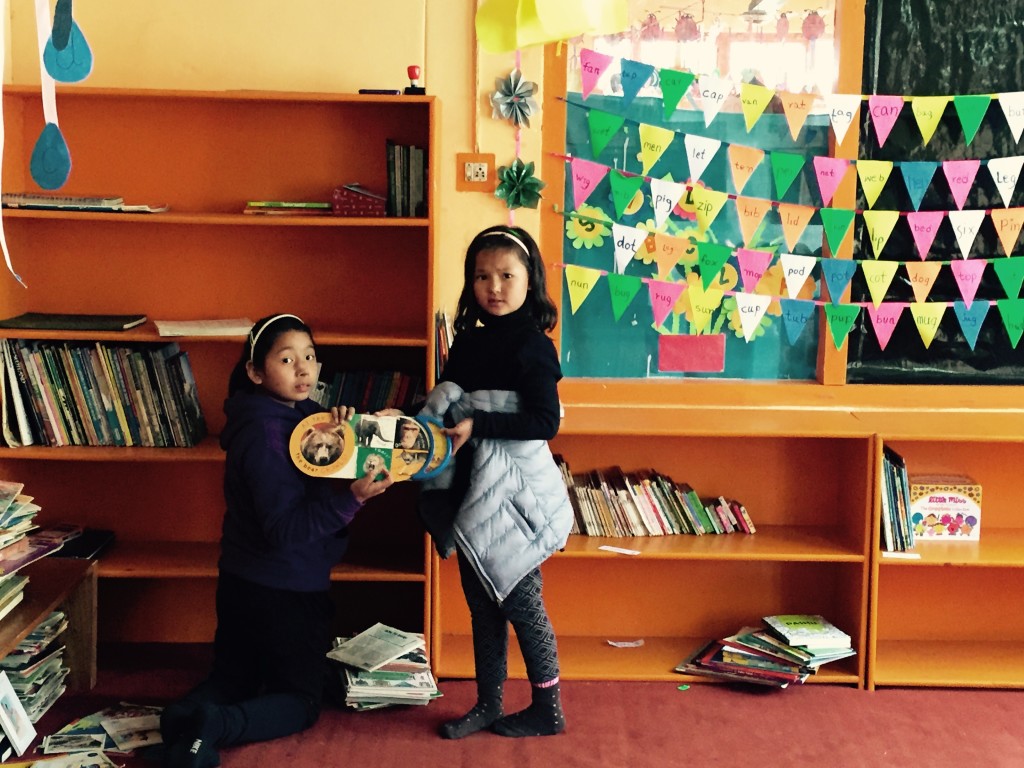
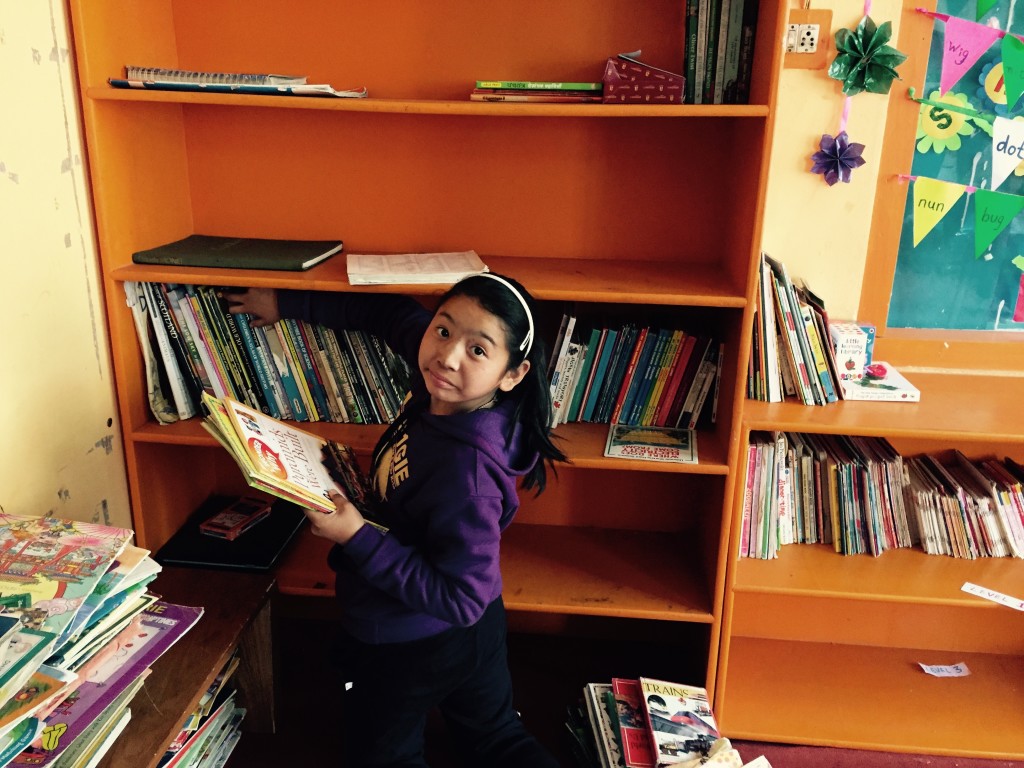
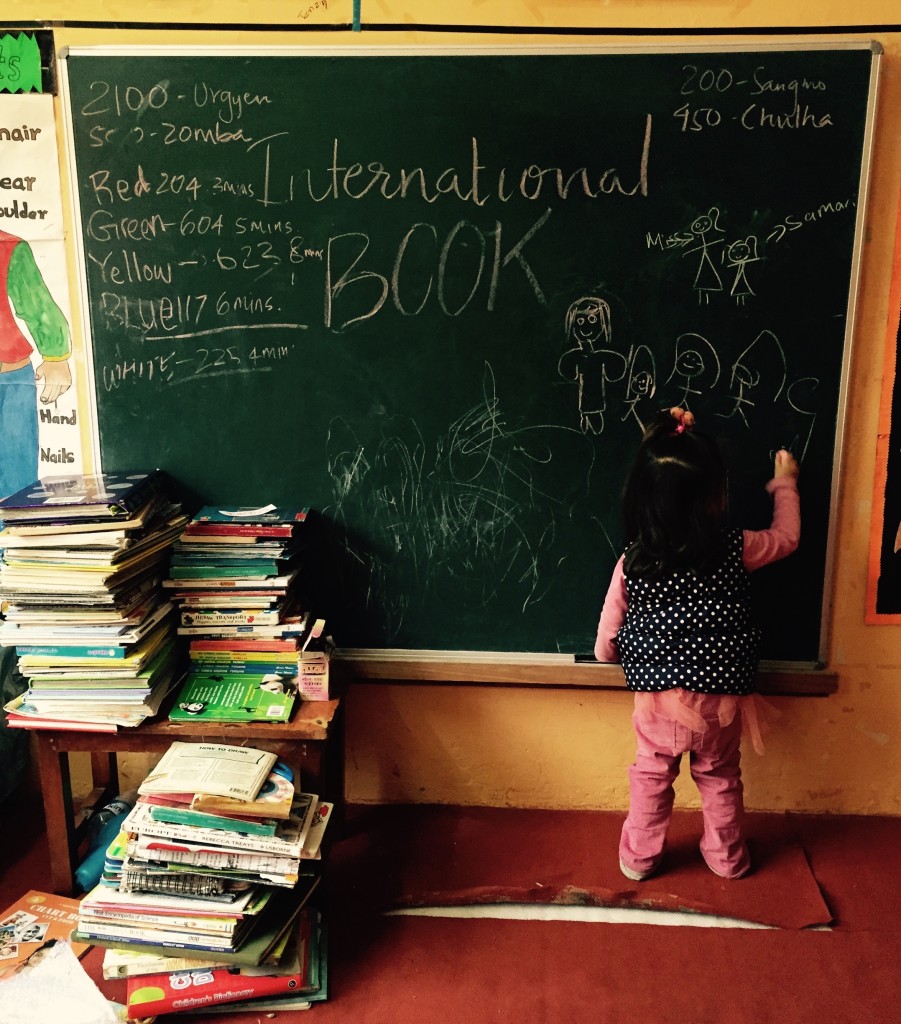
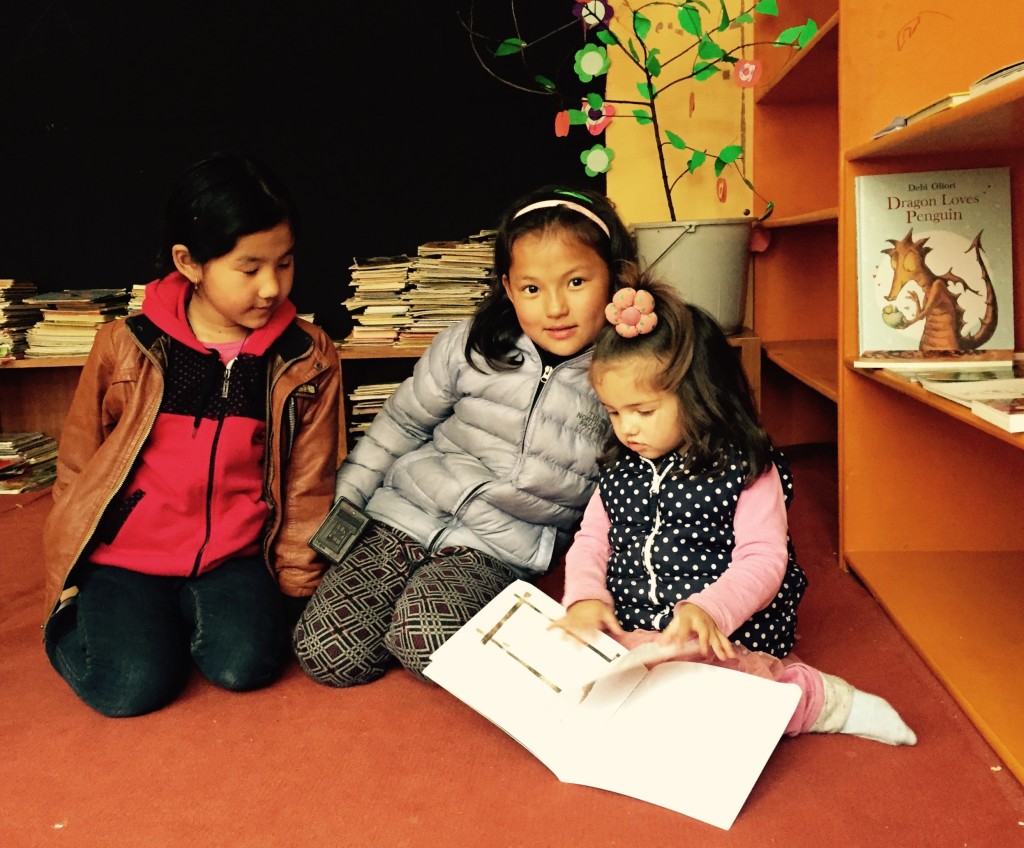
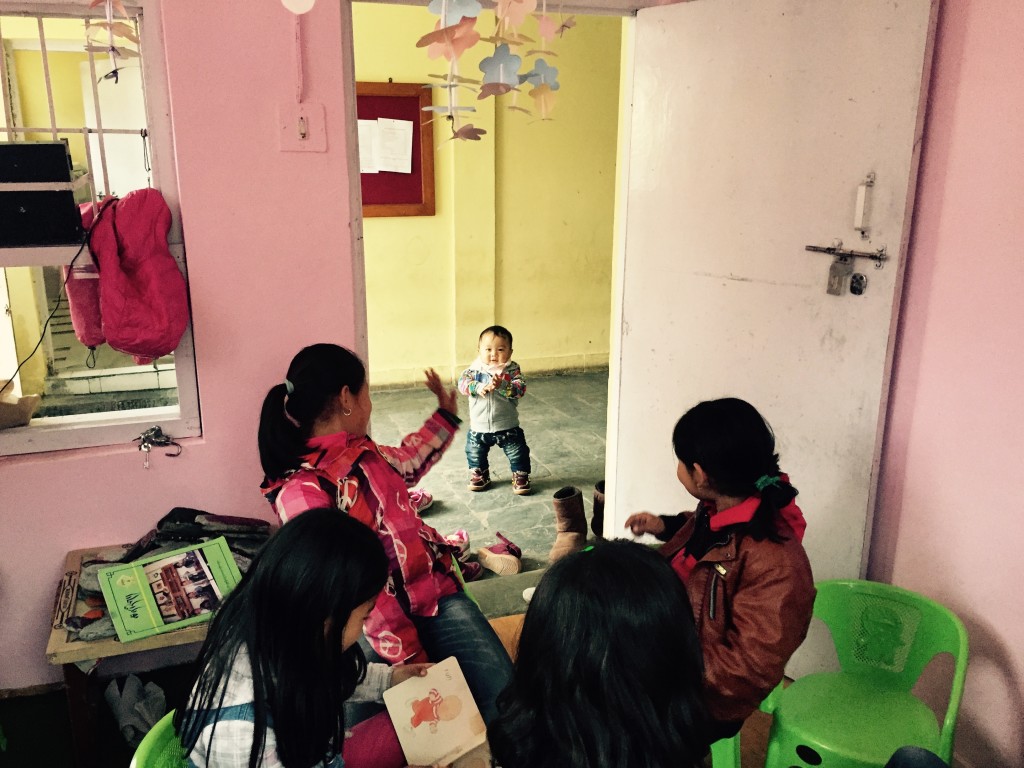
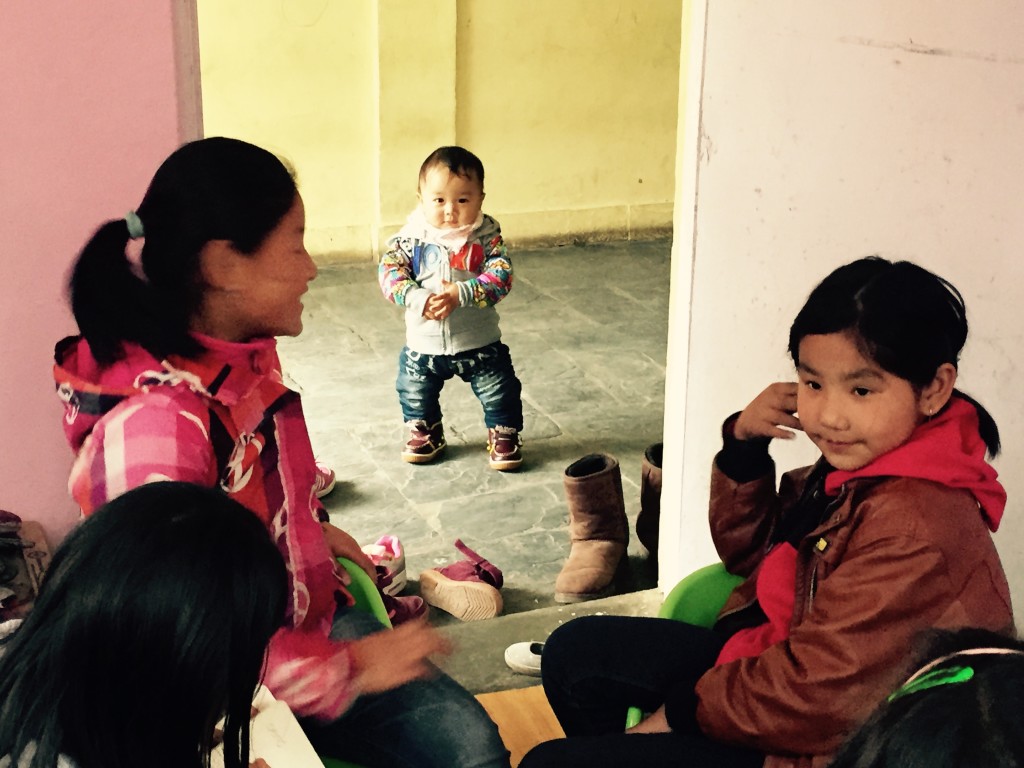
In a small reading room in Ladakh, a girl is about to discover what a picture book can do. She has followed the other children to a cushion, accepted a brightly illustrated book with both hands and begun studying its cover. A photographer is present, but the most important subject in the room is the change in the girl’s expression when she realises the pictures belong to a story she can explore.
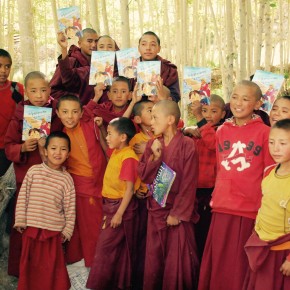
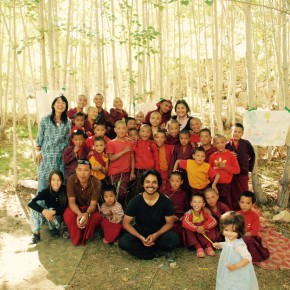
The photographer who captured the joy of a child seeing her first picture book understood that the photograph was not simply about a book. It was about access, confidence and the beginning of a relationship with reading. Avalokiteśvara Trust creates reading rooms, organises book drives and provides educational, artistic and musical activities for children and young monks across Himalayan communities, giving moments like this a place where learning can flourish.
The first page changes the room
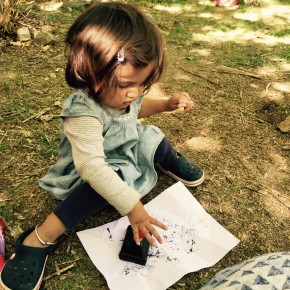
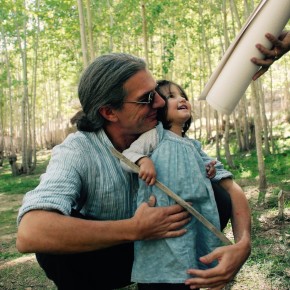
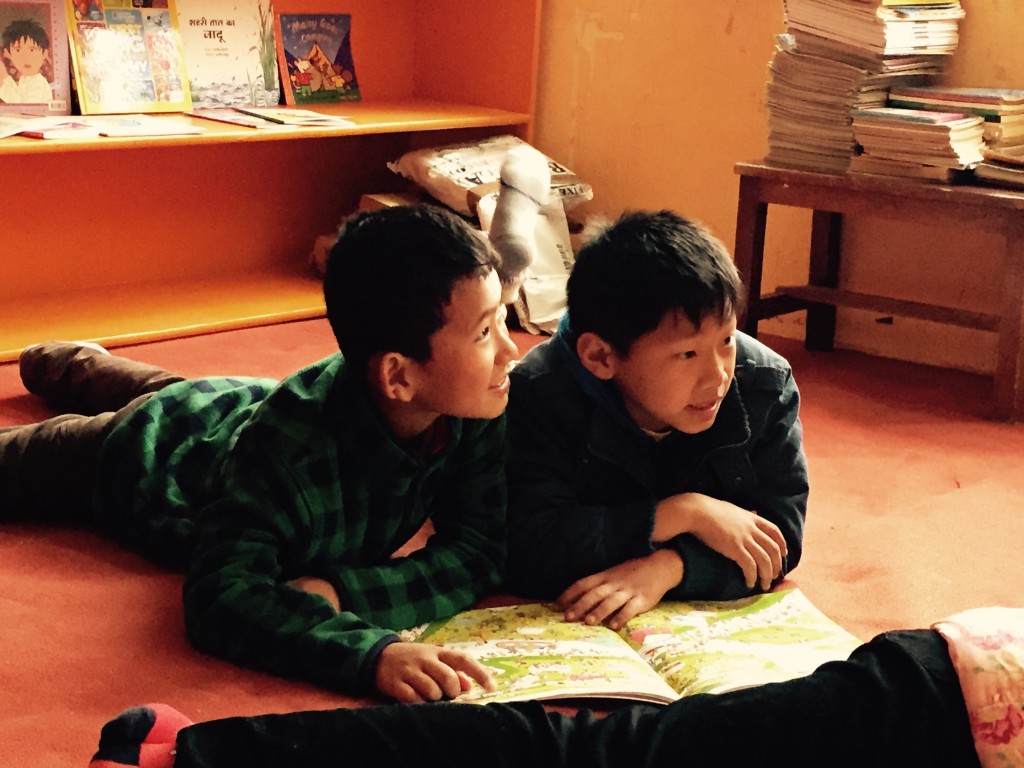
The child’s reaction developed in a matter of seconds. At first, she watched the adults and the other children. Then she looked down at the book, touched an image and discovered that the page would move when she turned it. The photographer caught the instant when uncertainty gave way to curiosity.
| Before the book opens |
When she begins exploring |
| She watches the activity around her |
She becomes absorbed in the page |
| An adult holds the book |
She points, touches and turns the pages |
| The sounds of the room remain dominant |
The story creates a shared exchange |
| Her expression is reserved |
A smile and laughter reveal her delight |
This comparison matters because a first picture book offers more than new vocabulary. It gives the child control over something small but meaningful: choosing which page comes next. The ownership of that moment helps turn listening into participation, and participation is where a lasting curiosity about books can begin.
A book can become play
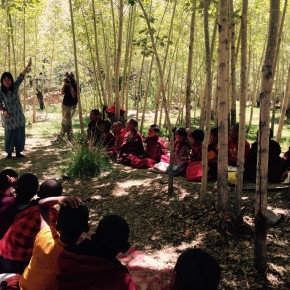
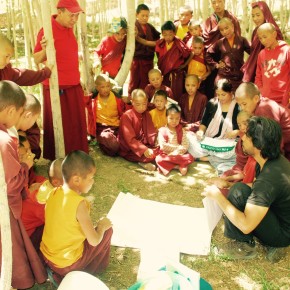
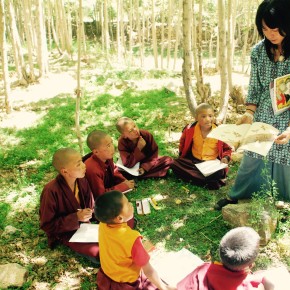
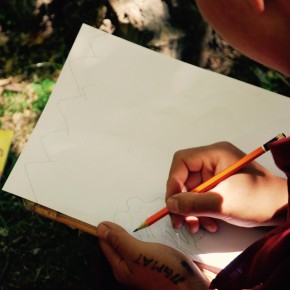
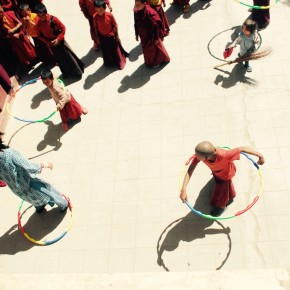
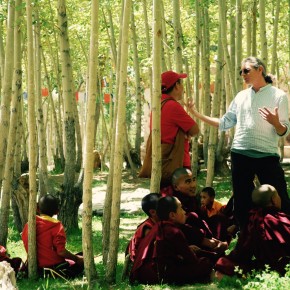
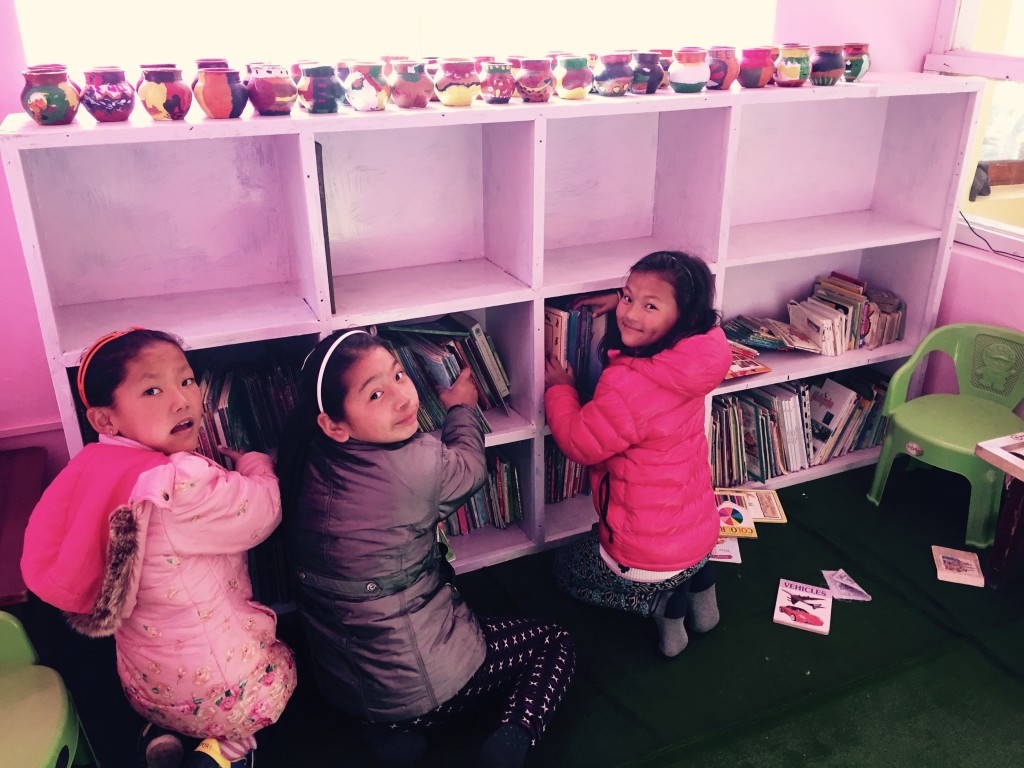
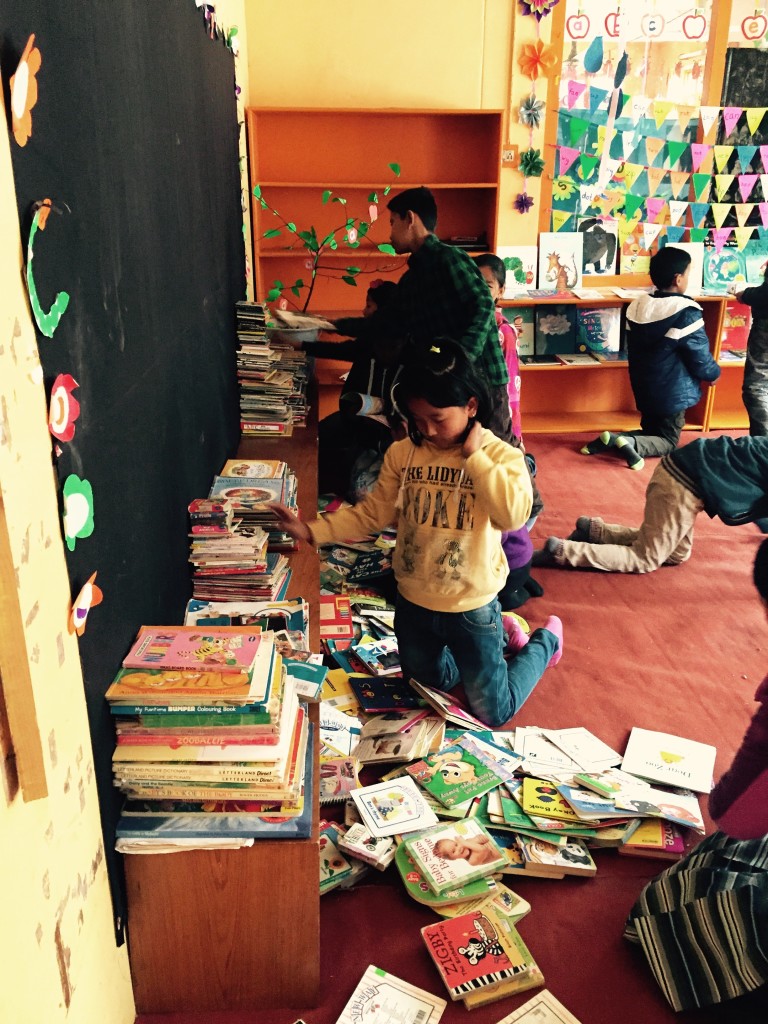
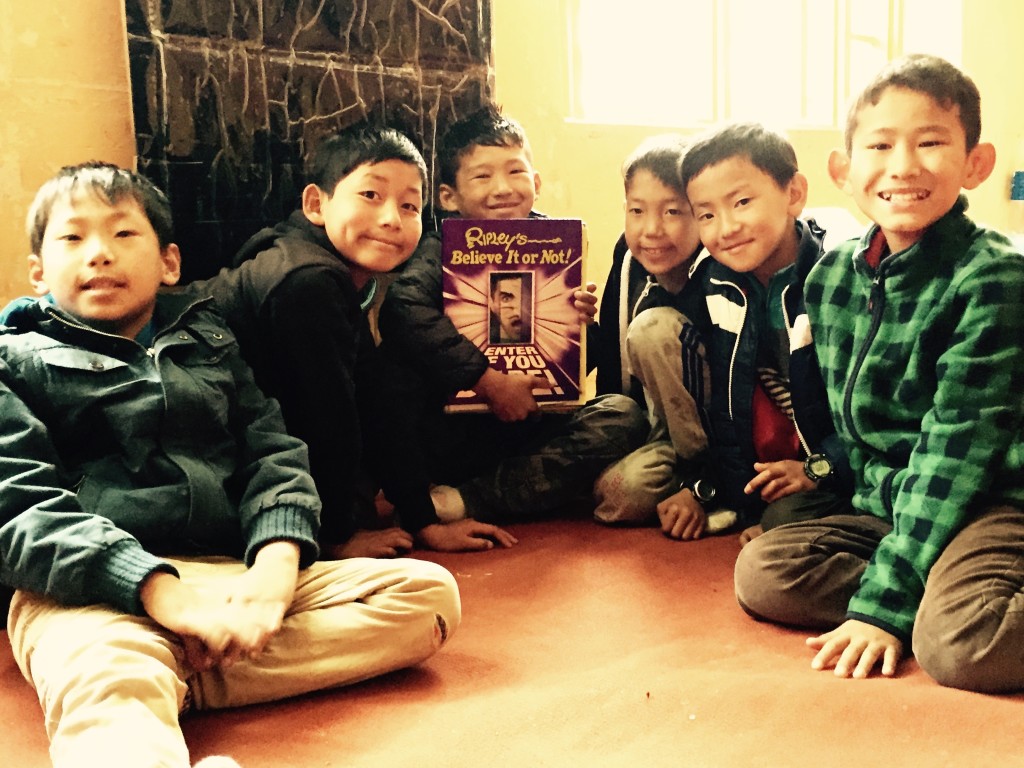
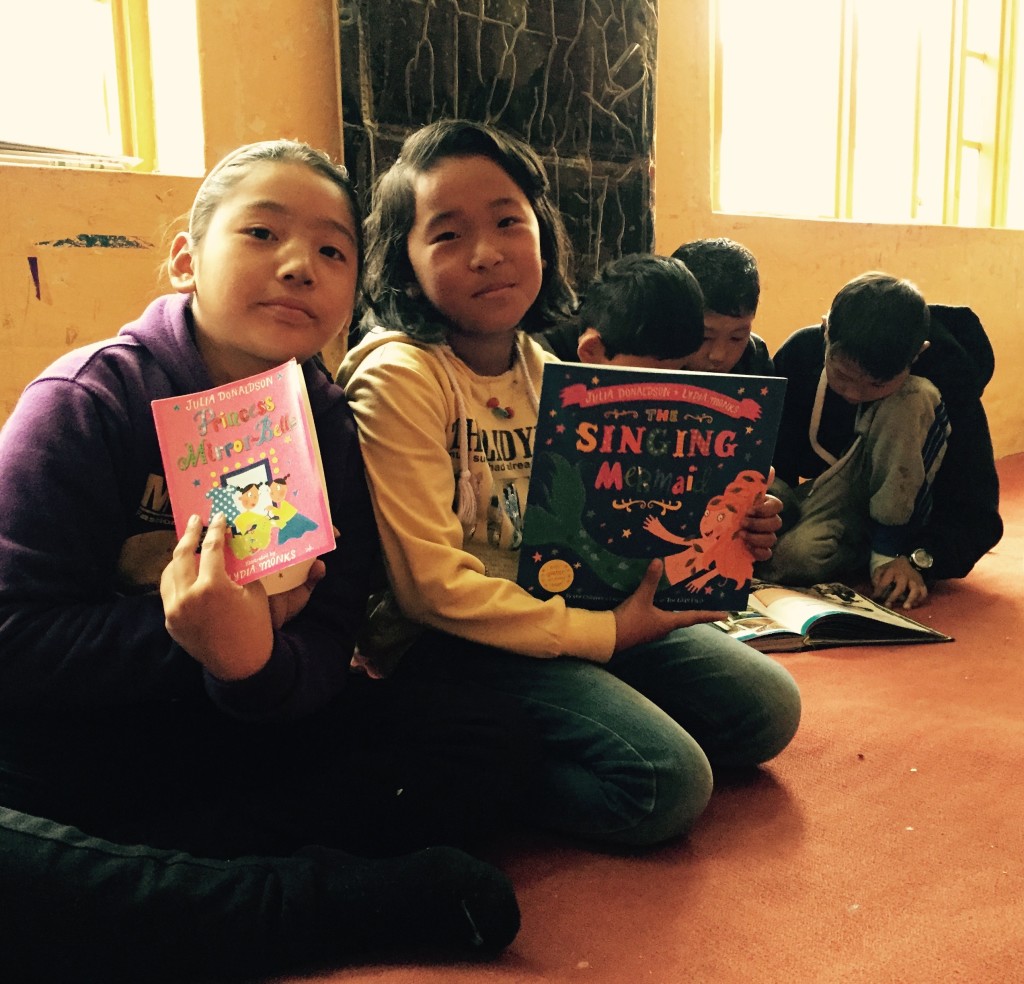
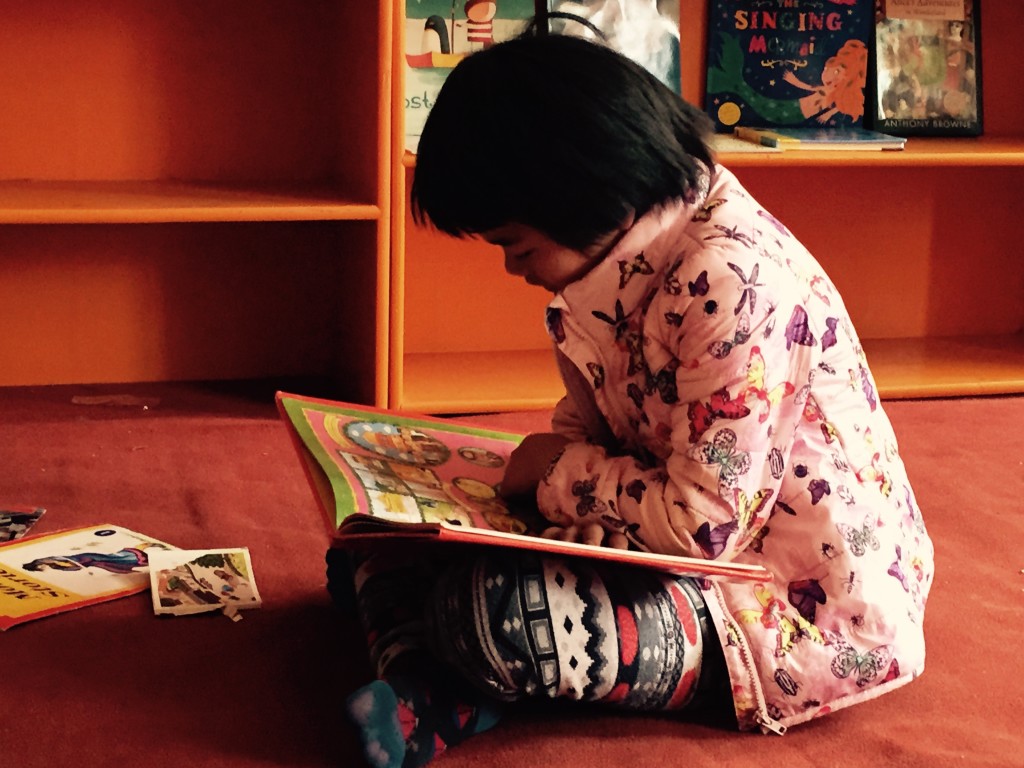
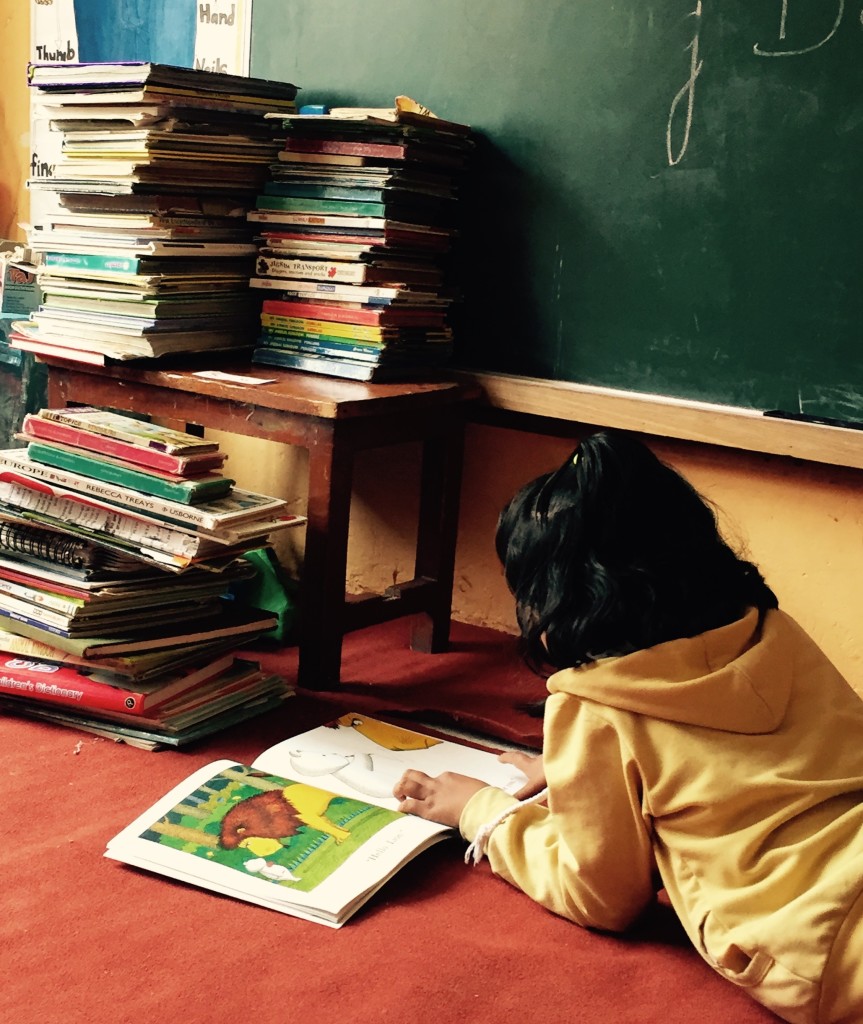
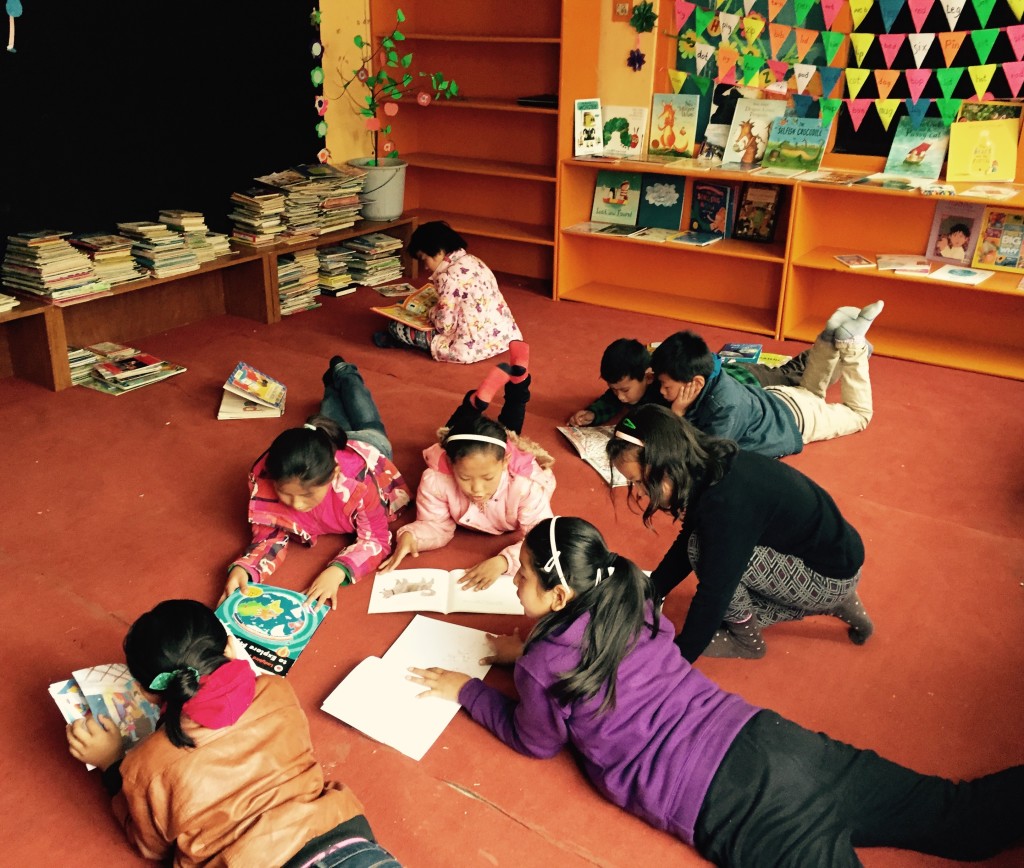
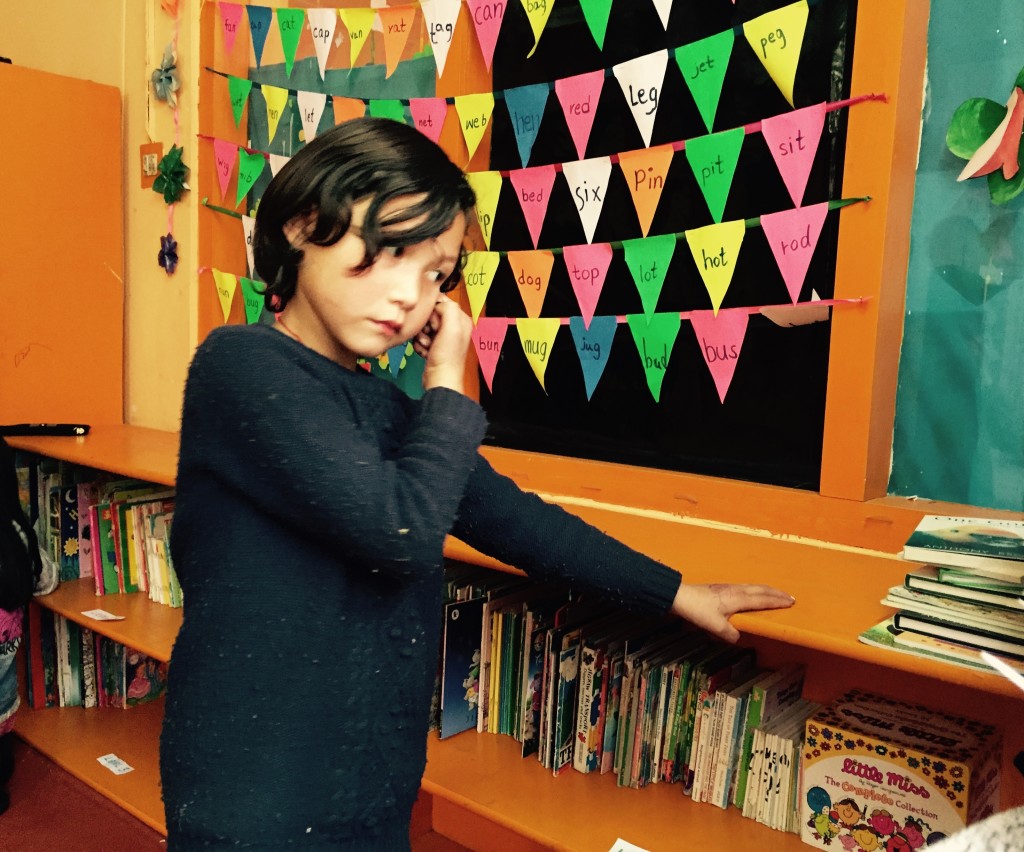
Reading rooms in Ladakh often become lively spaces where children can handle books, recite familiar passages, draw characters and recreate stories through music or movement. A picture book fits naturally into this environment. Its images invite children to point at objects, make sounds, predict what happens next and retell the narrative in their own words.
That playful approach supports early literacy without making the child feel tested. Repeated exposure to rhymes, patterns and story structure becomes part of an enjoyable routine. A child may first learn to turn pages correctly, then join in with a repeated phrase, connect a picture with its spoken label and eventually begin telling the story independently.
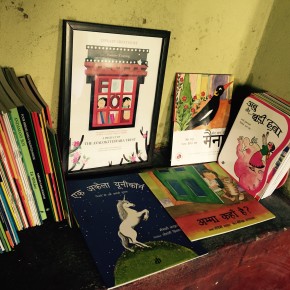
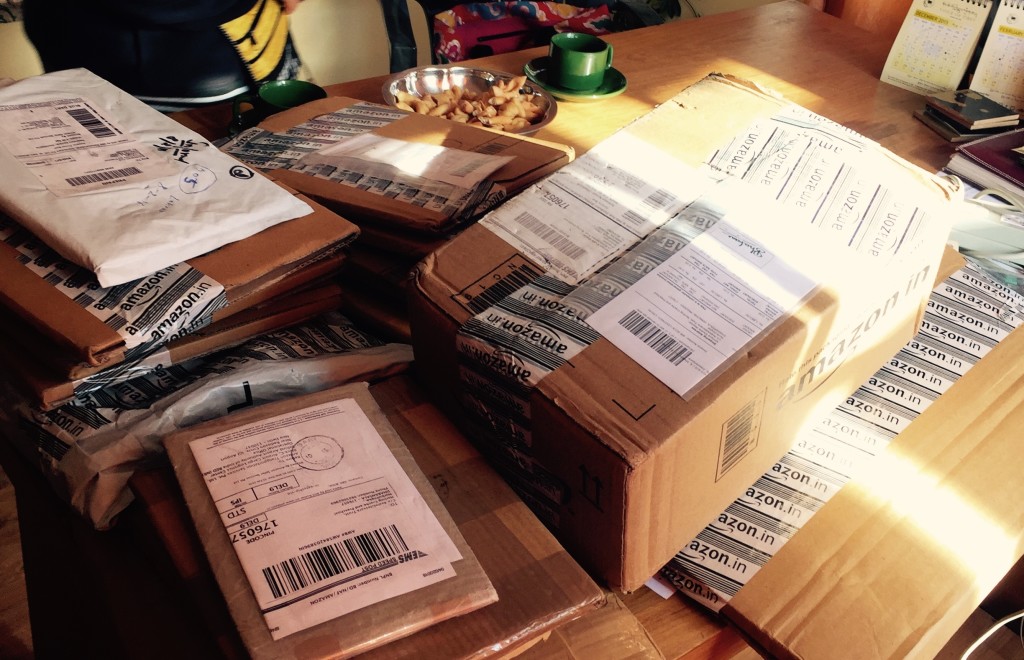
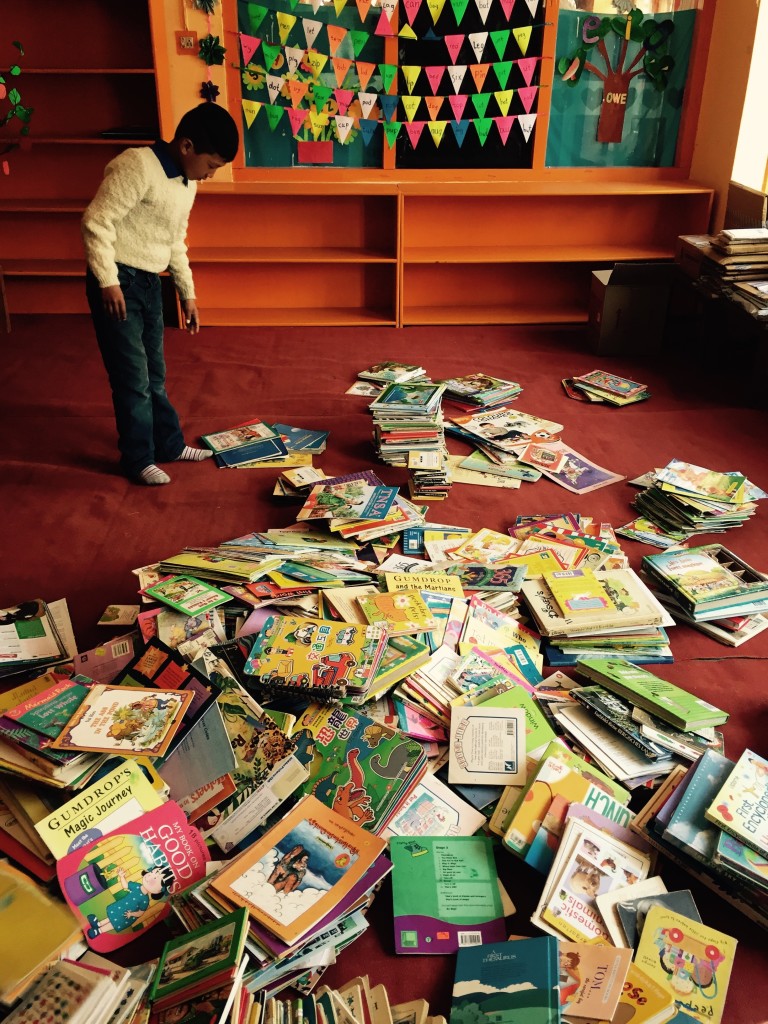
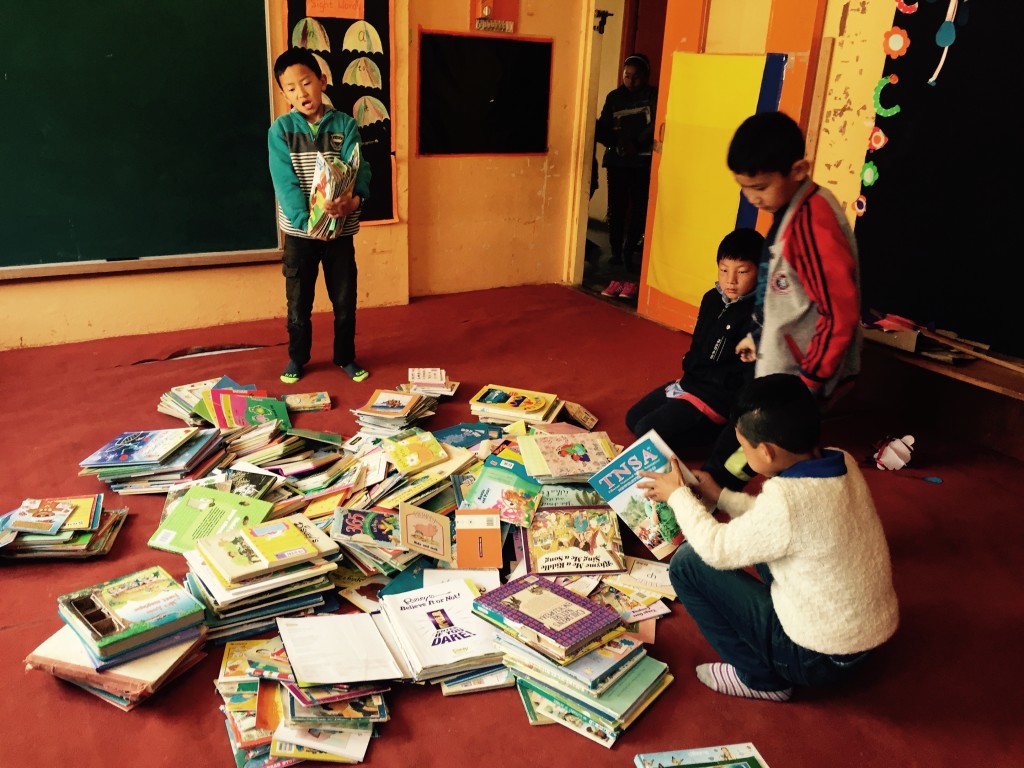
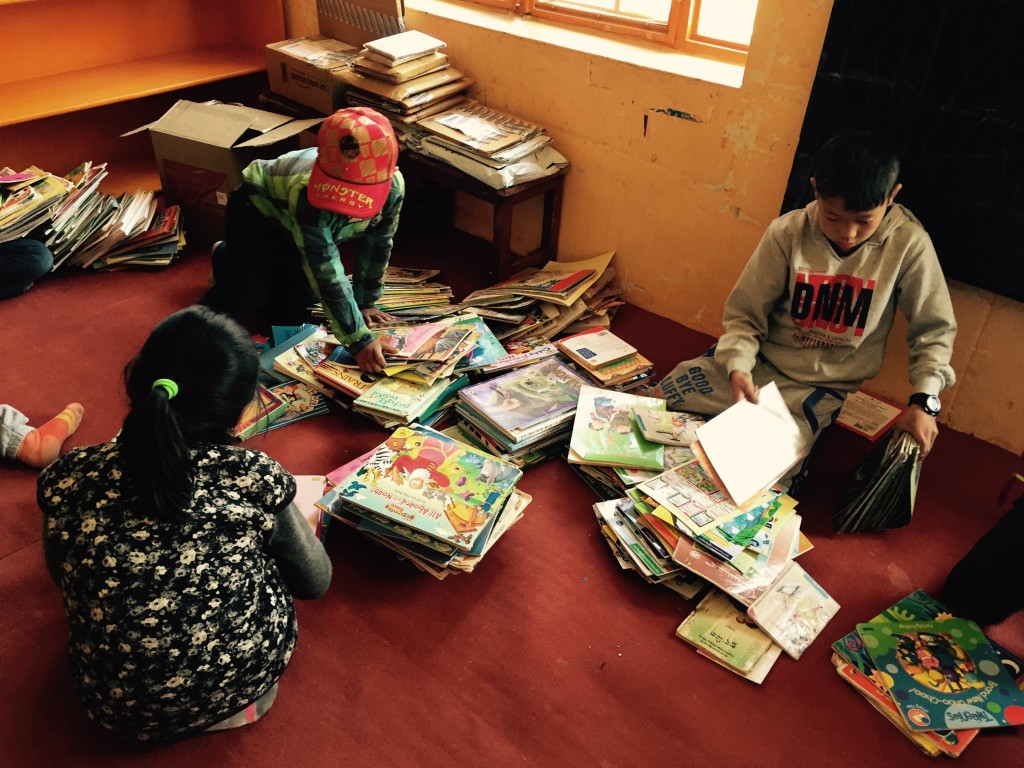
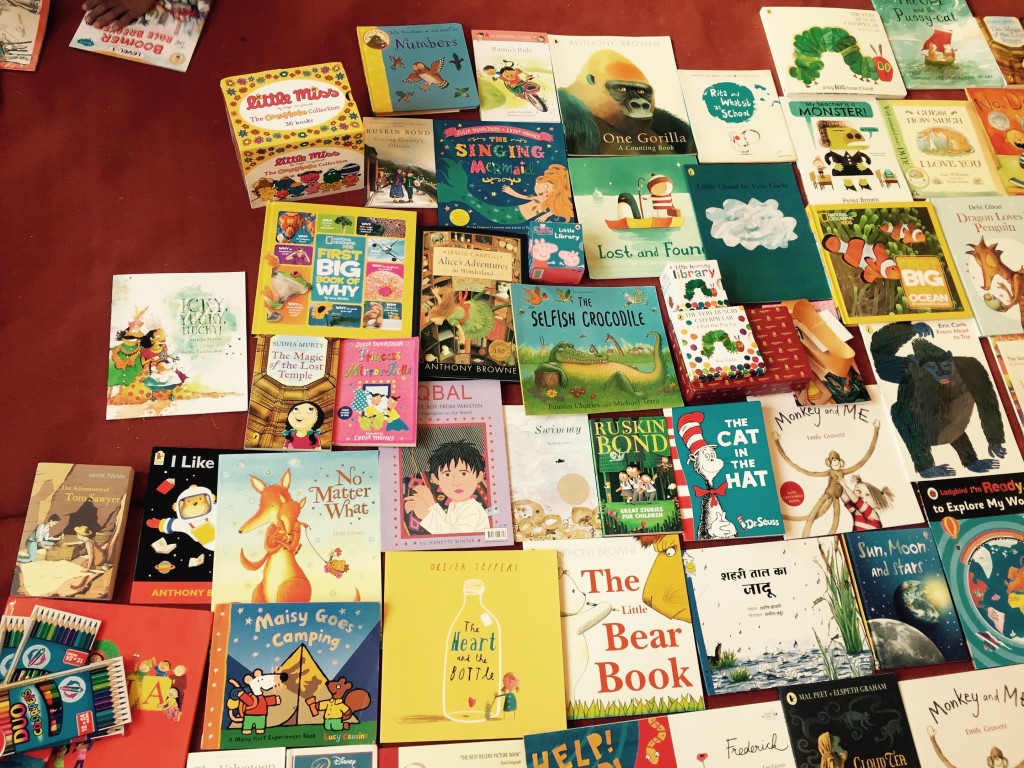
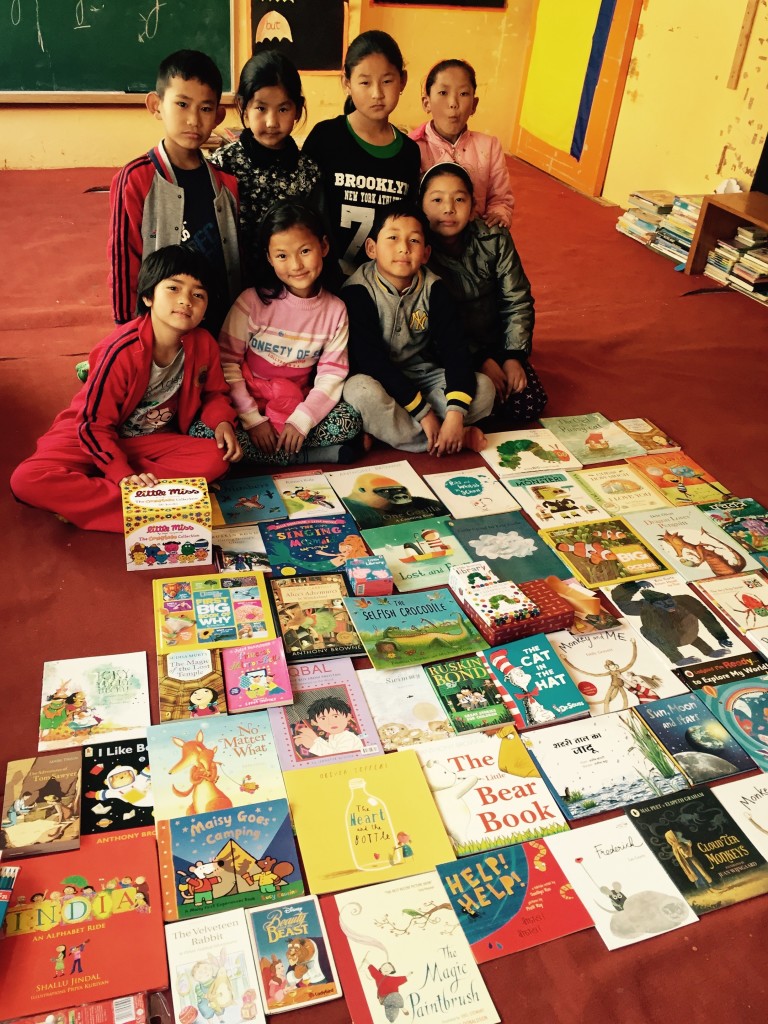
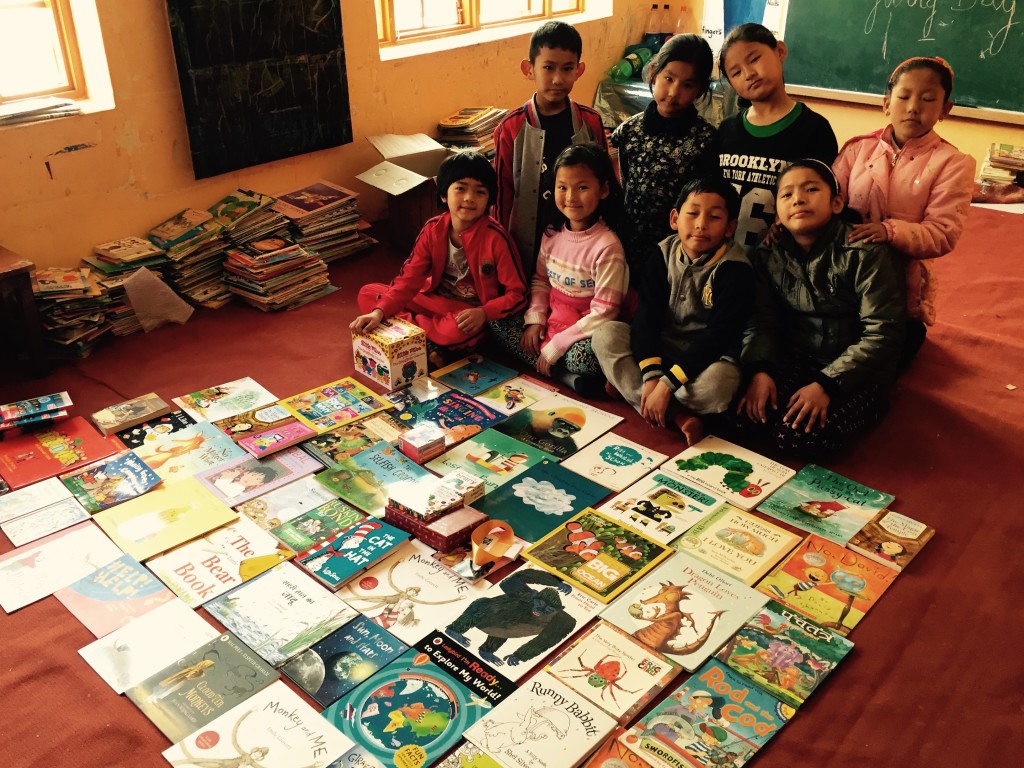
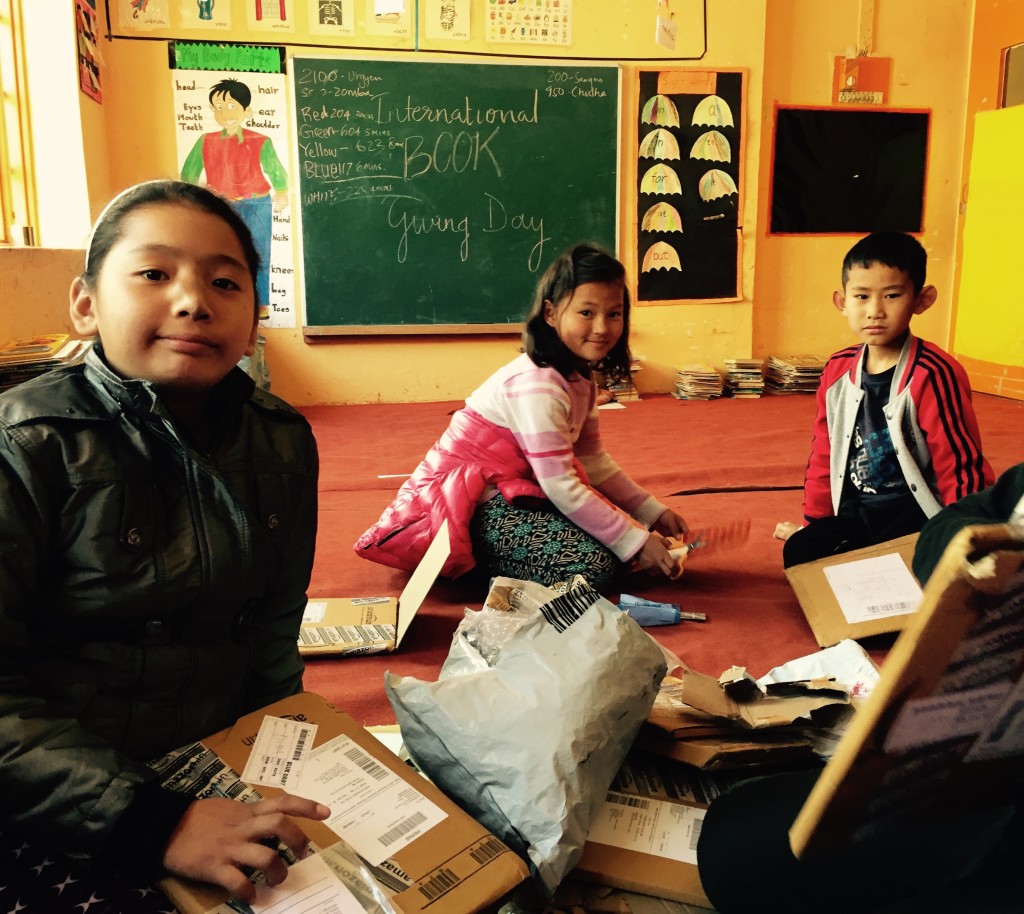
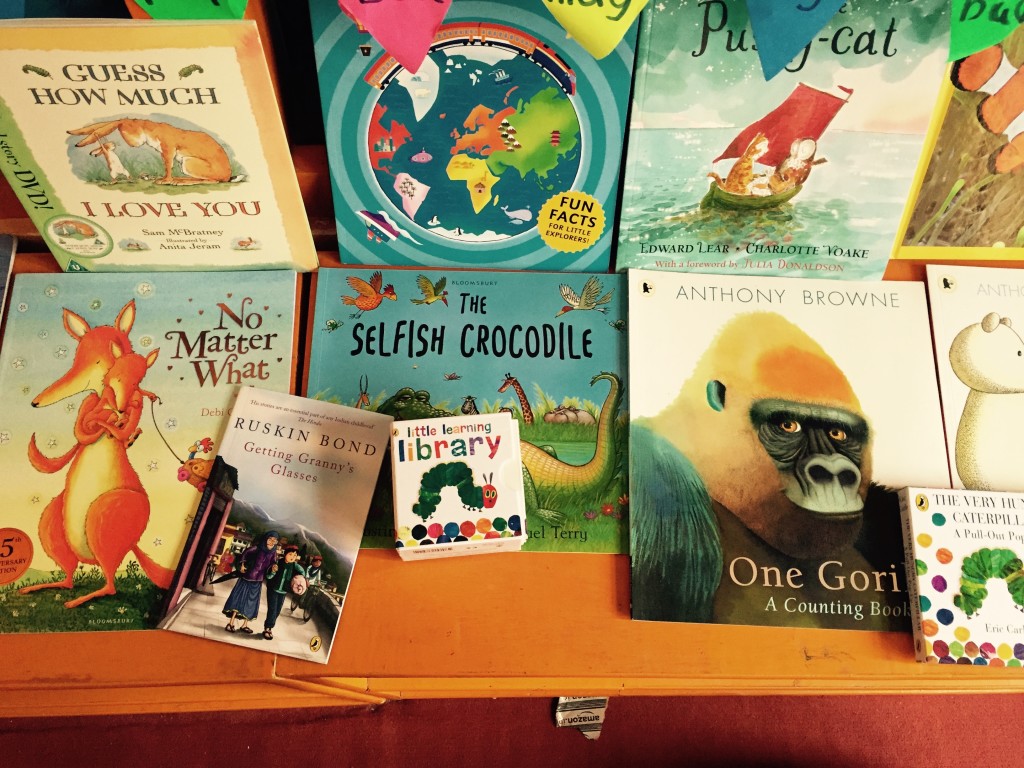
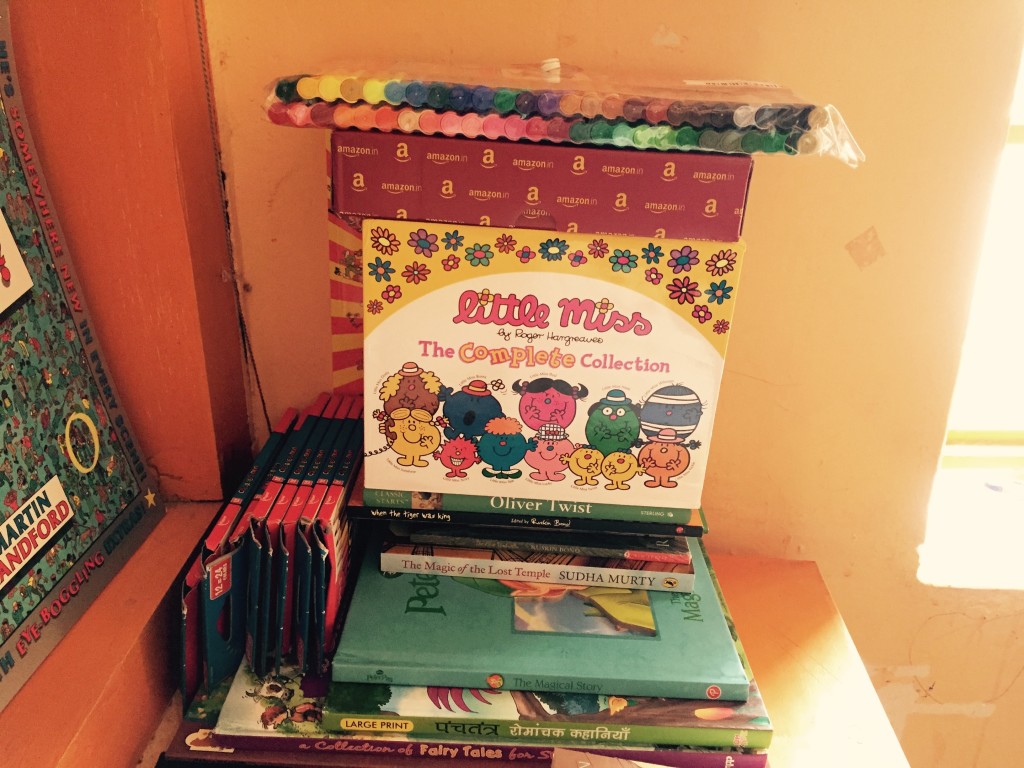
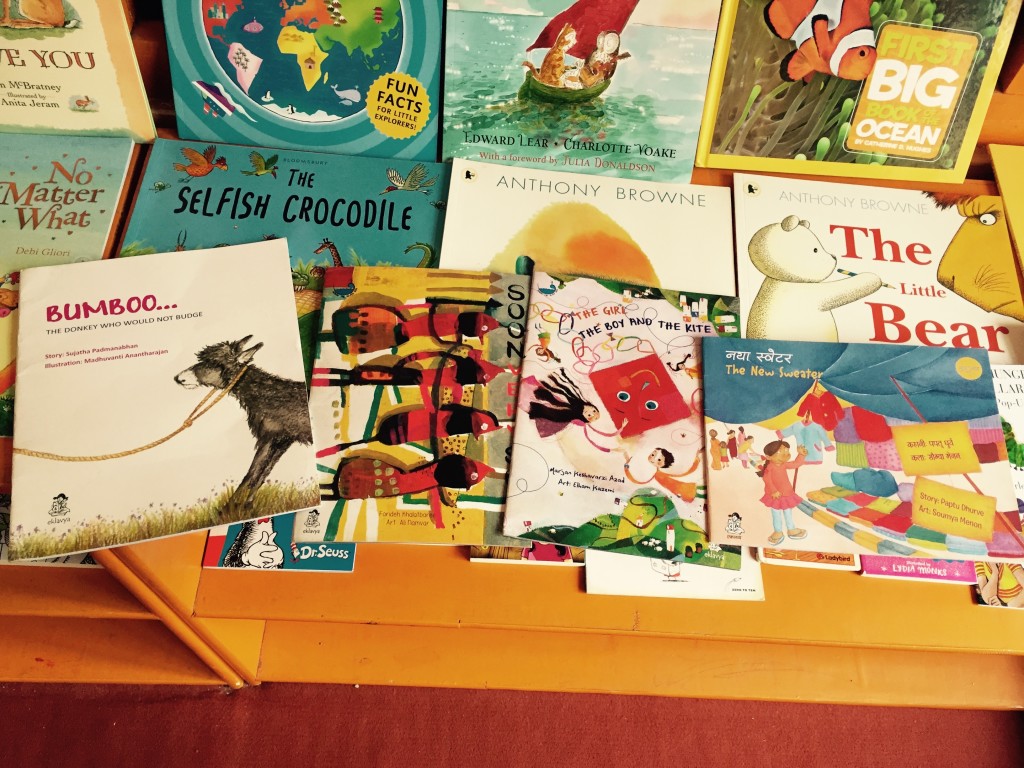
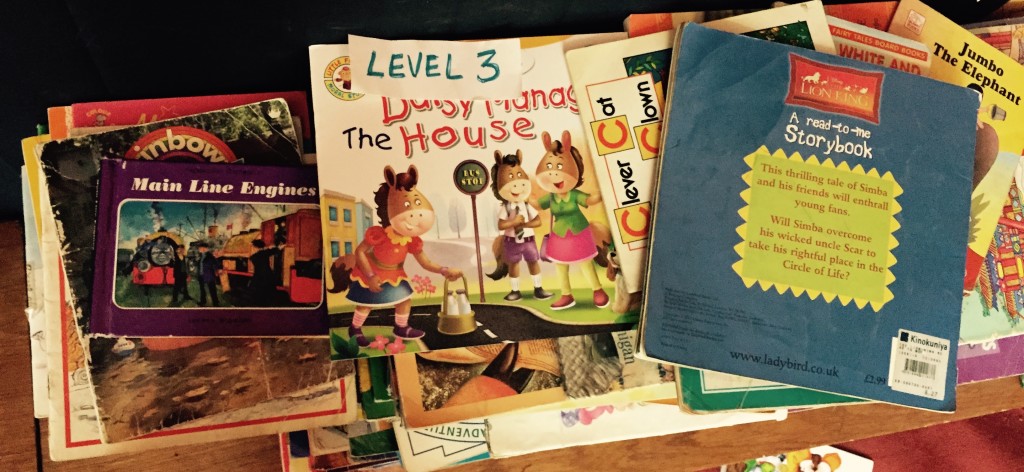
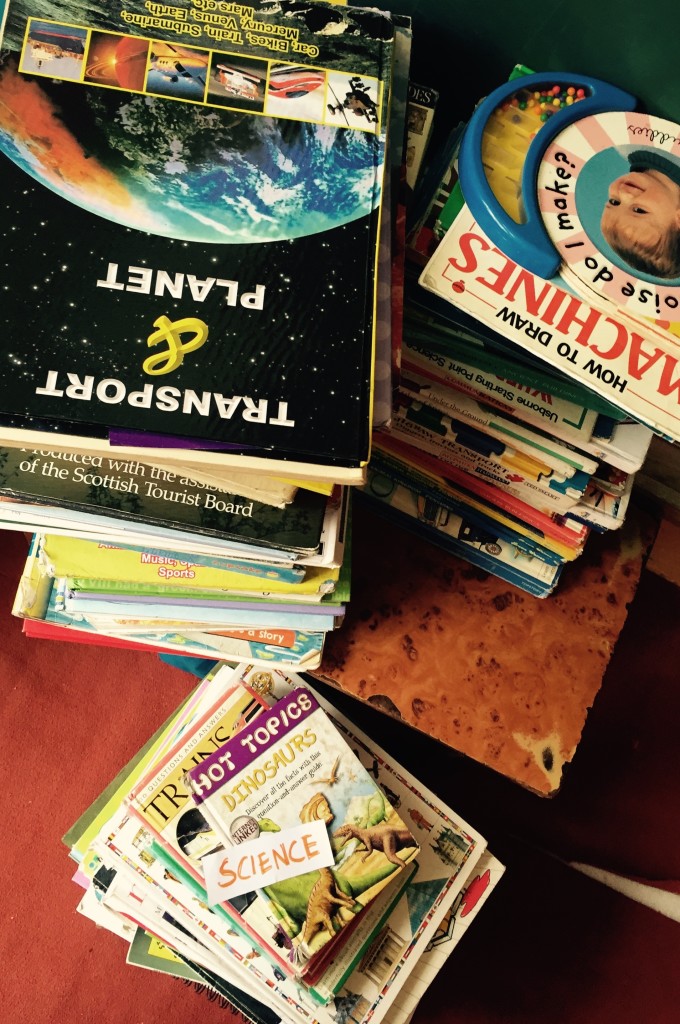
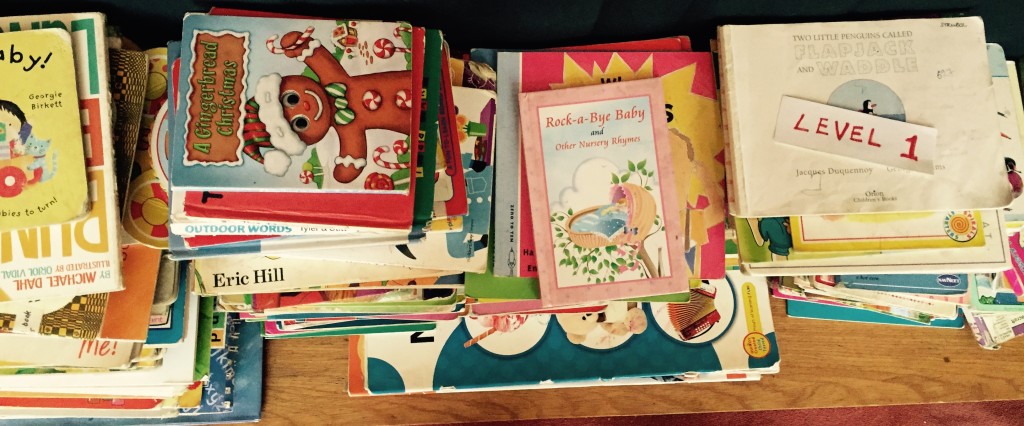
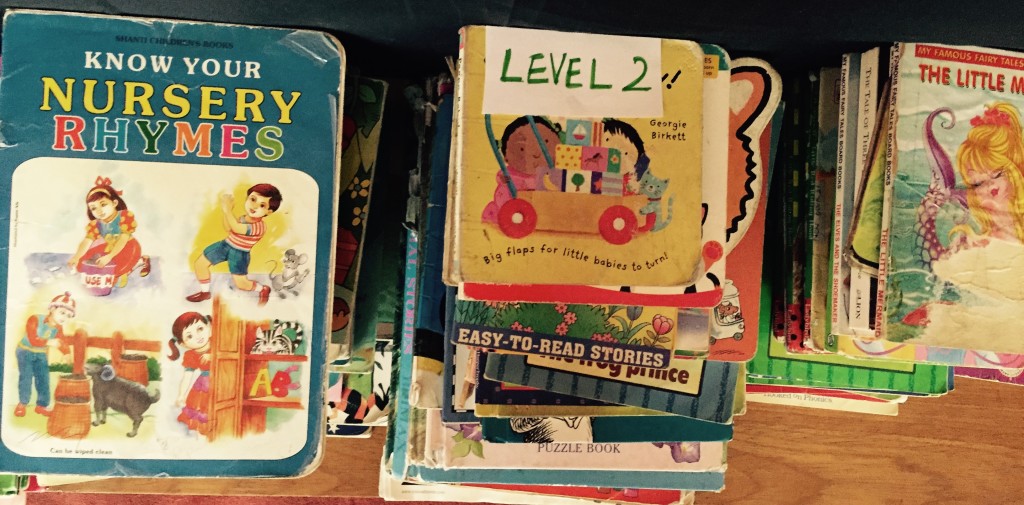
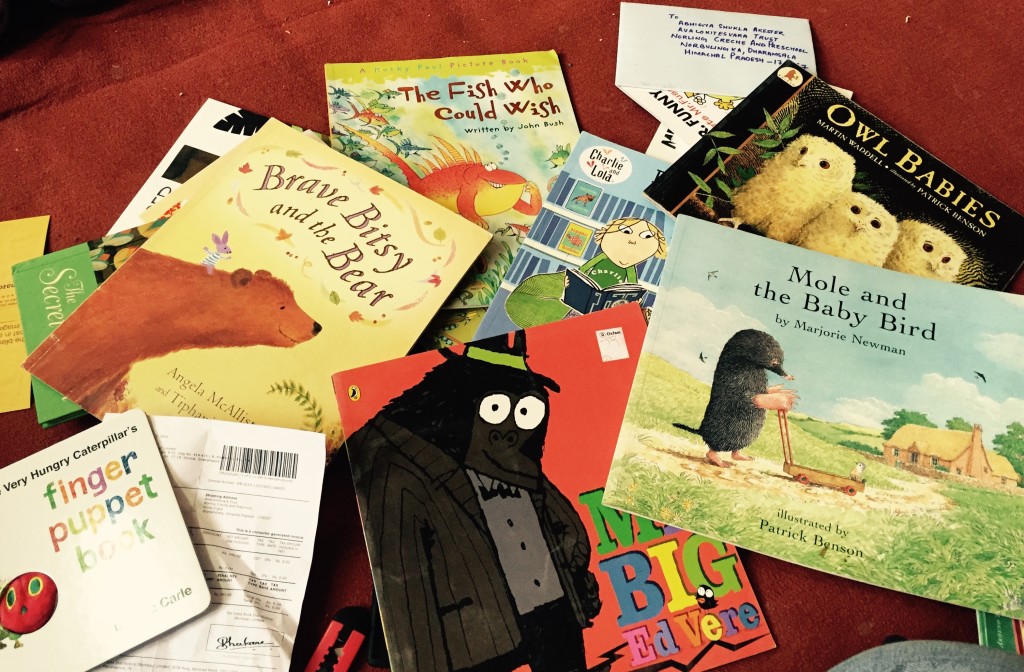
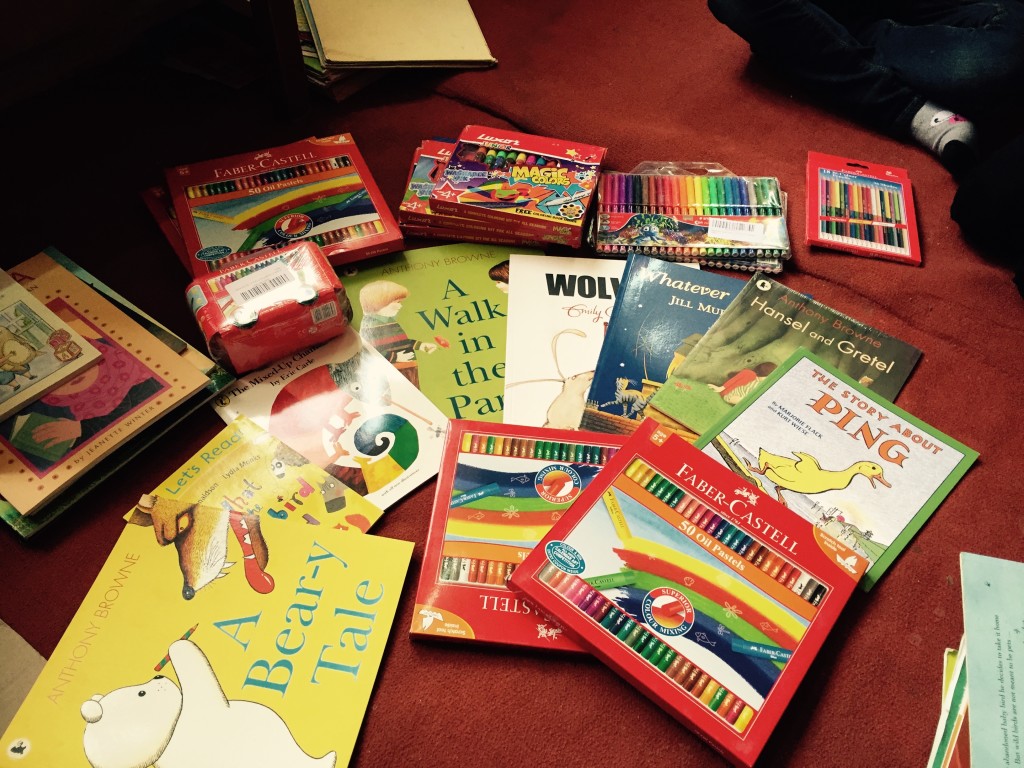
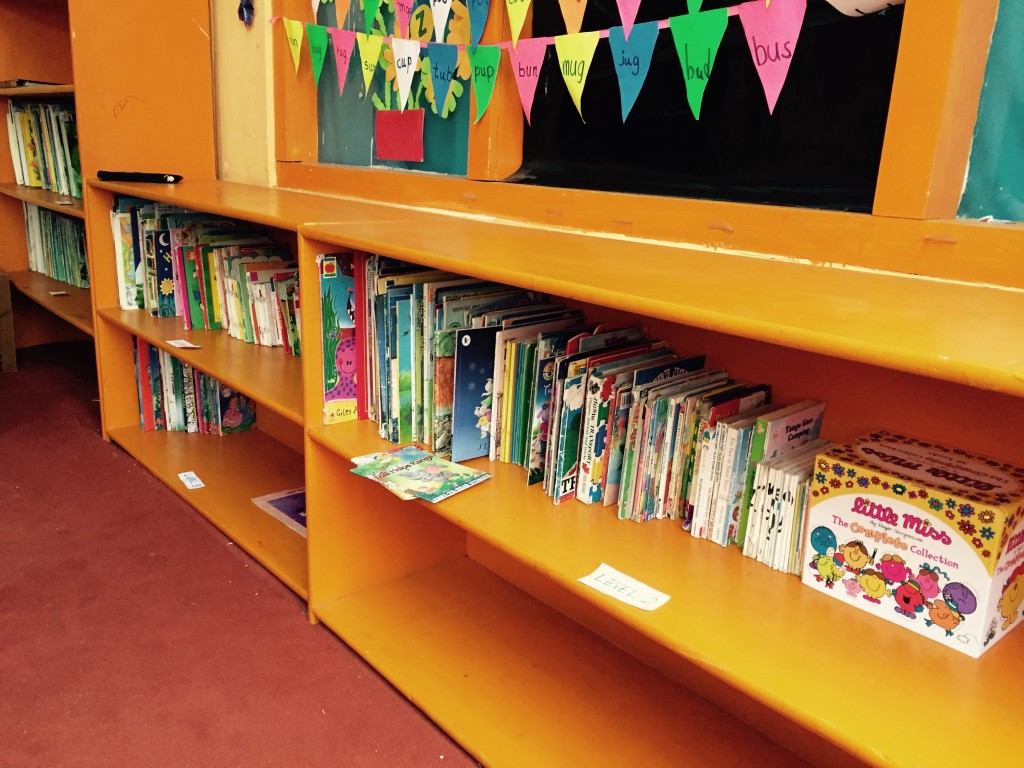
Book drives help make these experiences possible by supplying new and gently used books that may otherwise be difficult for families to find. The value of the pictured moment comes partly from this material support. Behind the smile are donated books, prepared reading spaces, patient adults and an organisation committed to creative learning in places where a child’s first picture book can open a much wider world.
Trust belongs at the centre of the photograph
A photograph of a child with a new book can easily become decorative material for fundraising. Its strongest use, however, begins with trust. The photographer needed to work at the child’s level, avoid interrupting her discovery and capture something spontaneous rather than arranging a staged pose. The resulting image records a genuine relationship between the child, the book and the people nearby.
Trust also shapes how an image is published. A responsible organisation should know why a photograph is being taken, gain appropriate permission for its use and avoid revealing a child’s identity or circumstances unnecessarily. The girl should remain a participant in the story rather than becoming an object within it. This approach preserves dignity while showing families and supporters what their involvement makes possible.
In Australia, the Privacy Act 1988 applies to organisations that meet its coverage rules, while state and territory privacy laws, school policies and safeguarding codes can also influence the handling of children’s images. Although legal requirements differ between organisations, the practical standard is consistent: informed permission, careful storage and a clear purpose for using a photograph. These safeguards strengthen the connection between the Trust’s field work and the families who may see the photograph online.
What Australian readers can carry forward
The scene will feel familiar to many Australian families. Public libraries in Sydney, Melbourne, Brisbane and other cities regularly run story-time sessions where children sit with a book, share a rhyme and choose a picture to find. Library borrowing, book bags and weekend visits remain everyday routines, offering a direct parallel to the shared reading experience in Ladakh.
What the image makes visible:
- Curiosity shifts from the surrounding room to a single page
- Touching and pointing help a child connect pictures with words
- Shared expressions make storytelling a social experience
- Confidence grows when a child can influence what happens next
Australian families also encounter books through lending libraries, independent bookshops, supermarket and discount shelves, and online marketplaces with prices in Australian dollars. Second-hand shops and community book swaps are familiar sources, but donated books must match the age, language and condition needs of the children who will use them.
Habits that can nurture the same joy:
- Borrow a picture book together and revisit it until its words become familiar
- Let the child point to details, predict the next scene and retell the ending
- Use songs, drawings and movement to extend the story
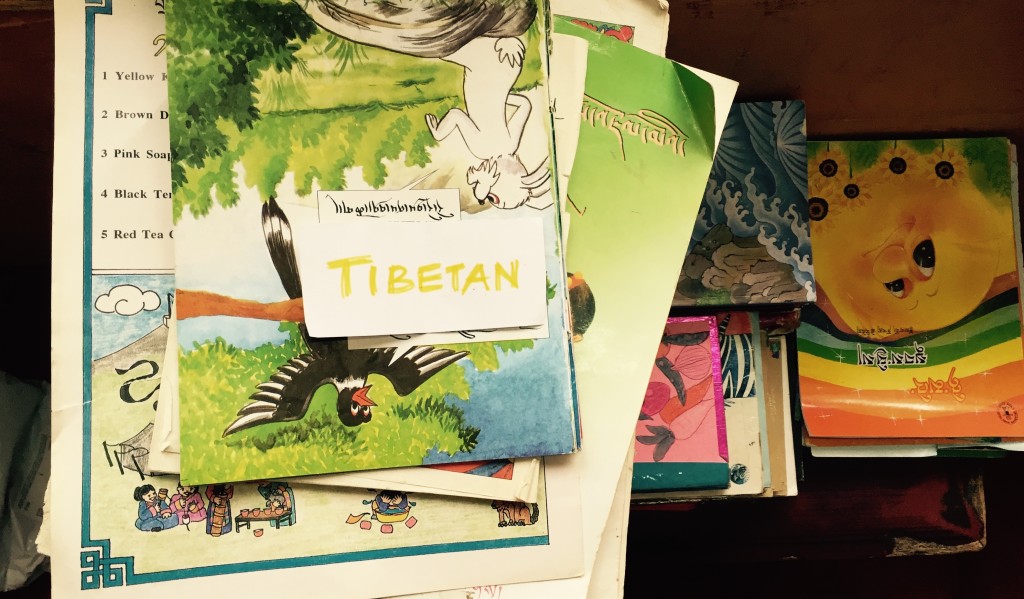
- Keep home languages alongside English so storytelling feels connected to family life
Donating books can help, provided donors check an organisation’s needs first. Under the Copyright Act 1968, donating a physical copy does not transfer copyright in its illustrations or text. A charity may pass the book to another reader, but should not reproduce, sell or commercially exploit digital scans without permission. Australian Consumer Law also requires charitable representations and fundraising claims to be accurate, so donors can use the Australian Charities and Not-for-profits Commission register and ABN Lookup to verify an organisation. Tax relief should be checked against Deductible Gift Recipient status and receipt requirements rather than assumed for every in-kind contribution.
A lasting view of learning
The photograph captures one second, but the learning connected with it can continue for years. For the Trust, images of children reading, drawing, singing and sharing books help communicate the purpose of reading rooms and book drives to volunteers and donors. They show the human result of putting a suitable resource into a child’s hands and creating enough time for wonder to develop.
The best follow-up to the photograph is not simply displaying the image. It is sustaining the activity around it: returning to the same book, encouraging a child to read it to a younger companion and building songs, artwork or drama from its characters and settings. Each response strengthens the creative and educational work that the Trust supports through its activities.
The practical takeaway is to treat a first picture book as both a personal possession and a shared invitation to read aloud, point, draw, sing and talk. One joyful page can become the beginning of years of learning.