The Tin Can Orchestra Bringing Music to Himalayan Children
In a small learning space in the Himalayan region, ordinary household objects become the beginning of a musical education. Empty tins, lengths of string, scraps of wood and carefully chosen pieces of cardboard are transformed into drums, lutes and simple percussion instruments. The results are modest, but the excitement they create is immense.
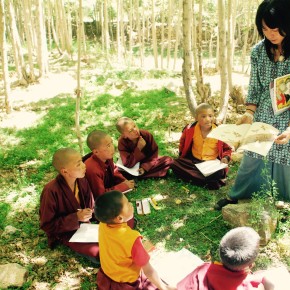
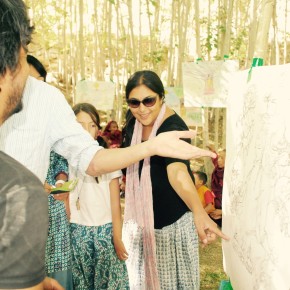
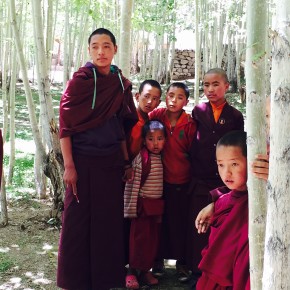
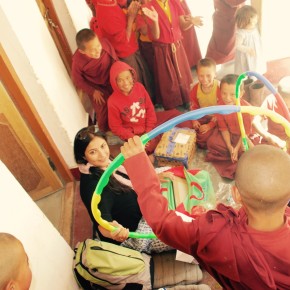
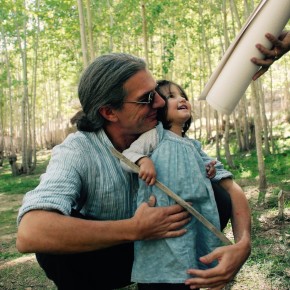
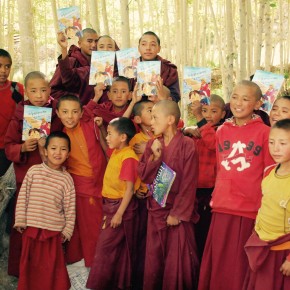
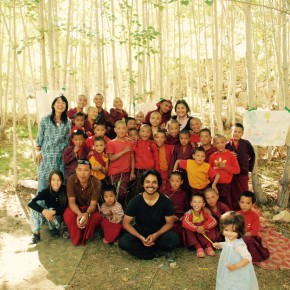
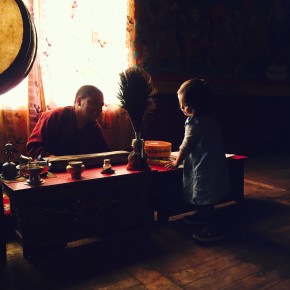
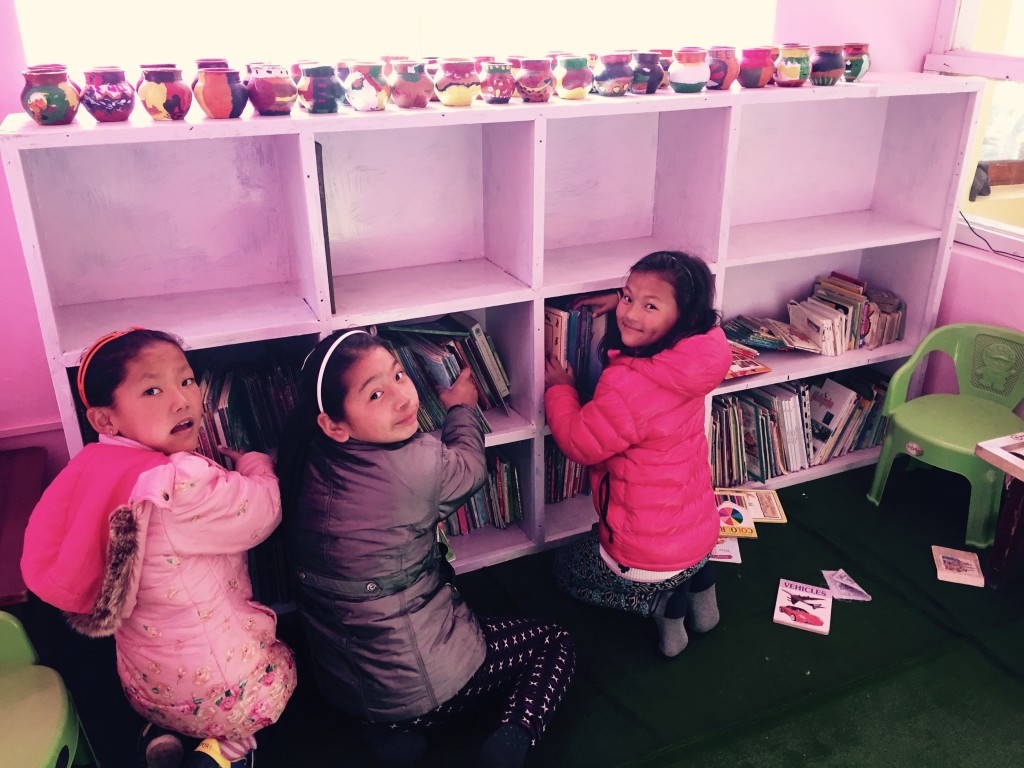
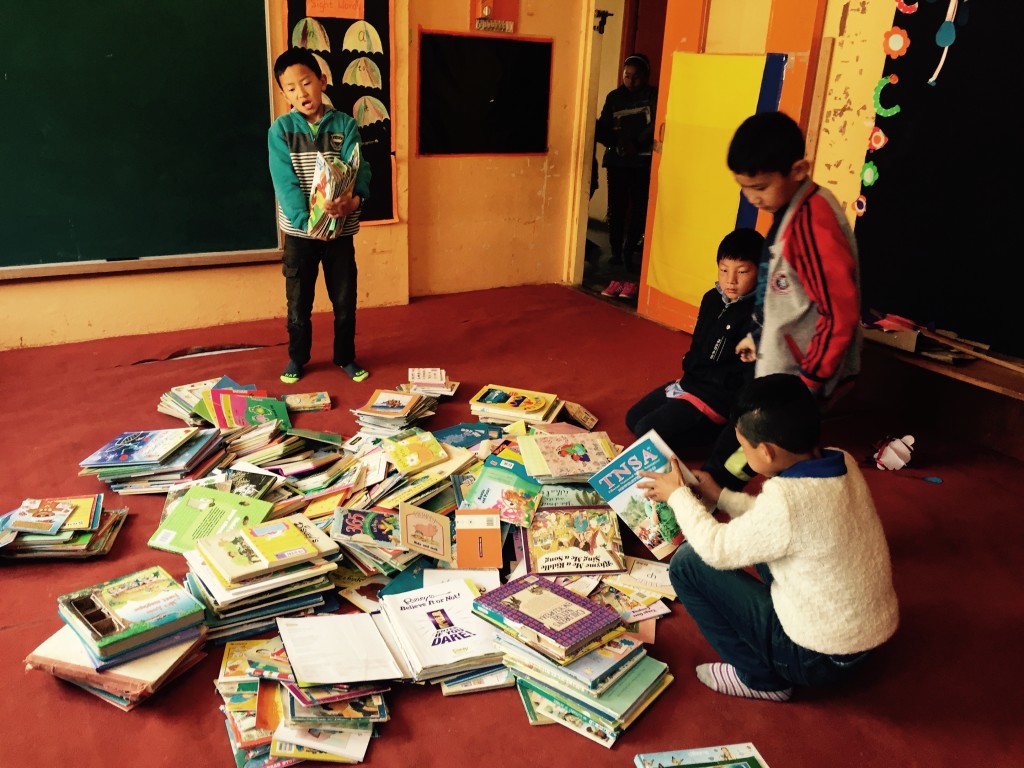
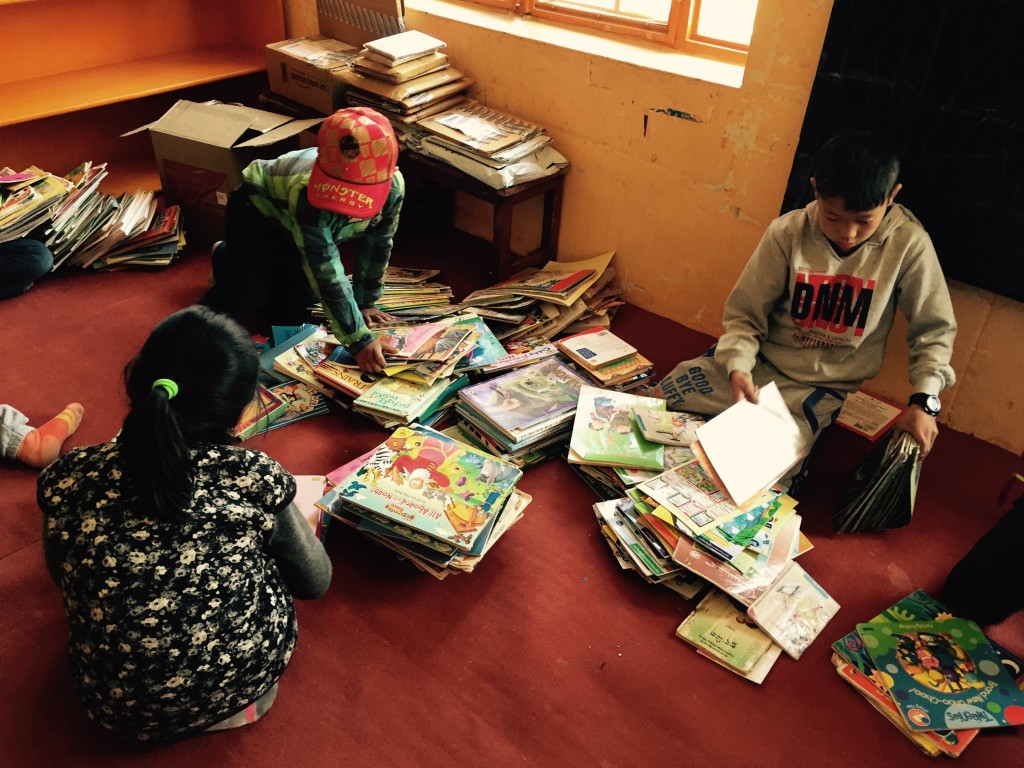
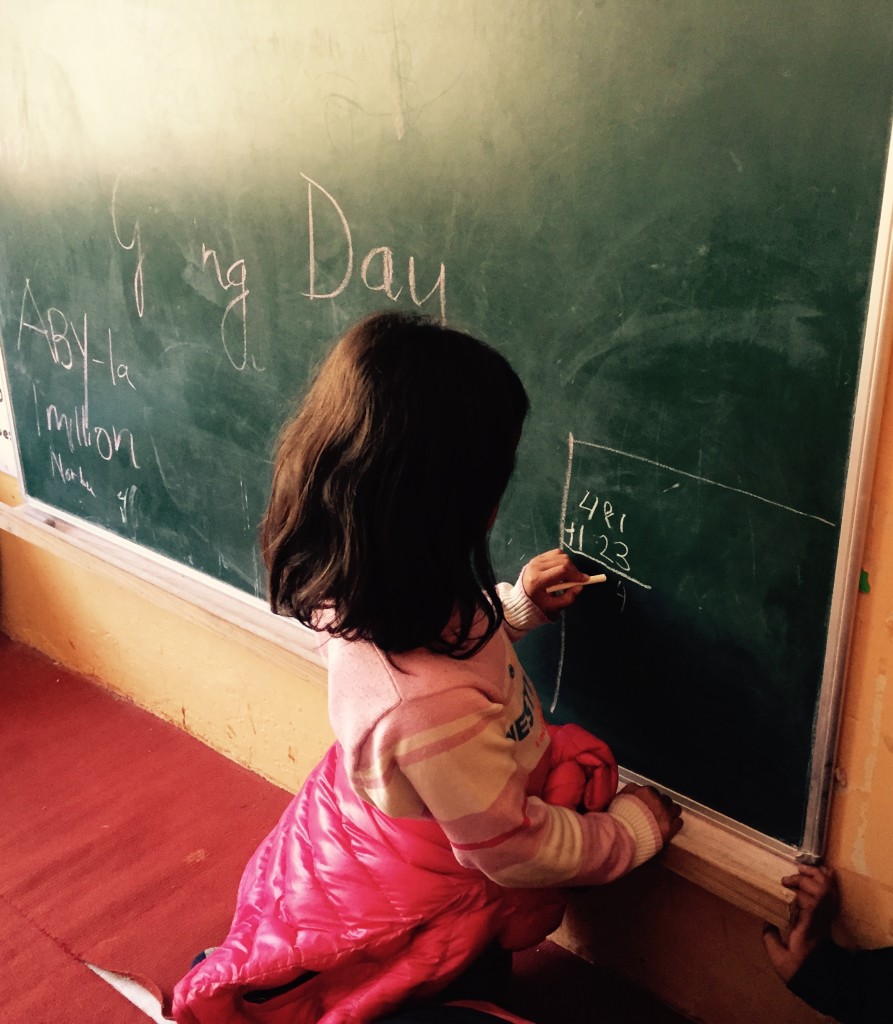
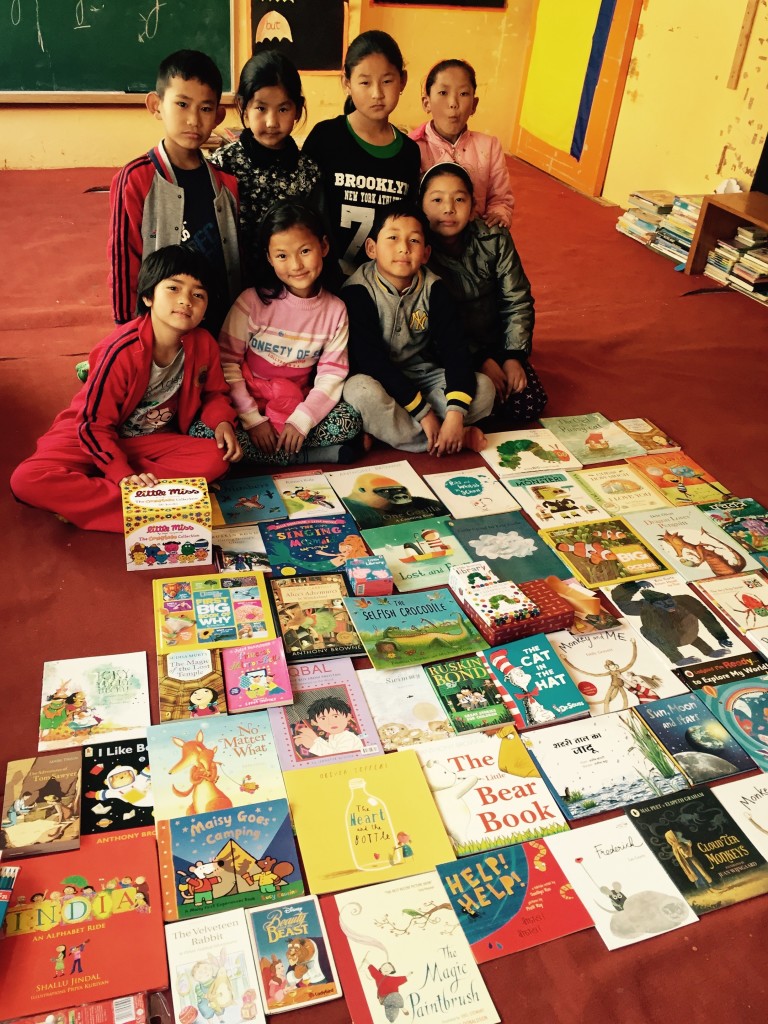
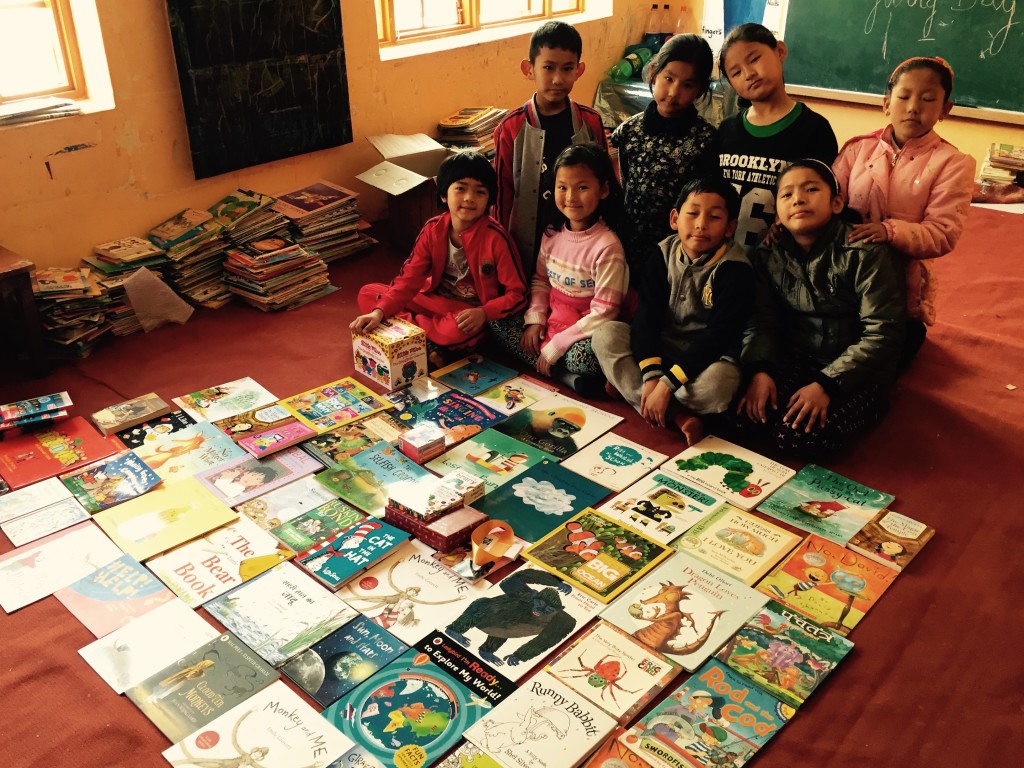
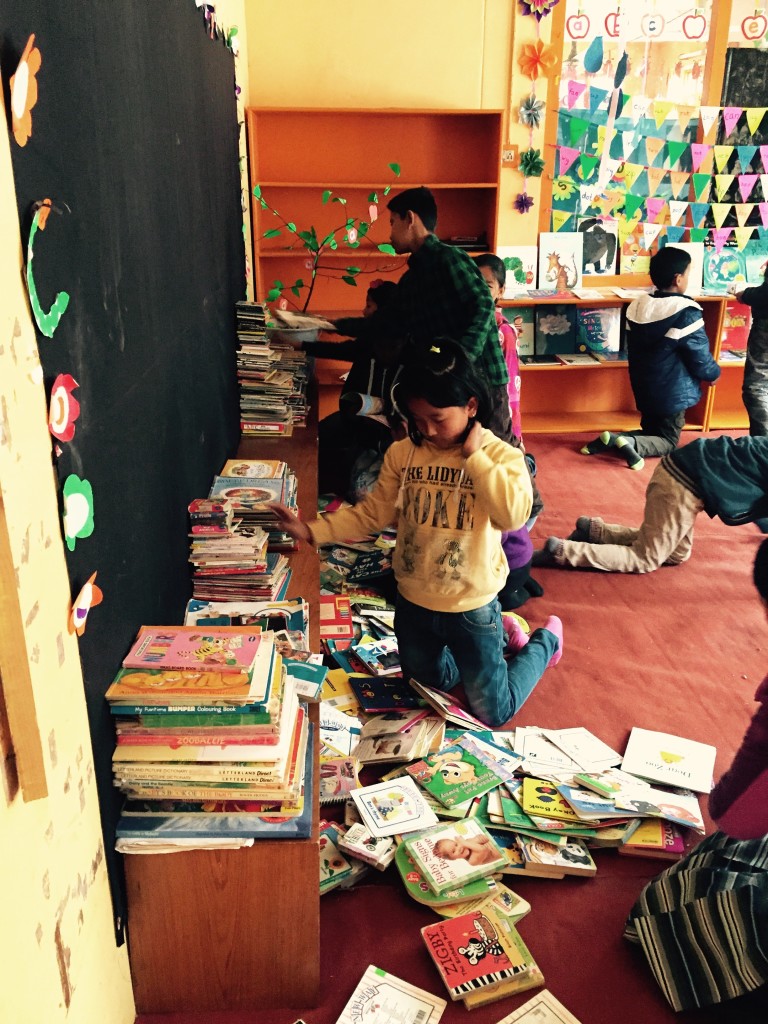
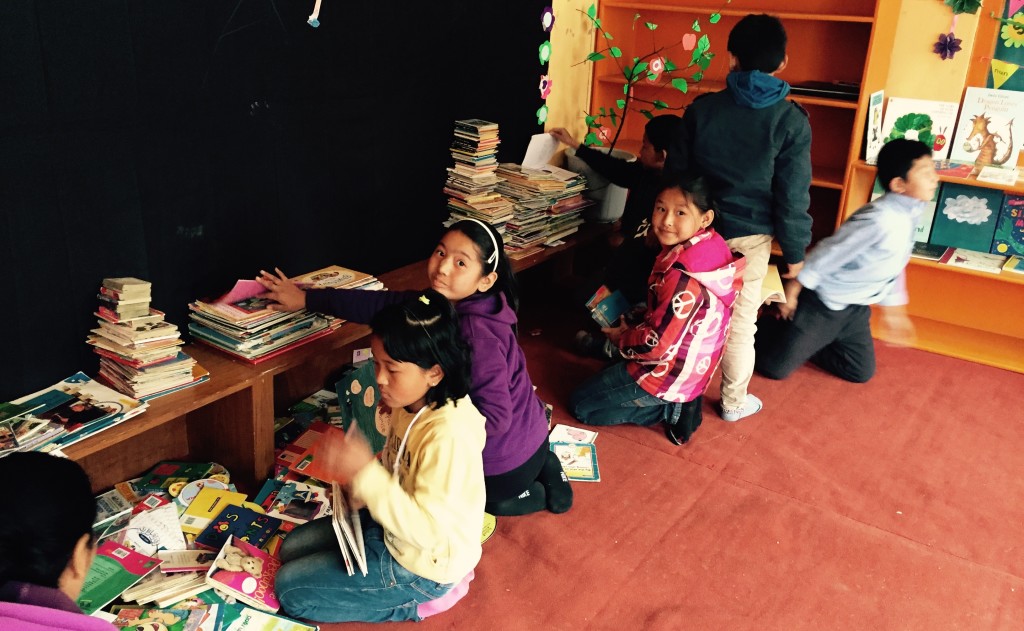
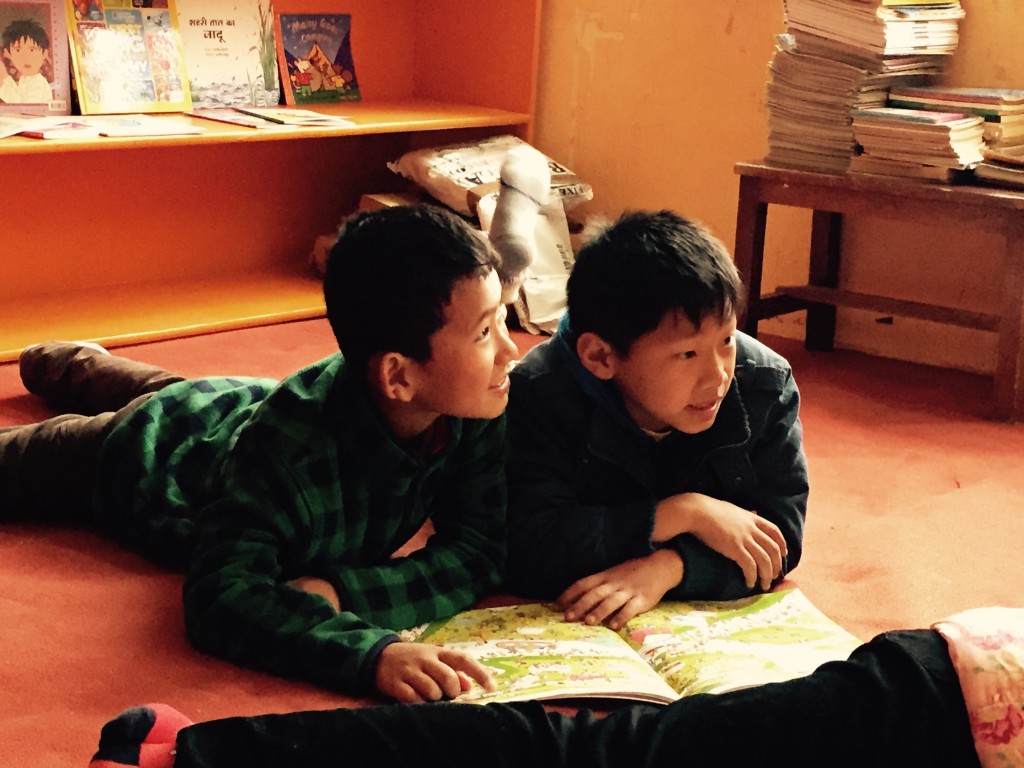
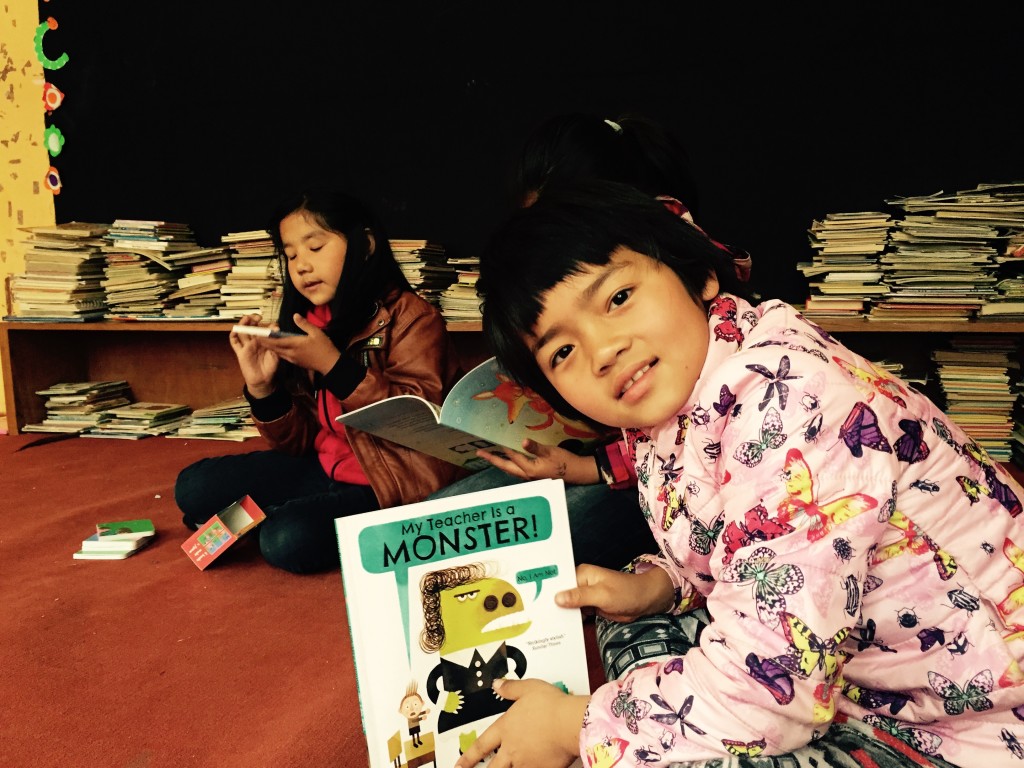
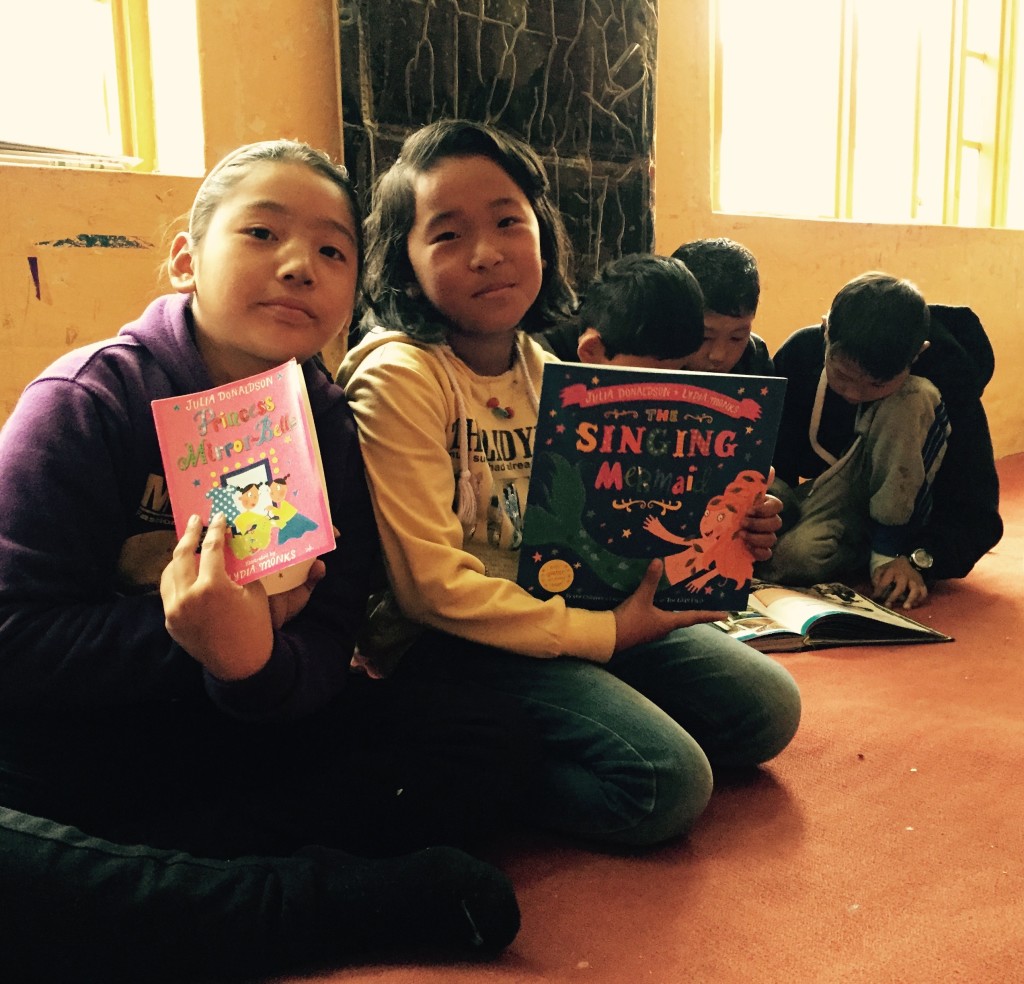
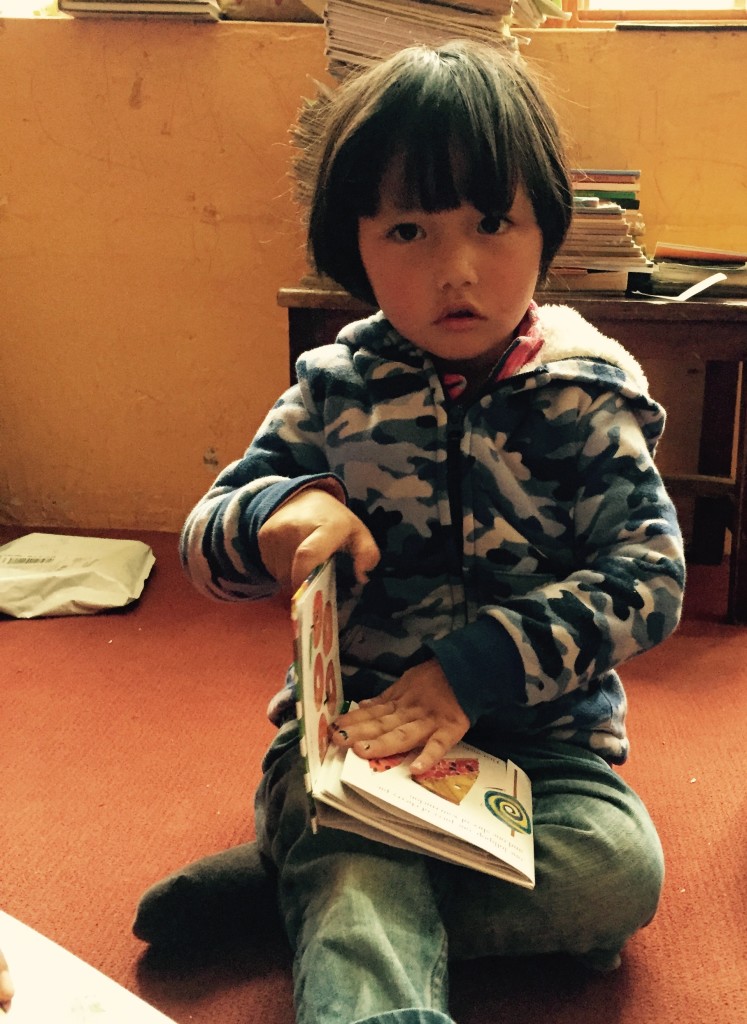
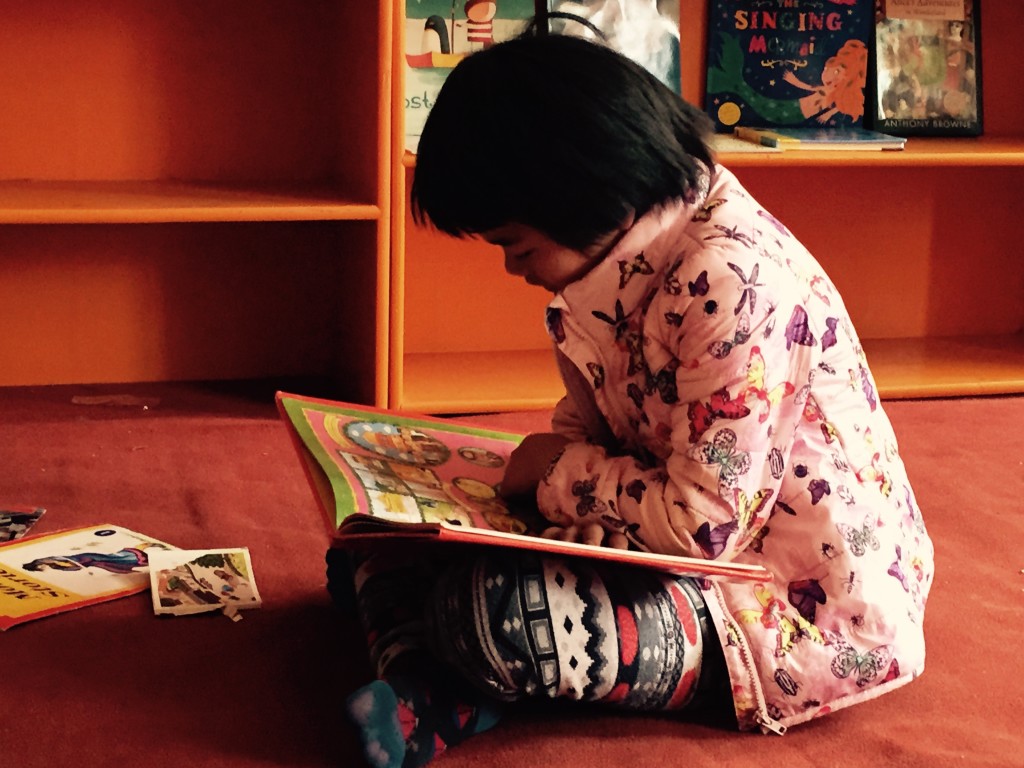
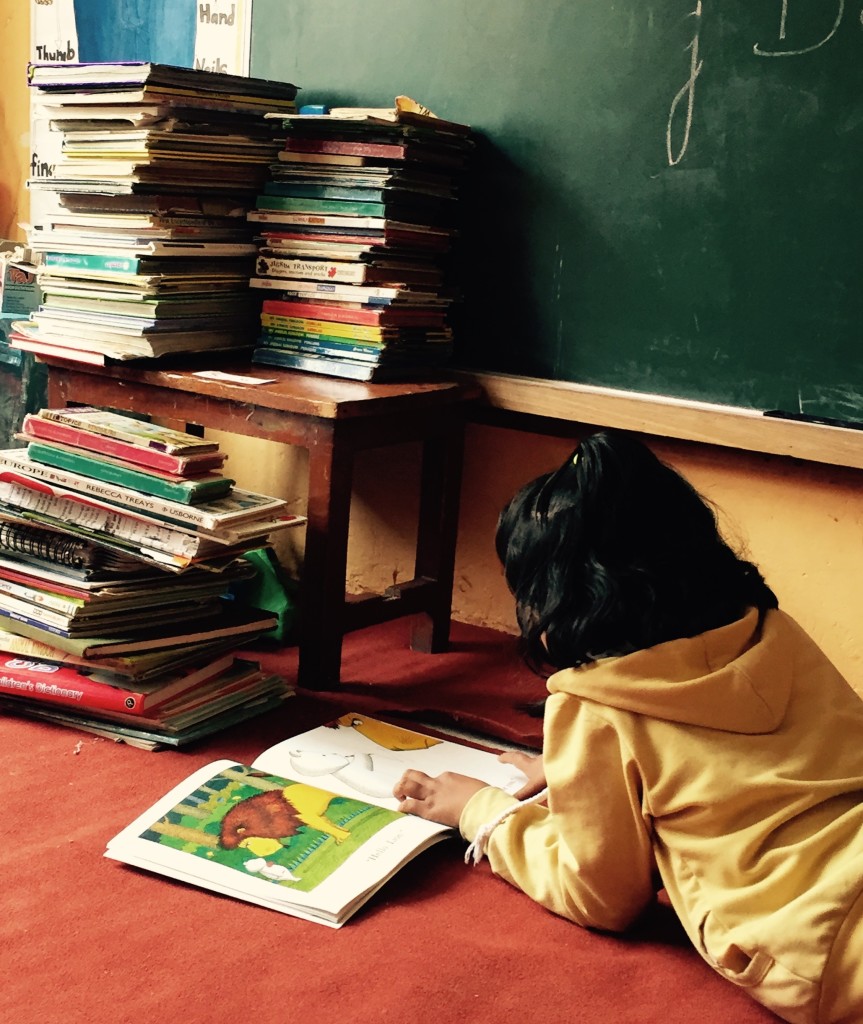
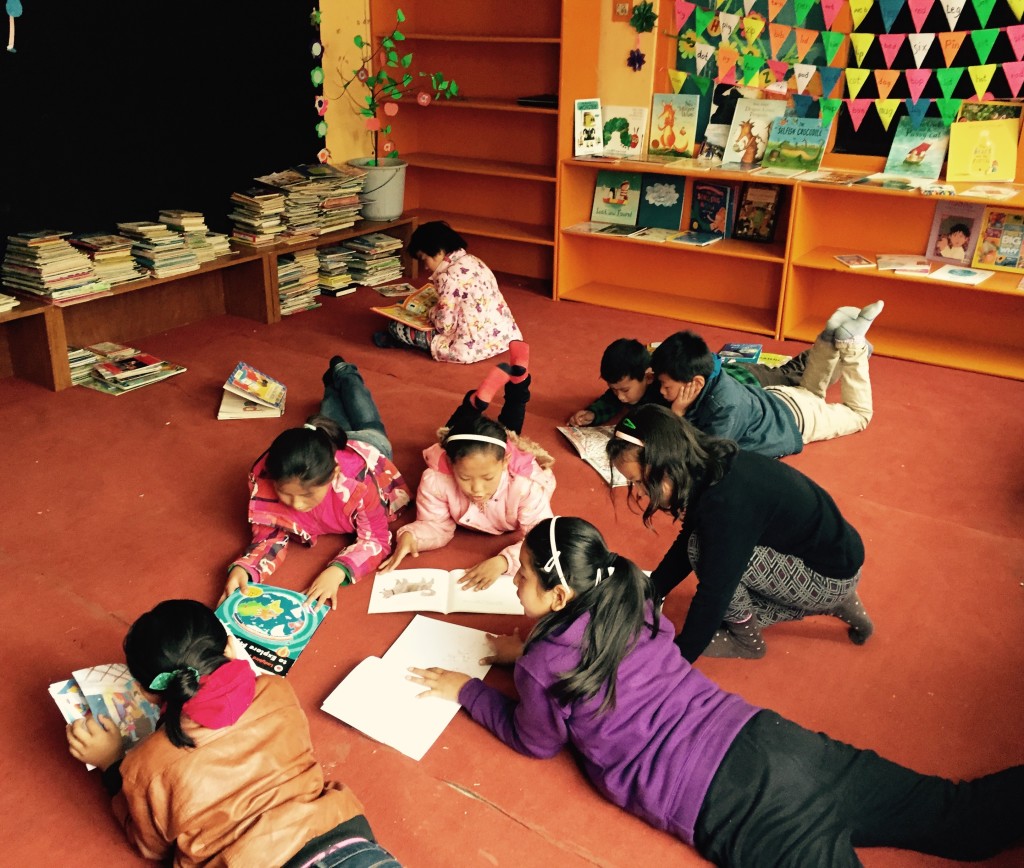
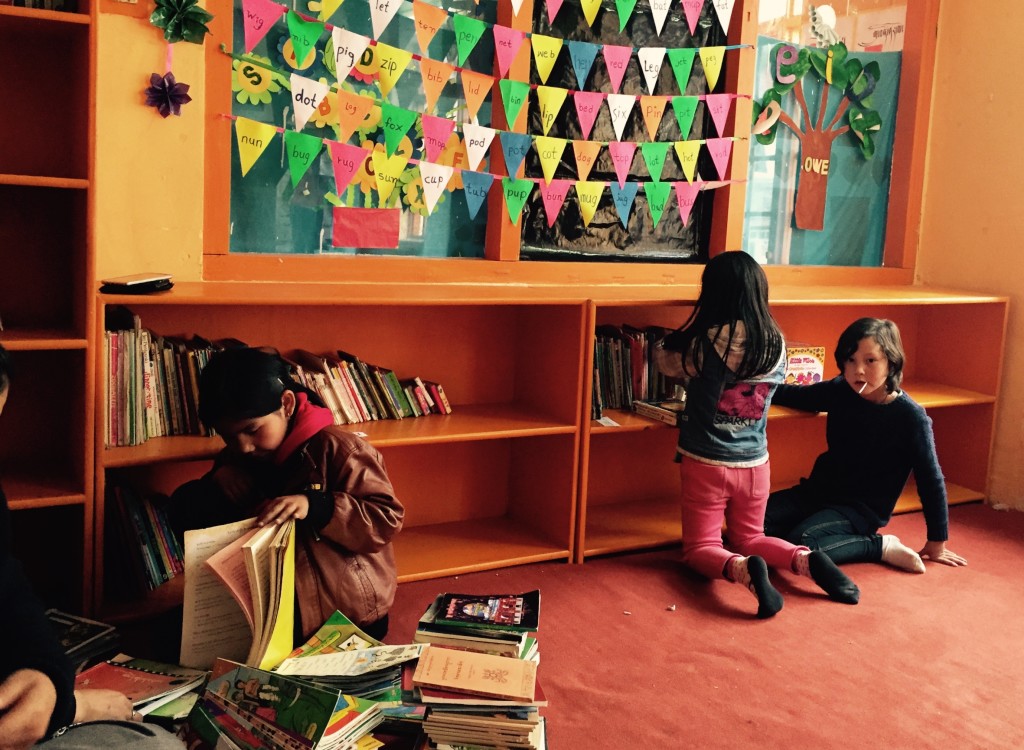
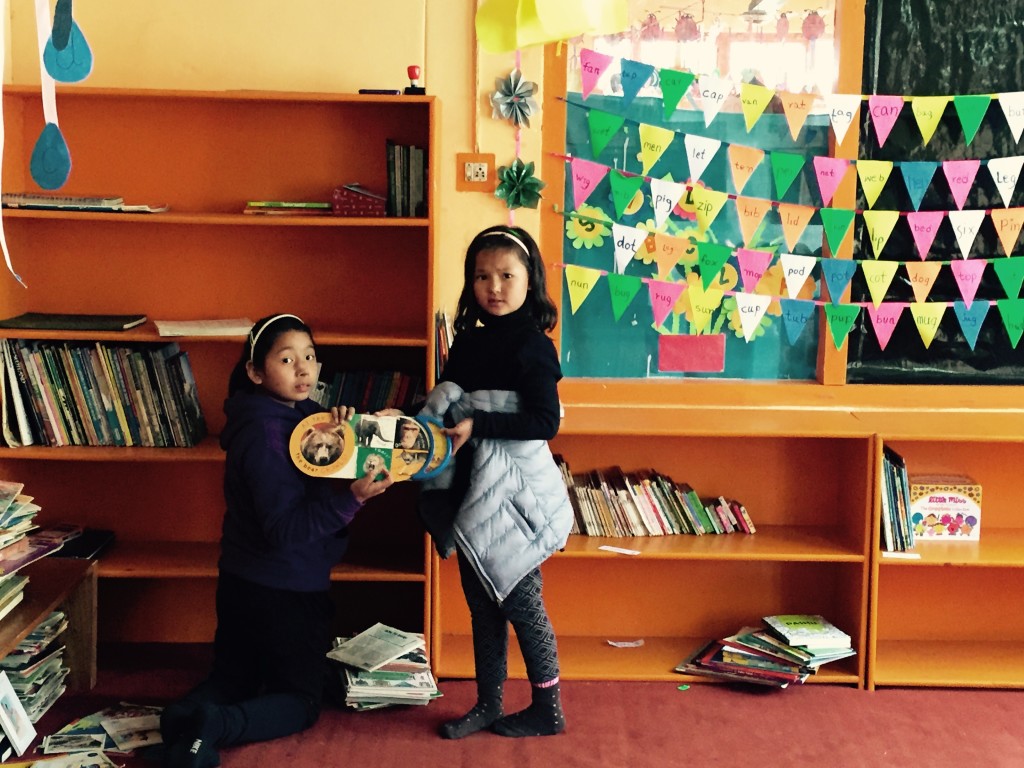
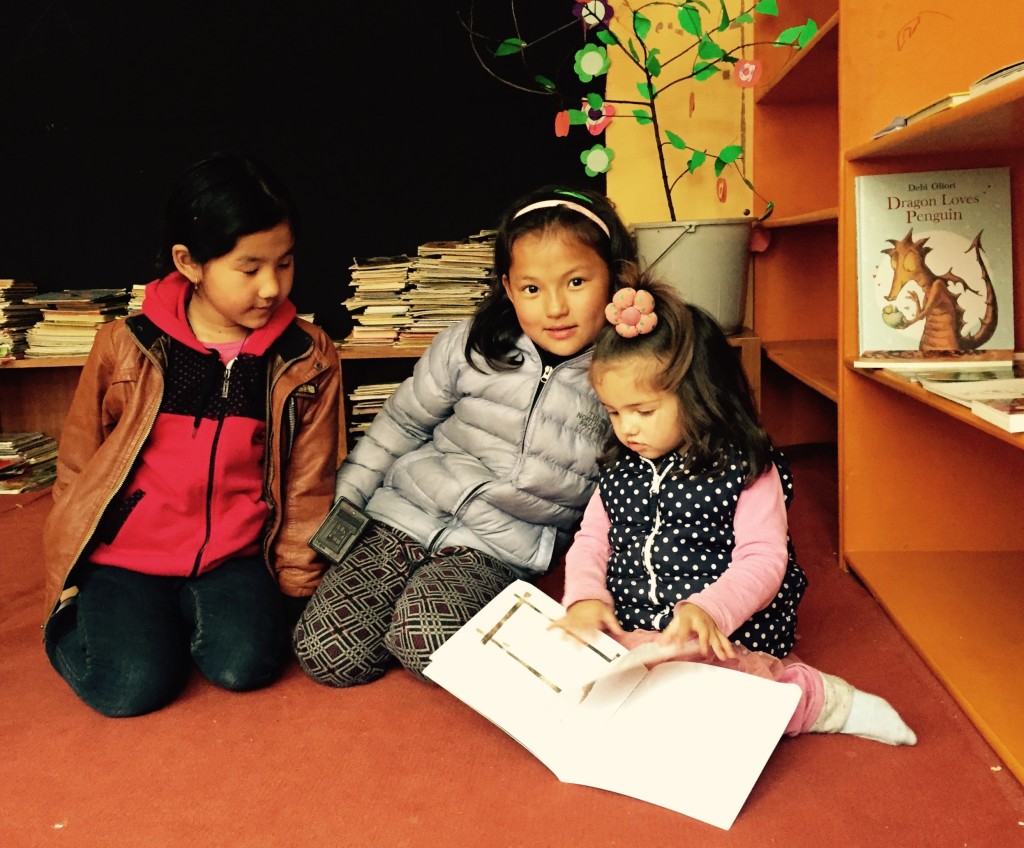
The musician leading the workshop understands that a child does not need an expensive instrument to discover rhythm, melody or confidence. Through Avalokiteśvara Trust’s work with children and young monks, handmade instruments sit alongside books, drawing materials and reading activities. Together, they create a place where curiosity is treated as a valuable resource.
Music Begins With What Is Available
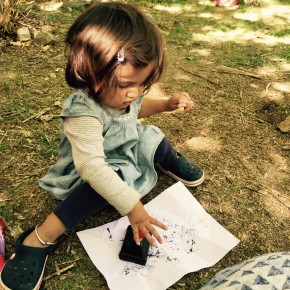
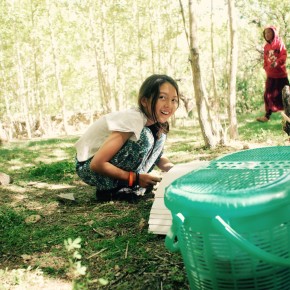
The workshop starts with a scavenger hunt. Children look for clean food tins, sturdy packaging, bottle tops and pieces of cord. Each object is examined for its sound, texture and usefulness. A tin may become a hand drum, while a long box can be adapted into a resonating body for a string instrument.
The musician demonstrates how tension changes a string’s pitch and how the size of a container affects its tone. The explanations are simple, but they introduce practical ideas from physics, design and mathematics. Children learn by testing, listening and adjusting rather than by trying to produce a perfect object on the first attempt.
This approach is especially meaningful in communities where imported instruments can be expensive or difficult to repair. A homemade drum can be fixed with locally available materials. A snapped string becomes a problem to solve, rather than a reason to stop playing.
A Tin Can Is More Than A Container
The creative process gives children a new relationship with everyday materials. A can that once held food is no longer rubbish; it is a possible drum. A piece of packaging is no longer disposable; it might become part of a bridge, a sound box or a percussion shaker.
Safety remains essential. Tins are washed, dried and checked for sharp edges before children use them. Adults prepare or supervise any cutting, drilling and fastening. Younger participants work with softened edges, paper tubes and other low-risk materials, while older children can take on more complex construction tasks under guidance.
The activity also encourages environmental awareness without turning the lesson into a lecture. Children see how reuse can reduce waste and stretch limited resources. That message has familiar echoes for Australian families, where separating household recycling and returning eligible drink containers through state container-deposit schemes are part of everyday life.
From Handmade Instruments To Shared Music
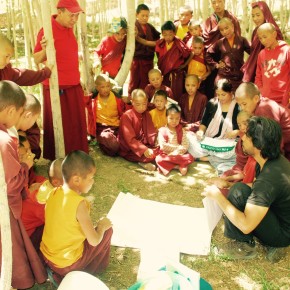
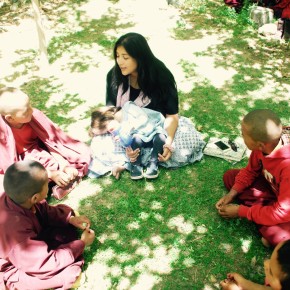
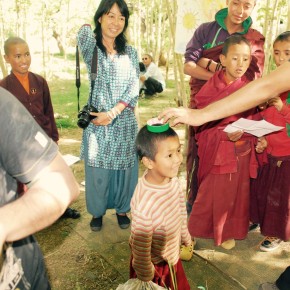
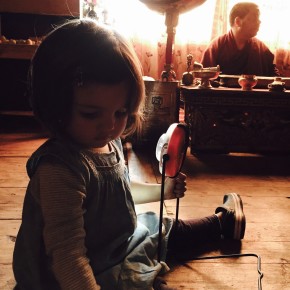
Once the instruments are ready, the workshop changes from making to listening. Children compare deep and high sounds, copy short rhythms and create patterns in small groups. A shy child may begin by tapping quietly, then find a place in the ensemble after hearing that every contribution matters.
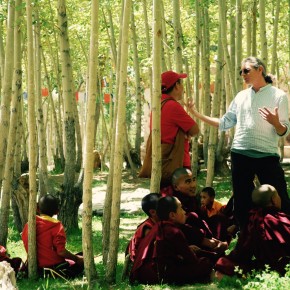
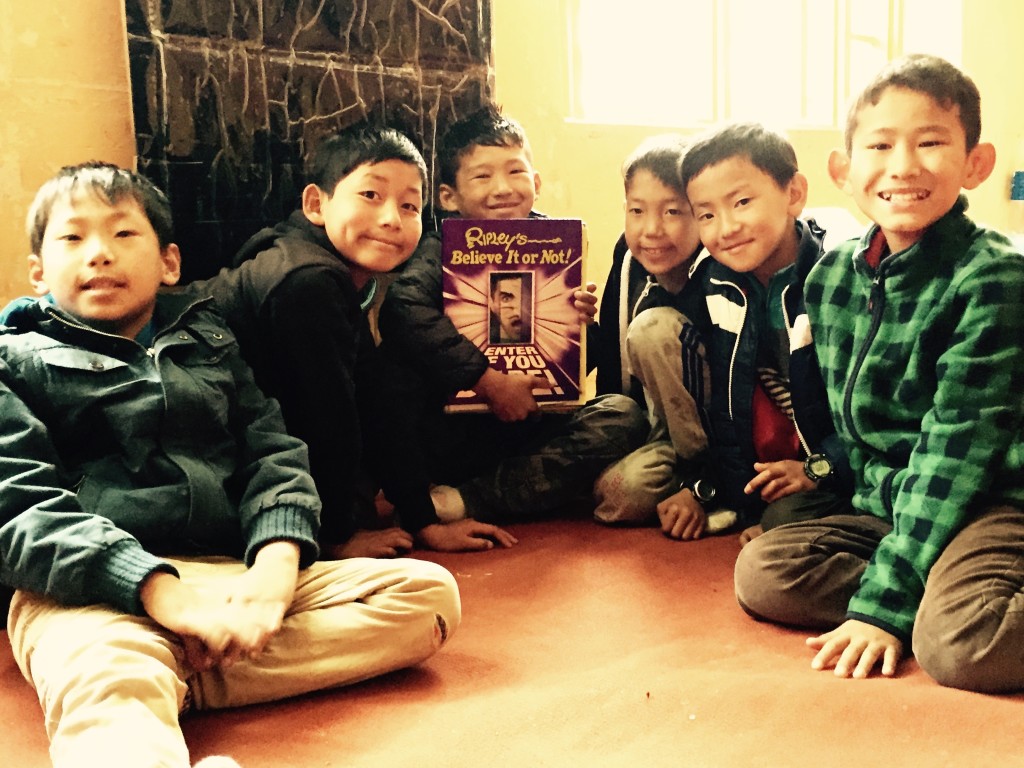
Music supports language and social learning in ways that feel natural. Participants count beats, follow instructions, remember sequences and respond to one another. Young monks and local children can collaborate even when their ages, schooling experiences or confidence levels differ.
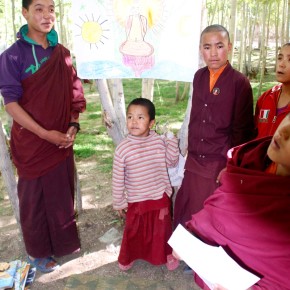
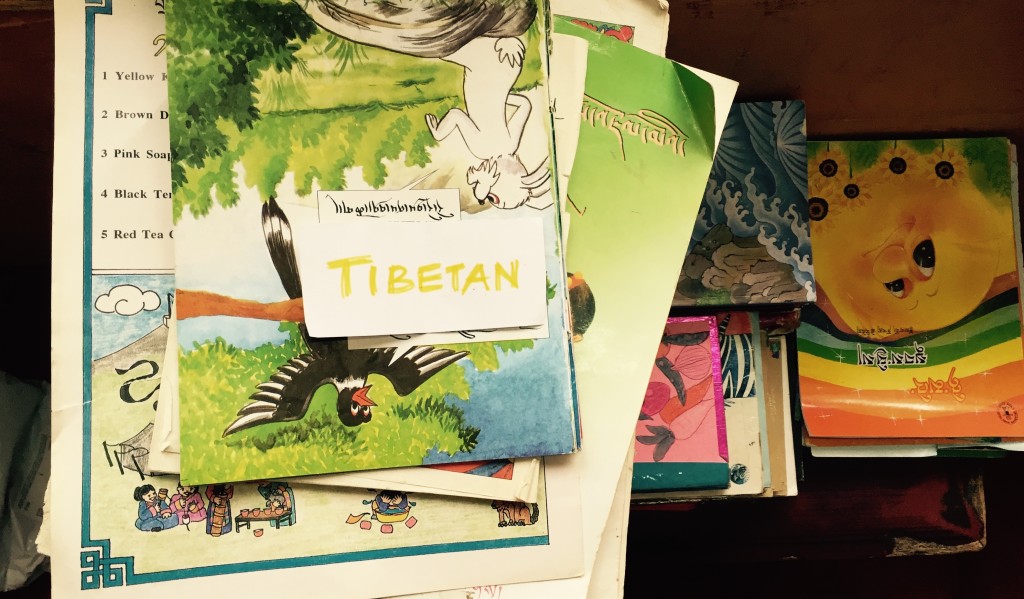
The activity also makes room for regional identity. Familiar melodies, chanting traditions and local celebrations can influence the rhythms children choose. The musician does not present music as a single correct system. Instead, the workshop becomes a meeting point between inherited sounds, new ideas and the children’s own inventions.
| Handmade Instrument |
Useful Materials |
Skills Practised |
Possible Group Activity |
| Tin drum |
Clean tin, fabric or paper, cord |
Rhythm, coordination, careful assembly |
Copy-and-response beats |
| Box string instrument |
Small box, sticks, string |
Pitch, tension, problem-solving |
Simple repeated melodies |
| Bottle-top shaker |
Bottle tops, sealed container, tape |
Timing, counting, sound comparison |
Accompanying a song |
| Cardboard guiro |
Thick cardboard, ridges, wooden stick |
Texture, listening, pattern-making |
Rhythm sequences |
| Tube flute-style prop |
Cardboard tubes, paper, decorations |
Breath awareness, design, creativity |
Visual performance piece |
Why Creative Learning Belongs In Reading Rooms
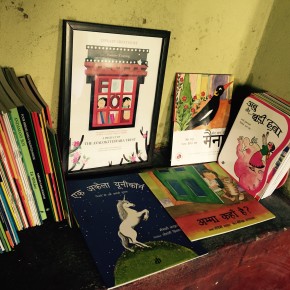
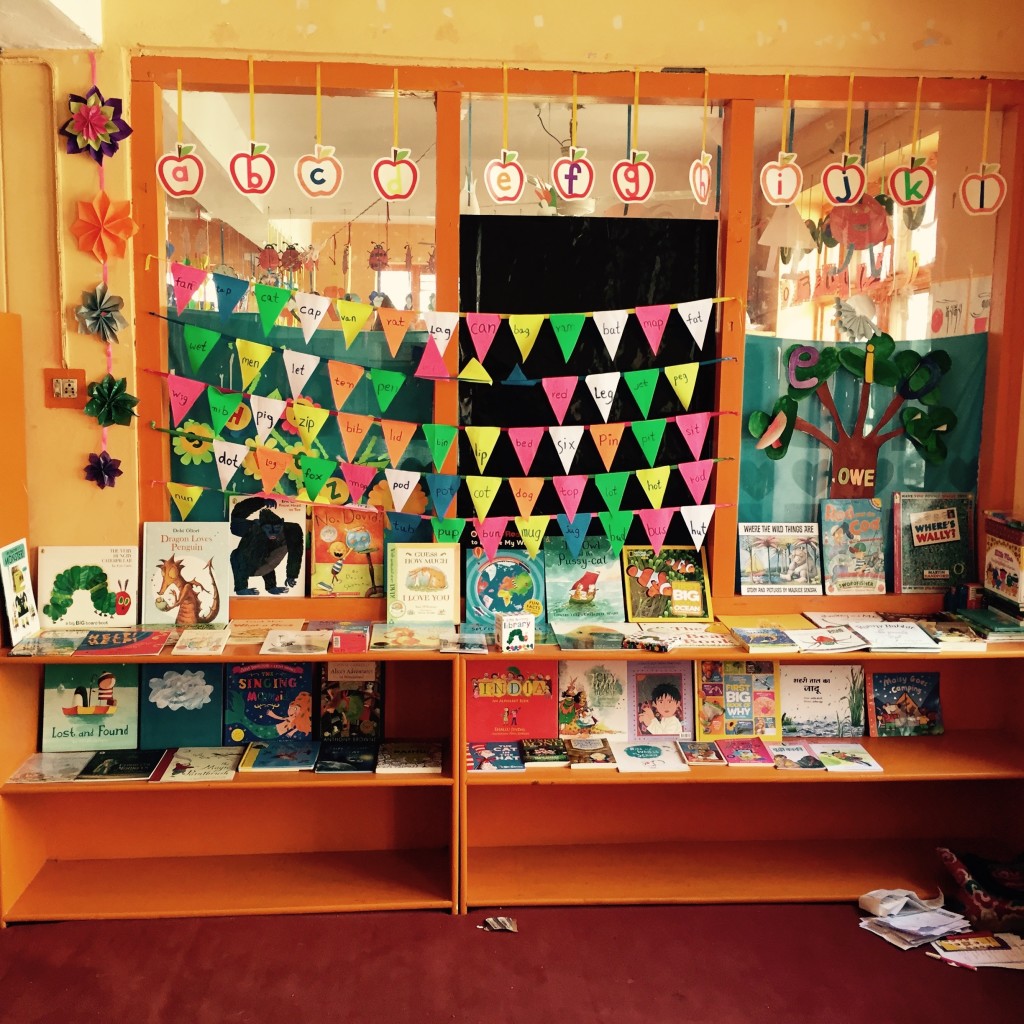
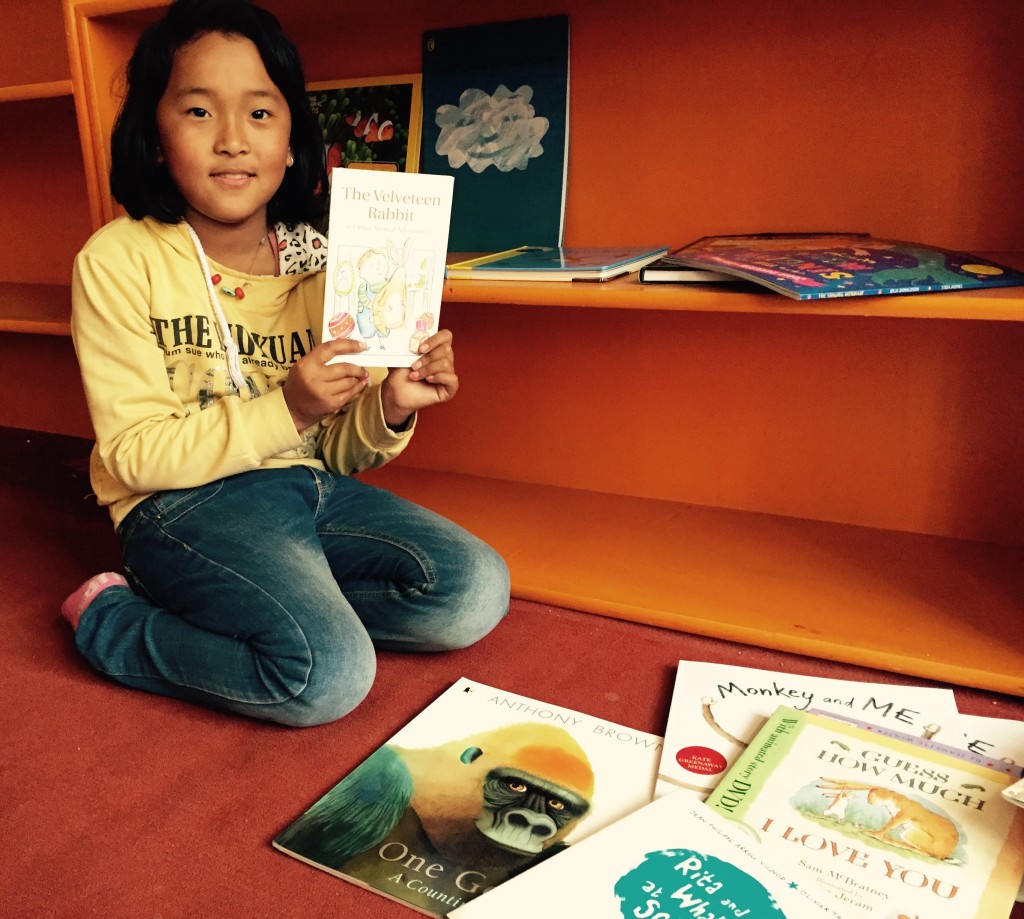
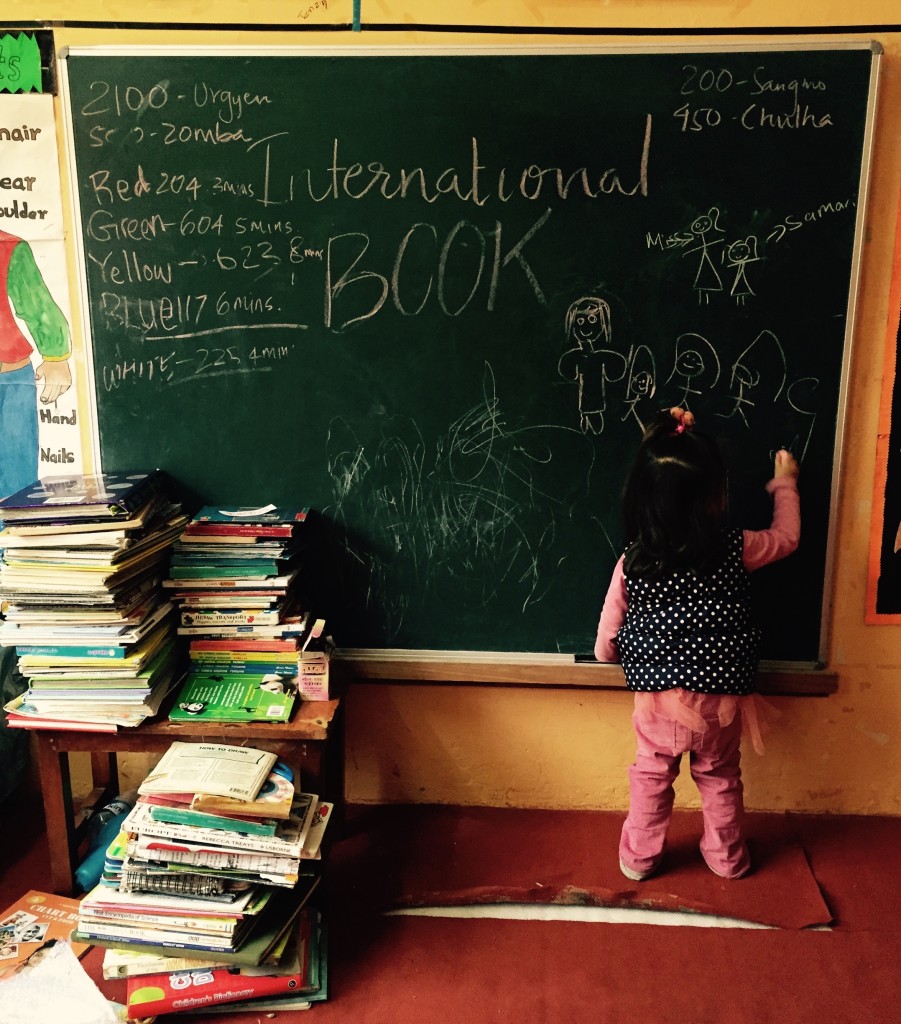
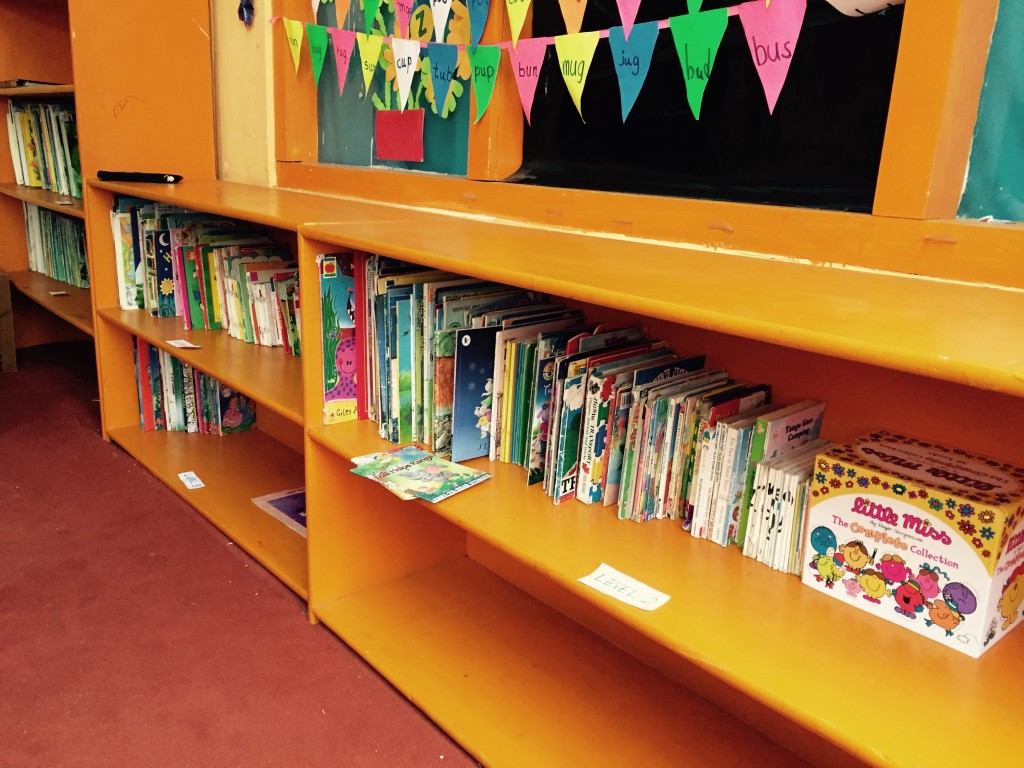
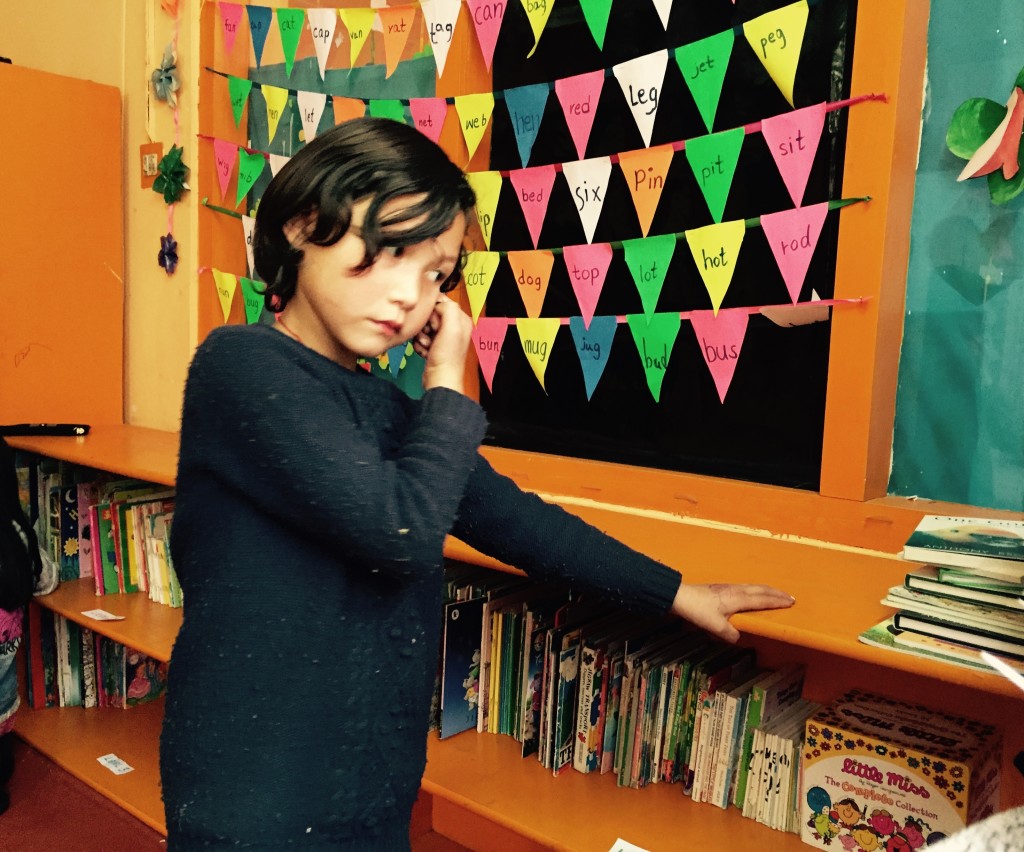
A reading room can be much more than a quiet place lined with books. It can become a flexible learning centre where stories lead to drawings, drawings lead to movement and movement leads to music. A book about animals may inspire sound effects; a folktale may become a rhythm performance; a poem may be spoken over a handmade beat.
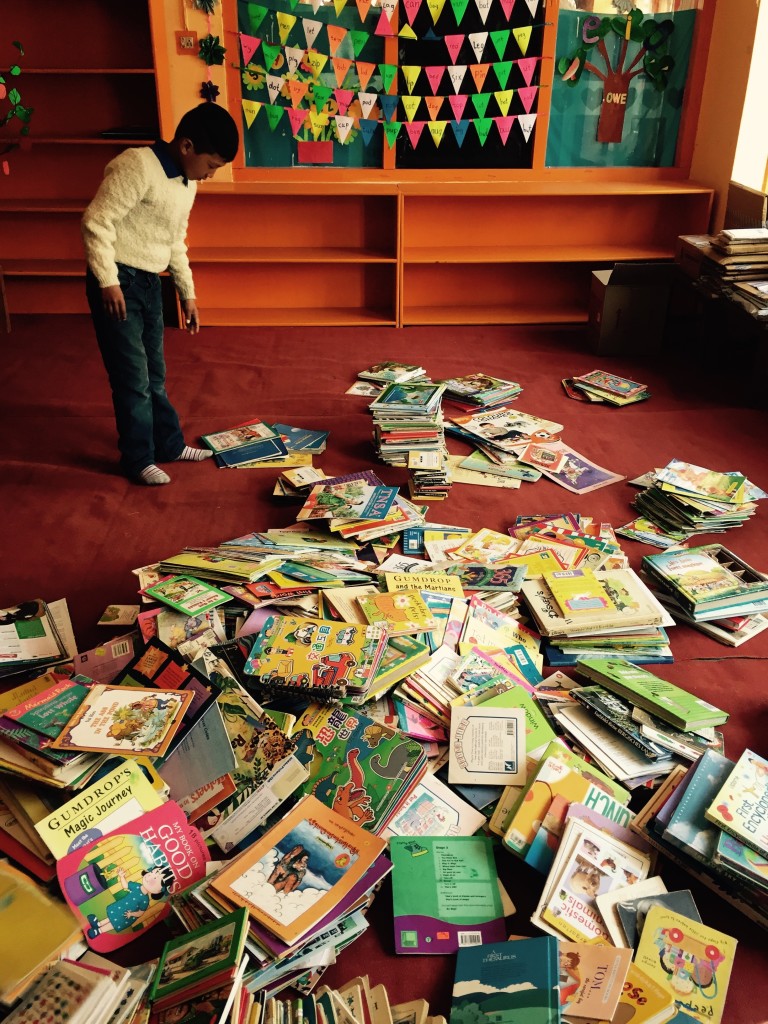
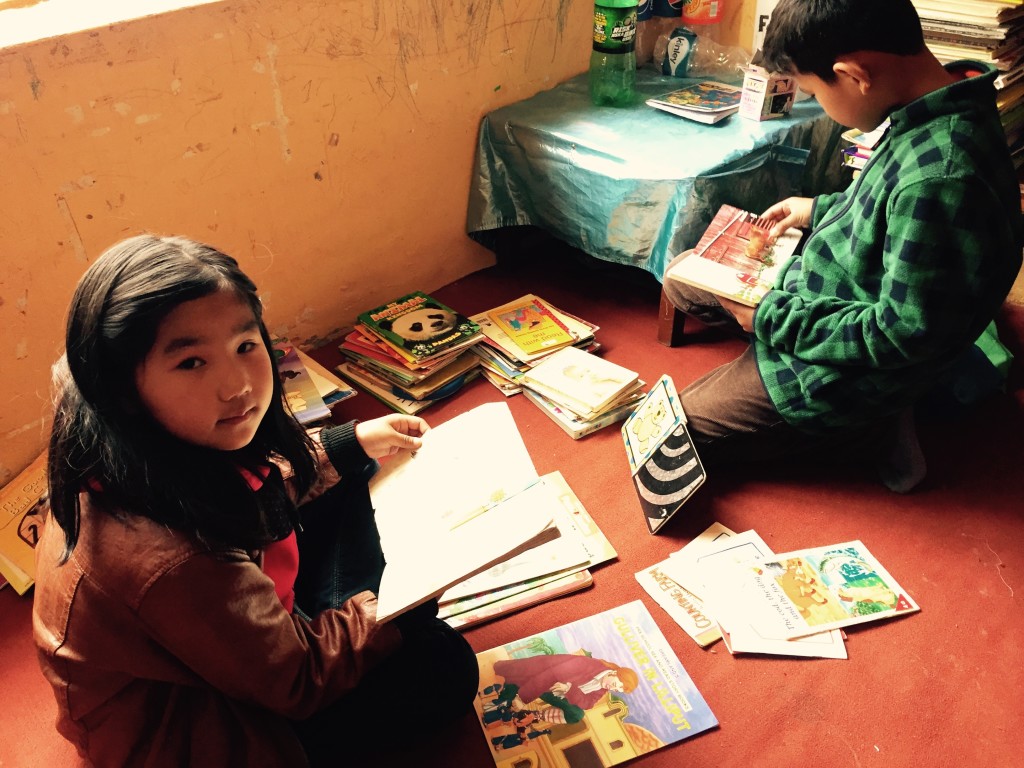
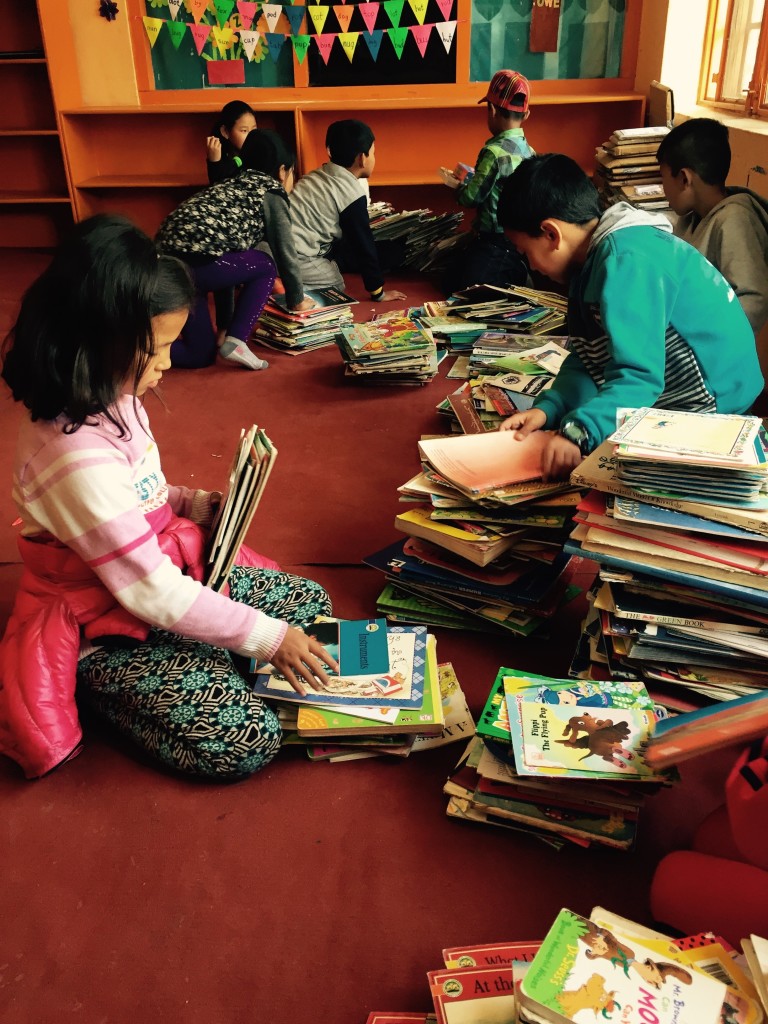
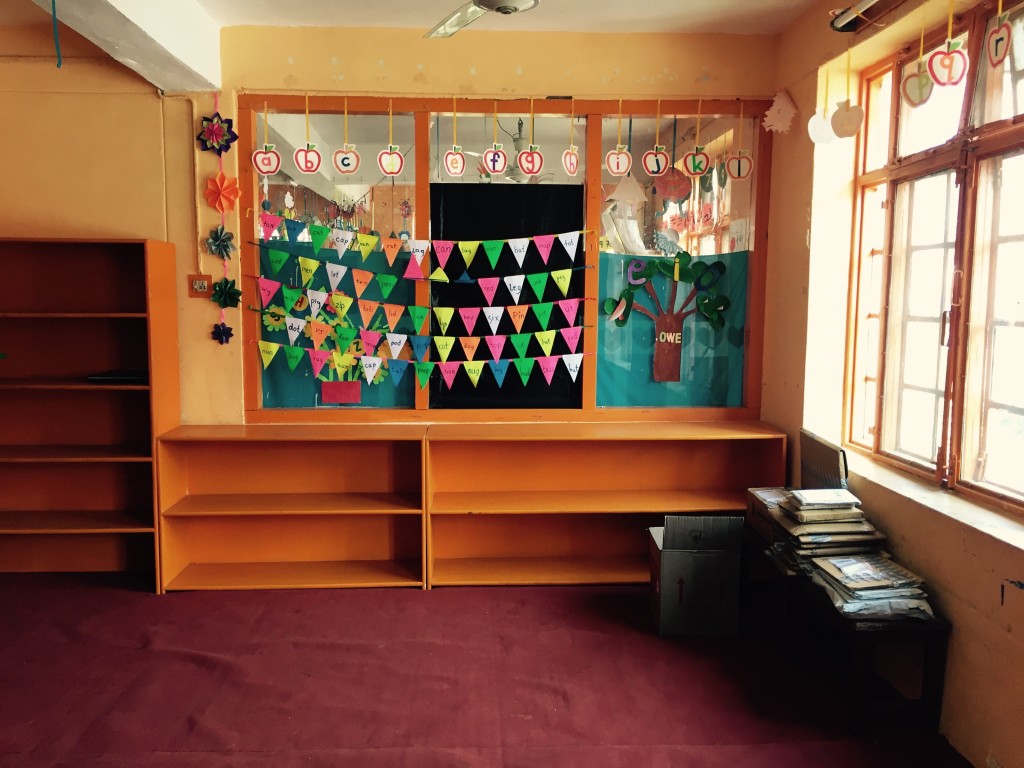
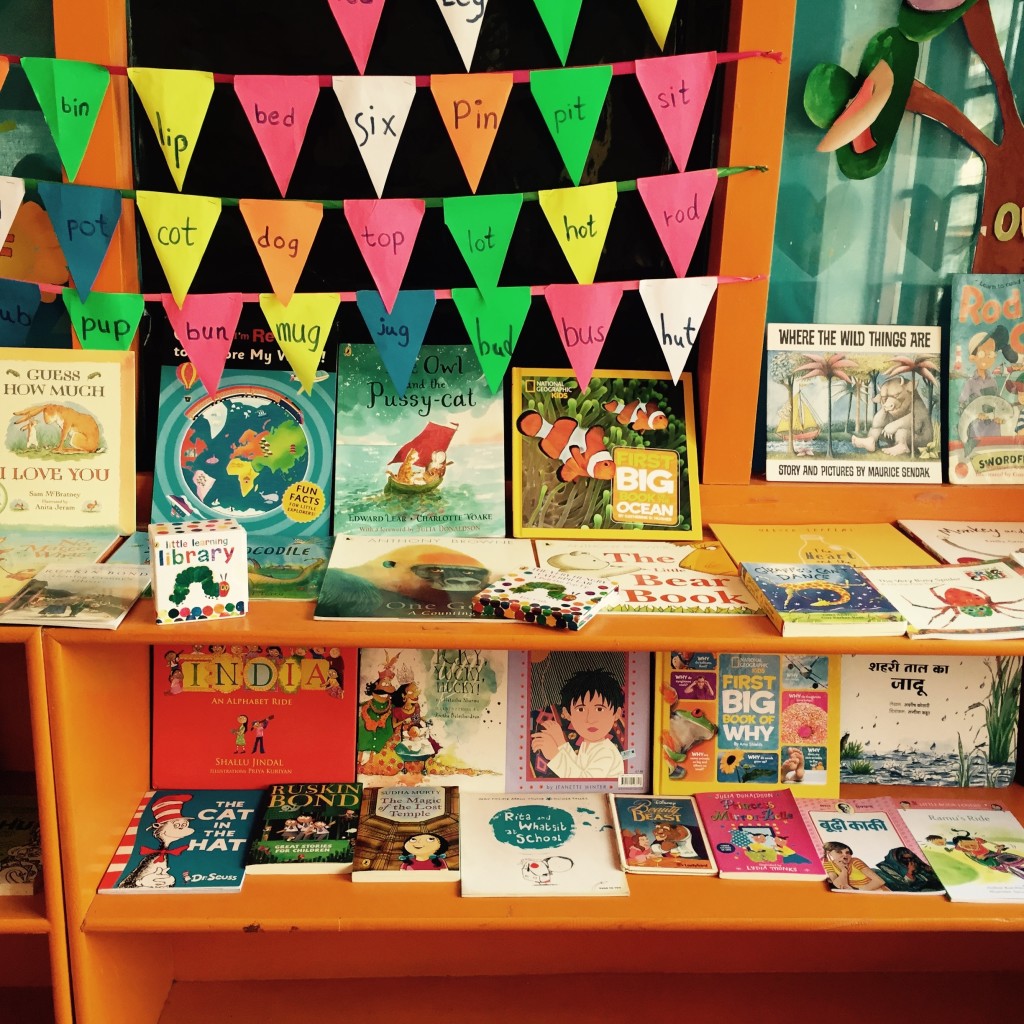
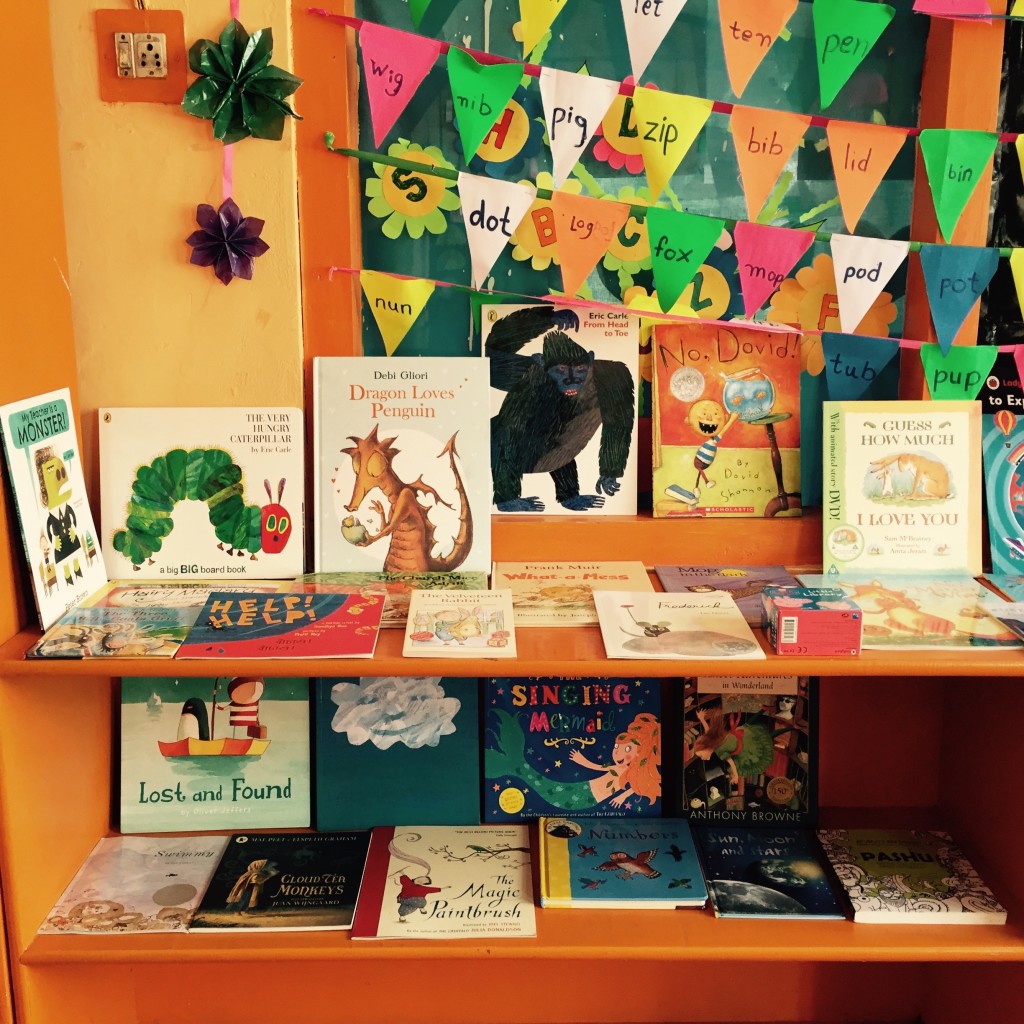
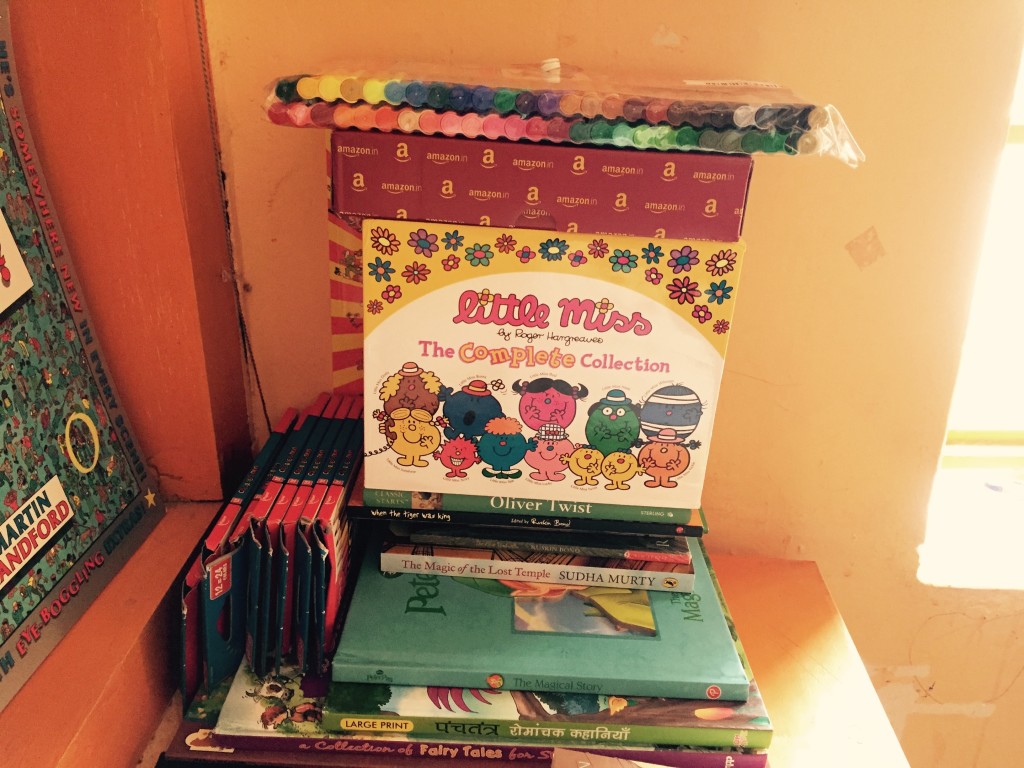
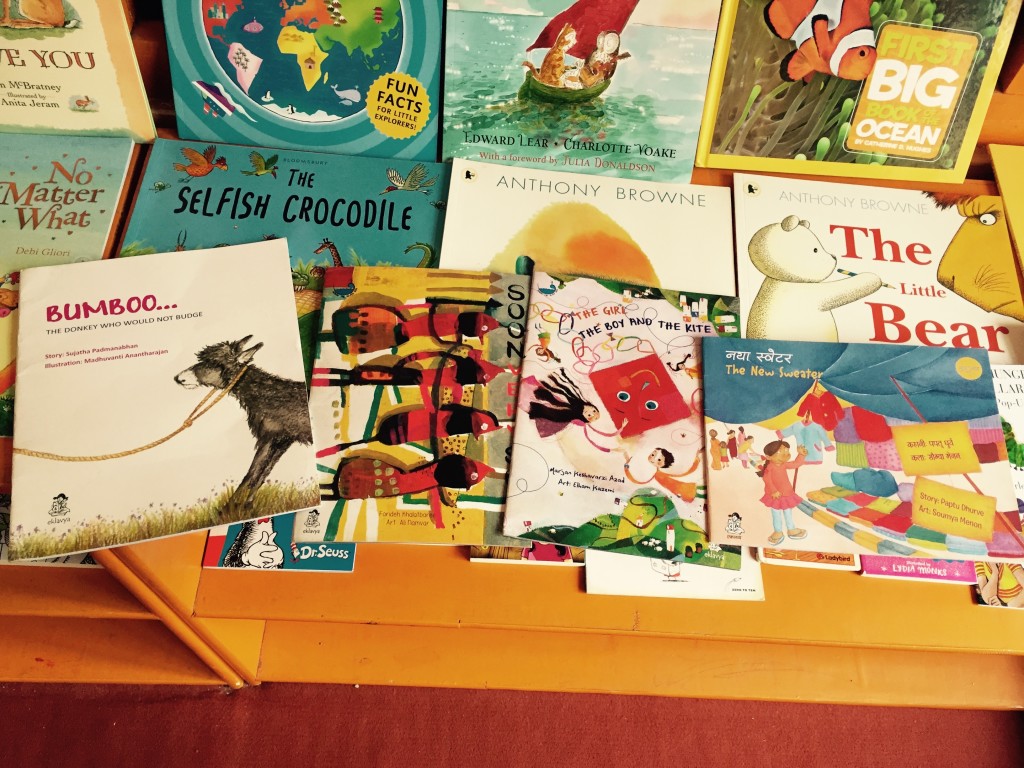
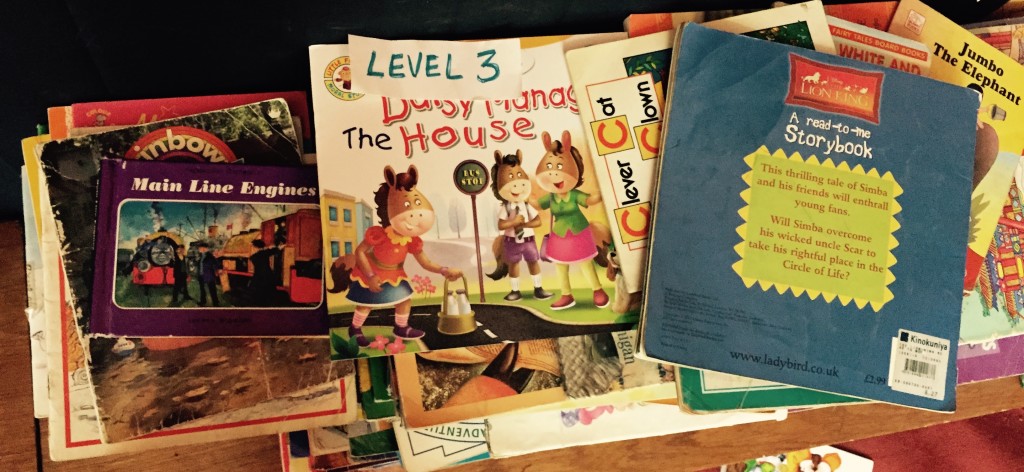
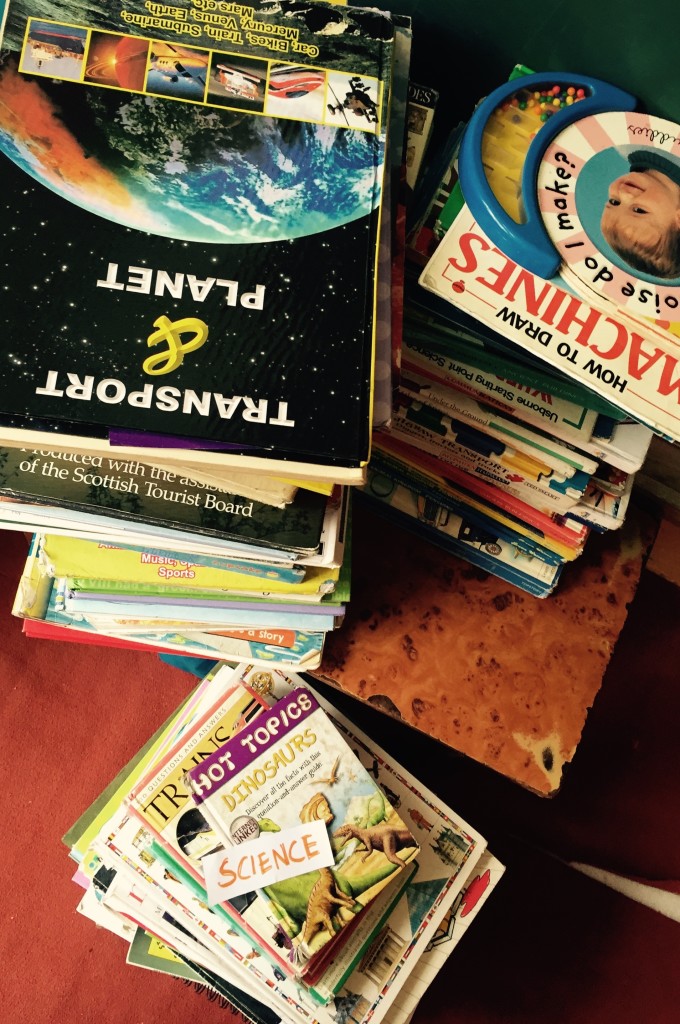
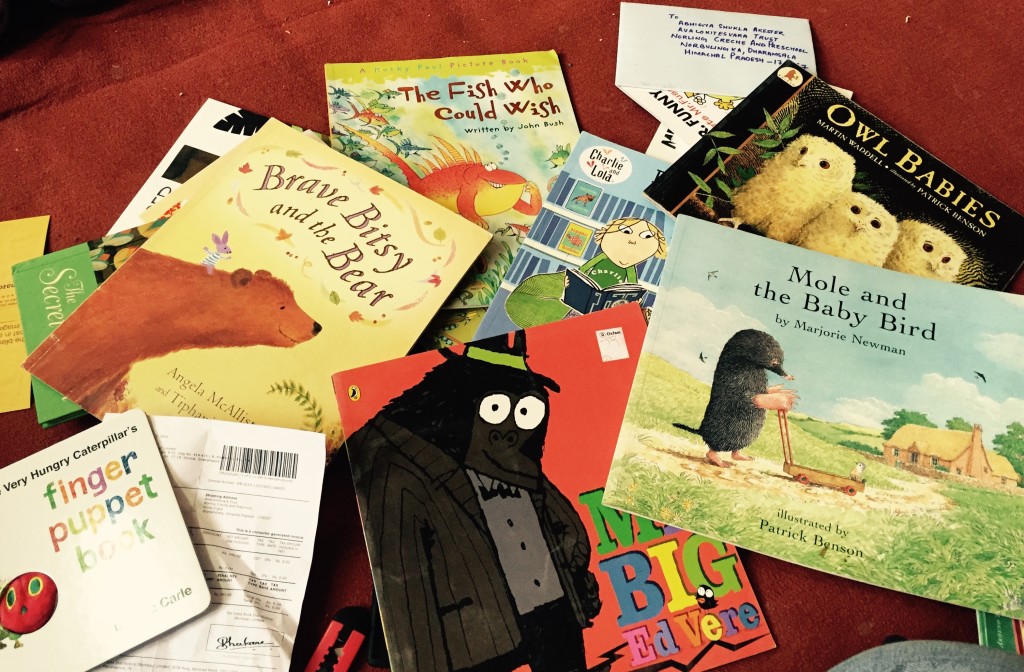
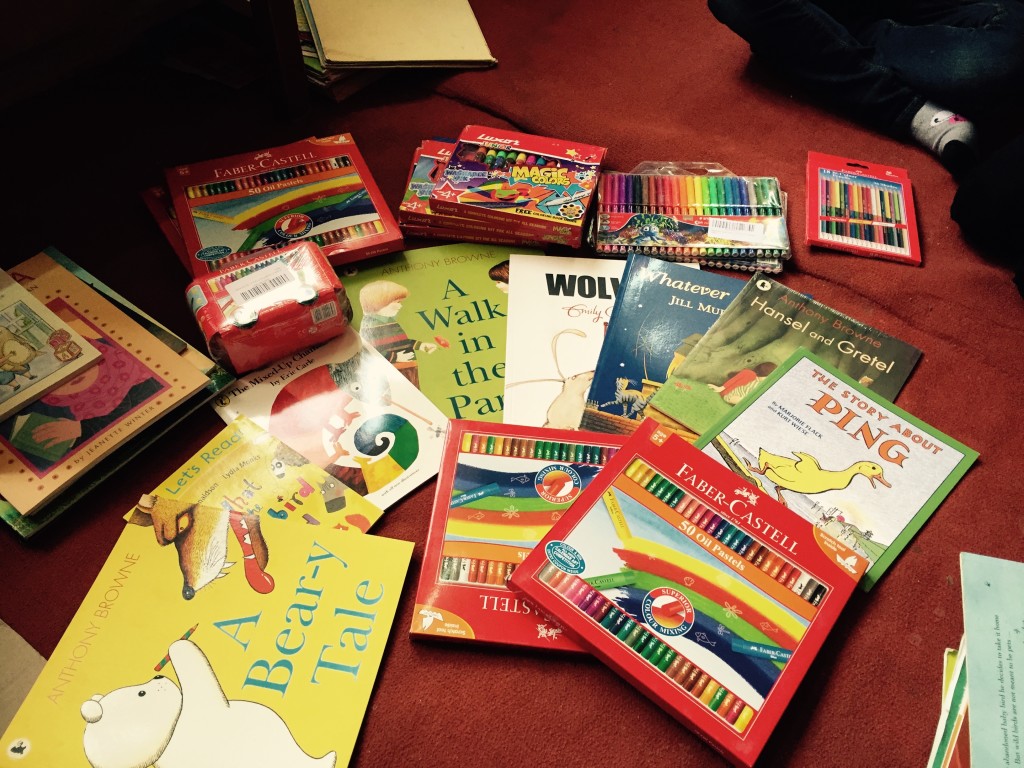
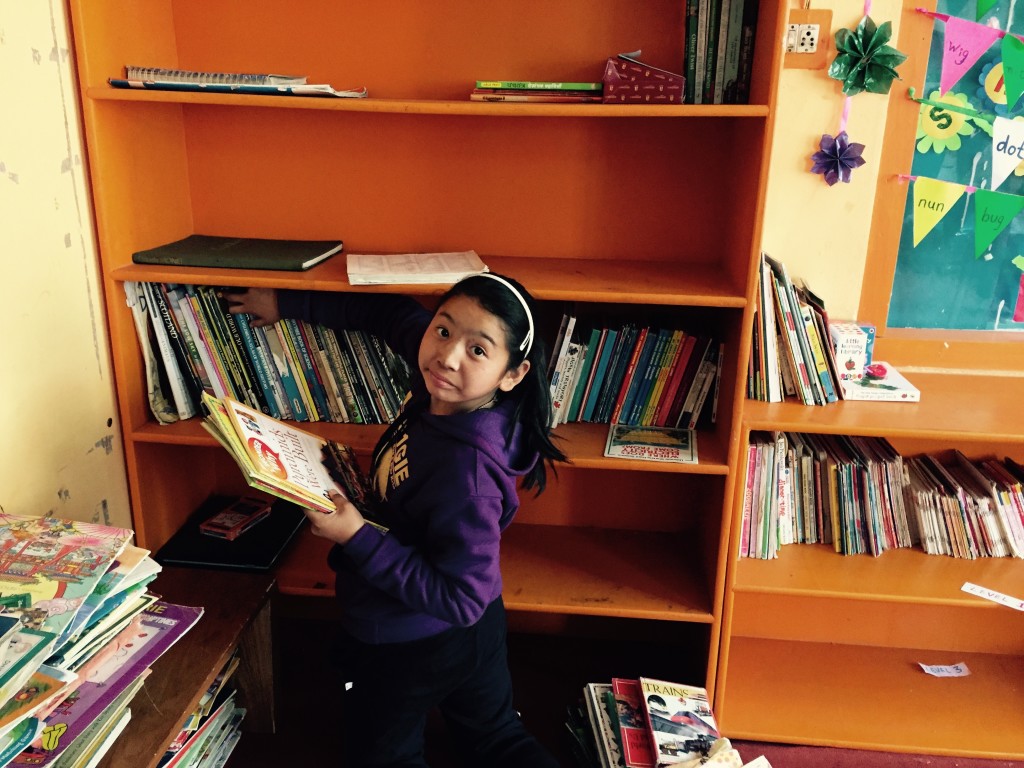
For Avalokiteśvara Trust, this connection supports its wider focus on literacy and access to quality learning resources. Children who come to borrow books or join a book drive can also find an inviting reason to stay, experiment and share ideas. Artistic activities help make educational spaces feel active and welcoming.
The model is relevant to supporters in Australian cities such as Melbourne, Sydney, Brisbane and Perth. Many local libraries already combine books with maker sessions, craft tables and musical events. The Himalayan workshops apply the same broad principle in a different setting: learning becomes stronger when children can use their hands, voices and imaginations.
Building A Workshop With Respect
A successful activity depends on preparation, patience and cultural sensitivity. The musician must listen to local teachers, families and community leaders before deciding what materials, songs or teaching methods will work best. A workshop should add to existing knowledge rather than assume that outside expertise is the only source of creativity.
Photographs and stories also require care. Children deserve privacy, dignity and informed consent. Organisations sharing images with supporters in Australia need clear permission processes and responsible record keeping. Volunteers should understand that a child’s experience is not a promotional prop, and that respectful storytelling matters as much as the quality of the project.
Australian volunteers may also encounter practical compliance requirements before working directly with children. A Working With Children Check is administered by each state or territory, so expectations differ between New South Wales, Victoria, Queensland and other jurisdictions. Avalokiteśvara Trust can help prospective volunteers understand what screening, safeguarding and conduct standards apply to their role.
Ways Supporters Can Extend The Sound
Support does not have to mean sending expensive instruments. The most useful contribution may be funding transport, workshop facilitation, safe tools, books or the upkeep of a reading room. A donation can help create repeated sessions rather than a single event, giving children time to improve their skills and develop confidence.
Australian supporters can also consider how they source materials. Clean, undamaged containers collected through a school, neighbourhood group or community centre may be useful when local partners request them, although shipping bulky low-value items is rarely practical. In many cases, a financial contribution allows materials to be purchased locally and supports nearby suppliers.
For Australians deciding how to give, checking an organisation’s registration and donation information is sensible. The Australian Charities and Not-for-profits Commission maintains a public charity register, while tax-deductibility depends on an organisation’s specific status and the nature of the donation. Clear records and transparent updates help supporters understand how their contribution reaches children and educators.
Practical Ways To Support Creative Learning
- Sponsor a set of supervised music and making sessions.
- Fund books, storage and durable furniture for a community reading room.
- Support local purchase of safe craft materials and basic musical supplies.
- Share a children’s literacy or arts fundraiser through a school, library or workplace.
- Volunteer skills in administration, photography, translation or event coordination.
- Give through established channels and keep donation records for personal accounting.
The tin-can workshop offers a useful reminder that creativity does not begin with abundance. It begins with attention: listening to a child’s rhythm, noticing the sound of a stretched string and making room for an idea to develop. In Himalayan communities supported by Avalokiteśvara Trust, simple materials become instruments, instruments become shared music, and shared music helps children recognise their own capacity to create.