Choosing Books For Monks And Lay Children In Himalayan Communities
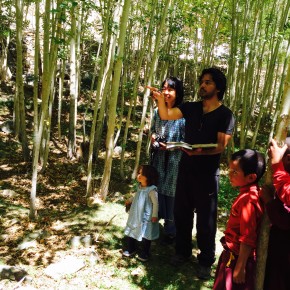
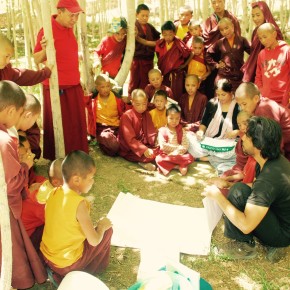
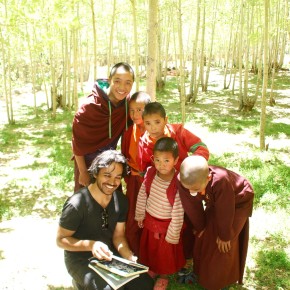
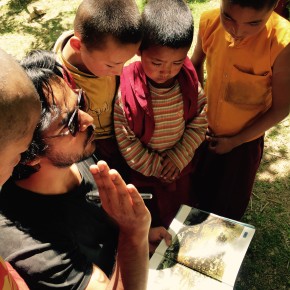
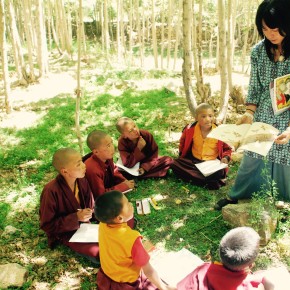
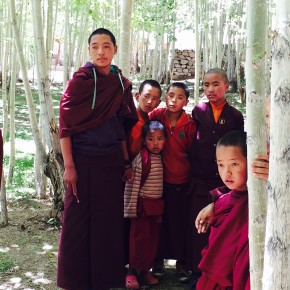
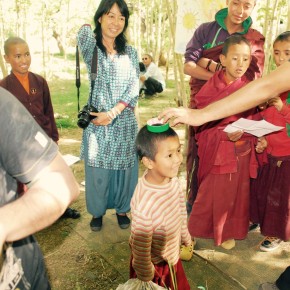
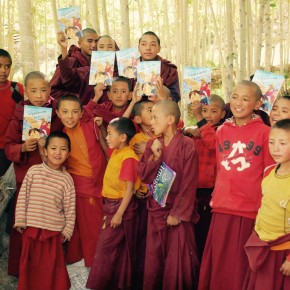
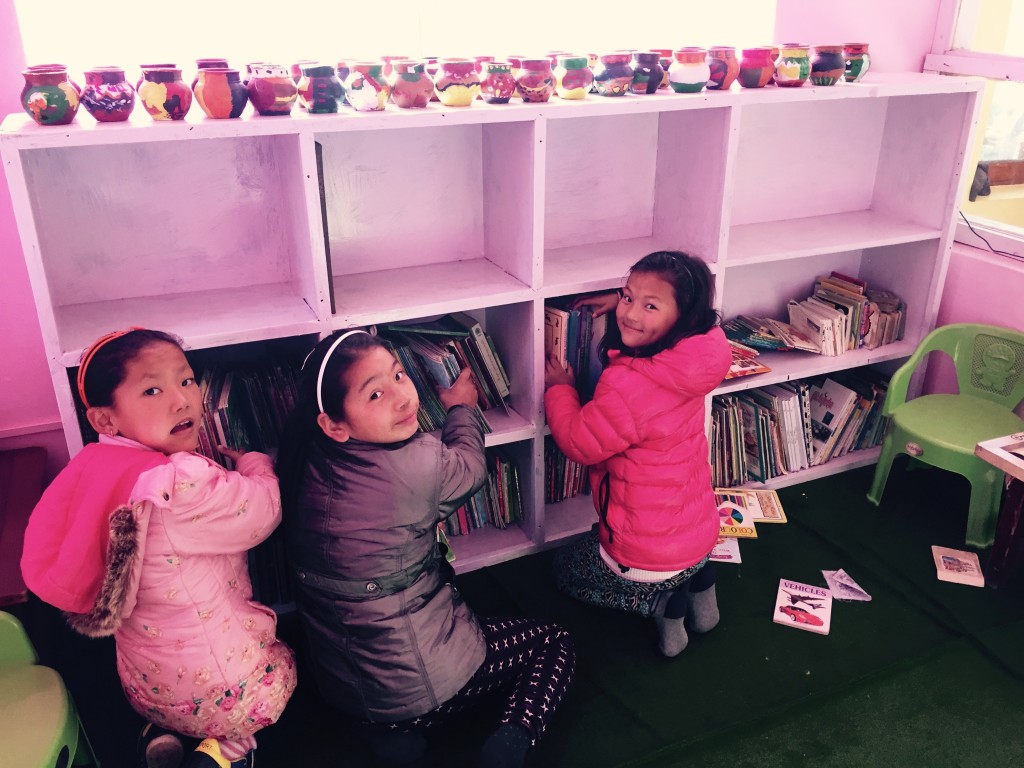
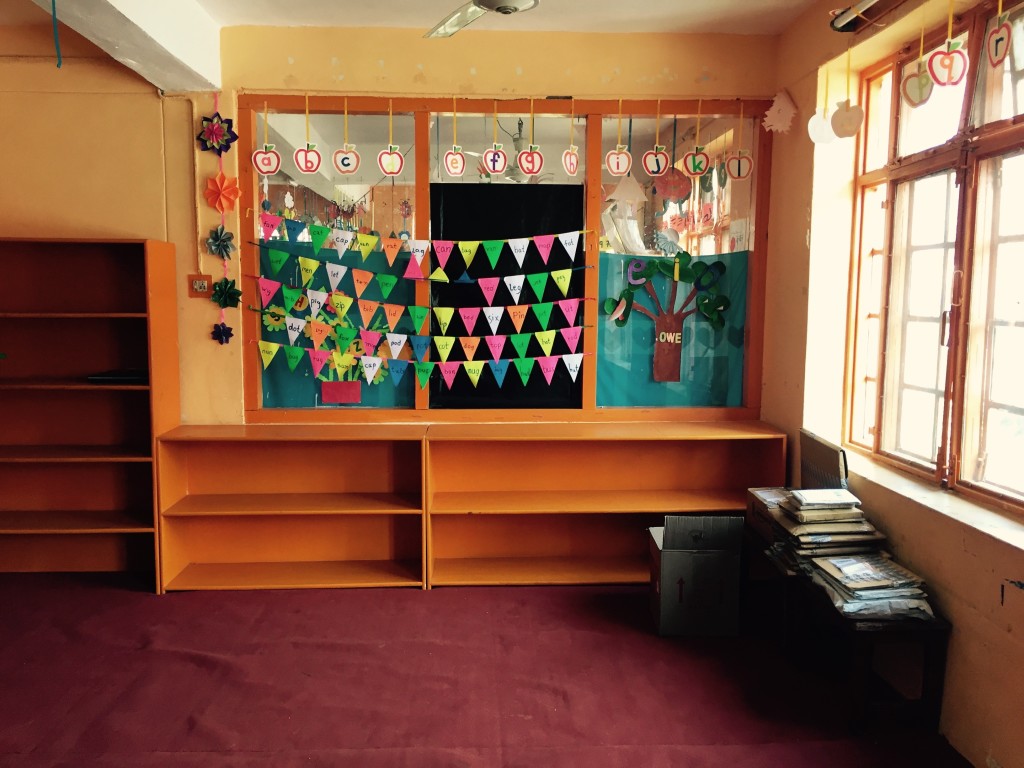
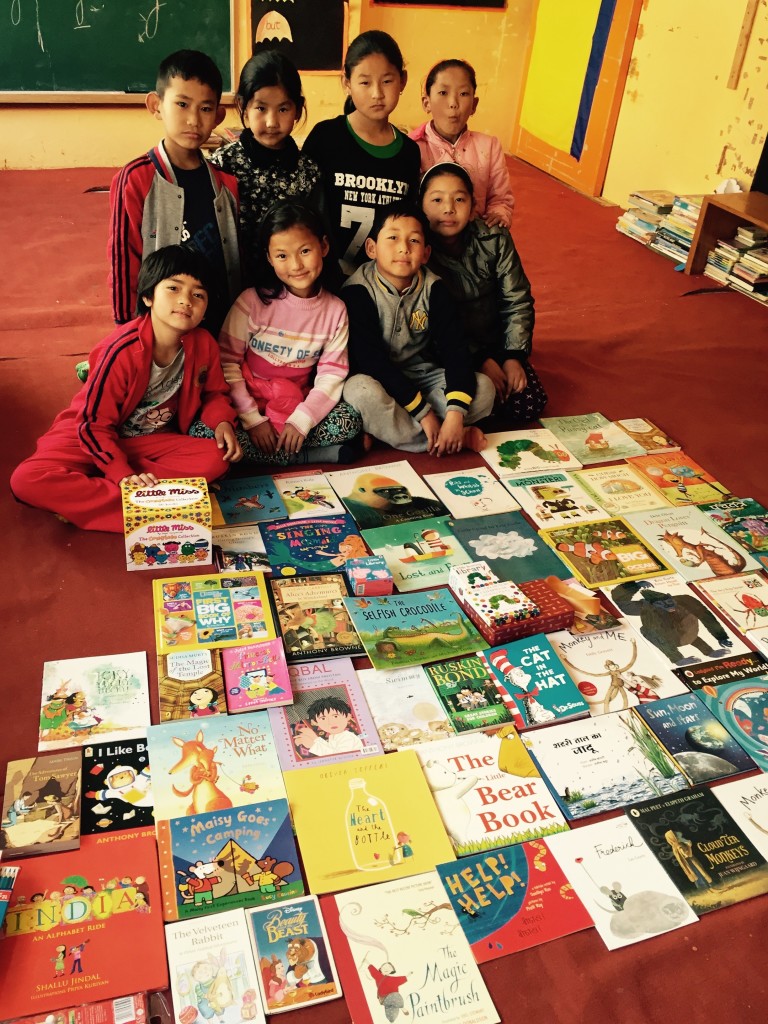
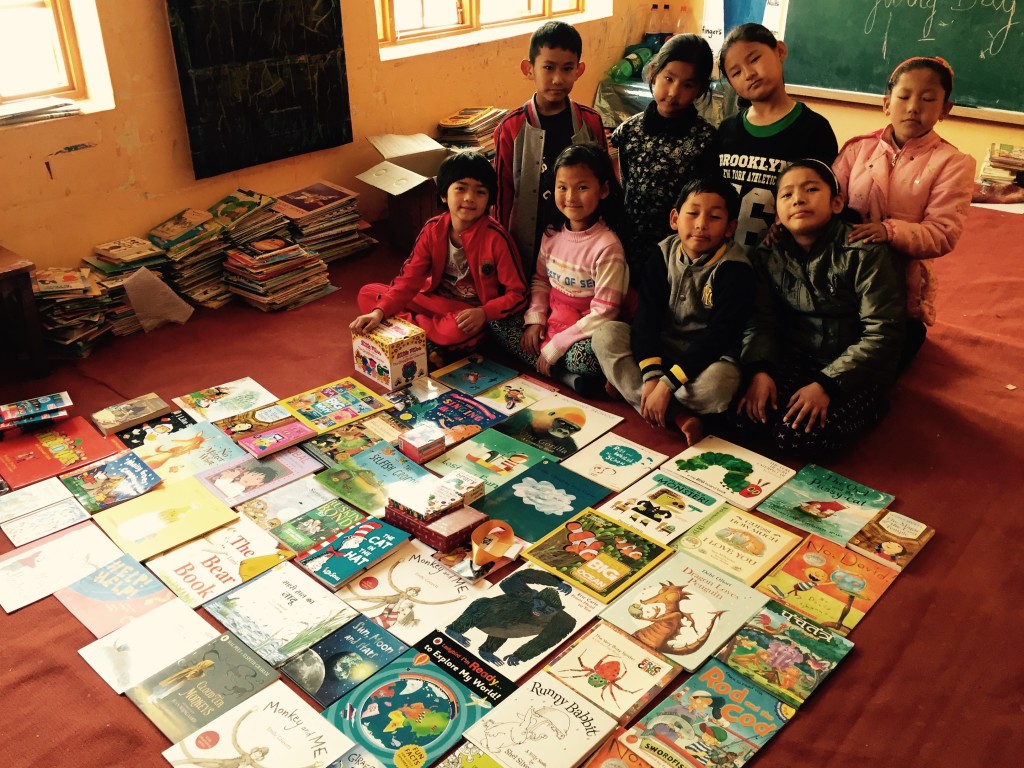
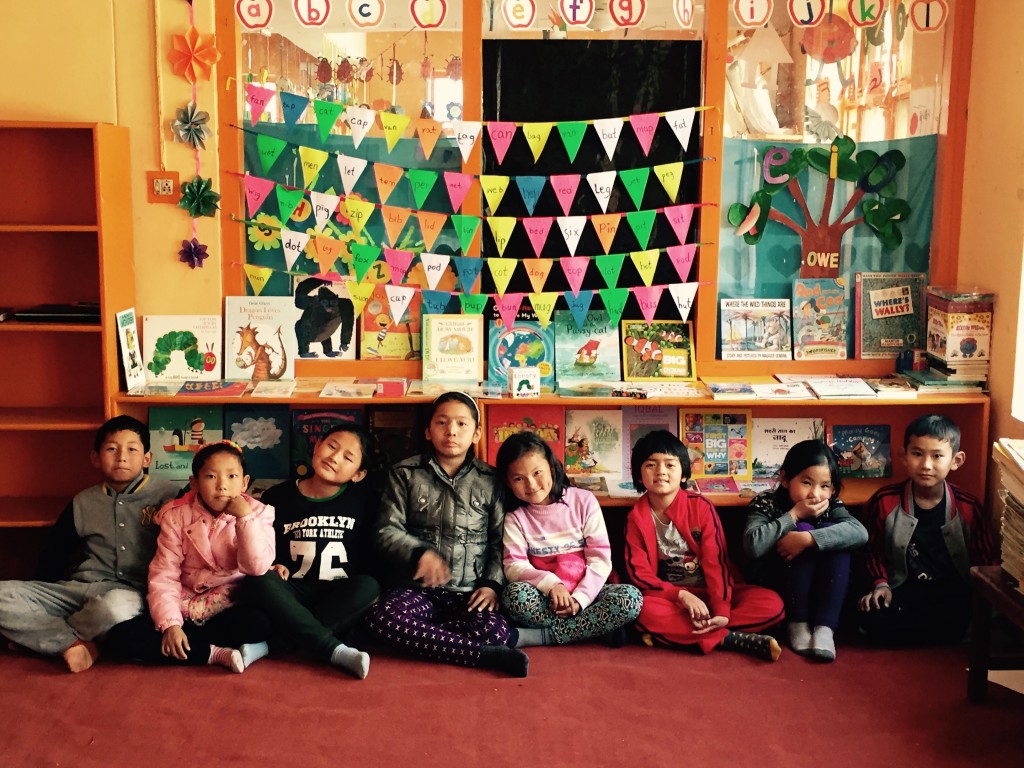
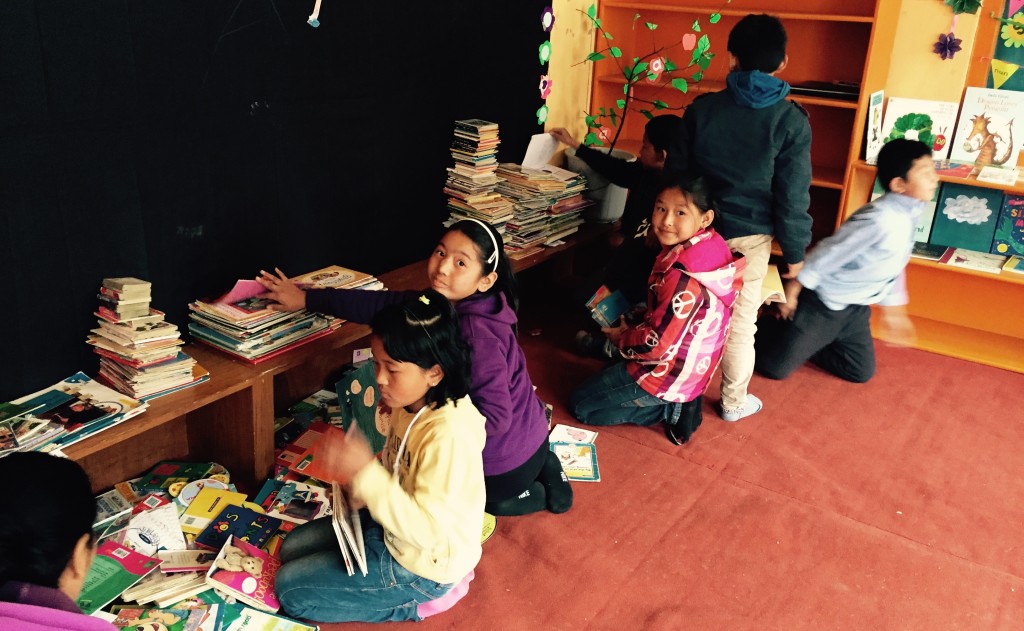
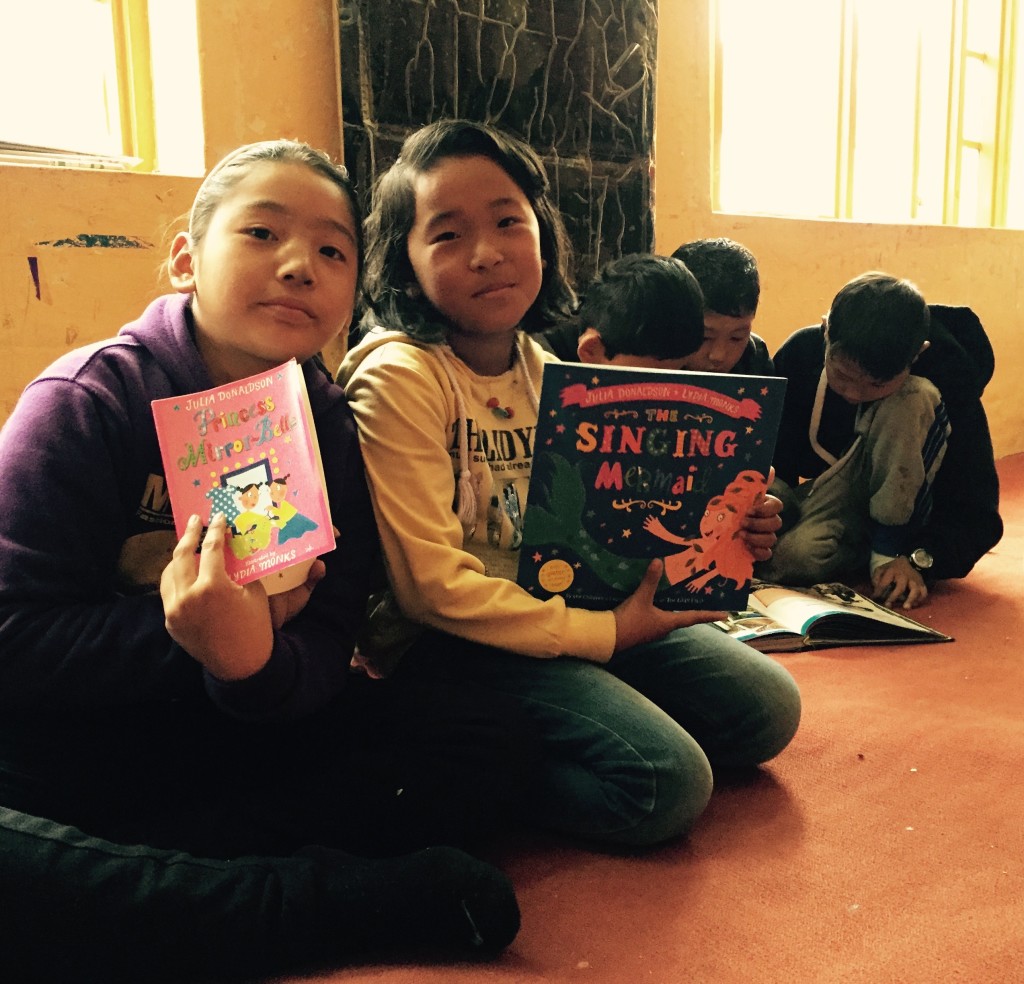
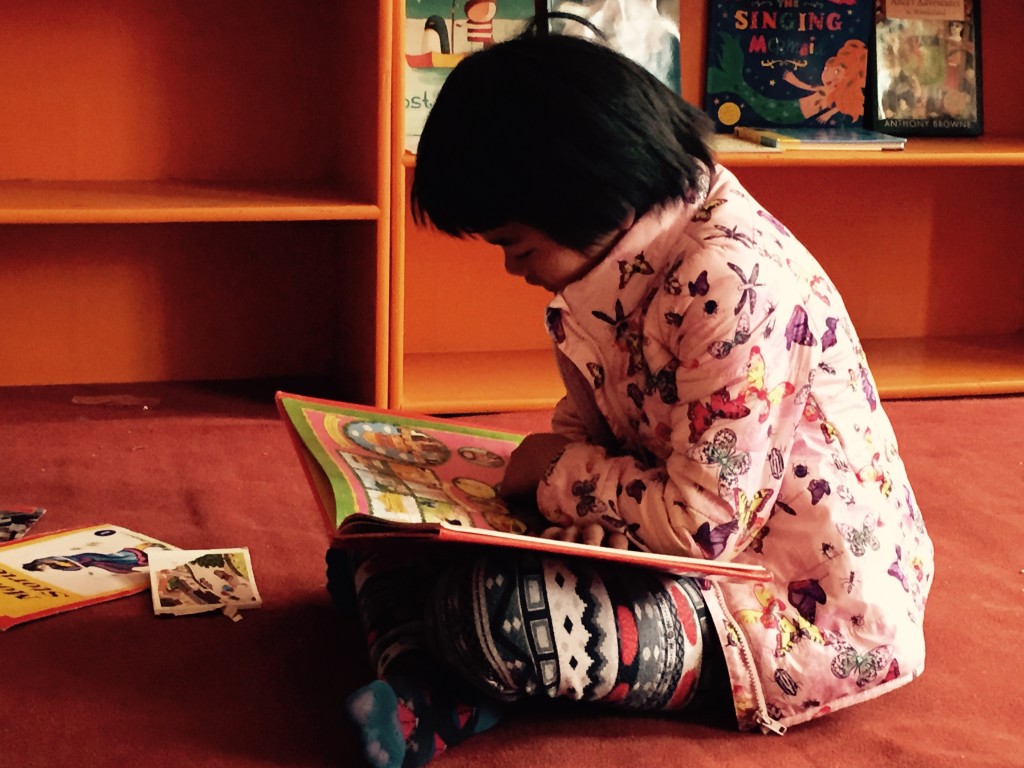
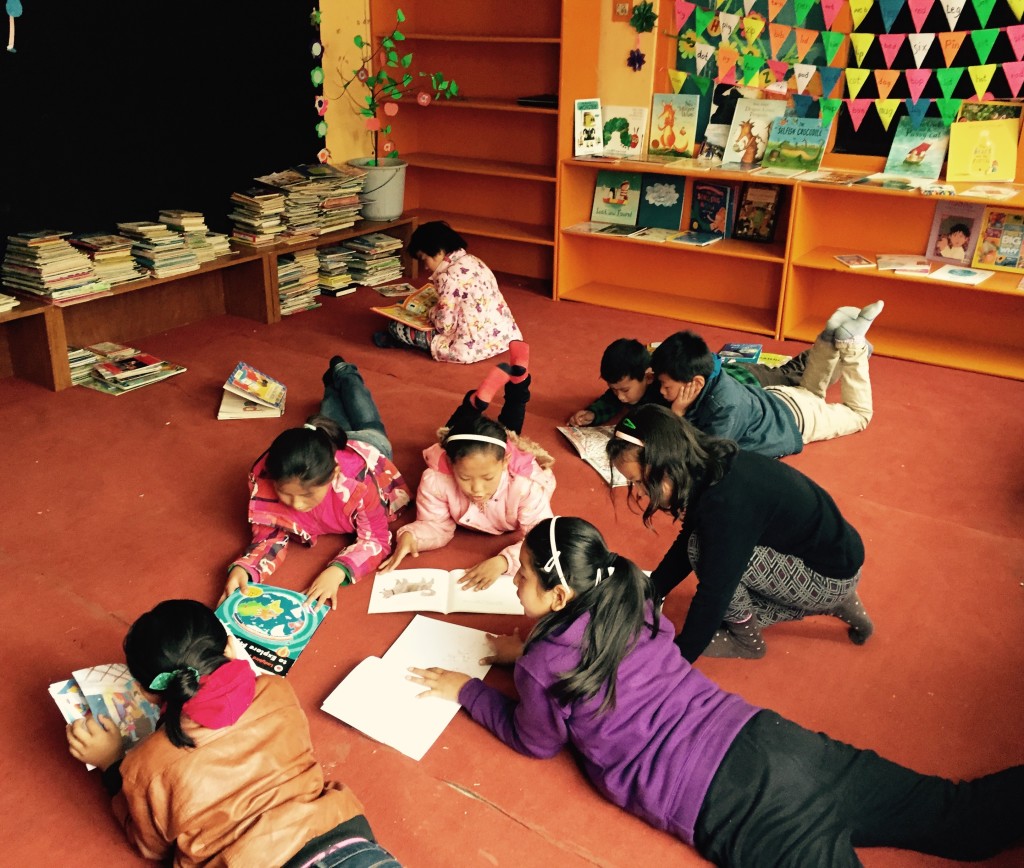
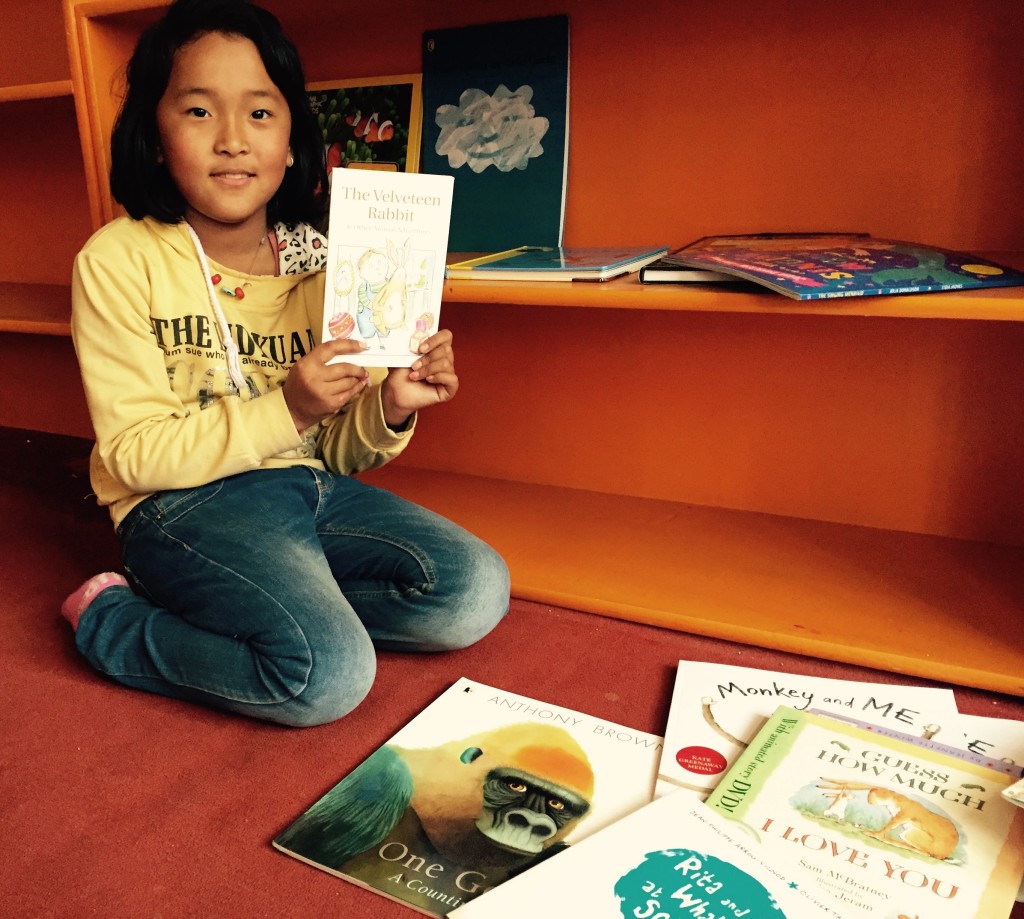
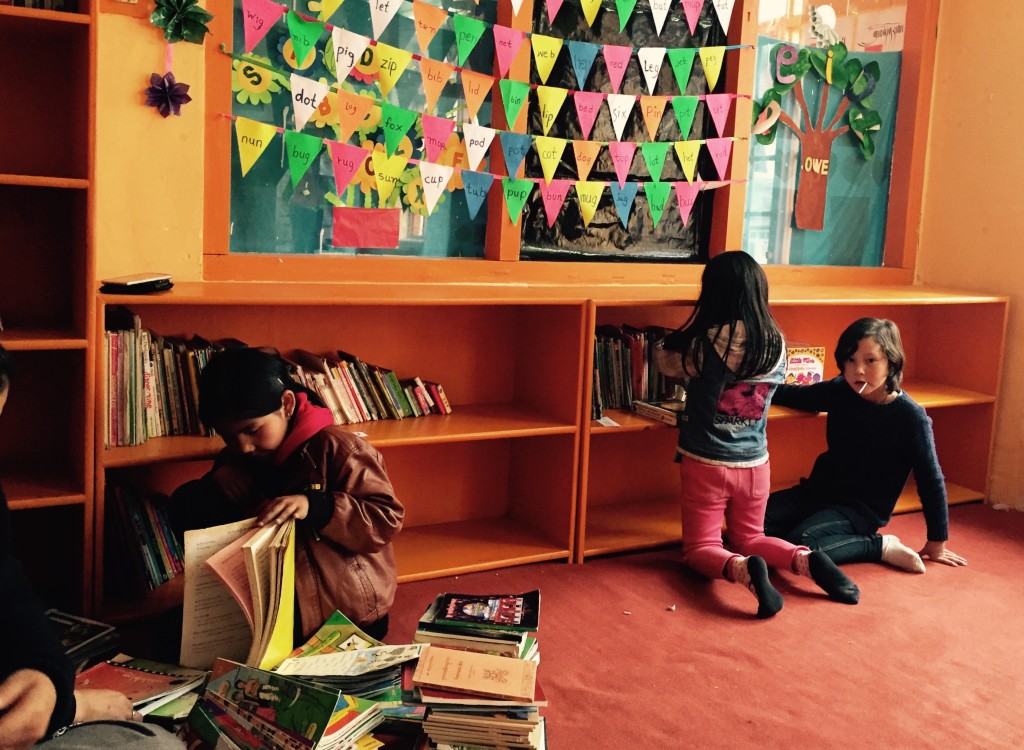
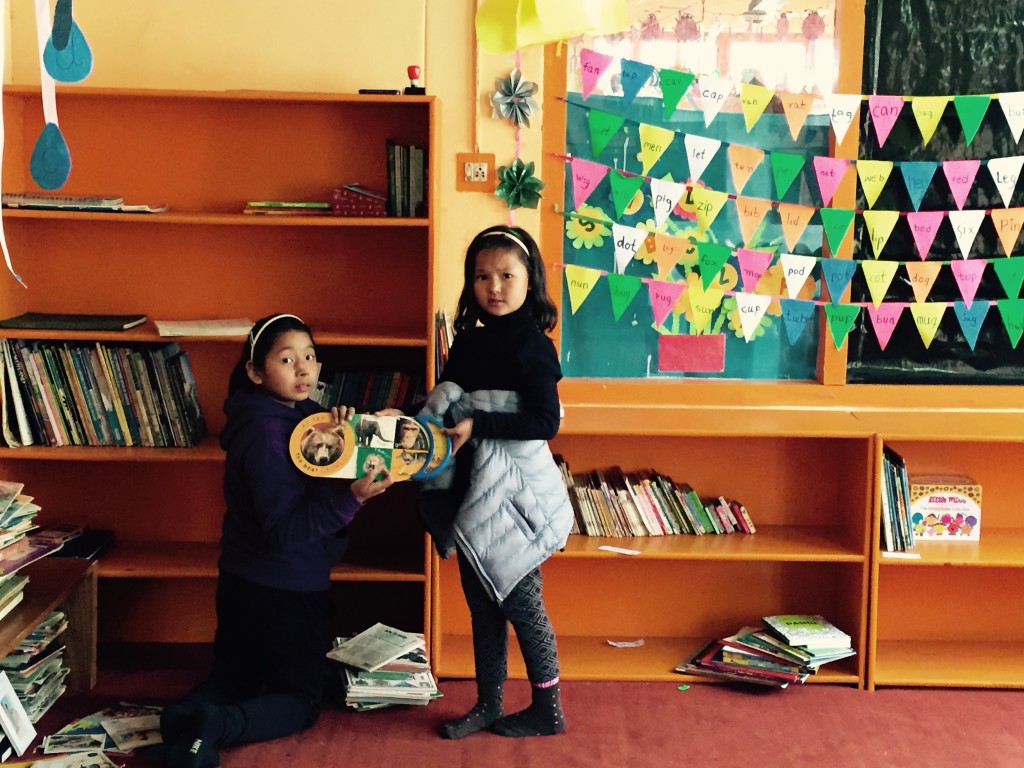
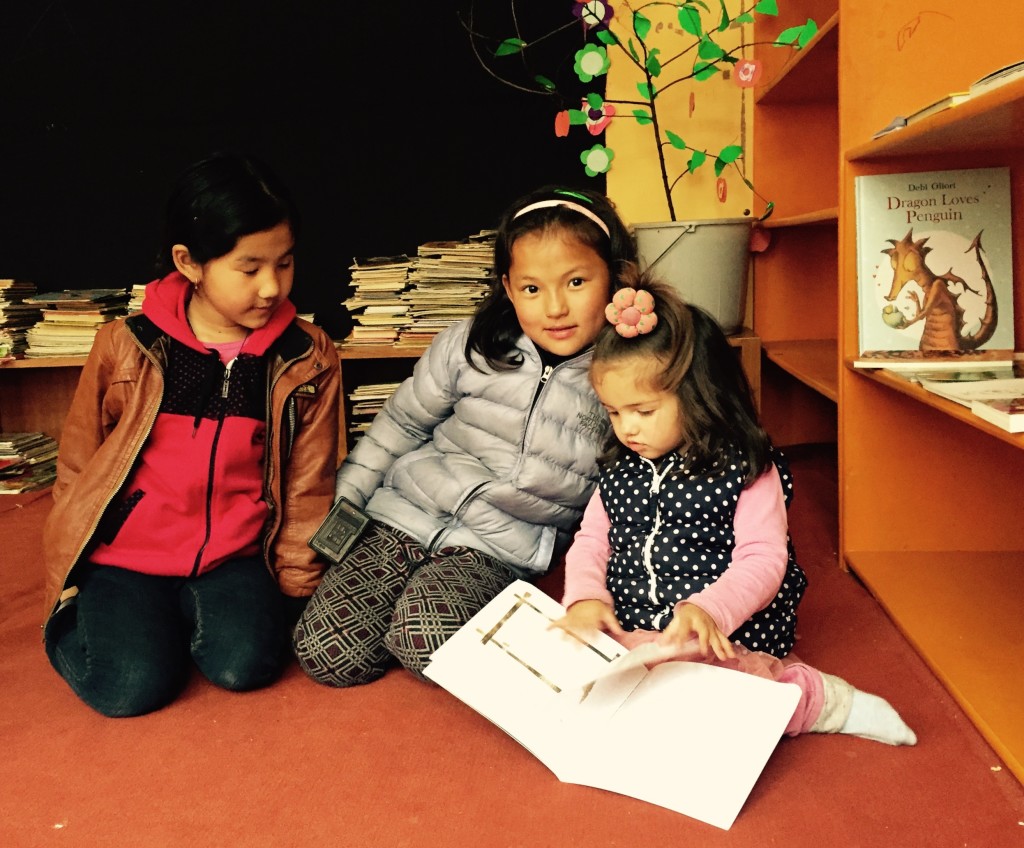
A shared reading room in Ladakh may welcome young monks in robes, village children arriving after school, and younger siblings who are still learning the alphabet. Their interests can overlap, yet their reading experiences, daily routines, languages, and expectations may differ widely. Choosing a useful collection requires more than ordering attractive titles in large quantities.
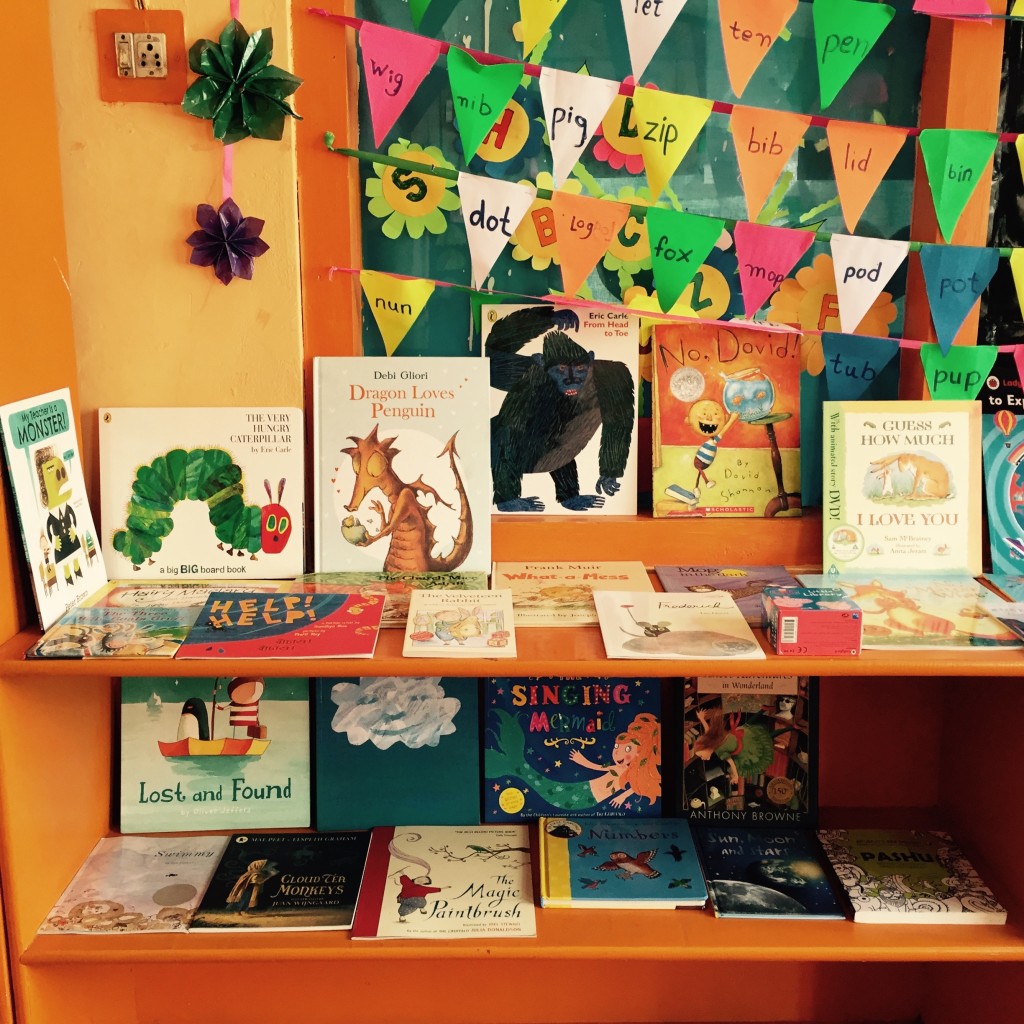
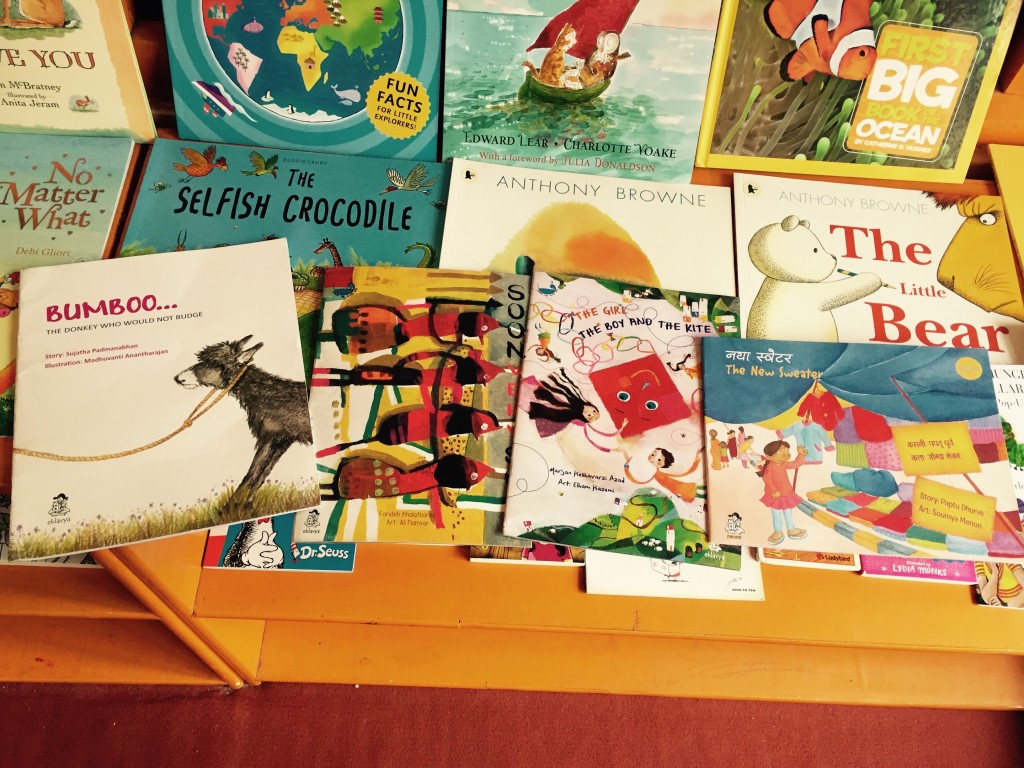
The strongest libraries combine story, knowledge, art, humour, and quiet reflection. A picture book can give children a reason to gather around a table, while a biography, folk tale, or illustrated science book may encourage an older novice to read independently. Books should feel relevant to Himalayan life without limiting children to stories only about their immediate surroundings.
Australian supporters also need to think about distance and supply. A donation collected in Melbourne or Brisbane may travel through several warehouses before reaching a remote community, and unsuitable books can cost almost as much to transport as suitable ones. Careful selection reduces waste, protects shelf space, and makes each book drive more valuable.
The logistics of choosing books that appeal to both monks and lay children therefore involve cultural understanding, practical testing, and a flexible purchasing system. The aim is a collection that serves different ages and reading levels while preserving the pleasure of discovery.
| Collection need |
Suitable choices |
Logistics to check |
| Early readers |
Wordless picture books, phonics readers, short illustrated stories |
Clear images, durable pages, simple vocabulary |
| Shared group reading |
Folktales, animal stories, poetry, illustrated history |
Large print, visual appeal, read-aloud rhythm |
| Older children and young monks |
Biographies, science, geography, ethics, novels |
Reliable information, suitable length, respectful themes |
| Creative activities |
Drawing, music, craft, theatre, writing books |
Practical instructions, reusable ideas, local materials |
| Quiet reflection |
Nature writing, contemplative stories, journals |
Calm tone, age suitability, room for interpretation |
Reading Across Ages And Abilities
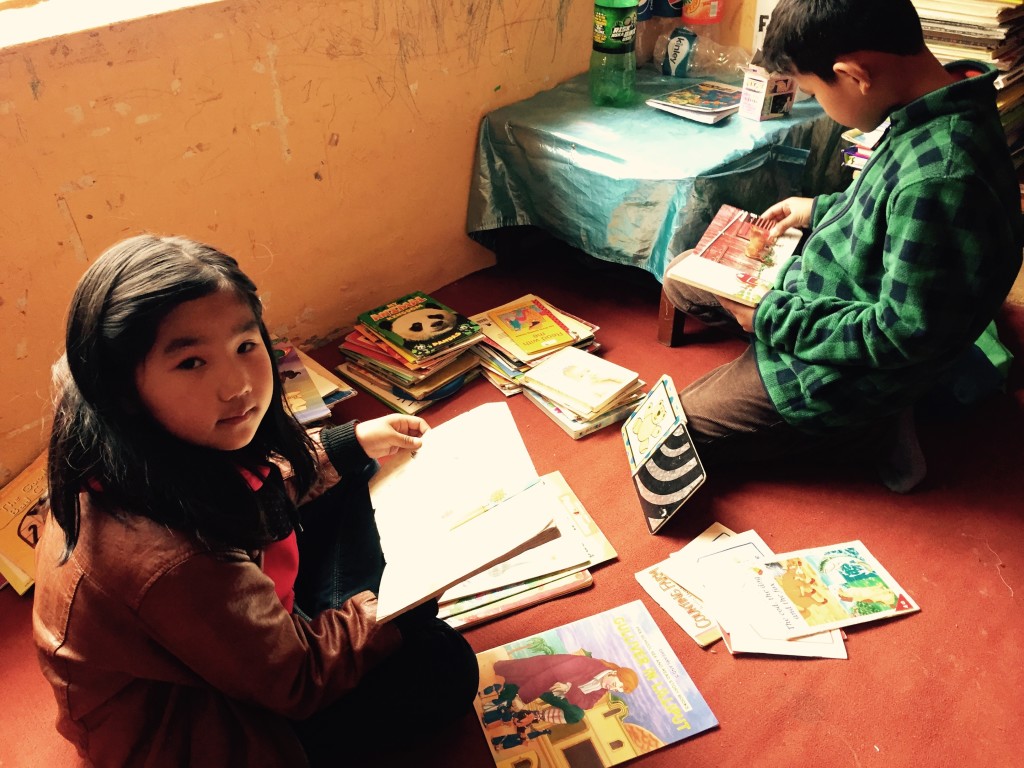
A reading room should offer several entry points rather than a single standard of difficulty. Children who are beginning readers may choose a book because of its pictures, while an older student may be drawn to a detailed map or a chapter about astronomy. Books with visual sequencing, repeated phrases, and short sections allow mixed-age groups to participate together.
Young monks may appreciate books about compassion, responsibility, meditation, monasteries, and the natural world. These themes should be presented through varied formats rather than didactic lessons alone. A story about caring for an injured bird, a biography of a scientist, or a graphic account of a mountain expedition can invite ethical thought without making every page instructional.
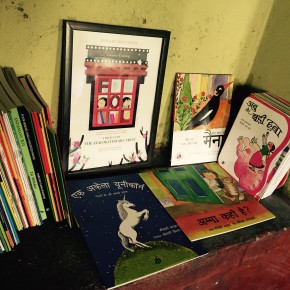
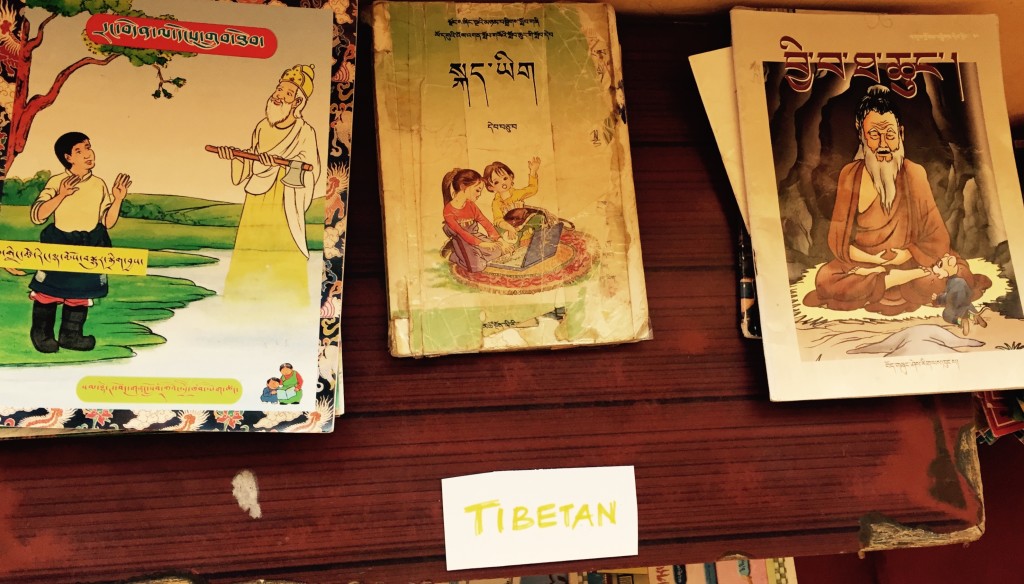
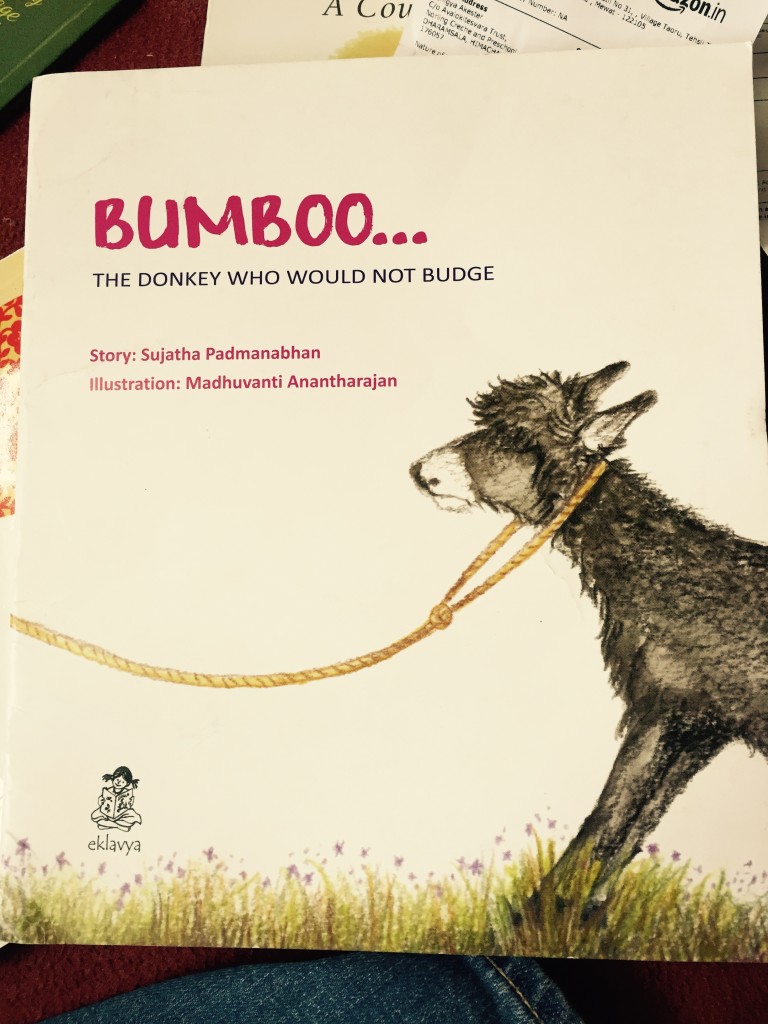
Language is a central consideration. English-language books can support language learning for children in Ladakh, but they should be balanced with materials in local languages and familiar cultural contexts. A small number of bilingual books, picture dictionaries, labelled maps, and illustrated glossaries can help readers move between languages with confidence.
Selecting Stories With Cultural Care
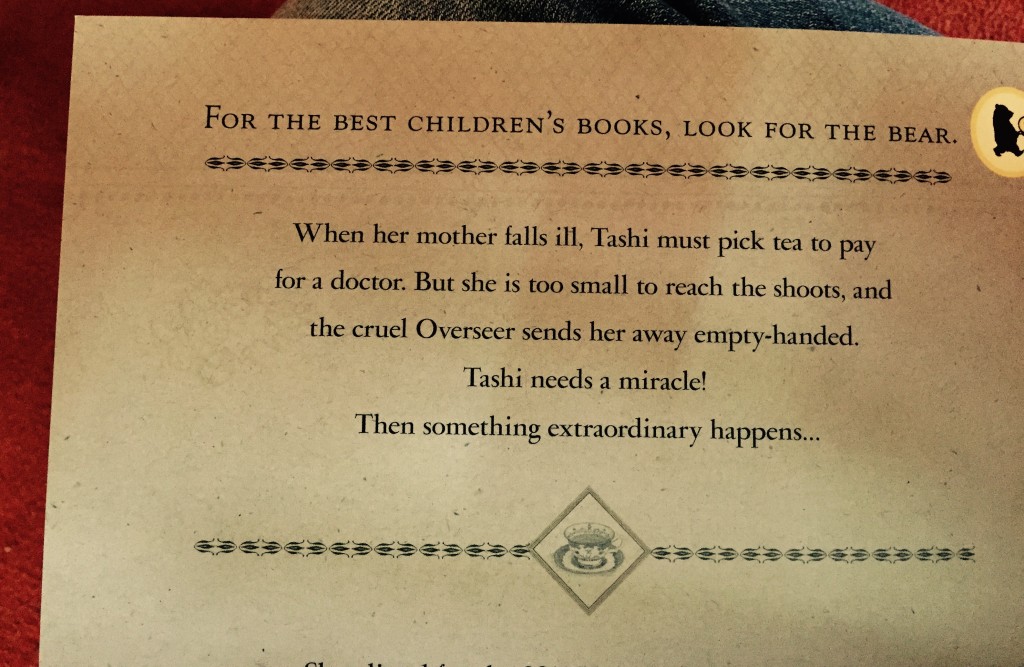
Books from Australia, India, Nepal, Tibet, and other regions can broaden a child’s view of the world. However, stories should be checked for stereotypes, exoticised portrayals, casual references to poverty, or illustrations that treat religious life as a curiosity. A book may be beautifully produced and still be unsuitable for a community’s reading room.
Local educators, monastery staff, and families are best placed to identify content that will be welcomed. Their advice can shape choices about festivals, clothing, family structures, sacred imagery, gender roles, and animals. It is useful to include familiar folktales alongside international stories so children recognise their own heritage while encountering unfamiliar voices.
Humour needs similar care. Physical comedy and playful animal stories often travel well, but jokes based on accents, disability, religion, caste, or economic status can exclude readers. Reviewers should consider whether a child can enjoy a story without needing background knowledge that the collection does not provide.
Designing A Collection For Shared Use
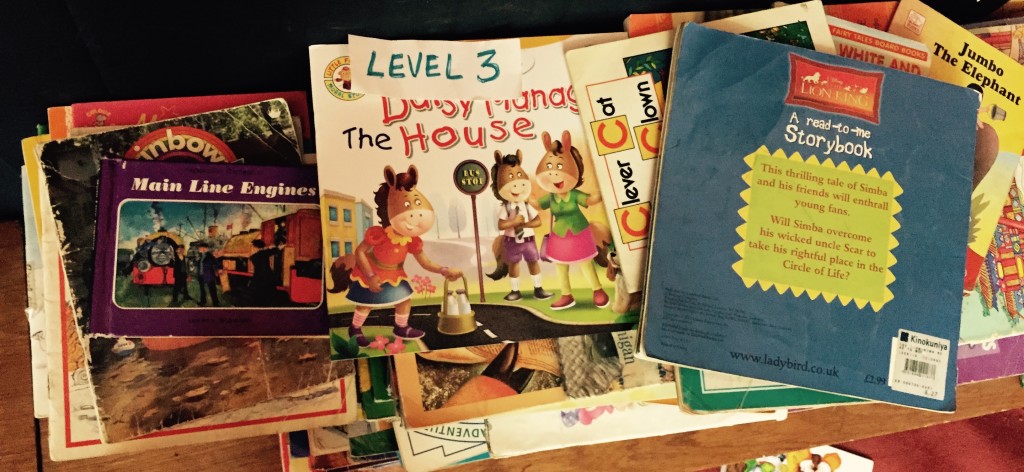
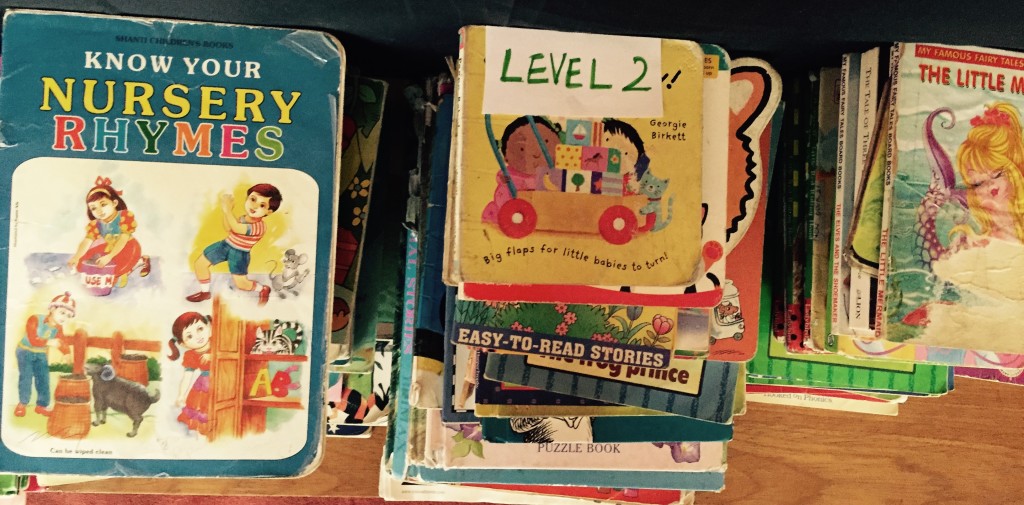
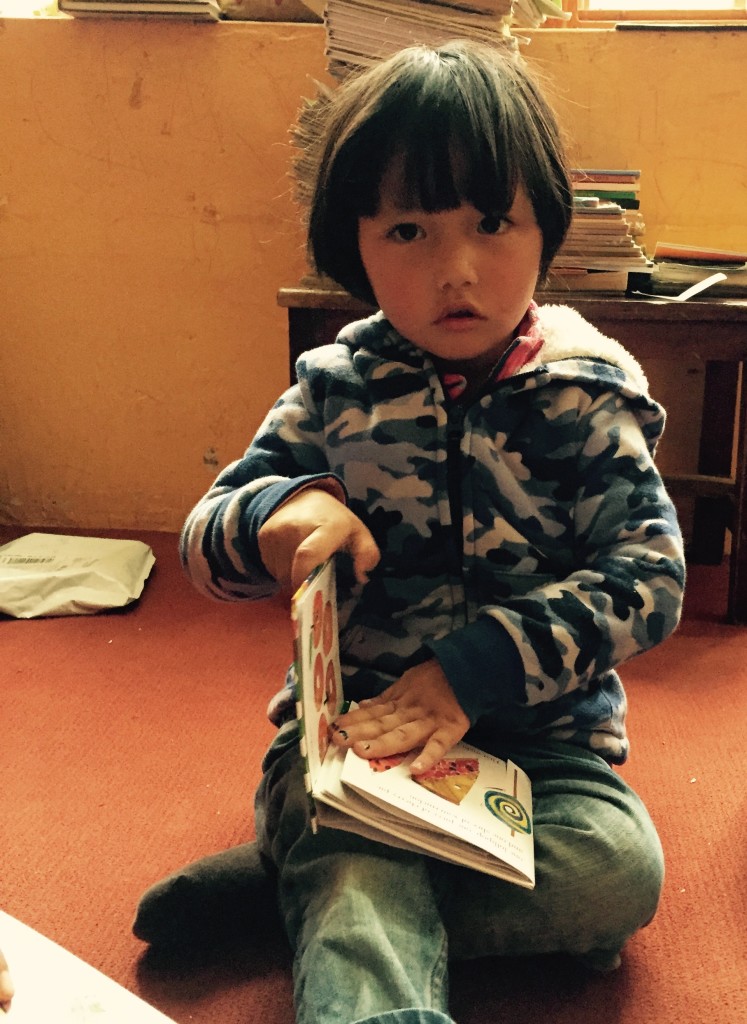
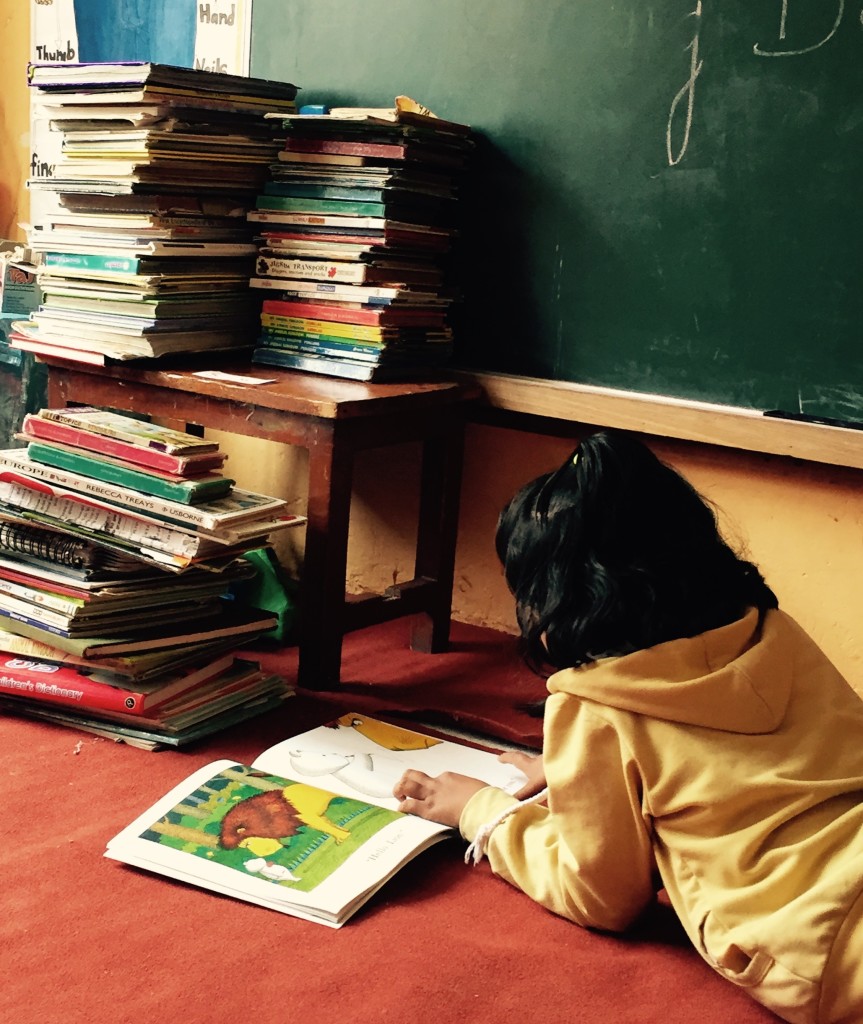
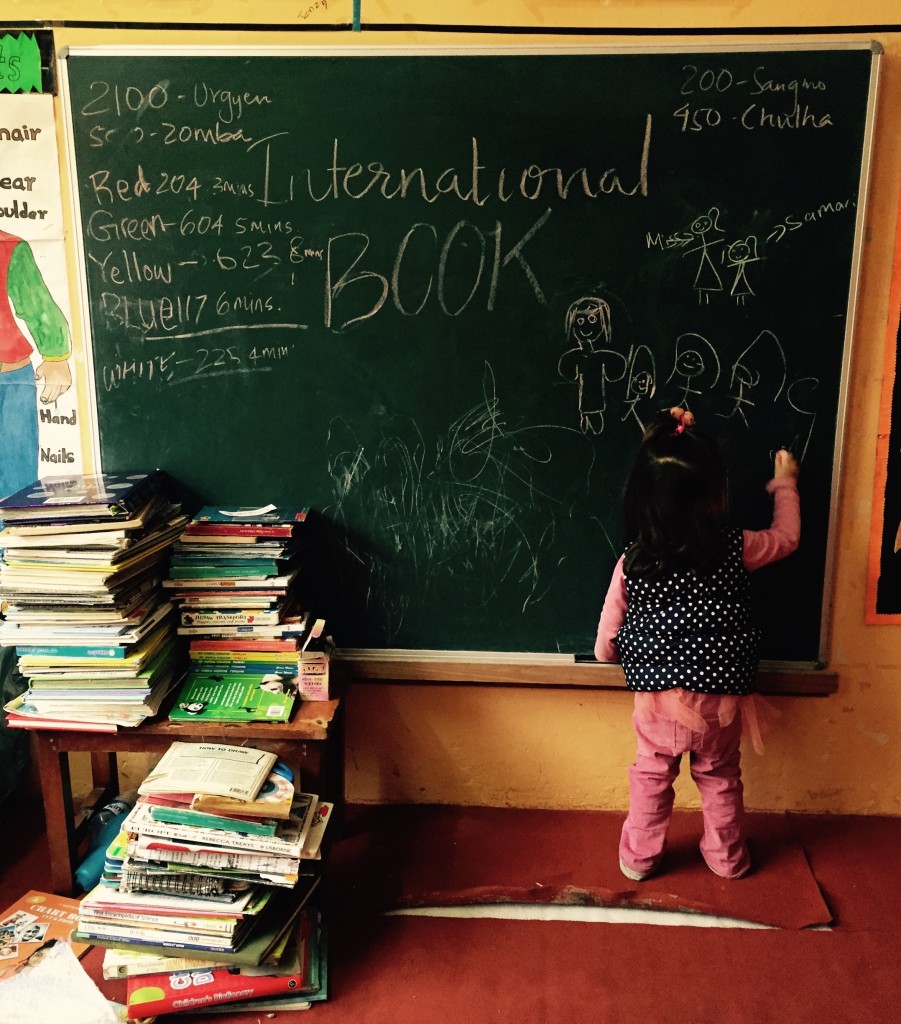
Durability is part of educational value. In a busy reading room, a paperback with thin pages may deteriorate quickly, especially where dust, dry air, and limited storage are factors. Board books, sewn bindings, wipe-clean covers, and reinforced library editions can justify a higher initial cost when replacement freight is expensive.
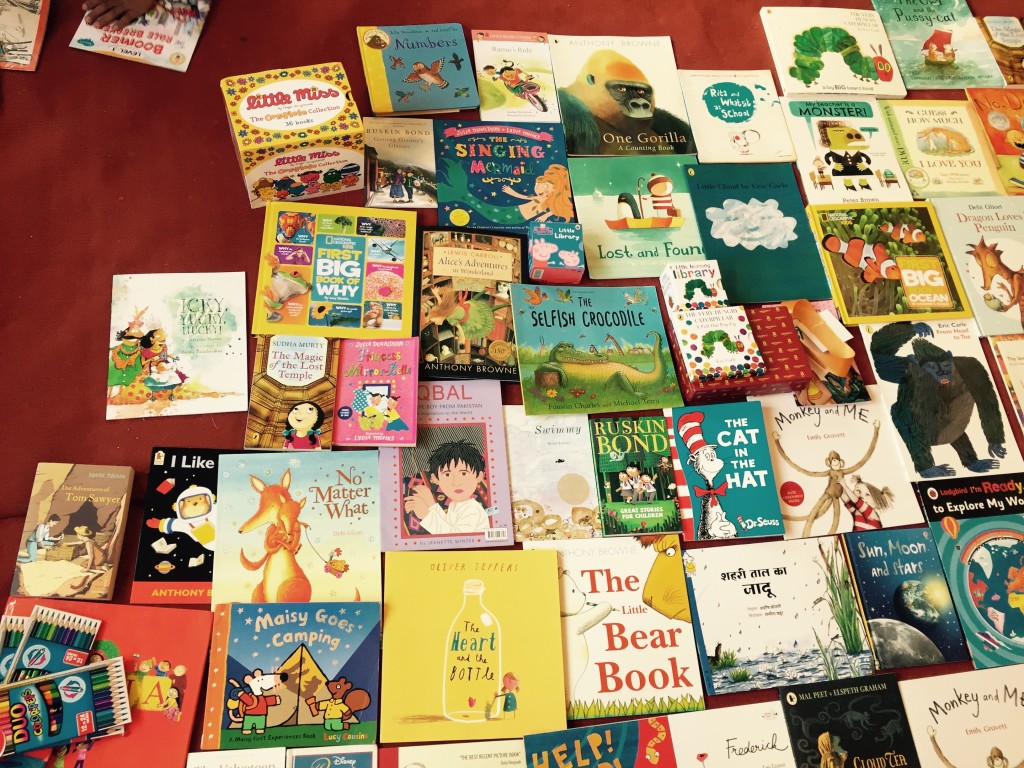
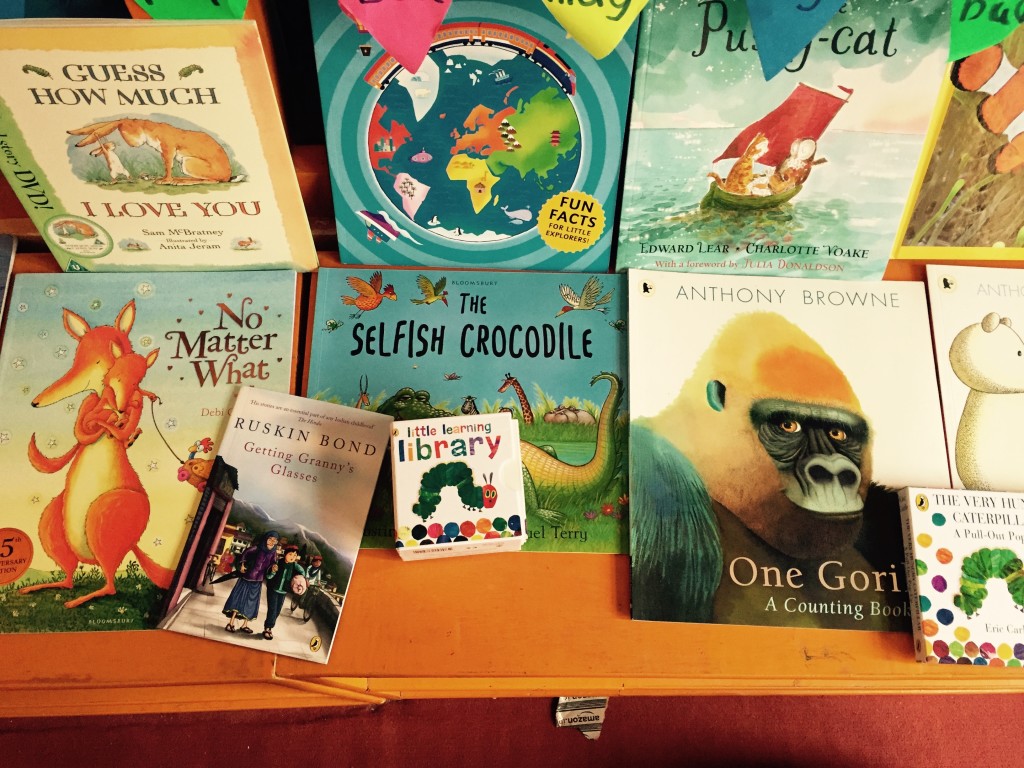
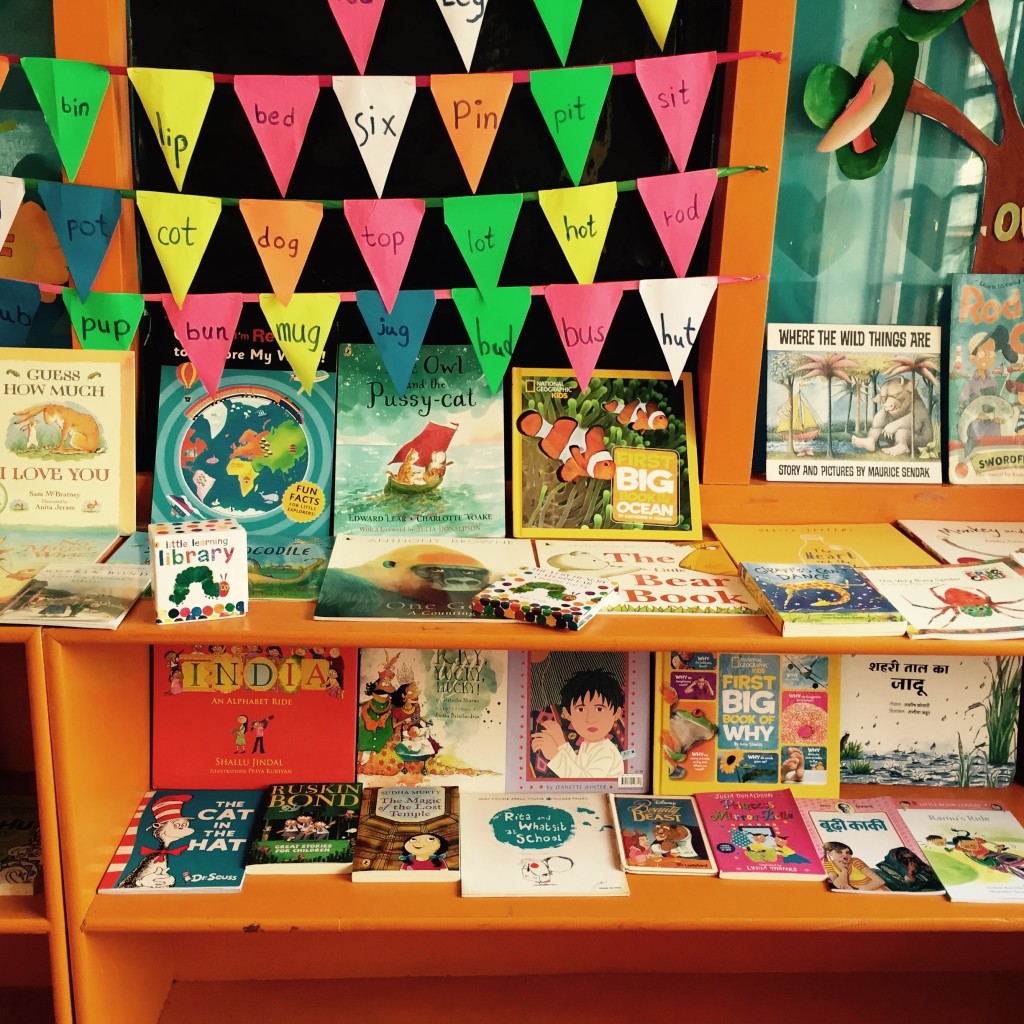
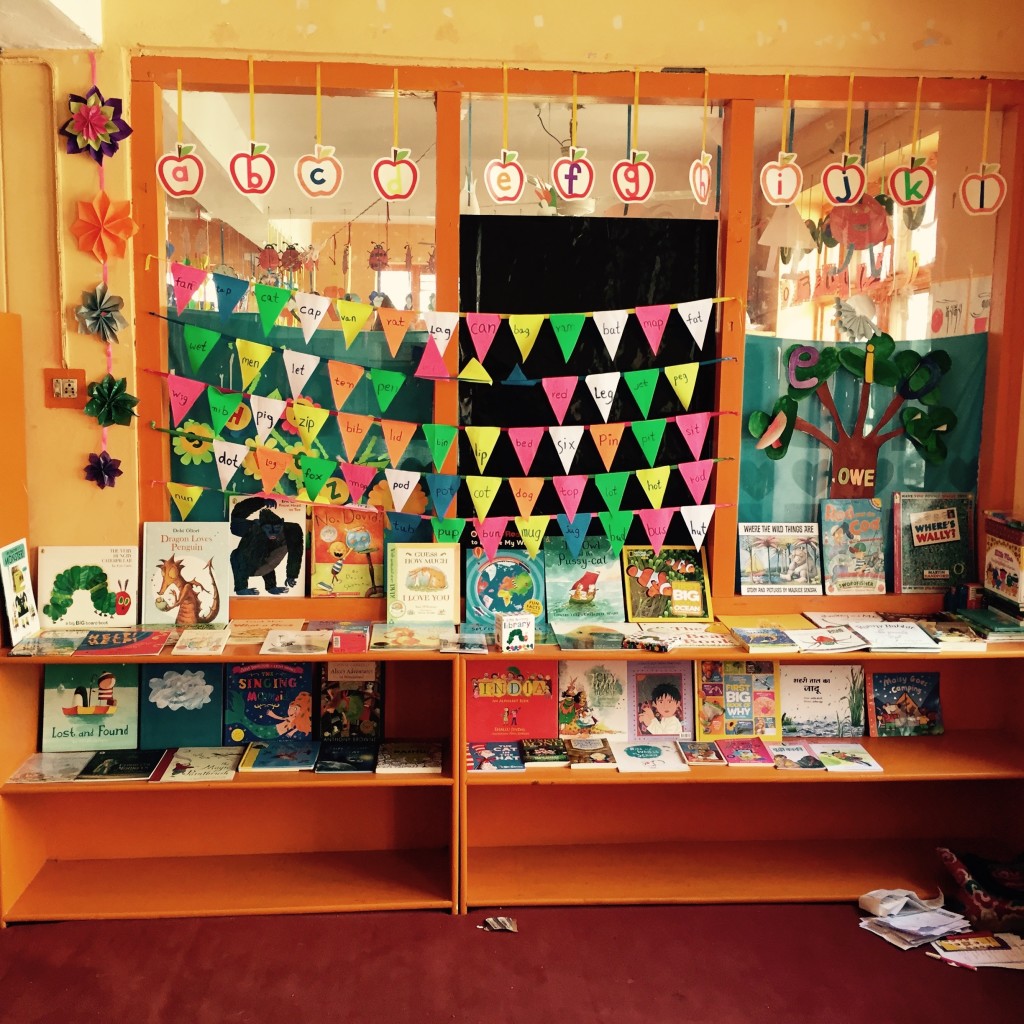
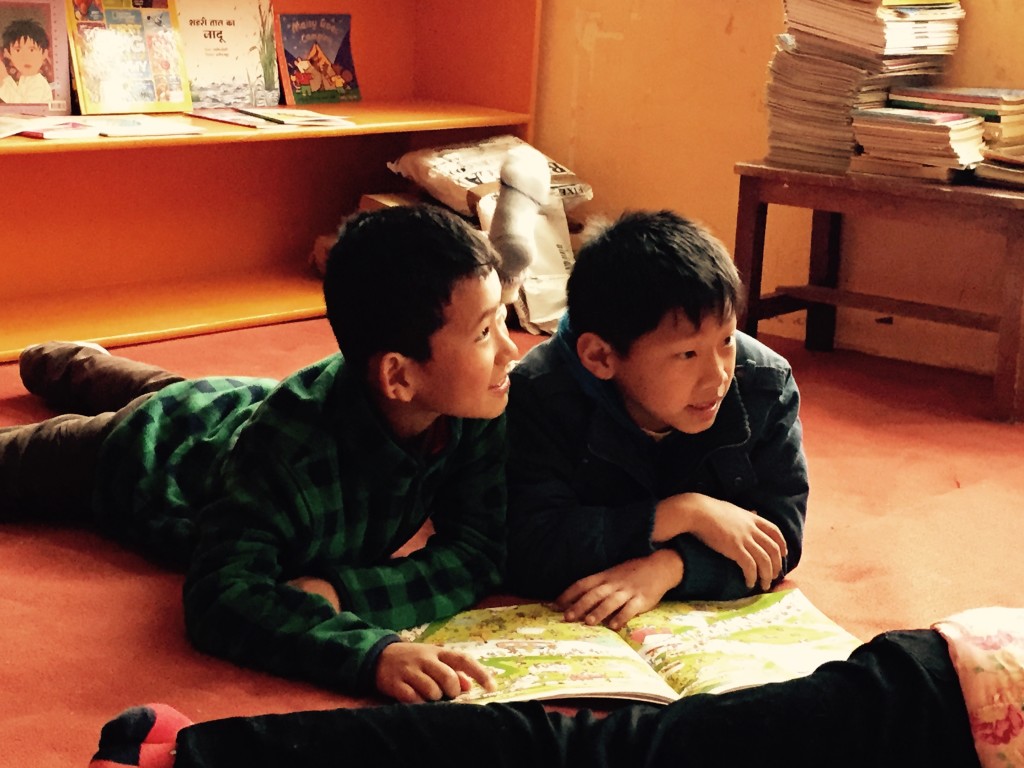
Format also affects participation. Large illustrations support group reading, while short chapters allow children to pause when lessons or chores begin. Graphic novels, wordless books, atlases, puzzle books, poetry, and music collections provide alternatives for readers who find conventional prose difficult. A shelf with different formats encourages browsing rather than making reading feel like an examination.
A useful collection can include:
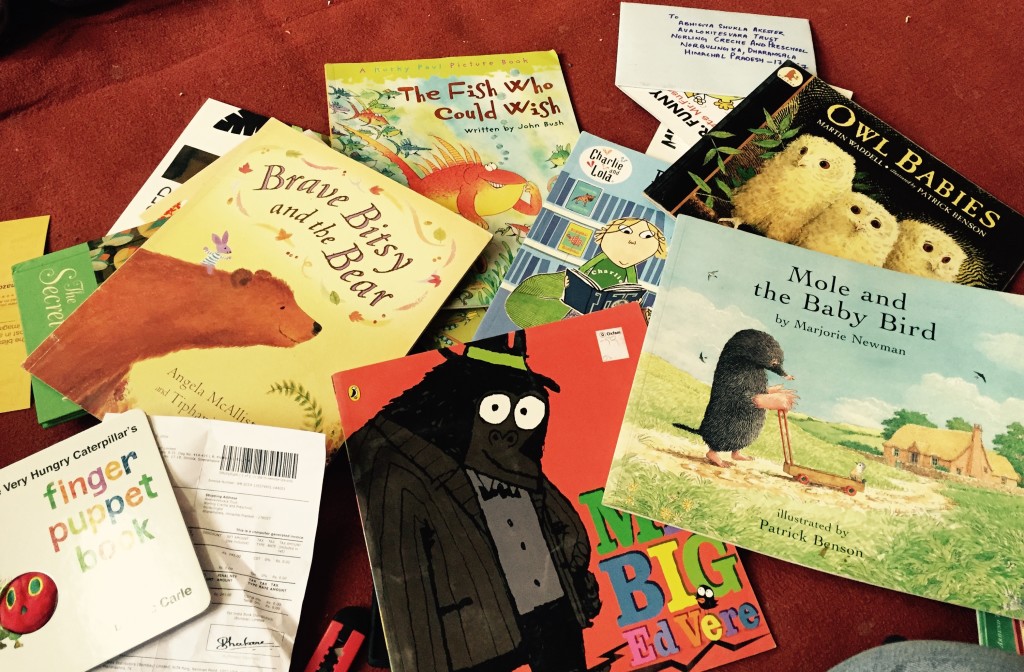
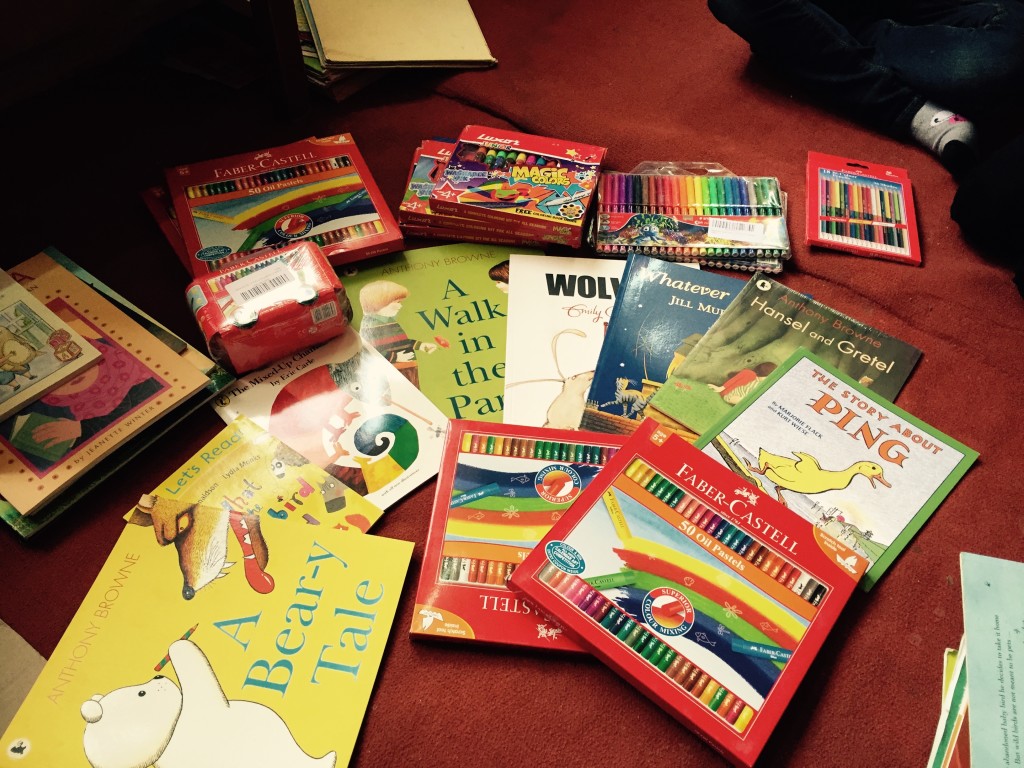
- Picture books with strong visual storytelling and minimal text
- Short novels with chapters that can be completed in one sitting
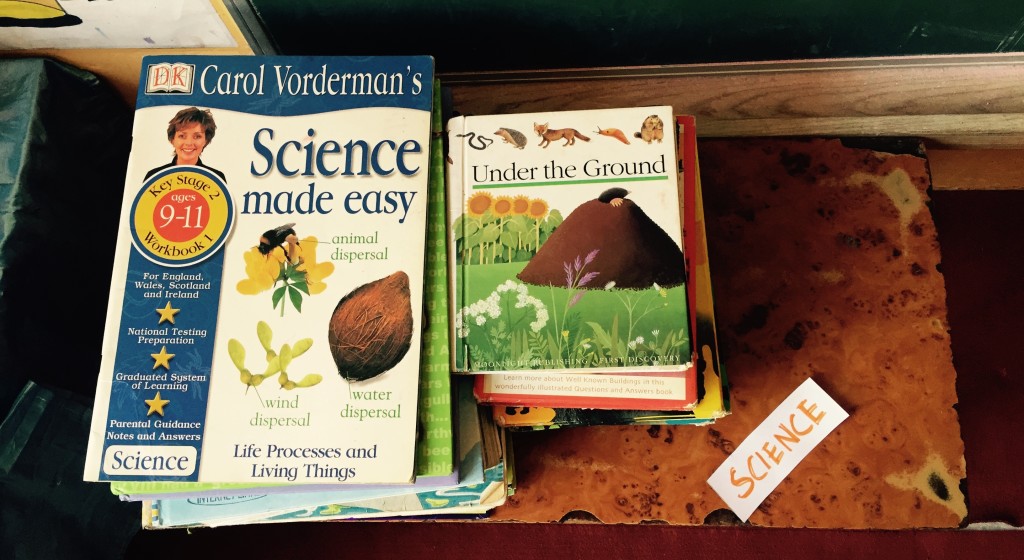
- Illustrated books about animals, weather, space, engineering, and health
- Biographies of artists, explorers, teachers, scientists, and social leaders
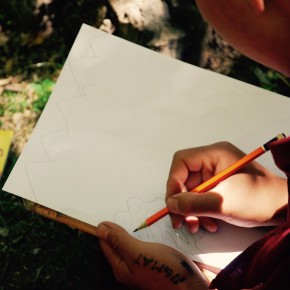
- Drawing, music, theatre, craft, and creative-writing resources
- Reference books that use diagrams, maps, indexes, and photographs
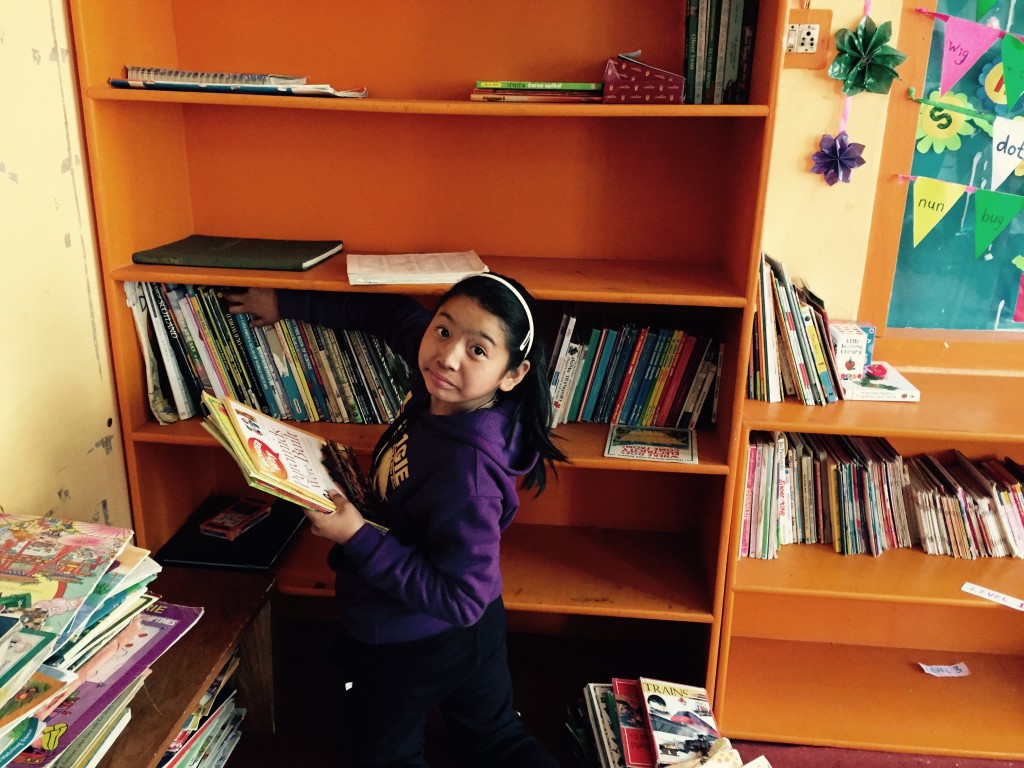
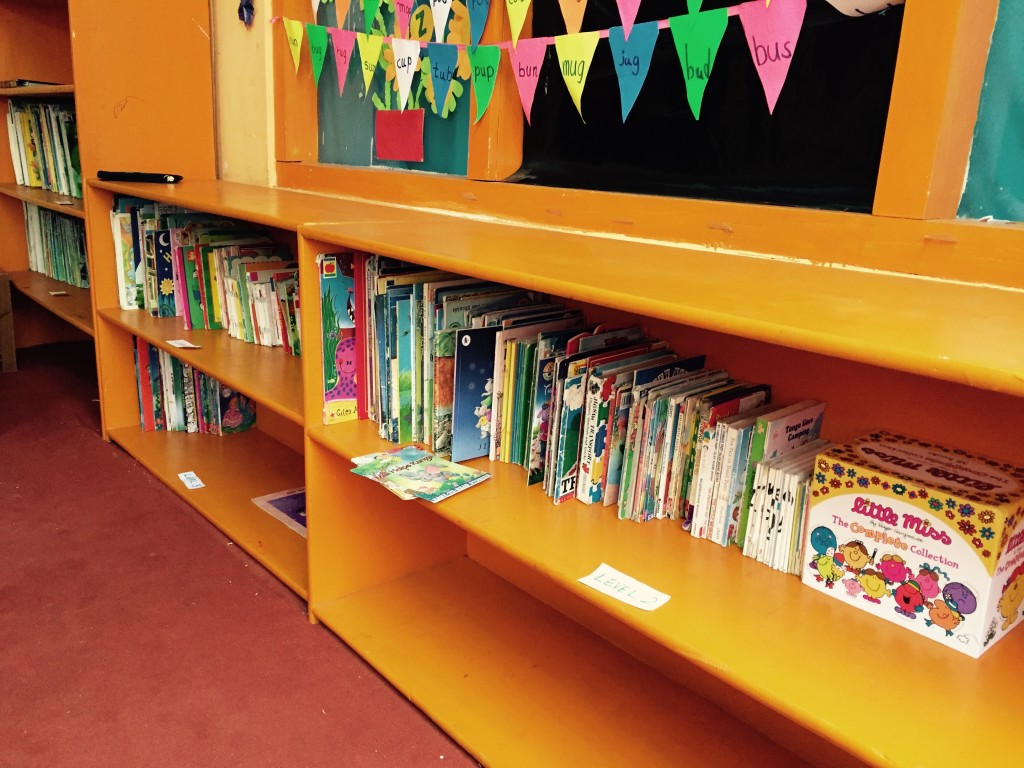
Books should be arranged so that children can find something independently. Colour bands, symbols, or broad categories such as “stories”, “world”, “nature”, and “make” may work better than complex classification systems. Older students can help label shelves, creating ownership while practising English and organisational skills.
Managing Donations And Purchasing
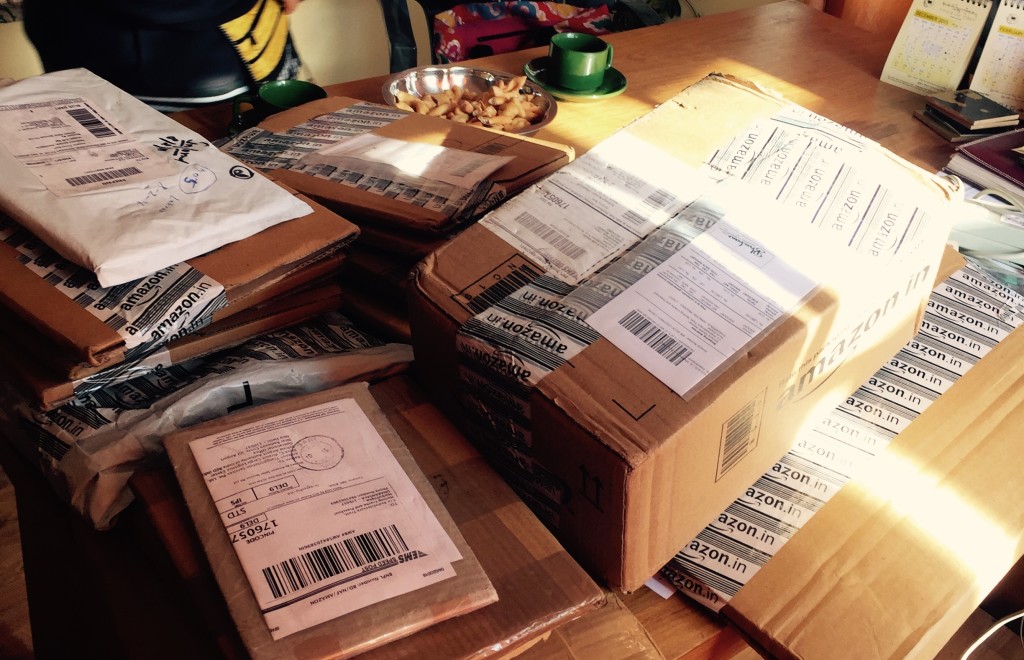
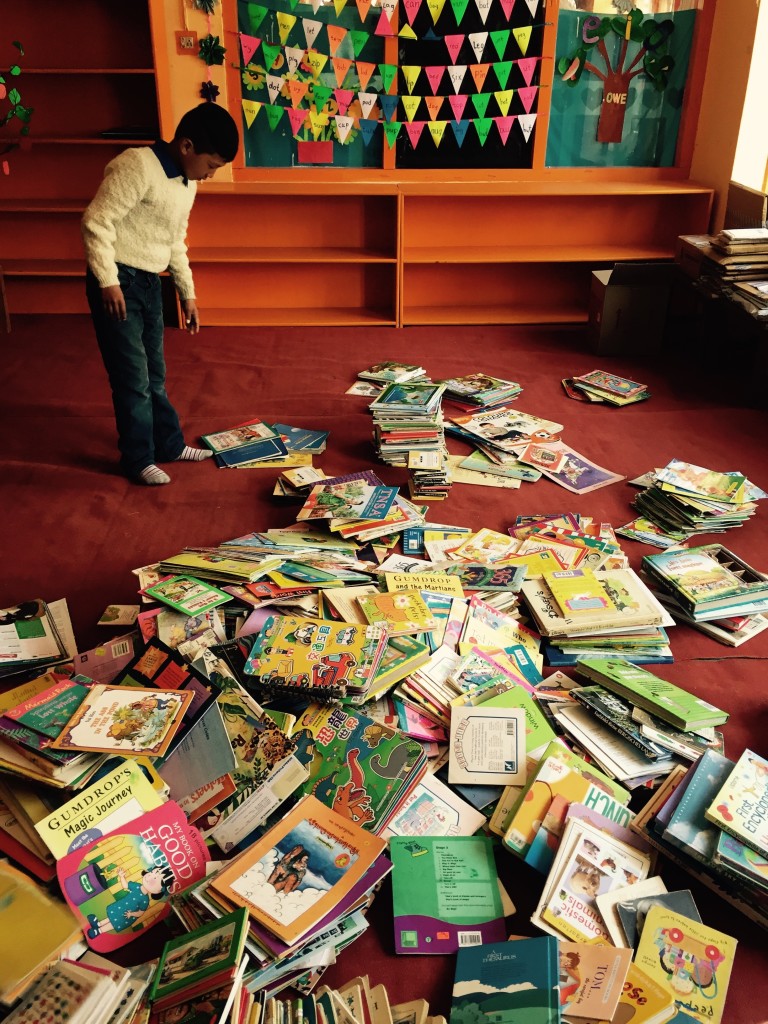
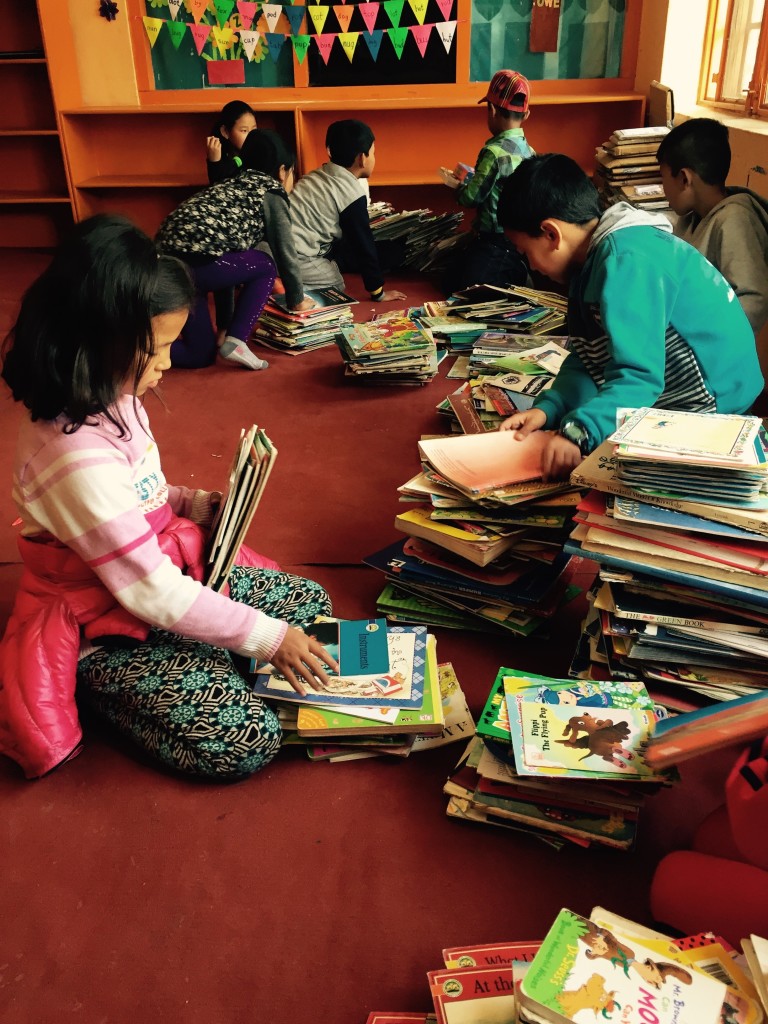
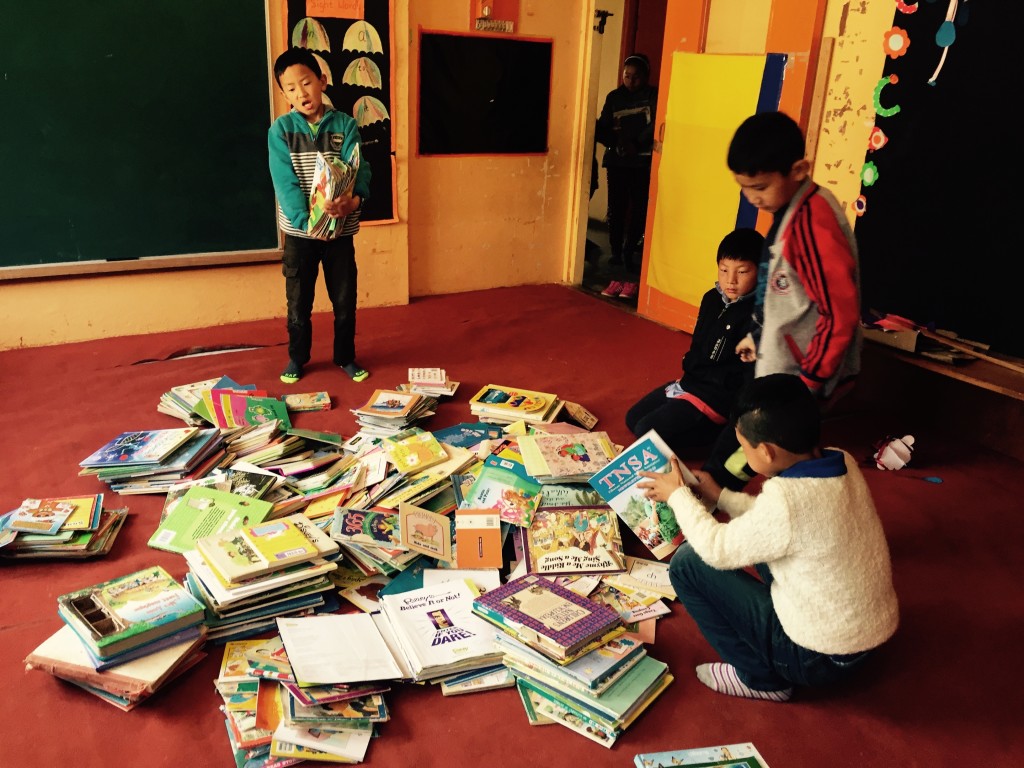
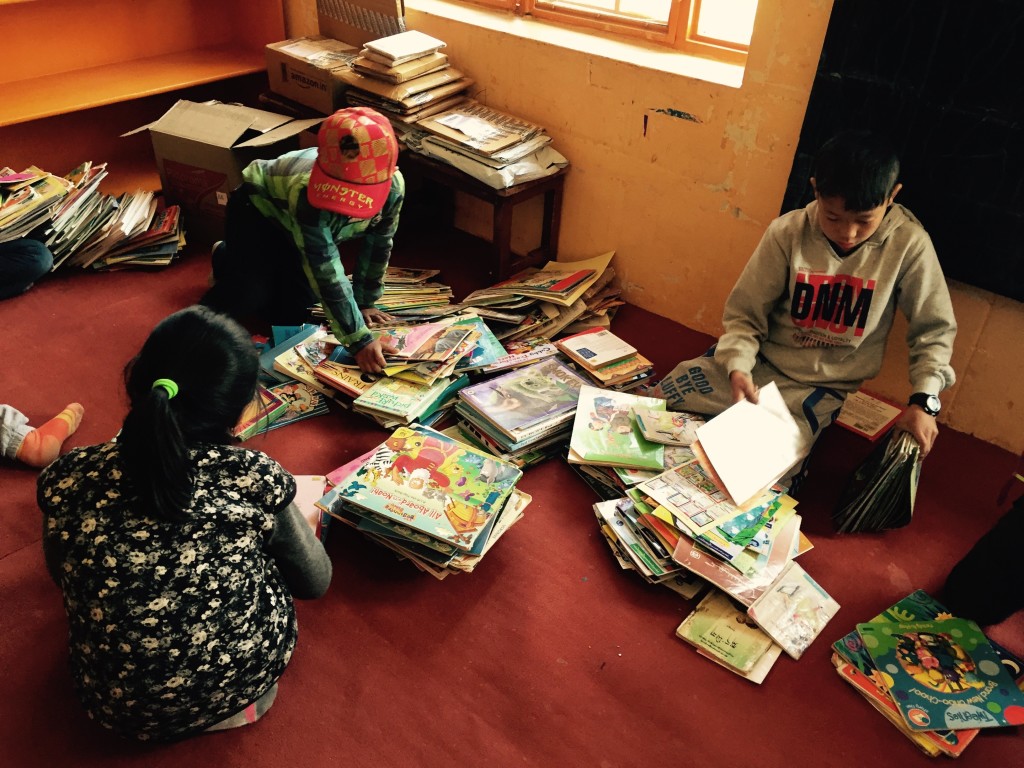
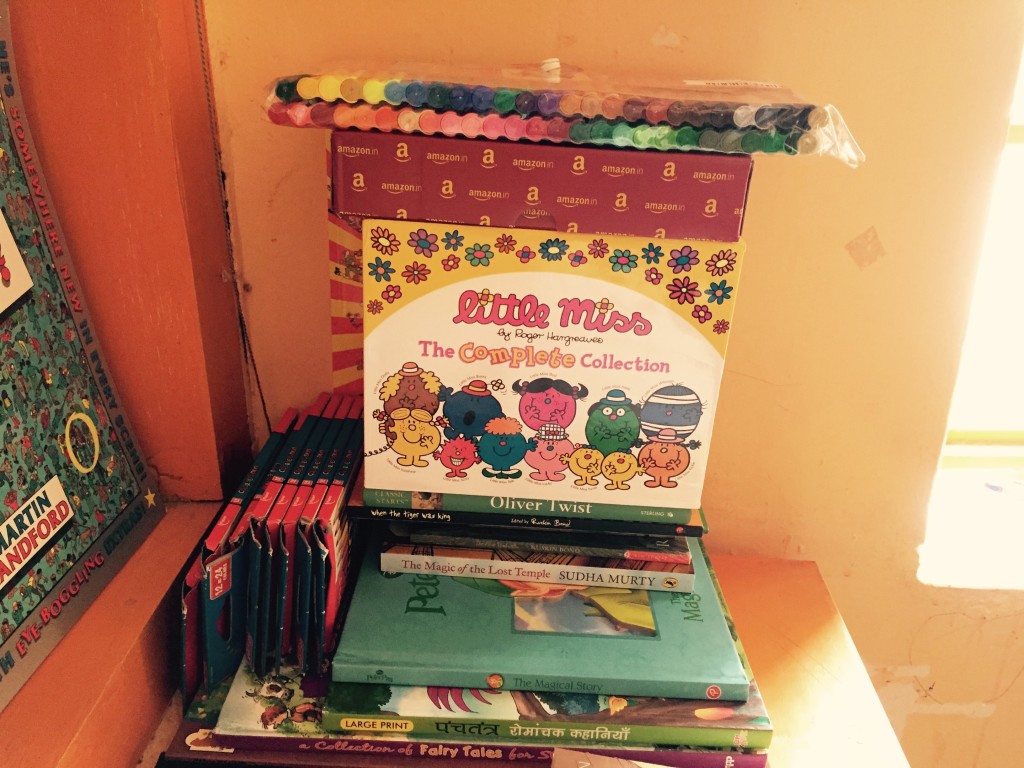
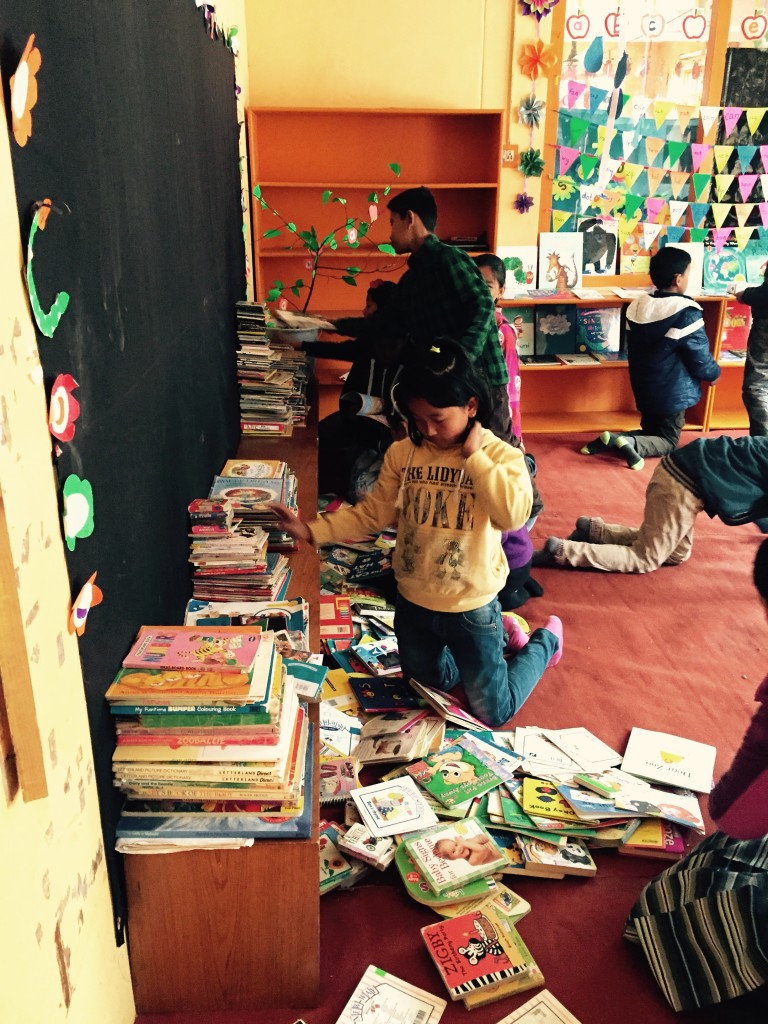
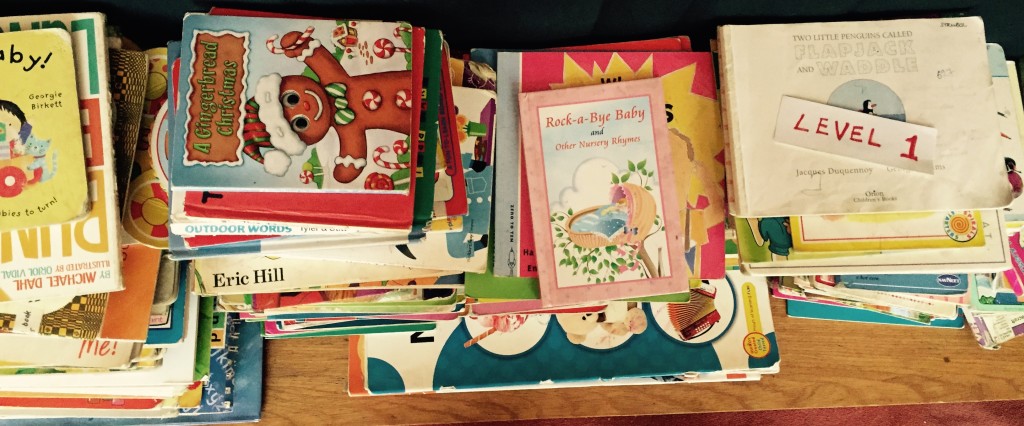
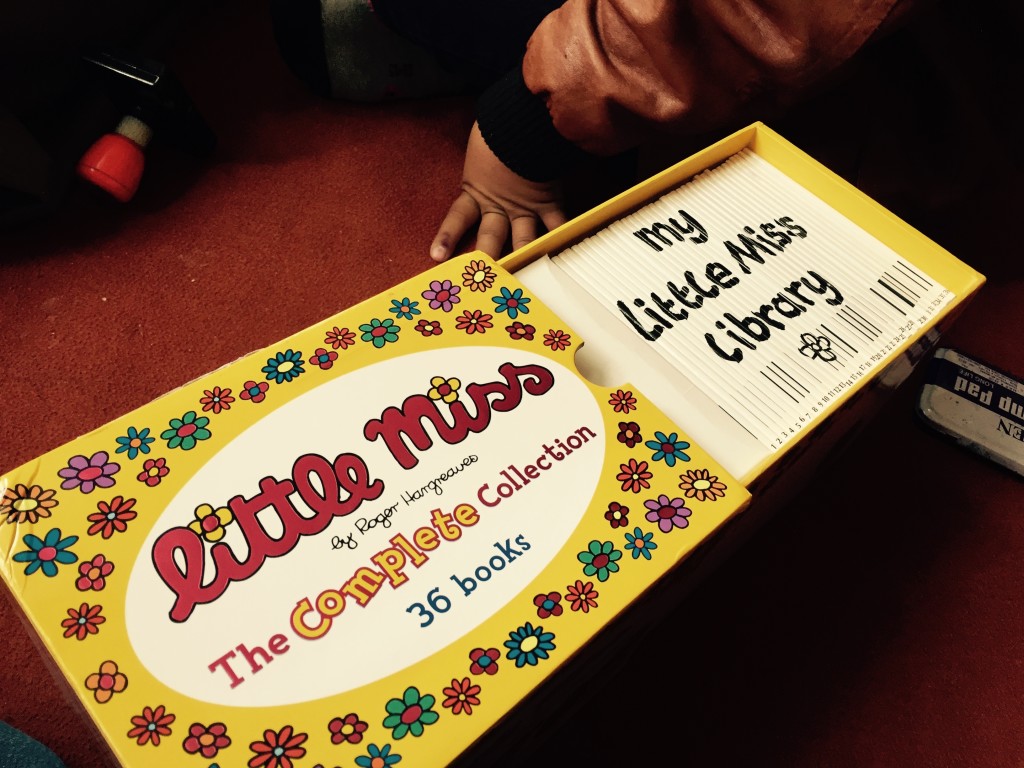
Unsorted donations create hidden costs. Volunteers must inspect condition, remove duplicates, separate unsuitable material, and pack the remainder. A donation policy can explain preferred ages, languages, subjects, formats, and publication condition before a community collection begins. This is especially helpful for Australian supporters who may otherwise send books that are readily available in local op shops but difficult to use in Ladakh.
Purchasing through Australian booksellers can provide predictable quality and invoices, while second-hand shops, school libraries, and community groups may supply excellent titles at low prices. Freight planning should group books by destination and consider seasonal access to remote Himalayan communities. Weight matters, so a compact, well-chosen reference book may be more practical than a large novelty volume.
Australian organisations should also respect copyright when copying worksheets, translating pages, or producing reading packs. The Copyright Act 1968 includes rules and exceptions that depend on the purpose and circumstances, so permission should be obtained where required. Libraries and schools can seek advice before reproducing substantial sections of commercial books.
When fundraising or ordering online, child protection and payment safety also deserve attention. Staff who help children use digital catalogues should explain advertising, personal information, and risky commercial content; a general online safety resource can sit alongside lessons about recognising gambling promotions and misleading offers. This is relevant in Australia, where children may encounter such material through websites, games, and social media even when they are searching for books.
Testing Books Before Sending Them
A pilot box is more useful than a large shipment chosen without feedback. Send a modest group of titles representing different ages, subjects, languages, and formats. Teachers, monks, and children can then record which books are borrowed, read aloud, requested again, or left untouched. Their observations reveal practical issues that a catalogue cannot show.
Reviewers should record a few simple details: reading level, approximate age range, language, condition, cultural concerns, and whether the book suits solo or group use. A title that seems too easy for older students may be excellent for language learners, while an advanced book may work well as a shared read with adult support.
A trial process can use these checks:
- Can children understand the main idea from the cover and illustrations?
- Can a facilitator read the story aloud without awkward or confusing language?
- Does the book offer a respectful view of people, cultures, and religious practice?
- Is the binding strong enough for repeated borrowing?
- Could the subject lead to art, discussion, music, research, or outdoor activity?
Feedback should be treated as guidance rather than a ranking of children’s tastes. A quiet nature book may be valuable even if it is borrowed less often than a humorous comic. Some books support concentration, private reflection, or a child’s growing confidence and may need more time to find their audience.
Building A Sustainable Reading Habit
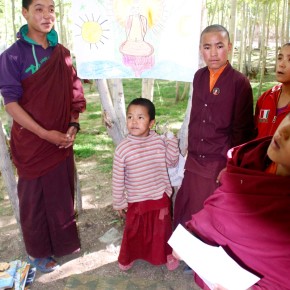
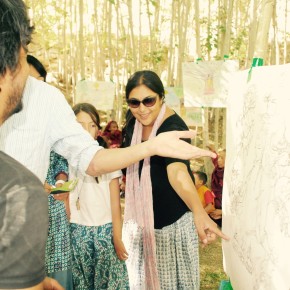
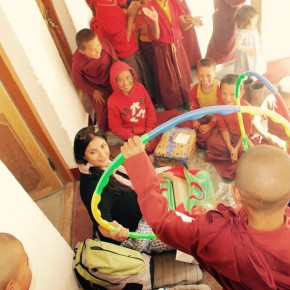
Book selection has its greatest effect when reading becomes part of a regular rhythm. A monastery might set aside a weekly shared-reading period, while a community centre could combine stories with drawing, drama, or music. In Australia, supporters can mirror this approach through library events, school partnerships, weekend book drives, and reading challenges that focus on enjoyment rather than competition.
Local circumstances should guide the programme. A child travelling from a distant village may have little time to finish a long novel, whereas a resident young monk may return to the same book over several weeks. Shelves can include take-home items, on-site reference books, and books reserved for group sessions. Simple borrowing records help staff understand demand without collecting unnecessary personal information.
Long-term care also involves training. Volunteers can learn how to repair minor damage, introduce a difficult book, read expressively, and invite discussion without forcing children to speak. Young people can become reading-room helpers who recommend titles, maintain displays, and welcome new visitors.
The most reliable collection is therefore modest, varied, well maintained, and shaped by local response. Before each shipment or purchase, check the audience, language, condition, cultural fit, freight implications, and likely use; that short checklist turns a box of books into a working library.