Where A Quiet Reading Room Leads
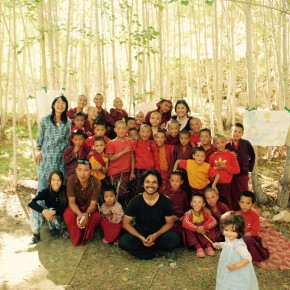
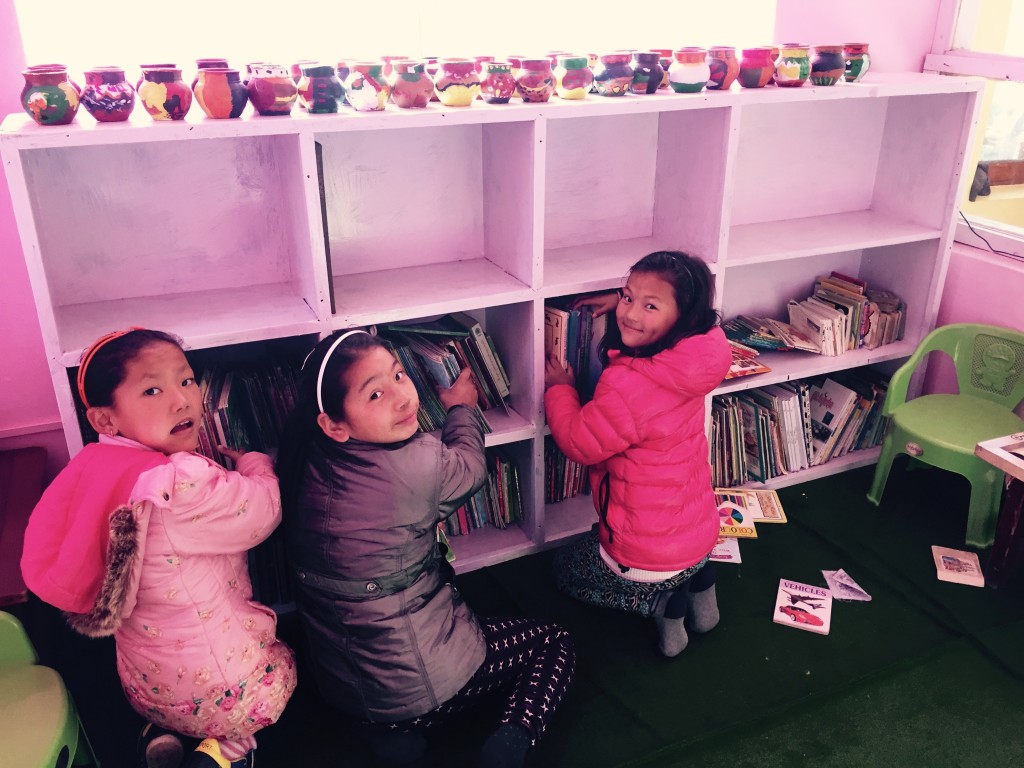
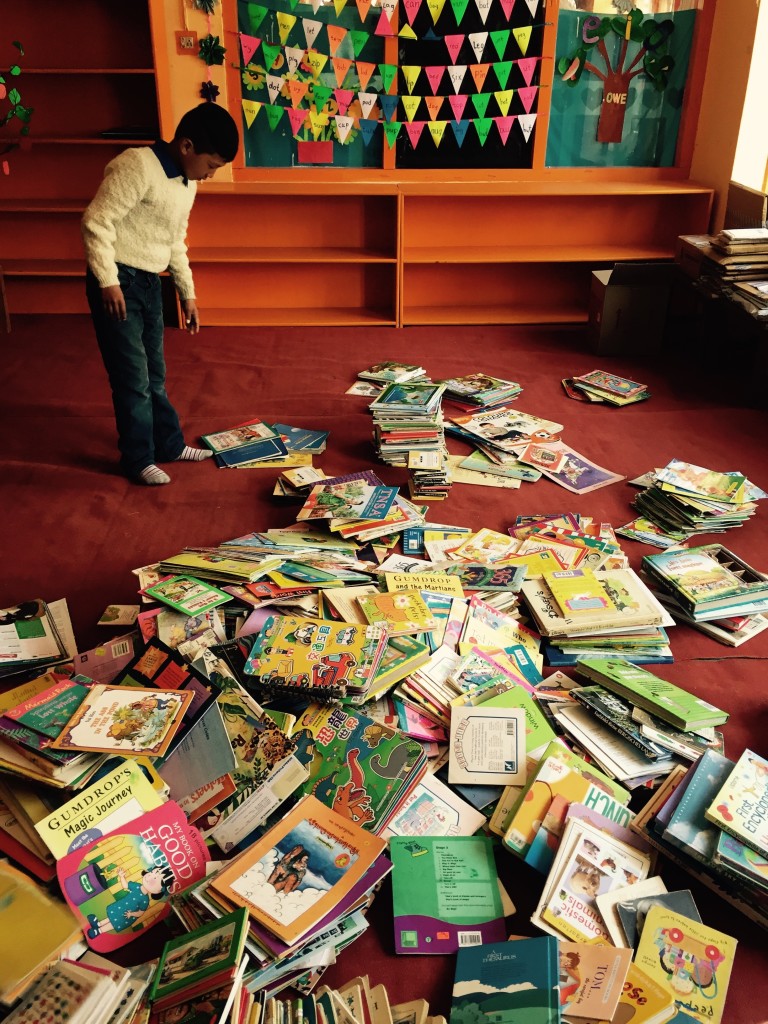
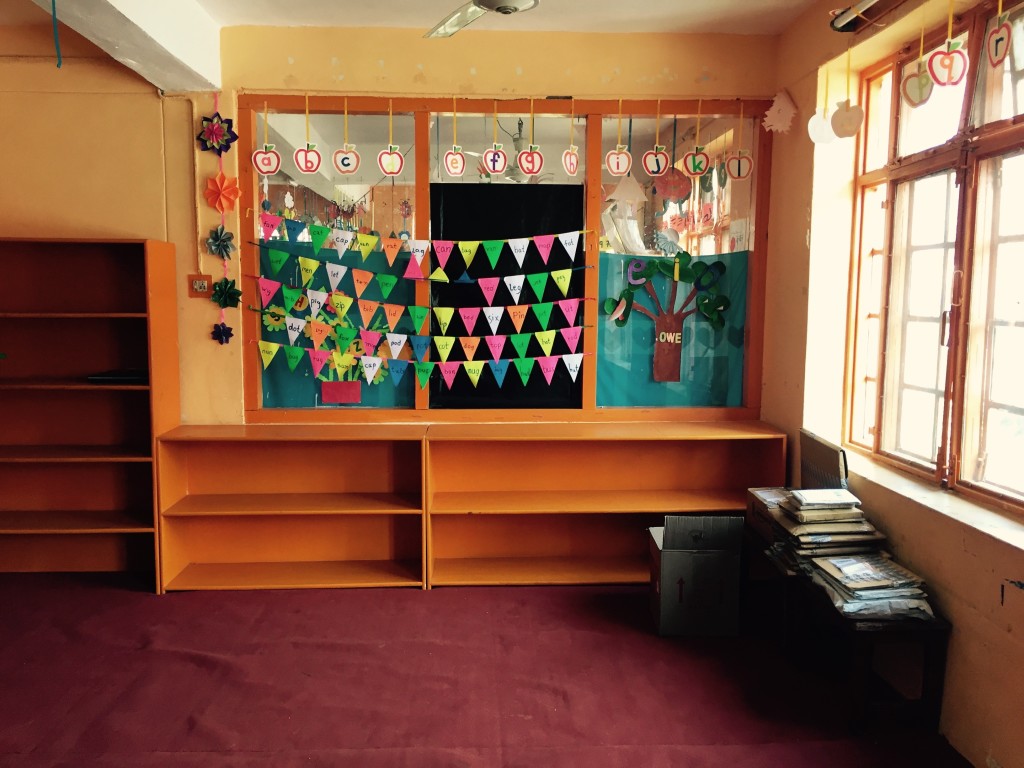
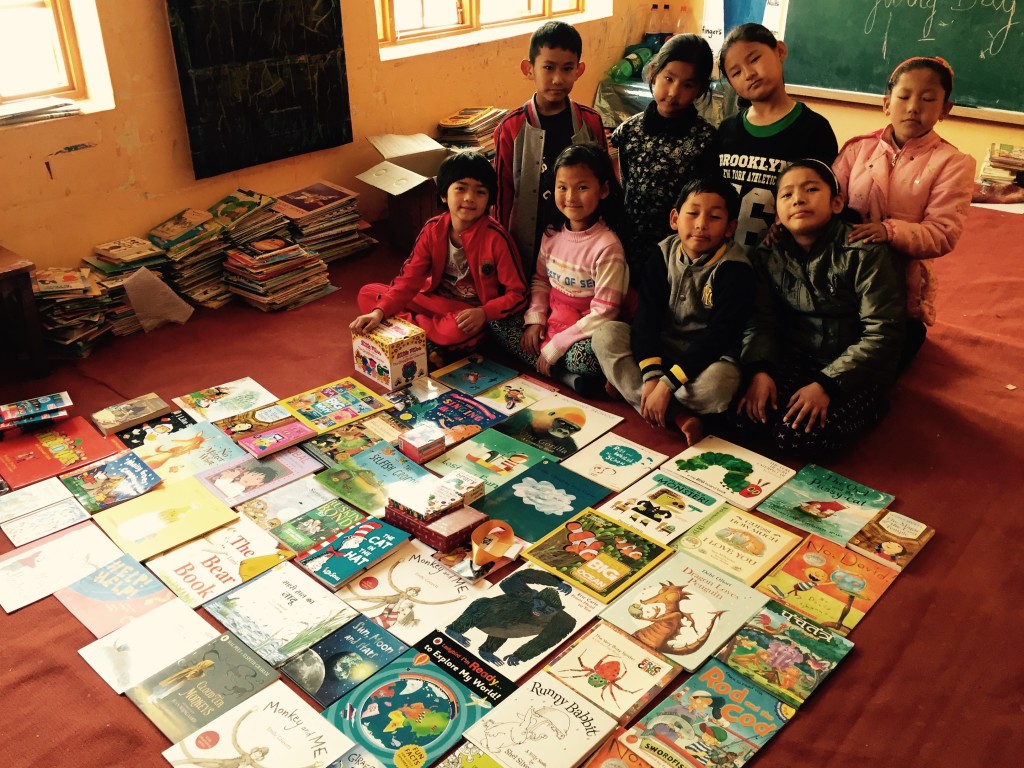
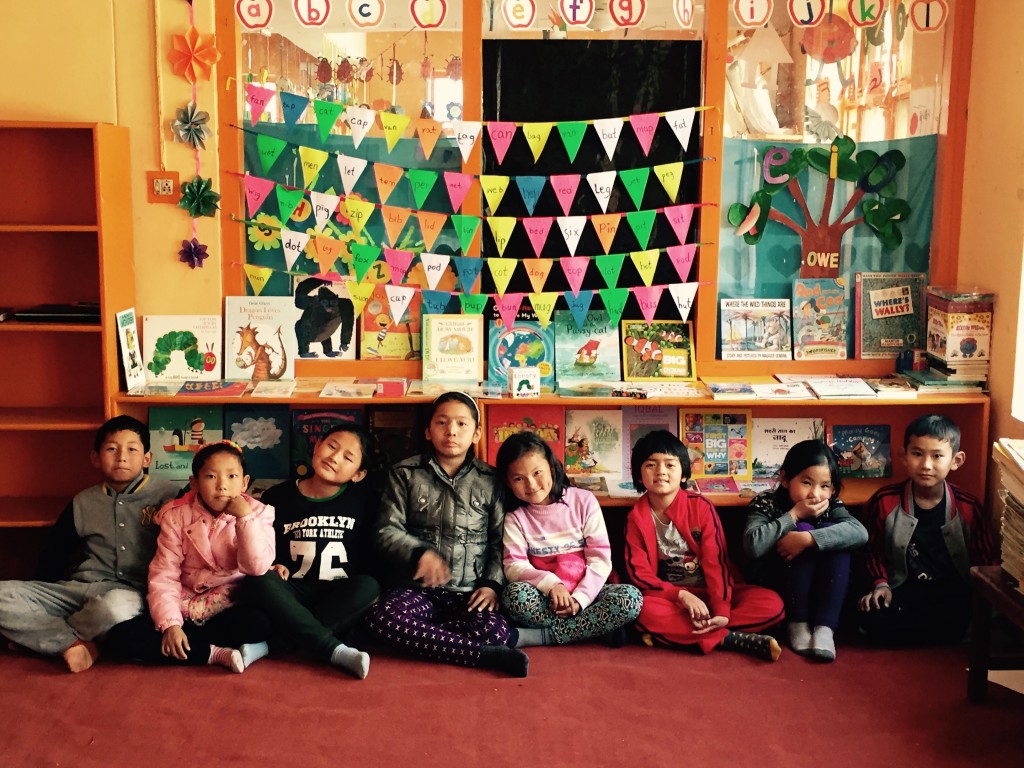
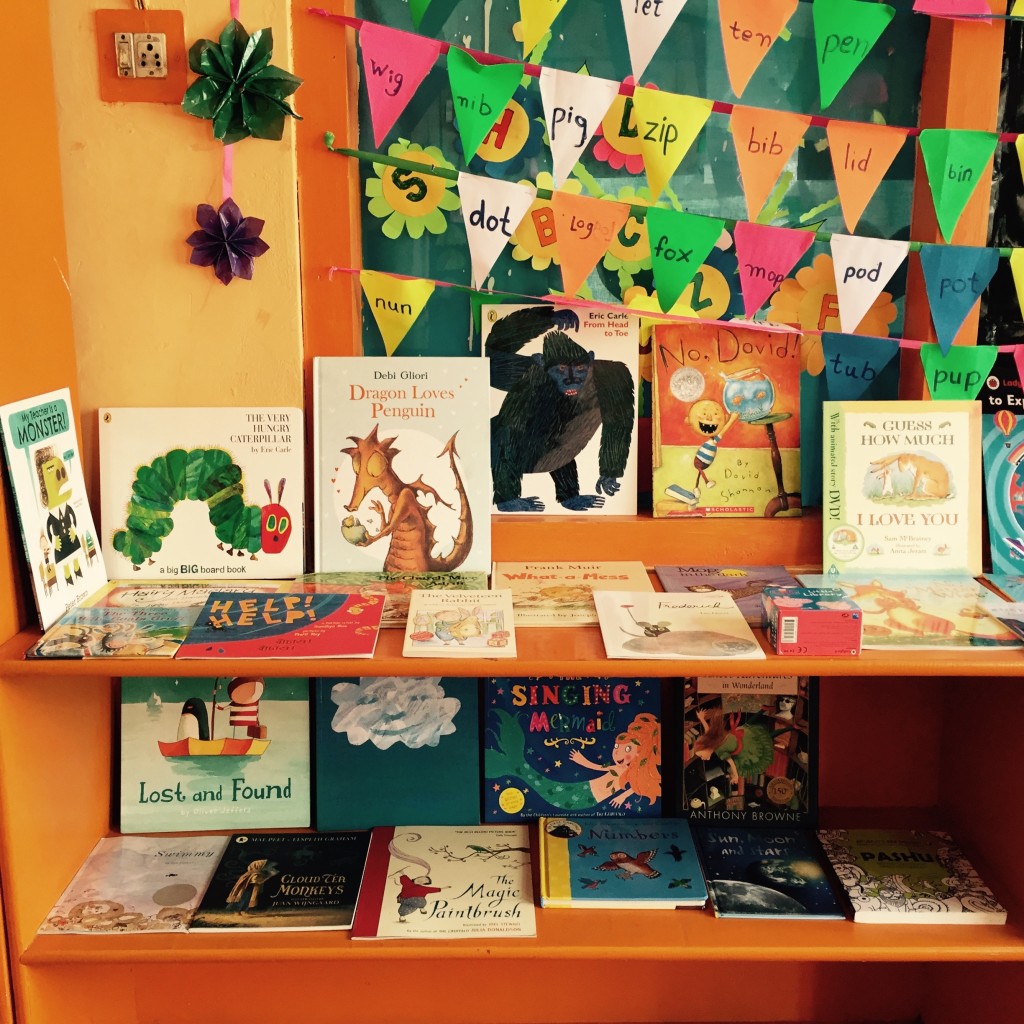
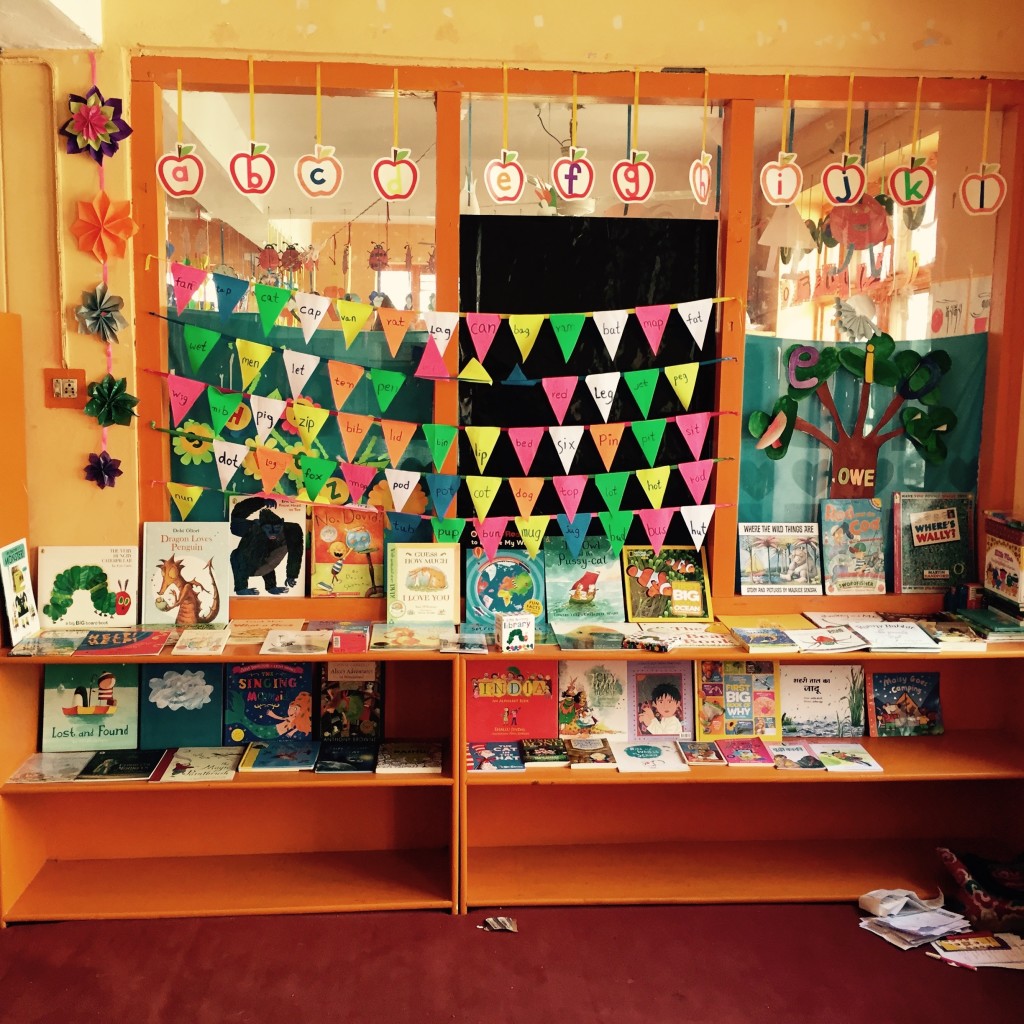
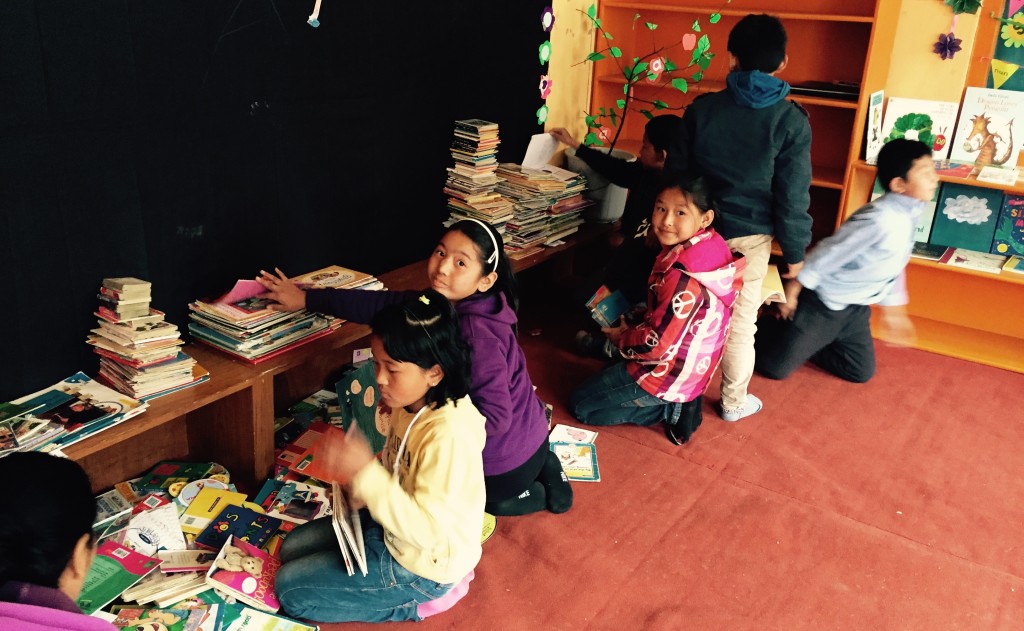
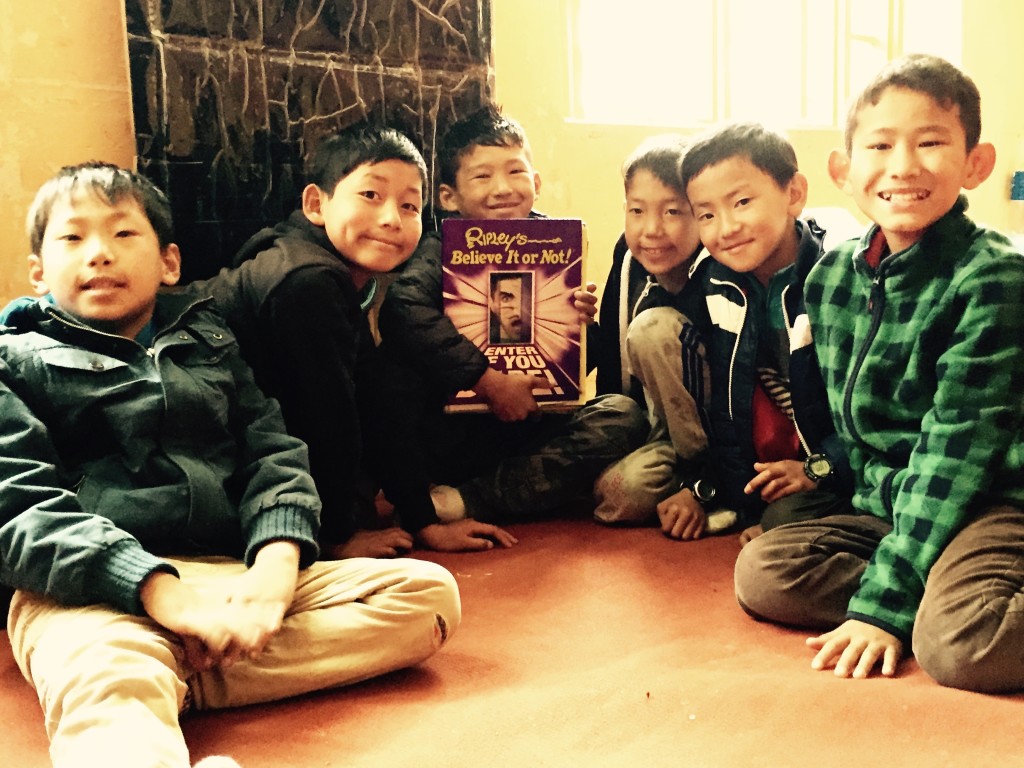
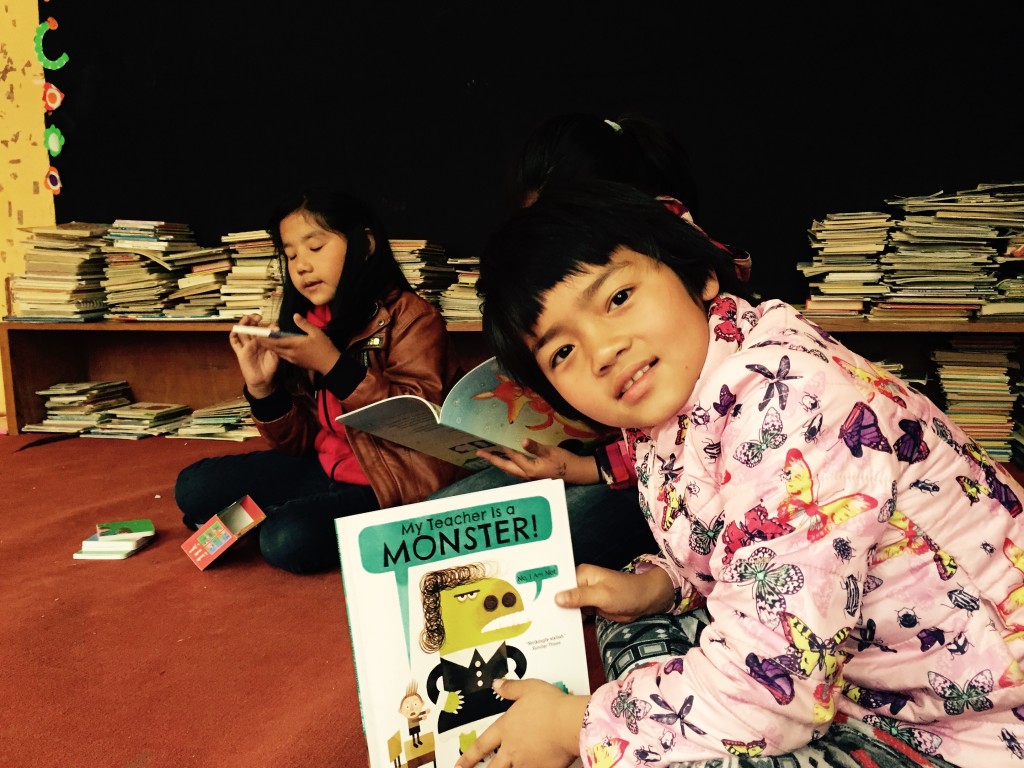
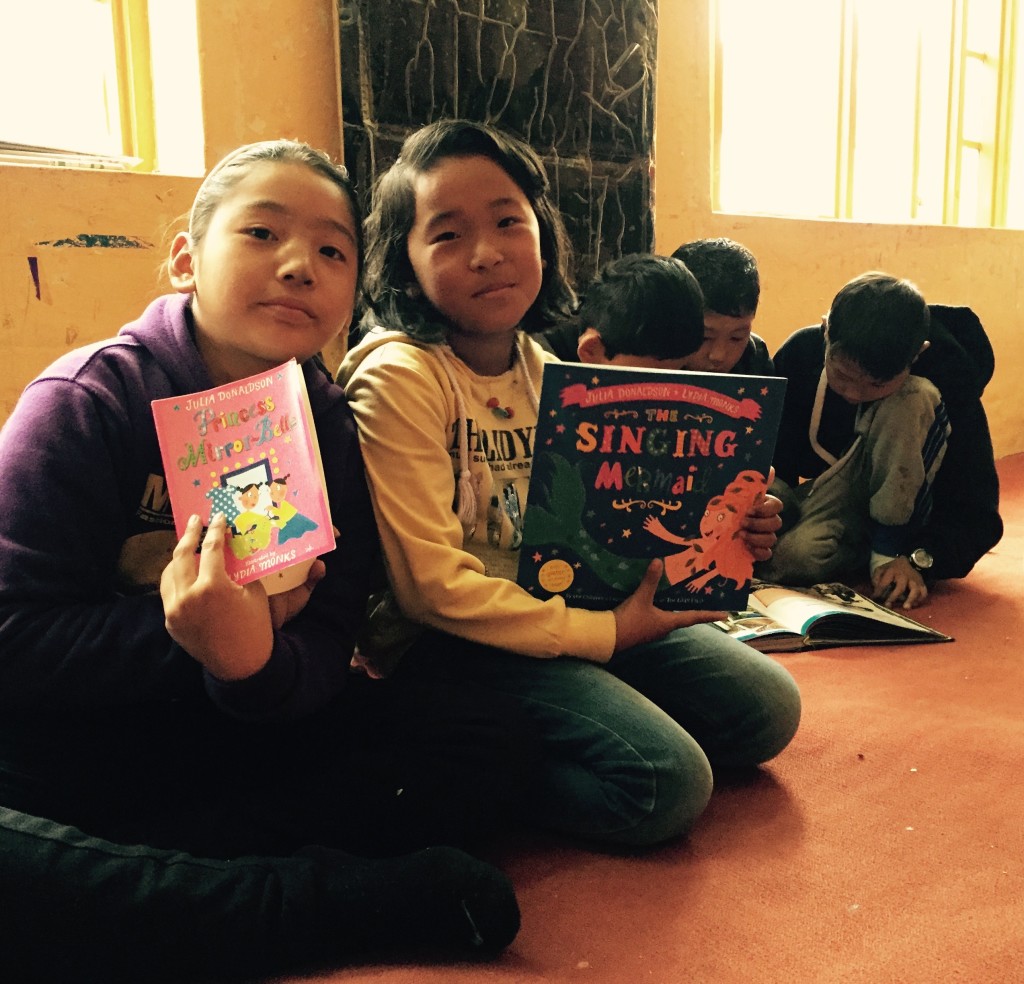
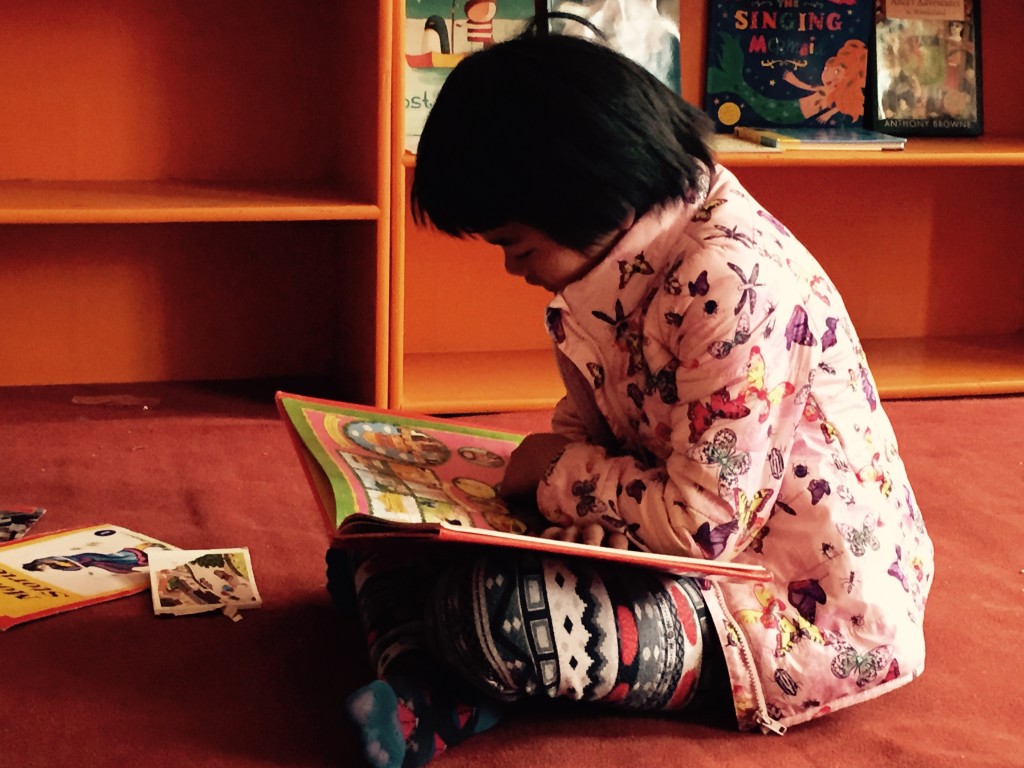
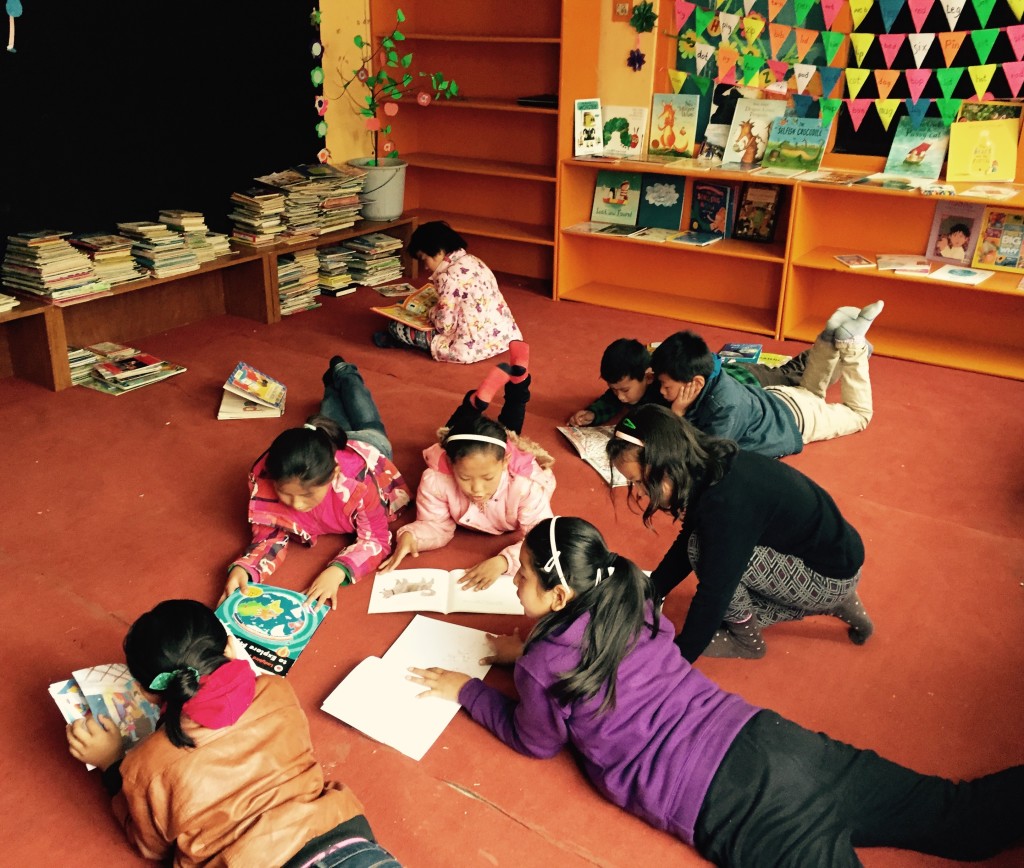
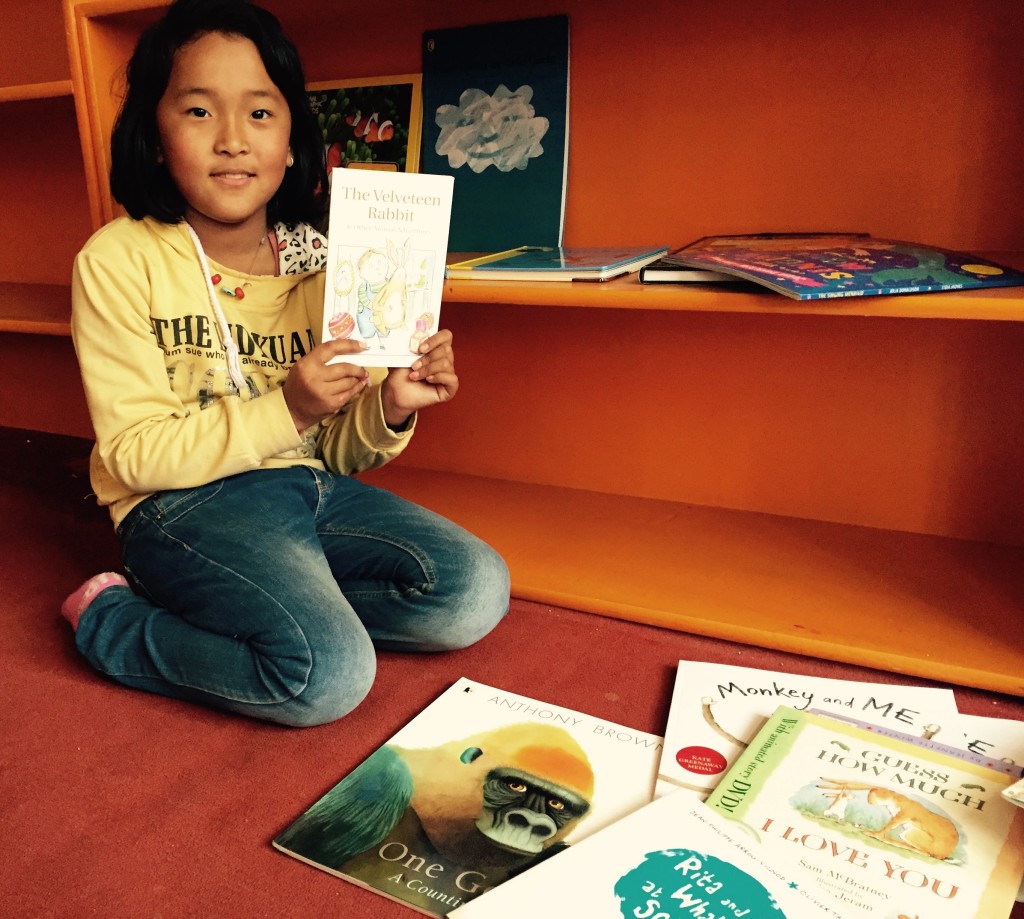
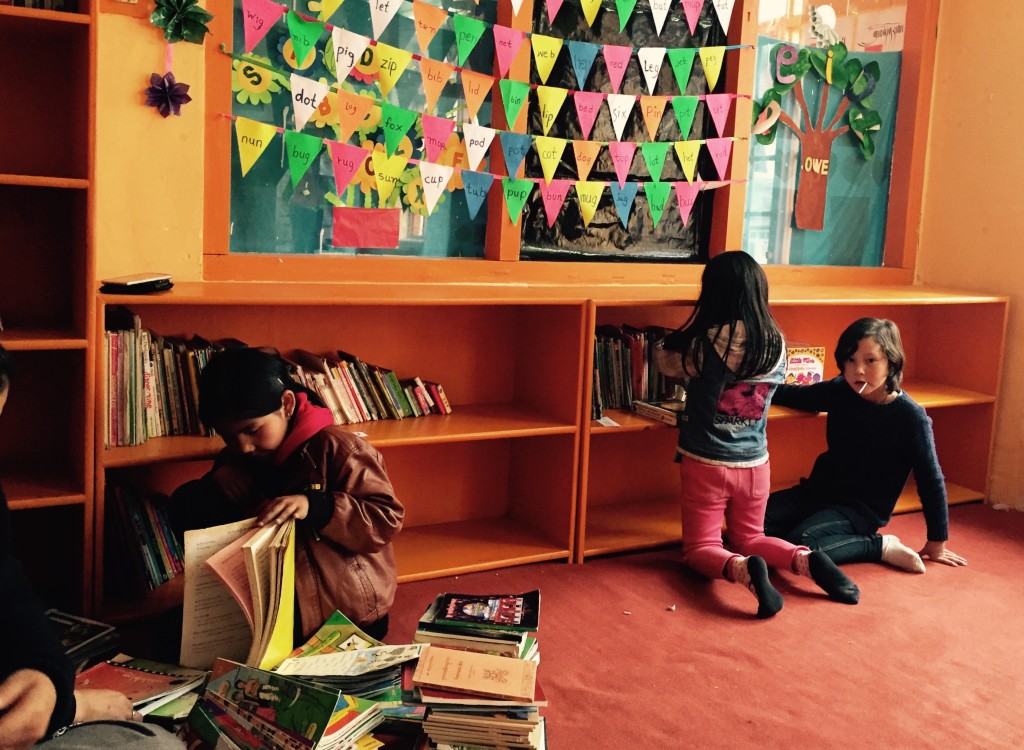
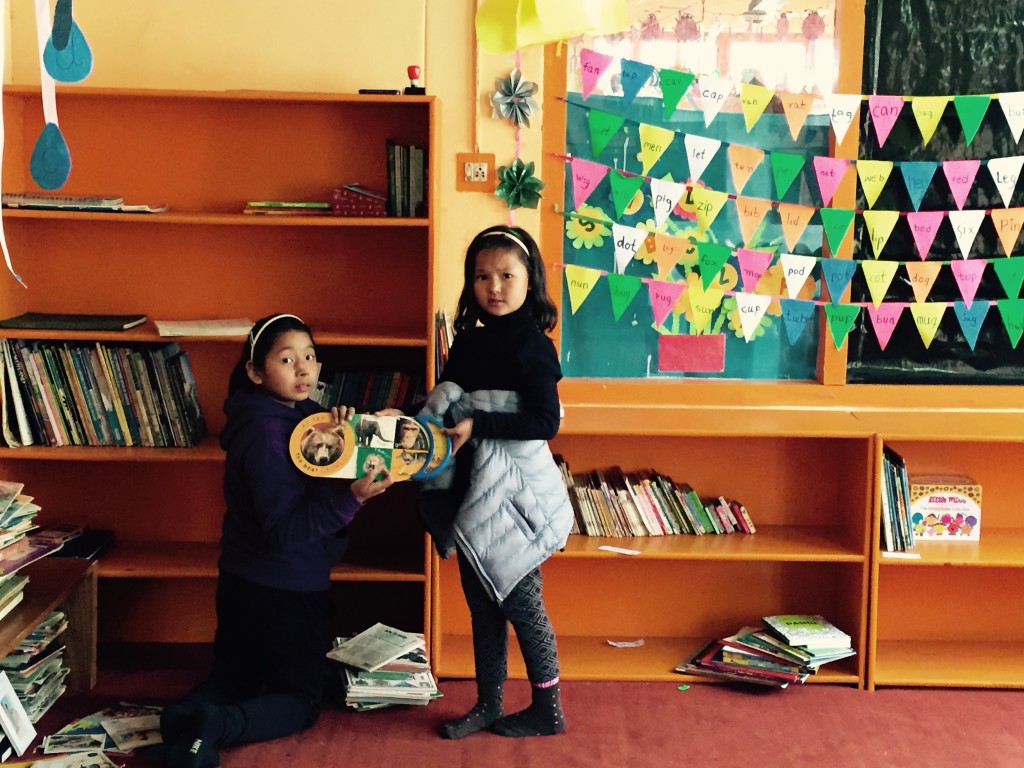
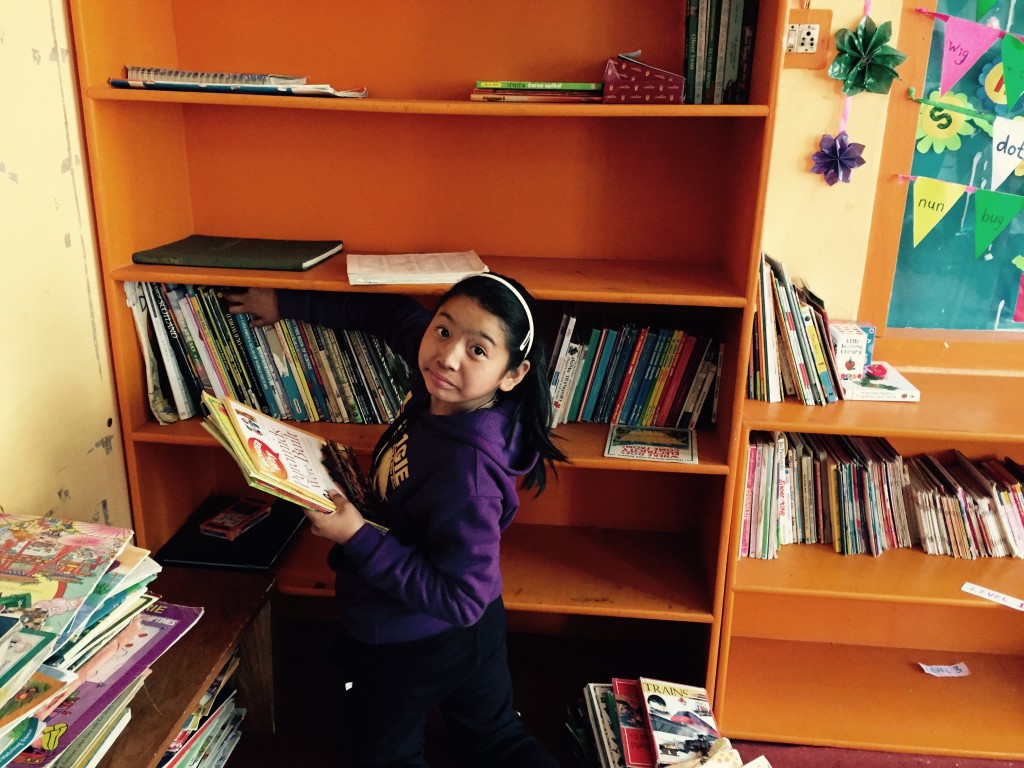
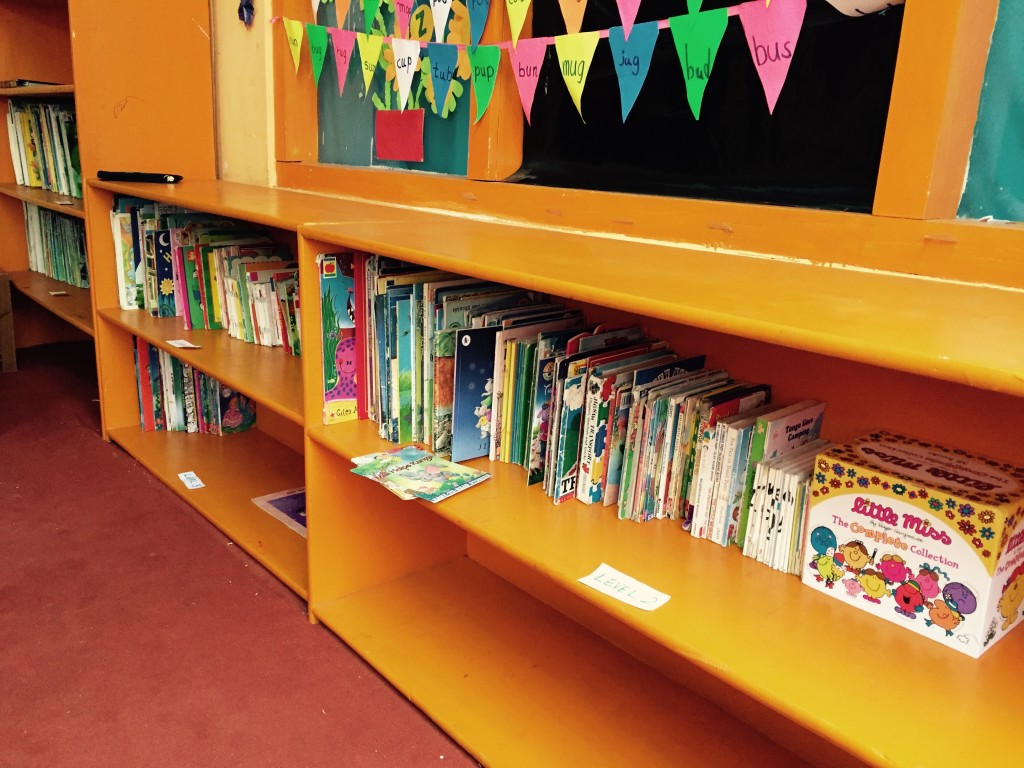
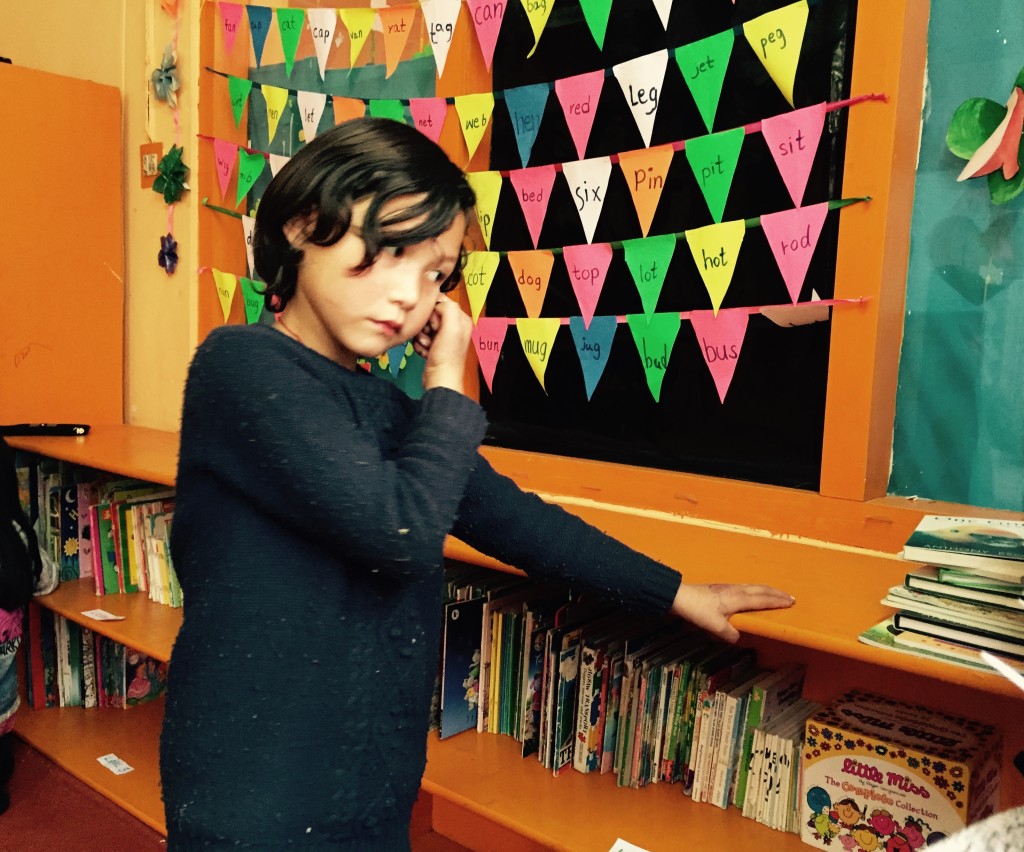
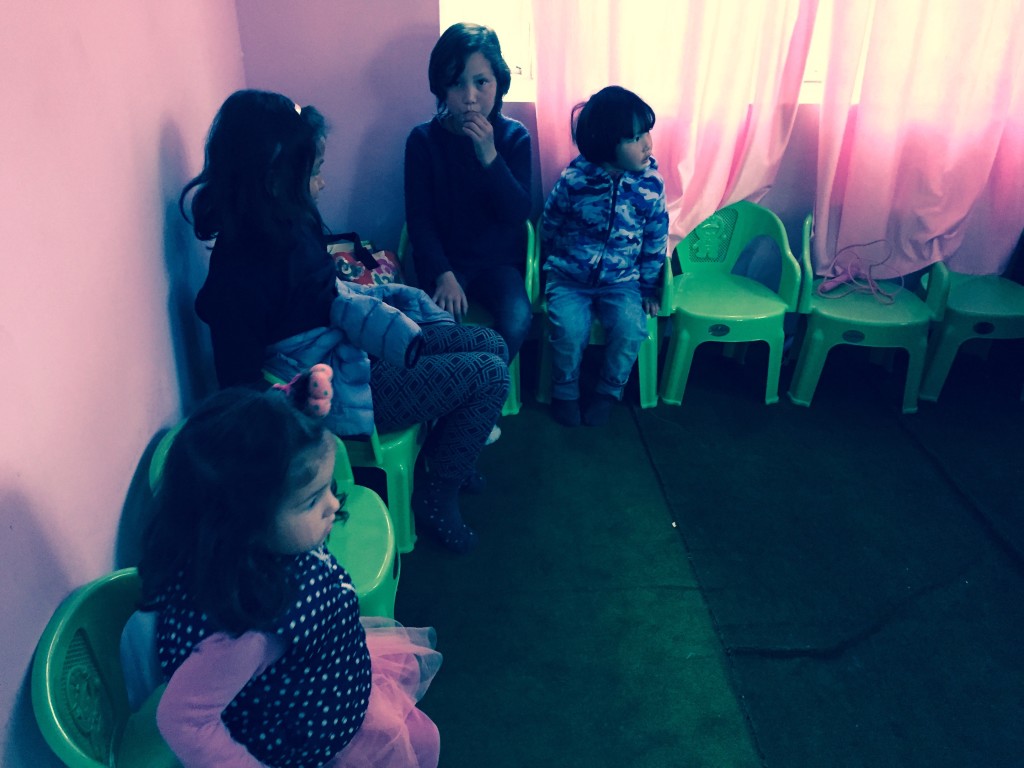
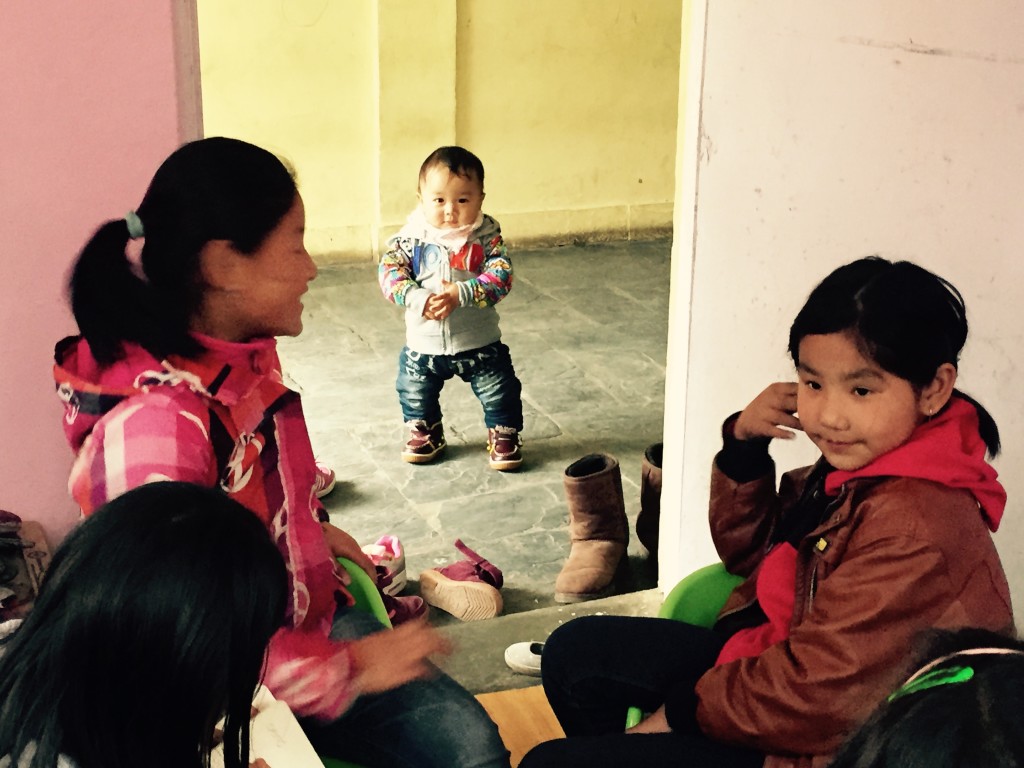
In a Himalayan village, a reading room can seem modest: a few shelves, low tables, bright cushions, and books chosen for curious young minds. Yet for many children in Ladakh and neighboring communities, that small space becomes a doorway to a much wider world. It offers time to read, people to encourage them, and the confidence to imagine a future shaped by learning.
Years later, some of those children are studying in colleges and universities. They carry memories of illustrated storybooks, science guides, poetry collections, and patient adults who helped them find the right page. Their journeys show how access to books can influence education long after a child has left the reading room behind.
The legacy of a reading room is measured in degrees, new skills, and expanded opportunities. It also lives in quieter changes: a student who learns to study independently, a young monk who discovers a passion for history, or a former reader who begins sharing books with younger children.
A Room That Changed The Shape Of A Day
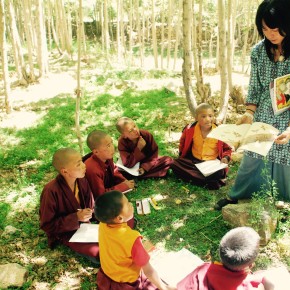
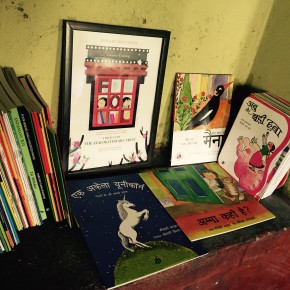
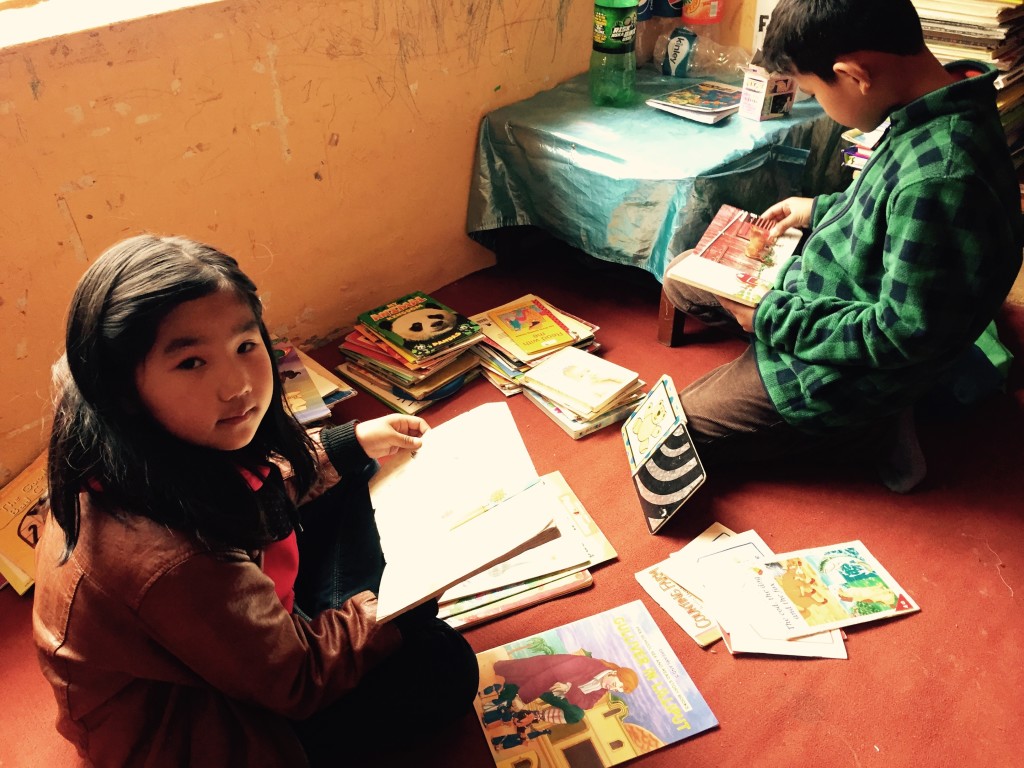
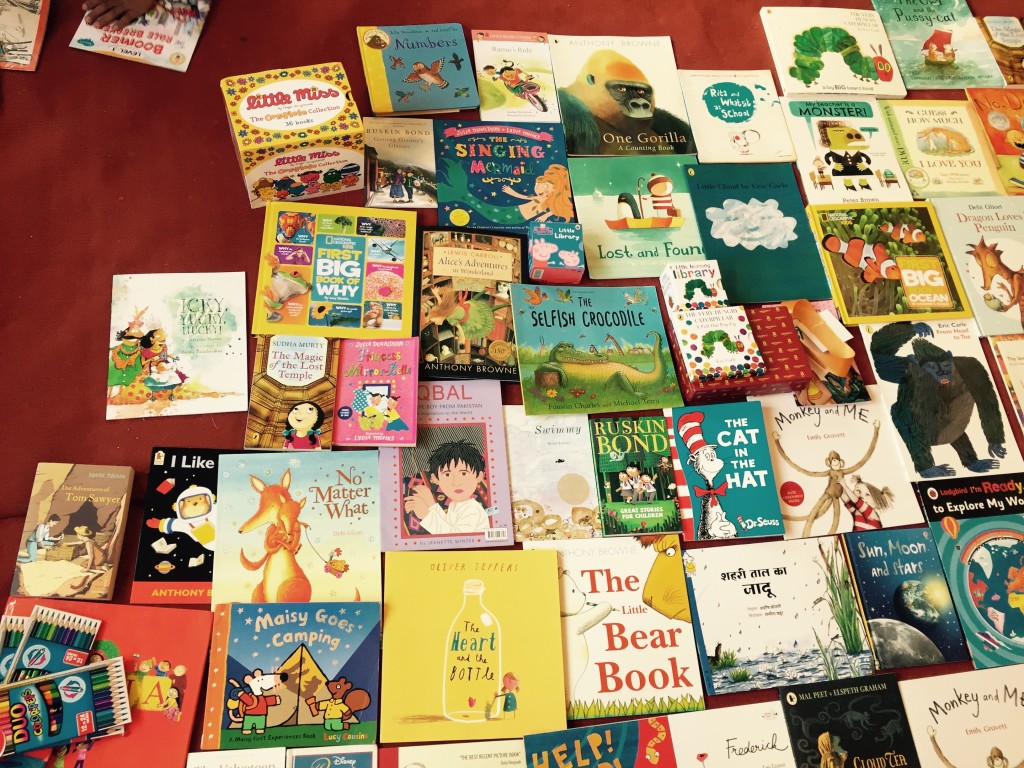
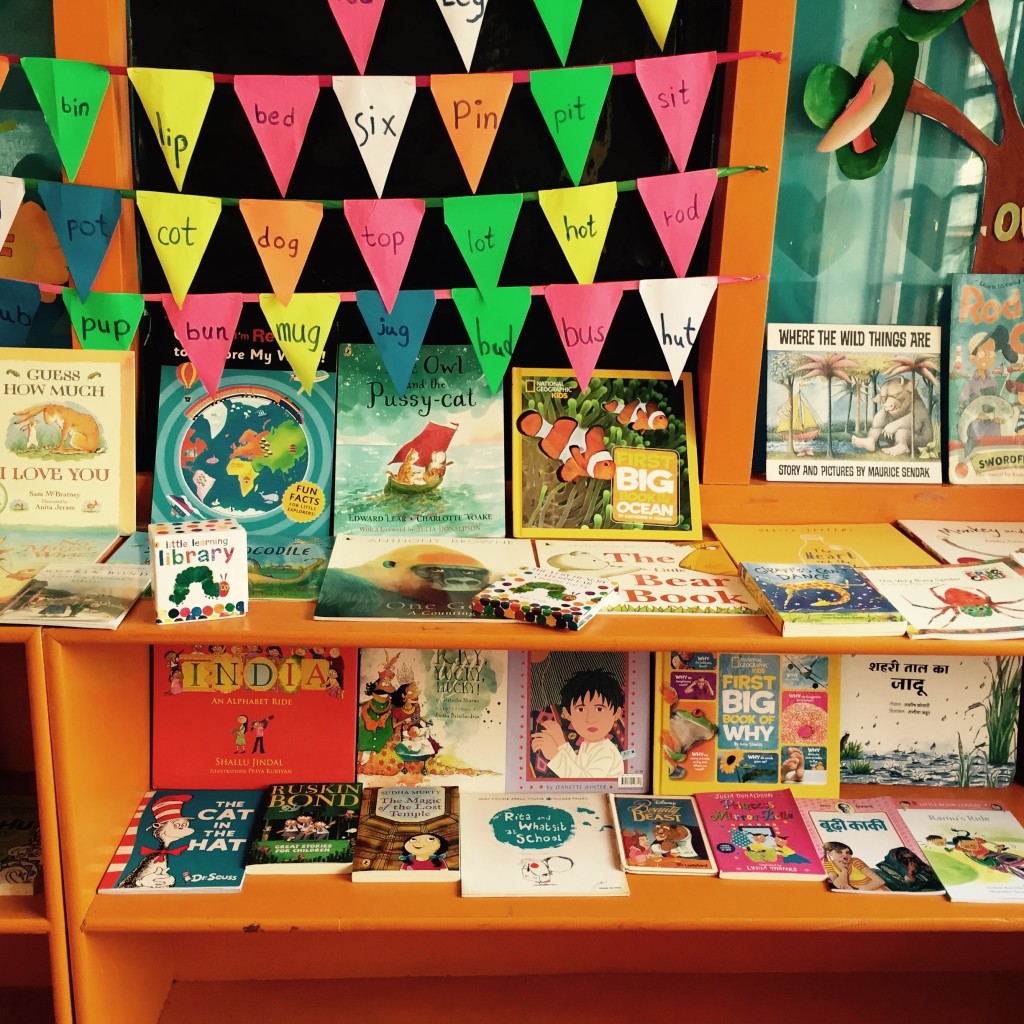
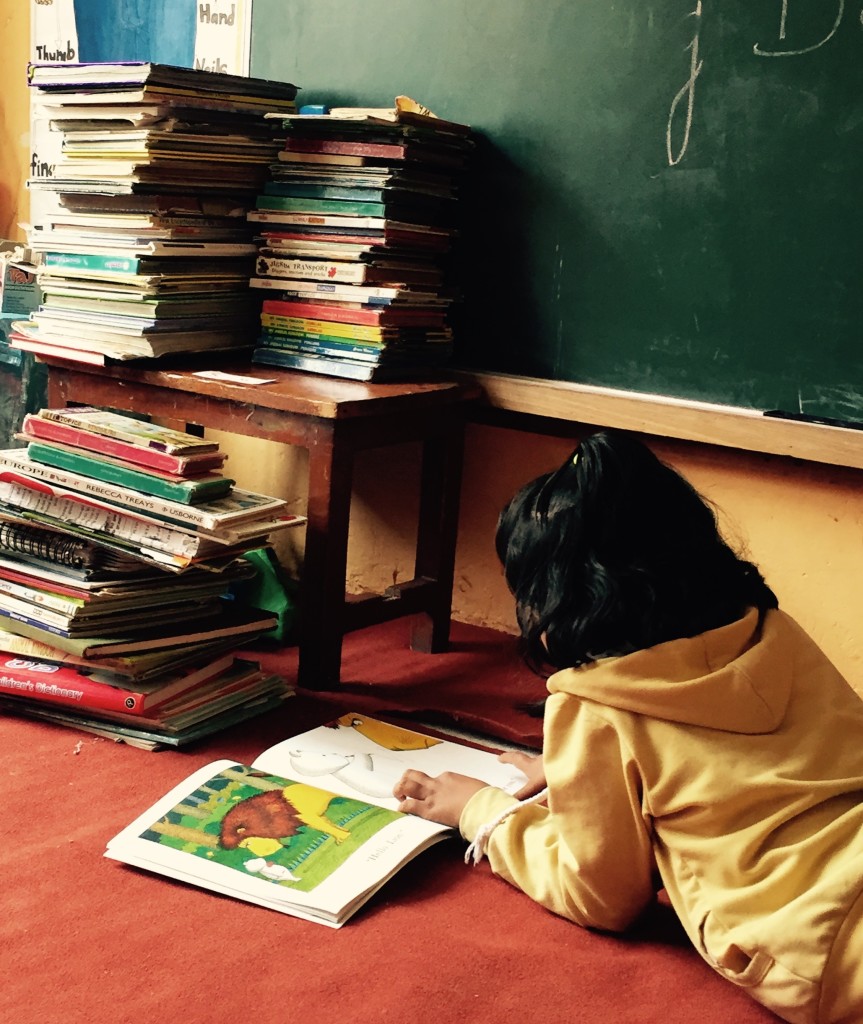
Before community reading spaces opened, many children had limited access to books beyond school textbooks. A school library might have a small collection, while household shelves could be devoted to practical manuals, religious works, or essential documents. The reading room introduced a different kind of environment—one where children could browse freely and select a story, reference book, or creative activity according to their interests.
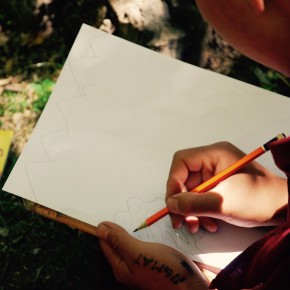
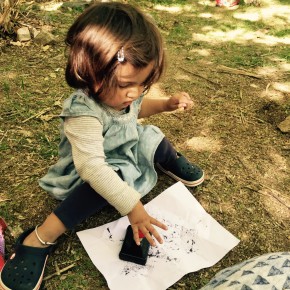
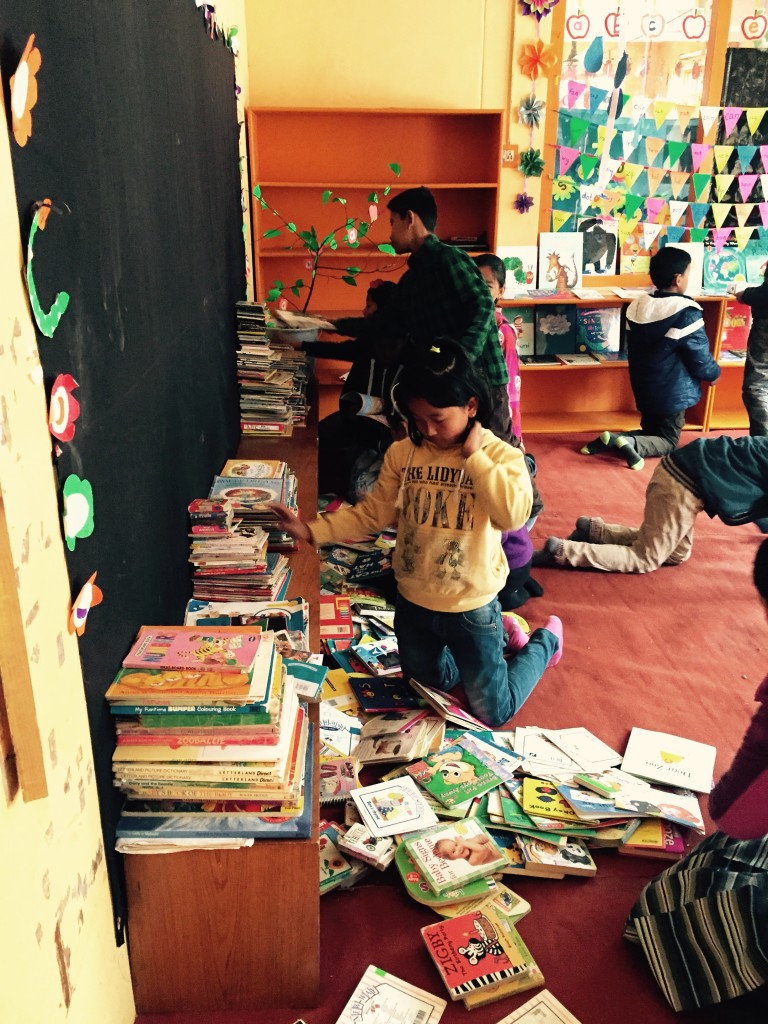
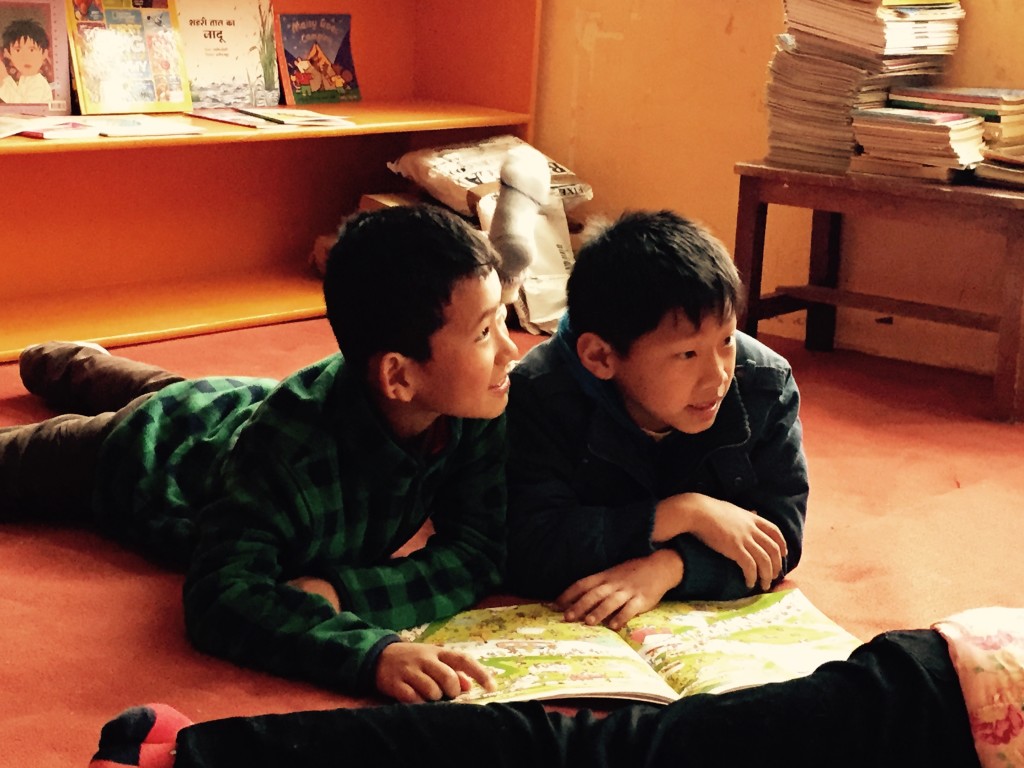
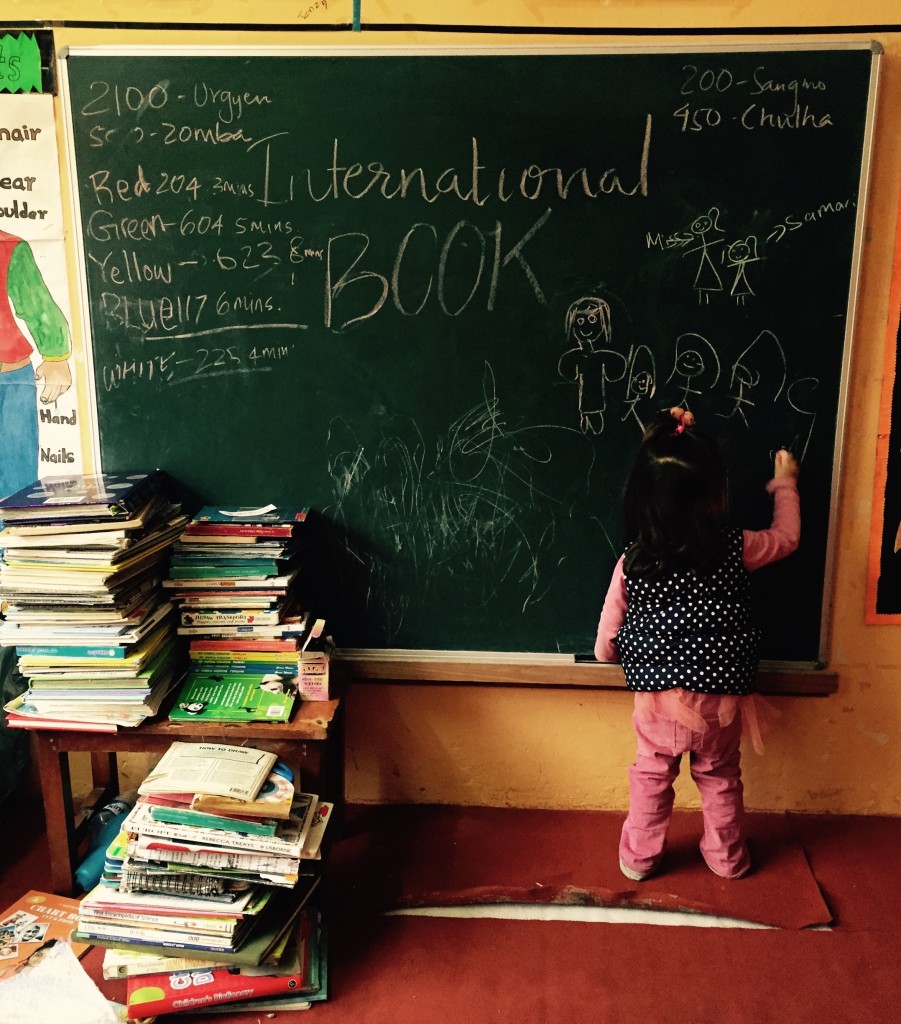
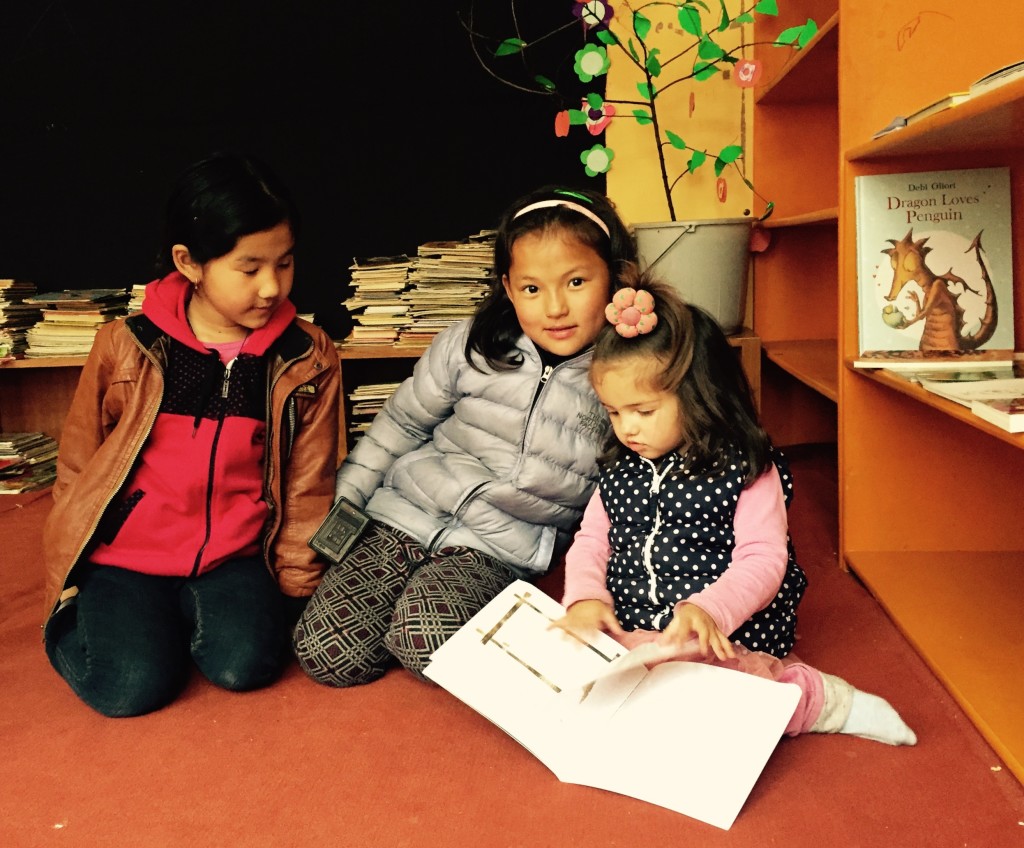
That freedom mattered. Reading was no longer restricted to homework or examination preparation. Children could spend an afternoon exploring an atlas, listening to a folktale, drawing characters, or practicing a new language. Regular visits helped turn reading into a habit rather than an occasional task.
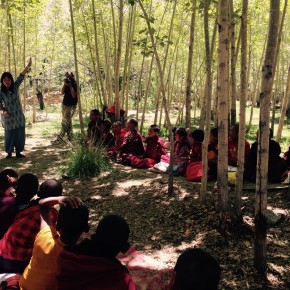
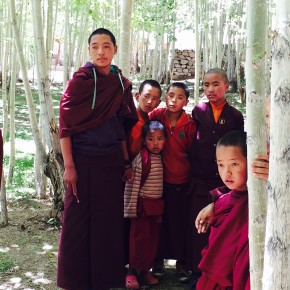
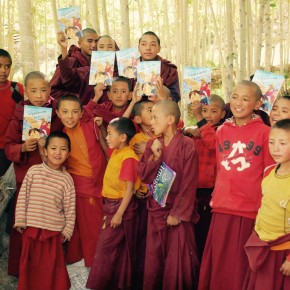
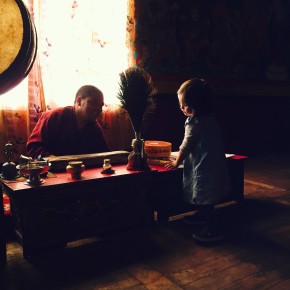
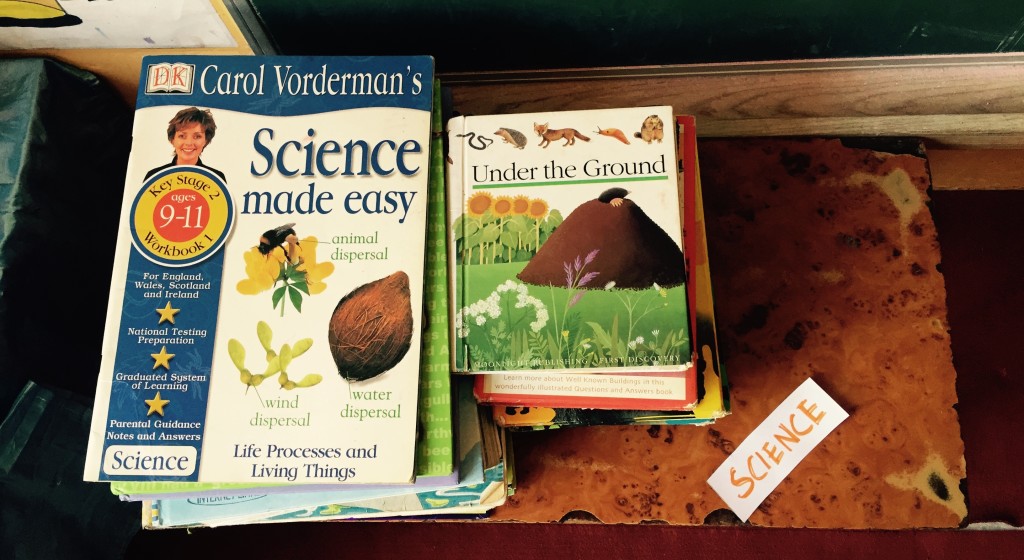
For young monks, the space could provide a valuable complement to monastic education. Alongside spiritual and philosophical studies, books about nature, science, art, and world cultures encouraged wider curiosity. The result was a more varied learning experience, grounded in local community life.
From Borrowed Books To Independent Study
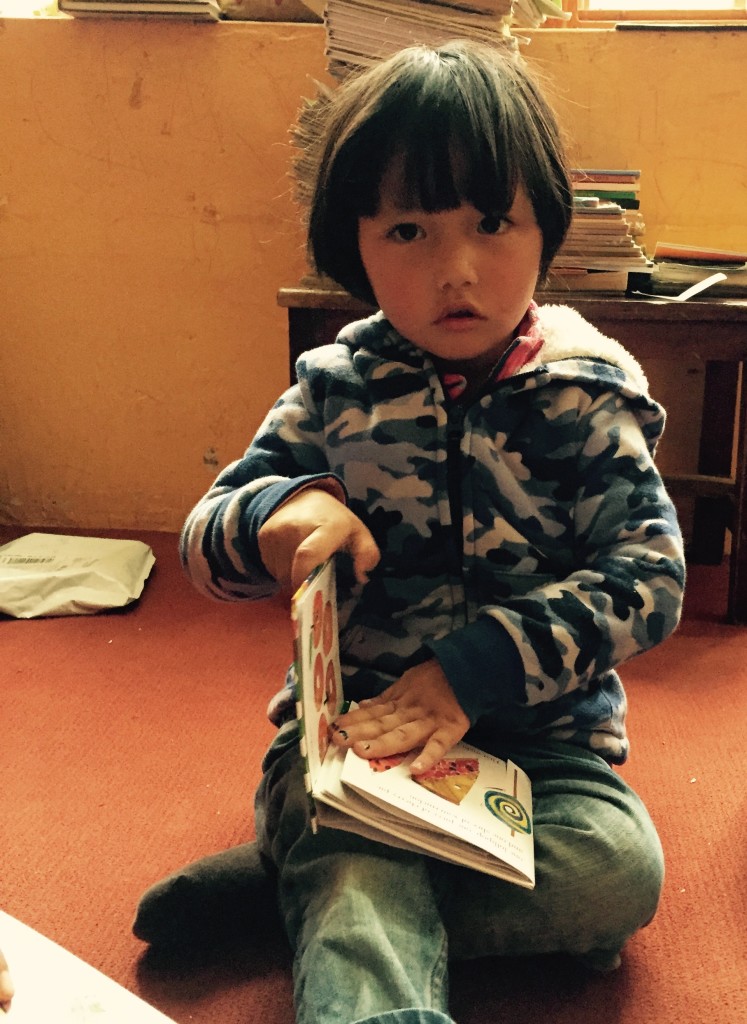
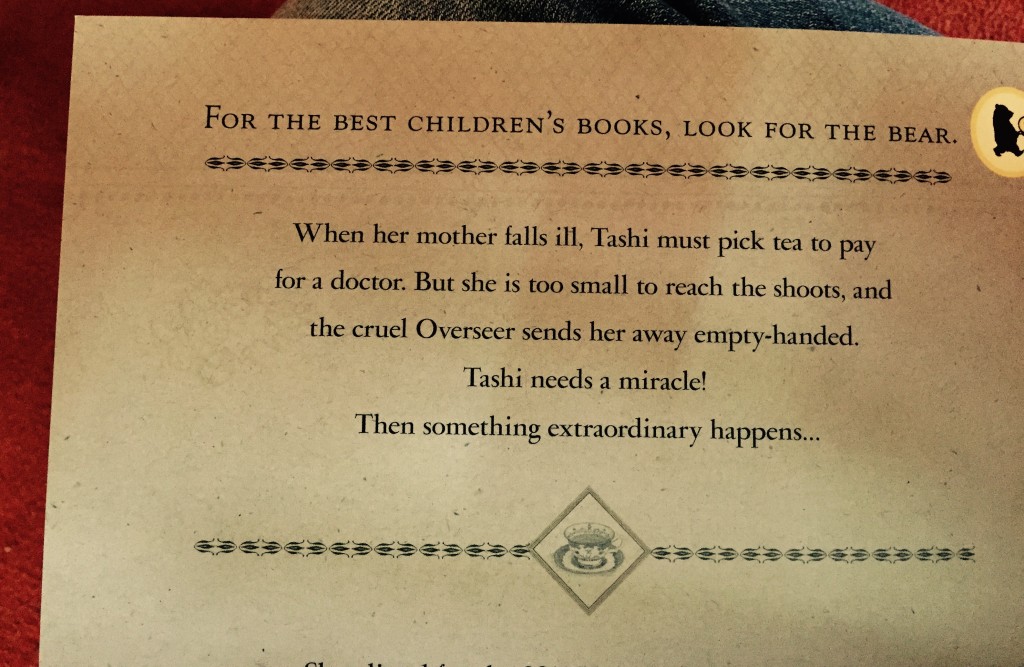
Many alumni remember the first book they chose for themselves. It may have been a translated adventure story, a collection of Himalayan legends, or a picture book passed between several friends. The choice itself was important because it gave a child ownership of learning. Instead of waiting for an assigned lesson, the student had to follow an interest and stay with it.
That early habit becomes useful in college. Higher education demands initiative: students must locate sources, compare ideas, take notes, and organize their own time. A child who once learned to search a shelf for a book may later feel more comfortable searching a university library or online academic database.
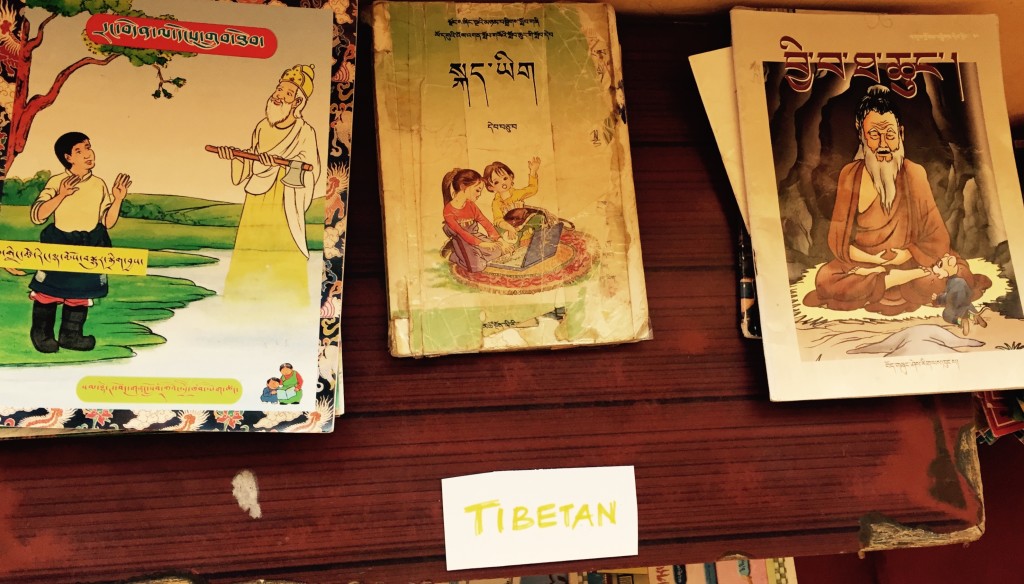
The reading room also builds language confidence. Regular exposure to English and other languages strengthens vocabulary, comprehension, and communication. Students who began by reading short passages aloud may eventually write essays, present research, or participate in discussions with classmates from different regions.
Alumni Paths That Begin With Pages
The students who grow through these spaces do not all follow the same academic route. Some enter teacher-training programs, while others choose environmental studies, public health, business, engineering, fine arts, or social sciences. Their paths reflect individual interests, yet a shared pattern often appears: early access to books helped them recognize possibilities beyond the immediate circumstances of their village.
Consider an alumnus who once spent quiet afternoons reading illustrated science books. At college, that curiosity may develop into environmental research focused on water, agriculture, or high-altitude ecosystems. Another former reader may discover that stories and drawing lead toward design, communication, or education. A young monk who explored world history and music in the reading room may bring those interests into cultural studies or community teaching.
The names and details of alumni stories may change, but the influence of the space remains recognizable. Their progress is not the result of one book or one visit. It comes from repeated opportunities to read, ask questions, create, and receive encouragement.
| Early Reading Room Experience |
College-Bound Strength |
| Choosing books independently |
Confidence in directing personal study |
| Reading stories in a second language |
Stronger vocabulary and written communication |
| Joining group activities |
Collaboration and public speaking |
| Exploring science, art, or history |
Broader academic interests |
| Helping younger children with books |
Leadership and community responsibility |
Learning Beyond The Library Walls
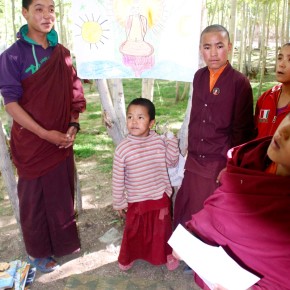
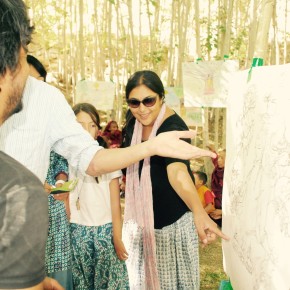
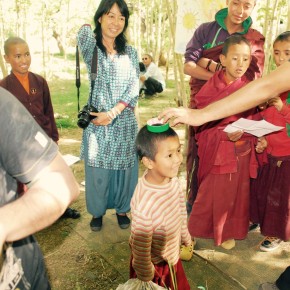
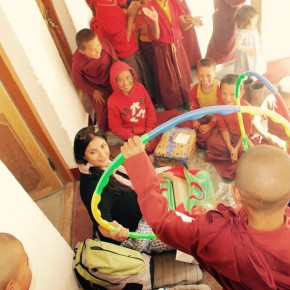
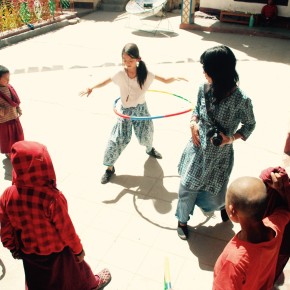
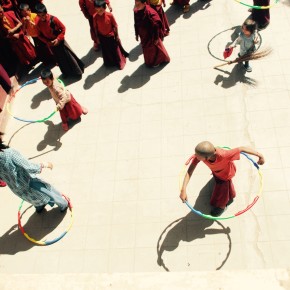
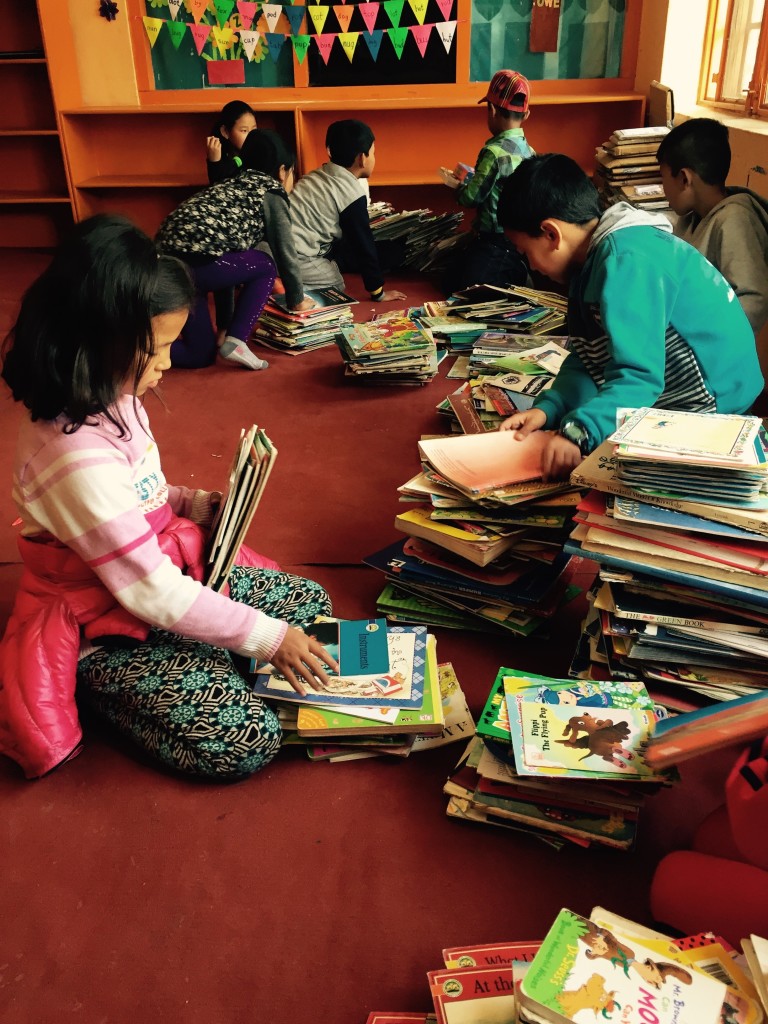
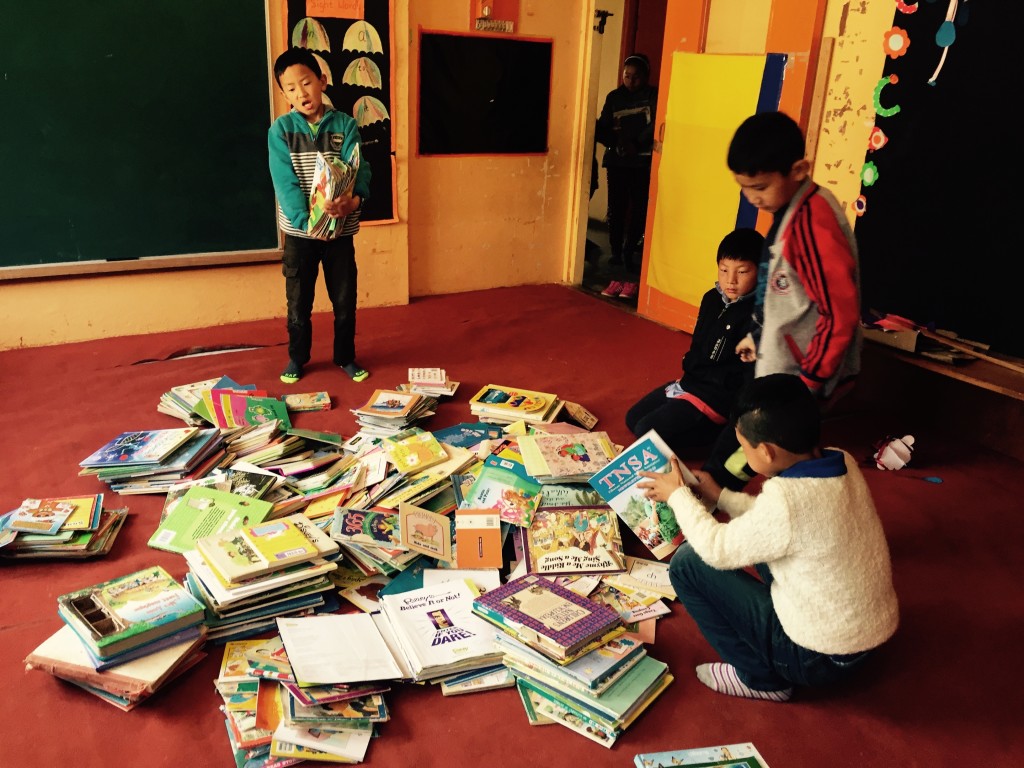
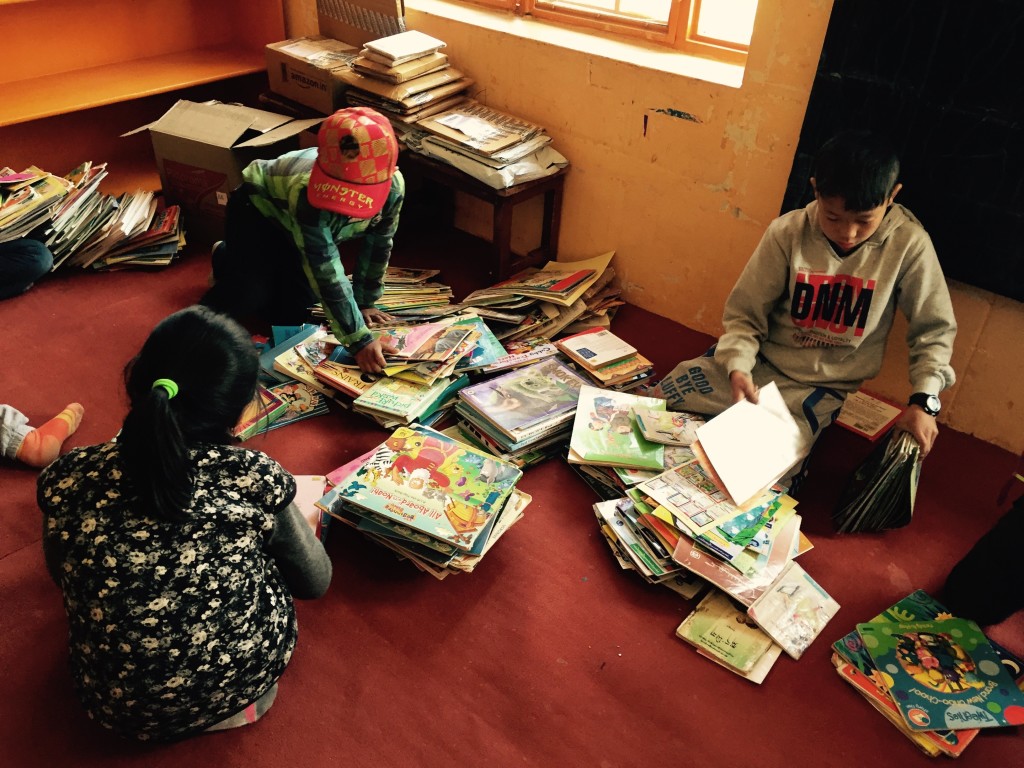
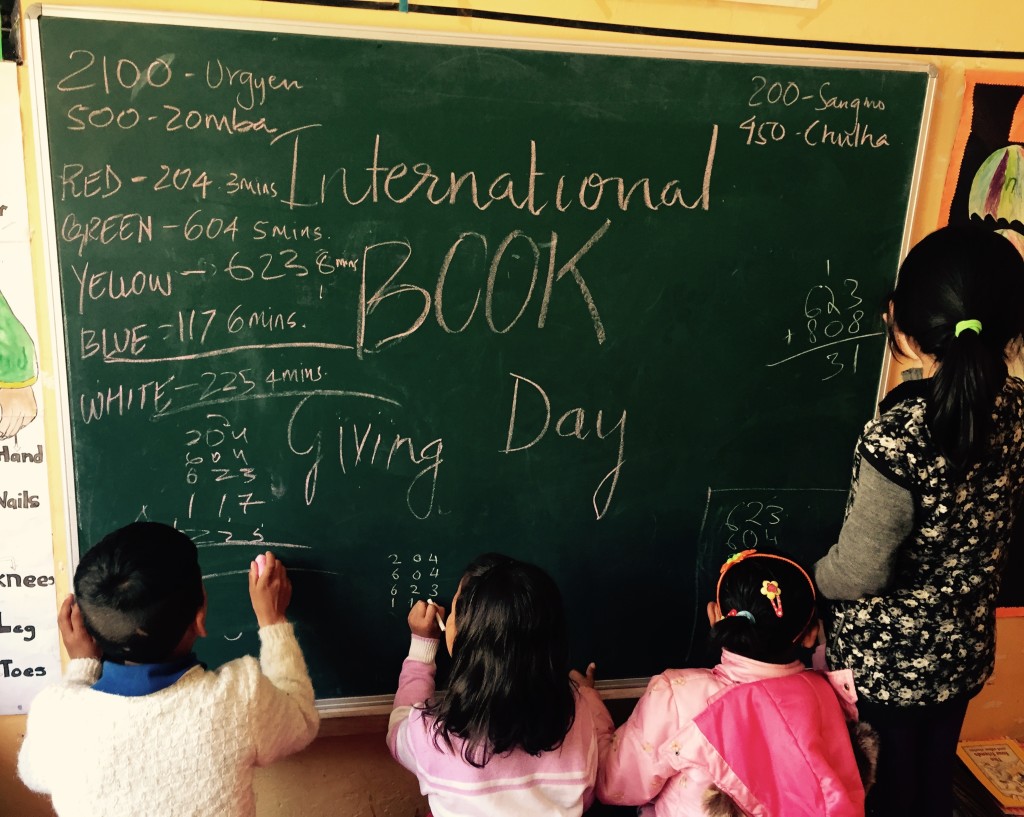
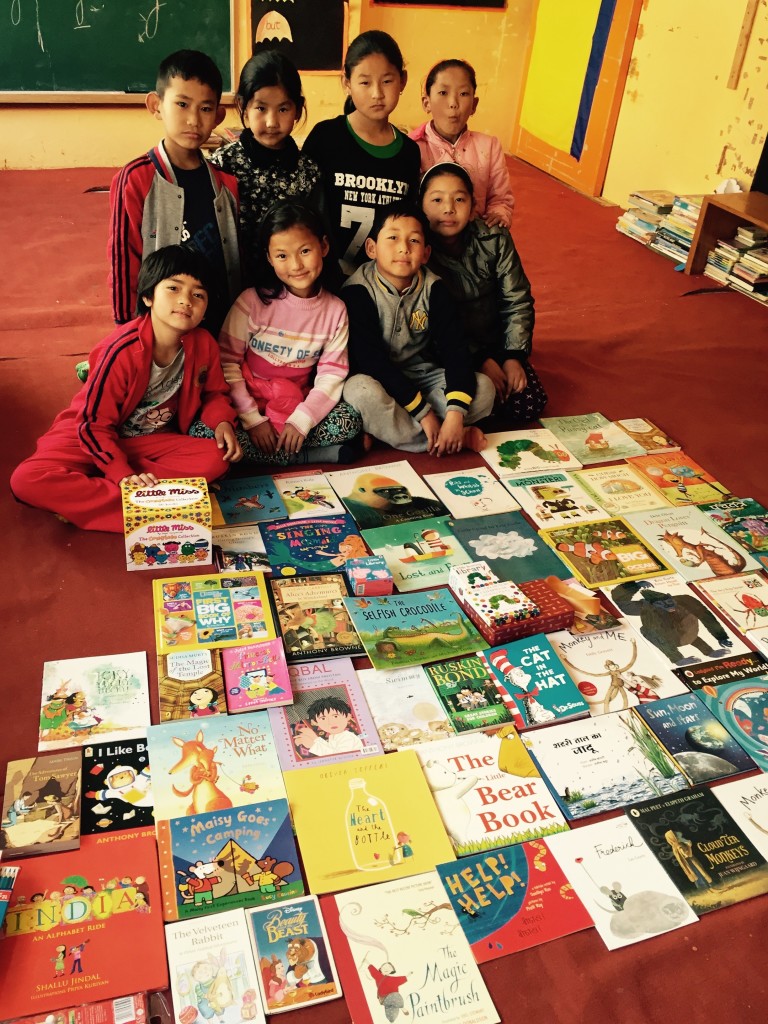
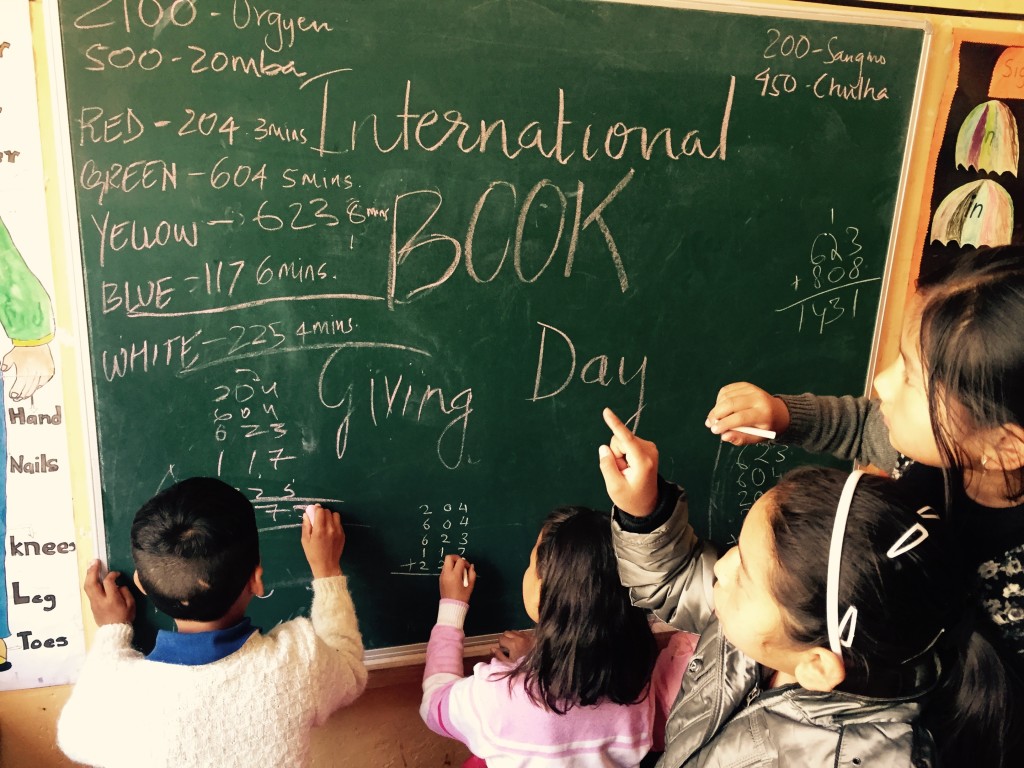
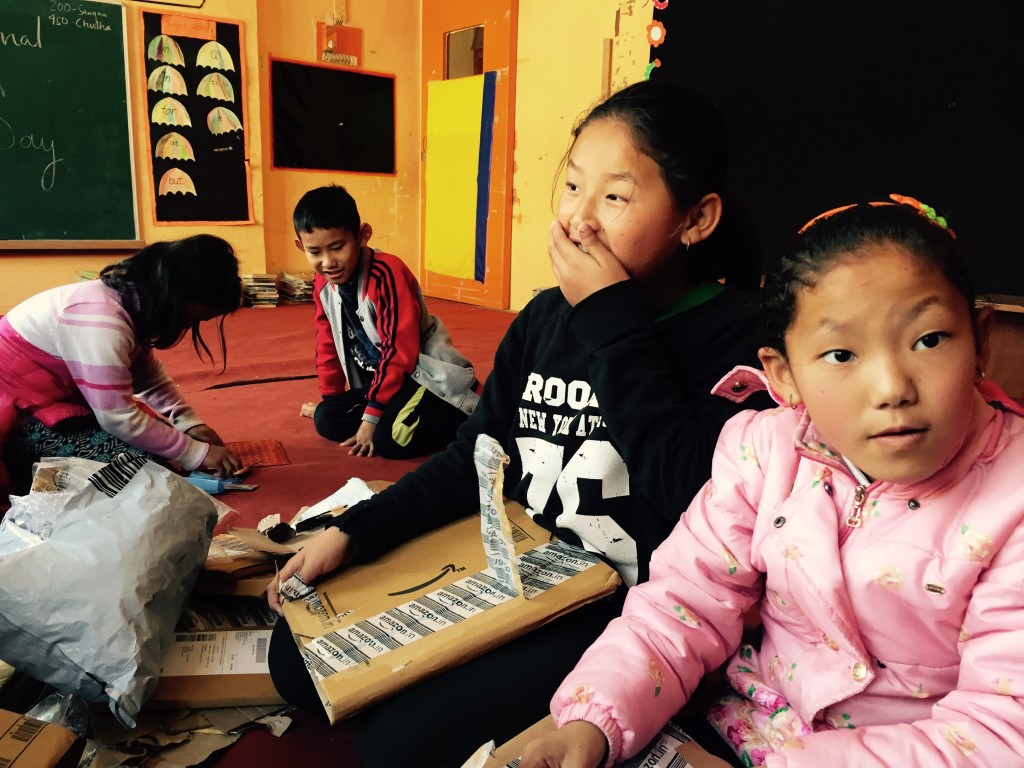
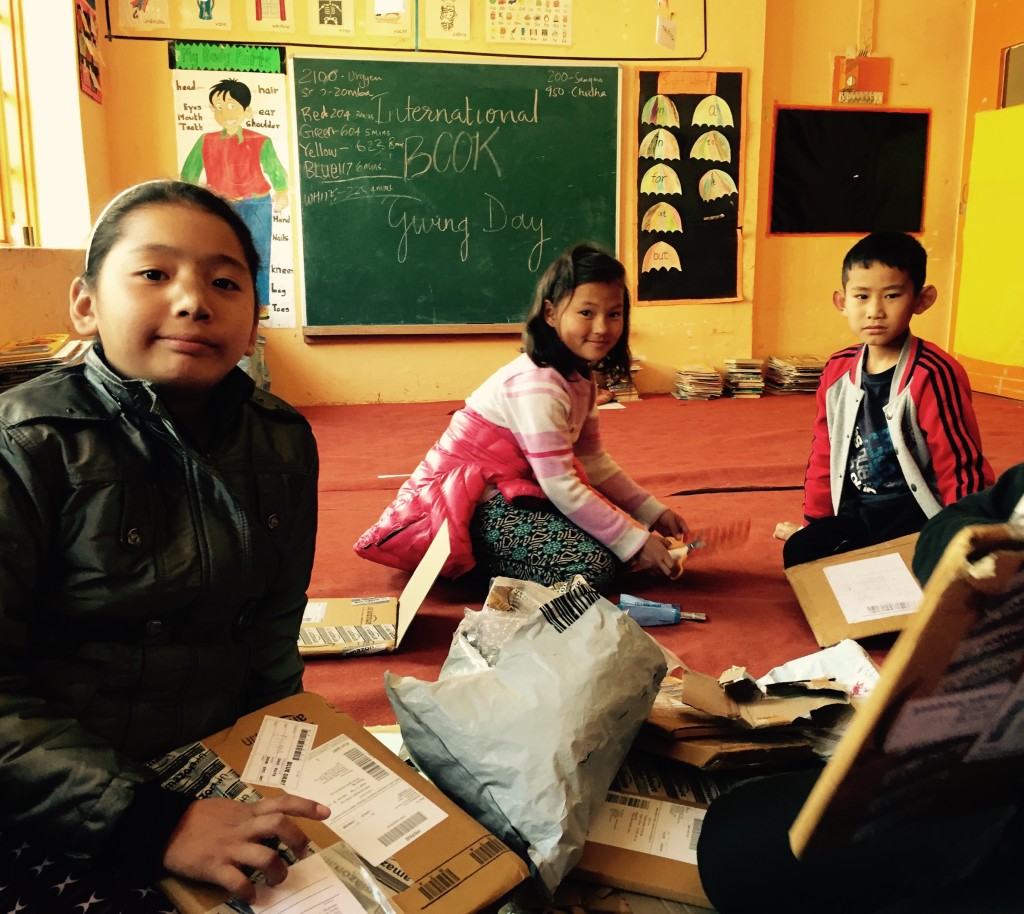
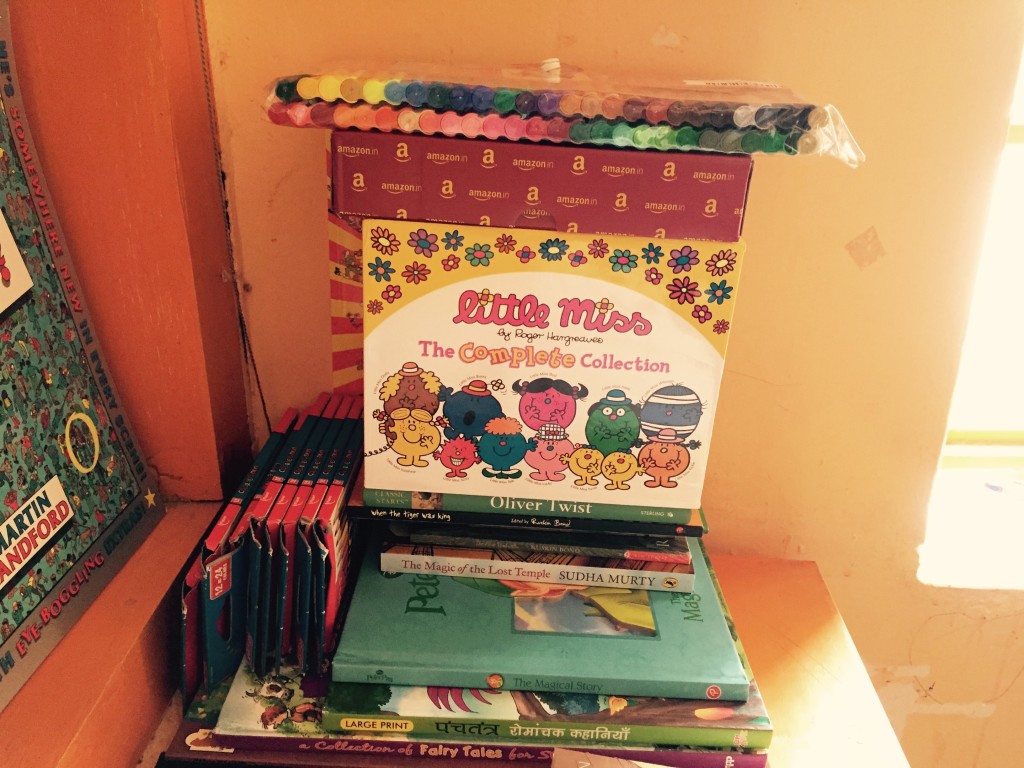
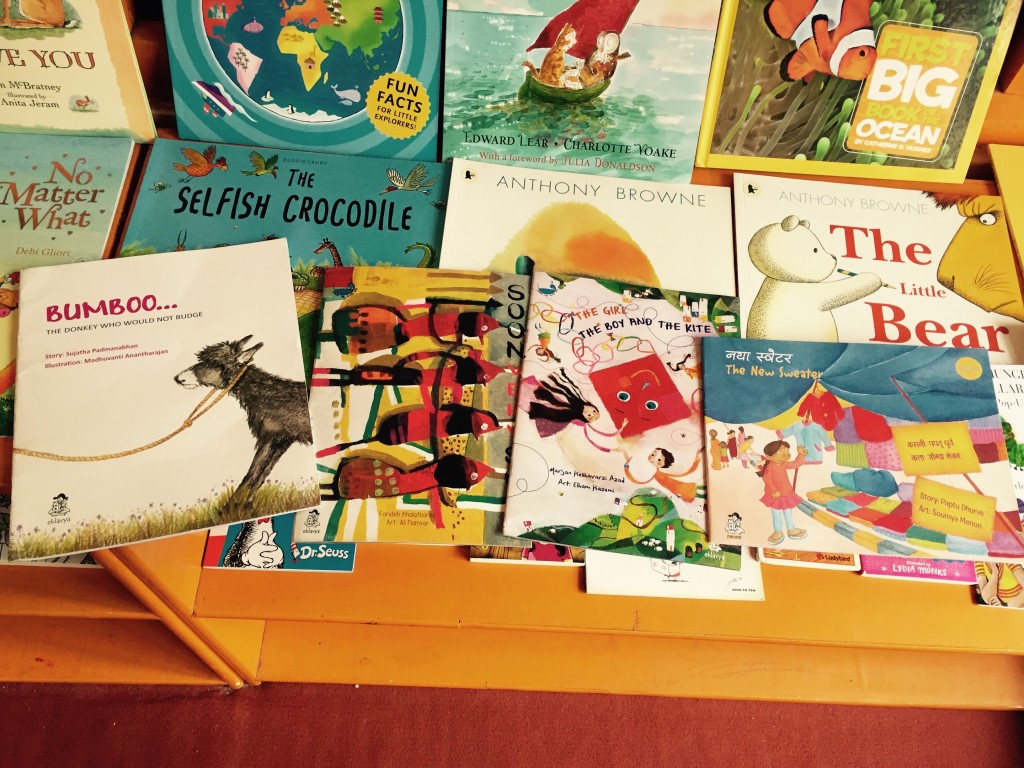
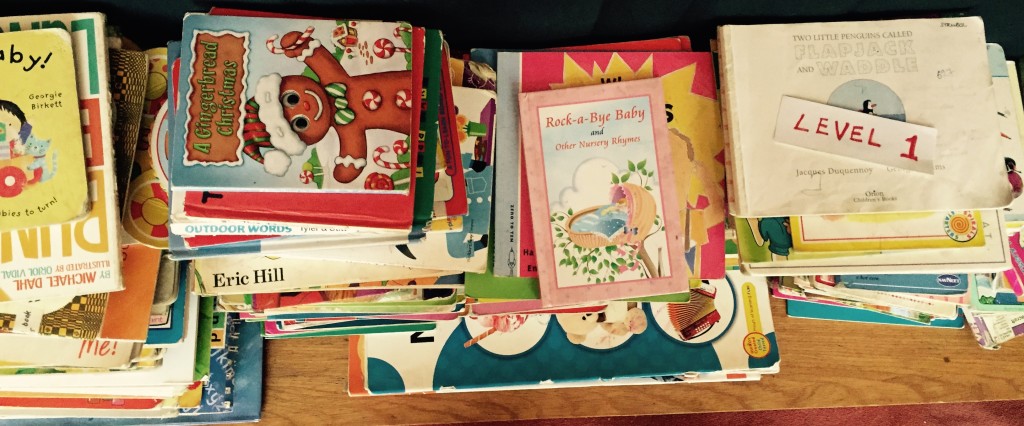
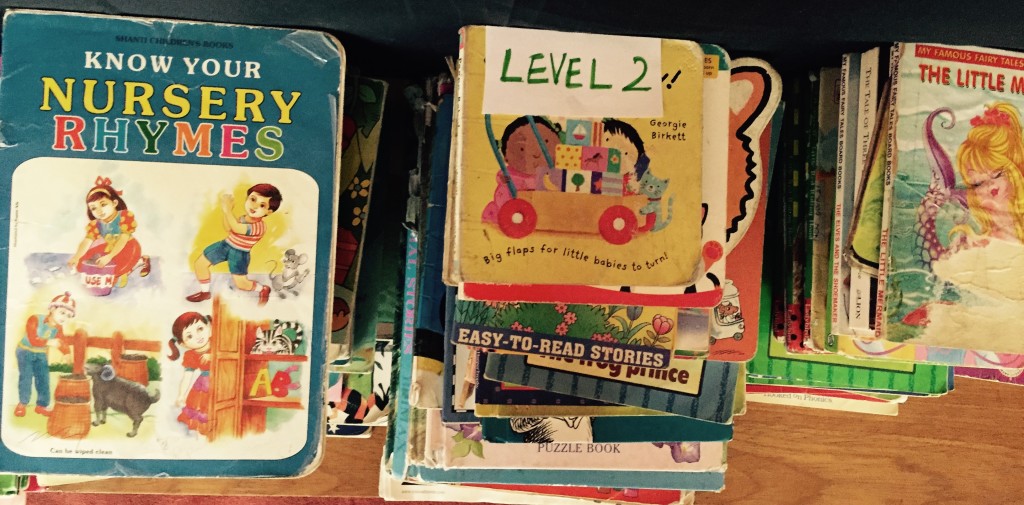
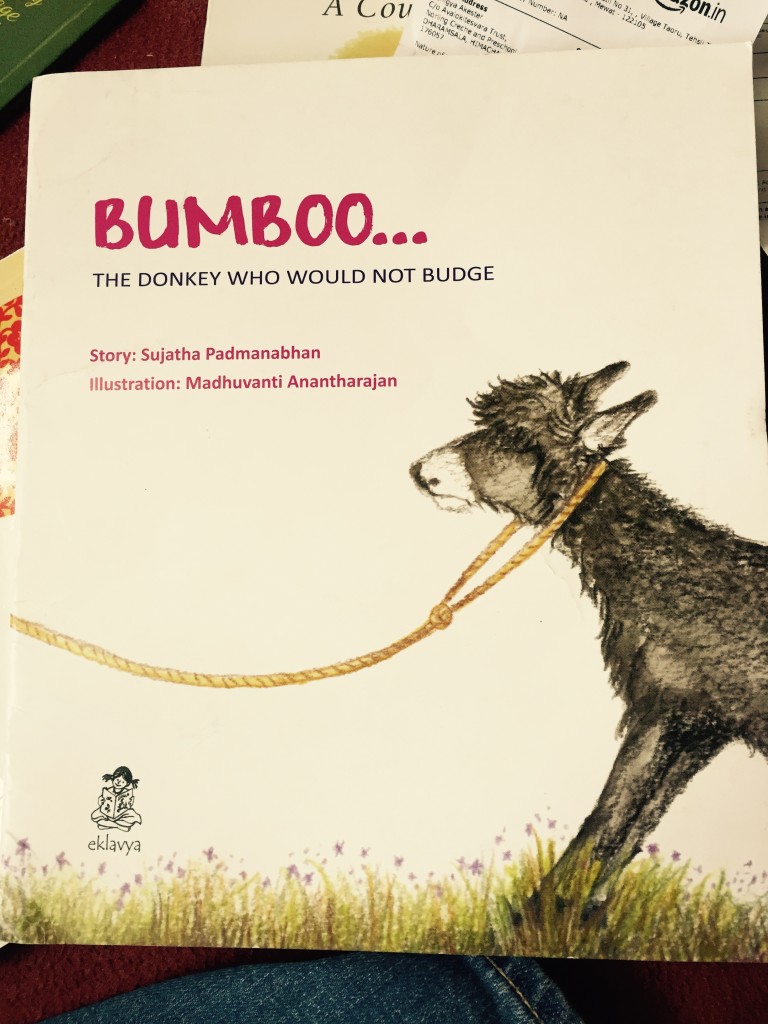
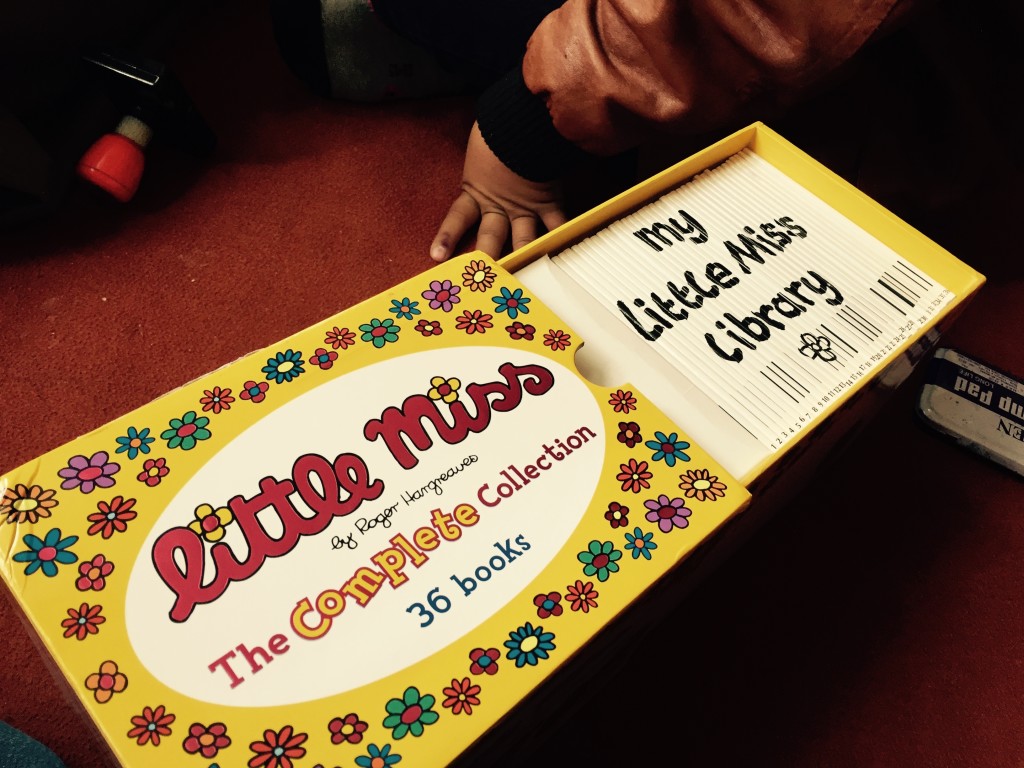
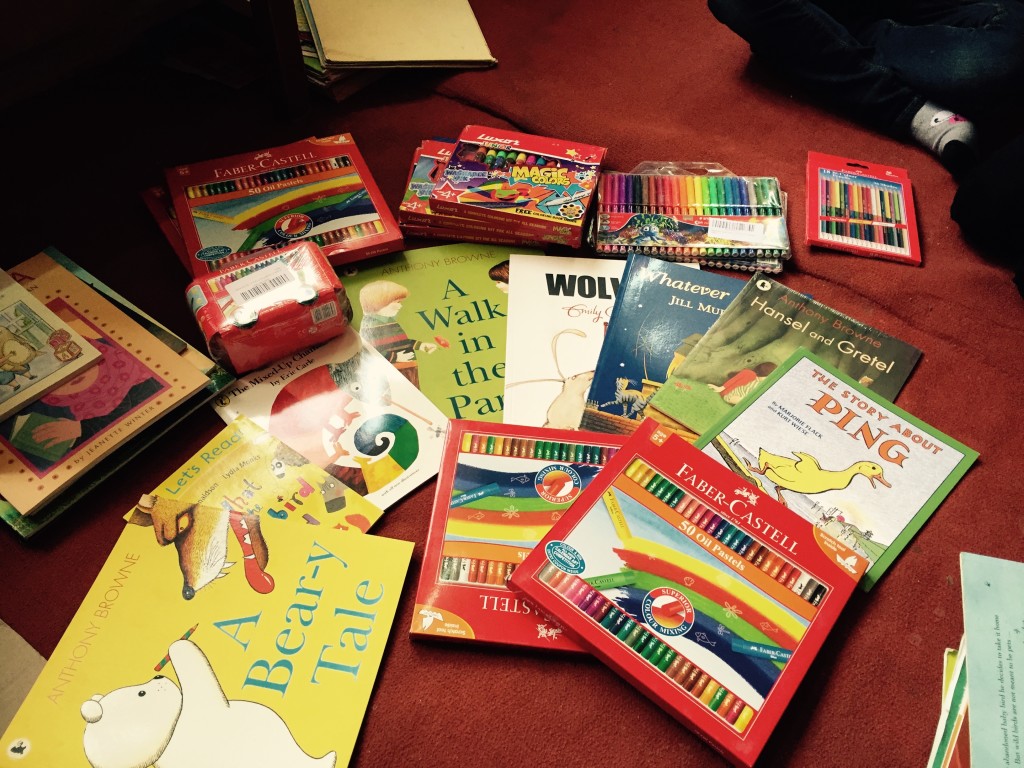
A reading room works best when it is connected to other forms of learning. Book drives expand the collection, while art sessions give children a way to interpret what they read. Music and storytelling build memory, expression, and confidence. Educational activities allow students to move between quiet concentration and shared discovery.
These experiences can be especially valuable in remote Himalayan communities, where distance, weather, and limited resources may affect access to enrichment programs. A child might not have frequent opportunities to visit a large public library or attend a specialist workshop. A well-supported local reading room brings some of those possibilities closer to home.
College alumni often describe these activities as part of a broader education. The reading room taught them that learning could be practical and joyful at the same time. It could involve a book, a conversation, a sketch, a song, or a question that remained open for several days.
The People Behind The Progress
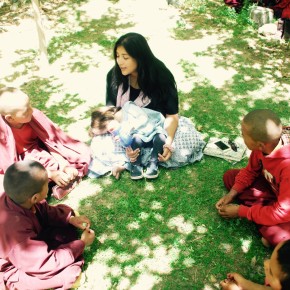
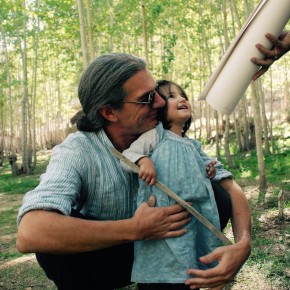
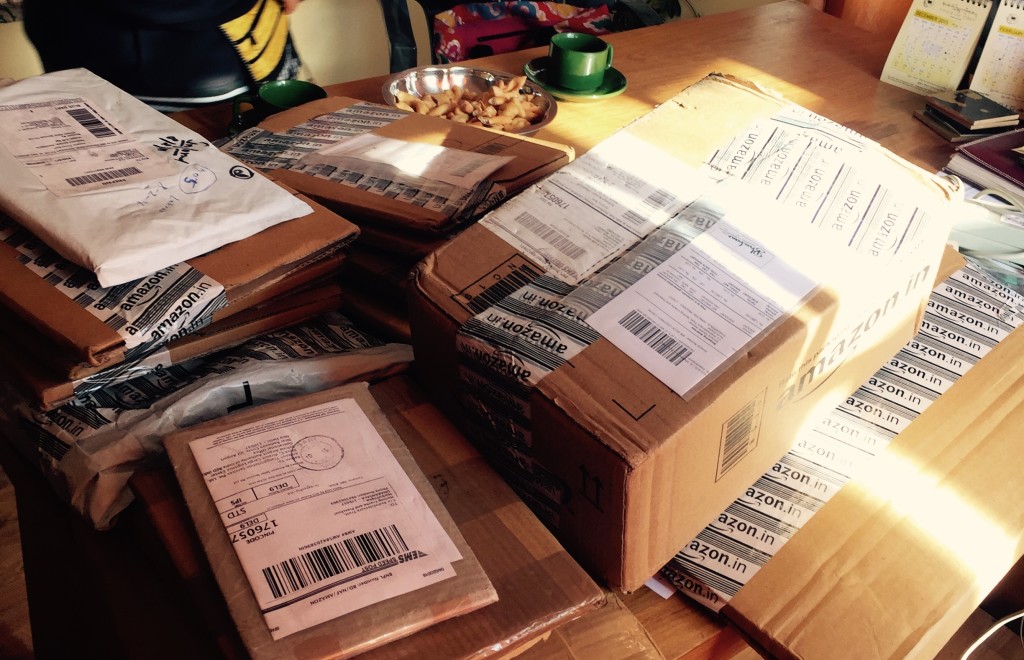
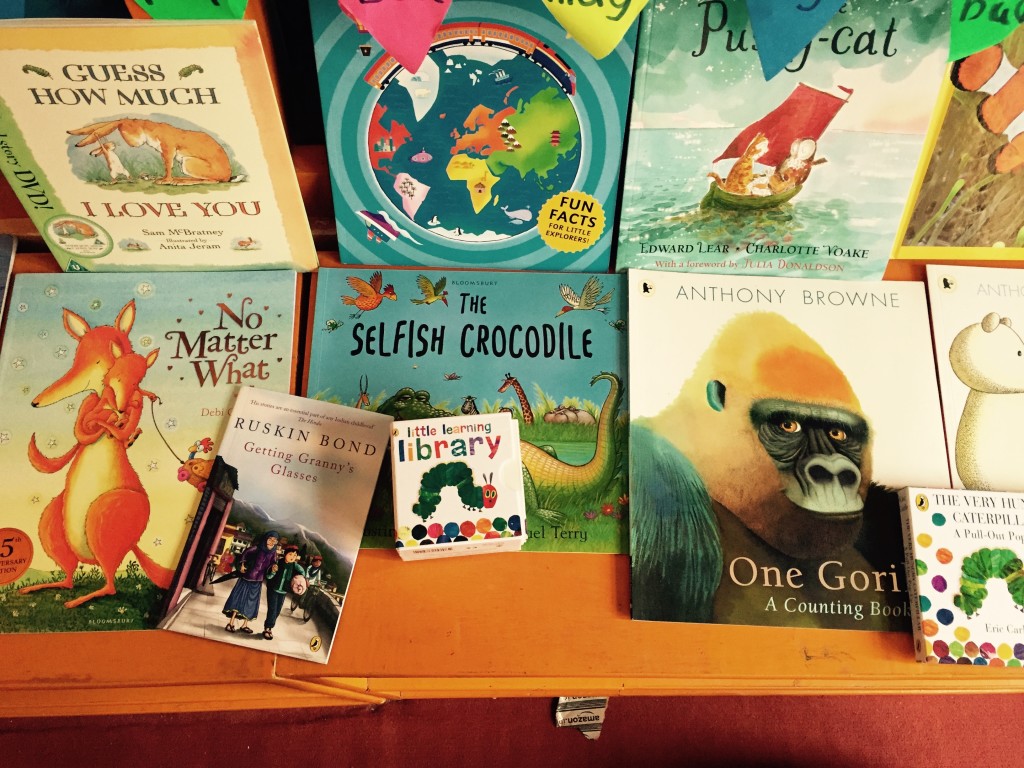
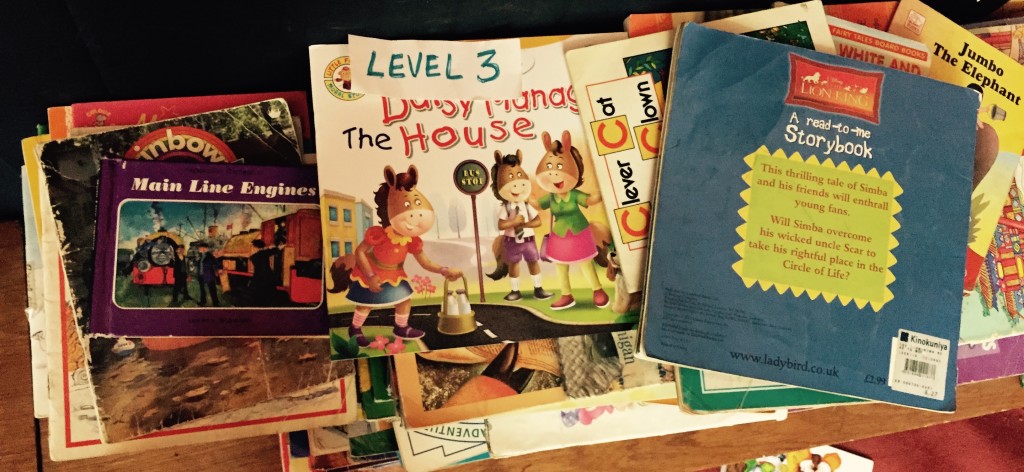
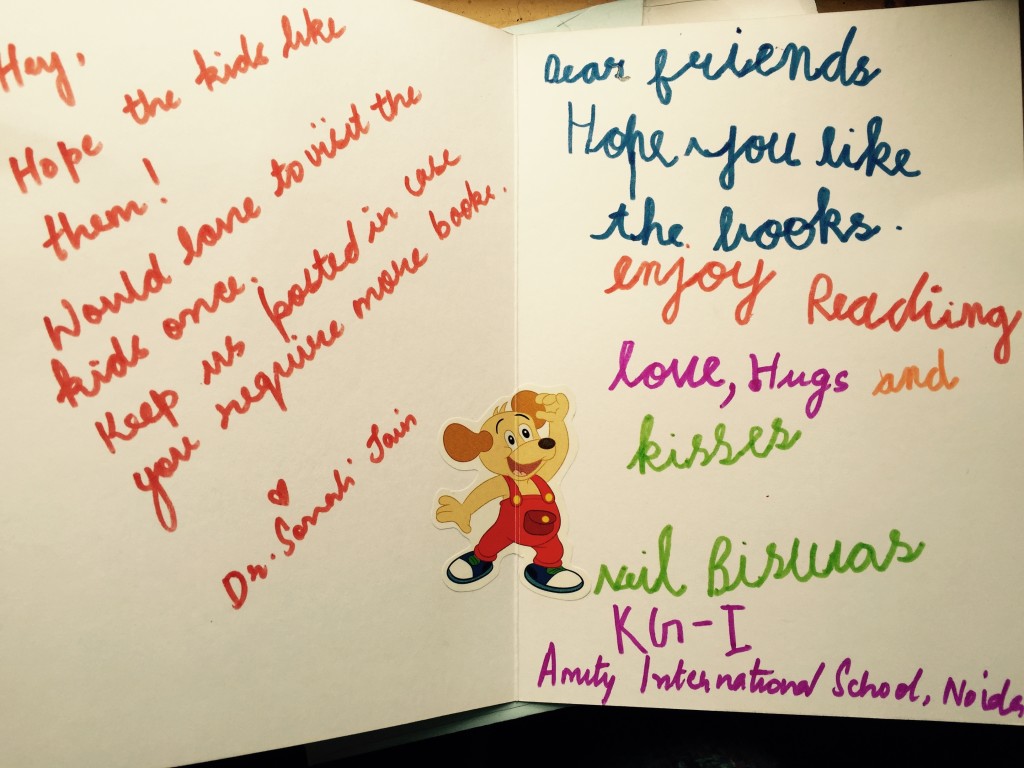
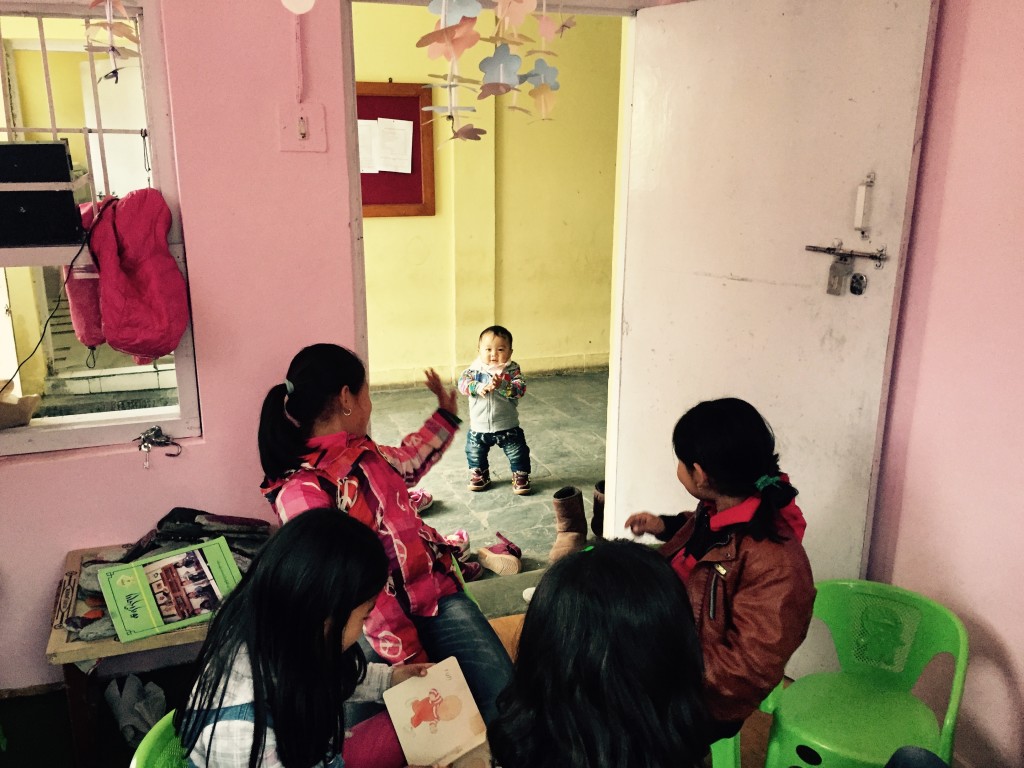
Books are central, but people give a reading room its warmth and continuity. Volunteers help children choose material suited to their age and reading level. Local coordinators notice which students are returning regularly and which may need additional encouragement. Donors make it possible to replace worn books, add new subjects, and maintain an inviting space.
This human support can influence a child’s sense of belonging. Students learn that their questions deserve attention and that their interests have value. For children who may be the first in their families to pursue higher education, such encouragement can be significant. It helps transform college from a distant idea into a realistic goal.
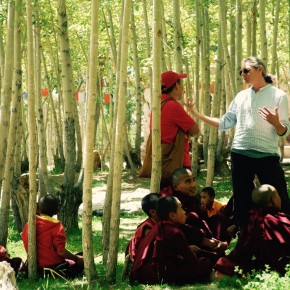
Alumni also become part of this circle of support. Some return during holidays to read with children, lead a creative session, or share their experience of college life. Their presence makes higher education visible. A current reader can see someone from a similar community speaking about lectures, examinations, friendships, and future work.
Carrying The Habit Of Sharing
The lasting success of a community library is visible in the way its former readers use what they learned. A student who gained confidence through books may become a teacher. Another may help improve educational access in a rural area. Someone else may simply make sure younger relatives have time and encouragement to read.
These contributions are rarely dramatic at first. They may begin with a donated novel, a conversation about a college application, or an hour spent helping a child sound out unfamiliar words. Over time, small acts of guidance can connect one generation of learners to the next.
For supporters of literacy and education in the Himalayas, the alumni story offers a clear measure of impact. A book remains useful after it leaves the shelf. A welcoming room continues to influence students after they move to another town for college. The educational legacy grows through every reader who carries curiosity, confidence, and generosity into the wider world.
Ways To Strengthen A Reading Culture
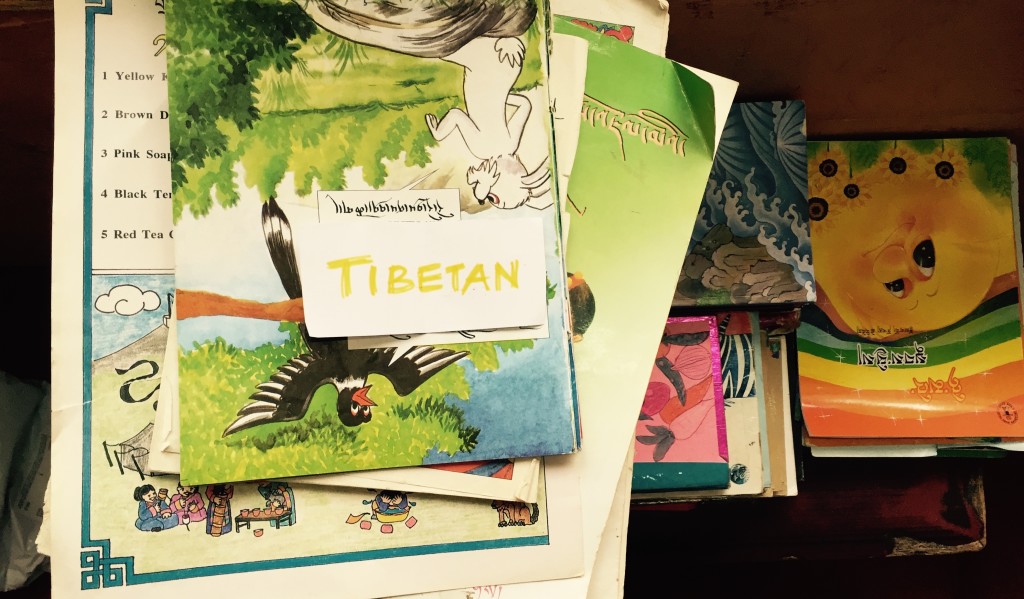
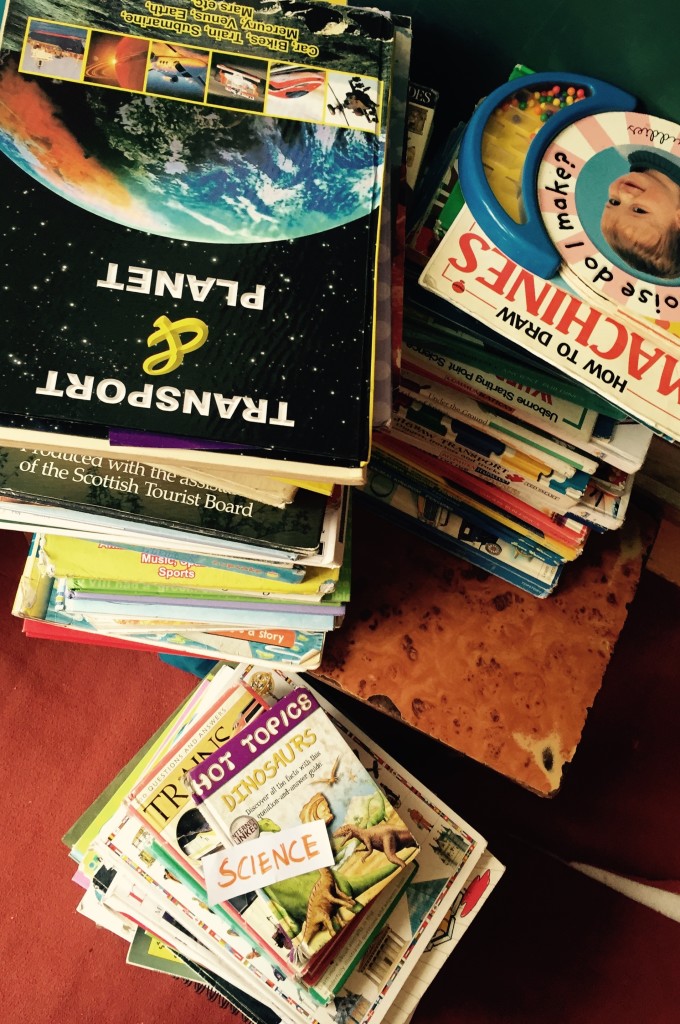
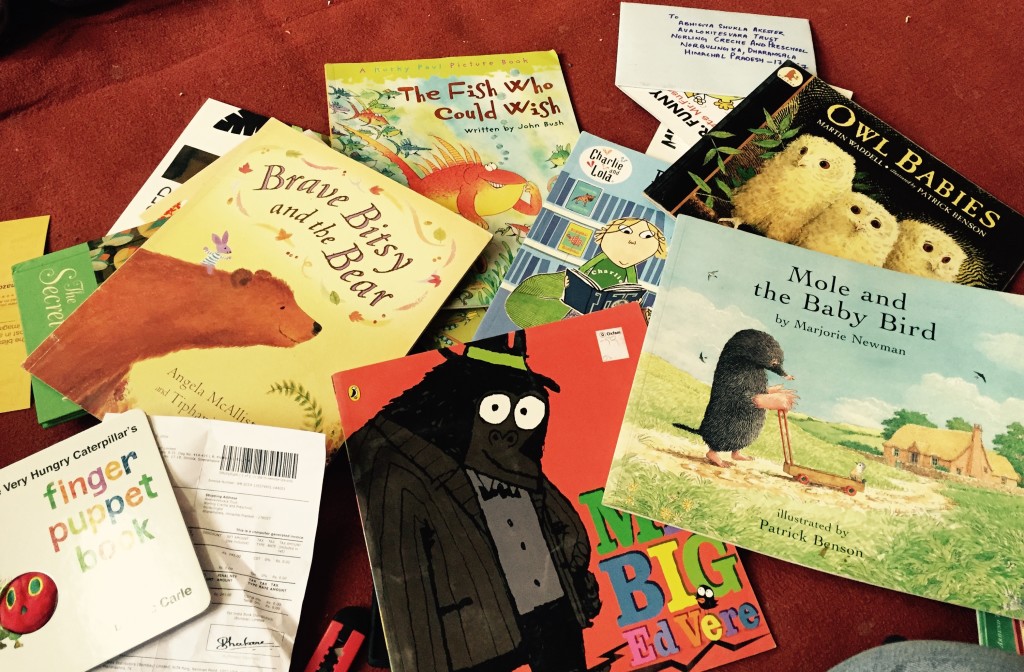
- Donate age-appropriate fiction, nonfiction, reference books, and bilingual reading materials.
- Support reading room maintenance, bookshelves, lighting, seating, and reliable learning supplies.
- Sponsor creative activities that connect books with art, music, storytelling, and local culture.
- Volunteer time for reading sessions, language practice, homework support, or college guidance.
- Share alumni stories to show younger students what sustained reading and education can make possible.
Every new book placed in a Himalayan reading room can become part of a much longer journey. It may help a child read with greater fluency, imagine a new field of study, or find the confidence to apply for college. Through Avalokiteśvara Trust, donors and volunteers can help ensure that children and young monks have welcoming places to learn, explore, and grow.
Support a reading room, contribute to a book drive, or help create educational and artistic opportunities for children in Ladakh and other communities. The next college student inspired by a shared shelf may already be turning a page.