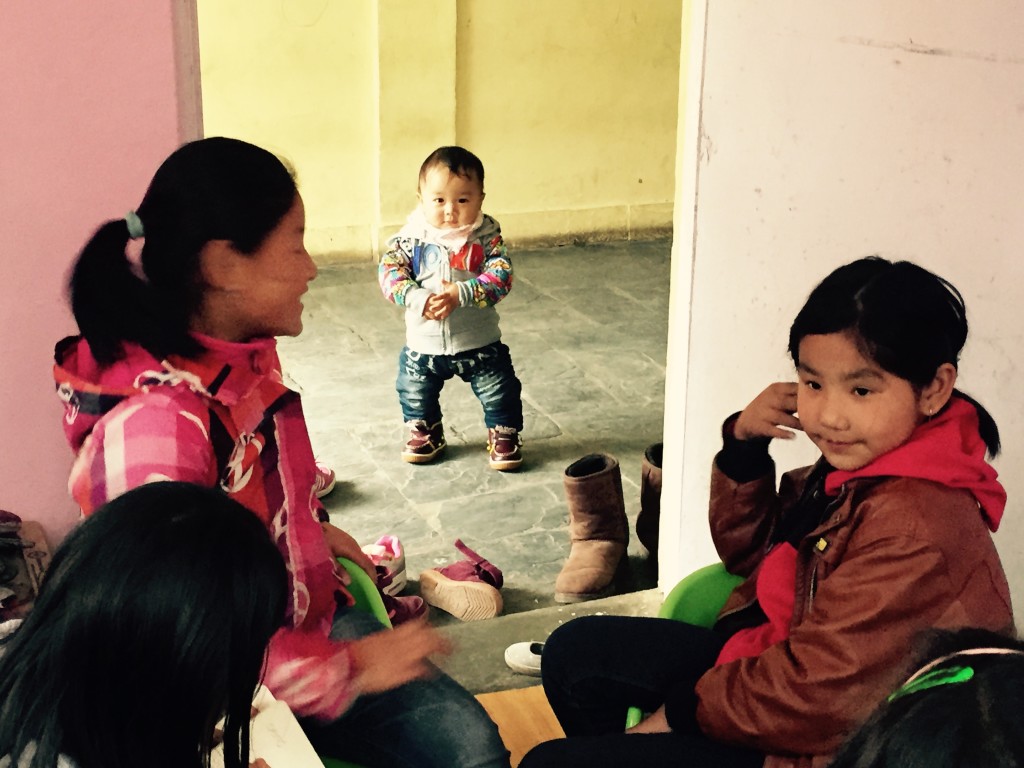
The Joy Of Children Building Their Own Small Library
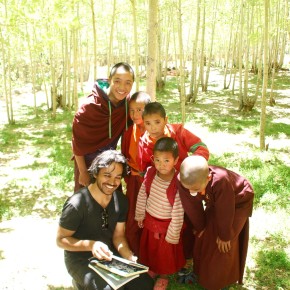
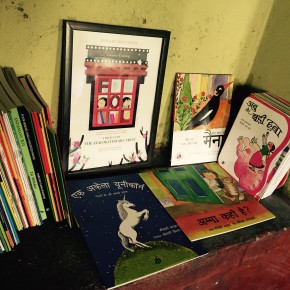
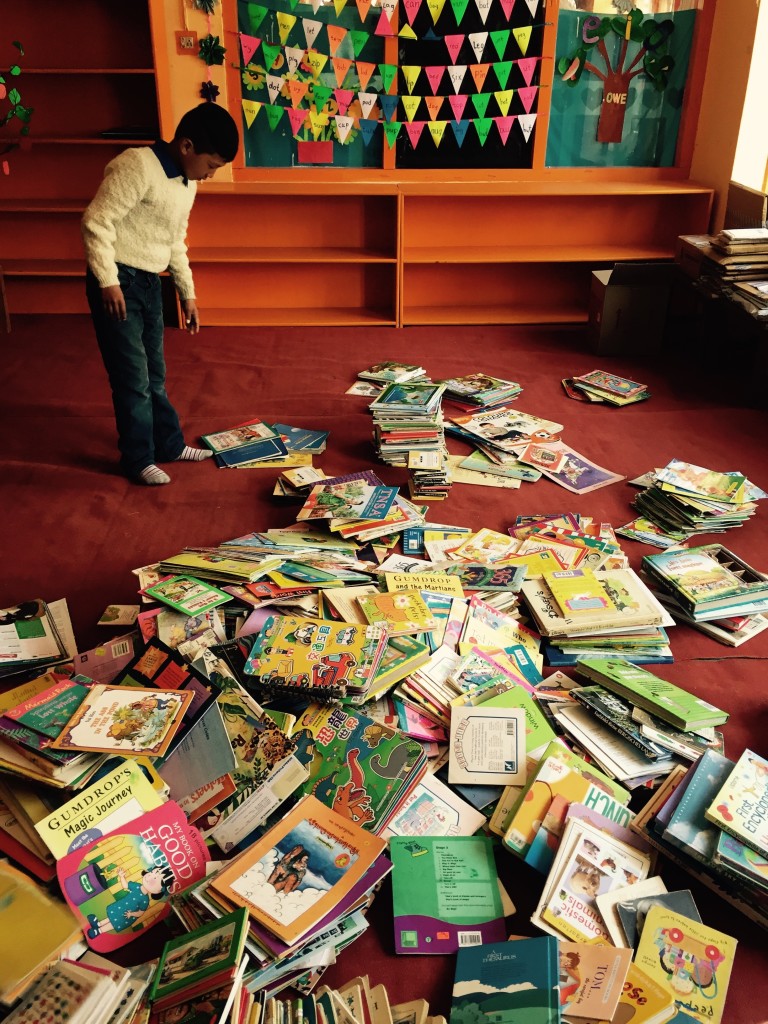
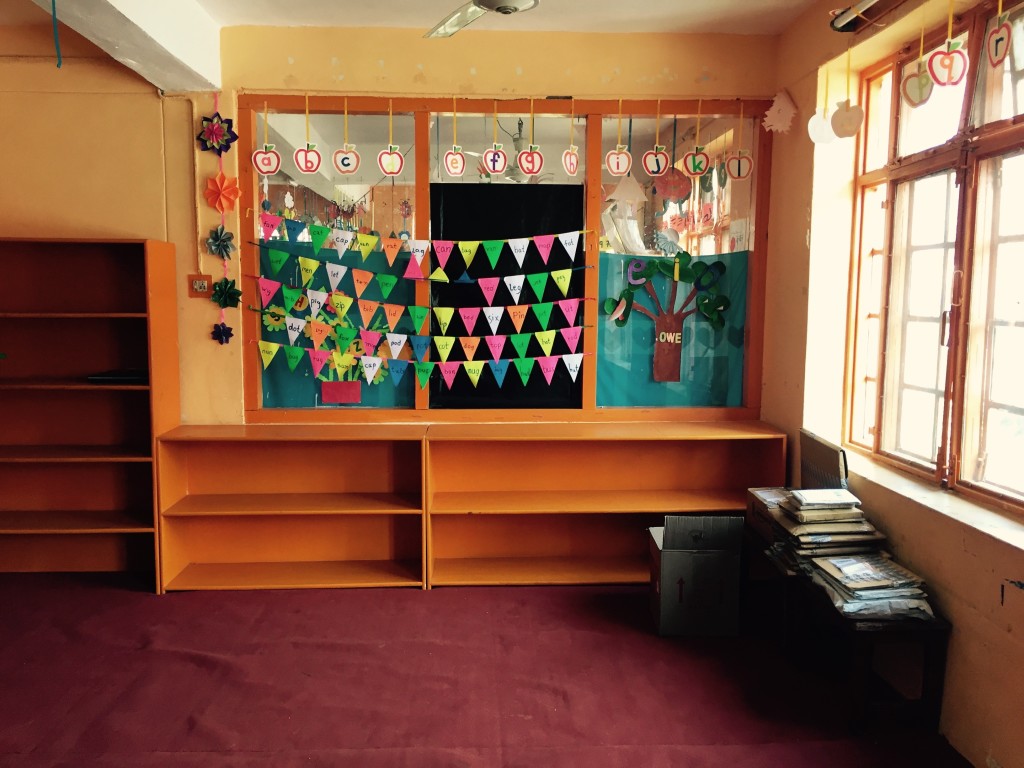
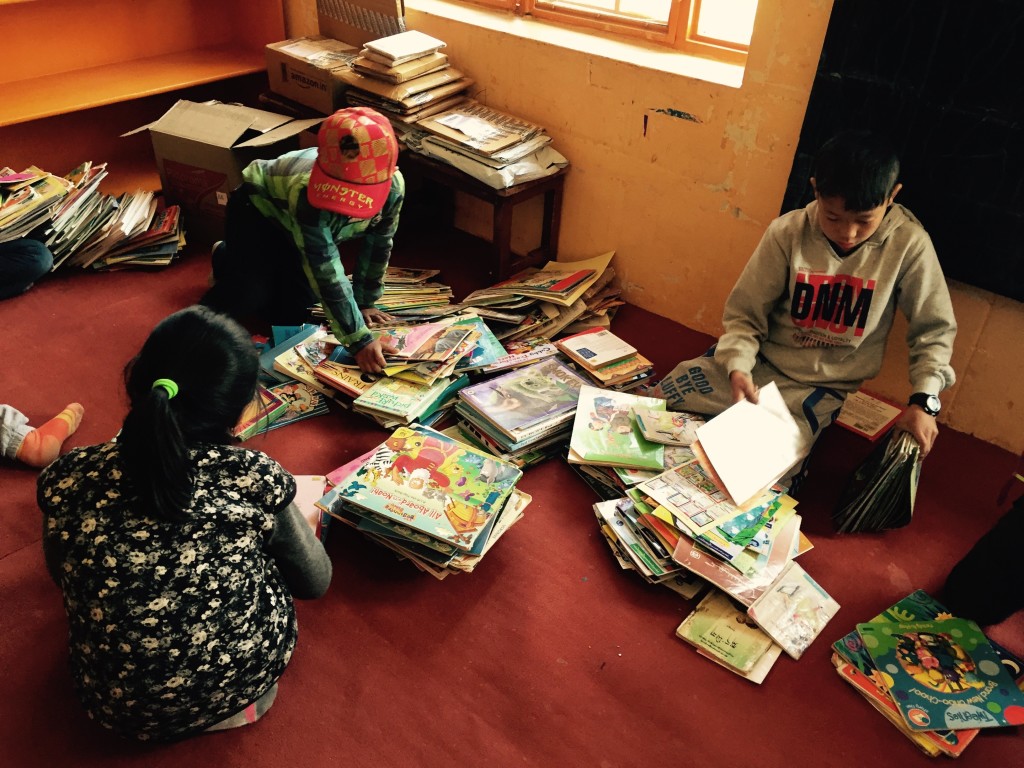
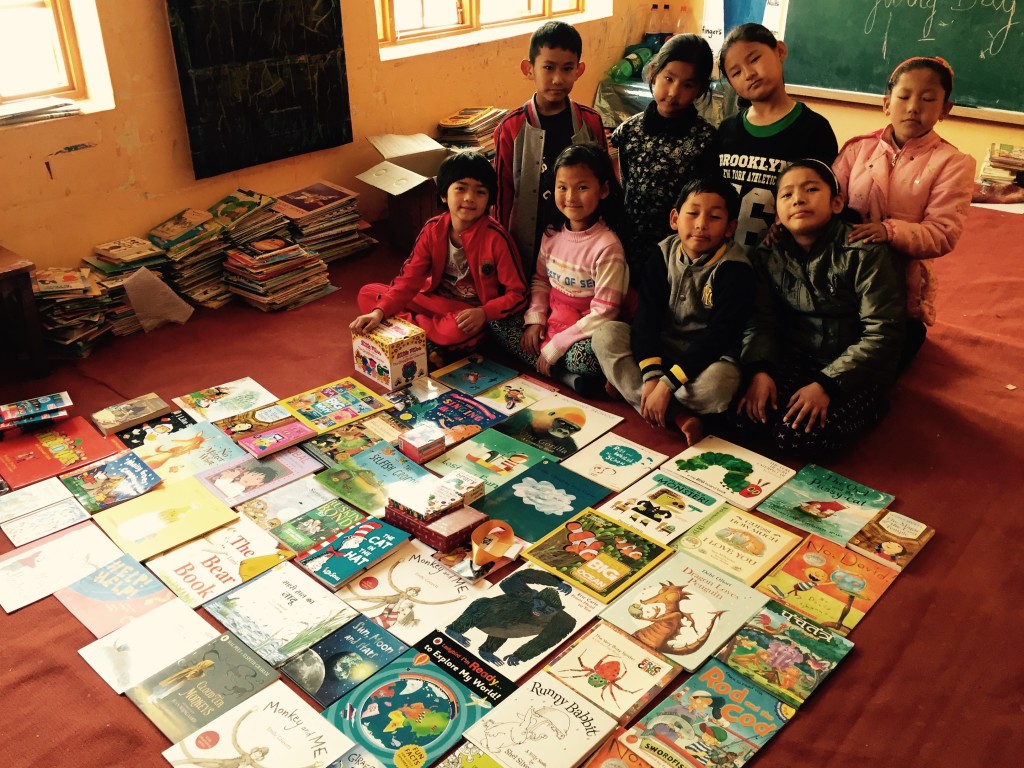
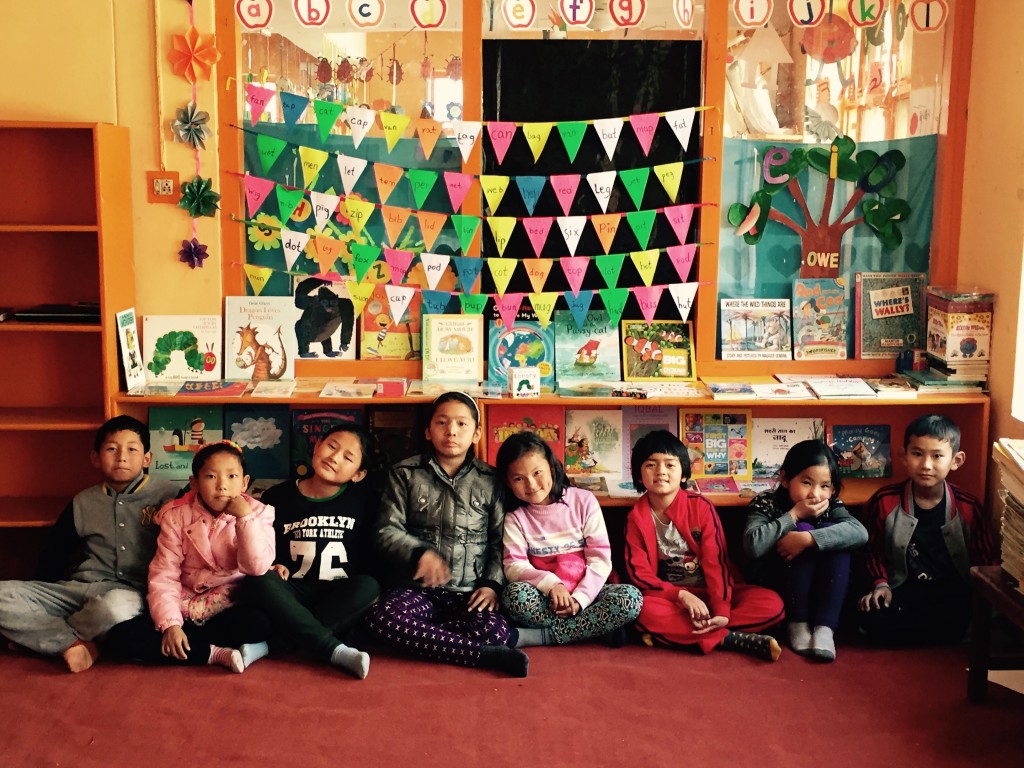
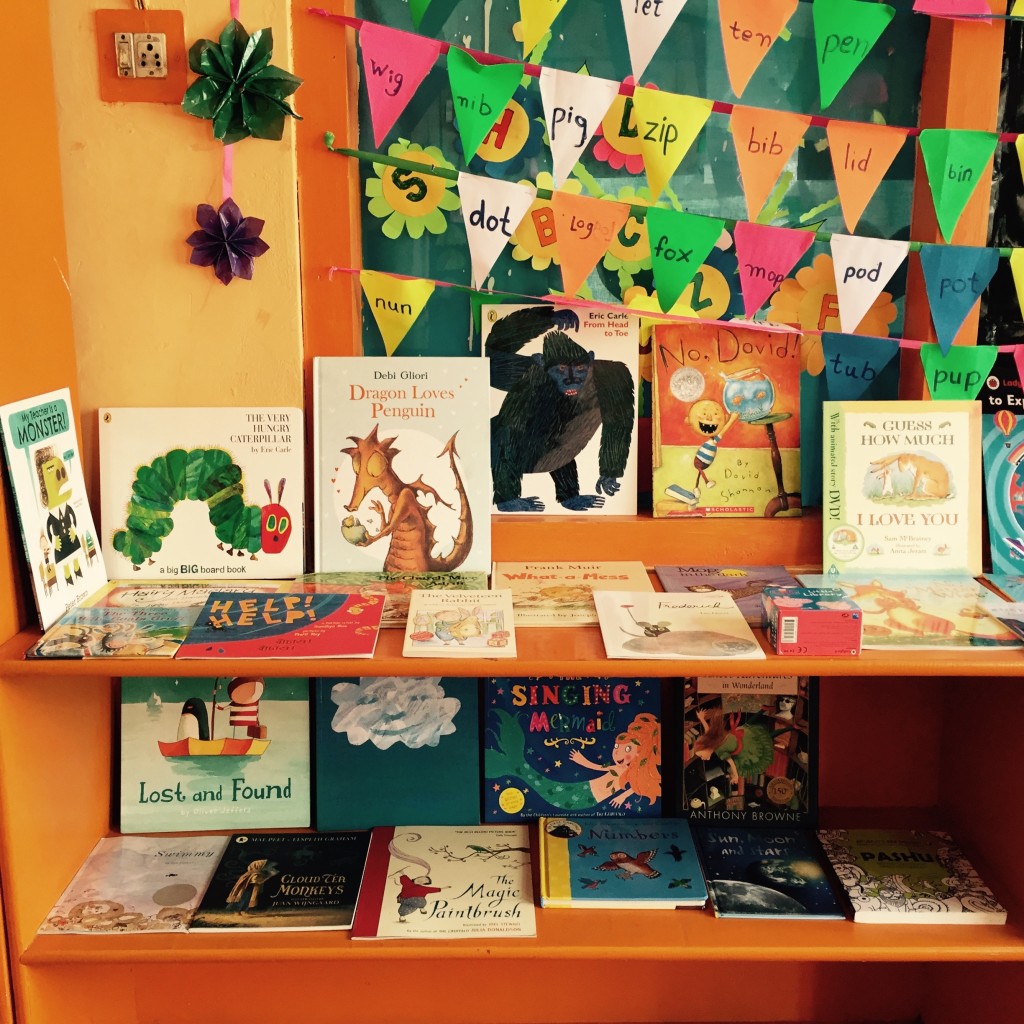
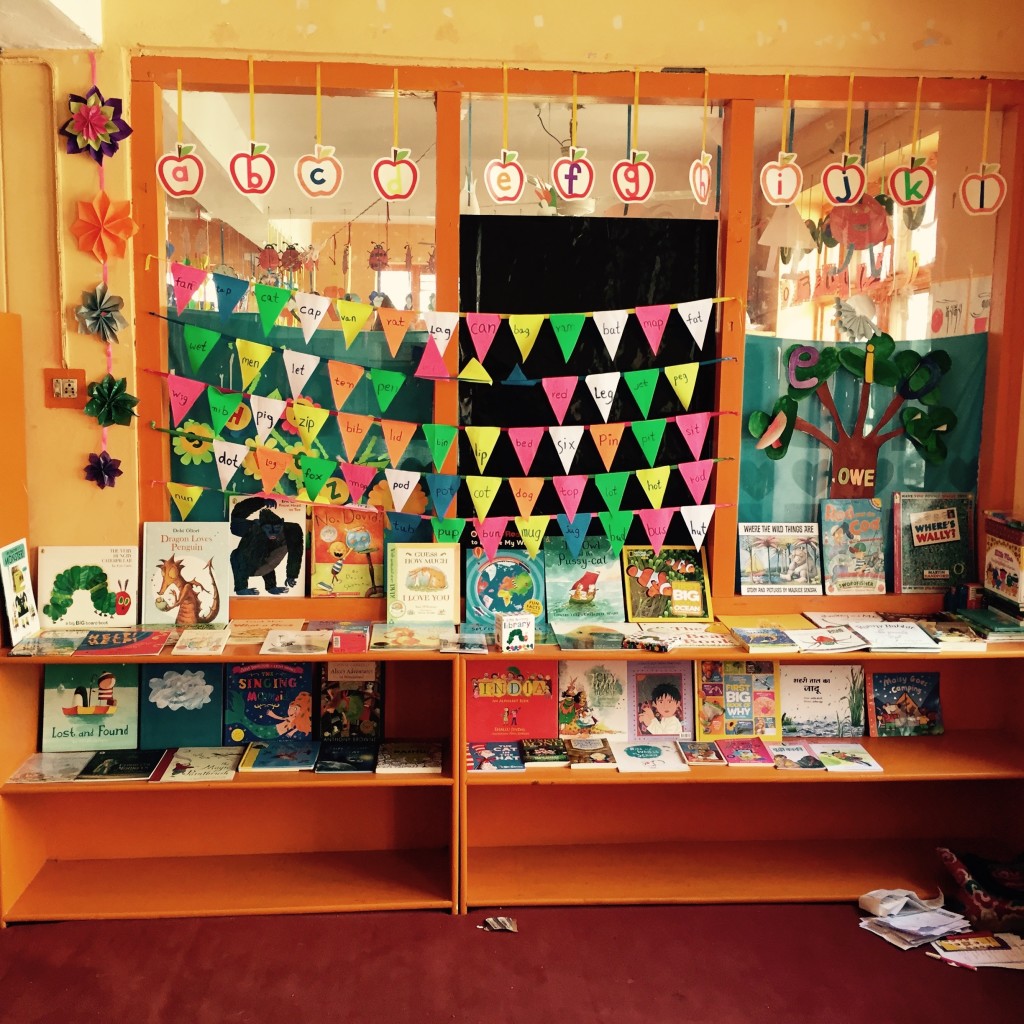
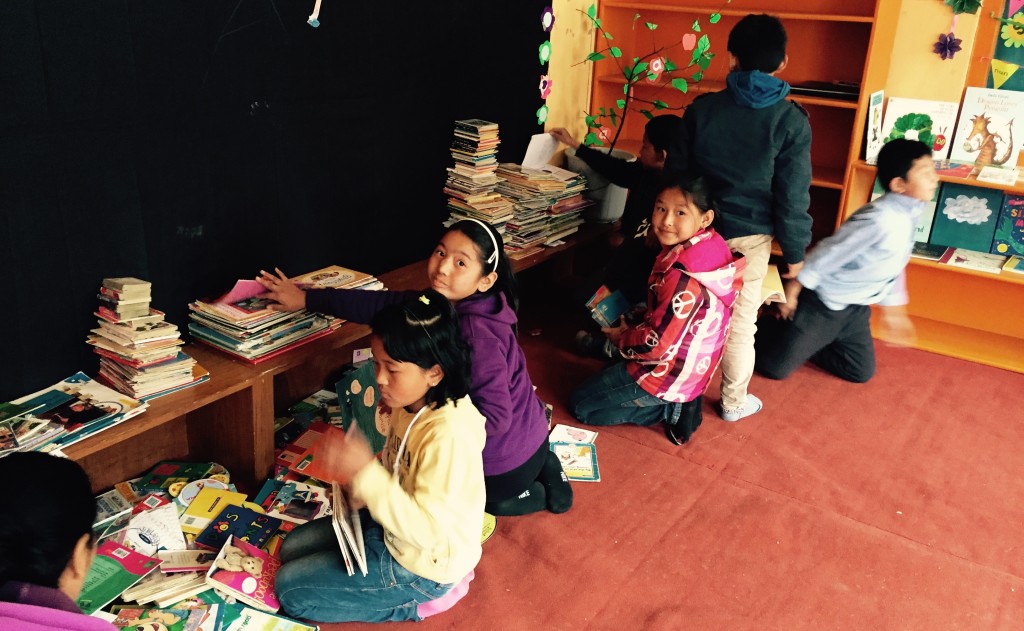
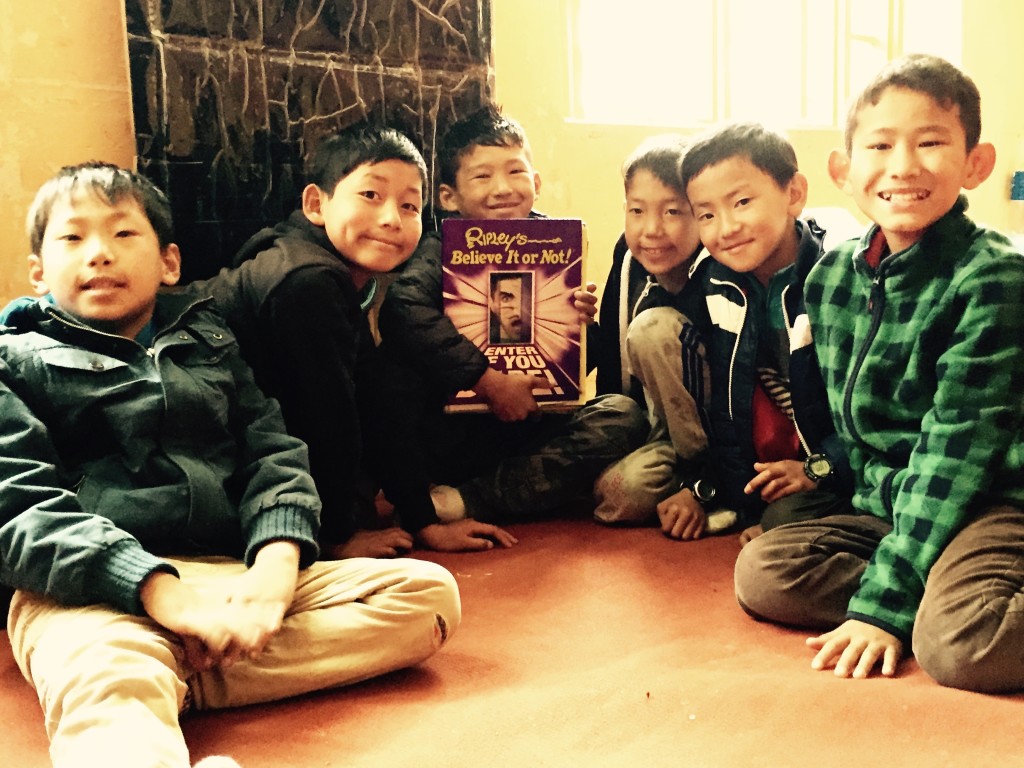
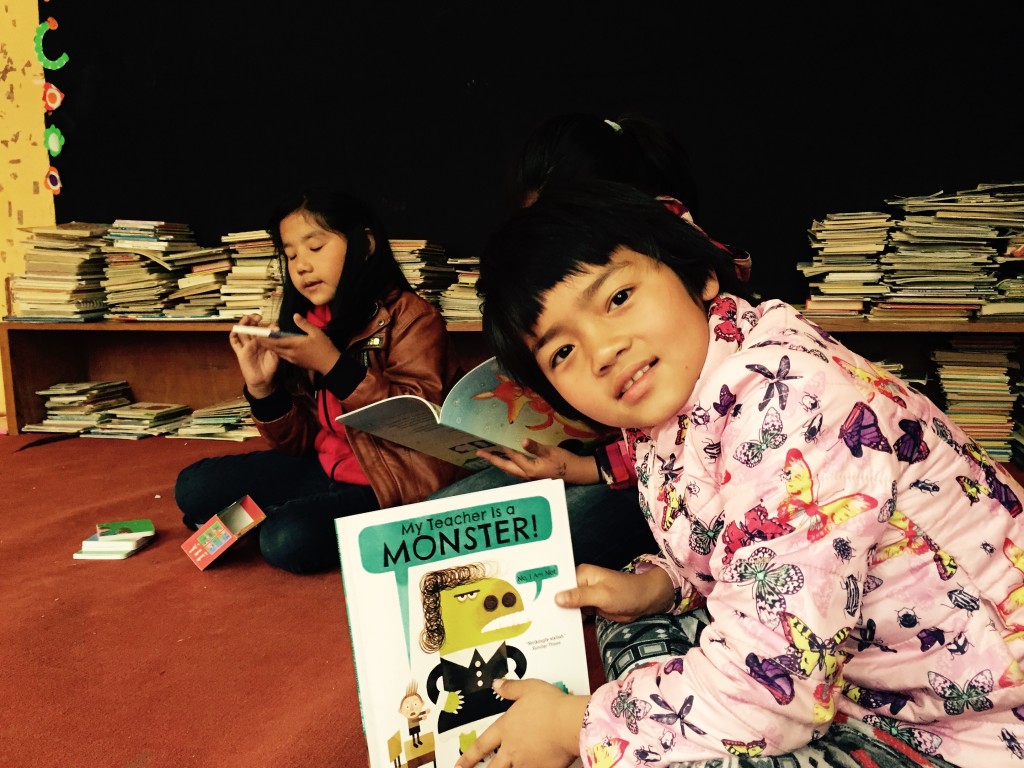
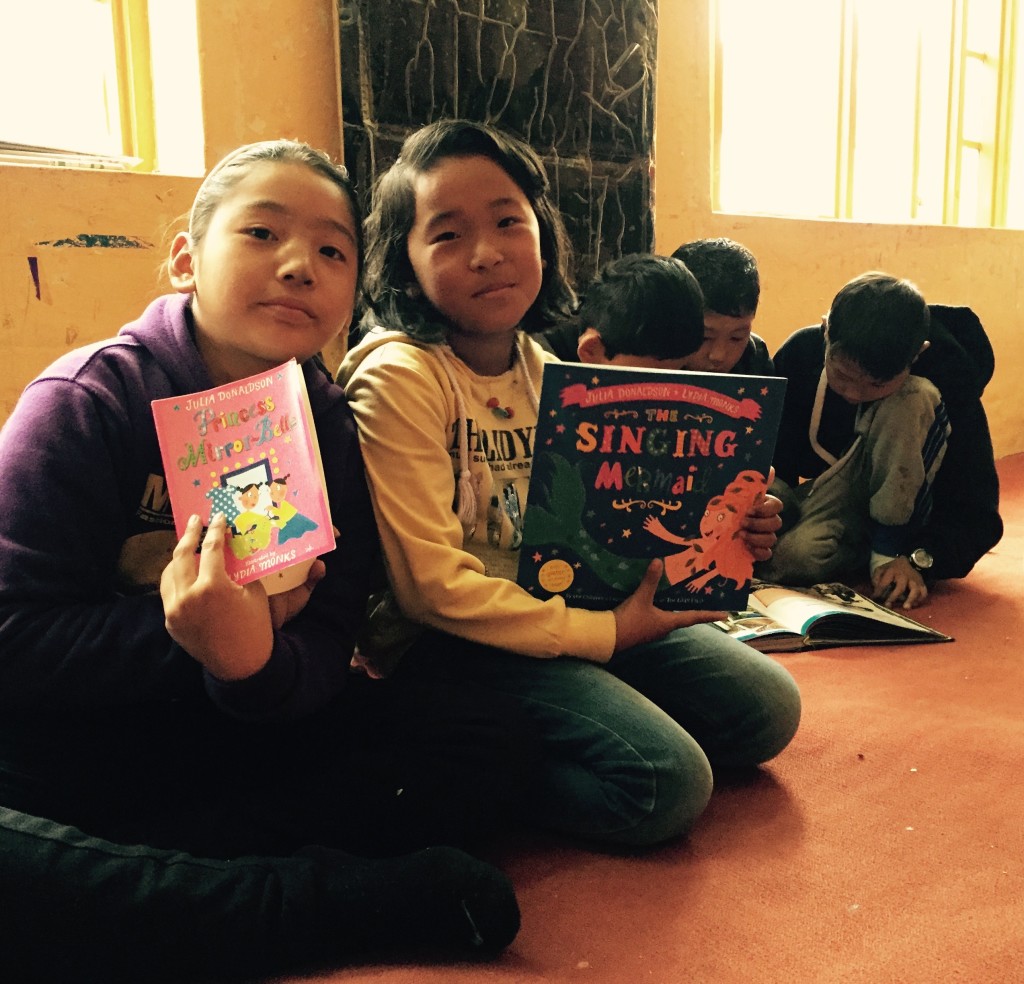
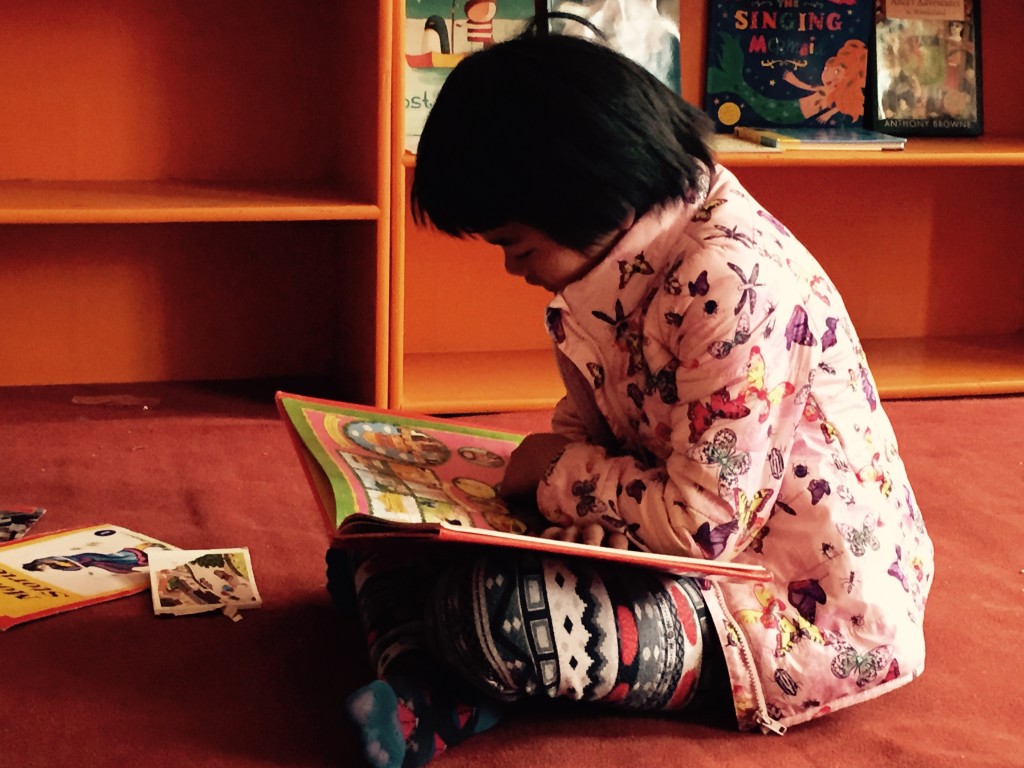
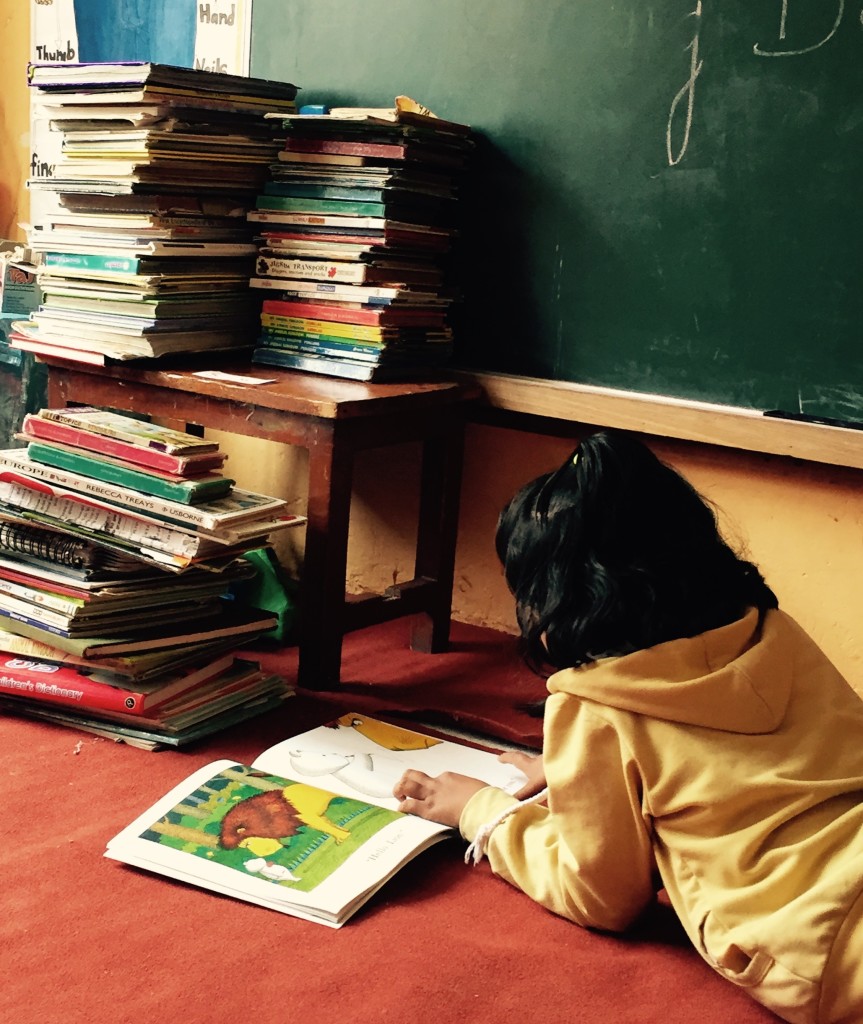
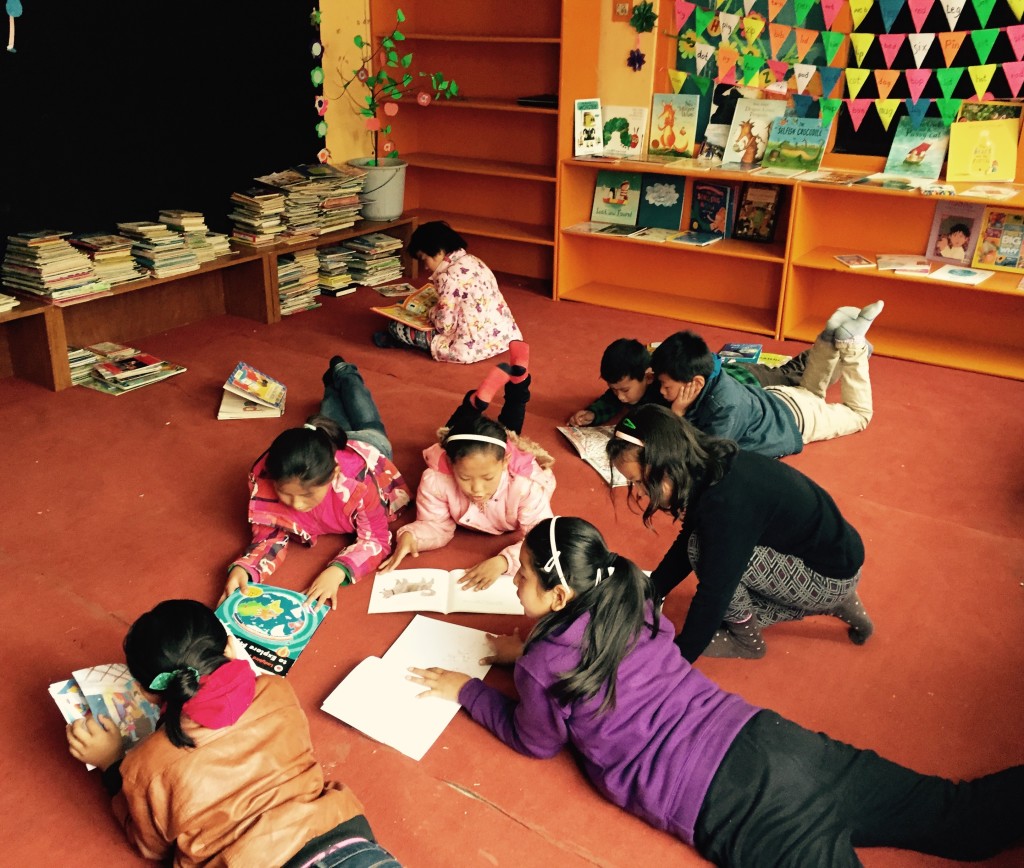
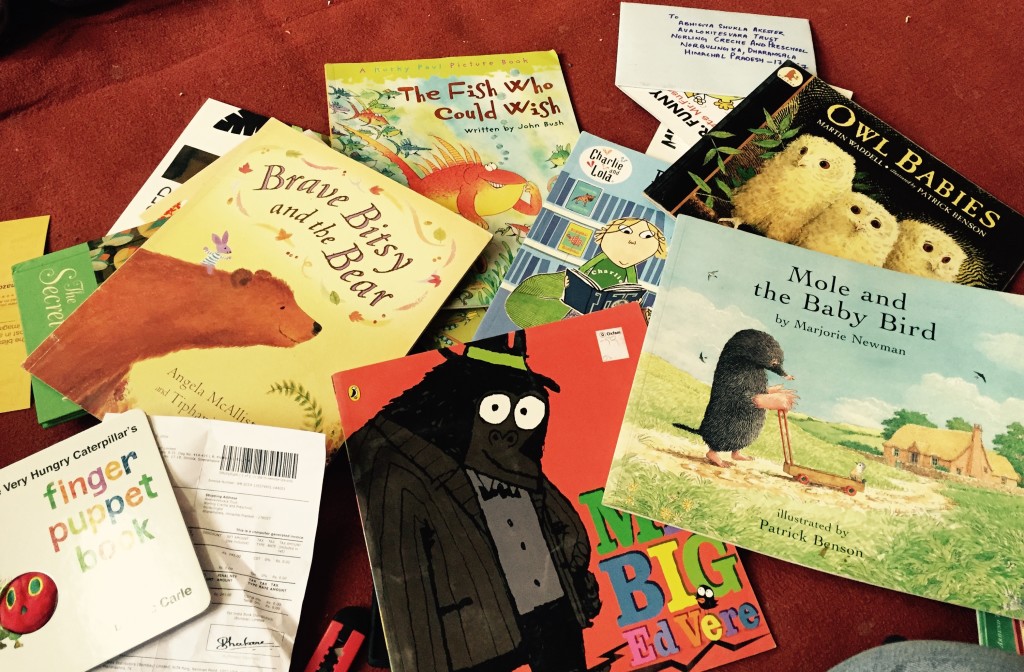
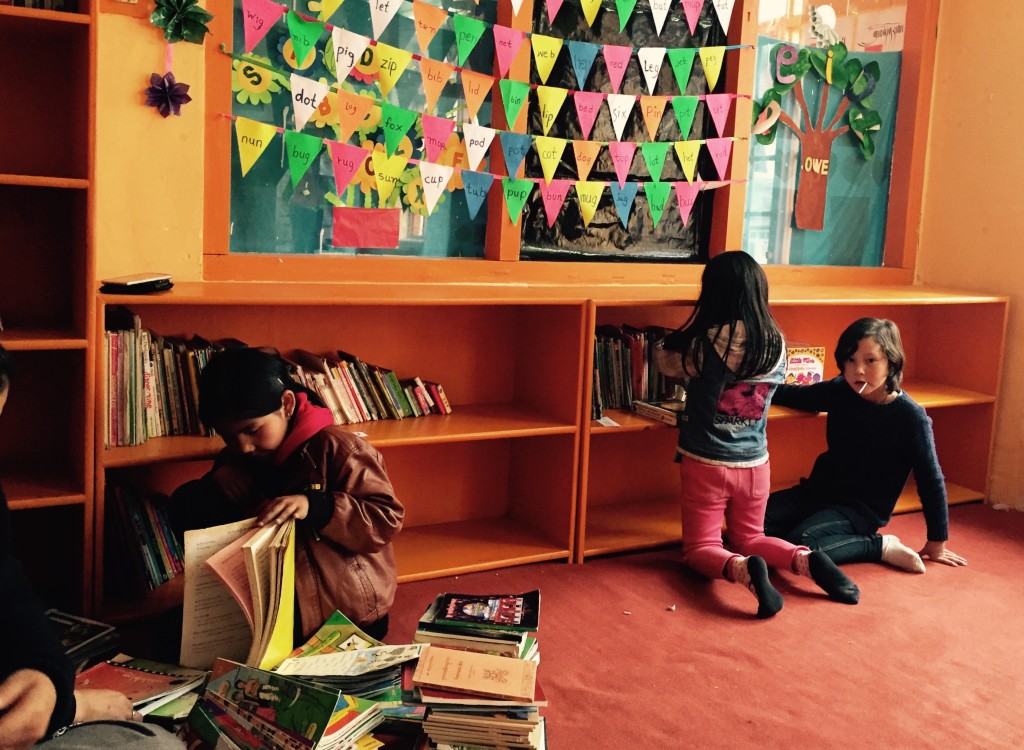
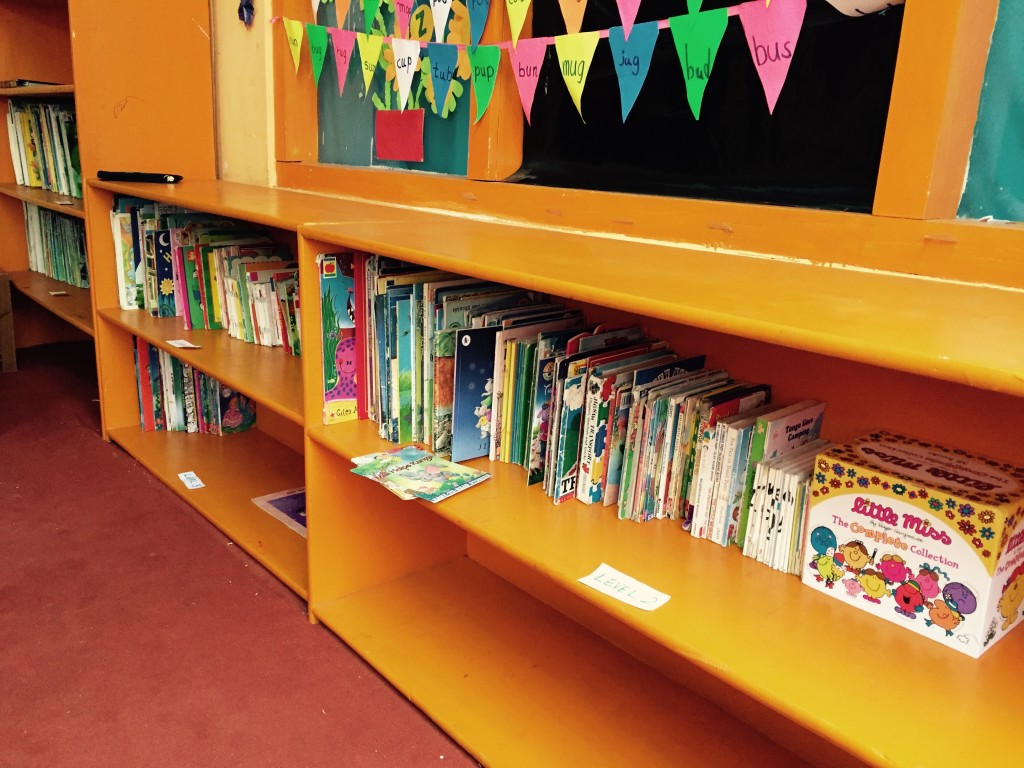
A small library can begin with a low shelf, a handful of donated books and a group of children deciding where everything belongs. In Himalayan communities, that simple act can change a reading room from a storage space into a place shaped by its young readers. Children choose, sort, share and care for books that become part of their daily lives.
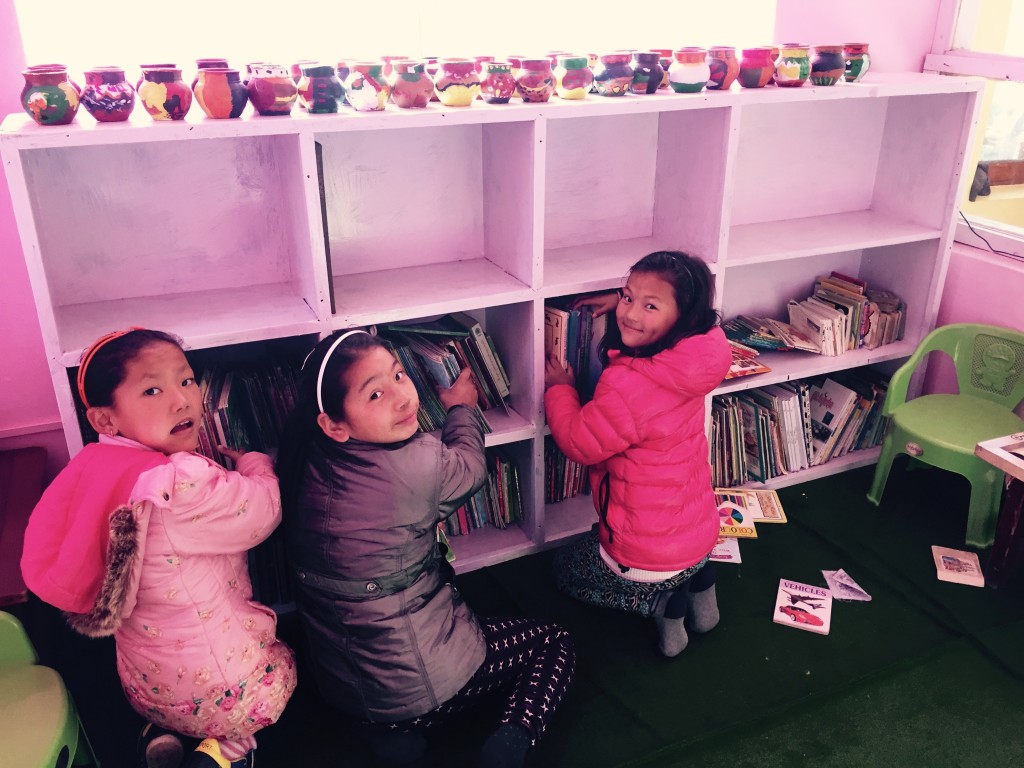
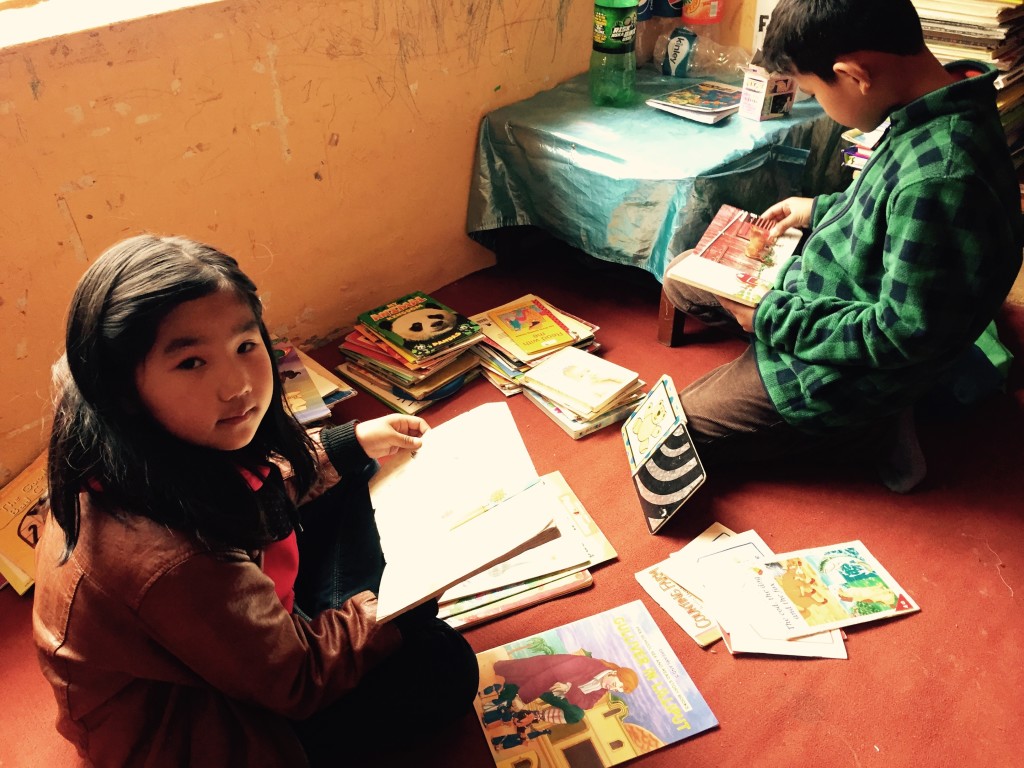
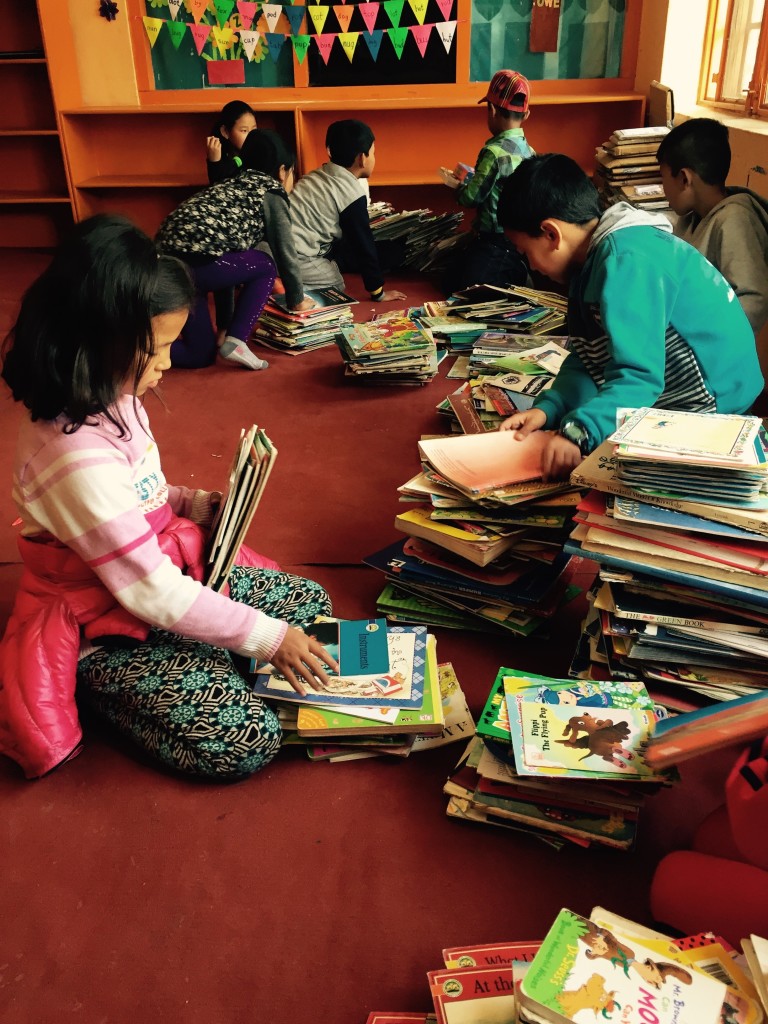
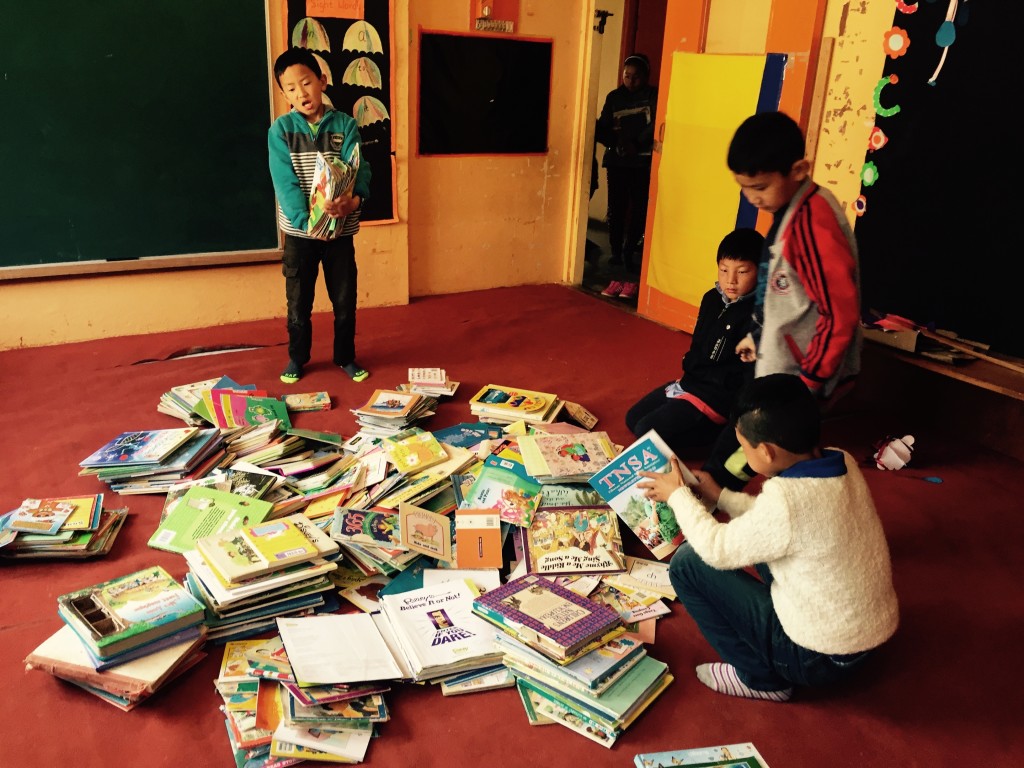
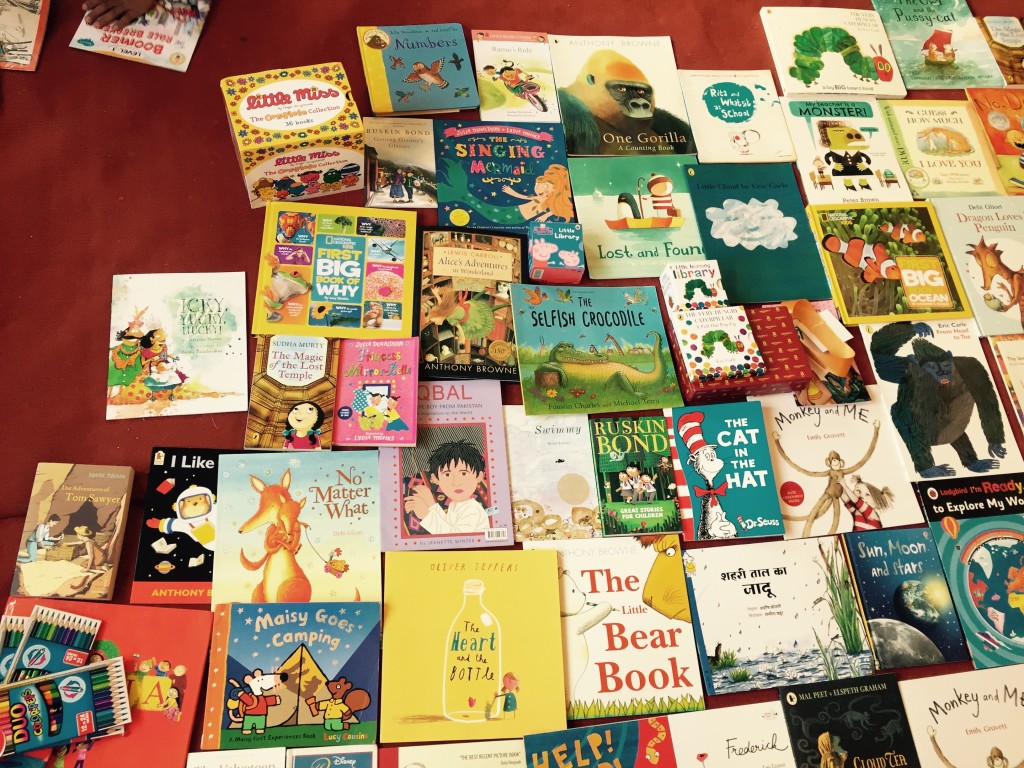
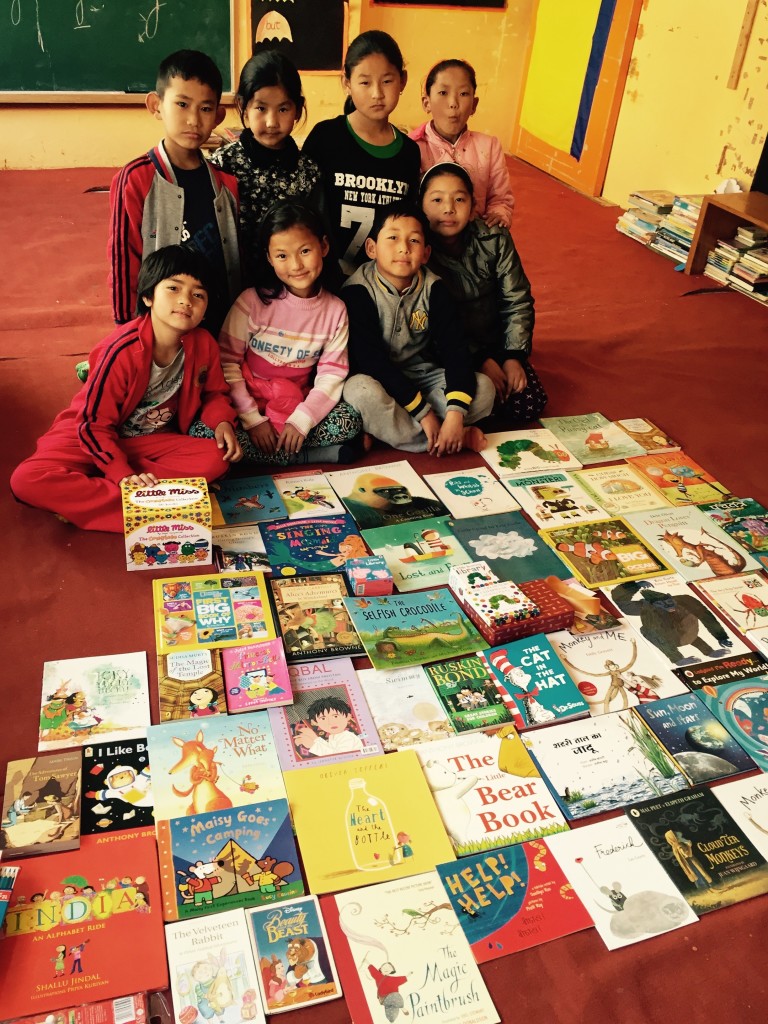
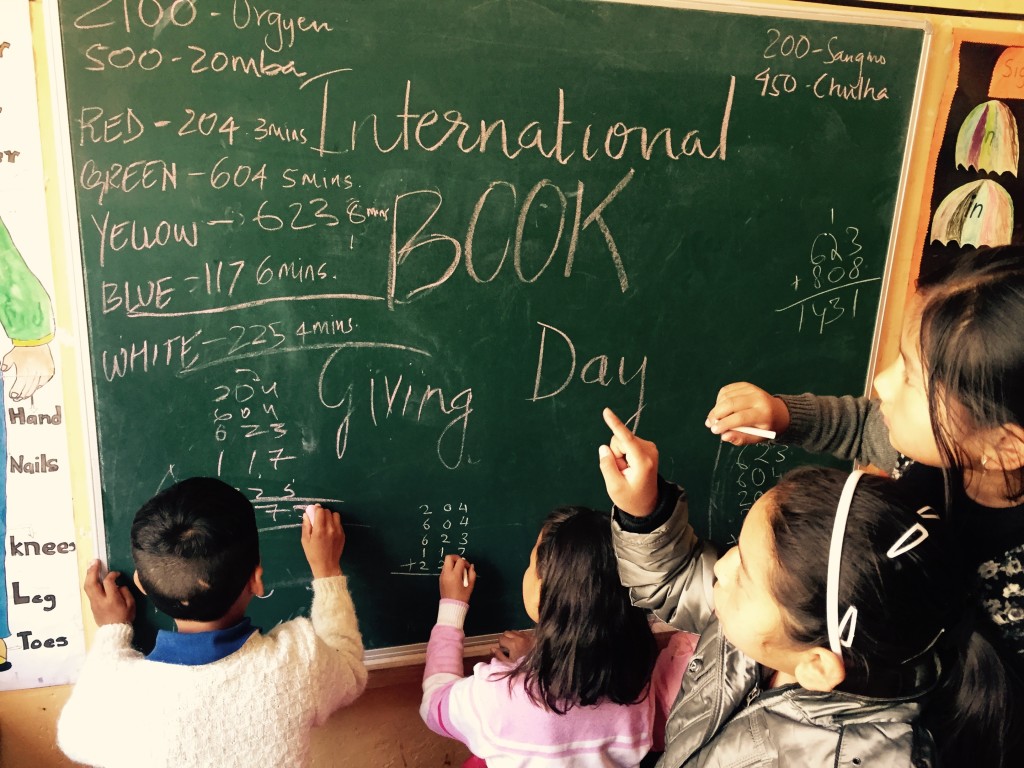
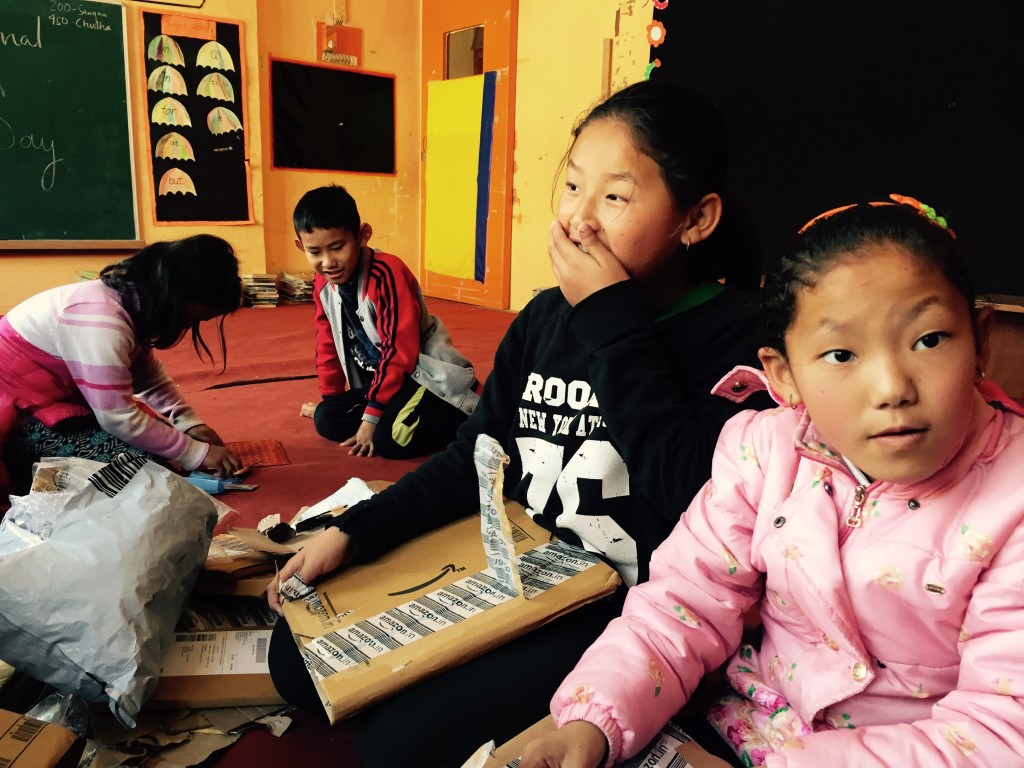
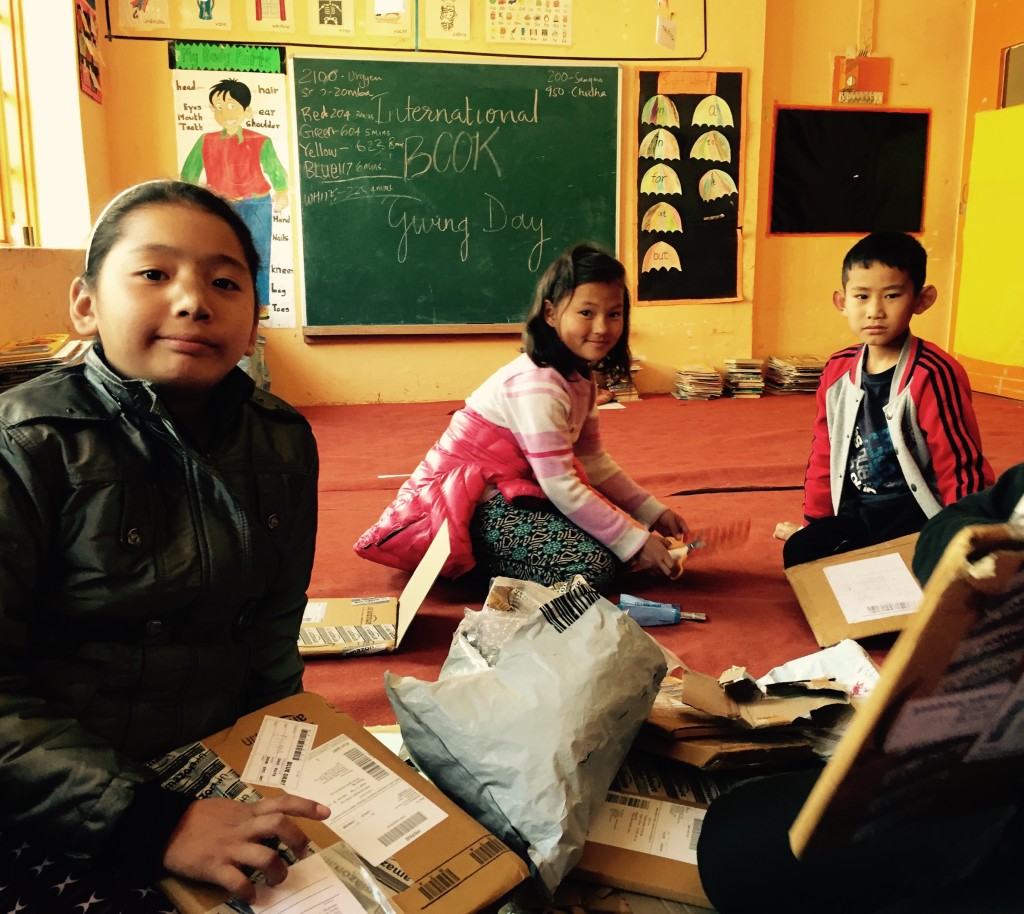
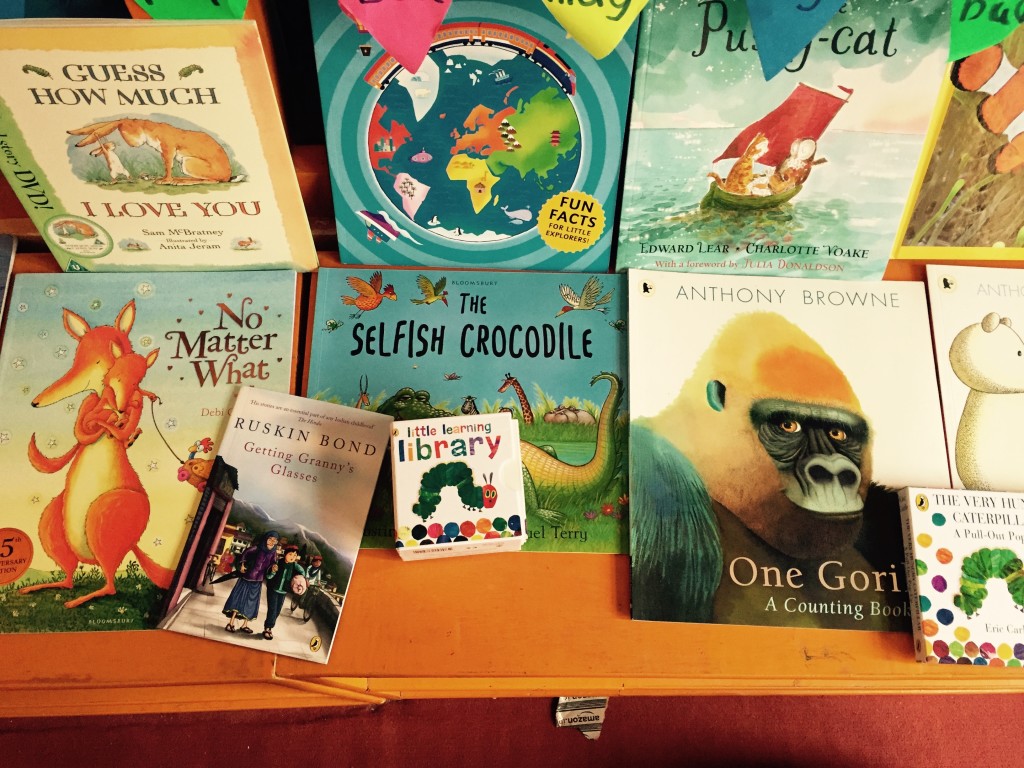
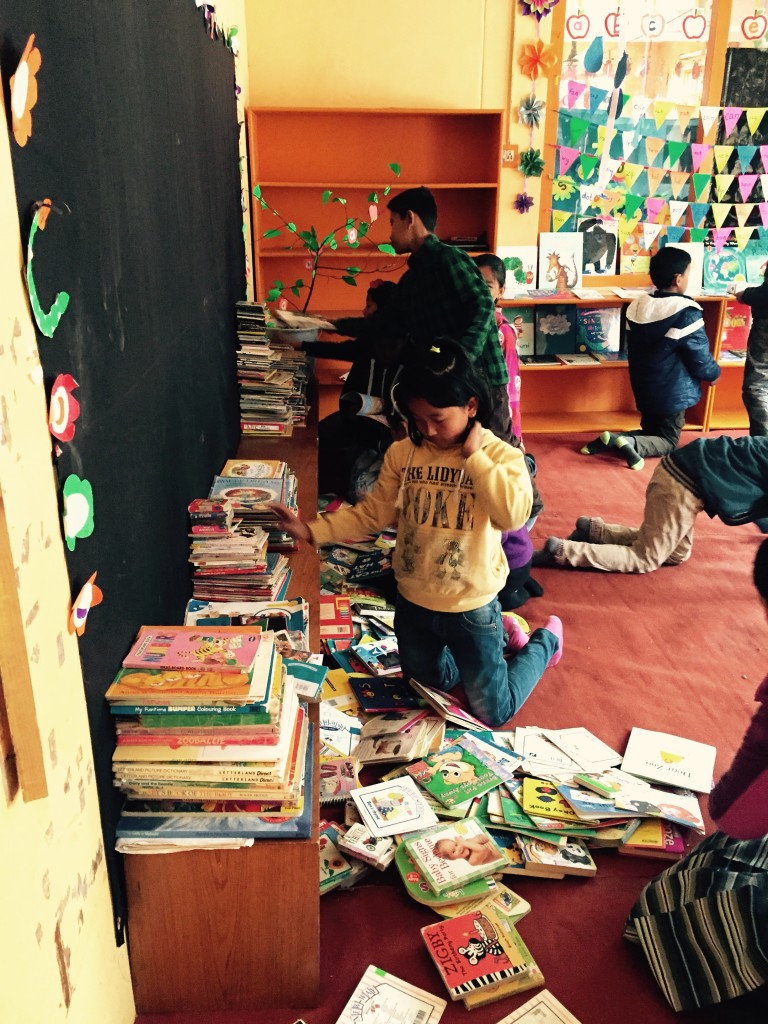
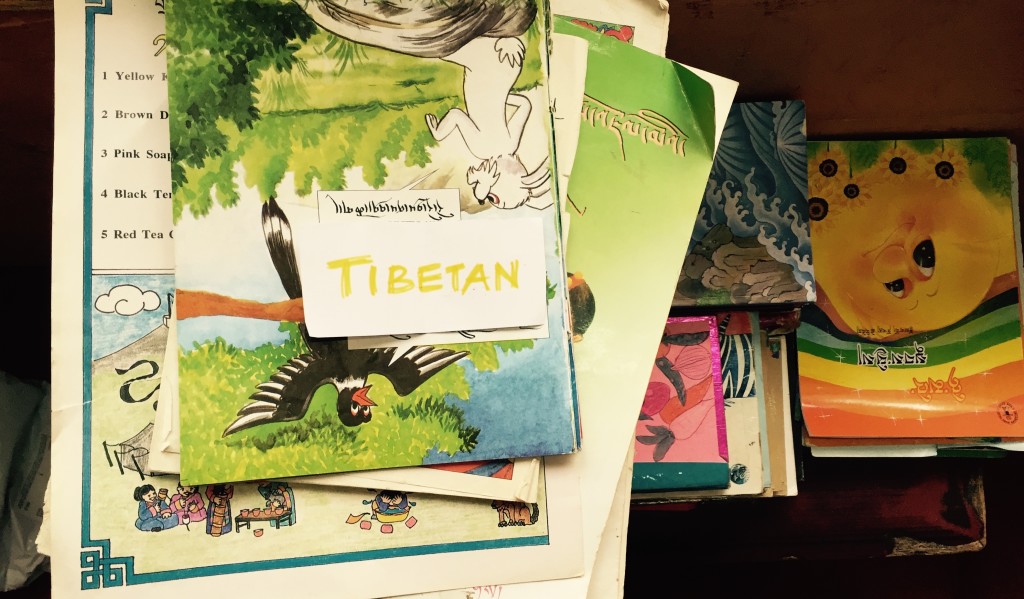
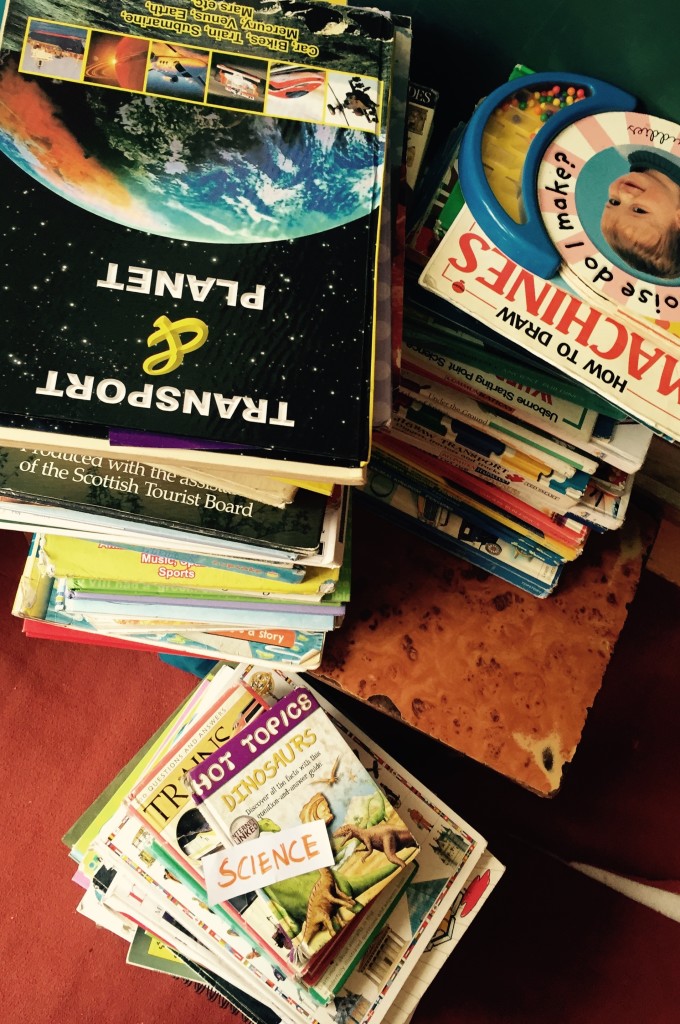
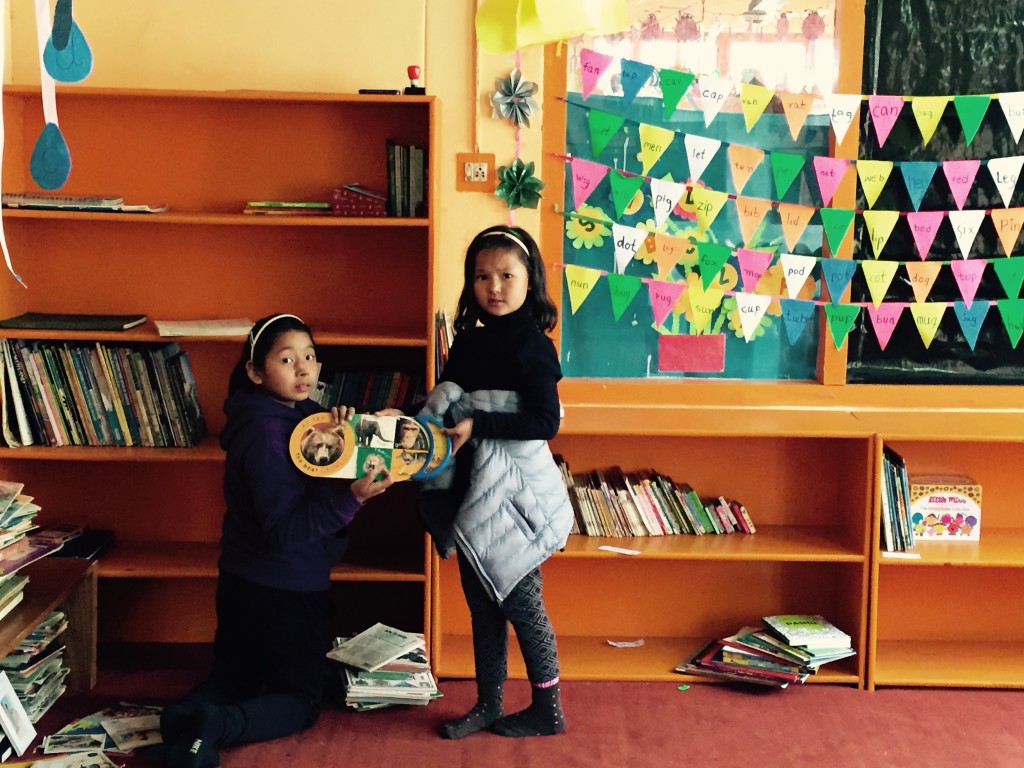
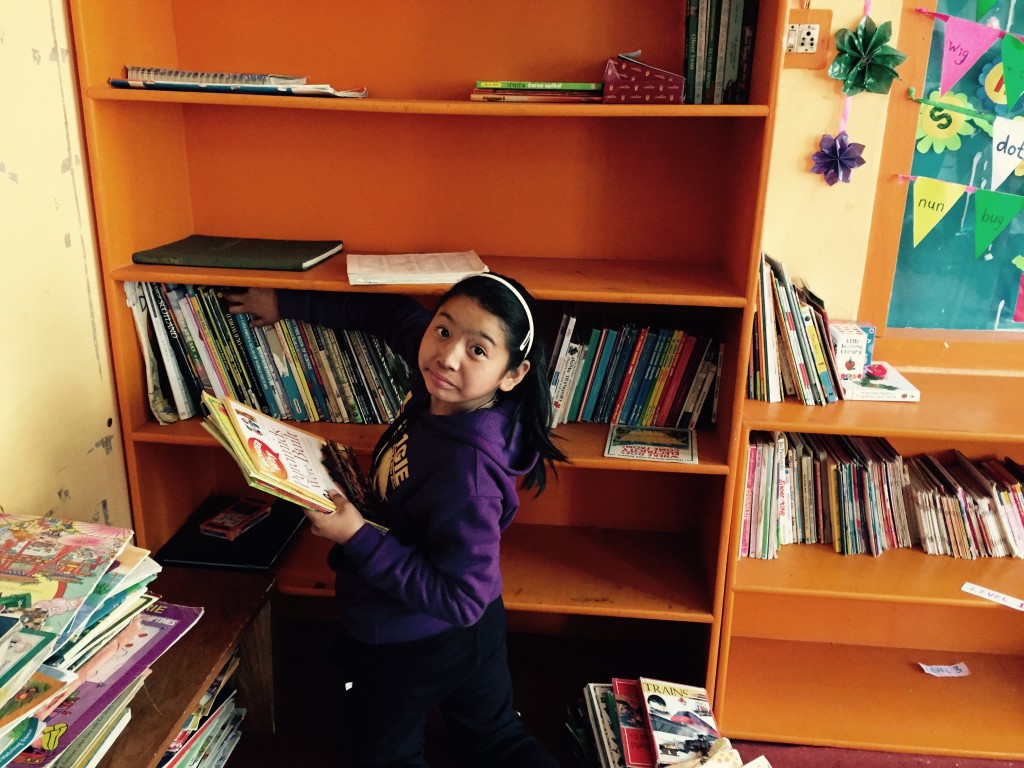
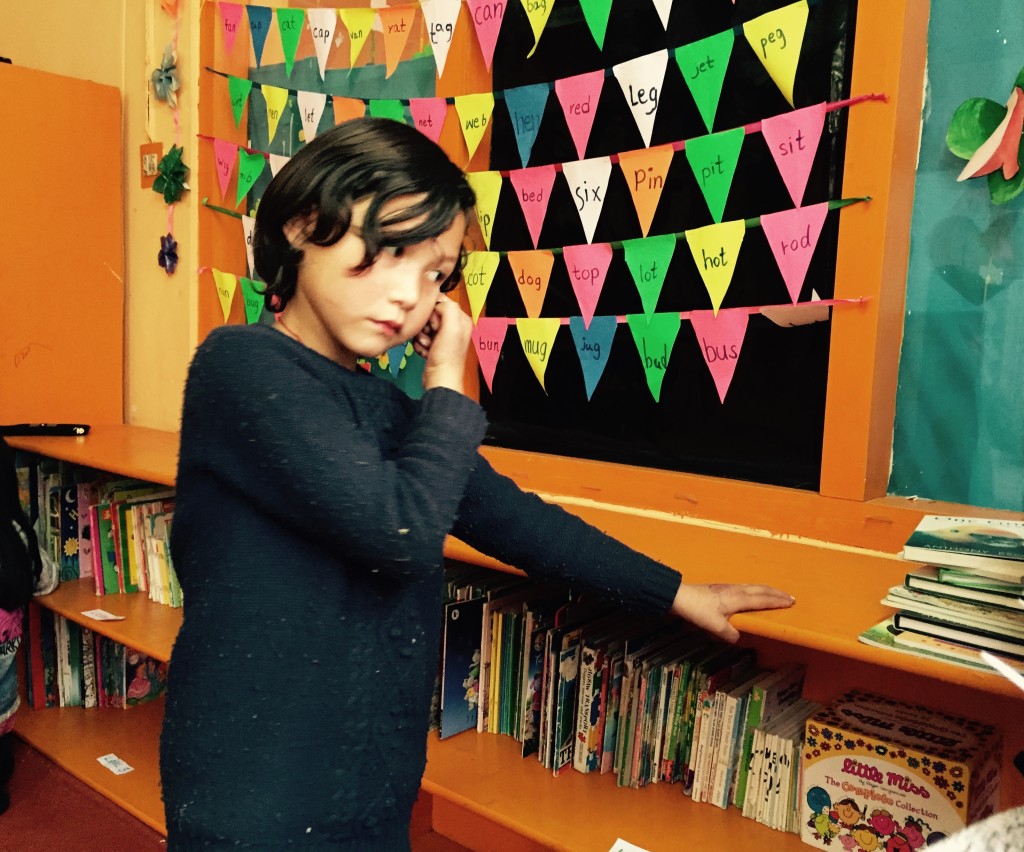
At Avalokiteśvara Trust, the pleasure lies in watching this process unfold. A child may place picture books together, move a favourite story closer to the entrance or create a section for animals, music or local legends. These decisions are modest, yet they show curiosity, judgement and a growing sense of responsibility.
For supporters in Australia, the scene may bring to mind school libraries in Melbourne, community reading corners in Adelaide or the familiar habit of borrowing books before a long weekend. The setting is different, but the underlying experience is recognisable: children become more confident when they can help create the spaces where they learn.
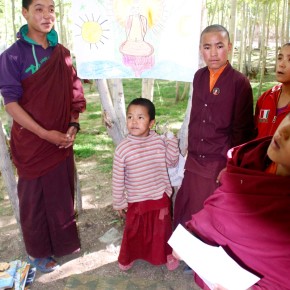
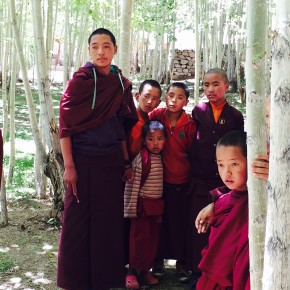
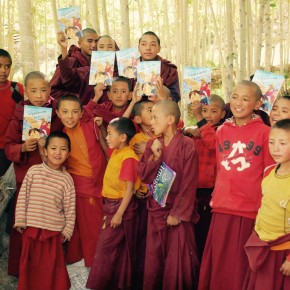
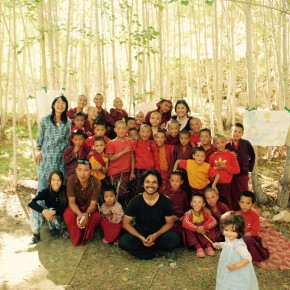
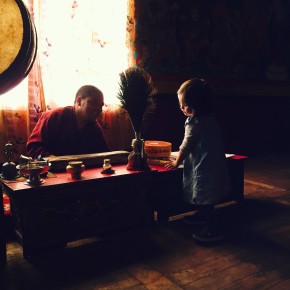
A child-organised library also offers a practical way to support literacy, creativity and friendship. It gives young monks and other children in Ladakh opportunities to practise reading, communication and cooperation while making quality books easier to find and enjoy.
| Approach |
What Children Experience |
Likely Result |
| Adults arrange every book |
Children use a finished space |
Order is clear, but ownership may be limited |
| Children arrange books with guidance |
Children make choices and explain them |
Confidence and responsibility grow |
| Children manage a small section |
Children care for resources over time |
Leadership and regular reading become habits |
| Children share the library with younger readers |
Children become helpers and storytellers |
Cooperation and a stronger reading culture develop |
Why Small Libraries Matter
A reading room is valuable because it places books within easy reach. In remote Himalayan communities, families may have limited access to bookshops, public libraries or reliable supplies of children’s literature. A shared collection can introduce stories, illustrations, poetry and factual information that children might otherwise rarely encounter.
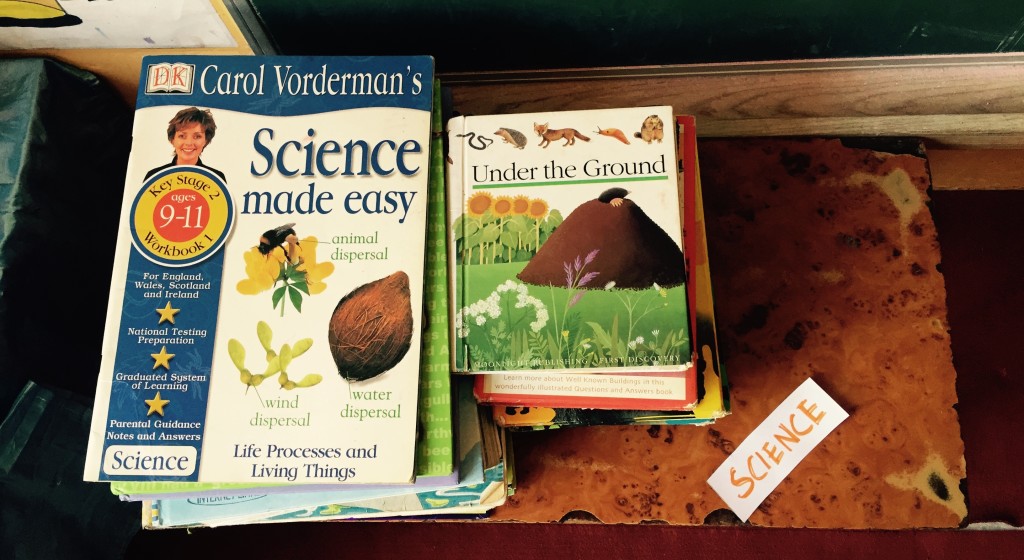
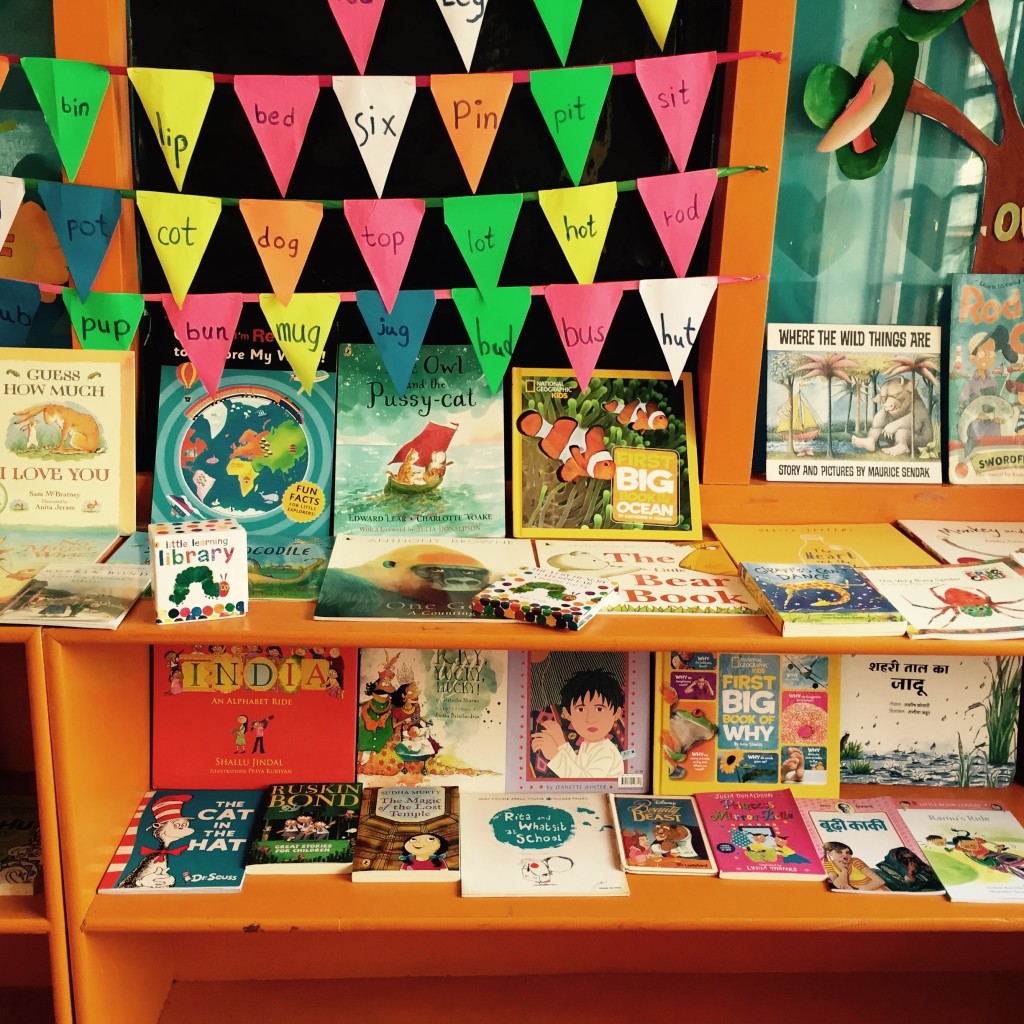
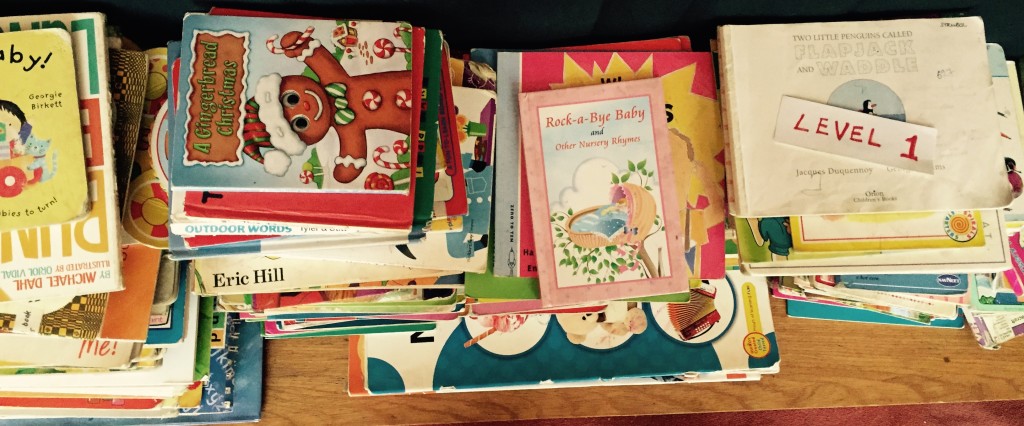
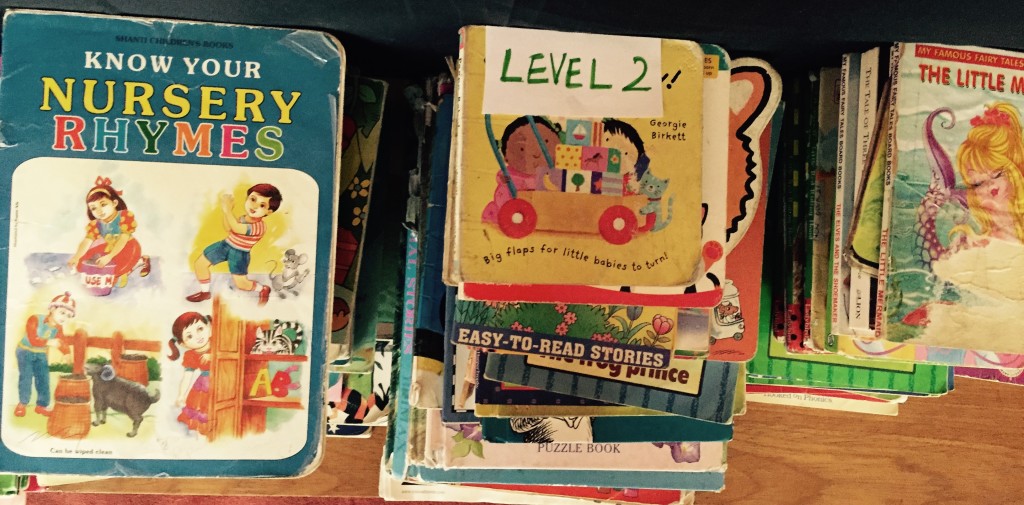
The physical arrangement matters as much as the collection itself. Books placed at a child’s height invite independent browsing. Clear groups make it easier to find a story about animals, a beginner reader or a book with colourful illustrations. When children help create that arrangement, the library feels less like an adult institution and more like a shared home for learning.
The First Signs Of Ownership
The first signs of ownership are often easy to miss. Children may straighten a pile after reading, point out a torn cover or remind a friend to return a book. They might disagree about where a title belongs, then develop their own solution by creating a new group or placing the book between two sections.
These small acts reveal important learning. Children are practising classification, listening to different opinions and making decisions with limited resources. They also learn that a book is something to respect and share. The satisfaction of seeing a collection become orderly can encourage children to return regularly and take greater care of the reading room.
Sorting Books By Meaning
Adult cataloguing systems often depend on formal categories, alphabetical order or subject codes. Children tend to begin somewhere more personal. They may sort books by favourite characters, colours, length, language or the stories they want to read aloud. Their system may seem unconventional, but it can be highly effective for the people using it.
A child might create a “funny books” shelf beside a “quiet stories” corner, or place books about mountains near a window. Such choices connect reading with memory and feeling. They also help adults understand what attracts young readers. A collection can then be refreshed with suitable titles, bilingual resources, art materials and musical stories that reflect children’s interests.
Learning Through Shared Decisions
Organising a library creates natural opportunities for conversation. Children need to explain why a book belongs in a certain place, listen to another view and sometimes vote or compromise. These exchanges build vocabulary and social confidence without feeling like a formal lesson.
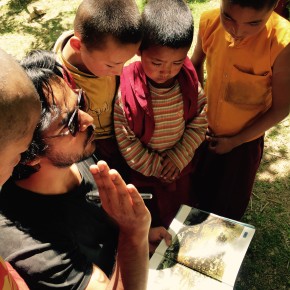
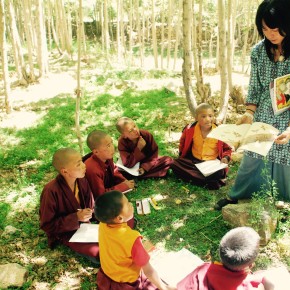
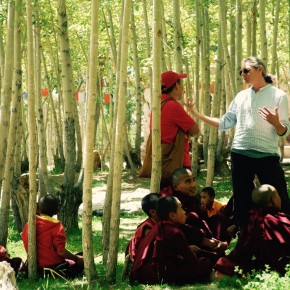
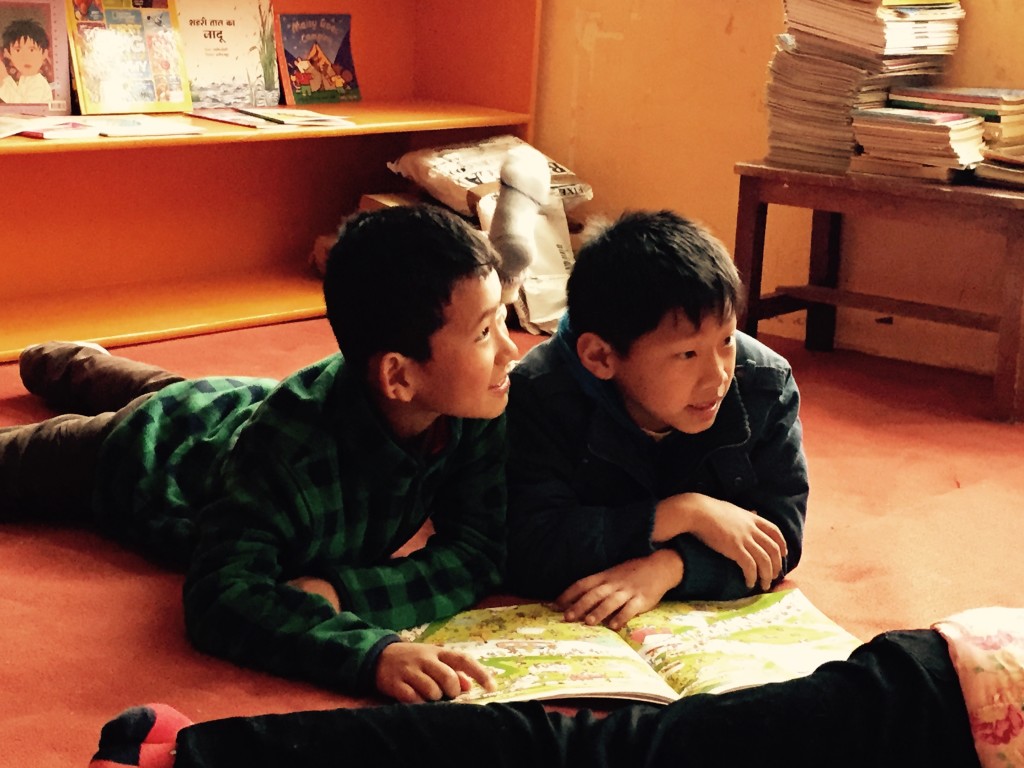
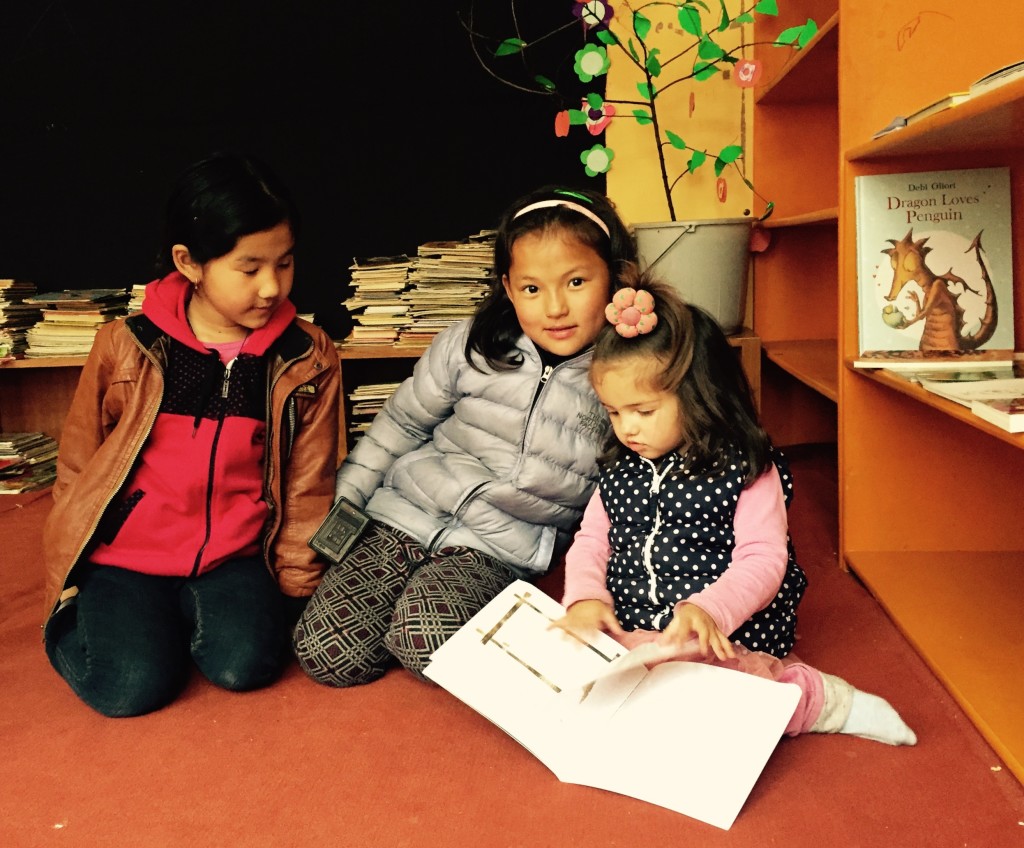
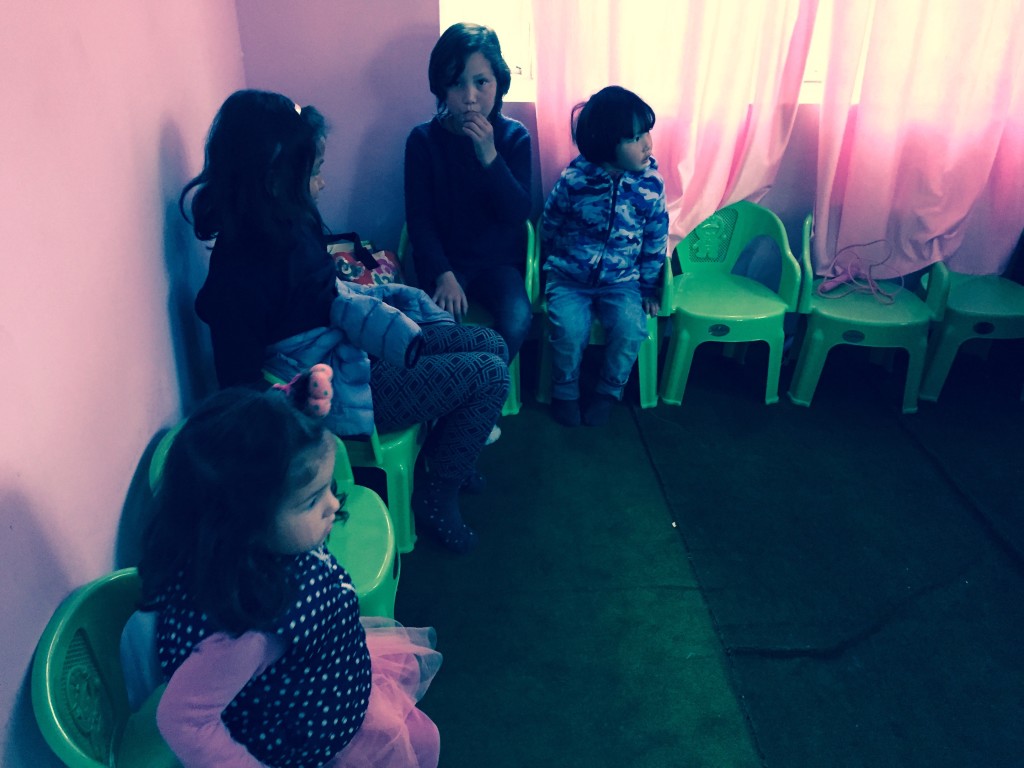
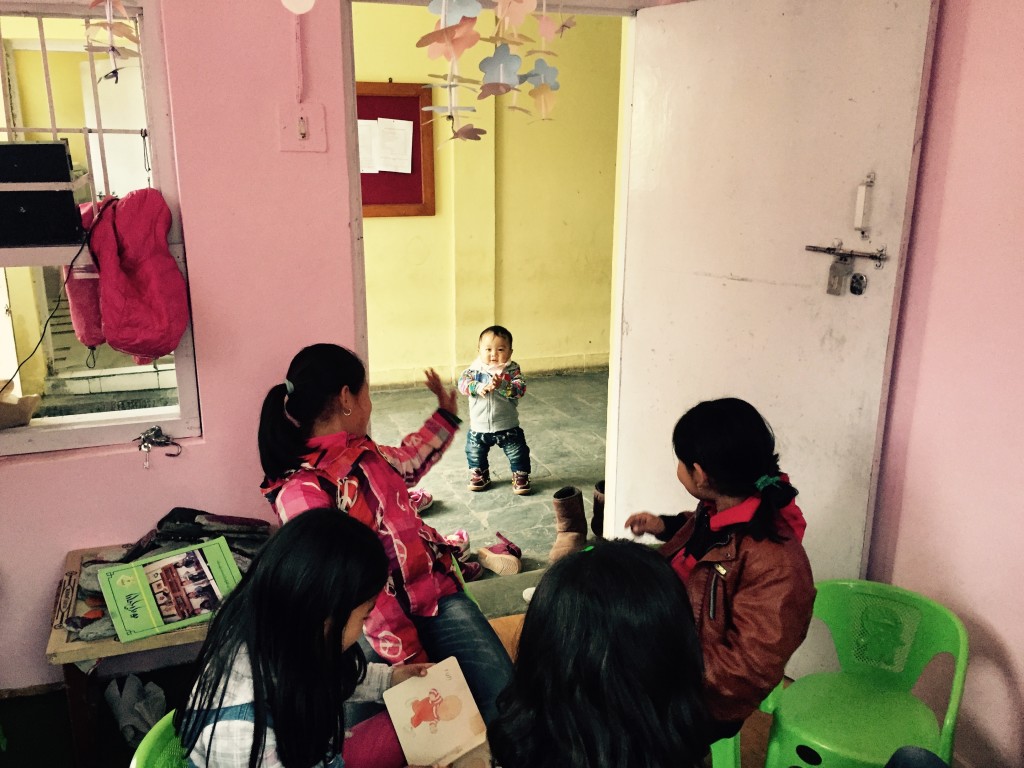
Older children can guide younger readers through the shelves, read a picture book aloud or help repair a loose cover. Young monks may bring patience and a strong habit of shared study, while younger children bring energy and imaginative ideas. The result is a community learning activity in which literacy develops alongside kindness, leadership and practical care.
What Australian Supporters Can Notice
Australian supporters may recognise the value of child-led library work through everyday experiences. Families in Sydney or Brisbane often use local council libraries for story time, school holiday activities and free borrowing. In Melbourne, children may find books through school libraries, neighbourhood houses or weekend community events. These services can make reading feel like a normal part of family life, while children in remote Himalayan areas may have far fewer such opportunities.
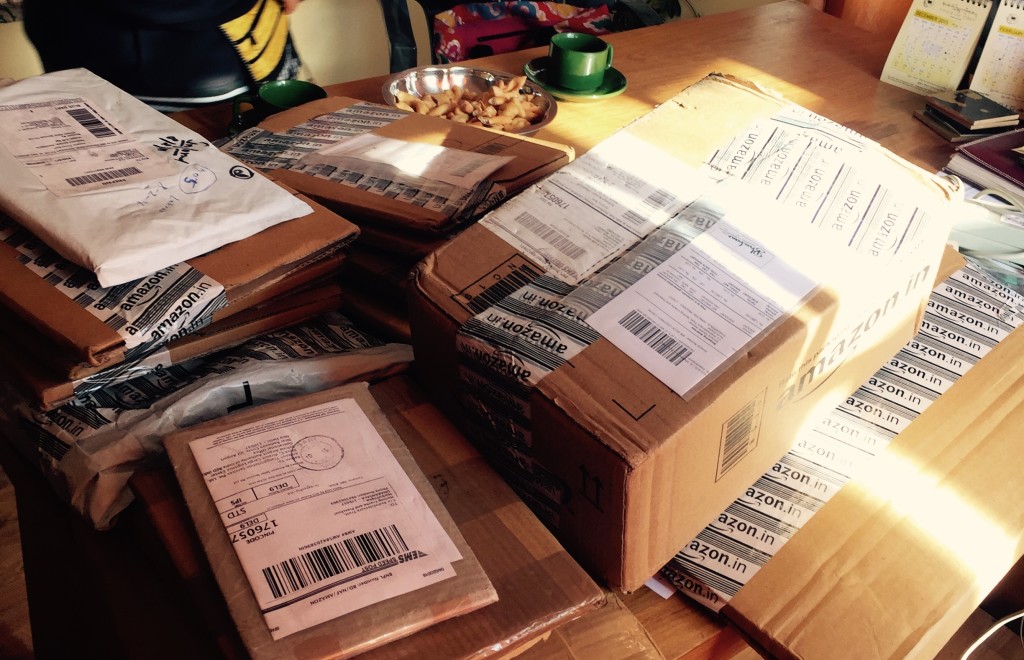
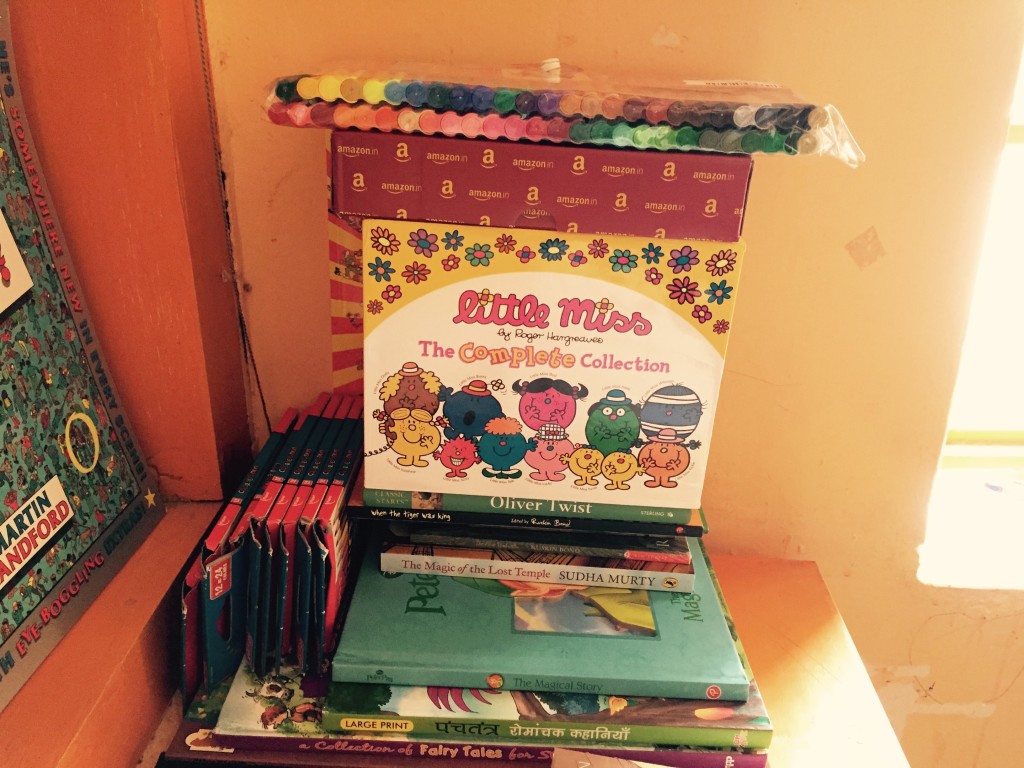
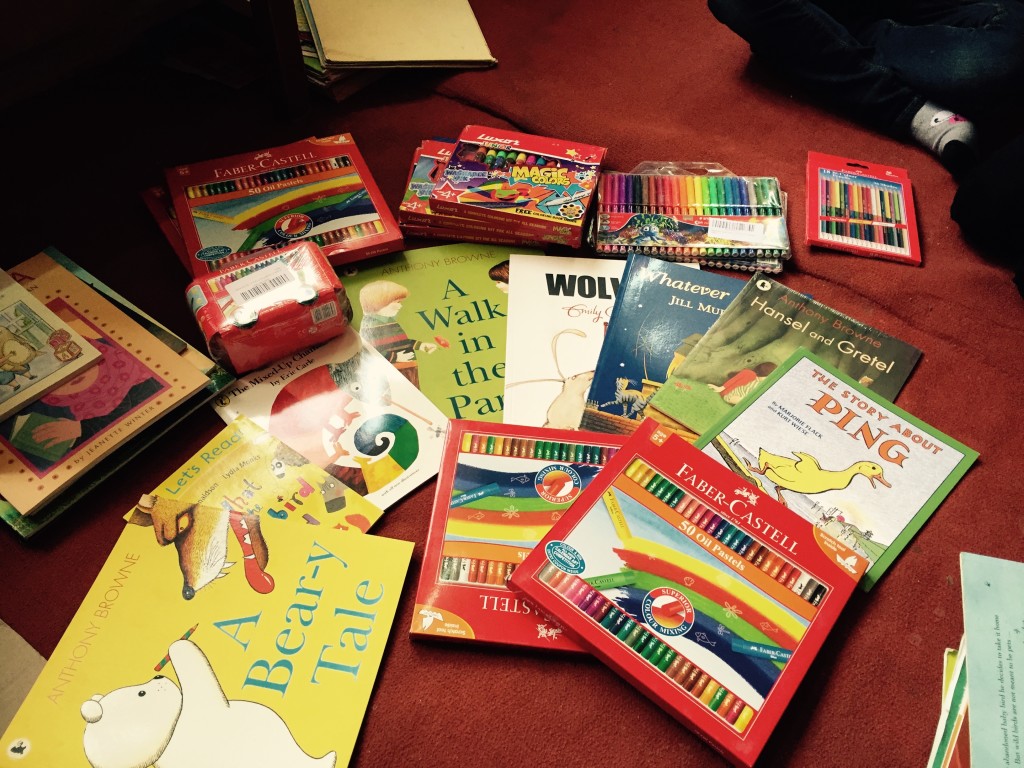
The local book market also shapes how Australians contribute. New children’s books can be expensive, especially when postage is added, while op shops, school fundraising stalls and community book swaps often offer affordable choices. Donors should follow the Trust’s guidance before sending books overseas, because suitable language, reading level, condition and transport costs matter more than the size of a parcel.
Safeguarding is another important consideration. Australian volunteers working directly with children generally need a state or territory Working With Children Check, with requirements varying between New South Wales, Victoria, Queensland and other jurisdictions. Organisations also need clear child-safe procedures, consent practices and appropriate supervision. For donated material, Australian copyright law, including the Copyright Act 1968, is a reminder that books should be obtained and shared lawfully rather than copied without permission.
Ways To Nurture Child-Led Libraries
Supporters can encourage children’s ownership without taking control of every decision. Useful practices include:
- Provide low shelves, floor cushions, labels and baskets that children can safely use.
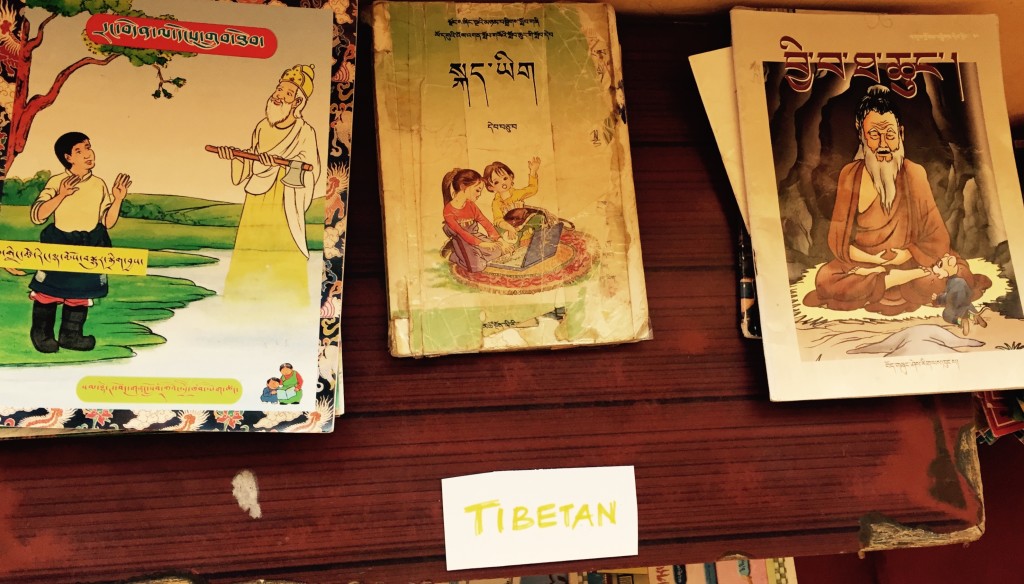
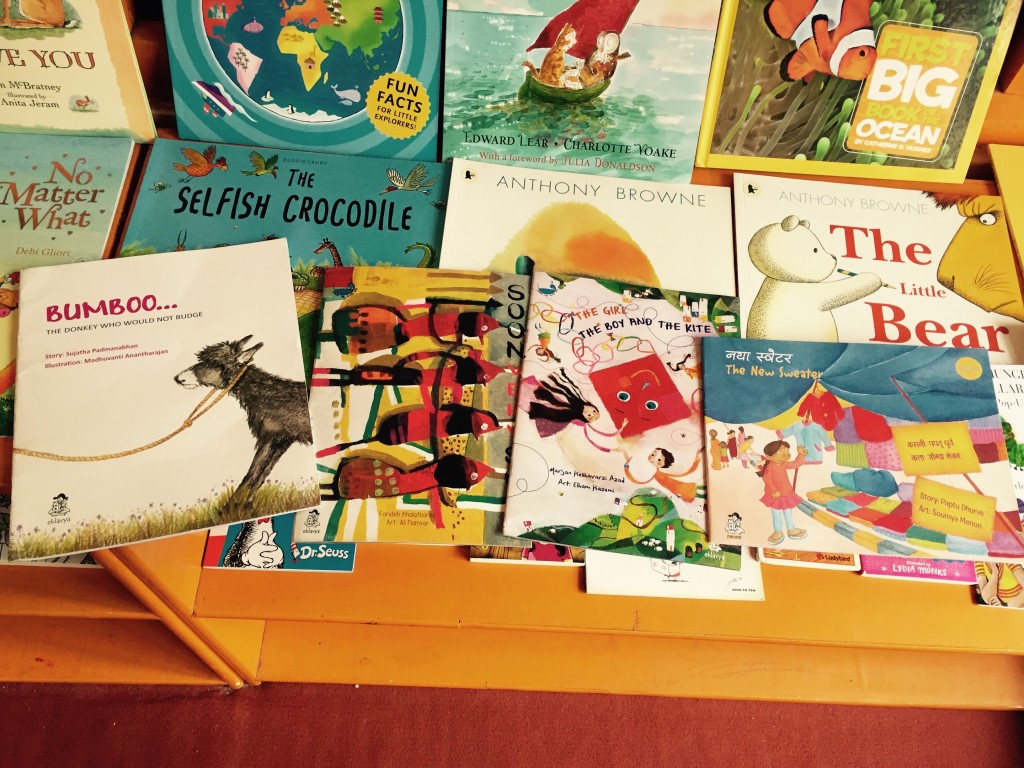
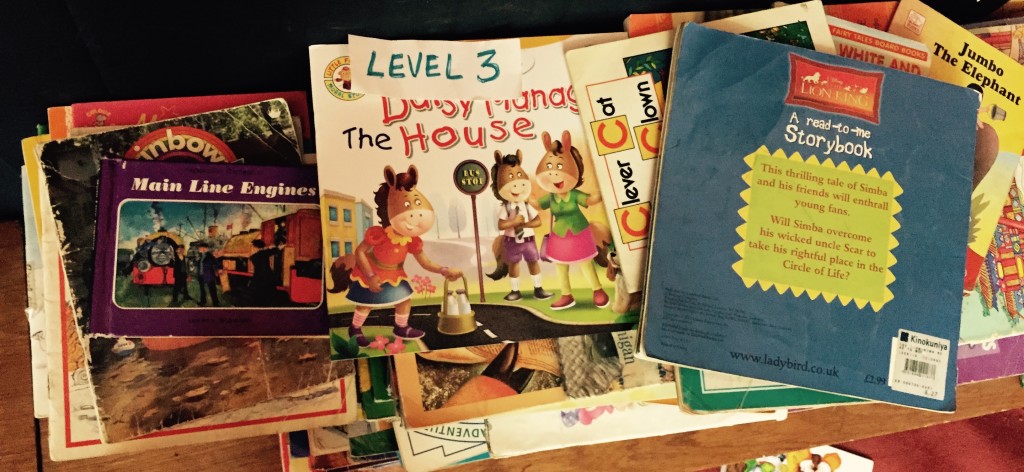
- Offer books in varied reading levels, subjects, languages and formats.
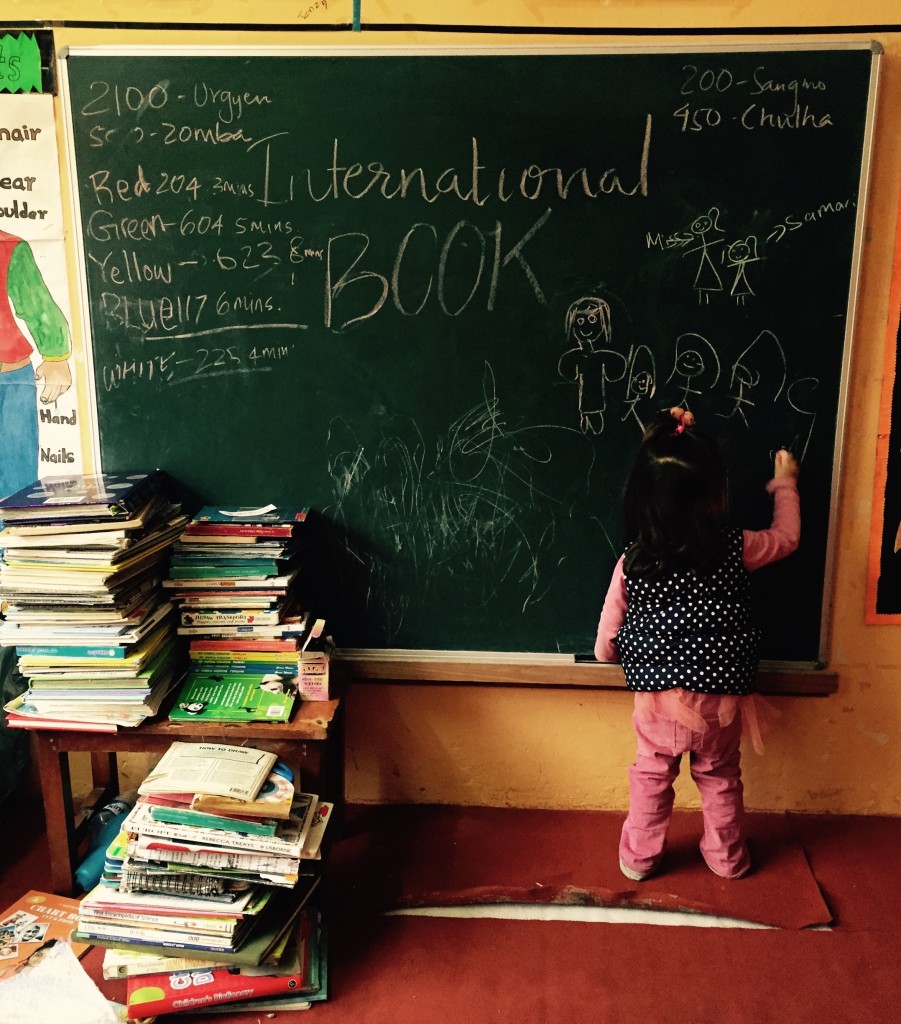
- Invite children to create their own signs, shelf names or simple borrowing cards.
- Set aside time for children to review damaged, popular or rarely chosen books.
- Pair book donations with art, music and storytelling activities.
- Record children’s ideas before making changes to the reading room.
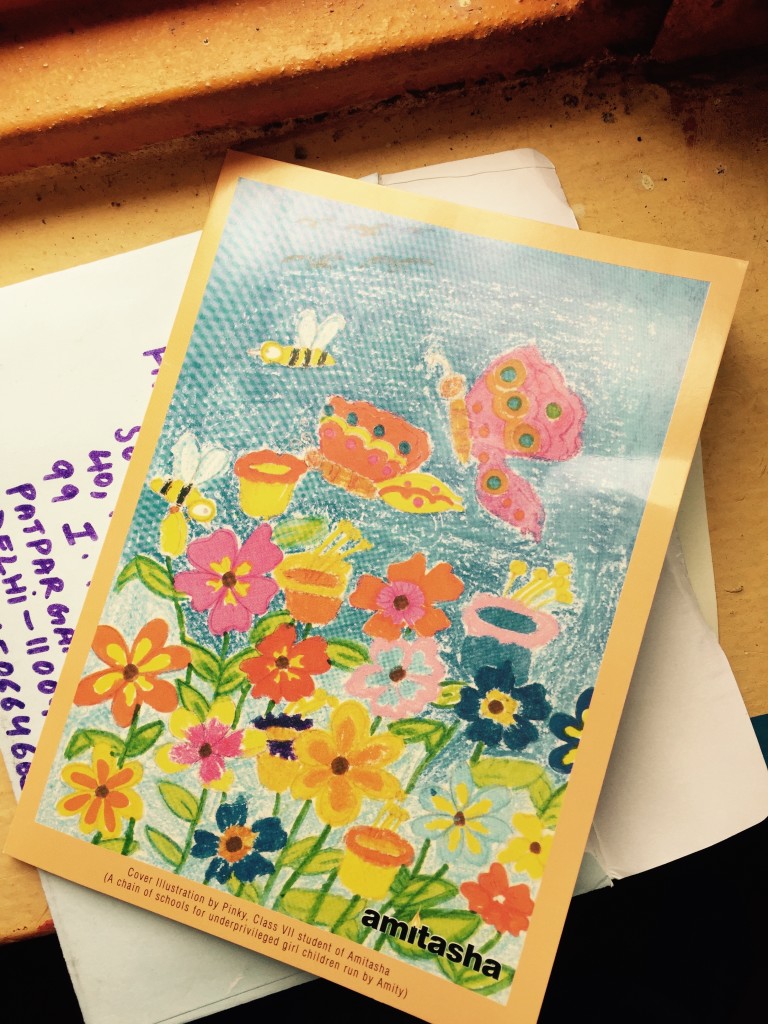
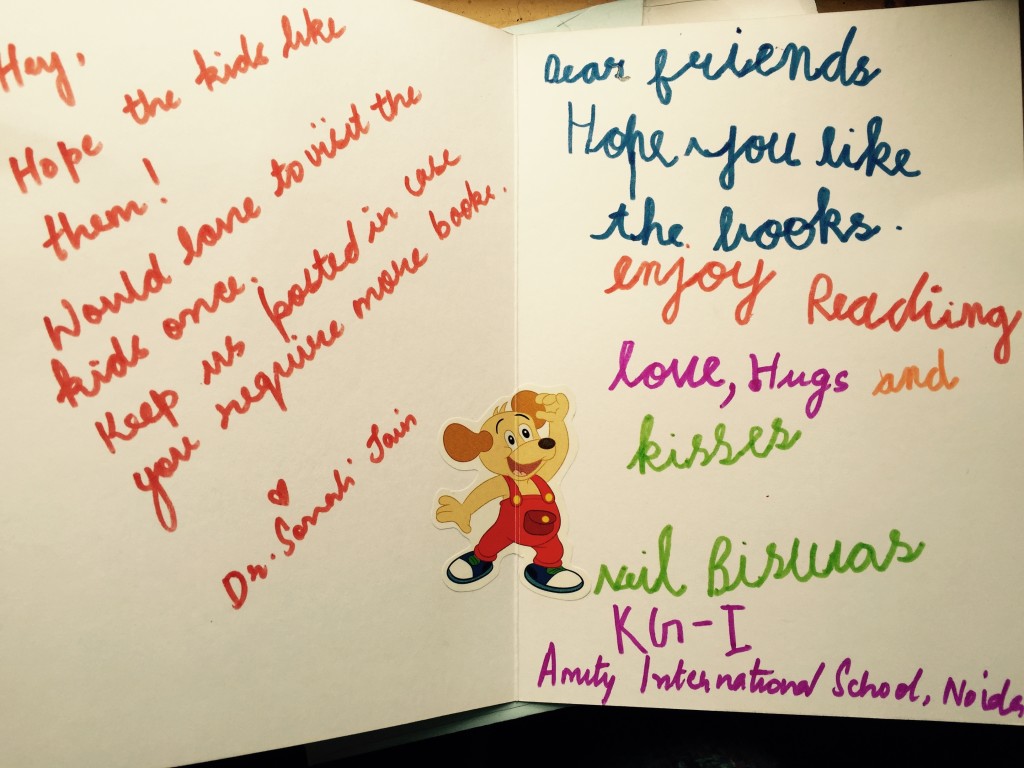
The best support leaves room for discovery. A donation of carefully selected books may be more useful than a large mixed shipment, particularly when transport, storage and local preferences are considered. Australian families can also involve children in choosing gently used titles, writing encouraging notes or raising funds through a school community, neighbourhood event or weekend market.
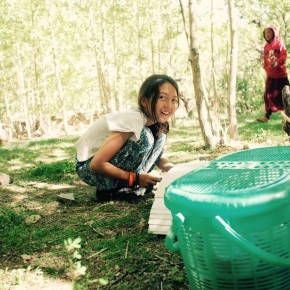
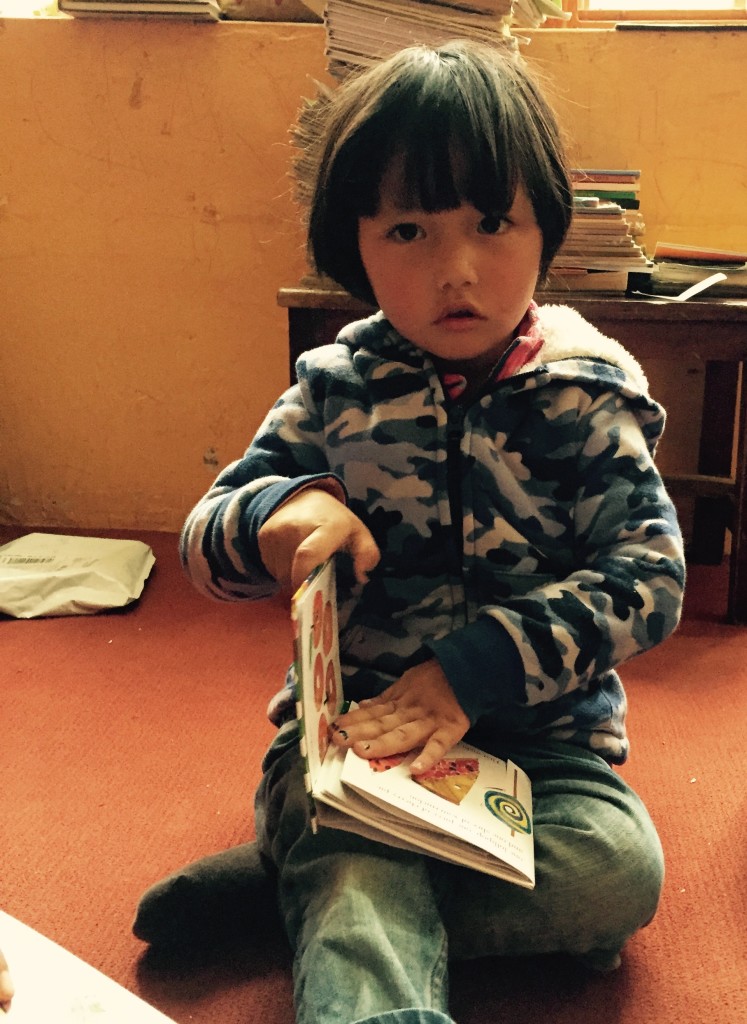
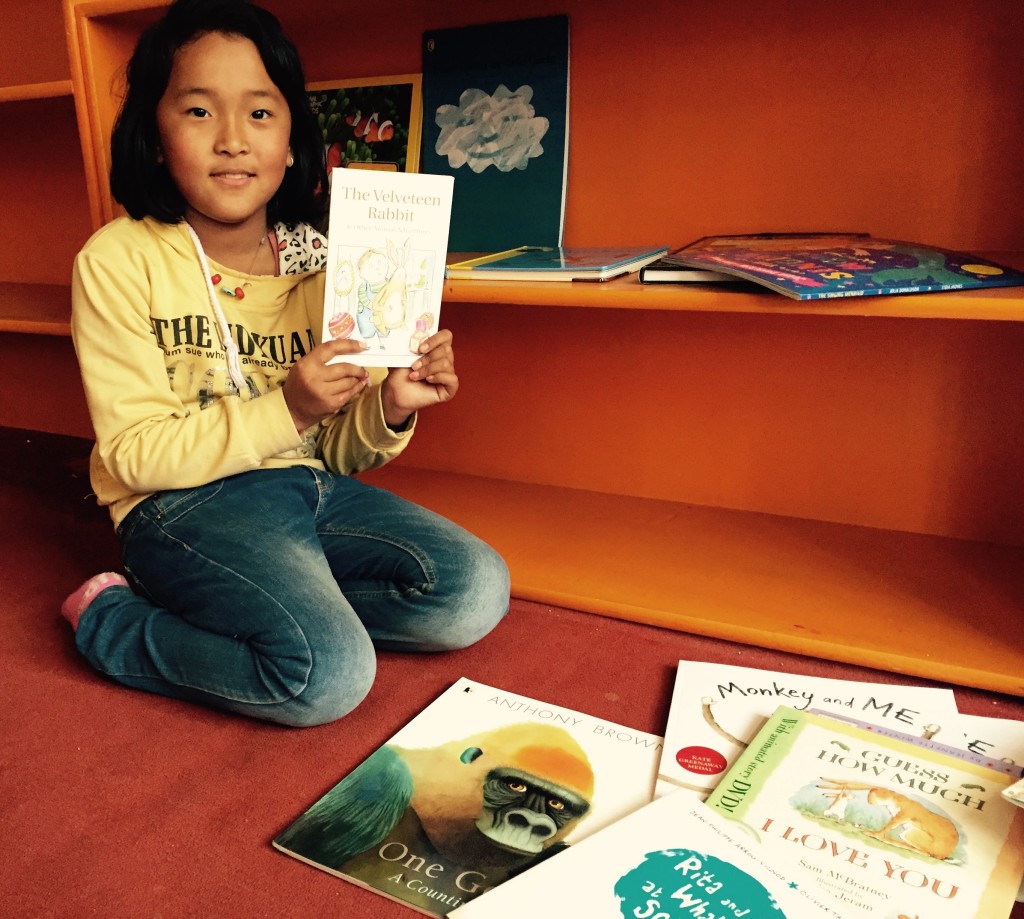
Photographs and stories from a reading room can help donors see the wider meaning of their support, provided children’s privacy and consent are respected. The most important image may be a child kneeling beside a shelf, explaining an arrangement with complete seriousness. That moment shows that the library belongs to its readers.
Carrying The Practice Forward
Once children have organised a small collection, the habit can grow into a lasting reading culture. They may keep a simple lending record, recommend stories to friends or set up a temporary outdoor shelf for a group activity. These routines require few materials, yet they make reading visible and social.
The joy comes from seeing children move from using a library to caring for one. Their choices give the room character, while their shared responsibility helps books travel from one child’s hands to another’s. For supporters in Australia, the practical takeaway is clear: provide suitable resources, protect children’s wellbeing and leave enough space for young readers to decide how their library should live.