The Quiet Joy of Thank You Cards from Himalayan Children
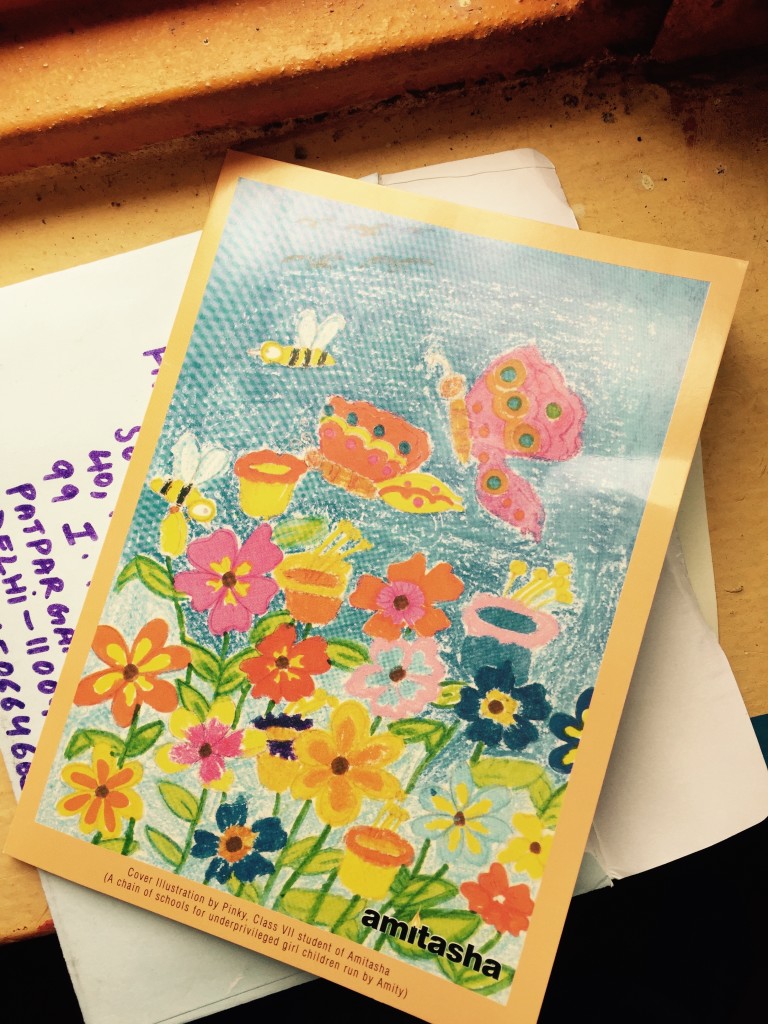
A hand-drawn thank you card can be small enough to hold in one hand, yet it often carries an entire world of feeling. Bright mountains, careful letters, smiling faces, flowers, books, and colorful patterns may fill its pages. Each mark reflects a child’s time, imagination, and desire to connect with someone who has helped make learning possible.
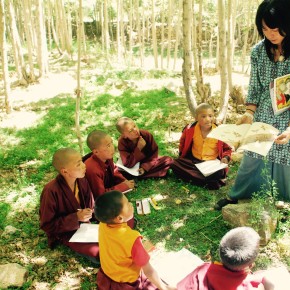
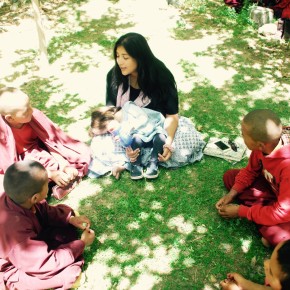
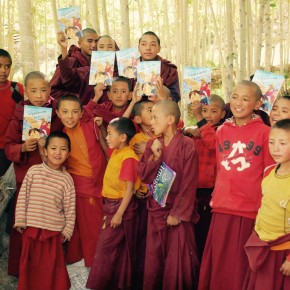
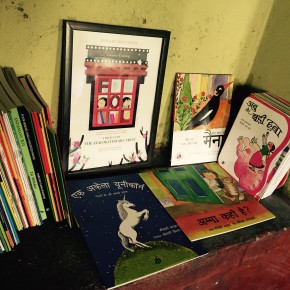
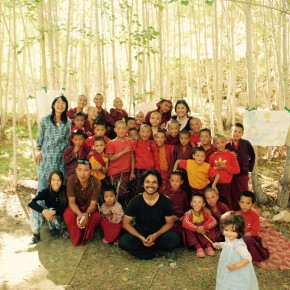
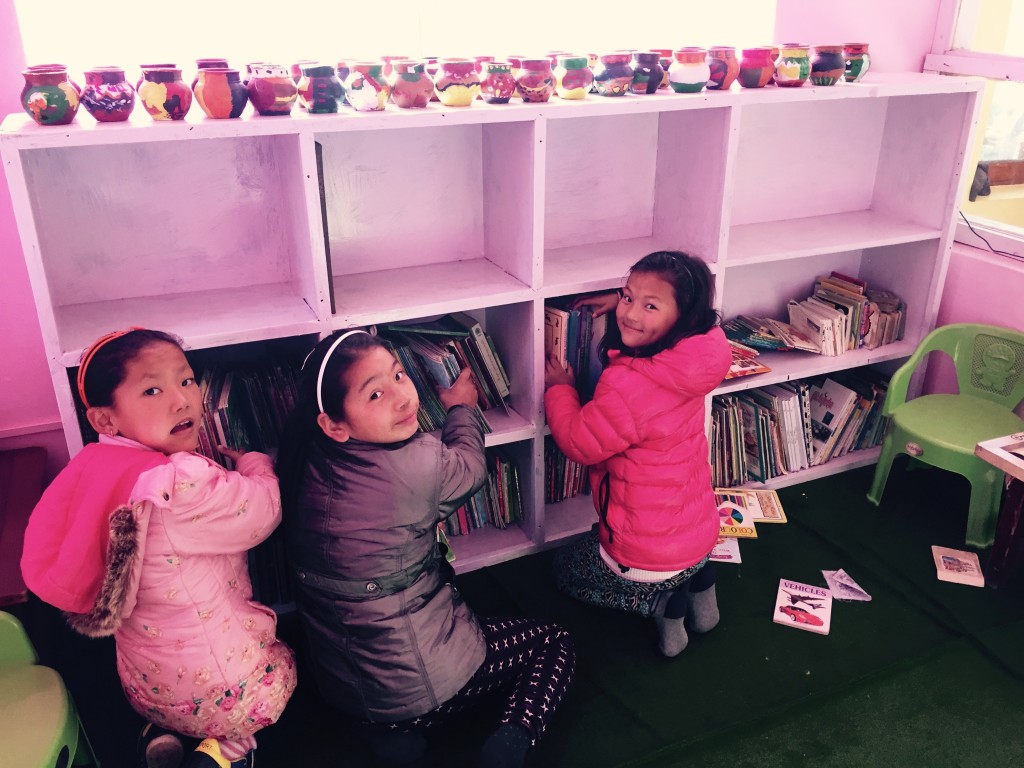
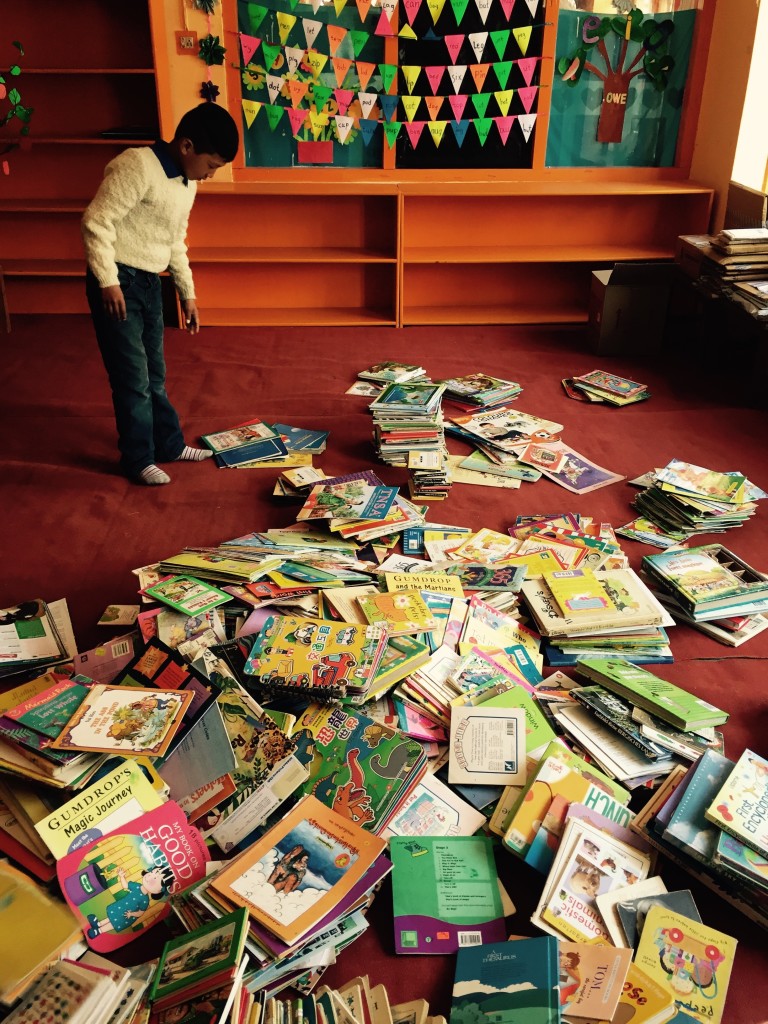
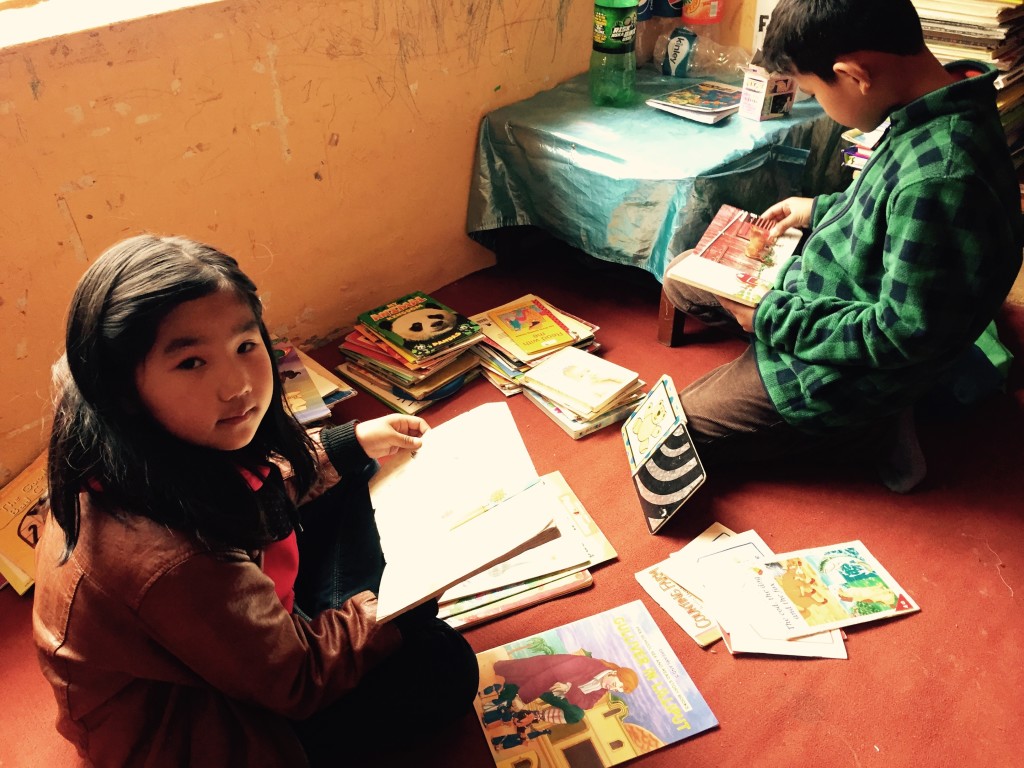
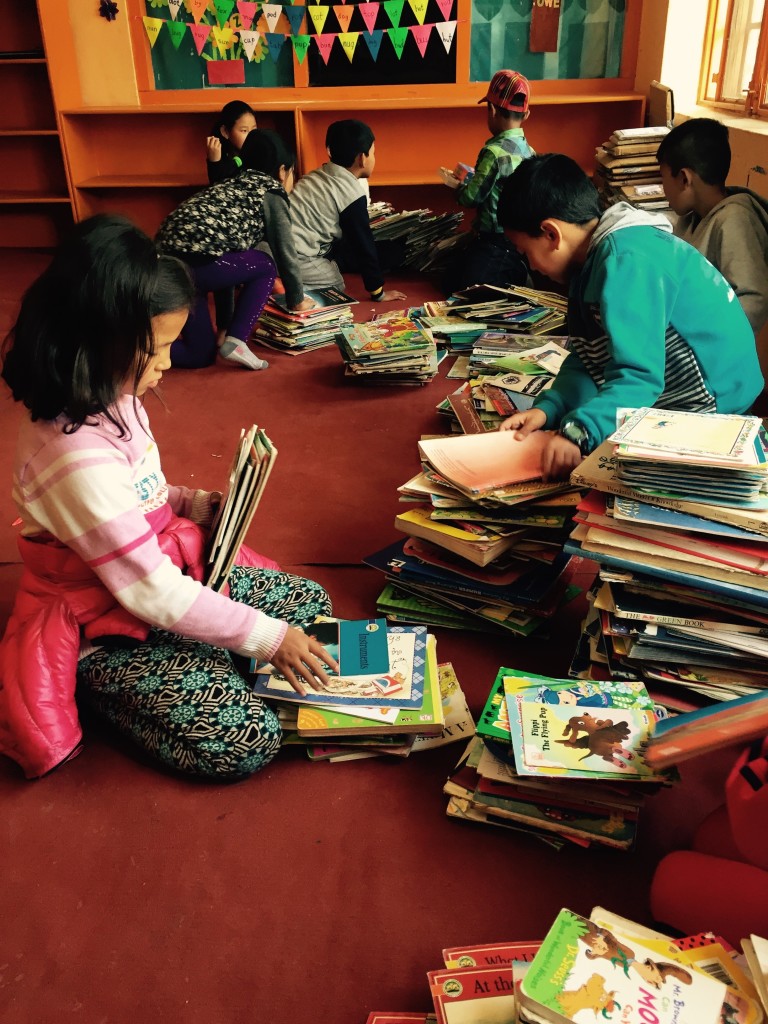
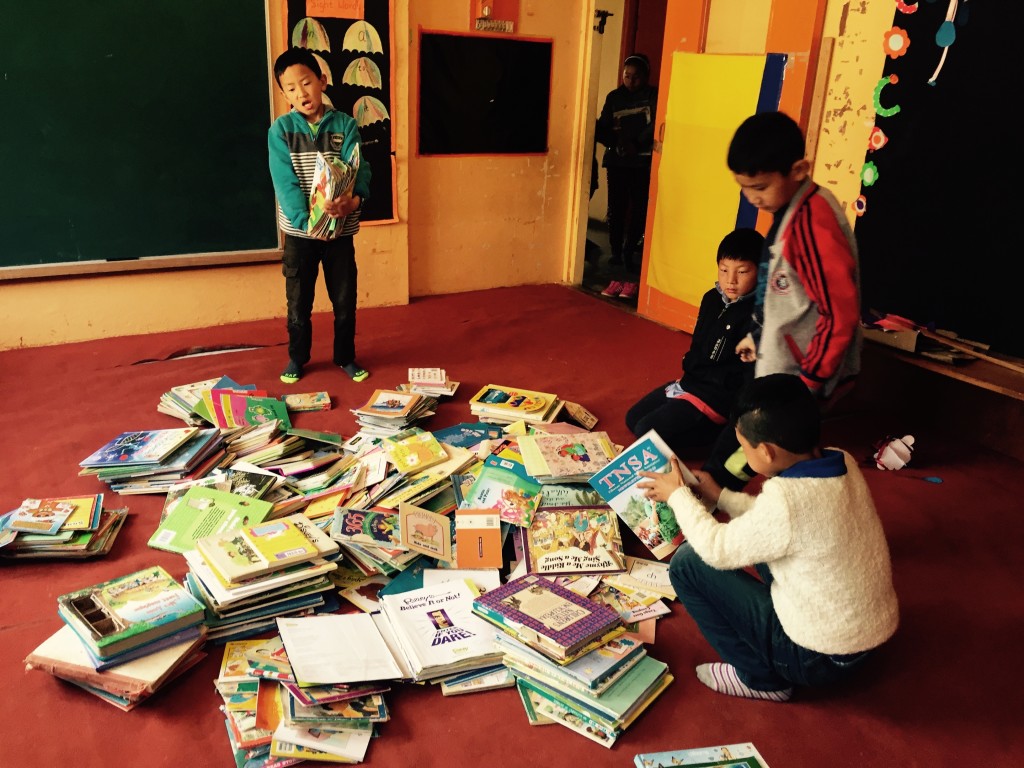
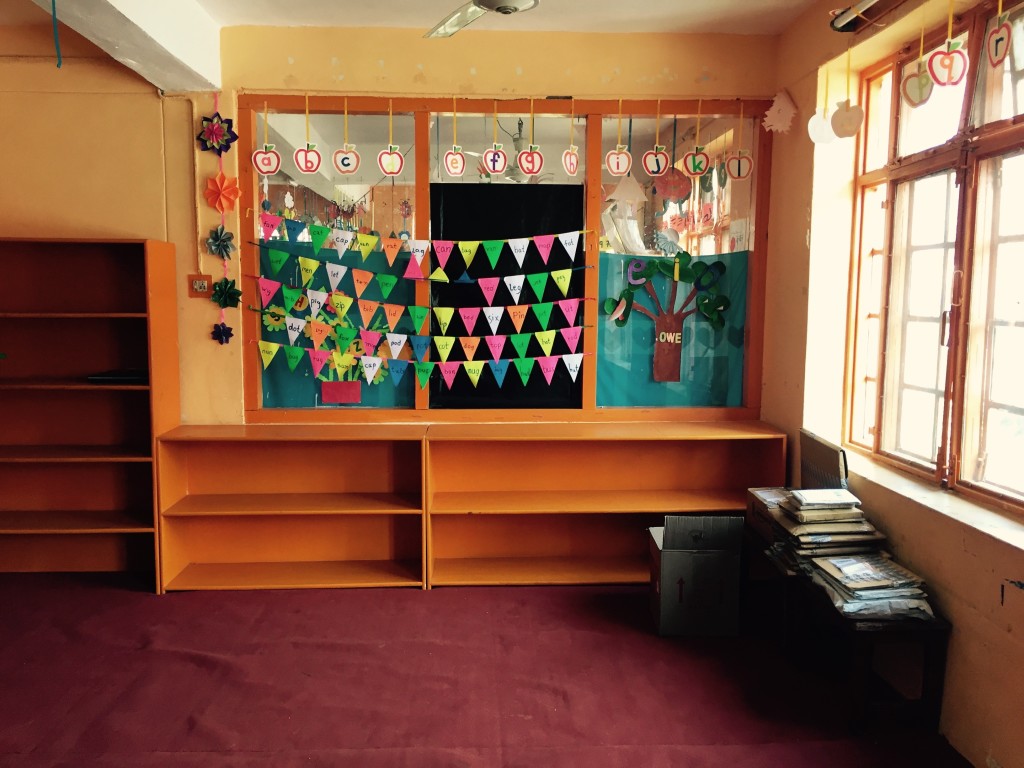
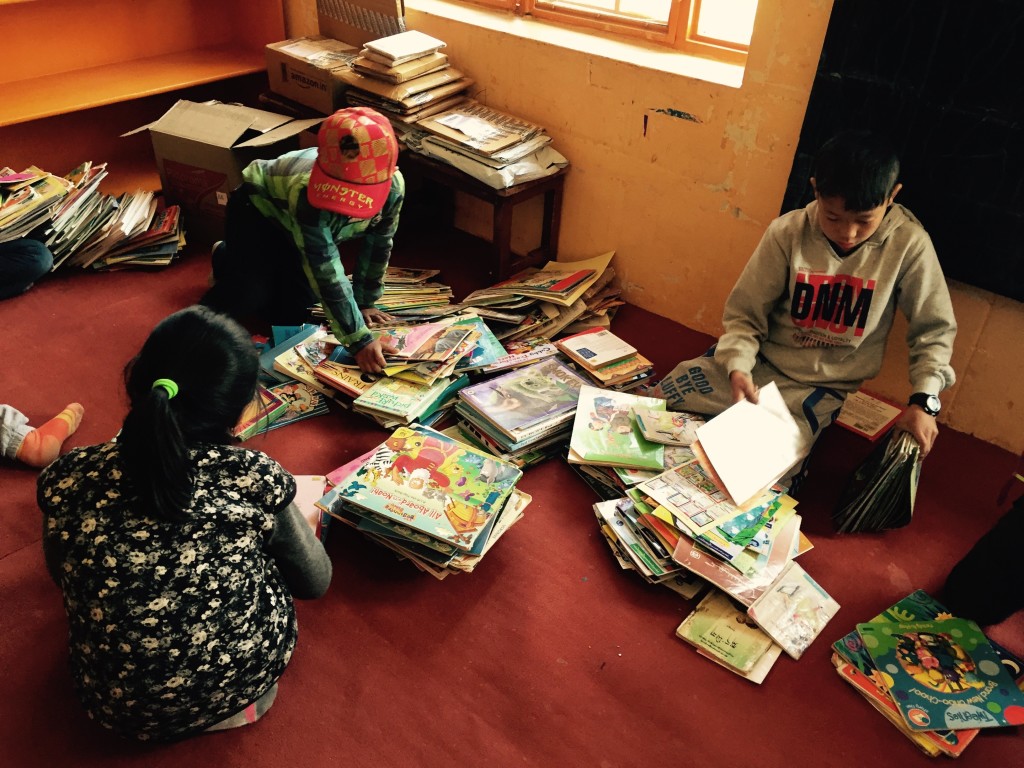
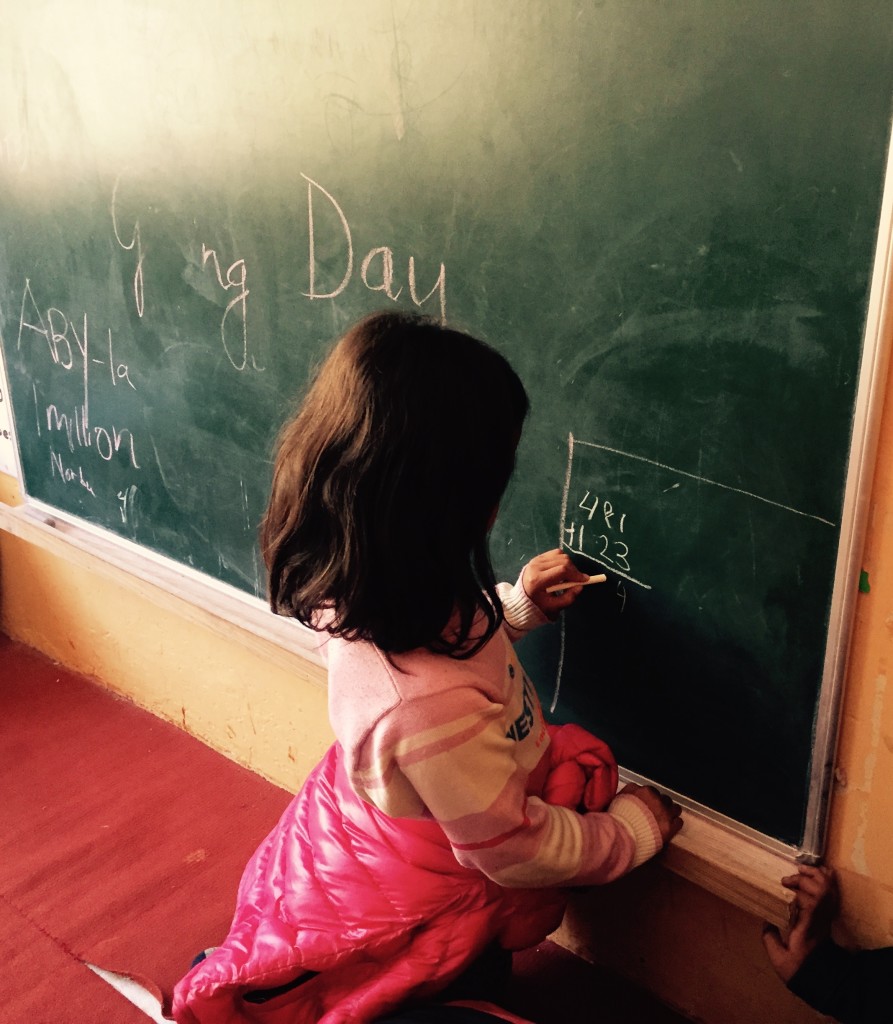
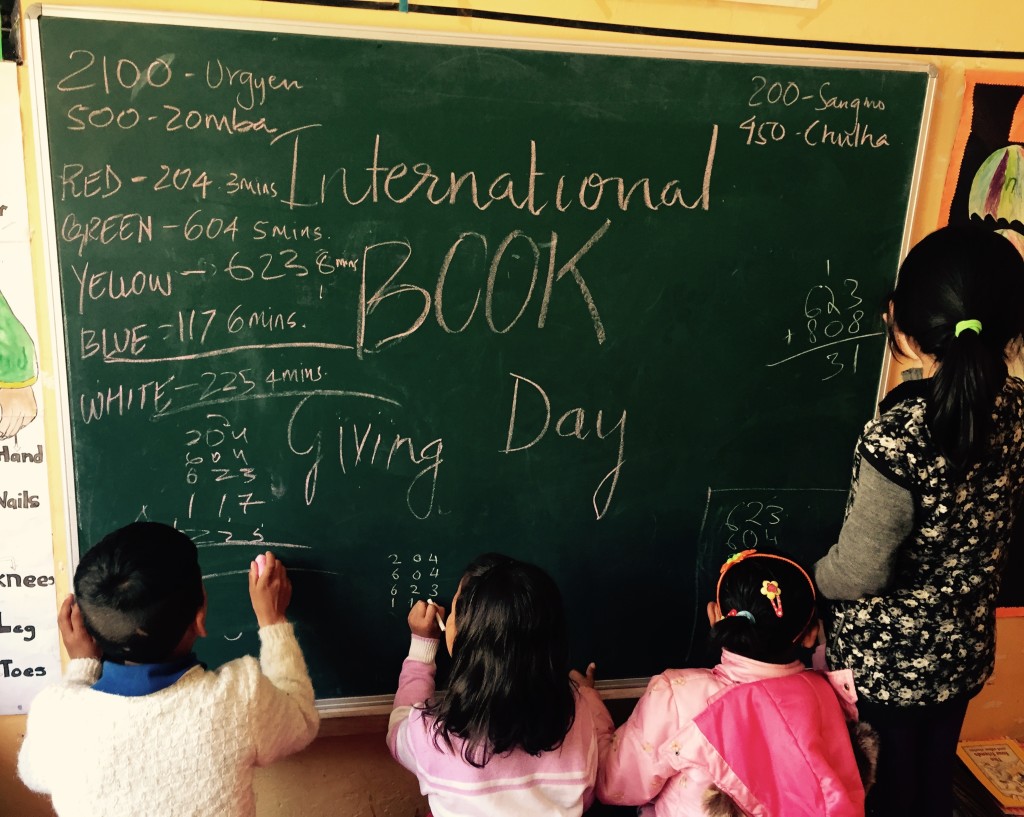
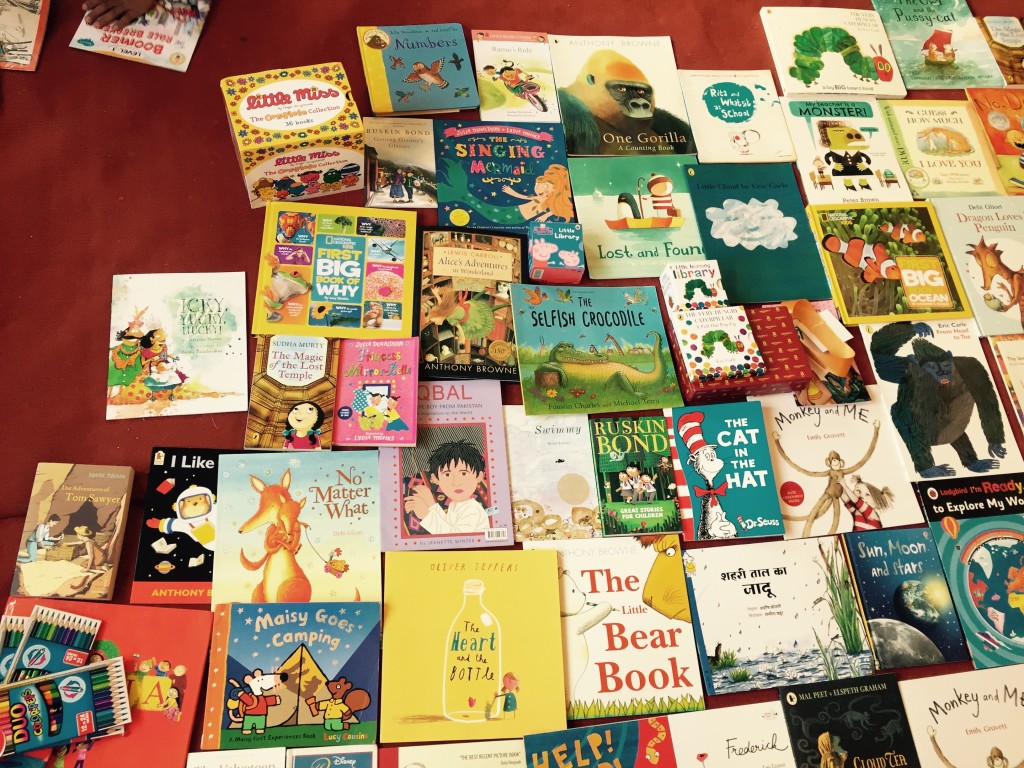
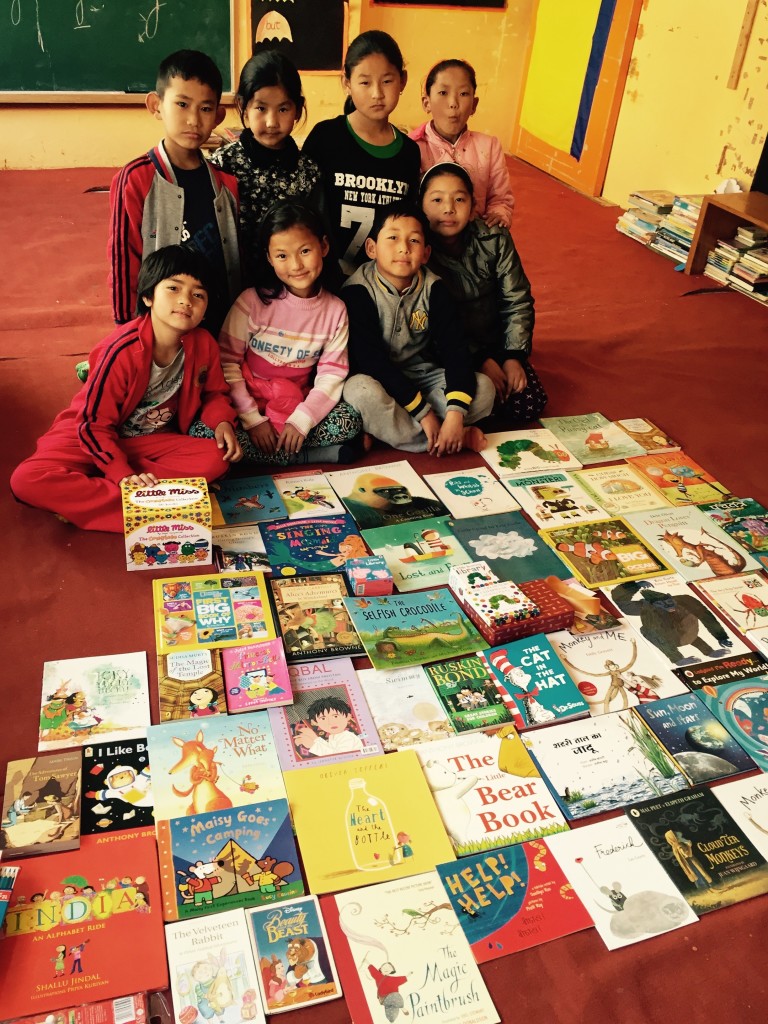
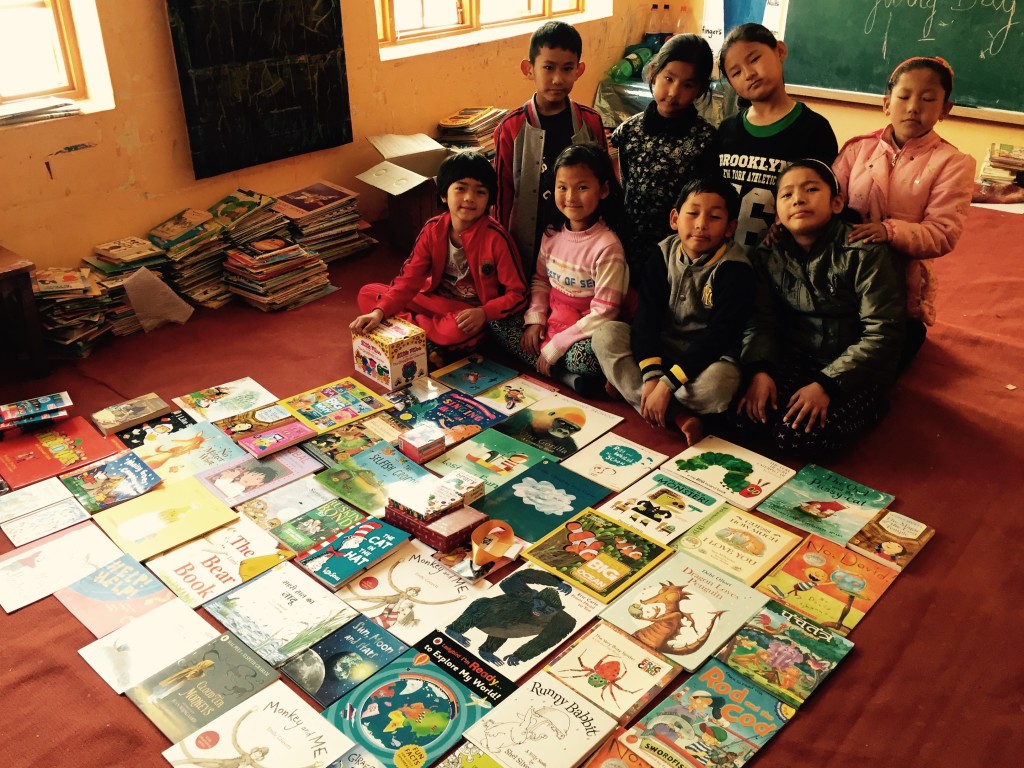
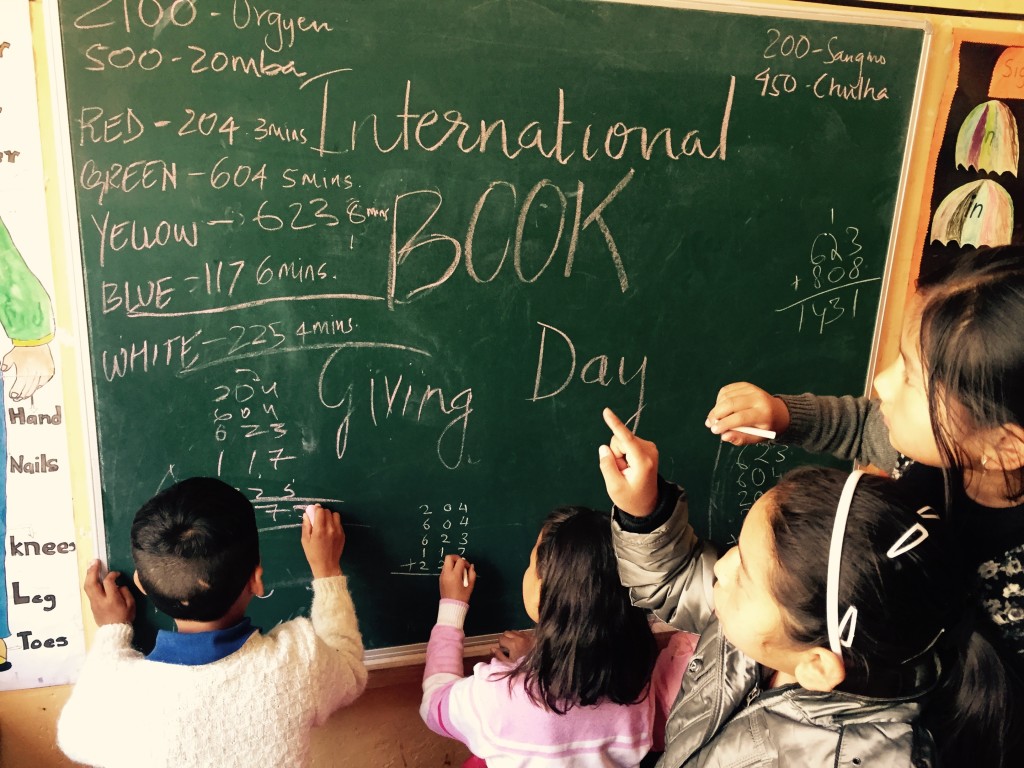
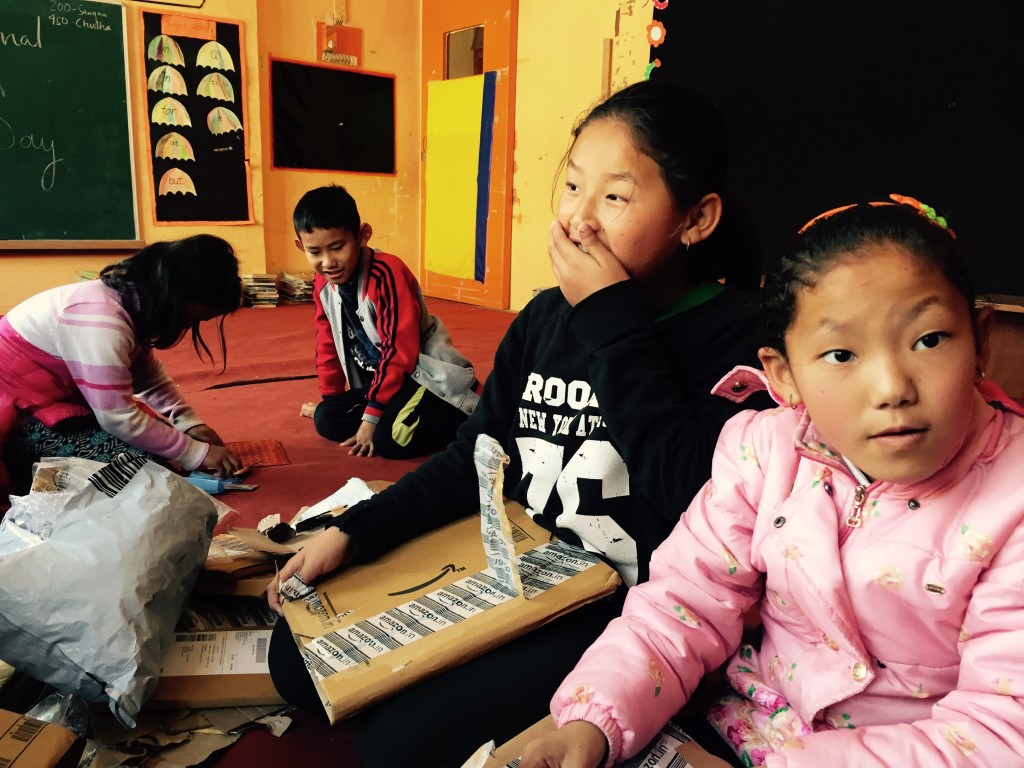
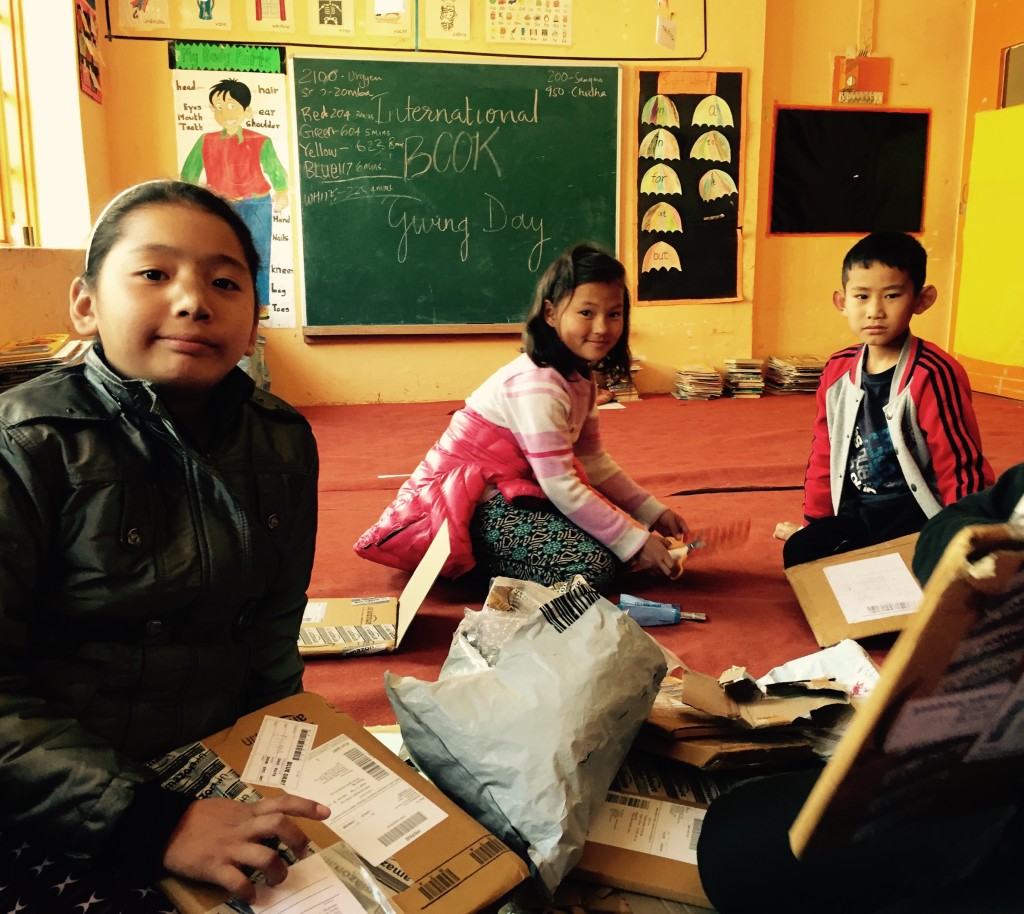
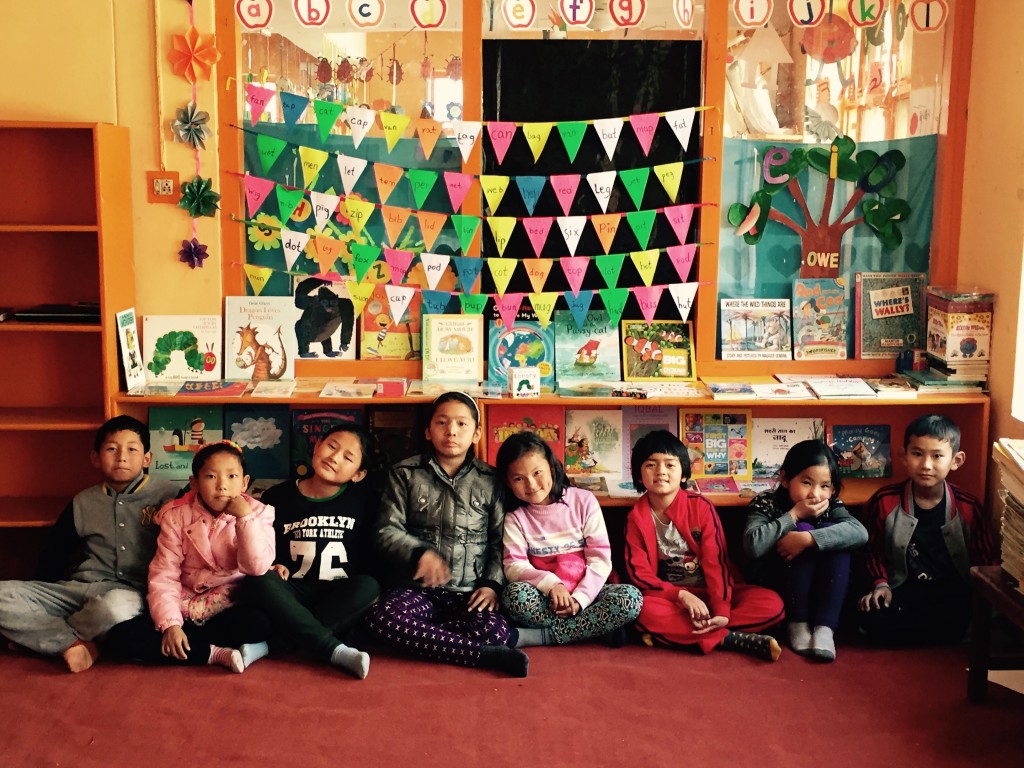
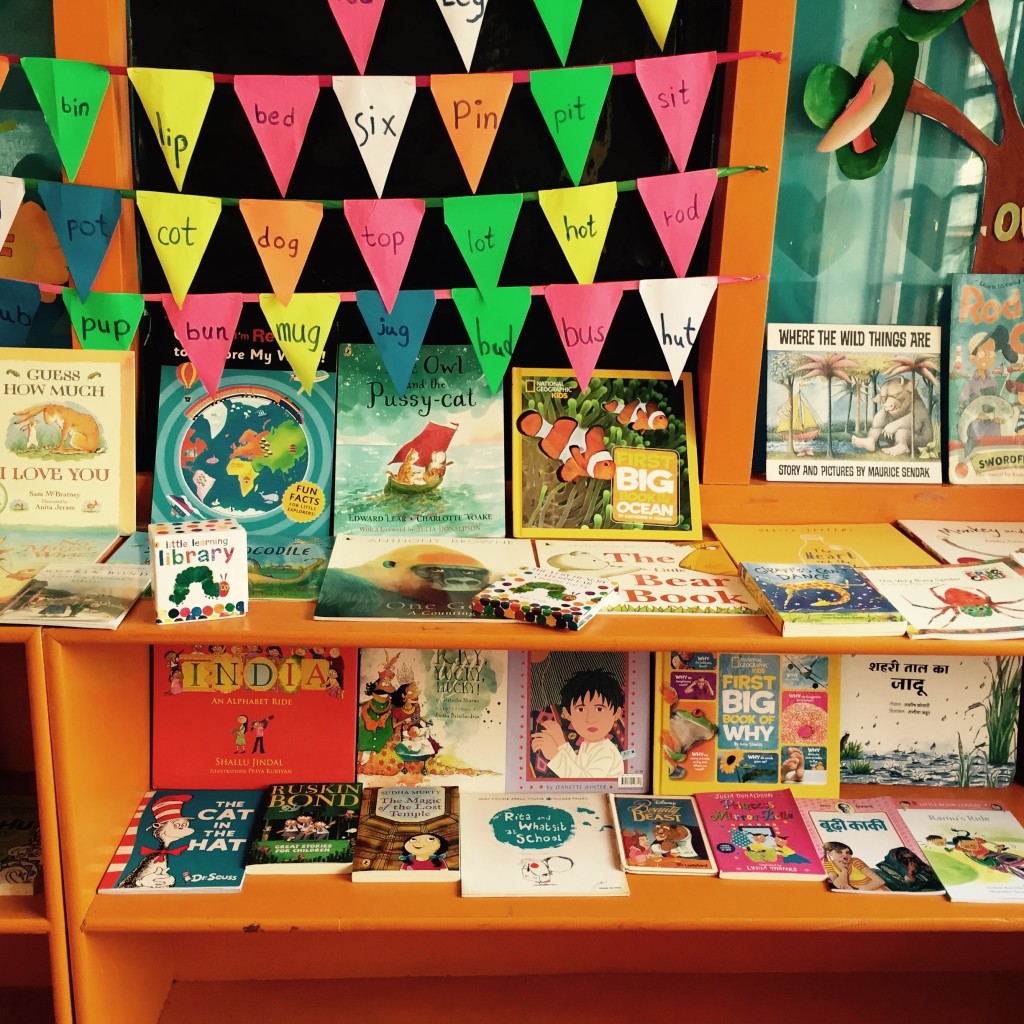
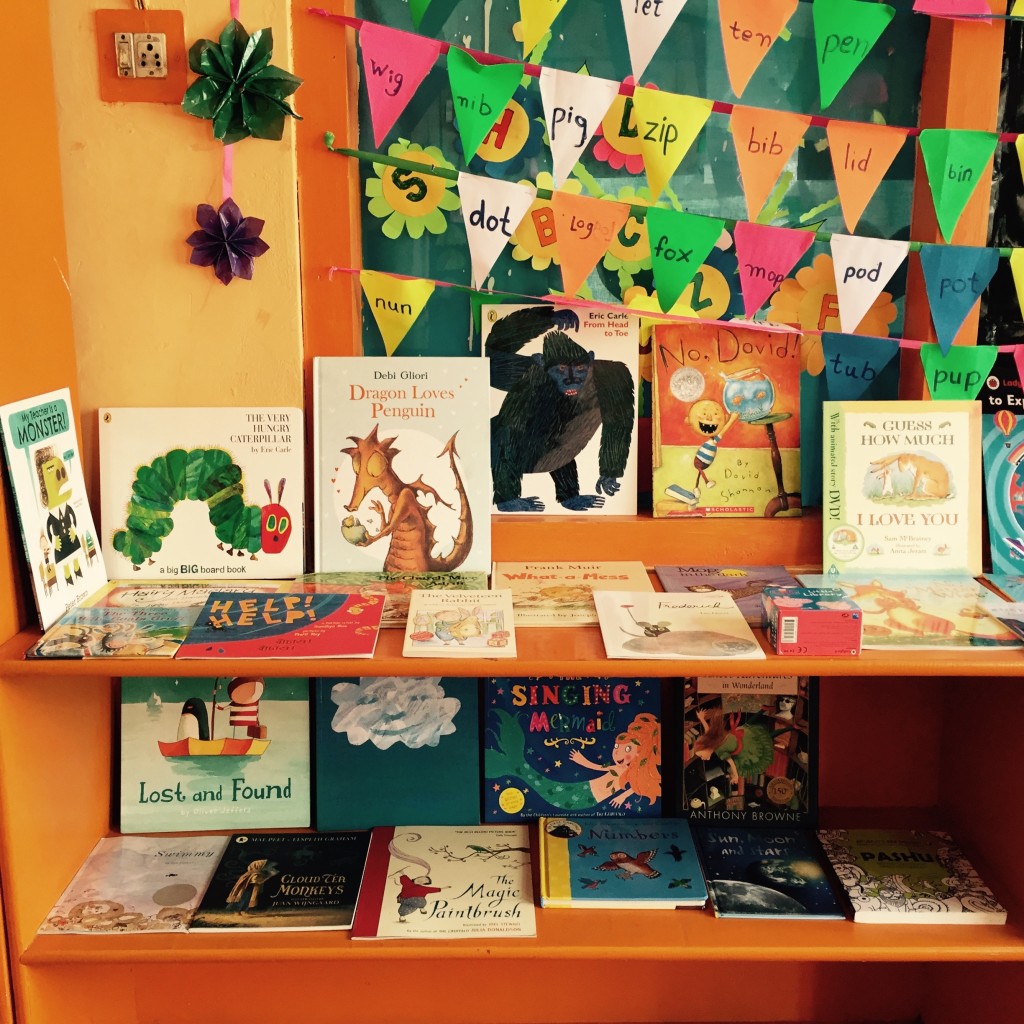
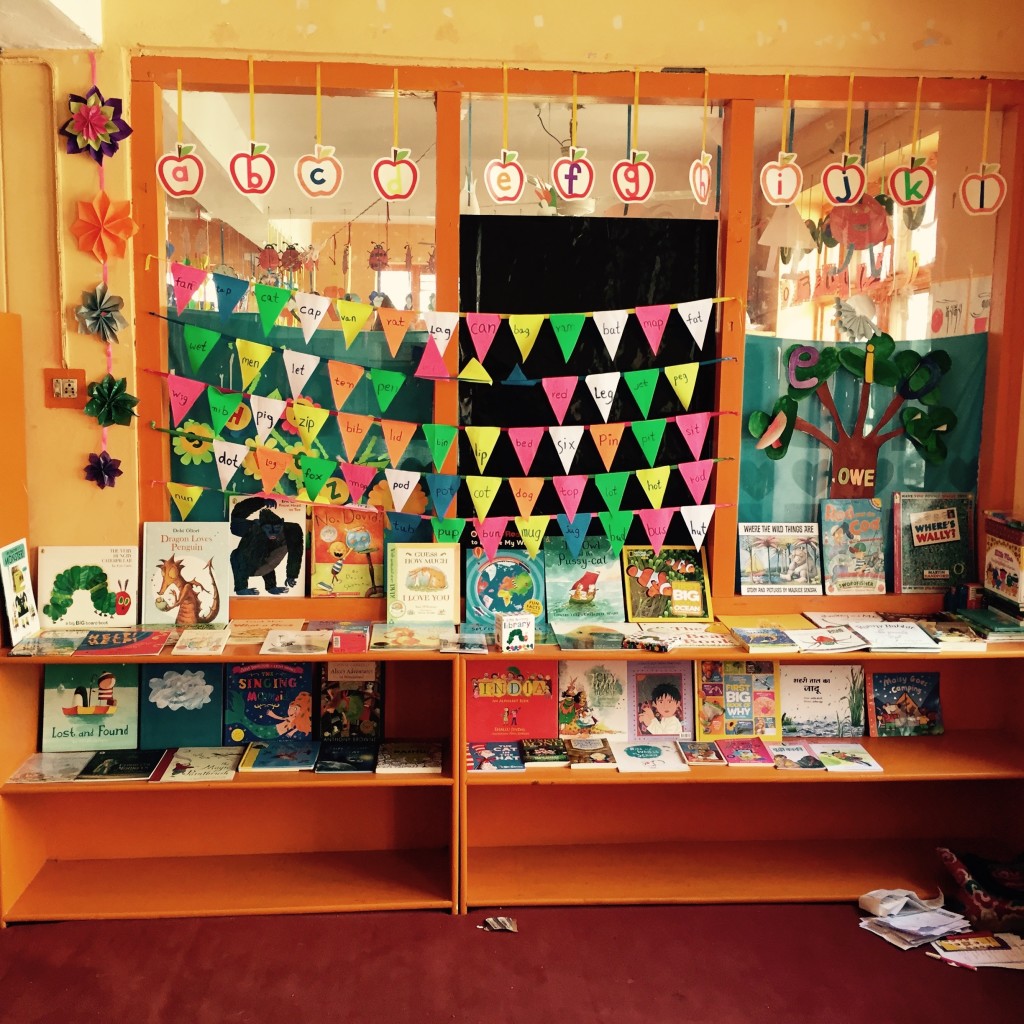
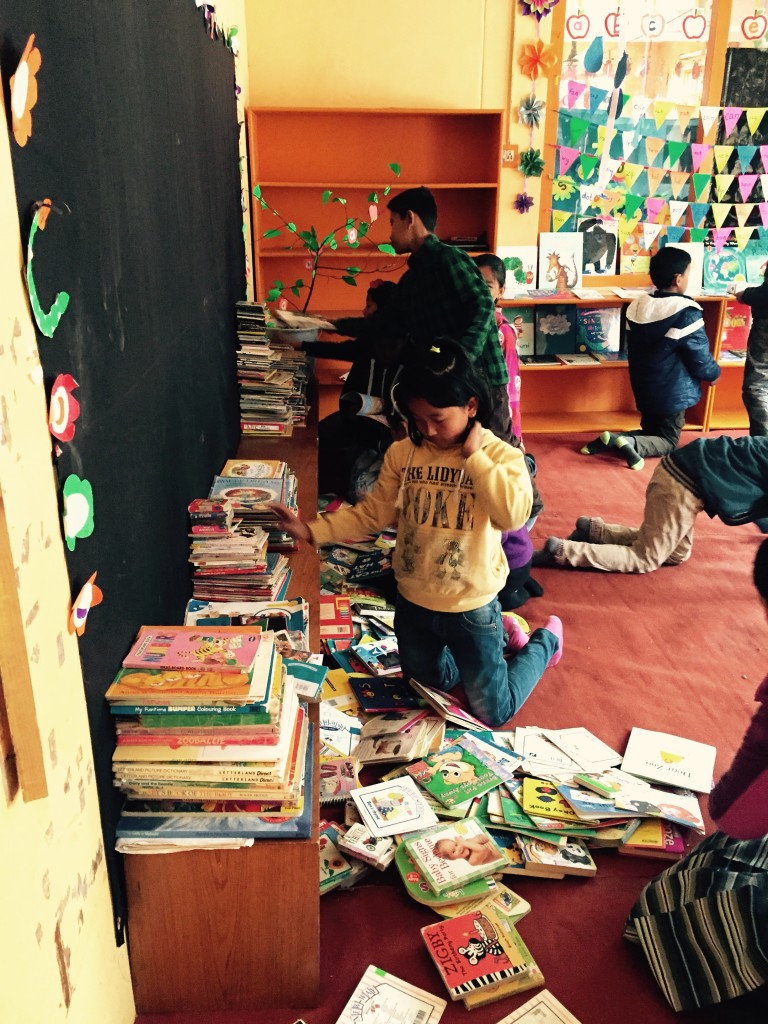
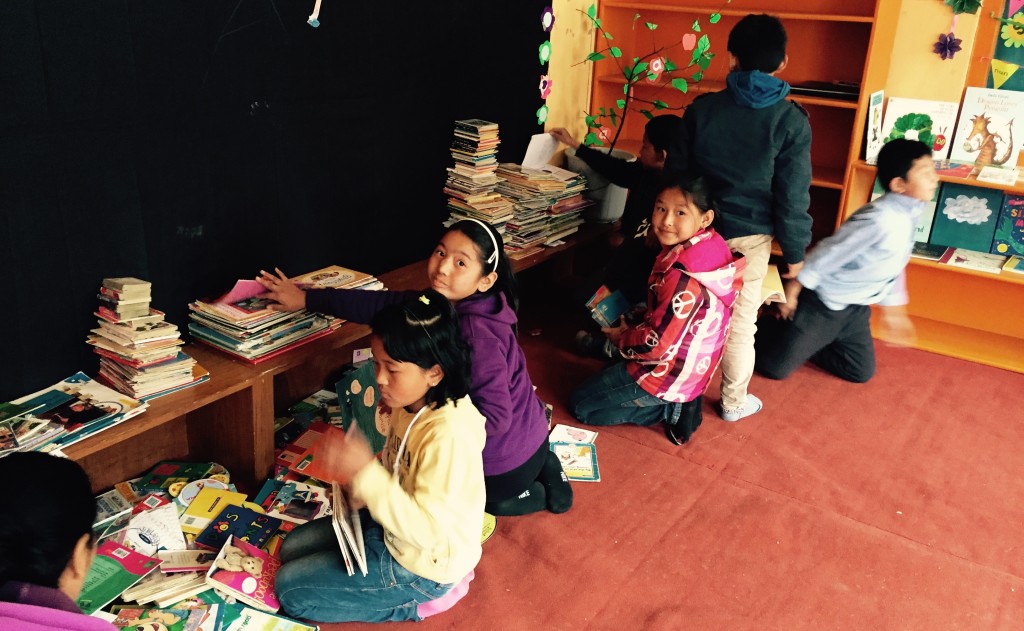
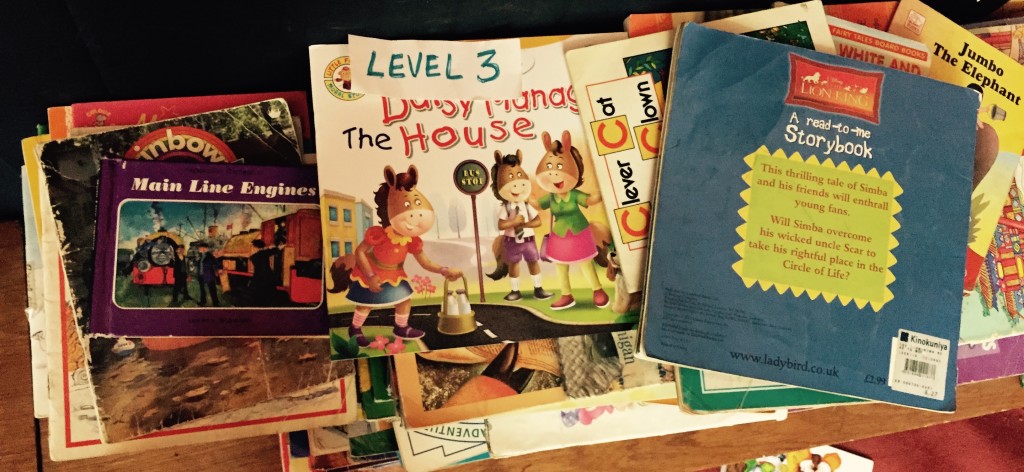
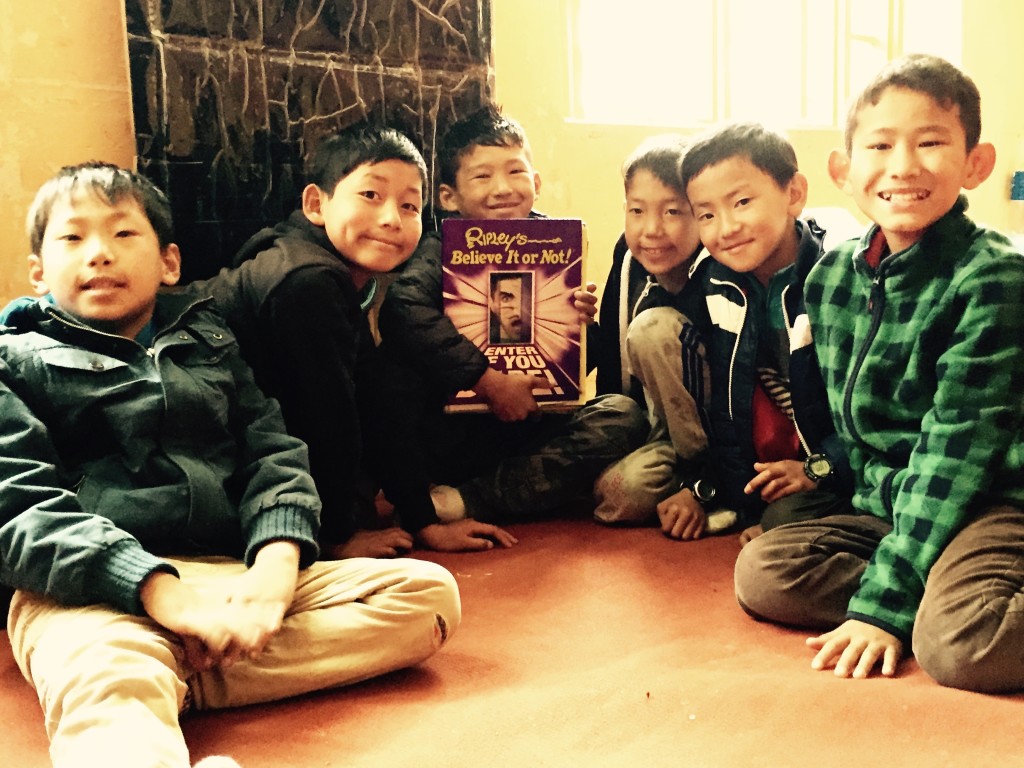
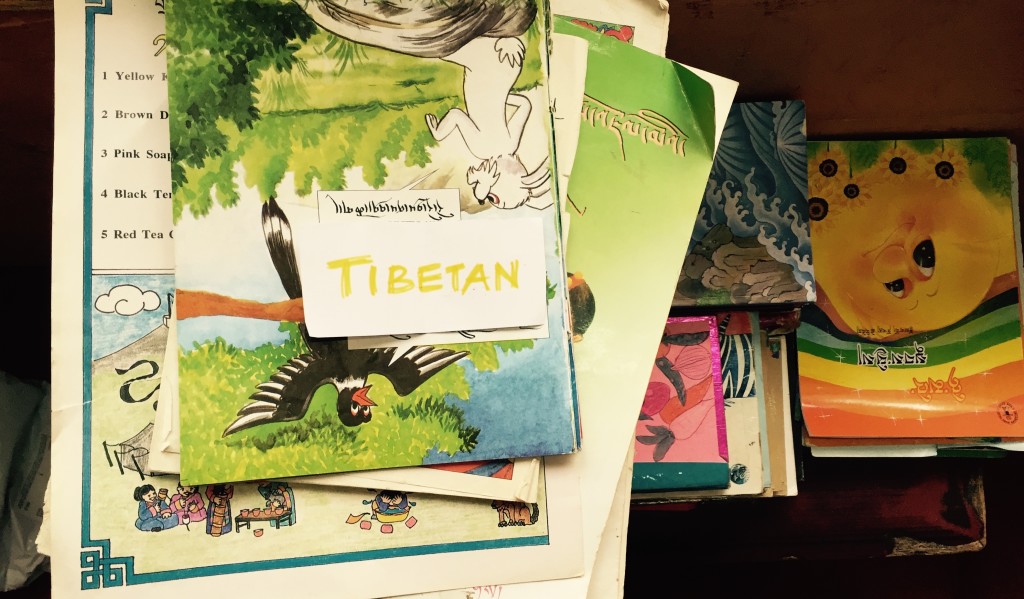
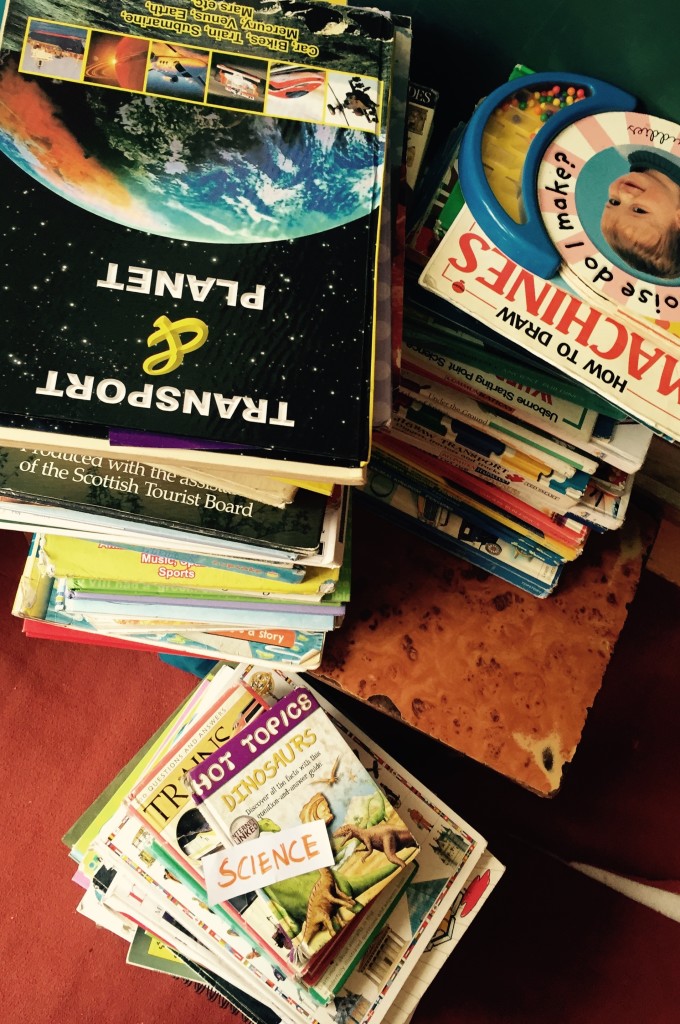
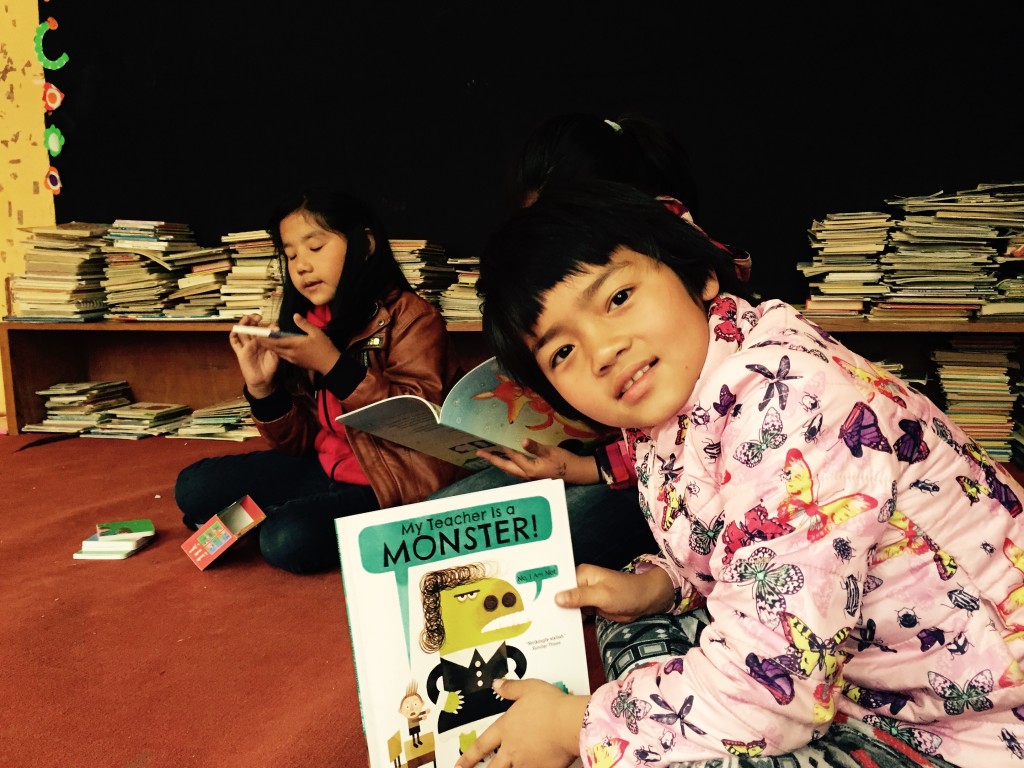
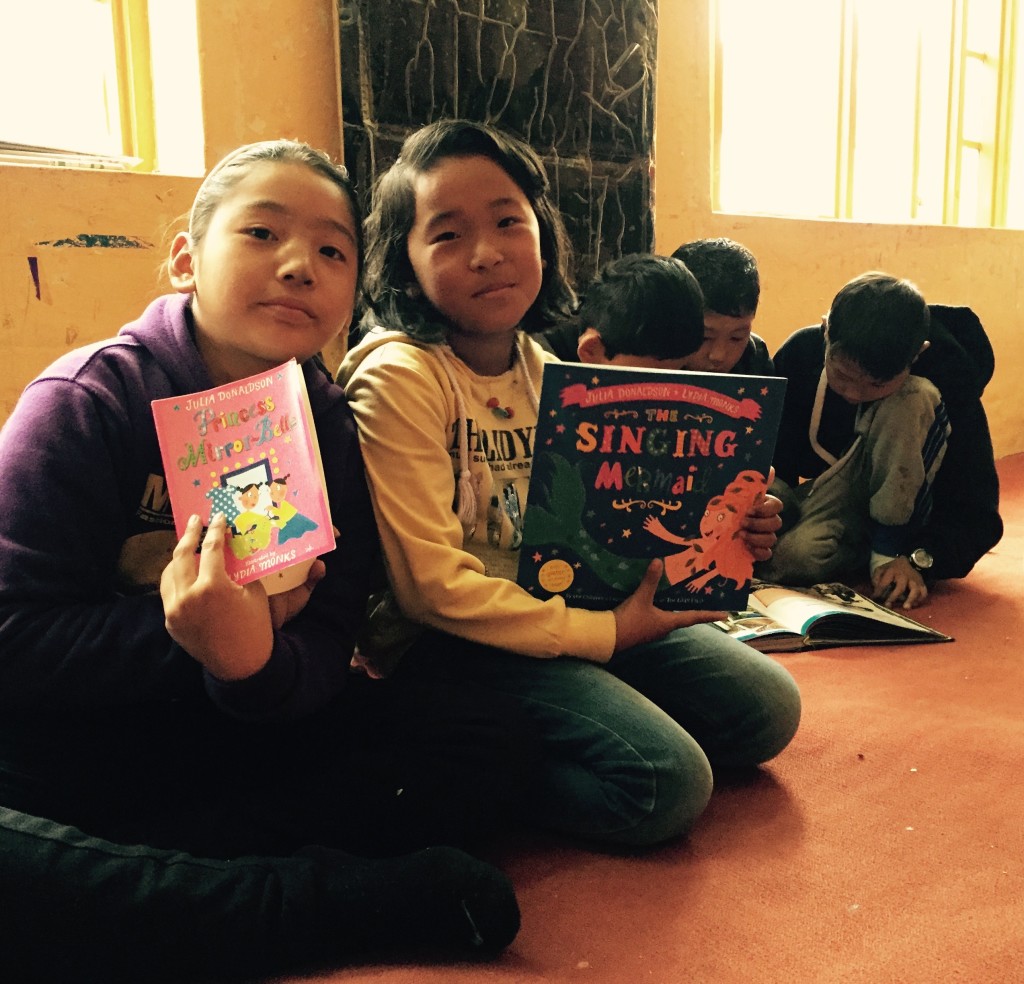
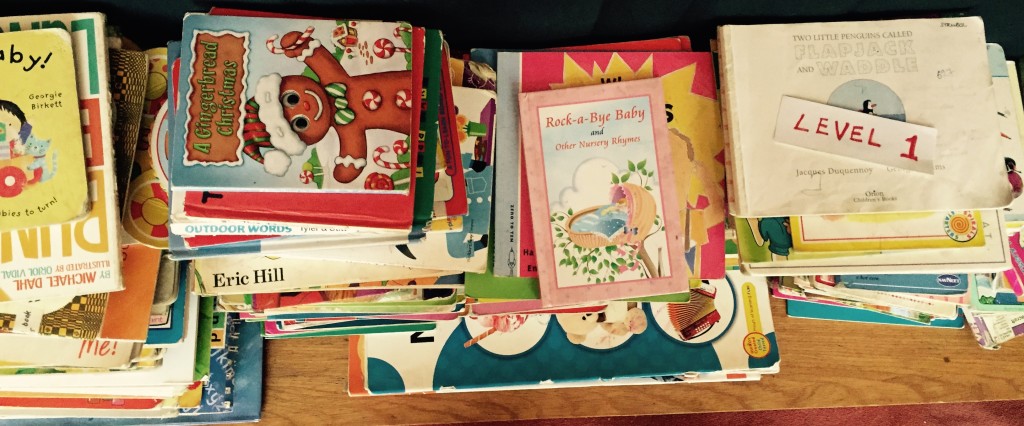
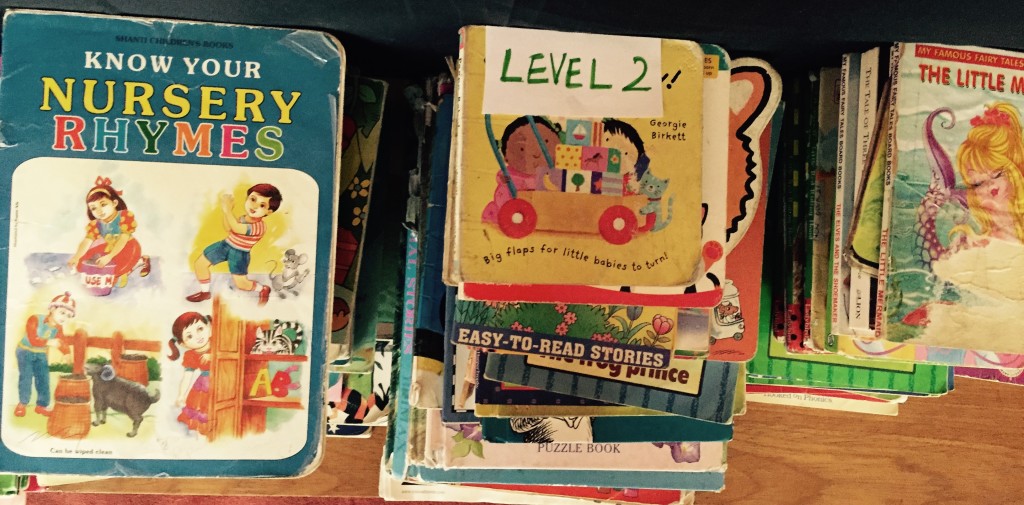
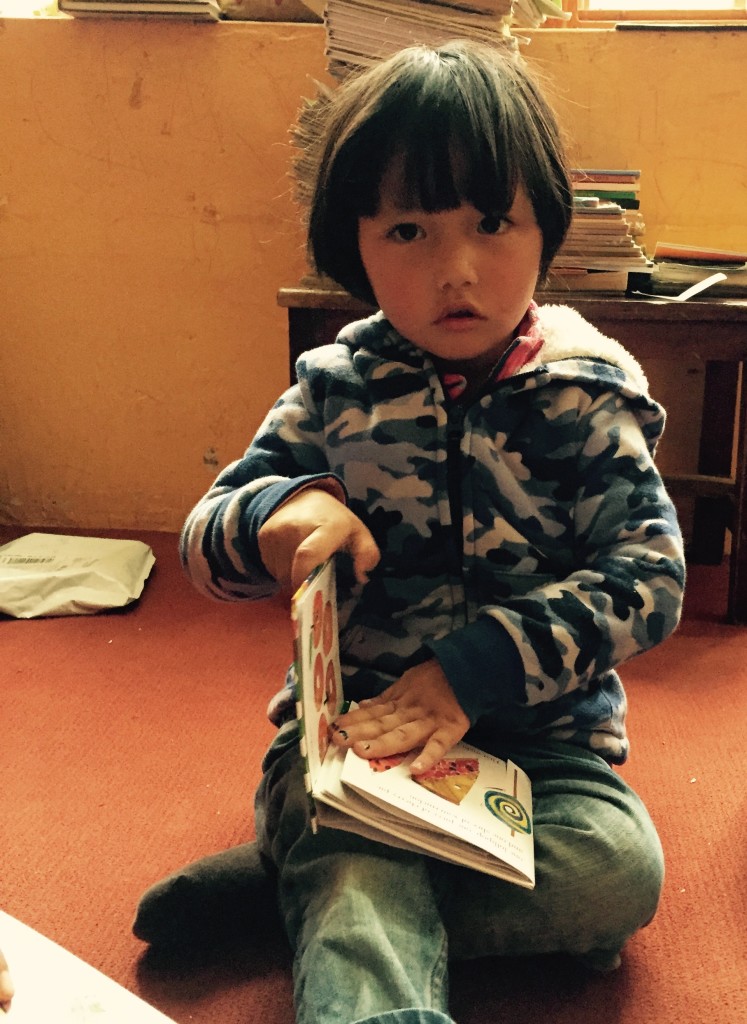
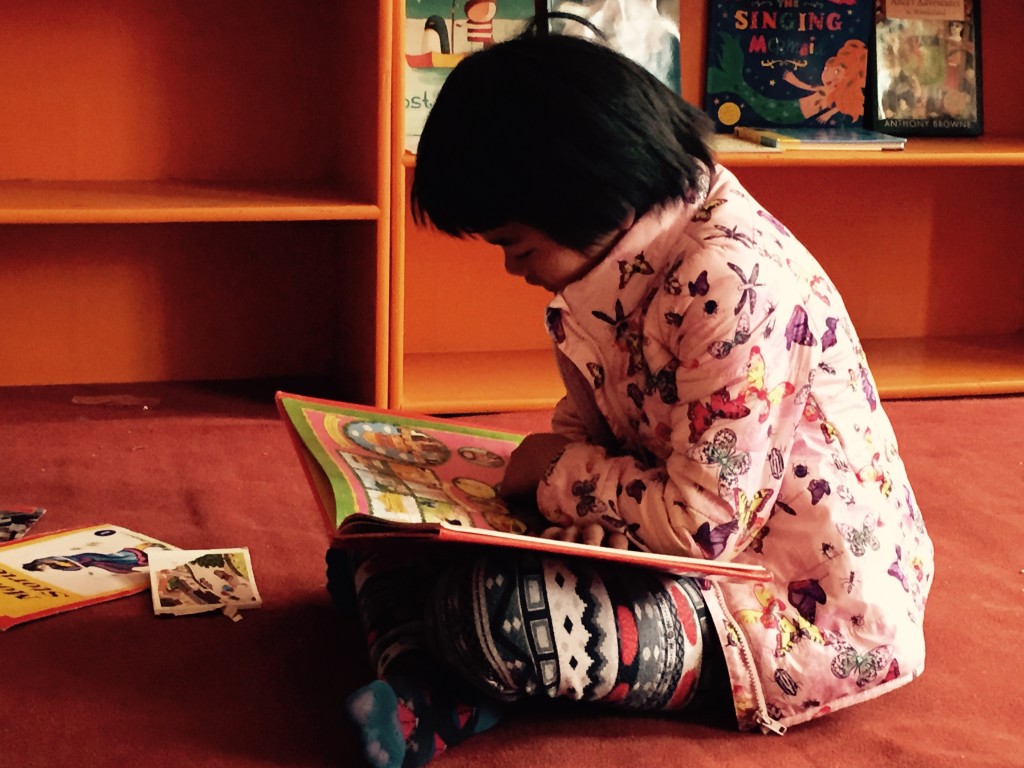
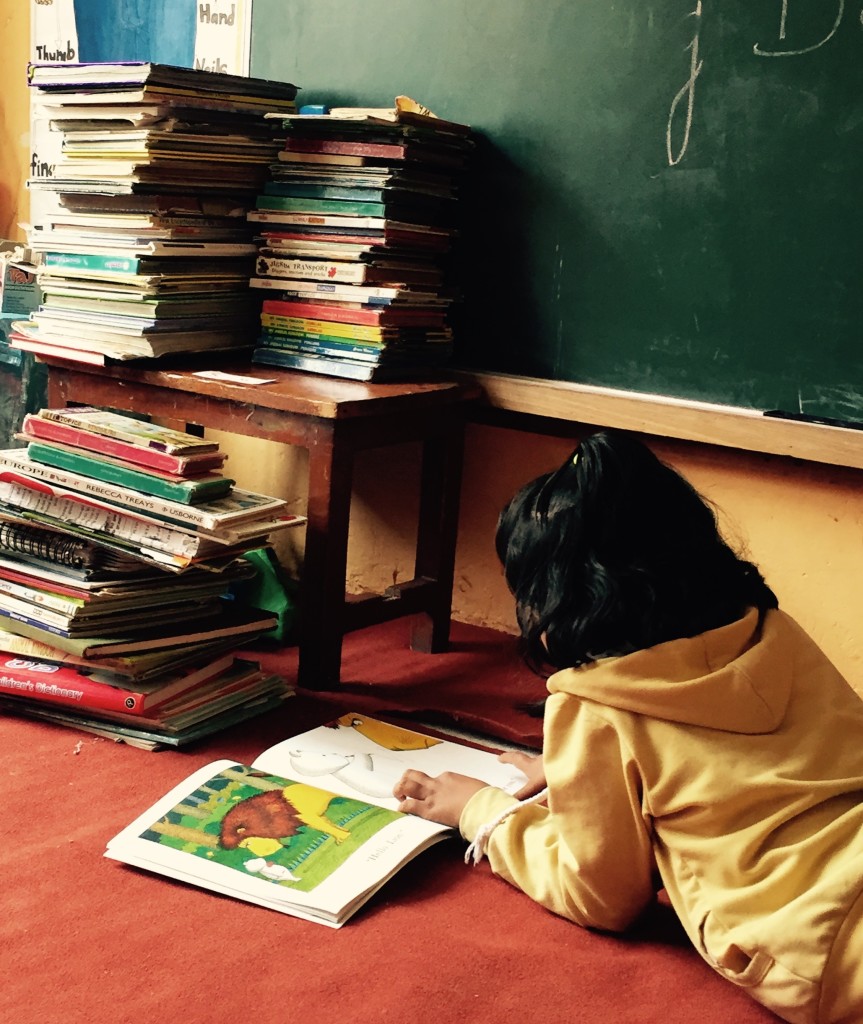
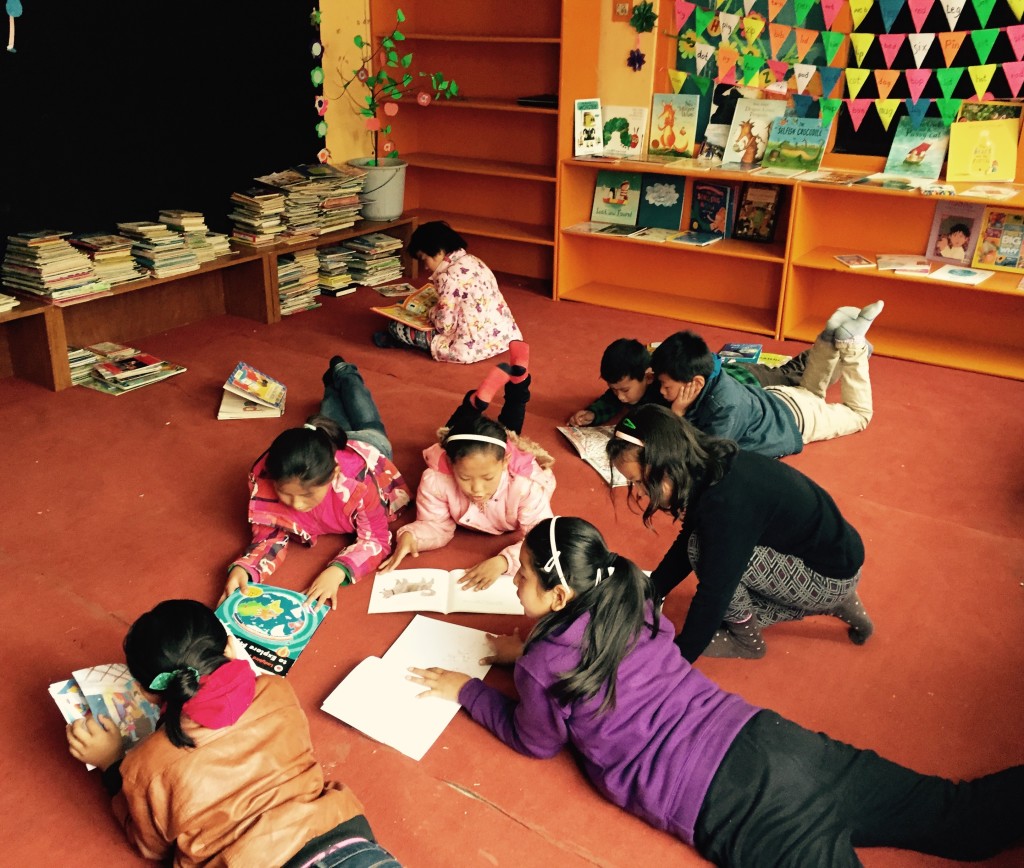
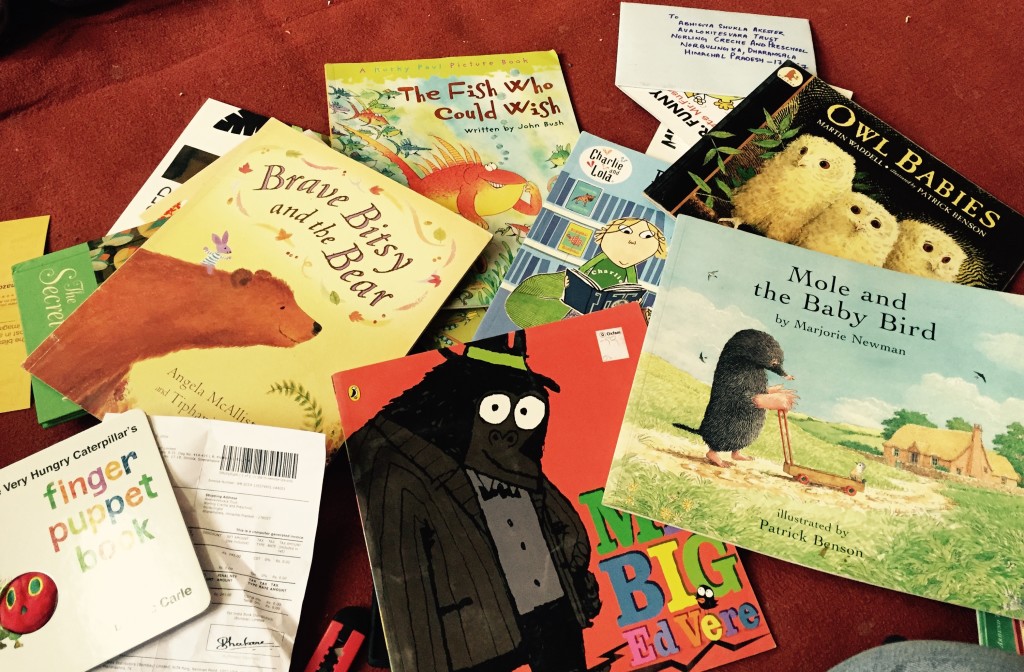
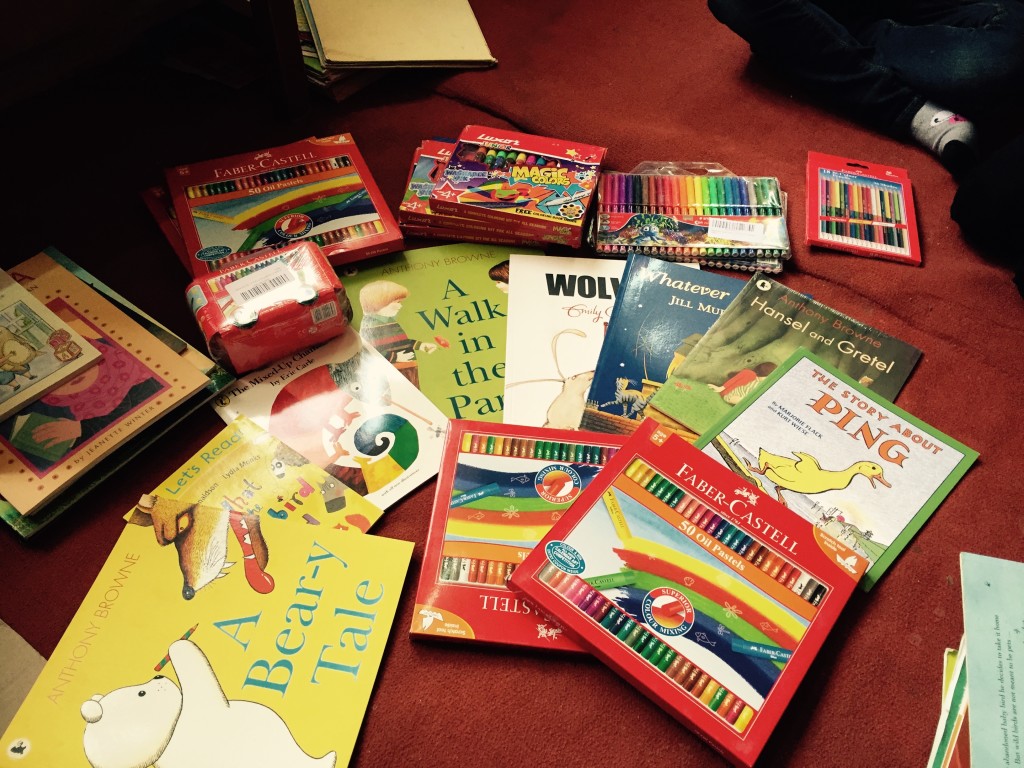
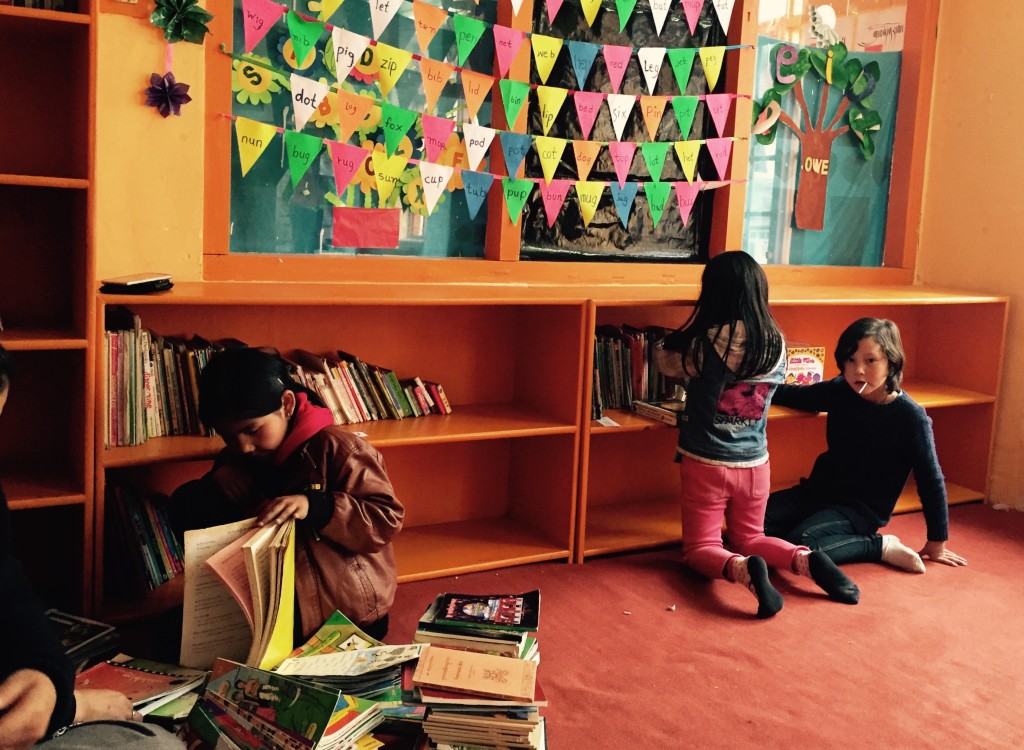
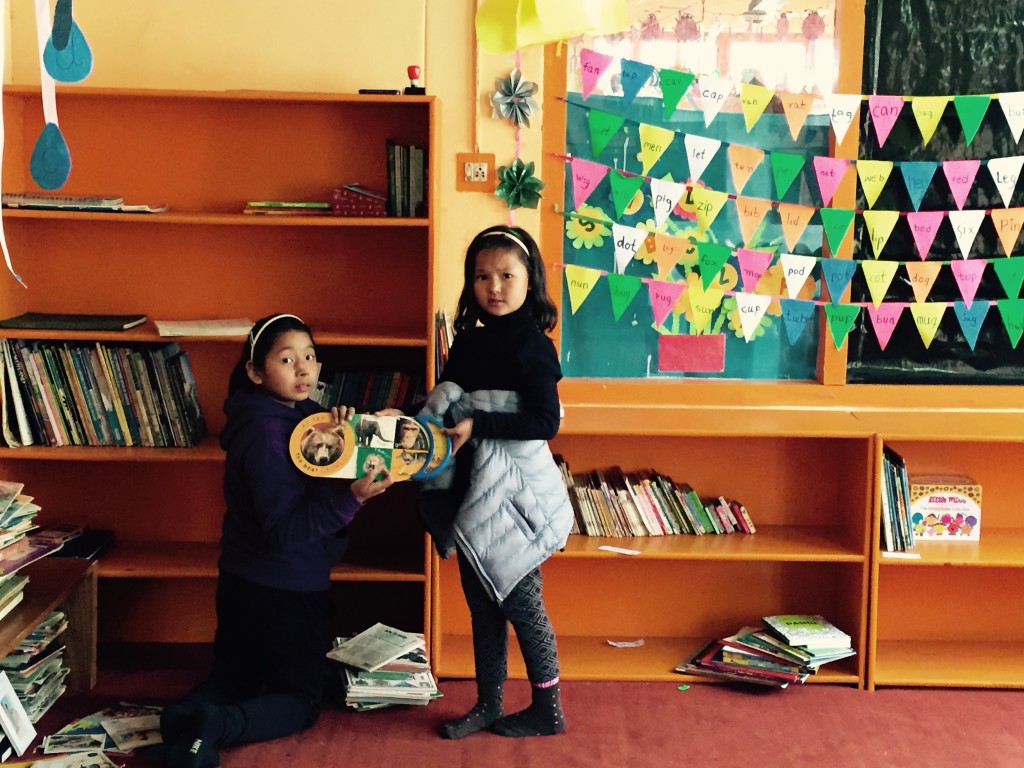
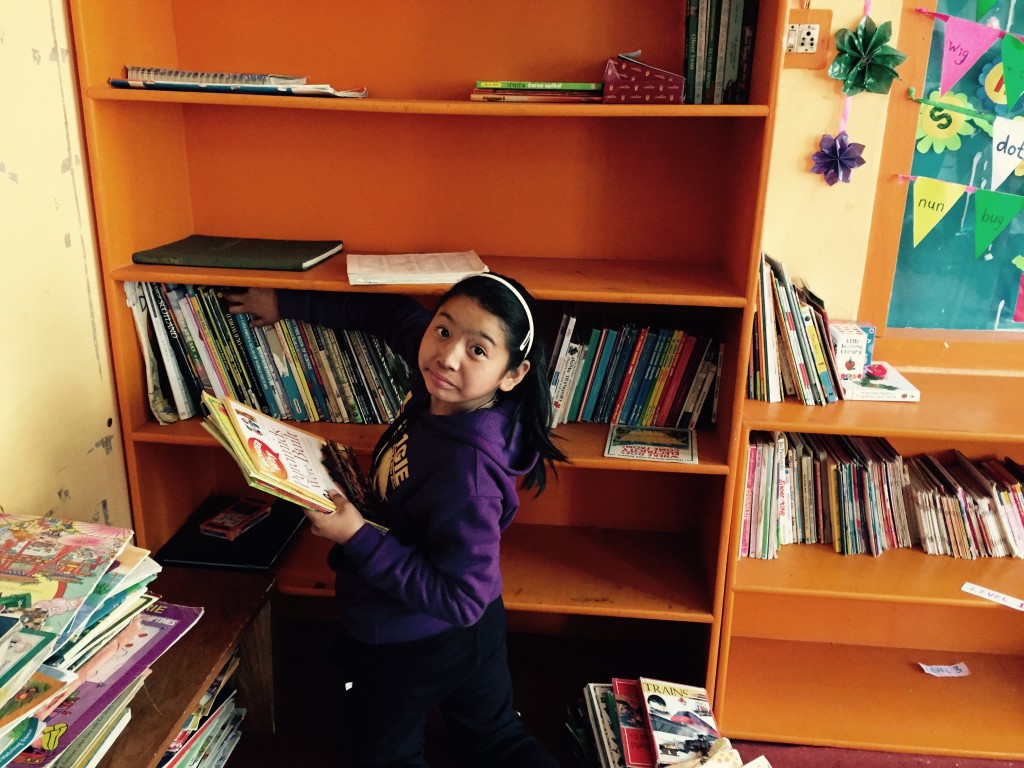
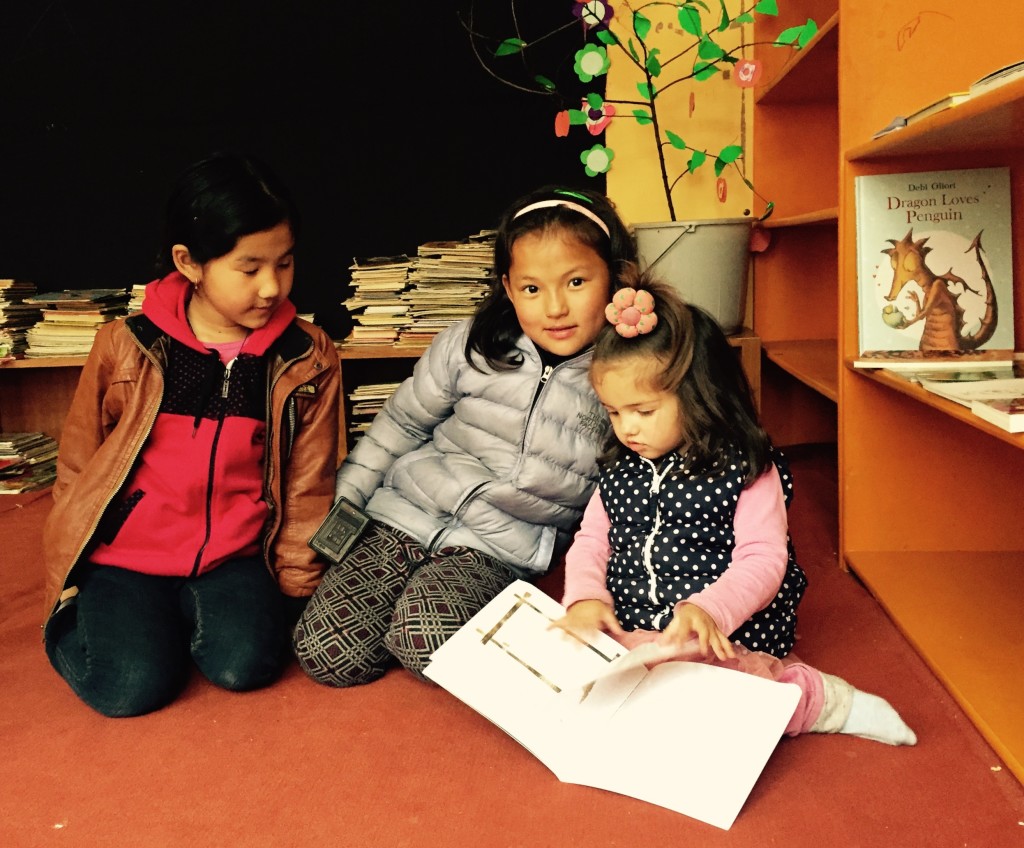
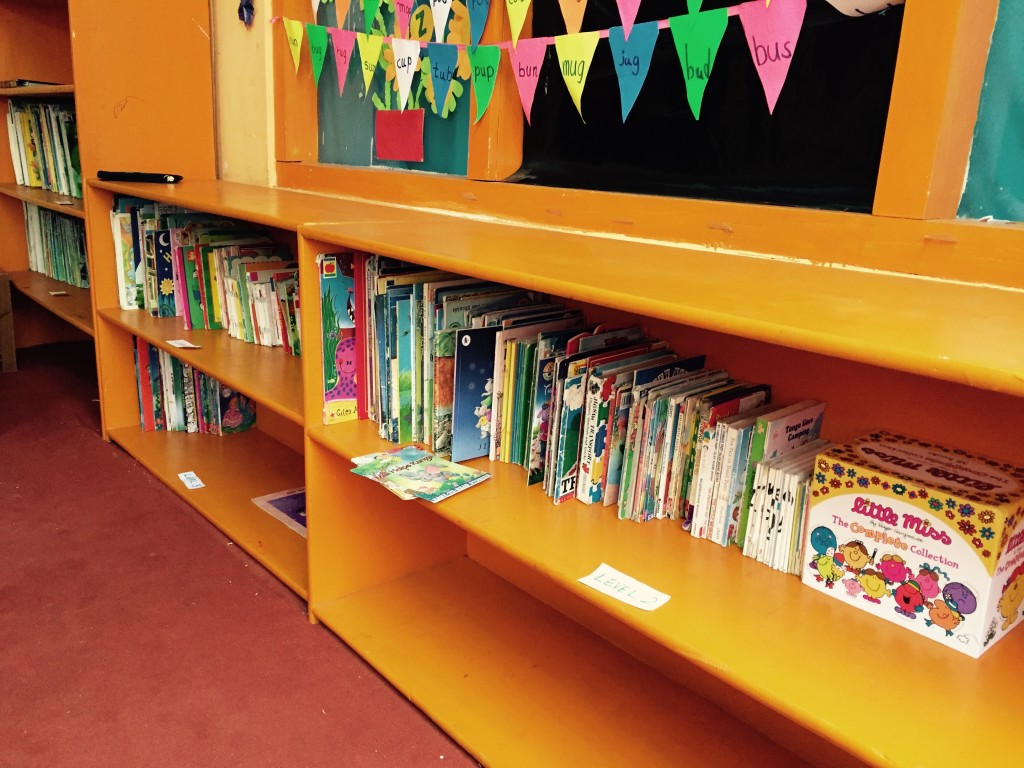
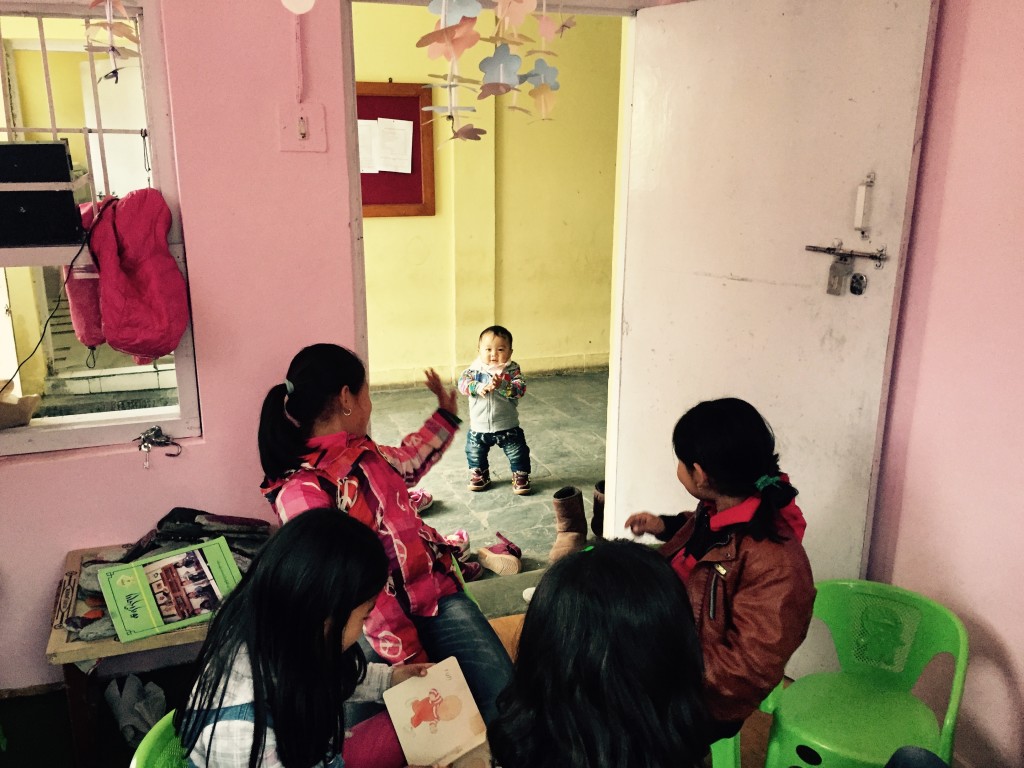
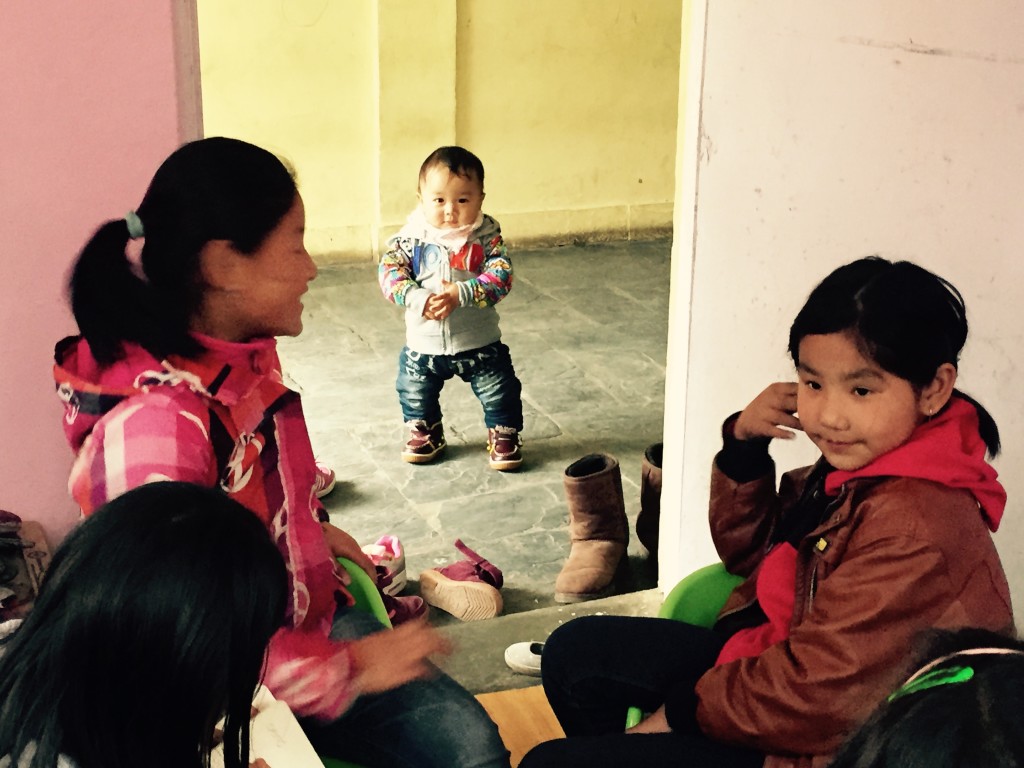
At Avalokiteśvara Trust, these cards often emerge from reading rooms, book drives, creative workshops, and everyday moments shared with children and young monks in Ladakh and other Himalayan communities. A donated book may begin the relationship, but a handmade card gives that relationship a personal voice.
Receiving a child’s artwork is a reminder that educational support is deeply human. It is measured in books and supplies, yet it is also seen in confidence, curiosity, gratitude, and the courage to express an idea. A simple card can show how access to learning resources creates space for creativity to grow.
More Than Paper And Paint
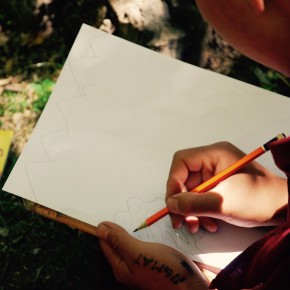
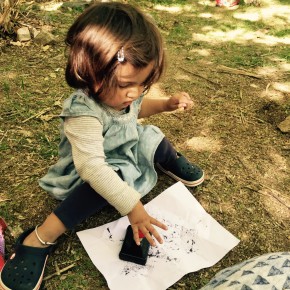
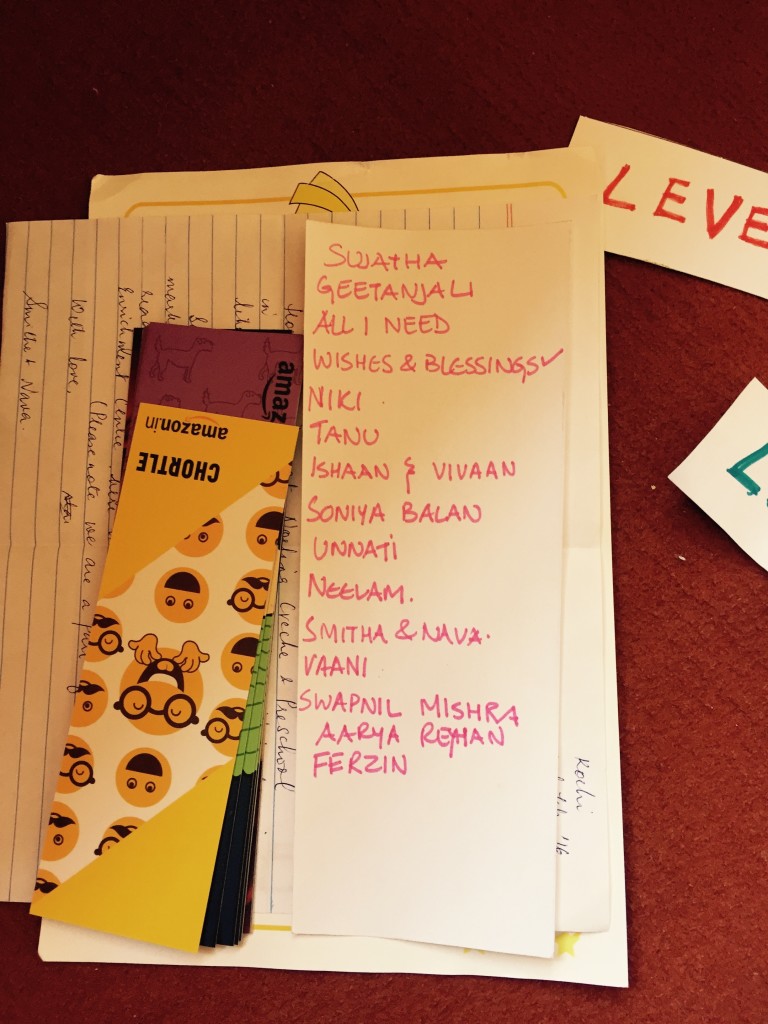
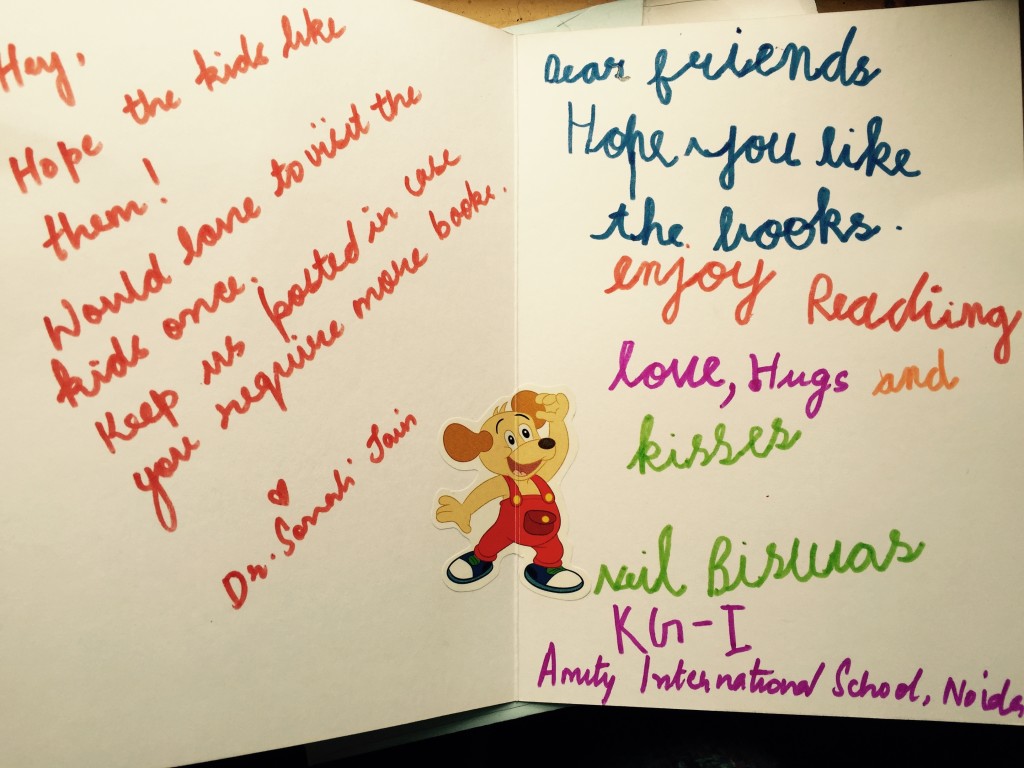
A child’s thank you note is rarely a polished piece of stationery. It may be drawn in colored pencil, felt-tip pen, watercolor, or whatever materials are available. Some letters may be uneven, while others show remarkable care. The charm lies in its sincerity rather than its perfection.
When children create cards for donors, volunteers, teachers, or visiting supporters, they practice putting feelings into words and images. They decide what deserves to be pictured: a favorite book, a classroom, a monastery, a mountain landscape, a musical instrument, or a friend. Their choices offer a glimpse into the experiences that matter most to them.
For the recipient, the card becomes a tangible connection to a distant community. It carries evidence that a contribution reached real children with individual personalities and dreams. A gift that may have felt abstract now has a face, a voice, and a story attached to it.
A Creative Response To Kindness
Artistic activities give children a welcoming way to respond when spoken English or formal writing feels difficult. A drawing can communicate warmth across languages and geography. A few words placed beside a picture may express appreciation more clearly than a long message.
Handmade cards also support several forms of learning at once. Children develop fine motor skills while drawing and writing. They practice vocabulary, spelling, composition, color, shape, and visual storytelling. In a group setting, they learn to share materials, listen to ideas, and celebrate different approaches.
The process can be especially meaningful for young monks and children who spend much of their time studying. Creative work offers a change of rhythm and encourages observation. It gives them permission to explore beauty, humor, memory, and imagination beyond the boundaries of a lesson book.
What A Card Can Tell Us
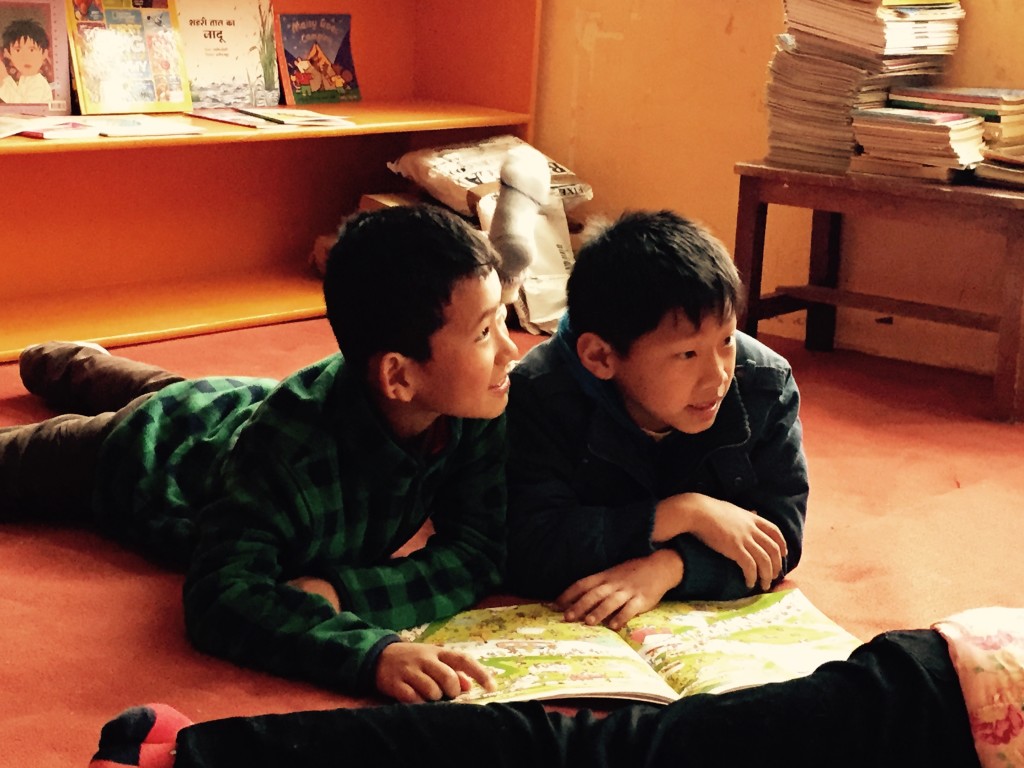
A thank you card may reveal details that photographs or statistics cannot. A carefully drawn bookshelf can show the importance of a new reading room. A picture of children gathered around a book may reflect the excitement of discovering stories together. Notes about music, painting, or games can point to activities that have become treasured parts of the week.
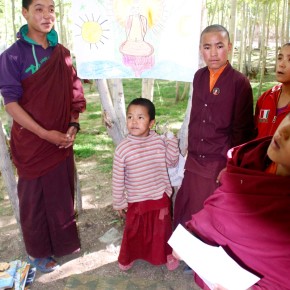
The images also show how children interpret their surroundings. Himalayan landscapes may appear beside classroom scenes, monastery courtyards, animals, family members, and imagined places. Through these details, supporters see that education is connected to the whole life of a child, including culture, community, play, and spiritual practice.
Cards should be received with respect for that personal meaning. They are not simply souvenirs or evidence of a successful campaign. They are gifts of attention. A child has paused to think about another person, selected colors and words, and entrusted a small piece of their inner world to someone far away.
From A Book Drive To A Lasting Connection
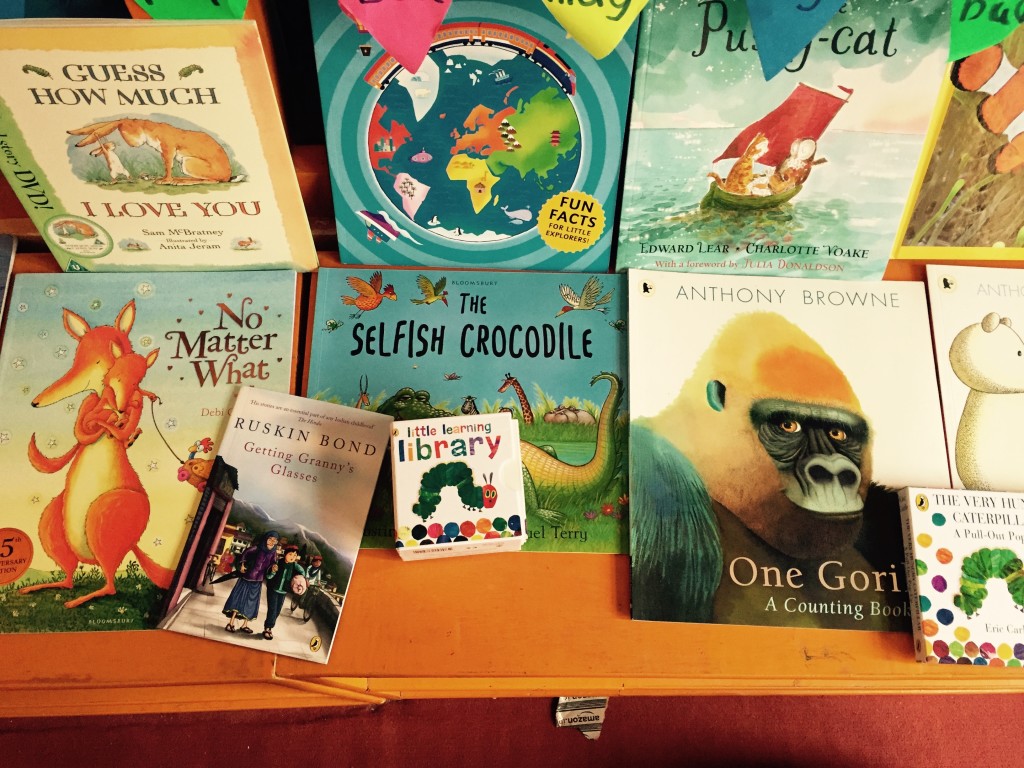
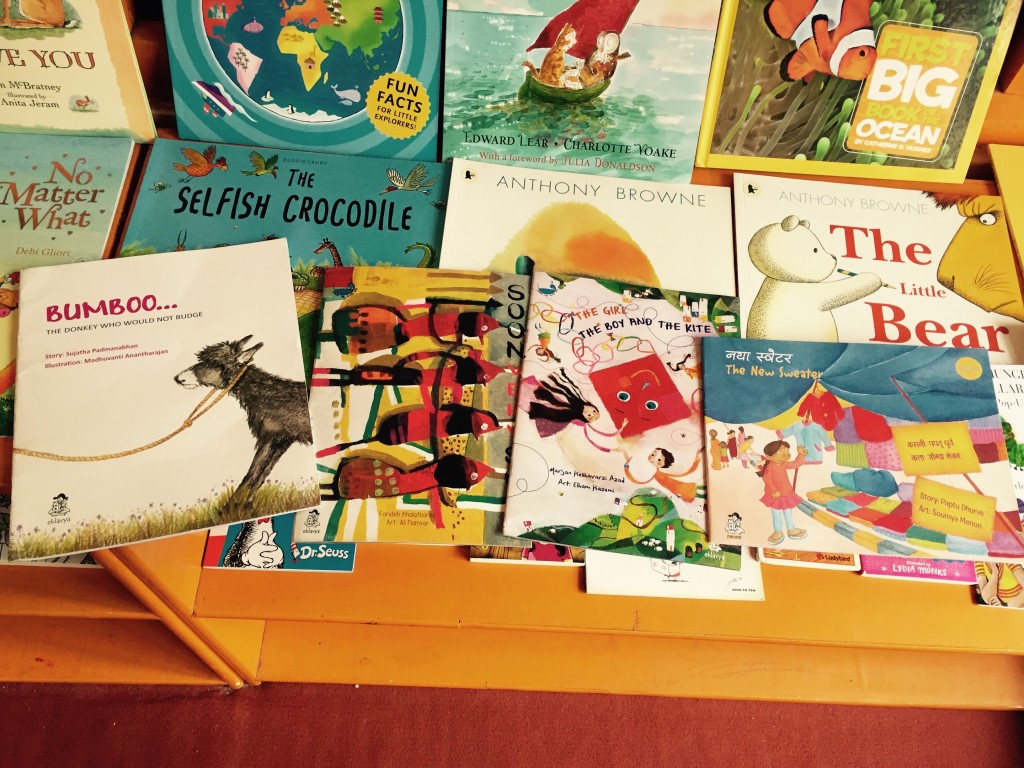
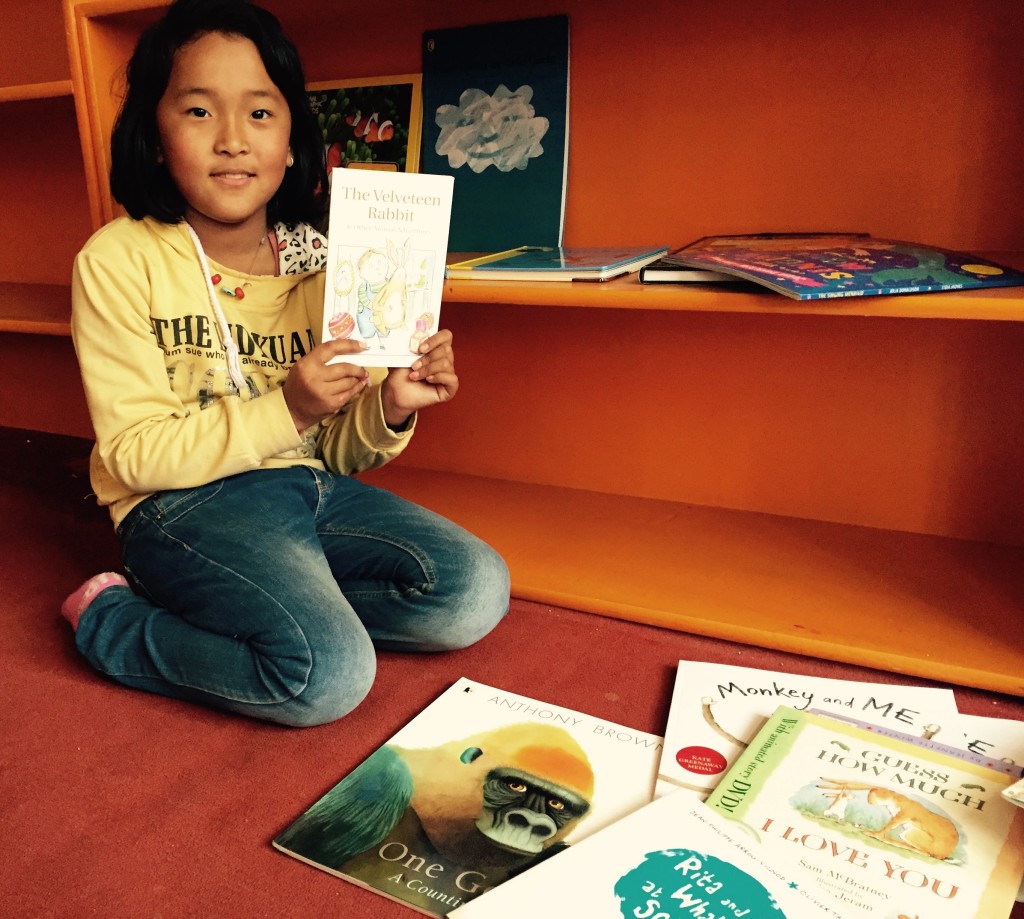
A book donation can open a door to reading, but the relationship surrounding it can continue through shared stories and creative exchanges. When a reading room receives new titles, children gain opportunities to read independently, listen to stories, recommend favorites, and imagine lives beyond their immediate surroundings.
A card sent in response creates a gentle circle of giving. Supporters provide books, educational materials, art supplies, or volunteer time. Children respond with drawings, messages, performances, or stories. Each side learns that generosity is a relationship rather than a one-time transaction.
| A Child’s Card May Show |
What It Can Reflect |
| A stack of books or a bookshelf |
Growing access to reading materials |
| Friends reading together |
Belonging and shared learning |
| Mountains, homes, or monasteries |
Local identity and cultural pride |
| Paintbrushes, instruments, or costumes |
Confidence through artistic and musical activities |
| A short handwritten message |
Literacy practice and personal gratitude |
| Bright patterns and imaginative scenes |
Freedom to explore creativity |
This exchange also helps supporters understand why consistent care matters. One book can delight a child for an afternoon, while a sustained reading program can shape habits, confidence, and opportunity over many years. A handmade note often captures that wider impact in a remarkably direct way.
The Emotional Life Of Giving
Donors may contribute from another country and never meet the children who benefit from their generosity. A card narrows that distance. It can transform a donation receipt into a meaningful memory and remind supporters that their assistance has reached people with hopes, preferences, and distinct creative voices.
For volunteers, receiving artwork can be especially moving after time spent arranging shelves, sorting books, leading activities, or helping in a classroom. The card may bring back the sound of a child laughing during a music session or the concentration of a group choosing a story. It connects practical work with the relationships that give it purpose.
These moments can renew a supporter’s commitment without placing pressure on children to perform gratitude. The value of a card comes from its freedom and authenticity. Children should be encouraged to create because they enjoy expressing themselves, while appreciation should remain a natural possibility rather than an obligation.
Making Space For Children’s Voices
A meaningful thank you card begins with an environment where children feel safe to communicate. Quality paper and art materials are helpful, but encouragement matters just as much. Teachers and volunteers can invite children to draw what they enjoy, write about a favorite story, or create a picture for someone who helped the reading room.
Adults can support the activity by providing examples without asking every child to copy the same design. Some children may prefer writing, while others may choose patterns, portraits, landscapes, or abstract color. Young artists should be praised for thoughtfulness and effort, not compared with one another.
Cards can also become part of a wider literacy activity. Children might dictate a message before writing it, learn how to address an envelope, translate a greeting, or read replies from supporters aloud. This turns a warm exchange into a practical lesson in communication, correspondence, and cultural connection.
Ways To Honor Every Handmade Message
Supporters can preserve the meaning of children’s artwork through simple, considerate actions:
- Display cards in a home, office, reading room, or community gathering space.
- Write a warm reply that mentions a specific drawing, color, story, or activity.
- Share photographs of cards responsibly, protecting children’s privacy and dignity.
- Keep a small collection in a folder so the artwork can be revisited over time.
- Let the cards inspire continued support for books, art supplies, music, and learning spaces.
A response does not need to be elaborate. A few sincere sentences can tell a child that their work was received and valued. When appropriate, supporters may describe where the card is displayed or share a drawing from their own community, creating a respectful exchange between young people in different places.
The most important response is continued attention. A child’s message can encourage supporters to remain involved with reading programs, educational activities, and community partnerships. Gratitude becomes especially powerful when it leads to dependable action that benefits many children, including those whose names may never appear on a card.
Help More Young Voices Be Heard
Every handmade thank you card begins with an opportunity: a book to open, a quiet place to read, an adult willing to listen, or materials that make artistic expression possible. Supporting Avalokiteśvara Trust helps create those opportunities for children and young monks across Himalayan communities.
You can help by donating to reading rooms and book drives, volunteering your skills, sharing the organization’s work, or providing resources for creative and musical activities. Each contribution strengthens a setting where children can learn, create, and communicate with confidence.
When a child sends a hand-drawn card, the message travels far beyond its paper and ink. It carries the joy of discovery and the promise that thoughtful support can grow into lasting connection. Help keep books, imagination, and young voices moving from one Himalayan community to another.