From City Bookshelves to Himalayan Reading Rooms
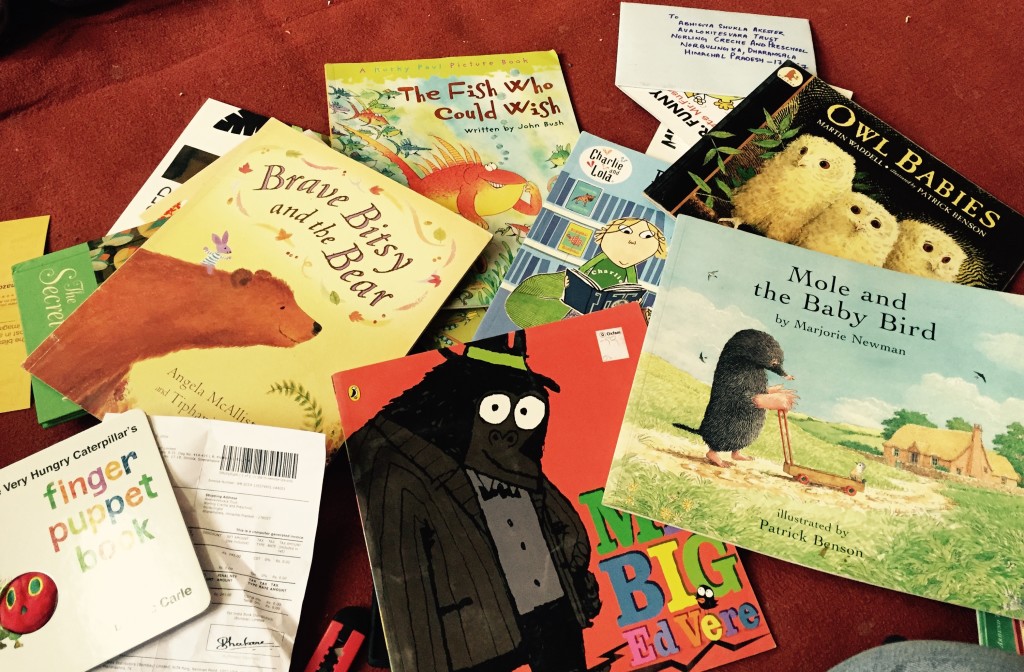
A donated book can begin its journey in a very ordinary place: a flat in Melbourne, a family home in Brisbane, or a share house in Sydney. It may have sat on a shelf for years, carrying a little dust and the marks of many readings, before its owner decides that it could be useful somewhere else.
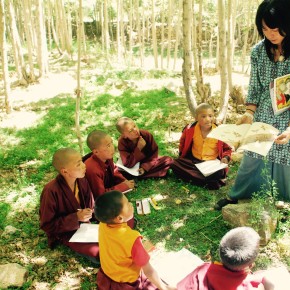
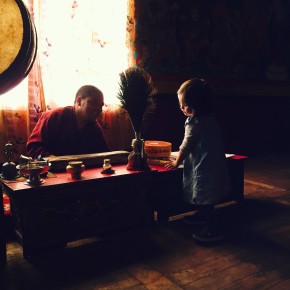
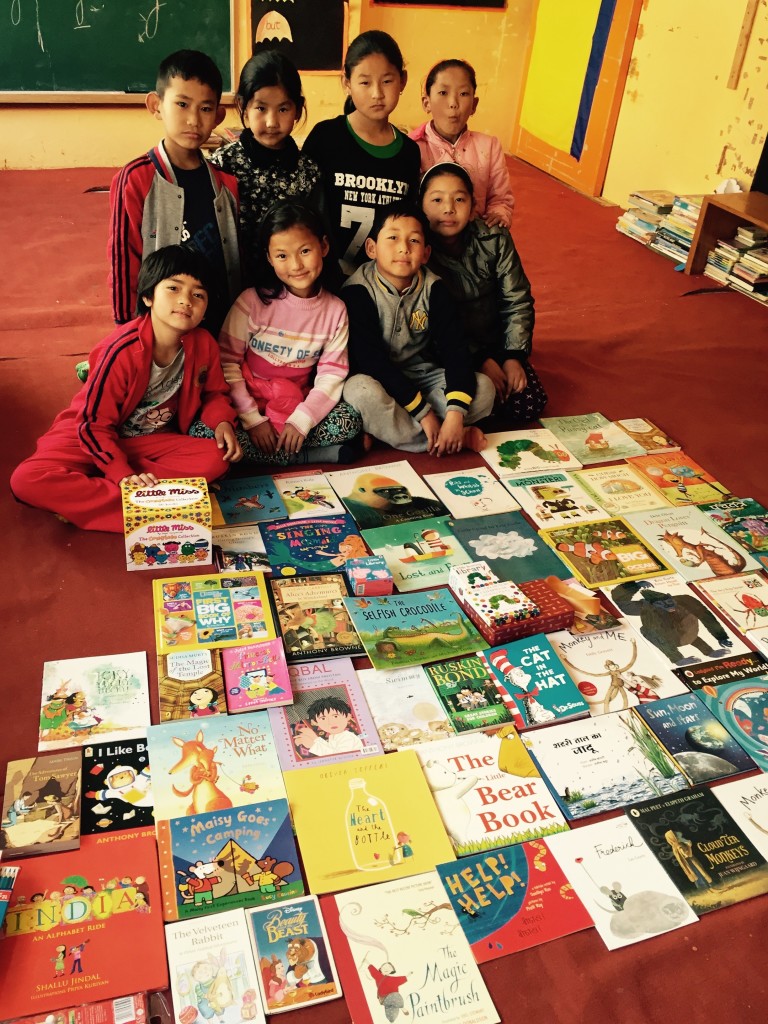
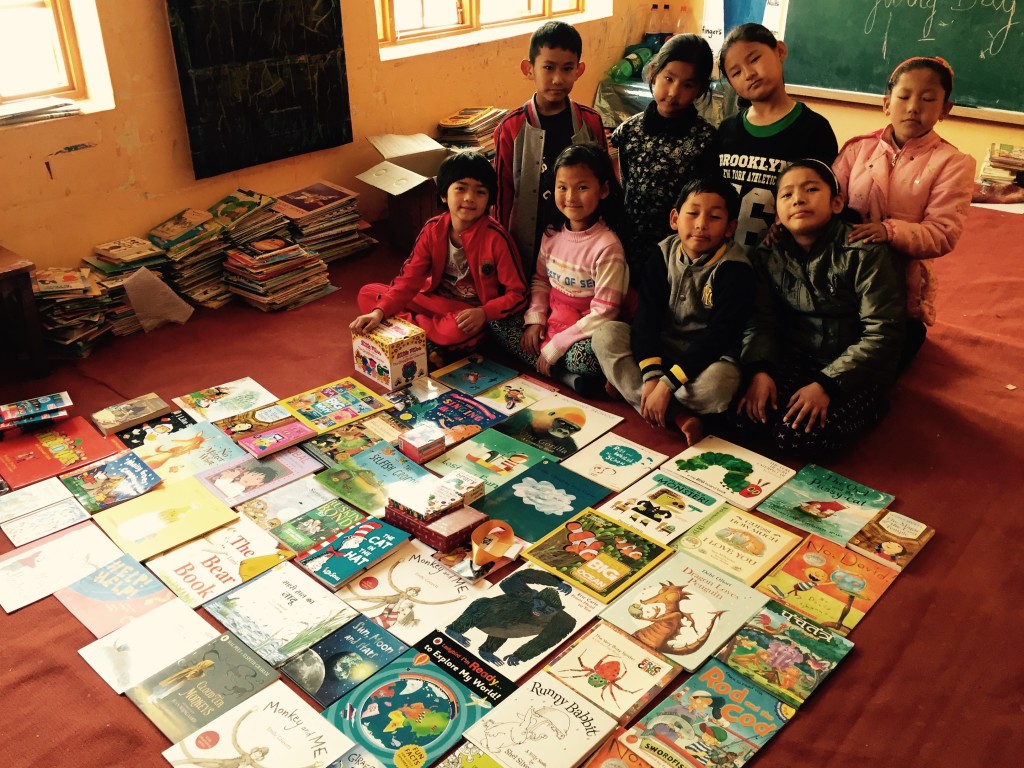
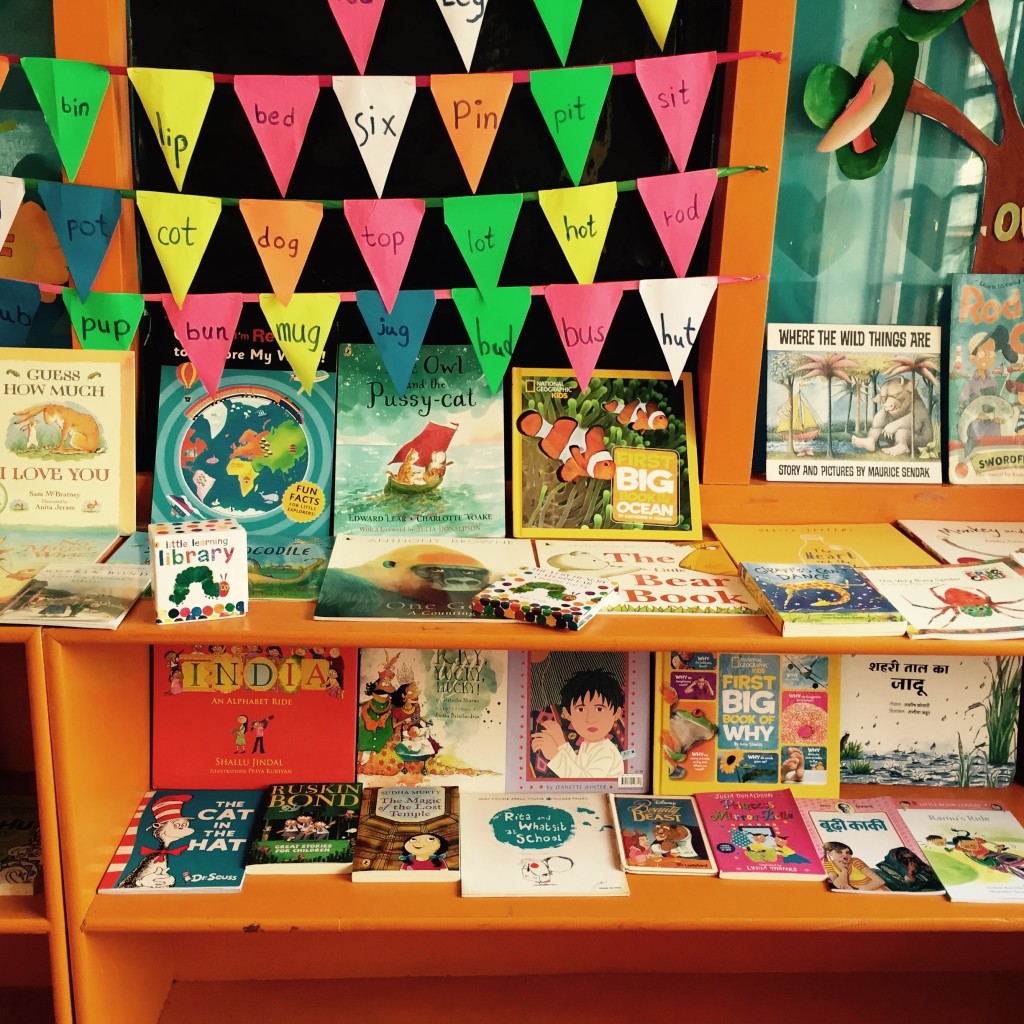
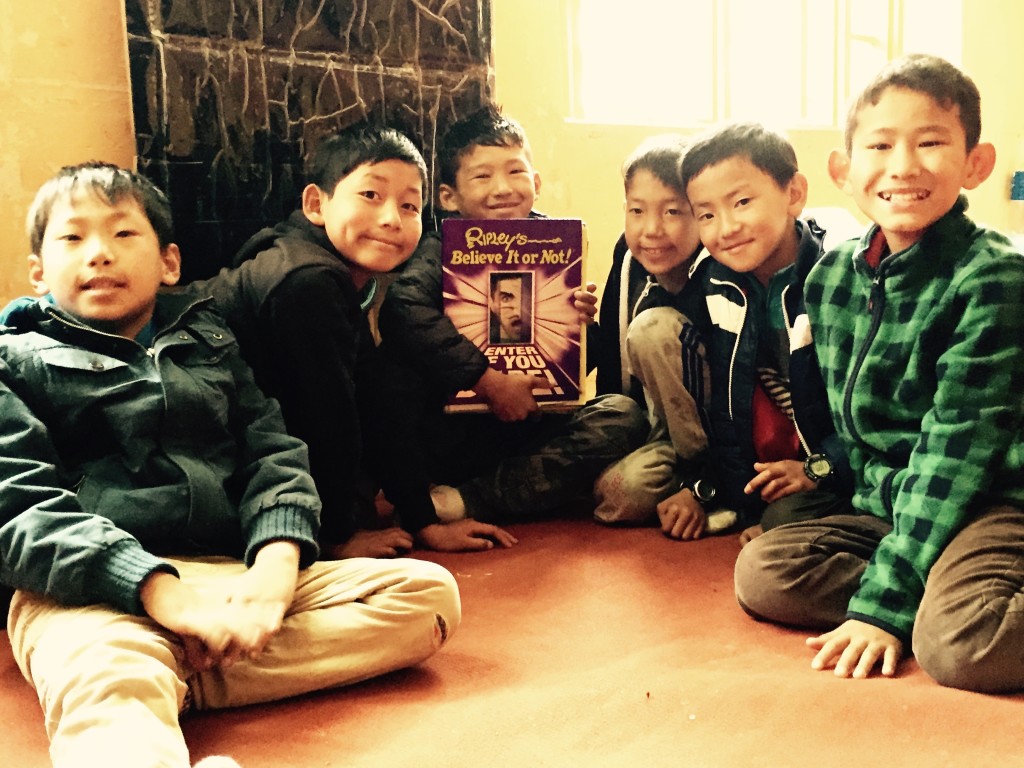
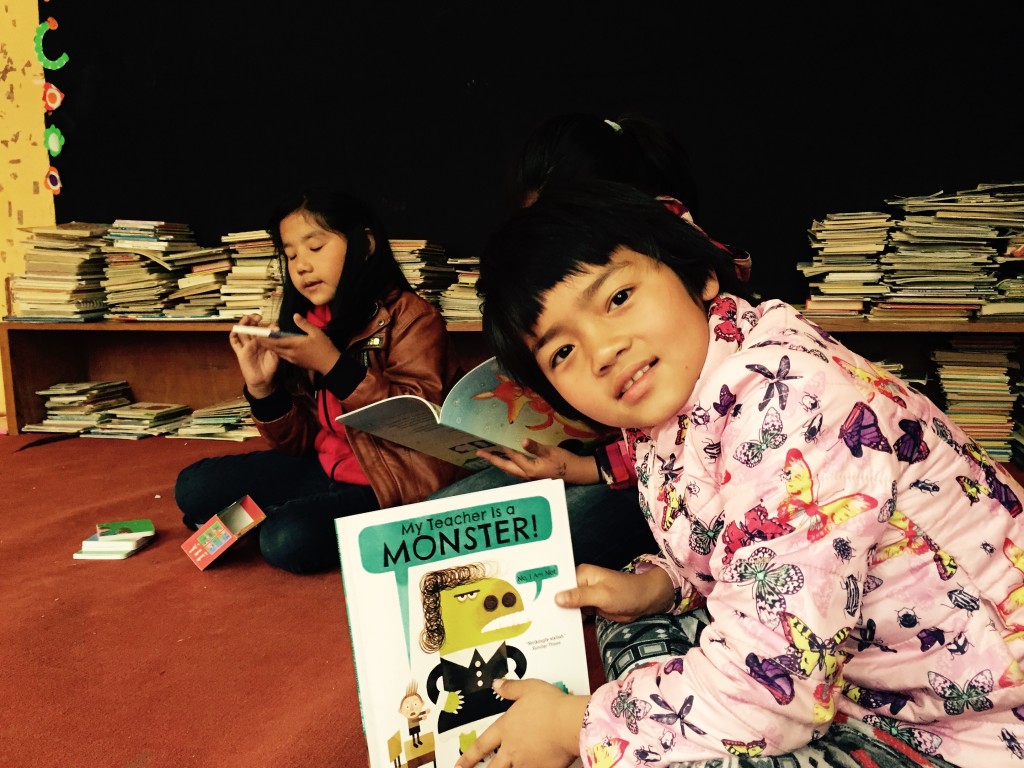
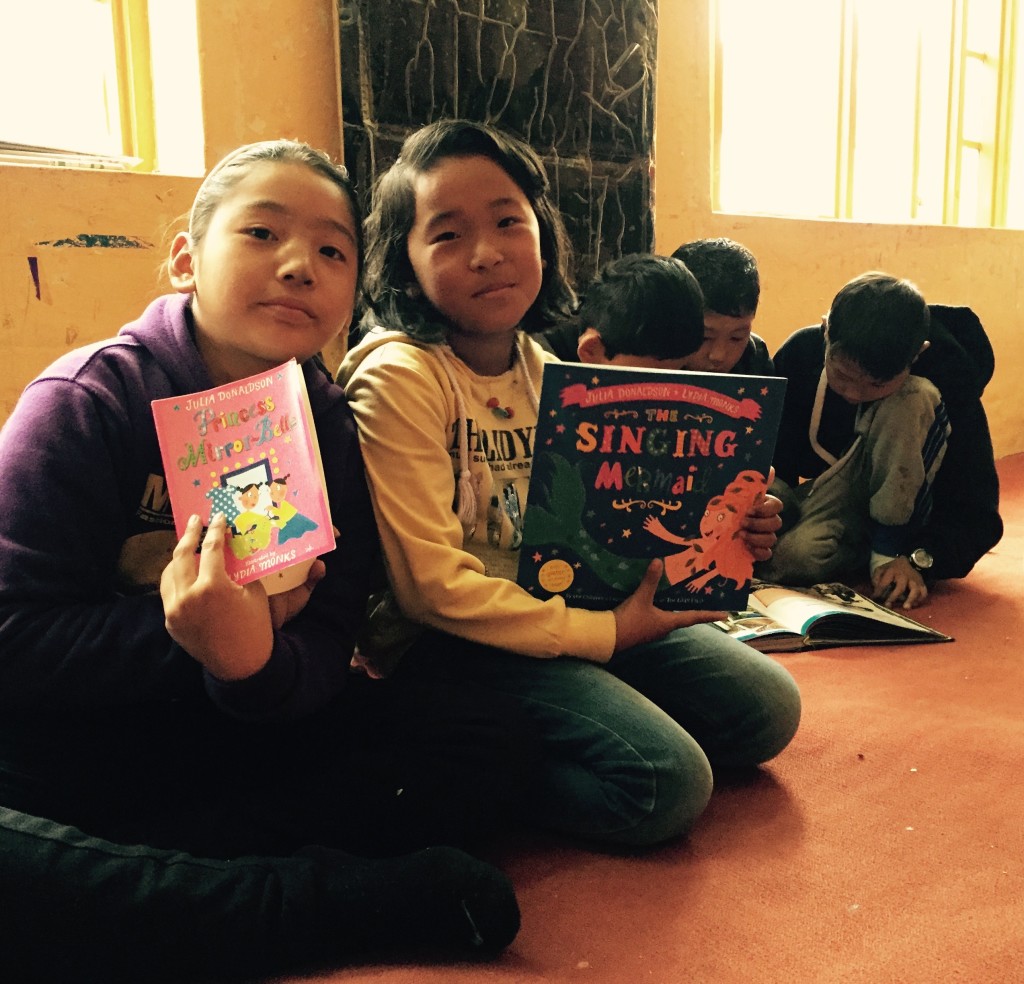
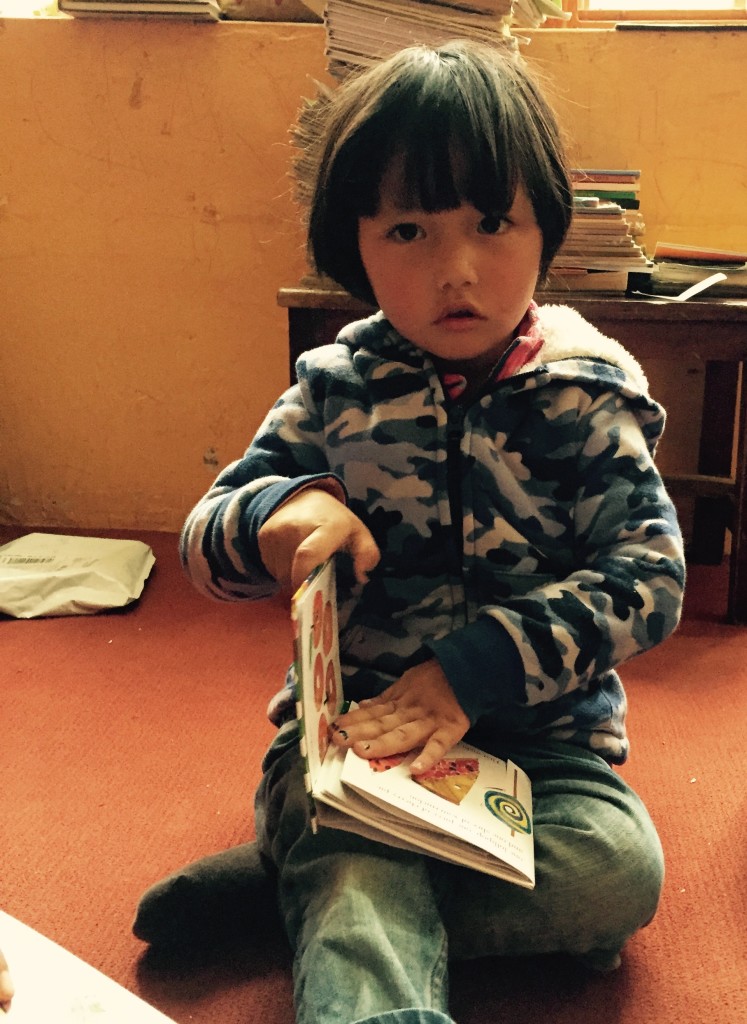
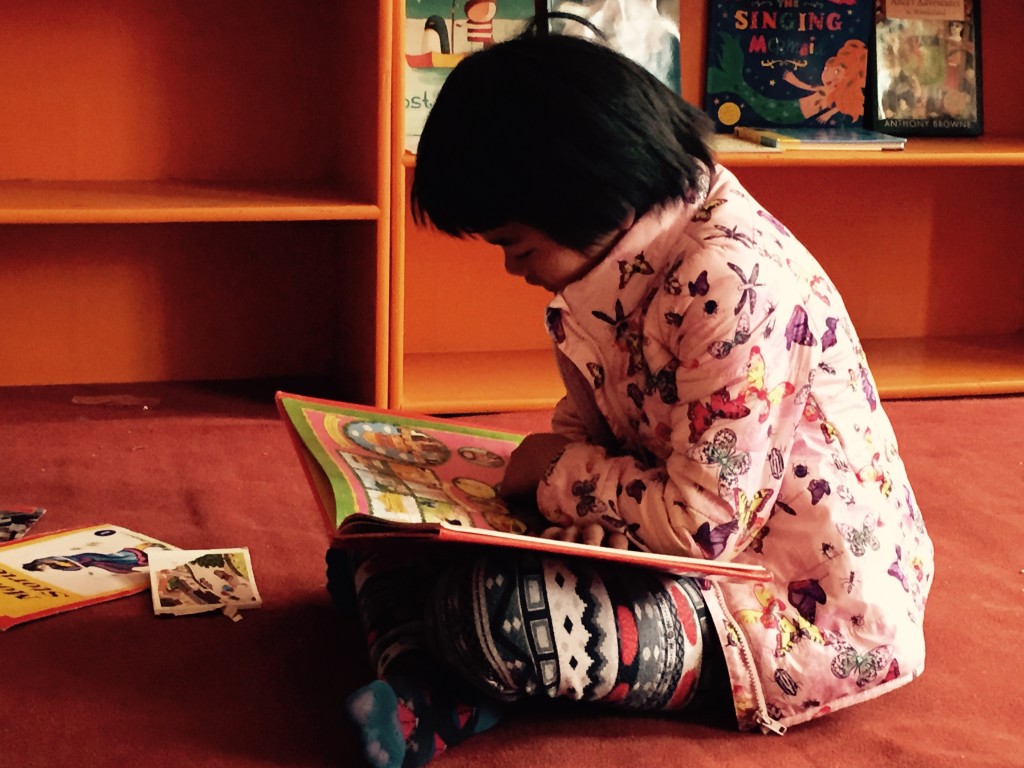
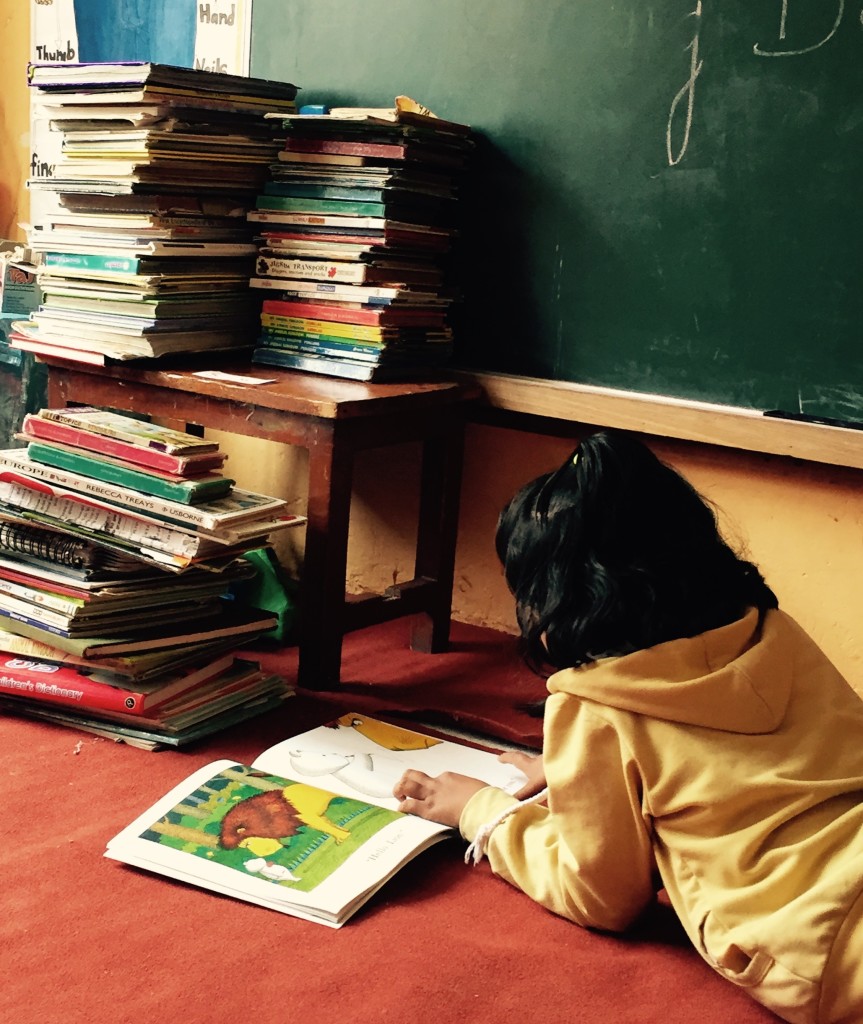
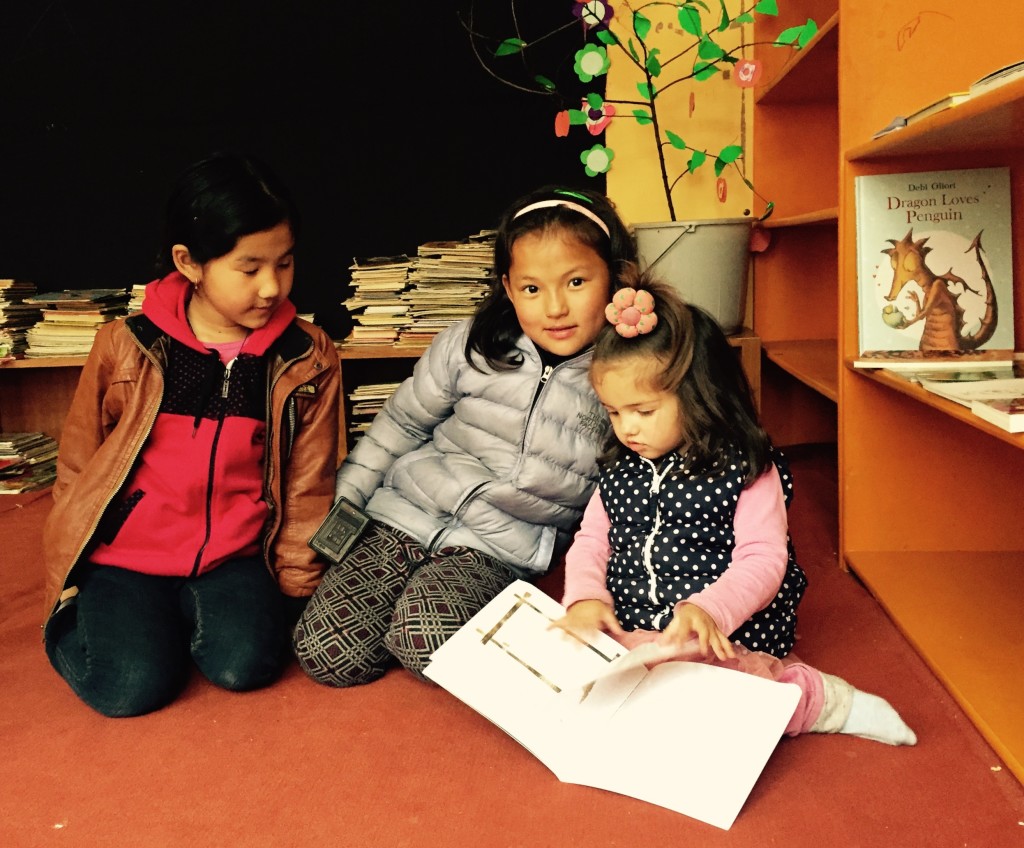
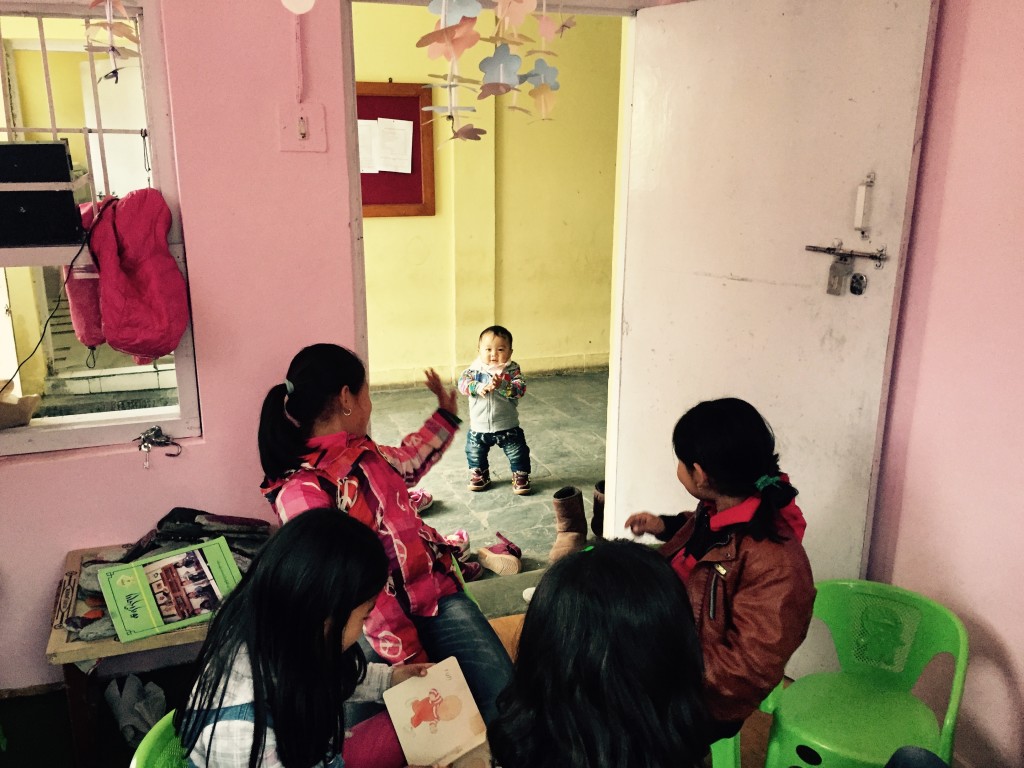
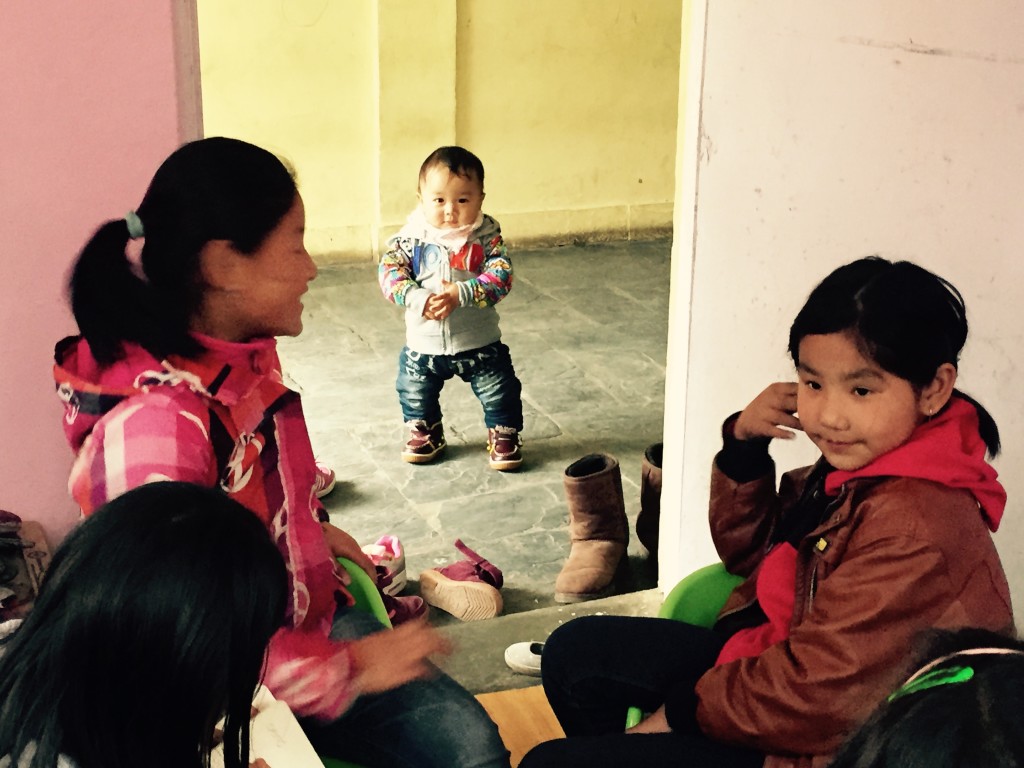
For a child in Ladakh or another Himalayan community, that same book can become a doorway to new places, ideas and languages. A story about oceans may be read far from the coast, while an illustrated science book can make a mountain classroom feel connected to the wider world.
The journey of a donated book from a city dweller to a mountain child depends on many careful hands. Avalokiteśvara Trust helps turn personal generosity into shared access to books, reading rooms and creative learning. The process involves choosing suitable titles, preparing them thoughtfully, transporting them responsibly and placing them where children can return to them again and again.
Where a City Book Begins
In Australia, book donations often start during a move, a spring clean or a visit to an op shop. A household may have doubled its shelves over the years, or a child may have outgrown early readers while still owning books in excellent condition. Weekend markets and community book stalls also reveal how quickly one reader’s finished story can become another reader’s discovery.
Everyday habits shape these donations. People read on trains in Sydney, carry novels to Melbourne cafés or keep picture books in family rooms in Perth and Adelaide. When shelves become crowded, giving books away can feel more meaningful than placing them in a recycling bin. A title that no longer fits one household may still be precisely right for a reading room serving children and young monks.
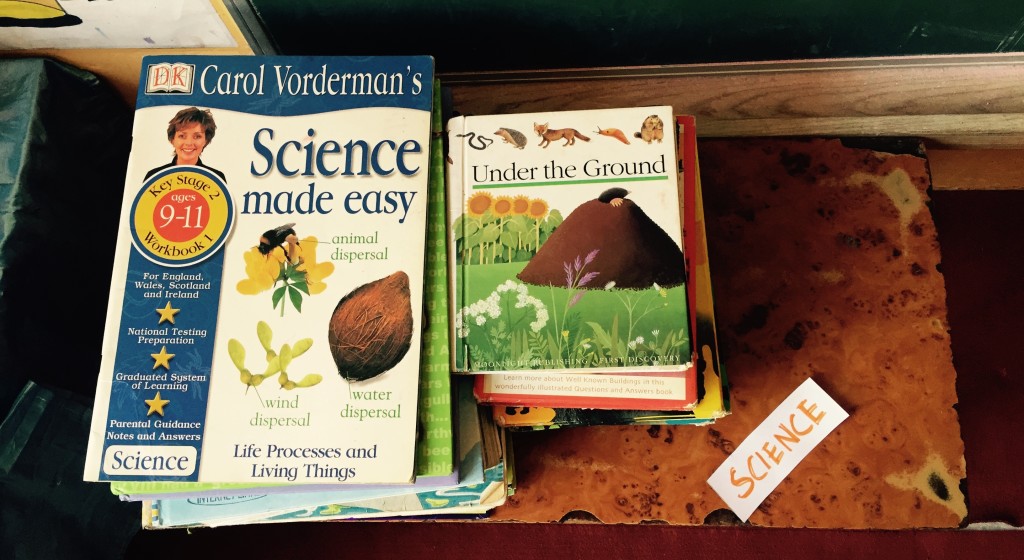
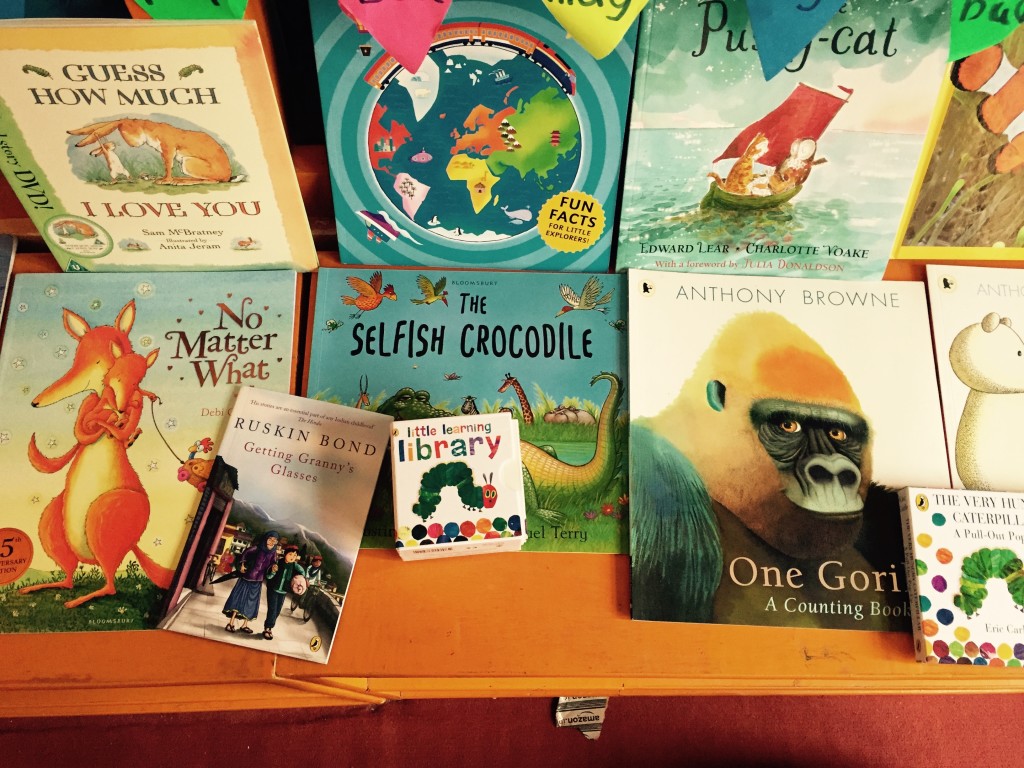
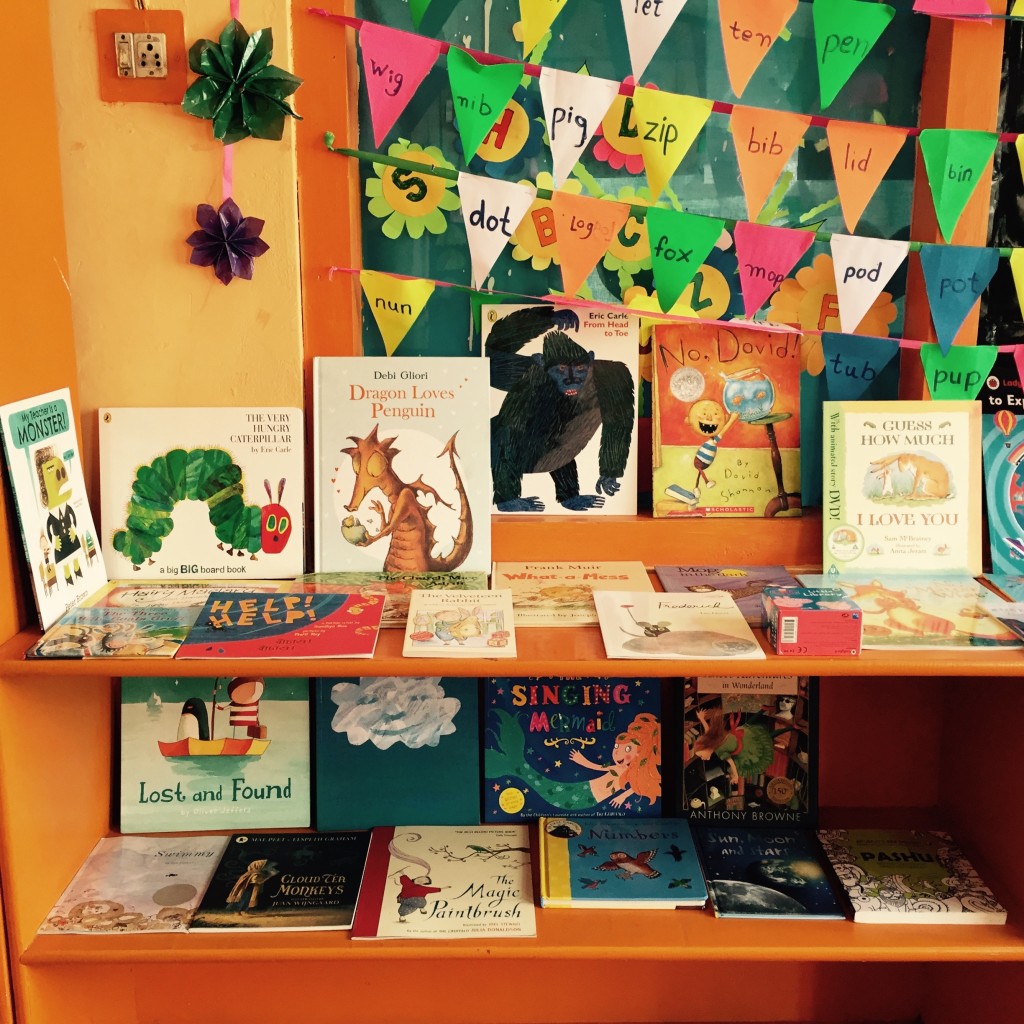
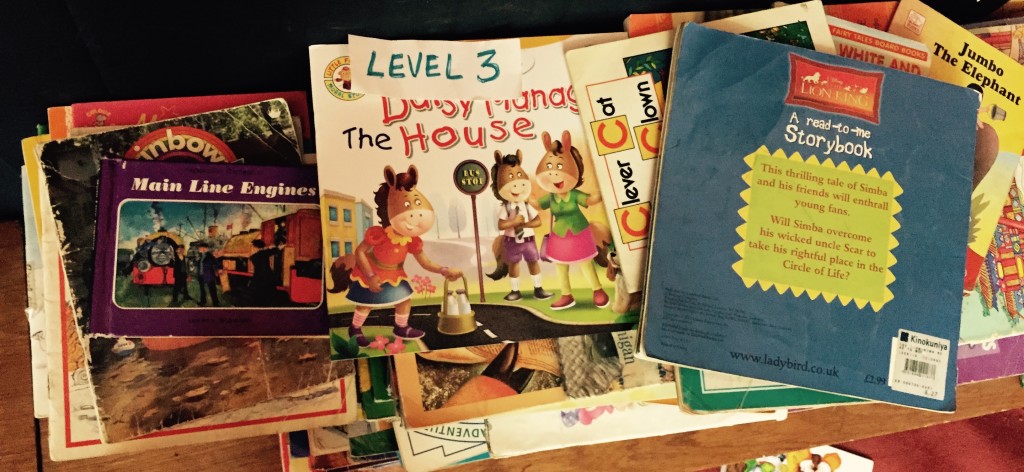
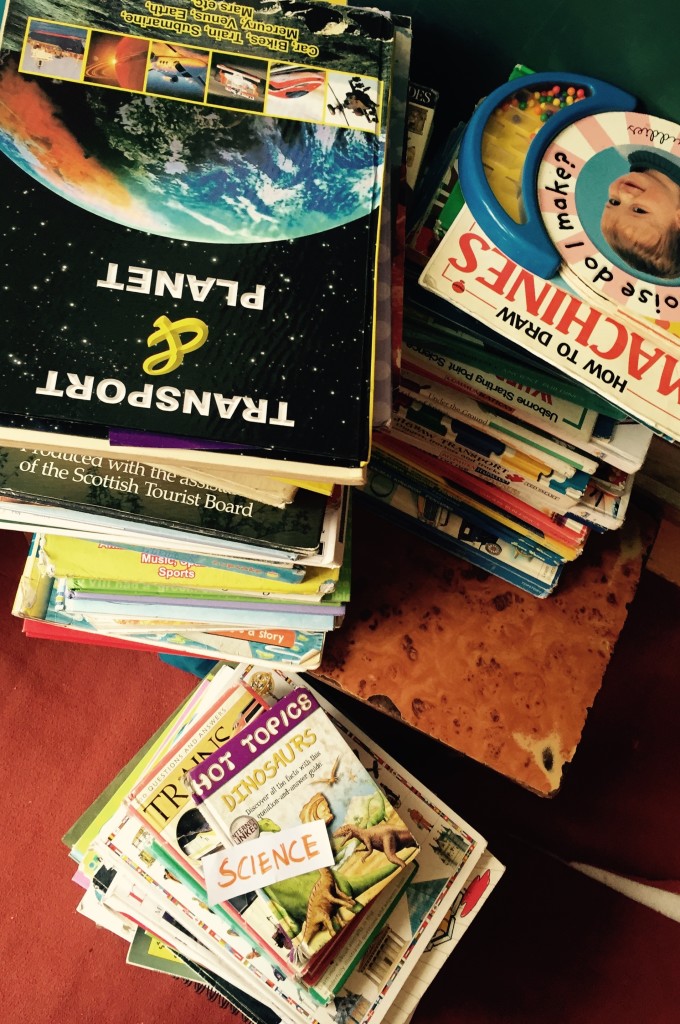
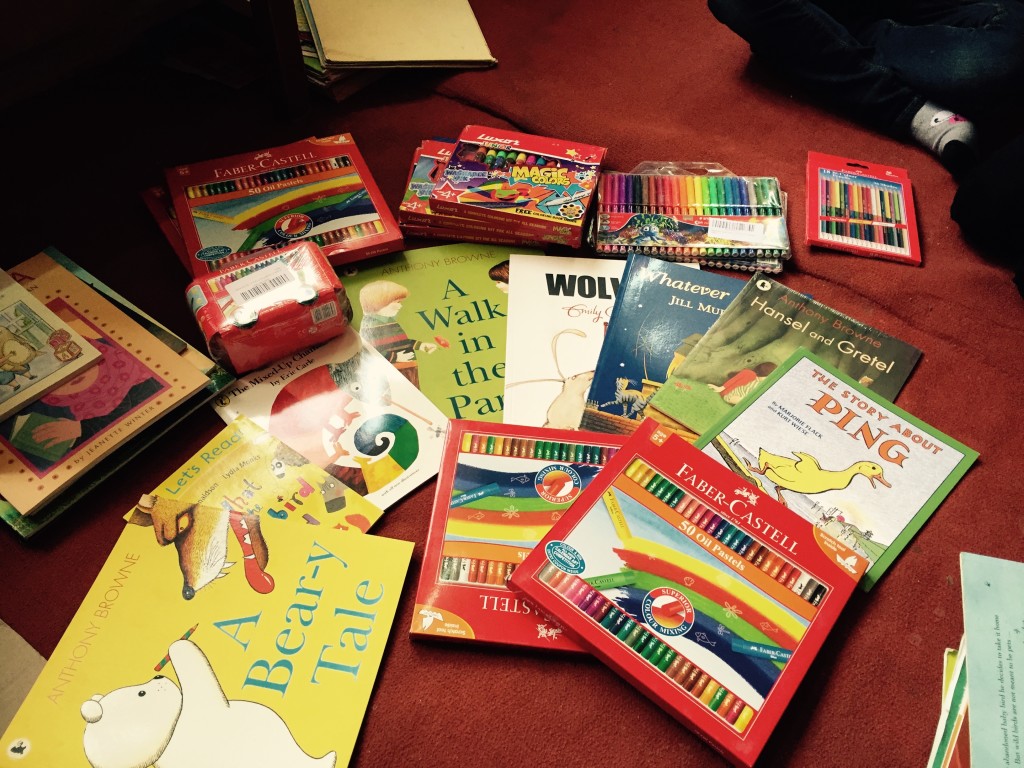
Good intentions need practical judgement. Books should be clean, complete and suitable for the age group they are intended to reach. Durable picture books, illustrated reference titles, fiction for developing readers and books that encourage drawing, music or science can all support a lively educational environment. Damaged, heavily marked or culturally unsuitable books may take valuable time to sort and transport.
Choosing Books That Travel Well
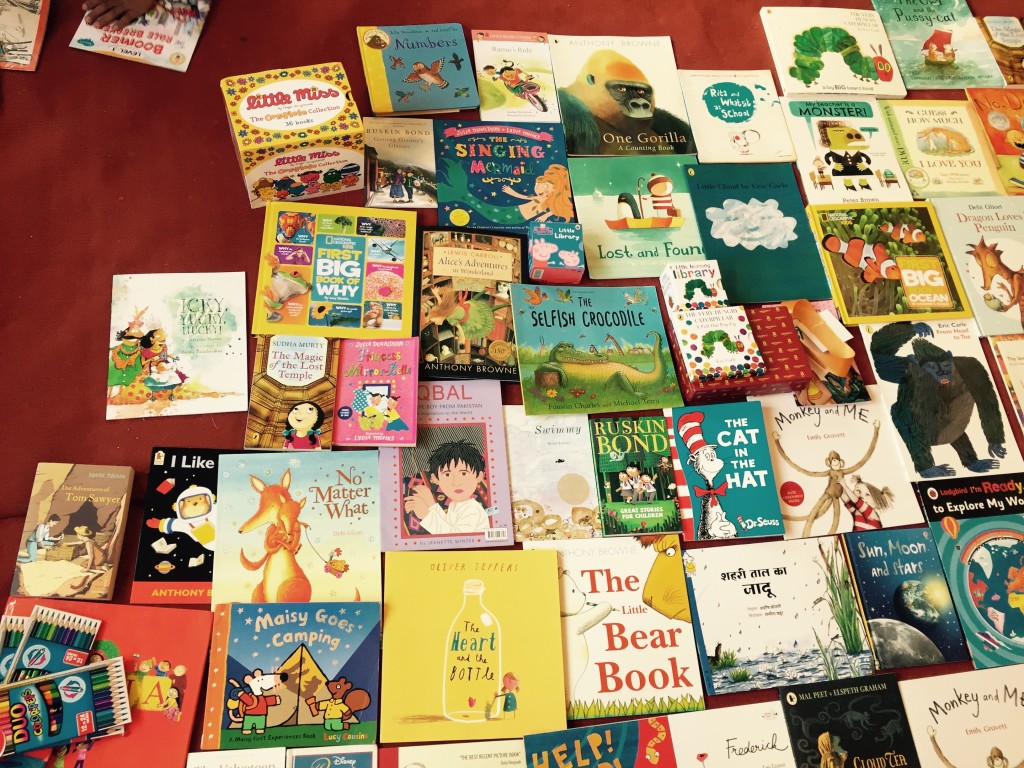
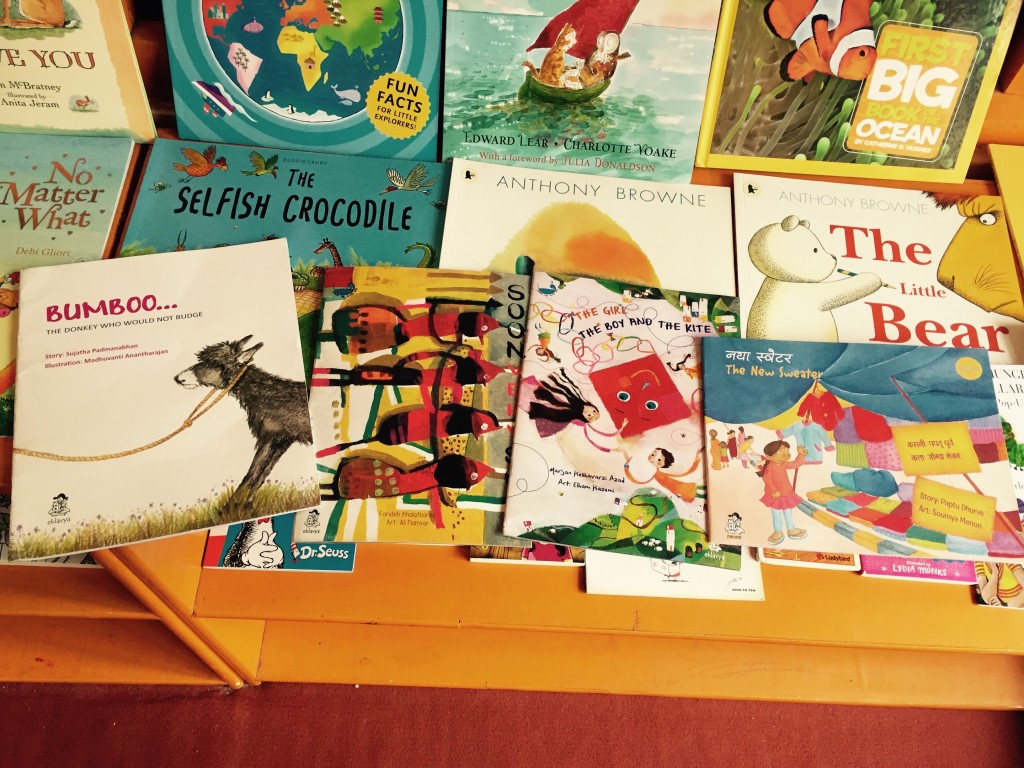
A city donor does not need to know every detail of a mountain child’s life to make a useful contribution. The strongest donations tend to offer clear language, engaging illustrations and subjects that invite curiosity. Stories with kindness, humour, friendship and problem-solving can cross geographical boundaries, while visual information books can help children learn even when English is still developing.
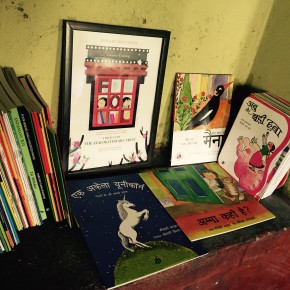
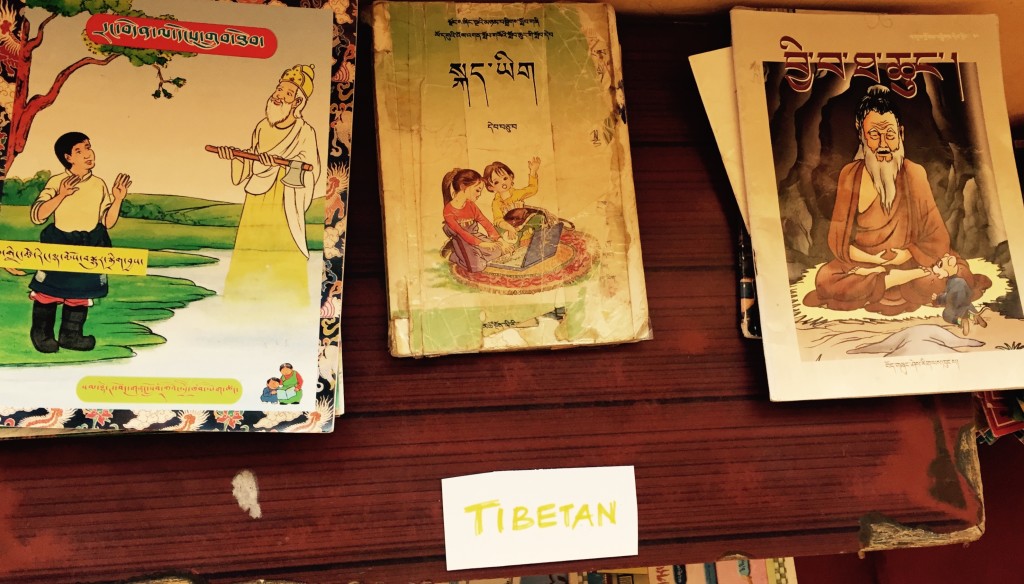
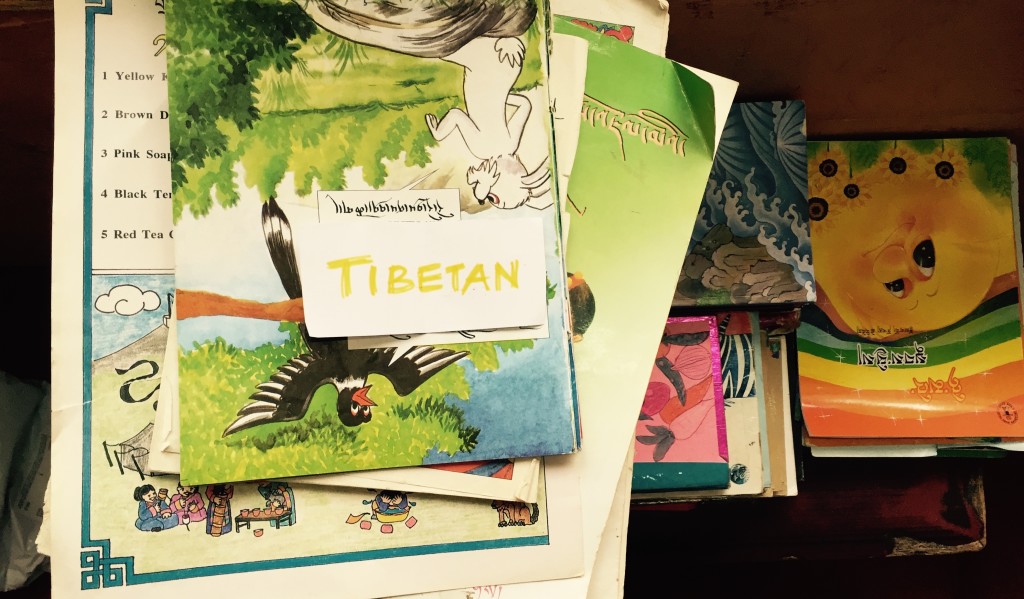
Language requires special care. A book in English may support language learning, but it should sit alongside materials that children can understand comfortably. A varied collection gives young readers room to start with pictures, progress to short texts and eventually explore longer narratives. Books about animals, weather, space, art and everyday life can broaden a small library without making it feel like a classroom assignment.
The table below shows how different kinds of donated books can serve a Himalayan reading room.
| Book type |
Value for young readers |
Practical quality to look for |
| Picture books |
Builds vocabulary, visual literacy and confidence |
Strong binding, clear images and short text |
| Early readers |
Supports independent reading practice |
Graduated difficulty and readable type |
| Fiction for older children |
Develops imagination, empathy and sustained attention |
Complete stories with age-appropriate themes |
| Science and nature books |
Encourages questions about the world |
Current information and clear diagrams |
| Art and music books |
Extends creative activities beyond reading |
Accessible instructions and durable pages |
| Bilingual or visual dictionaries |
Helps language learning and communication |
Useful everyday vocabulary and accurate content |
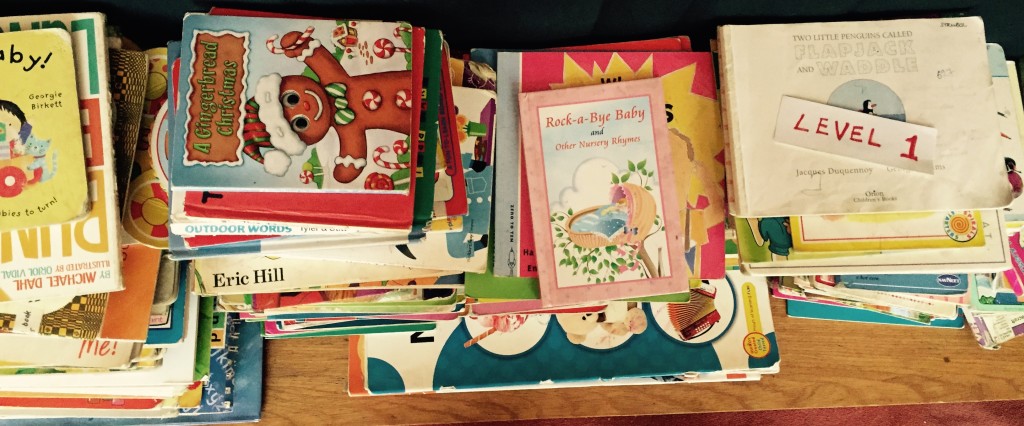
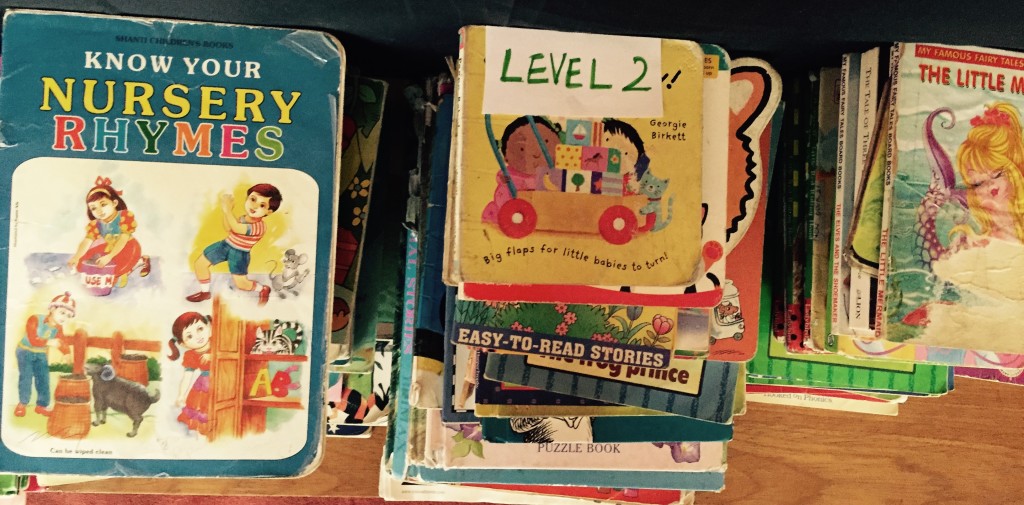
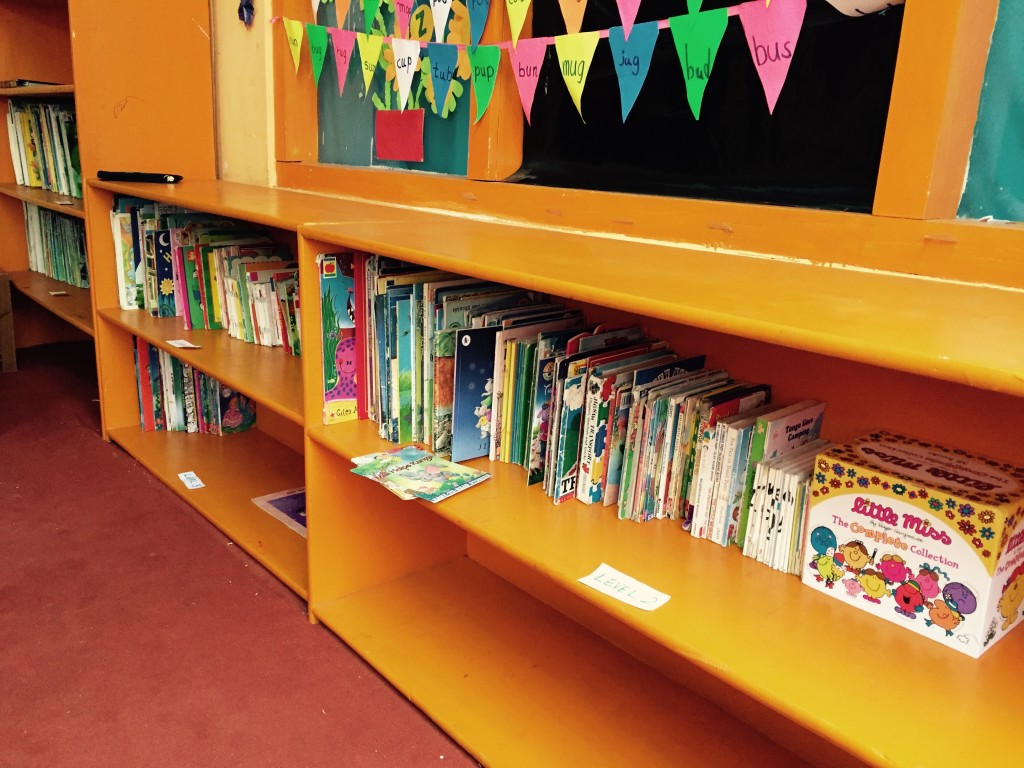
A thoughtful collection also avoids sending hundreds of near-identical titles. Variety matters more than volume. One shelf might include folk tales, adventure stories, poetry, atlases and books about making things. This mixture supports reading for pleasure, research and self-expression.
The Work Between Donation and Delivery
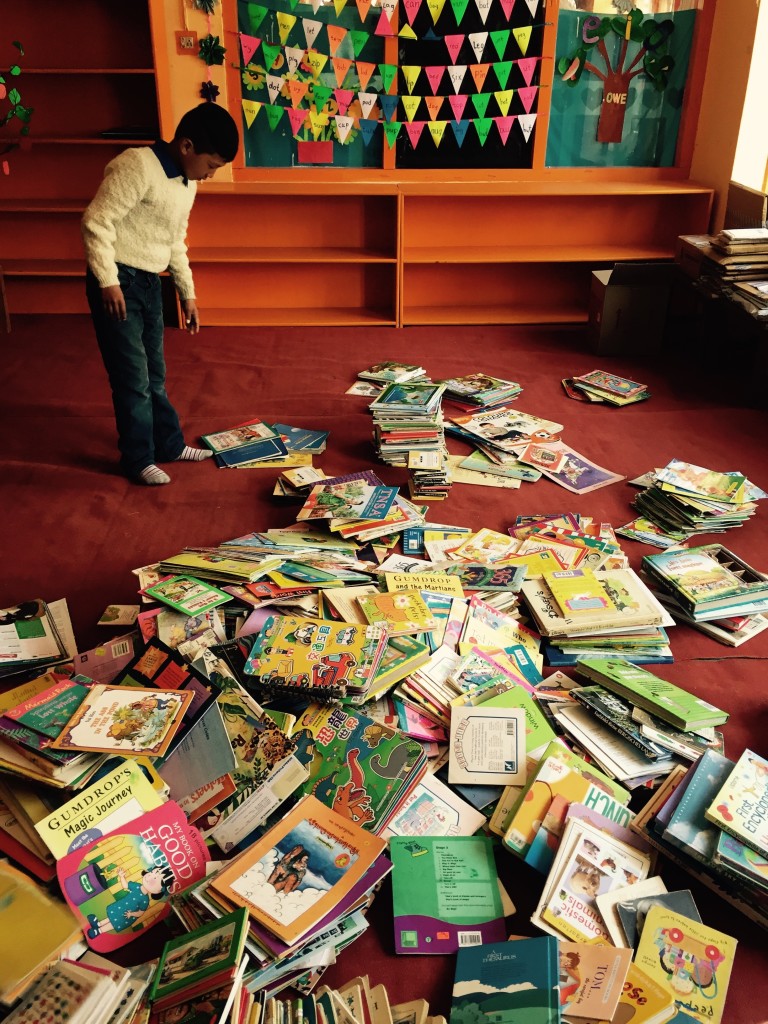
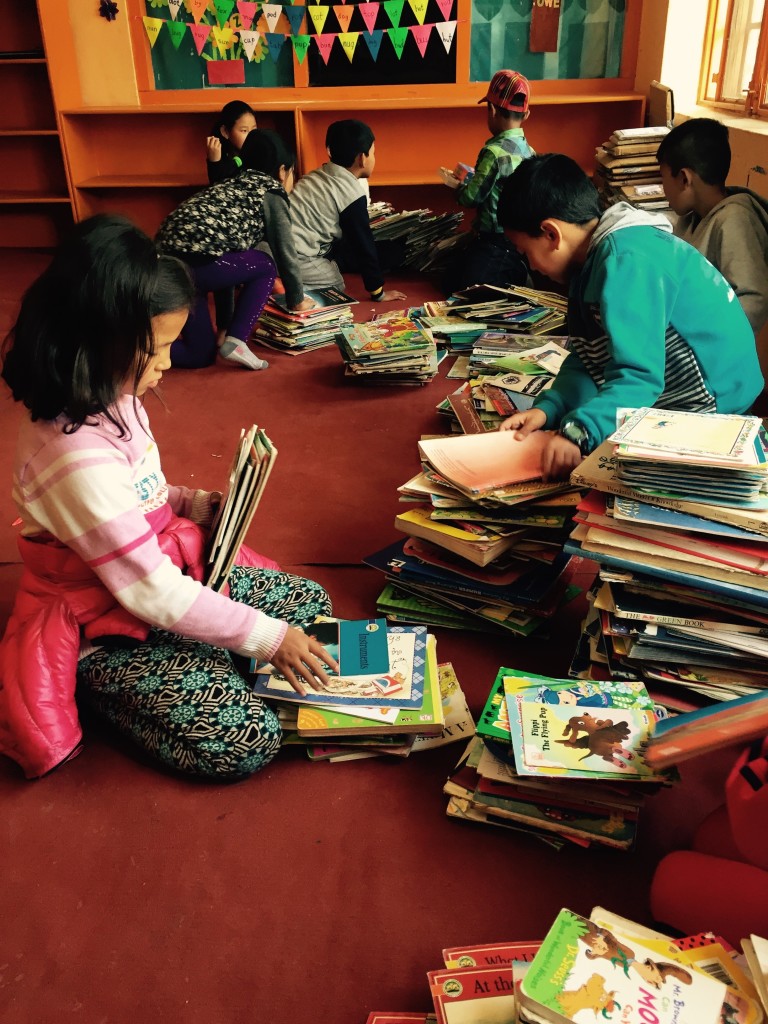
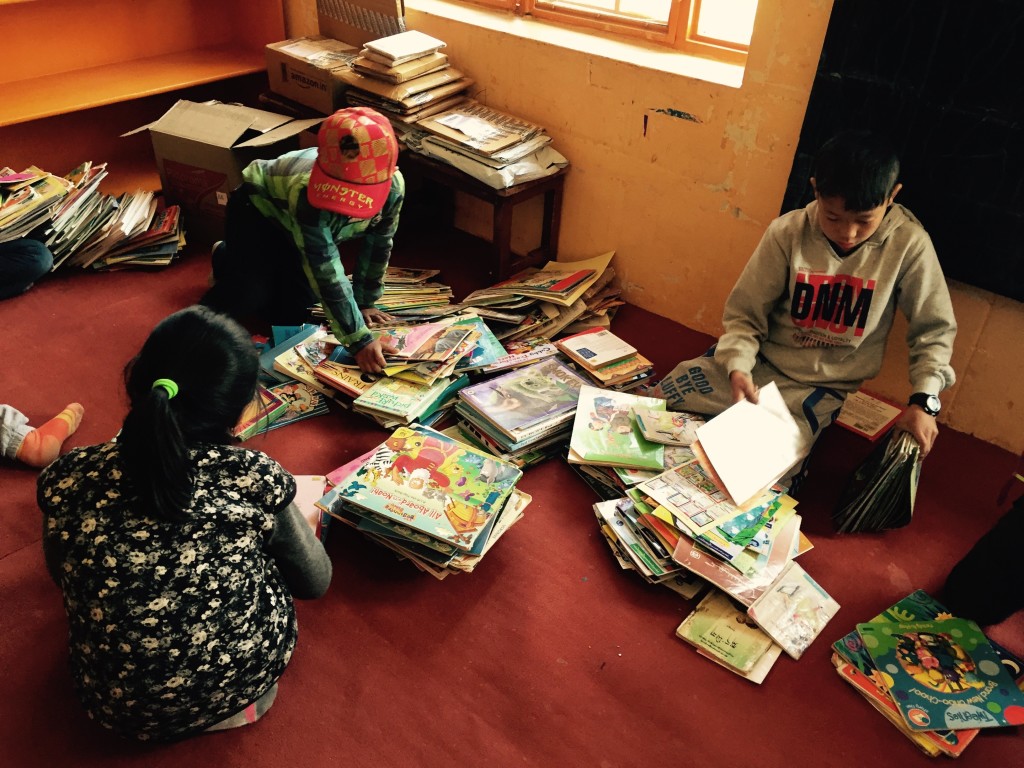
Before books leave Australia, volunteers may inspect, sort and record them. This stage is easy to overlook, yet it protects the value of the whole shipment. A useful catalogue can help a reading room know what has arrived, identify gaps in its collection and direct particular books towards the right age group.
Australian charity law also gives donors a reason to check how they give. The Australian Charities and Not-for-profits Commission maintains information about registered charities, while tax-deductible donations depend on an organisation’s deductible gift recipient status and the nature of the gift. A donor should keep the appropriate receipt and avoid assuming that every book handed to a charity is automatically tax deductible.
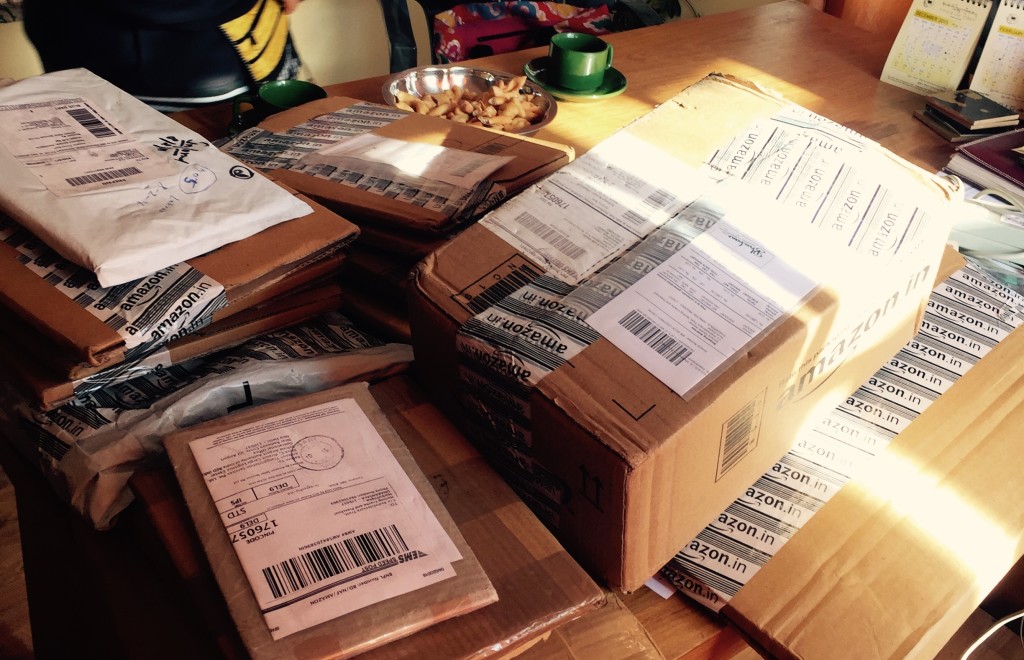
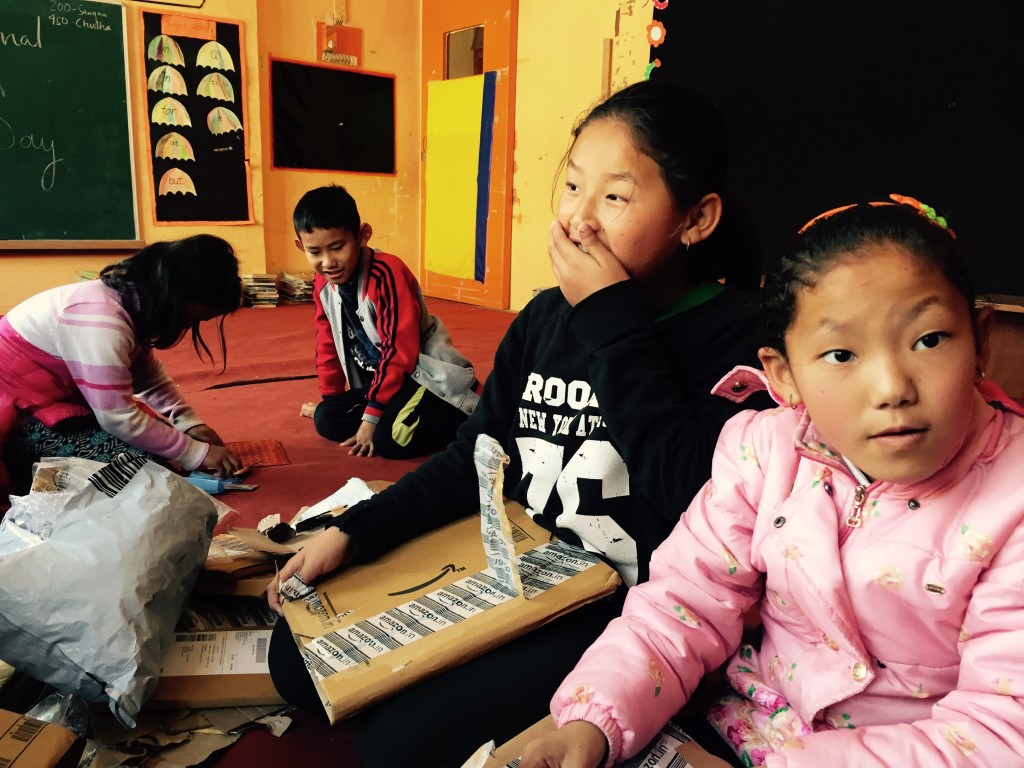
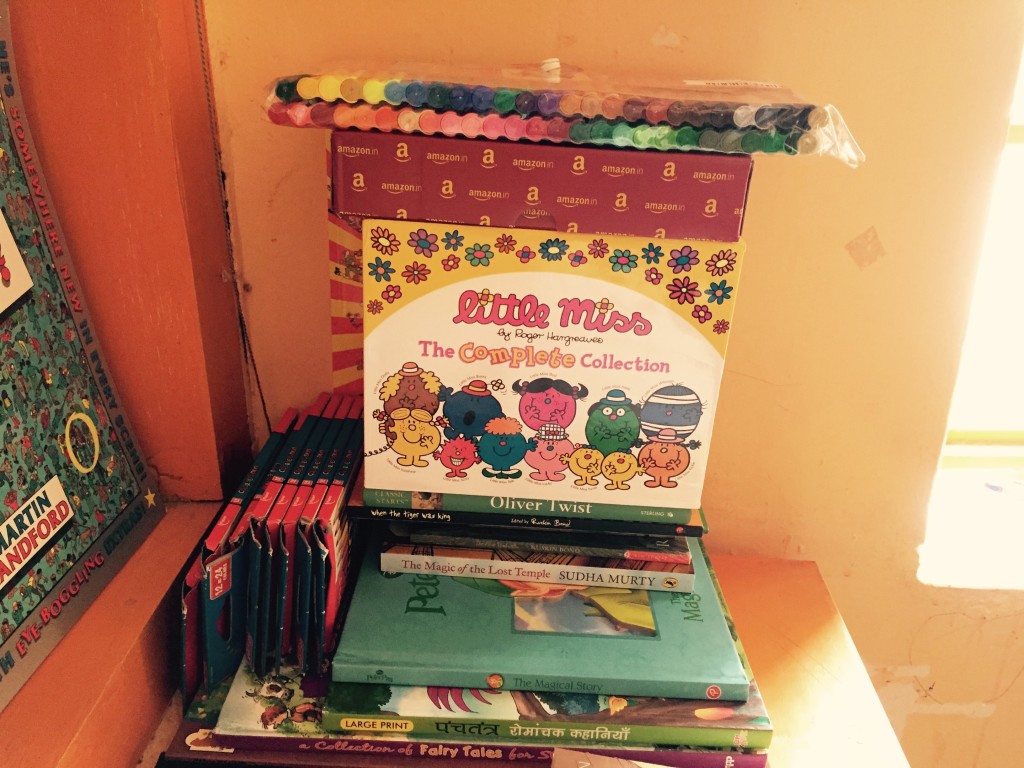
Transport adds another layer of planning. Books are heavy, so freight costs can influence what is feasible. Volunteers may consolidate donations, use sturdy cartons, protect books from moisture and prepare customs information accurately. International shipments must also respect destination-country import requirements; clean, well-packed books are easier to handle than loose or damaged items.
The route may pass through warehouses, airports and regional roads before arriving in a Himalayan town or village. The final distance can be slower than the first. Weather, road conditions and local schedules all affect delivery, which is why careful packing and realistic expectations matter.
The People Who Give Books a Second Life
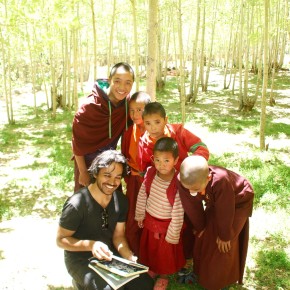
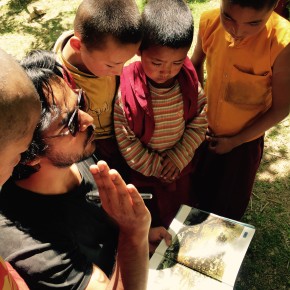
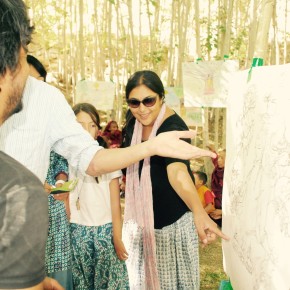
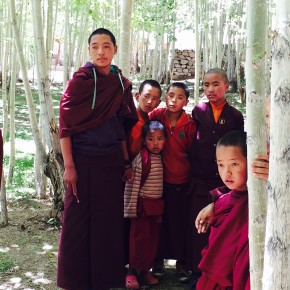
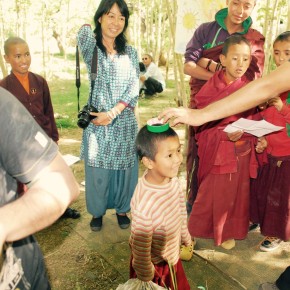
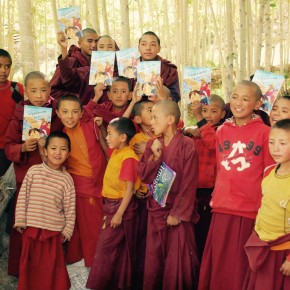
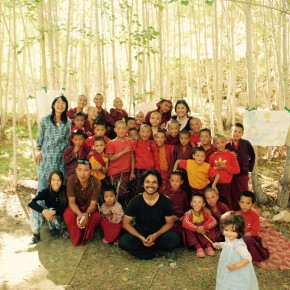
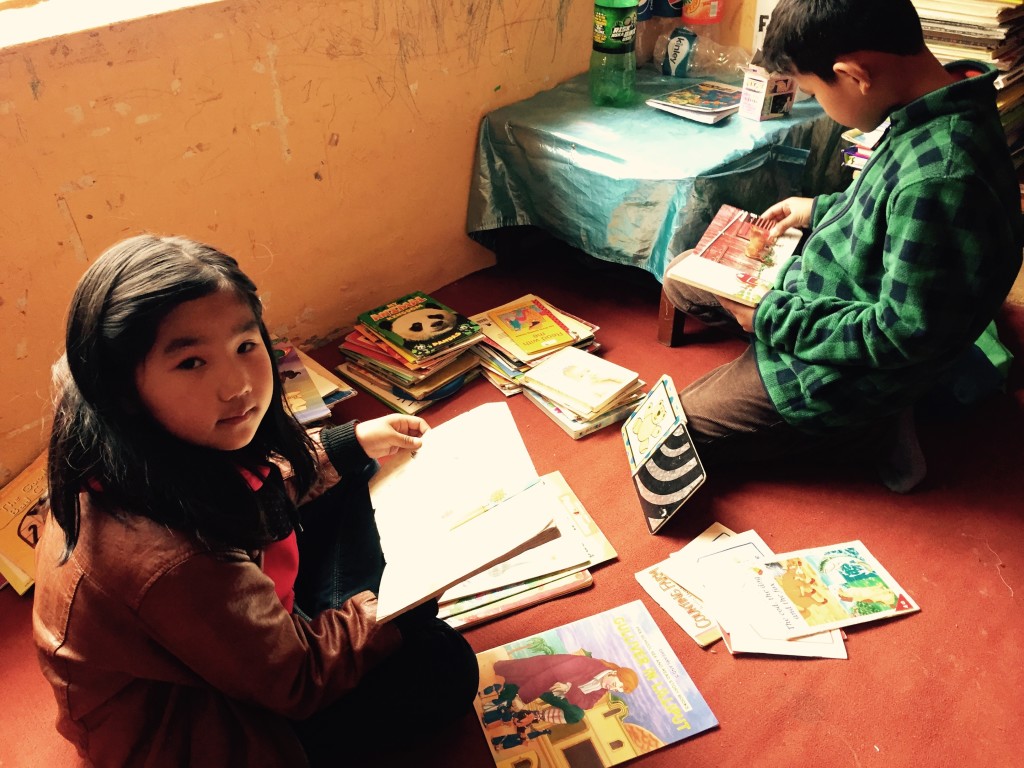
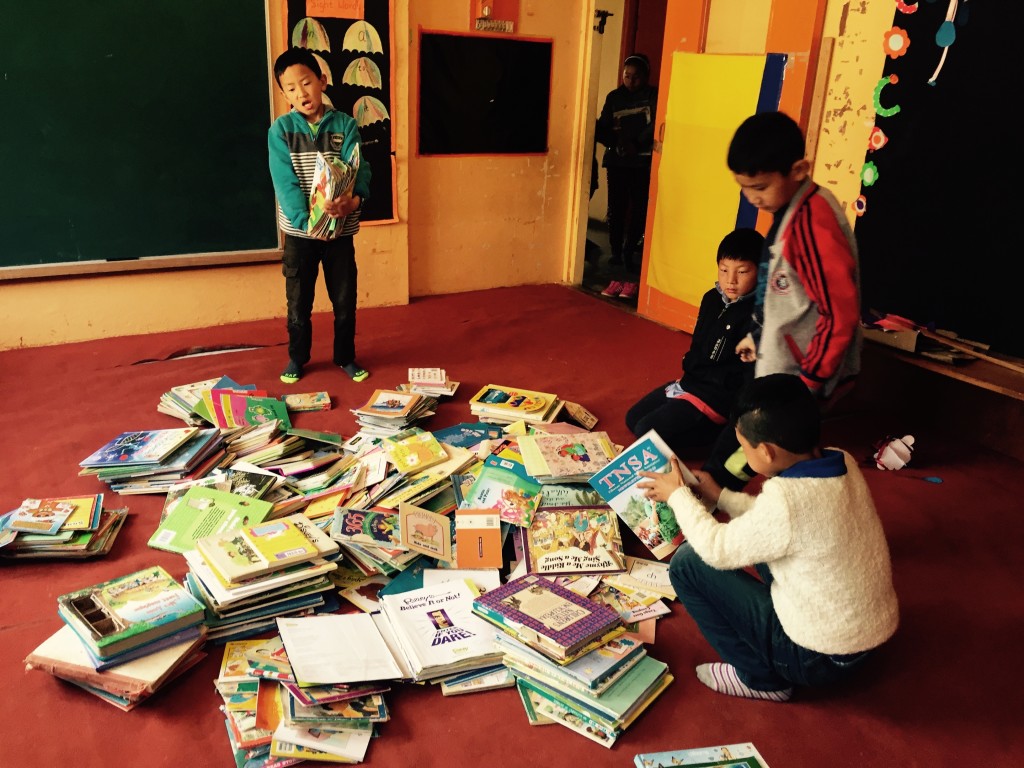
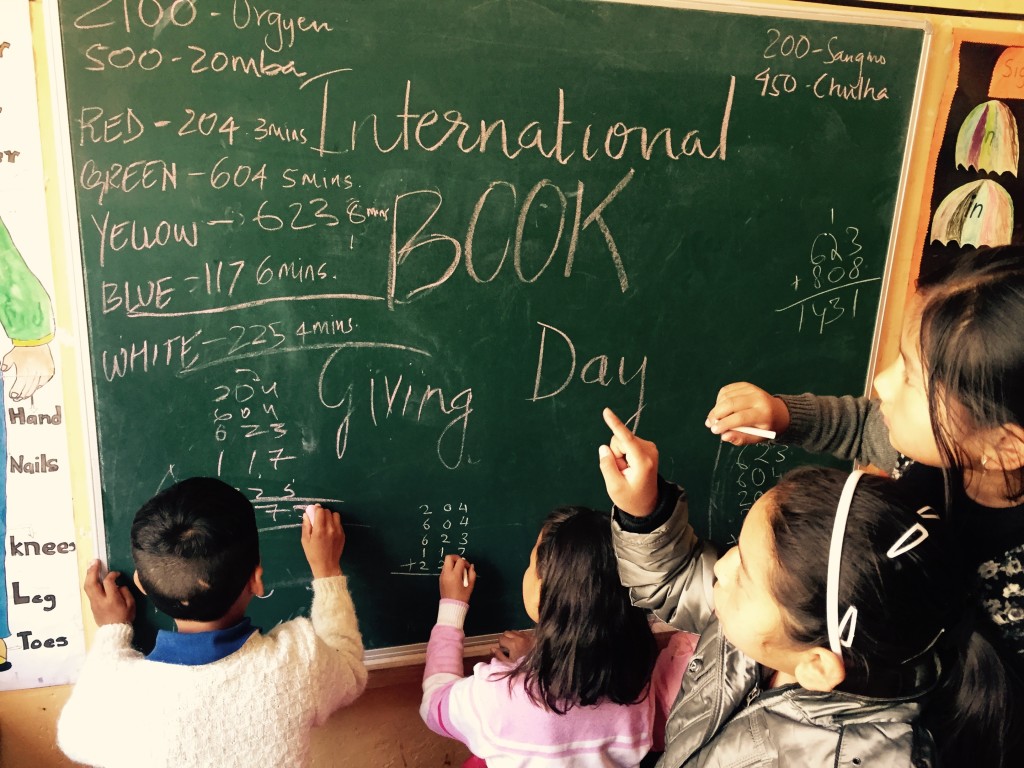
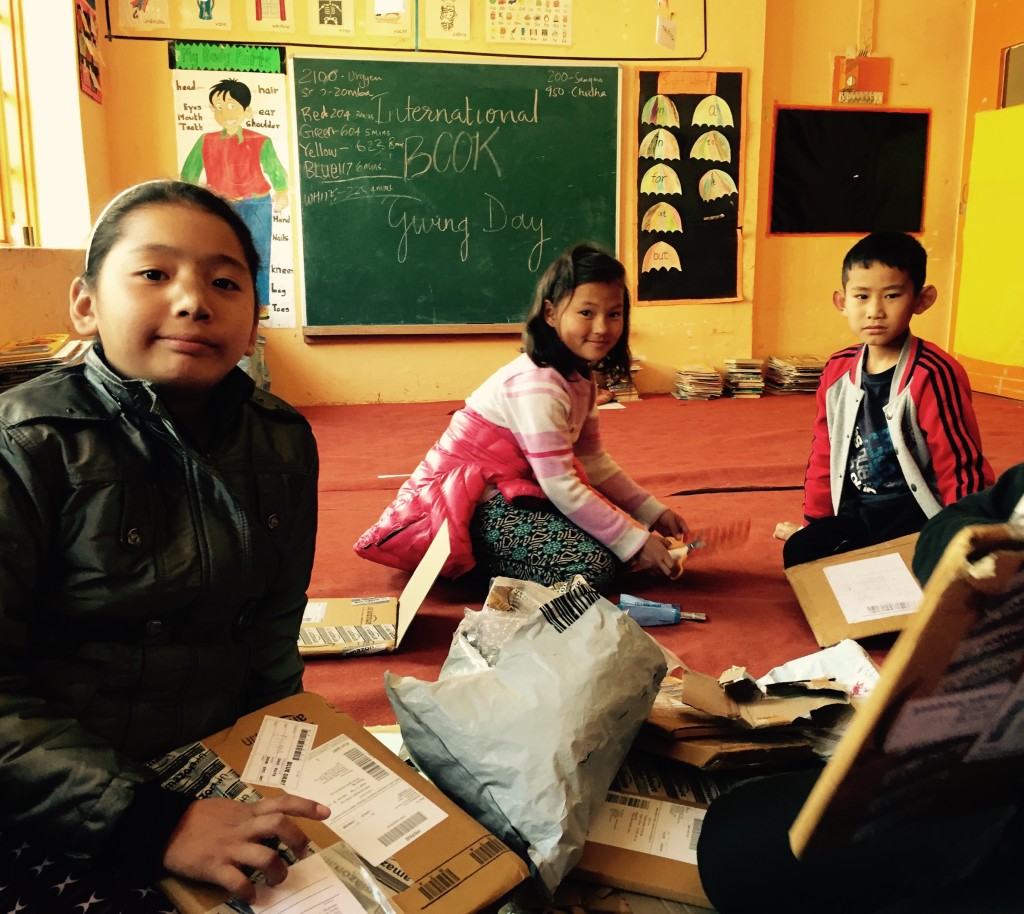
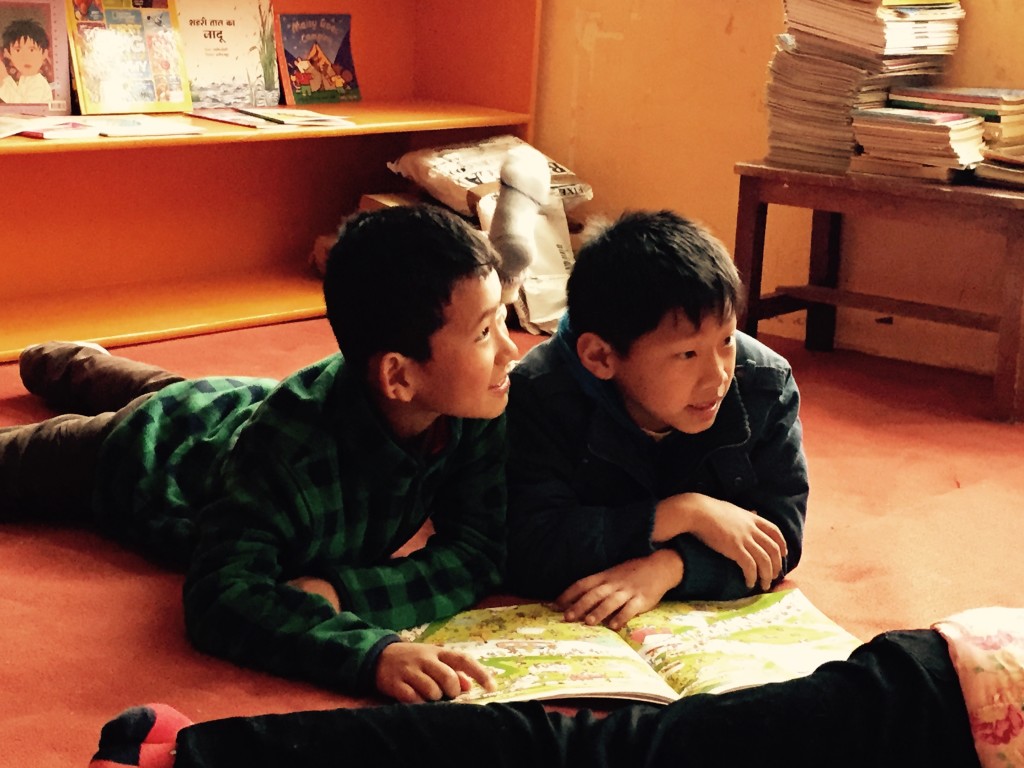
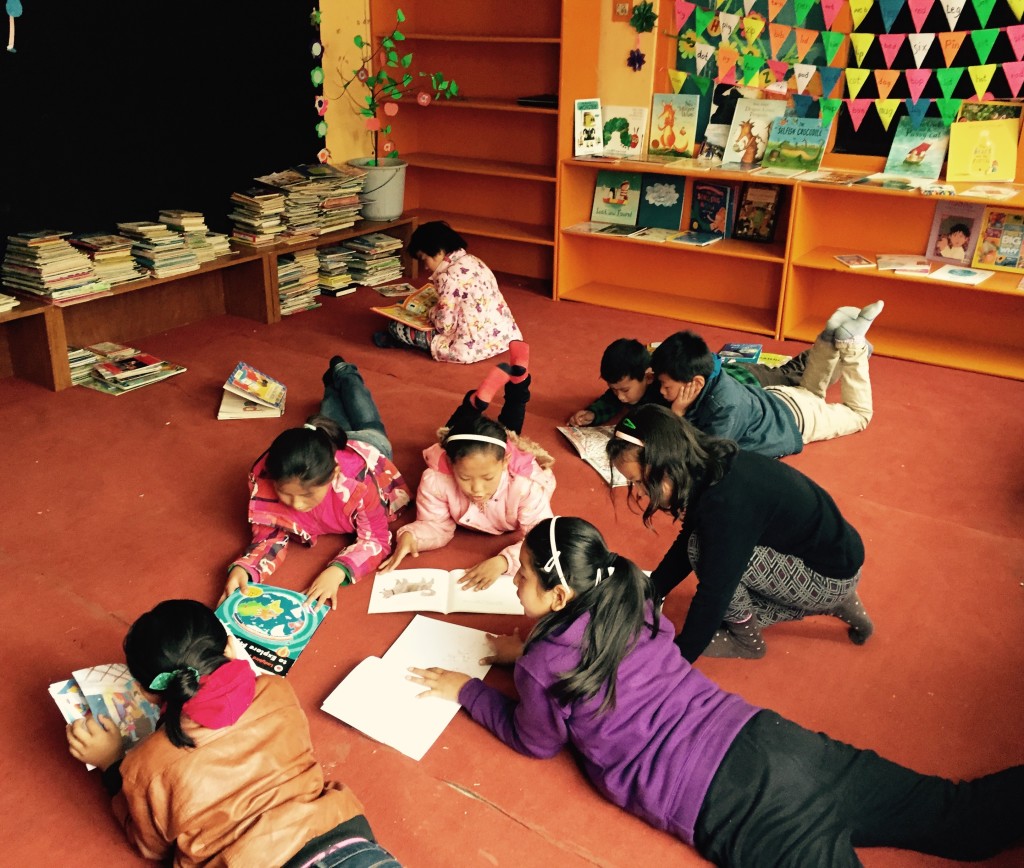
A donated book becomes useful through cooperation. A city resident may provide the title, a volunteer may sort it, a supporter may help cover freight, and a local educator may decide how it belongs in the collection. Children and young monks then give the book its fullest purpose by reading, discussing and sharing it.
These connections make book drives more than a clearing-out exercise. They create a relationship between communities that may otherwise feel very distant. A child in Canberra can donate a favourite story, while a child in Ladakh can discover that story years later in a reading room filled with books from many places.
Small actions can make the handover more respectful and effective:
- Choose books that are complete, clean and suitable for children or young people
- Include a balance of fiction, non-fiction, art, music and visual learning
- Remove personal notes, loose scraps and items that could damage other books
- Check donation instructions before delivering books to a collection point
- Consider a financial gift when transport or storage is the main need
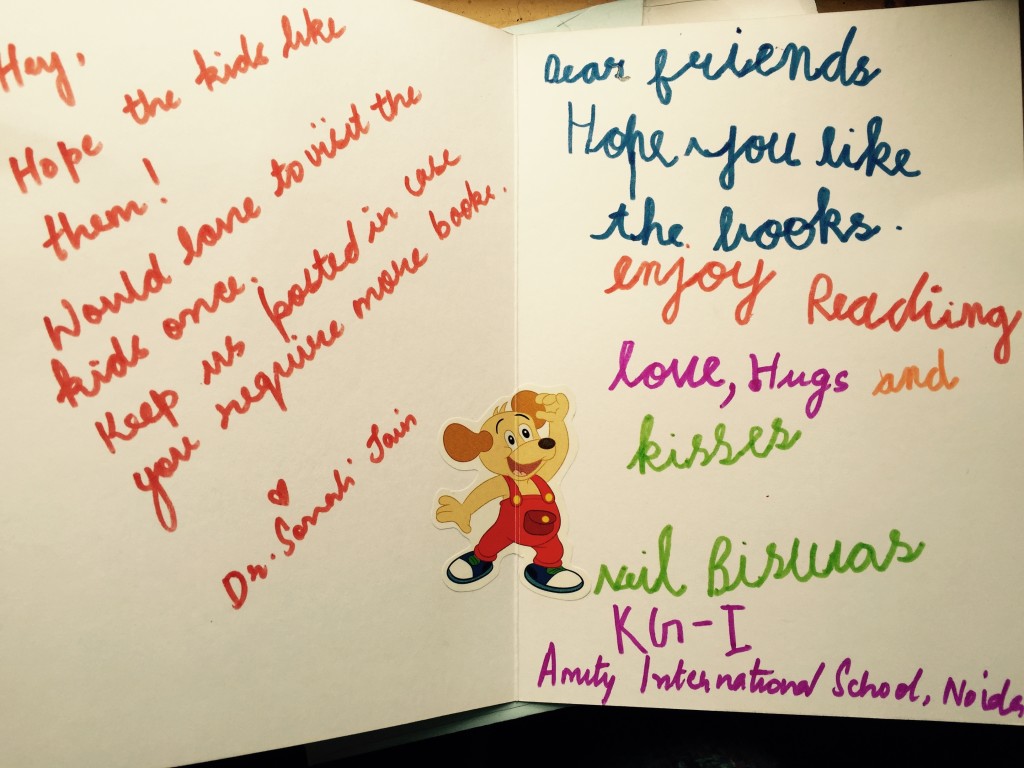
- Share a short note about a particularly meaningful or useful title
The emotional value of a favourite book can be real, yet the most generous choice is sometimes to donate a title that serves the collection rather than the donor’s memories. A practical, well-made book may be read by dozens of children over many years.
From a Parcel to a Place of Learning
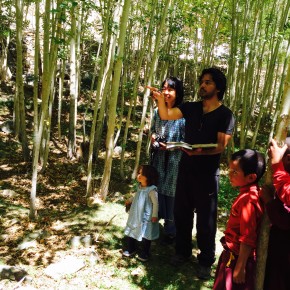
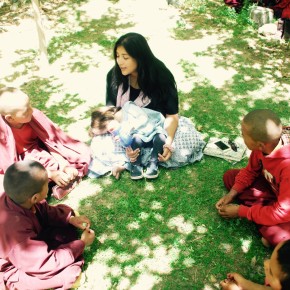
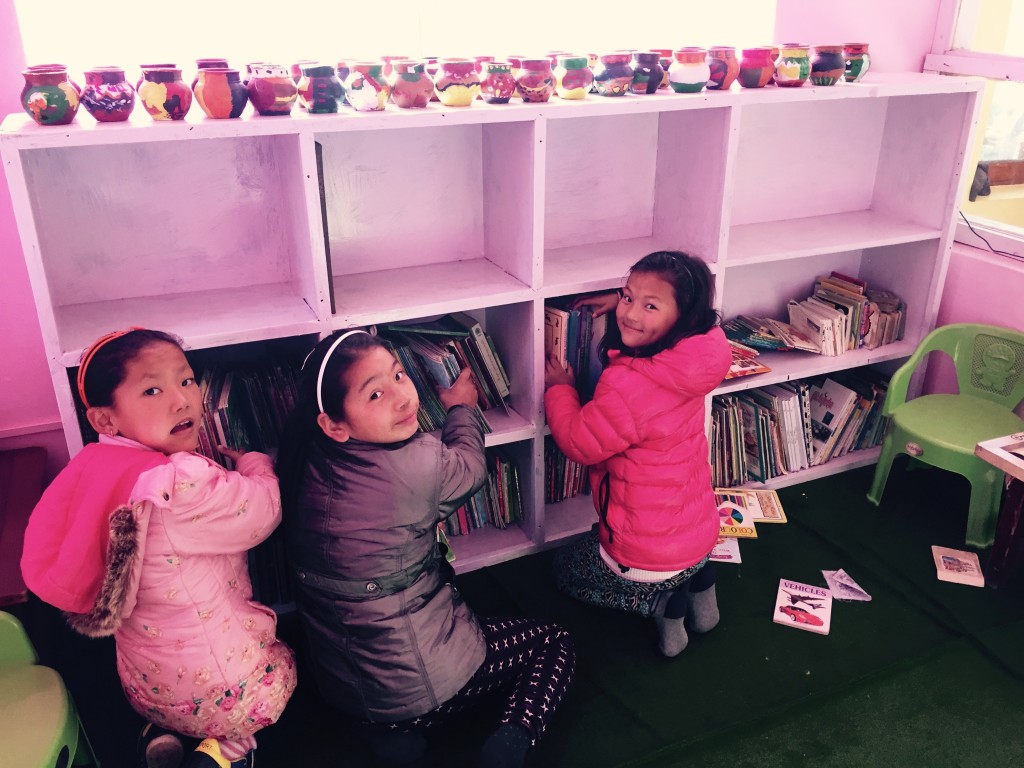
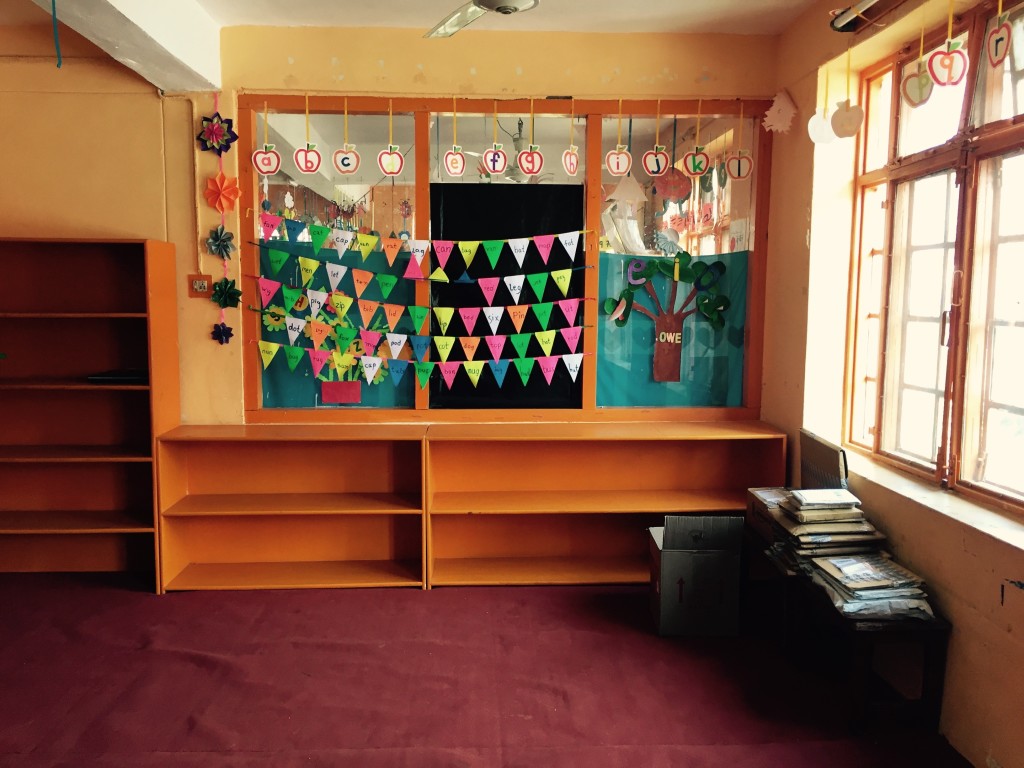
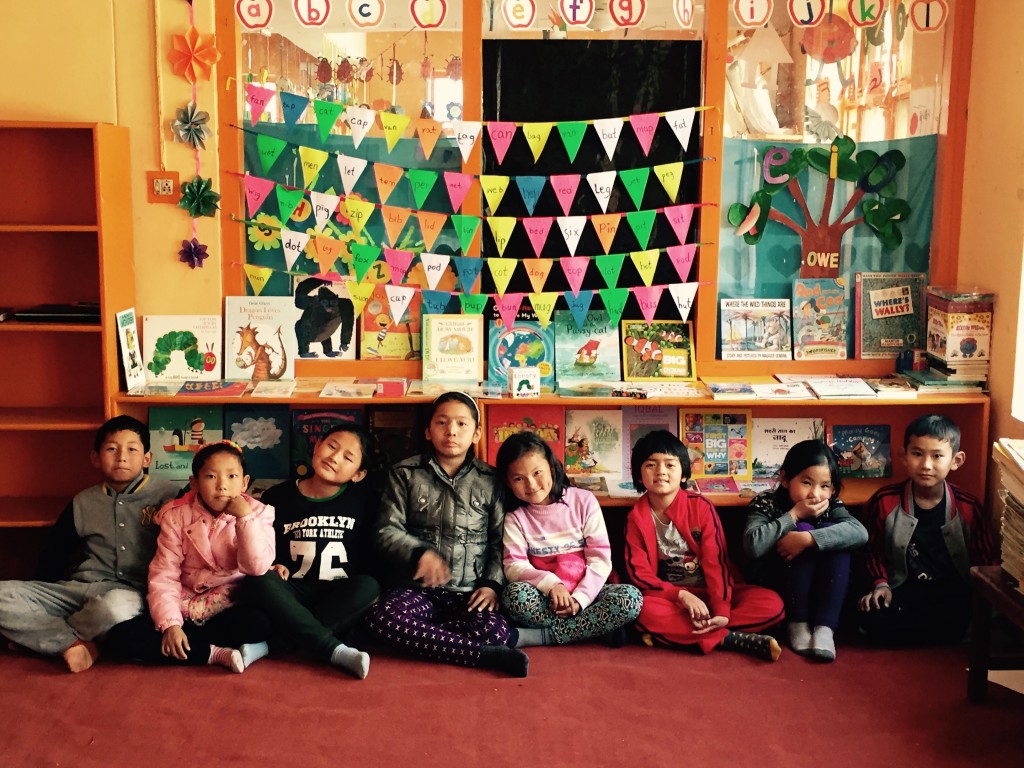
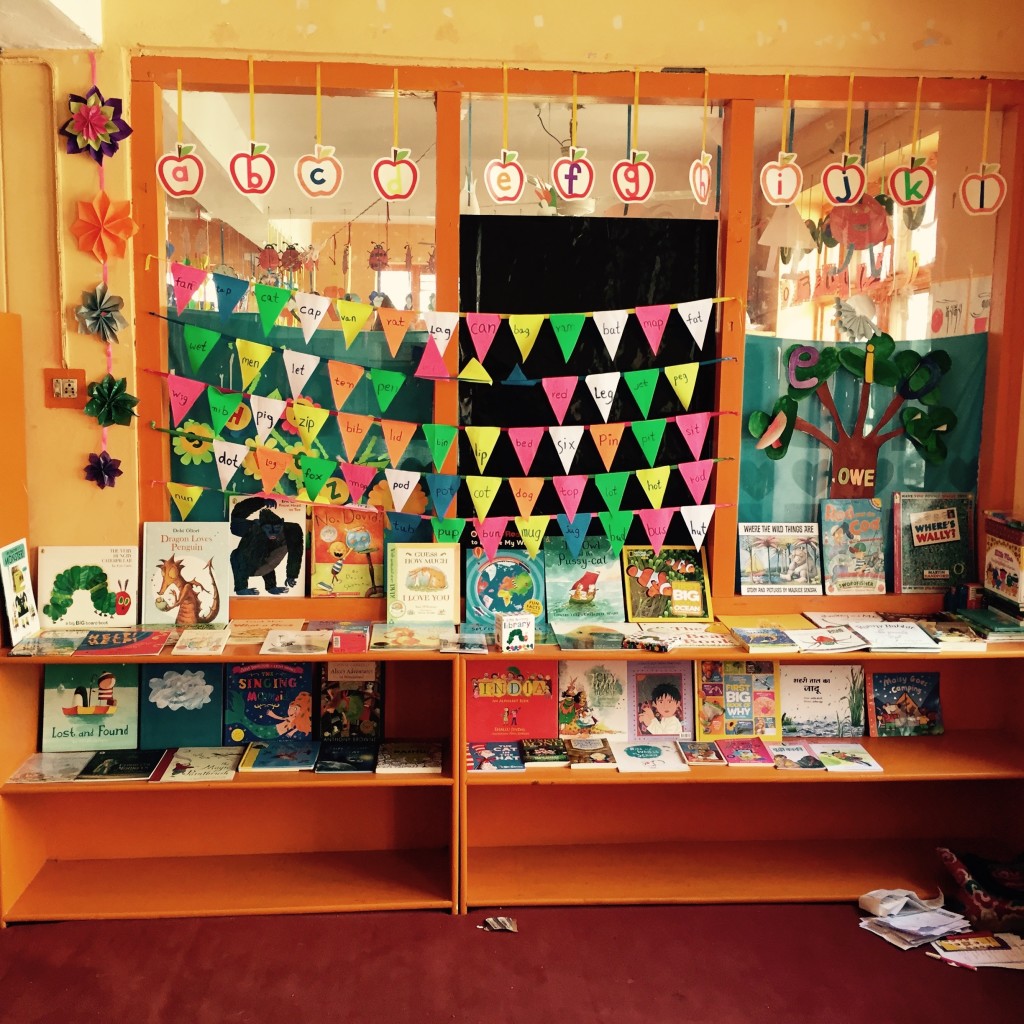
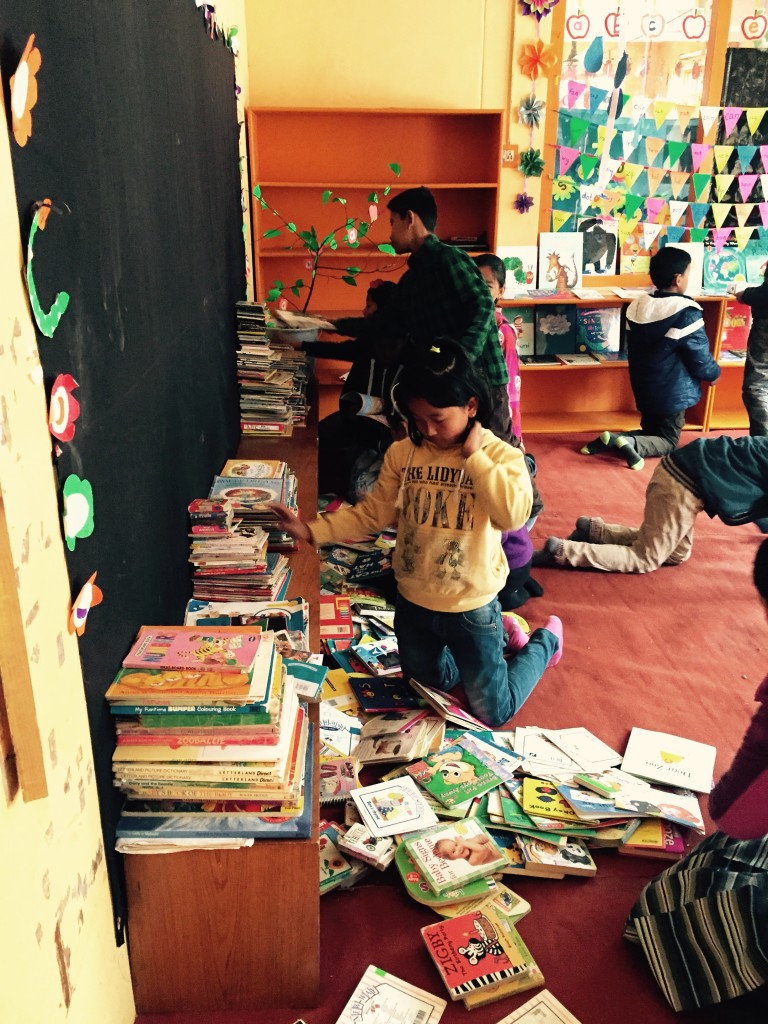
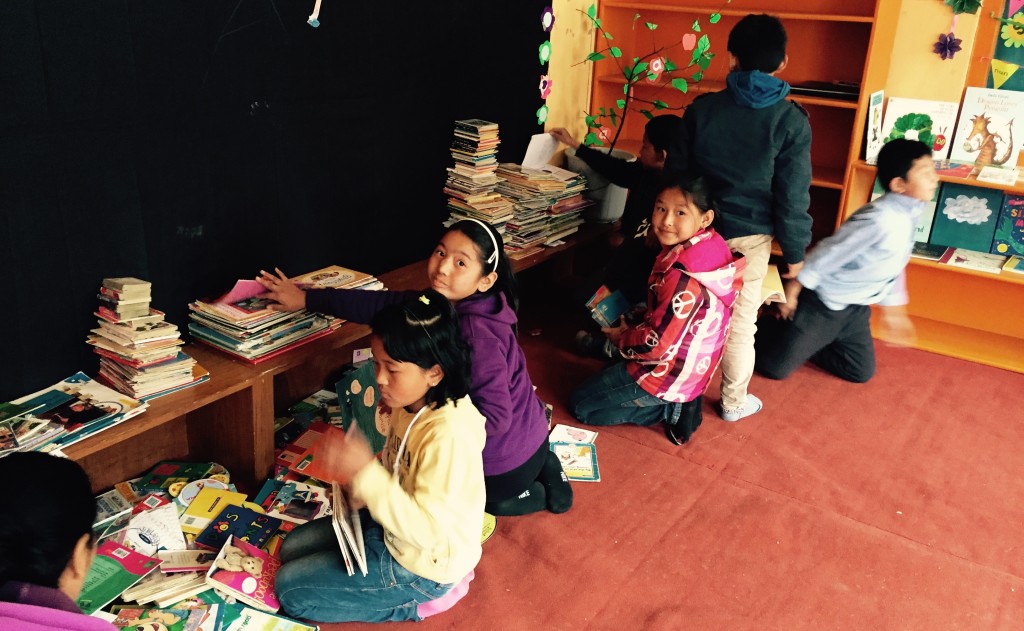
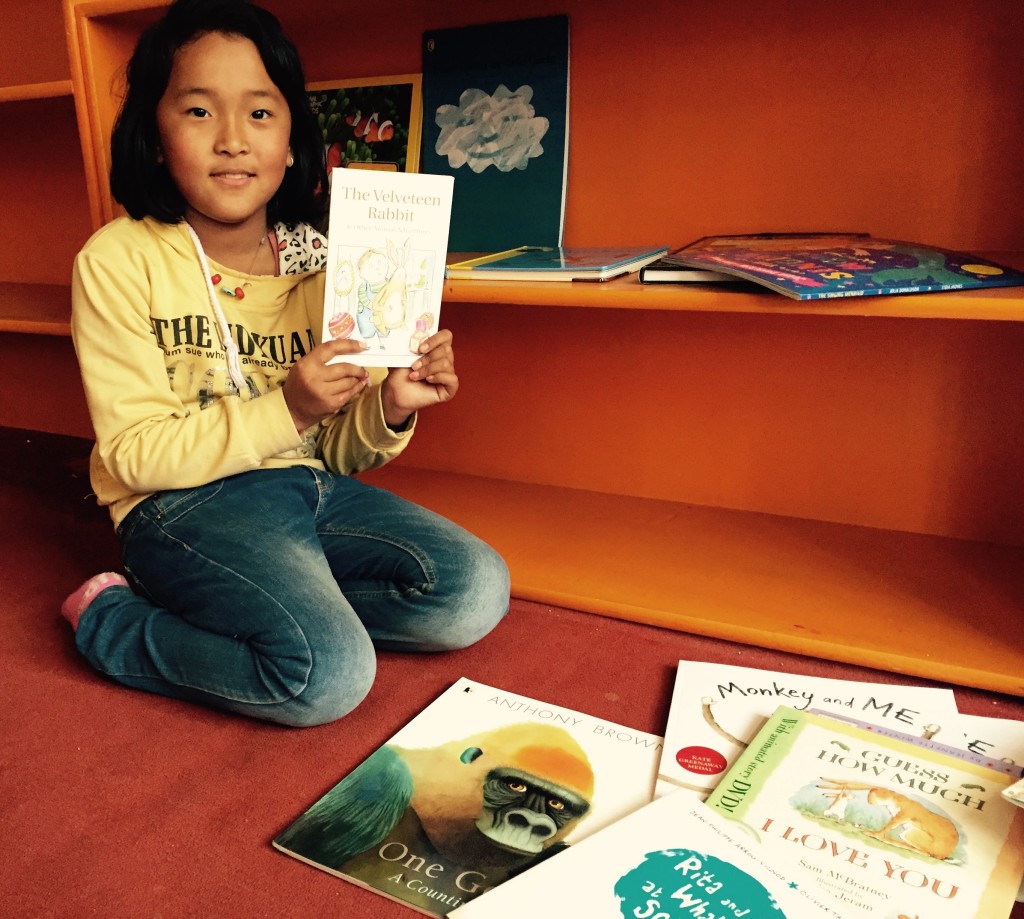
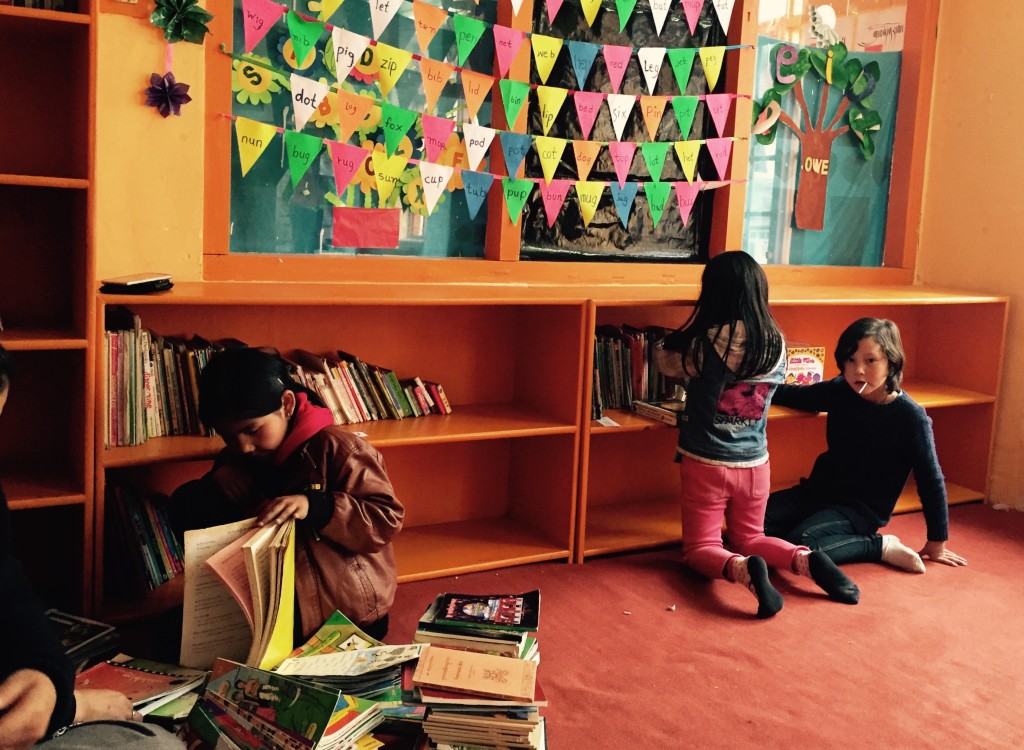
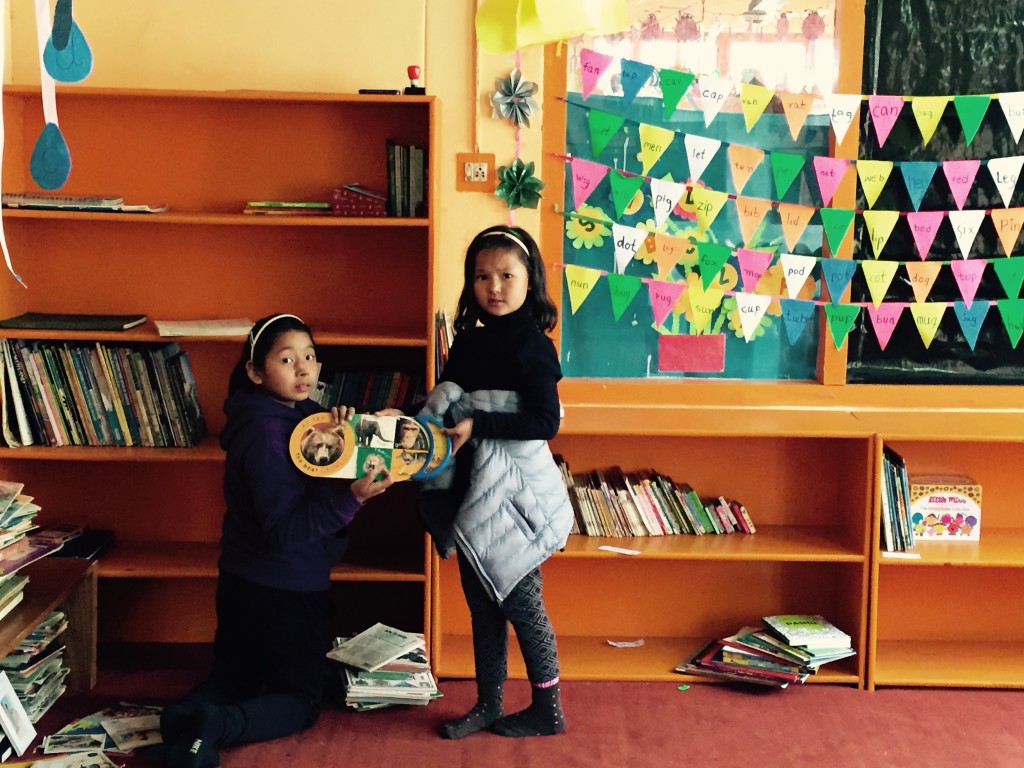
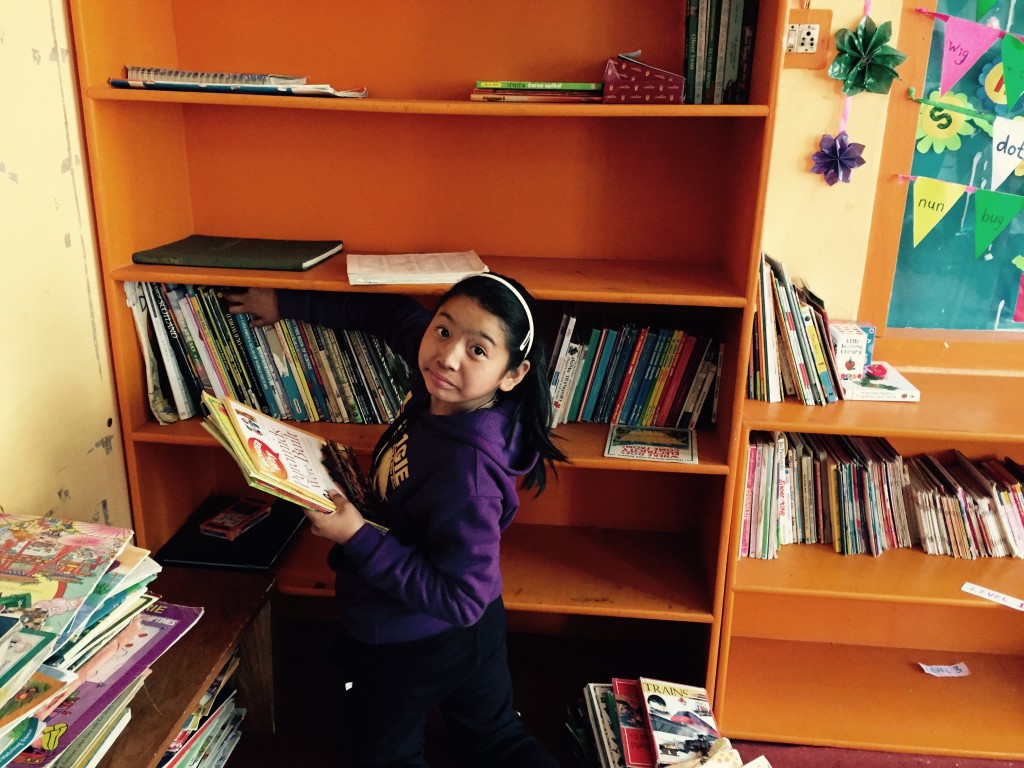
When the books arrive, their journey is not over. They need a home where children can reach them easily, browse without fear and return to favourite passages. A reading room can turn donated volumes into a daily habit, especially when local adults help children choose books and make time for quiet reading.
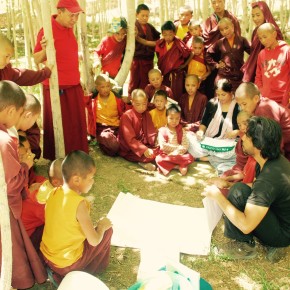
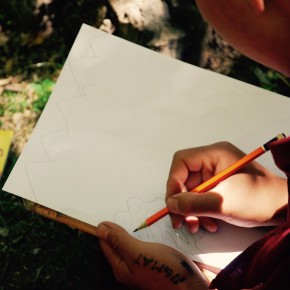
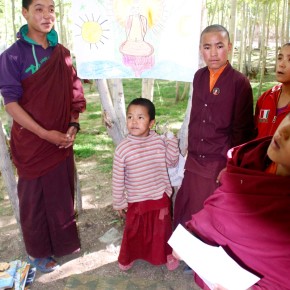
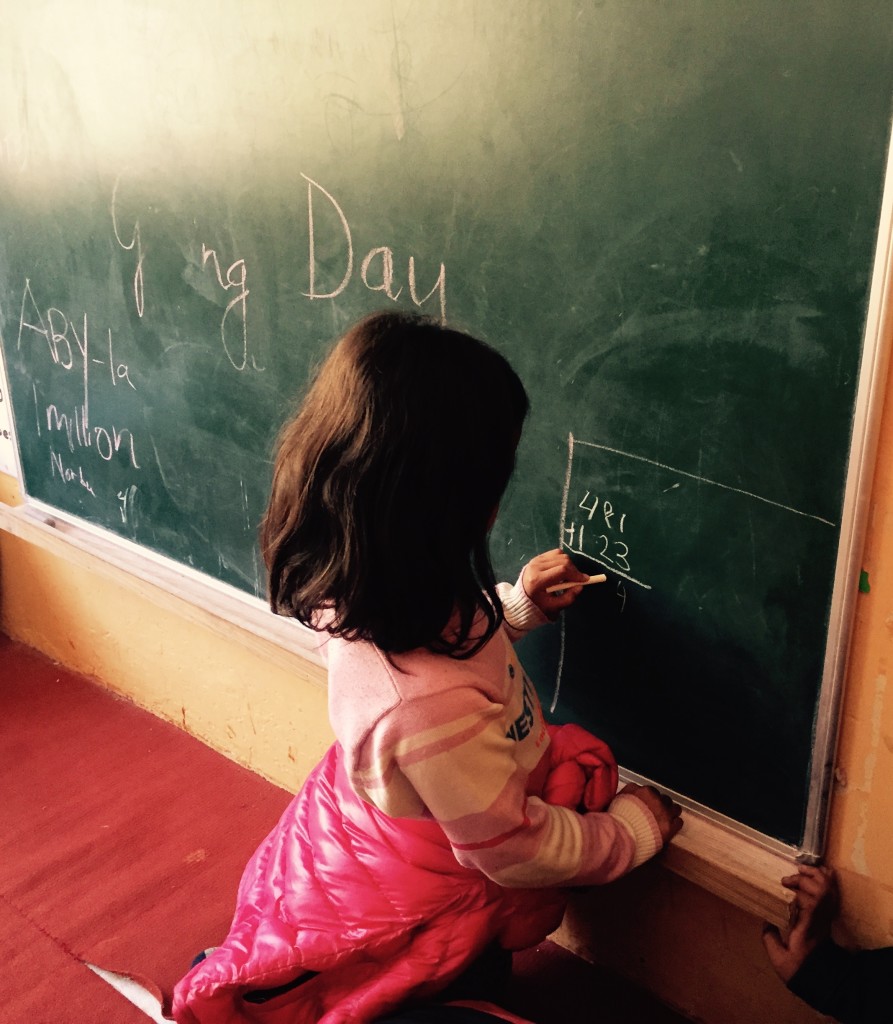
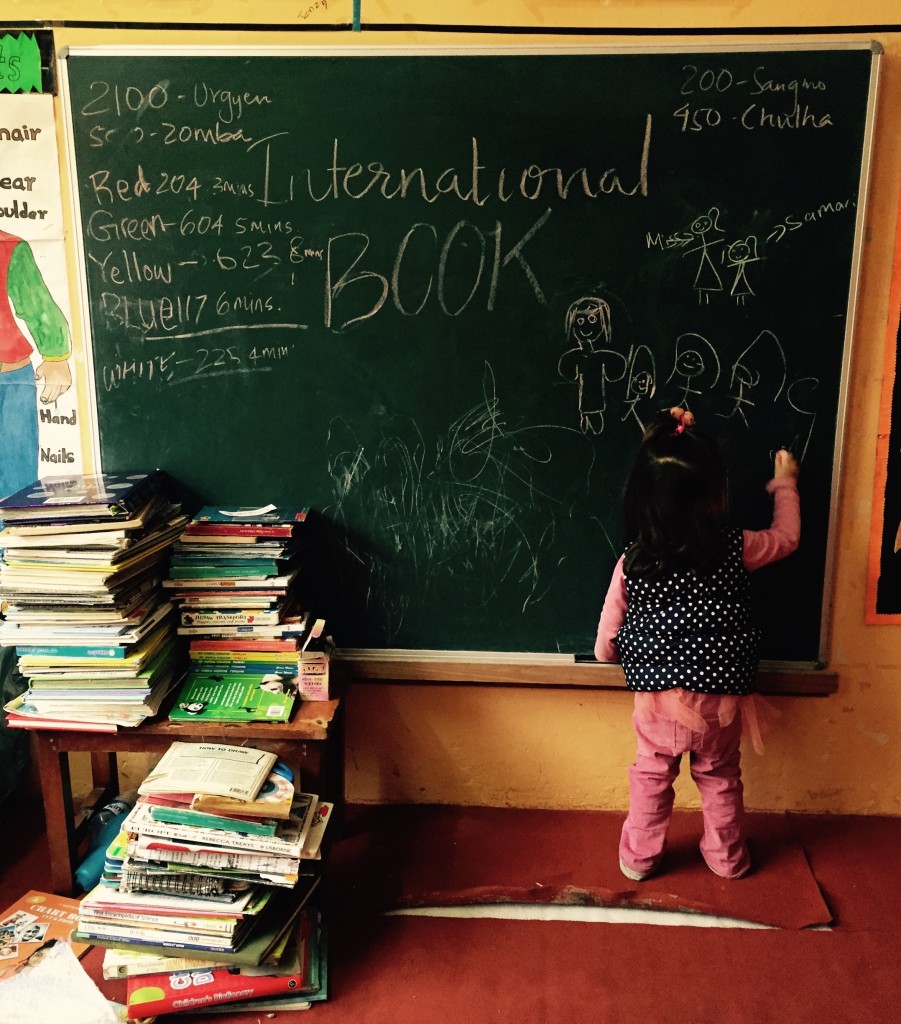
Books also work alongside other activities. A story can inspire a drawing session, a science text can lead to a nature walk, and a musical biography can open a conversation about rhythm and performance. In this way, literacy connects with creativity rather than standing apart from it.
For children in remote mountain communities, access may be limited by distance, household income, school resources and the cost of bringing new books to the region. A shared library reduces those barriers. It gives readers the freedom to explore beyond the books their families can purchase, and it offers young monks and other children a calm place for concentration.
The result is larger than a single parcel. A donated book carries the habits of one reader into a new community, where it may support language practice, imagination, friendship and independent thought. The important thing to remember is that a book reaches a mountain child through a chain of care: thoughtful giving, responsible preparation, patient transport and a welcoming place to read.