The importance of books that show girls as scientists and leaders
A book can make an unfamiliar future feel reachable. When girls see characters testing ideas, solving difficult problems, leading teams or caring for their communities, achievement becomes more than an abstract message. It becomes a role they can imagine inhabiting themselves.
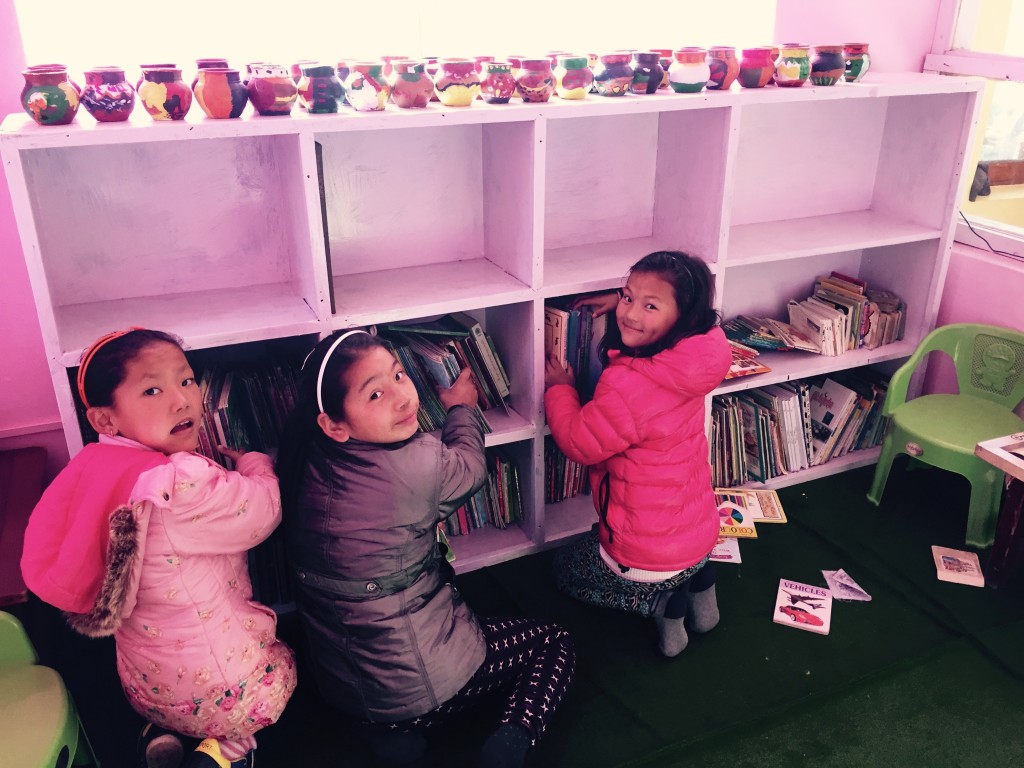
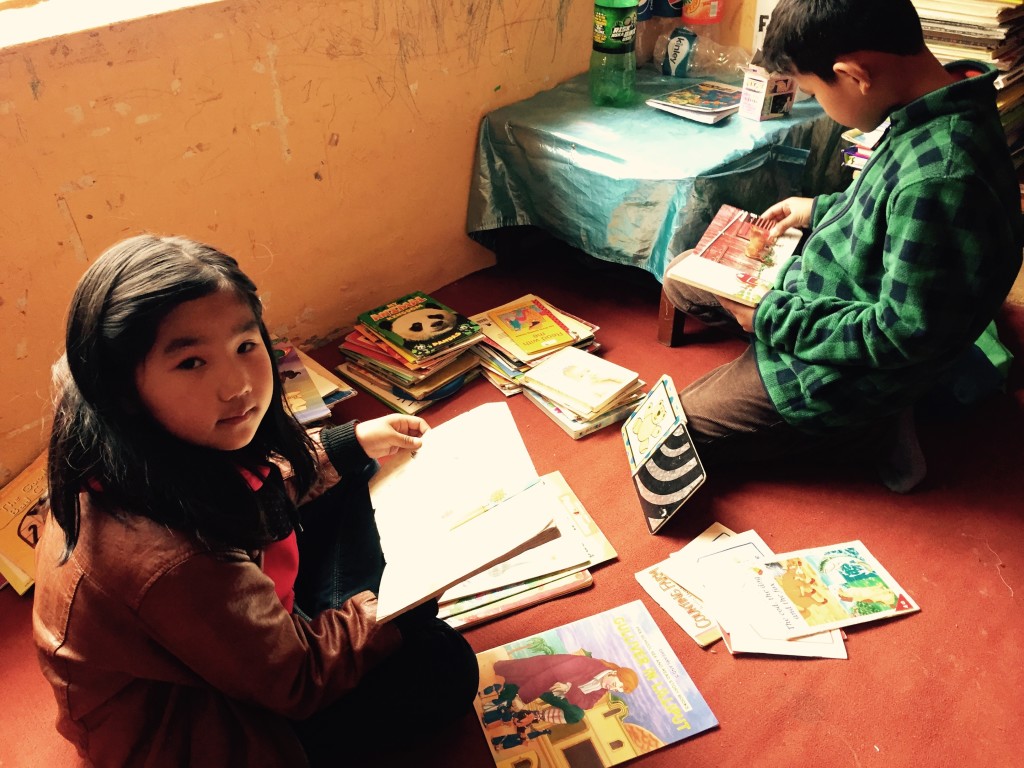
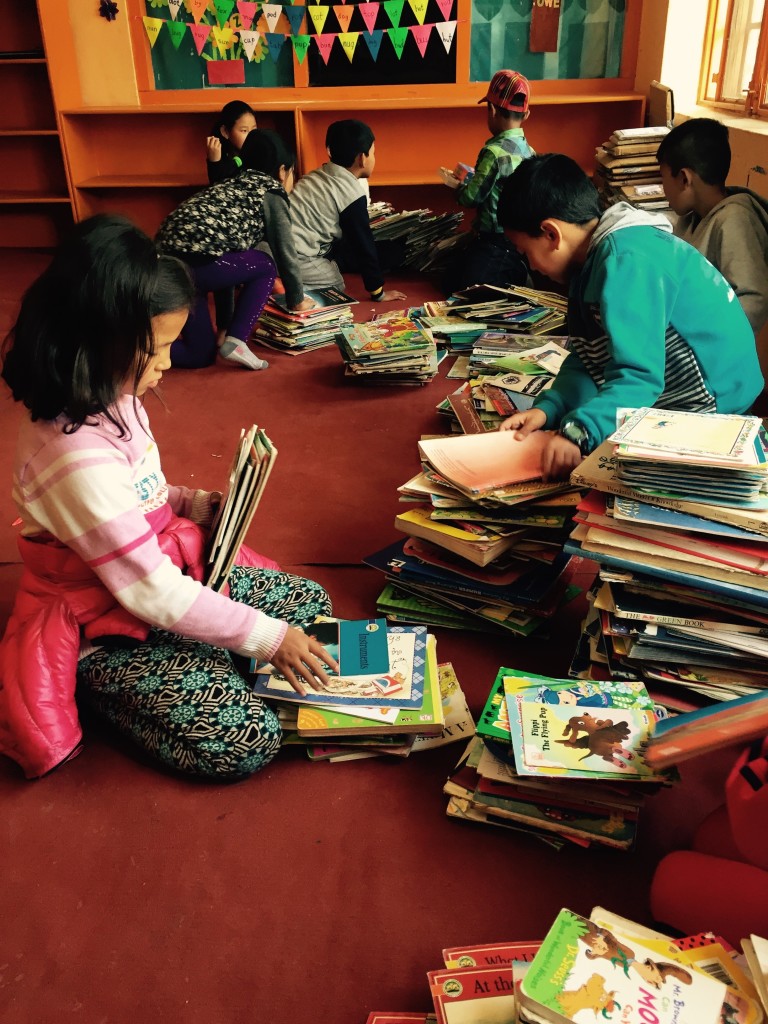
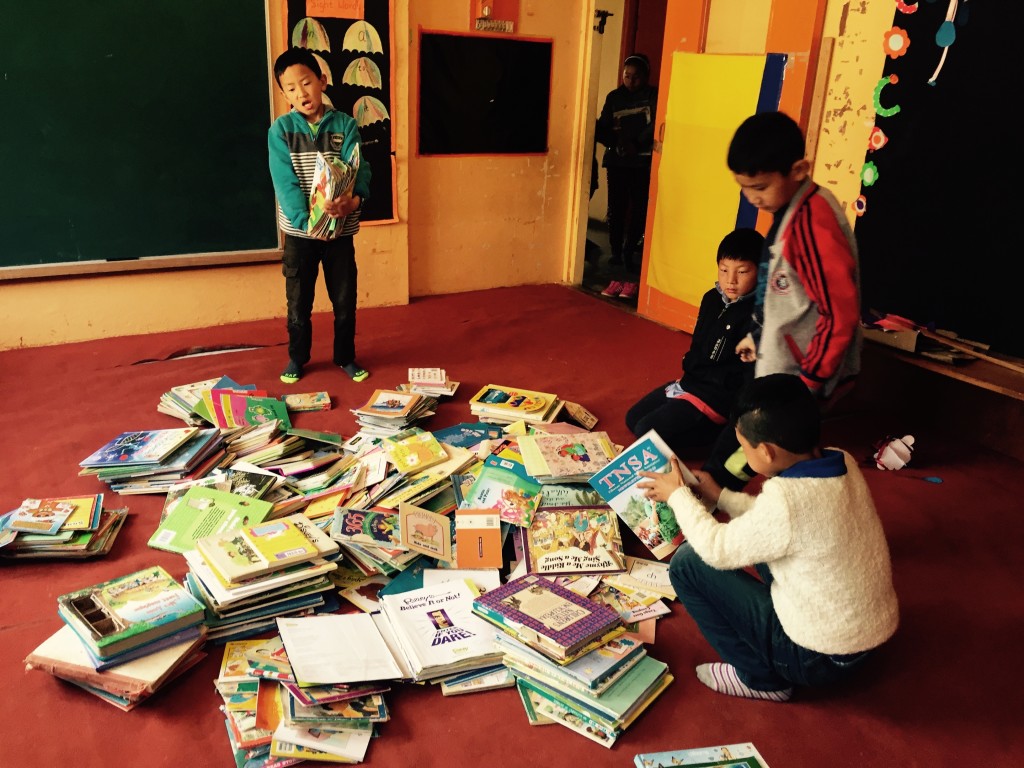
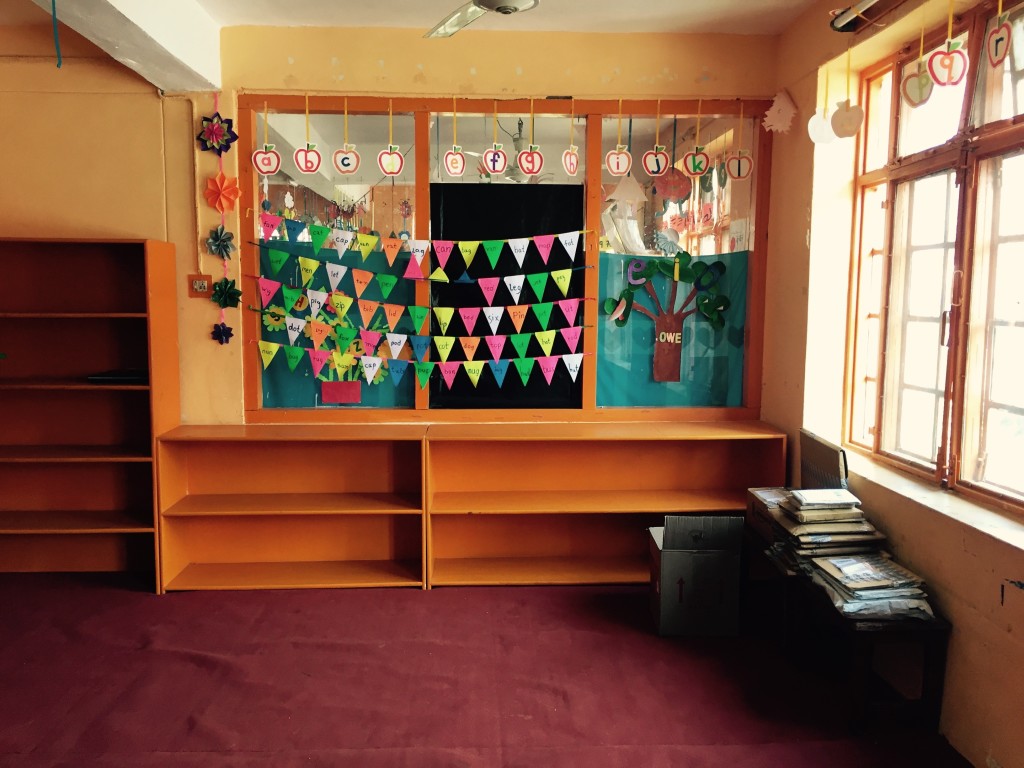
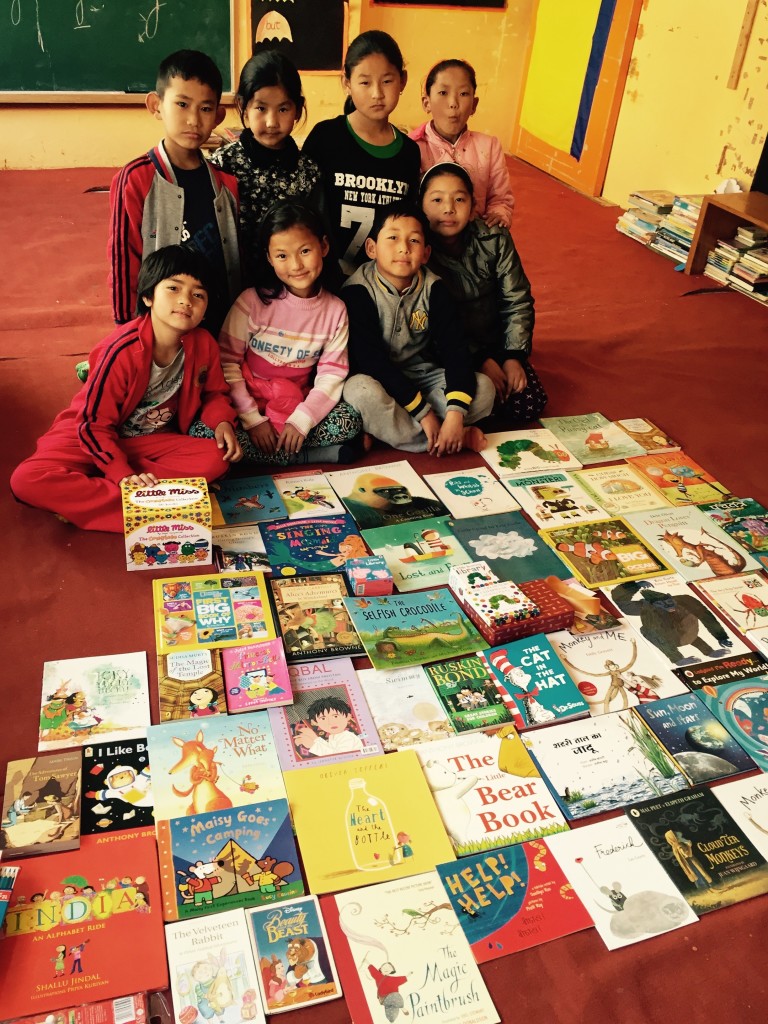
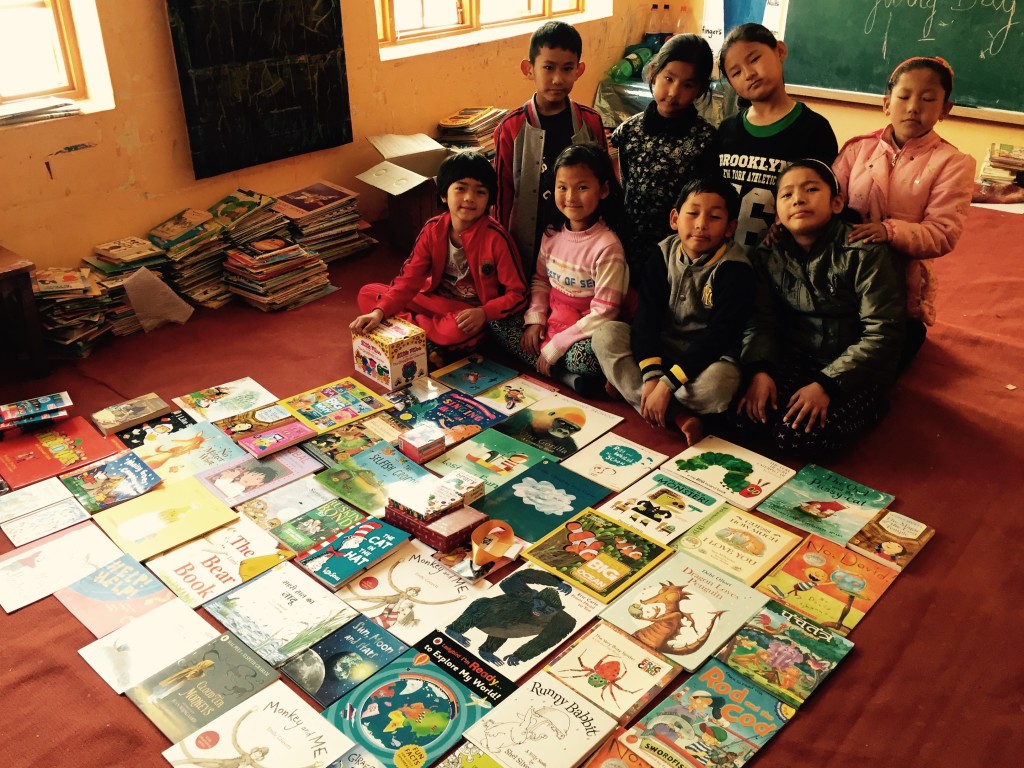
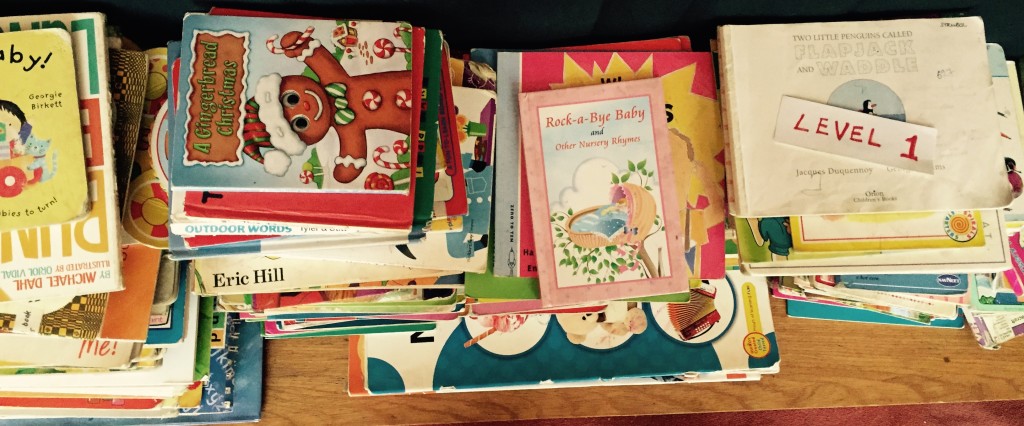
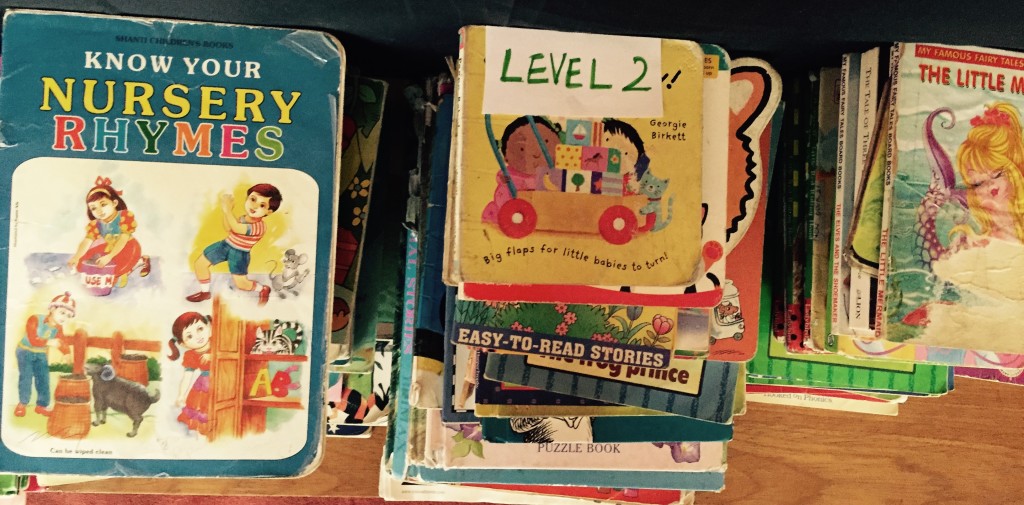
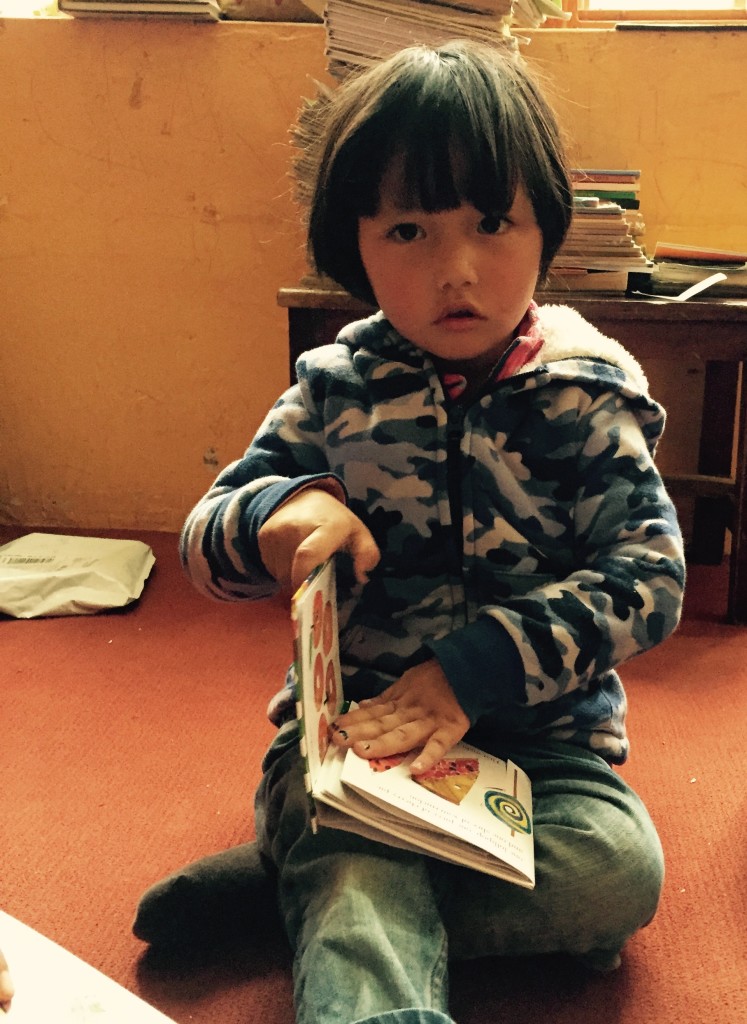
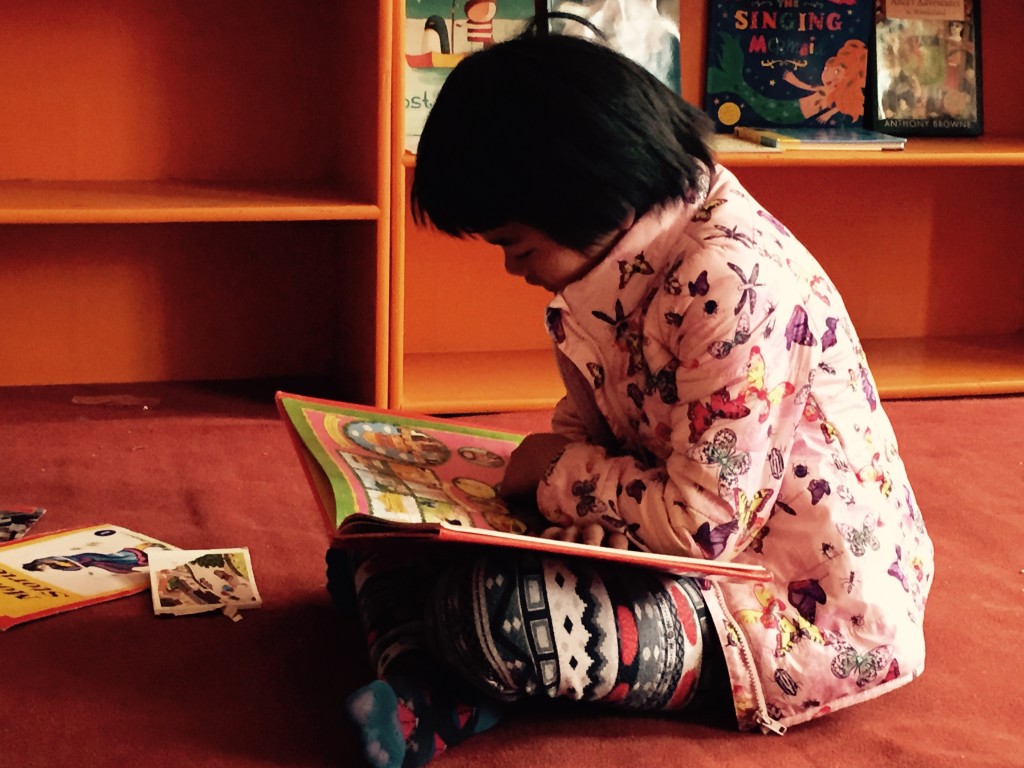
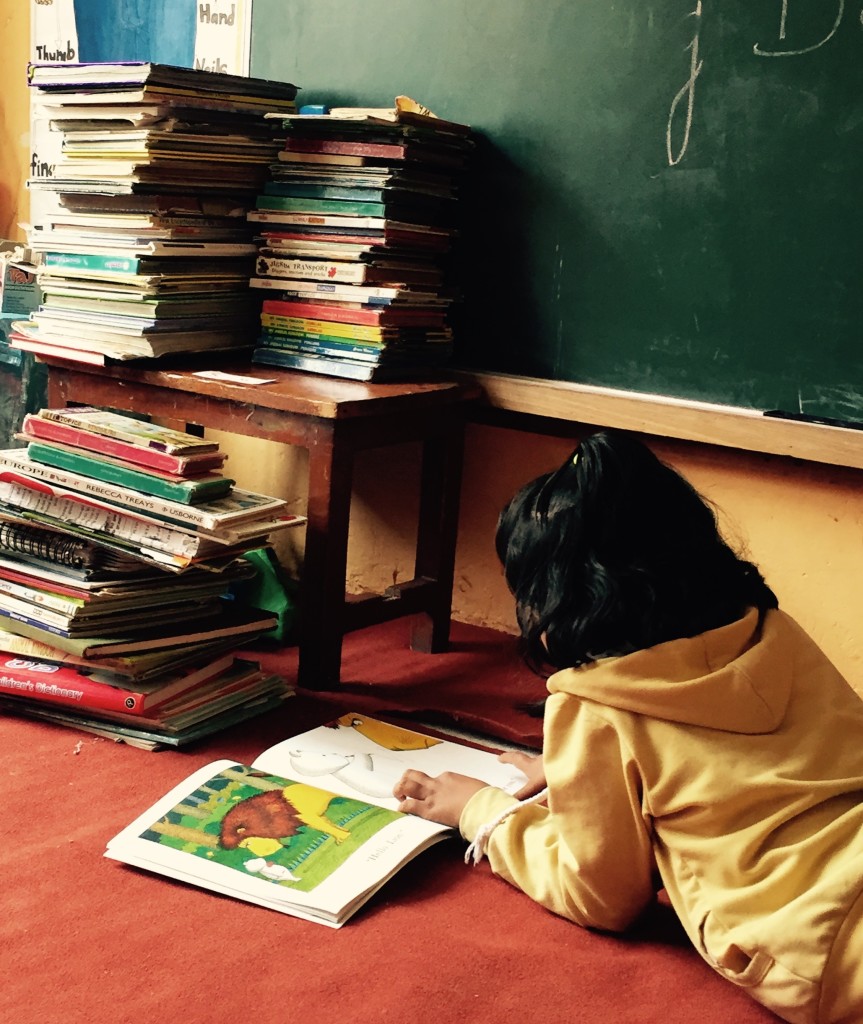
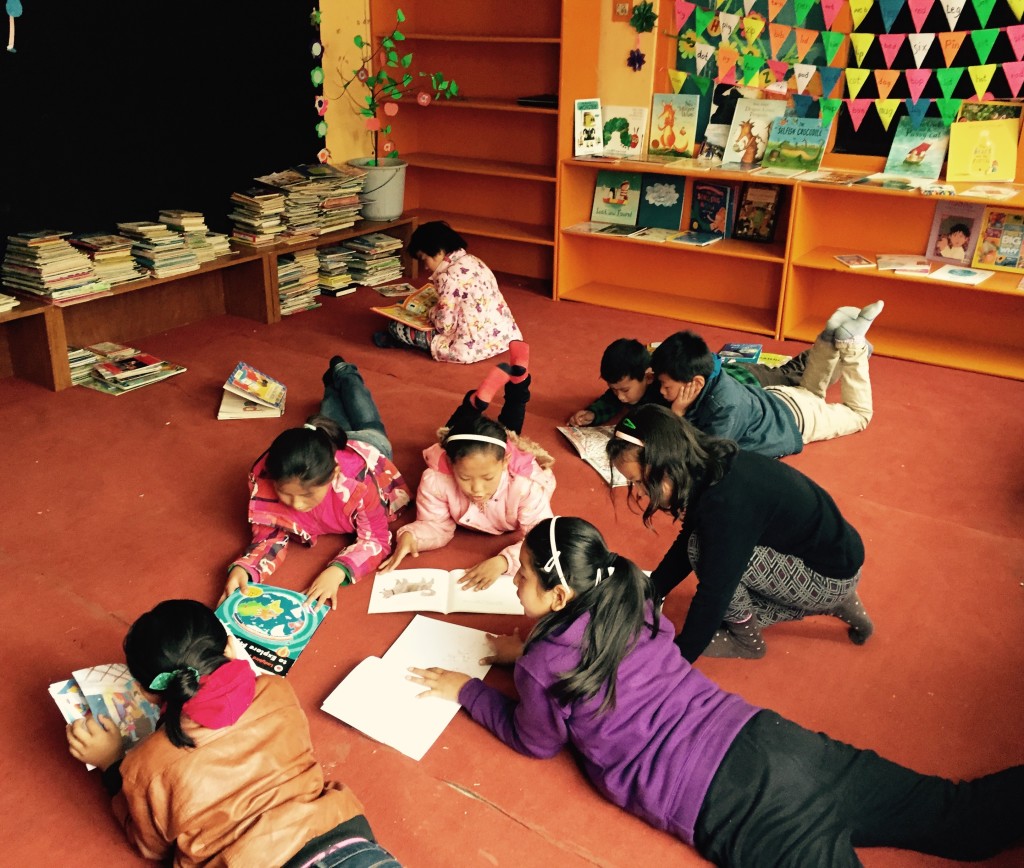
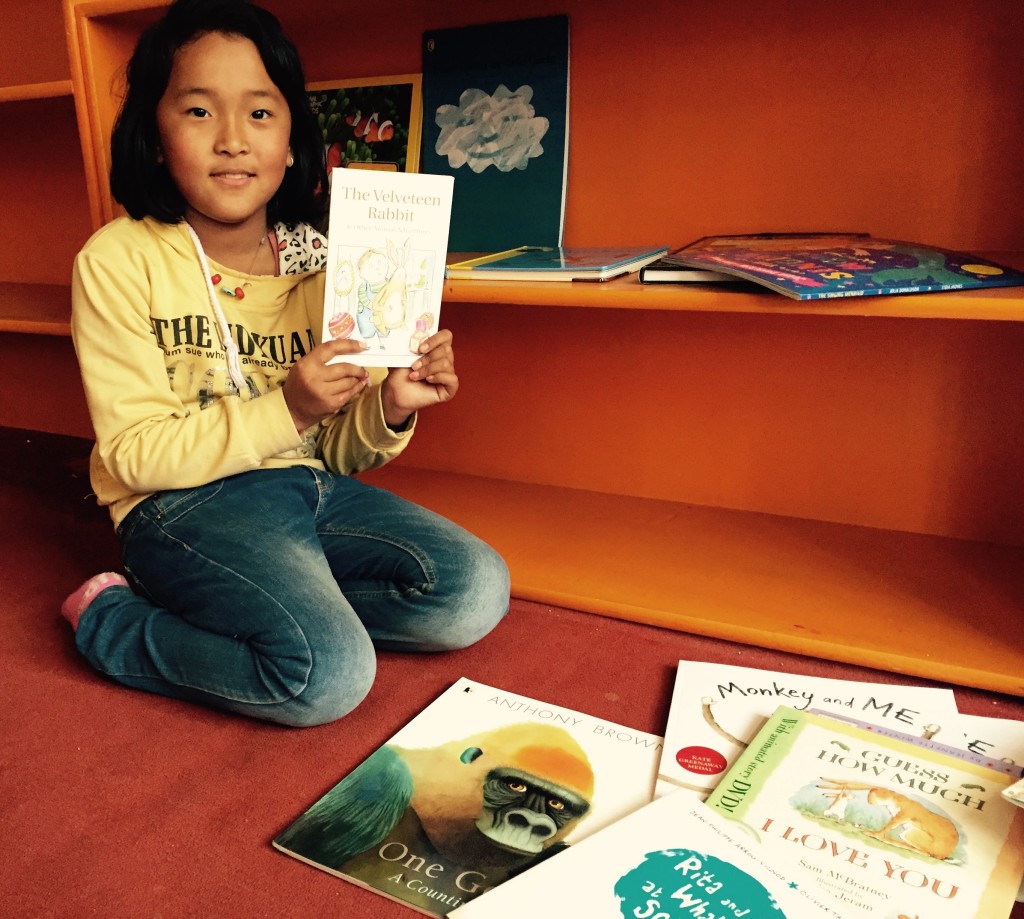
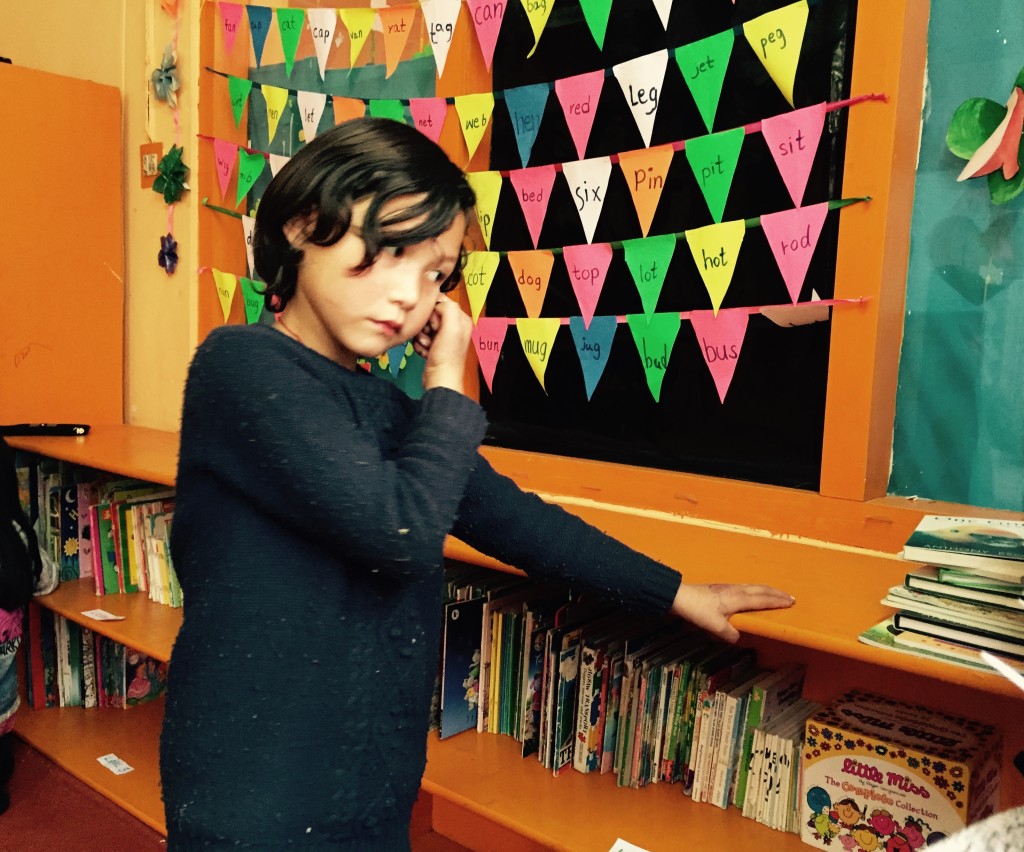
This matters in every reading community, from a school library in Melbourne or Sydney to a reading room in Ladakh. Access to quality books supports literacy, confidence and curiosity, while varied representation helps children recognise that intelligence, courage and leadership belong to people of every gender and background.
Why representation changes reading
Children build ideas about the world through repeated images and stories. If boys are usually shown as explorers, inventors and decision-makers while girls are placed in supporting roles, readers may absorb those patterns before they can name them. A story about a girl who designs a bridge, studies the stars or leads a conservation project offers a wider picture of what participation can look like.
Representation does not require every character to be exceptional. Girls should appear as ordinary students, friends, sisters and community members who are also allowed to be ambitious, inventive and wrong sometimes. A believable scientist may struggle with an experiment, revise a theory and ask for help. A young leader may listen carefully before making a decision. These details make achievement feel human rather than distant.
Books can also challenge narrow assumptions about who belongs in science, technology, engineering and mathematics. A girl from a rural village, a child with a disability or a young person who speaks several languages can all be shown as capable investigators. Such stories strengthen reading engagement because children can find both a mirror of their life and a window into another one.
What girls learn from scientific lives
Biographies and fiction about women scientists teach persistence through specific events. Readers can see how a researcher observes a problem, gathers evidence, learns from failure and works with others. This is more useful than simply calling a character “brilliant”. It gives children a vocabulary for curiosity, patience and disciplined thinking.
Leadership stories add another important dimension. They can show girls chairing a meeting, protecting a local ecosystem, organising a community response or negotiating a fair solution. Leadership then becomes connected to service, cooperation and responsibility rather than authority alone. Young readers learn that listening and empathy can be forms of strength.
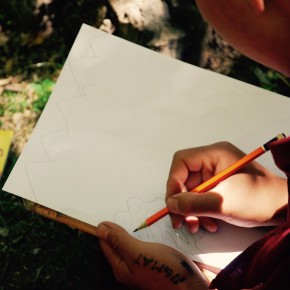
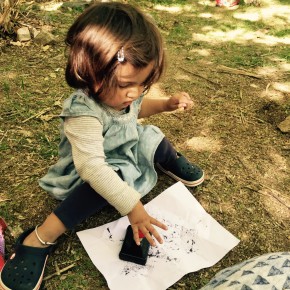
Teachers, families and librarians can pair these books with simple activities. Children might map a character’s questions, identify the evidence she uses or write a diary entry after a failed experiment. A reading session can lead into drawing, music, model-making or discussion, allowing different kinds of talent to develop around the same story.
Stories across mountains and communities
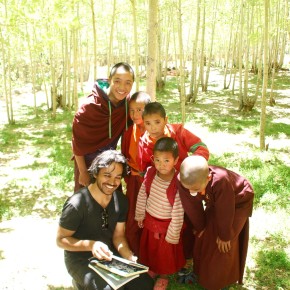
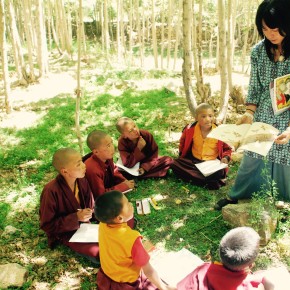
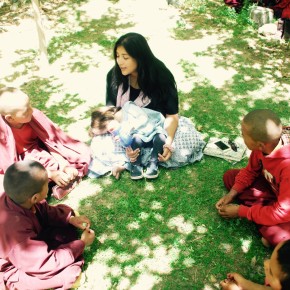
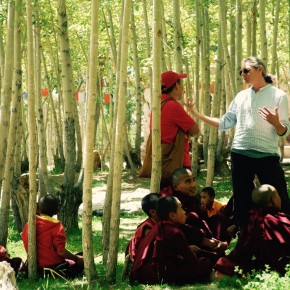
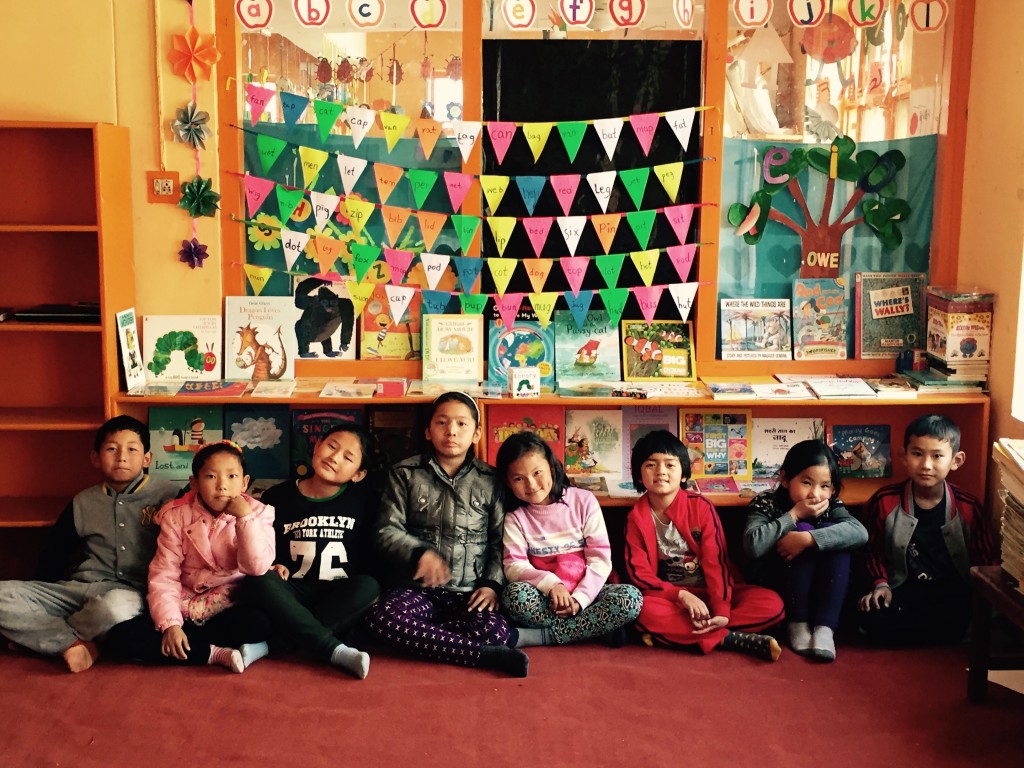
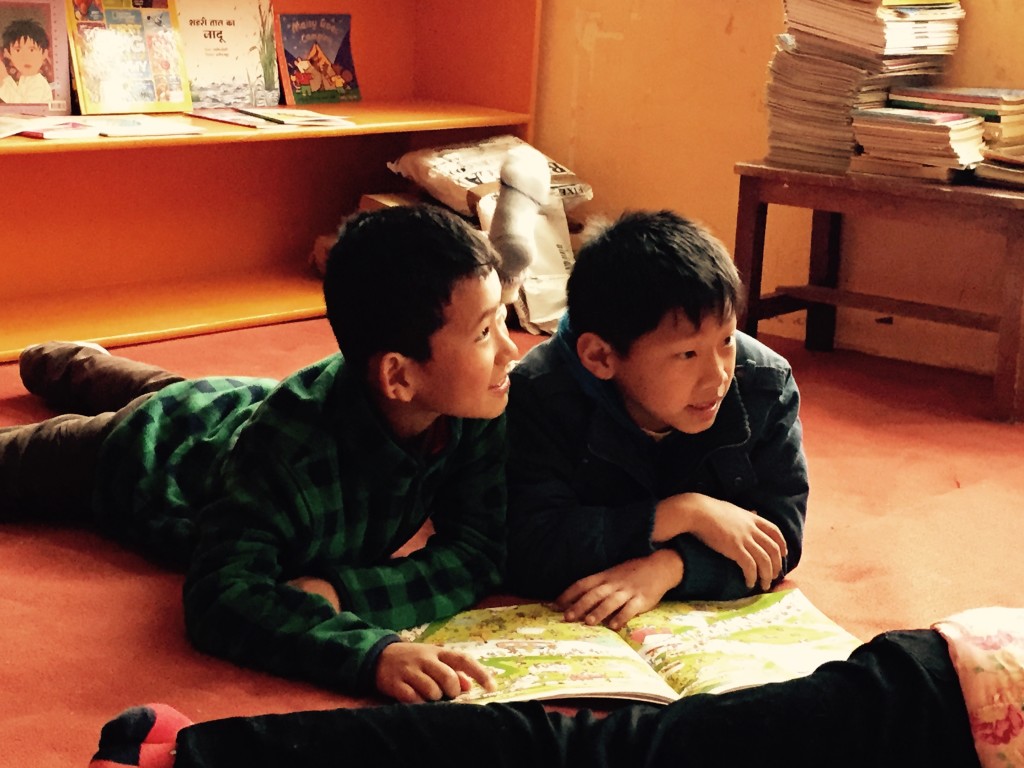
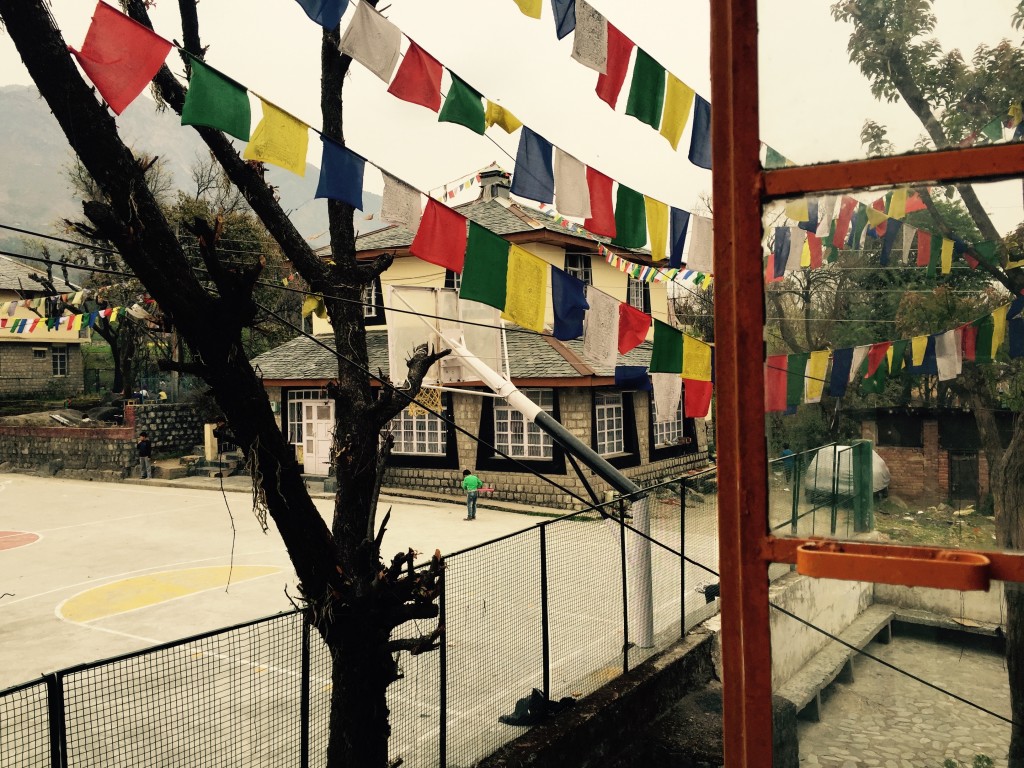
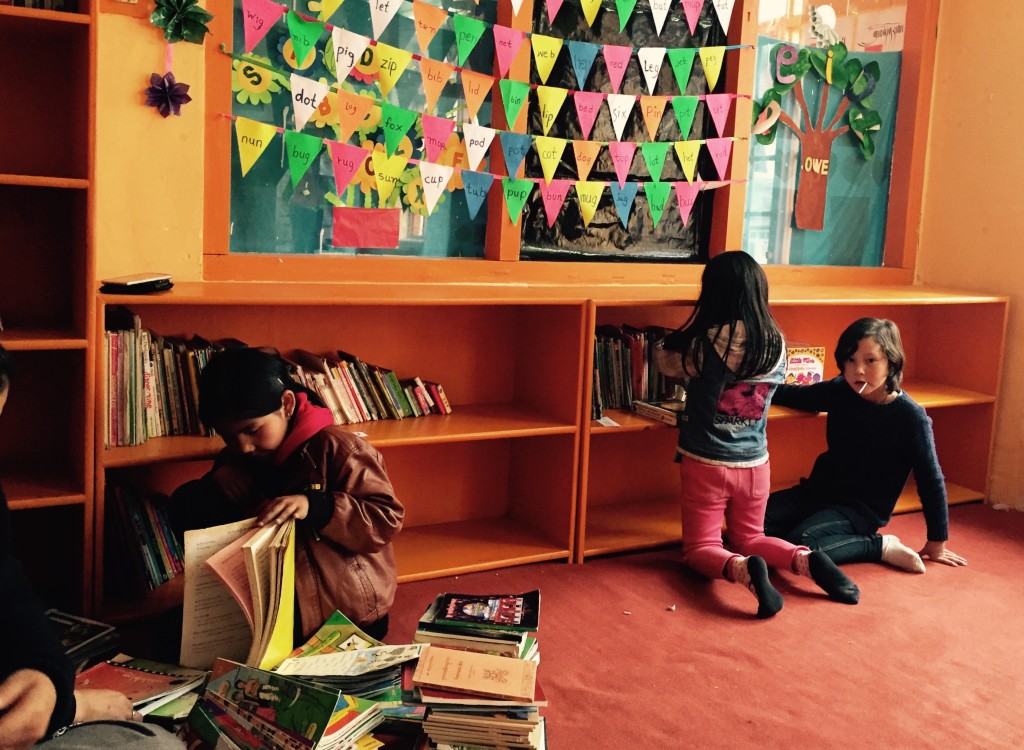
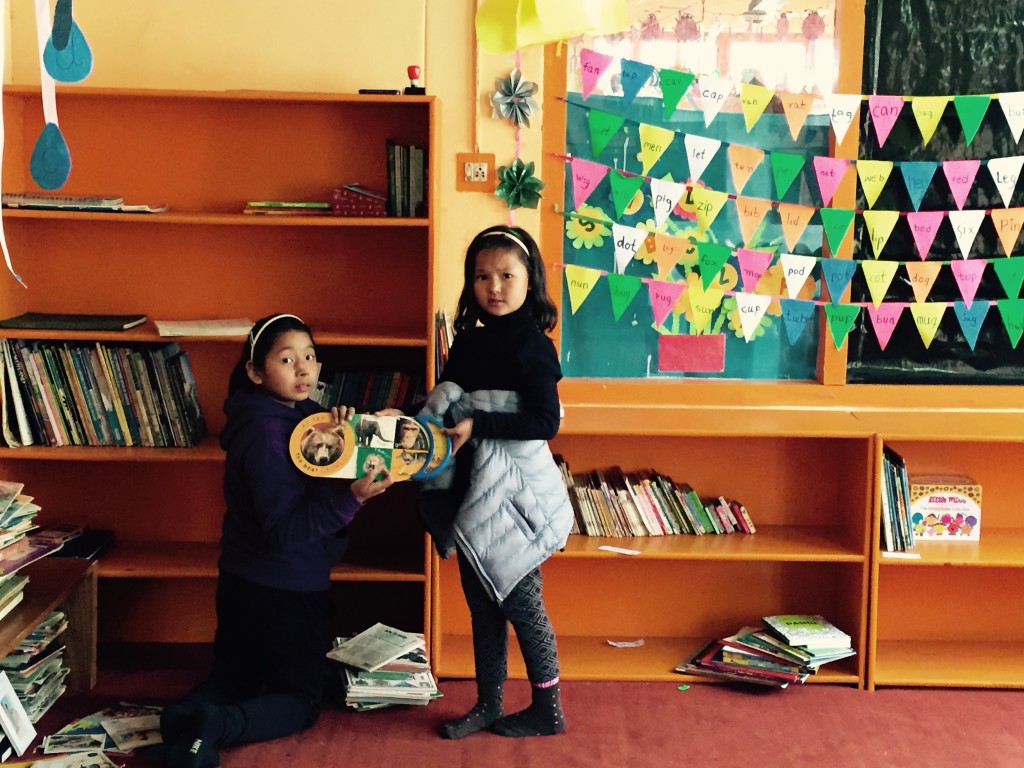
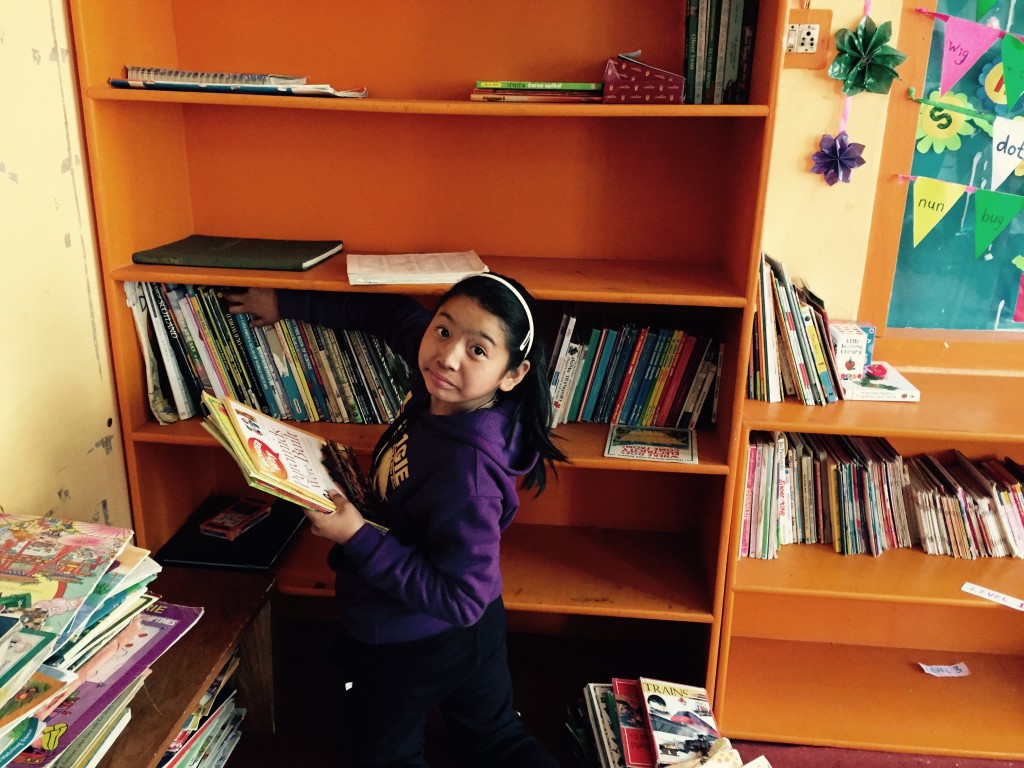
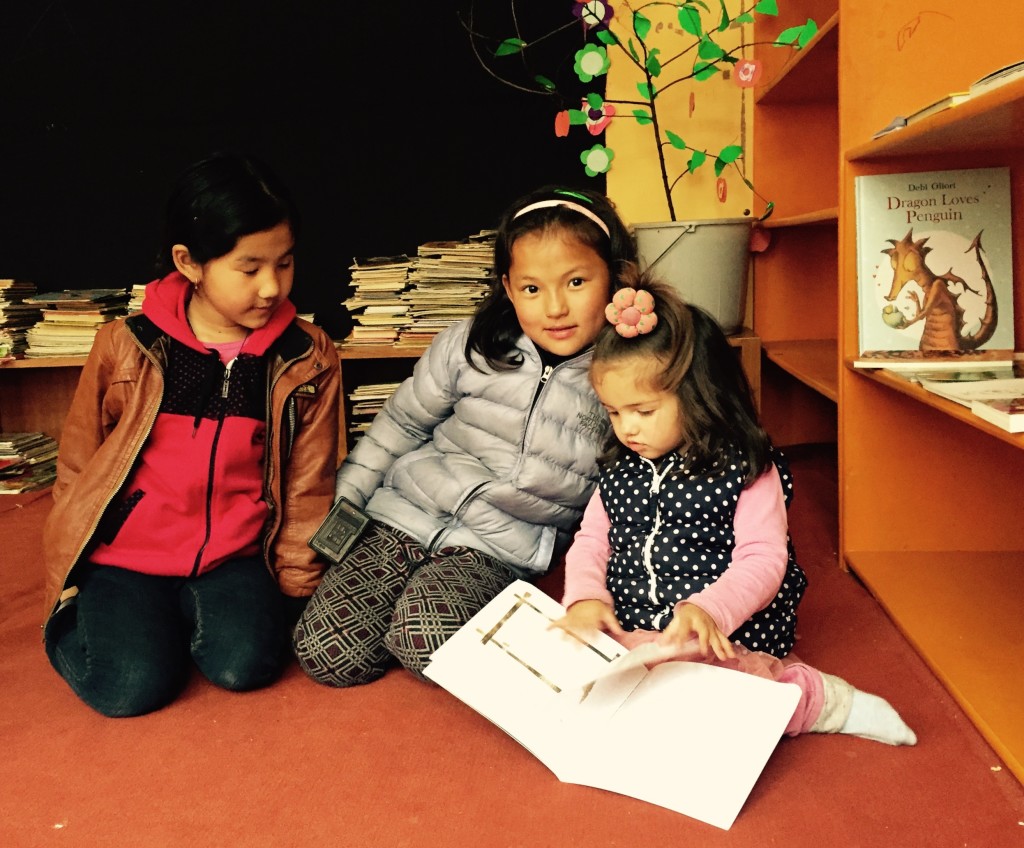
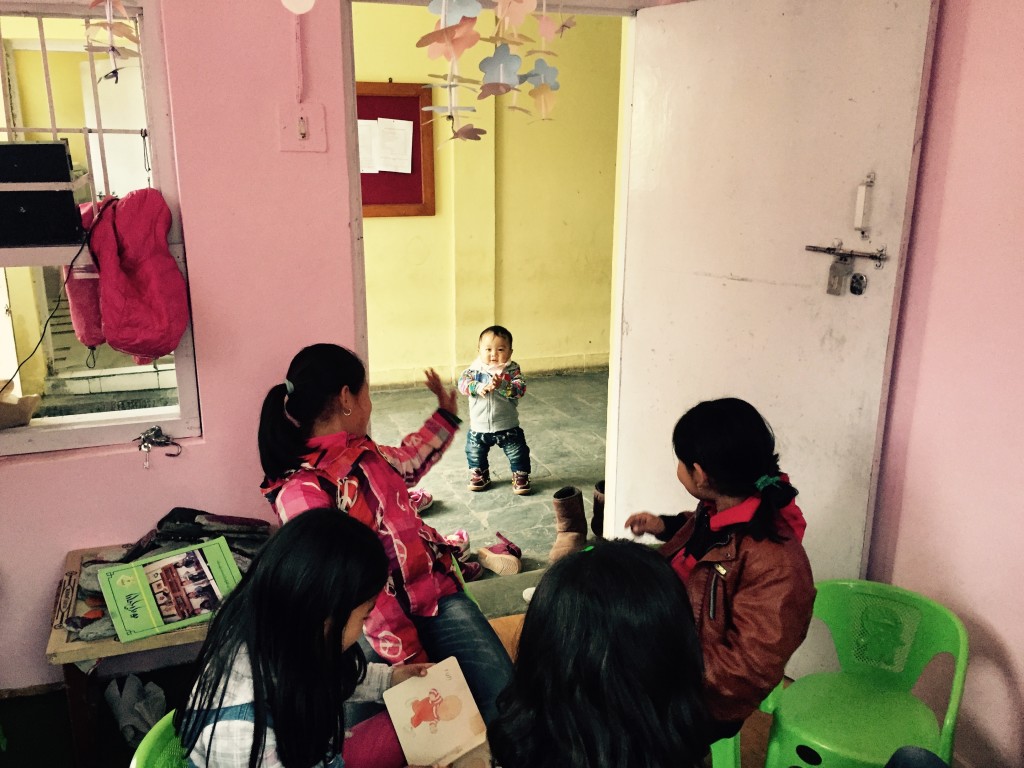
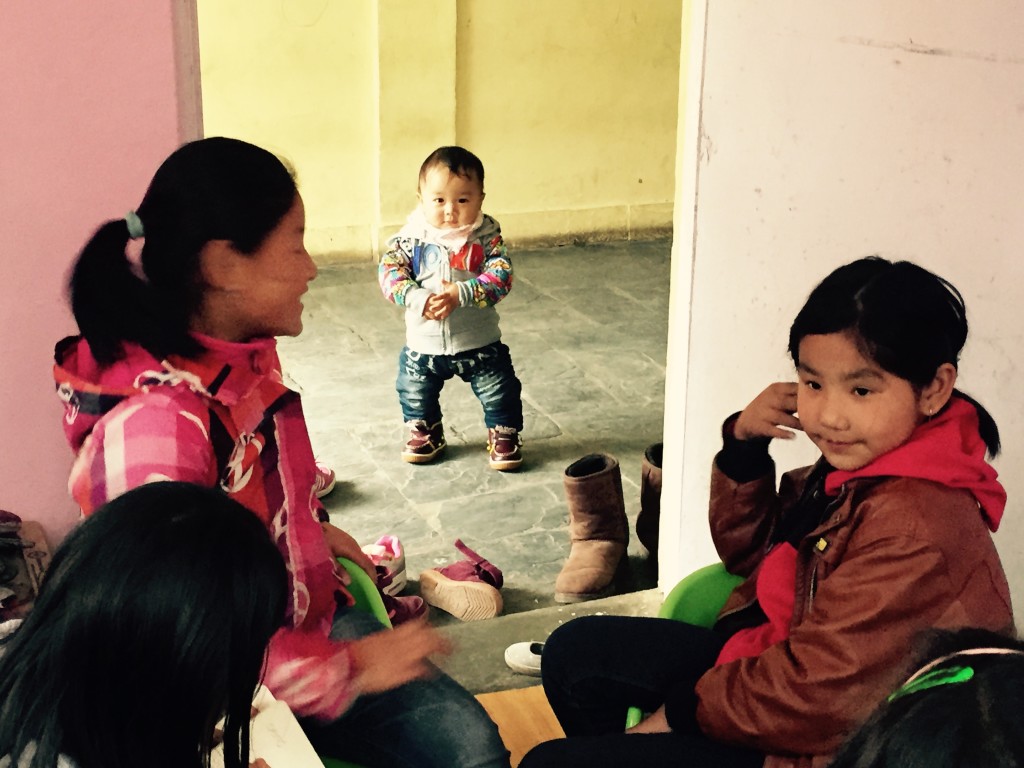
In Himalayan communities, a book may travel between a reading room, a monastery, a classroom and a family home. A story about a girl studying plants, recording oral histories or designing a solution for scarce water can connect imagination with local knowledge. It can respect tradition while showing that girls have a place in shaping the future of their villages and regions.
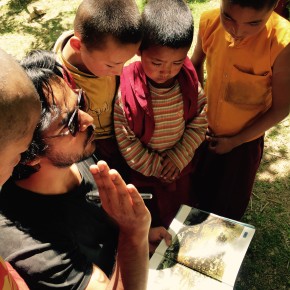
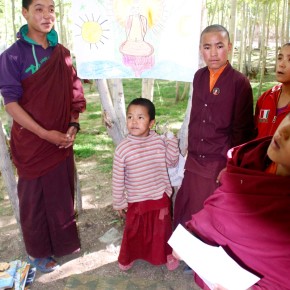
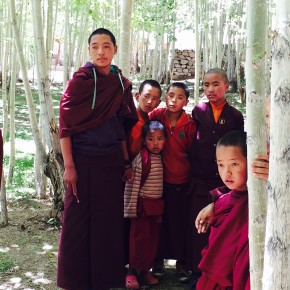
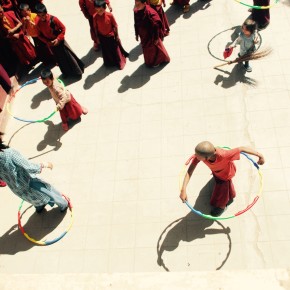
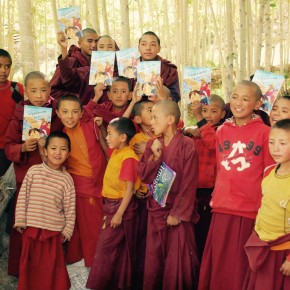
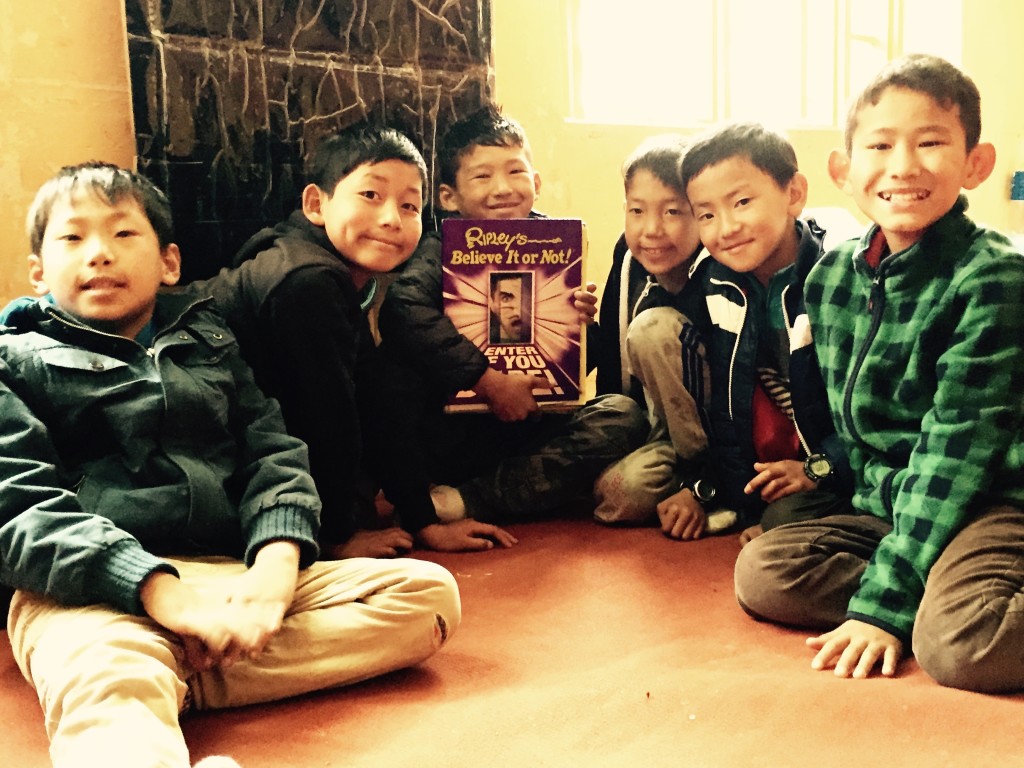
Young monks and other children benefit from seeing girls represented as peers, collaborators and leaders. Boys also need these stories, because gender equality is learned collectively. When children read about girls making decisions and contributing expertise, they practise seeing leadership as a shared human capacity rather than a male possession.
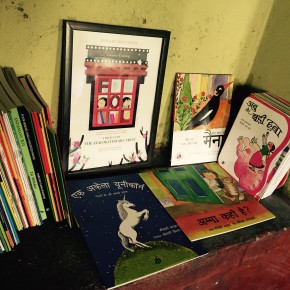
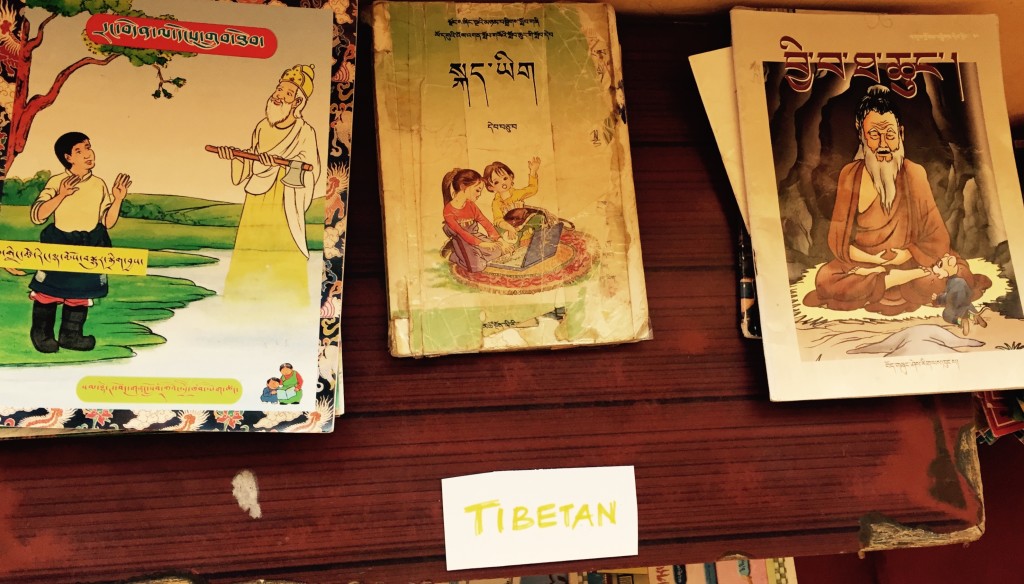
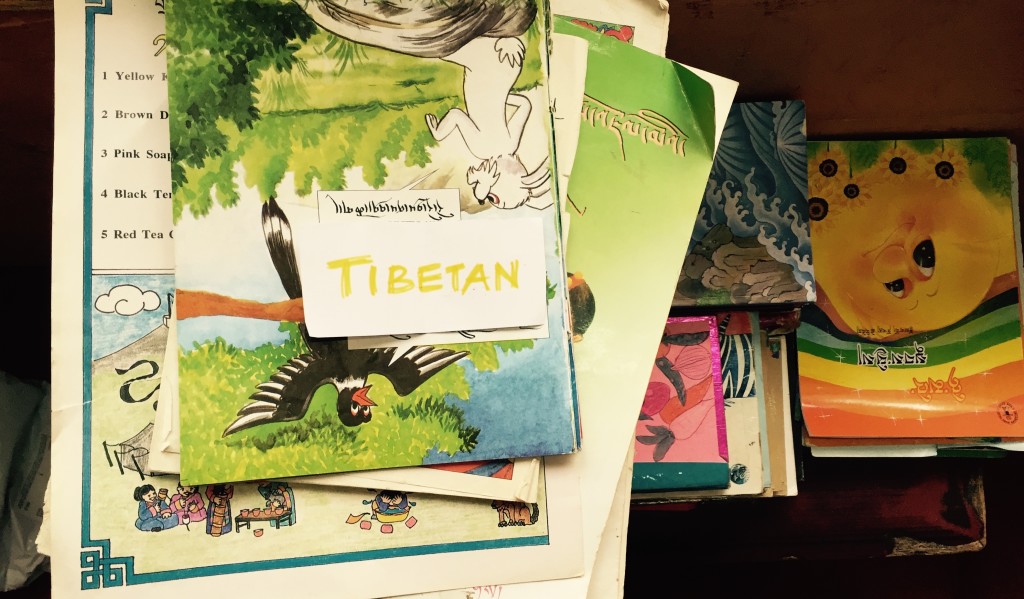
The strongest international book collections avoid treating one setting as a decorative backdrop. Mountains, languages, clothing and family structures should be presented with care and accuracy. Where possible, books by authors from the region can sit beside global titles, giving children access to local voices, translated literature and stories that reflect different forms of knowledge.
Australian classrooms and reading habits
For Australian families, this approach fits naturally with the role of school and public libraries. A child might borrow a book from a local library in Brisbane, read during a train journey in Sydney or share a bedtime story in a regional town. In Melbourne, community libraries and bookshops provide regular opportunities for children to discover authors beyond the titles promoted in classrooms.
The Australian Curriculum encourages capabilities such as critical and creative thinking, ethical understanding and personal and social capability. Books about girls as researchers and decision-makers give these capabilities a practical setting. Students can examine whose perspectives appear in a story, how a problem is framed and whether a solution includes the wider community.
| Book feature |
Benefit for girls |
Benefit for the wider reading community |
| A girl who conducts research |
Builds confidence in inquiry and evidence |
Presents science as open to everyone |
| A female community leader |
Connects leadership with service and listening |
Shows cooperation as a strength |
| A culturally specific setting |
Affirms identity and local knowledge |
Encourages respectful curiosity |
| A character who learns from failure |
Normalises revision and persistence |
Makes achievement feel realistic |
| Several girls with different interests |
Avoids a single model of success |
Expands ideas about personality and ability |
Australian social and legal settings reinforce the value of this work. The Sex Discrimination Act 1984 protects people from sex discrimination in education and other areas, while schools still need thoughtful teaching materials to challenge stereotypes in everyday life. The local publishing market also includes a wide range of picture books, graphic novels and junior biographies, although remote and low-income communities may face greater barriers to reliable access.
Selecting books for inclusive reading rooms
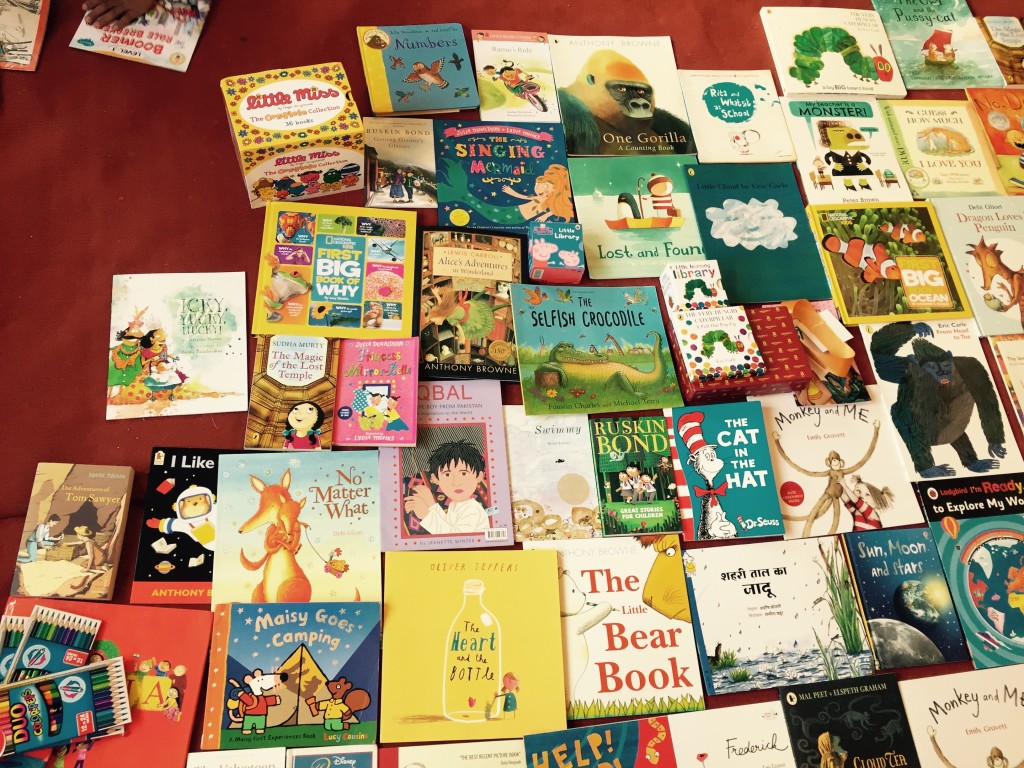
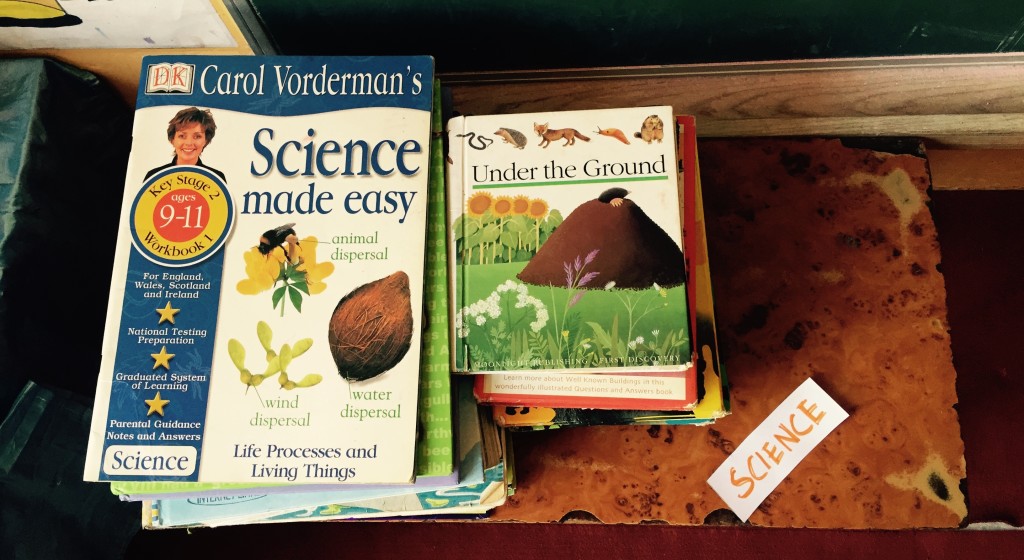
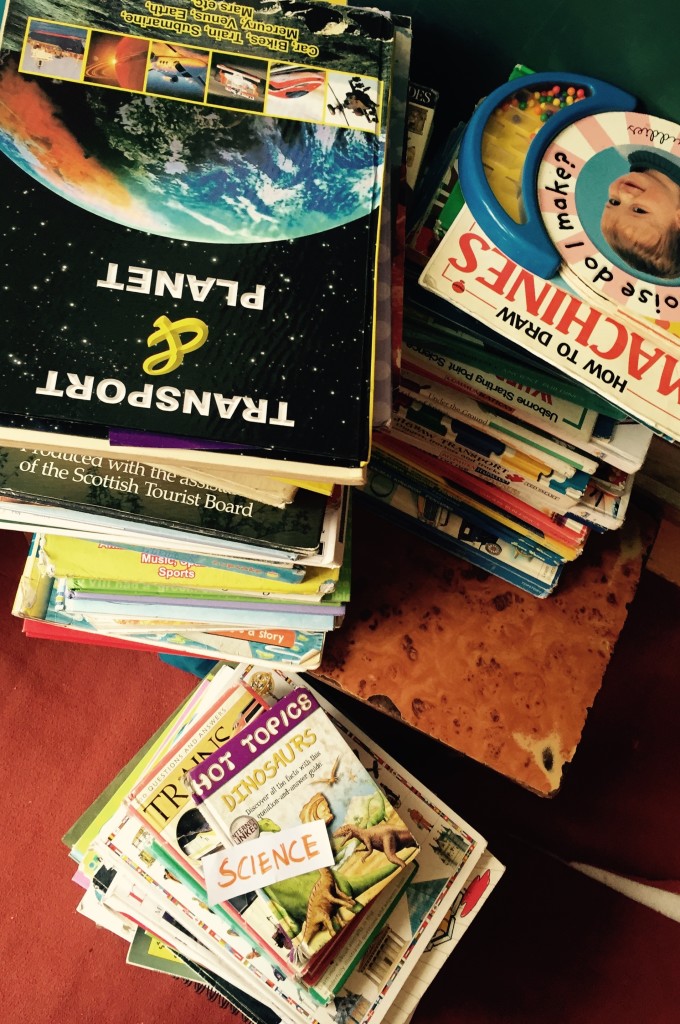
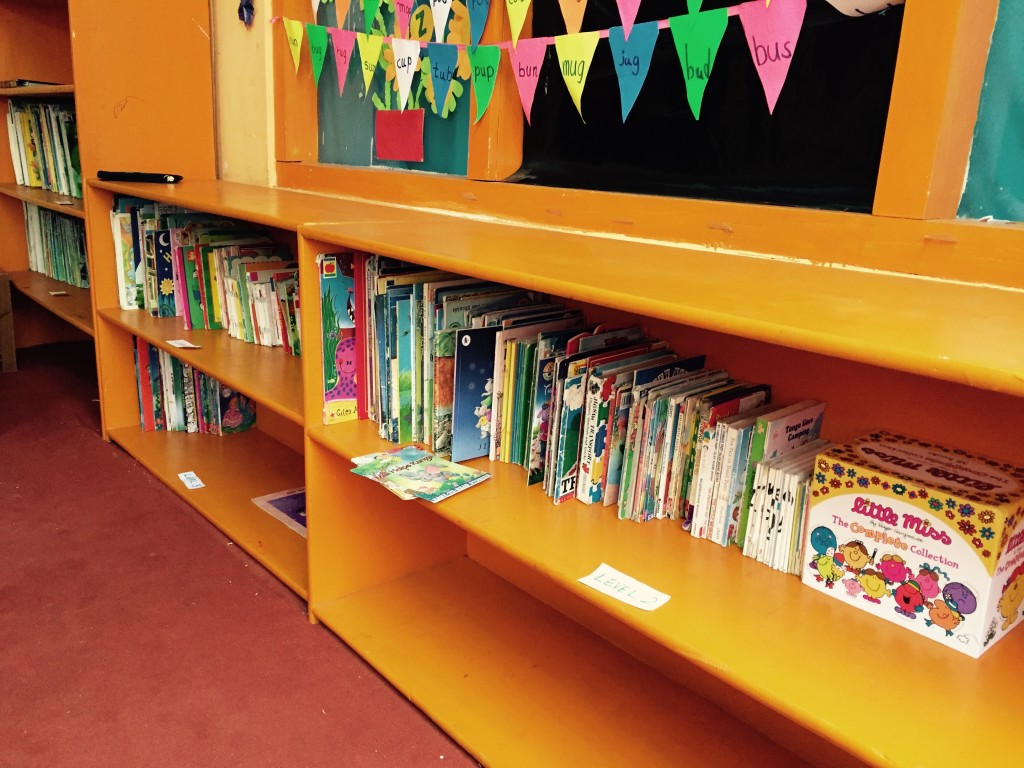
A useful collection needs breadth as well as inspiring titles. It should include fiction, biography, poetry, graphic storytelling and information books, with different reading levels and cultural perspectives. Children who are still developing English literacy may engage first through illustrations, bilingual editions or short factual texts before moving into longer biographies.
Books can be assessed for the quality of their representation rather than chosen because a girl simply appears on the cover. Look for characters with agency, meaningful relationships and interests beyond romance or appearance. Also consider whether the story gives girls opportunities to make decisions, solve problems and influence what happens next.
Practical qualities matter in communities where books receive heavy use. Durable covers, clear illustrations and readable type can extend a collection’s life. A well-chosen set might include:
- Picture books about girls observing nature, designing objects or asking scientific questions
- Biographies of women from different cultures, professions and historical periods
- Stories featuring girls who lead through collaboration, care and practical action
- Graphic novels and accessible nonfiction for reluctant or emerging readers
- Books that connect global ideas with local landscapes, languages and traditions
A collection should leave room for joy. Humour, adventure, friendship and imagination attract readers who may not choose a book because it carries an educational message. When scientific and leadership themes appear within engaging stories, children encounter them as part of a full life rather than as a lesson imposed from outside.
From access to lasting possibility
Books have the greatest effect when they are part of a continuing reading culture. A single title can spark interest, but repeated opportunities to browse, talk, create and return to ideas help confidence grow. Reading rooms can display related books together, invite children to recommend titles and keep simple records of the questions that emerge from sessions.
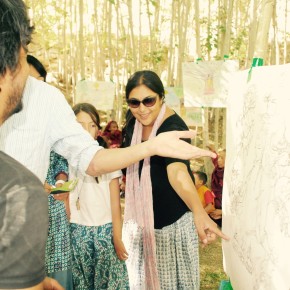
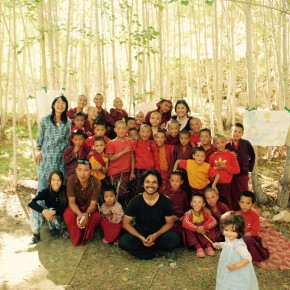
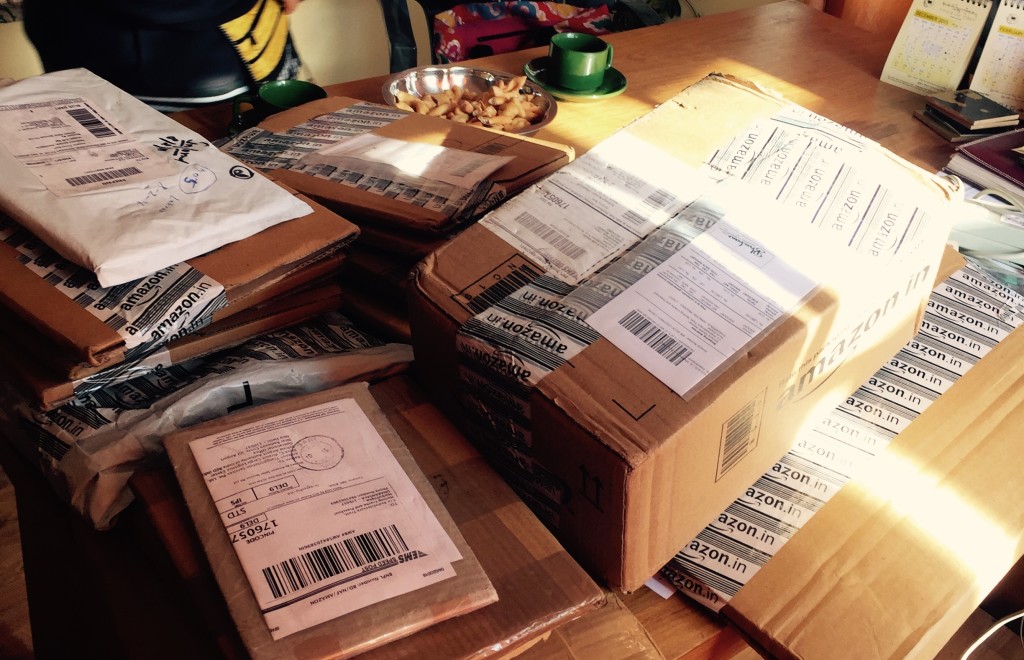
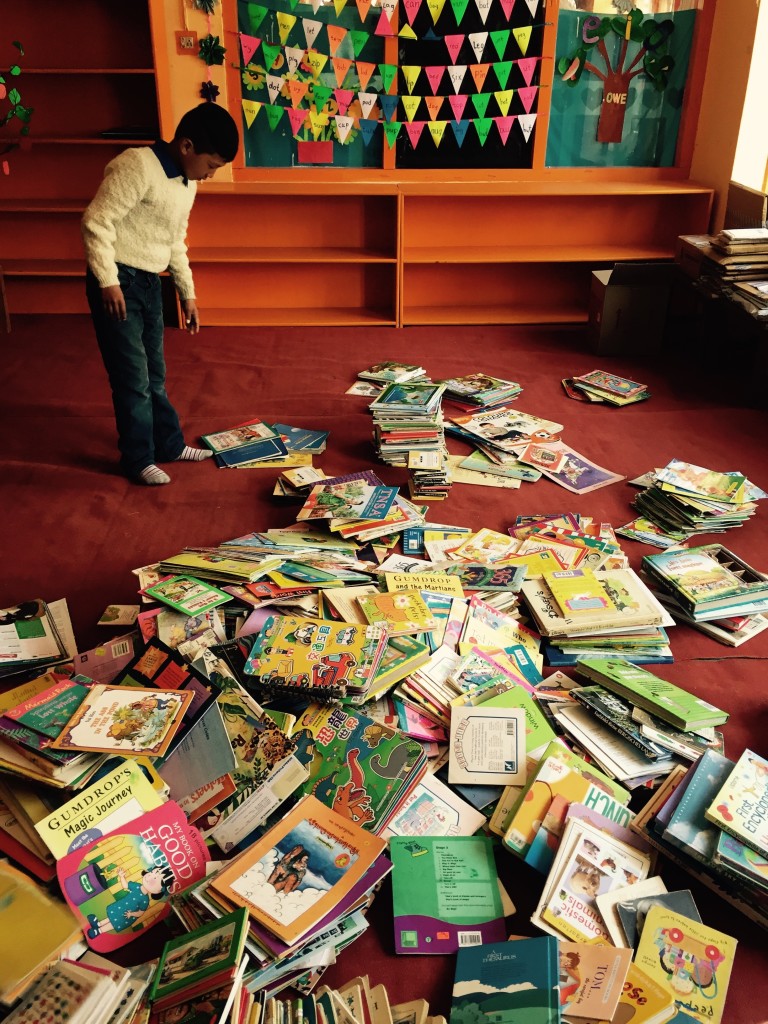
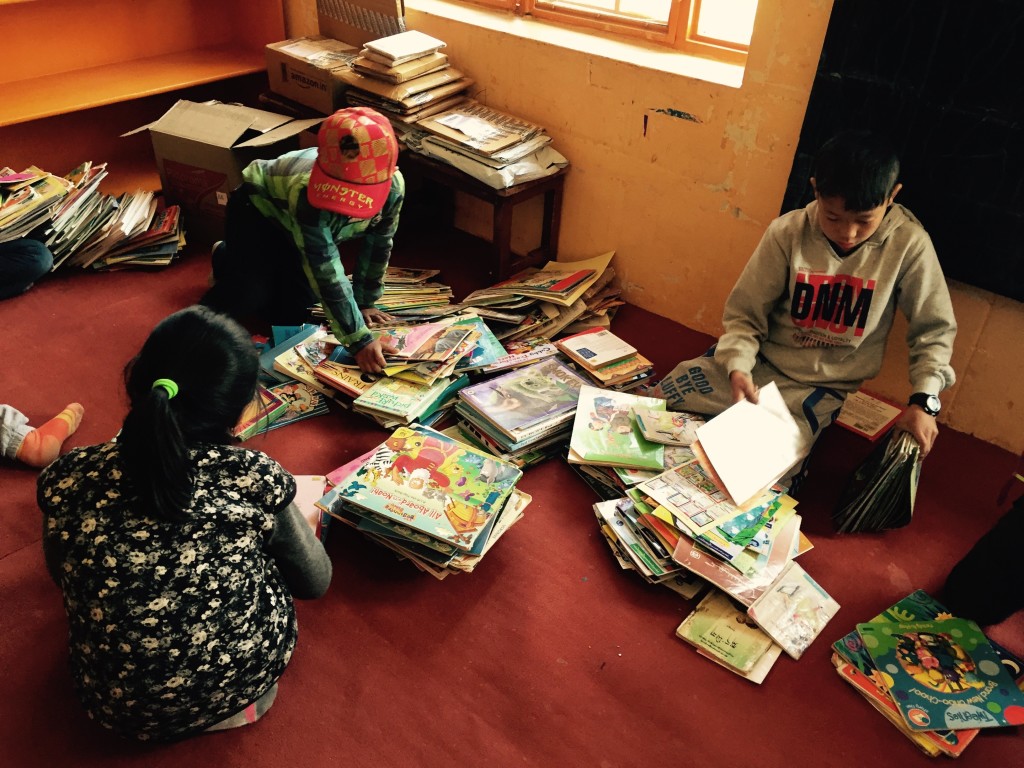
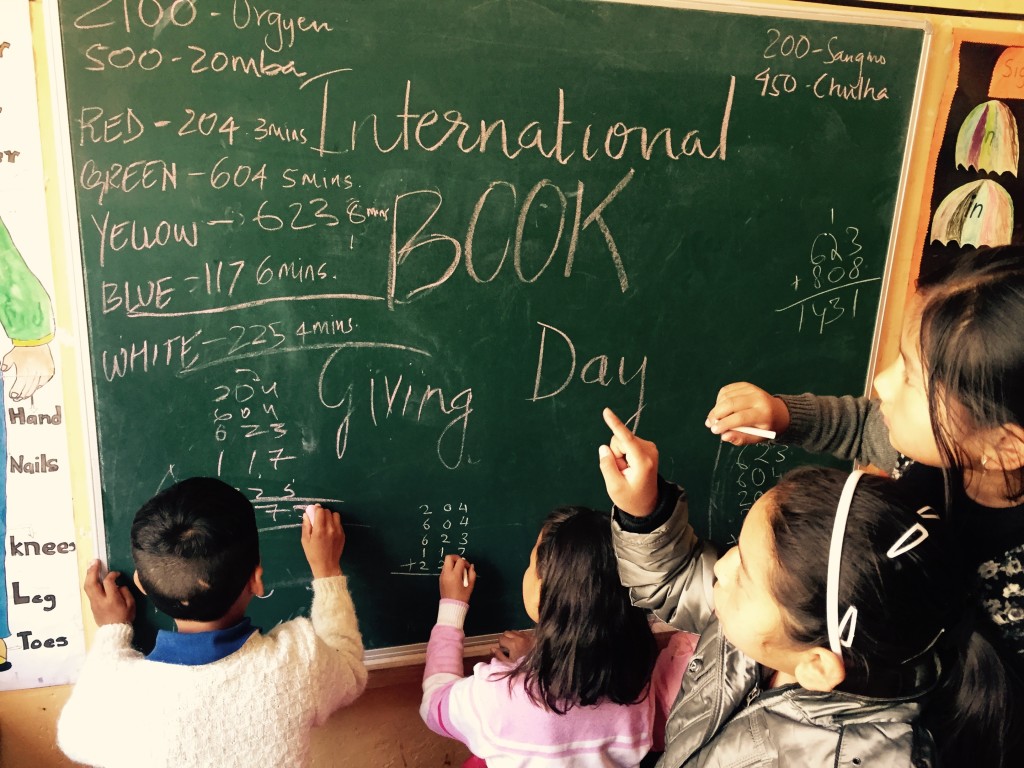
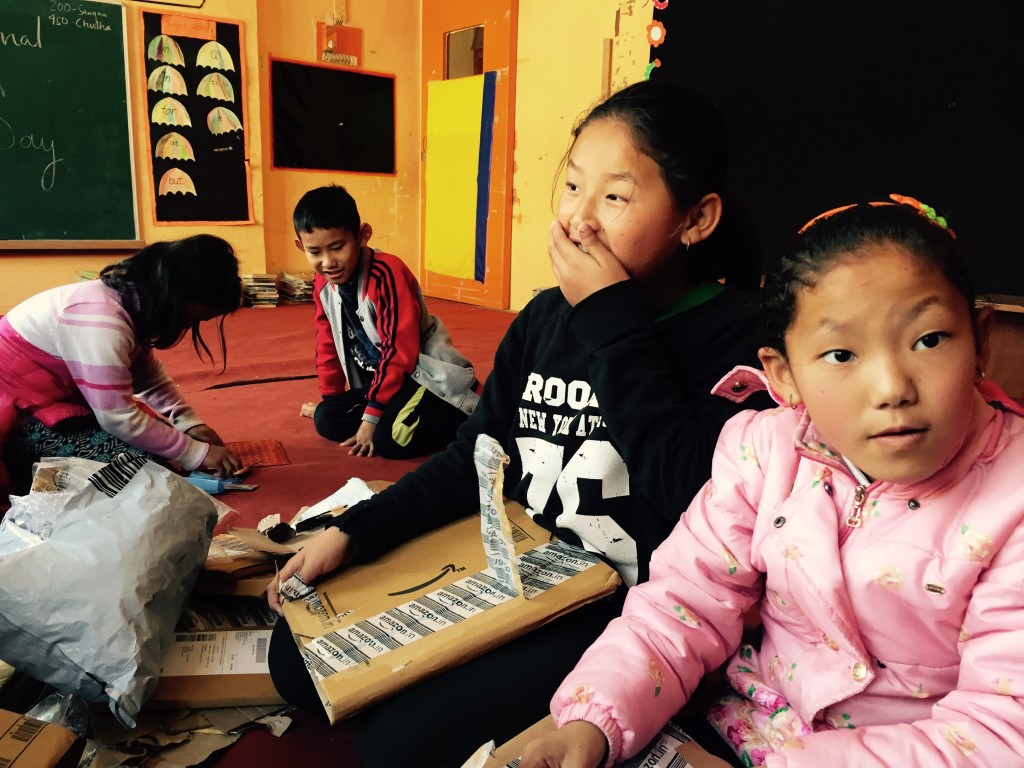
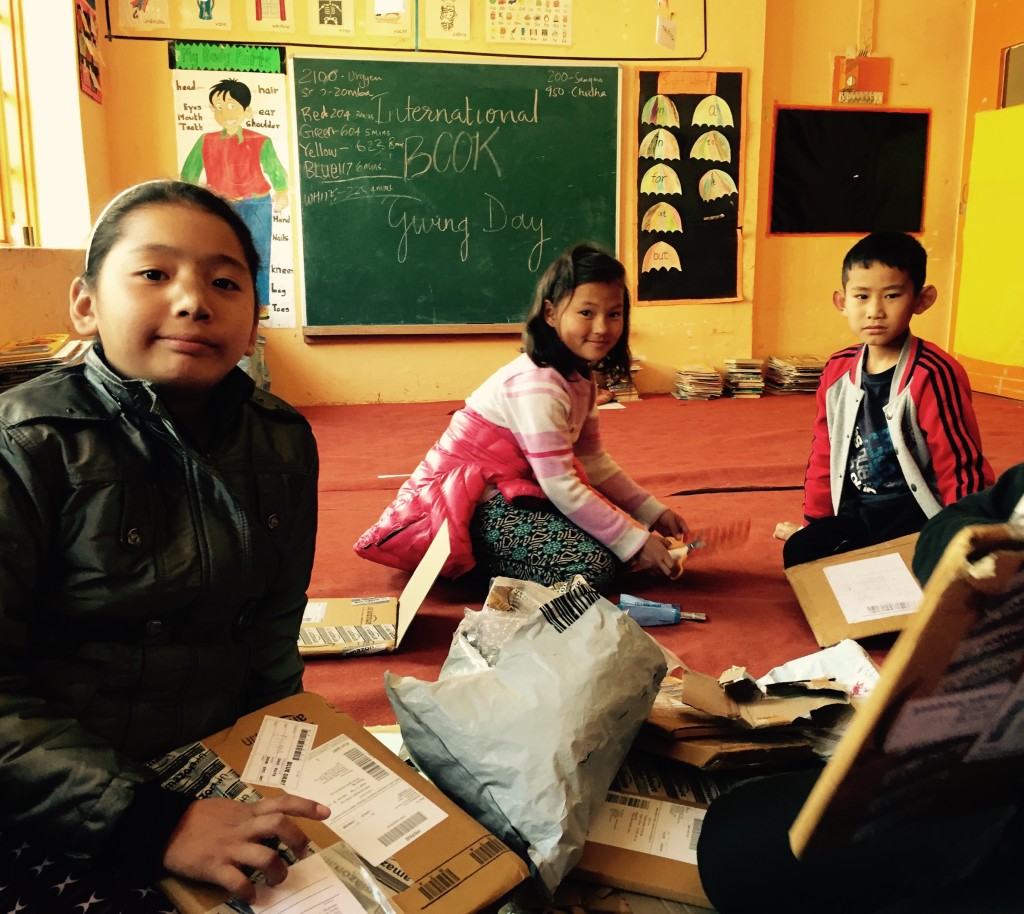
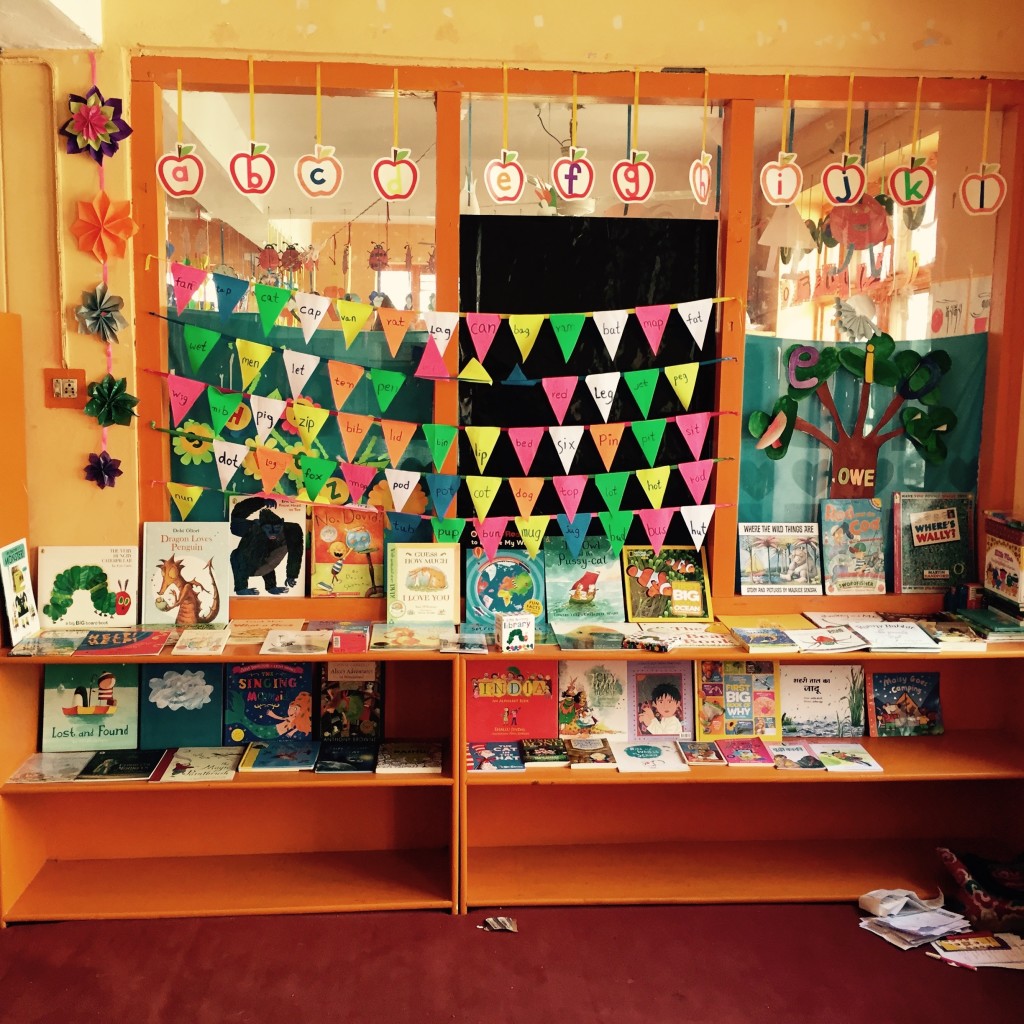
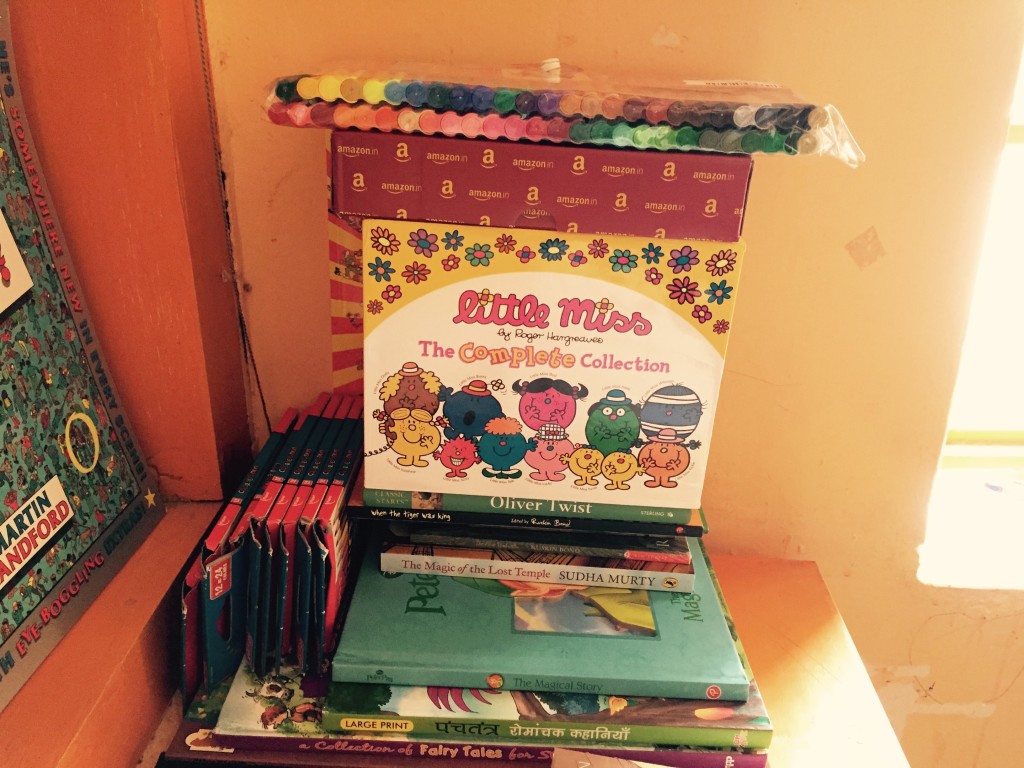
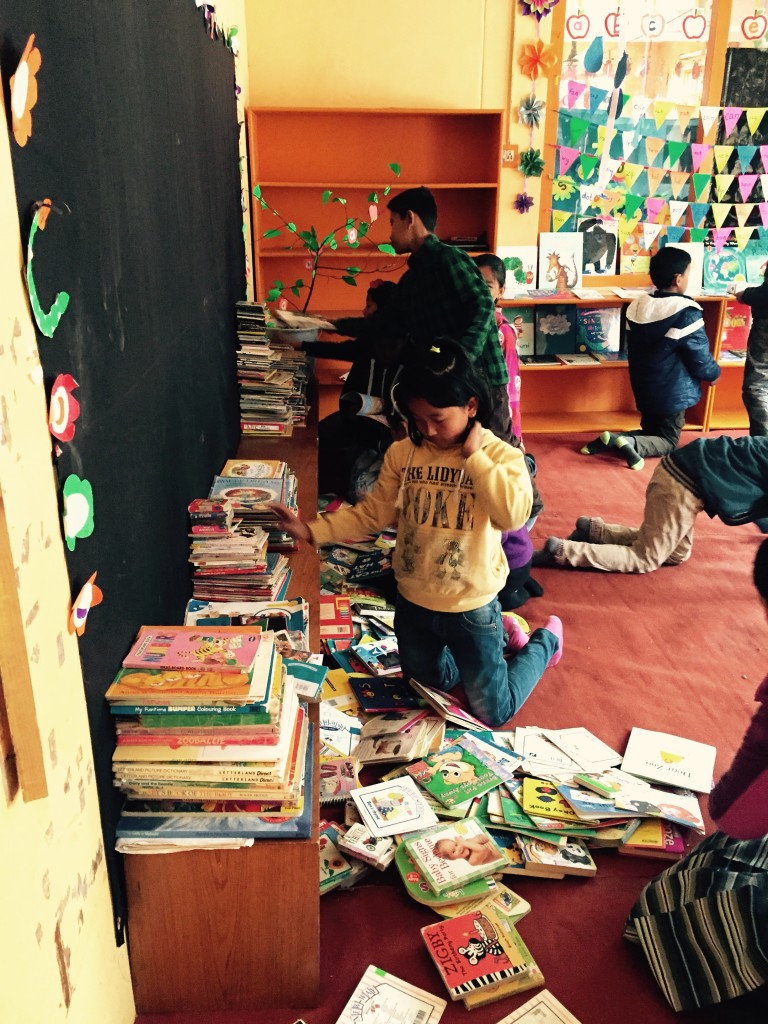
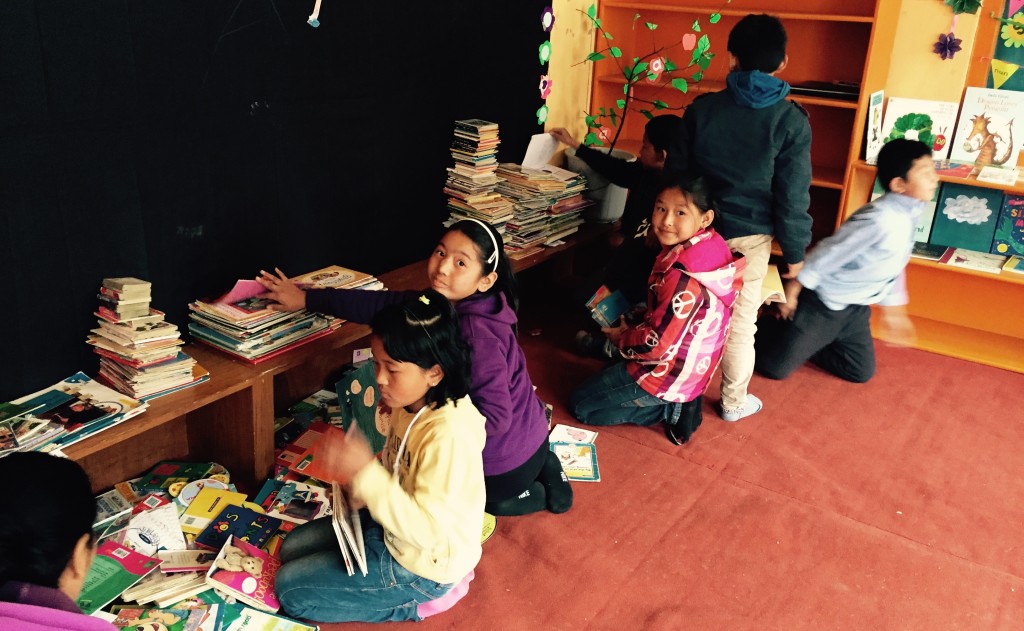
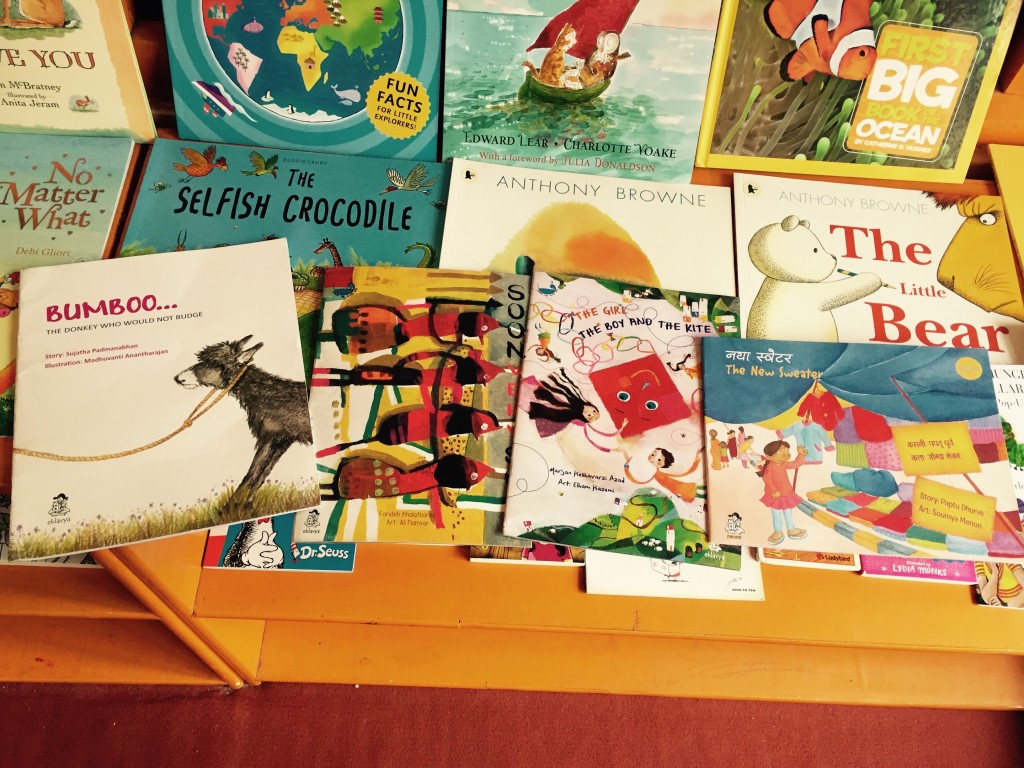
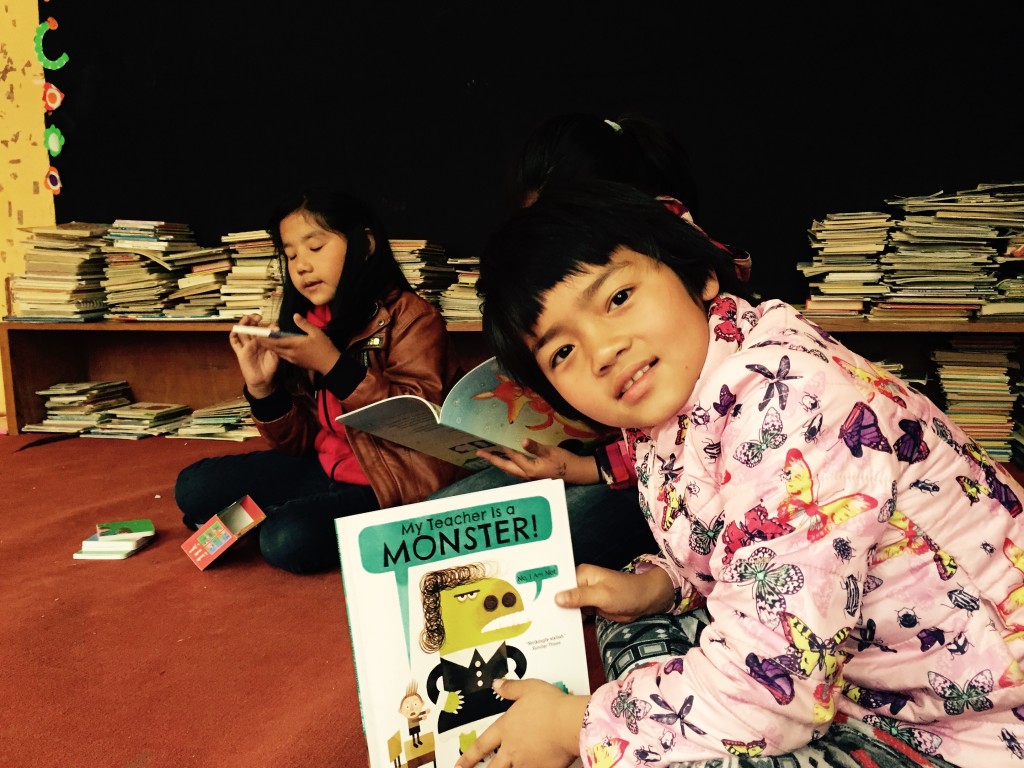
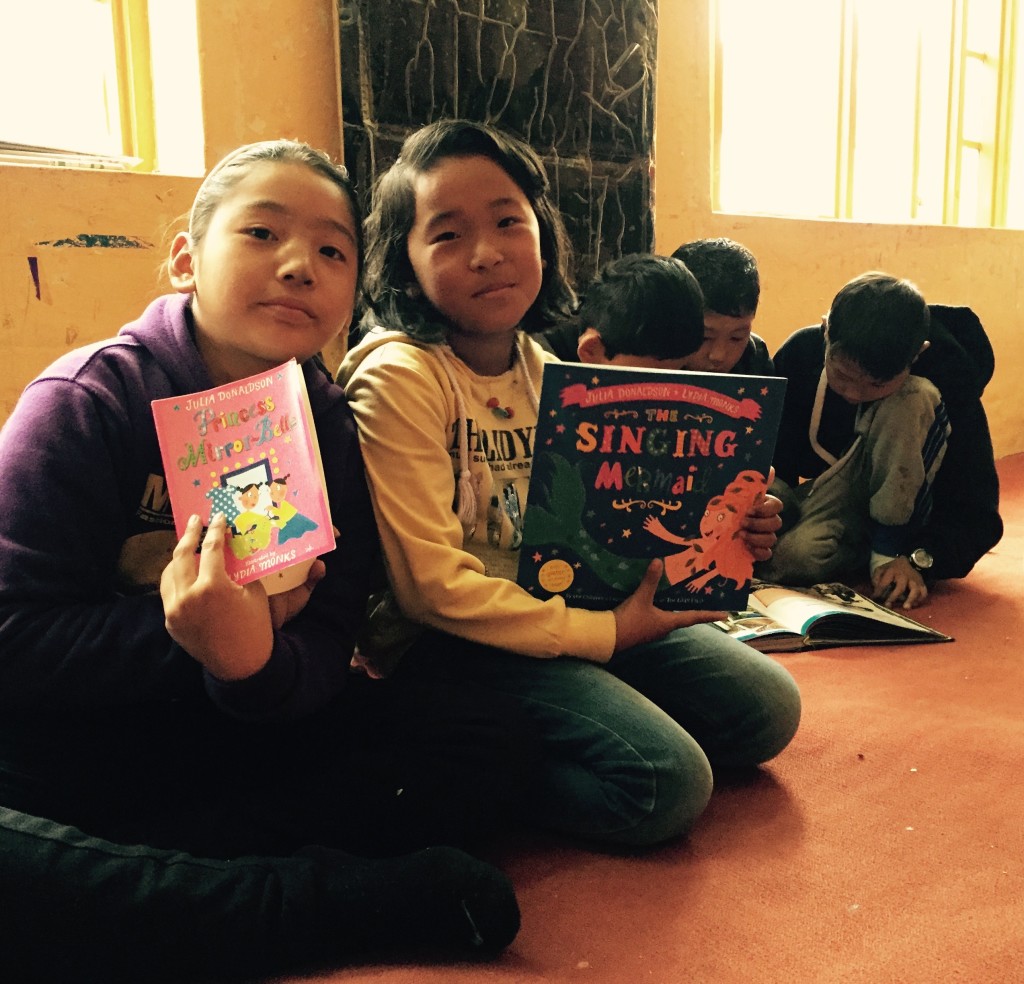
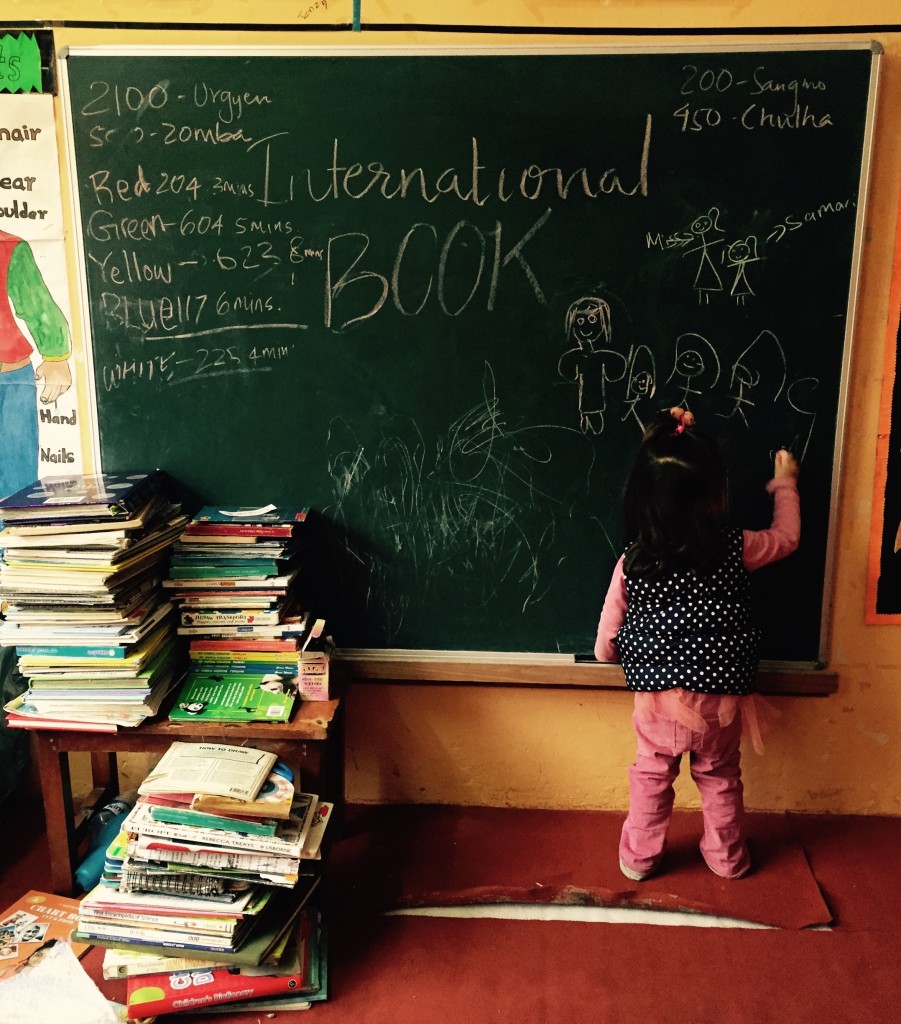
This is where the work of the reading initiatives supported by Avalokiteśvara Trust has particular significance. Book drives, reading spaces and educational, artistic and musical activities can place stories within a wider experience of belonging. A child who reads about a young astronomer may then draw the night sky, build a model, learn a song or share observations with friends.
Families and educators can make representation part of ordinary conversation without turning every story into a test. They might ask what a character noticed, whose advice was valued or how a different person could have helped. They can also notice which books children choose freely, since those choices reveal interests that deserve more resources.
Small practices can keep the message active beyond one reading session:
- Pair a story with a hands-on investigation using familiar local materials
- Invite children to create profiles of women from their own communities
- Rotate displays so science, leadership, art and care work receive equal attention
- Provide time for children to recommend books to younger readers
- Record new questions and use them to guide future book selections
The lasting value of these stories is measured in changed expectations. A girl may begin to see a laboratory, council meeting, workshop or classroom as a place where her ideas belong. A boy may learn to welcome her expertise. A community may gain a richer understanding of who can contribute and how leadership can be practised.
Children do not need books to predict their futures. They need books that widen the range of futures they can picture, while giving them language, knowledge and confidence to explore. What readers should remember is simple: when girls see themselves thinking, creating and leading in books, possibility becomes easier to recognise in their own lives.