Books featuring children with disabilities belong in our collections
The importance of books that feature children with disabilities in our collections is measured in what young readers believe is possible. A child who sees a protagonist who uses a wheelchair, signs with Auslan, has an autism diagnosis or learns in a different way can recognise part of themselves. Such stories provide a mirror for disabled children and a window for their peers, strengthening literacy, confidence and a sense of belonging.
These books also influence the adults who guide children: parents, teachers, librarians and disability workers. They can replace assumptions with shared experience and make accommodations such as communication support, sensory breaks and extra processing time feel ordinary. That value grows in Australia’s diverse communities, where disability, culture, language and education intersect in daily life.
Seeing disability as part of everyday life
Children need stories in which disability is part of ordinary life, not a crisis reserved for the final chapter. A book might follow a child arriving at school, negotiating friendship, enjoying music, solving a problem and going home. The disability may shape some choices, yet the narrative can still hold humour, wonder, conflict and joy.
Picture books are especially useful because images and language can work together. Graphic novels, chapter books, poetry and memoir extend that range for older children. Collections should include many voices: physical, sensory, intellectual and neurodivergent disabilities, as well as differences in gender, race, faith and family. A narrow category quickly becomes another stereotype.
Visibility also works in both directions. Disabled children deserve stories centred on their interests and agency, while non-disabled children gain a more accurate picture of the people around them. Books do not remove prejudice on their own, but repeated, thoughtful encounters can make exclusion harder to justify.
Moving beyond stereotypes and pity
Careful selection protects the dignity of the child represented. Pity frames disability as a burden, while “triumph over adversity” stories suggest a person is valuable only after becoming superficially like everyone else. A disabled character can have an interesting life without a cure, a heroic rescue or a flawless moral.
Authenticity matters, although no single test fits every book. Publishers can use lived-experience consultants, sensitivity readers and relevant advisers, and can explain the process in notes for librarians and teachers. Children’s voices should guide this work where possible. A polished story should never be rejected simply because it is written in plain language or uses a supportive communication system.
Readers also benefit from stories where disability is incidental. They show that not every plot must turn on a diagnosis, just as not every story needs a wheelchair user. Pairing these books with disabled protagonists prevents tokenism without turning disability into the only subject a child is allowed to read about.
What inclusive collections mean in Australia
Australian policy and community life make this work especially relevant. The National Disability Strategy 2021–2031 commits governments to reducing disability discrimination, while public libraries, schools and community groups translate that aim into everyday practice. Collection choices become part of inclusion when they reflect the people using local spaces.
In Melbourne and Sydney, storytime remains a familiar public-library ritual, often with families arriving early for a mat, a picture book and a chat. Librarians can treat inclusive titles as core children’s literature rather than a separate “special needs” section. They might describe a book as “about being six” first, with disability one part of the character’s life.
The Australian market supports these books through publishers, educational suppliers, public-library acquisitions, school orders and grant-funded community purchases. Availability, catalogue records and shelf placement affect who encounters a title. Independent bookstores, charity book drives and lending programs add another route, especially where families face transport, cost or time barriers.
Building a thoughtful disability collection
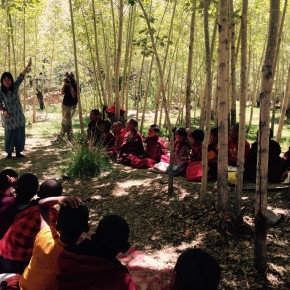
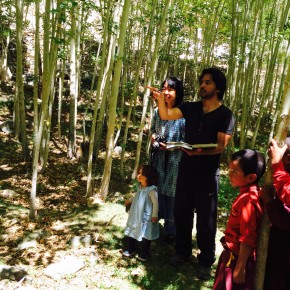
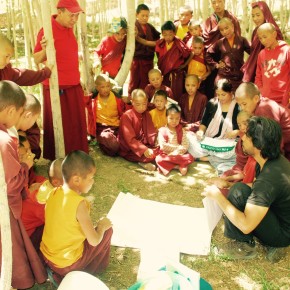
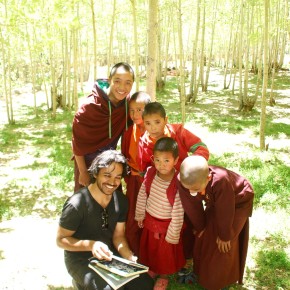
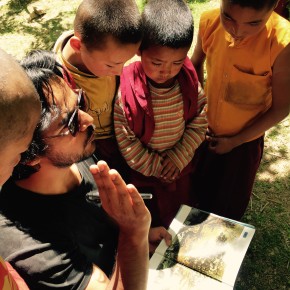
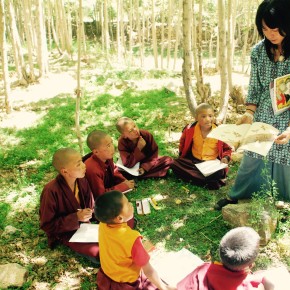
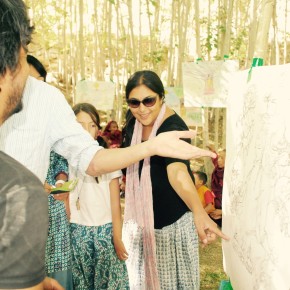
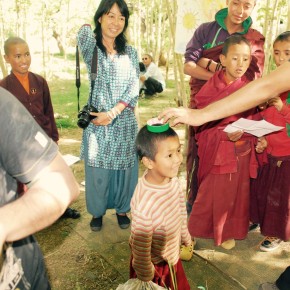
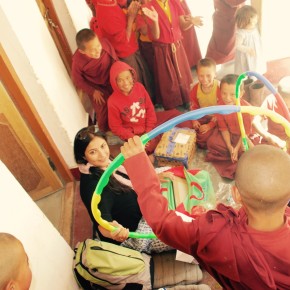
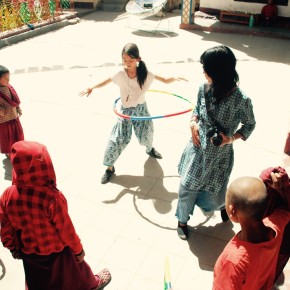
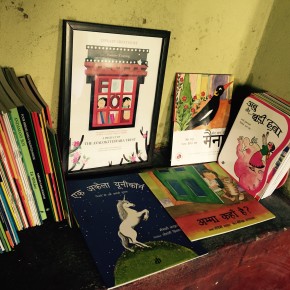
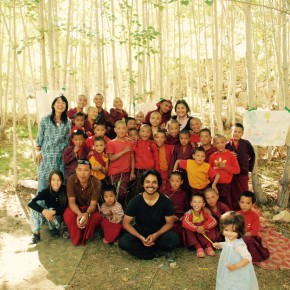
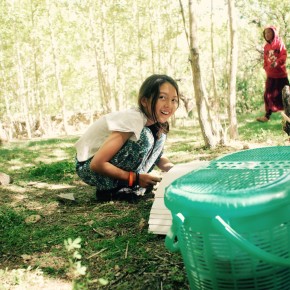
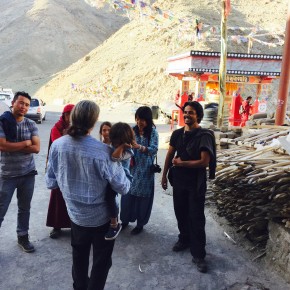
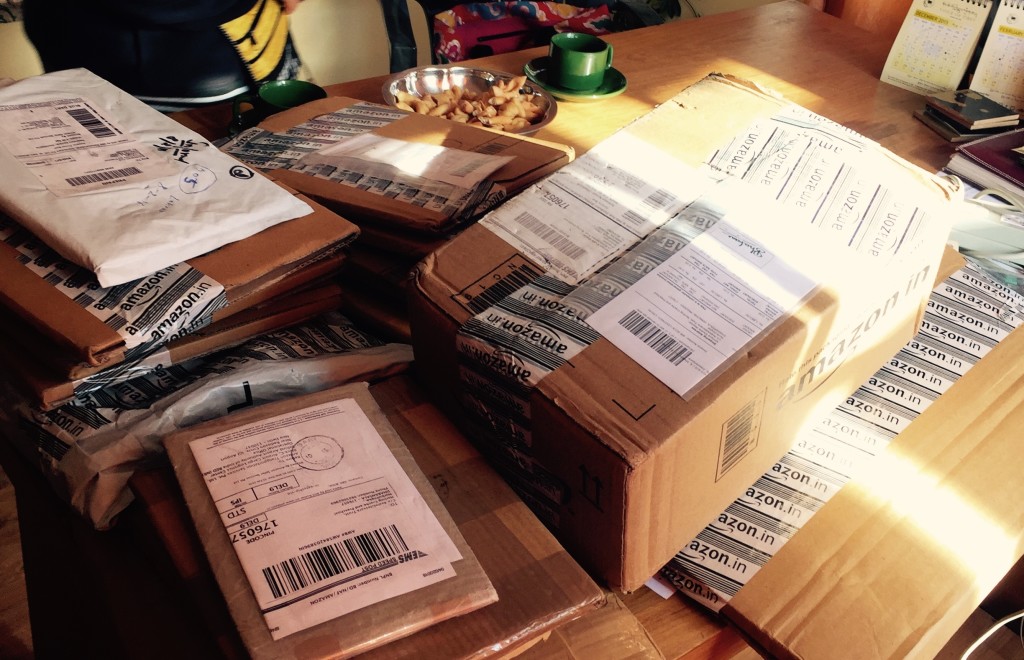
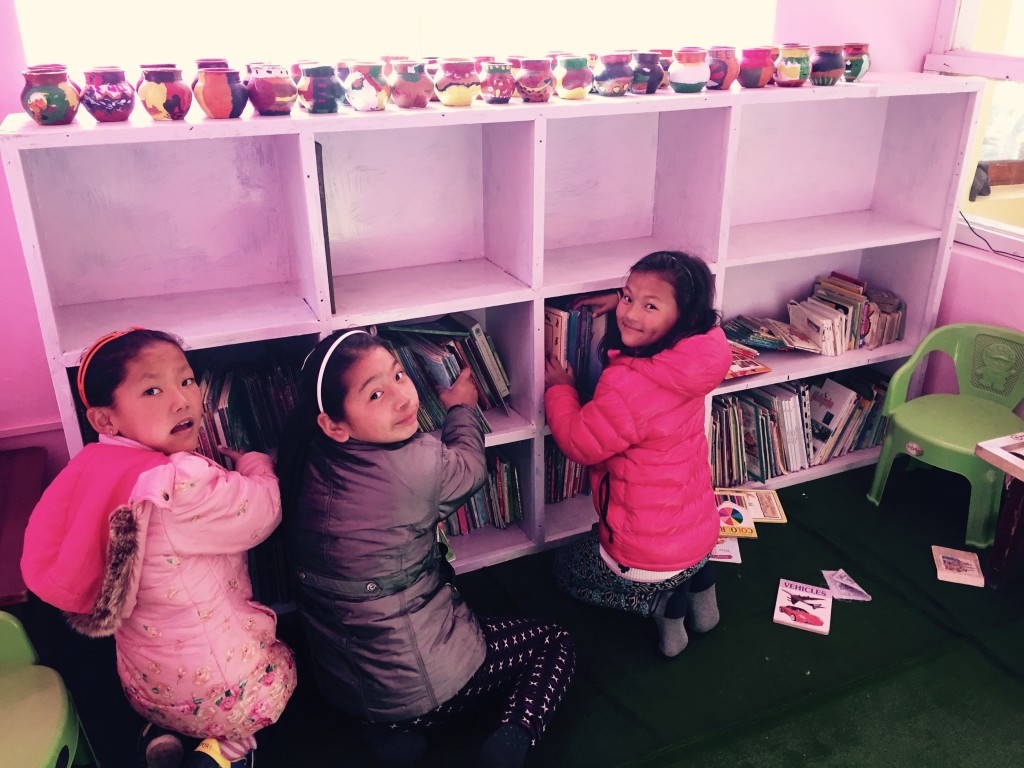
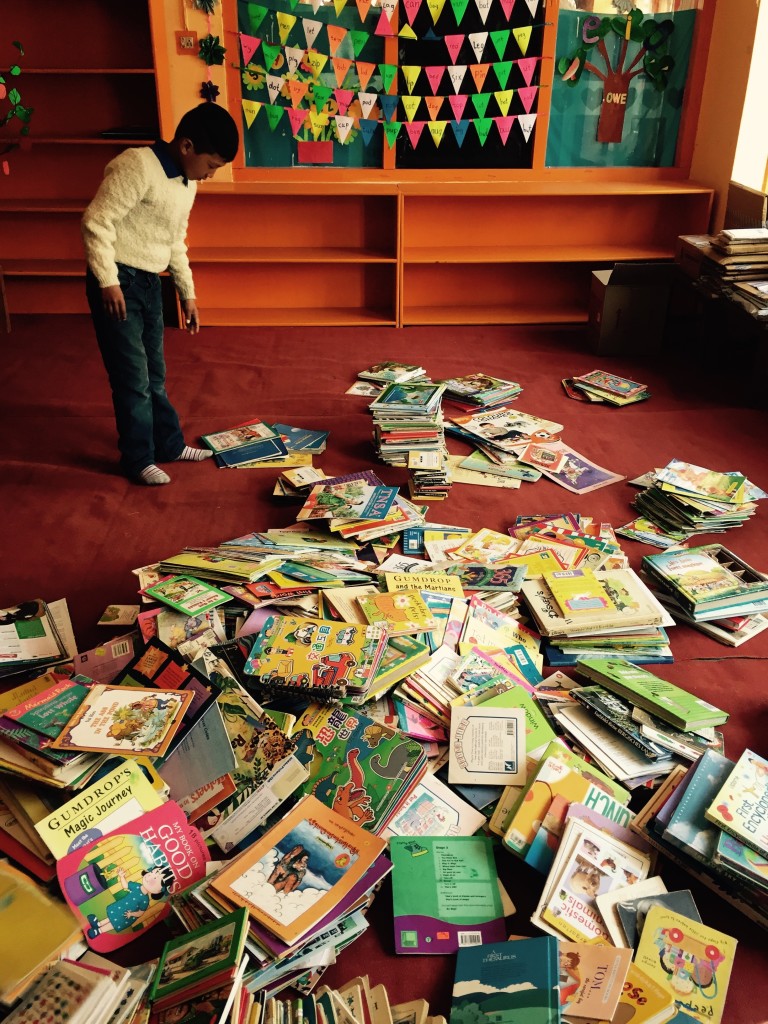
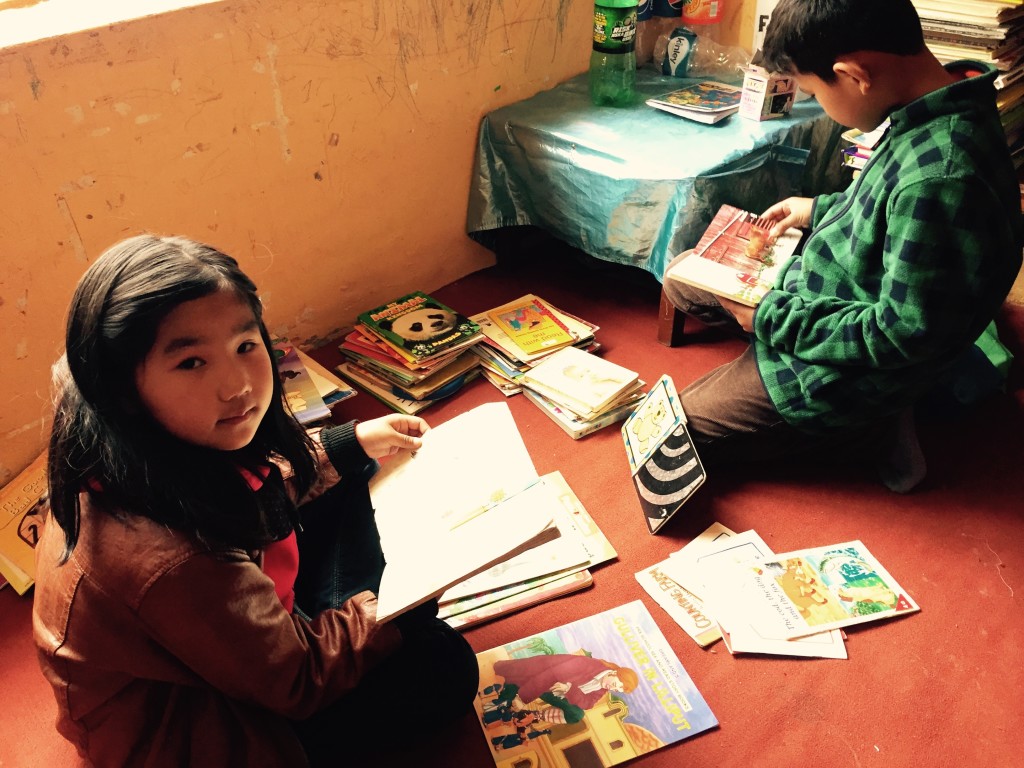
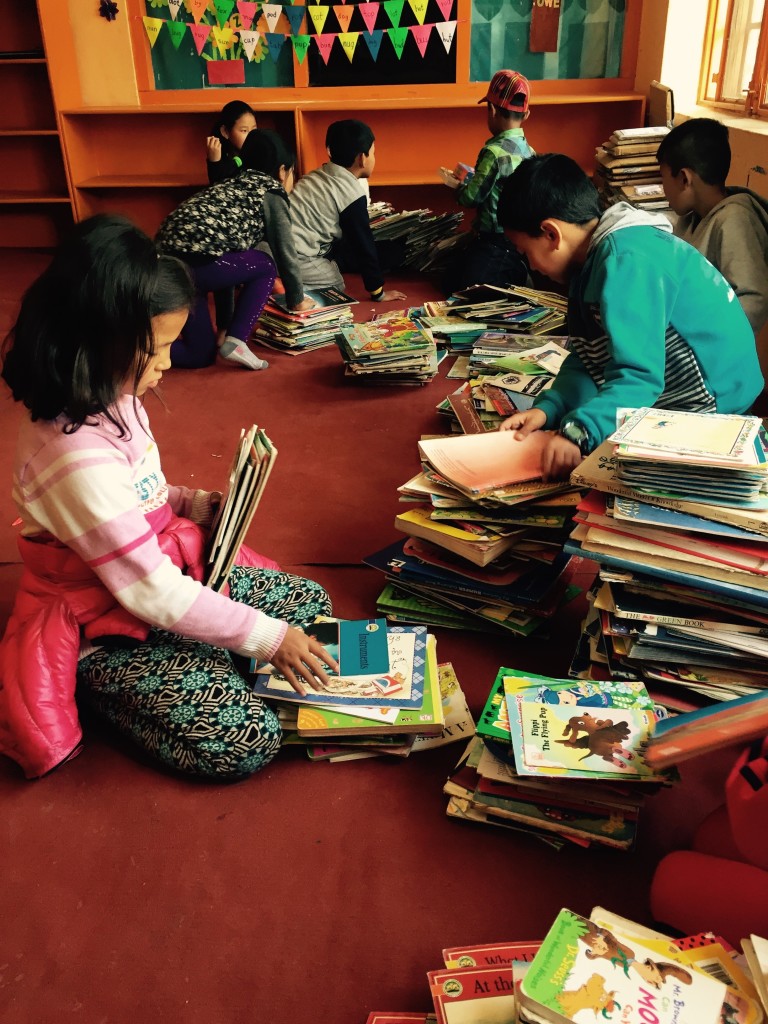
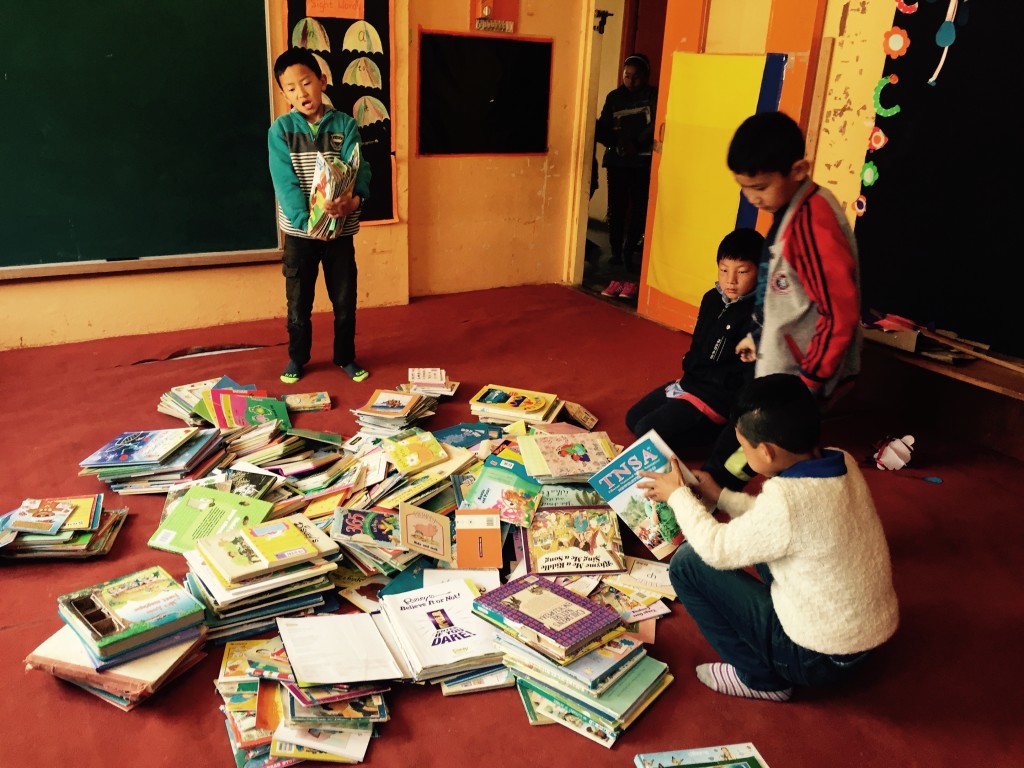
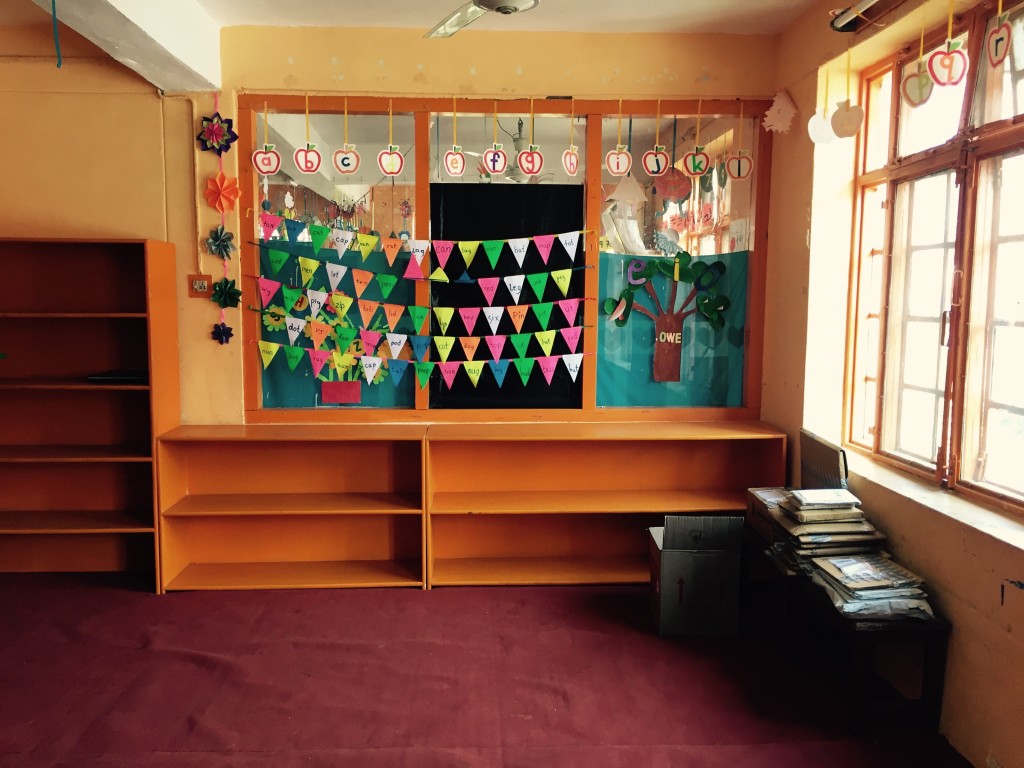
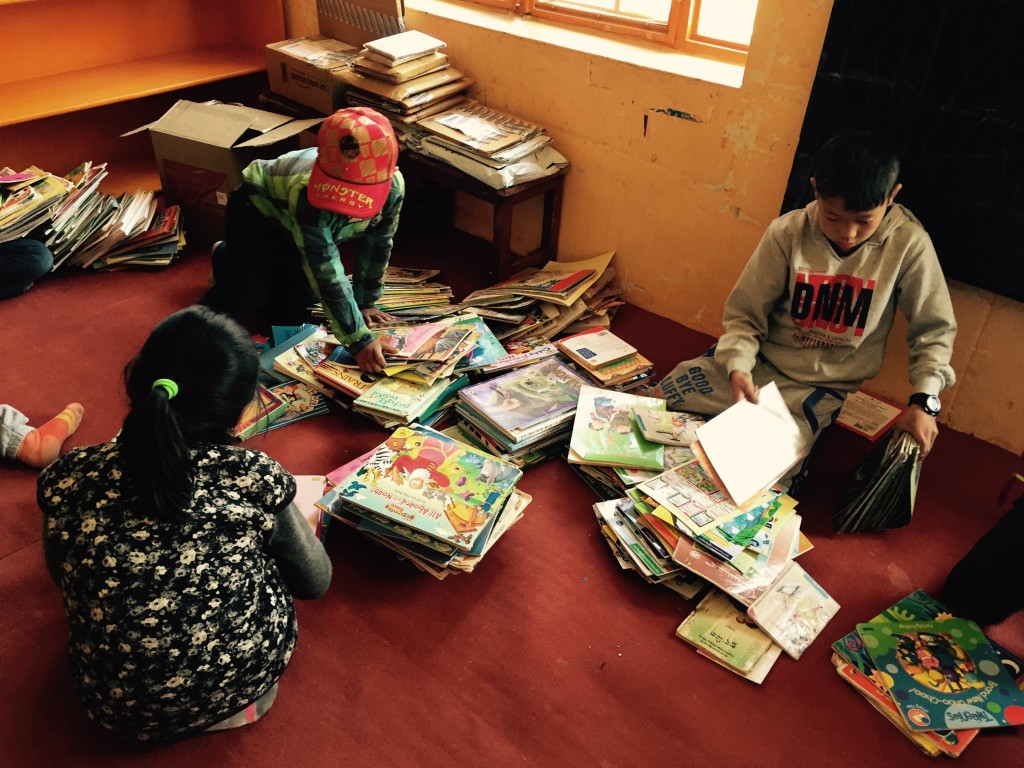
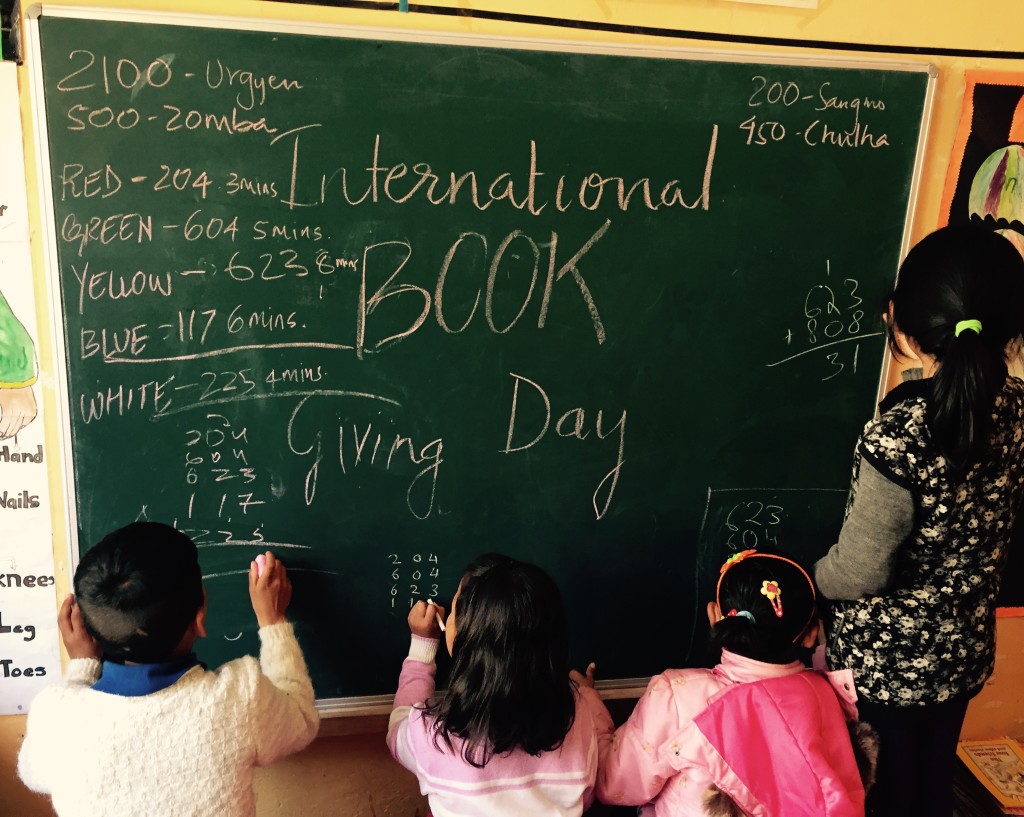
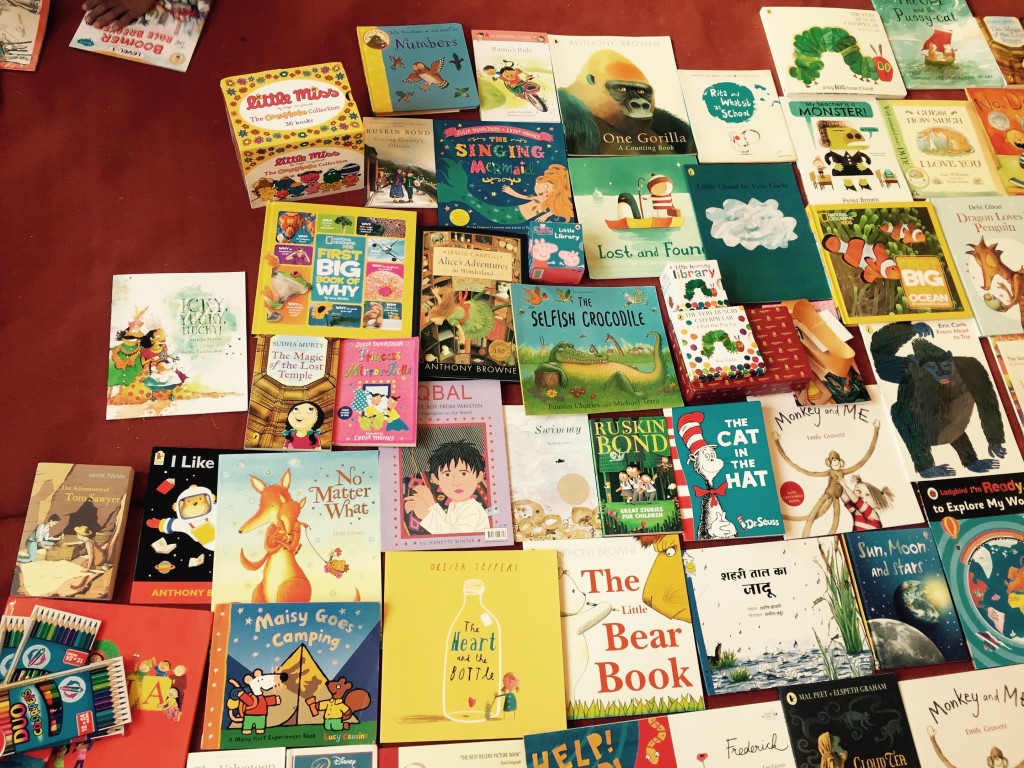
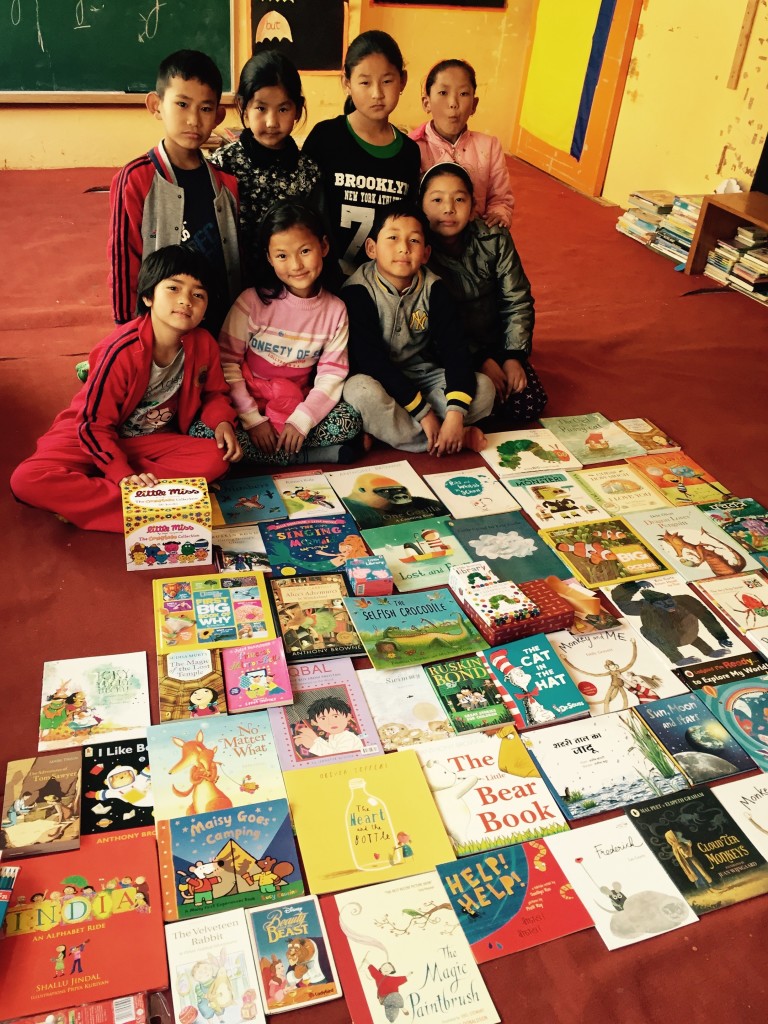
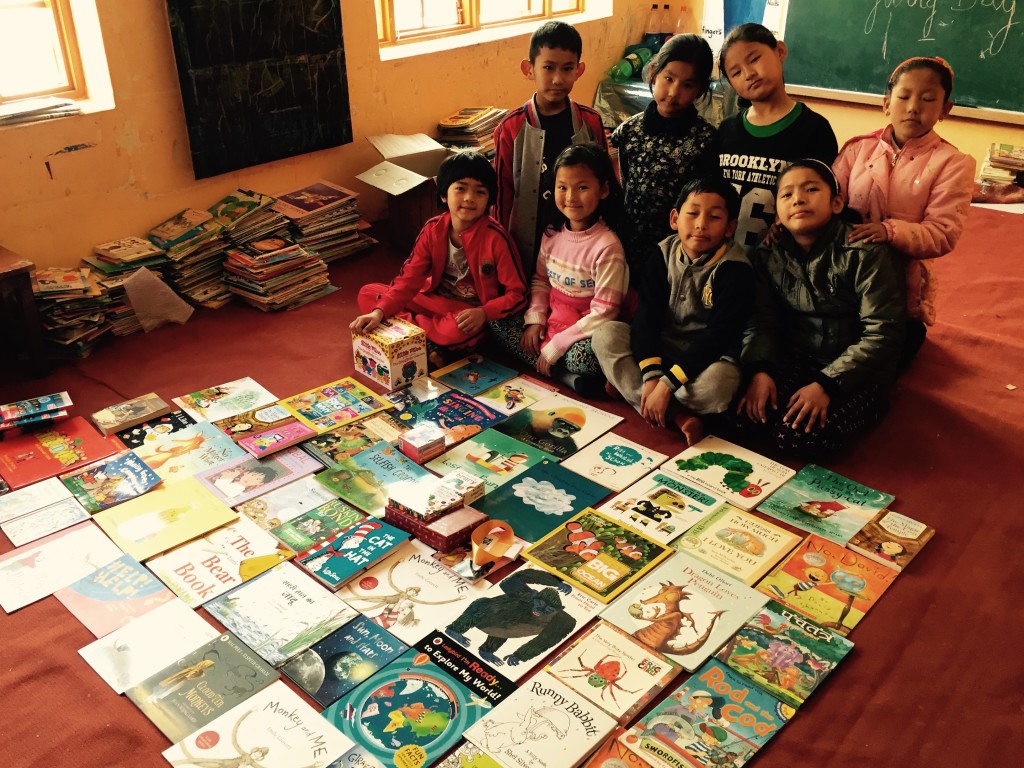
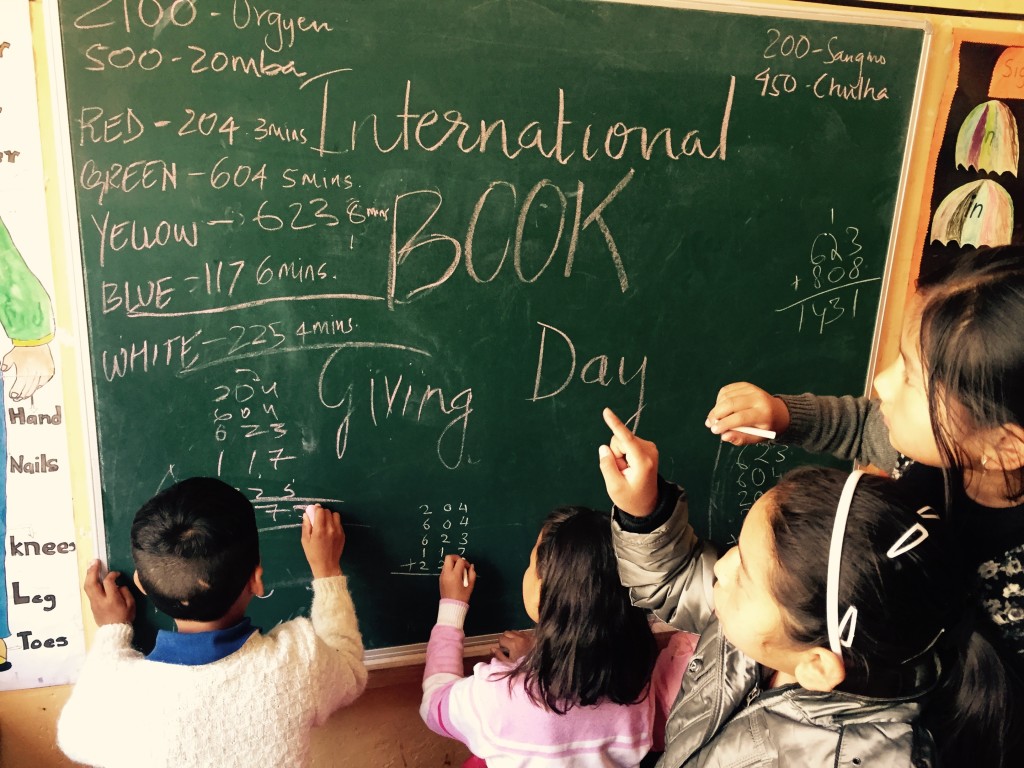
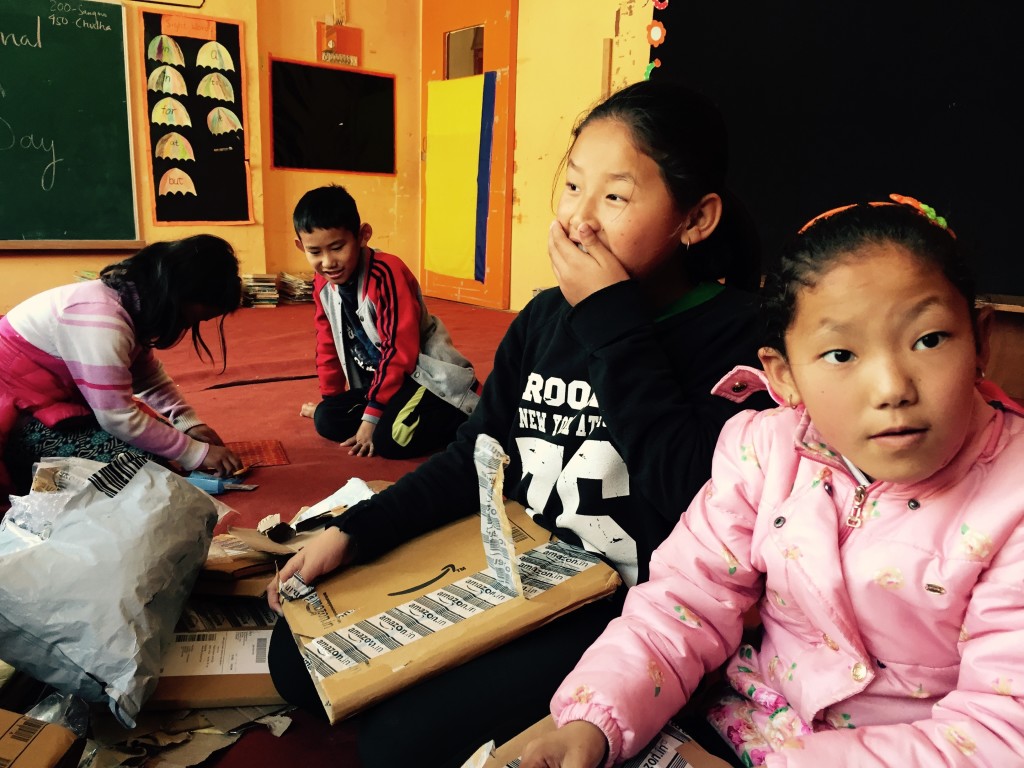
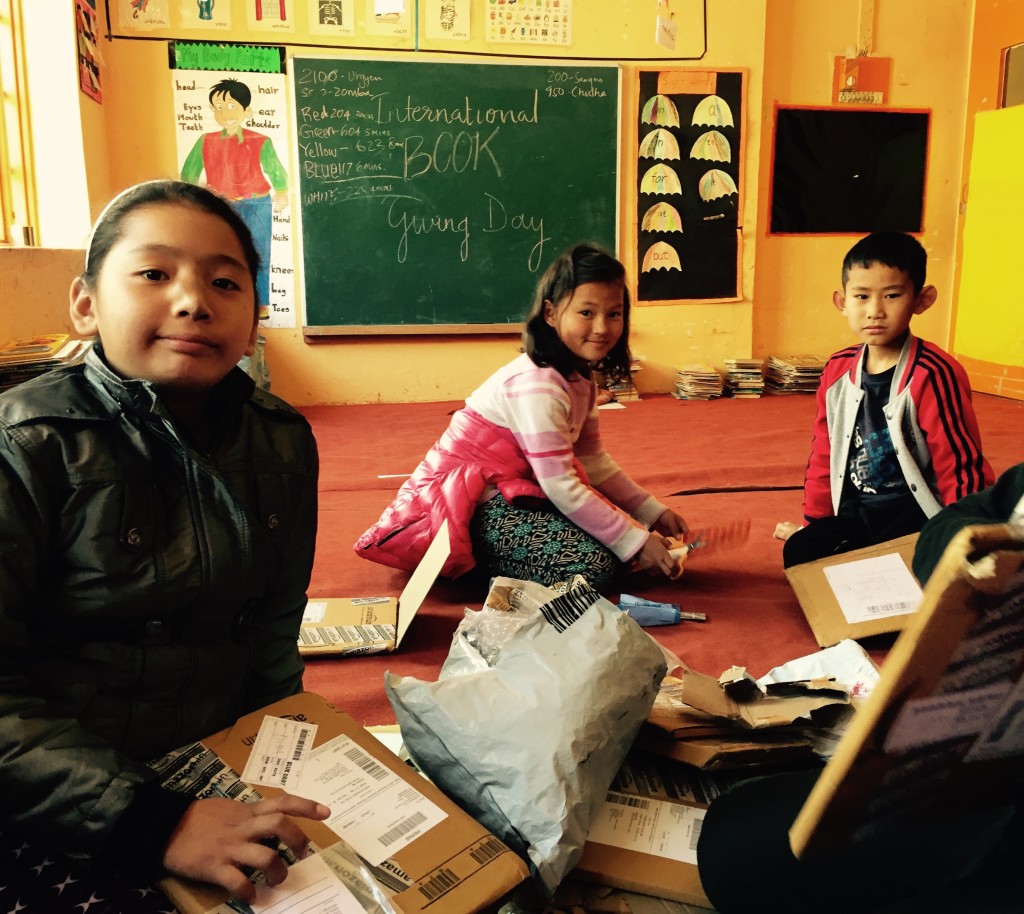
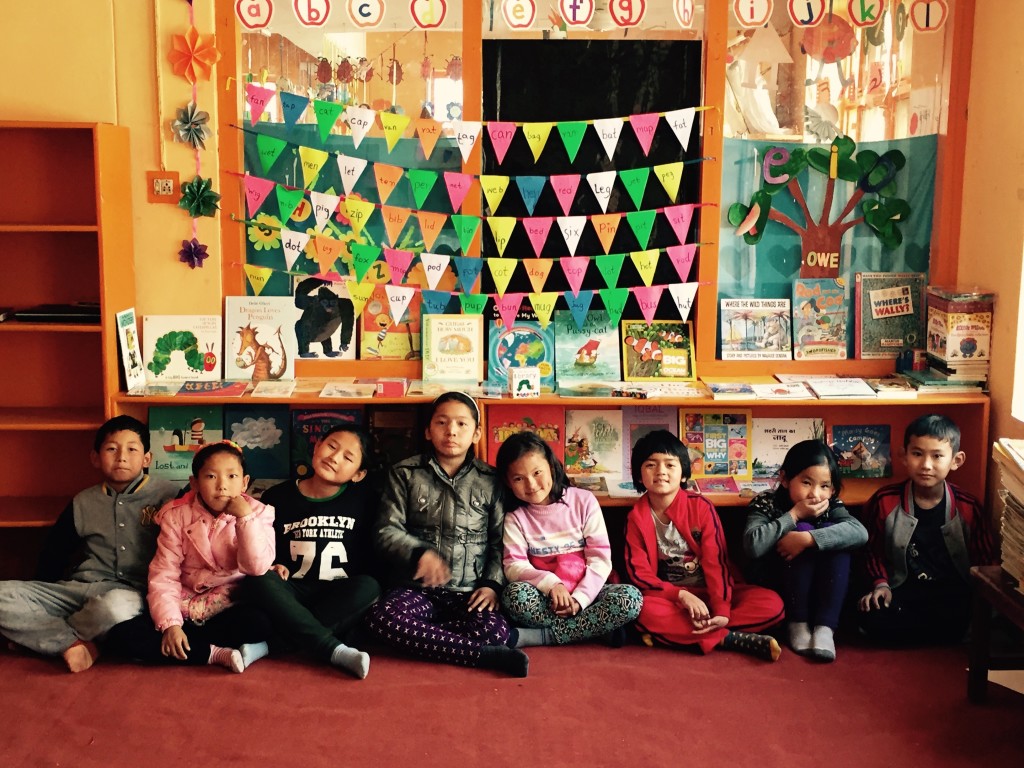
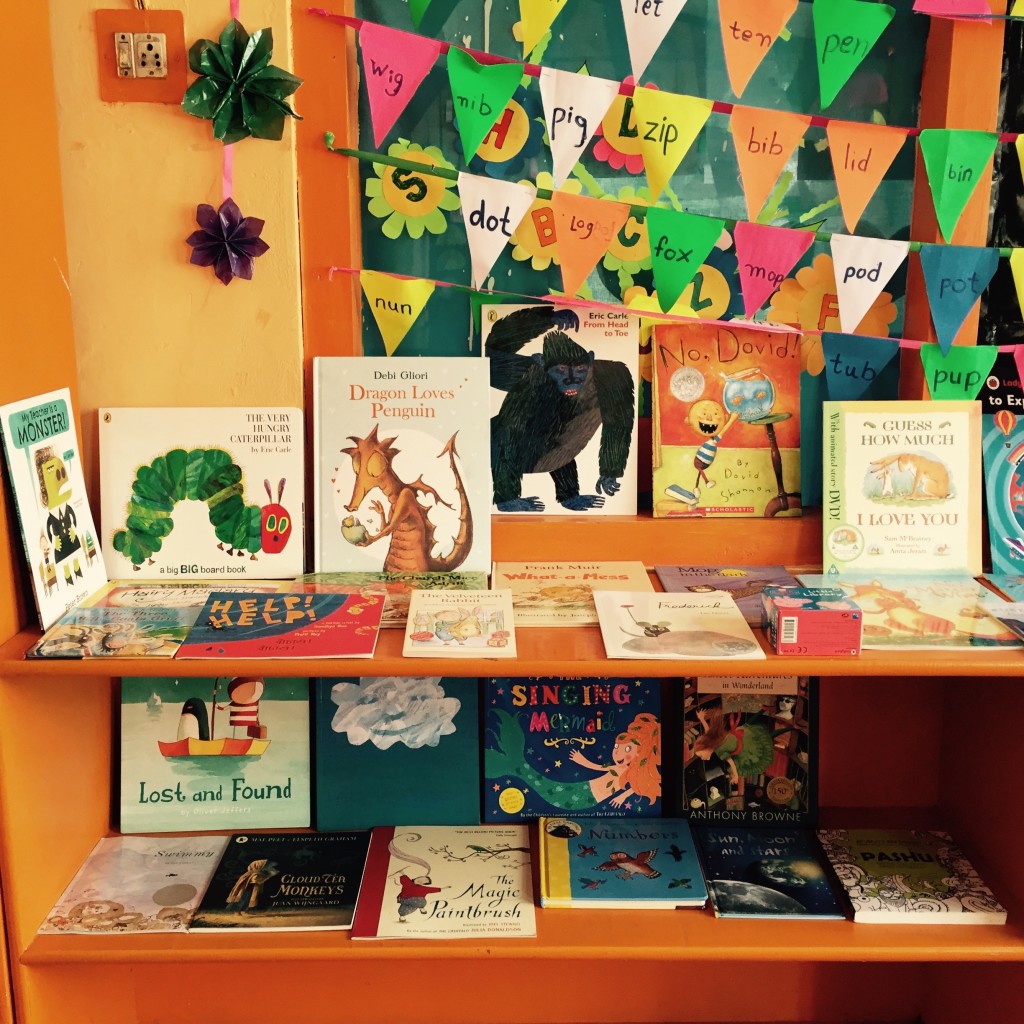
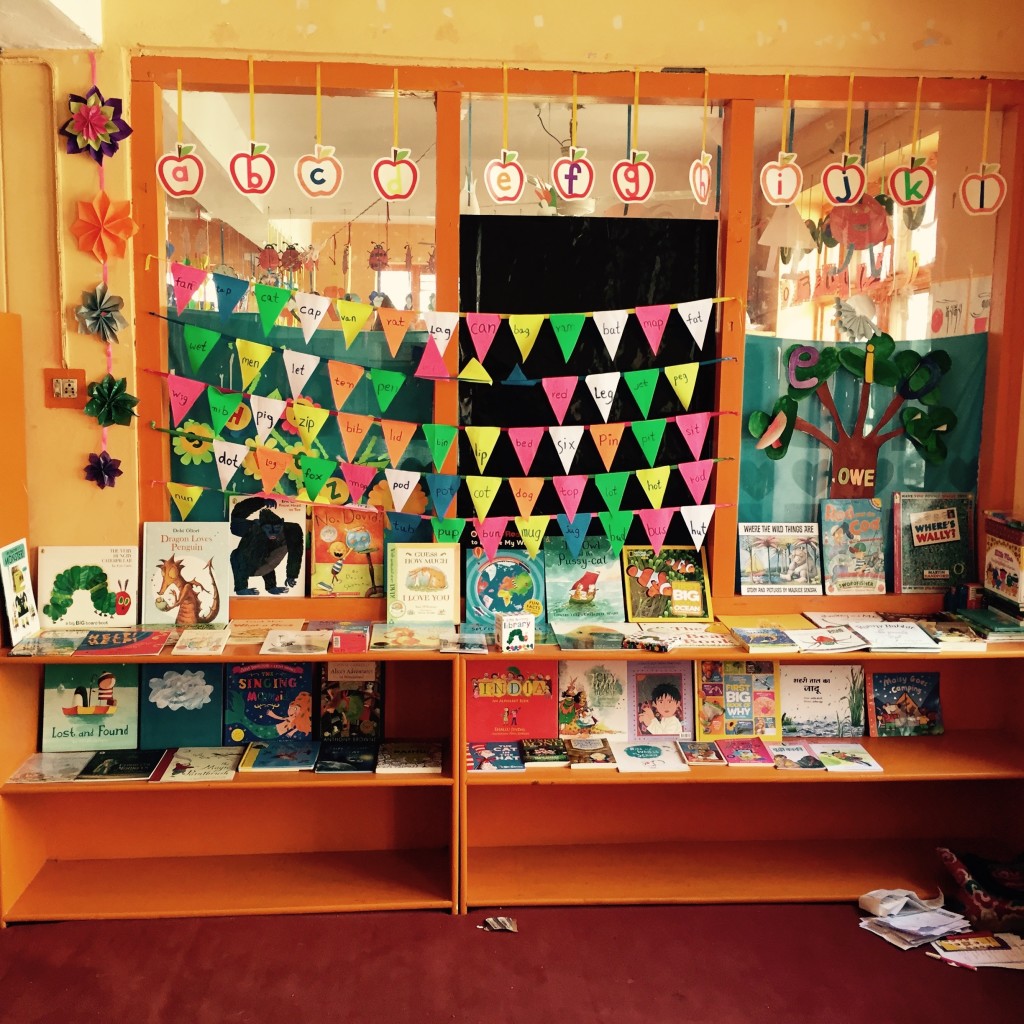
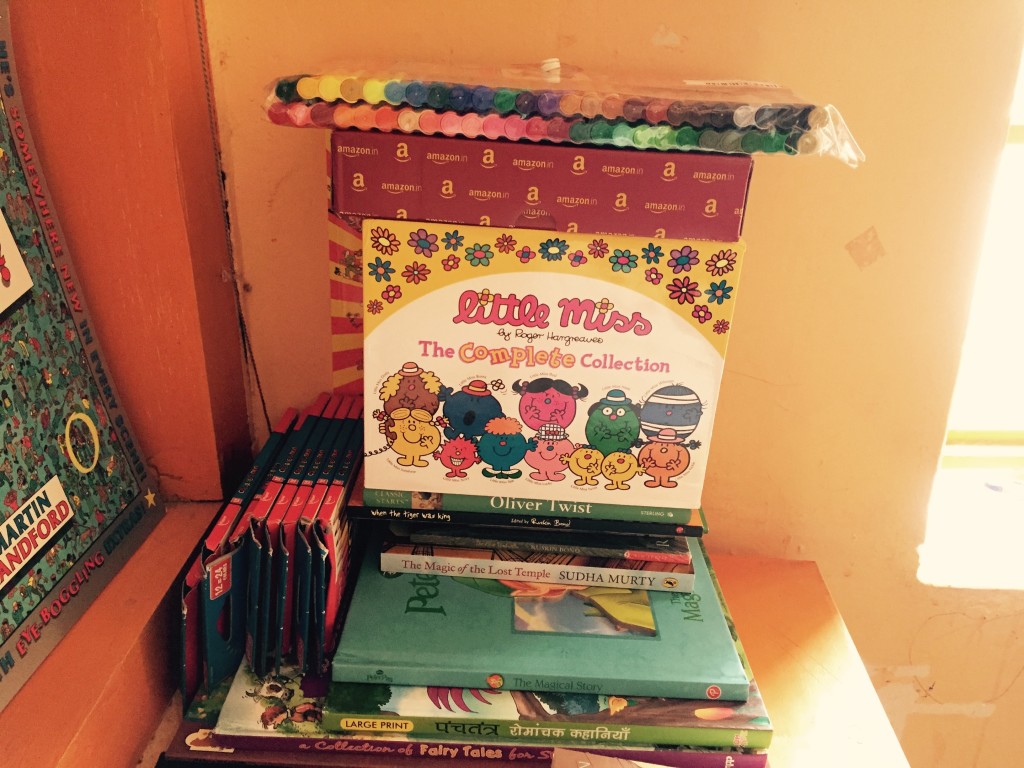
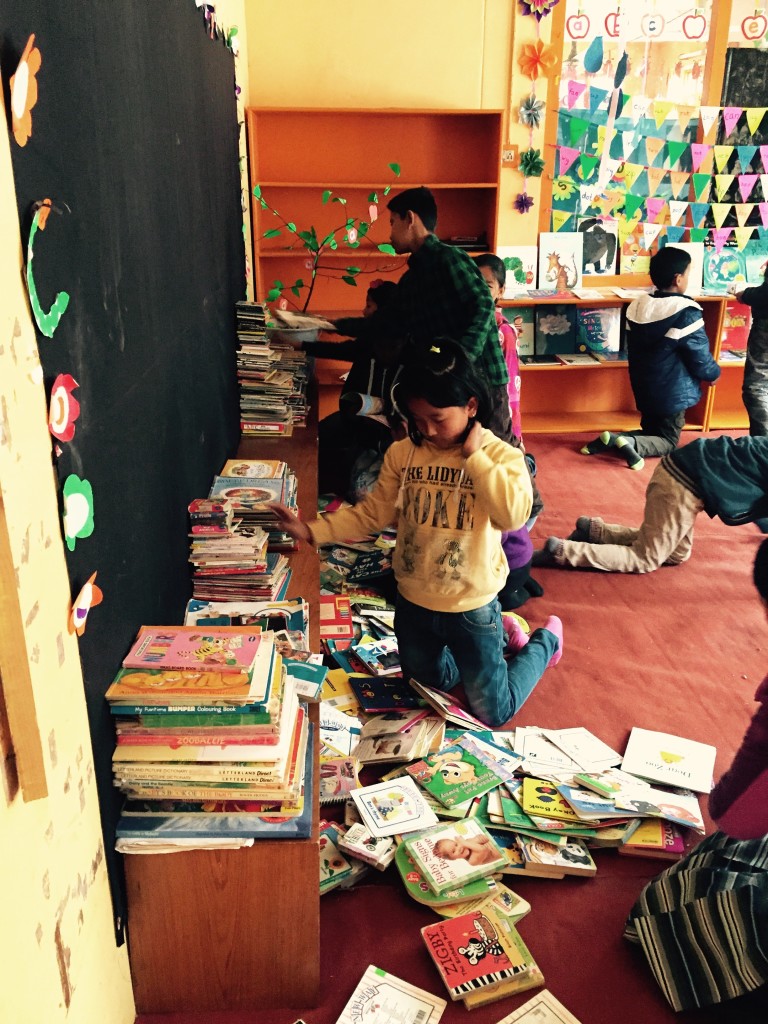
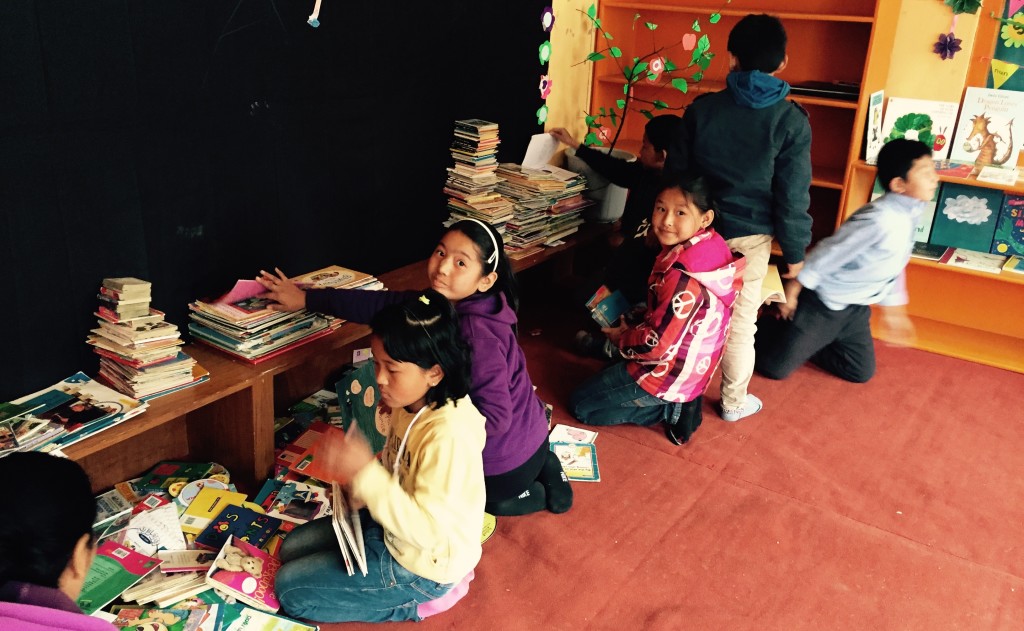
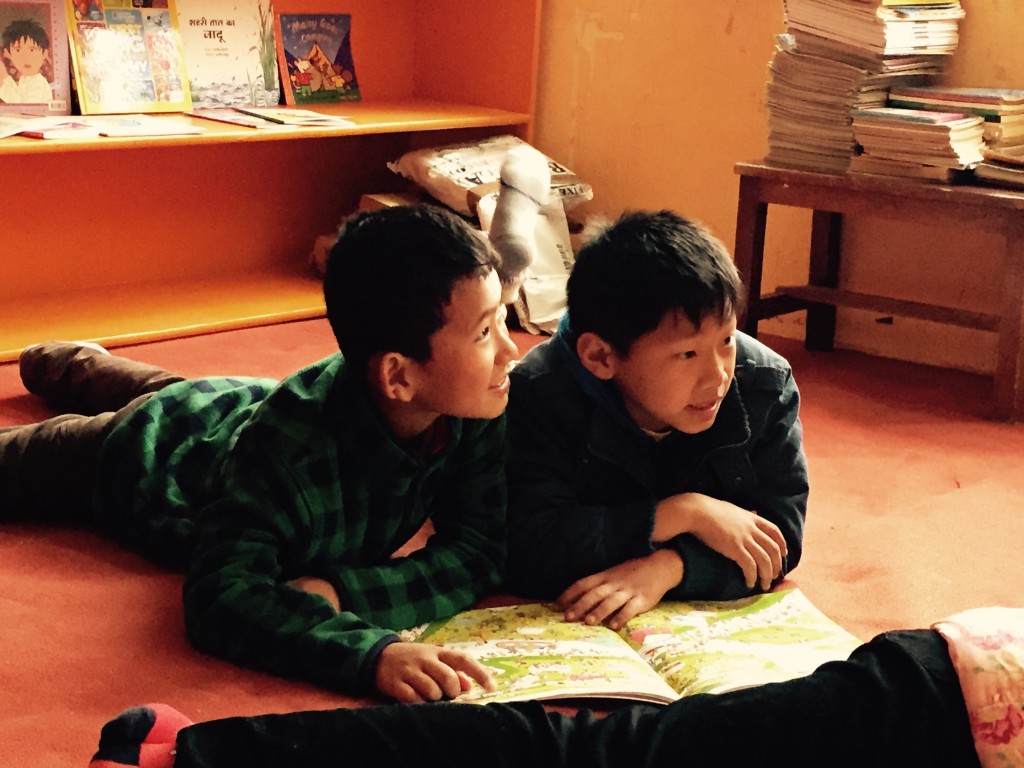
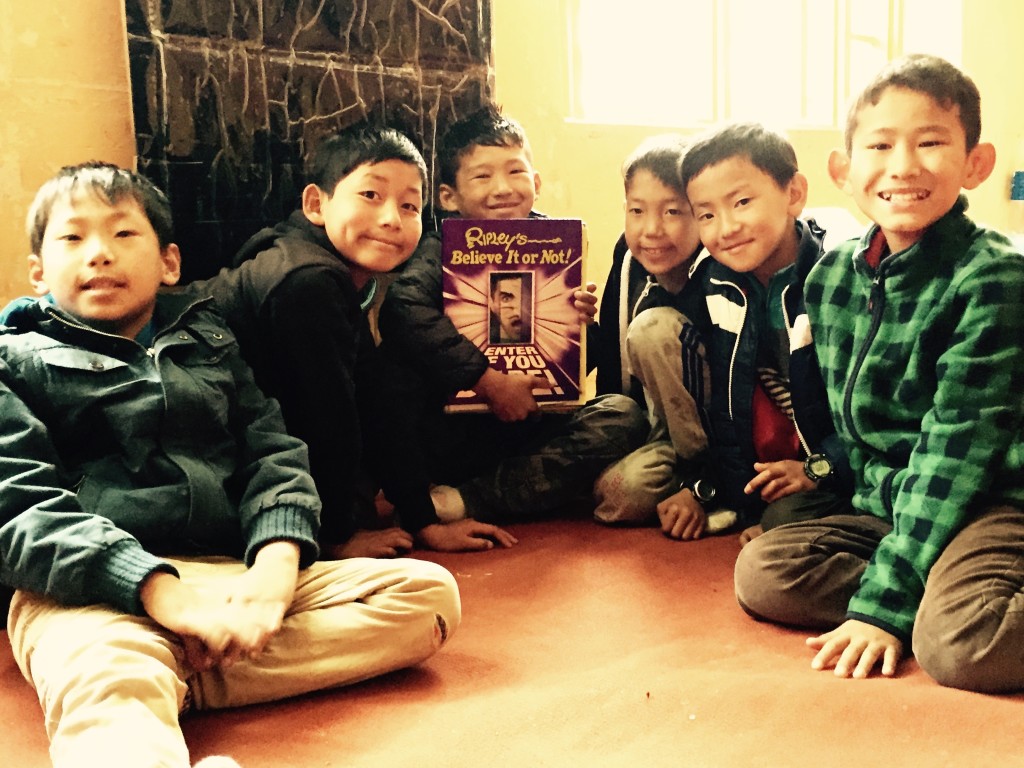
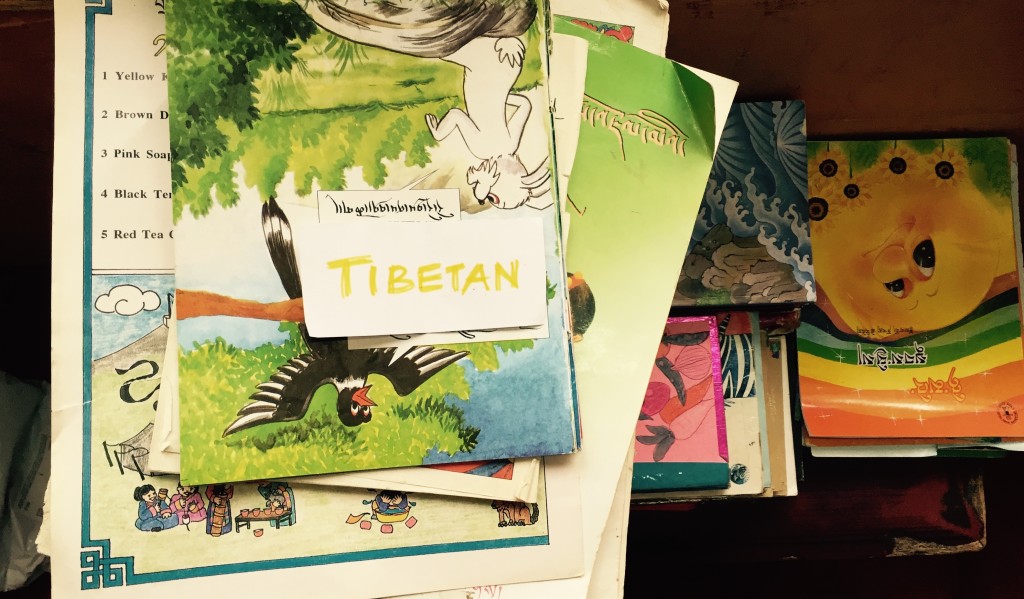
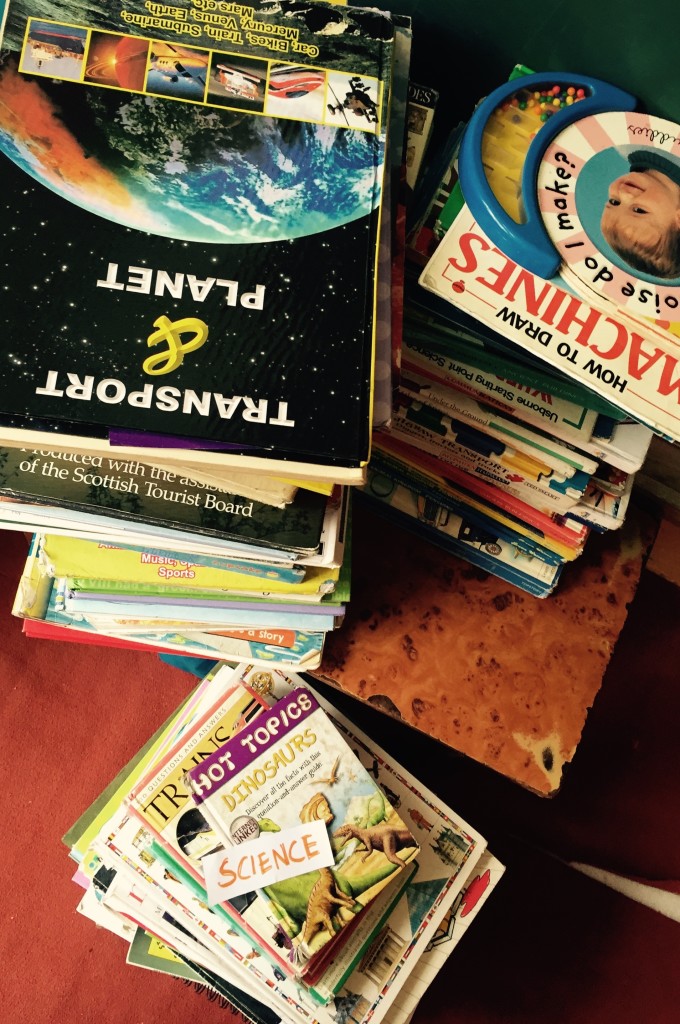
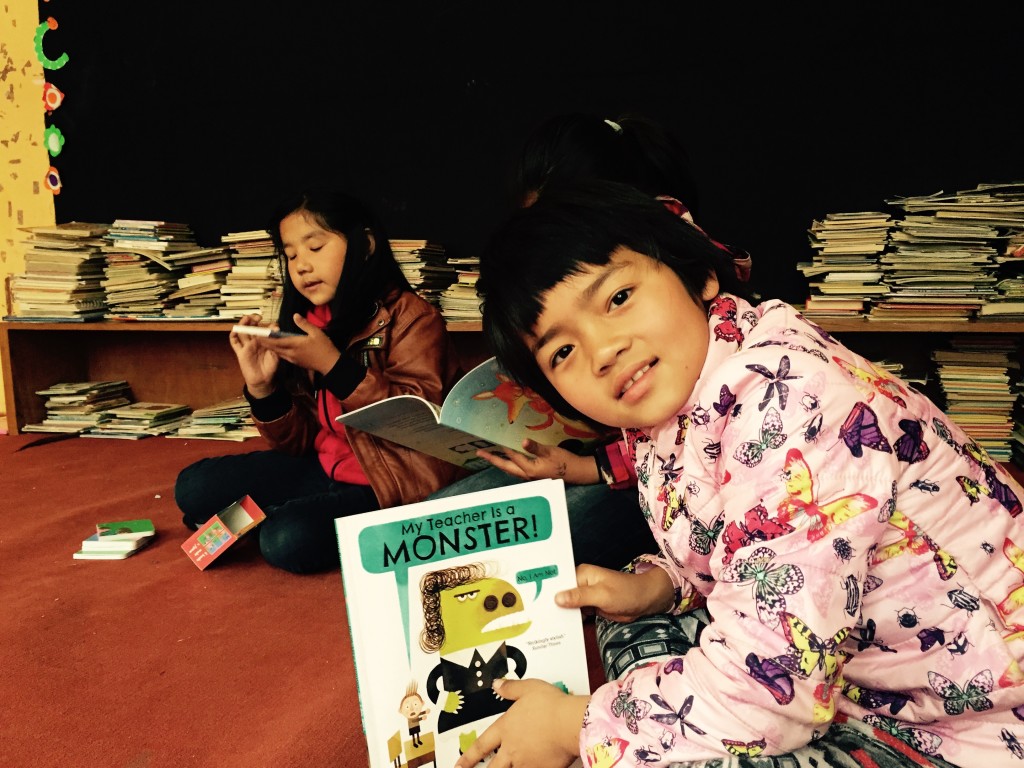
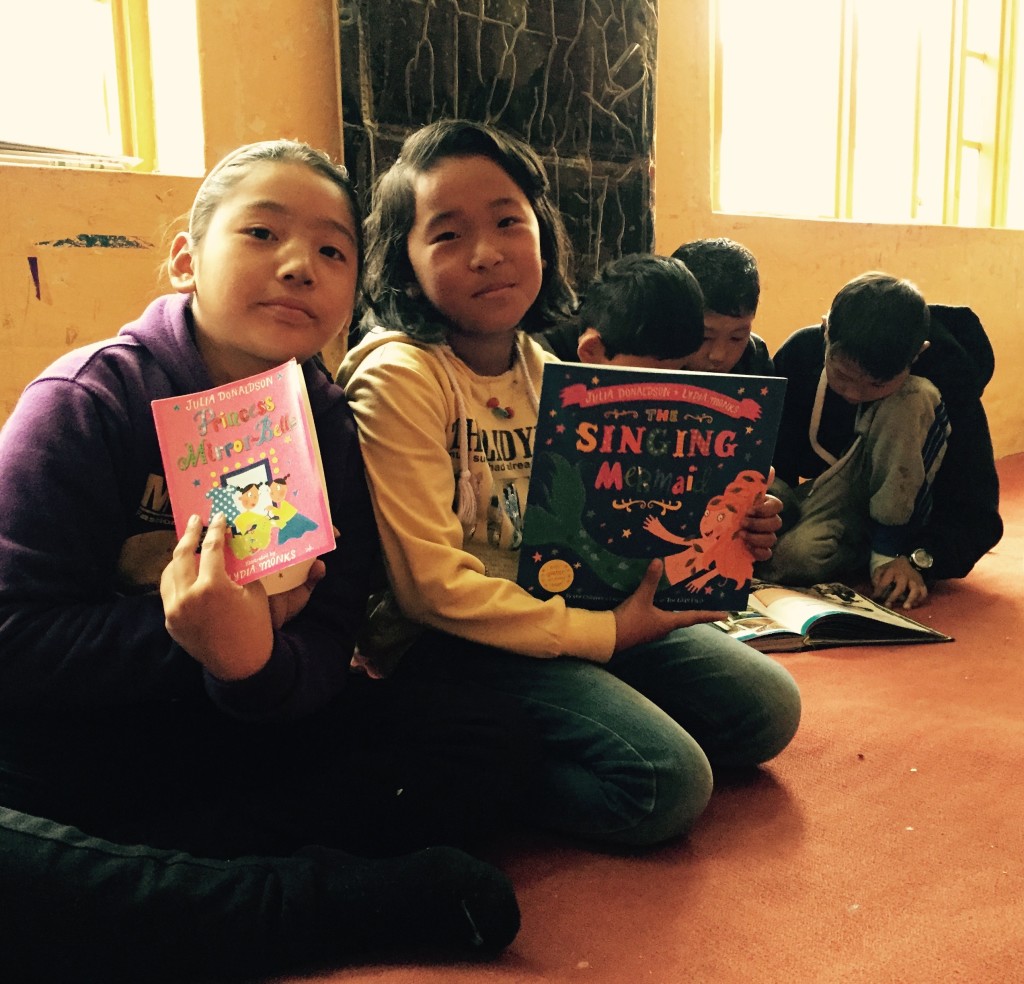
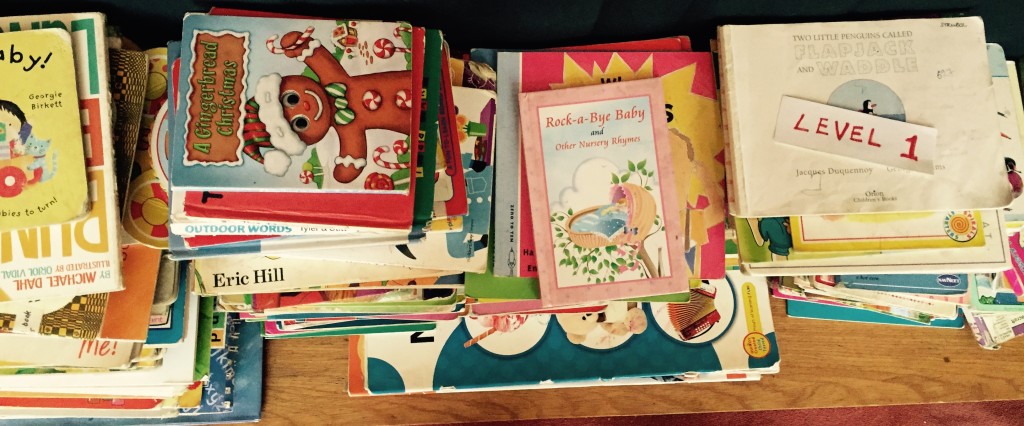
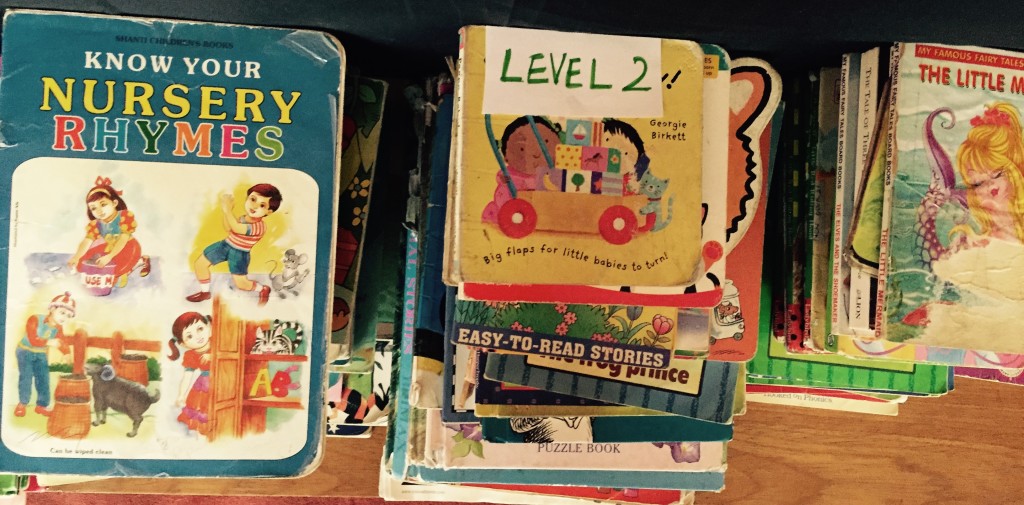
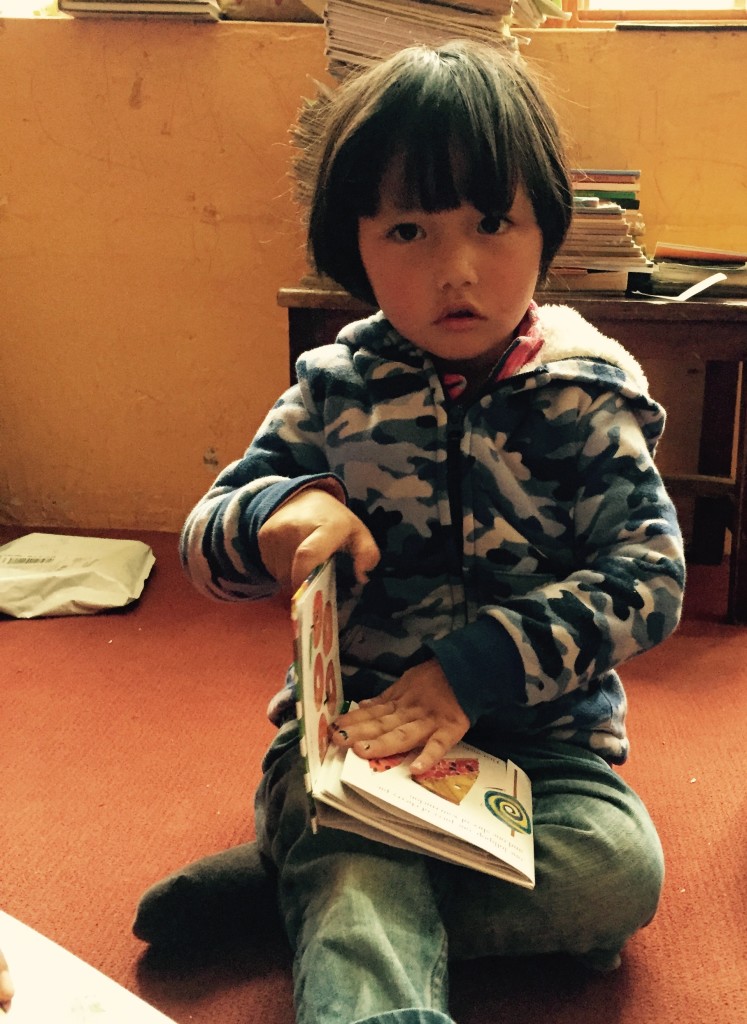
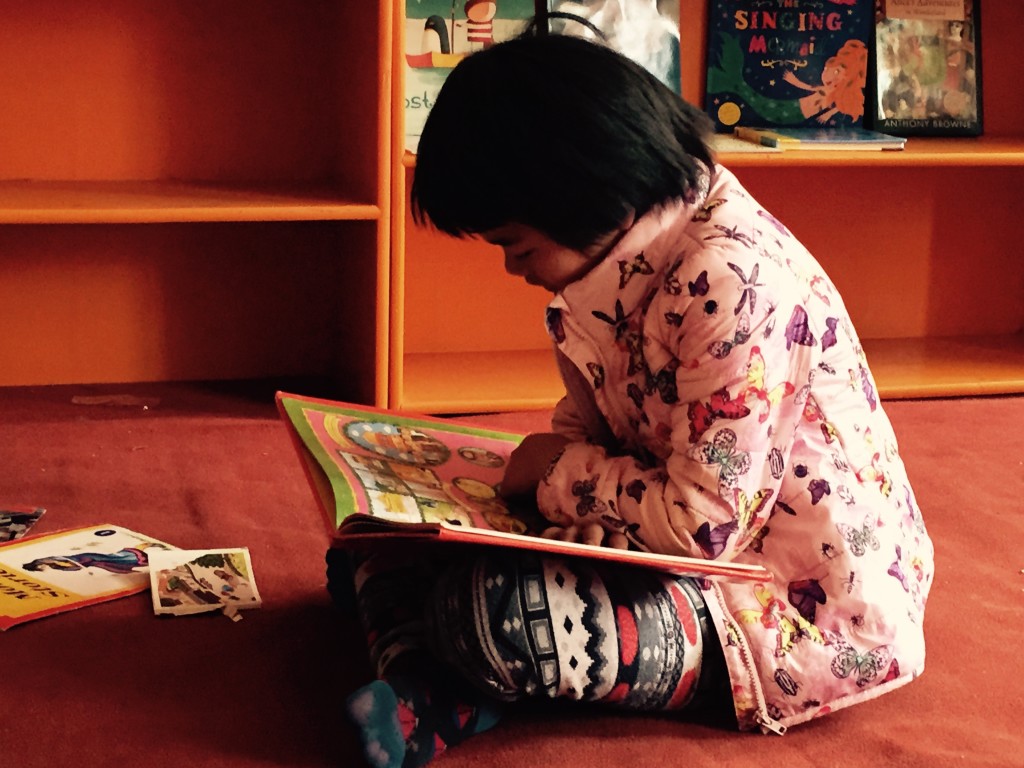
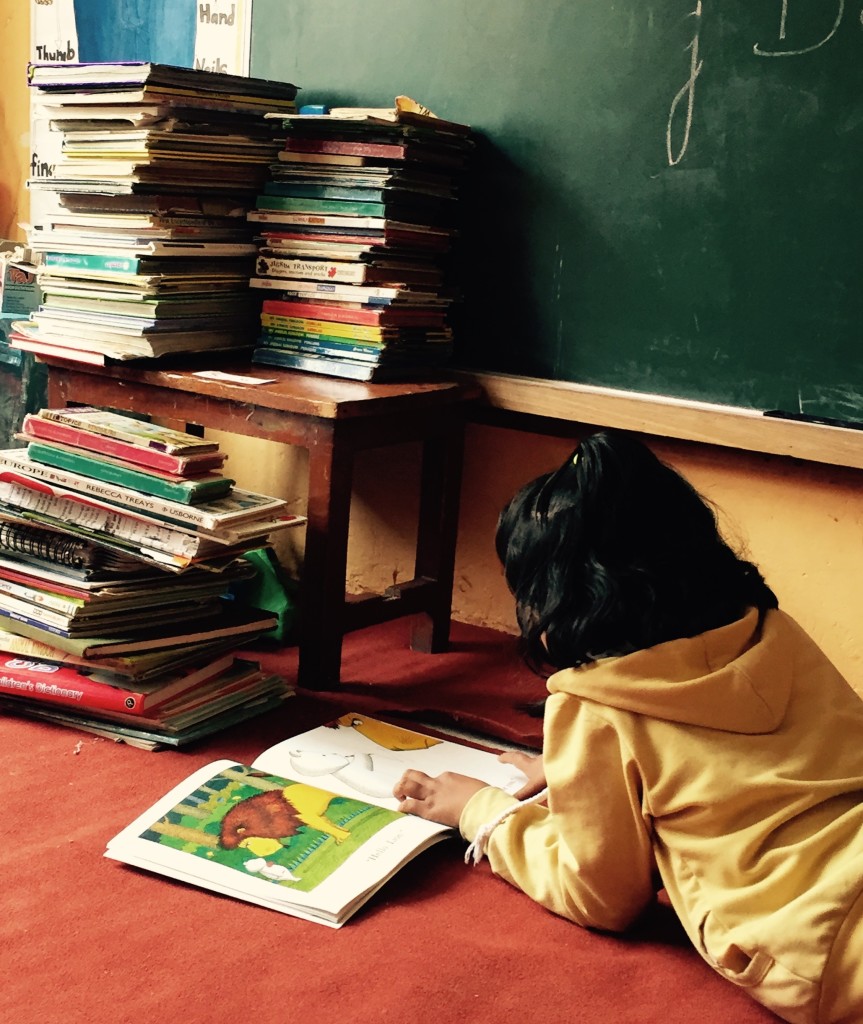
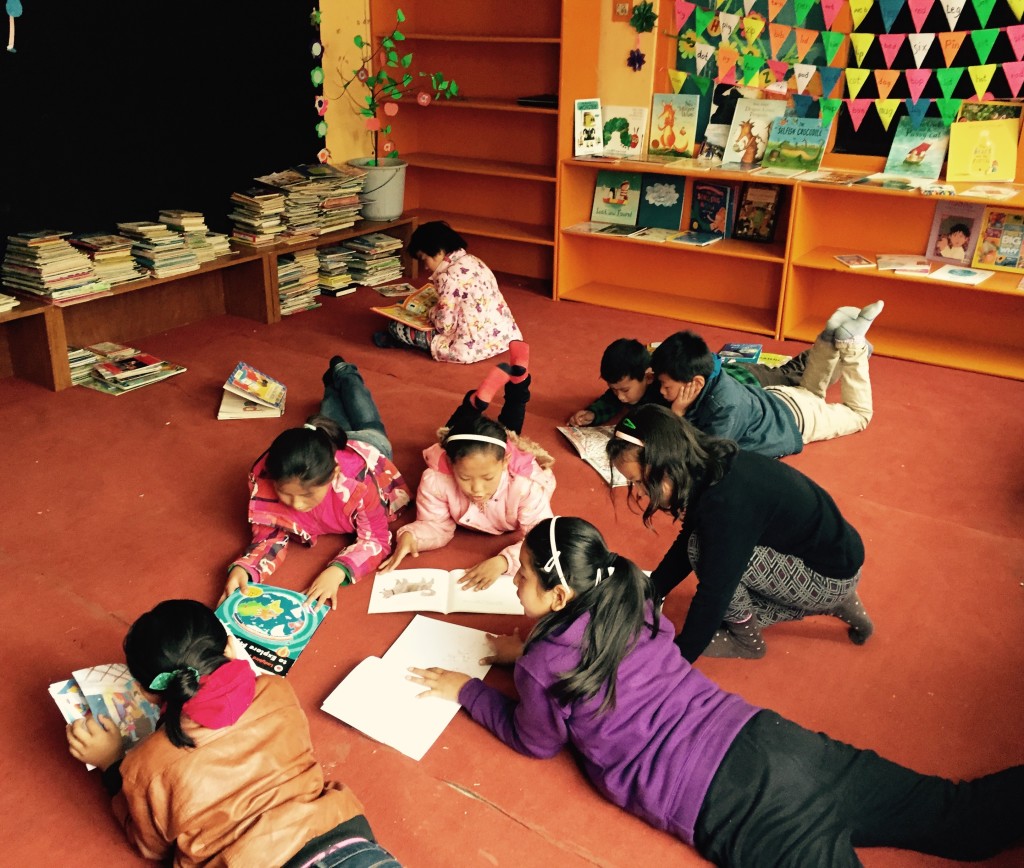
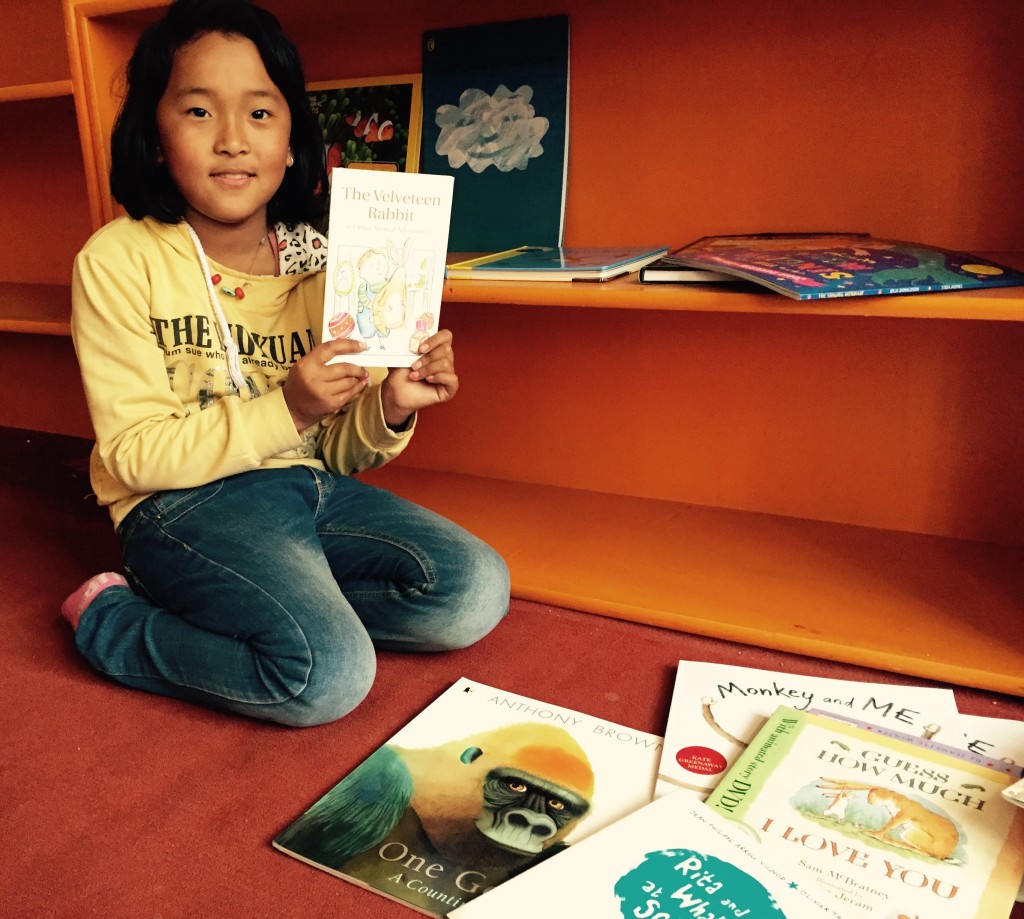
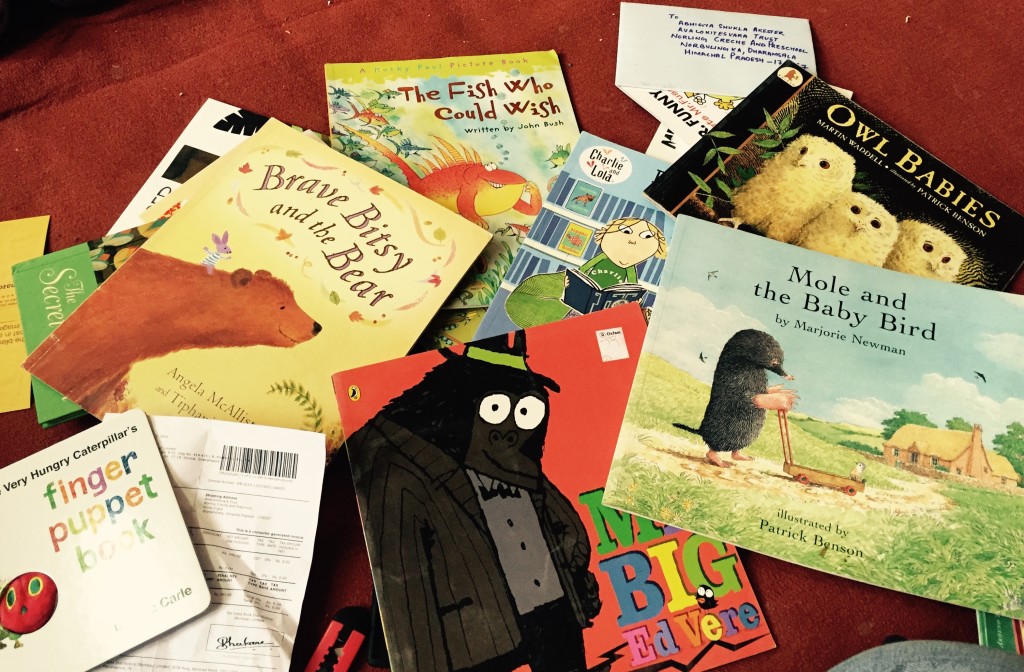
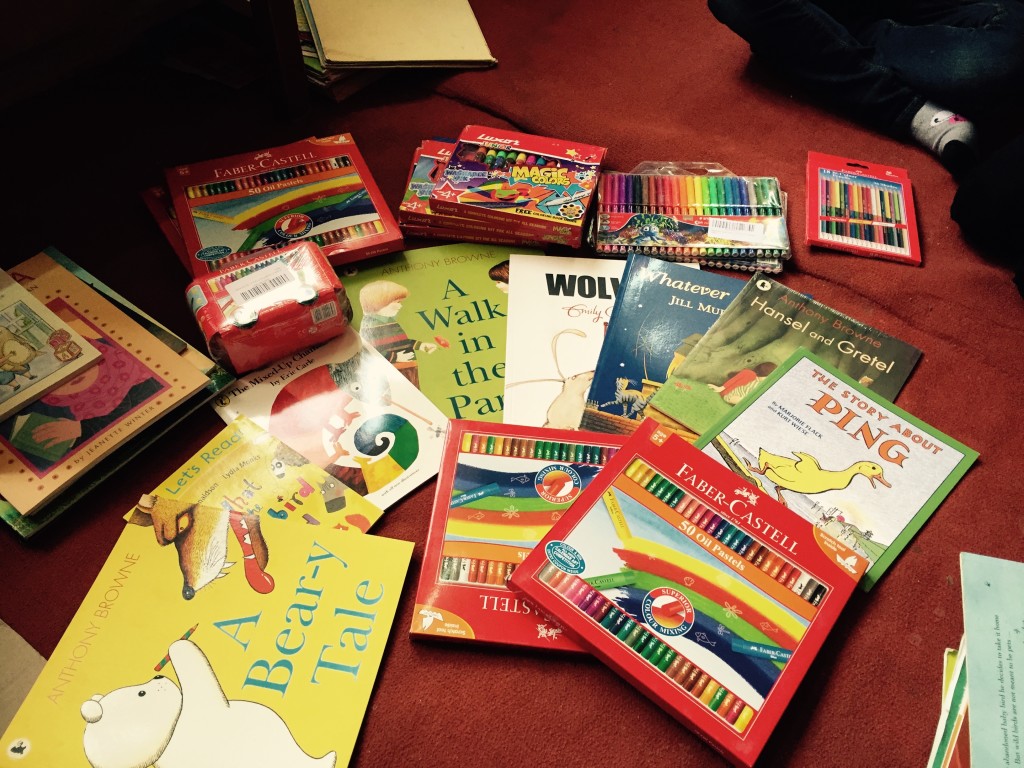
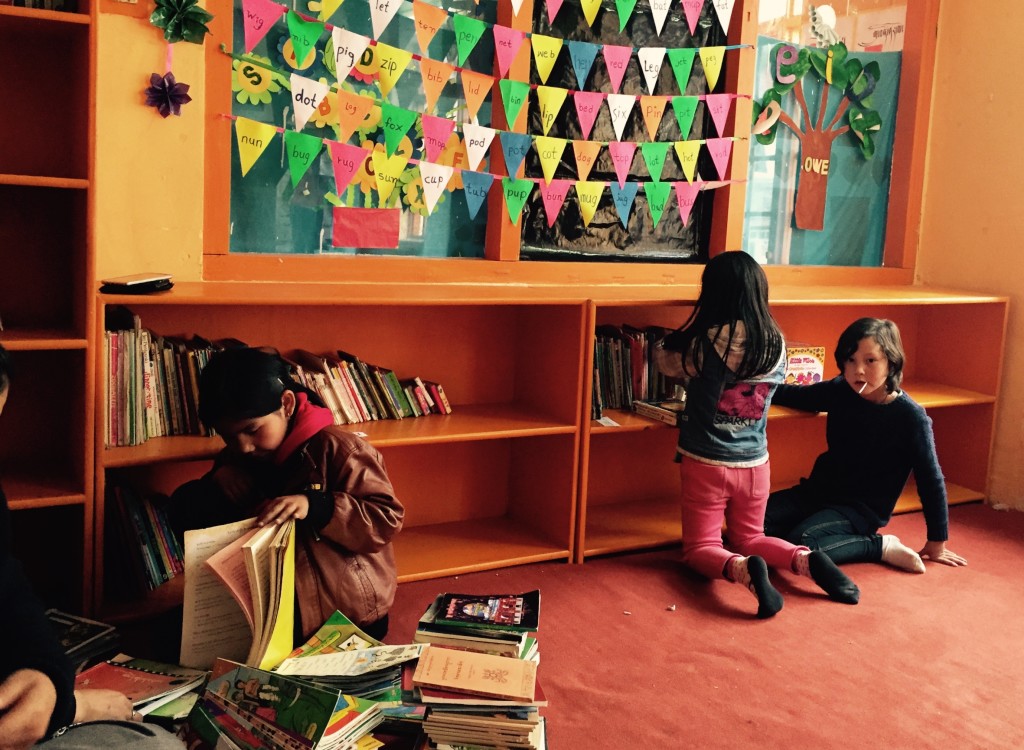
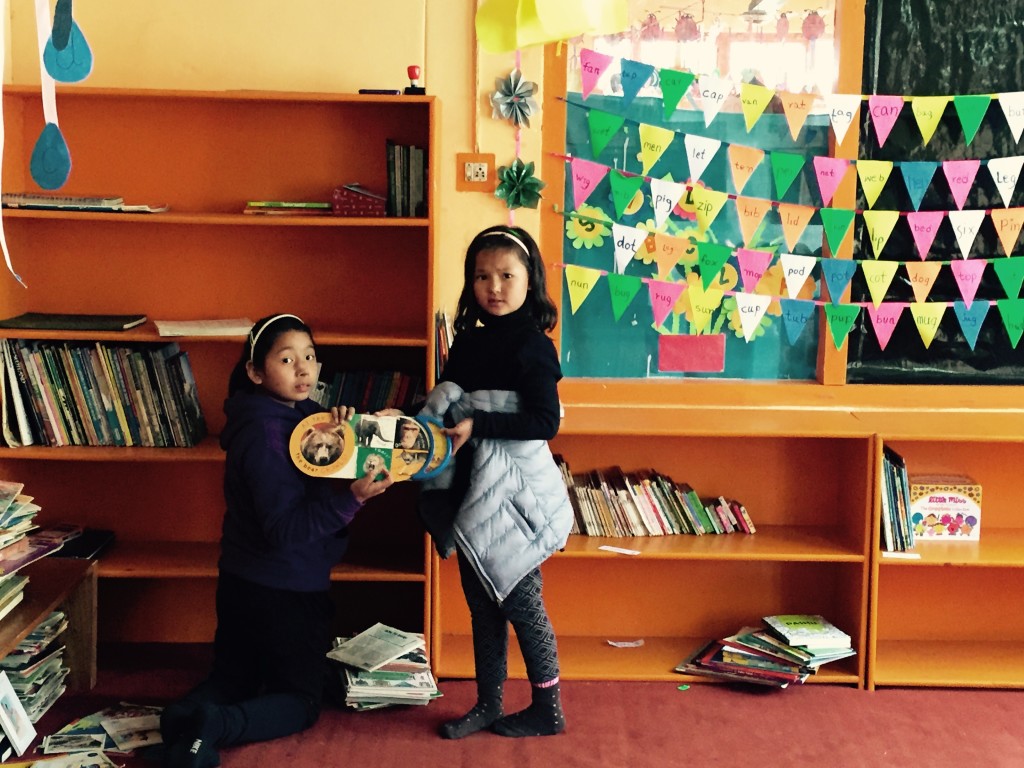
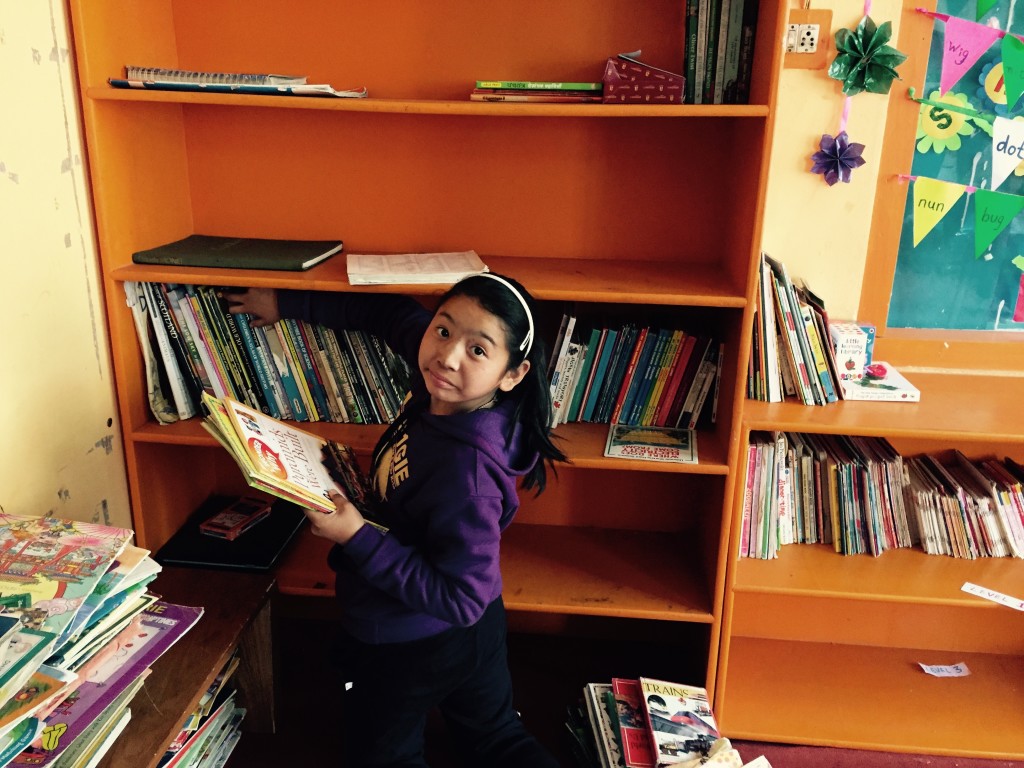
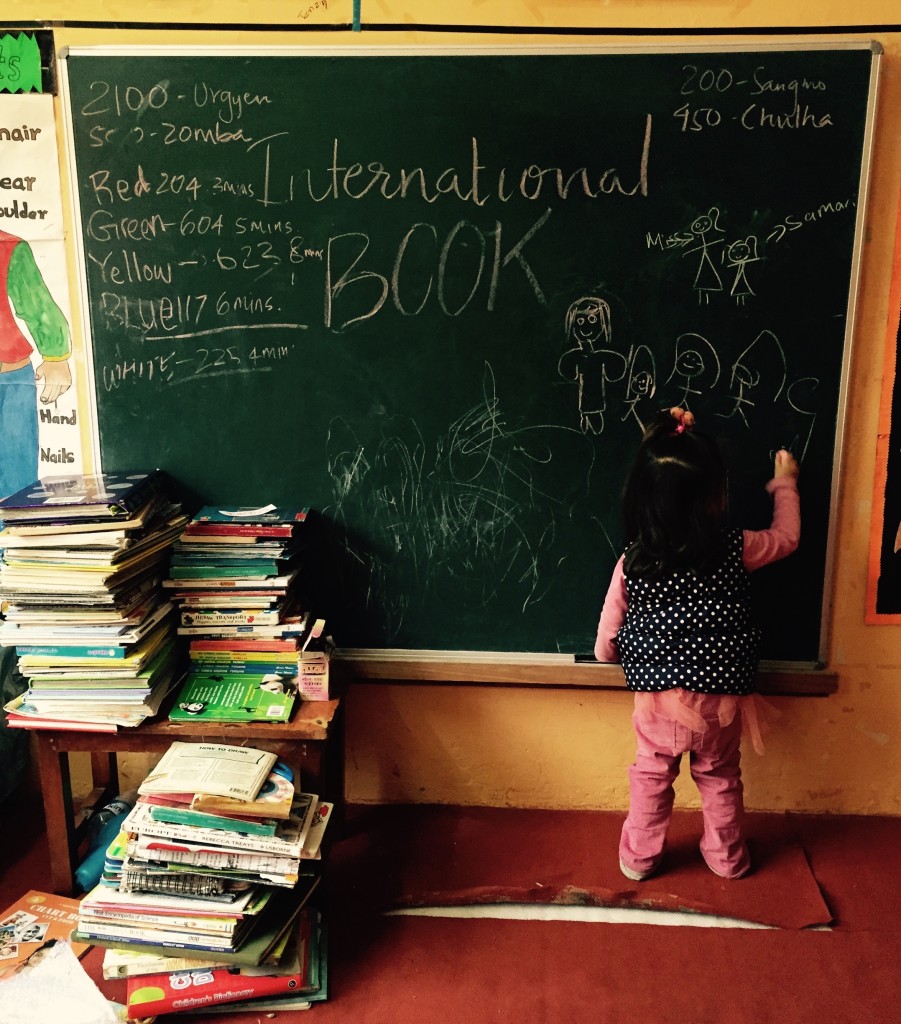
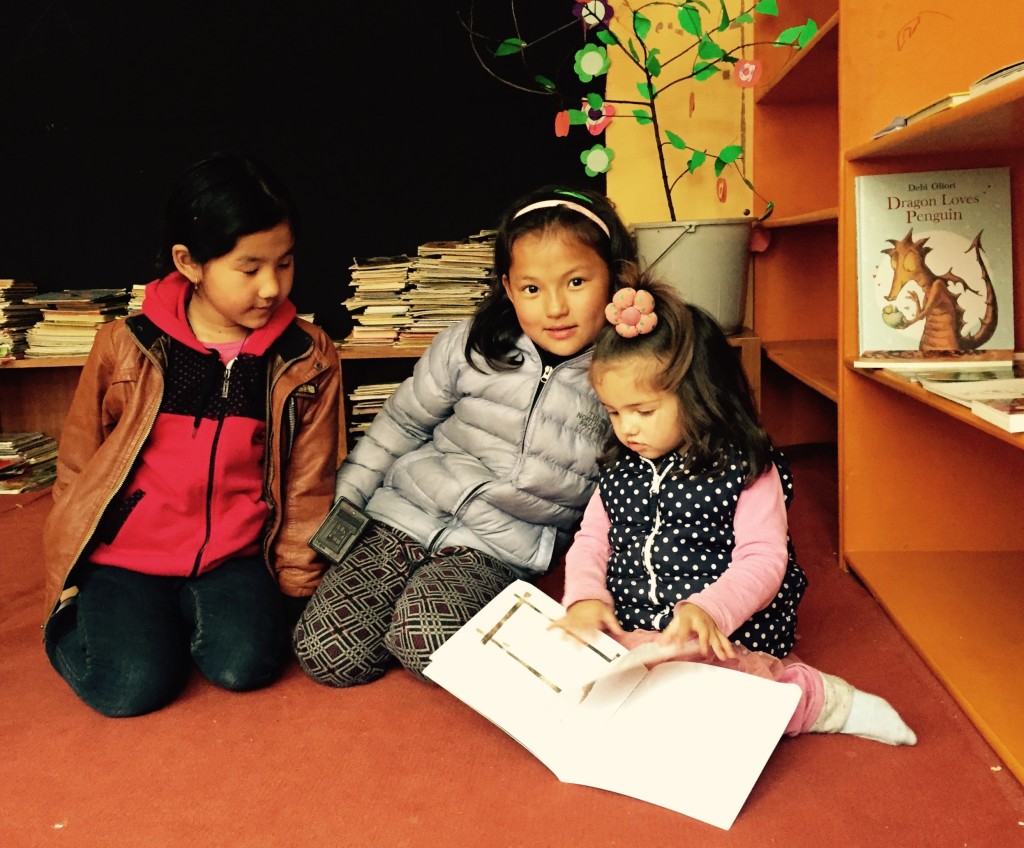
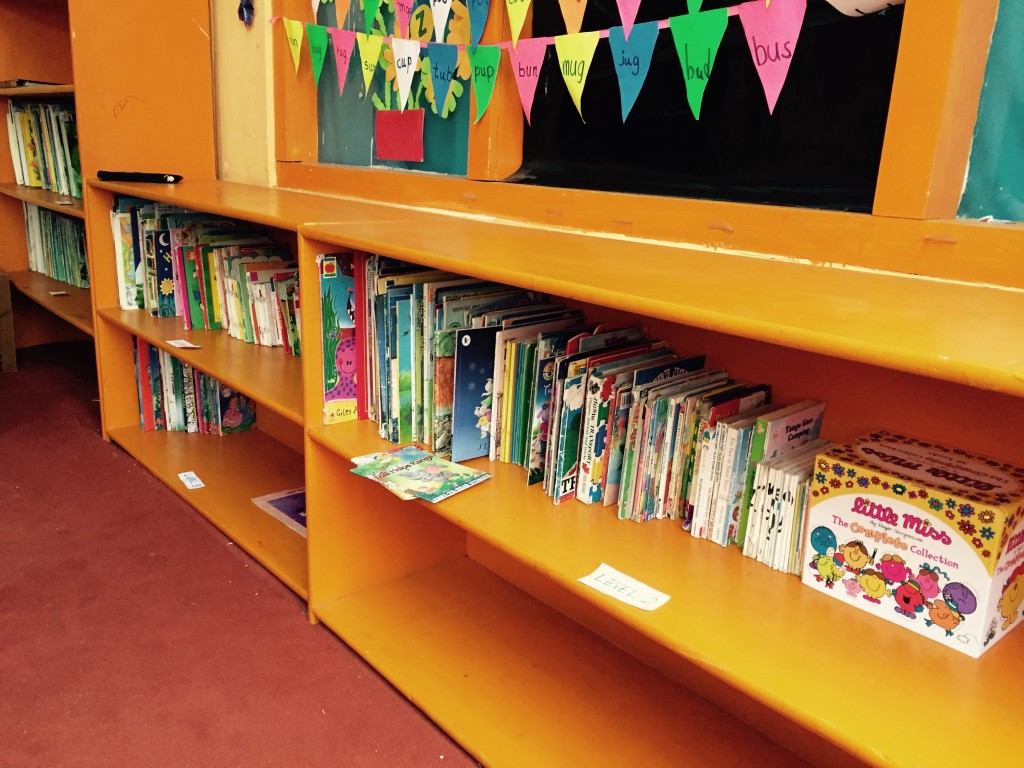
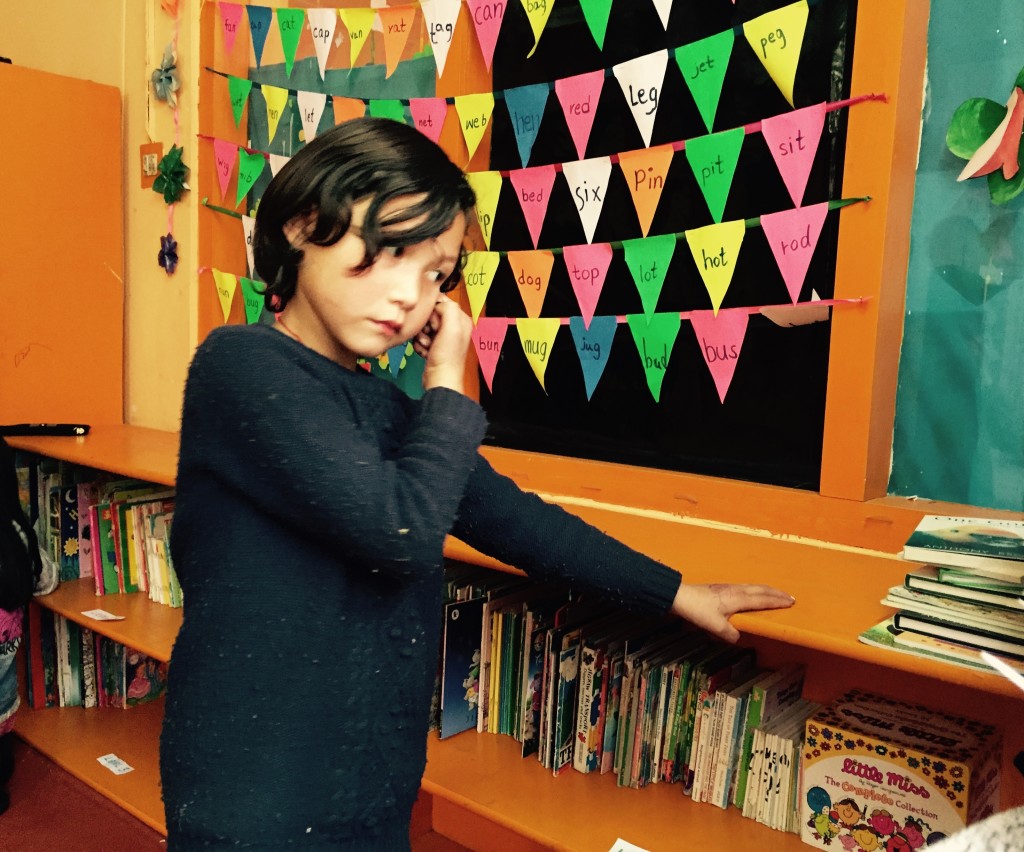
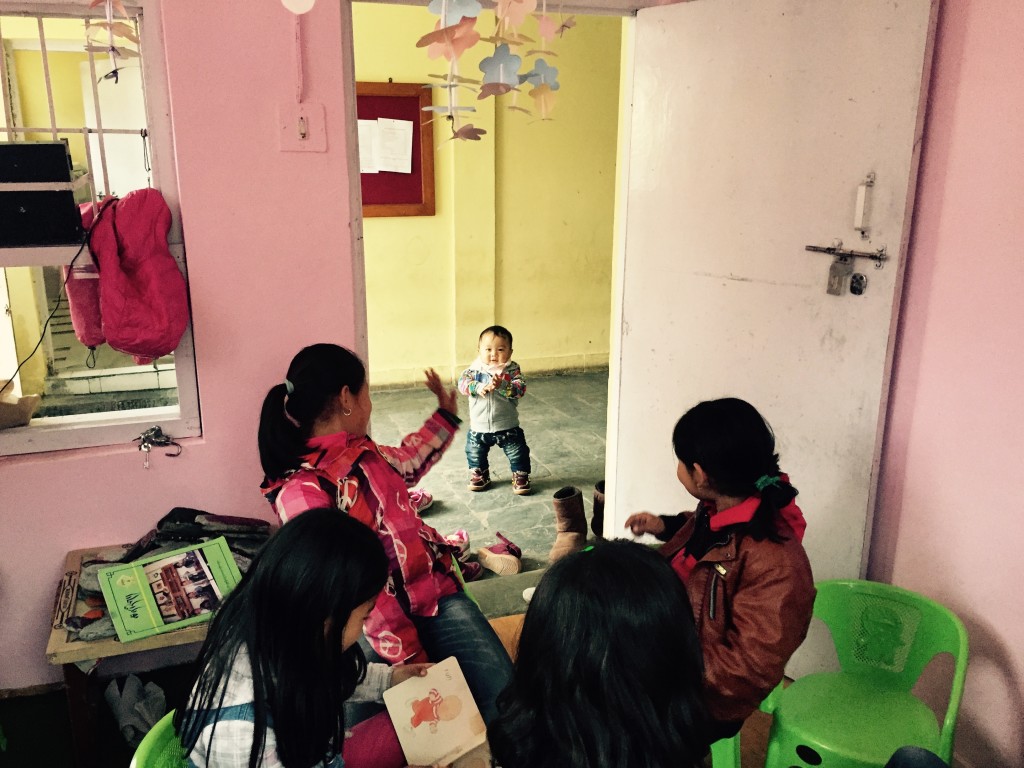
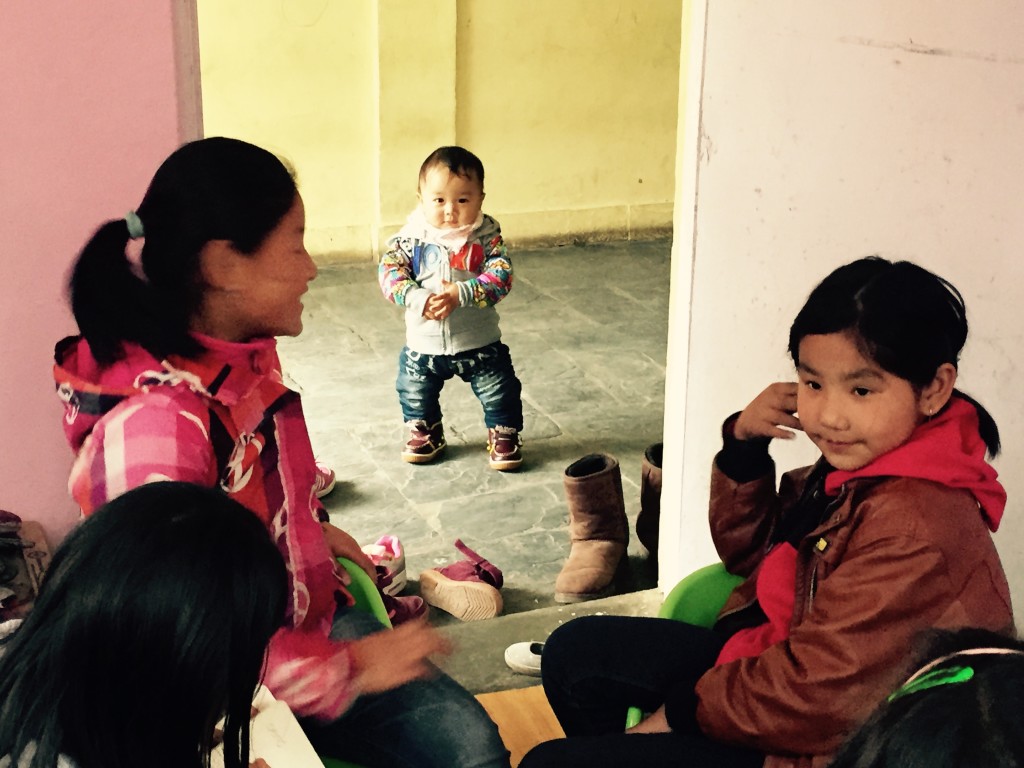
A sound policy combines a collection audit with regular review. The Avalokiteśvara Trust demonstrates how reading rooms, book drives and creative activities can widen access to quality books and learning resources for children and young monks in Himalayan communities. Its community-centred model offers a useful reminder: the best collection decisions begin with the people who will read, borrow and discuss the books.
- Audit shelves, catalogues and borrowing data for representation, visibility and gaps, including books hidden behind outdated labels.
- Balance picture books, early readers, chapter books, graphic novels, poetry and memoir across age, format and kinds of disability.
- Consult disabled children, families, educators, librarians and relevant disability organisations before choosing or commissioning titles.
- Review language, endings and page turns for pity, tokenism, cure narratives and the use of disability only as a plot device.
- Pair representation with accessible options such as braille, large print, accessible e-books, tactile features and Auslan-supported material.
- Invite feedback from readers and staff, then use it to reorder, promote and replenish the collection rather than buying once and forgetting.
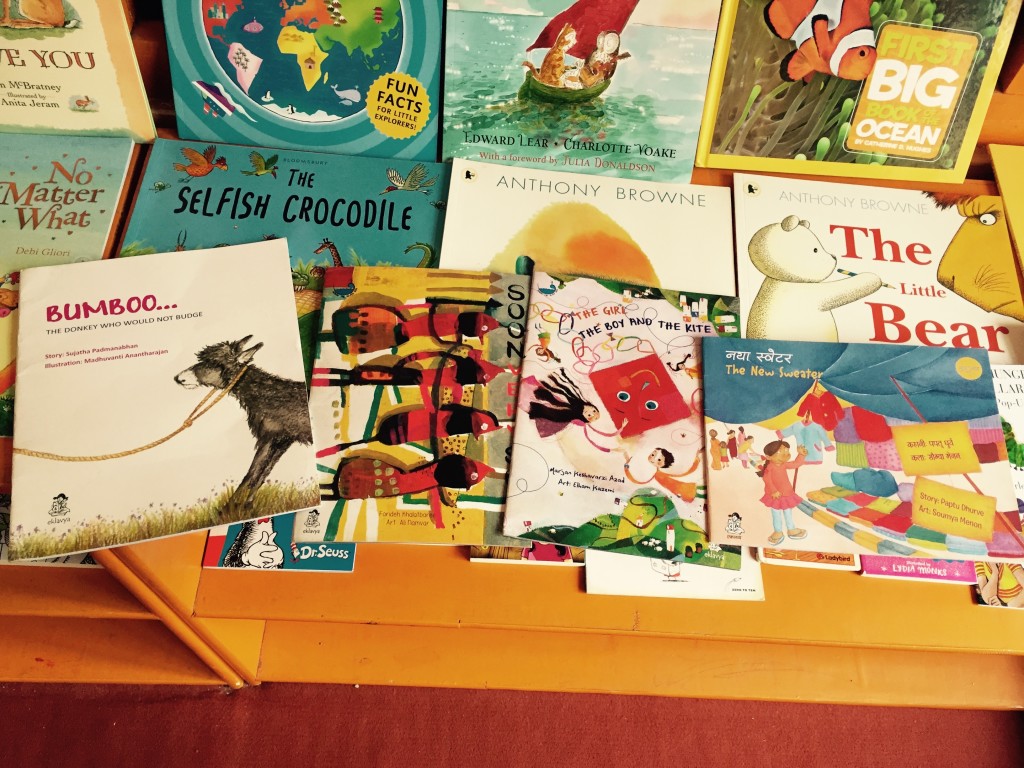
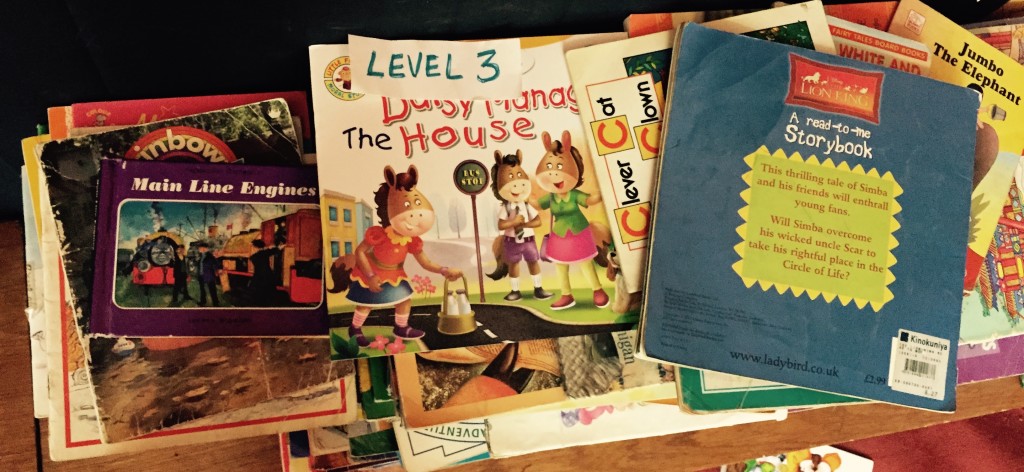
None of these steps requires certainty. A mixed, well-described collection can be corrected as evidence appears. The broader aim is sustained participation: children encounter disability as ordinary, families find stories that speak to them, and staff gain confidence in recommending books. For Trust book drives, labels can include disability, access needs and reading interests so useful titles reach the right children without segregation.
Comparing books without lowering the bar
A useful comparison looks at both meaning and usability. A book may feature a disabled child beautifully but remain hard to borrow or access; another may be highly readable while relying on tired formulas. Selectors should ask separate questions about representation, story quality, production and access.
| Choice or feature |
Value in the collection |
Question for selectors |
| Disabled child as a central protagonist |
Builds identification and places disability within a full life |
Does the child have interests, relationships and agency beyond a diagnosis? |
| Everyday settings and routines |
Makes disability visible without demanding a crisis |
Does the story avoid pity and a compulsory triumph? |
| Authentic voice and review |
Improves accuracy and cultural or linguistic relevance |
Was lived experience or relevant expertise involved? |
| Joy, conflict and complexity |
Prevents the character from becoming a symbol |
Are emotions and outcomes varied and credible? |
| Accessible formats and descriptions |
Supports more ways of reading and sharing |
Are print size, contrast, sound, digital access and navigation suitable? |
Feature alone does not guarantee quality. Some catalogues describe a disability prominently on the cover, which can attract readers yet reduce the character to a marketing hook. Strong selectors read the whole book, check notes on representation and ask whether the ending treats difference as a problem to solve. Positive but complex stories are usually more durable than simple reassurance.
The same principle guides work beyond formal lending. Shared reading, puppetry, music and art can help children interpret what a book shows, while a quiet space supports children who need lower stimulation. These activities turn representation into participation rather than leaving it as a passive image on a page.
A library where every child belongs
For a disabled child, the right book may be the first that names an ordinary wish in a familiar voice. It can reduce the loneliness of explaining differences that classmates rarely notice. For a non-disabled child, it can interrupt the assumption that one kind of body, language or learning style represents childhood.
For librarians and teachers in Australia, inclusive collections are also practical tools for building welcoming classrooms and public programs. A story can open a conversation about access without turning a child into a lesson. When books sit alongside one another across subjects and genres, children learn that disability and ability are not separate shelves.
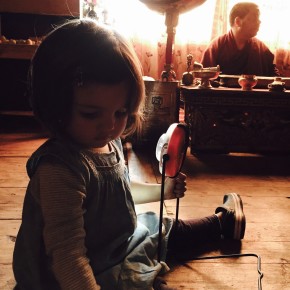
The work of Avalokiteśvara Trust in Himalayan communities carries these values into reading rooms where books, music and creativity meet. Its wider message travels well: literacy is strongest when quality resources are available in welcoming ways. The lasting lesson is that disability belongs in the everyday stories children read, and belonging belongs in every collection.