Books that open doors for girls in STEM
Children absorb possibilities from the people they meet in books. When a girl appears as the person who designs a bridge, tests a soil sample, codes a robot or explains an eclipse, she receives more than a story: she receives evidence that science, engineering, technology and mathematics belong to her too. Such narratives can replace the assumption that technical careers are adult, male or remote with a vivid, imaginable alternative.
Confidence in technical subjects often grows before a child has met a real scientist or visited a laboratory. A story can supply that early encounter, showing curiosity, careful observation and collaboration as normal ways to learn. It cannot make opportunity equal by itself, but books featuring girls in STEM can widen a young reader’s sense of identity and give her words for ambitions that might otherwise feel unnamed.
Why representation shapes possibility
A child who sees a girl solving a difficult problem learns that ability is not tied to gender. The important detail is not simply that a female character appears; it is that she holds intellectual agency, makes decisions, explains ideas and affects the outcome. Readers then receive a repeatable model of how a person might participate in a technical community.
Visible role models also broaden the imagined future. A civil engineer might repair a water system, a data analyst might map a safer bus route, or a young inventor might build a low-cost solar device. These examples connect STEM with public needs and everyday work, so the subject feels relevant rather than abstract.
Representation works best when it is credible and varied. Books should include girls of different cultures, abilities, family backgrounds and levels of expertise instead of presenting one narrow personality. Good stories also allow mistakes and doubt, showing that persistence and teamwork matter as much as instant success.
Reading rooms as gateways to discovery
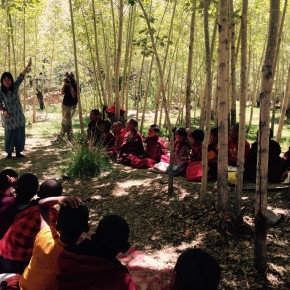
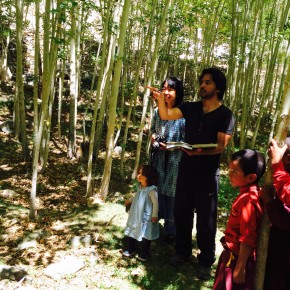
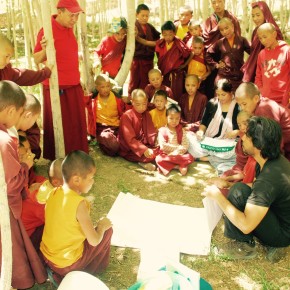
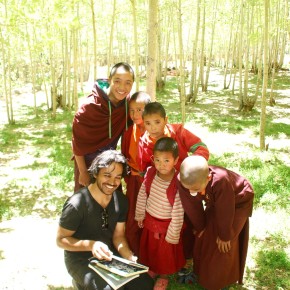
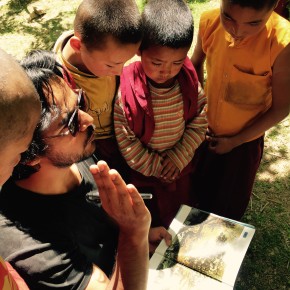
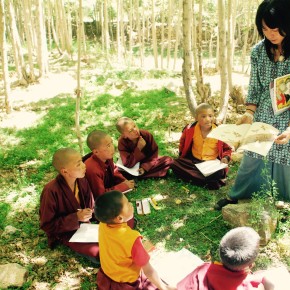
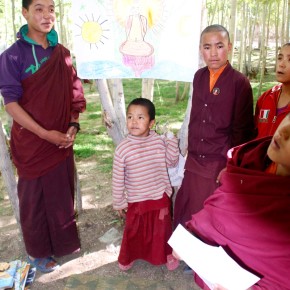
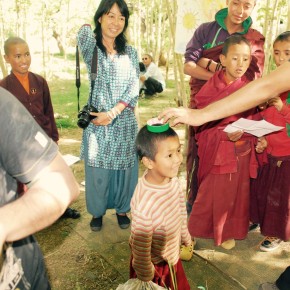
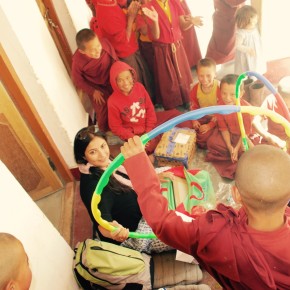
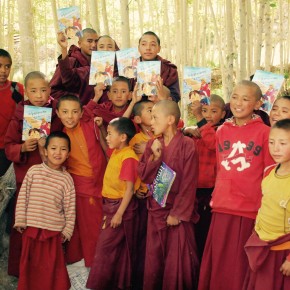
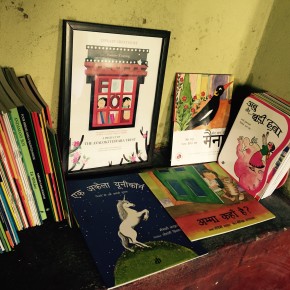
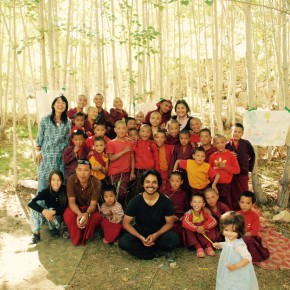
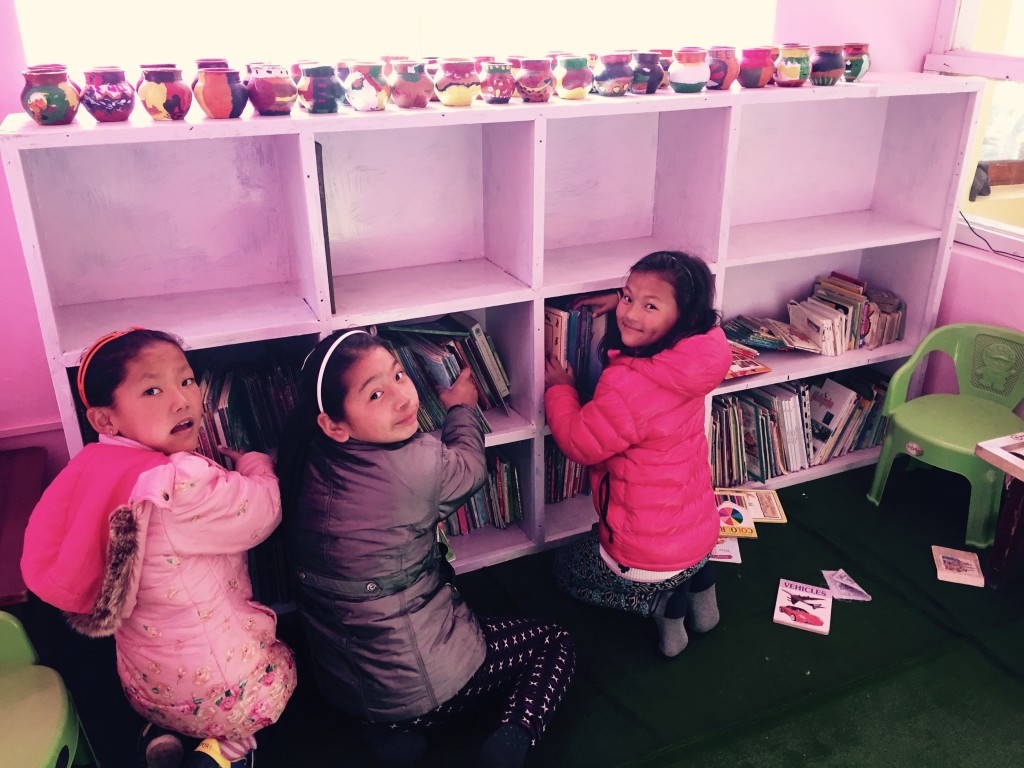
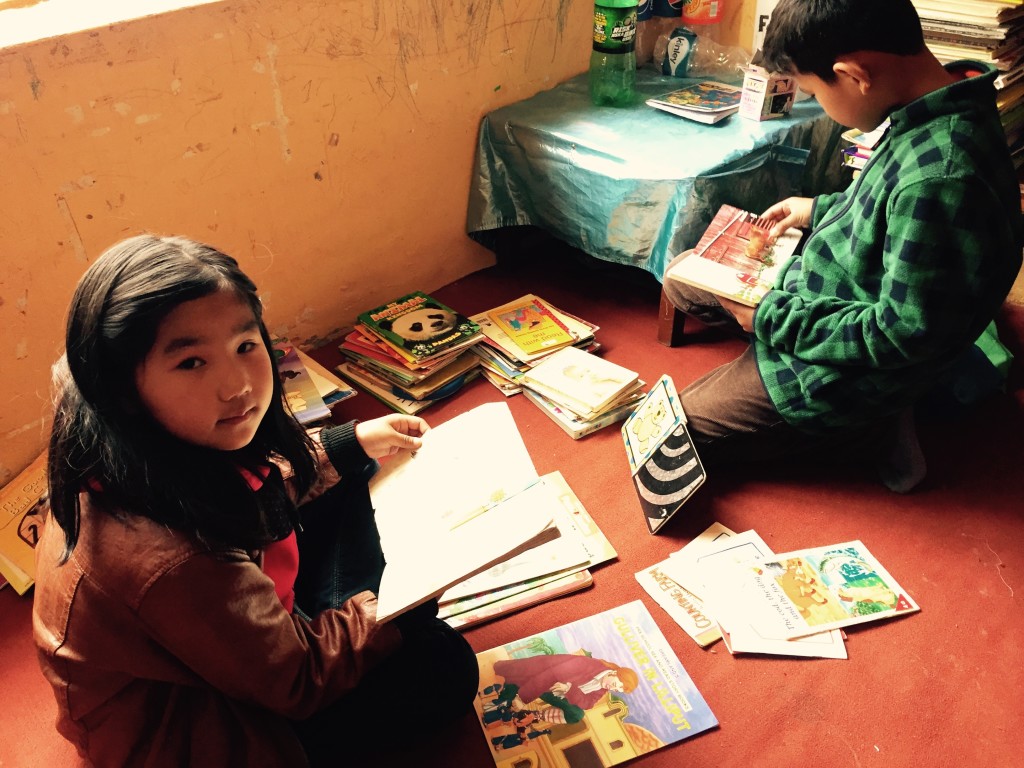
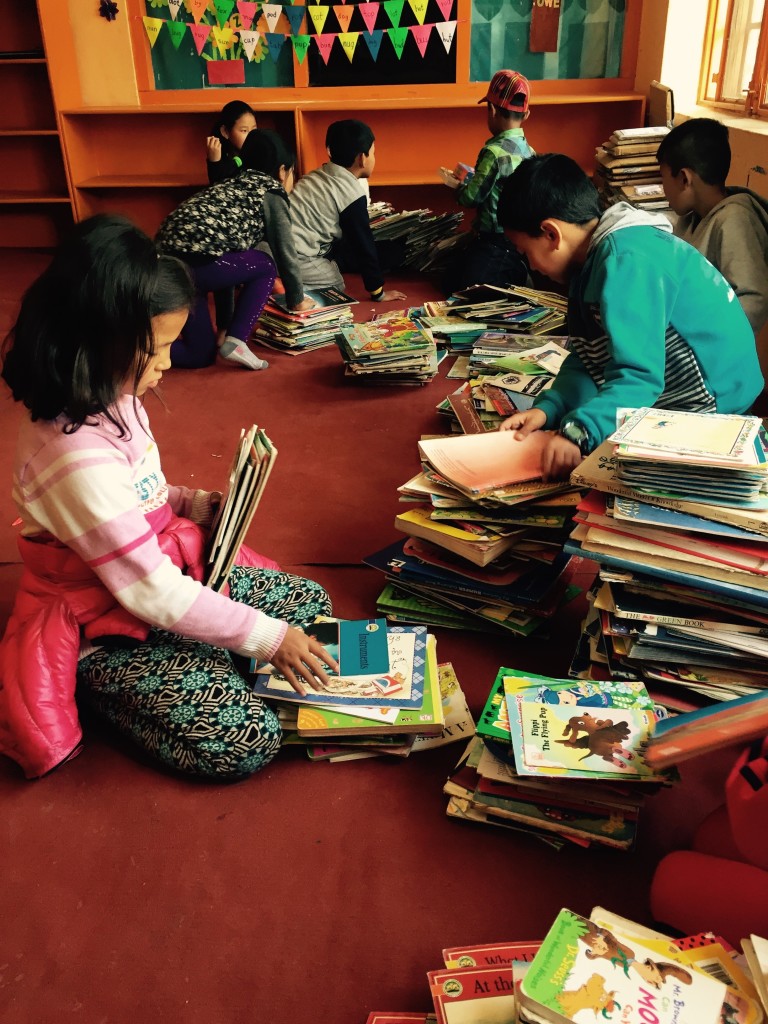
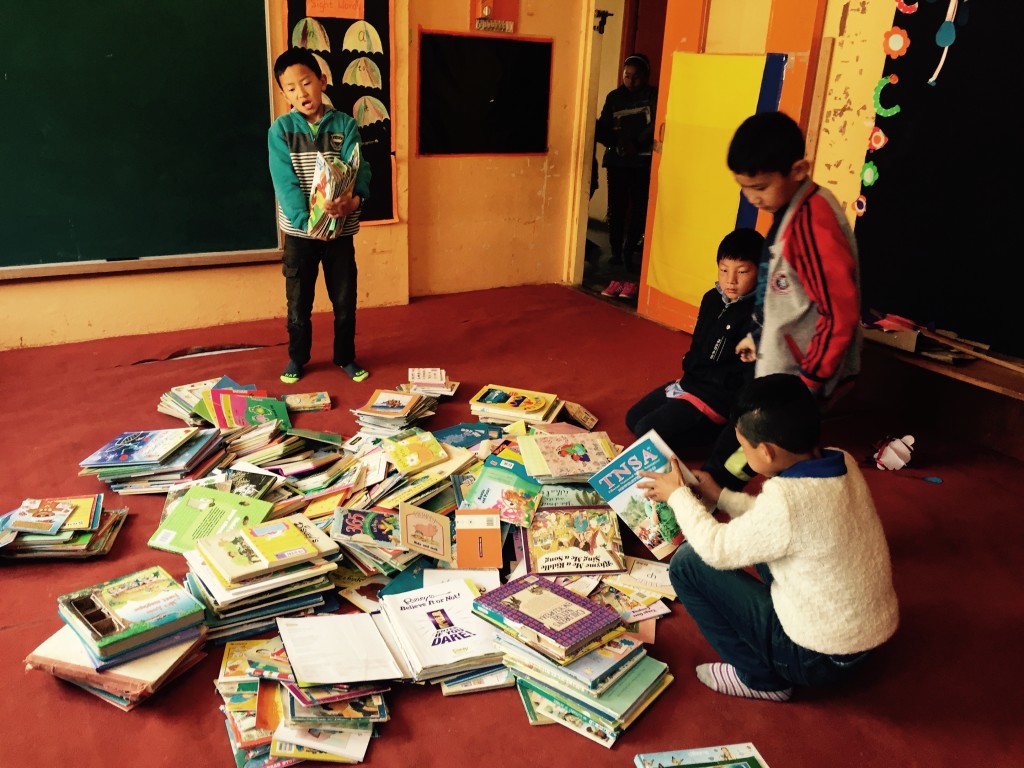
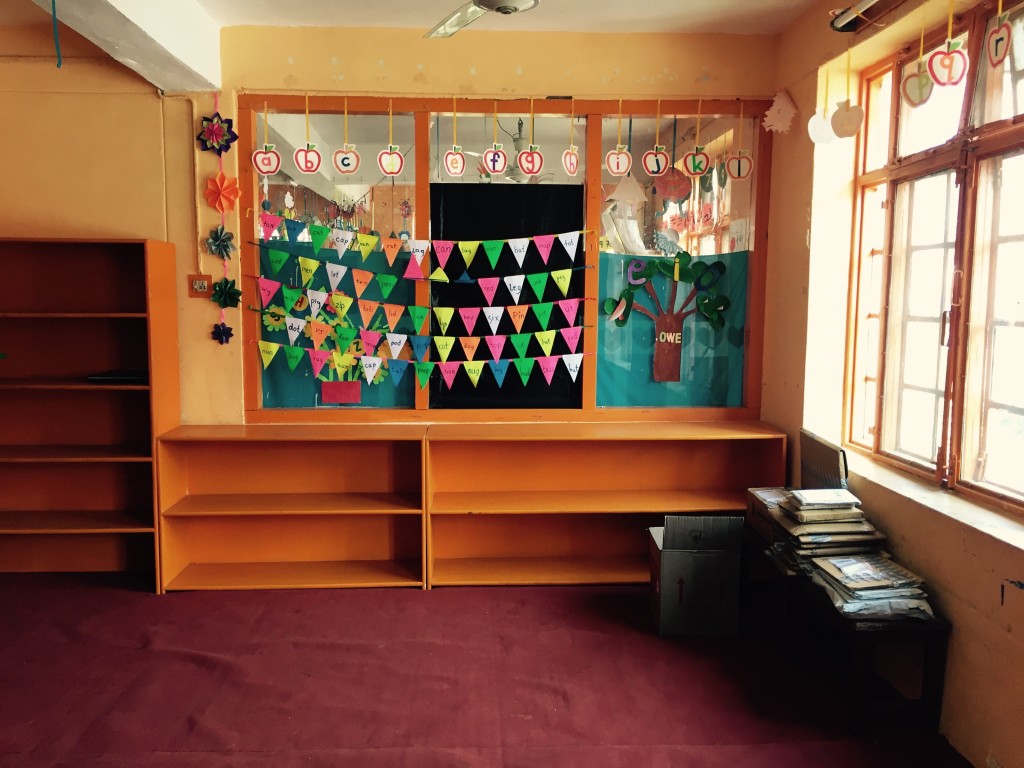
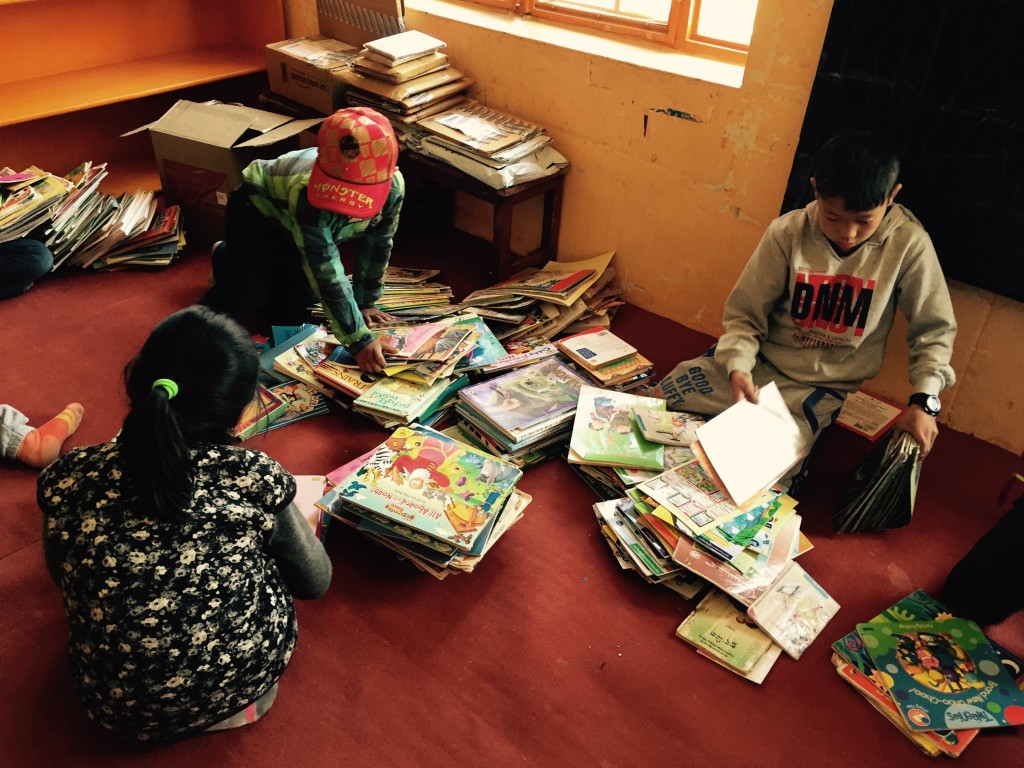
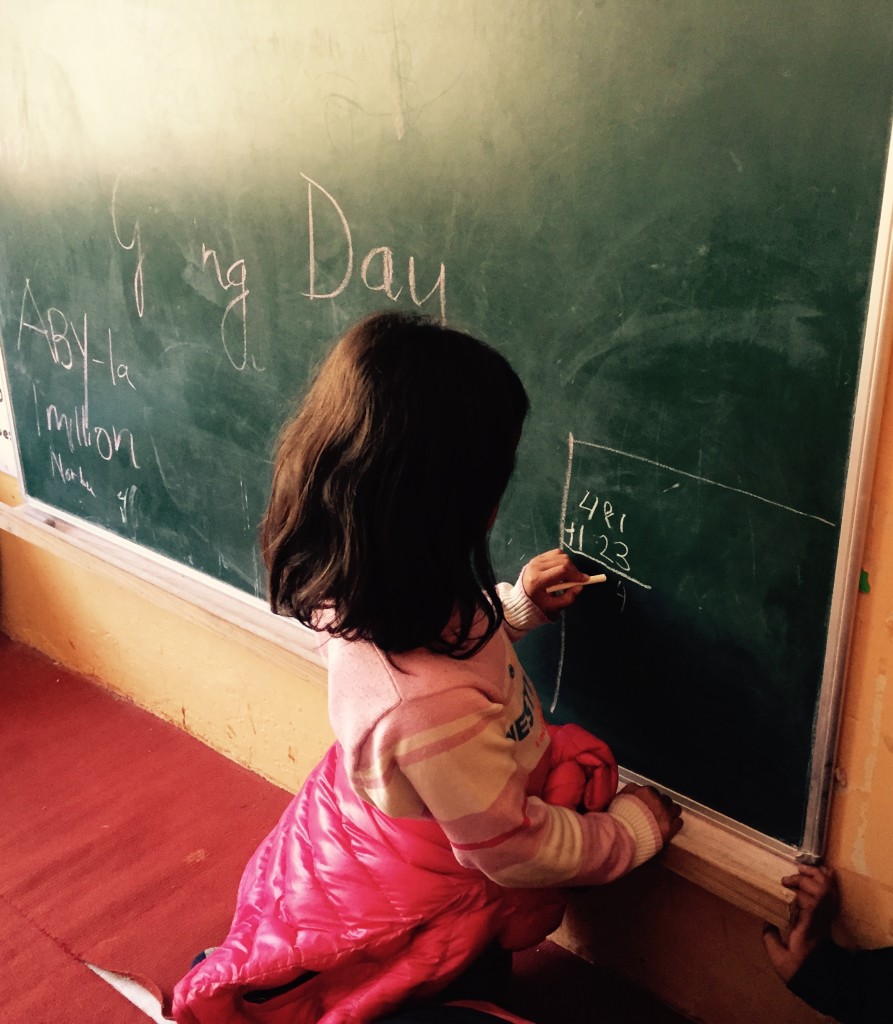
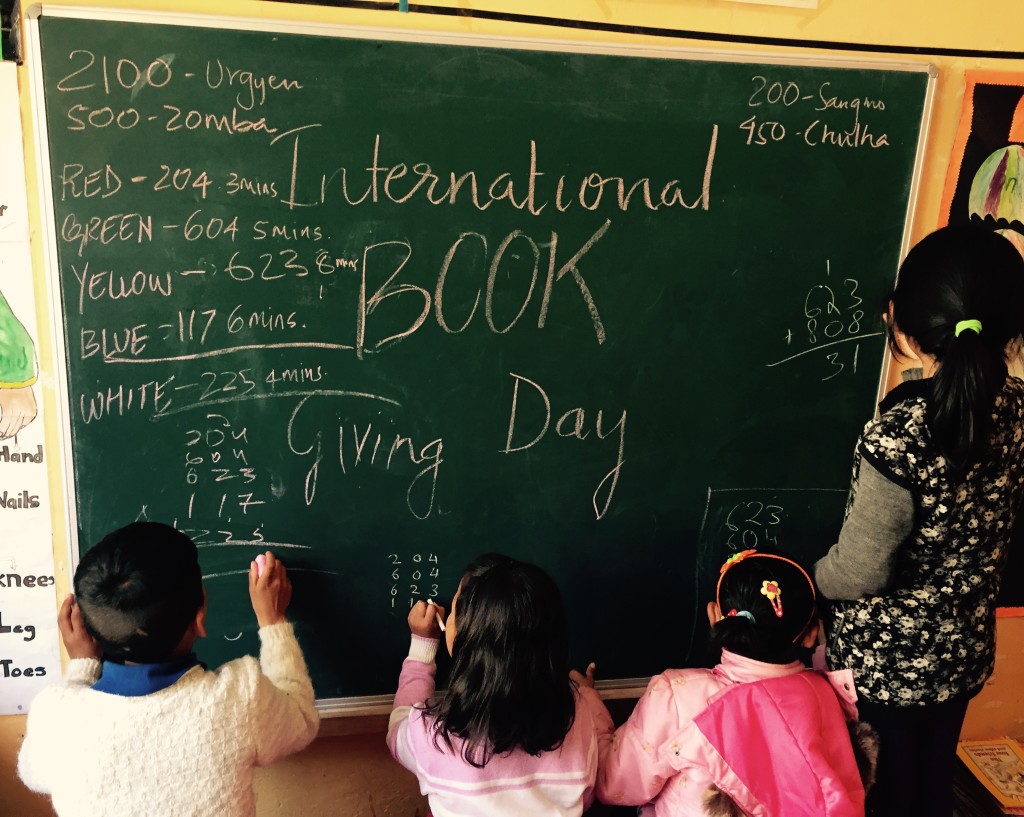
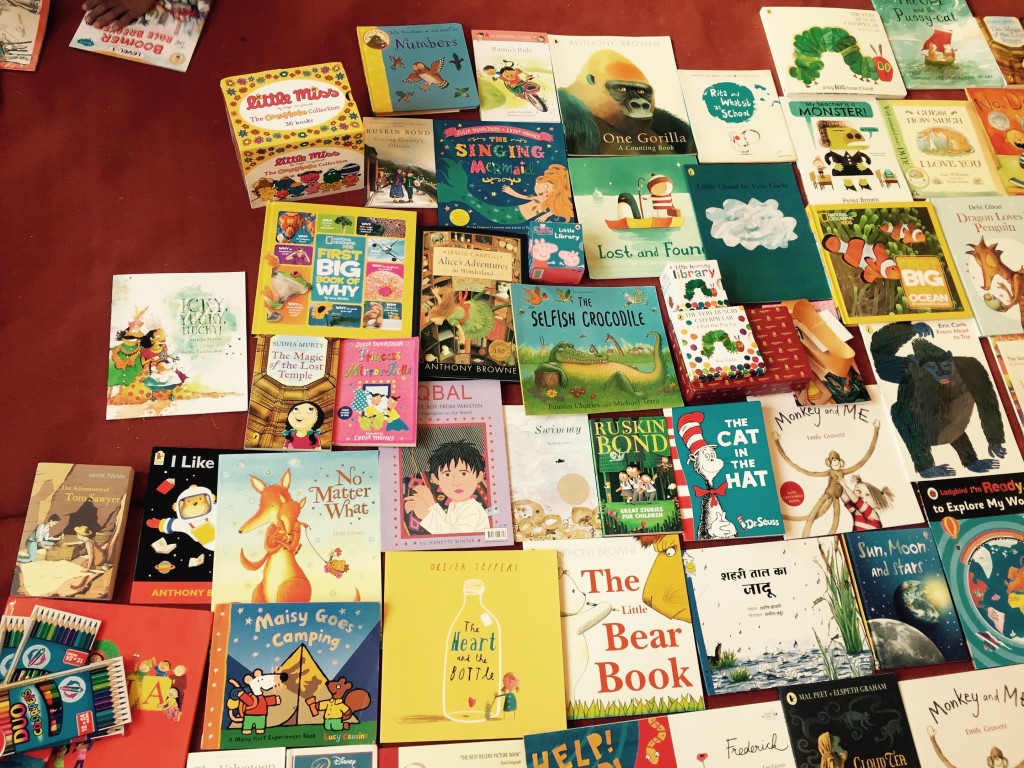
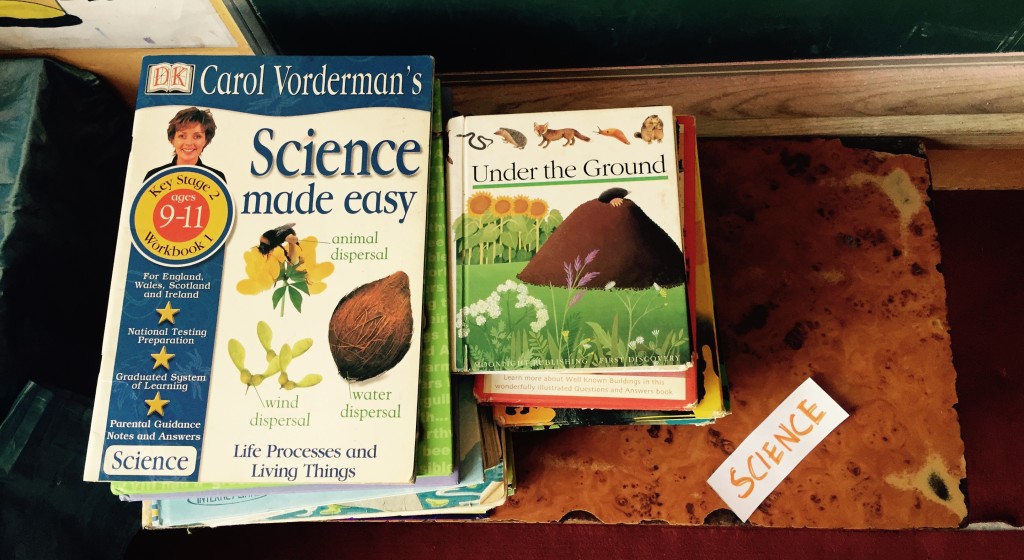
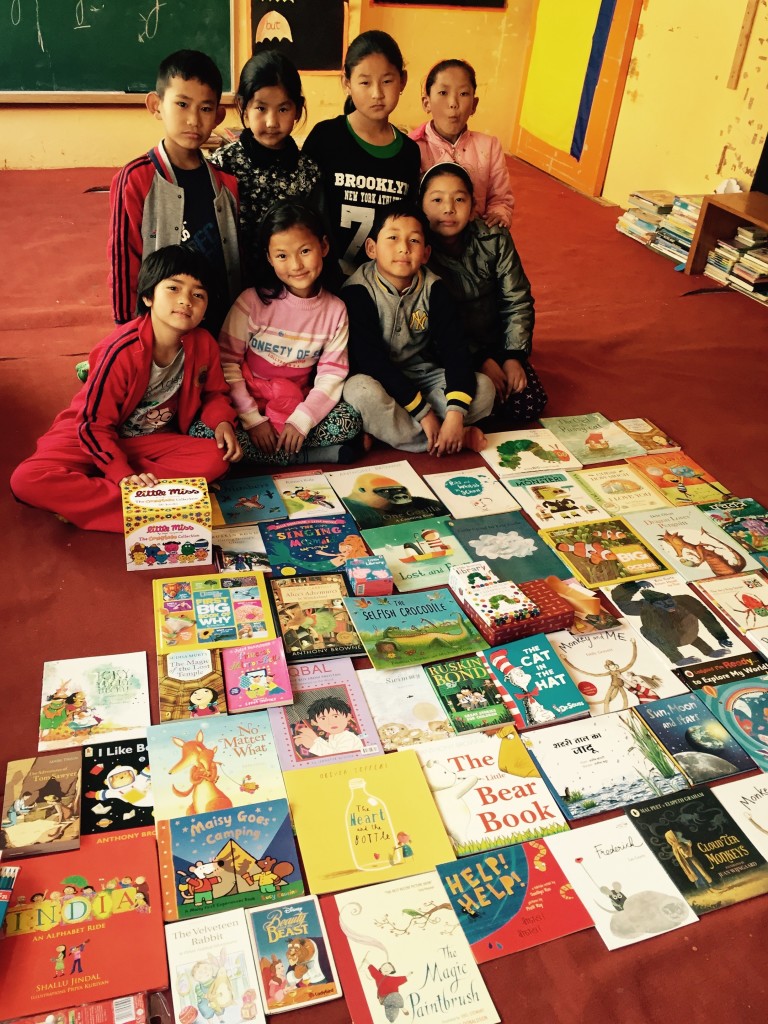
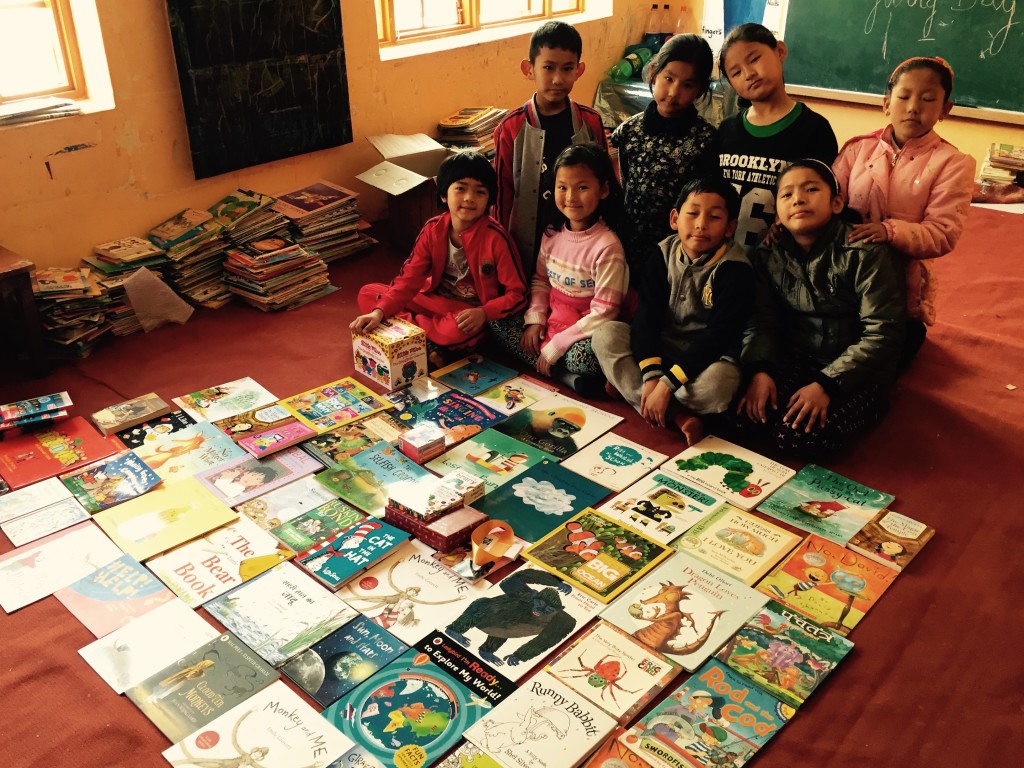
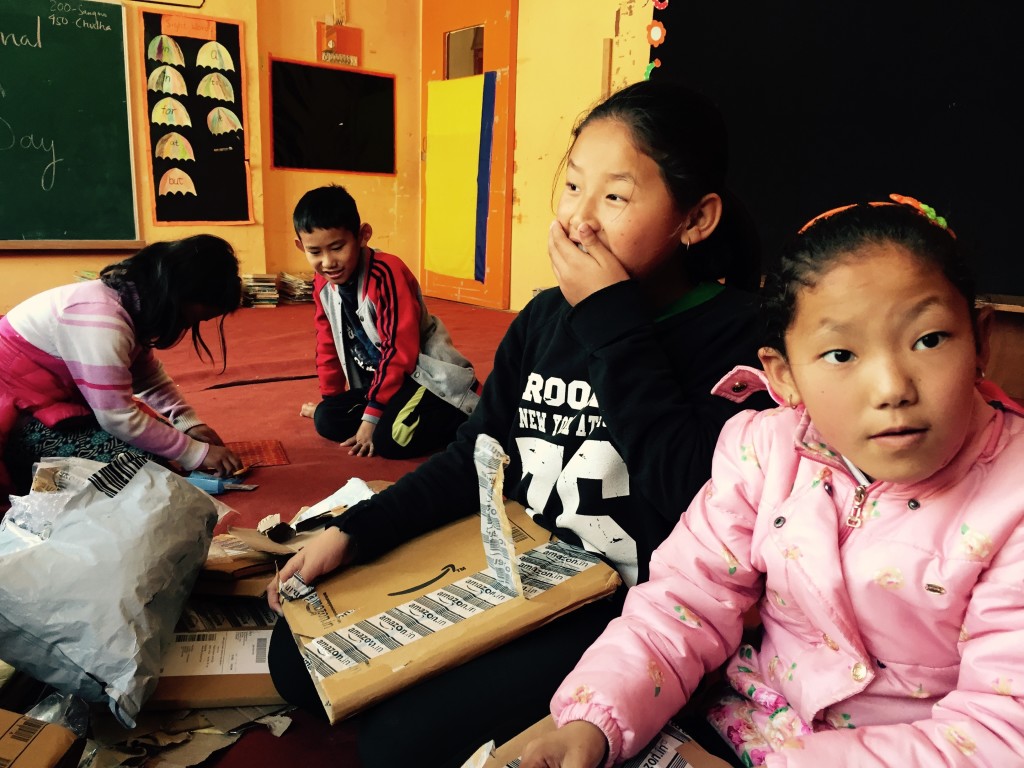
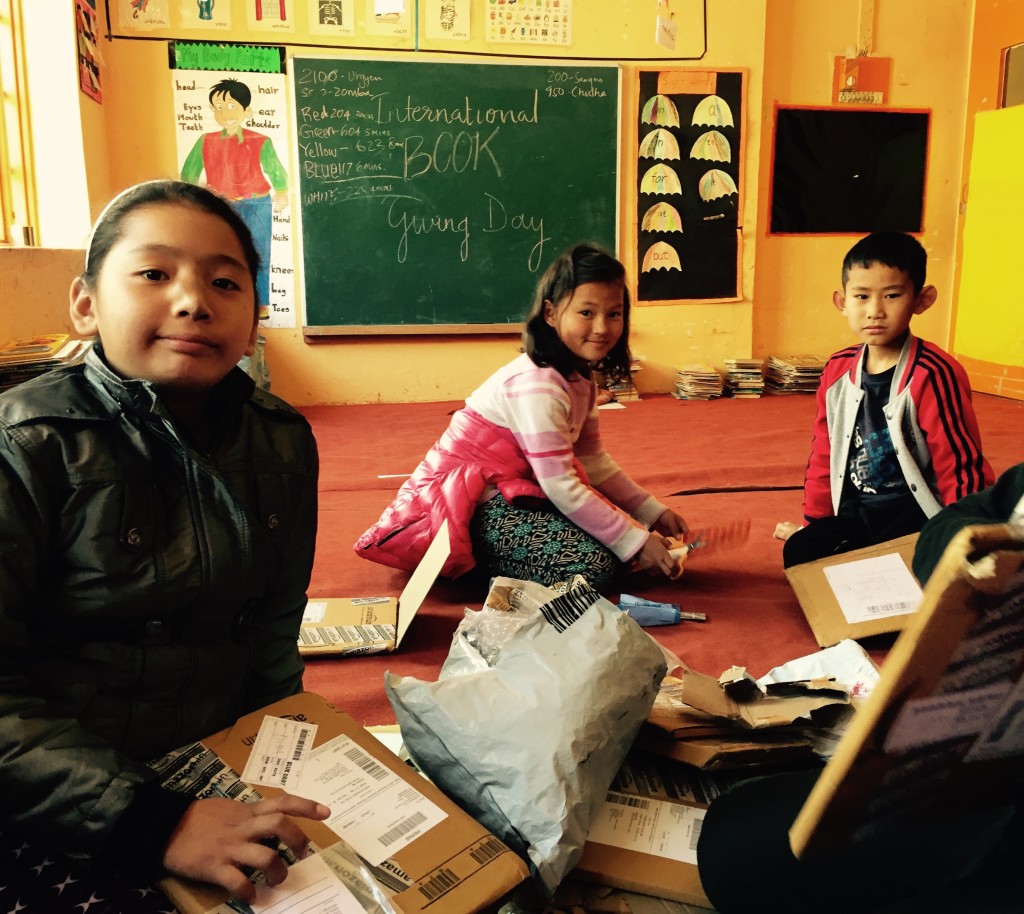
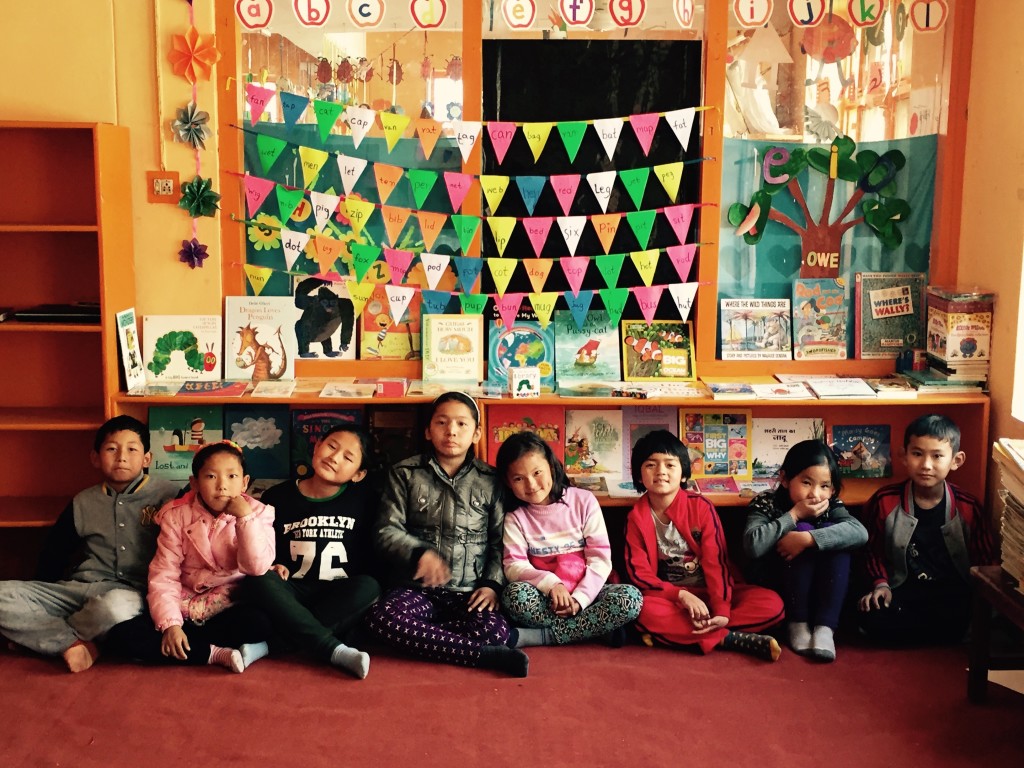
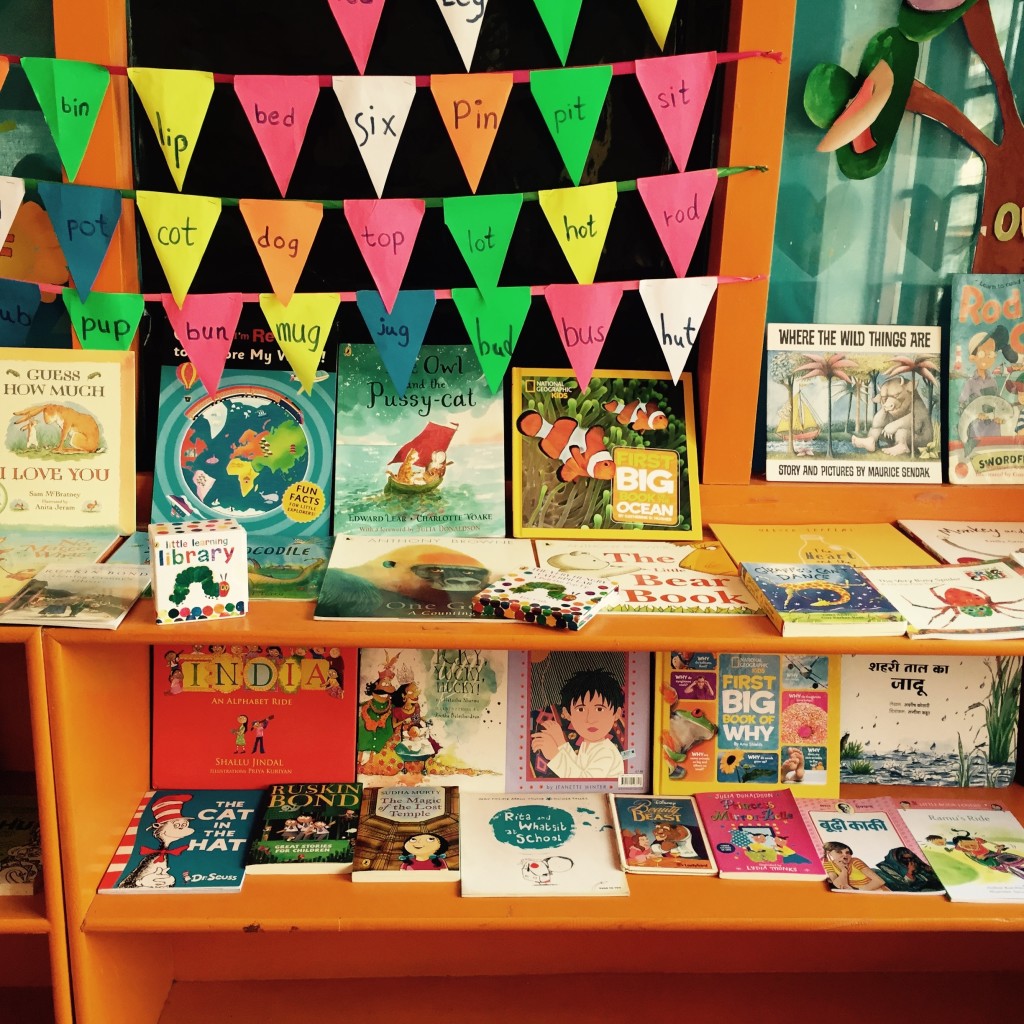
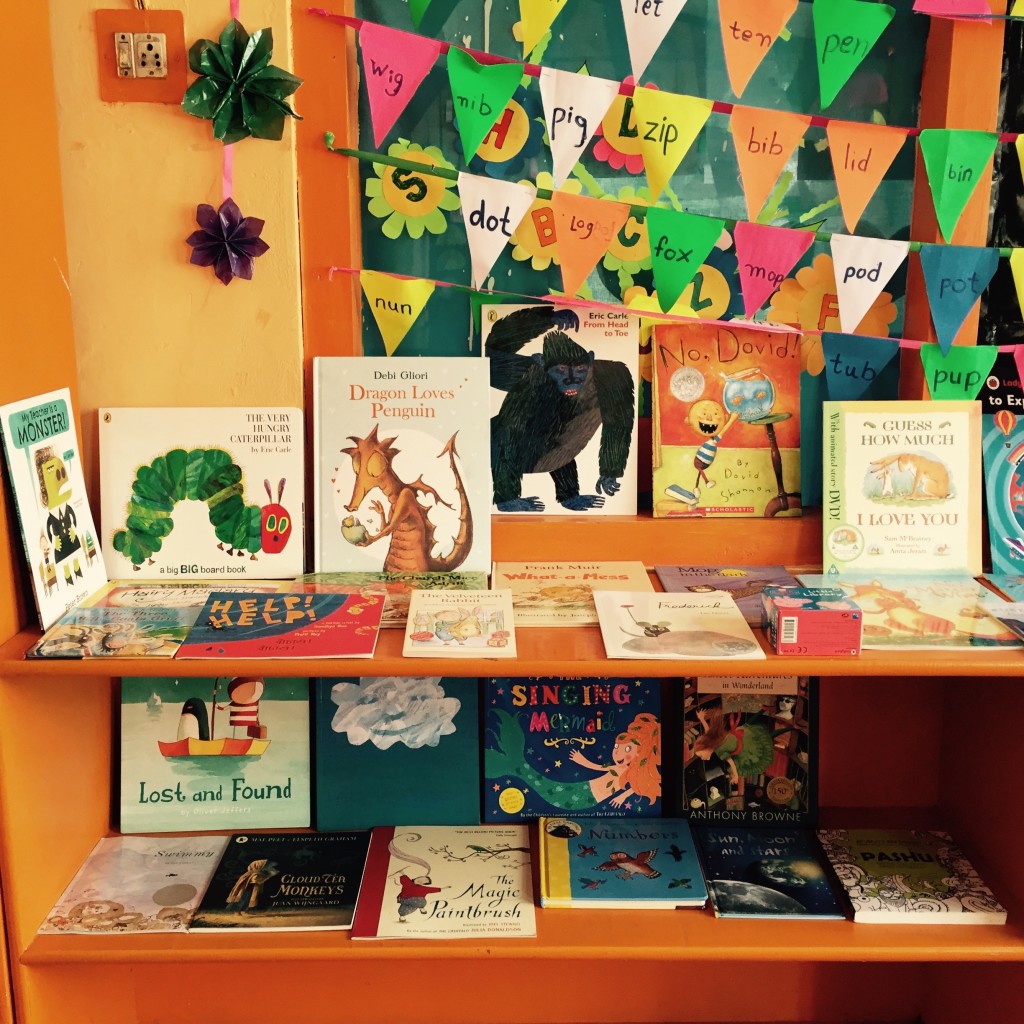
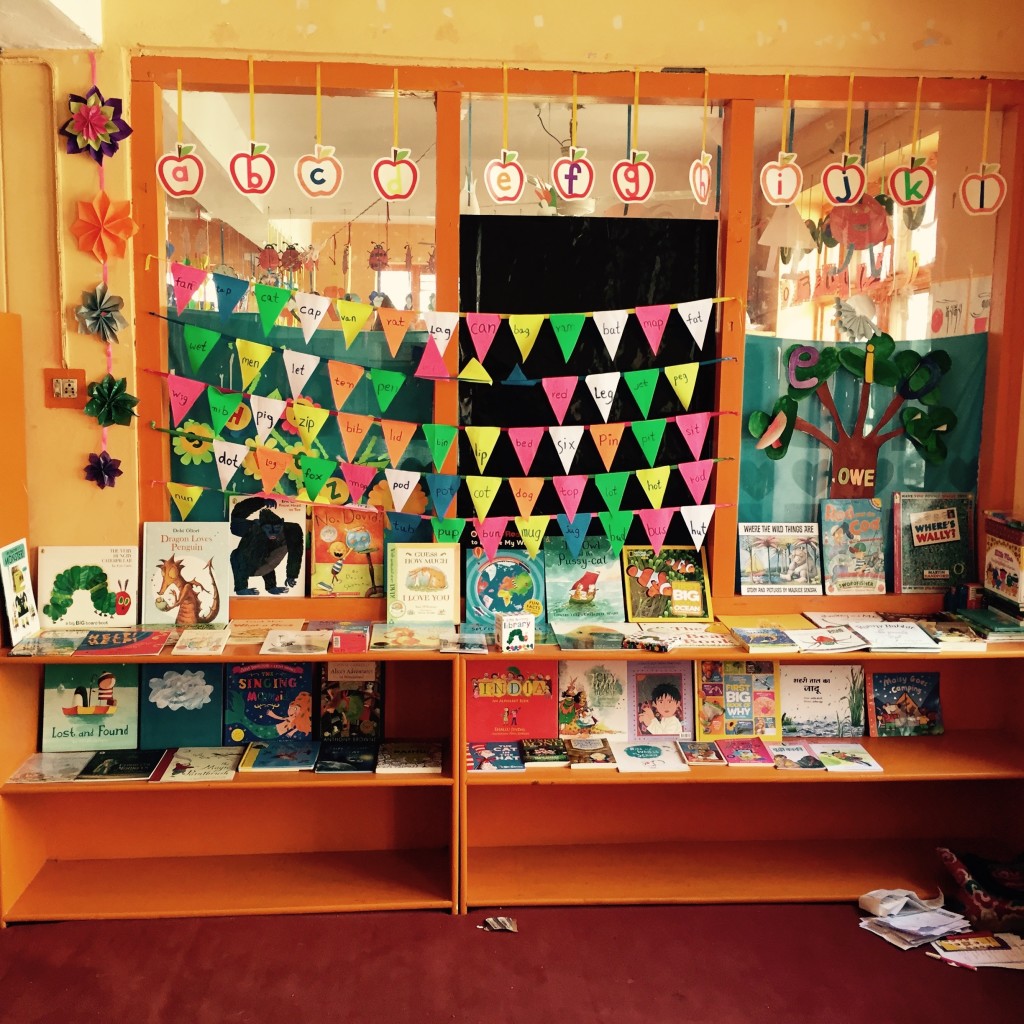
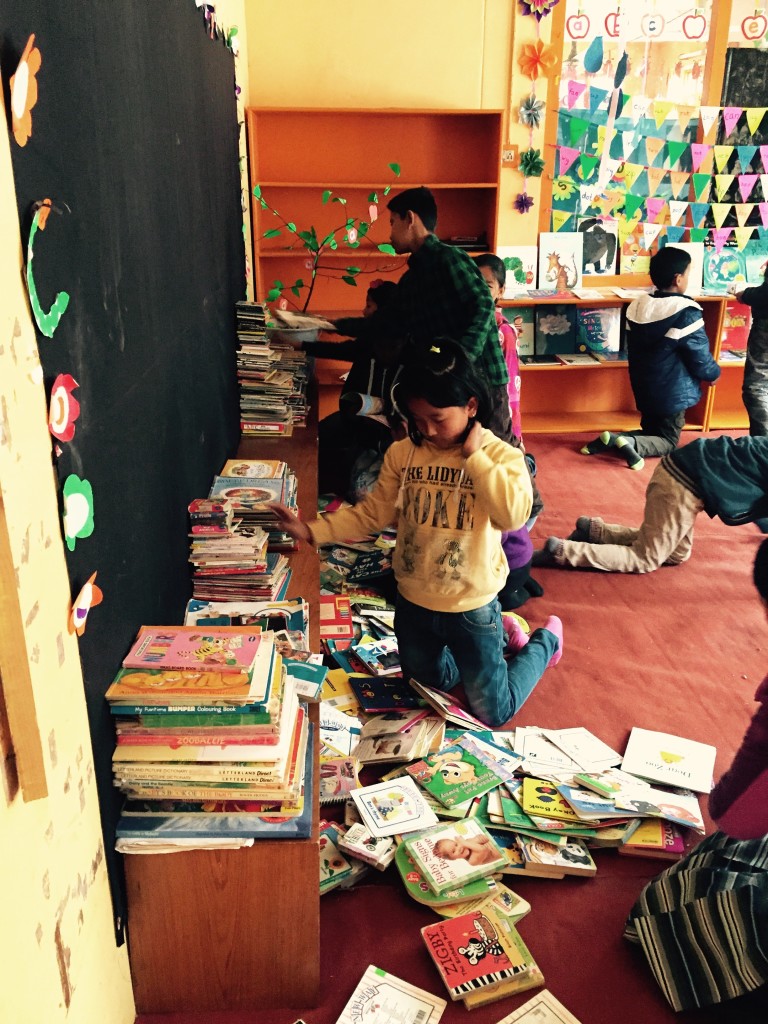
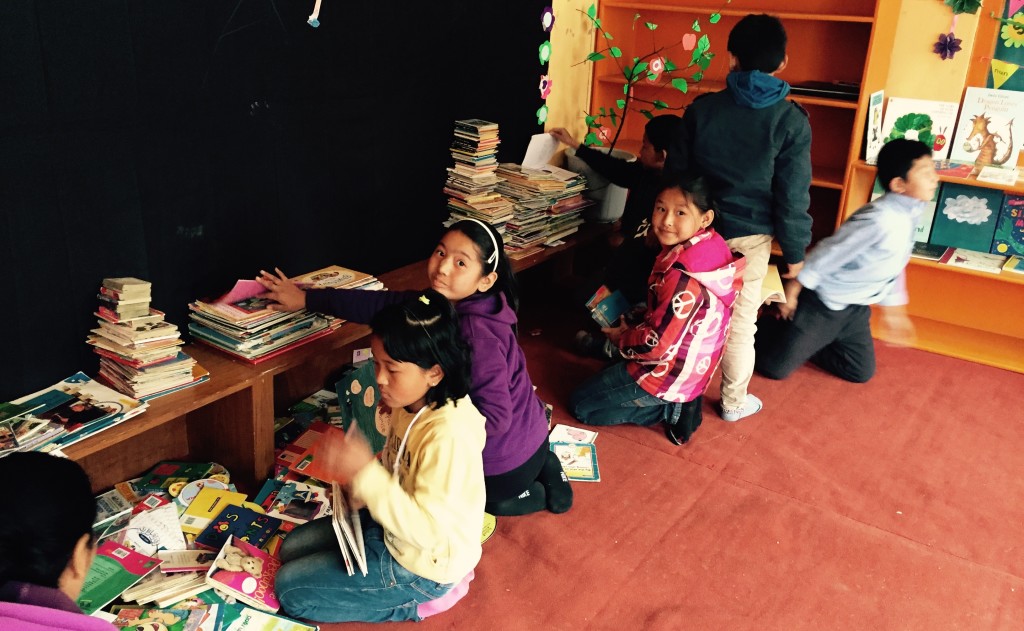
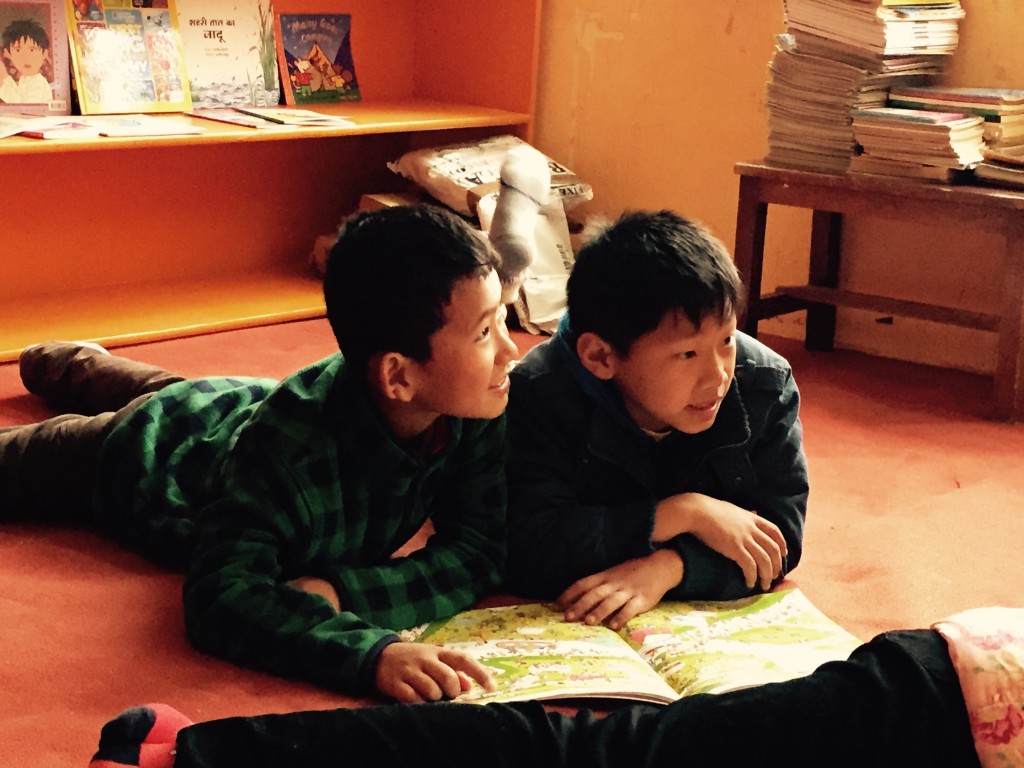
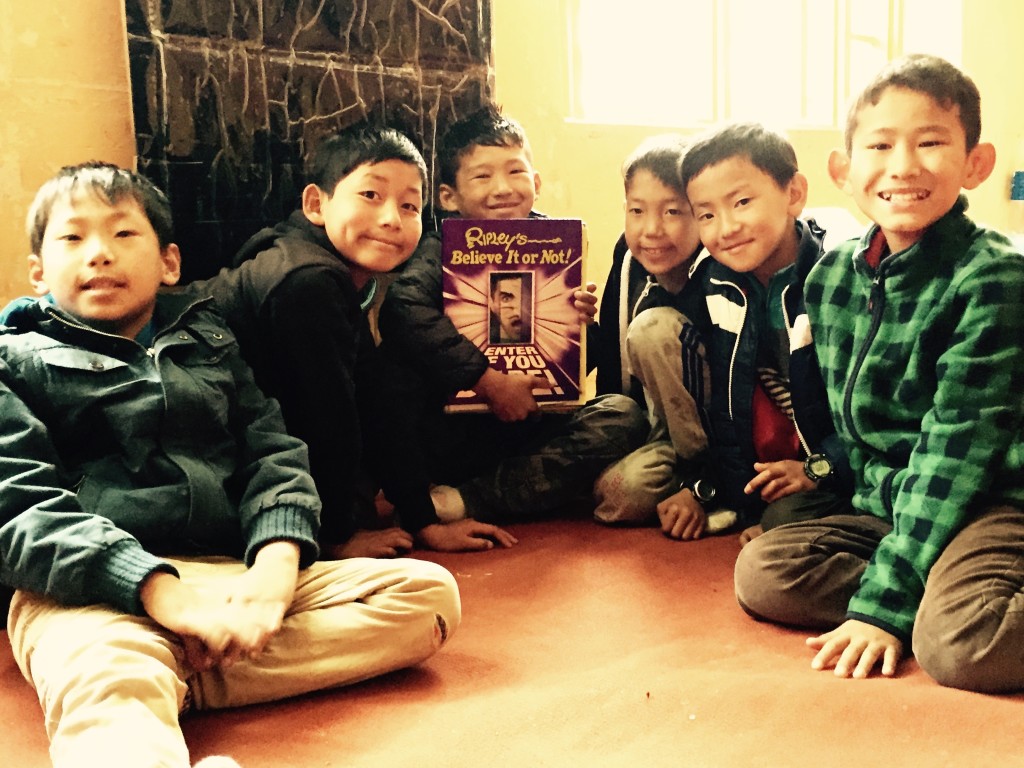
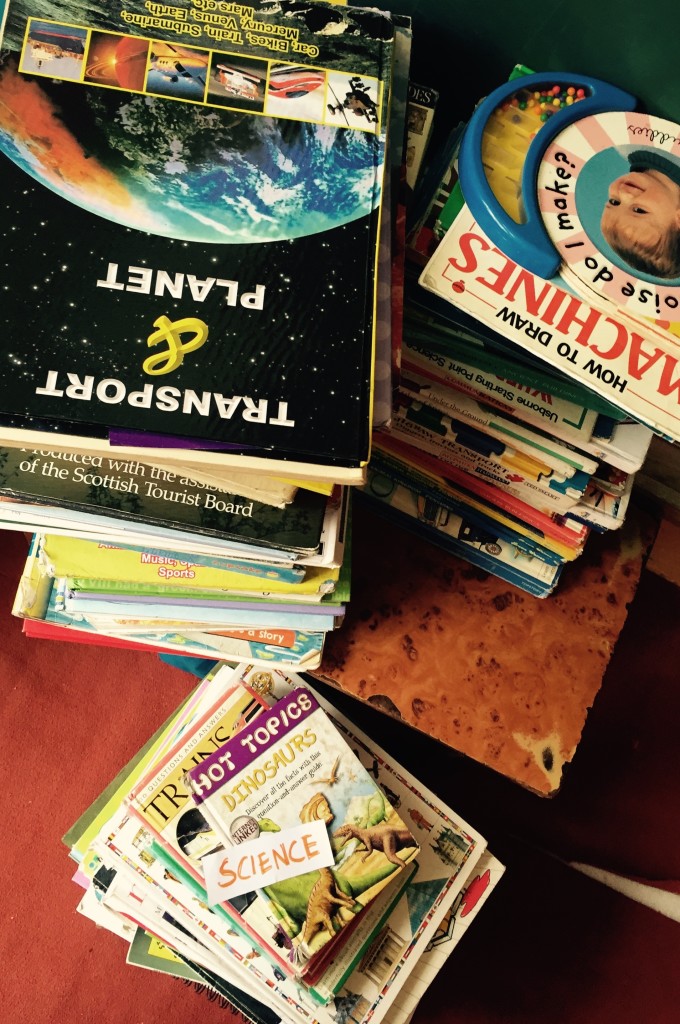
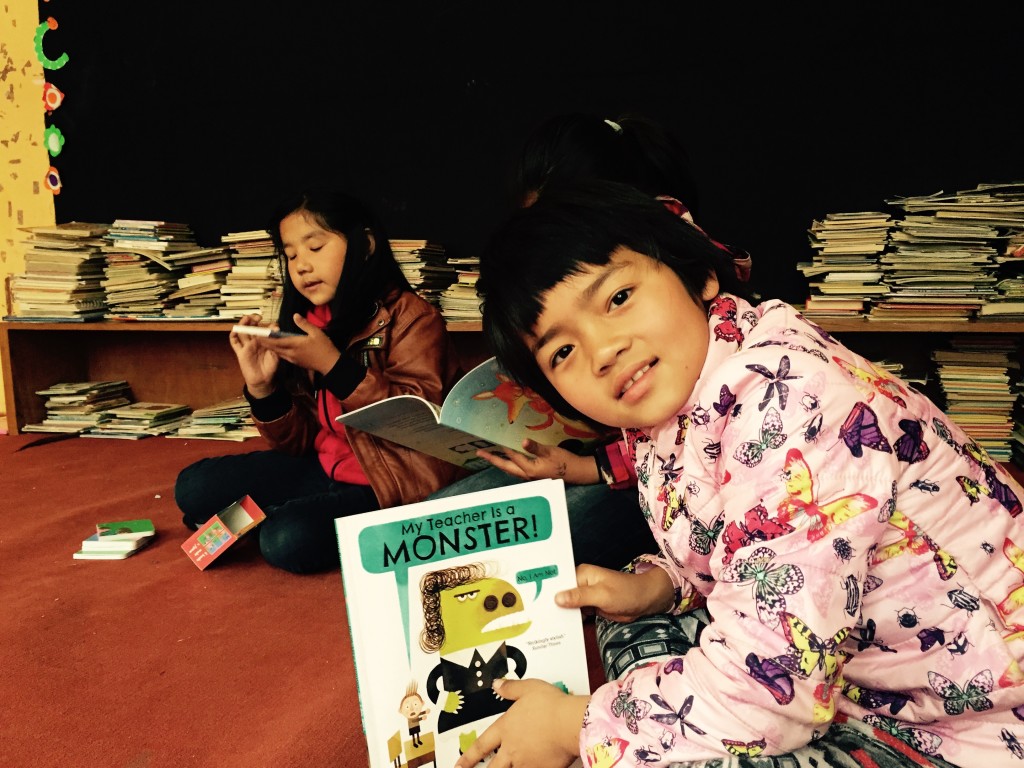
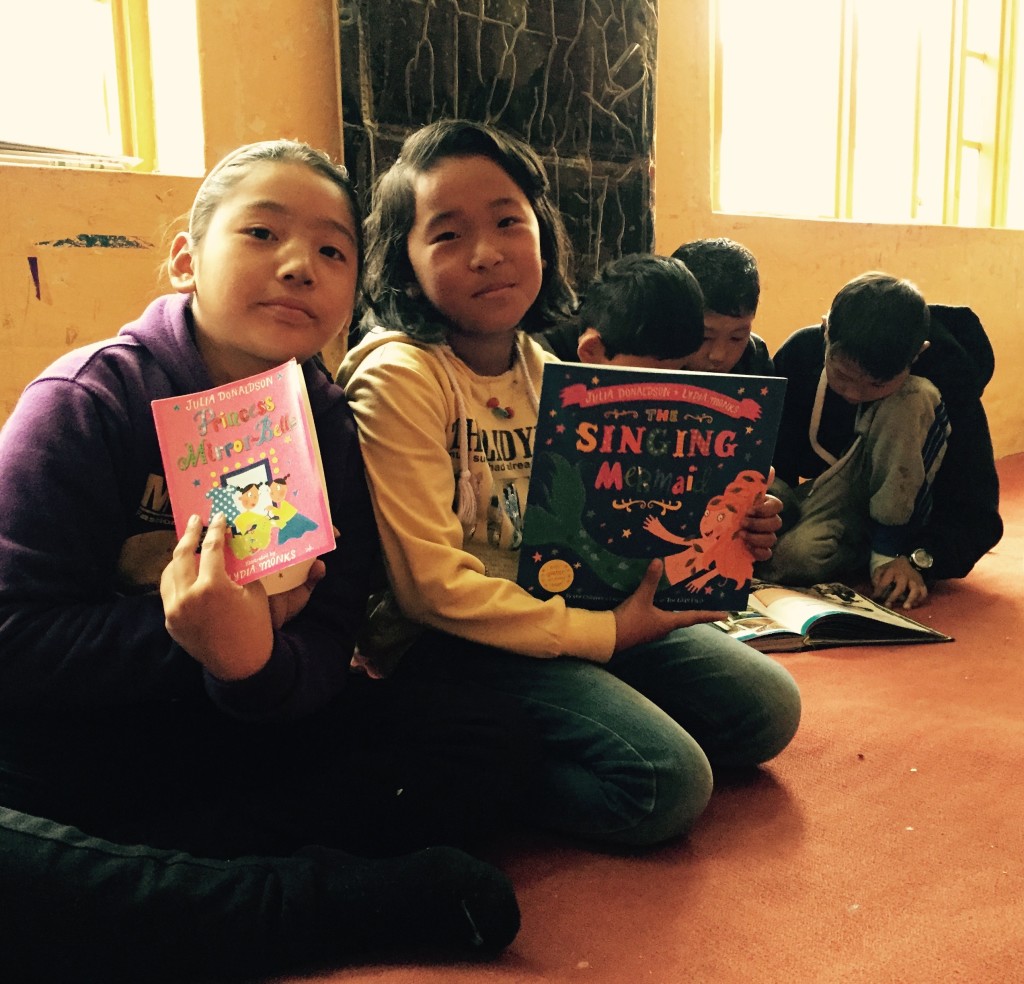
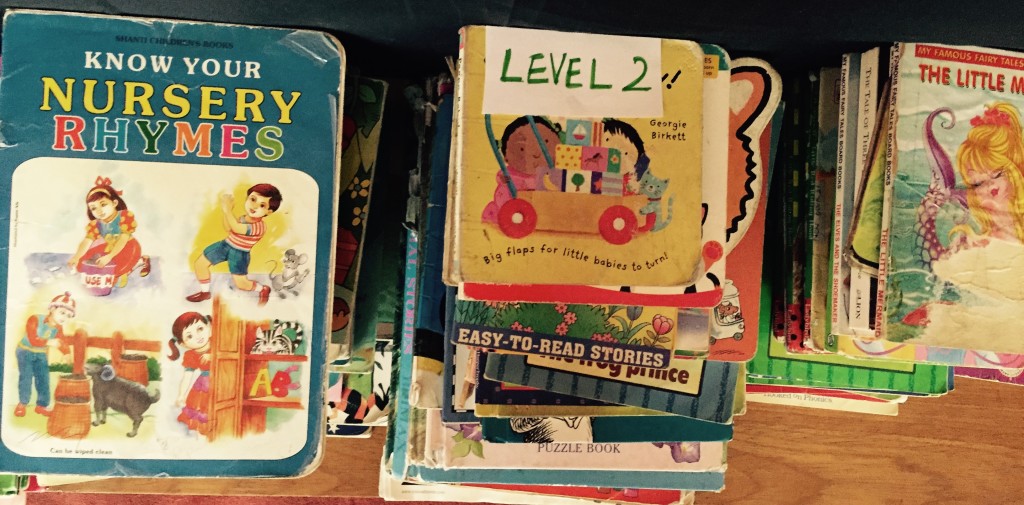
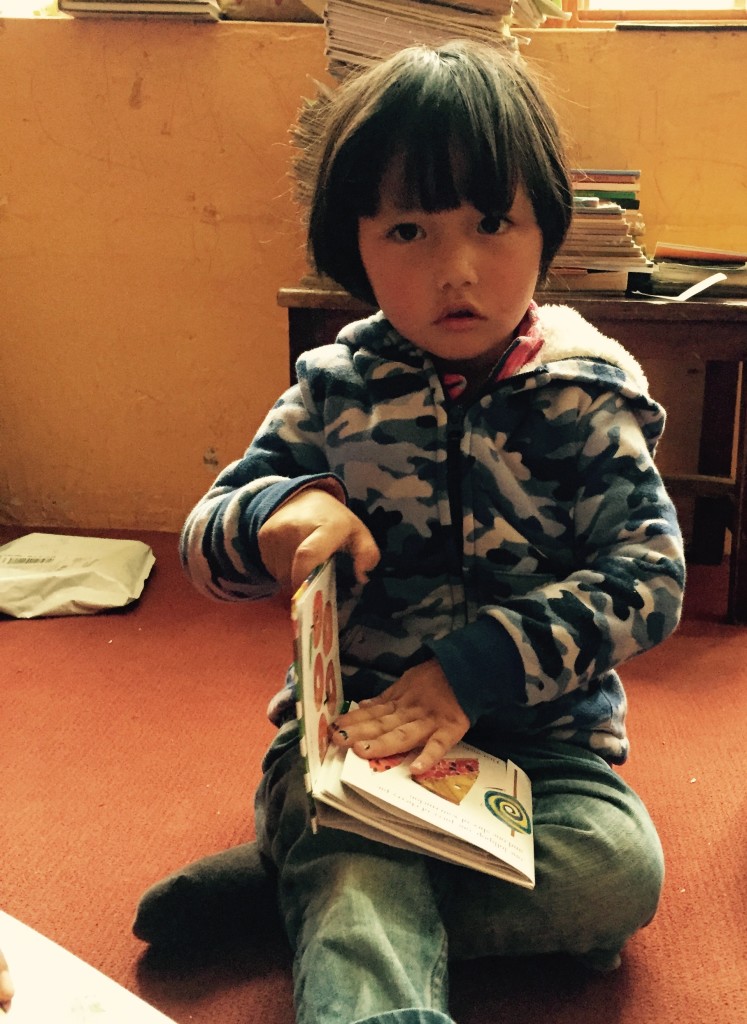
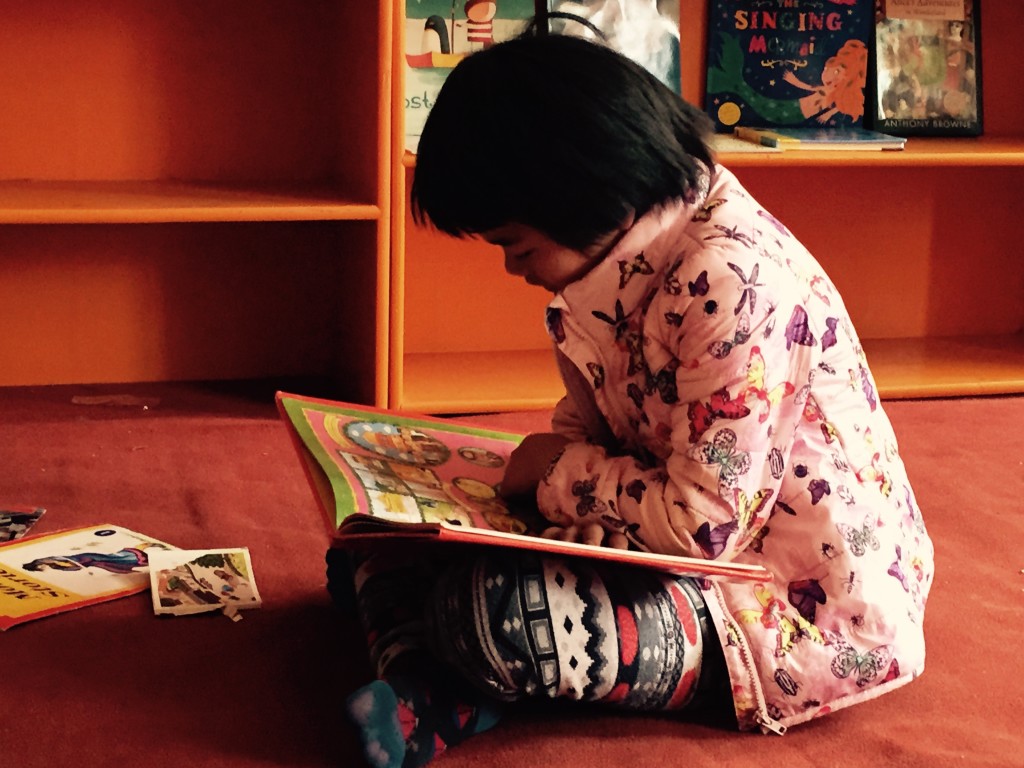
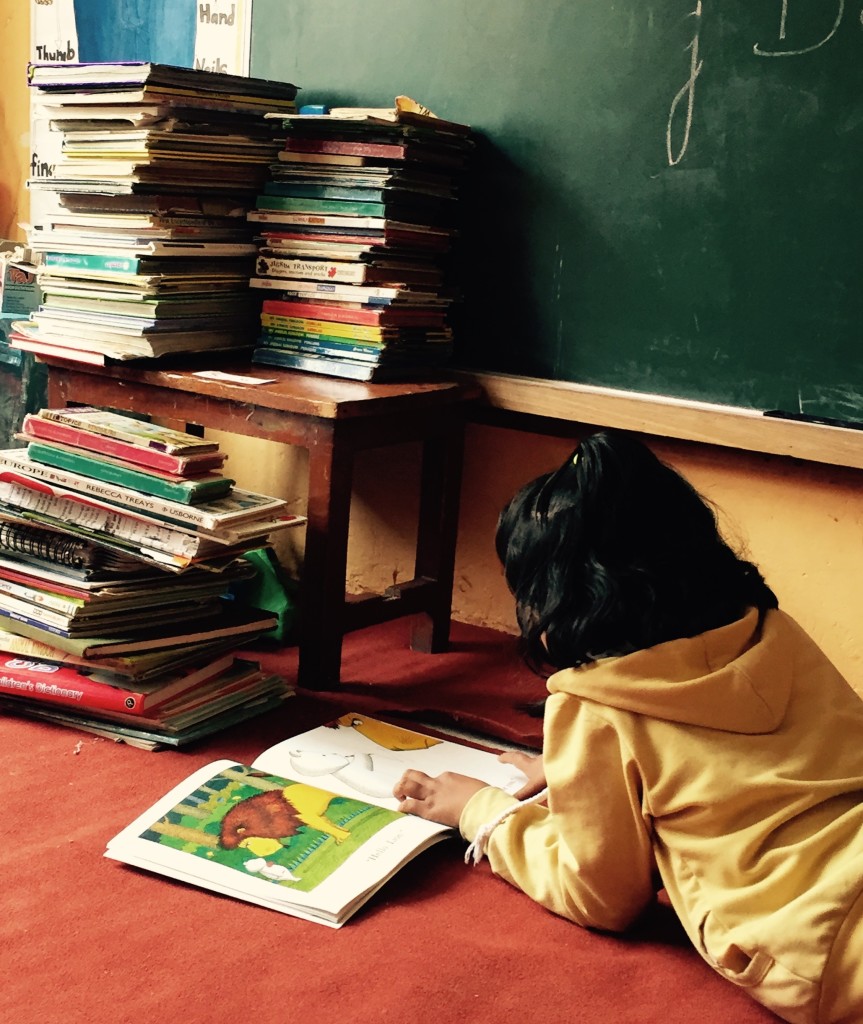
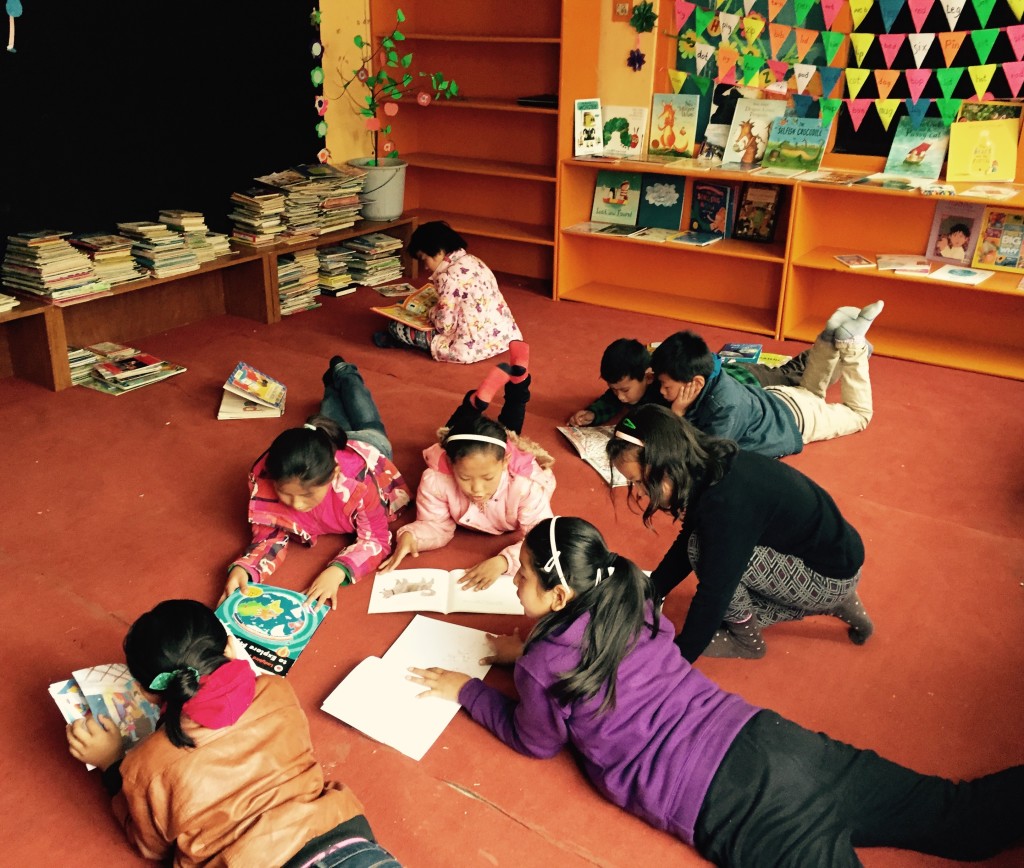
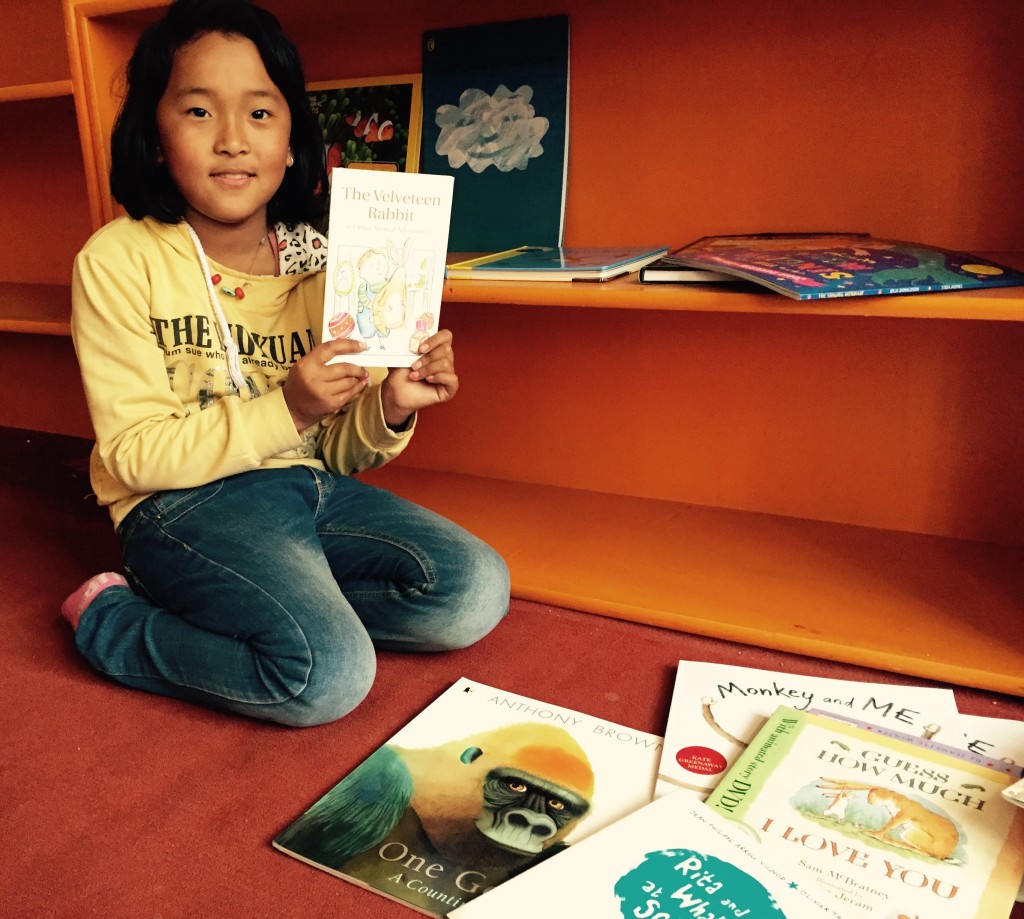
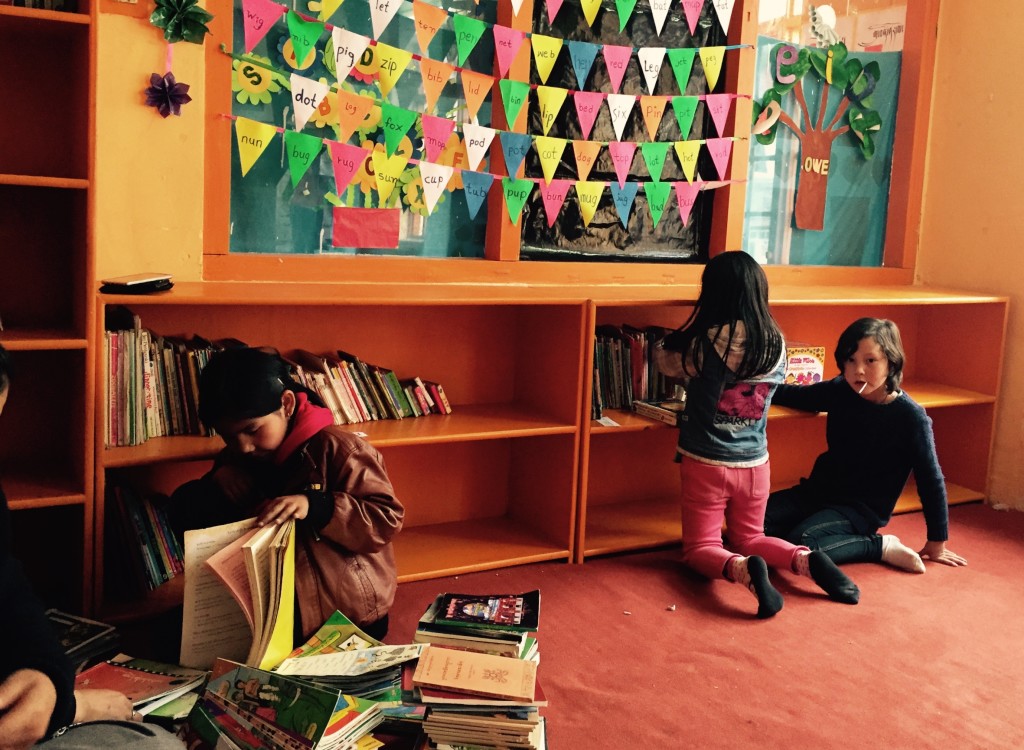
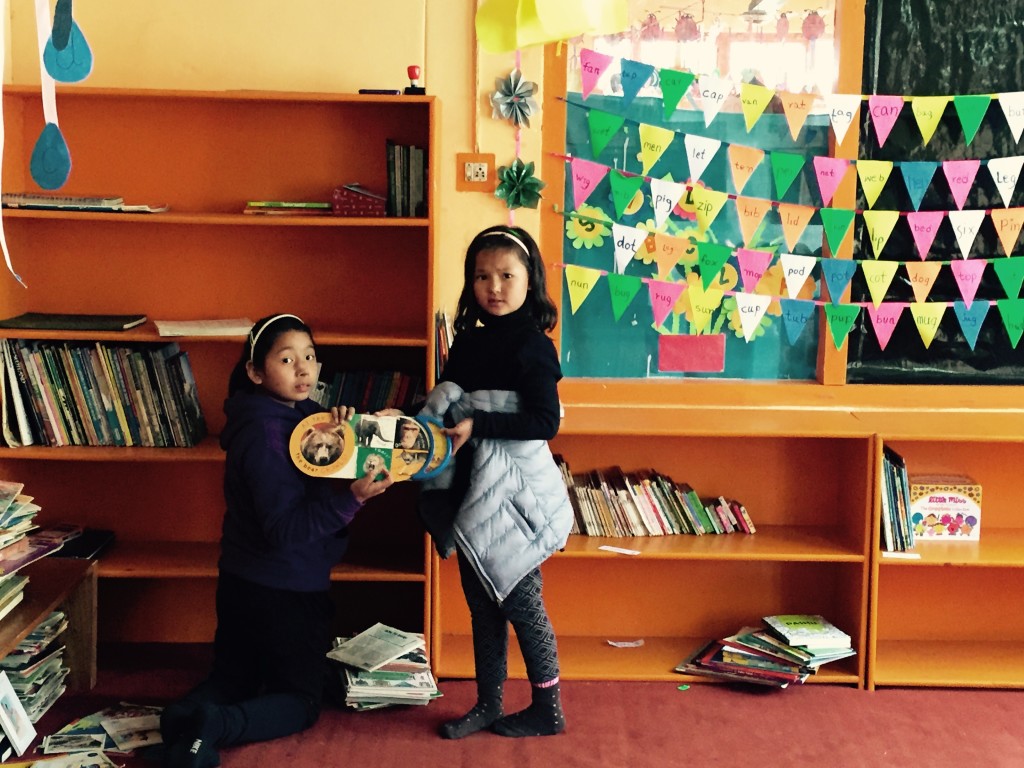
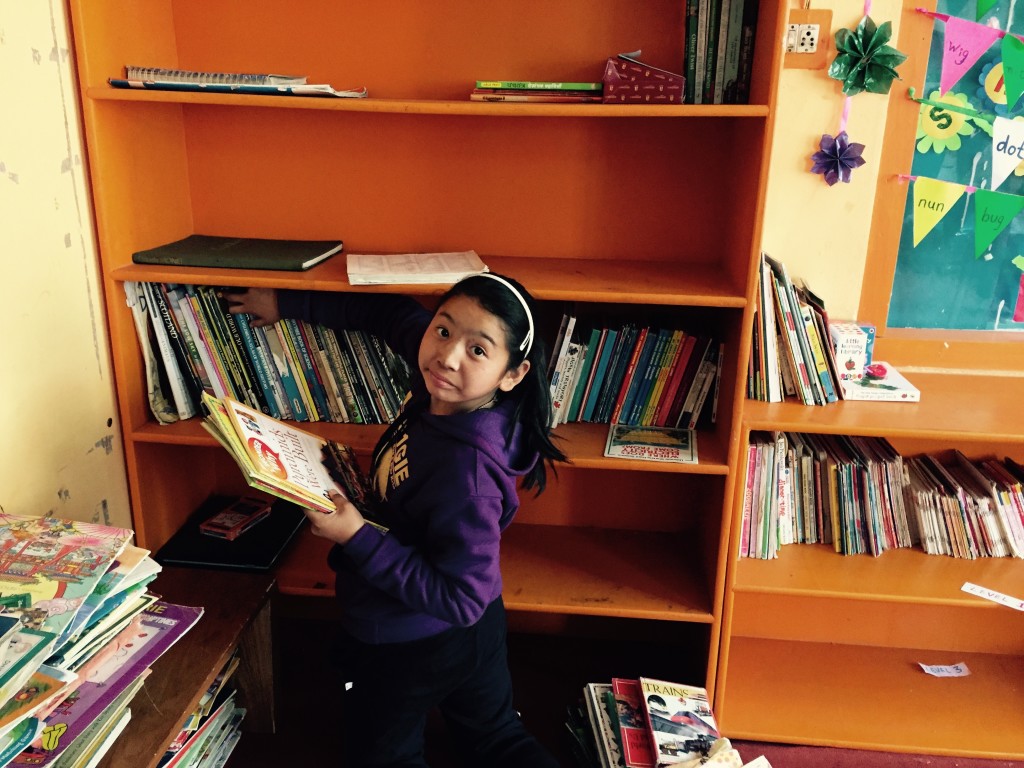
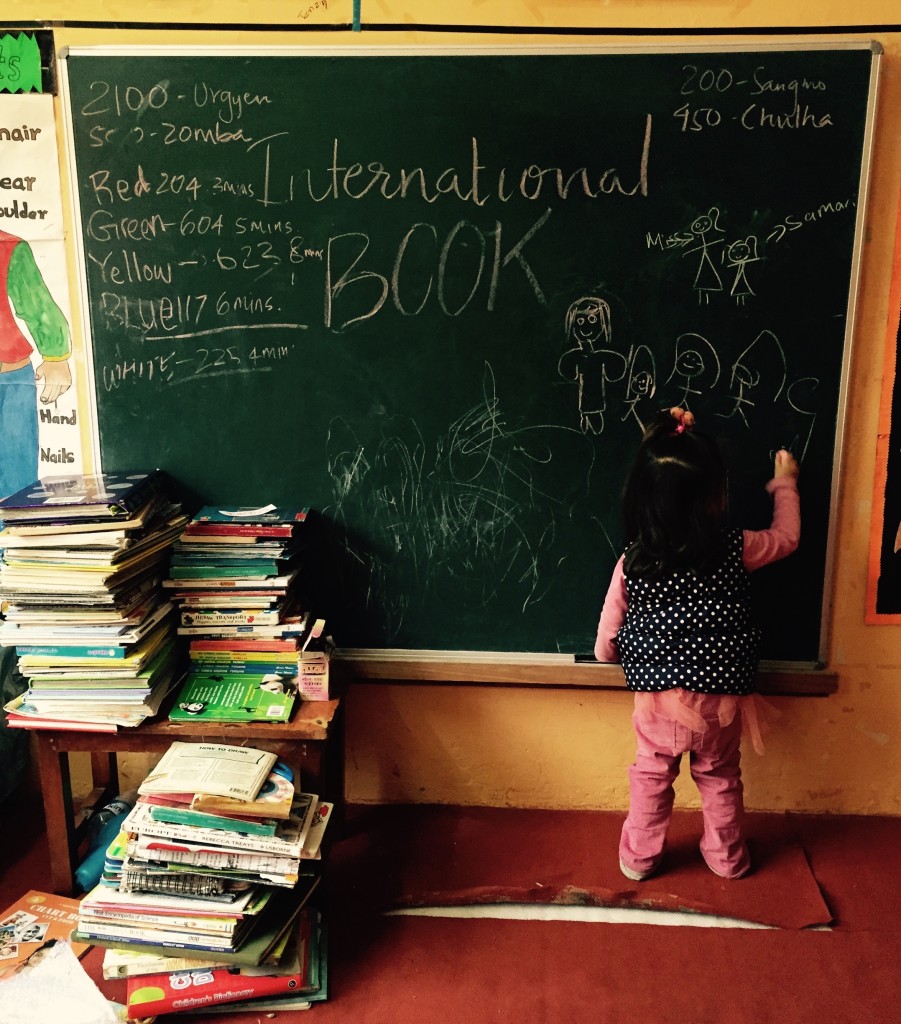
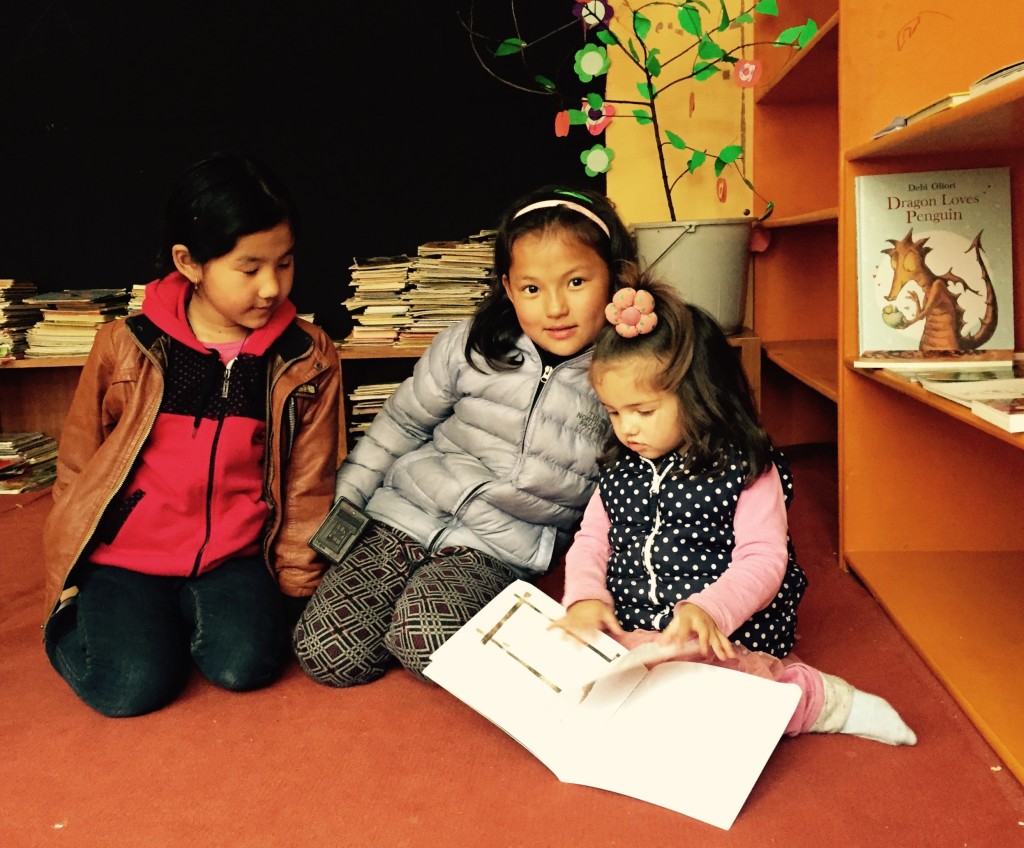
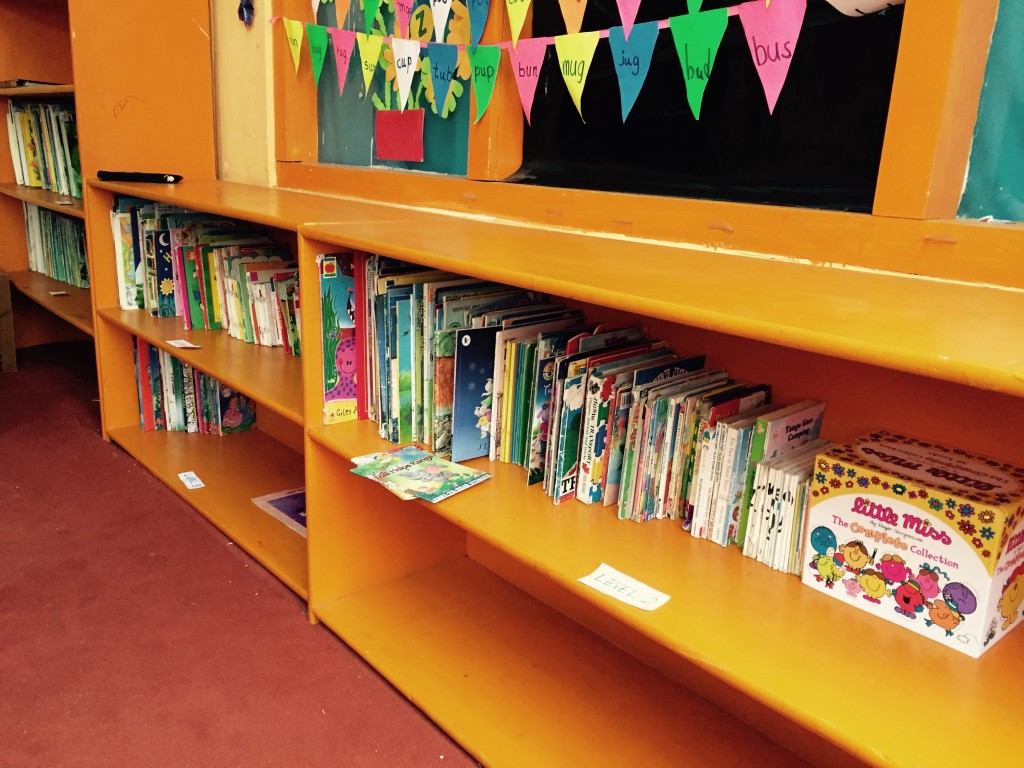
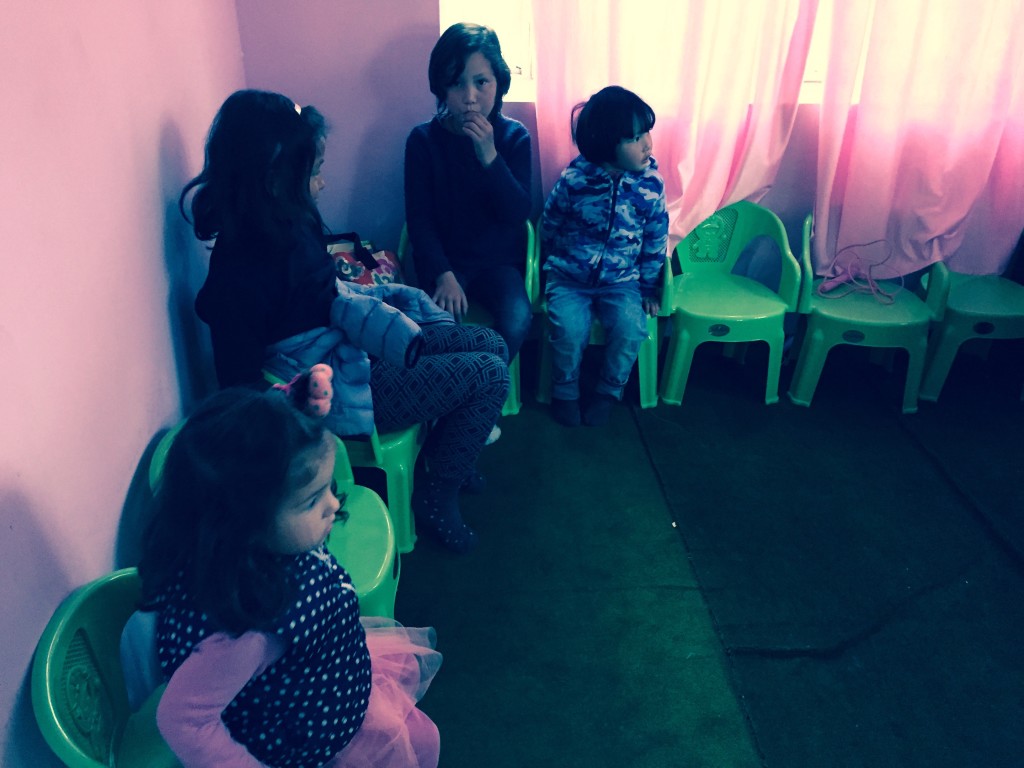
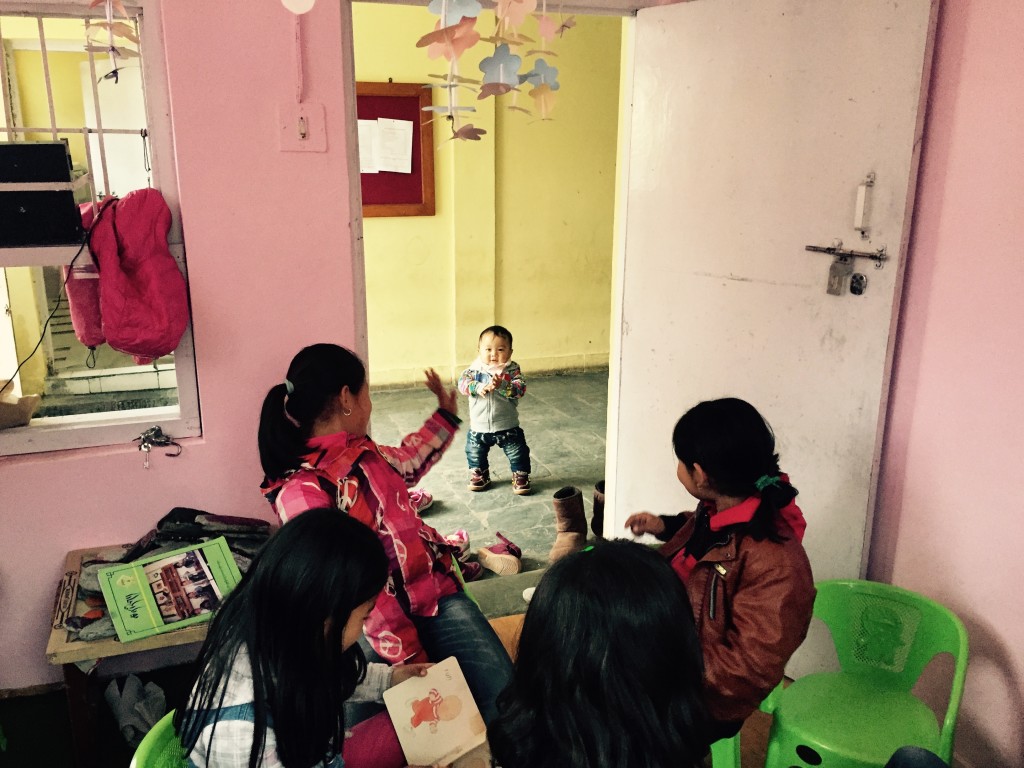
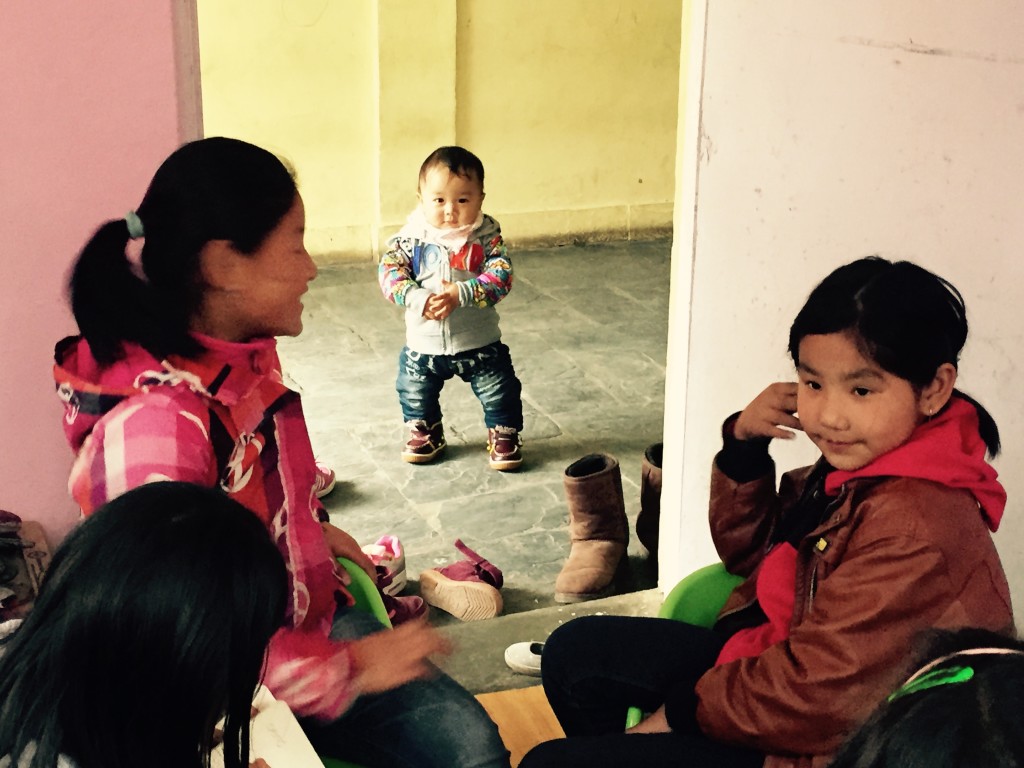
For the children and young monastics supported by Avalokiteśvara Trust, reading rooms in Ladakh offer a valuable setting for discovery. A collection that includes girls in engineering, medicine, astronomy, computing and mathematics can help young people connect the books on a shelf with questions they can investigate. Access to high-quality literature supports literacy while opening new routes into technical curiosity.
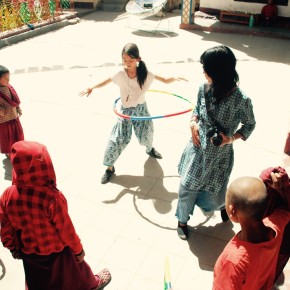
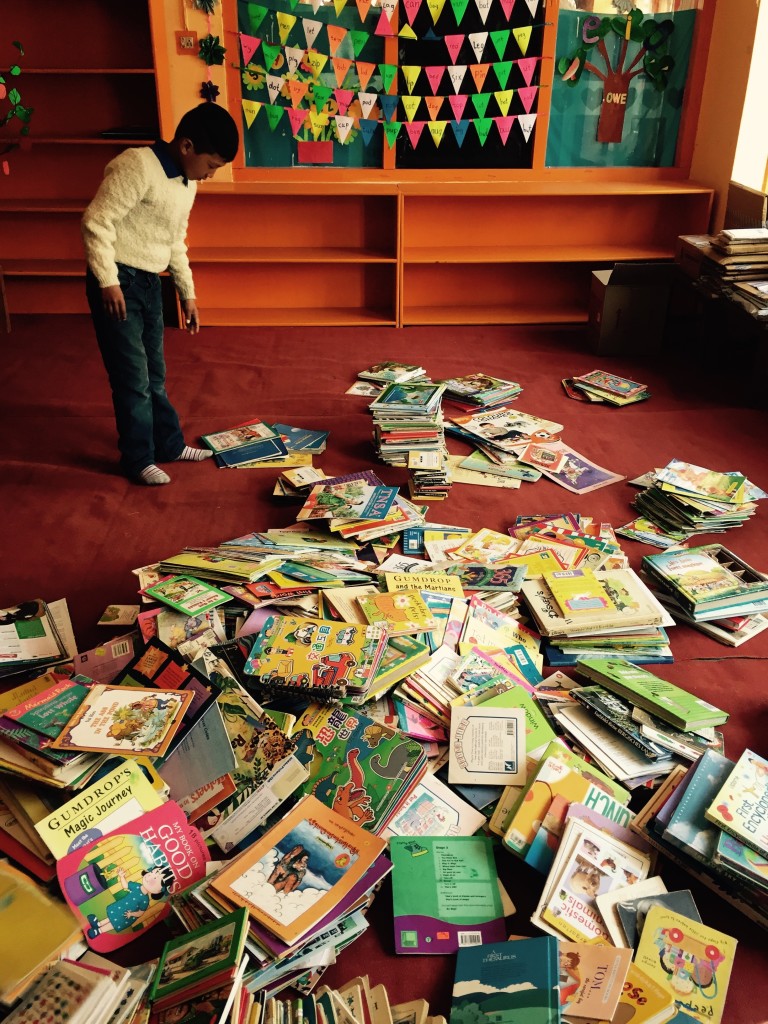
The Trust’s book drives and educational, artistic and musical activities can reinforce one another. Illustration can explain a mechanism, music can reveal patterns and rhythm, and a story can place a scientific problem within a child’s daily life. Such connections make STEM approachable without reducing it to worksheets or equipment.
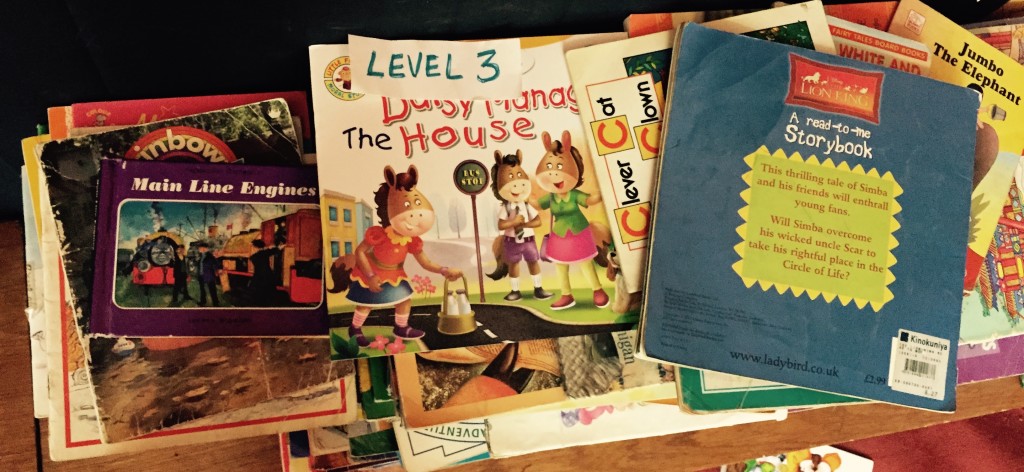
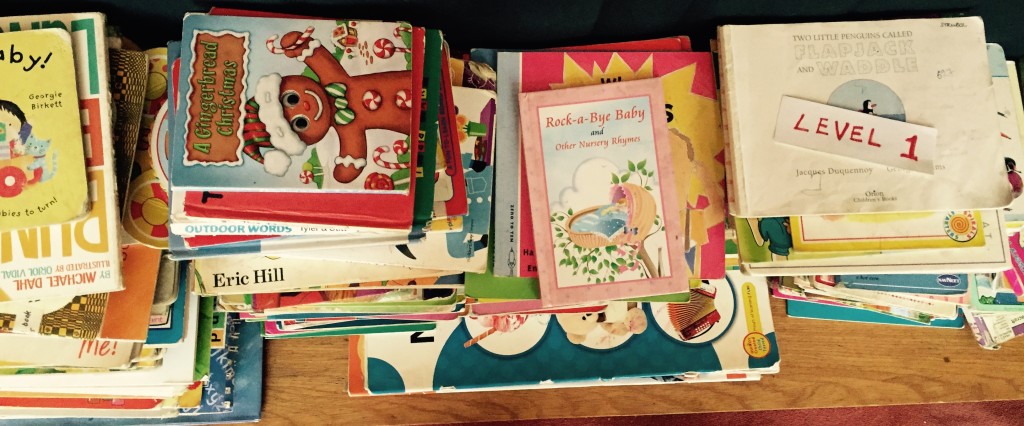
For Australian families, libraries and educators, supporting Himalayan collections means understanding that representation and access travel together. A newly translated biography has limited reach if few children can read the language or follow the concepts. Donated books therefore need age-appropriate formats, durable covers, strong illustrations and stories with clear cultural context, not simply a large quantity.
Building credible STEM worlds
The strongest books portray STEM as a social process. Characters ask questions, consult evidence, disagree, revise tests and learn from people outside their own field. A young scientist who relies on a community elder for local knowledge demonstrates expertise without pretending that one kind of knowledge is superior. This realism can help readers who have felt excluded from school science.
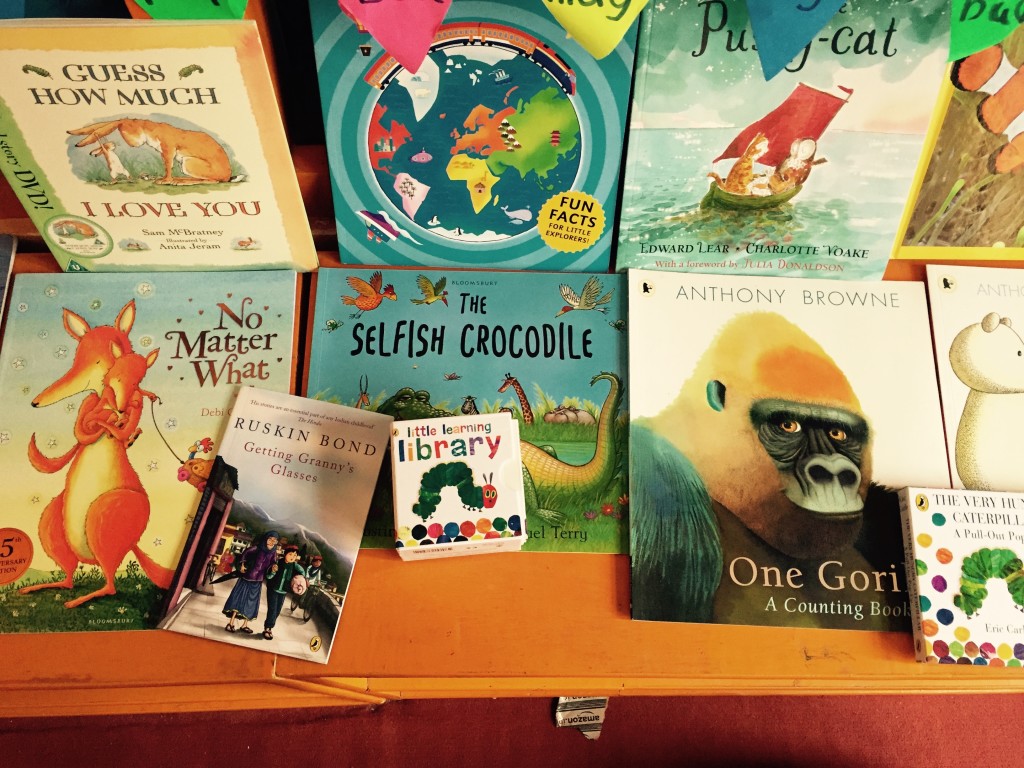
Biographies of women and girls in technical fields complement narrative fiction. A biography can document persistence, mentors and career paths; fiction can place a reader inside a problem and let her test a solution. Collections benefit from both, along with histories of discoveries, practical manuals, graphic novels and books about artists, technicians and team leaders.
Language and design need equal attention. Clear labels, readable diagrams, glossaries and first-person accounts can make complex ideas accessible to children still building fluency. Titles should avoid making technical ability a magical gift. A relatable experiment, a careful sketch or an argument with a classmate gives readers concrete actions they can recognise and try themselves.
Reading in an Australian context
Australian children have many routes to books, especially through the large public library networks in Sydney, Melbourne, Brisbane and other cities. Library cards, school reading programmes and regular borrowing make it possible for one title to reach children across a suburb or region. Book Week celebrations, home reading and school reading diaries also keep books visible in family and classroom routines.
The local market includes independent bookshops, school suppliers, online retailers and Australian children’s publishers with strong international reach. Books selected for these channels should be available in formats families can actually buy or borrow, while sensitive material should also be checked against school guidance and library selection policies. Local relevance can be added through Australian authors, regional settings and stories drawn from many communities.
Education policy and law shape the wider learning environment. The Australian Curriculum gives mathematics, science, technologies and design substantial attention, while the Sex Discrimination Act 1982 and state and territory laws require educational institutions not to discriminate on grounds of sex. Inclusive books cannot replace those duties, but they can help schools build participation and belonging. In rural and remote areas, where internet access and specialist teaching may be limited, a physical reading room and a carefully chosen print collection remain especially important.
Comparing common and empowering STEM stories
A useful comparison highlights how narrative position affects identification without treating every science book as interchangeable.
| Element |
STEM book without a girl at the centre |
STEM book featuring girls in STEM |
Value for young readers |
| Main role |
A boy or male team drives the problem |
A girl or girls hold technical and decision-making roles |
Shows that capability is available to any gender |
| View of expertise |
Genius or equipment often solves the issue |
Knowledge grows through questions, testing and teamwork |
Makes collaboration and persistence visible |
| Everyday setting |
Technical work stays distant from home life |
A water supply, health problem, code or design affects community life |
Gives subjects personal and civic relevance |
| Reader effect |
Technical ability may seem unrelated to the reader |
Girls can recognise their own interests and ways of thinking |
Builds confidence, belonging and wider aspirations |
The comparison is not a verdict on individual books. Excellent stories with male protagonists can still offer sound science, humour and strong female supporting characters. The difference becomes significant when girls are repeatedly absent from the roles that explain who gets to be curious, capable and responsible. Centring girls does not diminish male role models; it widens the range of children who can see themselves in the story.
Putting a useful collection into practice
A balanced bookshelf for children and young teenagers can be built around several practical choices.
- Centre girls as designers, investigators, programmers, technicians and team leaders, with interests and strengths that vary between books.
- Mix biography, adventure, comics, poetry and practical making so technical ideas appear in forms suited to different readers and abilities.
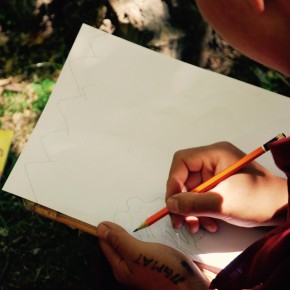
- Pair each story with an optional activity such as observing insects, testing materials, mapping water use or drawing a simple machine.
- Check the author’s knowledge, the accuracy of technical details and the cultural assumptions before using a book with an unfamiliar setting.
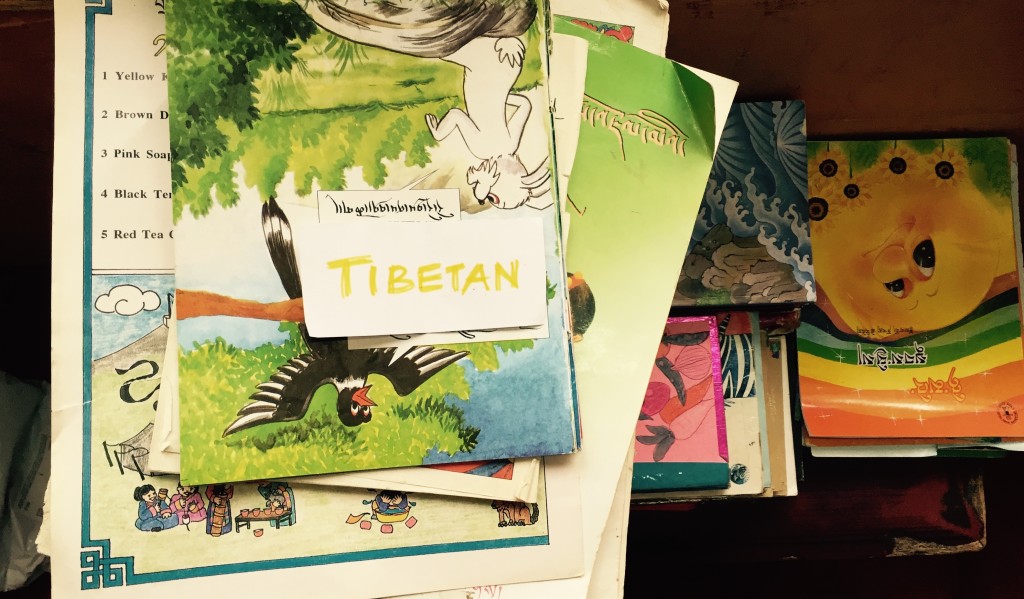
- Offer choices within each topic, including stories in relevant community languages where possible, so readers can enter through familiar experiences.
The practical takeaway is to place a technically rich, girl-centred story where young readers can reach it, then support a response through conversation, making or observation. In Avalokiteśvara Trust’s reading rooms and across Australian libraries and homes, that habit can turn an abstract possibility into a credible aspiration.