Books That Teach Compassion in Buddhist Communities
Books about kindness and compassion give children a language for caring, patience and responsible action. In Buddhist communities, stories can make ideas such as karuna (compassion), metta (loving-kindness) and dana (generosity) easier to understand through memorable characters and everyday choices.
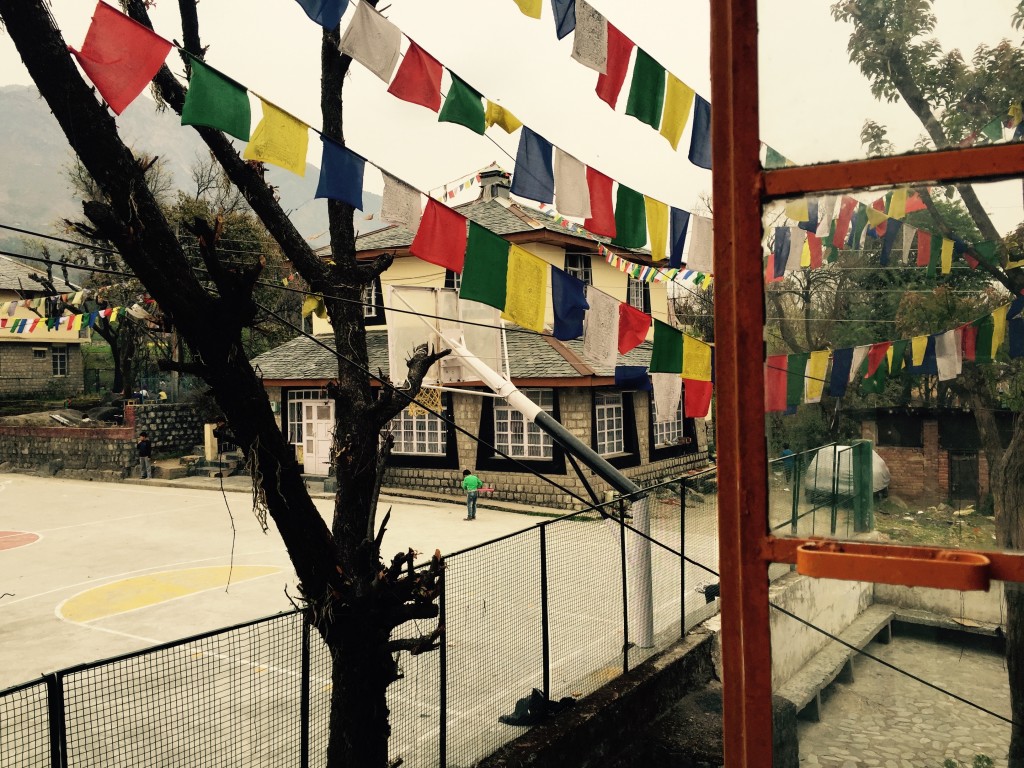
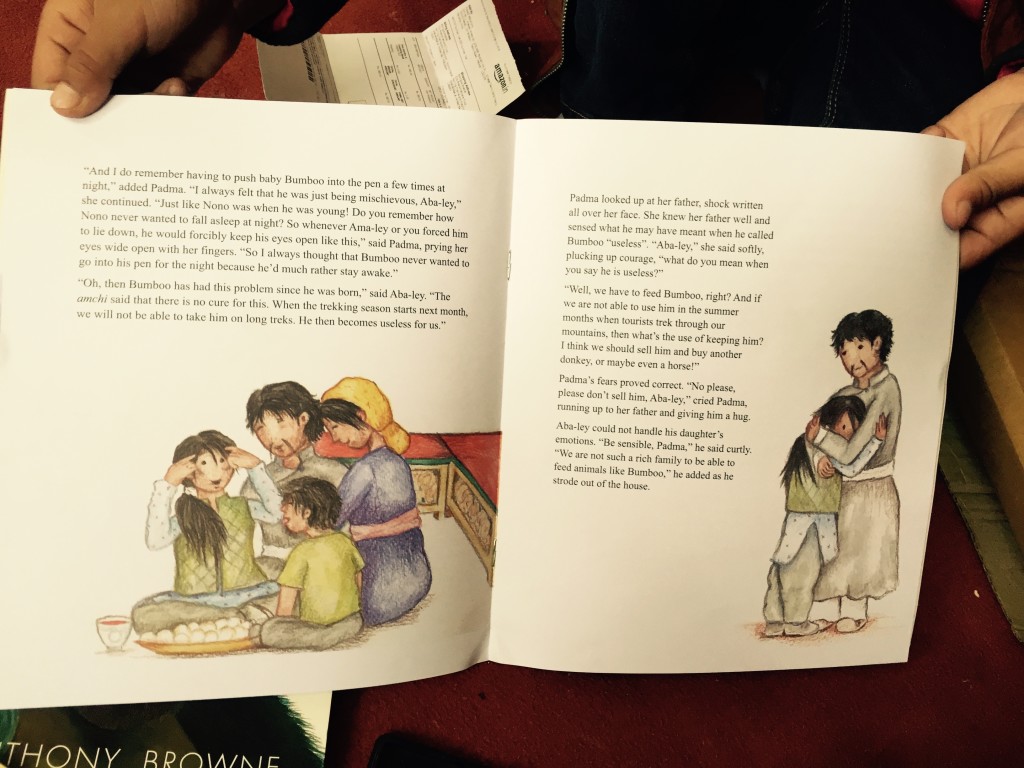
A young reader may encounter compassion in a tale about sharing food, welcoming a stranger, protecting an animal or forgiving a mistake. For children in Himalayan communities, books can also connect learning with village life, monasteries, family relationships and the natural environment. These familiar settings help moral education feel relevant rather than abstract.
Reading together creates a gentle space for discussion. A child can ask why a character acted selfishly, whether an apology was sincere or how a community might respond to hardship. Such conversations develop empathy, emotional literacy and the confidence to consider another person’s experience.
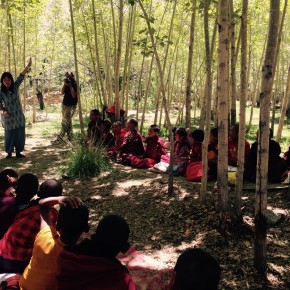
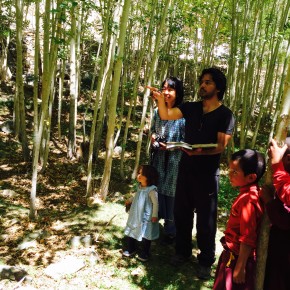
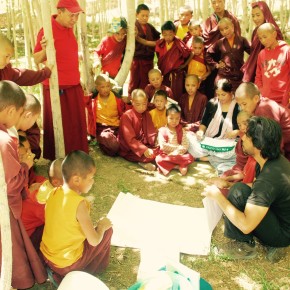
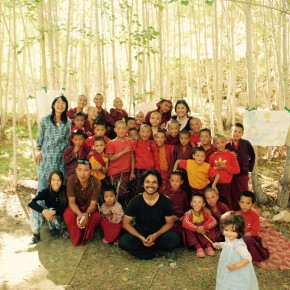
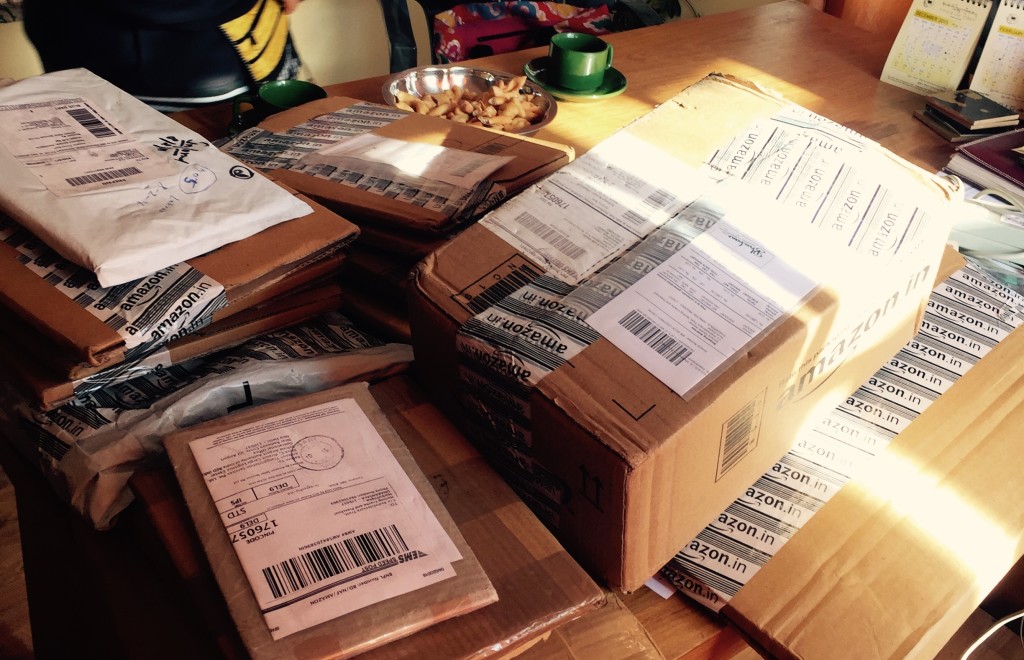
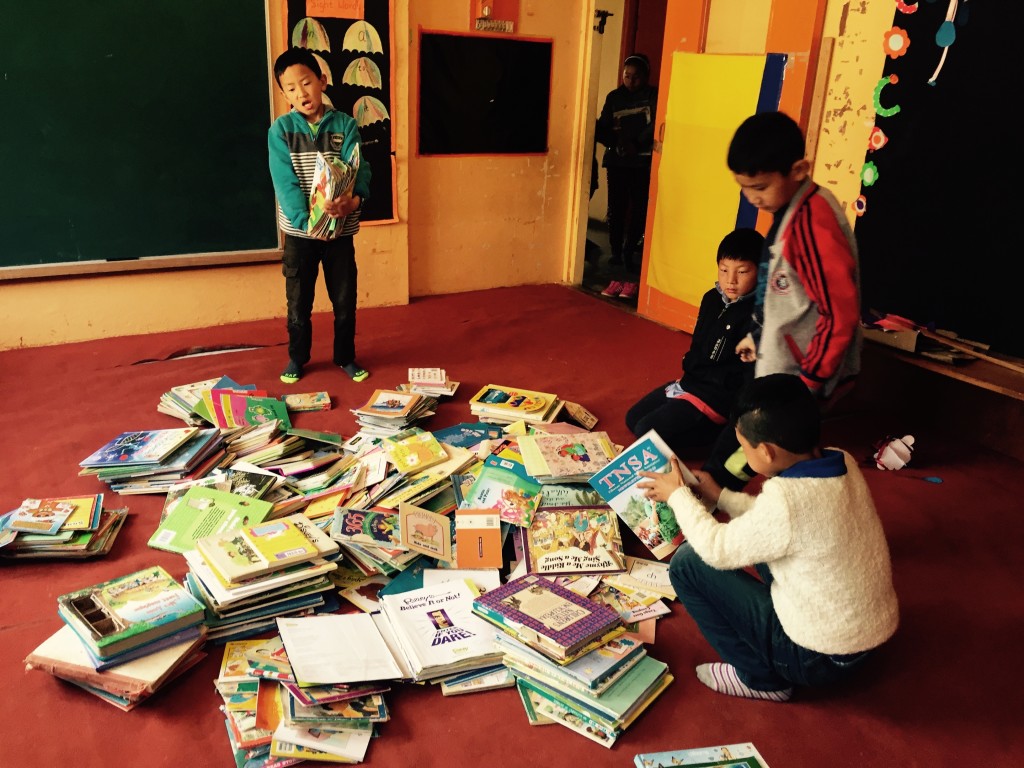
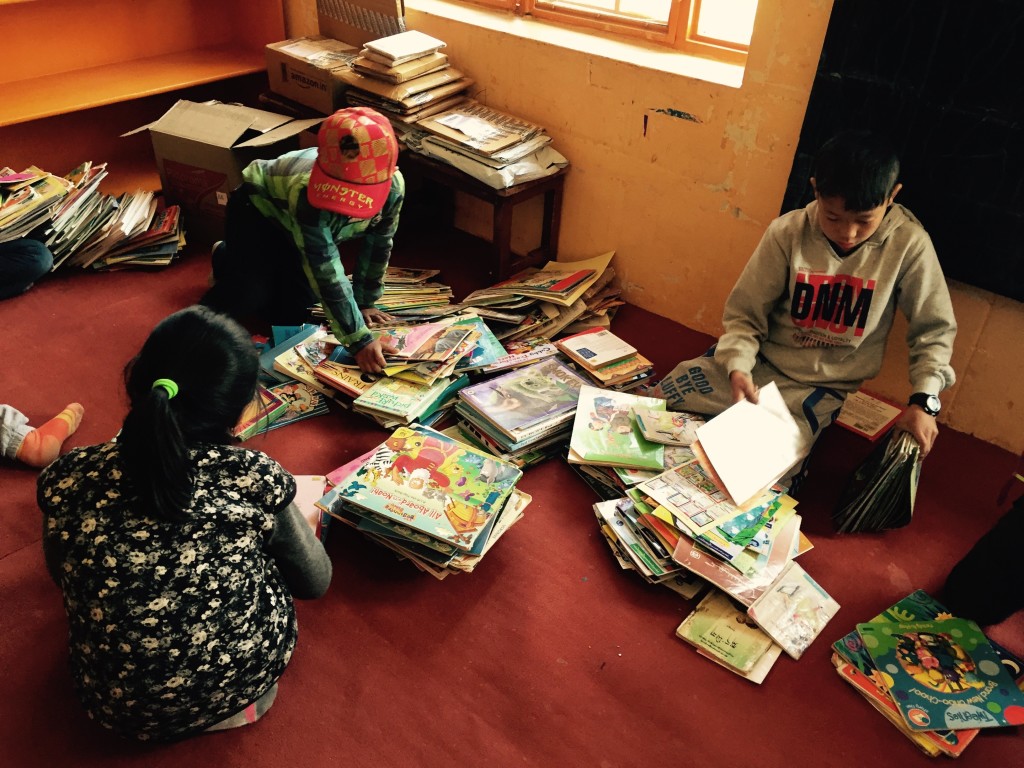
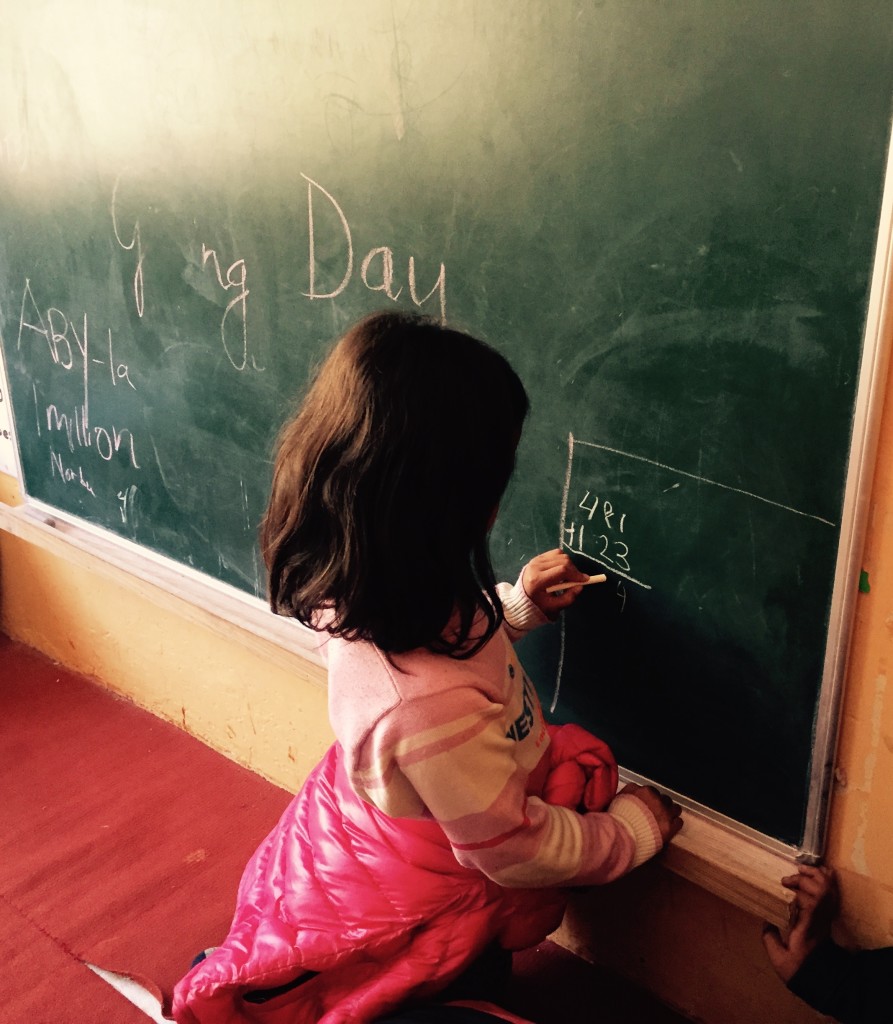
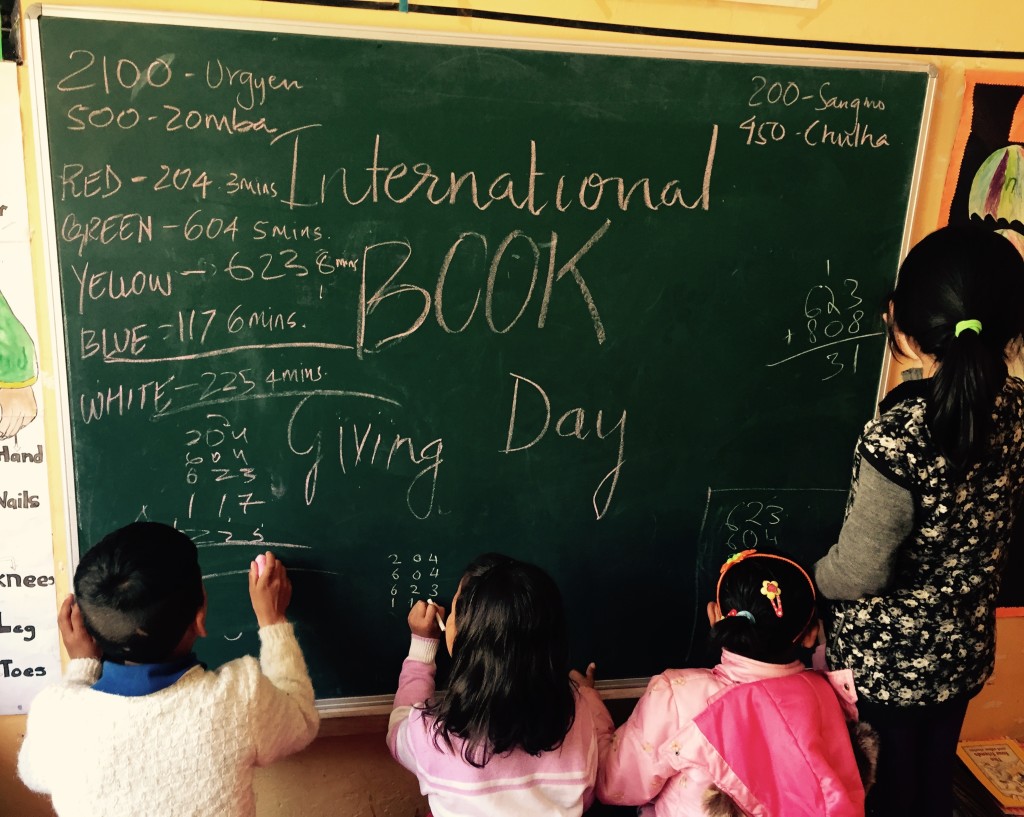
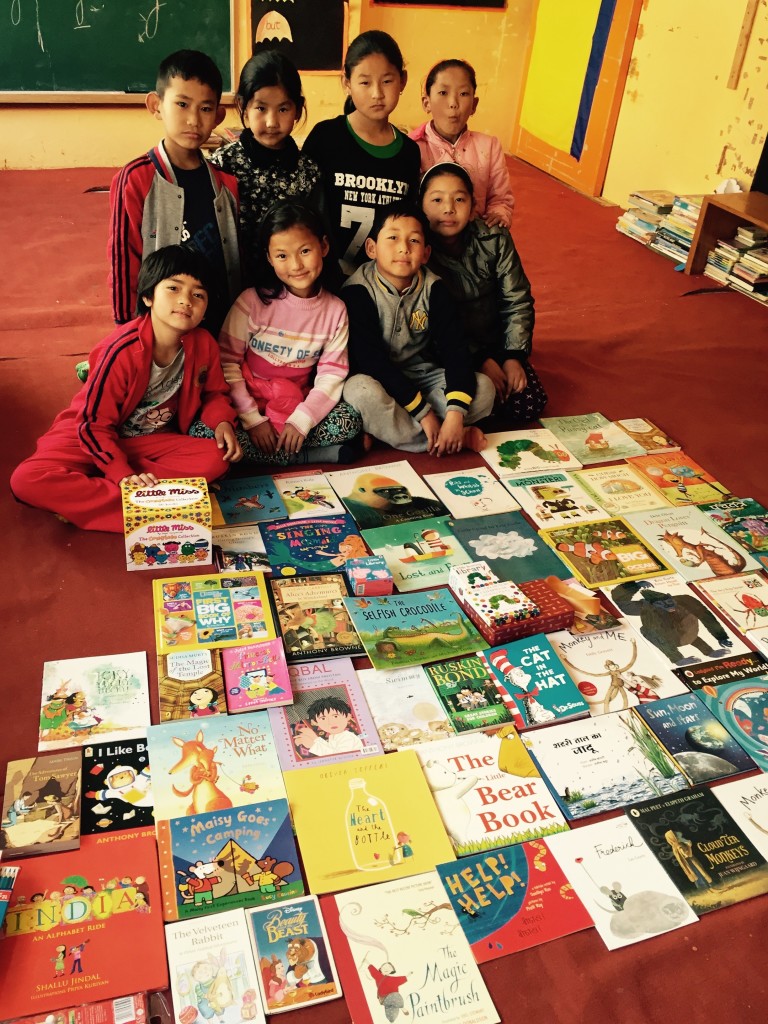
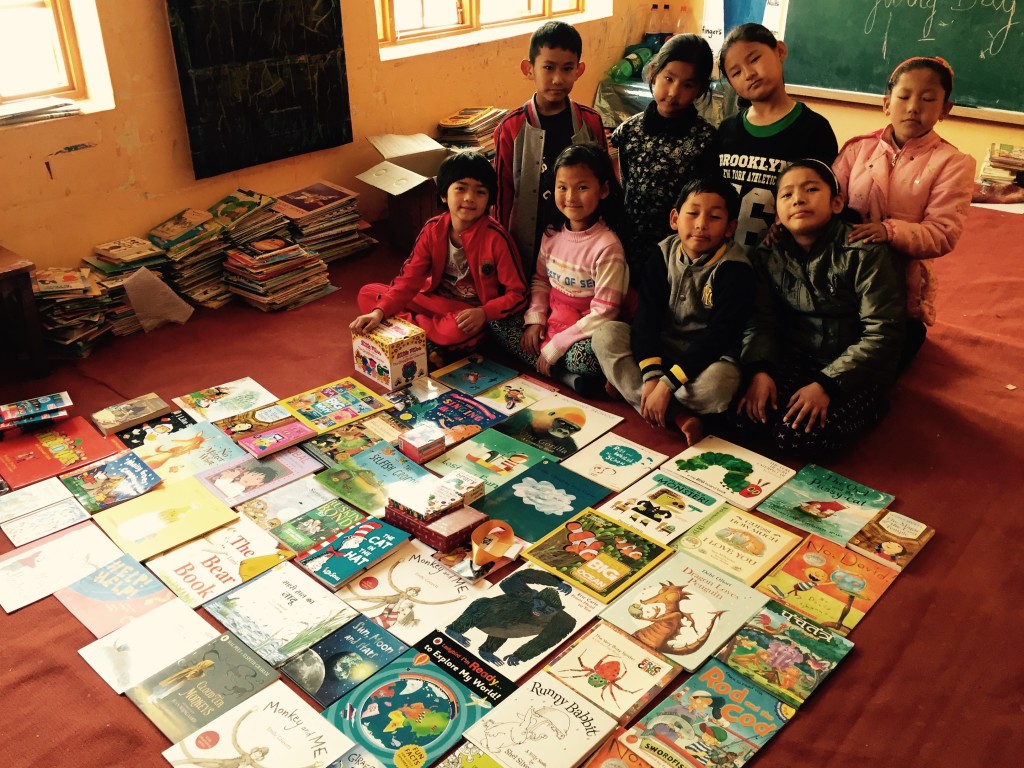
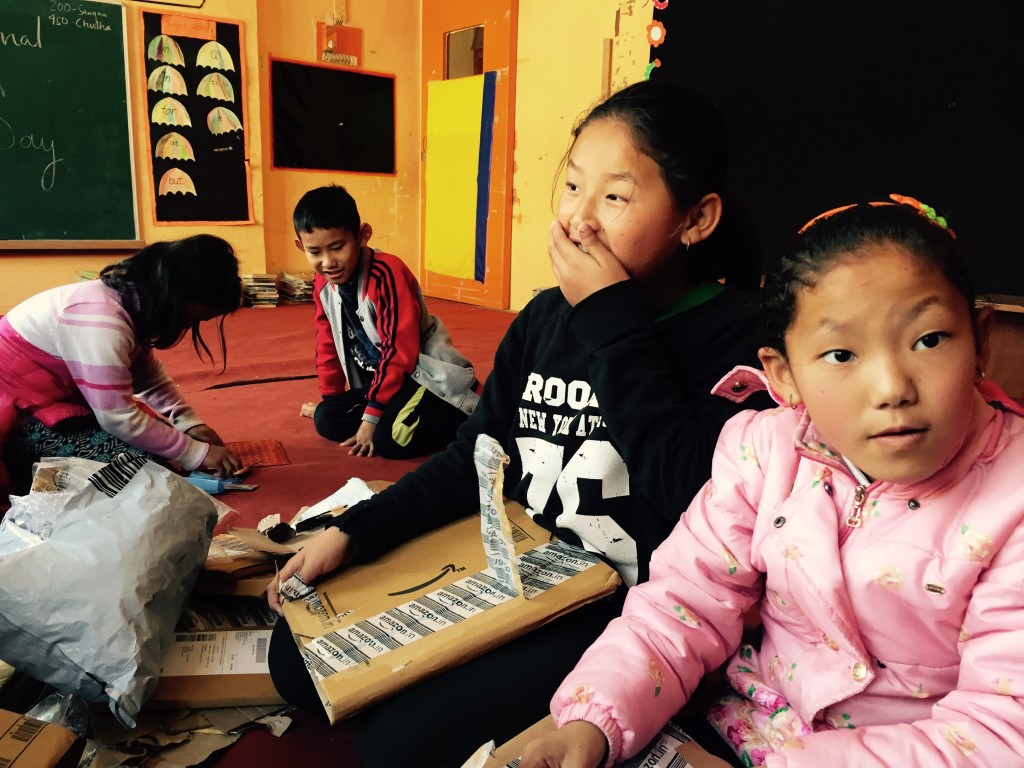
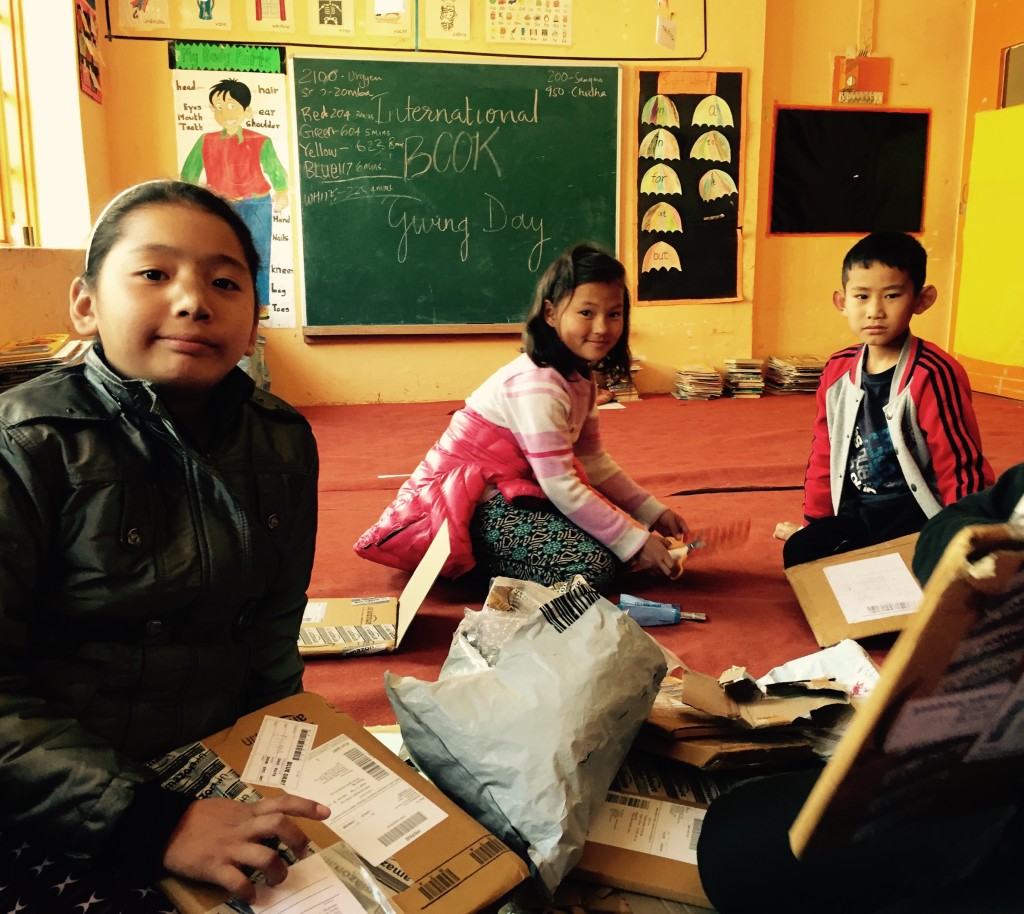
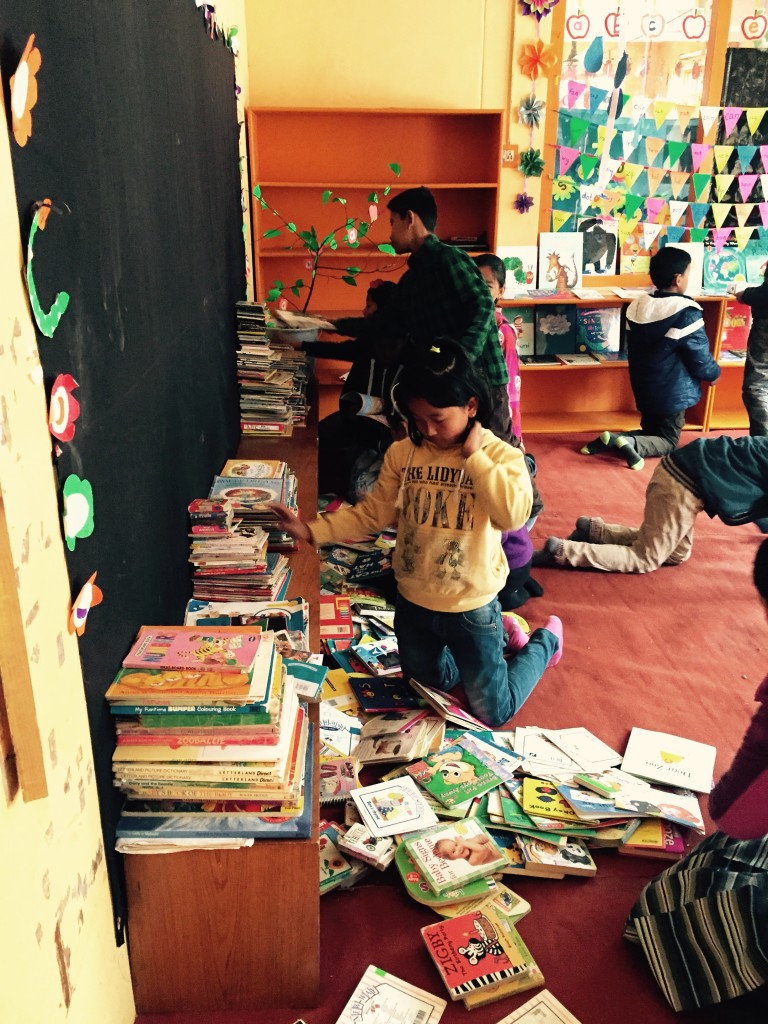
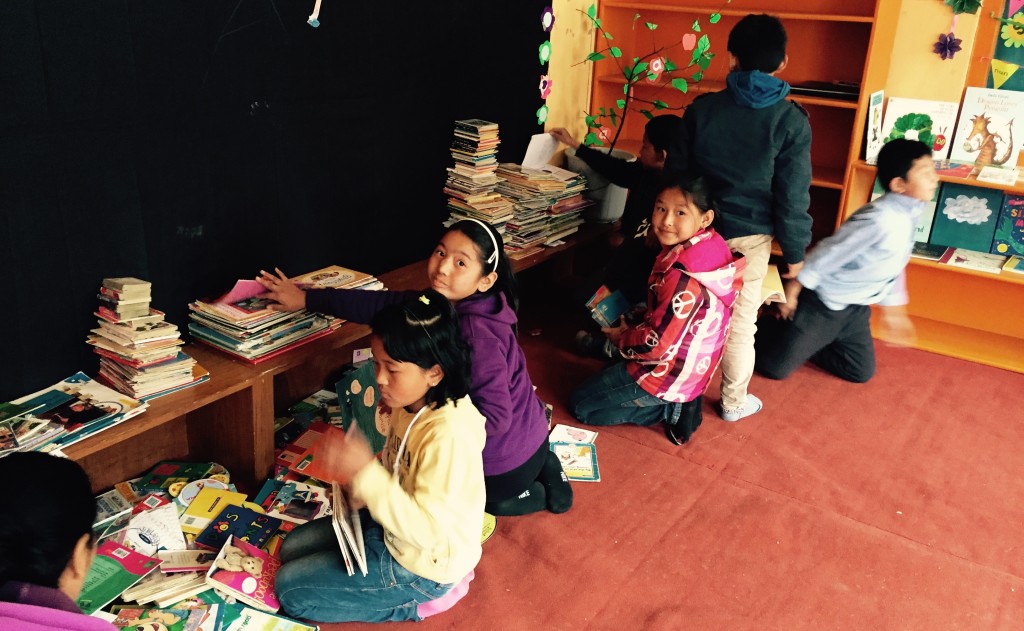
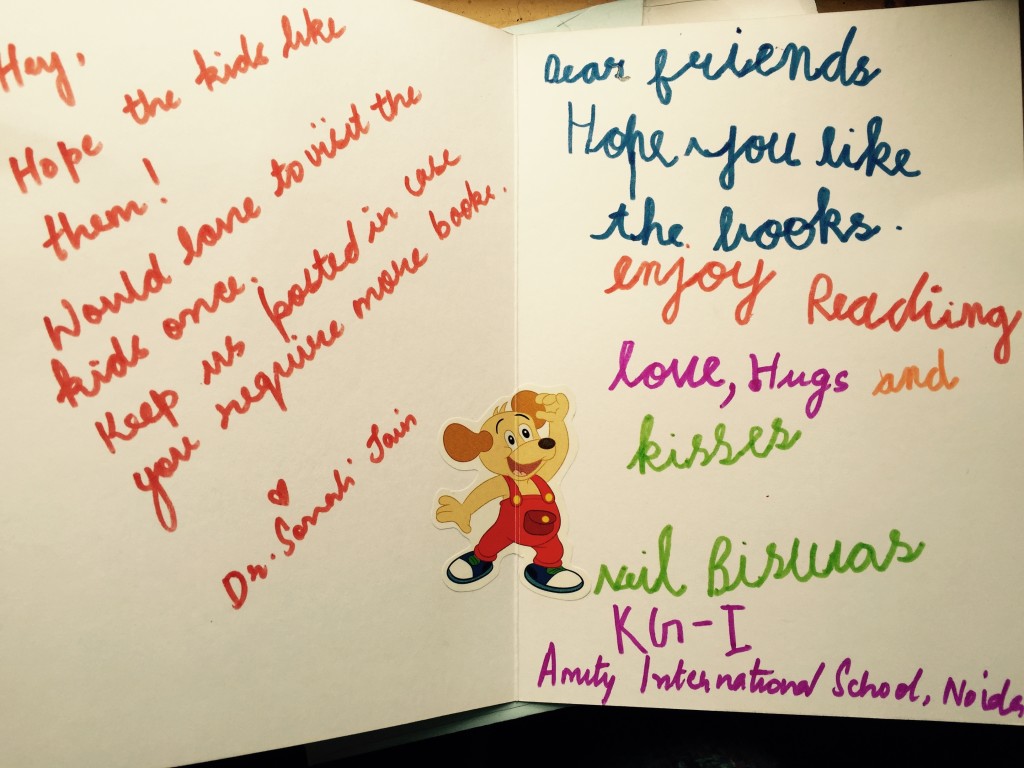
This purpose is meaningful for organisations that establish reading rooms, organise book drives and support educational activities in Ladakh and other Himalayan communities. A carefully chosen collection can strengthen literacy while nurturing generosity, cooperation and respect.
Why compassionate stories matter
Stories allow children to explore difficult emotions at a safe distance. Fear, jealousy, loneliness and anger appear in fictional characters before children have to name those feelings in their own lives. When a character learns to listen or repair harm, readers gain examples of peaceful problem-solving.
In Buddhist education, ethical conduct is often connected to intention and consequences. A story can show that a kind act is valuable because it reduces suffering, even when nobody offers praise. This distinction helps children move beyond reward-based behaviour and recognise kindness as a way of living.
Compassionate literature also supports community belonging. Children see that people have different abilities, family circumstances and cultural backgrounds, yet share common needs for safety, friendship and dignity. These lessons are valuable in monasteries, schools, family homes and community centres.
Buddhist values through memorable characters
The strongest books embody Buddhist values through action rather than preaching. A character who notices an isolated classmate, tends an injured bird or shares scarce resources demonstrates karuna more effectively than a page of definitions. The story gives children something concrete to remember and imitate.
The concept of interdependence can appear in simple narratives. A village flourishes because people contribute different skills; a garden survives because children care for water, soil and seedlings; a family resolves conflict because each person listens. These plots help readers understand that individual wellbeing is connected to the wellbeing of others.
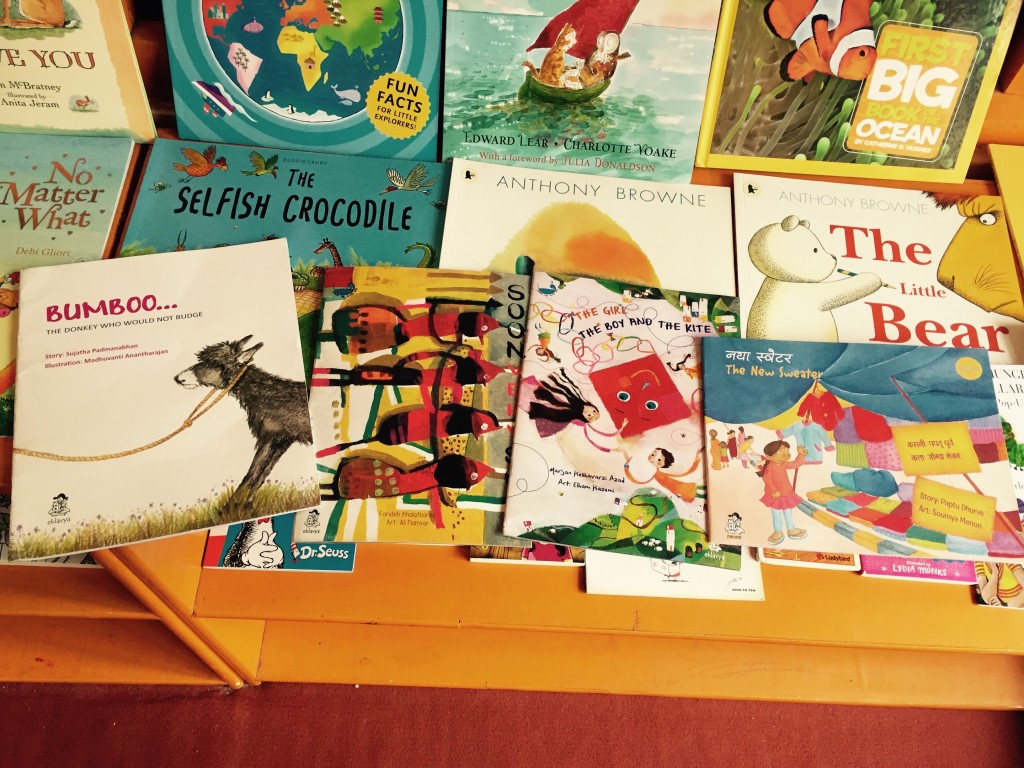
Humour and imagination have an important place too. Buddhist communities have long used parables, folktales and lively teaching stories to communicate wisdom. Contemporary picture books, graphic novels and illustrated biographies can continue that tradition while speaking to children who are developing reading confidence.
Books for children and young monks
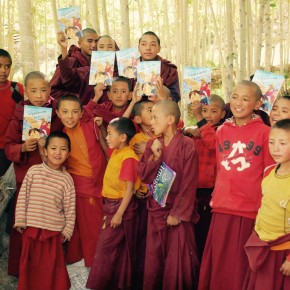
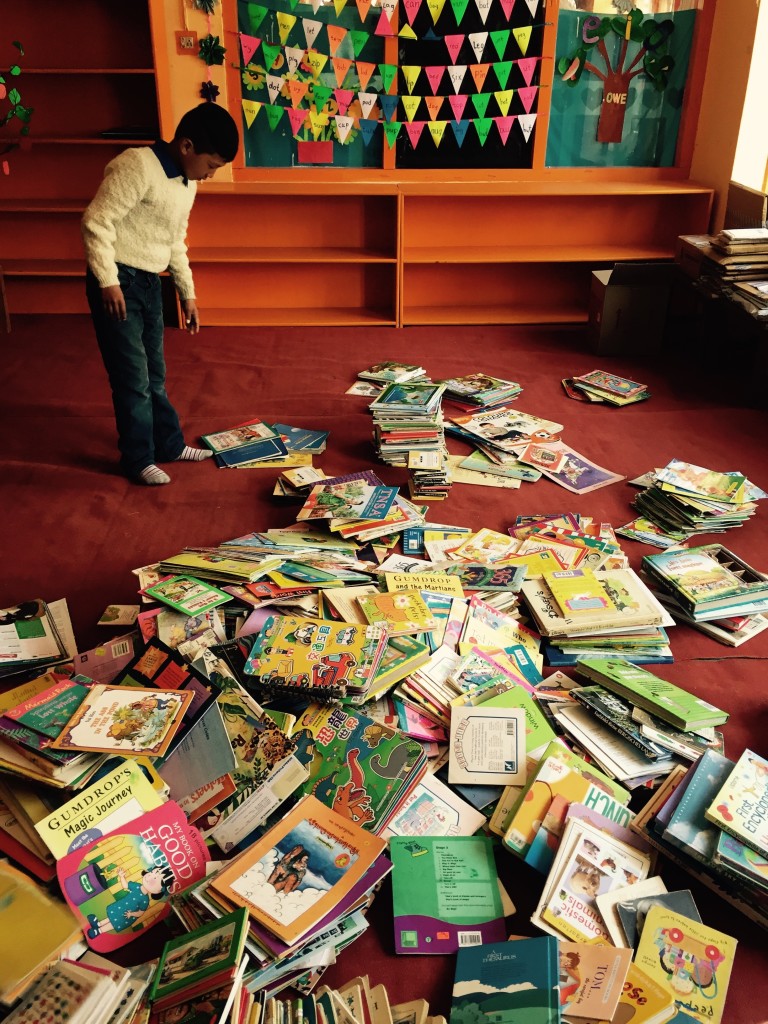
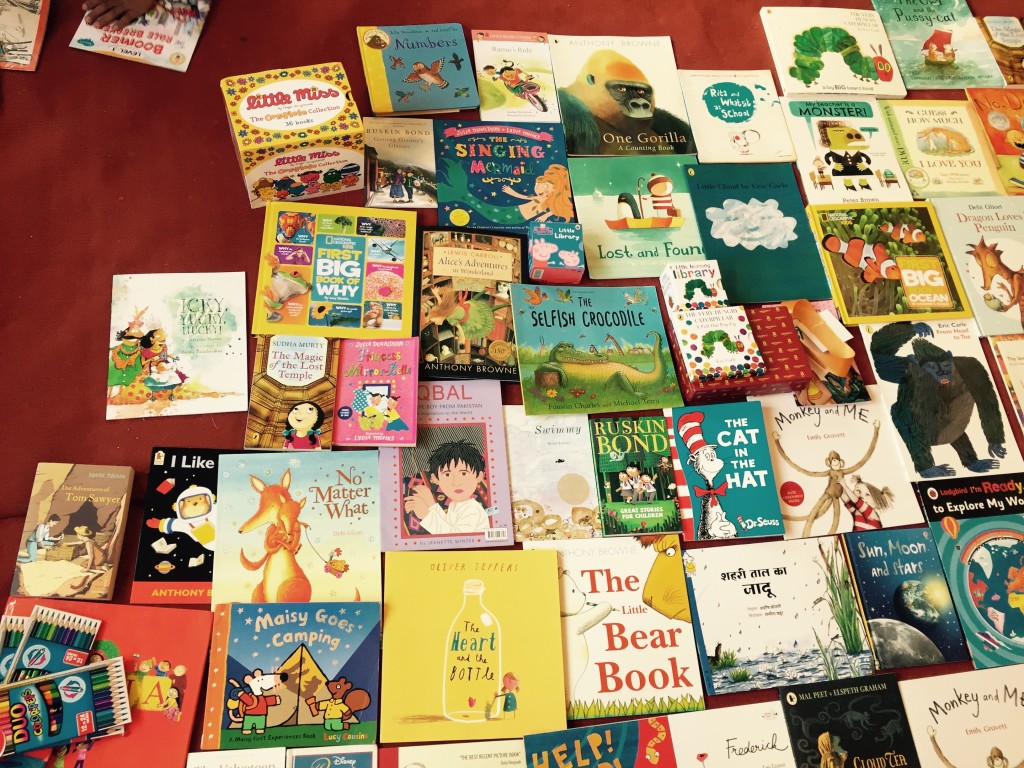
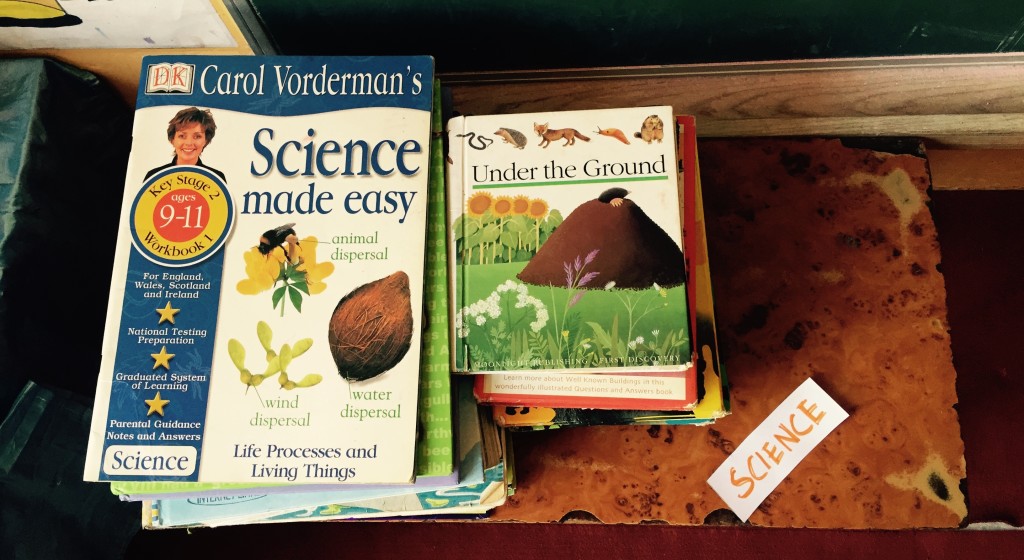
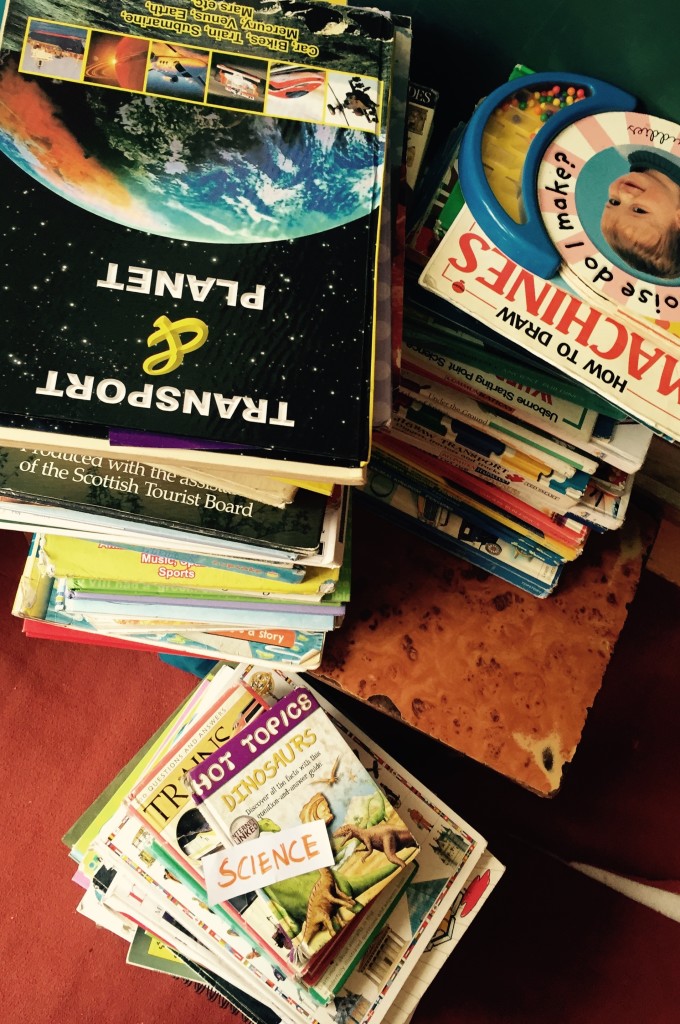
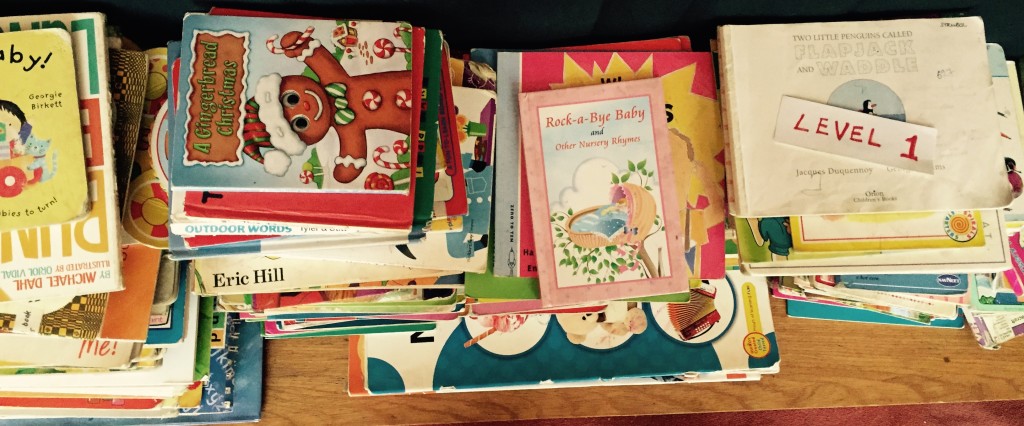
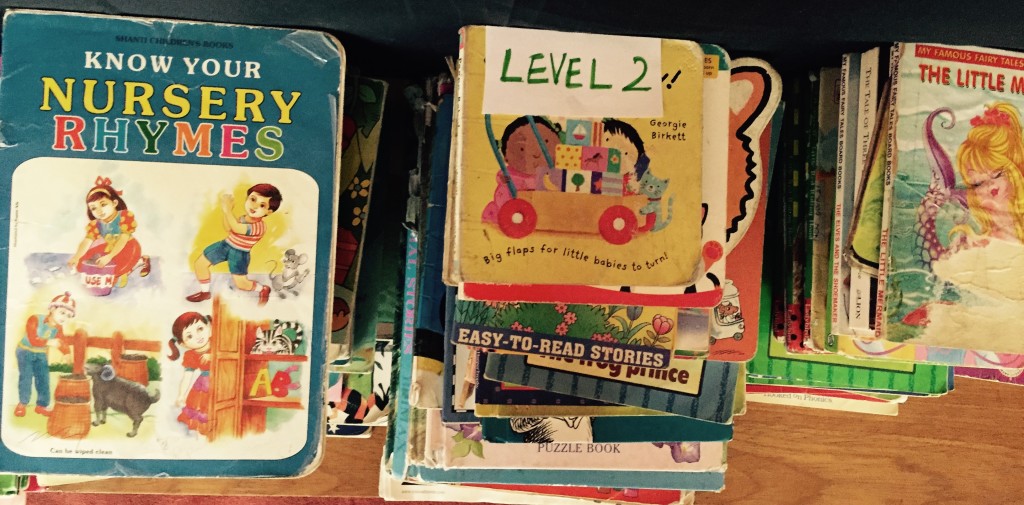
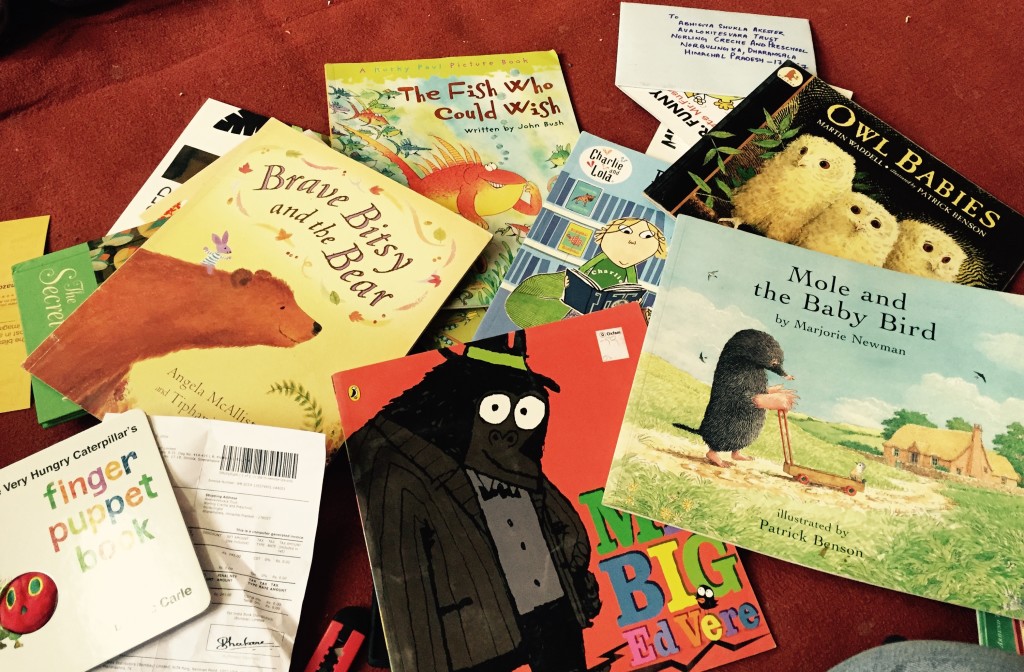
Children need access to books at different reading levels, from wordless picture books and short board books to chapter stories and biographies. Young monks may benefit from texts that combine Buddhist teachings with science, history, art, music and practical knowledge. A broad collection prevents moral education from becoming separated from the wider world of learning.
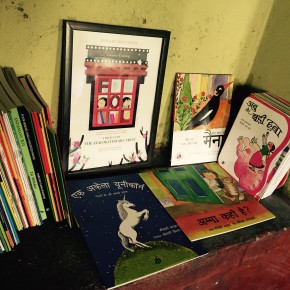
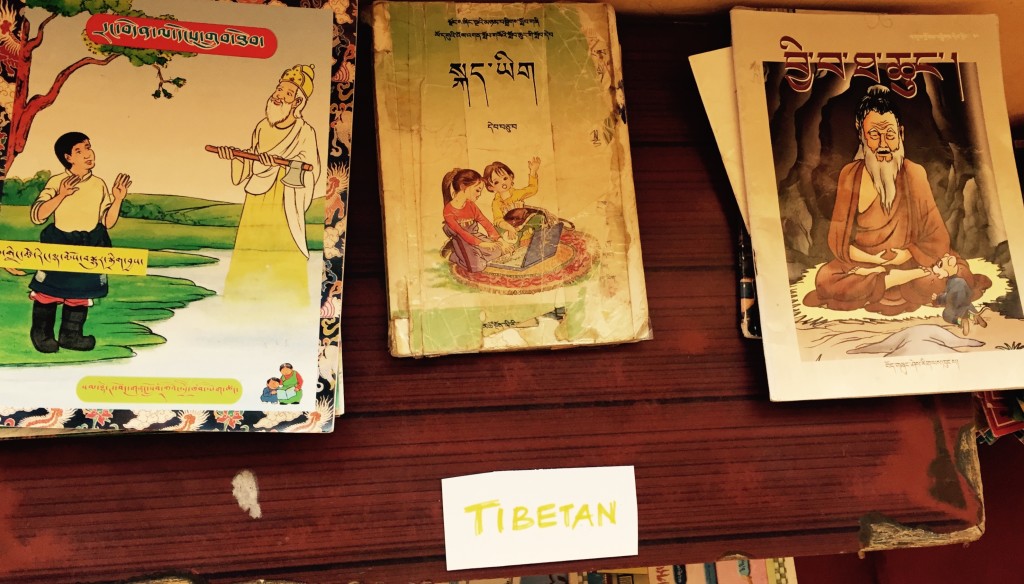
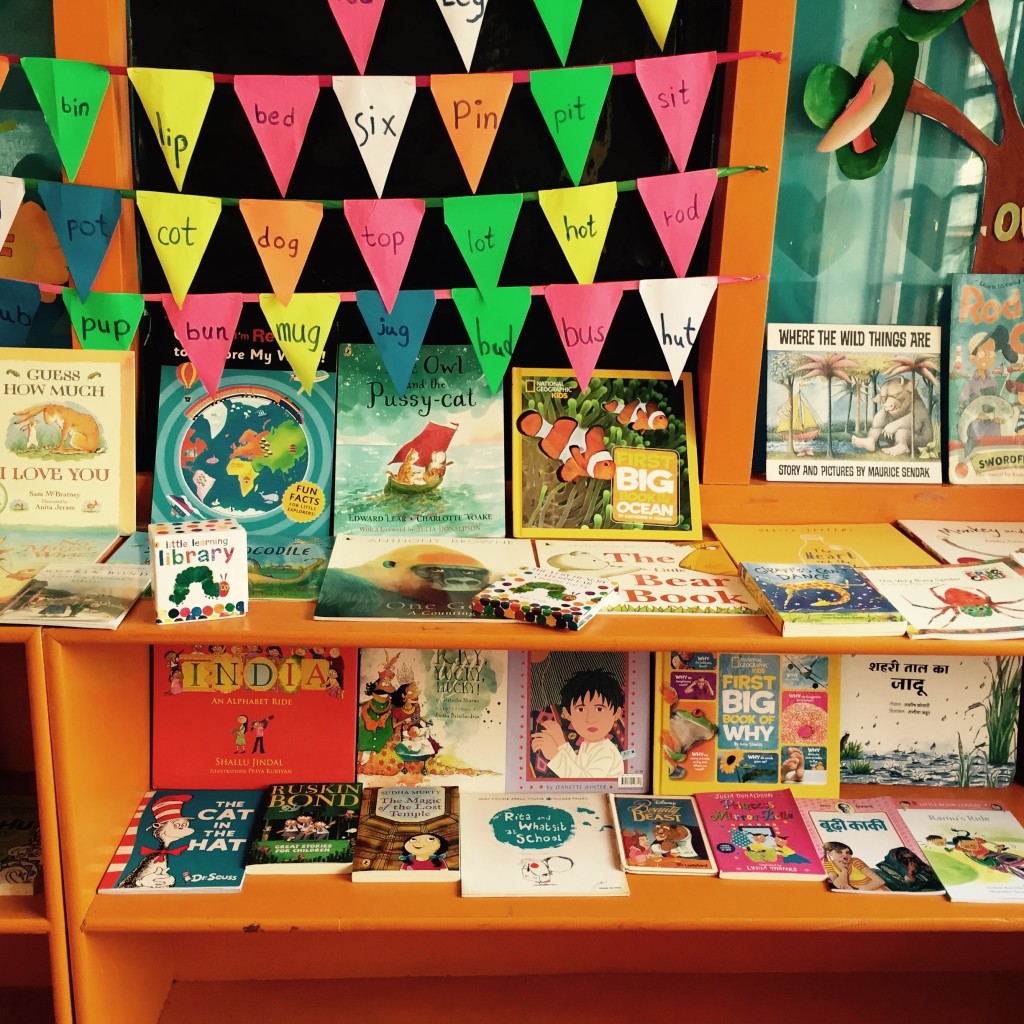
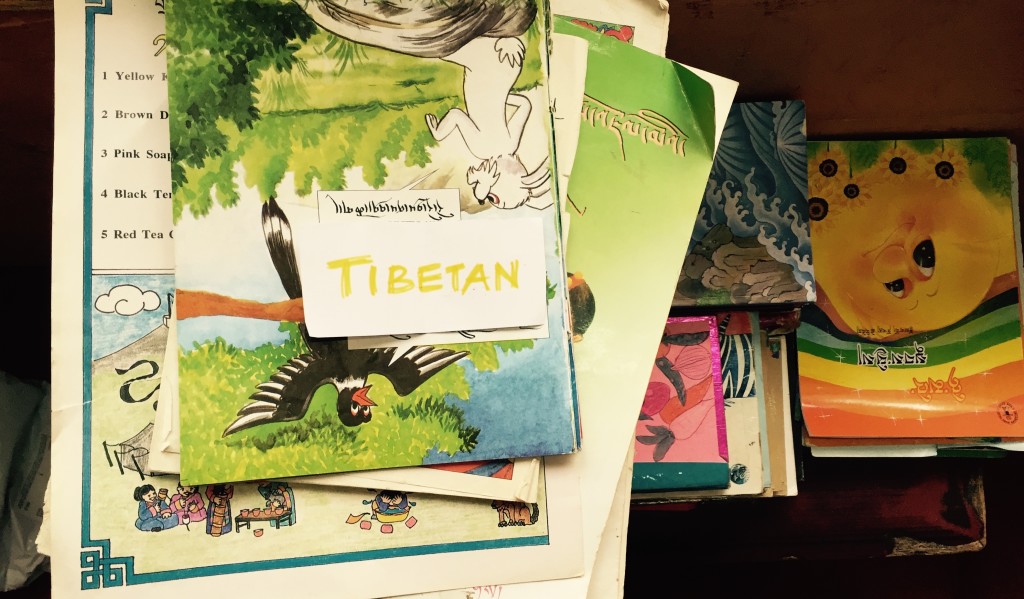
Books should reflect the languages children use at home and in study. Tibetan, Ladakhi, Hindi, English and other regional languages may all have a place, depending on the community. Dual-language editions can support vocabulary development and allow children to share stories with parents, grandparents and younger siblings.
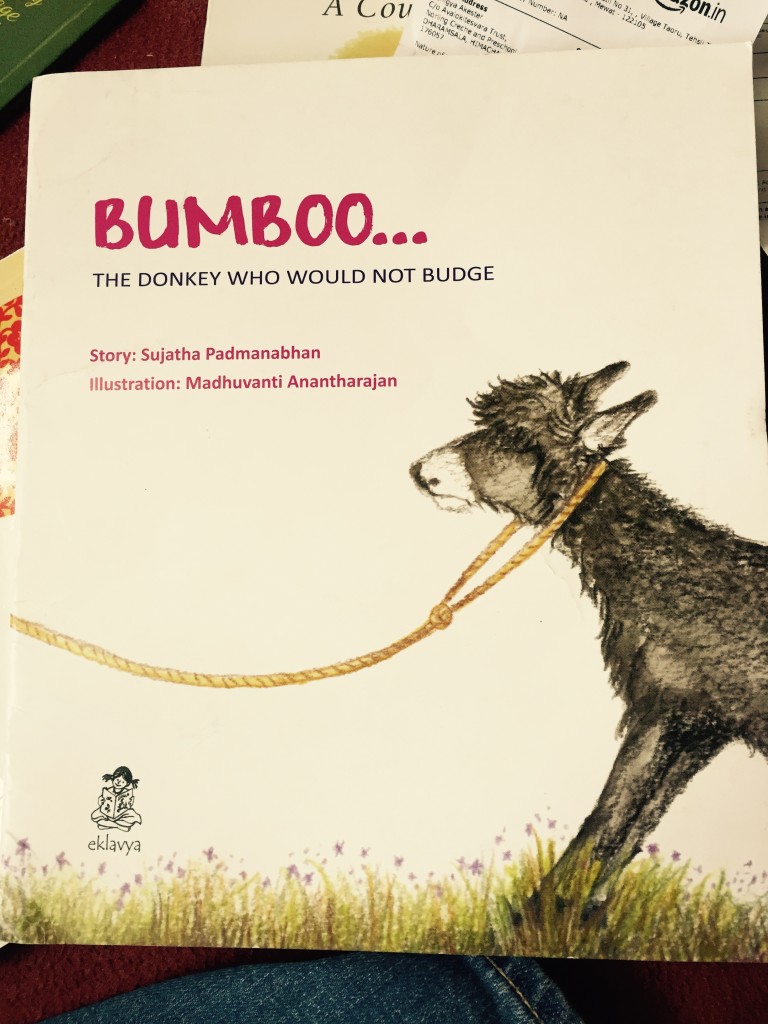
Illustrations require the same care as words. Children should see Himalayan landscapes, clothing, homes and community life represented respectfully, without reducing the region to poverty or picturesque scenery. Stories set elsewhere can widen horizons, while local stories affirm identity and belonging.
Building a thoughtful reading collection
Book selection is an ethical task. Readers should encounter kindness without stereotypes, forced sentimentality or simplistic divisions between good and bad people. Characters can make mistakes, experience consequences and change through reflection, which presents compassion as a practice rather than a fixed personality trait.
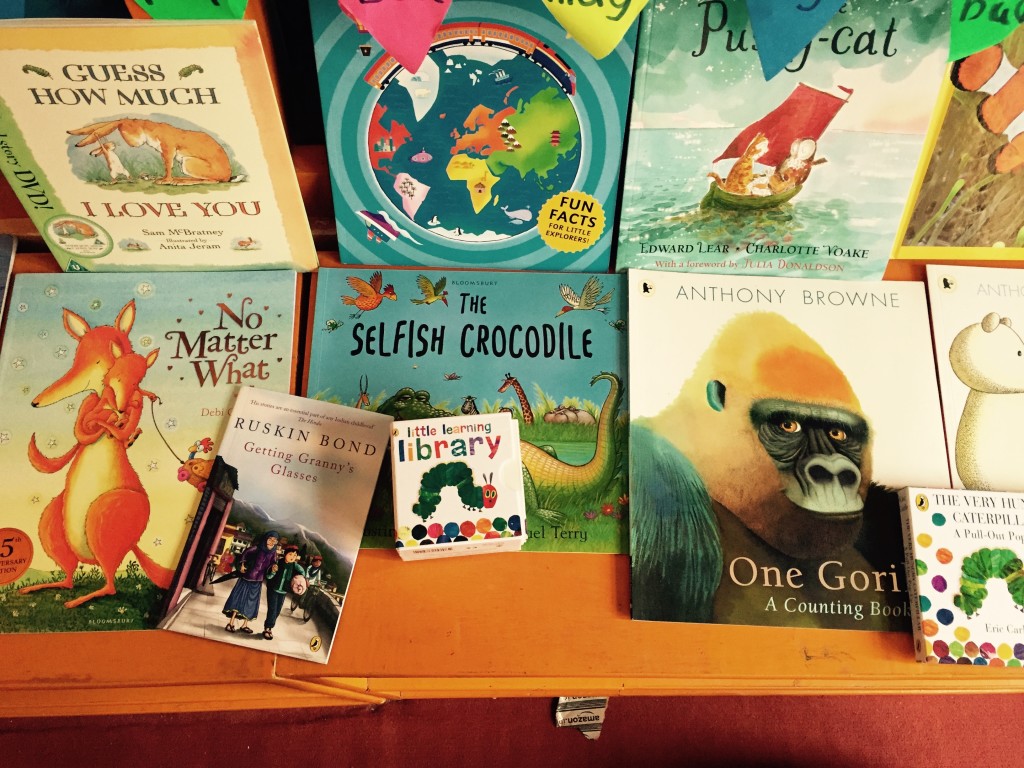
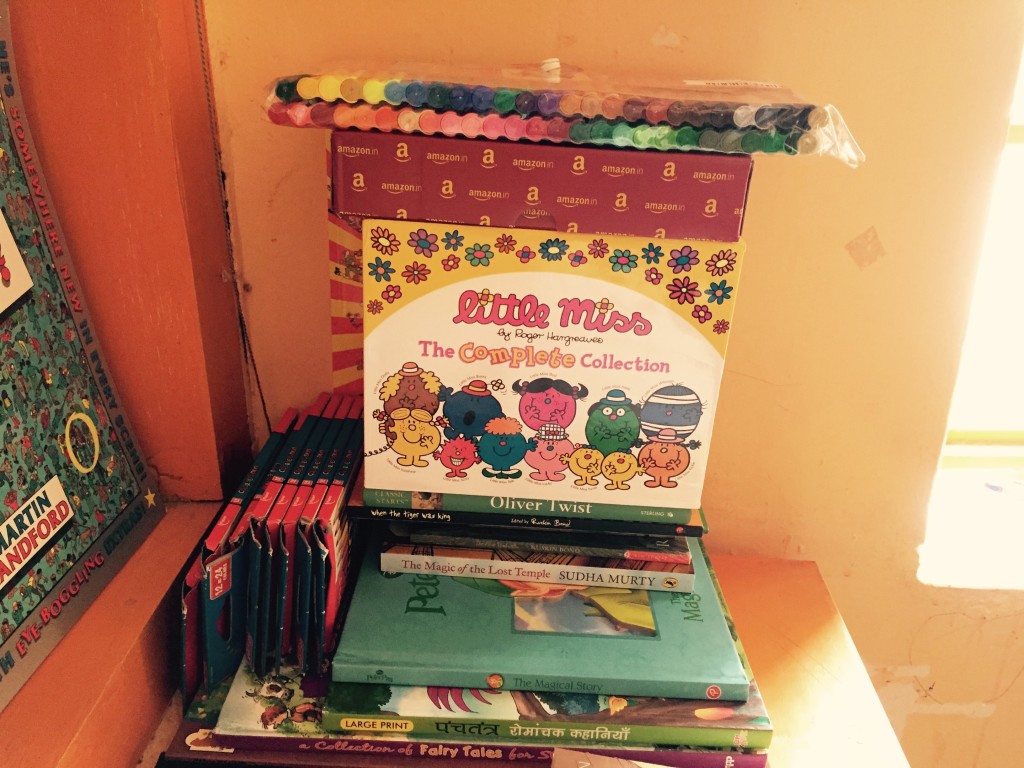
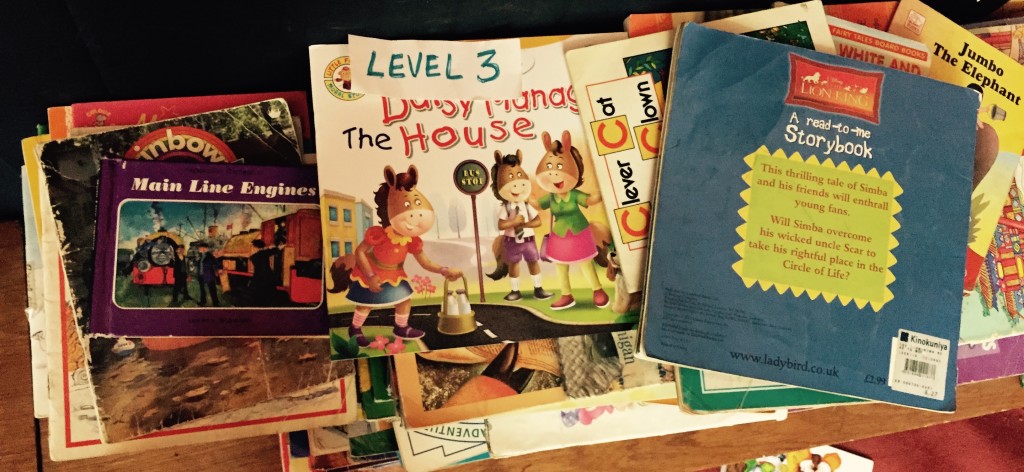
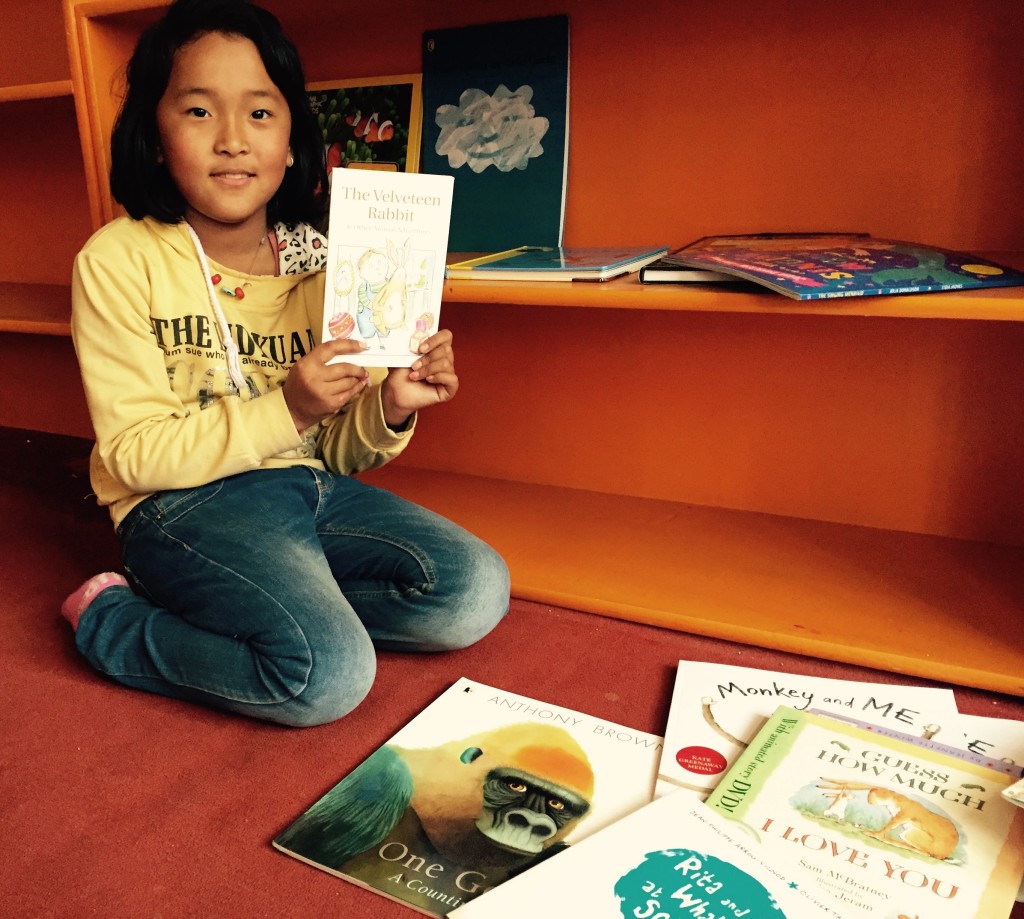
Libraries and charitable groups can assess books for age suitability, translation quality, cultural accuracy, visual representation and durability. In remote communities, strong bindings, washable covers and replacement plans matter because a popular book may be read many times. Donated titles are most useful when they match local interests and reading abilities.
| Collection priority |
What it offers readers |
Practical consideration |
| Local stories |
Recognition of language, landscape and daily life |
Consult teachers, families and community leaders |
| Buddhist tales |
Accessible examples of generosity, patience and wise action |
Pair traditional stories with discussion and context |
| Diverse contemporary fiction |
Empathy across cultures, abilities and experiences |
Review representation and translation carefully |
| Non-fiction and biographies |
Knowledge, curiosity and responsible citizenship |
Include science, environment, arts and local history |
| Wordless and illustrated books |
Participation for emerging readers and language learners |
Choose clear images with respectful details |
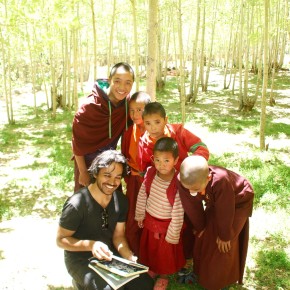
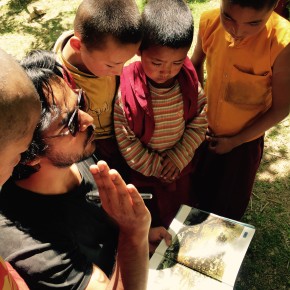
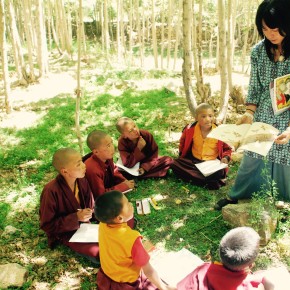
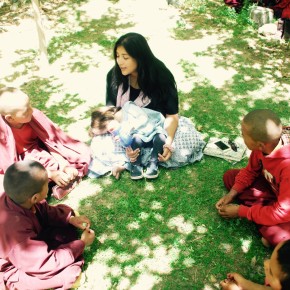
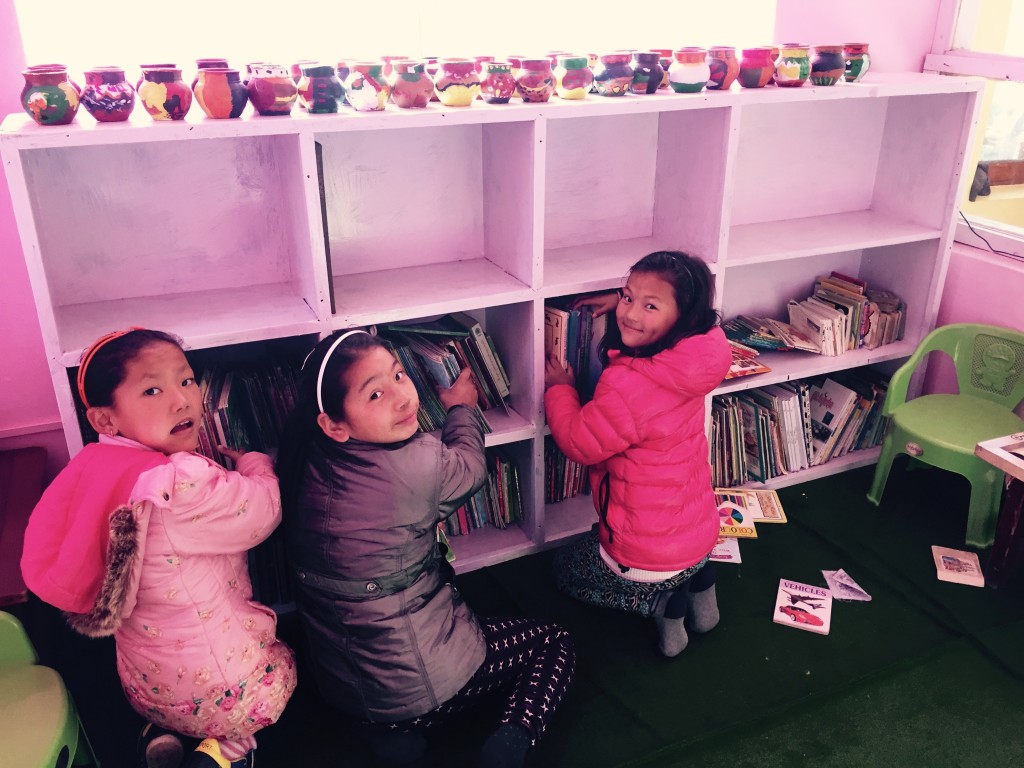
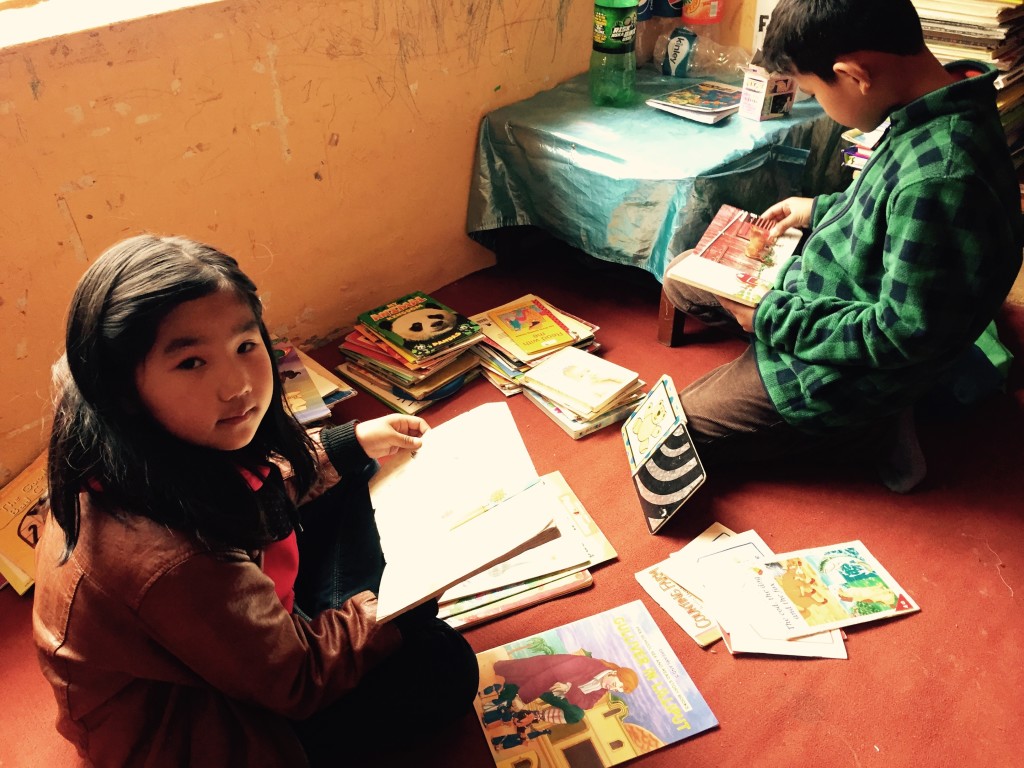
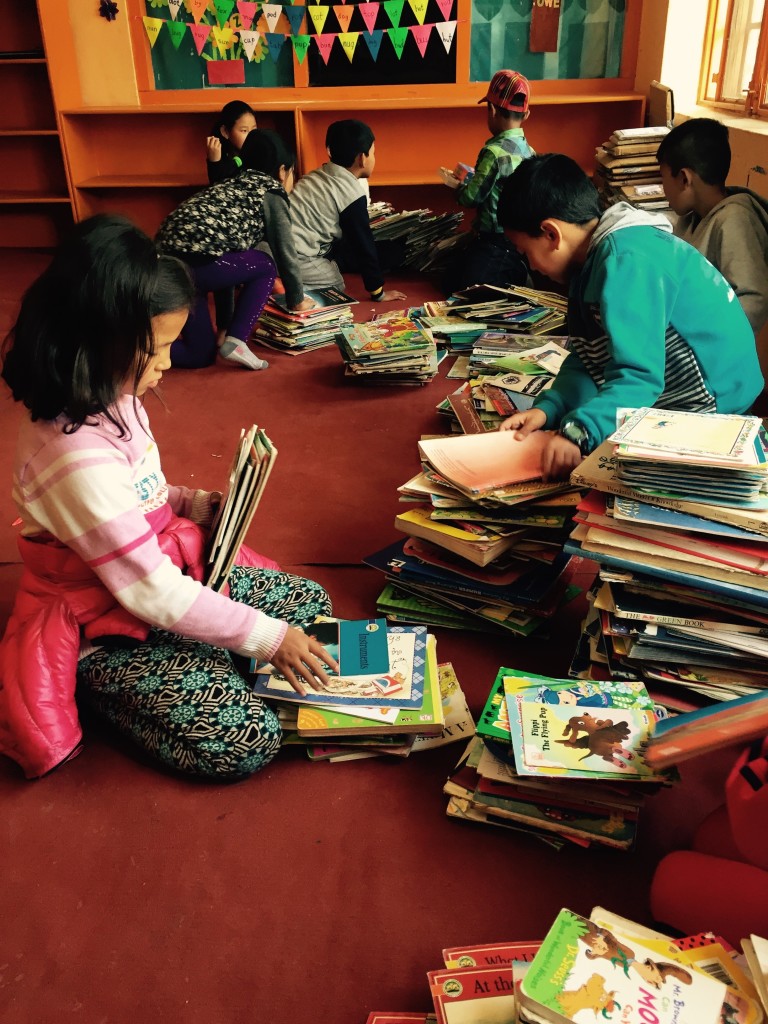
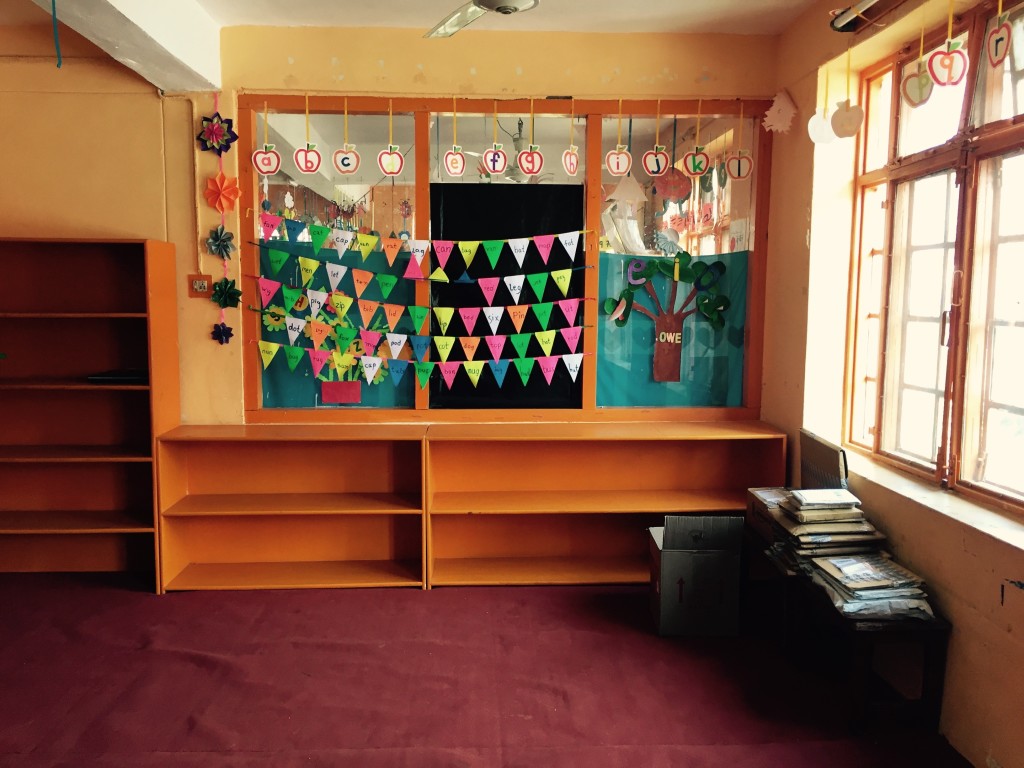
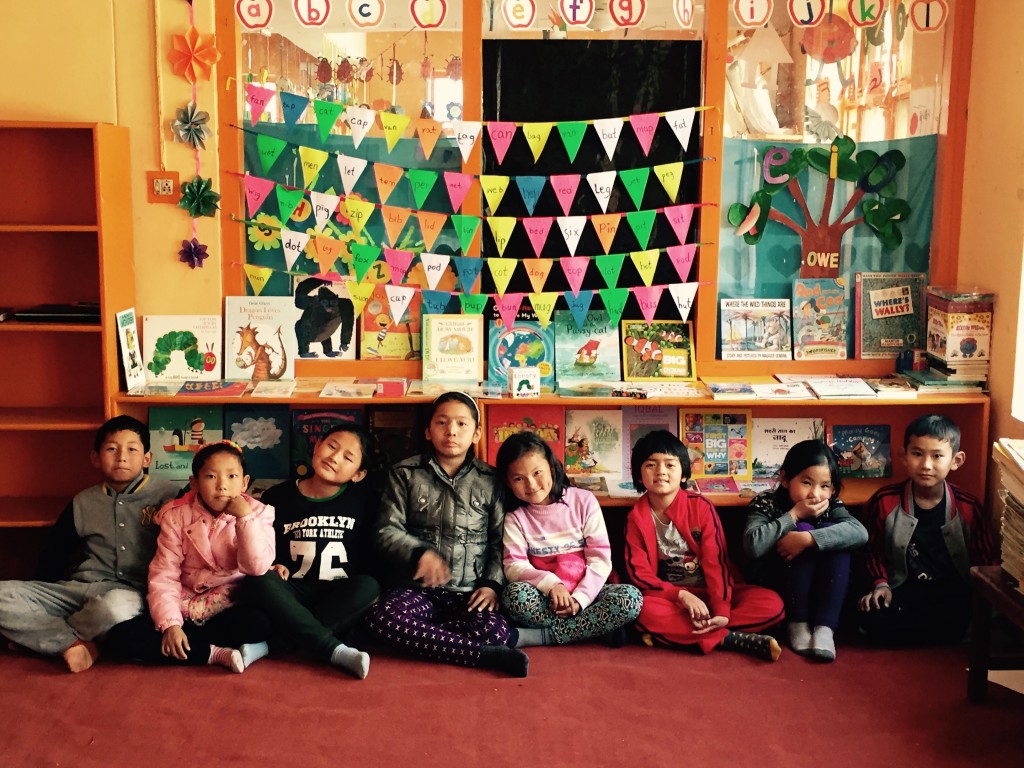
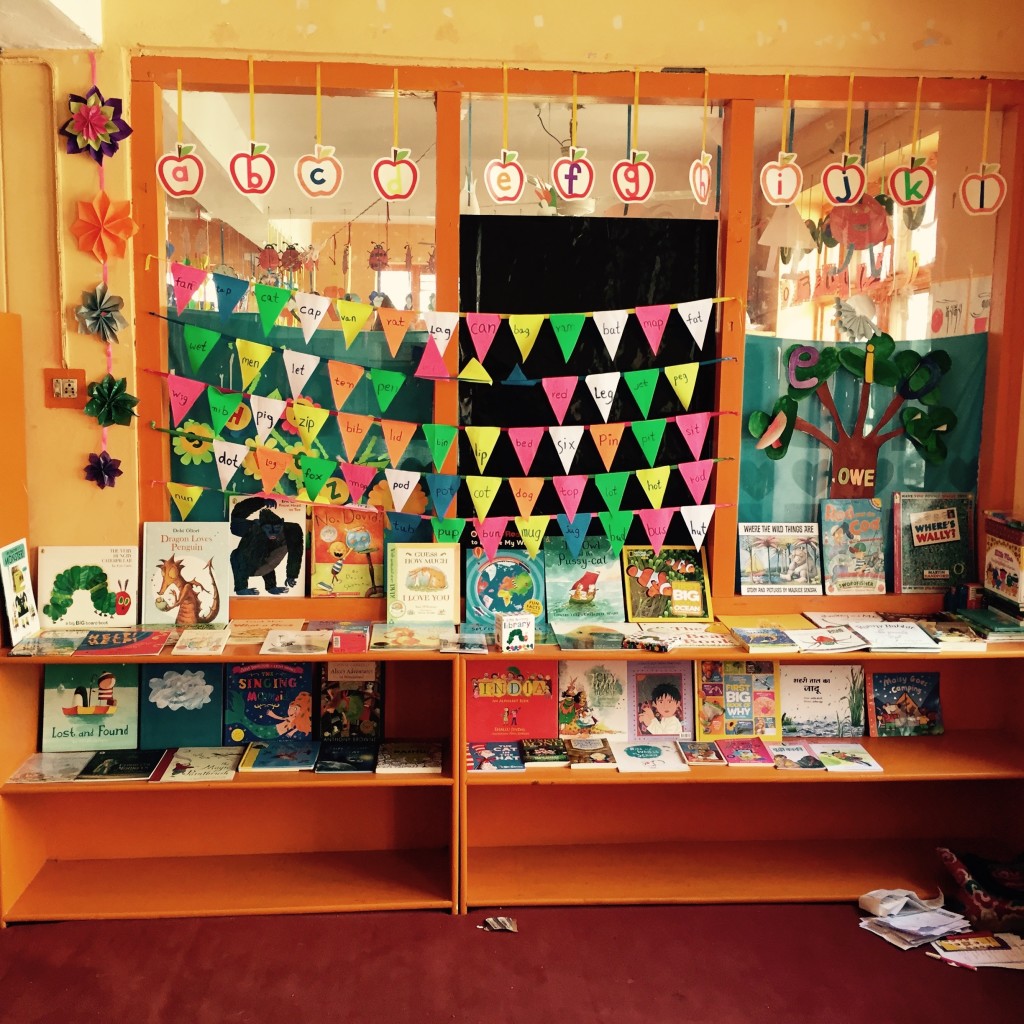
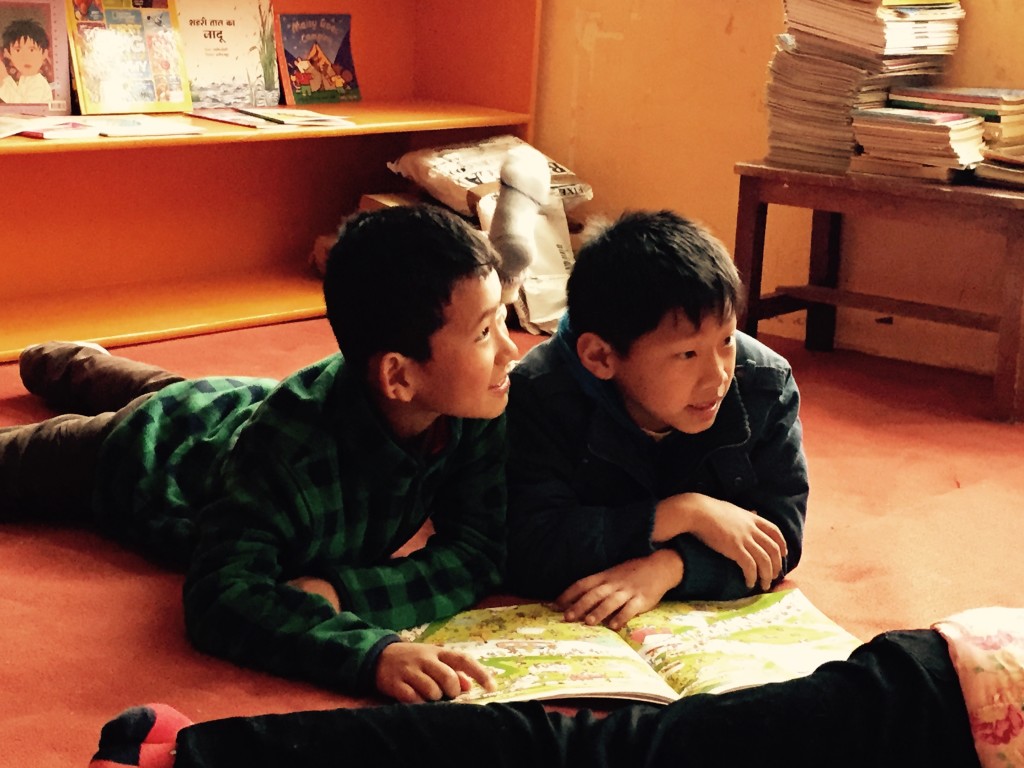
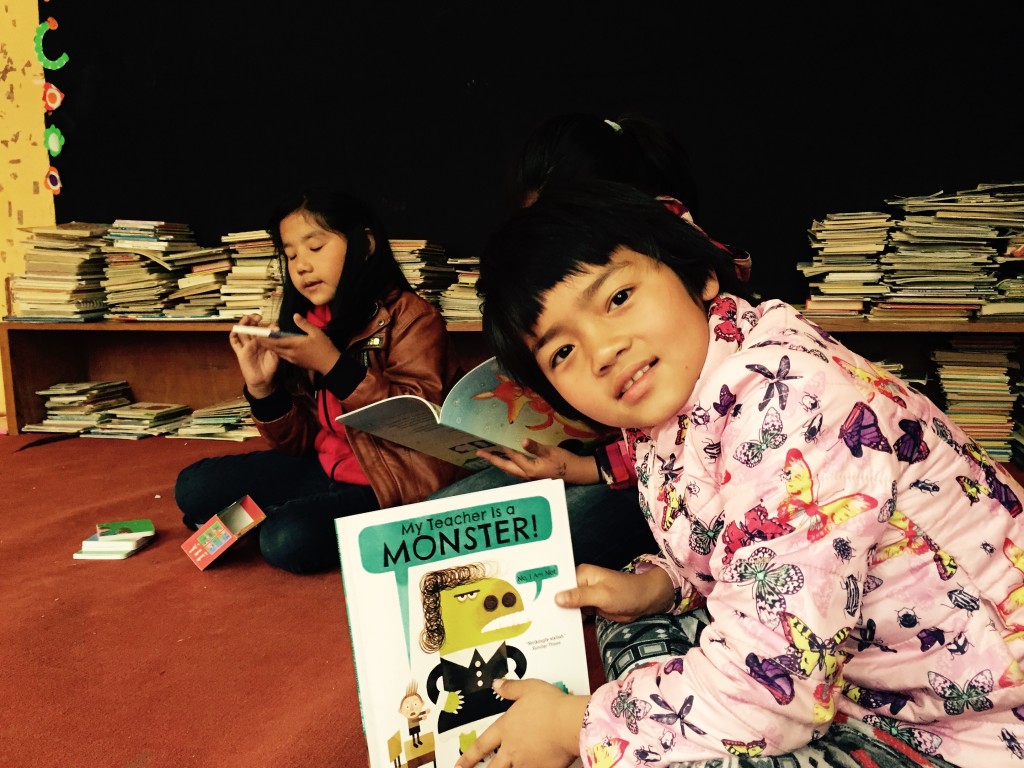
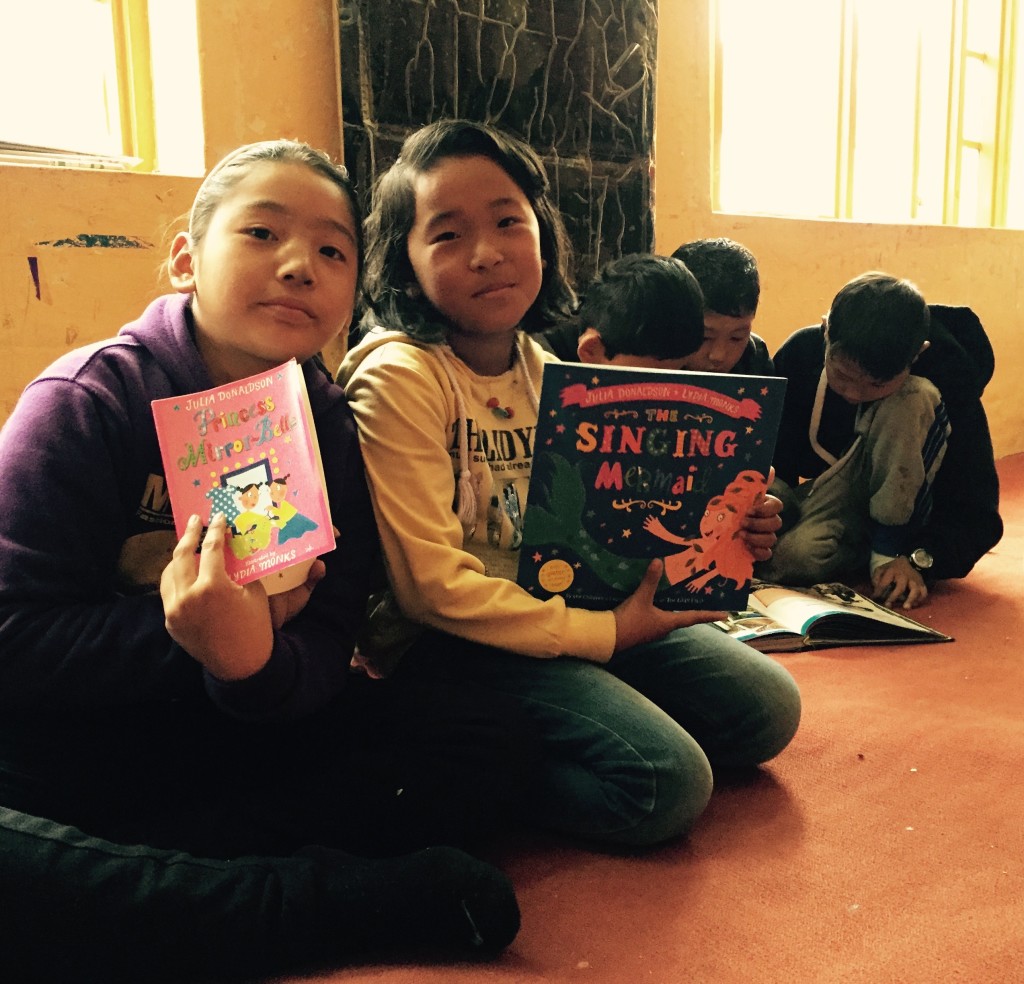
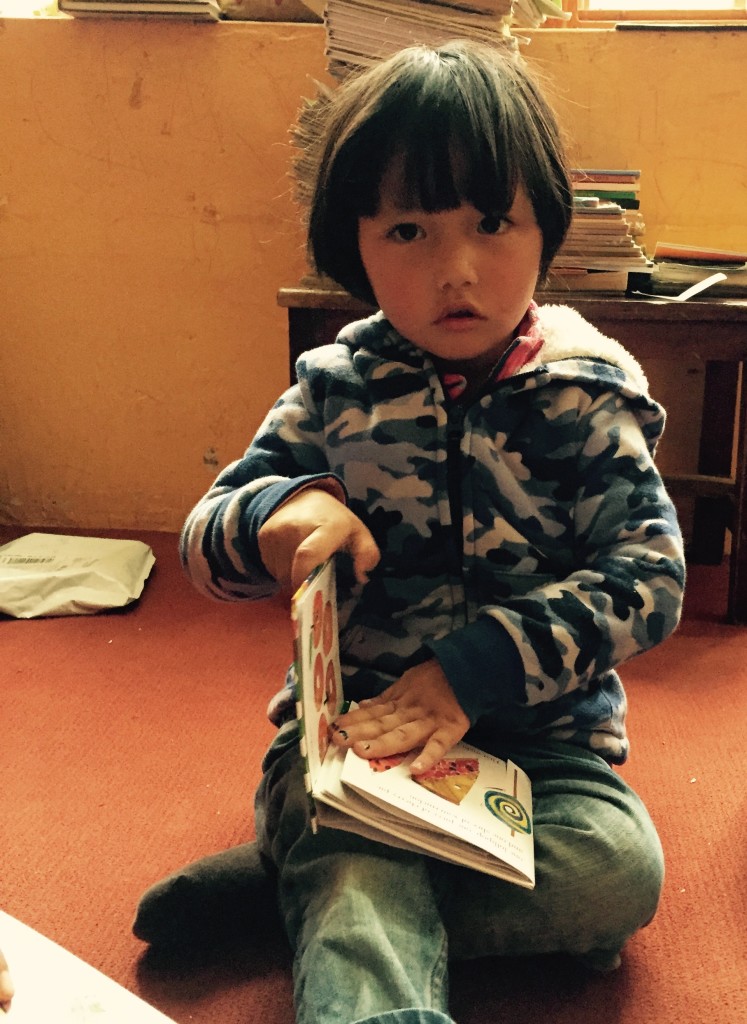
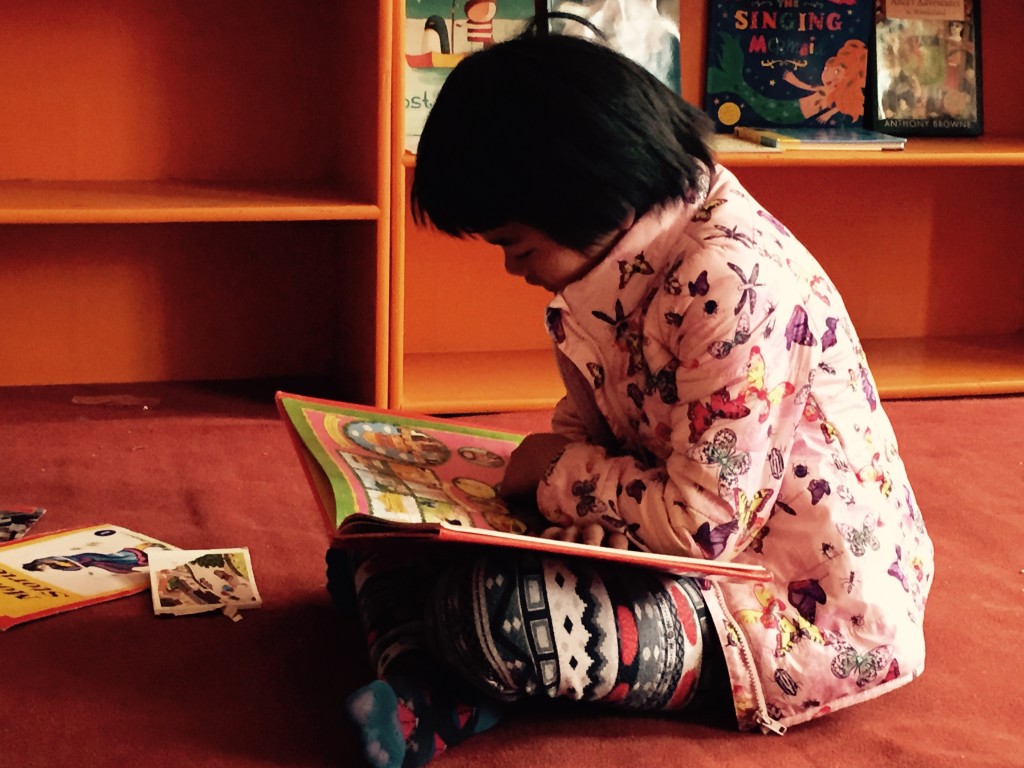
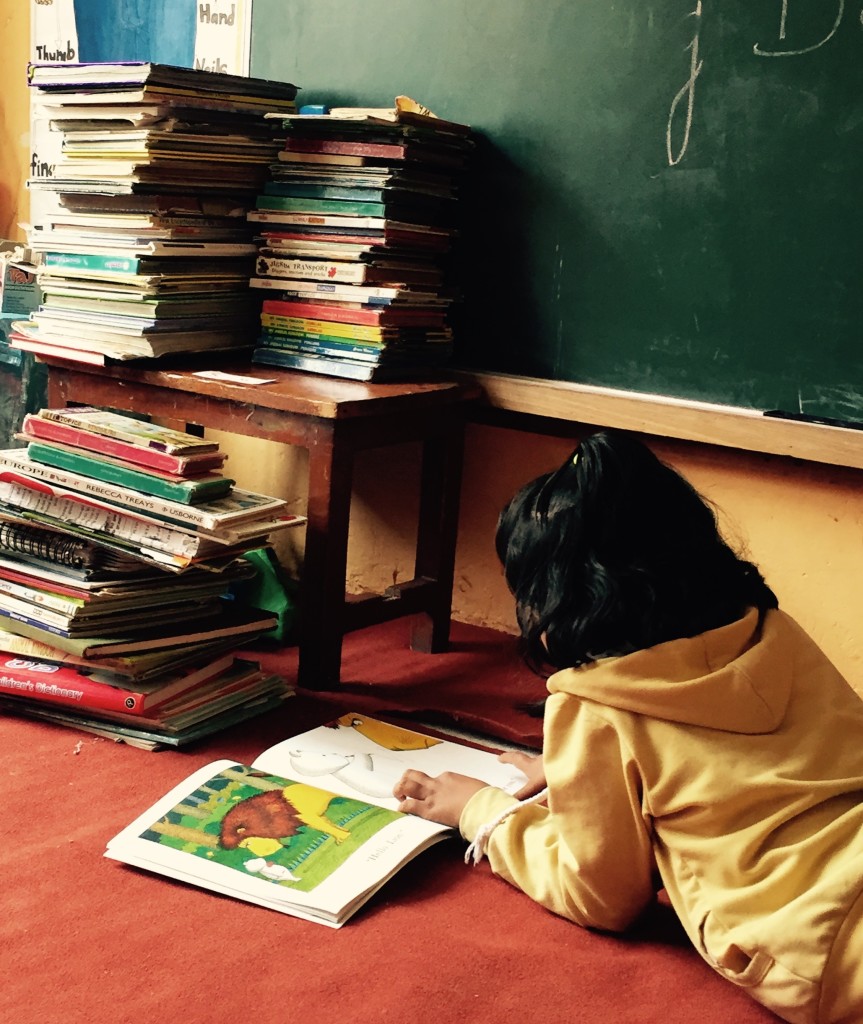
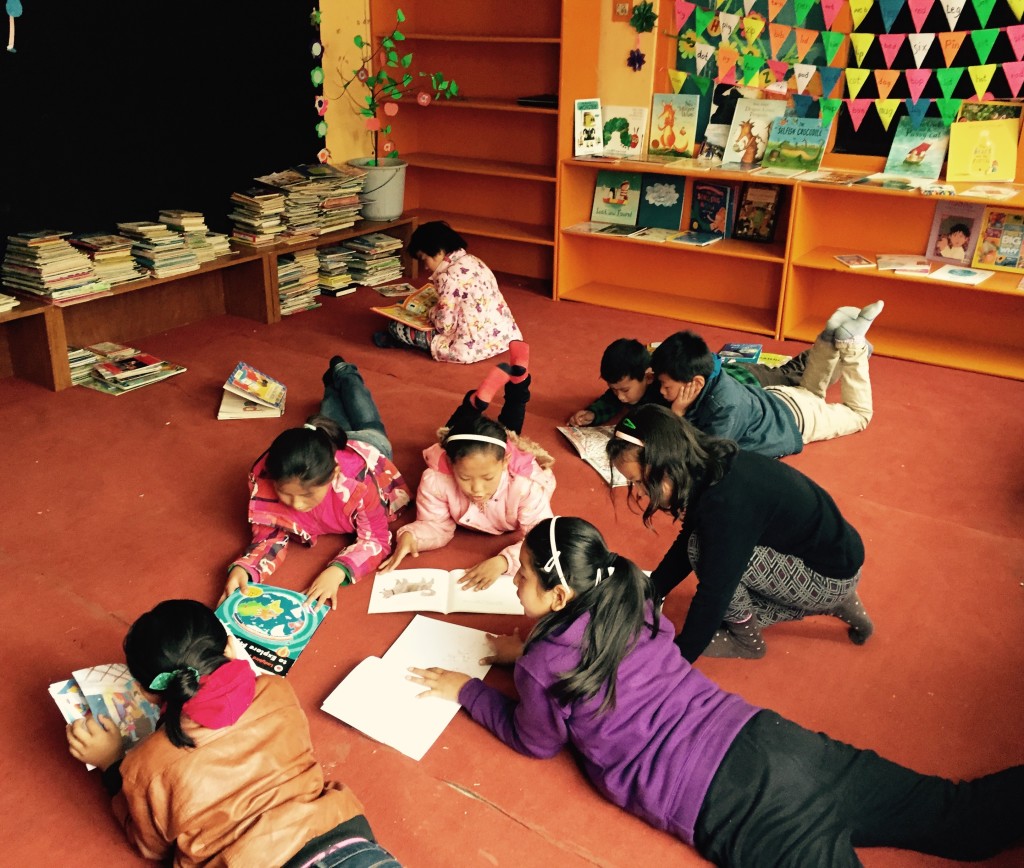
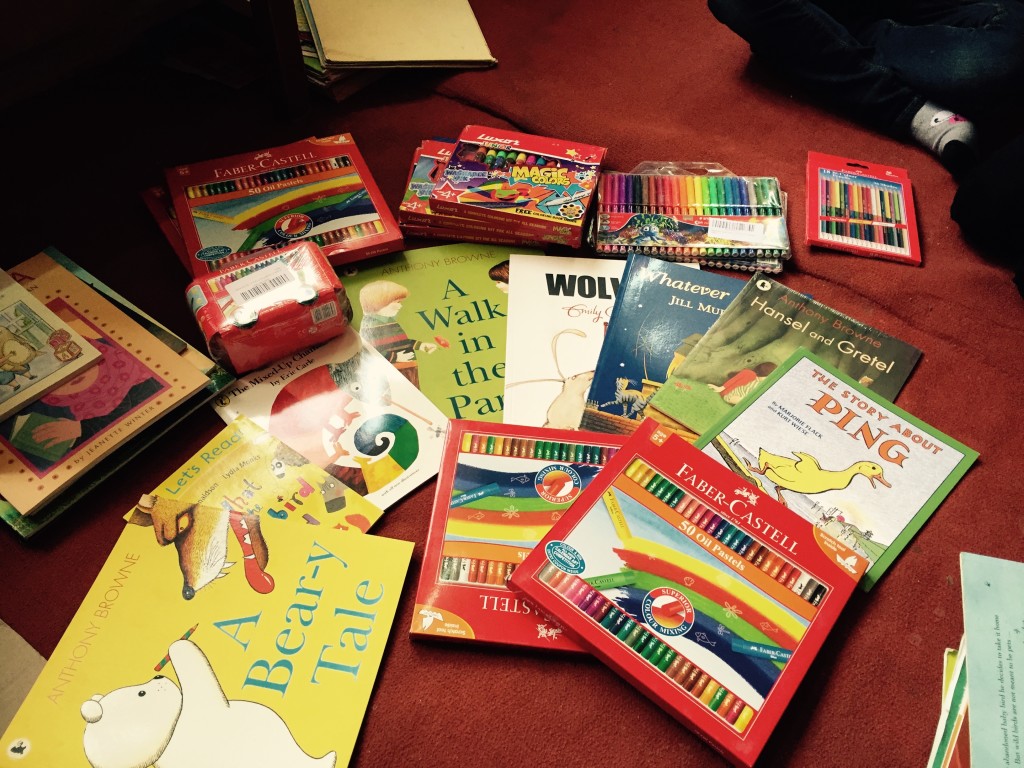
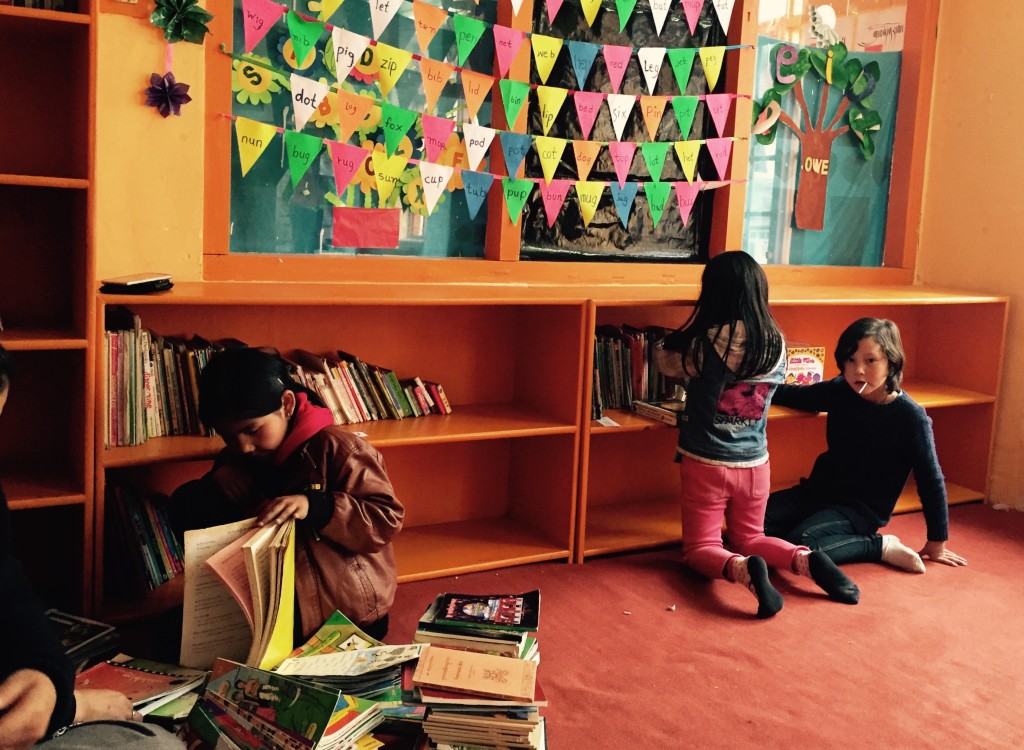
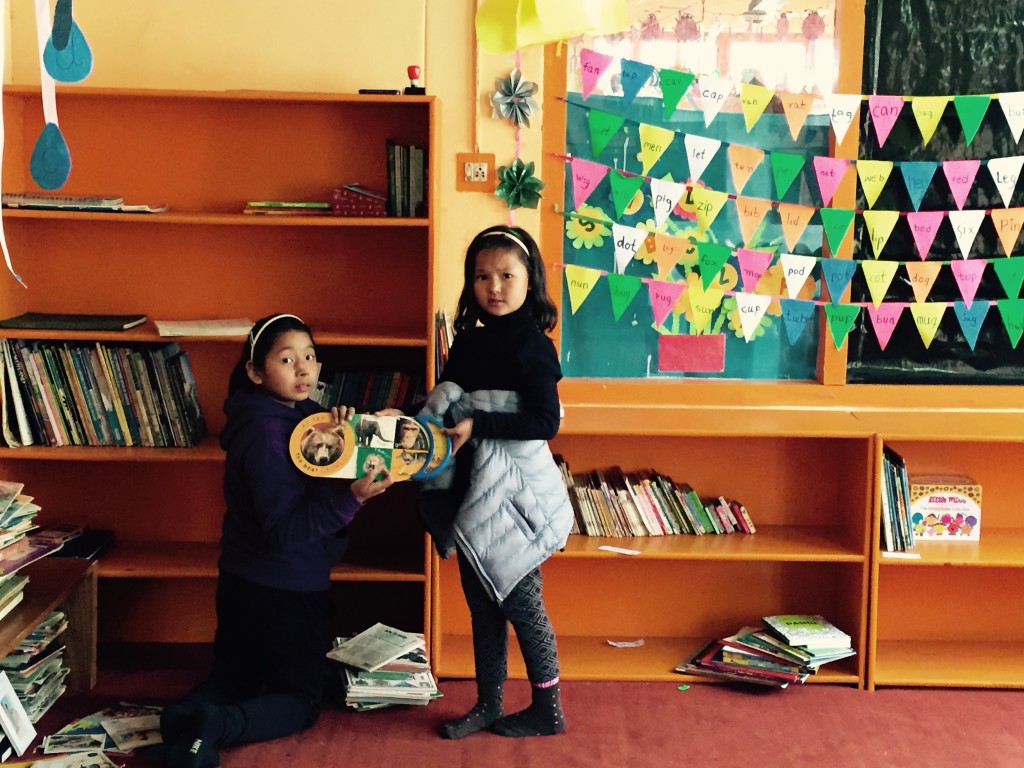
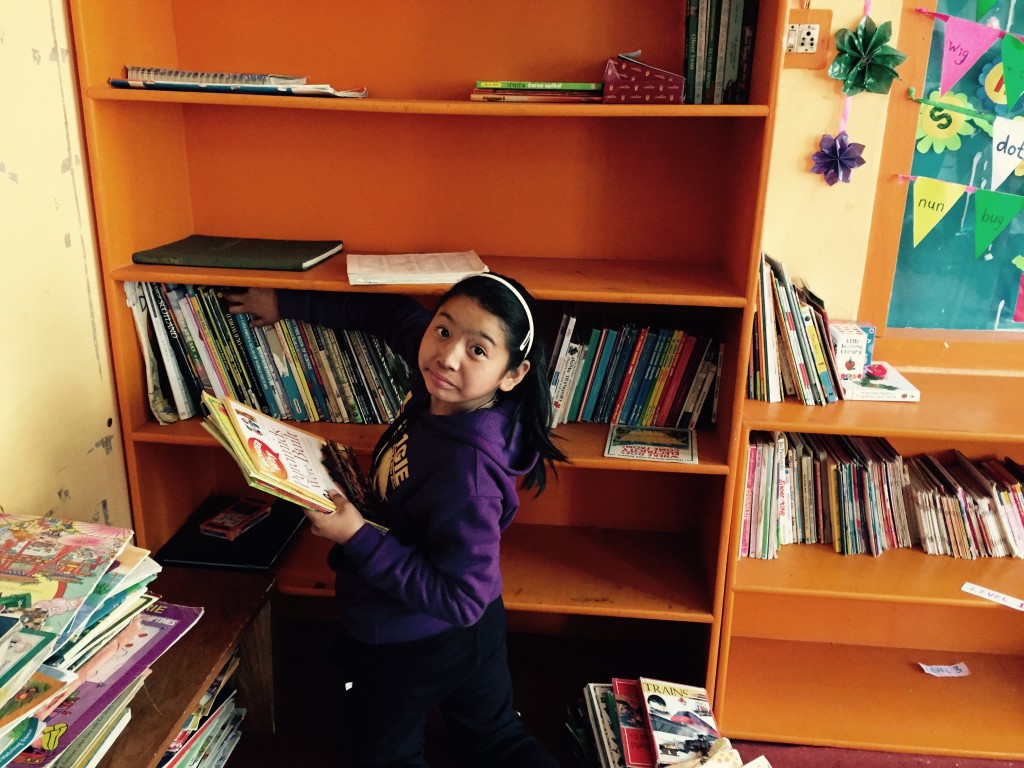
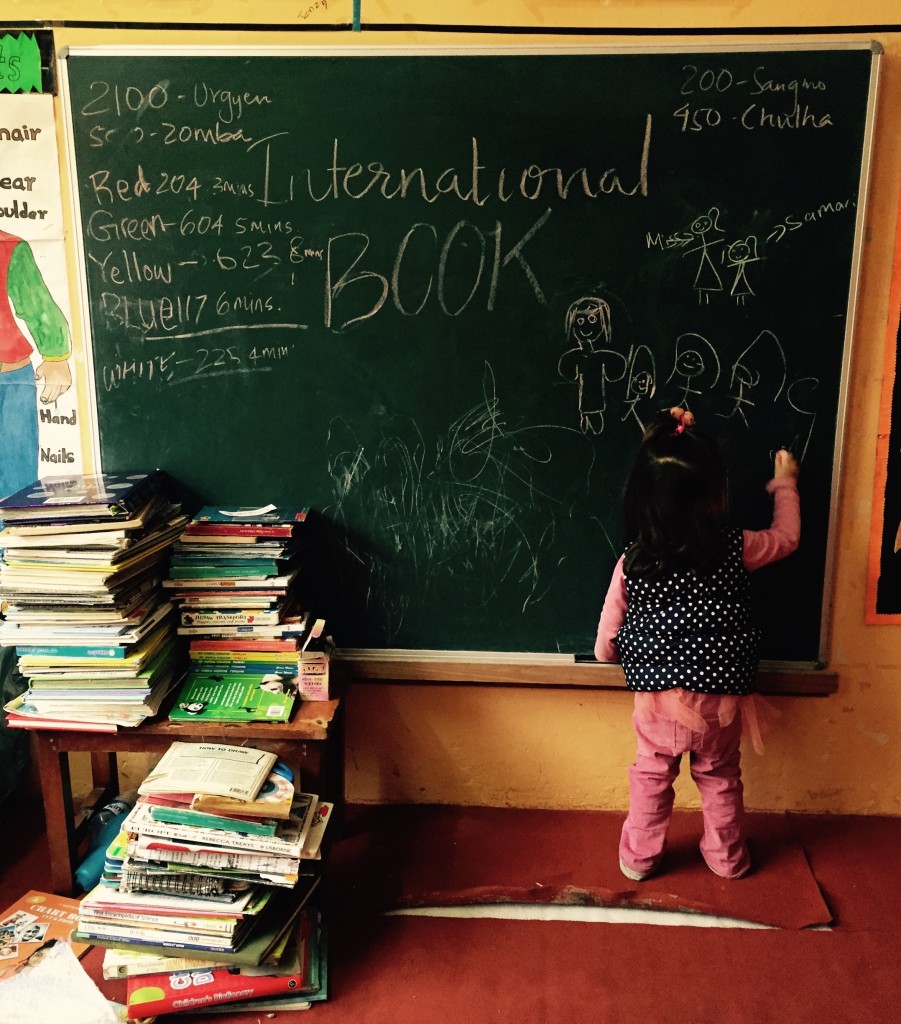
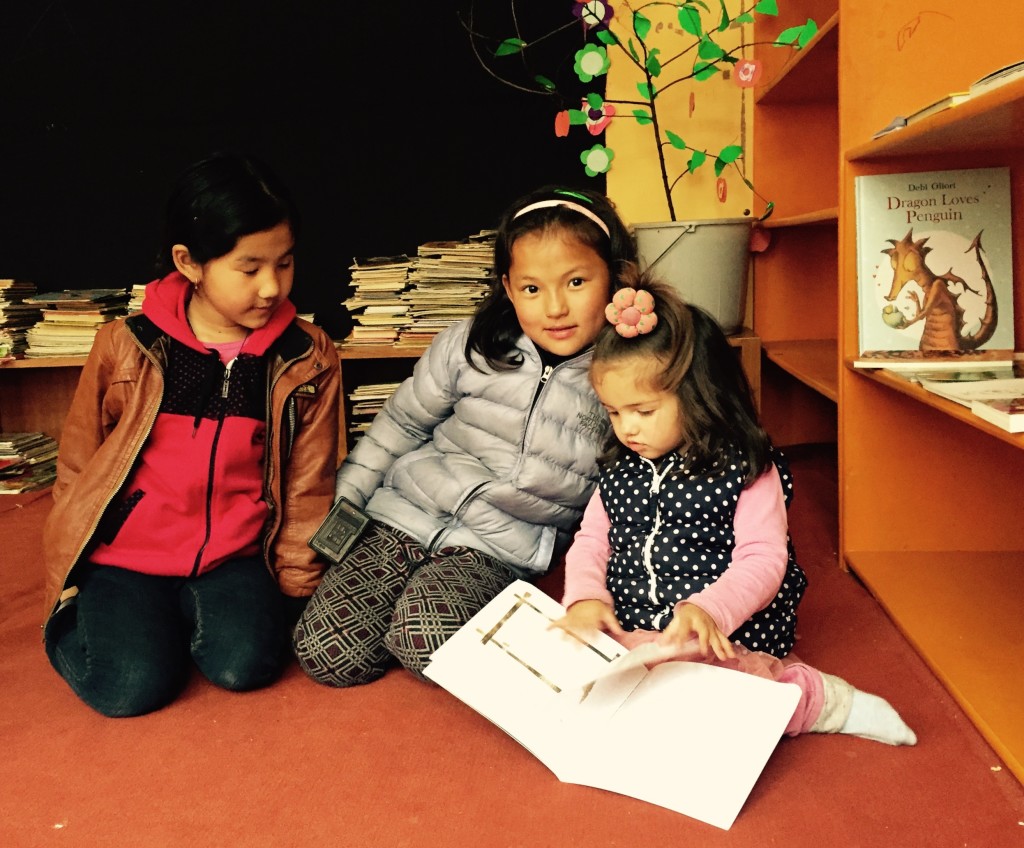
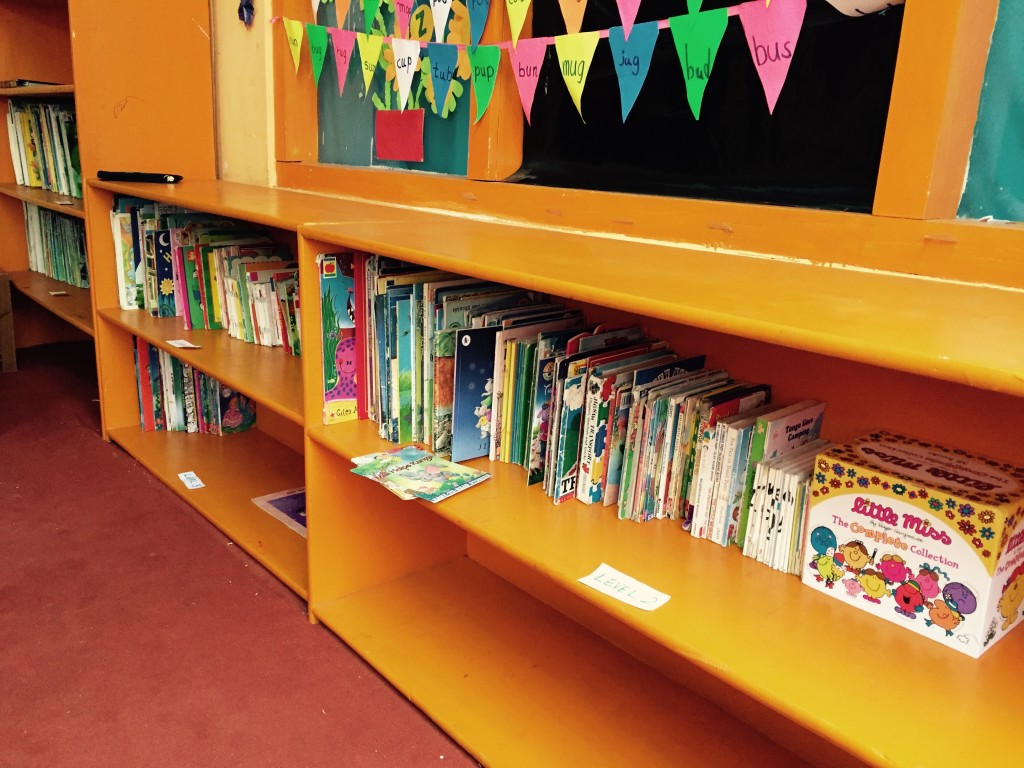
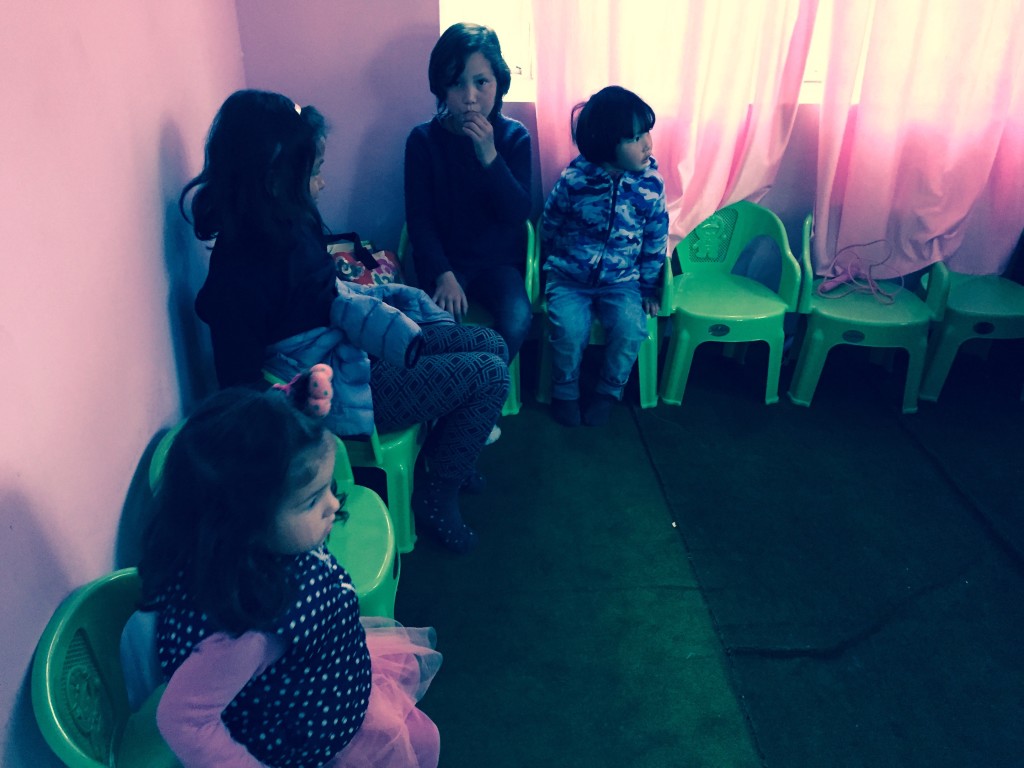
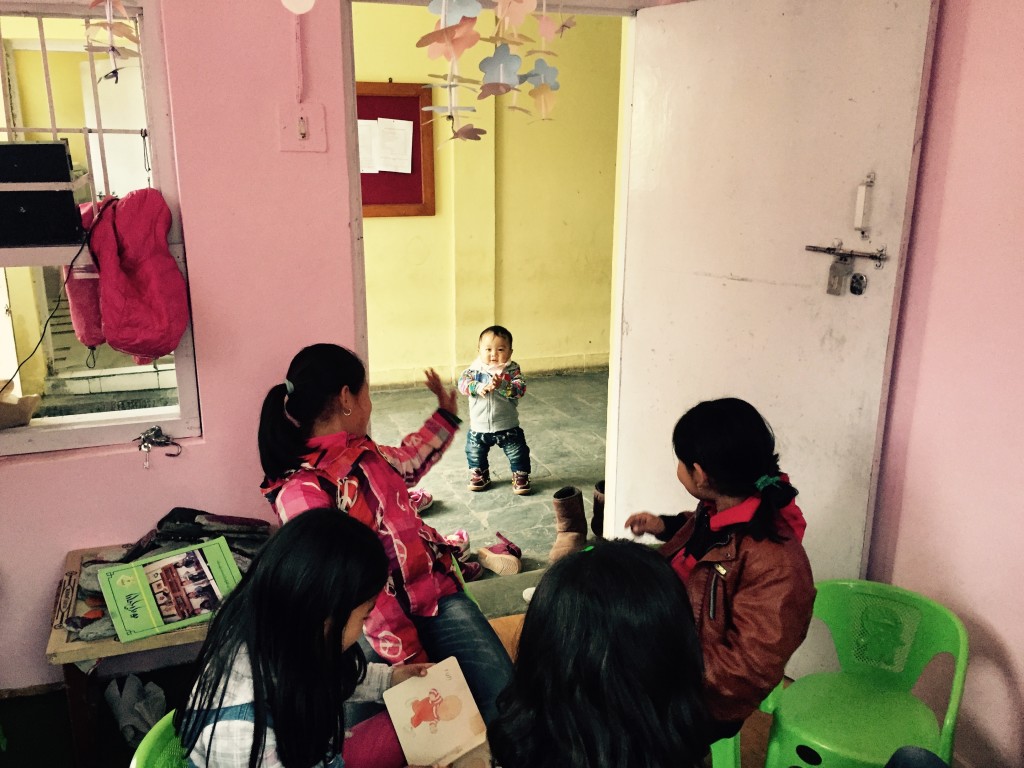
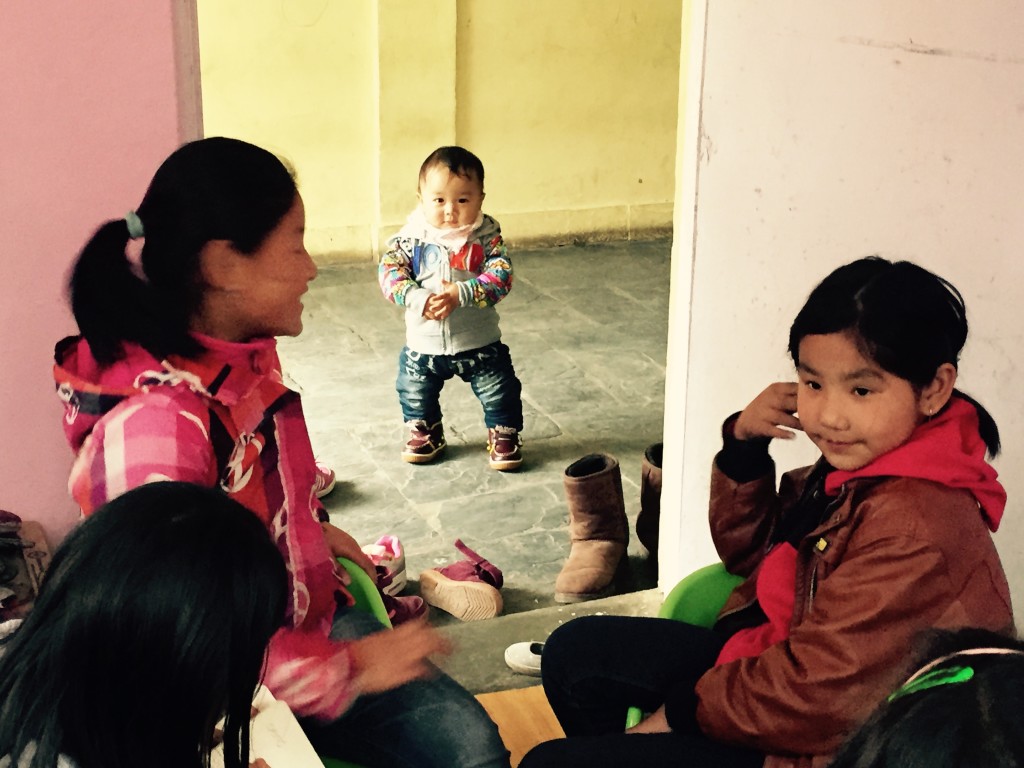
A reading room can make these resources feel welcoming rather than formal. Floor cushions, low shelves, art materials and a quiet corner encourage children to browse at their own pace. When older students or young monks read aloud to younger children, the room becomes a place of service and shared learning.
Australian communities and Himalayan connections
In Australia, Buddhist communities in Melbourne, Sydney, Brisbane, Perth and regional centres often bring together families with roots in several countries. A reading programme can reflect this diversity through multilingual books, weekend storytelling and activities that connect Buddhist ethics with Australian community life.
Everyday reading habits also shape participation. Families may visit public libraries, borrow books through school, listen to audiobooks during car trips or share bedtime stories. Partnerships with local libraries and schools can help a Himalayan-focused charity understand which formats children already use and how donated books can complement existing services.
Australia’s book market includes independent booksellers, large retailers, second-hand shops and specialist distributors. Transporting books to remote Himalayan locations can be expensive, so purchasing some titles locally, sourcing durable educational editions and coordinating consolidated shipments may be more effective than sending unsuitable surplus stock. Digital resources can assist, but reliable electricity, devices and internet access must be considered.
Legal responsibilities matter when programmes operate in Australia. Organisations registered with the Australian Charities and Not-for-profits Commission should maintain clear records about donations and charitable activities. Volunteers working with children may also need a state or territory Working with Children Check. The Copyright Act 1968 affects photocopying, scanning and sharing digital books, so reading rooms should use authorised materials and follow licence conditions.
Turning reading into community practice
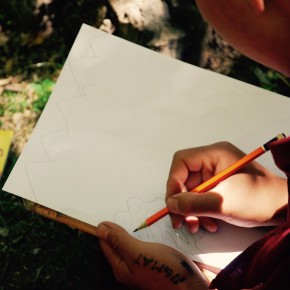
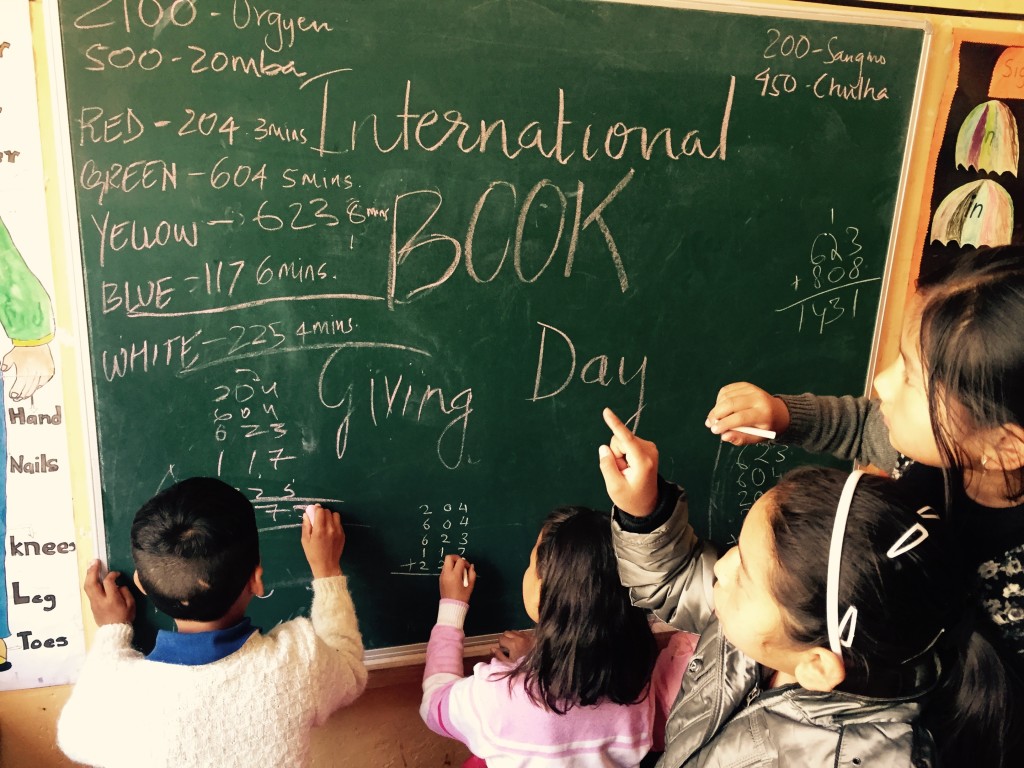
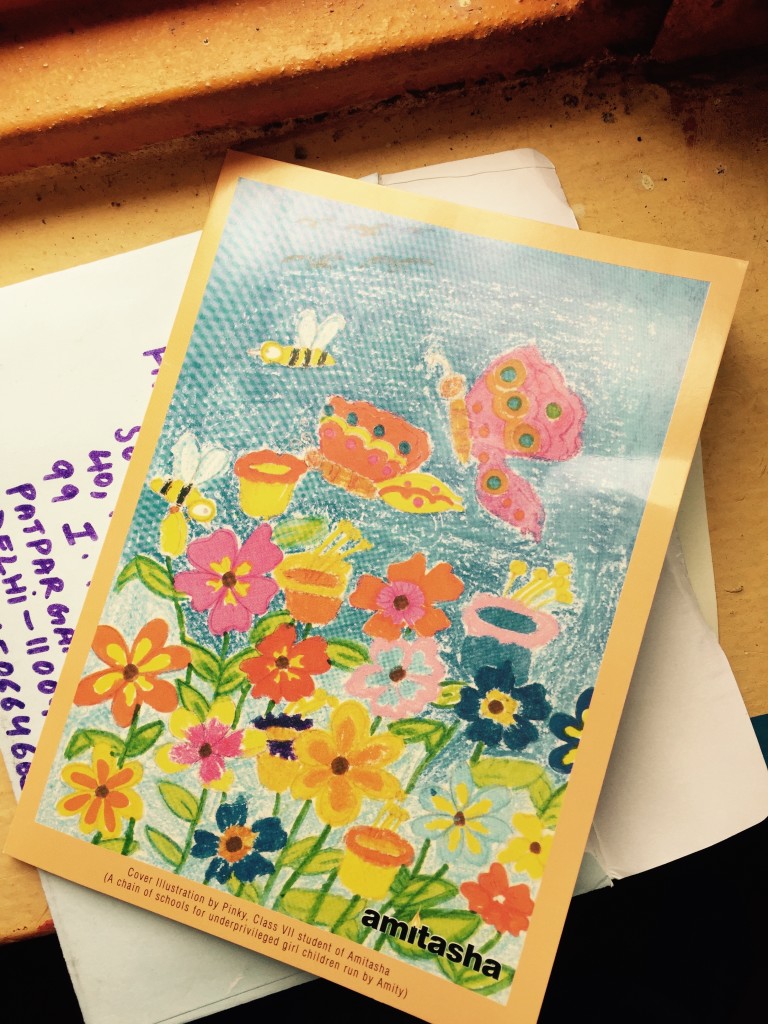
A book becomes more powerful when children have opportunities to respond. After a story, they might create a kindness calendar, perform a short scene, compose music, draw a character’s feelings or write a letter of reconciliation. Artistic and musical activities allow children with different strengths to engage with the same ethical theme.
Discussion should leave room for complexity. A facilitator can ask what each character needed, who was affected by a decision and what repair might look like. The aim is not to demand one correct answer, but to cultivate careful attention, humility and respect for different perspectives.
Useful practices for reading rooms and book drives include:
- Choose stories with clear, age-appropriate language and emotionally credible characters.
- Include local languages and invite community members to review cultural references.
- Pair donated books with trained facilitators, reading games or storytelling sessions.
- Record which books children borrow most often and use that information for future purchases.
- Protect children’s privacy in photographs, stories and programme records.
- Connect reading with practical acts of generosity, environmental care and mutual support.
These measures help a collection remain active rather than decorative. They also give donors and volunteers a clearer understanding of how books contribute to learning, confidence and community relationships.
Sustaining compassion beyond the page
Regular reading can influence the culture of a monastery, school or family. When children repeatedly encounter characters who listen, share and repair harm, those behaviours become easier to recognise in daily life. Adults reinforce the lesson when they model patience, admit mistakes and treat children’s questions seriously.
The long-term value of compassionate literature is therefore broader than the number of books on a shelf. It lies in the habits that grow around those books: reading together, welcoming different voices, caring for shared resources and responding to suffering with practical help.
For Buddhist communities in the Himalaya and Australia, thoughtfully chosen stories can connect literacy with spiritual development without narrowing either one. The lasting lesson is simple: books matter most when their vision of kindness becomes something children can practise, share and carry into the wider community.