When One Gift Opens A Door To Learning
In a remote Himalayan community, a donation can take on a meaning far beyond its monetary value. A contribution may purchase a shelf of storybooks, repair a reading room, fund art materials, or give a child a quiet place to study. These practical changes can become the starting point for confidence, curiosity, and a wider sense of possibility.
One family’s experience shows how a single act of generosity can move through an entire household. The gift did not solve every difficulty at once. It created access: access to books, patient guidance, creative activities, and a community that valued learning. From that access, small daily habits began to change.
The family’s details are presented with privacy in mind, but the pattern reflects the kind of transformation that educational charities seek to support across Ladakh and other Himalayan communities. A donor may see one contribution on a receipt; a family may experience it as a new path.
A Household Shaped By Limited Access
Before a community reading space became available, the children in this family had few books at home. School materials were used carefully, and reading was largely connected to assignments rather than discovery. Their parents valued education, yet household income and the distance to well-stocked shops made additional learning resources difficult to obtain.
The older child, whom we will call Tsering, enjoyed listening to stories but was hesitant to read aloud. The younger child preferred drawing and music to written work. Neither lacked ability. They lacked regular opportunities to explore interests at their own pace, with books and mentors close at hand.
That distinction matters. Educational inequality is often described through school attendance or examination results, but learning also depends on encouragement and materials. A child who can choose a book, ask questions, and return to a welcoming space begins to see learning as something active and personal.
The Gift That Became A Shared Resource
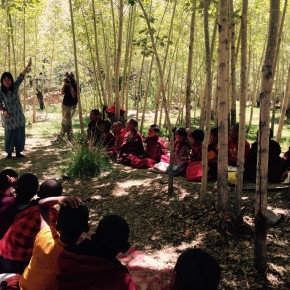
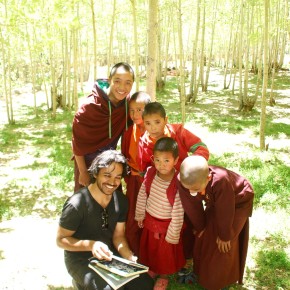
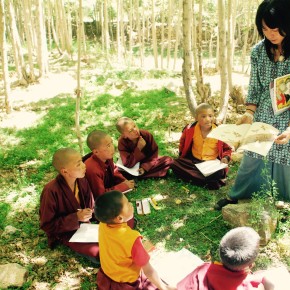
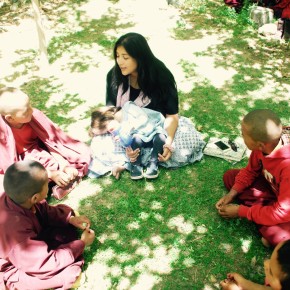
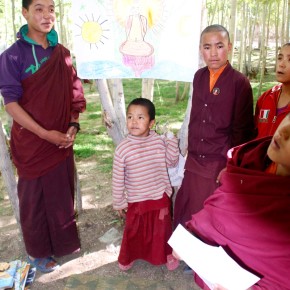
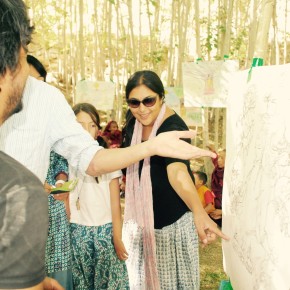
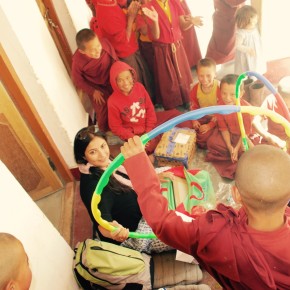
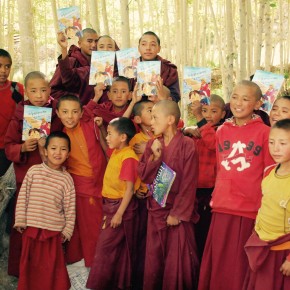
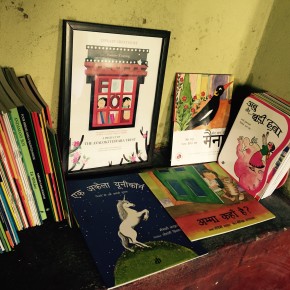
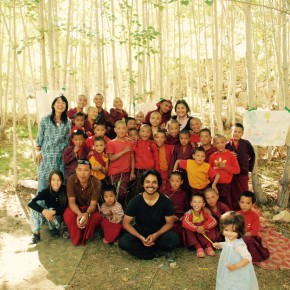
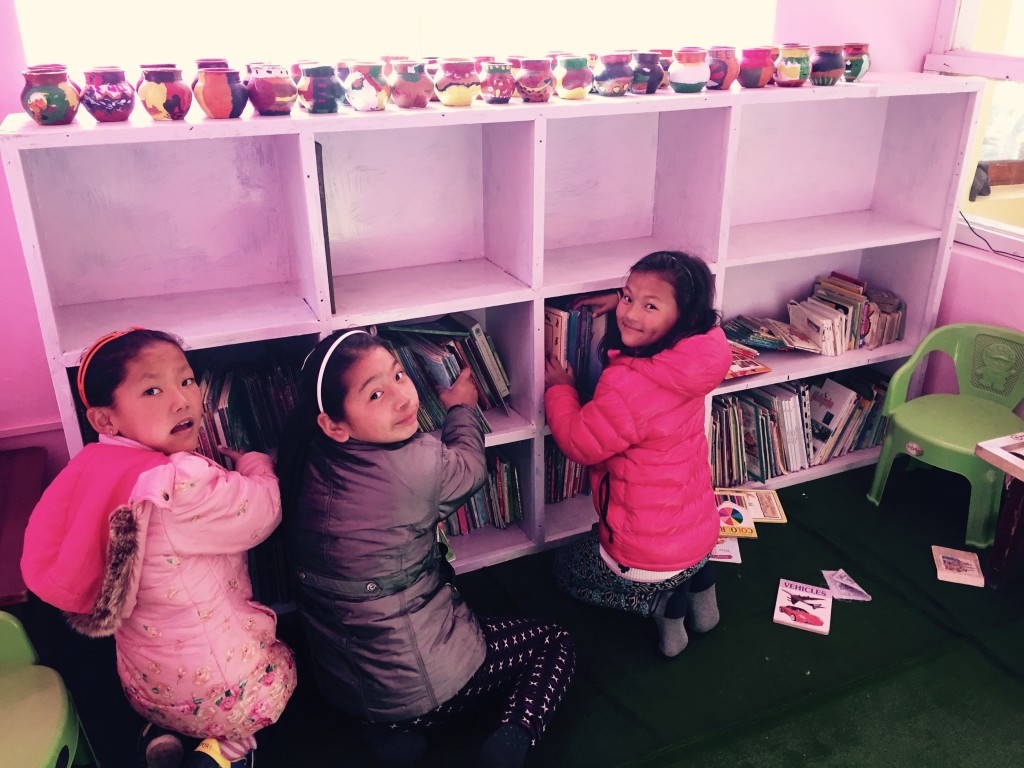
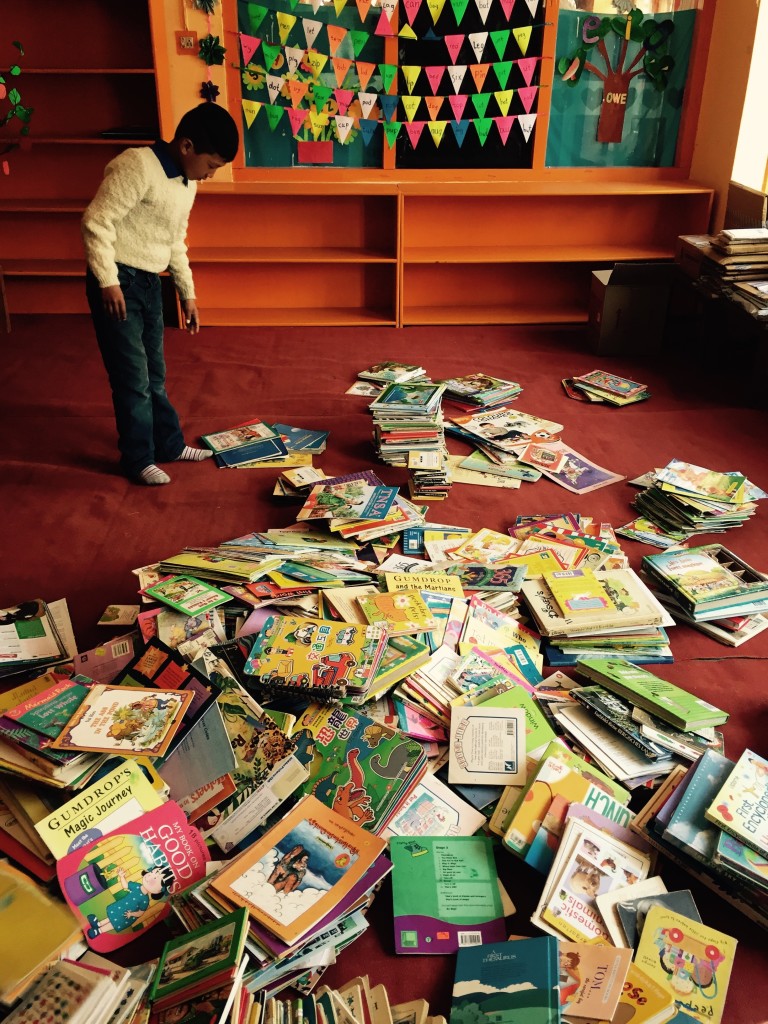
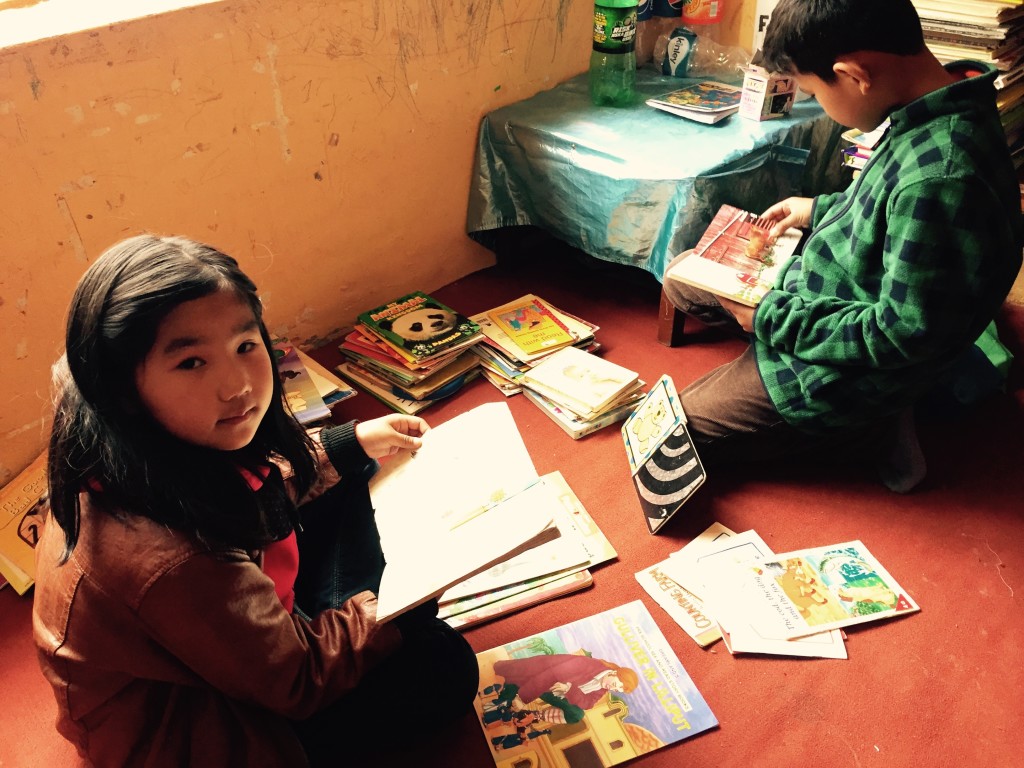
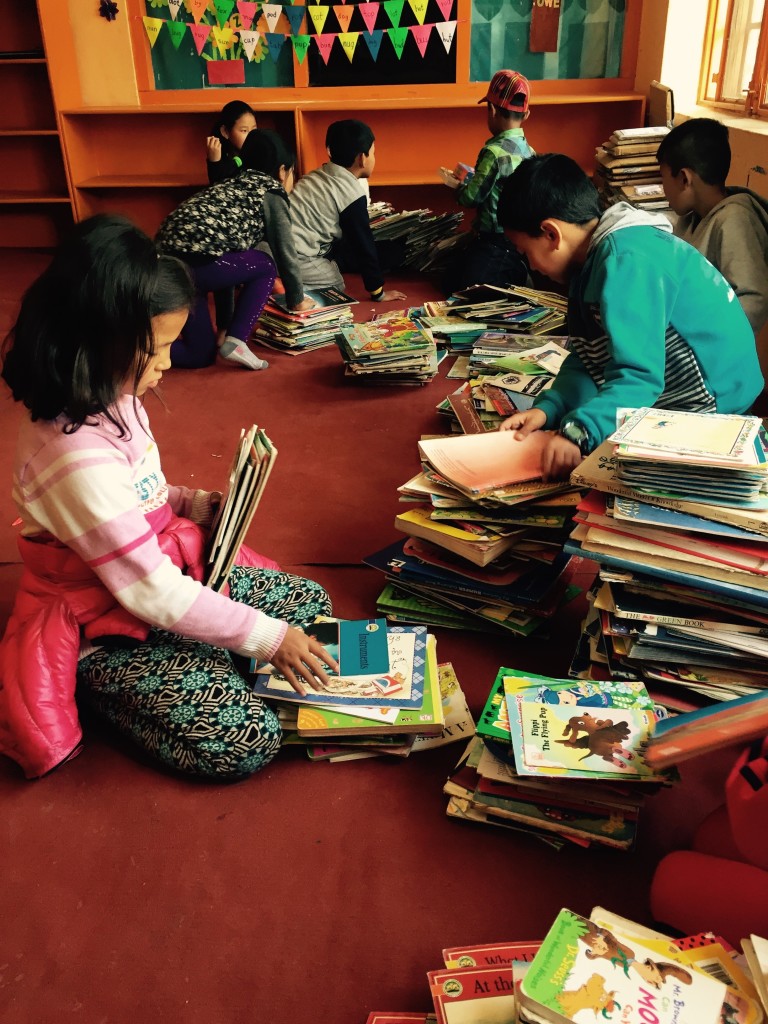
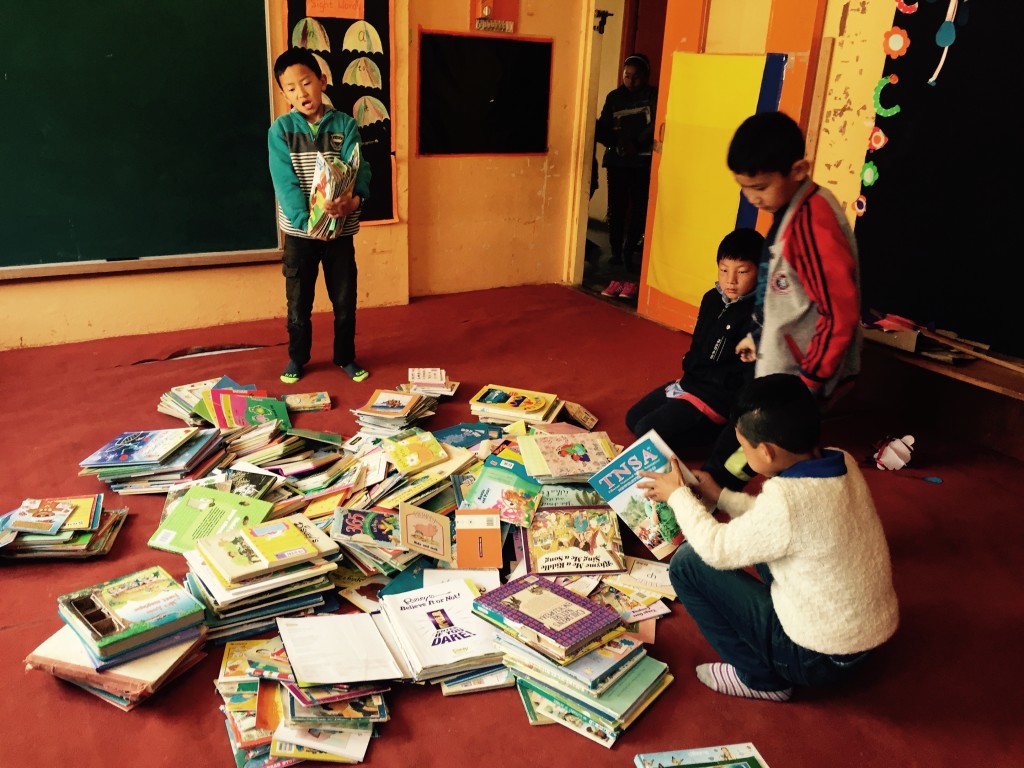
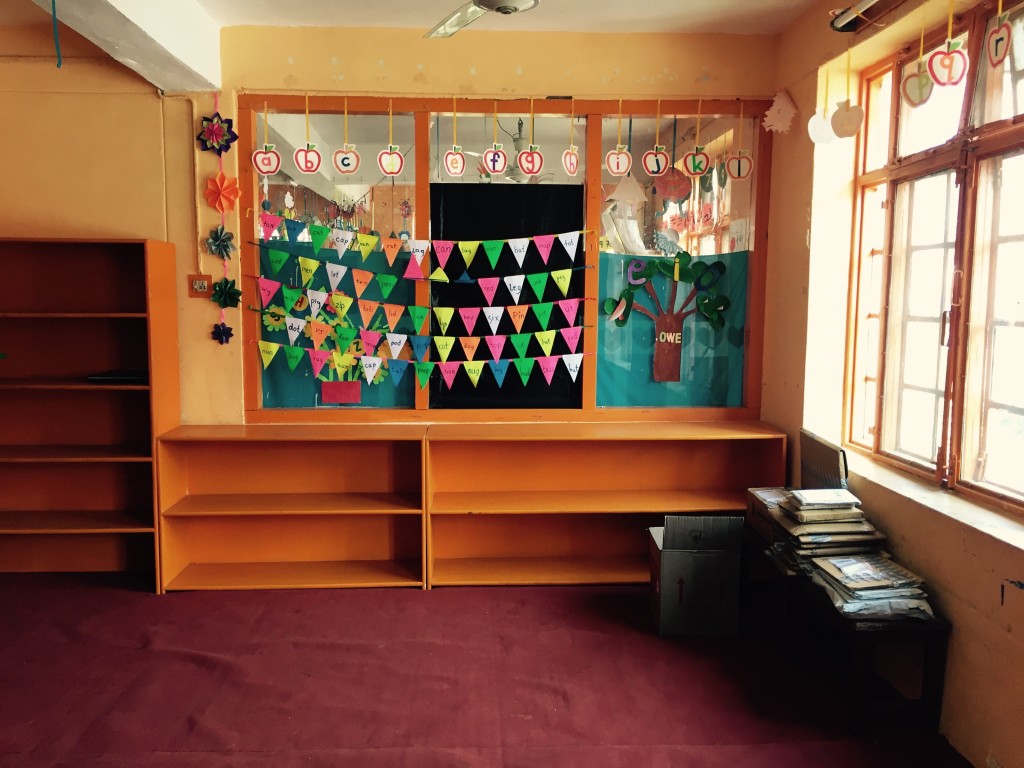
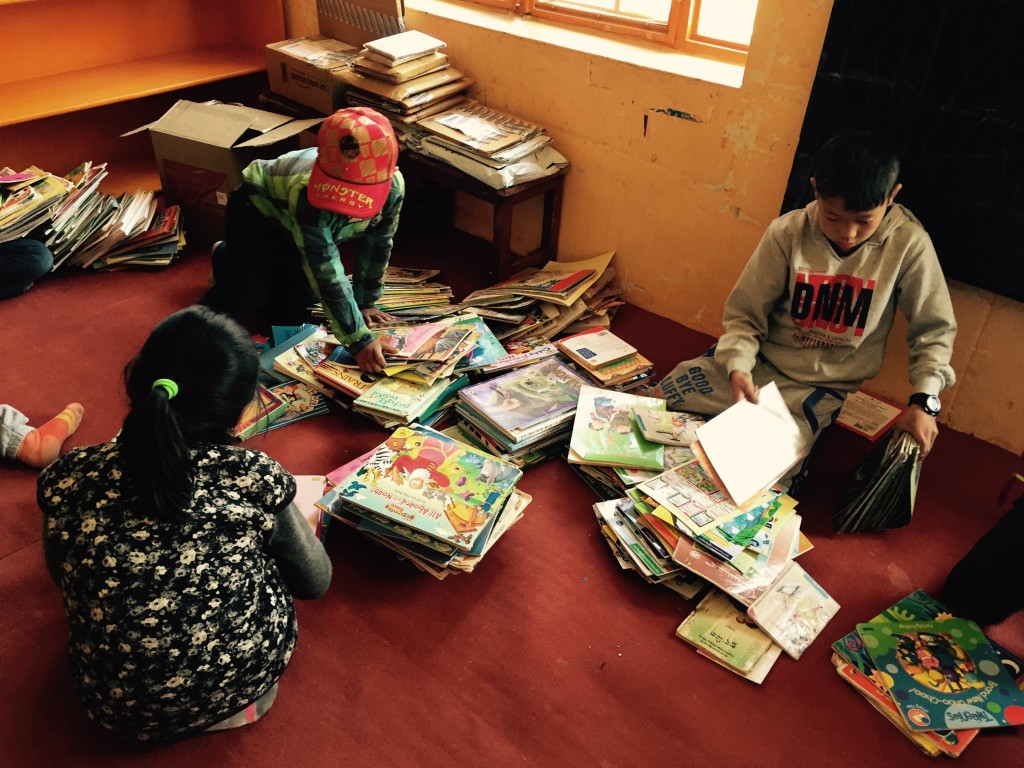
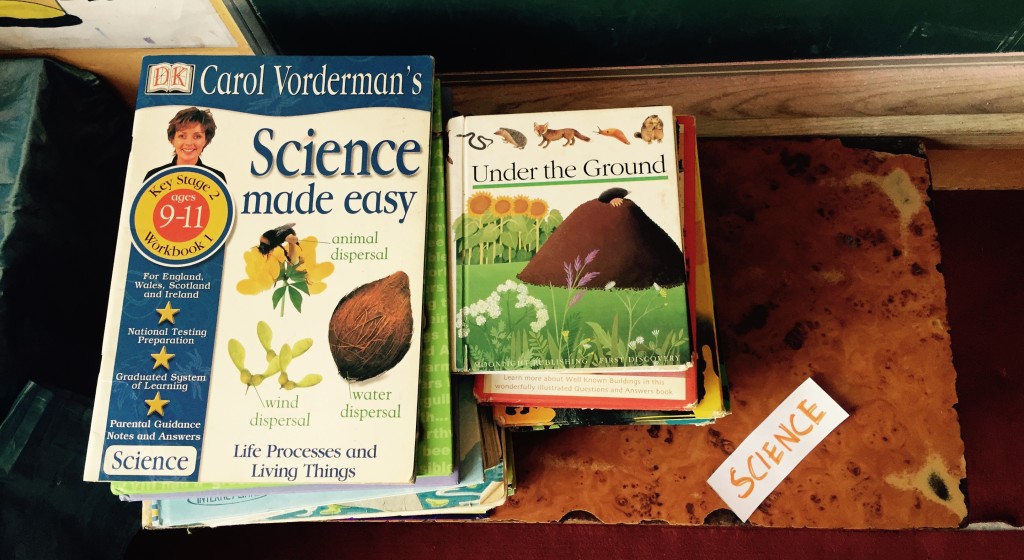
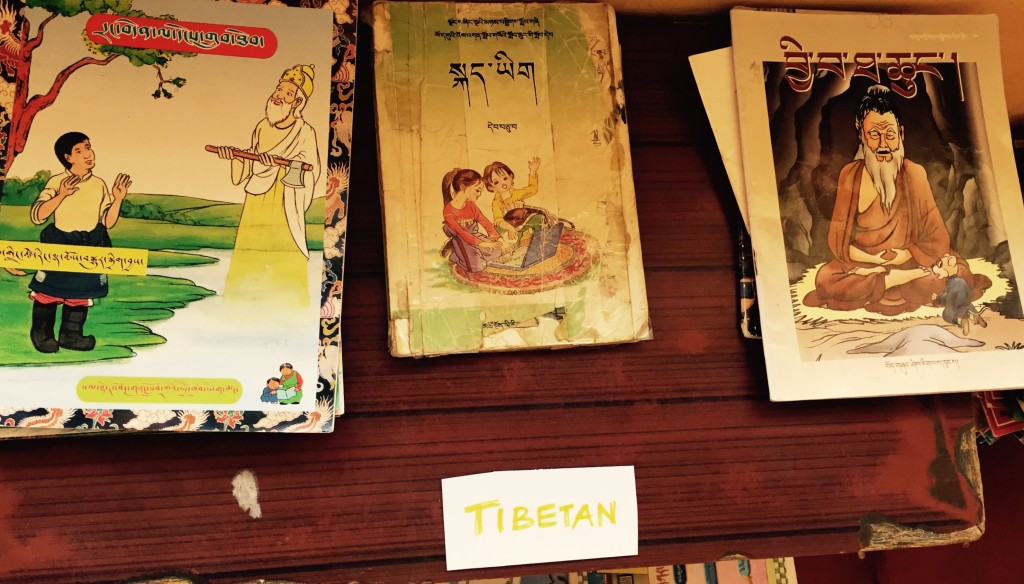
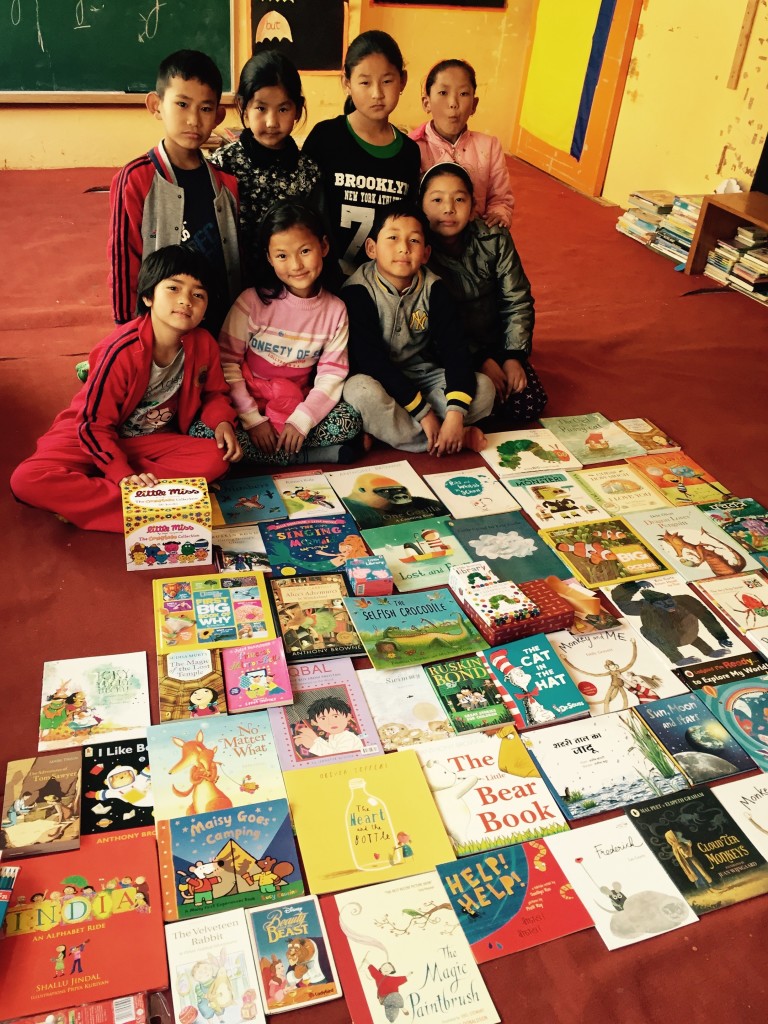
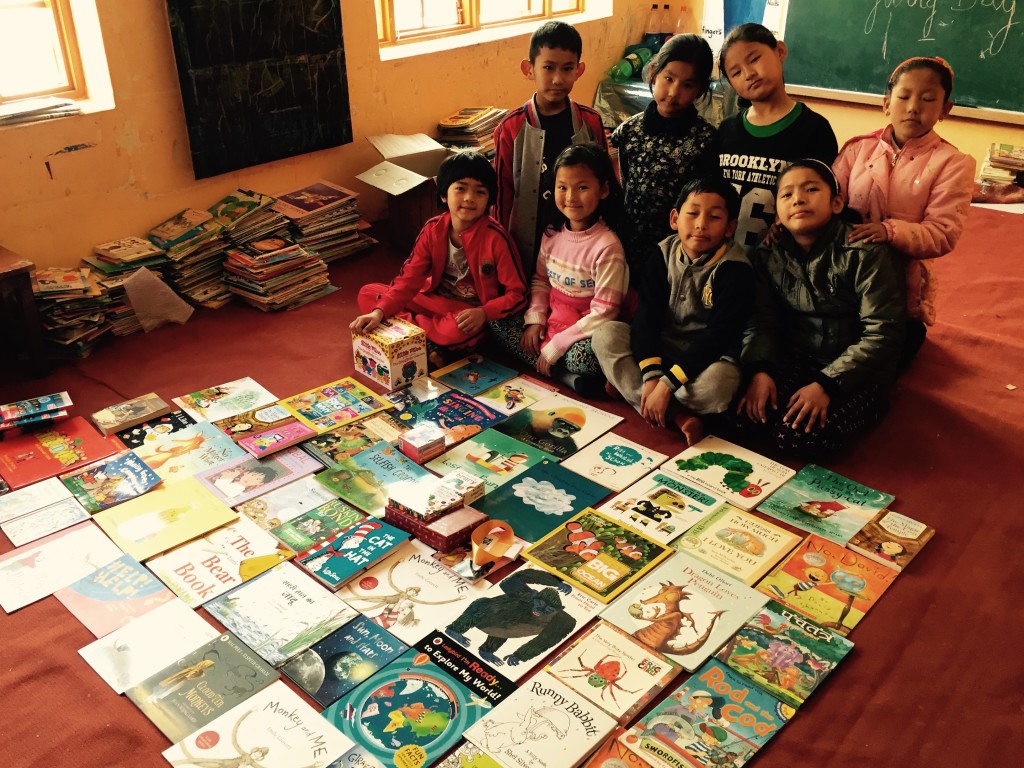
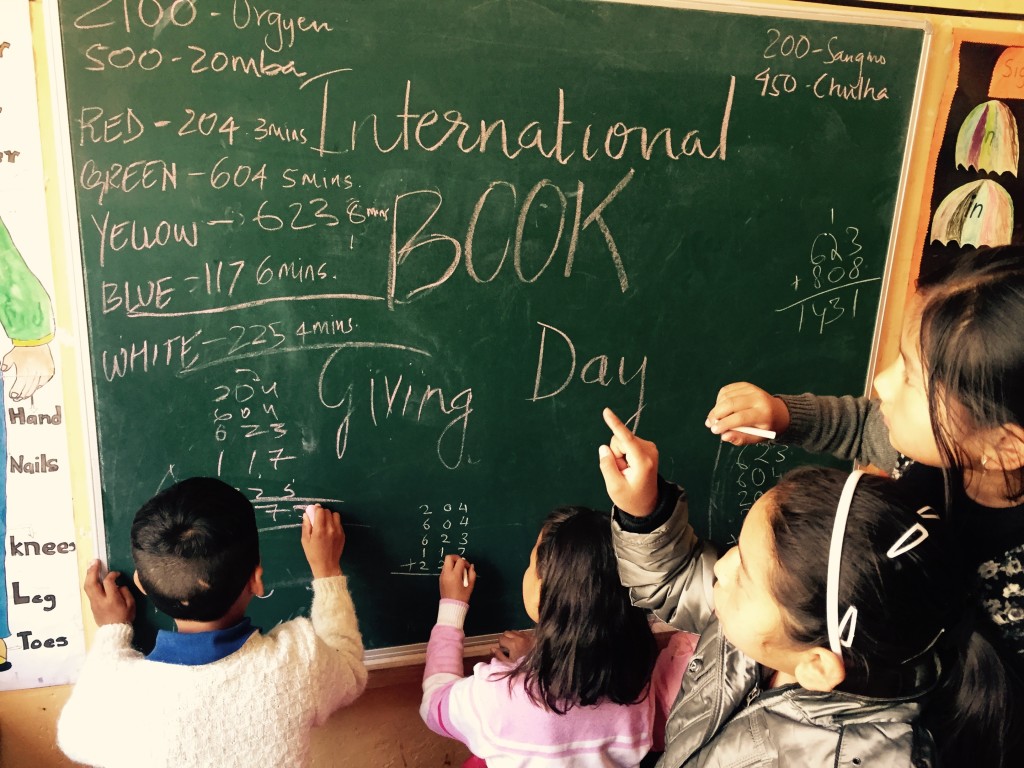
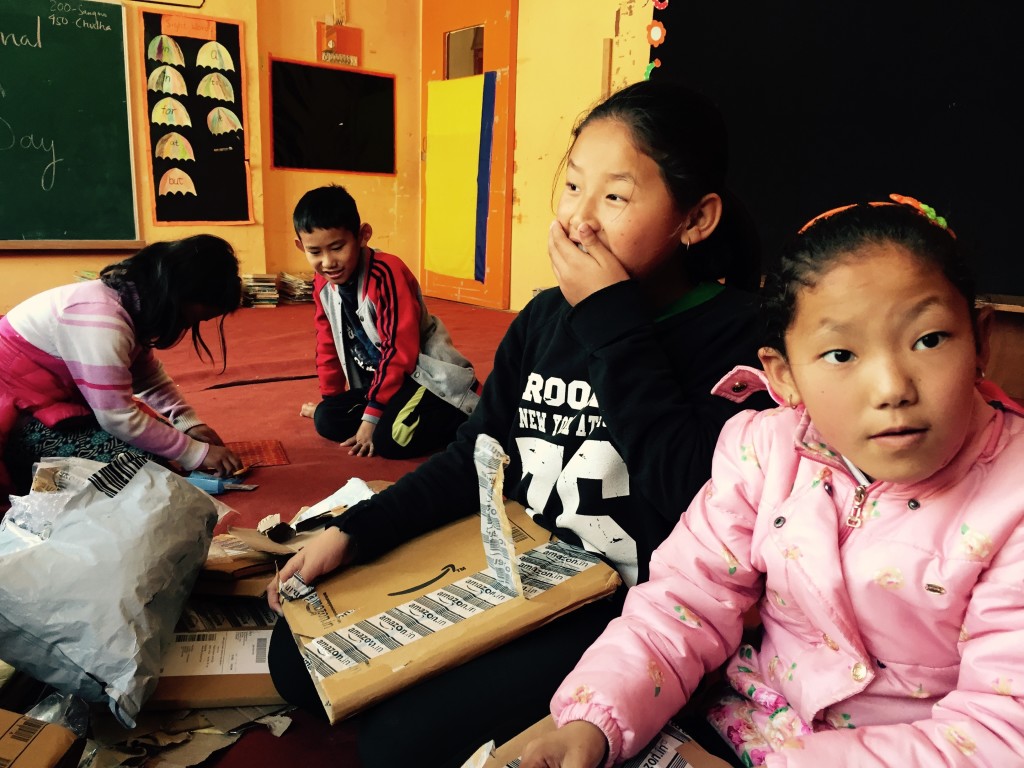
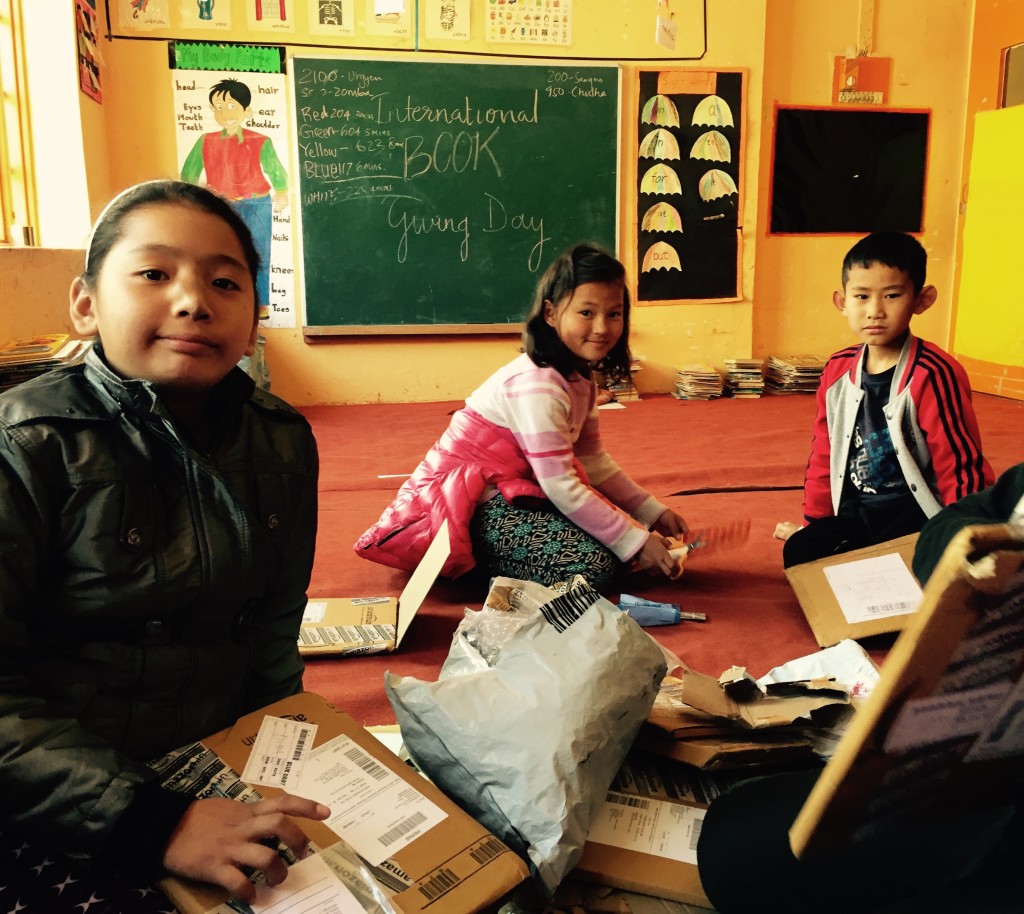
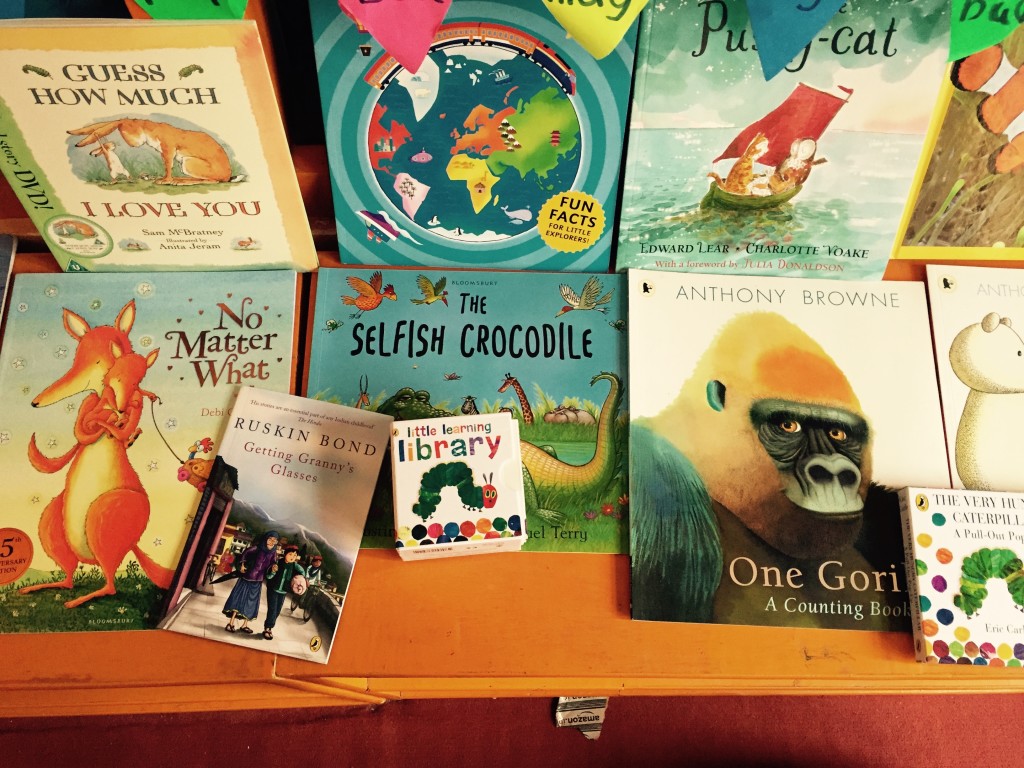
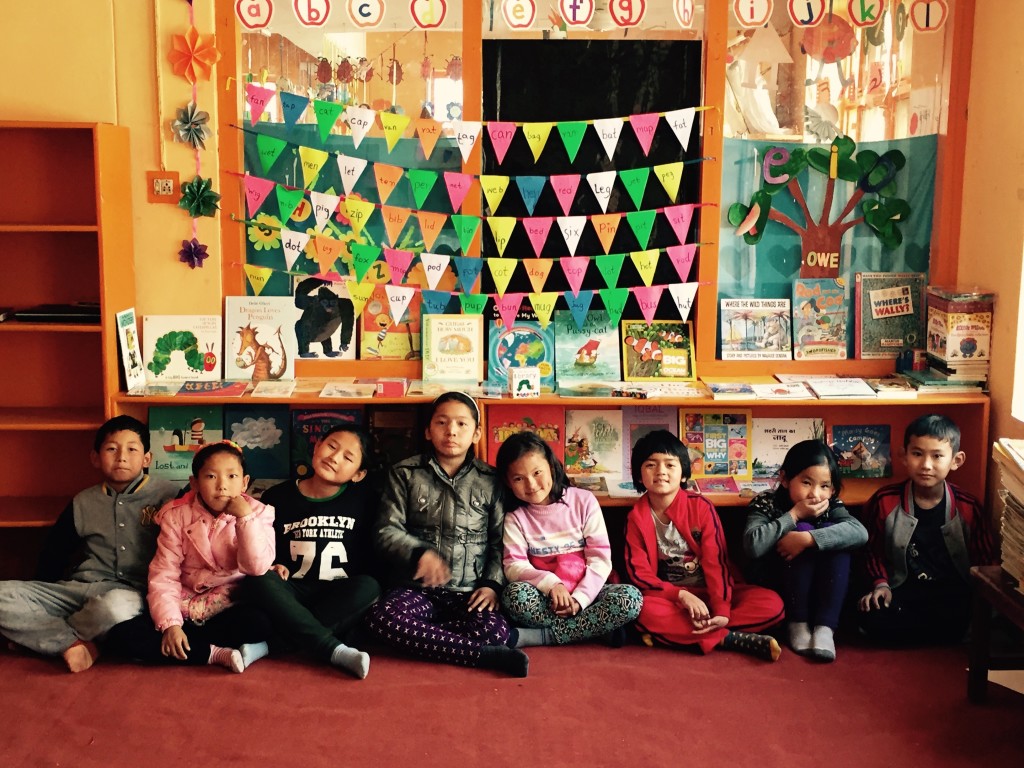
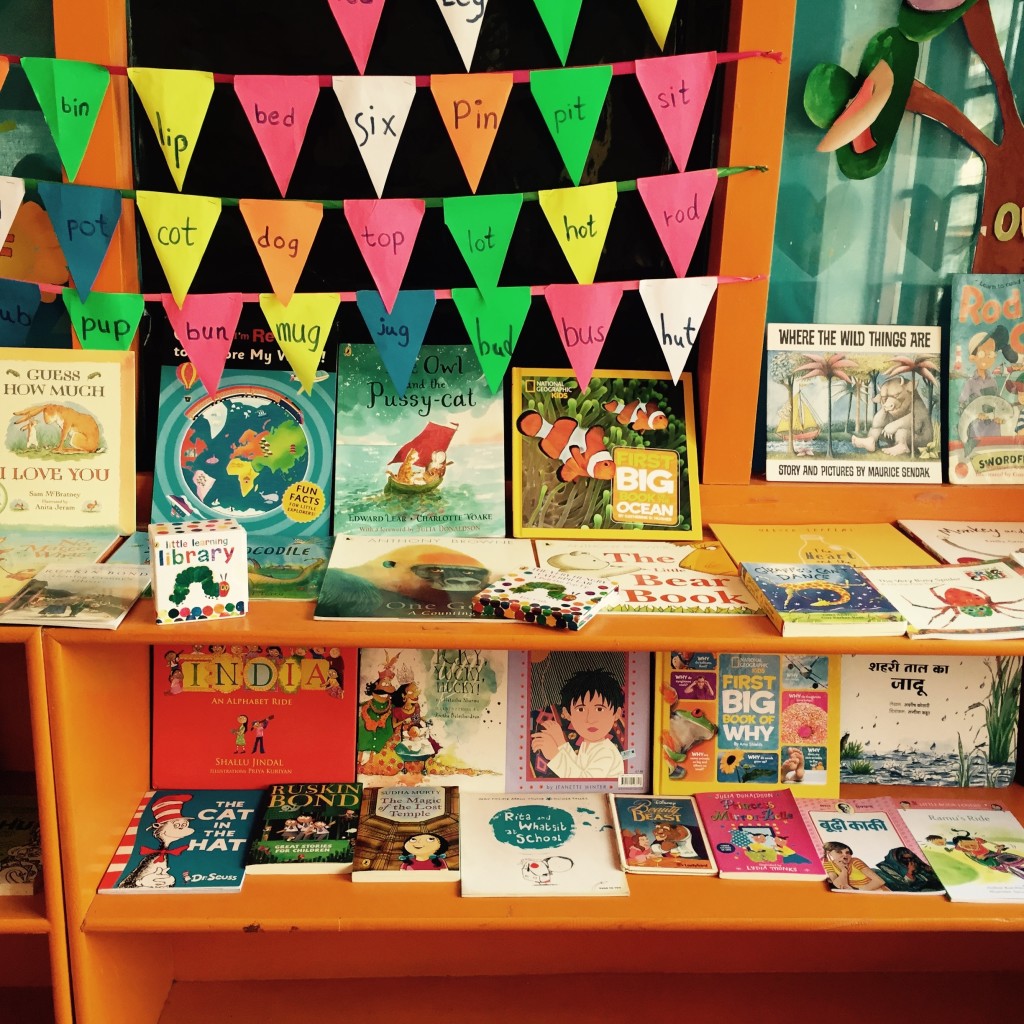
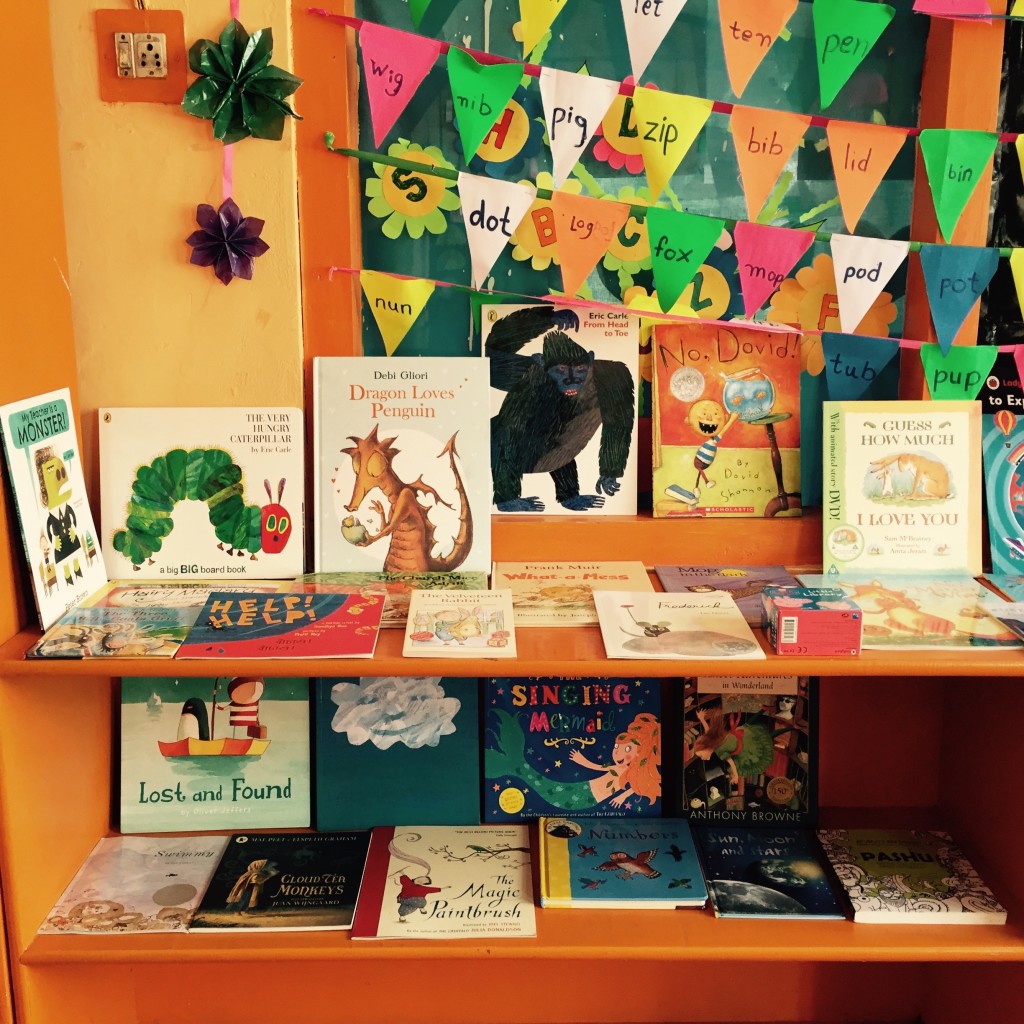
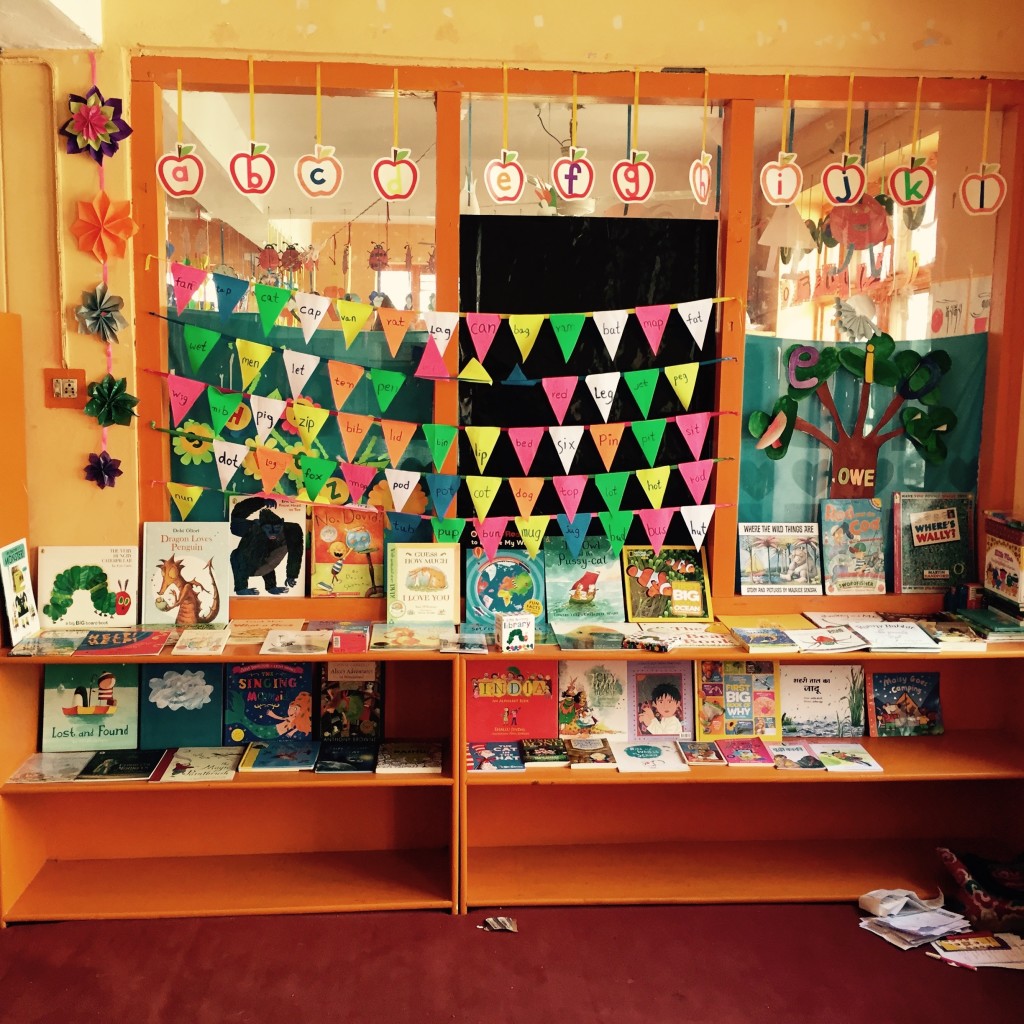
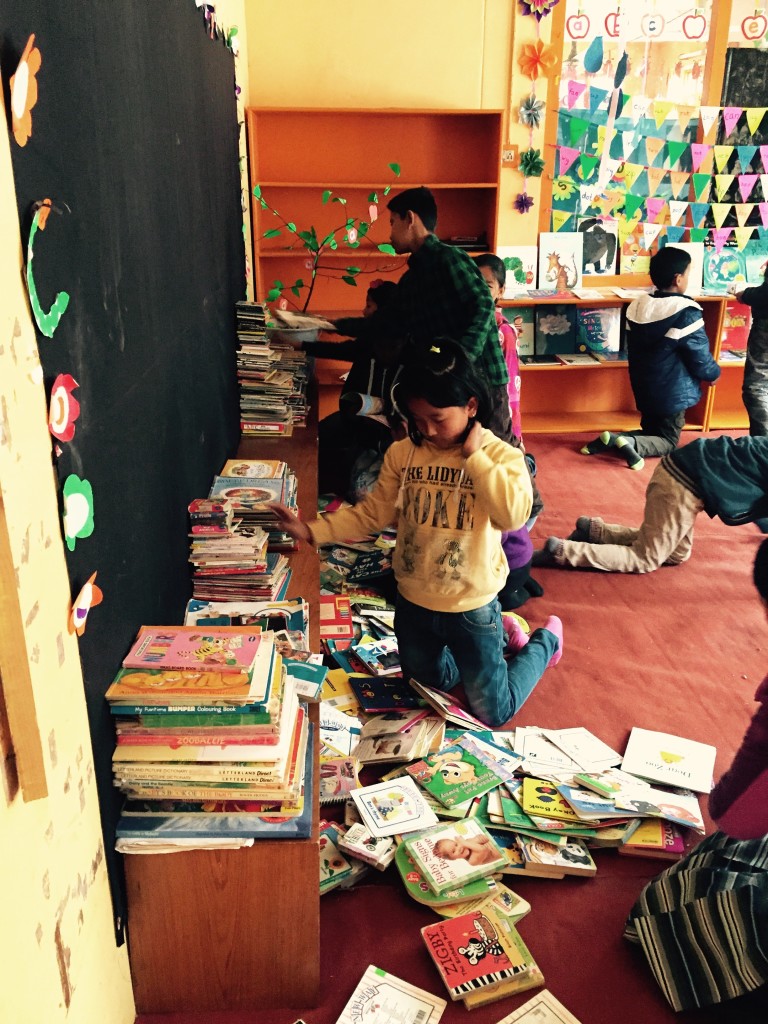
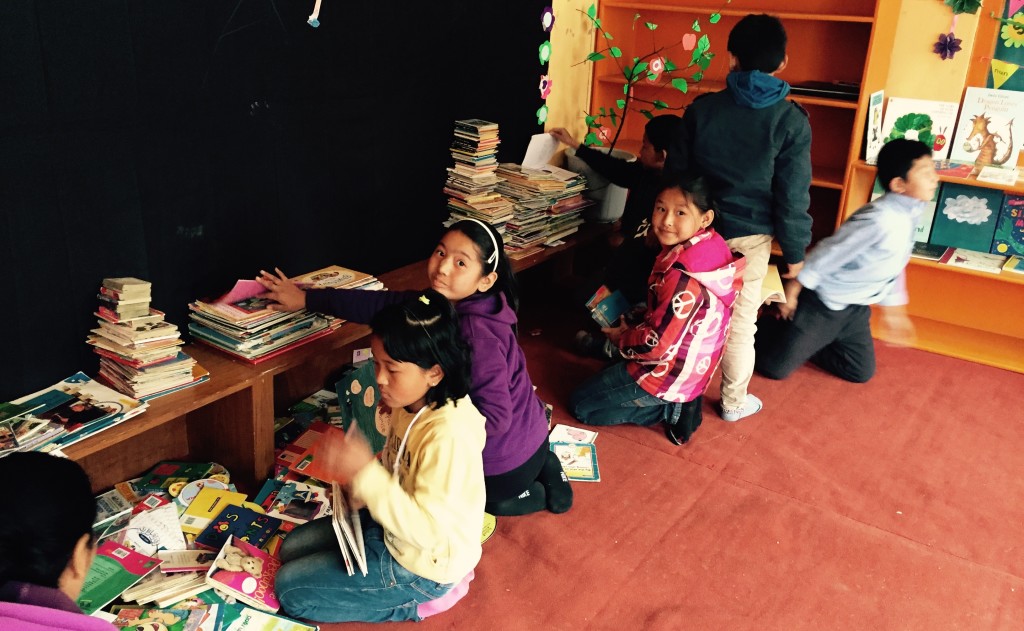
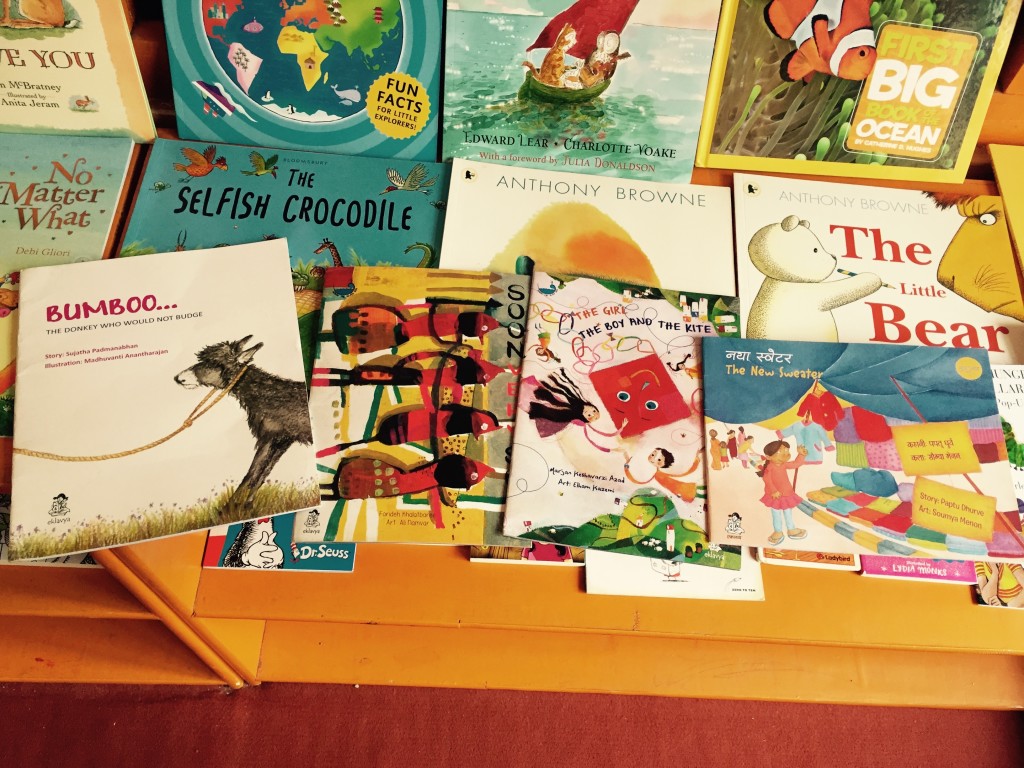
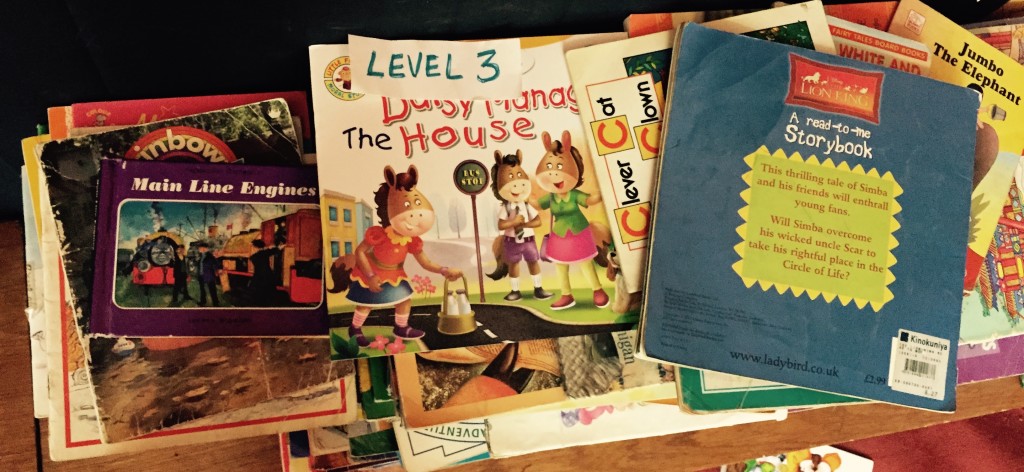
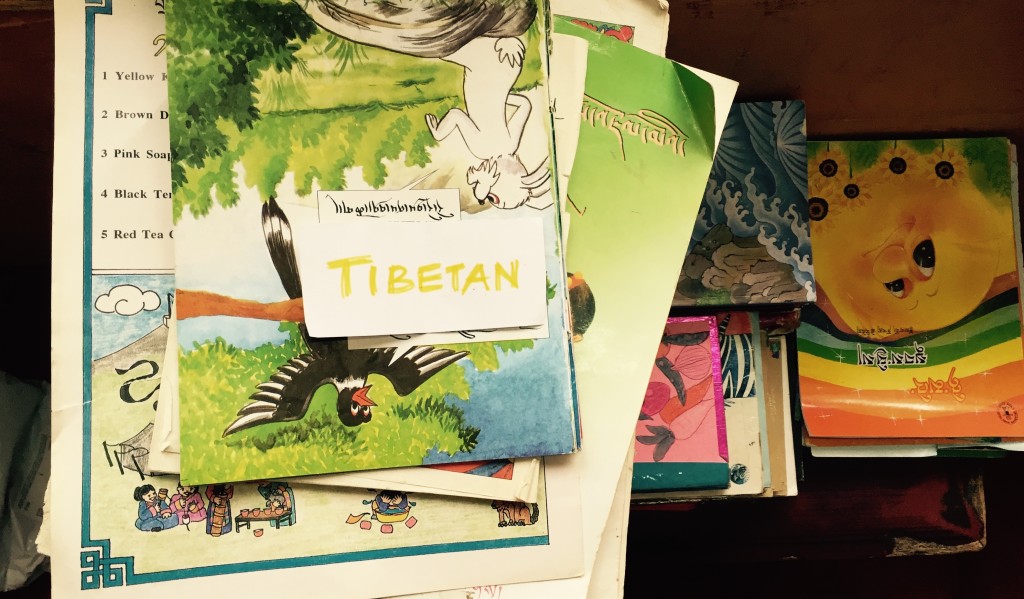
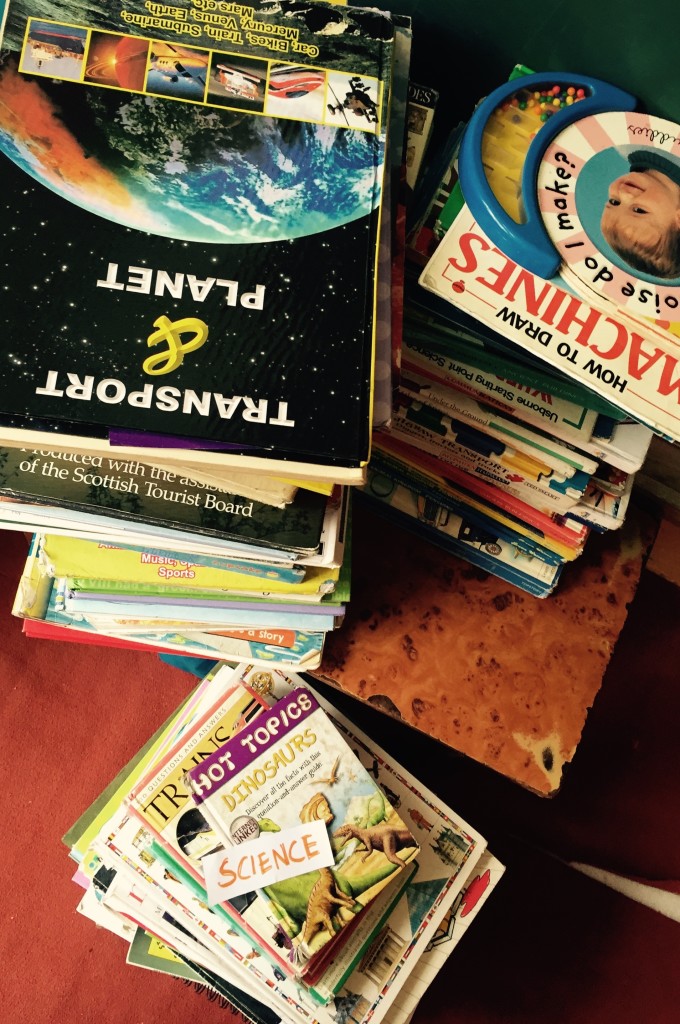
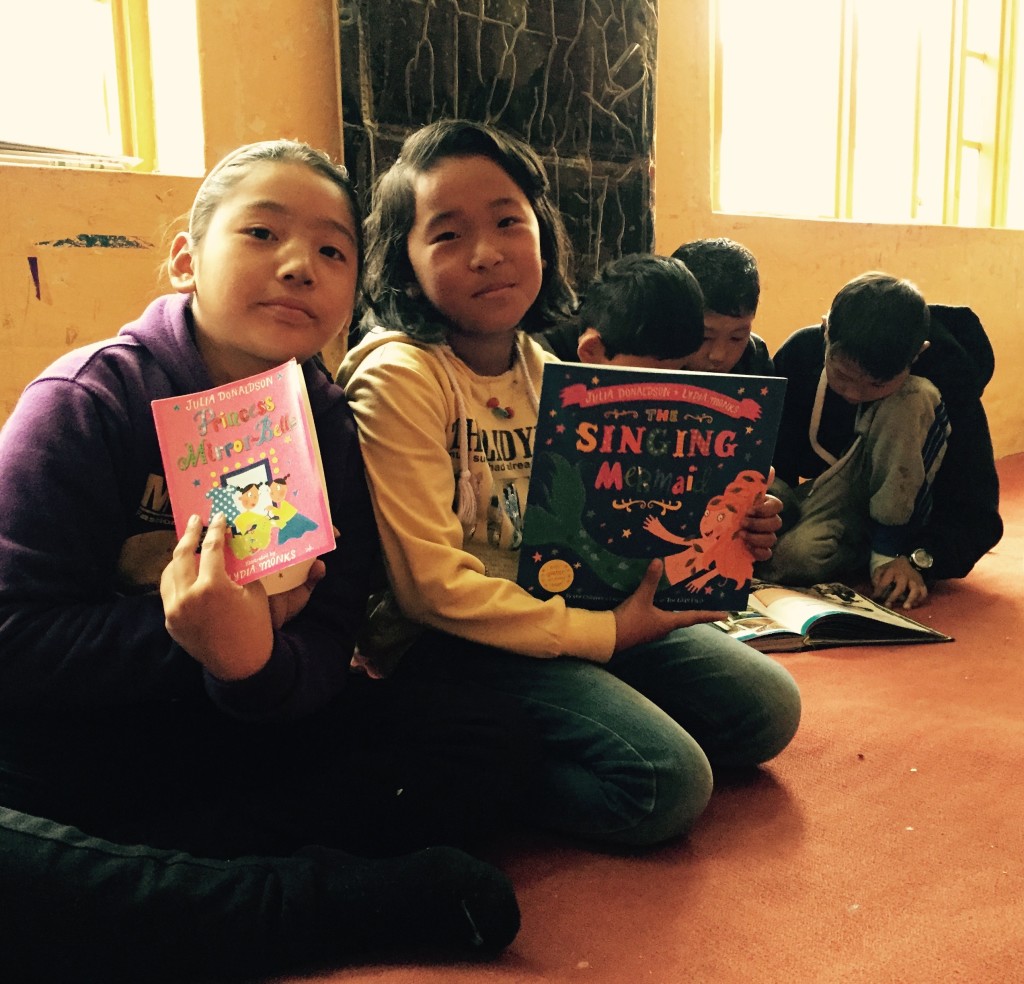
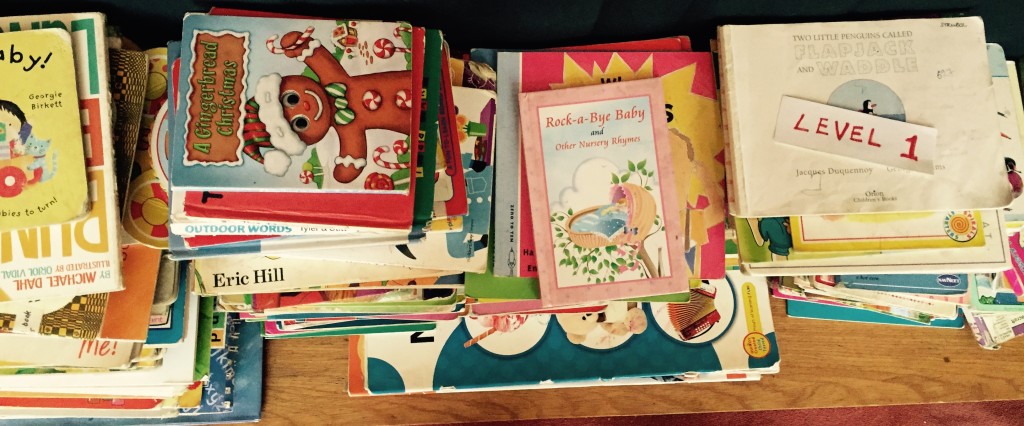
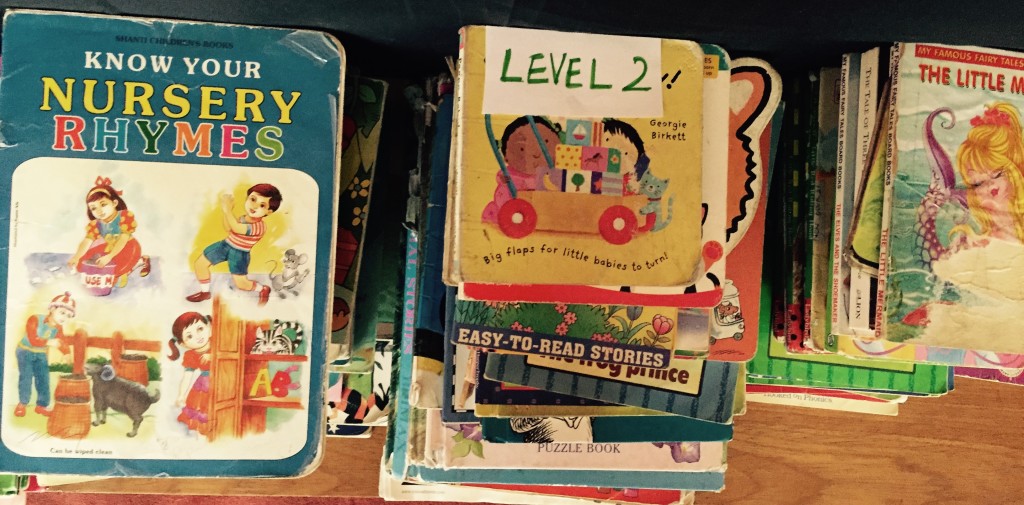
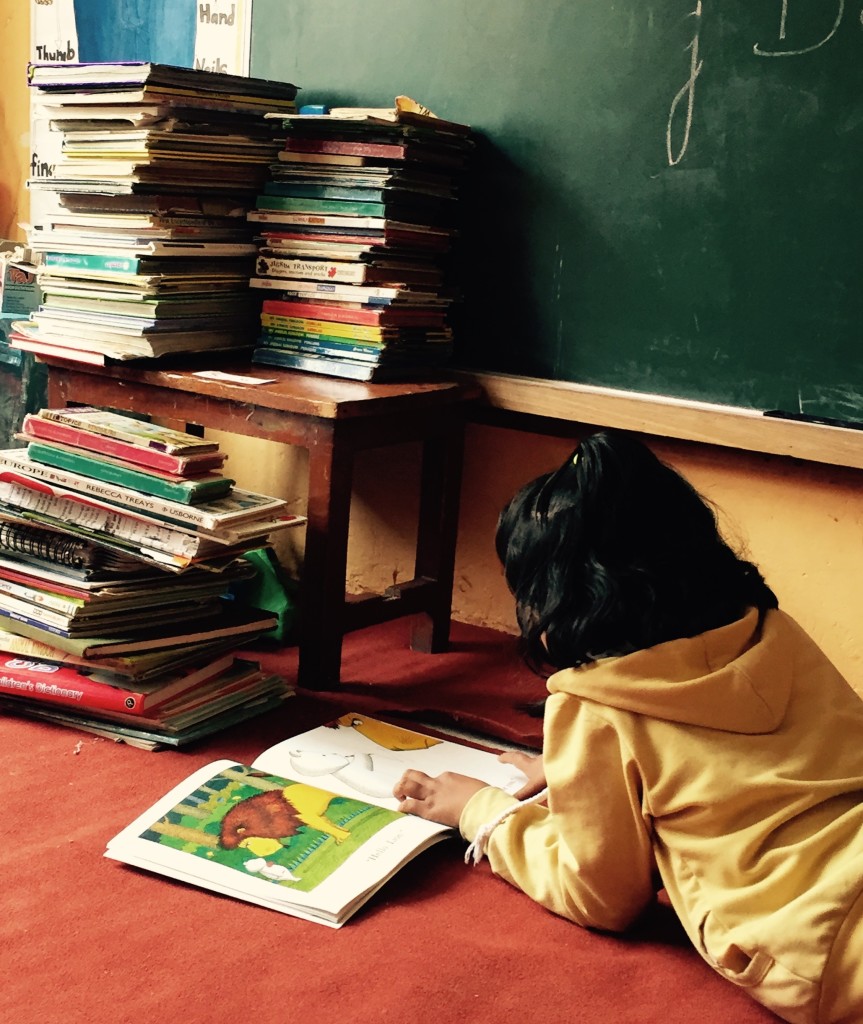
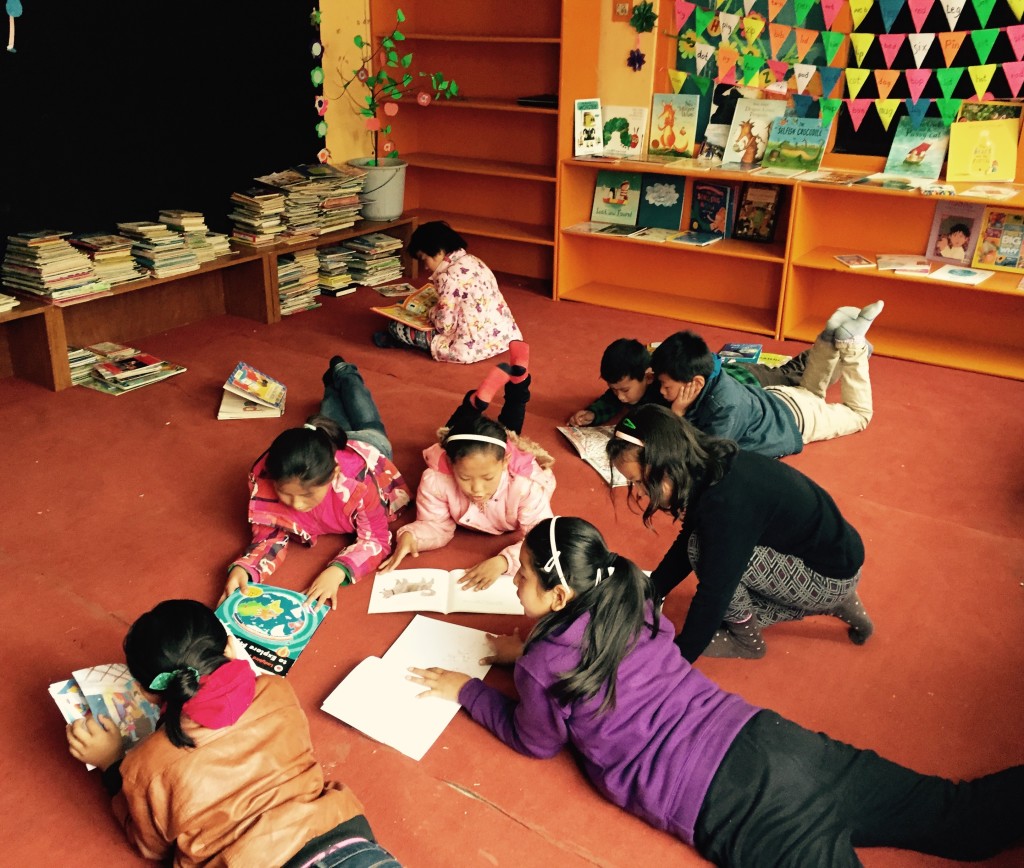
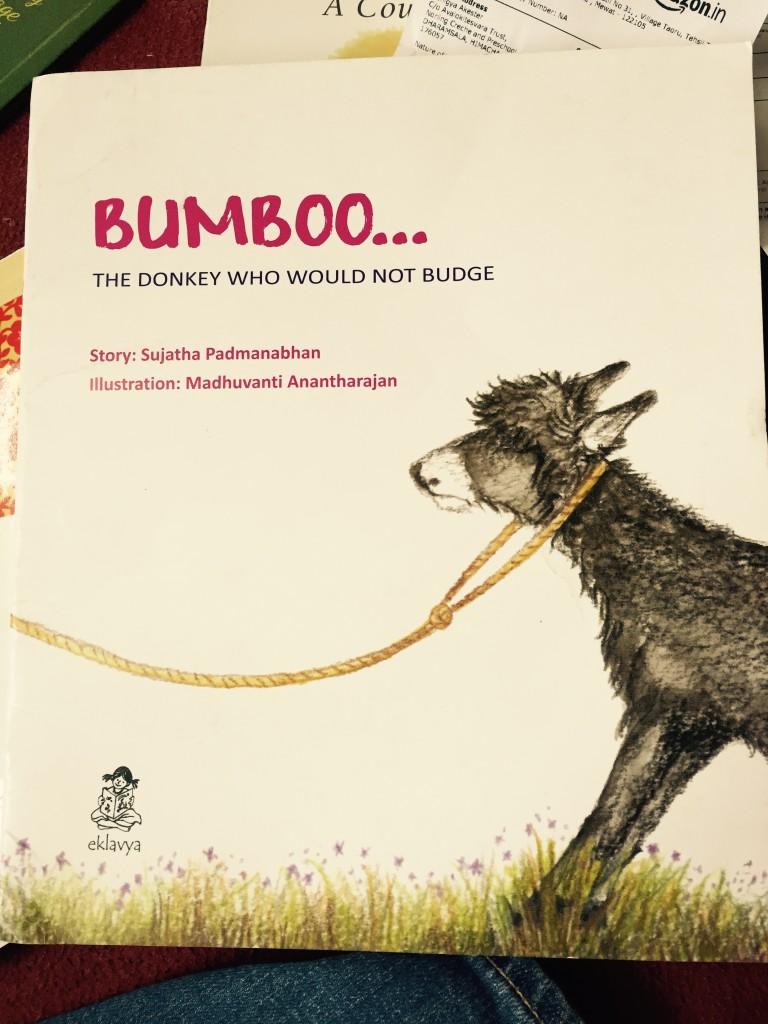
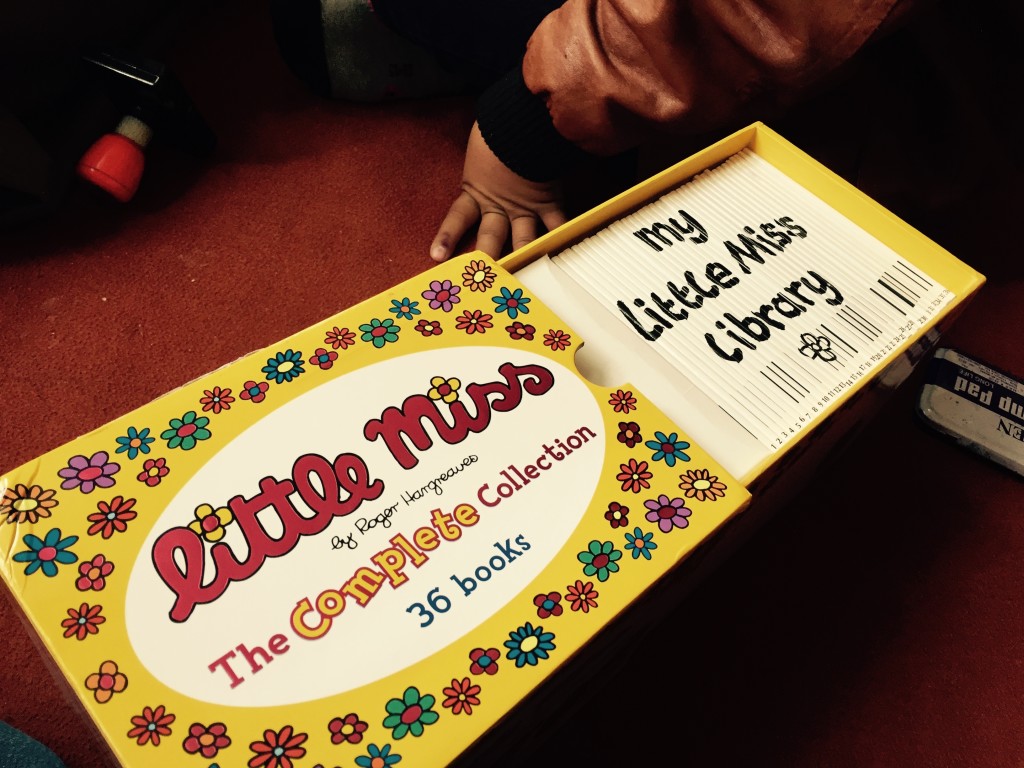
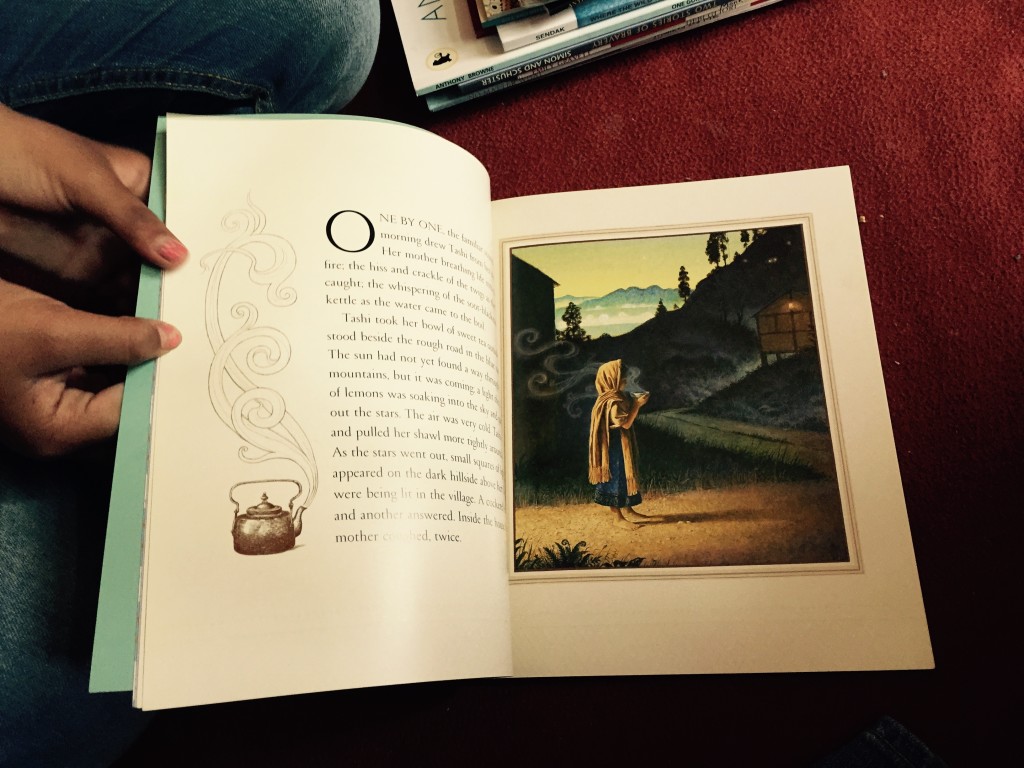
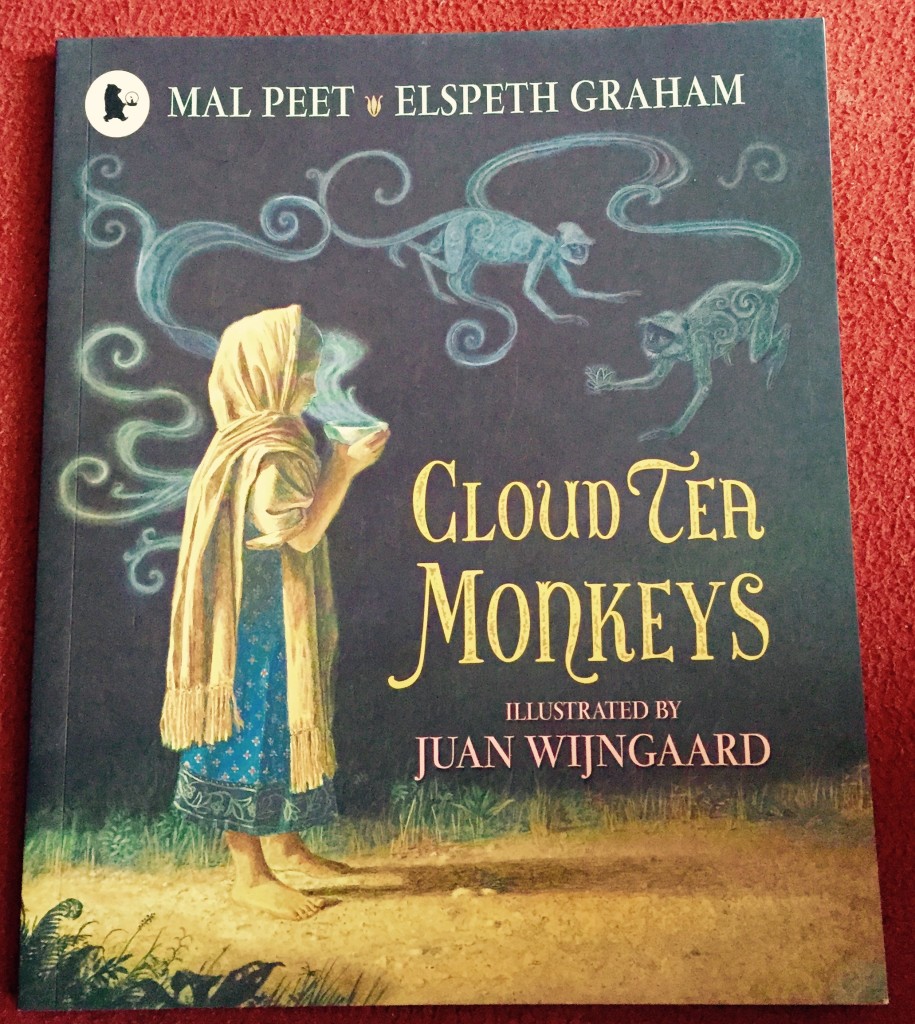
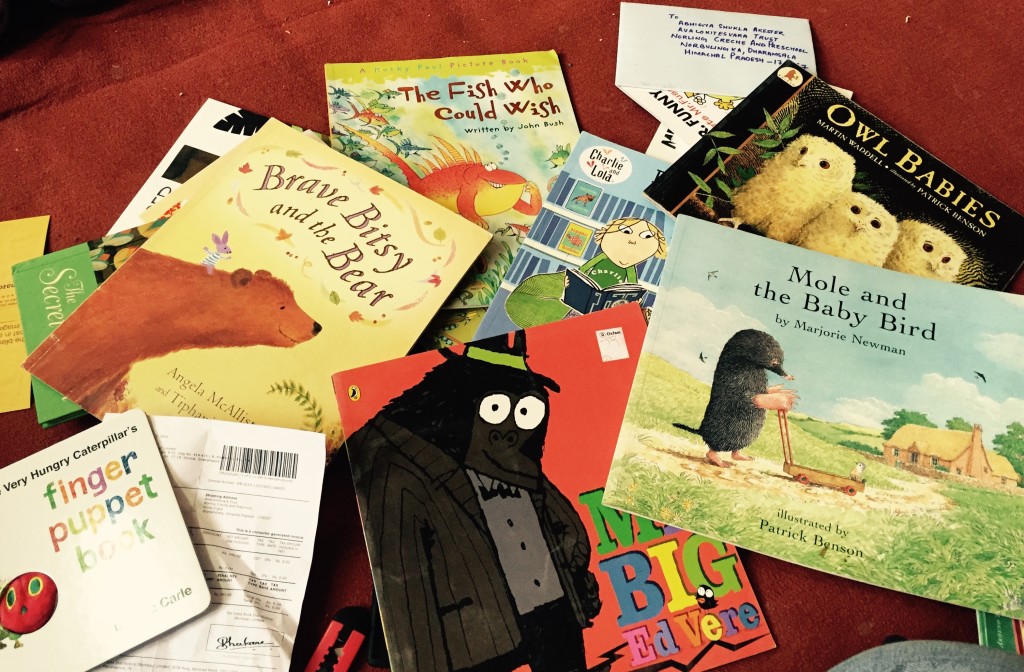
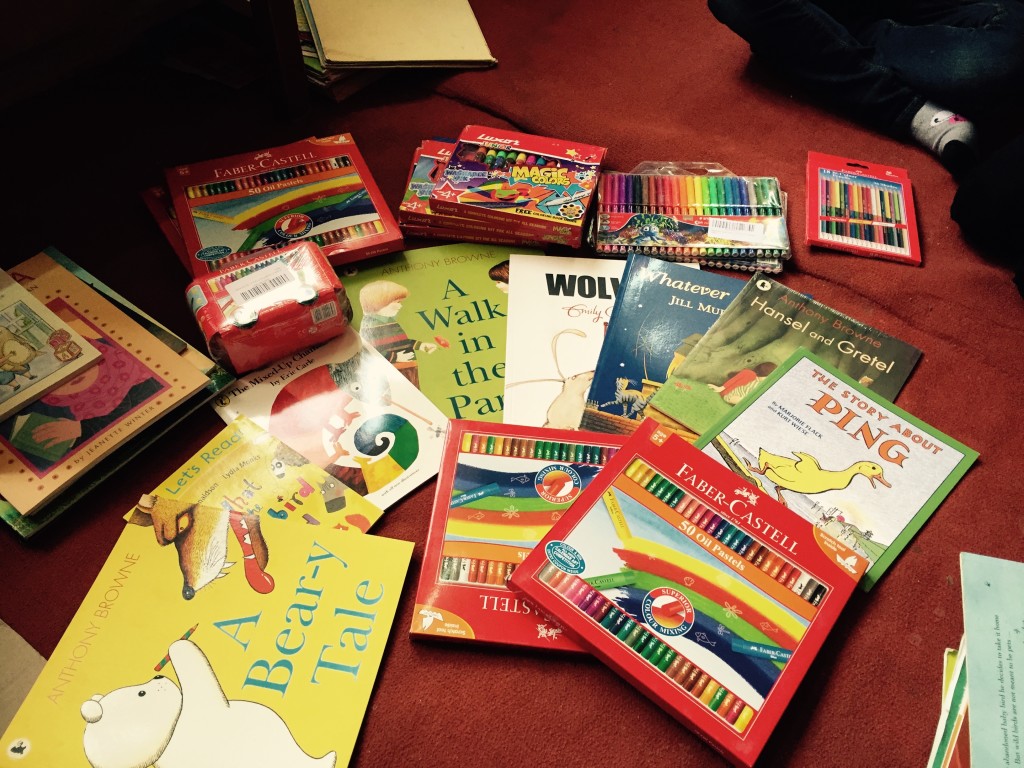
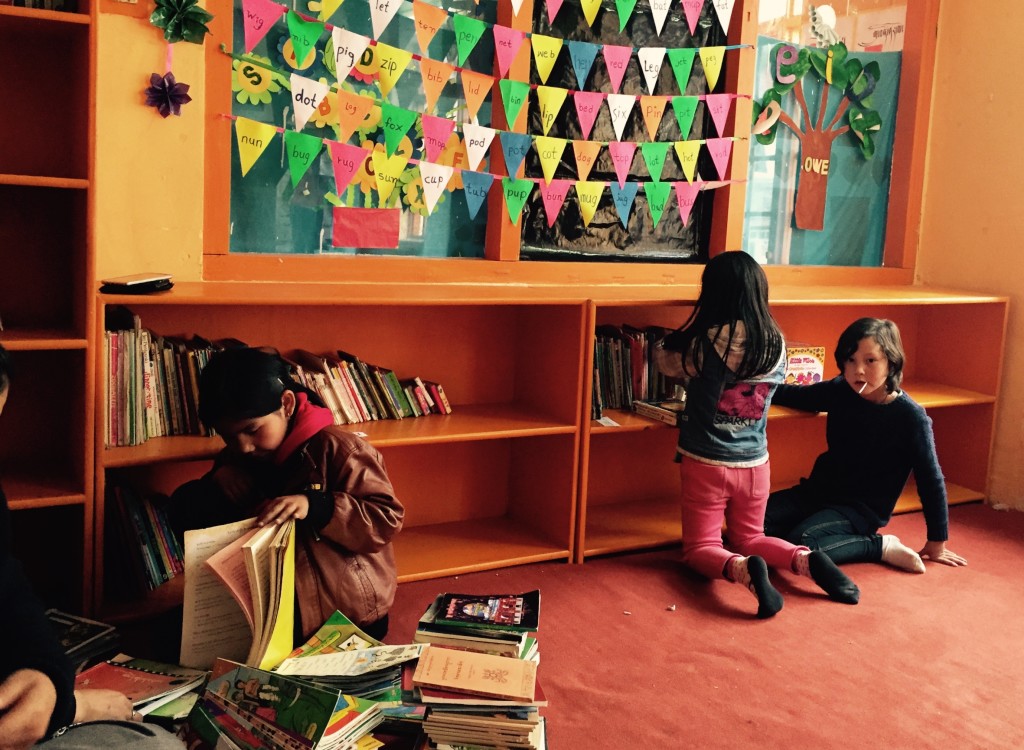
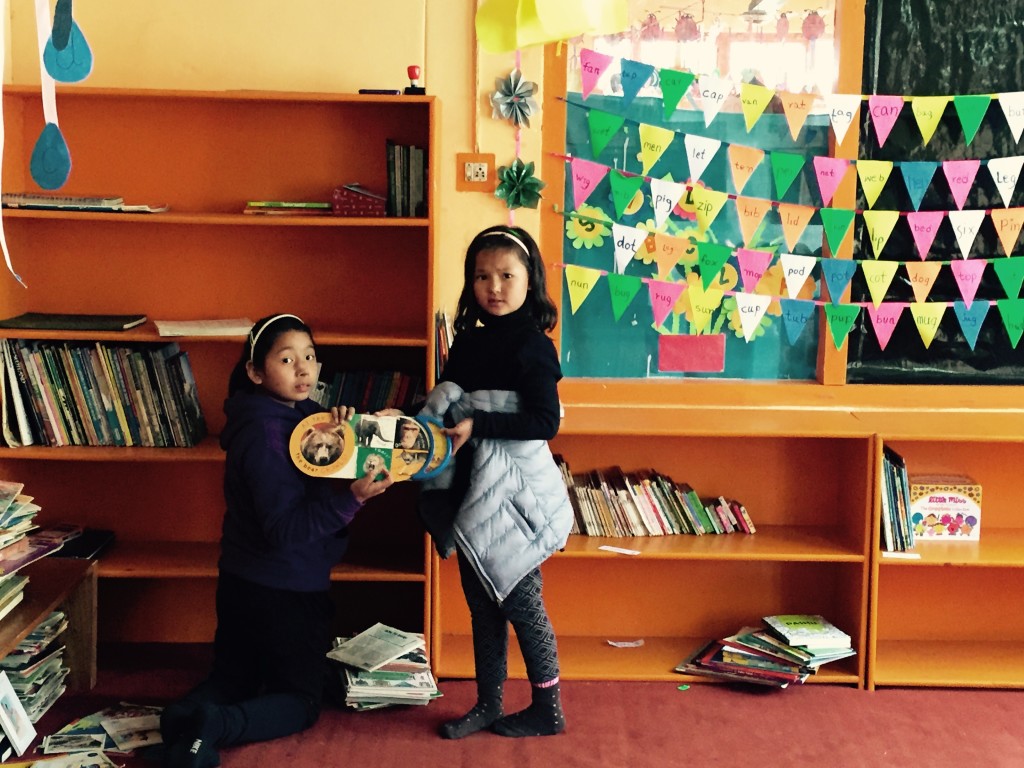
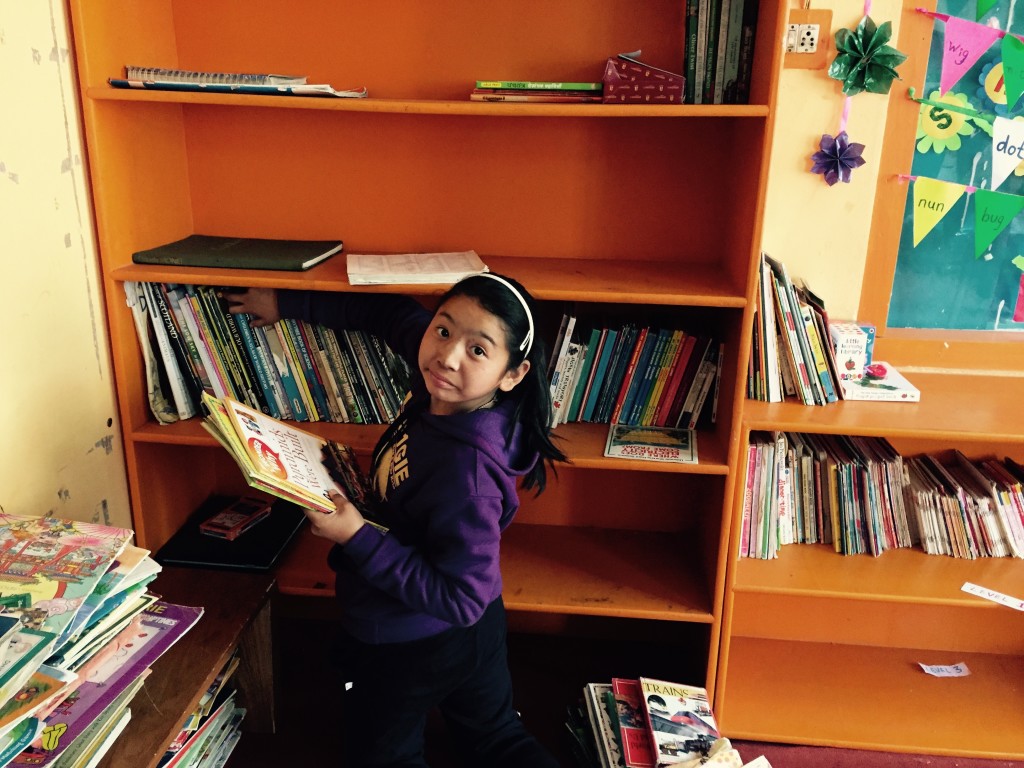
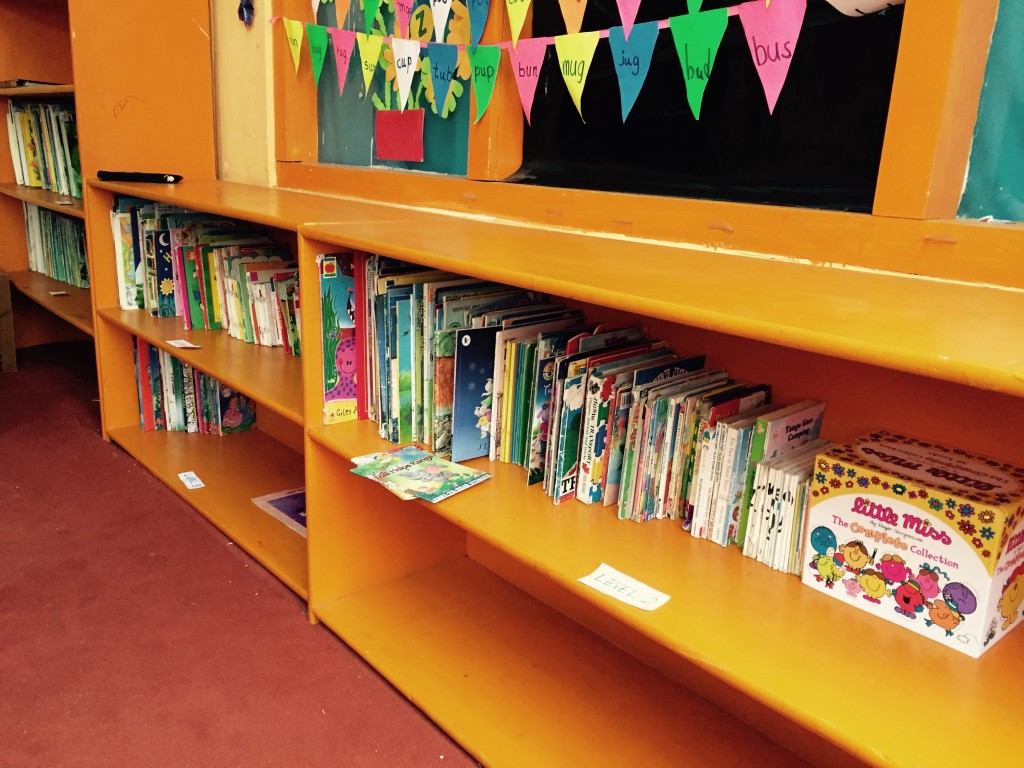
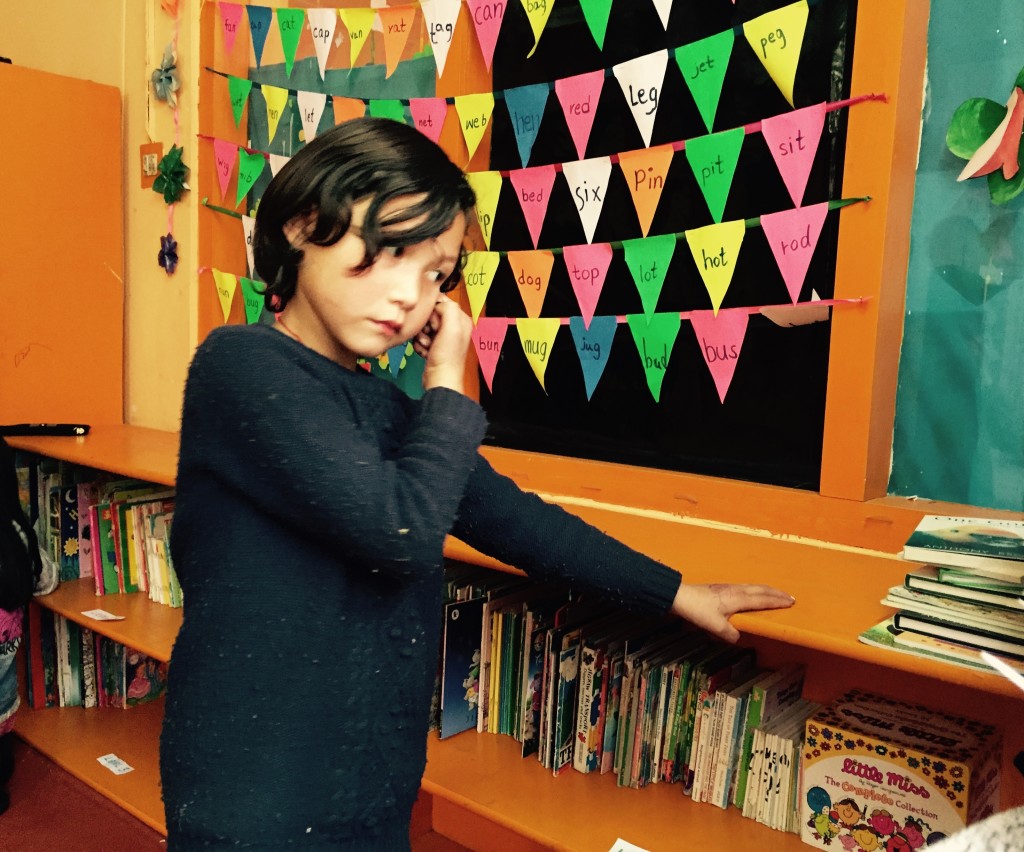
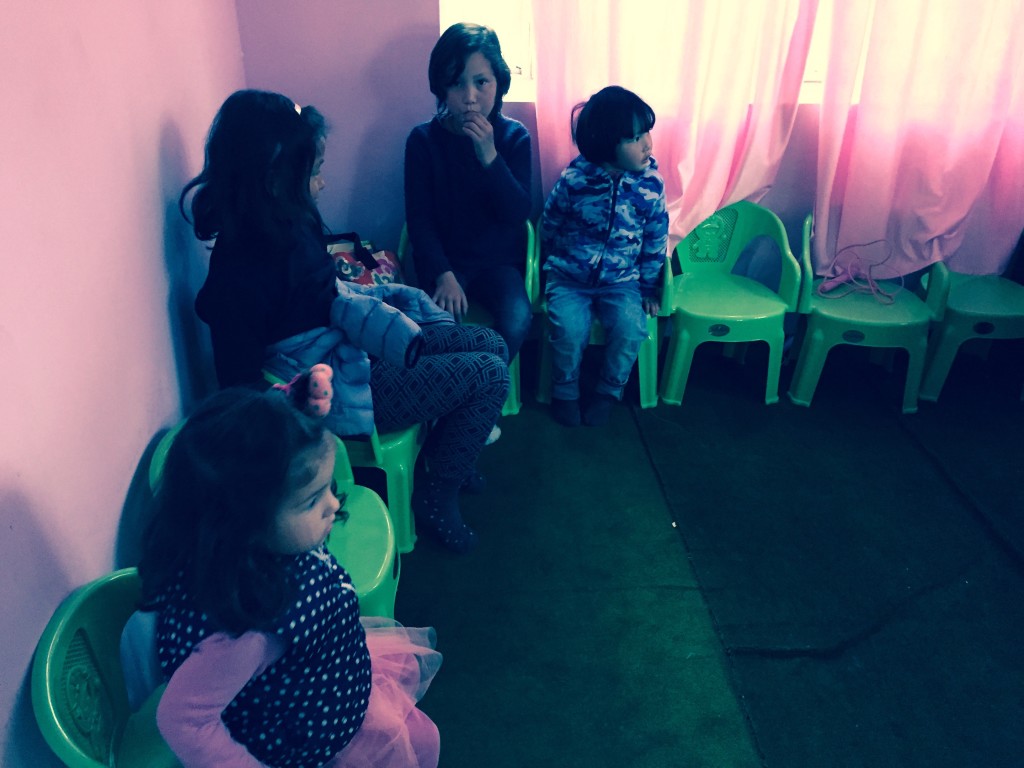
A single donation helped support a local reading room with age-appropriate books, floor cushions, storage, and supplies for creative sessions. Rather than being directed toward one child, the contribution became part of a shared resource used by children, young monks, families, and volunteer educators.
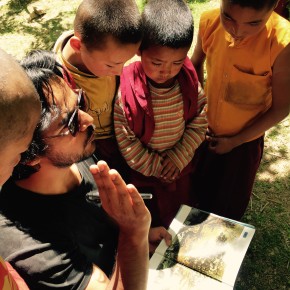
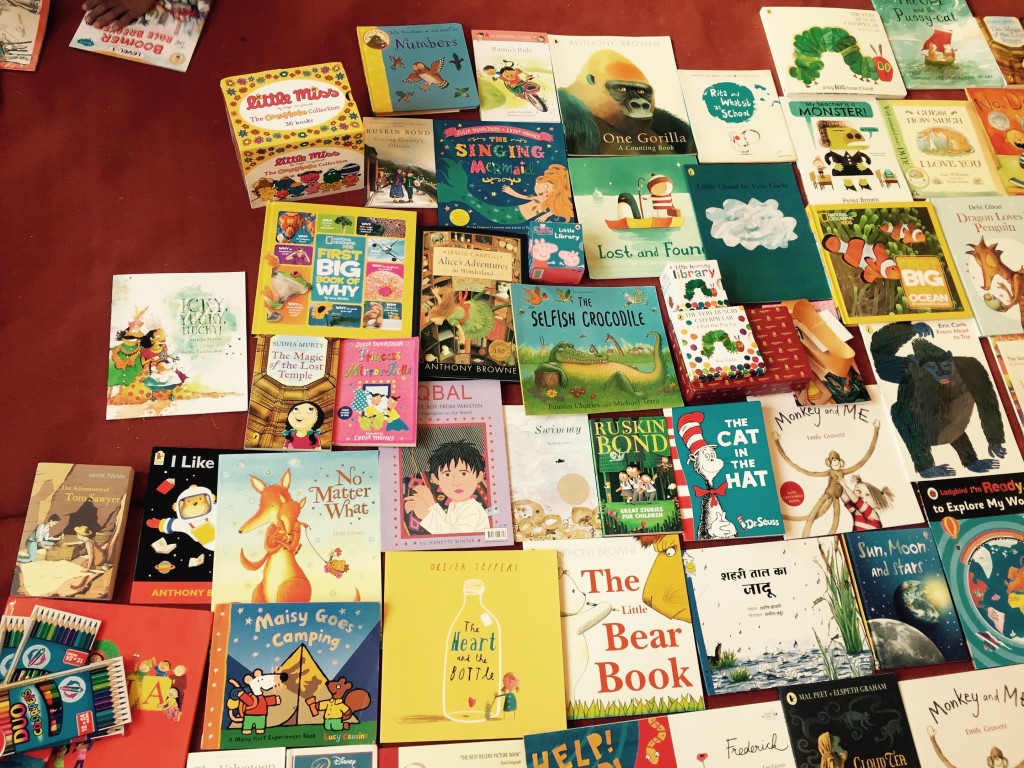
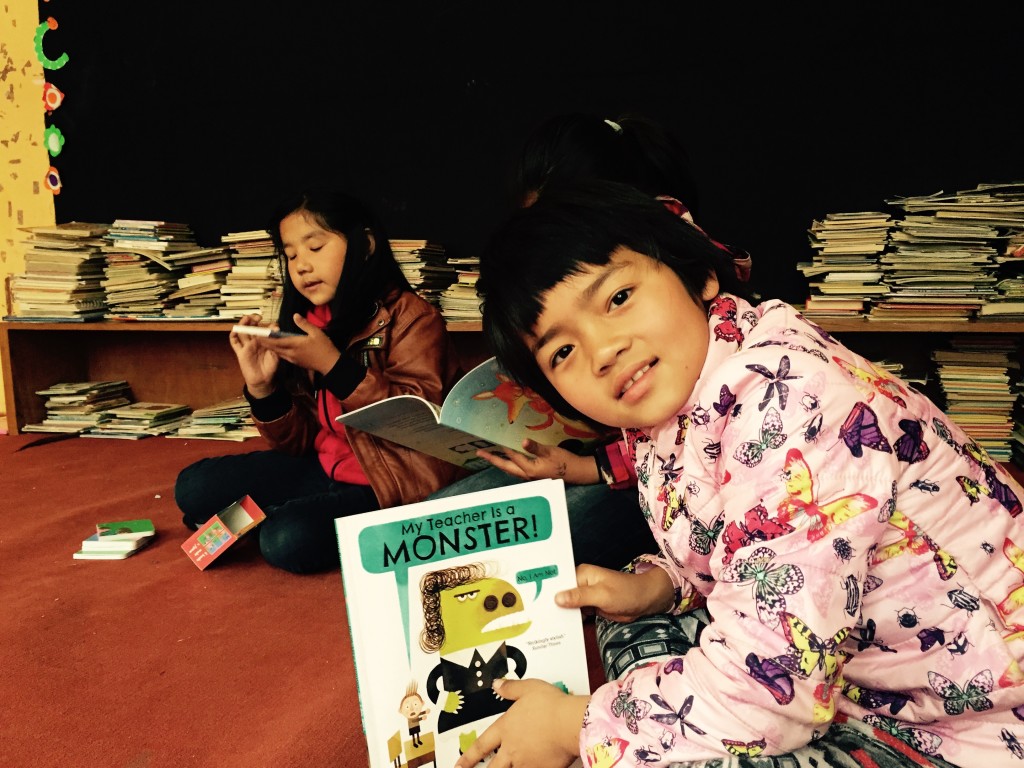
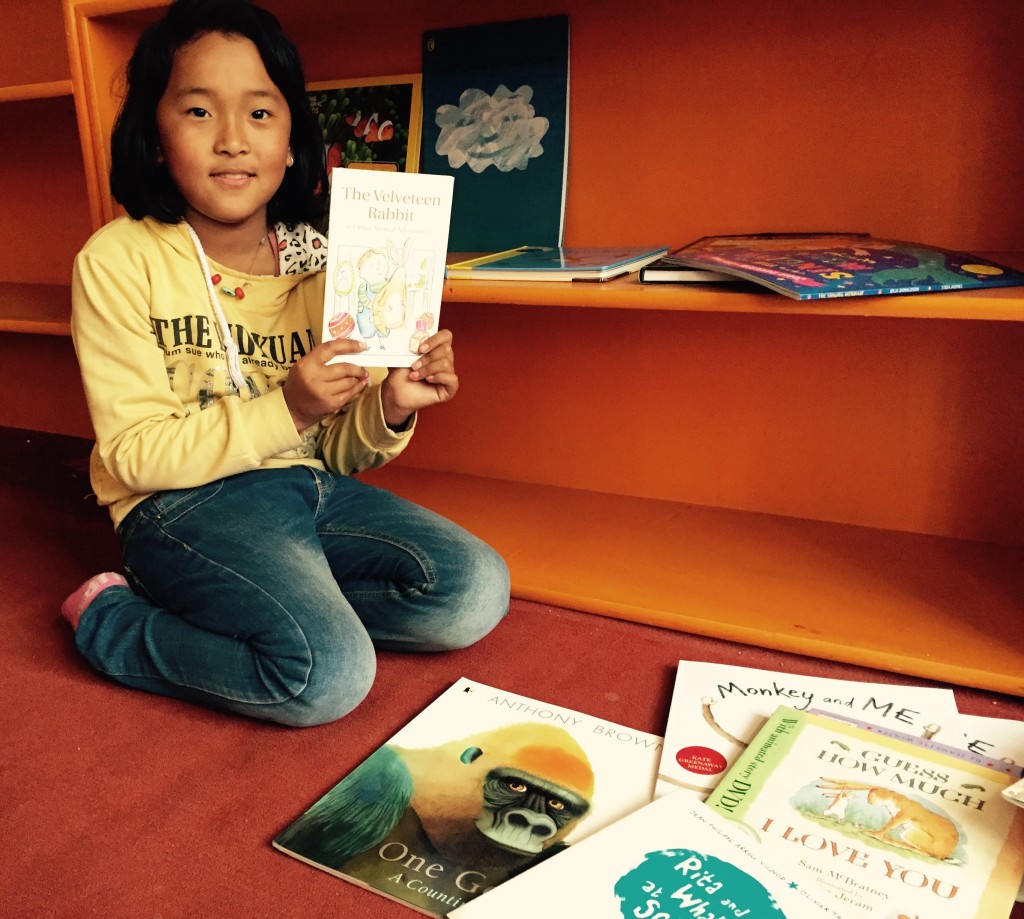
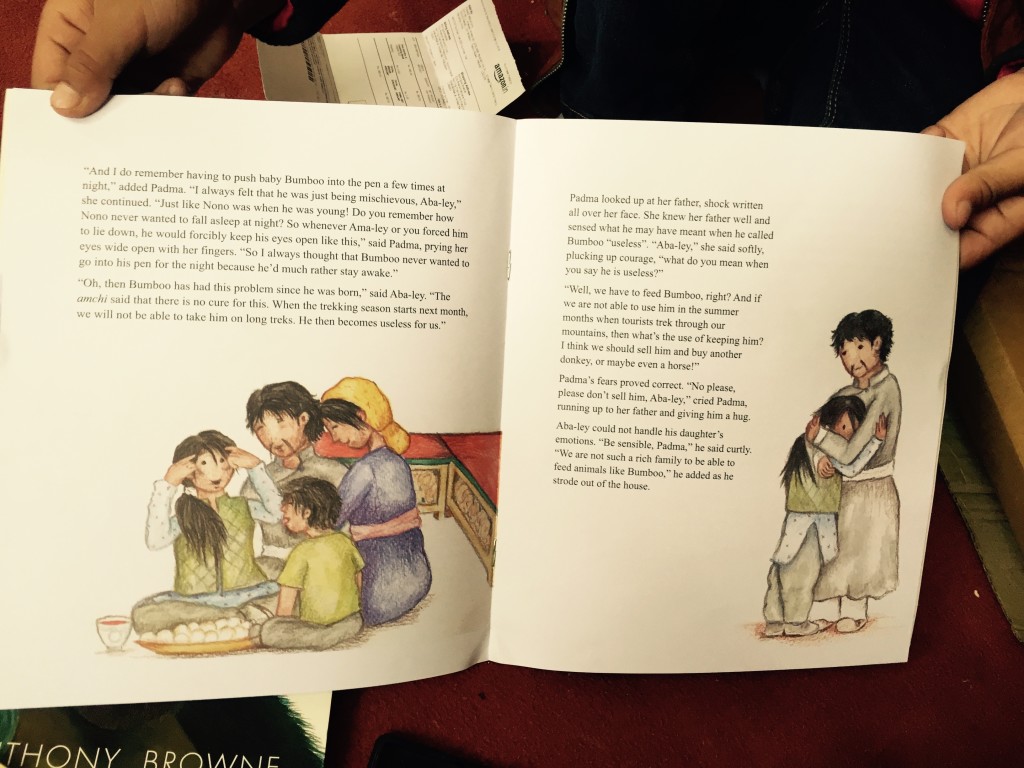
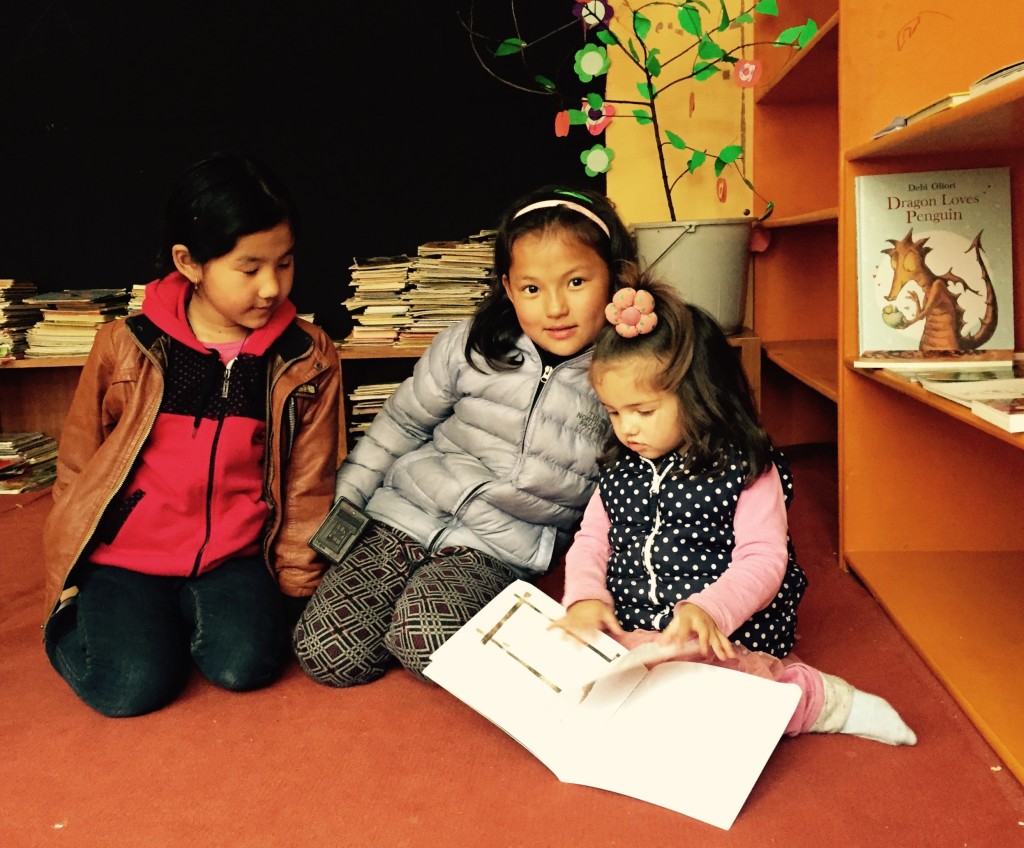
This is where the impact of a single donation becomes visible. The gift gave Tsering a chance to borrow illustrated stories and simple nonfiction books. It gave the younger sibling access to colored pencils and music activities. It gave their parents a trusted place where the children could spend time learning after school.
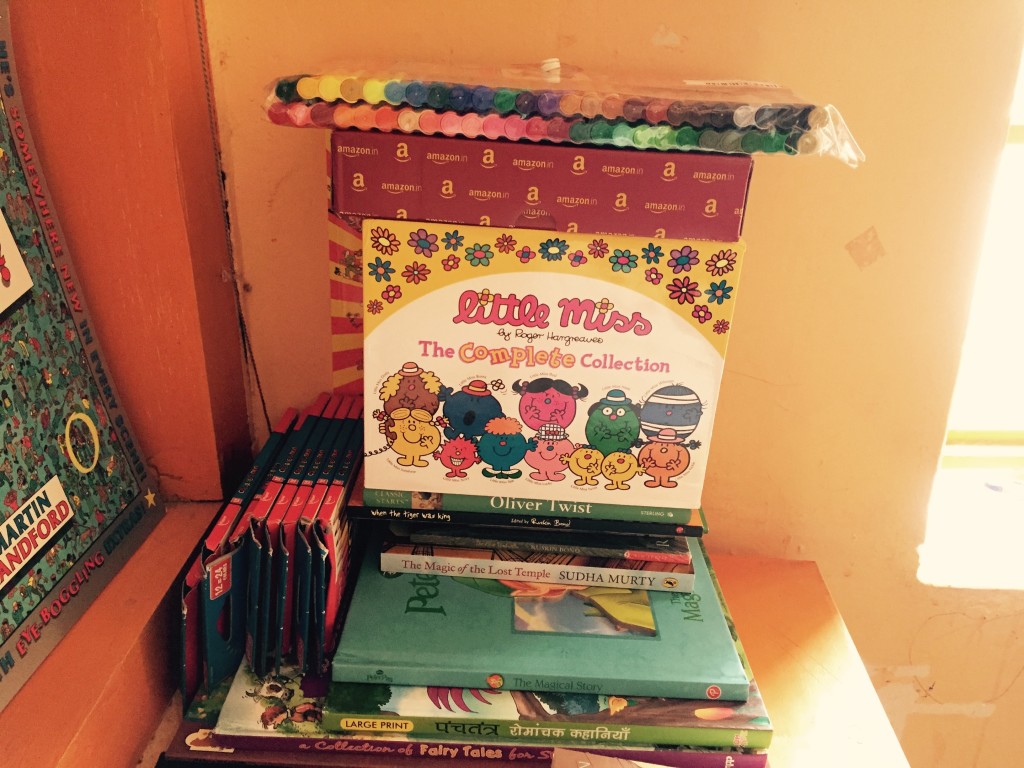
The work of Avalokiteśvara Trust connects these everyday resources with a wider commitment to literacy, creativity, and quality education in Himalayan communities. A book drive or reading-room project may appear modest in scale, yet it can reach many children repeatedly instead of serving only once.
Small Changes That Gather Momentum
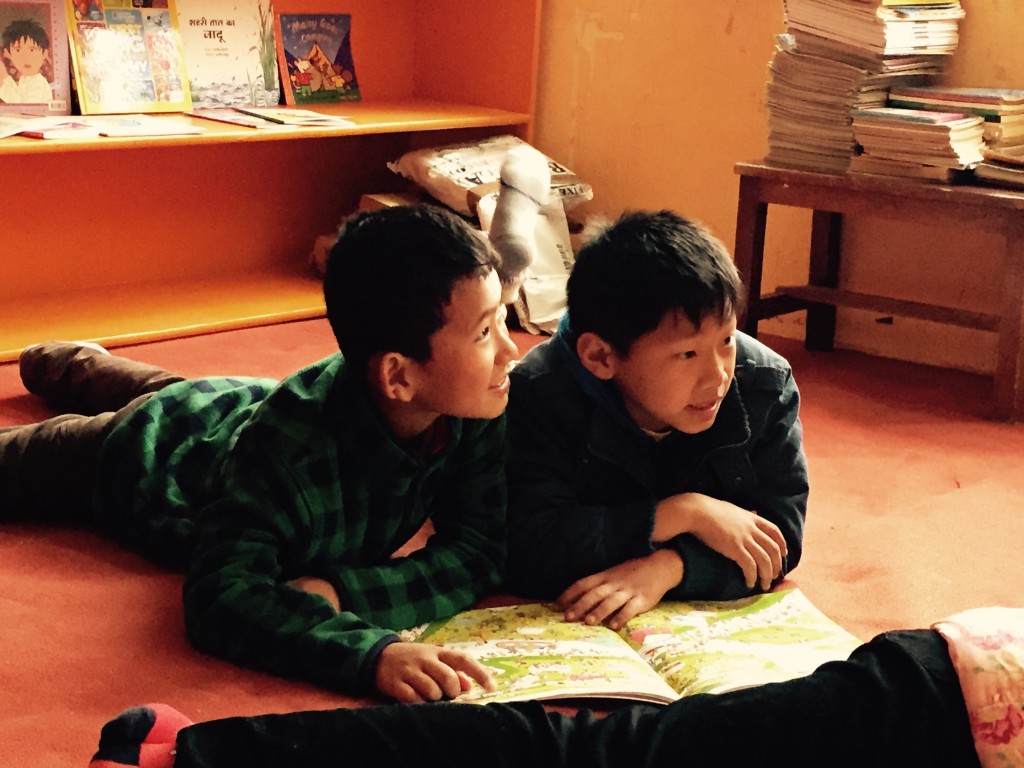
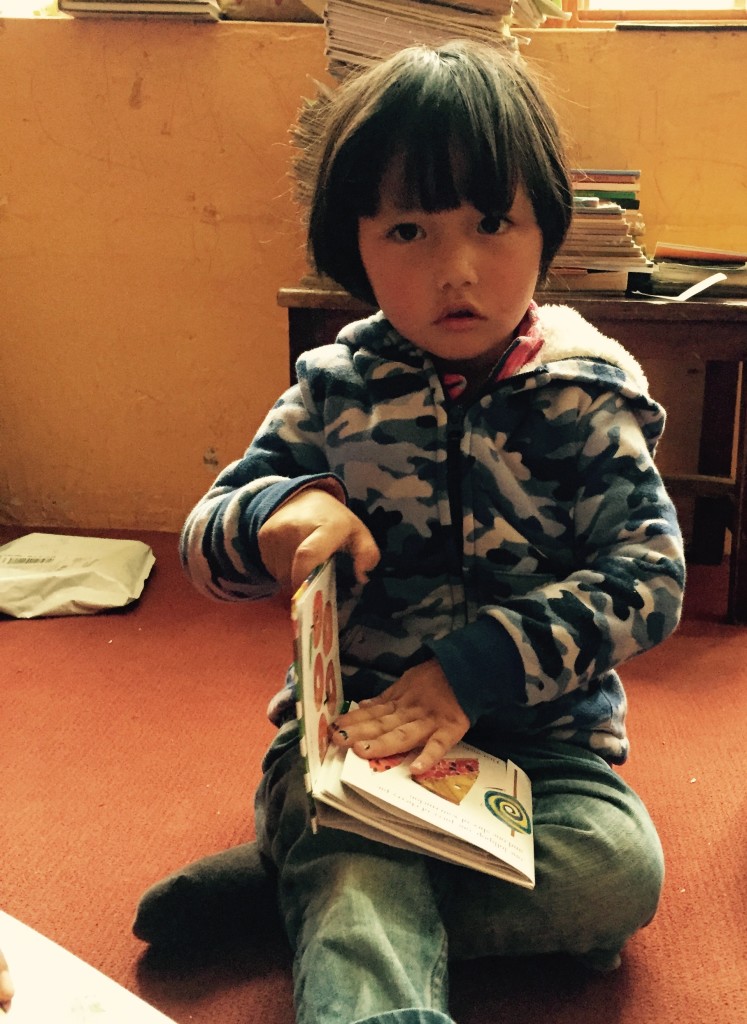
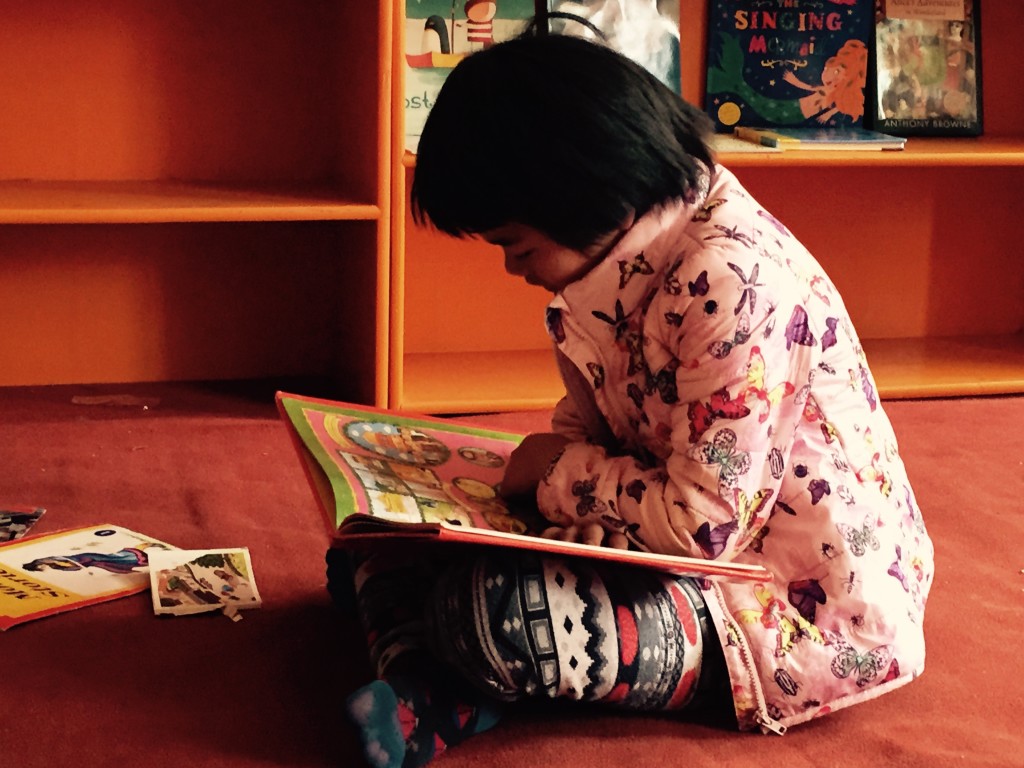
At first, Tsering visited the reading room because a friend invited him. He chose short books and sat near the doorway, reading quietly. After several visits, he began borrowing books to take home. His progress was gradual: a few more pages each week, followed by short conversations about what he had read.
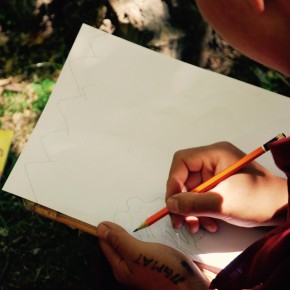
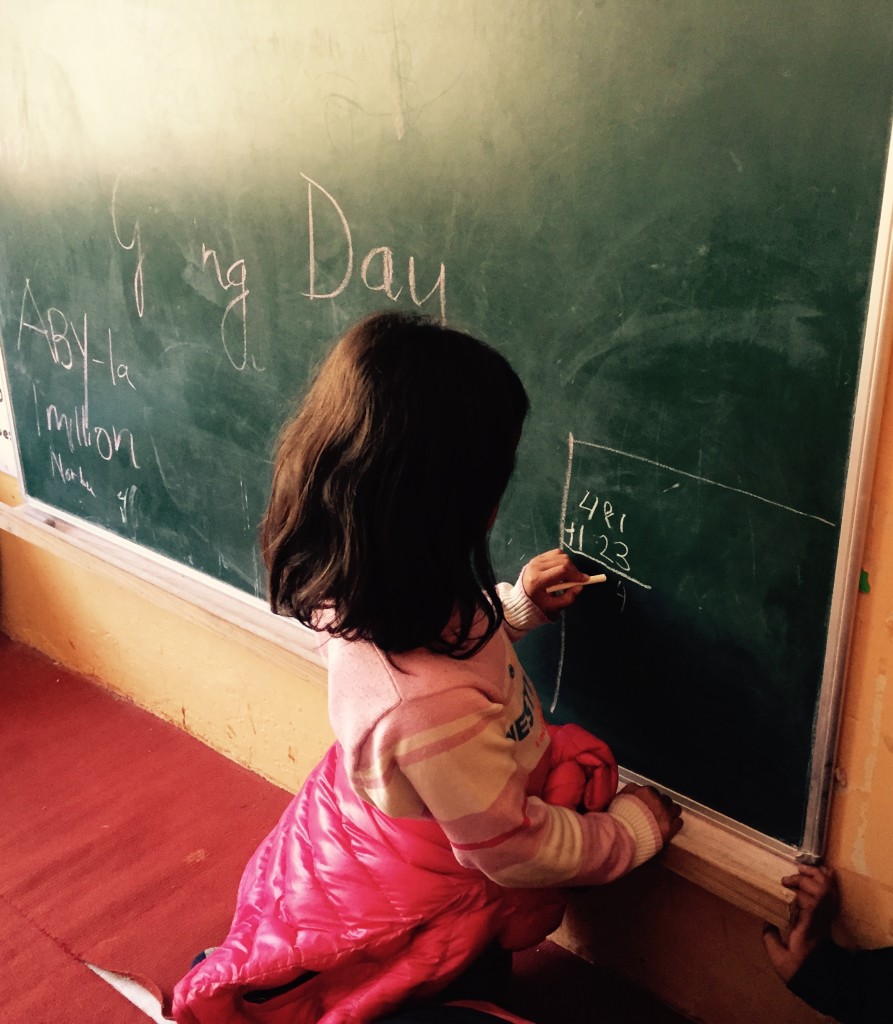
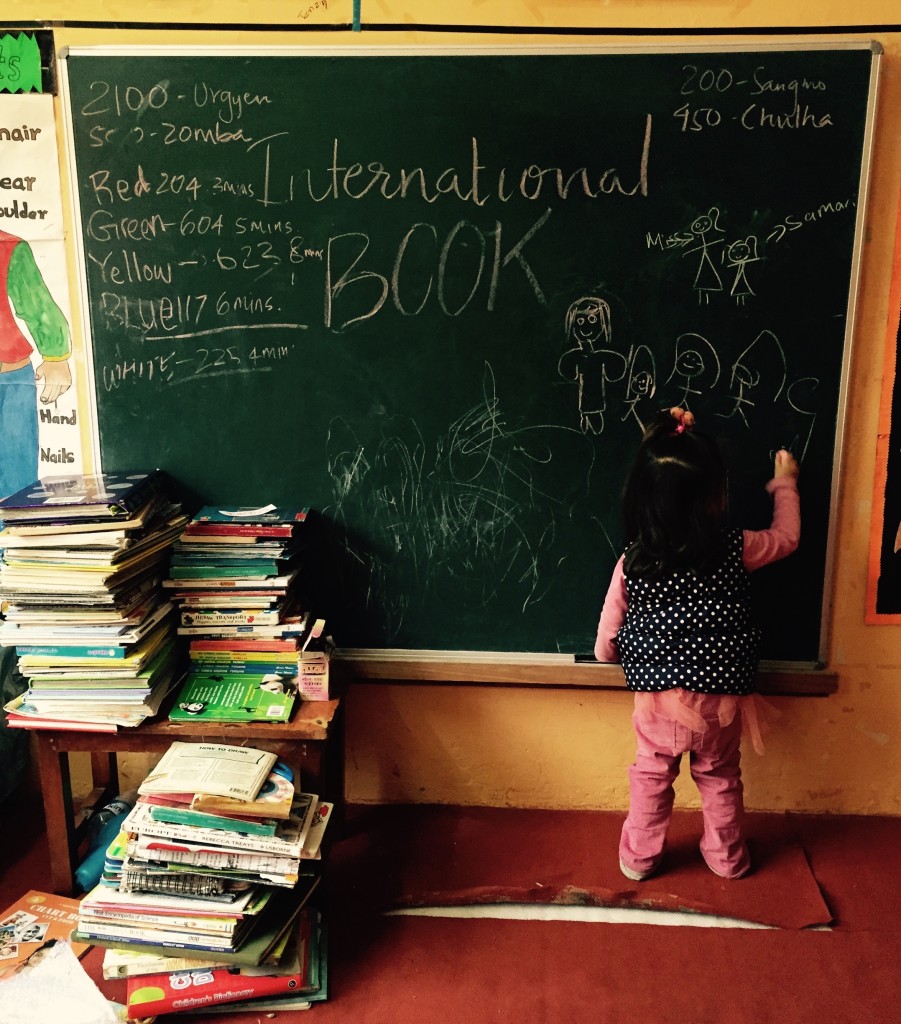
His younger sibling found a different entry point through drawing and music. Creative activities made the space feel welcoming rather than remedial. Over time, the child began recognizing letters in song titles, labeling drawings, and asking for stories connected to the pictures being made.
These changes were easy to overlook because they did not happen dramatically. Yet repeated contact with books and supportive adults helped build reading fluency, concentration, and self-expression. The children were developing skills while also discovering that their ideas deserved attention.
The Wider Value Of One Contribution
The family’s experience illustrates several forms of impact that are easy to miss when donations are measured only by immediate outputs. The same contribution can support physical resources, social connection, and emotional confidence. It can also reduce the pressure on parents who want to help their children learn but cannot easily provide books or structured activities at home.
| Area of support |
Immediate change |
Longer-term possibility |
| Books and reading materials |
Children can choose and borrow stories |
Stronger literacy and independent study habits |
| Reading-room access |
A safe, regular place for learning |
Greater concentration and motivation |
| Art and music activities |
Children express ideas creatively |
Confidence, collaboration, and cultural engagement |
| Volunteer guidance |
Questions receive patient attention |
Positive relationships with learning |
| Shared community resources |
Several children benefit from one gift |
A stronger local culture of reading |
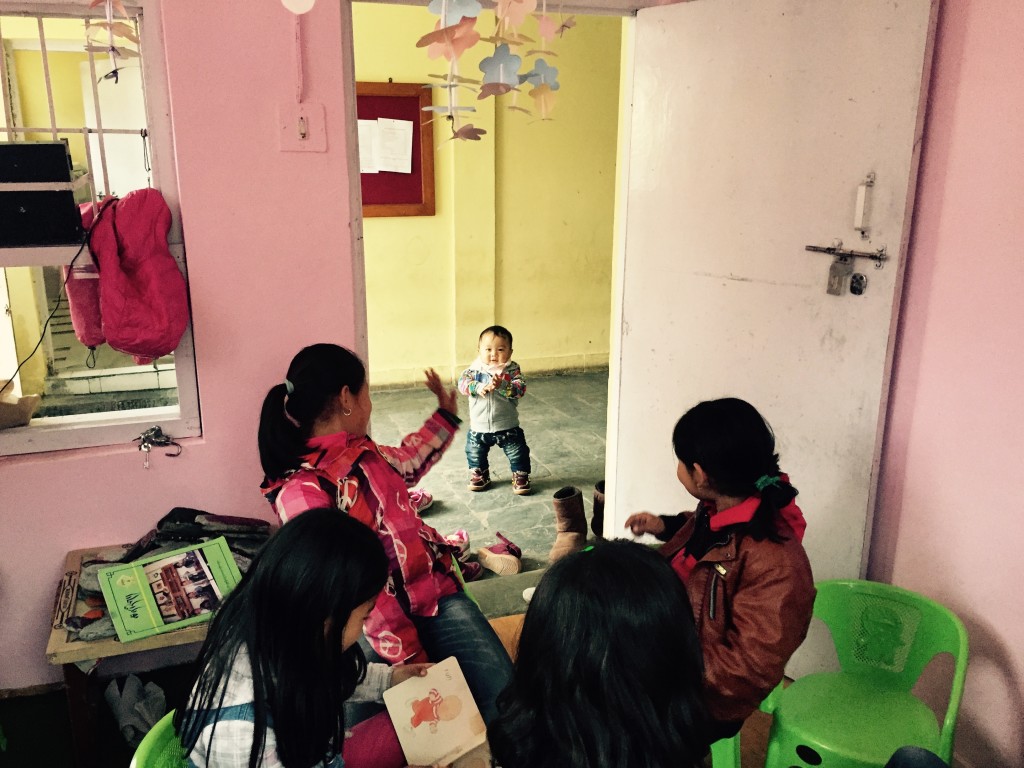
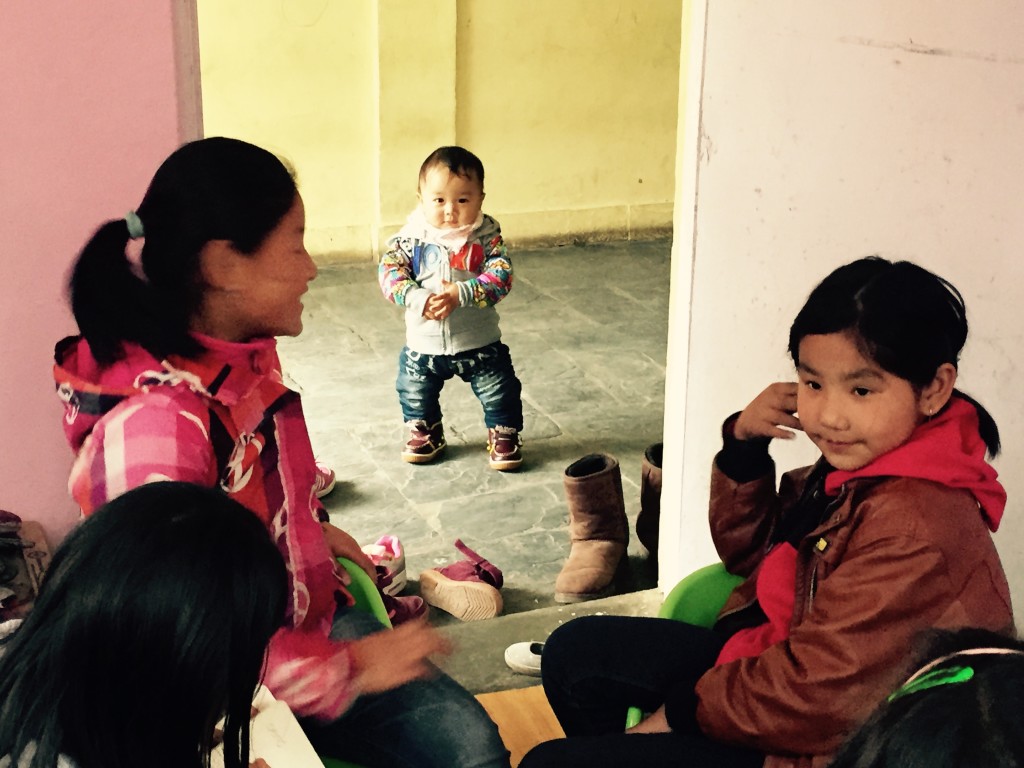
The benefits can extend beyond the original household. A sibling may imitate a new reading habit. A parent may begin sharing stories at home. Friends may join a book activity and bring their own interests. When resources are placed in a community rather than kept behind a narrow boundary, the return on generosity grows through repeated use.
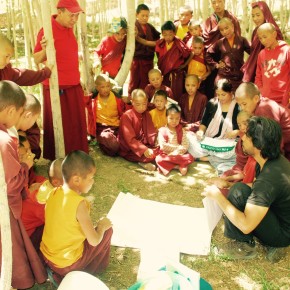
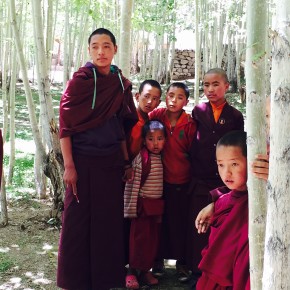
For young monks, access to books and educational activities can provide similar benefits. Reading rooms may complement religious studies with literature, language learning, art, and broader knowledge. These opportunities support balanced development while respecting the traditions and rhythms of monastic life.
Why Consistency Matters More Than Drama
A single donation can begin a chain of change, but its value is often realized through continuity. One delivery of books matters because children can return to them. One set of art supplies matters because it supports many sessions. One contribution toward a reading room matters because the room can become part of the weekly life of a village or monastery.
For Tsering’s family, the important shift was not a sudden academic breakthrough. It was the formation of a routine. Reading became something to do after school. Drawing became a way to communicate. Visiting the room became a shared family story rather than an occasional event.
This kind of support also strengthens local dignity. Children are not treated as passive recipients of charity; they are given tools and space to participate. Parents are welcomed as partners. Volunteers can encourage learning without replacing local knowledge. Donors help make the setting possible, while the community gives it meaning.
Ways To Make A Gift Matter
Donors who want their support to create practical, lasting value can consider how a contribution will be used and sustained. A thoughtful gift does not need to be large to be meaningful. It needs to meet a real need and connect with a dependable program.
- Support books selected for local ages, languages, interests, and reading levels.
- Help maintain reading rooms so children have a reliable place to study throughout the year.
- Include art, music, and creative learning alongside literacy activities.
- Consider recurring support for supplies, volunteer coordination, and educational programming.
- Share the organization’s work with people who value children’s education and Himalayan communities.
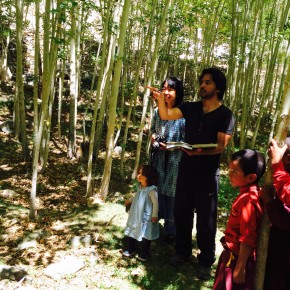
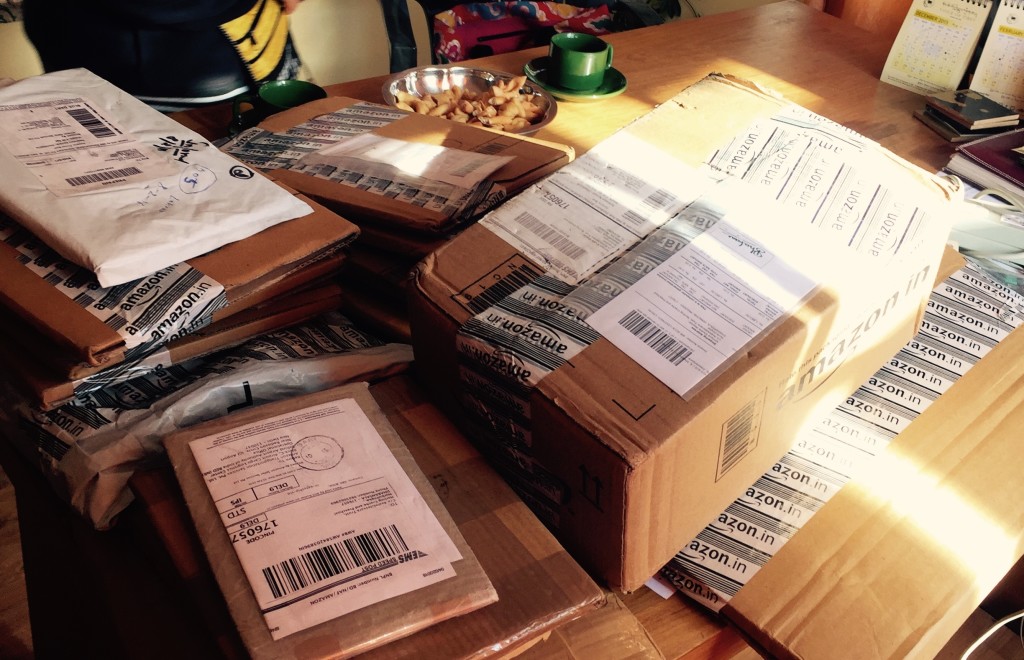
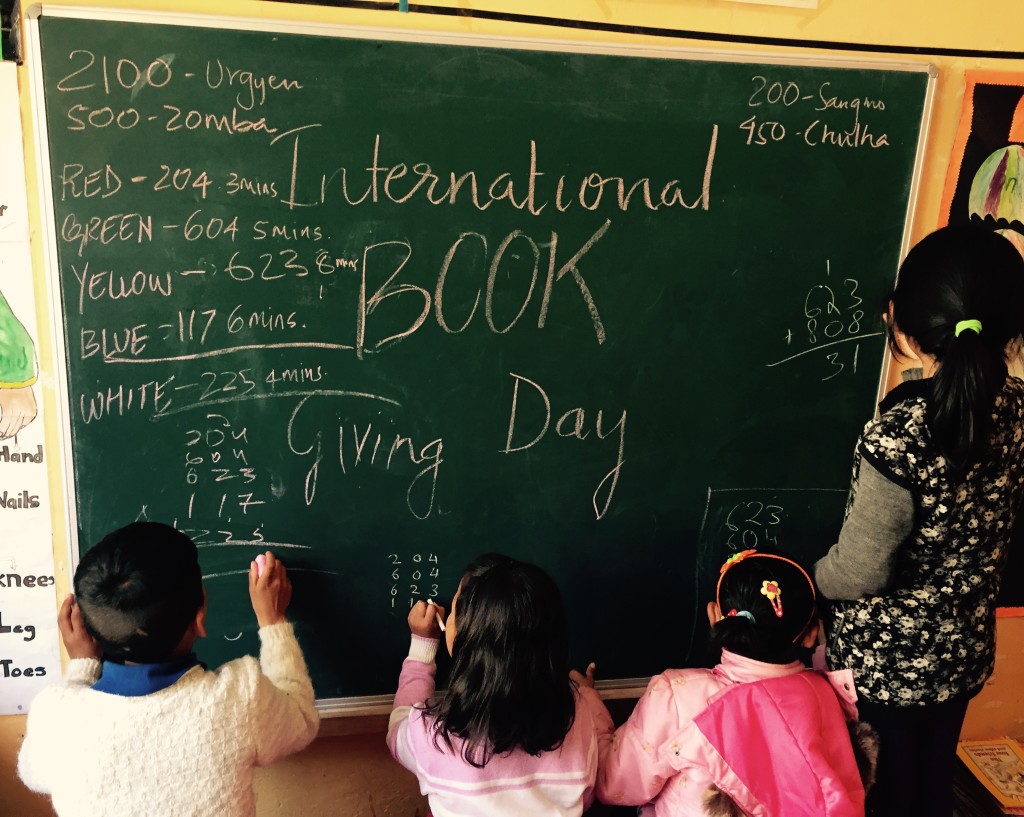
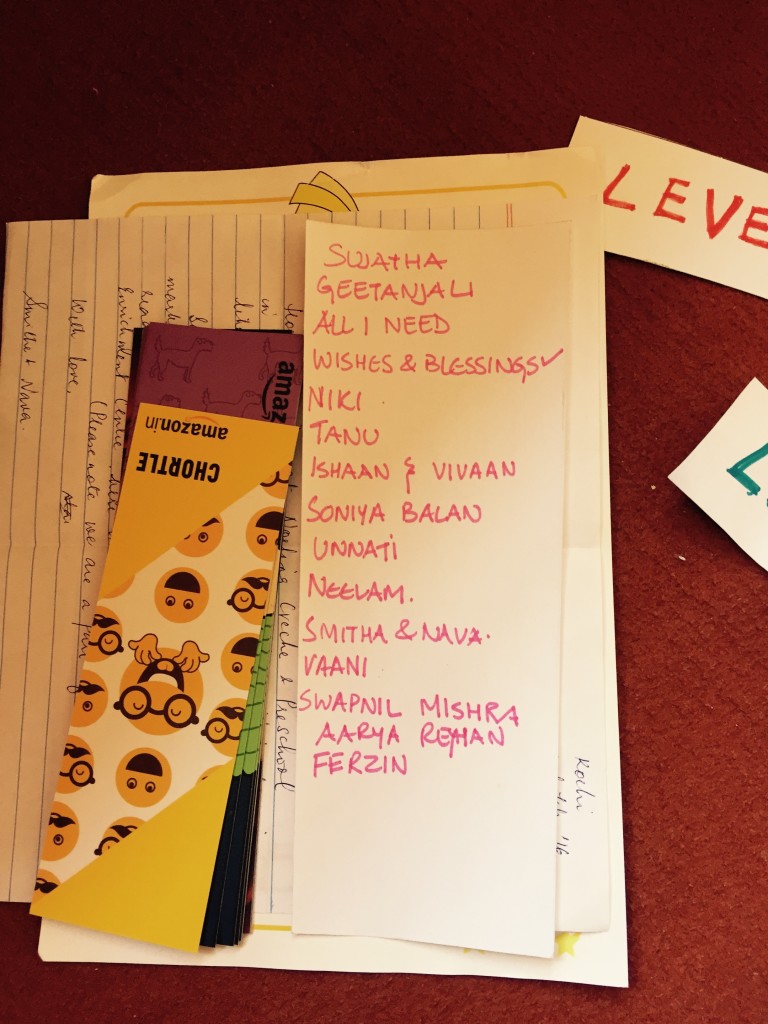
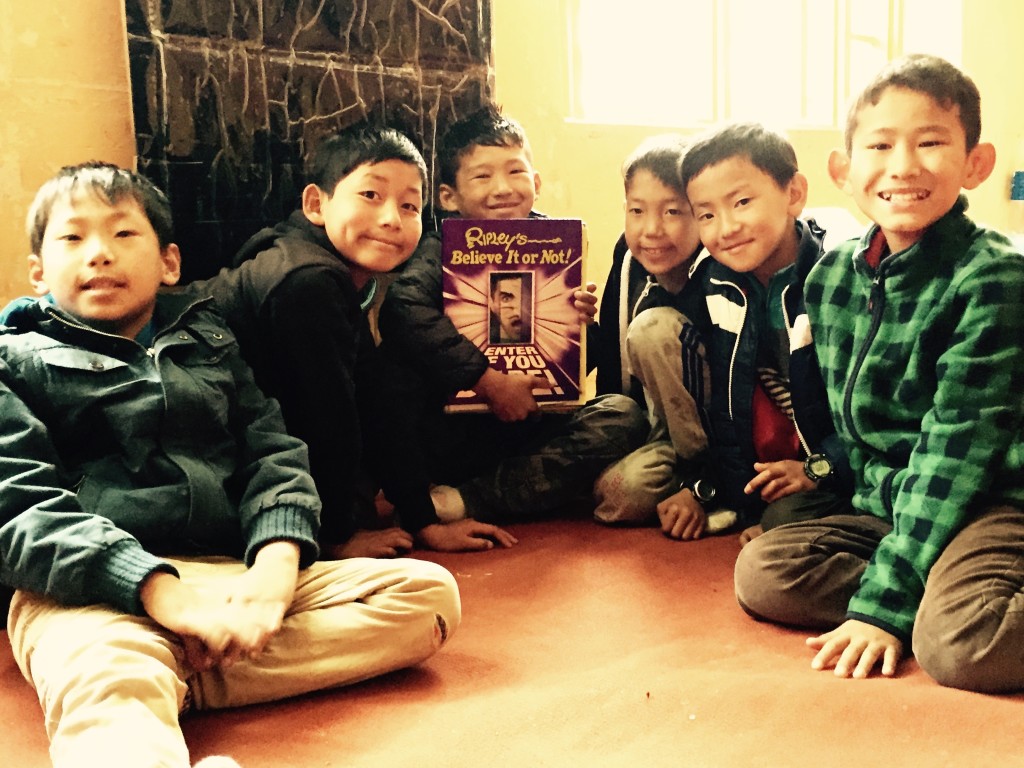
Transparency also helps donors understand the human story behind their support. Photos, project updates, book-drive reports, and community stories show how resources are being used. They reveal that impact is often made up of ordinary moments: a child choosing a book, a young monk practicing a new language, or siblings discussing a story on the way home.
A donation can therefore be viewed as an invitation to participate in a longer process. It helps create conditions in which children can keep learning after the initial gift has been spent. That is the difference between a one-time transaction and meaningful educational support.
The family at the center of this story still faces the same landscape, responsibilities, and uncertainties as before. What has changed is the range of tools available to them. Tsering reads with less hesitation. The younger child looks for new ways to draw and listen. Their parents see learning as a shared activity rather than something confined to school.
Support the children and young monks who use these community resources by giving through Avalokiteśvara Trust, sharing its educational work, or contributing to a book drive. A single donation can place one more book in a child’s hands, and that book may become the first step toward a lifetime of learning.