How One Telescope Can Open a Village Sky
A telescope can look like a modest gift beside a library shelf, a school computer or a box of science equipment. In a Himalayan village, however, one donated instrument can change the way children understand the world above them. It turns astronomy from a page of diagrams into a shared experience of searching, observing and asking better questions.
The impact of a single donated telescope on science learning in the village begins with access. Many children may know the Moon from stories, calendars or classroom illustrations, yet have never seen its craters clearly. A telescope gives them a direct encounter with evidence. The lesson is no longer only about what a book says; it is about what their own eyes can discover.
For Australian supporters, this kind of project connects with familiar priorities. The Australian Curriculum places strong emphasis on science inquiry, while schools in regional Queensland, Western Australia and New South Wales often work creatively with limited specialist equipment. A telescope also recalls the simple pleasure of backyard astronomy, whether viewed from a suburban block outside Melbourne or a dark paddock near Alice Springs.
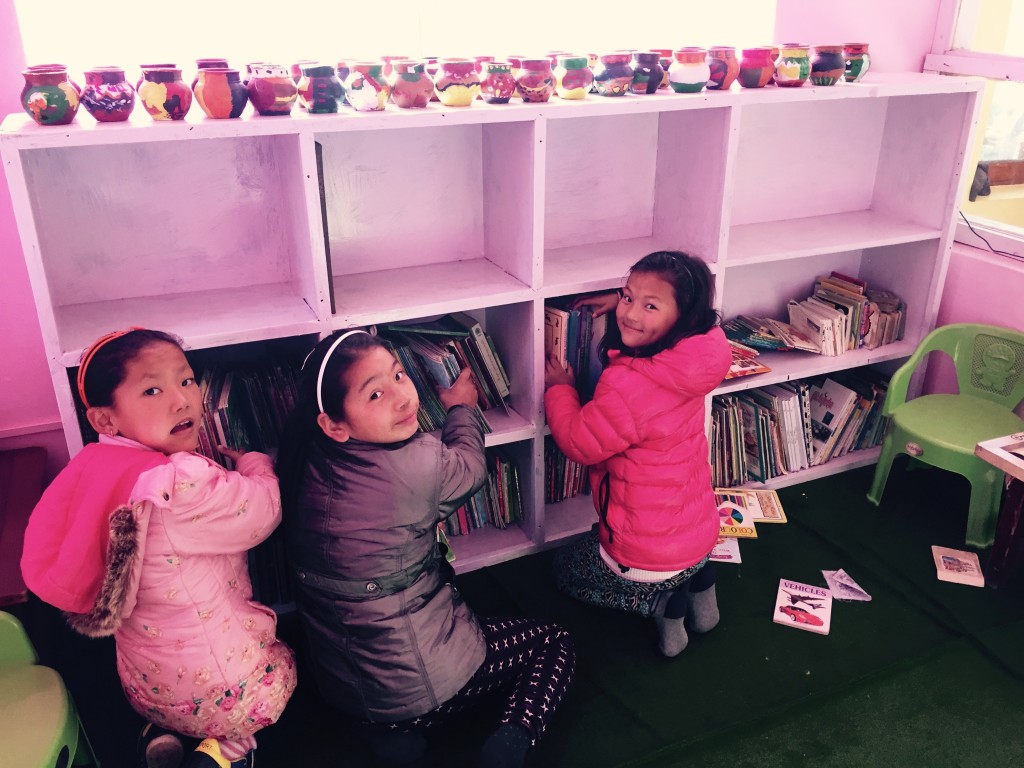
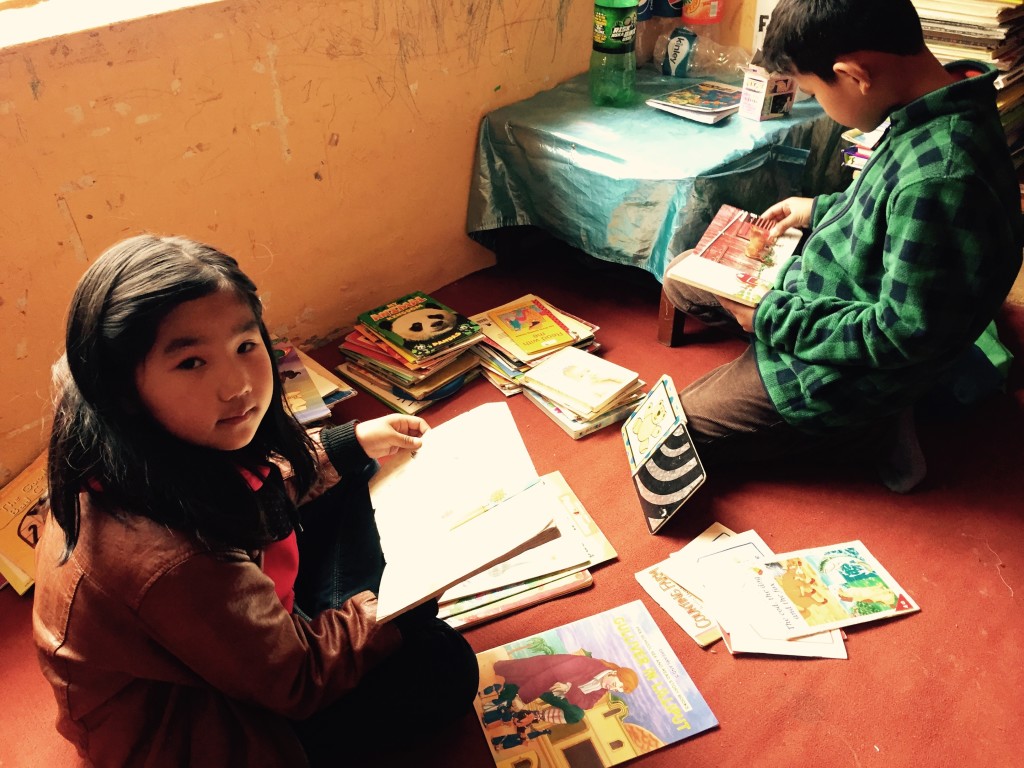
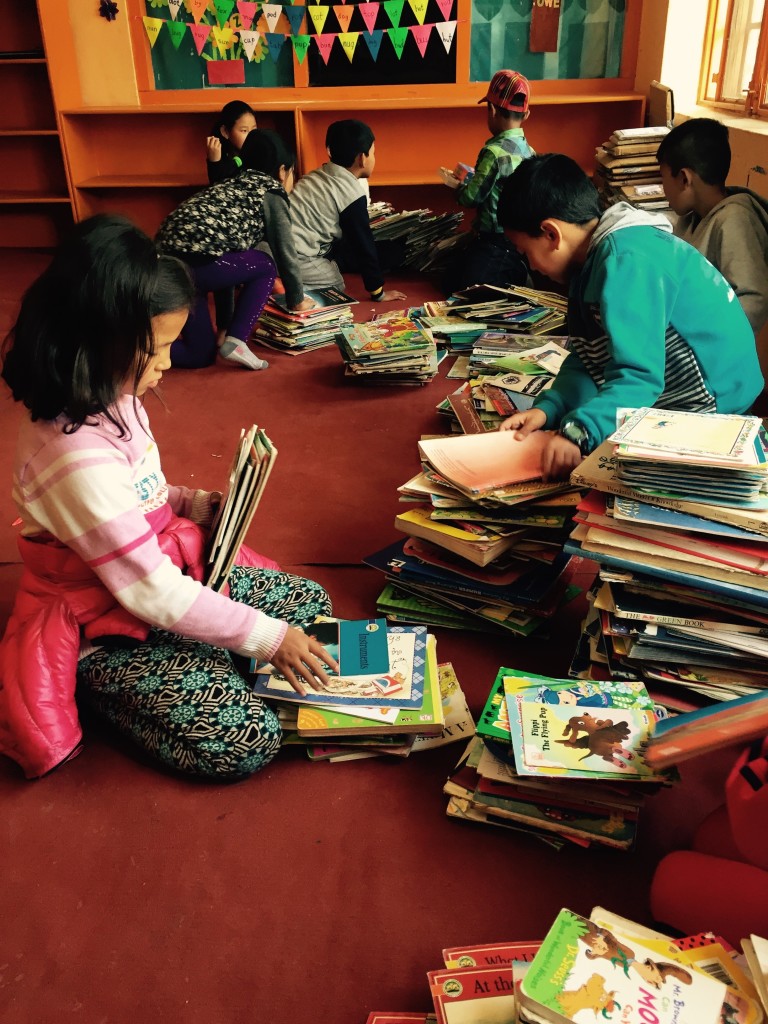
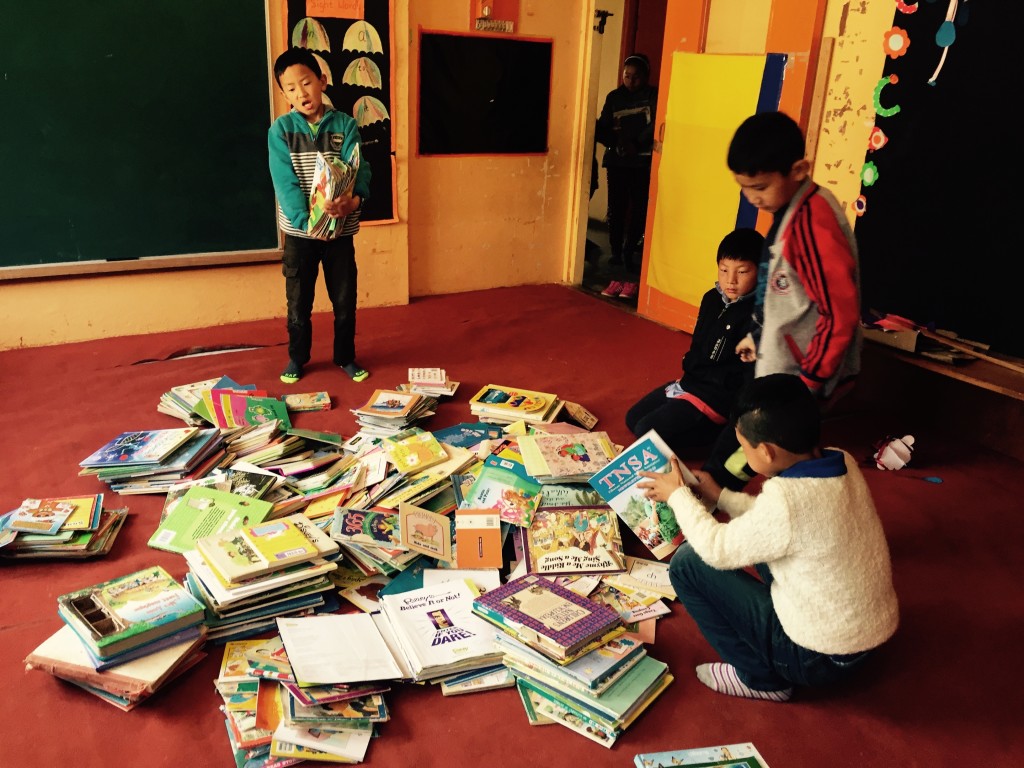
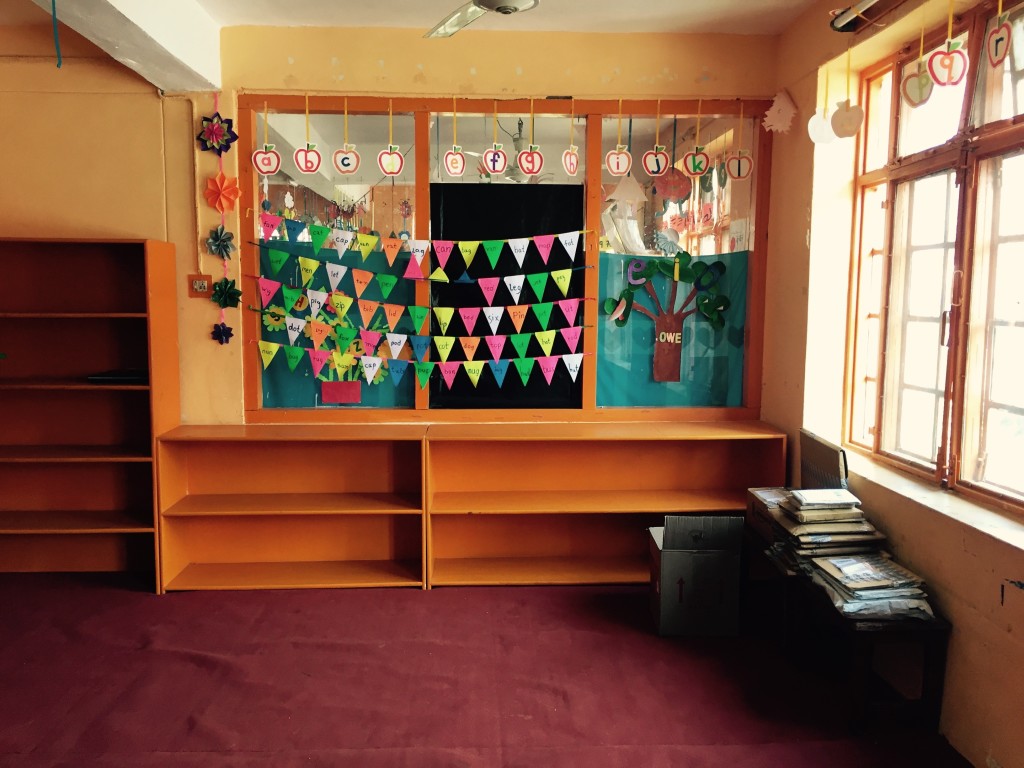
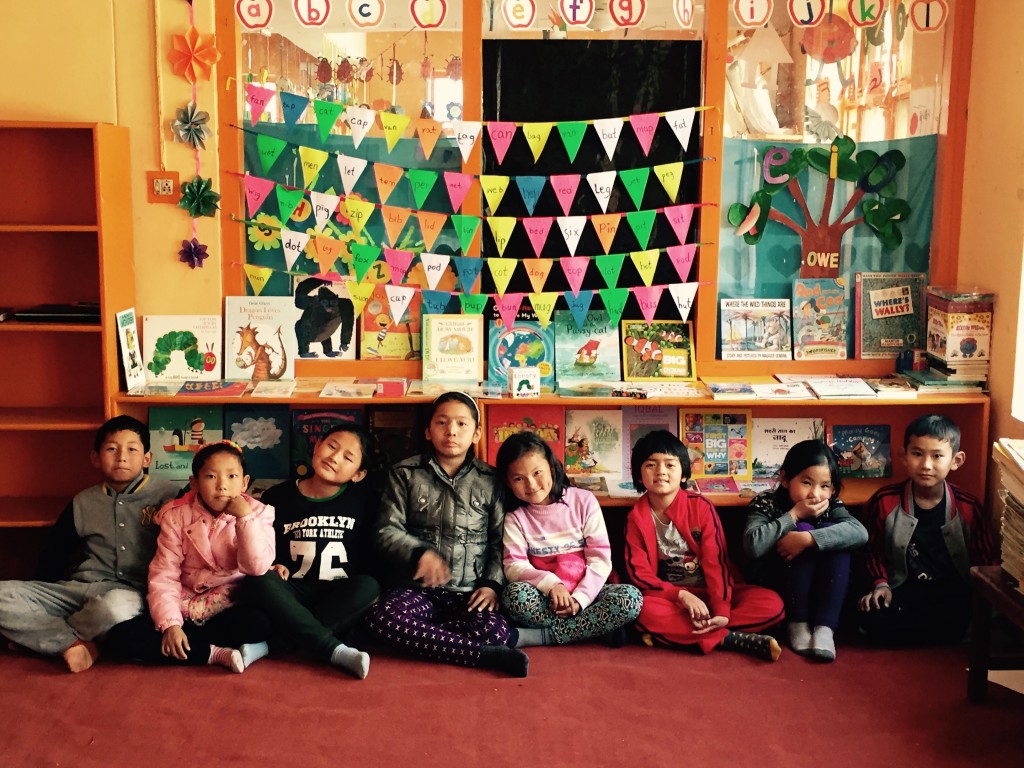
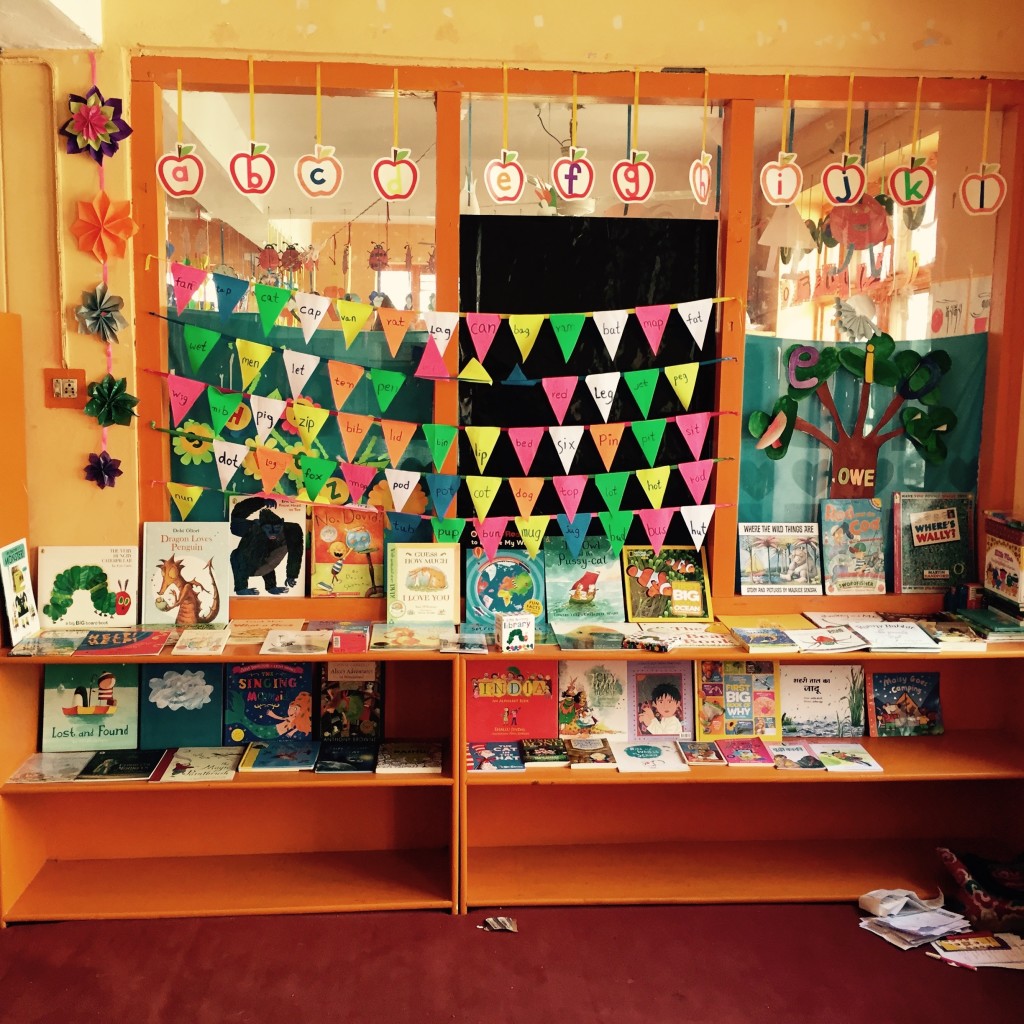
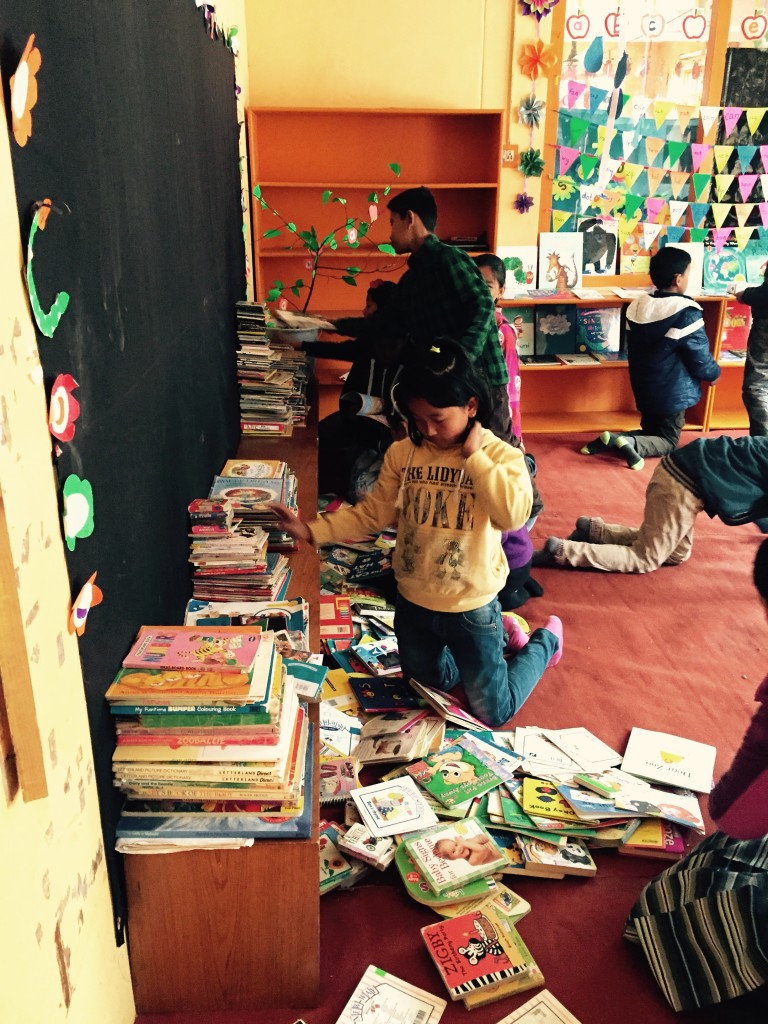
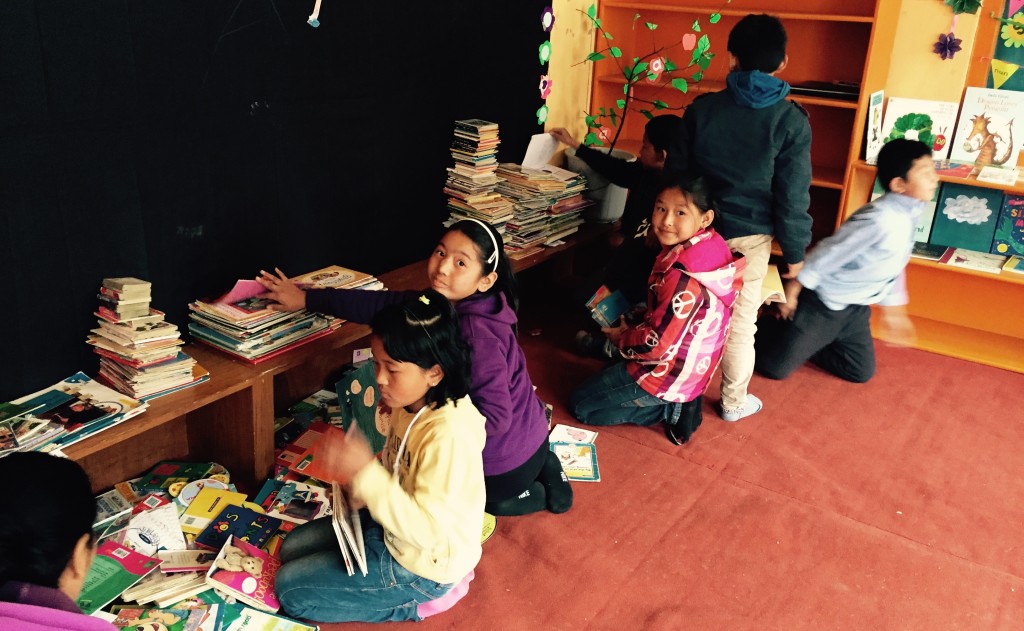
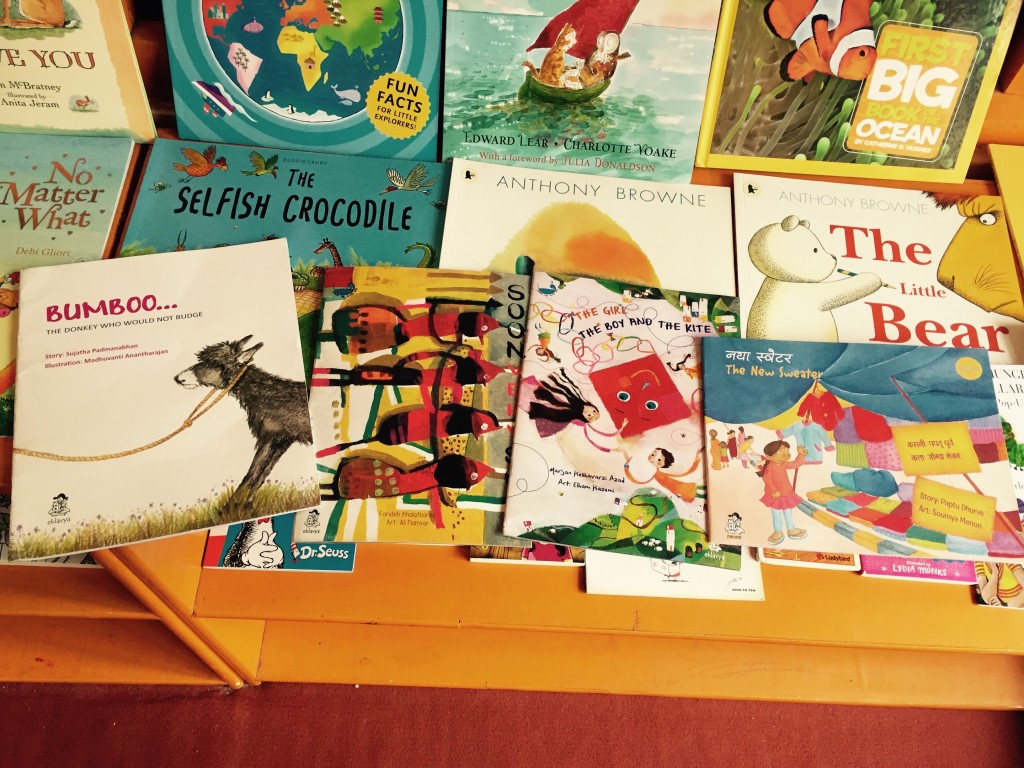
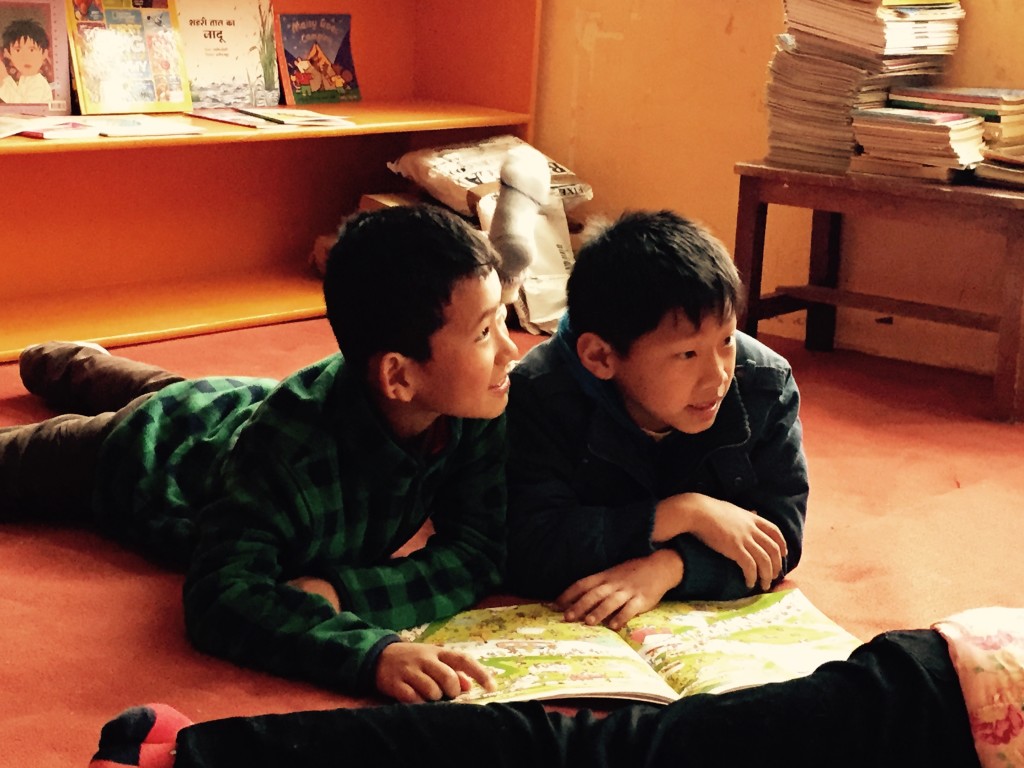
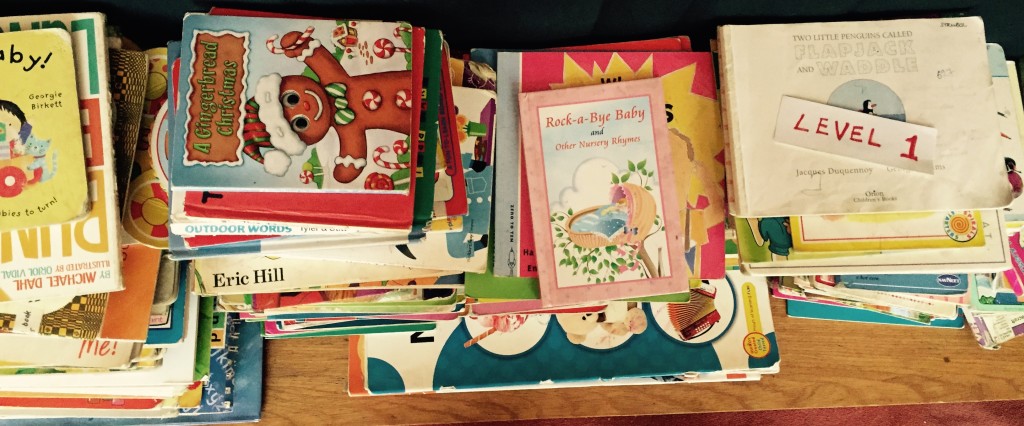
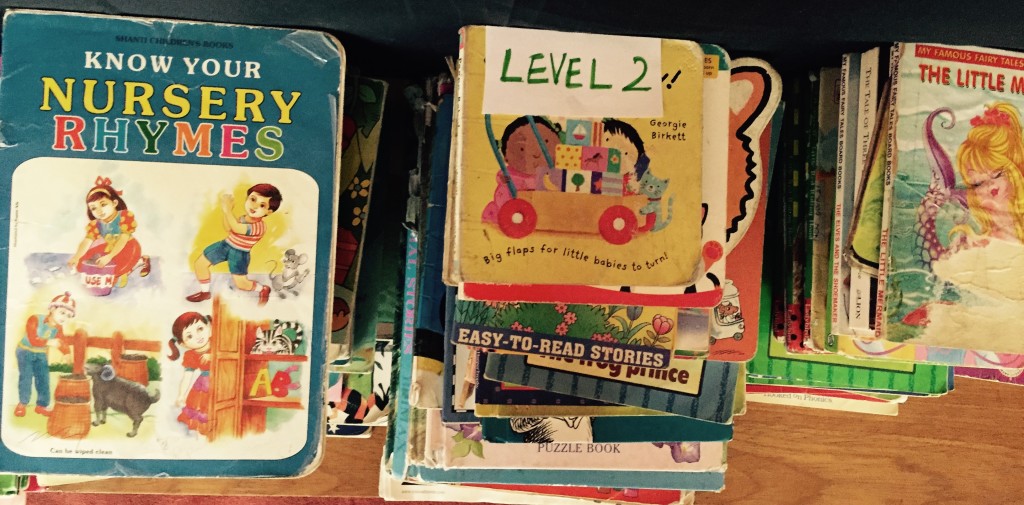
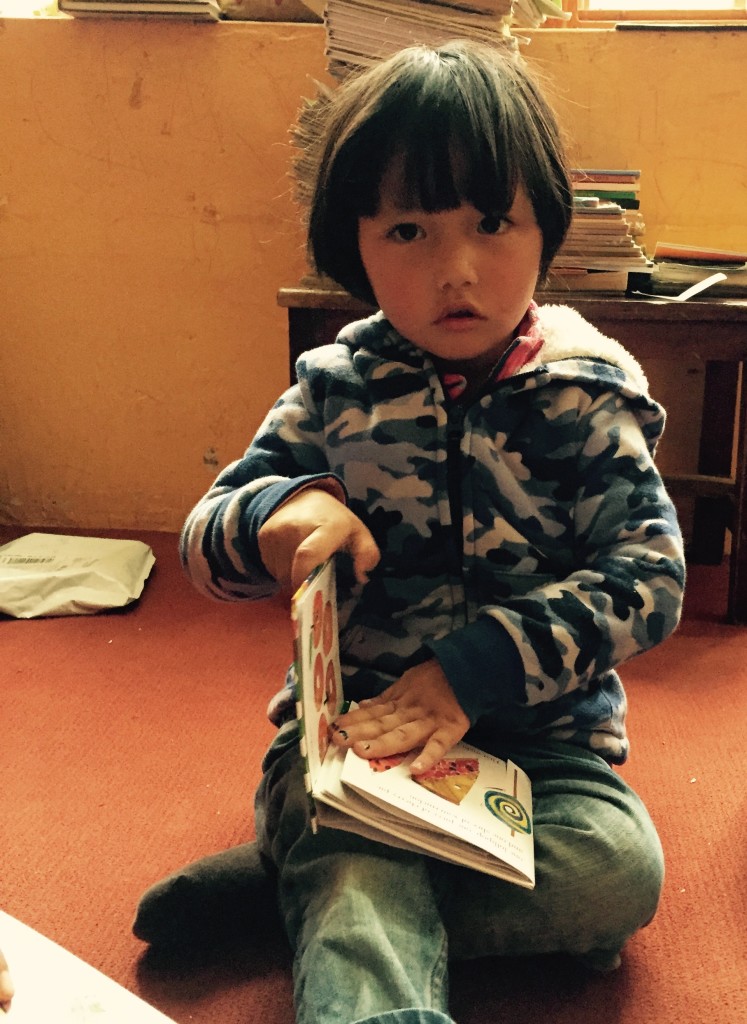
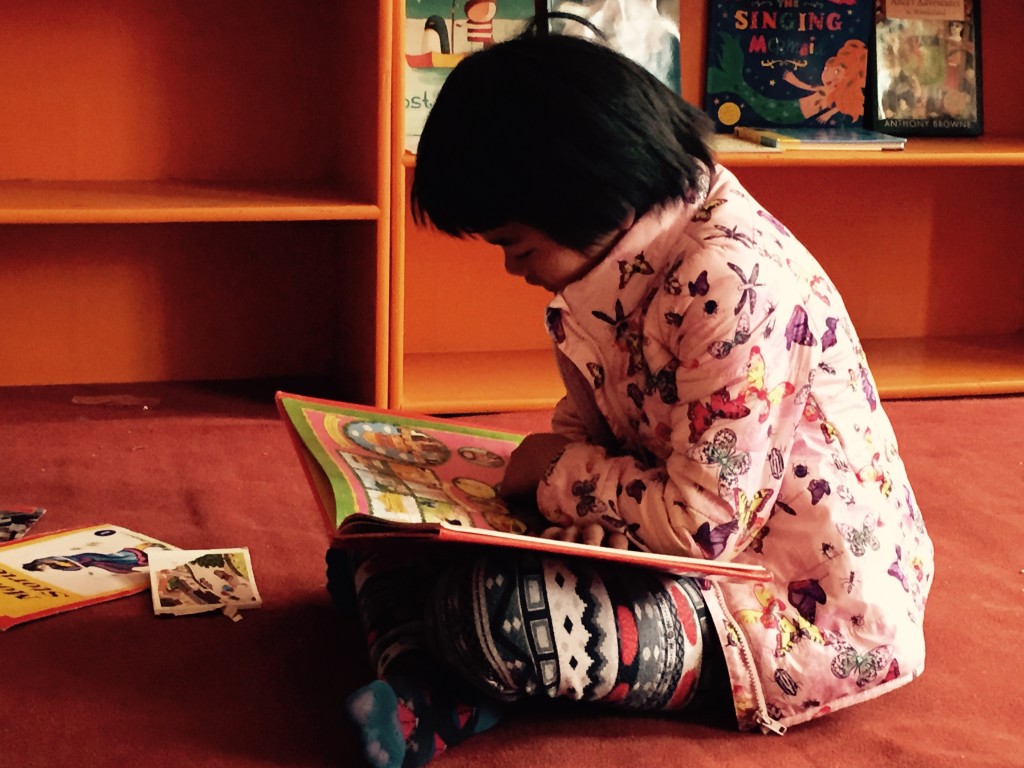
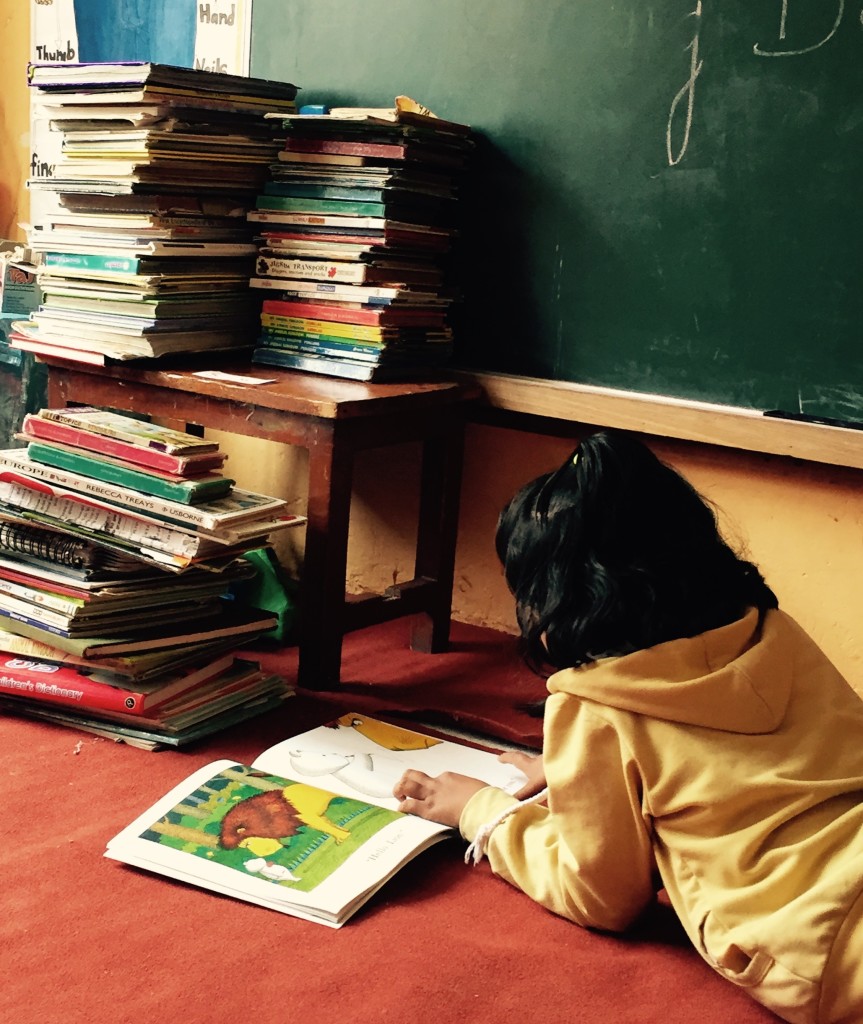
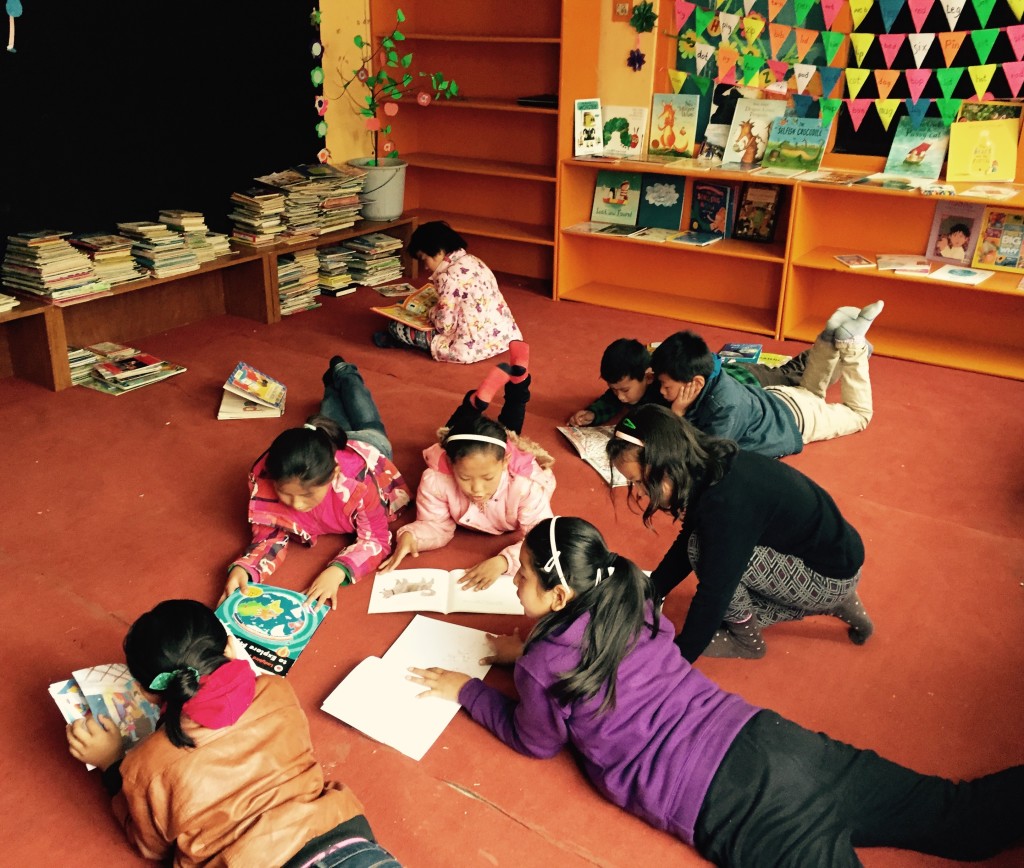
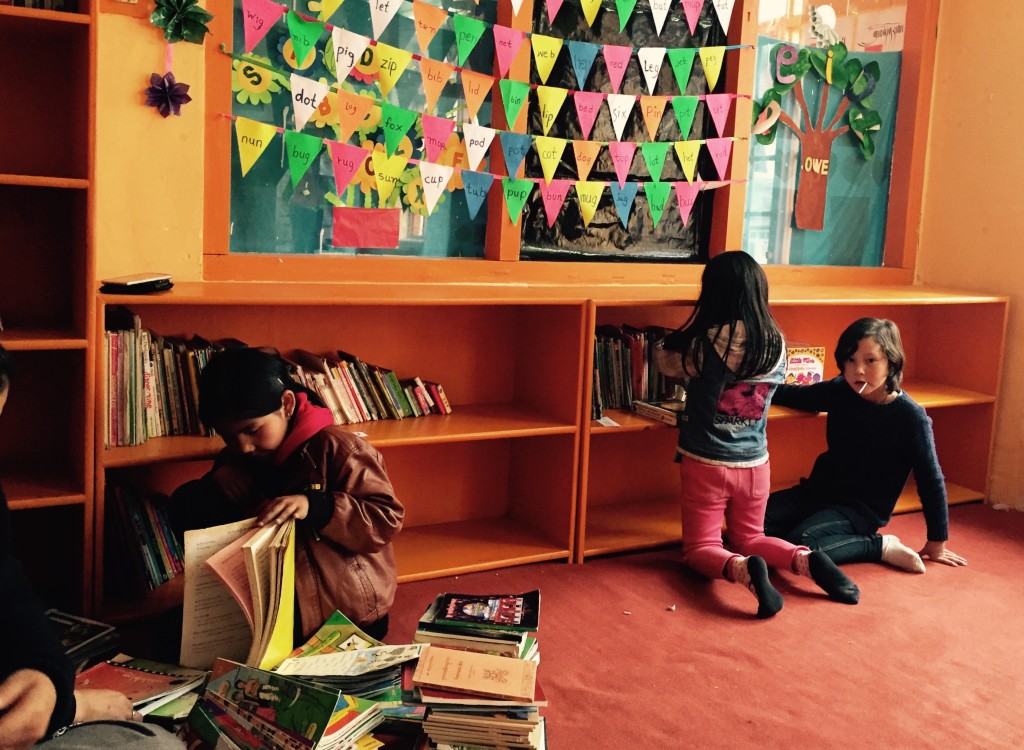
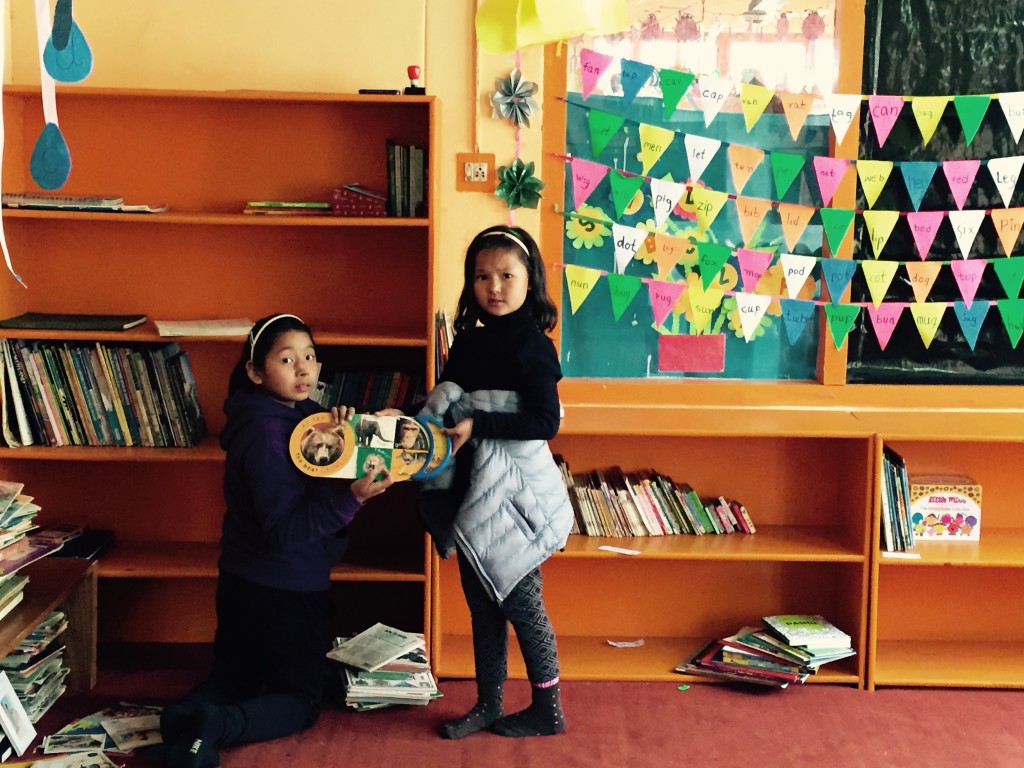
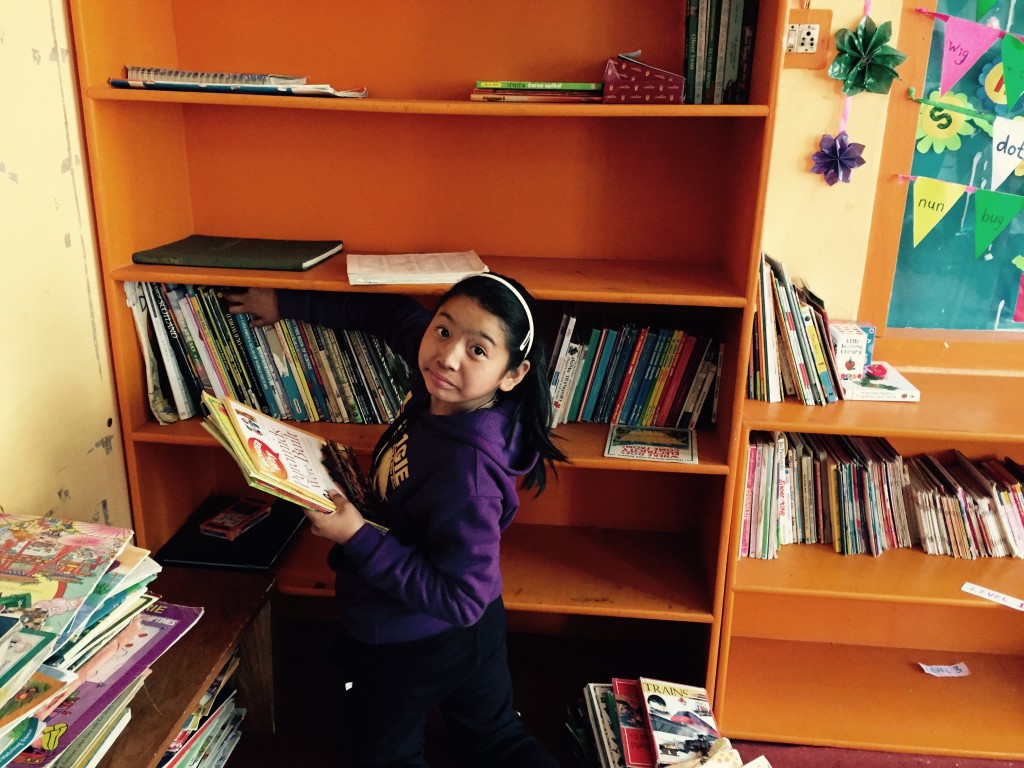
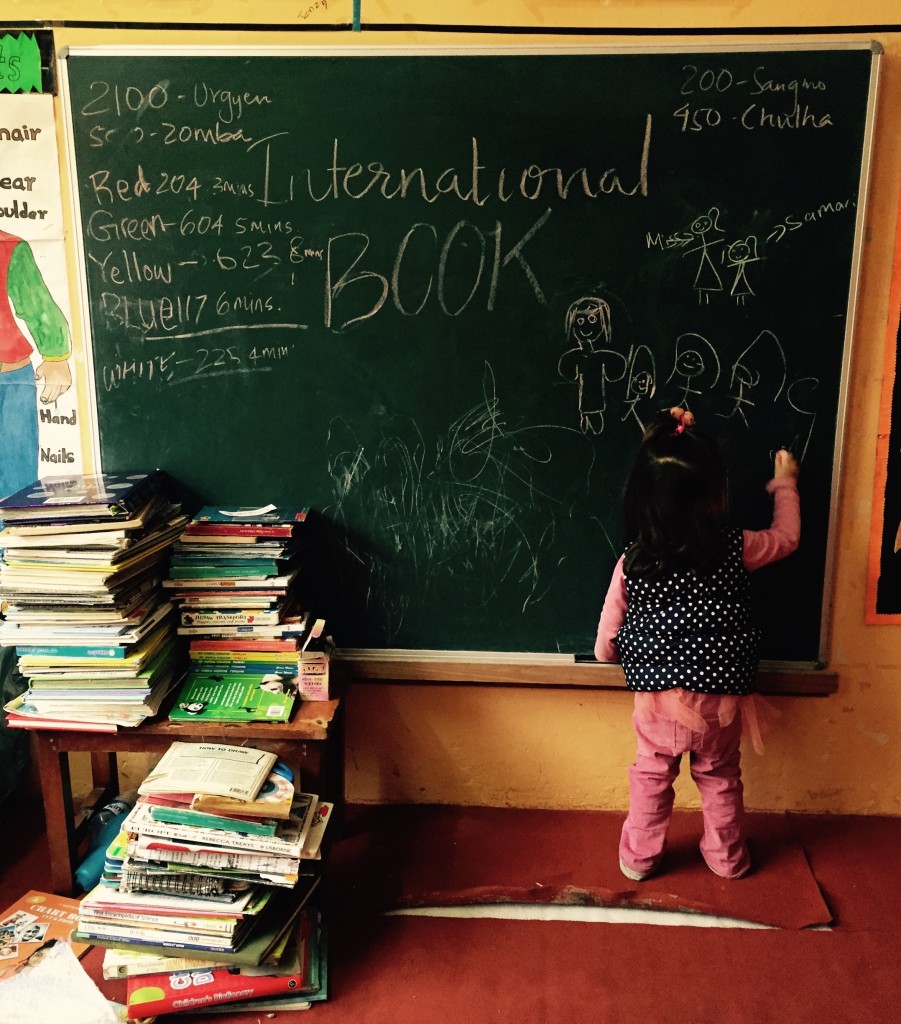
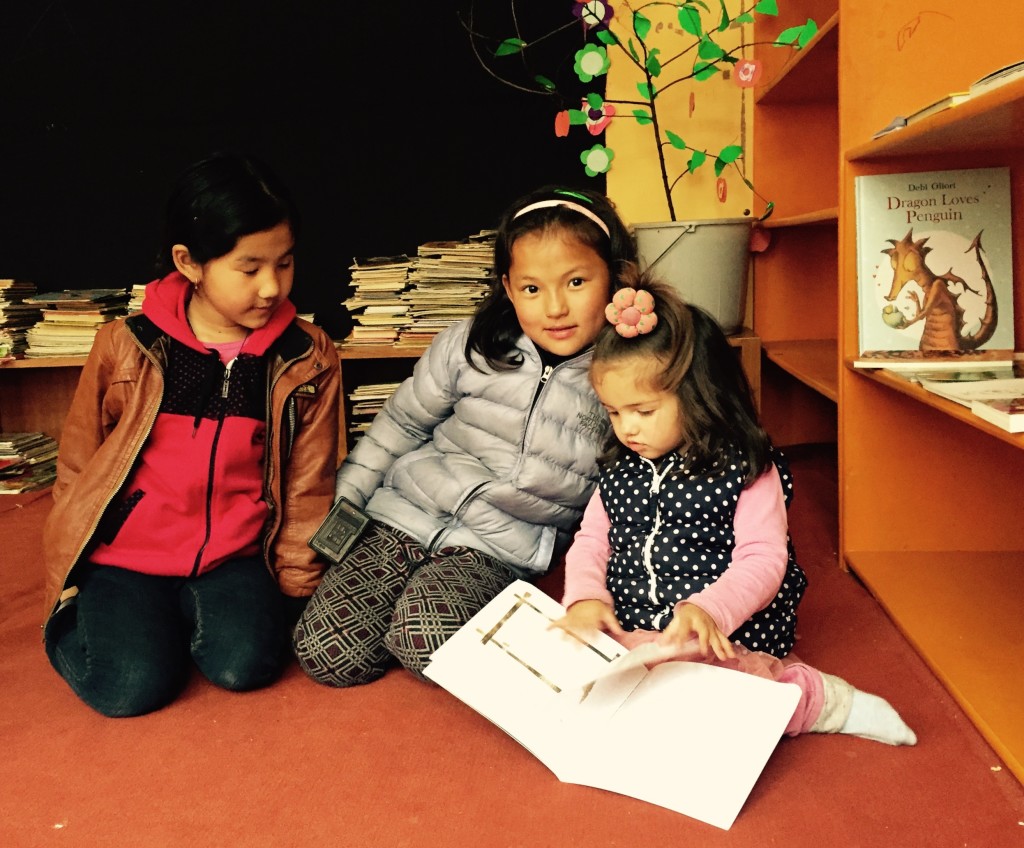
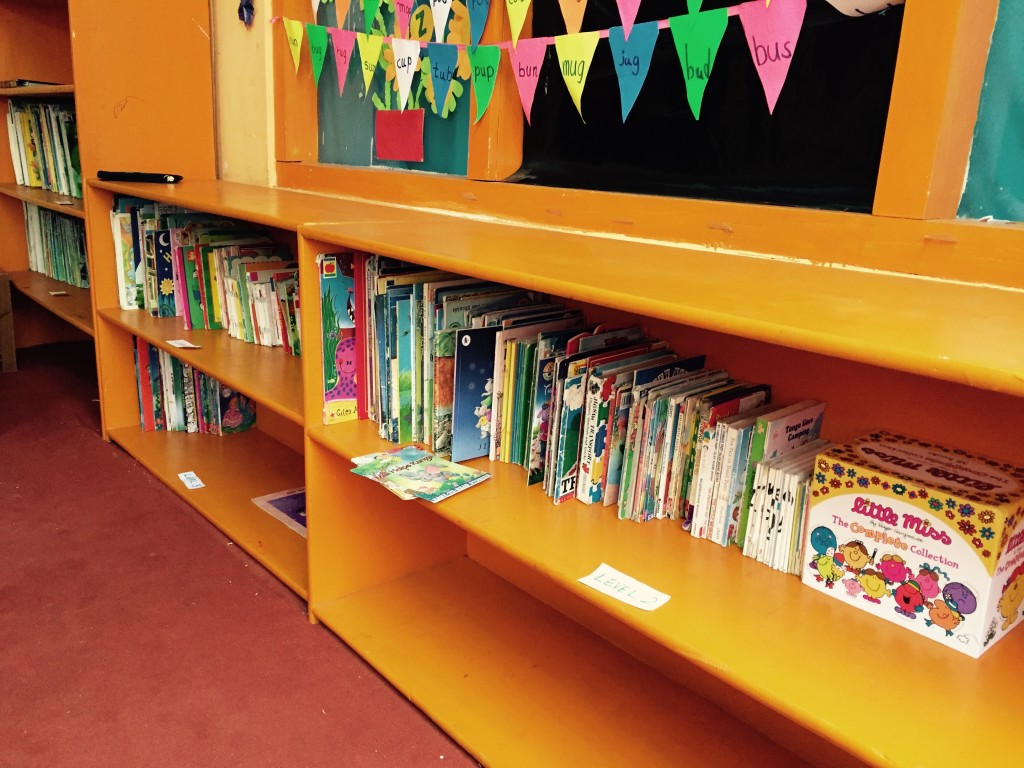
The value extends beyond stargazing. A well-used telescope encourages reading, drawing, measurement, teamwork and patient concentration. It can sit alongside a village reading room, art activities and music sessions, helping young learners see science as part of a broad, imaginative education. Through the Avalokiteśvara Trust, supporters can connect with educational work that treats curiosity as a resource worth nurturing.
A Telescope Changes the Lesson
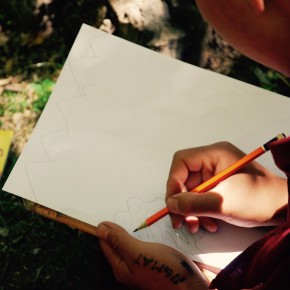
A teacher can use one telescope to build a sequence of practical investigations. Children might sketch the Moon before observing it, record the date and time, then compare their drawing with what appears through the eyepiece. Over several weeks, they can track the changing lunar phases and discuss why the bright portion seems to shift. This turns a familiar object into a source of evidence.
The same instrument can support lessons in light, shadows, distance and scale. Students may estimate how long a shadow falls at different times of day, learn why stars appear to move across the sky, or compare the apparent size of the Moon with the brightness of a planet. These activities strengthen numeracy and scientific vocabulary without requiring a large laboratory.
A telescope also gives teachers a flexible resource for mixed-age groups. Younger children can identify shapes and colours, while older students can keep observation logs, calculate angles or research the history of astronomy. A single evening session may therefore serve several levels of ability within the same village learning community.
Science Beyond the Textbook
The most powerful change is often emotional. Children who have regarded science as a subject for distant experts can become observers themselves. The first sharp view of a lunar crater or the rings of Saturn can create a memorable link between effort and discovery. Students learn that careful attention can reveal something hidden at first glance.
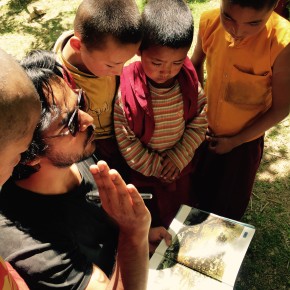
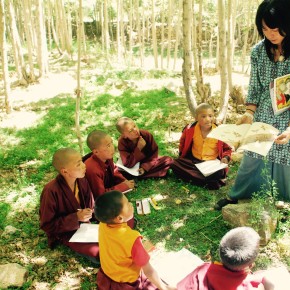
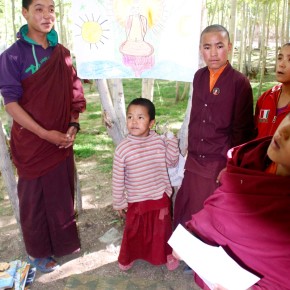
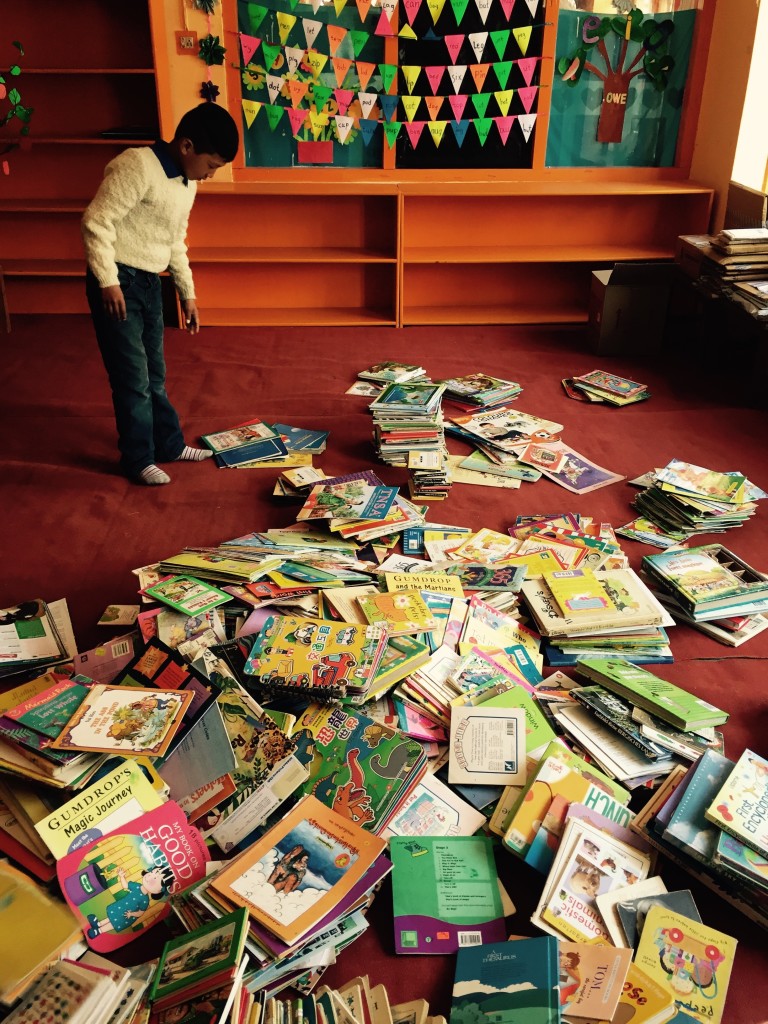
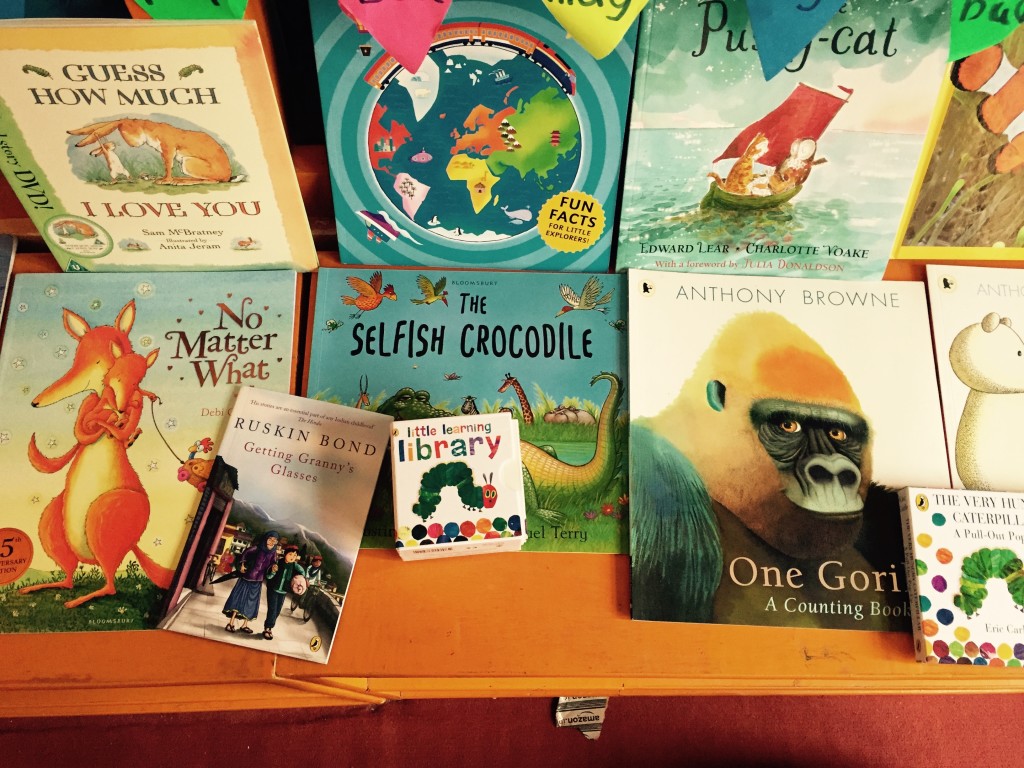
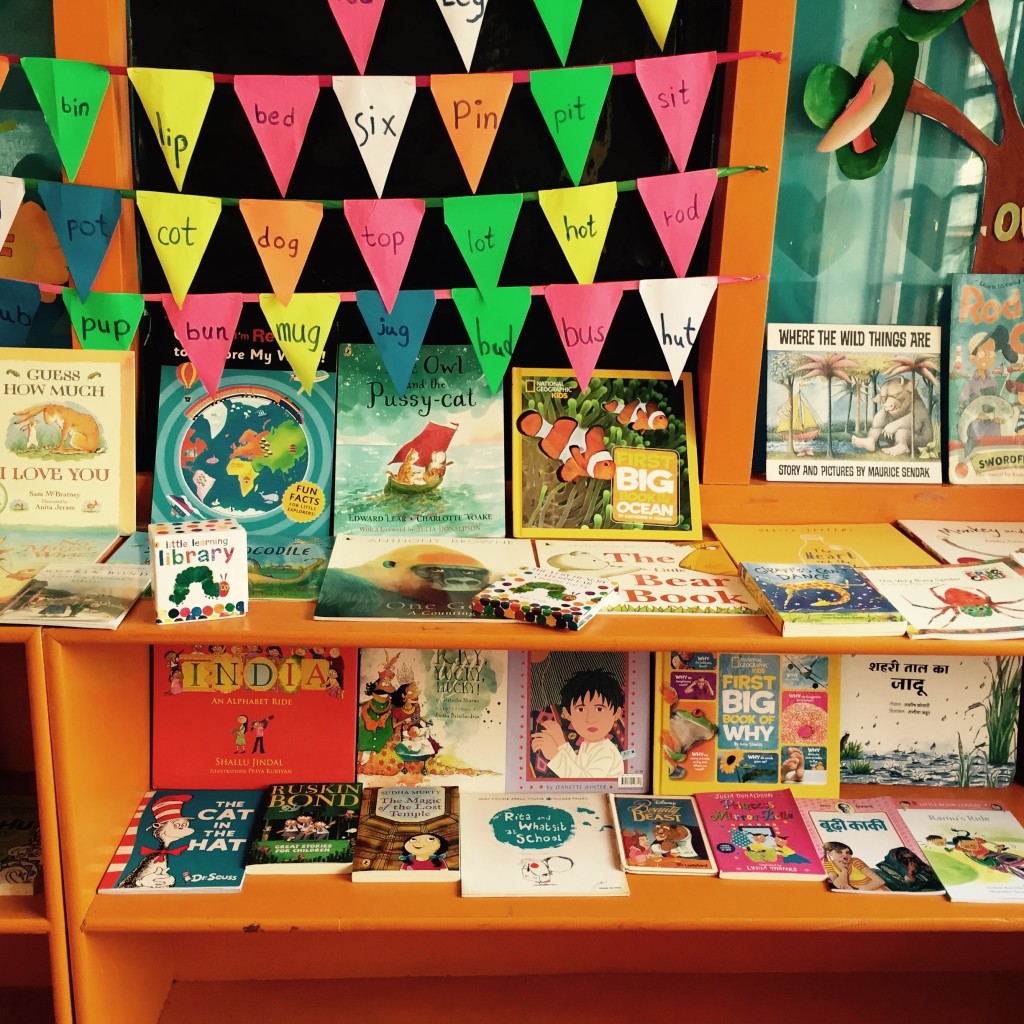
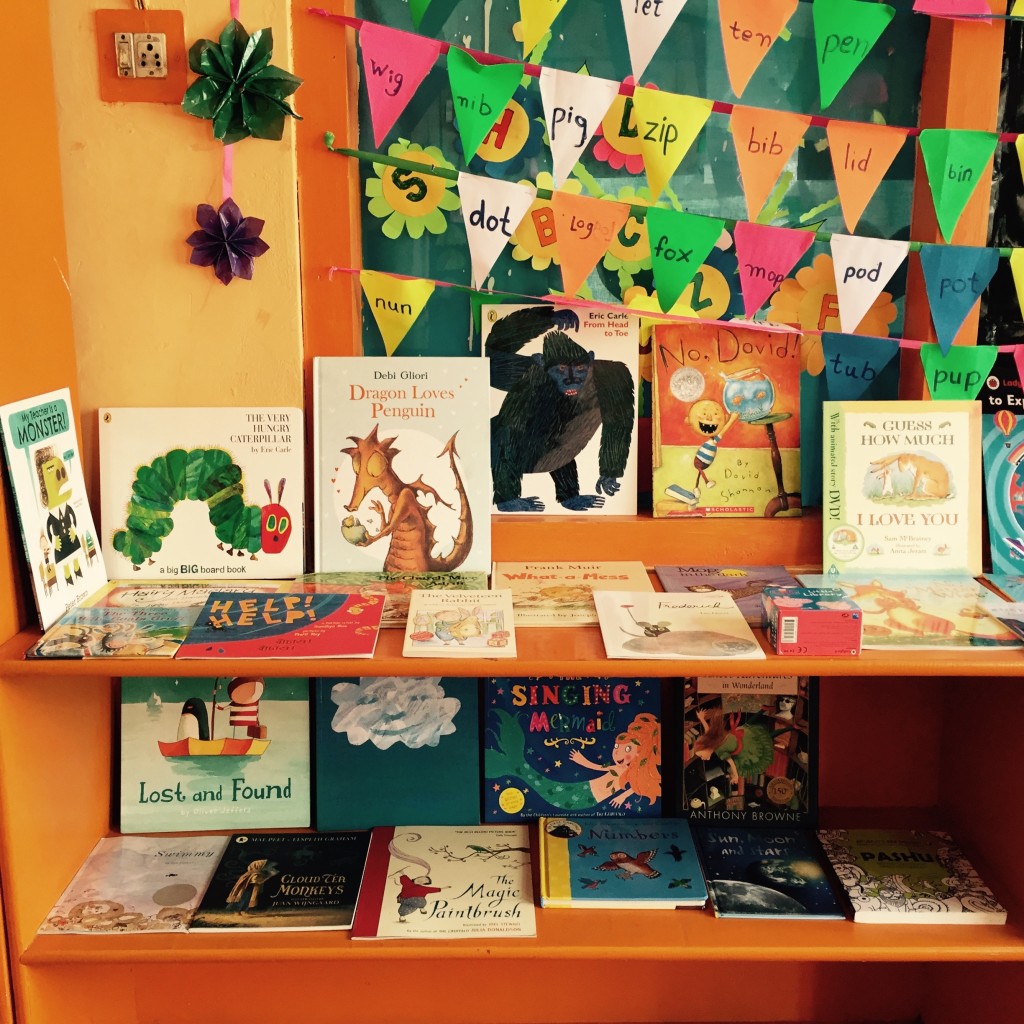
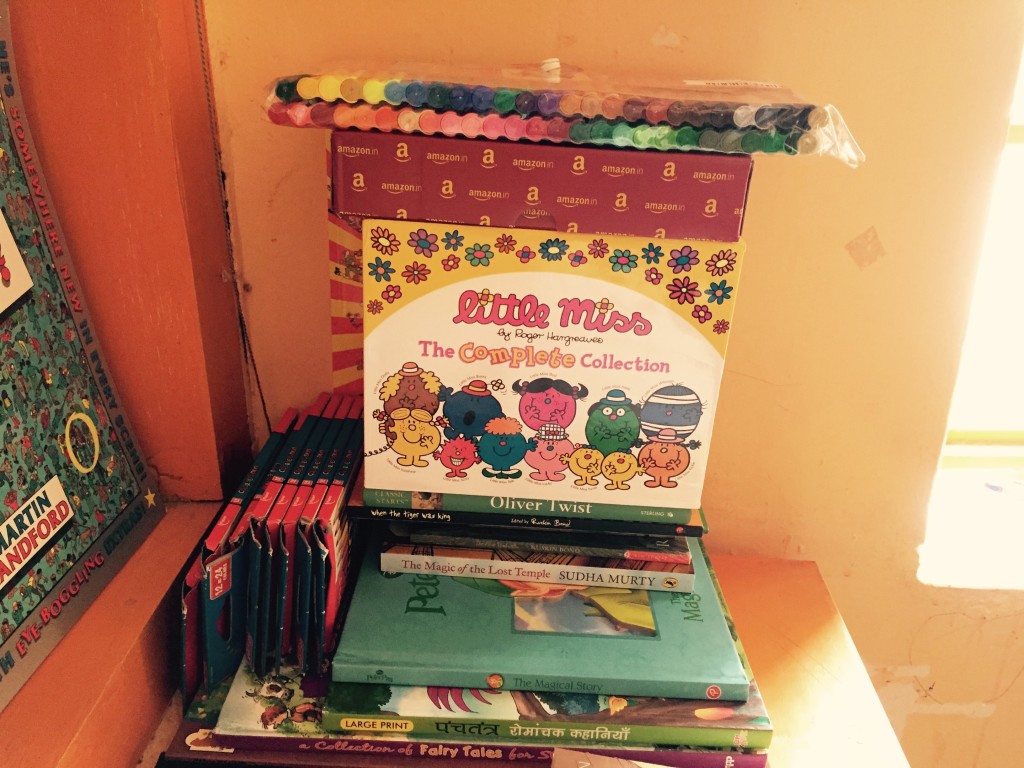
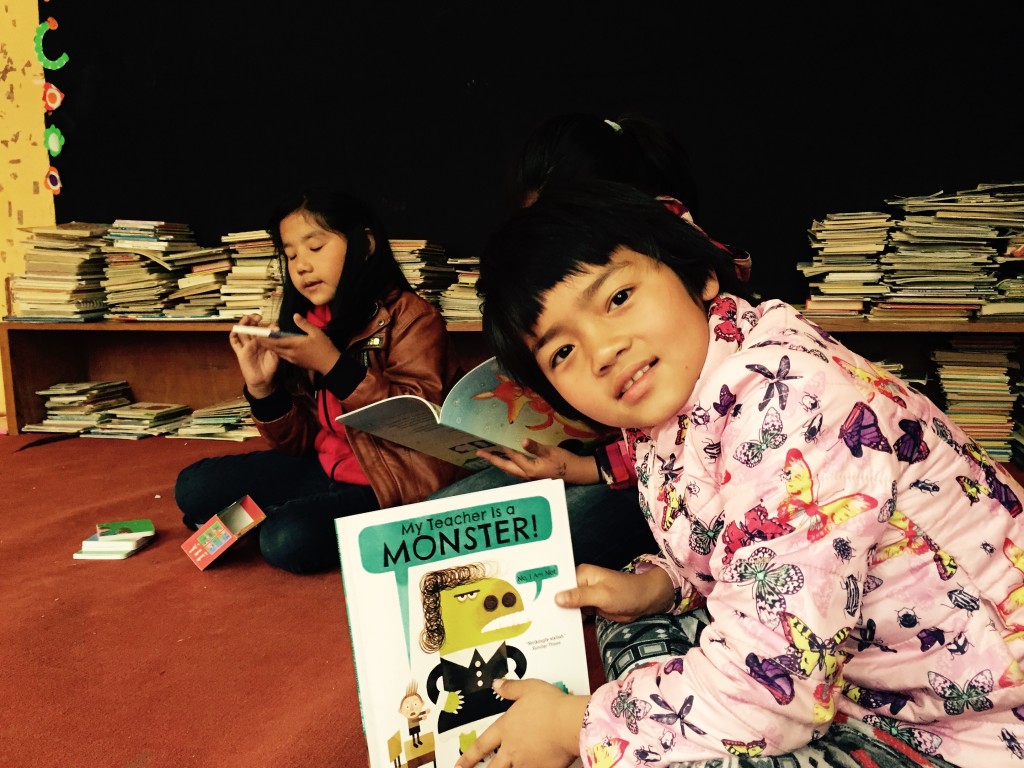
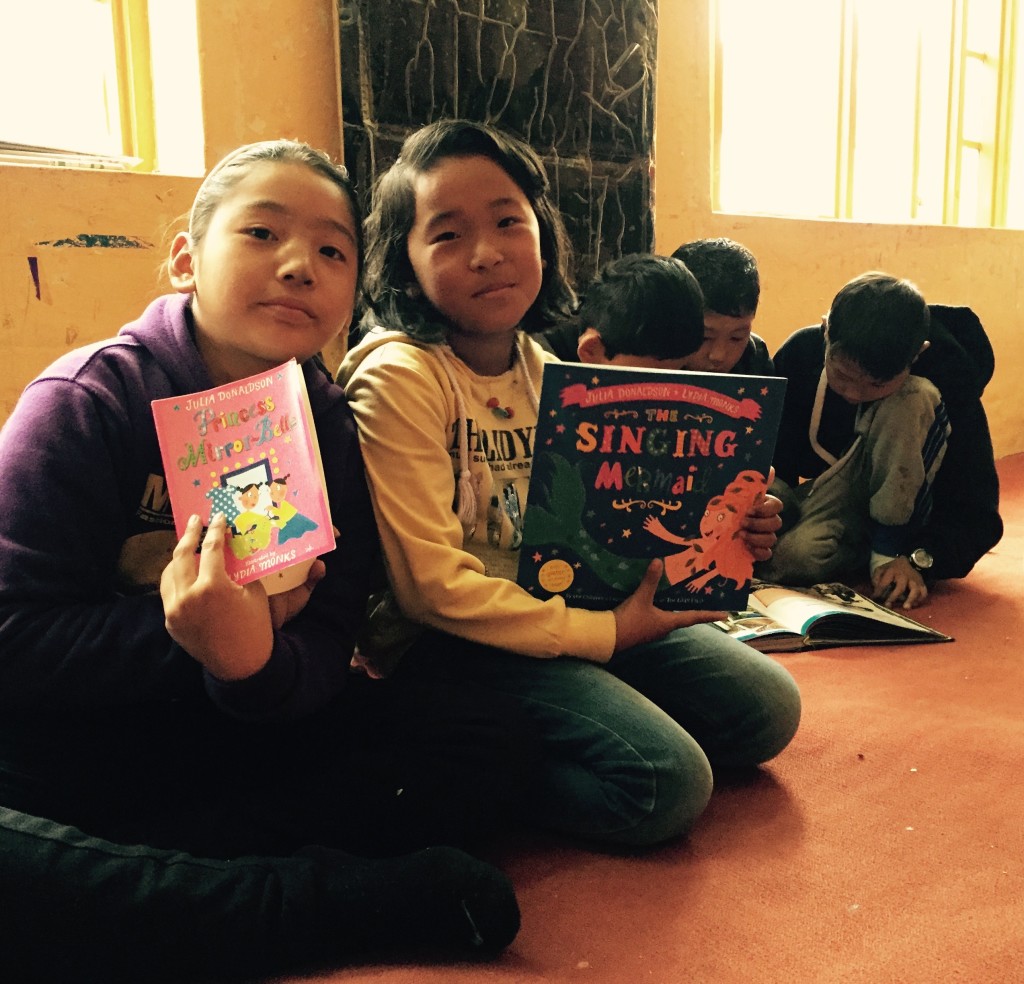
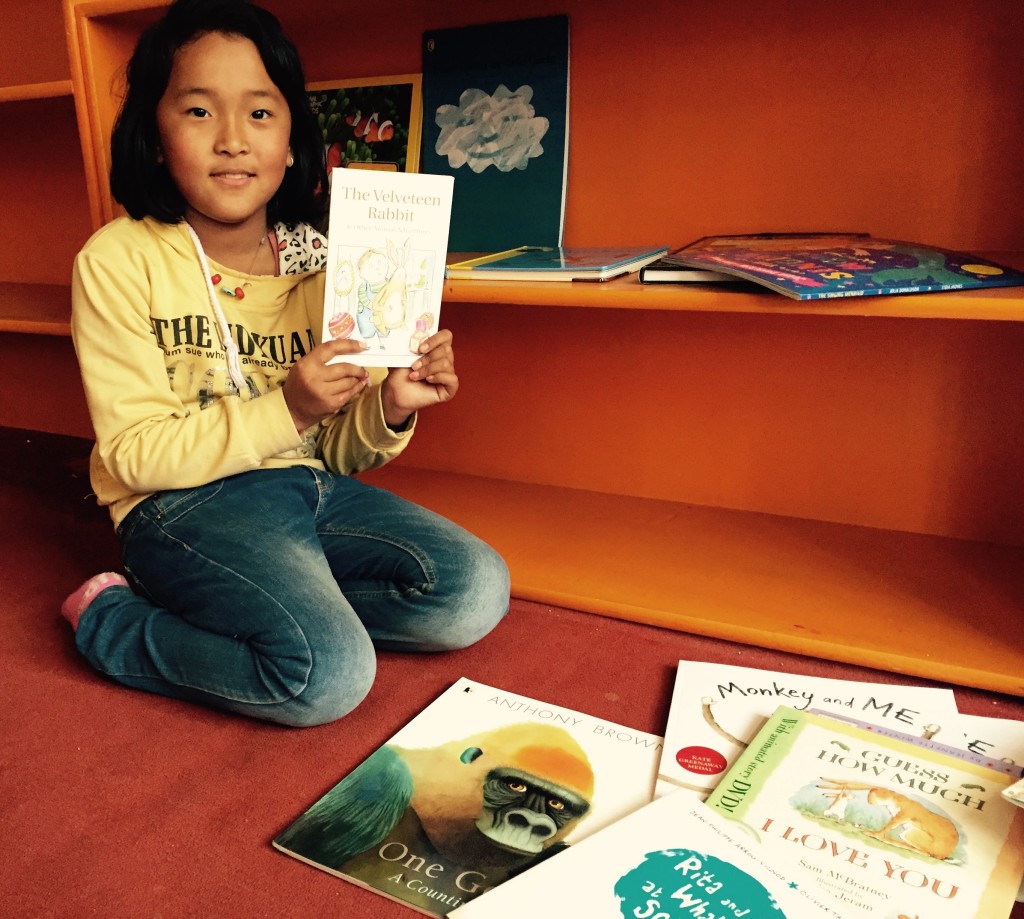
This experience supports literacy as much as science. Children can read simple astronomy books, write descriptions, label diagrams and explain an observation to a younger classmate. In a reading room, the telescope becomes a reason to choose a book. In an art session, it can inspire Moon paintings, constellation maps or illustrations of imagined journeys through space.
Local knowledge can sit respectfully beside formal astronomy. Himalayan communities have their own stories, seasonal observations and relationships with the night sky. Teachers can invite elders to share these traditions while introducing concepts such as lunar phases and planetary motion. This approach avoids treating science as a replacement for culture; instead, it gives children several ways to interpret and value the sky.
A Shared Instrument Builds Community
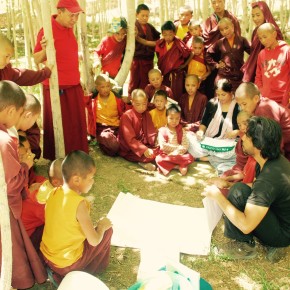
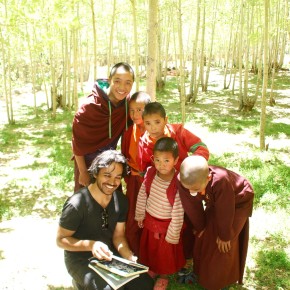
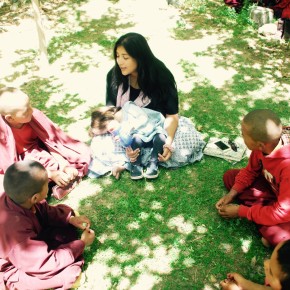
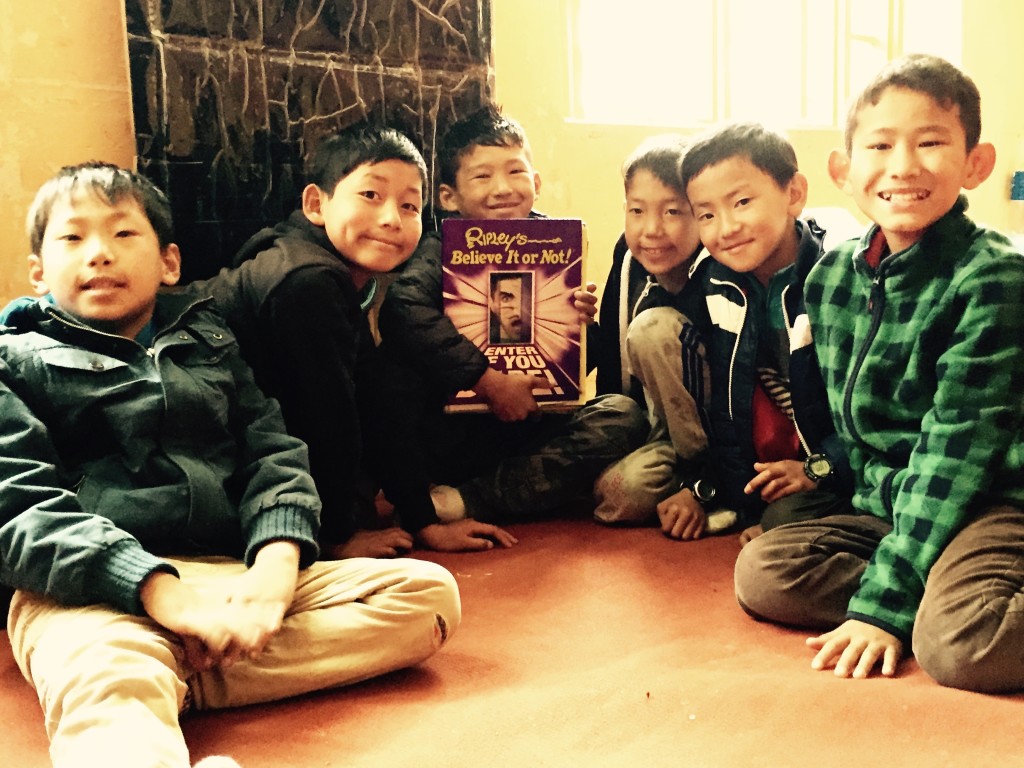
Because a telescope is communal equipment, it naturally encourages cooperation. Someone must carry it carefully, another person may adjust the focus, and a third can record what the group sees. Students practise turn-taking and responsibility. A young monk, school student or volunteer who learns the basic controls can later help others, creating a small chain of peer teaching.
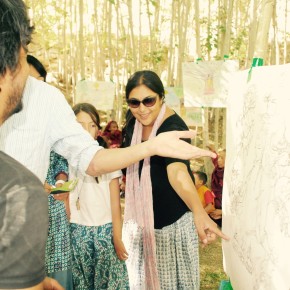
A village astronomy evening can also bring families into an educational space. Parents may watch children explain why the Moon looks different from night to night. Community members who cannot read confidently can still participate in observation and conversation. This makes the telescope a bridge between classroom learning and shared village life.
There are practical limitations. Dust, cold temperatures, rough roads and a lack of secure storage can damage delicate equipment. Cloud cover may interrupt planned sessions, and batteries or replacement eyepieces may be difficult to obtain. A responsible donation therefore includes a sturdy case, clear instructions, basic maintenance and training for at least two local adults.
Australian supporters understand the value of this planning through local experience. A school astronomy club in regional Victoria may rely on a dark-sky excursion, while a Sydney school must manage heavy light pollution. In both places, teachers learn that equipment works best when lessons, supervision and storage are prepared in advance.
Supporting a Sustainable Learning Habit
A telescope should be treated as the beginning of a learning programme rather than a one-off presentation. A volunteer or teacher can prepare a seasonal observation calendar, linking the Moon and visible planets to reading assignments, art projects and simple science experiments. Even a short session after school, or an informal “arvo” gathering before sunset, can become part of a regular rhythm.
For donors in Australia, a small contribution can support more than the instrument itself. Funds may cover transport, protective storage, translated learning materials, teacher training or replacement parts. Australian community groups often raise money through school fetes, local service clubs and workplace giving, while families may prefer a transparent contribution that shows exactly how resources will be used.
Useful priorities include:
- Choose a robust beginner telescope with simple controls and dependable optics.
- Provide a weather-resistant case, cleaning materials and a basic maintenance guide.
- Train local teachers, volunteers or older students to set up and pack away the instrument.
- Pair observations with age-appropriate books, drawing tasks and science journals.
- Create a shared record of sightings so children can compare observations over time.
- Plan sessions around seasonal weather, local customs and safe evening travel.
The strongest programme also measures learning in simple ways. Teachers can collect student drawings, observation notes and questions before and after several sessions. They might record how many children can explain lunar phases, identify a planet or use new scientific terms. These small signs show whether the telescope is becoming part of everyday learning rather than remaining an exciting object in a cupboard.
From First Light to Lasting Learning
The difference between having no telescope and having one is not simply visual. It affects the type of questions children ask, the confidence with which they speak and the range of activities a teacher can offer. The comparison below shows how one instrument can extend an existing village education programme.
| Learning area |
Without regular telescope access |
With a shared telescope |
| Astronomy |
Images and explanations mainly come from books |
Children observe the Moon, planets and bright objects directly |
| Science inquiry |
Questions may remain theoretical |
Students make predictions, observe, record and compare |
| Literacy |
Reading is separated from practical experience |
Astronomy books support journals, reports and vocabulary |
| Collaboration |
Group work centres on classroom materials |
Students share roles in setup, focusing and note-taking |
| Community involvement |
Learning may stay within school hours |
Families and local mentors can join observation evenings |
| Long-term confidence |
Science can seem distant or abstract |
Children see themselves as capable observers and learners |
A telescope cannot replace trained teachers, reliable books or safe learning spaces. Its value depends on the people who use it and the educational setting around it. When connected with a reading room, creative activities and patient guidance, the instrument becomes a durable teaching tool rather than a single memorable spectacle.
The practical takeaway is straightforward: donate the telescope, then build the habits that give it purpose—regular observation, careful recording, shared responsibility and a nearby shelf of good science books.