A Simple Board Game, A Bigger Path to Mathematical Confidence
In a rural classroom, a board game can look like a modest addition to the school day: a paper path, a handful of counters, and a die made from cardboard. Yet this kind of activity can create valuable opportunities for children to practise counting, addition, subtraction, estimation, and strategic thinking in a relaxed setting.
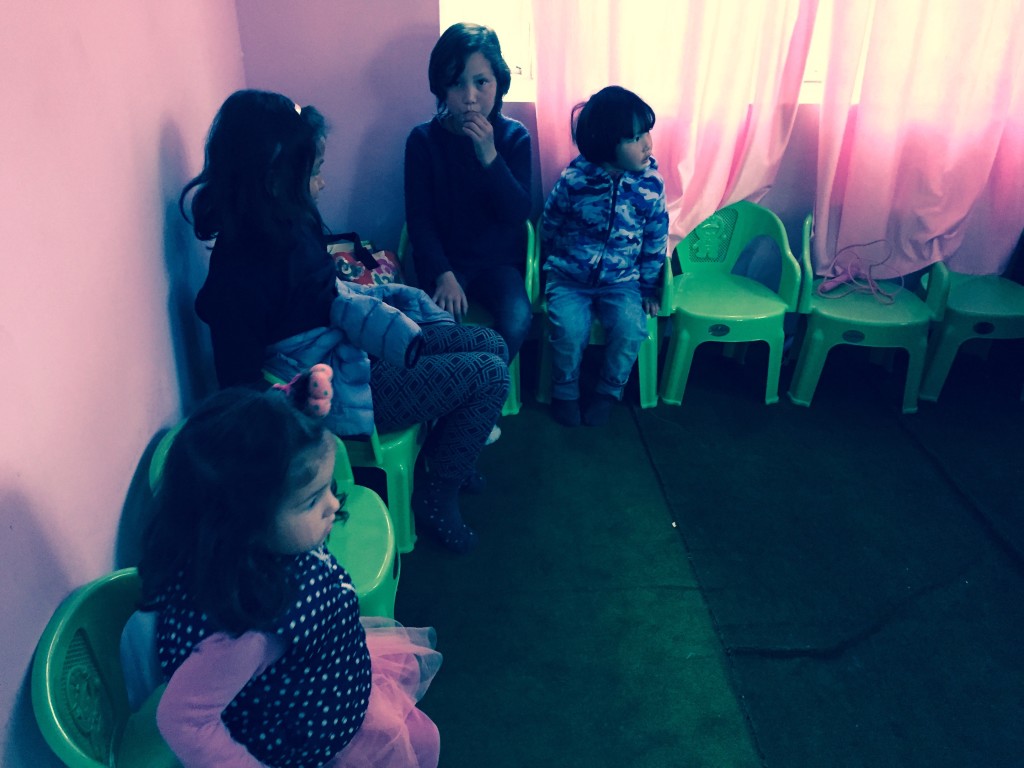
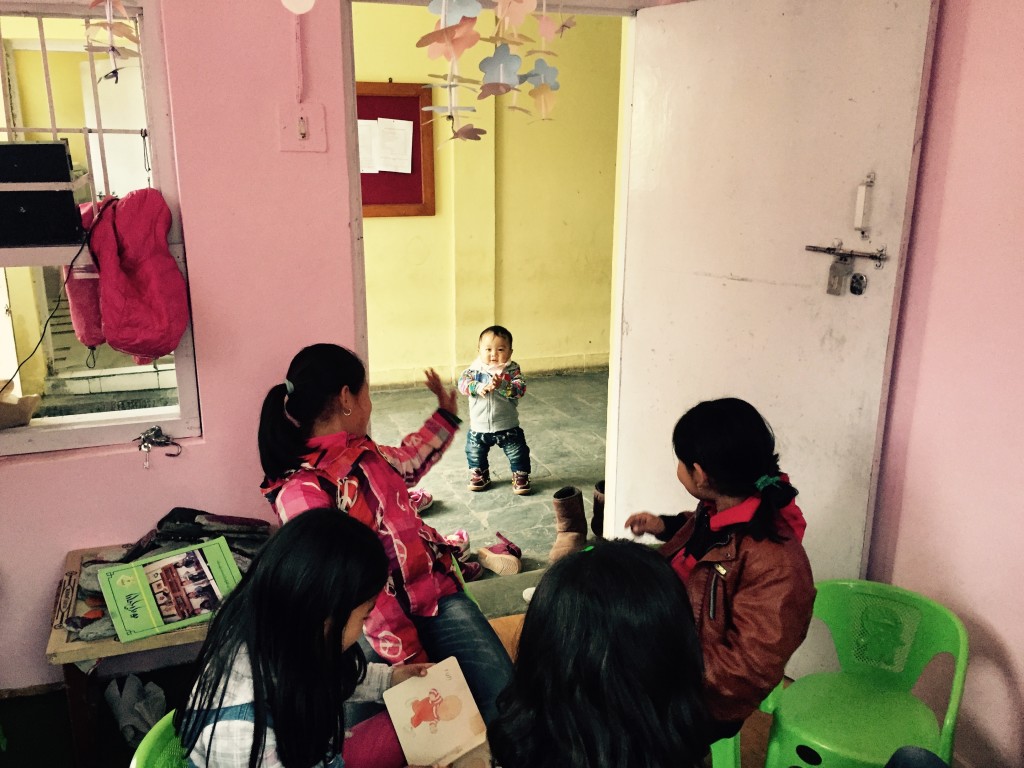
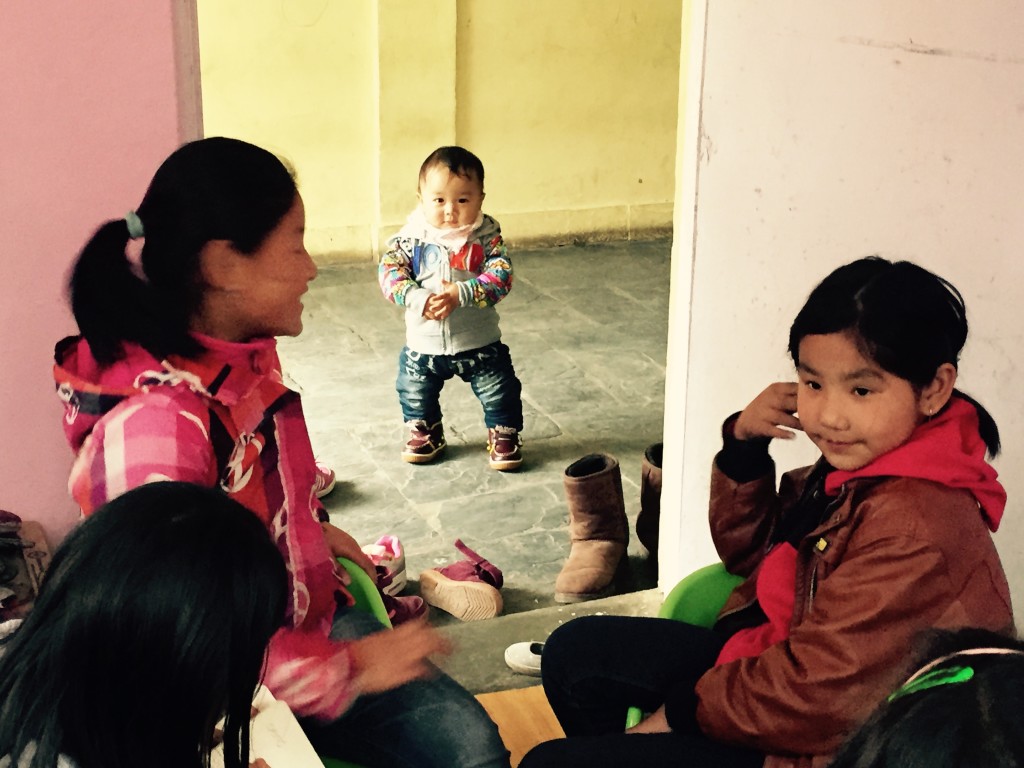
For schools in the Himalayan region, where teaching materials may be limited and classrooms may include children of different ages, a carefully designed math game offers flexibility. It can be used by a teacher, a volunteer, or a small group of learners working together. The equipment is inexpensive, portable, and easy to repair or recreate locally.
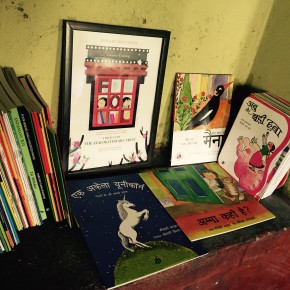
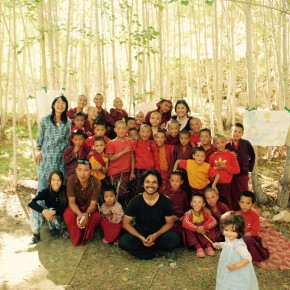
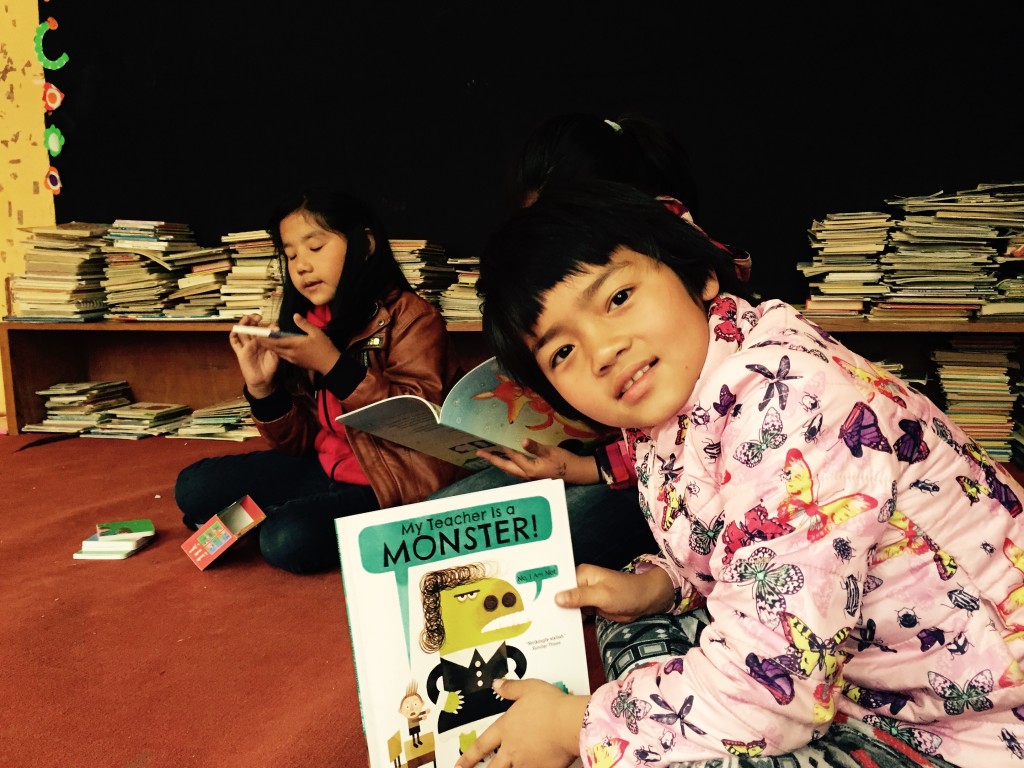
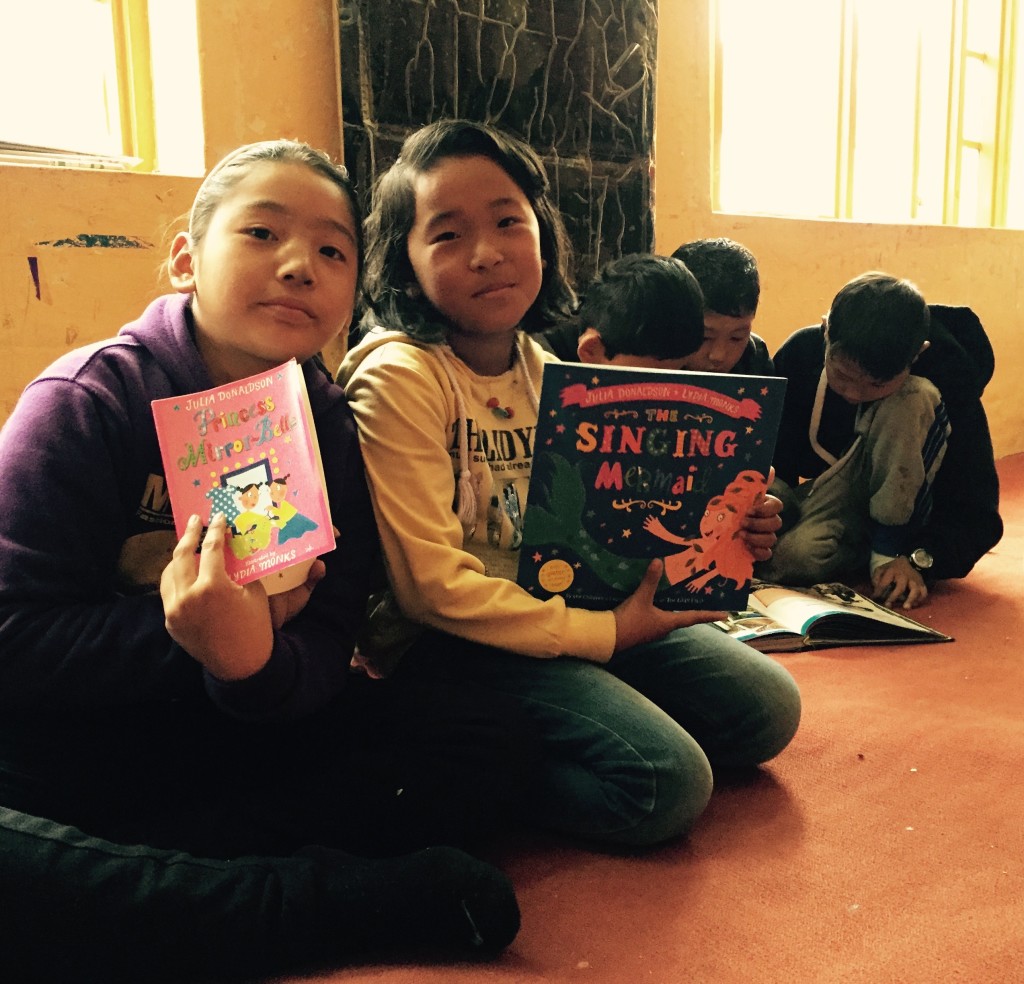
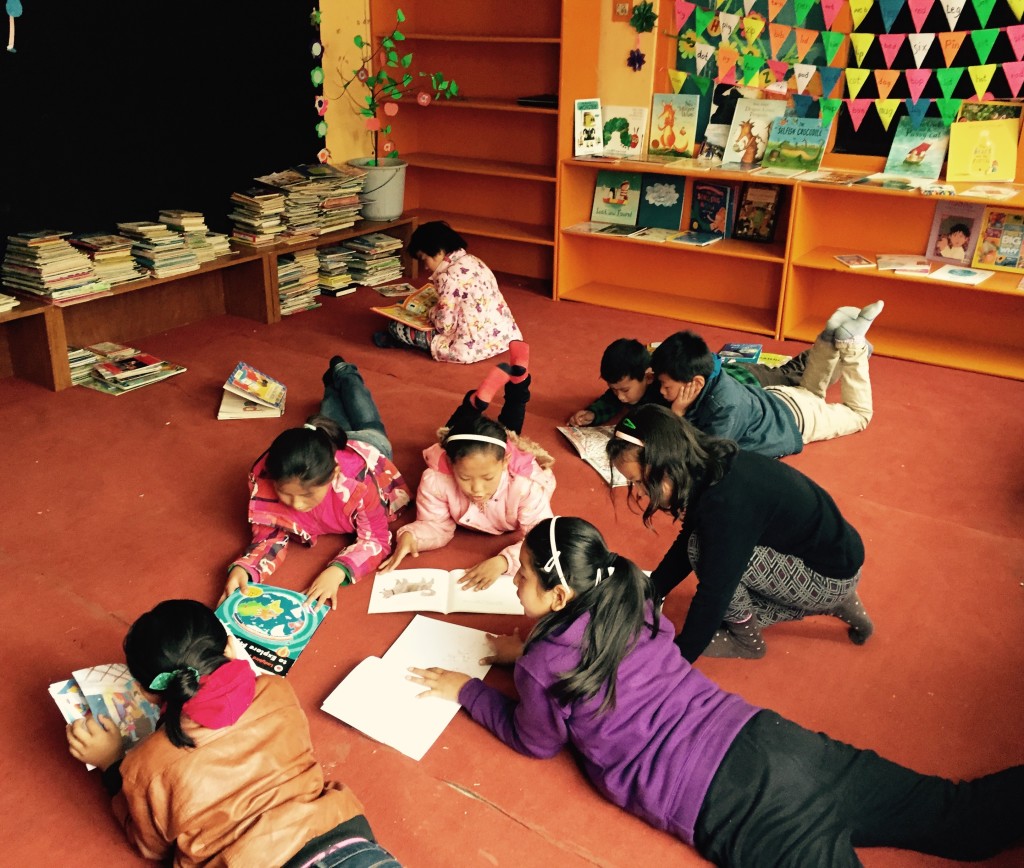
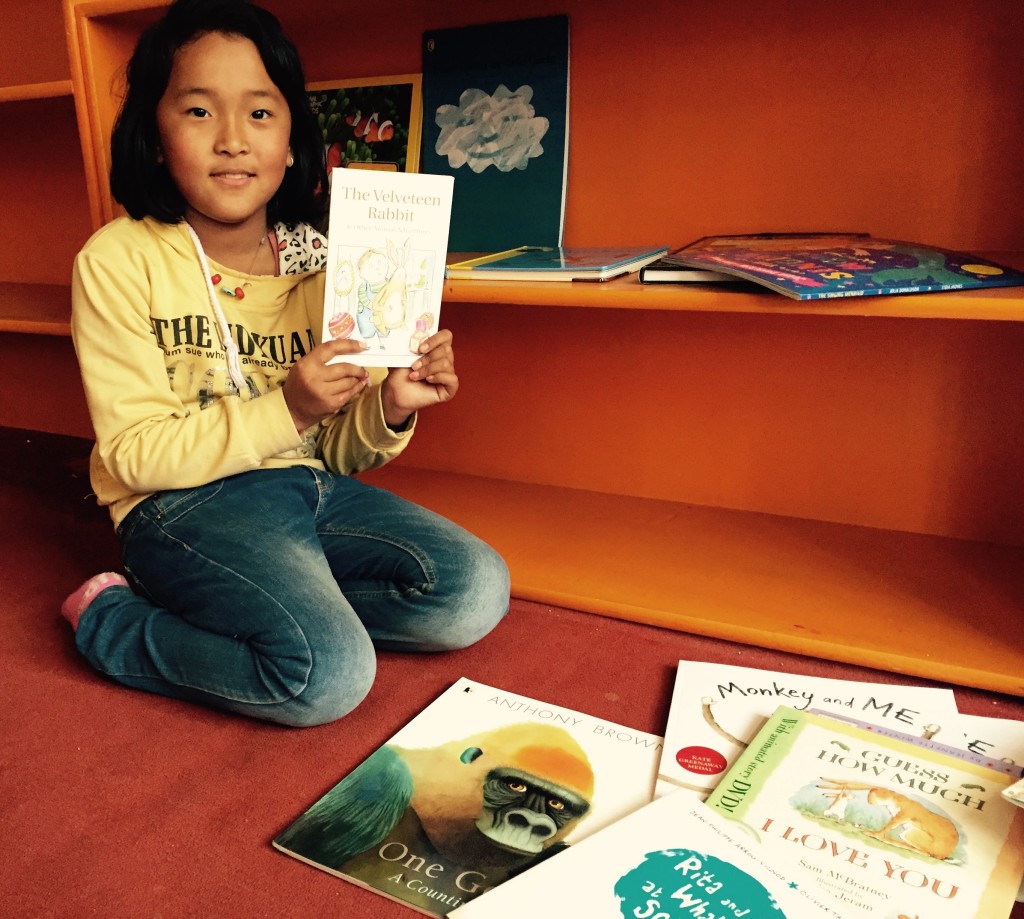
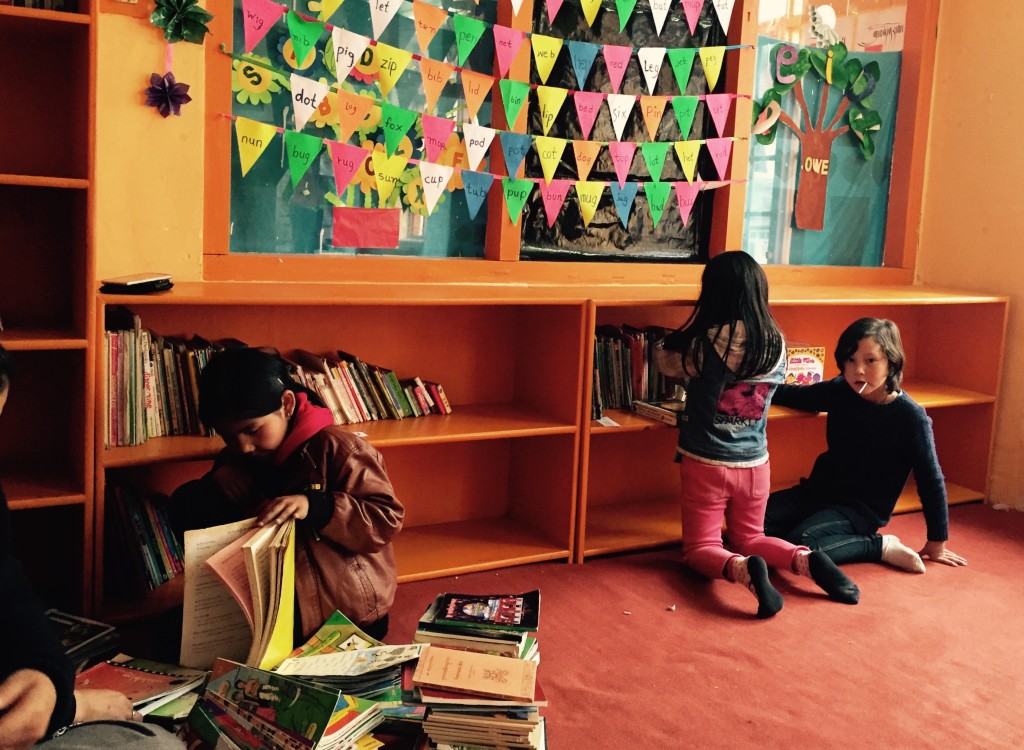
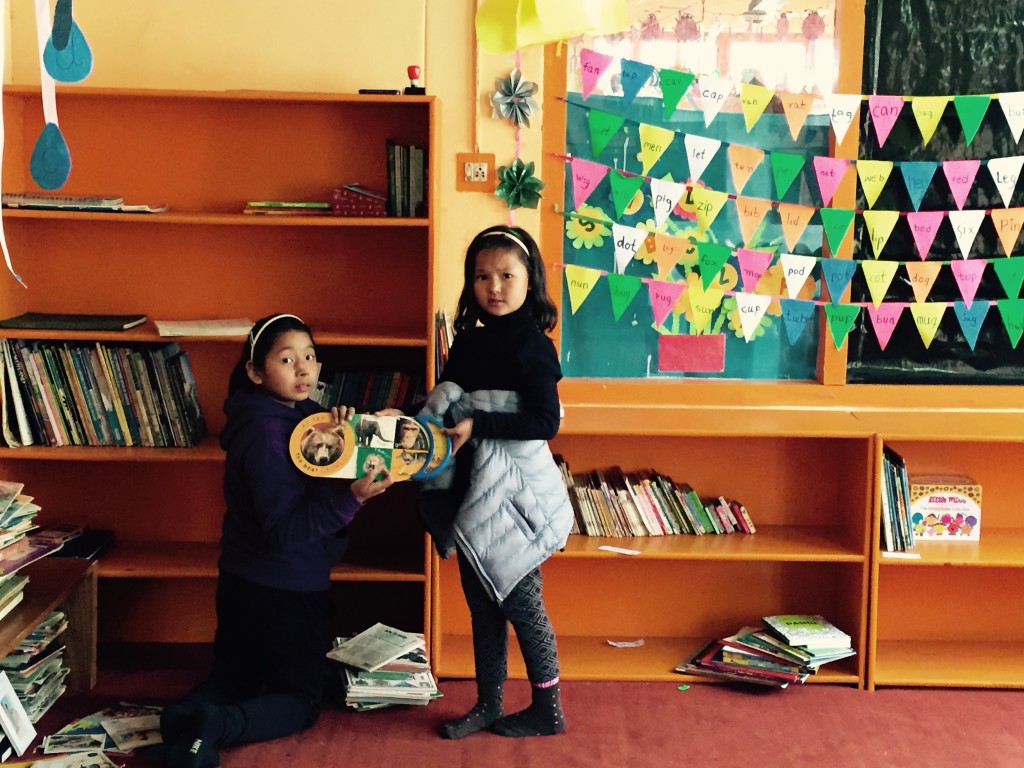
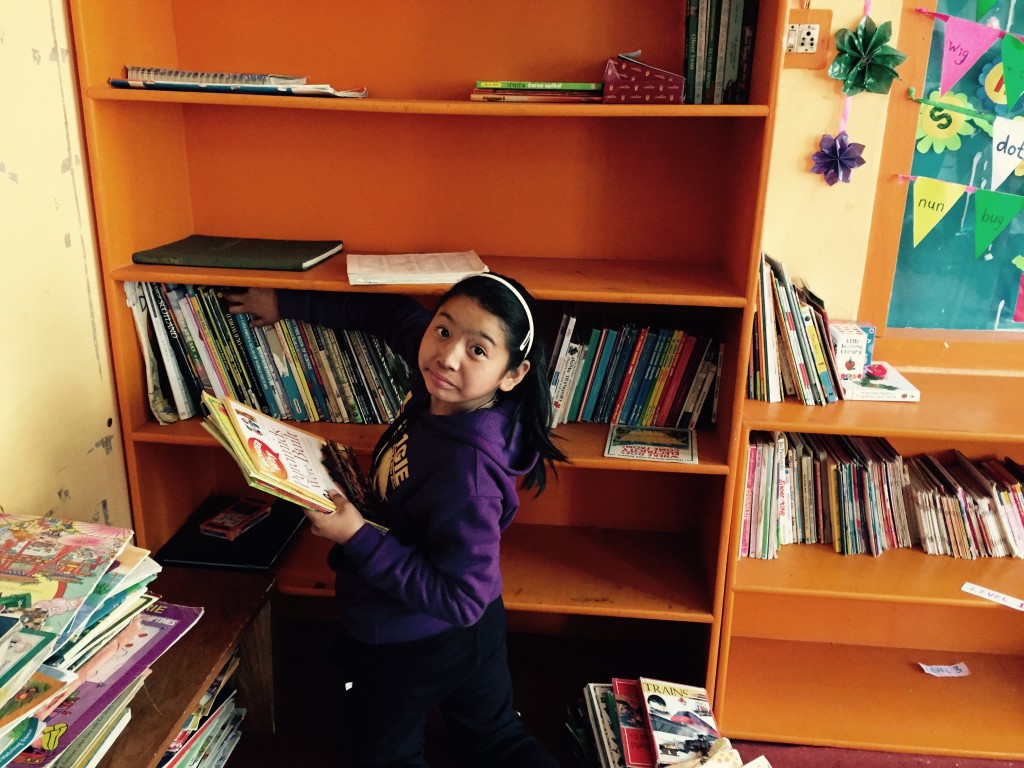
Avalokiteśvara Trust supports reading rooms, book collections, and creative learning activities for children and young monks. Alongside stories, art, music, and access to quality books, playful numeracy activities can help learners build the confidence they need to engage with mathematics every day.
Why play belongs in mathematics lessons
Many children understand a mathematical idea more securely when they can see and handle it. Moving a counter along a numbered path gives physical meaning to quantity. Counting spaces reinforces one-to-one correspondence, while comparing positions introduces ideas such as greater than, less than, and equal to.
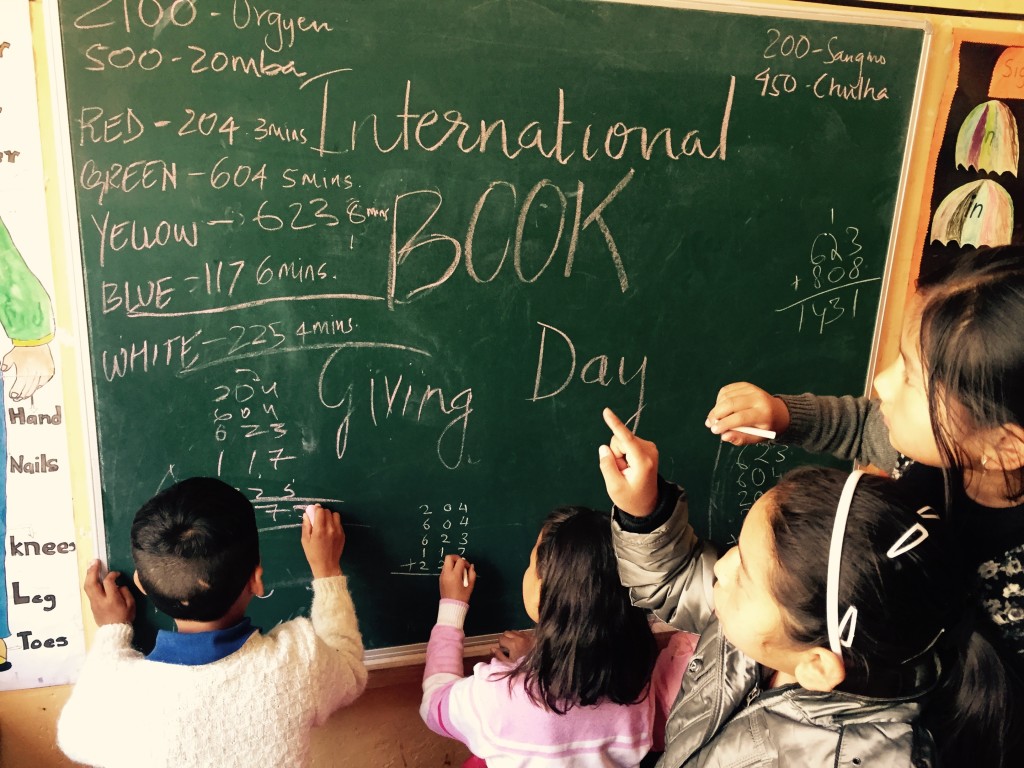
A board game also gives children repeated practice without making every exercise feel like a test. In a conventional worksheet, a learner may solve a problem once and move on. During a game, the same child may count, add, subtract, estimate, and check an answer several times within a short period.
This repetition supports number sense and arithmetic fluency. It can be particularly useful for learners who are hesitant to answer aloud. A playful environment lowers the fear of making a mistake, allowing children to explain their reasoning and try again.
How a simple game builds number sense
A basic game can use a numbered track from one to fifty, a die, and counters made from stones, bottle caps, or scraps of wood. Players roll, identify the number shown, and move that many spaces. The teacher can then add a question: “You are on twelve and move five spaces. Where will you land?”
As children become familiar with the rules, the activity can include addition and subtraction cards. A card might ask a player to move forward three spaces, return two spaces, or find the difference between two numbers. Older students can multiply the die result, work with place value, or calculate how many points are needed to reach a target.
The game can also develop mental math and estimation. Before moving a counter, a child can predict its destination. After the move, the group checks the result together. This small routine encourages learners to connect calculation with visual evidence rather than relying on memorized answers alone.
Social learning and confidence at the table
Board games create a natural setting for collaborative learning. Children take turns, listen to instructions, explain calculations, and observe how classmates approach a problem. These social habits are important in mixed-age classrooms, where a confident older learner can model a strategy for a younger child.
The teacher can use play to notice misconceptions that may remain hidden in written work. A child who counts every space individually may need support with grouping or mental addition. Another learner may understand the calculation but struggle to read the numerals. These observations provide useful formative assessment without interrupting the flow of the activity.
Games also give mathematics an emotional dimension. Winning is enjoyable, but the larger benefit comes from seeing a difficult task become manageable. When children experience a correct answer as part of a shared activity, mathematics can feel less distant and less connected to fear of public failure.
What teachers can observe through gameplay
The value of a math board game is easier to understand when teachers look beyond the final score. Progress may appear in the way a child counts, explains a move, checks another player’s answer, or changes strategy after a mistake.
The following indicators can help educators record changes over several sessions:
| Skill area |
What the game can reveal |
Possible next step |
| Counting and quantity |
Whether a learner matches one count to one space |
Use shorter number tracks and physical objects |
| Addition and subtraction |
Whether the child counts on, counts back, or recalls facts |
Introduce number lines and simple challenge cards |
| Place value |
Whether two-digit numbers are read and compared correctly |
Add tens-and-ones cards |
| Estimation |
Whether the learner can predict a landing space |
Ask for an estimate before every move |
| Communication |
Whether the child explains a calculation clearly |
Invite players to describe their strategy |
| Cooperation |
Whether learners take turns and support peers |
Assign rotating roles such as reader or checker |
These observations can guide lesson planning. If several children struggle with counting backward, the teacher can add return spaces and practice subtraction through movement. If learners solve calculations accurately but cannot explain them, the teacher can include a “show your thinking” rule.
The game should remain adaptable rather than becoming another rigid exercise. A group working on basic numeracy may need a short track and large numerals. A more advanced group can use fractions, multiplication, money, measurement, or simple word problems. The same board can therefore serve several levels.
Designing a game for rural classrooms
A successful classroom game does not need expensive printing or specialist equipment. A board can be drawn on reused cardboard, cloth, or a classroom floor. Counters can be made from smooth pebbles, seeds, wooden pieces, or colored paper. Clear symbols and large numerals are more important than decorative design.
Local context can make the activity more meaningful. Number cards might include apples, barley, books, prayer flags, water containers, or distances between nearby places. Children are more likely to discuss a problem when its objects and situations are familiar. Using local languages alongside English can also make instructions accessible to every learner.
Rules should be brief enough for children to remember and flexible enough for teachers to adjust. One round might last ten minutes, making it suitable for a daily numeracy warm-up. A longer session can include teams, challenge cards, and a short reflection in which children describe one calculation they made.
Volunteers supporting schools through book drives or reading-room programs can help prepare durable materials and model games for teachers. The goal is to leave behind a resource that the school can use independently, rather than an activity that depends on visiting staff or imported supplies.
Making play part of school life
For learning gains to develop, the game needs regular use. A single afternoon can create excitement, but repeated sessions allow children to build speed, accuracy, and confidence. Ten or fifteen minutes several times a week may be more effective than an occasional extended workshop.
Teachers can rotate responsibilities so that every child participates in different ways. One learner may roll the die, another may read the card, and another may verify the calculation. These roles support communication and accountability while preventing the fastest student from controlling the whole game.
A short reflection after play can connect enjoyment with learning. Children might record a new number fact, draw a number line, or write one sentence describing how they solved a challenge. Combining oral explanation, movement, drawing, and writing helps reinforce the same concept through different forms of expression.
Practical ways to extend the activity
A small game can become a wider numeracy resource when teachers and supporters add new challenges gradually. The following approaches keep the activity affordable and responsive to learners’ needs:
- Use a number track for early counting, then add operation cards for addition and subtraction.
- Create paired cards that connect numerals with written number words and quantities.
- Ask children to estimate their landing place before moving a counter.
- Introduce local measurement, money, distance, or sharing problems for older learners.
- Invite students to design new cards, explain the rules, and test whether the game is fair.
The strongest games are shaped by the children who use them. Their questions can reveal which rules are confusing, which numbers need more practice, and which themes make mathematics memorable. Student-created cards also combine literacy, art, reasoning, and numeracy in one collaborative project.
For communities supported by Avalokiteśvara Trust, this approach fits naturally with broader educational work. A reading room can provide storybooks and reference materials, while a nearby learning space can offer hands-on mathematics, music, drawing, and discussion. Each activity strengthens a child’s sense that learning is active, shared, and connected to daily life.
A simple board game will not replace skilled teaching, textbooks, or consistent school support. It can, however, make scarce resources work harder. With a few durable materials and an attentive adult, children can practise essential math skills, learn from one another, and discover that a challenging problem is something they can approach with patience.
Support for books, learning materials, and educational programs helps rural children and young monks gain access to these opportunities. A donation, a book drive, or practical volunteer support can help place more tools for curiosity and confidence in the hands of learners across the Himalayan region.