Why Comfortable Reading Spaces Help Young Minds Grow
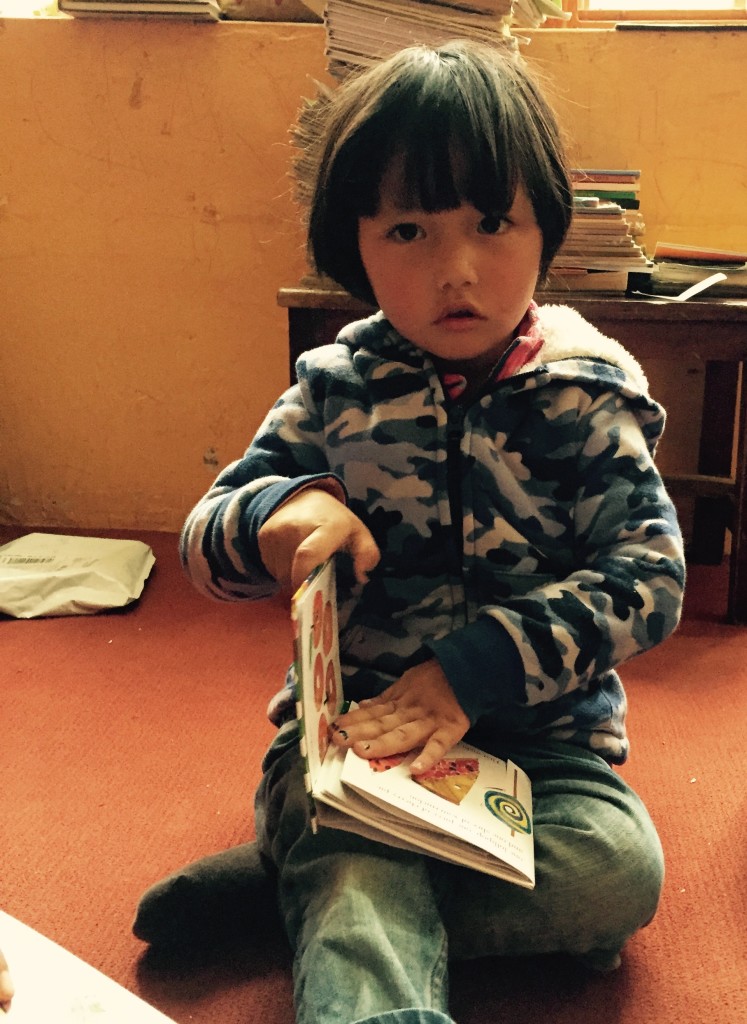
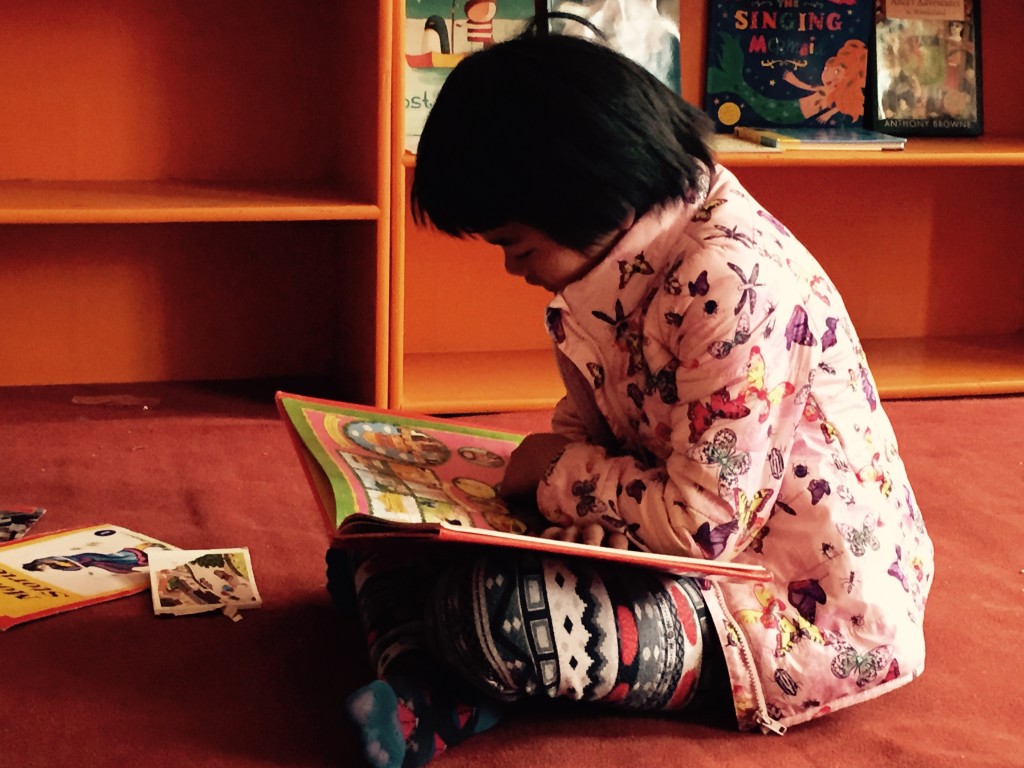
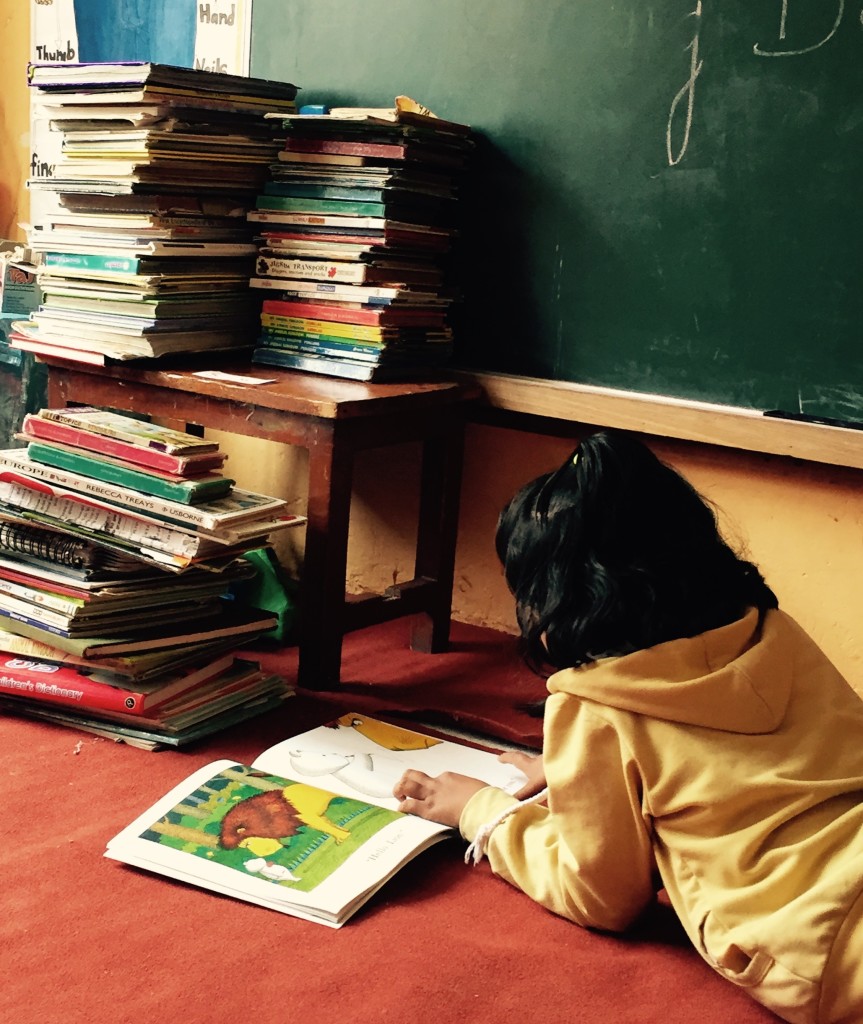
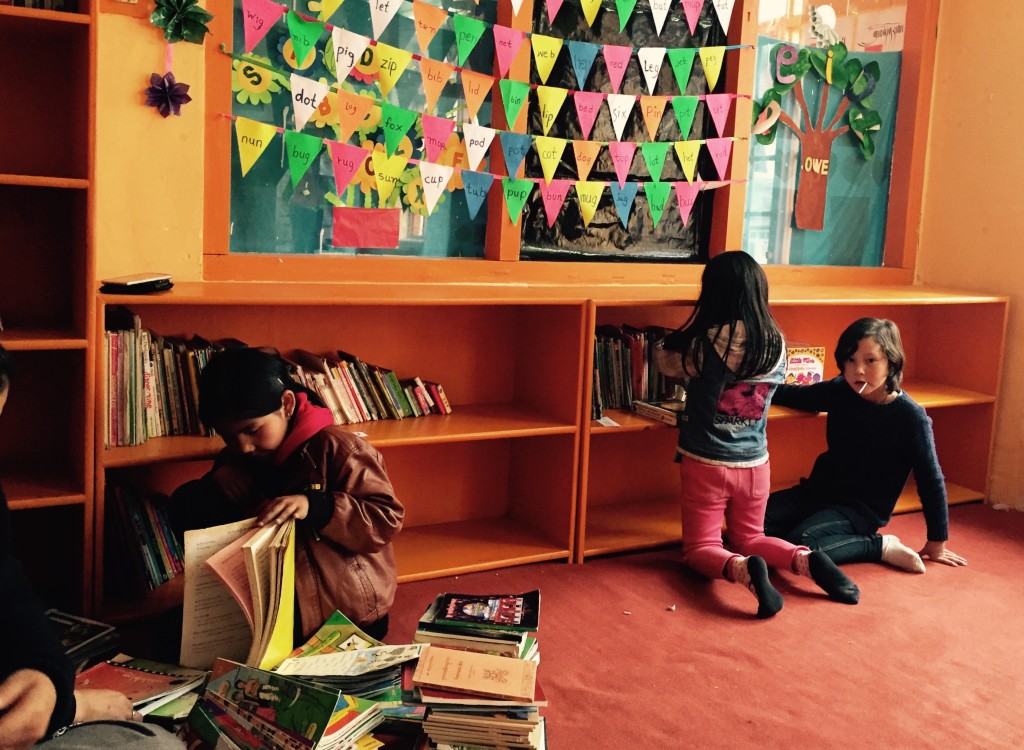
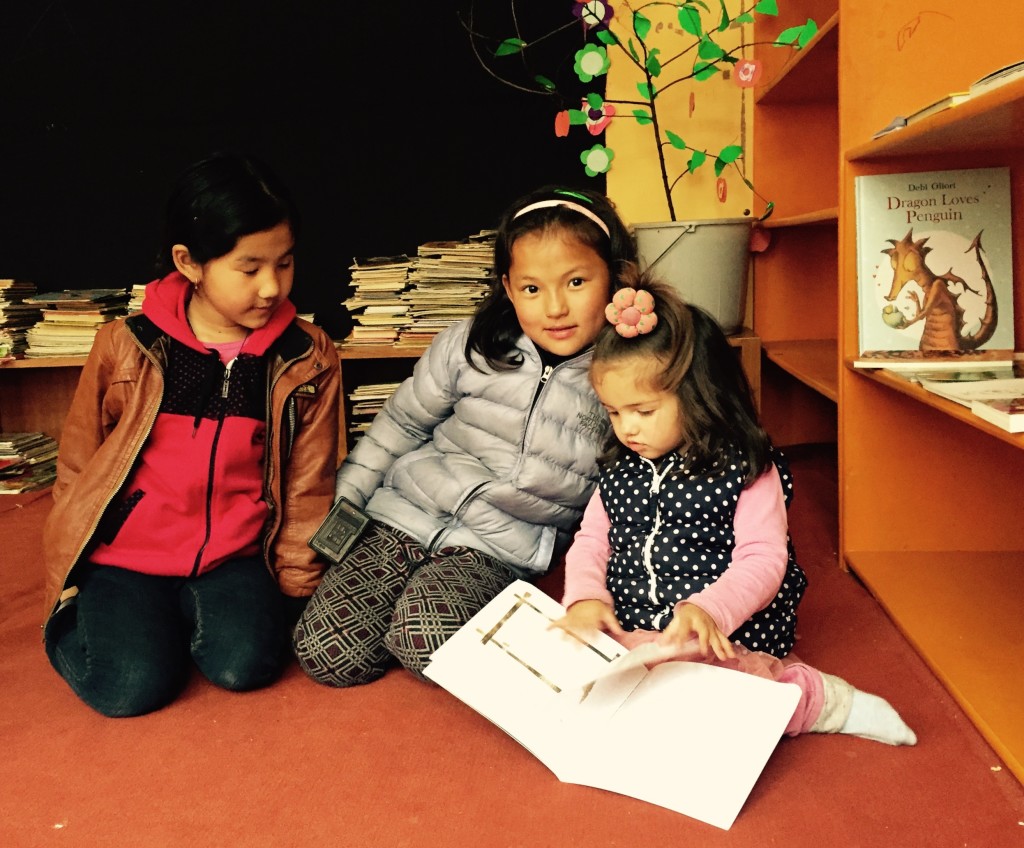
A reading room can look modest: a few shelves, a window, good light, and somewhere to sit. Yet for a child opening a book after school, the quality of that space shapes the whole experience. A hard floor, poor posture, cold air, or constant interruption can make reading feel like work before the first page has been turned.
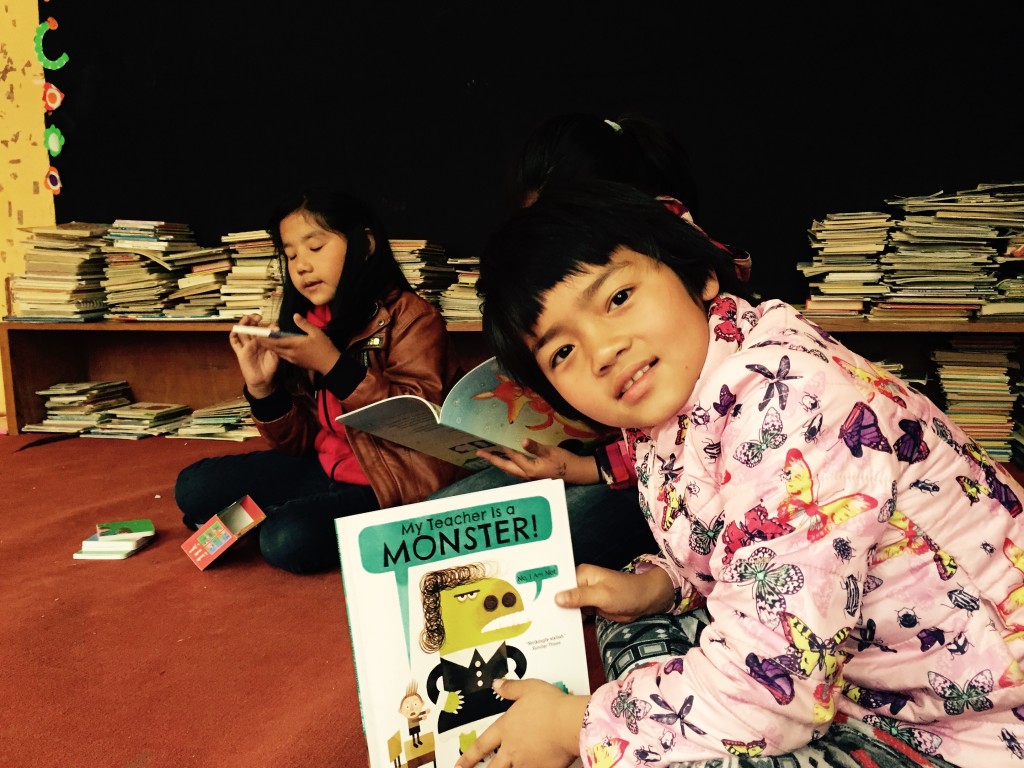
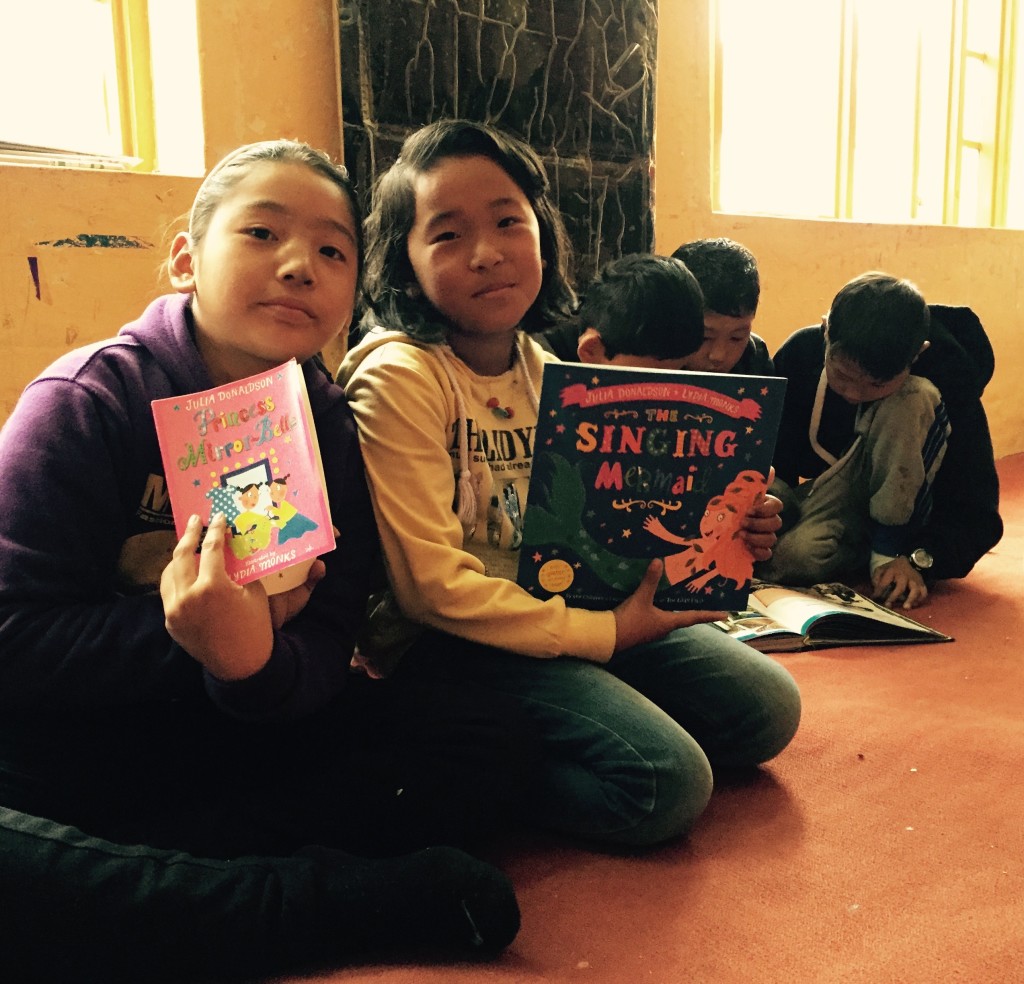
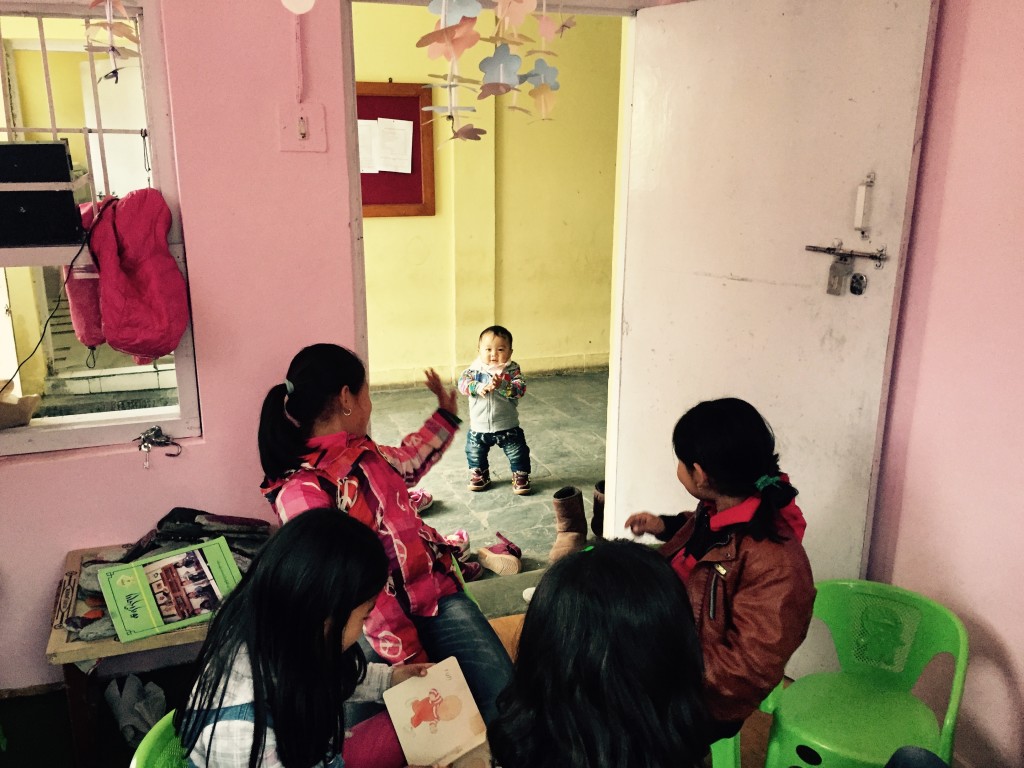
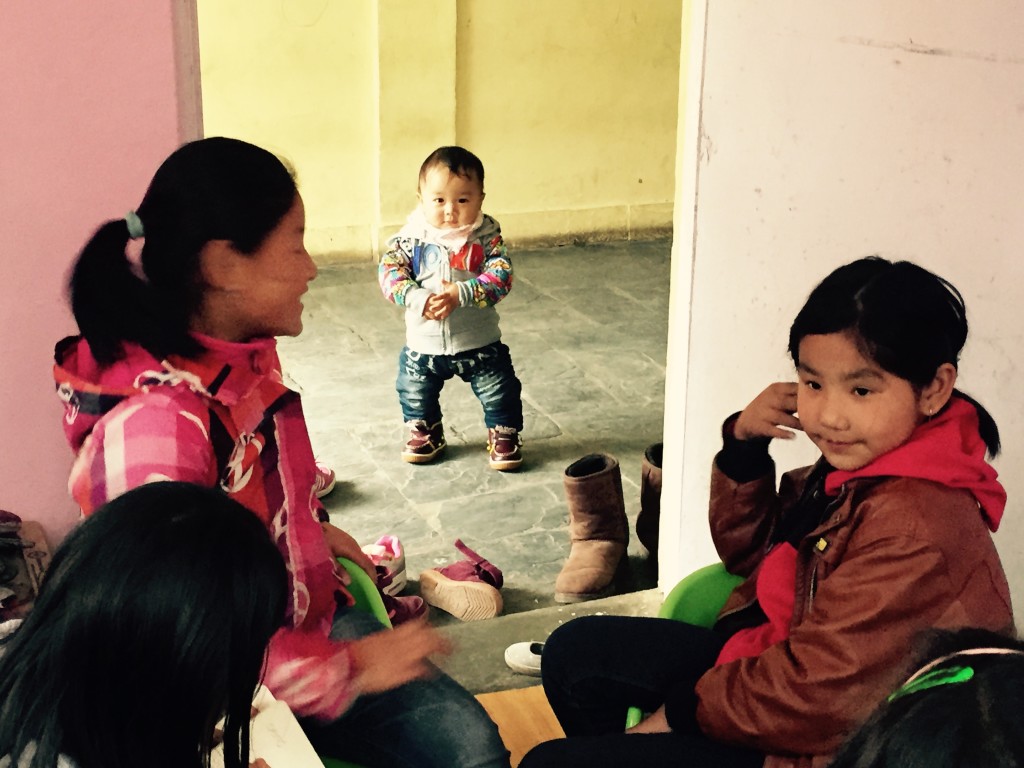
A soft cushion changes the invitation. It tells a child that learning deserves time, care, and physical comfort. In Himalayan communities, where access to books and quiet study areas may be limited, a welcoming corner can support literacy, imagination, concentration, and a lasting relationship with reading.
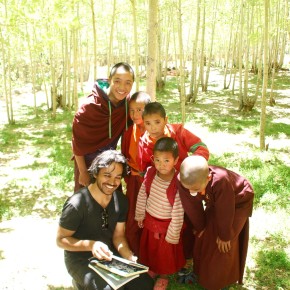
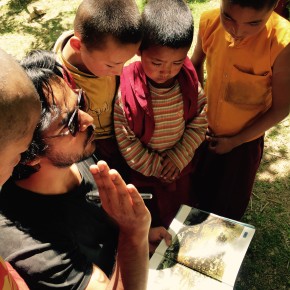
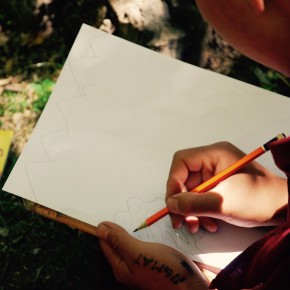
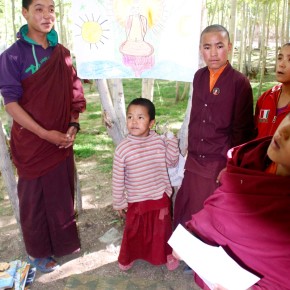
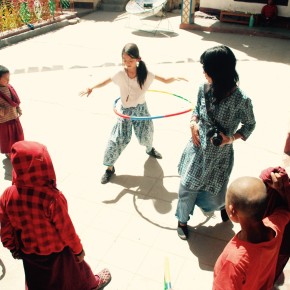
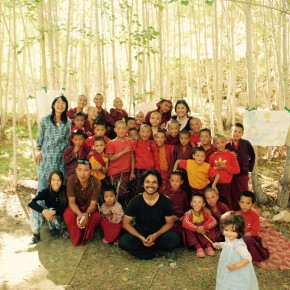
This is the purpose behind many community reading initiatives supported by Avalokiteśvara Trust. By creating spaces where children and young monks can explore books, art, music, and ideas, such projects make education feel accessible and human.
Comfort Helps Children Stay With A Book
Reading requires sustained attention, especially when a child is working through unfamiliar vocabulary or a long story. A comfortable cushion reduces the small physical complaints that interrupt this attention. When the back, hips, and legs are supported, children can remain in one place for longer without shifting constantly or abandoning the book.
Comfort does not mean creating a luxurious environment. It means removing avoidable barriers. A washable floor cushion, a low bench, or a padded mat can make a reading area more inviting while keeping it practical for shared use. The best choice depends on local materials, climate, cleaning routines, and the age of the readers.
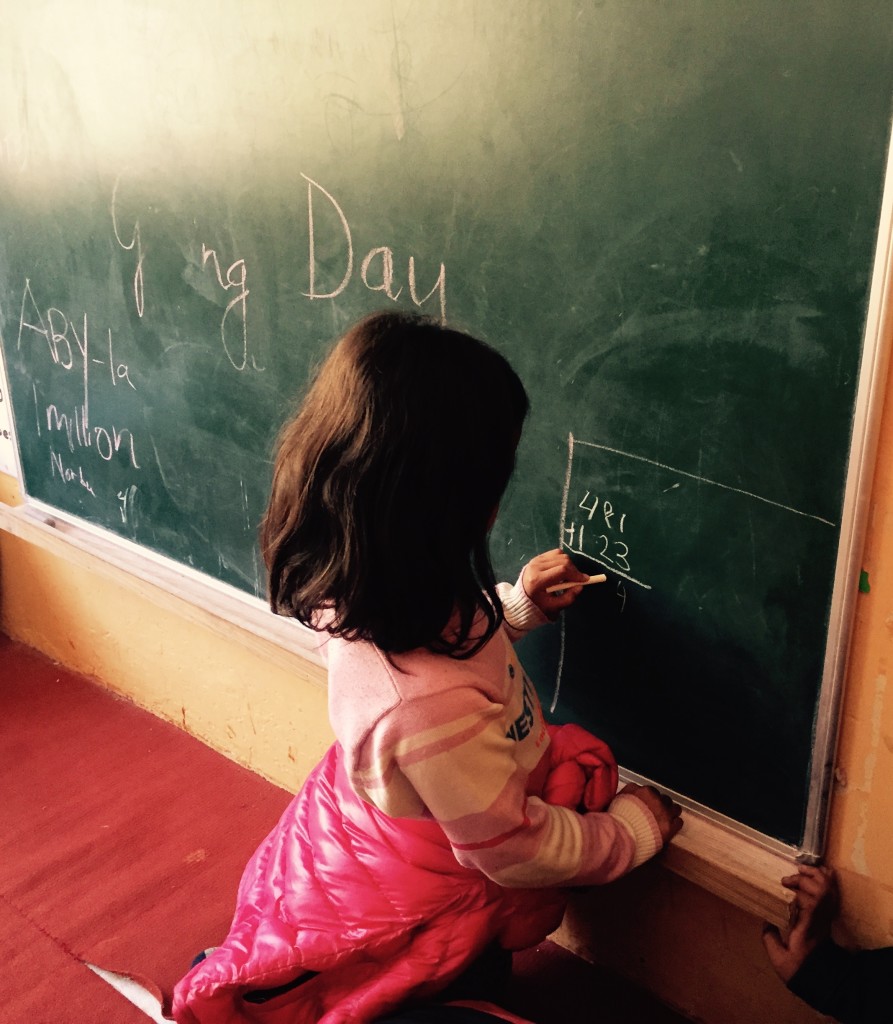
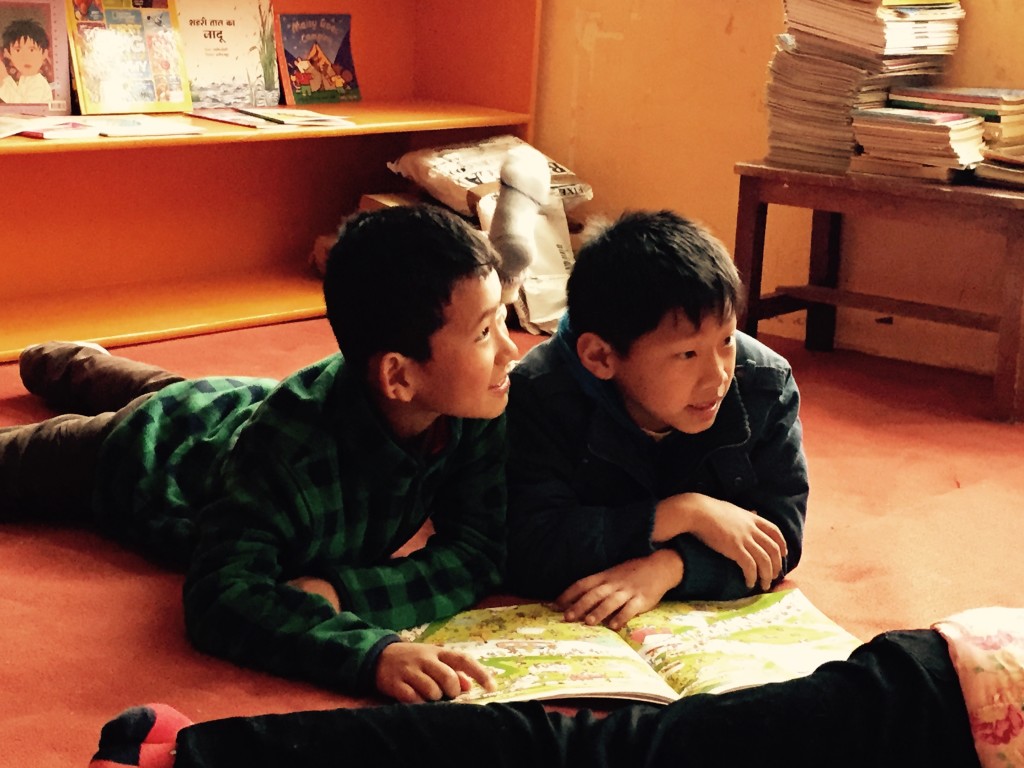
For younger children, the emotional effect matters as much as the physical one. A soft seat can make the reading room feel safe and friendly rather than formal or intimidating. That sense of welcome encourages children to browse independently, return to favorite stories, and ask for help when a passage is difficult.
The Setting Shapes Reading Habits
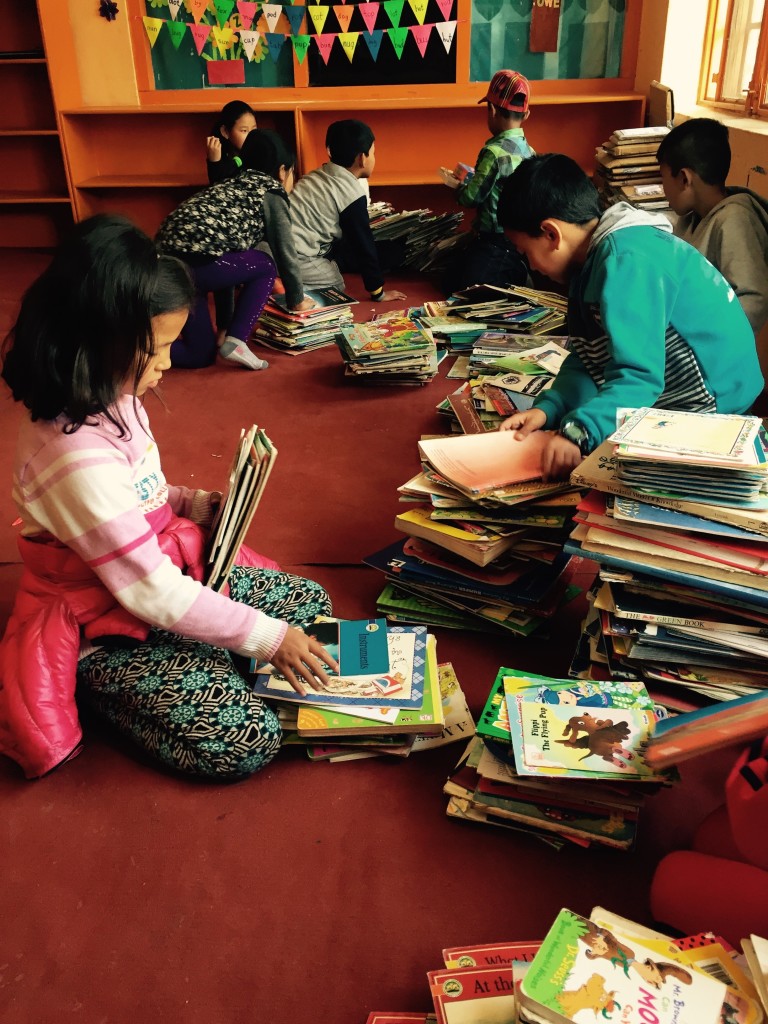
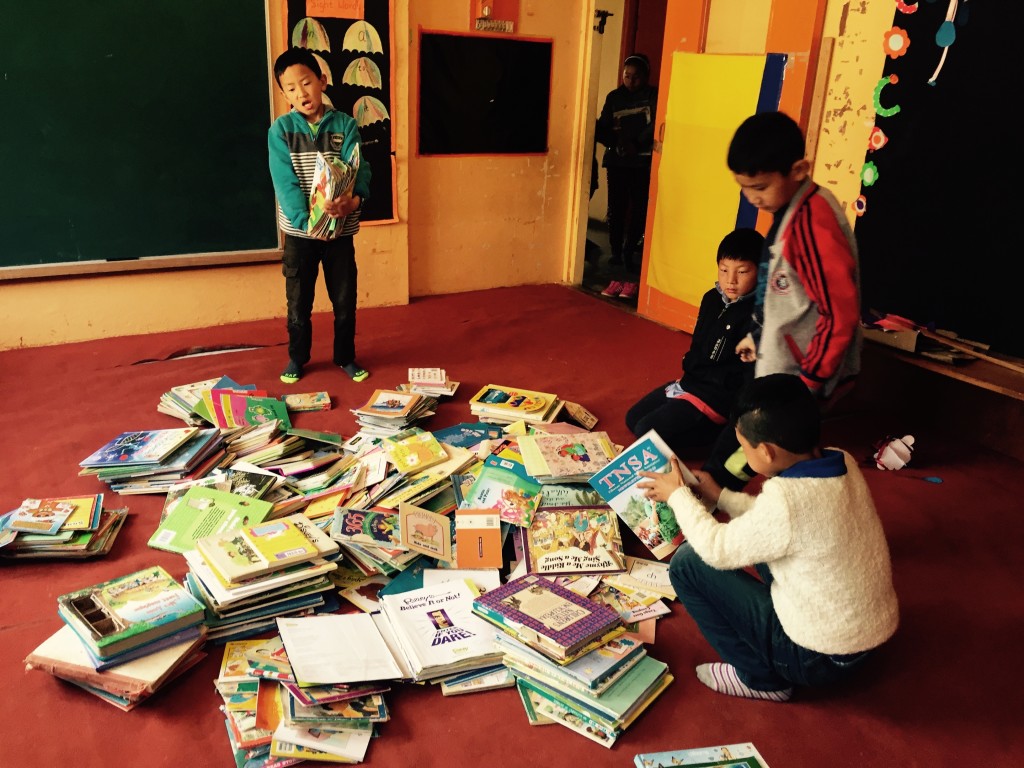
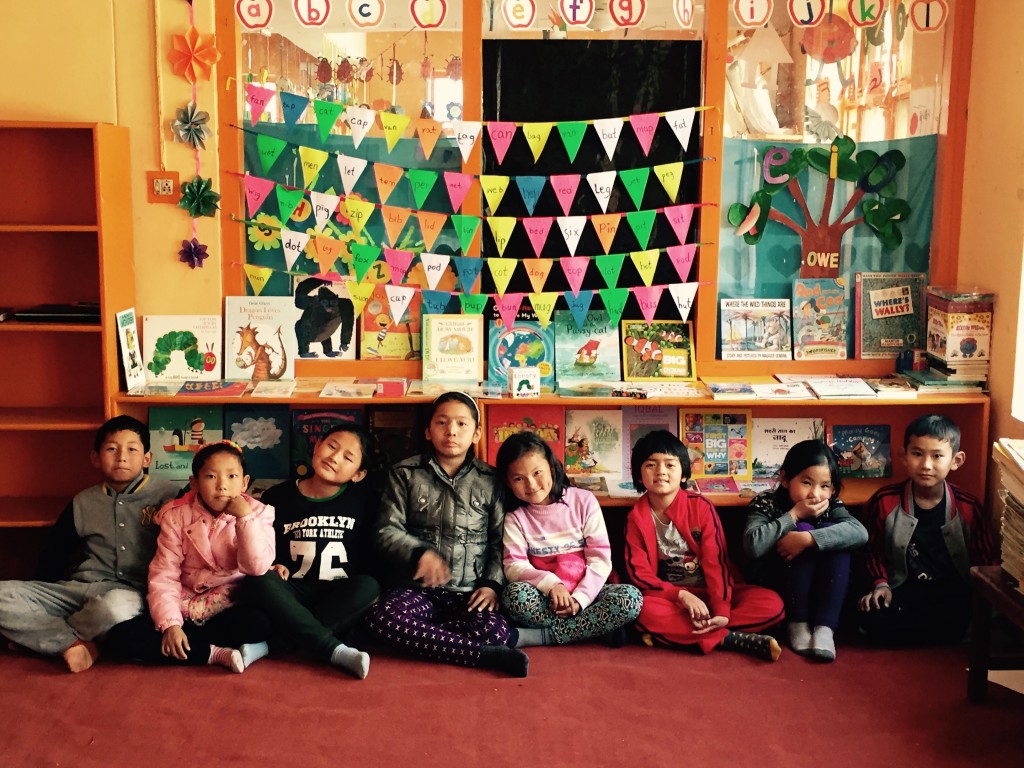
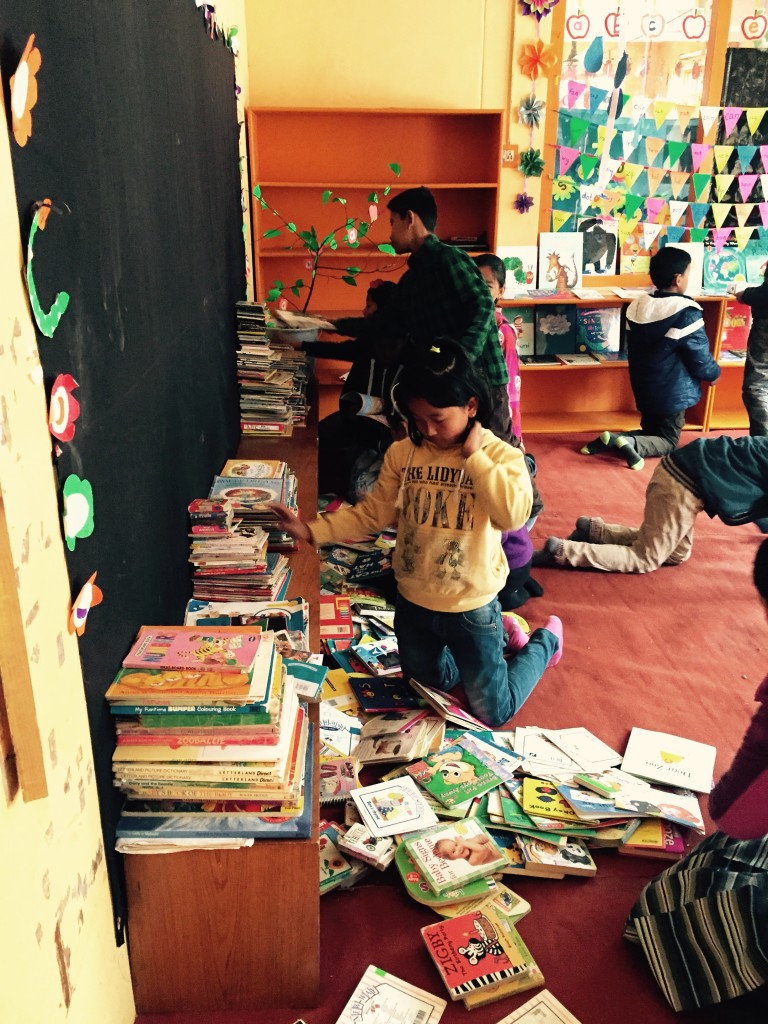
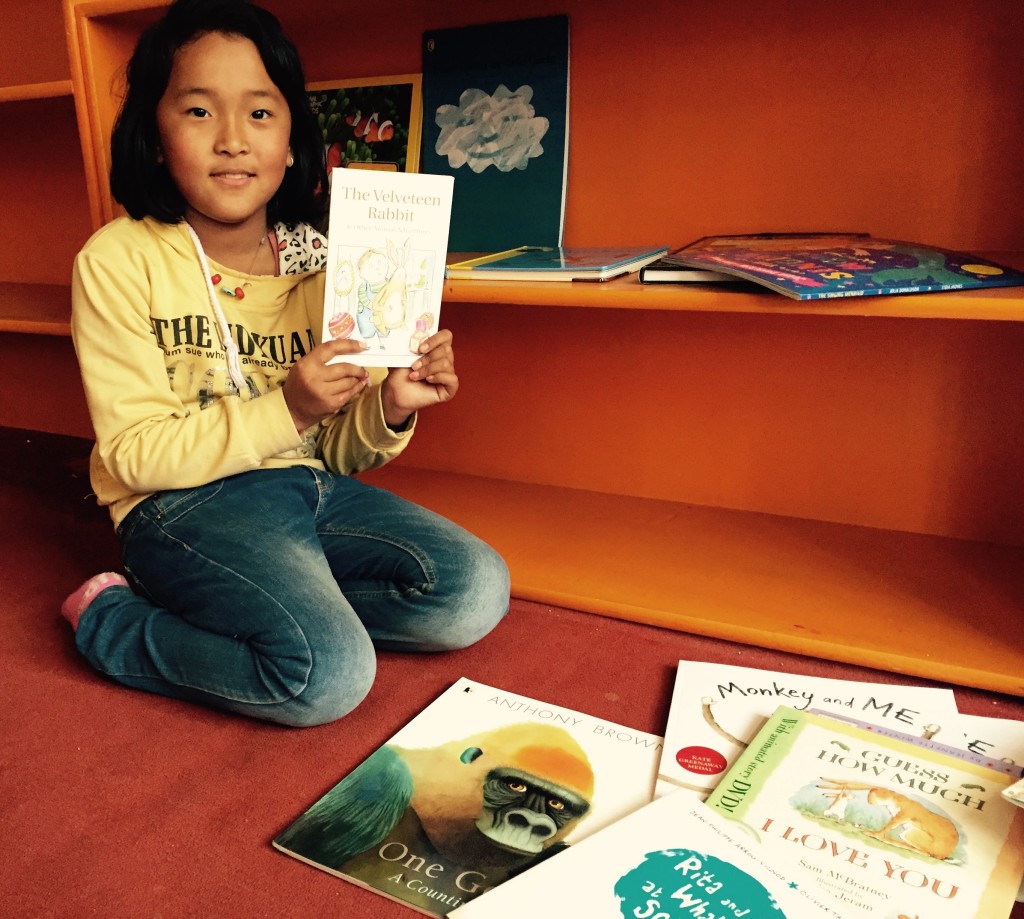
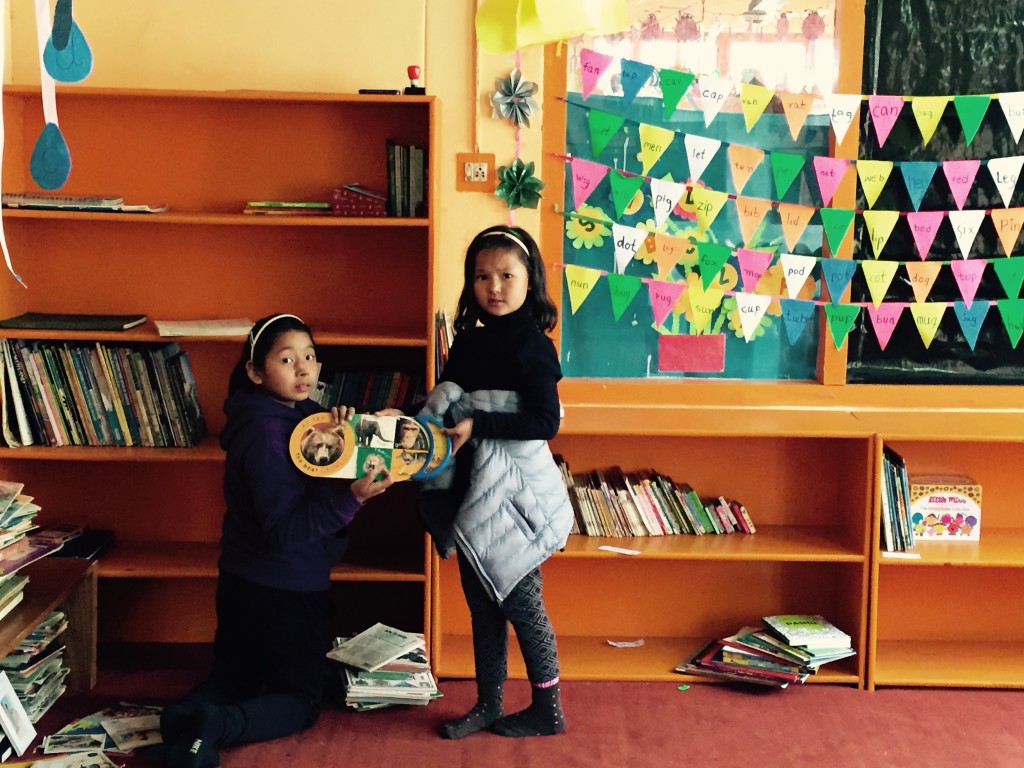
A book collection becomes more useful when children know where and how to use it. A dedicated reading nook creates a visible habit: this is a place for stories, discovery, study, and quiet thought. Over time, children may begin choosing books during free periods, recommending titles to friends, or returning regularly to continue a chapter.
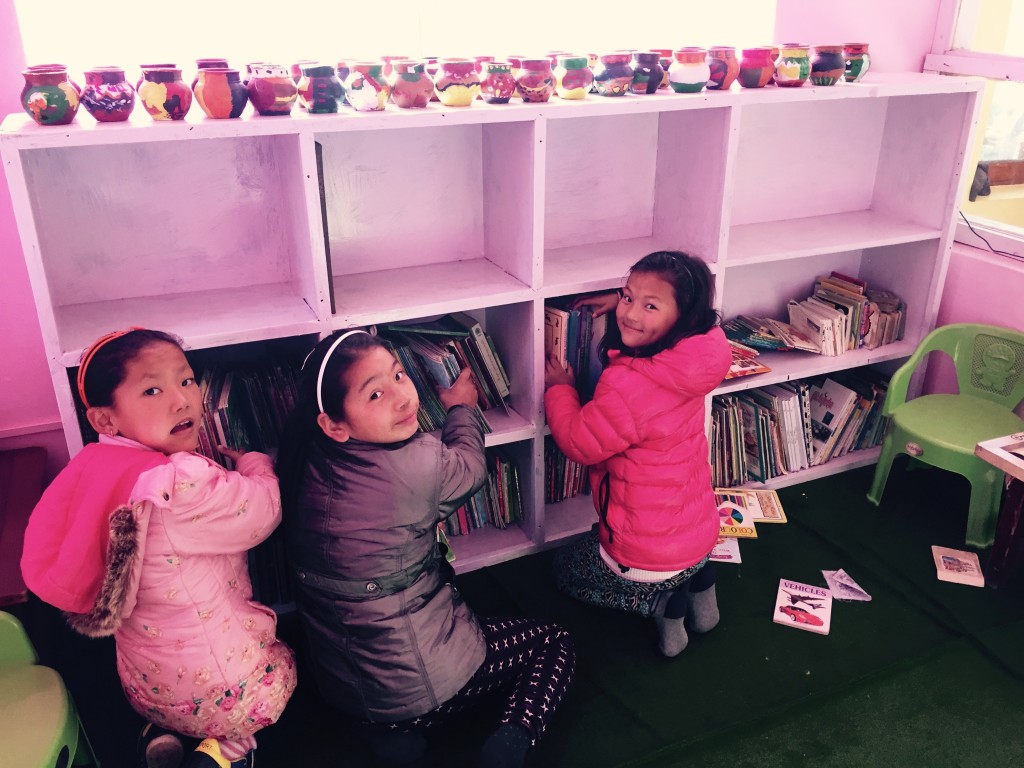
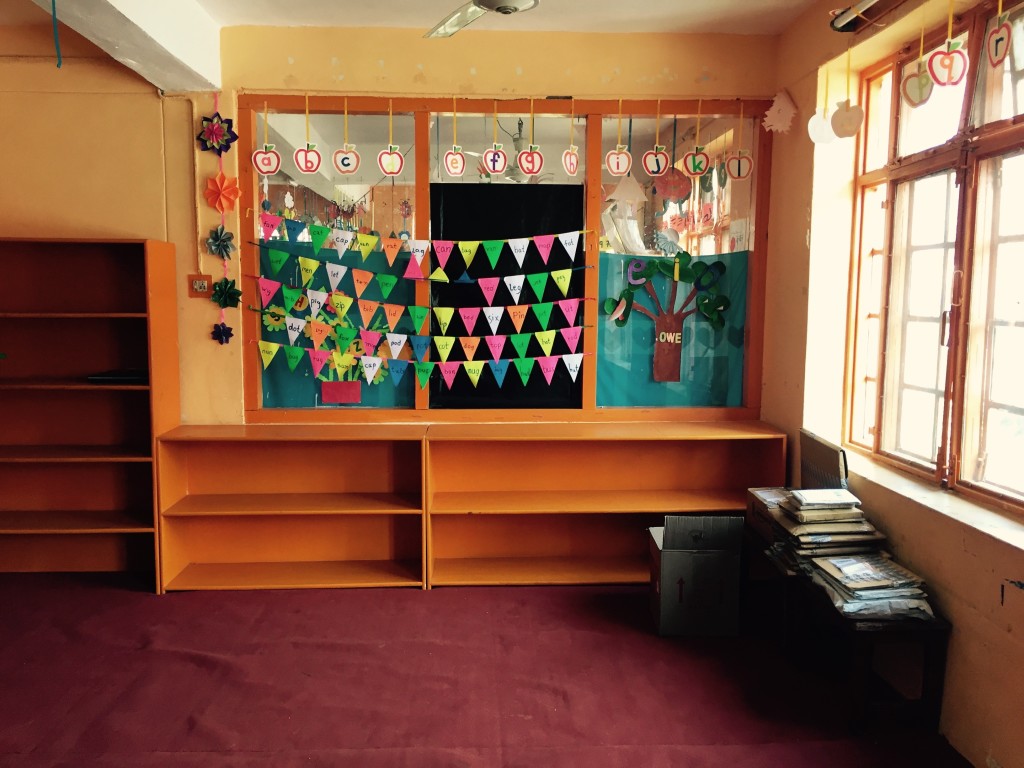
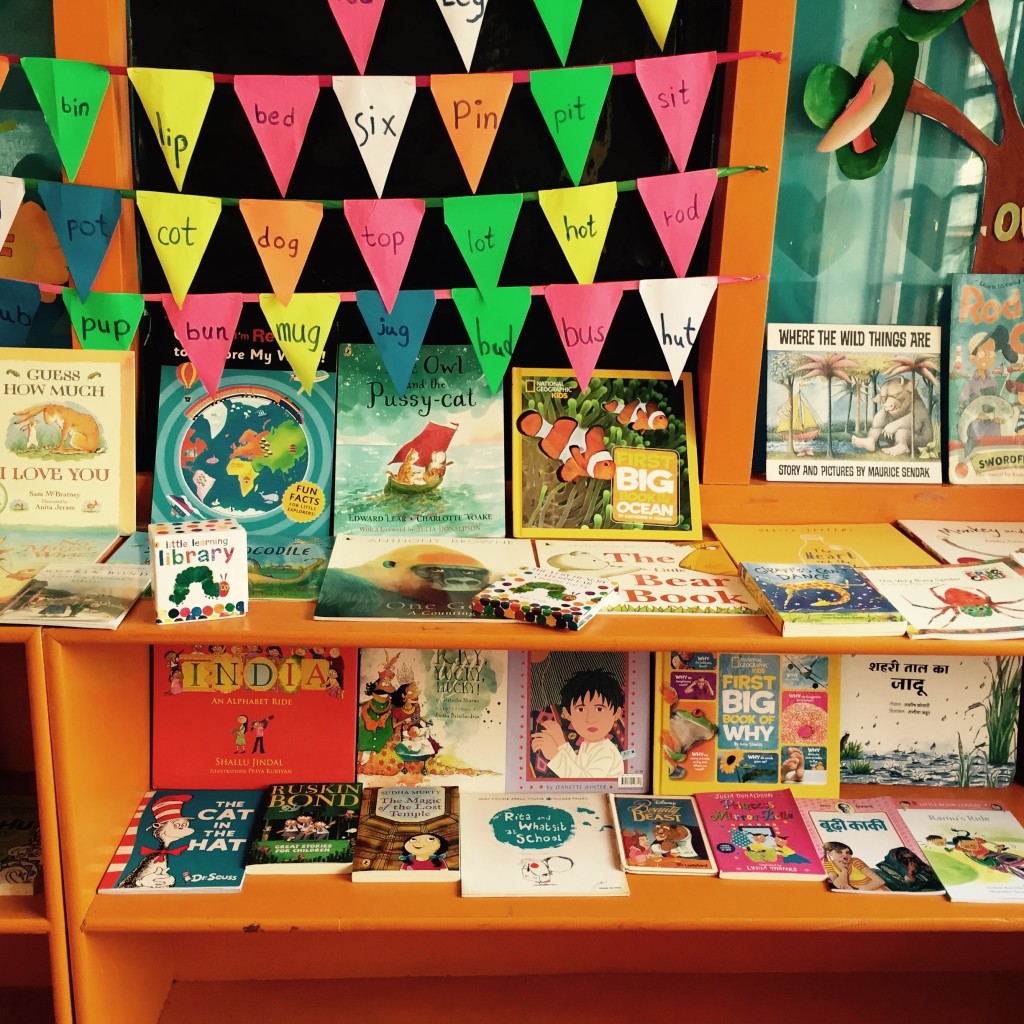
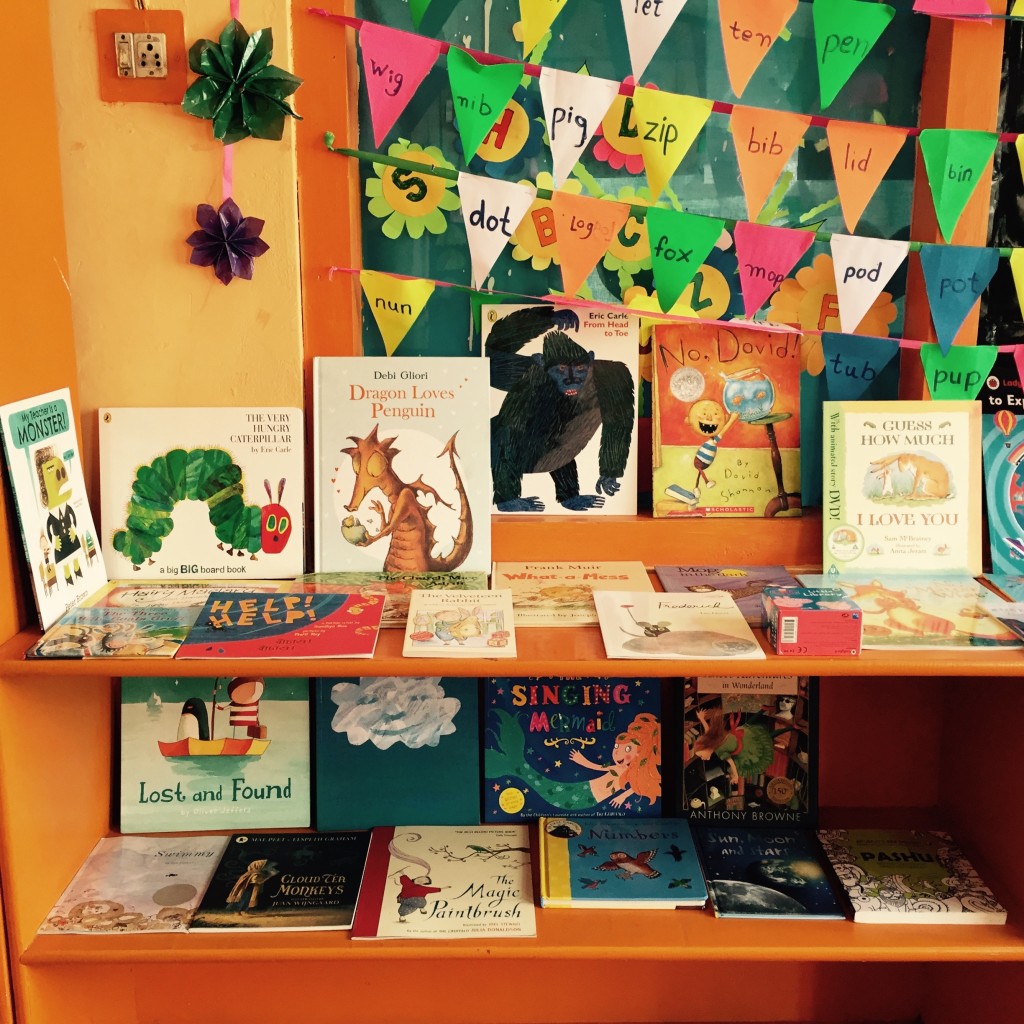
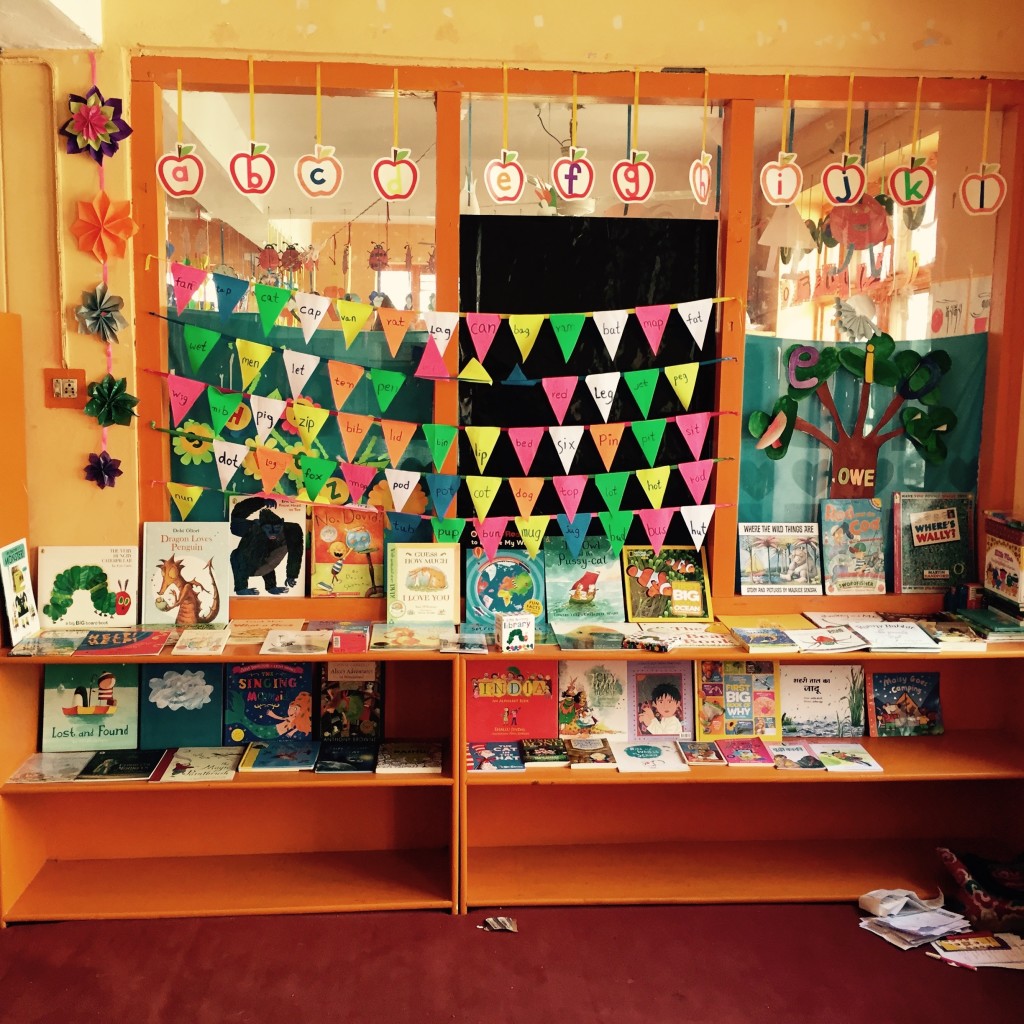
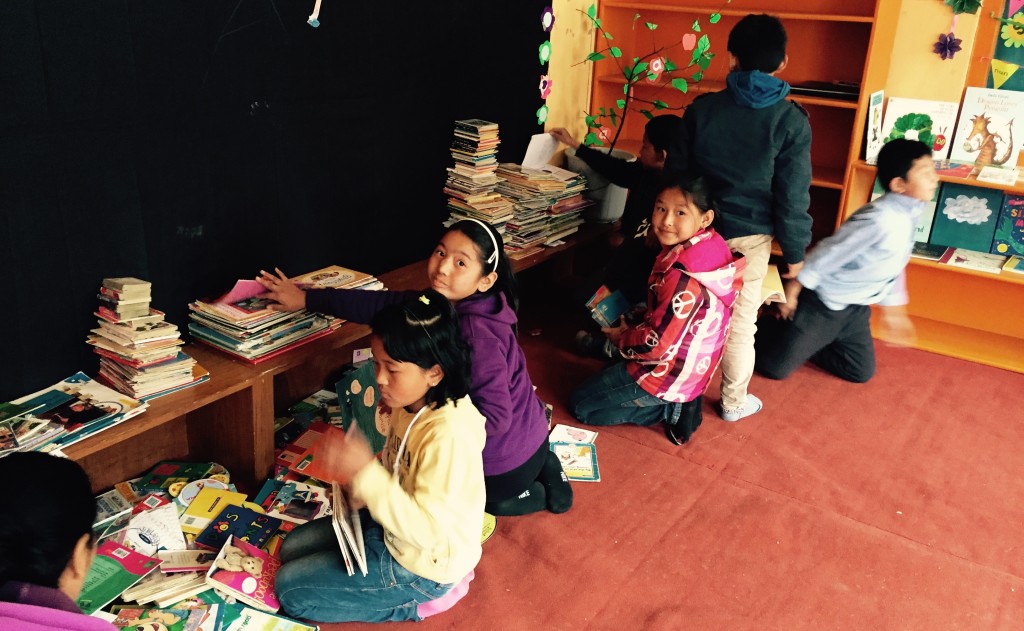
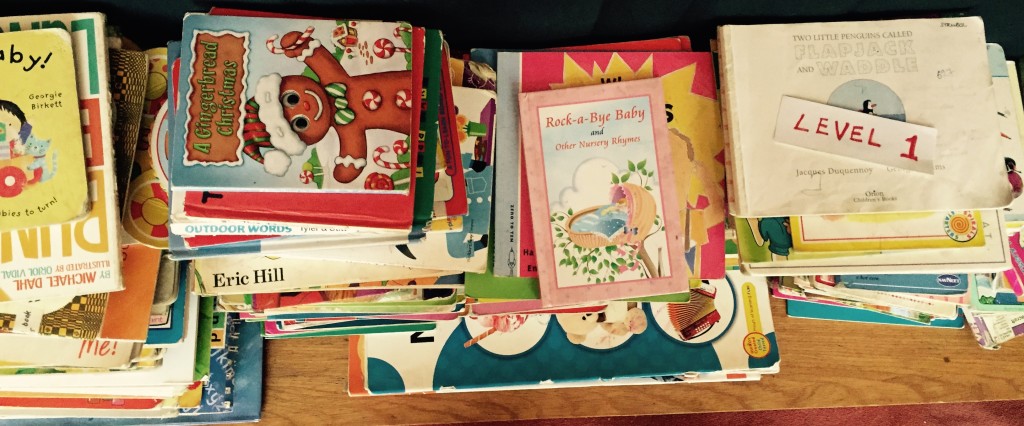
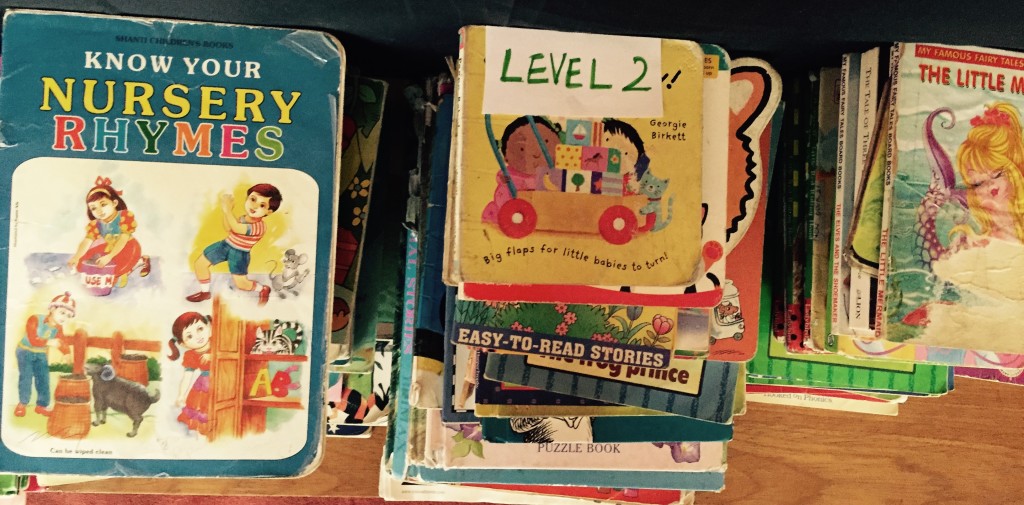
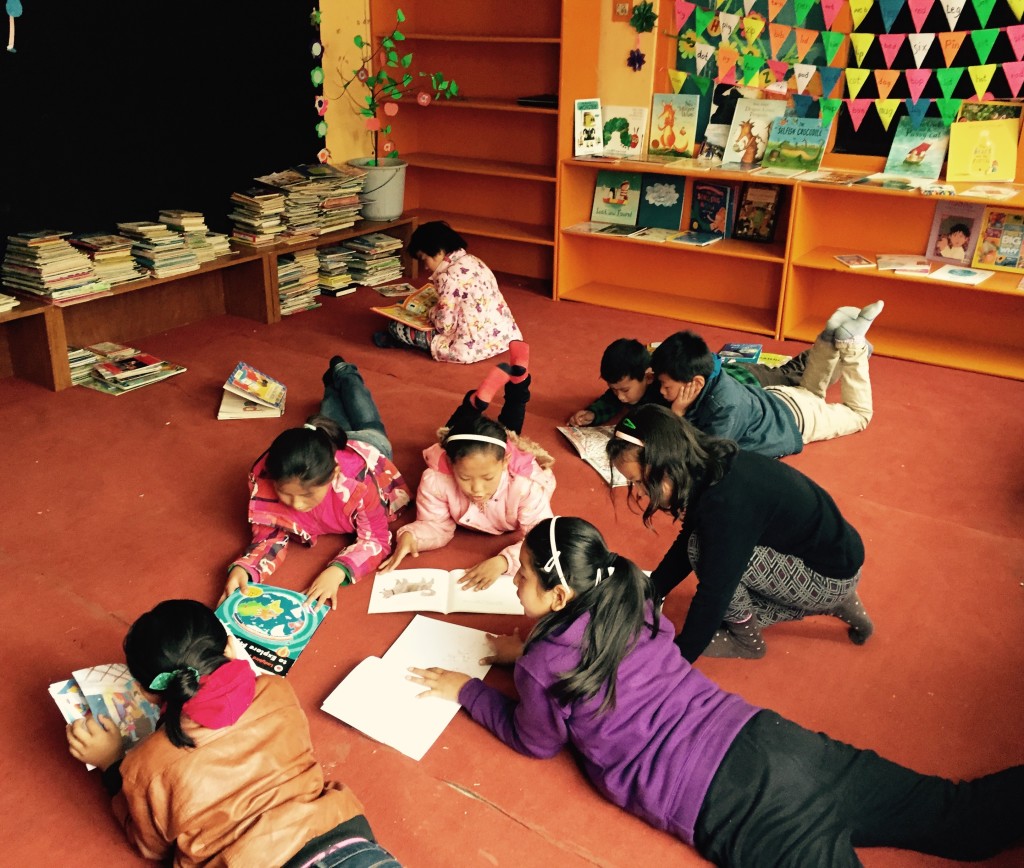
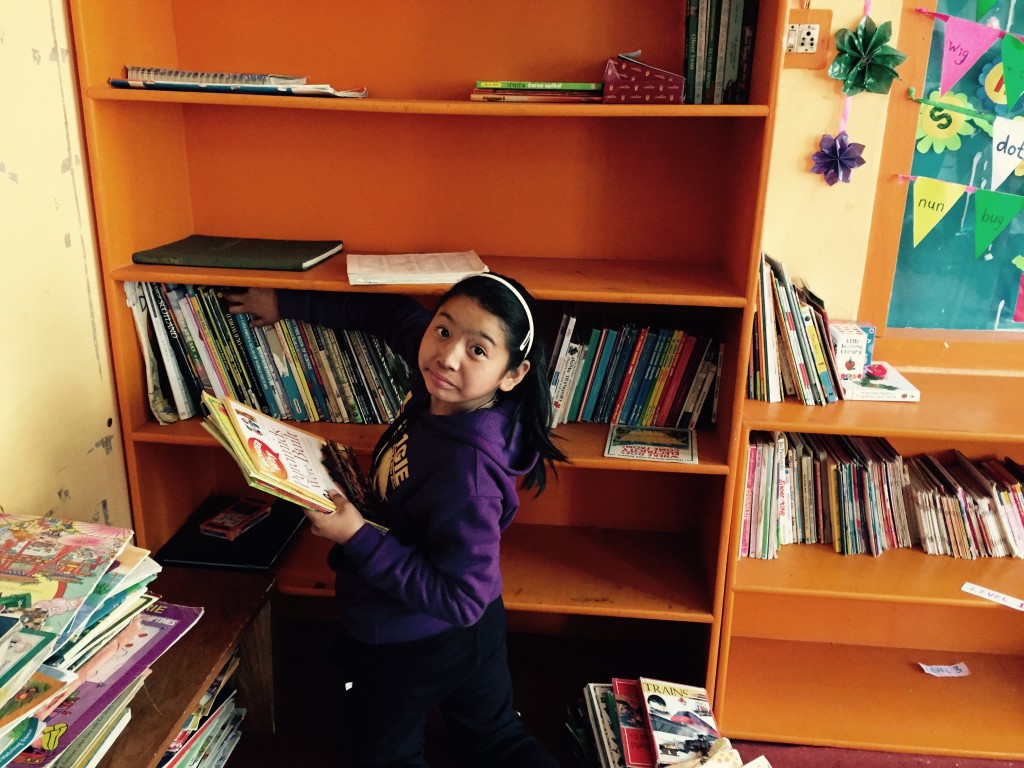
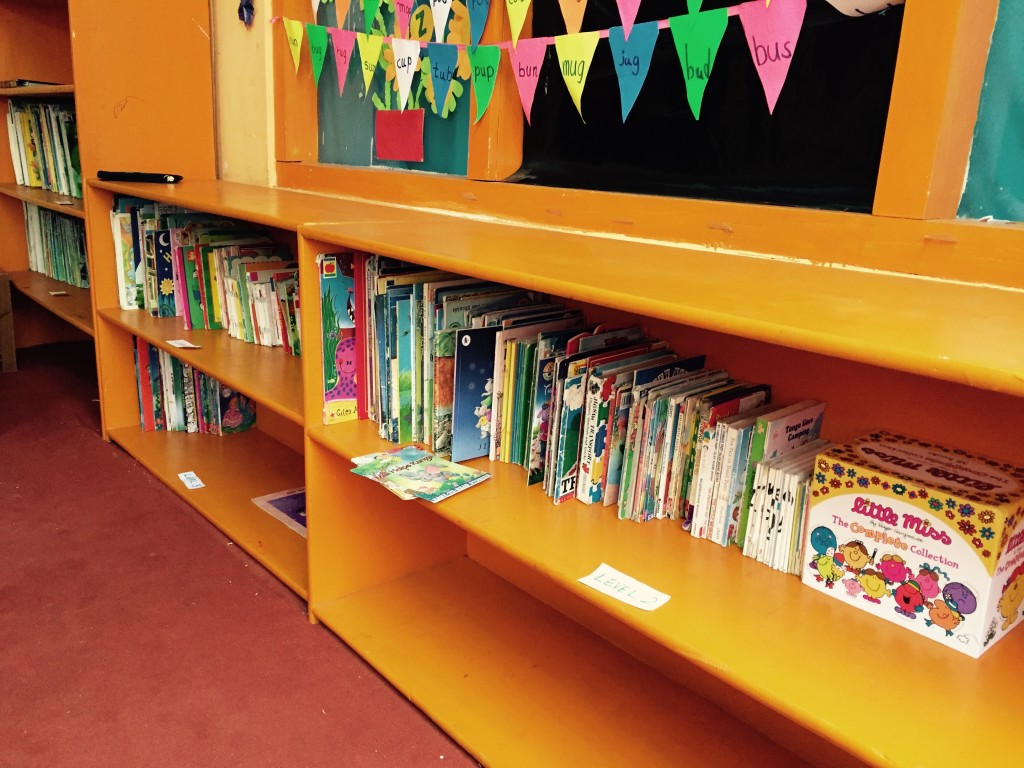
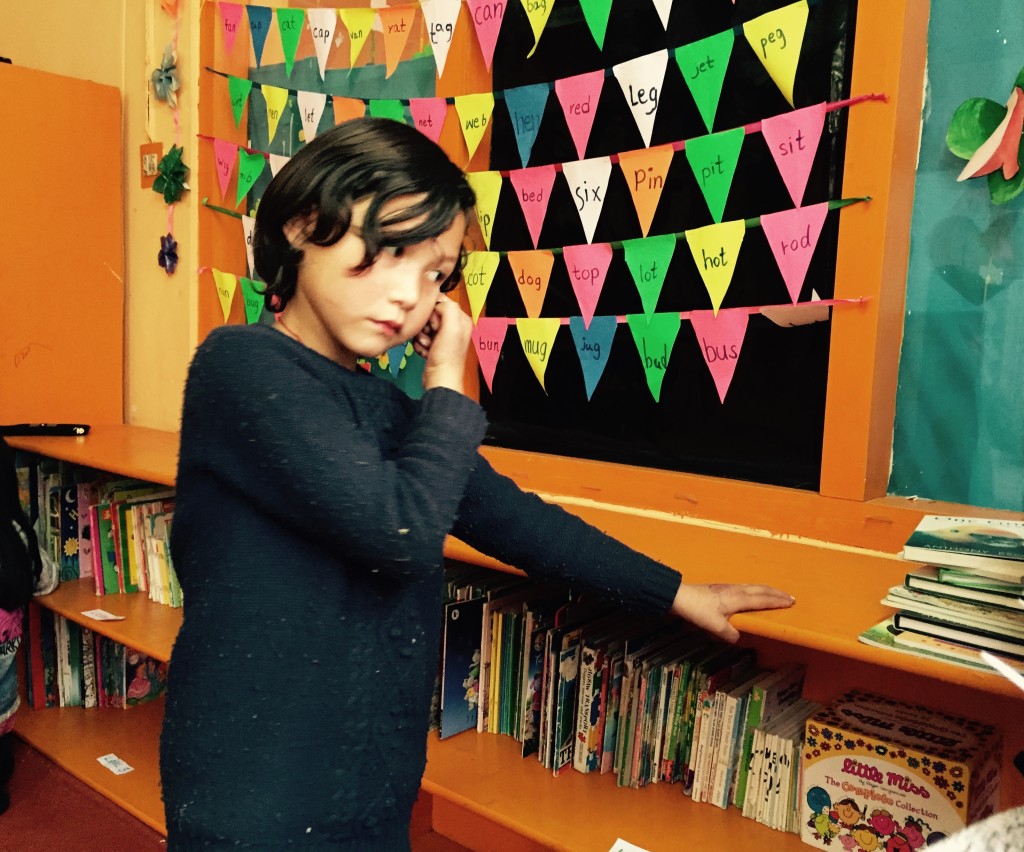
The arrangement of the room influences those choices. Low shelves help younger readers see the covers. Cushions arranged in small groups support shared reading and conversation. A separate quiet corner helps children who need fewer distractions. Natural light, simple signs, and clear categories can make the collection easier to navigate without turning the room into a rigid classroom.
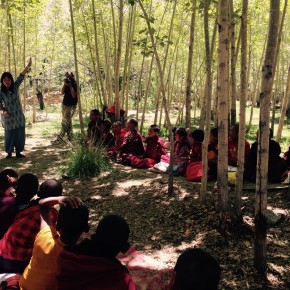
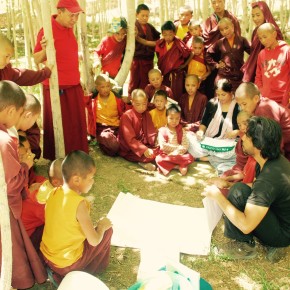
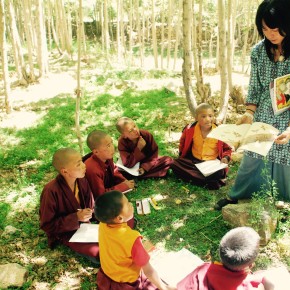
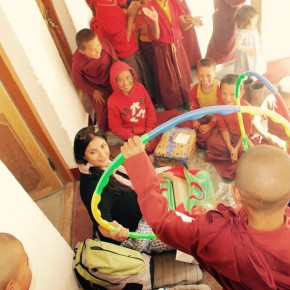
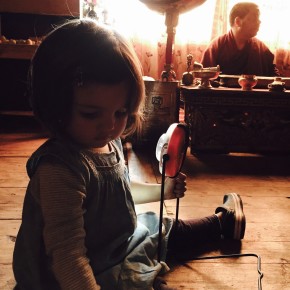
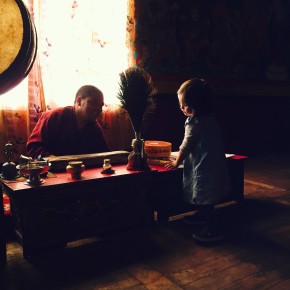
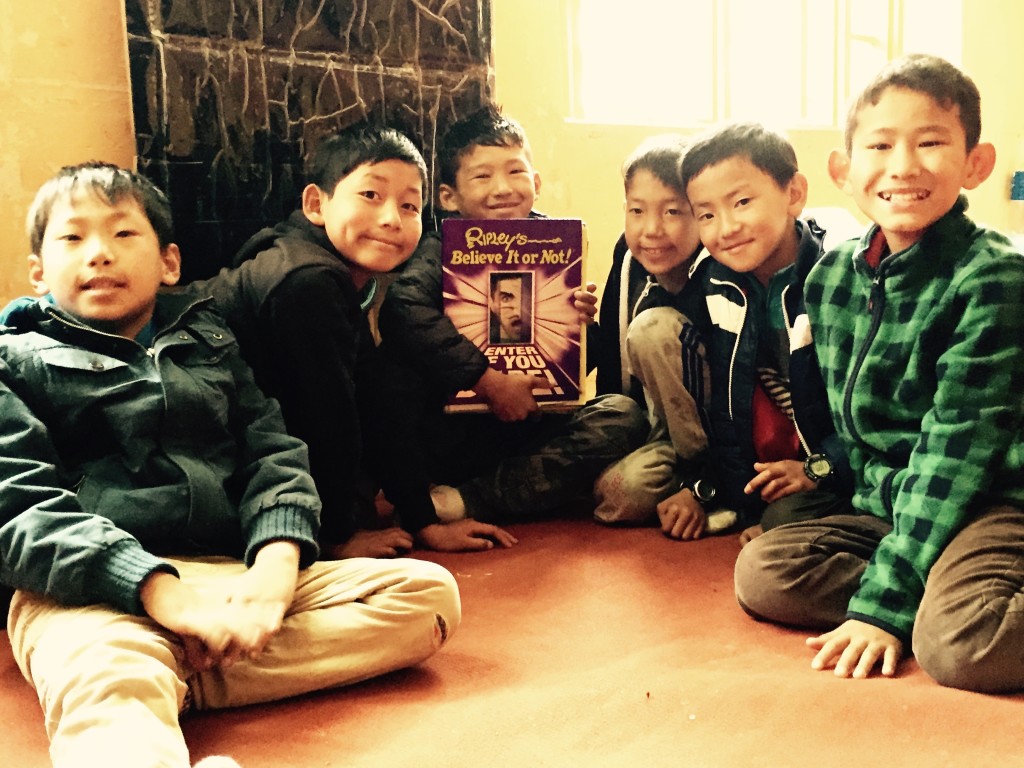
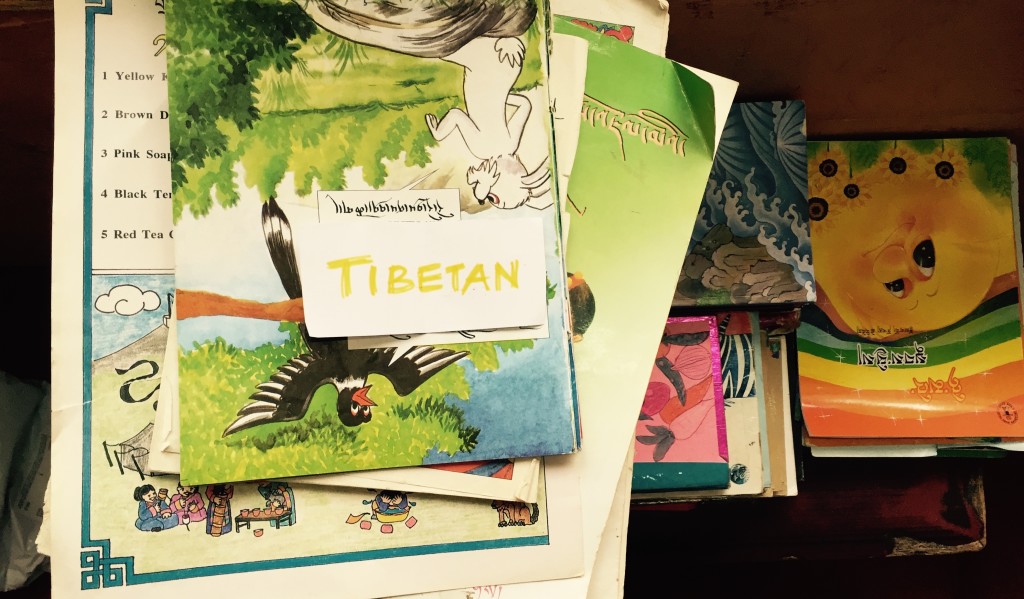
In monastic communities, a reading space can serve several purposes at once. Young monks may use it for language learning, general education, creative activities, or personal study. Children from nearby communities may come for story sessions and book borrowing. Flexible furniture allows the same room to support individual concentration in the morning and group learning later in the day.
A Cushion Can Support Inclusion
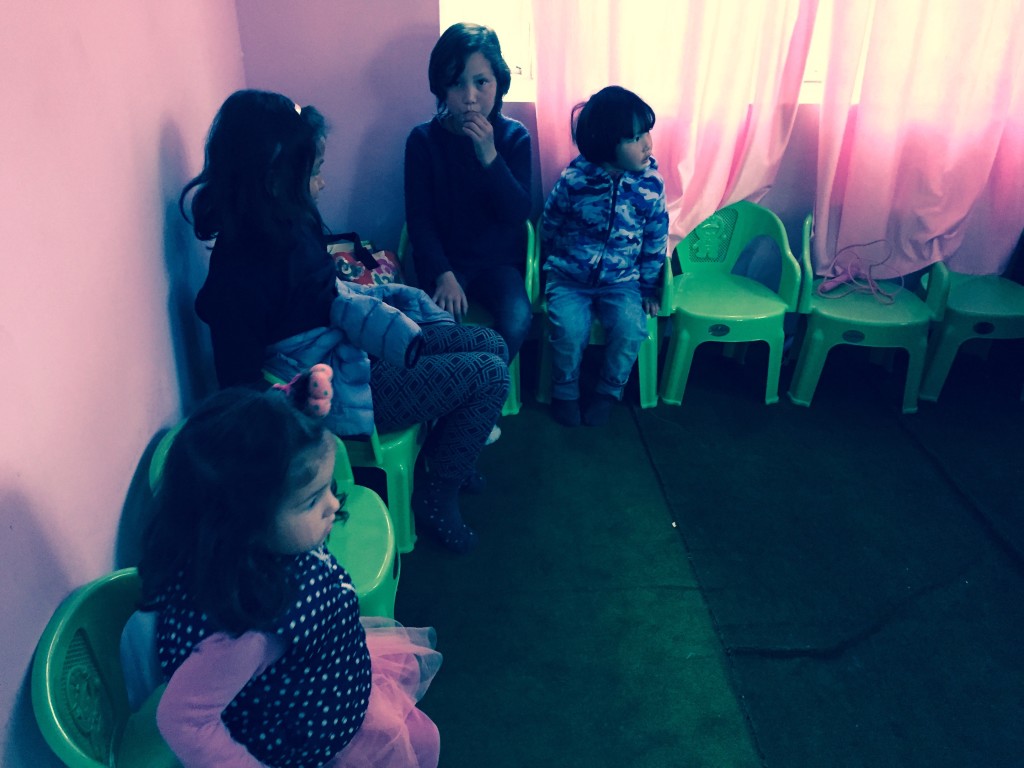
Physical comfort affects who feels able to participate. Children have different bodies, energy levels, attention spans, and sensory needs. Some sit comfortably on the floor, while others need back support or a raised seat. Providing several seating options allows more children to take part without making their needs feel unusual.
Climate also matters in Himalayan regions. Floors can be cold, and the seasonal difference between sunny afternoons and chilly mornings may be significant. Cushions and mats create insulation from the ground, while washable covers make it easier to maintain a clean and healthy environment. In dusty or heavily used spaces, durable fabric and straightforward care routines are more valuable than delicate decoration.
A thoughtful reading room also considers accessibility. Clear pathways, stable seating, and furniture that is easy to move can help children with limited mobility. Visual organization benefits readers who are still developing confidence. When the room accommodates different ways of sitting, moving, and learning, comfort becomes part of educational fairness.
| Reading space feature |
Benefit for children |
Practical consideration |
| Floor cushions |
Encourage relaxed, informal reading |
Choose durable, washable covers |
| Low shelves |
Make books easier to see and reach |
Arrange by age, theme, or language |
| Back-supported seats |
Help readers maintain focus |
Offer several seating heights |
| Warm mats |
Reduce discomfort from cold floors |
Check that edges do not curl |
| Soft lighting |
Reduce eye strain and create calm |
Combine daylight with safe lamps |
| Small reading corners |
Support quiet concentration |
Keep paths open and visible |
Design Encourages Independence
Children learn more confidently when they can make choices. A comfortable, well-organized reading area lets them decide where to sit, which book to select, and whether to read alone or with a friend. These small decisions build ownership. A child who chooses a story without being directed is practicing curiosity and self-guided learning.
Cushions can help define spaces without expensive construction. Several placed beside a shelf can form a story corner. A circle of mats can support storytelling, discussion, or music. A few individual seats near a window can provide quiet study. This flexible approach is especially useful for community projects that need to work within existing rooms.
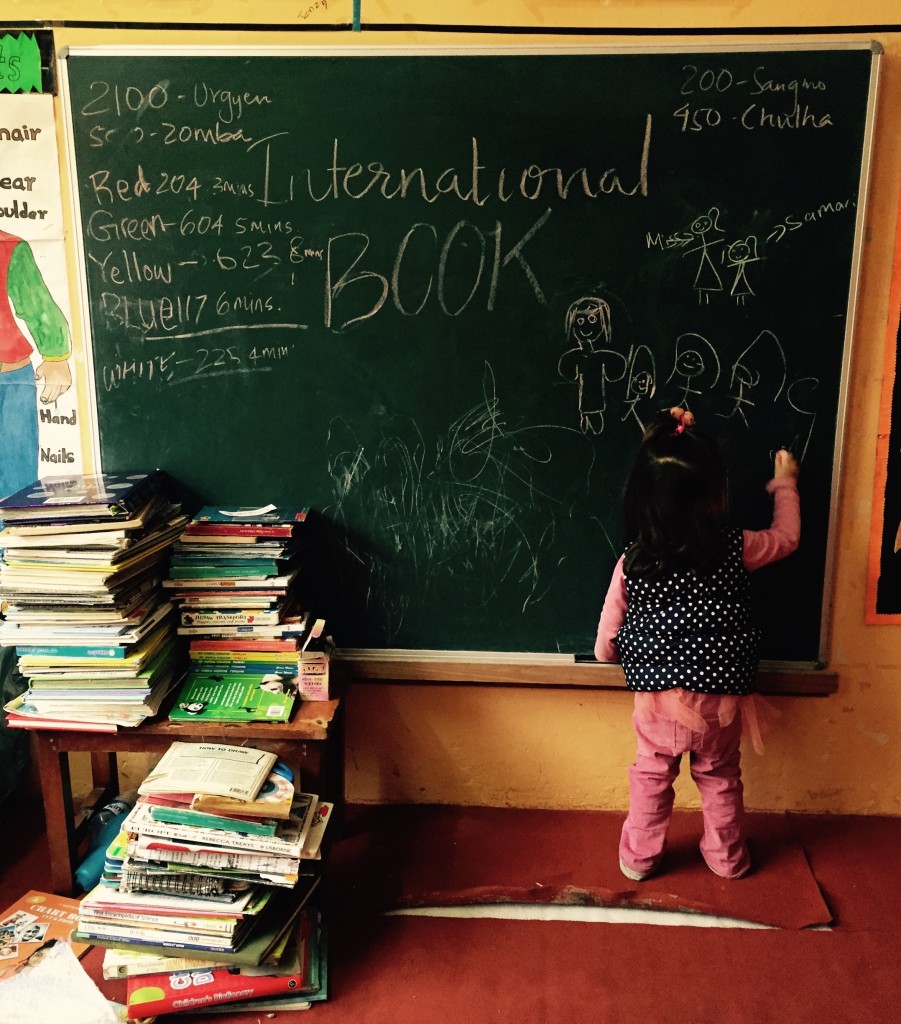
Visual appeal has a role as well. Local textiles, handmade covers, children’s artwork, and simple displays can make a reading room feel connected to its community. The space then communicates that books belong in everyday life, alongside craft, conversation, music, and cultural expression.
Shared Reading Builds Community
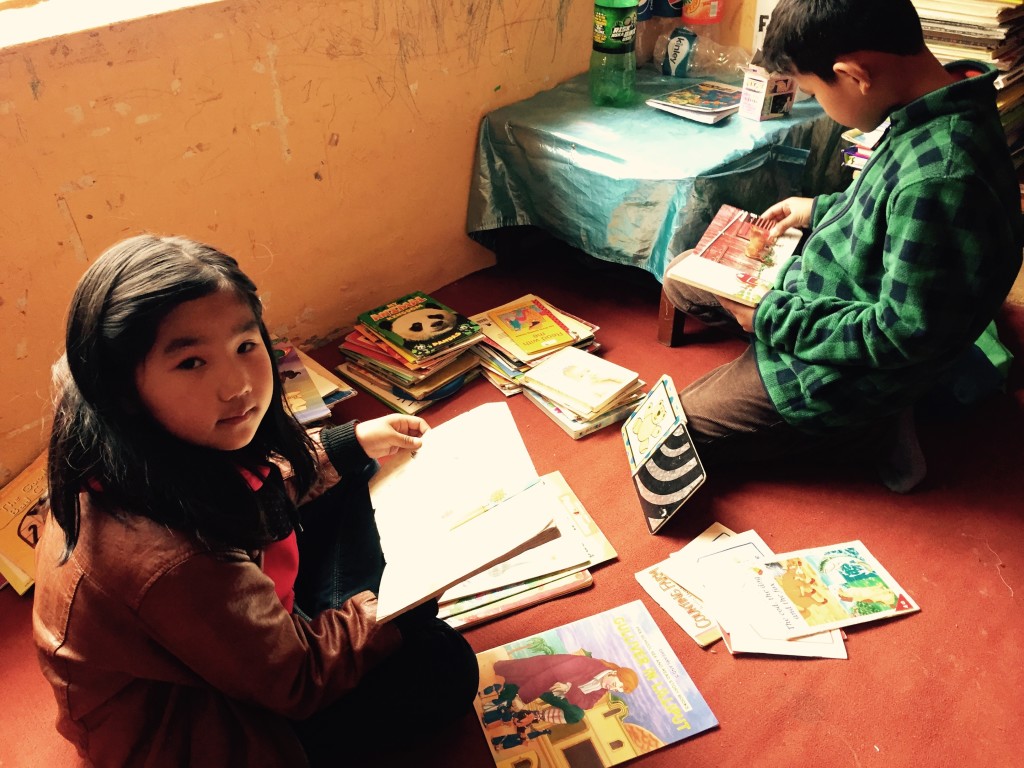
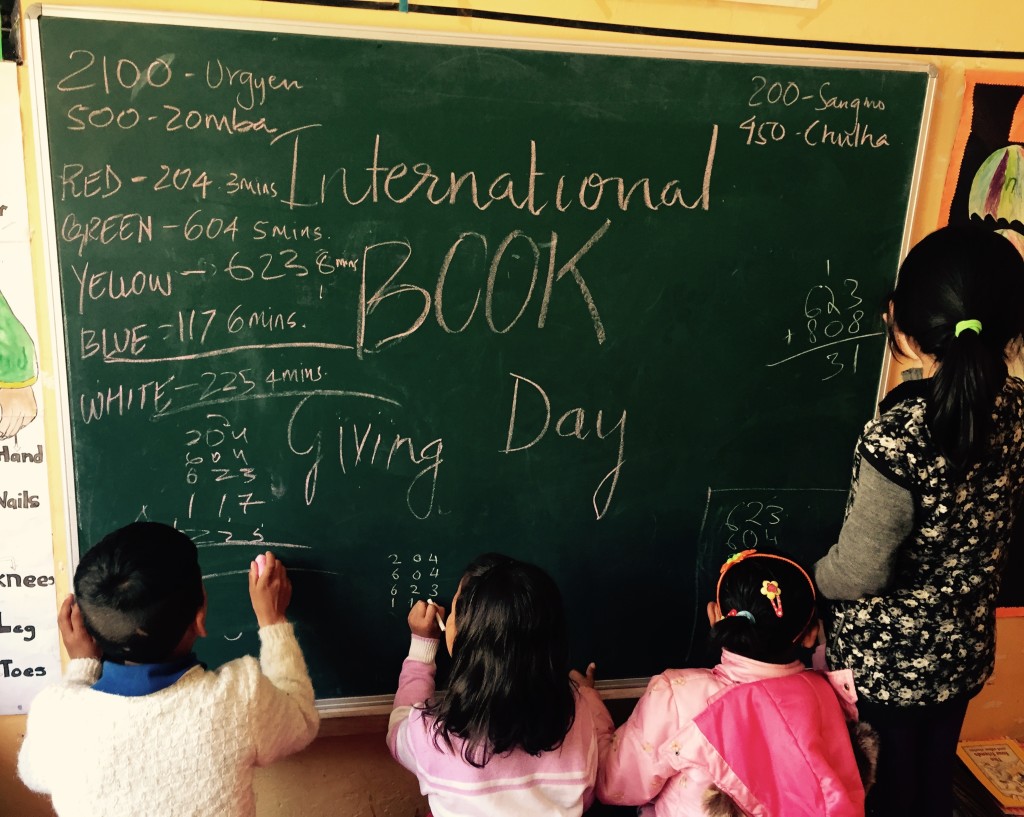
A reading room is rarely only a place for silent reading. It can become a meeting point where children exchange recommendations, listen to stories, practice new languages, and learn to care for shared resources. Comfortable seating helps these activities last longer because children can gather without becoming restless as quickly.
Adults benefit from the atmosphere too. Volunteers, teachers, caregivers, and young monks can read aloud, guide discussions, or help children find books suited to their interests. When everyone has a clear place to sit, group sessions feel more organized and less dependent on formal classroom furniture.
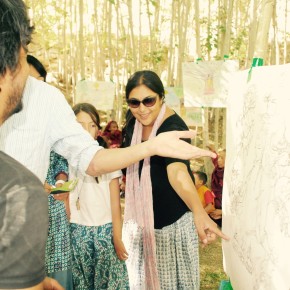
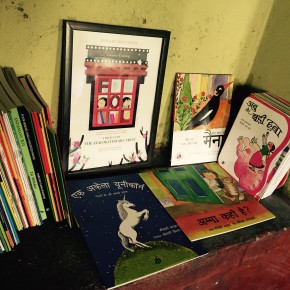
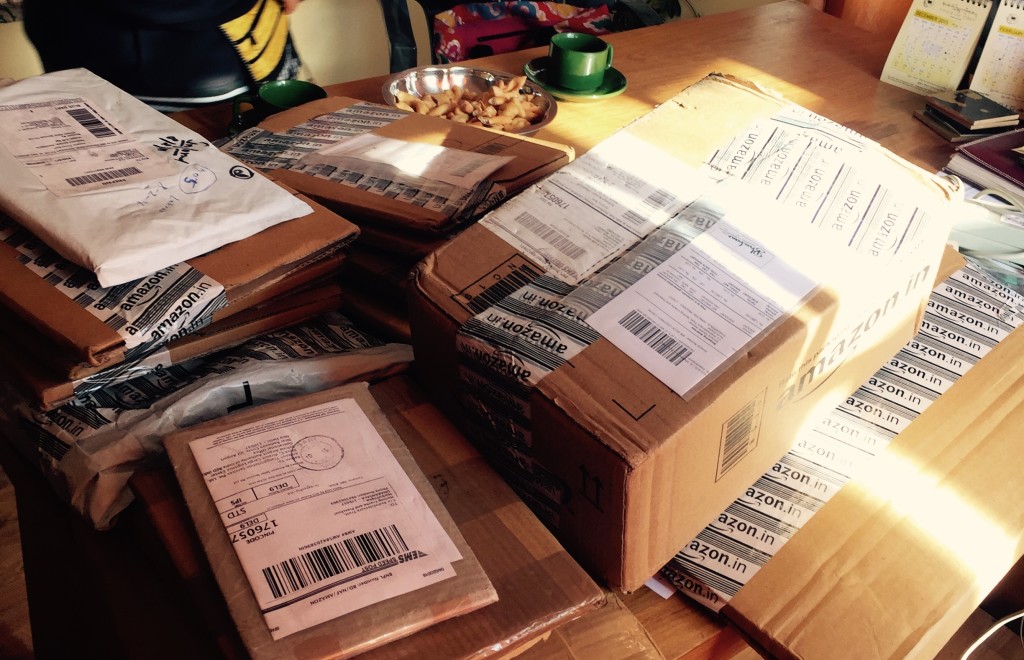
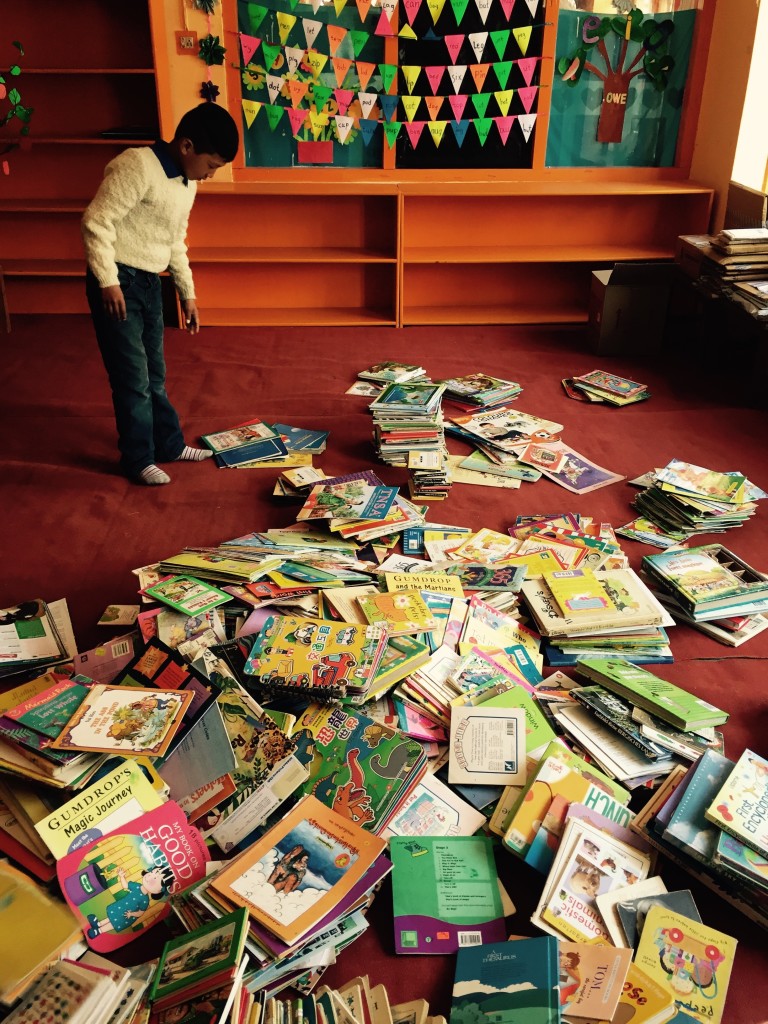
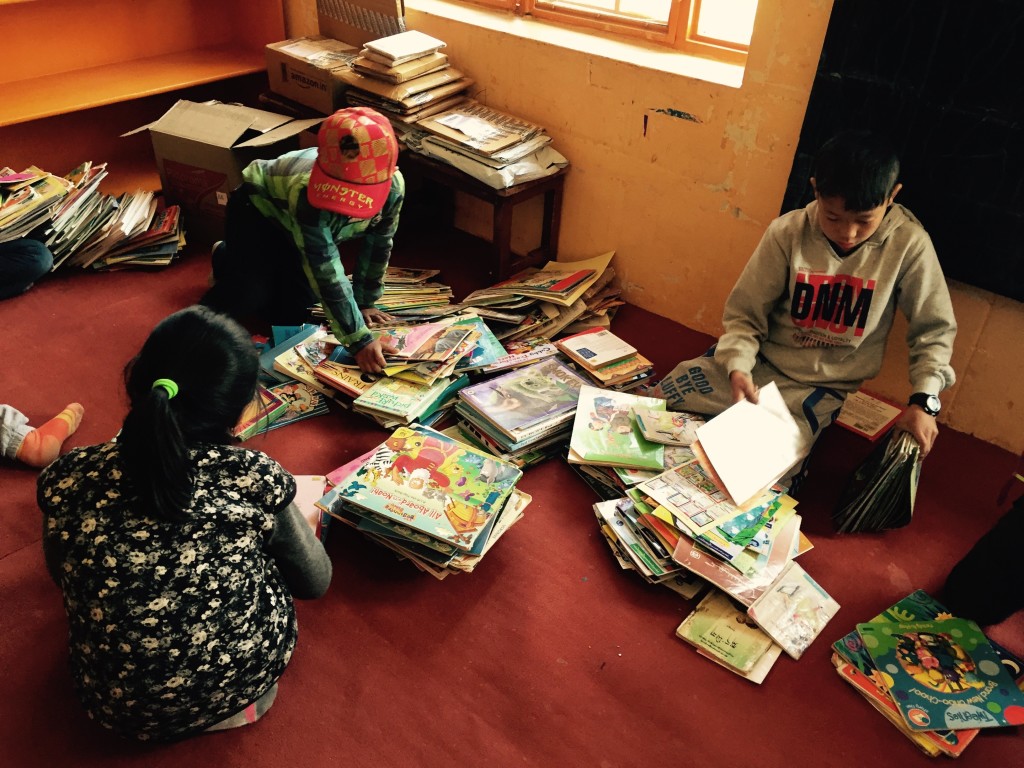
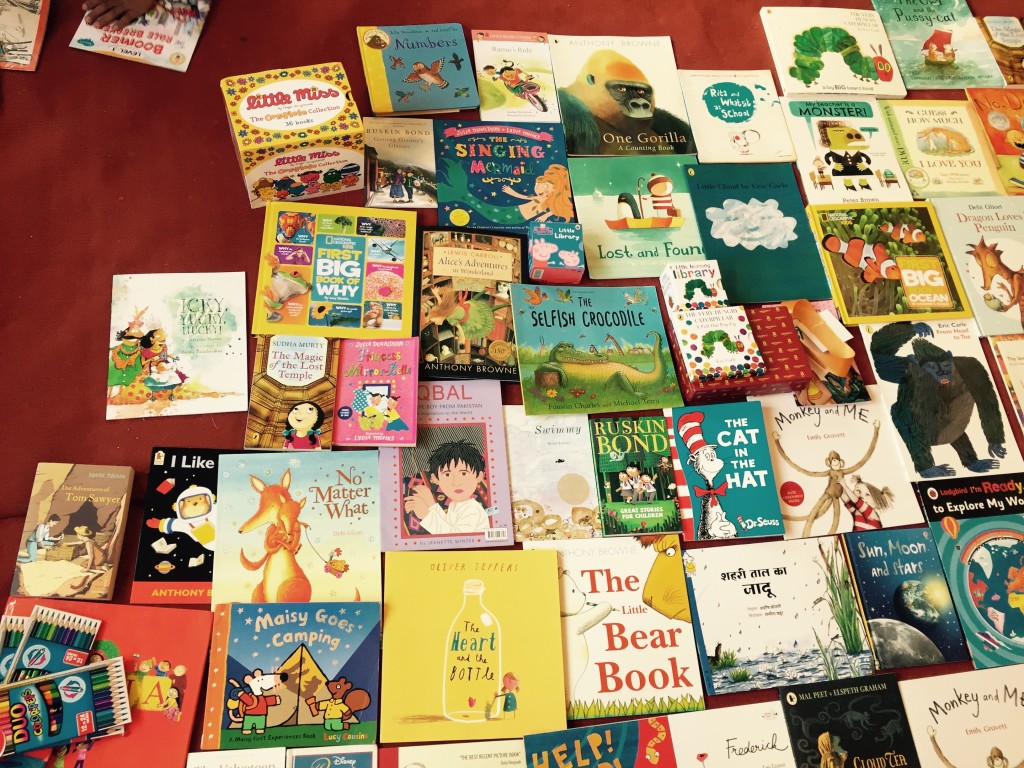
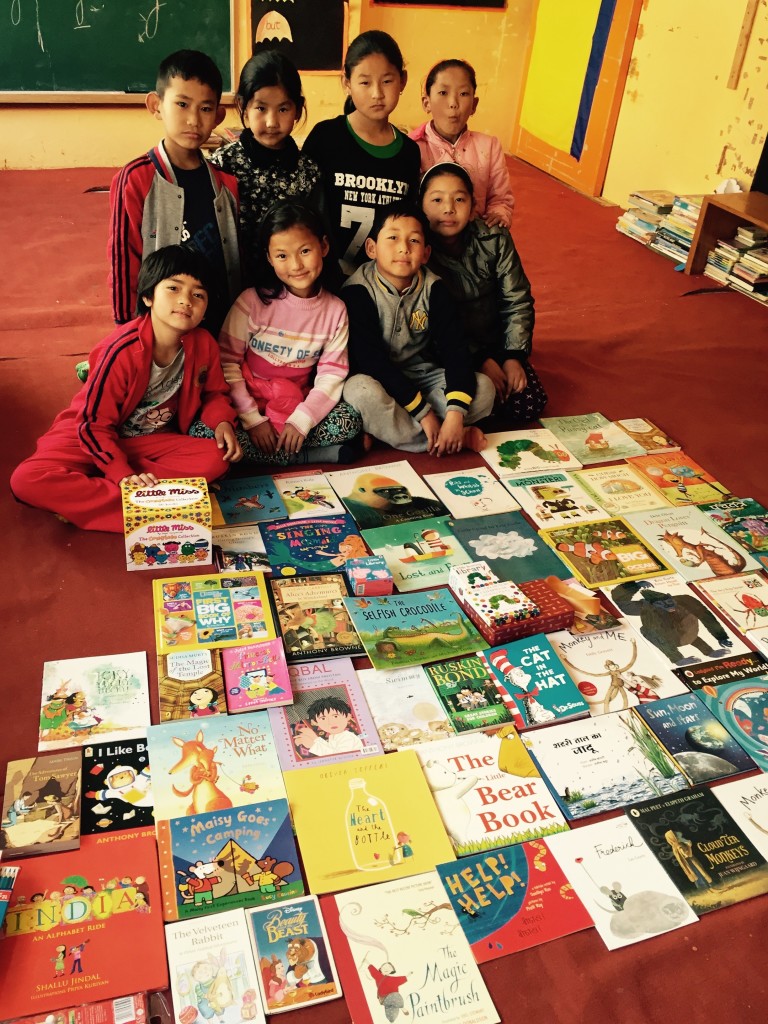
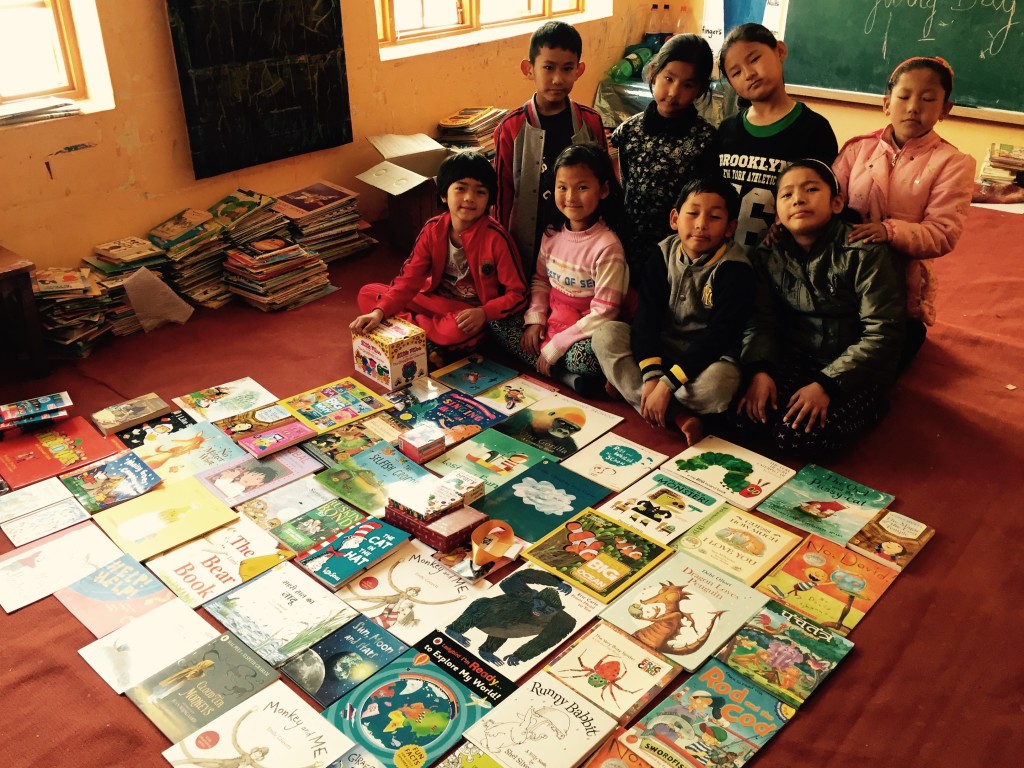
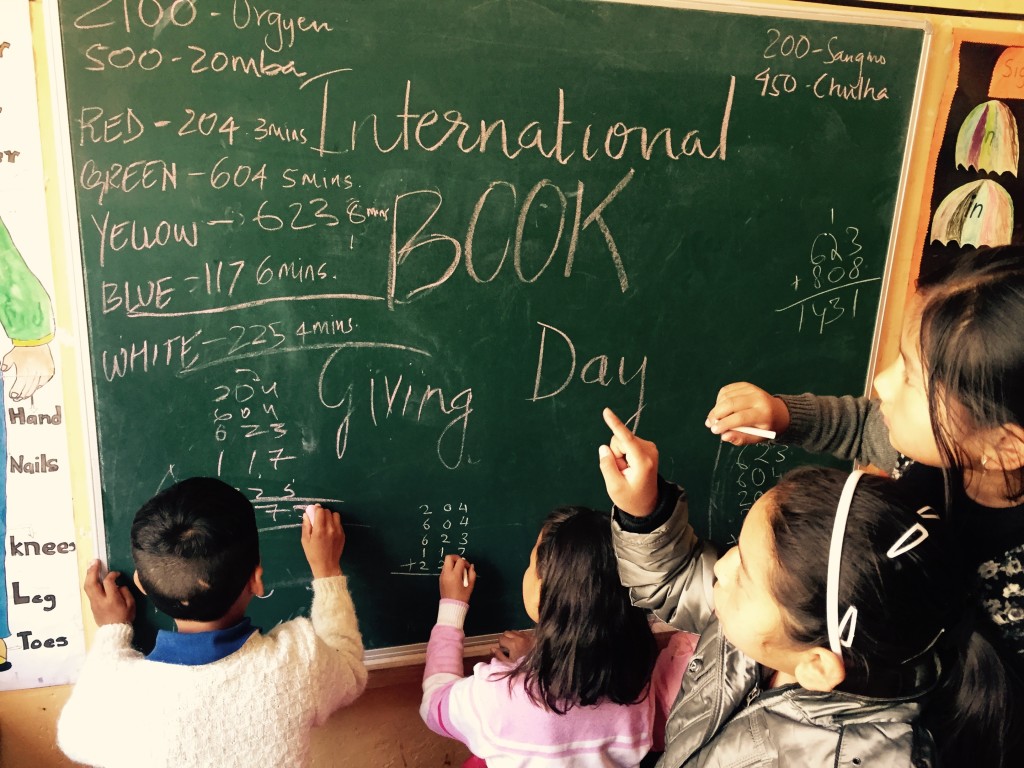
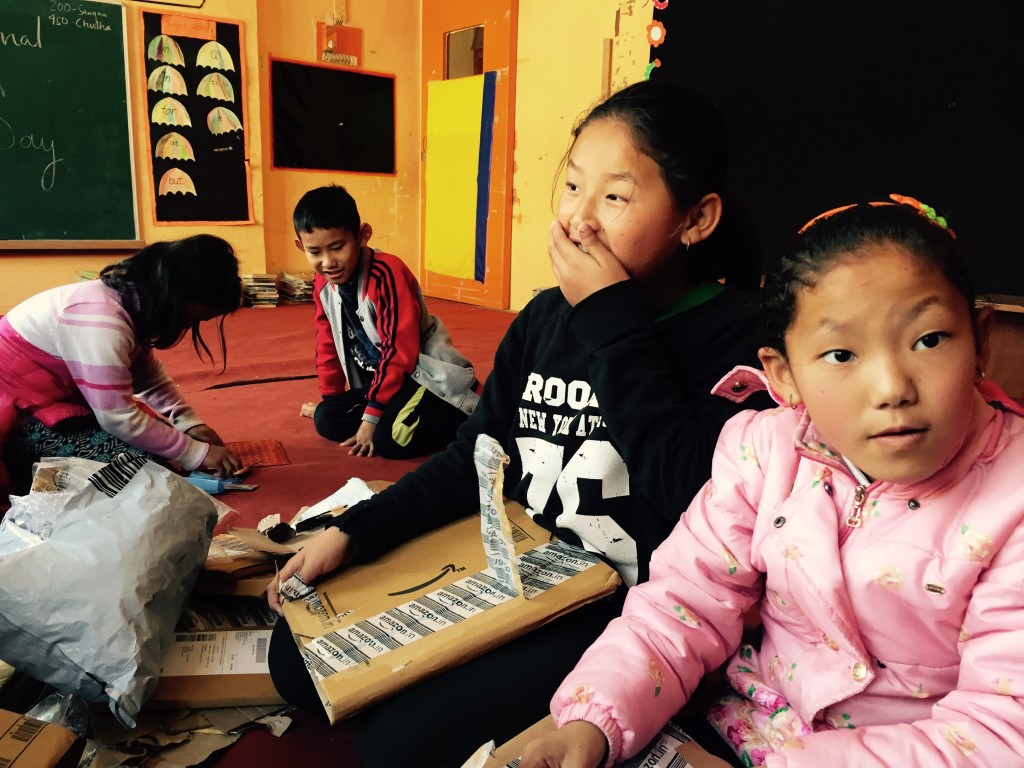
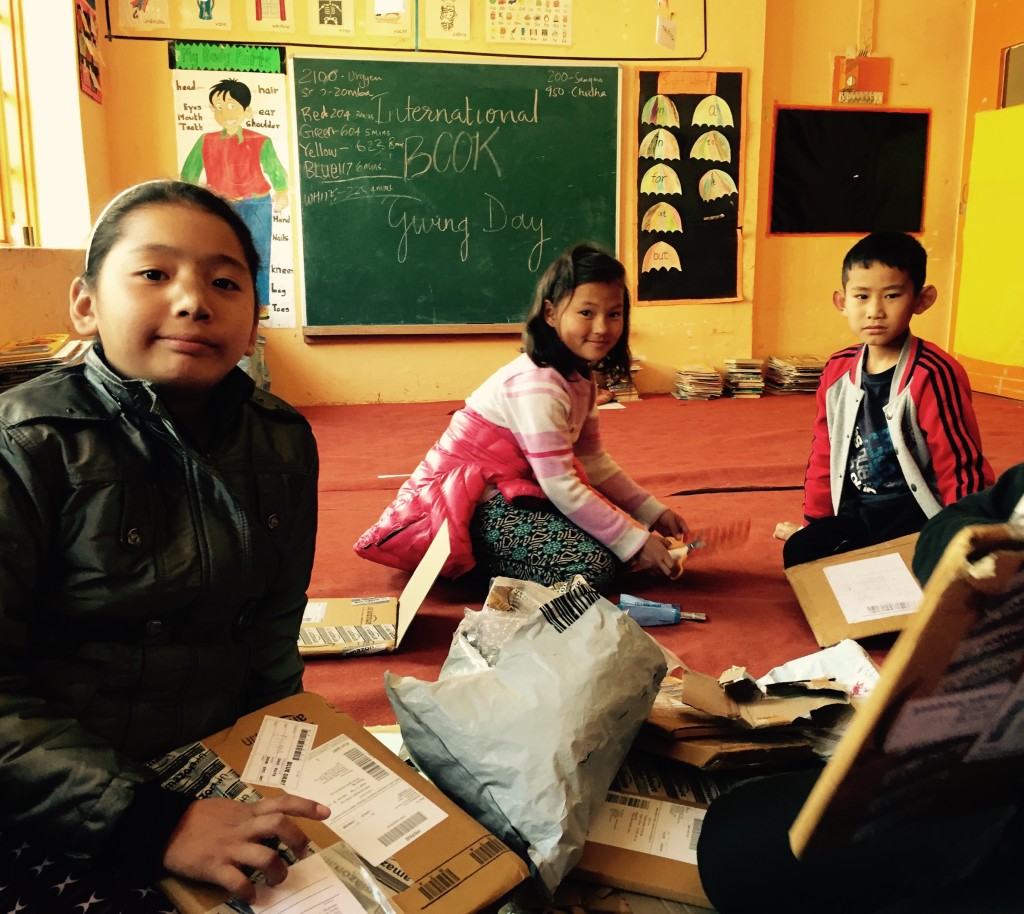
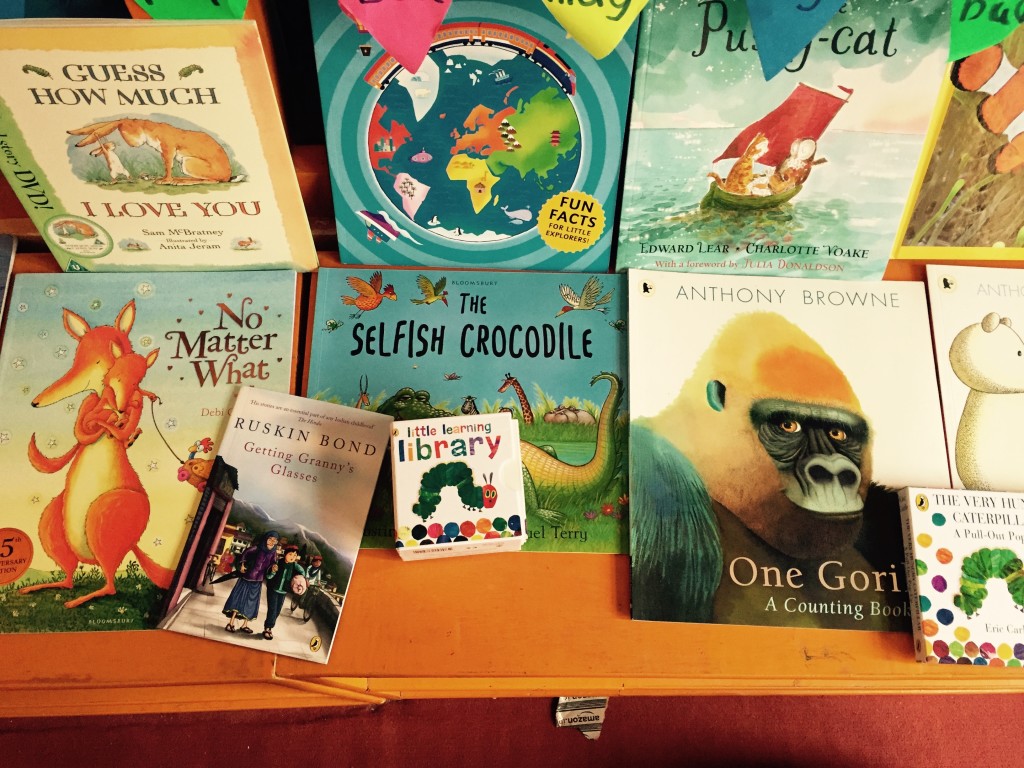
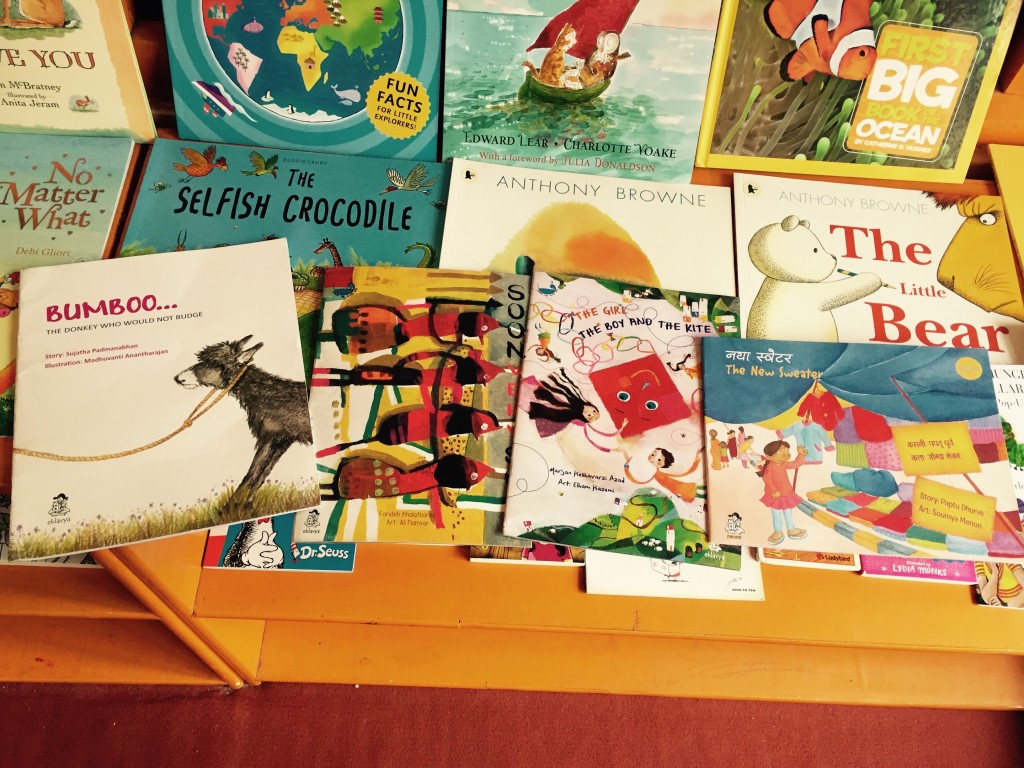
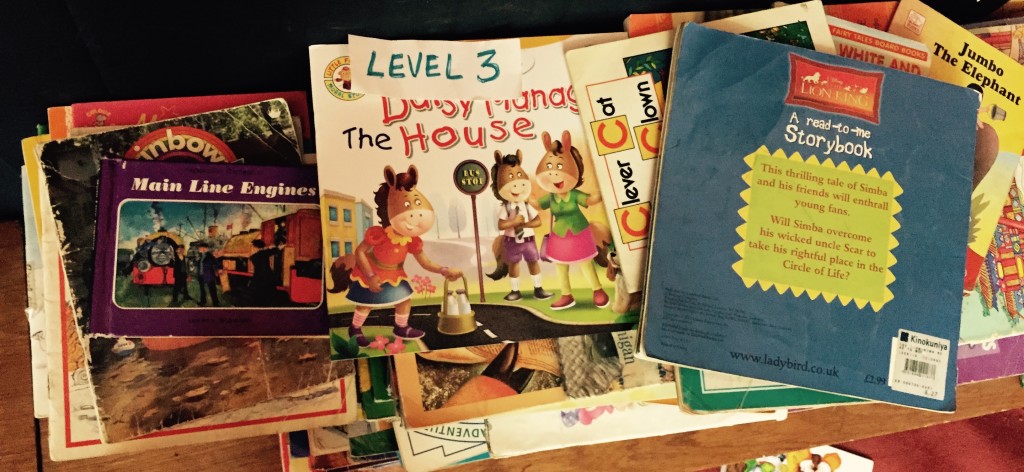
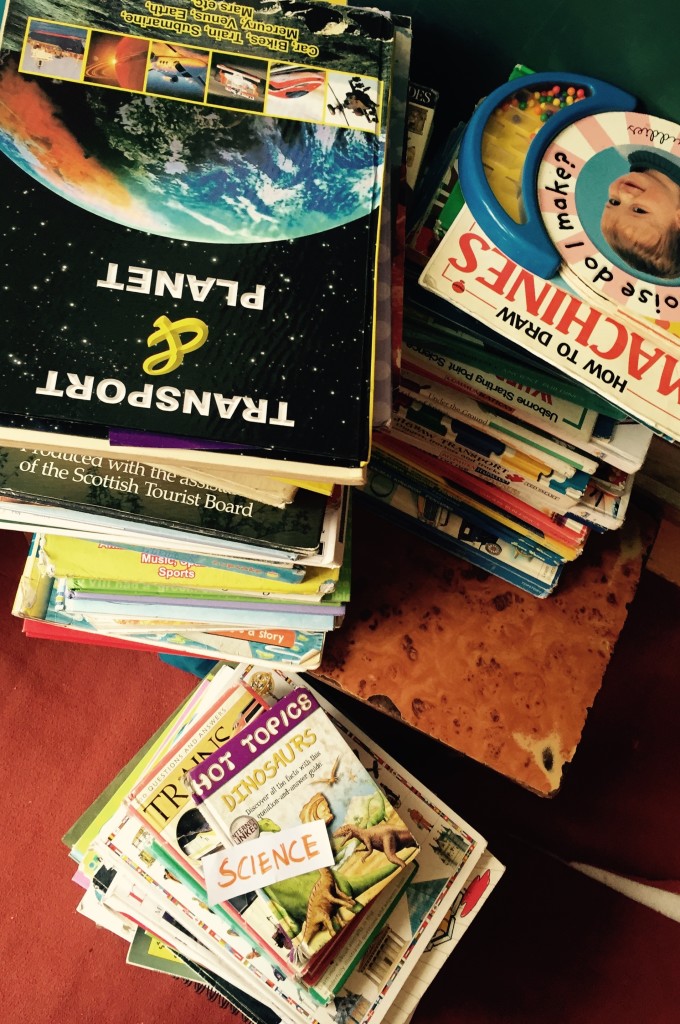
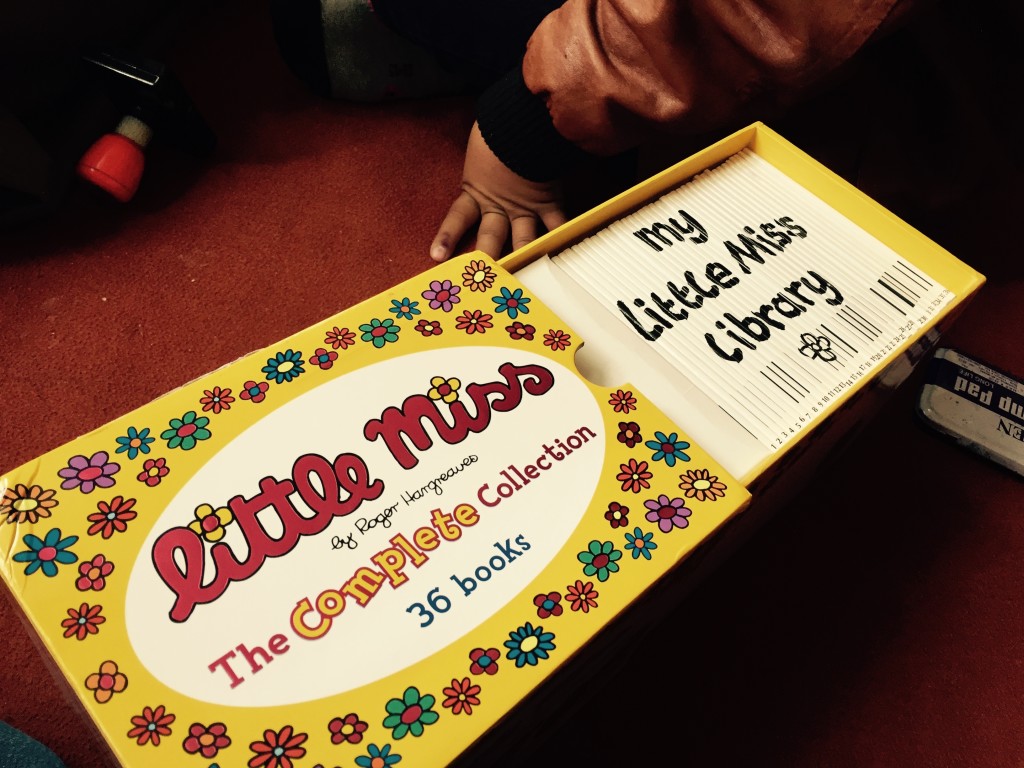
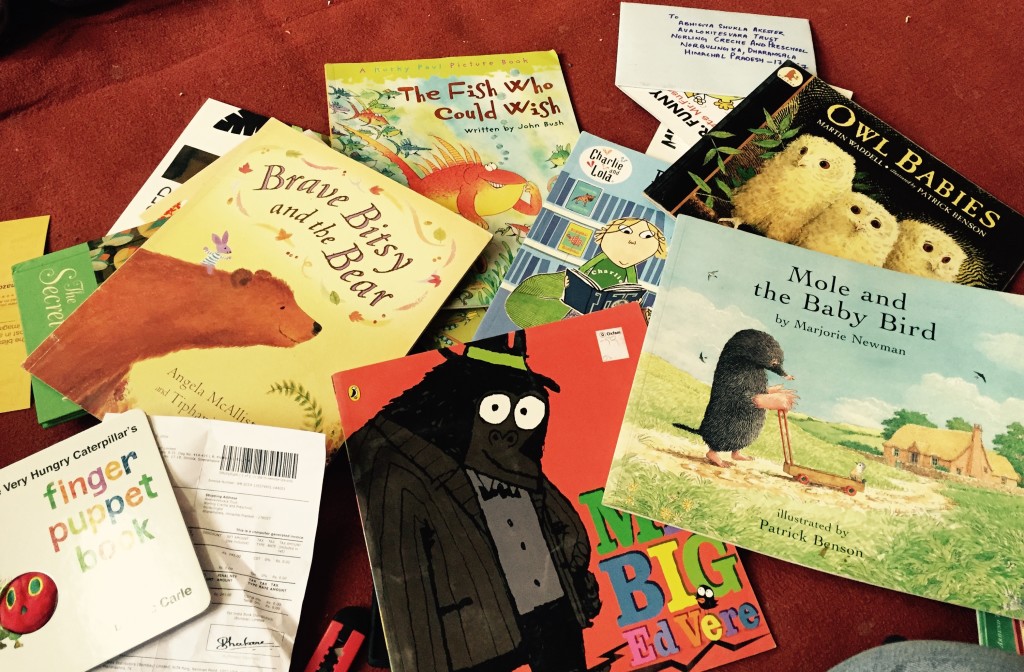
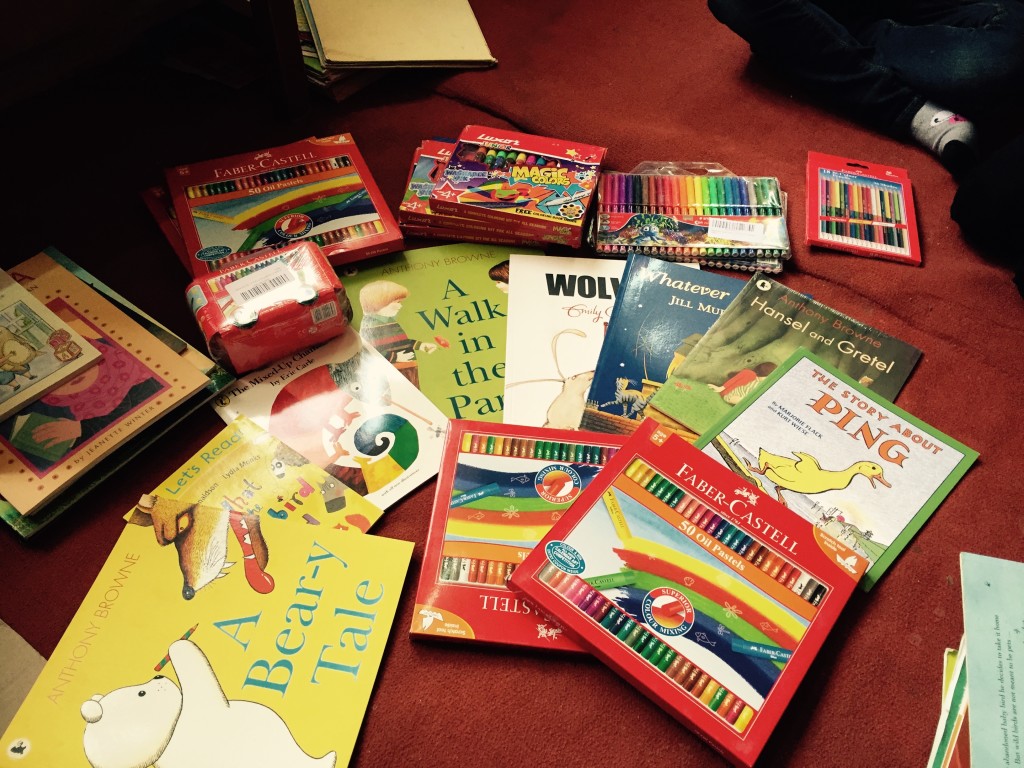
Book drives and educational programs have greater impact when the books are placed in an environment that invites regular use. A new collection should be easy to reach, pleasant to explore, and connected to activities that bring it alive. A story session, drawing workshop, or music afternoon can introduce children to the reading room and help them see it as a shared community resource.
Small Choices With Lasting Value
Creating a comfortable learning space does not require a large budget. The strongest results often come from a series of practical decisions made with local users. Children can help choose colors or create signs. Volunteers can repair covers and rotate displays. Community members can contribute fabric, shelving materials, or time for cleaning and maintenance.
Useful priorities include:
- Provide a mix of cushions, mats, benches, and back-supported seats.
- Select washable, durable materials suited to the local climate.
- Keep shelves low, pathways clear, and popular books easy to reach.
- Create both social areas for shared reading and quiet corners for focus.
- Invite children to help care for the room and recommend new books.
Maintenance should be considered from the beginning. A cushion that looks attractive but cannot be cleaned easily may become unsuitable in a busy reading room. Replaceable covers, simple storage, and regular inspection protect the investment. Small repairs also teach children that shared spaces deserve attention and respect.
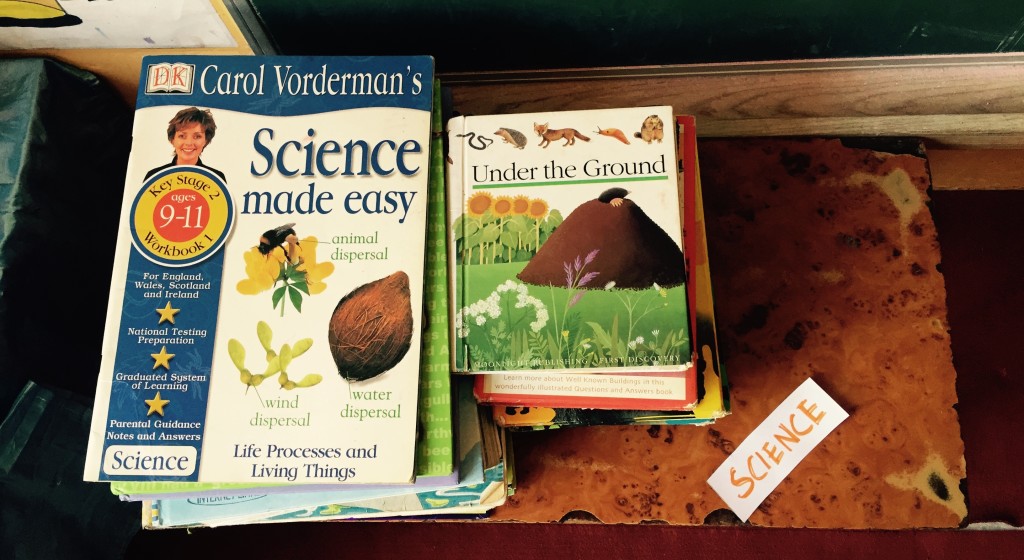
The same principle applies to books. Shelves benefit from occasional reorganization, damaged titles can be repaired where possible, and new material can be displayed rather than hidden among older volumes. A changing selection keeps the room interesting and gives returning readers fresh reasons to look around.
Make Room For Reading
A cushion may seem like a minor object, yet it can influence how long a child reads, how welcome they feel, and whether a community space becomes part of daily life. Comfort supports concentration; thoughtful design supports independence; shared spaces support connection. Together, these elements turn access to books into a meaningful learning experience.
Reading rooms in Ladakh and other Himalayan communities can offer far more than shelves. They can provide warmth, imagination, confidence, and a quiet place where children and young monks are encouraged to grow. Supporting books, furnishings, creative programs, or volunteer-led activities helps make that possibility real.
Visit Avalokiteśvara Trust to learn how its educational and community initiatives are creating welcoming places for children to read, learn, and imagine. Your support can help put both a good book and a comfortable place to enjoy it within reach.