How a mountain girl’s story changed a village child
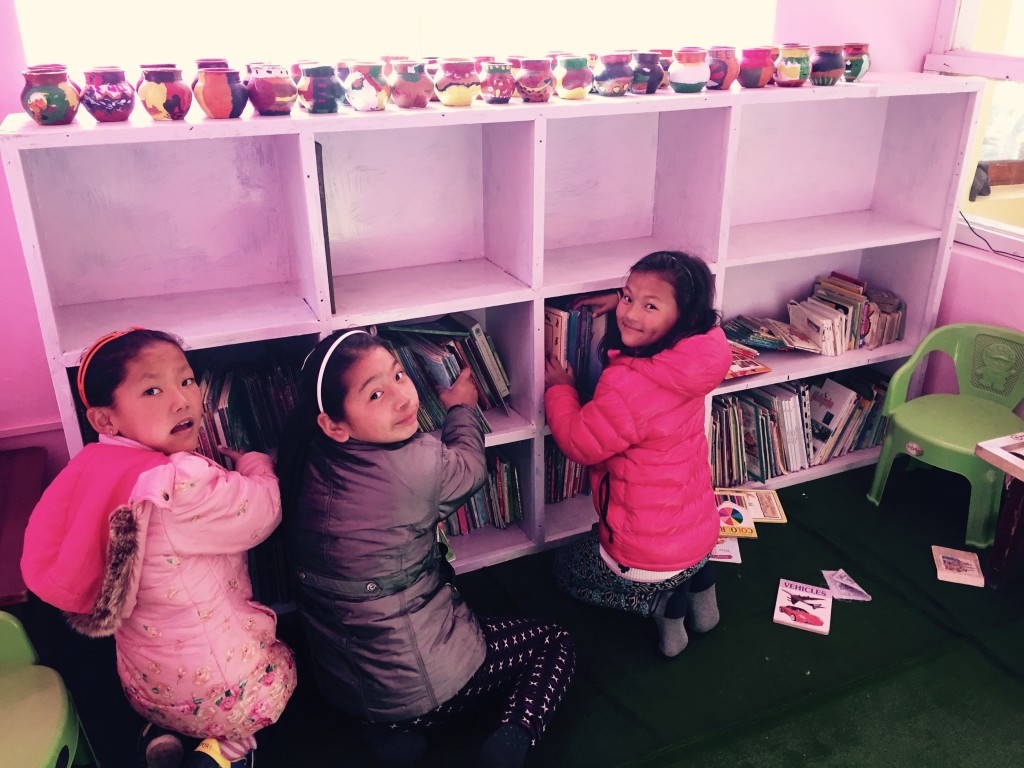
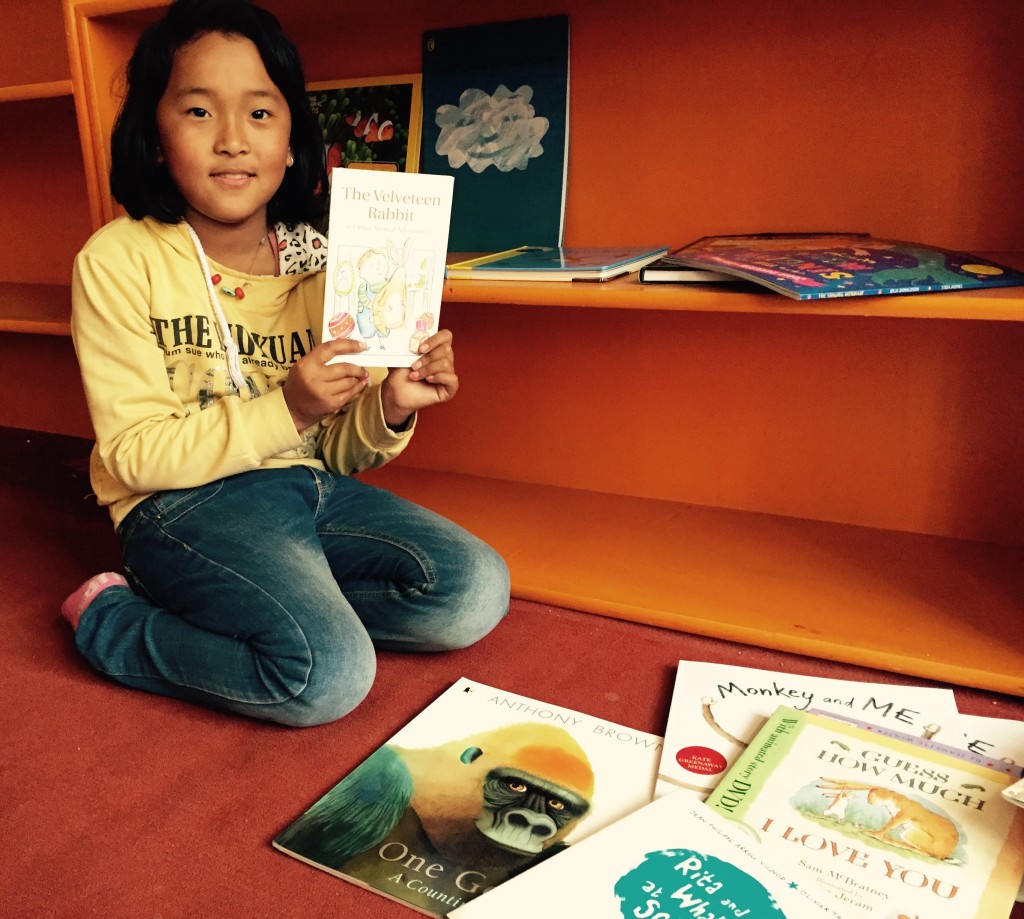
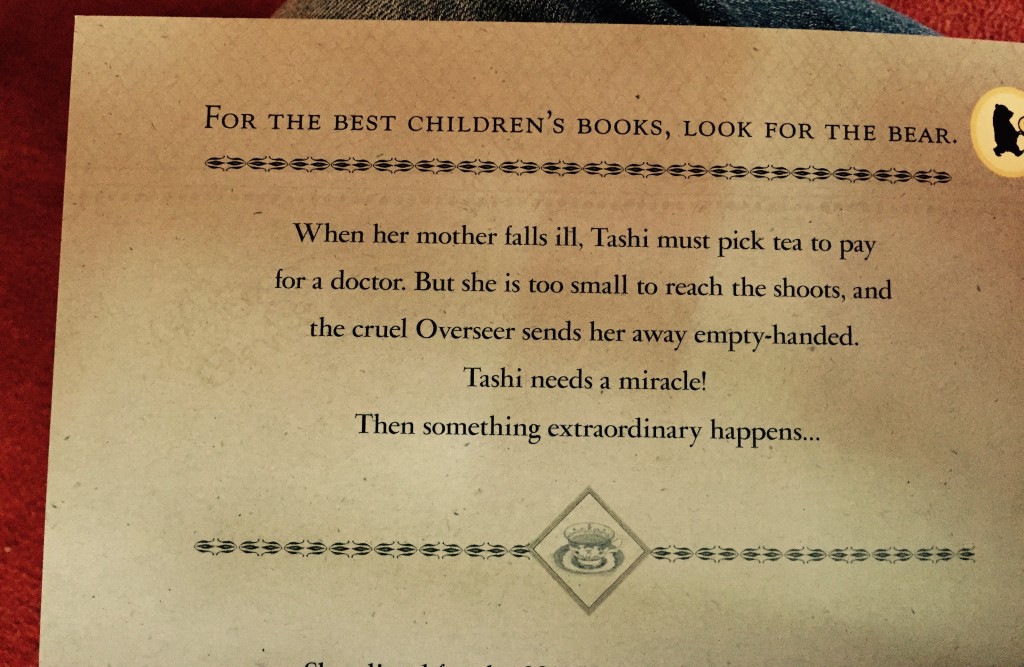
In a reading room in Ladakh, a book about a girl who climbs mountains can do more than describe an adventure. For a village child, it can turn familiar slopes into sources of courage, curiosity and possibility. The heroine’s journey becomes a mirror without erasing the child’s own life.
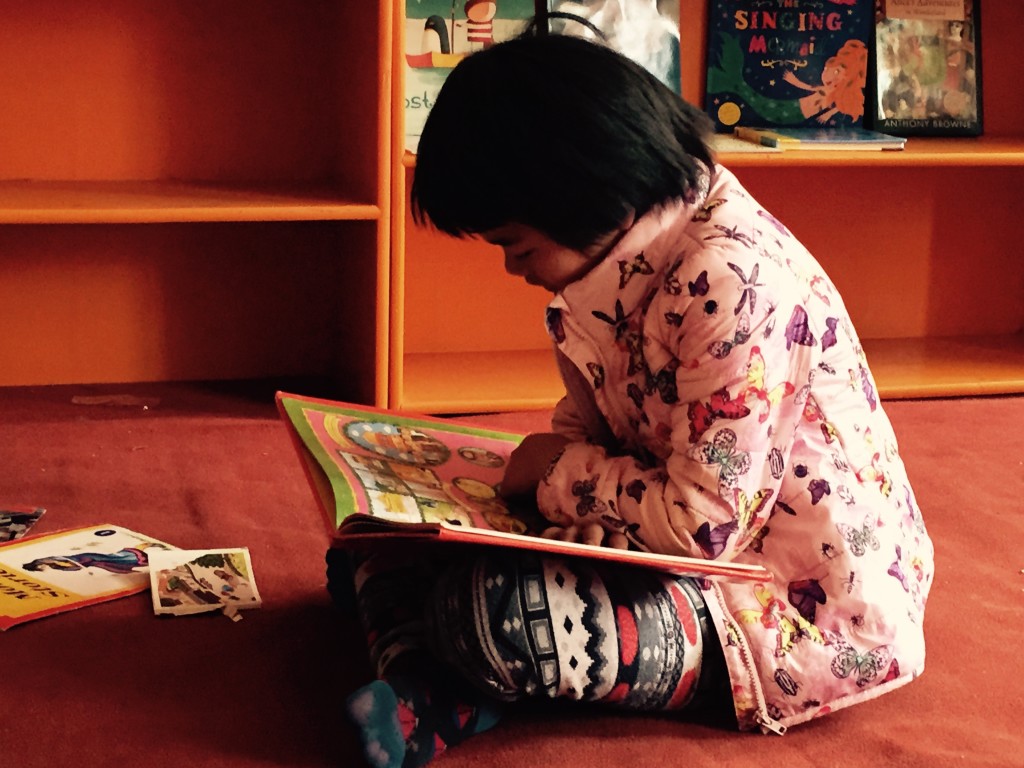
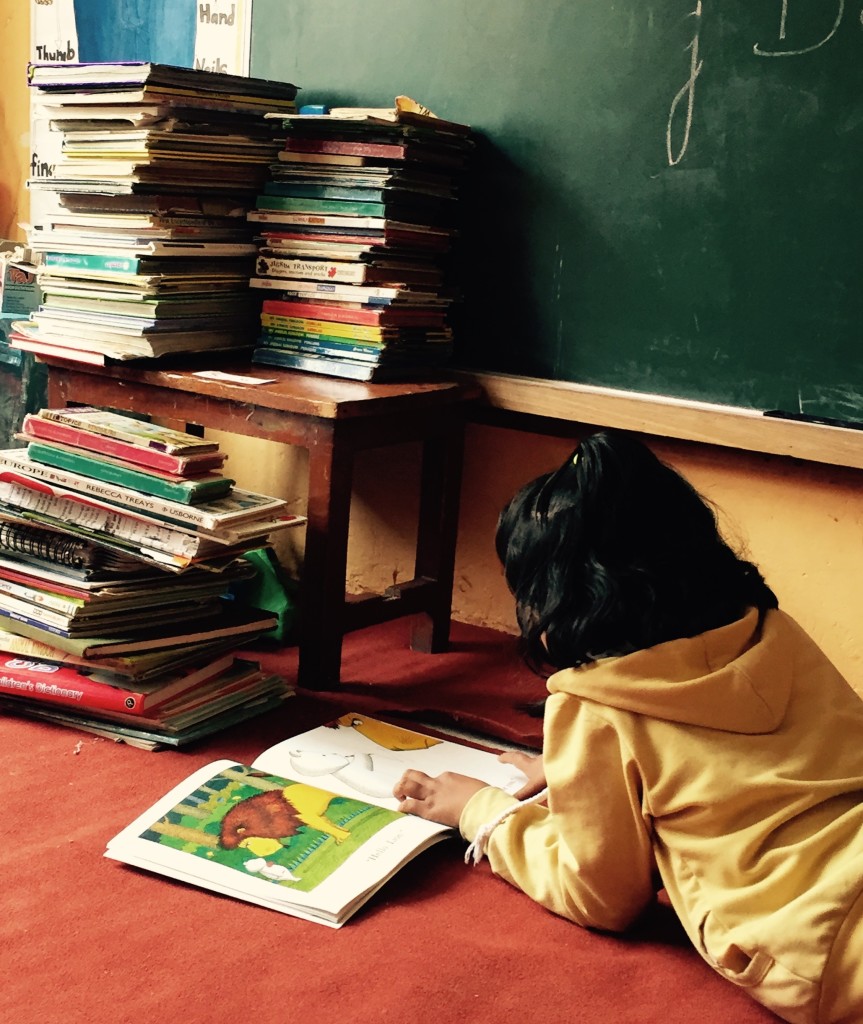
Small responses often reveal a book’s influence: a child pauses over an illustration, repeats a phrase, retells a scene or asks why the heroine chose a hard path. Stories do not replace school, family or work. They give those realities a richer language and fresh questions.
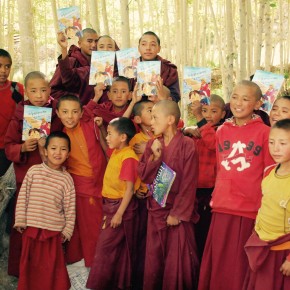
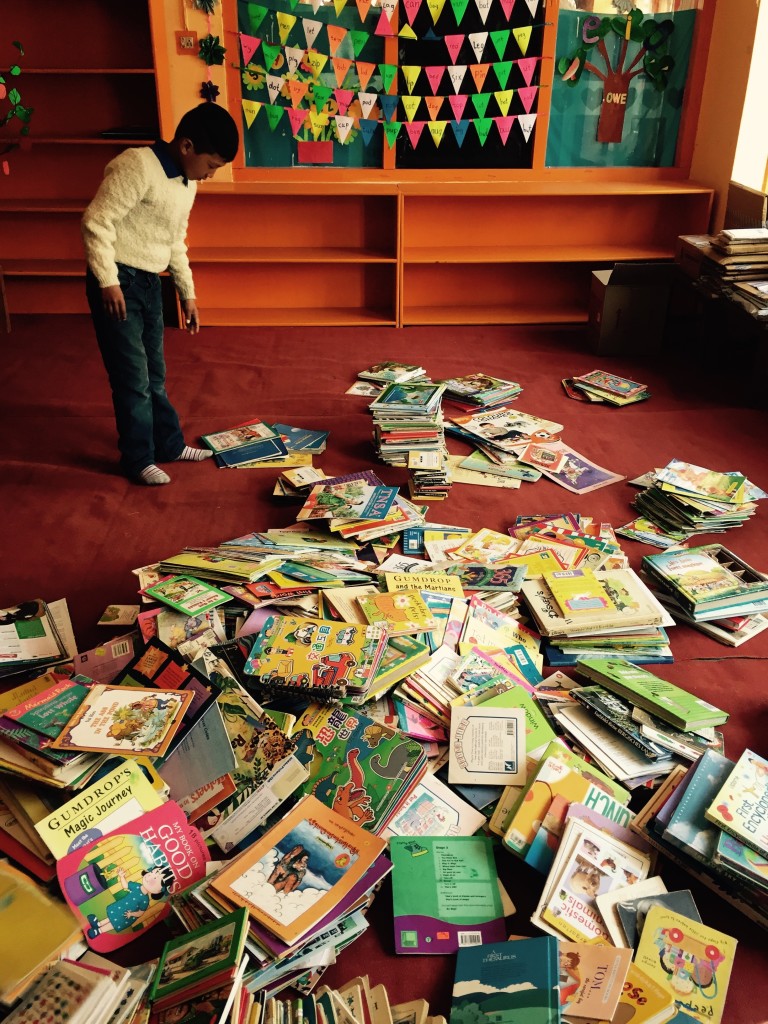
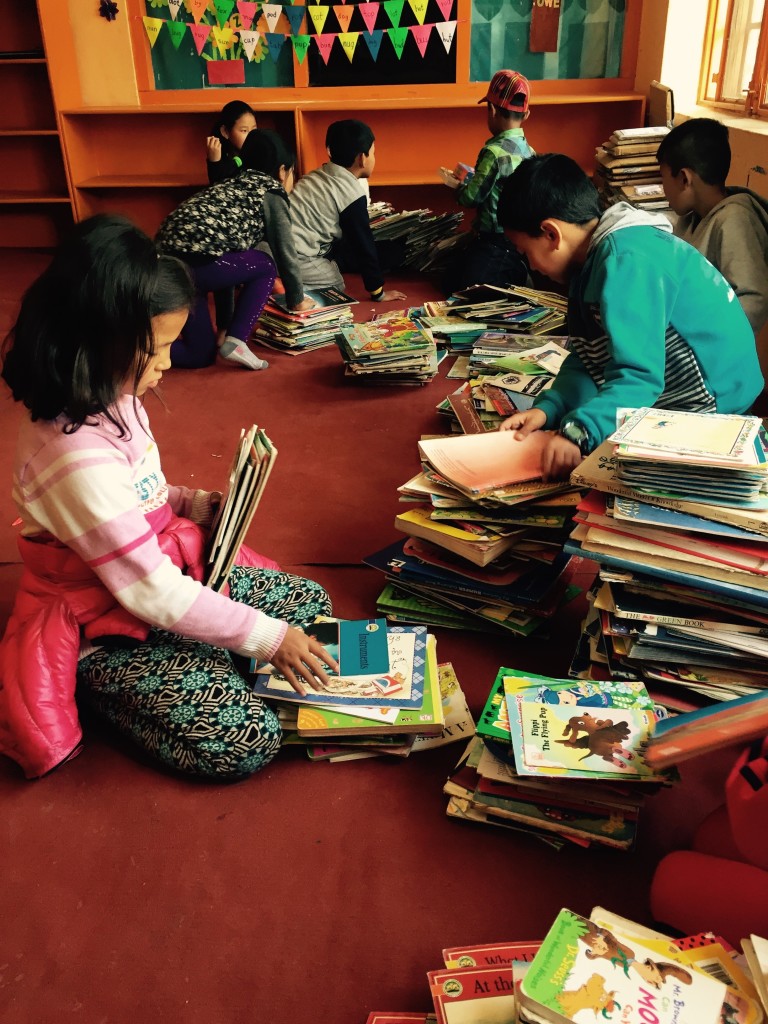
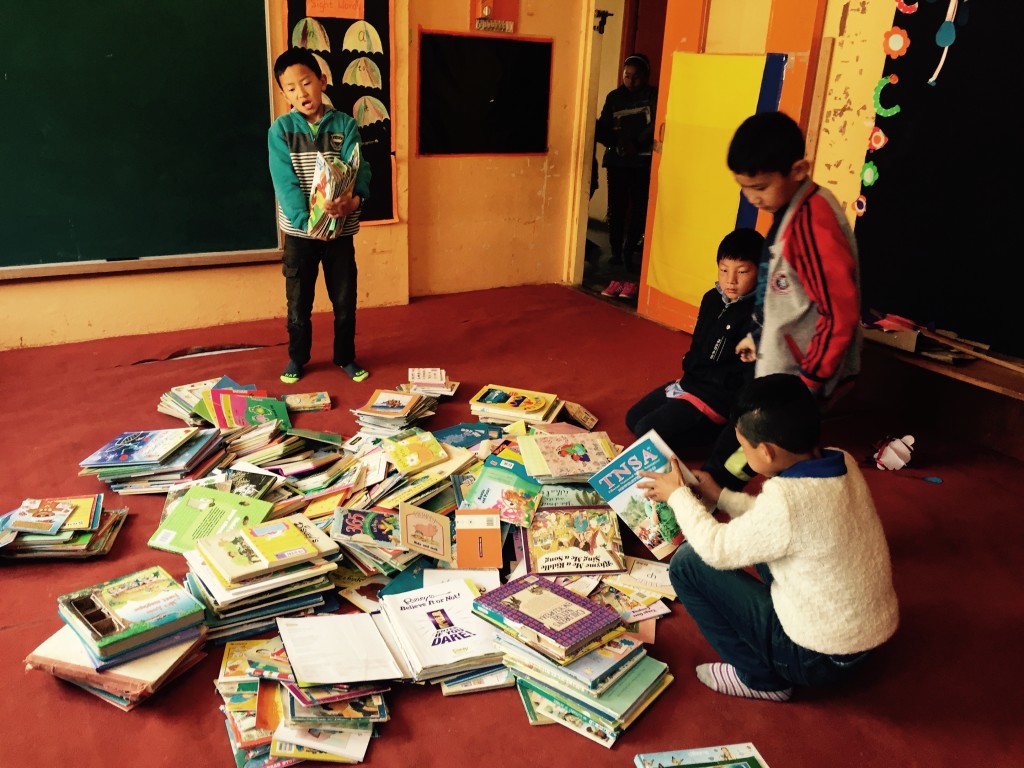
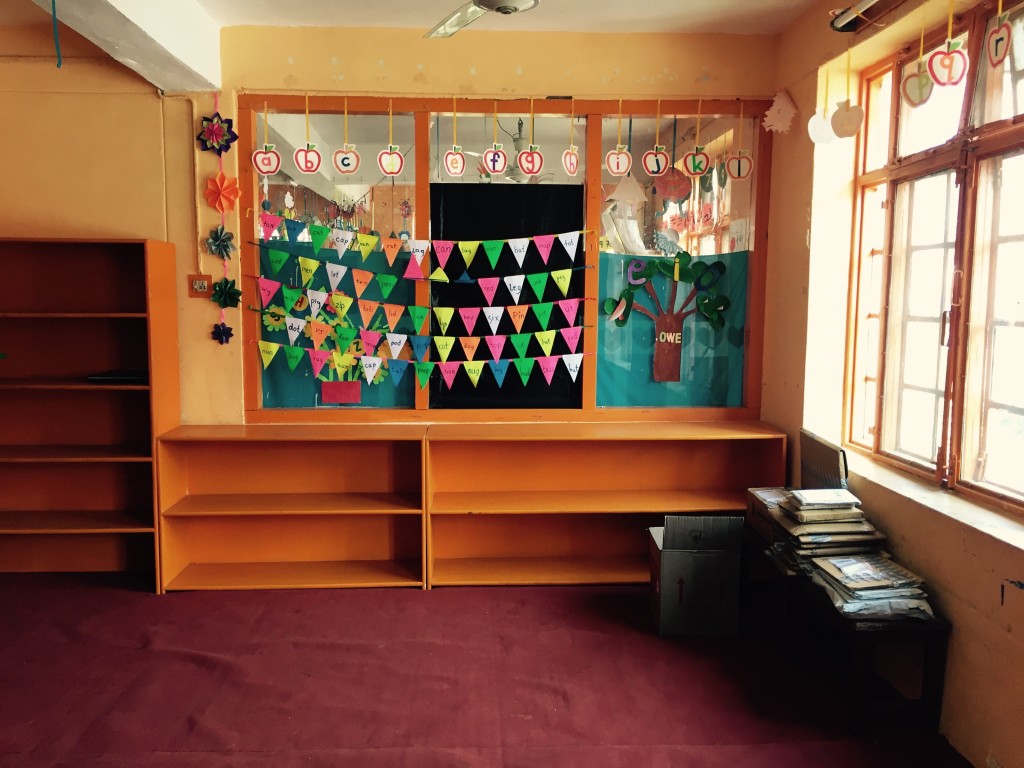
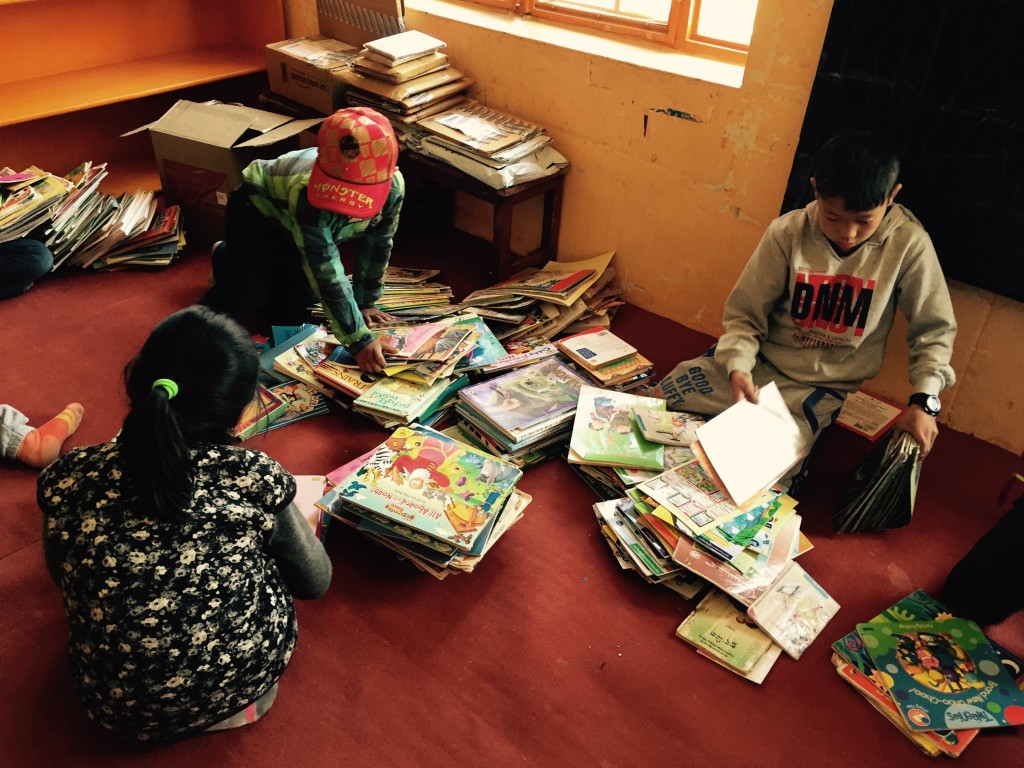
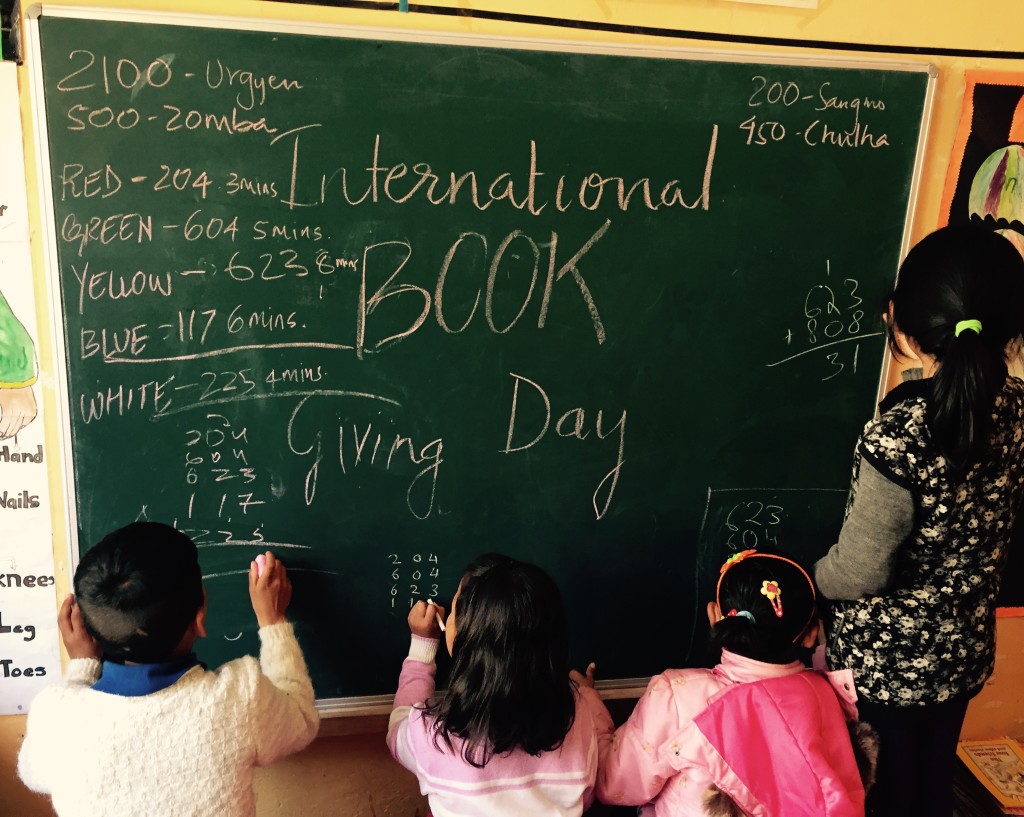
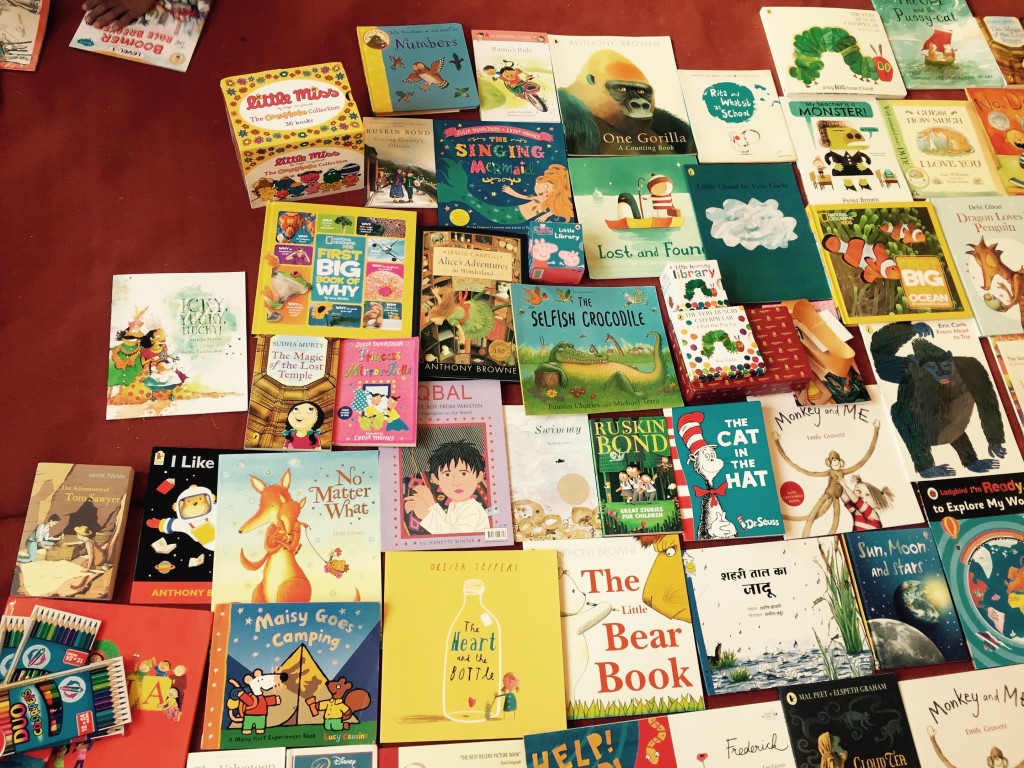
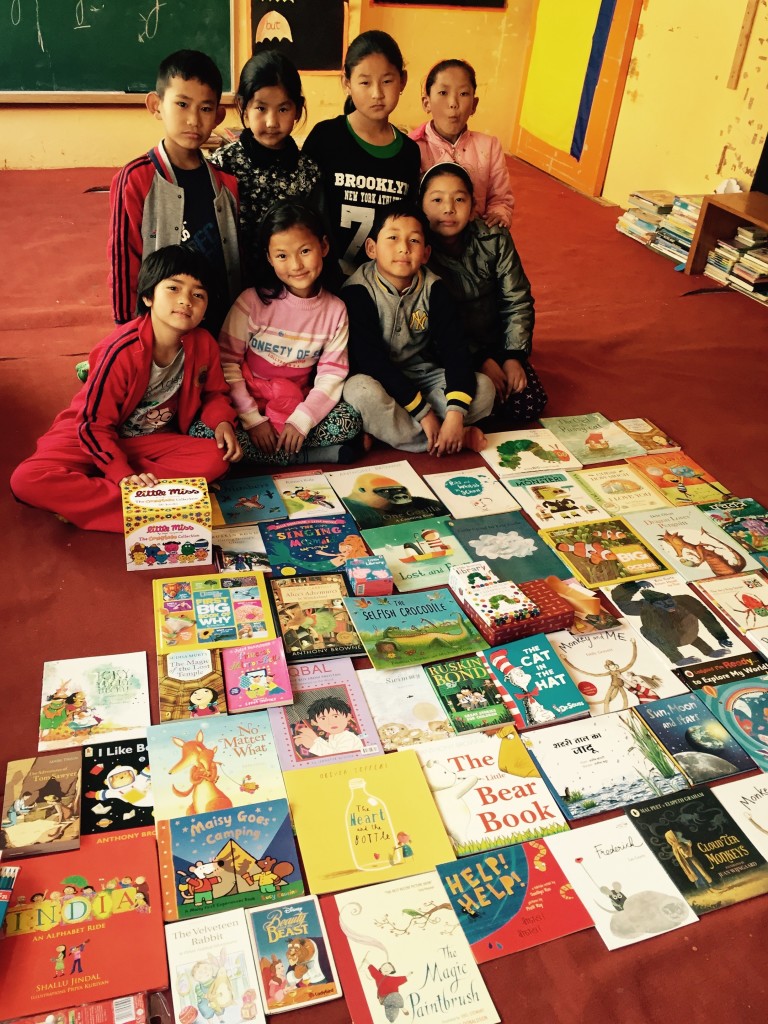
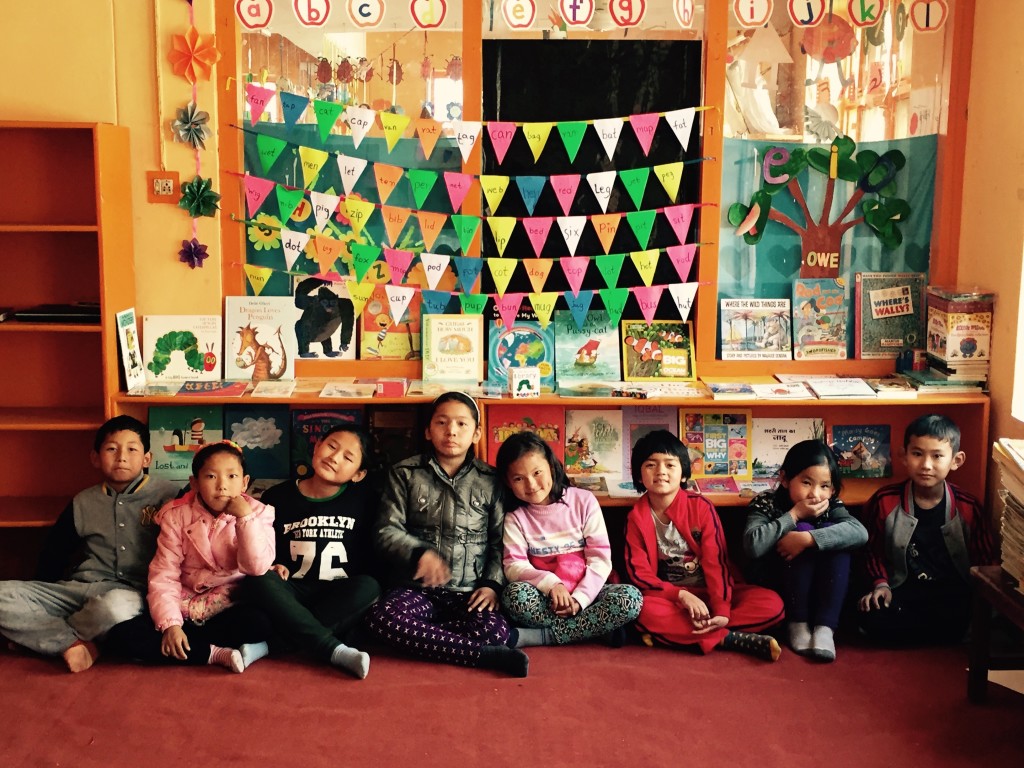
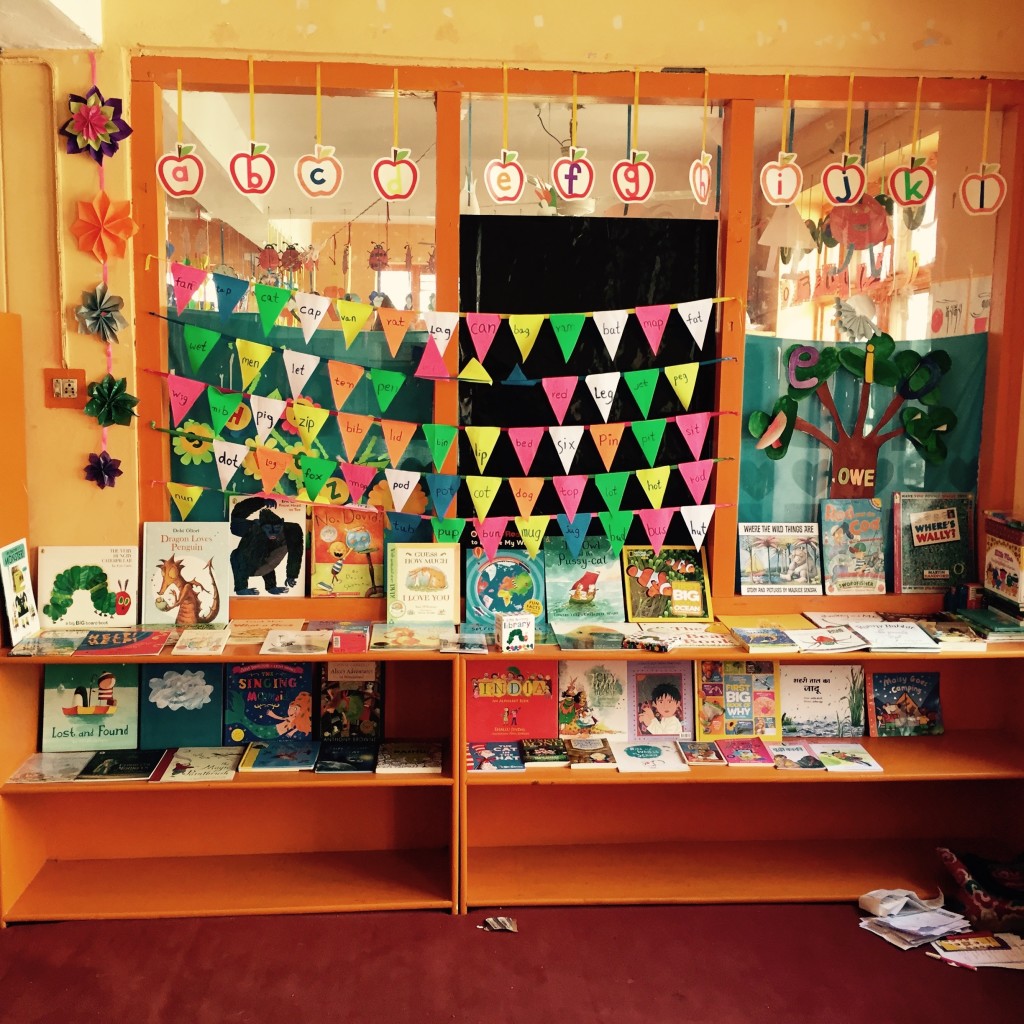
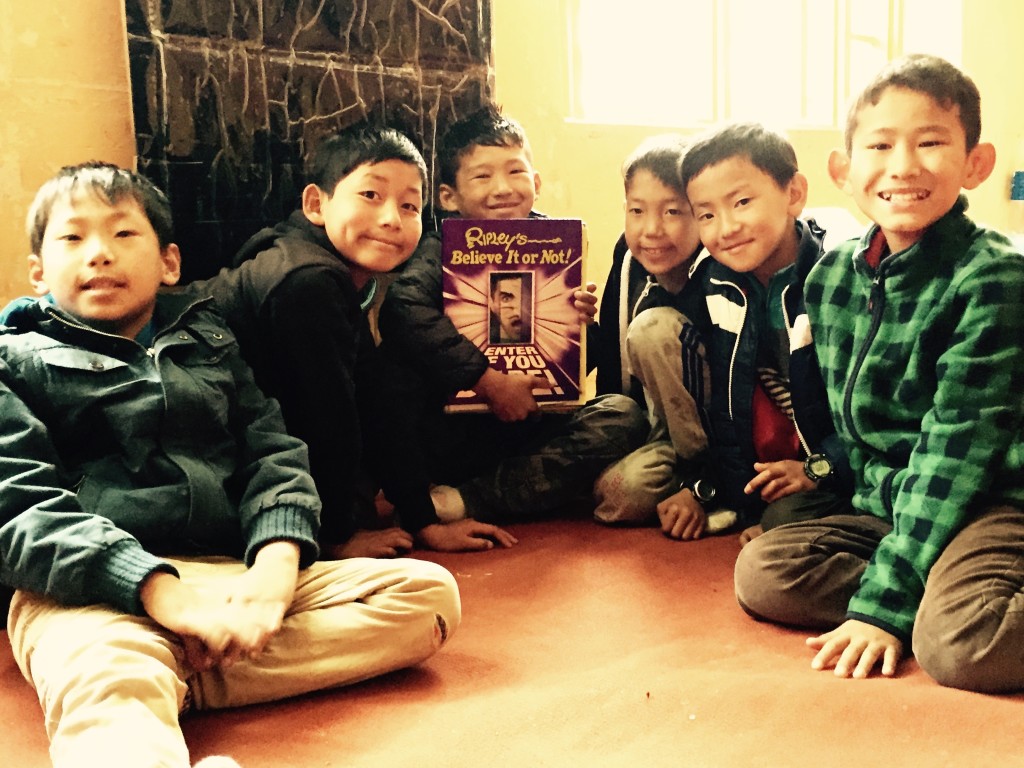
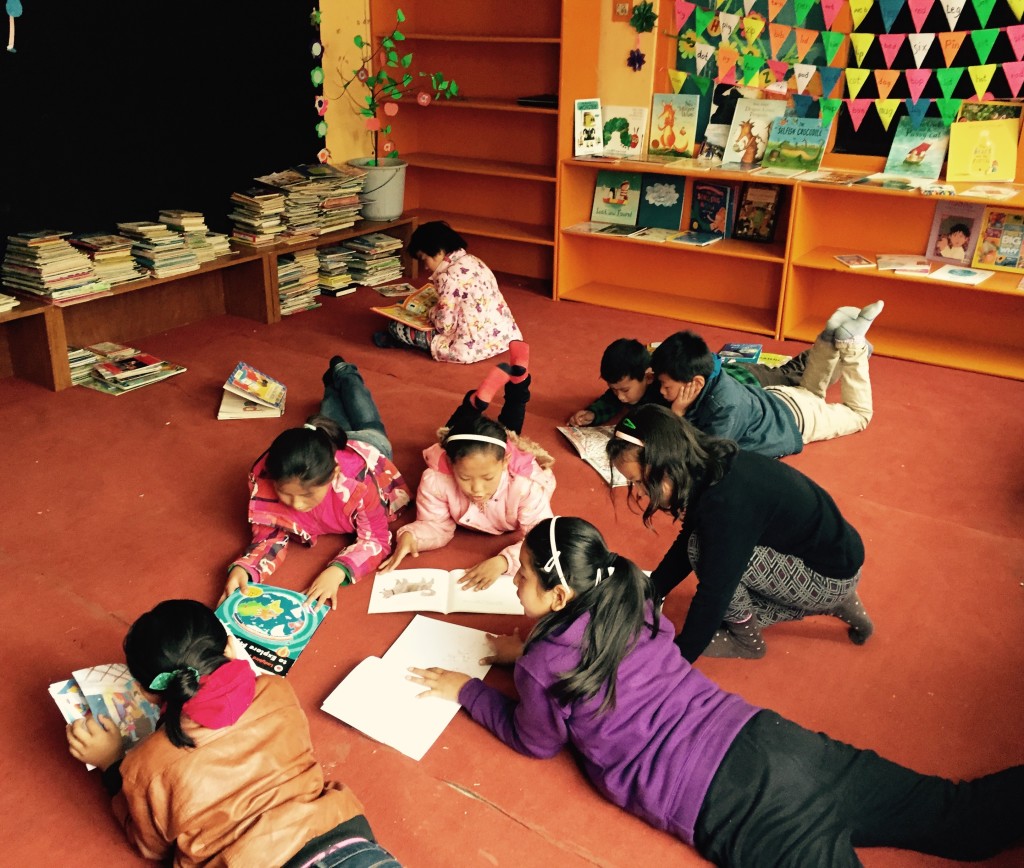
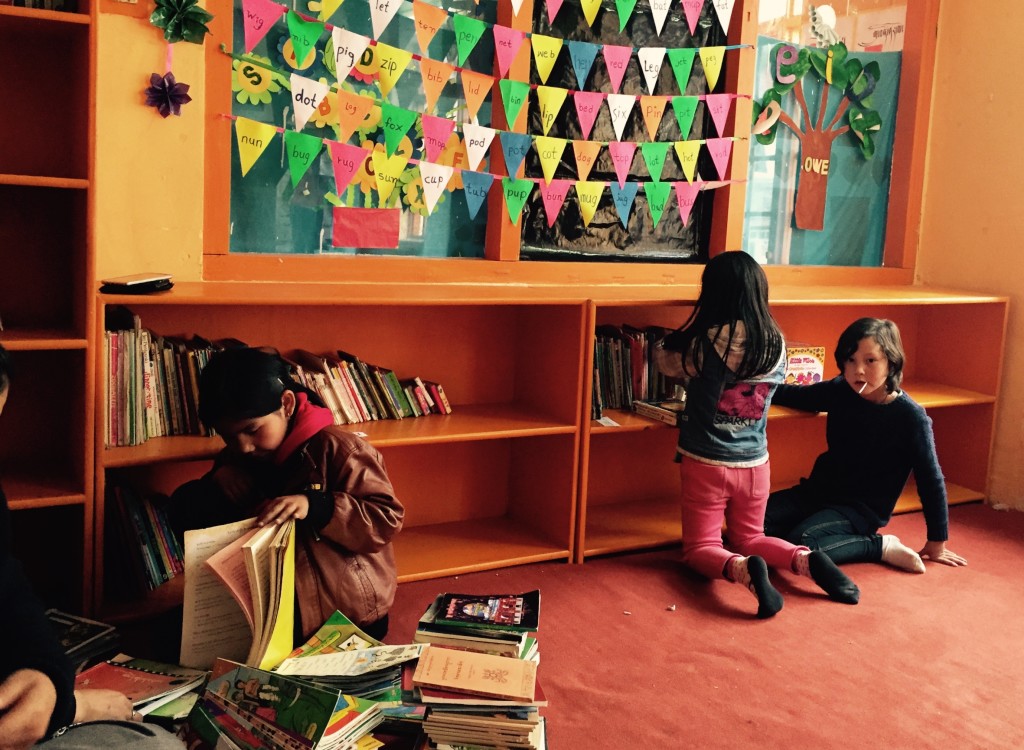
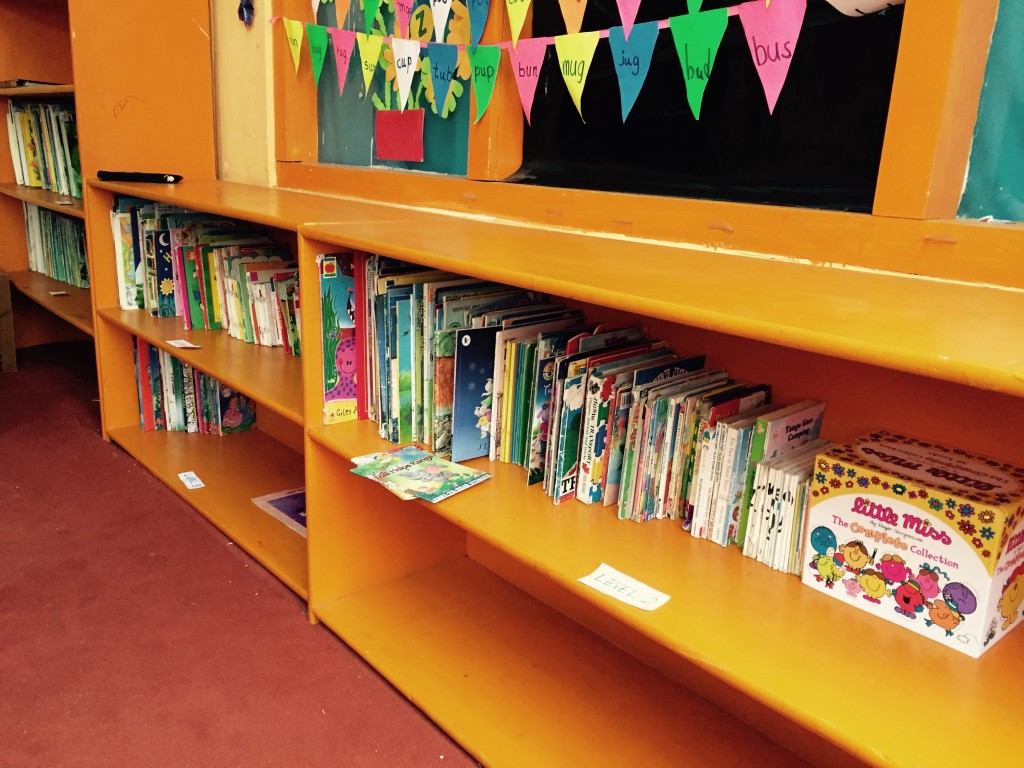
Avalokiteśvara Trust supports children and young monks through reading rooms, book drives, and educational, artistic and musical activities. This account follows the human chain between a donated story, a child and a community that creates room for reflection, imagination and learning.
A story that reaches beyond the page
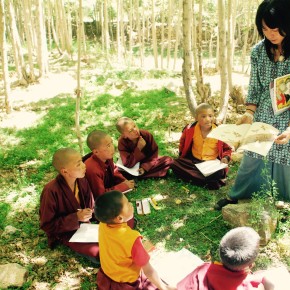
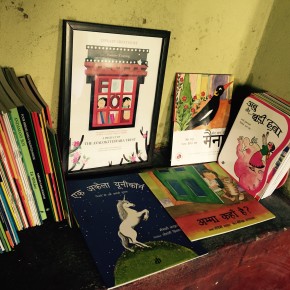
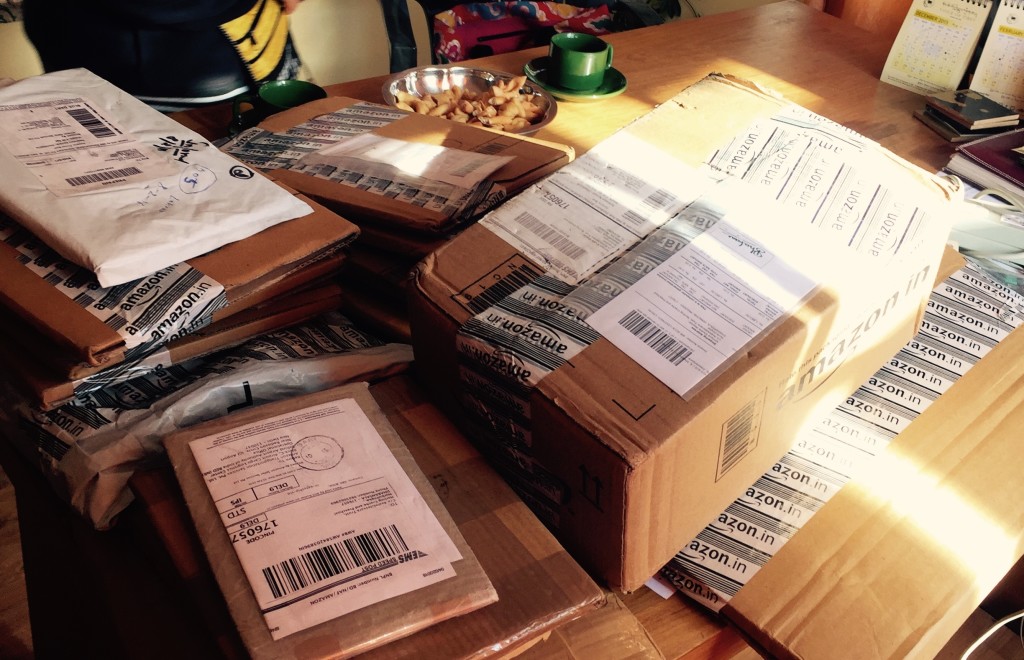
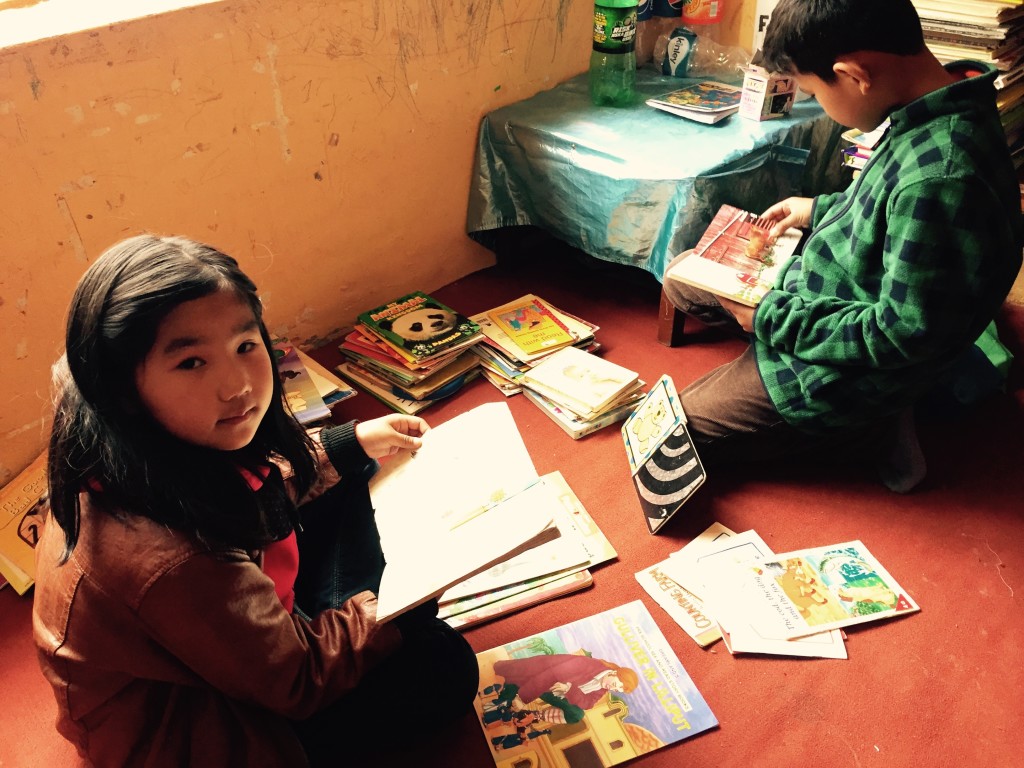
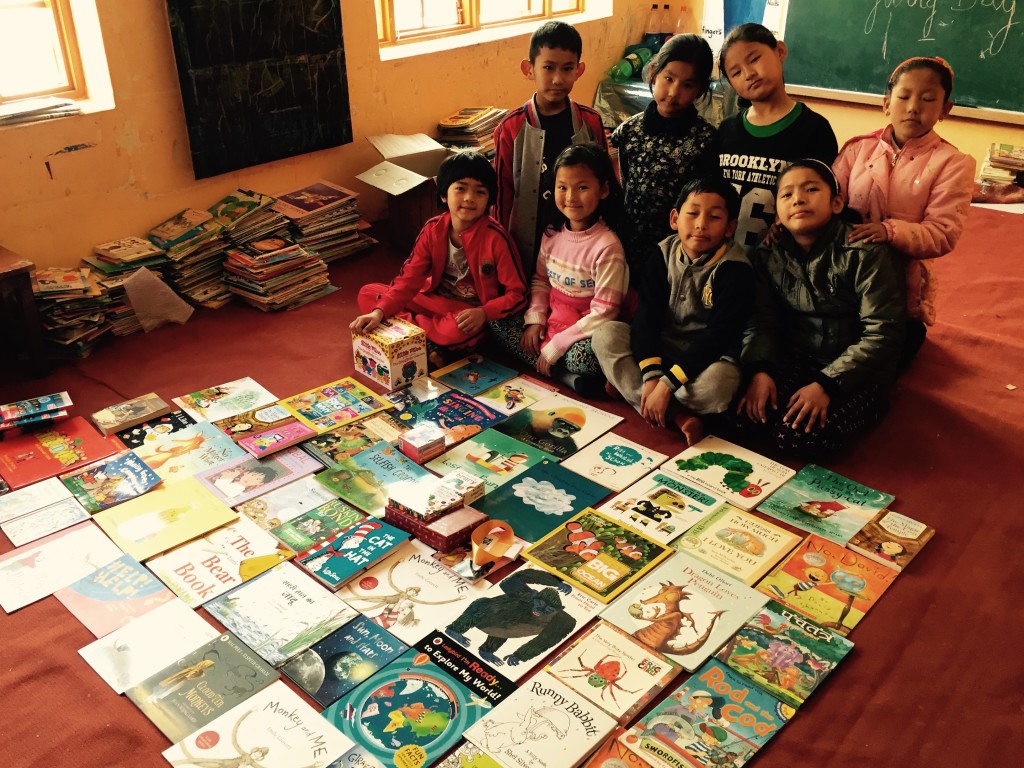
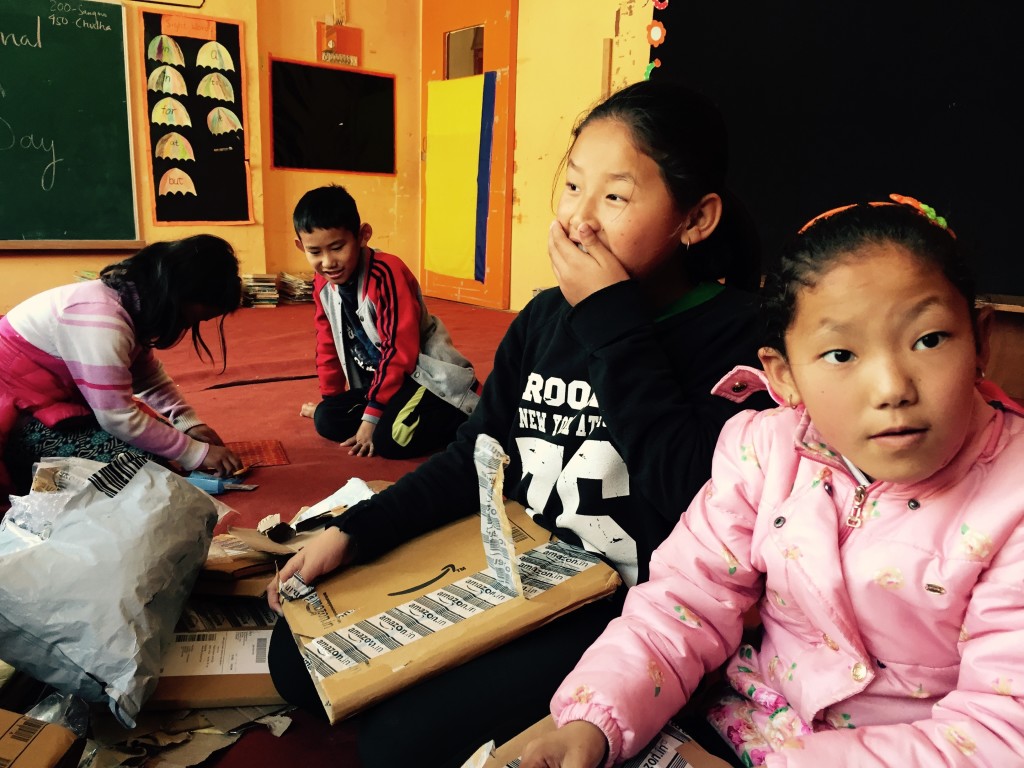
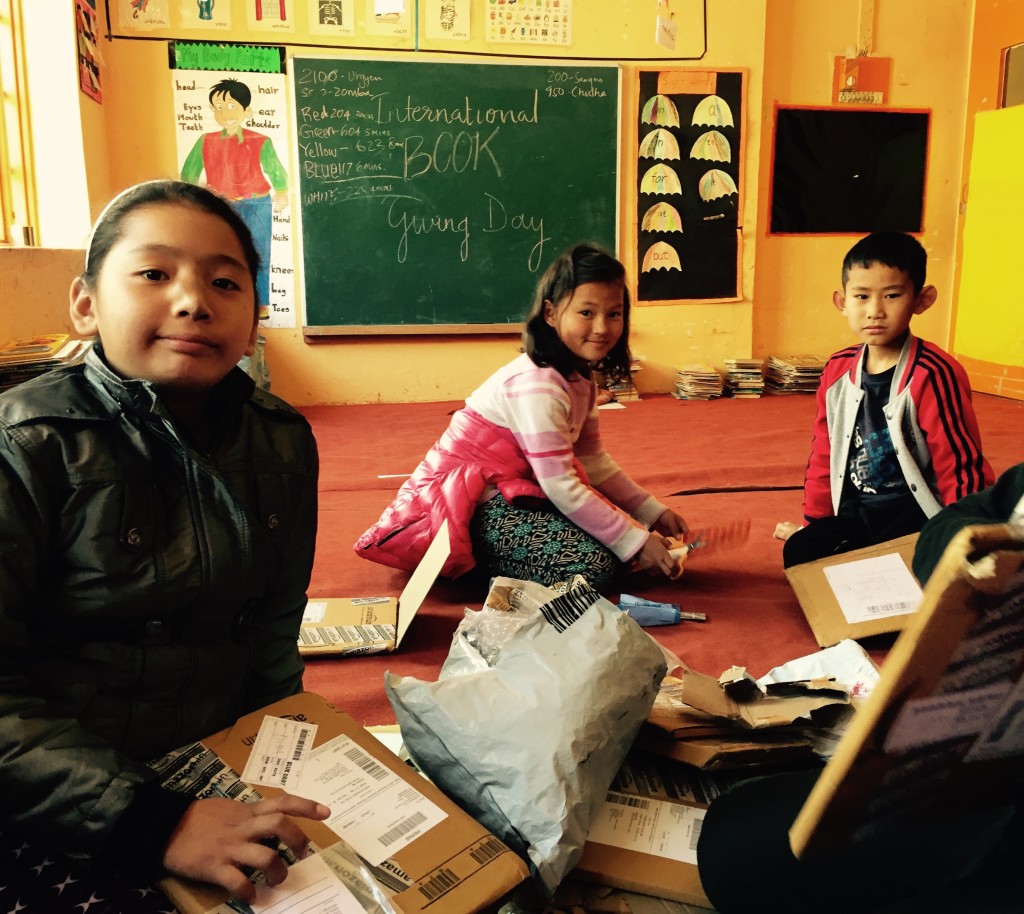
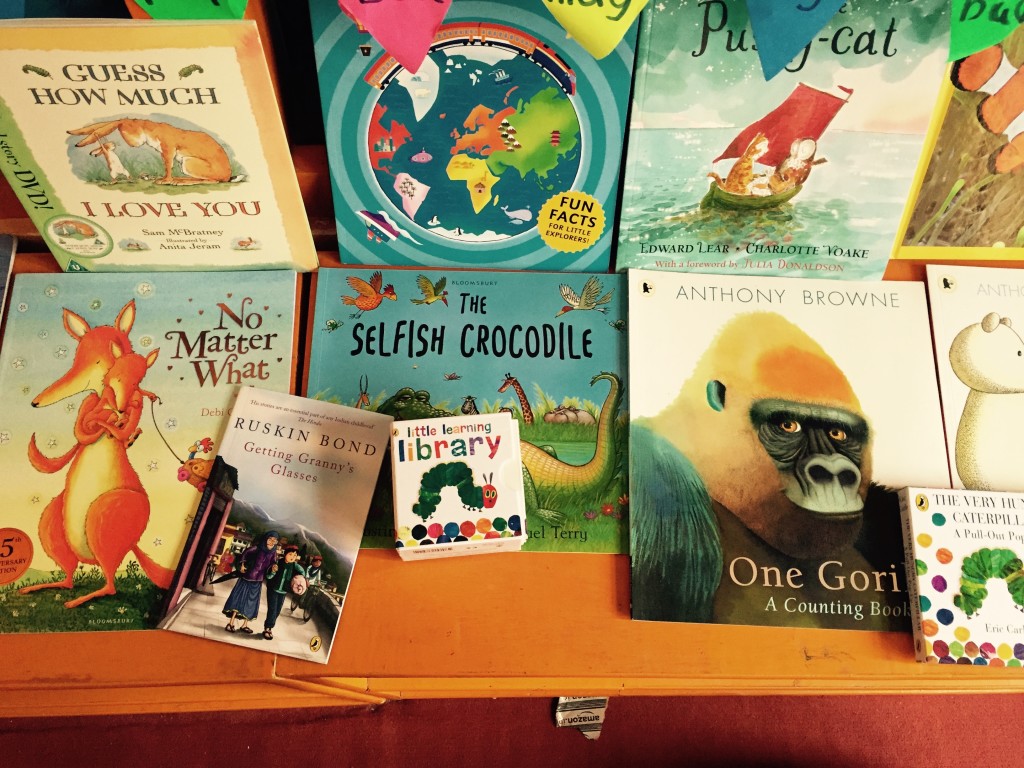
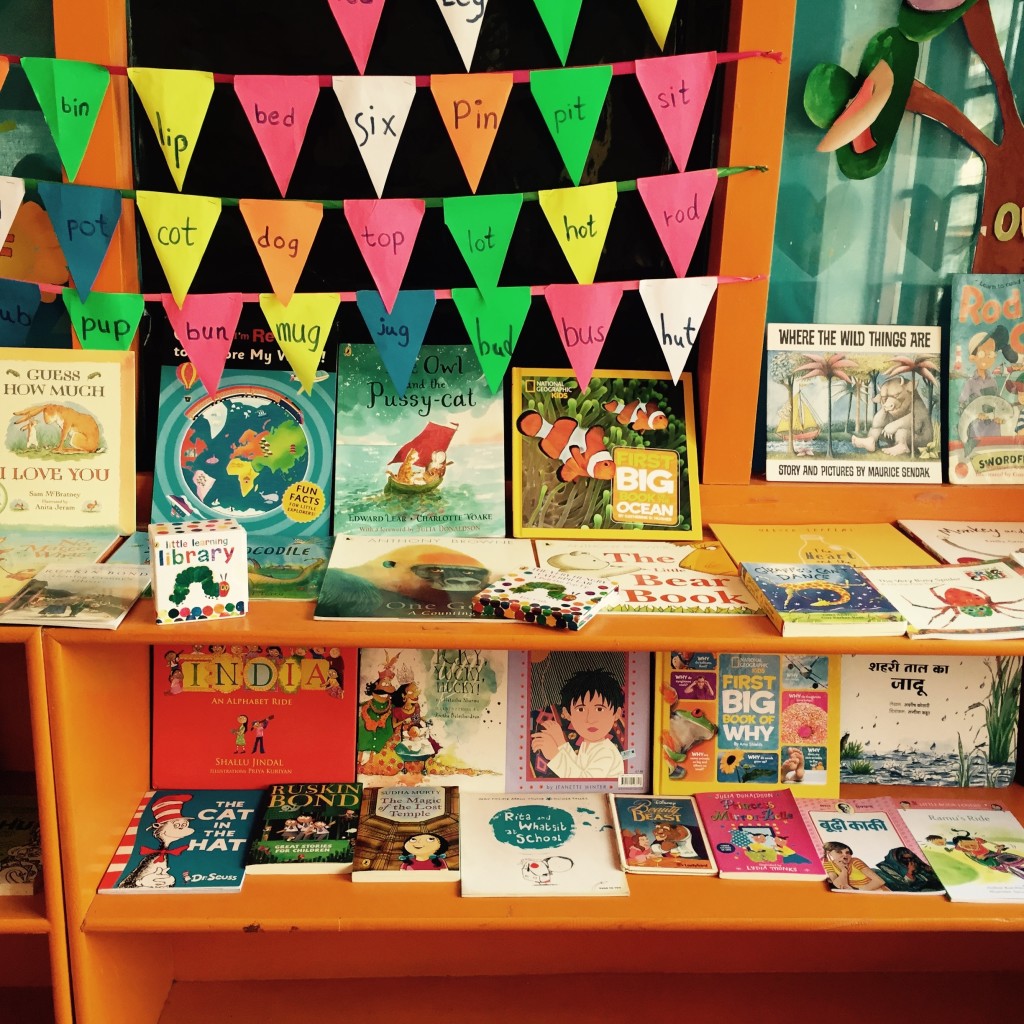
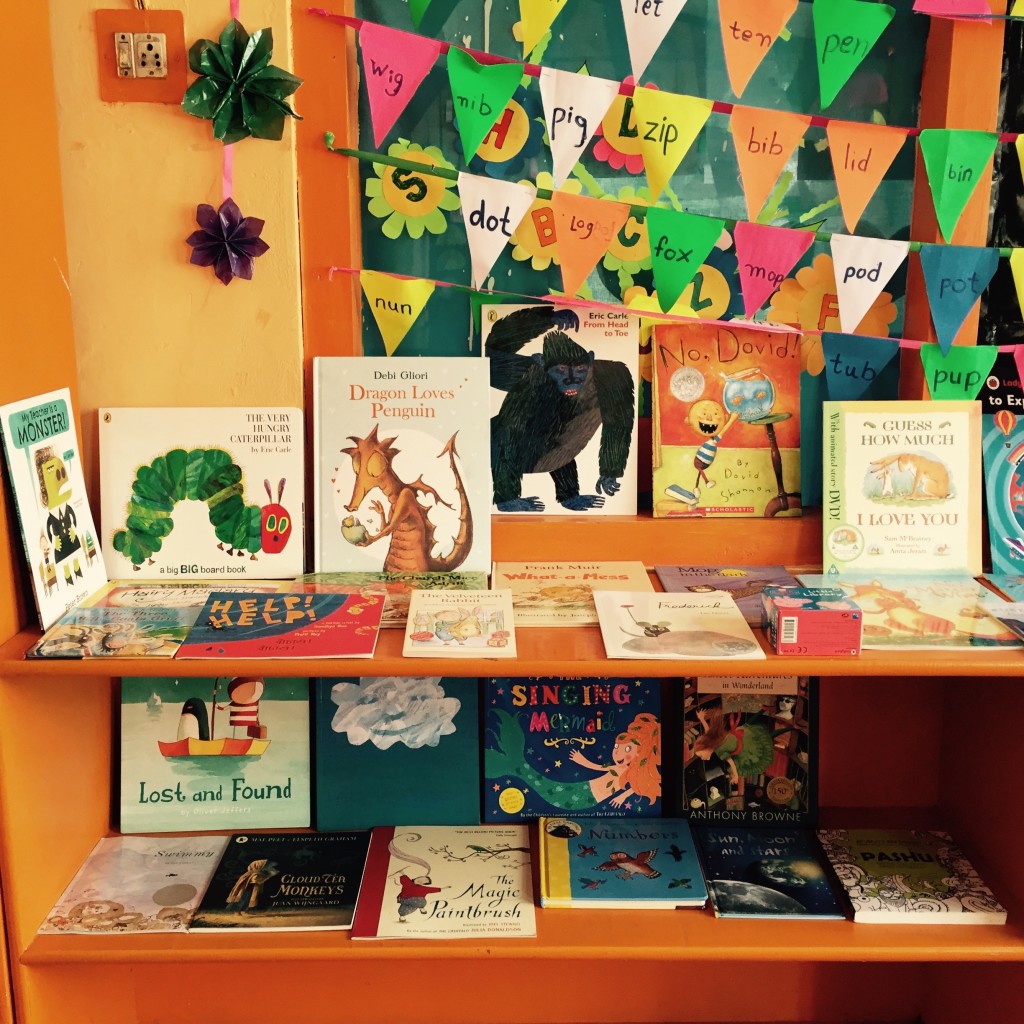
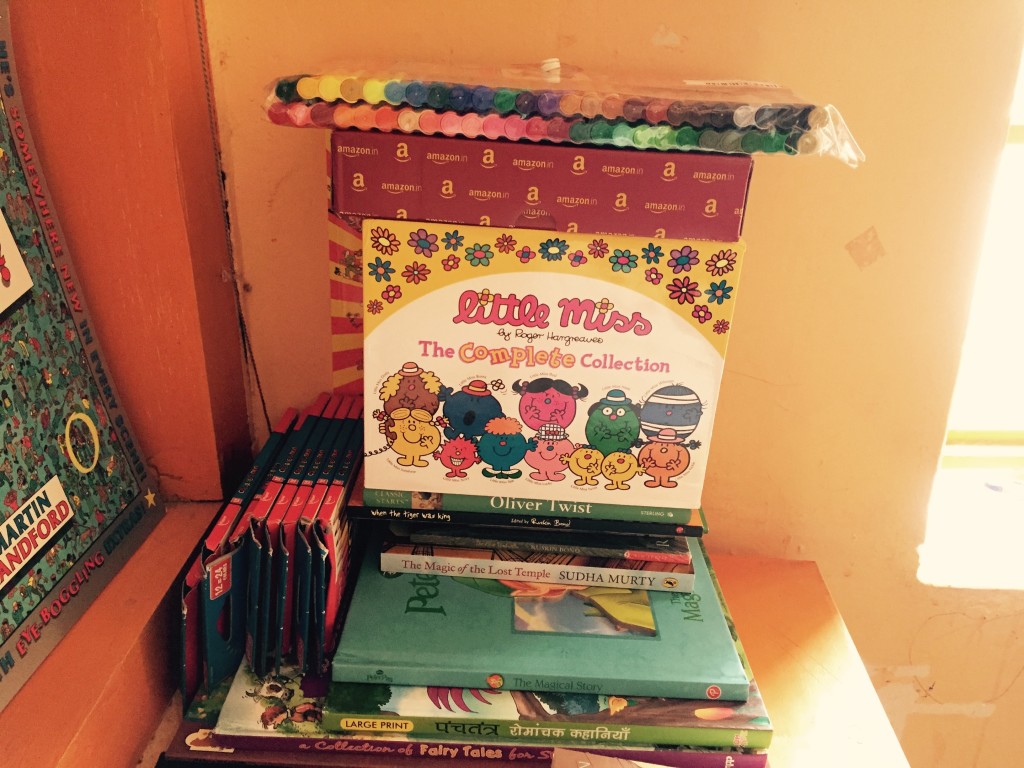
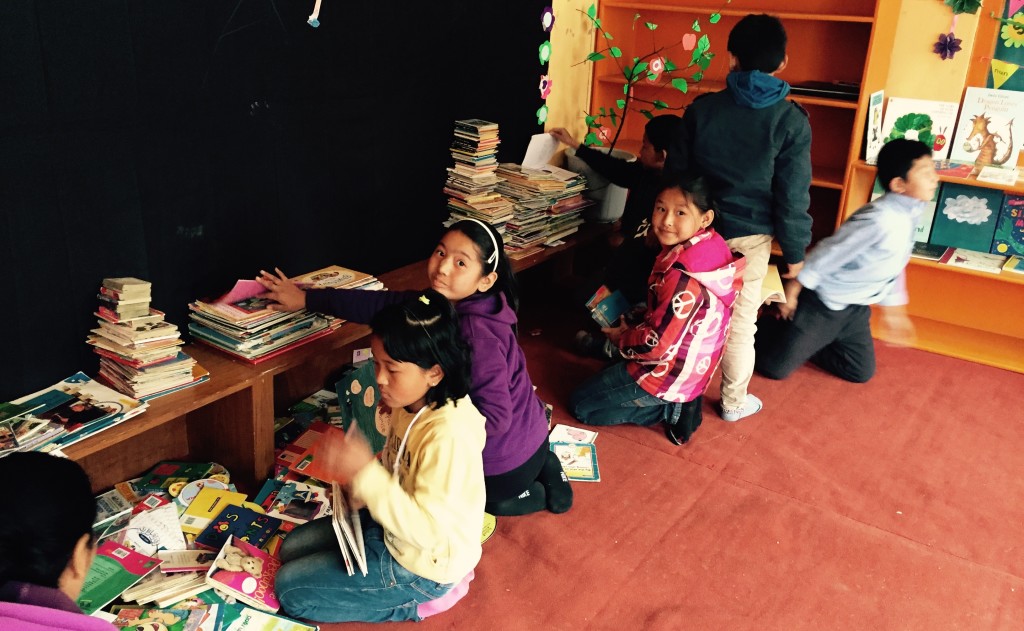
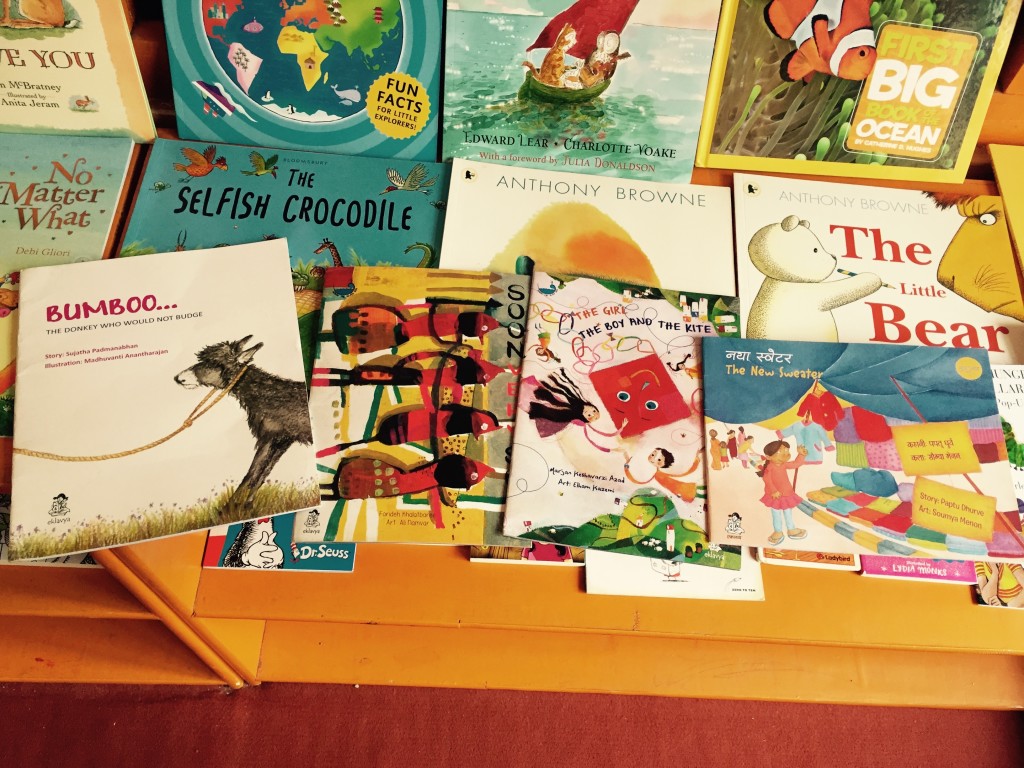
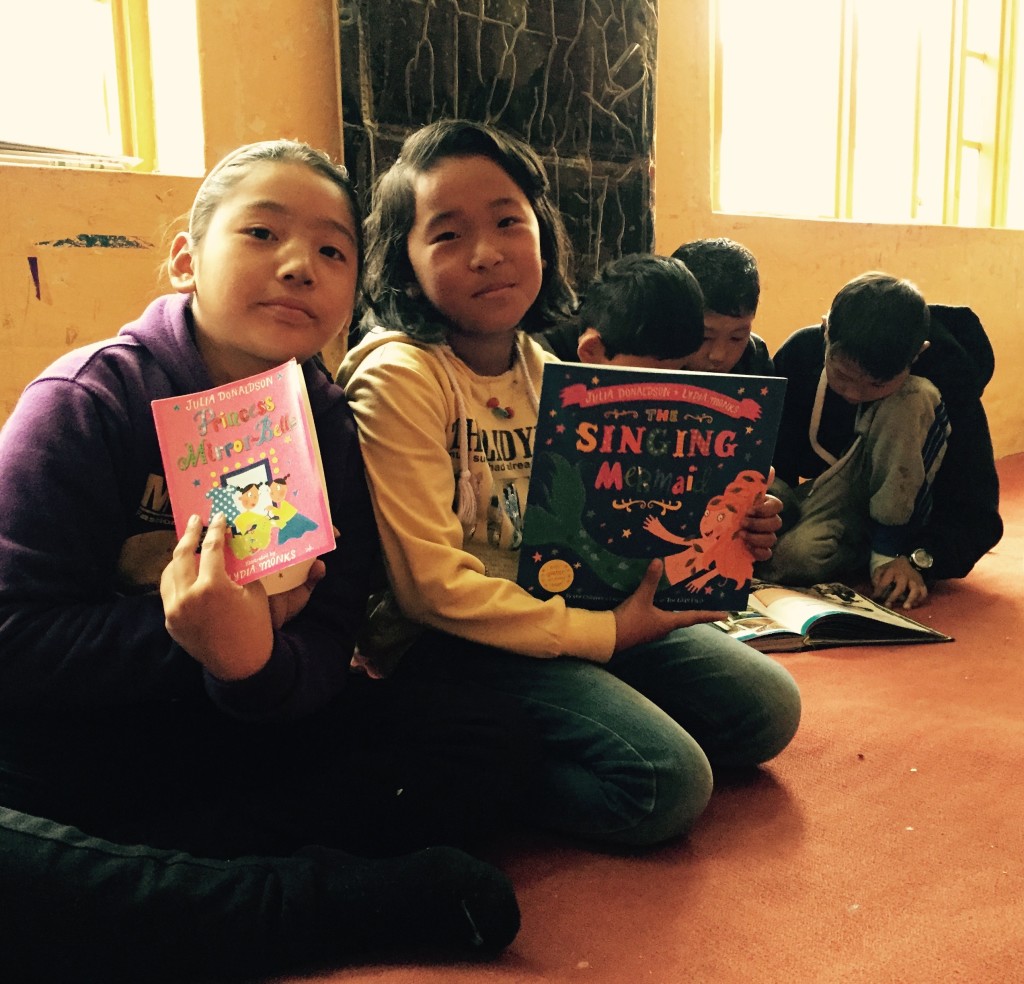
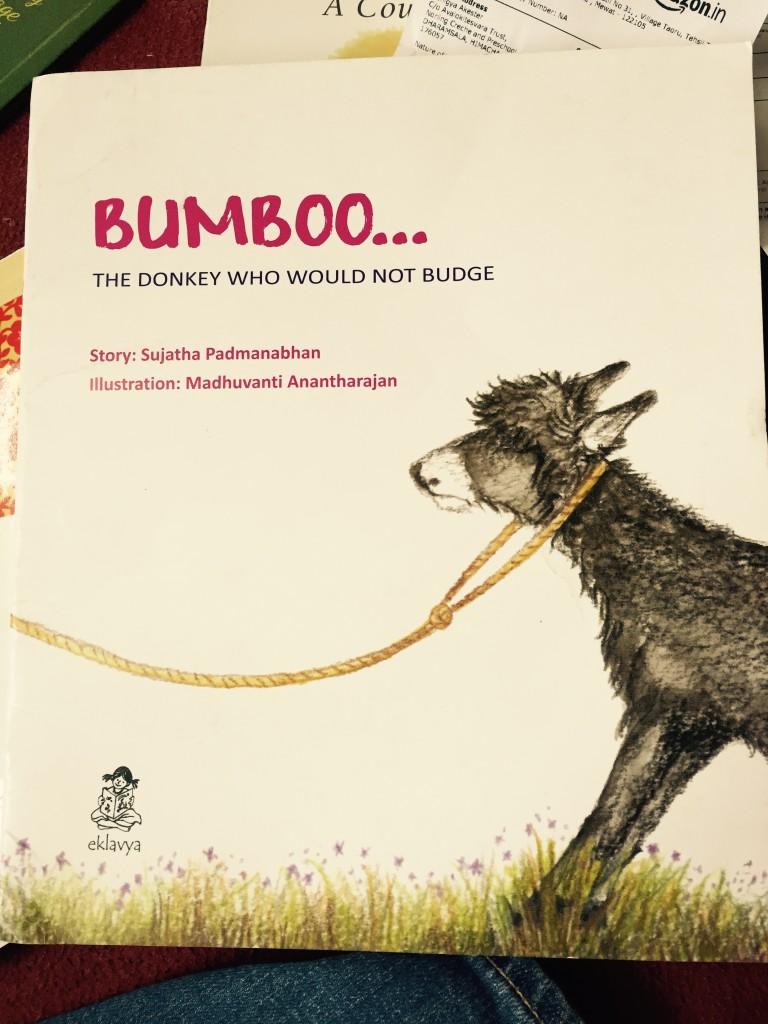
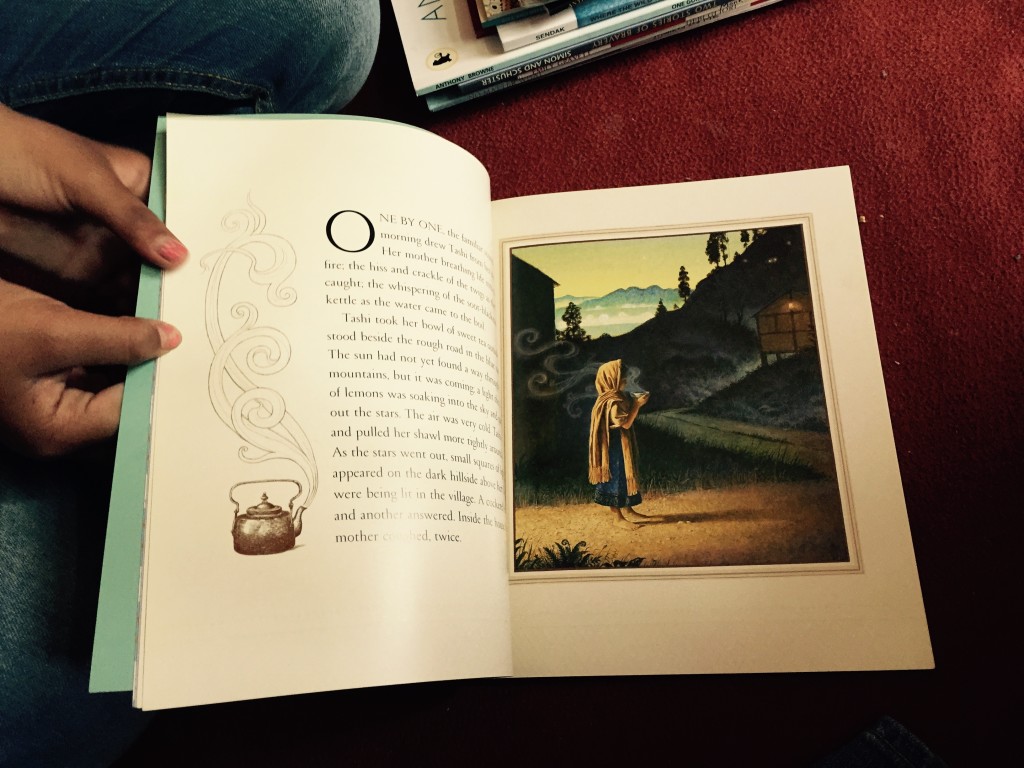
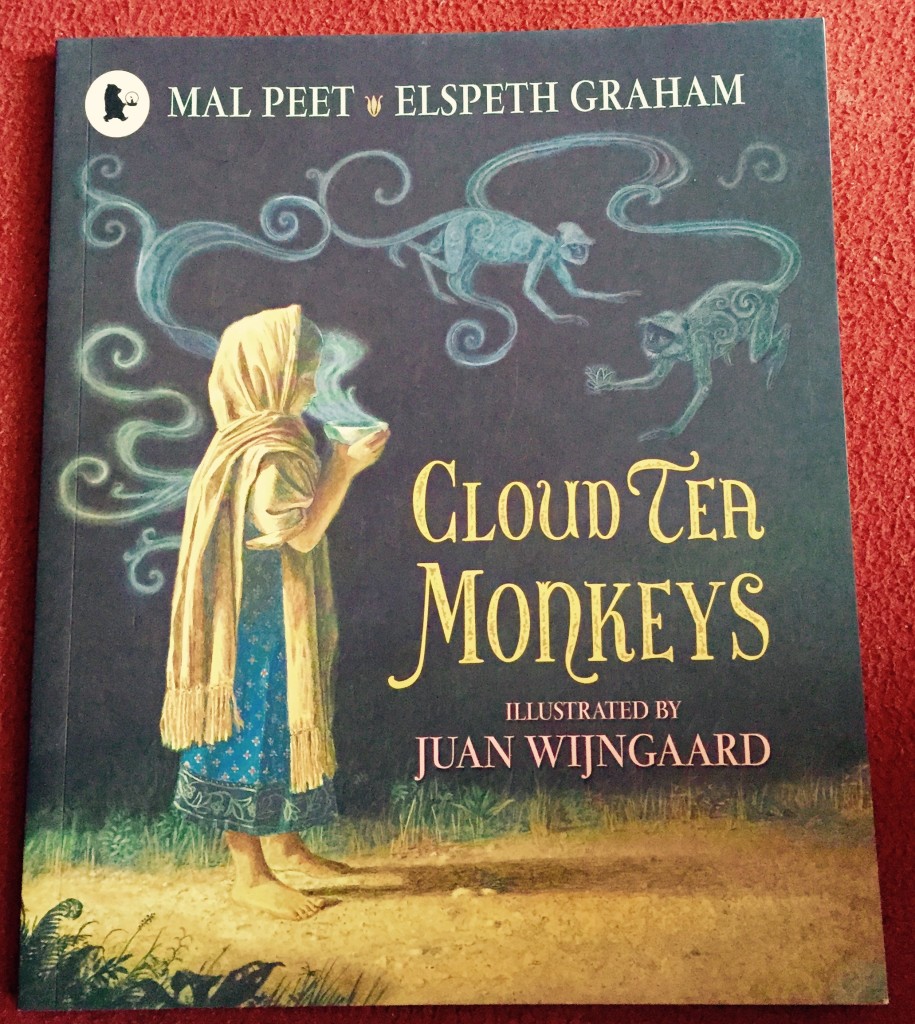
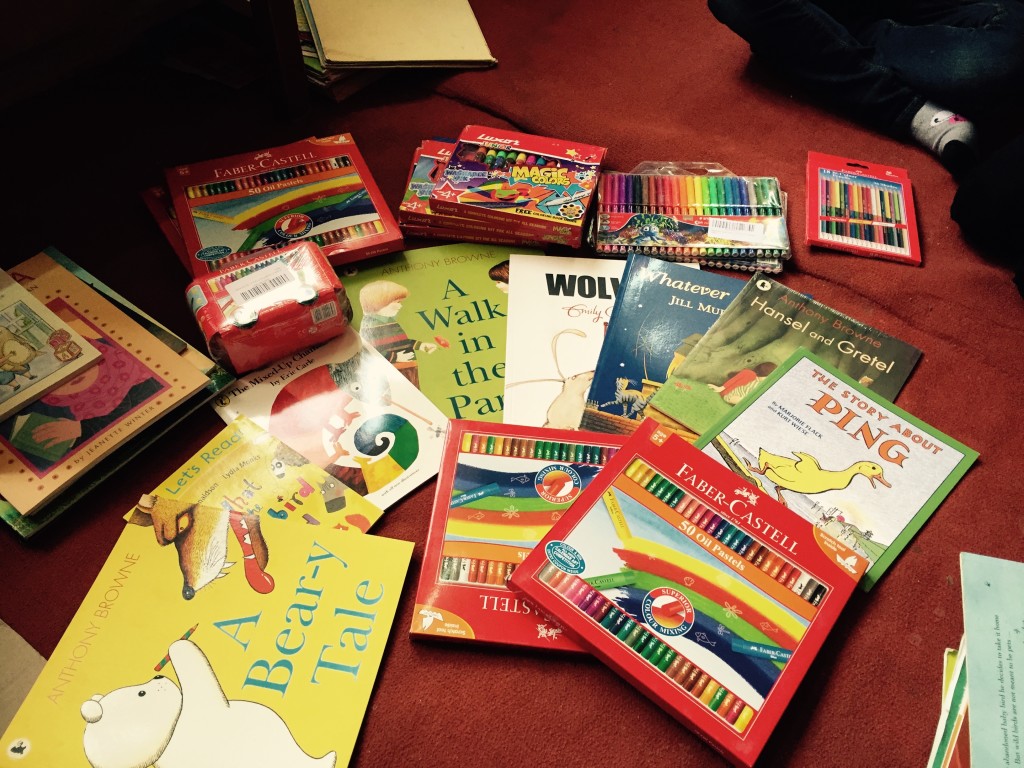
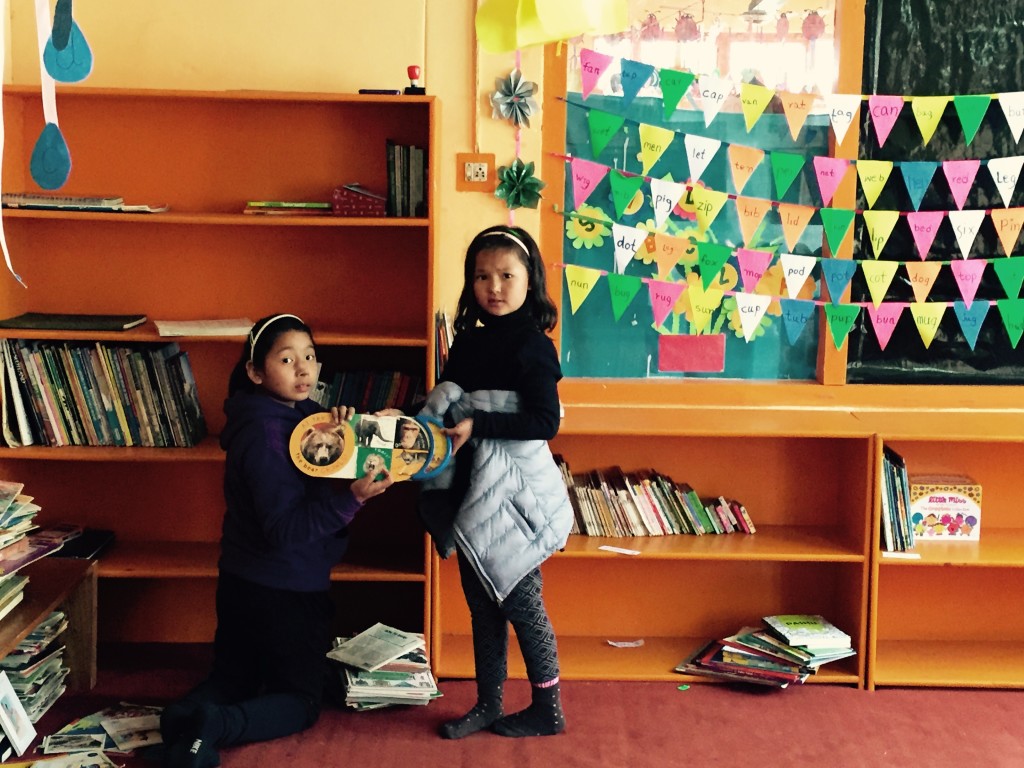
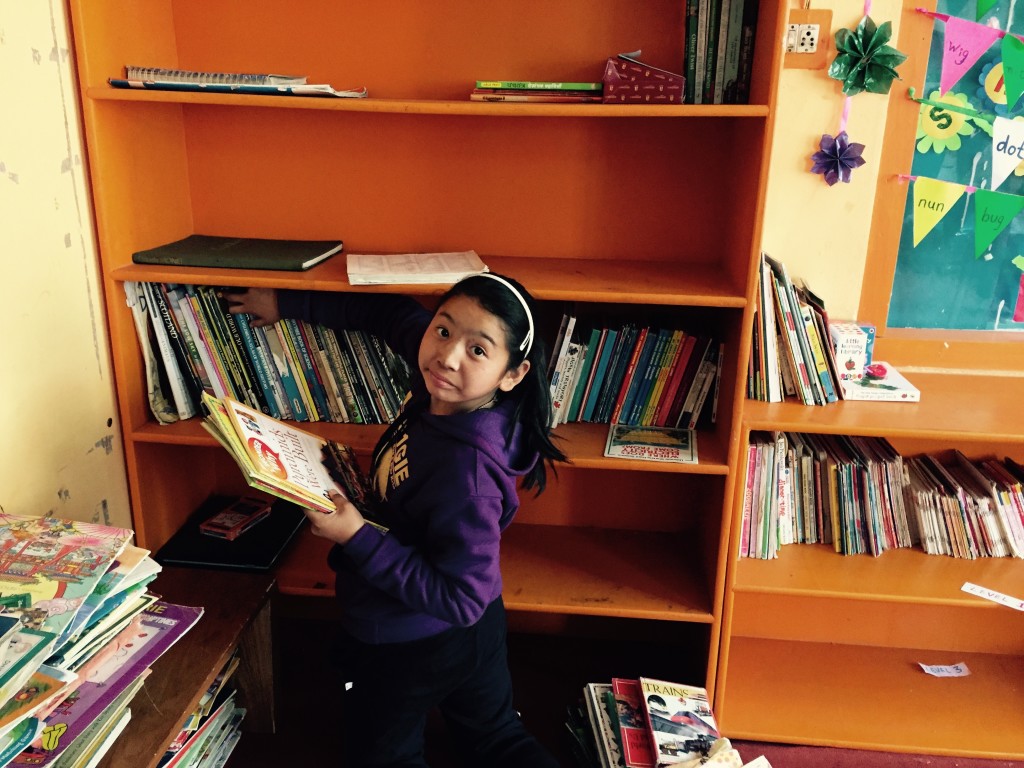
The book enters a child’s world through ordinary acts of care. A volume is wrapped for transport, placed on a library shelf and opened beside peers. Its cover may show a narrow path, a packsack or a distant peak. Such details invite the reader to imagine weight, weather and choice.
For a child living in Ladakh, mountains may already be part of the view from home. The girl’s climb feels both intelligible and newly strange: she tackles a challenge the reader recognises, yet her determination changes its meaning. A difficult ascent becomes a problem to explore rather than a fixed boundary.
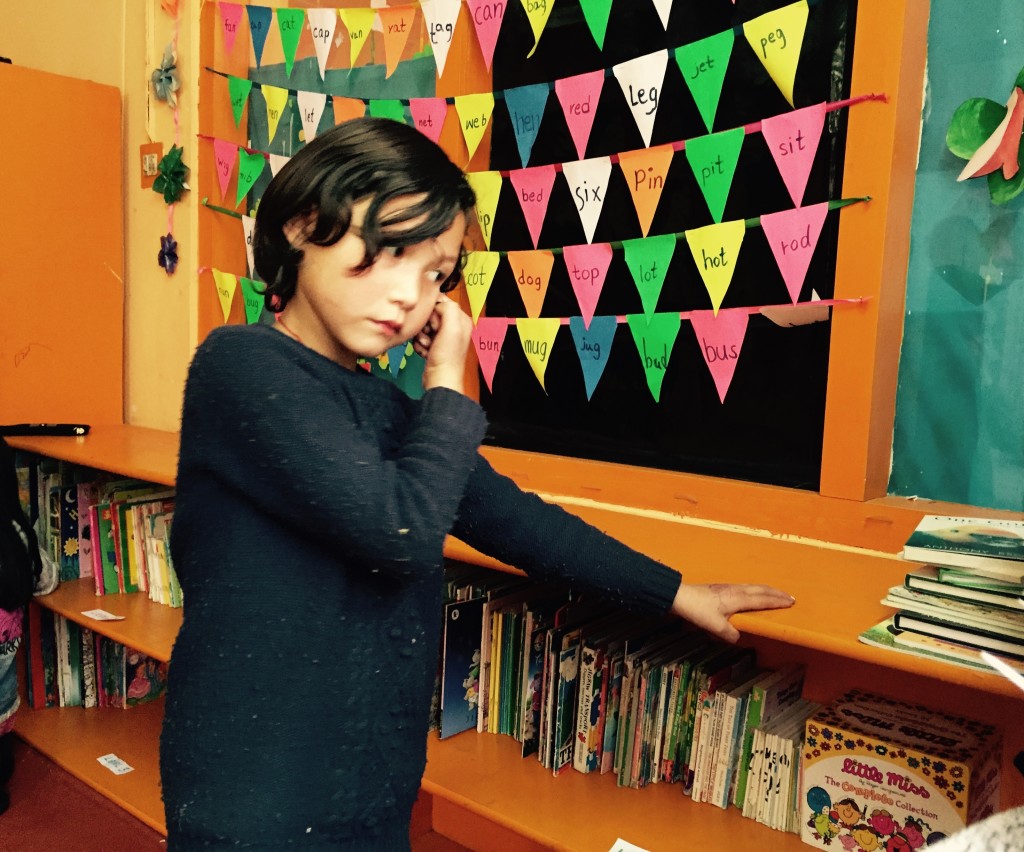
The book’s first gift is perspective. It lets a village child encounter a girl with ambitions, fears and reasons for moving forward. When a child rarely sees lives arranged in the same way, that wider view can expand identity and self-belief.
What the village child carried
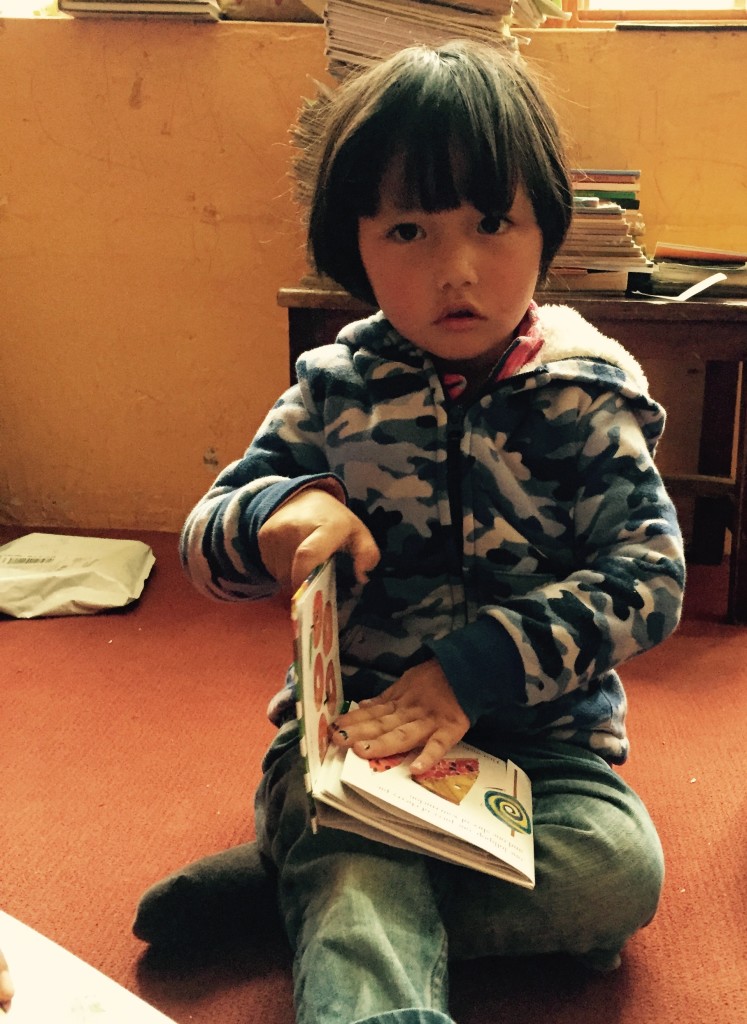
Before the story, reading may compete with schoolwork, caring duties, weather and travel between home and community spaces. The child may know that books are valuable without feeling able to enter their pages easily. Such uncertainty should never be reduced to a lack of interest.
The impact appears when recognition becomes curiosity. The heroine’s journey offers a point of contact through a climb, a journey or a stubborn problem, then supplies words for what happens next. The child begins asking what may lie beyond the visible page, a foundational step in comprehension and inference.
Retelling adds another layer. A child can give the mountain a new name, picture a different ending or explain the heroine’s decision. Oral and visual responses show comprehension developing through participation rather than only through a correct answer on a worksheet.
When the mountain girl met a local reader
The change can be modest but meaningful. A reader who once skimmed may revisit a spread, and a child who once listened quietly may lead the discussion. The contrasts below describe observable stages, not a formula for every child.
| Aspect |
Before the story |
After the story |
| Reading habit |
Pages turned mainly to finish |
Pages revisited for clues and detail |
| View of difficulty |
A reason to stop |
A problem that may invite another attempt |
| Expression |
Few words for feelings and plans |
New language for choices, obstacles and hopes |
| Social confidence |
Participation limited to listening |
Questions, retelling and peer discussion become more common |
Repeated reading also changes how a child handles uncertainty. The mountain girl does not remove every obstacle; she responds to one. That pattern can help a reader understand that a setback and a failure are not identical. The book supports emotional literacy as naturally as decoding.
No single volume can determine a child’s future, and impact should never be exaggerated. Its influence depends on a suitable book, a welcoming environment and permission to respond. In that setting, the story becomes a starting point for confidence rather than a promised destination.
Reading becomes a path to expression
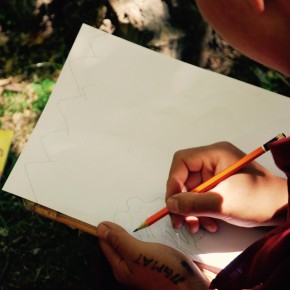
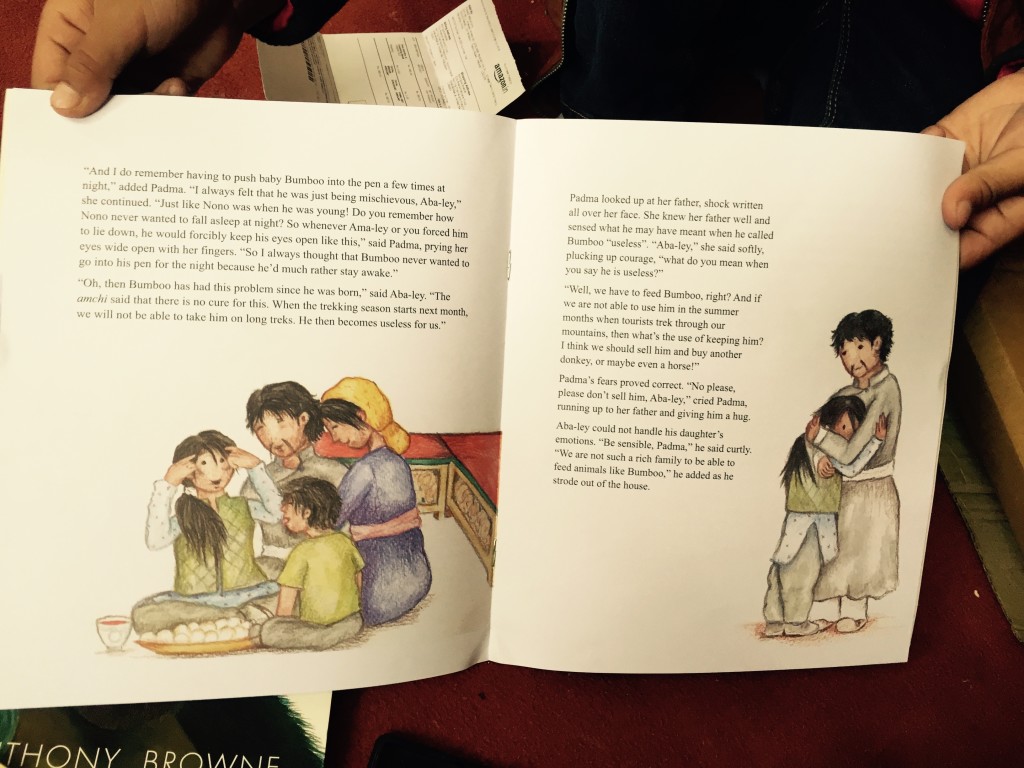
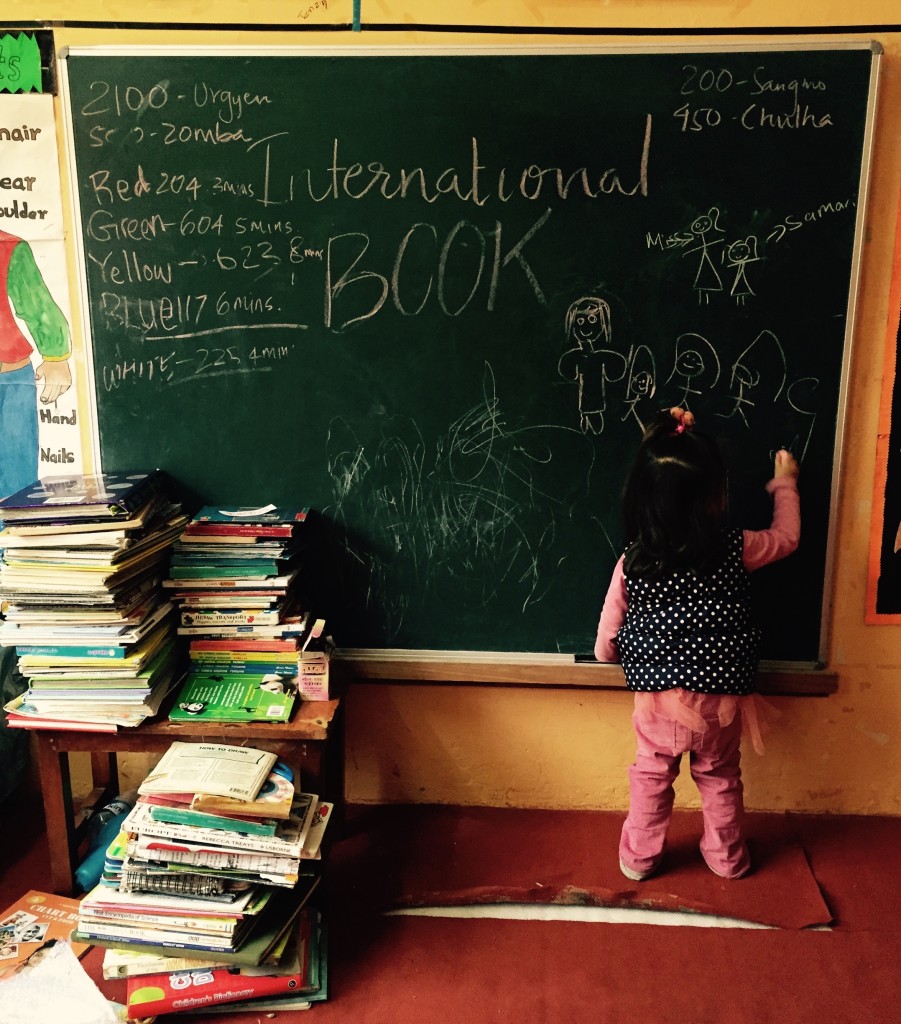
Avalokiteśvara Trust’s combination of reading, art and music makes such responses easier to see. After reading, children might sketch a route, create a rhythm for the climb or compose a short verse. Interpreting the story raises questions about events, motives and personal choices.
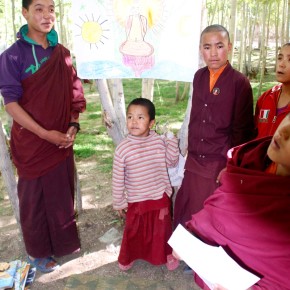
Art gives the mountain girl a voice beyond the printed words. A drawing may capture danger as a dark shape, while a song may transform fatigue into a steady beat. These activities recognise that literacy lives in many forms and give children who shine in different ways a shared literary world.
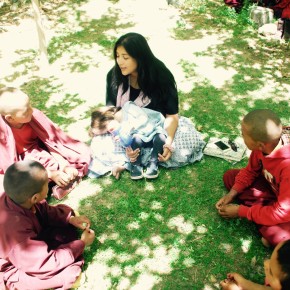
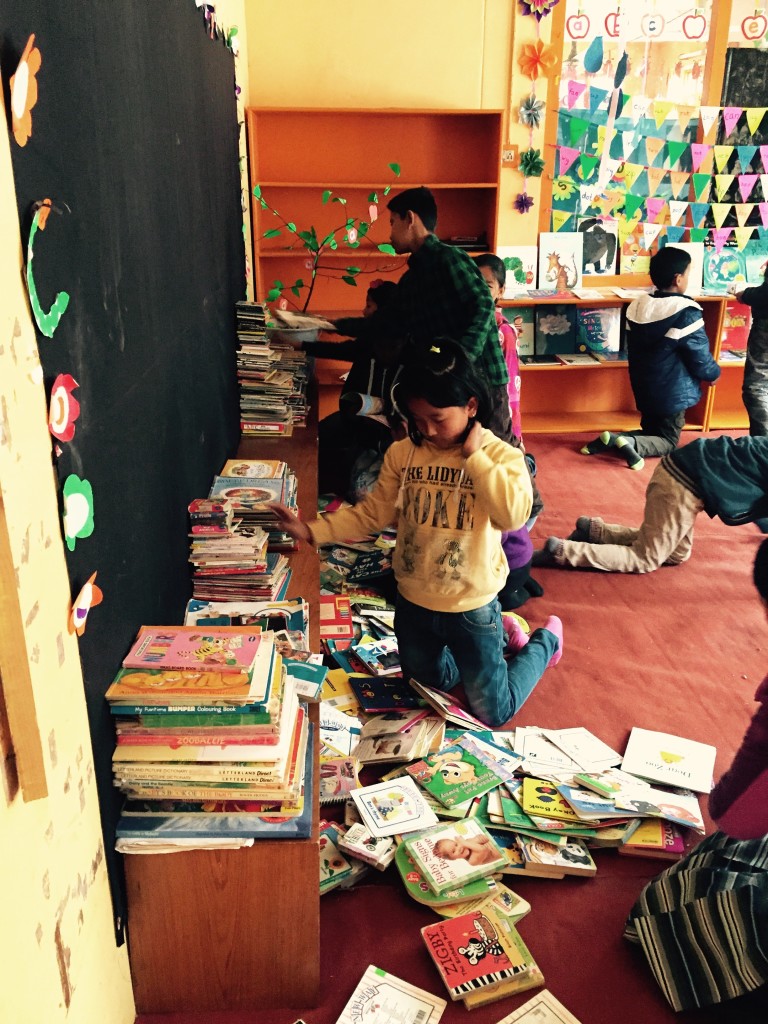
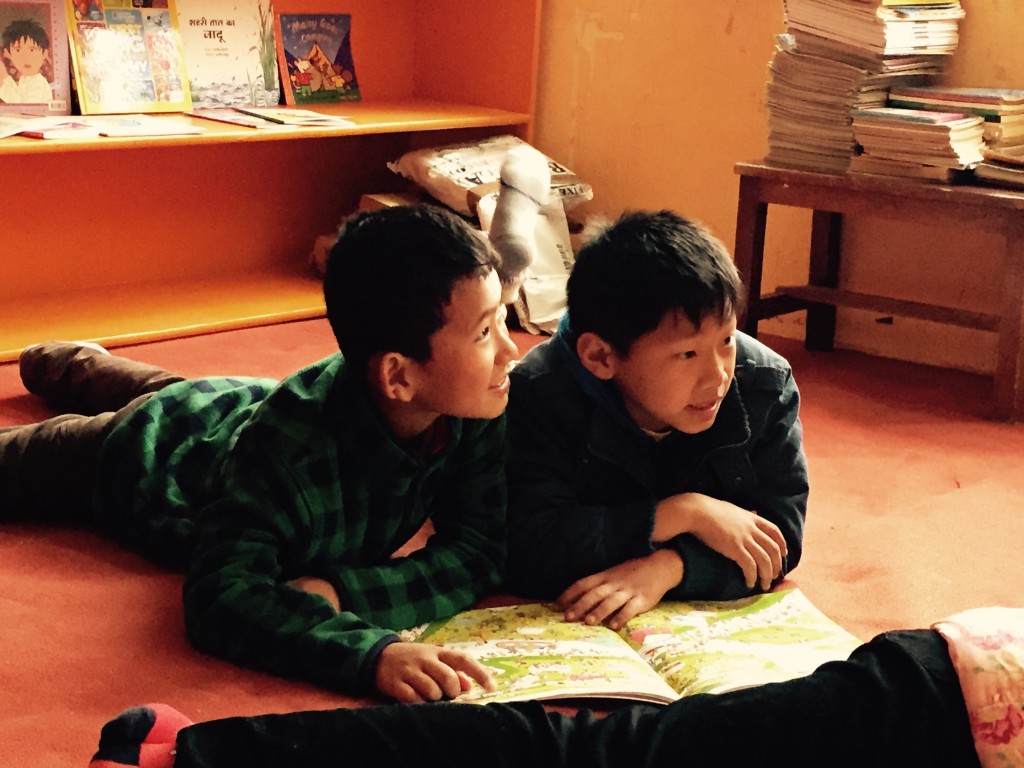
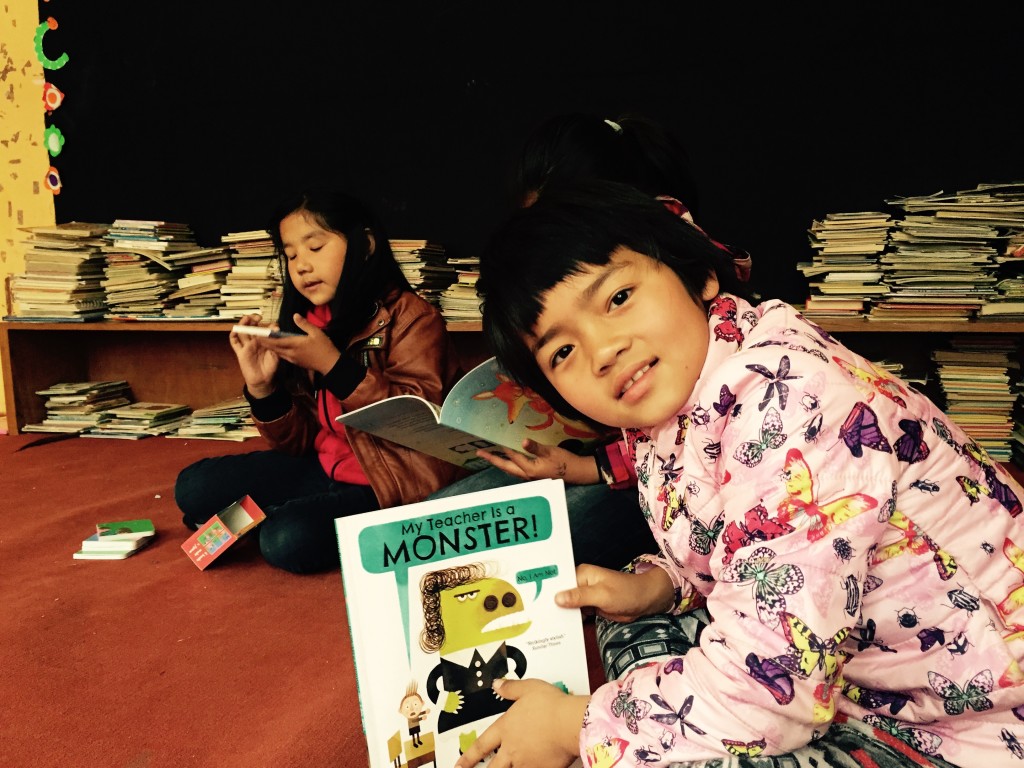
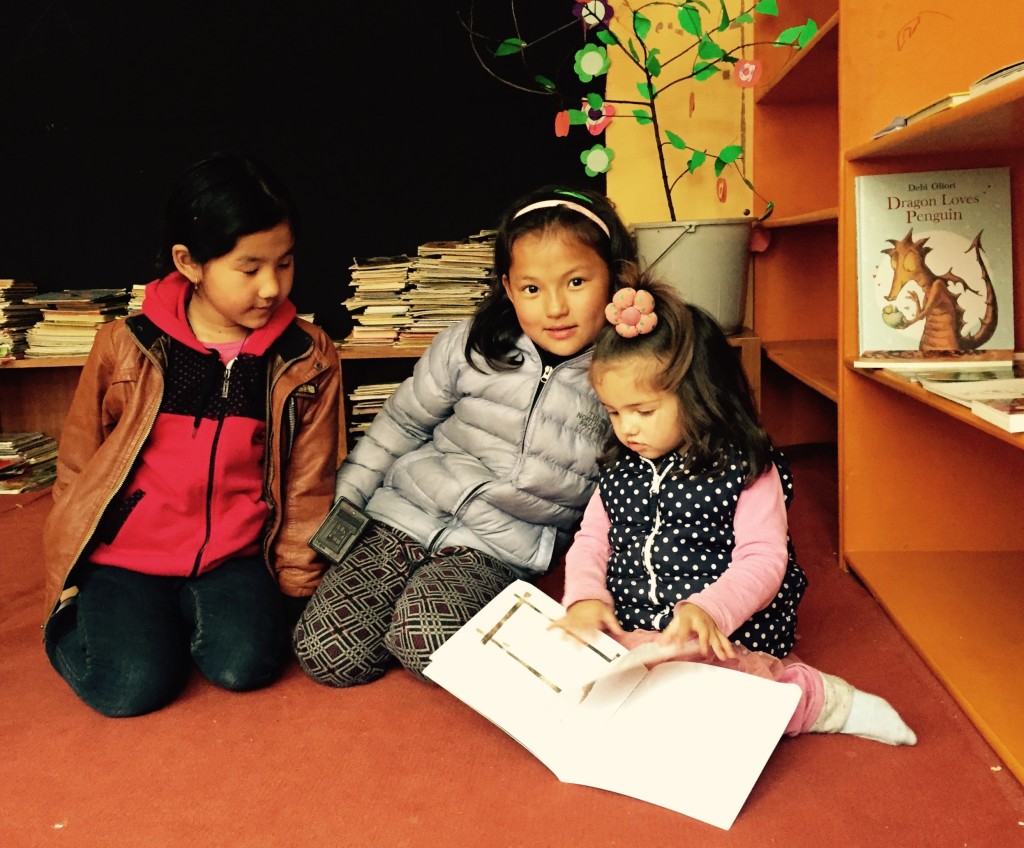
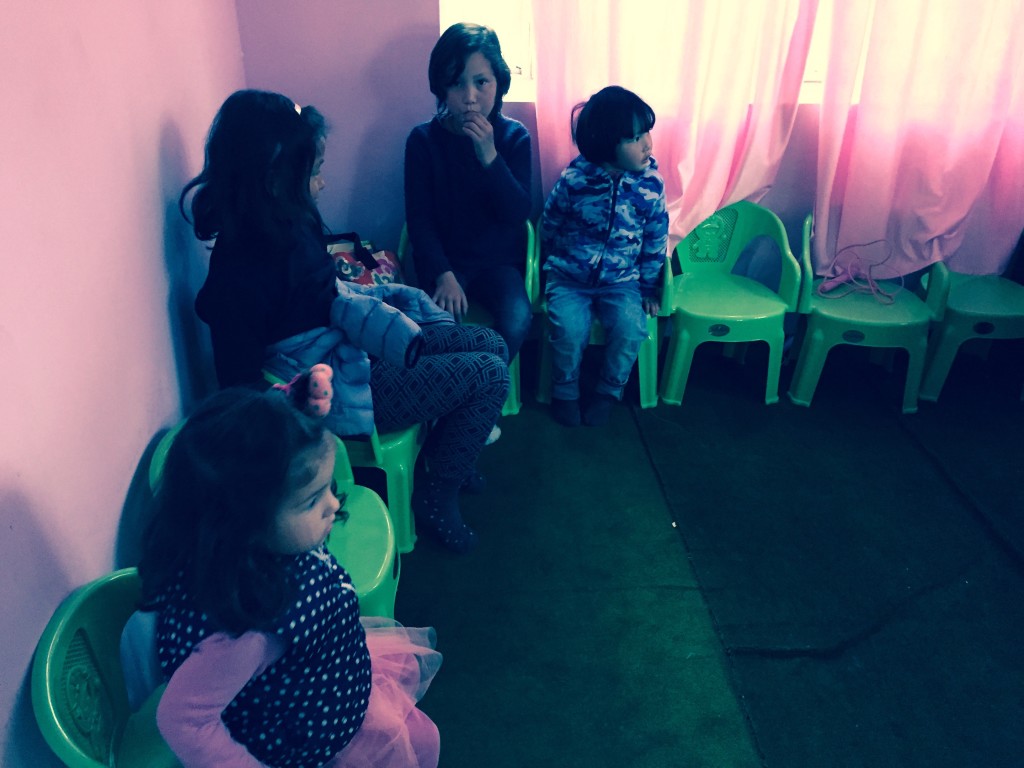
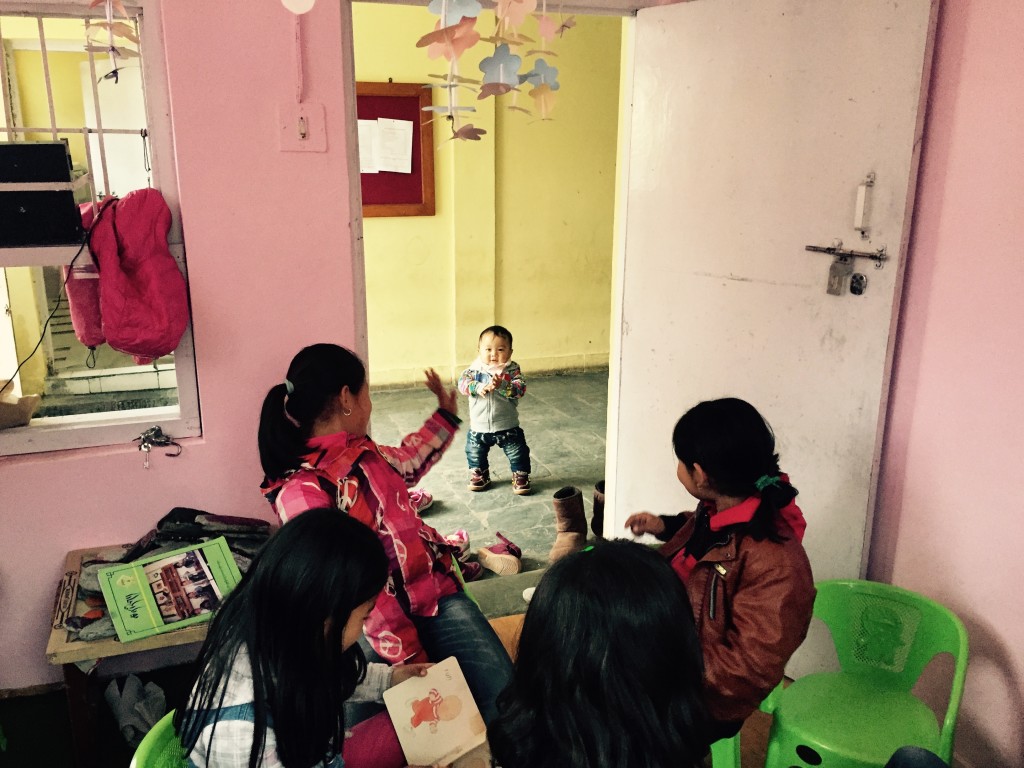
The effect reaches further when a story is shared. A child may read aloud to younger companions, explain an illustration to family or perform a scene with an instrument. The village child becomes a guide for others in the reading room, not simply the recipient of a book drive.
Why the story travels well in Australia
Australian readers often recognise the mountain setting through the country’s bushwalking and outdoor culture. Around Melbourne, Canberra, Hobart and the Blue Mountains, families use words such as trail, ridge and summit in everyday conversation. That familiarity can make the story inviting, although its Himalayan setting still offers a different landscape and cultural context.
Public libraries in Sydney, Brisbane, Adelaide and regional towns offer another point of contact. Storytime sessions, lending programs and school visits have made shared reading a familiar habit. Many families meet children’s books through council libraries or independent shops, while op-shops and online resale sites support affordable second-hand access.
Australian schools also serve children with different languages, learning histories and interests. Literacy priorities are shaped through state and territory curriculums, allowing a story about perseverance to sit beside discussions about movement, environment and belonging. Privacy and consent matter too. When organisations share photographs or personal stories, they must follow relevant privacy legislation, including the Commonwealth Privacy Act 1988 where applicable, state or territory rules, and child-safeguarding policies.
Books that travel through communities
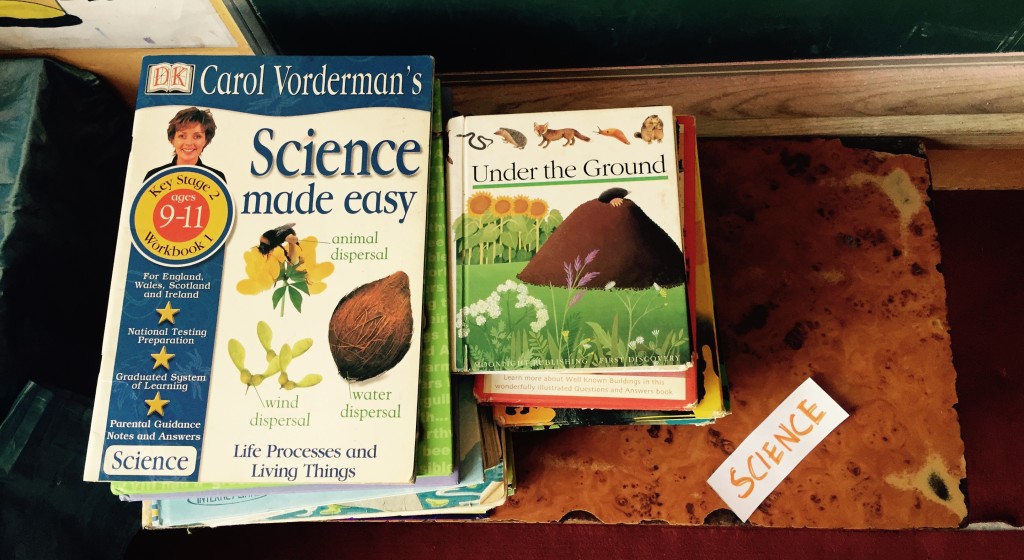
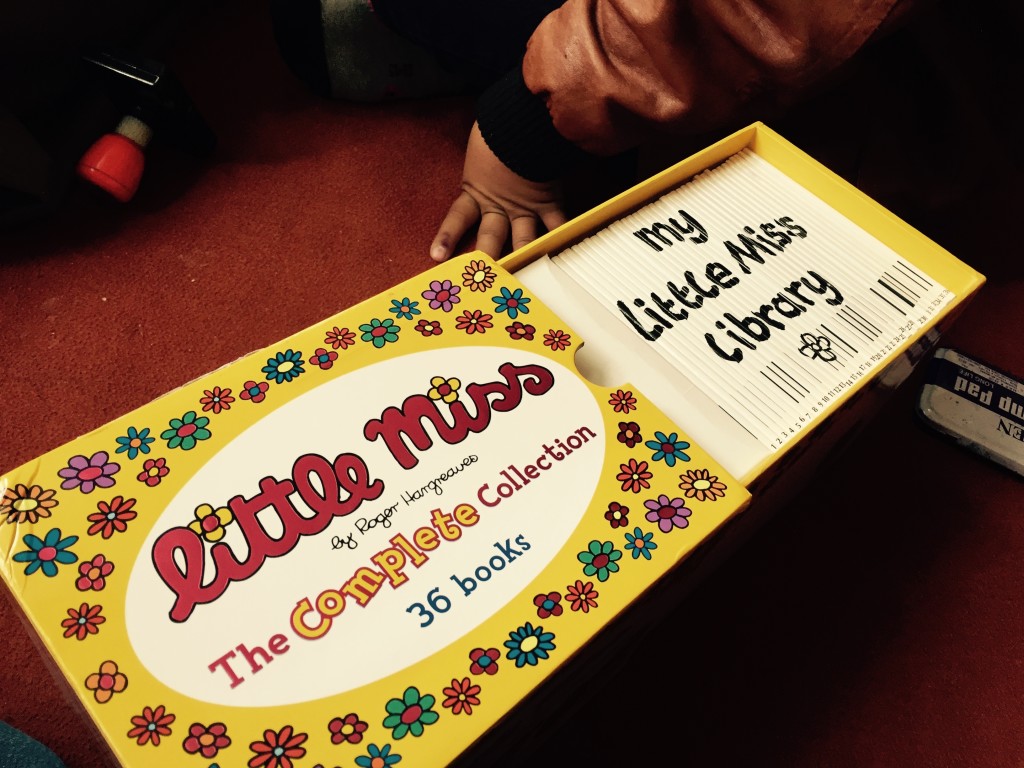
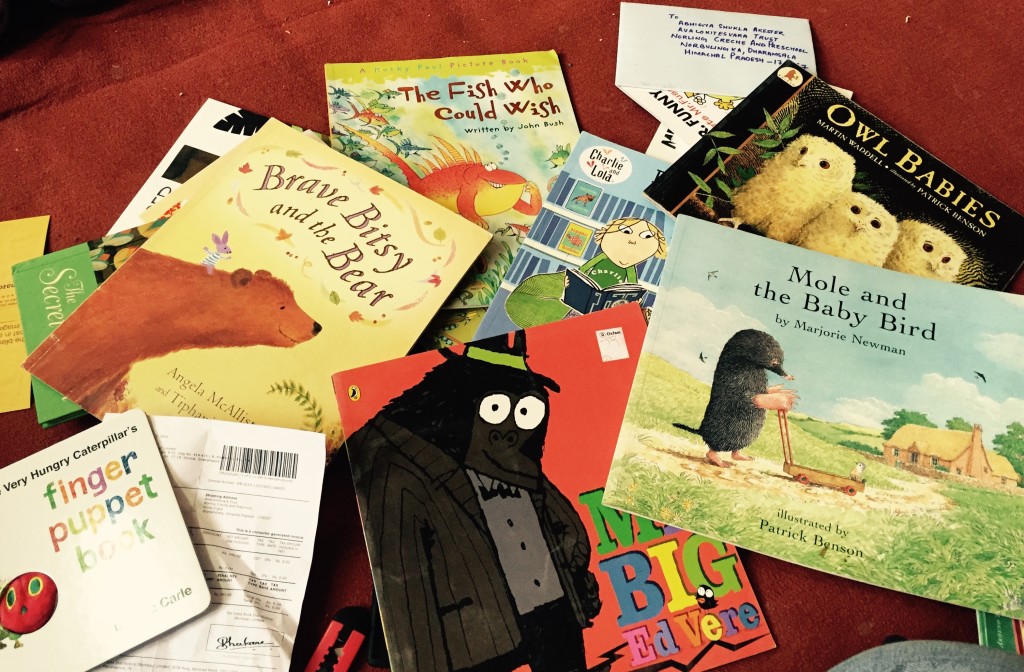
An effective book drive links physical books with children’s interests and keeps the conversation going after delivery. Two practical checklists protect that connection.
Child-centred selection
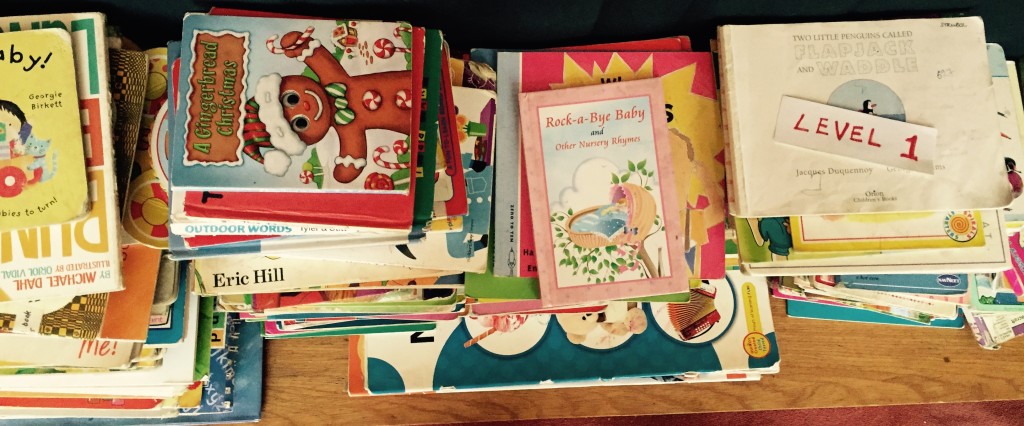
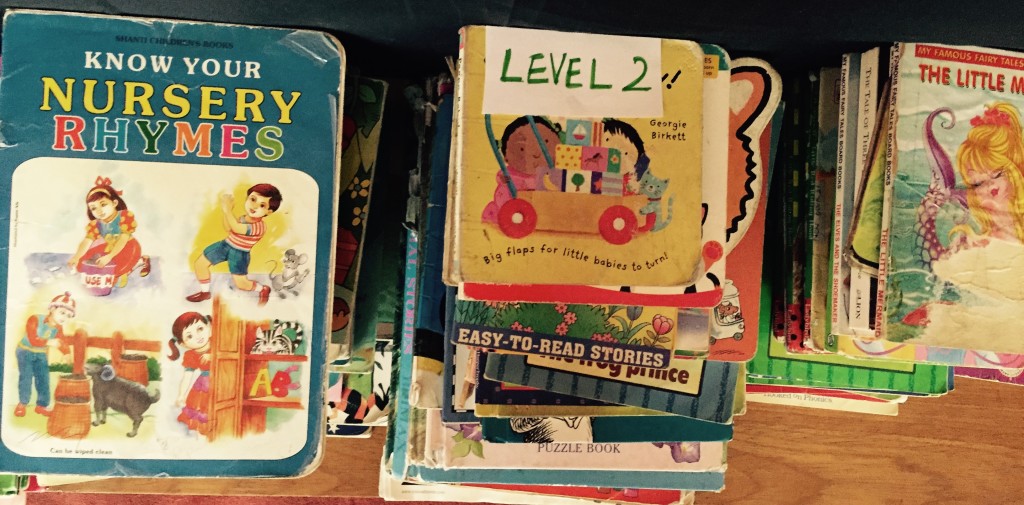
- Offer picture books, graphic stories and easy readers across several reading levels.
- Include protagonists whose choices, family lives and landscapes reflect varied experiences.
- Pair narrative titles with drawing, music, movement or oral retelling.
- Ask children privately which books they finish, revisit or share.
Donor and logistics
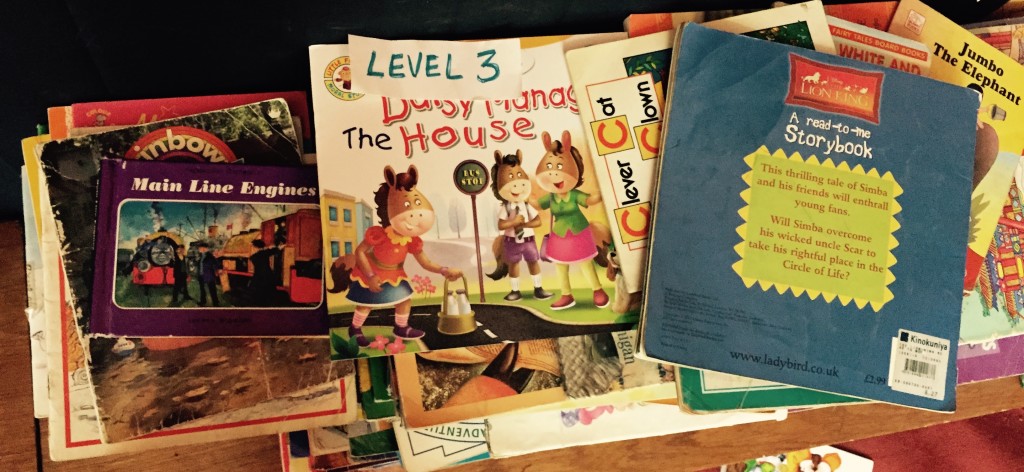
- Send current, culturally suitable books in good condition.
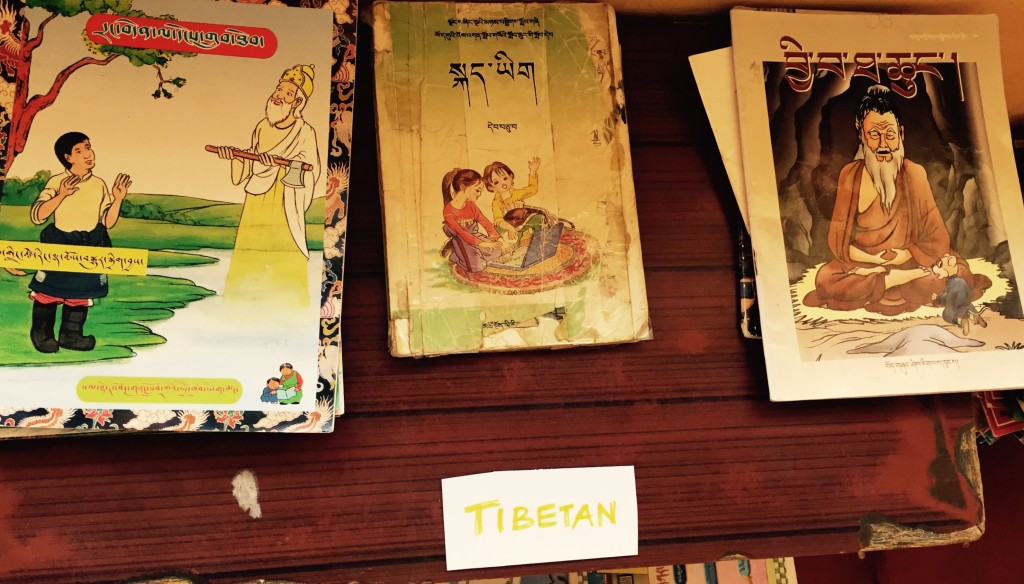
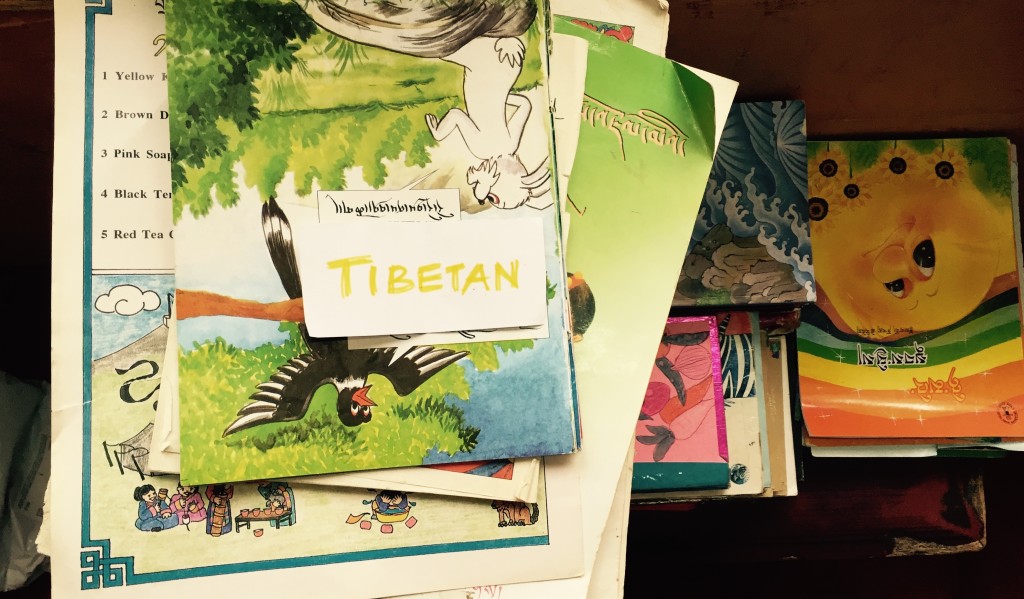
- Follow the reading room’s age, language and subject preferences.
- Avoid scanned or reproduced editions that may breach copyright law.
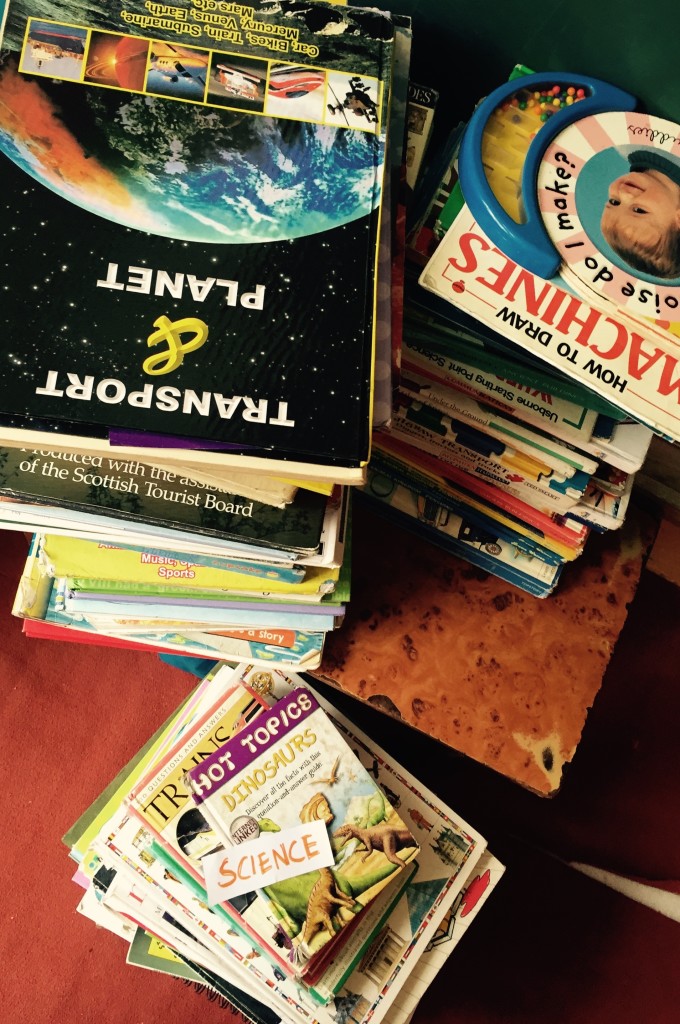
- Support staff time, storage and book sorting as carefully as postage.
The lists are modest, but they shift attention from a one-off shipment to a continuing exchange. Books reach children most usefully when selection is informed by local knowledge, feedback is welcomed without pressure, and every contribution is handled with respect.
The lesson that stays on the shelf
The lasting influence of this mountain adventure is not a prediction of what the village child will become. It is that the child gains a story in which effort, fear, friendship and choice can be examined. The reading room turns that story into conversation, and the conversation gives the child a larger sense of possibility.
Communities can apply the same lesson when they collect, translate, lend or discuss books. A donation becomes meaningful when it is relevant, respectfully handled and connected to time for reading. The useful measure is to judge a book drive by the curiosity and confidence it helps children carry into daily life, not simply by the number of volumes sent.