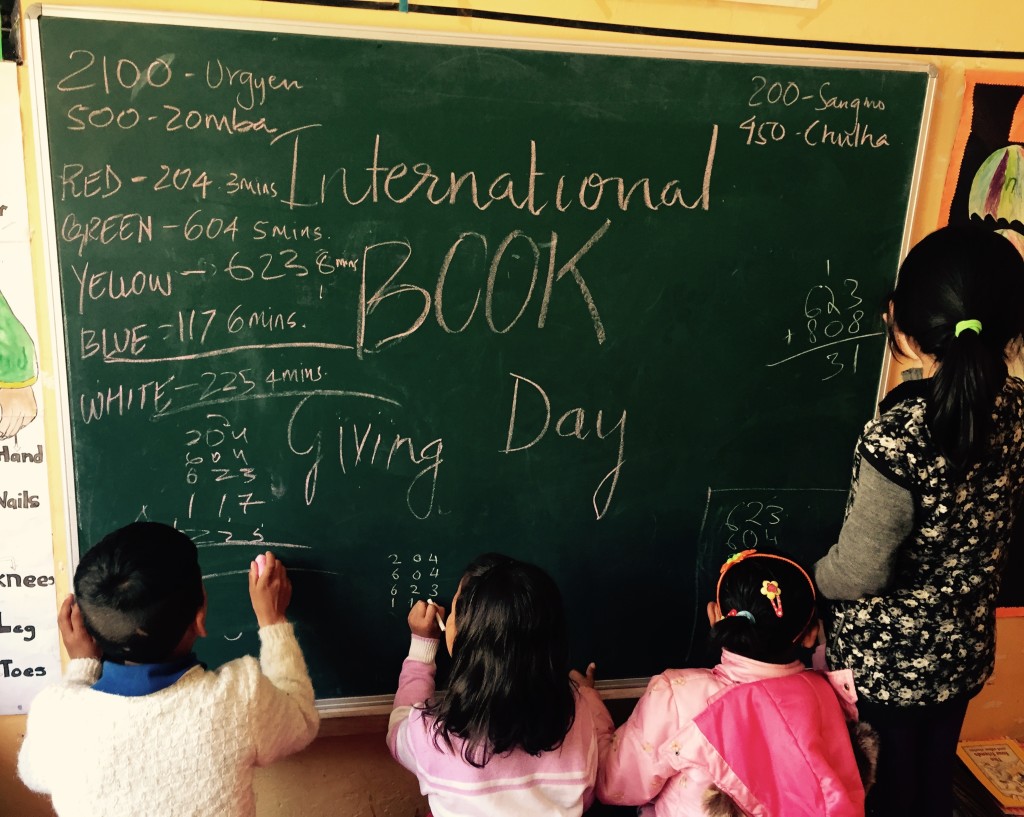
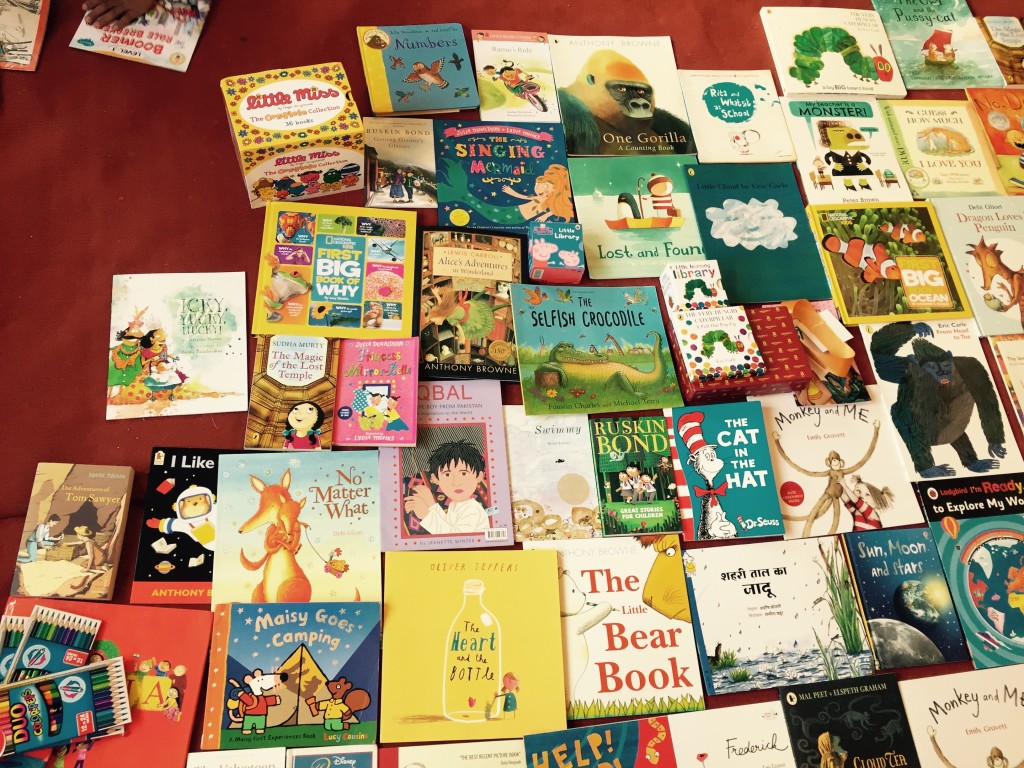
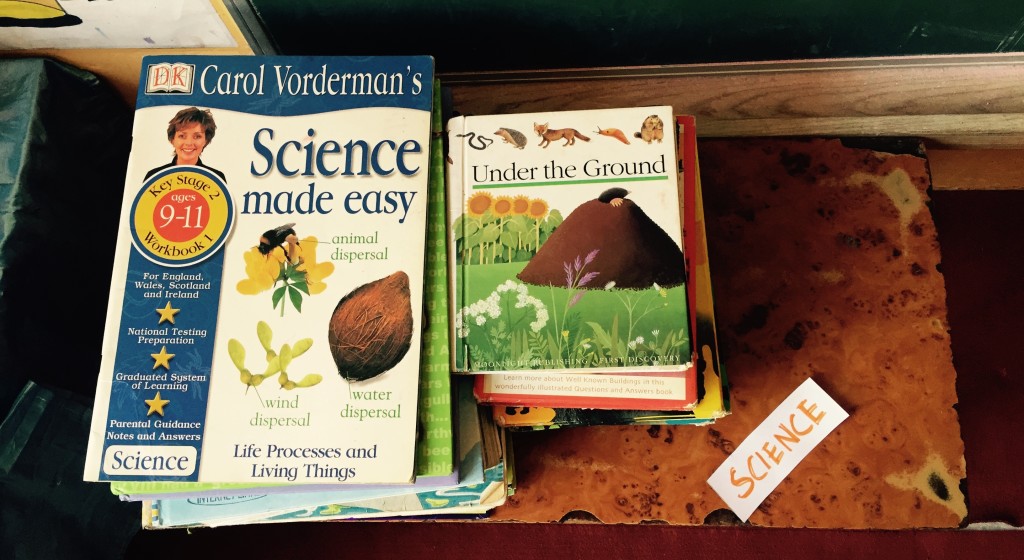
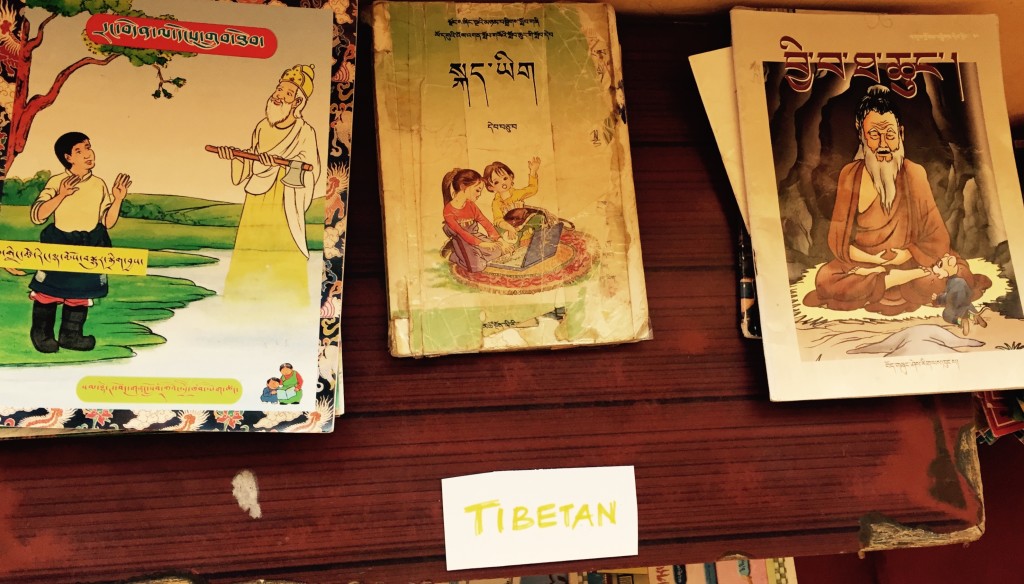
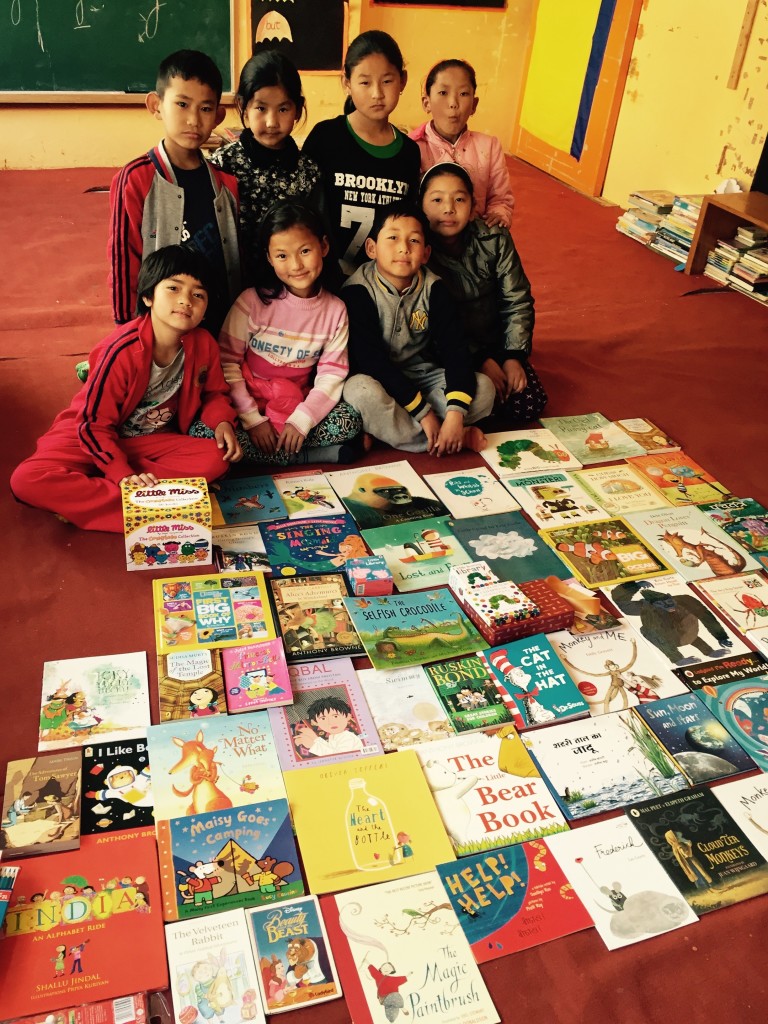
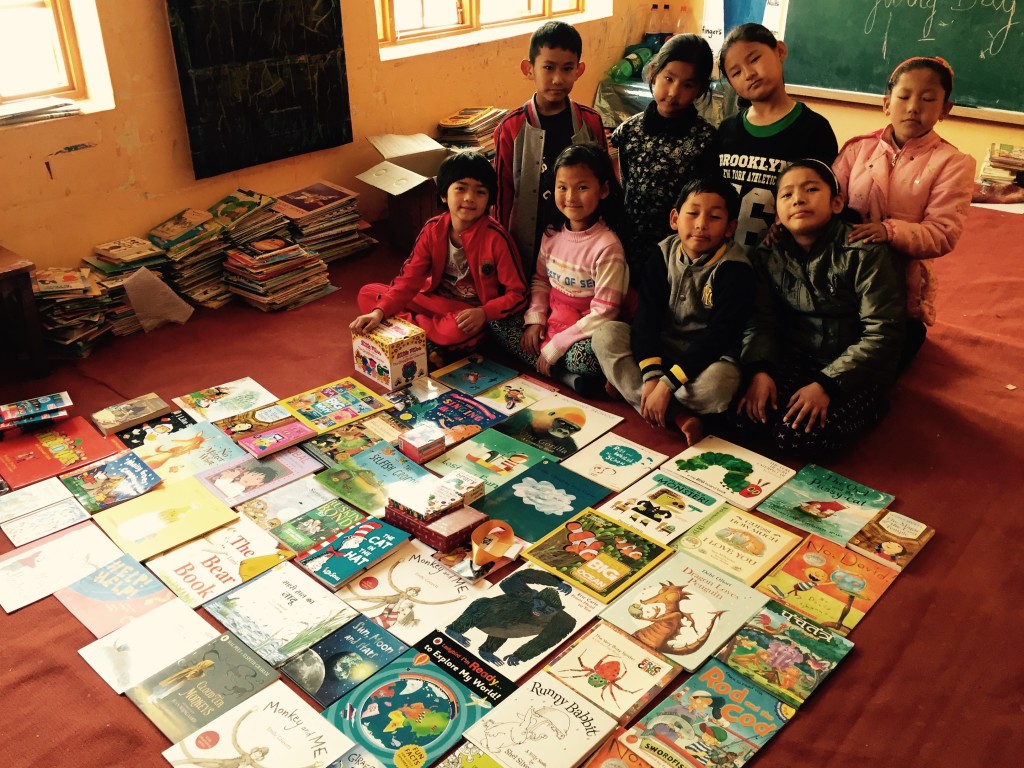
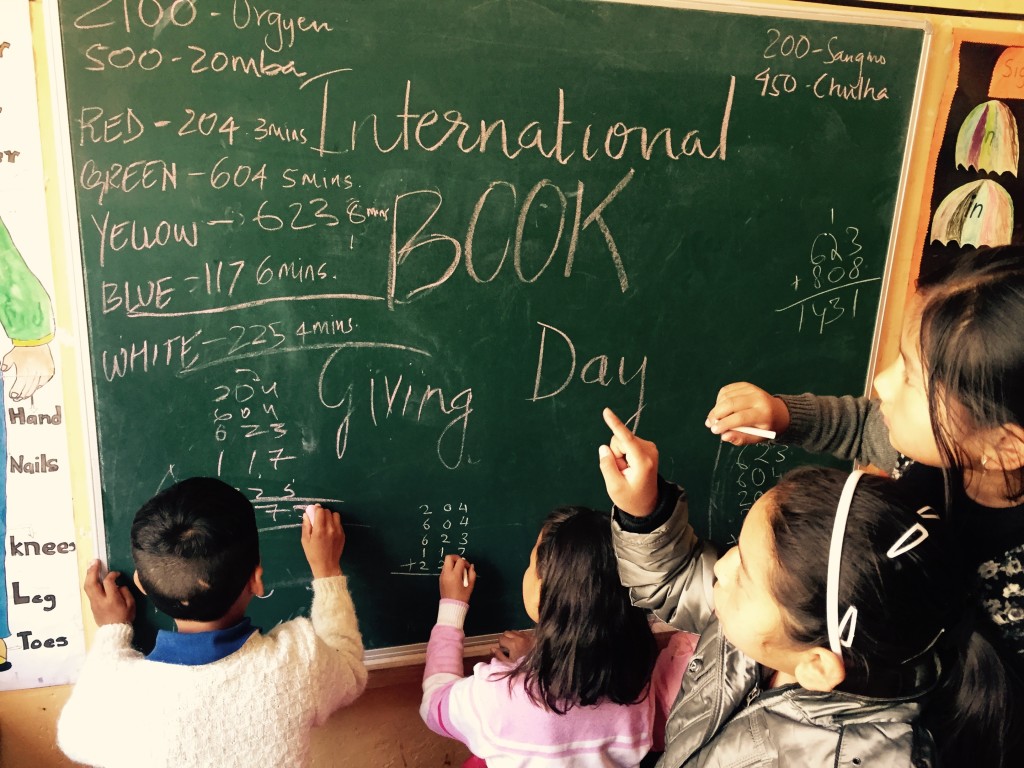
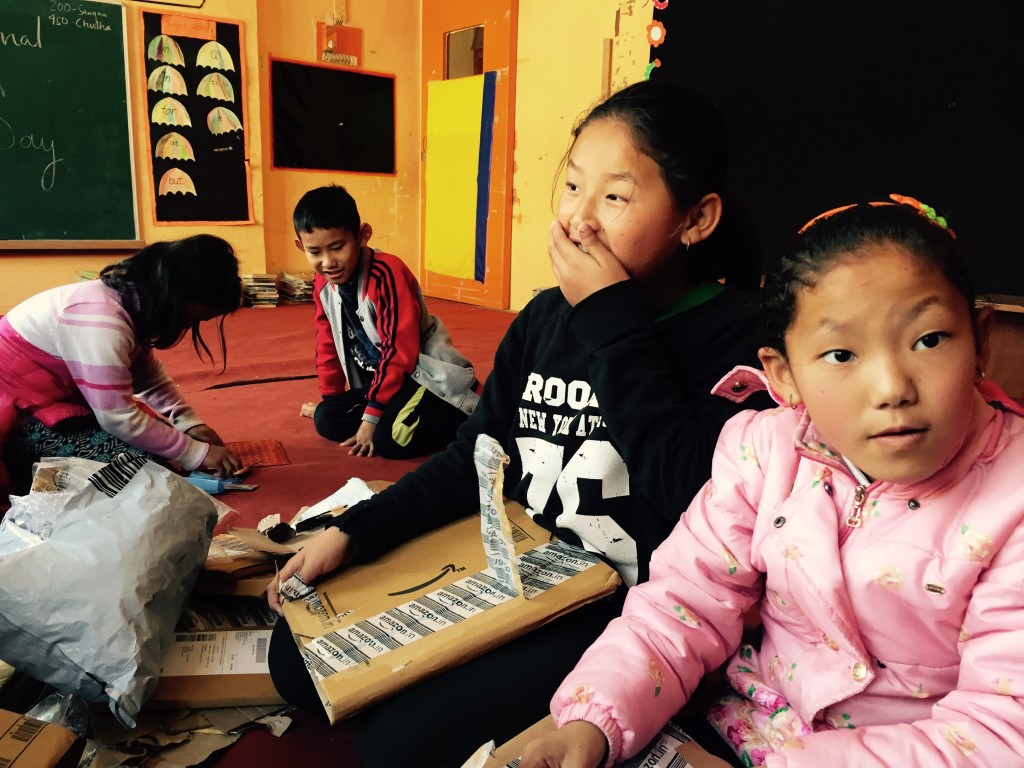
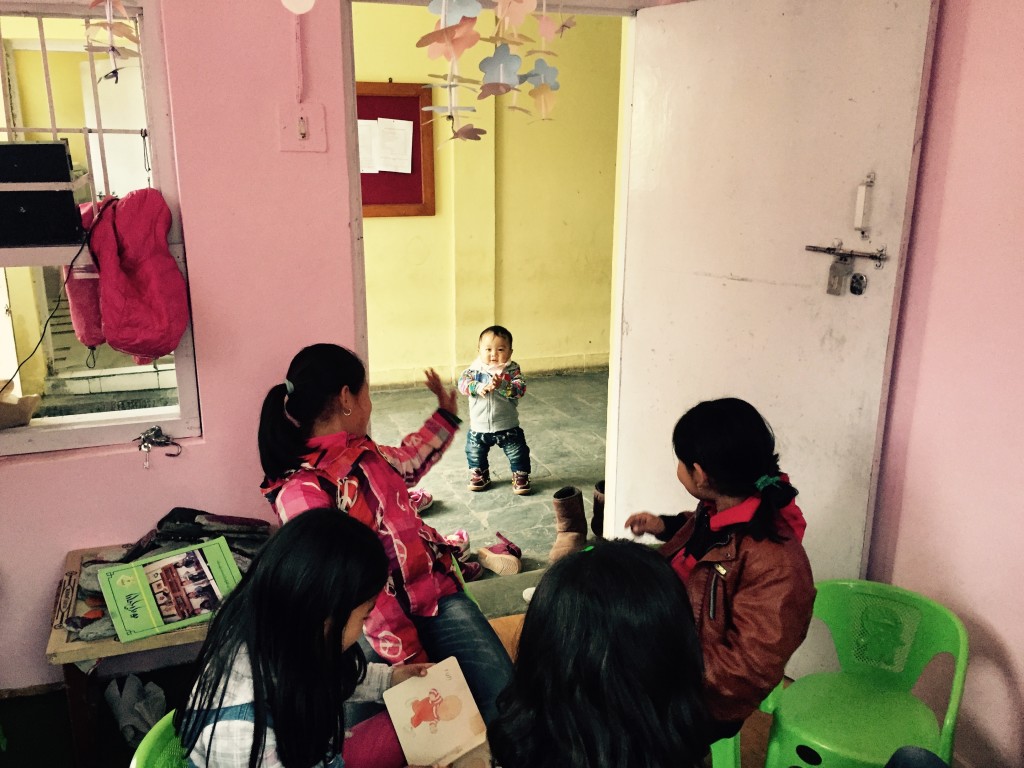
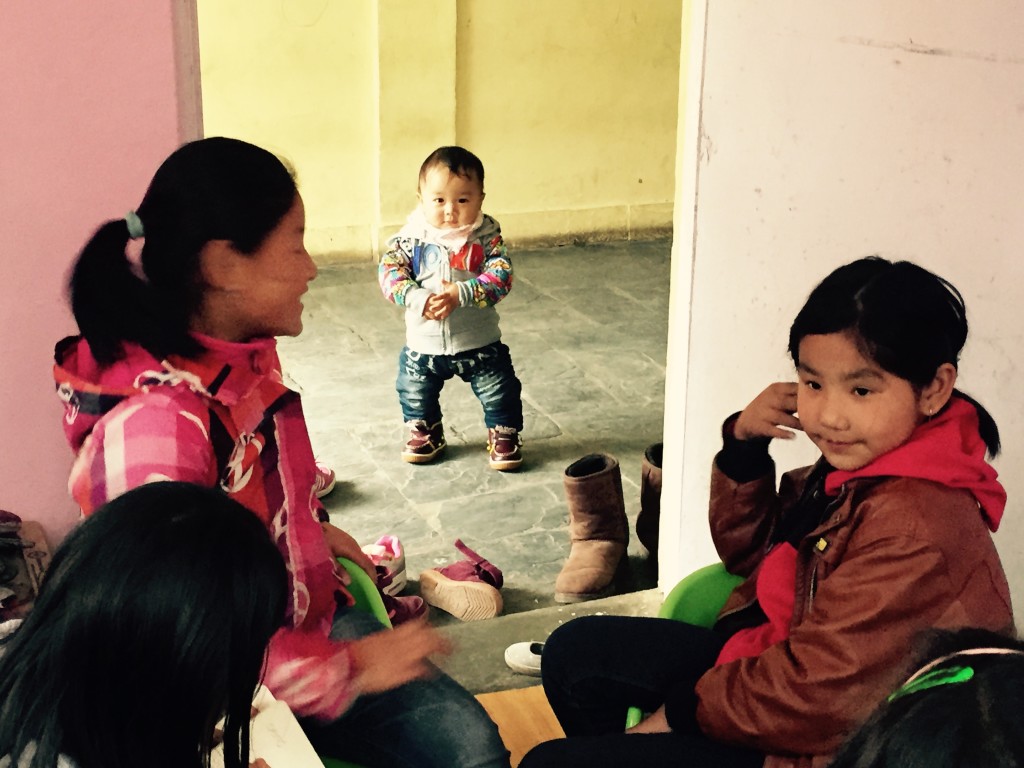
first time a child saw a rainbow drawn in a science book
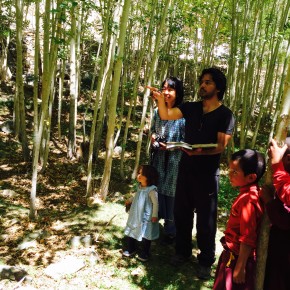
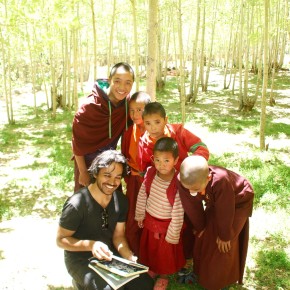
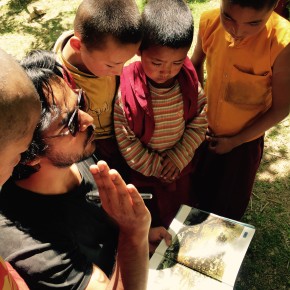
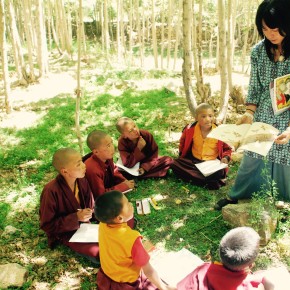
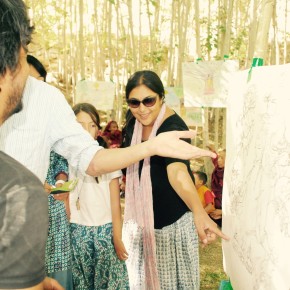
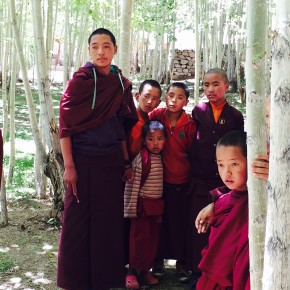
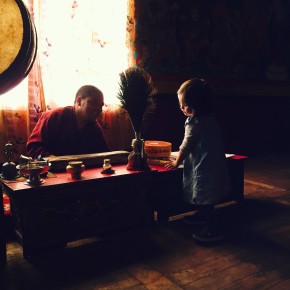
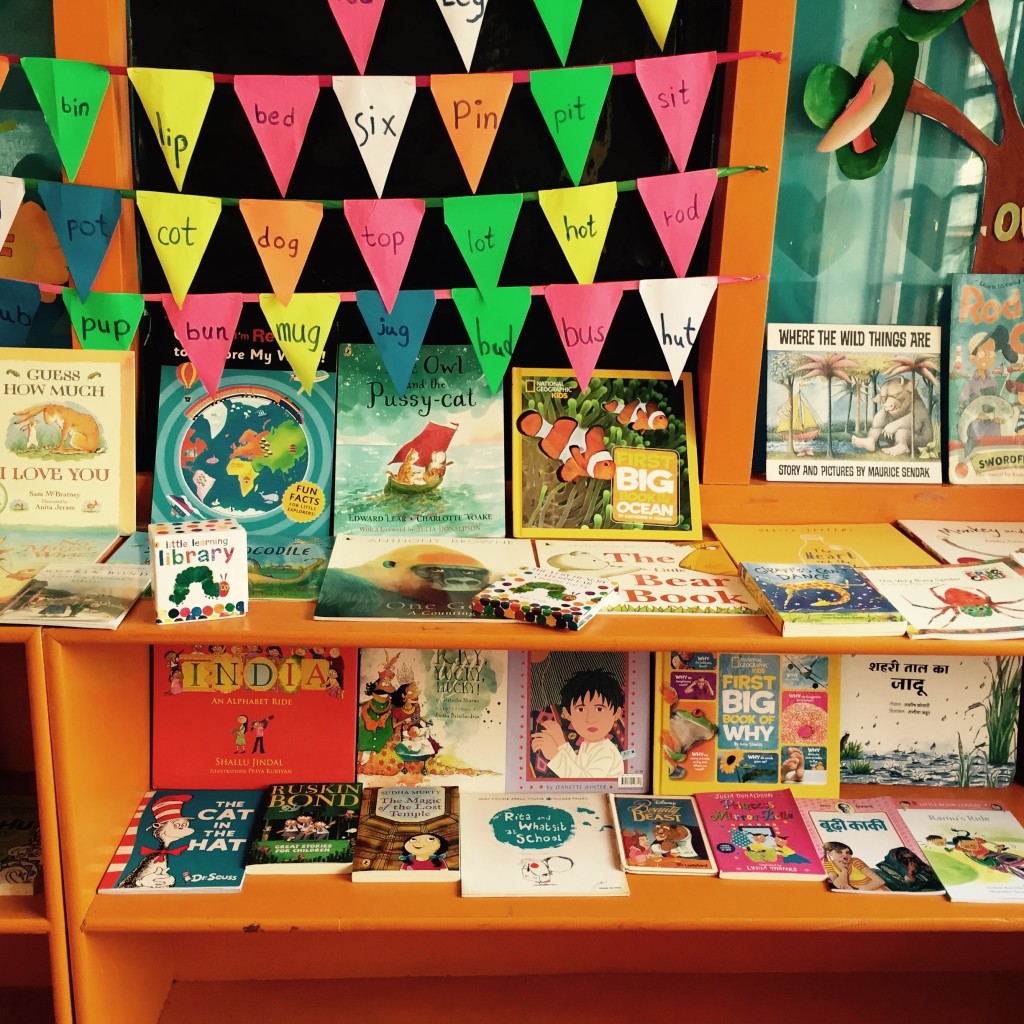
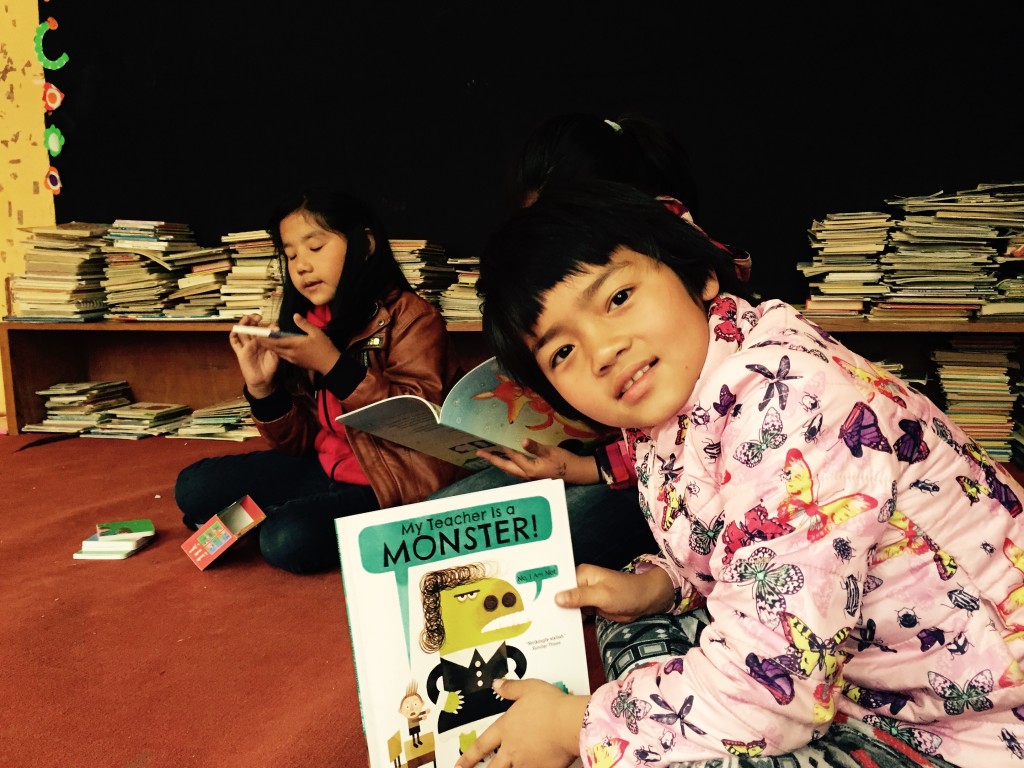
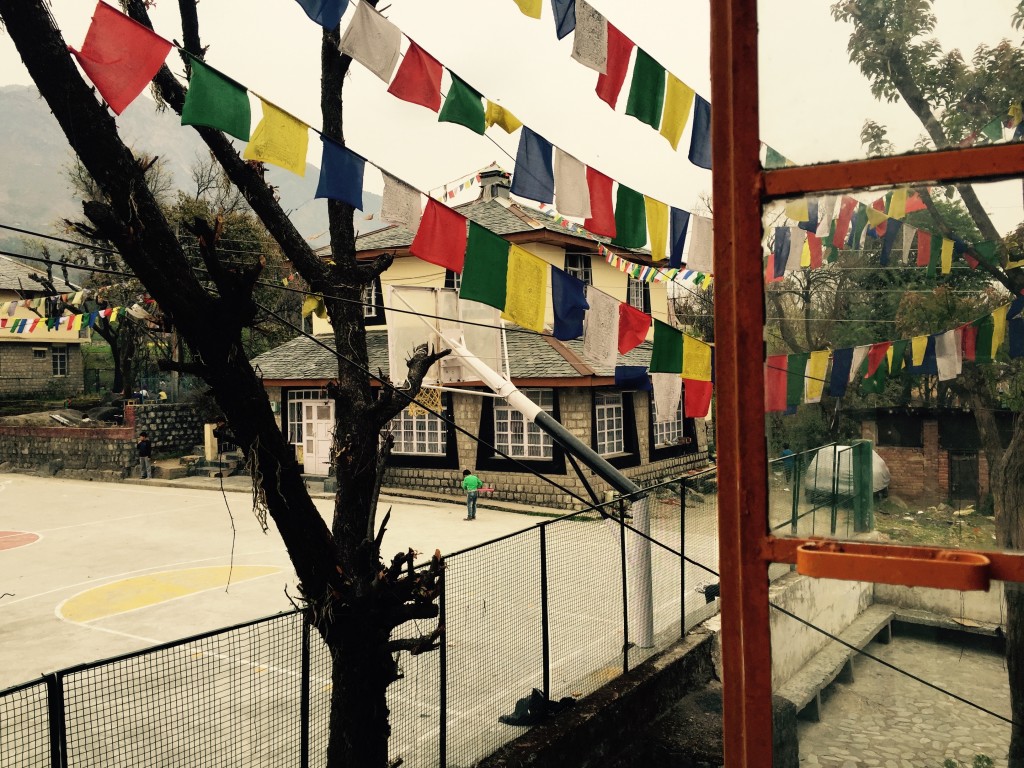
In a small village outside Leh, where prayer flags catch thin mountain air, a nine-year-old novice monk opened a donated science book and stopped on a single page. The page showed a glass prism splitting white light into a band of seven colours. For the boy, the image carried the same weight as the frozen rivers he watched each winter. He had seen rainbows arching over the Indus valley, but he had never seen them drawn as something a person could explain.
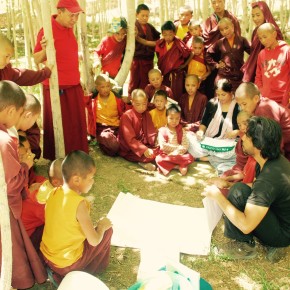
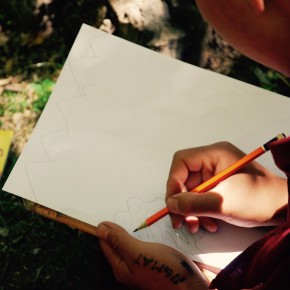
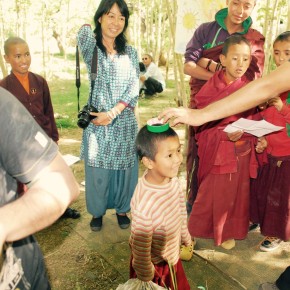
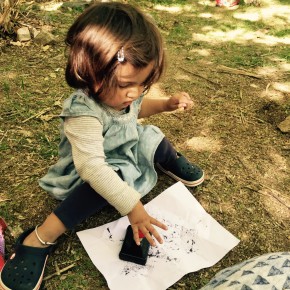
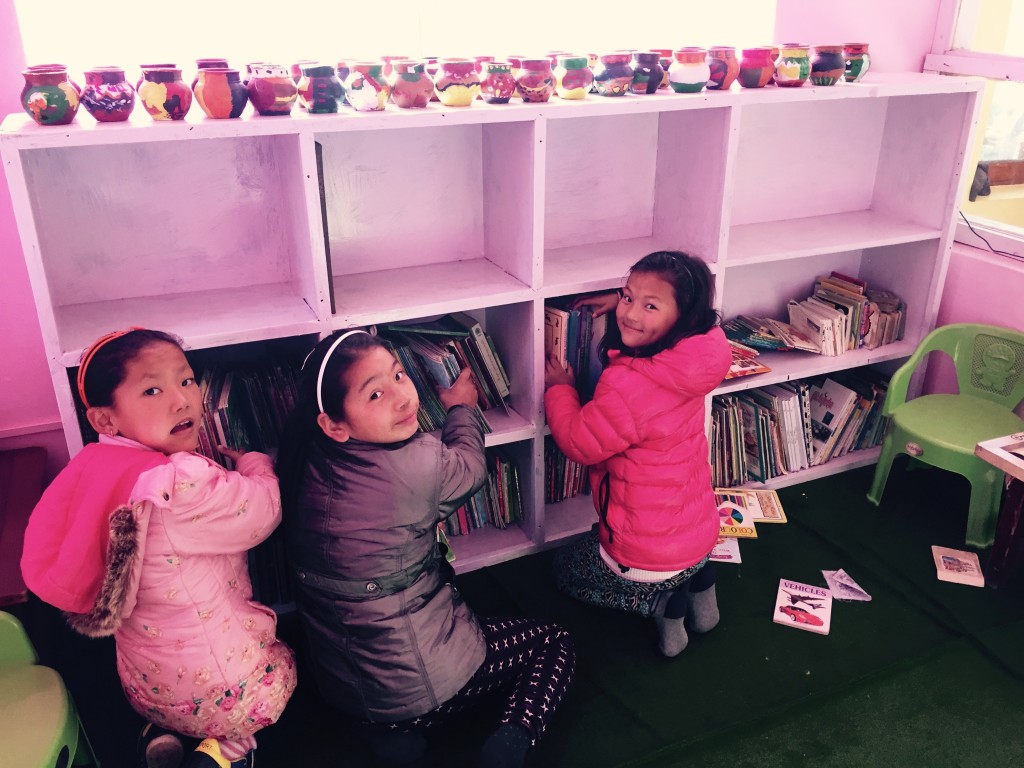
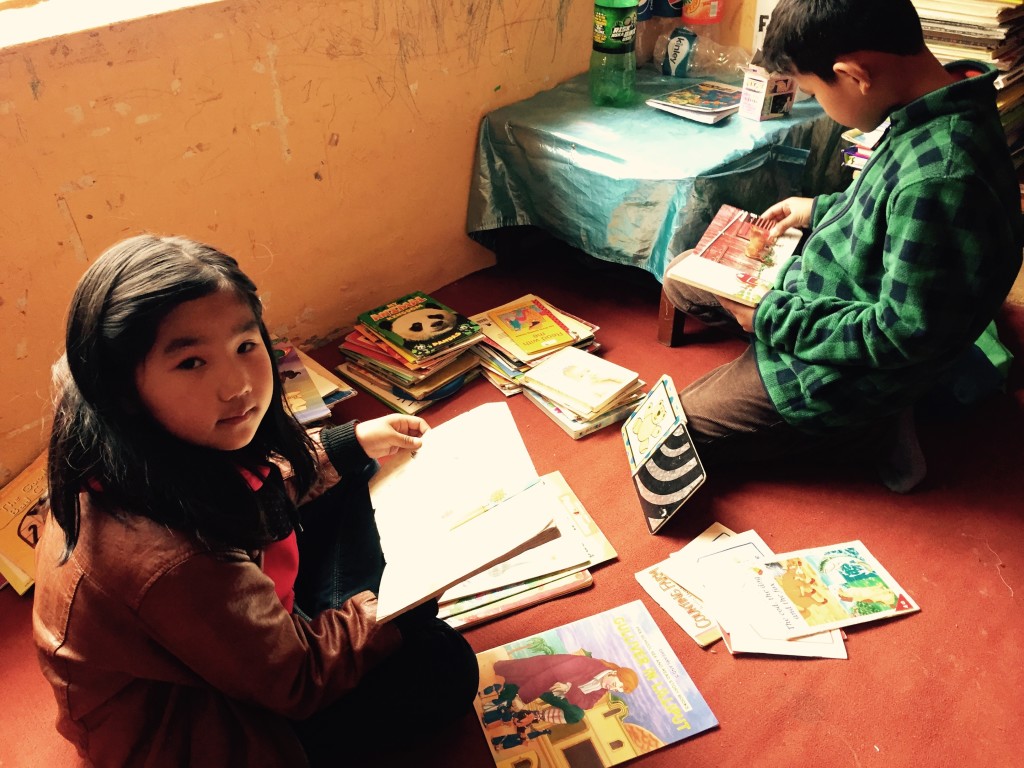
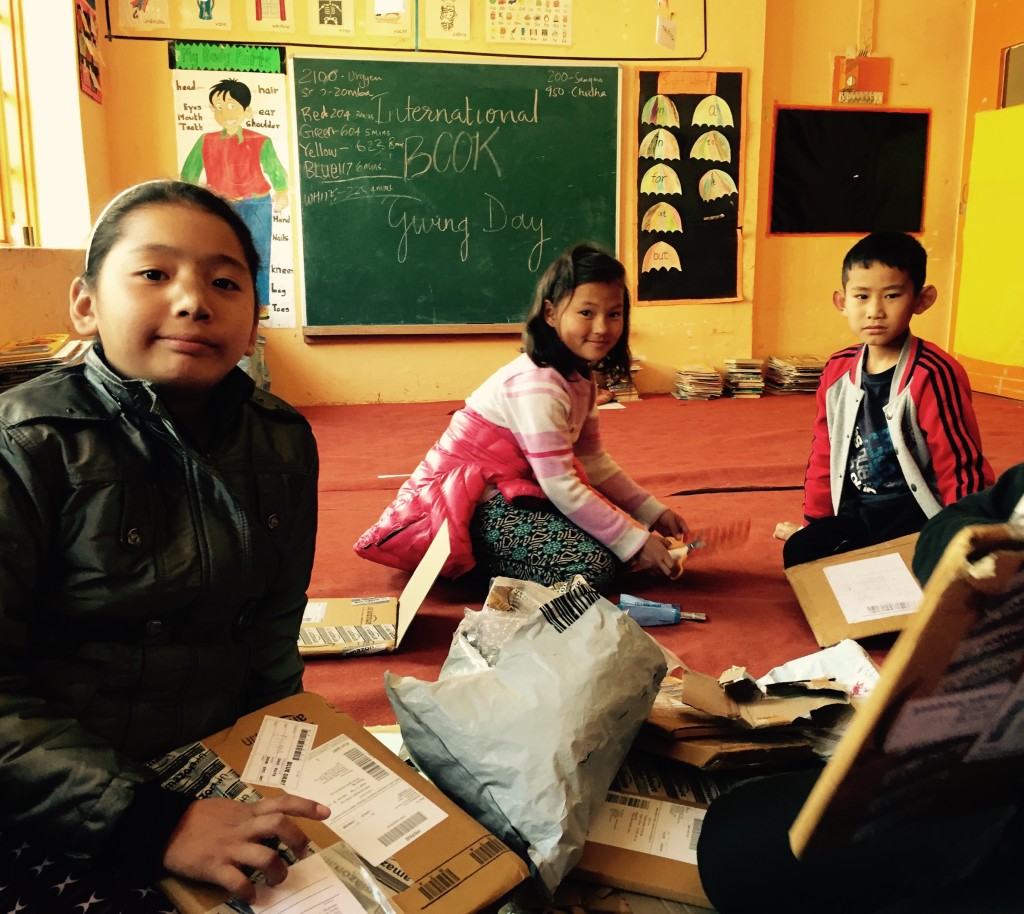
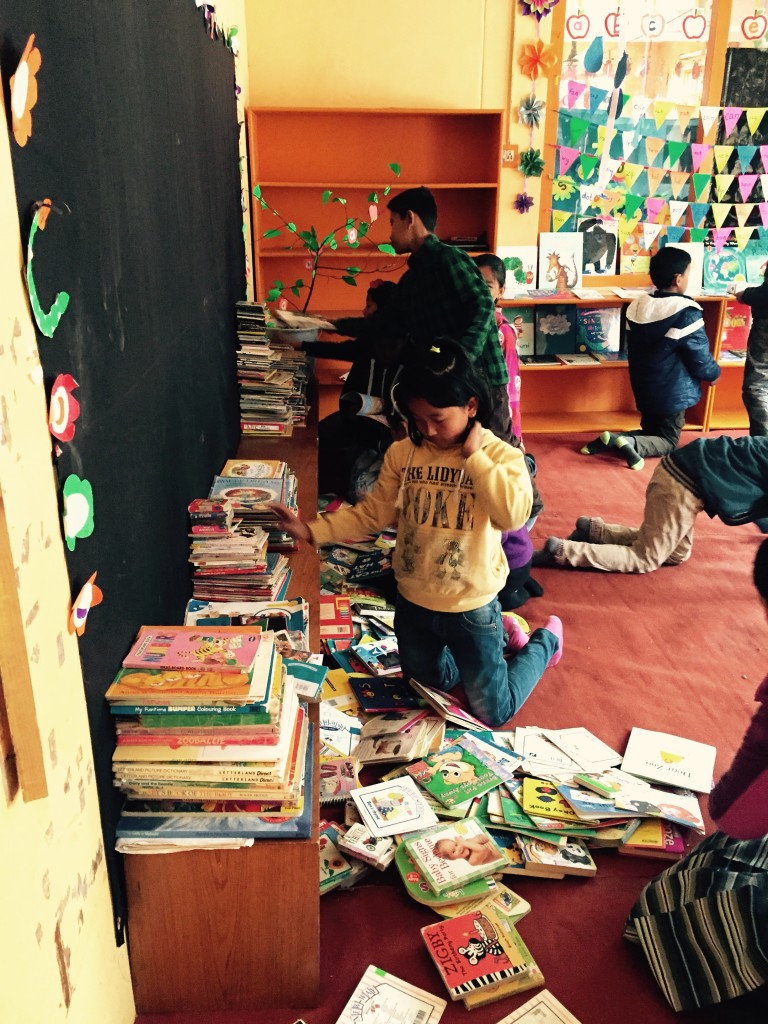
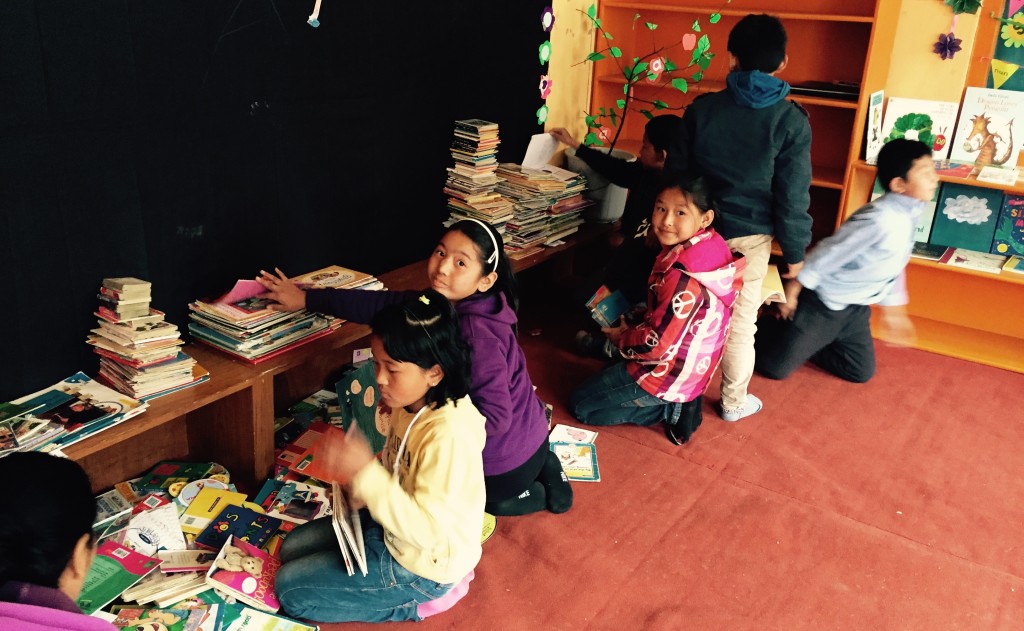
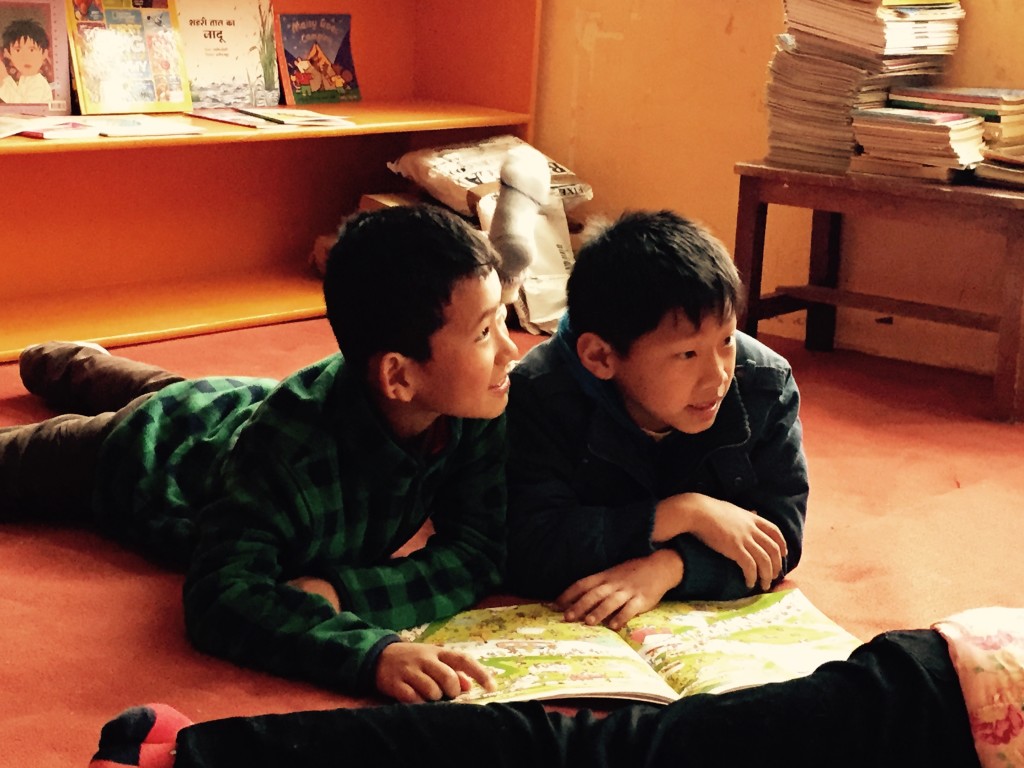
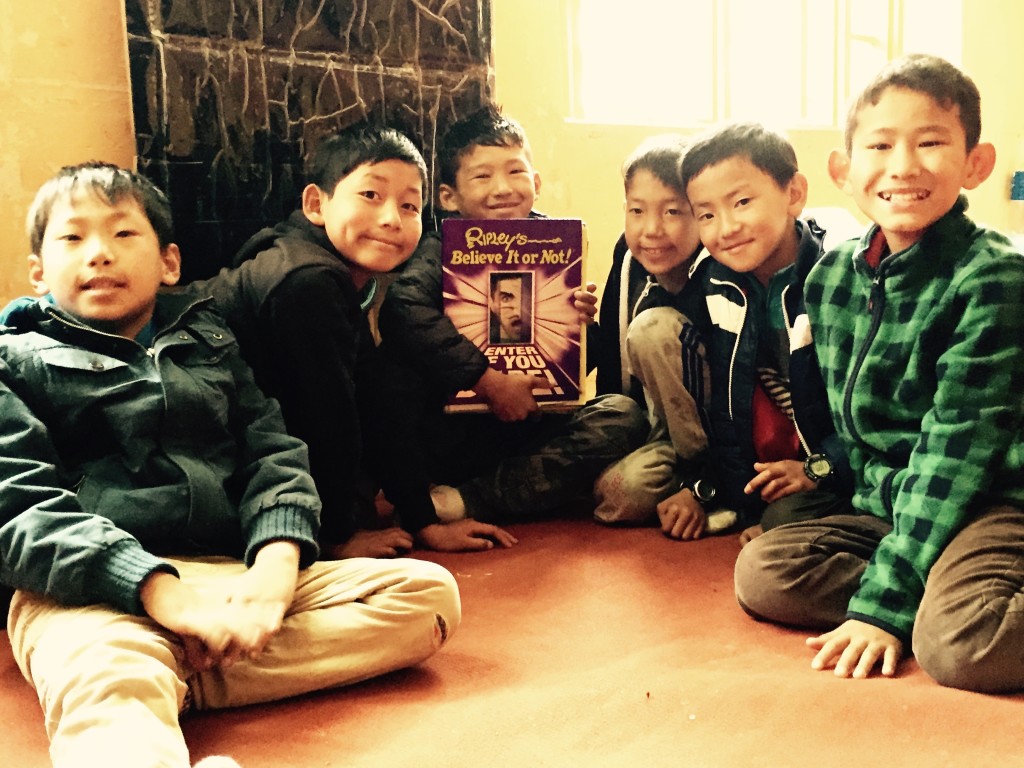
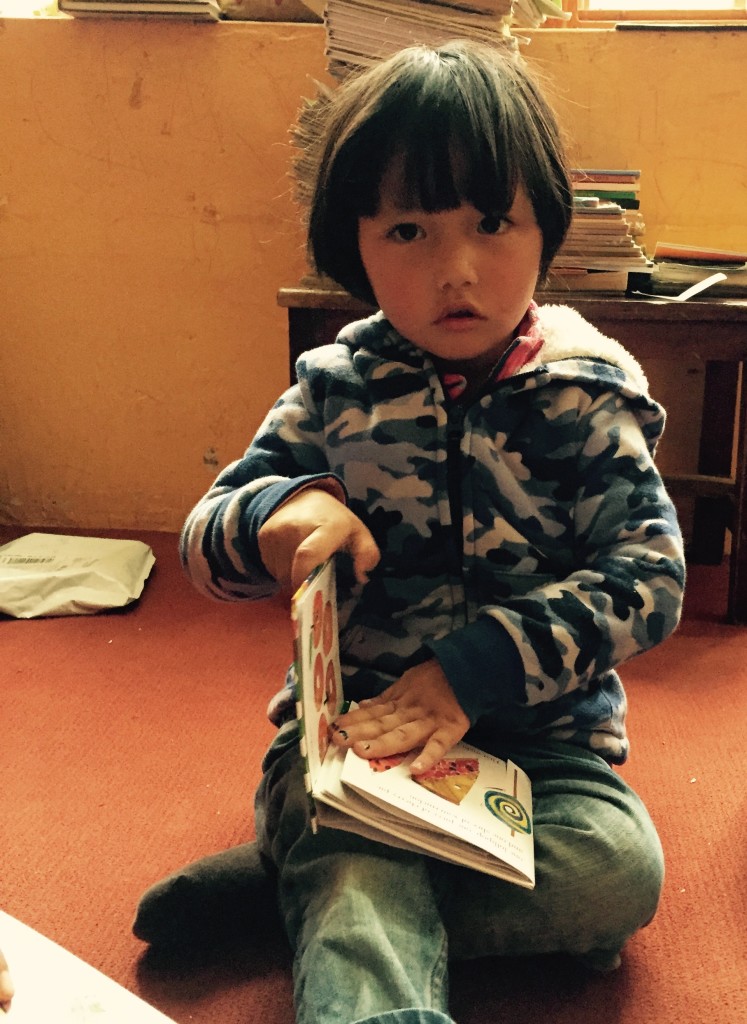
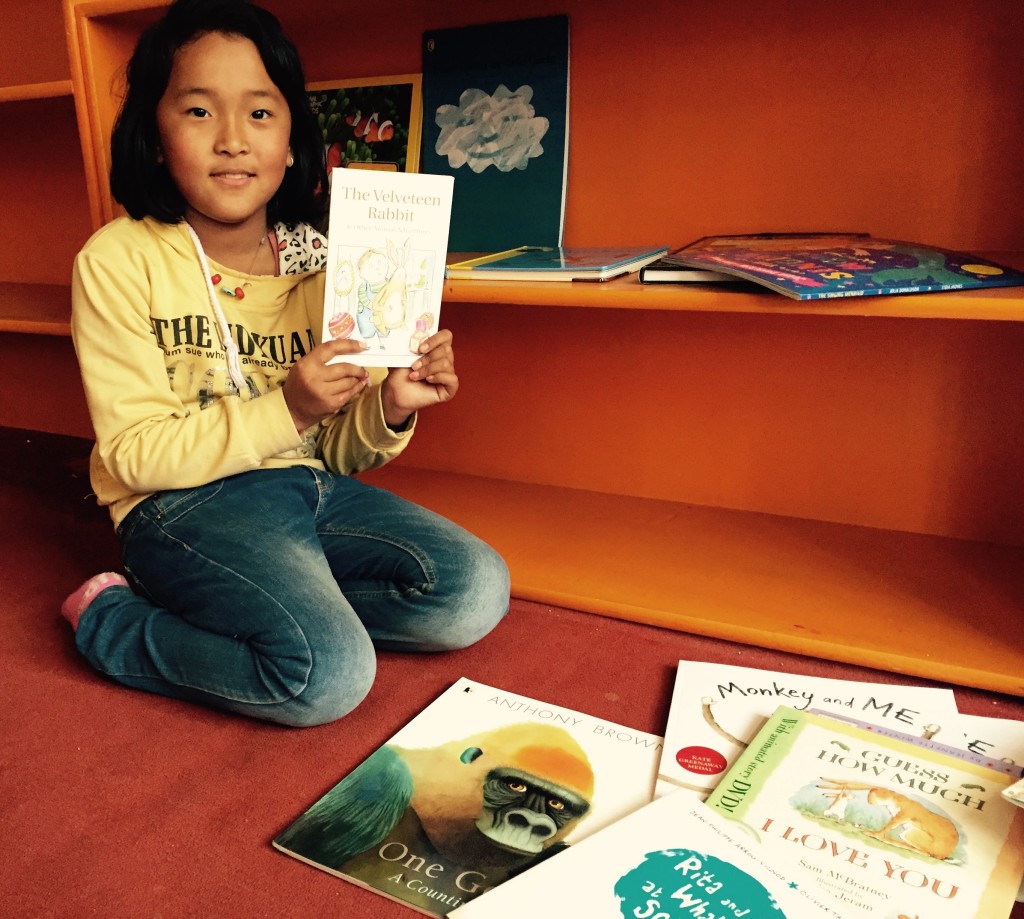
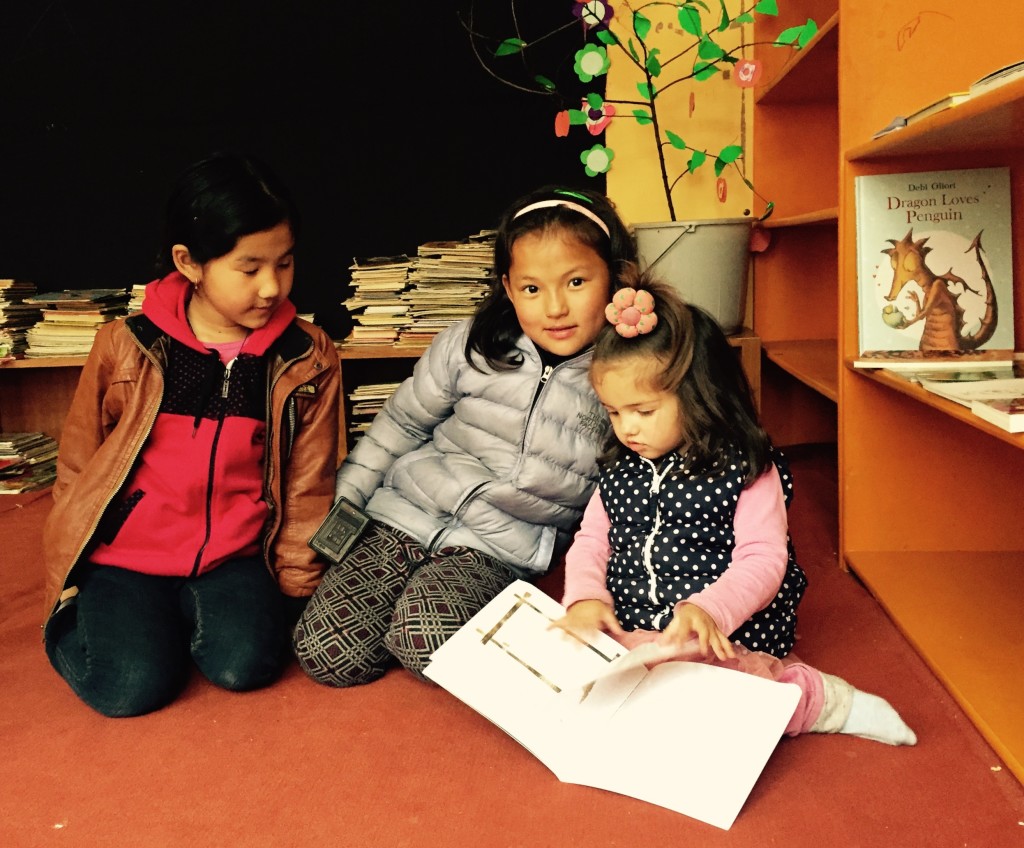
That afternoon he called two younger children to the reading room shelf and pointed at the diagram. Together they traced the path of light with their fingers, asking whether the colours came from the sky or from inside the page. By the time a volunteer returned, the three of them had drawn their own version on the back of a recycled envelope, arguing about whether violet belonged at the top or the bottom.
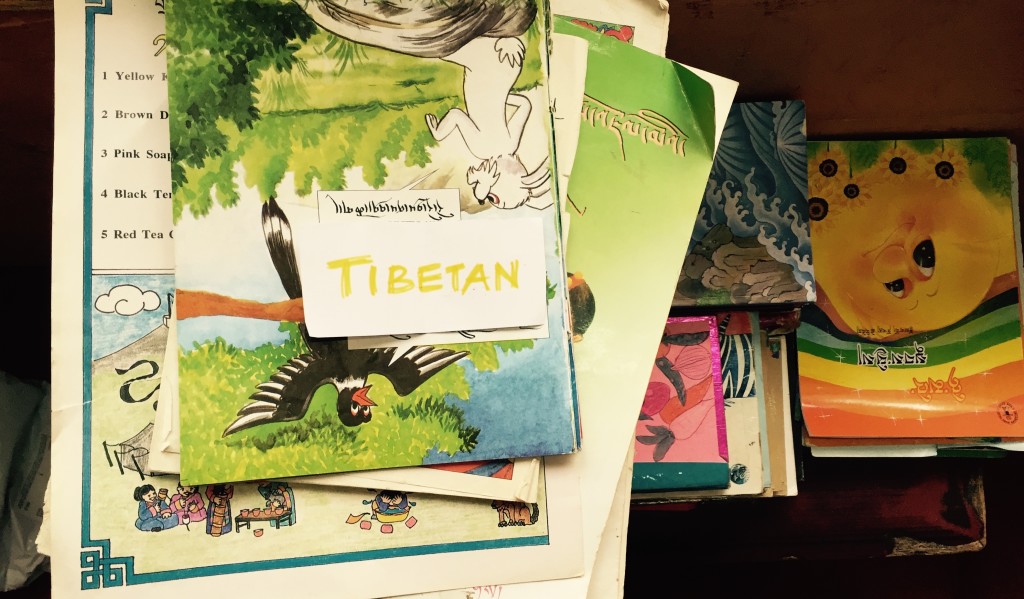
The boy had learned to read Tibetan script in the monastery, but the science book, printed in English with labelled diagrams, opened a different kind of literacy. He realised that pictures could carry explanations as well as stories, a discovery that would shape how he approached every book afterward.
A page that bridged sky and paper
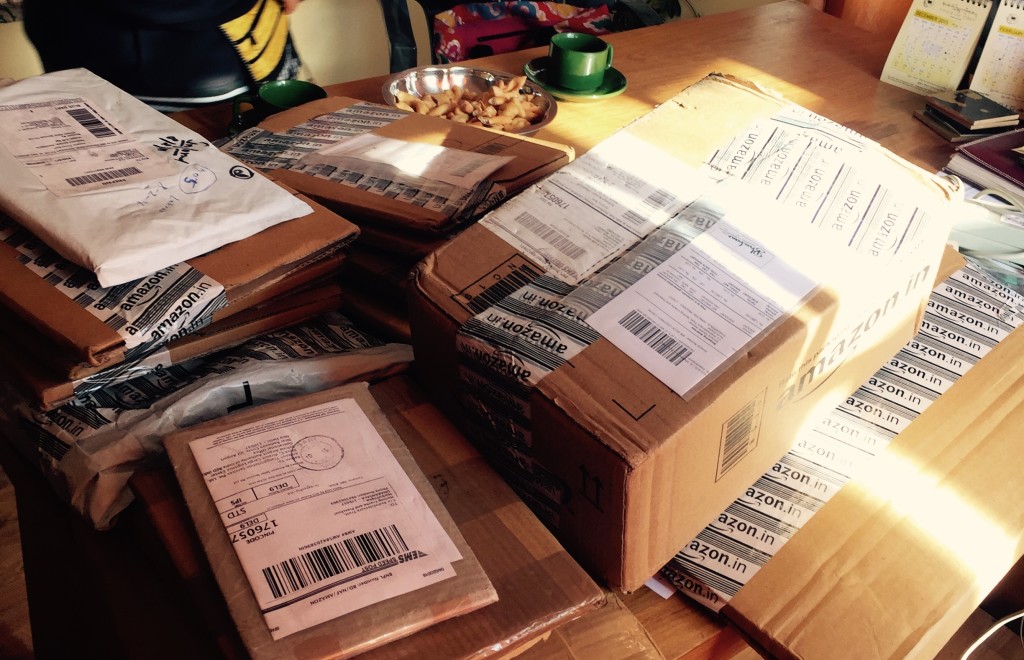
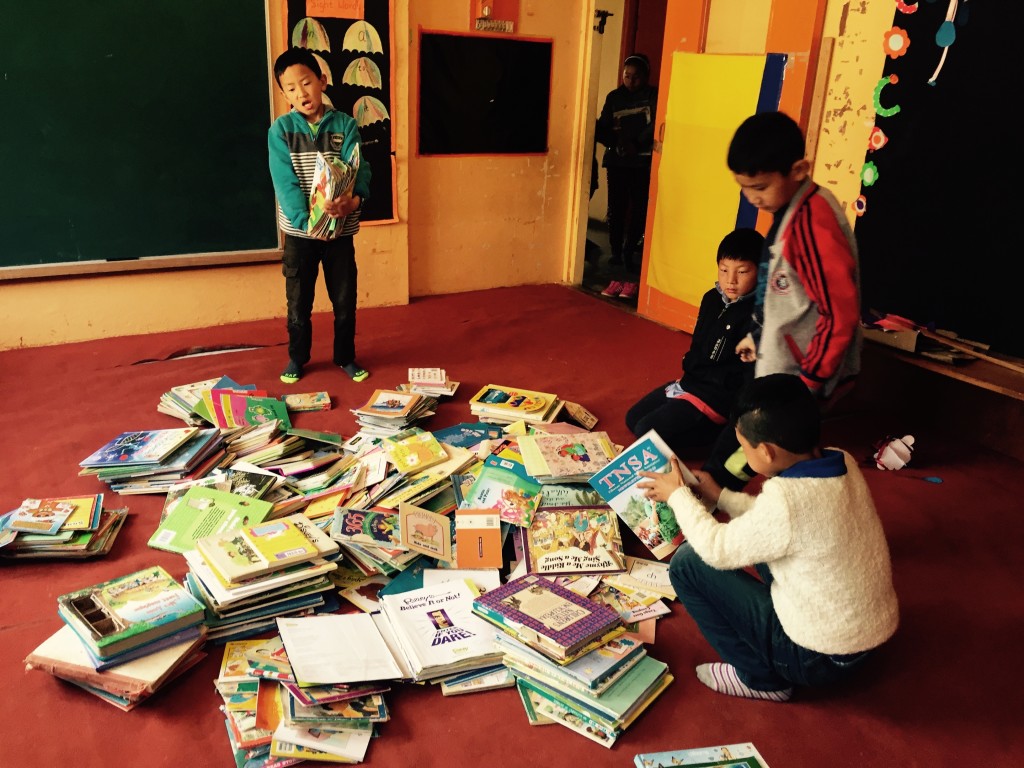
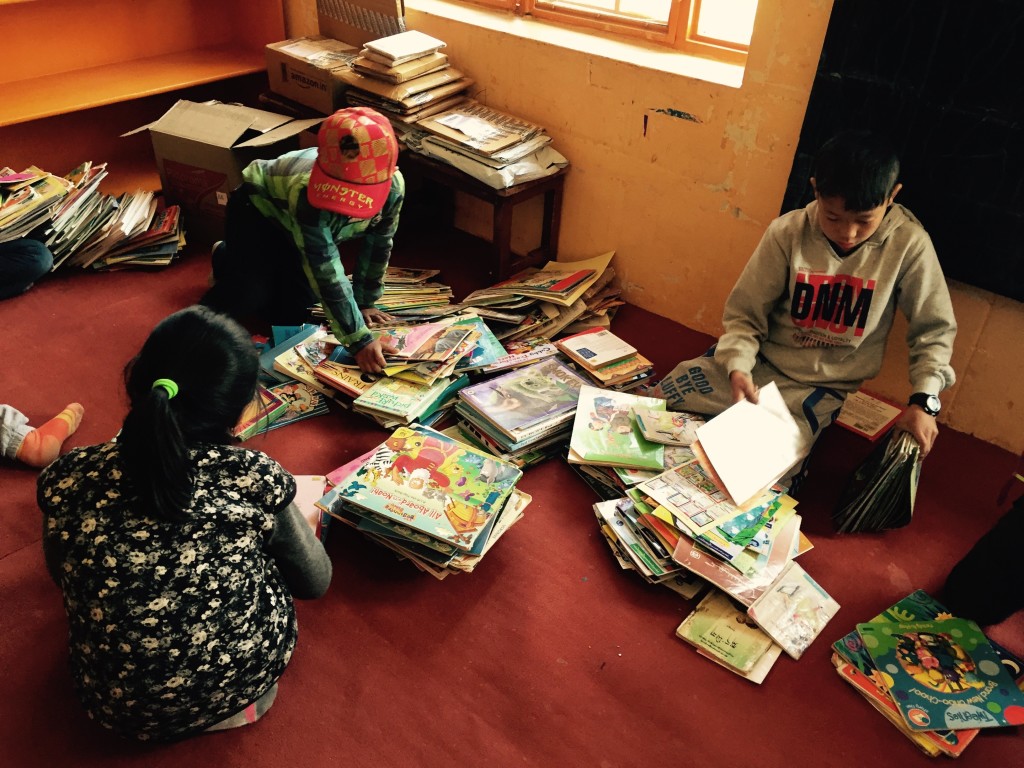
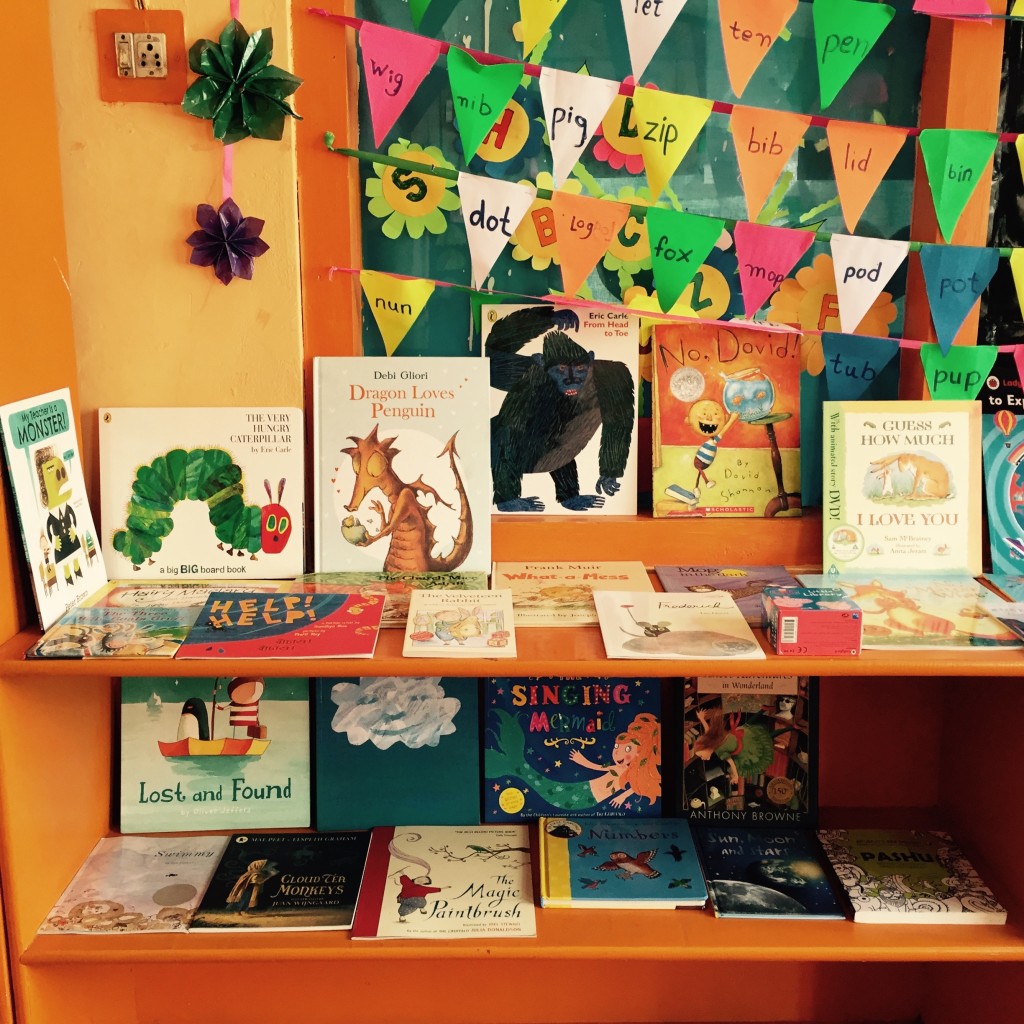
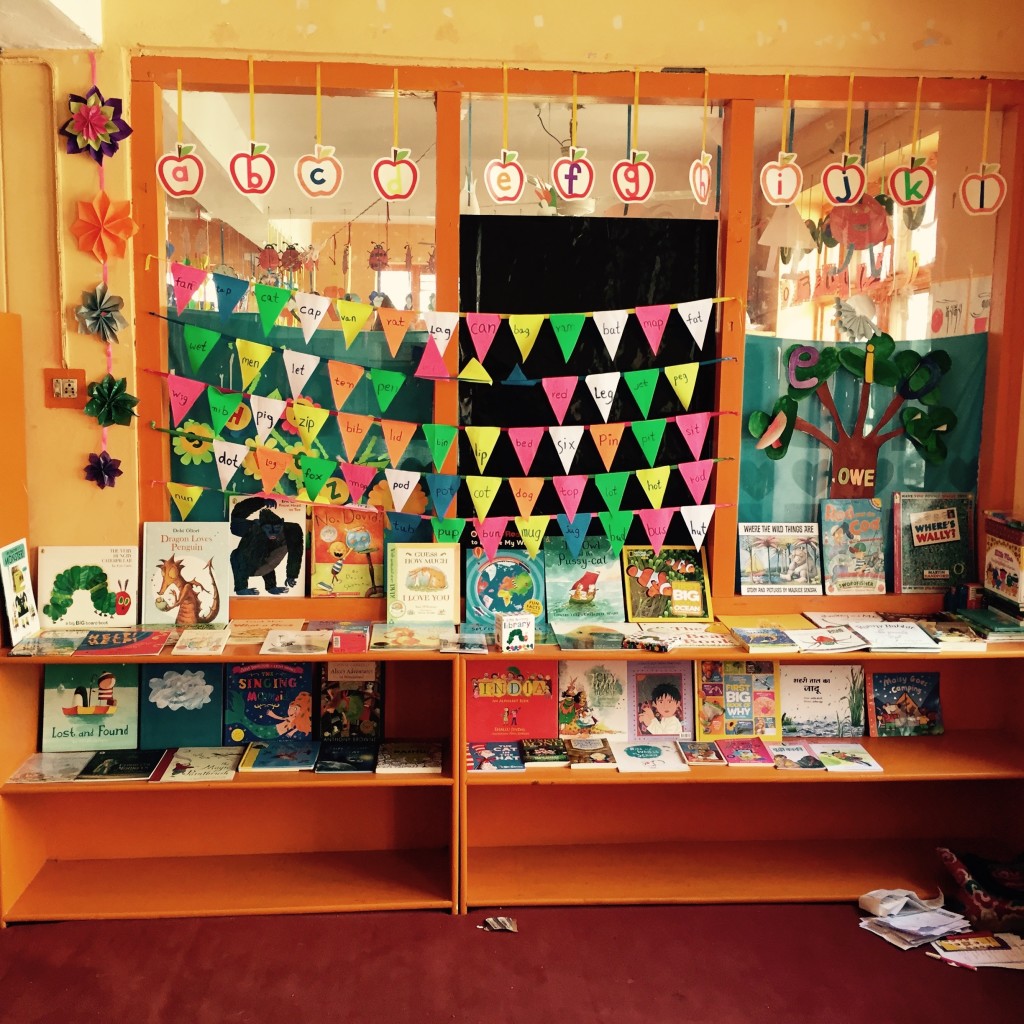
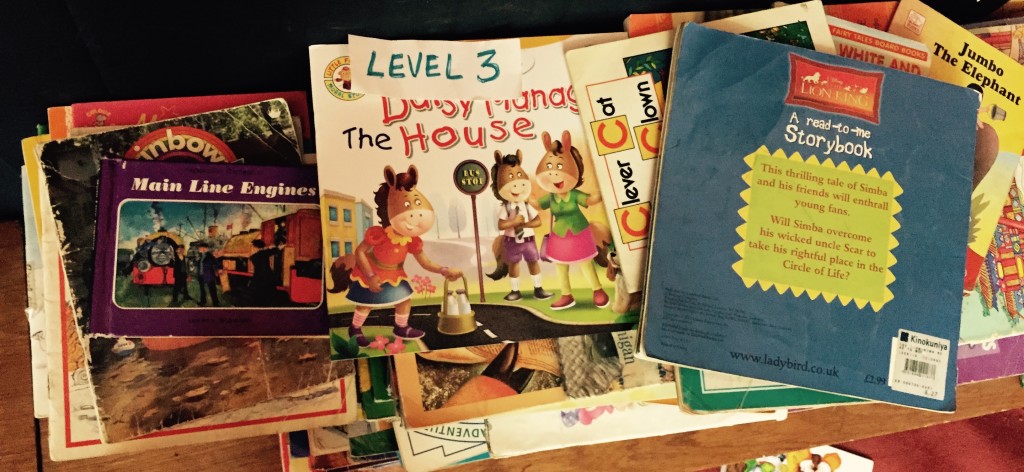
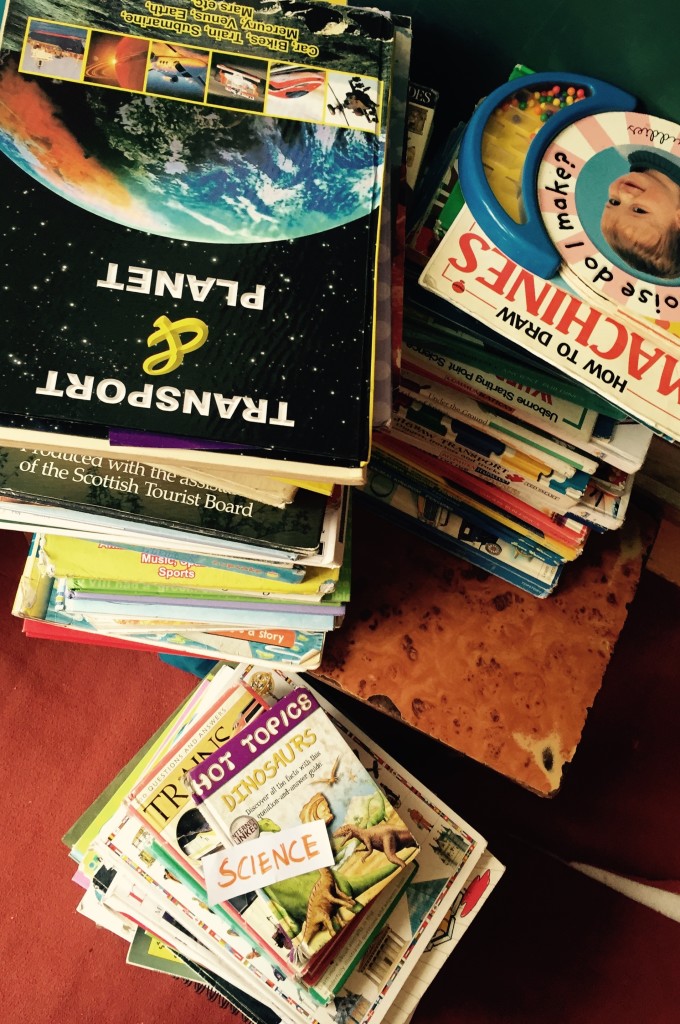
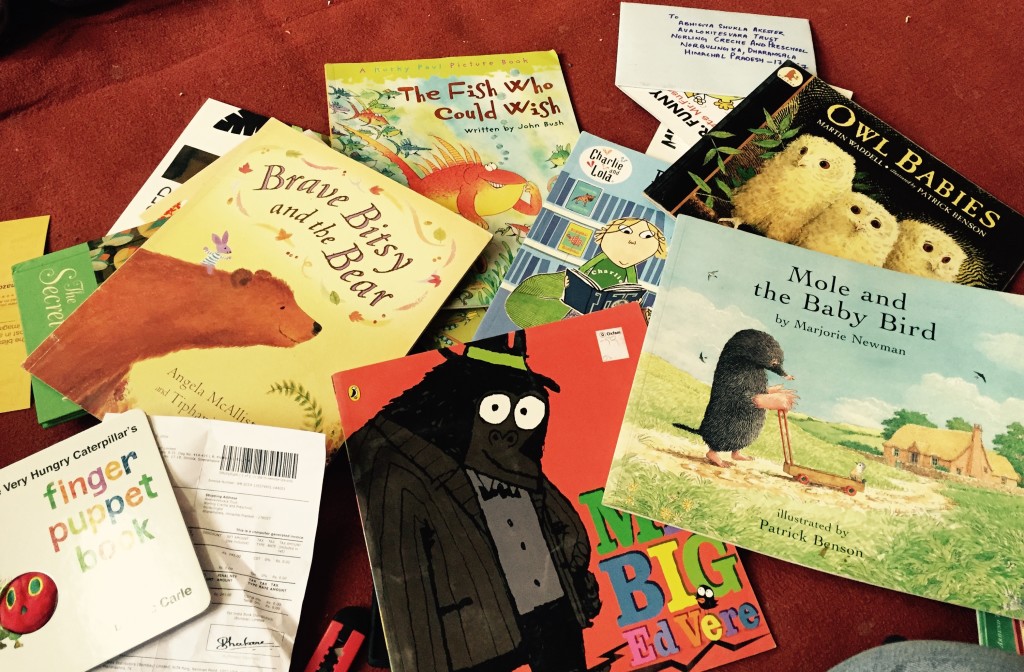
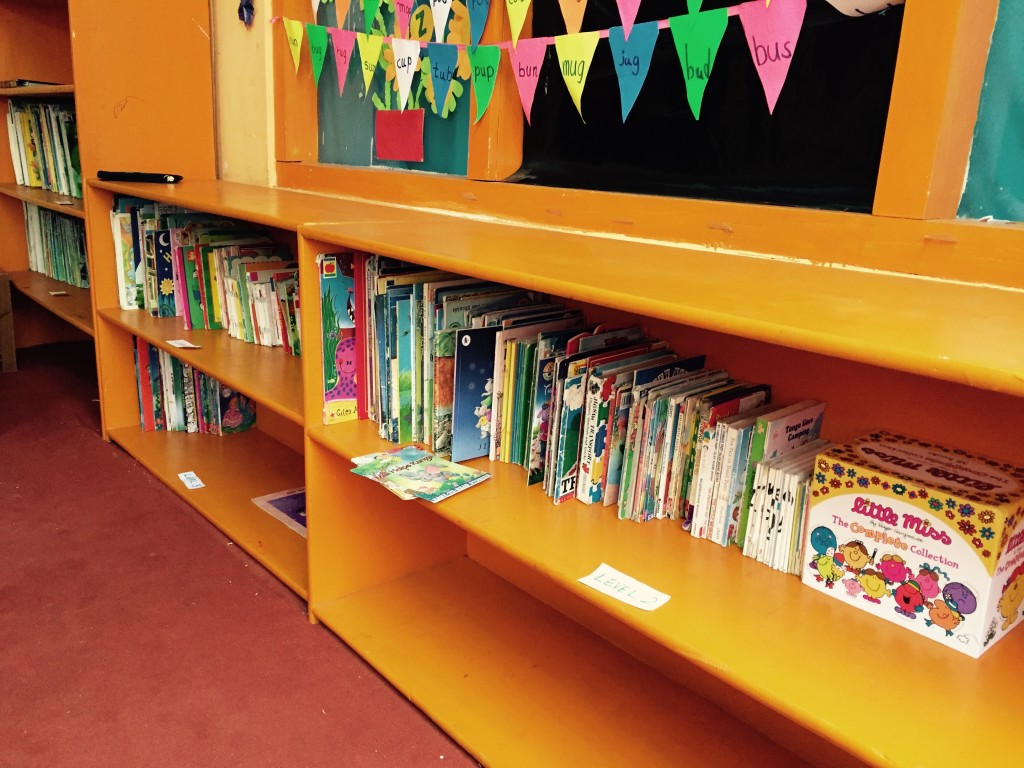
The book had travelled from a publisher in another country, passed through a warehouse, and arrived in a box marked "education supplies" at a depot the Avalokiteśvara Trust uses. Science titles rarely make it into Ladakhi reading rooms, where picture books, prayer texts, and folktales dominate the shelves. A rainbow diagram felt almost like a foreign object, and that foreignness gave it power.
Children in remote Himalayan villages learn through listening, repetition, and direct observation of an extreme landscape. Snowfall, glacial melt, the slow creep of shadows across a monastery wall, the arc of a rainbow after a sudden August storm — these are already part of their visual vocabulary. A printed page that translates a familiar phenomenon into a labelled drawing adds a second layer of meaning. The rainbow stops being only weather and becomes a concept.
When the volunteer asked the boy what the diagram meant, he answered in a careful mix of Tibetan and English that light bends when it passes through glass, and that water in the sky bends light in the same way. He had not memorised that sentence; he had reasoned his way toward it using the picture.
How colour becomes a doorway into literacy
For early readers, colour is often the first reliable signal that they are interpreting a page correctly. Letters remain mysterious, but red is red, and yellow is yellow, in any language. When a child identifies the colours of the visible spectrum in order, they are practising sequence, memory, and confidence, three skills that sit quietly beneath the more obvious act of reading words.
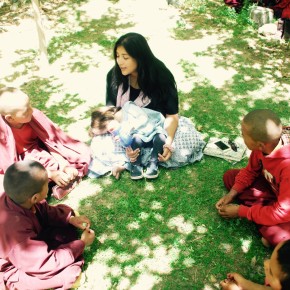
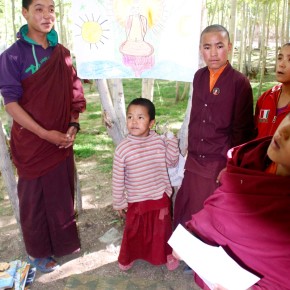
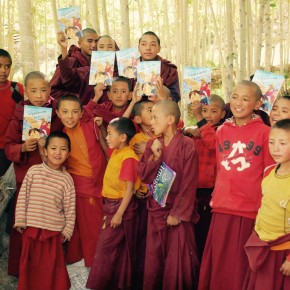
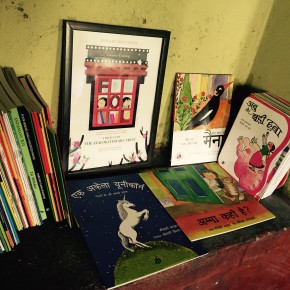
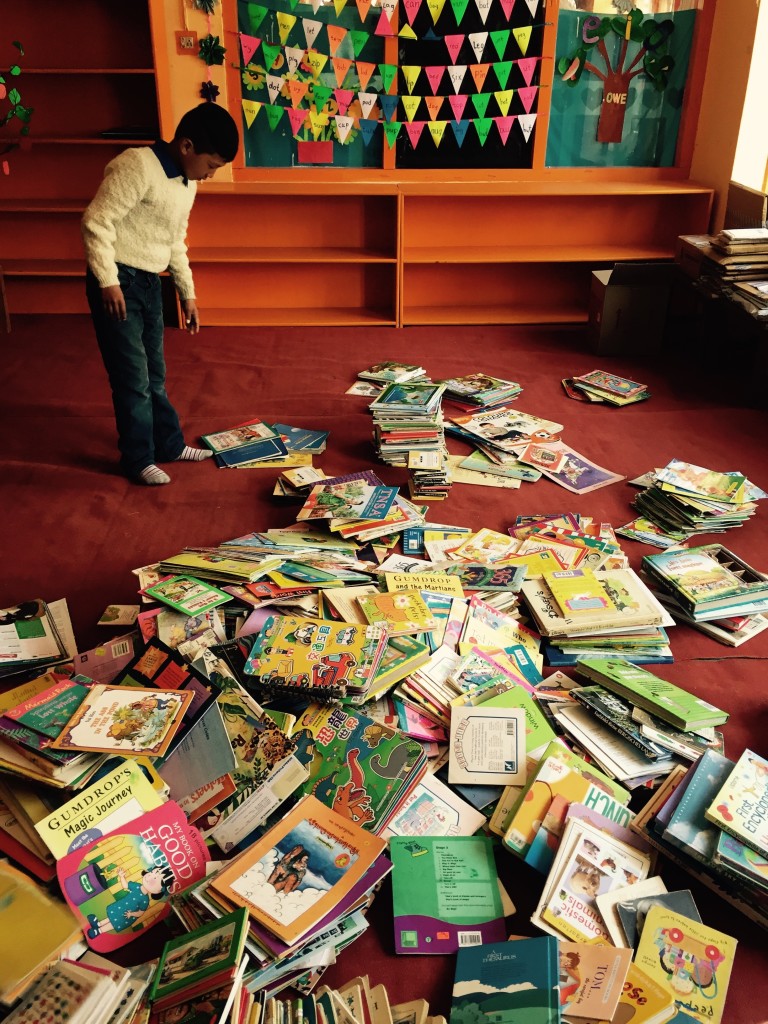
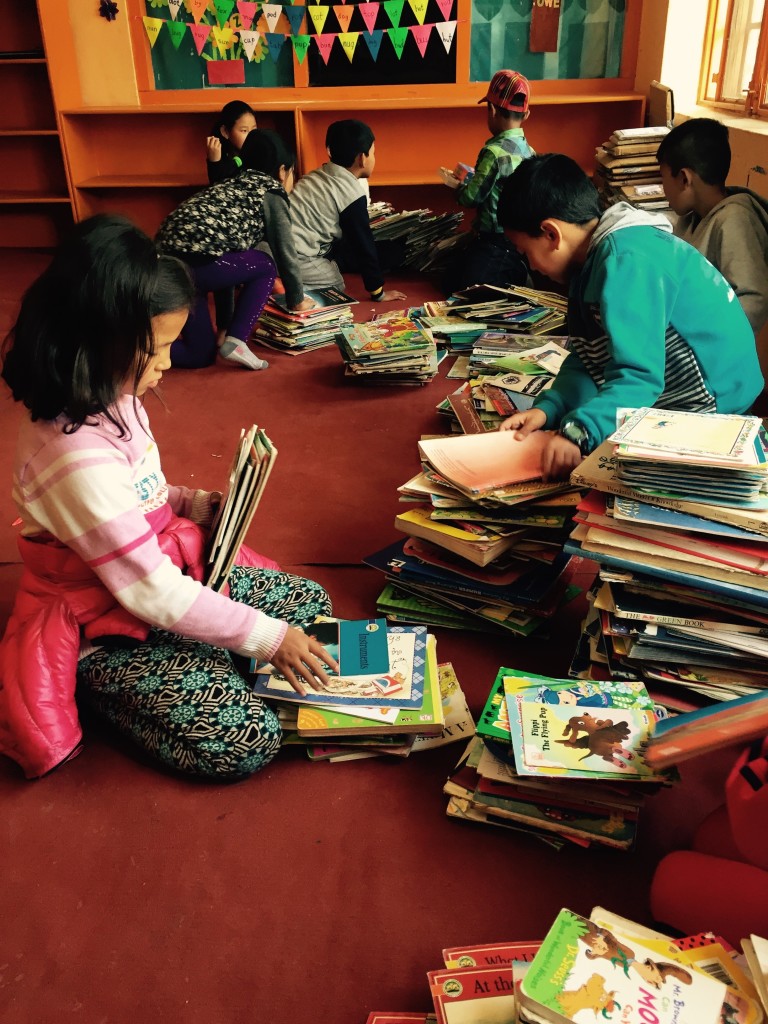
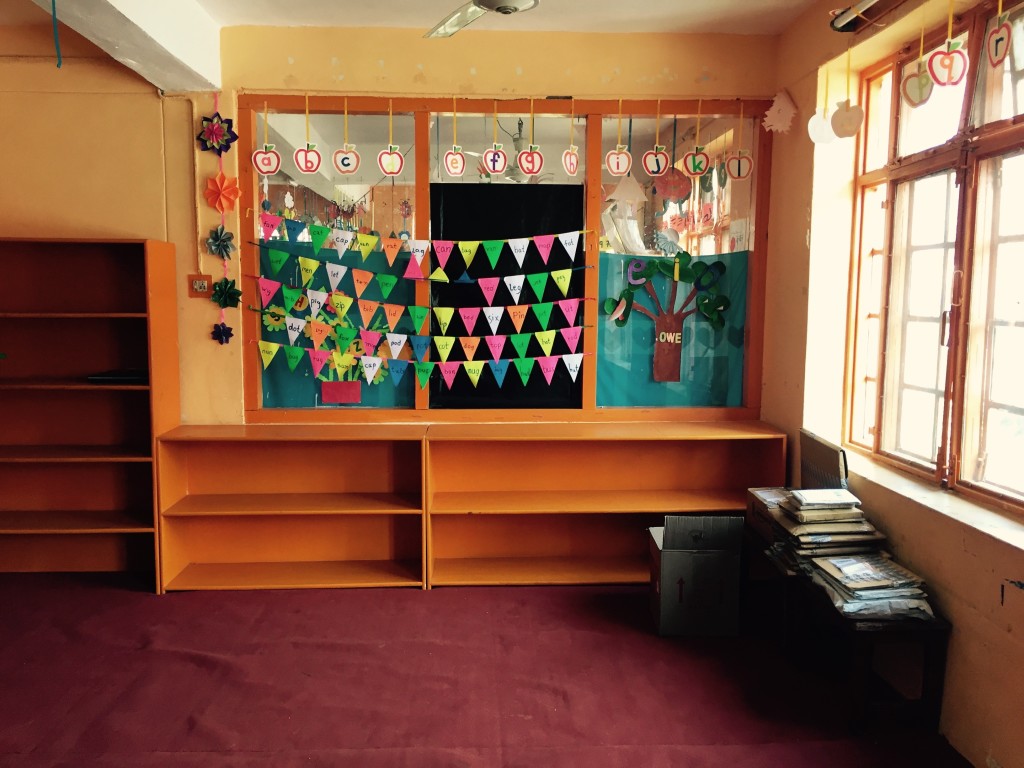
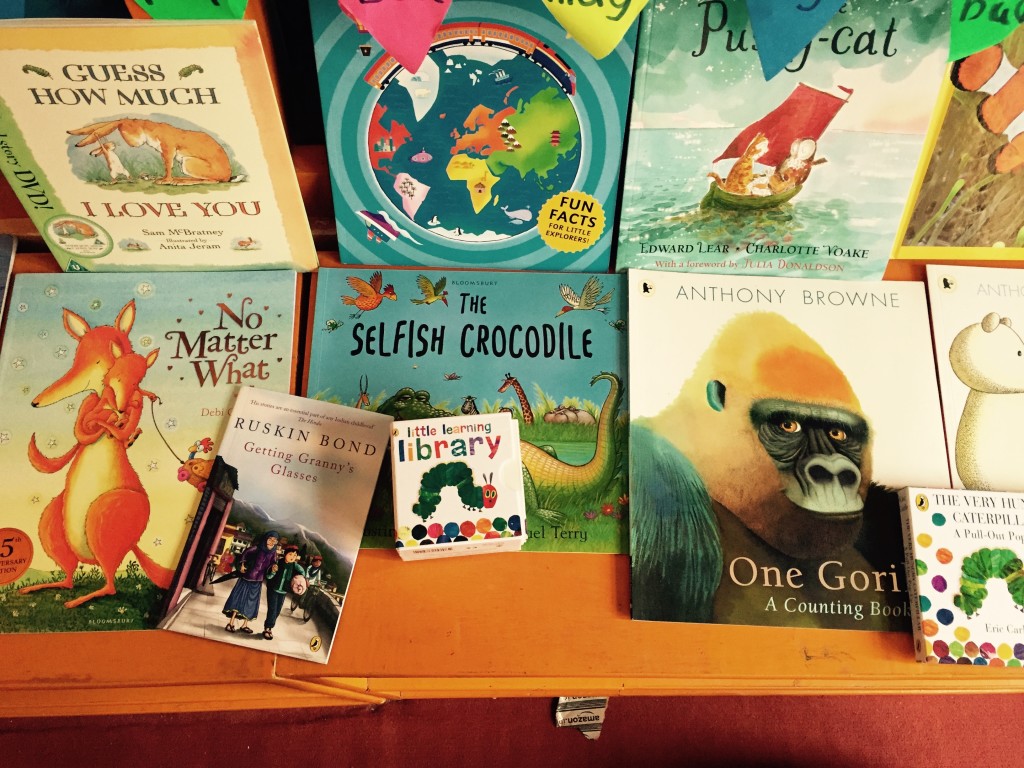
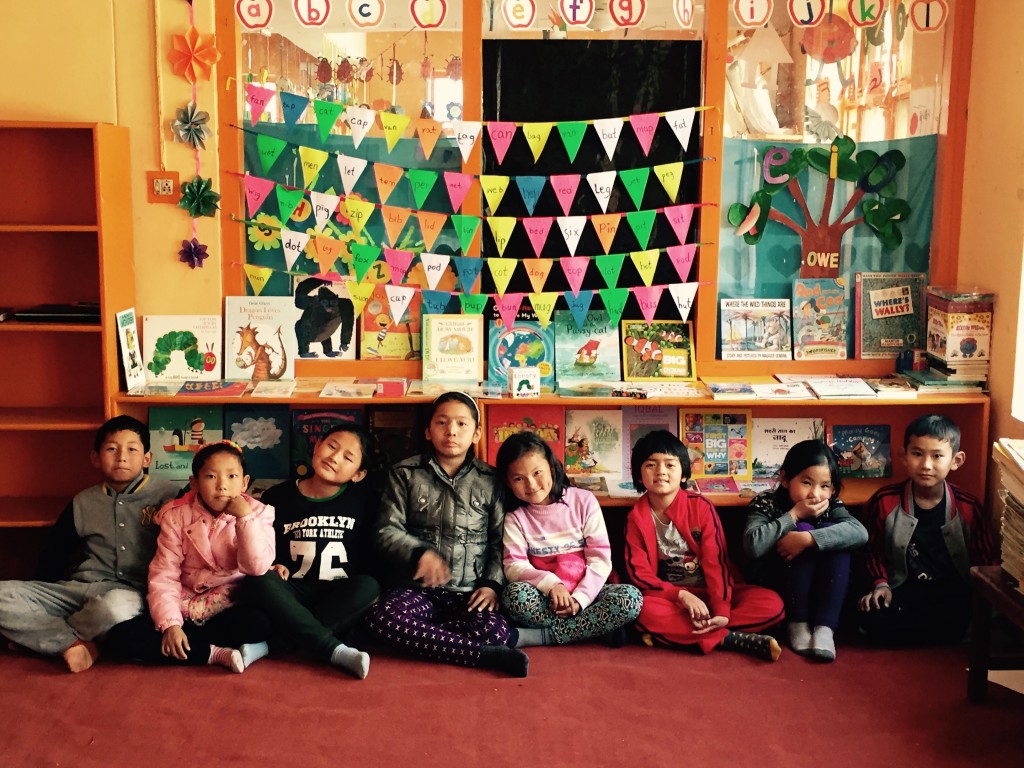
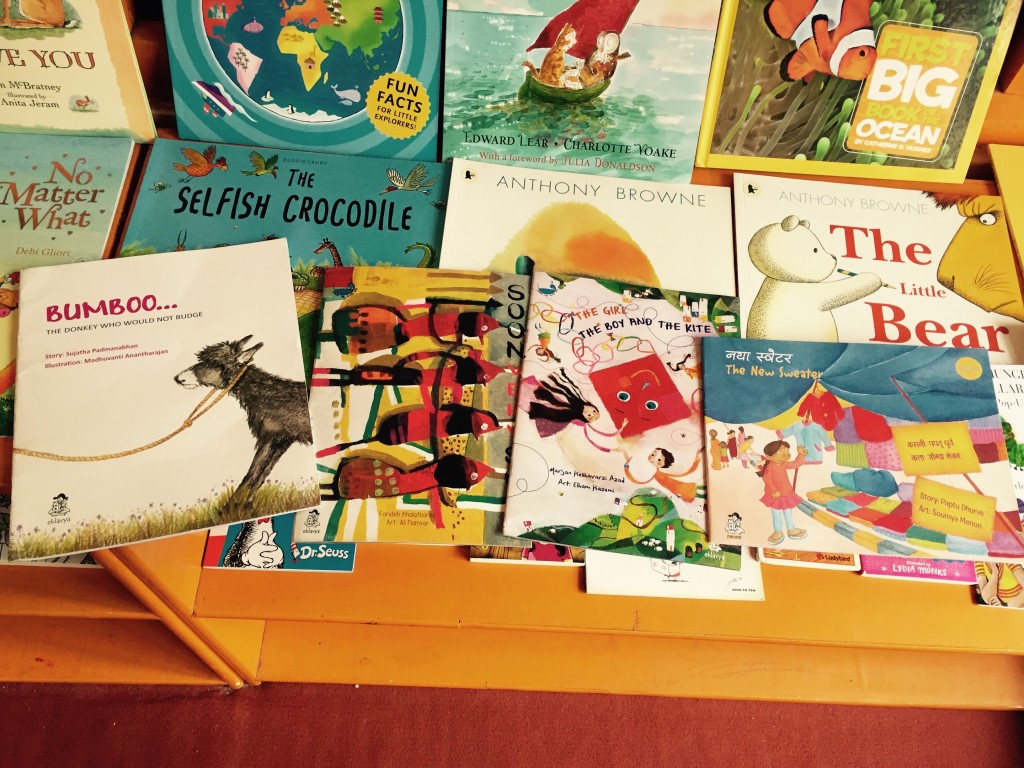
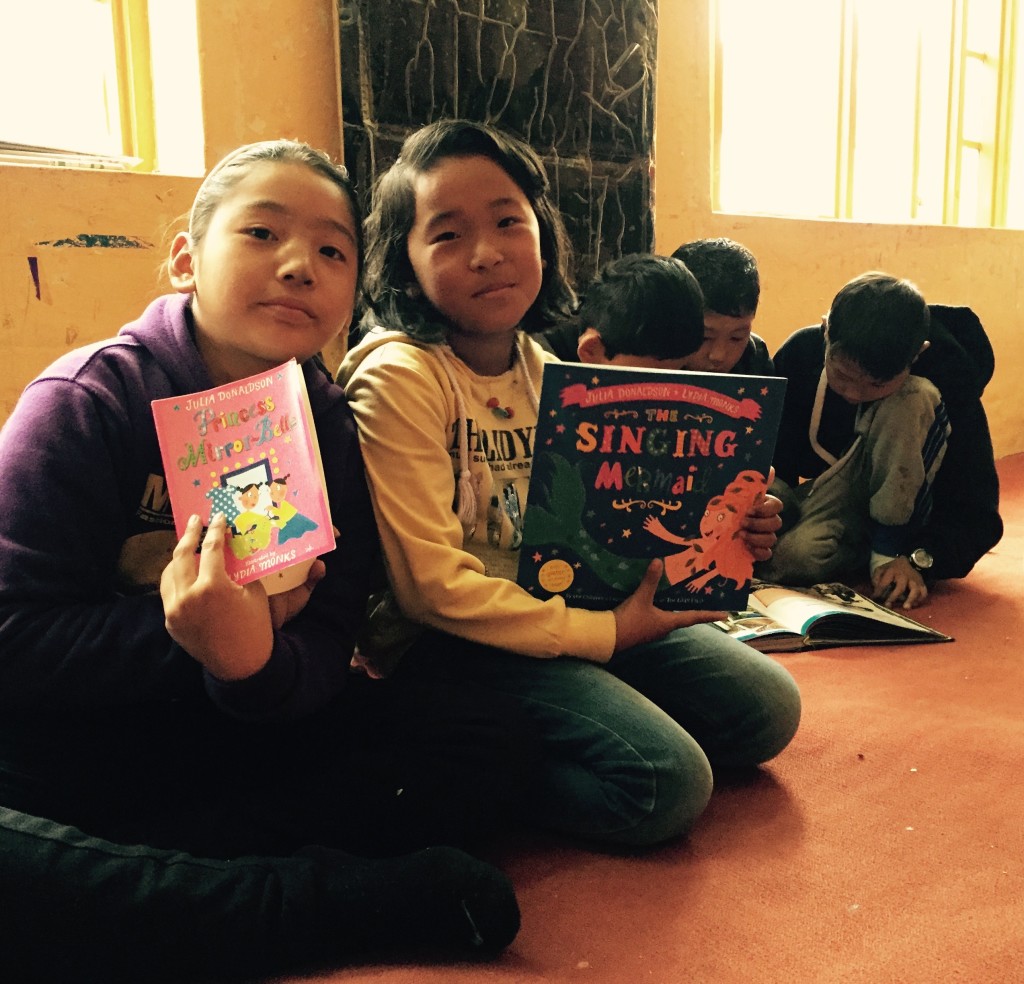
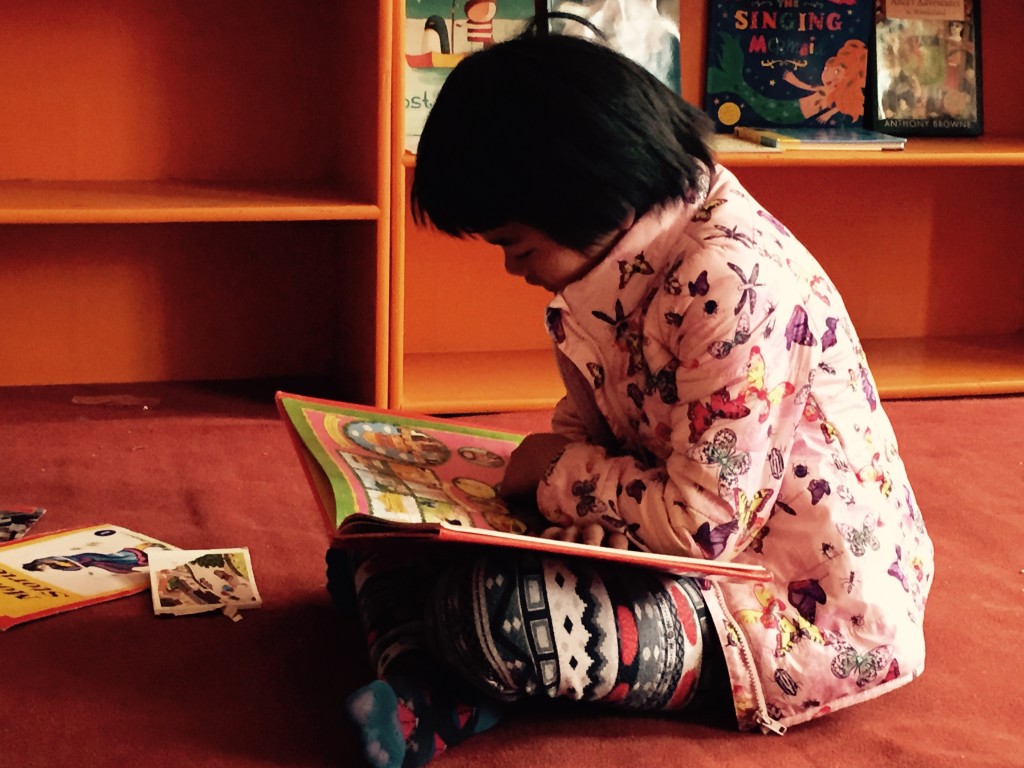
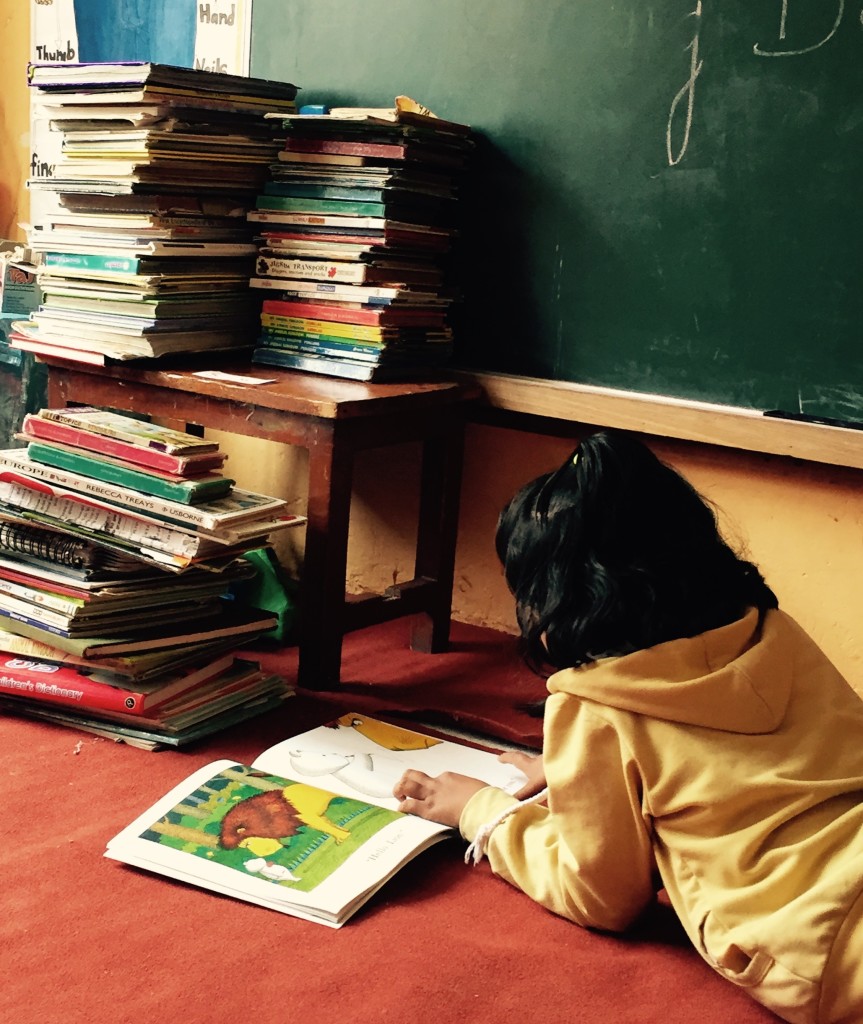
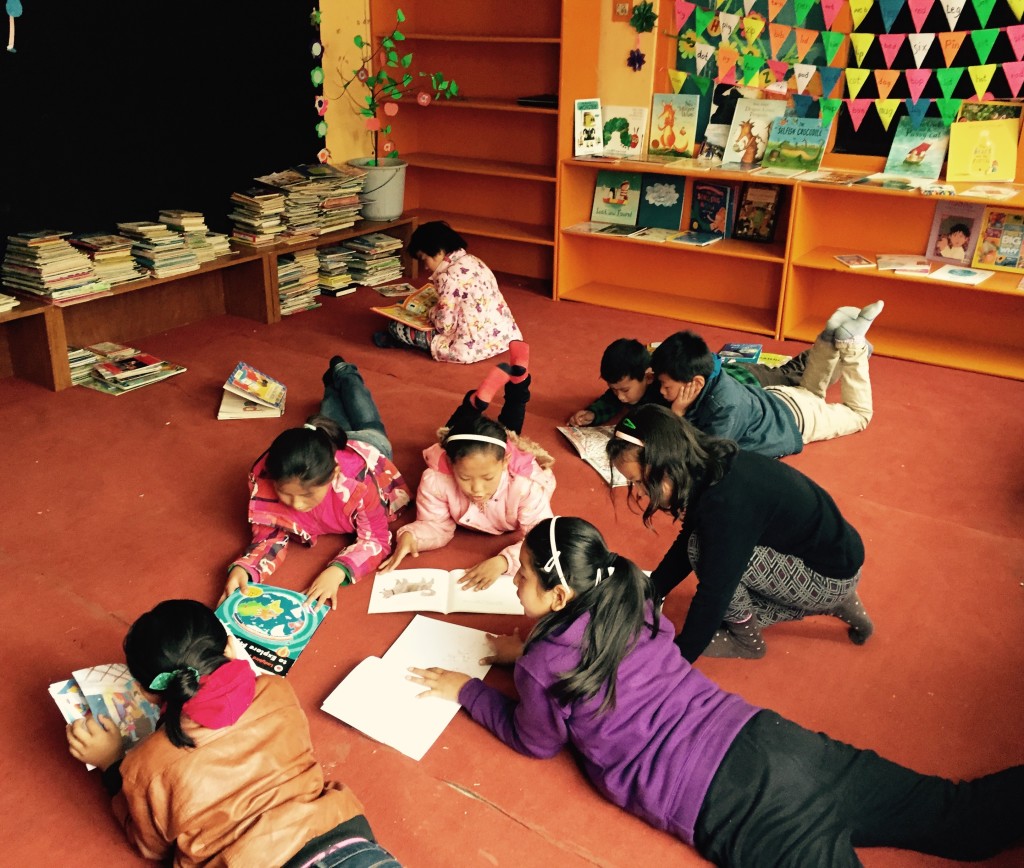
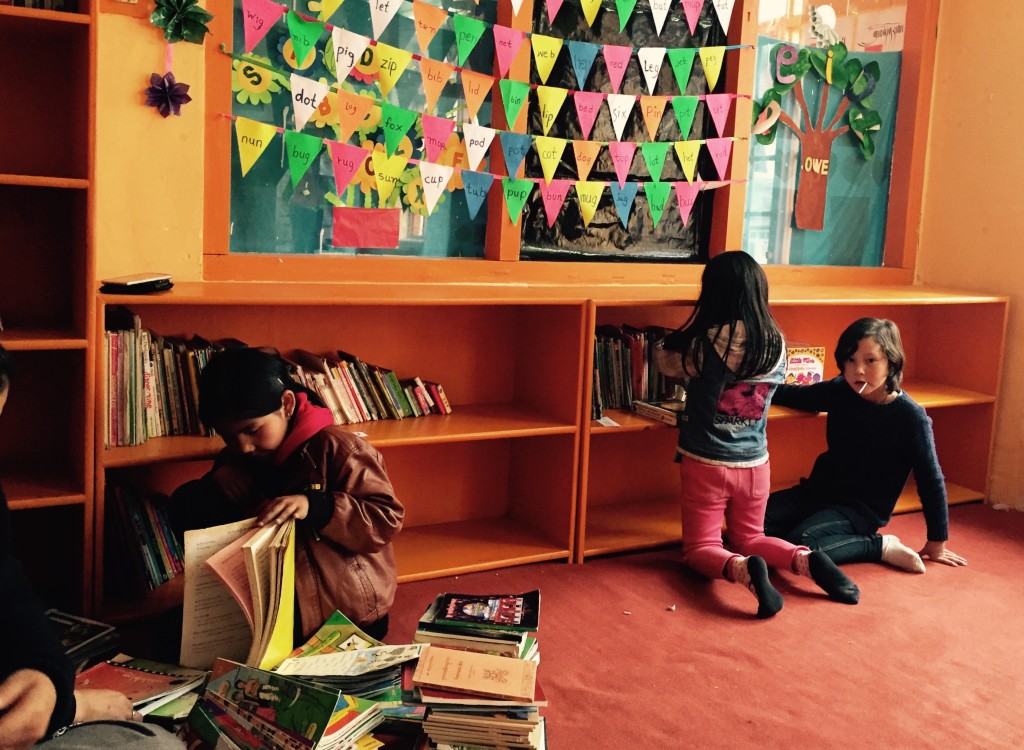
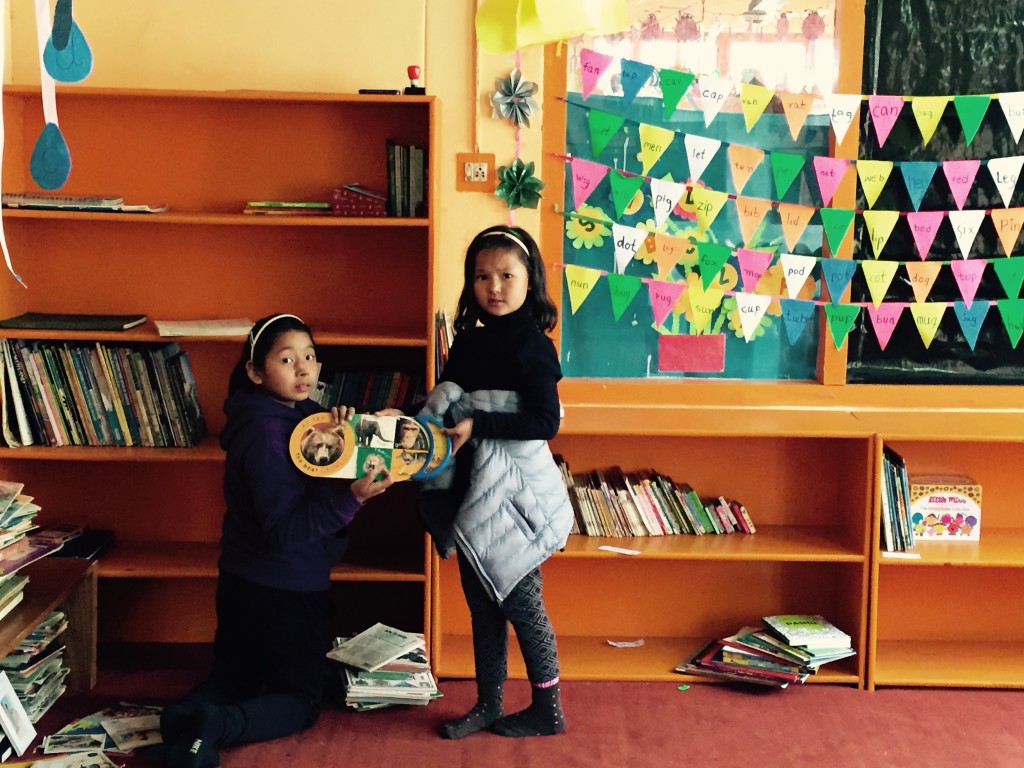
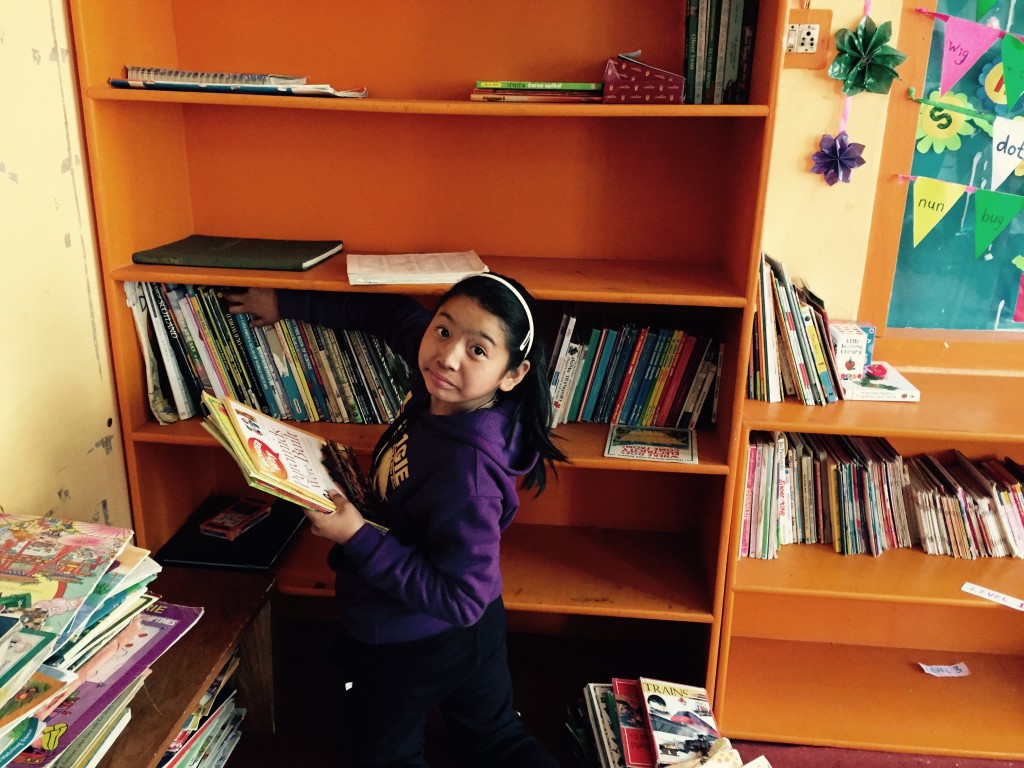
Reading rooms run by the Trust lean into this by mixing science primers with storybooks. A child might move from a folktale about a yak herder to a chapter on reflection, then back to a picture book about stars. The rainbow page acts as a hinge, linking the imaginative world of story with the explanatory world of science. In a region where schooling sometimes arrives late and instruction is delivered in multiple languages, those hinges matter.
The science a diagram can and cannot teach
A diagram of a prism is both generous and economical. It shows light bending as it enters glass, splitting into a band, and bending again as it exits, but it leaves out the temperature of the room, the dust in the air, and the colour of the wall behind the prism. Children looking at such a diagram fill in those missing details with their own experience. The Ladakhi boy filled them with snowmelt and monsoon humidity. A child in Brisbane fills them with summer storms. A child in Hobart fills them with winter drizzle. The diagram becomes a template onto which each reader pours their own sky.
There is also a limit to what any single page can do. Without a torch, a glass of water, and a strip of white paper, the concept of refraction remains abstract. Reading rooms in Ladakh and library makerspaces in Australia increasingly pair books with simple kits so that the page can be turned into an experiment by the end of the afternoon. The diagram is the door; the experiment is the room behind it.
Comparing reading support across two regions
| Reading initiative |
Himalayan region (Ladakhi villages) |
Australian states and territories |
| Main access point |
Reading rooms in monasteries and community centres, set up through charitable drives |
Public libraries, school libraries, and the National Library of Australia in Canberra |
| Language mix |
Ladakhi, Tibetan, Hindi, English |
English plus community languages; the Australian Curriculum recognises Aboriginal and Torres Strait Islander languages |
| Typical book donations |
Reconditioned picture books, prayer texts, occasional science primers |
New releases, CBCA-shortlisted titles, Indigenous-authored works from publishers such as Magabala Books |
| Volunteer pathway |
Short placements arranged through charitable partners, often during the Australian winter |
Structured programs via state education departments, ACNC-registered charities, and university practicums |
| Funding framework |
Direct donations, in-kind book drives, partner sponsorships |
ACNC tax-deductible receipts, state literacy grants, Reading Australia programs |
Across both regions, the same challenge quietly repeats itself: getting the right book into the hands of a child at the moment when it can change the way they see the world. Ladakhi reading rooms rely on trust-based partnerships and seasonal volunteer flows. Australian programs lean on a denser network of institutions, including the Children's Book Council of Australia, the State Library of Victoria, the State Library of Queensland, and Reading Australia.
Where Australian children meet the same wonder
Across the country, primary school students in cities such as Melbourne, Sydney, and Perth encounter the rainbow diagram in Year 4 science, where the Australian Curriculum includes light and its behaviour as a core topic. Many have already seen rainbows on the Mornington Peninsula, at Bondi, or over the water at Cottesloe, yet the classroom diagram still feels like a small revelation. Teachers often pair it with an experiment using a glass of water and a torch, asking students to predict where each colour will fall on a sheet of white paper.
The Children's Book Council of Australia has long recognised that picture books can carry scientific ideas gently. Award-winning titles blend accurate diagrams with story, sitting alongside fiction on school library shelves from Hobart to Darwin. Public library holiday programs in places like the State Library of Victoria and Brisbane's libraries run sessions where children build simple spectroscopes from cardboard tubes, mimicking the prism in the science book.
In remote Australian communities, the gap between lived experience and printed explanation can be just as wide as in the high Himalayas. Children in parts of the Northern Territory or western Queensland grow up watching dry-season storms produce vivid rainbows, then meet the same phenomenon in a textbook weeks later.
The role of donors and local partners
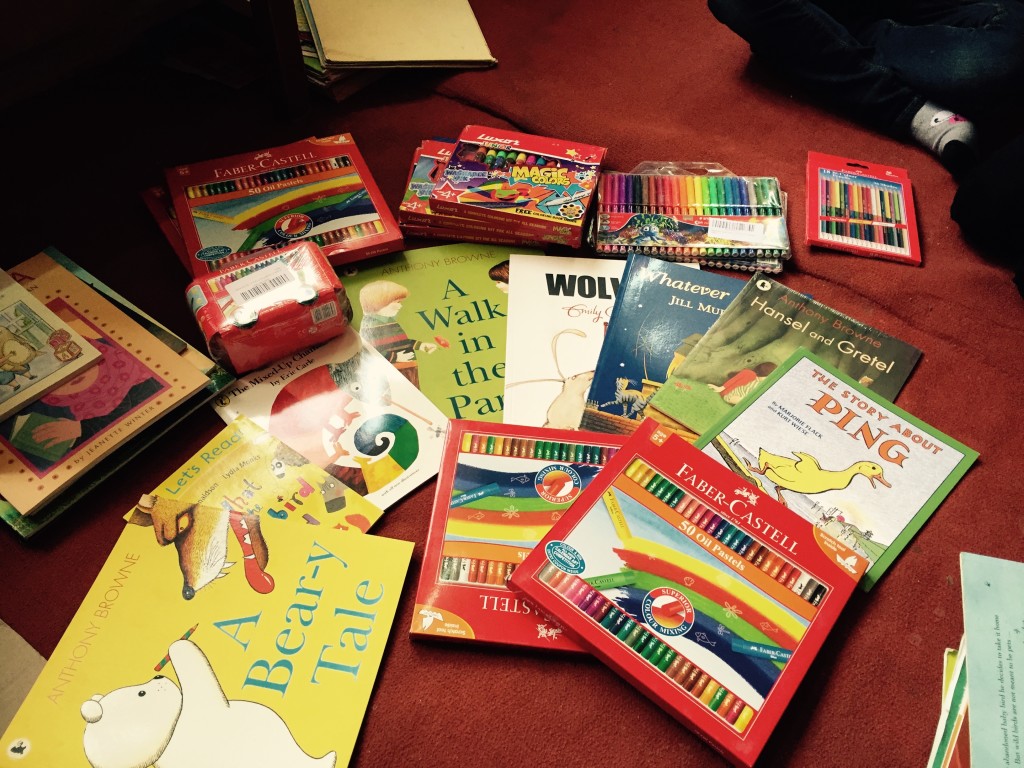
Supporting a reading room is rarely a single transaction. A donor might fund science books, sponsor bilingual worksheets, or pay a local coordinator. In Australia, the same logic applies through ACNC-registered charities that provide tax-deductible receipts and connect urban donors with regional literacy projects.
Practical ways to strengthen both regions include:
- Sponsoring a shipment of bilingual science primers to a Ladakhi reading room
- Donating new or near-new science picture books to a local public library branch
- Funding a volunteer placement during the Australian winter, when Himalayan villages welcome visitors
- Contributing to the printing of Ladakhi-English vocabulary sheets tied to science themes
- Supporting Indigenous publishers in Australia so that local stories reach regional schools
Reading rooms in Ladakh also benefit from:
- Solar-powered lamps that extend evening reading hours in winter
- Weatherproof shelving for monsoon-affected valleys
- Simple lab kits that match the science books already on the shelves
- Translation support for science terms that have no direct Ladakhi equivalent
- Photography workshops so children can record their own experiments
What the Ladakhi boy took from that book was not a definition of refraction but a sense that the world could be held in two forms at once, as weather and as explanation. He had watched rainbows disappear into the roof of his monastery and reappear after a storm; now he owned a drawing of one, and it belonged to him.
For readers in Australia, the same thread runs through school libraries in Adelaide, reading nooks in Canberra, and community halls in remote towns. When a child sees a rainbow rendered for the first time as colour, as light, and as a question, a reading room has done its quiet work. That image, traced across two hemispheres by children who otherwise share little, is the kind of moment the Avalokiteśvara Trust was built to repeat.