The First Time a Child Saw a Picture of a Whale in a Book
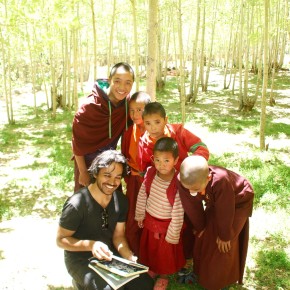
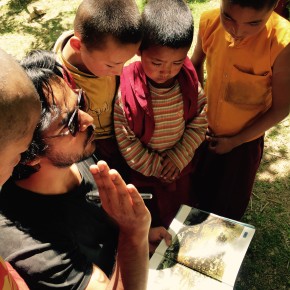
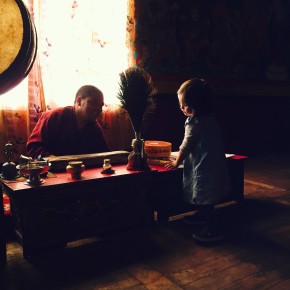
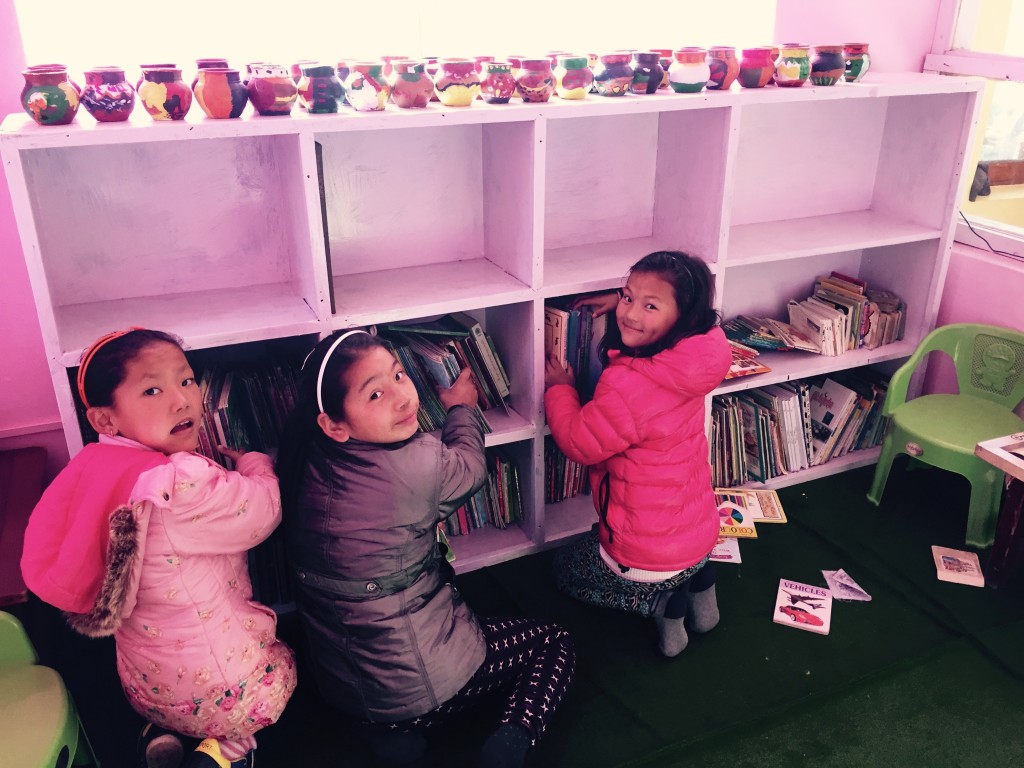
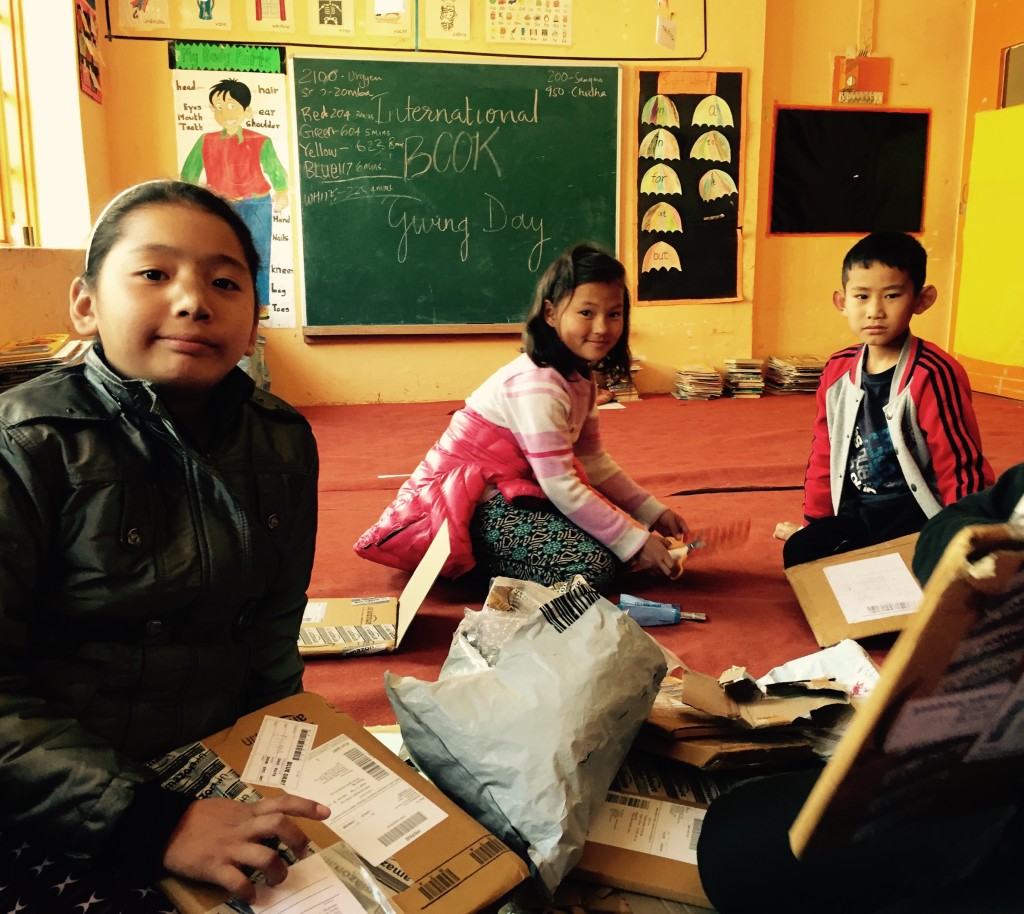
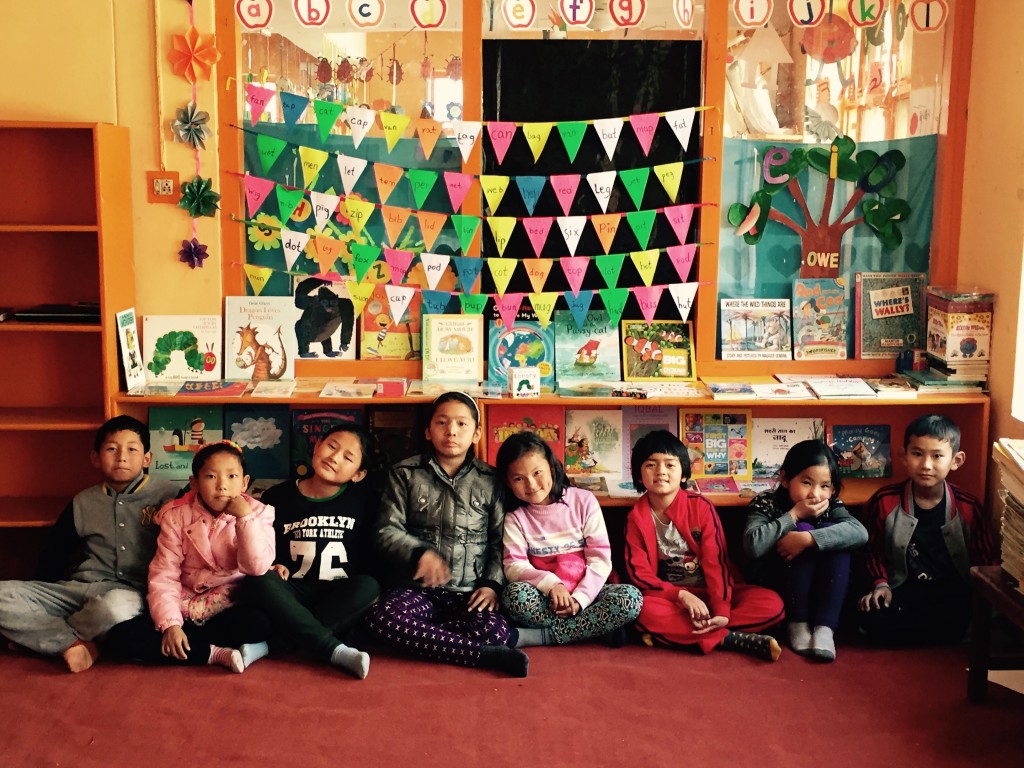
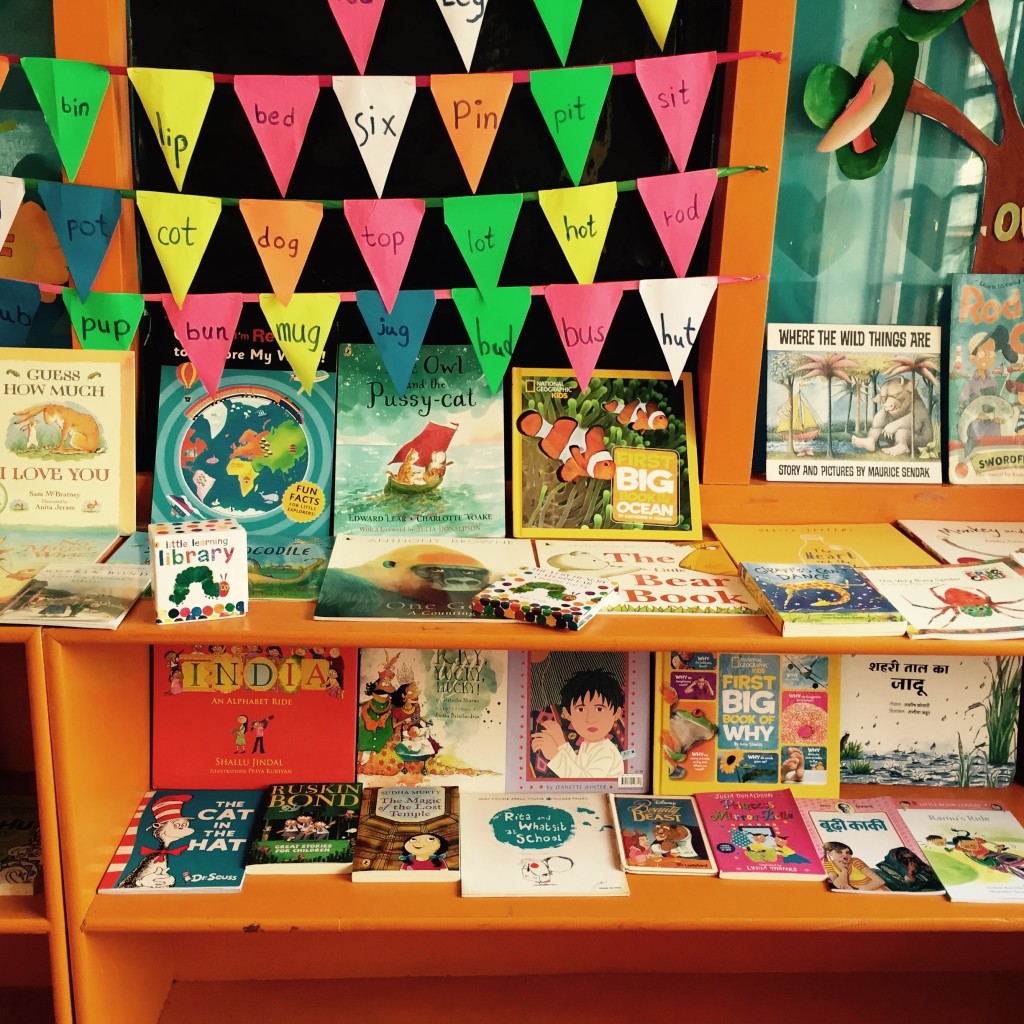
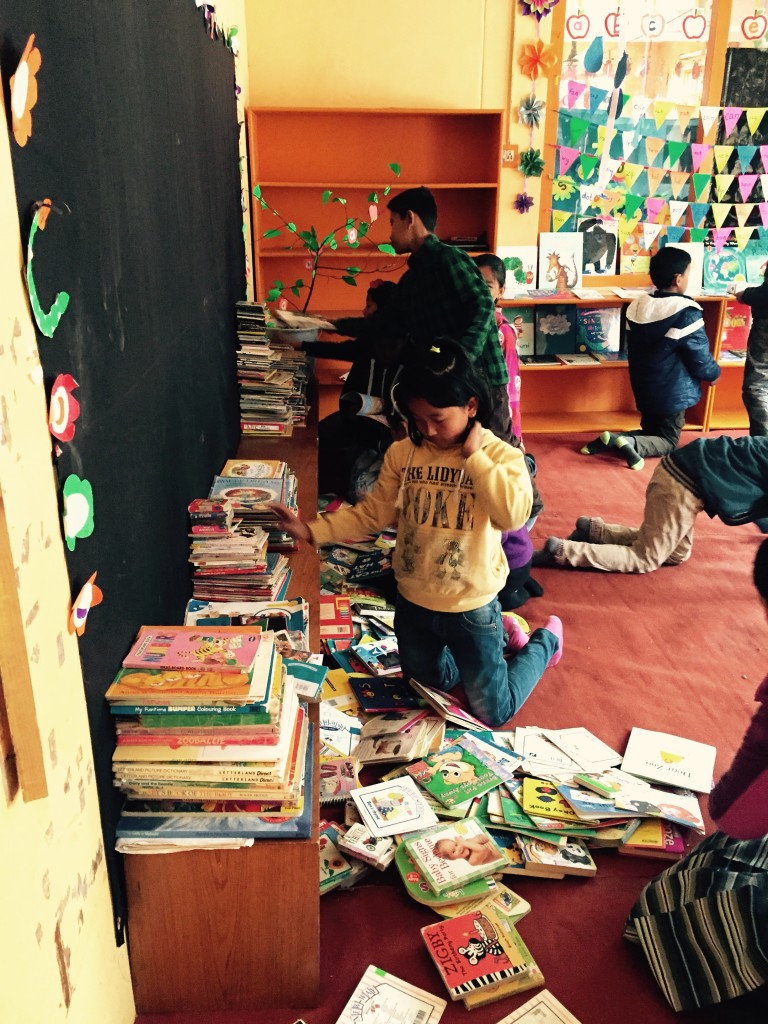
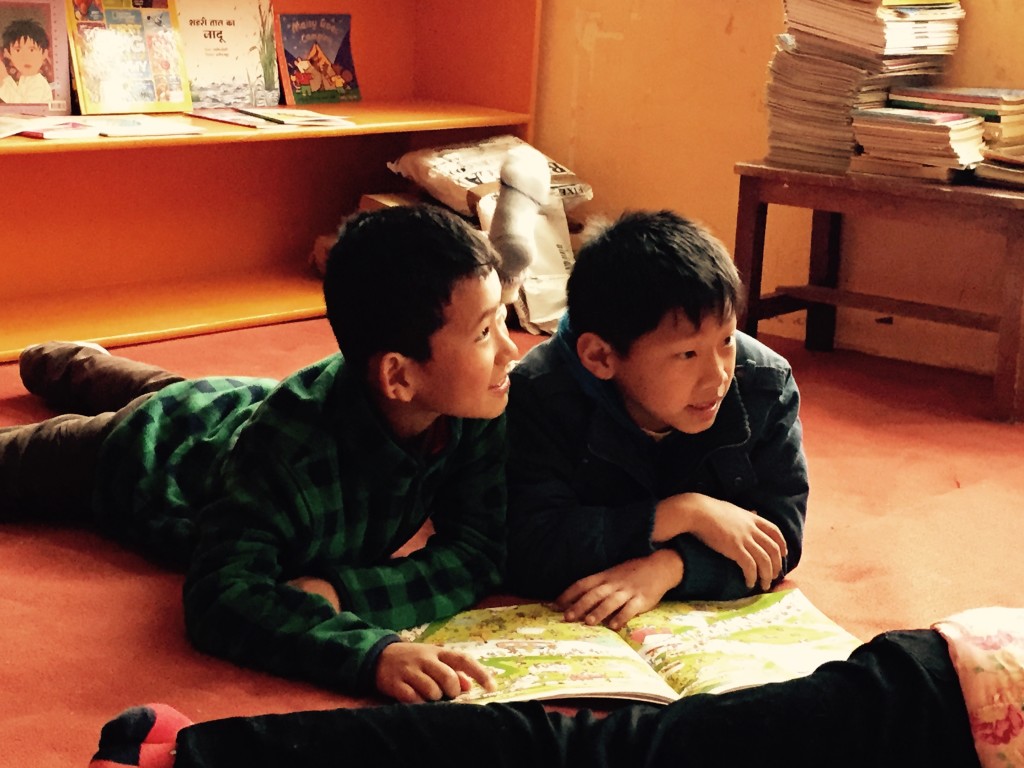
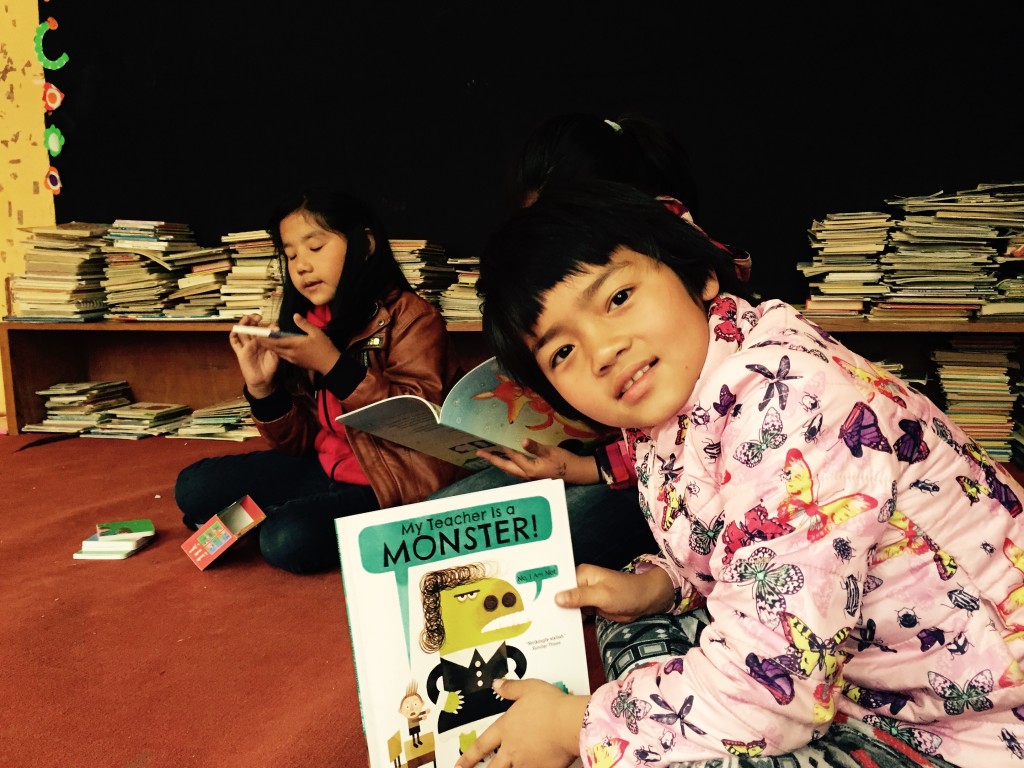
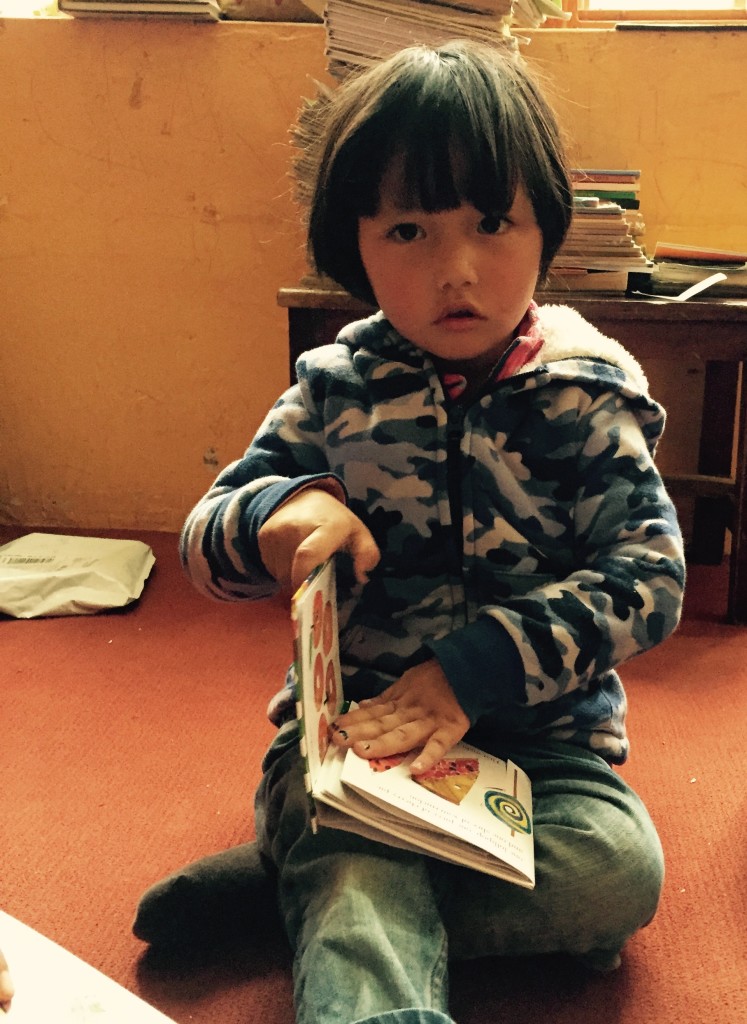
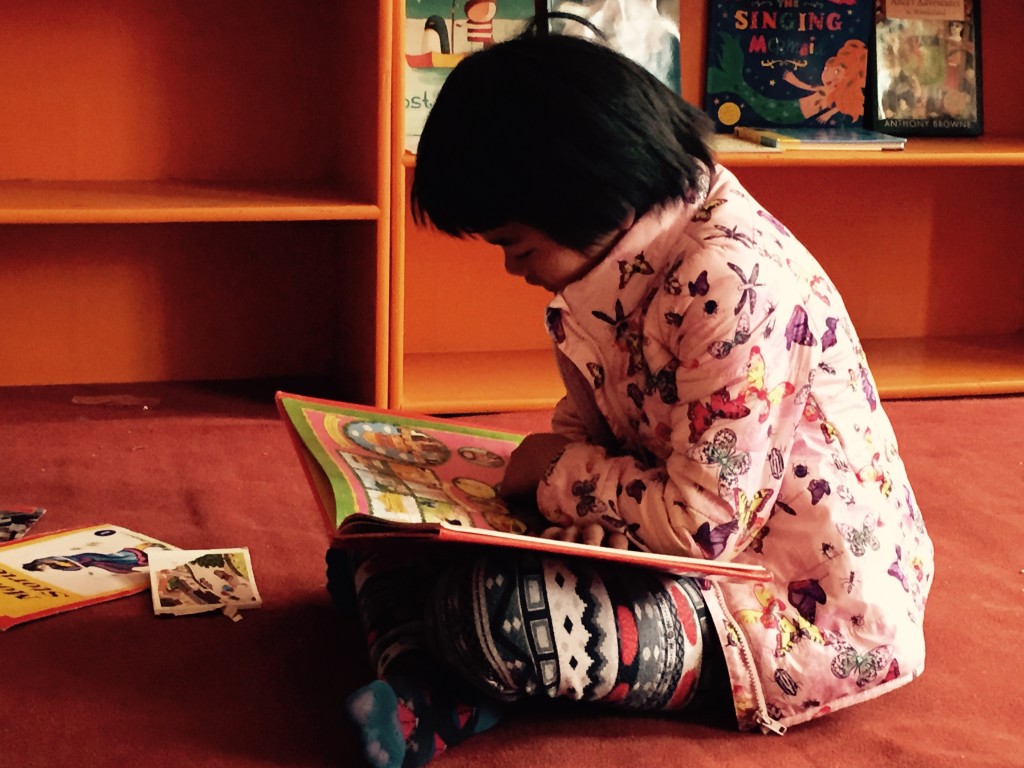
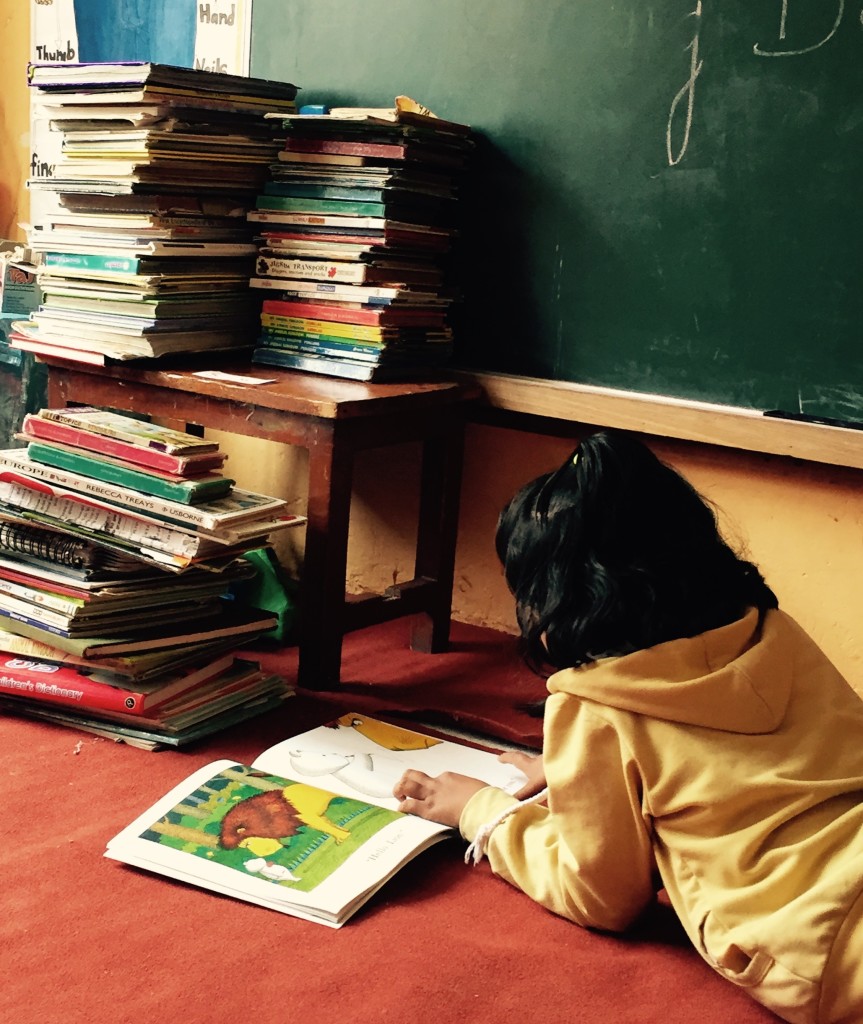
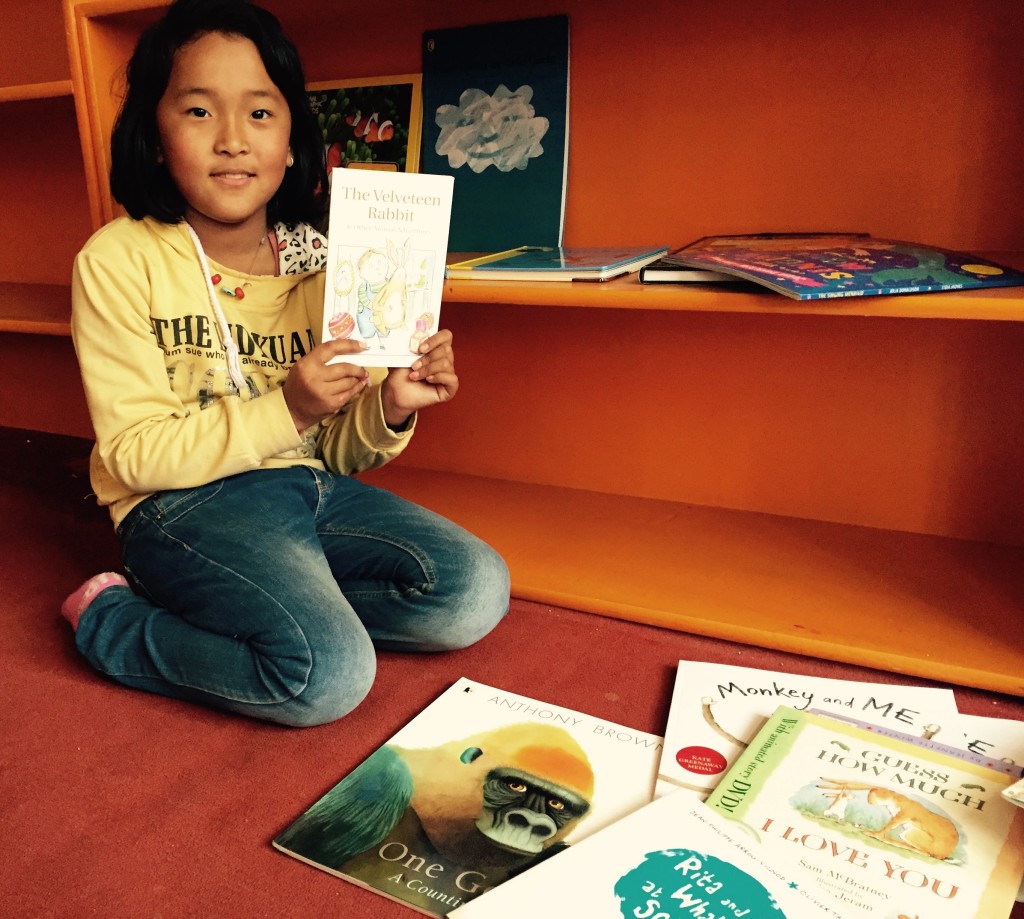
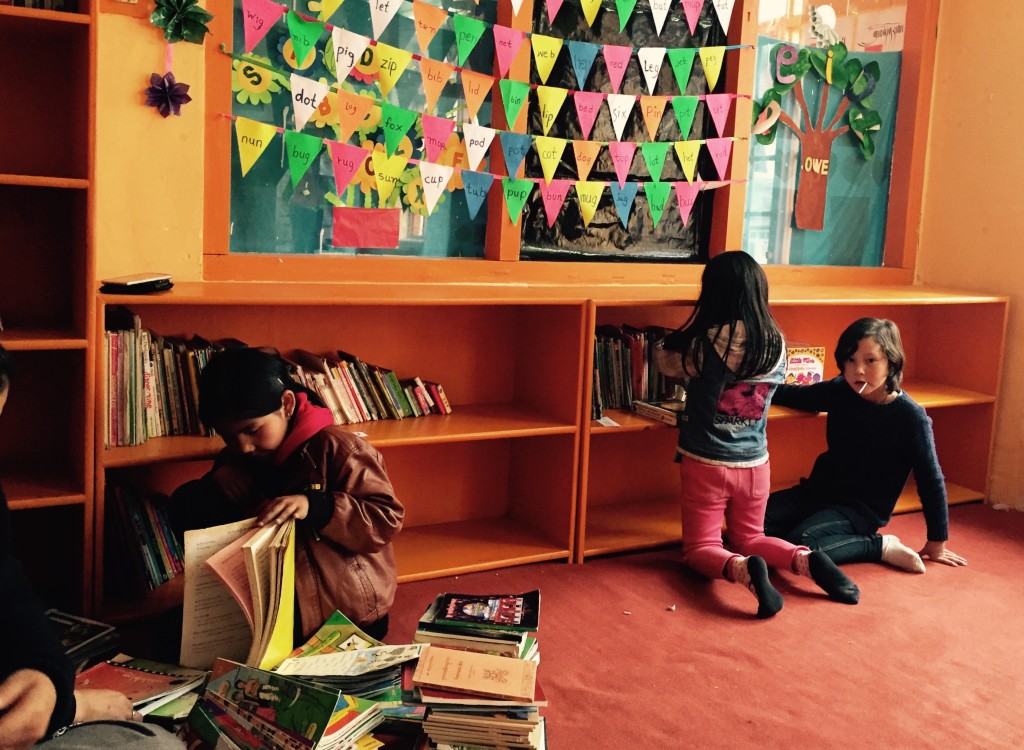
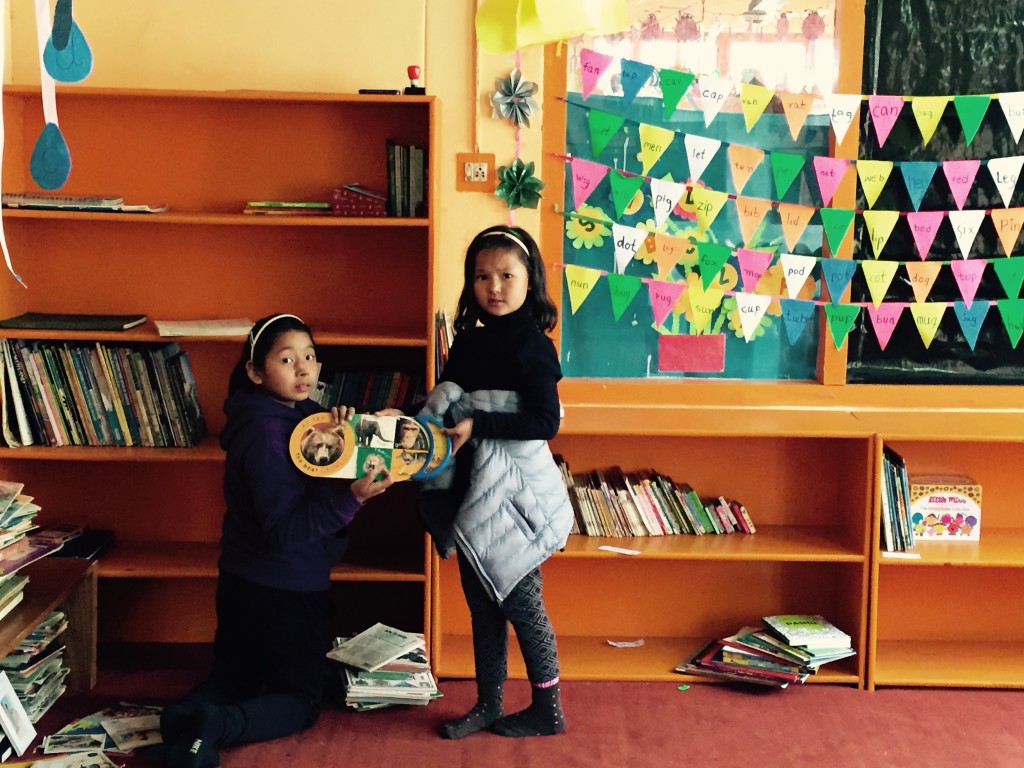
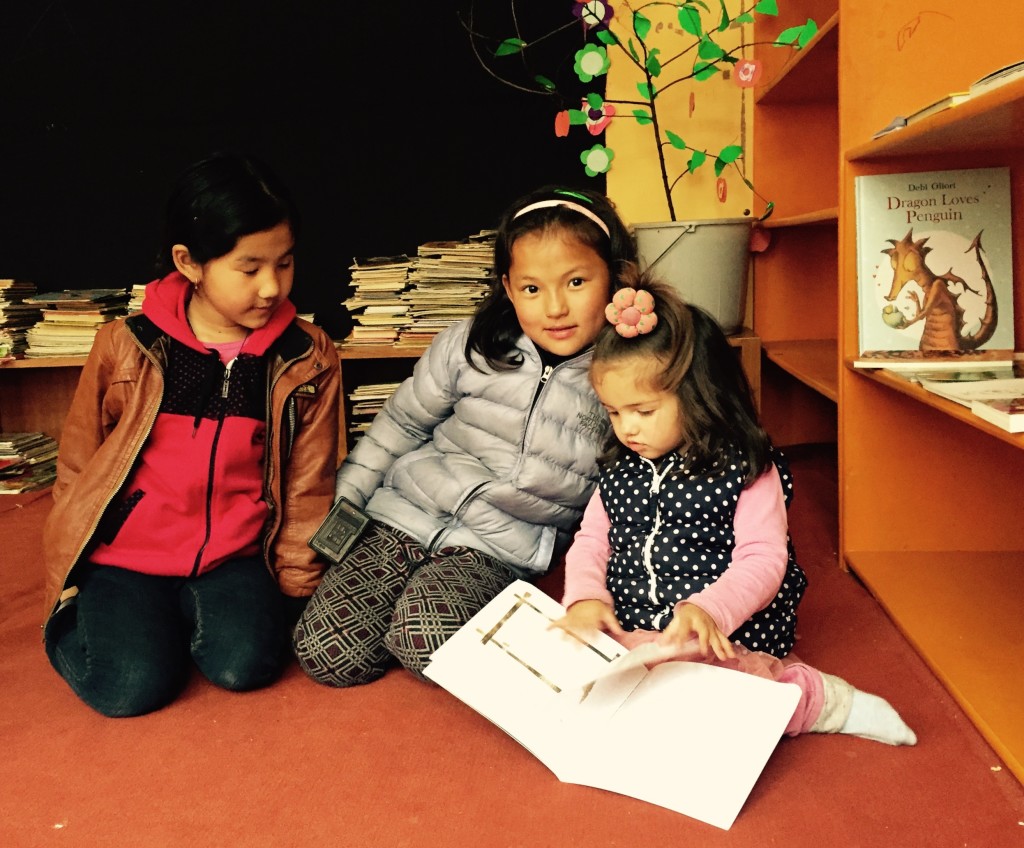
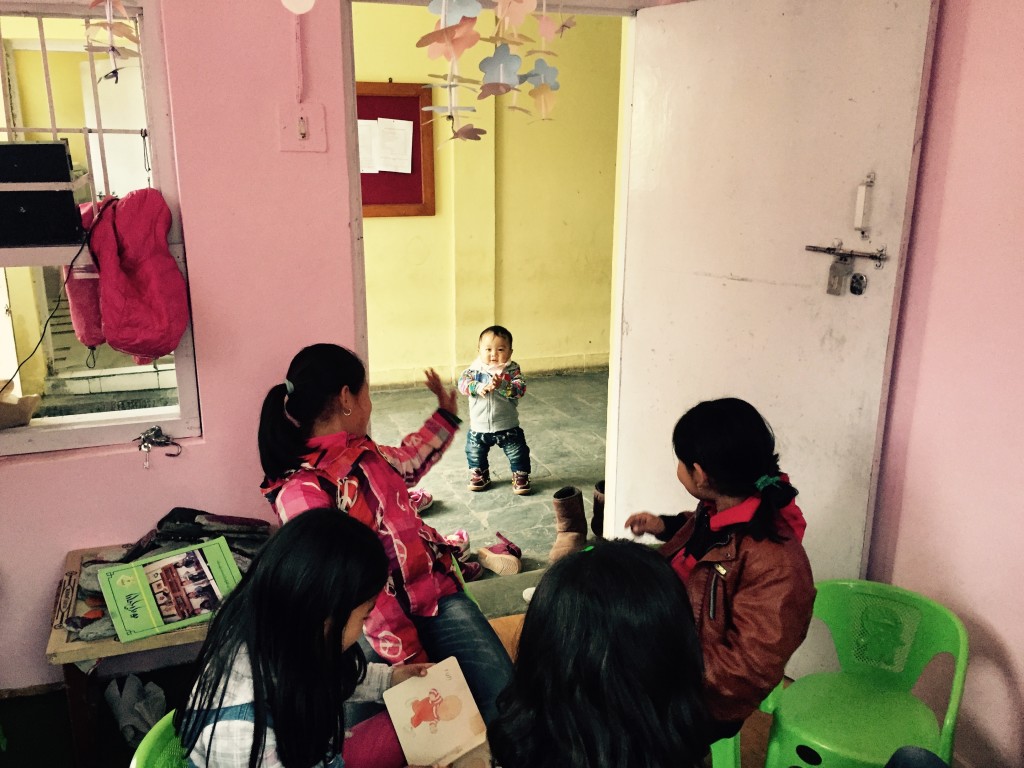
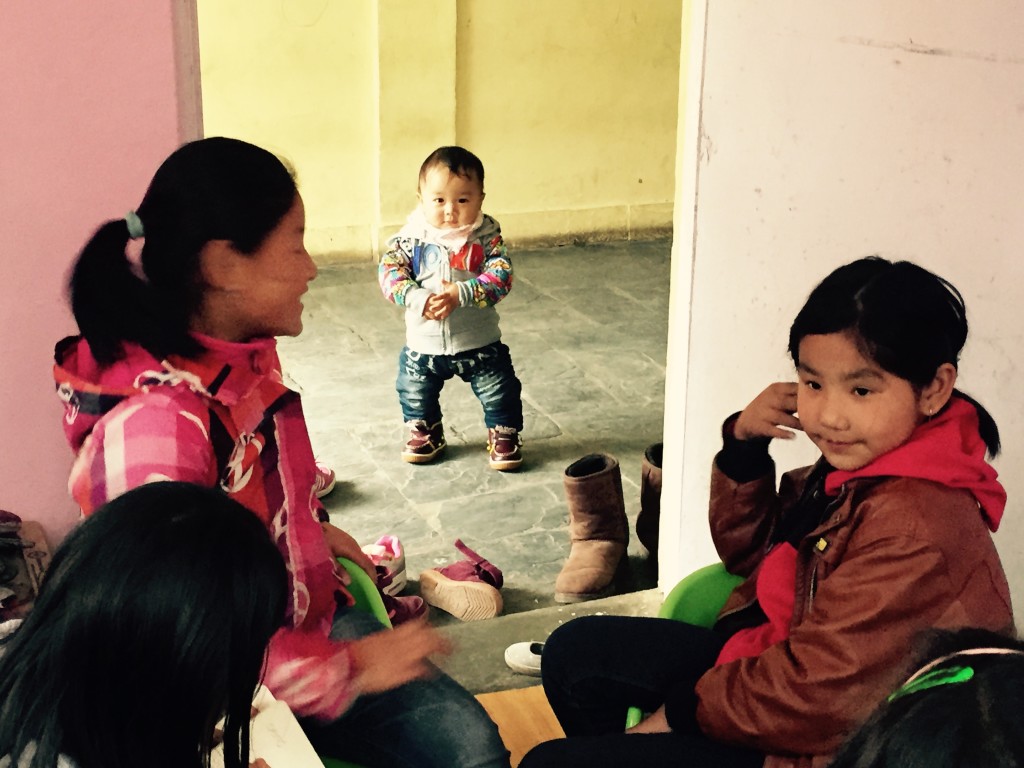
A child in a Himalayan reading room turns a page and pauses at a full-colour image: a whale rising through blue water, its enormous body curved beneath a small boat. The animal is unfamiliar, yet the picture offers an immediate invitation to look closer. Before the child can read every word, the image has begun a conversation.
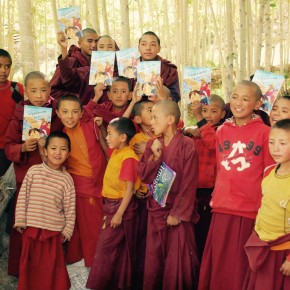
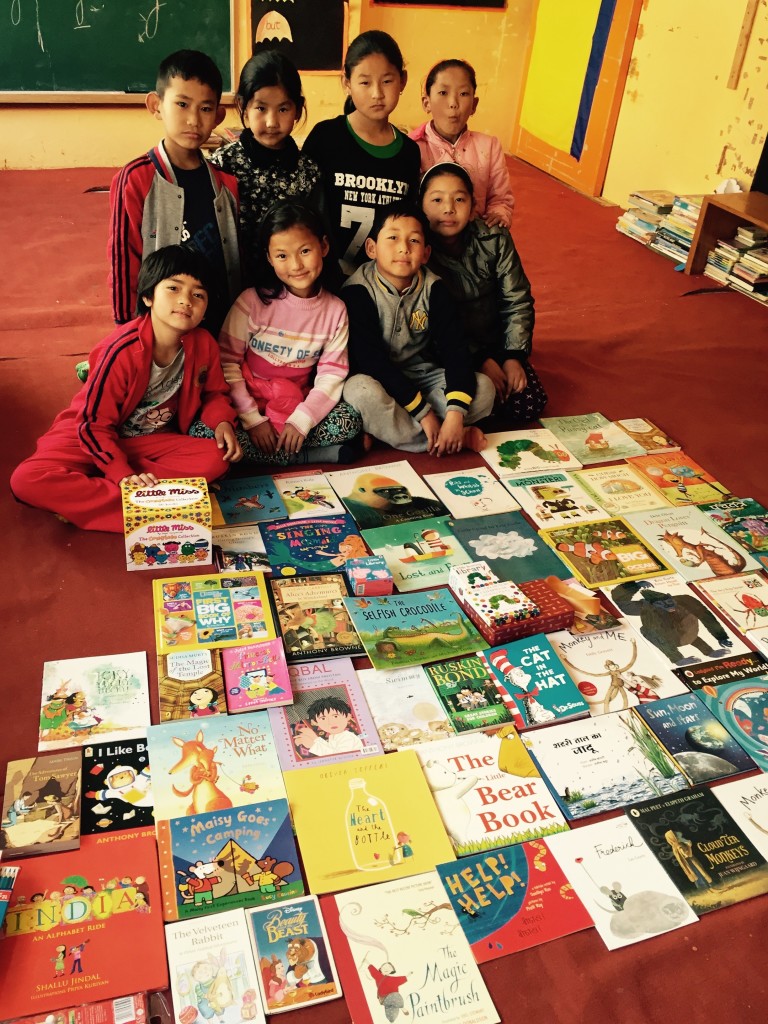
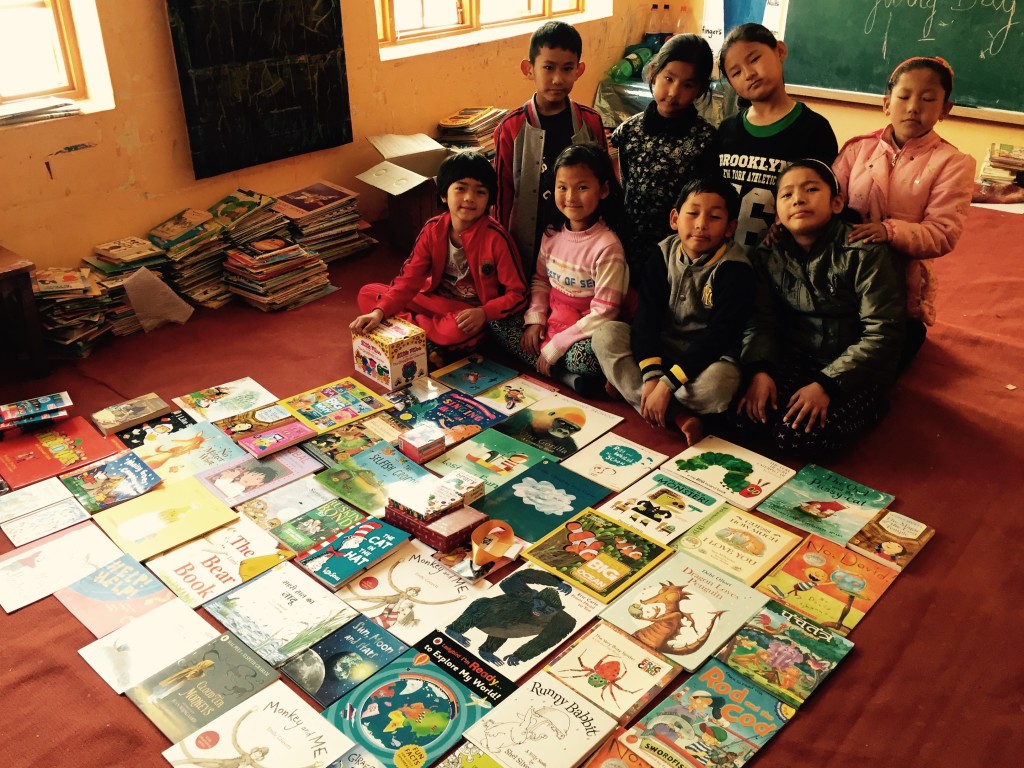
For children in Ladakh and nearby Himalayan communities, books can open landscapes far beyond mountain valleys, monasteries and high plateaus. A picture book about the sea may introduce coral reefs, islands, tides and marine life. It can make geography feel personal, giving shape to a world that may previously have existed only as an abstract lesson.
Australian readers may recognise the same moment in reverse. A child in Perth, Sydney or Melbourne might know beaches, ferries and coastal birds, yet find the high Himalaya just as remote. A well-chosen book connects these different experiences through curiosity rather than distance.
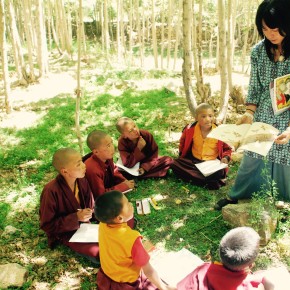
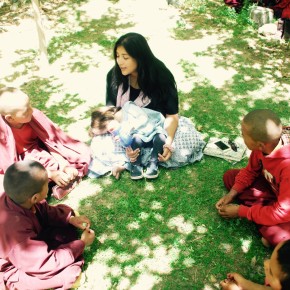
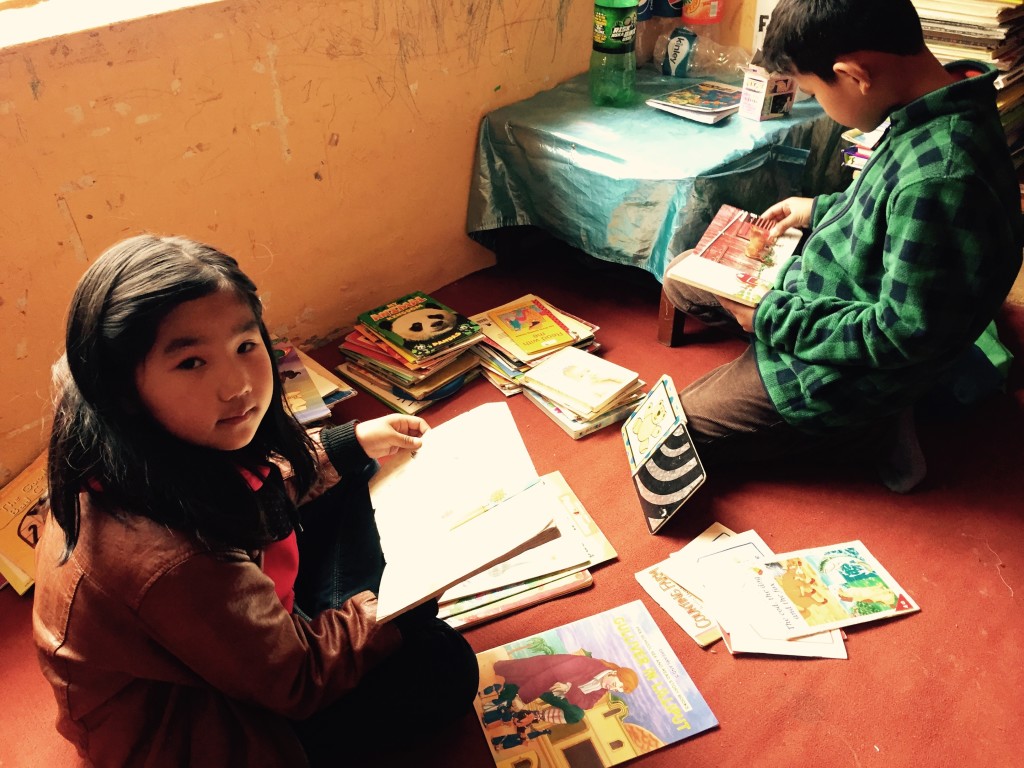
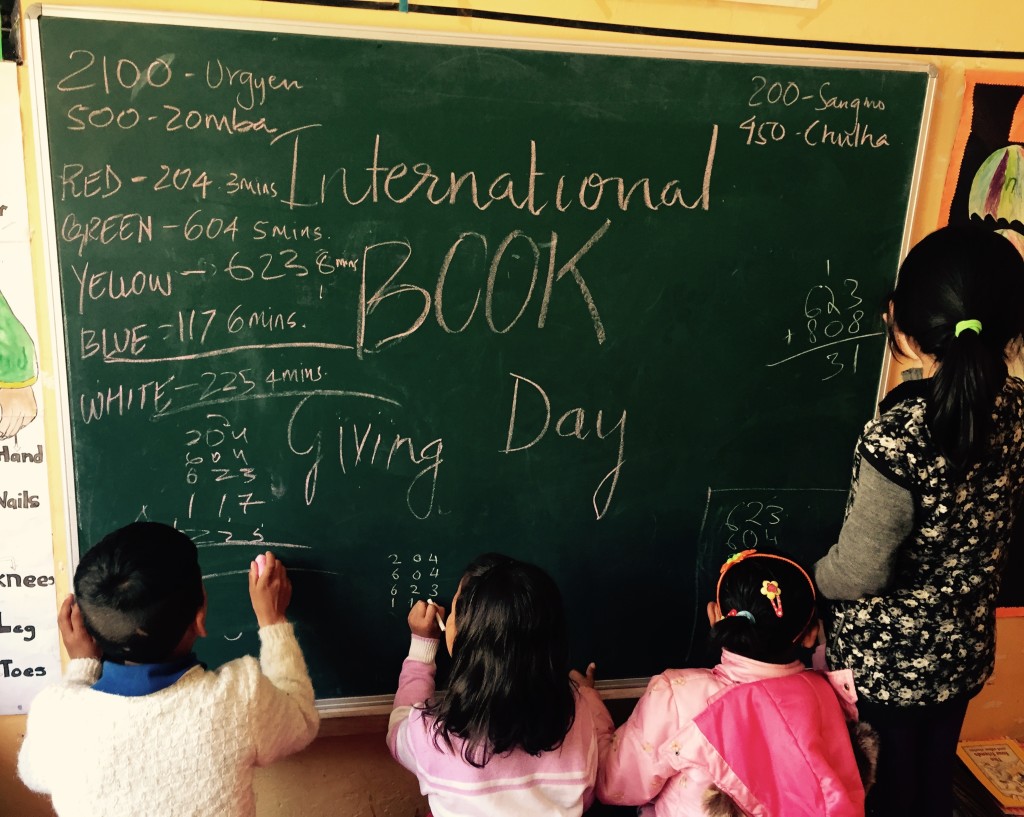
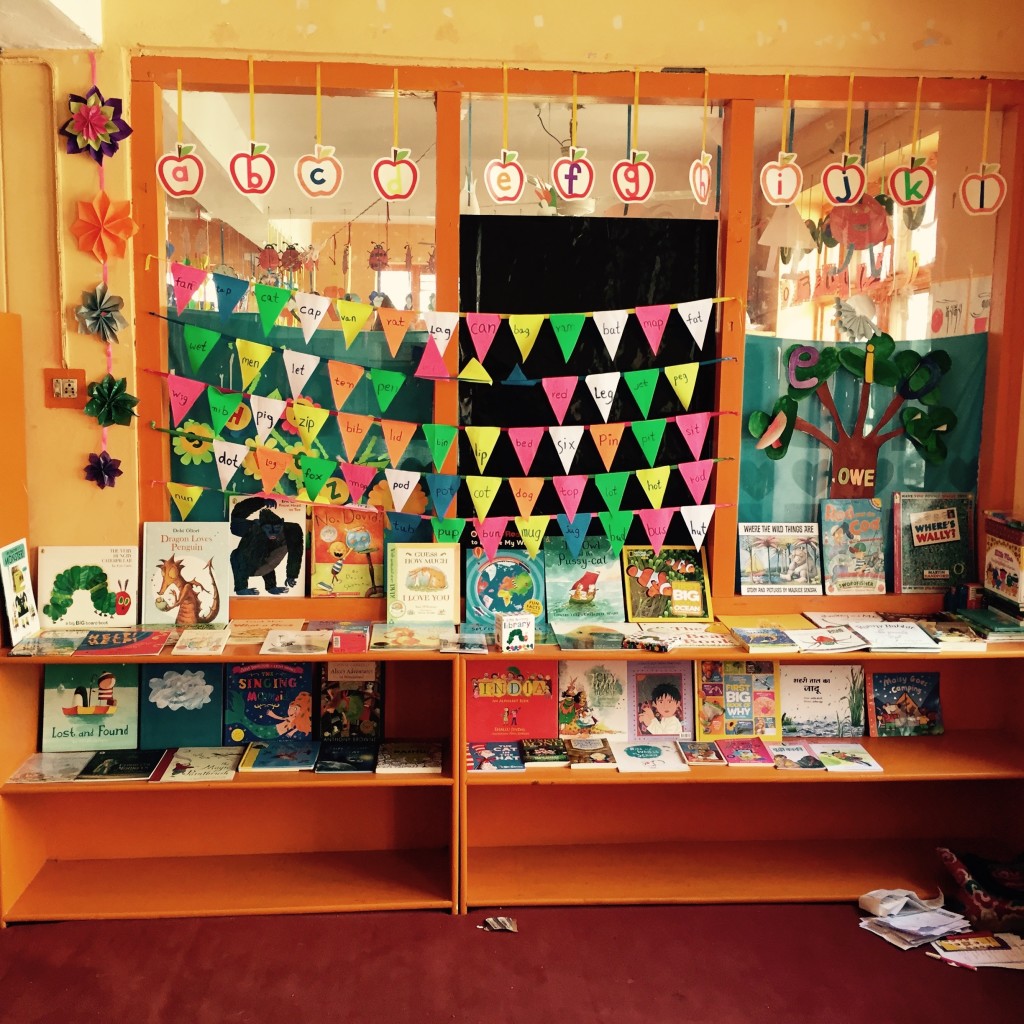
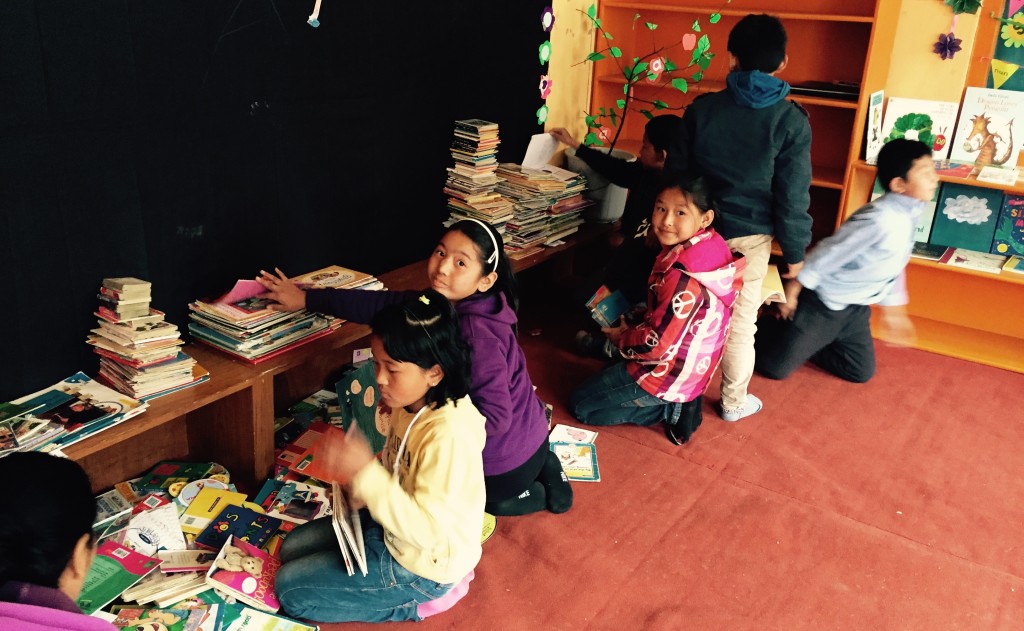
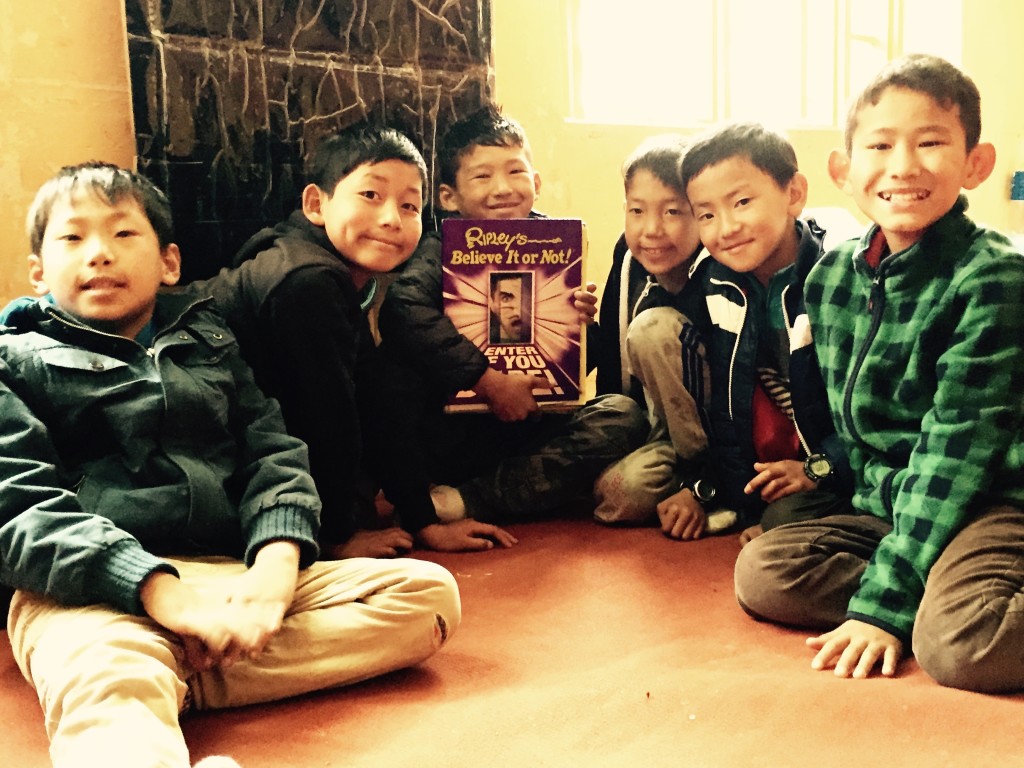
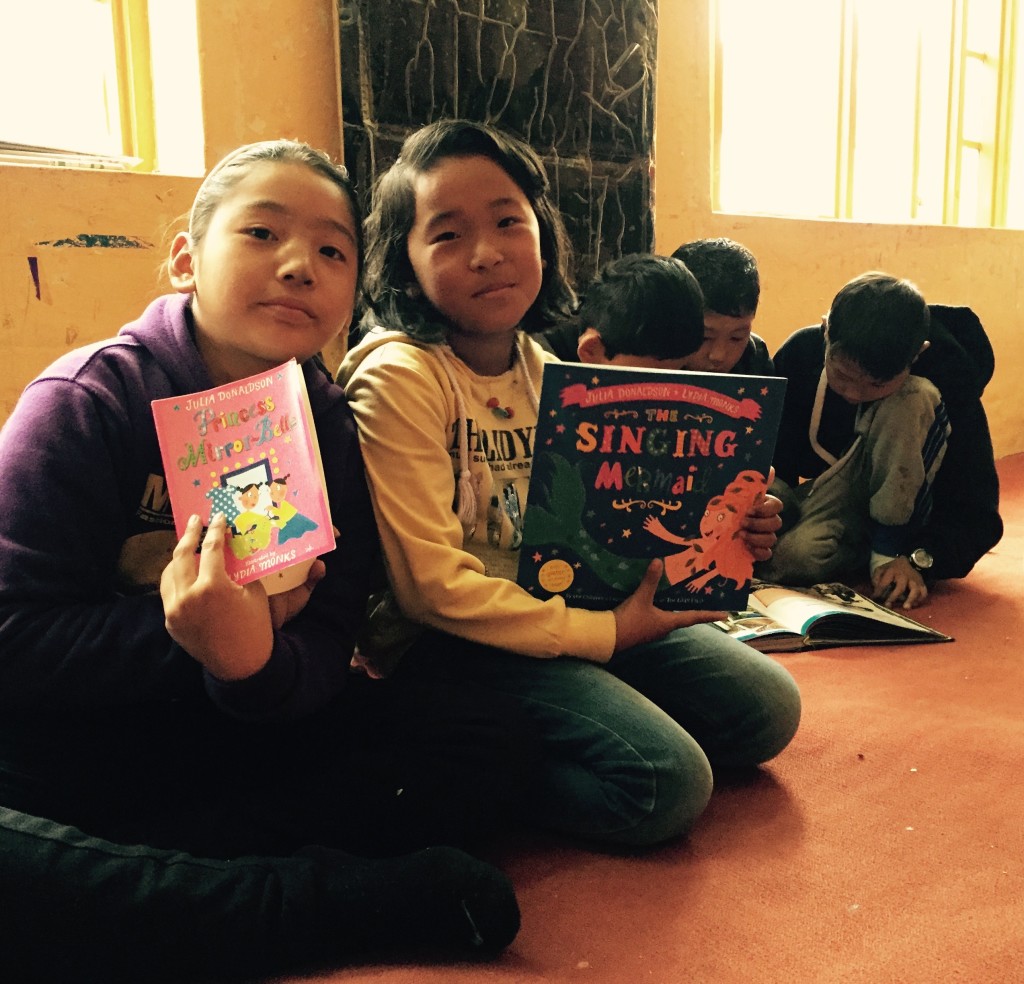
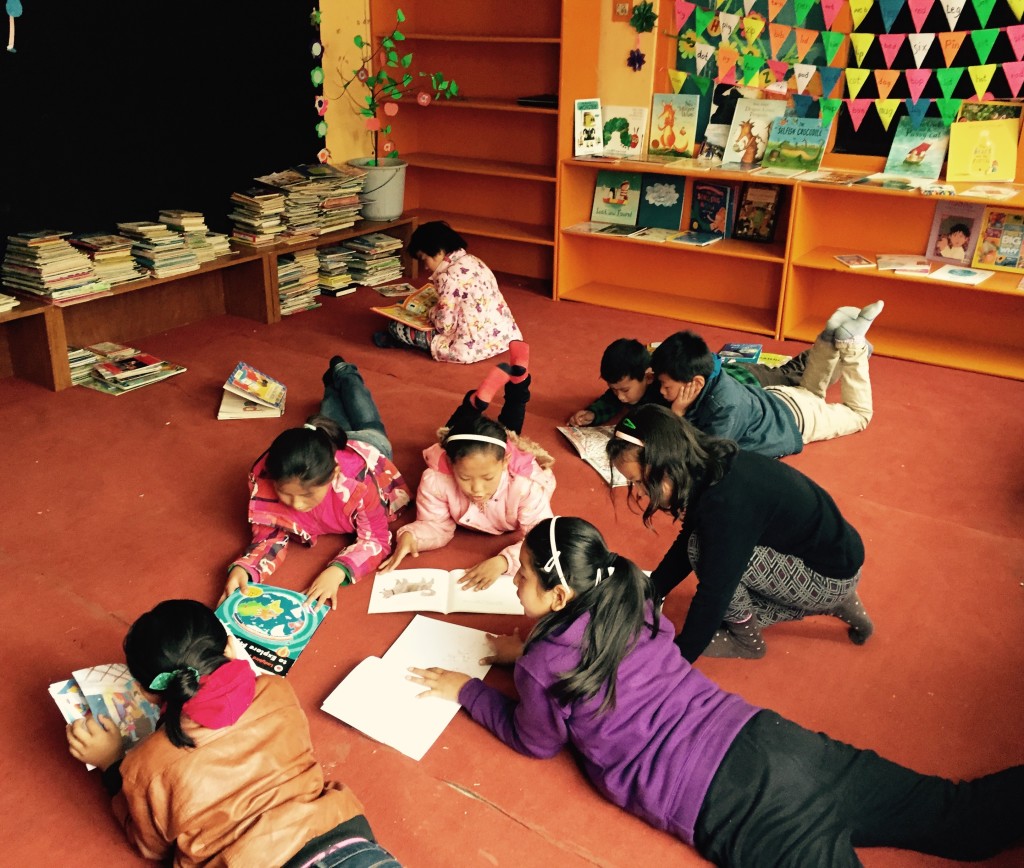
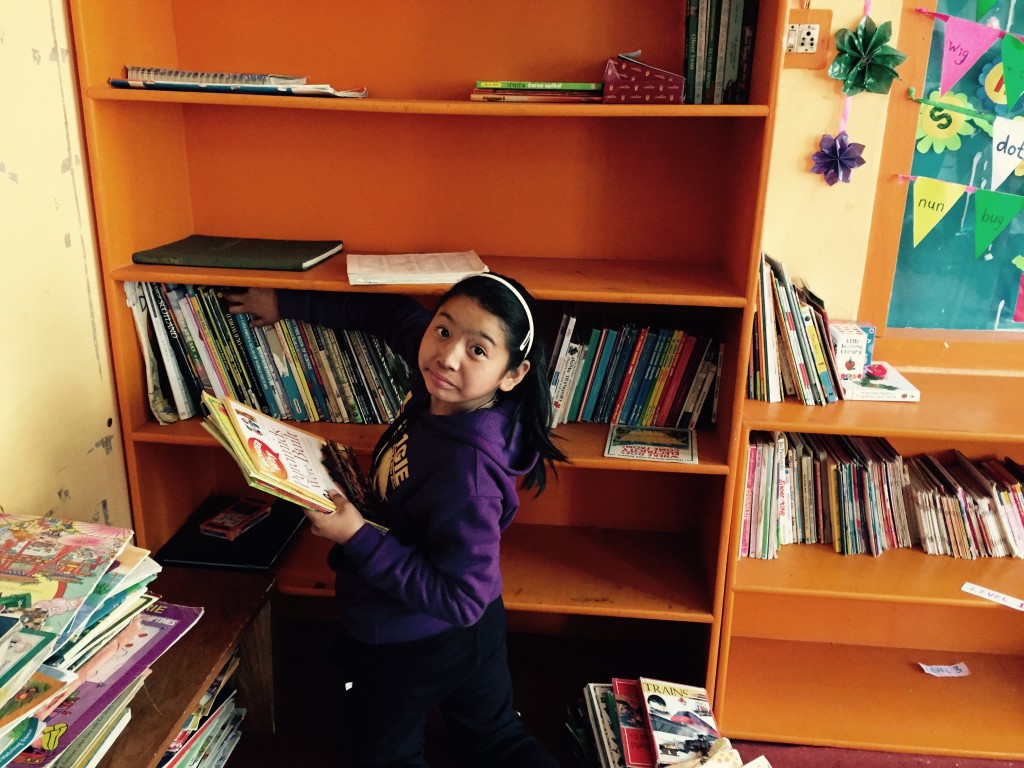
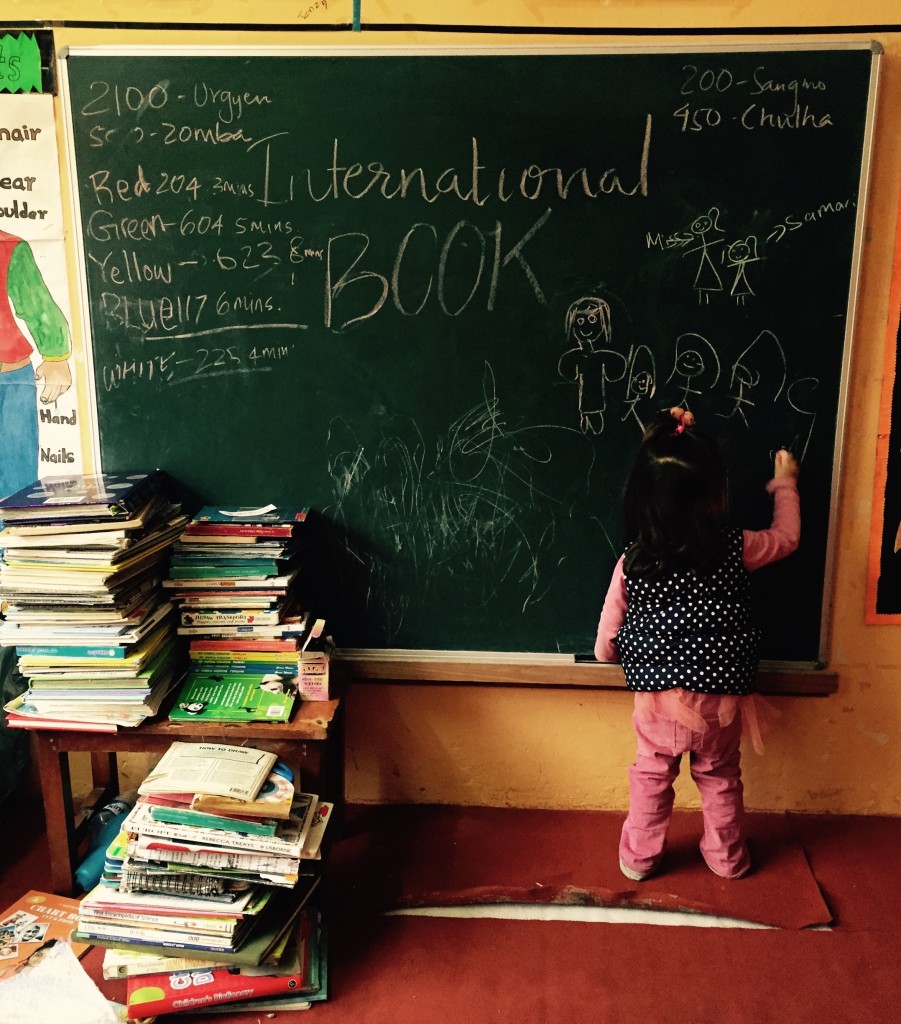
This is the quiet value of a reading room. It gives children quality books, patient time and permission to wonder. Through reading, drawing, music and shared storytelling, a single image can become a lesson in science, art, language and empathy.
When an unfamiliar animal becomes real
A whale illustration carries several kinds of information at once. Its scale can be shown beside a diver, a ship or a school of fish. Its textured skin, blowhole and tail give children details to notice. A short caption may explain that blue whales are the largest animals known to have lived, while a story can turn that fact into a memorable adventure.
For a young reader, this visual encounter does not need to be perfectly understood. The child may first ask whether the whale is a fish, why it lives underwater or how it breathes. Those questions are valuable because they lead naturally to nonfiction, maps and further reading.
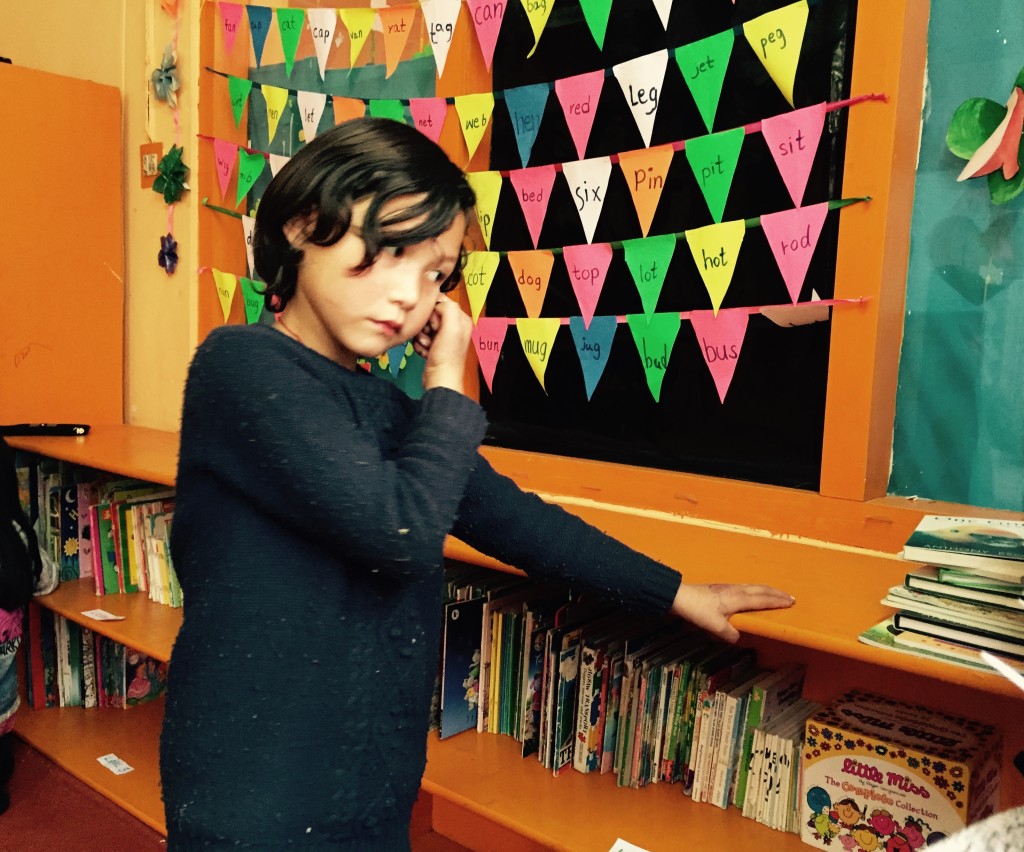
The image also expands vocabulary. Words such as ocean, mammal, migration, fin and deep become connected to something visible. When children discuss the page with a teacher, monk, volunteer or friend, language is practised in a meaningful setting rather than memorised in isolation.
From Himalayan valleys to Australian coastlines
Ladakh is a high-altitude, landlocked region, so many children may have no everyday experience of waves, saltwater or marine mammals. A book can bring the Indian Ocean, the Southern Ocean and distant coastlines into a classroom without requiring an immediate journey. It allows a child to compare a whale’s habitat with the cold mountain environment outside the reading room.
Australian children often begin with a different point of reference. Families in Sydney may watch humpback whales migrate along the coast, while children near Perth may hear about marine life at Ningaloo Reef. In Melbourne, a school library might display books about southern right whales, penguins and the changing coastline. These local experiences can become bridges to Himalayan learning.
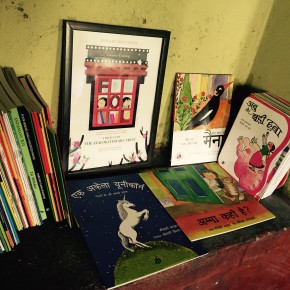
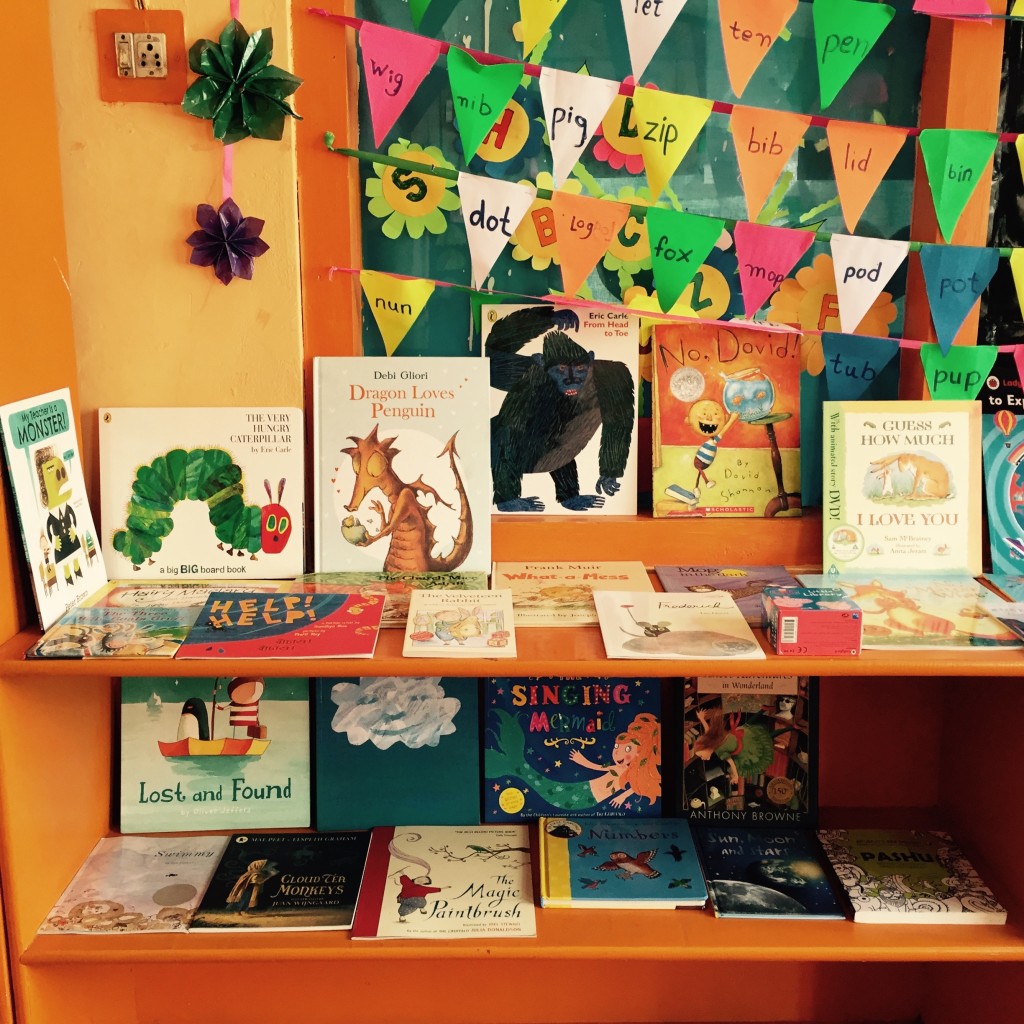
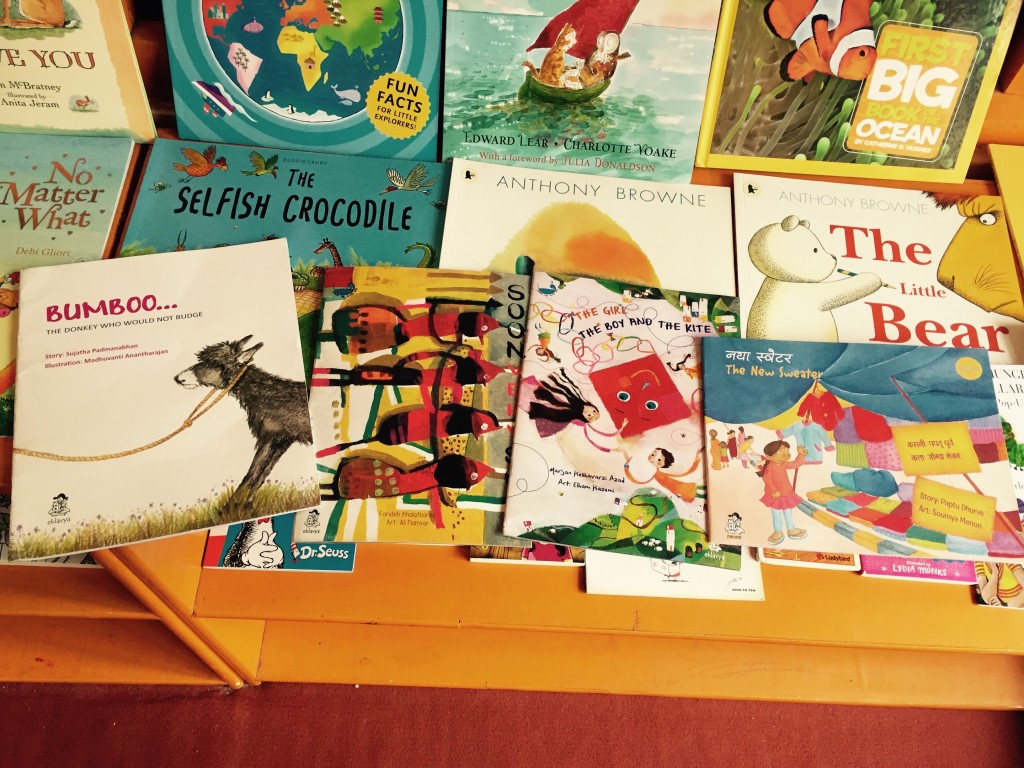
A shared book drive can place both kinds of knowledge side by side. One shelf might hold a Ladakhi folktale, an atlas of Australia, a guide to Himalayan wildlife and a picture book about whales. Such a collection shows that learning is enriched when local knowledge meets stories from elsewhere.
The page as a meeting place
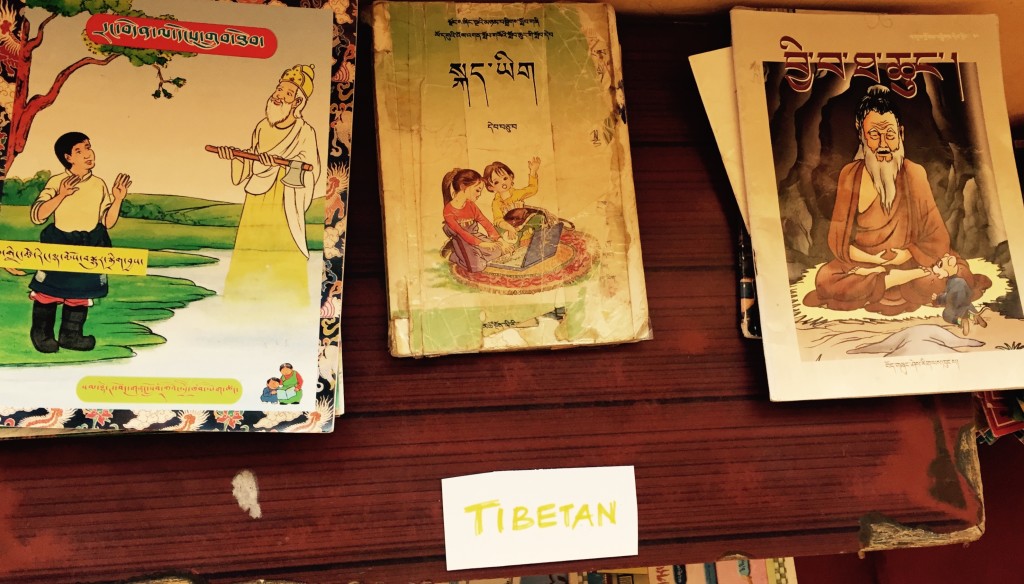
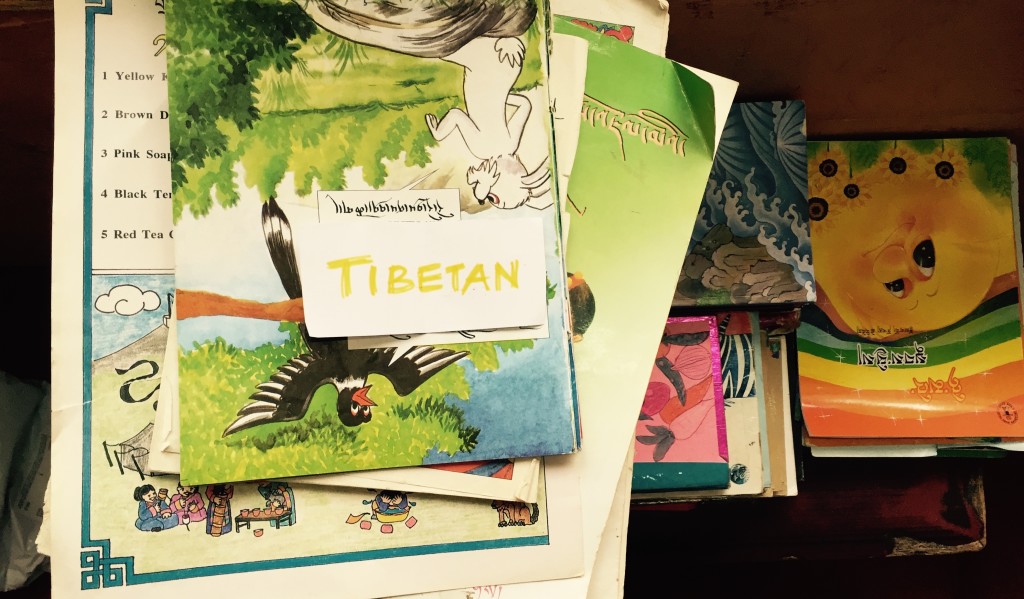
A child seeing a whale for the first time may communicate through pointing, sketching or acting out its movement before finding the right words. This is especially important in multilingual communities, where children may speak Ladakhi, Tibetan, Hindi or English in different parts of daily life. Pictures give everyone a common starting point.
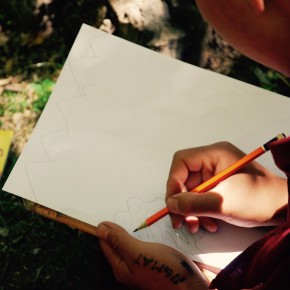
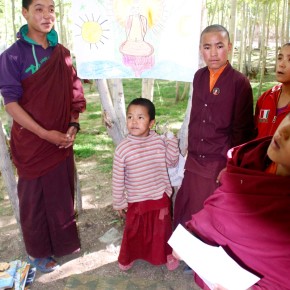
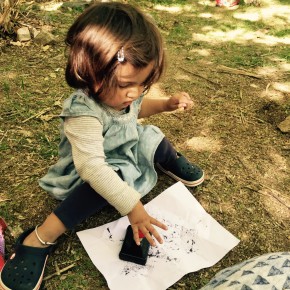
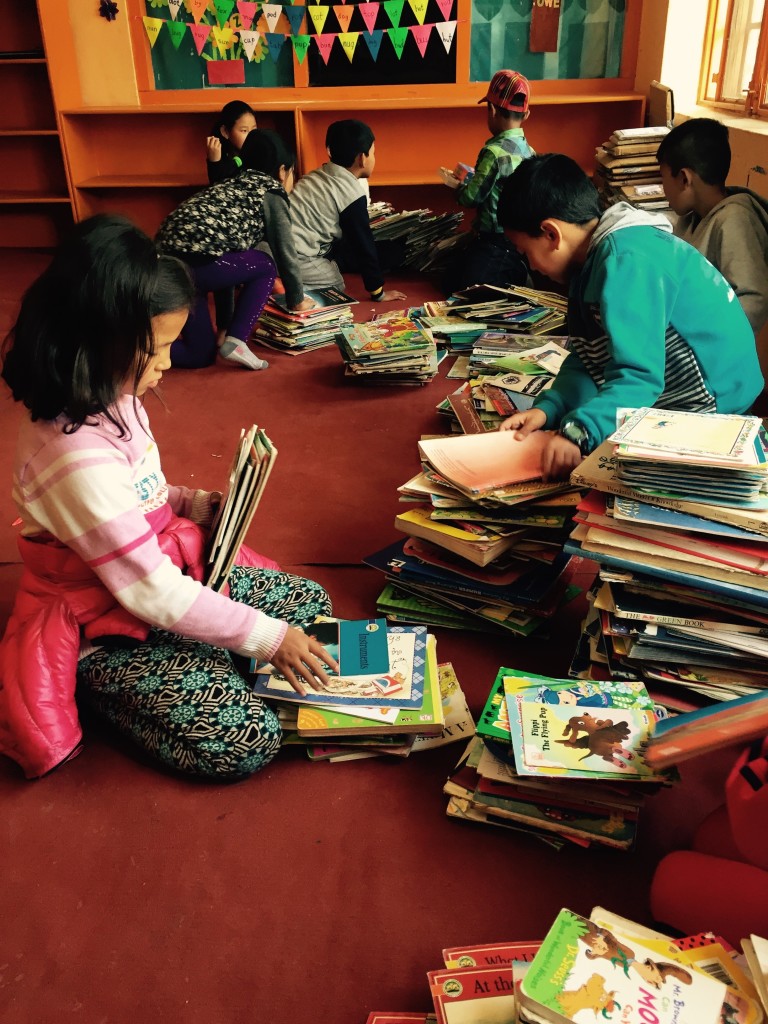
Creative activities can extend the moment. Children might paint a whale on a long sheet of paper, compose a slow musical piece for its movement or build a paper ocean from reused materials. These activities make reading active and social, while helping children remember scientific details through colour, rhythm and touch.
Australian classrooms use similar approaches when literacy is combined with visual arts and environmental learning. The habit of reading before bed, borrowing books from a public library or listening to audiobooks on a family car trip can make a distant subject familiar. In a Himalayan reading room, the same routine may become a special shared event.
Building reading rooms with purpose
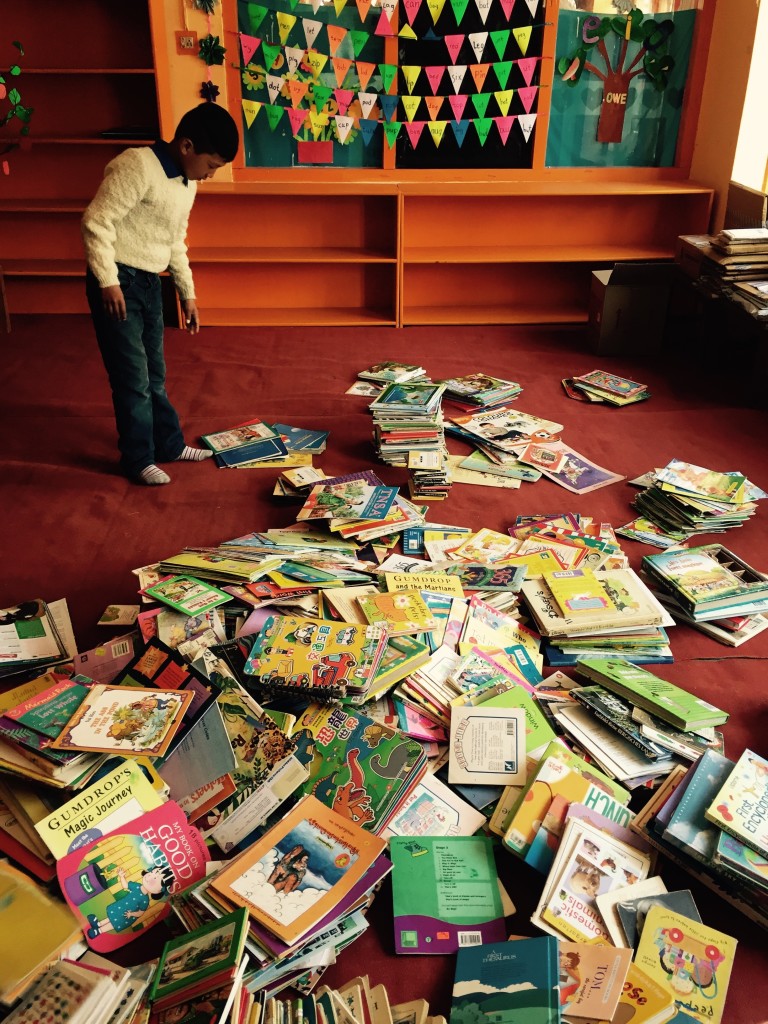
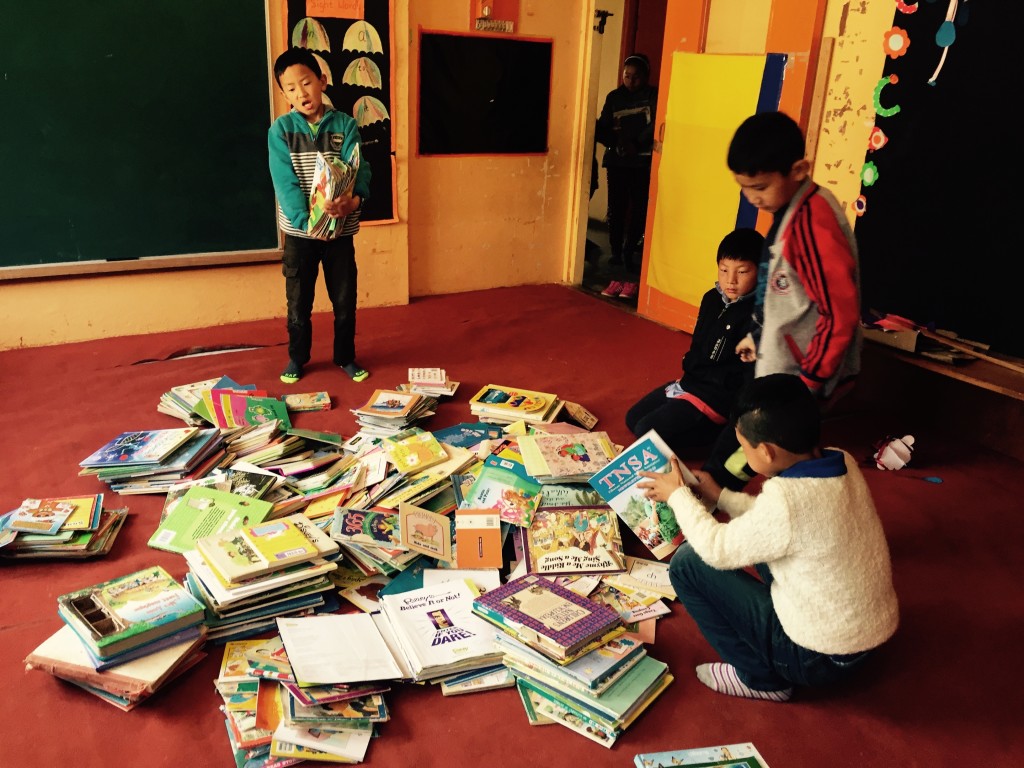
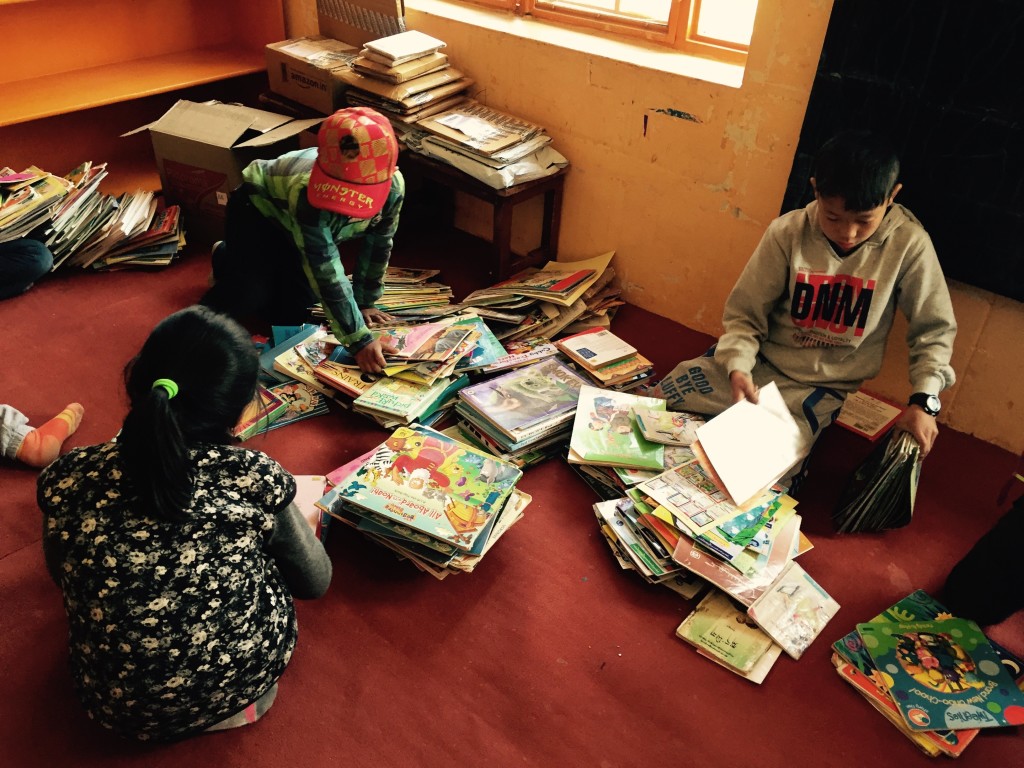
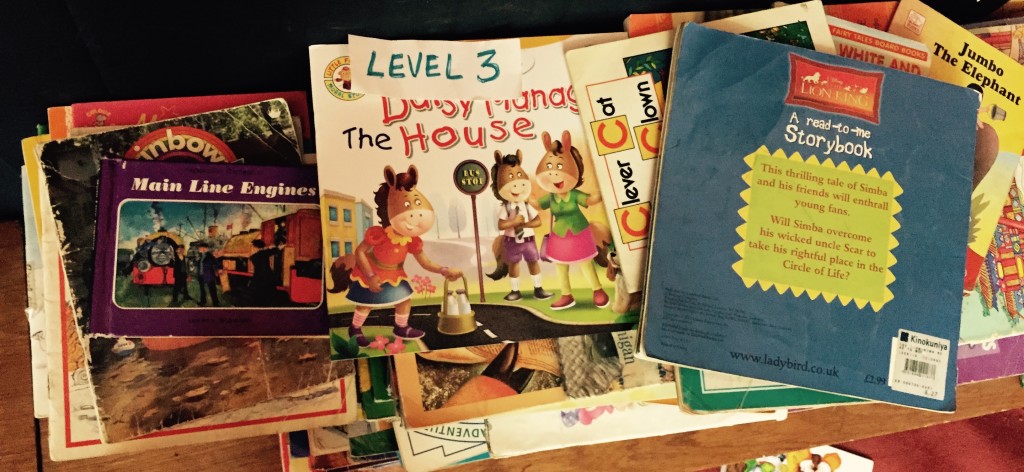
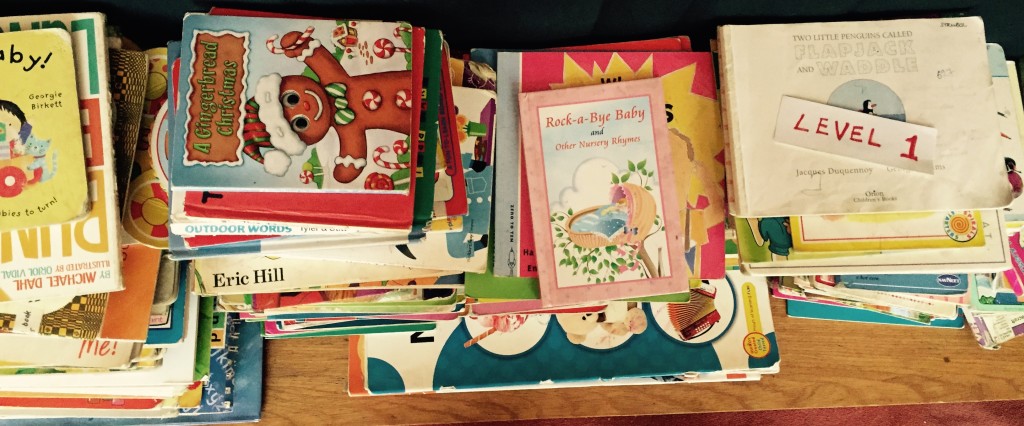
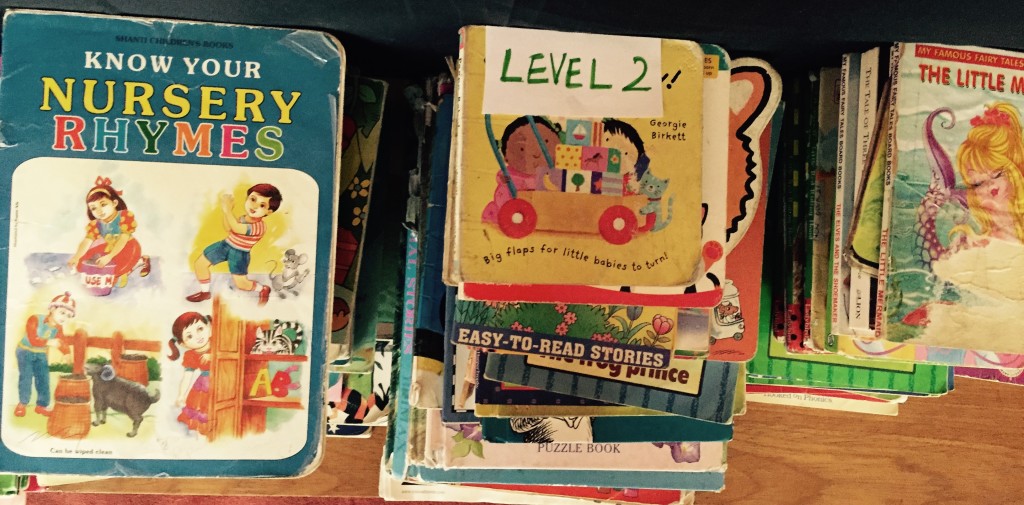
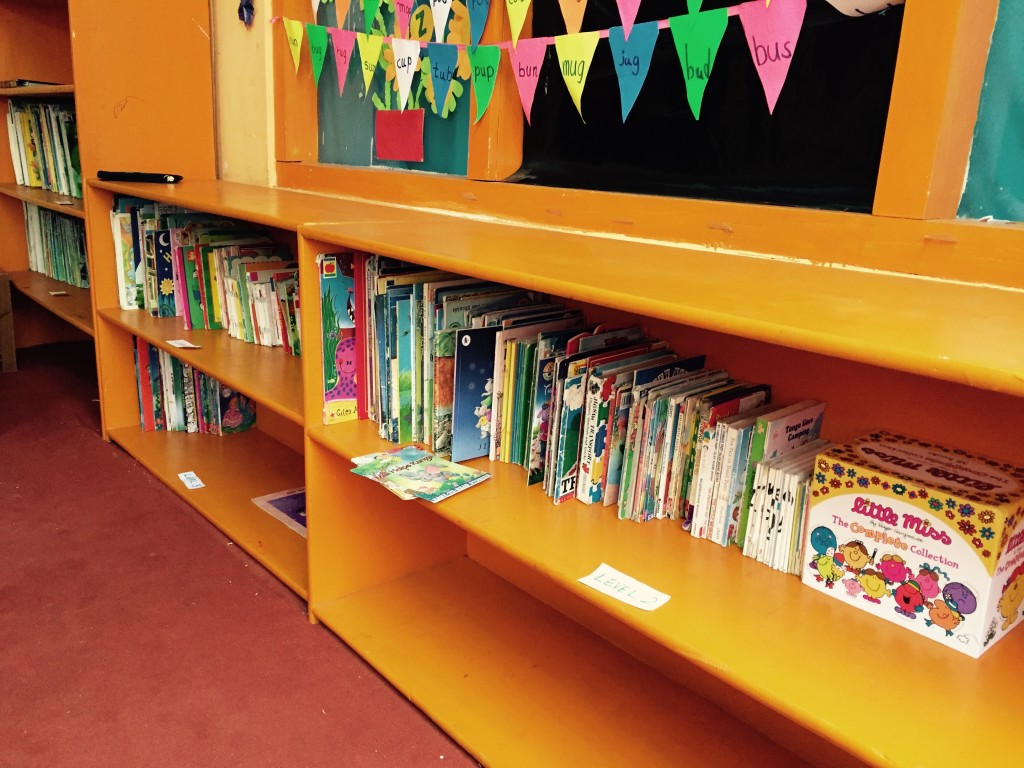
A useful reading room needs more than shelves filled with donated books. It requires titles that suit different ages, reading abilities and interests. A young child may need sturdy picture books with clear images, while an older student may be ready for illustrated science, biographies, novels and reference books.
Selection also matters because books travel across cultures. Stories should respect the communities they portray and avoid presenting Himalayan children as curiosities. Books about wildlife, climate, friendship and creativity can be globally accessible while still leaving room for local stories and languages.
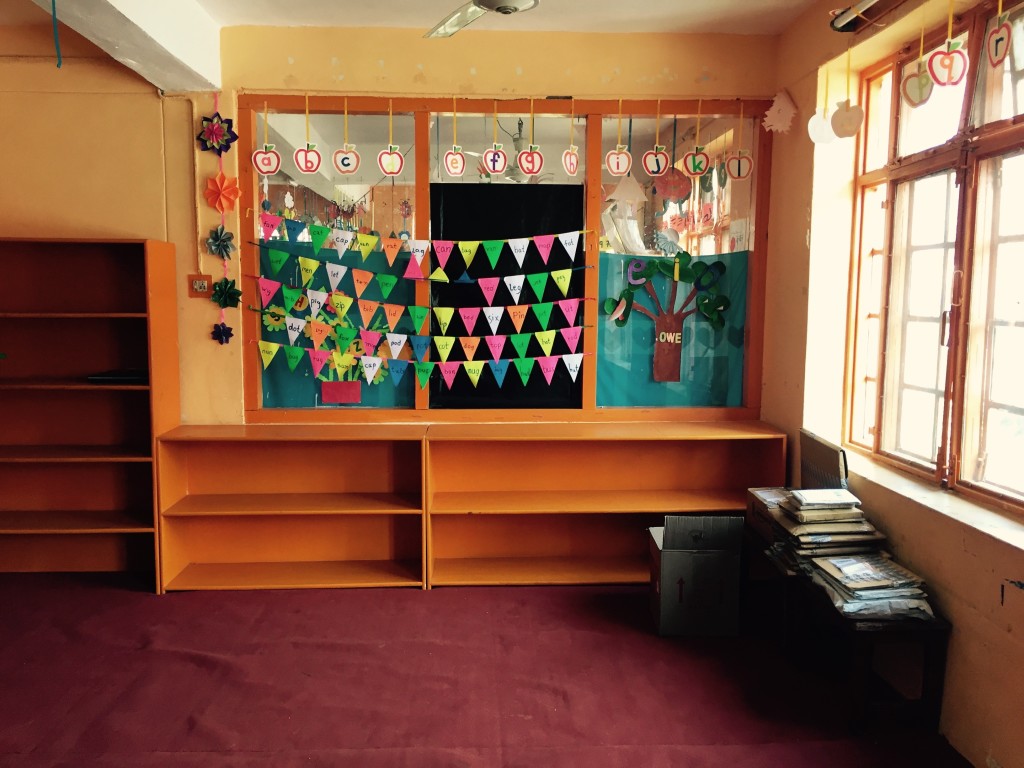
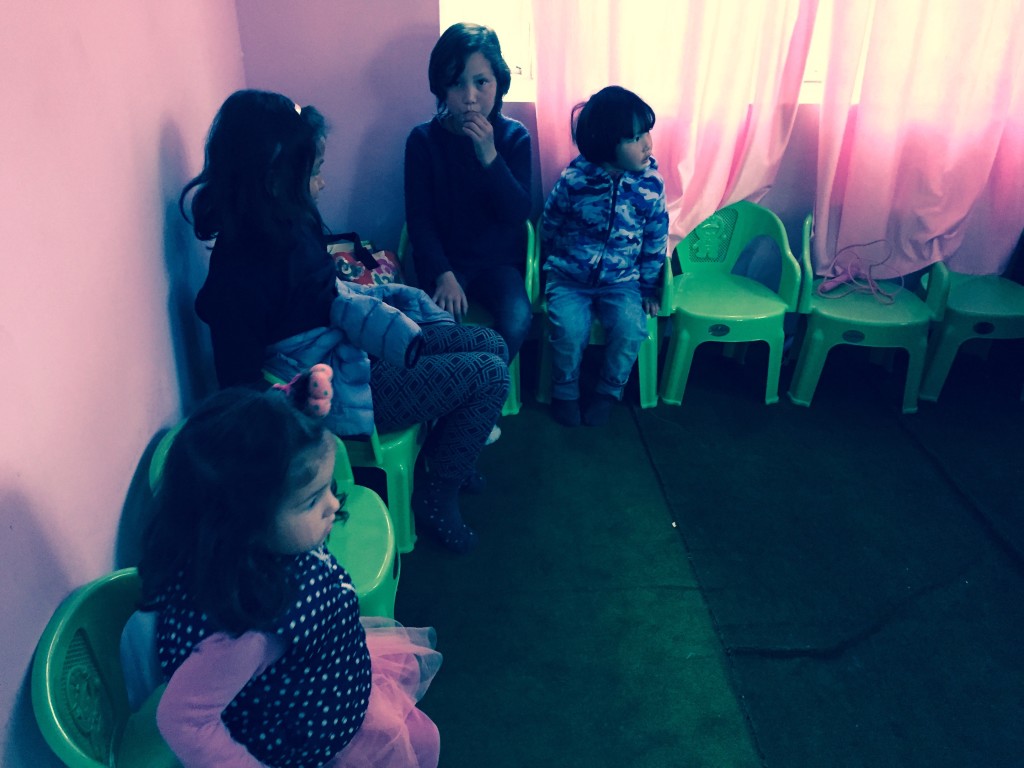
Practical conditions matter as well. In high-altitude communities, a warm, welcoming space with comfortable seating can encourage children to stay longer. Shelves must be organised so children can browse independently. A volunteer who reads aloud, explains unfamiliar words and listens carefully can transform a collection into a living educational resource.
What Australian supporters should know
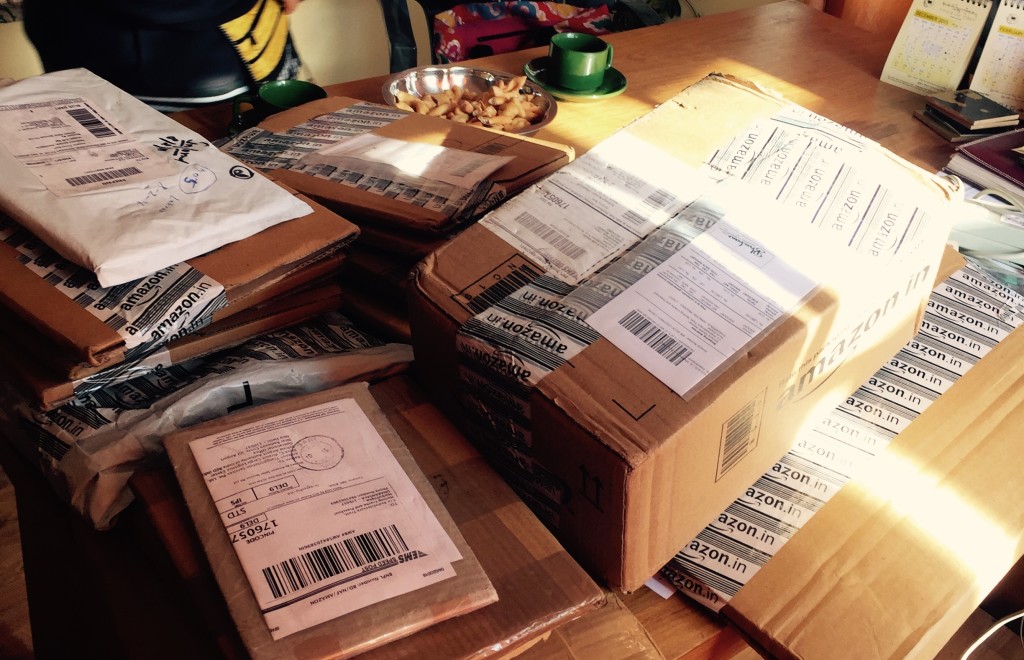
People in Australia often support charities through regular giving, workplace fundraising, school collections and community events. Book purchases can be shaped by the local market: new children’s titles may be costly, while second-hand shops, library sales and independent bookshops can provide excellent alternatives. Shipping heavy books overseas can also cost more than expected, so a donation towards local purchasing or transport may sometimes achieve greater value.
Registered charities in Australia are overseen by the Australian Charities and Not-for-profits Commission. Donors should check an organisation’s registration details and understand whether a contribution is tax deductible. If a donation is eligible, the Australian Taxation Office generally requires a receipt, and records should be retained for tax purposes. These checks support responsible giving without reducing the human meaning behind it.
Child safety is equally important. Australian volunteers working with children may need a Working with Children Check, depending on their state or territory and the nature of the role. Organisations also need clear safeguarding procedures for photography, visits, online contact and the use of children’s stories. Respectful consent protects children while allowing their achievements to be shared accurately.
Choosing books that travel well
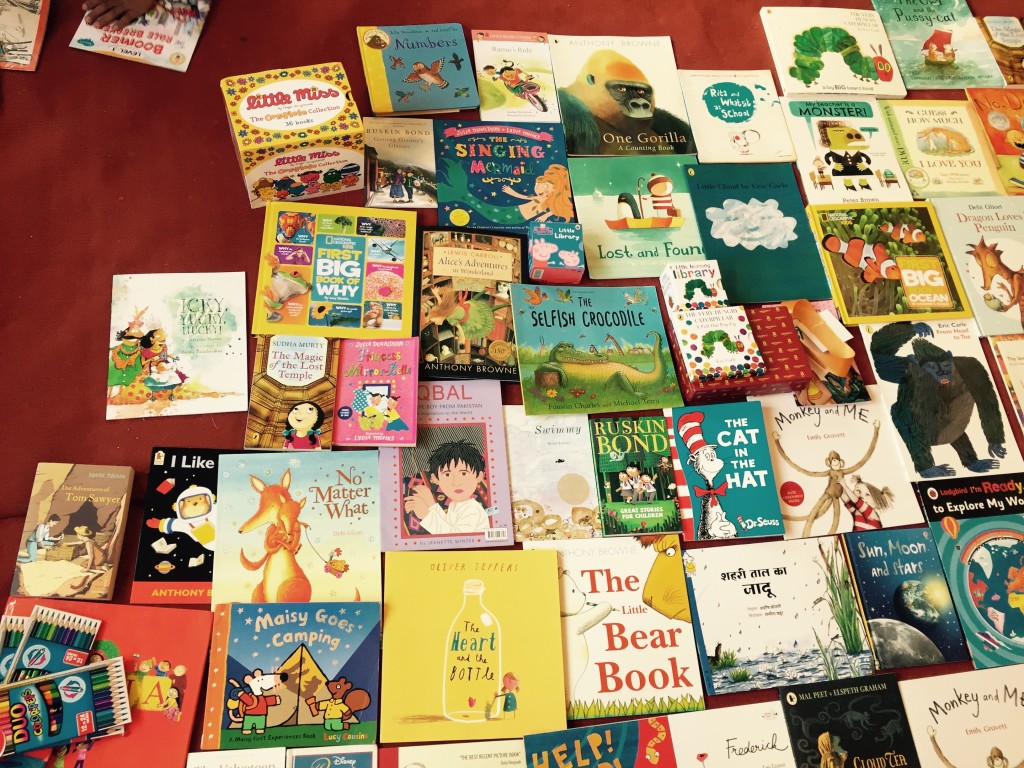
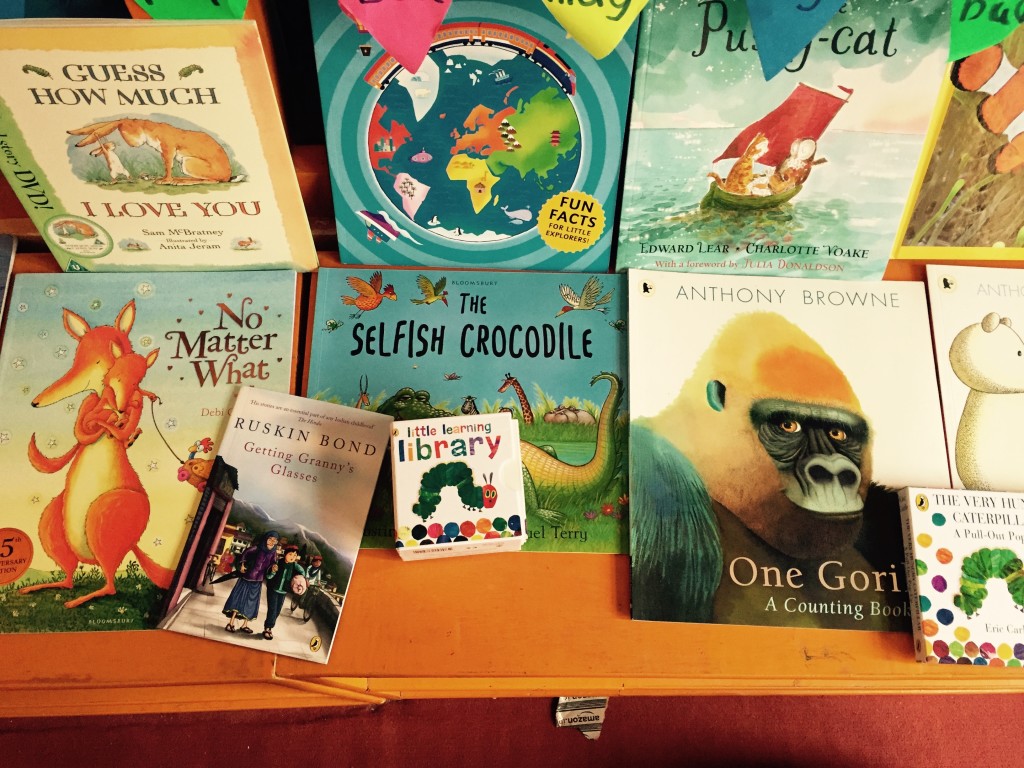
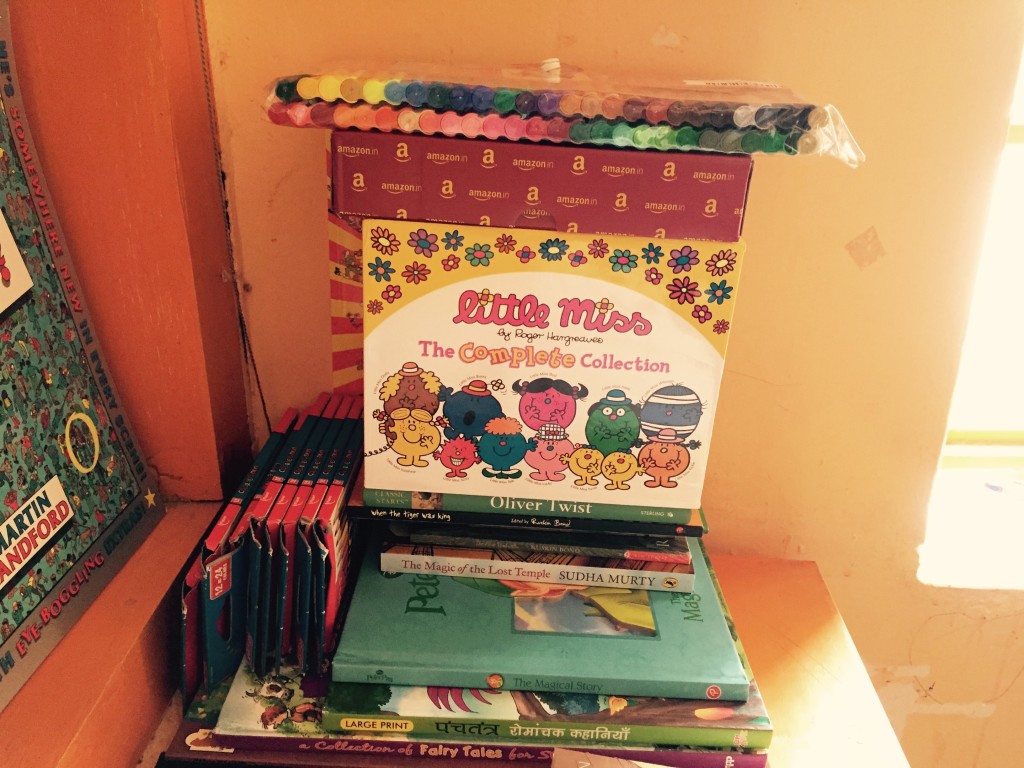
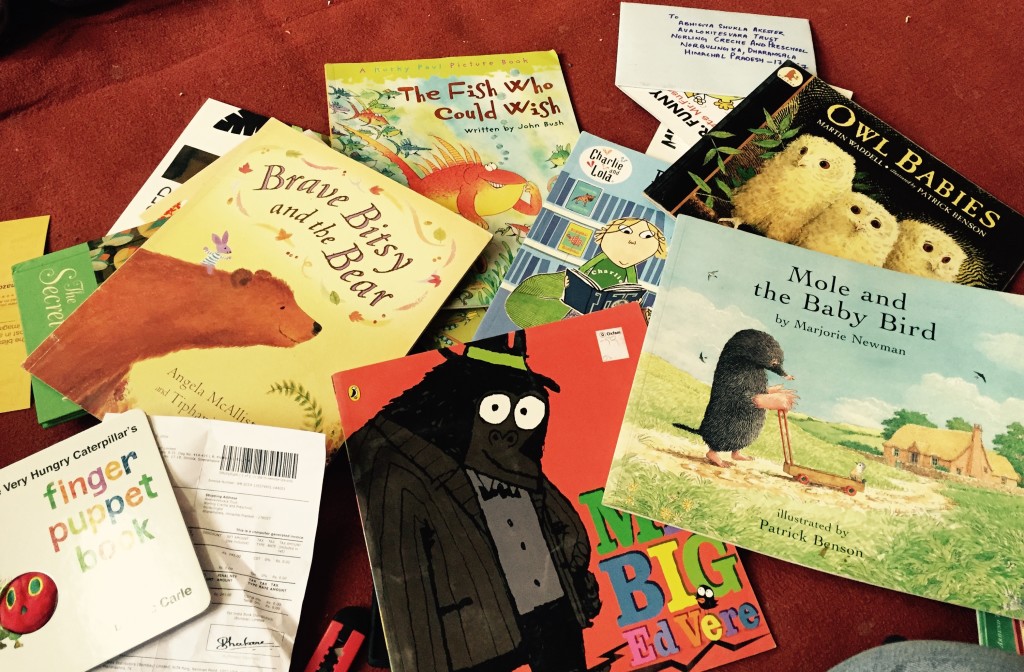
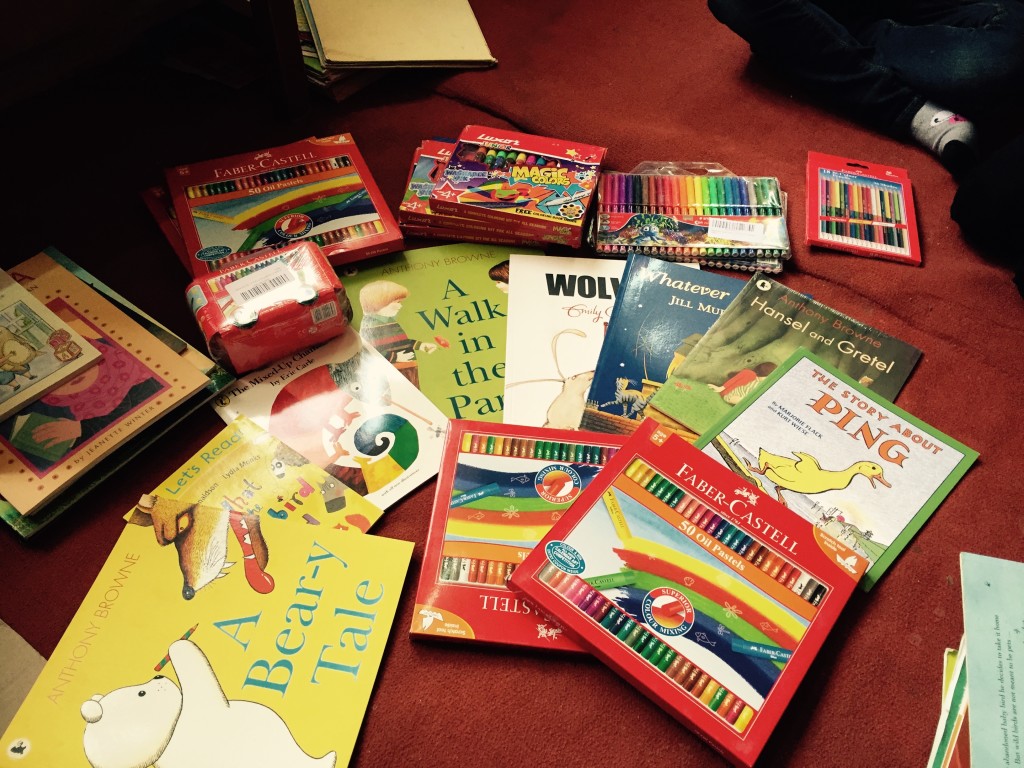
The strongest donations are selected for use rather than simply removed from a household shelf. Books should be clean, complete and suitable for the intended age group. Picture books with strong visual storytelling are particularly valuable when reading levels vary, because children can understand and discuss them before they are fluent readers.
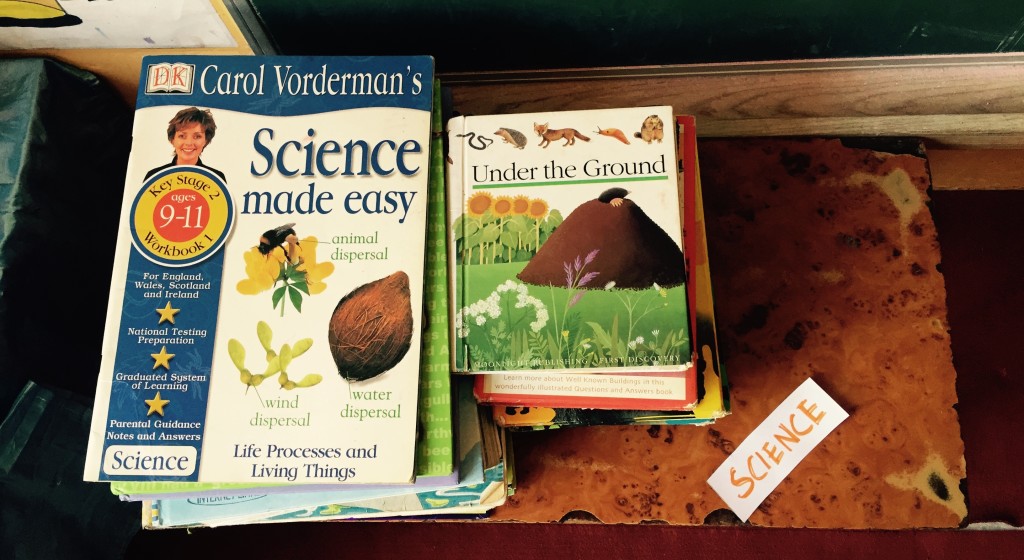
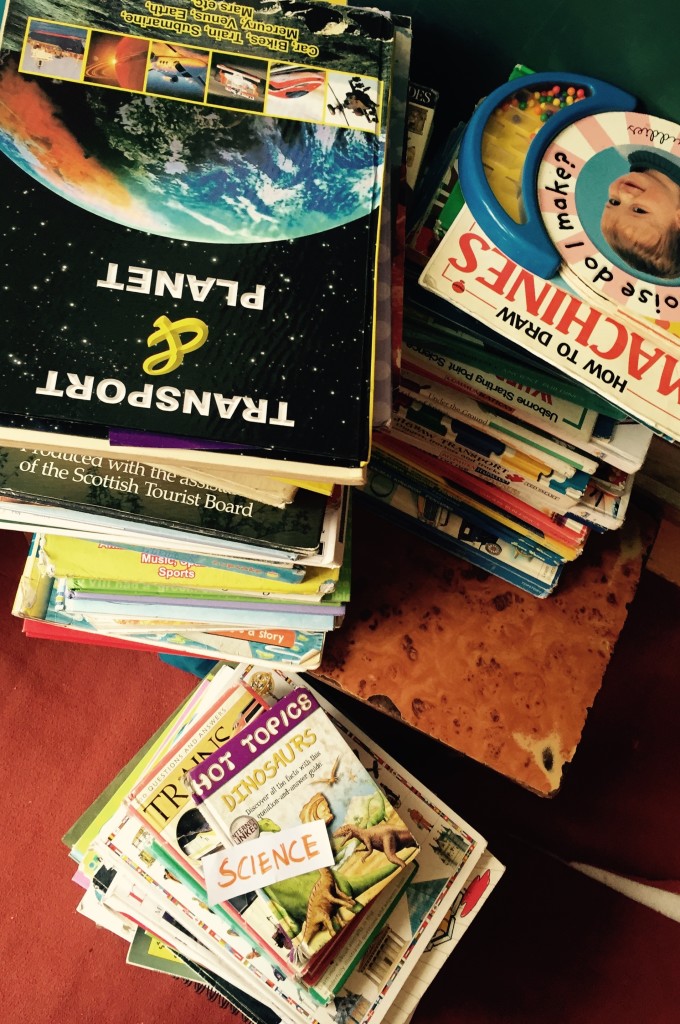
A balanced collection can include fiction, science, geography, poetry, art, music and practical knowledge. A book about whales might sit beside one about snow leopards, river systems or traditional crafts. This variety helps children follow their interests and discover that reading is connected to the wider world.
| Book resource |
What children gain |
Useful selection feature |
| Picture books |
Visual literacy, vocabulary and storytelling |
Clear artwork and durable pages |
| Wildlife guides |
Observation and scientific curiosity |
Regional comparisons and labelled images |
| Maps and atlases |
Spatial thinking and geography |
Simple layouts with readable text |
| Novels and folktales |
Empathy, imagination and language confidence |
Diverse characters and respectful context |
| Art and music books |
Creative expression and cultural discovery |
Activities that need few materials |
Turning wonder into a lasting habit
A single striking image can begin a long chain of learning. After seeing a whale, a child may search for its habitat on a map, read about migration, draw the animal, ask how oceans are protected or wonder what other creatures live in deep water. The original picture remains important because it started with emotion and curiosity.
Supporters can help preserve that spark through practical choices:
- Give age-appropriate books in excellent condition rather than unsuitable surplus stock.
- Consider funding local book purchases when international postage is expensive.
- Include science, art, music, fiction and reference titles in a balanced collection.
- Choose stories that represent children and communities with dignity and accuracy.
- Check charity registration, donation receipts and safeguarding requirements before contributing.
The first time a child sees a whale in a book is also a first encounter with scale, distance and possibility. In a Himalayan reading room, that blue page can connect a mountain child with oceans, Australian readers with Ladakh, and a quiet act of reading with a larger sense of belonging. The next concrete step is to select one durable, illustrated wildlife book and place it in a community reading-room collection where a child can open it today.