Where every book finds its next reader
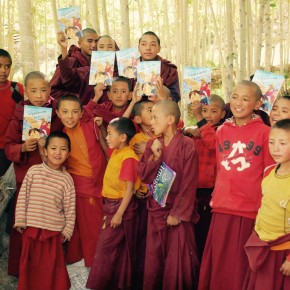
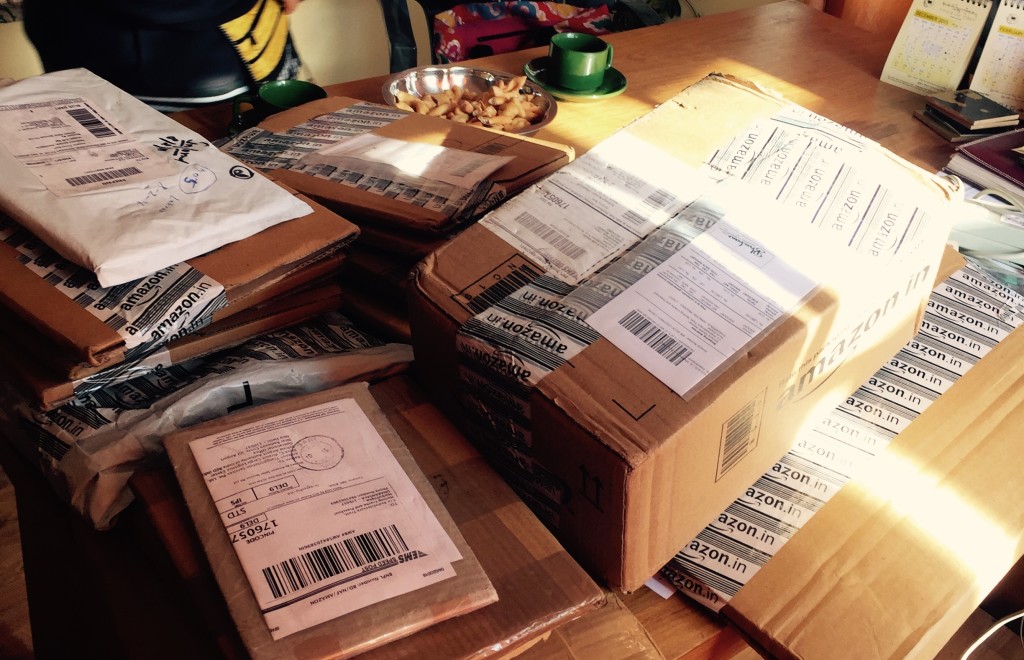
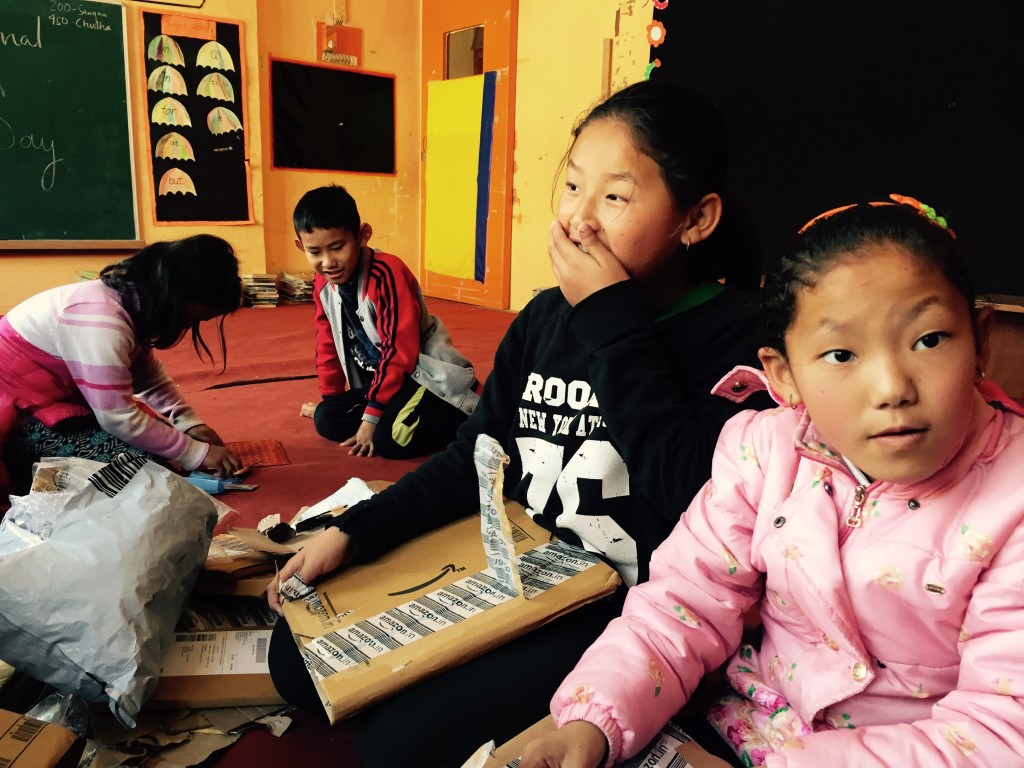
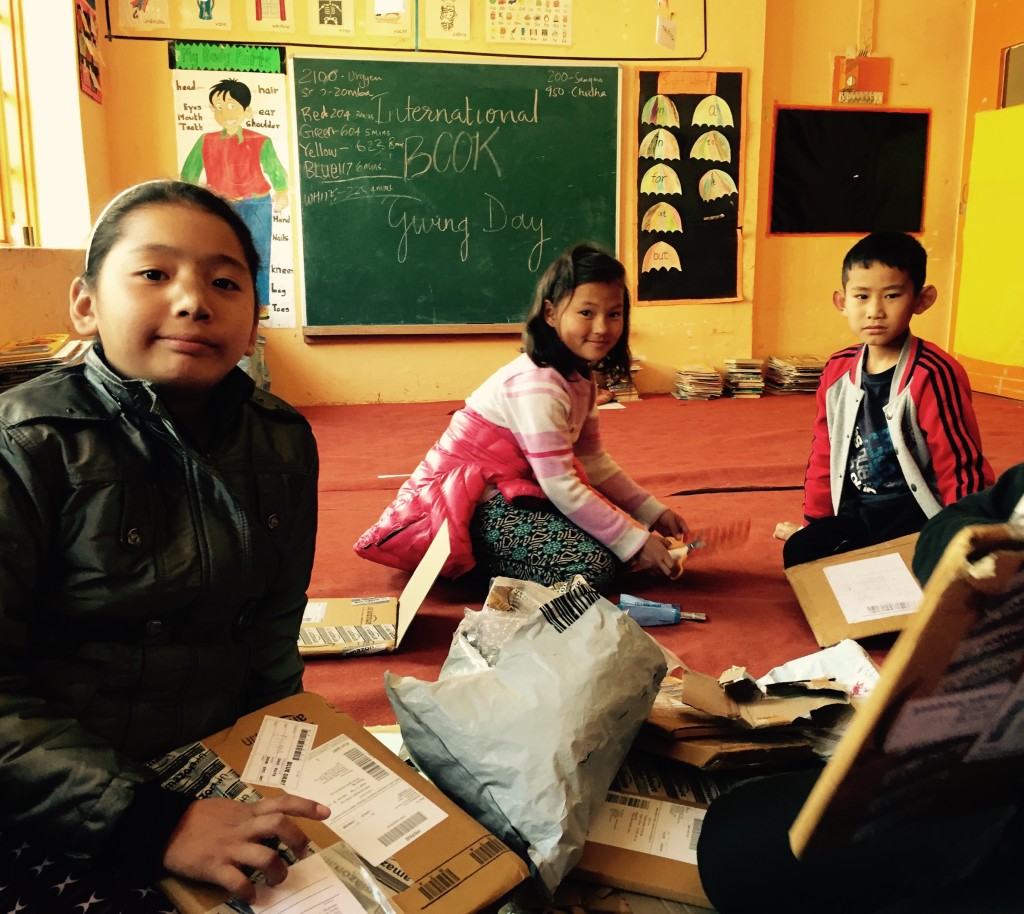
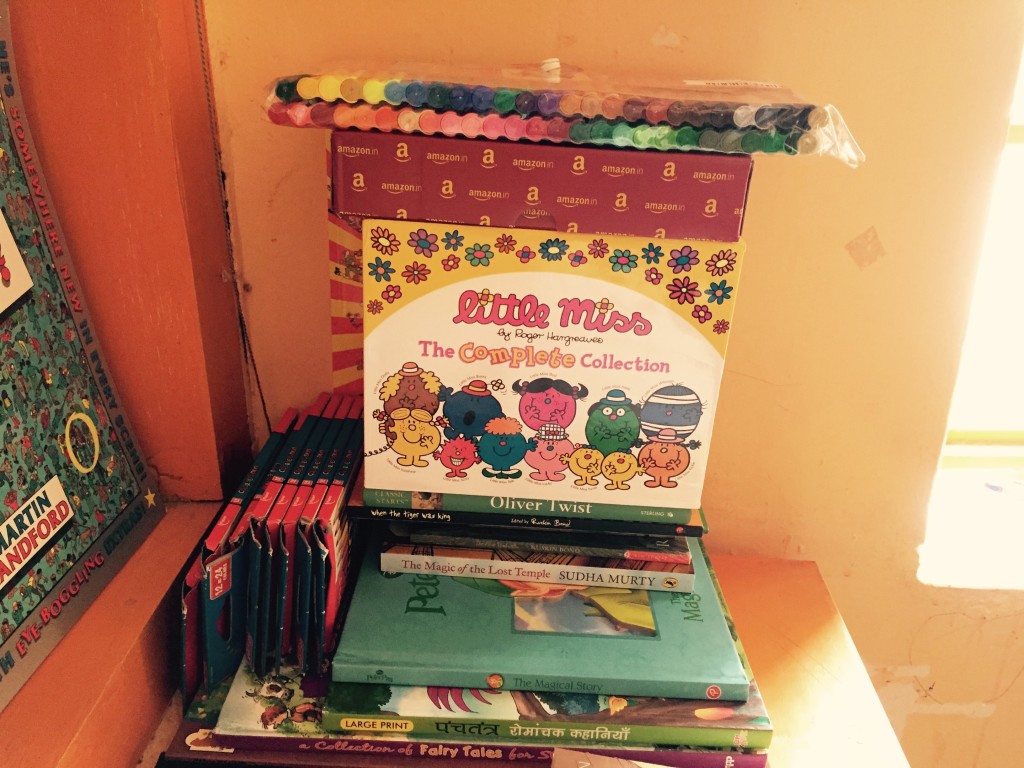
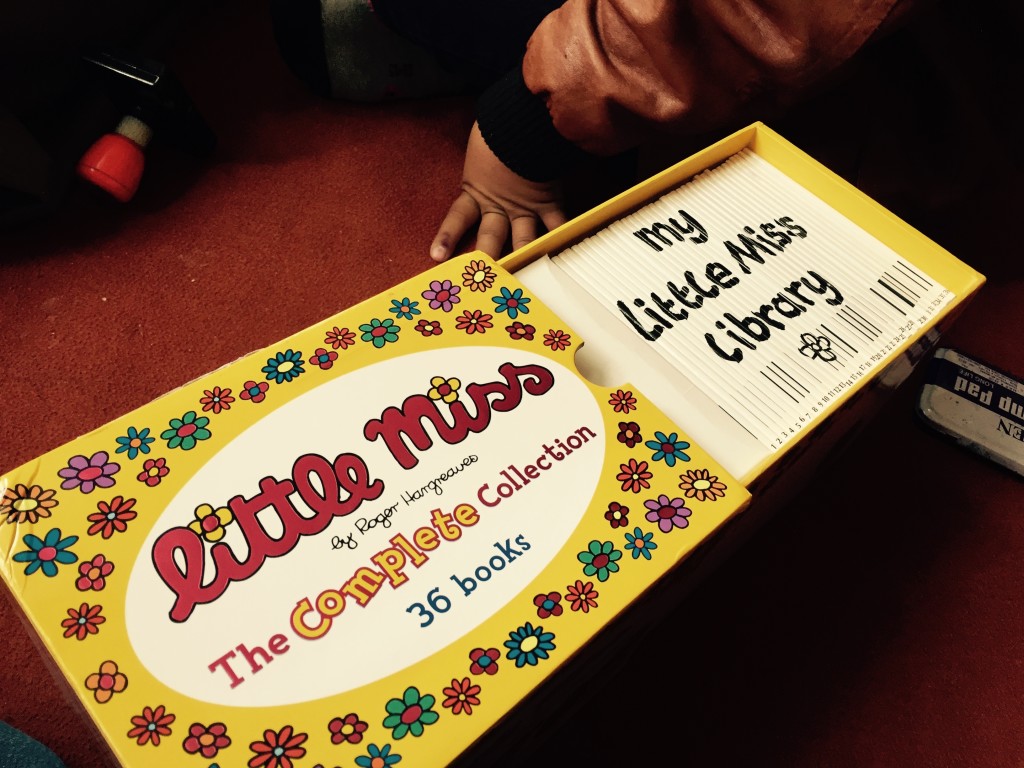
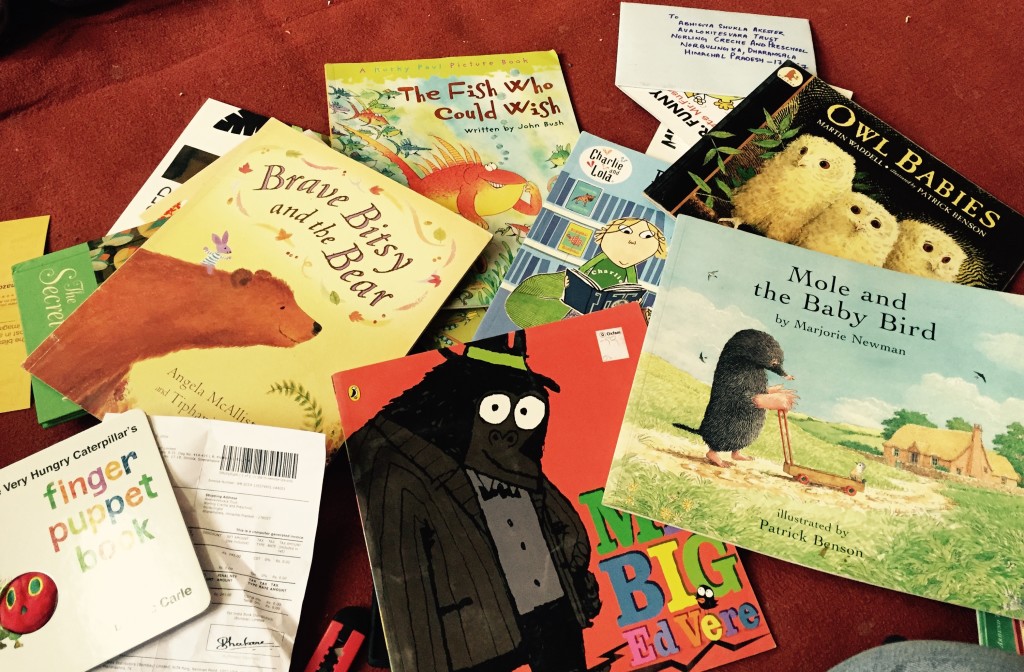
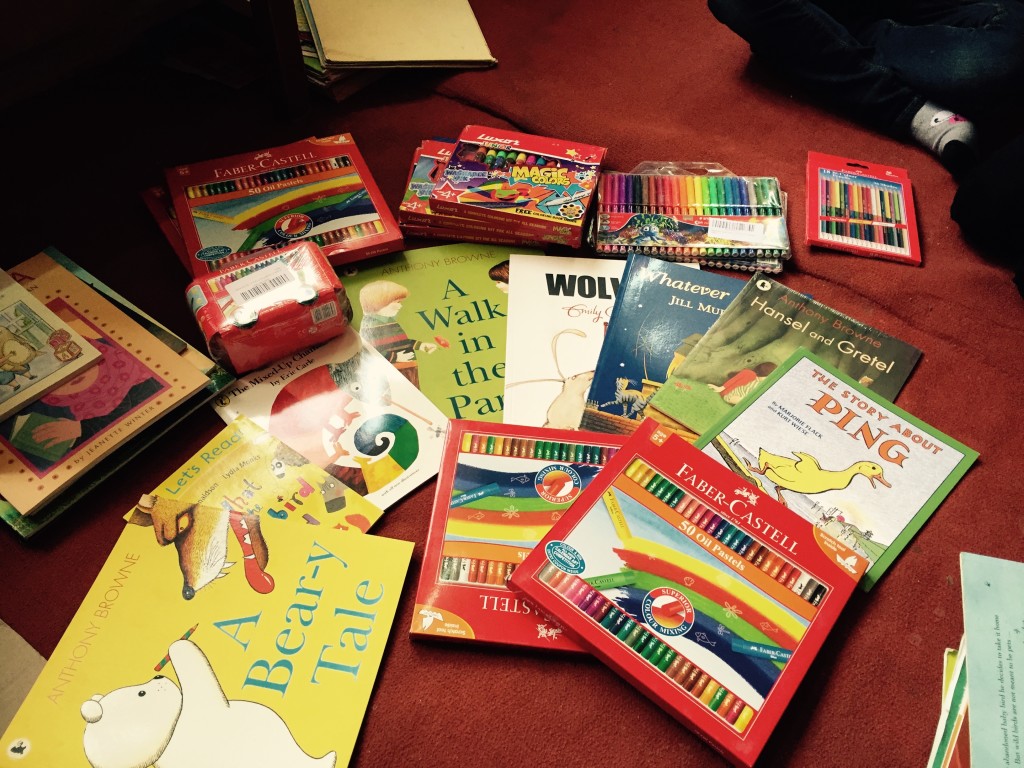
The first day of a book drive begins long before the first child opens a cover. In a monastery courtyard in Ladakh, volunteers carry cartons from a storeroom, donors’ parcels arrive from distant places, and stacks of books begin to gather beneath the clear mountain light. The work looks simple at first: open, inspect, sort. Yet each decision helps determine how a future reader will meet a story, a new idea, or a subject that may not otherwise be available.
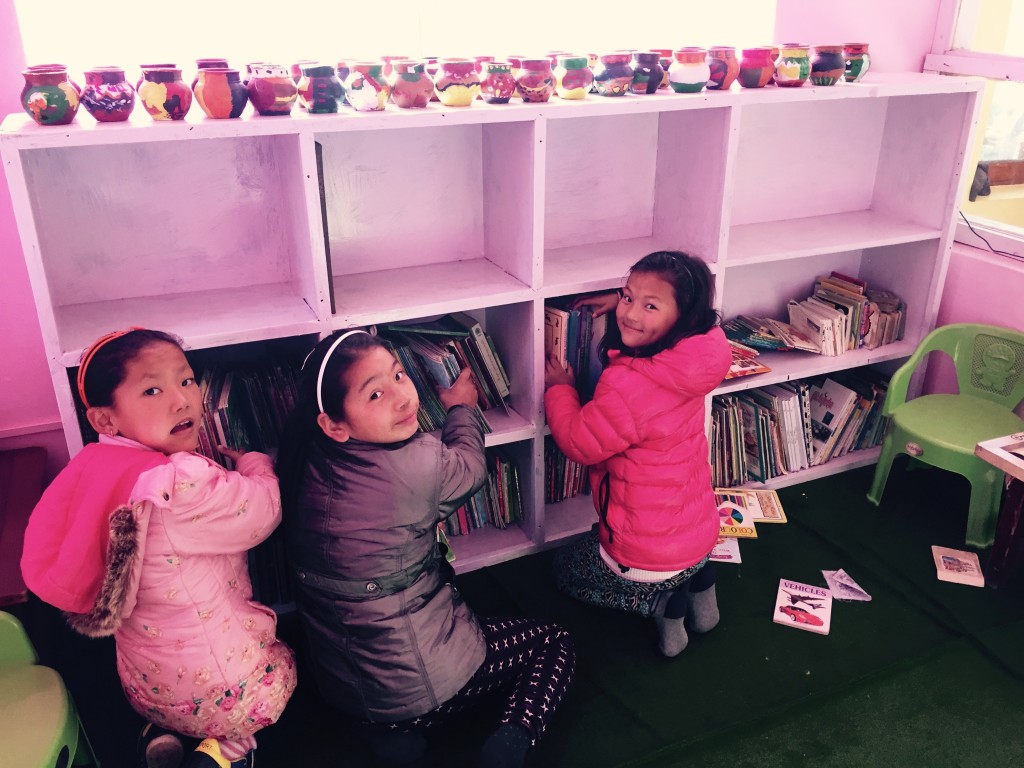
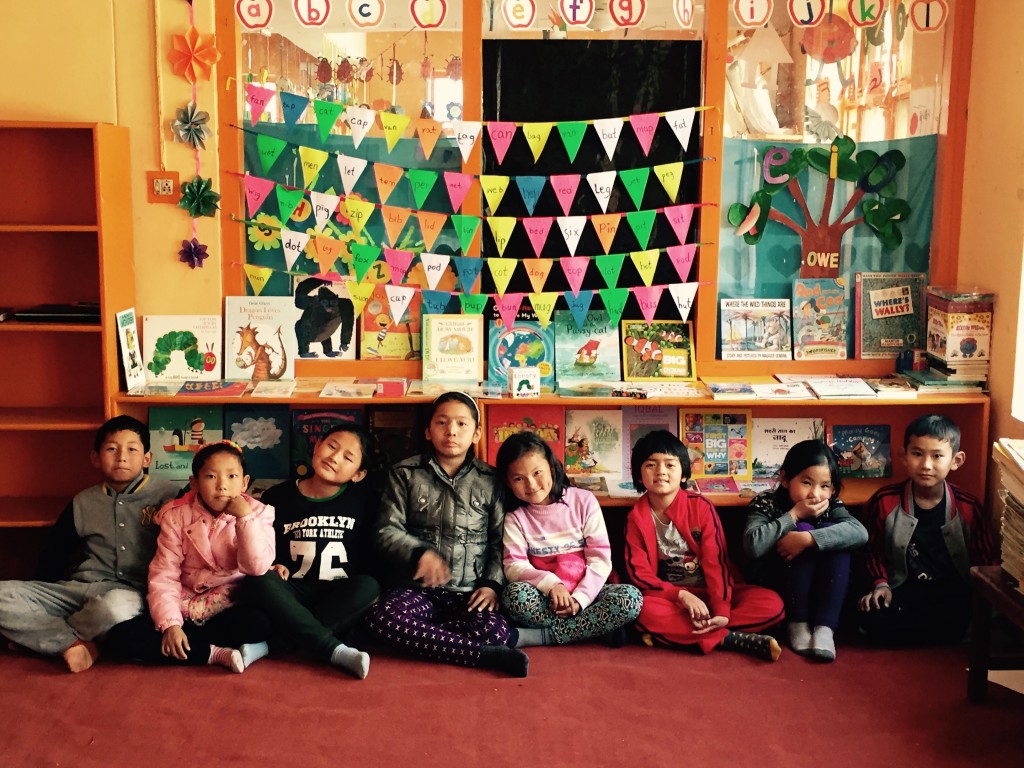
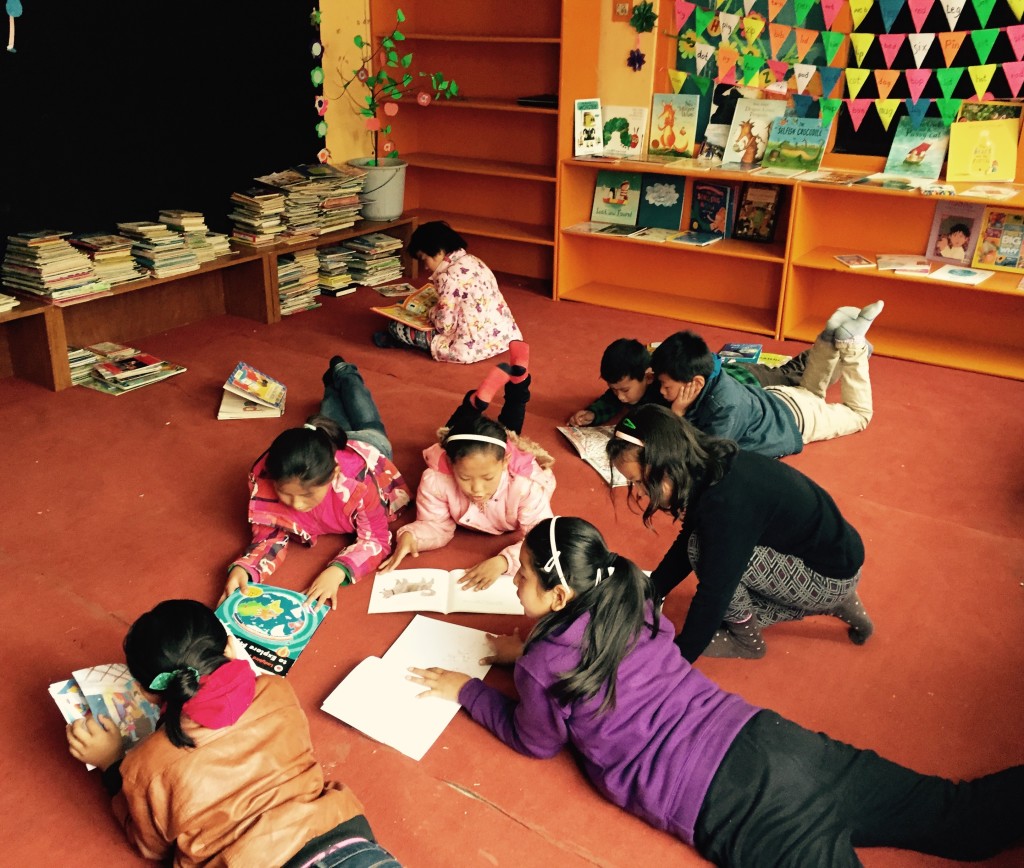
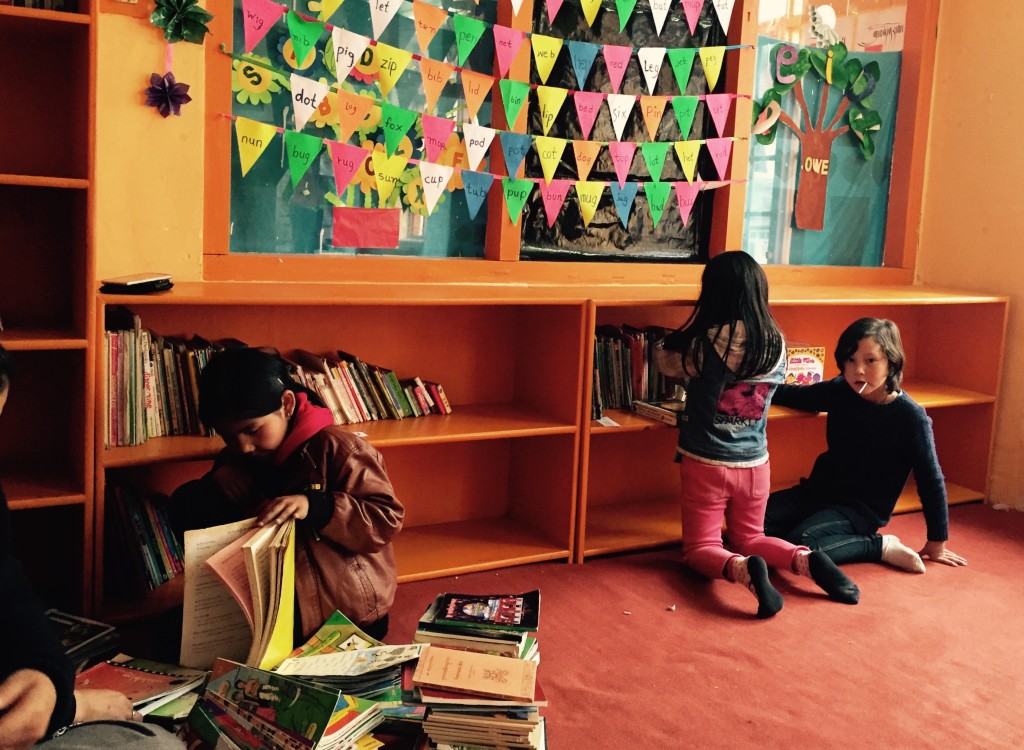
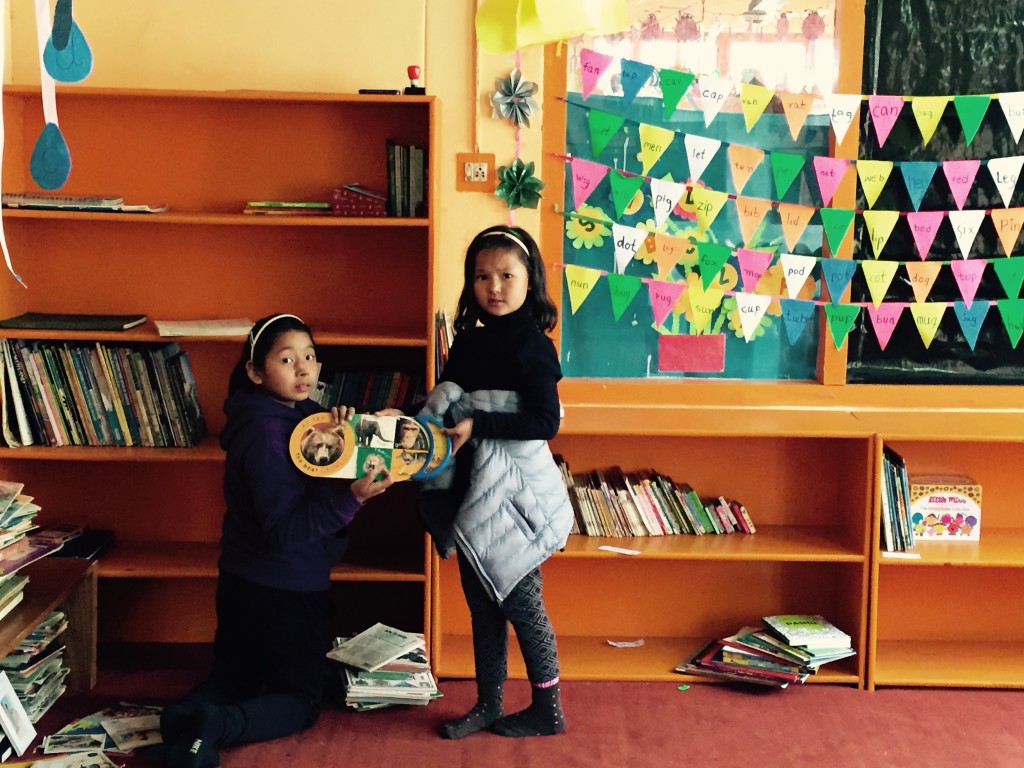
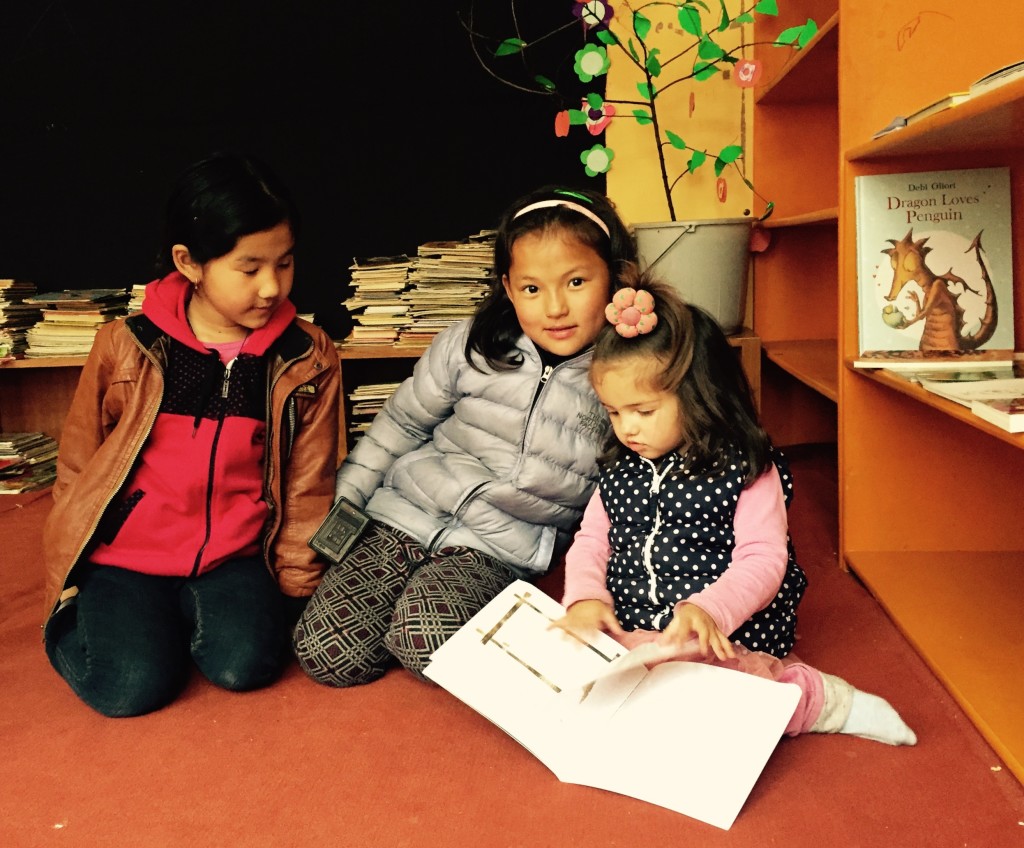
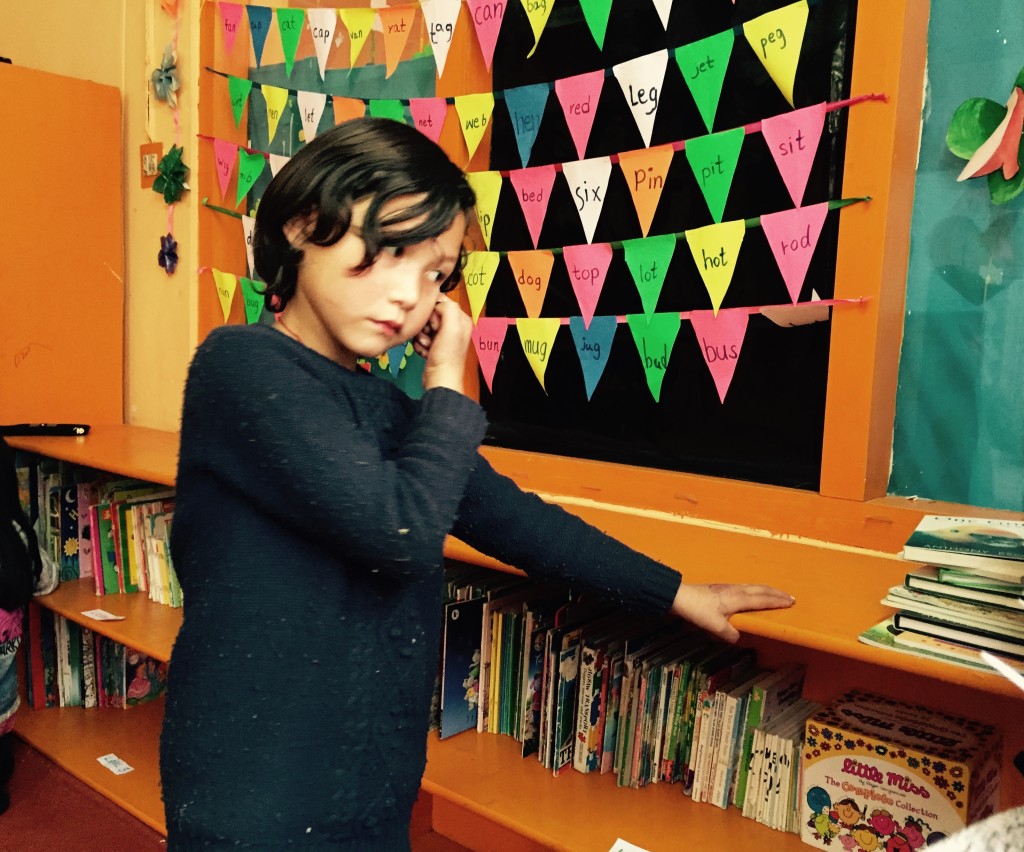
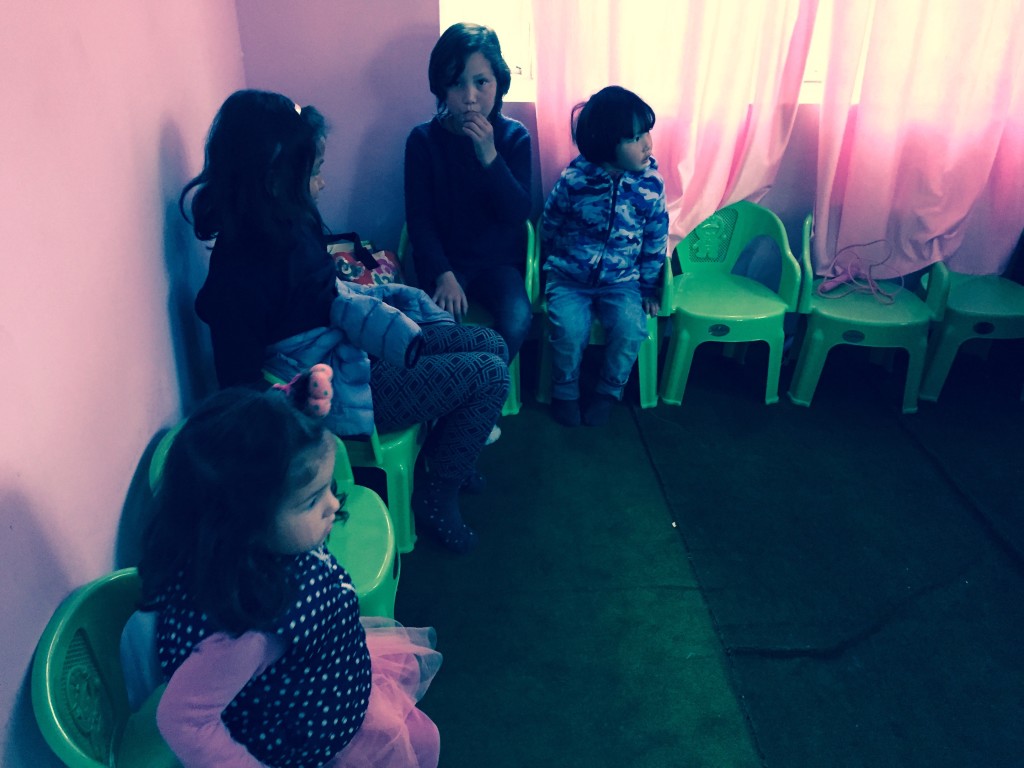
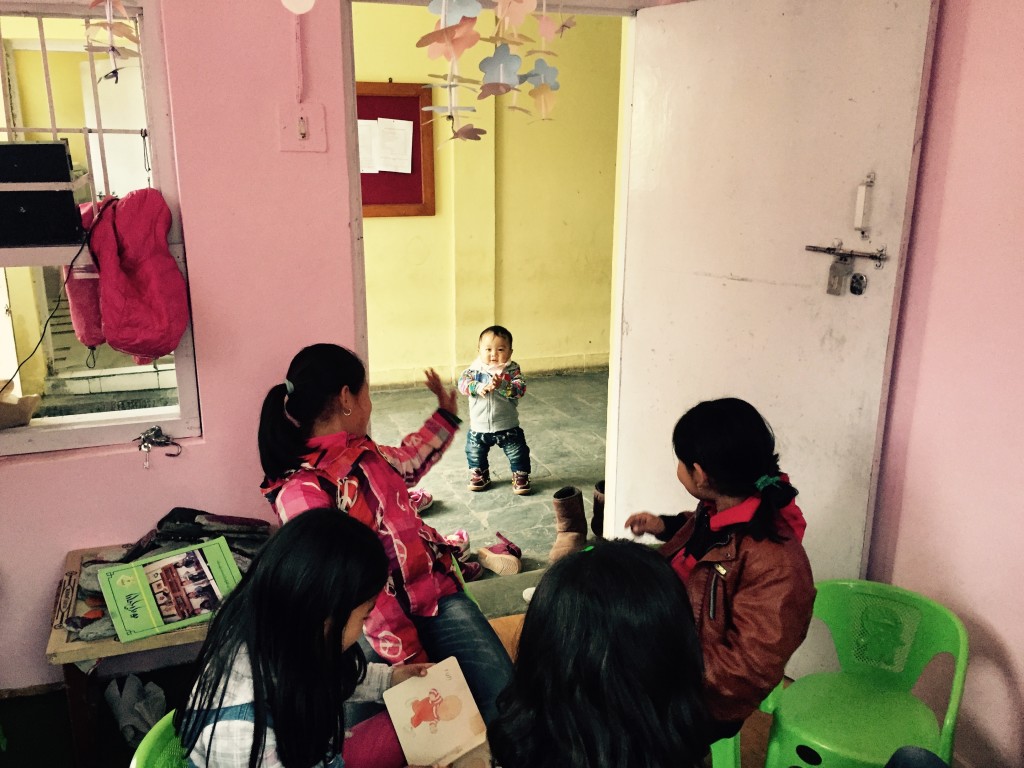
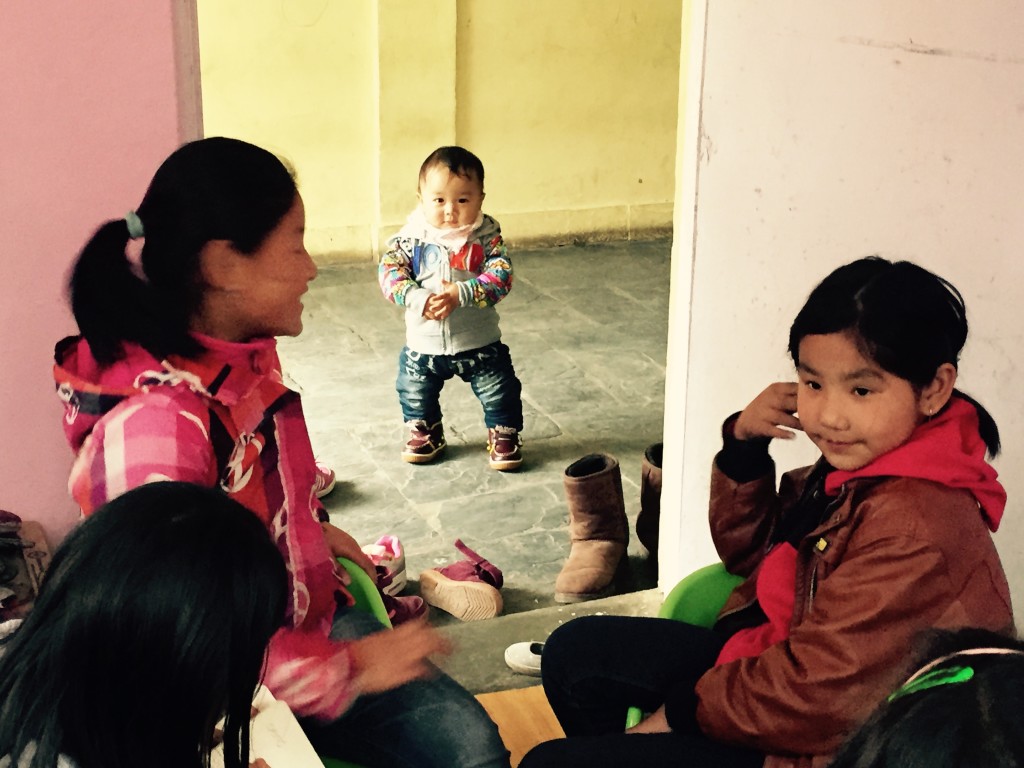
For Avalokiteśvara Trust, book collection is part of a wider commitment to literacy and learning in Himalayan communities. Reading rooms, educational activities, art sessions, and music programs give children and young monks welcoming spaces in which curiosity can grow. A donated book becomes most useful when it is prepared thoughtfully for those spaces and for the people who will use them.
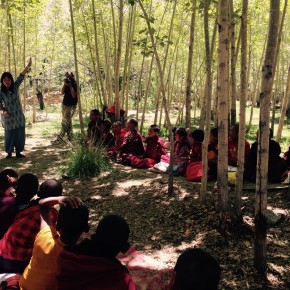
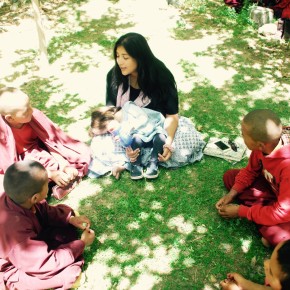
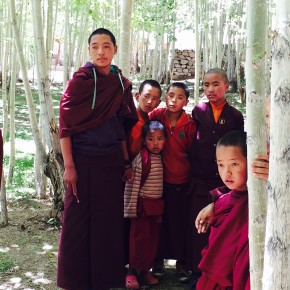
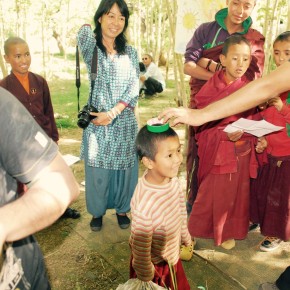
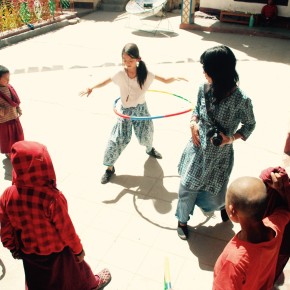
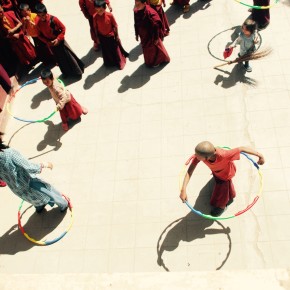
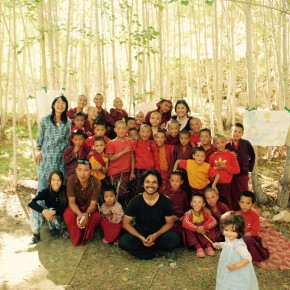
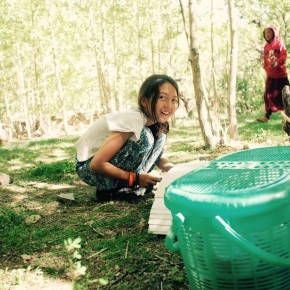
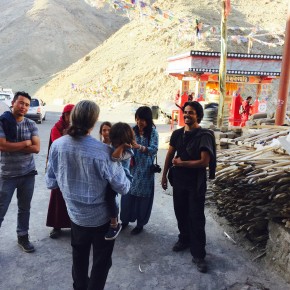
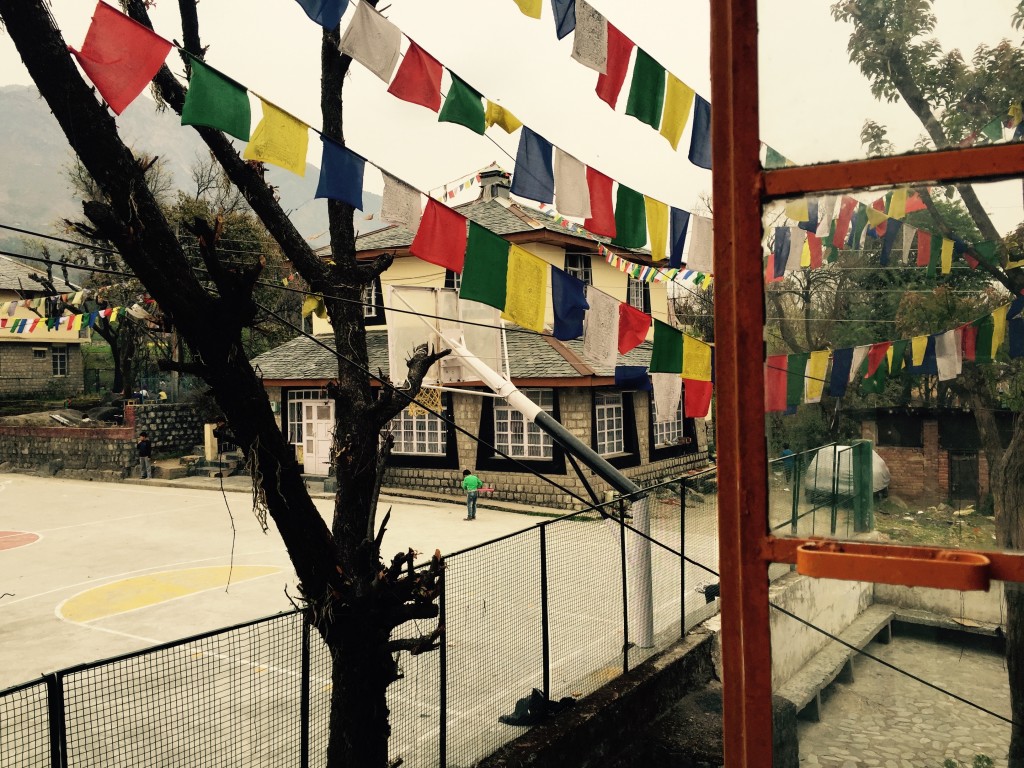
The courtyard offers an ideal setting for this careful beginning. It is open, familiar, and large enough for several groups to work together. Monastic walls frame the activity, while the rhythm of daily life continues around the volunteers: footsteps across stone, quiet conversation, bells from a nearby shrine, and the steady movement of boxes becoming organized shelves.
Before the boxes are opened
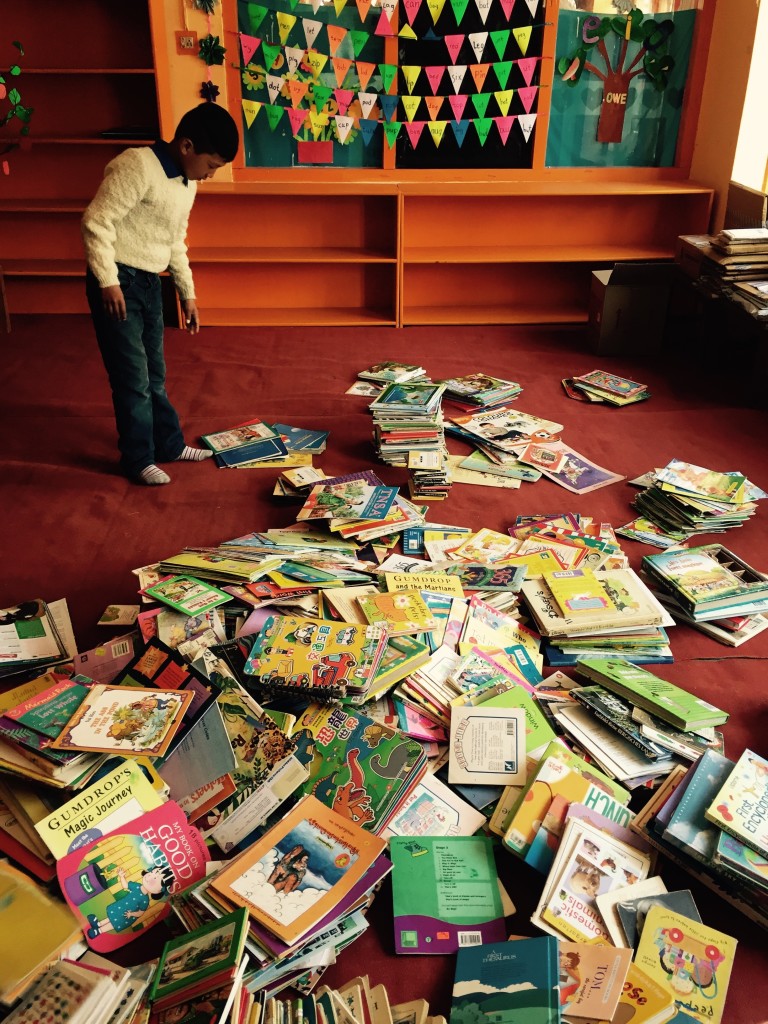
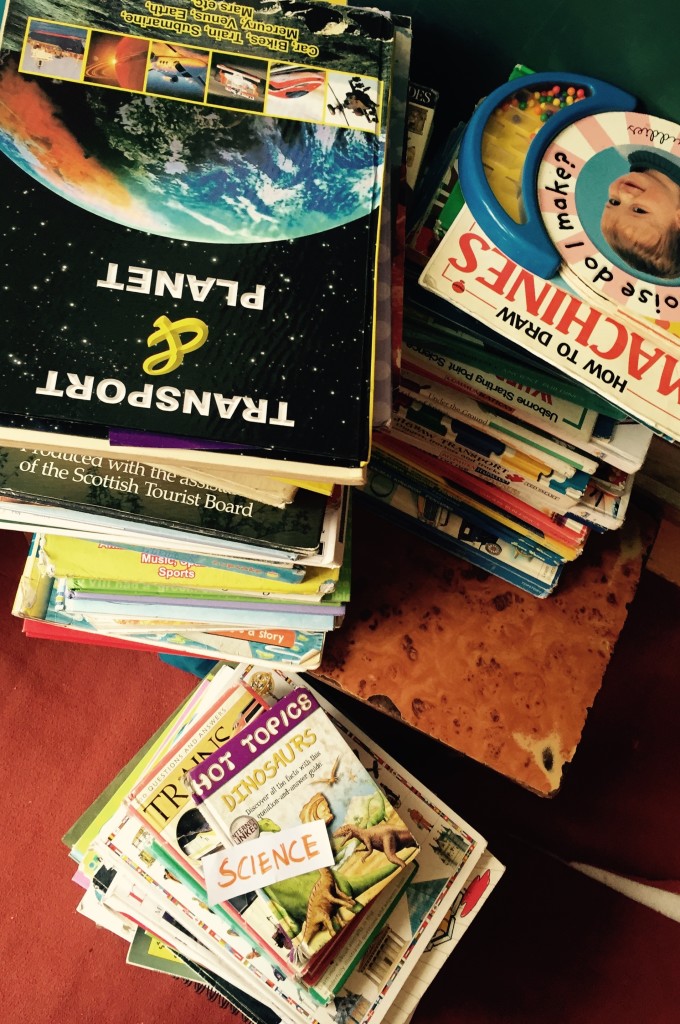
A successful book drive depends on preparation. Volunteers clear a clean area, arrange tarpaulins or low tables, and mark separate spaces for children’s picture books, early readers, novels, reference materials, art books, and books suited to older students. Keeping categories visible prevents the courtyard from becoming an unmanageable pile.
The team also gathers simple supplies: labels, pens, reusable cartons, cloths for removing dust, and a checklist for recording quantities. In a remote setting, these modest tools make a meaningful difference. Good organization saves time later, especially when the books are transported to a reading room, school, or community center.
The first inspection is gentle but practical. Volunteers look for torn pages, missing covers, heavy moisture damage, or writing that makes a book difficult to share. A book does not need to be new to be valuable. It needs to be safe, readable, and appropriate for the children and young monks who may borrow it.
The courtyard becomes a workshop
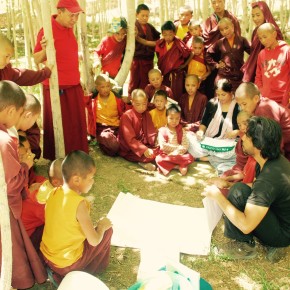
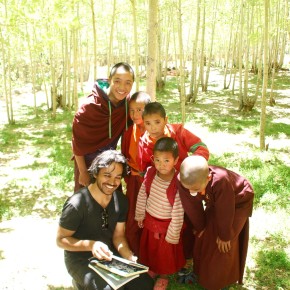
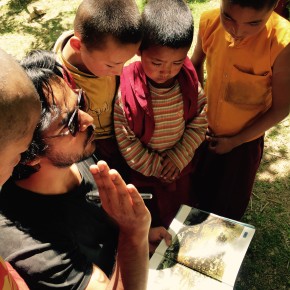
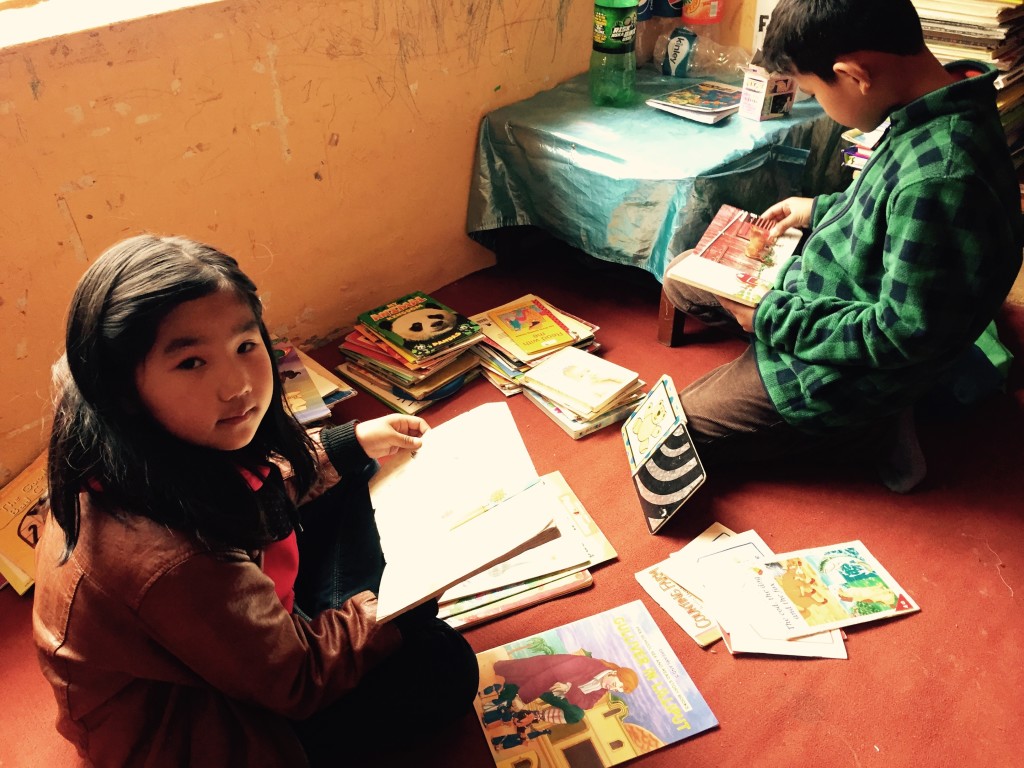
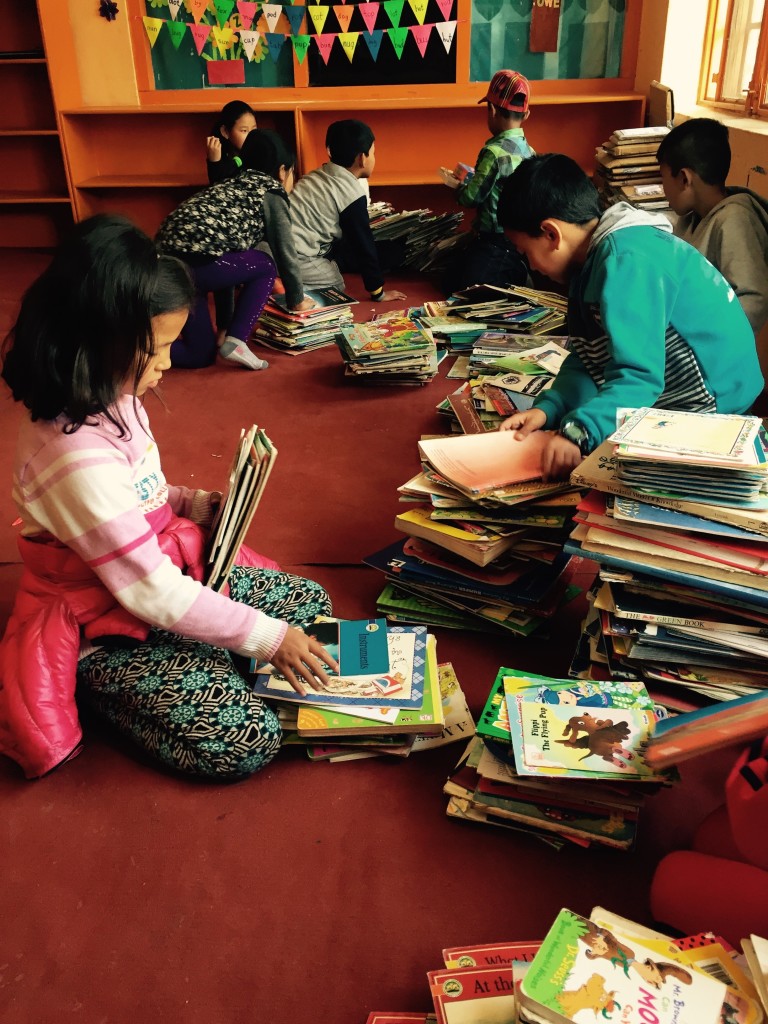
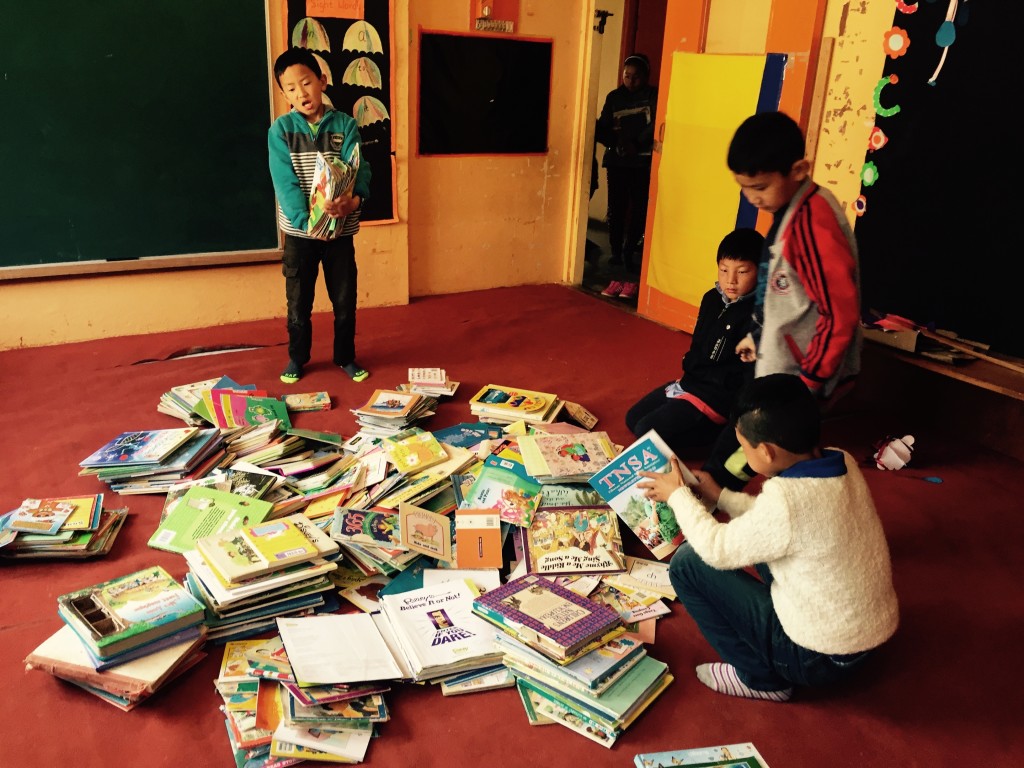
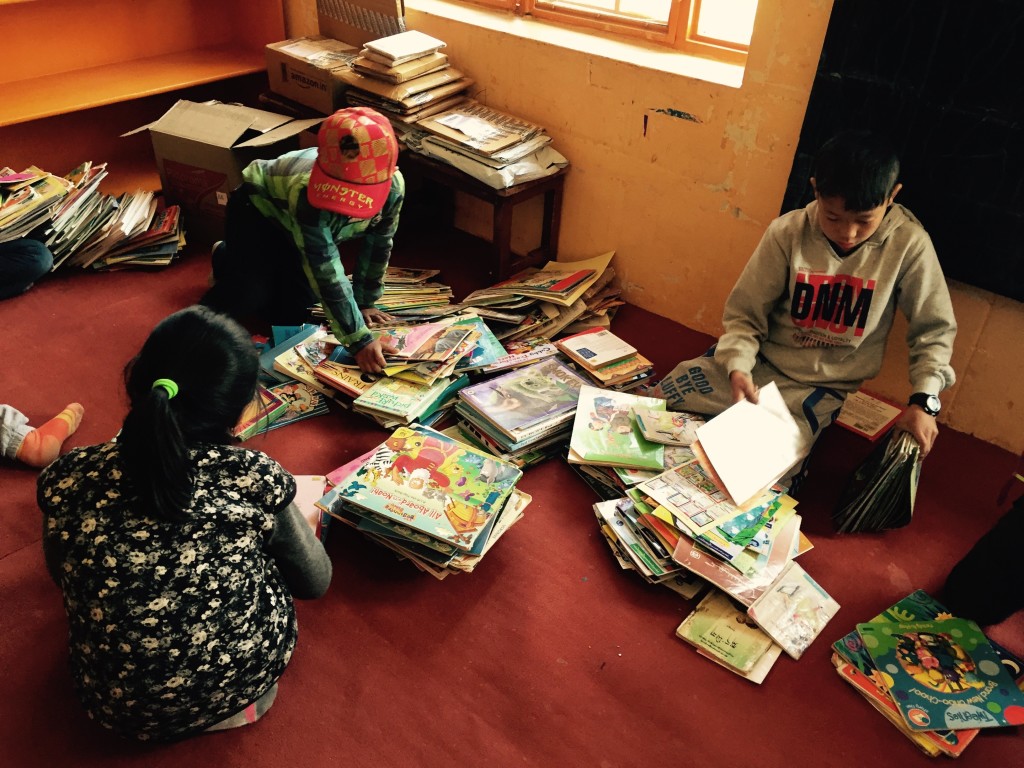
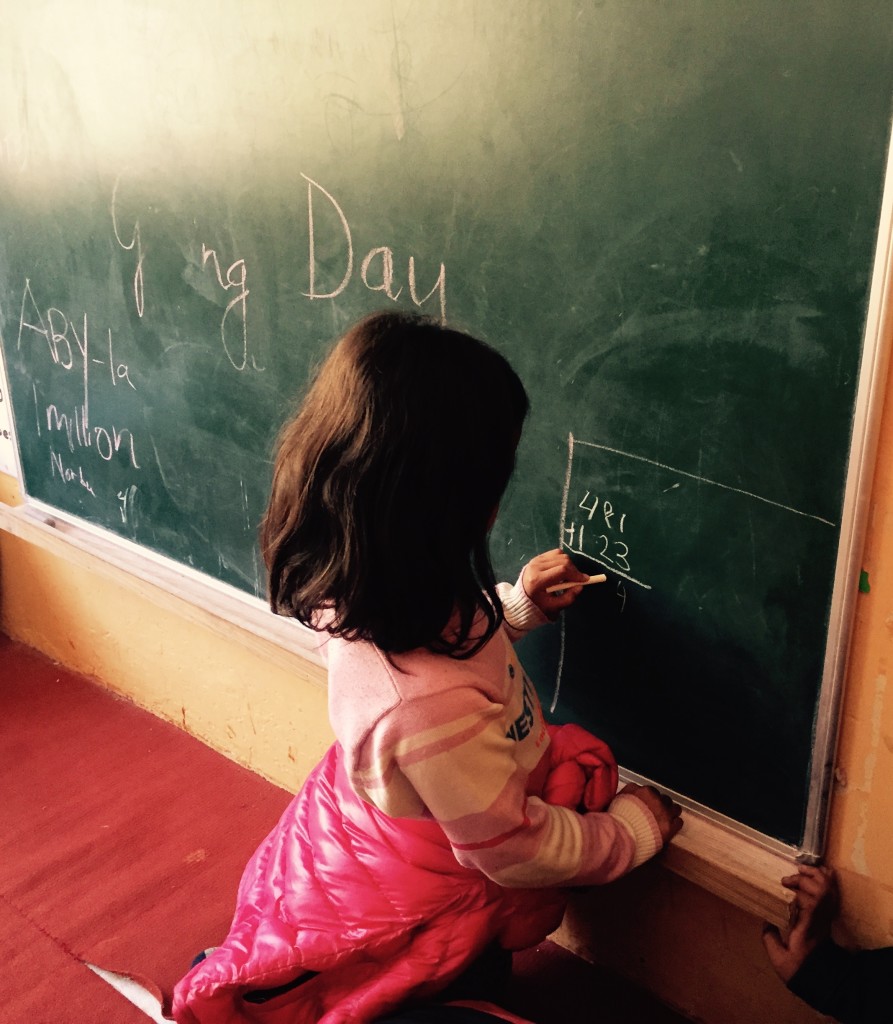
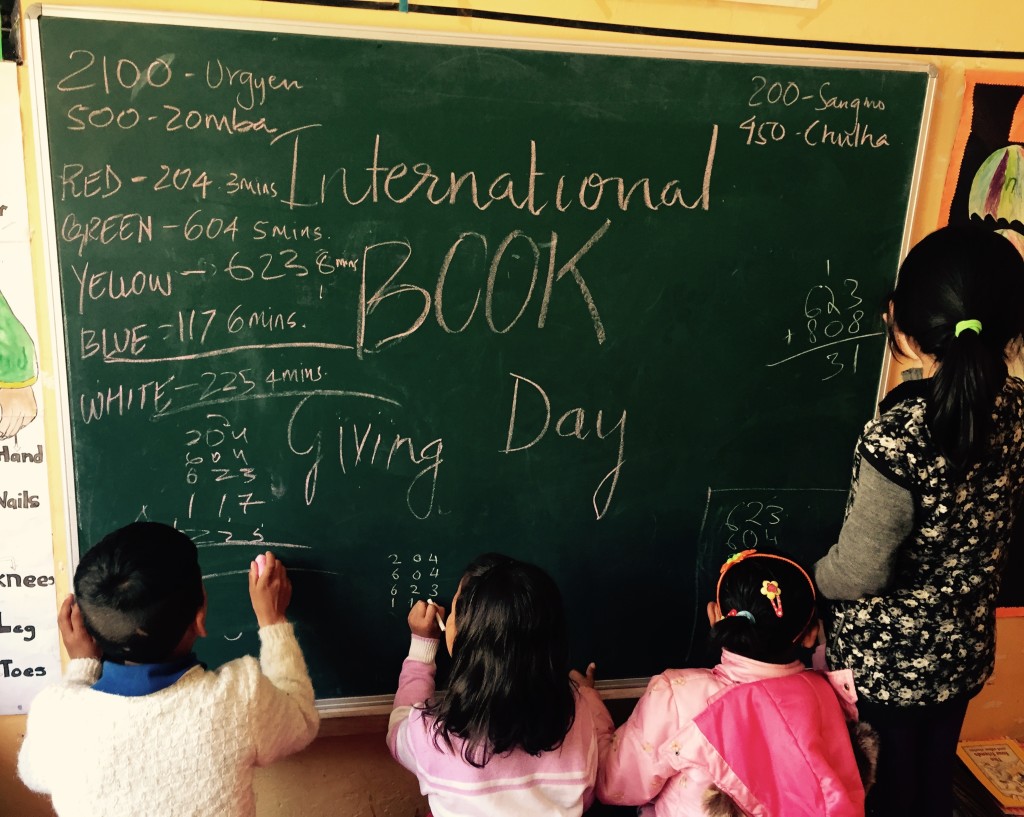
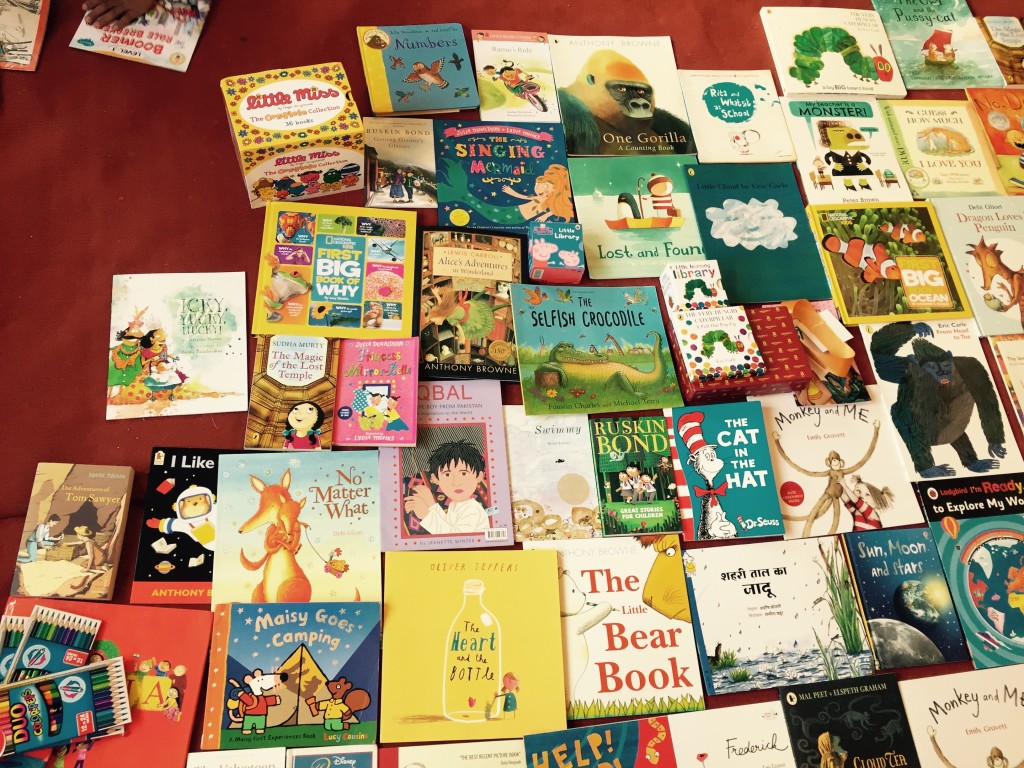
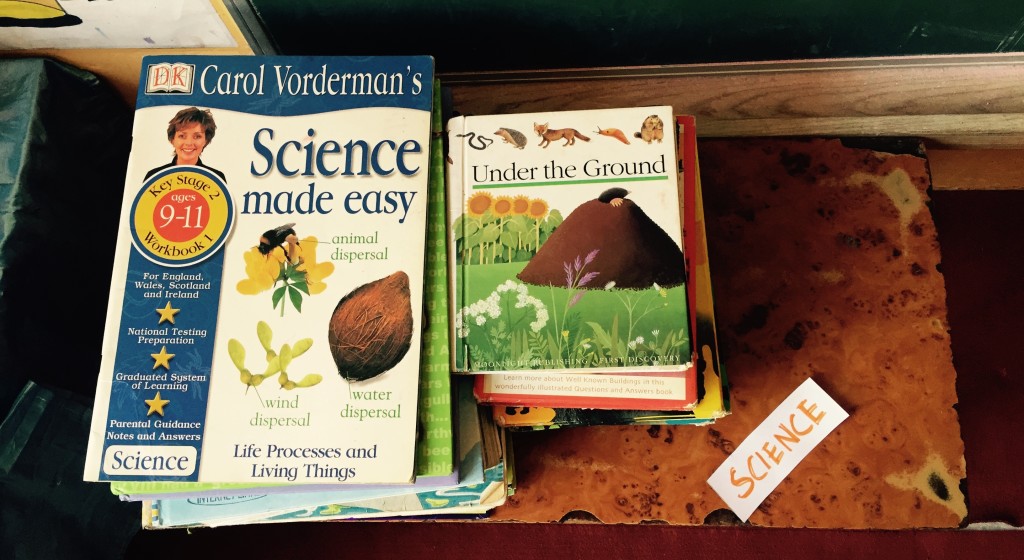
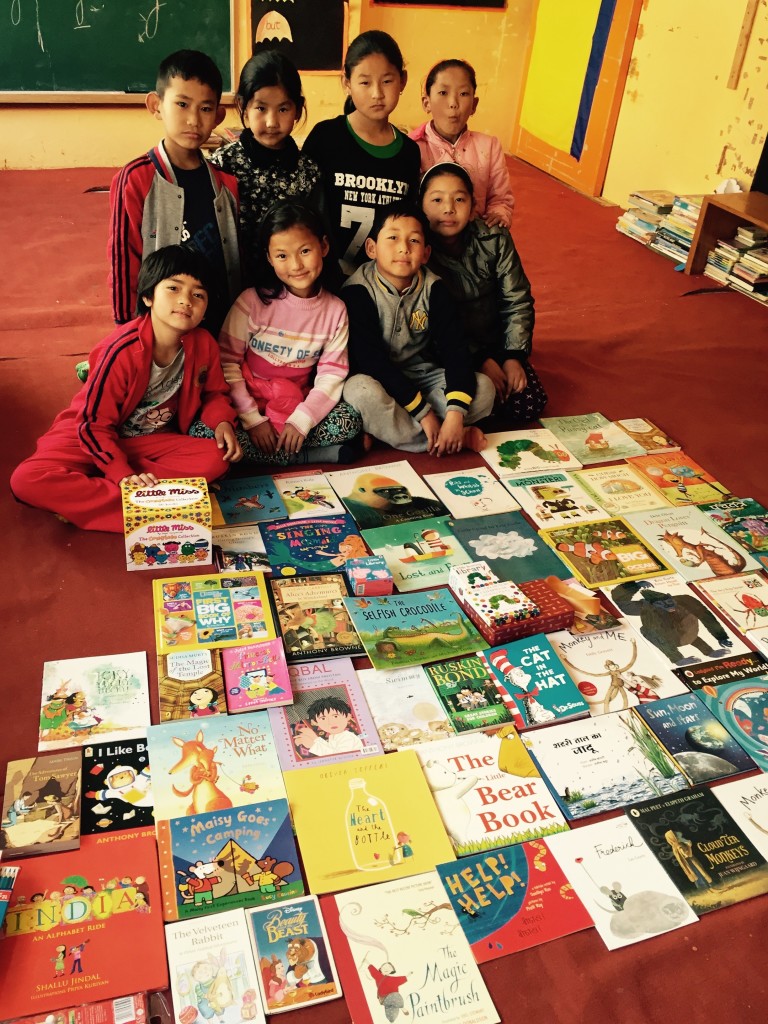
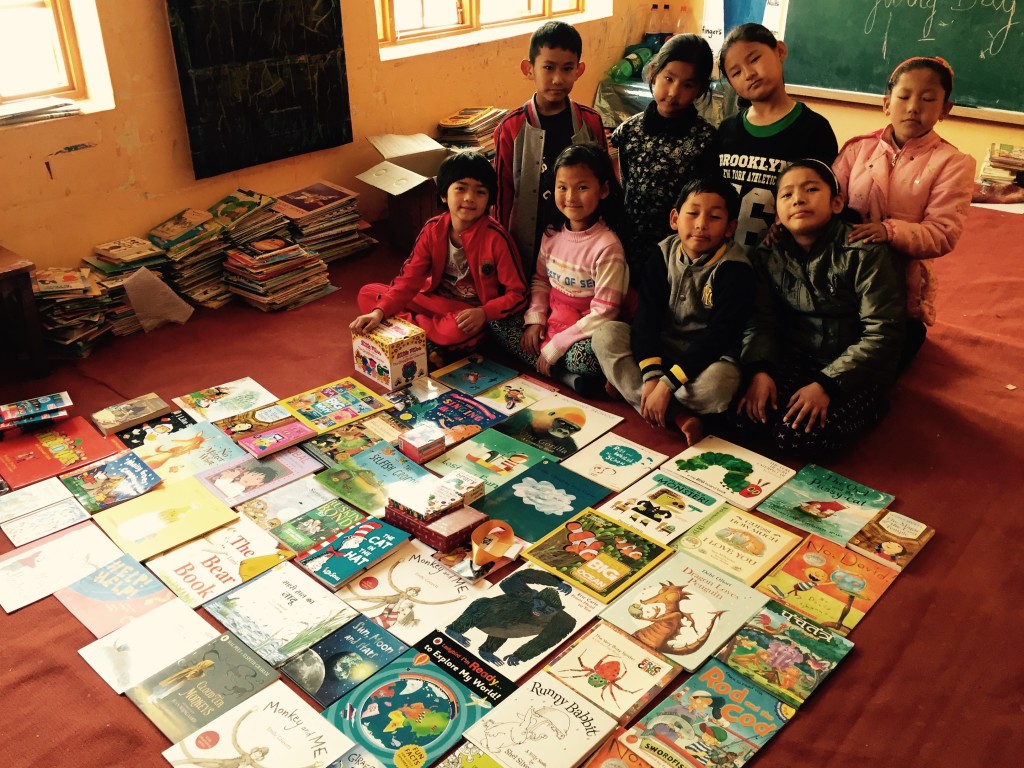
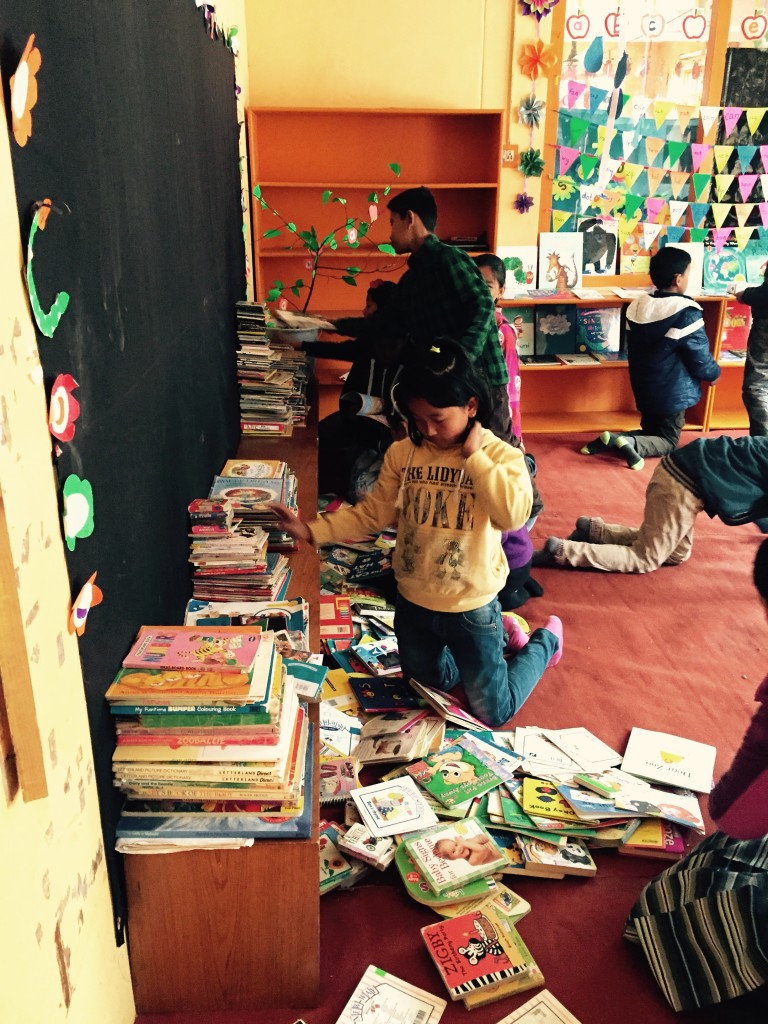
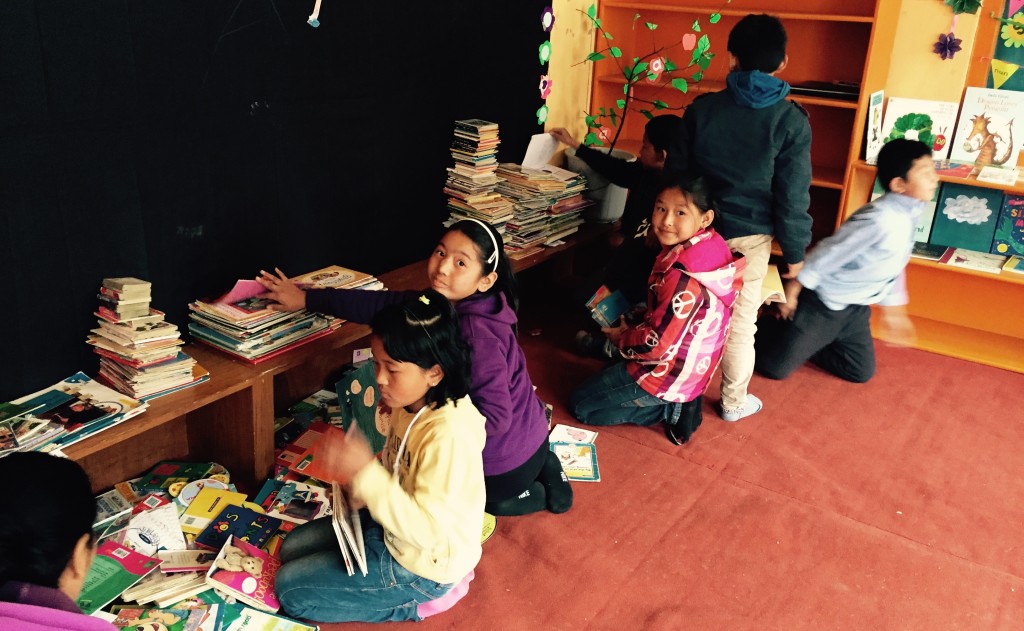
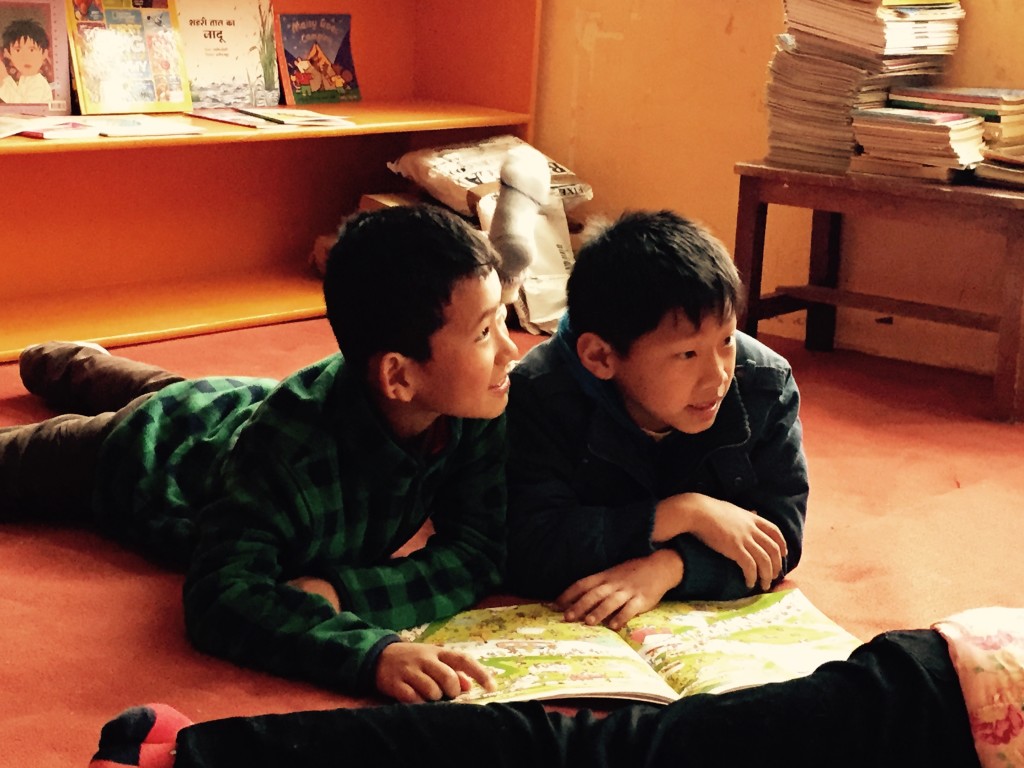
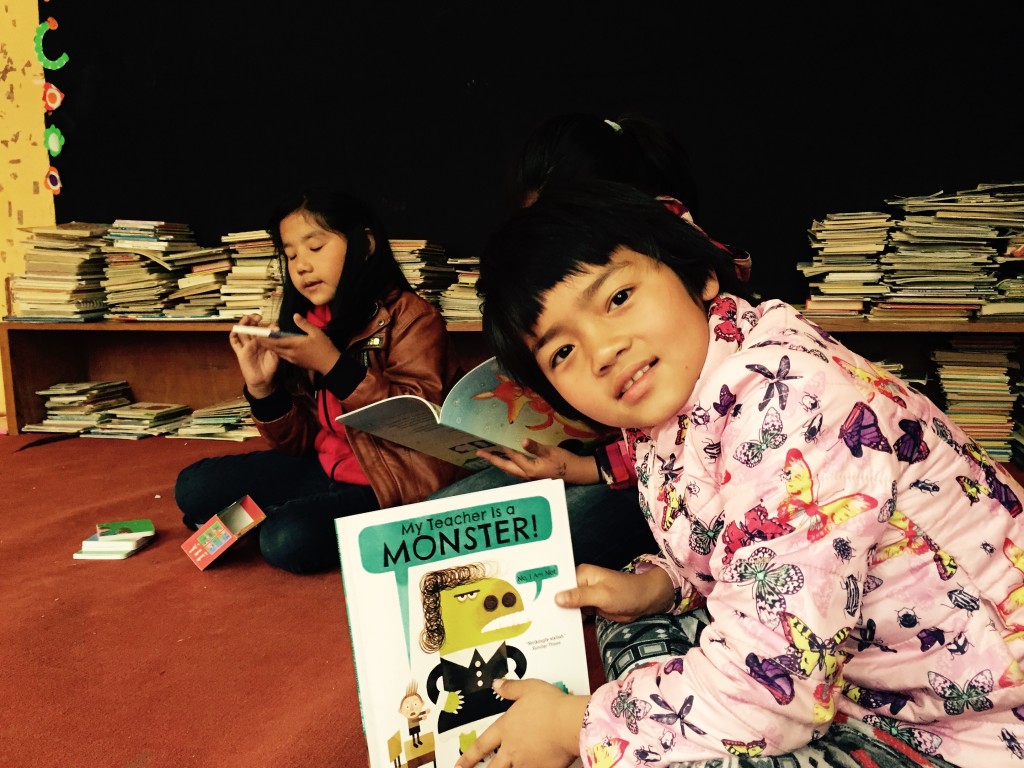
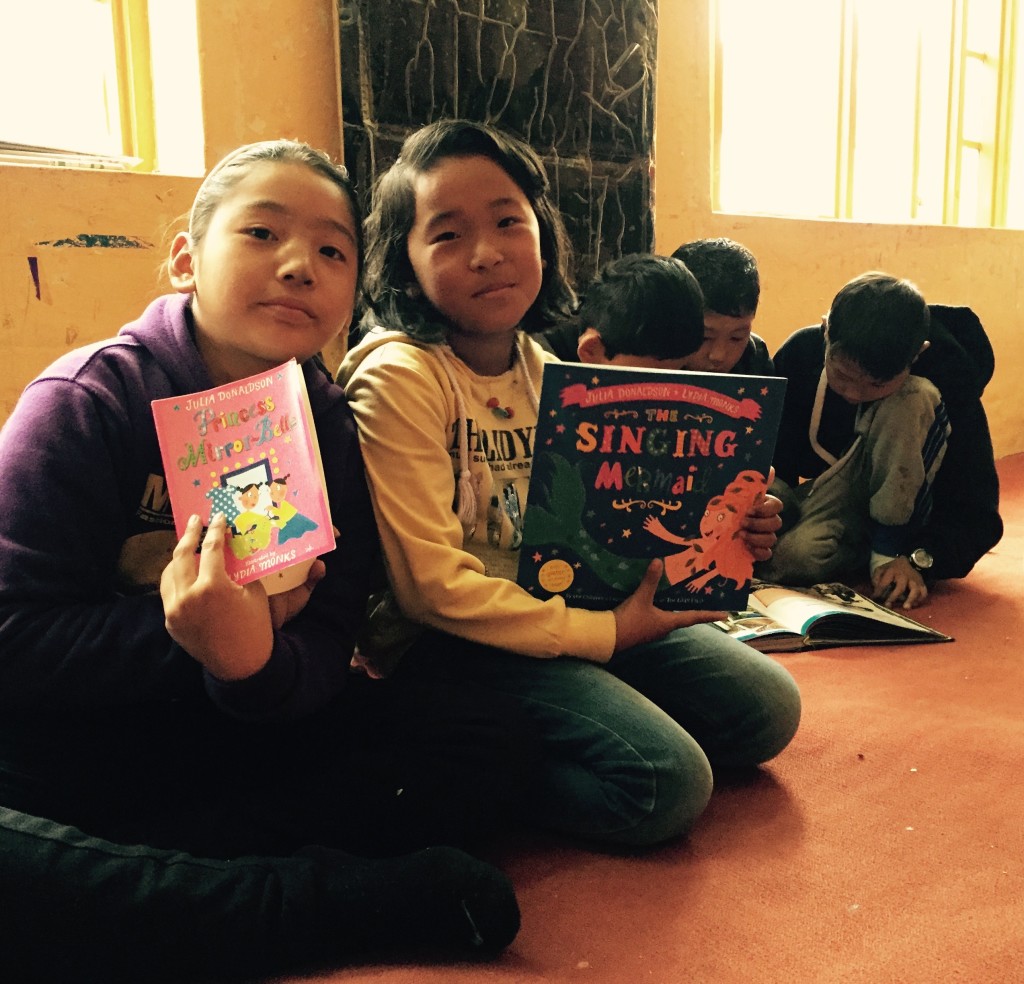
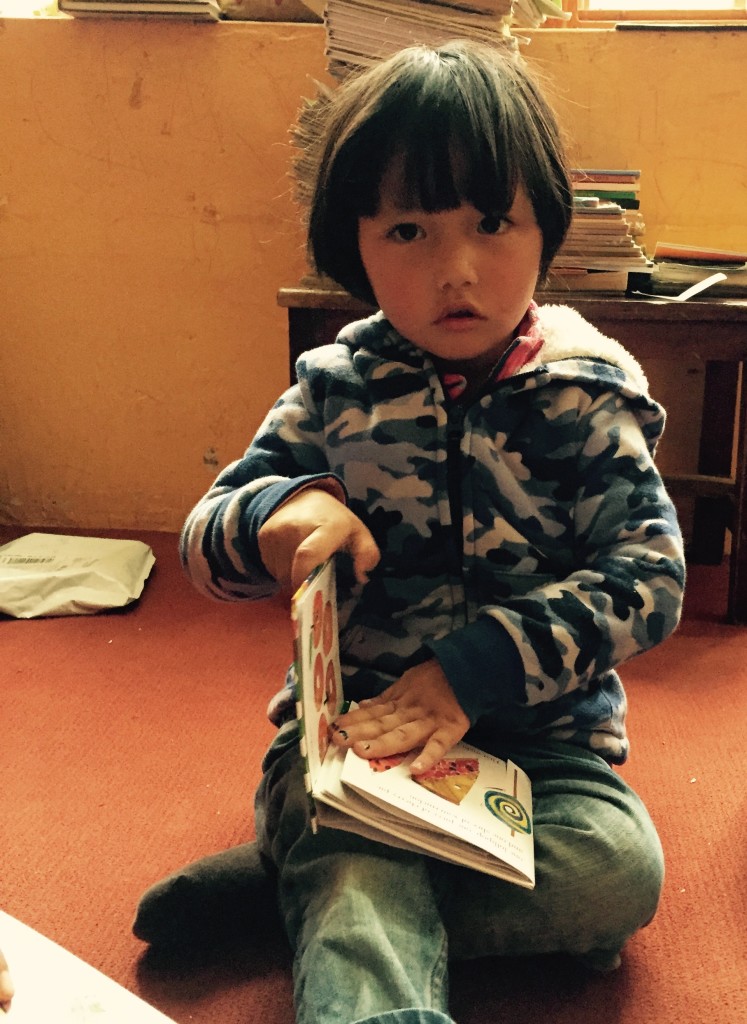
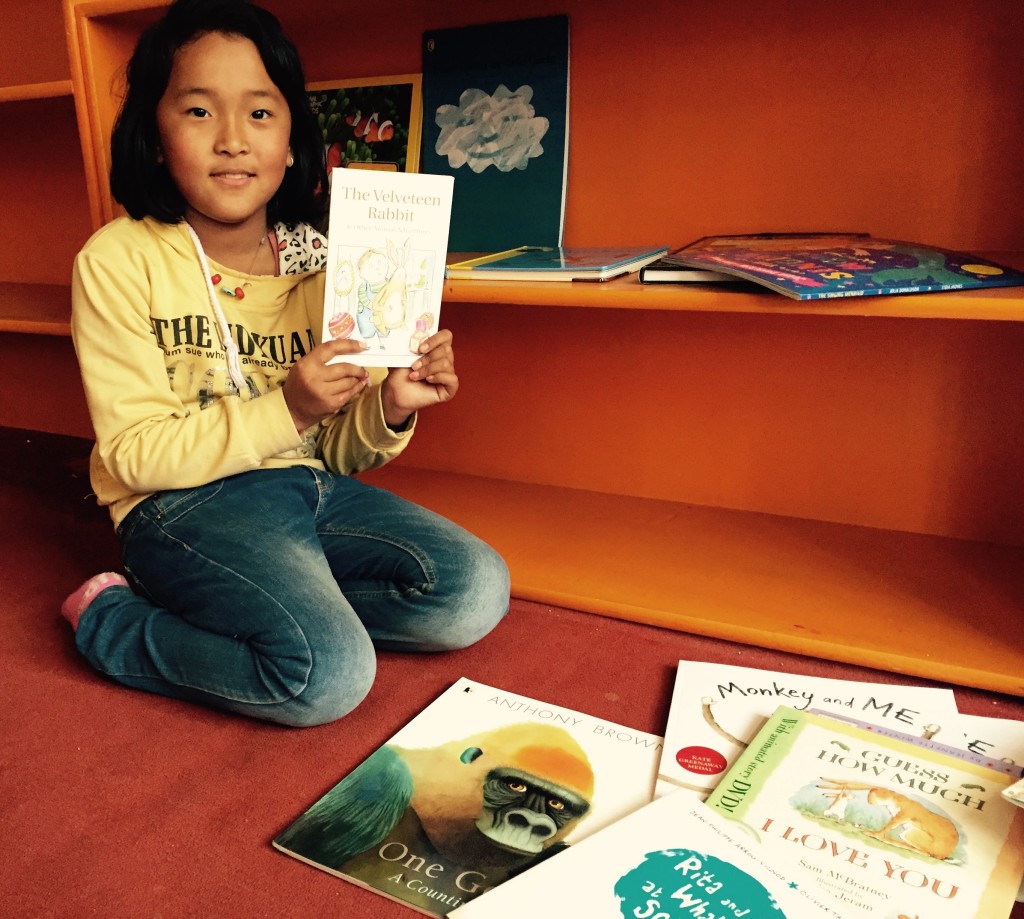
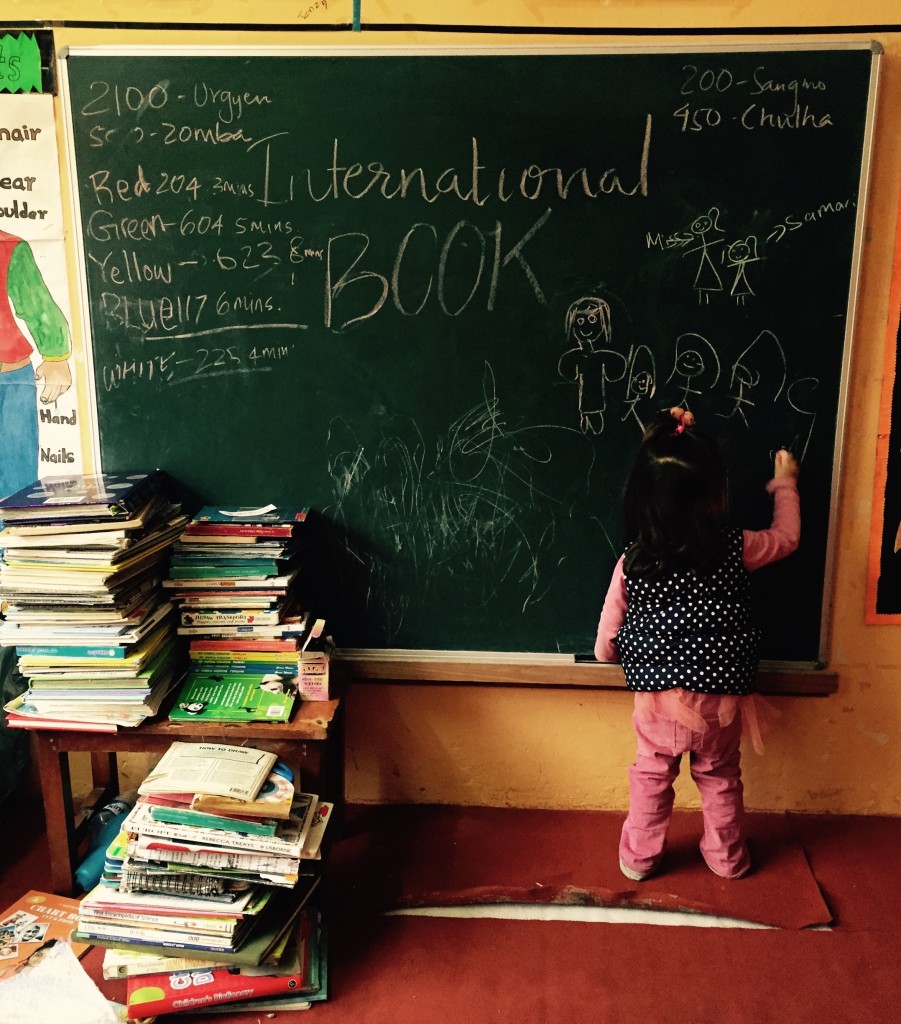
As the cartons open, sorting becomes a shared activity rather than a task assigned to one person. Volunteers read titles aloud, compare categories, and place books in growing rows. A child may recognize a familiar animal on a cover, while an older student notices a science book that could support classroom learning. These small moments give the work energy.
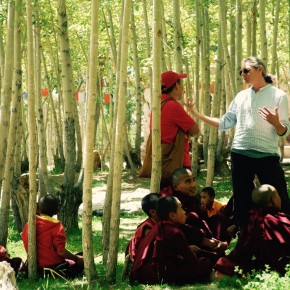
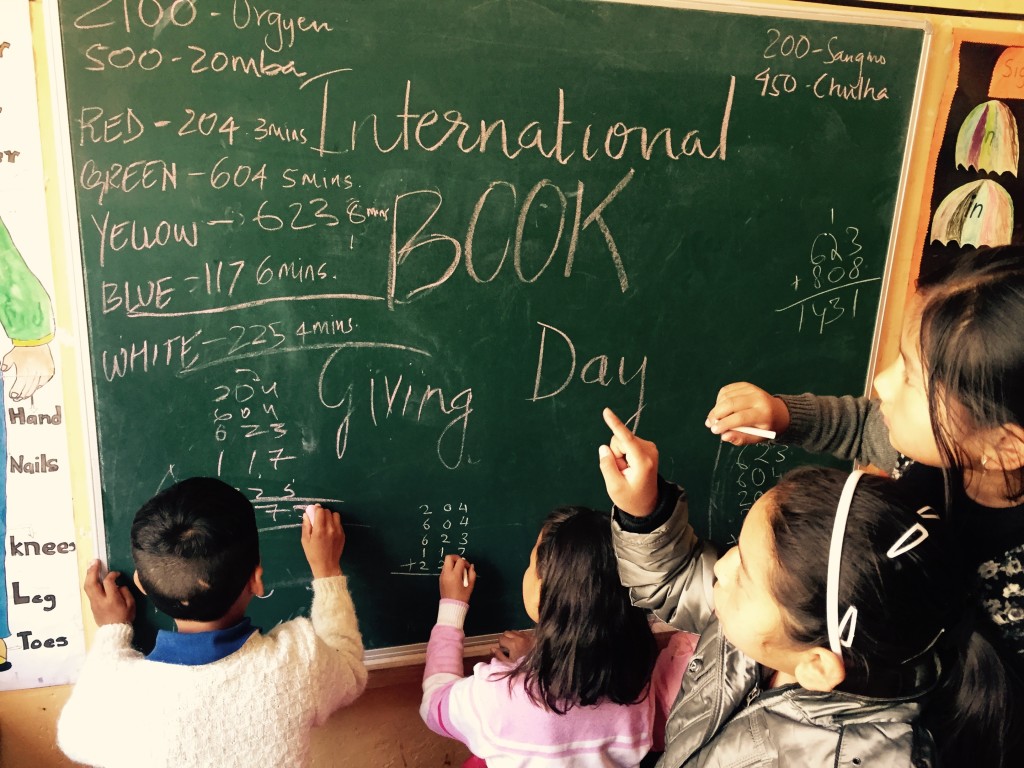
The setting encourages conversation across generations. Experienced volunteers explain why a beginner reader belongs in one stack and a dictionary in another. Young helpers learn how to handle books carefully, check their condition, and think about the needs of a reader they may never meet. The process quietly teaches responsibility, cooperation, and respect for shared resources.
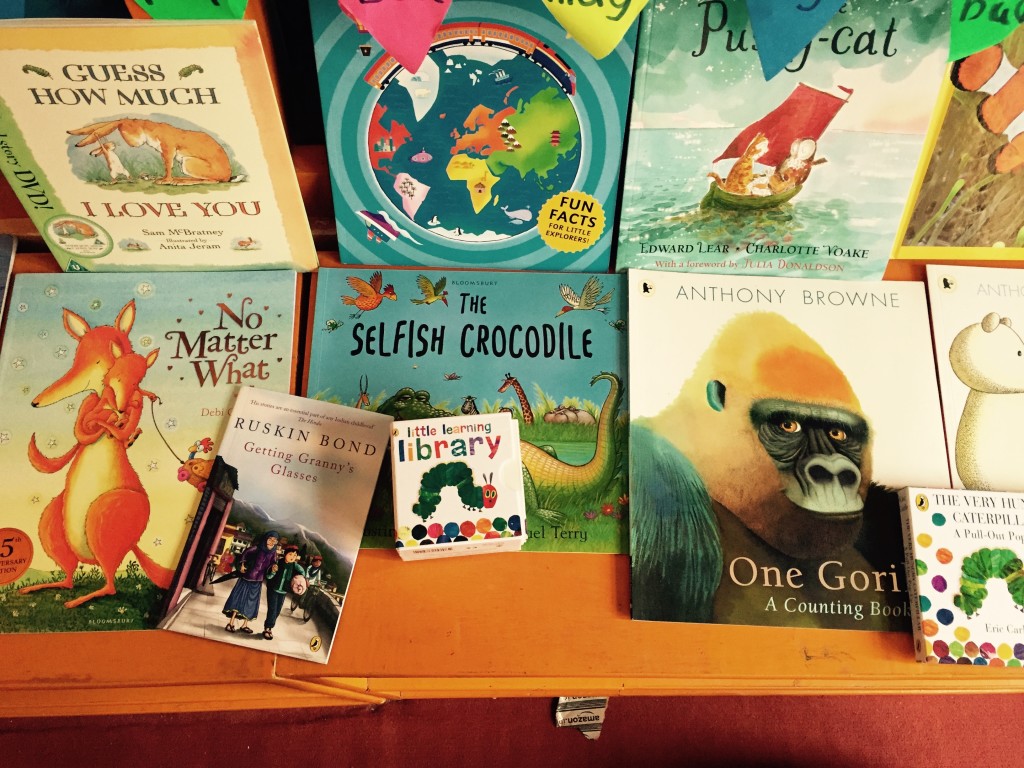
Sorting donations also reveals the range of interests within a community. Some readers are drawn to folktales and adventure stories. Others want practical knowledge, biographies, astronomy, drawing, or language practice. A balanced collection makes room for all of these interests rather than treating reading as a single activity with one correct purpose.
How donations find their place
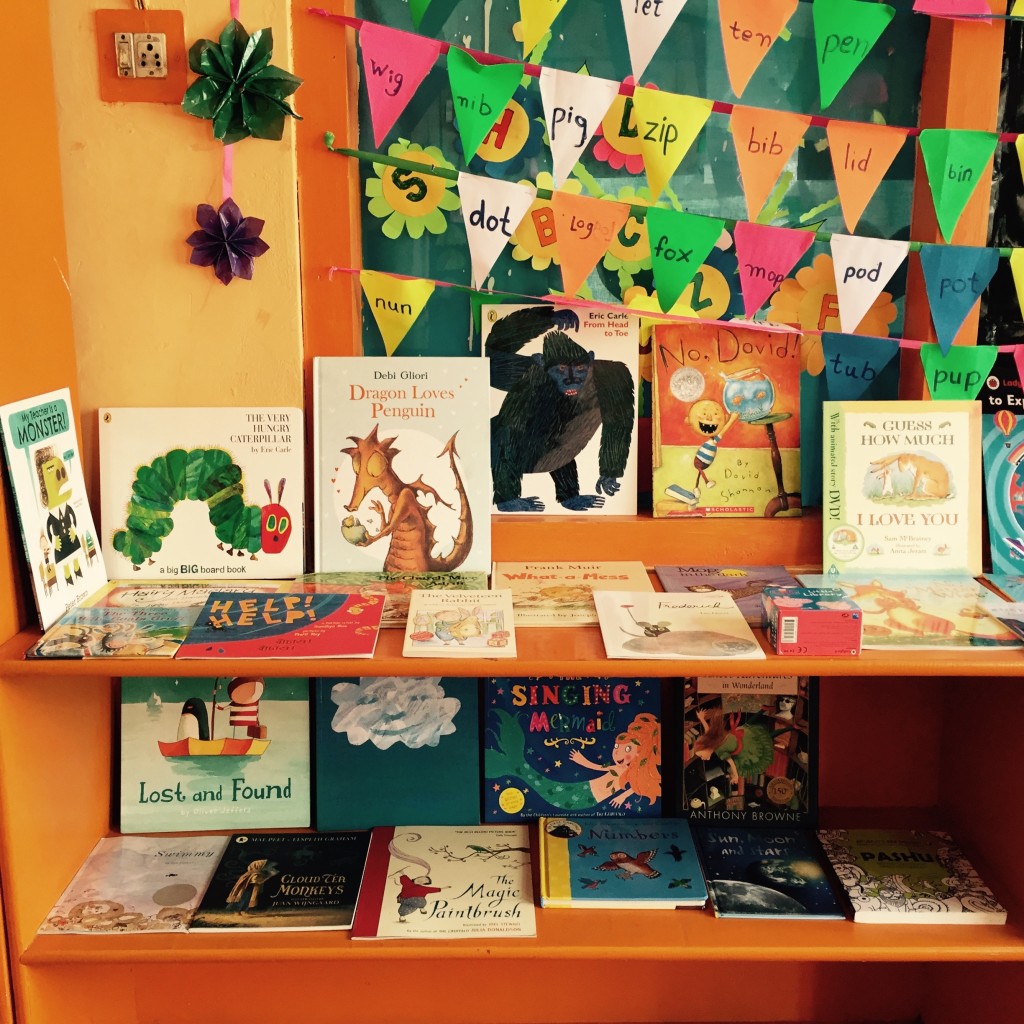
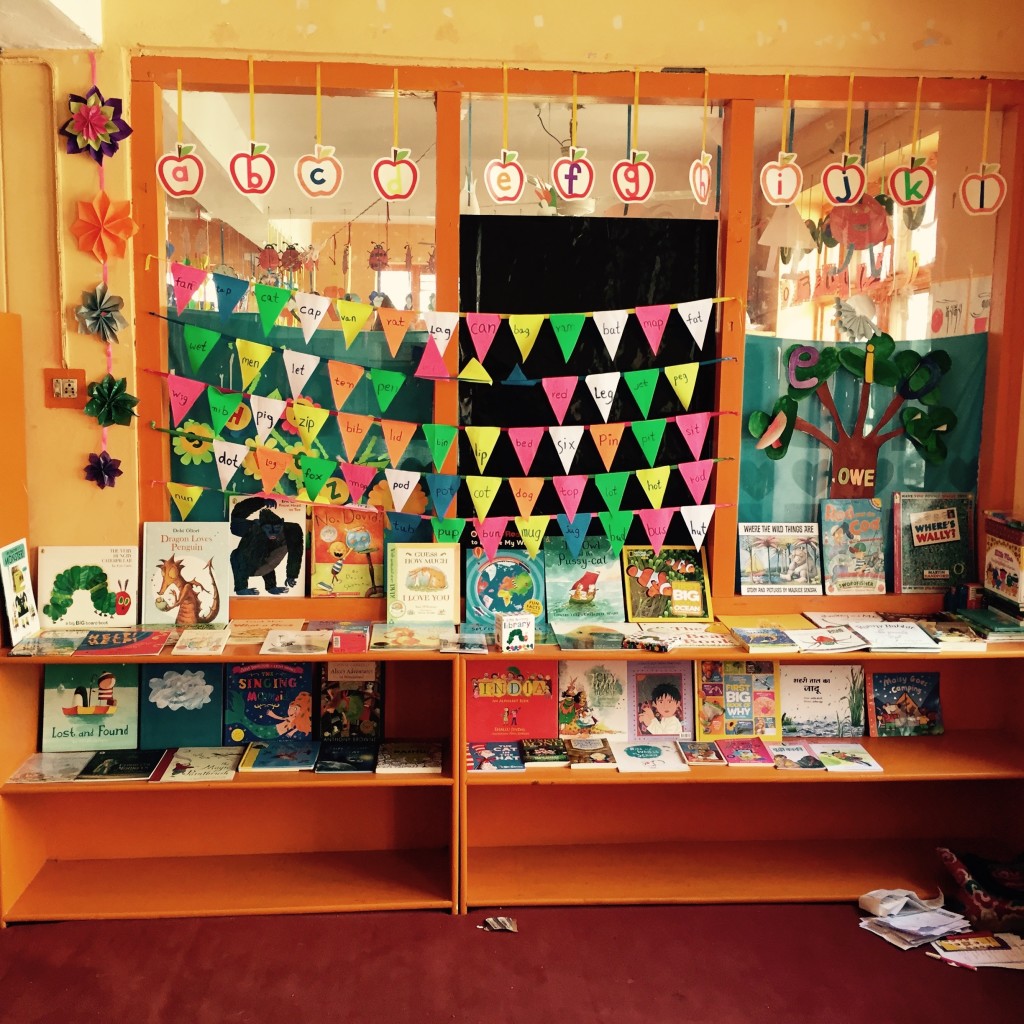
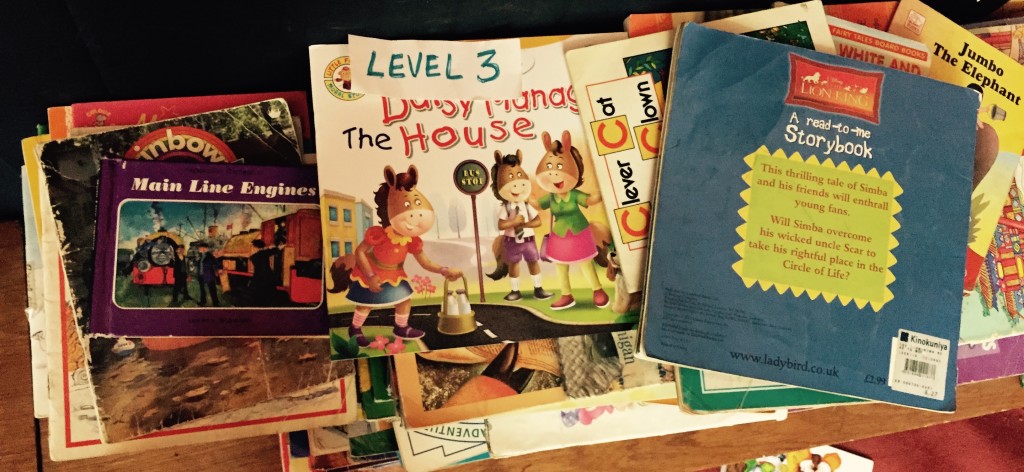
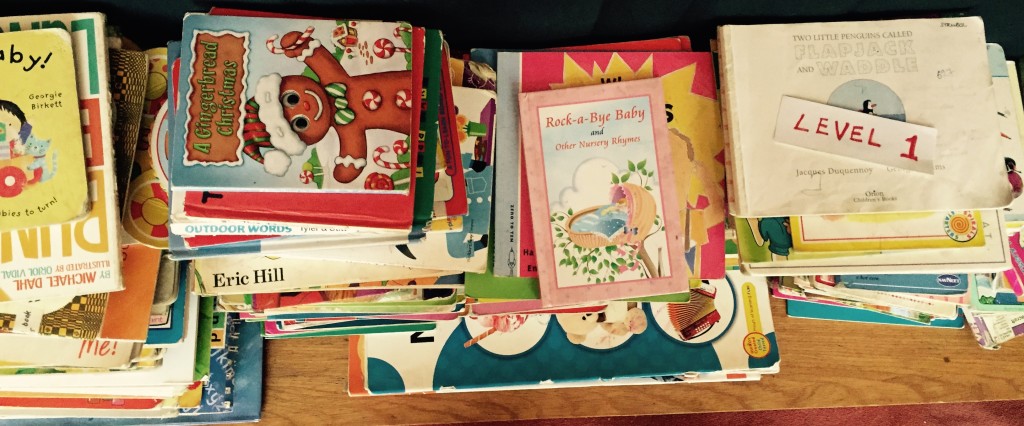
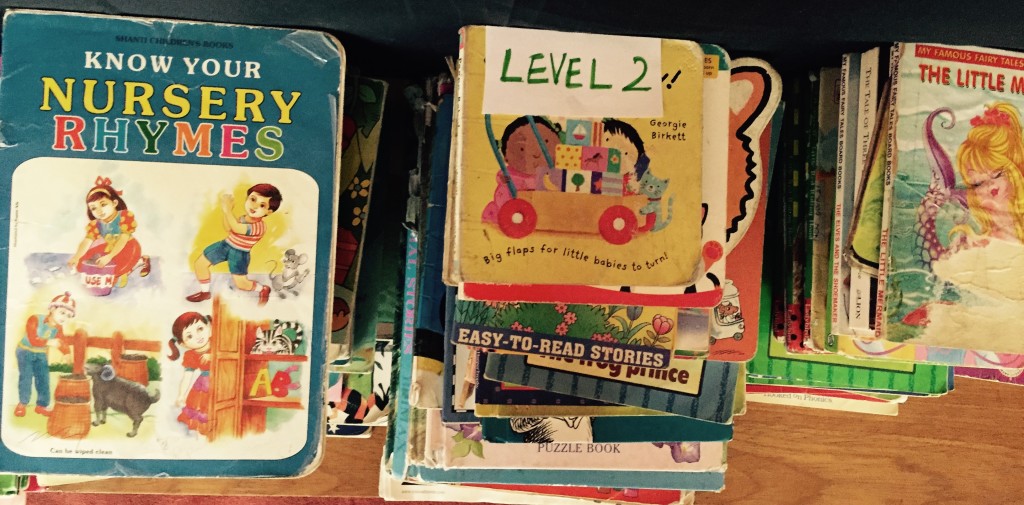
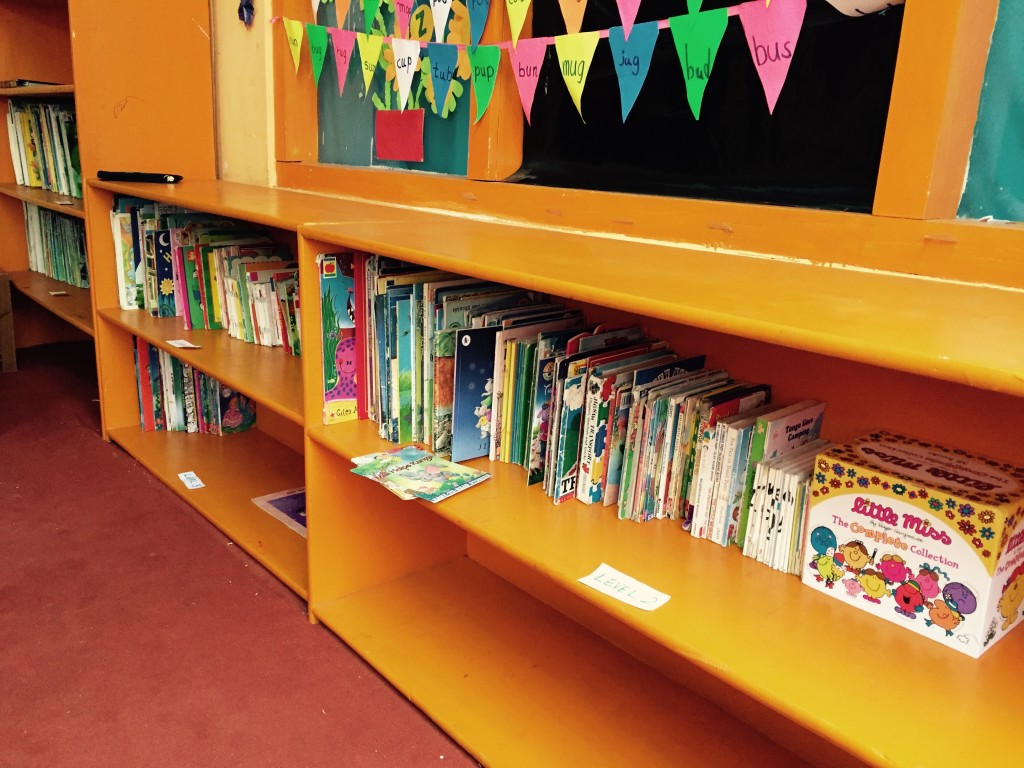
The most useful sorting system is clear enough for a new volunteer to understand and flexible enough to reflect local needs. Books may be grouped first by reading level and then by subject, language, or format. Picture books and beginner readers should be easy to reach, while reference materials and longer works can be placed in sections for older learners.
| Sorting point |
What volunteers check |
Where the book may go |
| Condition |
Clean pages, secure binding, complete text |
Reading room, repair pile, or recycling |
| Reading level |
Picture-based, beginner, intermediate, or advanced text |
Children’s shelf or young readers’ section |
| Subject |
Stories, science, history, art, music, or reference |
Themed shelf or activity area |
| Language |
English, Tibetan, Hindi, or another useful language |
Appropriate community collection |
| Format |
Large print, illustrated, workbook, or atlas |
Special-interest or learning-resource shelf |
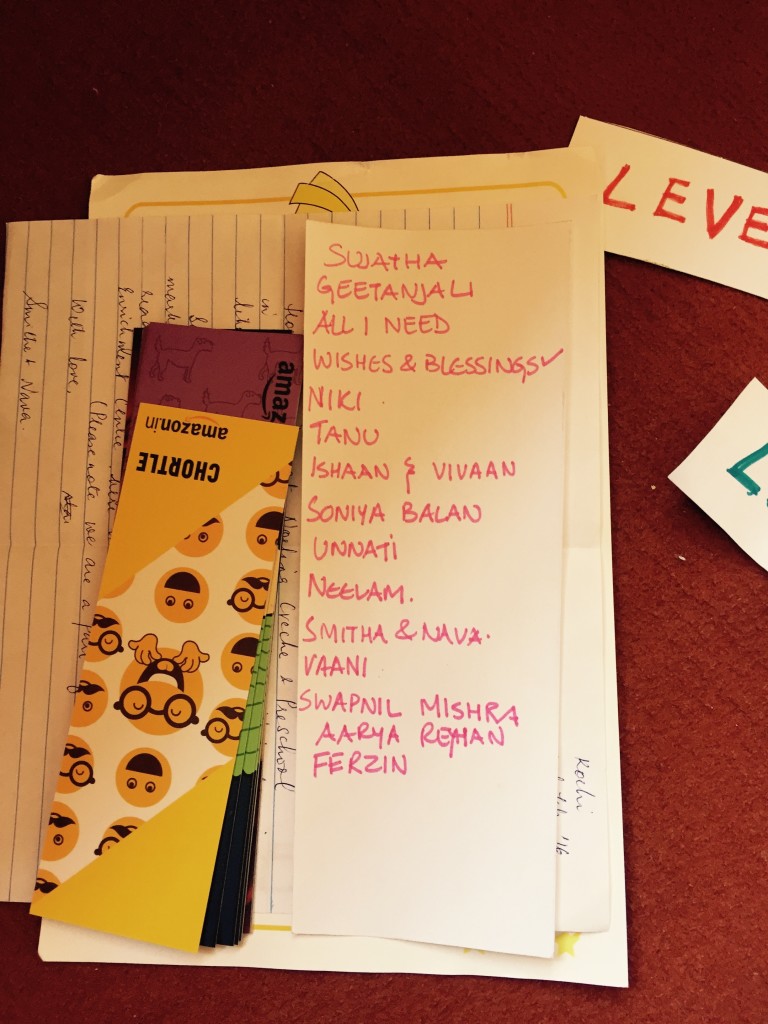
Cataloguing does not have to be complicated. A handwritten code, a simple spreadsheet, or a notebook can record the title, subject, condition, and destination. The purpose is to help people find and use the books, not to create paperwork for its own sake. In communities where resources are carefully shared, knowing what is available can prevent valuable materials from being forgotten in storage.
Reading needs across ages and languages
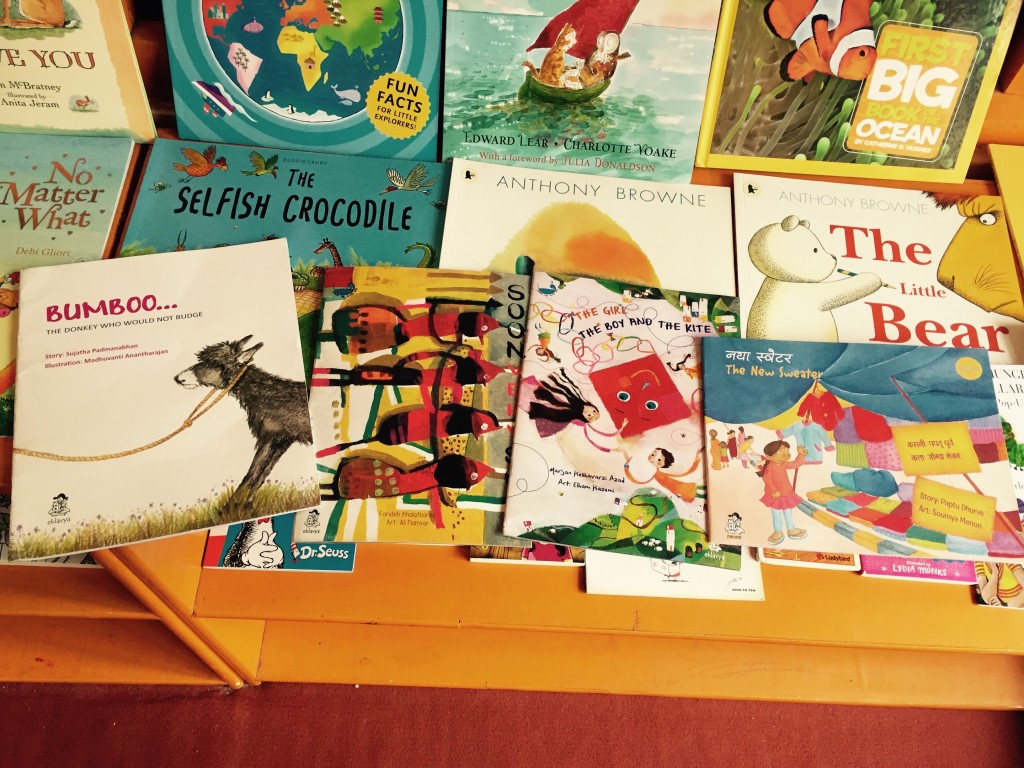
A book drive often brings together materials intended for very different readers. A toddler’s picture book, a beginner’s phonics guide, and a young adult novel can all be worthwhile, but they should not be placed in the same undifferentiated stack. Matching a book to a reader’s age and confidence helps children choose independently.
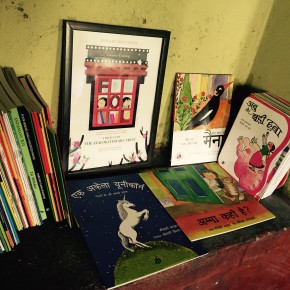
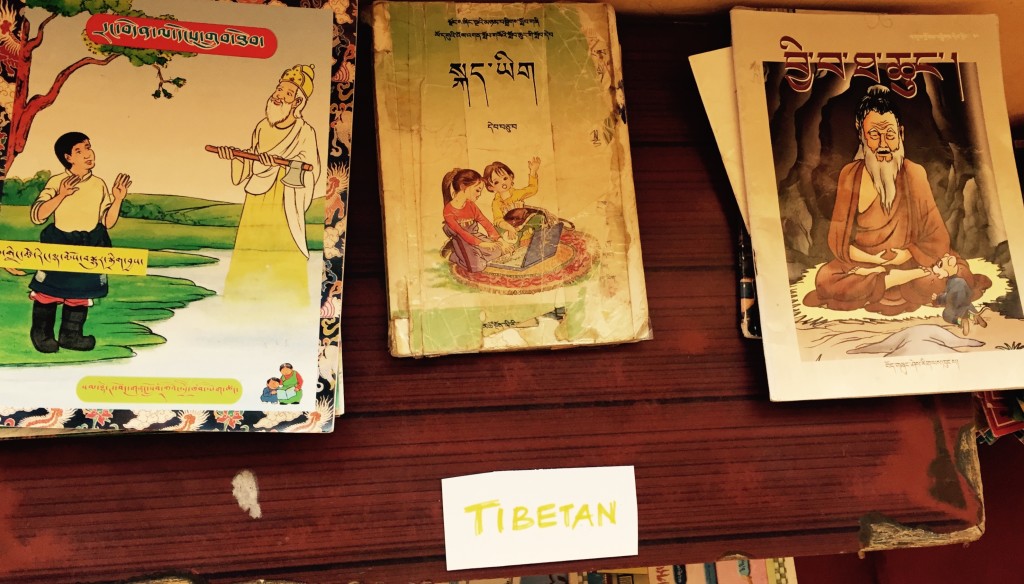
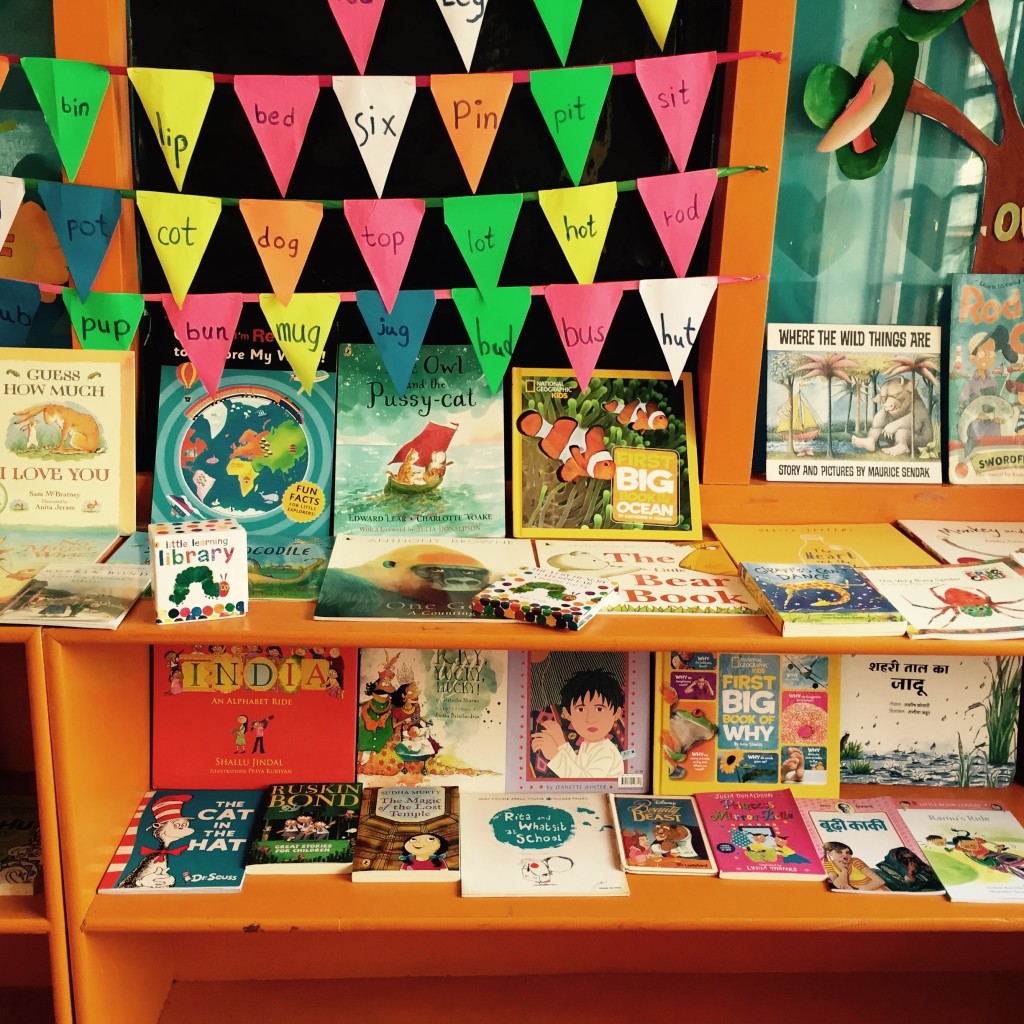
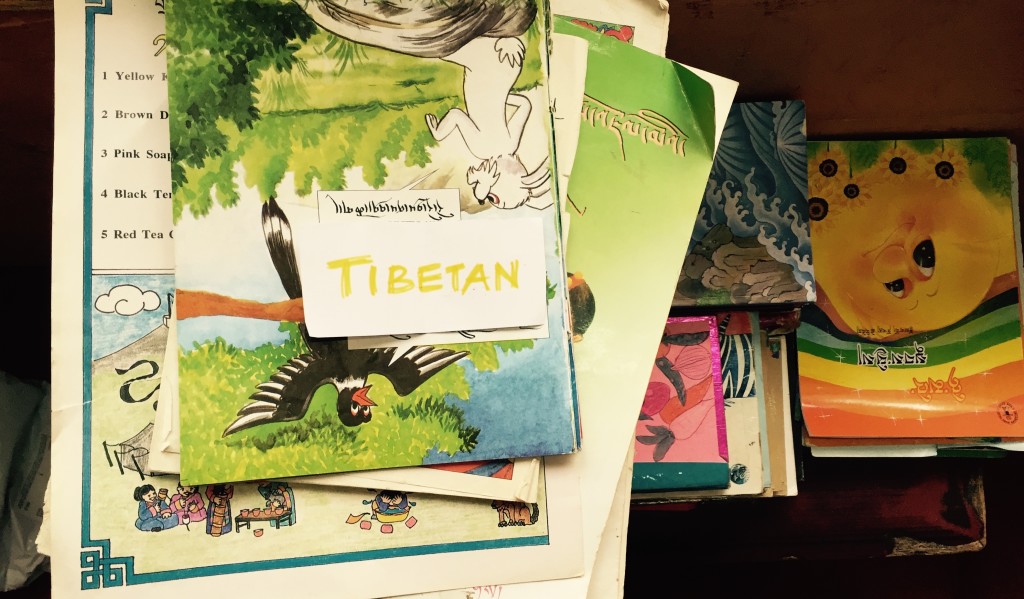
Language is another important consideration. Himalayan communities may use several languages in daily life, education, and religious settings. Multilingual collections can support language development while allowing readers to enjoy familiar stories and discover new ones. Illustrated books, bilingual texts, and wordless picture books are especially useful when readers have different levels of fluency.
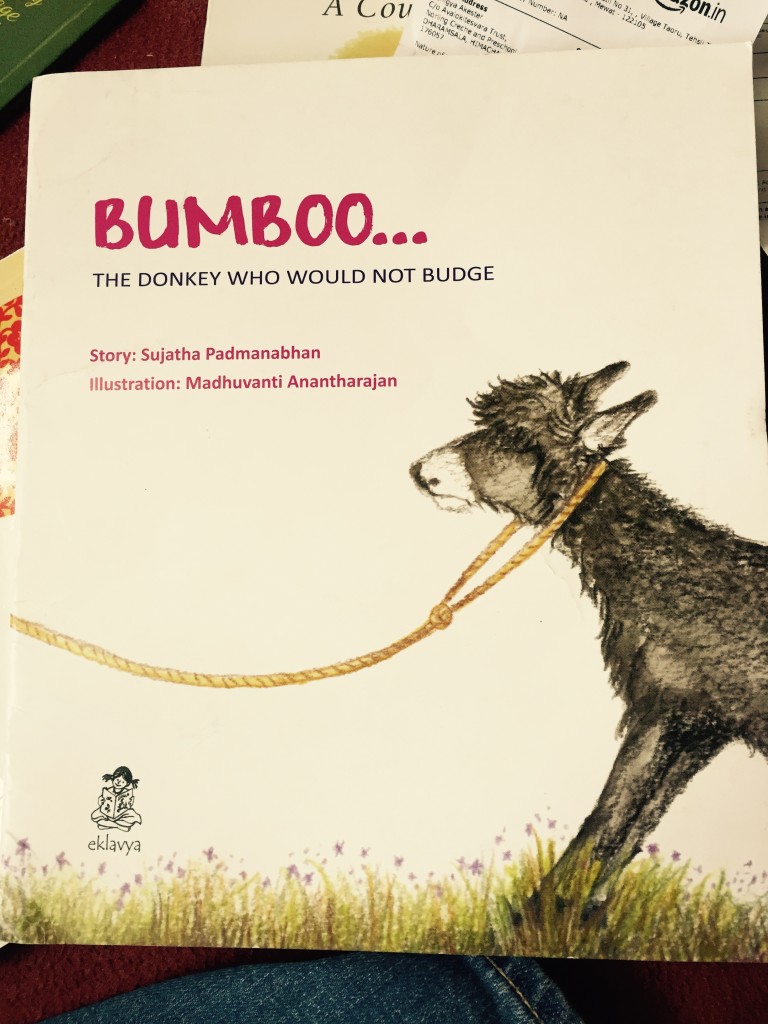
Volunteers also consider cultural relevance and local context. Stories can open windows into distant places, while books that reflect mountain life, family relationships, animals, festivals, and community traditions can help readers see their own experiences represented. A strong collection offers both recognition and discovery.
Small conversations, lasting connections
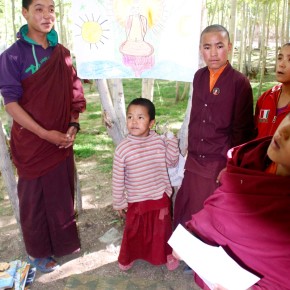
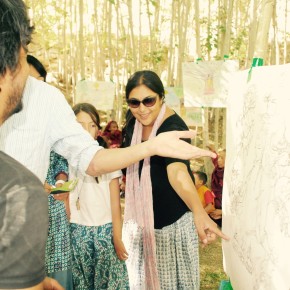
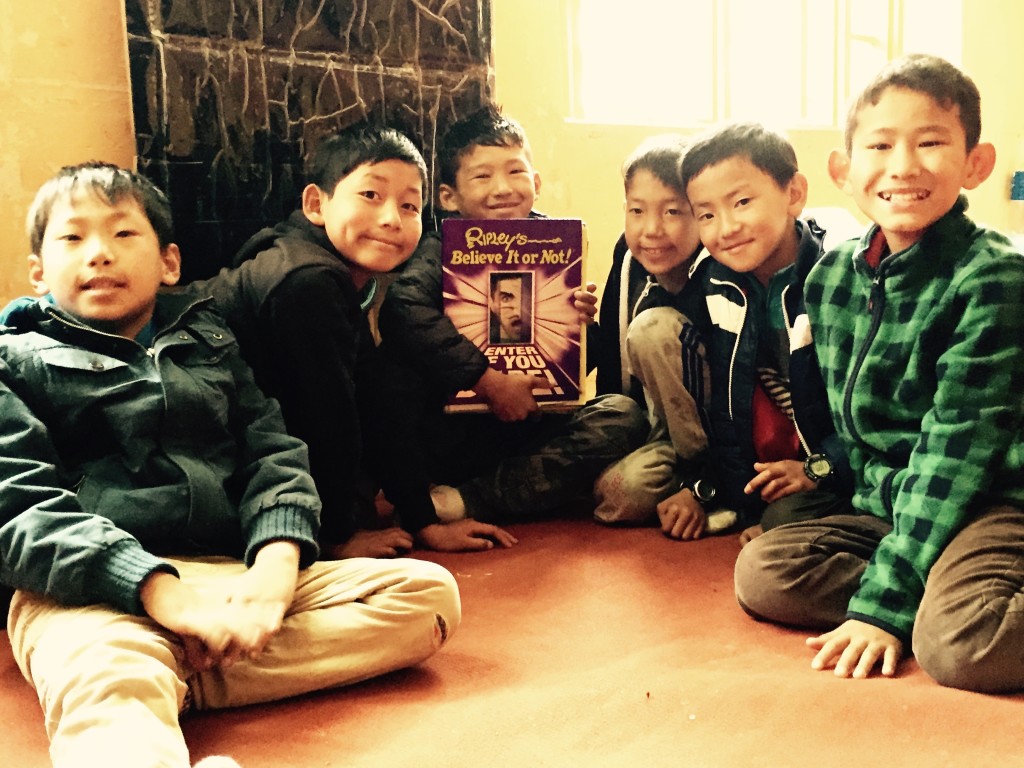
The first day of a donation drive is filled with brief exchanges. A volunteer may explain why a particular atlas belongs with the science materials. A young monk may point out that a book about music could support an upcoming activity. Someone opening a dusty carton may find a title that reminds them of reading with a family member. These conversations turn sorting into relationship-building.
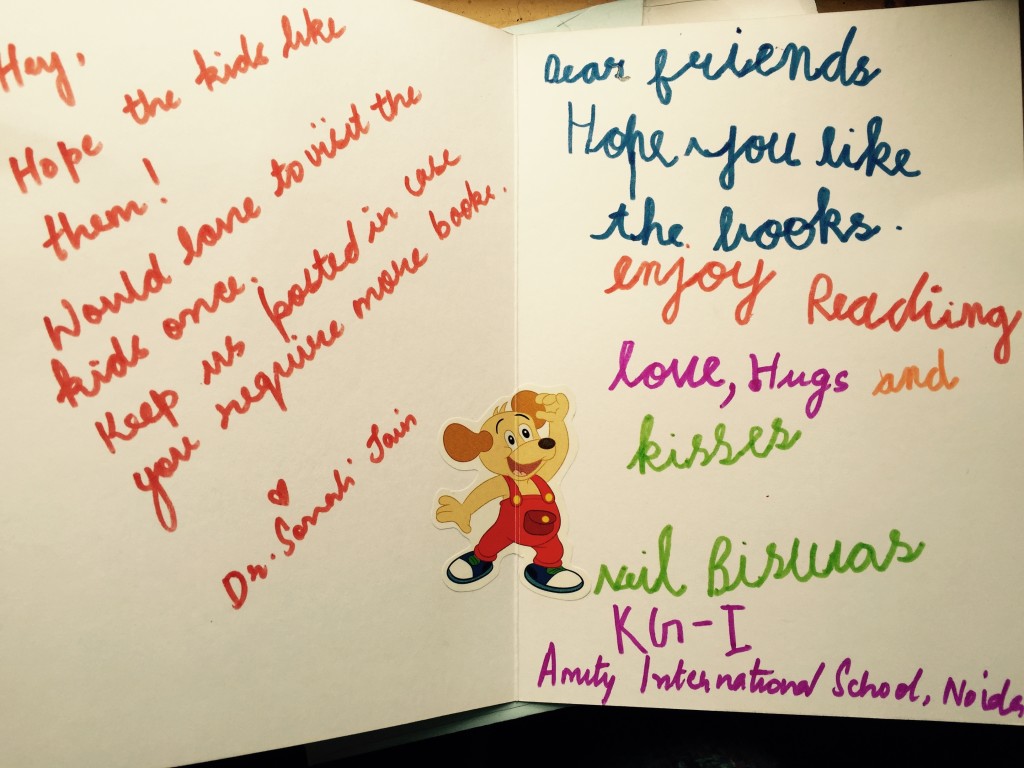
For Avalokiteśvara Trust, this human element matters as much as the number of books collected. Educational outreach works best when it listens to the communities it serves. Volunteers are not simply delivering supplies; they are learning which subjects attract attention, which reading levels need support, and what kinds of creative activities could grow around the collection.
The courtyard therefore becomes a place of exchange. Donors provide books, local participants provide knowledge, and children help reveal what makes a reading space inviting. The resulting collection is shaped through cooperation rather than imposed from outside.
From sorted stacks to open shelves
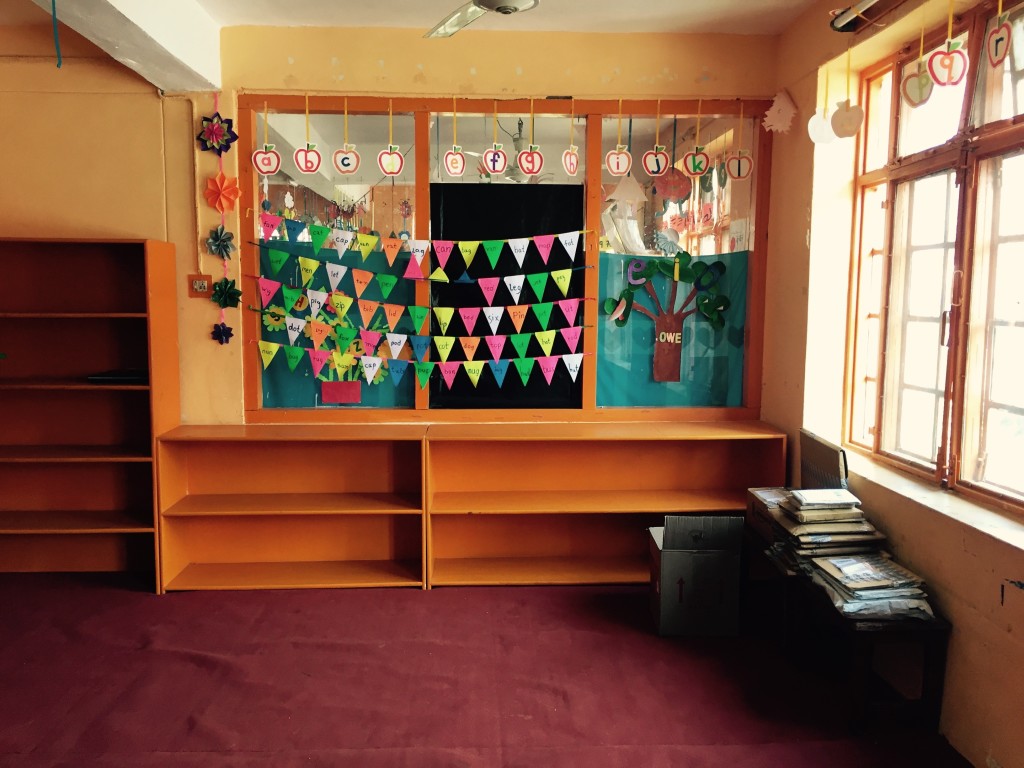
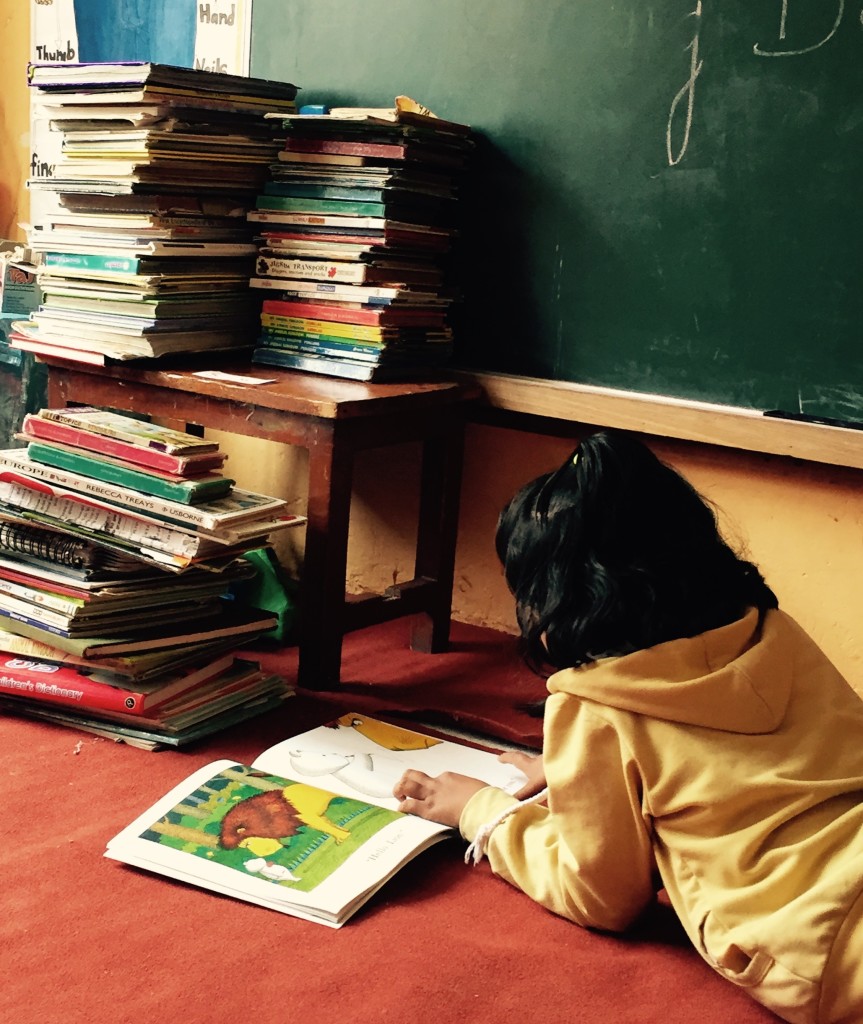
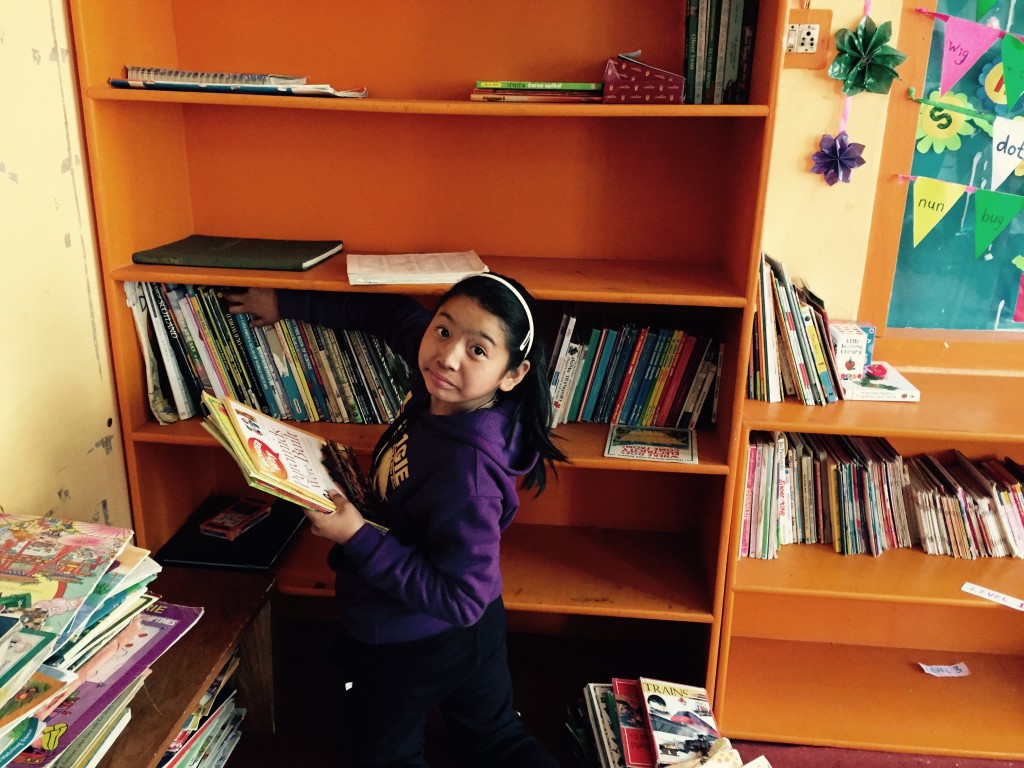
By the end of the day, the courtyard looks different. Empty cartons are folded, sorted books are labeled, and the separate piles show the beginnings of a library. Some books are ready for immediate placement. Others may need light repairs, protective covers, or a second review before they join the collection.
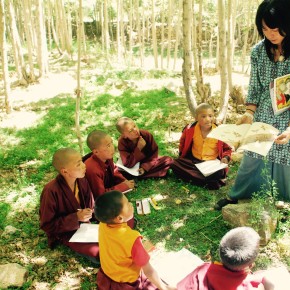
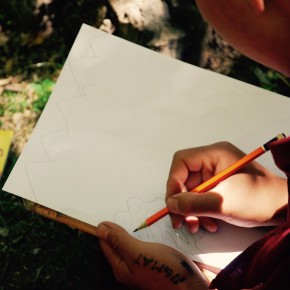
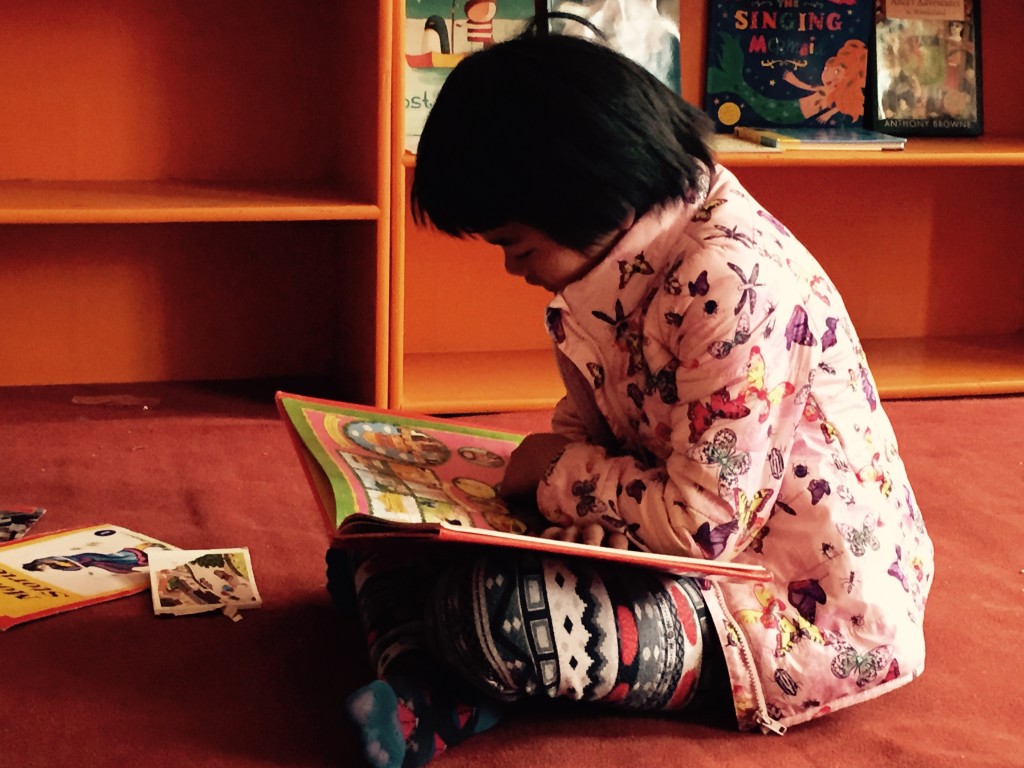
The work continues after sorting. Books travel to reading rooms, classrooms, and activity spaces where they become part of daily learning. A story may be read aloud during a quiet afternoon. An art book may inspire a drawing session. A reference guide may help a student explore a question that began with a conversation in the courtyard.
This is why the first day deserves attention. It establishes the care that will shape every later stage, from transport and shelving to borrowing and shared reading. A thoughtful book drive does more than gather printed materials; it creates a pathway between generosity and opportunity.
Ways to make a book donation useful
Donors and volunteers can help a collection serve readers well by keeping a few practical principles in mind:
- Choose clean, complete books that children or young people can use independently or with gentle guidance.
- Include a range of reading levels, subjects, formats, and languages rather than sending only one type of title.
- Prioritize stories, educational resources, art and music books, atlases, dictionaries, and other materials that support varied interests.
- Pack books securely and label cartons when possible, especially if they are intended for a particular age group or reading room.
- Share information about the books’ condition and subject areas so local volunteers can plan sorting and storage.
Thoughtful preparation reduces waste and helps the Trust place donations where they can have the greatest educational value. Even a small parcel can strengthen a collection when it is selected with local readers in mind.
The first morning in the monastery courtyard ends with books ready to travel toward their next purpose. Some will become favorite stories, some will support lessons, and some will lead children toward subjects they have never encountered before. Support Avalokiteśvara Trust through a book donation, a volunteer contribution, or a gift that helps create welcoming reading spaces across the Himalayan region. Every carefully chosen book can begin a new journey.