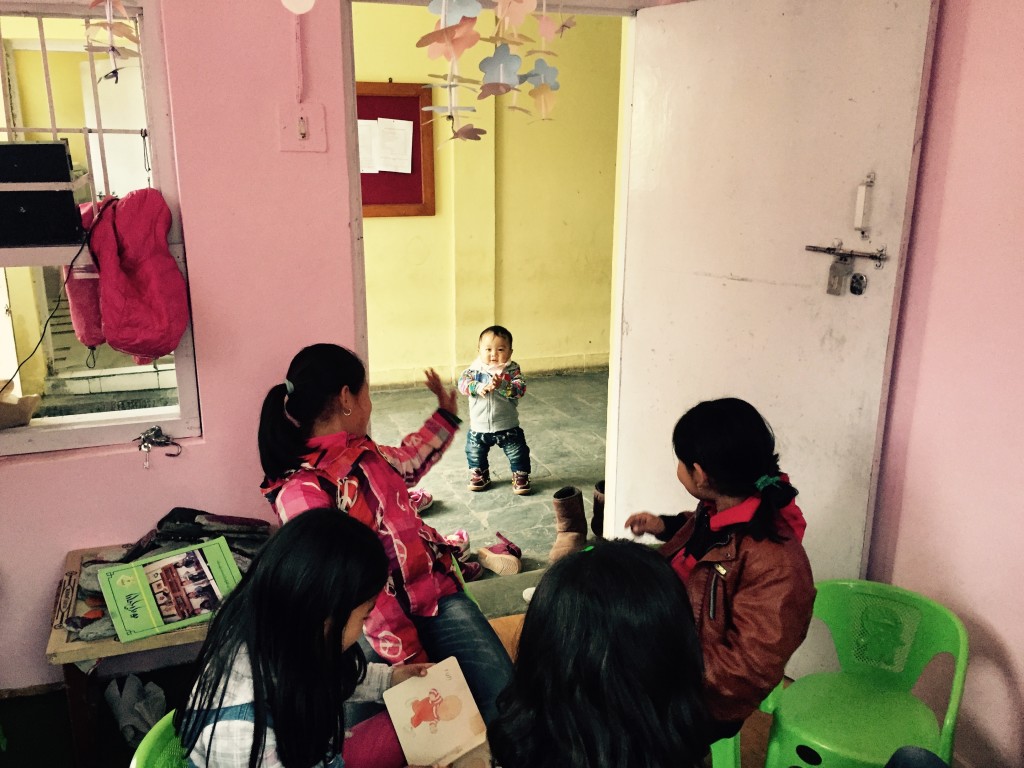
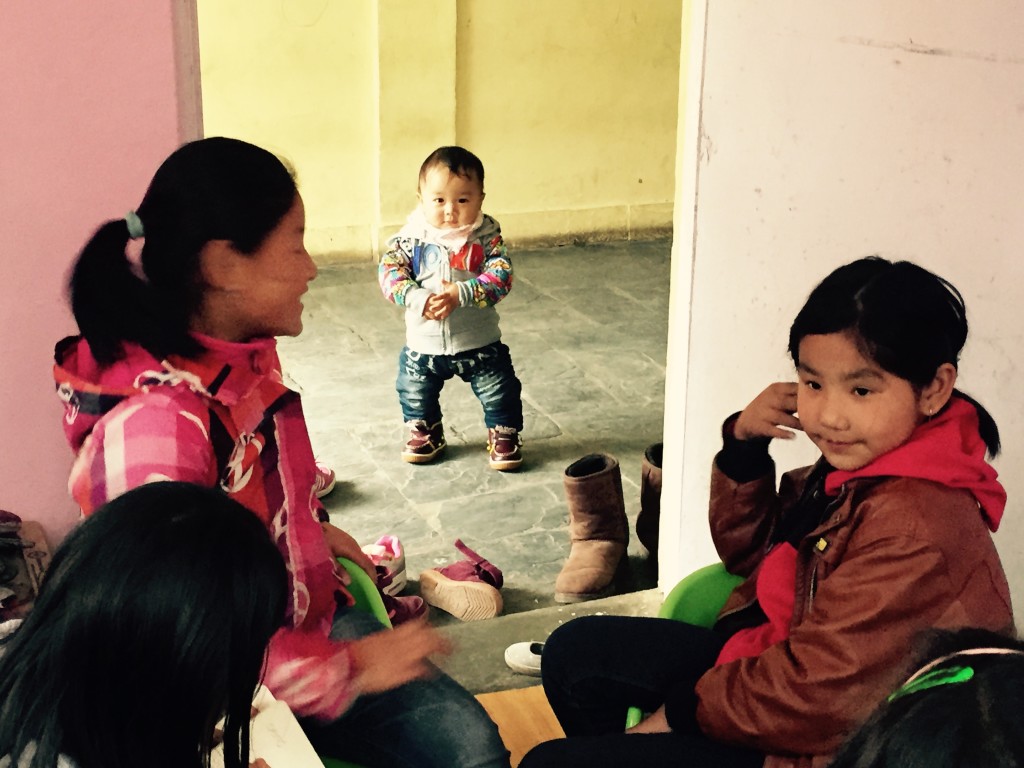
The First Book Checked Out From A Himalayan Reading Room
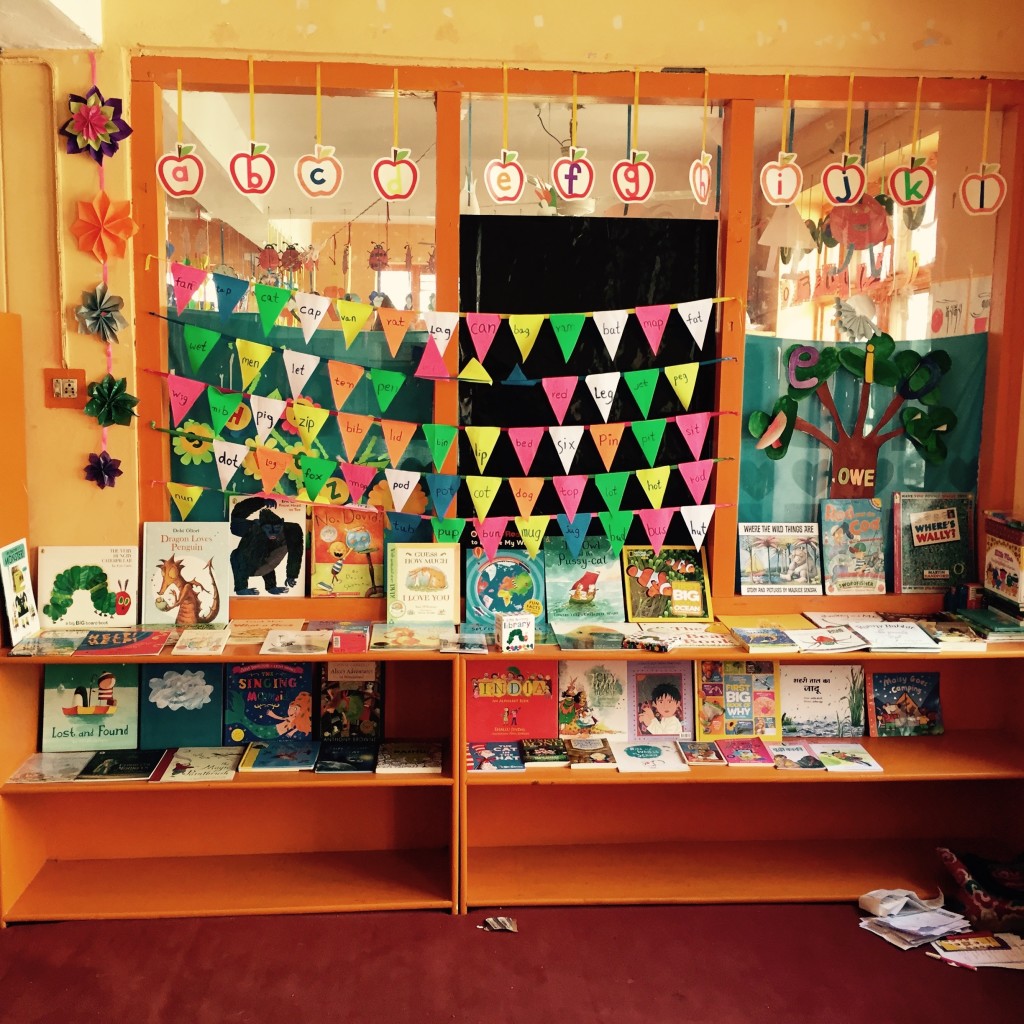
A reading room can begin with shelves, cushions and carefully chosen books, yet its real life starts when a child carries one of those books away. The first checkout is a small administrative act, but it can also mark a powerful change: books have moved from being objects on display to becoming part of a child’s ordinary life.
For Avalokiteśvara Trust, which supports children and young monks in Ladakh and other Himalayan communities, this moment reflects a wider commitment to literacy, creativity and access to learning. For readers in Australia, it may feel familiar through local libraries in Melbourne, Sydney or regional towns, while also revealing how meaningful a book can be where resources are limited and a reading room is a new community space.
| Moment |
What It Represents |
Lasting Effect |
| A child chooses a book |
Curiosity and personal agency |
Reading becomes a voluntary habit |
| The book is recorded |
Trust and shared responsibility |
A community library begins to function |
| The book leaves the room |
Access beyond the shelves |
Stories enter homes, schools and monasteries |
| The book returns |
Continuity and accountability |
More children can enjoy the same resource |
A Quiet Beginning With A Big Meaning
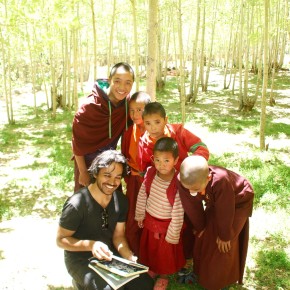
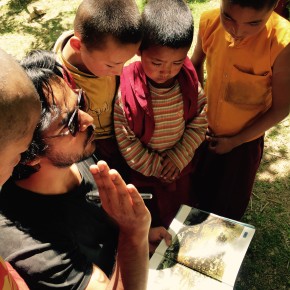
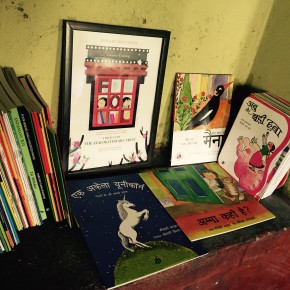
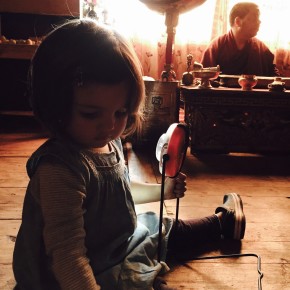
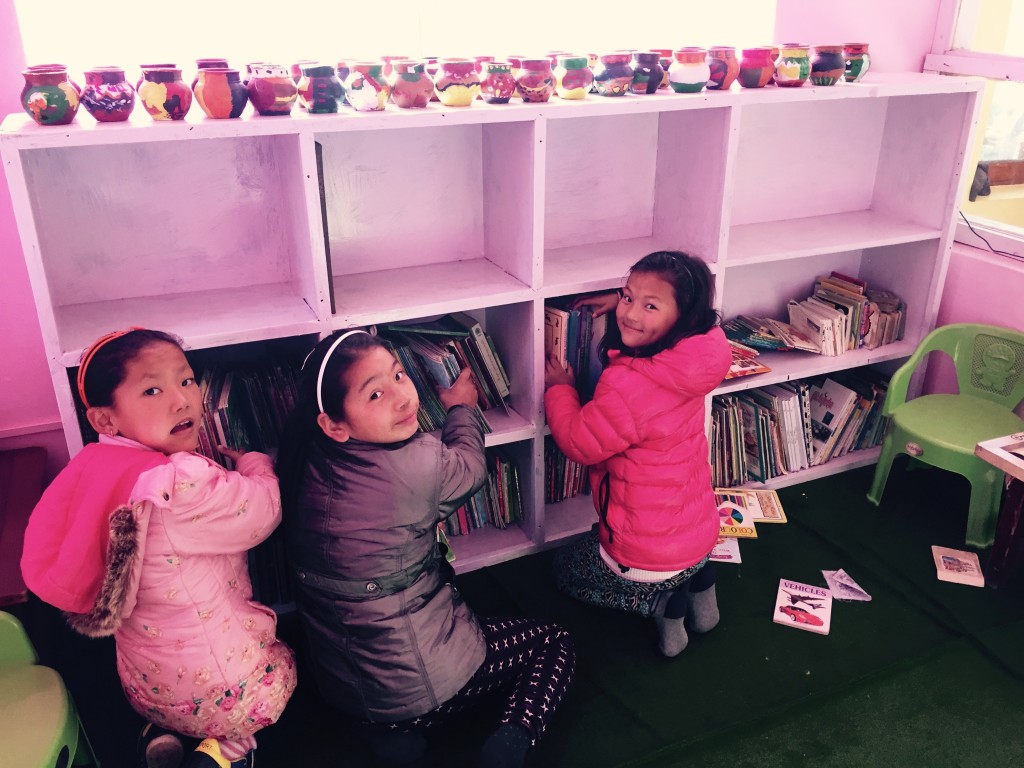
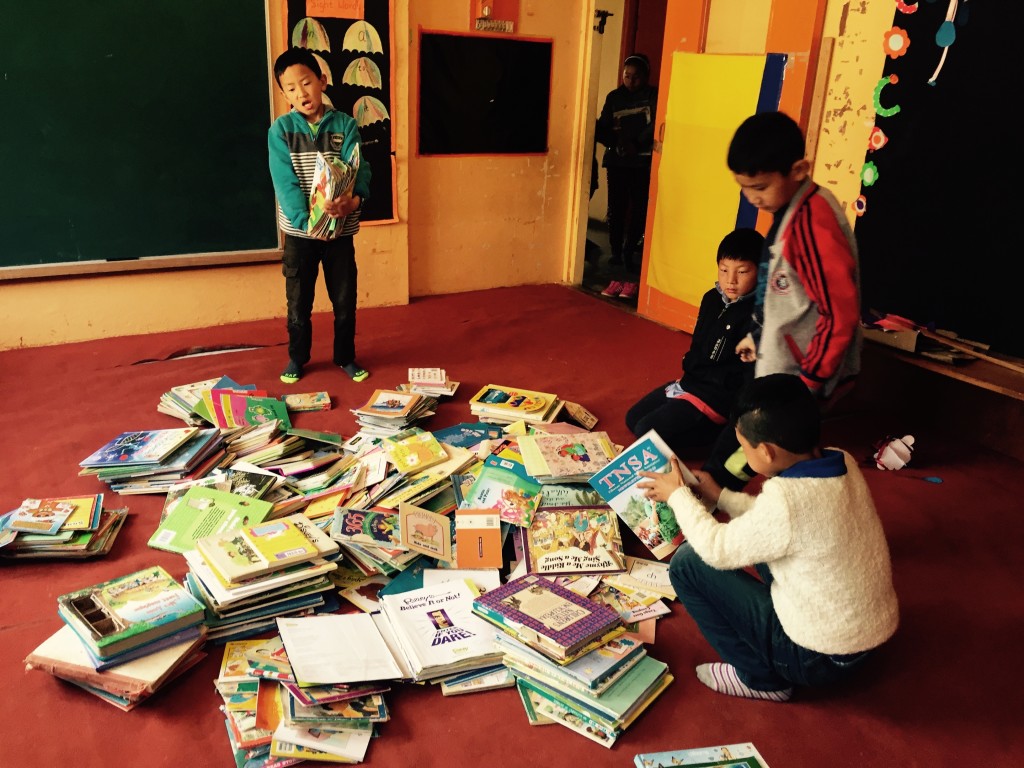
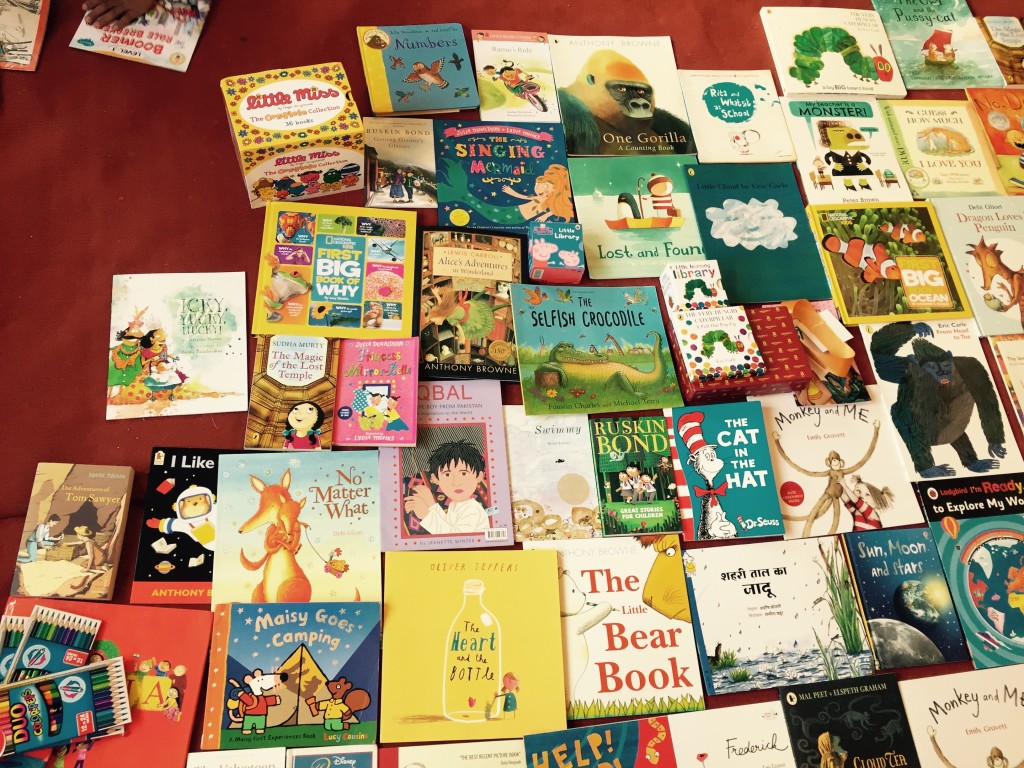
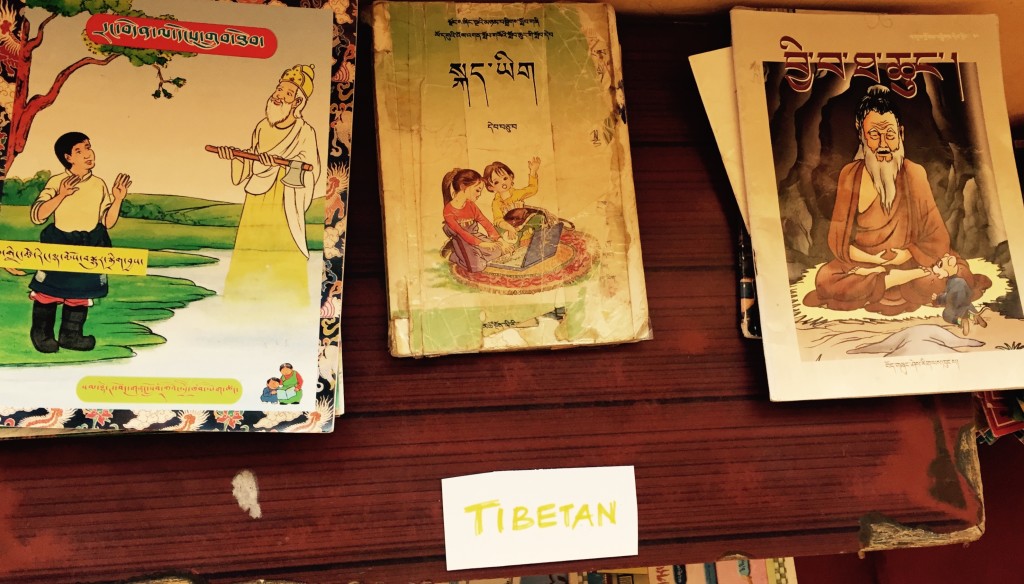
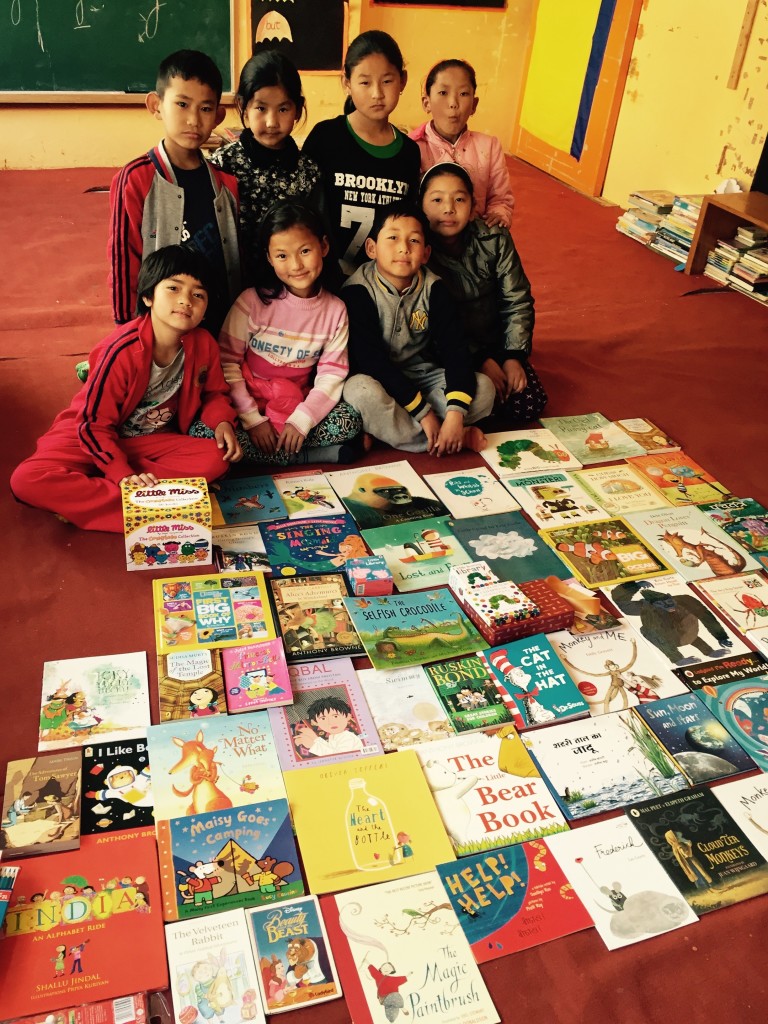
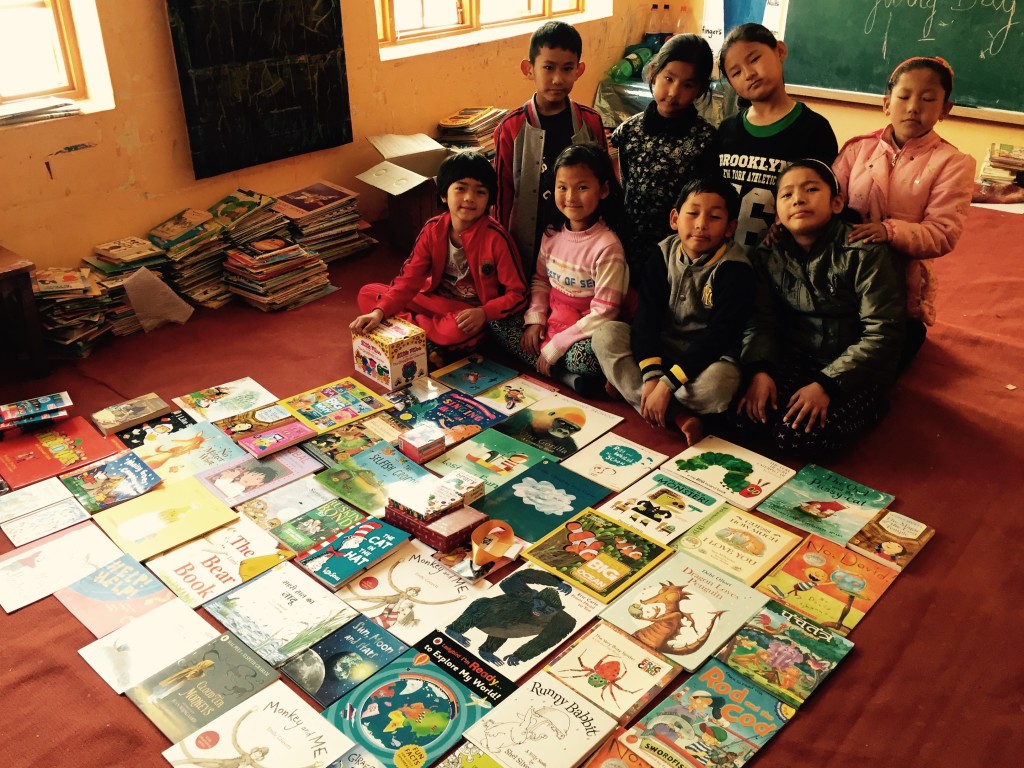
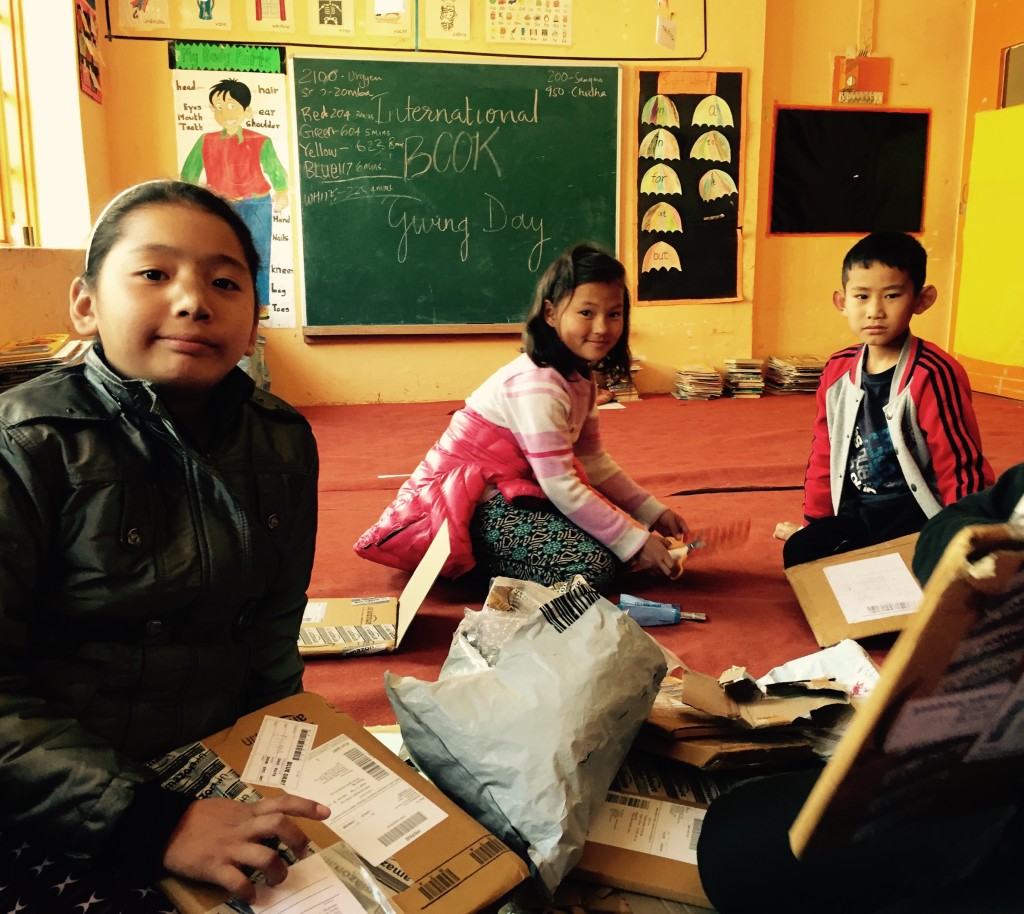
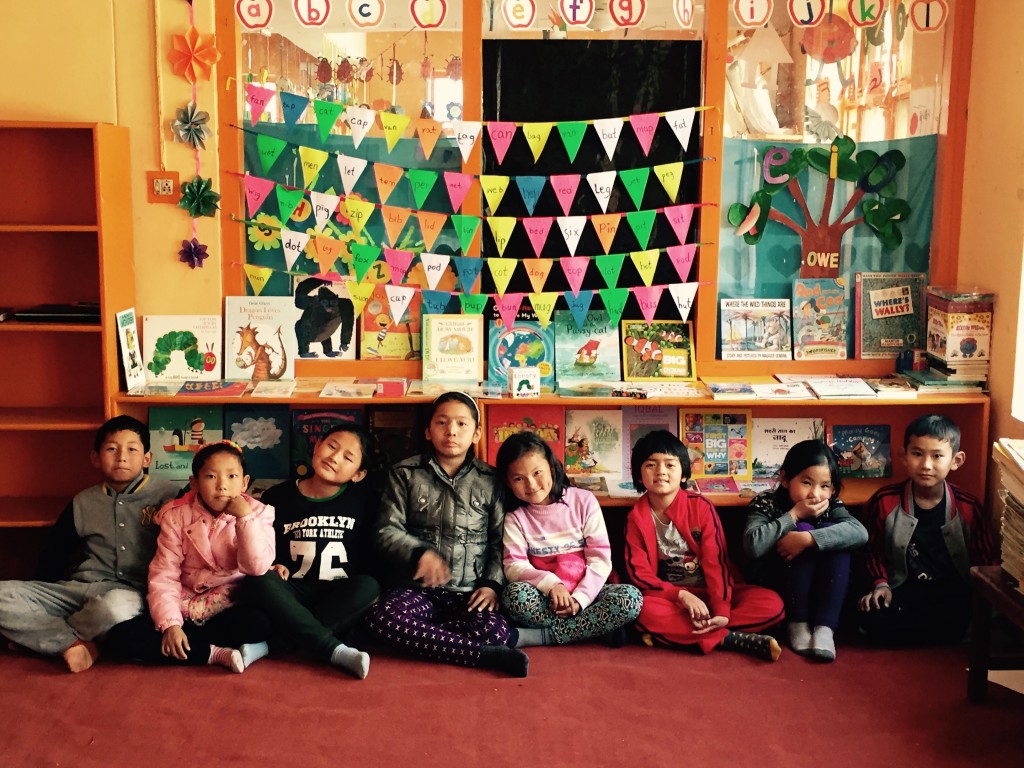
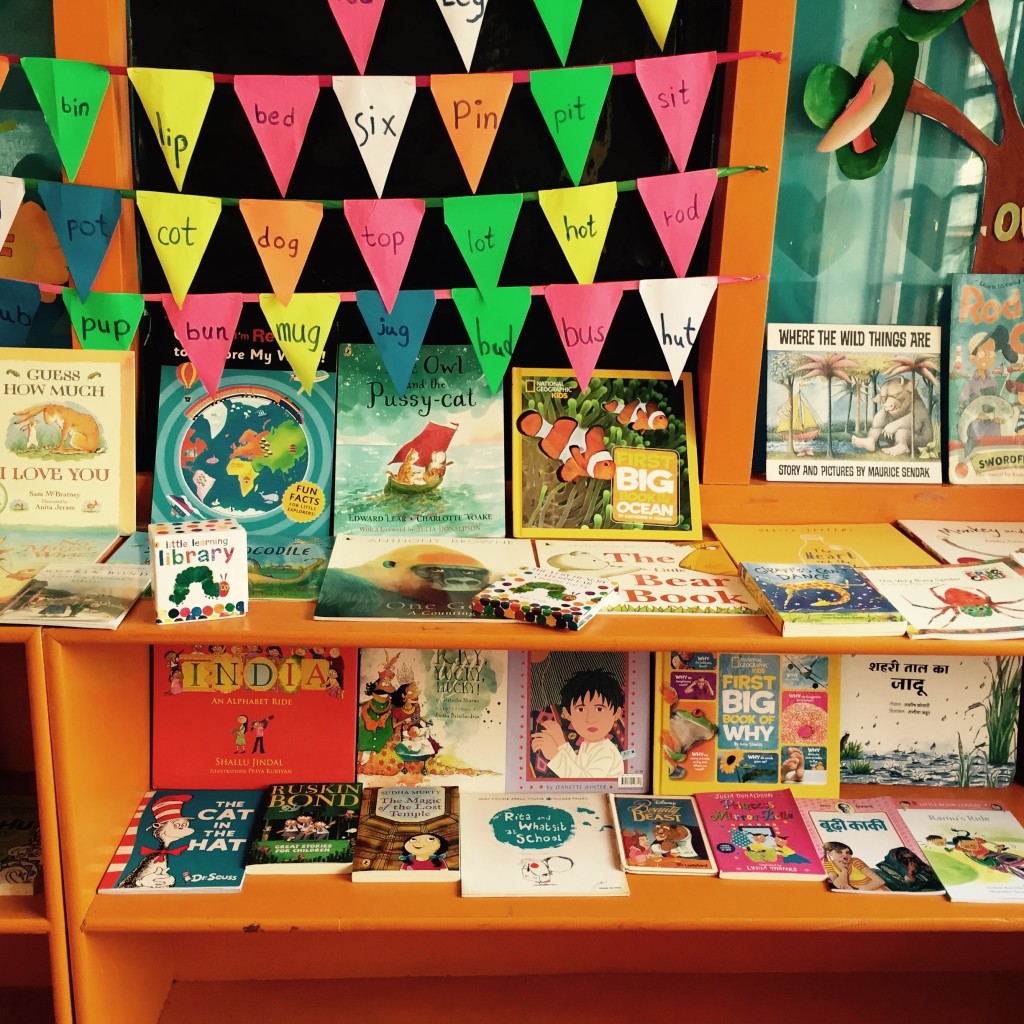
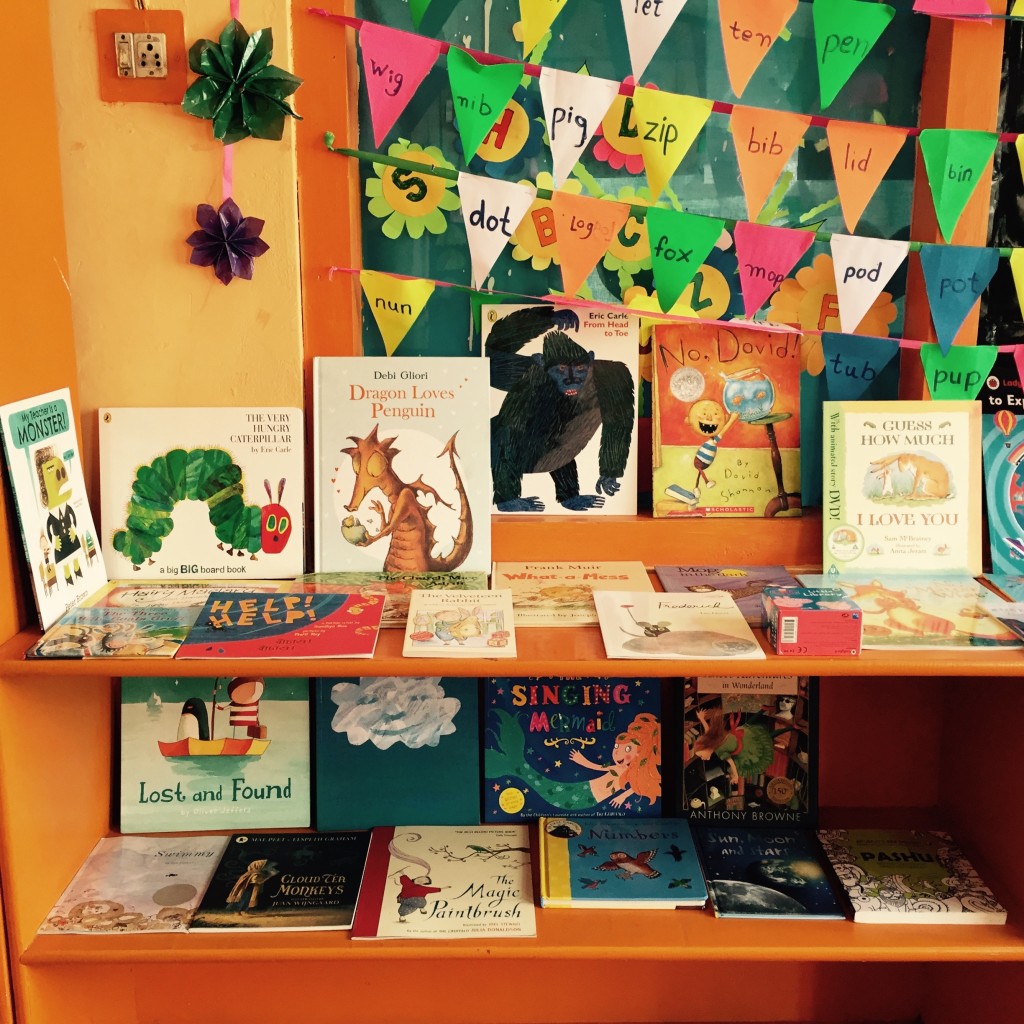
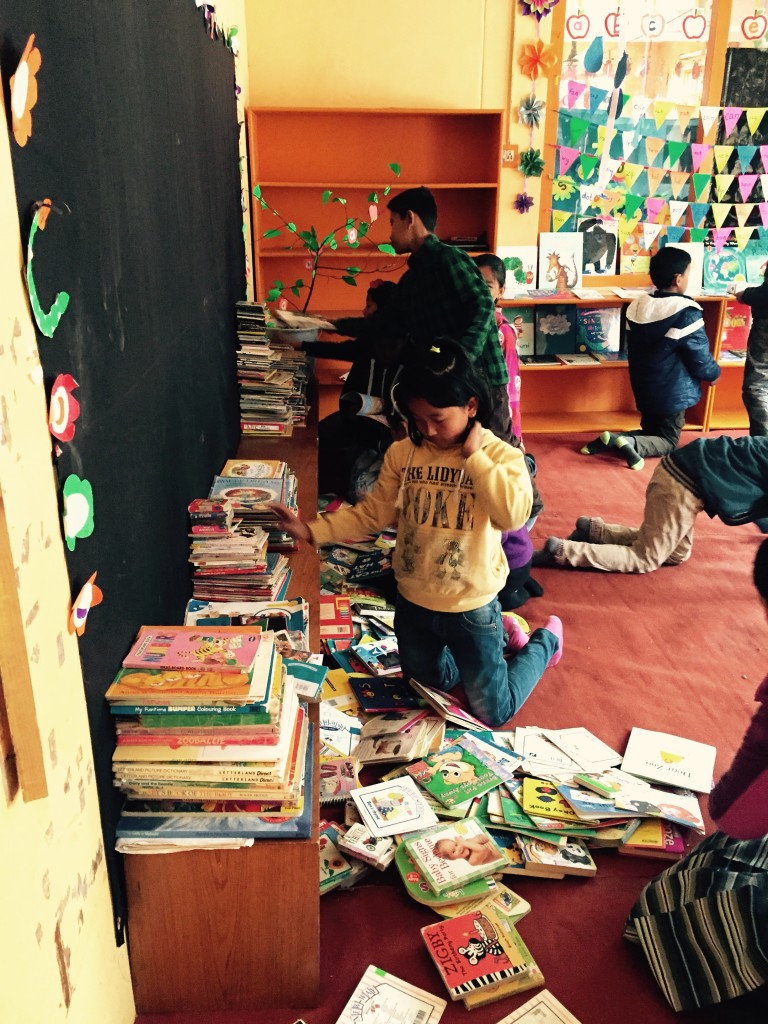
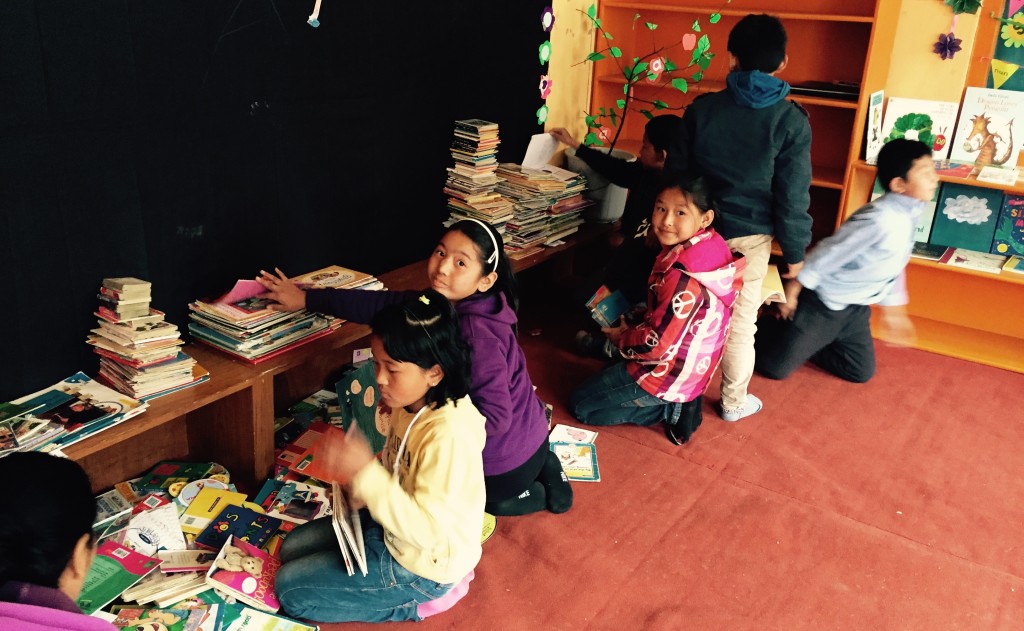
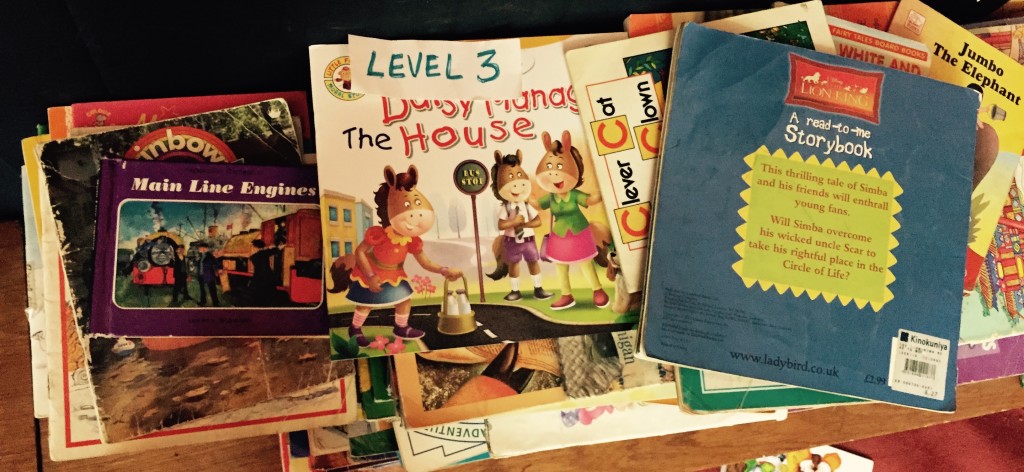
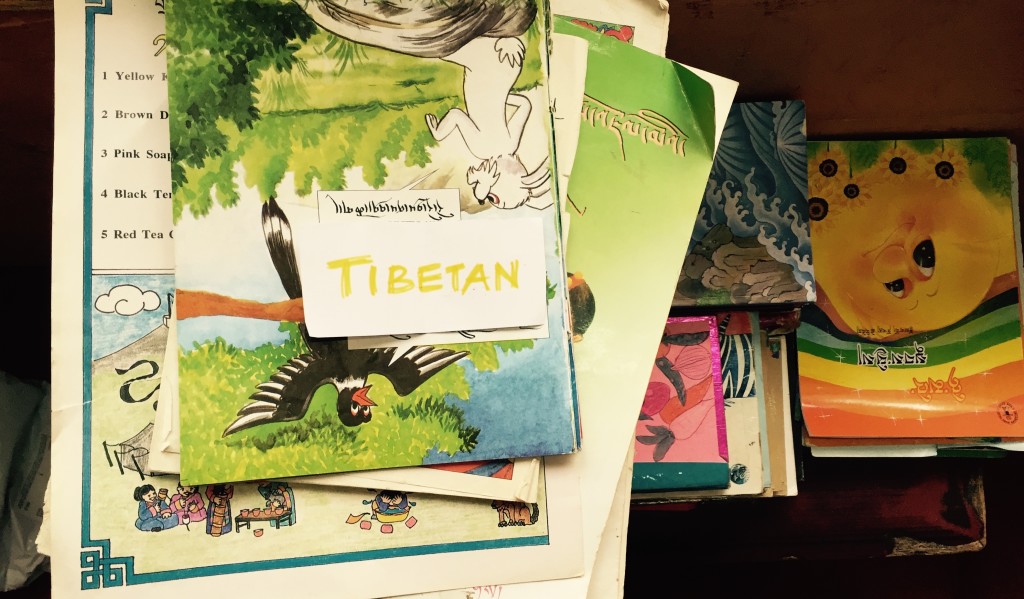
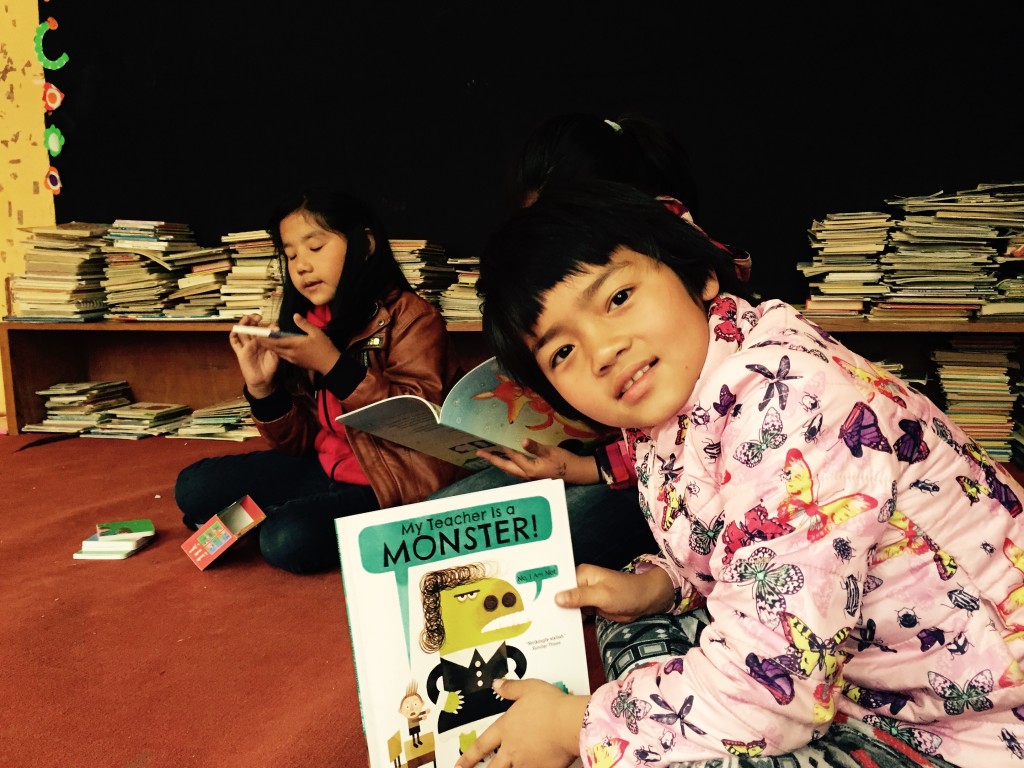
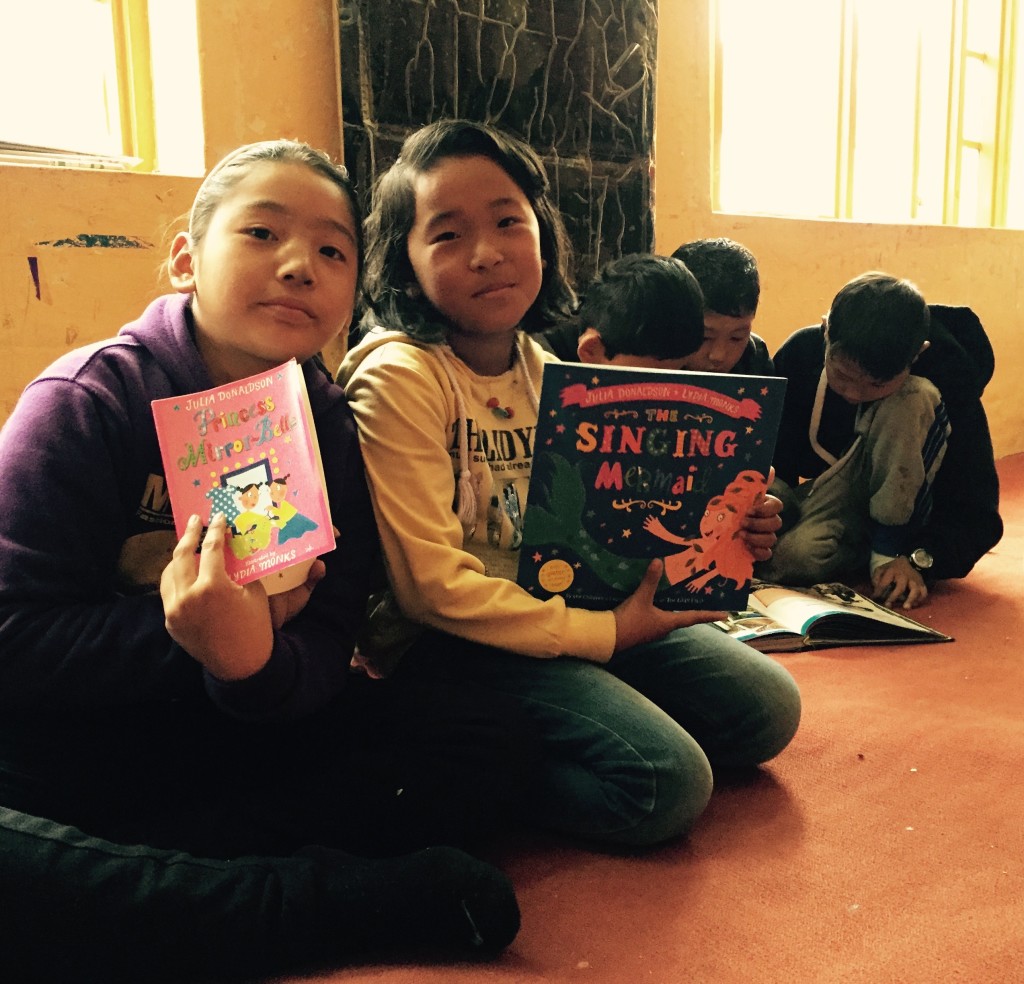
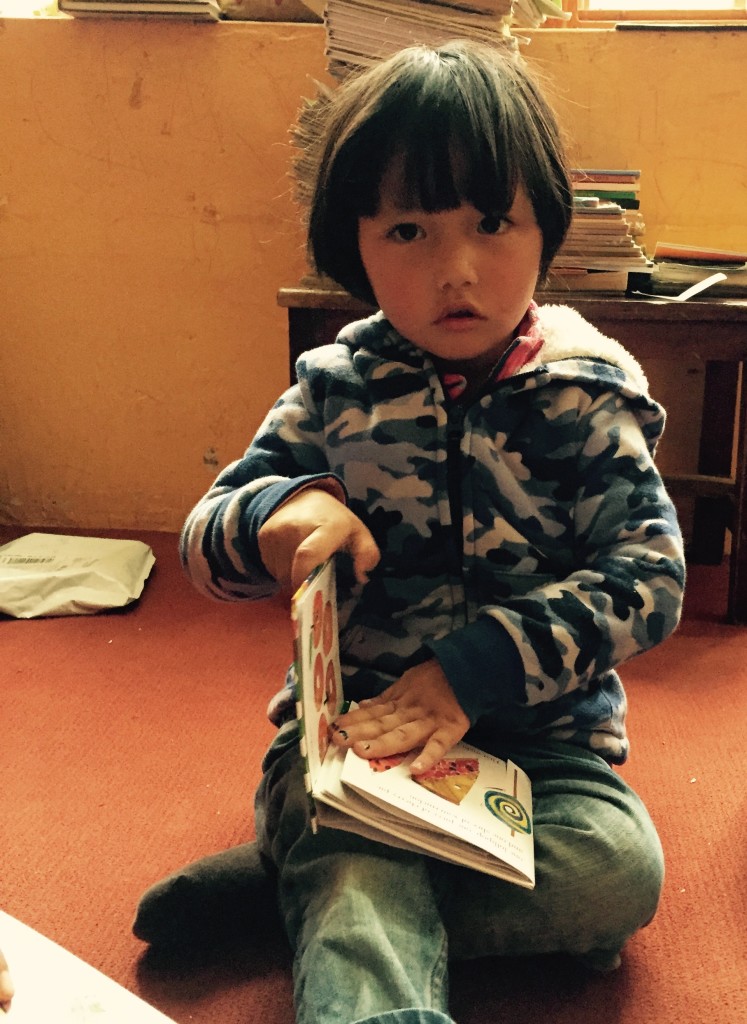
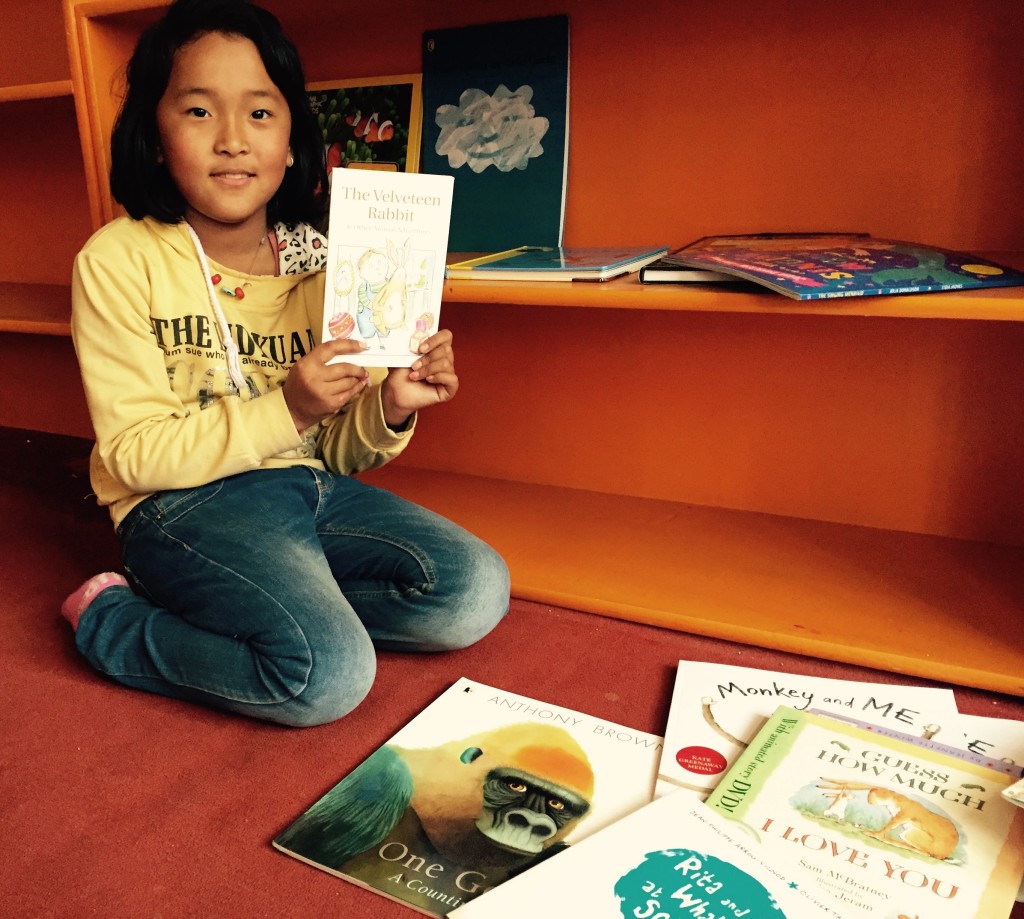
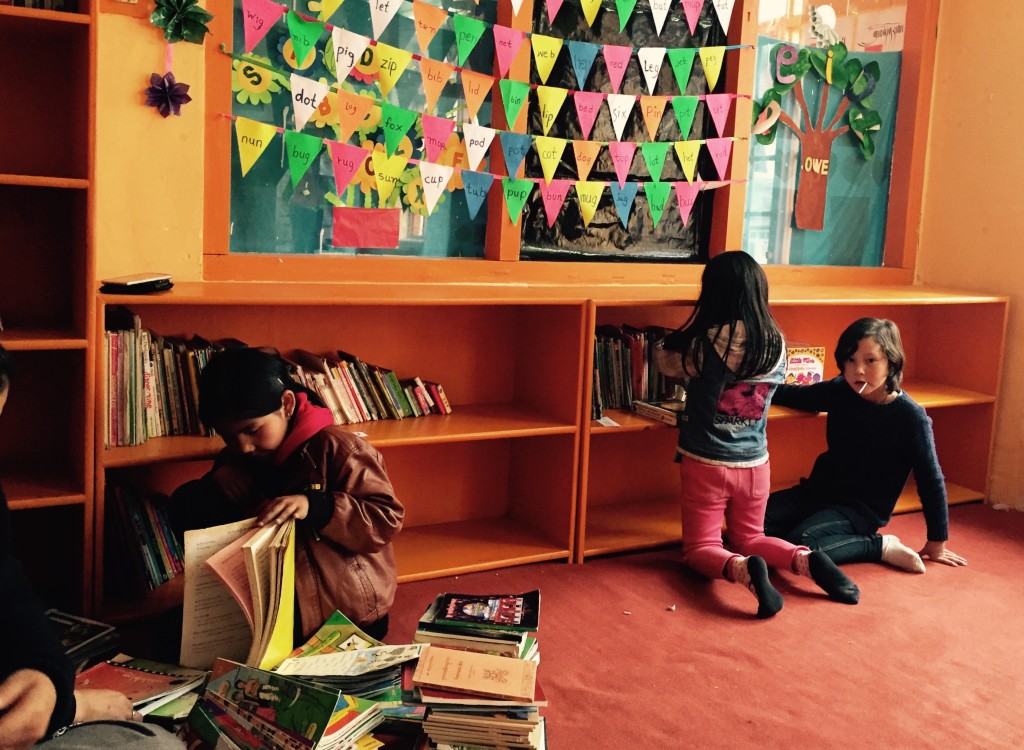
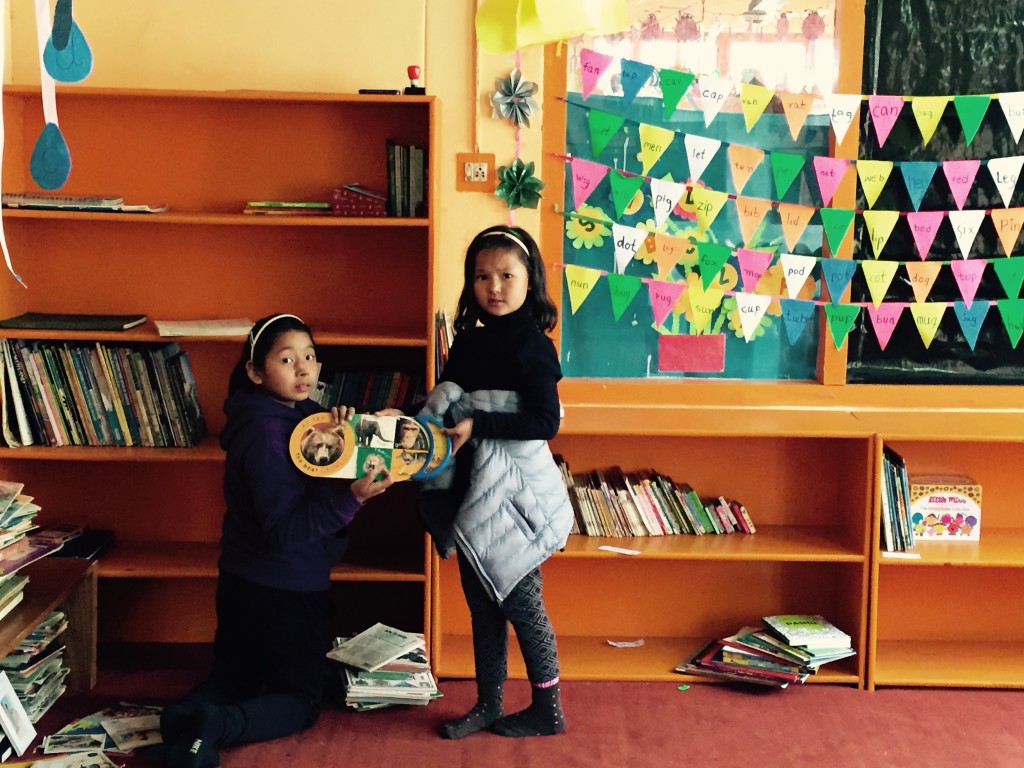
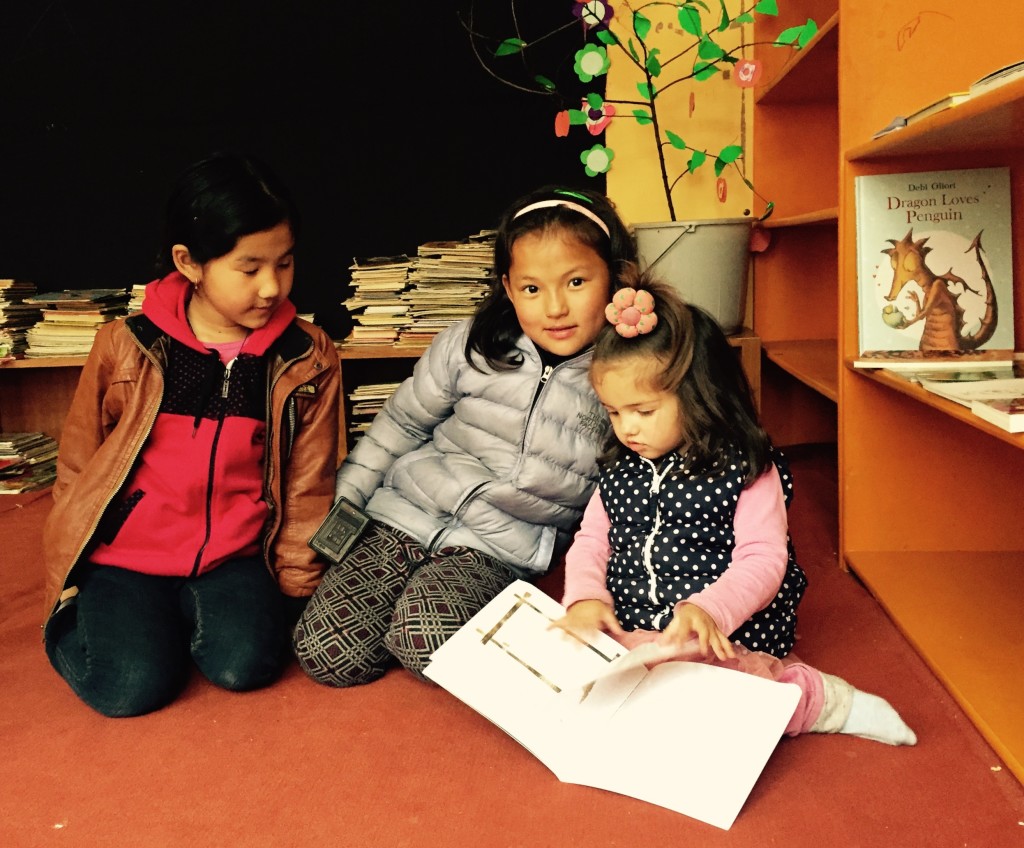
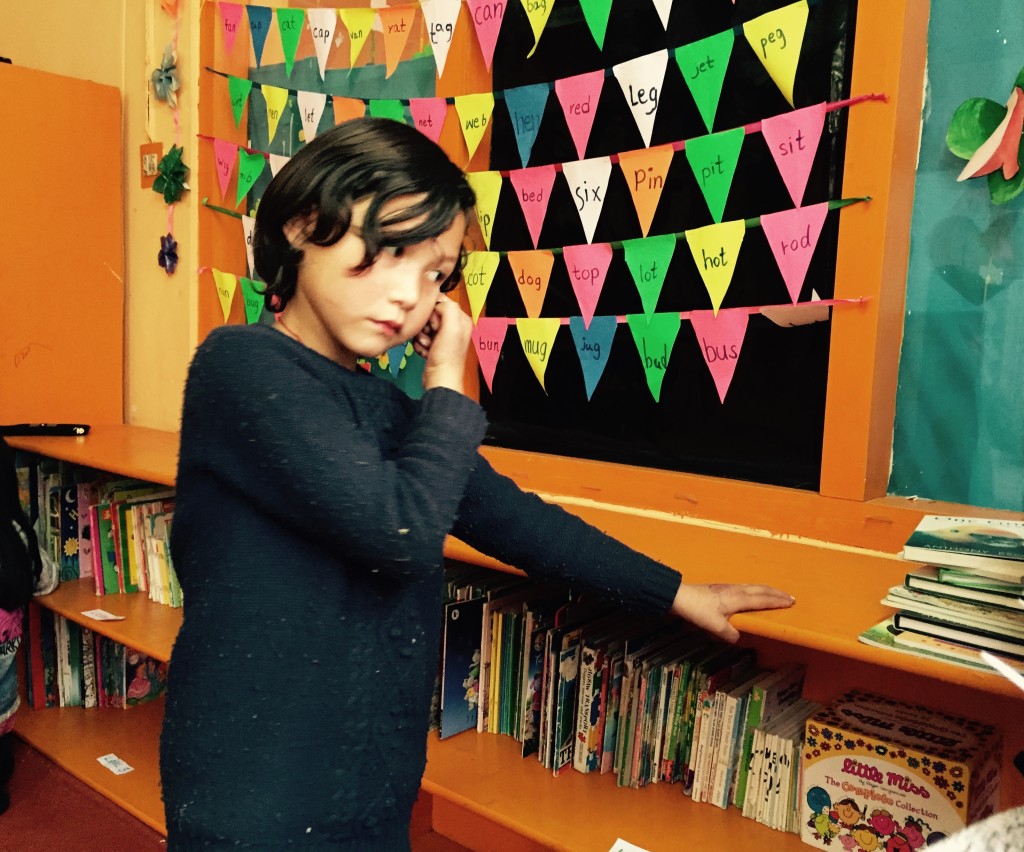
The first child may hesitate before choosing. A shelf of colourful covers can be exciting, but it can also feel unfamiliar, particularly for someone who has had limited access to books at home. A volunteer might point towards an illustrated story, a book about animals, a folktale or a simple volume in English, Tibetan or another familiar language.
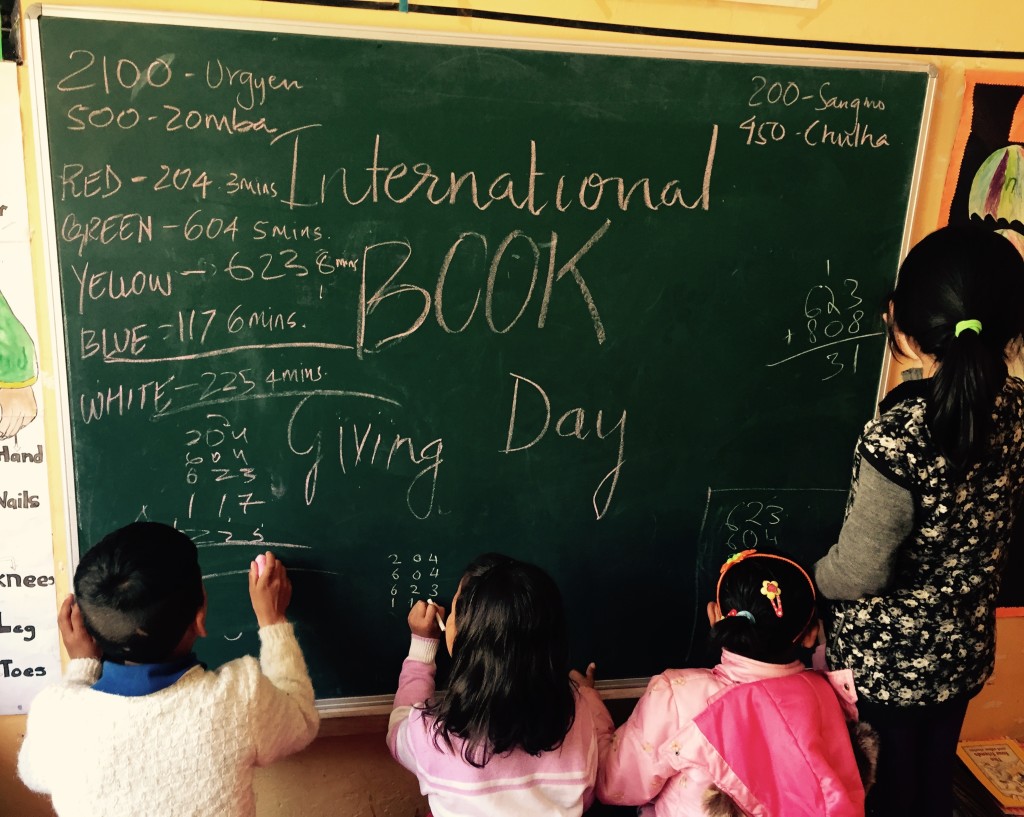
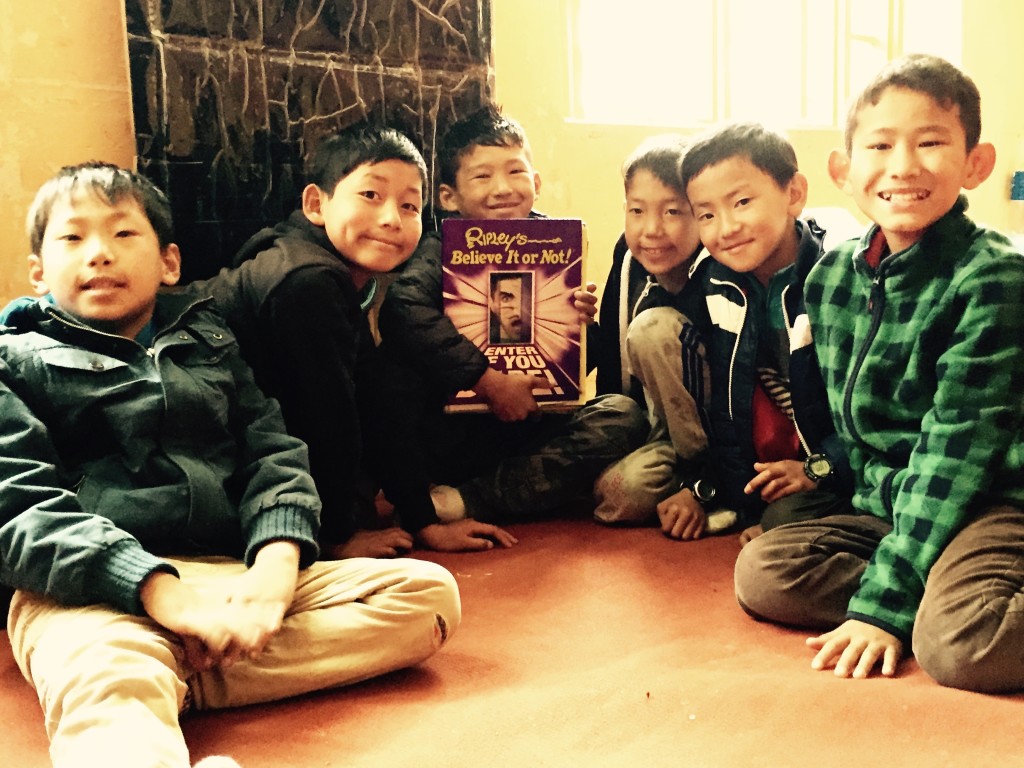
Once the choice is made, the room changes. The child holds the book close, perhaps glancing at the cover again while a volunteer writes down the title and borrower’s name. There is no grand ceremony, yet the exchange carries the dignity of a library membership. The child is being trusted with something valuable and is invited to return for another story.
This kind of memory often stays with the people who witness it. Volunteers may remember the careful decision between two books, the sudden smile after a recommendation or the concentration involved in turning the first few pages. The first checkout becomes a visible sign that the reading room belongs to its community.
From Shelf To Home And Monastery
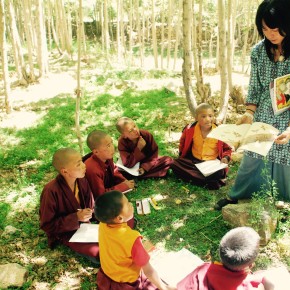
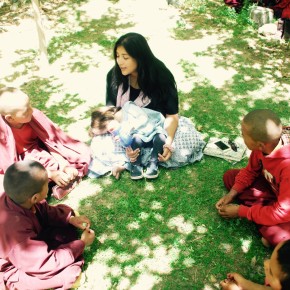
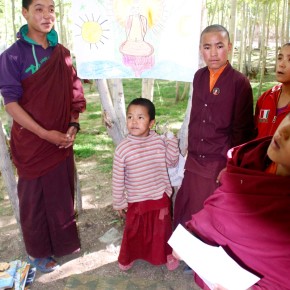
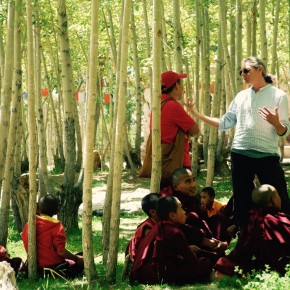
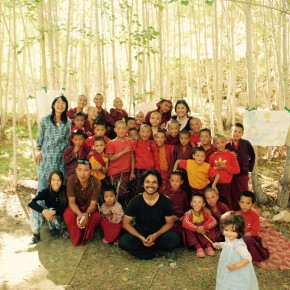
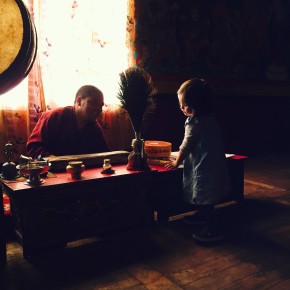
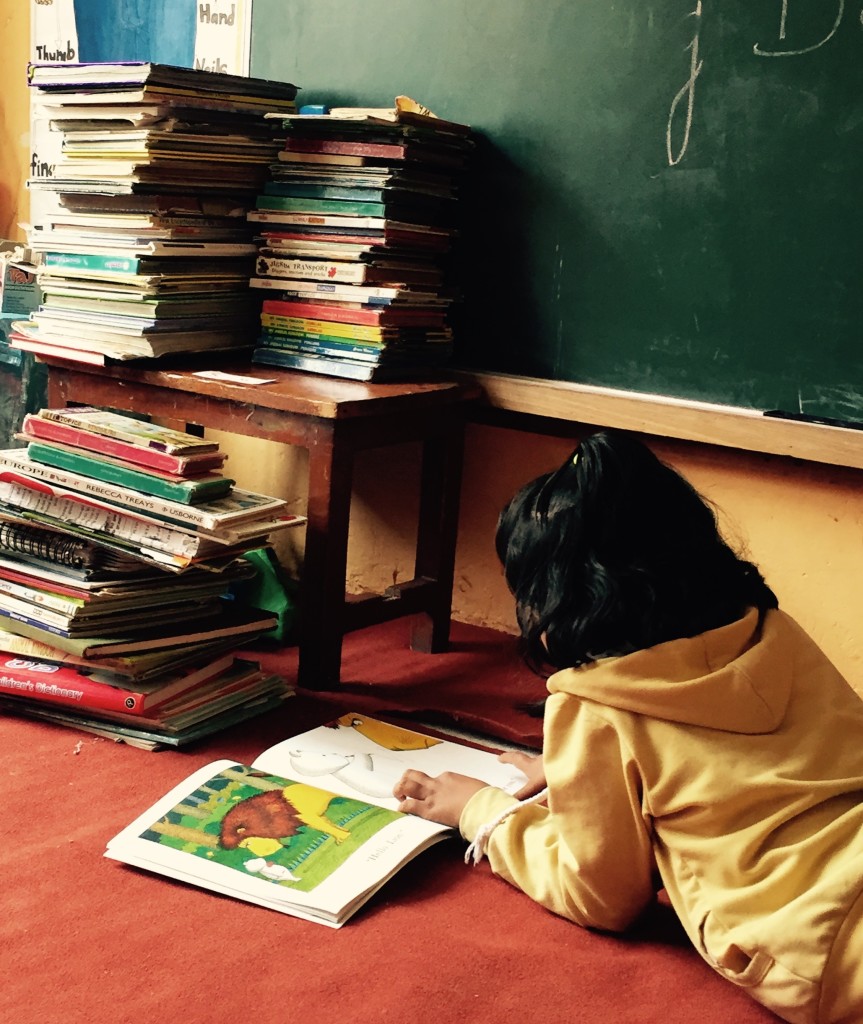
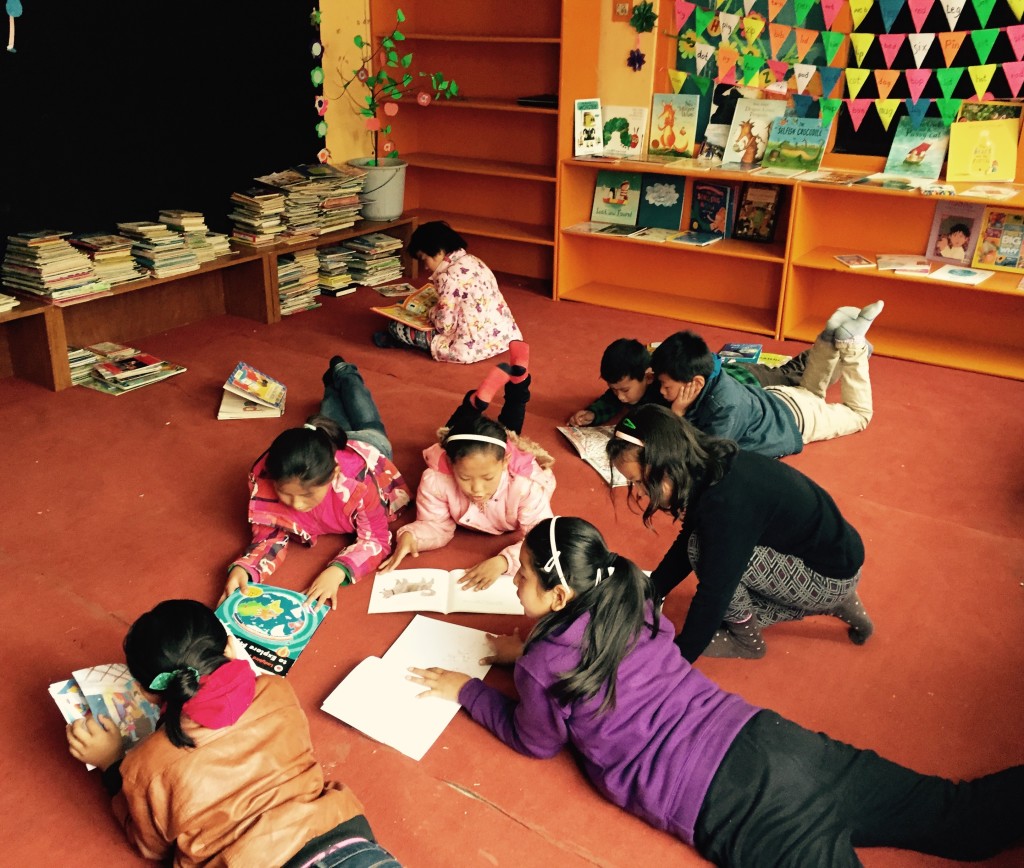
A reading room matters because it extends learning beyond formal lessons. In Ladakh, children and young monks may live across scattered settlements, attend schools with different levels of resources or share books among several readers. A well-stocked room creates a dependable place for quiet study, imaginative play and independent discovery.
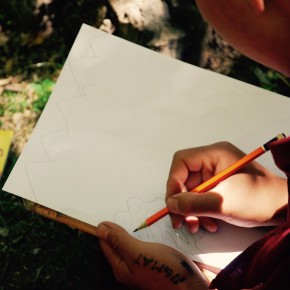
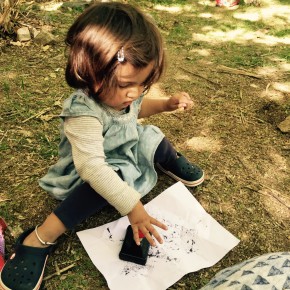
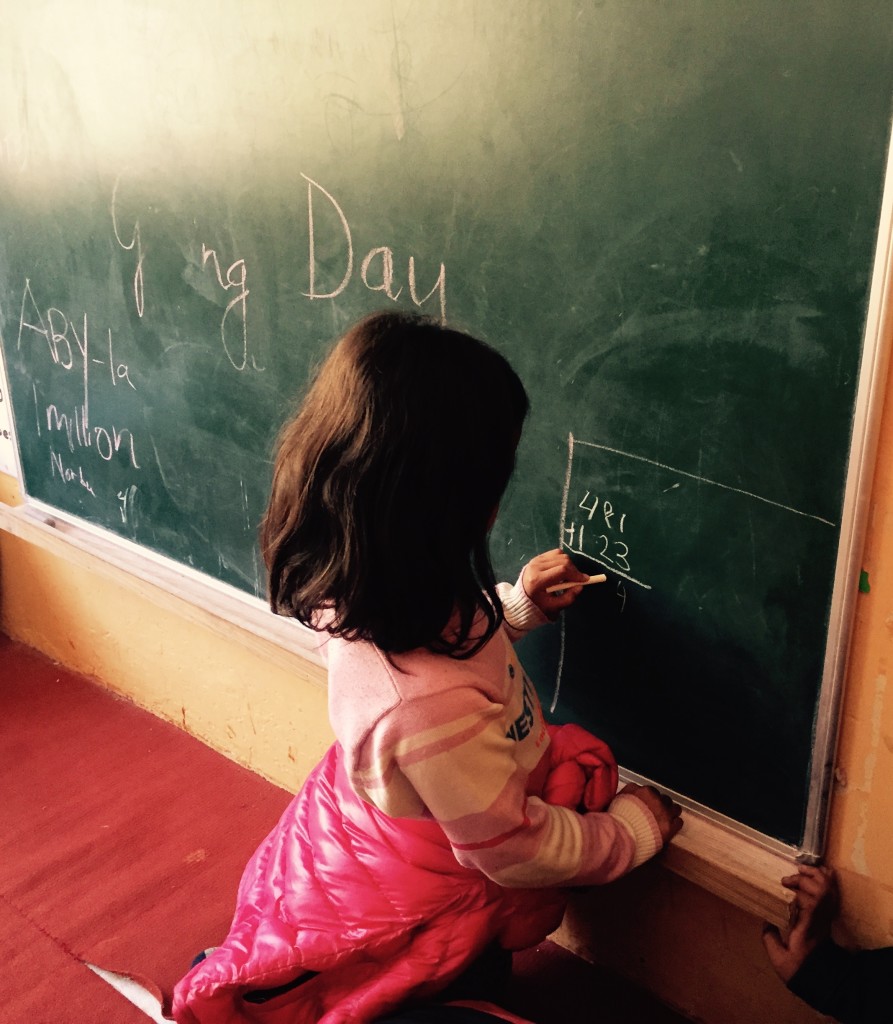
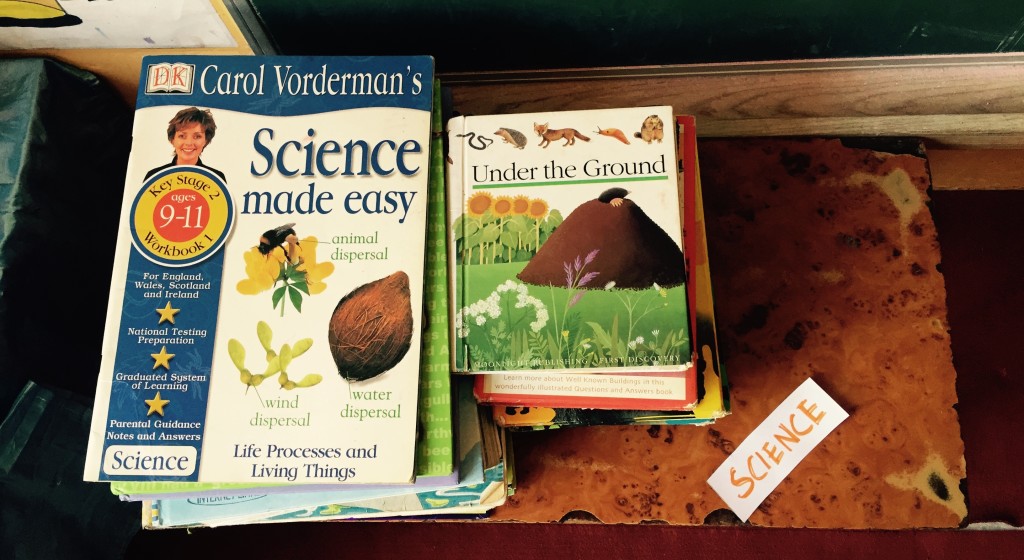
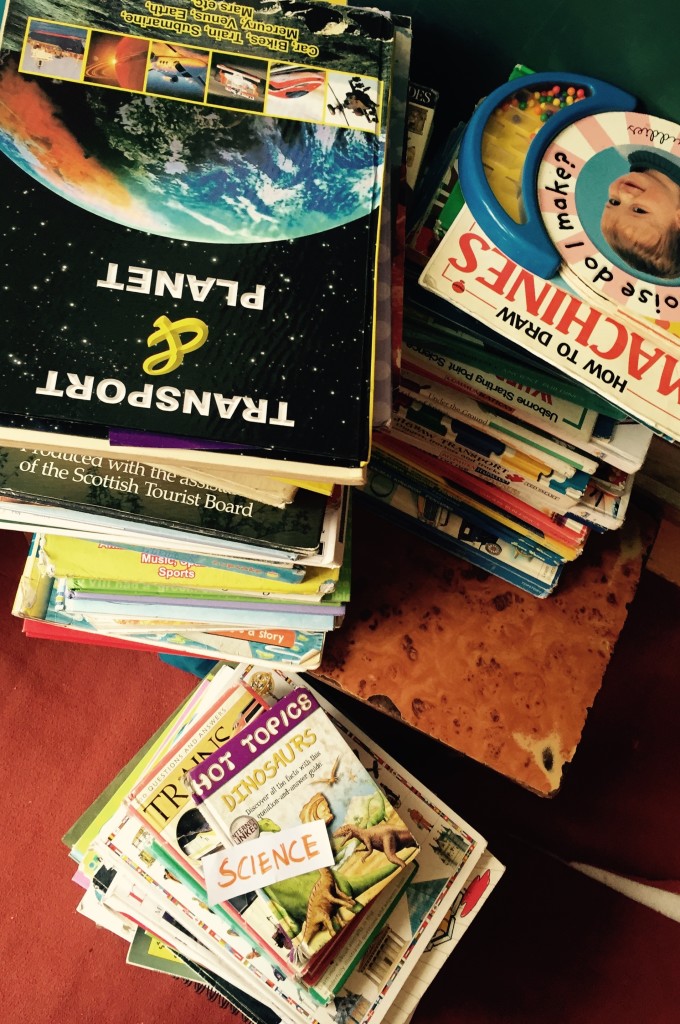
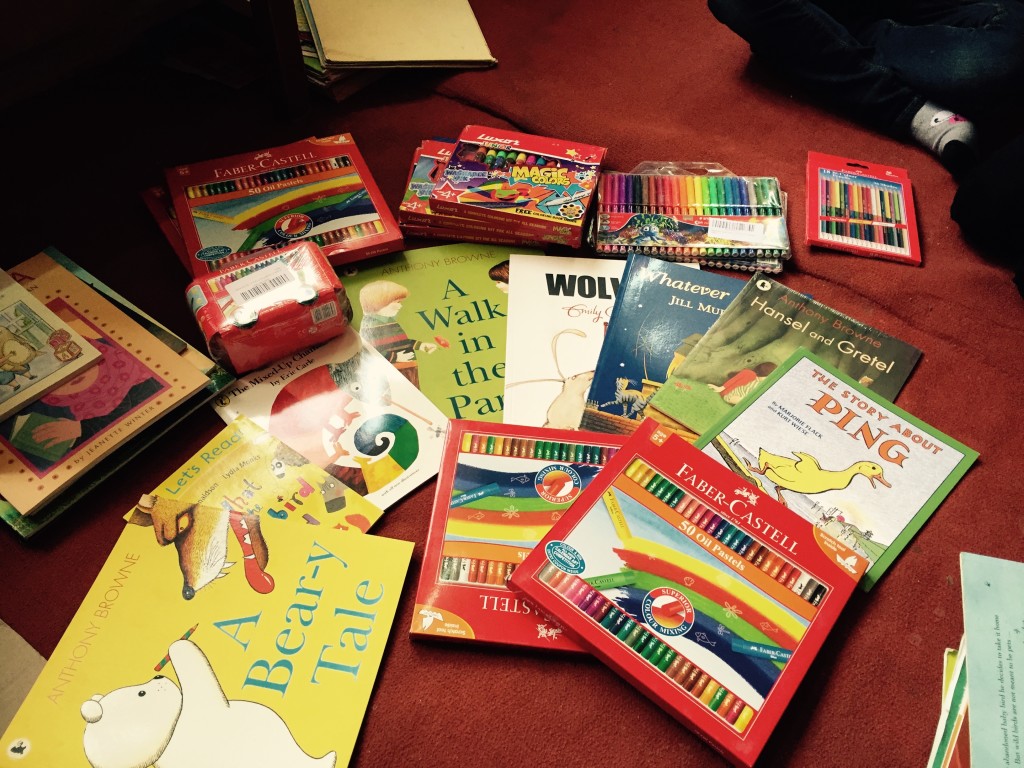
Books can support many forms of learning. A young reader might practise new vocabulary through a picture book, explore geography through an illustrated atlas or encounter a different culture through a novel. Art materials, music activities and storytelling sessions add further ways to engage children who may not yet see themselves as confident readers.
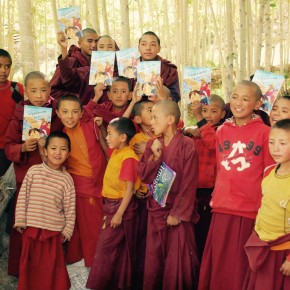
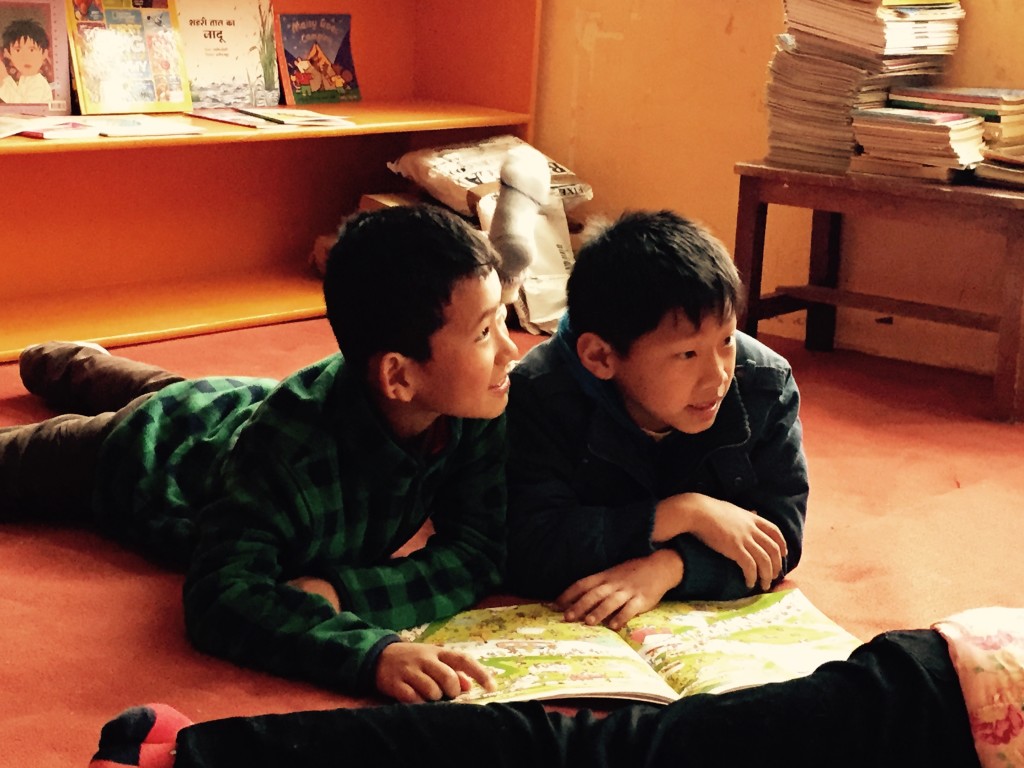
The first borrowed book also travels through a network of relationships. It may be read beside a sibling, discussed with a teacher or shared in a monastery dormitory. A child who returns with a story to tell contributes to the room’s atmosphere, encouraging another child to browse the shelves. In this way, a single checkout can help create a reading culture.
For an Australian audience, the contrast is easy to recognise. Many children in Brisbane, Adelaide or Perth can access public libraries, school libraries, bookshops and second-hand books through regular family routines. In Himalayan communities, a dedicated reading room may gather those opportunities in one accessible place.
Why Choice Builds Confident Readers
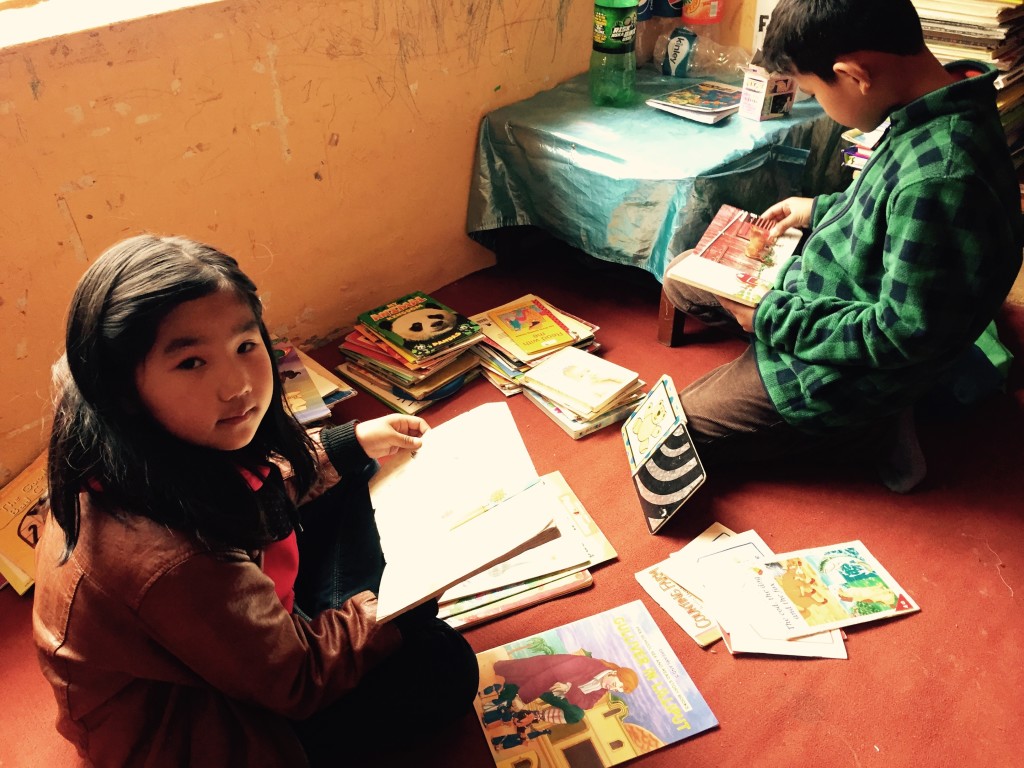
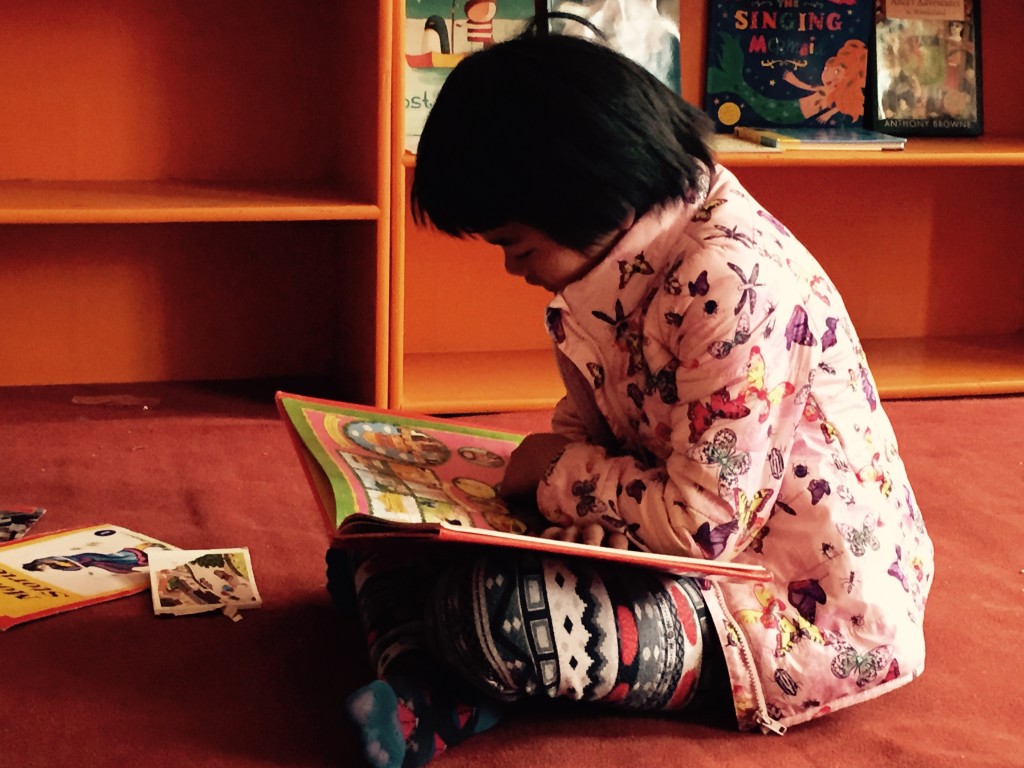
The first book is significant partly because the child chooses it. Reading is more likely to become enjoyable when young people can follow their interests rather than treating every book as a compulsory exercise. A child fascinated by wildlife may begin with birds or snow leopards; another may prefer a comic, a folktale, a biography or a book of poems.
Choice also respects different reading levels. A beginner can select a short, highly illustrated story without feeling embarrassed, while a more experienced reader can look for a longer adventure. Young monks may choose books that connect with history, philosophy, science or the wider world. A mixed collection allows each reader to find an entry point.
This principle is familiar during Australia’s annual Book Week, when children dress as characters and celebrate stories at school. It is also visible in everyday library habits, such as borrowing a book before a weekend trip, listening to audiobooks during a commute or browsing an op-shop shelf for an inexpensive paperback. The setting changes, but the pleasure of selecting a story remains recognisable.
A first checkout can therefore be understood as an act of agency. The child is not simply receiving educational material. They are making a decision, taking responsibility for an item and discovering that their interests deserve space.
The Care Behind A Shared Collection
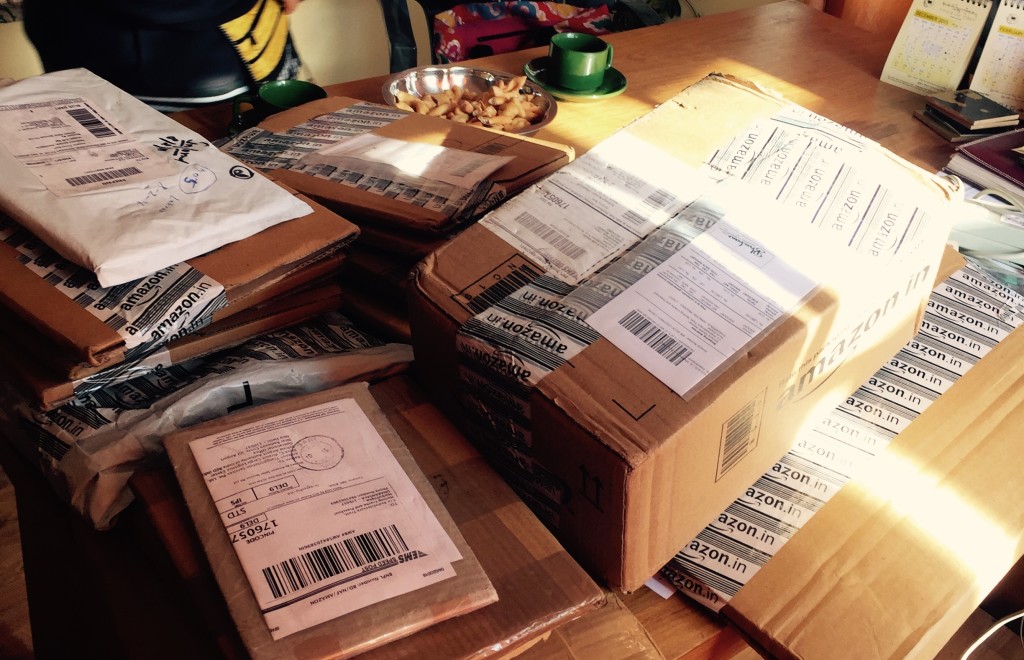
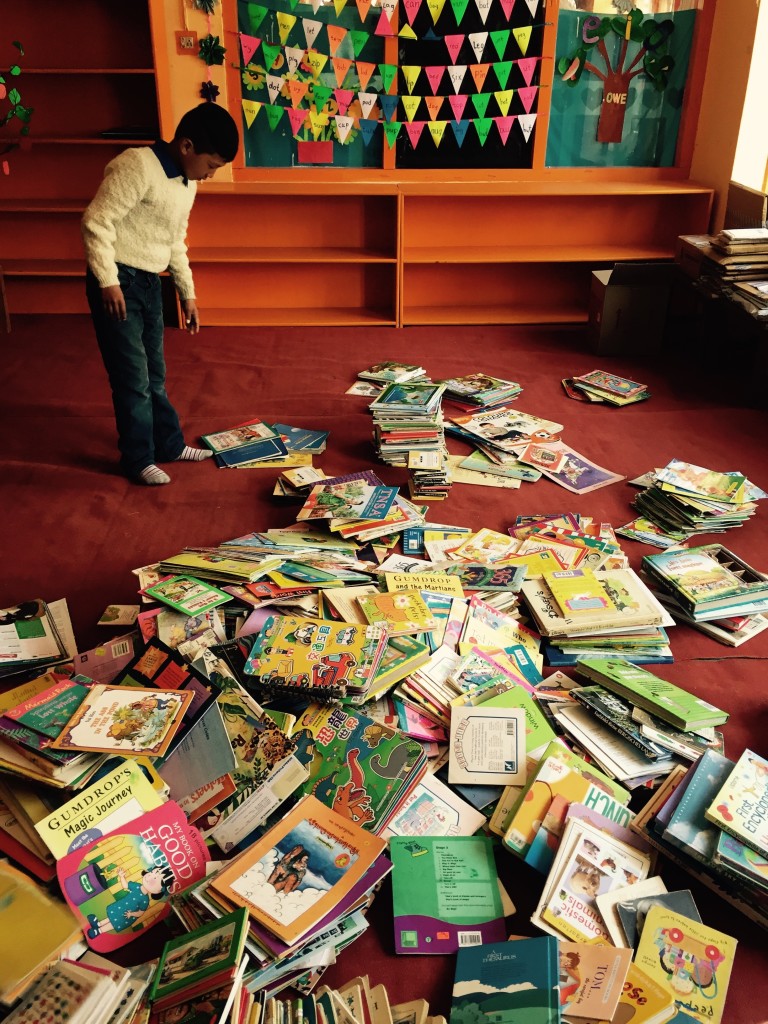
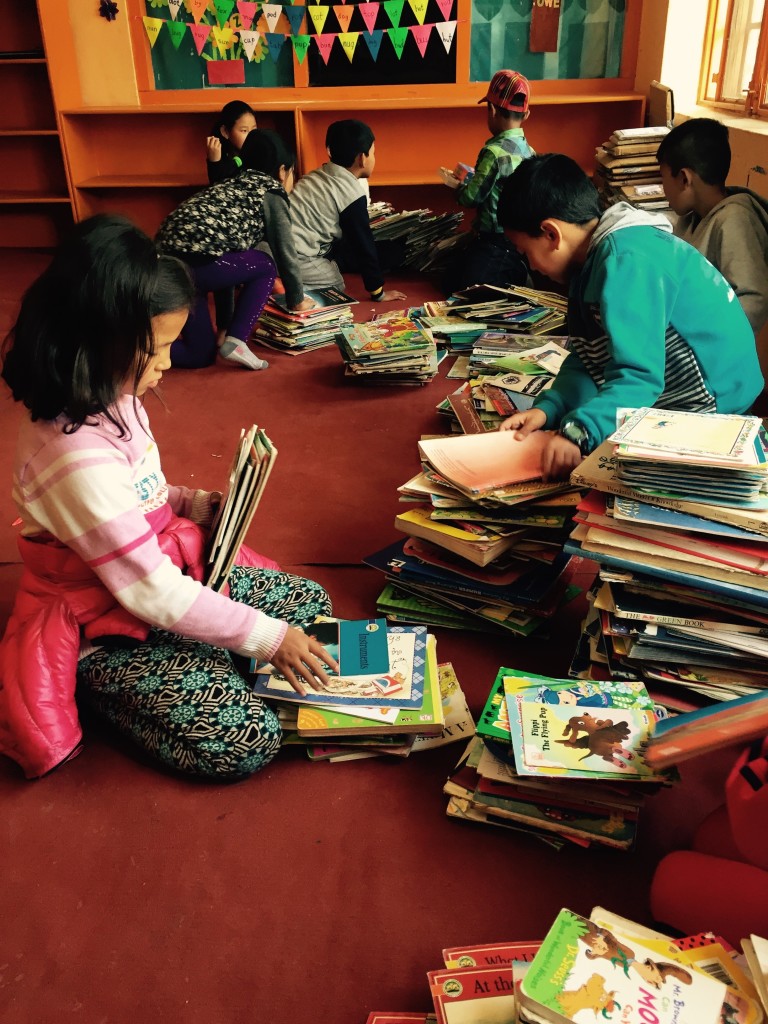
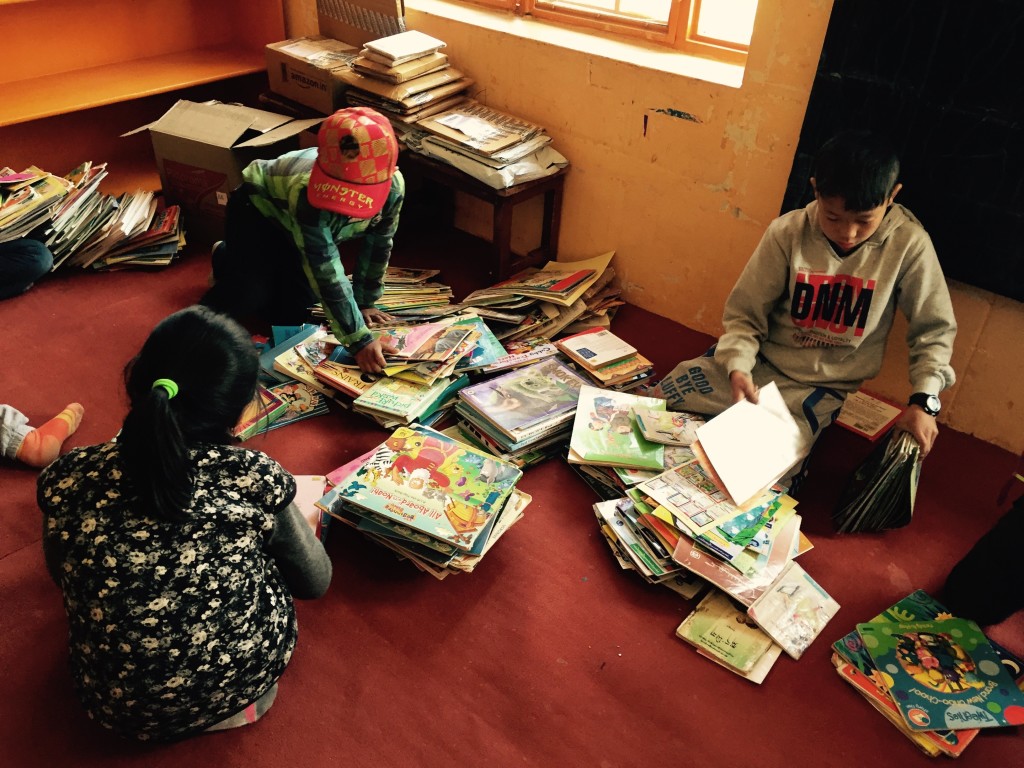
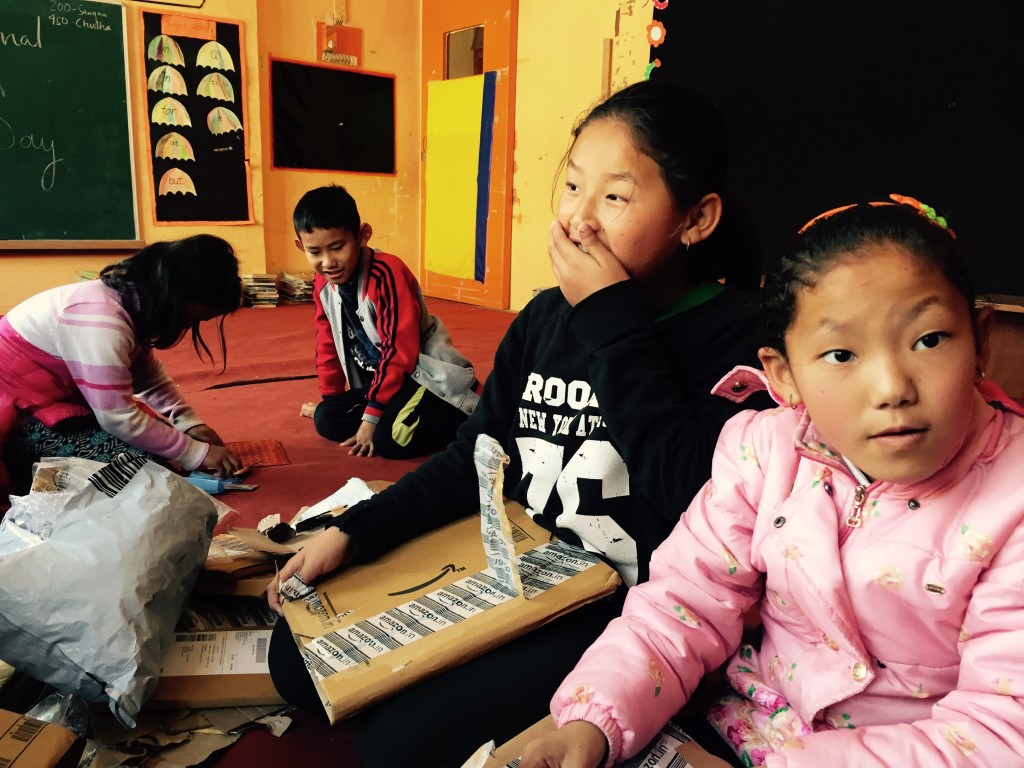
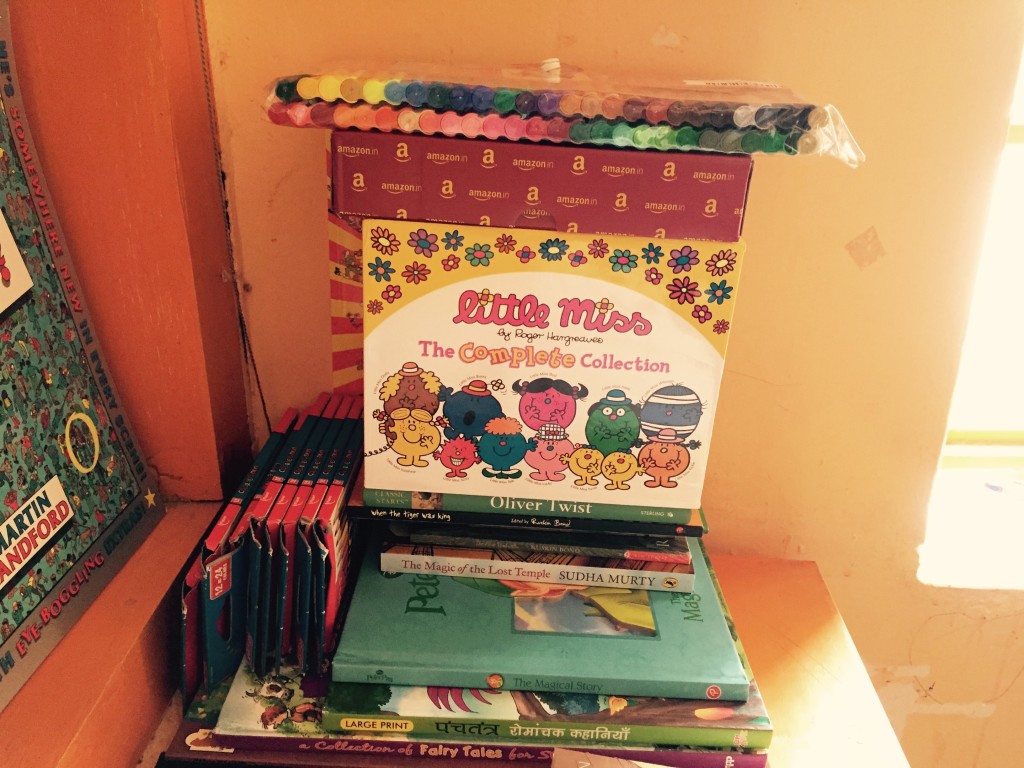
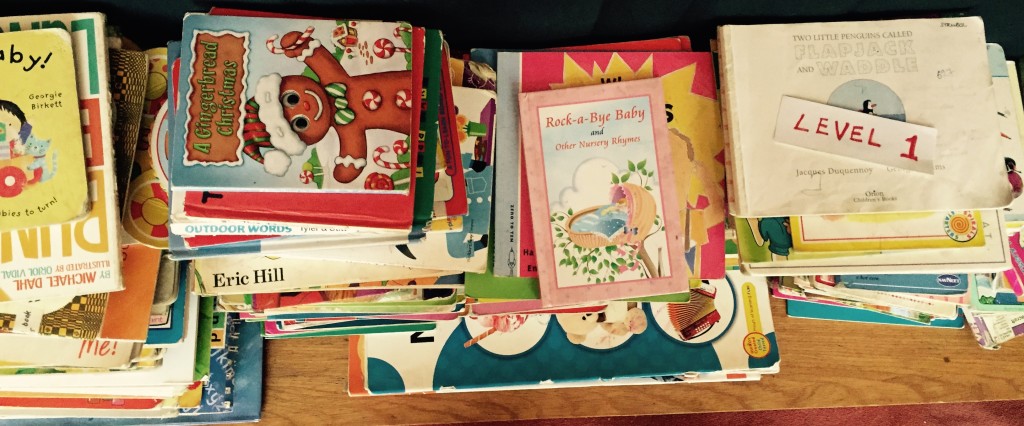
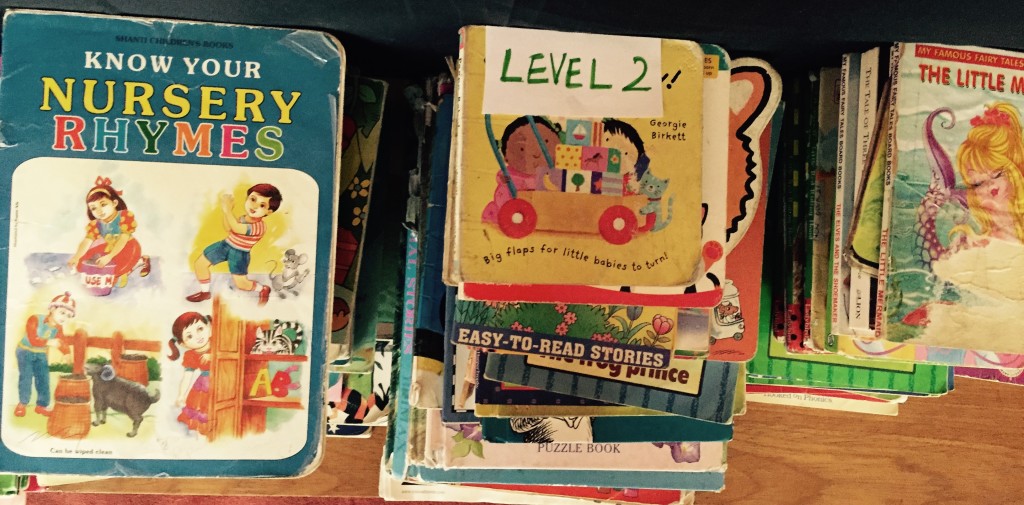
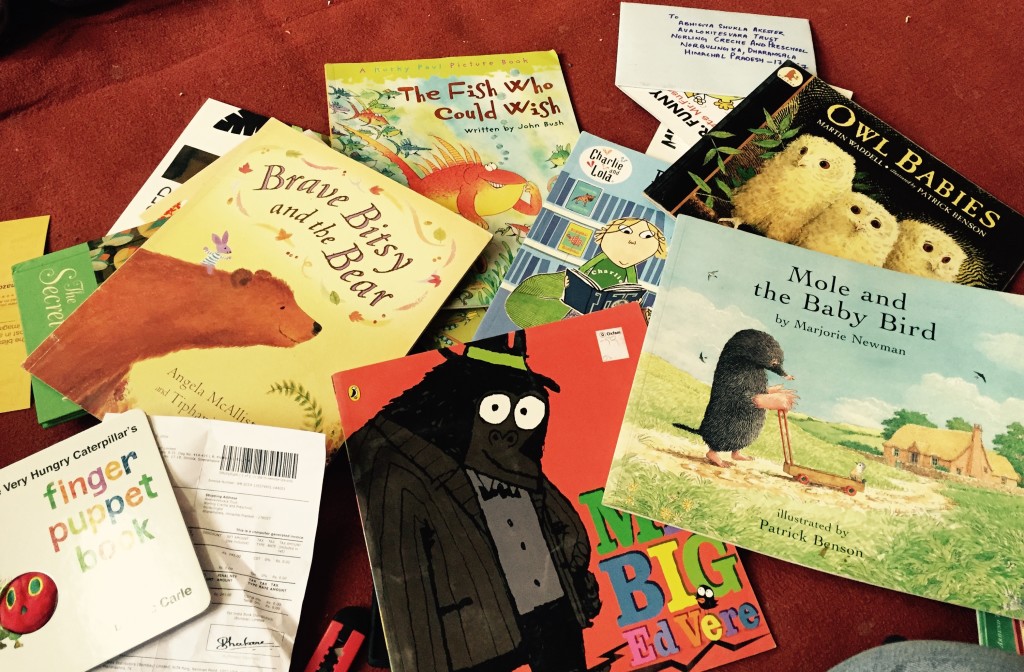
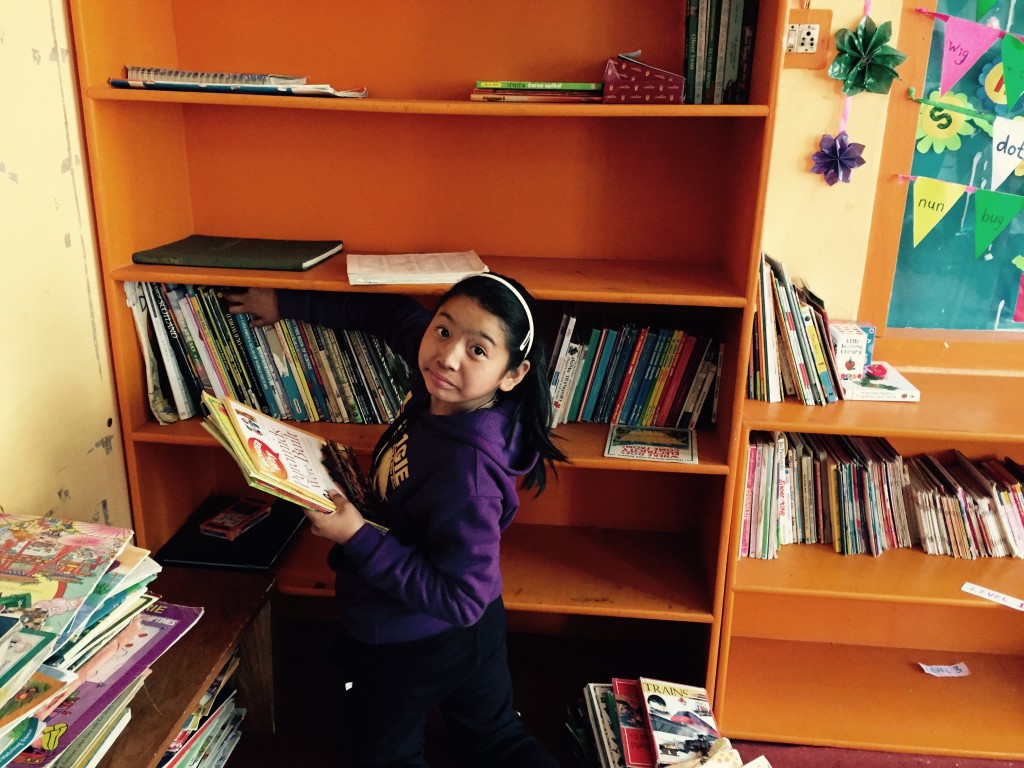
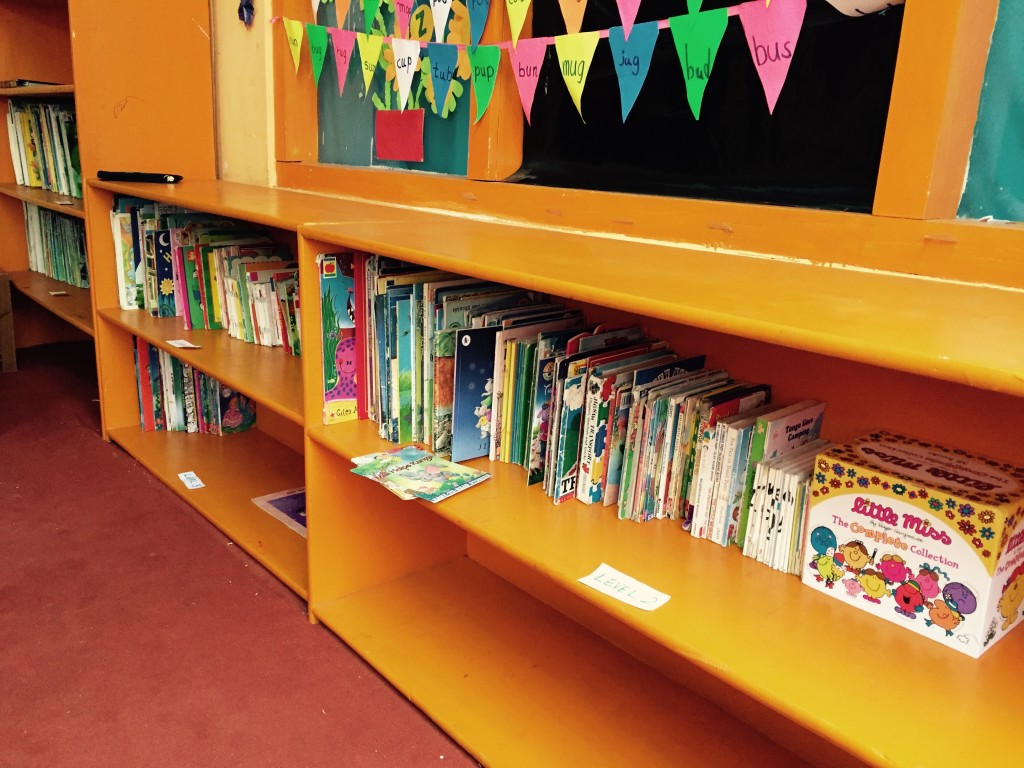
A thriving reading room depends on more than donations. Books must be suitable for the community, in good condition and organised so children can find them. A collection may include new titles, carefully selected second-hand books and resources gathered through book drives. Transport, storage and local advice are essential parts of the process.
Volunteers also need to create a welcoming and safe environment. When organisations work with children in Australia, child protection responsibilities may include Working with Children Checks and state or territory child-safe requirements. The Australian Charities and Not-for-profits Commission provides a national regulatory framework for registered charities, while local safeguarding obligations still require careful attention.
Practical support can be shaped by Australian realities. A donor in Canberra might purchase books locally and contribute to freight costs rather than sending unsuitable titles. A community group in Hobart could run a book collection while checking condition, language and relevance before packing. Families may prefer to give a modest amount online, especially as household budgets are affected by rising costs and the price of postage.
Useful contributions to a reading-room project include:
- Children’s books selected for age, reading level and cultural relevance
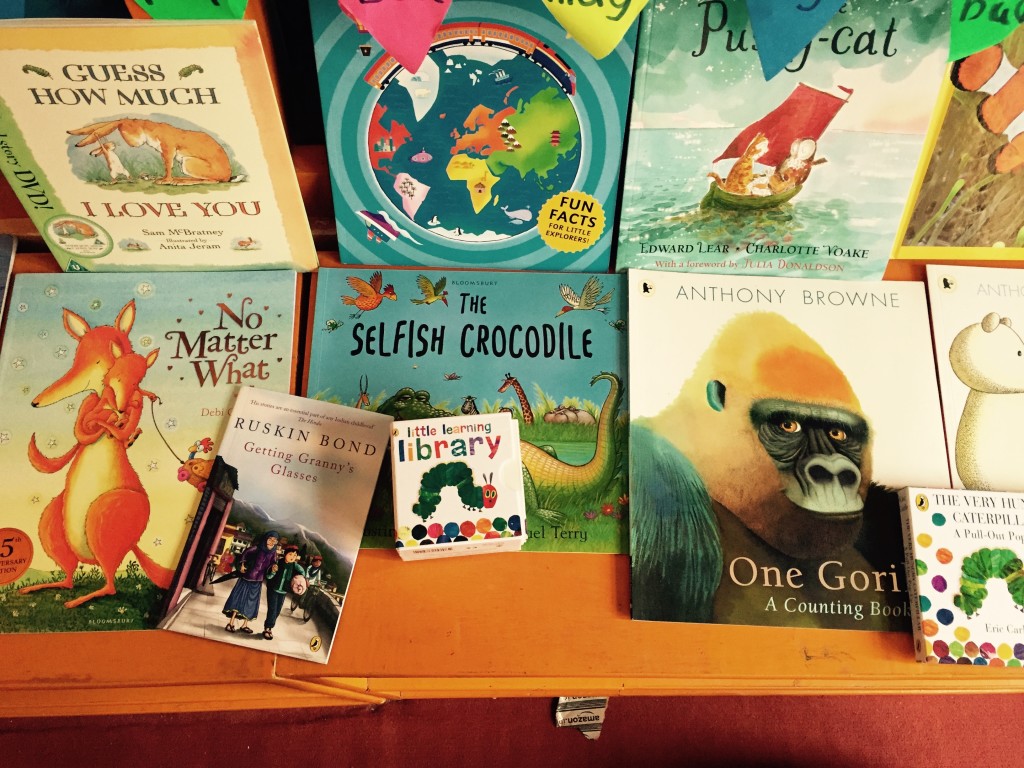
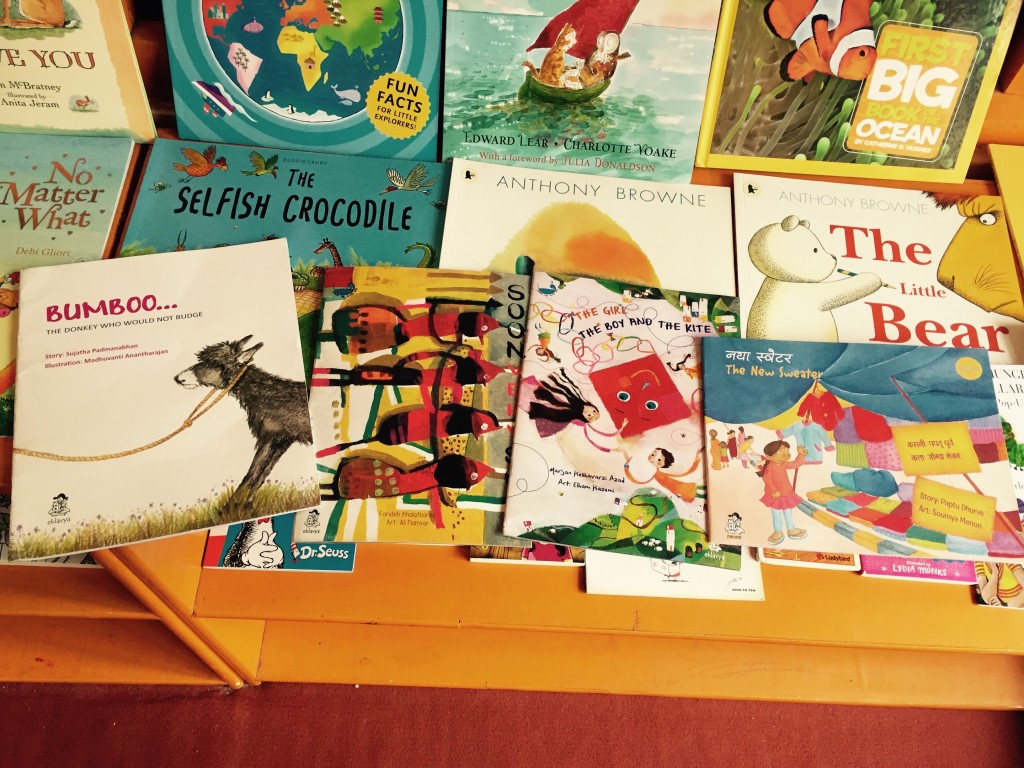
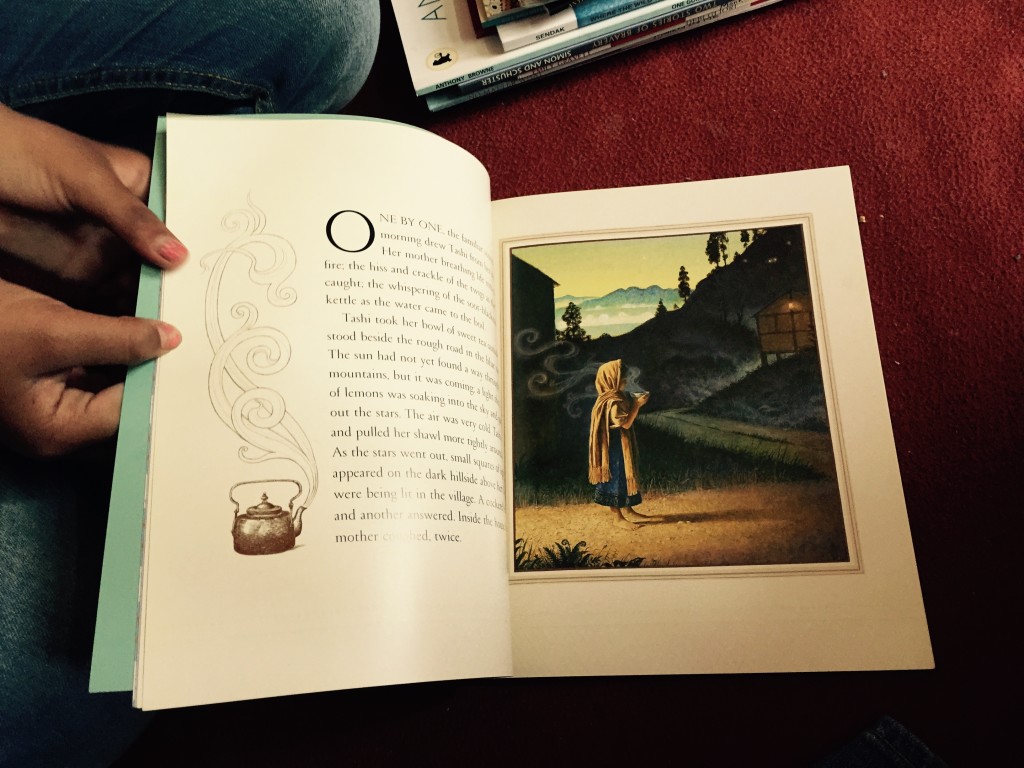
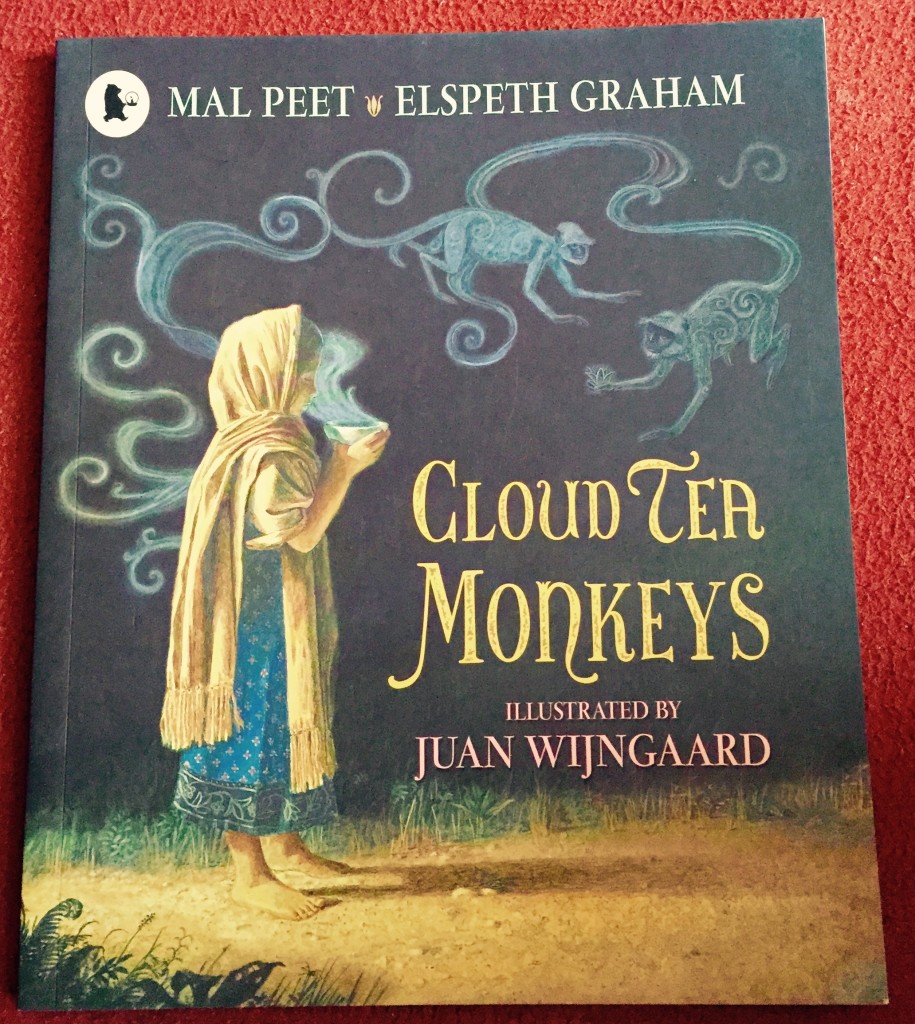
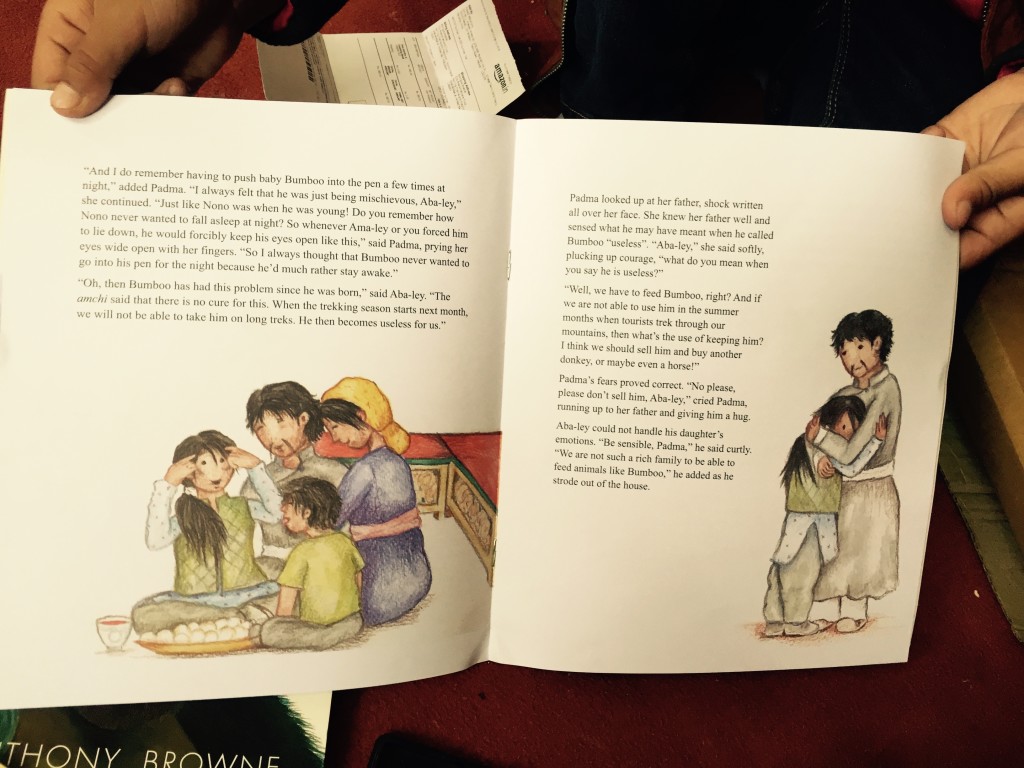
- High-quality picture books that communicate through images as well as text
- Bilingual or multilingual resources where they support local learning
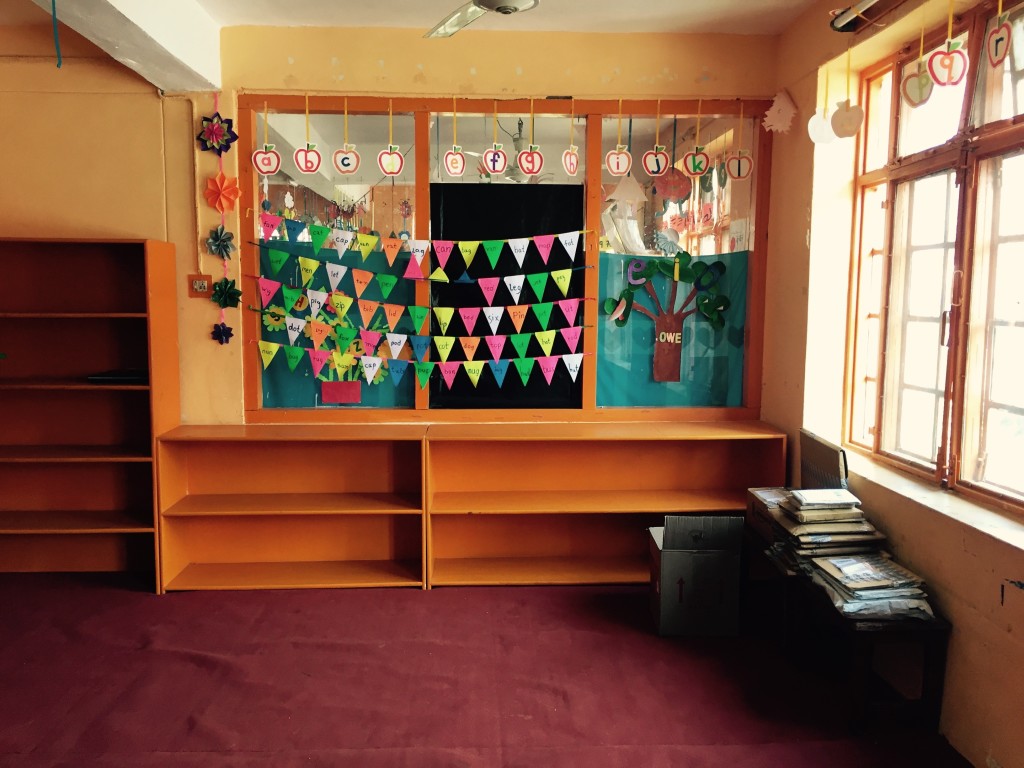
- Book labels, shelves, cushions and basic reading-room equipment
- Reliable funding for transport, maintenance and educational activities
- Volunteer time for cataloguing, storytelling and creative workshops
The care invested before a book reaches a shelf protects the meaning of the first checkout. A child should encounter a collection that feels considered rather than random, with enough variety to encourage repeated visits.
Keeping The Memory In Motion
A first checkout is a beginning rather than a finished success story. The book needs to be returned, renewed or passed to another reader. The room needs regular opening hours, patient volunteers and activities that make children want to come back. Reading grows through repetition: one story becomes several, and a hesitant borrower gradually becomes a confident participant.
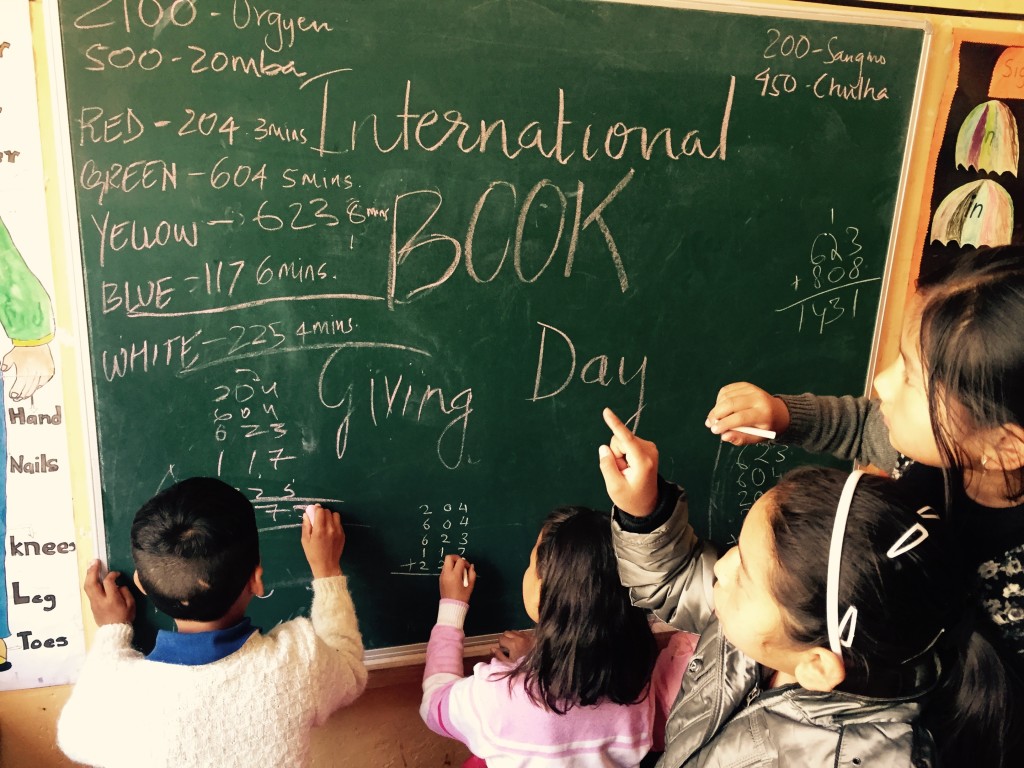
Simple records can show how a collection is being used without reducing the experience to statistics. A checkout log may reveal which subjects attract interest, which age groups need more resources and whether particular languages are well represented. Photos and community stories can preserve the atmosphere of the room while respecting children’s privacy and dignity.
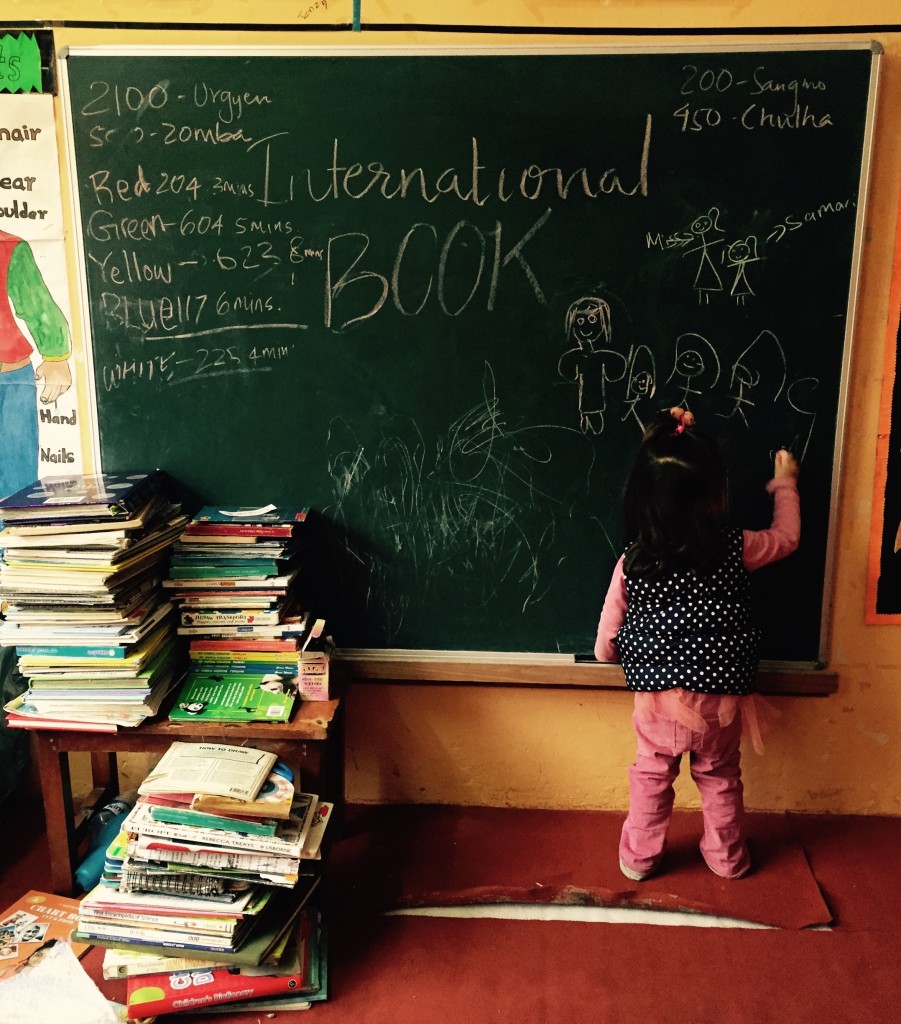
Over time, the first borrower may become someone who recommends books to younger children. A young monk might help organise a shelf, lead a storytelling session or translate a passage for a friend. These acts show that literacy is shared knowledge. The reading room becomes a place where children contribute as well as receive.
The most memorable part of the first checkout is often the moment after the book leaves the shelf: a child walking away with a story, a volunteer watching with quiet pride and a new possibility opening in the community. The practical lesson is clear: when every child can choose, borrow and return a good book, a small reading room can become a lasting centre of learning.