A Reading Room Turned Wedding Venue for Two Volunteer Teachers
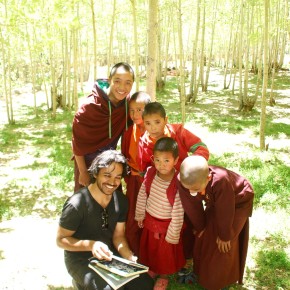
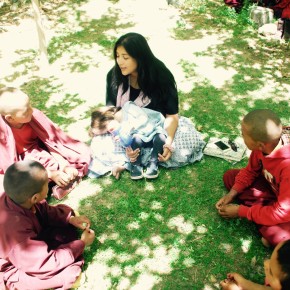
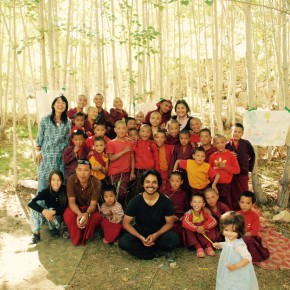
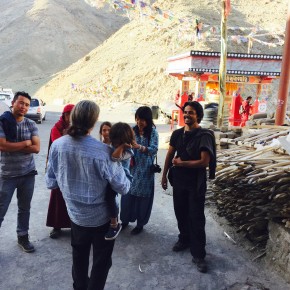
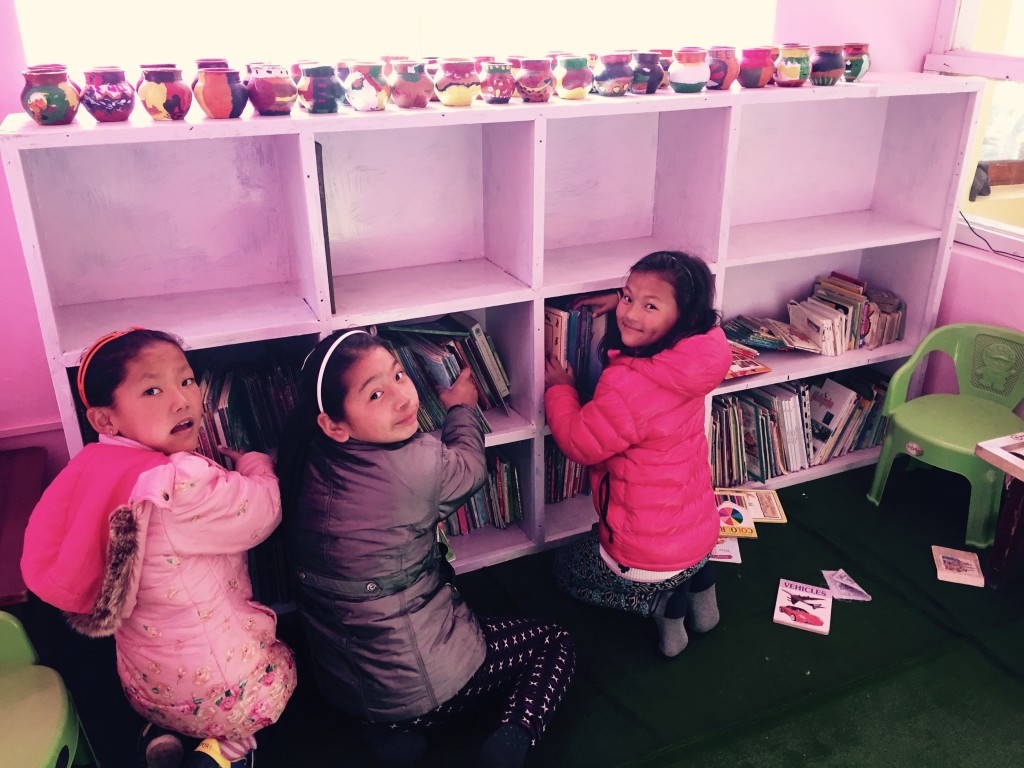
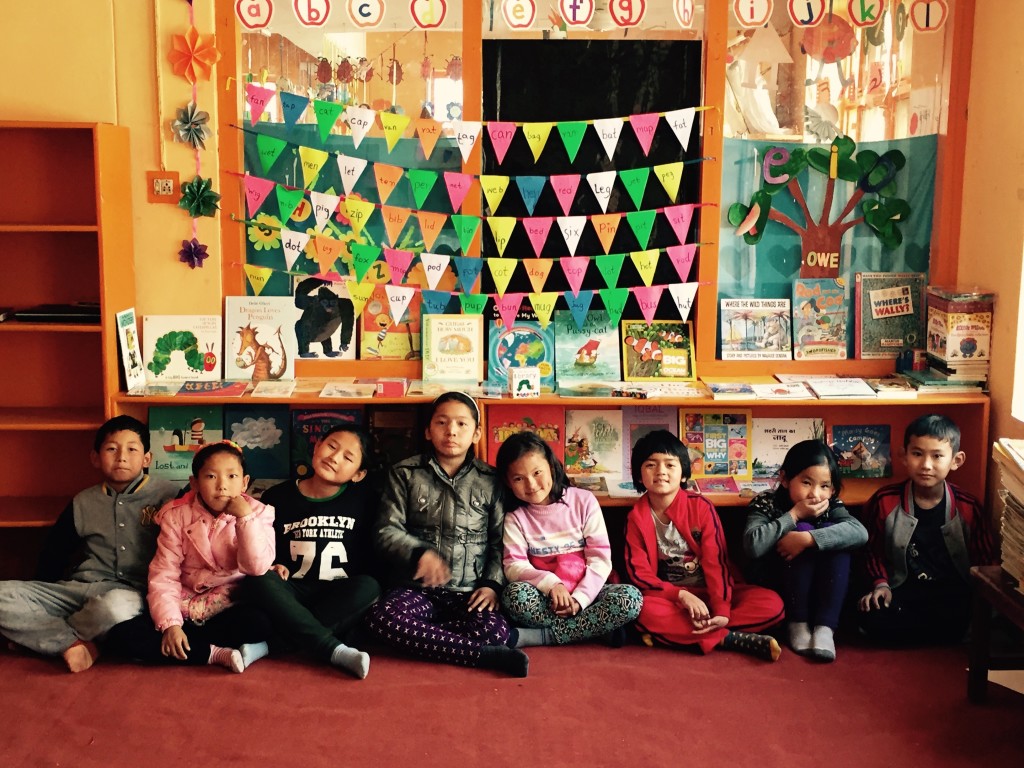
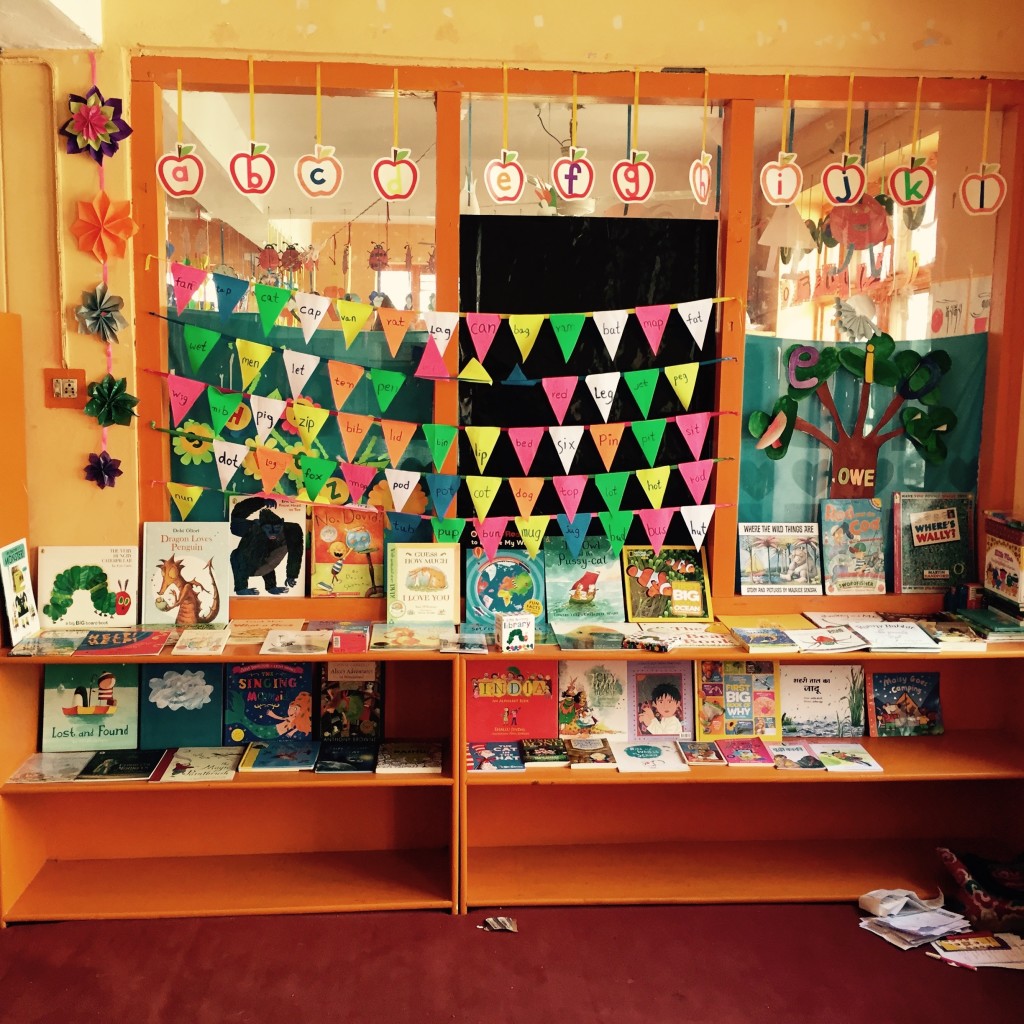
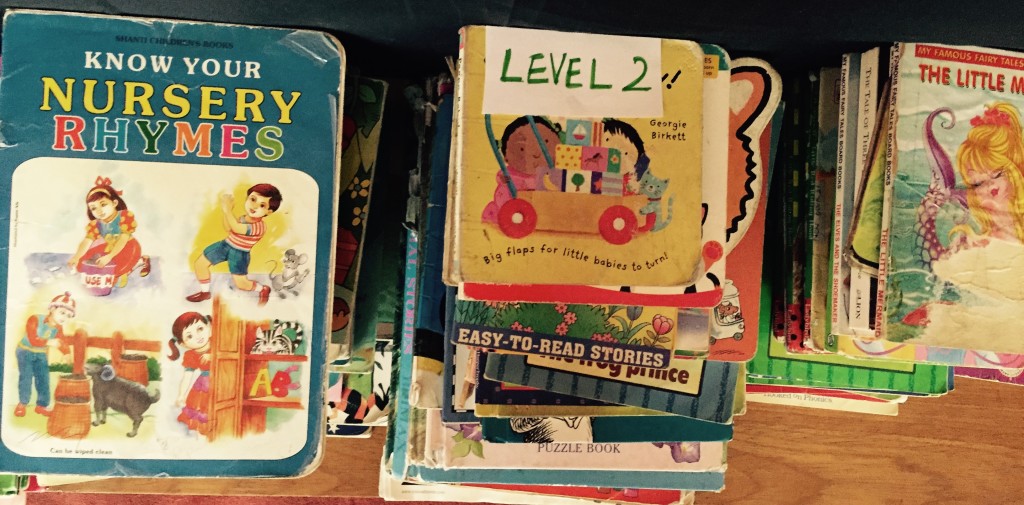
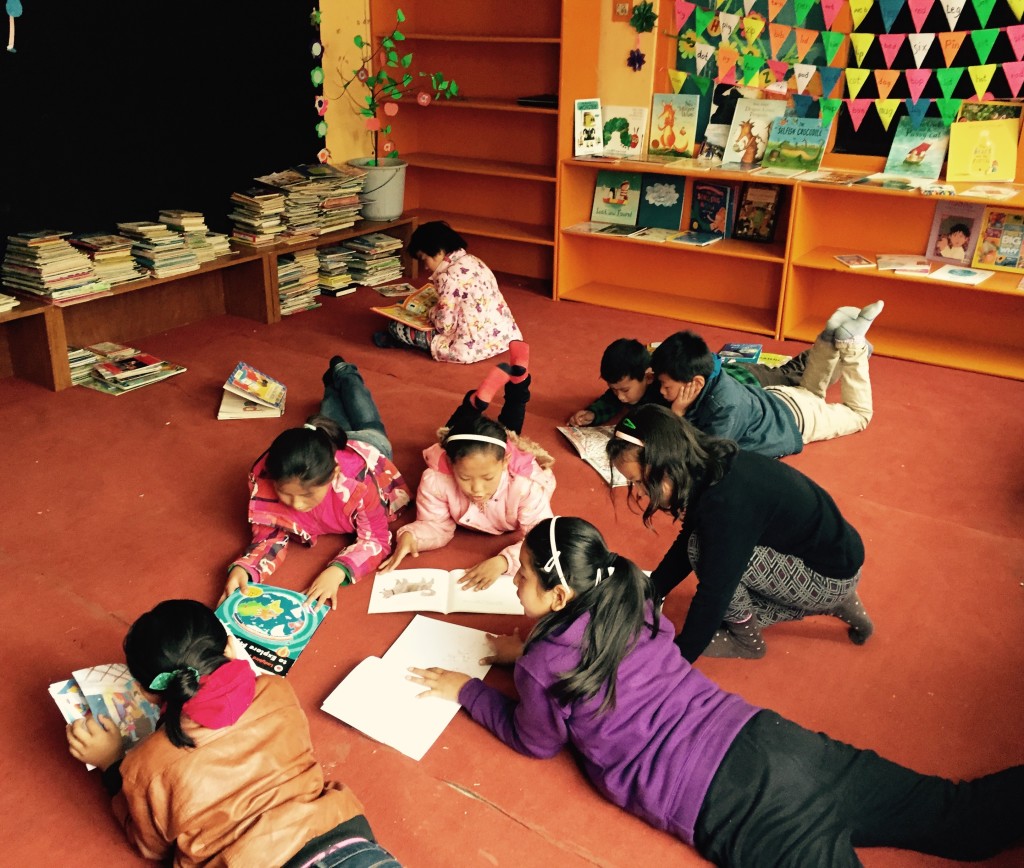
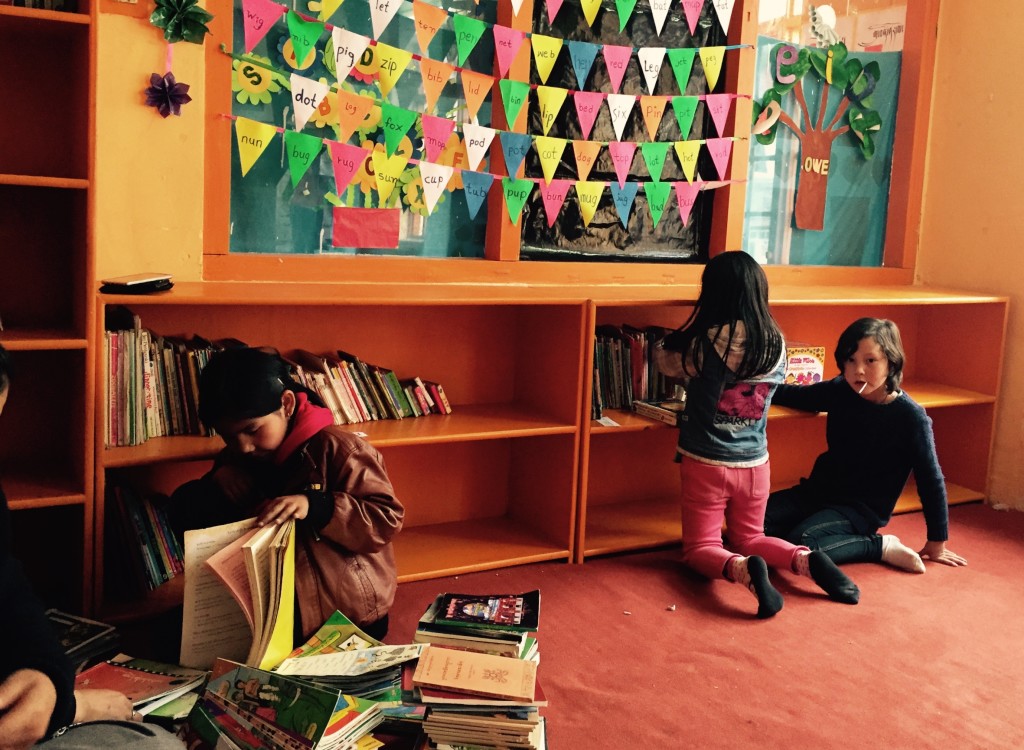
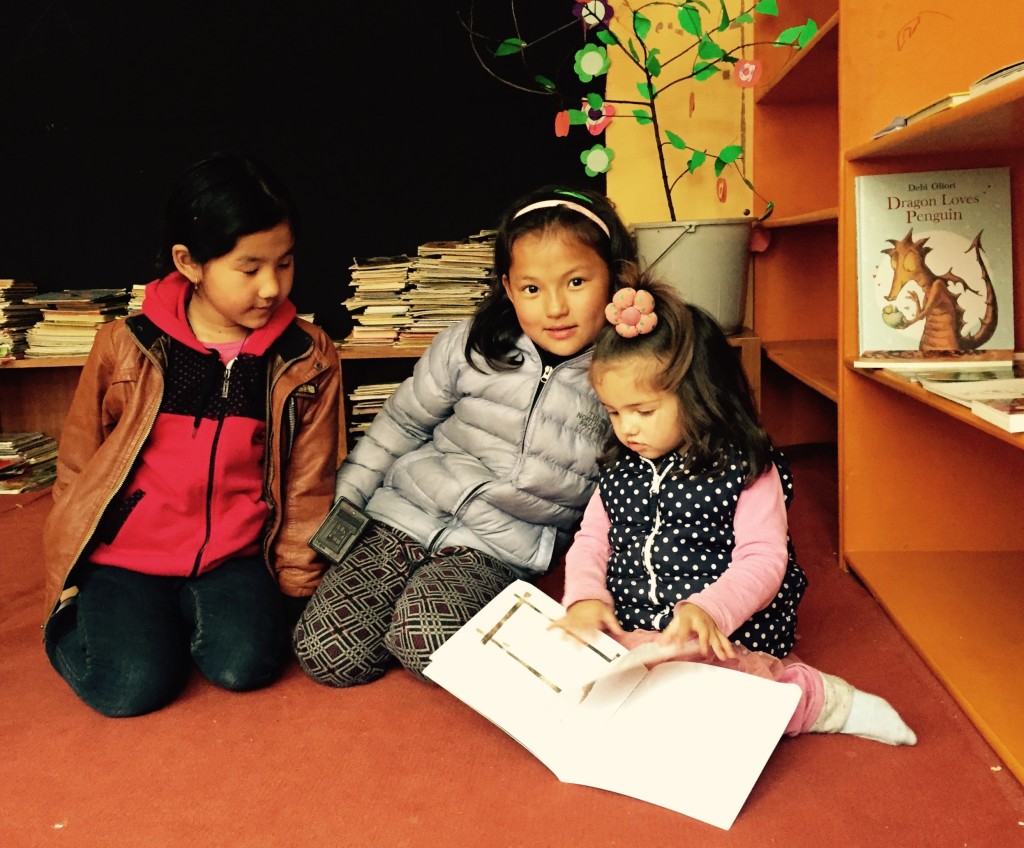
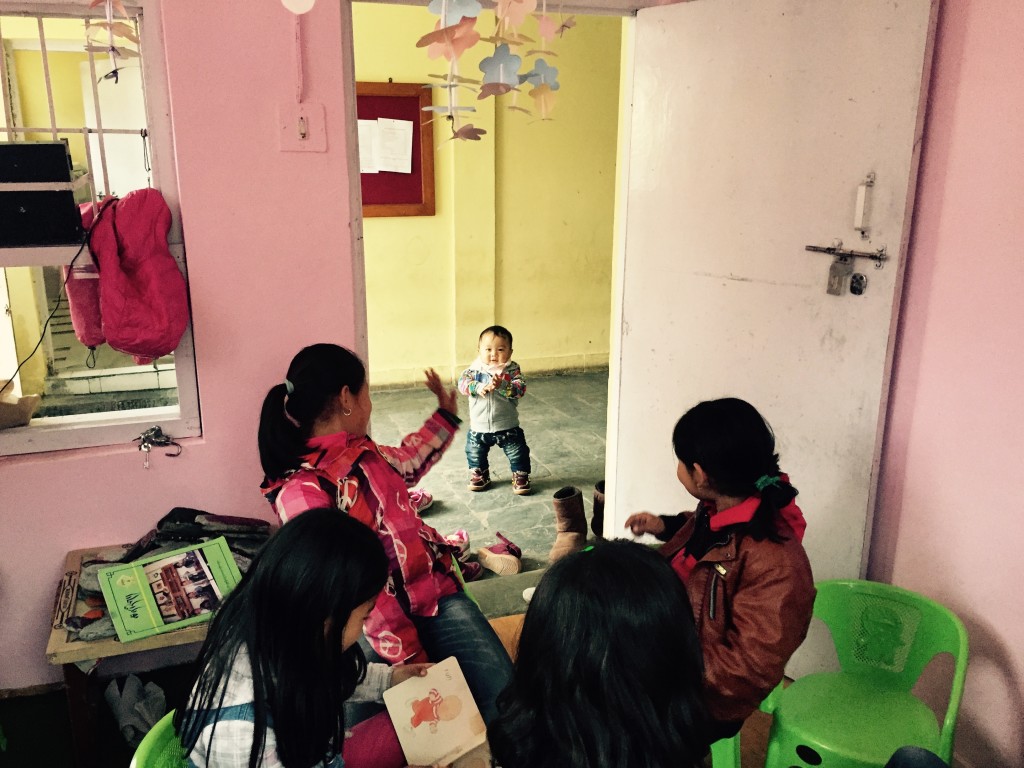
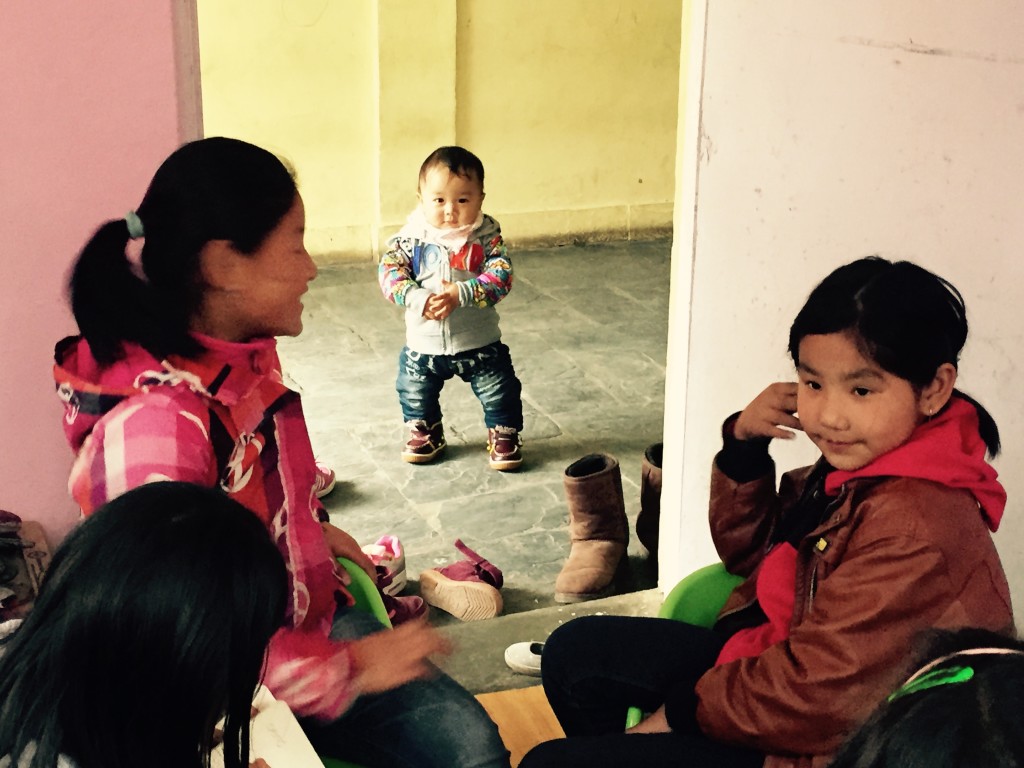
In a Ladakh community supported by Avalokiteśvara Trust, a modest reading room was filled with children’s books, picture cards and quiet corners for study. Then, for one afternoon, it became a wedding venue. Two volunteer teachers, who were marrying each other, wanted their reception beside the place where they had taught rather than in a formal hall far from the mountains.
The story called The Day a Reading Room Hosted a Wedding Reception for Two Volunteer Teachers begins with a practical question: where could a reception honour learning while keeping books and children at the centre? The answer was a familiar community space adapted with borrowed chairs, shared food and a handmade programme.
A room built for learning
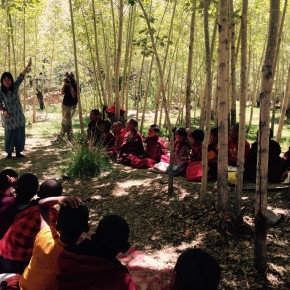
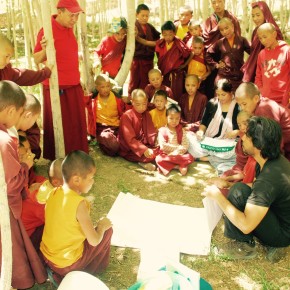
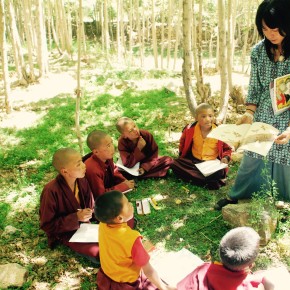
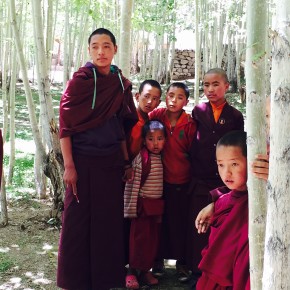
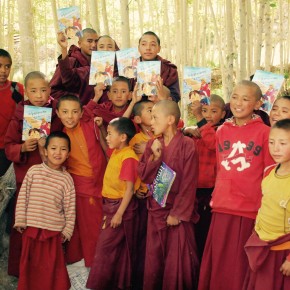
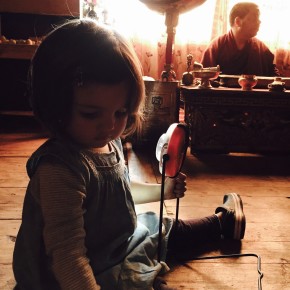
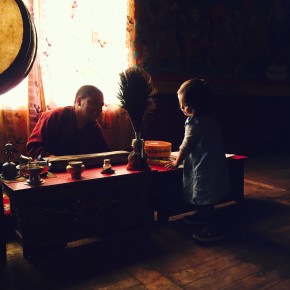
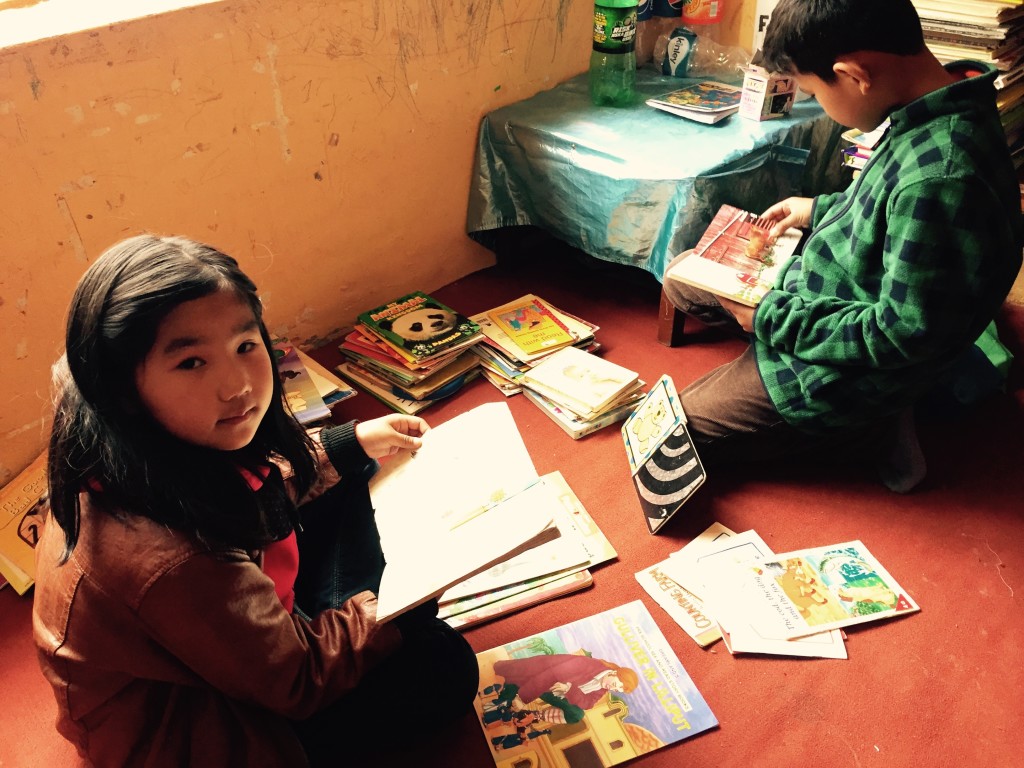
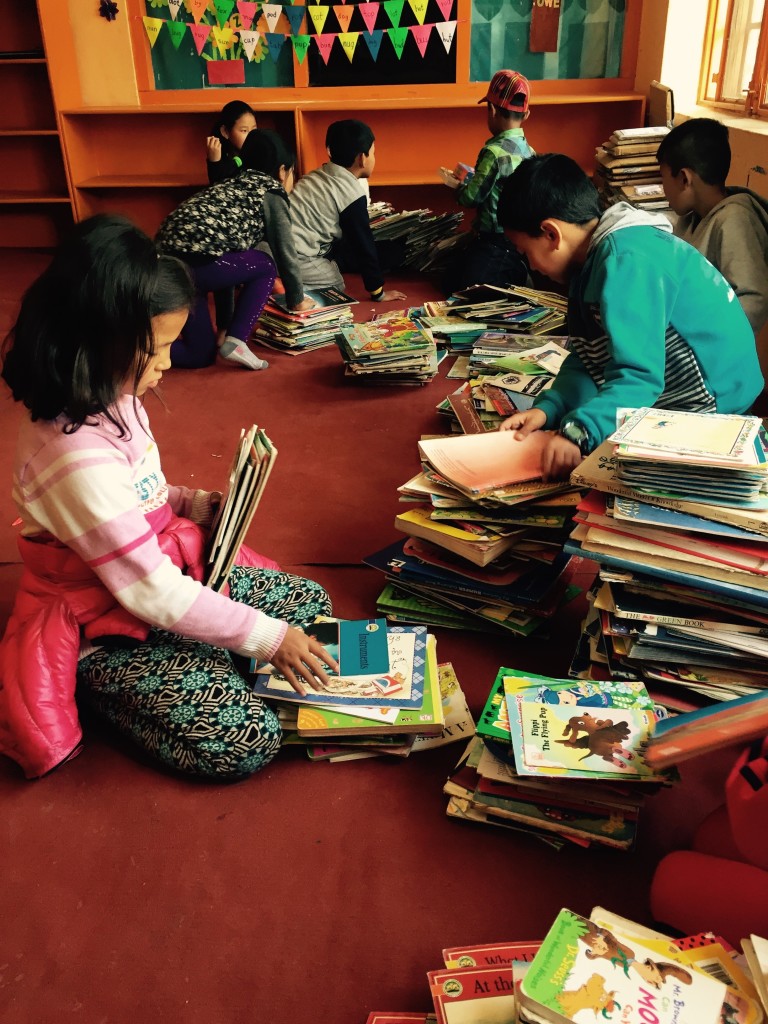
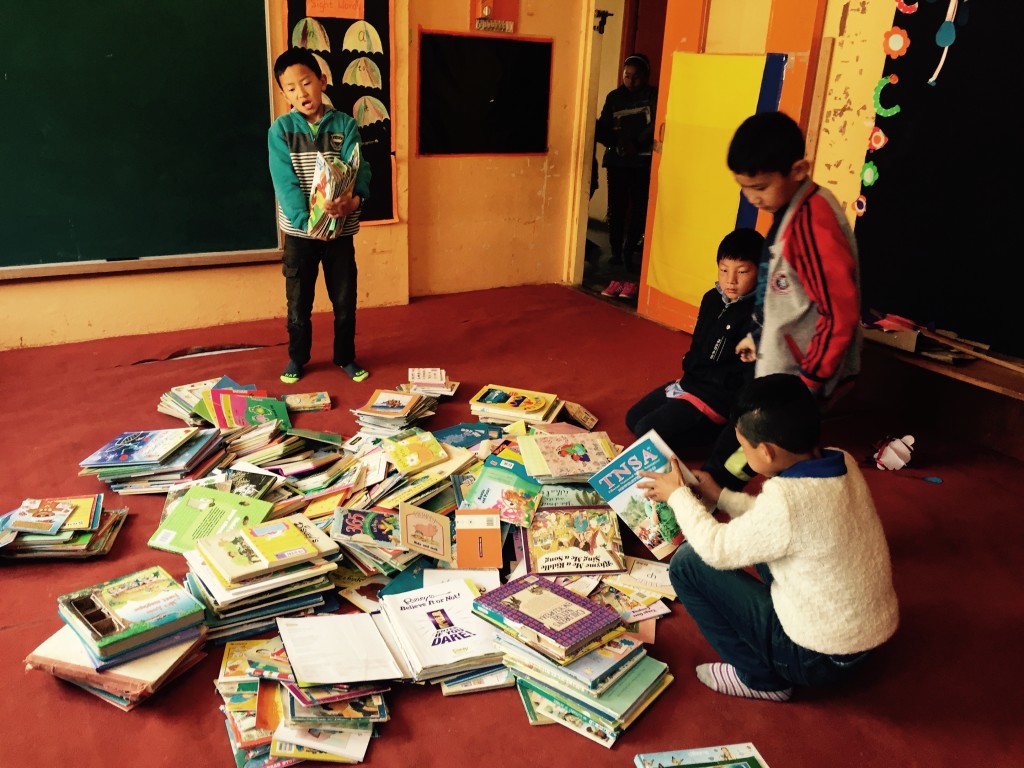
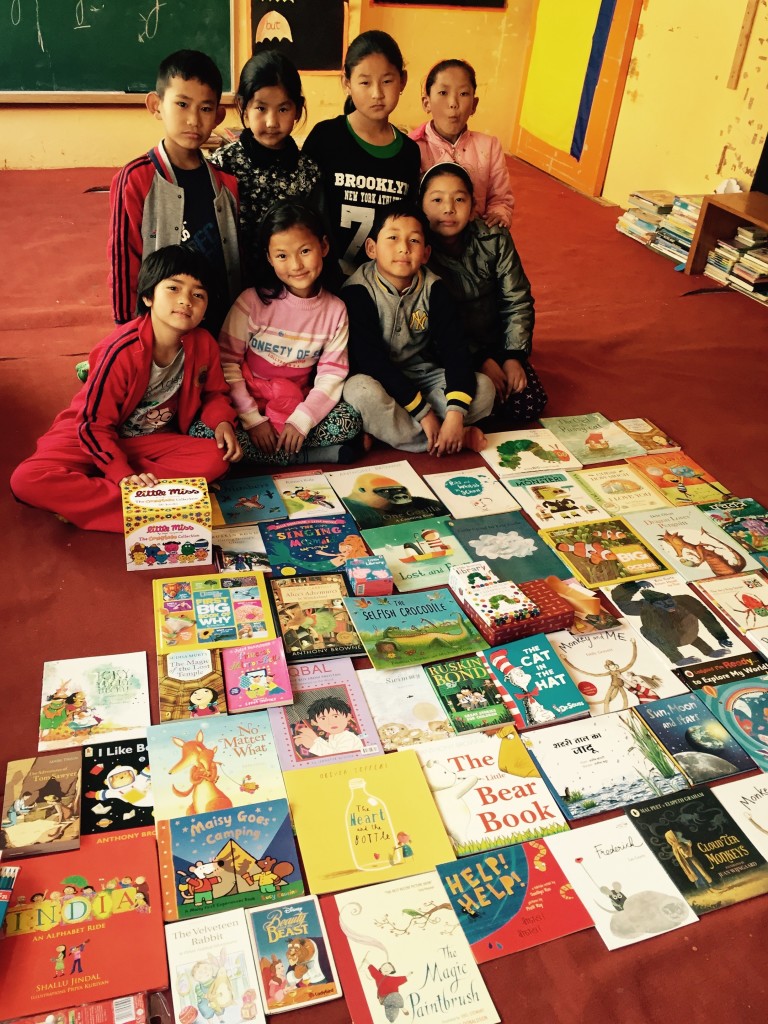
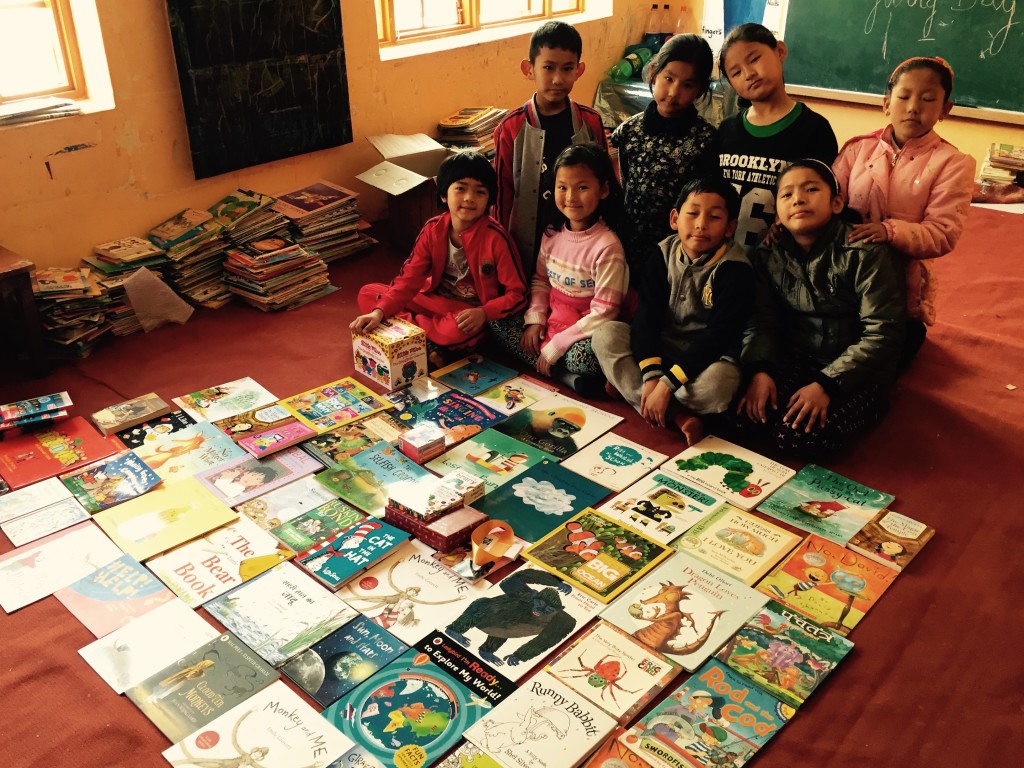
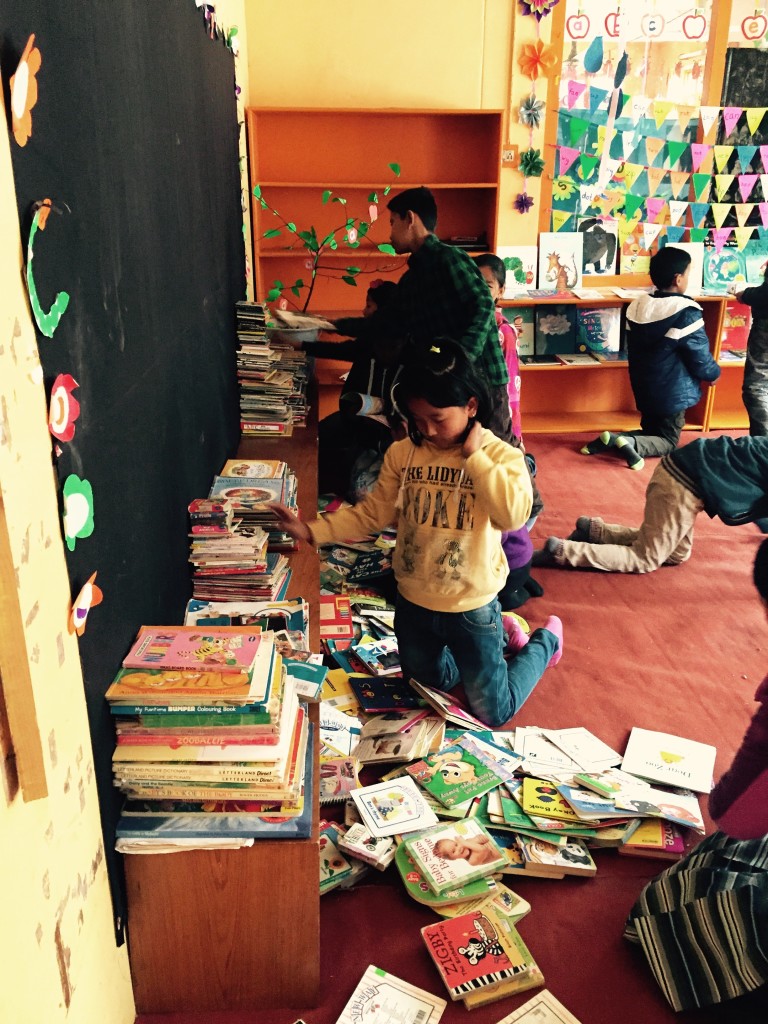
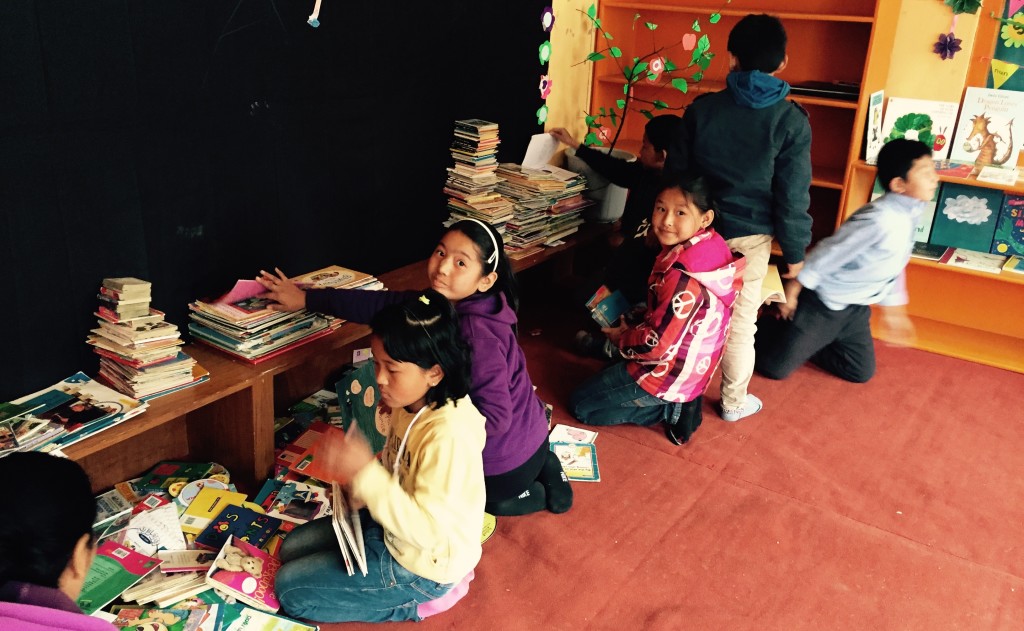
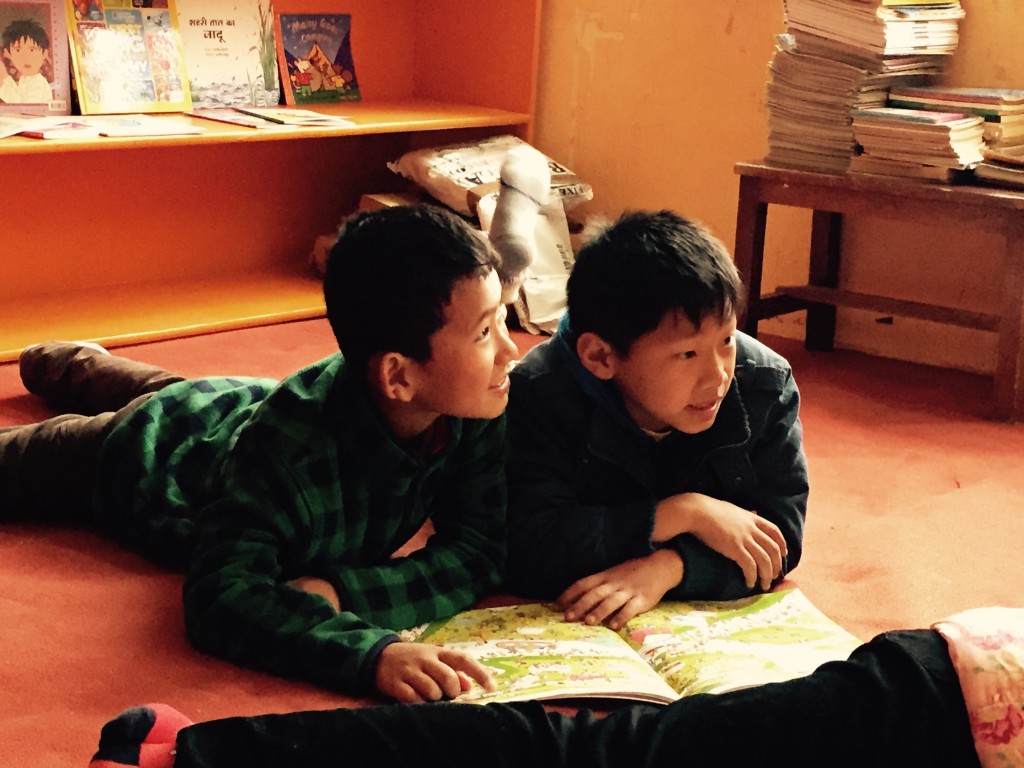
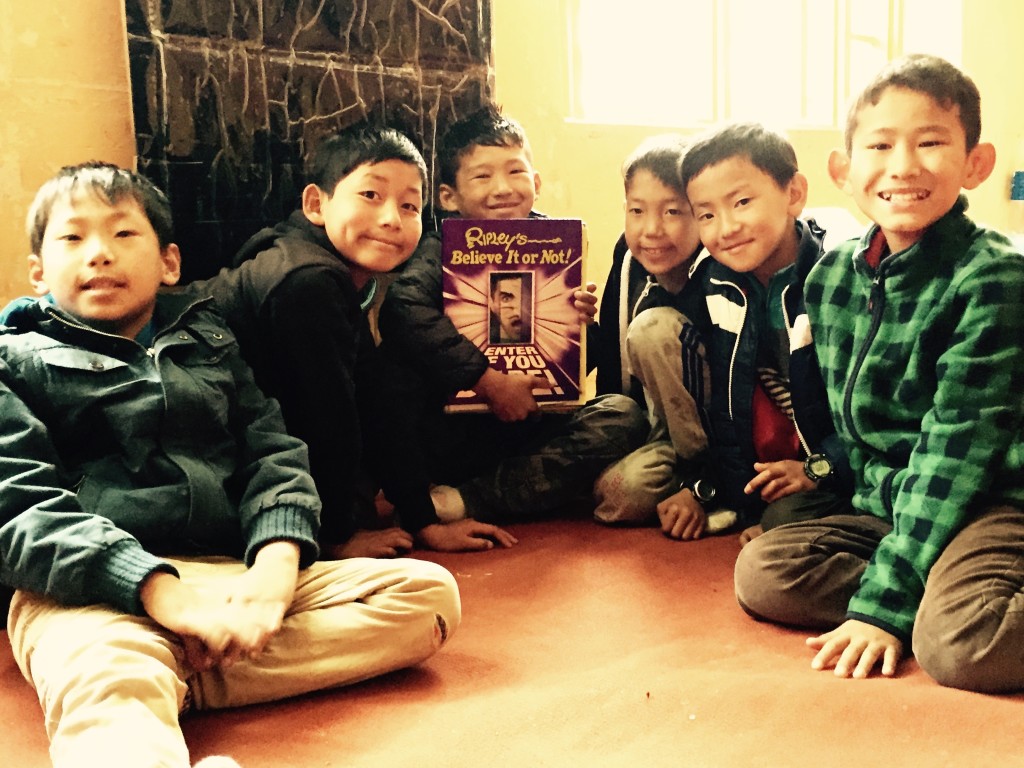
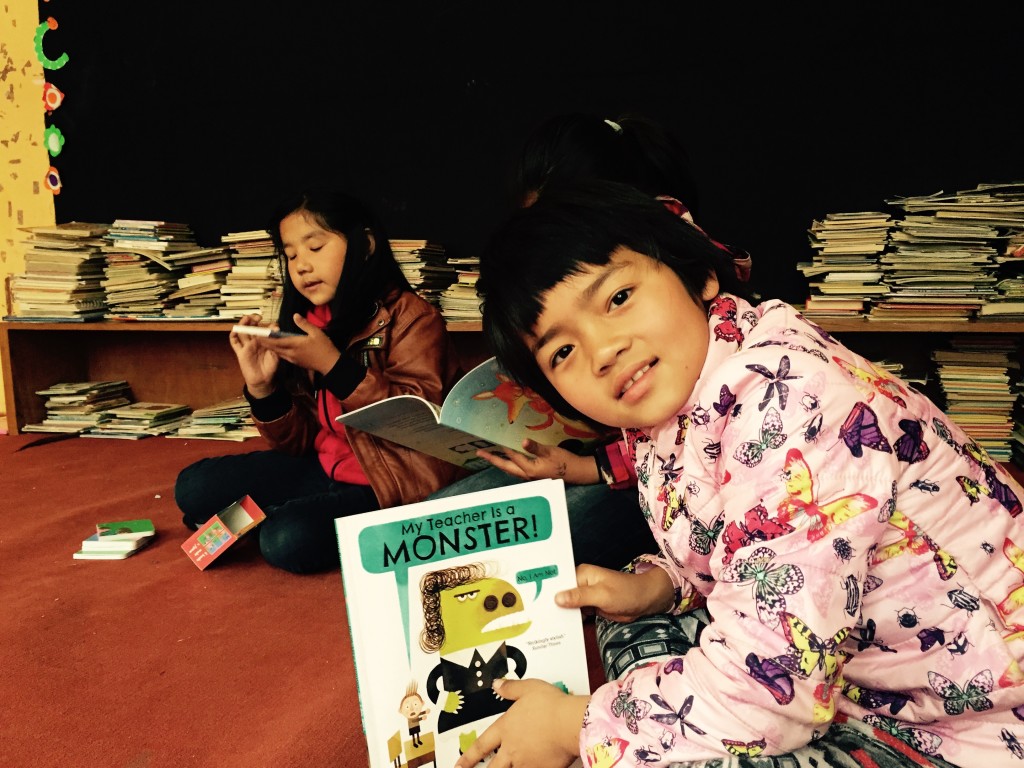
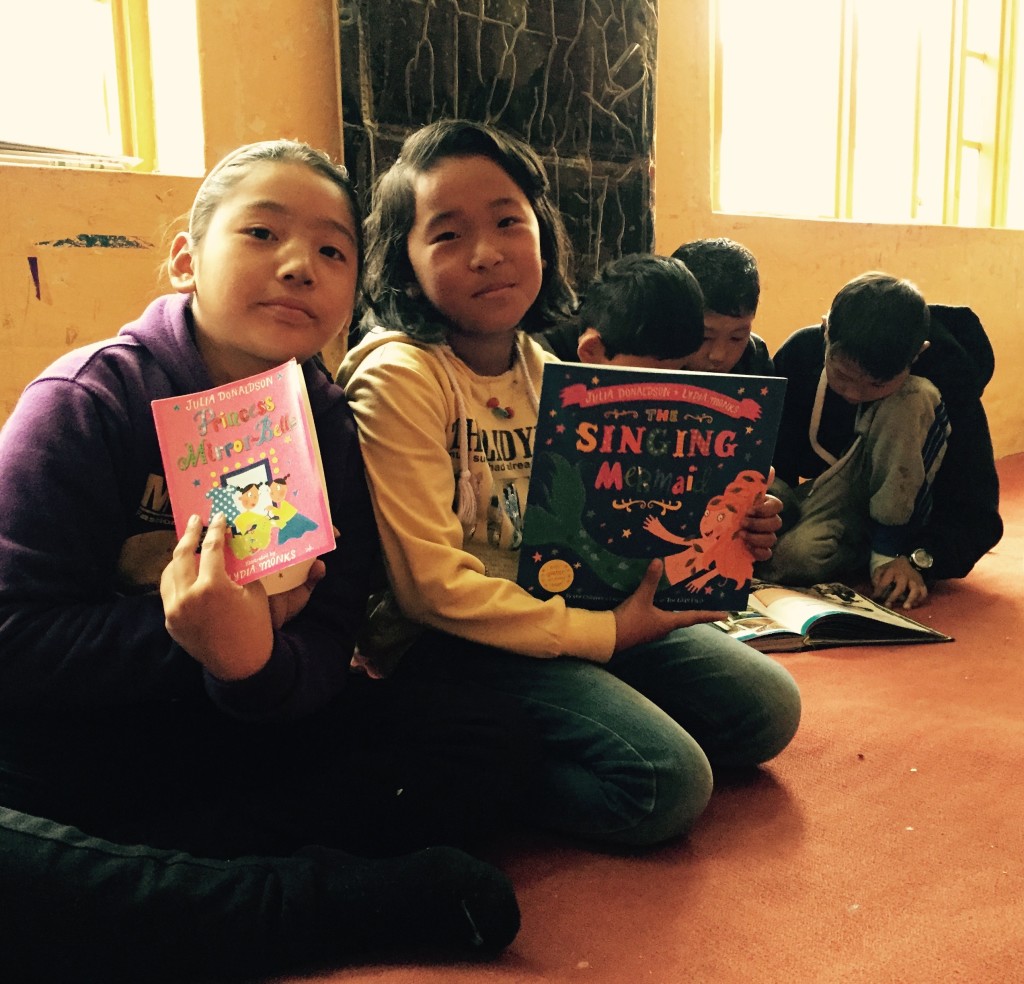
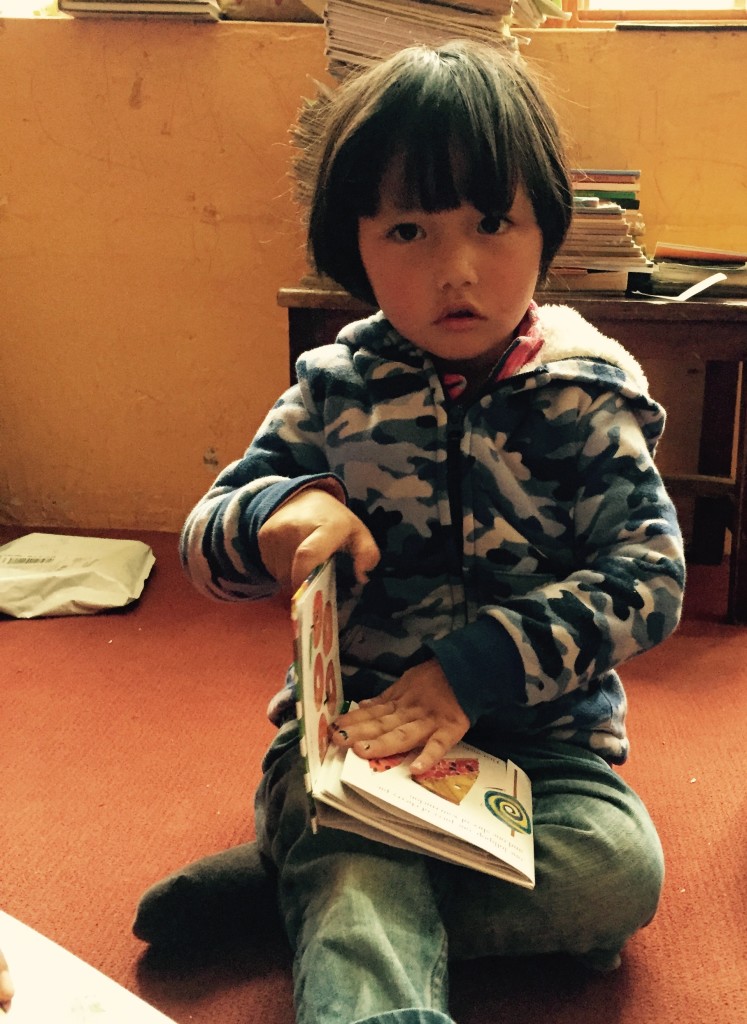
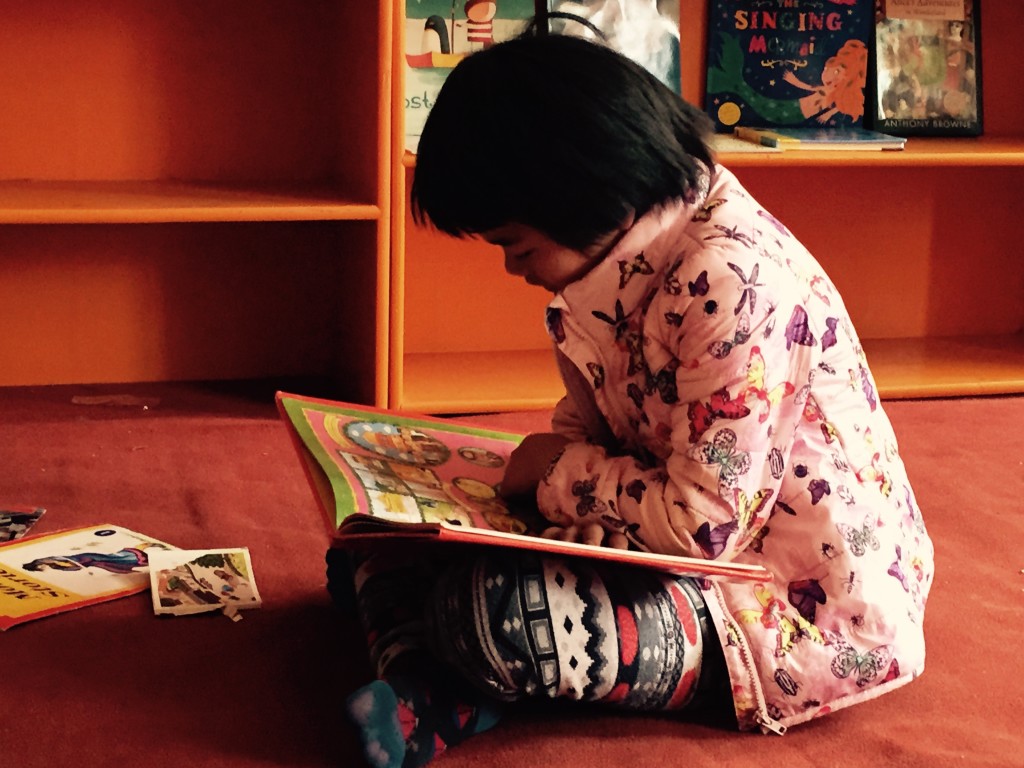
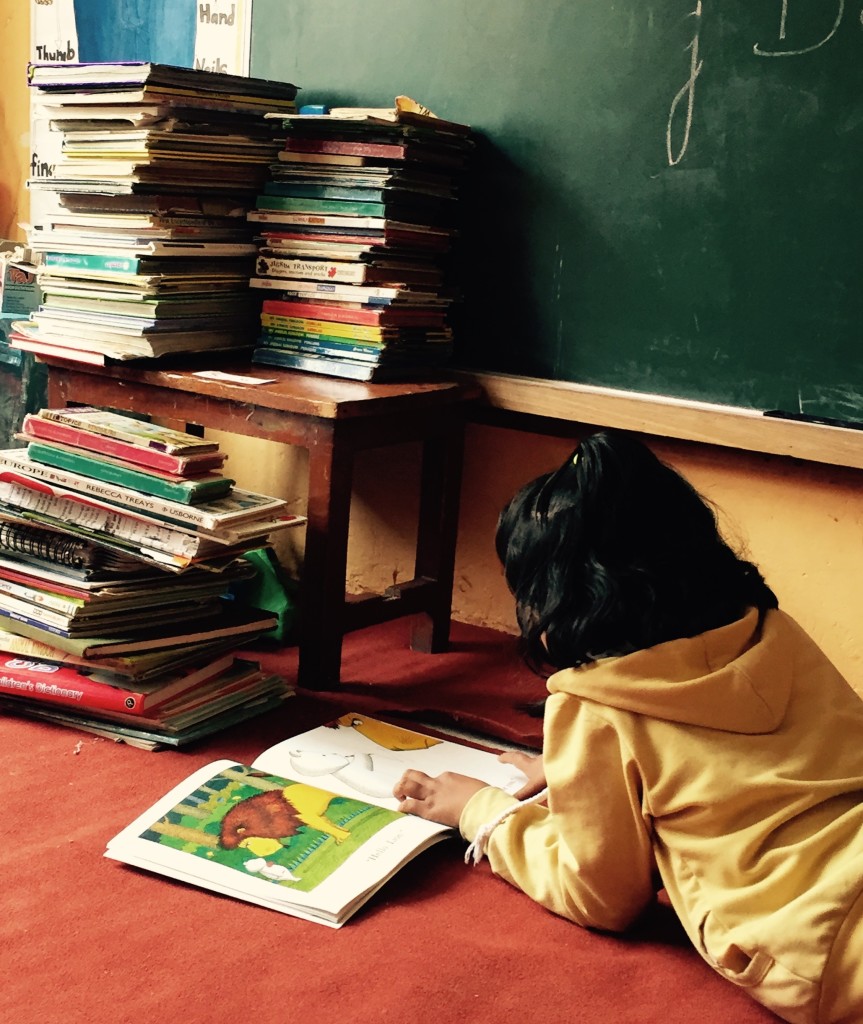
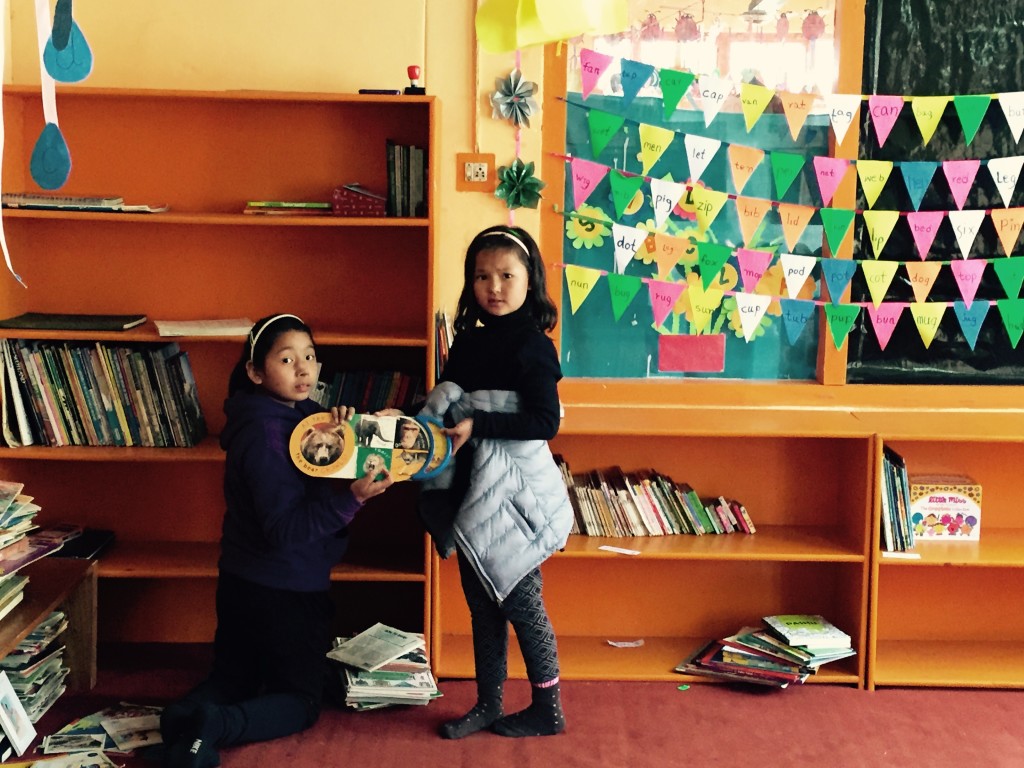
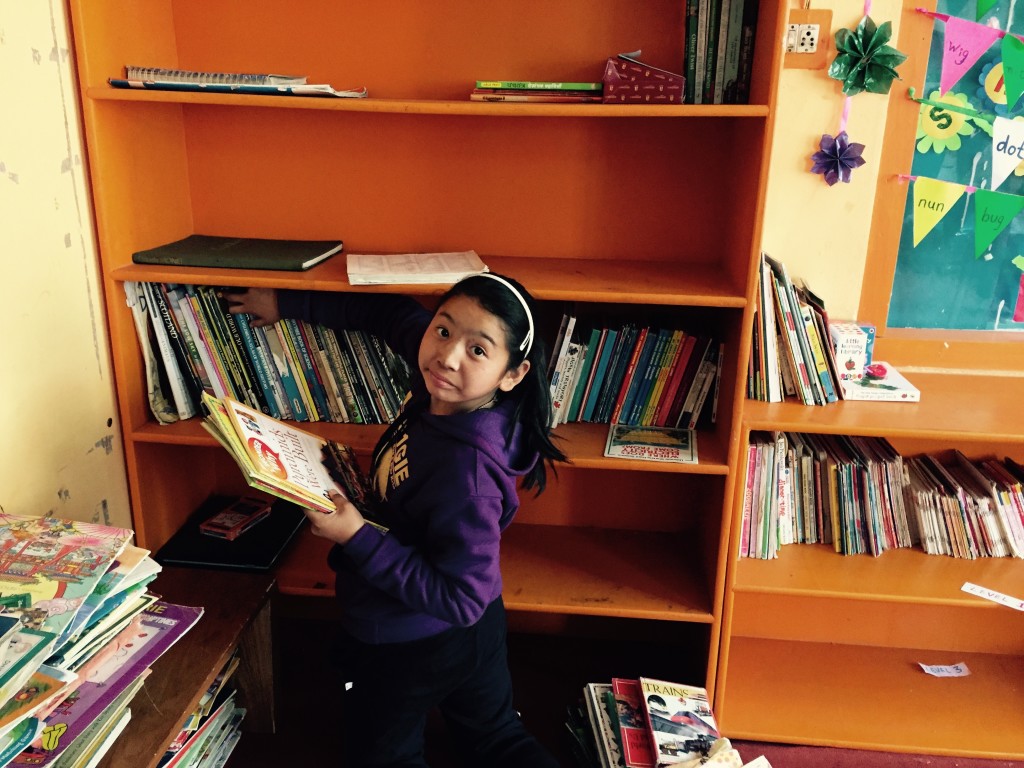
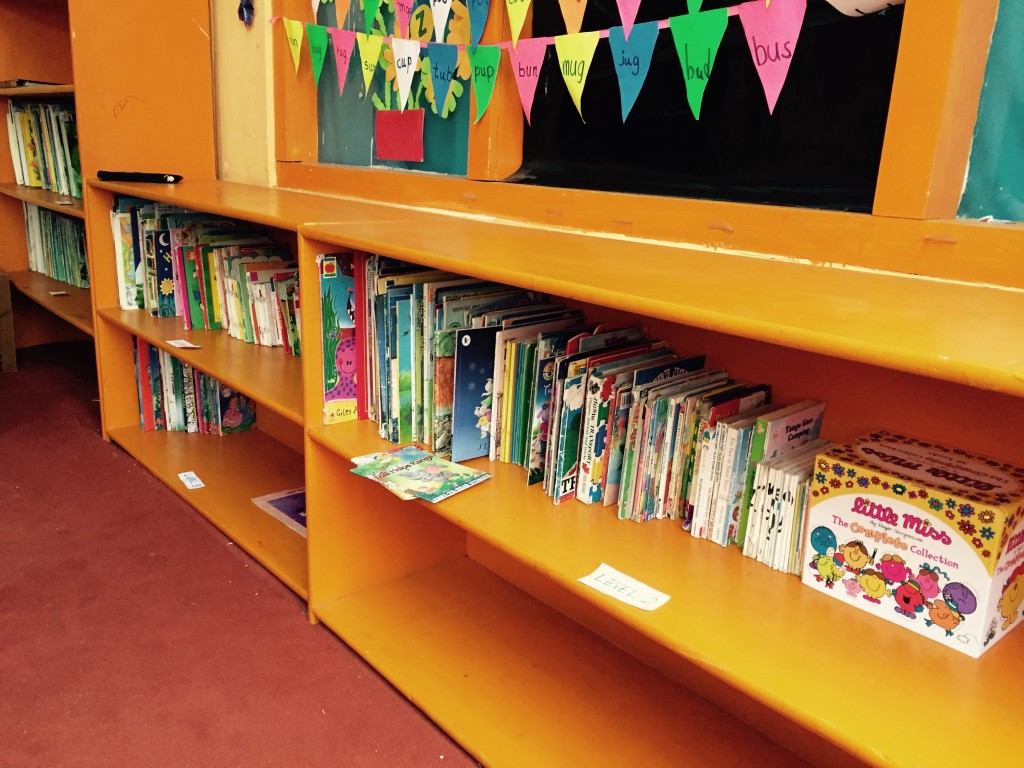
Avalokiteśvara Trust supports children and young monks across Himalayan communities through reading rooms, book drives and educational, artistic and musical activities. A reading room is more than a place to store books. It gives a child a regular place to read aloud, a young monk time away from chores and volunteers a chance to guide a learner.
Daily use gives the room weight. Children know where to return a favourite story, teachers can notice who is struggling and families can see the results of steady practice. That continuity would be hard to reproduce with a temporary event space.
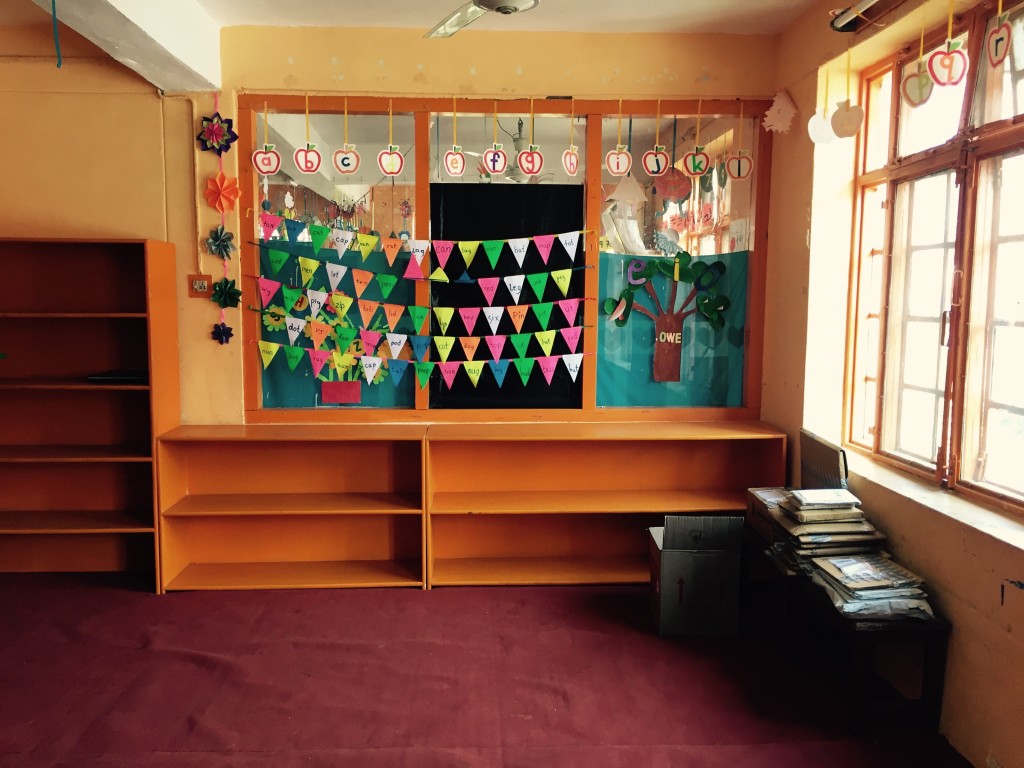
In this story, the venue already had shelves, mats, lighting and a trusted routine. Those practical assets made a reception possible without pretending the celebration could be improvised from nothing.
A reception with a serious purpose
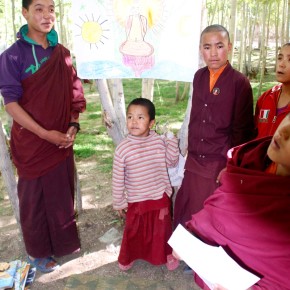
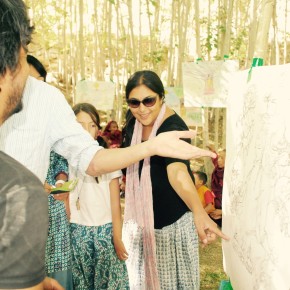
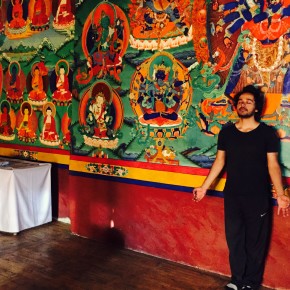
The changes were deliberately simple. Textile hangings covered plain walls, children’s drawings became a backdrop and the tables were set with cups rather than a hired catering display. Teachers, parents and volunteers worked together, each assigned a small job.
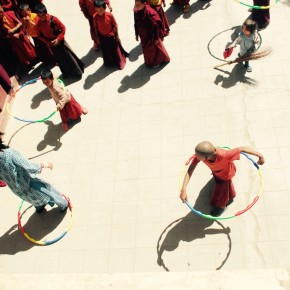
A short blessing gave the gathering its Himalayan character, while a procession of children carrying paper flowers linked the wedding to the room’s daily purpose. Music followed, led by the trust’s activities and by local musicians. The celebration felt local, personal and connected to education.
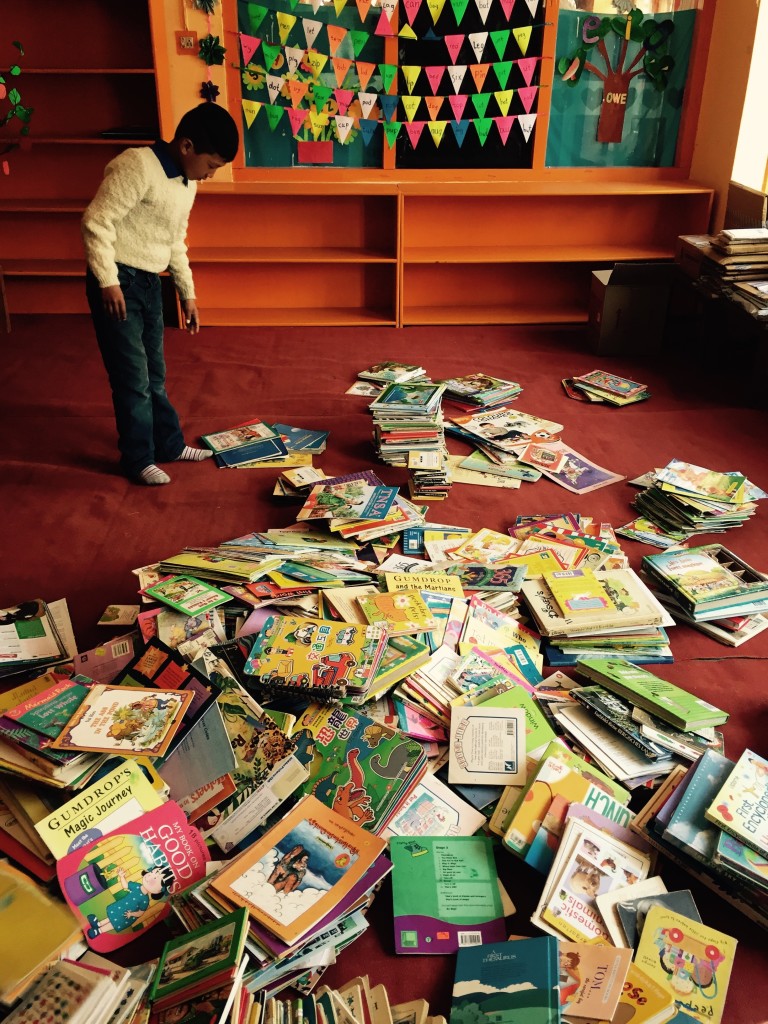
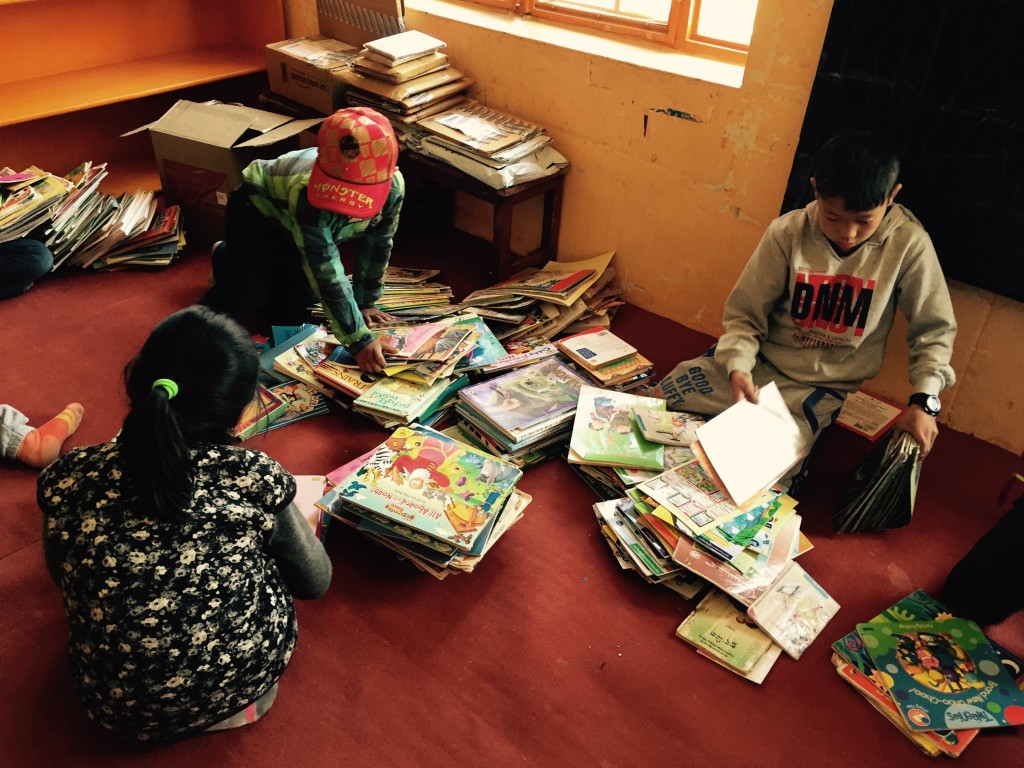
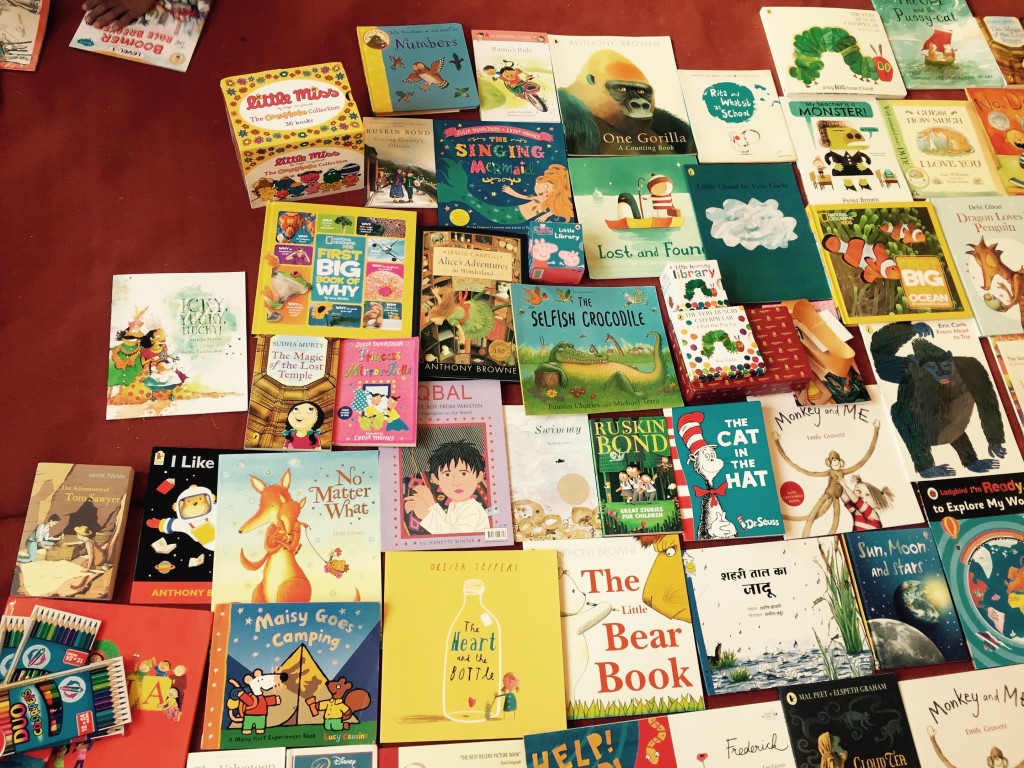
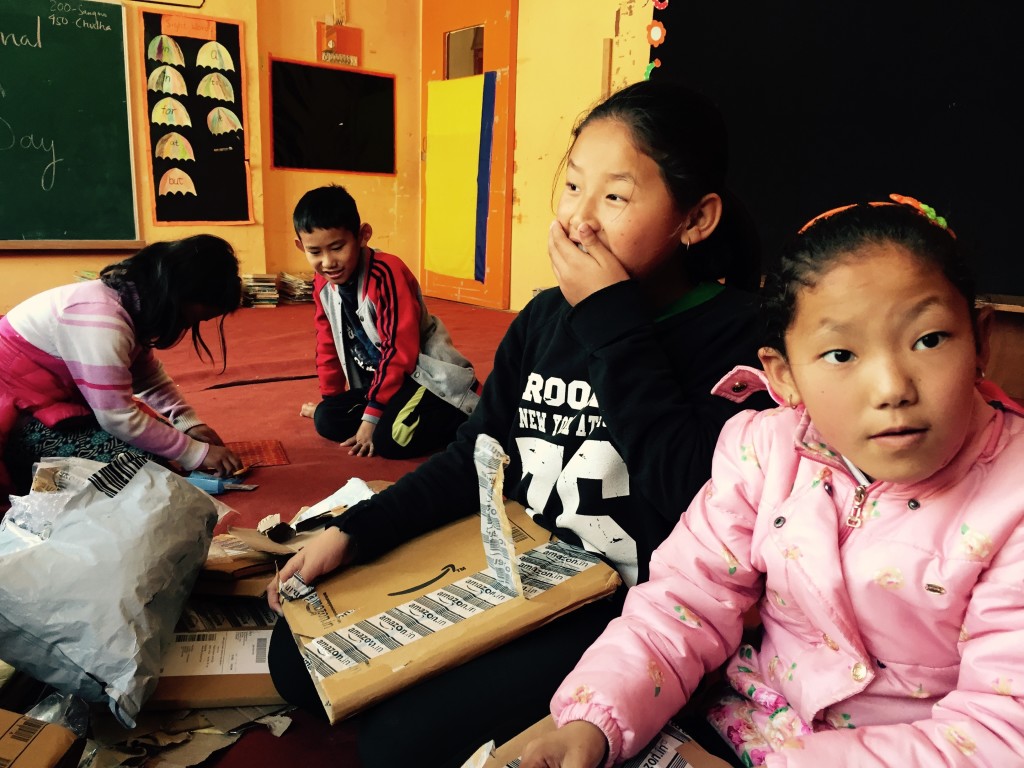
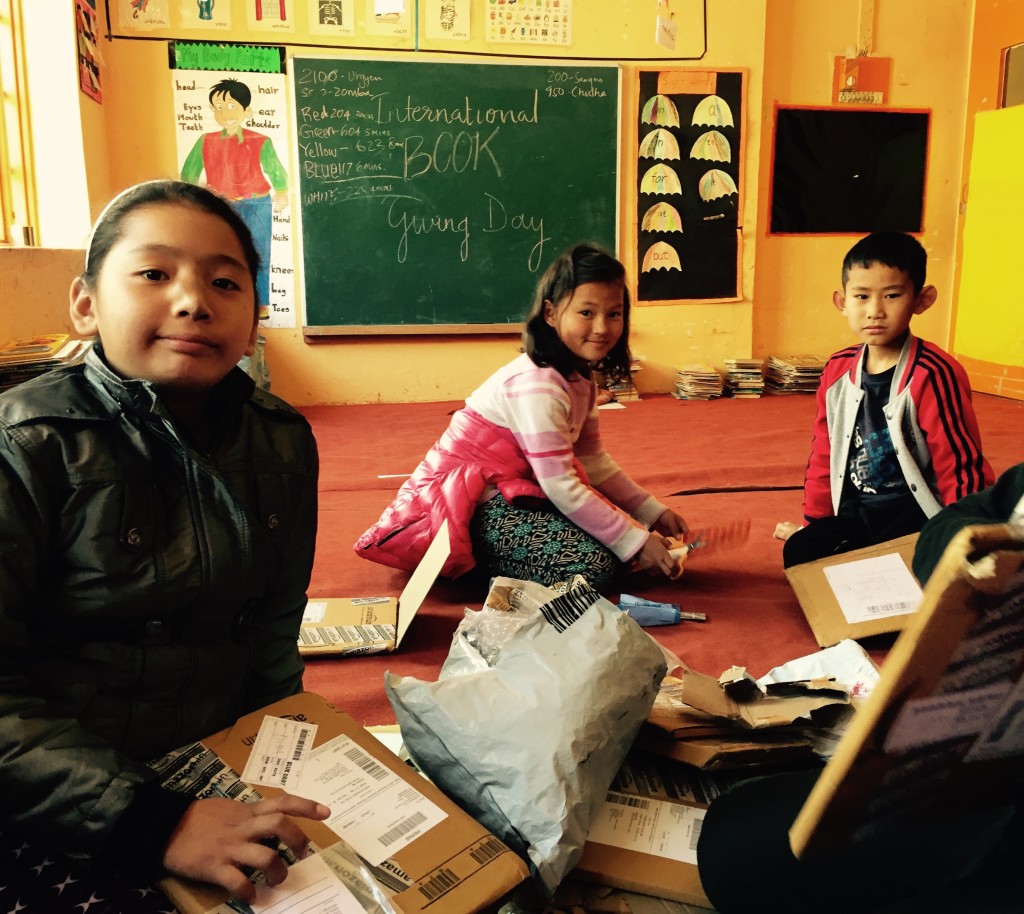
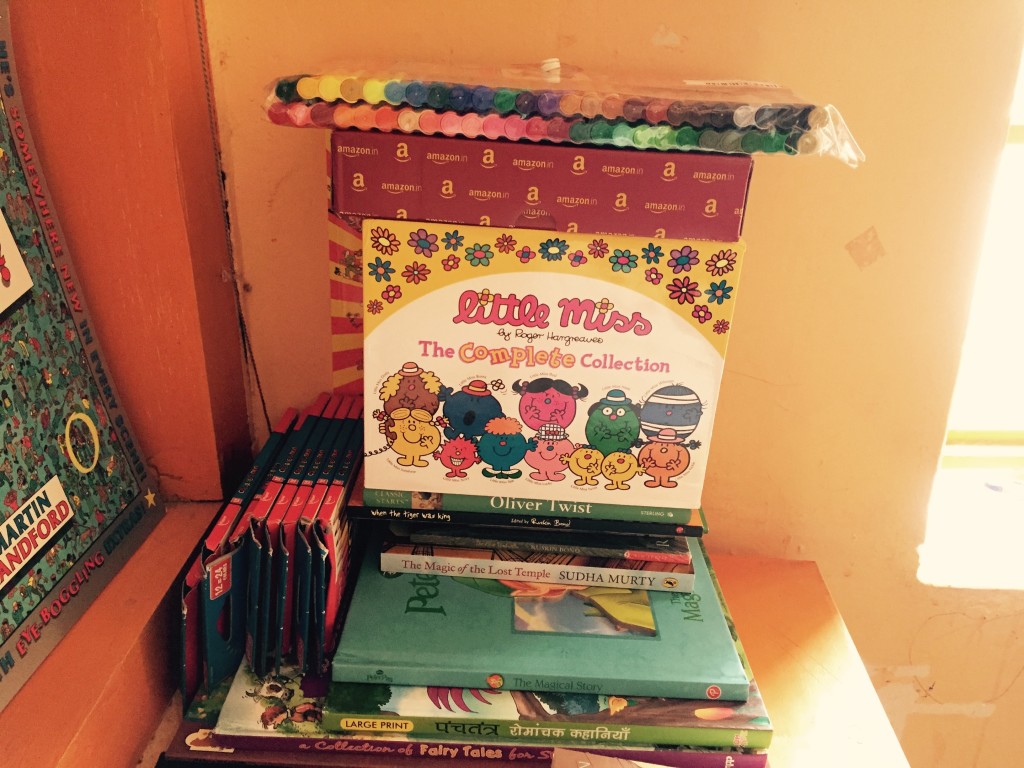
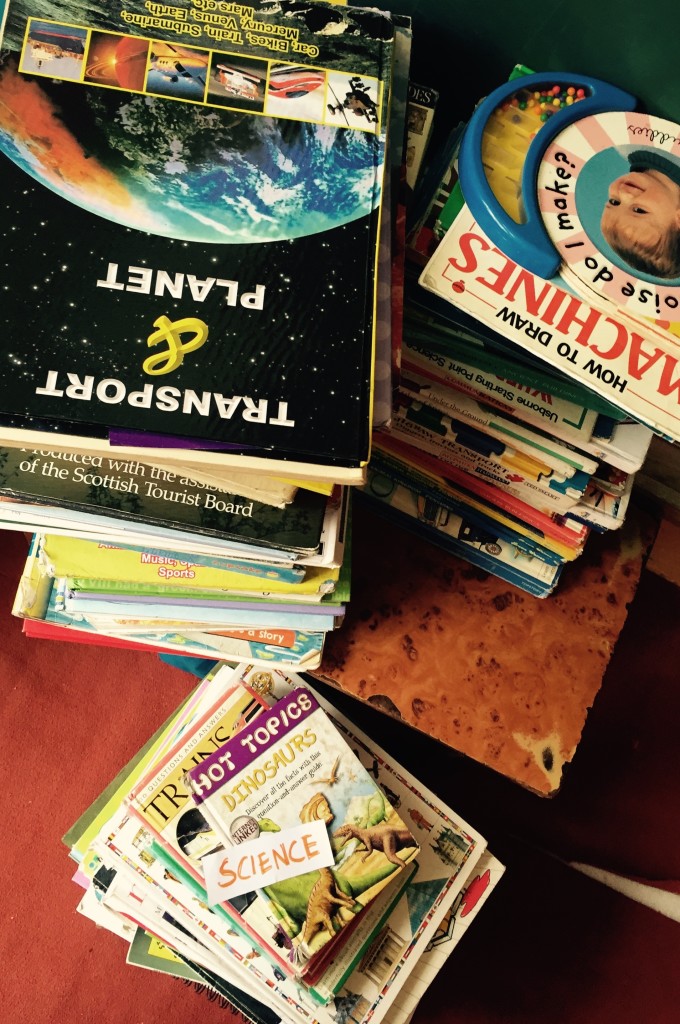
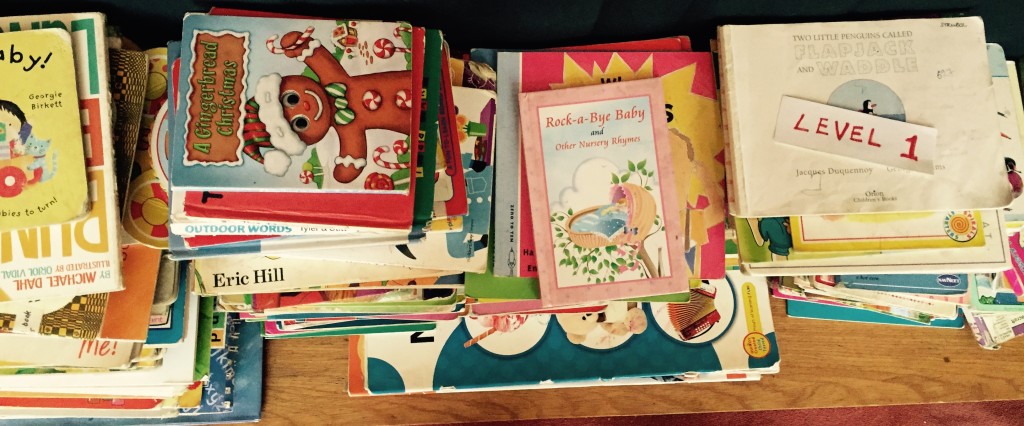
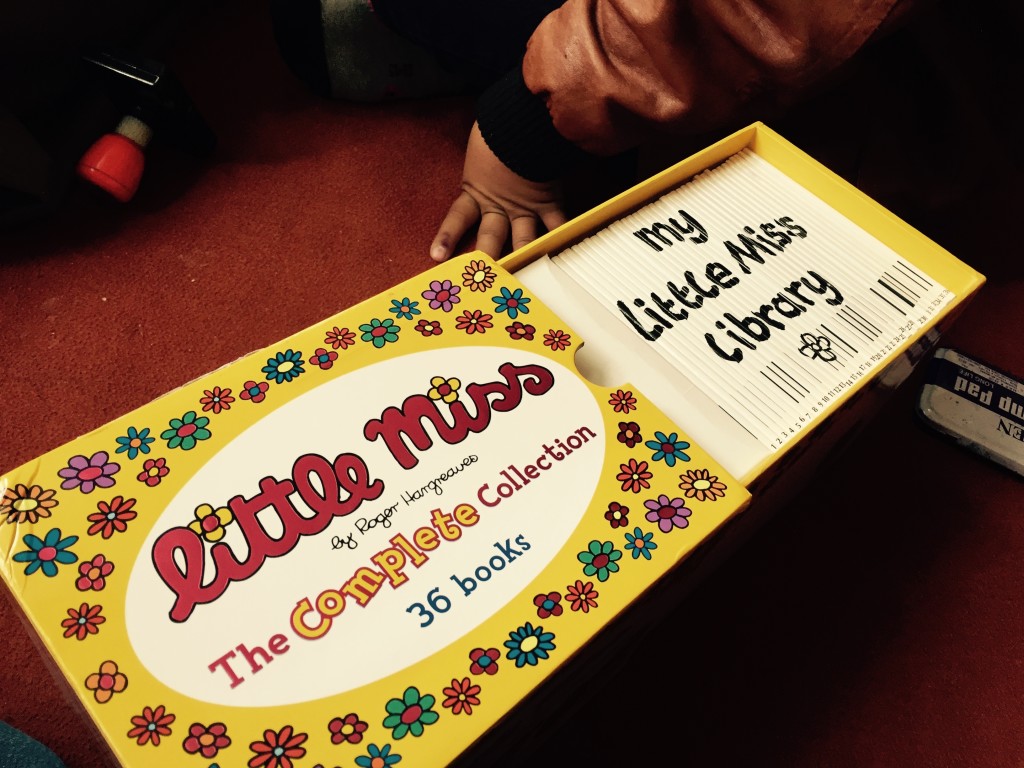
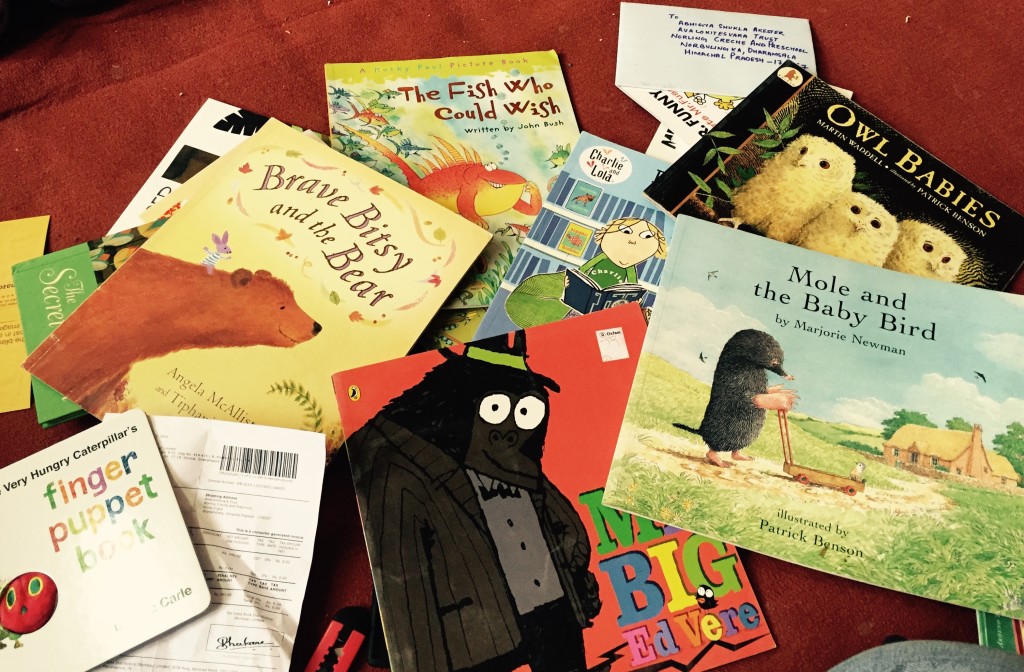
Guests were asked to bring useful books alongside their good wishes. The resulting collection extended the library’s shelves and turned wedding gifts into a shared resource. Australian families may recognise the same impulse when a community hall wedding includes a charity book drive instead of a long list of decorative gifts.
What the teachers brought to the children
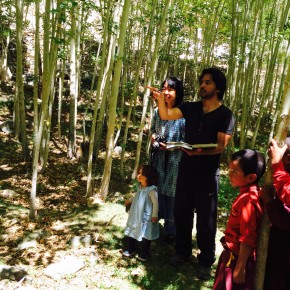
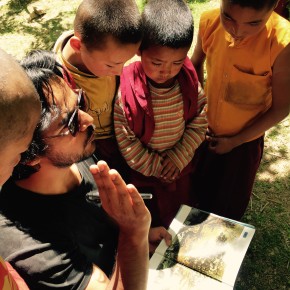
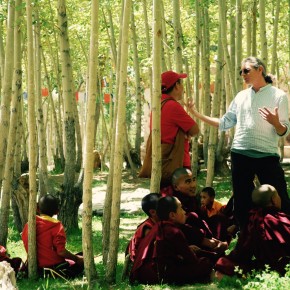
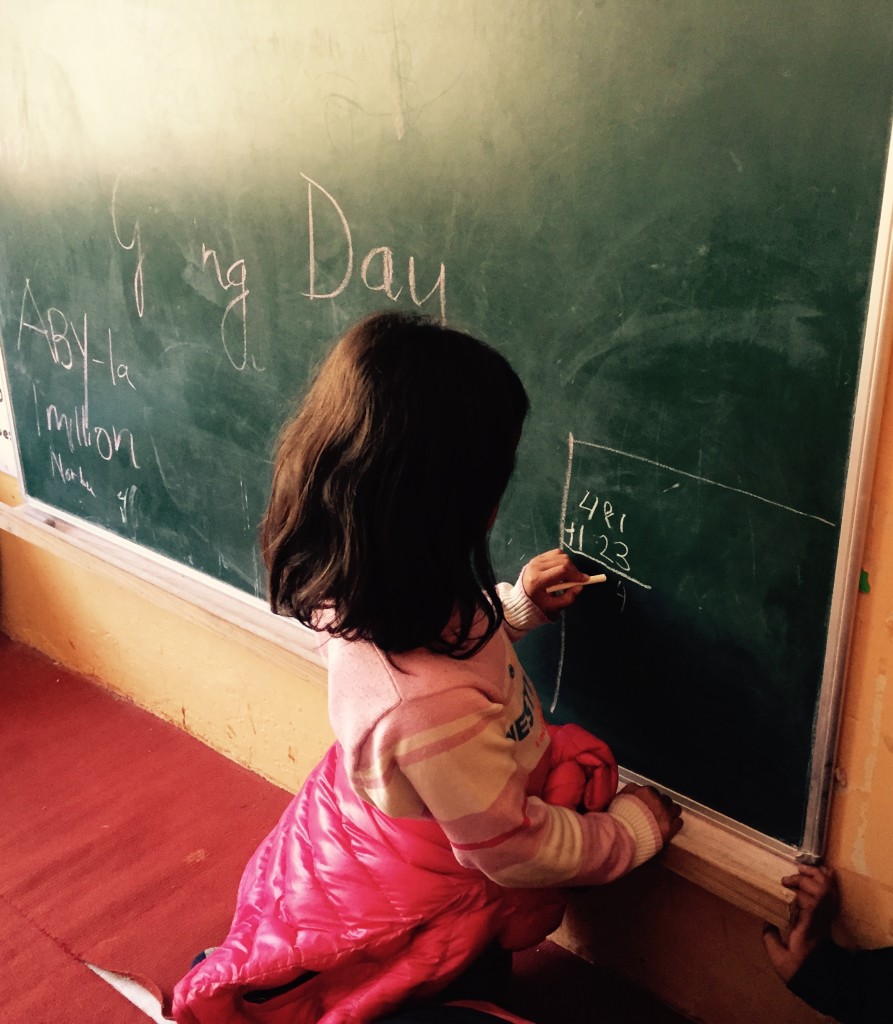
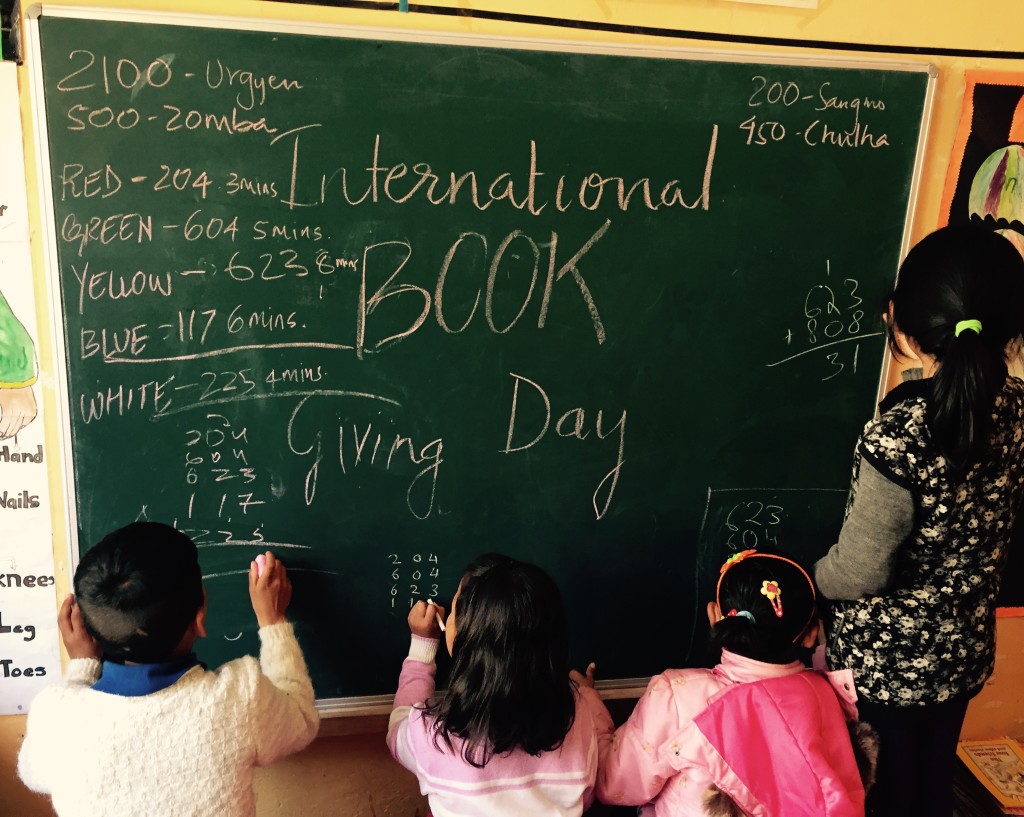
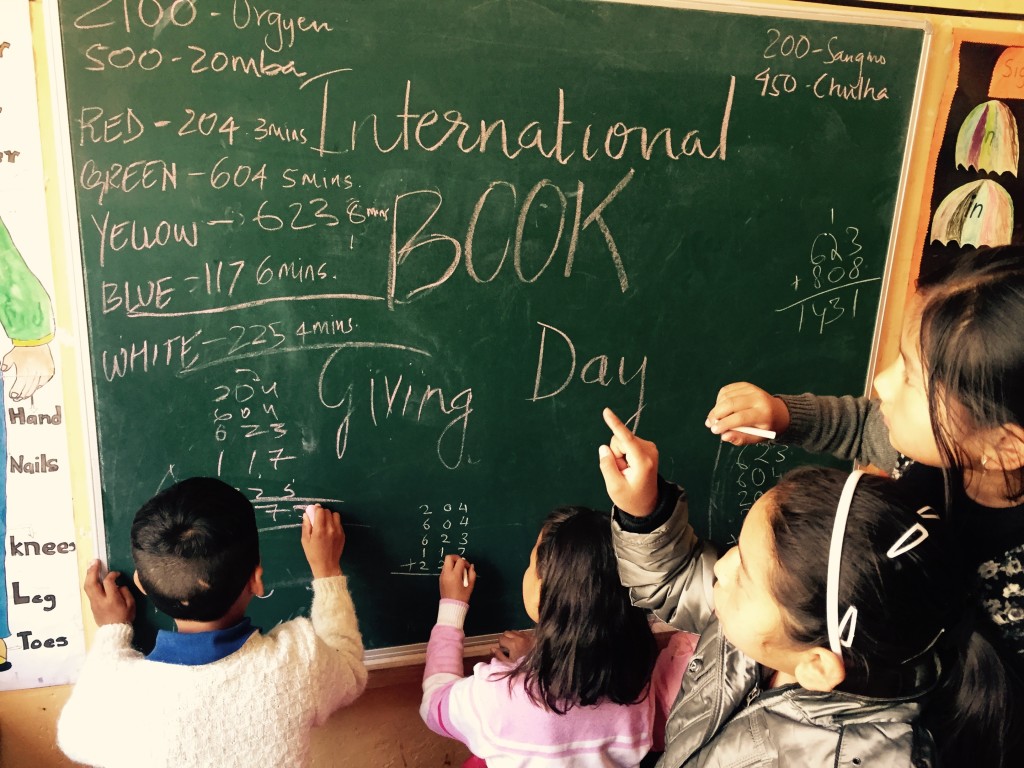
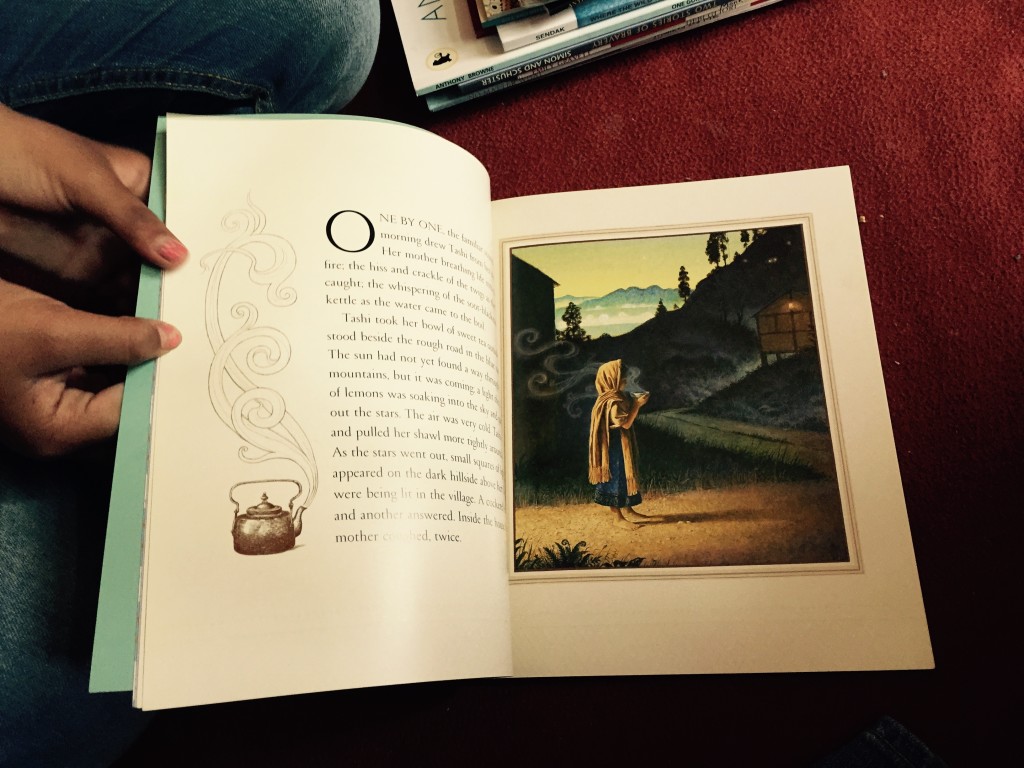
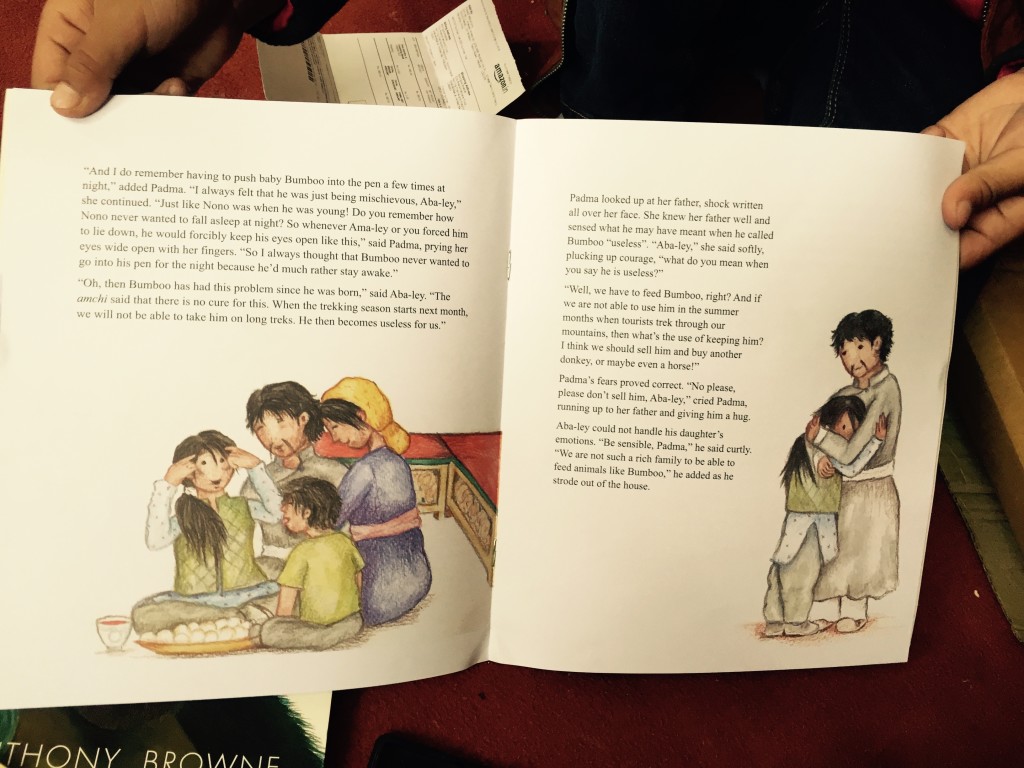
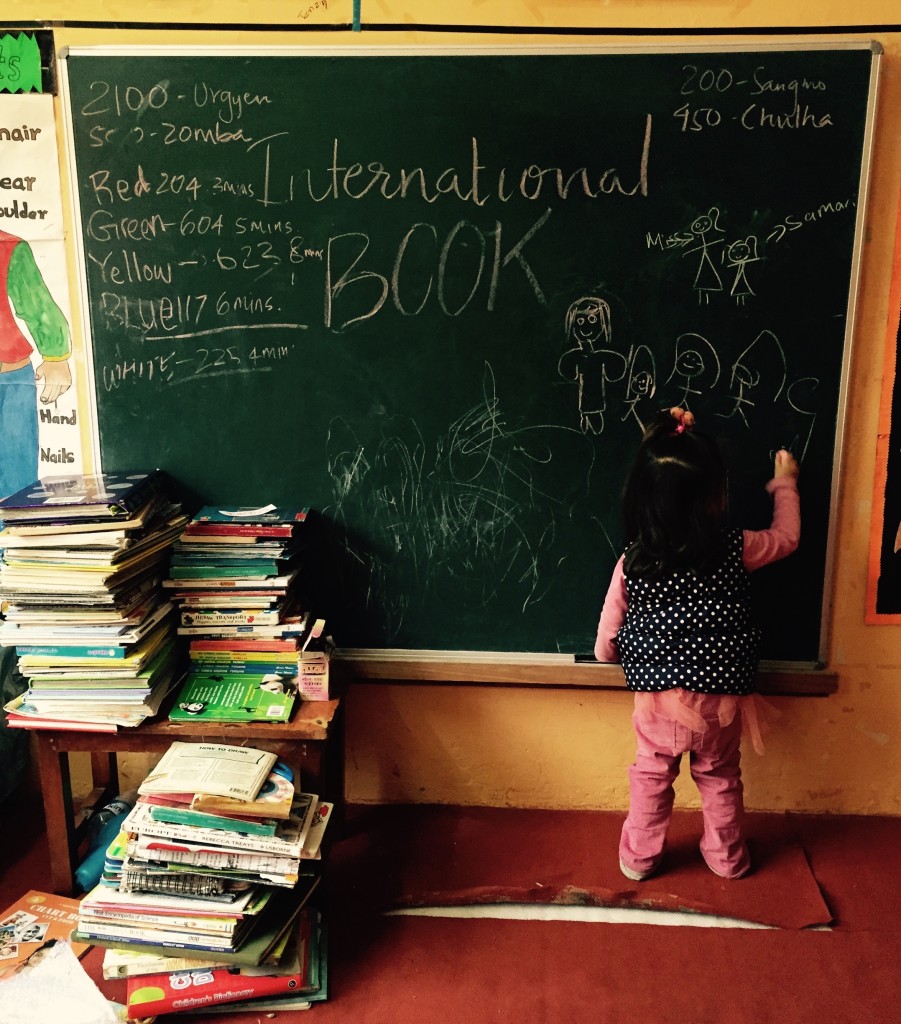
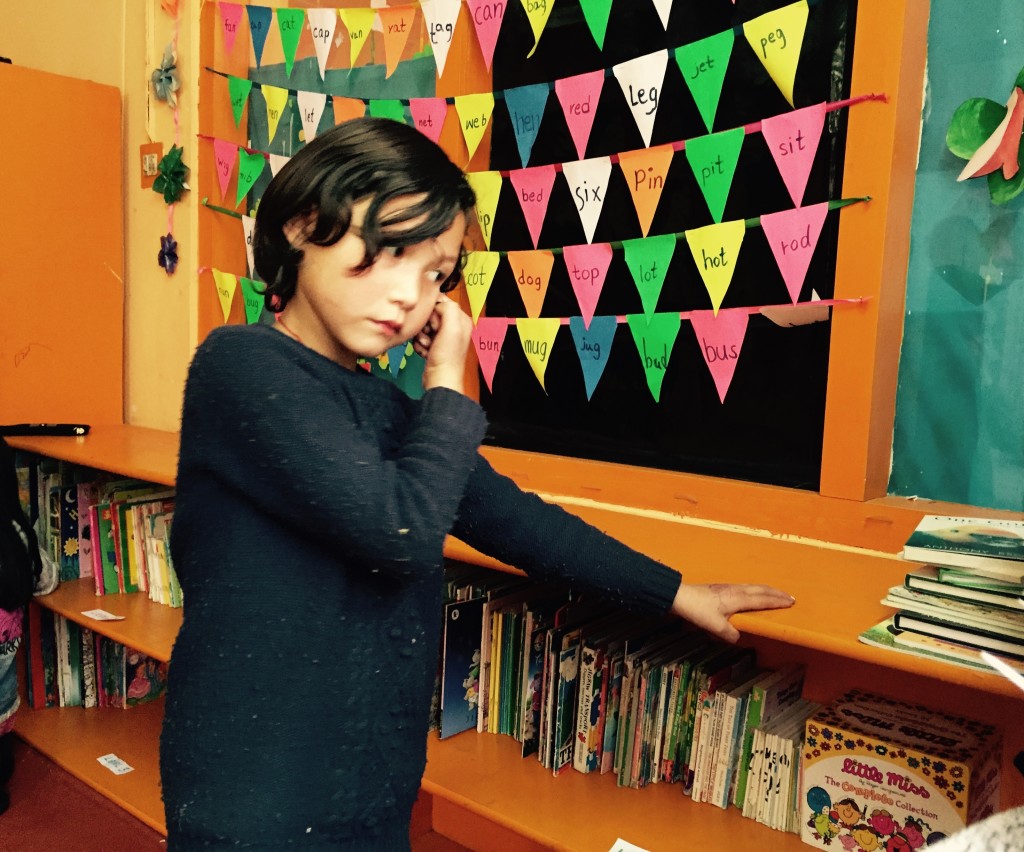
During lessons, the teachers had helped children decode simple words, build vocabulary and choose books they wanted to revisit. With younger pupils, songs and pictures made unfamiliar sounds less intimidating. Older students took turns reading passages aloud while the others followed.
The reception revealed another side of their work. A volunteer teacher is also a listener, organiser and trusted adult. The wedding showed how someone who gives regular hours to a reading room becomes part of its social fabric.
For children and young monks, that relationship can be especially valuable. A calm place to learn, a familiar adult and a reason to ask for help are parts of literacy support that cannot be bought with a single donation of books.
Music, books and learning beyond lessons
Children performed a short song that the teachers had rehearsed with them. The room responded as the lyrics moved from counting lines to a simple melody. Because music was already part of the trust’s programme, the performance felt like an extension of learning rather than a staged spectacle.
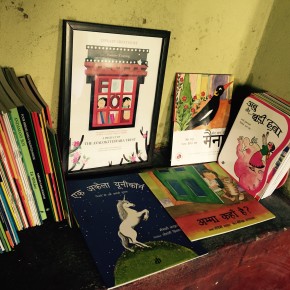
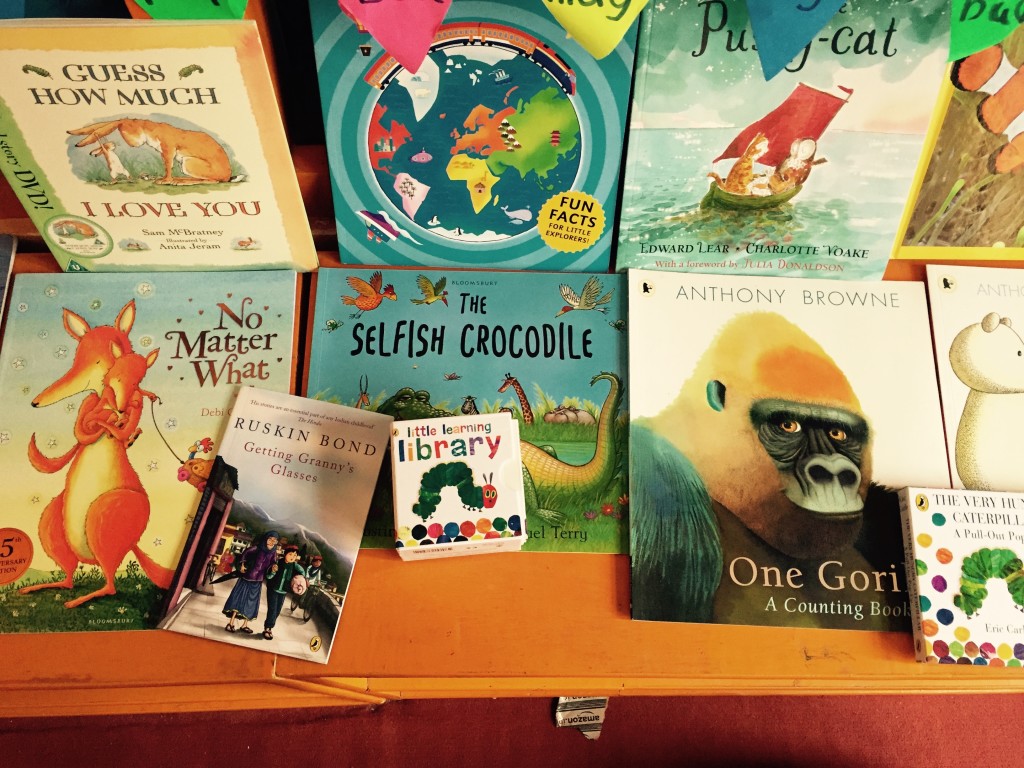
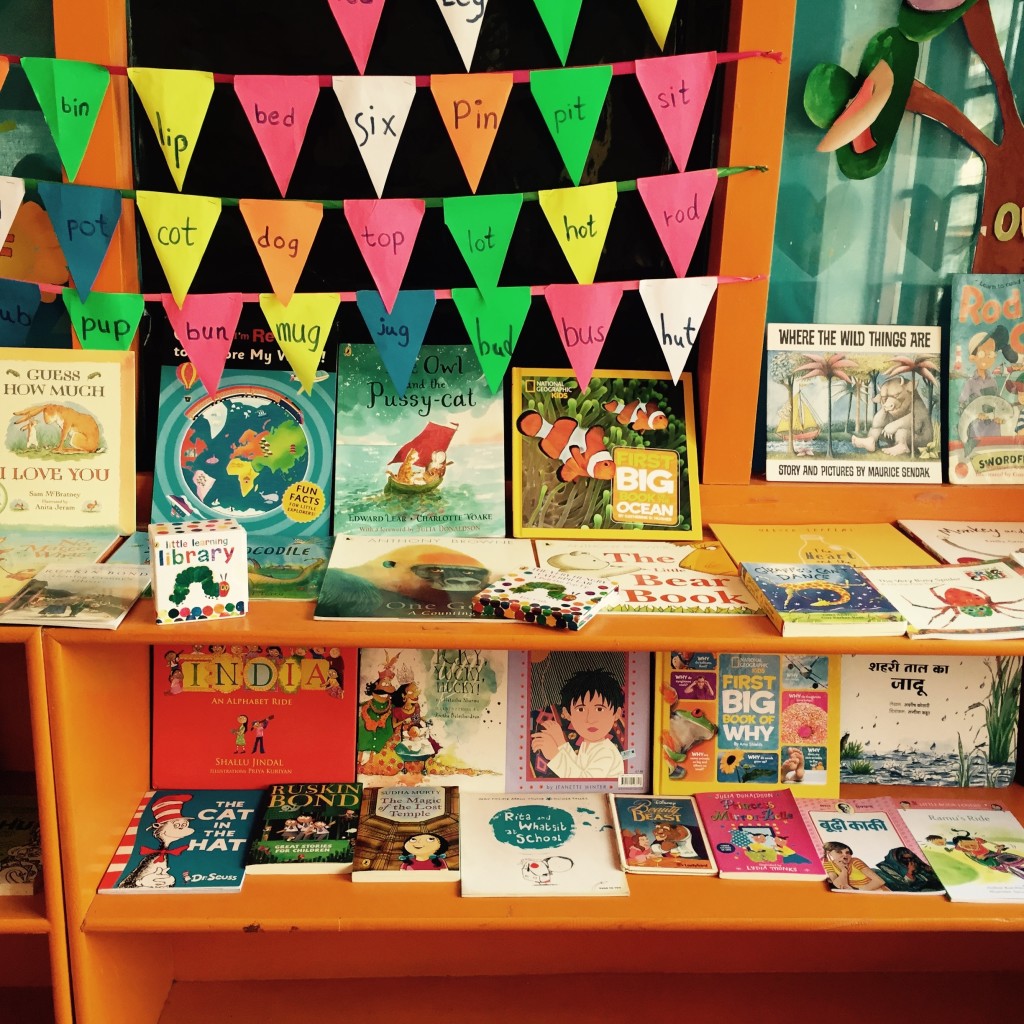
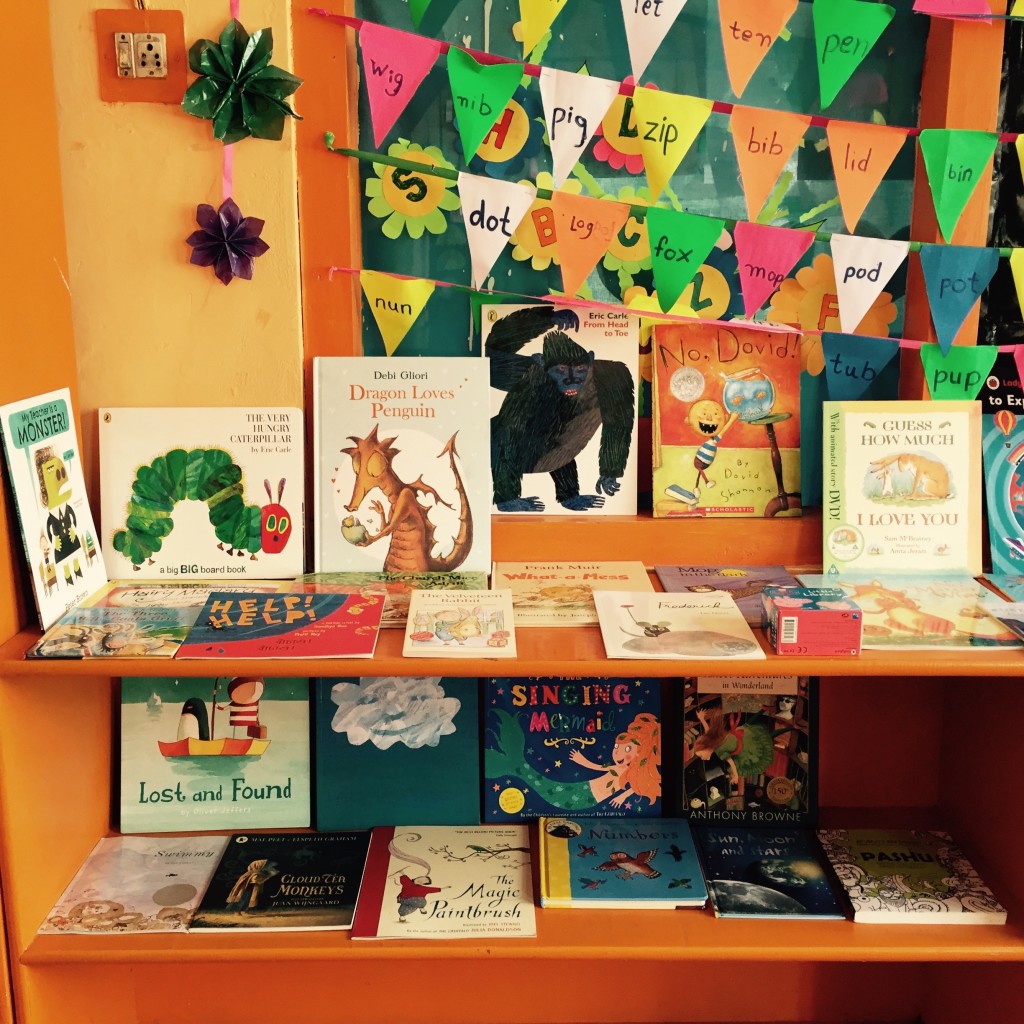
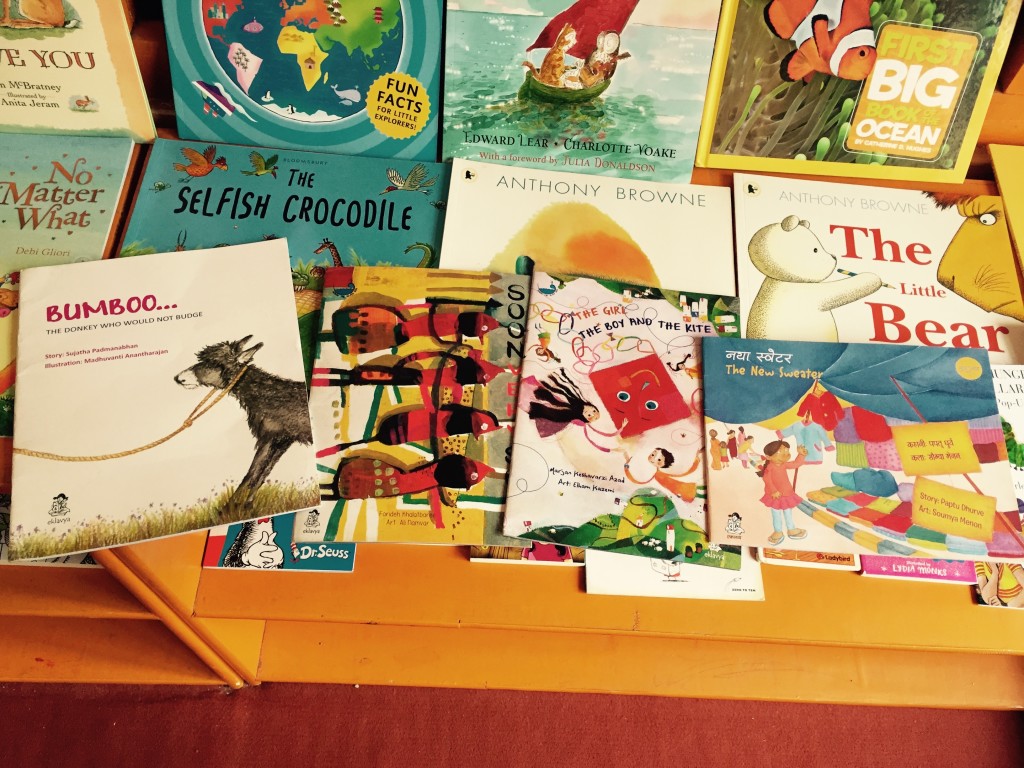
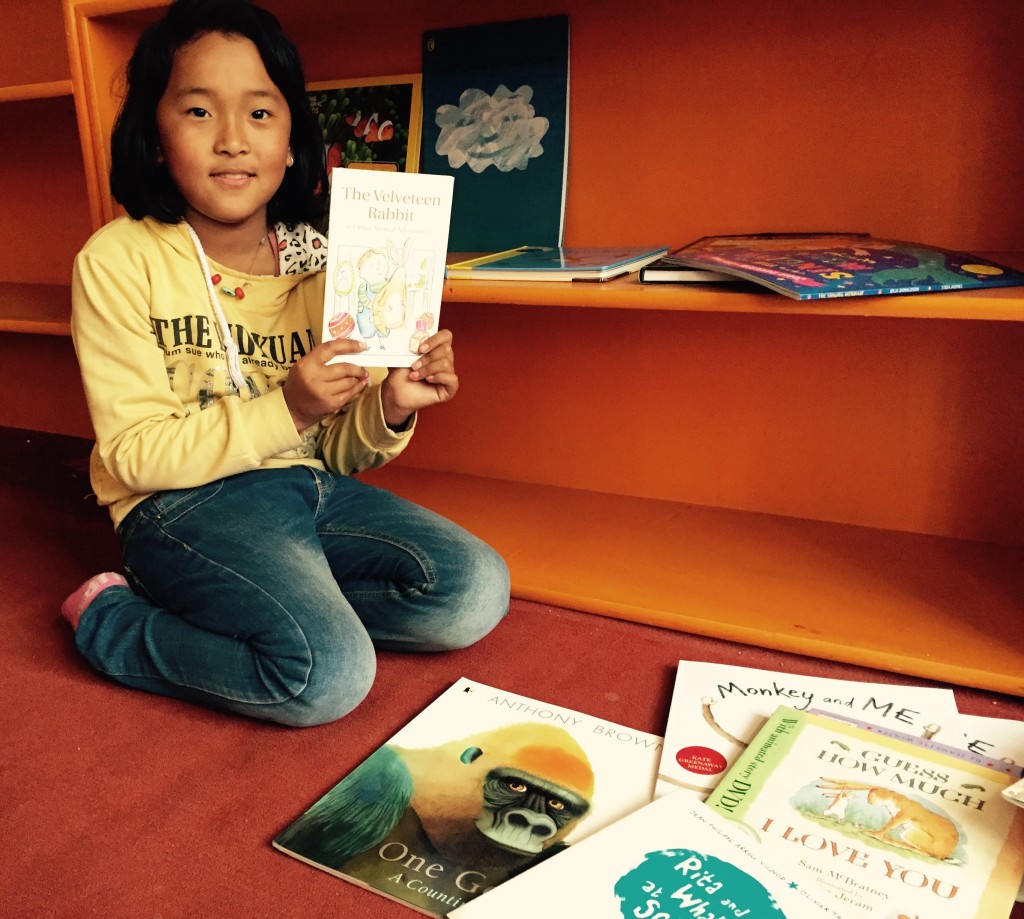
The same principle shaped the book display. New arrivals were arranged by age and theme, allowing pupils to browse during the reception. A child could read a few pages, show a sibling and return the book to the shelf for someone else.
Each donated volume could also carry a small nameplate naming the teacher who had encouraged its reader. The gesture turned a private wedding into a public promise: these books will be opened, discussed and passed around.
Why the story resonates in Australia
Australian readers may recognise the setting in other forms. A council library meeting room in suburban Melbourne or a school hall in regional New South Wales often changes function for fairs, readings and community meals. Wedding receptions in such spaces are familiar, especially when guests contribute a plate rather than expect formal service.
Local speech also gives the day a warm, practical tone. Volunteers might say the event was keen, reassure a family that there were “no worries” and then get on with stacking chairs. That informality suits work built around children’s energy rather than rigid schedules.
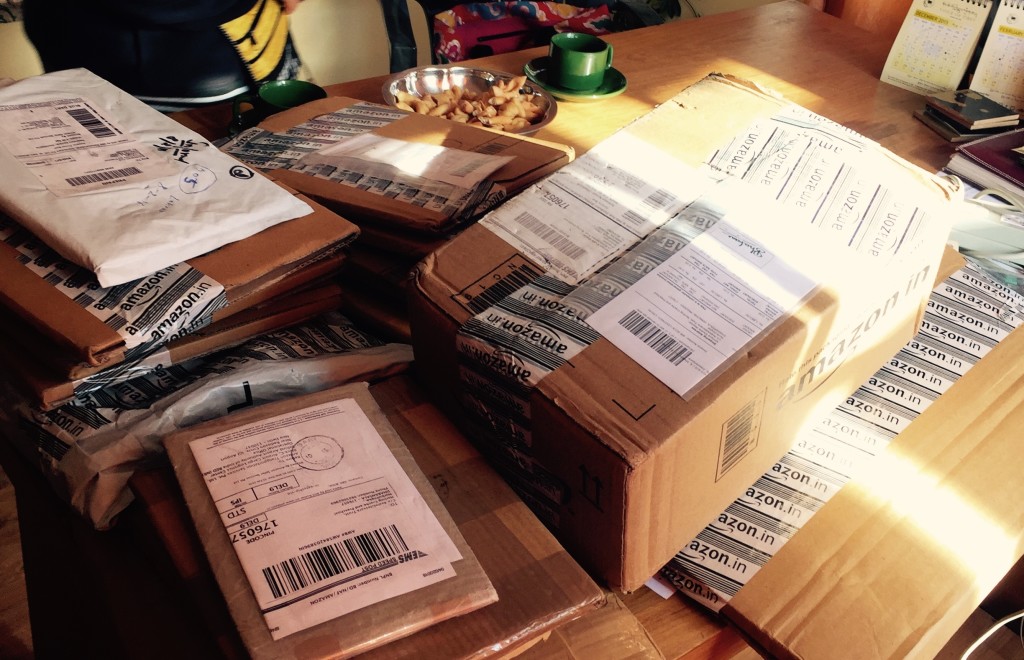
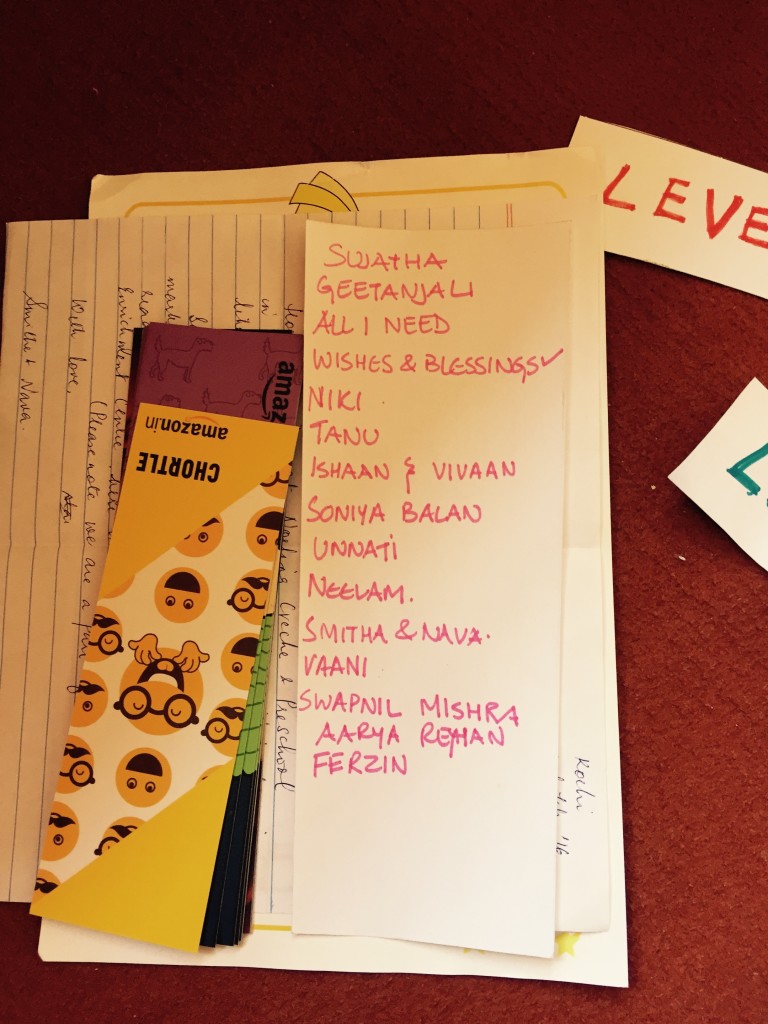
The fundraising model has clear parallels too. School fetes, op shops, reading challenges and second-hand bookshops turn small acts of giving into useful collections. In remote areas, the cost of postage can be significant, so a well-chosen list sent ahead may deliver more value than an undirected box of books.
Practical ways to strengthen reading-room programmes
The lesson is less about recreating a wedding than about using a meaningful occasion to strengthen a learning space. The family’s wishes, the children’s comfort and the trust’s responsibilities need to be planned together, with enough flexibility for a local celebration to feel genuine.
The approach shares a spirit with local library advocates, including Chattanooga’s Friends of the Library, whose fundraising and volunteer work keep public reading spaces active and welcoming.
For volunteers:
- Agree on the venue, date and budget with the family and the trust coordinator.
- Use reusable paper decorations made with children and keep book displays accessible.
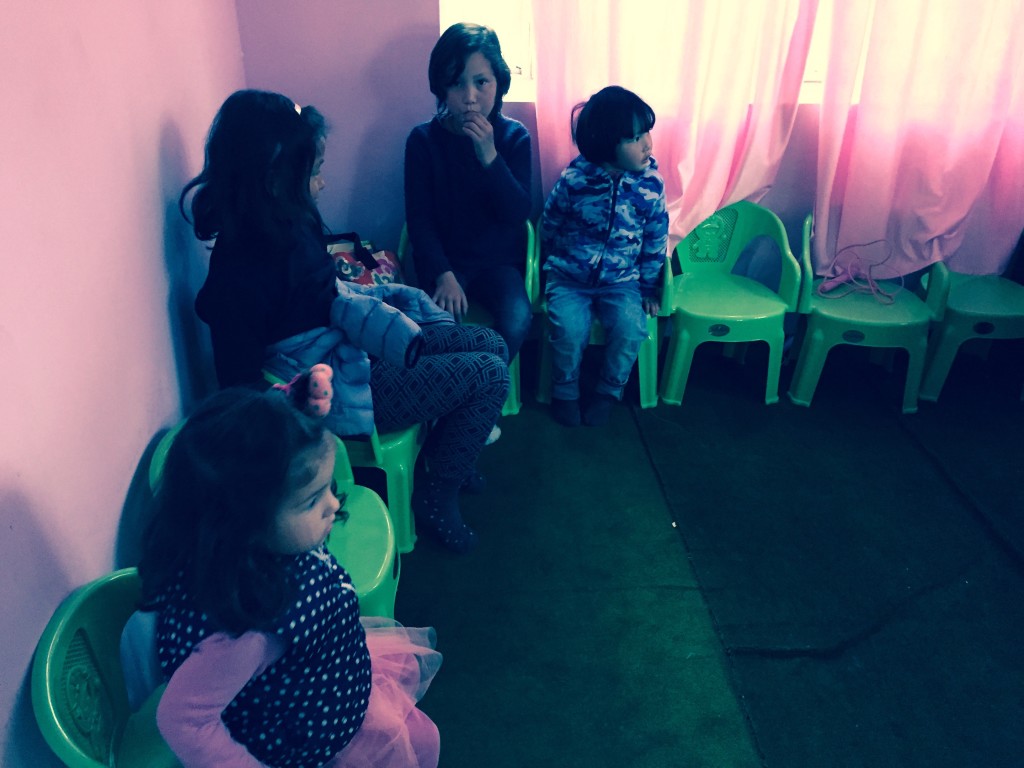
- Protect a quiet reading corner with seating for children and older readers.
- Ask guests for a small, useful book contribution rather than generic gifts.
- Agree on photography consent before images of children appear on the trust’s website.
For donors:
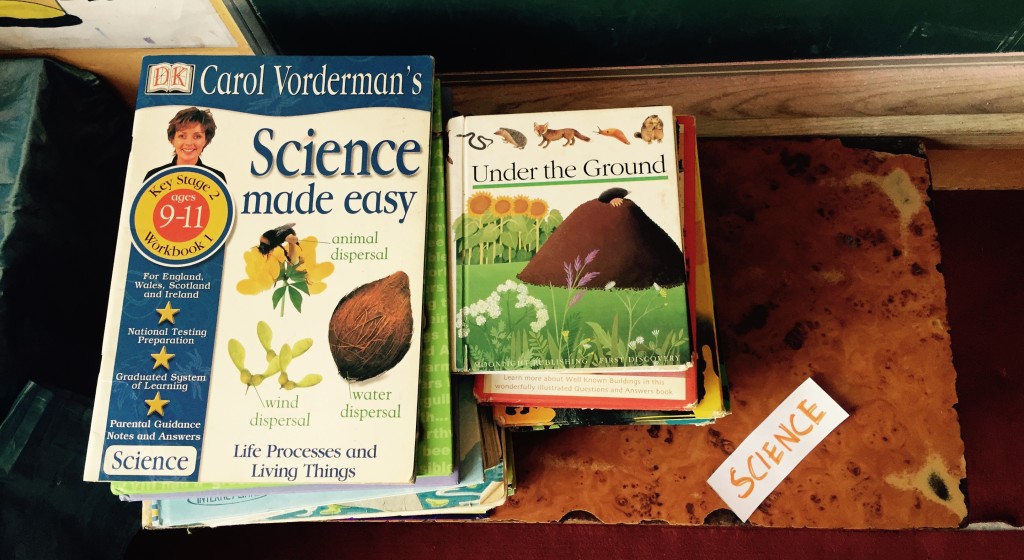
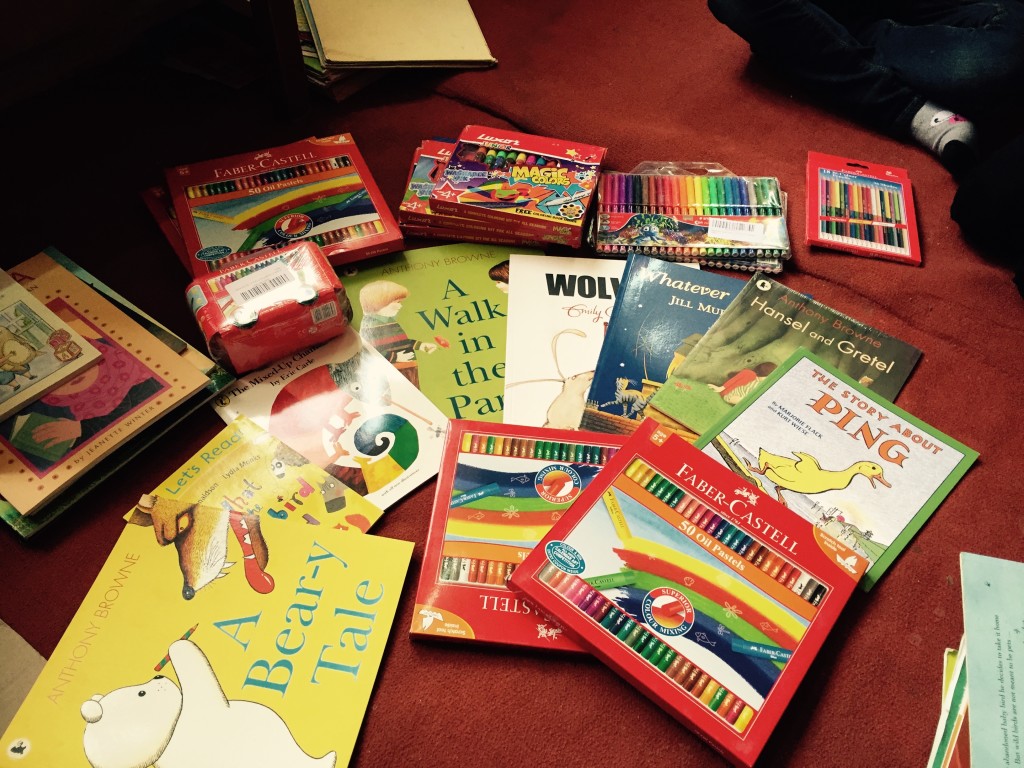
- Send current, well-kept books that match the requested age groups.
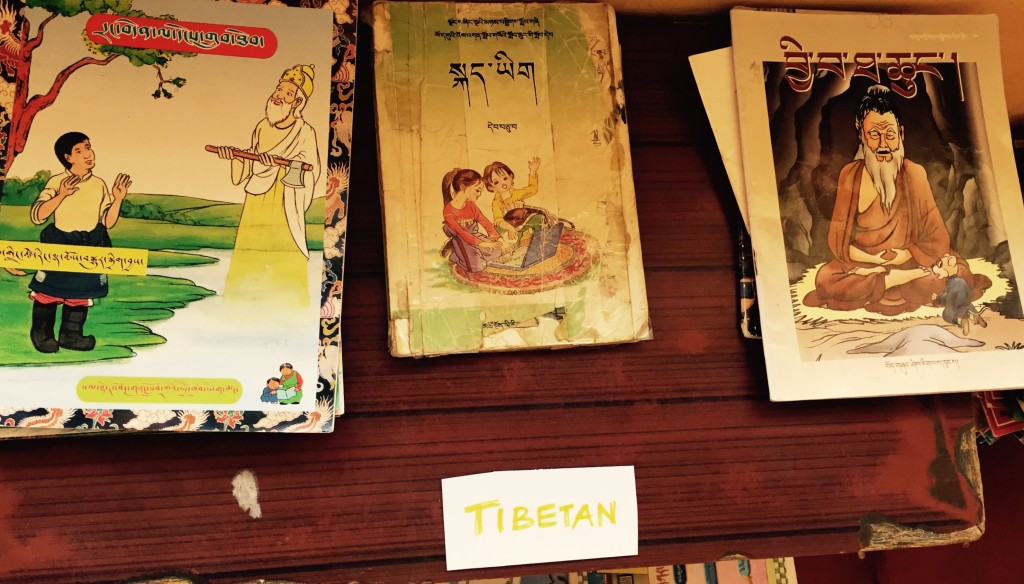
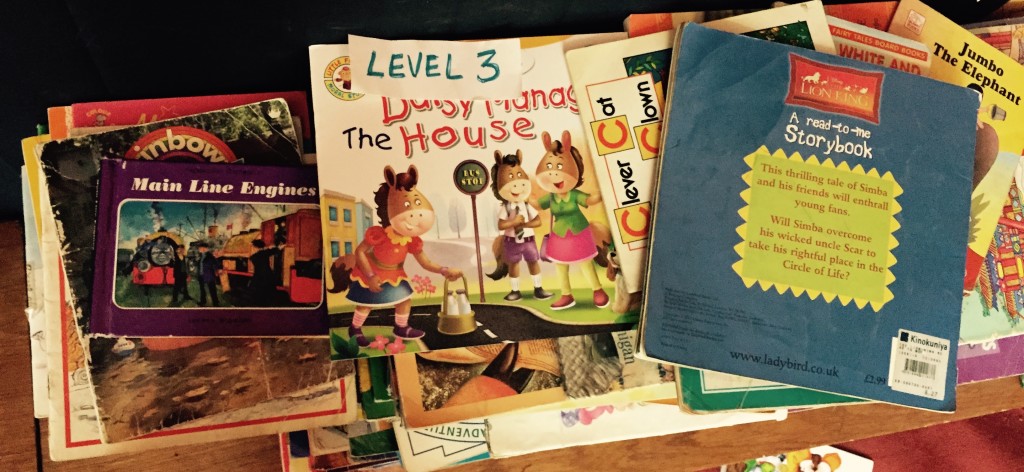
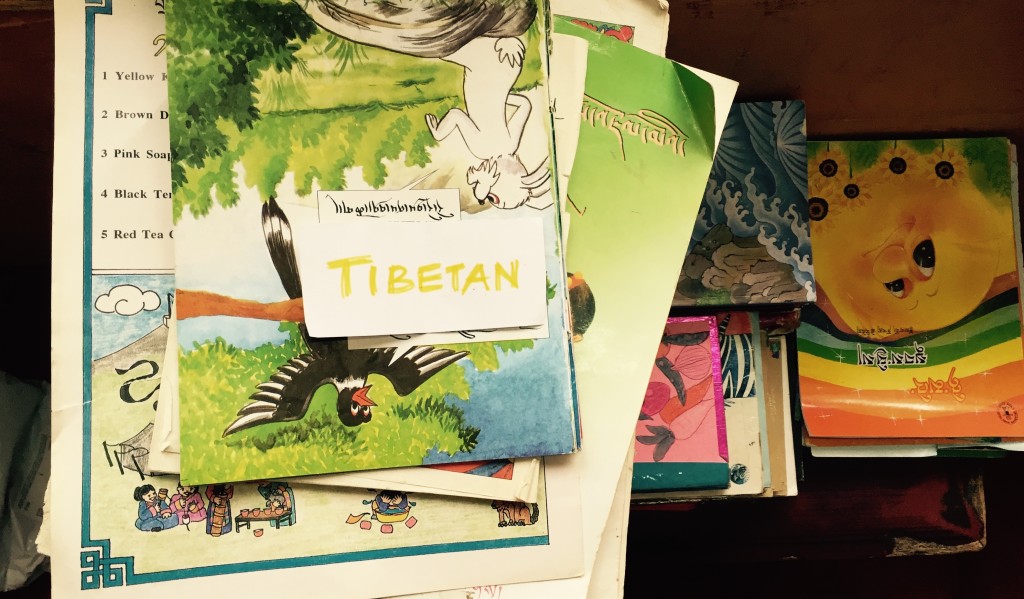
- Include titles that support early reading, local languages and English-language learning.
- Choose sturdy, colourful books that younger children can handle independently.
- Offer shared art materials or musical instruments alongside financial gifts.
- Check the cost of international postage, local transport and shelving before sending a donation.
The contrast between the celebration and the learning programme can be seen in the two parts of the day.
| Wedding reception |
Reading-room programme |
| Shared meal and blessing |
Families, teachers and children meet as a community |
| Children’s music |
Musical participation reinforces group learning |
| Gift books |
New titles expand the shared collection |
| Communal seating |
Readers can browse throughout the event |
| Shared photographs |
Consent-based records keep the day visible |
The legacy of a shared afternoon
The day mattered because it brought the trust’s work into a form the wider community could see. The reading room was not merely borrowed scenery. Teachers, families and children used the same space to celebrate, perform, read and make commitments about books.
The lasting result was a collection for future lessons and a shared memory that made literacy visible. The next concrete step is to confirm the next book-drive date and send a short, age-appropriate reading list to the Ladakh coordinator before the donation boxes are packed.