When a Ladakh Reading Room Became an Animated Cinema for a Day
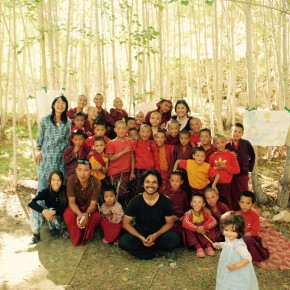
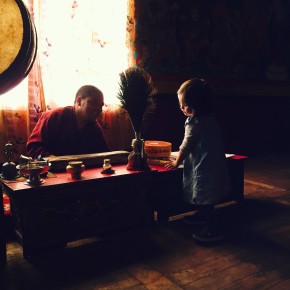
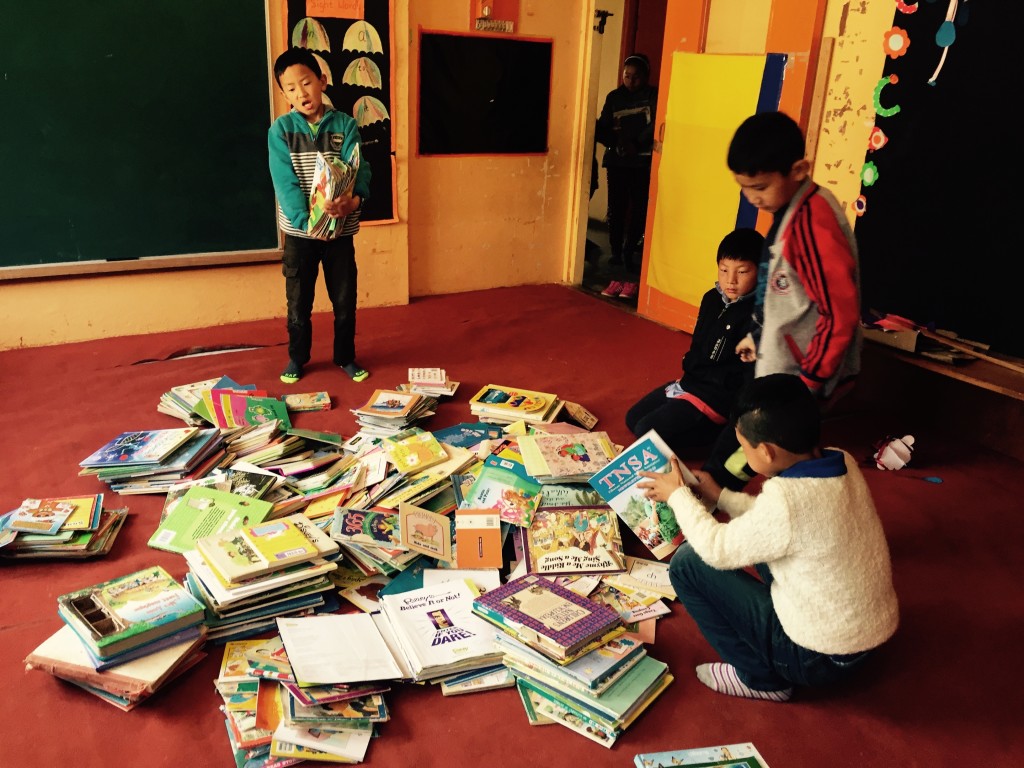
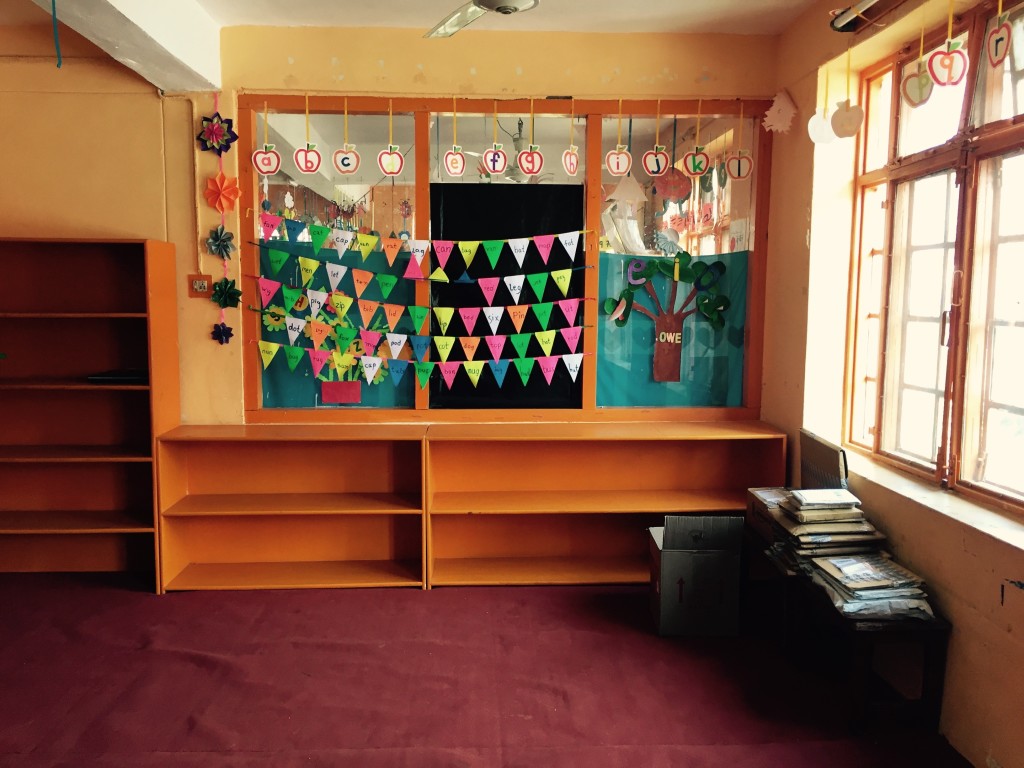
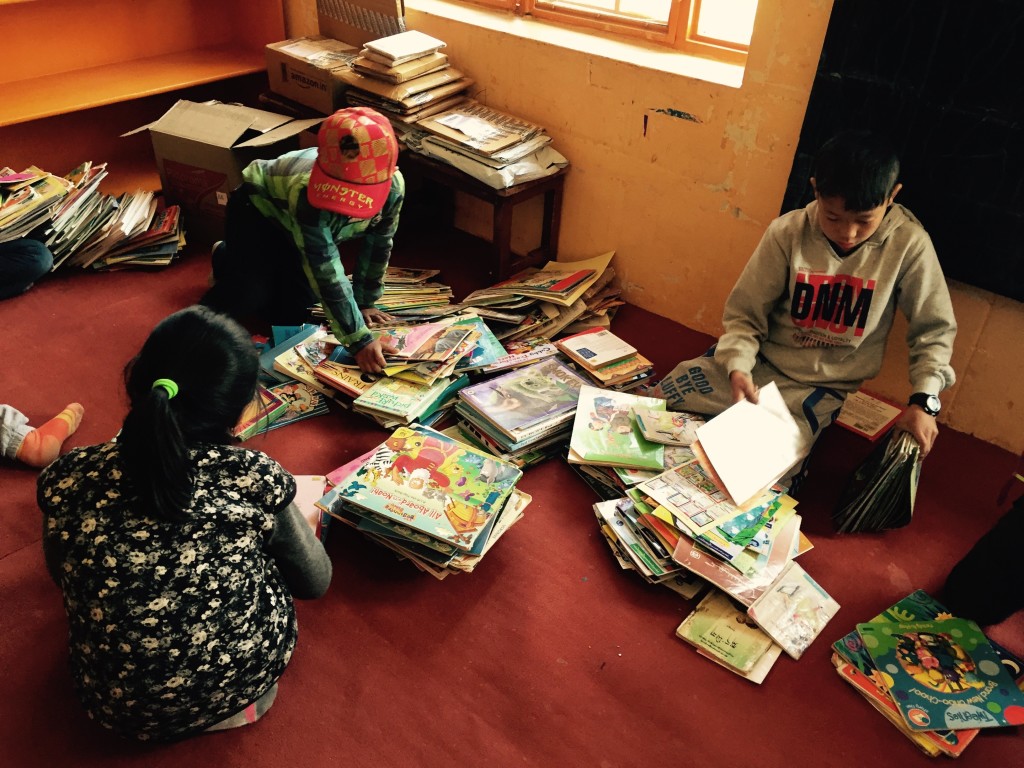
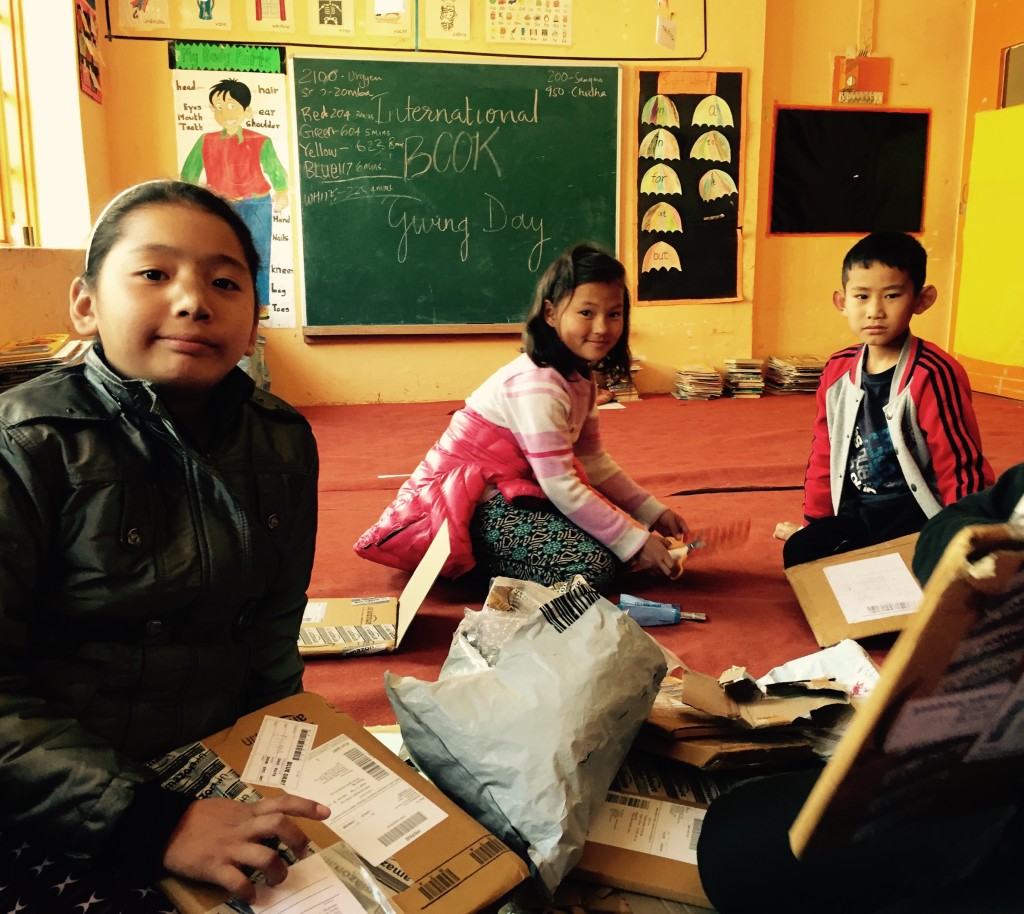
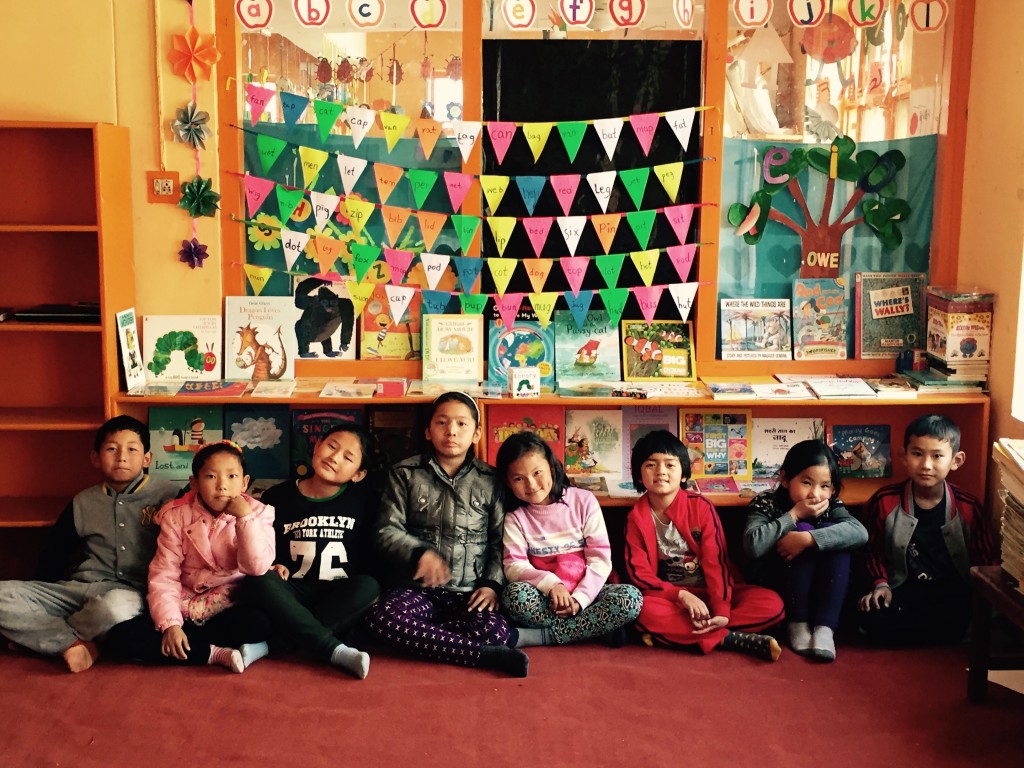
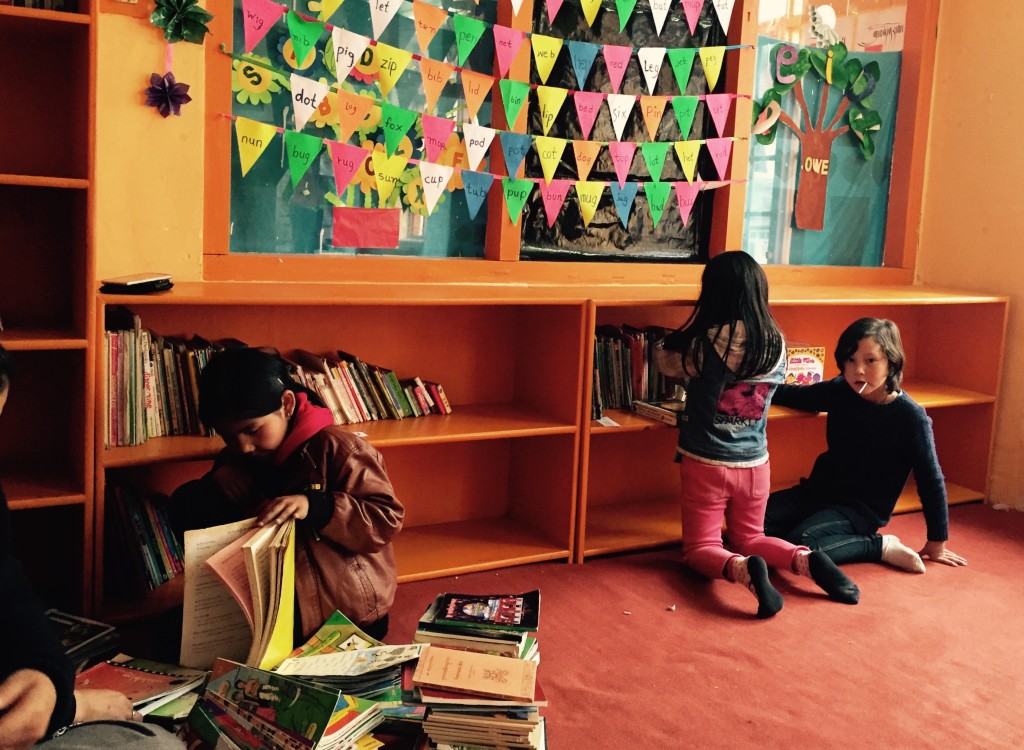
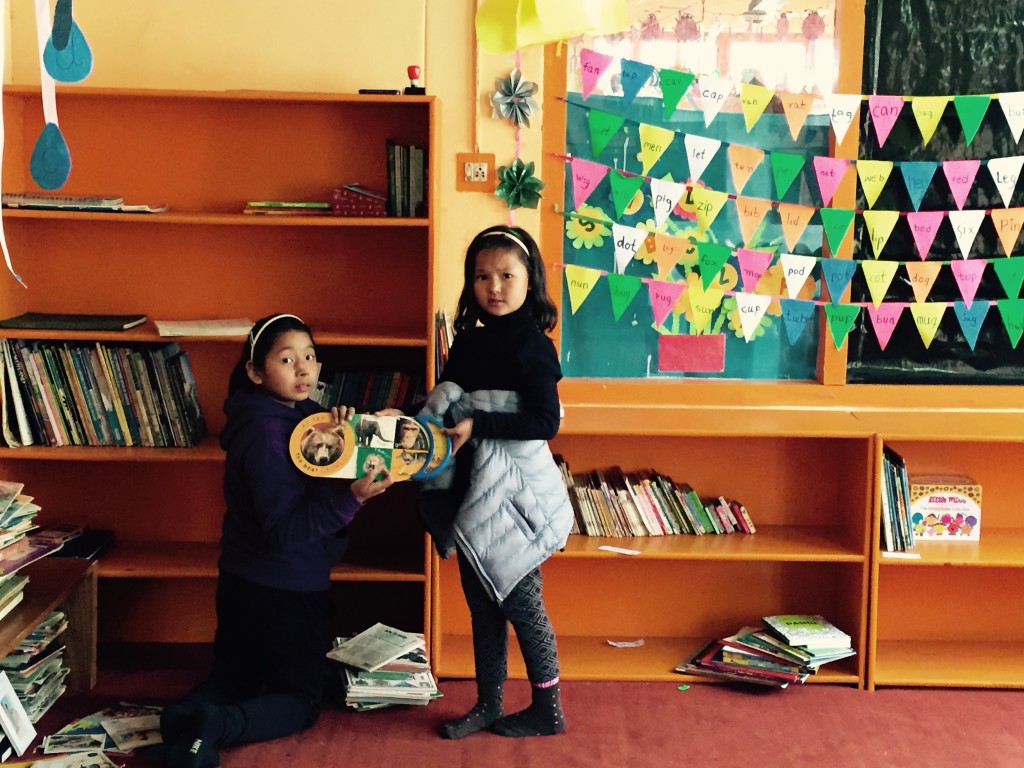
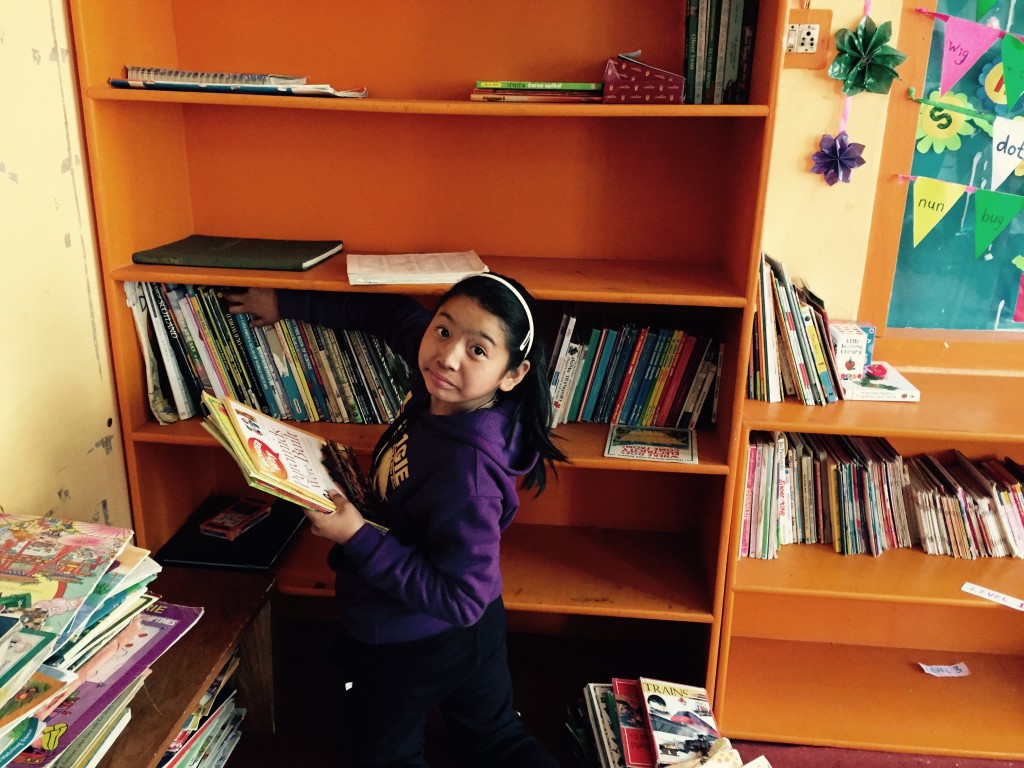
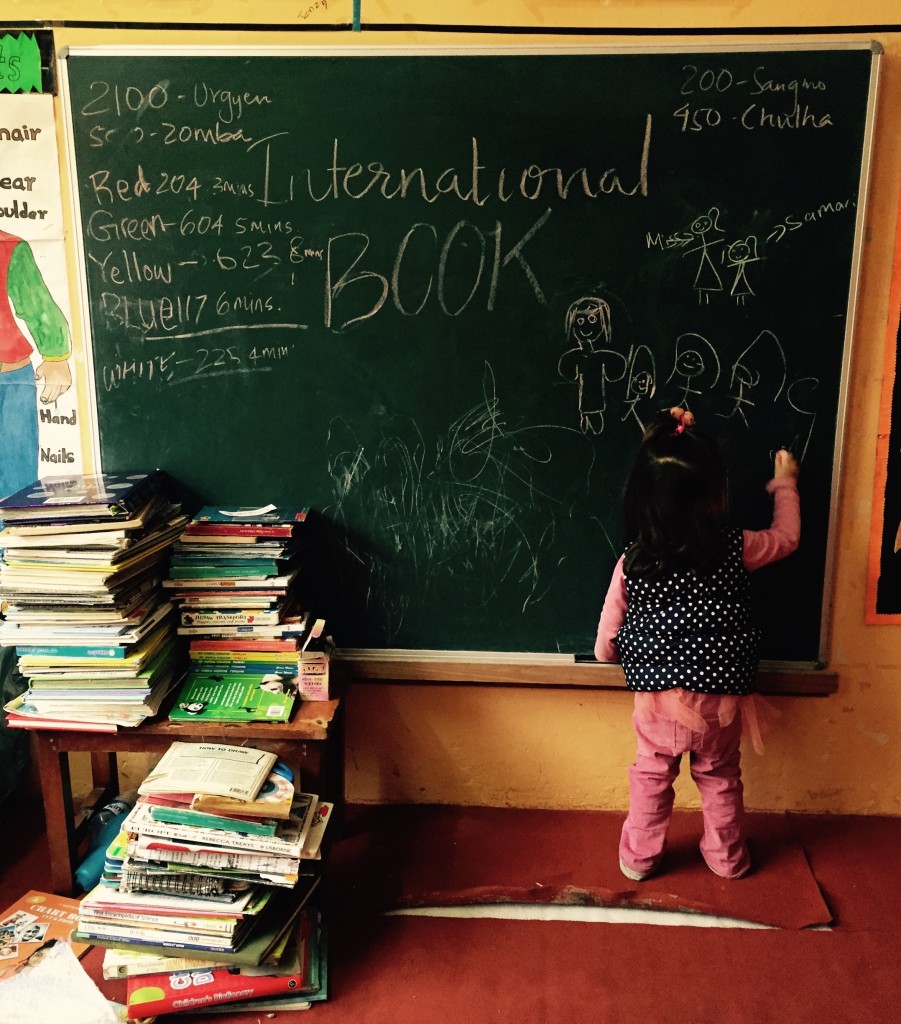
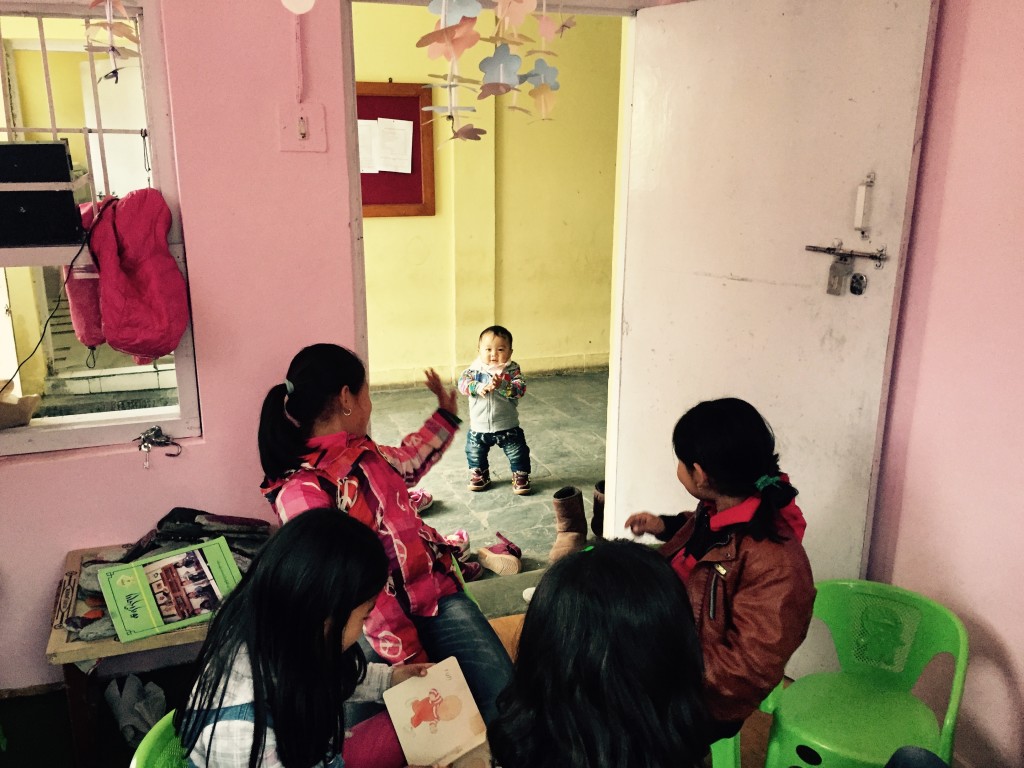
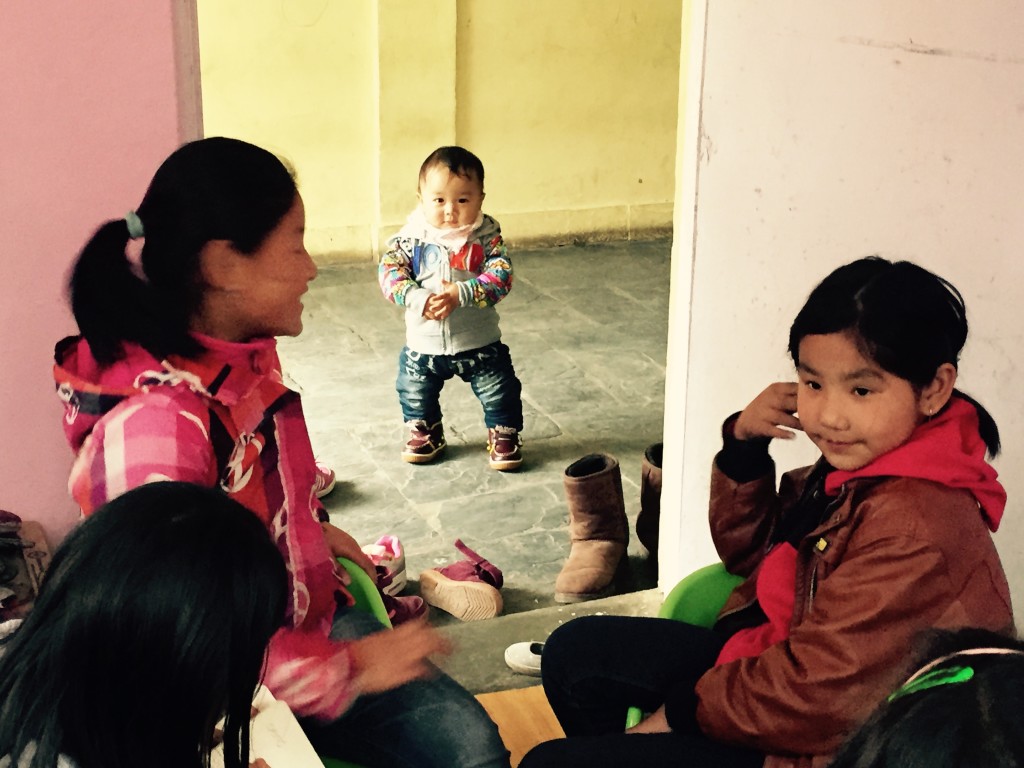
The projector hummed softly from a wooden stool near the window of the reading room in Leh, where cushions had been rearranged into rows that morning. A pale sheet stretched between two bamboo poles served as a screen, and the first children began to slip off their shoes and settle in by mid-afternoon. Within the hour, the space that usually smelled of paper and pencils smelled faintly of warm dust and the butter tea that the older boys carried in flasks.
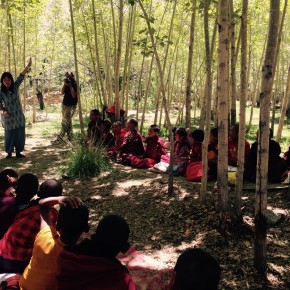
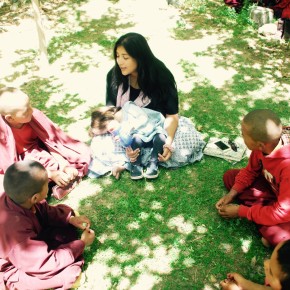
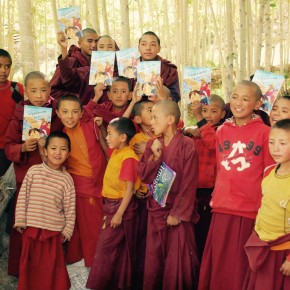
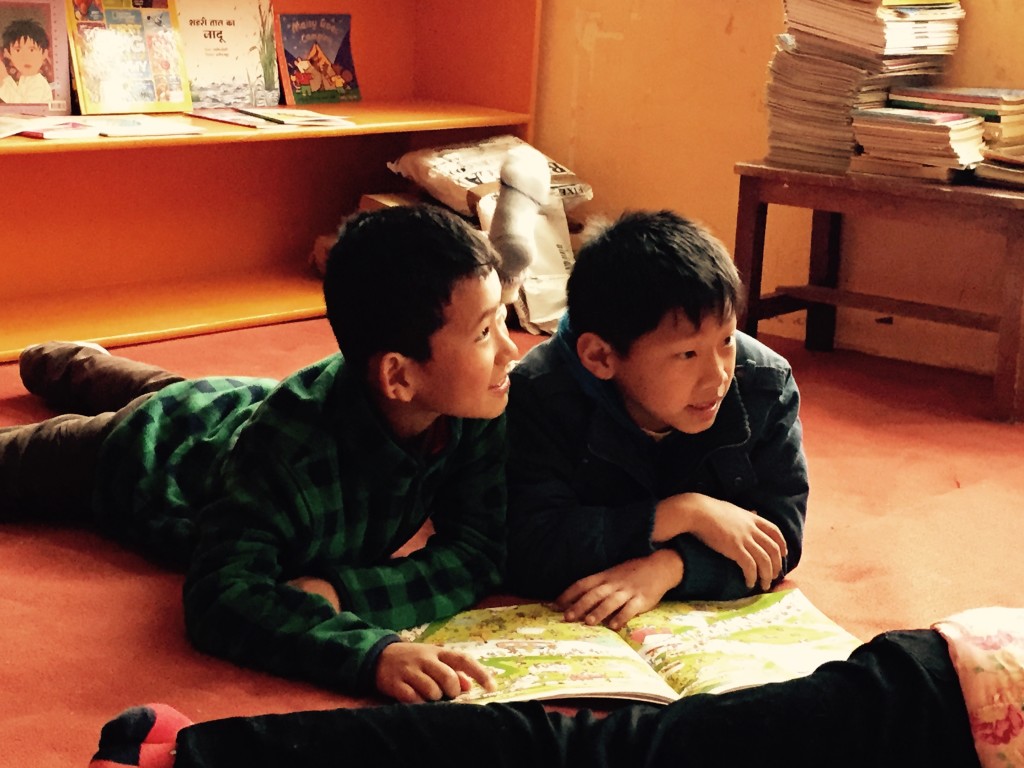
The mini film festival was not a grand occasion by the standards of Sydney or Melbourne, where ACMI in Federation Square regularly hosts curated screenings for school holidays. It was, however, a deliberate one. For an afternoon, the reading room traded its quiet hush for a different kind of storytelling, and a small group of children and young monks sat together to watch animated shorts from across the world.
Setting Up the Screening
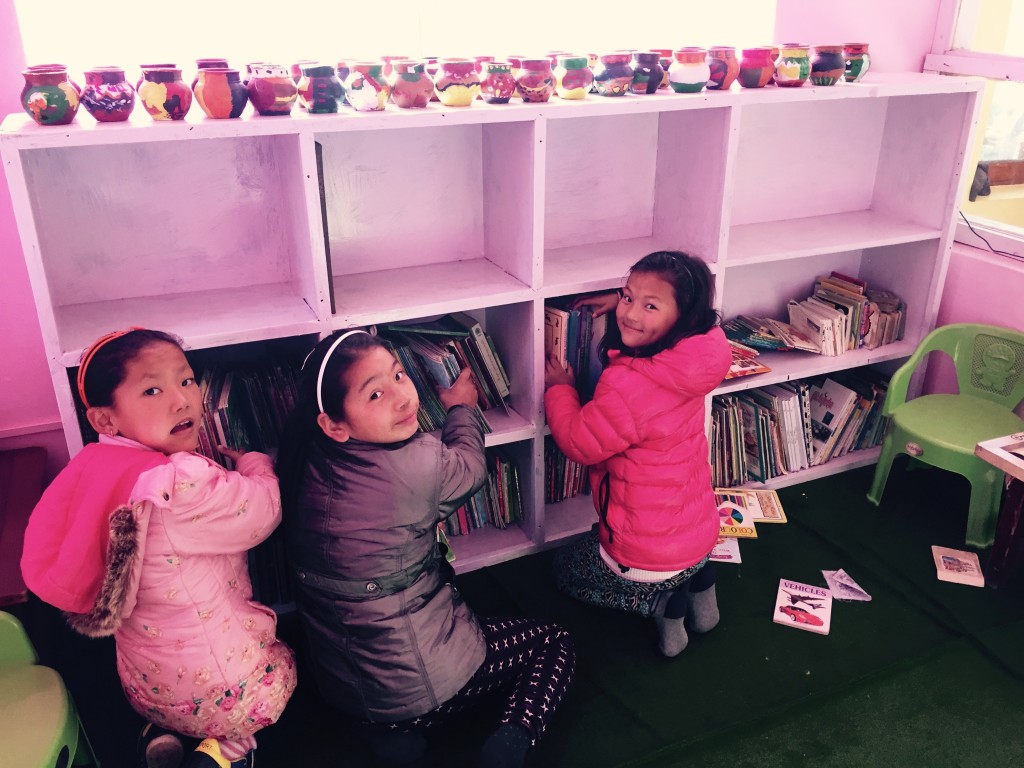
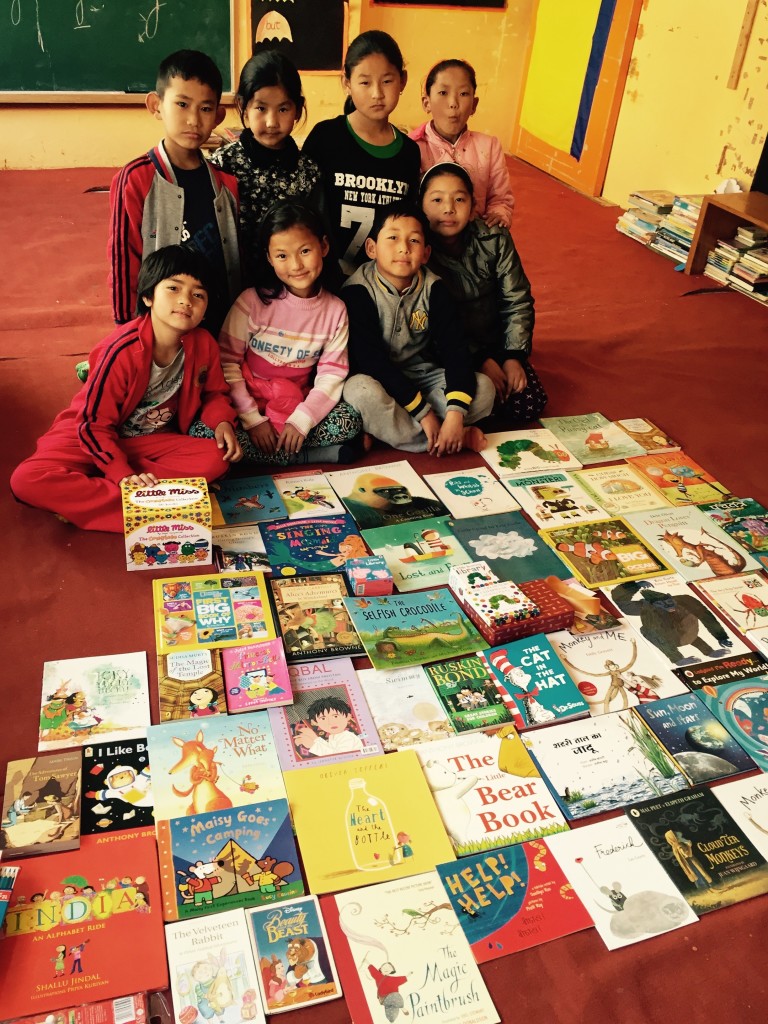
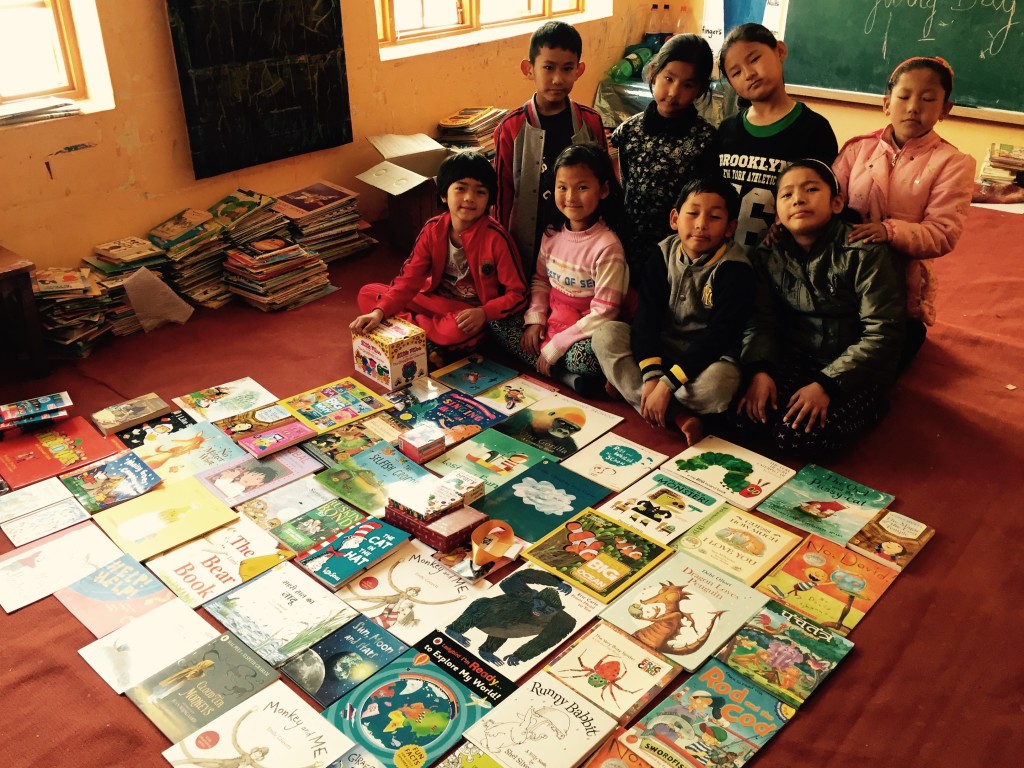
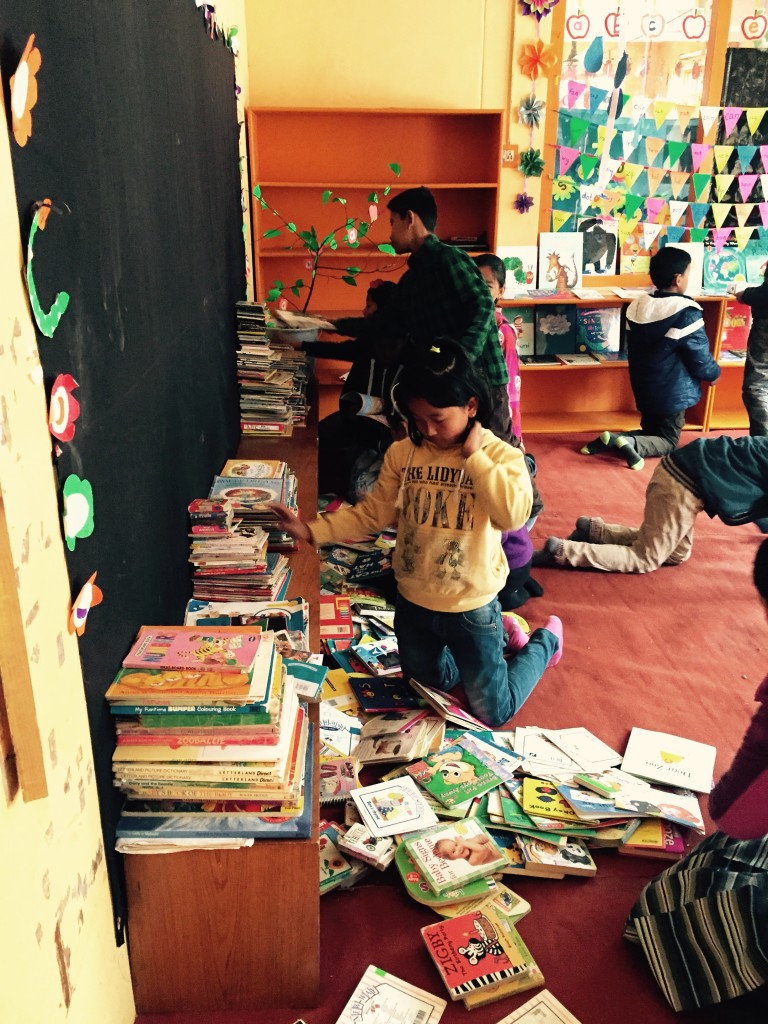
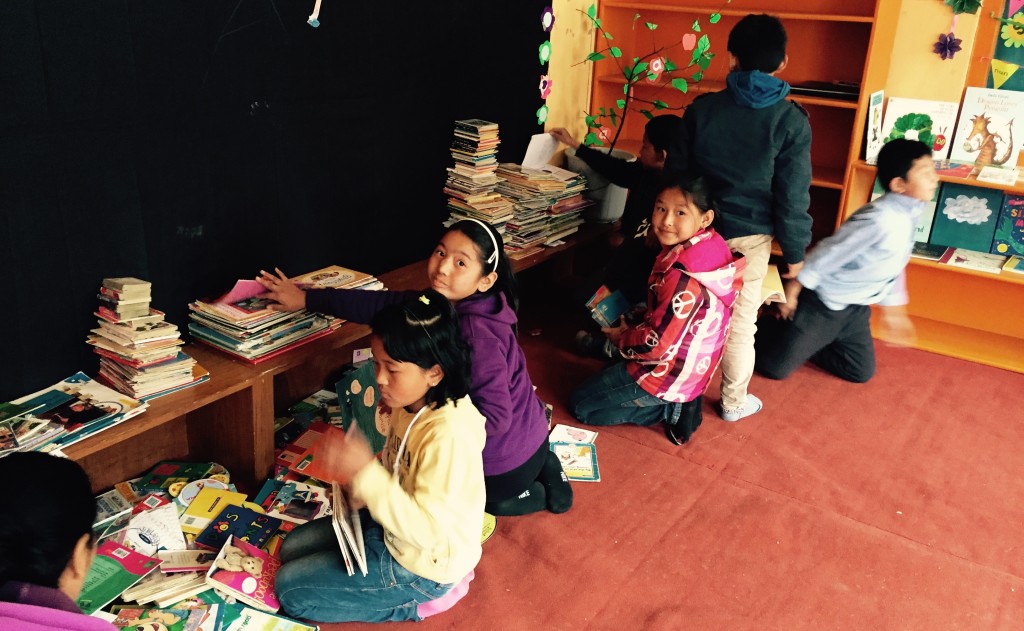
The preparation began three days earlier, when a generator borrowed from a neighbour's guesthouse was carried up the narrow stairs in two trips. Volunteers cleaned the high windows to soften the afternoon glare, and the team tested the projector against the wall before hanging the sheet. Cushions were borrowed from the gompa next door, and the floor was covered with traditional ladar rugs so that the youngest viewers could sprawl without worry.
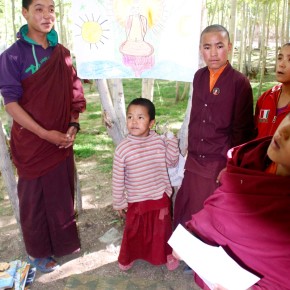
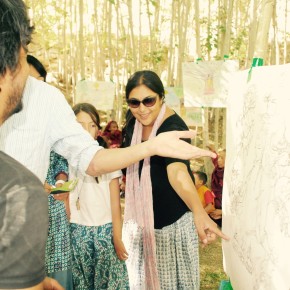
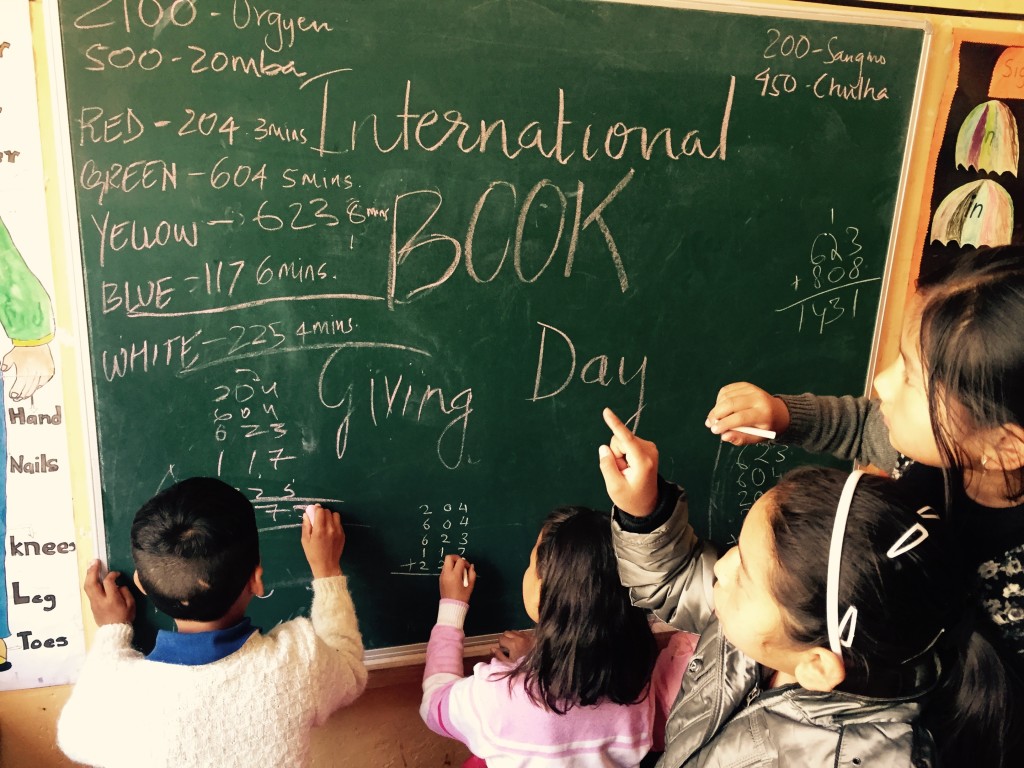
By the time the doors opened, the room had been transformed into something between a village hall and a pop-up theatre. Posters drawn by the older children advertised the programme in English, Hindi, and Ladakhi, and a small table near the entrance held sketchpads for anyone who wanted to draw what they saw. A printed schedule, modelled loosely on the pocket programmes distributed at the Melbourne International Film Festival's shorts sidebar, listed running times in clear blocks so families could step in and out.
The Programme of Animated Shorts
Eight films made up the afternoon, with each running between three and twelve minutes. The selection mixed wordless stories, gentle narratives about animals, and a handful of shorts from studios in Tokyo, Paris, and Brisbane. Two pieces came from SBS's annual screen commissions, chosen because they reflected the multicultural fabric of Australian classrooms and offered something familiar to the few children who had relatives in Sydney or Parramatta.
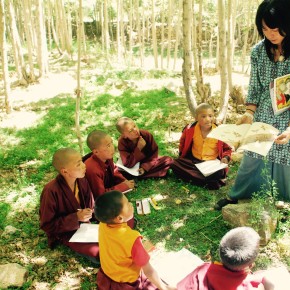
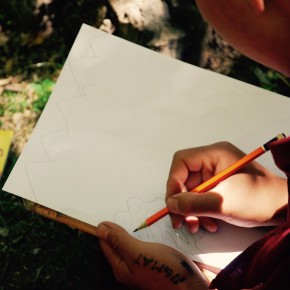
The schedule was deliberately unhurried. Between each film, the lights came up for a minute or two so the audience could stretch, refill water glasses, and chat about what they had just seen. This break time proved as popular as the films themselves, because it gave the younger children a chance to ask questions in their own language while the images were still fresh. By the third short, several of the young monks had begun sketching frames onto the pads at their side, treating the screening as both a viewing and a drawing lesson.
Reactions from Children and Young Monks
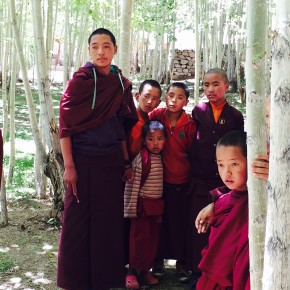
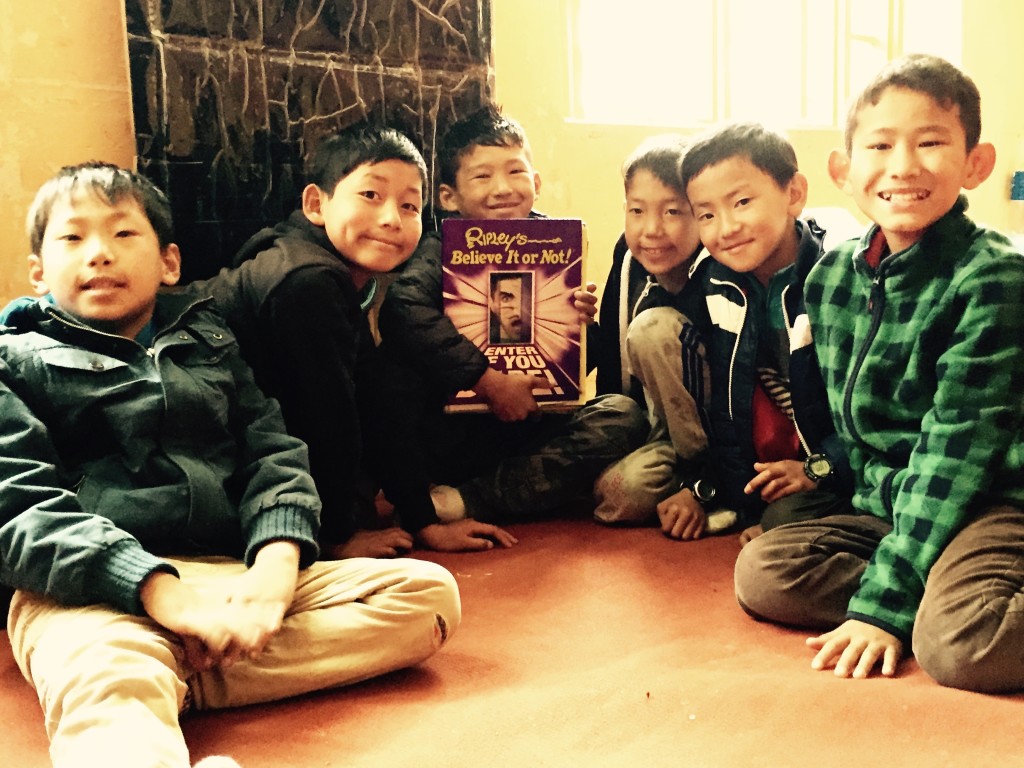
The reactions were as varied as the audience. A wordless short about a paper bird drew soft intakes of breath, while a humorous Australian piece about a kelpie puppy chasing a drone had the children nudging each other and giggling behind their sleeves. When a Tibetan folktale adaptation appeared, the young monks recognised the story immediately and whispered the names of characters before they appeared on the sheet.
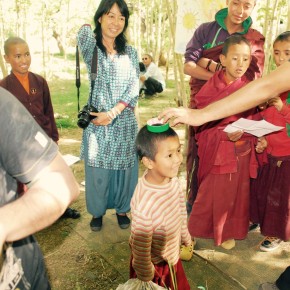
After the final film, the children were not ready to leave. Several asked if the projector could be turned back on, while others clustered around the sketchpads to compare drawings of the paper bird. The youngest viewers, who had been restless during the longer films, had stayed focused through the final short when it turned into a musical sequence. A handful of older children asked where they could find more films like these, a question that the volunteers quietly noted down for the next reading room session.
Animation as a Bridge to Reading
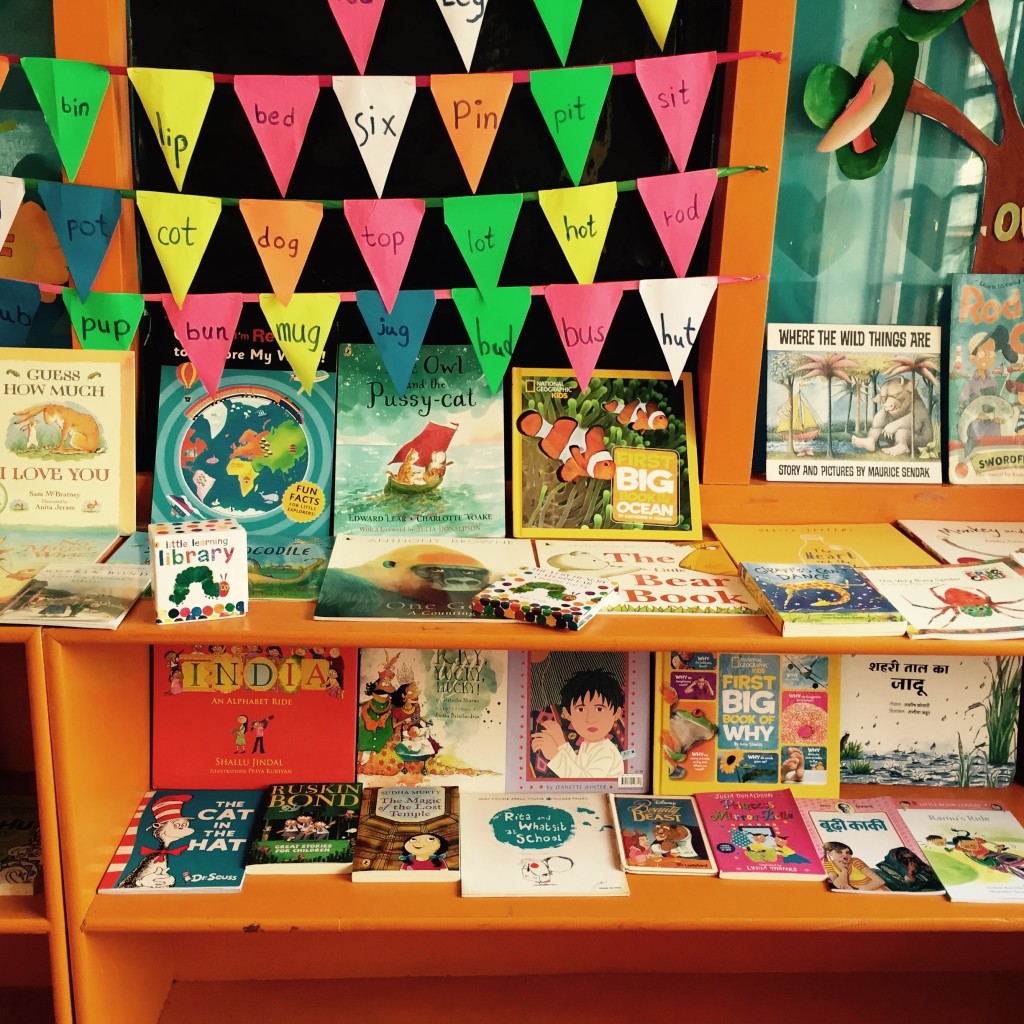
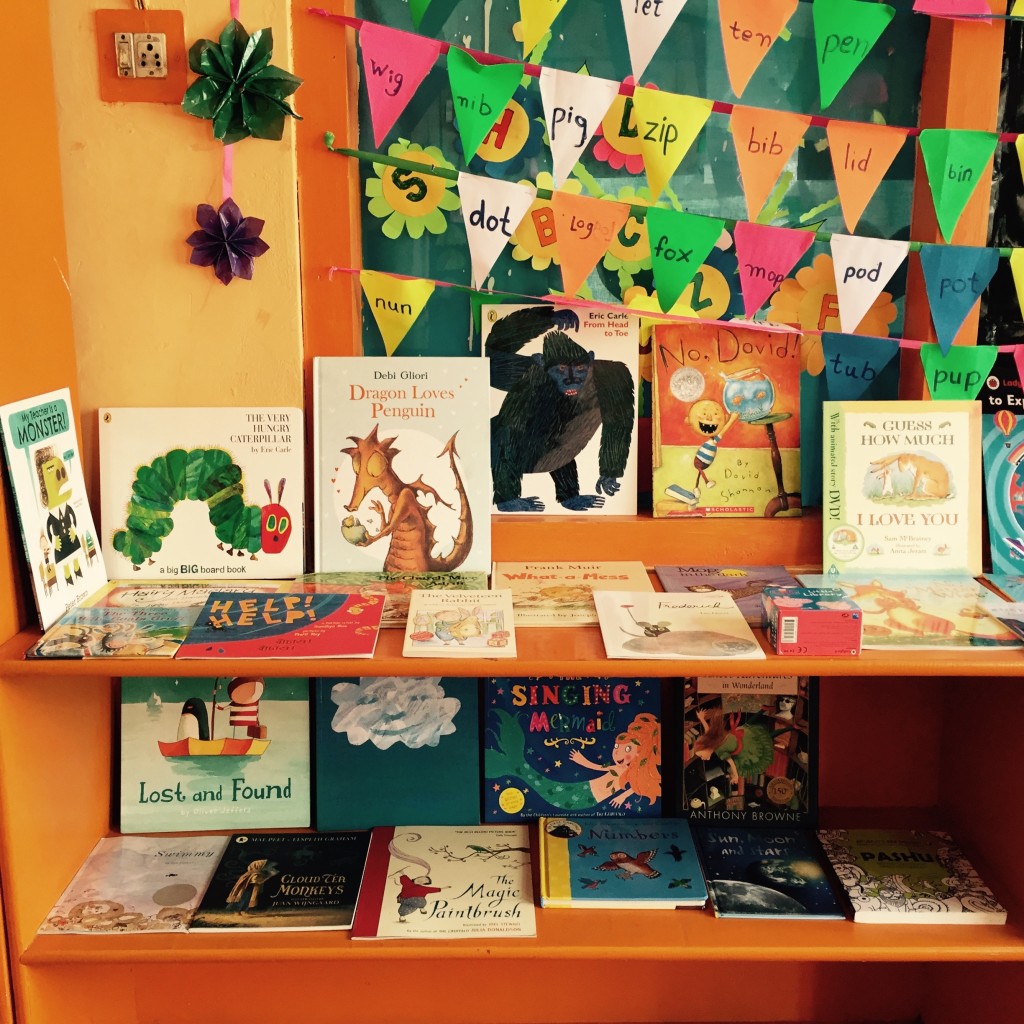
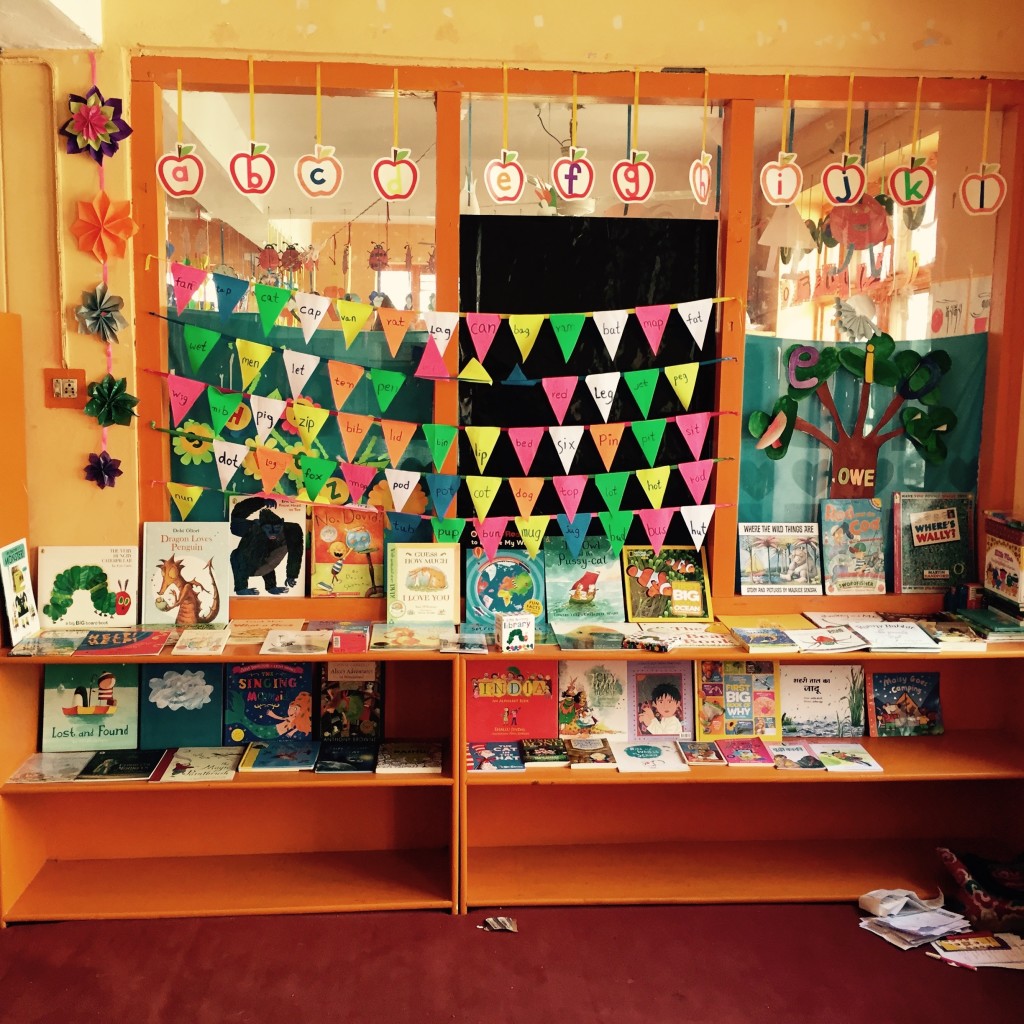
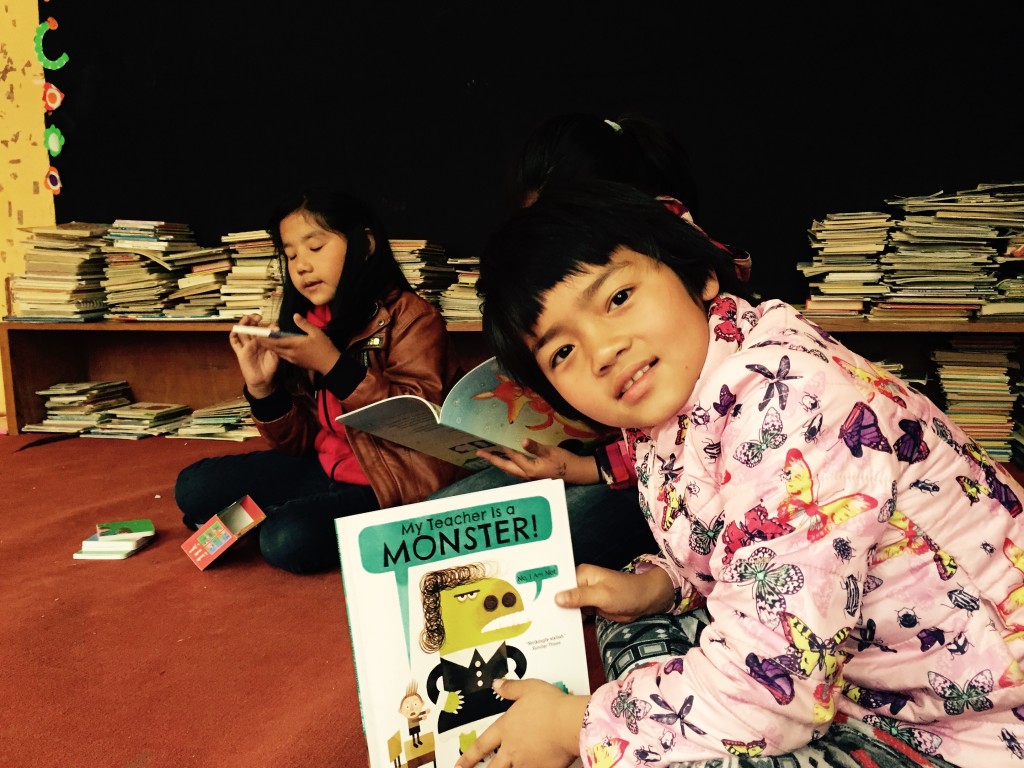
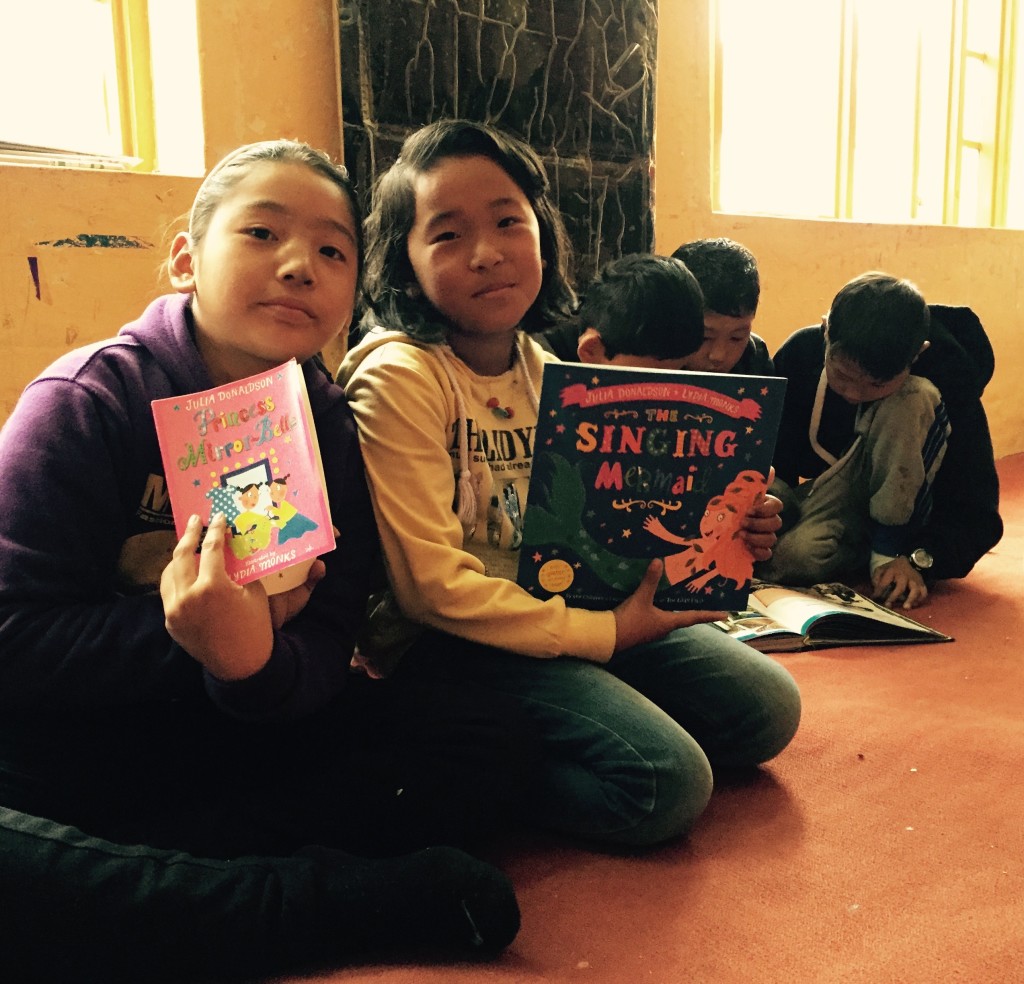
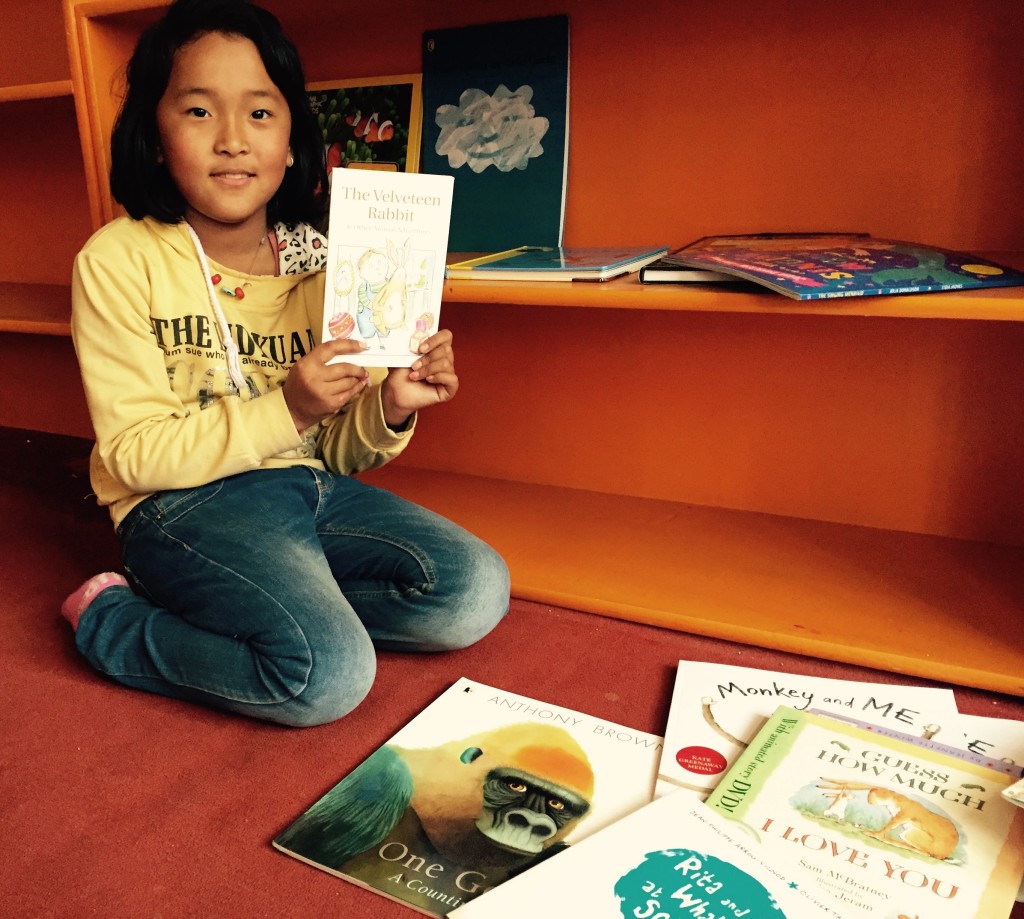
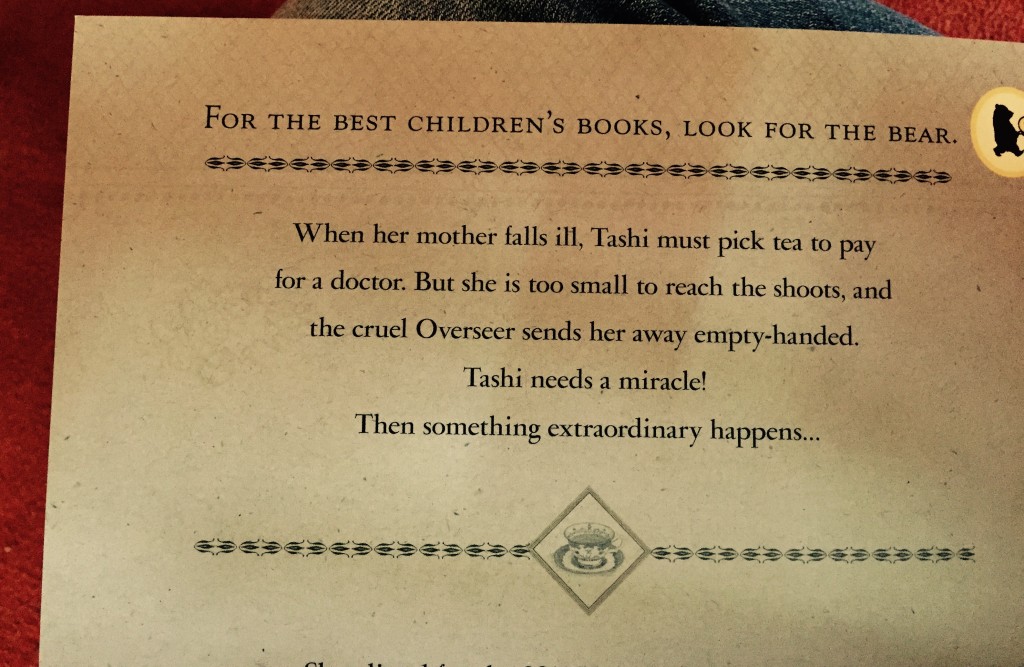
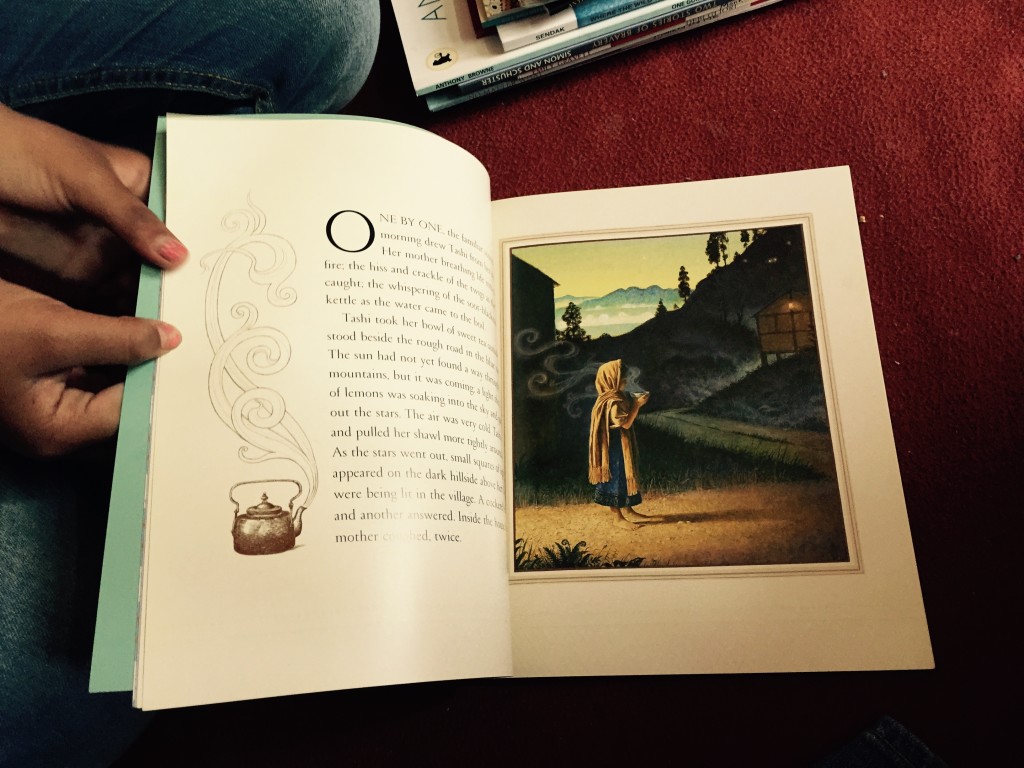
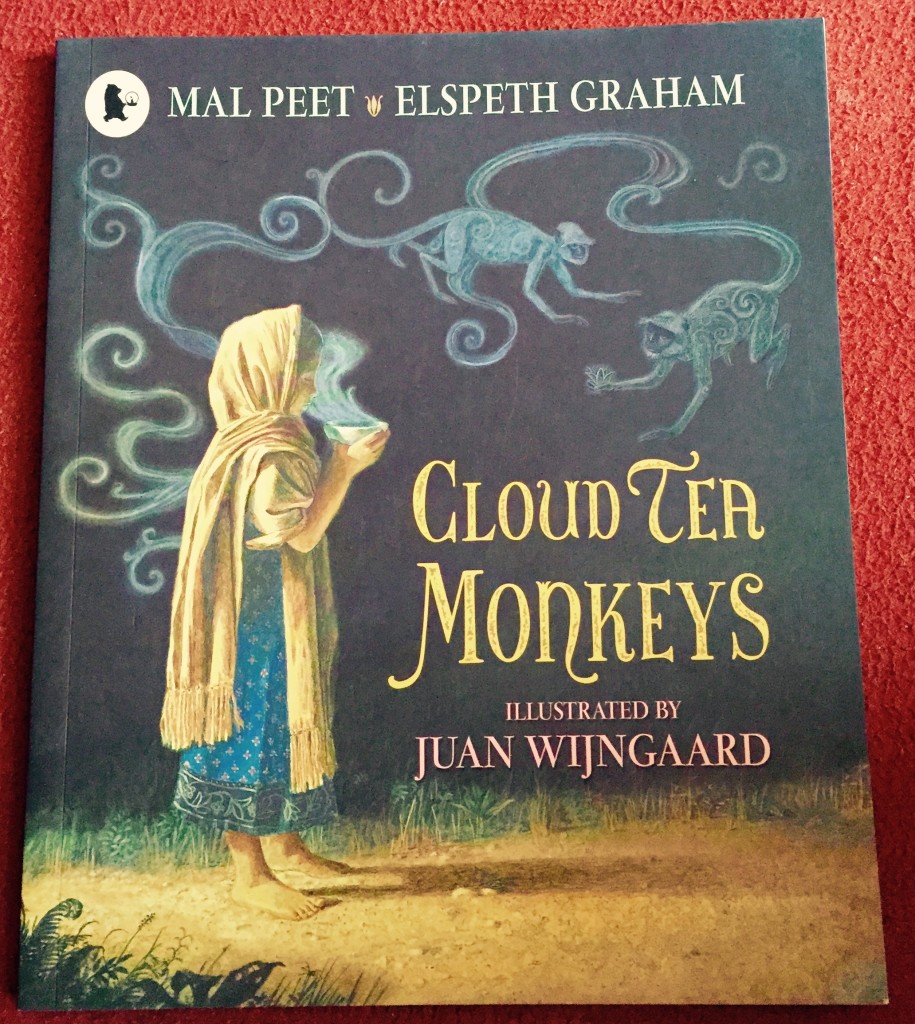
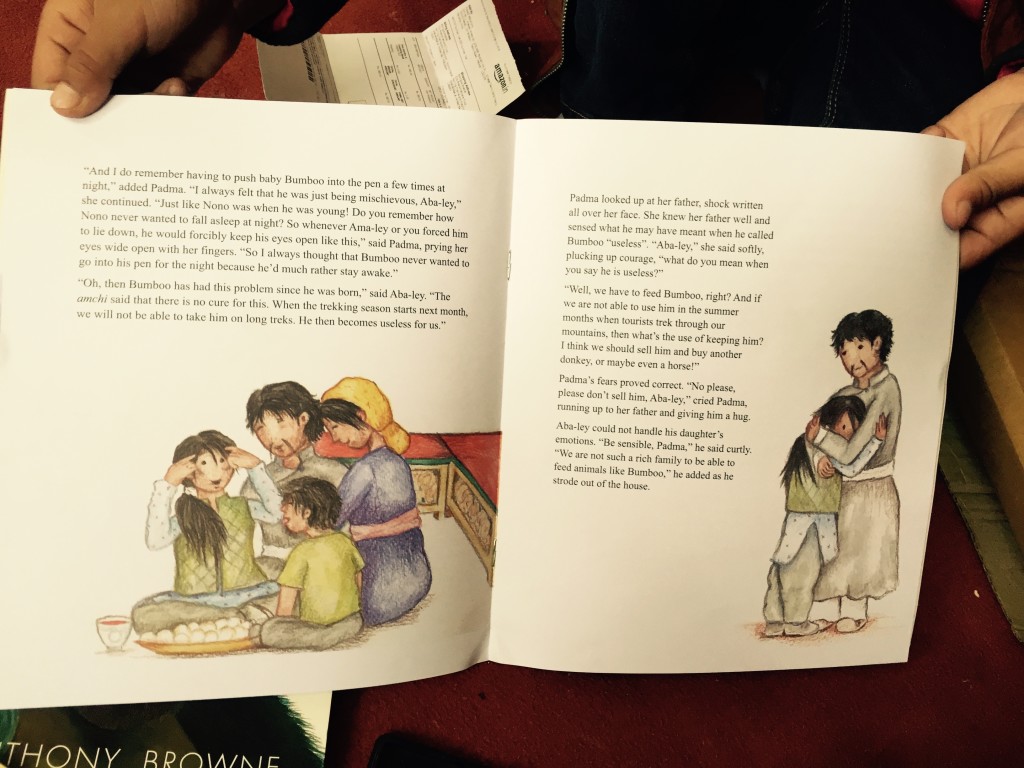
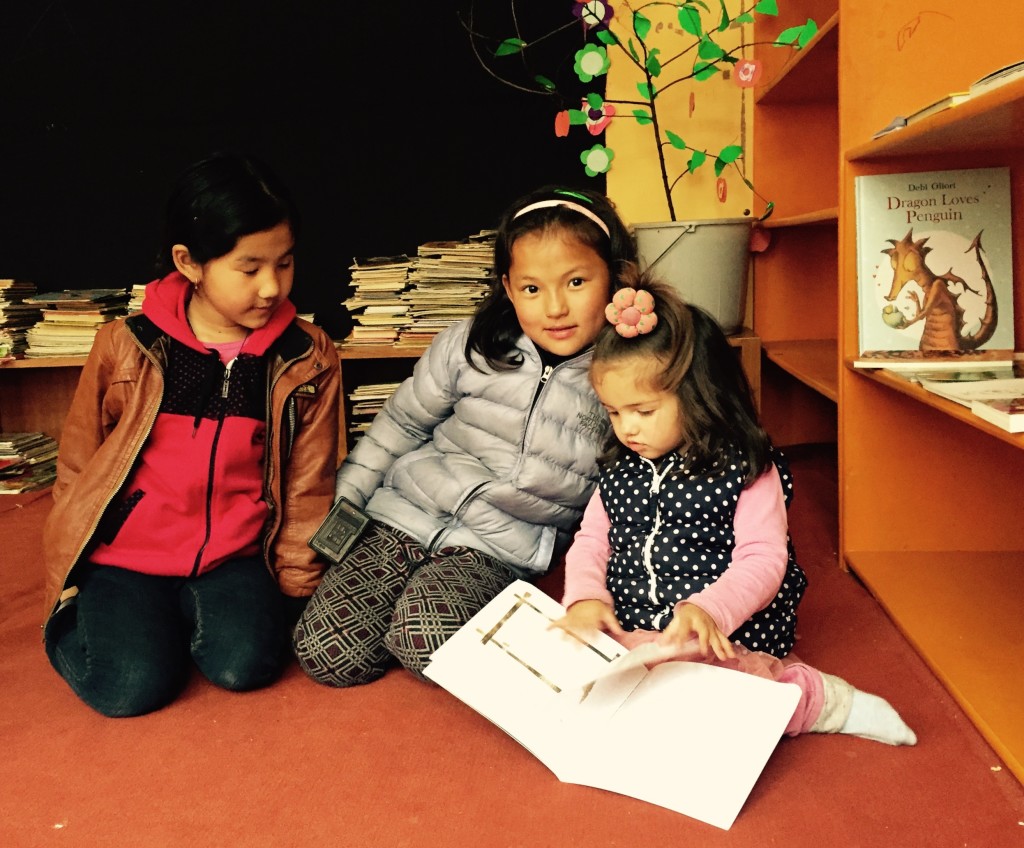
The afternoon made visible something the trust had long suspected: animation and picture books speak a similar visual language, and each can lead young viewers back toward the other. Picture books train the eye to read images in sequence, while animation rewards that skill with movement, sound, and timing. Children who enjoy one often transfer that attention to the other, especially when the stories share characters, rhythms, or settings.
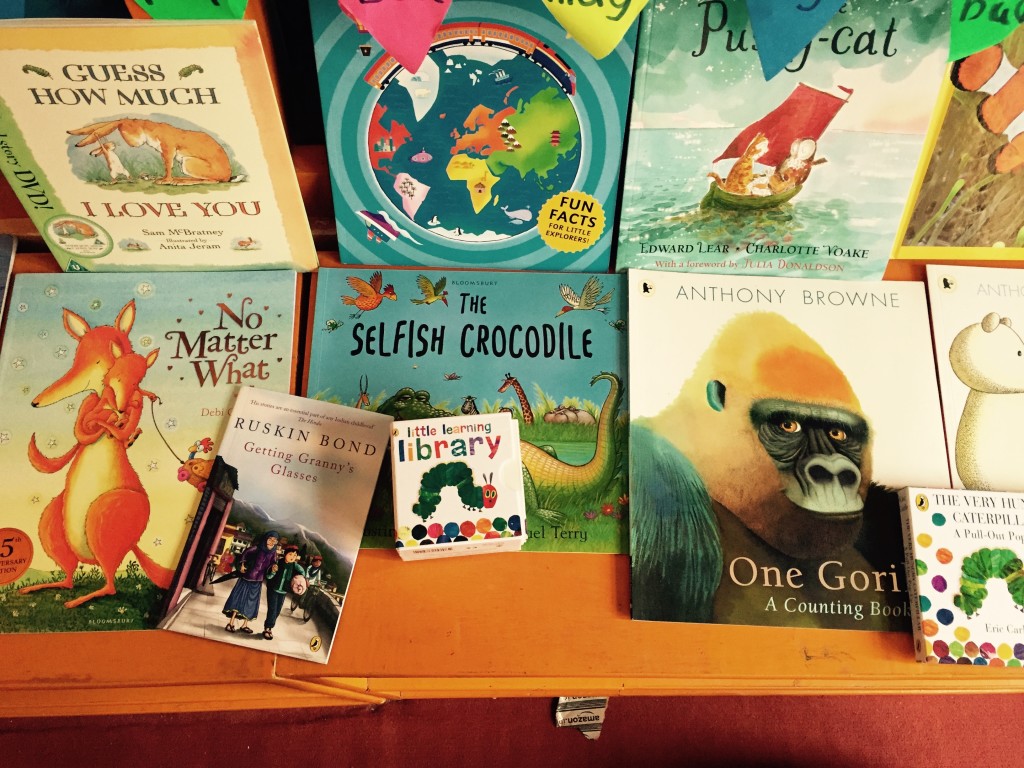
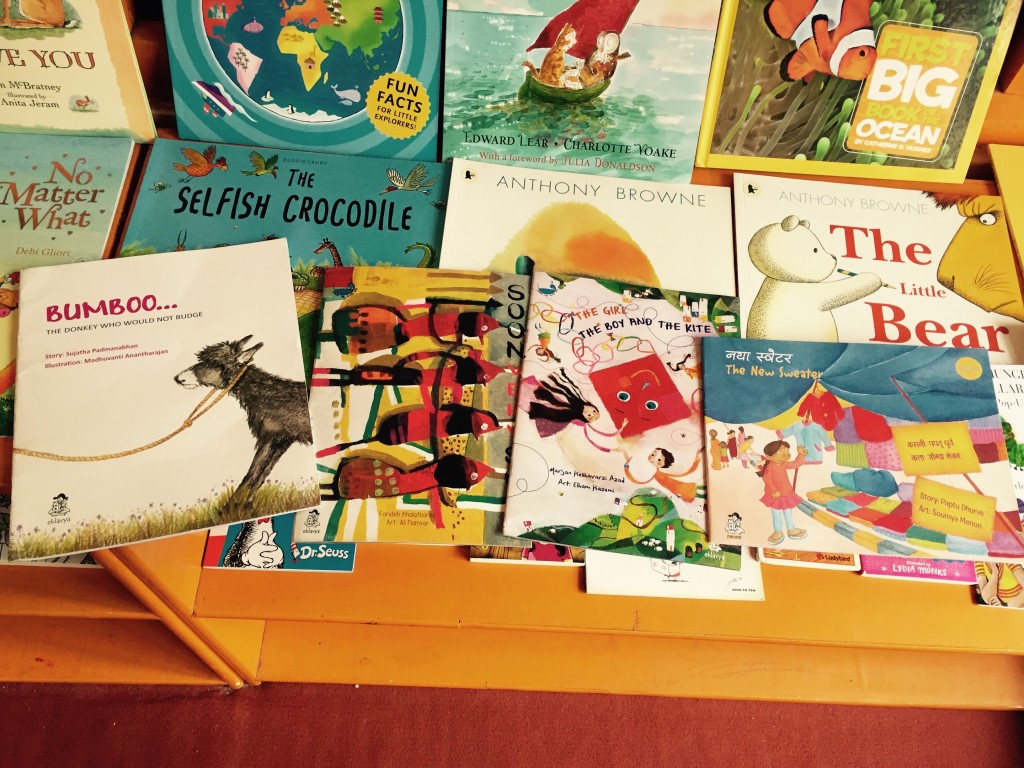
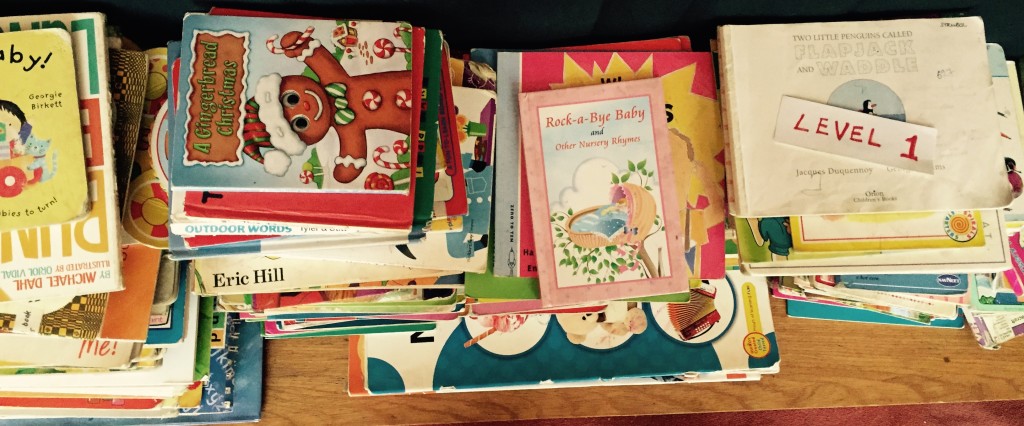
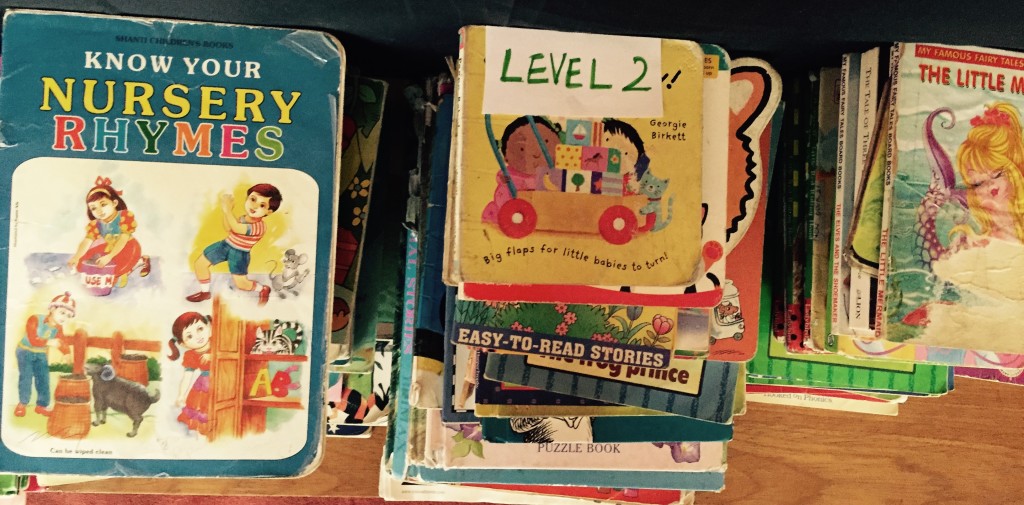
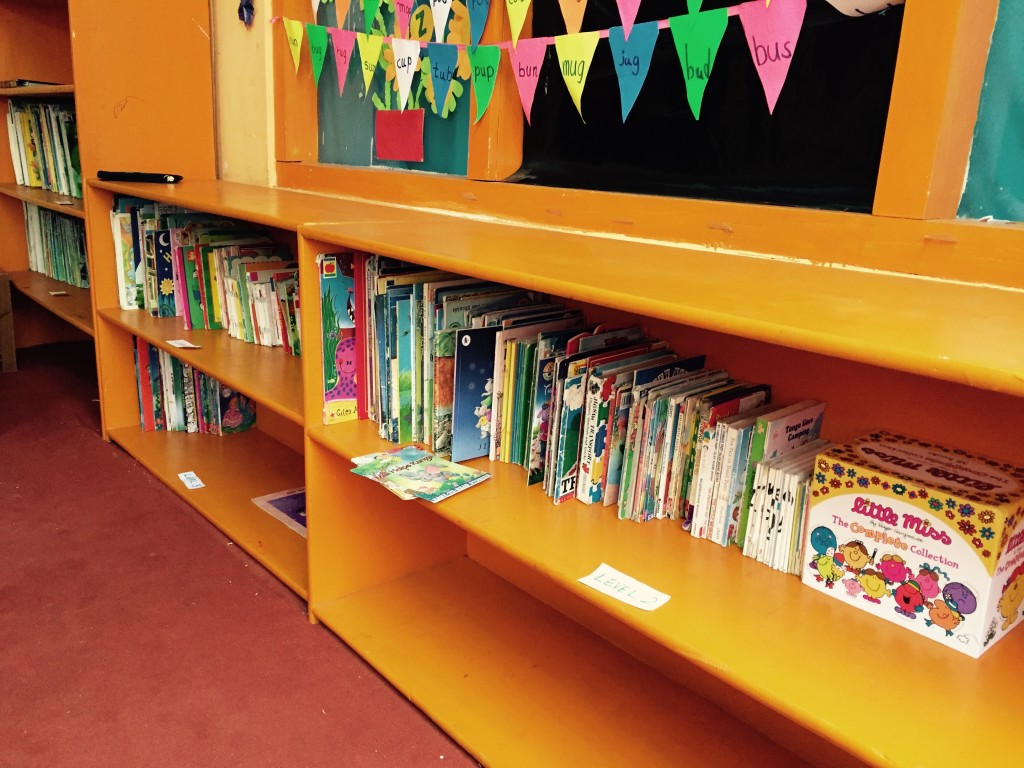
This is partly why Australian organisations such as ACMI and the State Library of Victoria run joint programmes during school holidays that pair picture book readings with short film screenings. The reading room followed a similar logic, borrowing a small curated list from Tropfest Junior and SBS's short form catalogue to make sure the films complemented the books already on the shelves. By the time the lights went down, several children had begun to imagine their own stories moving from page to screen, and a few asked whether they could try making a short film of their own next summer.
Carrying the Festival Forward
The festival will not be a one-off. Volunteers are already drawing up a longer programme for the winter holidays, when the sun sets early and the reading room becomes the warmest place in the village for many children. Discussions are under way with a small production studio in Melbourne that makes wordless shorts for early literacy programmes, and with a regional broadcaster interested in capturing stories from Ladakh's young animators.
A second screening is planned for the spring, timed to overlap with the Australian Children's Book Week so that children on both sides of the exchange can share recommendations. For now, the most tangible outcome is a stack of new drawings pinned above the bookshelves and a long list of titles the children want to see again.
| Format |
Length |
Visual cues |
Reading required |
Best for group use |
| Picture book |
5–15 minutes of shared reading |
Static, detailed |
Yes, supported by adult |
Read-aloud sessions |
| Wordless picture book |
5–10 minutes |
Strong, sequential |
None |
Mixed-age audiences |
| Animated short (3–7 min) |
Short sit |
Movement, colour, sound |
None |
Festival-style screenings |
| Animated short (8–15 min) |
Medium sit |
Layered, with subplots |
Light, optional captions |
Older primary viewers |
| Feature film |
60+ minutes |
Continuous narrative |
Often heavy |
Family outings, special events |
What made the afternoon succeed:
- A simple, reliable projector and a clean white sheet as the only technical requirements.
- Cushions and rugs borrowed locally so no child sat on a cold floor.
- A printed schedule in three languages to help families plan their stay.
- Short films under fifteen minutes to match the youngest attention spans.
- Drawing materials at the exit so reactions could be captured without writing.
Animated shorts that worked well for the mixed-age audience:
- Wordless stories that rely on movement and colour rather than dialogue.
- Folk tales adapted from familiar regional sources, including Tibetan and Ladakhi stories.
- Humorous pieces with clear physical comedy and gentle pacing.
- Music-led shorts where rhythm carries the narrative.
- Films made by young people themselves, which tend to model creativity for the viewers.
The next step is to write to the reading room's partner organisations in Melbourne and request a small library of wordless shorts that can travel with the next book shipment.