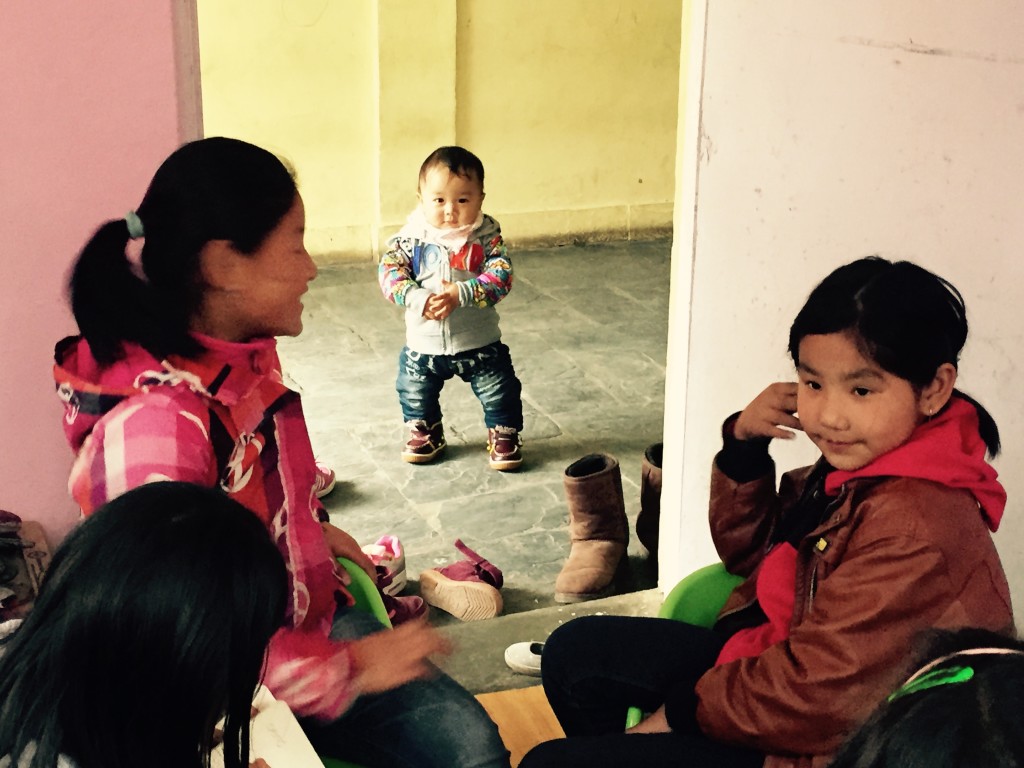
The day a herder brought his sheep to story hour
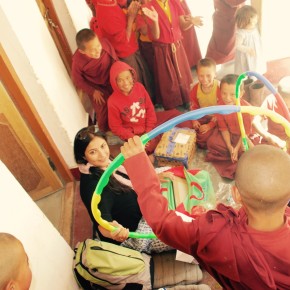
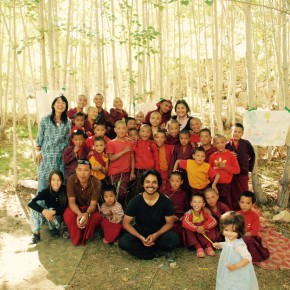
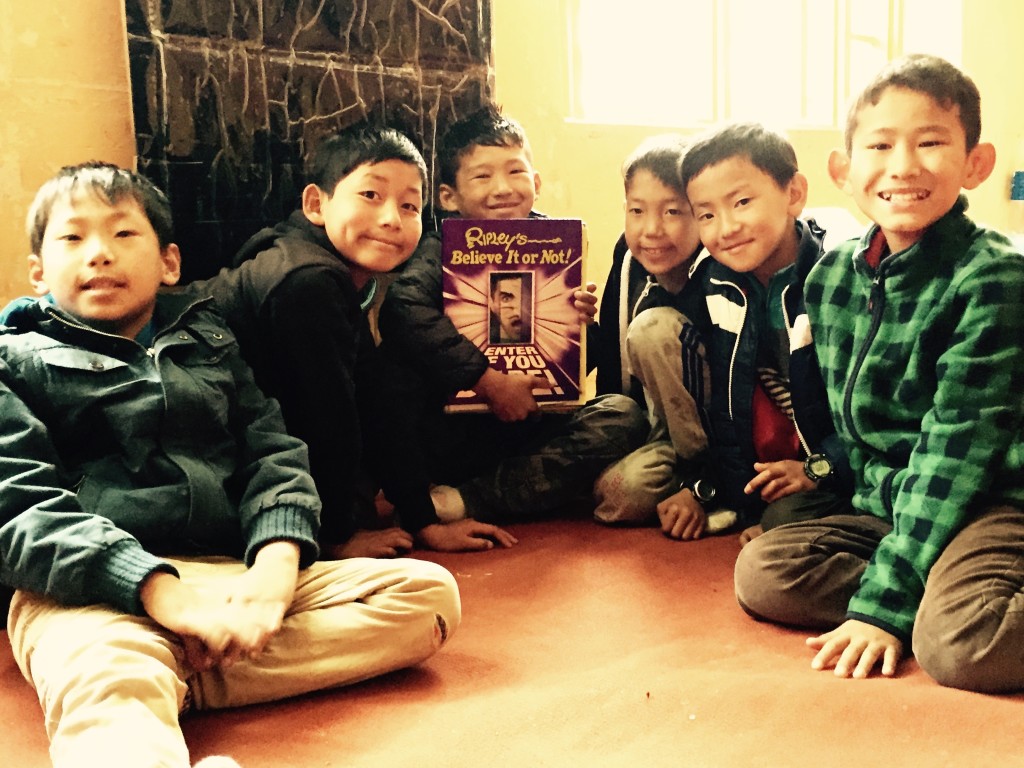
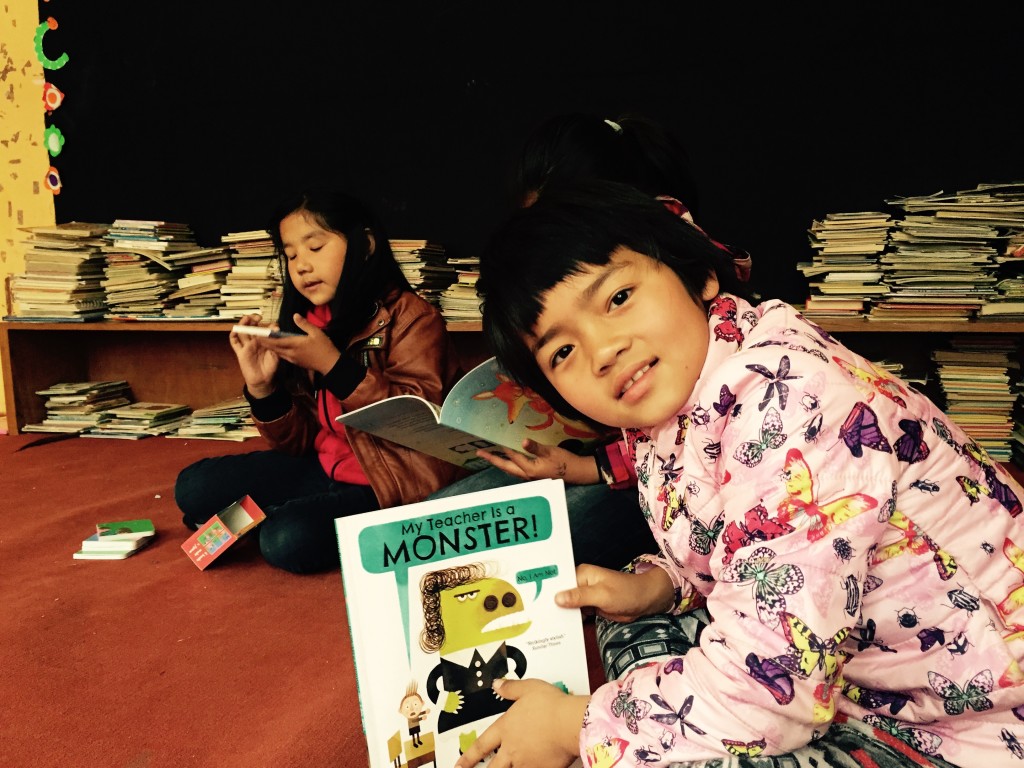
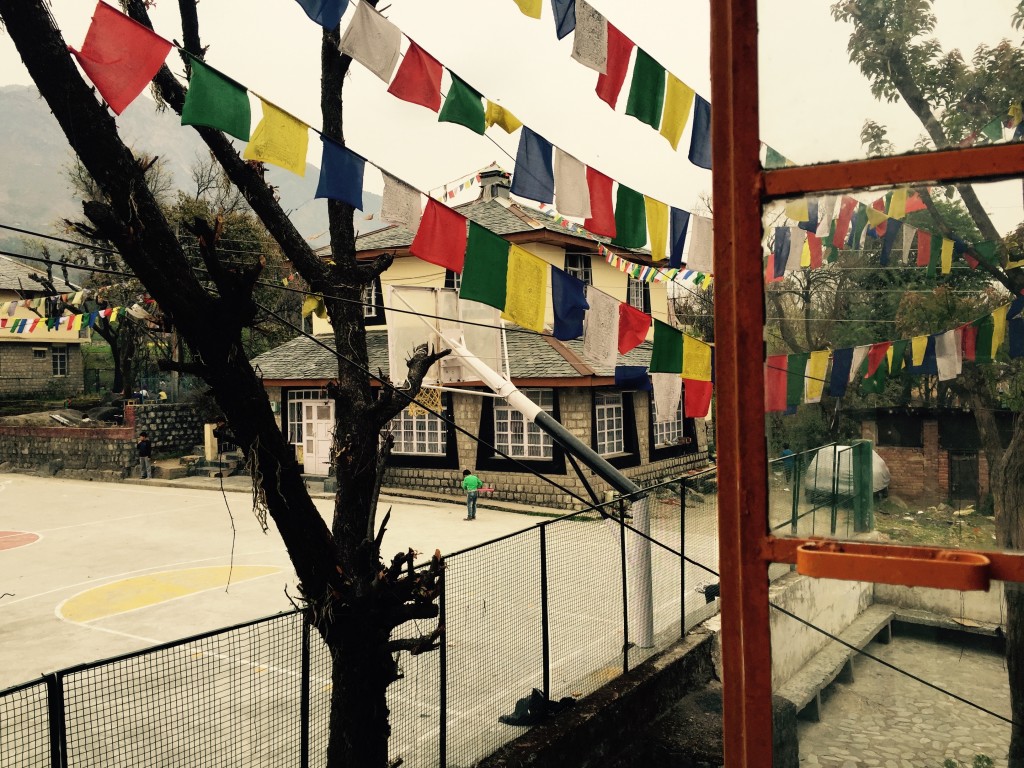
In a high Himalayan valley, a reading room can become much more than a quiet place lined with books. It may be a warm refuge after school, a meeting point for young monks, or a small library where children discover stories about oceans, cities, animals and distant ways of life. Sometimes, it becomes a place where an entire community pauses to listen.
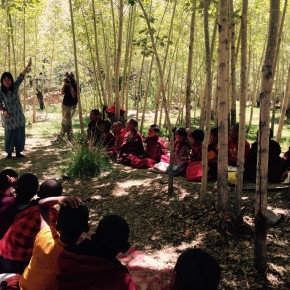
One afternoon, a local herder arrived at story hour with an unexpected audience: his sheep. The children had gathered for a picture-book reading, while outside, bells sounded along the hillside. The visit became a gentle reminder that literacy grows through welcome, curiosity and shared attention, wherever learning takes place.
The path from pasture to reading room
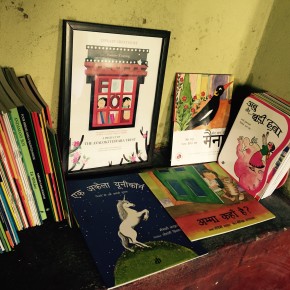
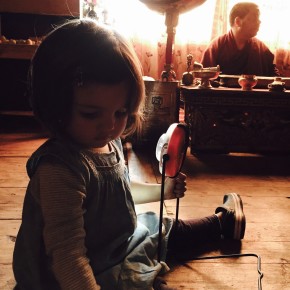
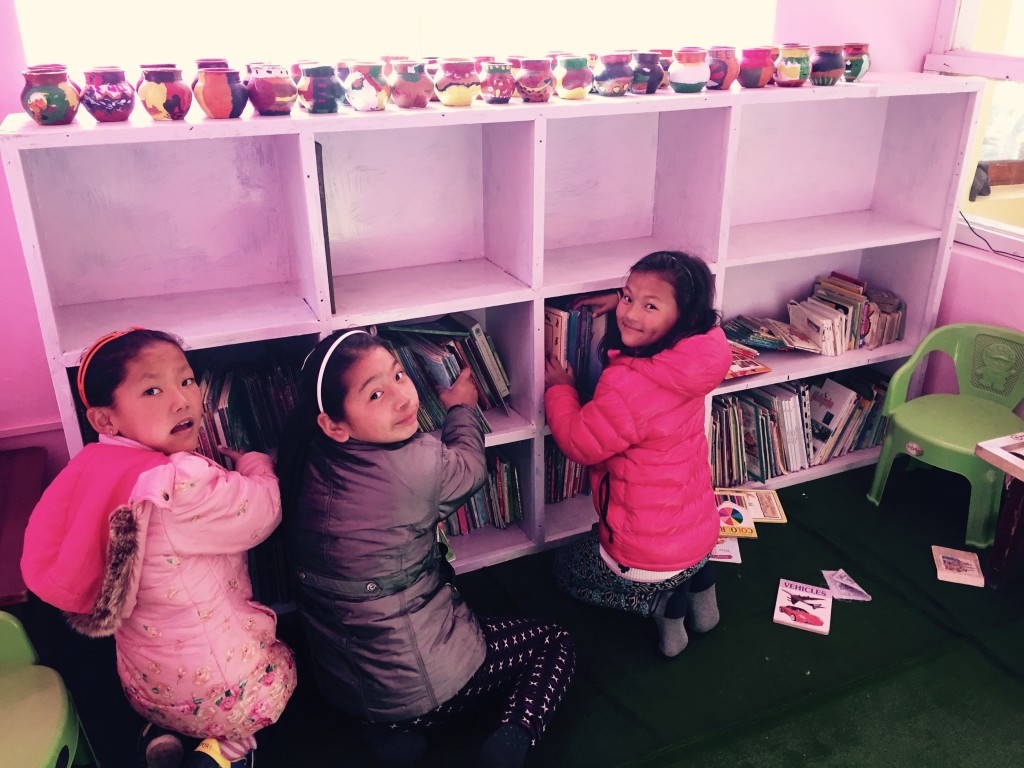
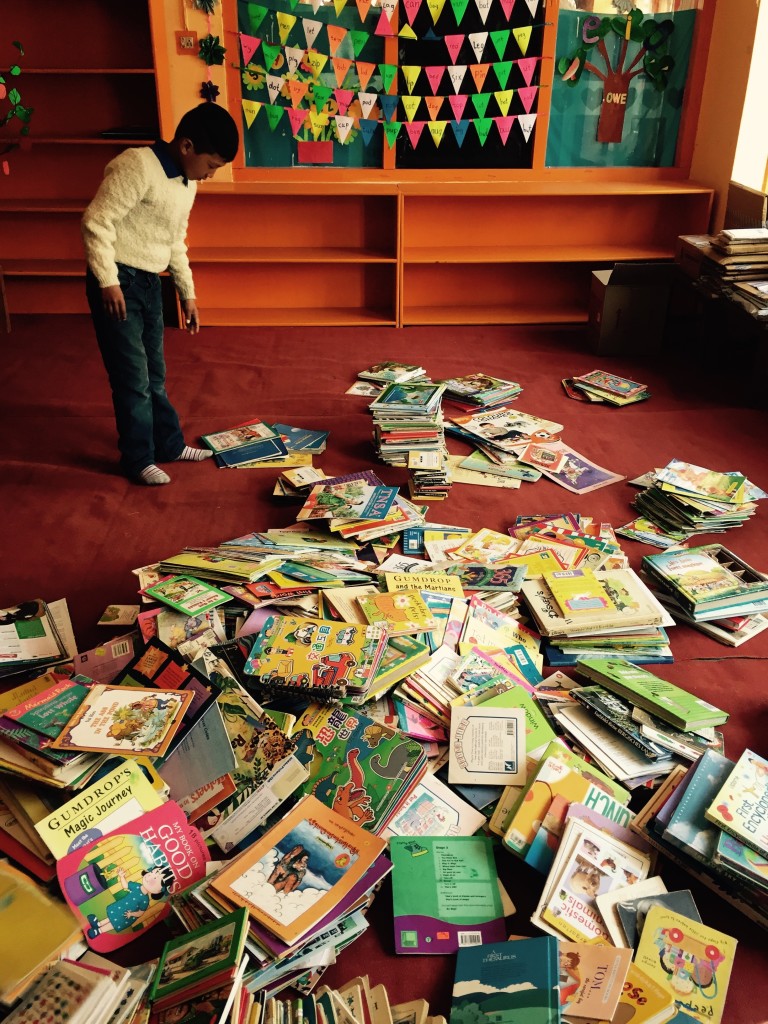
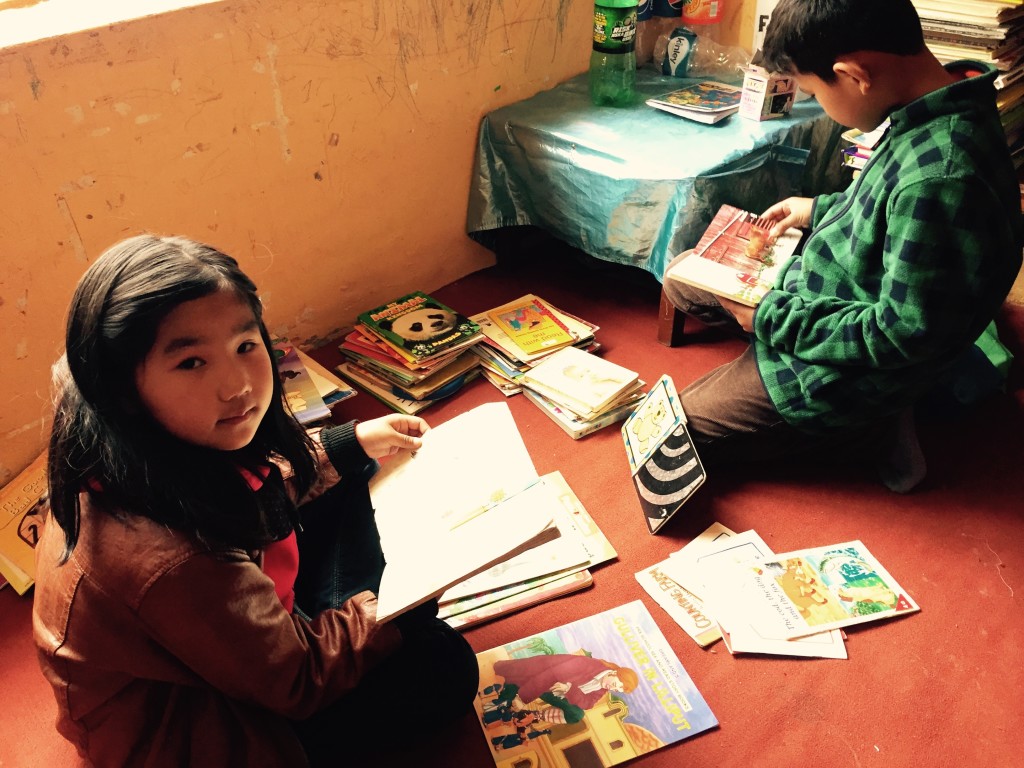
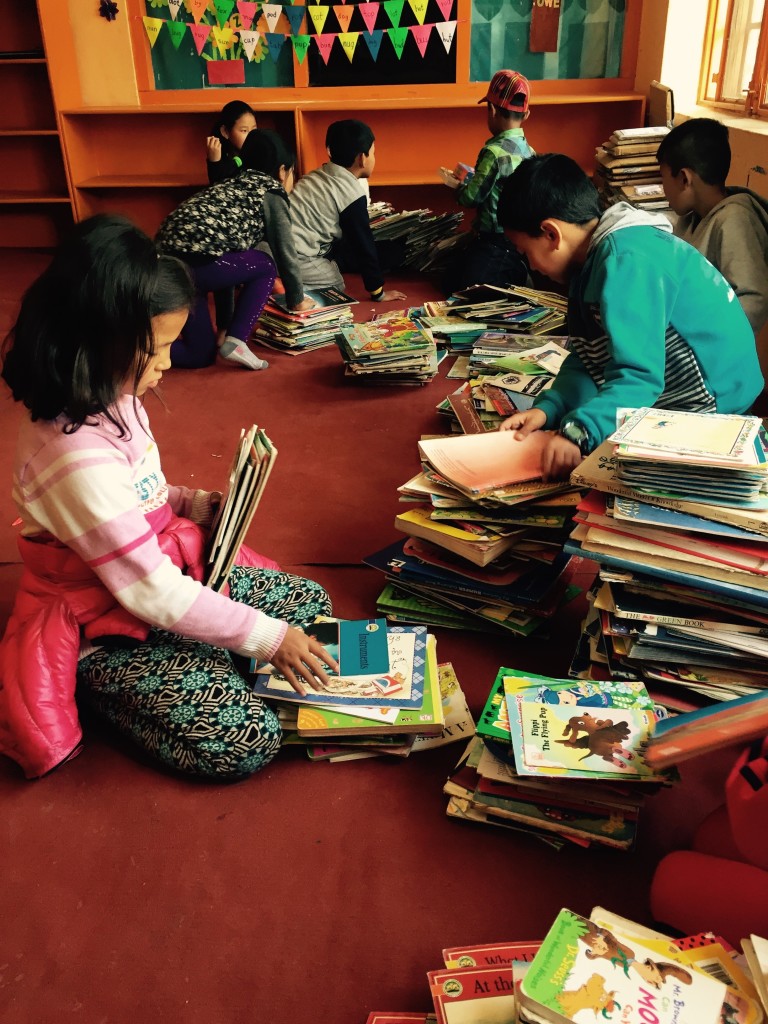
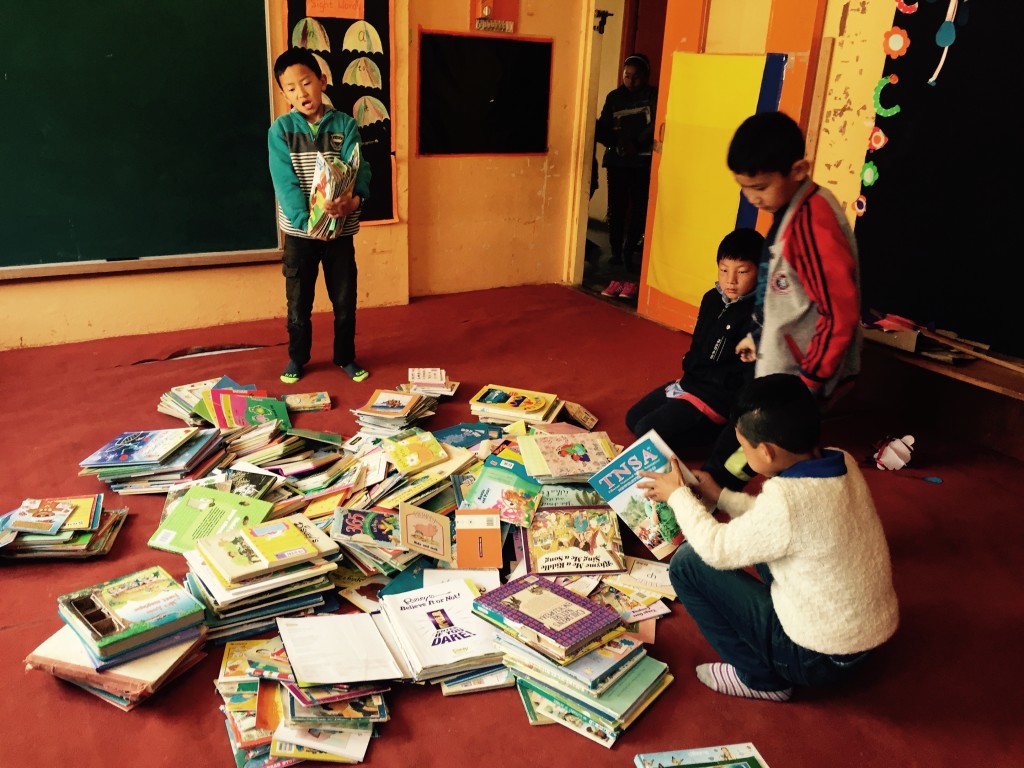
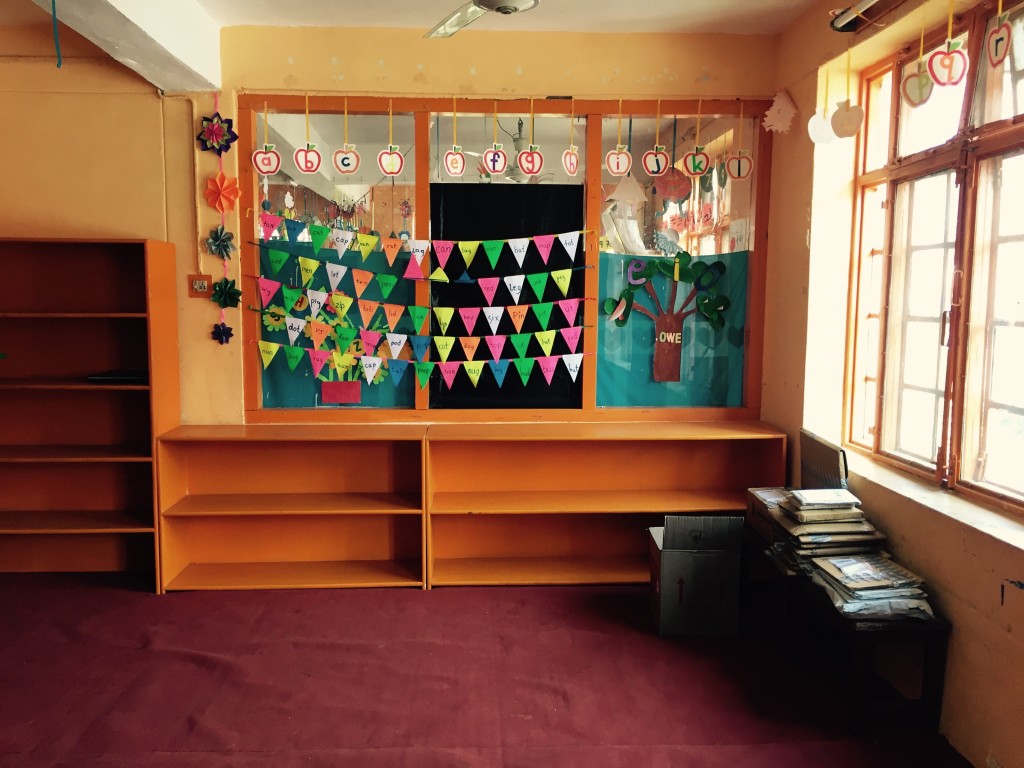
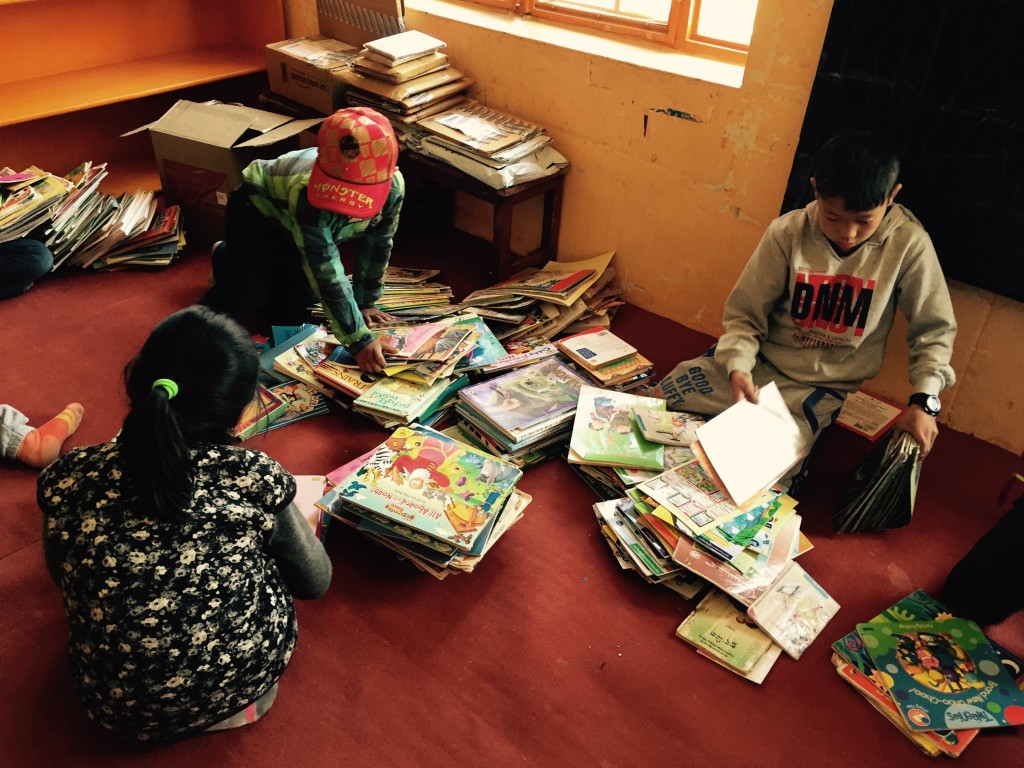
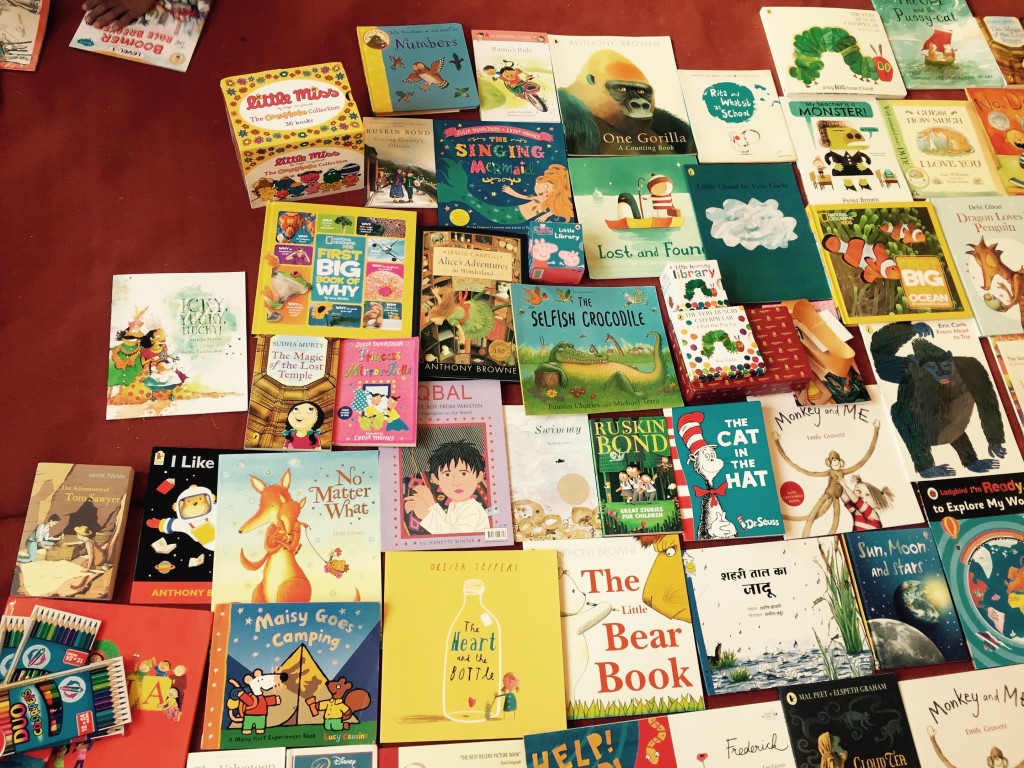
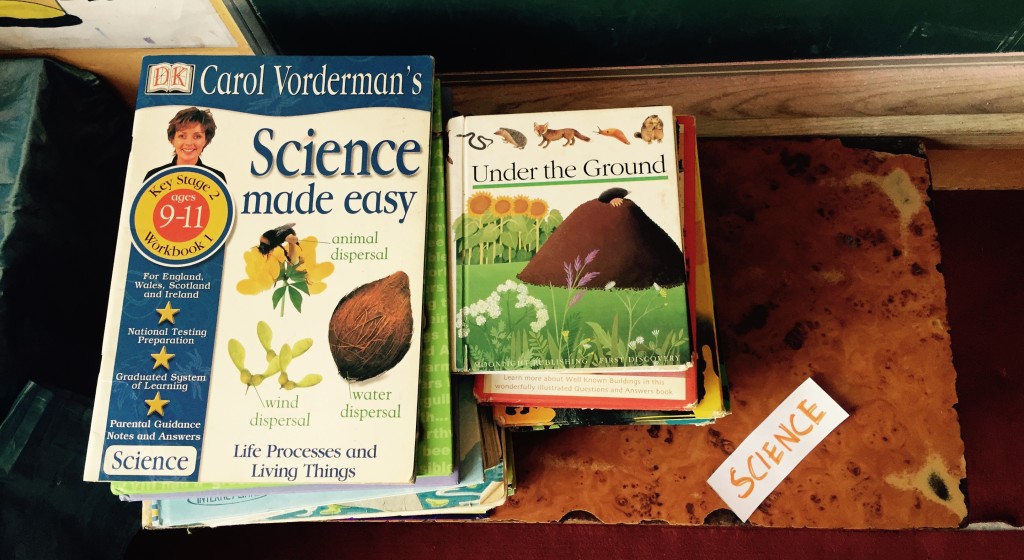
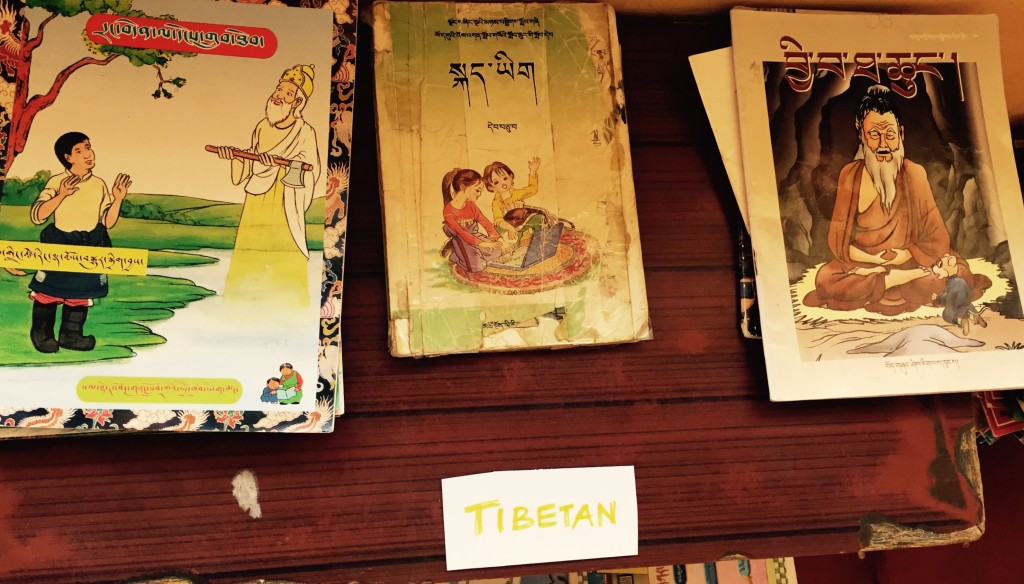
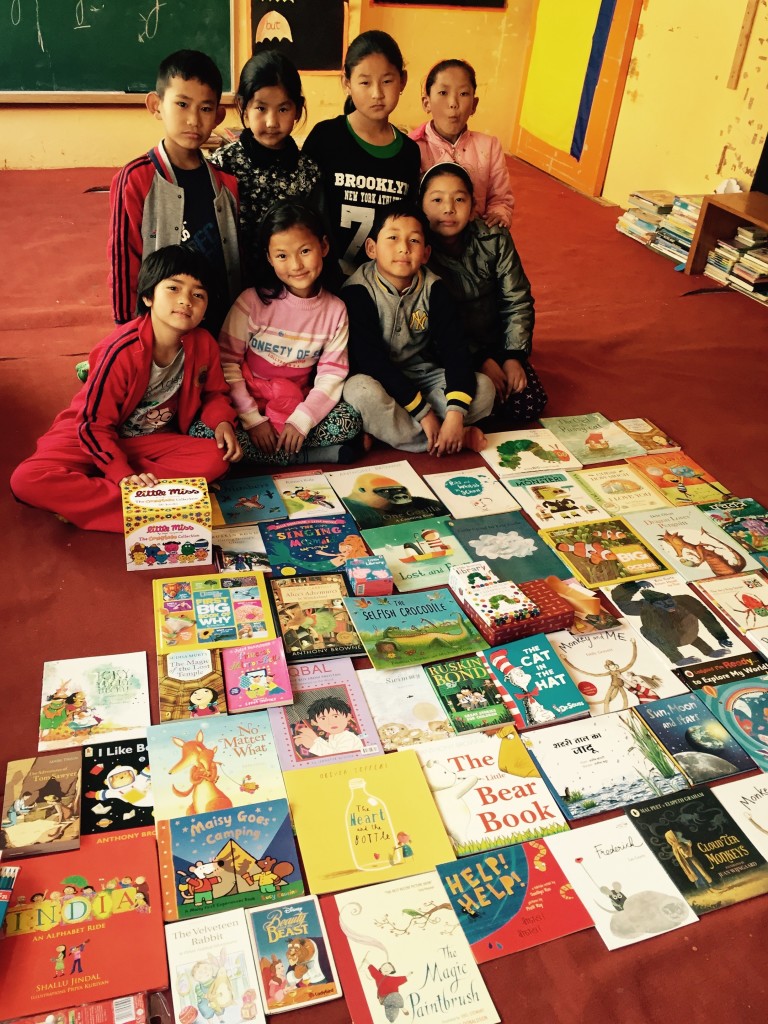
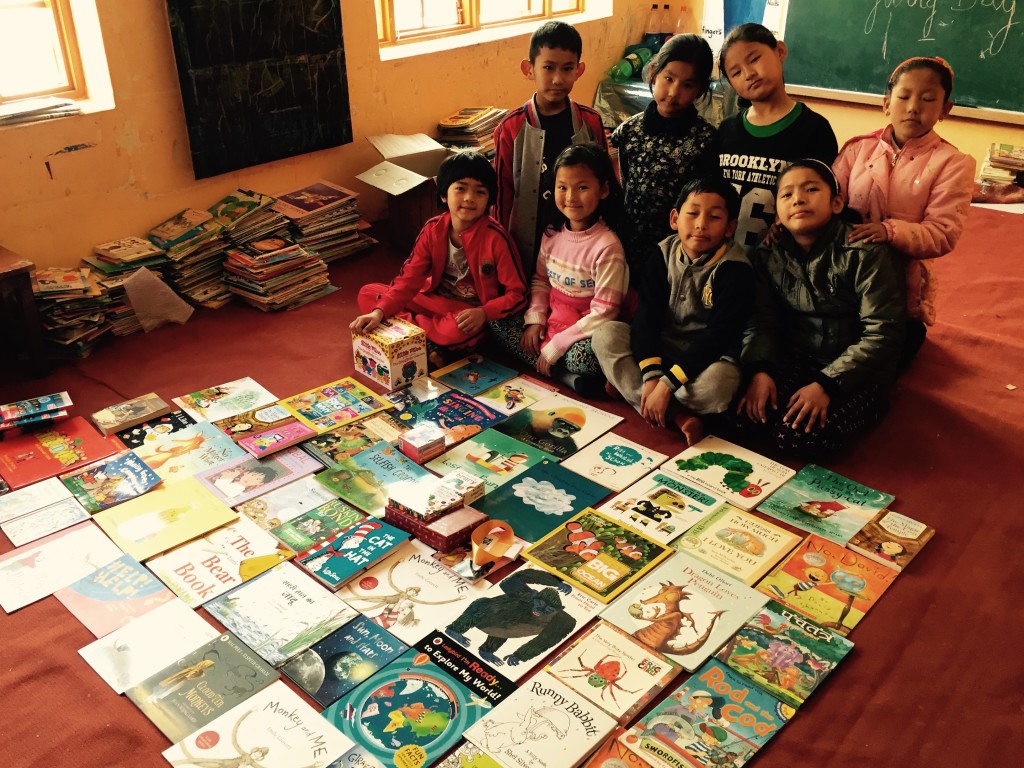
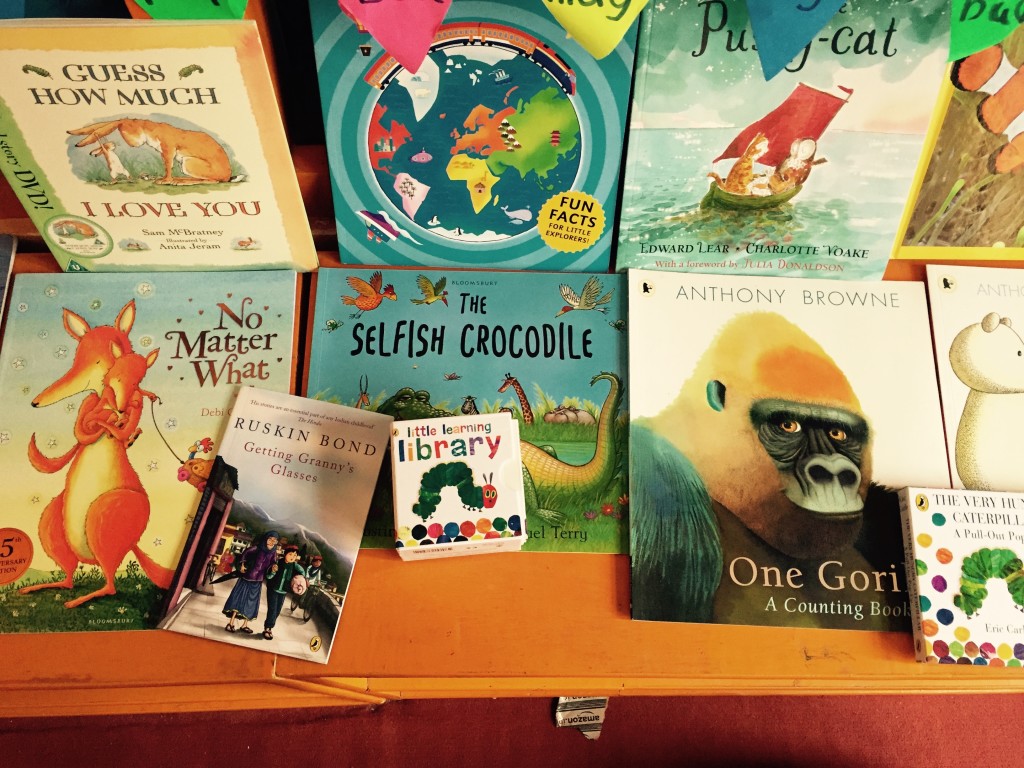
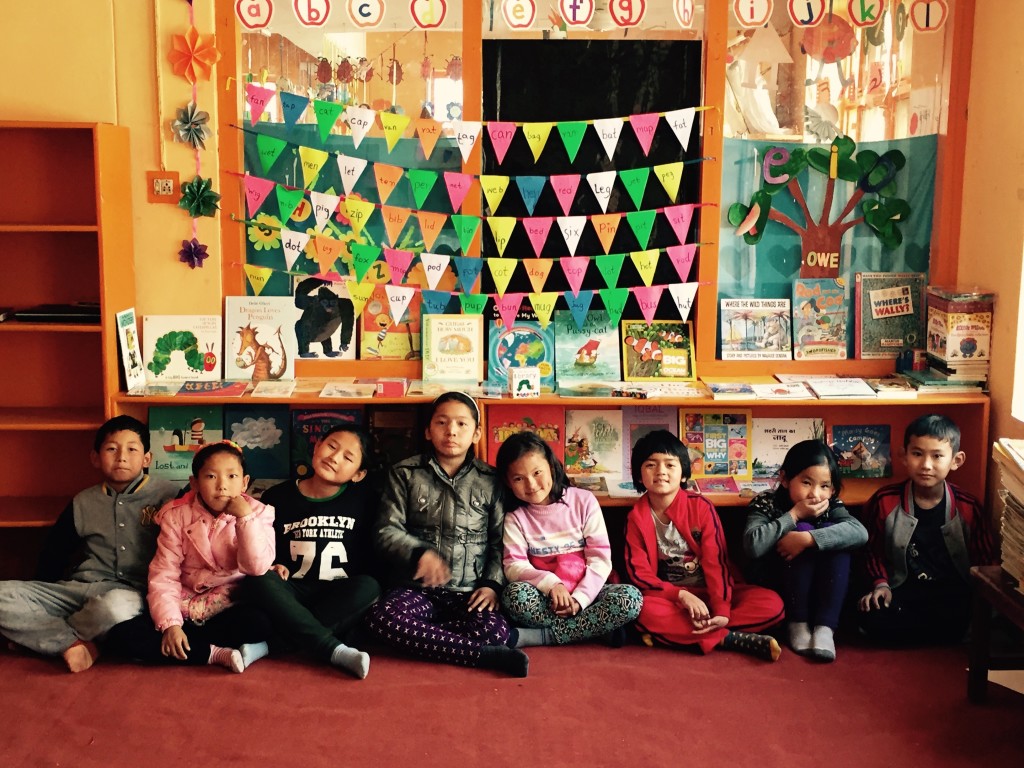
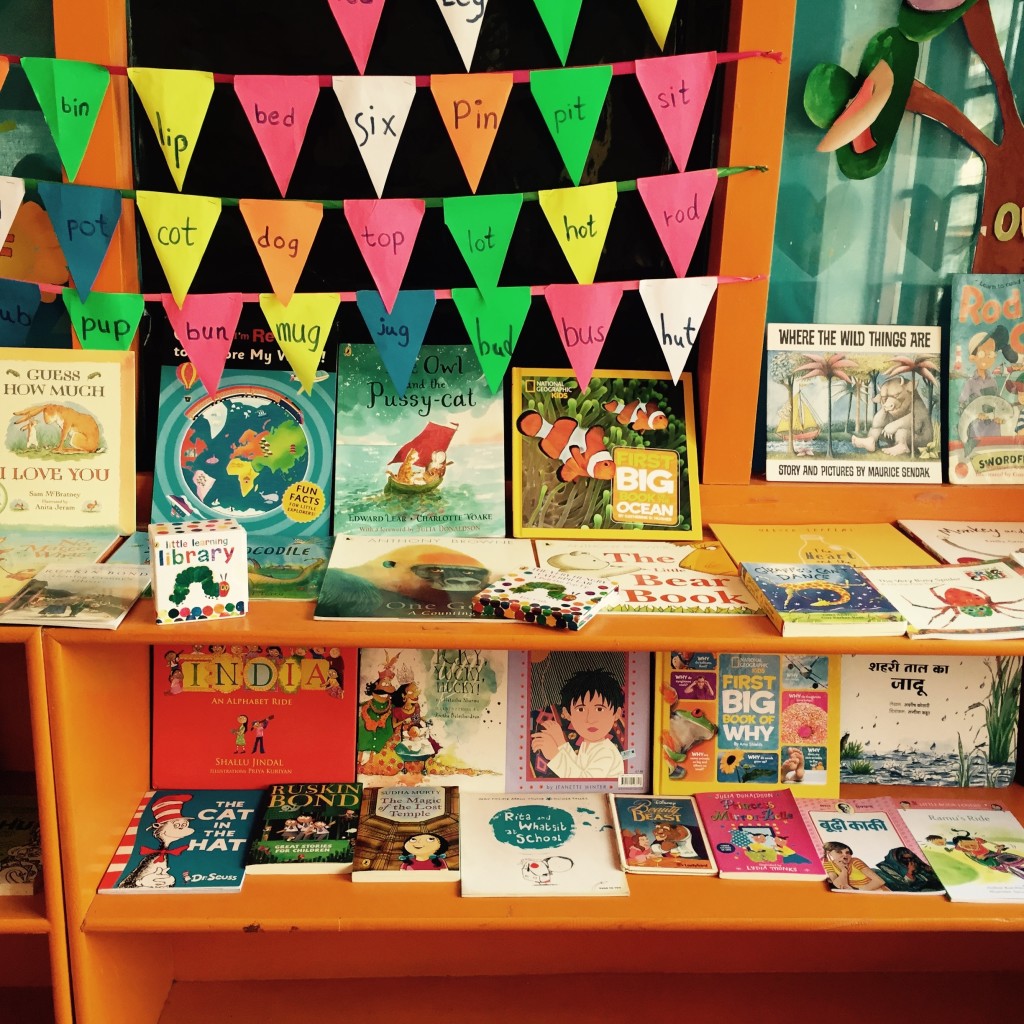
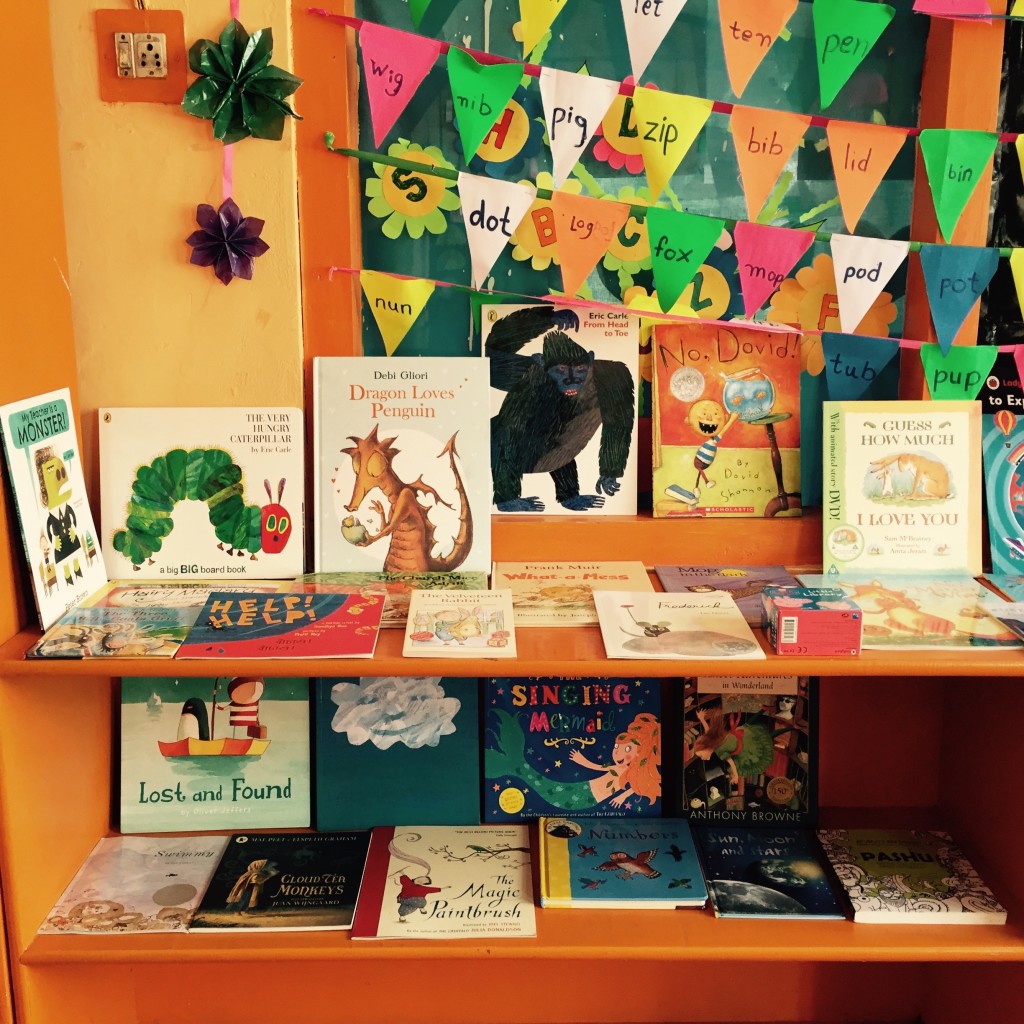
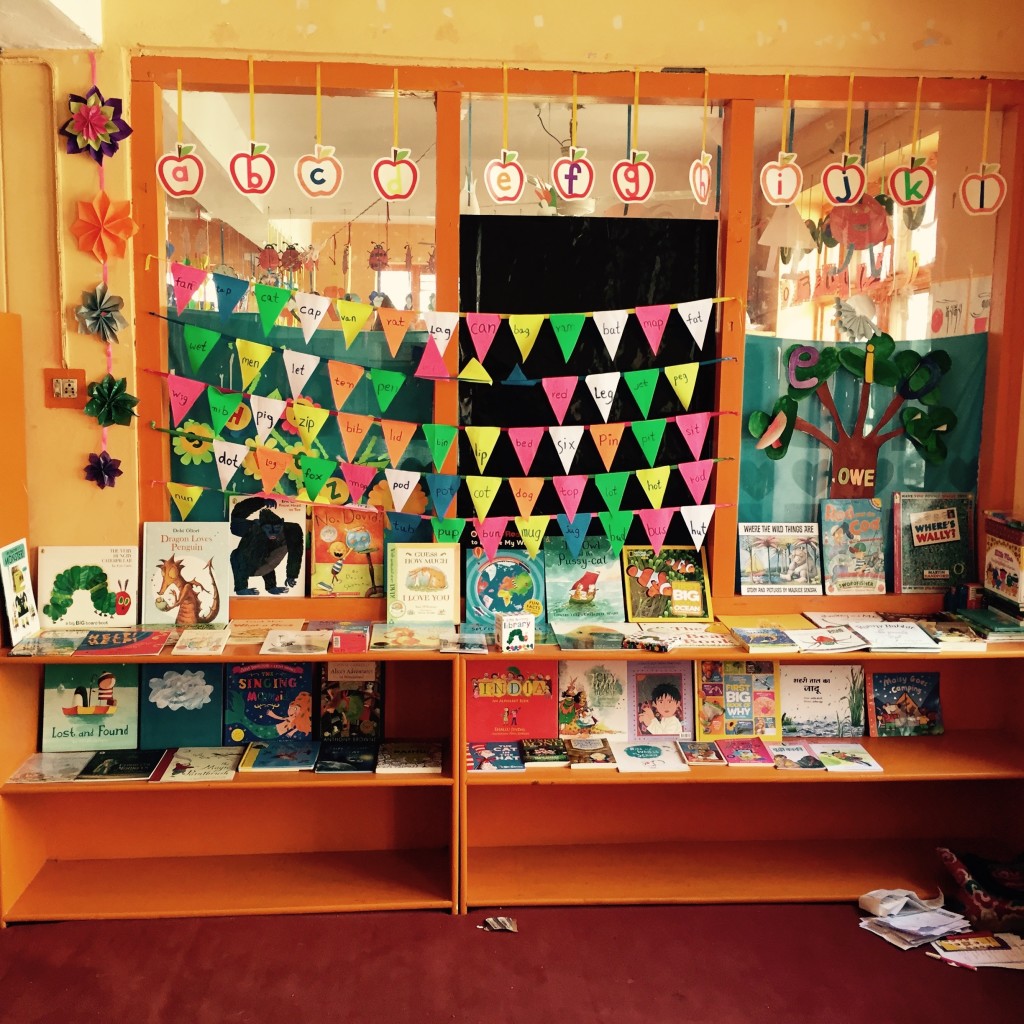
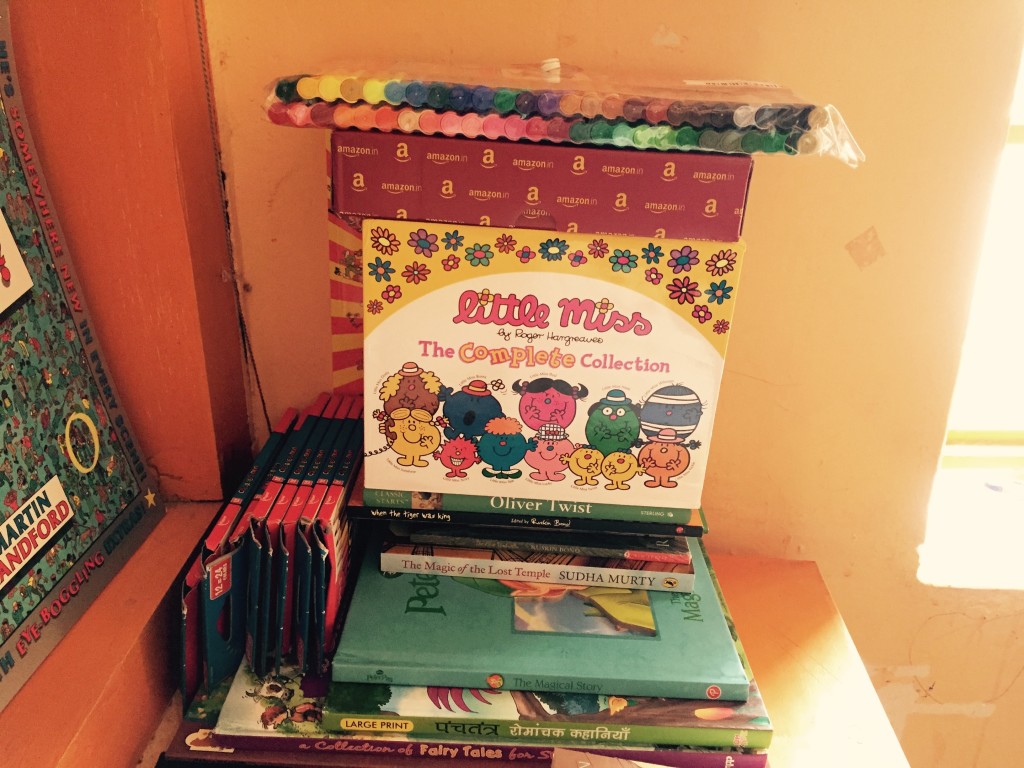
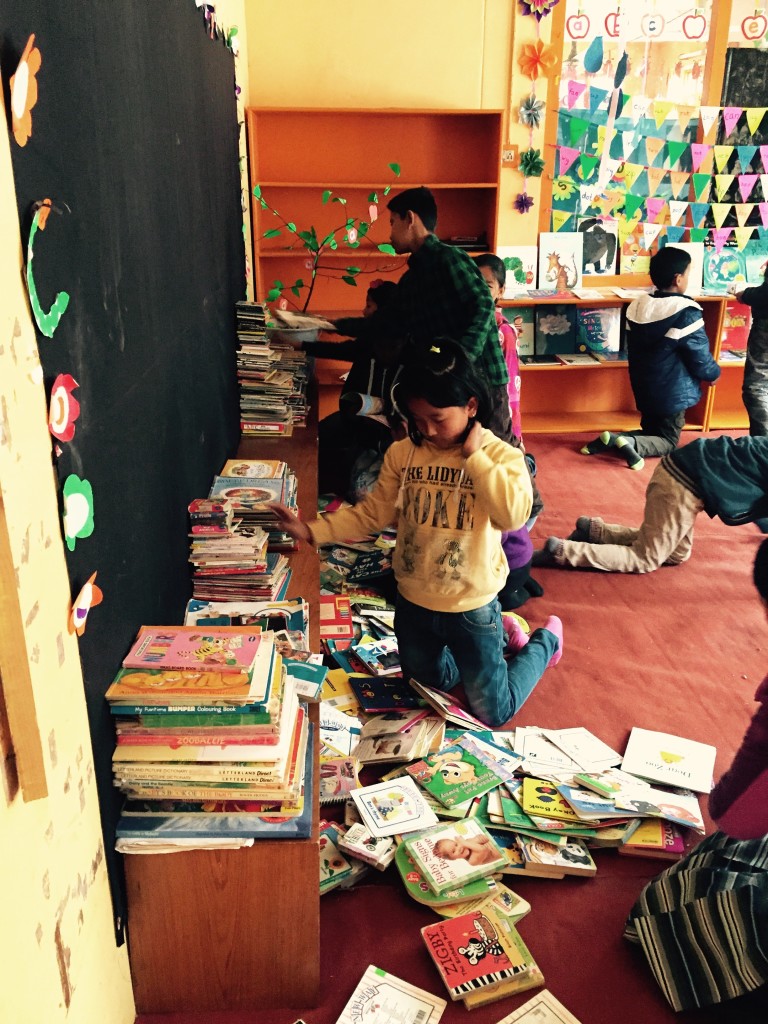
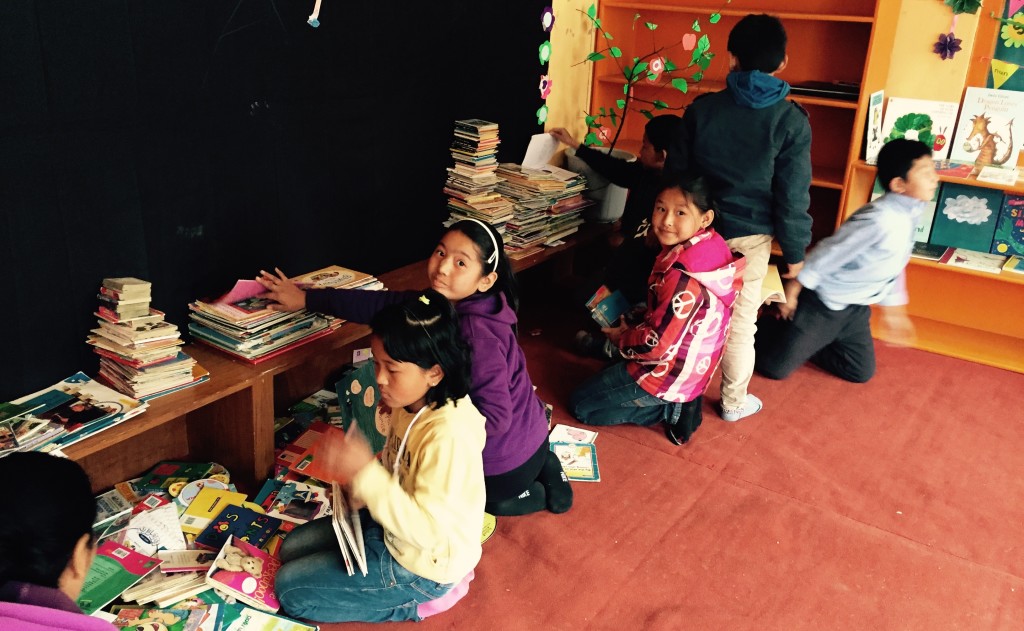
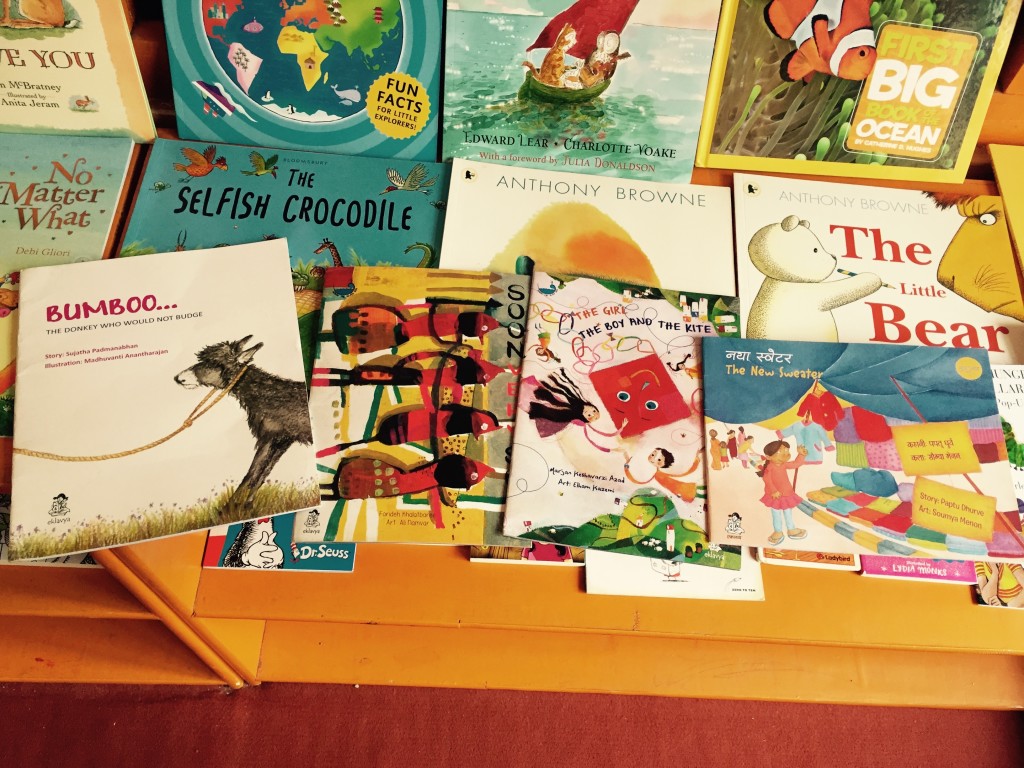
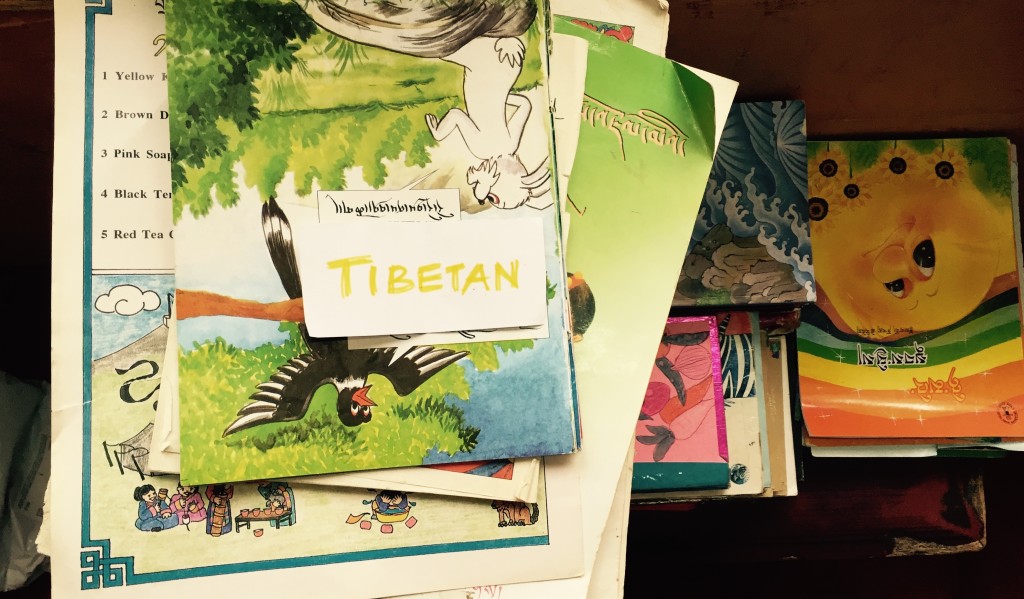
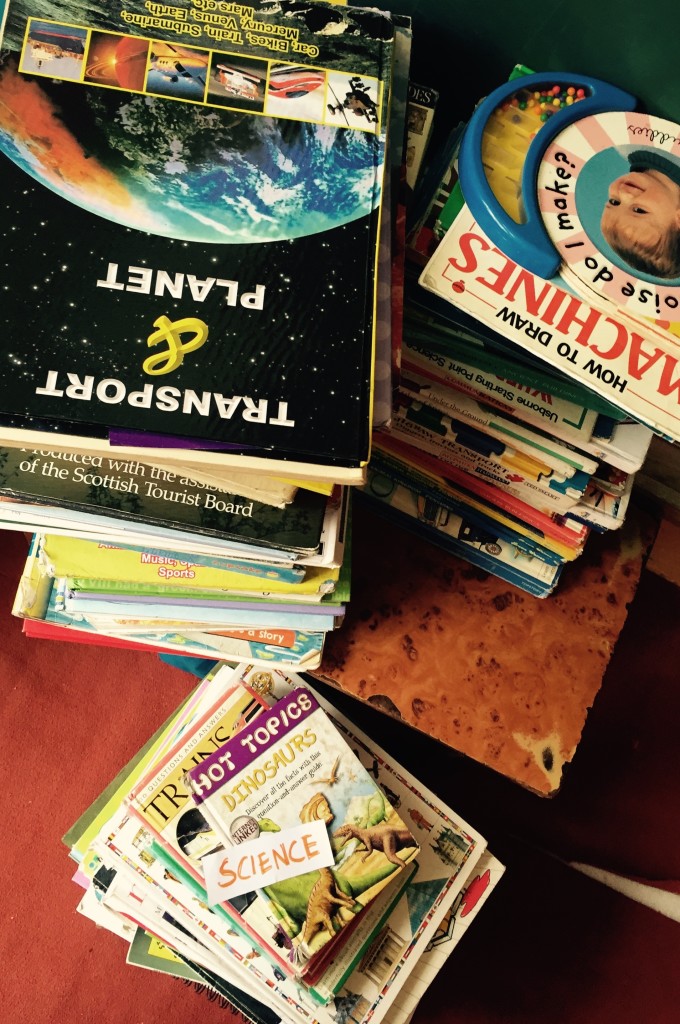
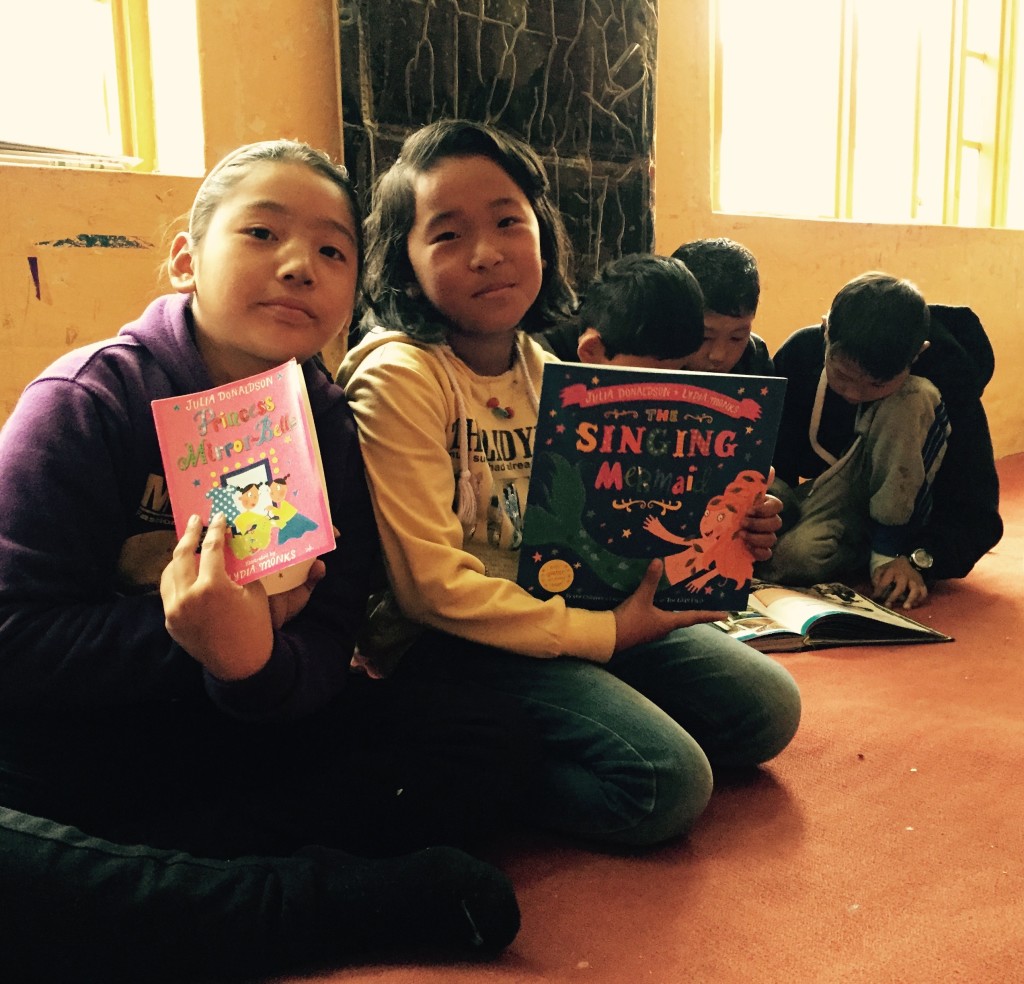
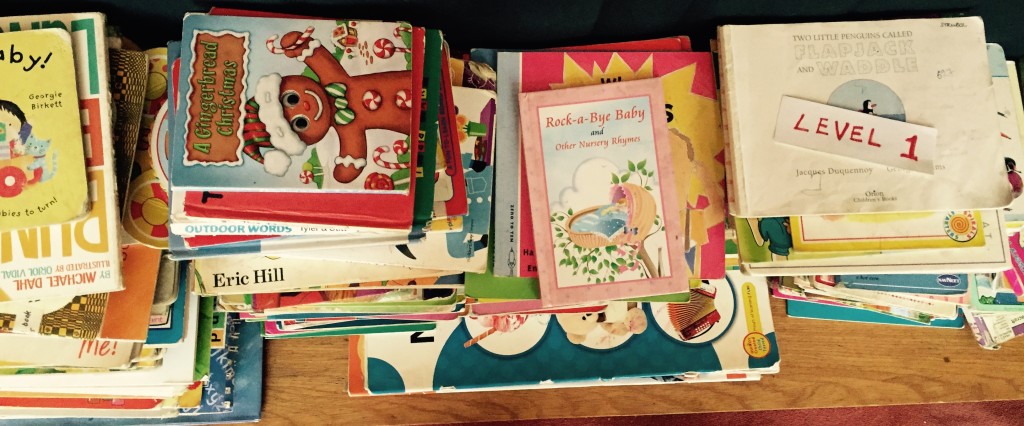
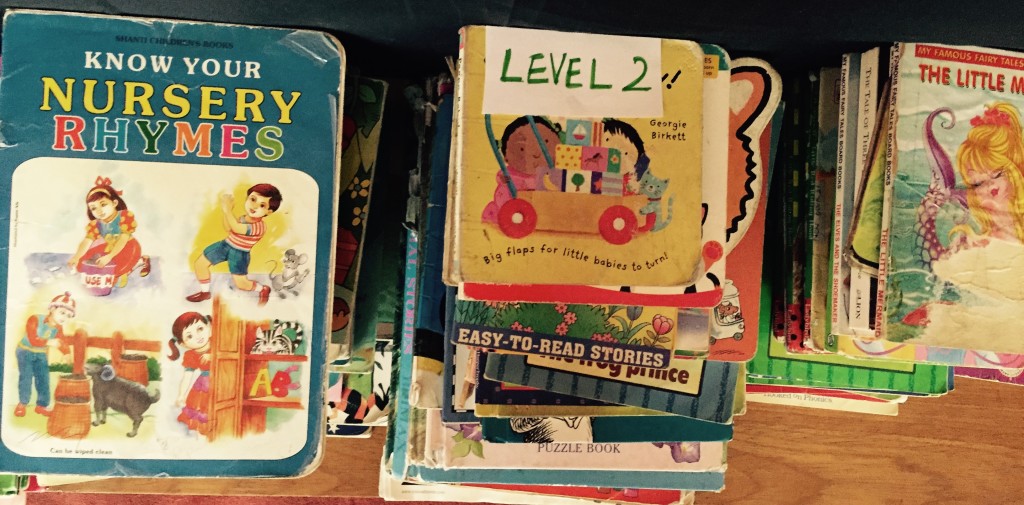
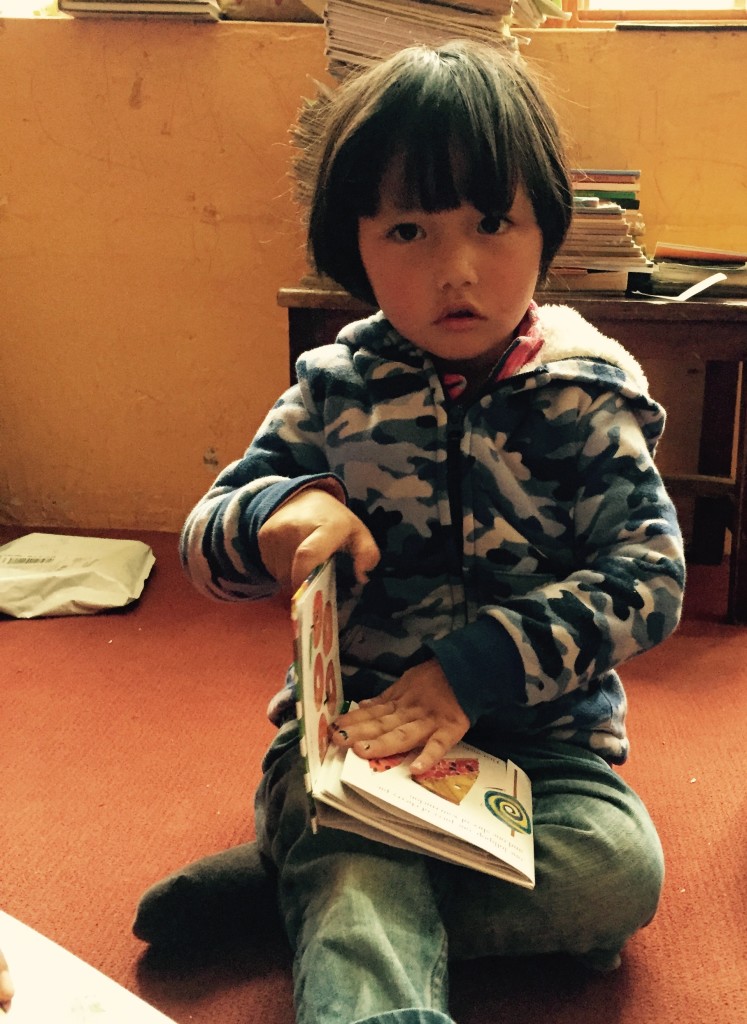
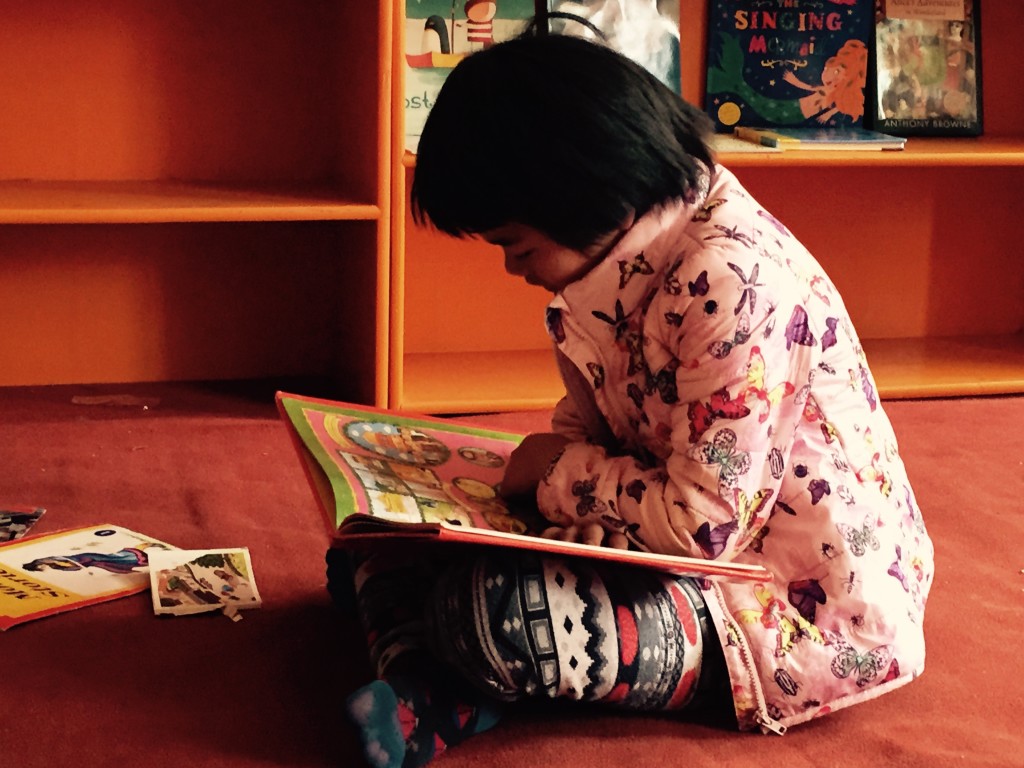
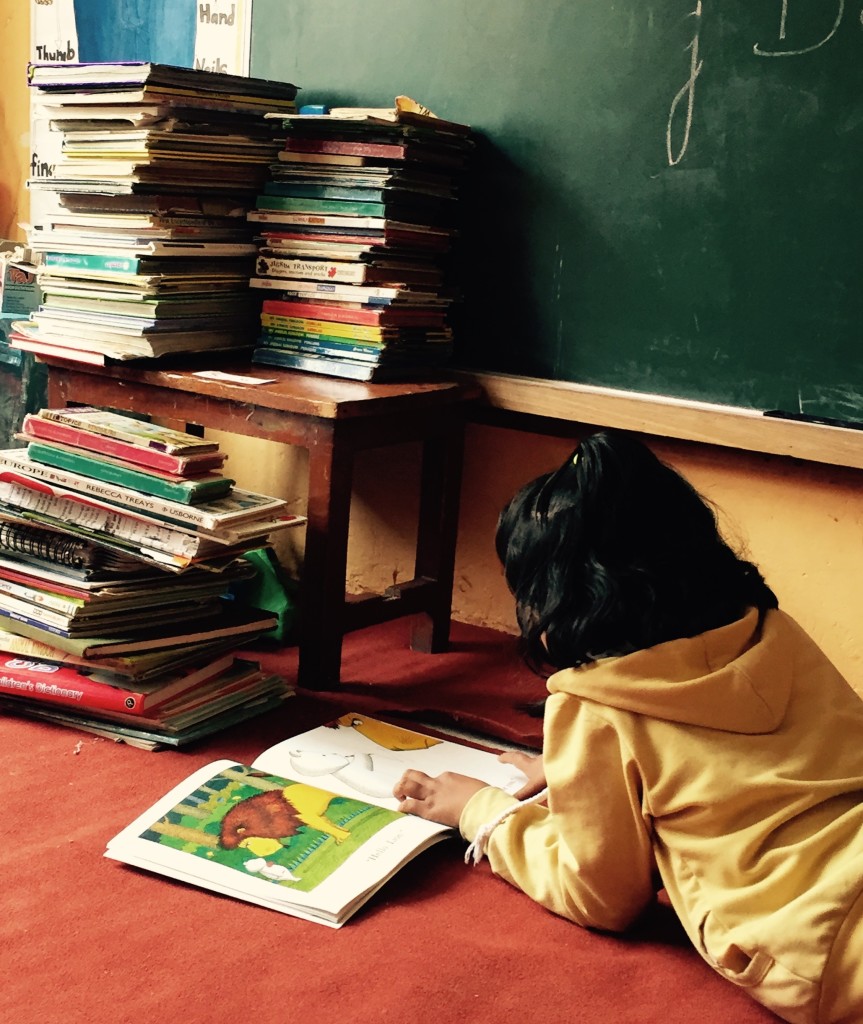
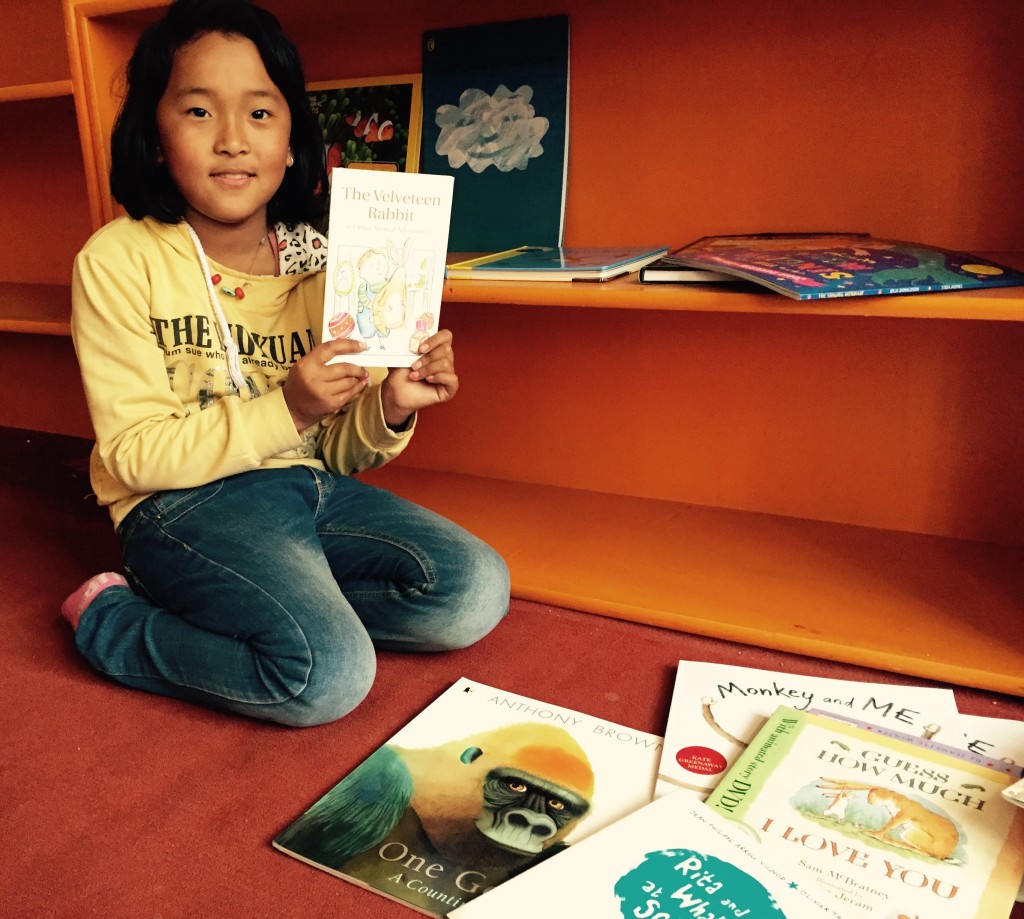
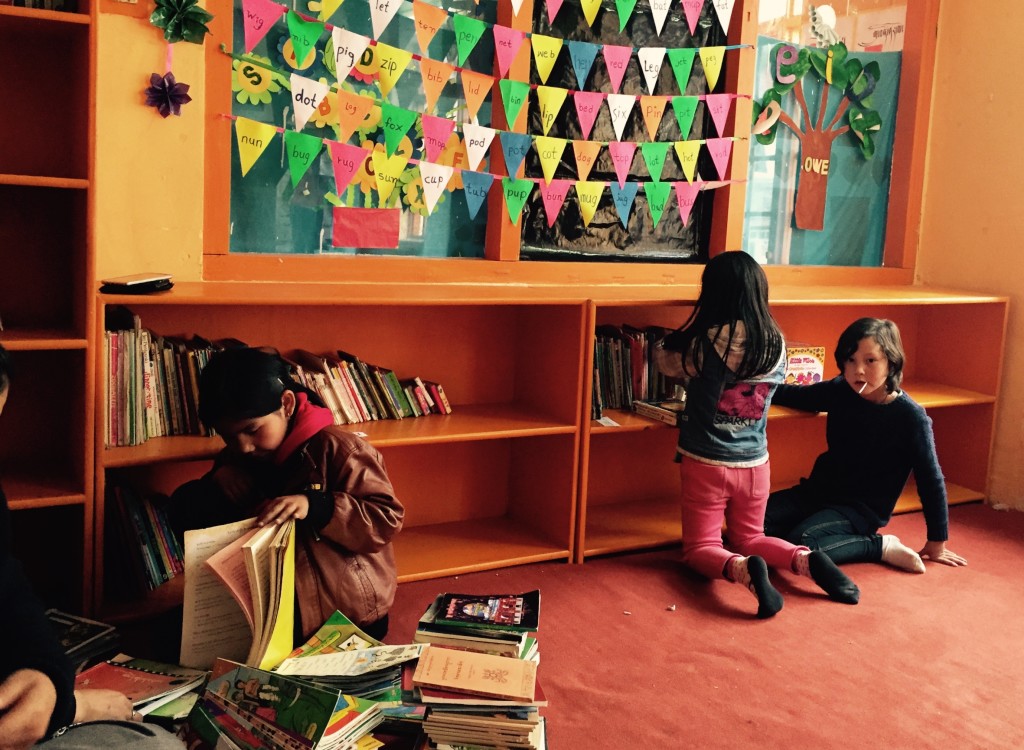
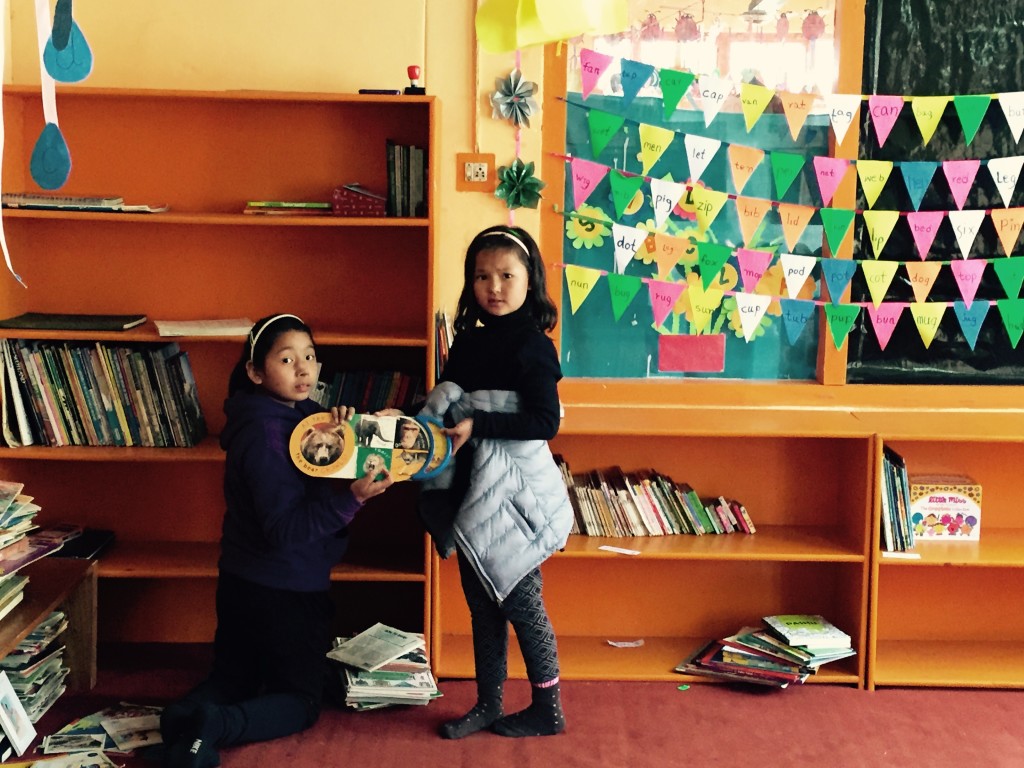
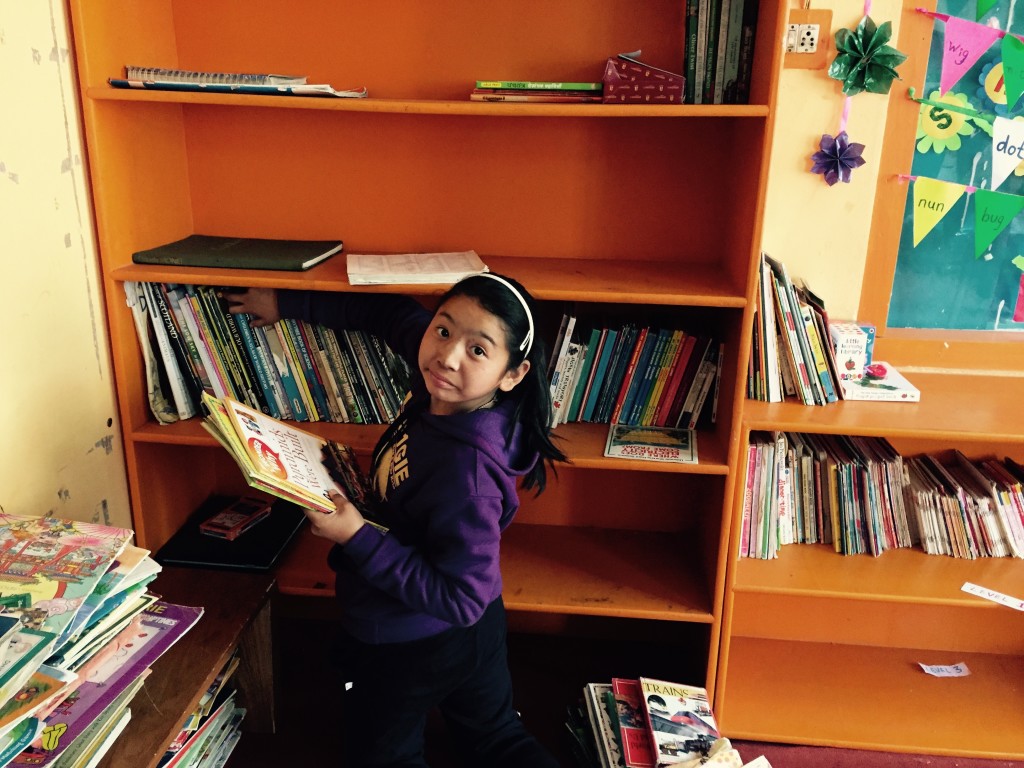
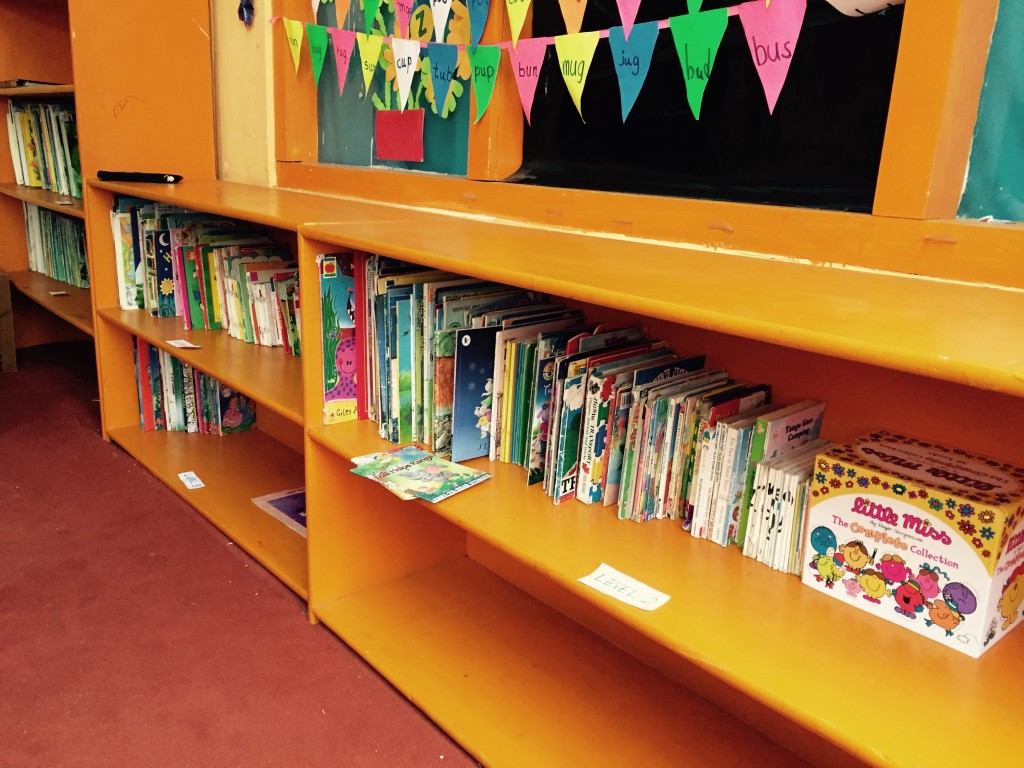
The reading room stood near the edge of the settlement, close enough to the grazing paths that children could walk there after lessons. Its shelves held donated storybooks, illustrated science books, folk tales and simple English readers. A few cushions rested on the floor, and sunlight entered through a window that looked towards the dry mountain slopes.
The herder had been guiding his flock along the road when the sound of children laughing drew his attention. Sheep followed him through the open gate, their bells making a soft, irregular rhythm. Some of the children rushed to the doorway, while others stayed inside and watched with wide eyes.
He did not intend to interrupt the programme. He had simply stopped to see what was happening. When one of the volunteers greeted him and invited him to sit nearby, he smiled and settled beside the wall. The sheep remained outside, clustering in the shade and nibbling at the sparse grass.
When the story hour began
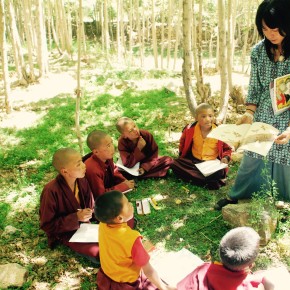
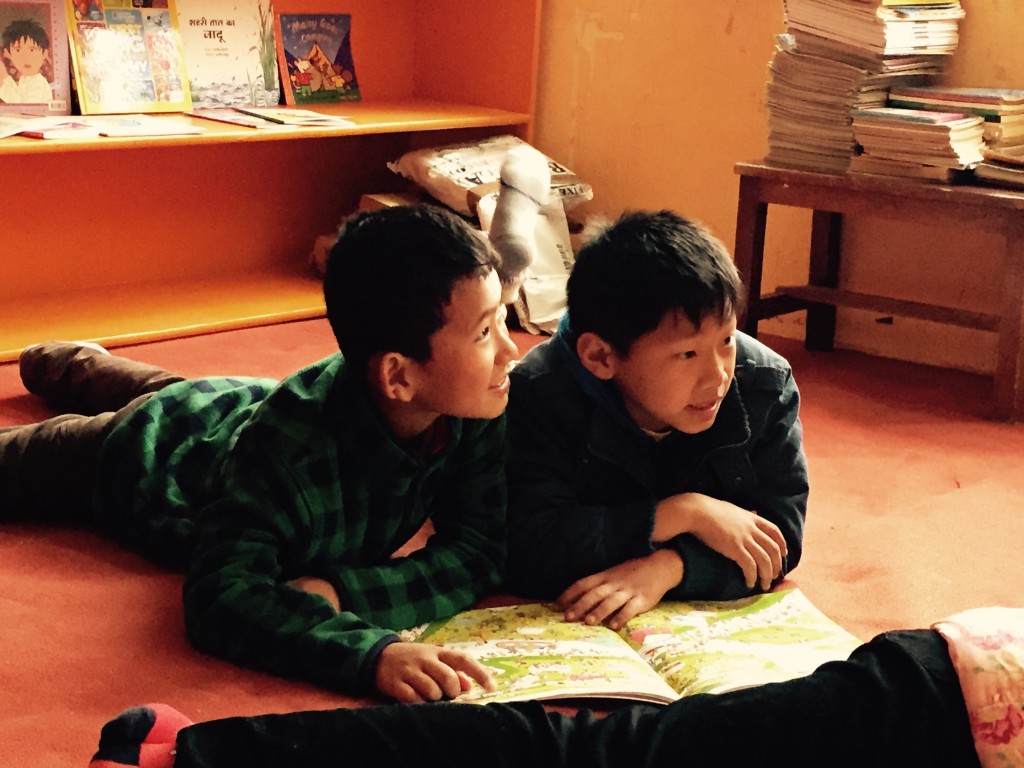
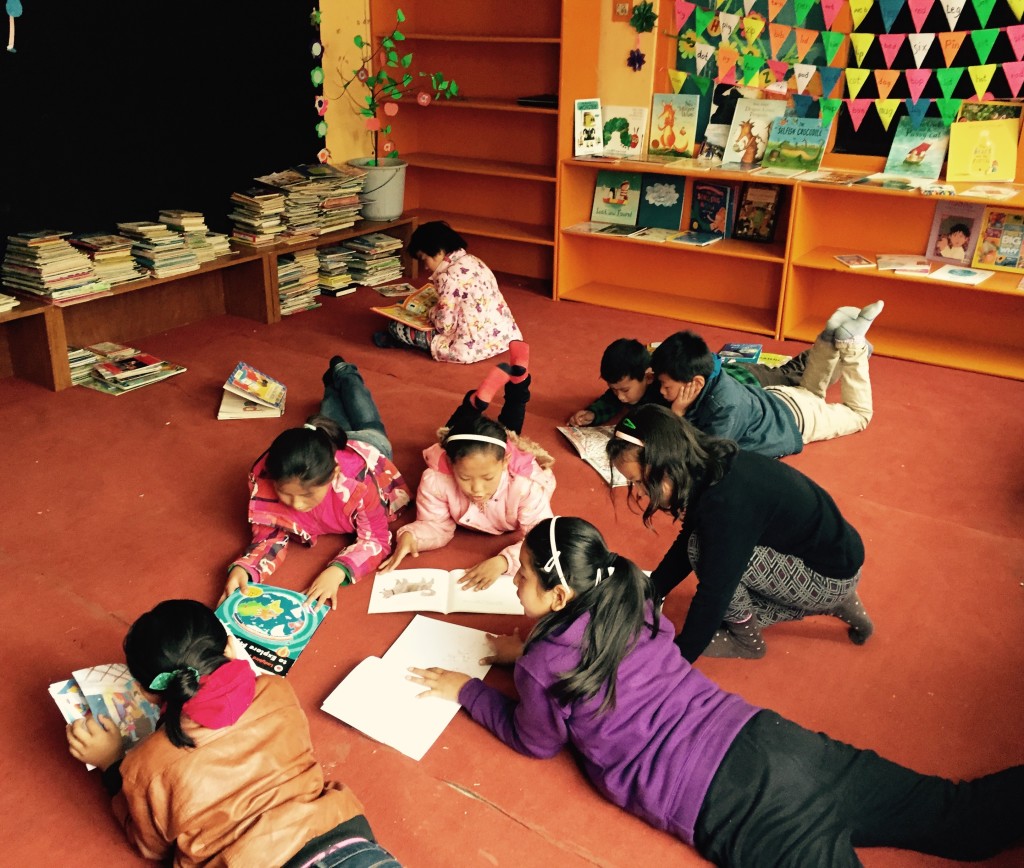
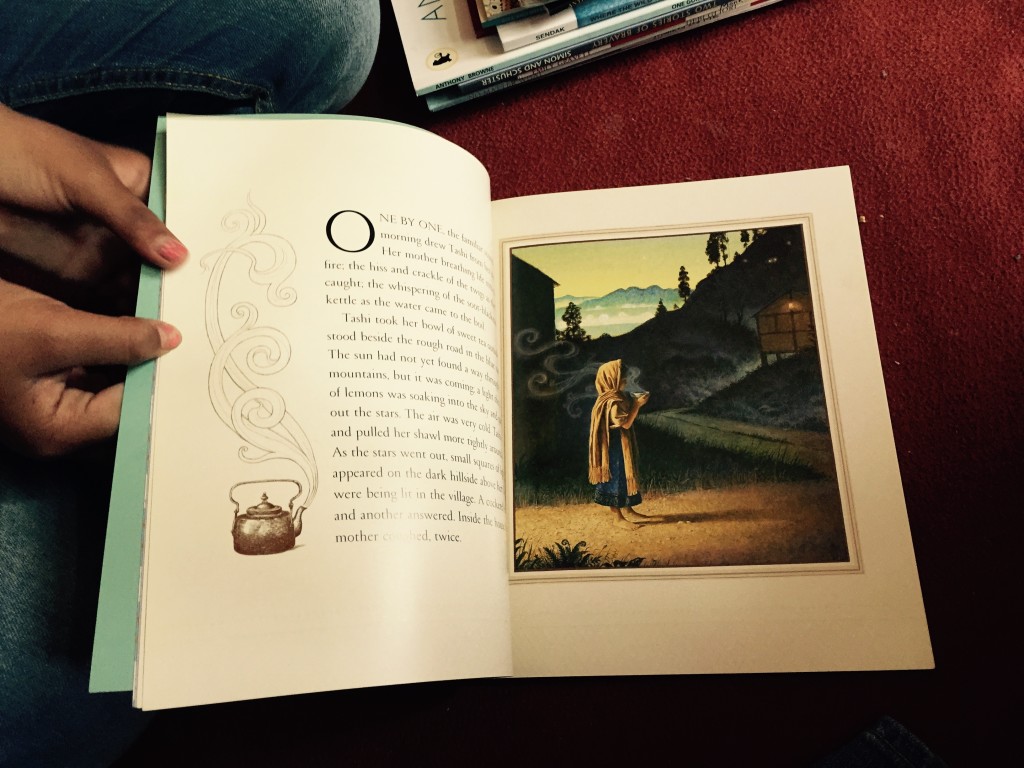
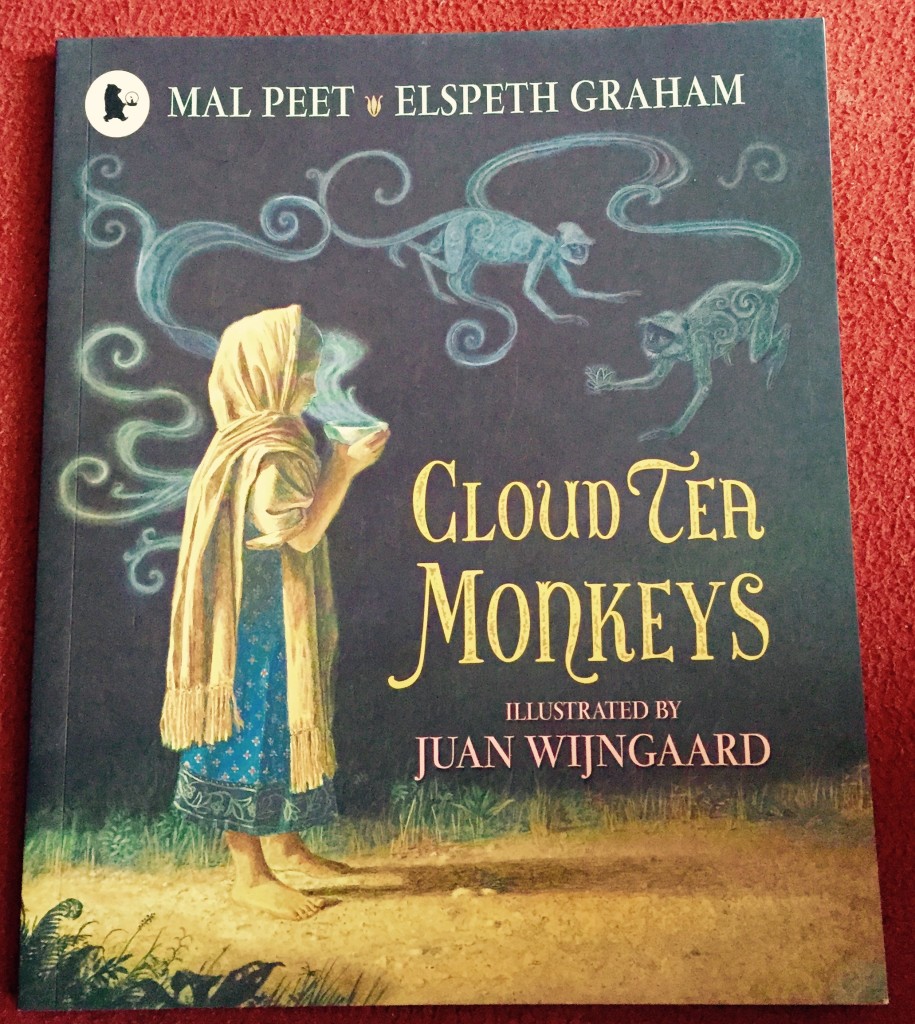
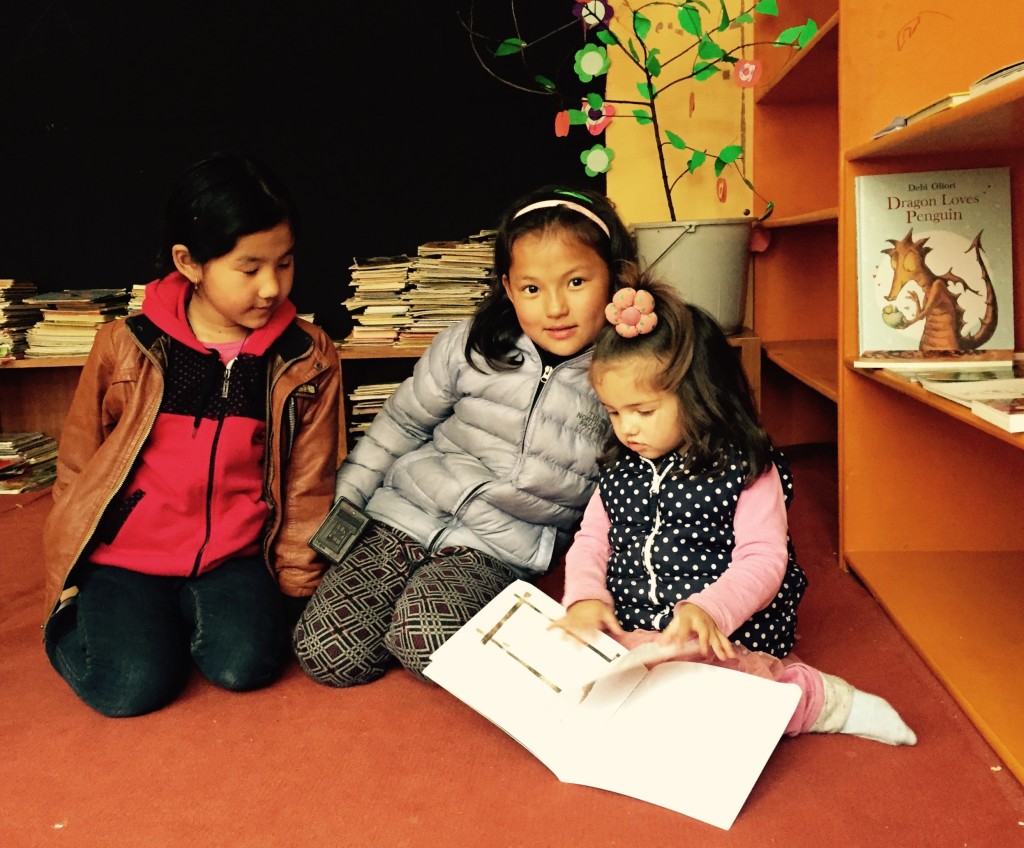
That day’s book was a richly illustrated tale about a small animal searching for a safe place to sleep. The volunteer read slowly, showing each picture to the group. The children listened in English and discussed the story in their familiar languages, explaining the animal’s feelings and guessing what might happen next.
Every few minutes, a sheep called from outside. The children tried to remain serious, but the interruptions made them giggle. Rather than closing the door, the volunteer allowed the sounds to become part of the reading session. The story’s animal characters seemed to share the room with the real flock beyond the threshold.
The herder listened carefully. He had not learned to read as a child, yet he followed the pictures and the children’s reactions. When the book reached its final page, a young monk explained the ending to him. The herder nodded and said that the little animal reminded him of the youngest sheep in his flock, always looking for its mother.
A lesson in shared attention
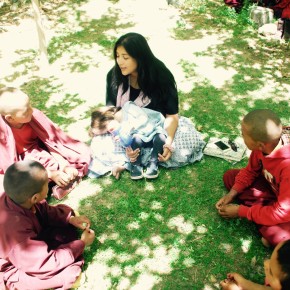
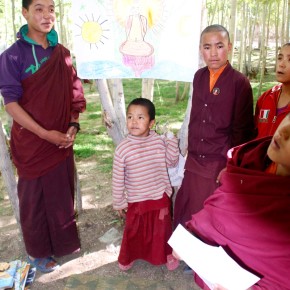
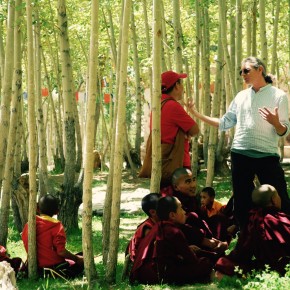
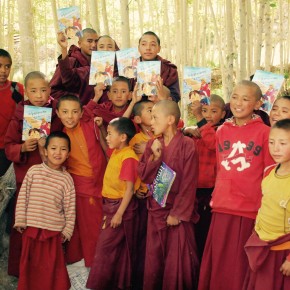
The moment mattered because the reading room welcomed people who might not think of themselves as readers. Children, monks, parents, herders and volunteers could enter with different experiences and still find a place in the same story. Books became a bridge between generations, occupations and levels of education.
For the children, the visit made reading feel connected to everyday life. A lesson about animals was no longer limited to printed pictures. They could look from the page to the hillside and see movement, sound and care in front of them. The herder’s knowledge became part of the learning, giving the children a reason to listen to him as well.
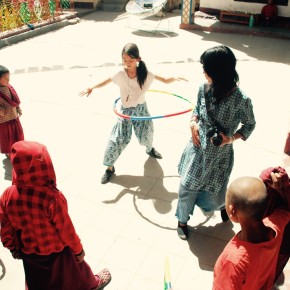
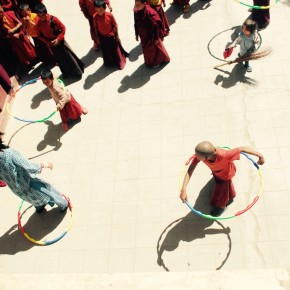
This kind of informal education is especially valuable in remote communities, where access to libraries, creative activities and quality books can be limited. A reading room does not need to be large to have an impact. A shelf of carefully chosen books, a trained volunteer and a regular storytelling session can create a lasting habit of learning.
The same principle is familiar in Australia. At a local library in Melbourne, a story-time session might bring together families from many language backgrounds. In regional New South Wales or the Northern Territory, a mobile library can travel between communities where distances make regular access difficult. The setting changes, but the purpose remains the same: making books available and making people feel that they belong.
Why small encounters stay with a community
The herder’s visit was remembered because it was unscripted. Fundraising reports often record the number of books distributed, children attending activities or reading rooms opened. Those measures are important, yet they cannot fully describe the atmosphere created when a cautious visitor feels welcome enough to stay.
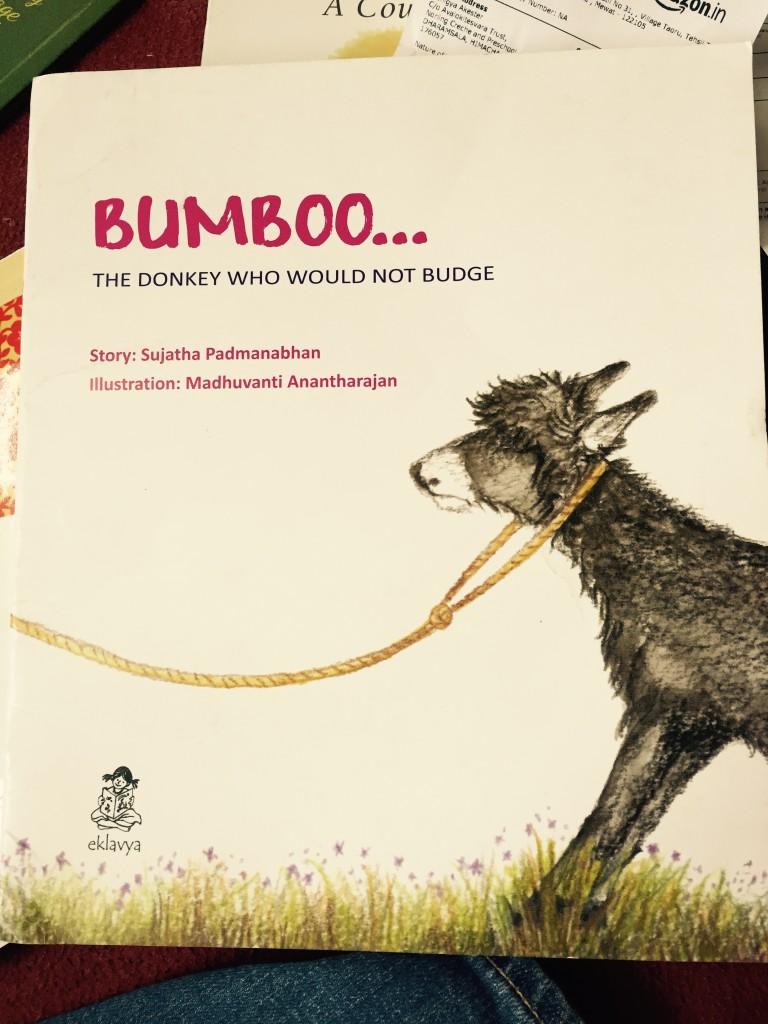
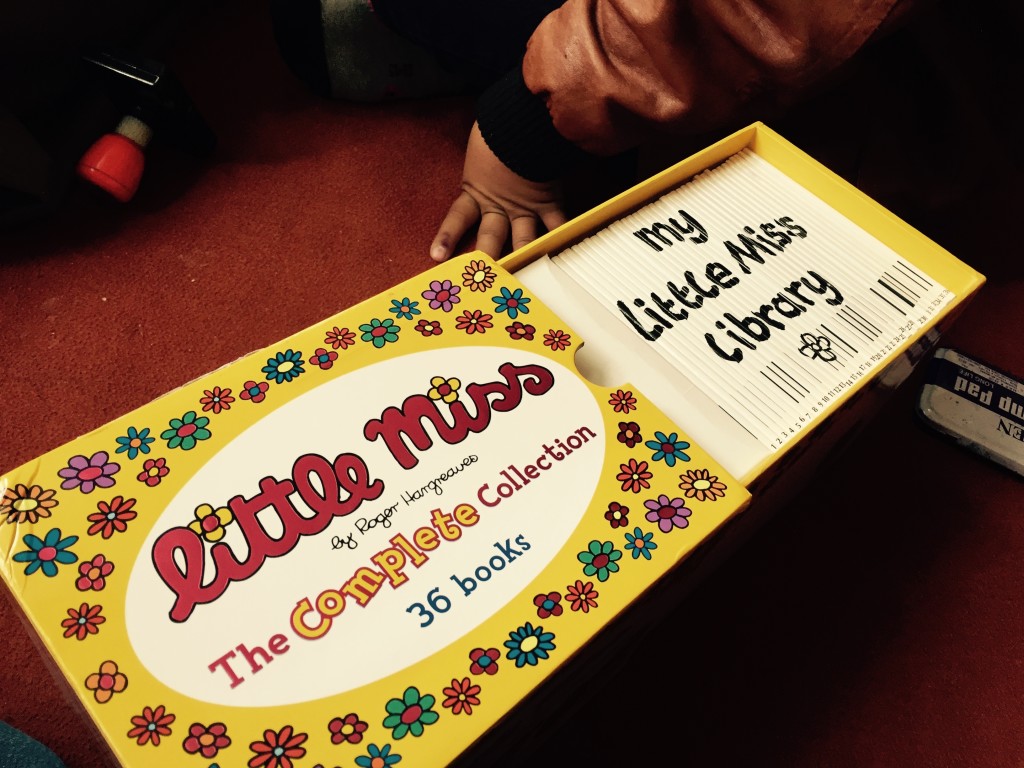
A book drive can send hundreds of titles to a Himalayan village, but its success depends on what happens afterwards. Are children encouraged to choose books for themselves? Do young monks have time to read beyond their formal studies? Can volunteers connect stories with art, music and local knowledge? The sheep at the doorway offered a simple answer: learning becomes memorable when it is connected to real life.
Supporters in Australia may recognise this spirit in community book exchanges, op-shop book shelves and weekend markets. A gently used picture book found at a market in Sydney or a regional book fair can travel much further than expected when it is donated with care. A small gift in Australian dollars can help provide reading materials, floor cushions, art supplies or transport for a volunteer-led session.
The story also points to the value of flexibility. A reading programme should have a clear purpose, but it must leave room for local rhythms. In a Himalayan community, a herder’s route, a monastery calendar or a sudden change in weather may shape attendance. The best educational activities respond with patience instead of treating every unexpected event as a disruption.
Practical ways to extend the welcome
Stories like this can guide the way supporters, volunteers and community partners think about literacy projects. The most useful support is consistent, culturally respectful and designed around the needs of the children and young monks who use each space.
| Approach |
Best use |
What it can offer |
| Permanent reading room |
Communities with a regular gathering place |
Reliable access to books, quiet study and weekly activities |
| Outdoor story hour |
Villages, courtyards and grazing communities |
Flexible participation and a strong connection with local life |
| Mobile book visit |
Remote settlements separated by long distances |
Rotating collections and access for children beyond the main centre |
| Creative reading session |
Children who learn through making and performing |
Drawing, music, drama and discussion linked to books |
| Book donation programme |
Supporters contributing from Australia or elsewhere |
A wider selection of suitable reading material when carefully curated |
Useful support for a Himalayan literacy project can include:
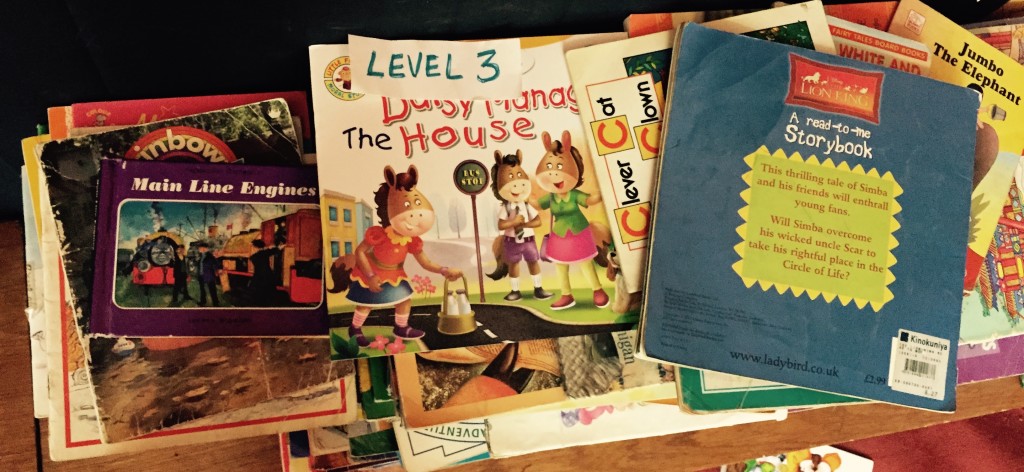
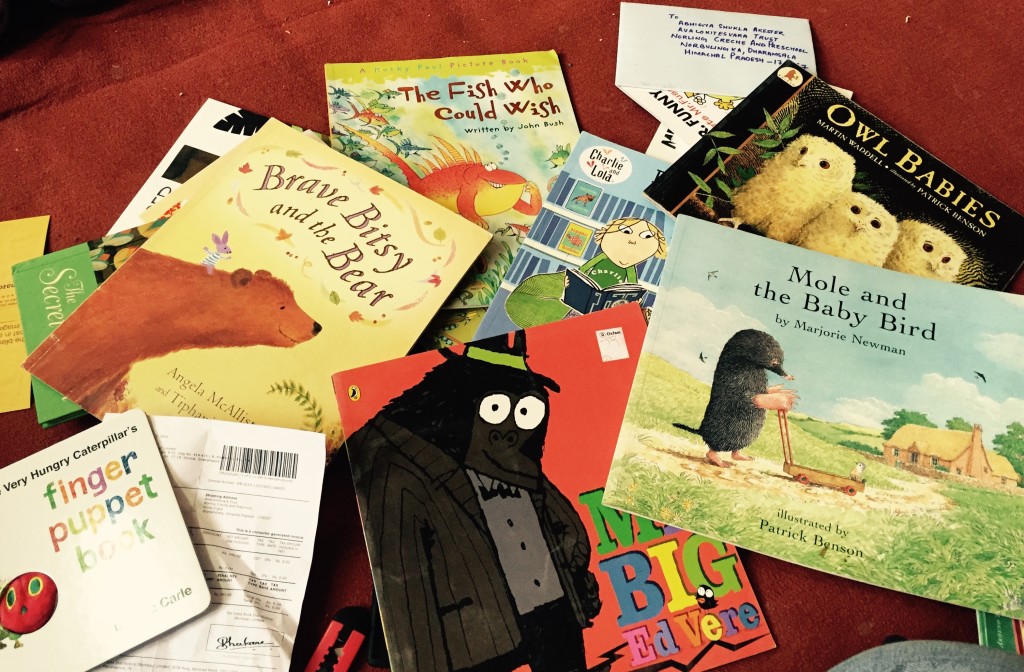
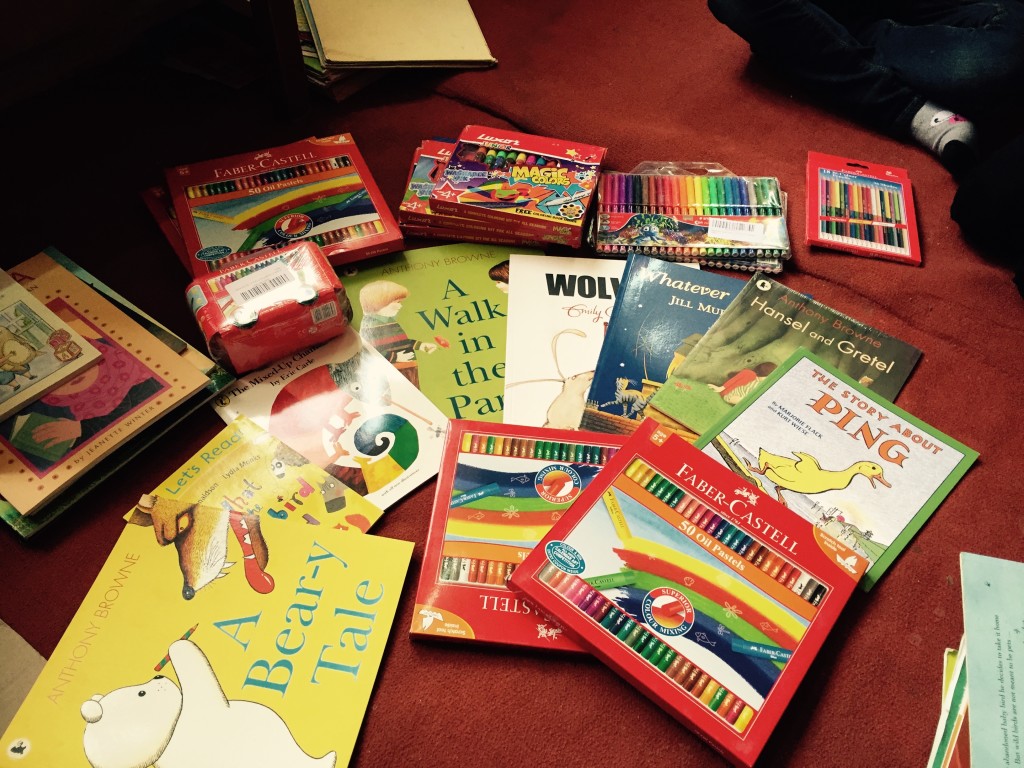
- Choose durable, age-appropriate books with clear illustrations and engaging stories.
- Donate funds for local priorities such as shelving, transport, stationery and reading-room maintenance.
- Encourage schools, libraries and community groups in Australia to hold thoughtful book drives rather than sending unsuitable excess stock.
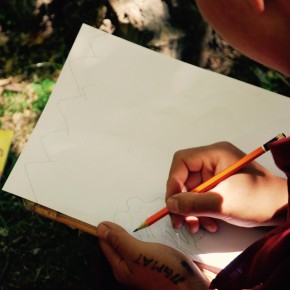
- Pair reading with art, music, conversation or outdoor observation so children can express what they have learned.
- Respect local languages, customs, religious life and seasonal routines when planning educational activities.
The herder eventually gathered his flock and continued along the mountain path. Before leaving, he thanked the children for sharing their book with him. The next week, several children asked whether the sheep might return, but the more enduring change was quieter: they had discovered that a reading room could welcome the whole community, and that every visitor might bring knowledge worth hearing.
The next step is to place one suitable children’s book in the hands of a child through a local reading room, school library or Himalayan book programme.