The Day a Dust Storm Nearly Destroyed Our Smallest Reading Room
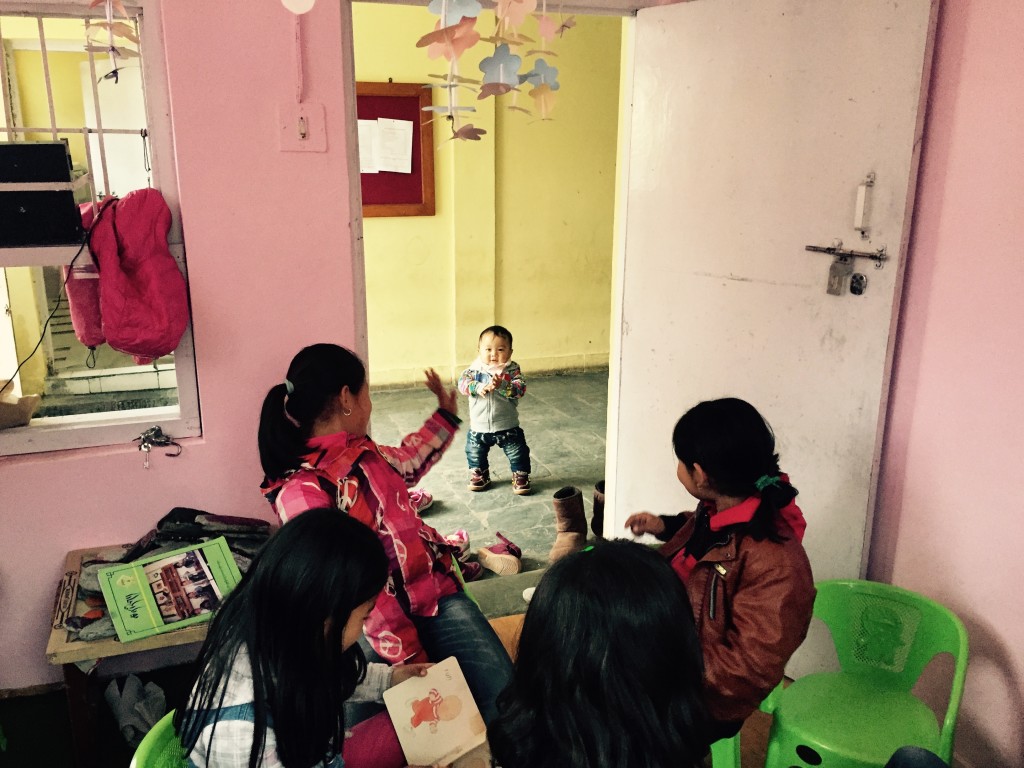
At four in the afternoon, the wind outside our smallest reading room in Ladakh changed direction. Fine grit hissed against the window and slipped through cracks around the wooden frame. Inside were children and young monks, picture books, novels, art paper and the instruments used for music sessions. Within minutes, the air was brown and every book cover carried a layer of dust.
The danger came from the storm’s force, a leaking roof, an uneven floor and shelves close to the wall. These created pockets where wind-driven sand could lodge. Books that seemed safe could be ruined along their edges, while inhaled dust became an immediate health concern. We ended the session and moved everyone away from the open doorway.
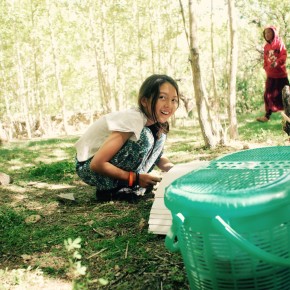
We dampened cloths, covered the drums and picture books, and carried vulnerable volumes into metal storage trunks. Volunteers worked quickly while families waited outside. No child was hurt, but dust settled between pages and onto windowsills. By sunset, the room was grey and flakes were still falling from the roof.
The incident showed how closely reading, health and weather can depend on one another. In a remote Himalayan community, a modest room can be the difference between a book that travels across the region and one that remains boxed in a city. The experience also gave Australian readers a practical lens on dust resilience, volunteer action and the value of small, trusted learning spaces.
When brown air entered the room
The first task was to separate sound books from potentially damaged ones. Pages written in pencil resisted the grit better than glossy covers, while books with loose spines needed immediate protection. We placed protective cloth between layers rather than wrapping volumes tightly, which could trap moisture.
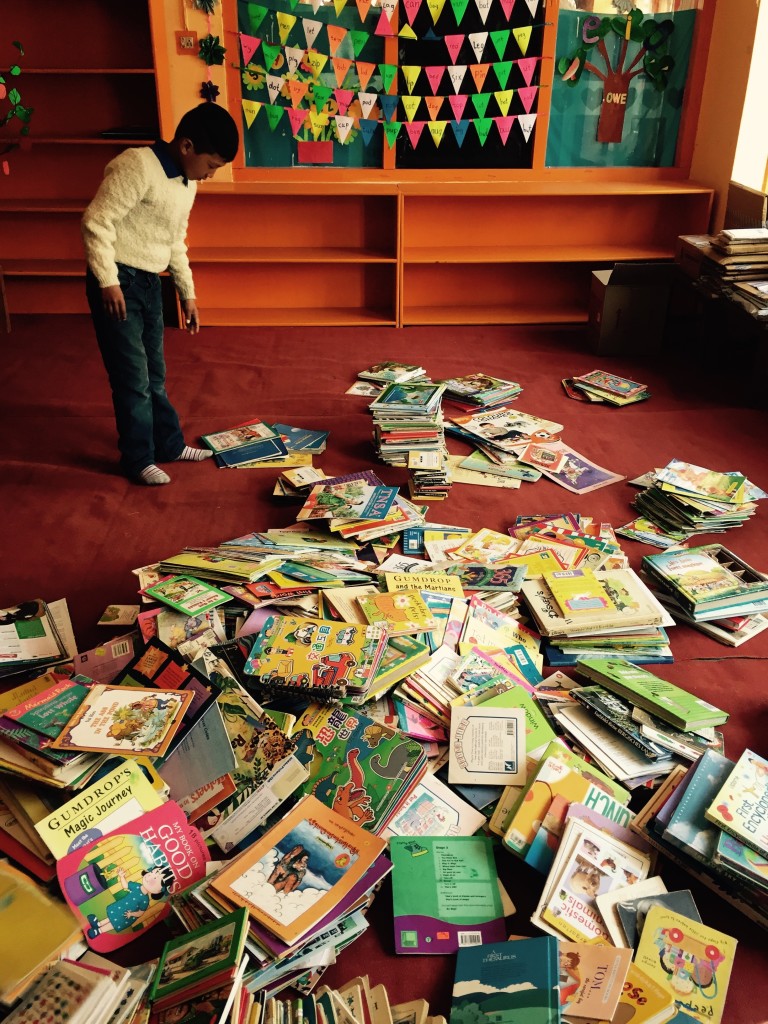
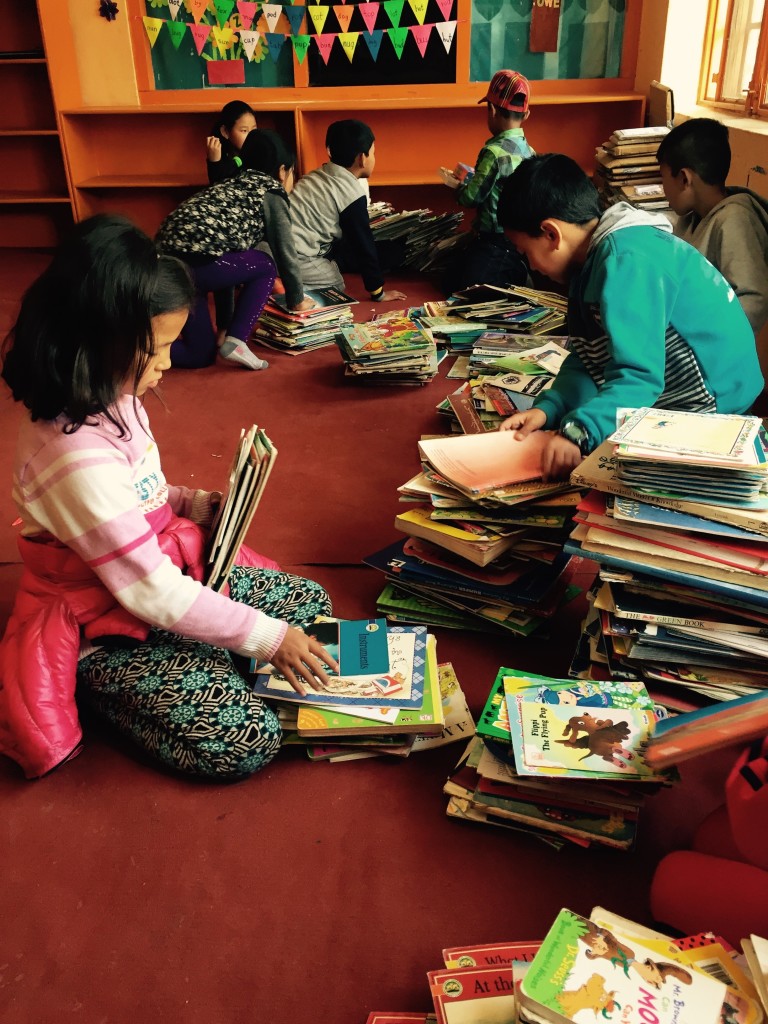
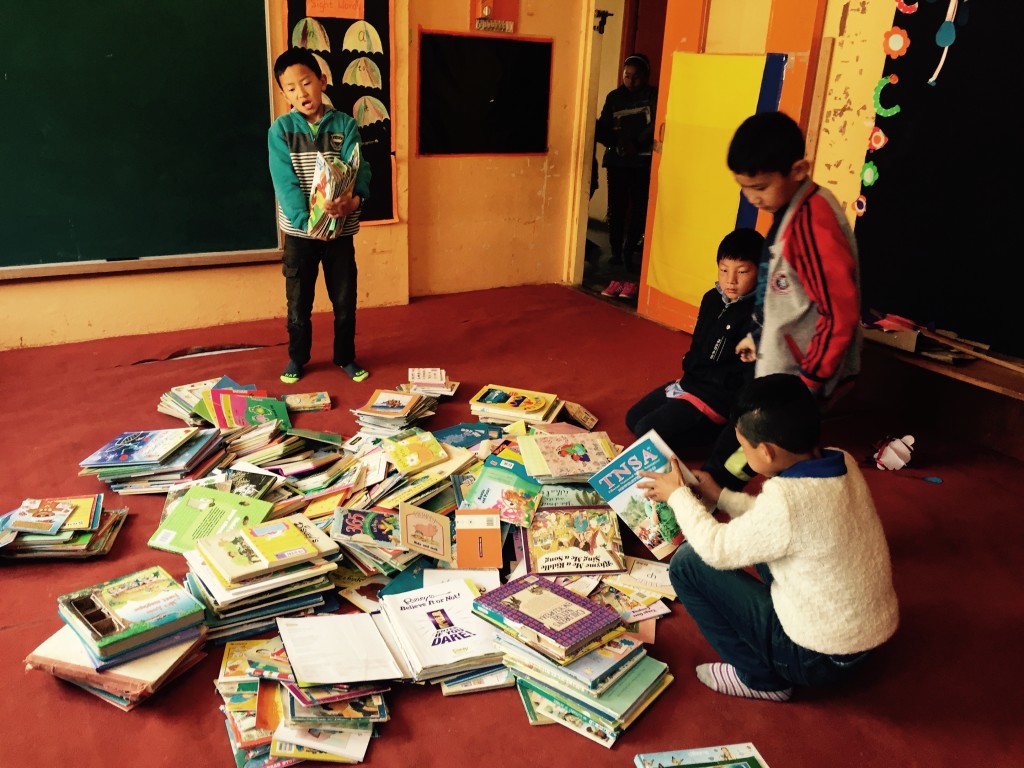
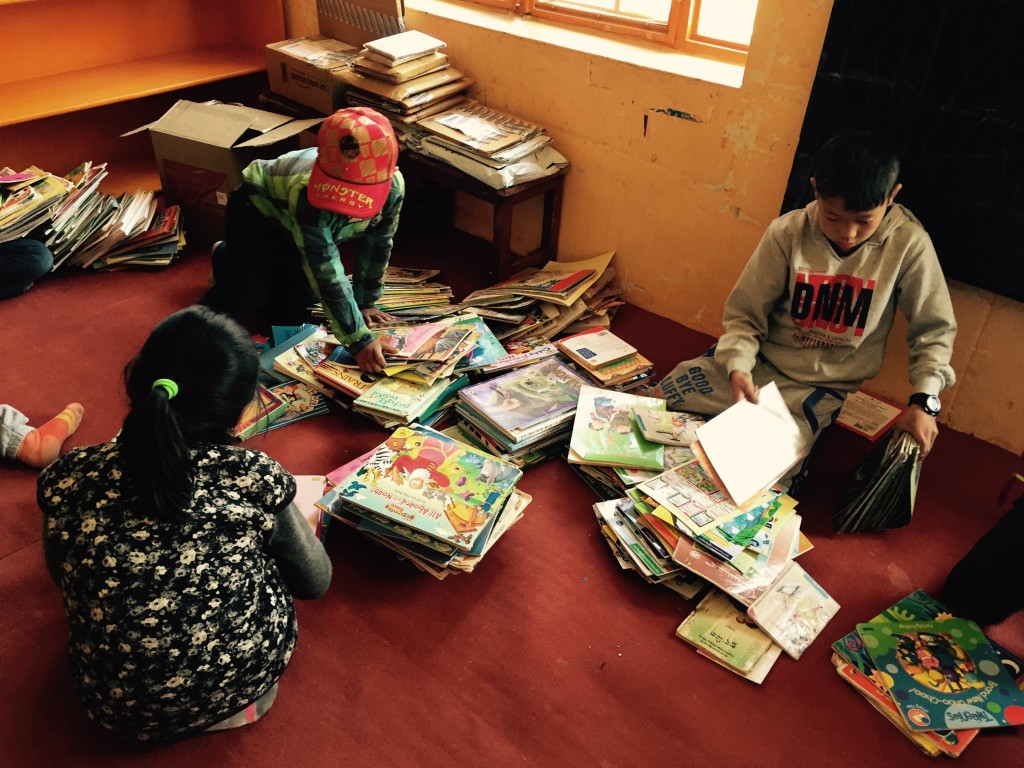
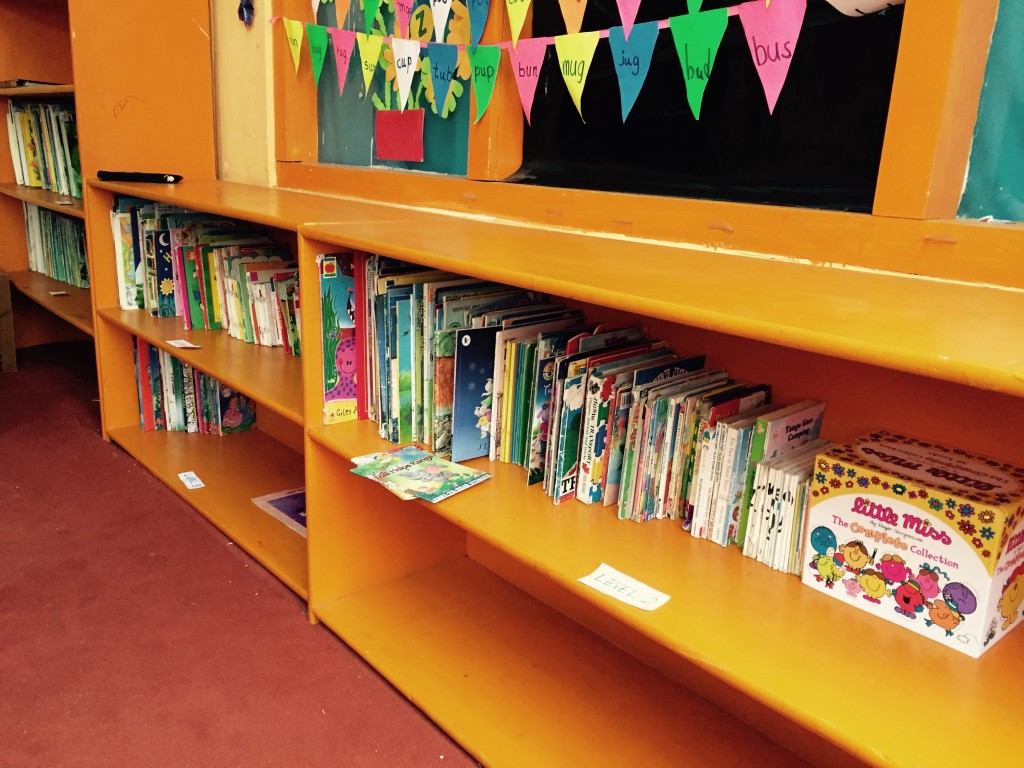
Once the wind eased, the room revealed the extent of the intrusion. Fine sediment covered the floor and gathered in every corner. The window ledge was hardest to clean, and grit had reached the lowest shelves. We kept the children outside until the air cleared, then began sorting each stack by condition.
Photographs taken before and after the storm helped us identify what had failed and what had held. The lessons became a practical emergency plan for every reading room we support, rather than a story confined to one afternoon.
| Reading room element |
Before the storm |
After the storm |
Immediate lesson |
| Window and doorway |
Closed, but several wooden seams were cracked |
Grit entered around the frame and threshold |
Seams must be inspected and sealed seasonally |
| Lowest shelves |
Books stored close to the floor |
Covers and page edges were coated in sediment |
Storage should be raised and protected |
| Children’s materials |
Picture books and art paper ready for use |
Items were covered or moved into trunks |
Group supplies need separate emergency storage |
| Book inventory |
Shelves arranged by age and interest |
Some titles were difficult to assess |
Damage records and photographs are essential |
Why the smallest room mattered
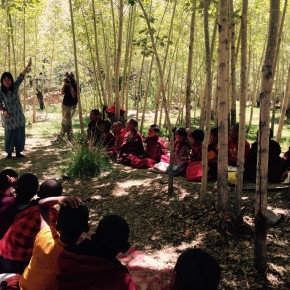
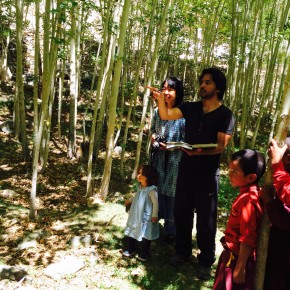
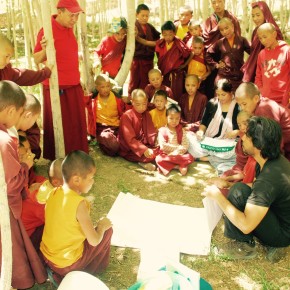
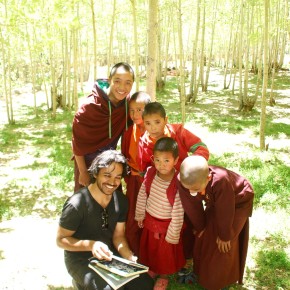
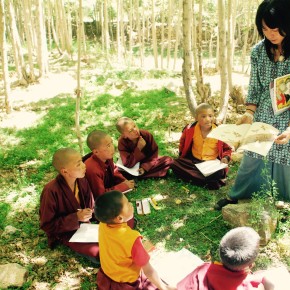
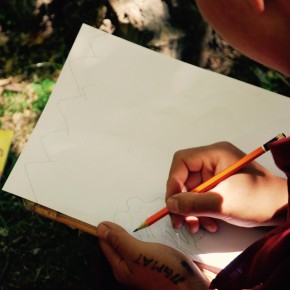
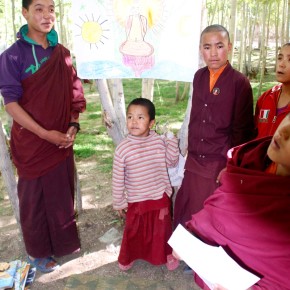
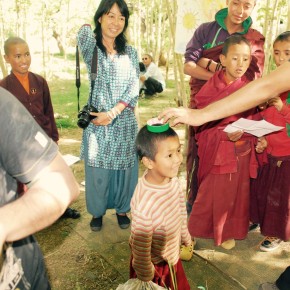
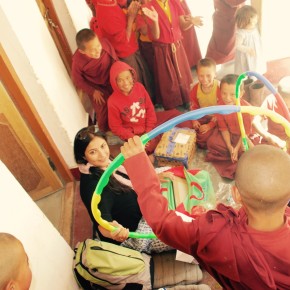
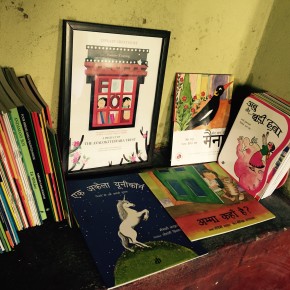
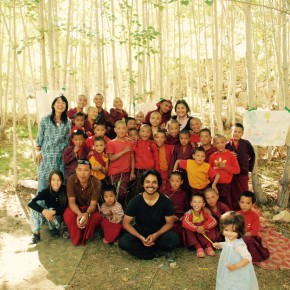
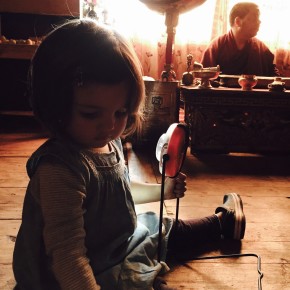
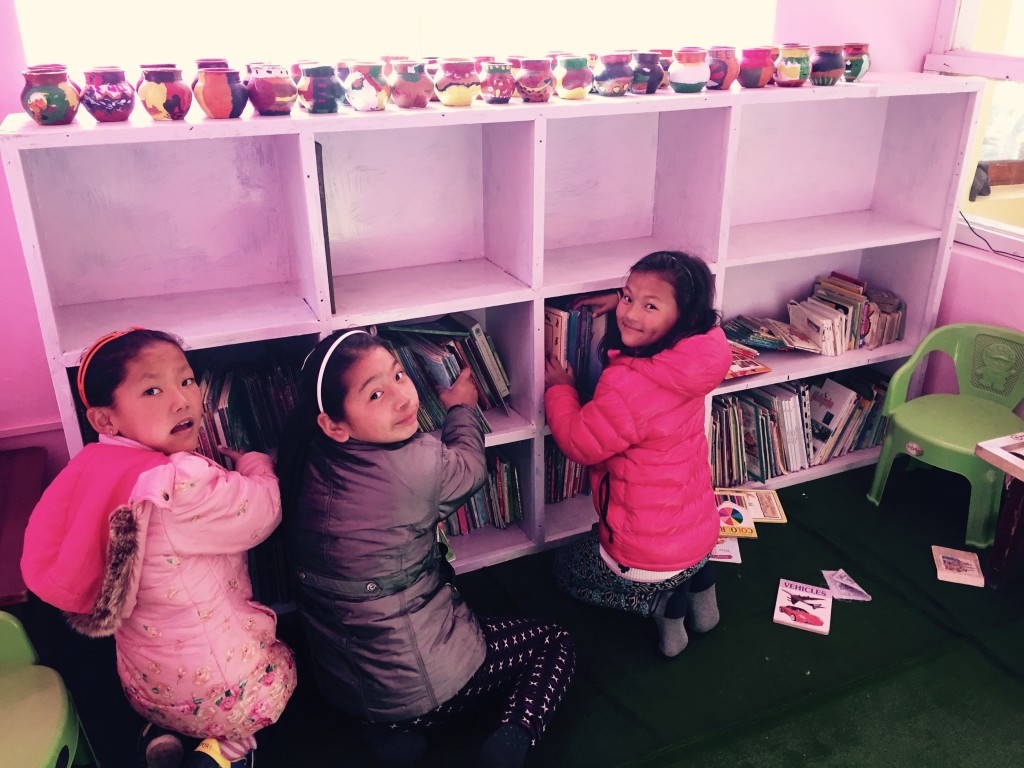
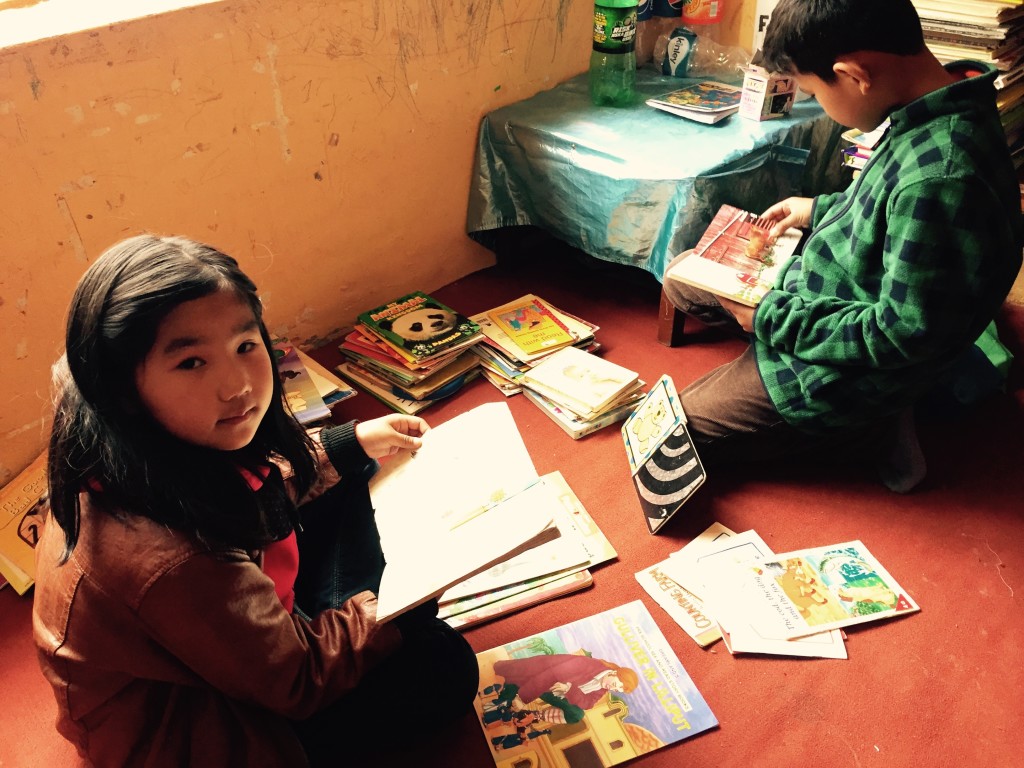
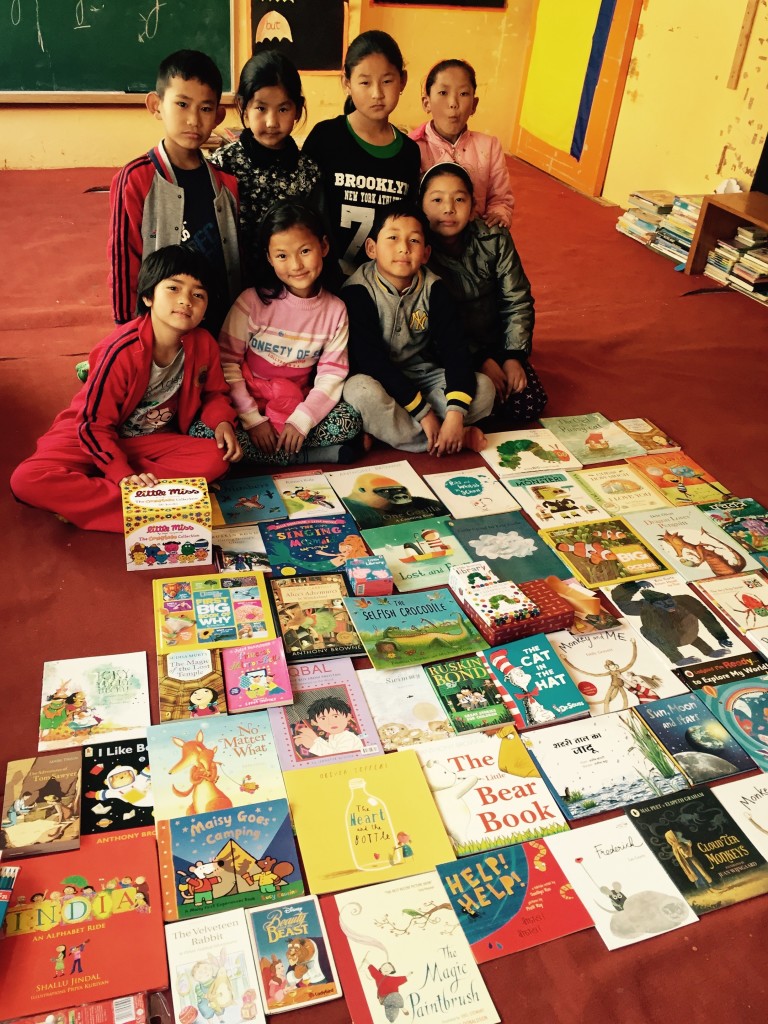
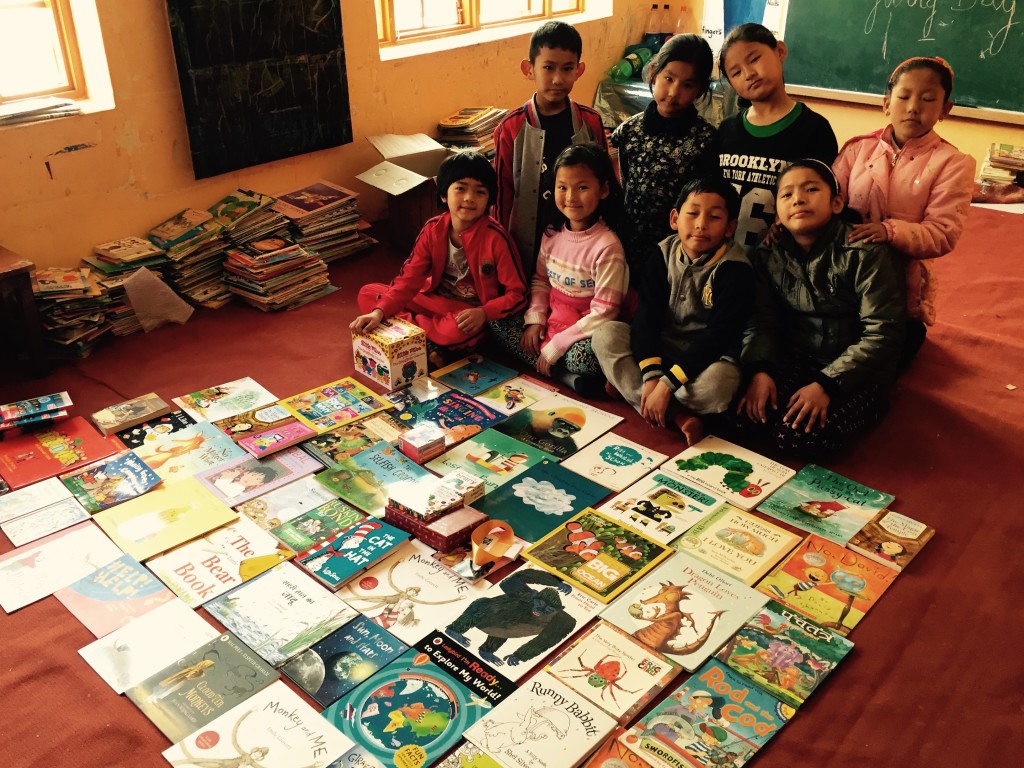
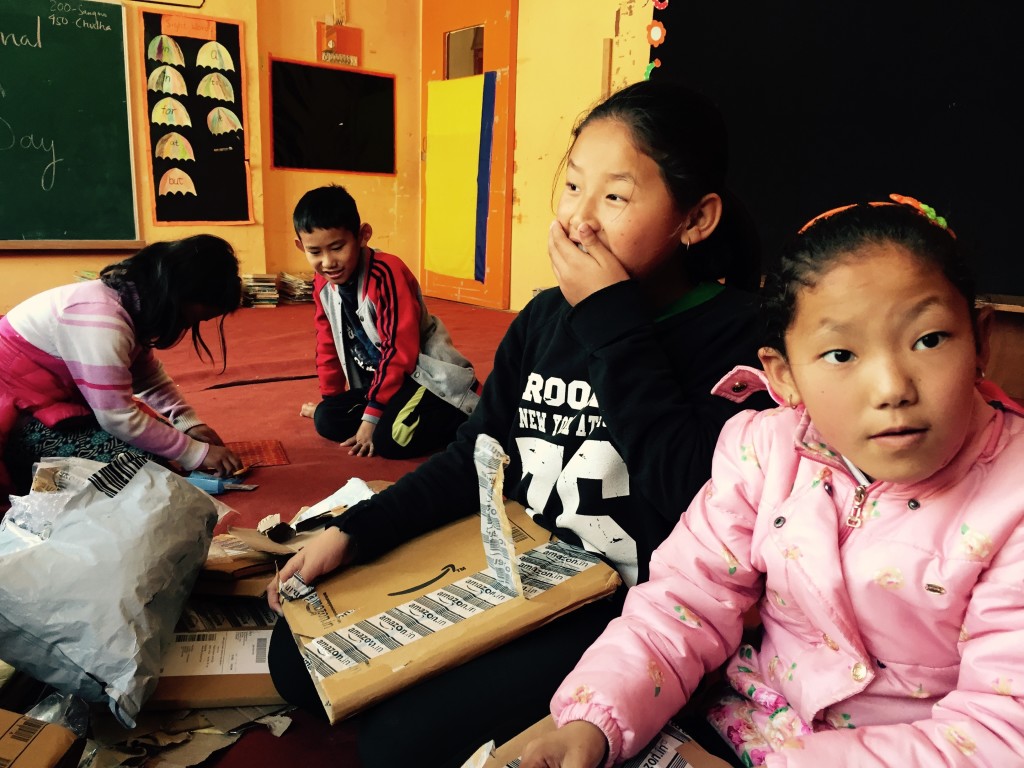
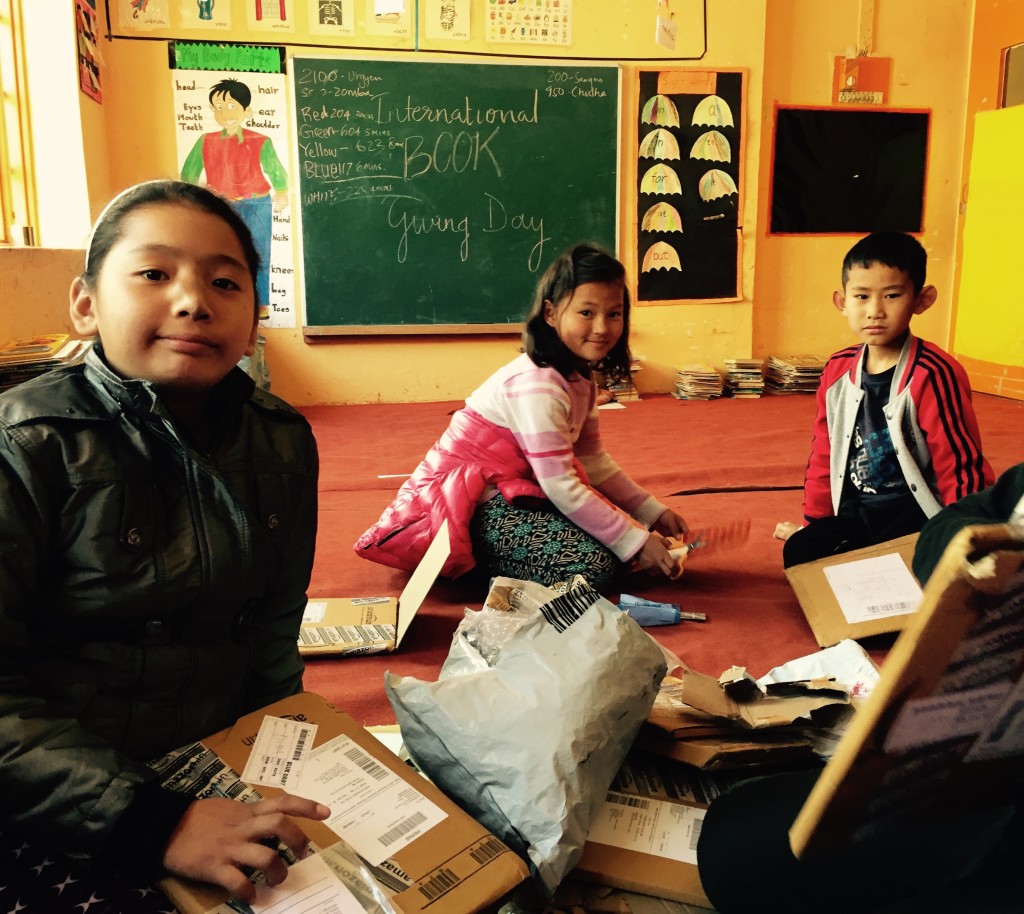
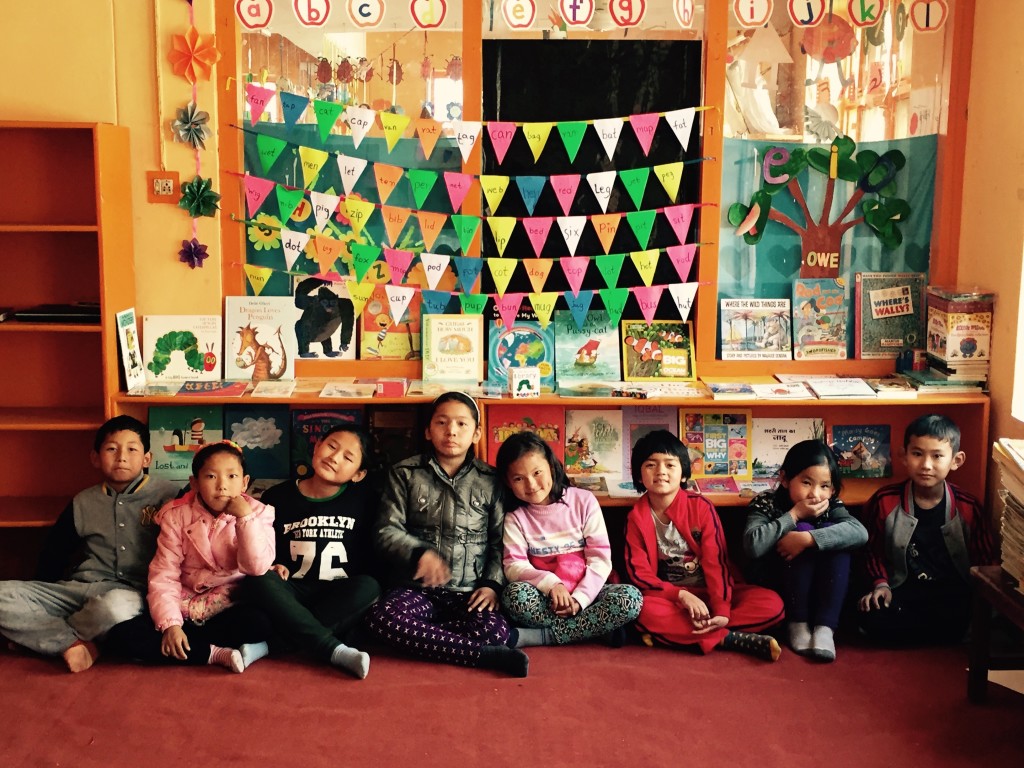
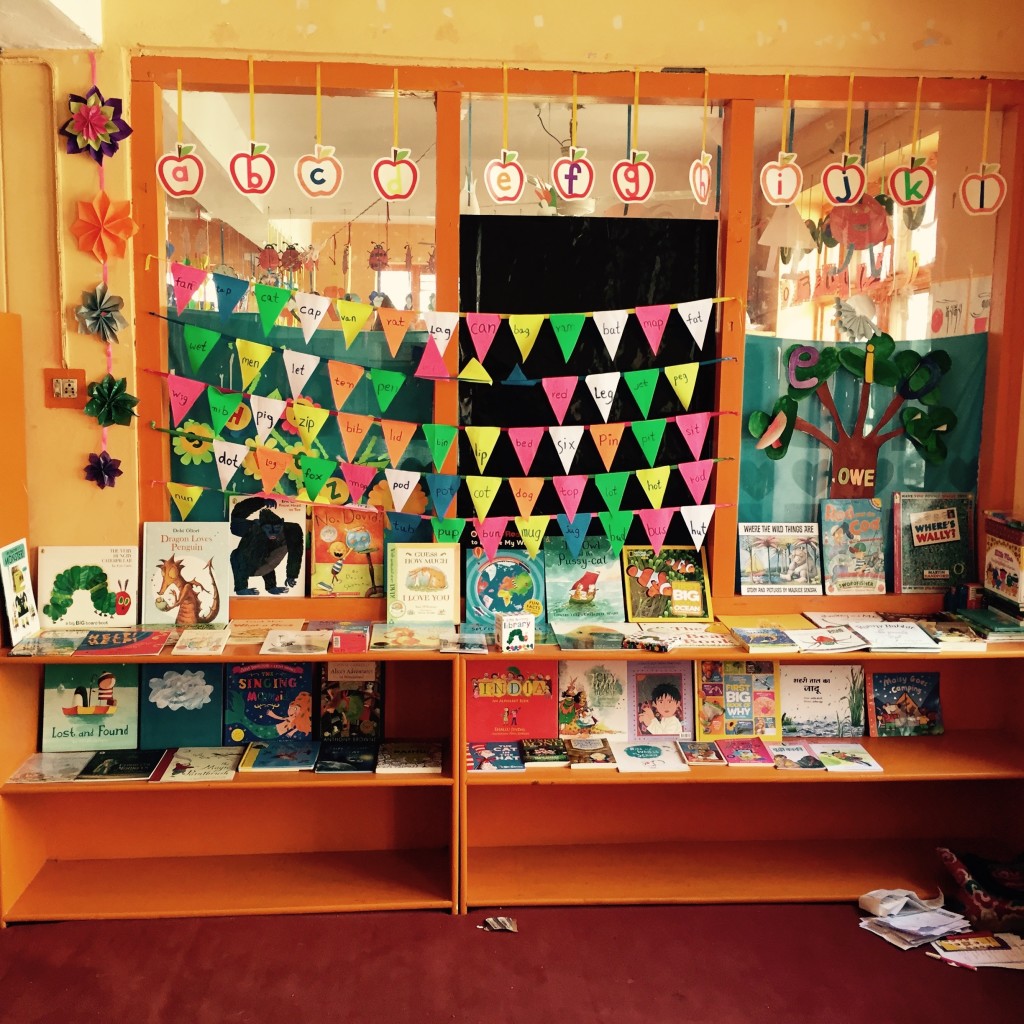
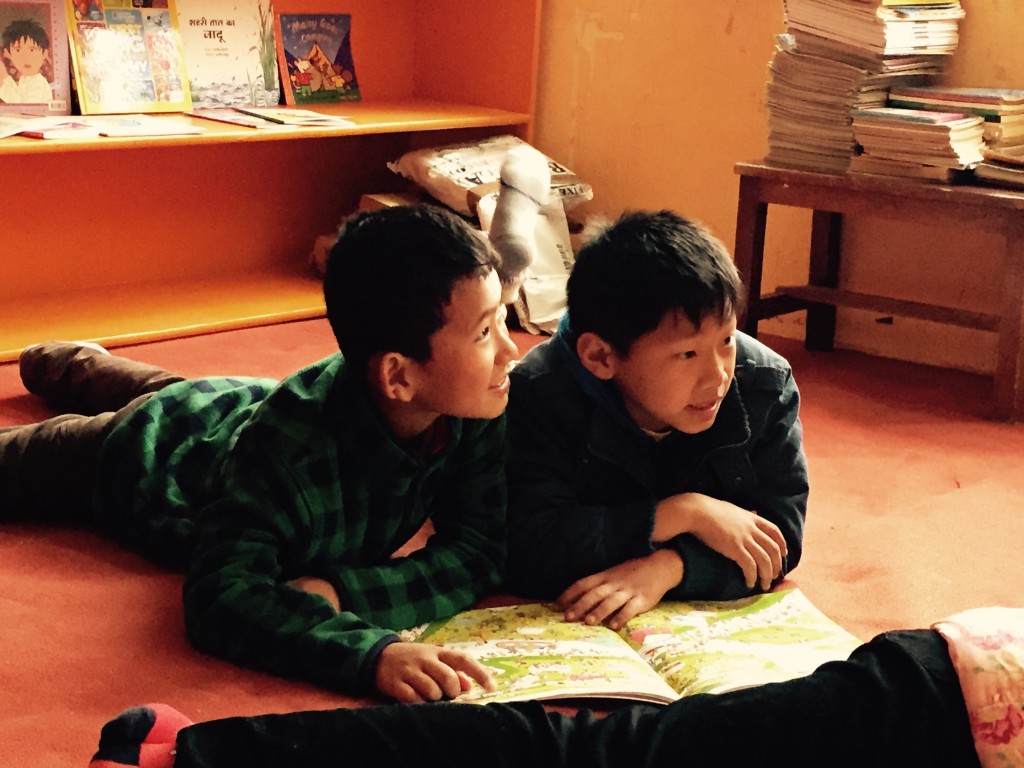
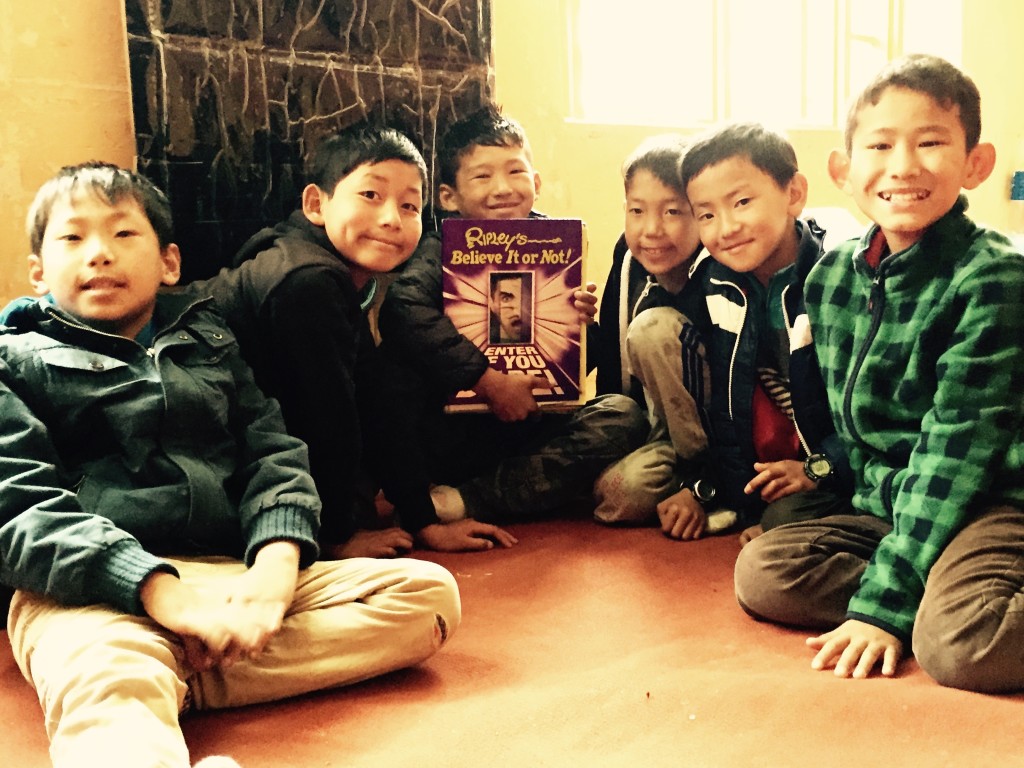
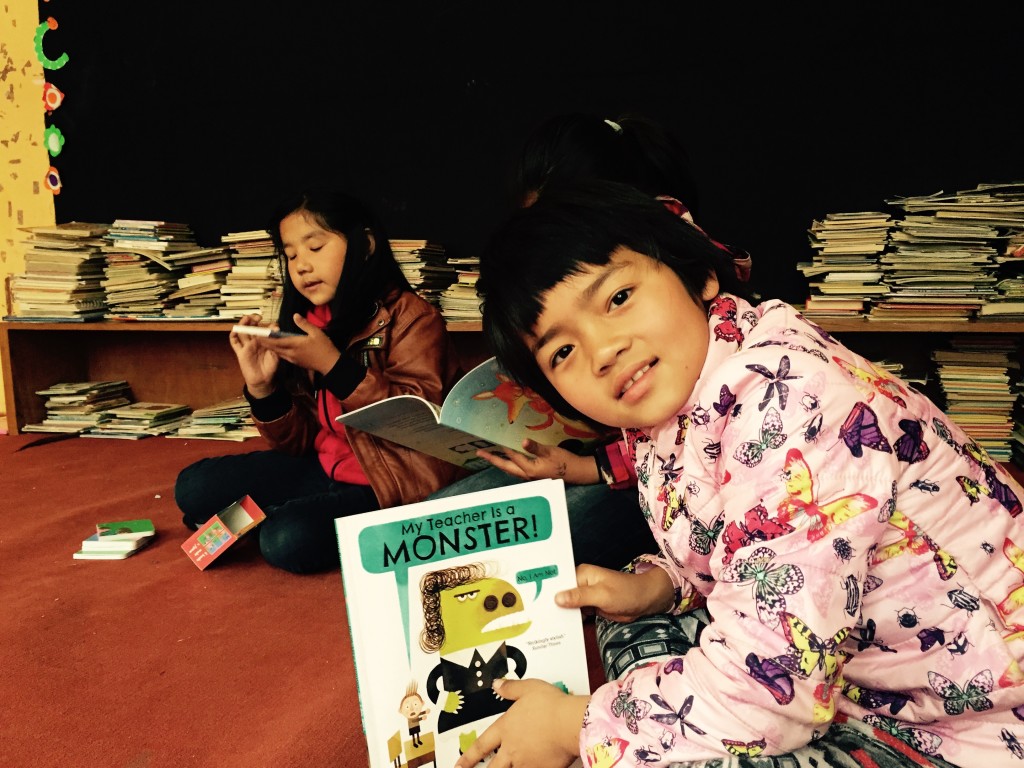
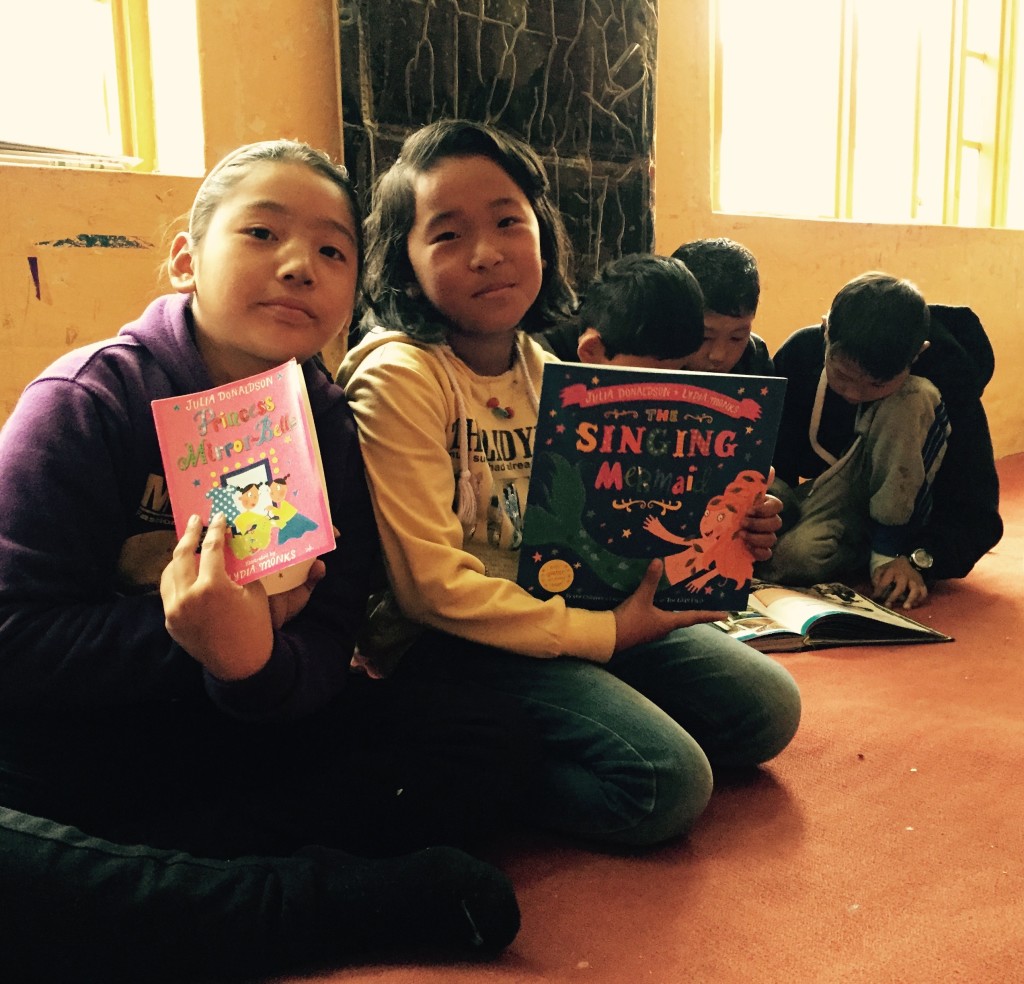
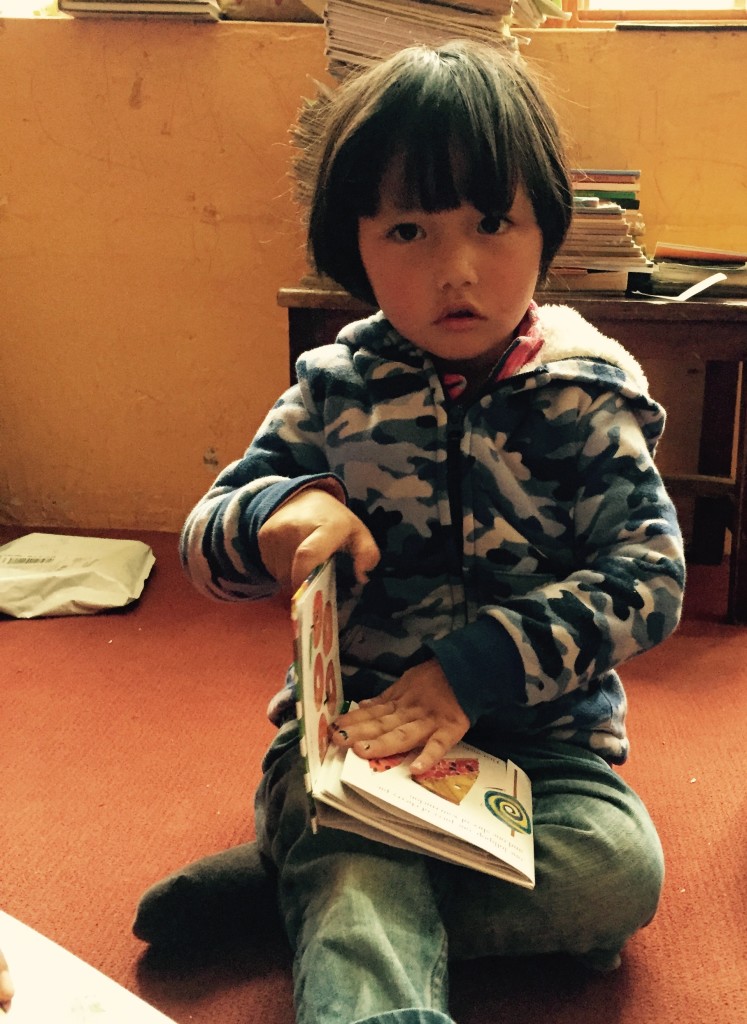
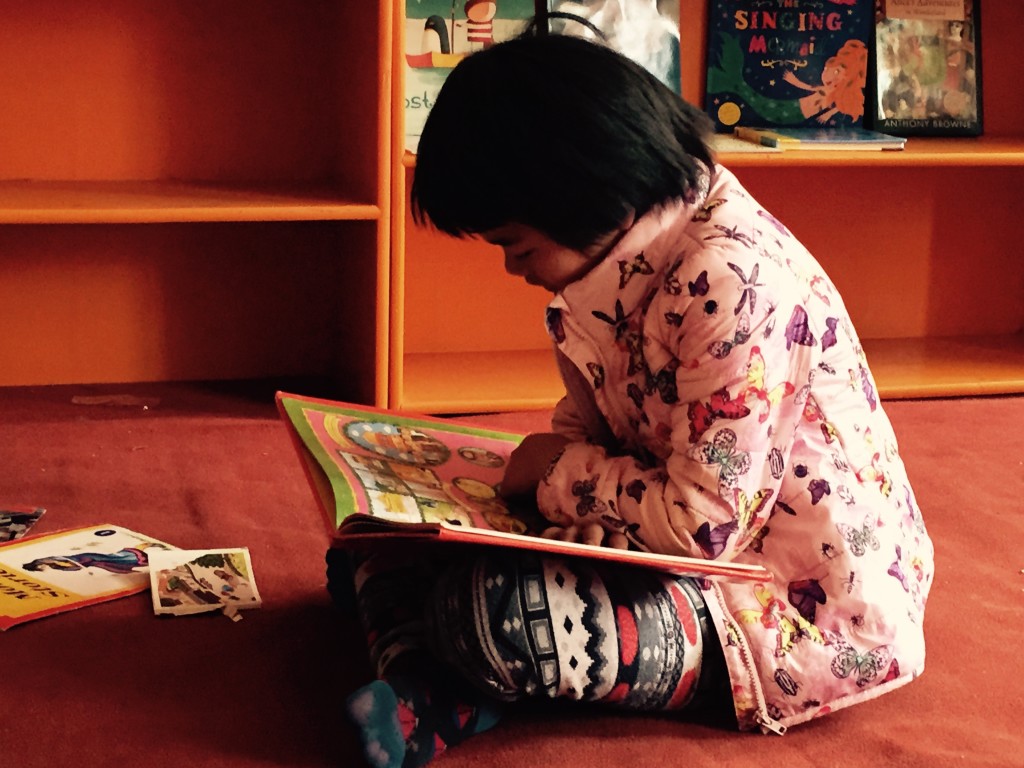
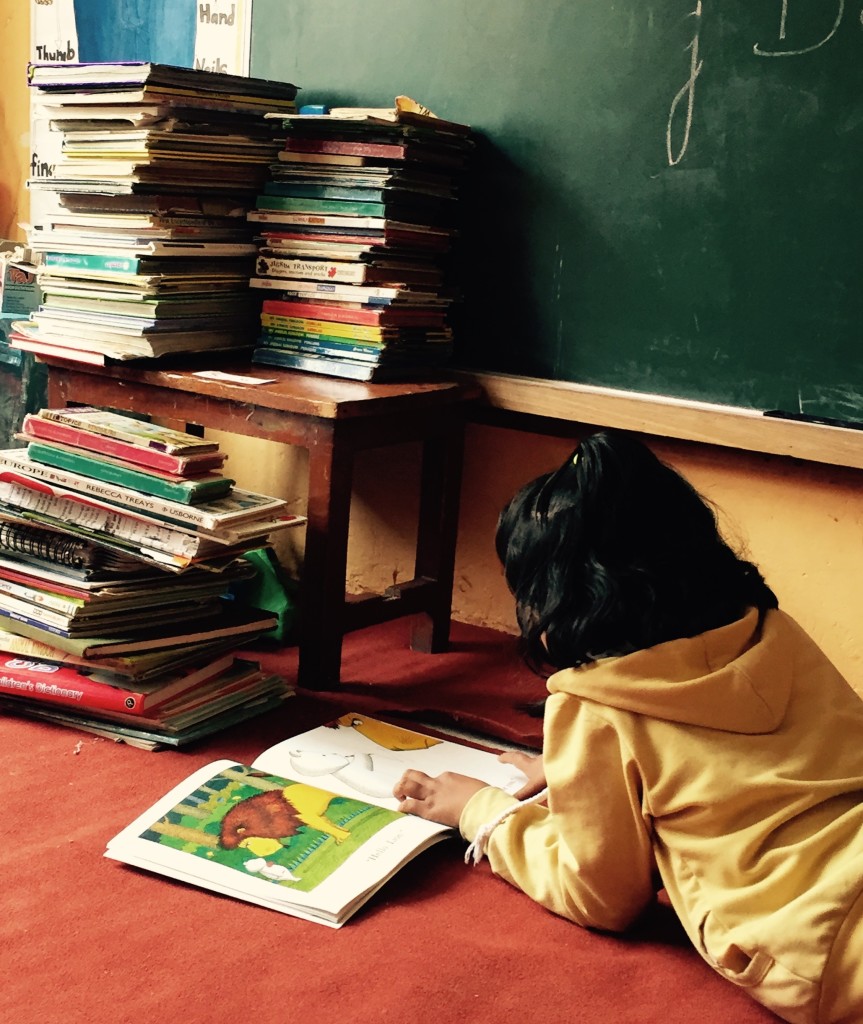
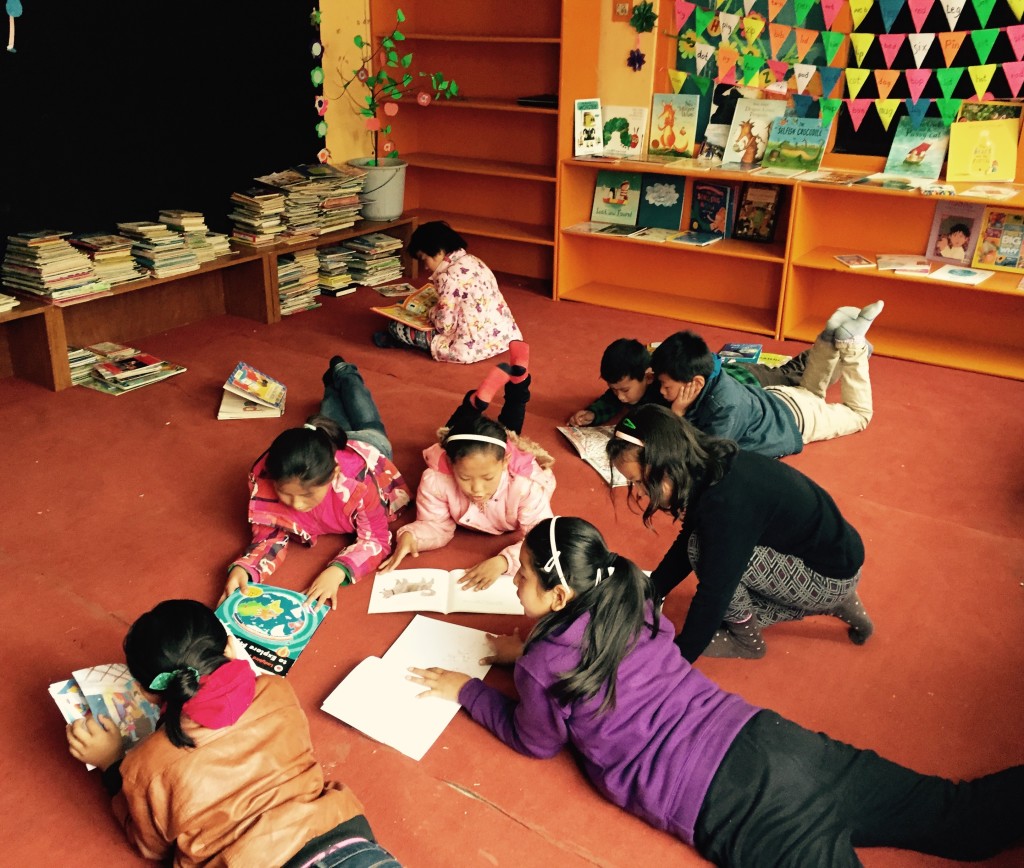
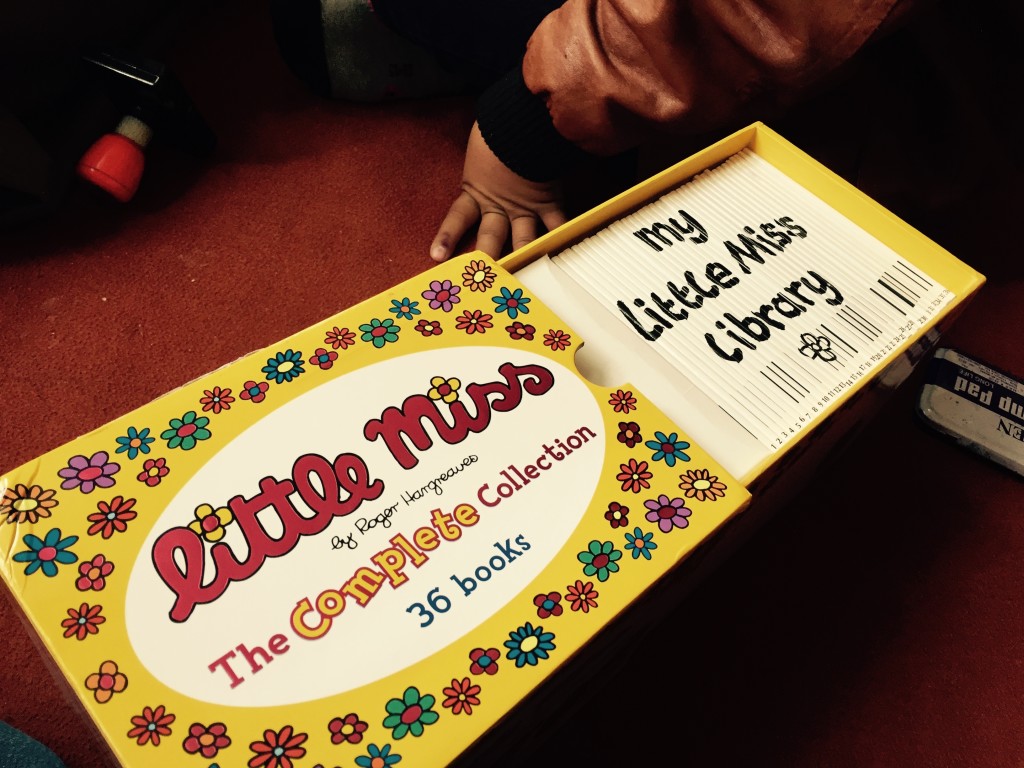
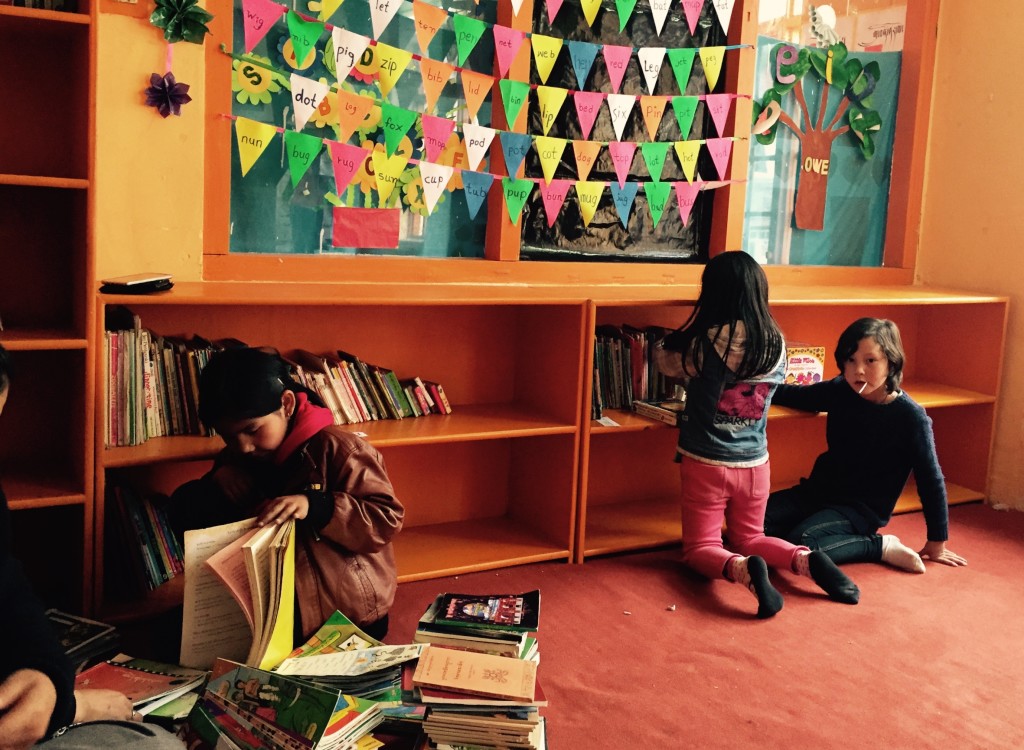
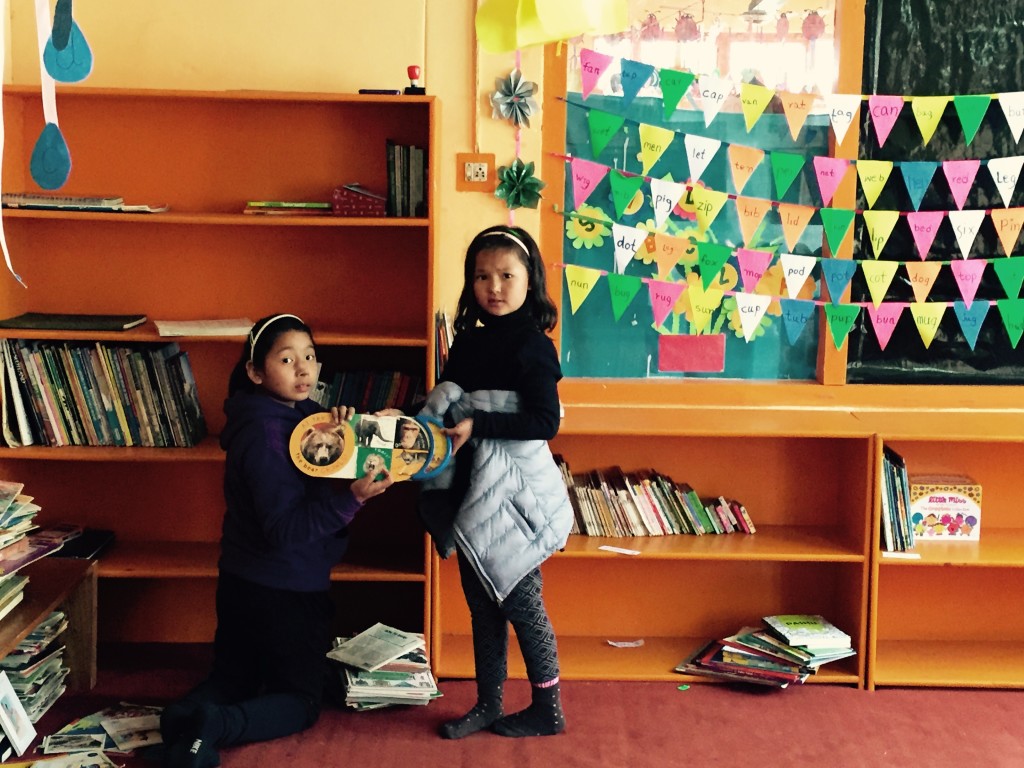
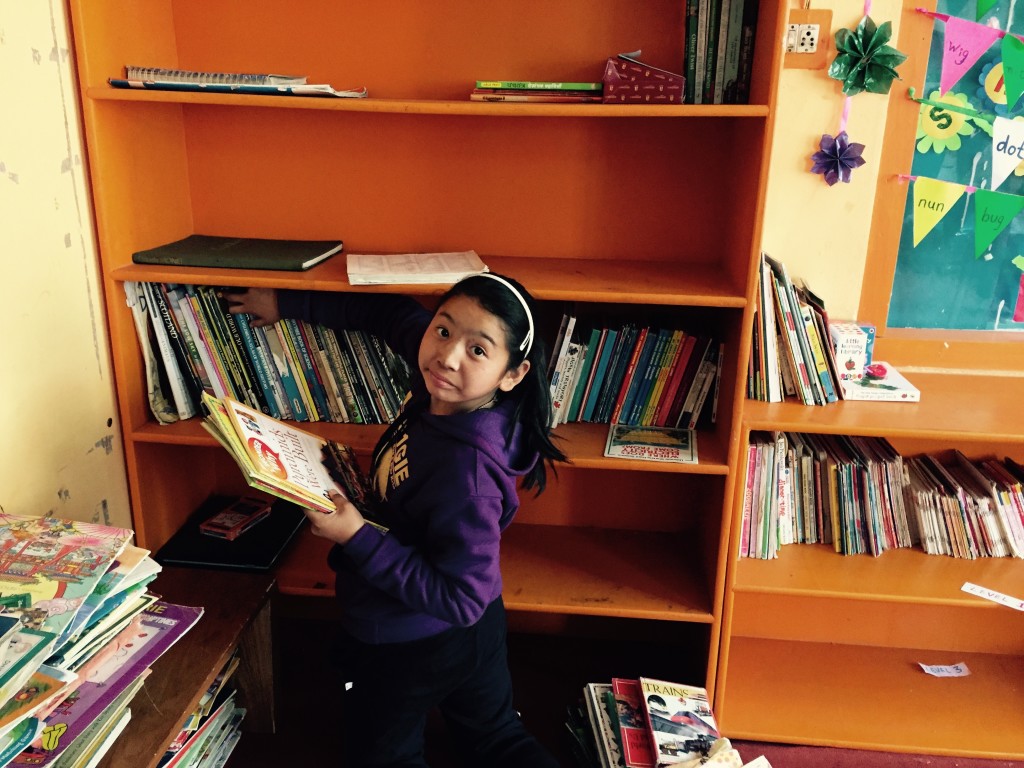
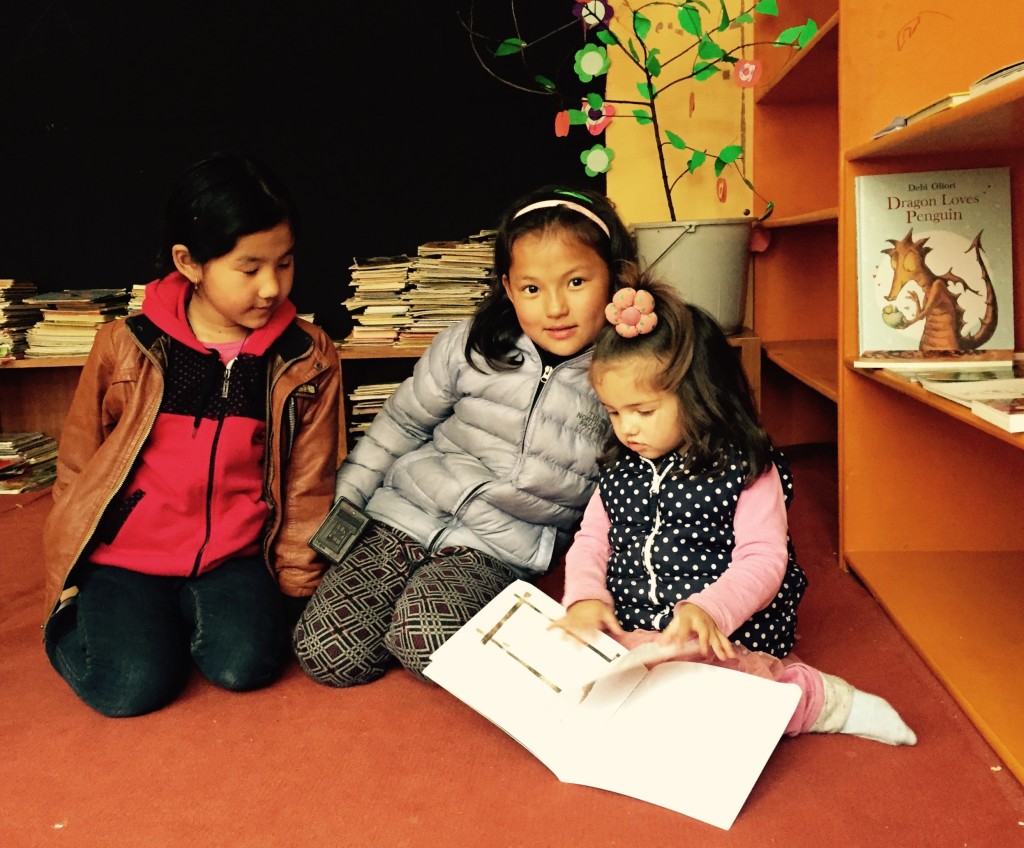
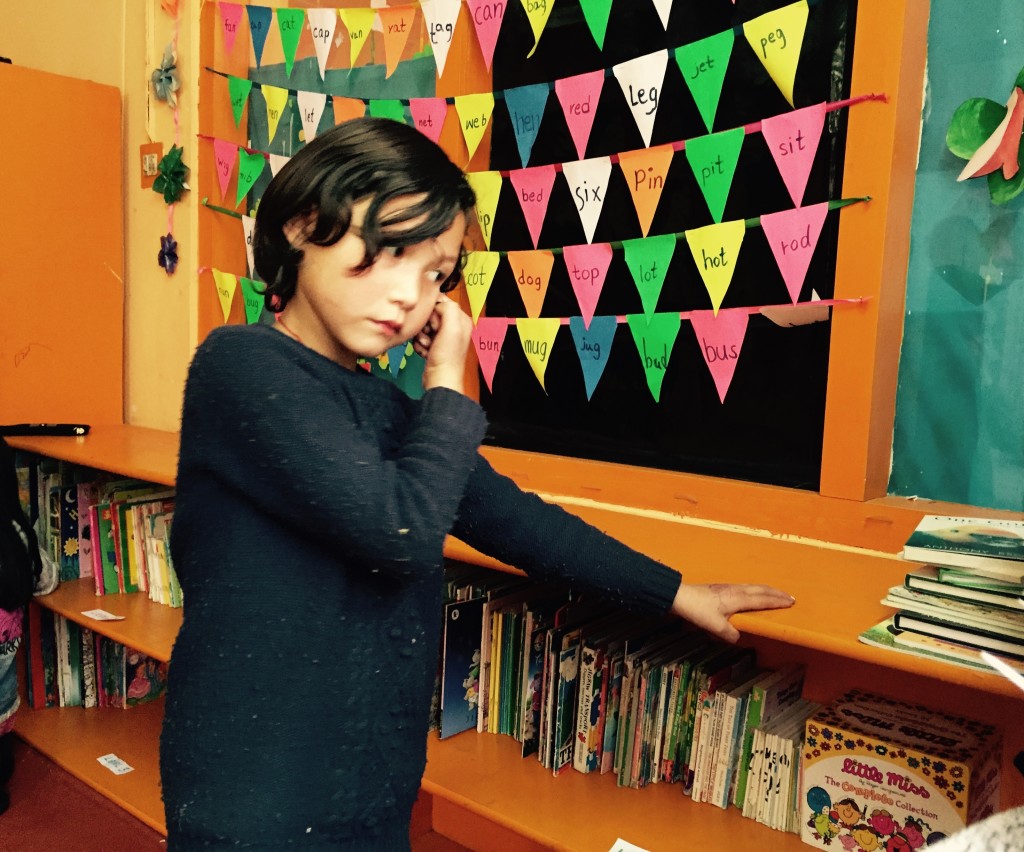
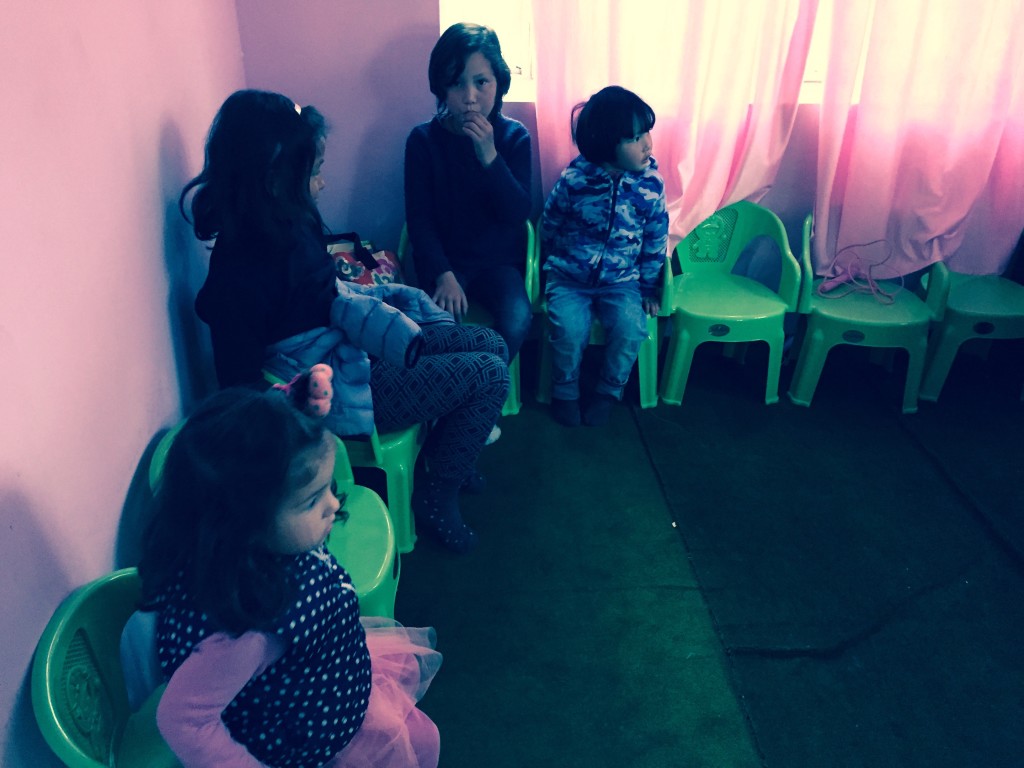
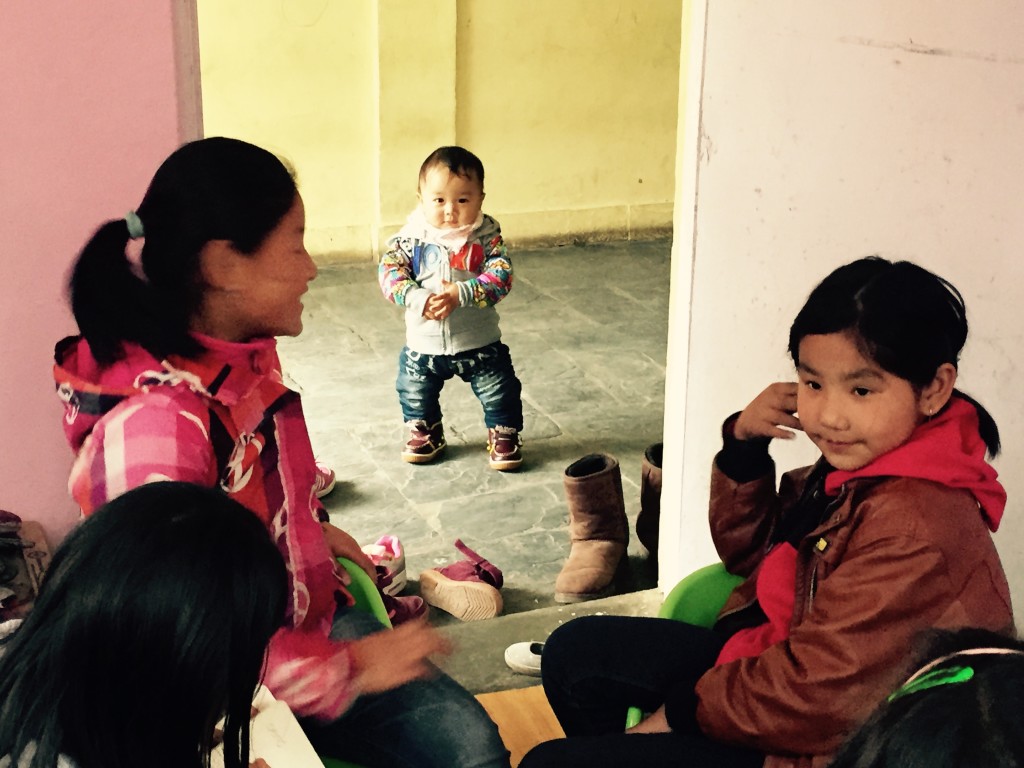
Our smallest reading room began as a simple space for children to borrow books. It also gives young monks a quiet place to read, draw and practise music. In communities where the nearest substantial library may require several hours of travel, its practical value extends far beyond the floor area it occupies.
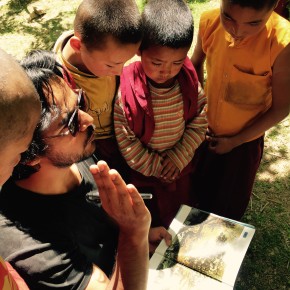
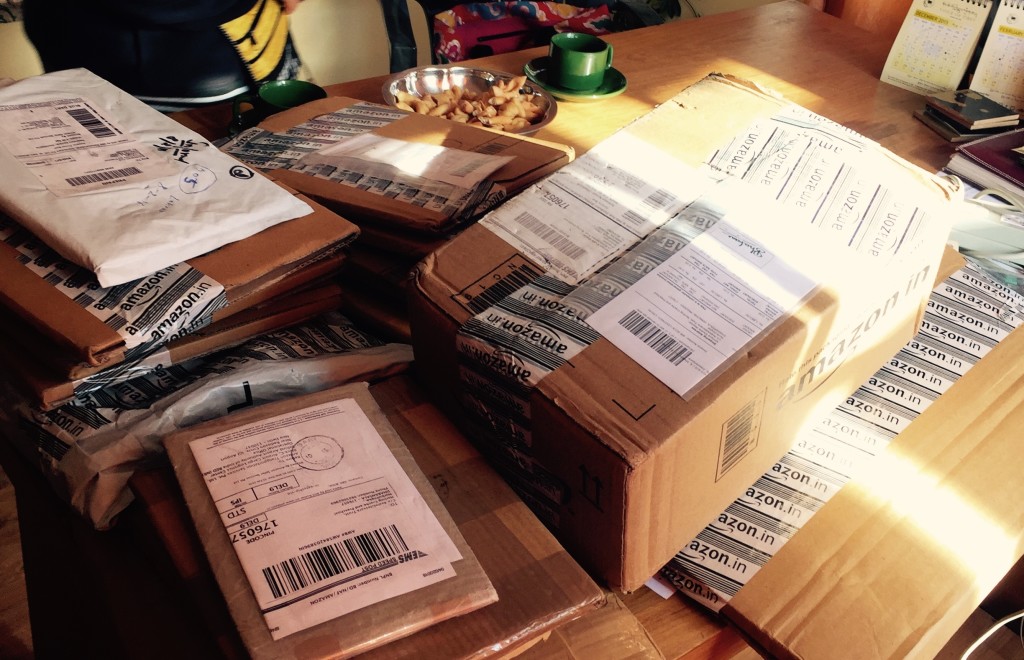
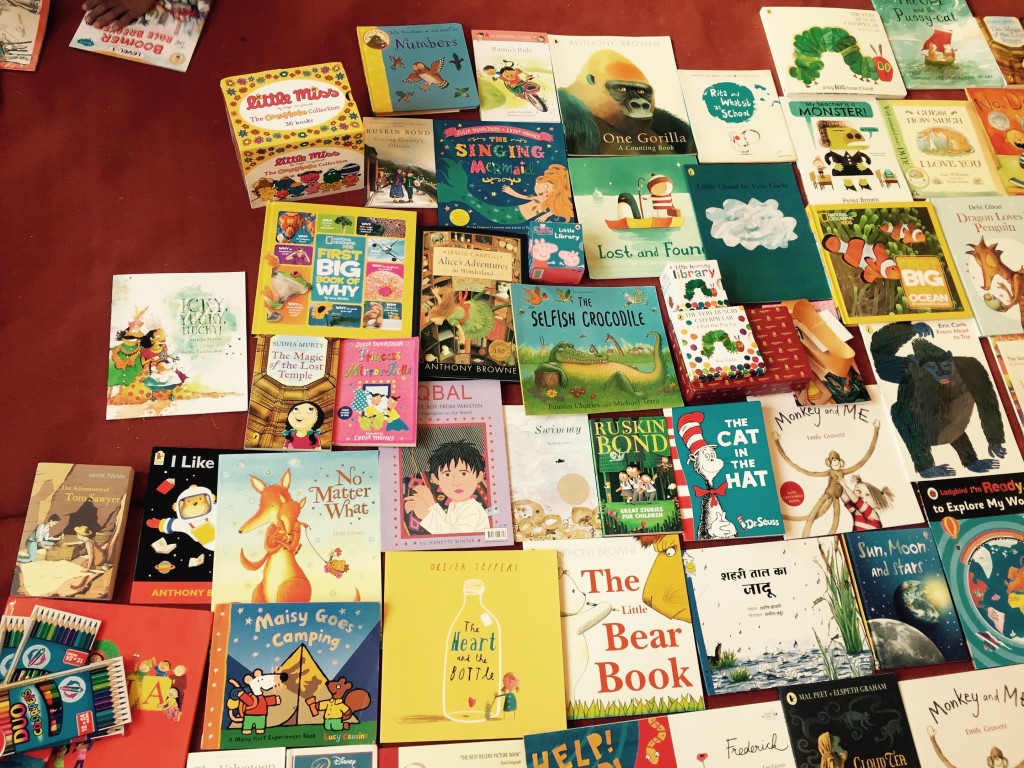
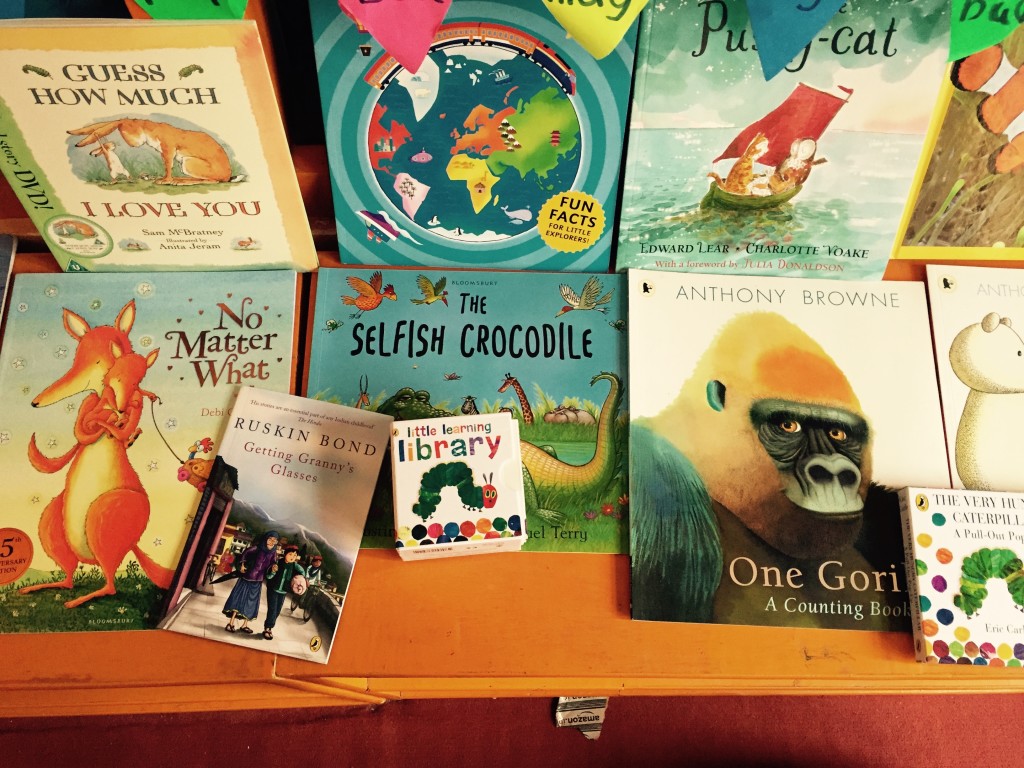
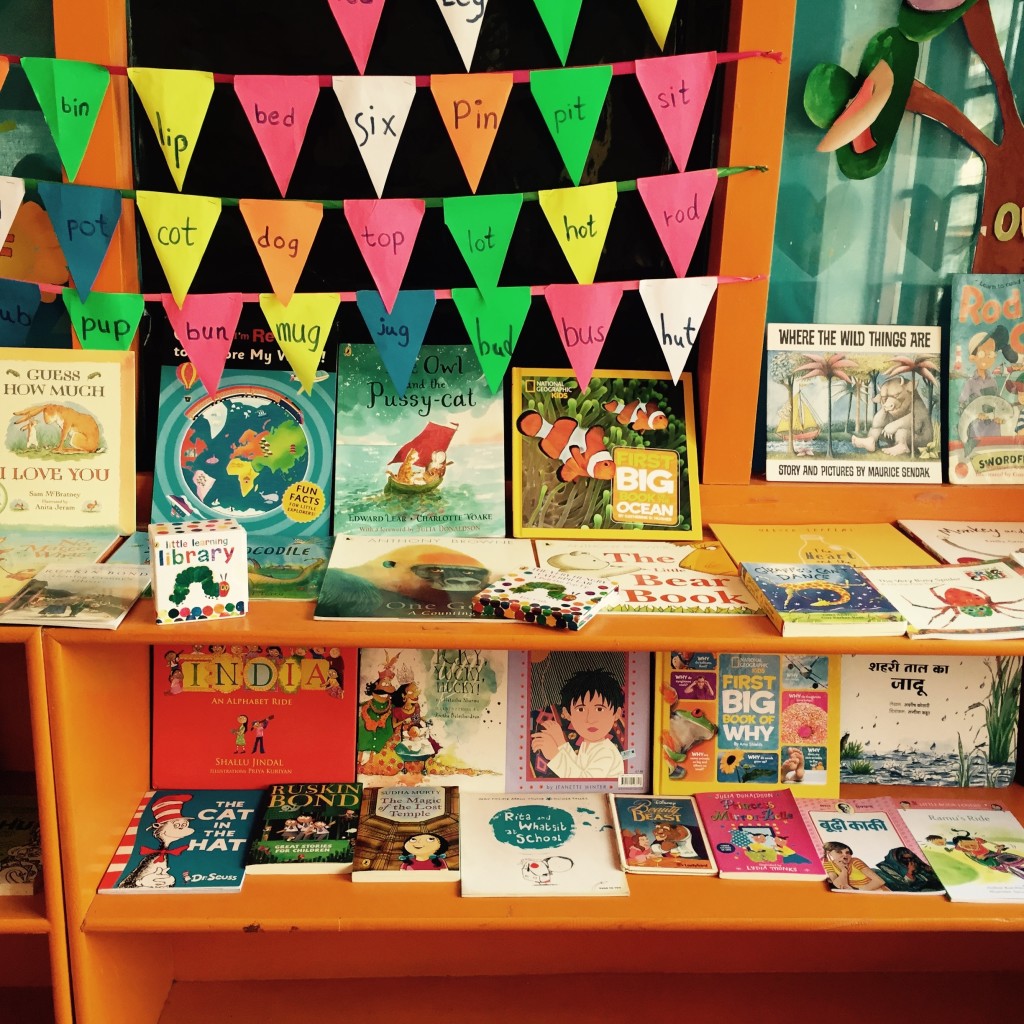
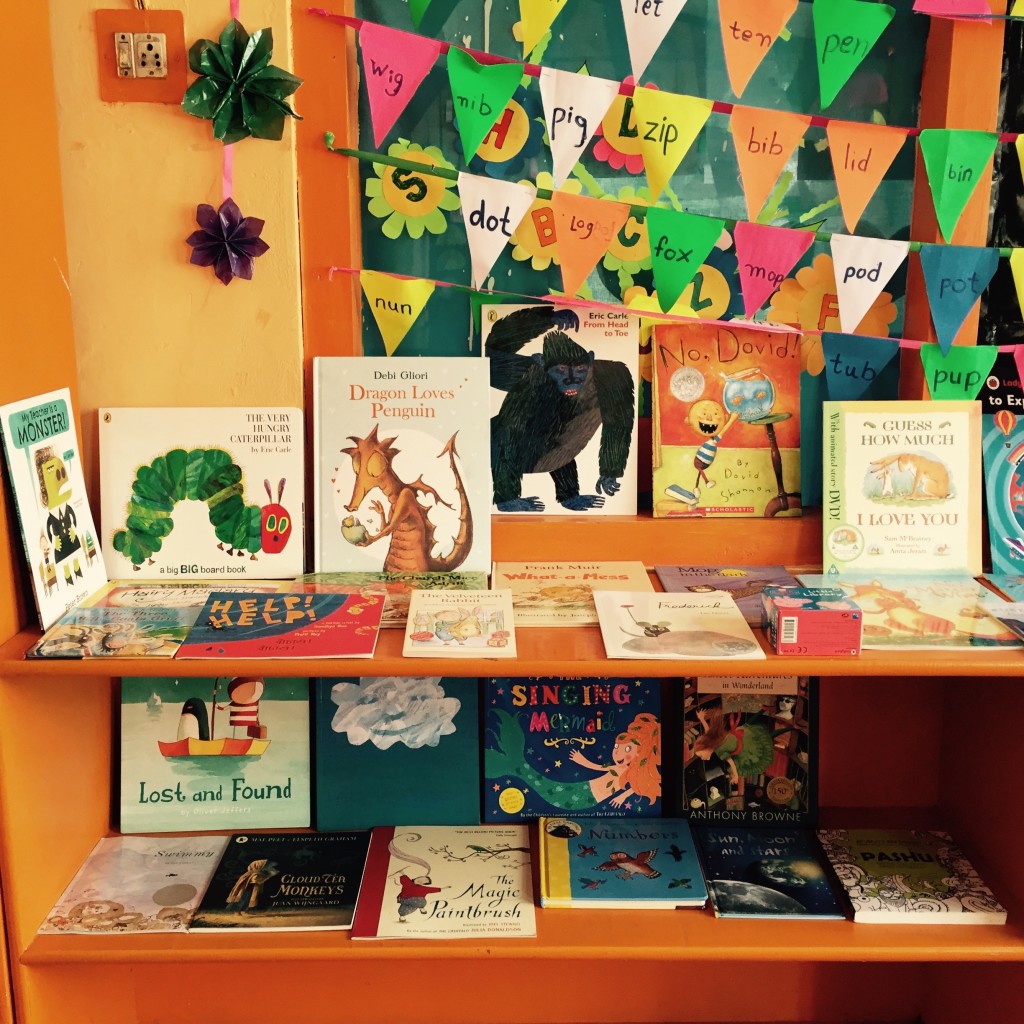
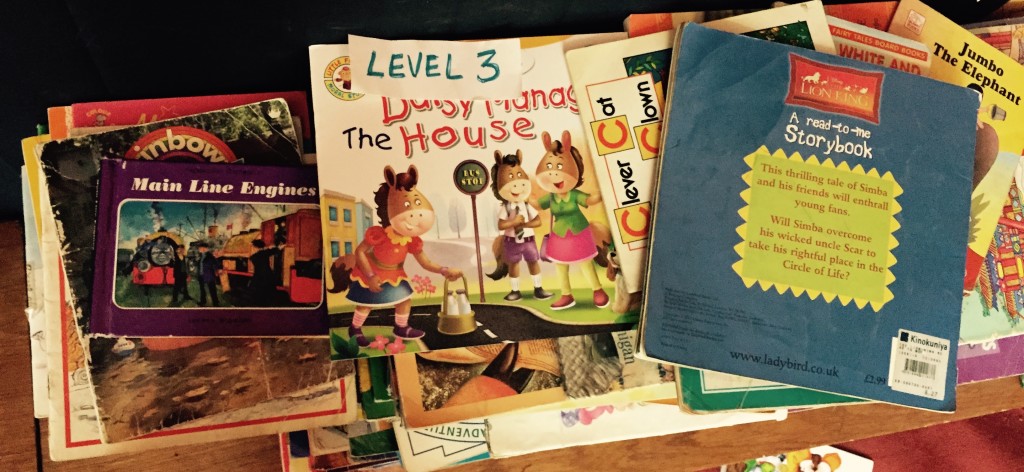
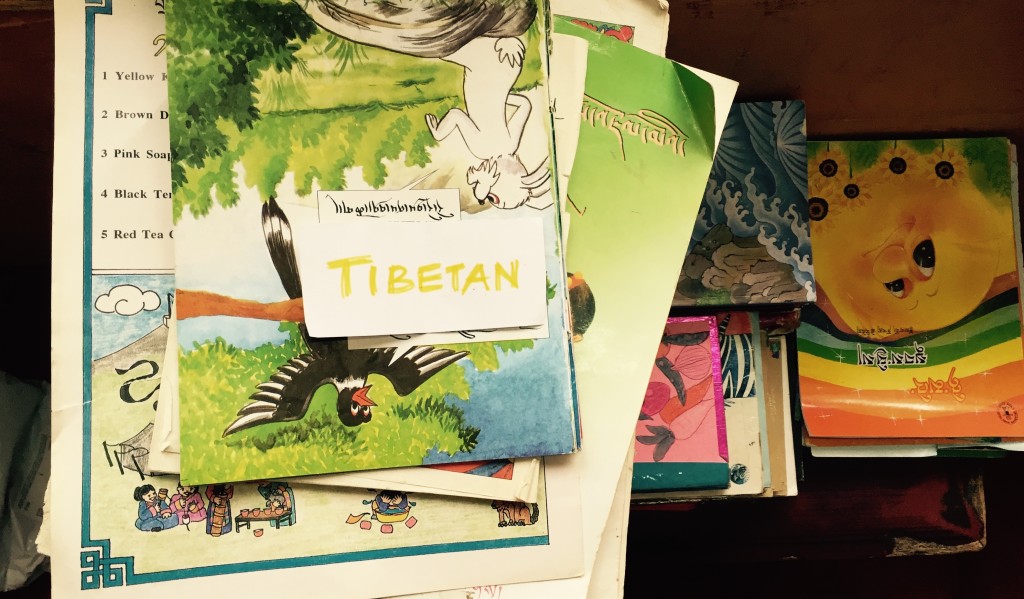
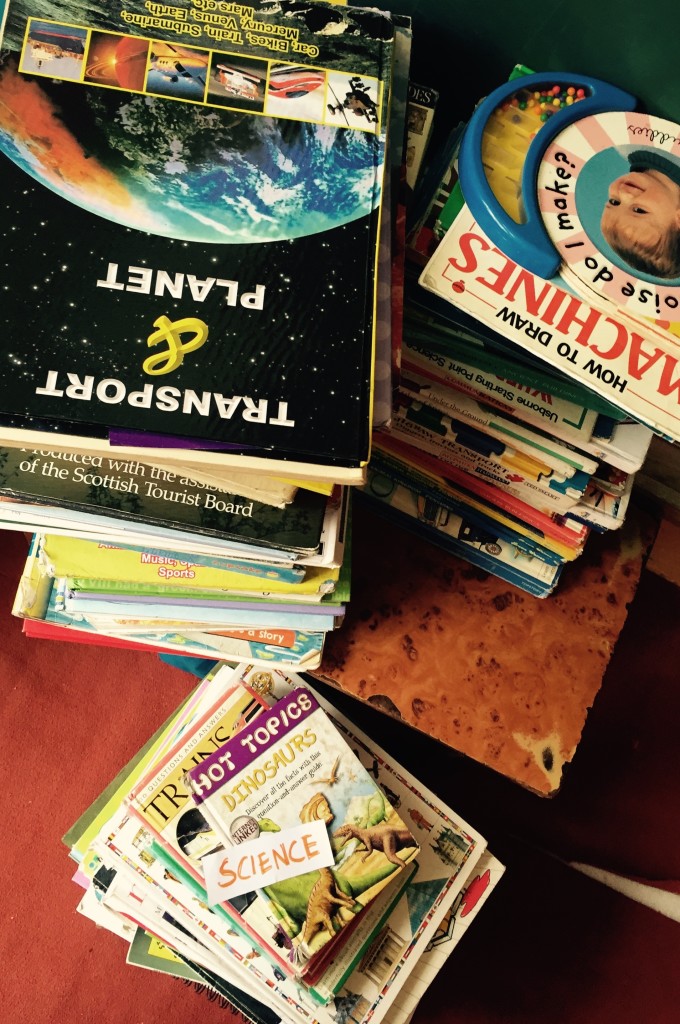
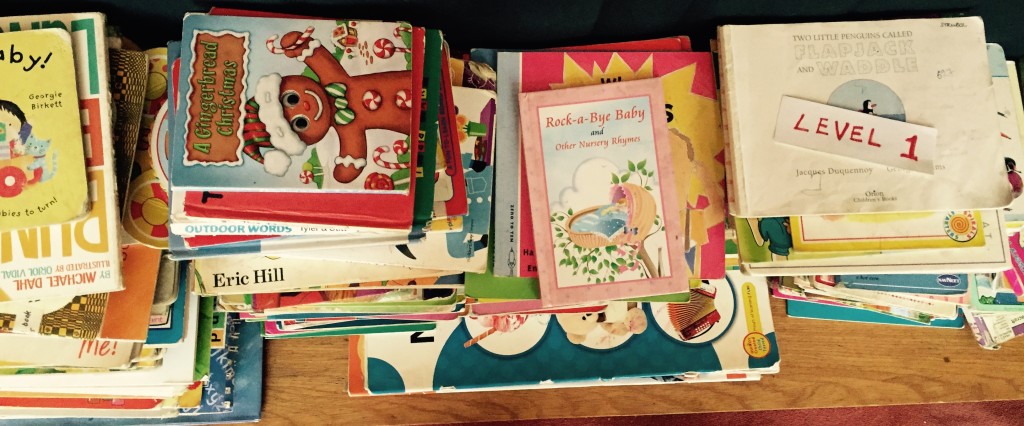
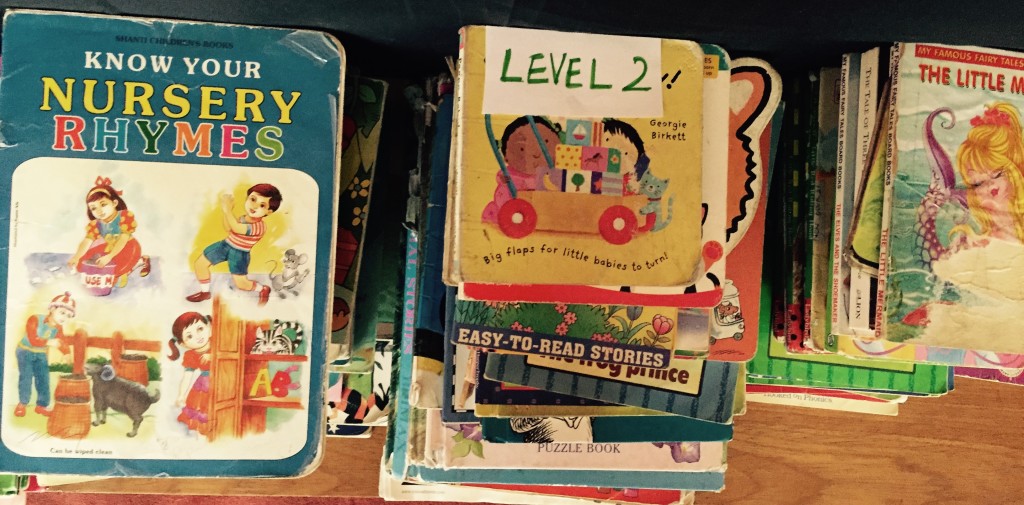
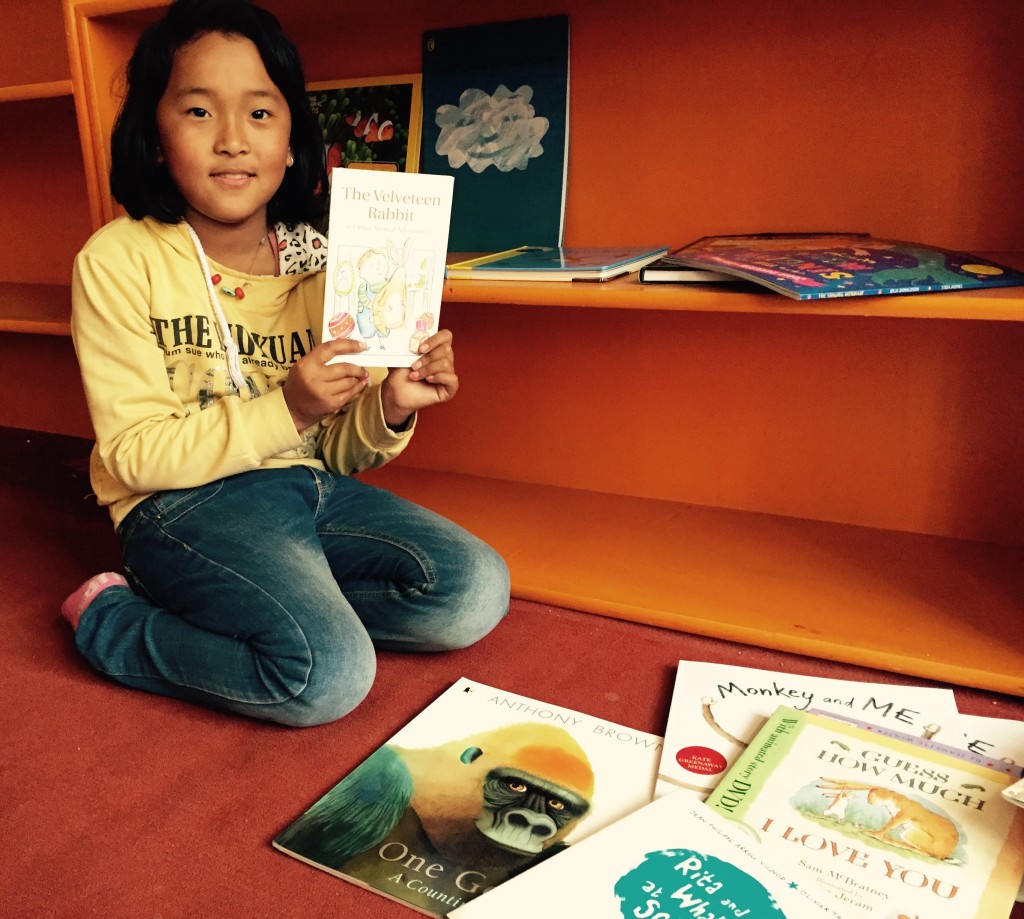
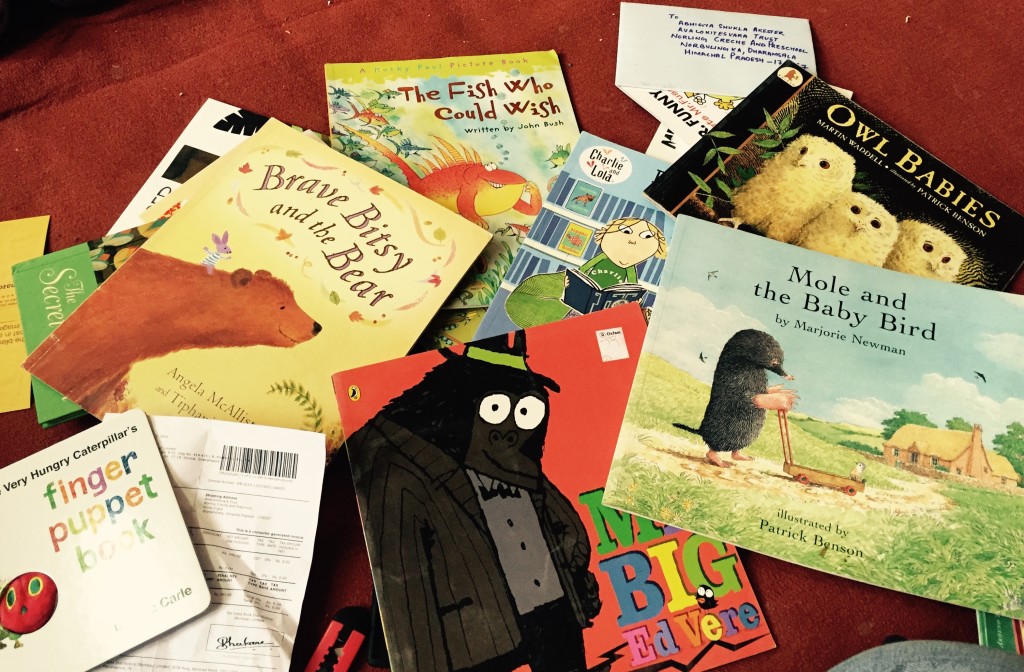
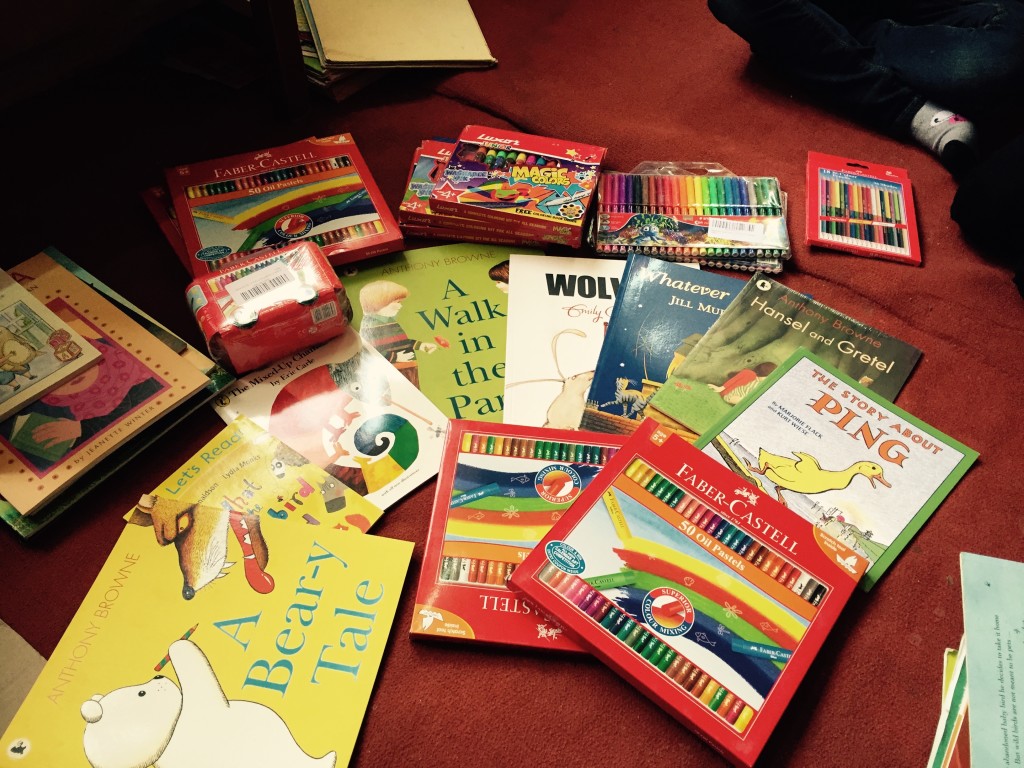
Books arrive through generous book drives and direct donations. Each volume is checked for loose pages, mildew and age-appropriate content before it reaches a shelf. Picture books support early reading, while fiction, science and biographies allow older children and young monks to explore subjects that may be difficult to study elsewhere.
Teacher education is another part of that work. The Krishnasamy College curriculum guide shows how an Indian B.Ed programme for 2025–26 organises professional preparation. It prompted our volunteers to consider how reading-room support should combine subject knowledge, local languages, child development and practical classroom experience.
Australian parallels in dry and windy cities
Australians have useful reference points for this kind of emergency. Melbourne’s enormous 2009 dust storm turned the city’s sky red and left grit across cars, homes and gardens. Canberra offers another example, with a dry, wind-exposed landscape where bushfire smoke and wind-blown soil regularly affect outdoor activity and public health.
Everyday reading habits differ from those in Ladakh, but the supporting networks have similarities. Australian schools maintain libraries, mark Book Week and organise termly stocktakes. Community centres and neighbourhood groups also host sorting sessions for donated books, helping families share stories and resources without replacing the professional work of school librarians.
The local resale market plays a significant part as well. Op shops, school fairs, independent secondhand bookshops and online resale platforms circulate millions of affordable books each year. Their scale demonstrates how donation drives can succeed, provided organisers check condition, relevance and reading level before books reach children.
Regulation matters just as much. The federal Charities Act 2013 and the Australian Charities and Not-for-profits Commission framework place governance and reporting duties on registered charities, while the Australian Taxation Office governs tax recognition for eligible donations. State and territory workplace health and safety laws, including Victoria’s Occupational Health and Safety Act 2004, also require organisations to address foreseeable hazards. Screening rules for working with children may apply to some volunteer roles.
A practical plan for dust, children and books
Preparation should begin before a storm reaches the valley. Our revised checklist covers the building, vulnerable materials and the people who must respond quickly.
- Inspect the roofline, window seams and doorway before peak wind season, recording every gap that needs attention.
- Keep a lidded water container, clean cloths, suitable masks and a basic first-aid kit in an accessible part of the room.
- Store fragile or frequently used books in covered metal crates, raised above the floor and away from the wall.
- Train at least two local volunteers to close the room, account for children and record damaged titles.
The response itself must protect health before it protects property. Dust should not be swept while children remain nearby, and breathing difficulty requires appropriate medical advice.
- Move children indoors, avoid stirring settled grit and seek medical assistance when breathing problems appear.
- Wrap affected books in clean cloth, separate them according to condition and dry them in shade rather than direct sunlight.
- Photograph damaged items, inform families and replace titles only after reviewing what local readers need.
- Keep the room closed until the grit has been removed and the roof, doorway and shelves have been inspected.
These measures became a written plan reviewed with local volunteers. The aim is not to eliminate every risk, but to make the response predictable when visibility falls, adults become anxious and children want to return to familiar books. Clear responsibilities also reduce the risk that valuable donations are mishandled during the confusion surrounding a storm.
Rebuilding the room for the next storm
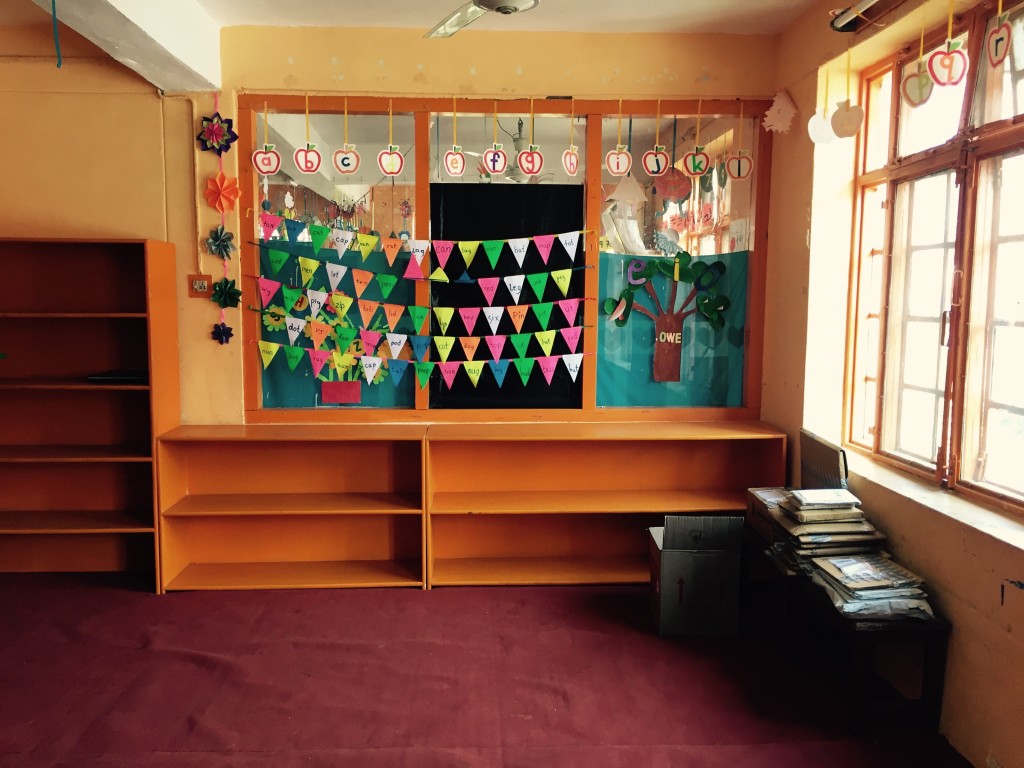
We replaced the cracked window frame, sealed the doorway and raised the lowest shelves. A covered storage area now holds art materials, musical instruments and the books most often handled by children. The repaired surfaces are practical rather than decorative, but they give the room a better chance of surviving another sudden change in the weather.
Current projects and future activity updates are available through the Avalokitesvara Trust project pages. The same concern continues beyond physical repairs: every book drive, art session and musical activity must strengthen children’s access to learning without overlooking safety, local needs or the climate of the place where they live.
The dust storm did not erase the room’s value, but it exposed where its protection was weak. Rebuilding gave us a chance to improve storage, volunteer training and communication while preserving the open, welcoming character that brings children through the door. At 4 p.m. on 9 September, a local carpenter and two trained volunteers will install the final window screen and record the completed inspection on the reading room’s new maintenance sheet.