The Donkey, the Mountain Pass, and a Box of Books
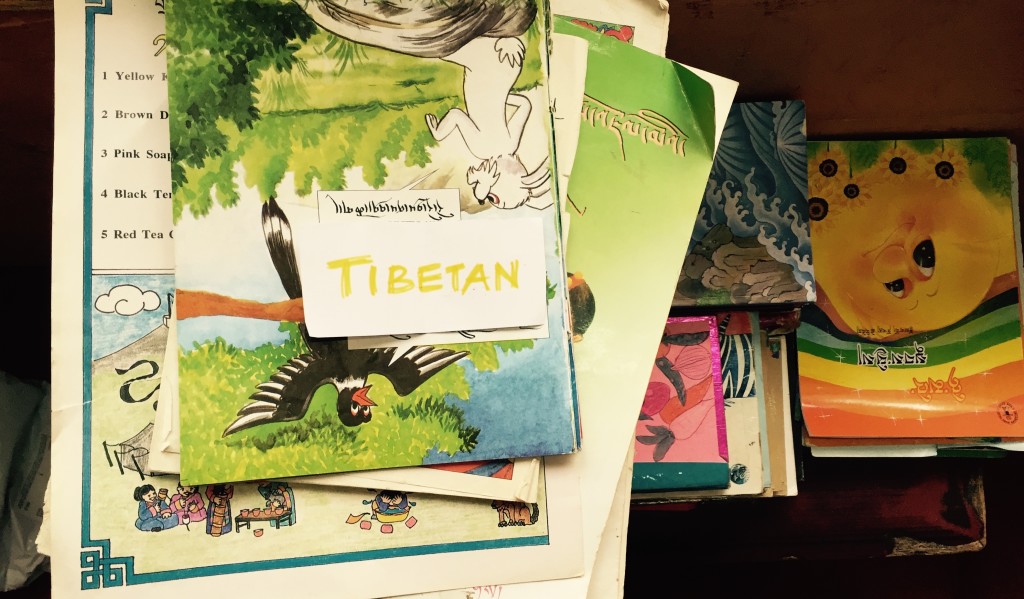
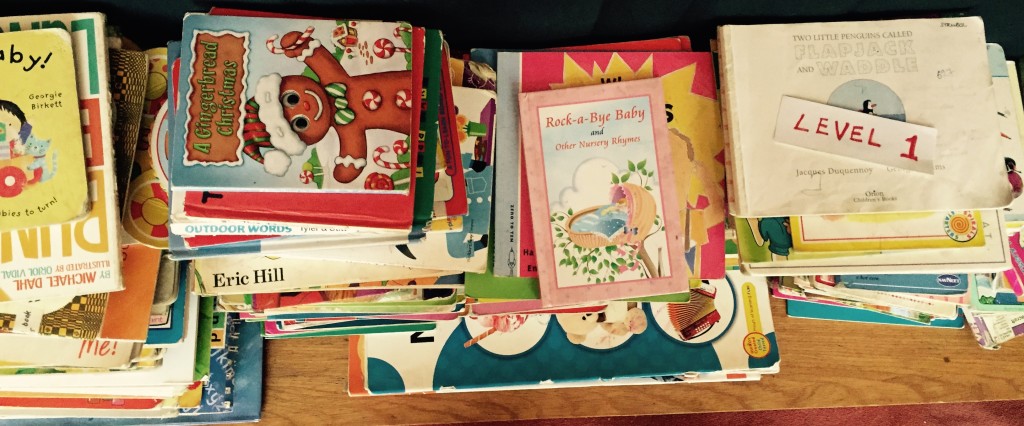
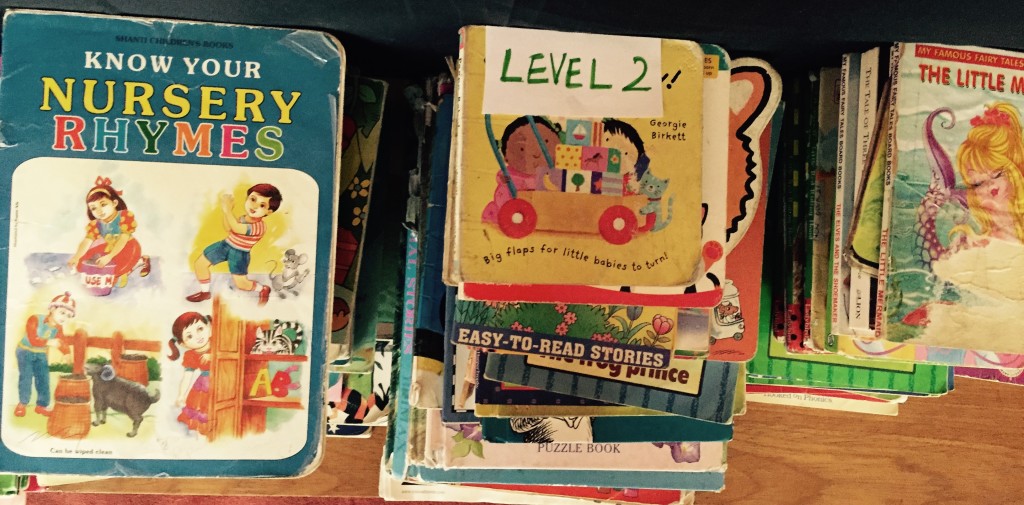
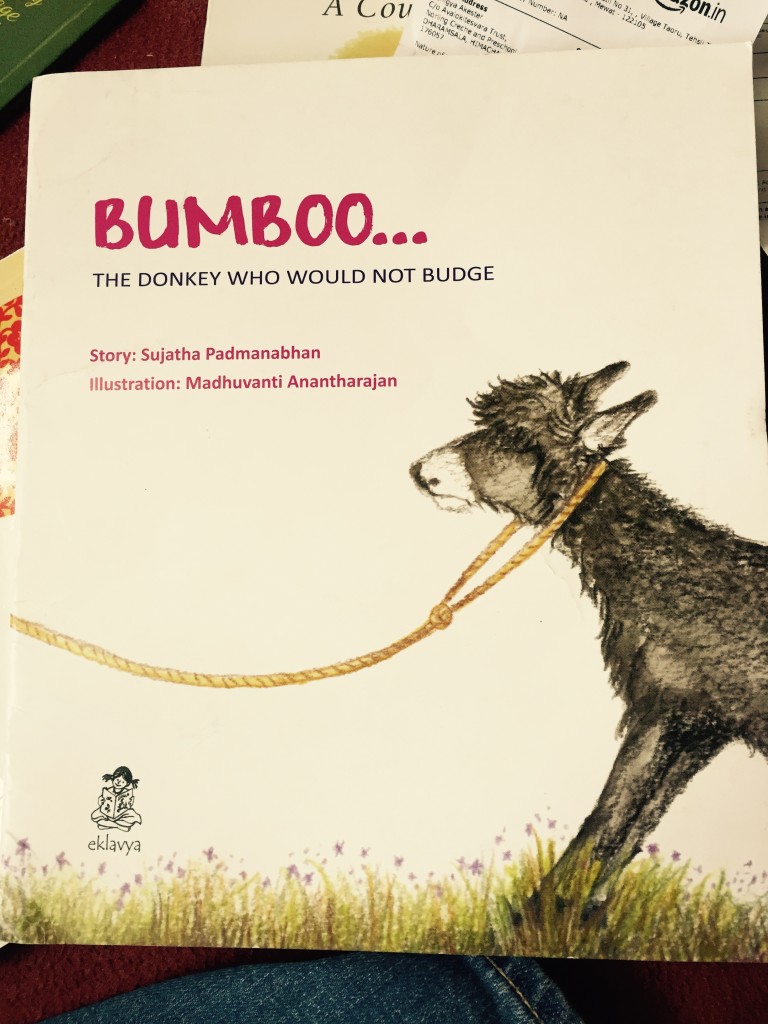
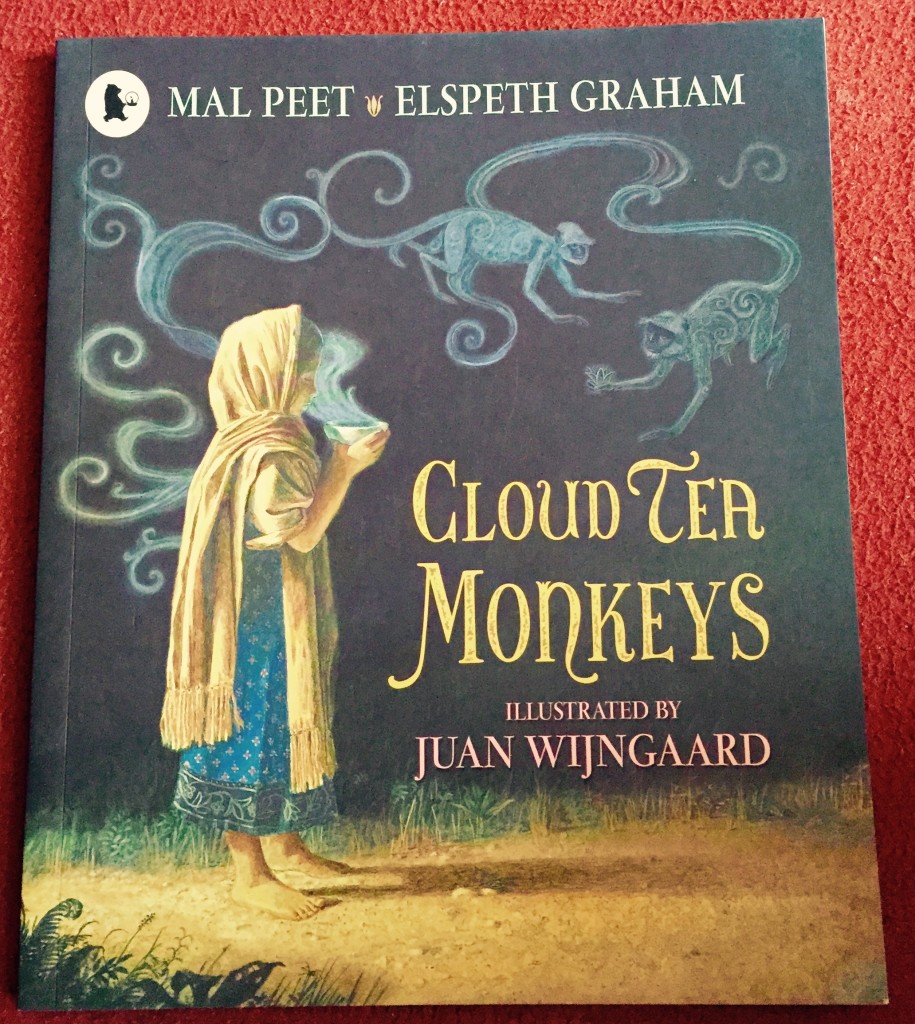
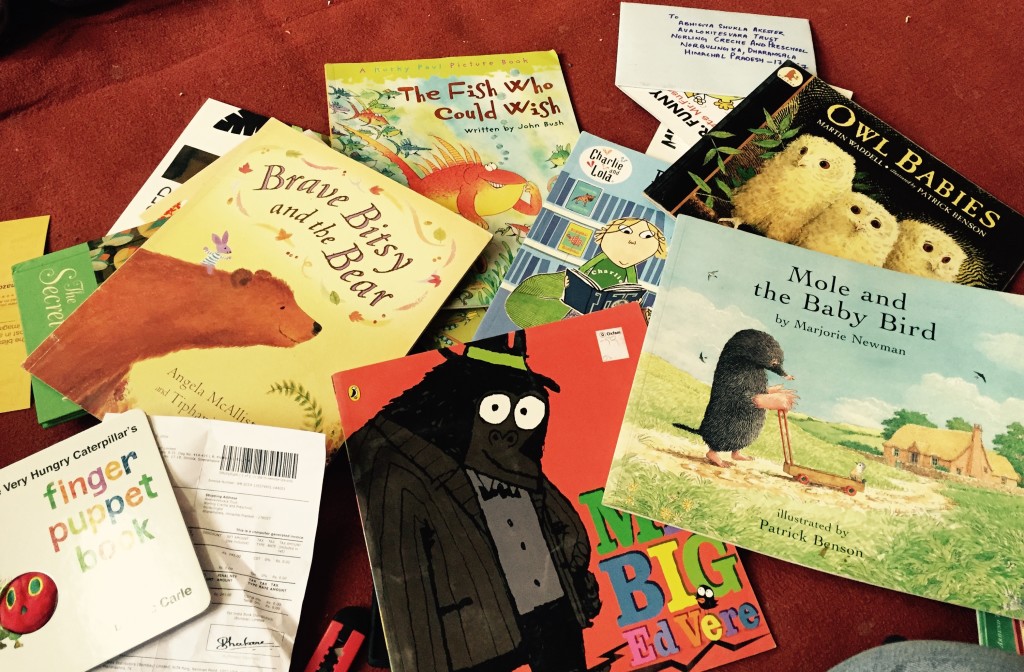
Before the first light reached the high ridges of Ladakh, a donkey stood beside a stack of books. The animal’s breath rose in the cold air while a small wooden box was secured across its back. Inside were picture books, stories, notebooks and early readers bound for children living beyond the mountain pass.
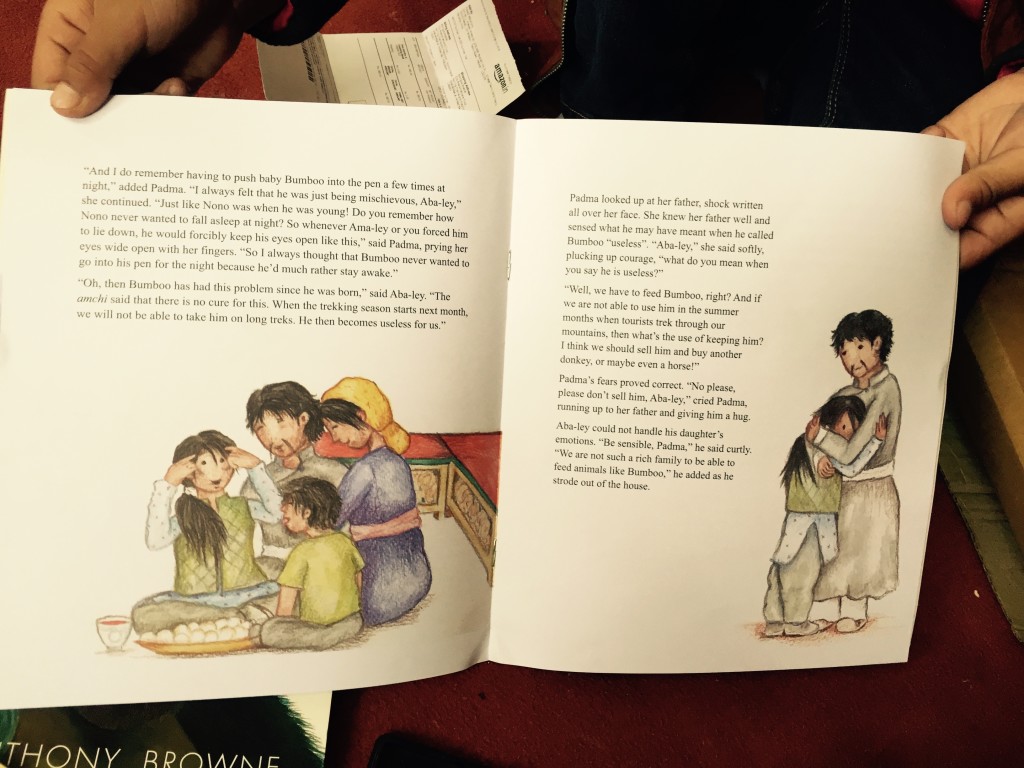
The journey was slow. Hooves searched for firm ground on a narrow track, and each step carried the books closer to a community where a new title could be shared many times. A library shelf in a remote village may begin with only a few volumes, yet those books can become a meeting place for children, young monks, families and teachers.
This is why the image of a donkey carrying a box of books across a mountain pass has such force. It connects an ordinary object with an extraordinary effort: moving learning resources through difficult terrain so that children can read, draw, listen and imagine.
For supporters in Australia, the story also offers a useful way to understand practical charity. A book drive in Melbourne, a donation from a family in Perth or a volunteer’s time in Sydney can become part of a much longer journey, ending in a reading room high in the Himalayas.
A Small Load With A Wide Reach
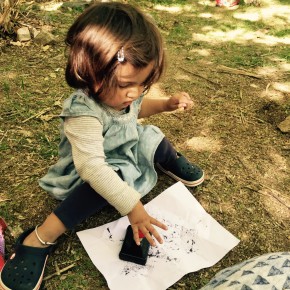
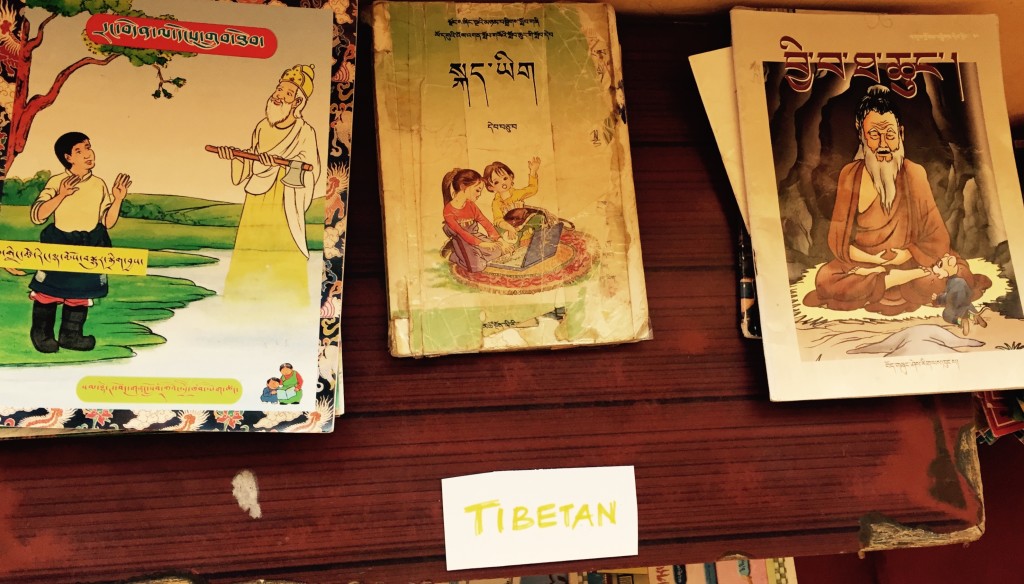
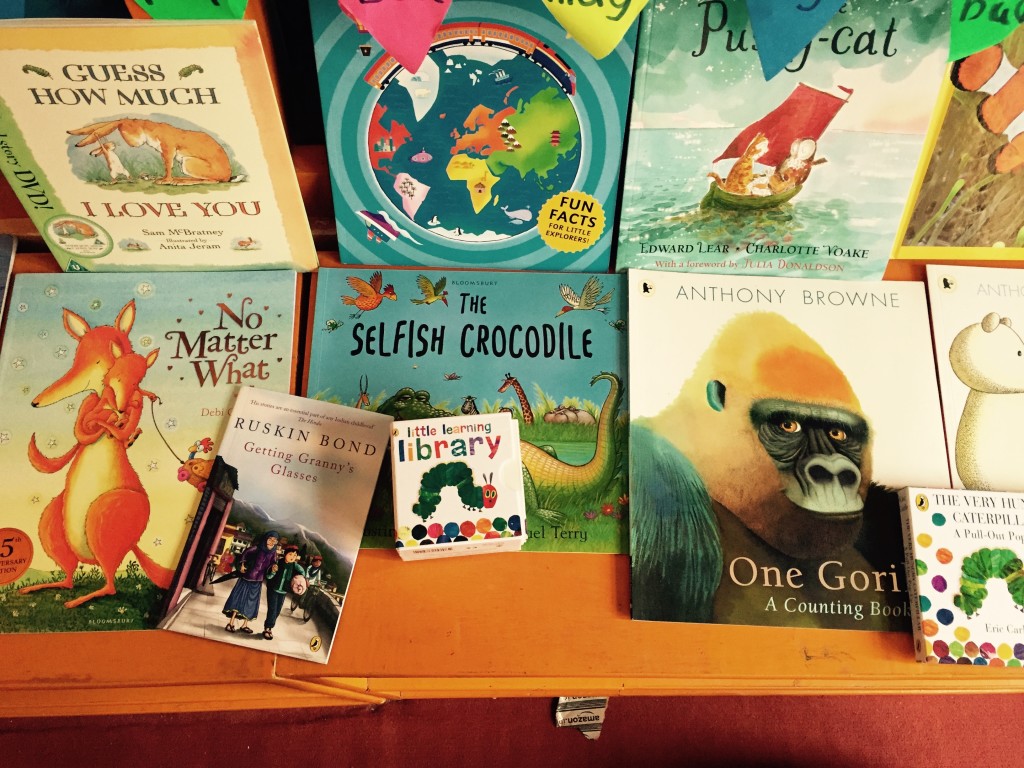
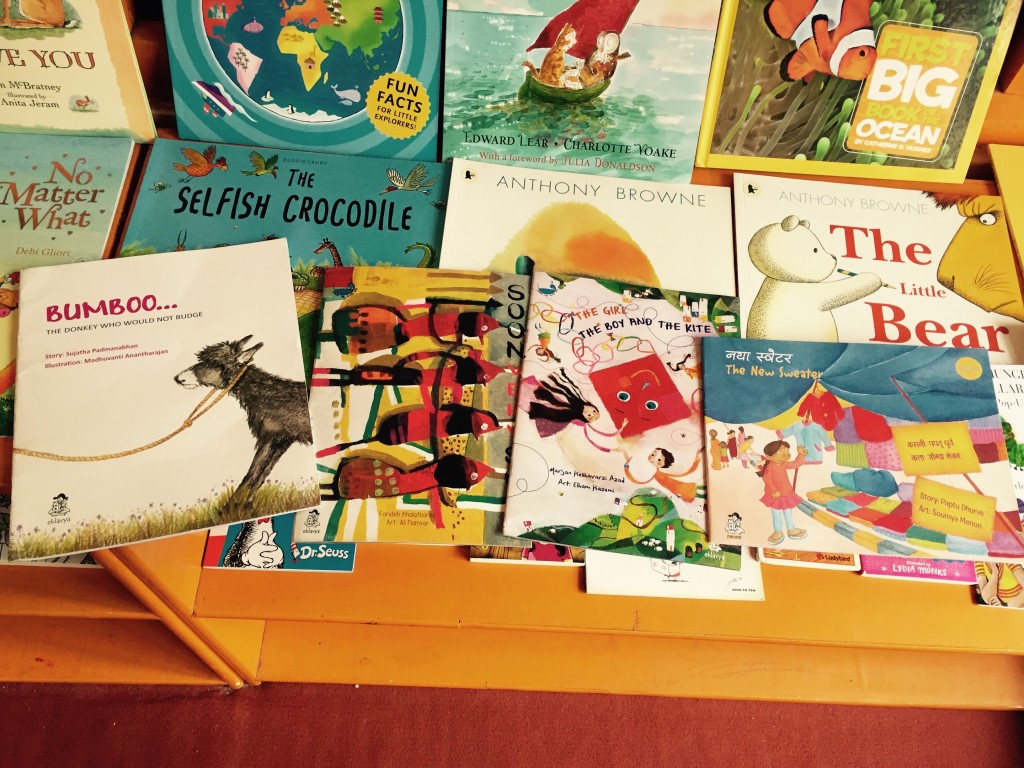
The box was modest in size, but its purpose was large. Books in English, local languages or translation can help children develop vocabulary, confidence and curiosity. A well-chosen story may give a young reader a quiet place to concentrate, while a collection of art books can encourage careful observation and creative play.
The donkey’s role was practical rather than symbolic. In mountain communities, animals can travel routes that vehicles cannot easily manage. A sure-footed pack animal can carry educational materials along paths affected by steep slopes, loose stones, snow and seasonal weather.
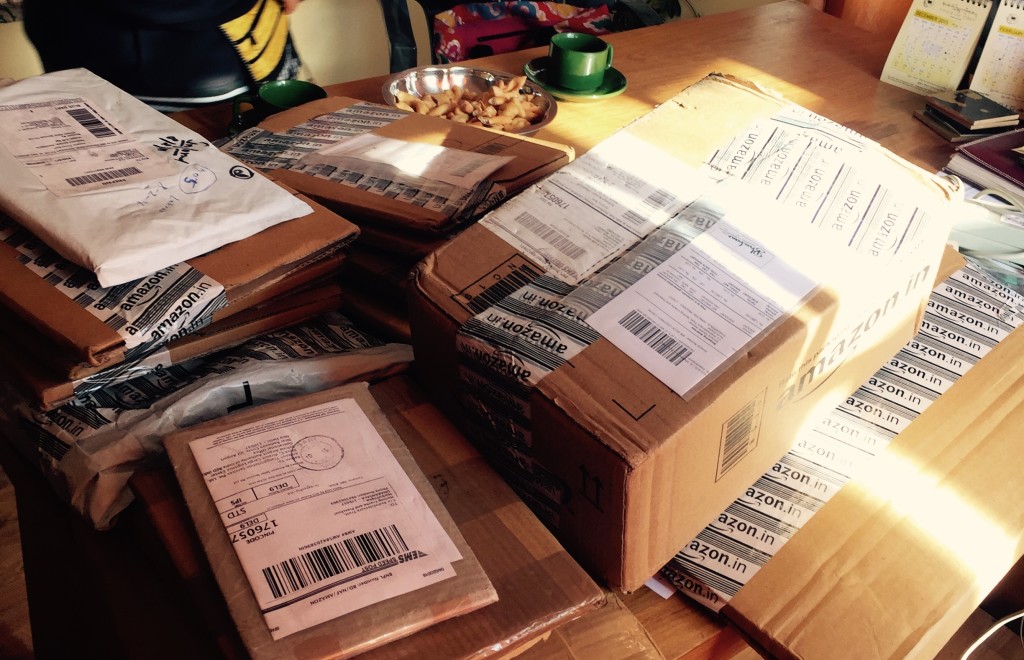
Every book therefore has a physical story. It may have been donated, sorted, packed, transported and carried before reaching a child’s hands. That chain of care matters because access to reading often depends on many small acts working together.
Why Reading Rooms Matter In Ladakh
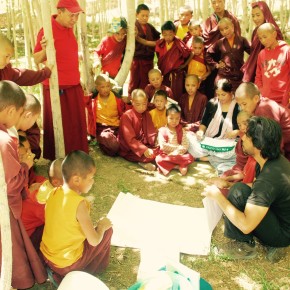
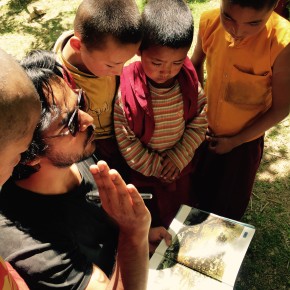
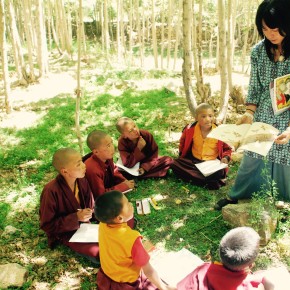
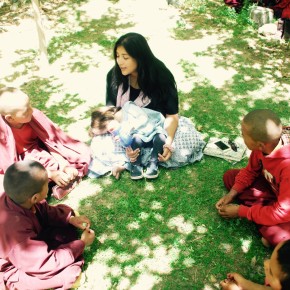
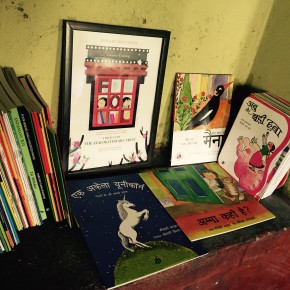
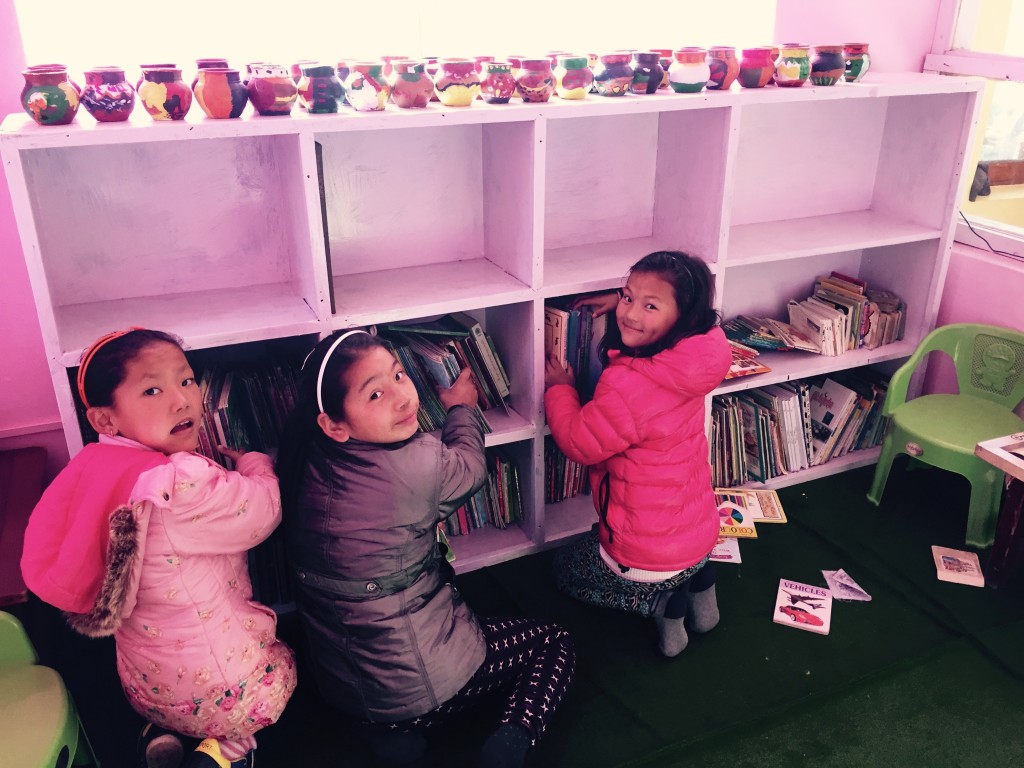
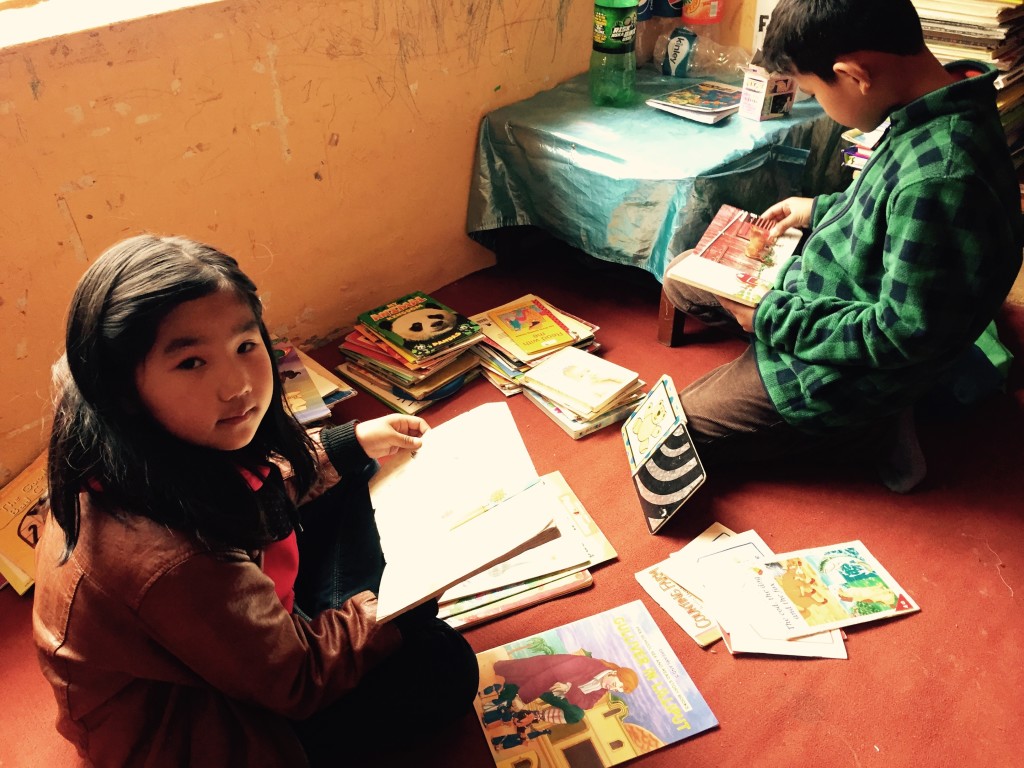
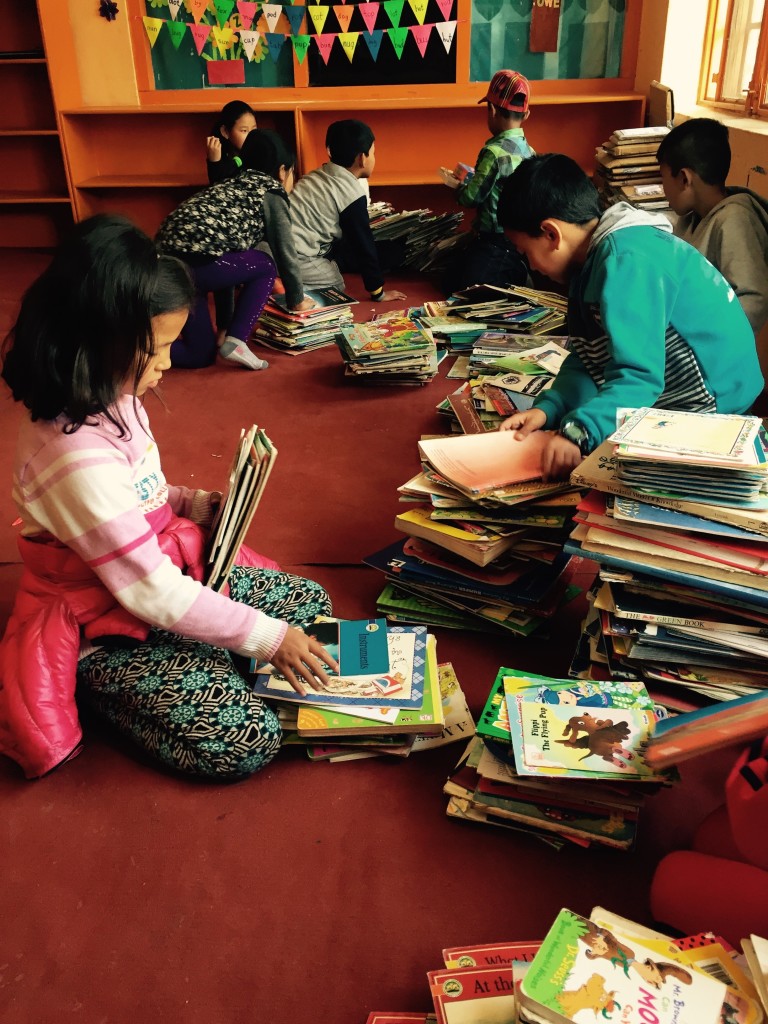
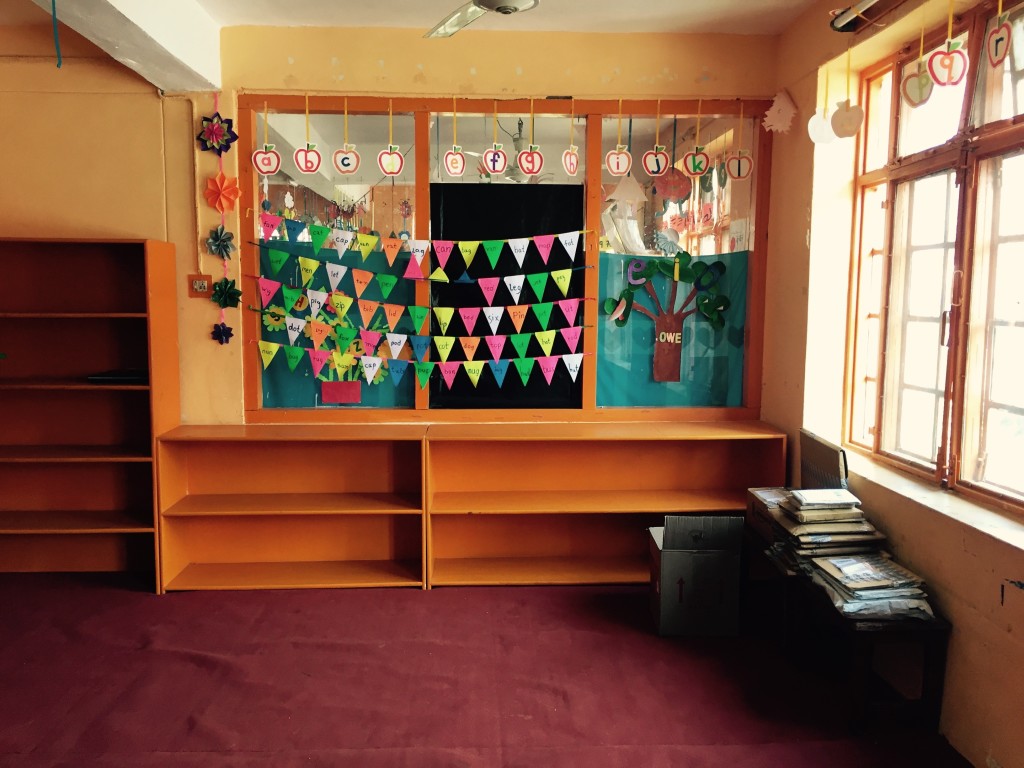
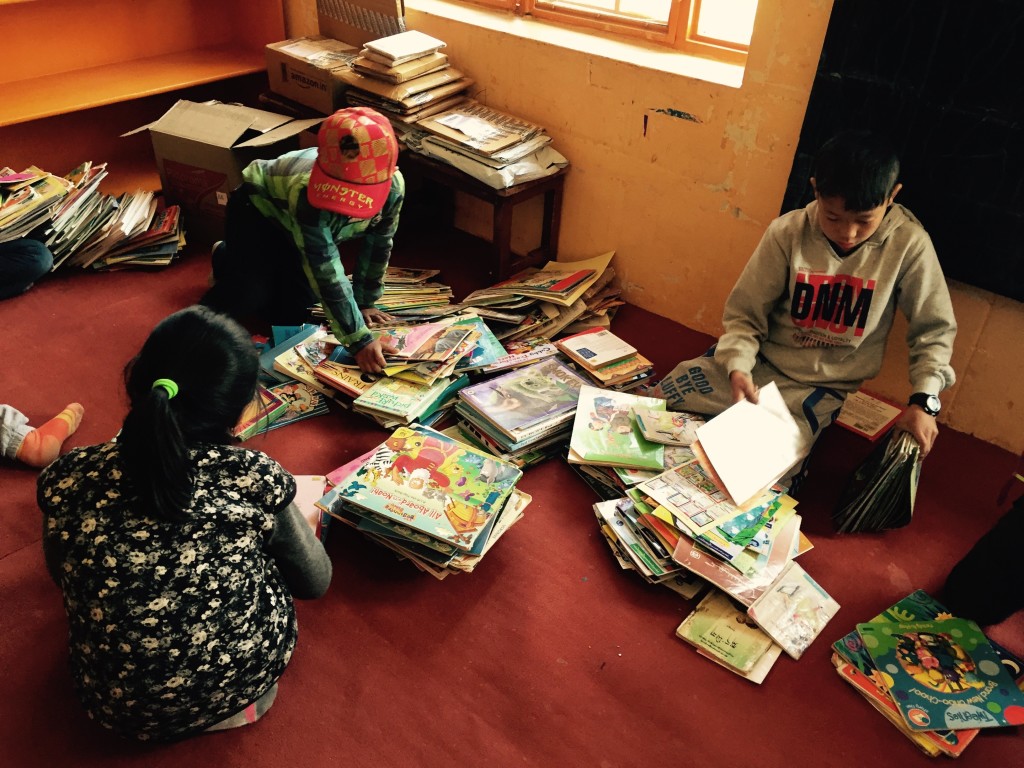
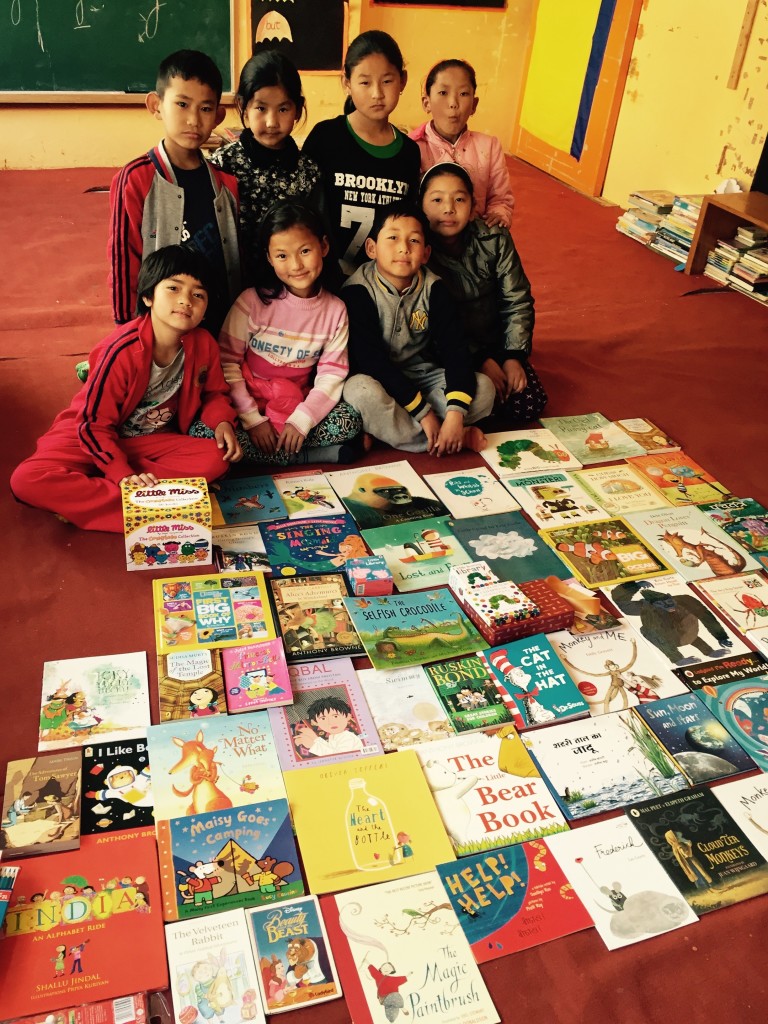
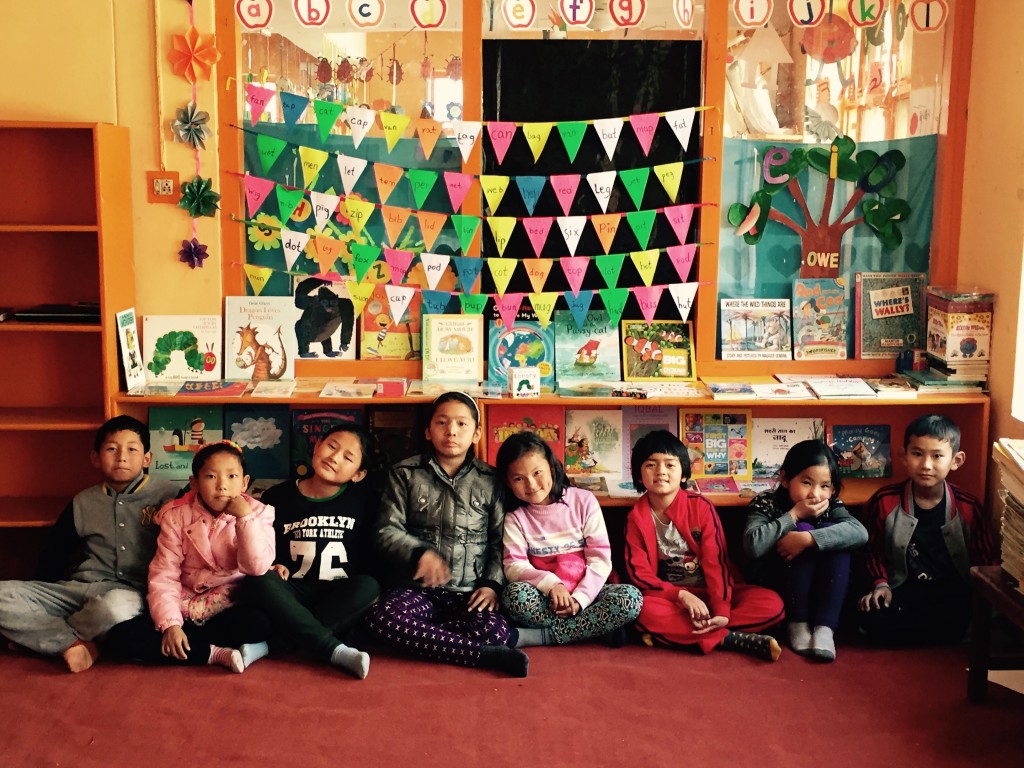
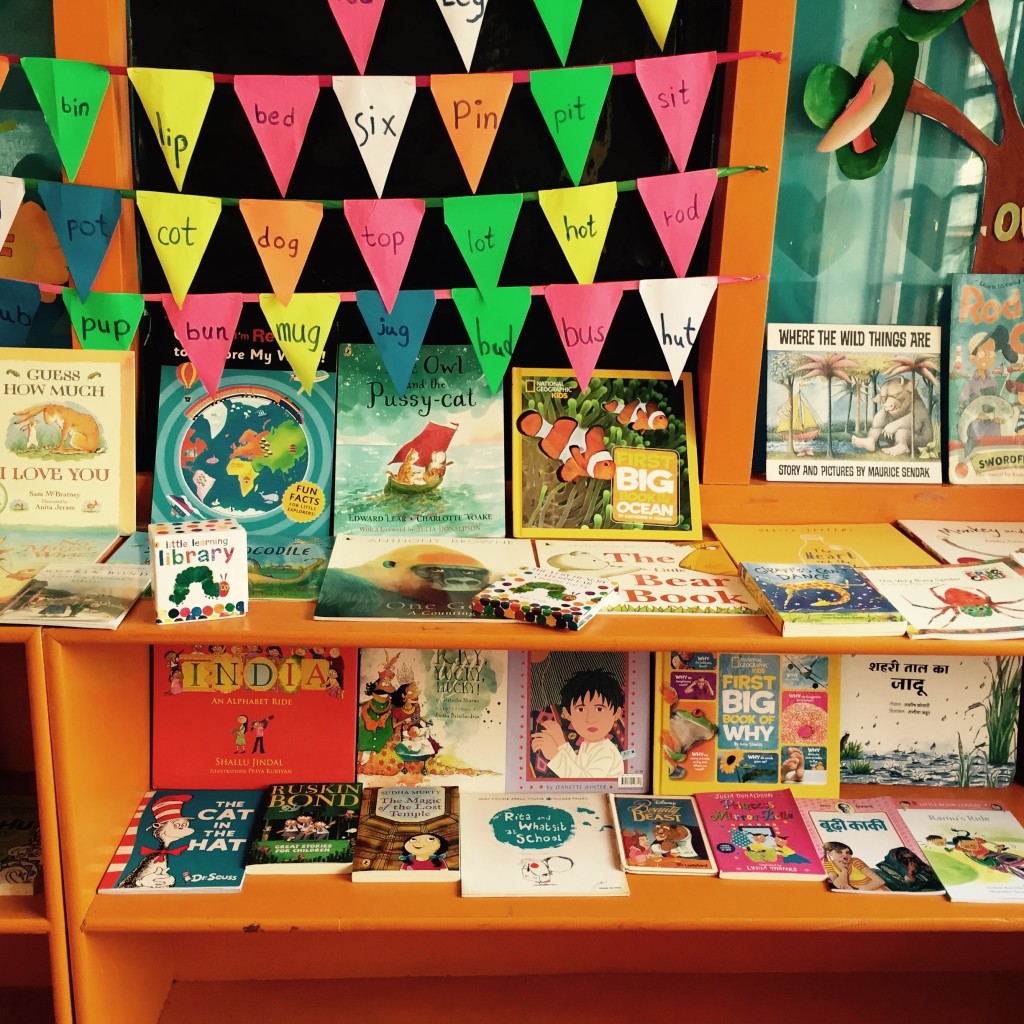
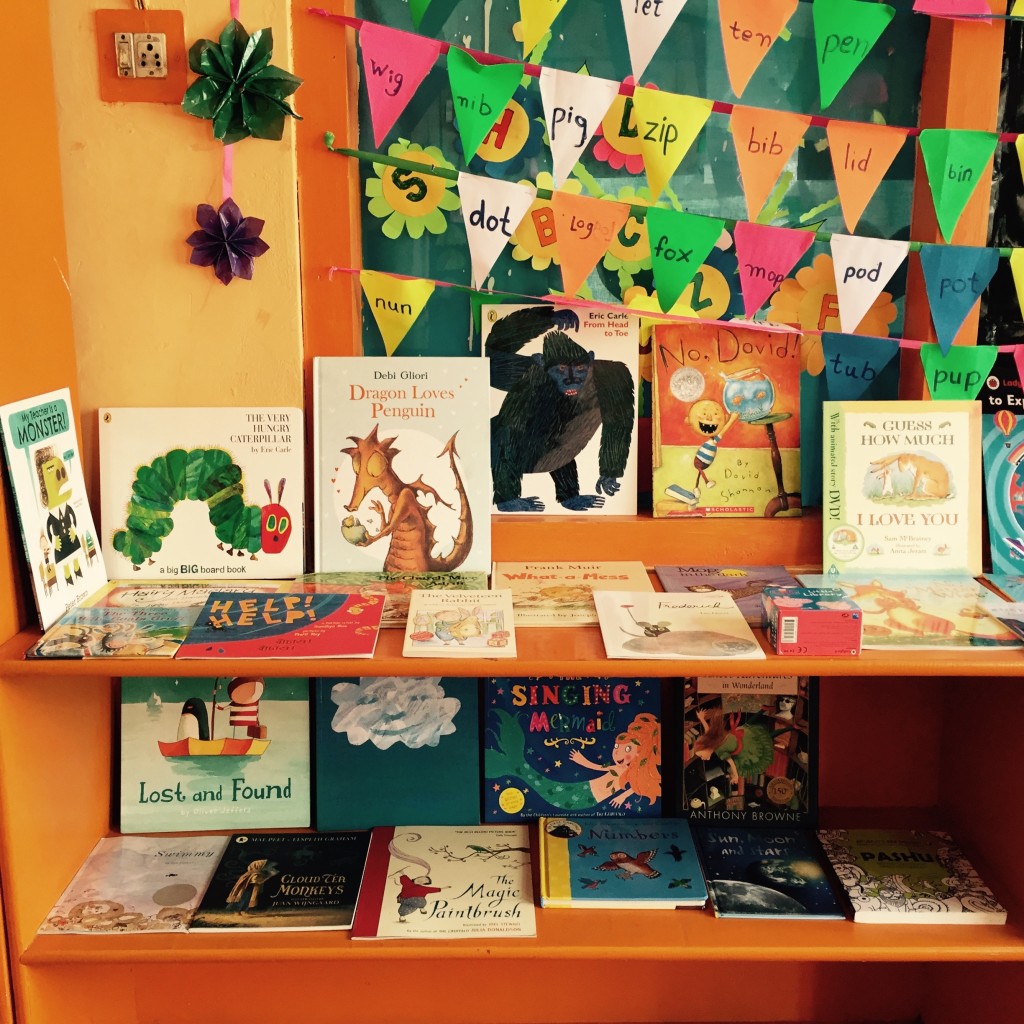
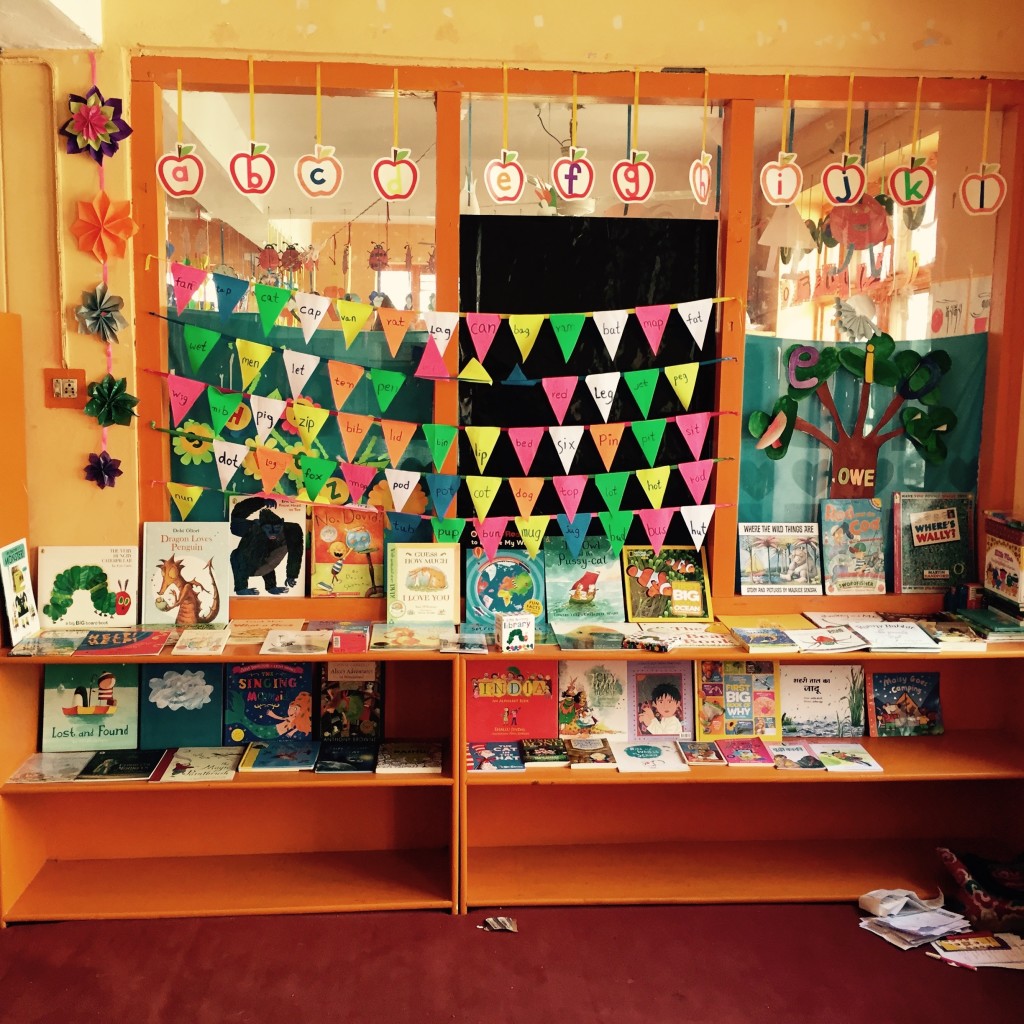
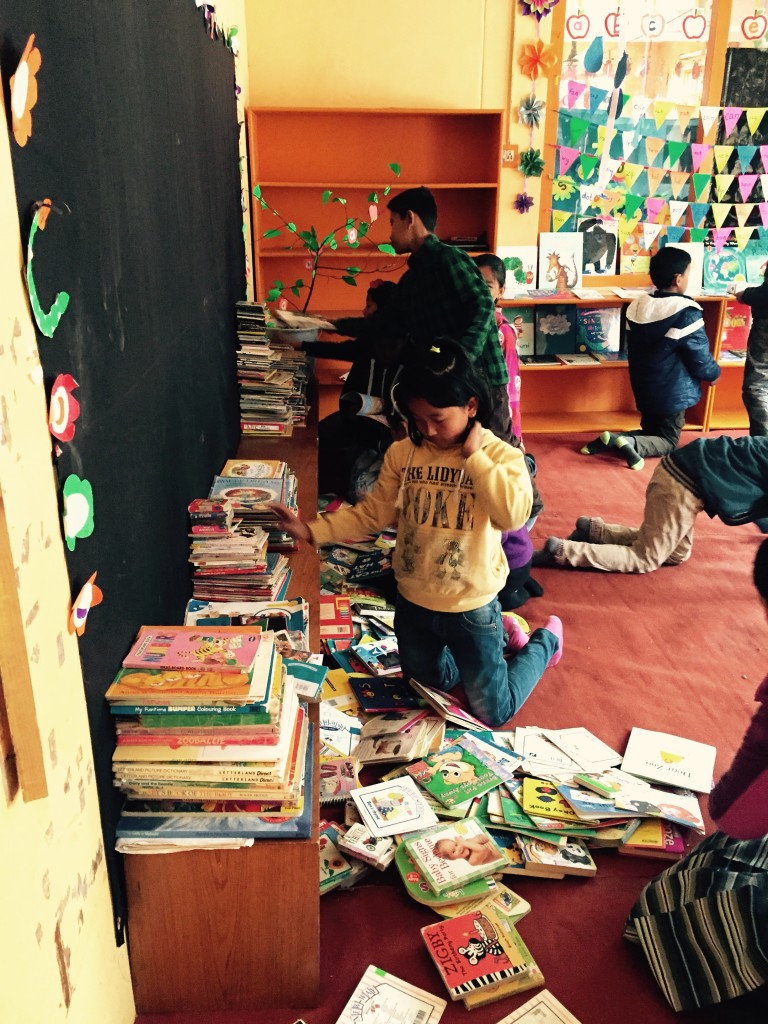
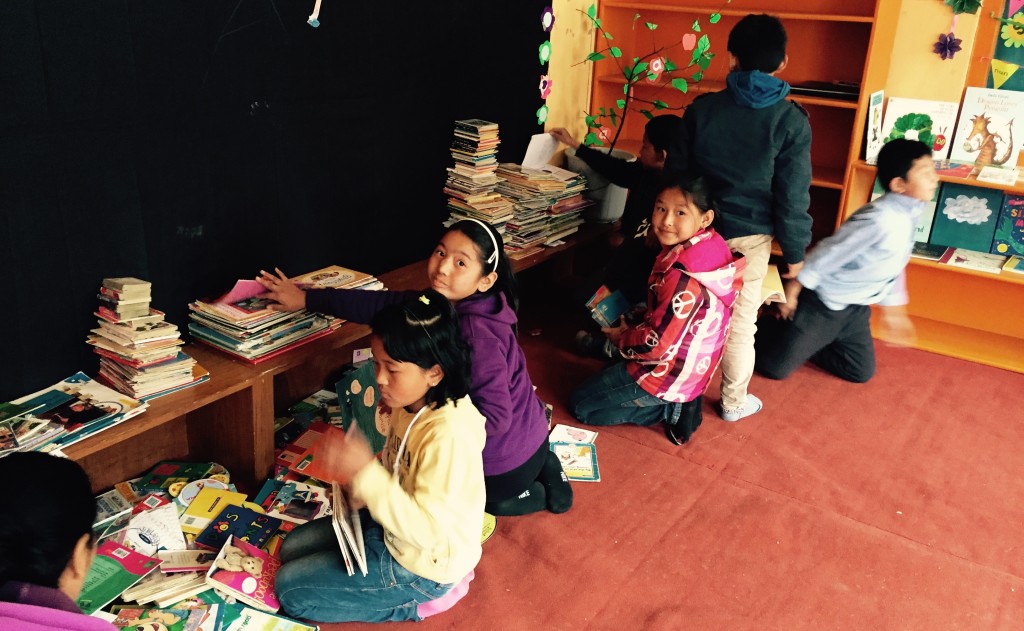
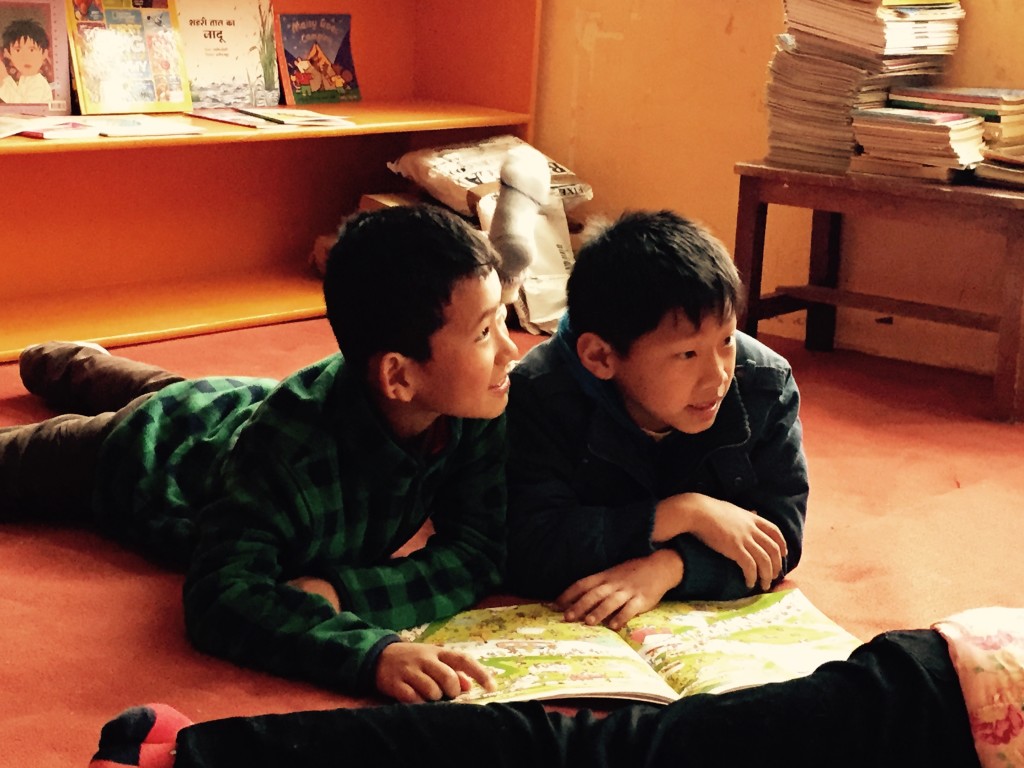
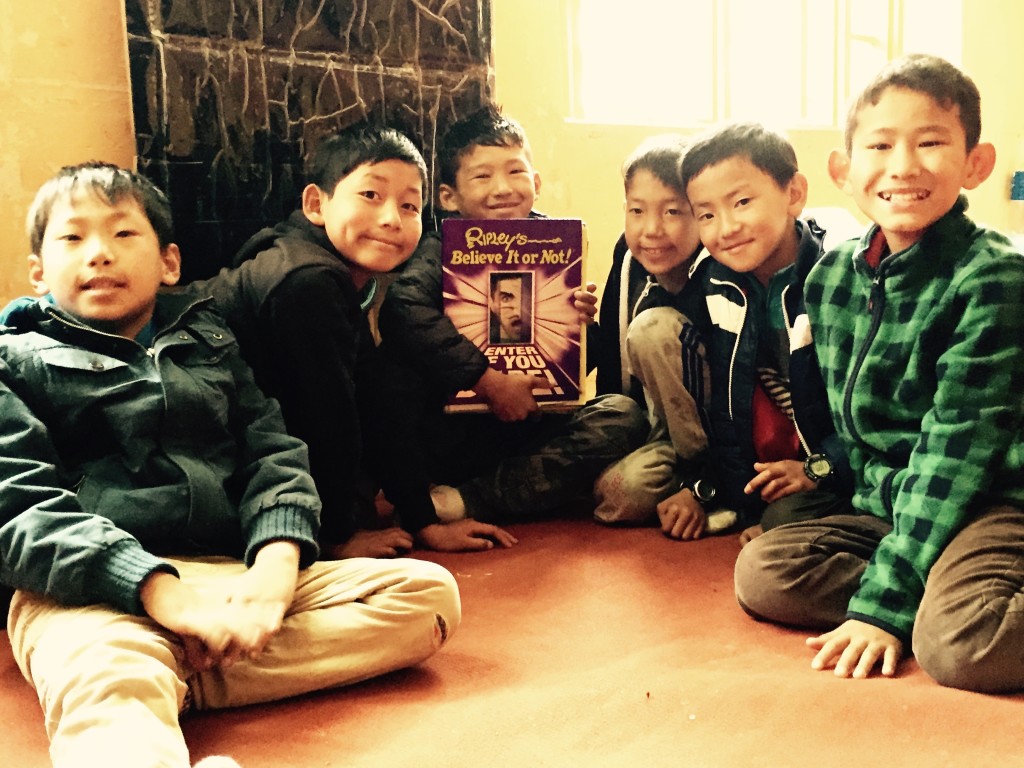
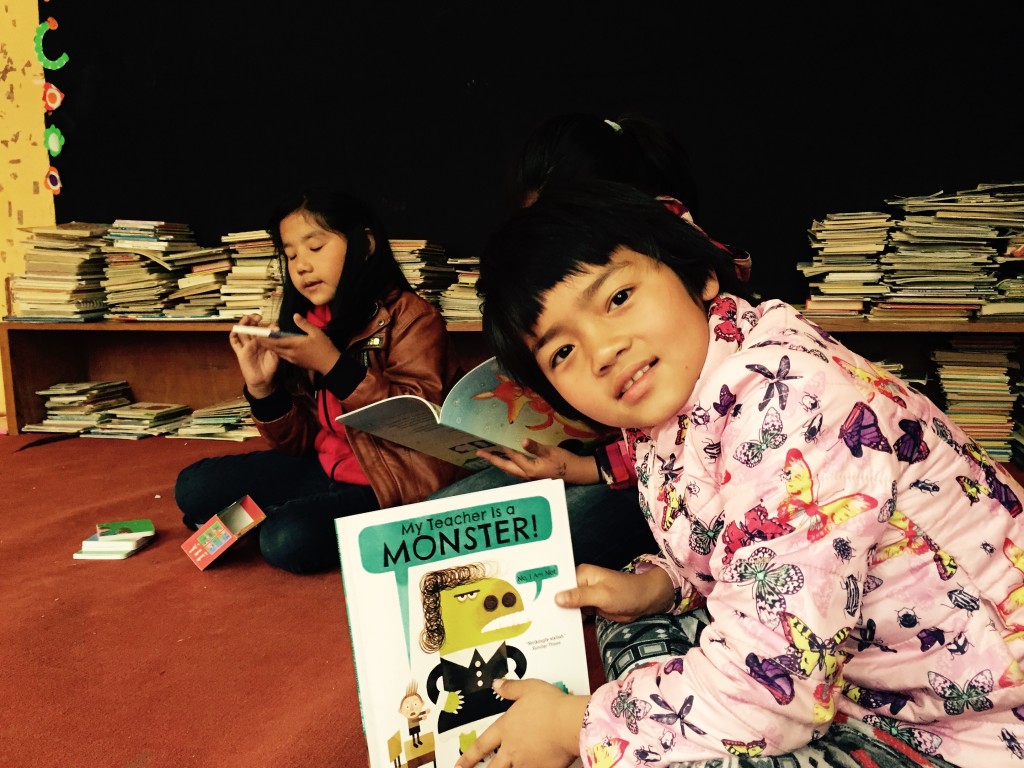
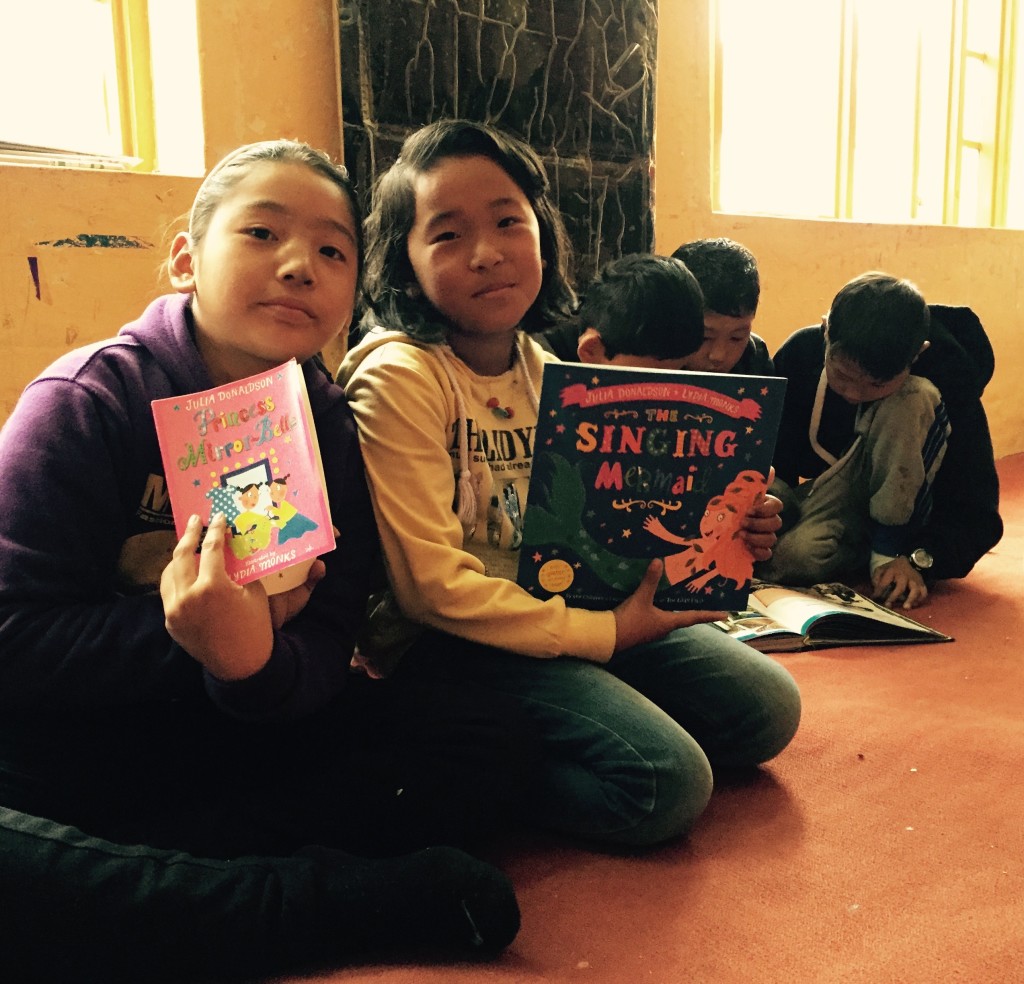
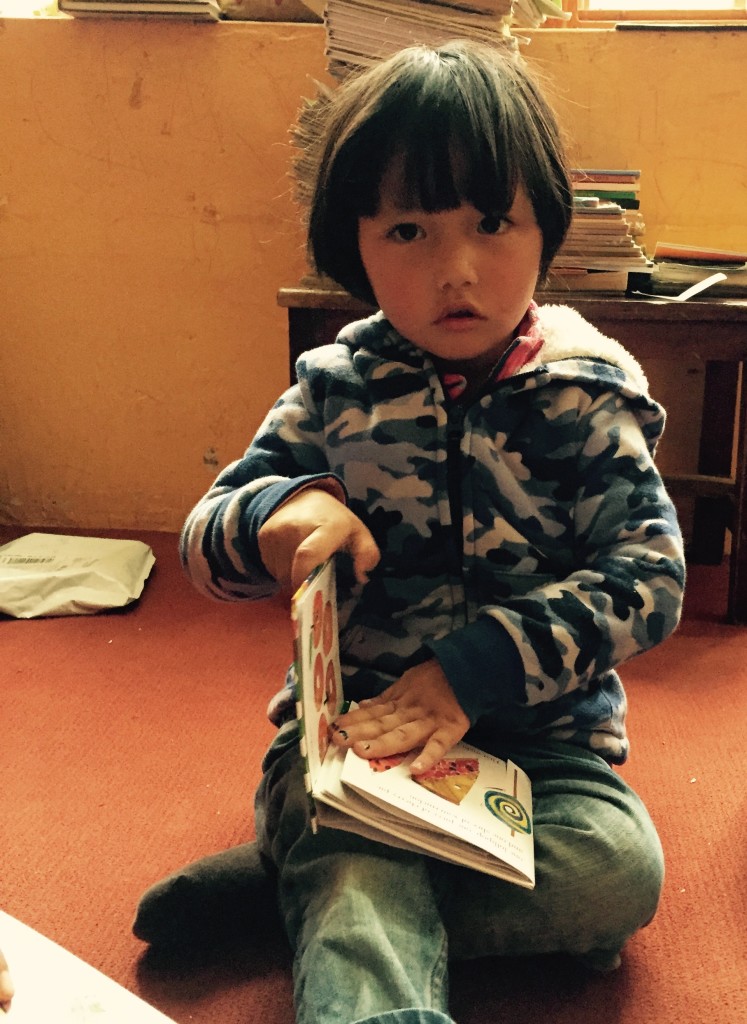
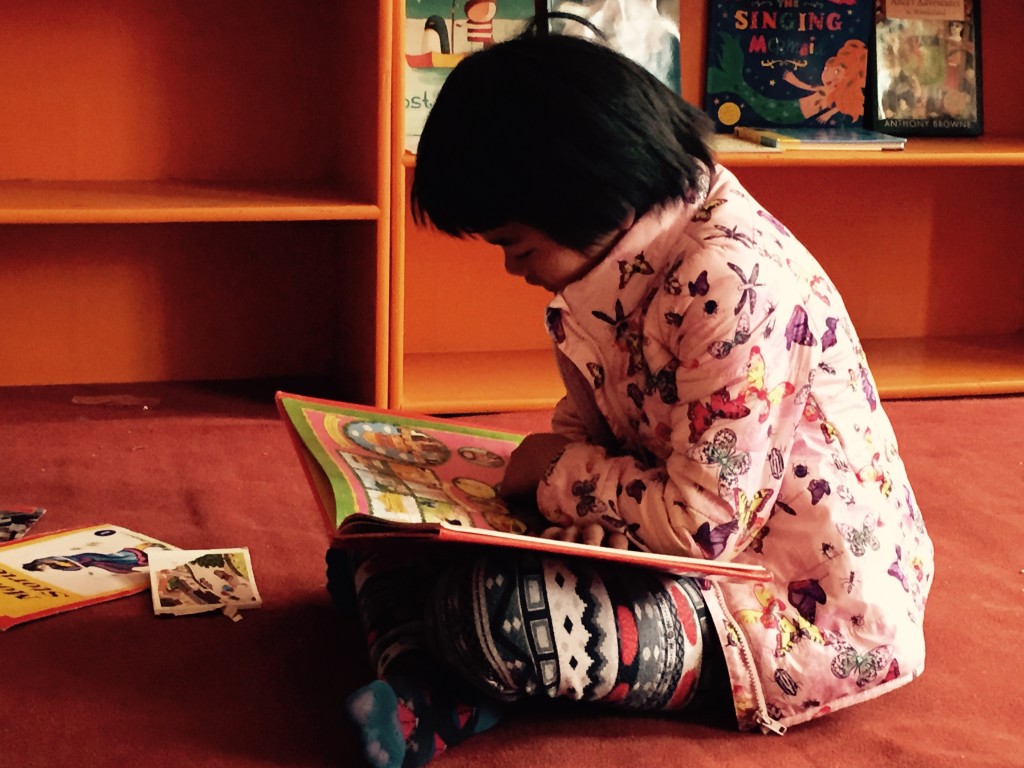
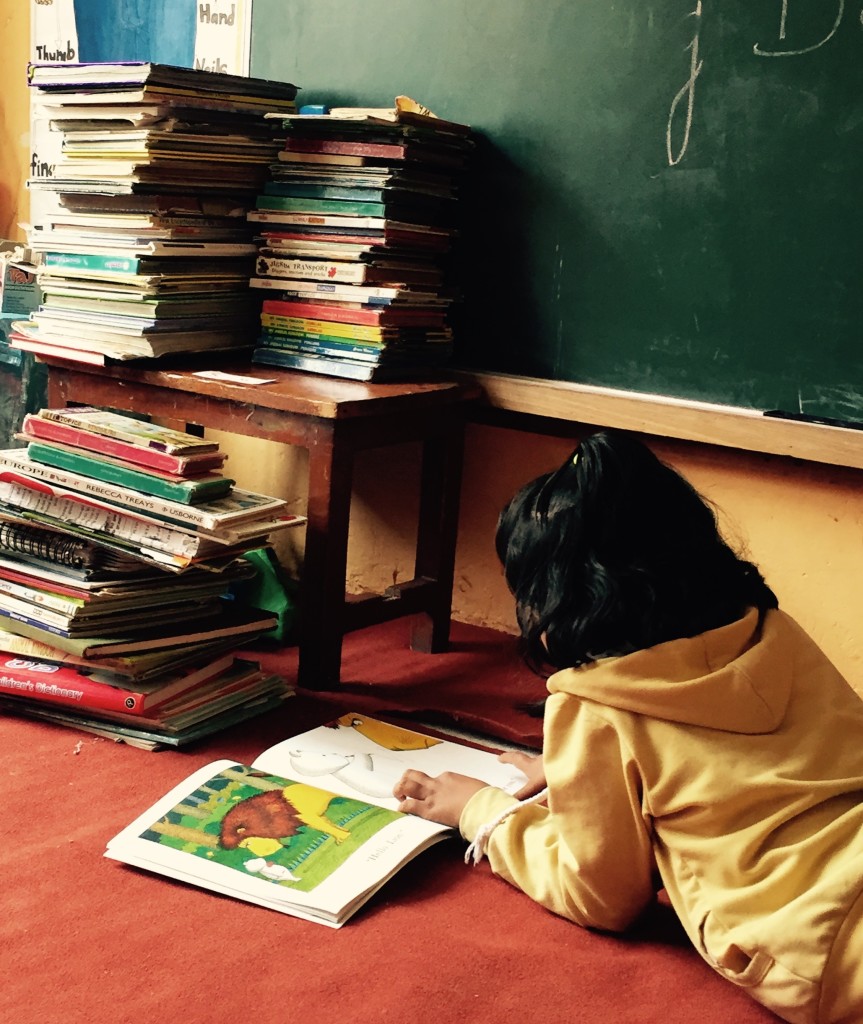
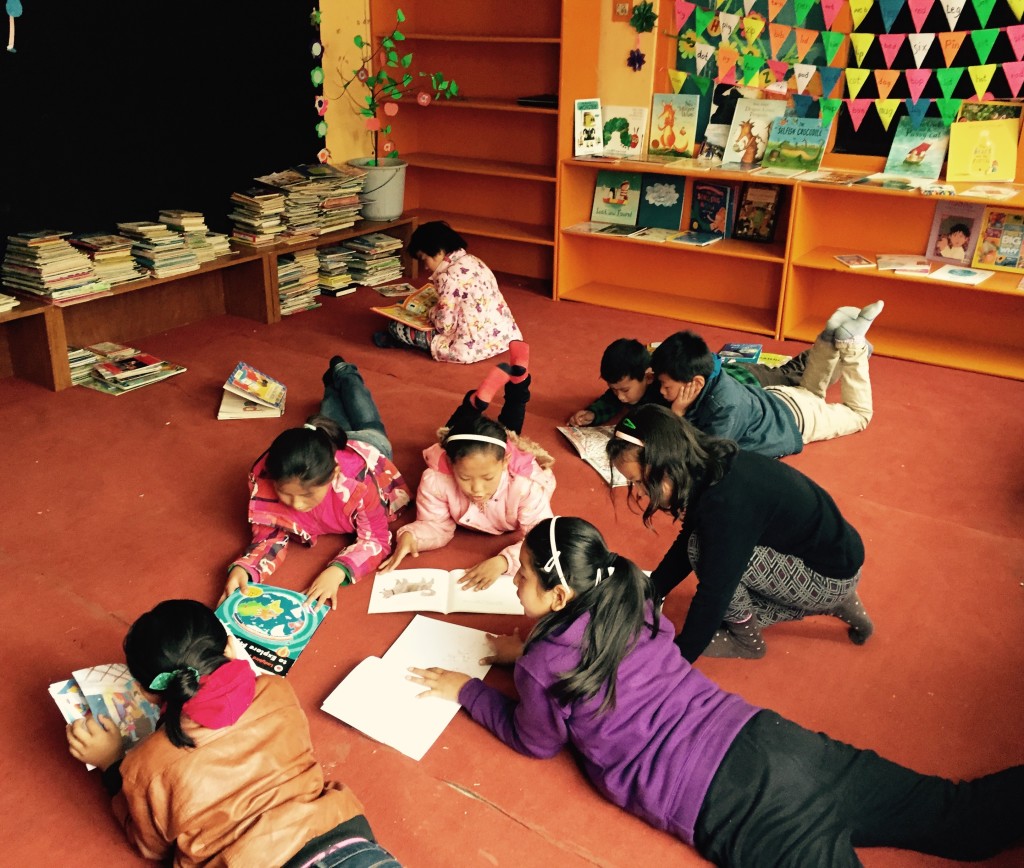
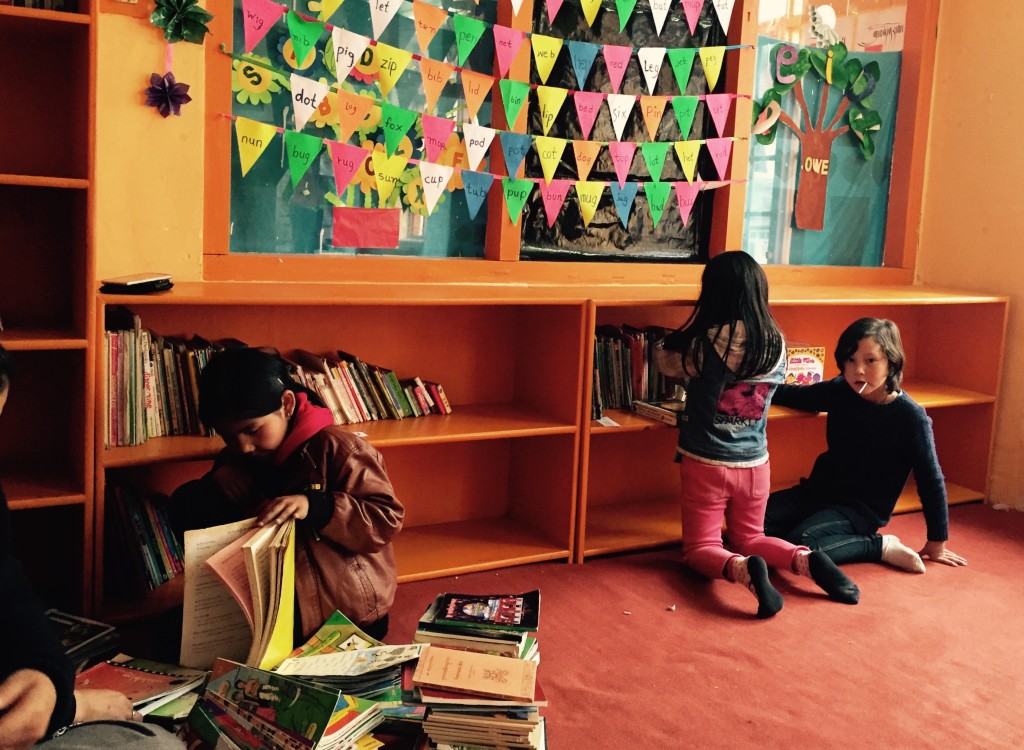
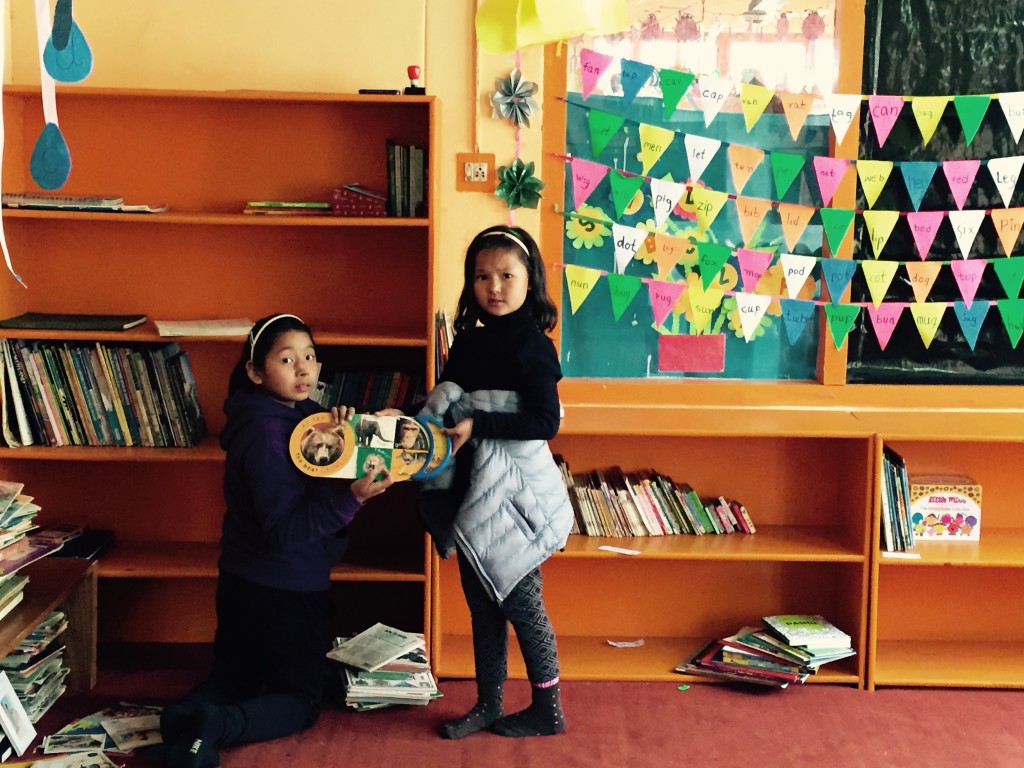
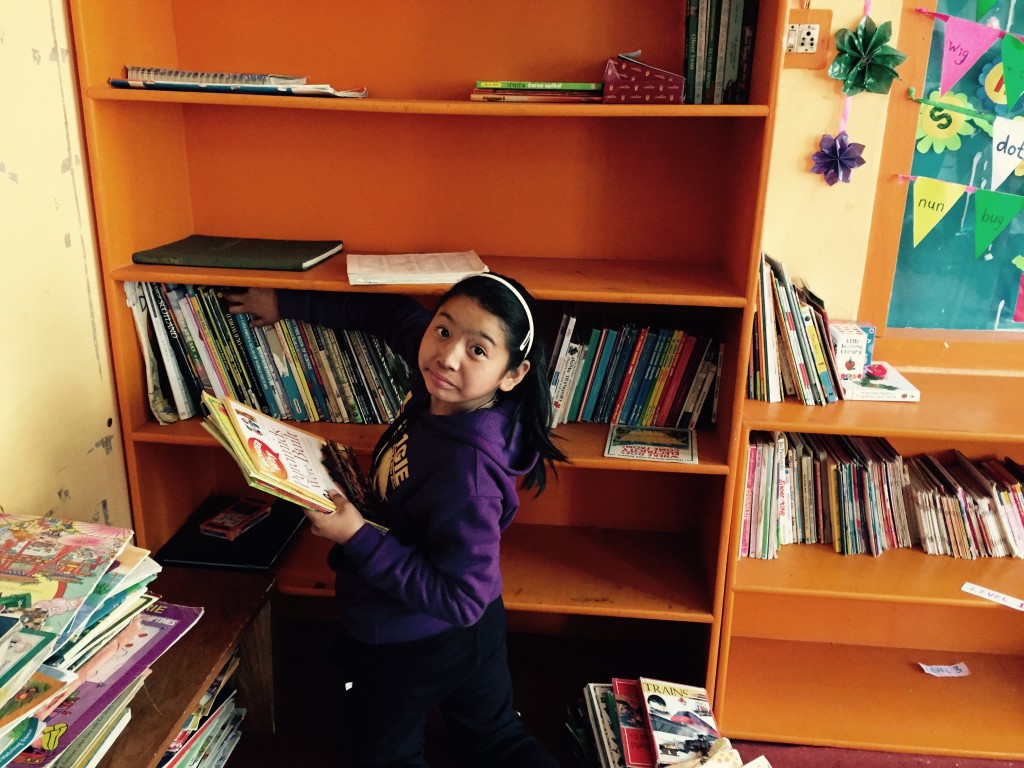
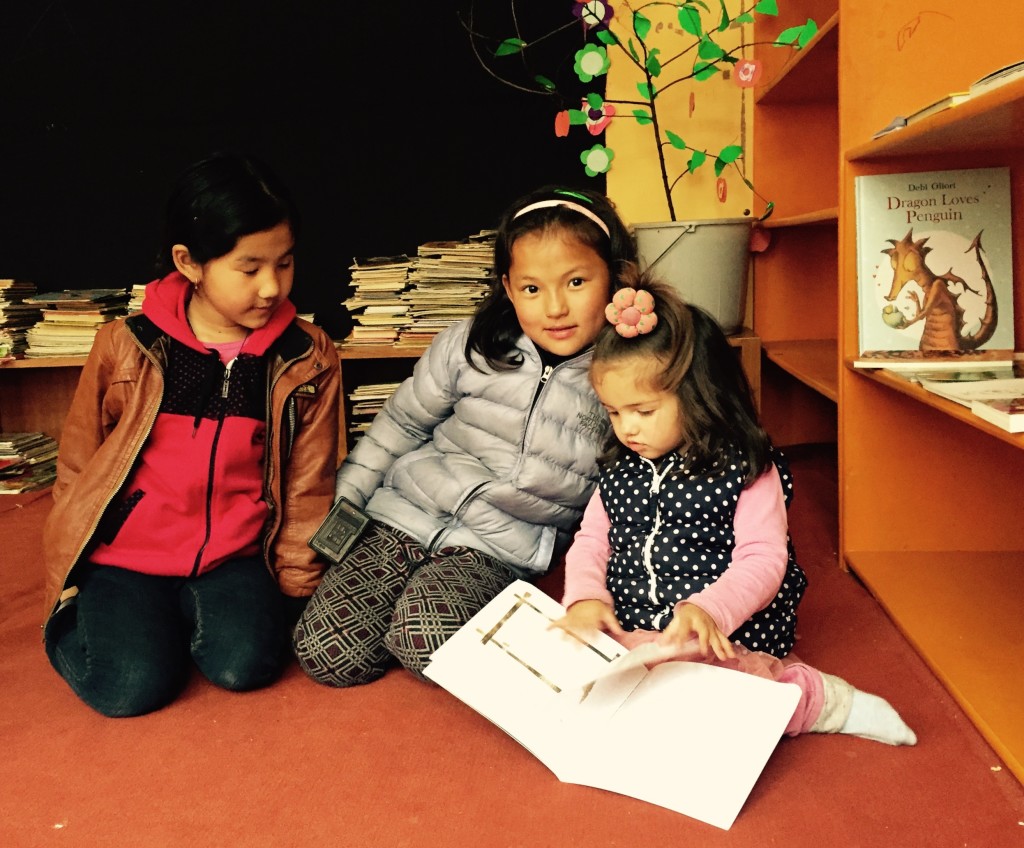
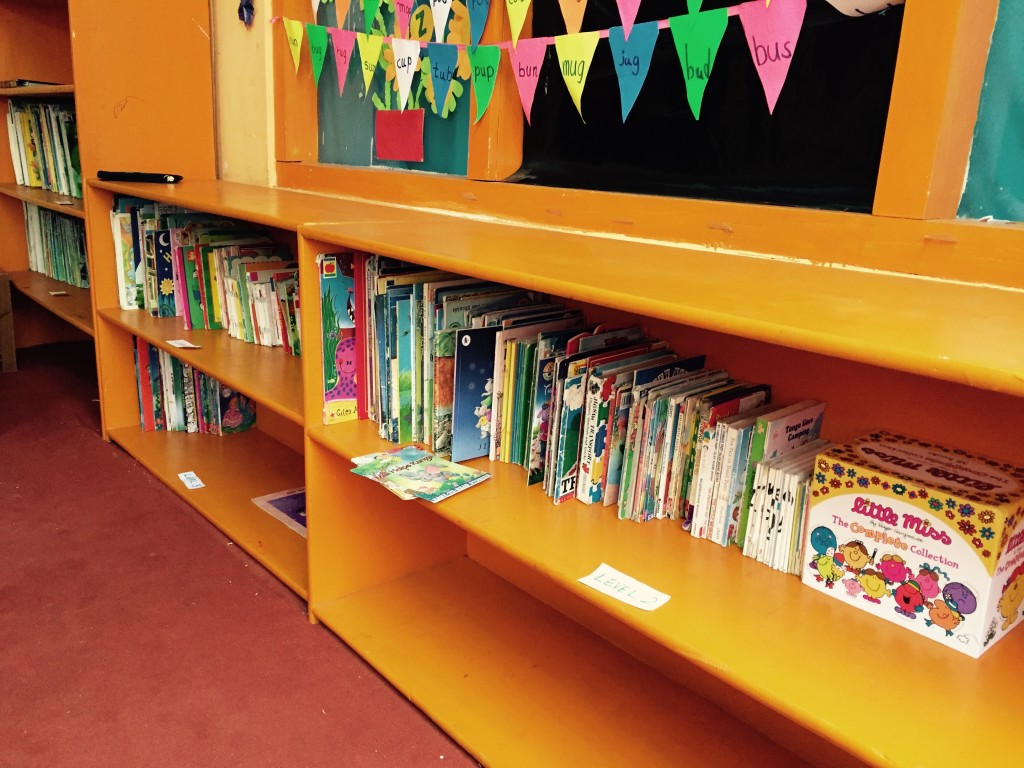
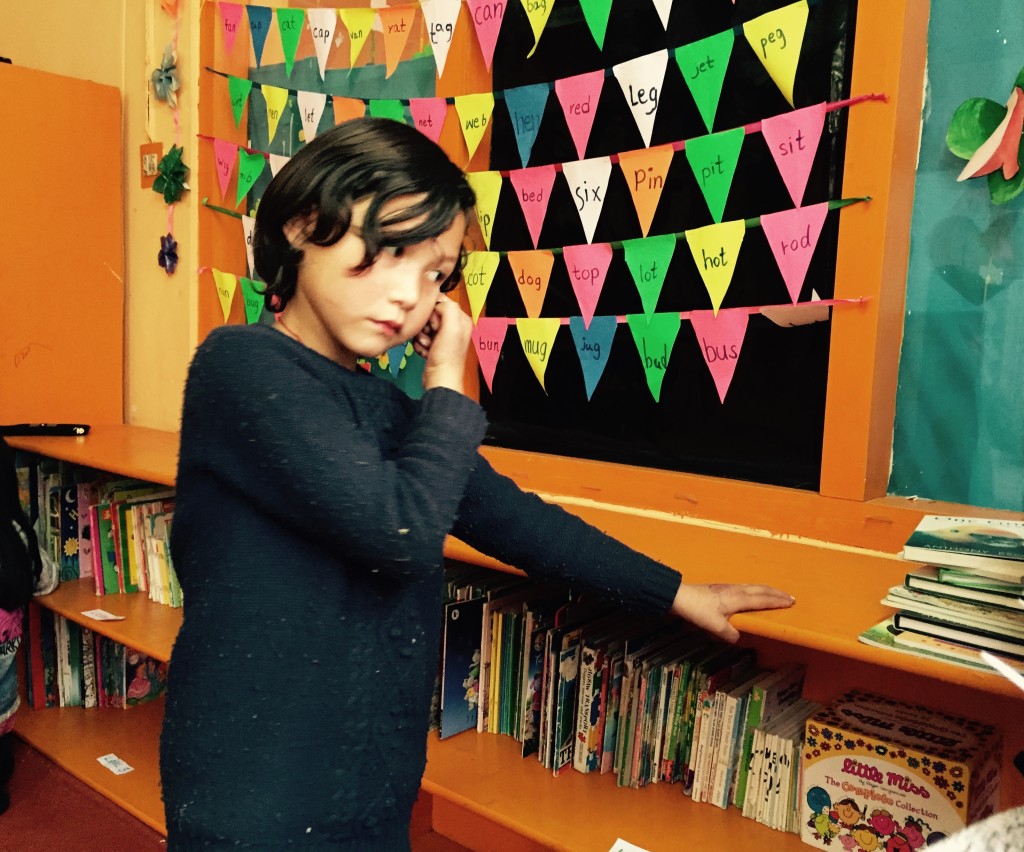
A reading room is more than a space filled with shelves. It can provide a calm setting for homework, shared reading and informal learning. Children who do not have many books at home can browse at their own pace, return to favourite stories and discover subjects beyond their daily surroundings.
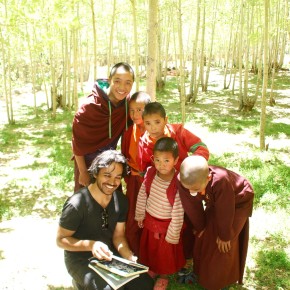
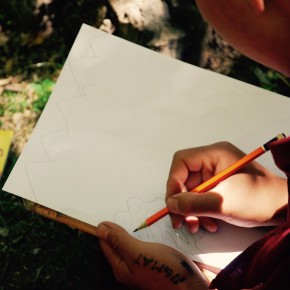
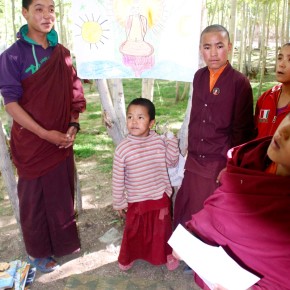
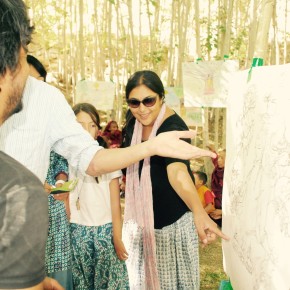
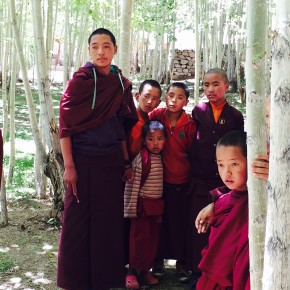
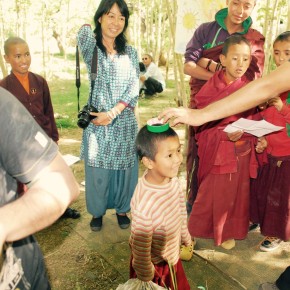
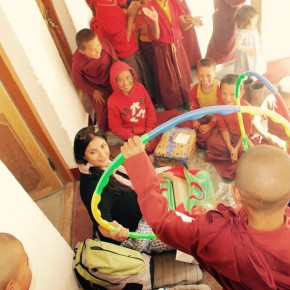
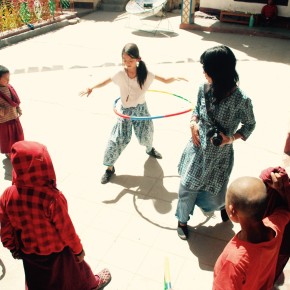
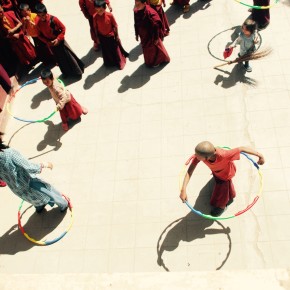
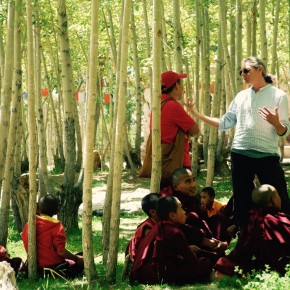
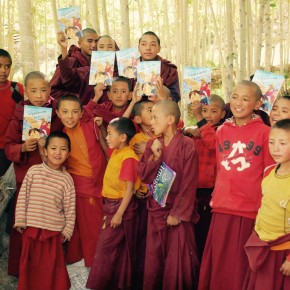
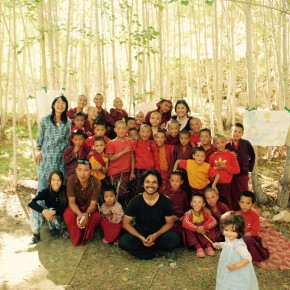
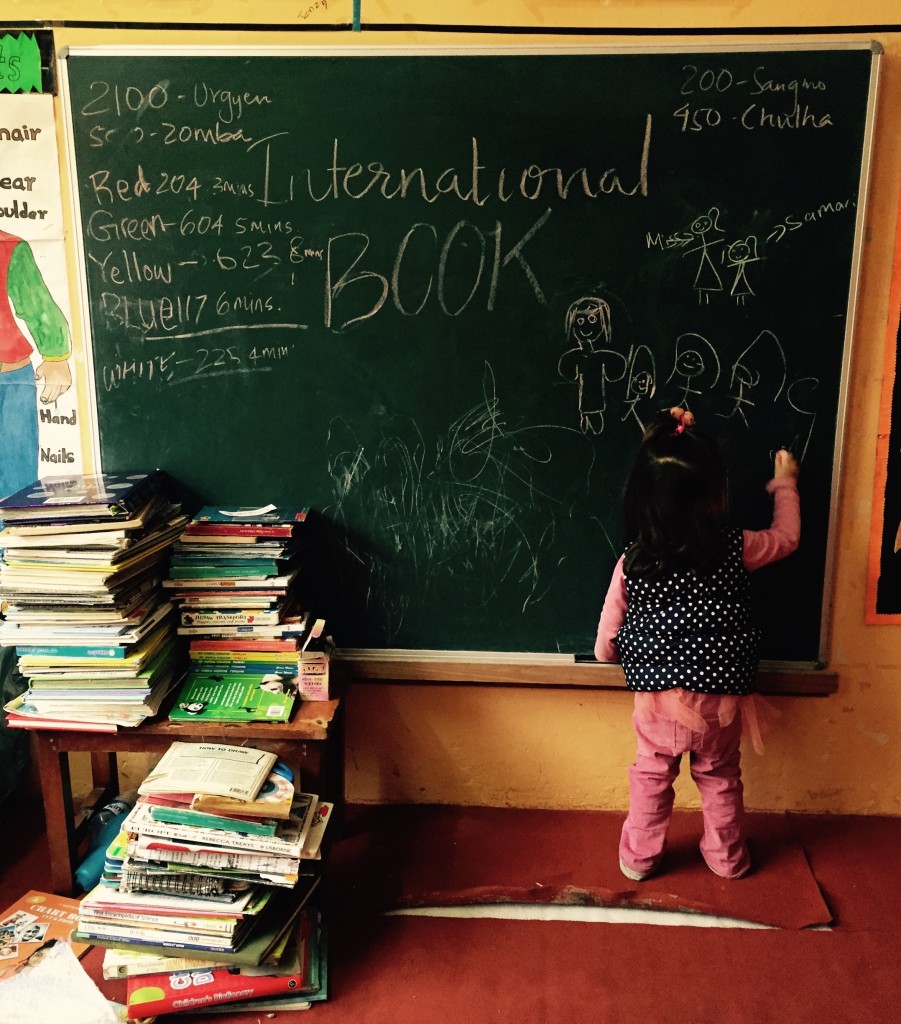
For young monks, educational activities can sit alongside spiritual study and monastery life. Art, music and storytelling create different ways to communicate and learn. A child who is hesitant to speak in a classroom may express an idea through a drawing, a song or a retelling of a familiar tale.
The Trust’s reading work reflects this broader view of education. Books are important, yet they become more useful when children have welcoming spaces, supportive adults and opportunities to use their imagination.
The Journey Across The Pass
On the morning of the crossing, the books had to be packed carefully. Dampness, dust and rough movement could damage paper and covers, so the box needed protection without becoming too heavy for the donkey. The route demanded patience: a steep climb, a pause near a rocky bend and a careful descent towards the settlement.
A mountain pass changes the meaning of distance. On a city map, a village may appear close to a larger town. On foot, the same route can involve hours of climbing, limited transport and weather that changes quickly. A box of books may need to travel through several hands before it reaches a teacher or community organiser.
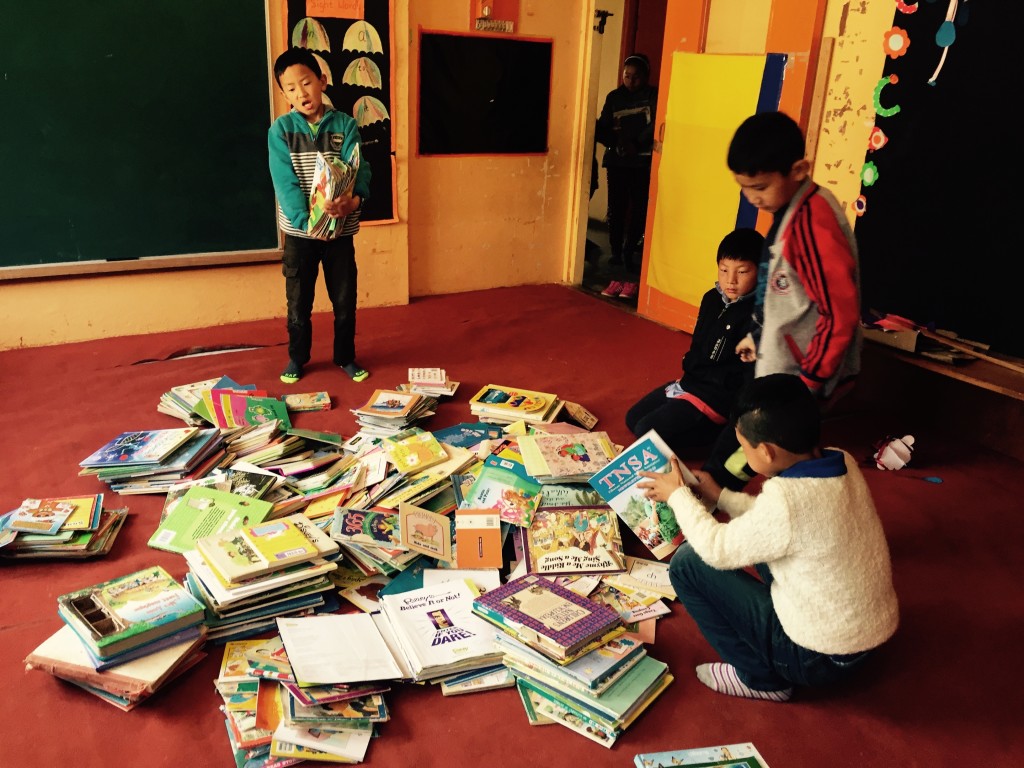
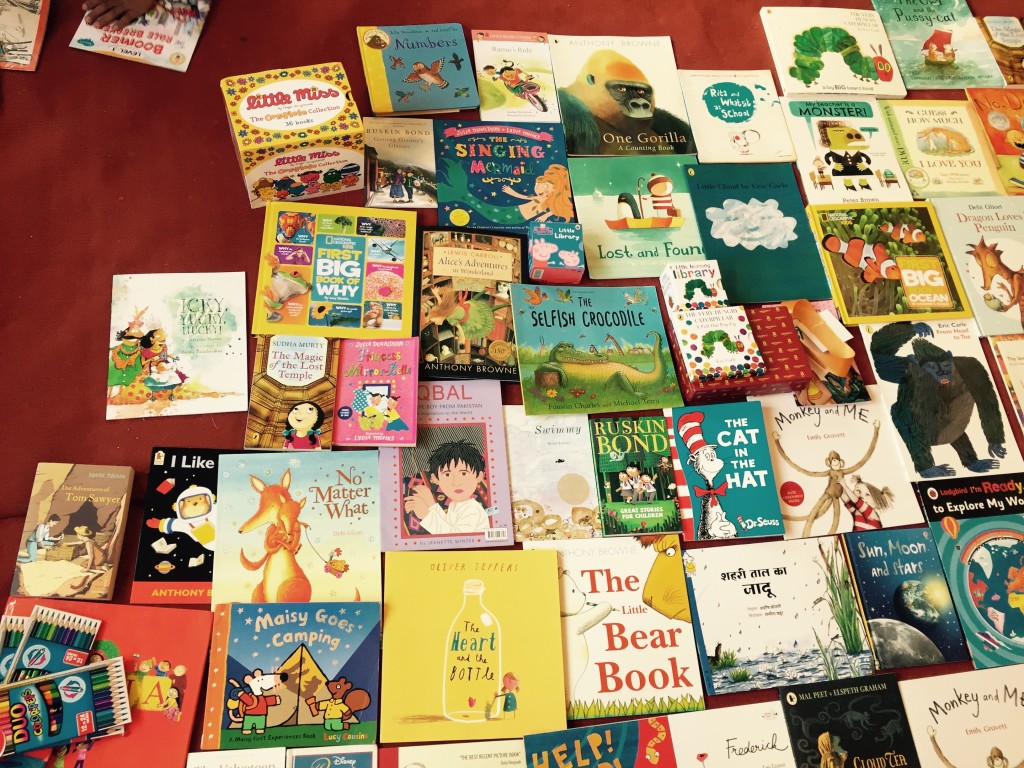
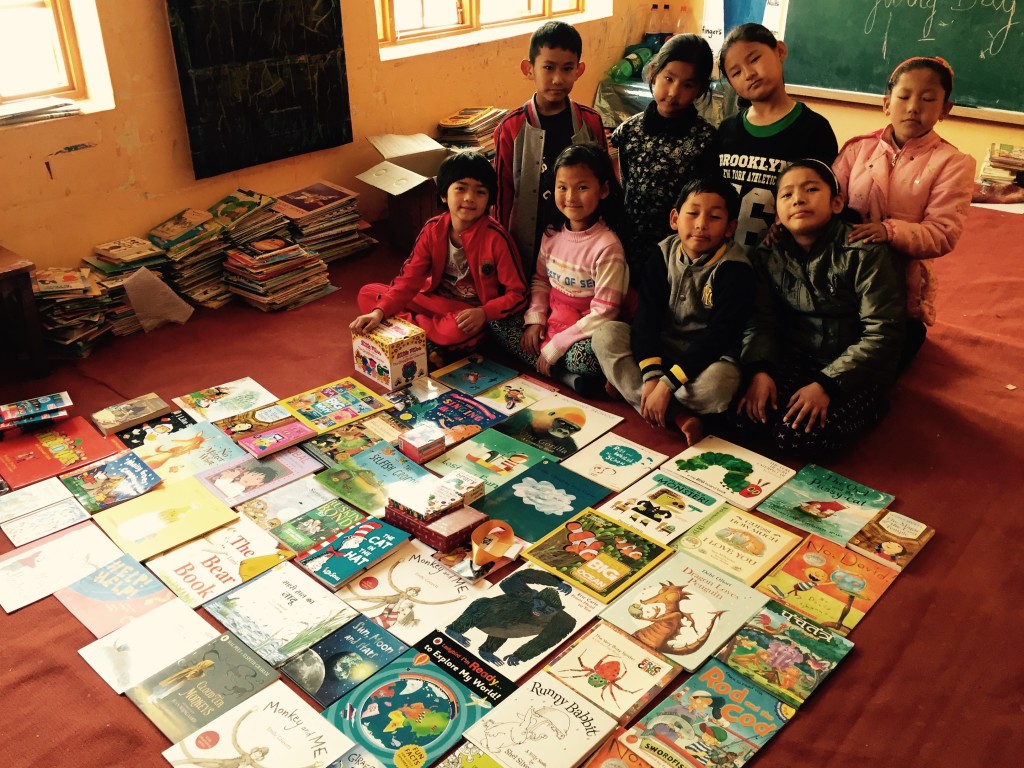
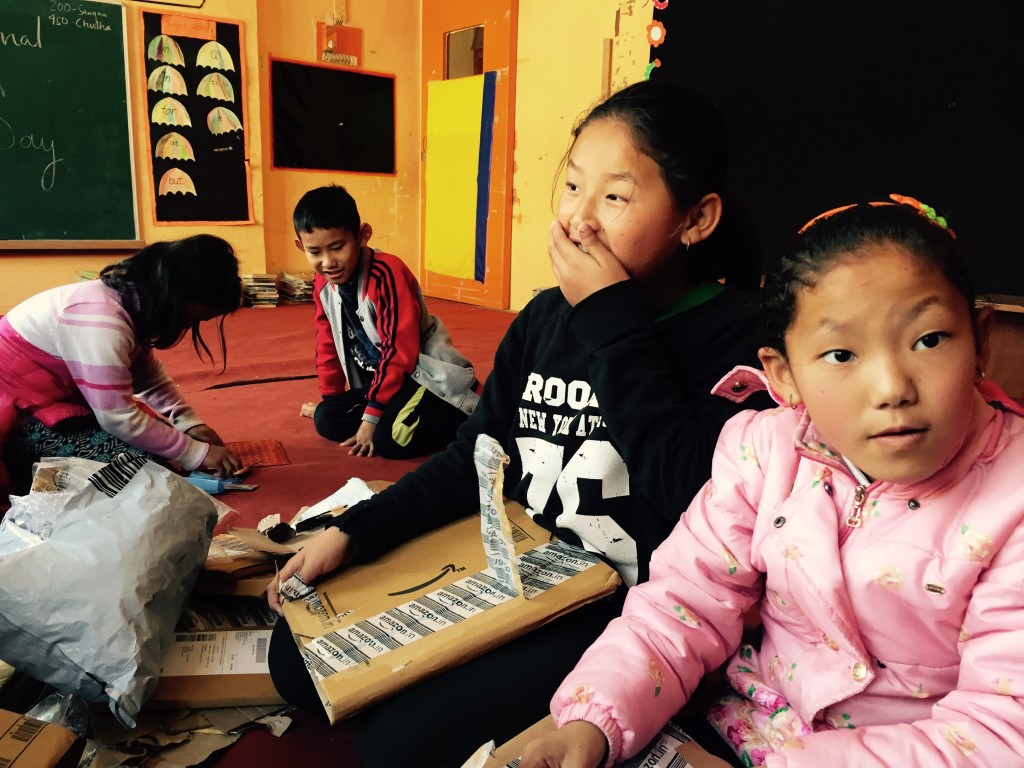
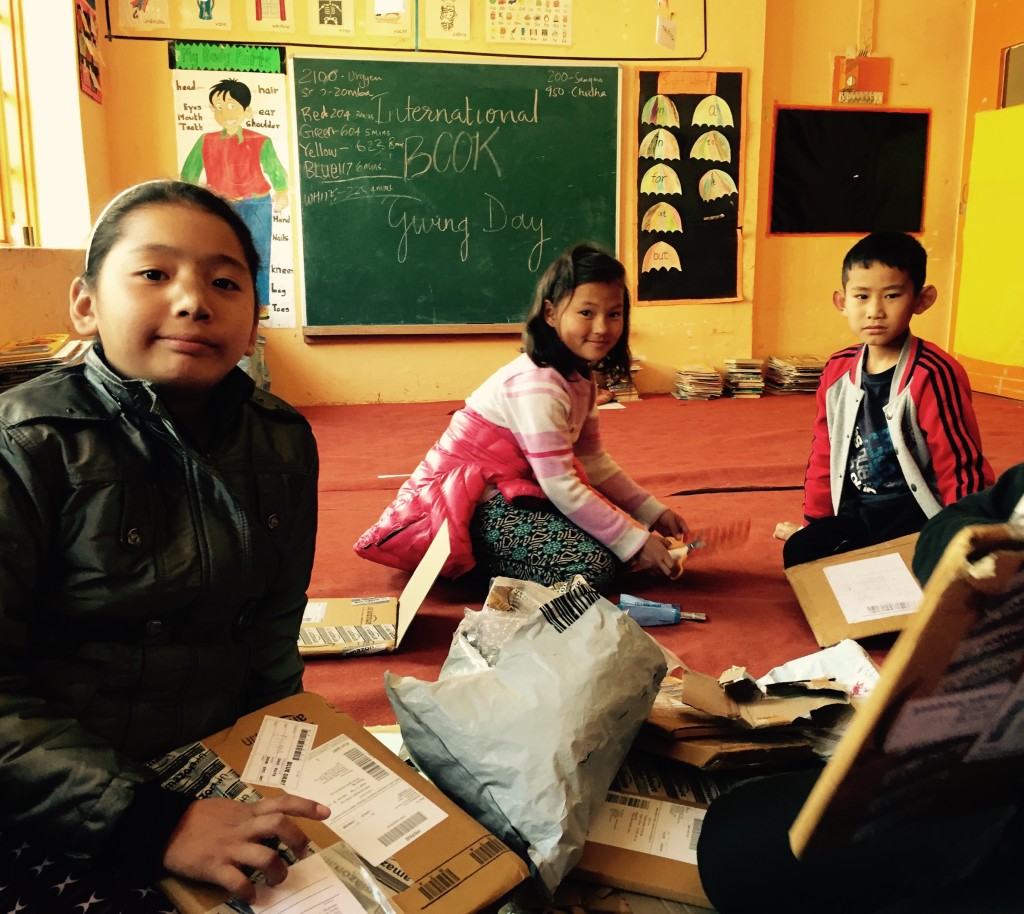
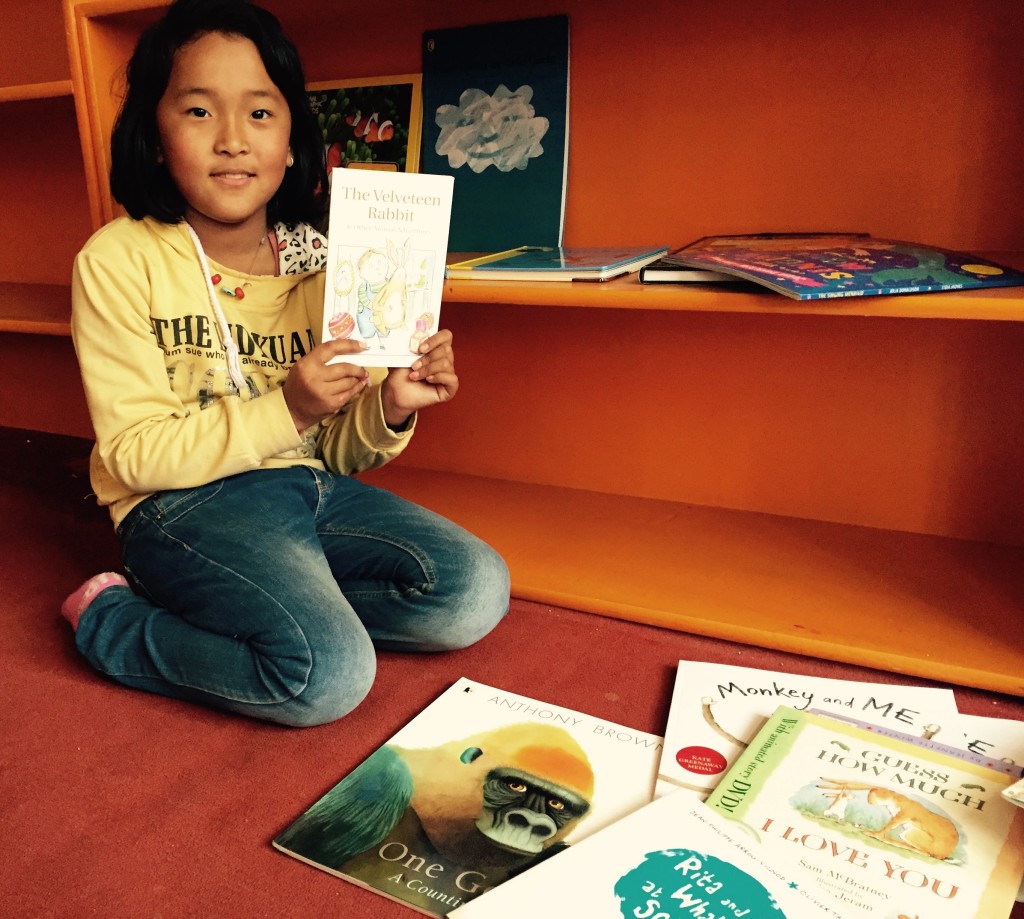
The children waiting at the far end may never see the full journey. They see a parcel arriving, a lid opening and bright covers appearing one by one. That moment is simple, but it carries the work of donors, book collectors, drivers, porters and local partners.
What Australian Support Can Look Like
In Australia, book giving often begins with an everyday habit. Families clear a shelf, schools hold a reading week, and neighbourhood groups organise a weekend collection. In Melbourne, a community book swap can gather children’s fiction and illustrated non-fiction; in Sydney, a school library may invite families to donate carefully kept titles at the end of term.
The local market also shapes what is available. Op shops, independent booksellers, library sales and online second-hand marketplaces can provide affordable books, although donated materials need to be suitable, clean and relevant to the receiving community. A large quantity of unsuitable books creates extra sorting and shipping costs.
Supporters should also understand the Australian charity framework. The Australian Charities and Not-for-profits Commission regulates registered charities, while the Australian Taxation Office explains when a donation to a deductible gift recipient may be tax deductible. A receipt and clear records are important, especially for donors preparing their annual return.
Volunteers need to follow safeguarding requirements as well. Working with Children Checks are administered through state and territory systems, so a person travelling from Brisbane, Adelaide or Hobart should confirm the rules that apply to the organisation and the work involved.
From A School Shelf To A Mountain Shelf
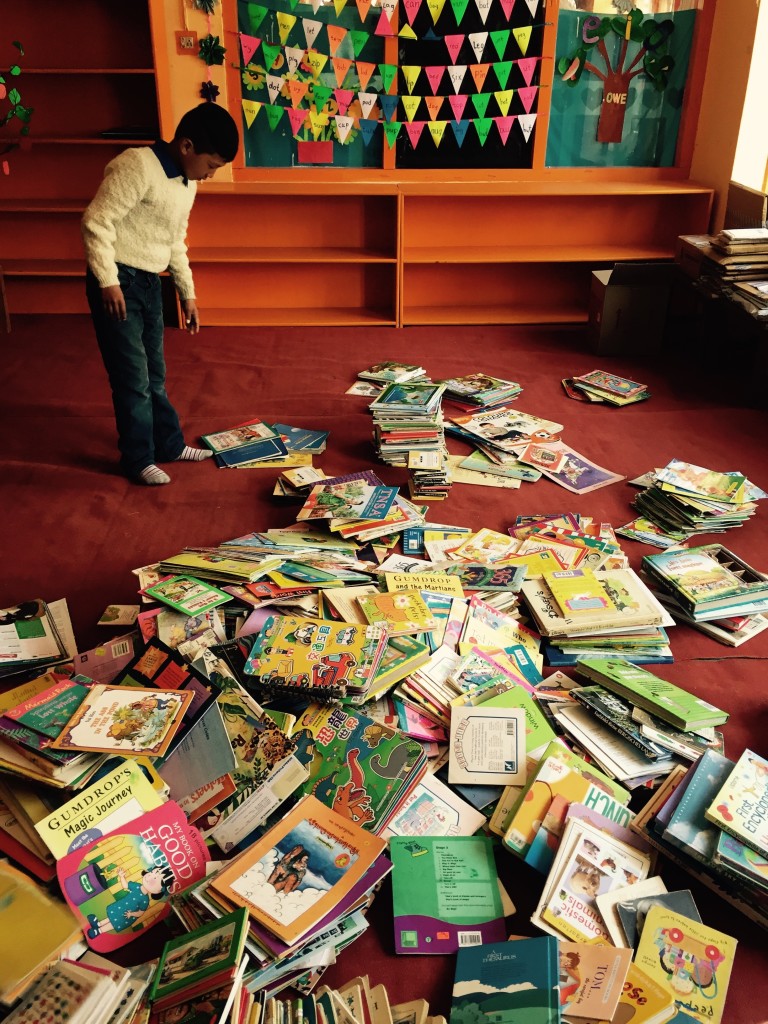
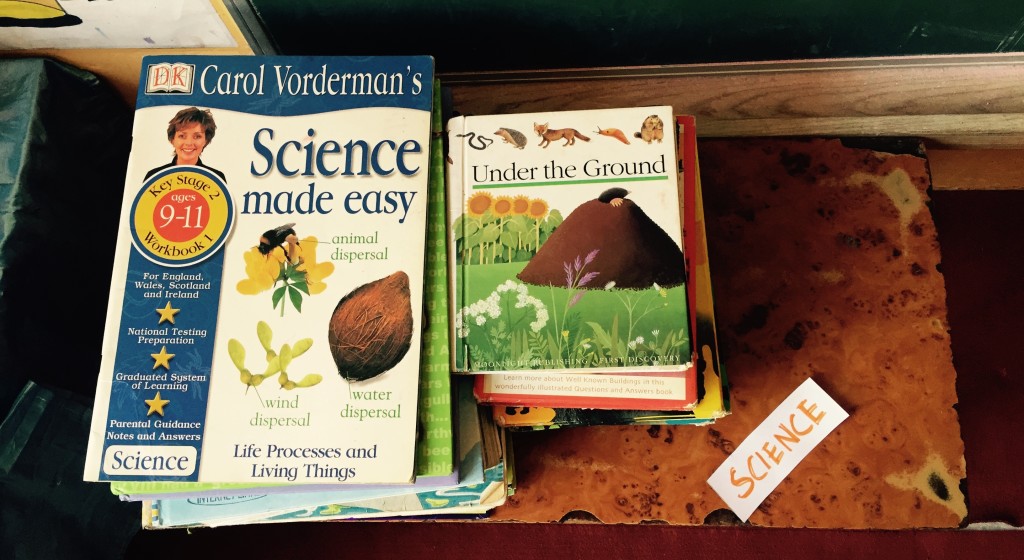
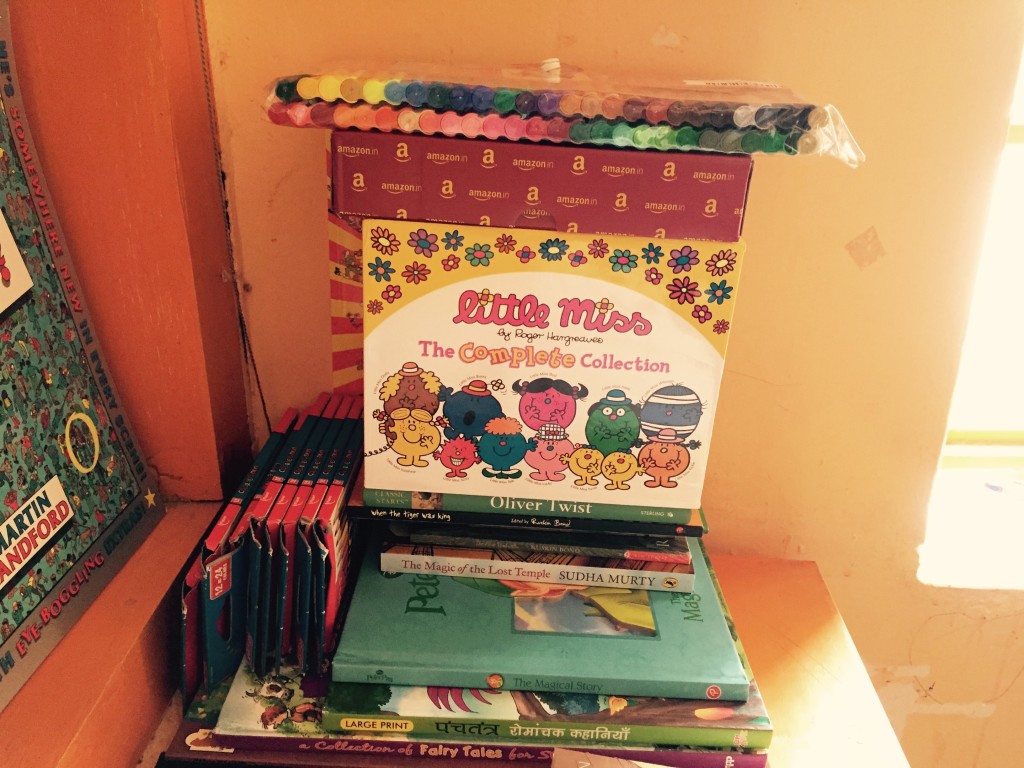
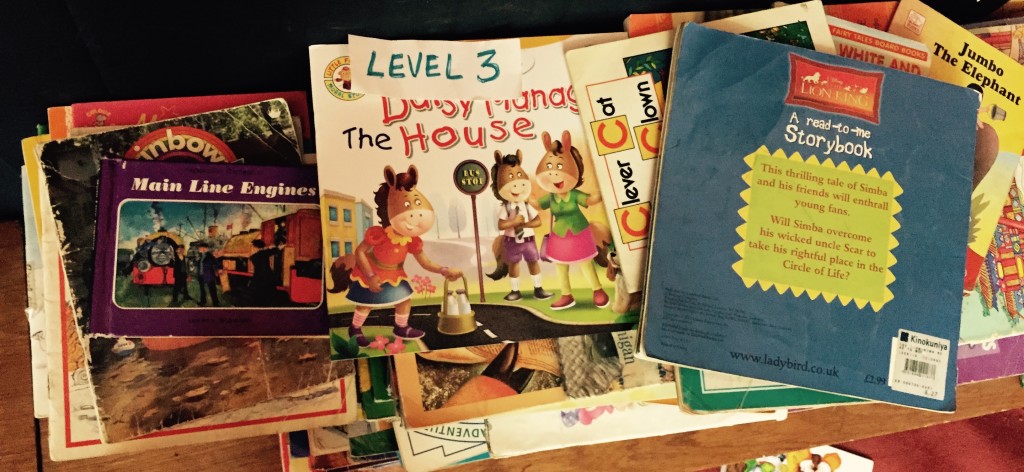
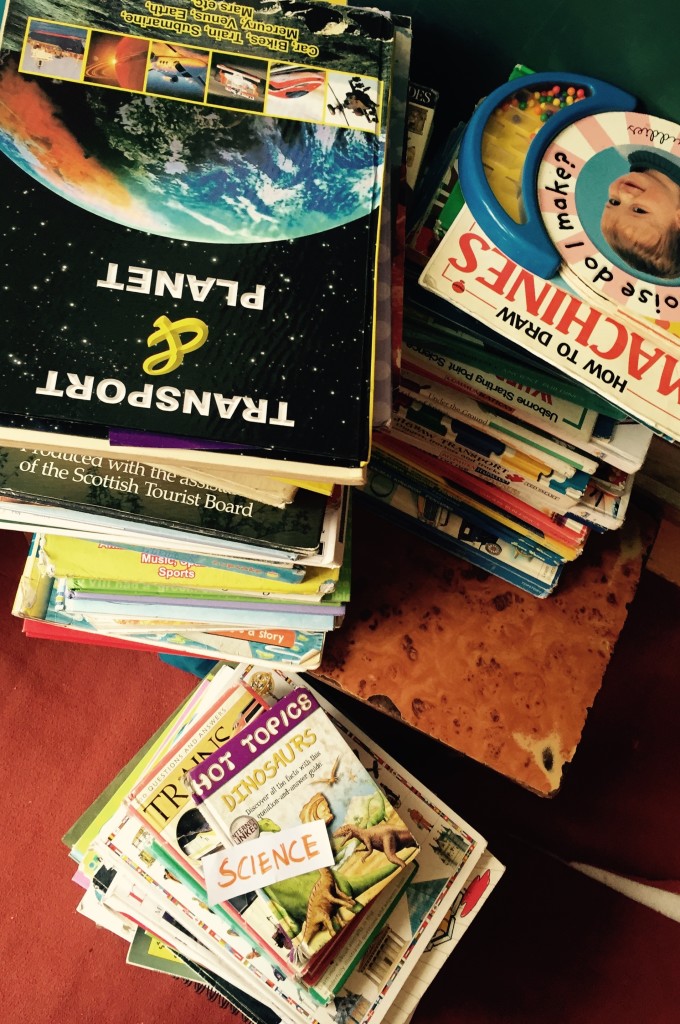
A successful book drive begins with selection rather than volume. Early readers, illustrated stories, atlases, science books, poetry and activity books can all have value when they suit the age group and educational setting. Torn, heavily marked or culturally unsuitable books are less helpful, even when donated with good intentions.
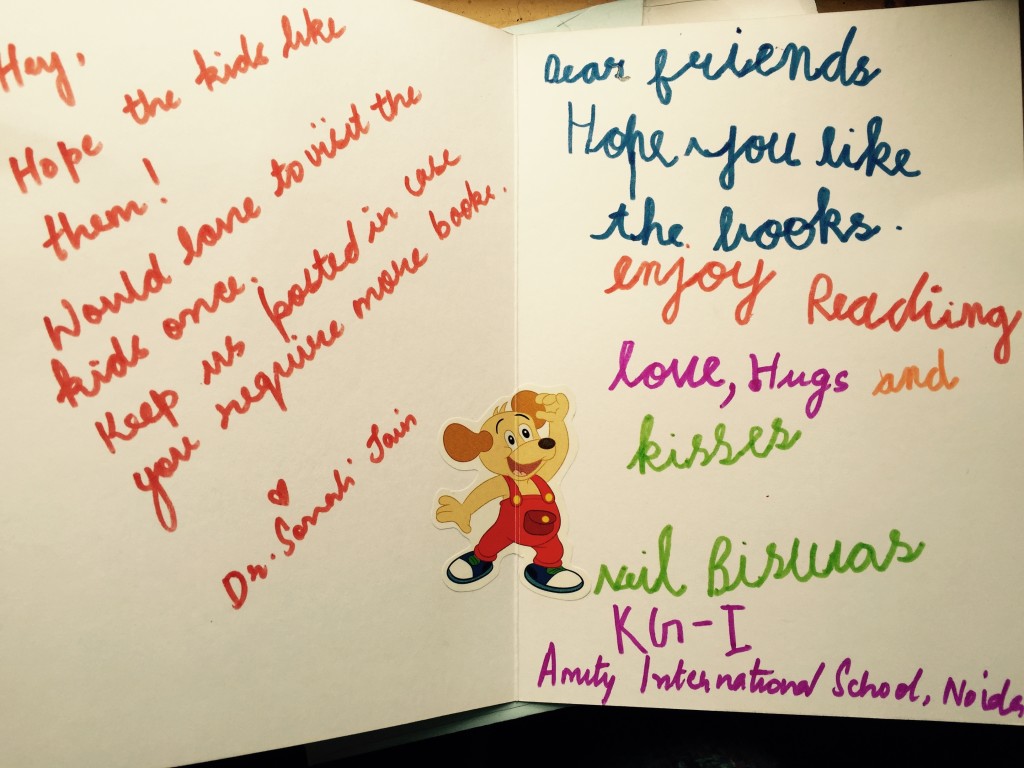
Teachers and community organisers can make the process more meaningful by inviting children to write a short note inside a donated book. A message from a student in Canberra or Newcastle can remind a young reader in Ladakh that the book travelled with care. The exchange should remain respectful and avoid presenting one culture as a curiosity.
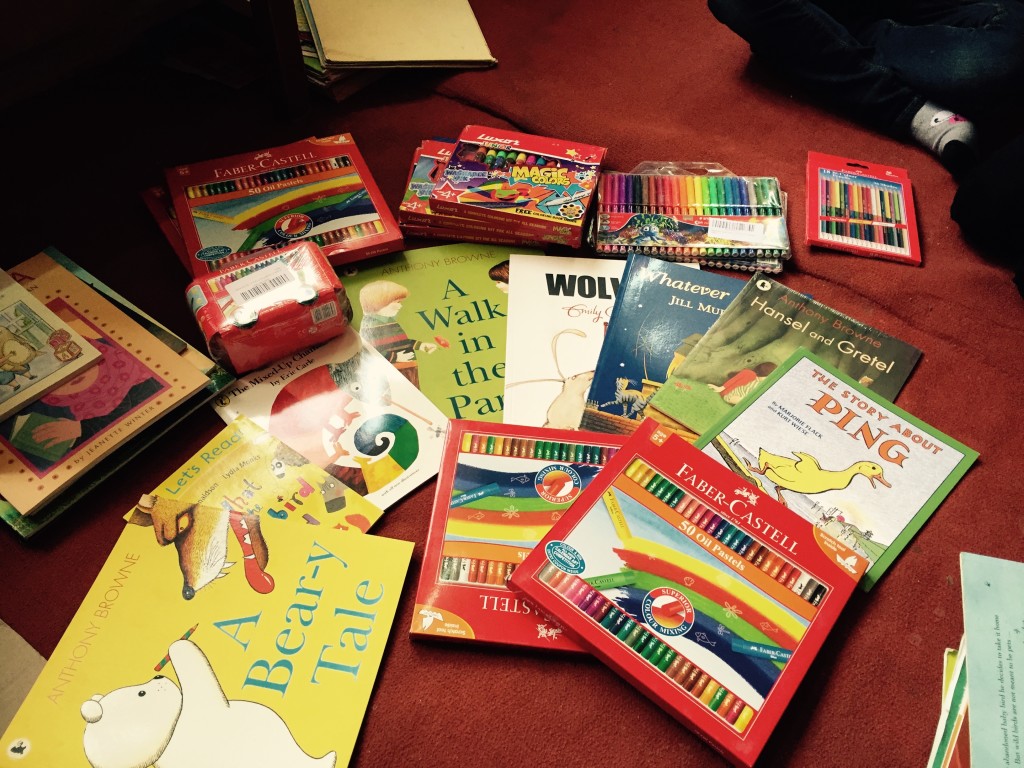
Music and art materials can travel alongside books when local partners request them. Coloured pencils, paper, simple instruments and craft supplies may support activities in a reading room, but transport, durability and local usefulness should guide every choice.
The strongest programmes listen to the communities they serve. Local educators understand which languages, reading levels and subjects are needed. Their knowledge should shape the contents of each box more than the preferences of distant donors.
Comparing Ways To Support A Reading Journey
| Support method |
Immediate benefit |
Practical consideration |
| Donate suitable books |
Builds a varied collection |
Books must match local needs and condition standards |
| Give funds for local purchasing |
Allows flexible, relevant selection |
Requires trusted local coordination |
| Sponsor reading activities |
Supports storytelling, art and music |
Activities need trained or supported facilitators |
| Volunteer skills |
Adds help with sorting, communications or events |
Screening and safeguarding requirements may apply |
| Share the story |
Raises awareness and community interest |
Images and personal stories should be used respectfully |
For Australian supporters, financial donations can sometimes be more efficient than shipping a heavy box overseas. Local purchasing may reduce freight costs and allow educators to choose books that reflect children’s languages, interests and learning goals. Physical donations remain valuable when they are requested and carefully prepared.
The most useful support is consistent. A single delivery can create excitement, while regular book drives and reliable funding help keep shelves active. Like the donkey’s steady progress, sustained effort may appear small from day to day but can carry a project a long way.
Practical Ways To Carry The Story Forward
A community group, school or family can turn the mountain journey into a thoughtful local project:
- Choose books in excellent condition and check that they suit the requested age range.
- Ask the organisation which languages, subjects and formats are most useful before collecting materials.
- Consider a financial gift when shipping costs would outweigh the value of donated books.
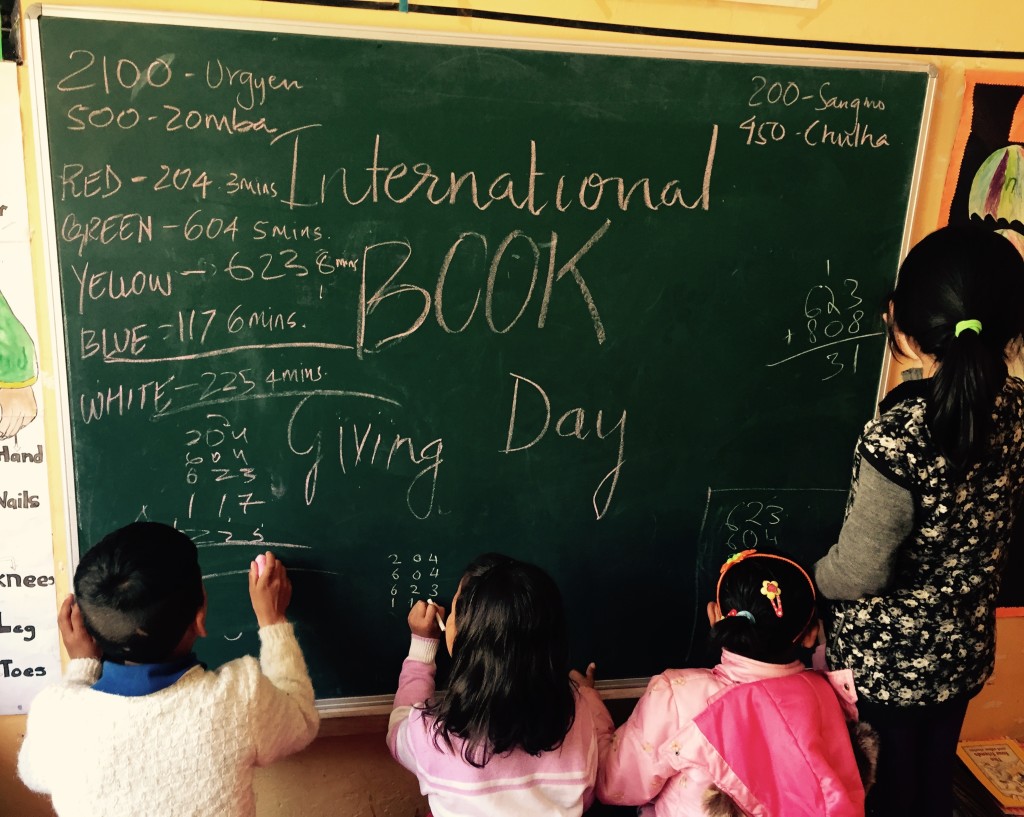
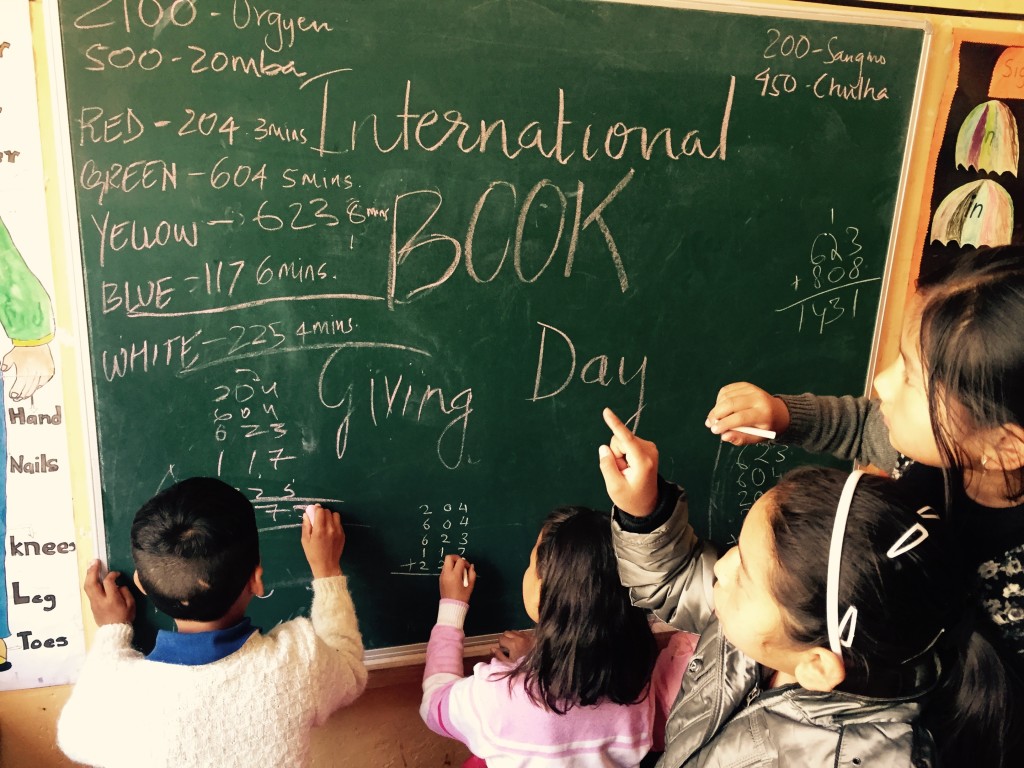
- Use a school reading day, library event or weekend book swap to involve children in giving.
- Keep donation records and check Australian tax and charity requirements before claiming a deduction.
- Follow safeguarding rules whenever volunteering involves children or young people.
The donkey’s load was small enough to carry, yet meaningful enough to change what children could do in their free time. A box of books can become a shared story, a new question, a drawing, a song or the first step towards independent reading.
Across Australia, practical support can begin with one shelf, one school collection or one carefully chosen donation. In the mountains, the same care continues along a narrow path, where each book is carried towards a child who is ready to open it. The takeaway is simple: choose useful resources, support trusted local knowledge and make every box count.