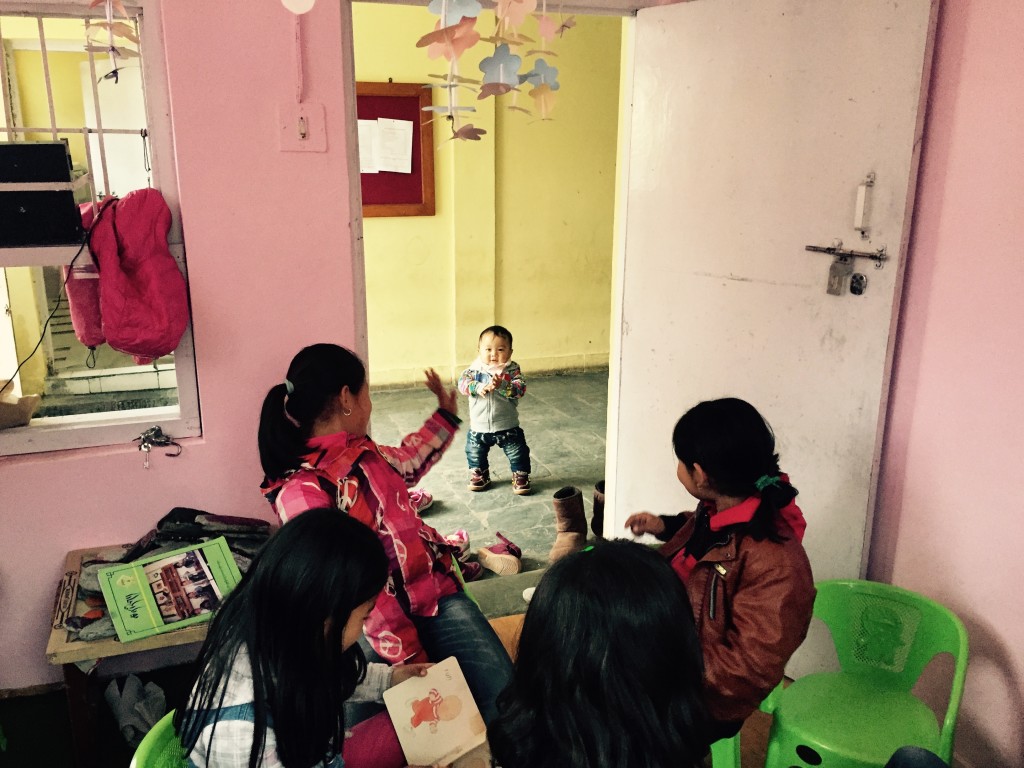
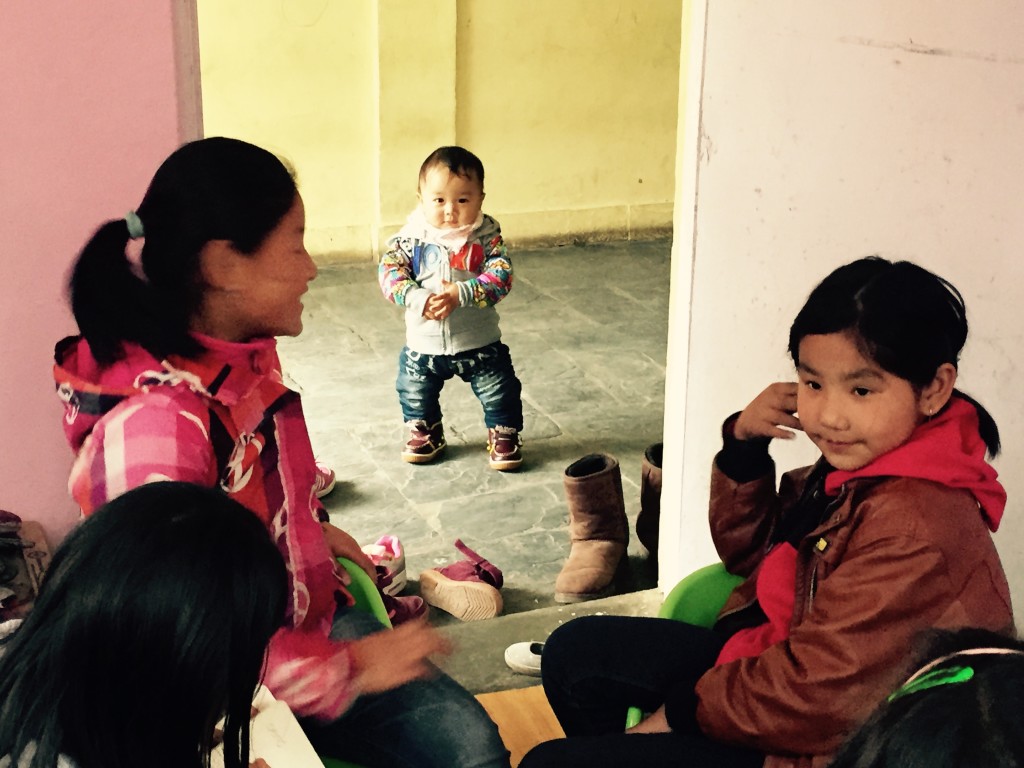
When a Child Looked for Her Grandmother in the Stacks
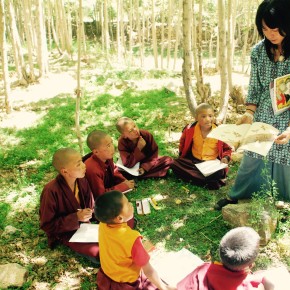
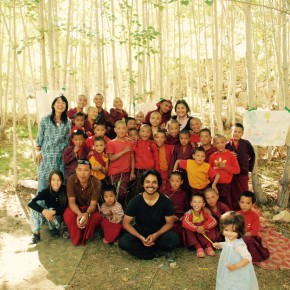
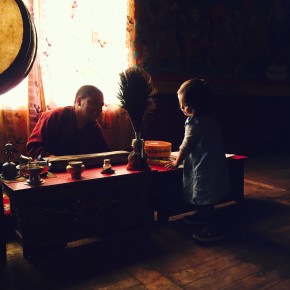
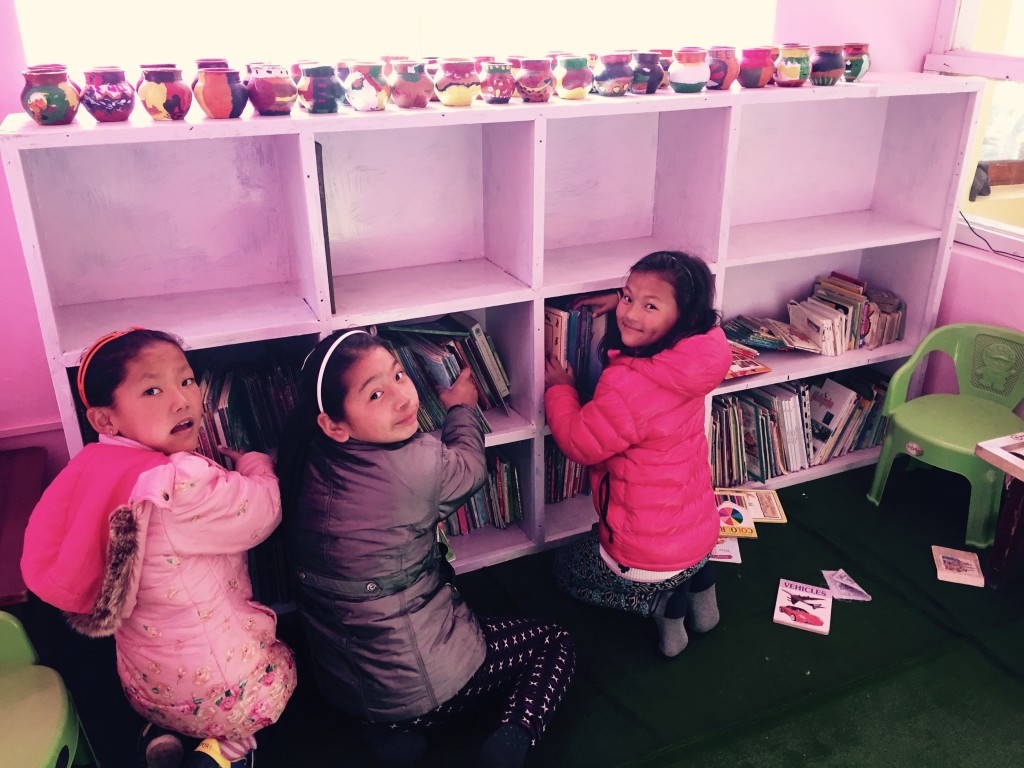
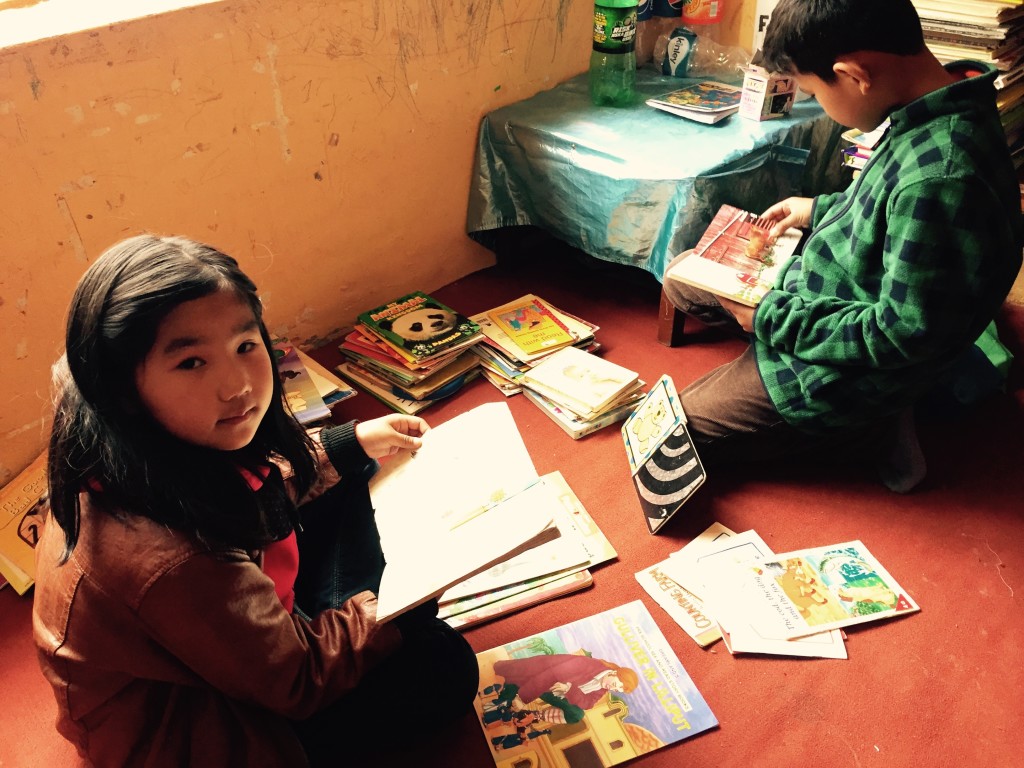
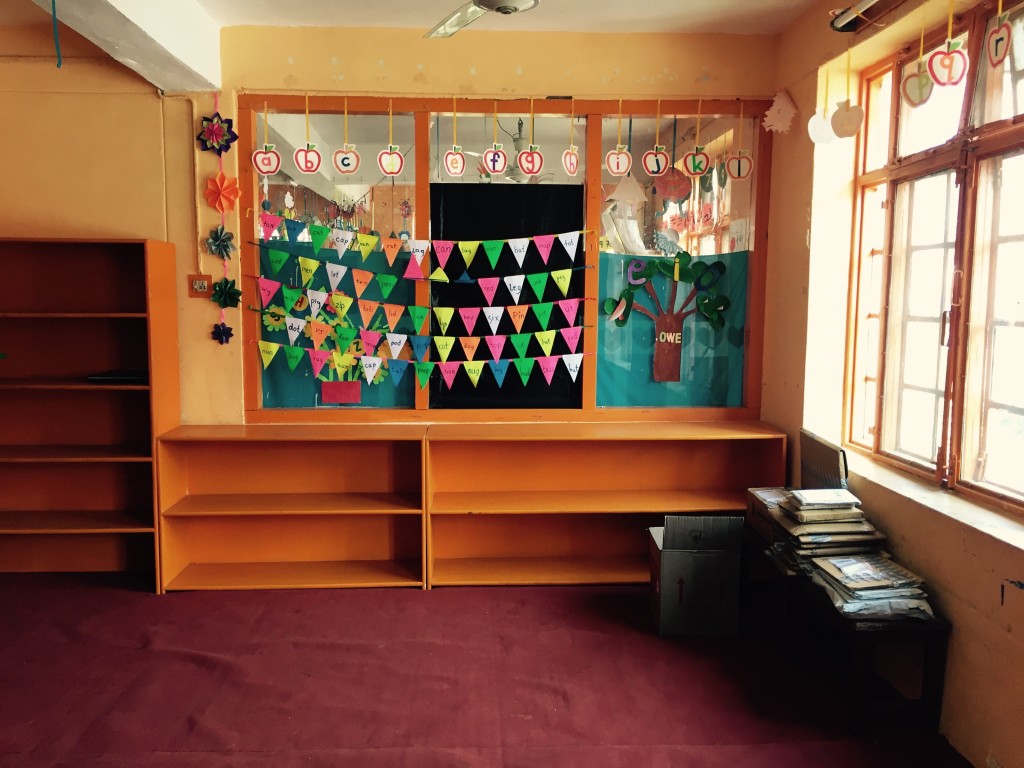
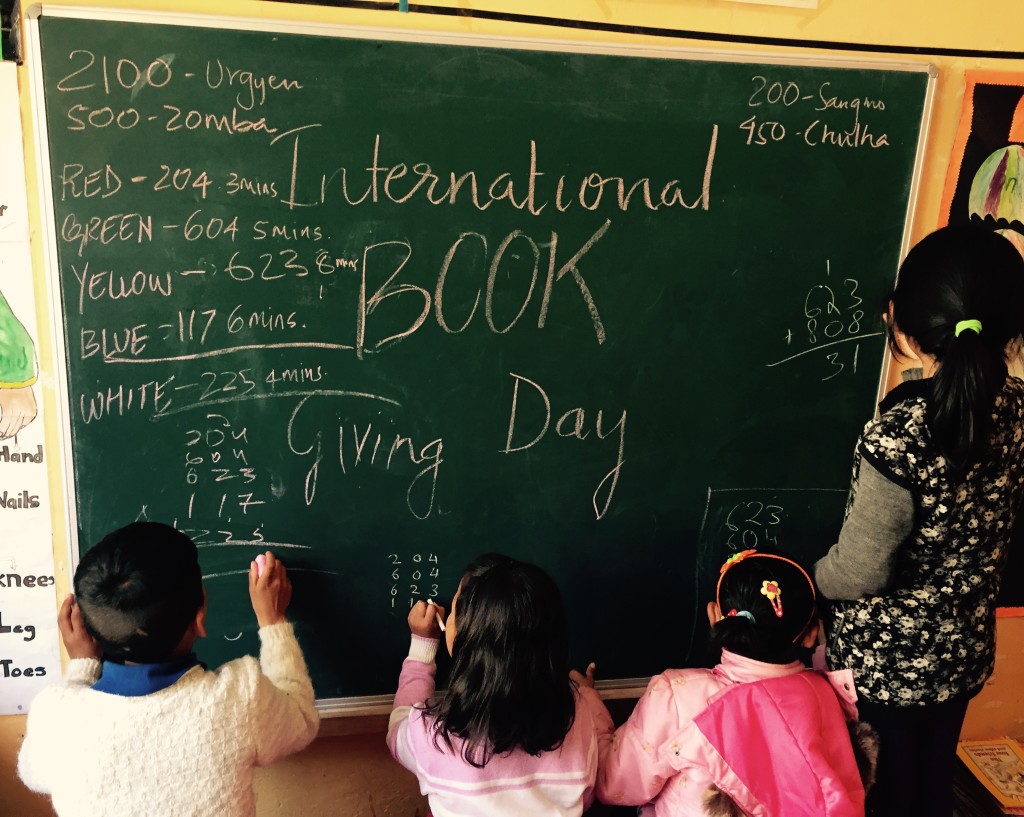
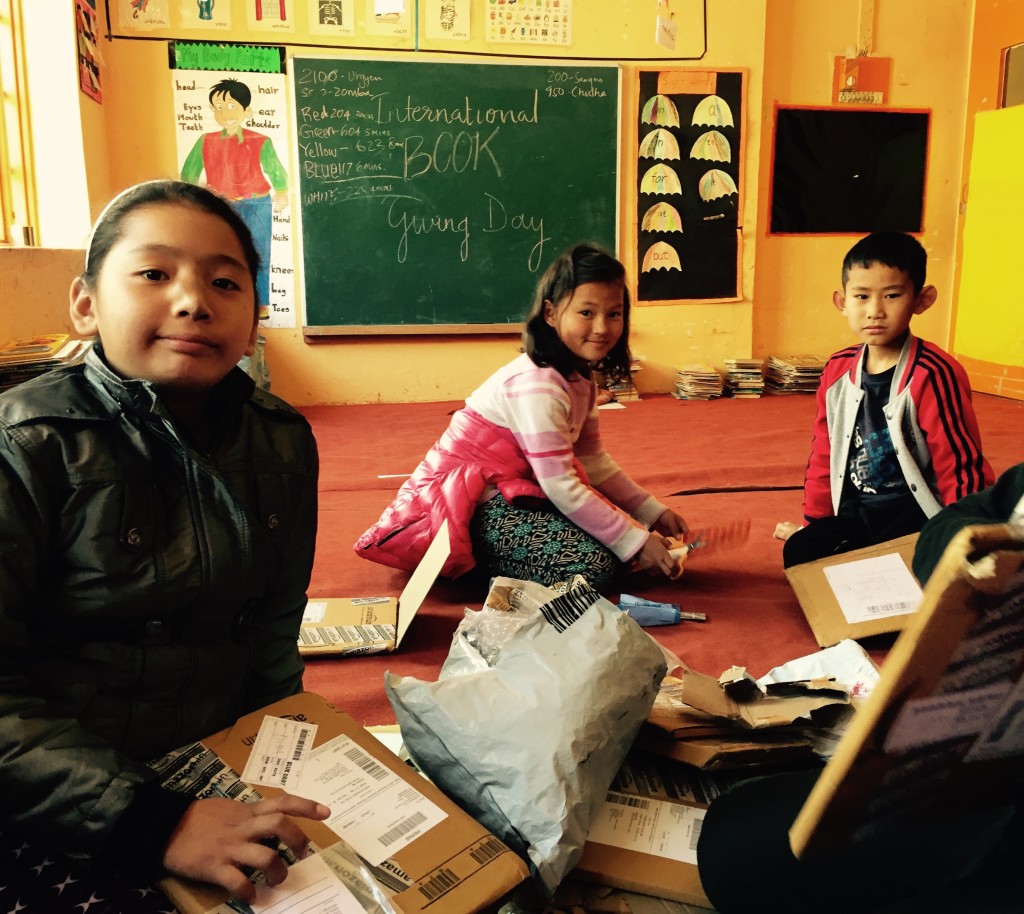
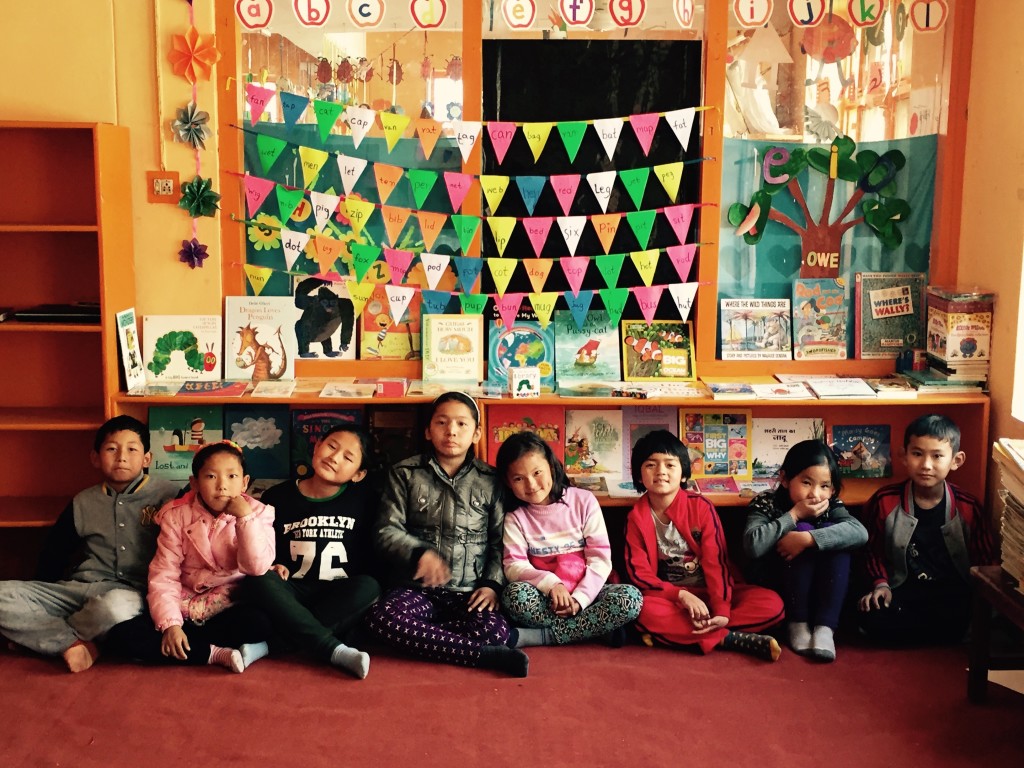
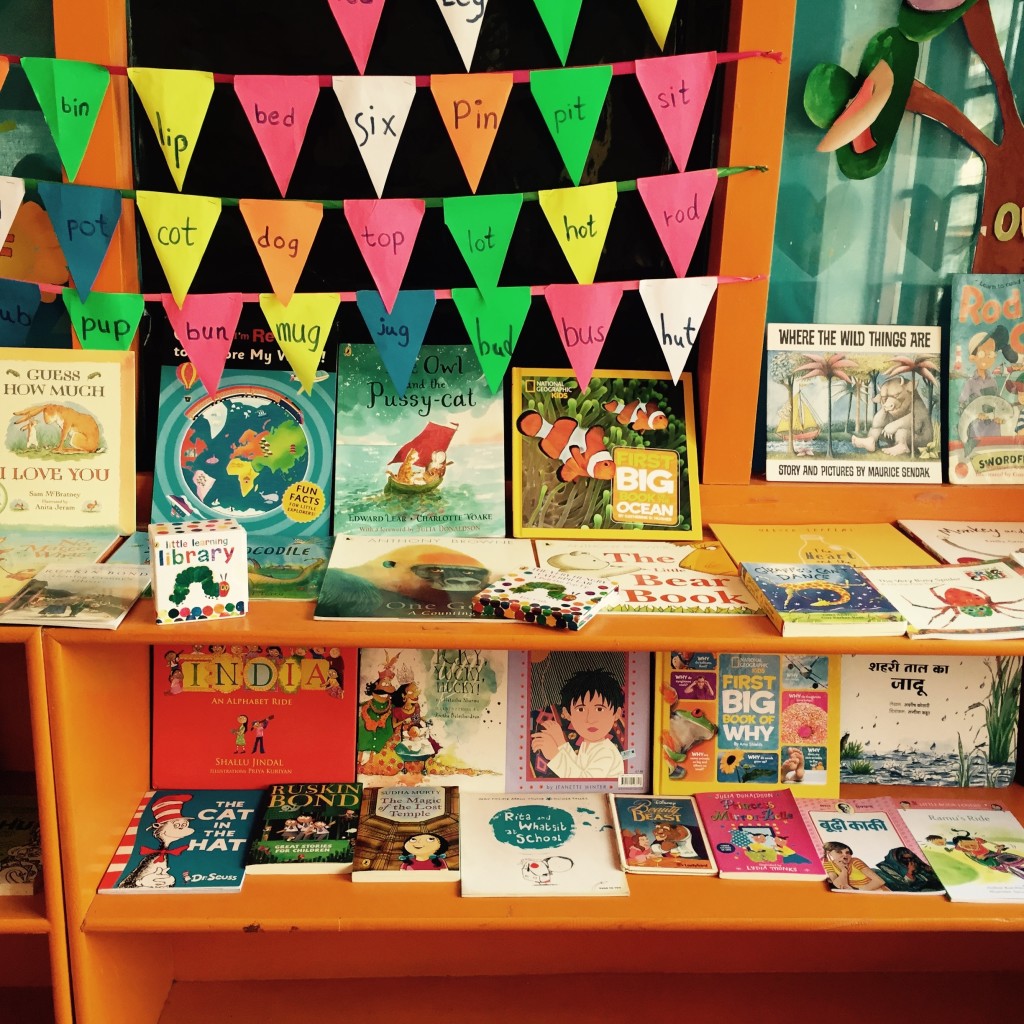
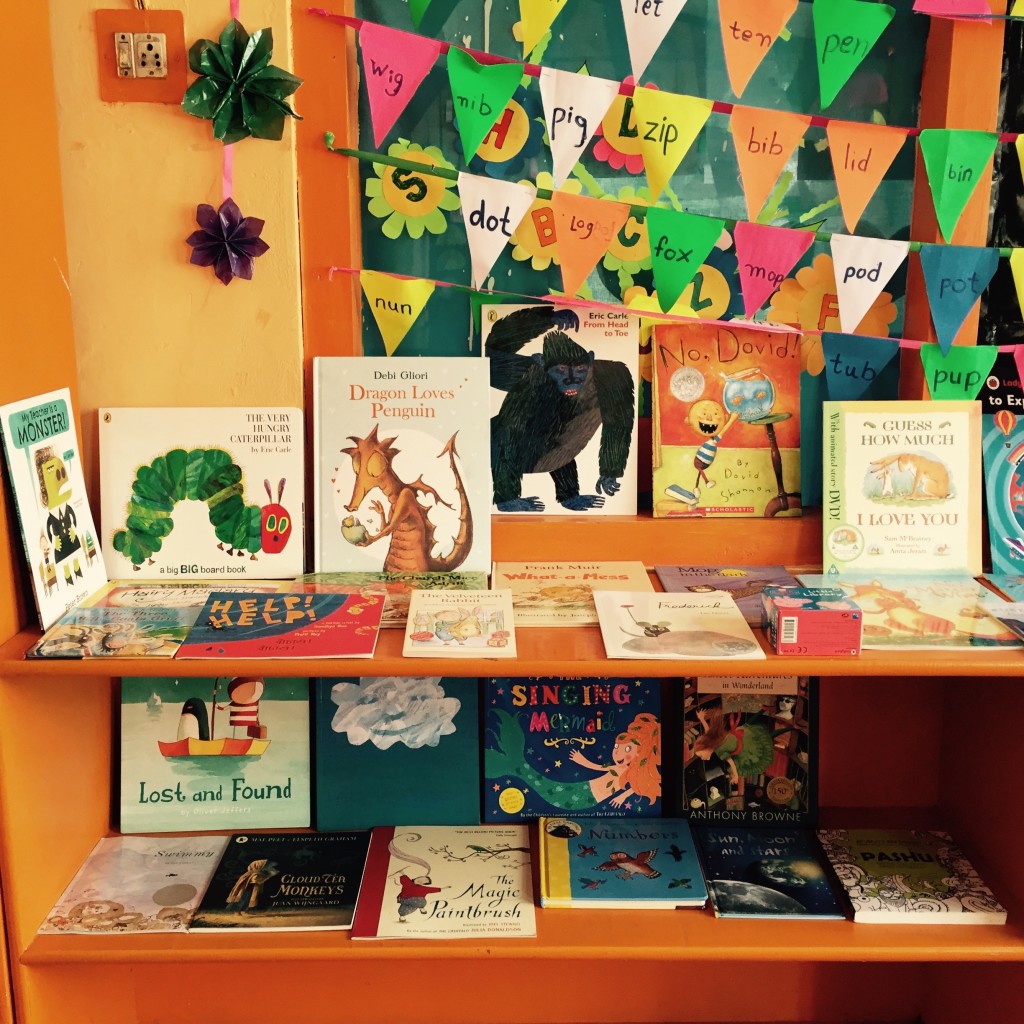
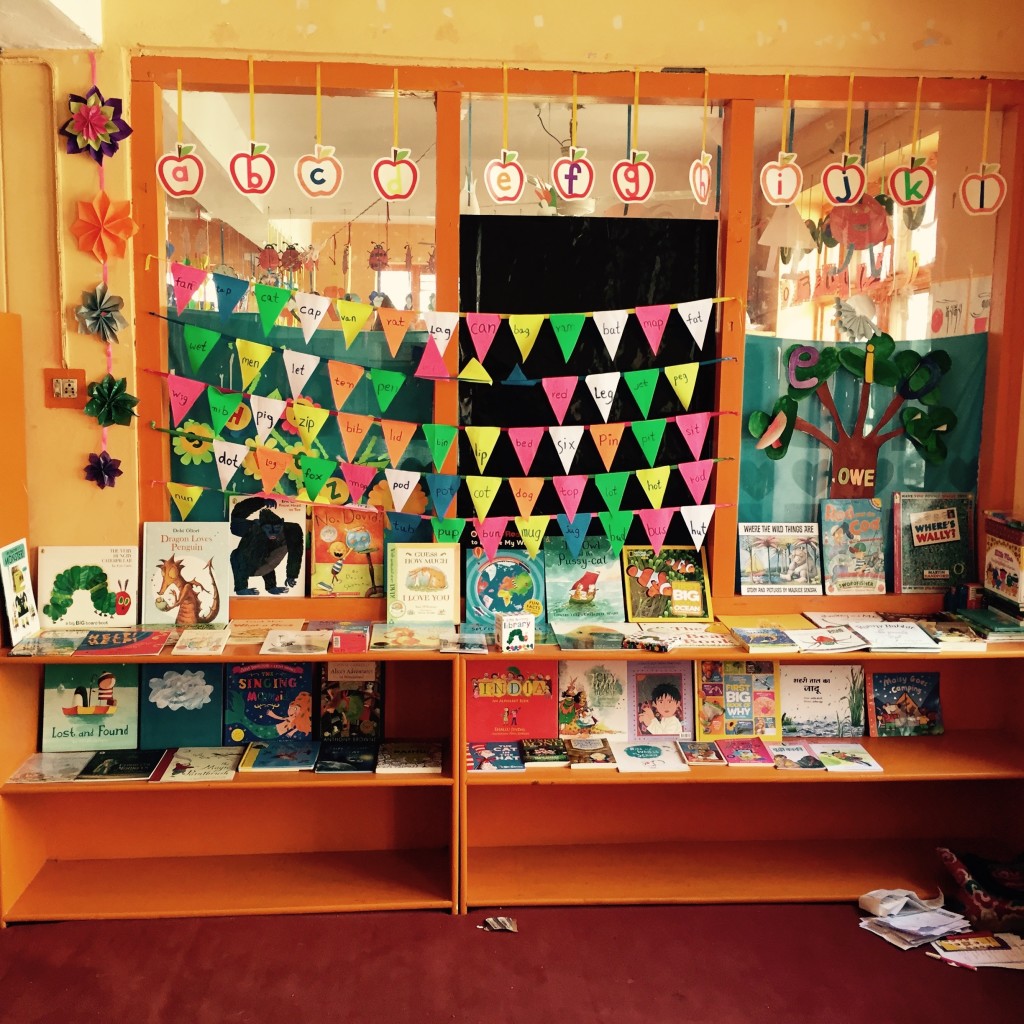
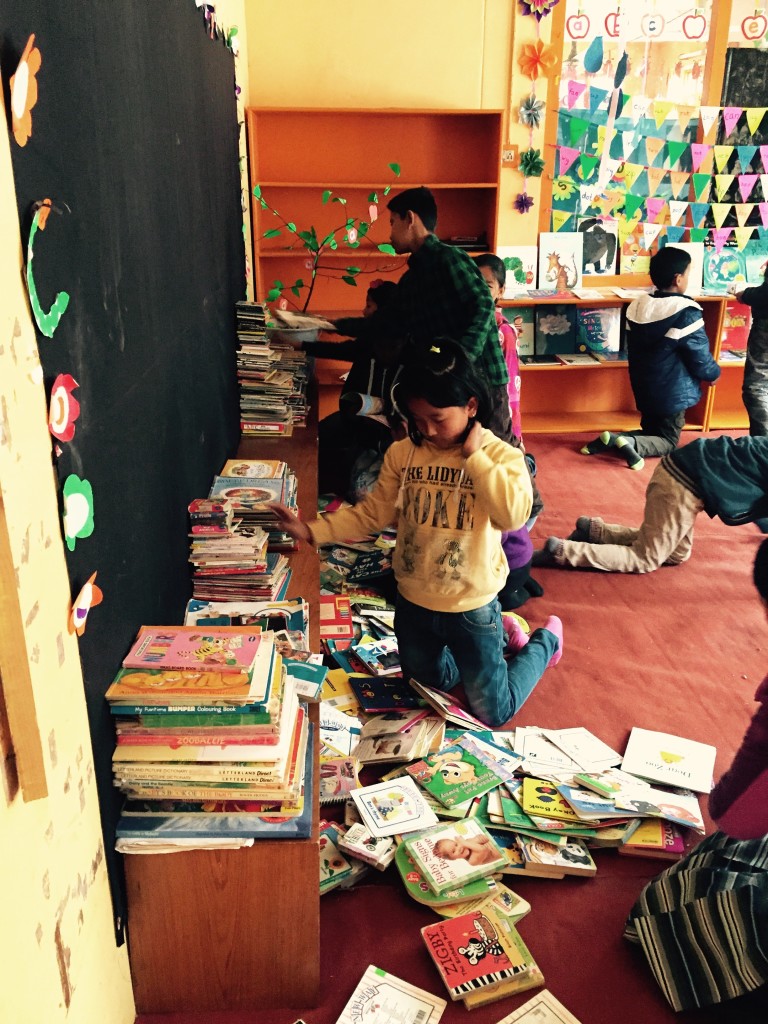
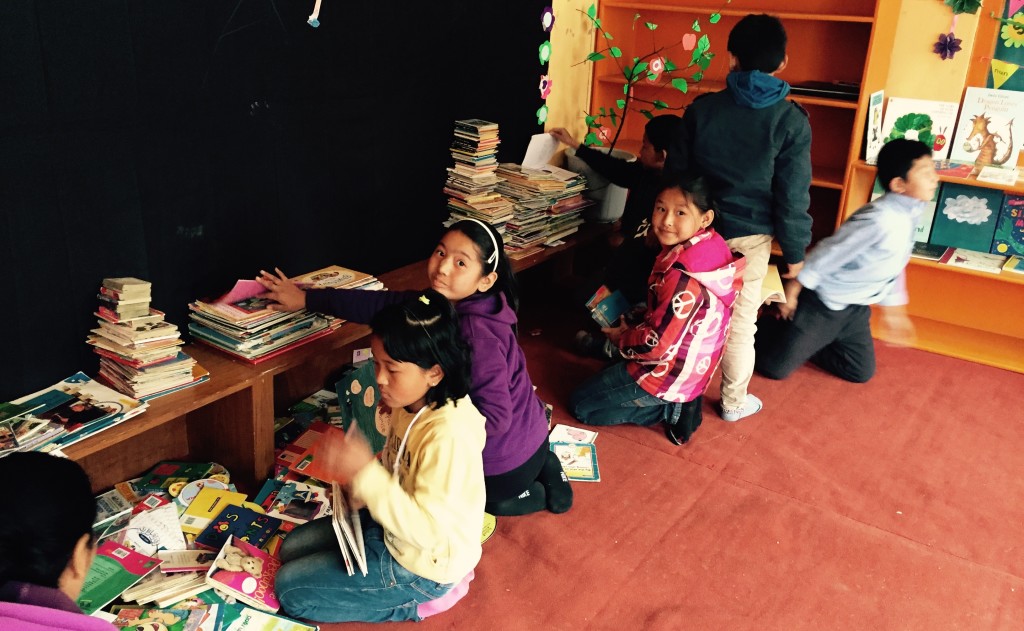
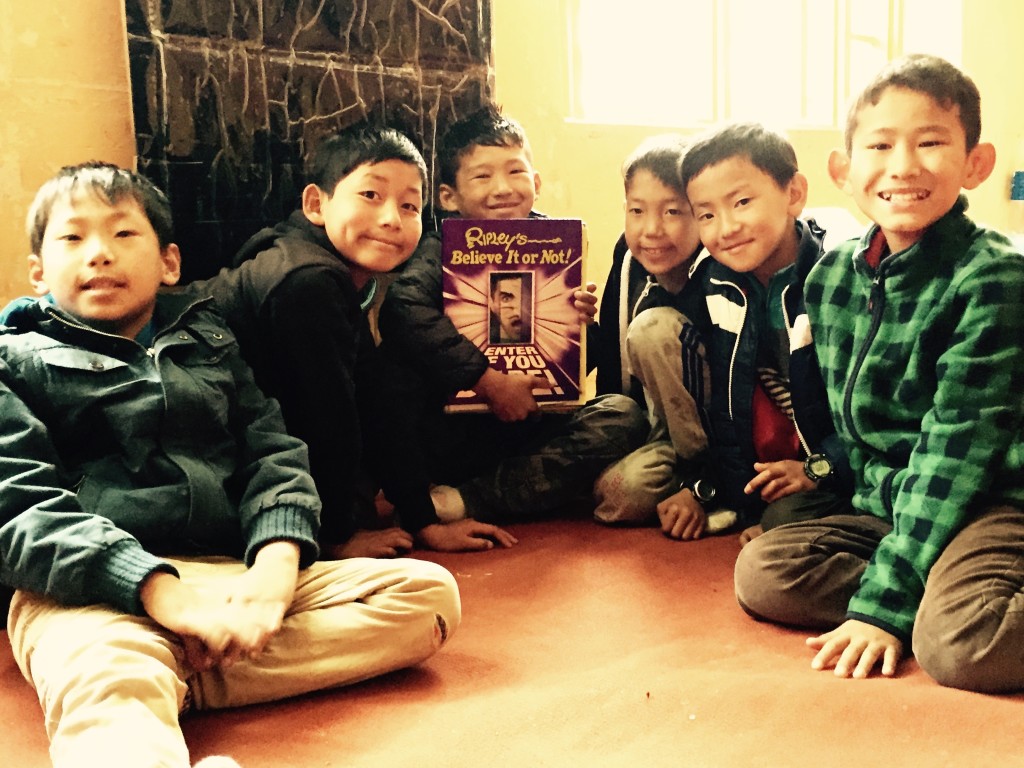
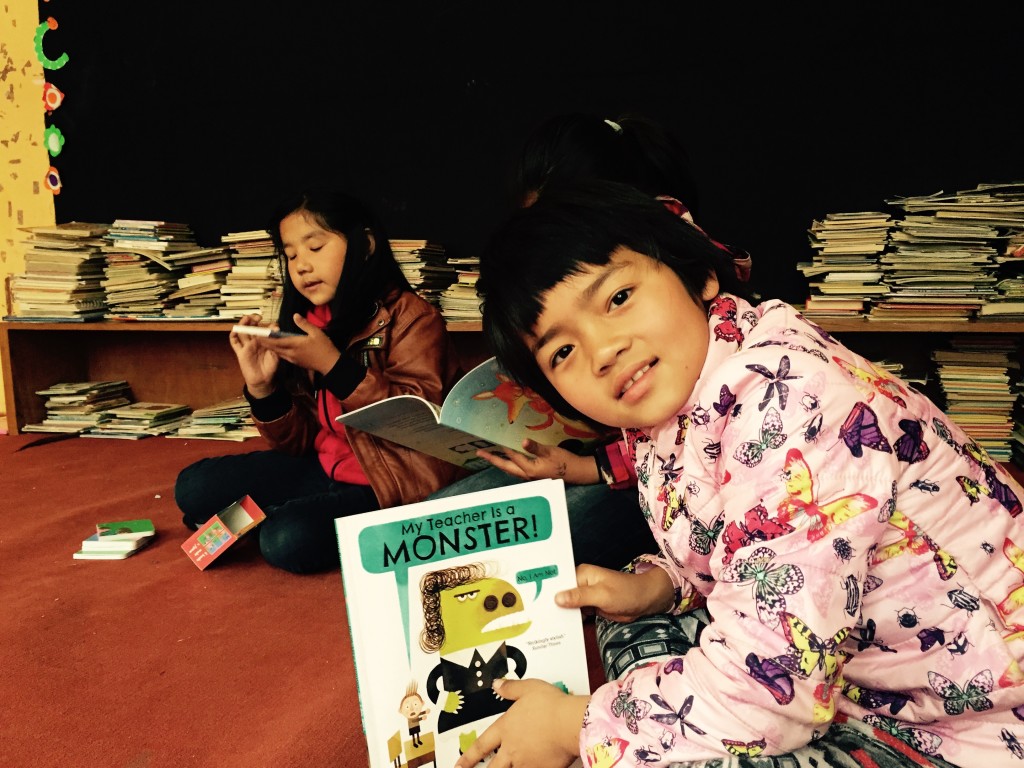
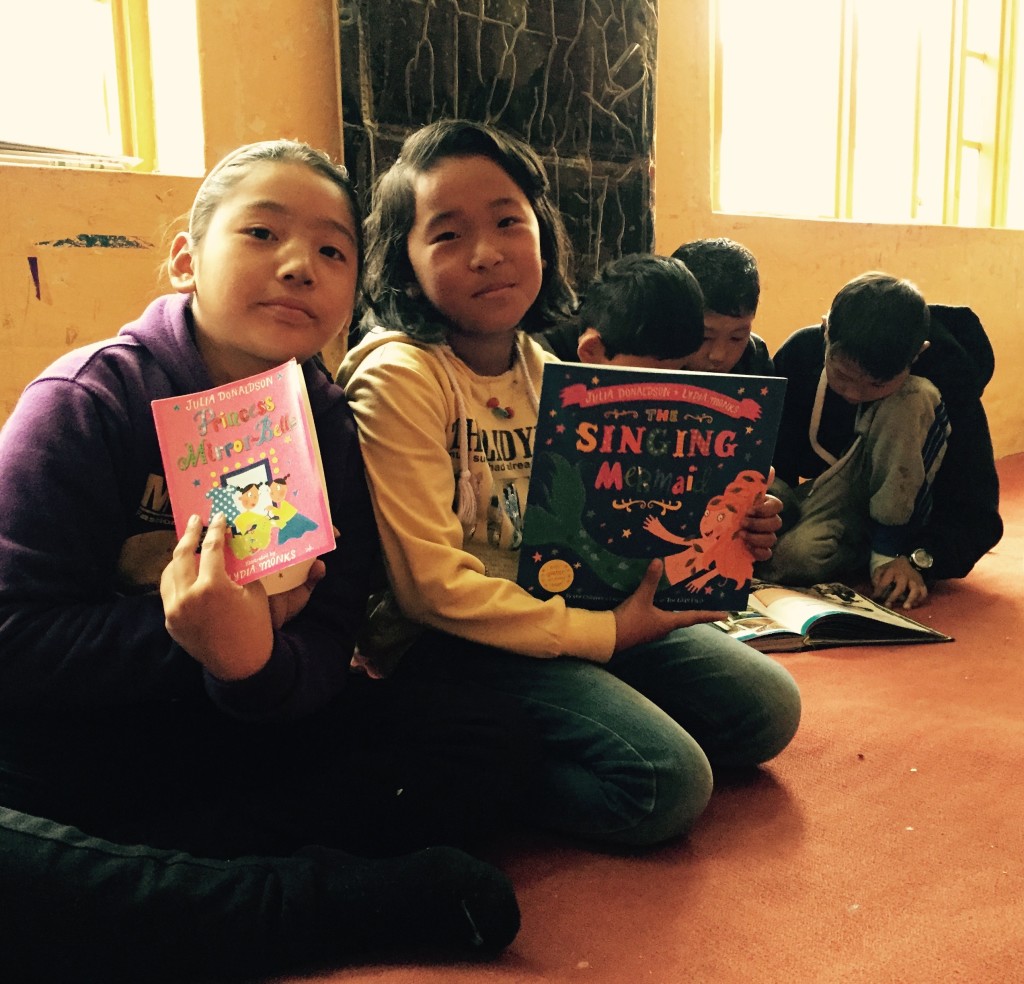
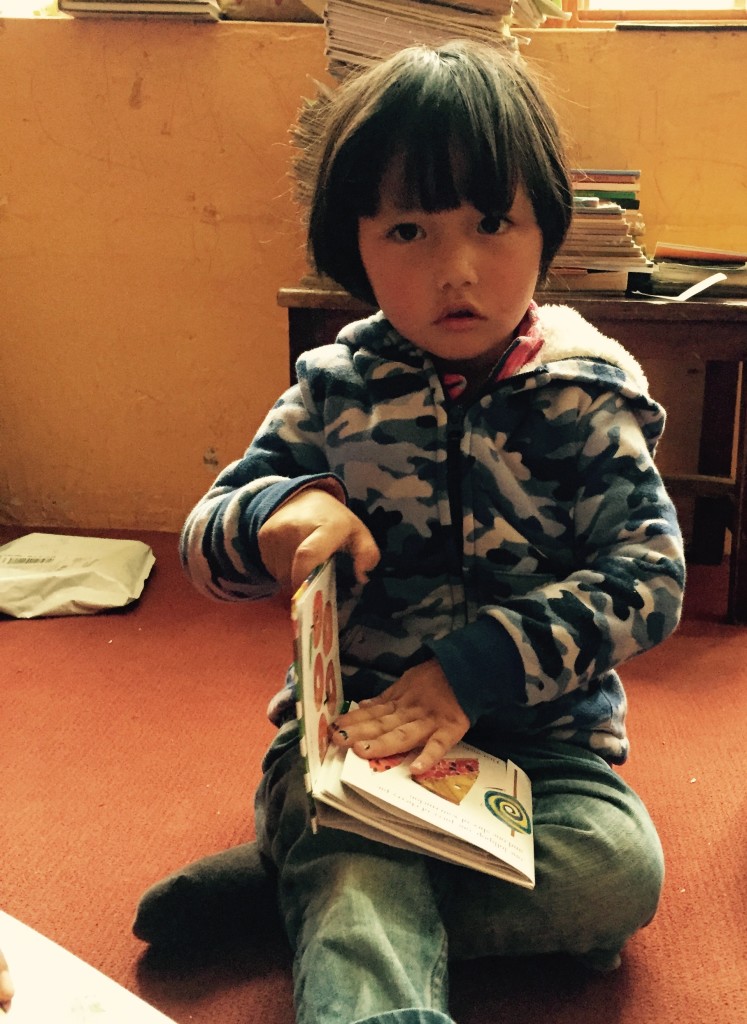
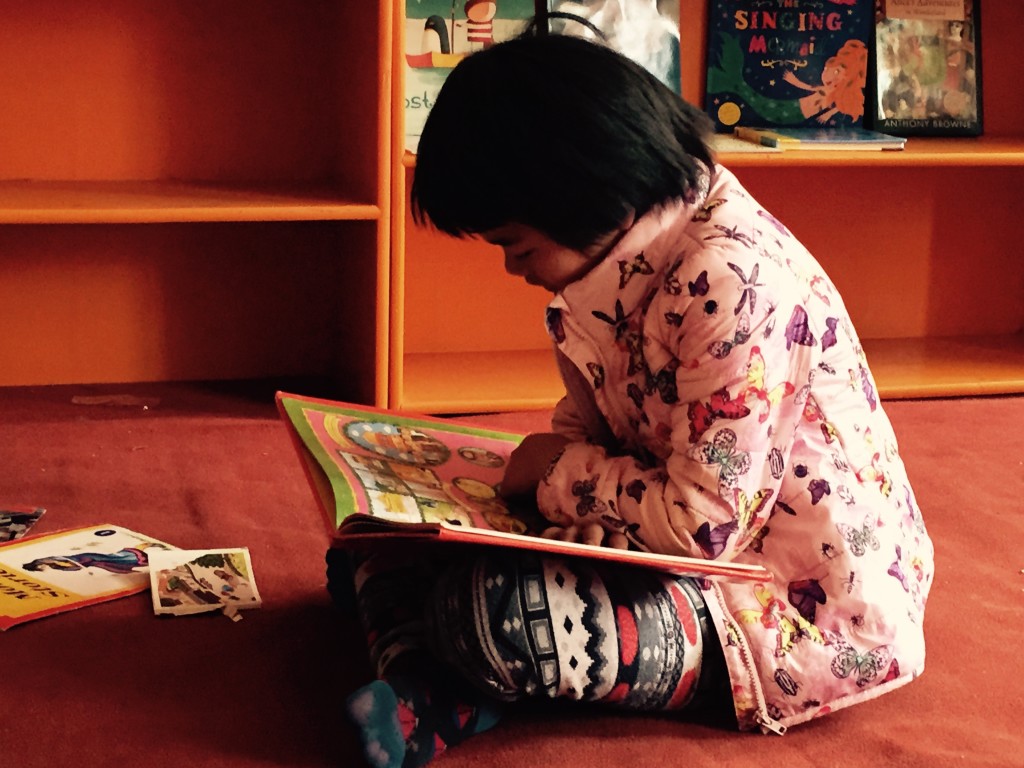
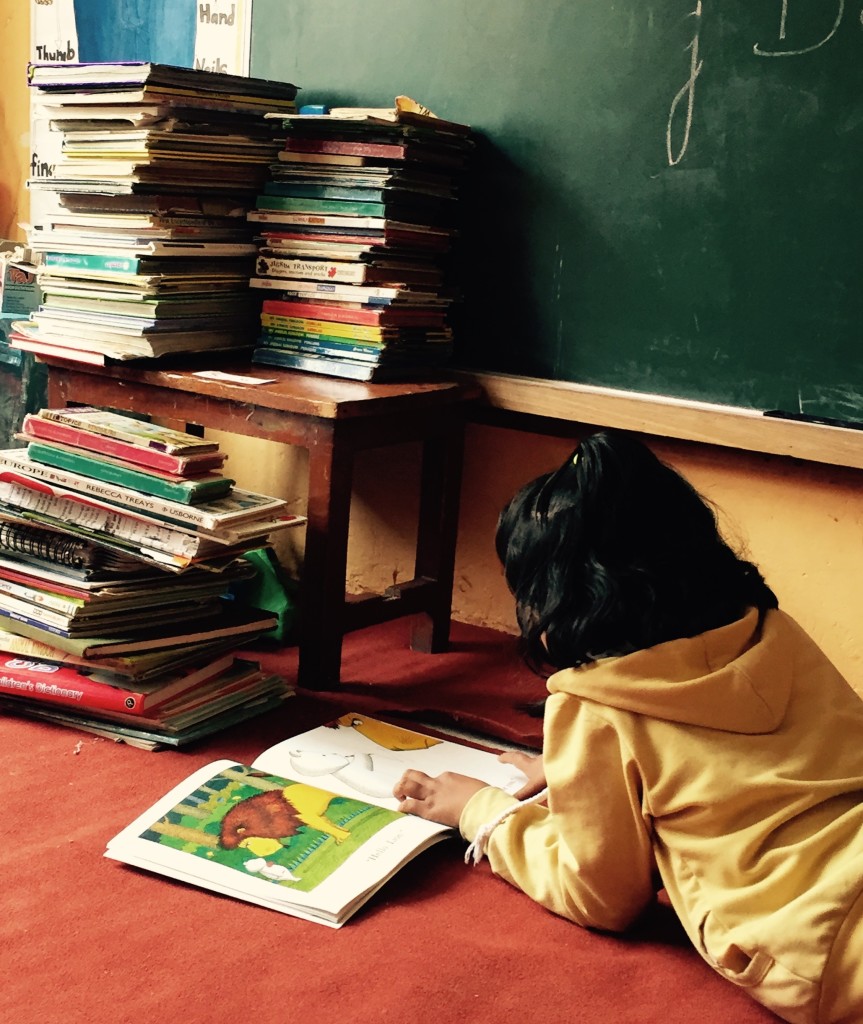
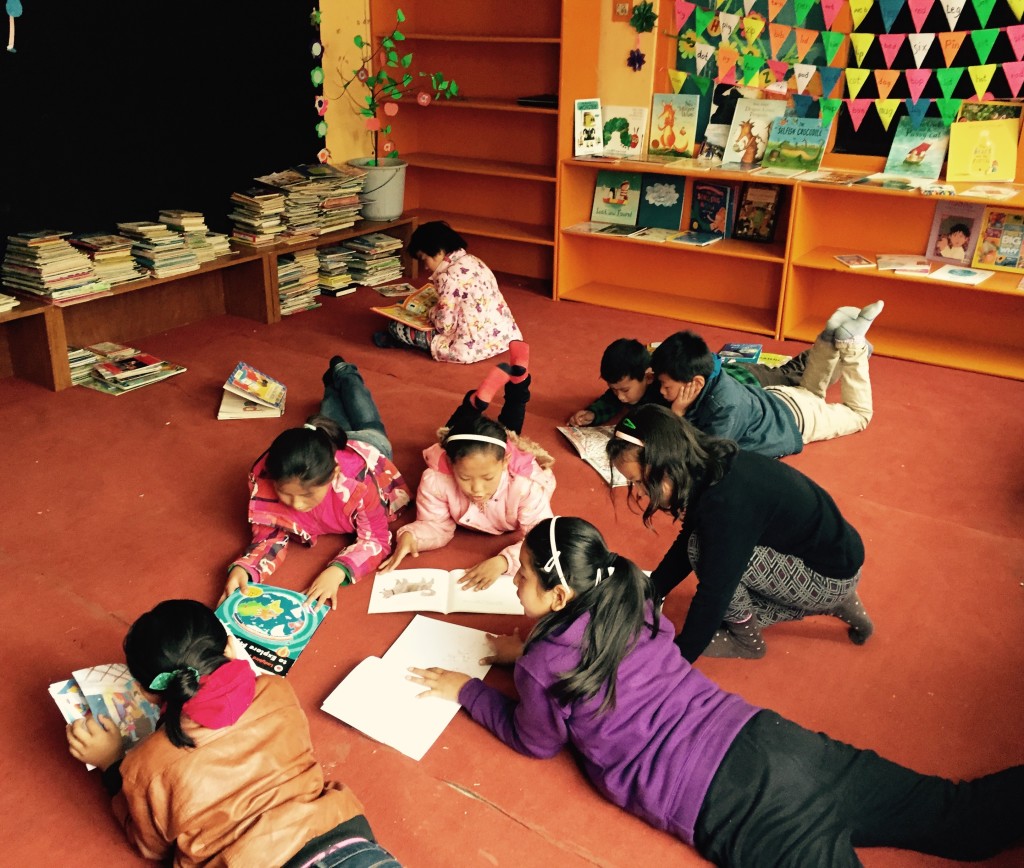
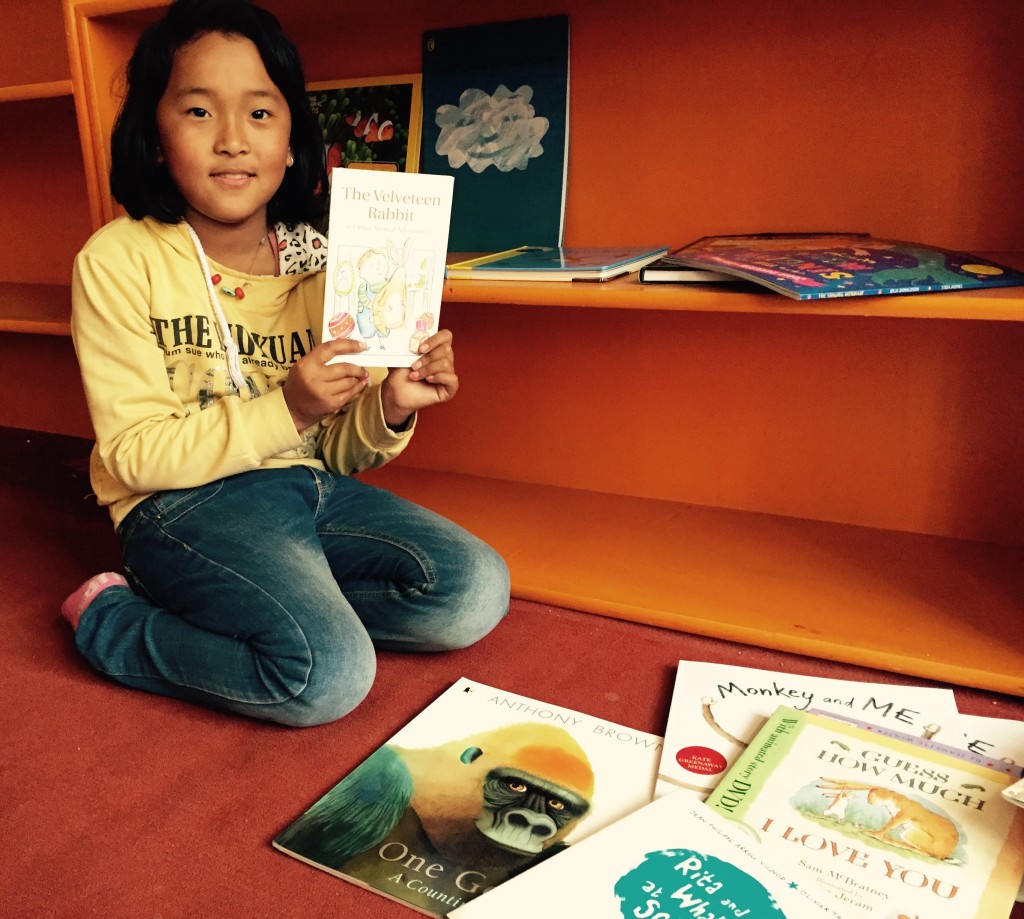
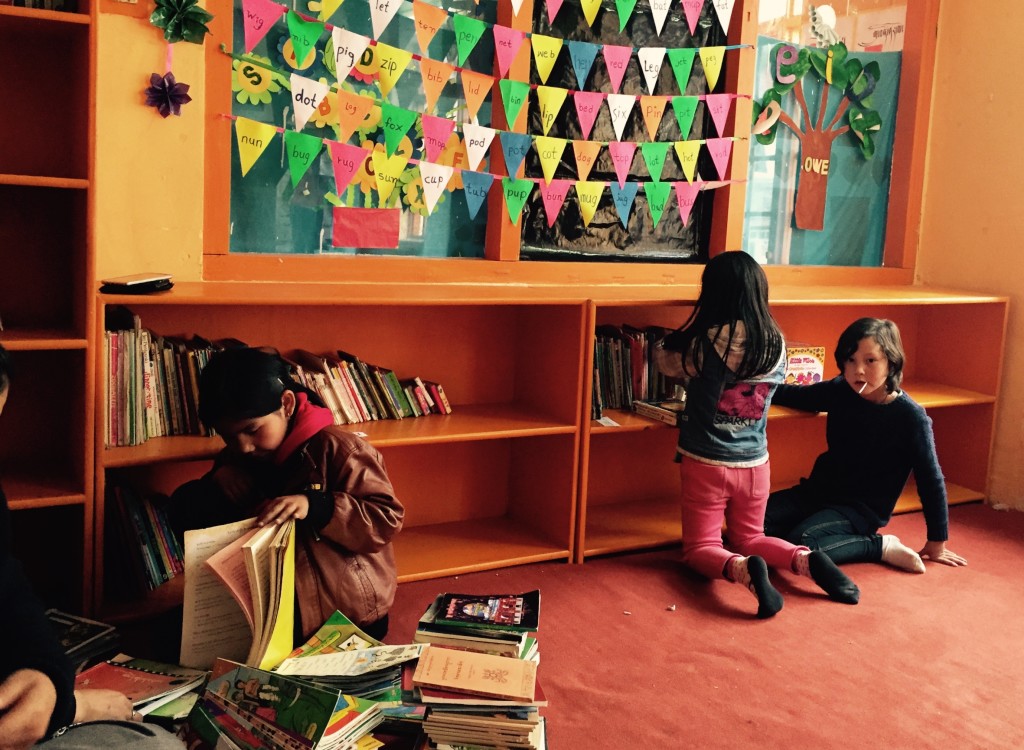
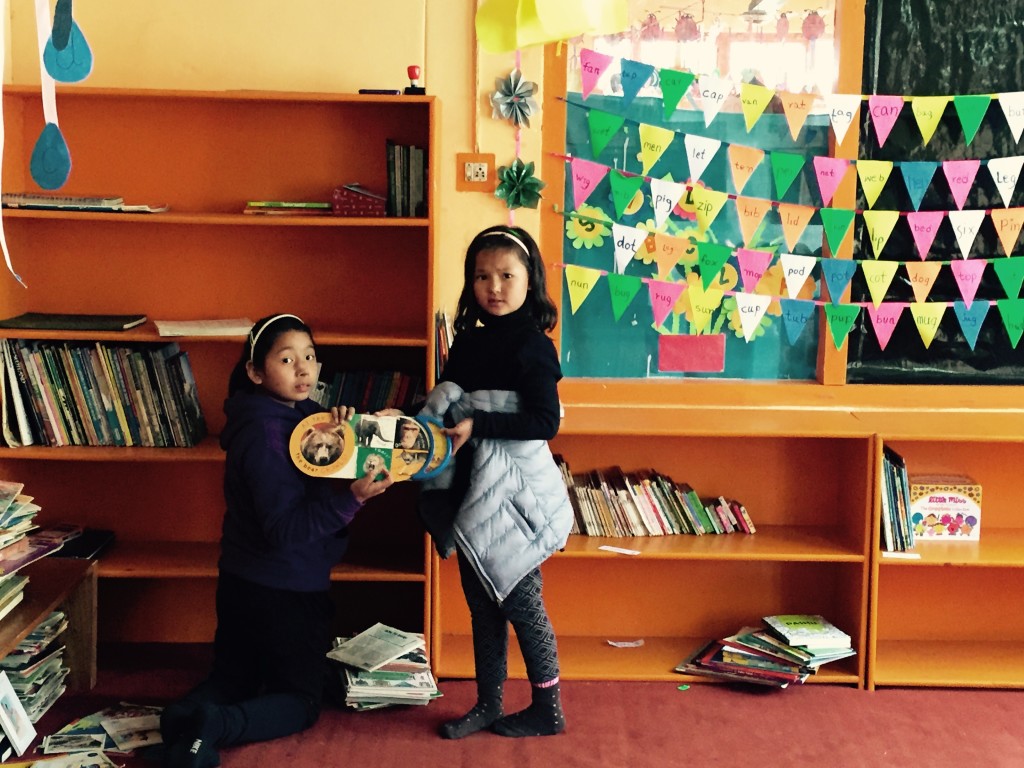
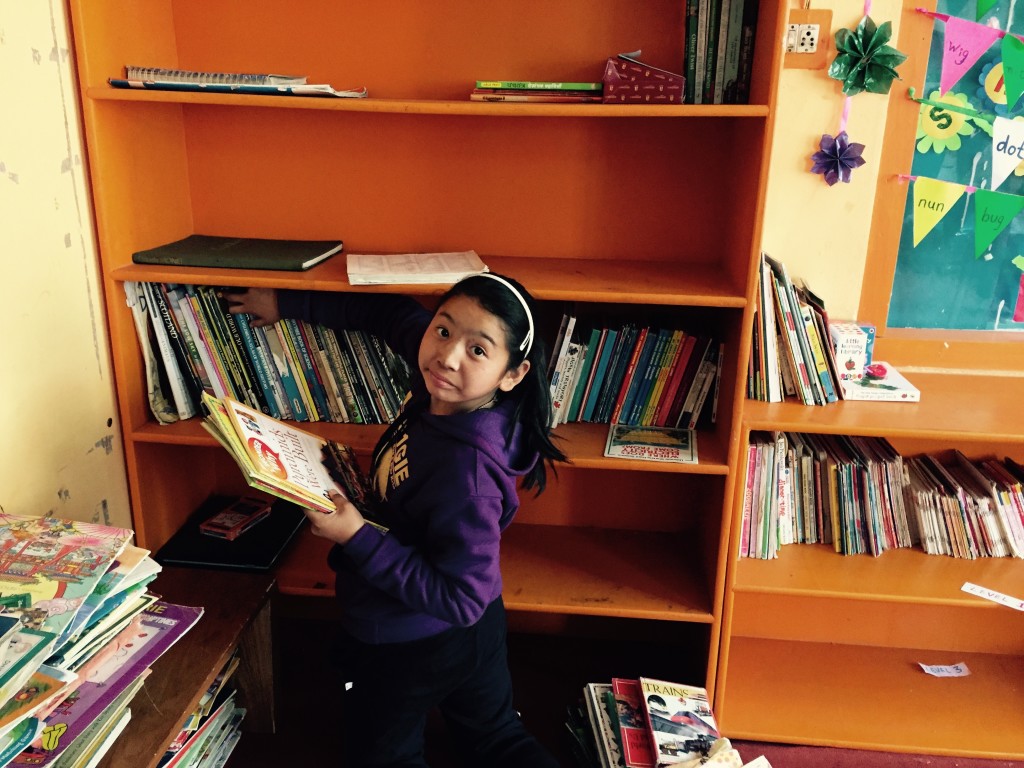
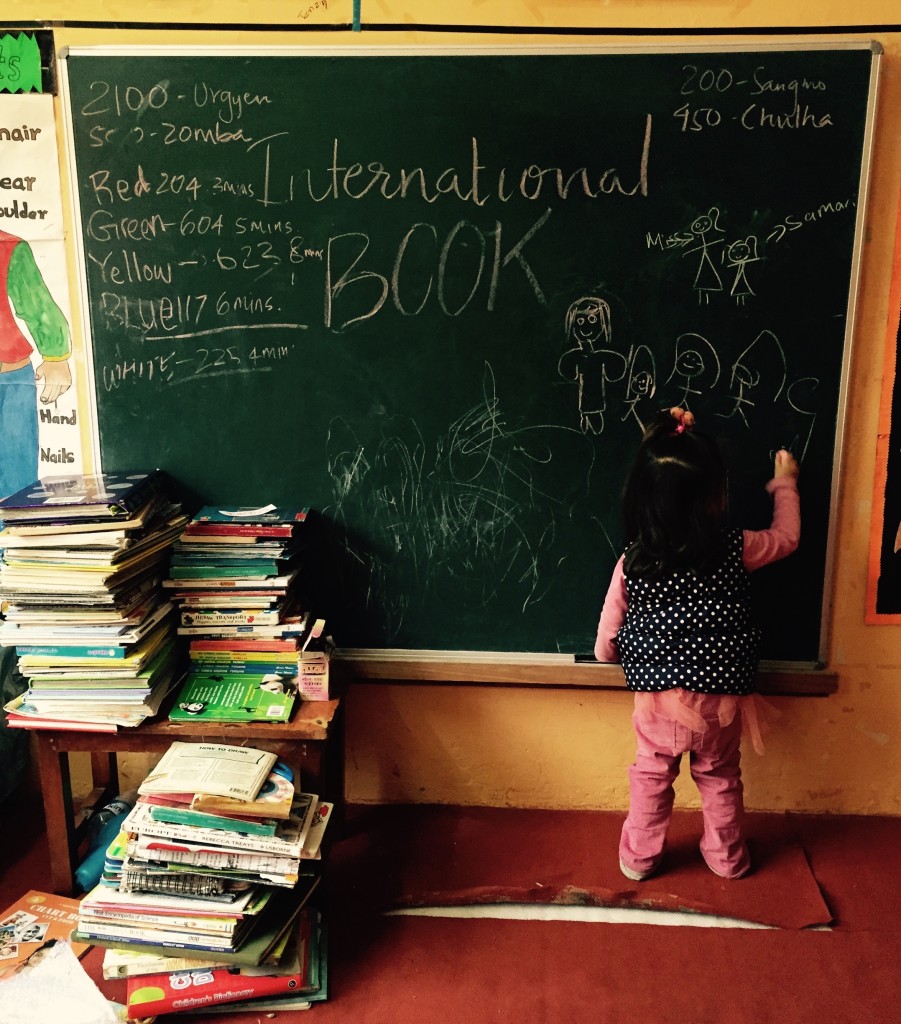
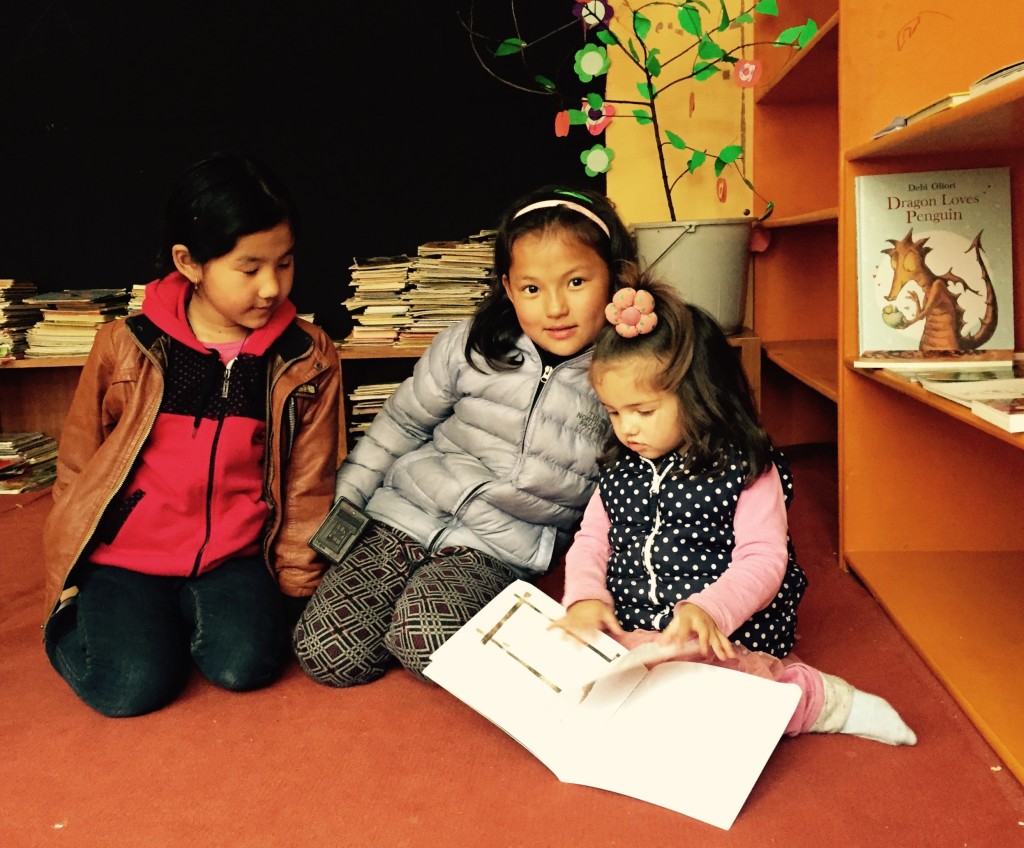
The Day a Child Asked Why There Were No Books About Her Grandmother's Life began in a quiet reading room in Ladakh. A child had found books about distant countries, animals, and famous people, then searched for one carrying her grandmother’s name. There was none. Her question was simple, but it exposed a familiar pattern: books may enter a community through charity while much of local life remains outside their pages.
A grandmother’s knowledge may live in songs, stories, family recipes, memories of changing seasons, and skills passed between generations. These forms of knowledge can be rich without being written down, yet a child searching the shelves cannot discover what no book records.
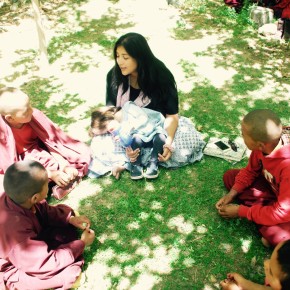
For Avalokiteśvara Trust, whose work supports literacy and creative learning among children and young monks, the question reaches beyond one missing title. It asks whose experiences are represented, who creates the books, and whether children can see their own communities reflected in the resources available to them.
The Question Hidden Between the Shelves
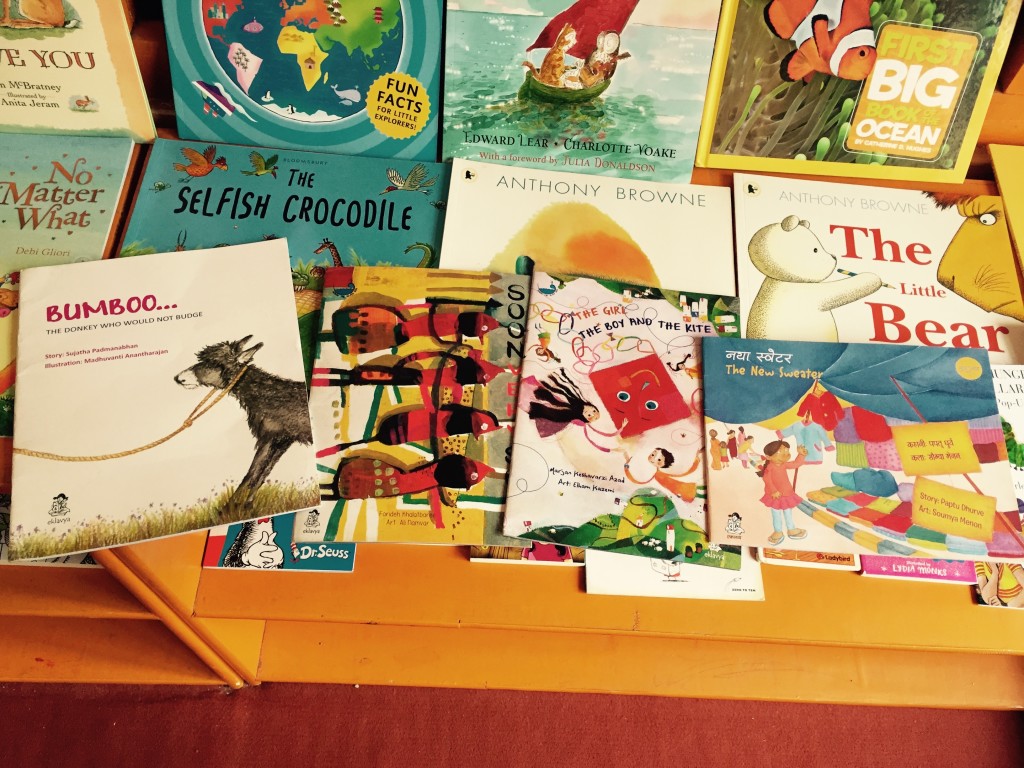
Donated collections often contain valuable books, but the absence of a title does more than leave a shelf incomplete. It can suggest that a grandmother’s life was unimportant because nobody considered it suitable for a book. A child may accept that silence without understanding that publishers, collectors, and previous generations of readers shaped the archive.
Local histories can also be obscured when books arrive from elsewhere. The landscapes may be familiar, while the people shown rarely resemble the child’s neighbours. A collection can therefore provide knowledge about the wider world while failing to validate the knowledge held within the community itself.
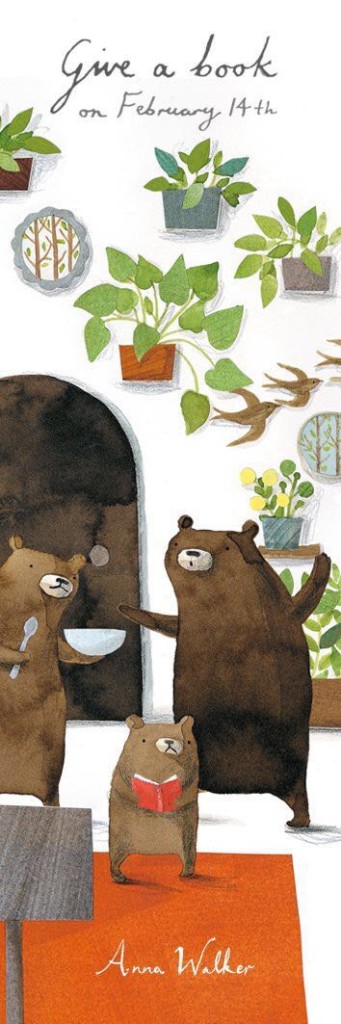
Her question matters because literacy is also the ability to interpret experience. Children need stories in which they can recognise a grandmother’s contribution, investigate a family tradition, and understand that daily life contains history. Without that recognition, reading becomes disconnected from identity.
Turning a Life into a Shared Record
A book about the grandmother could begin with conversations rather than assumptions. The child might ask about her work, favourite songs, remembered journeys, food, friendships, and the advice she offered. Recording those answers in the language spoken at home would preserve more than facts; it would retain voice, humour, and rhythm.
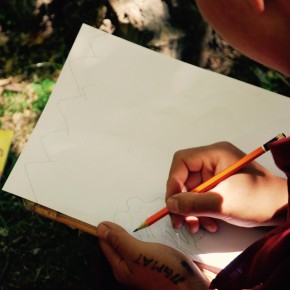
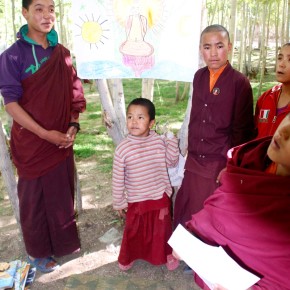
Art could carry parts of the story that speech alone misses. Drawings, household objects, clothing, maps, and seasonal activities might become images for a picture book. Music could add another layer through songs associated with work, celebration, or travel. The project would place the grandmother within a network of relationships instead of presenting her as an isolated figure.
Publication should not be the only outcome. Audio recordings, photographs, illustrated notes, and carefully indexed files can all preserve memory. The family should decide what may be shared, with whom, and for how long. A community archive becomes meaningful when its records belong to the people whose lives they describe.
Building More Than a Donation Box
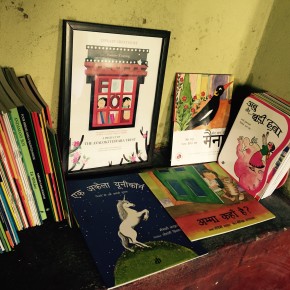
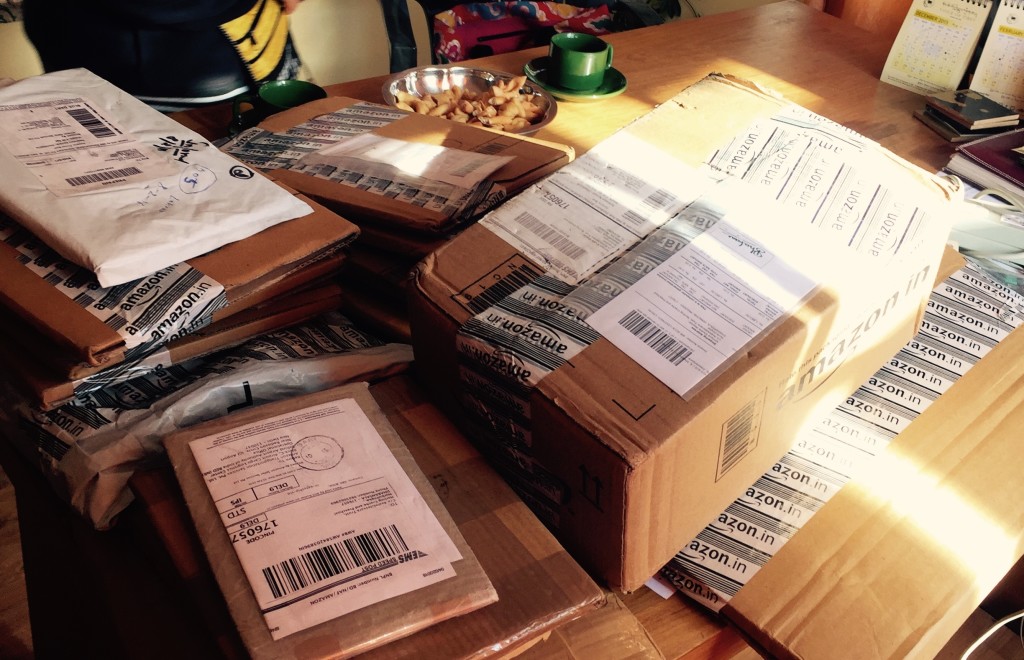
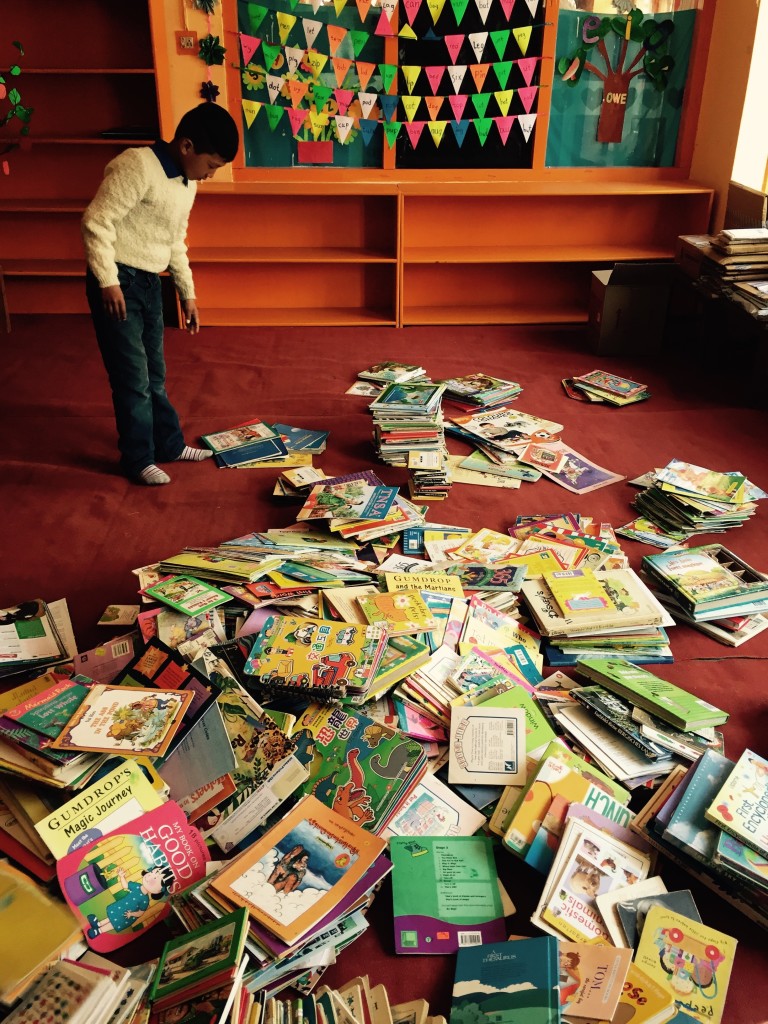
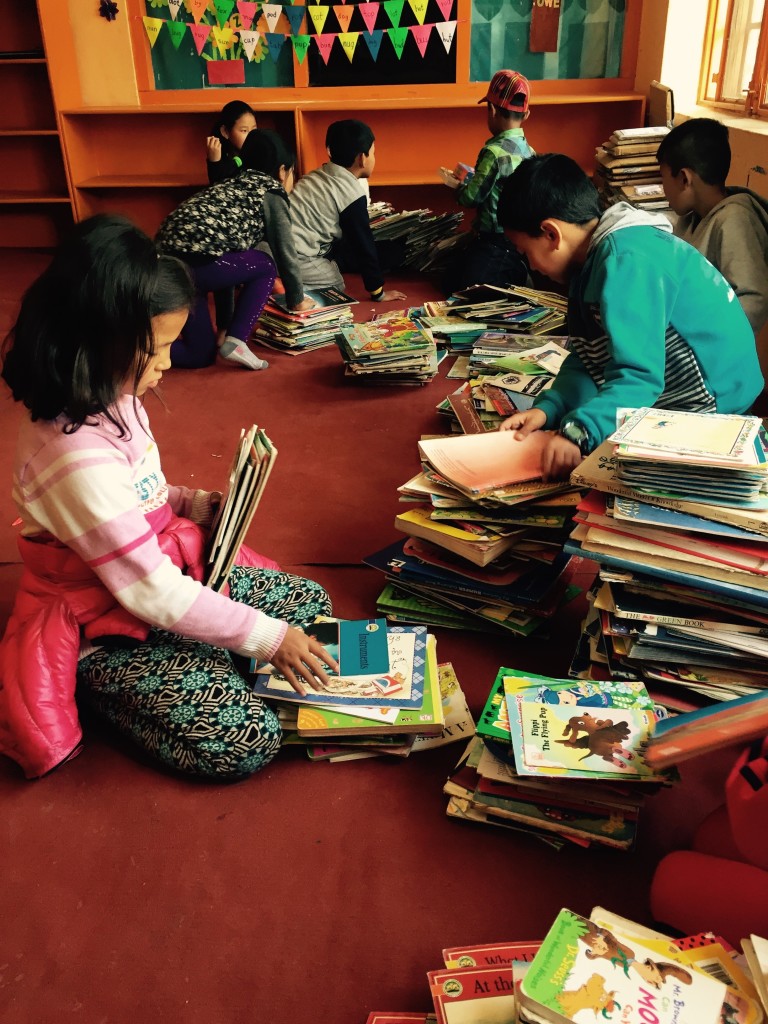
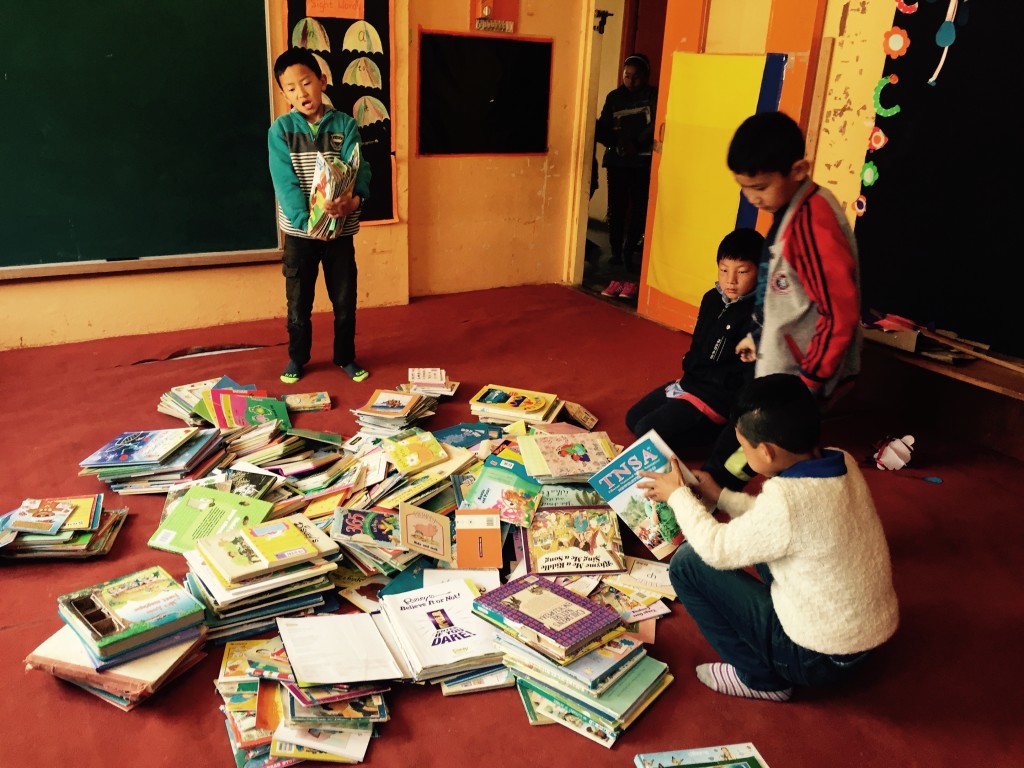
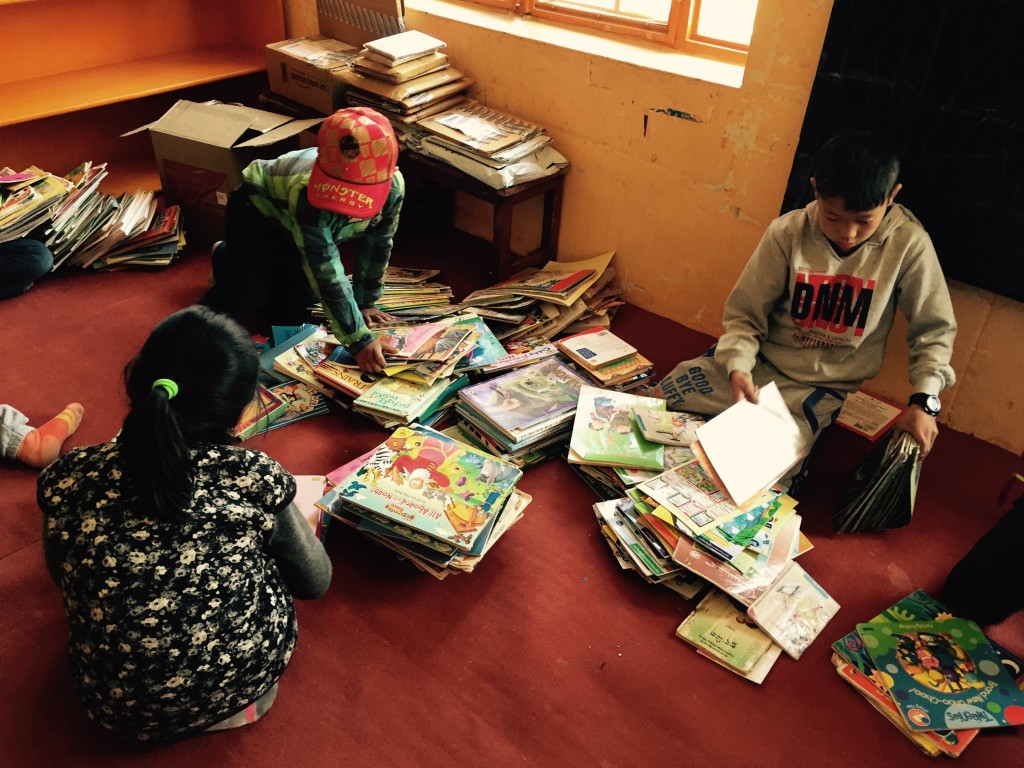
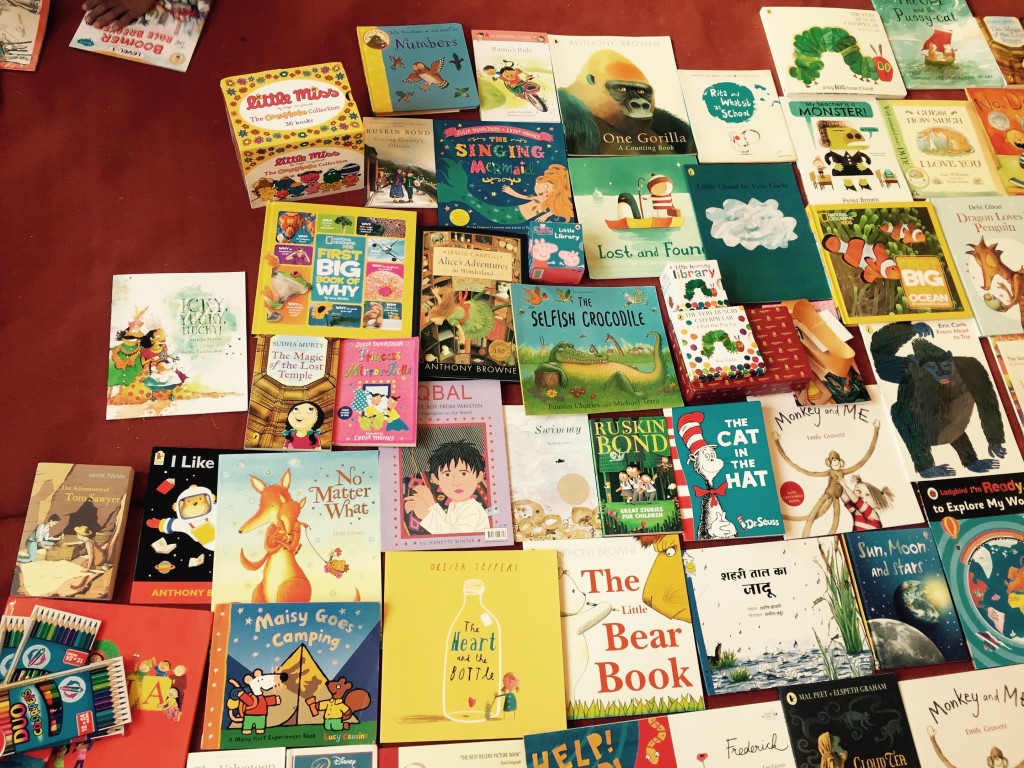
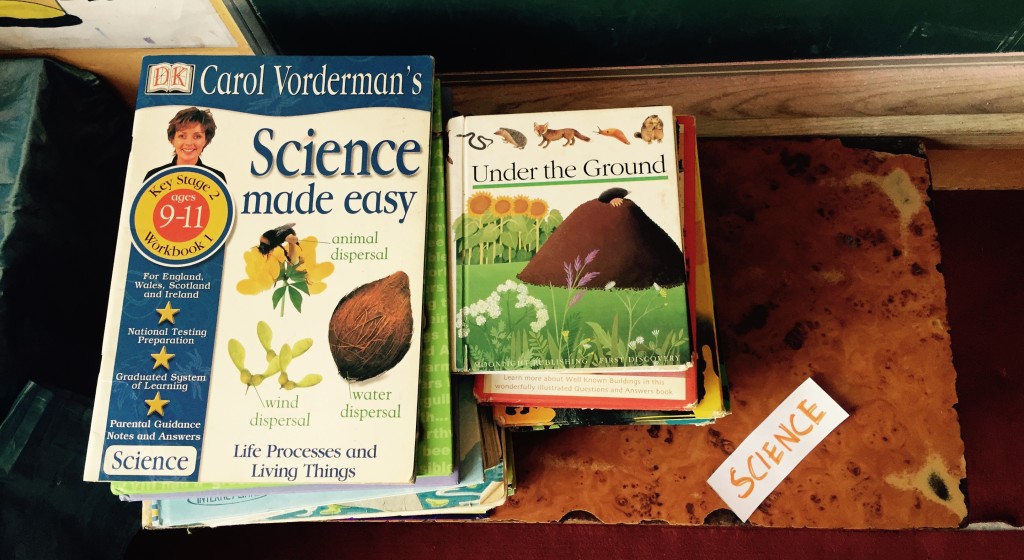
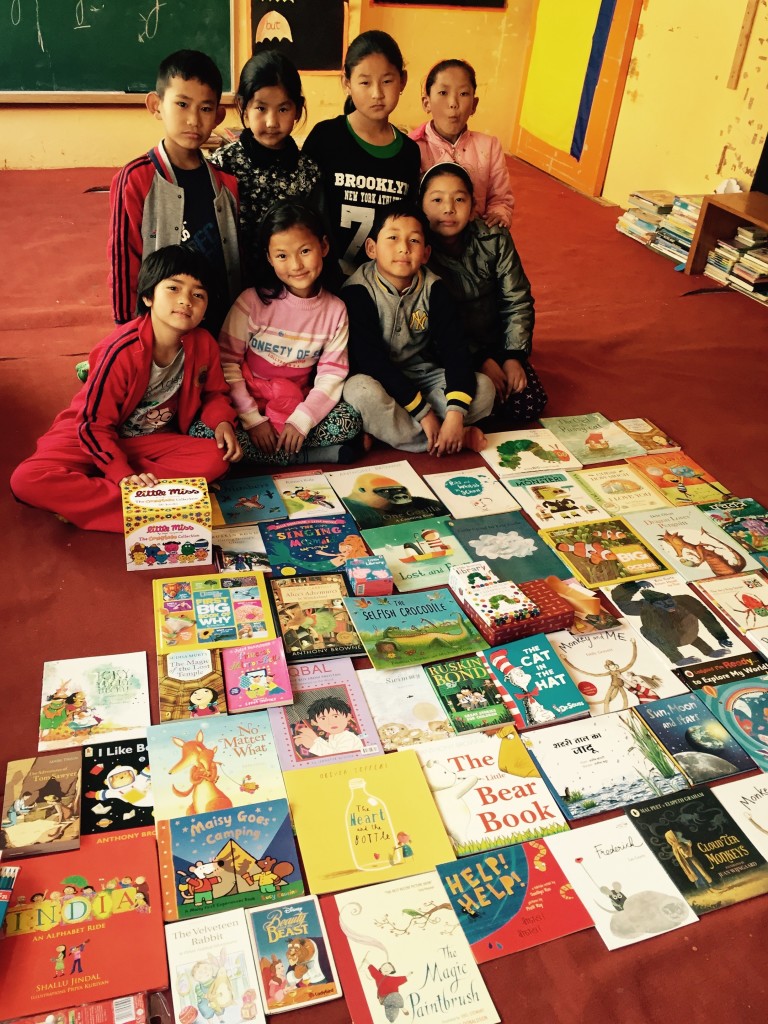
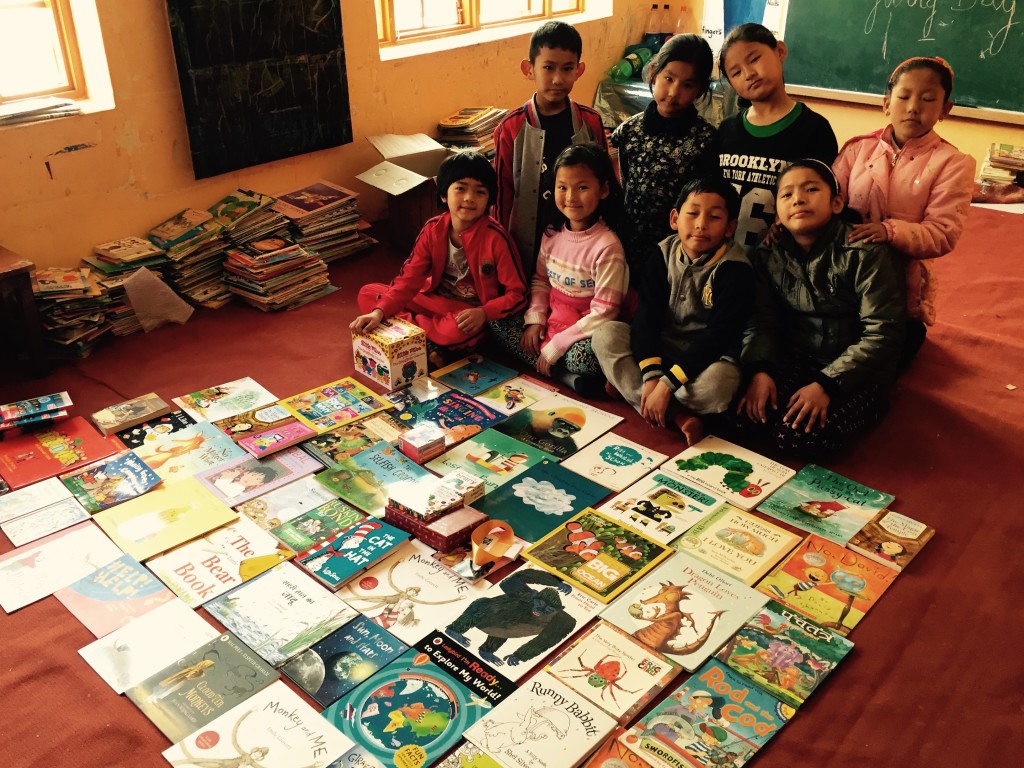
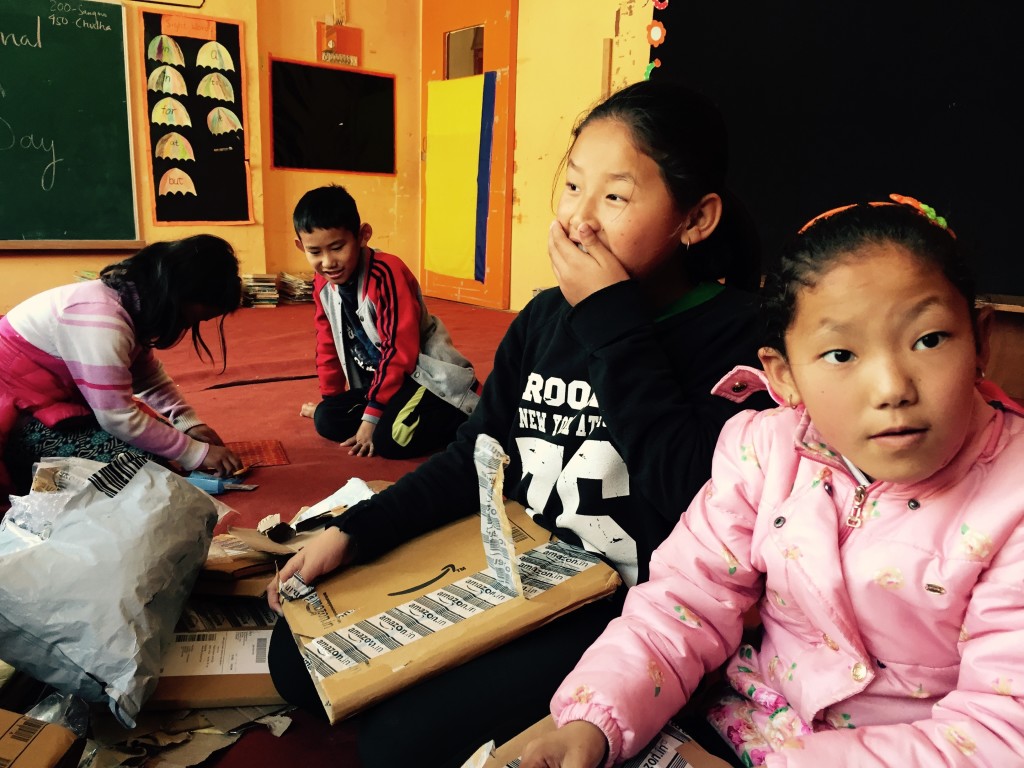
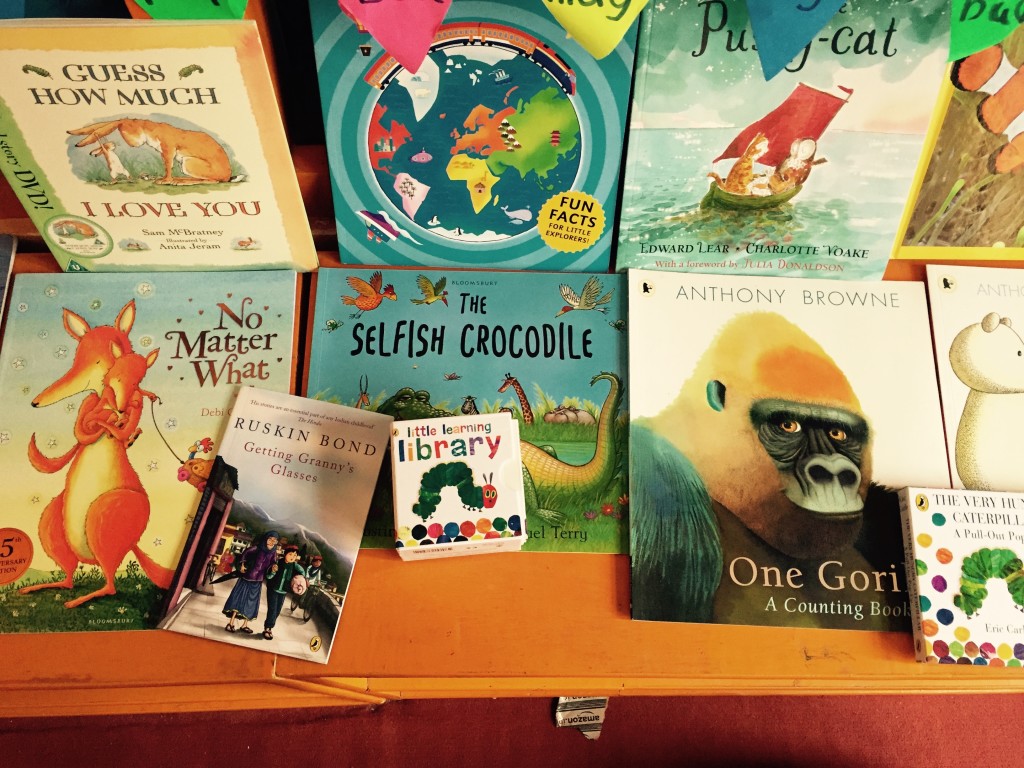
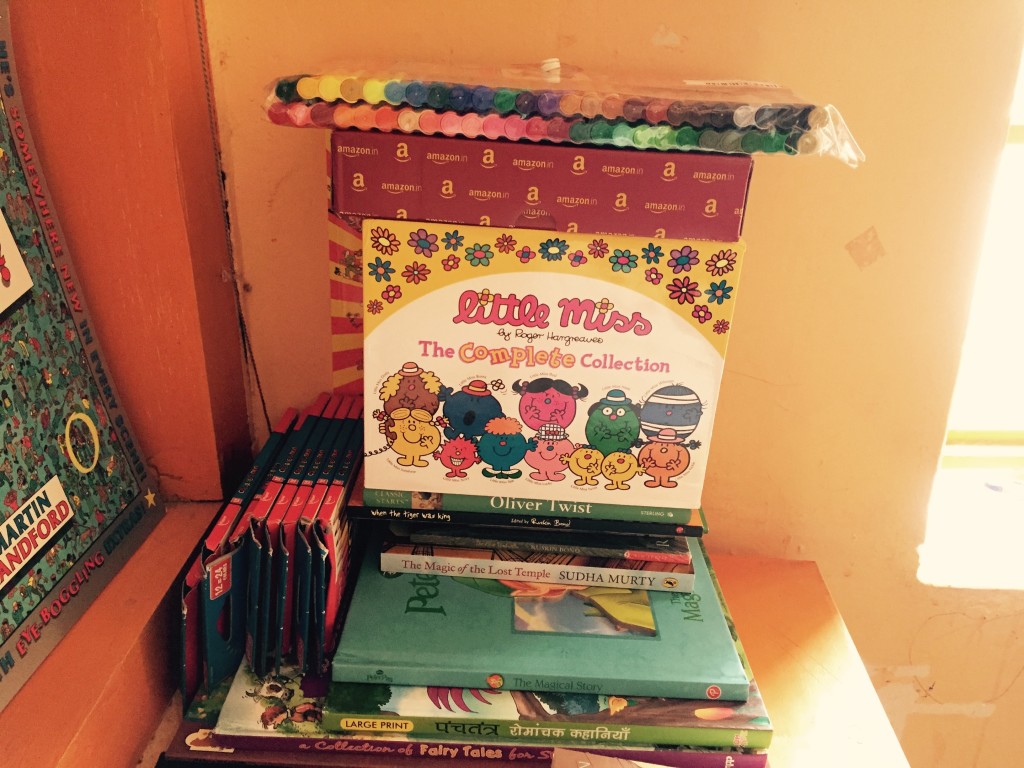
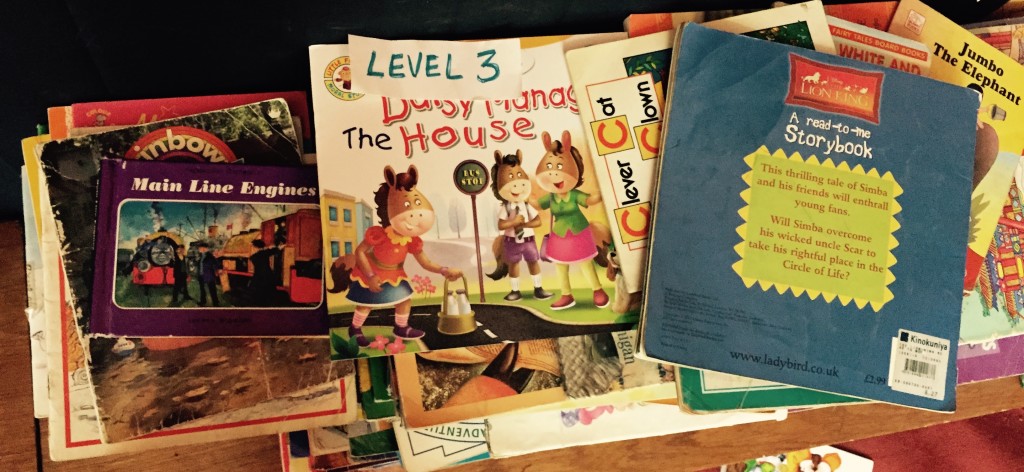
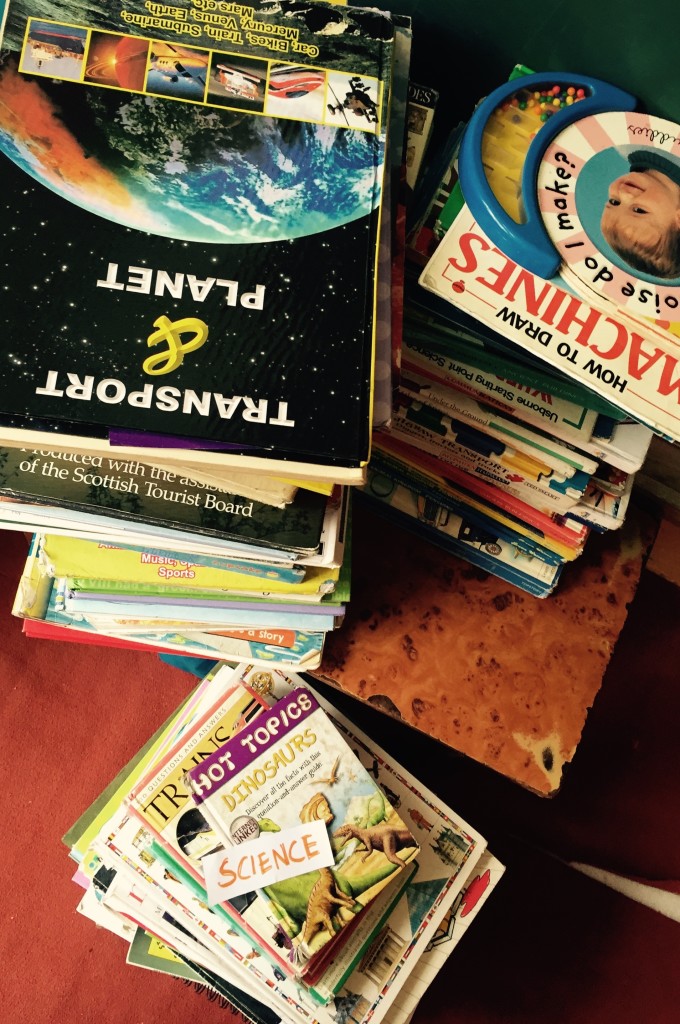
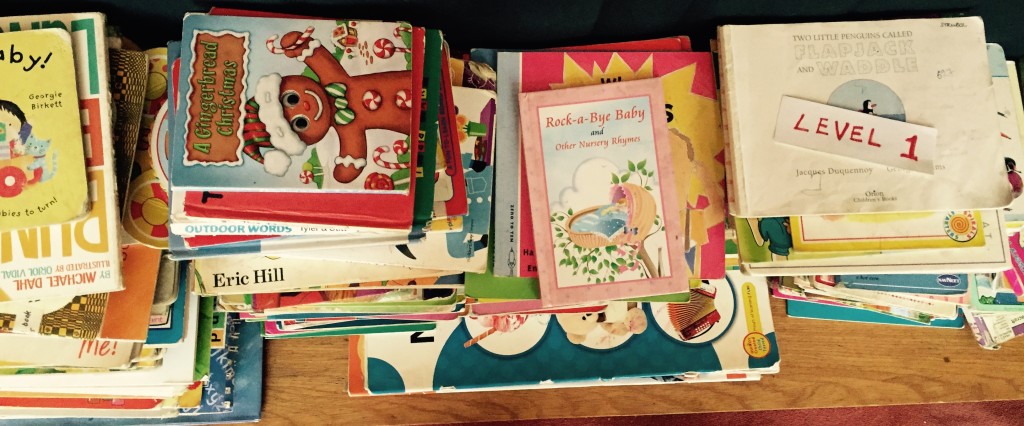
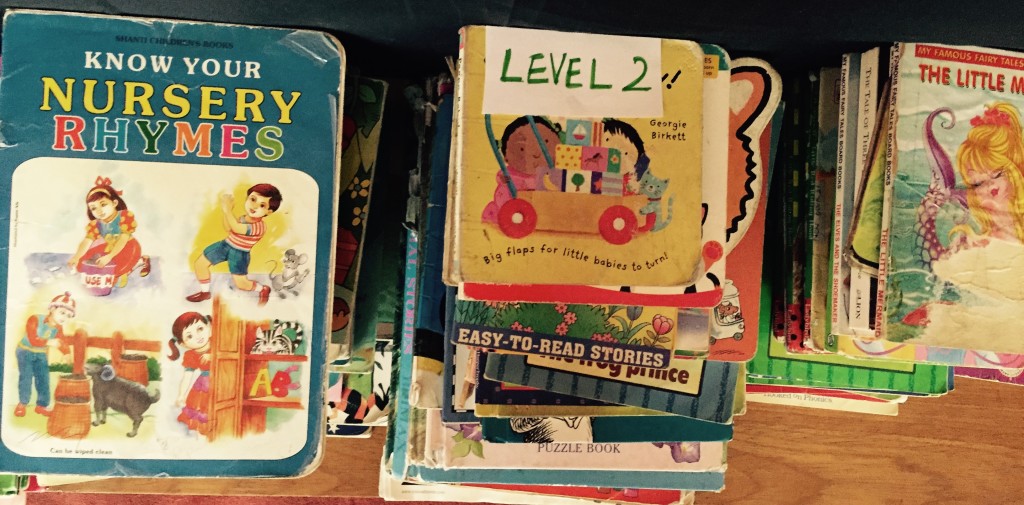
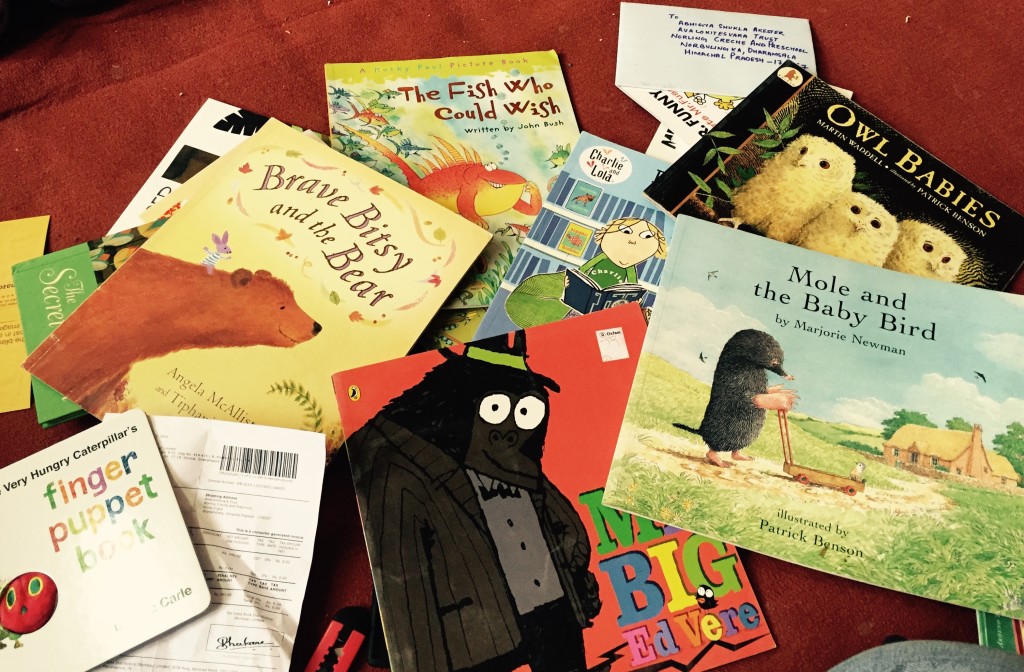
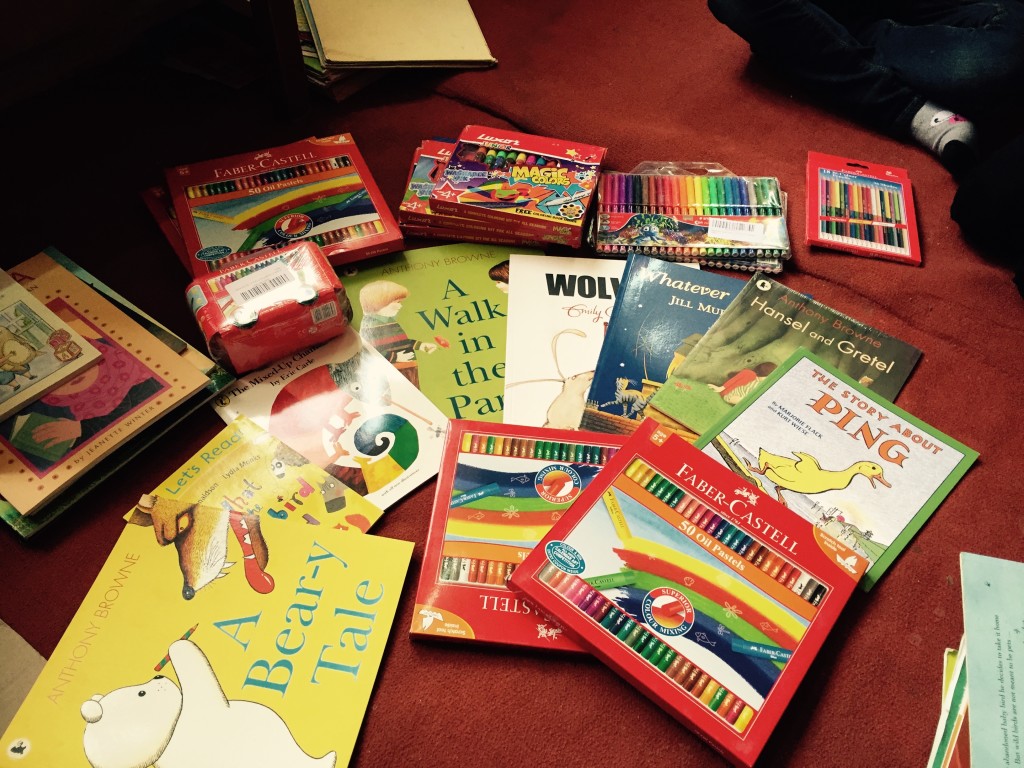
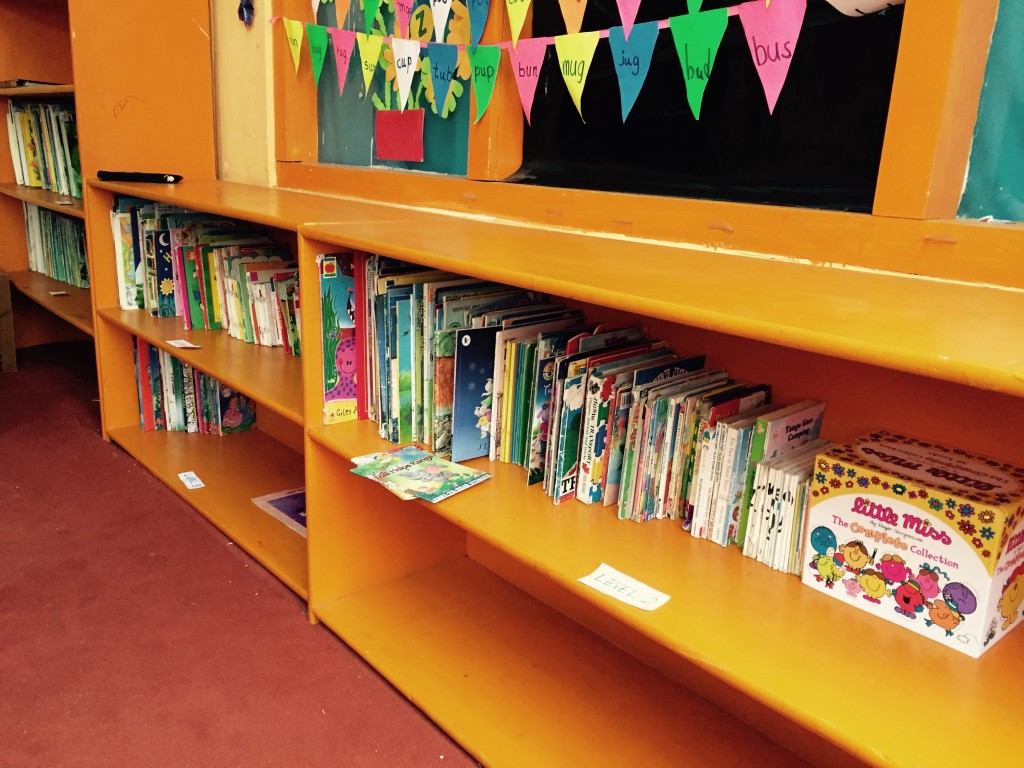
Book drives are valuable when donated material is sorted, repaired, and matched with readers. A crate of well-used books from Melbourne, Sydney, or an Australian regional town can support a reading room in Ladakh, but quantity alone does not guarantee access. Suitable language, reading level, subject interest, and durable formats matter just as much as the number of volumes.
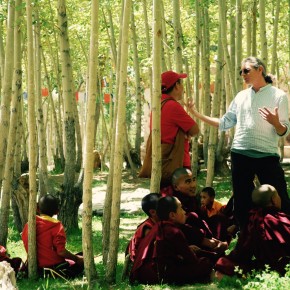
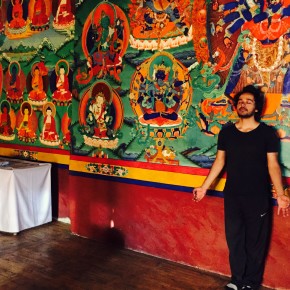
Accounts of the Trust’s work, photographs from Ladakh, and practical information for supporters are available through the Trust’s website, where prospective volunteers and donors can understand the aims of a programme before contributing time or money. This context helps turn generosity into informed support.
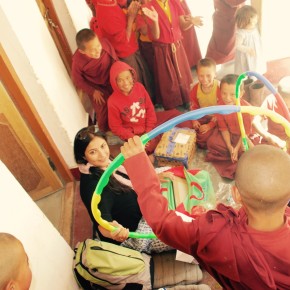
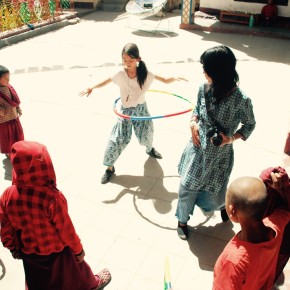
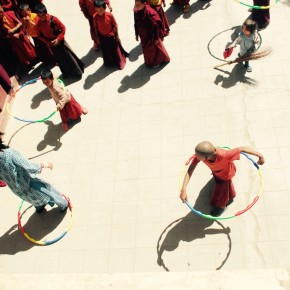
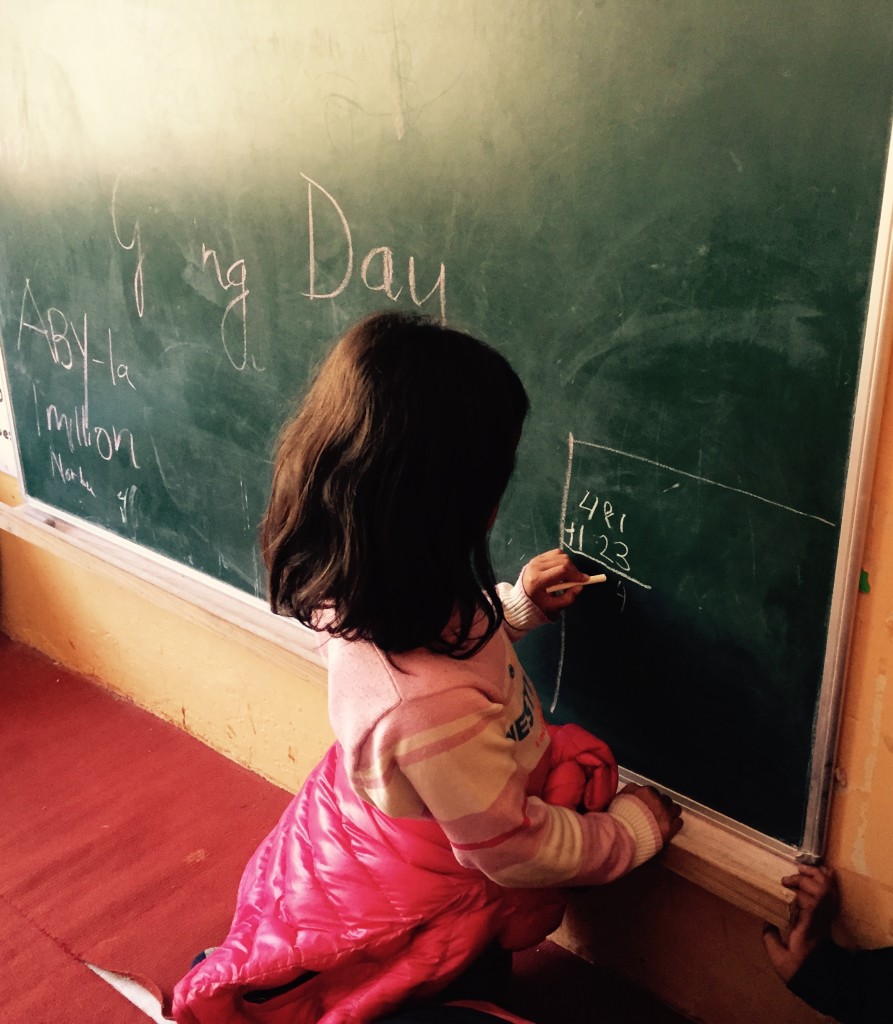
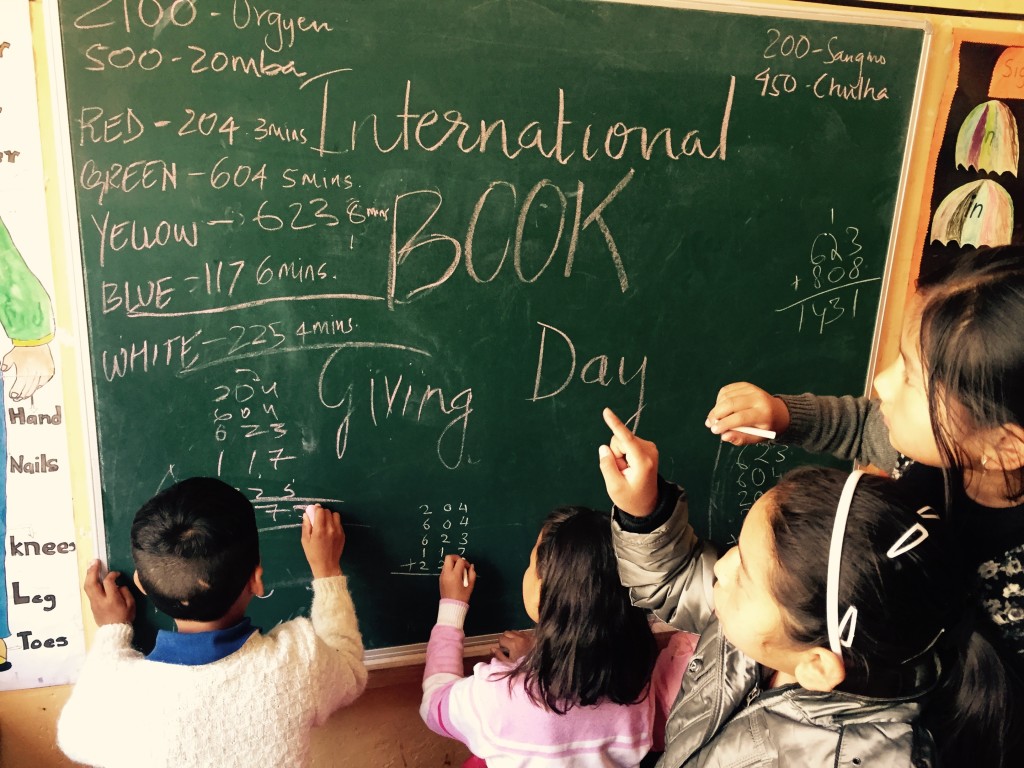
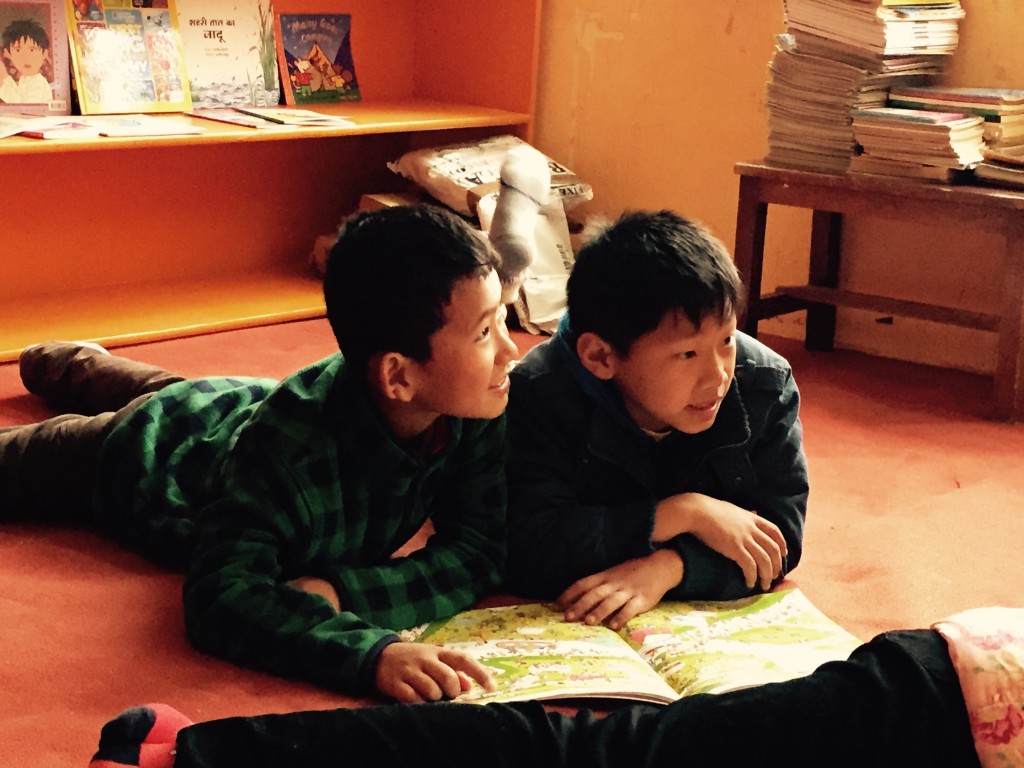
Literacy programmes become stronger when reading is connected to artistic and musical activity. A story may lead to drawing, discussion, performance, or local publication, allowing children to interpret material in their own ways. Books then become tools for discovery rather than silent objects on a shelf.
A Responsible Australian Book Drive
Australian readers may recognise the familiar rituals of public libraries, school reading programmes, neighbourhood book collections, and secondhand markets. Community centres and op shops often gather books that families no longer need, making them useful partners in book drives. Even cities with extensive library networks contain schools and households whose access depends on careful support.
Communities in regional and remote Australia also face transport, staffing, and connectivity constraints, although their histories and cultures differ greatly from those of Himalayan communities. The comparison should not flatten those differences. It does show why distance, cost, and infrastructure must be considered when planning any collection destined for another region.
A responsible Australian book drive can follow these recommendations:
- Begin with a conversation about reading gaps rather than collecting books without guidance.
- Commission local writers, illustrators, translators, and young people to create relevant material.
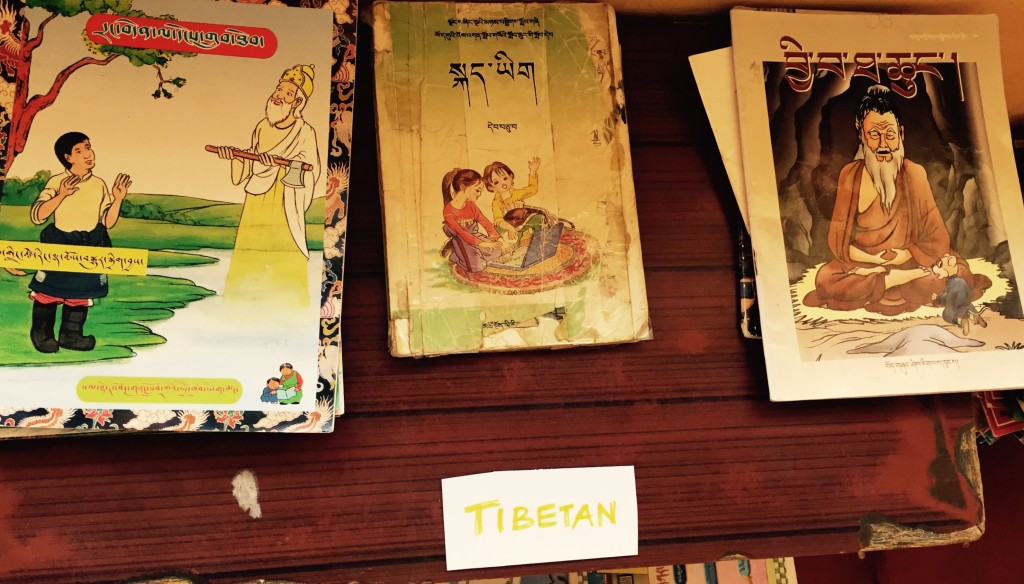
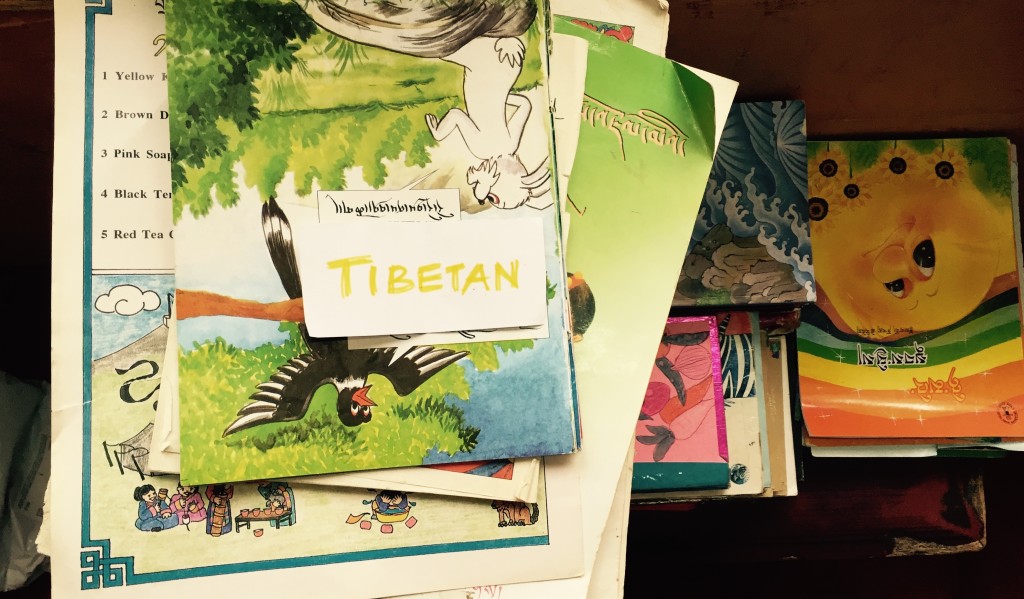
- Include bilingual or multilingual books where children learn through more than one language.
- Pair oral-history projects with informed consent, privacy protection, and community ownership of records.
- Respect First Nations story authority and cultural protocols through relevant Aboriginal and Torres Strait Islander organisations.
- Budget for strong bindings, local storage, repairs, and freight, including Australia Post costs when books are shipped overseas.
- Measure repeat borrowing, discussion, and creative response instead of judging success only by kilograms collected.
This approach supports the Australian Curriculum’s emphasis on literacy as both interpretation and cultural participation. It also offers Australian donors a way to contribute beyond cash: professional editing, translation, bookbinding, photography, audio production, and fundraising skills can all be valuable. A community book fair can become a living partnership when proceeds, advice, and finished materials return to the people who shaped them.
The Memory That Belongs on a Shelf
The child’s question did not require every grandmother to become famous in the conventional sense. It required her life to be visible in the world where her granddaughter was learning to read. A modest book made from their conversations, drawings, and songs could answer that need while teaching the child how memories become records.
The most meaningful result would not be a flawless biography. It would be a shared creation that allowed the grandmother to speak, the child to interpret, and the community to recognise an ordinary life as history. Each reader who borrowed the book could add another layer of meaning to it.
What should remain is the conviction that a child’s search for her grandmother reveals why every community needs books that preserve ordinary, extraordinary lives.