Keeping Books Moving Through Himalayan Monsoon Routes
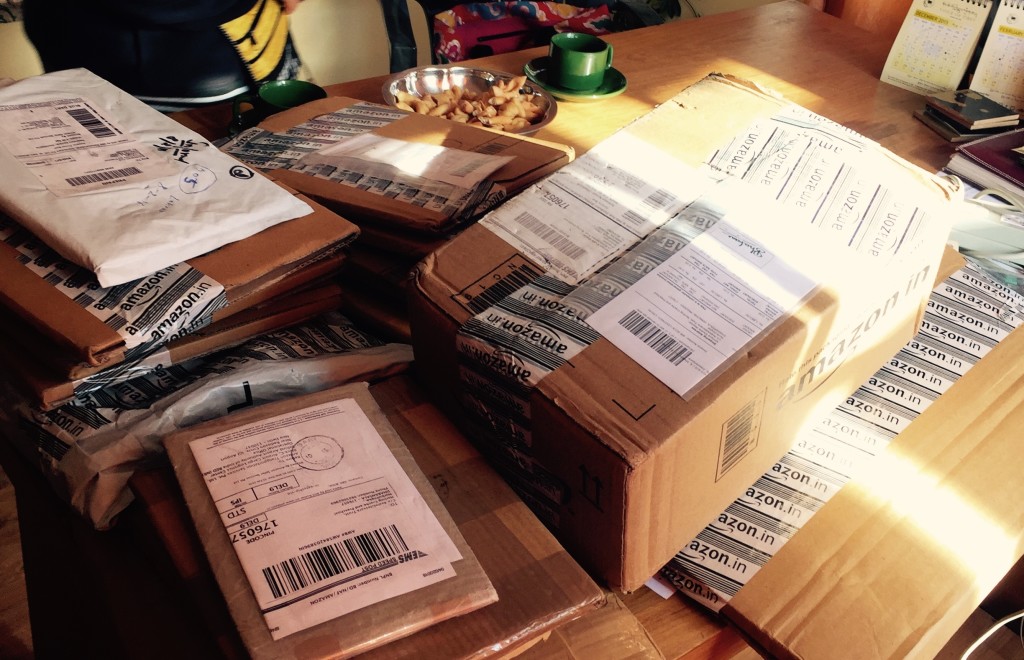
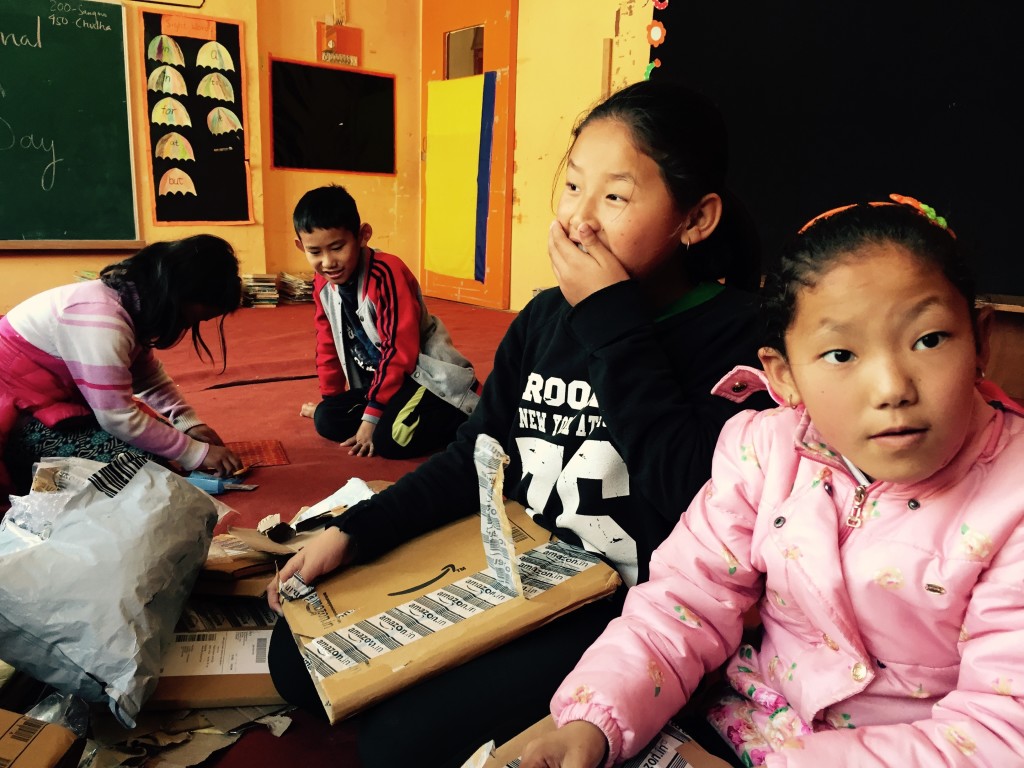
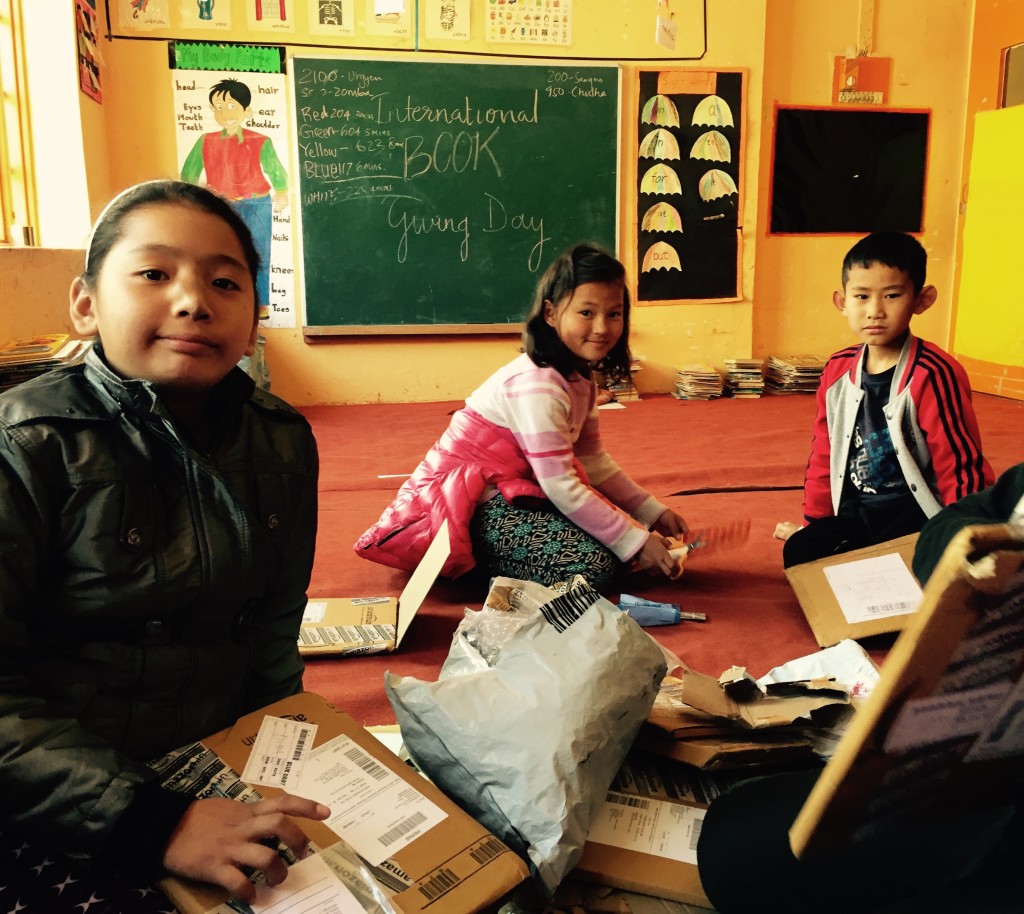
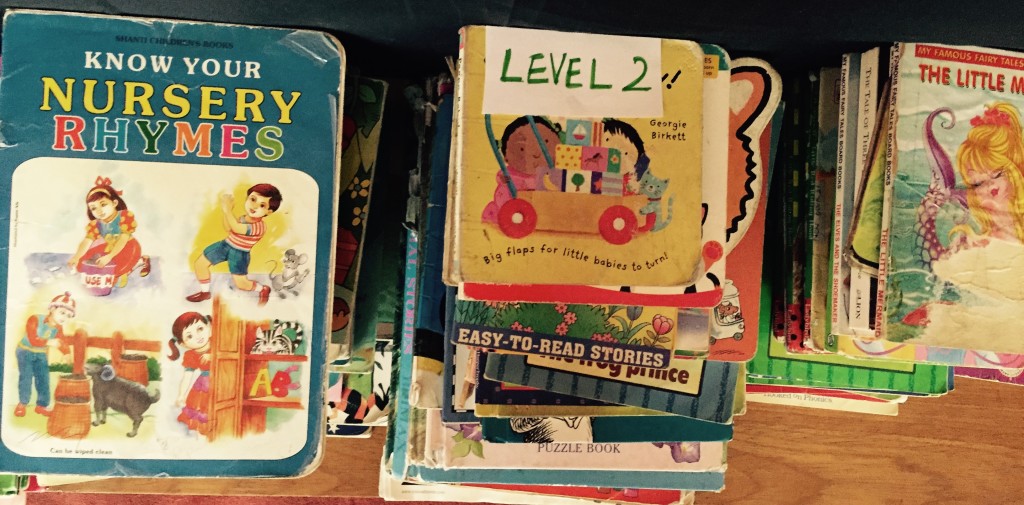
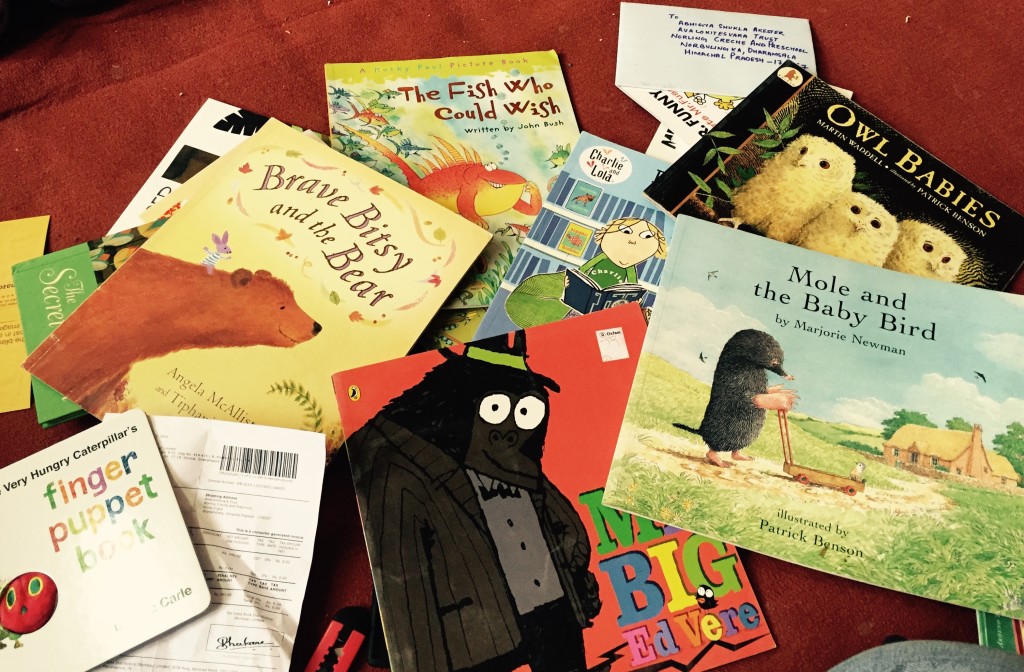
A book can travel a long way before it reaches a child in a Himalayan village or a young monk in a remote learning center. It may begin in a city warehouse, cross a mountain pass, move along a narrow valley road, and finally be carried by hand to a reading room. During the rainy season, every part of that journey becomes less predictable.
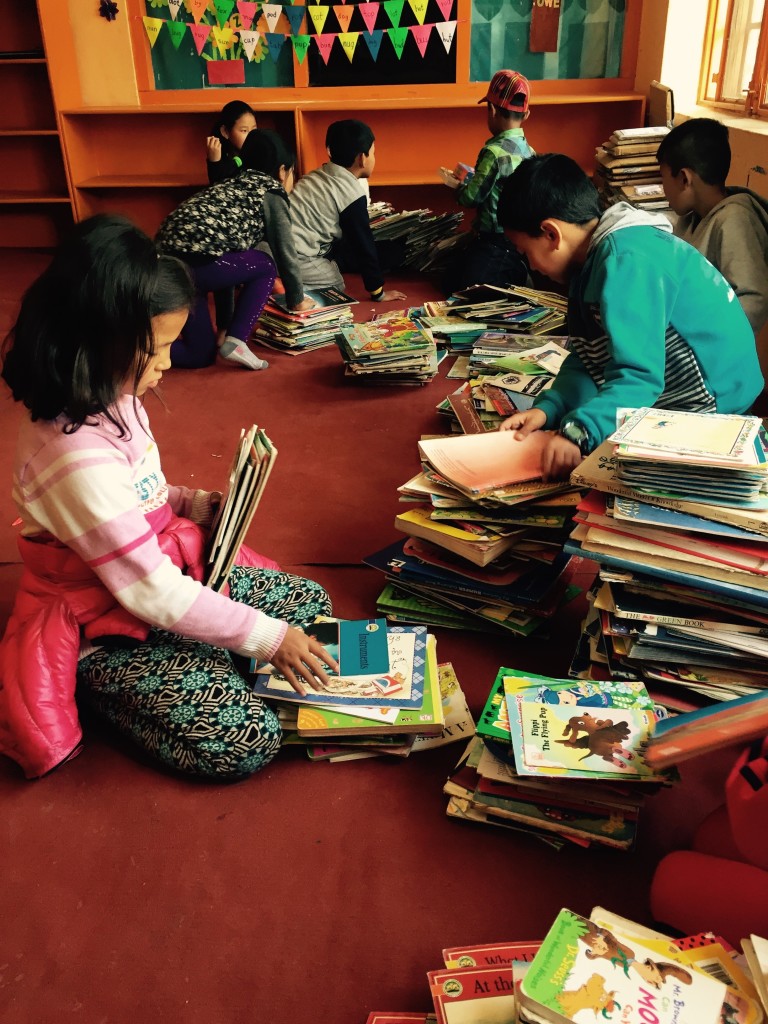
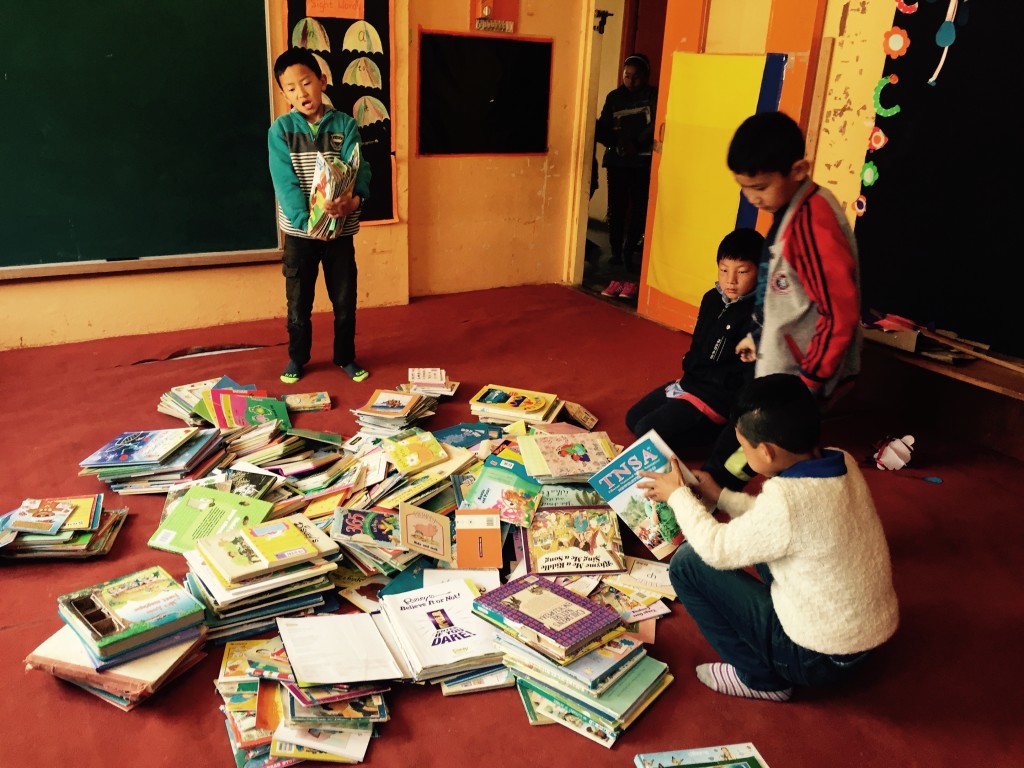
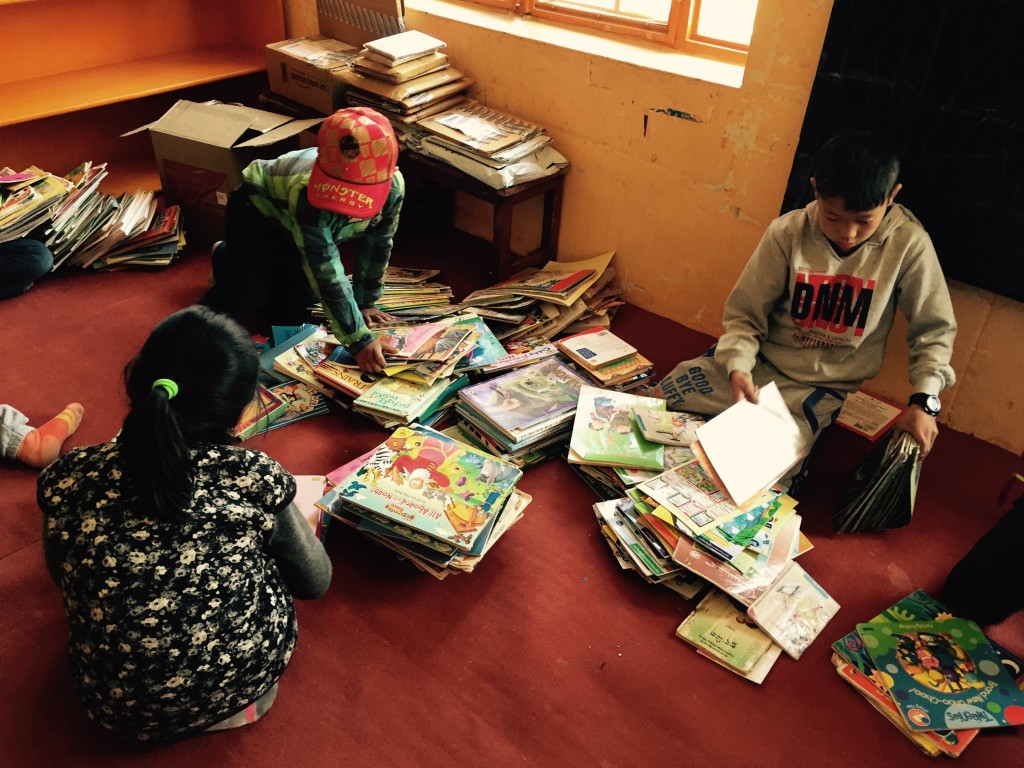
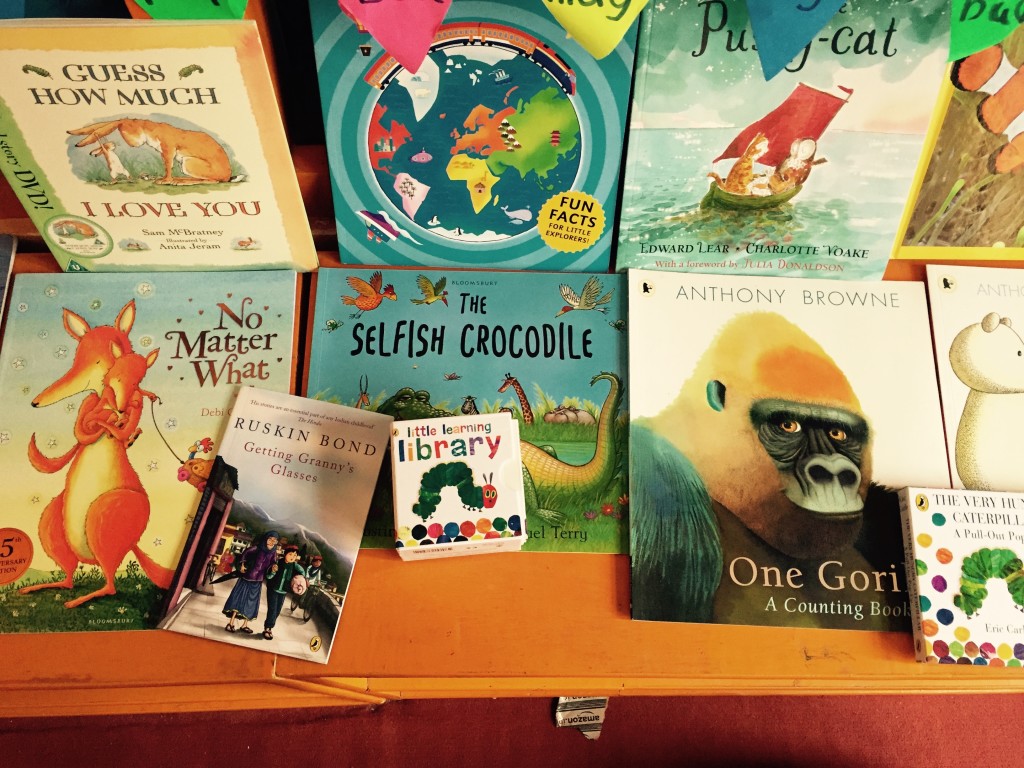
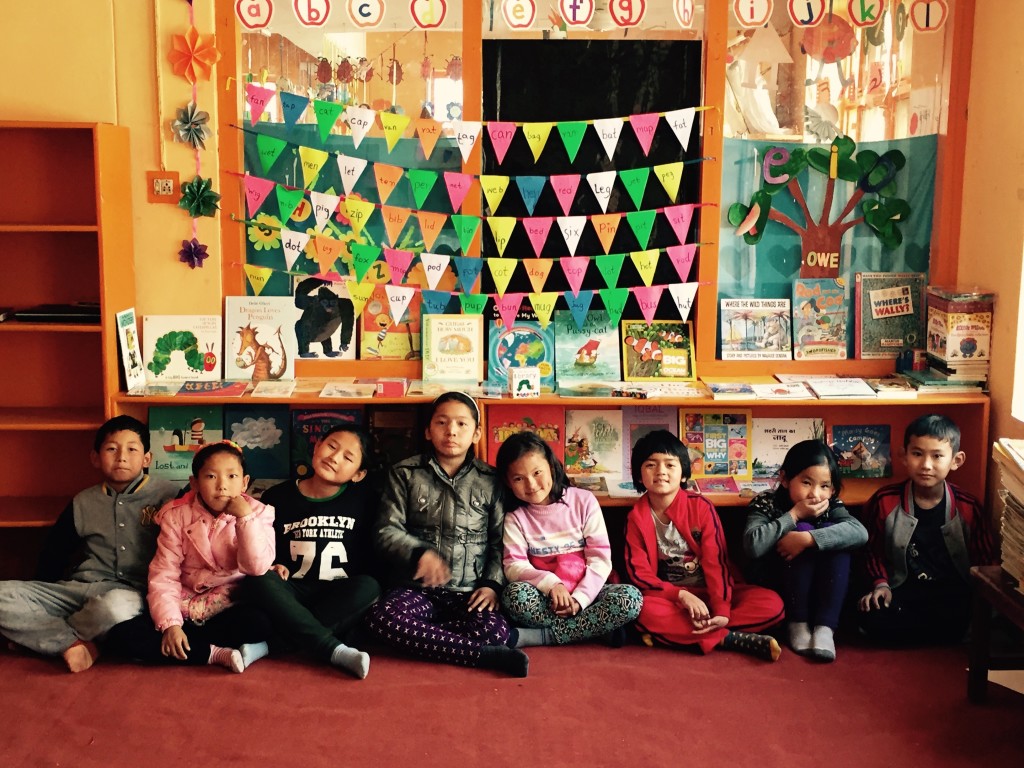
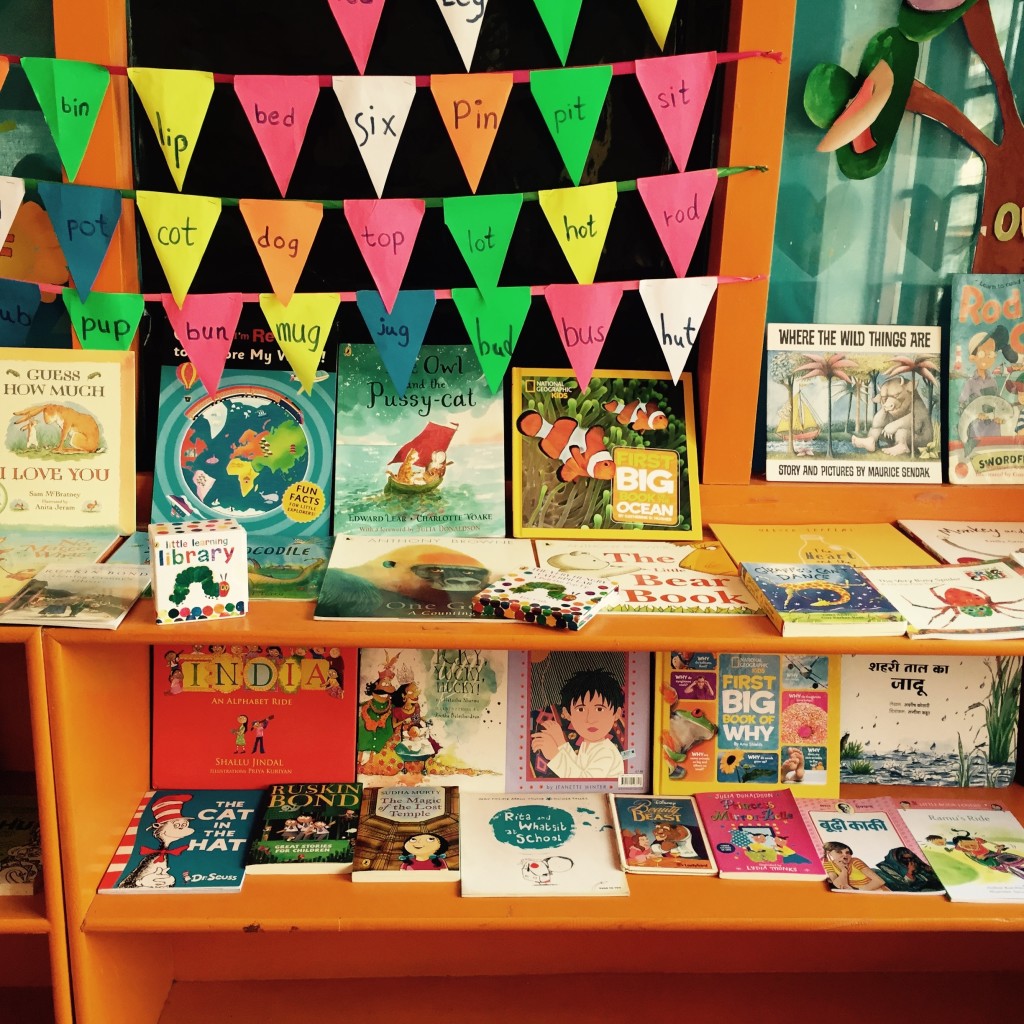
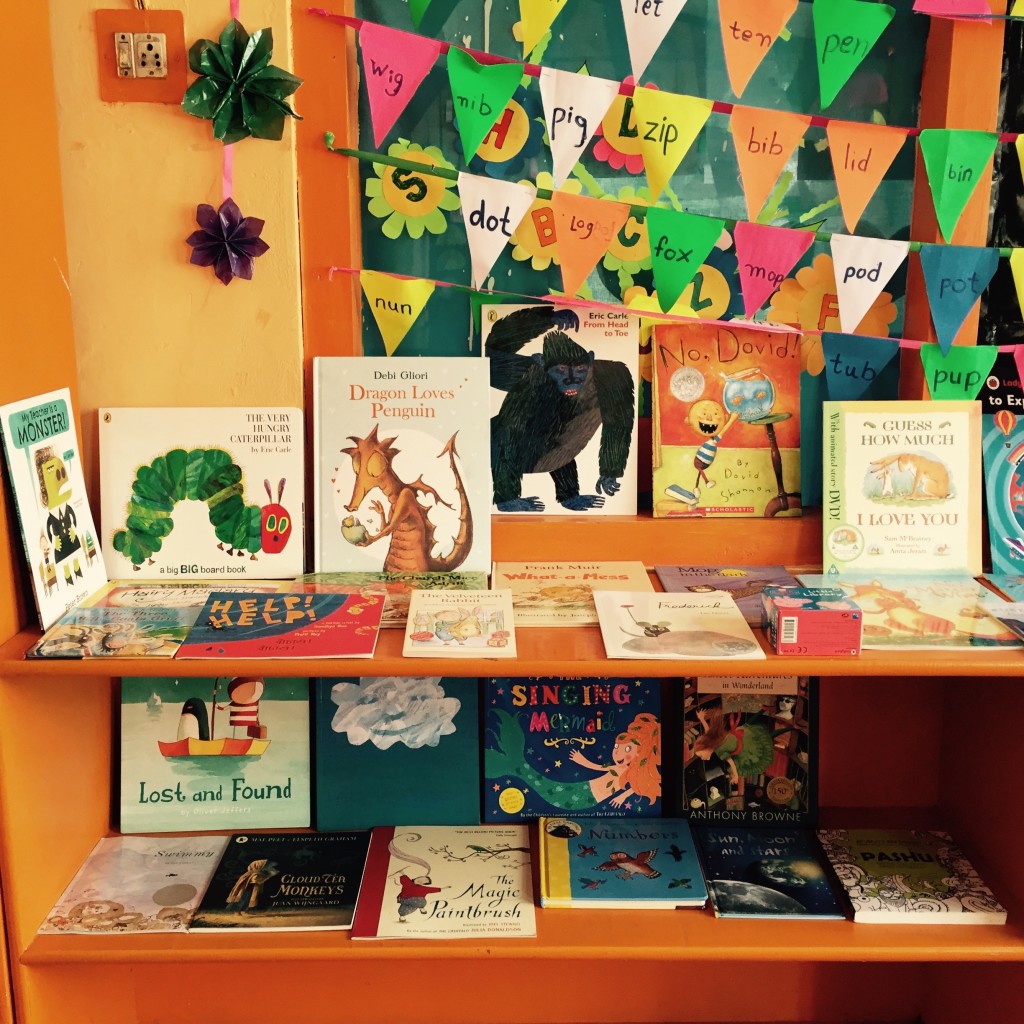
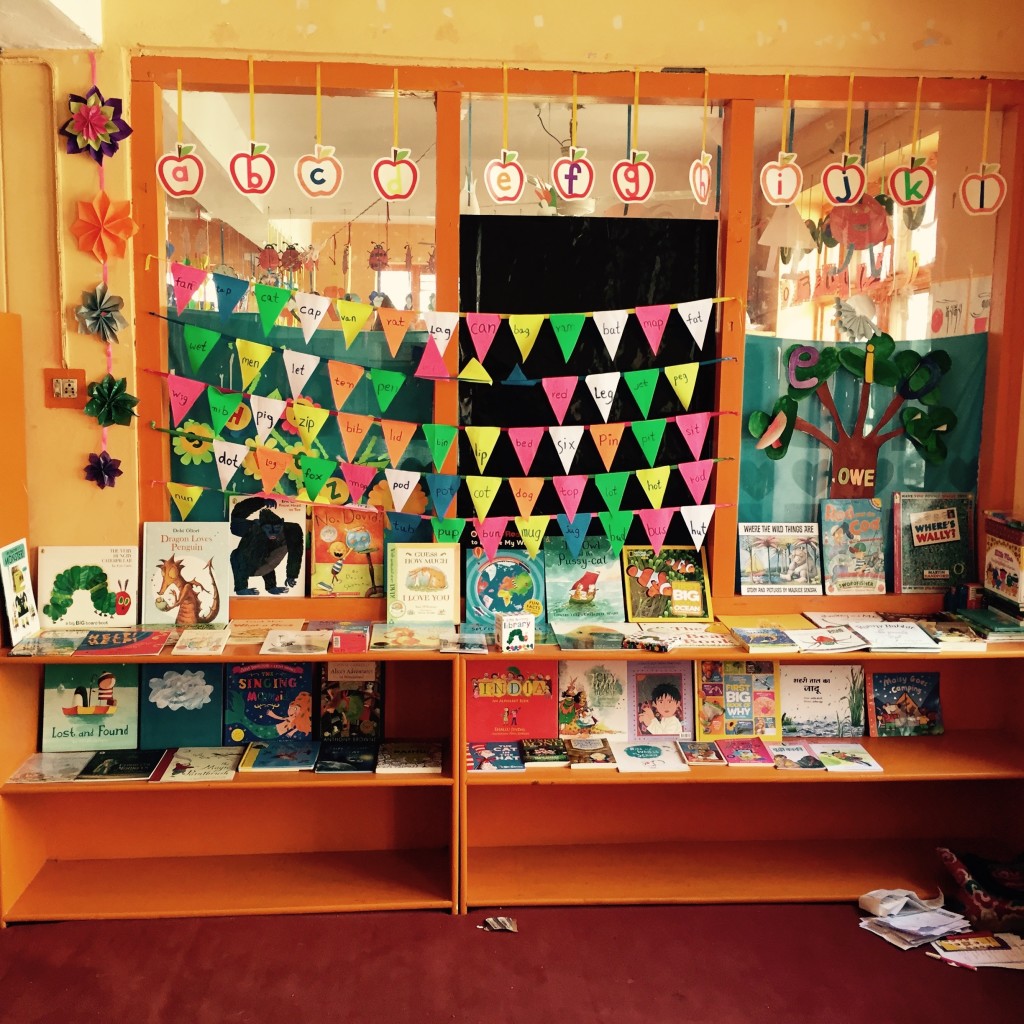
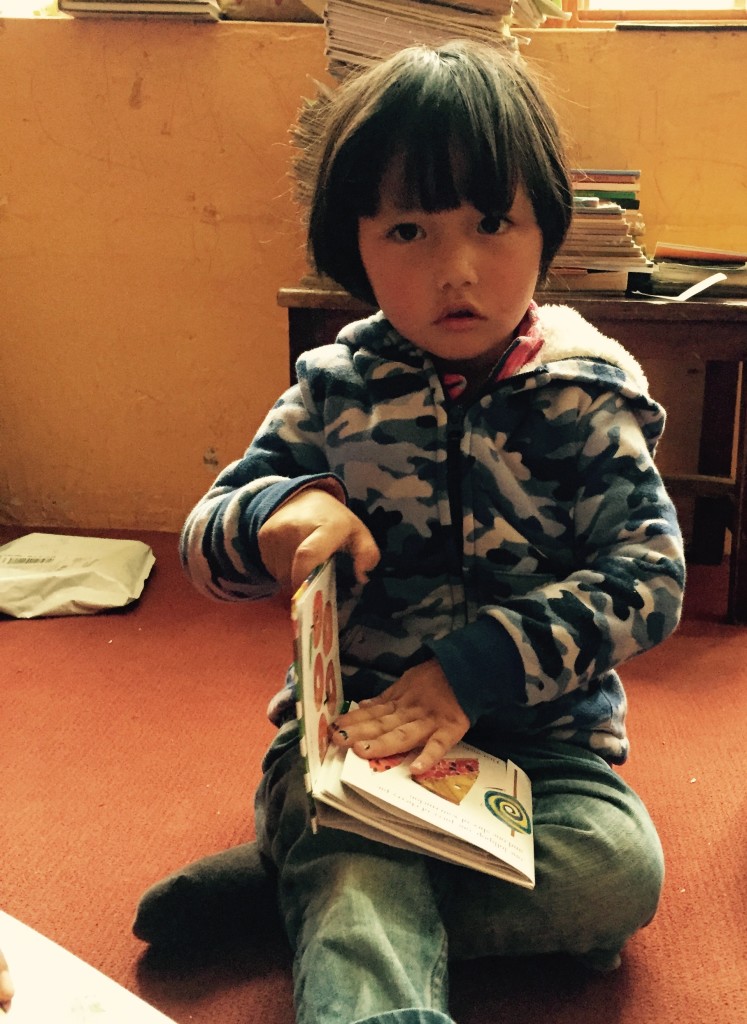
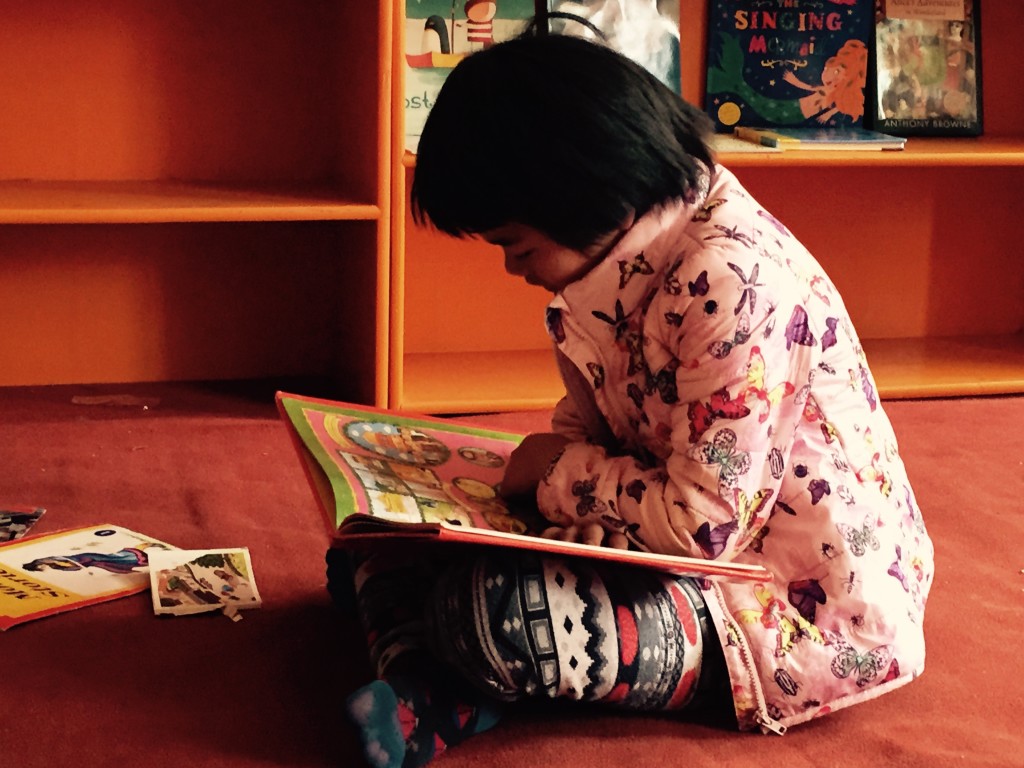
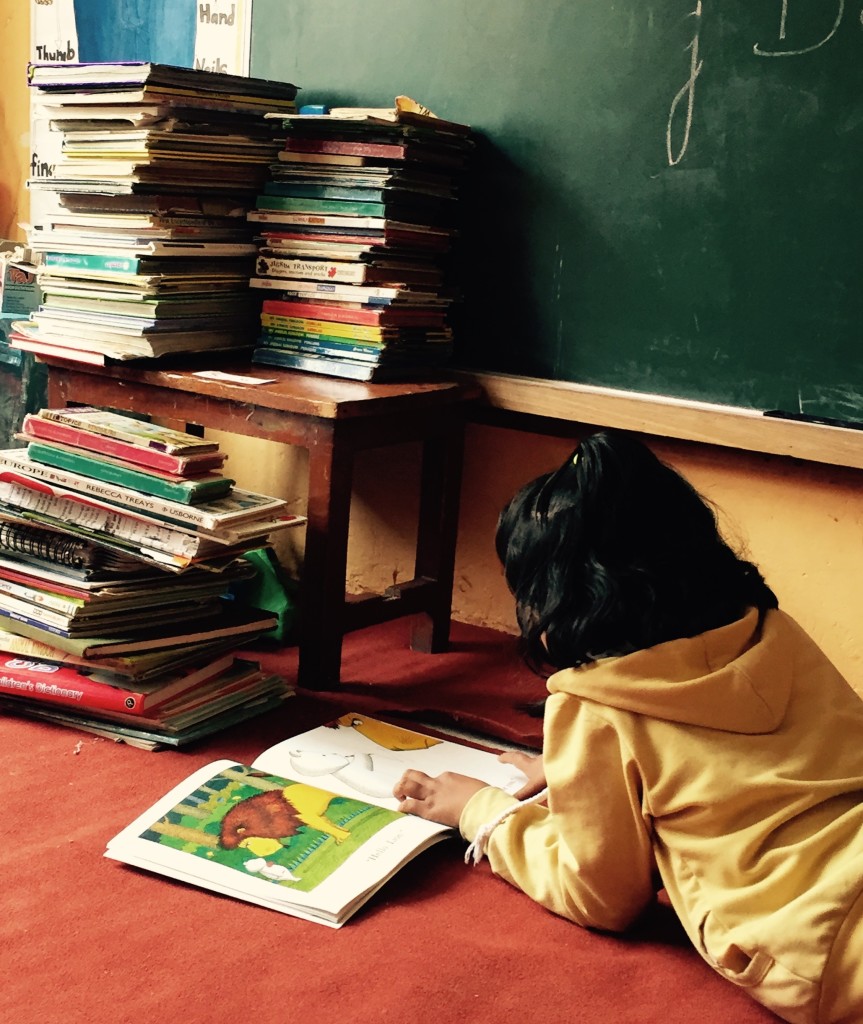
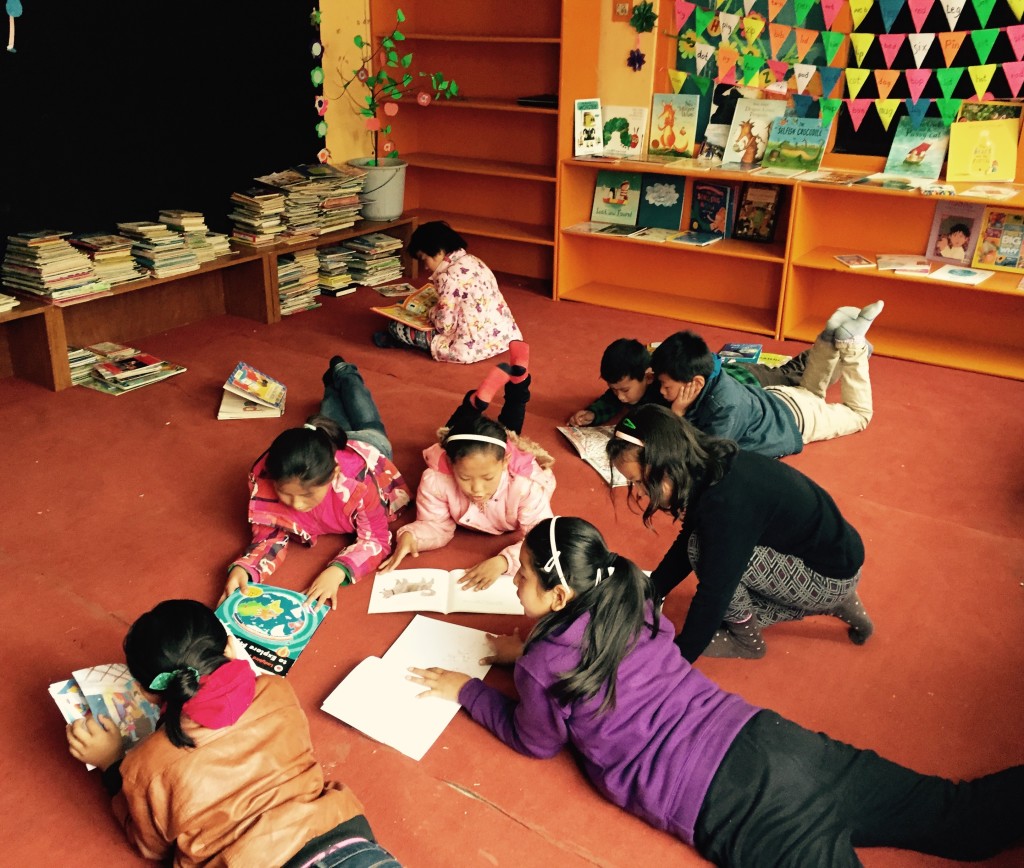
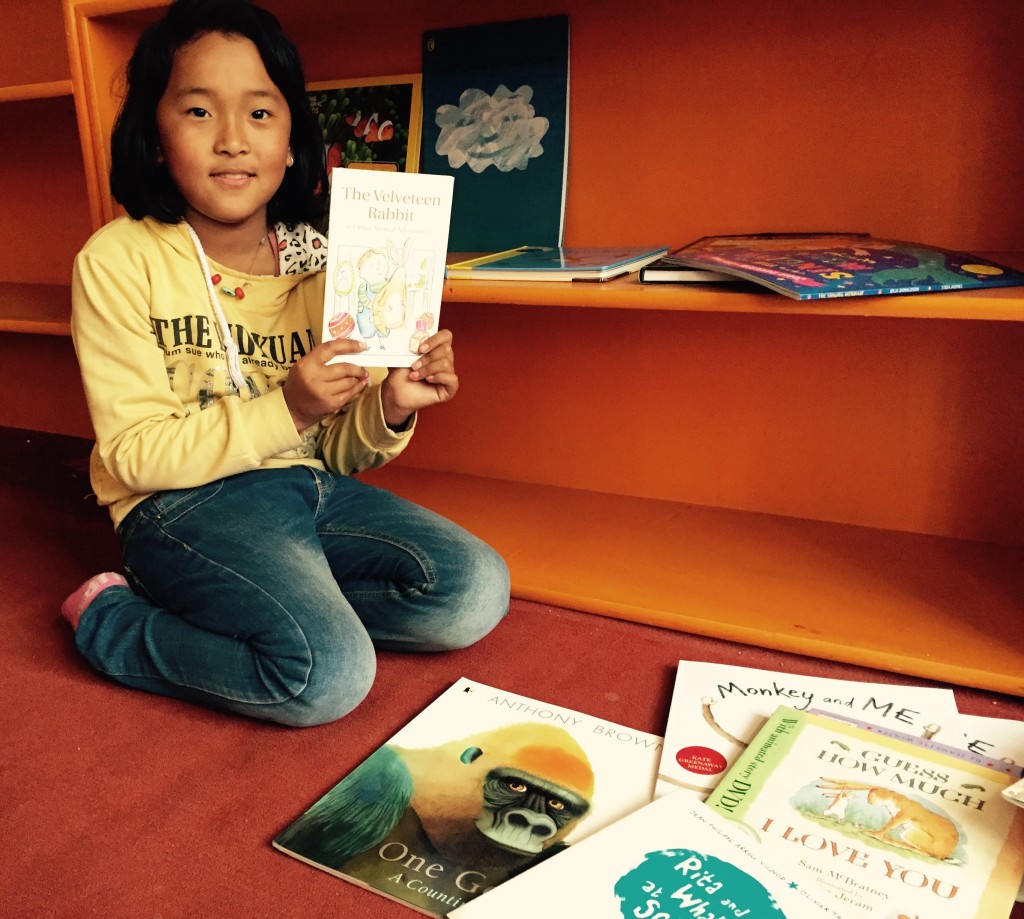
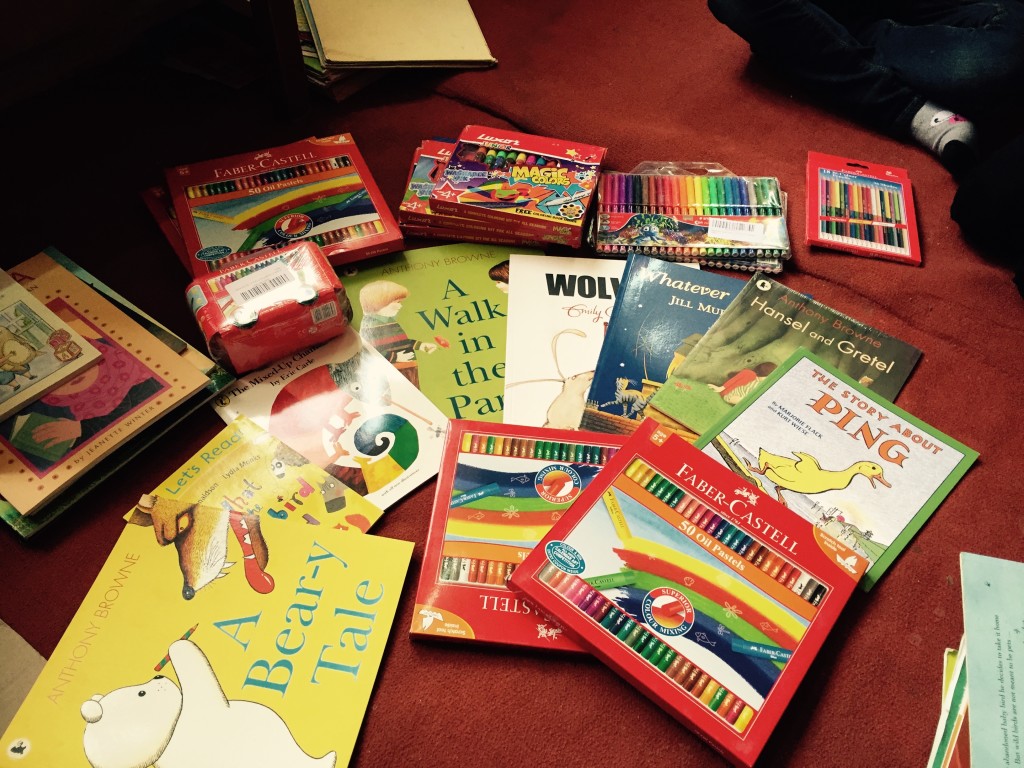
For Avalokiteśvara Trust, delivering books is closely connected with creating lasting opportunities. A well-stocked shelf supports reading practice, imagination, language development, and independent study. Yet getting those books safely to Ladakh and other Himalayan communities requires careful planning, local partnerships, and patience.
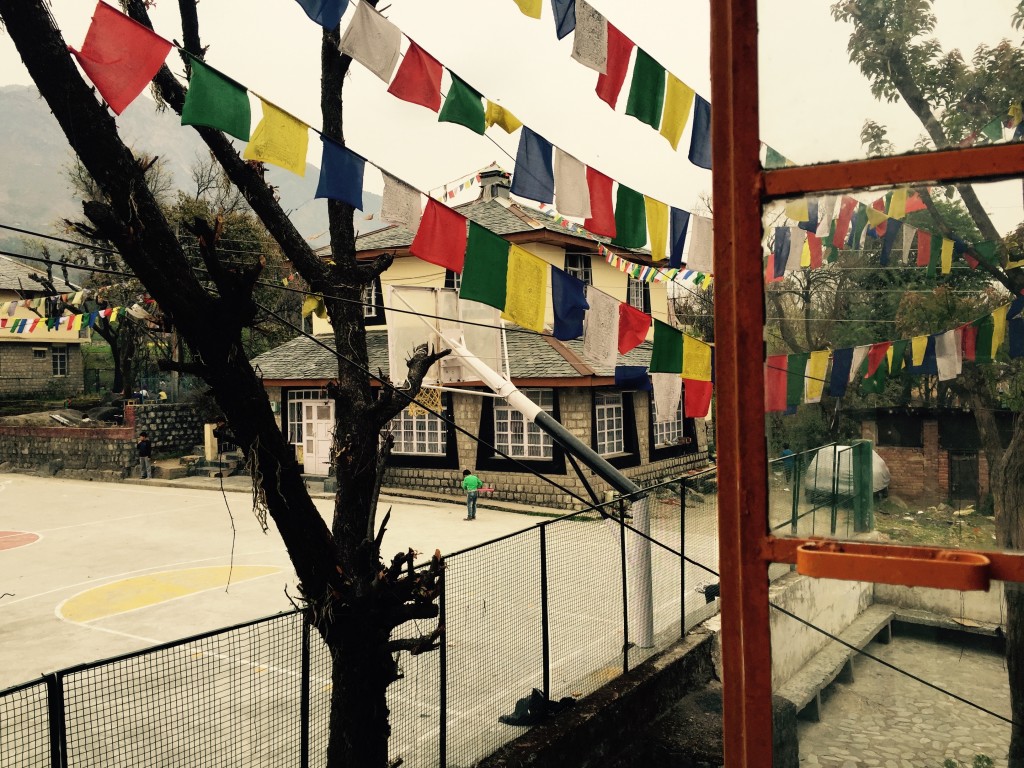
The monsoon does not affect every Himalayan location in the same way. Ladakh sits largely in a rain shadow, while surrounding regions and the routes linking them can receive intense rainfall. Landslides, swollen streams, damaged bridges, and delayed transport can all interrupt the movement of educational resources.
Rain Changes Every Route
Mountain roads are vulnerable because they often follow steep slopes, riverbeds, and narrow valleys. A short period of heavy rain can loosen soil above a road or send stones onto the track. Even when a major highway remains open, the smaller road leading to a village, monastery, or community center may be impassable.
Transport schedules also become uncertain. A truck may leave on time but stop for several hours while workers clear debris. A bus carrying cartons of books may be diverted, or a driver may decide that a river crossing is unsafe. These delays are essential safety measures, yet they make delivery dates difficult to promise.
In remote communities, the final distance is often the hardest. Books may need to be transferred from a large vehicle to a smaller four-wheel-drive car, pack animal, or porter. When rain has softened the ground, the last mile can take much longer than the first hundred kilometers.
Books Face Water And Time
Moisture is a serious threat to printed materials. Water can warp covers, stain pages, weaken glue, and encourage mold. A damaged carton may expose several books at once, turning a minor leak into a major loss. Humidity can also affect paper even when no package is visibly wet.
Packaging must therefore be treated as part of the educational work. Strong corrugated boxes, sealed inner bags, raised storage platforms, and waterproof outer wrapping provide several layers of protection. Books should be packed tightly enough to reduce movement, while still allowing inspection and ventilation when they arrive.
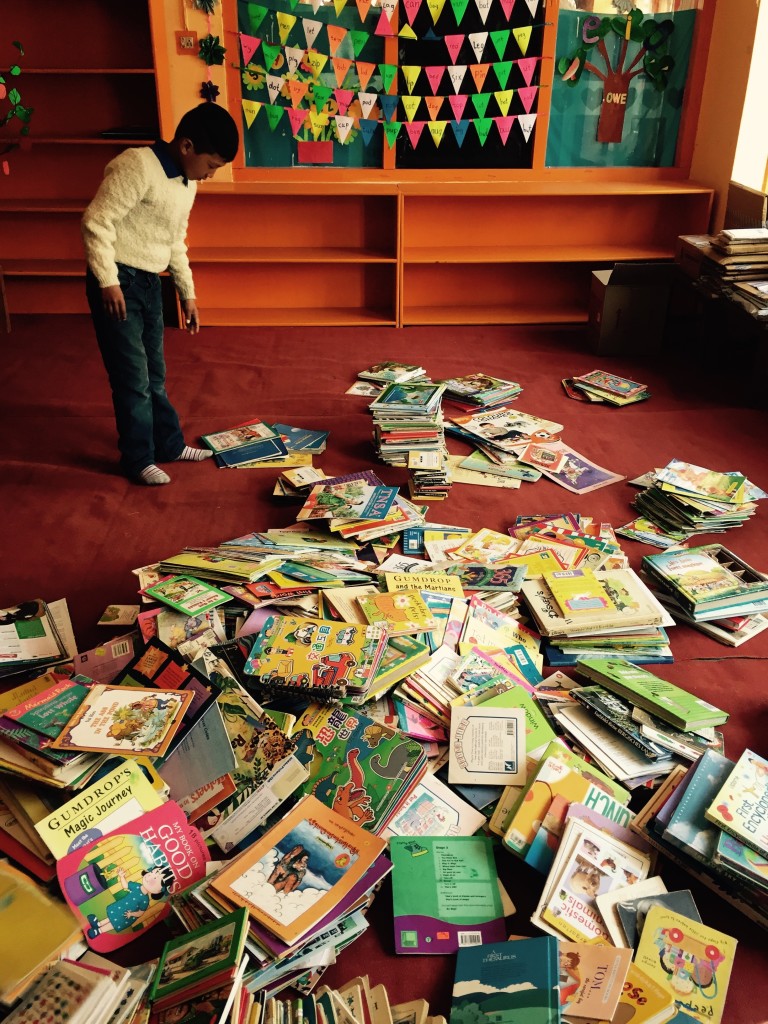
Time matters as much as packaging. If wet cartons remain closed for days, damage can spread inside. Local coordinators need a clear process for receiving, counting, drying, and storing shipments. A shaded, clean room with airflow can help save books that have been exposed to damp conditions, especially when volunteers act quickly.
Local Knowledge Makes Delivery Possible
People who live along the route understand details that may not appear on a map. They know which bridge becomes unsafe after rainfall, which road is repaired first, and which driver has experience with difficult terrain. Their knowledge helps organizations choose realistic delivery windows rather than relying only on standard transport schedules.
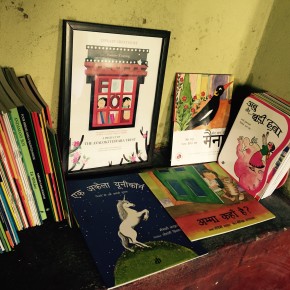
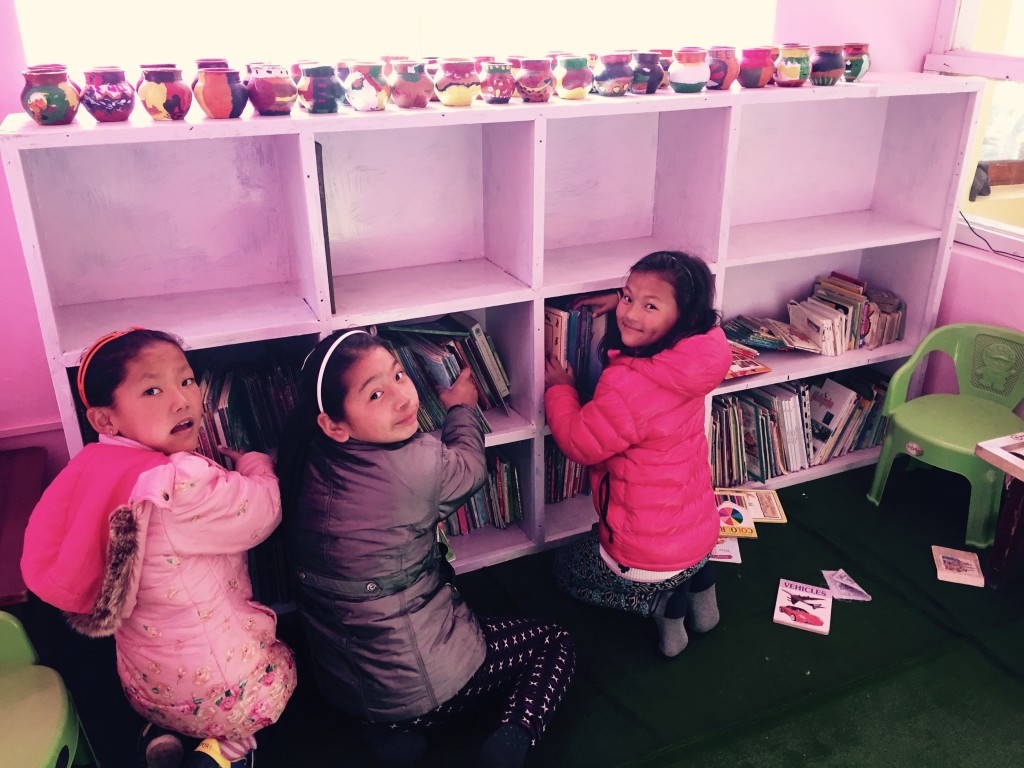
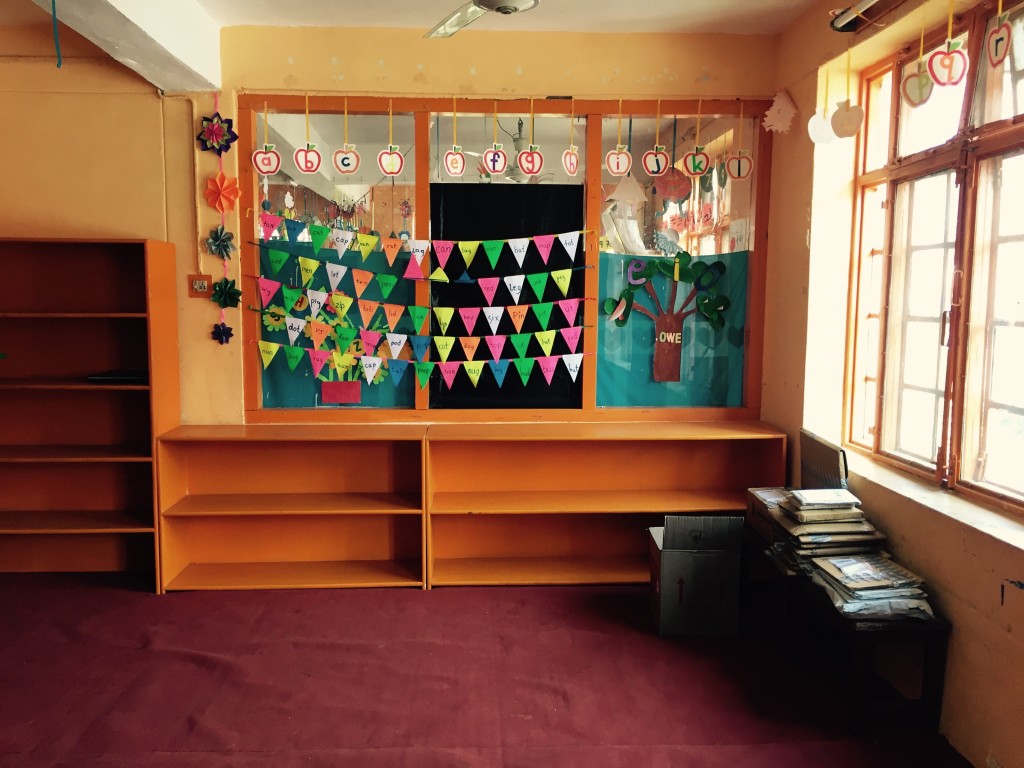
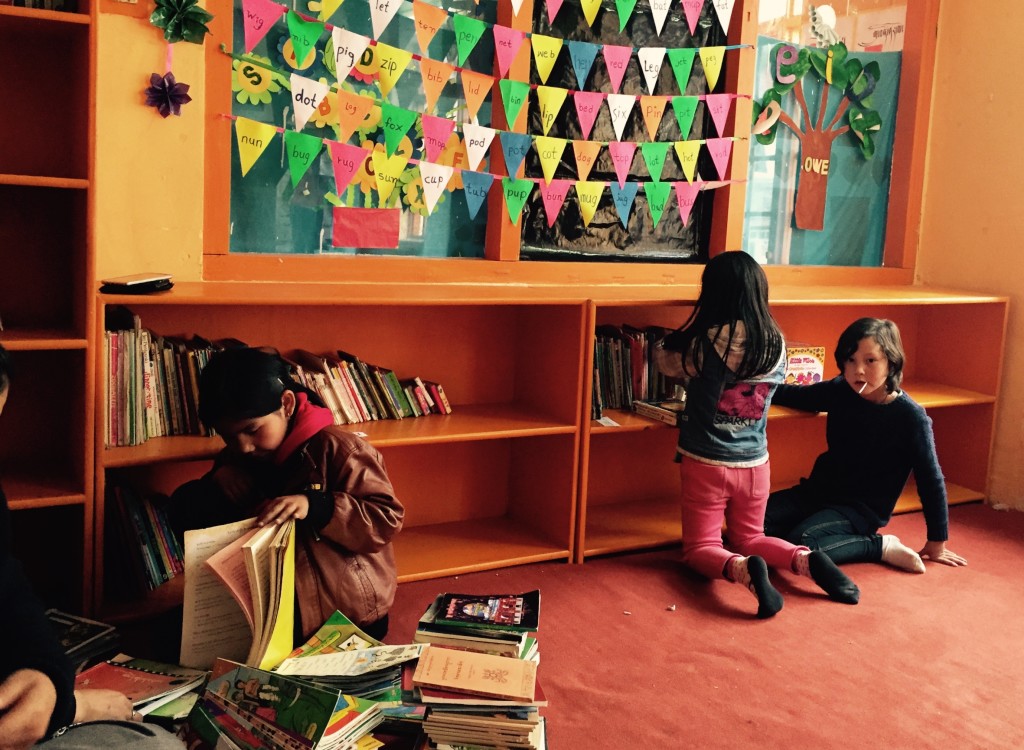
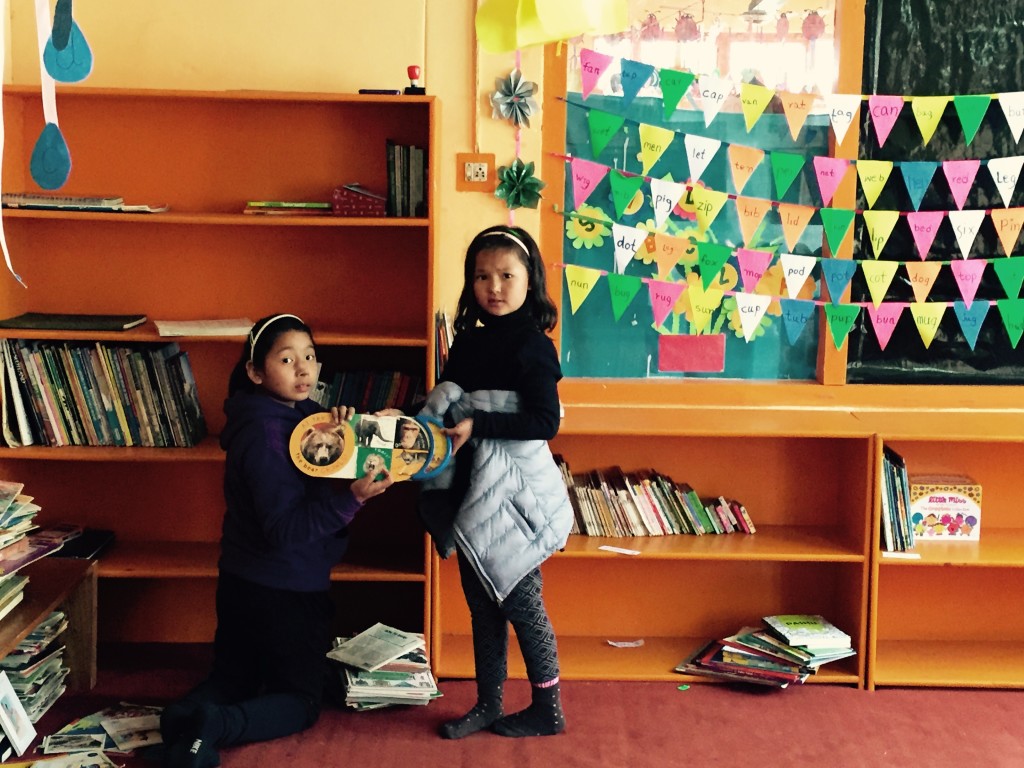
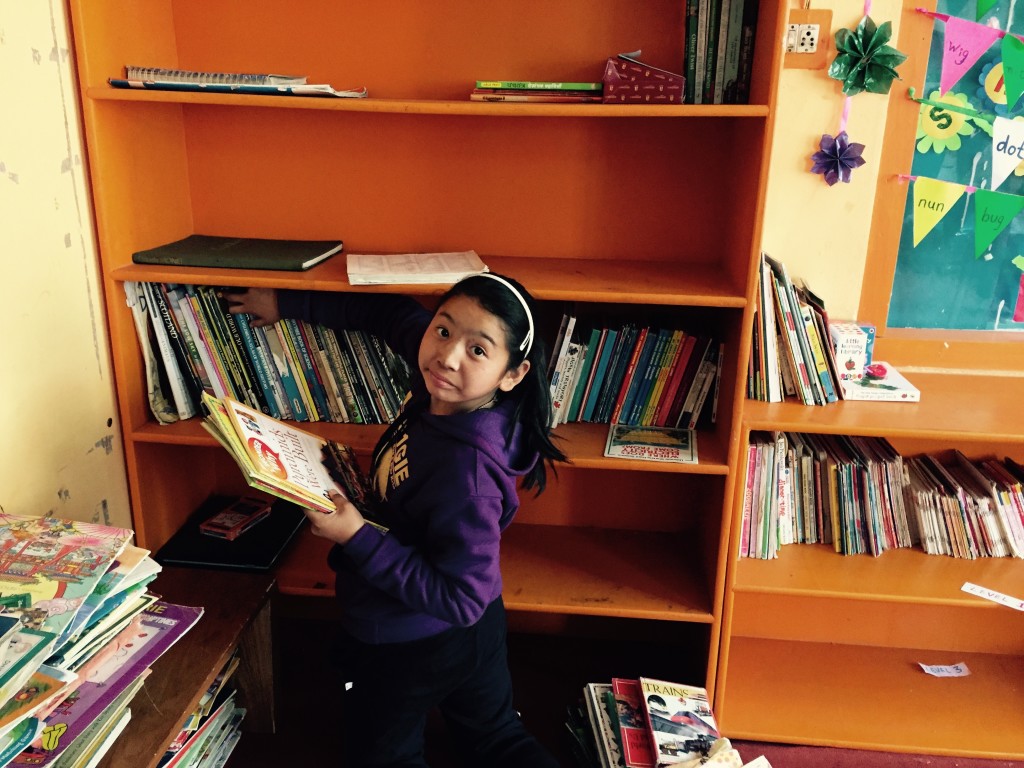
Local schools, monasteries, families, and community groups can also provide temporary storage. If a shipment cannot continue, books may be kept safely in a nearby building until the route opens. This arrangement is especially valuable for reading room projects, where a delay of several days is manageable if the materials remain dry and accounted for.
Communication is another form of local infrastructure. Phone calls, radio messages, and regular updates allow coordinators to adjust plans before a vehicle reaches a blocked section. A flexible route may involve several handovers, but each handover works best when responsibilities are agreed in advance.
Comparing Delivery Options
No single transport method suits every Himalayan shipment. The right choice depends on road conditions, distance, volume, cost, and the urgency of the books. A slower option may be safer and more economical when weather forecasts indicate prolonged disruption.
| Delivery method |
Main advantage |
Monsoon limitation |
Best use |
| Large road truck |
Moves many cartons at once |
Vulnerable to road closures and bridge damage |
Bulk shipments to regional hubs |
| Four-wheel-drive vehicle |
Reaches rougher roads and smaller settlements |
Limited carrying capacity and higher fuel costs |
Final-mile distribution |
| Local bus or shared transport |
Uses existing community routes |
Less control over timing and handling |
Small, flexible consignments |
| Porter or pack animal |
Can cross narrow paths and short blocked sections |
Slow and unsuitable for large loads |
Last-mile access after road disruption |
| Air freight |
Avoids damaged roads and saves time |
Expensive and dependent on flight availability |
Urgent or high-value materials |
Combining methods can reduce risk. A large shipment might travel to a regional town by truck, continue in smaller loads by four-wheel drive, and reach a village through local carriers. This approach requires more coordination, but it prevents one road closure from stopping the entire supply chain.
Protecting Books Before They Travel
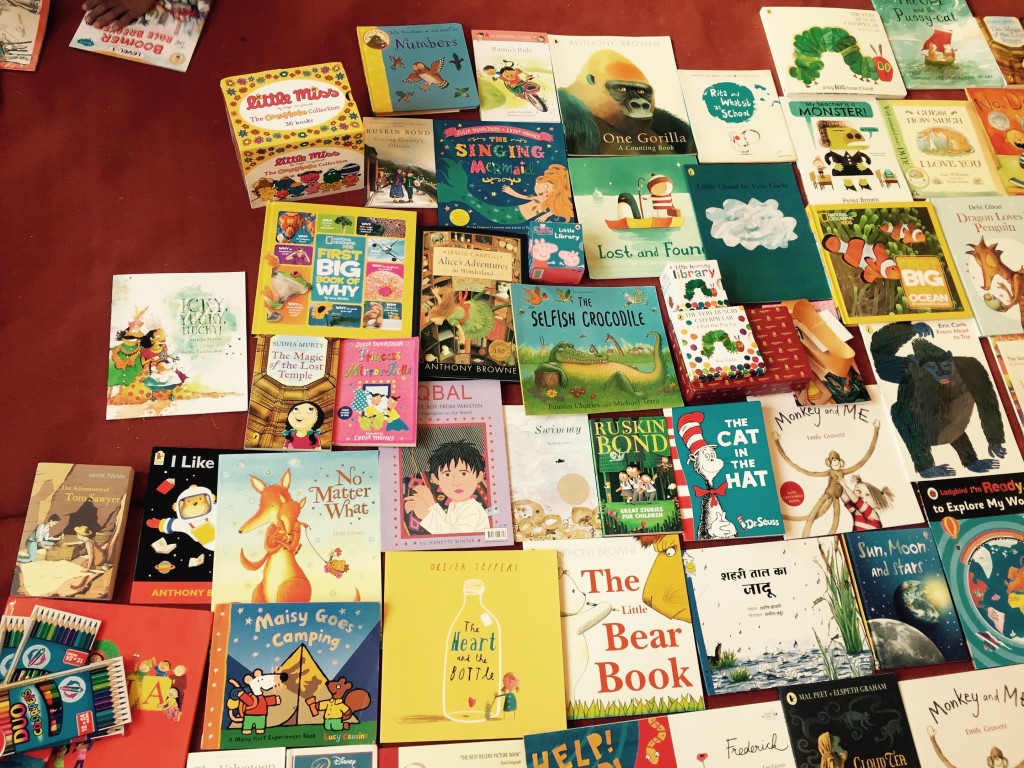
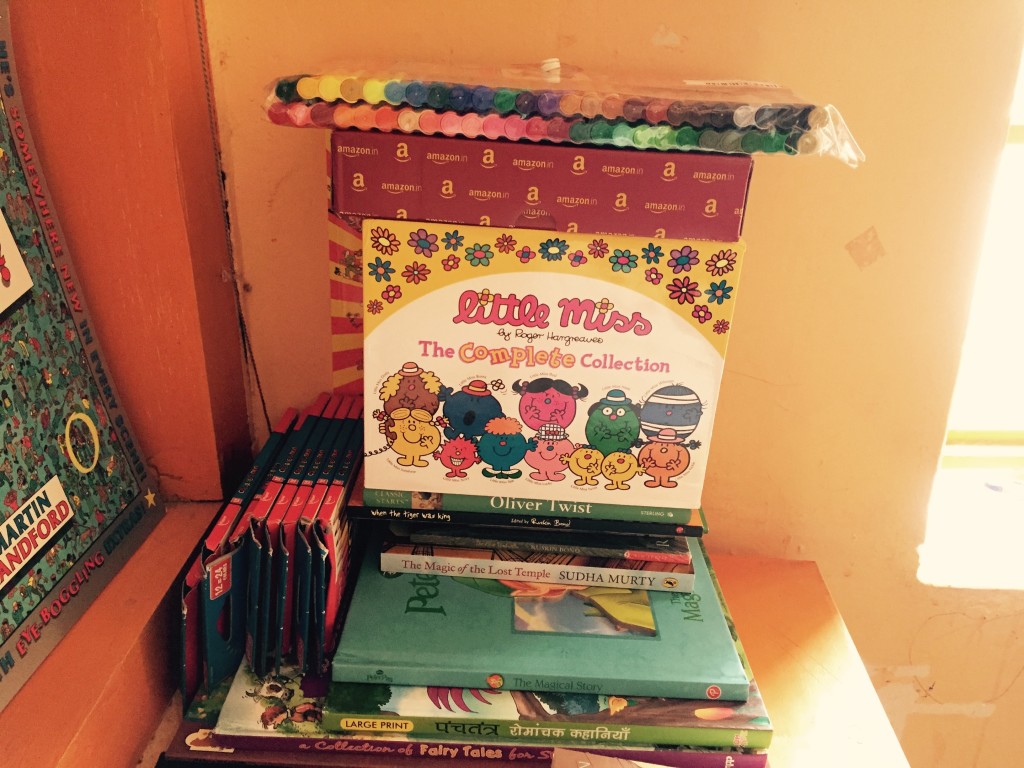
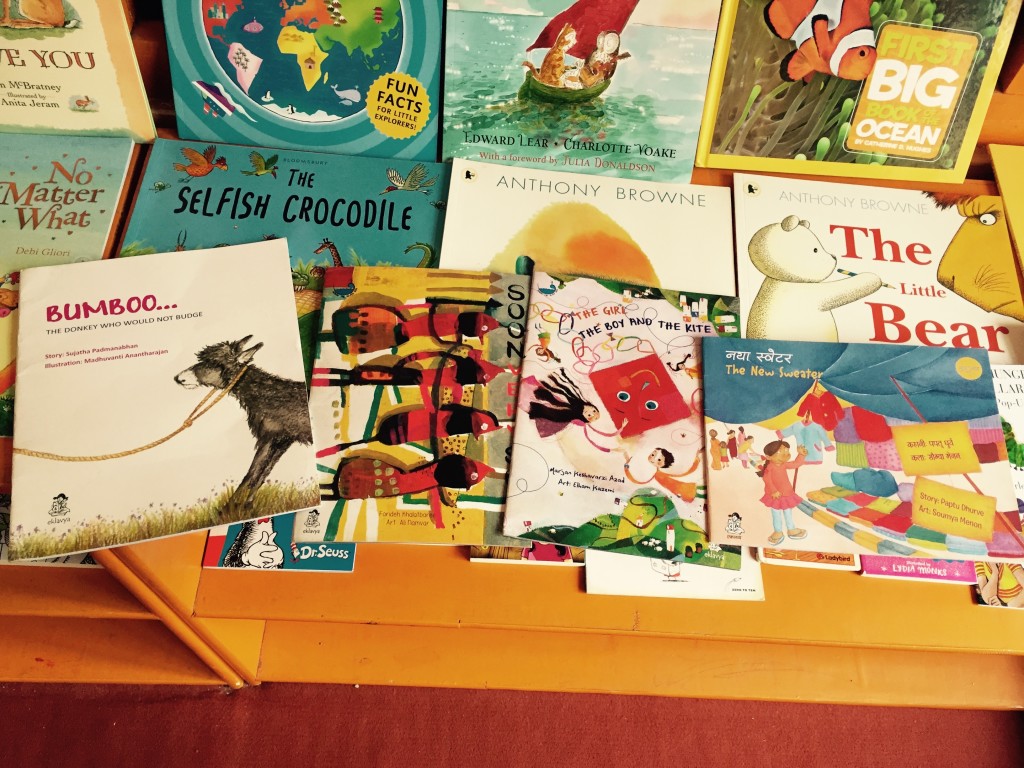
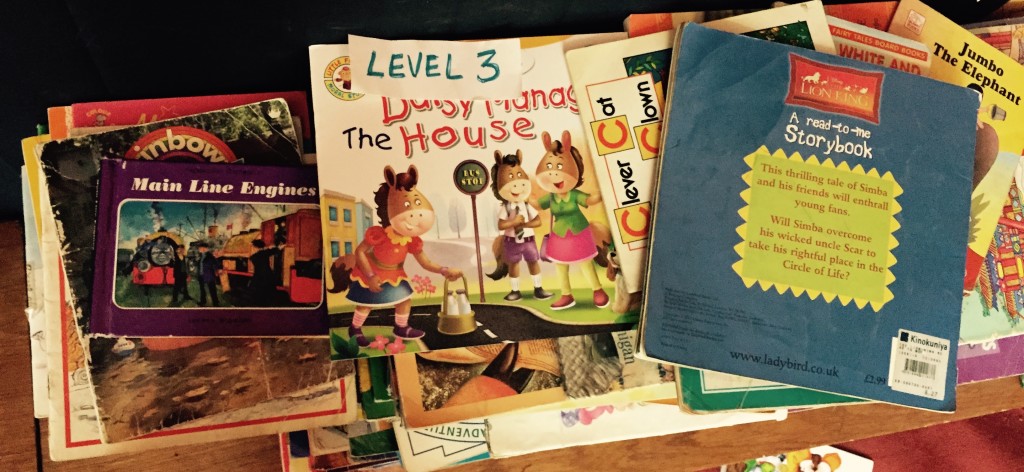
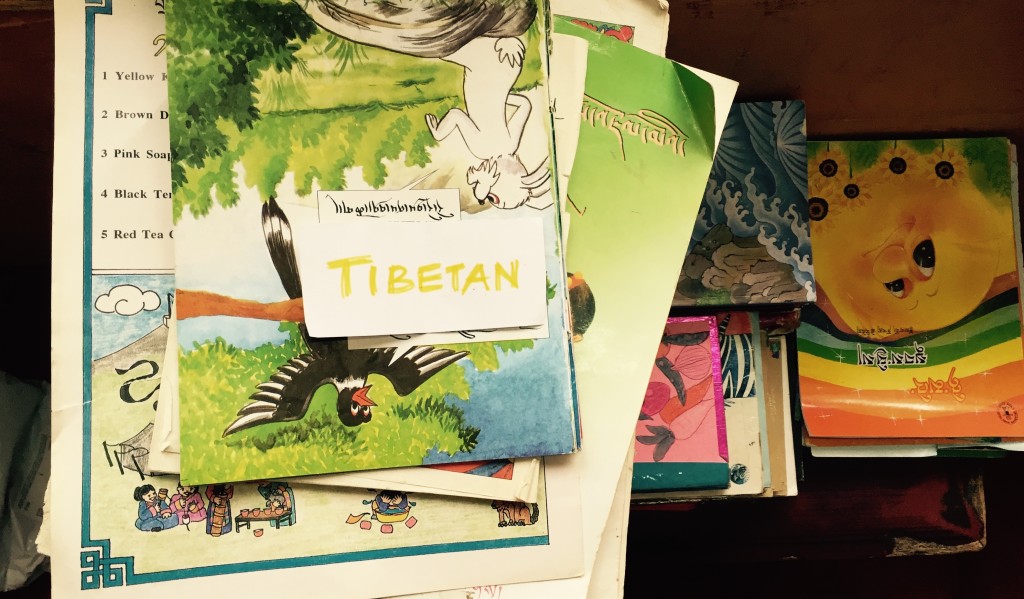
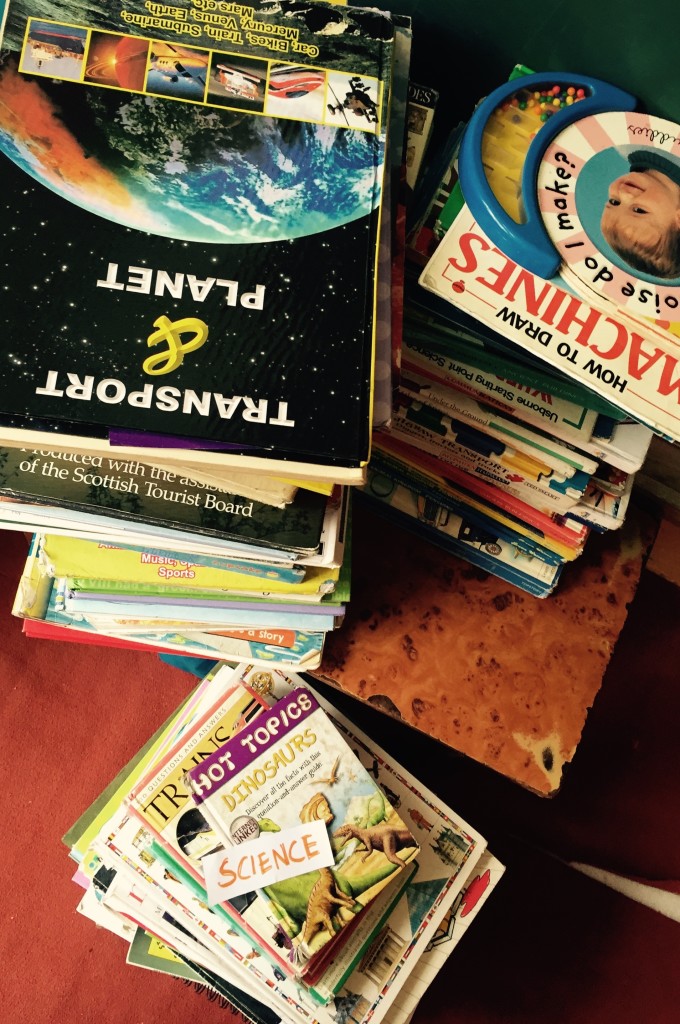
Preparation begins well before the monsoon arrives. Book drives can be scheduled with seasonal access in mind, allowing sorting and consolidation during periods when roads are more reliable. Donors and organizers can prioritize durable, age-appropriate books that are suitable for the intended reading room or learning program.
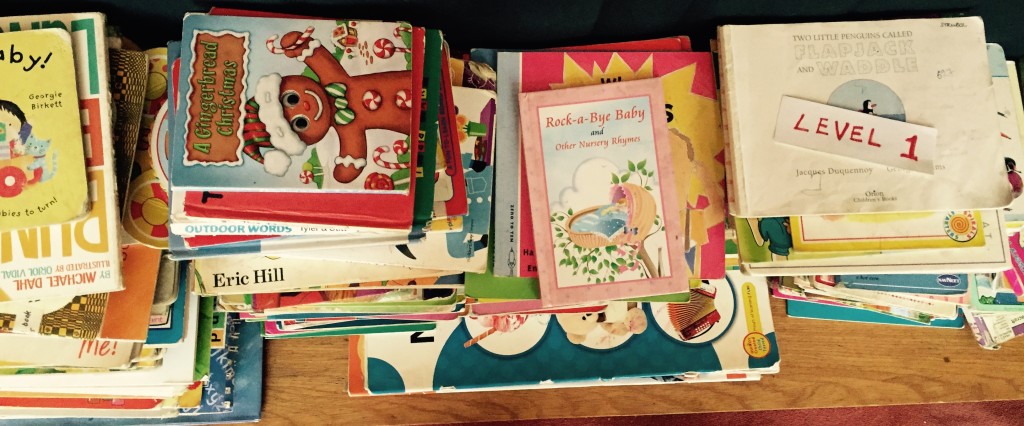
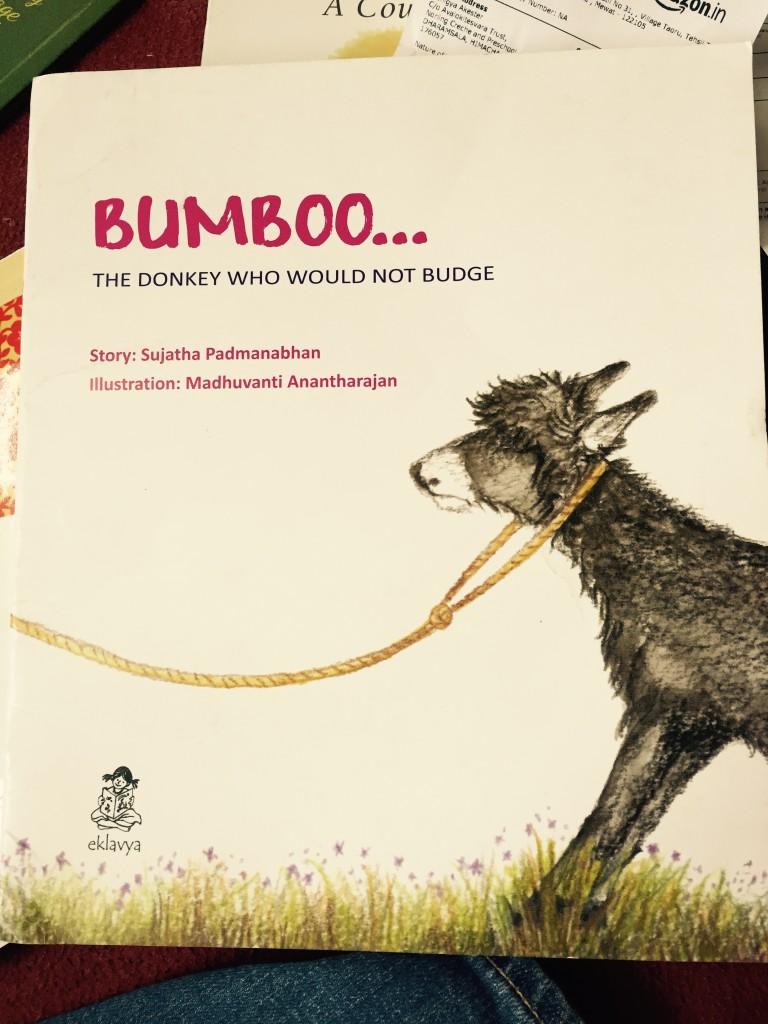
Clear labeling makes every transfer easier. Cartons should identify the destination, approximate contents, handling requirements, and contact person. A simple inventory can record titles, quantities, and condition before dispatch. This information helps coordinators identify missing items and distribute resources fairly if a shipment must be divided.
It is also useful to create contingency stock in regional locations. A small reserve of books, stationery, art materials, and musical resources can keep activities running while a major delivery is delayed. Children can continue reading and creating even when the next shipment is held by weather.
Volunteers can support this preparation in practical ways:
- Sort donated books by age group, language, subject, and condition before packing.
- Use sealed inner bags and sturdy cartons instead of loose bundles.
- Label every package with its destination and a local contact number.
- Keep digital and printed inventories for each shipment.
- Set aside emergency supplies for communities likely to face extended delays.
Making Delays Part Of The Plan
A responsible delivery plan includes more than a departure date. It considers alternate roads, temporary storage, weather monitoring, vehicle availability, and the possibility that supplies may arrive in separate batches. Building extra time into the schedule reduces pressure on drivers and local teams.
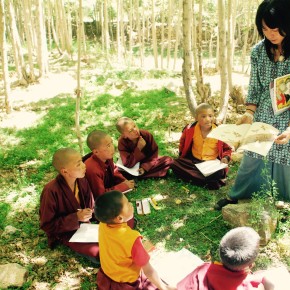
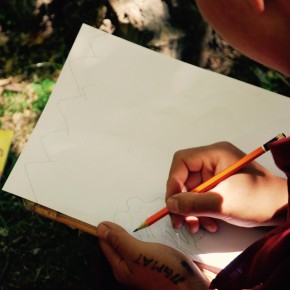
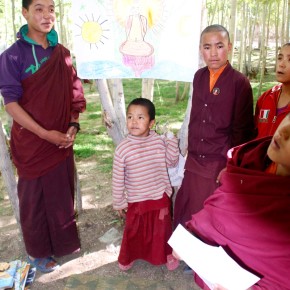
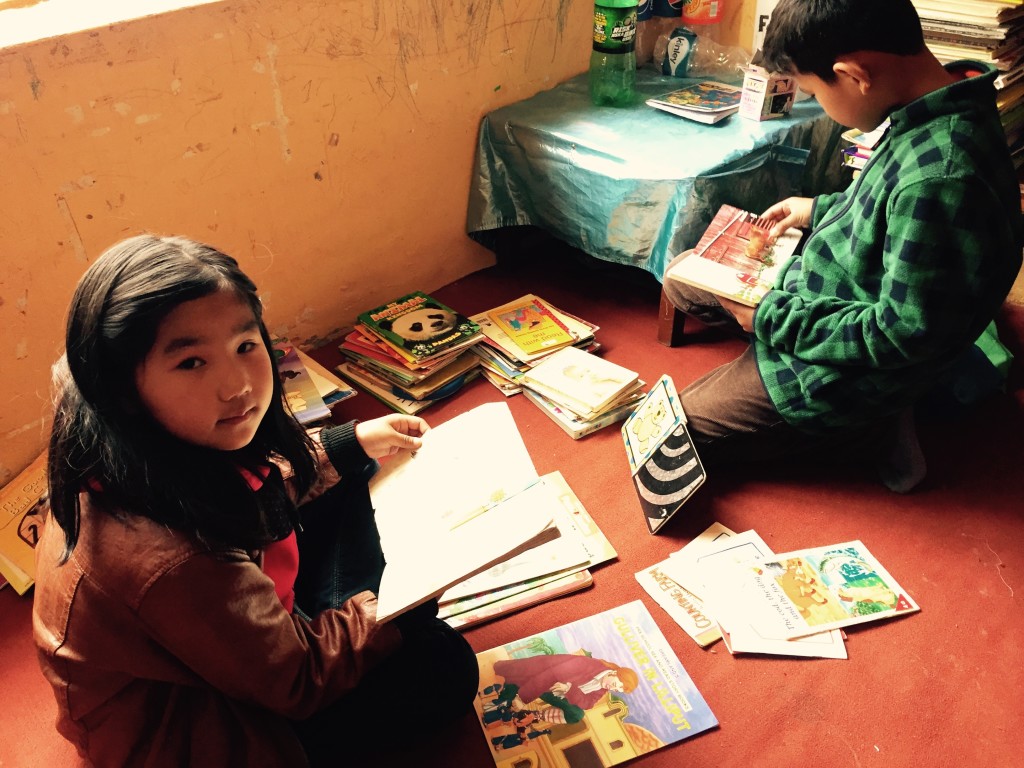
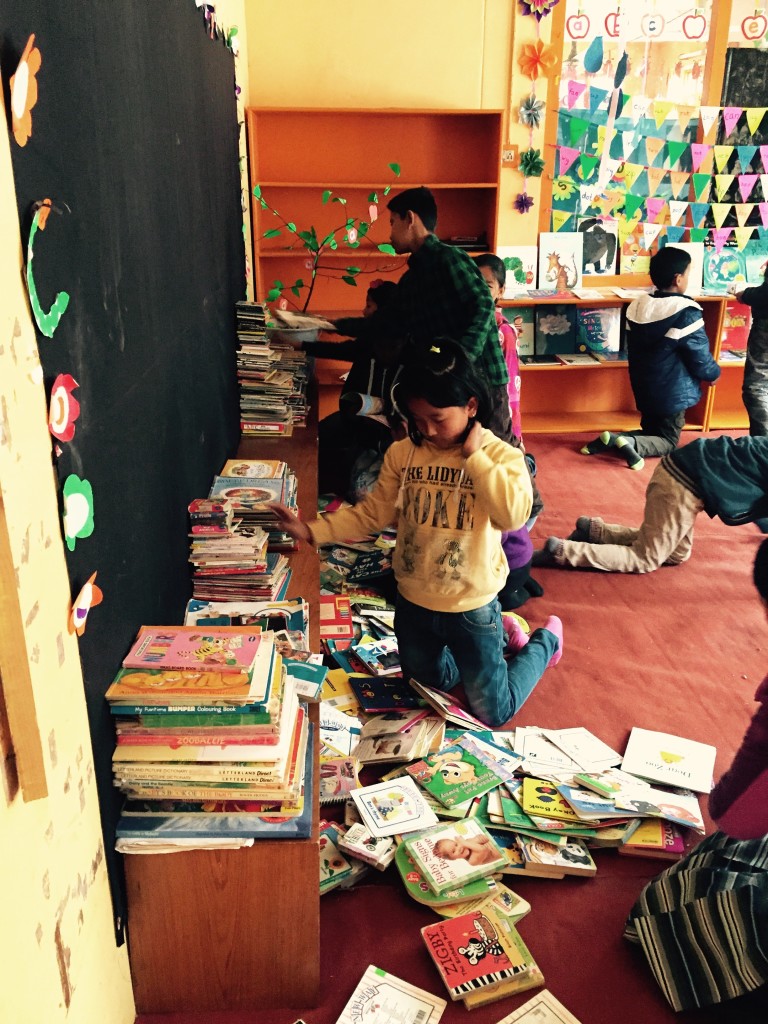
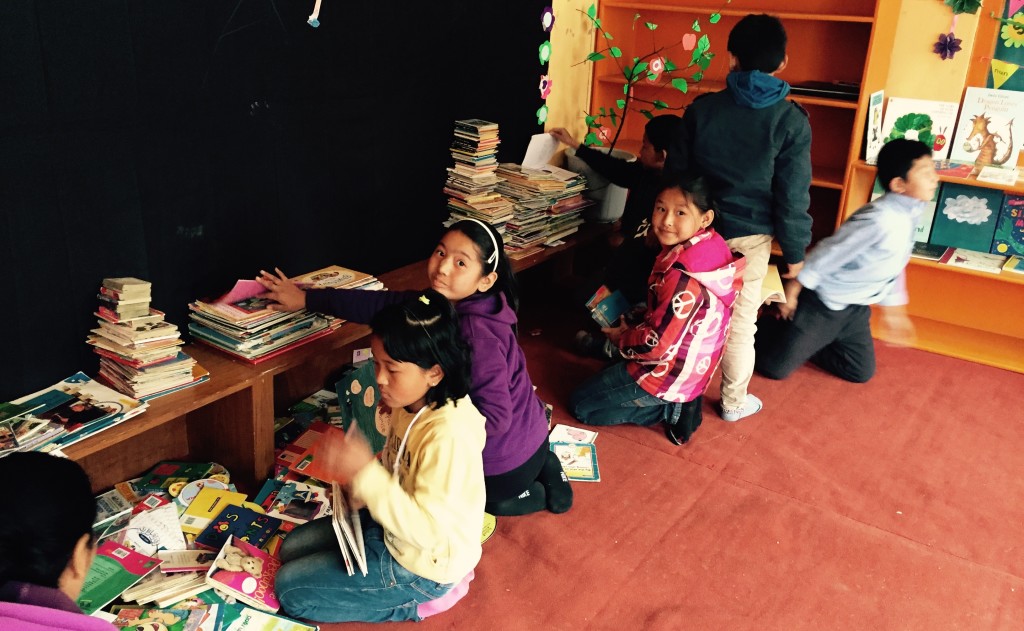
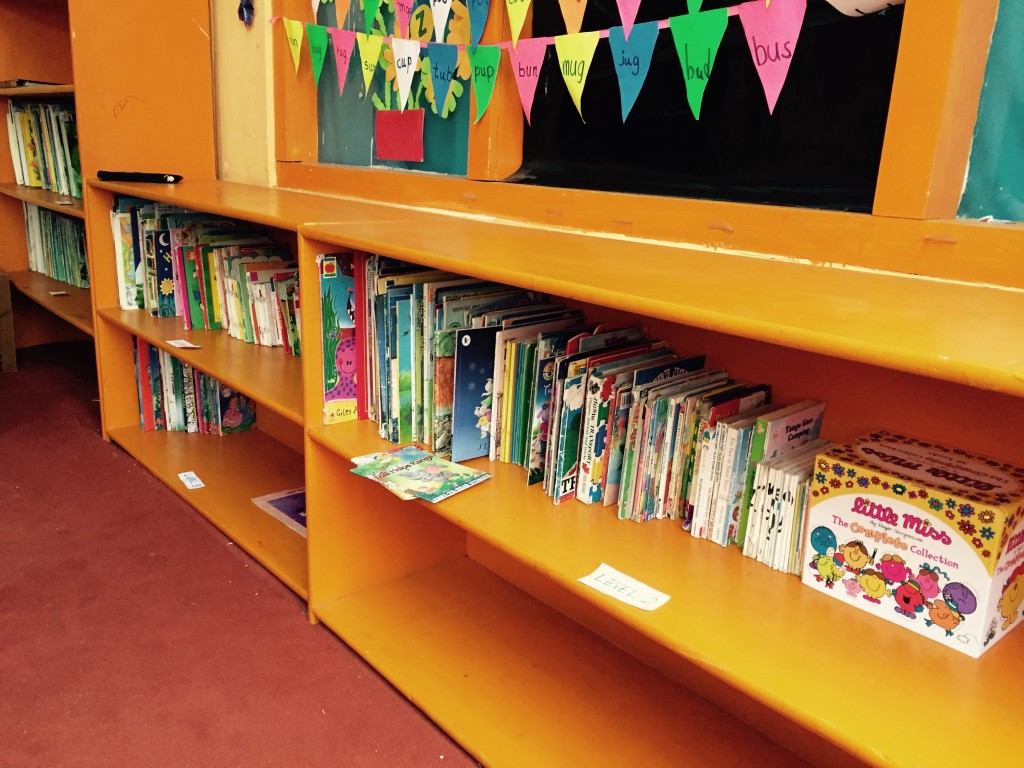
This flexibility also protects the purpose of the work. Reading sessions, art workshops, and music activities can be rearranged while materials are in transit. A community might begin with books already on its shelves, use storytelling or drawing activities during a delay, and then welcome the new shipment when conditions improve.
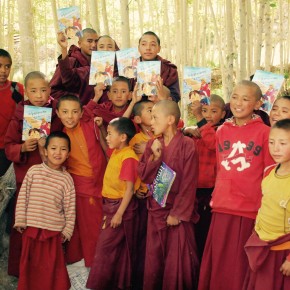
For Avalokiteśvara Trust, reliable distribution depends on relationships as much as logistics. Donors make the resources available, volunteers prepare them, drivers and porters carry them, and local partners ensure that they reach children and young monks. Each role contributes to a chain of care that continues beyond the delivery itself.
Weather-related disruption can also reveal which communities need stronger support. Repeated closures may point to the value of a permanent reading room collection, local book storage, or partnerships with nearby schools. In this way, a difficult season can inform better long-term planning.
Keep Reading Resources Moving
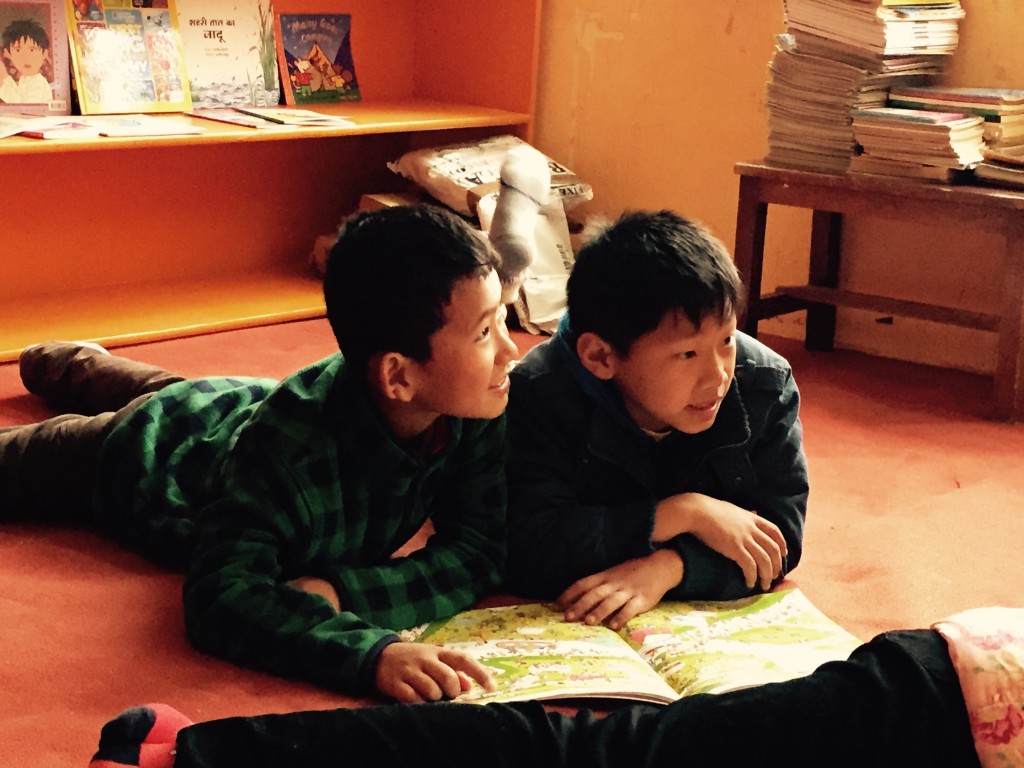
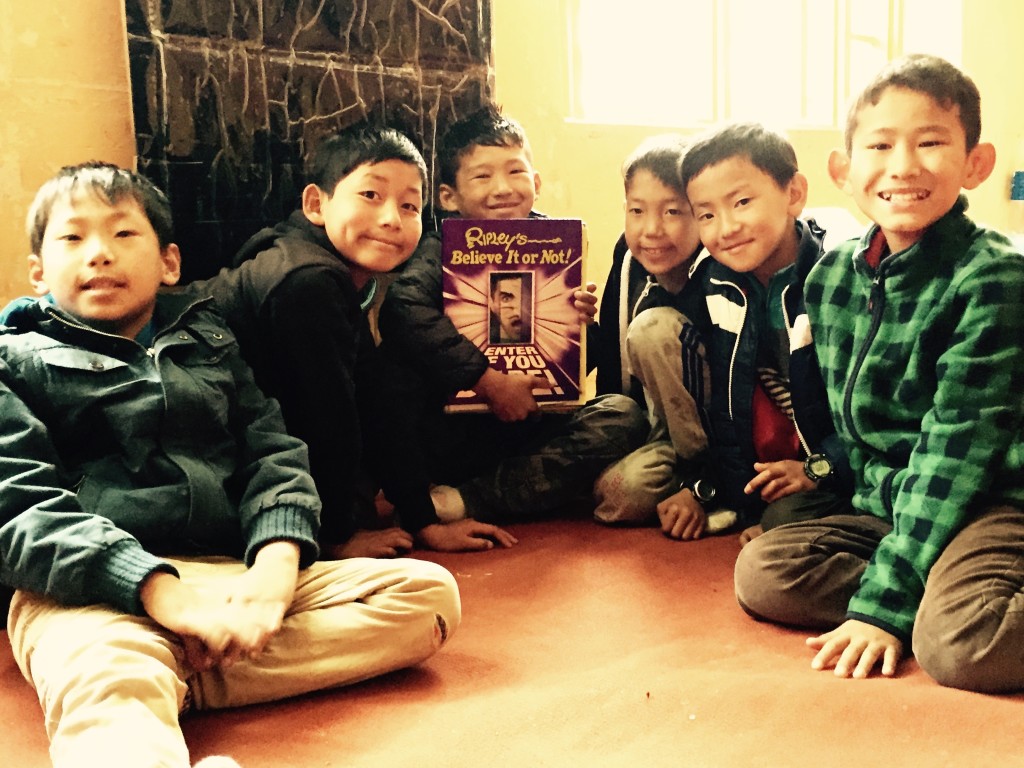
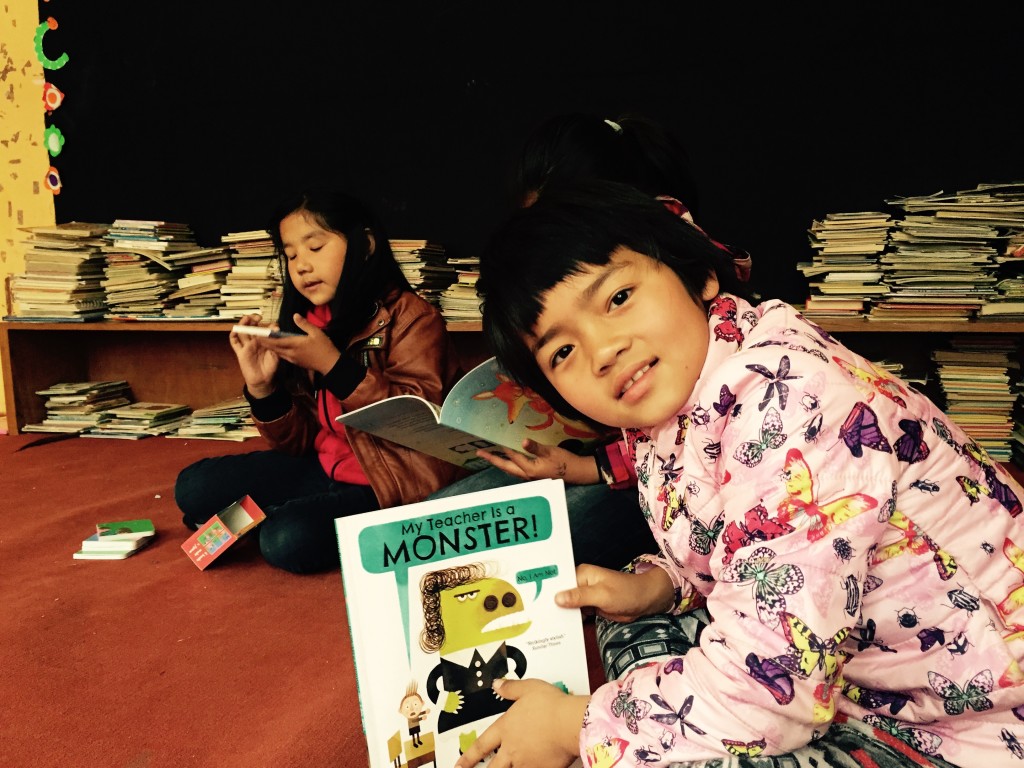
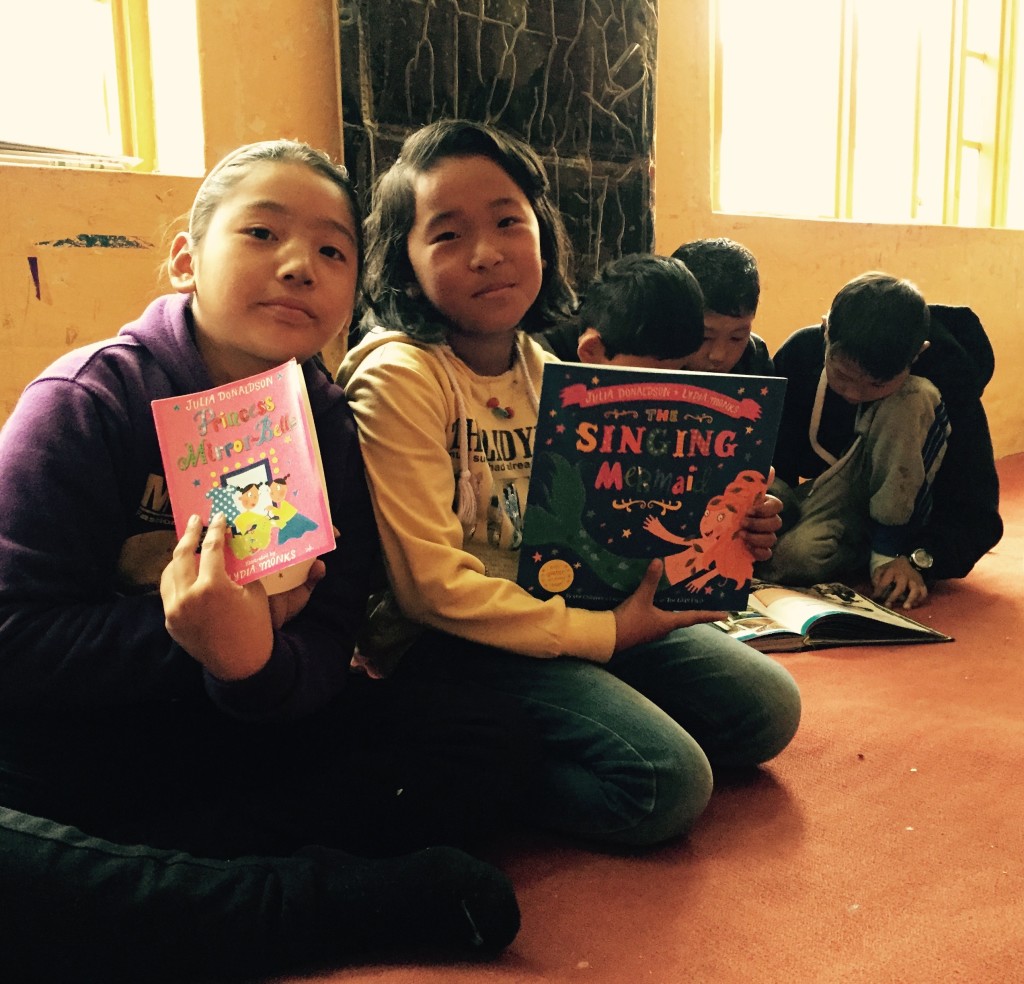
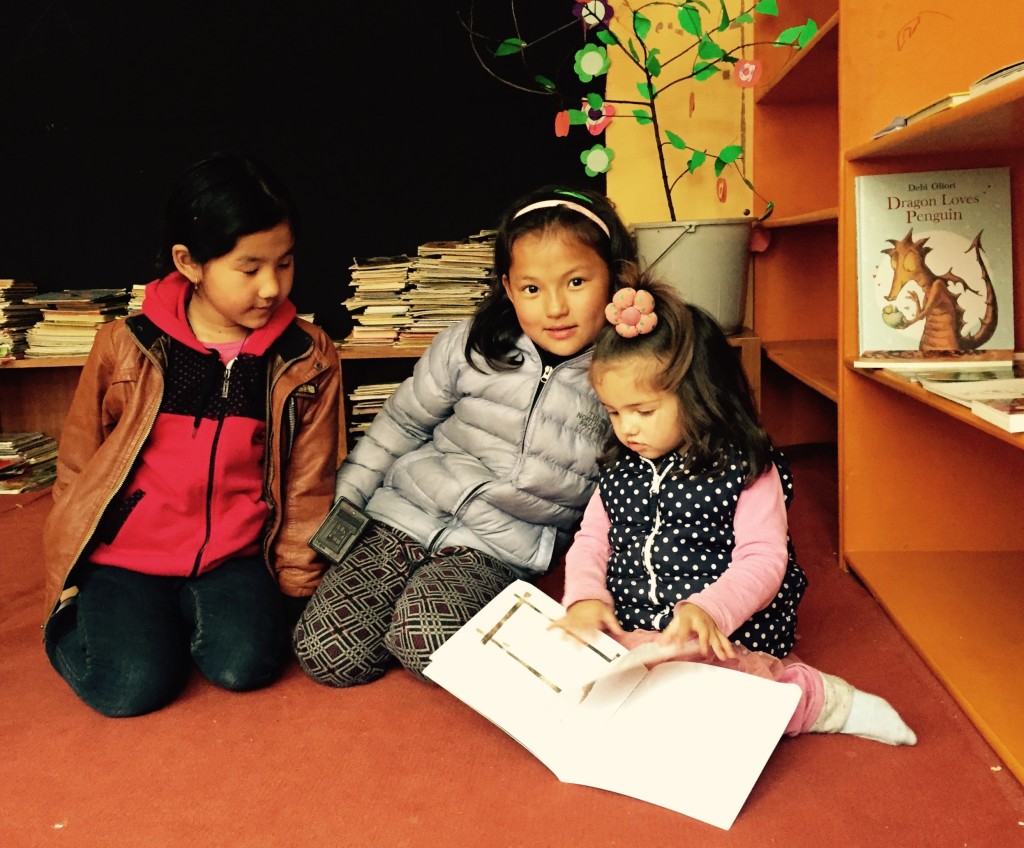
Every safely delivered book represents more than an object crossing a mountain road. It offers a child a new story, gives a young monk access to knowledge, or provides a group with material for discussion and creative work. The journey may be slow, but its educational value continues long after the rain has passed.
Support from donors and volunteers helps Avalokiteśvara Trust prepare weather-resistant shipments, coordinate local transport, maintain reading rooms, and replenish learning resources. Contributions can assist with books, packing supplies, transportation, and activities that make those books meaningful.
To help keep Himalayan reading spaces active through every season, donate, organize a book drive, or volunteer your time with Avalokiteśvara Trust. Your support can help a carefully packed carton reach the shelf where a child is ready to open it.