The challenge of keeping reading rooms open during heavy snowfall
Heavy snowfall can transform a familiar route in Ladakh into an impassable stretch of ice and deep snow. Roads may close, supply vehicles may be delayed, and children may be unable to reach a reading room safely. For Avalokiteśvara Trust, keeping these spaces available means planning for more than a short interruption to opening hours.
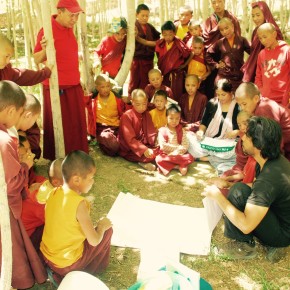
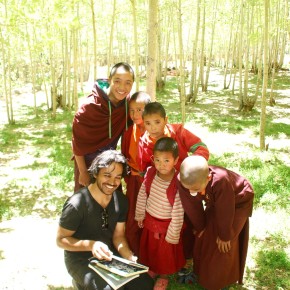
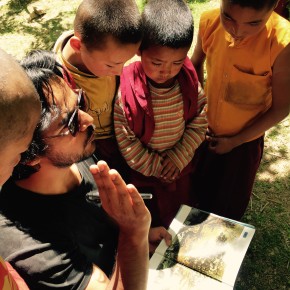
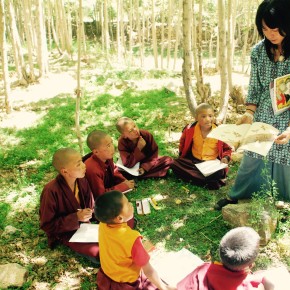
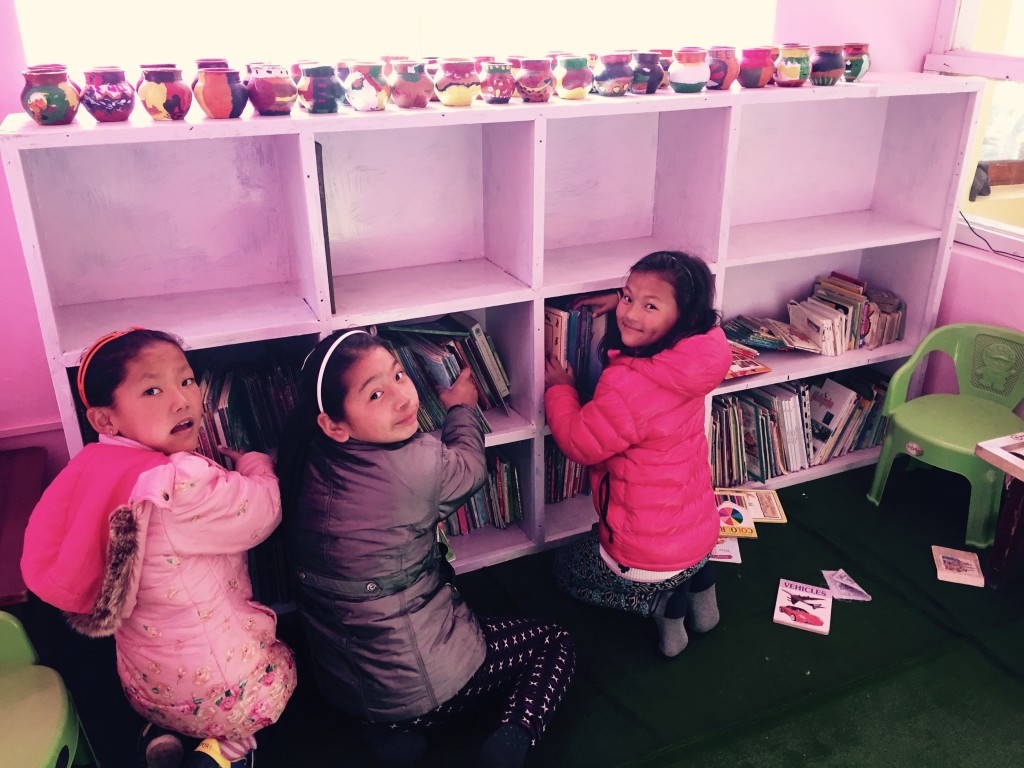
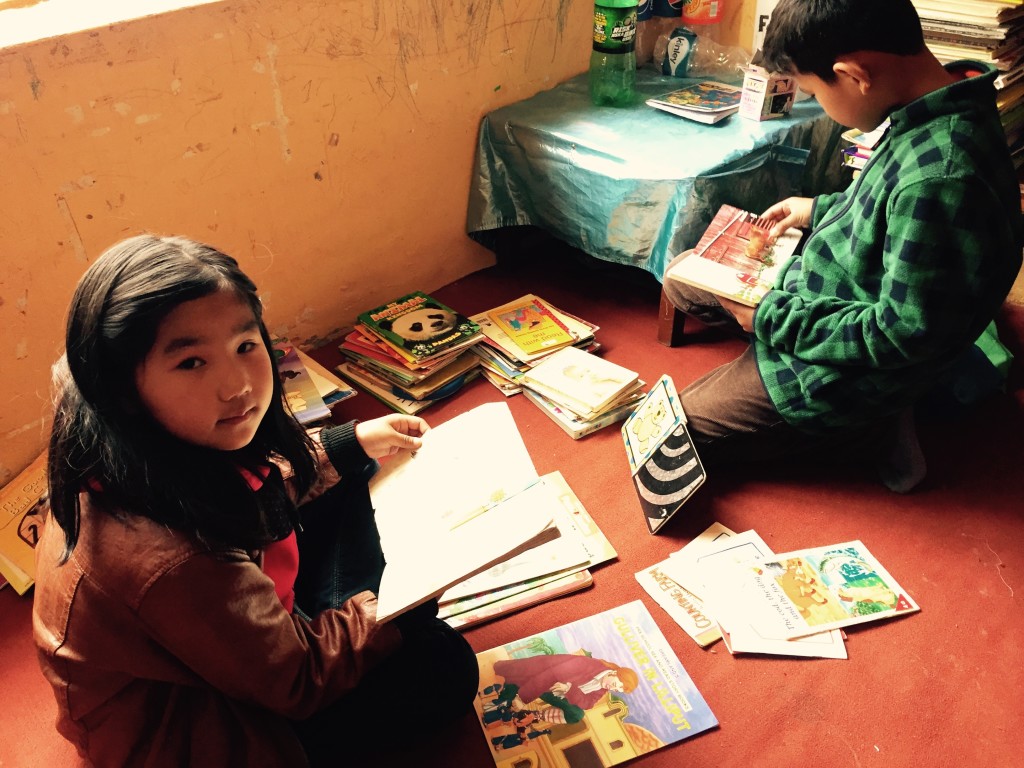
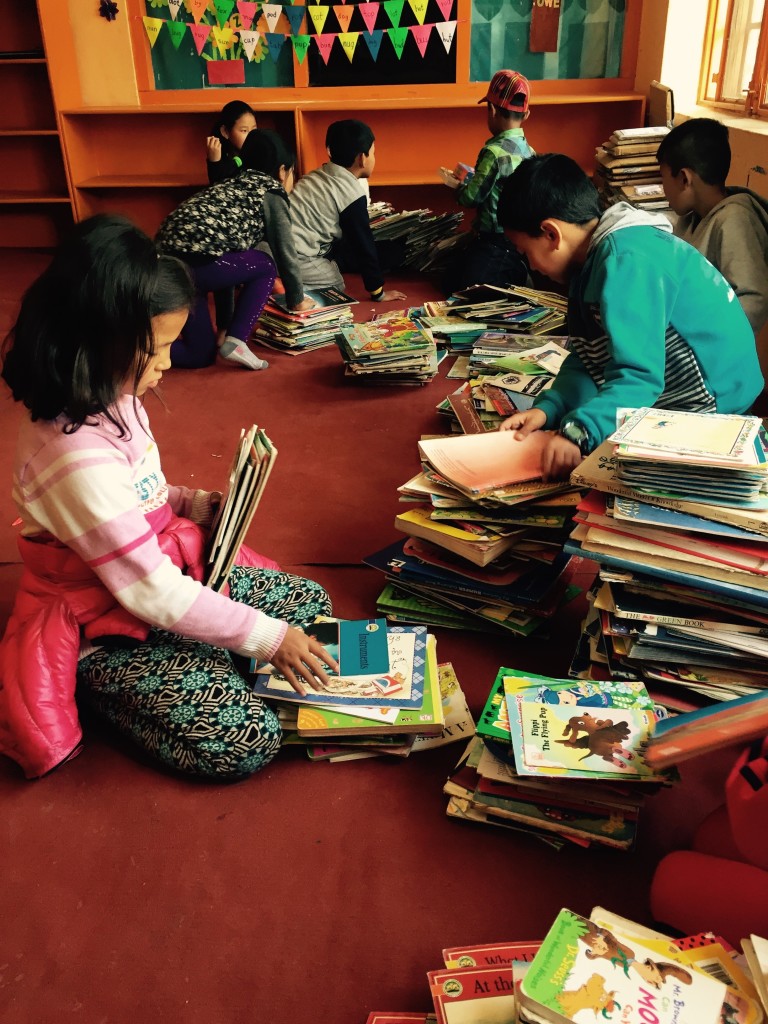
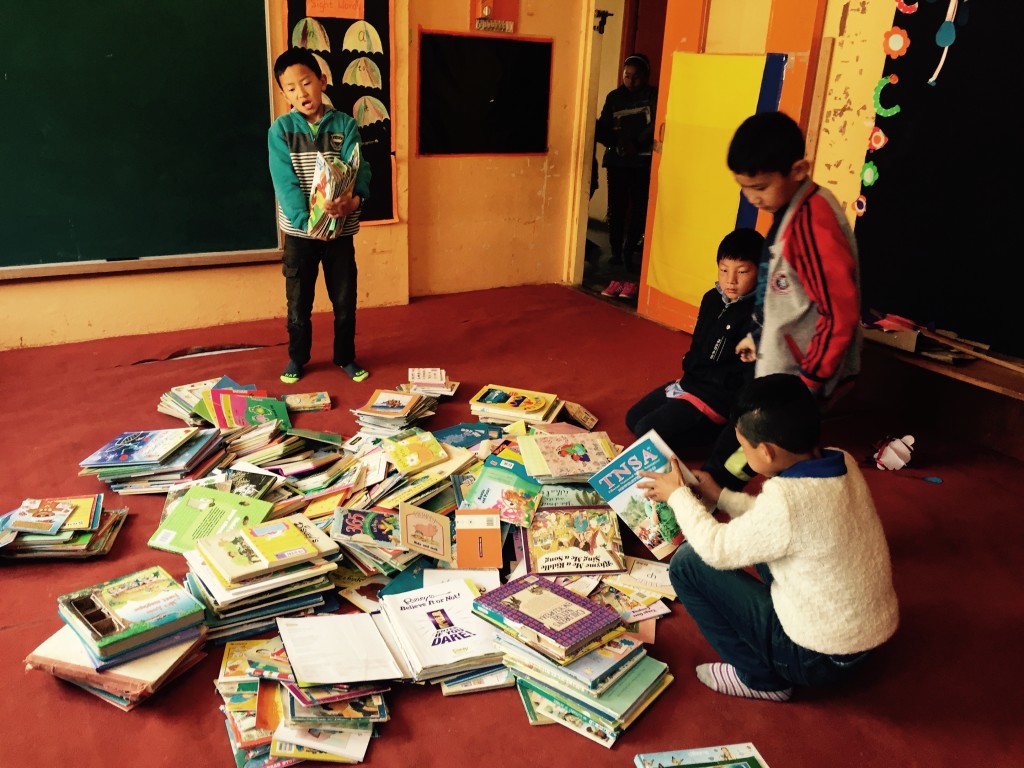
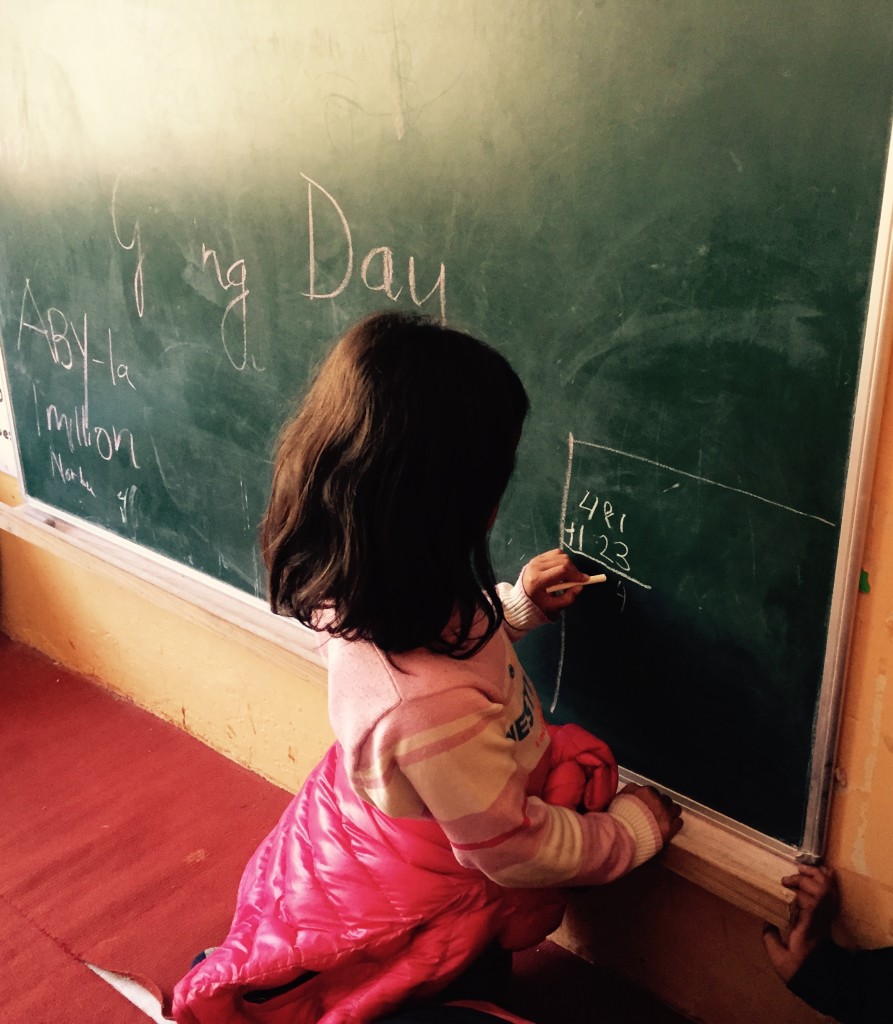
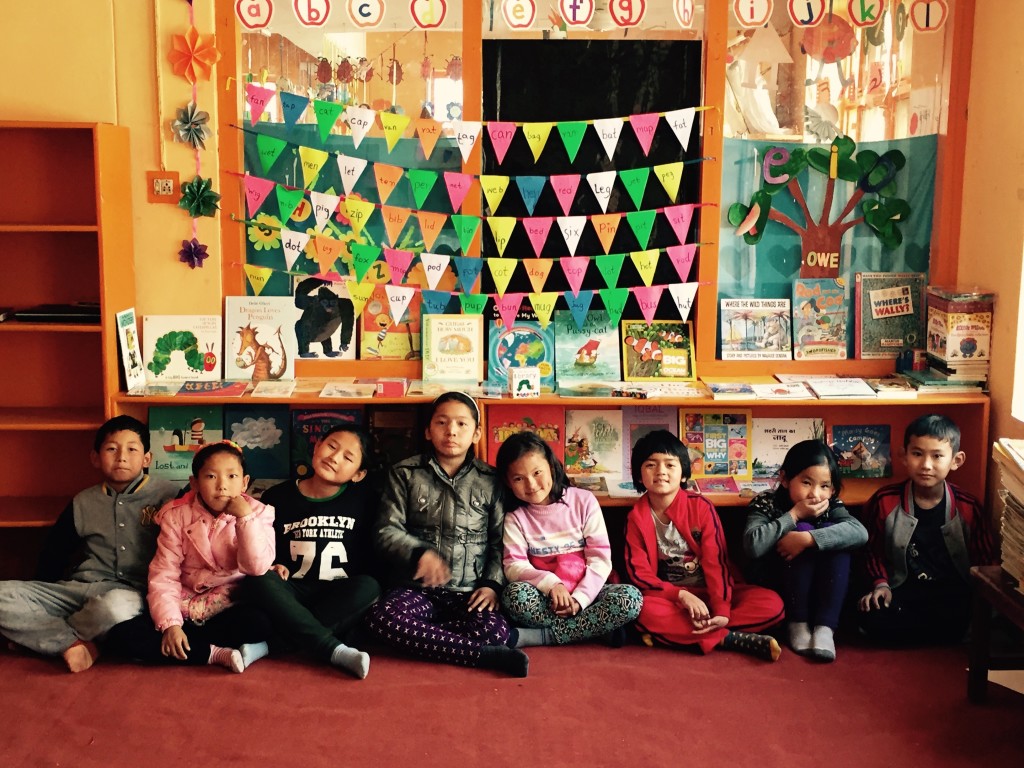
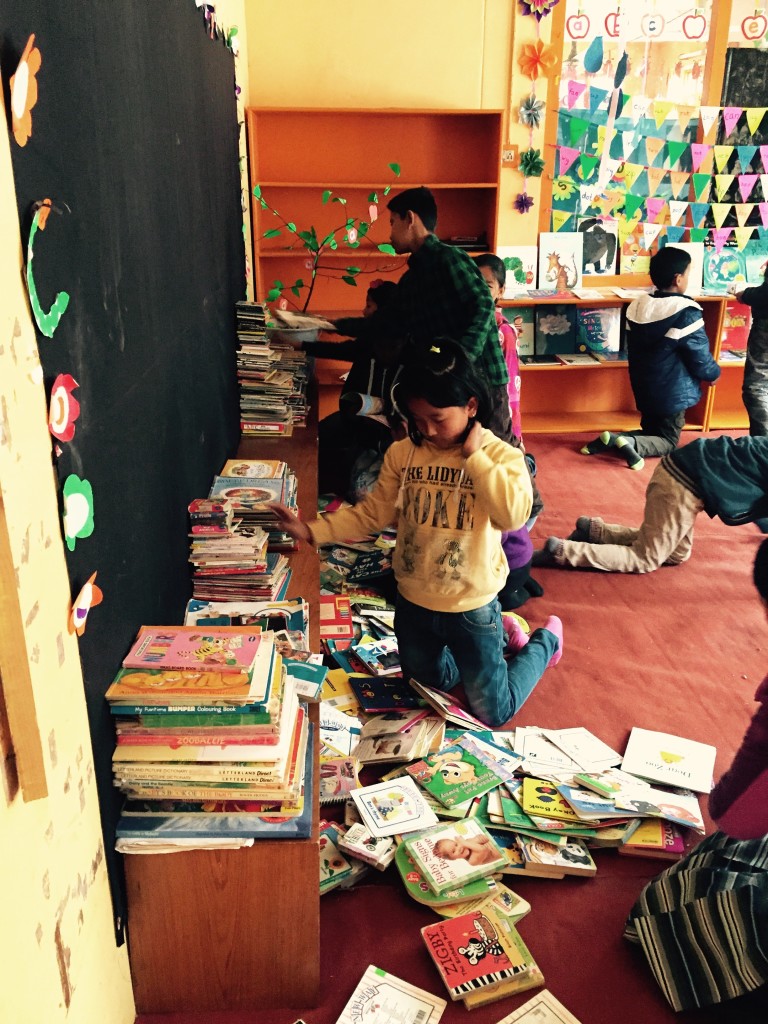
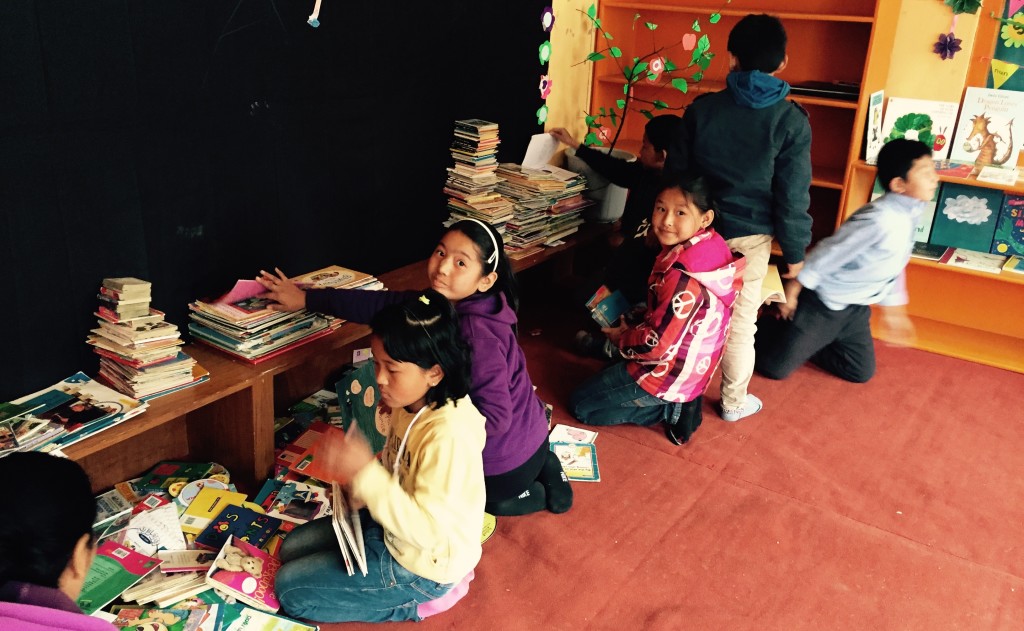
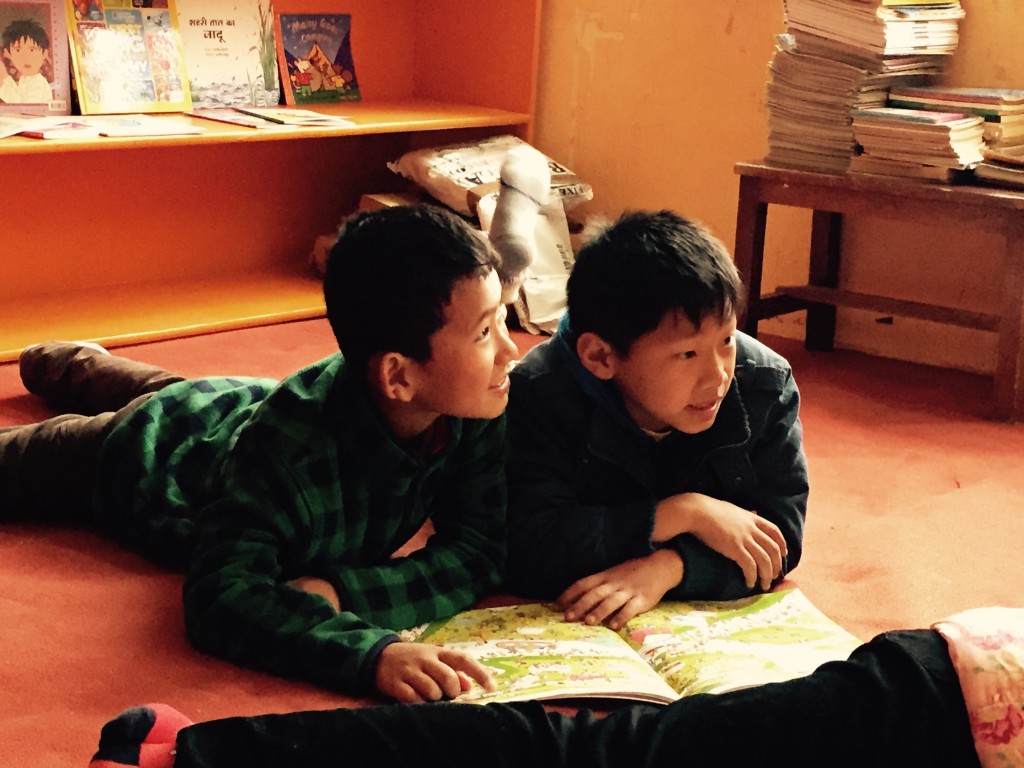
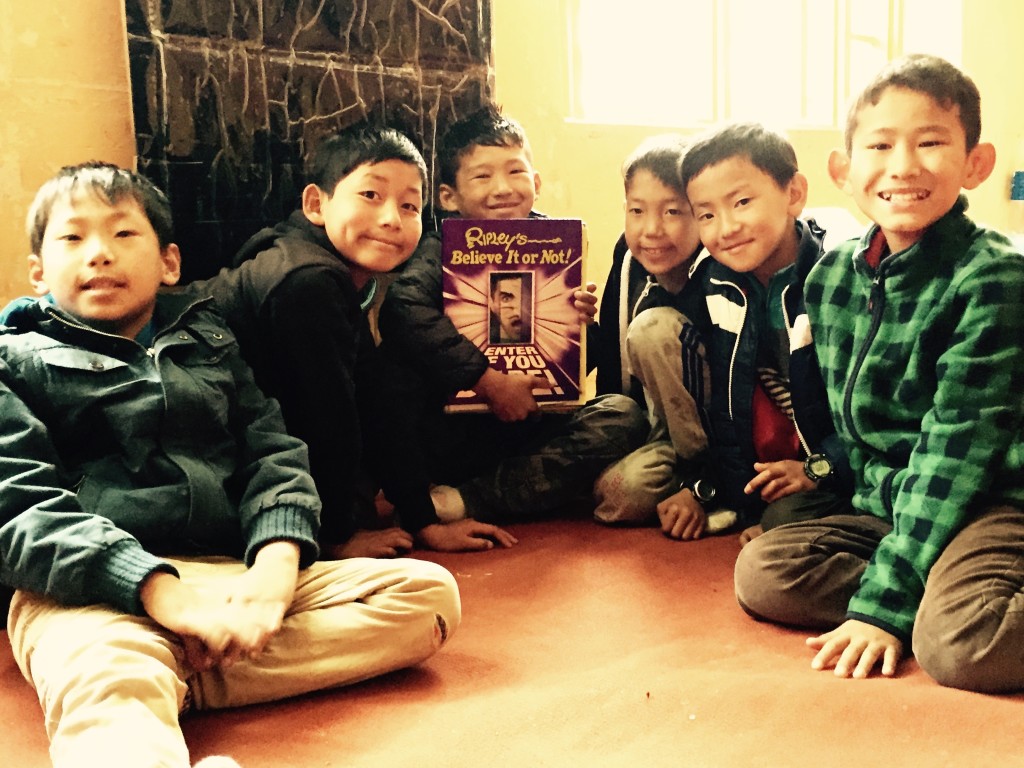
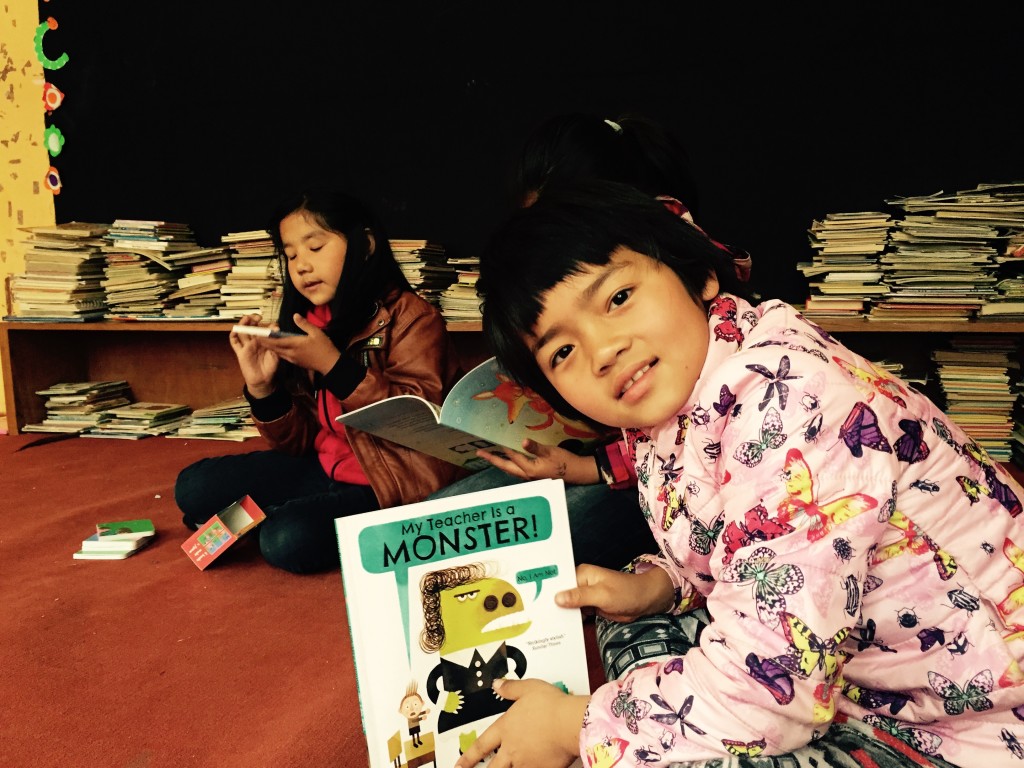
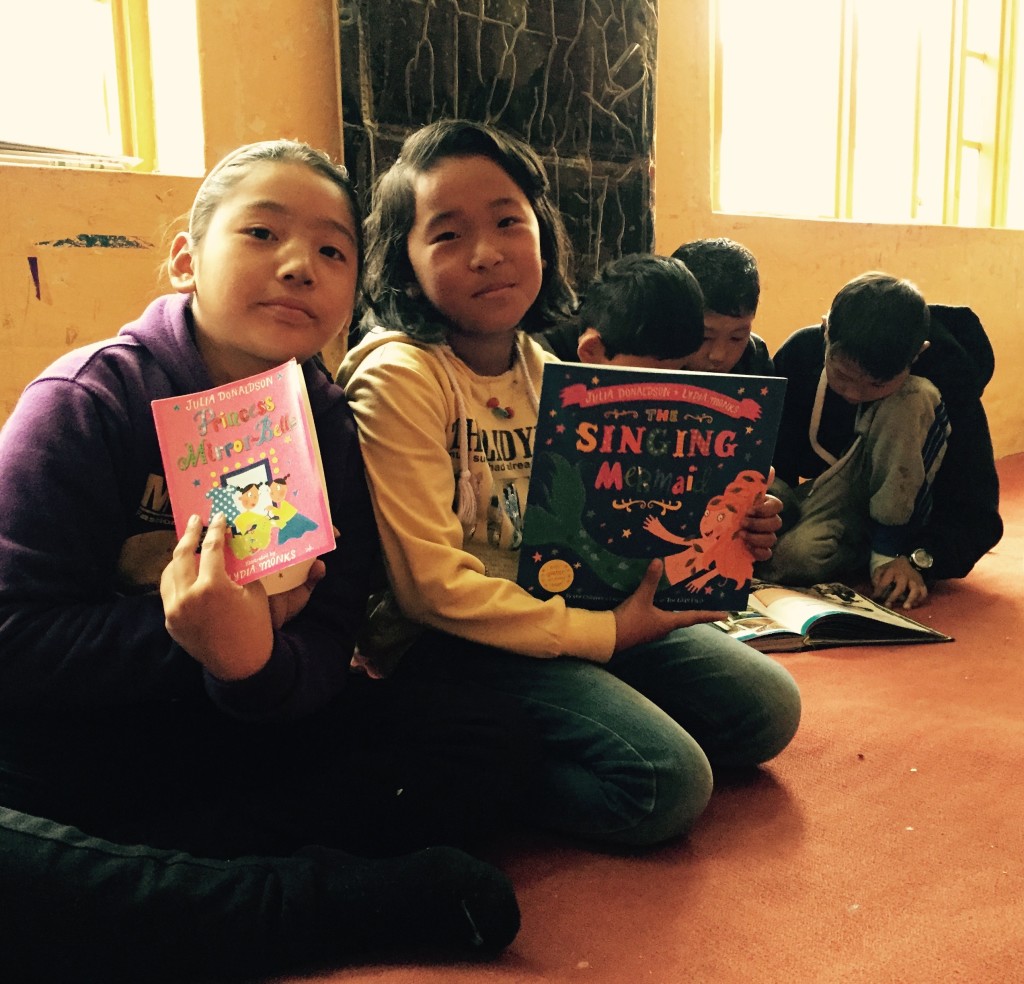
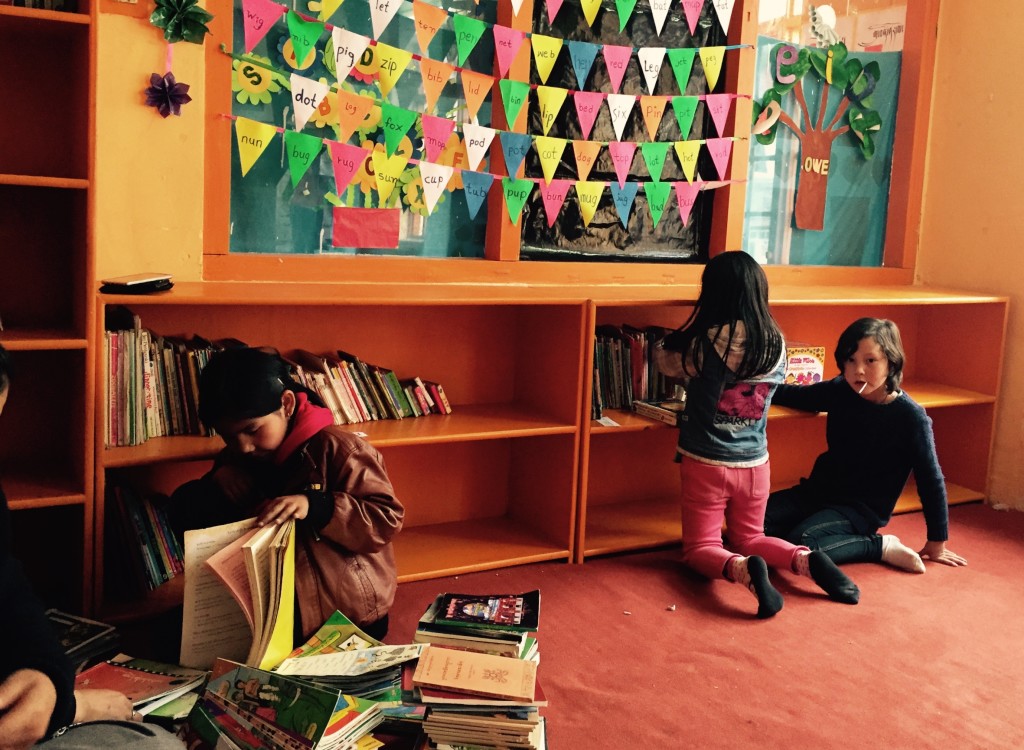
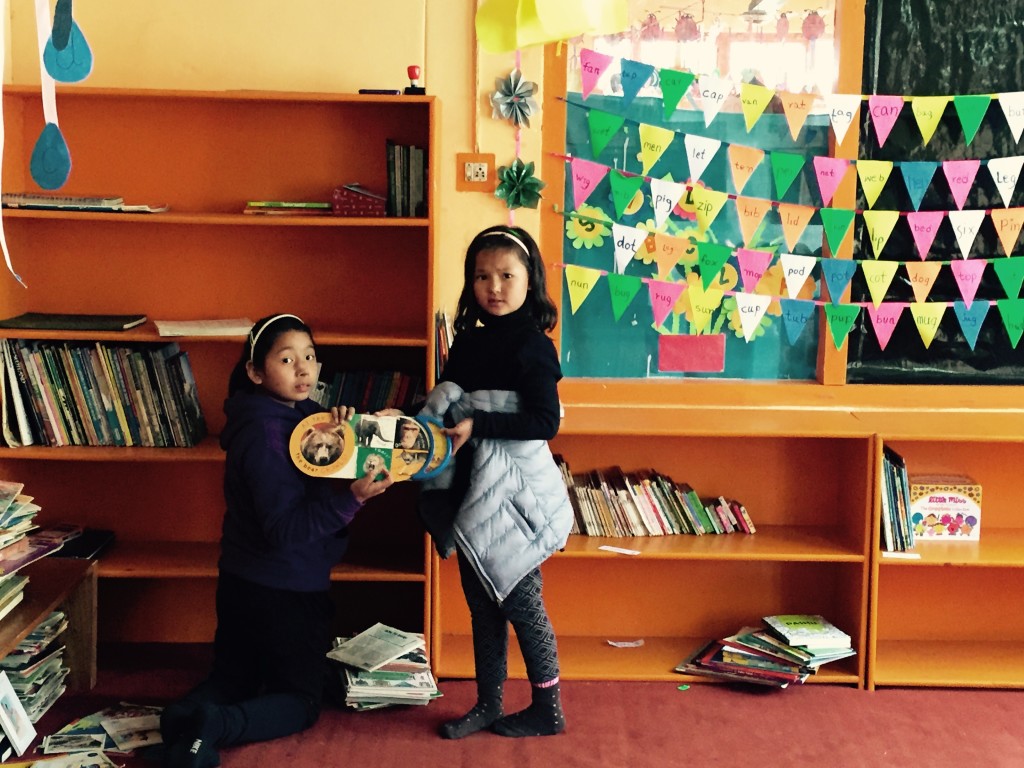
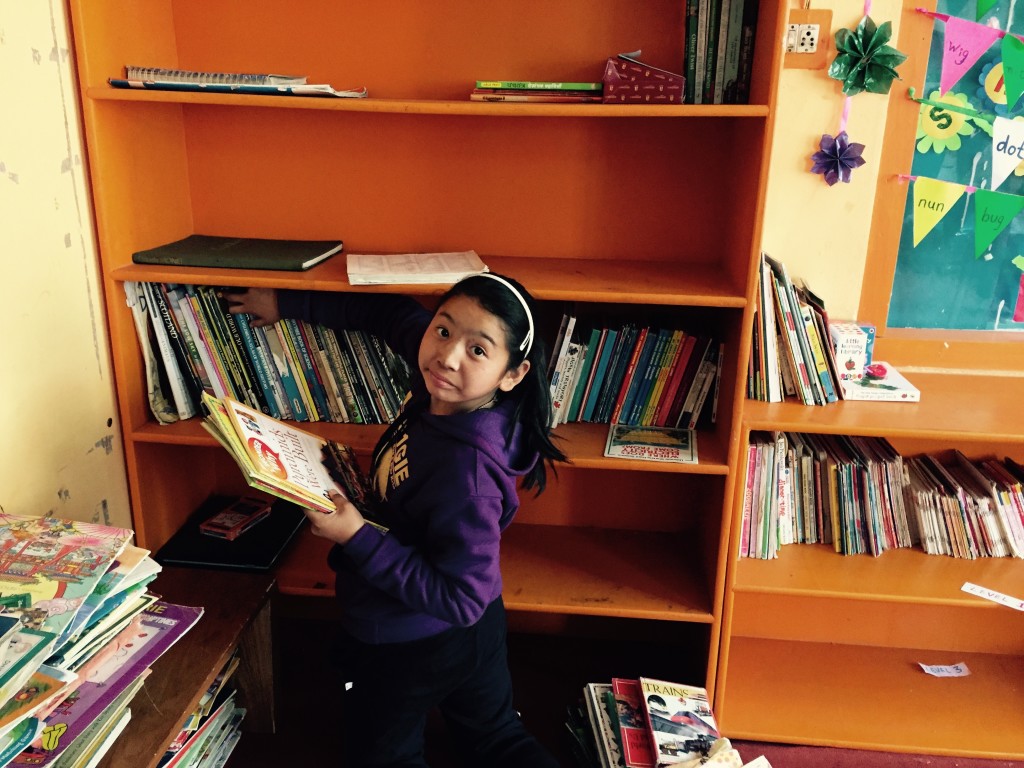
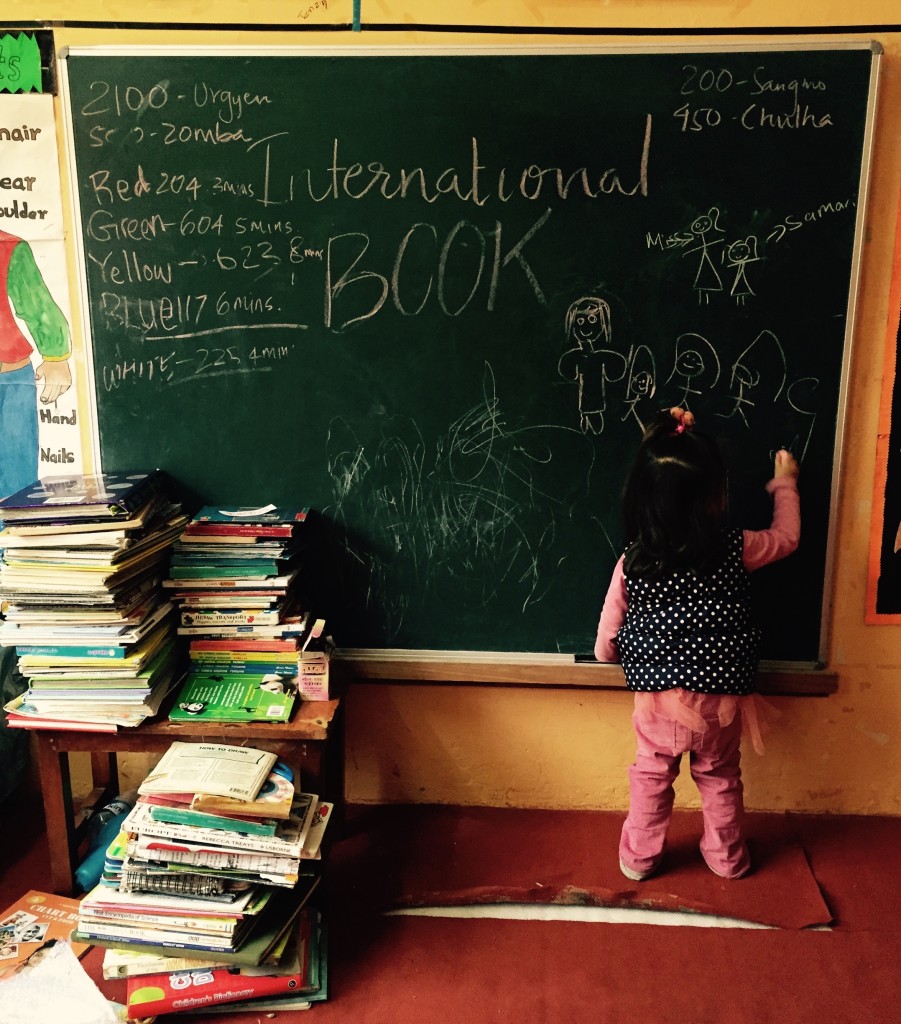
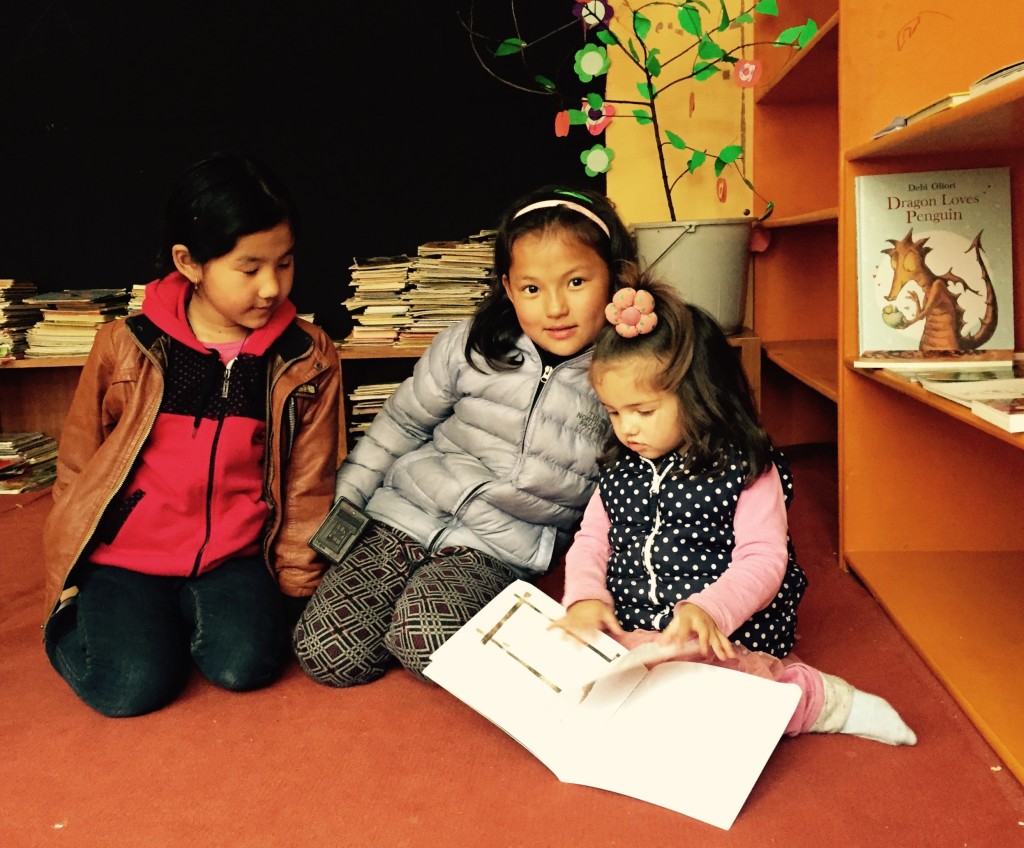
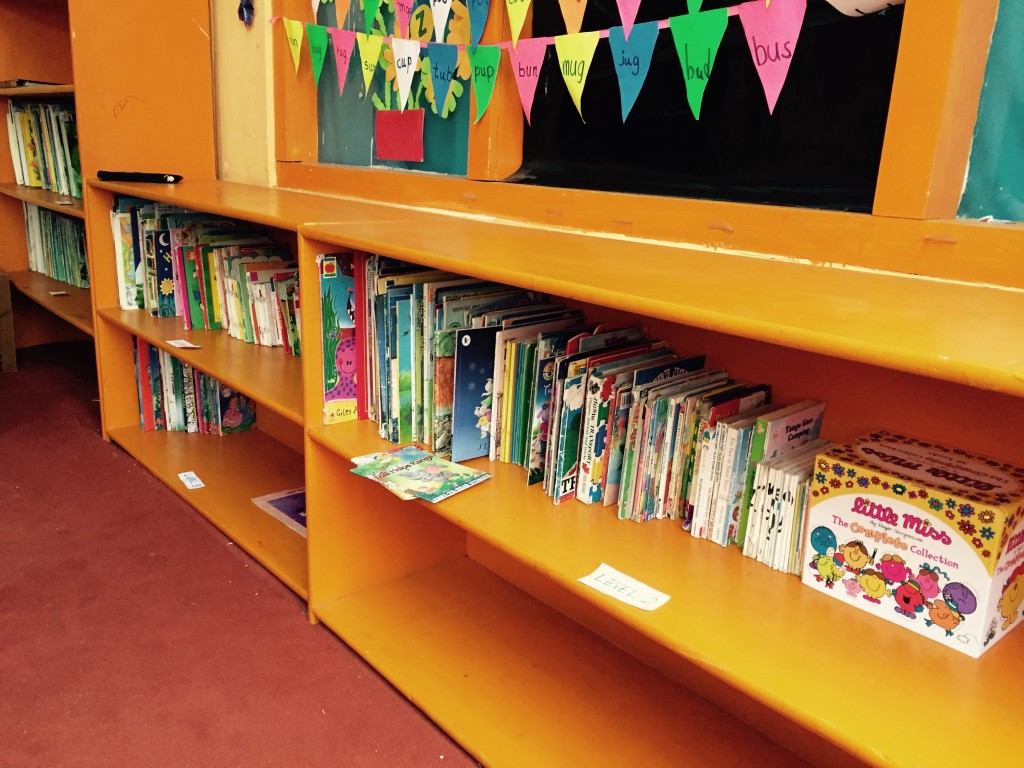
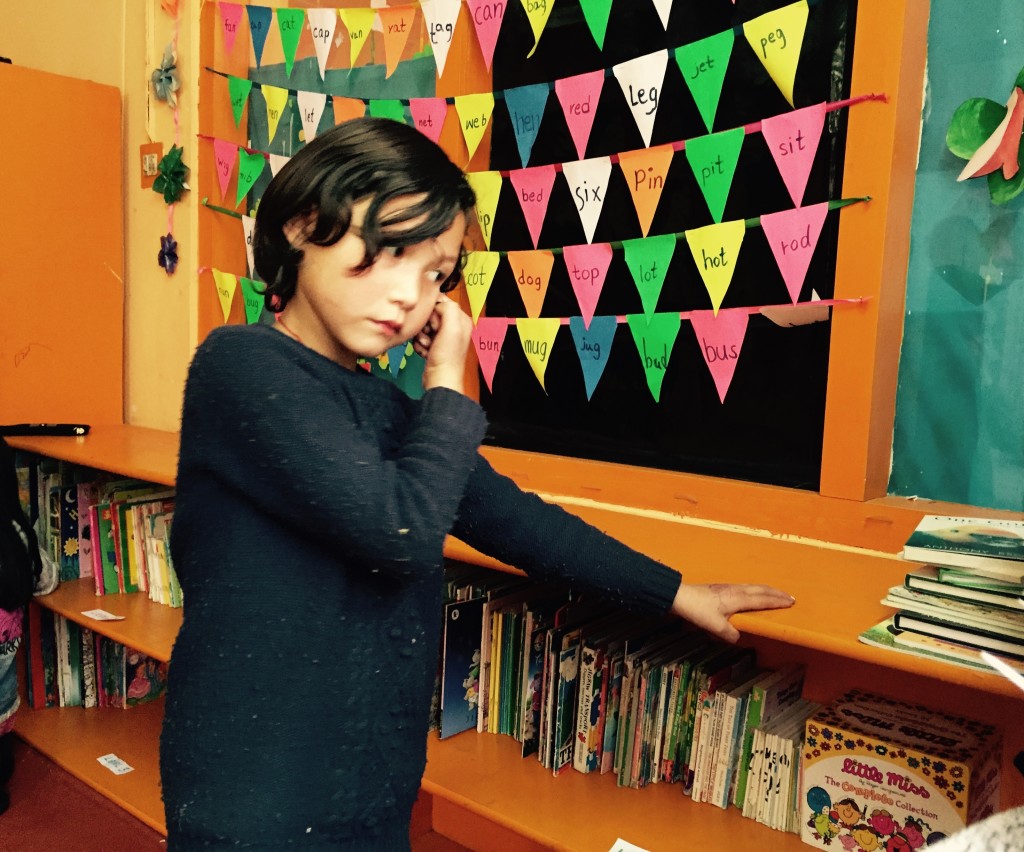
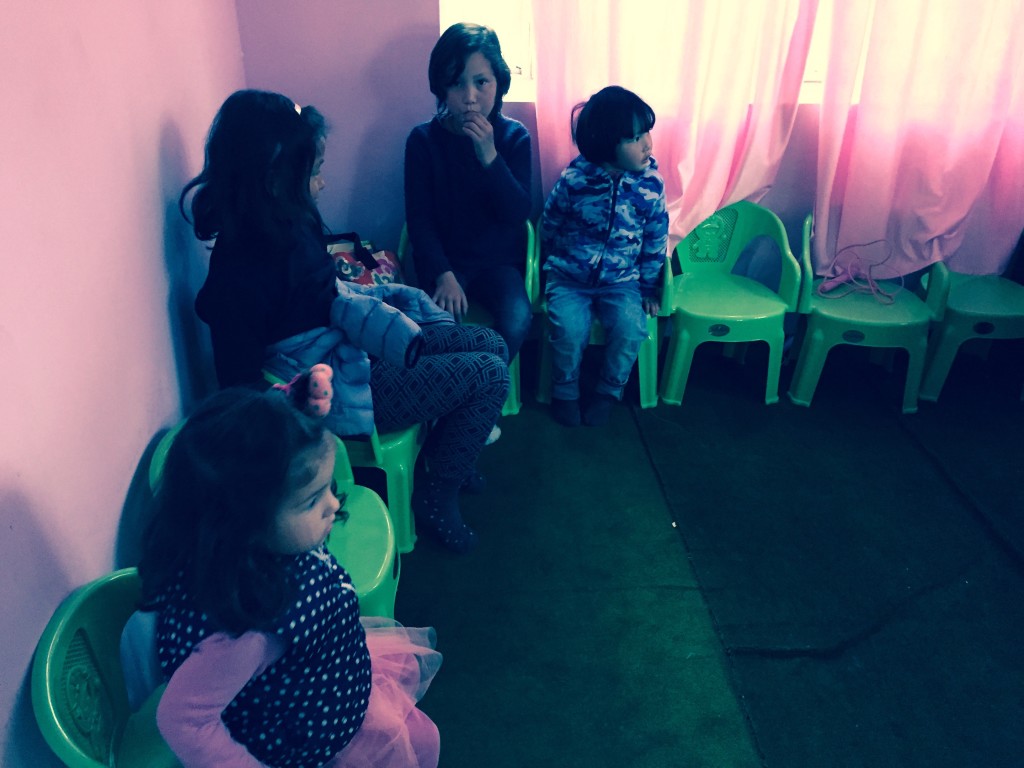
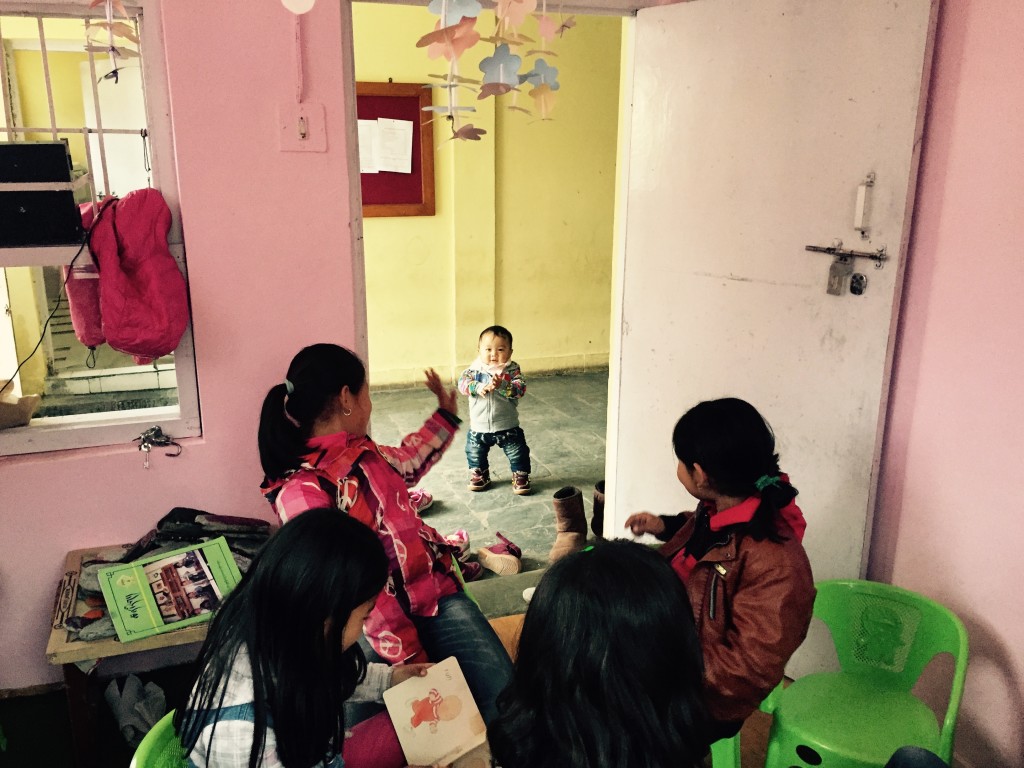
A reading room offers children and young monks much more than access to books. It provides a warm place to read, study, draw, sing and receive guidance from adults who understand the needs of the community. When a building closes because of winter conditions, those educational and social opportunities can disappear at precisely the time they are most valuable.
The practical response is a combination of local knowledge, careful building preparation, clear operating thresholds and reliable support. Australian donors and volunteers can contribute funding, suitable equipment and technical expertise, while decisions about access and safety remain firmly with the people who know the terrain and community.
Snow can isolate an entire community
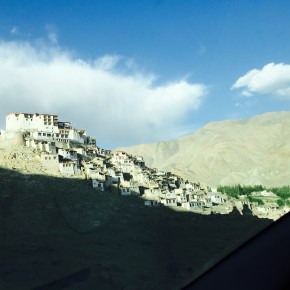
At high-altitude settlements in Ladakh, a heavy fall can block mountain passes, bury approach roads and leave residents dependent on stores and fuel already held locally. Even where the reading room remains structurally sound, the absence of staff, food, heating fuel or visitors can force a temporary closure.
Reliable winter access therefore requires more than a shovel and a stock of books. Staff need current information about road and weather conditions, while families need a clear notice system that explains whether a room is open, closed or operating limited hours. Remote work, phone communication and designated snow-emergency routes can reduce the need for risky journeys.
Designing a warm and safe winter room
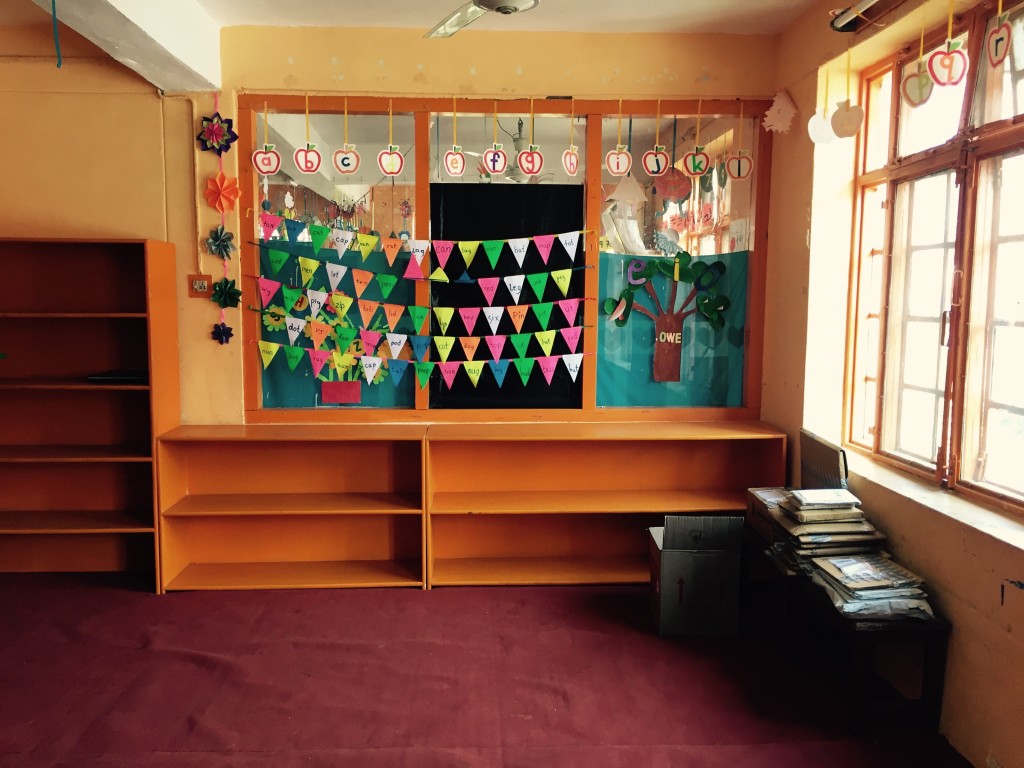
Good winter access begins with the building itself. Doorways are often the greatest source of heat loss, so an internal vestibule, insulated window frames and sealed gaps can make a substantial difference. Locally understood measures—thick curtains, draught barriers and mats placed where snow is brought inside—may prove more effective than expensive imported systems.
Power and heating must also withstand longer interruptions. A solar panel with correctly sized battery storage can maintain essential lighting, but capacity should be tested under cold conditions because batteries lose performance in low temperatures. Backup heat must be used safely, with ventilation, fire controls and enough clear space around any stove or fuel-burning heater.
Opening hours should reflect danger rather than a fixed timetable. During a storm, short sessions or home-based learning bundles may be safer than asking children to travel. Slippery steps, roof loads, blocked exits and inaccessible toilets all need regular inspection, particularly after intense snowfall or rapid changes in temperature.
A seasonal readiness checklist
A useful continuity plan does not treat every snowfall as an emergency. Written thresholds based on local forecasts, road conditions and building safety allow staff to move between normal operation, reduced hours and temporary closure. Decisions should be simple enough to follow quickly during a busy winter week.
The priority order is equally important: personal safety comes first, followed by heat and power, then access to books and educational activities. A practical checklist might include the following:
- Set written opening thresholds linked to forecasts, road status and the availability of trained staff.
- Maintain a cleared emergency route, safe entrance and clearly marked meeting point for severe weather.
- Inspect roofs, drains, chimneys, electrical fittings and fire equipment before the main winter period.
- Store essential fuel, food, first-aid supplies and spare clothing where they remain accessible during a shutdown.
- Test communications, backup lighting and heating arrangements with the people who will use them.
Choosing equipment for high-altitude use
Australian hardware retailers such as Bunnings, Mitre 10 and independent stores offer useful materials, including weather stripping, roof sealant, tarpaulins, LED lights, cable protection and insulated storage containers. These can support winter preparation, provided local builders select products that suit the building rather than the climate.
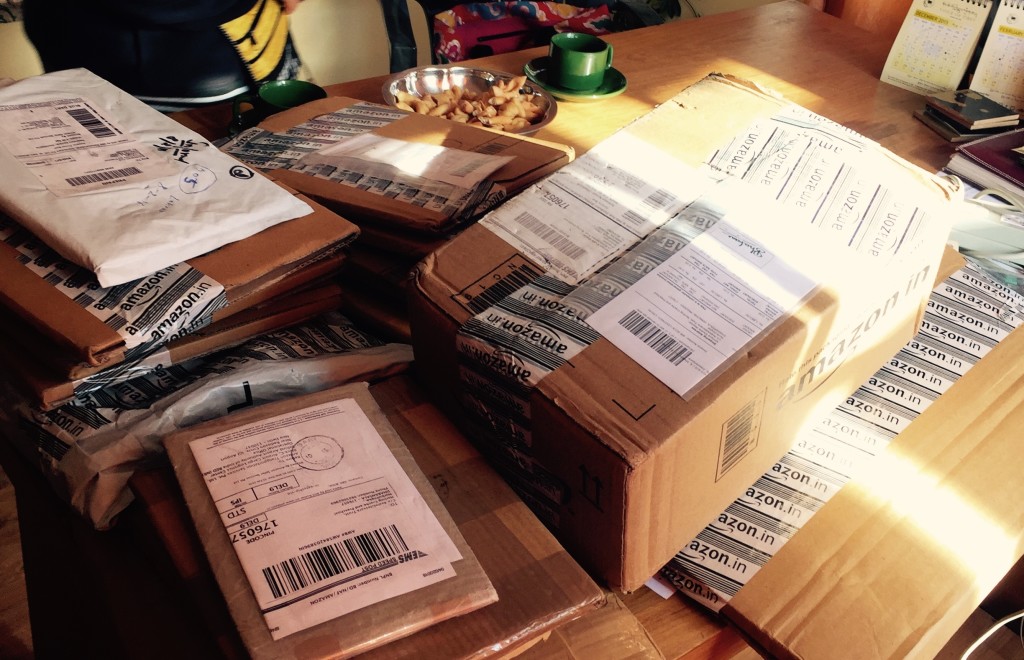
Temperature, altitude and power systems differ considerably from Australian conditions. Equipment should be checked for cold-weather battery performance, correct voltage and compatibility with existing installations. Fuel cans, batteries and certain materials may also face transport or customs restrictions, so purchases should be discussed with the receiving organisation before dispatch.
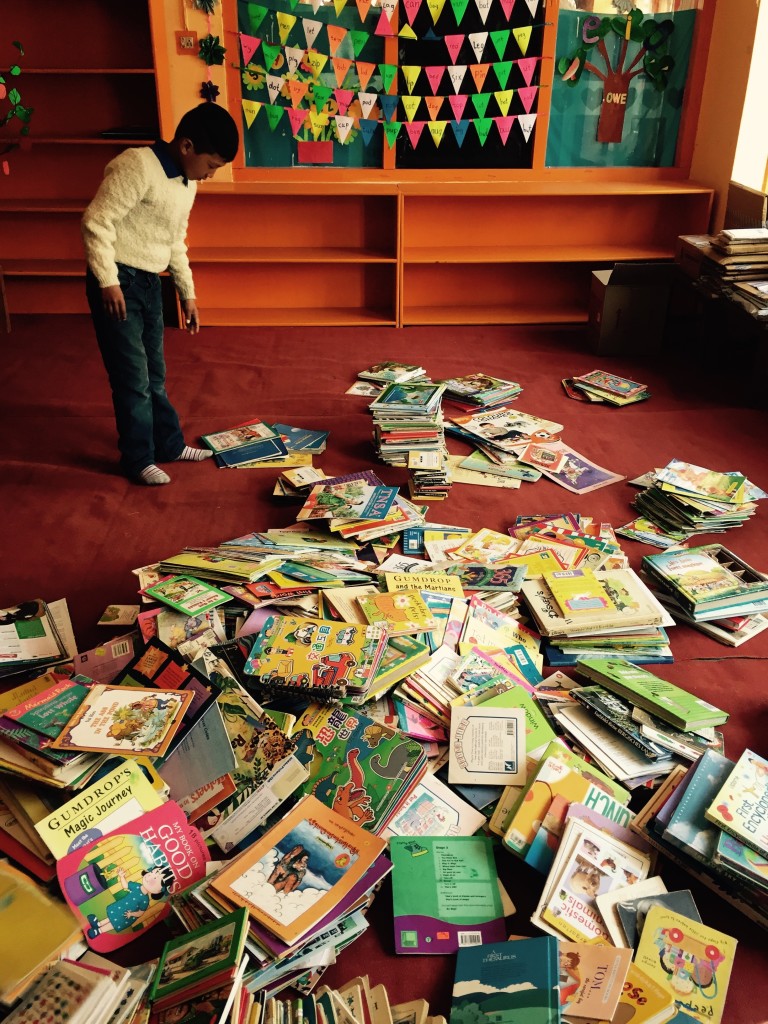
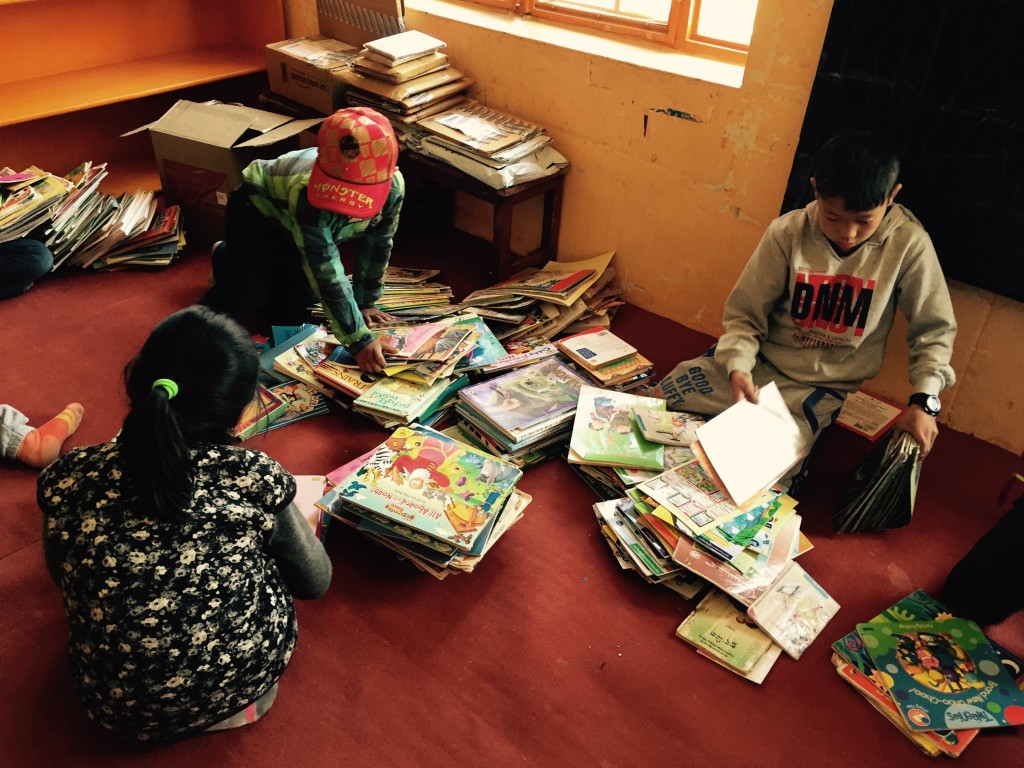
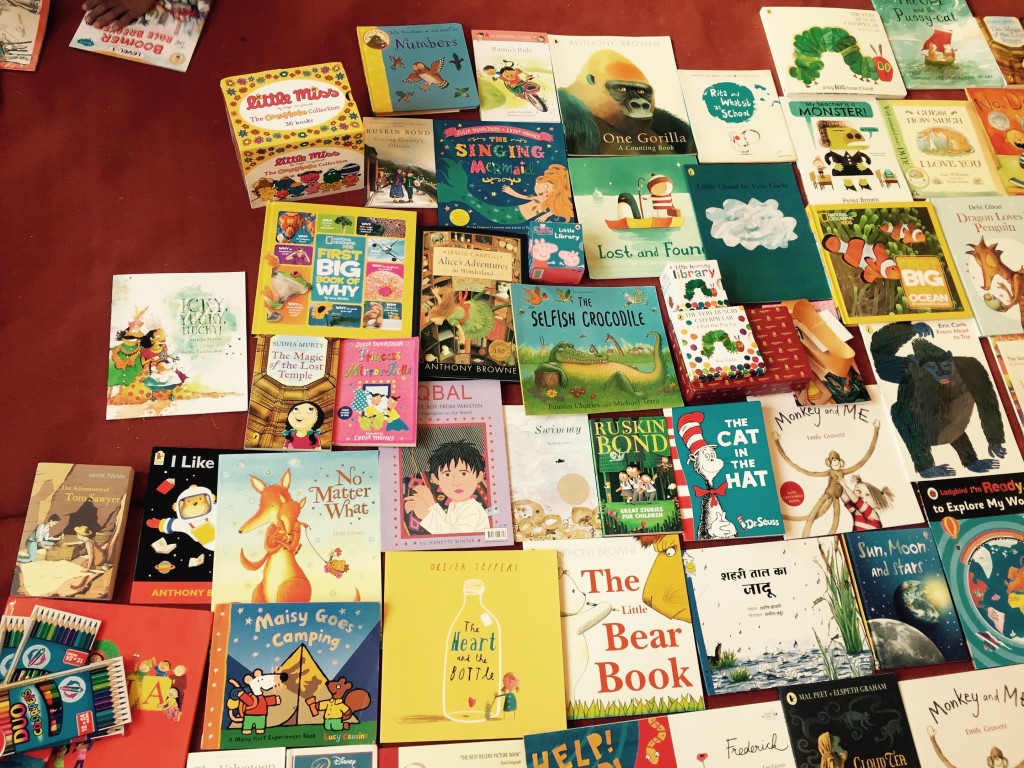
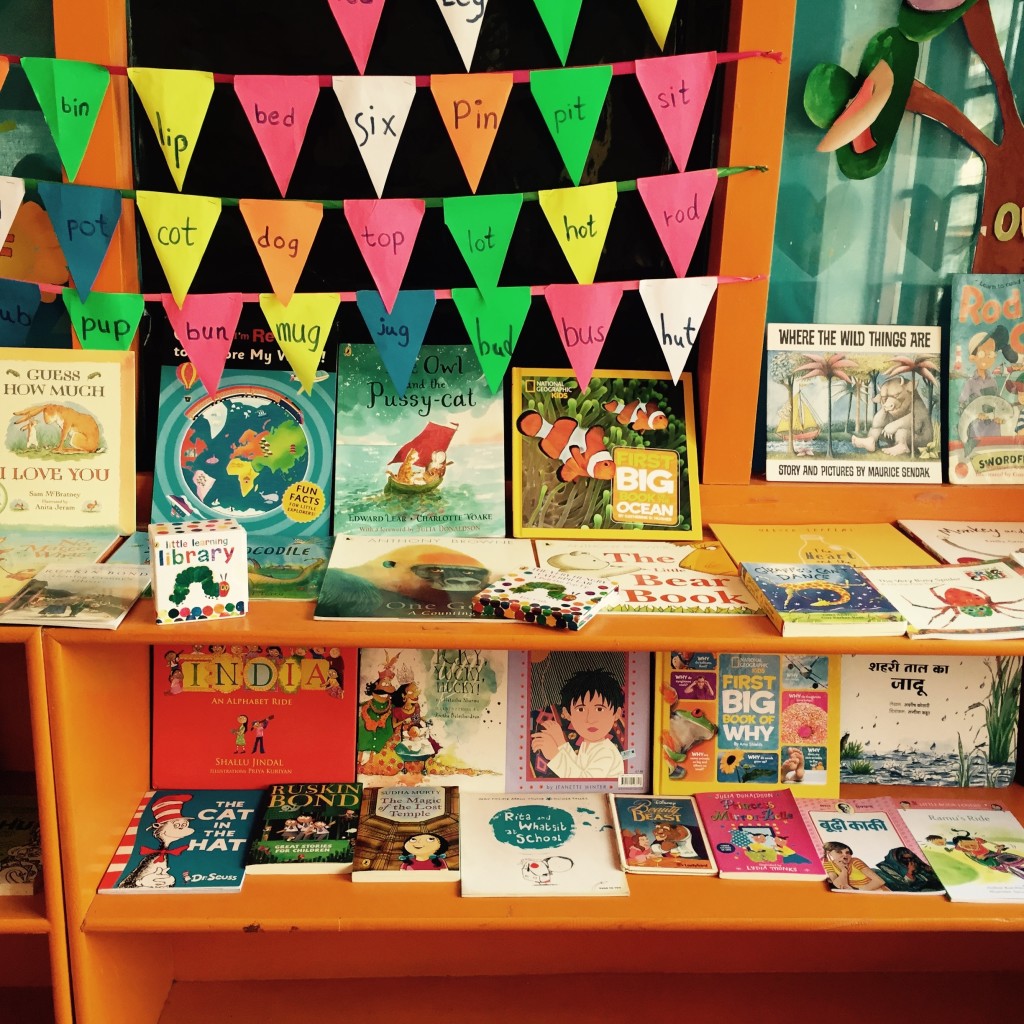
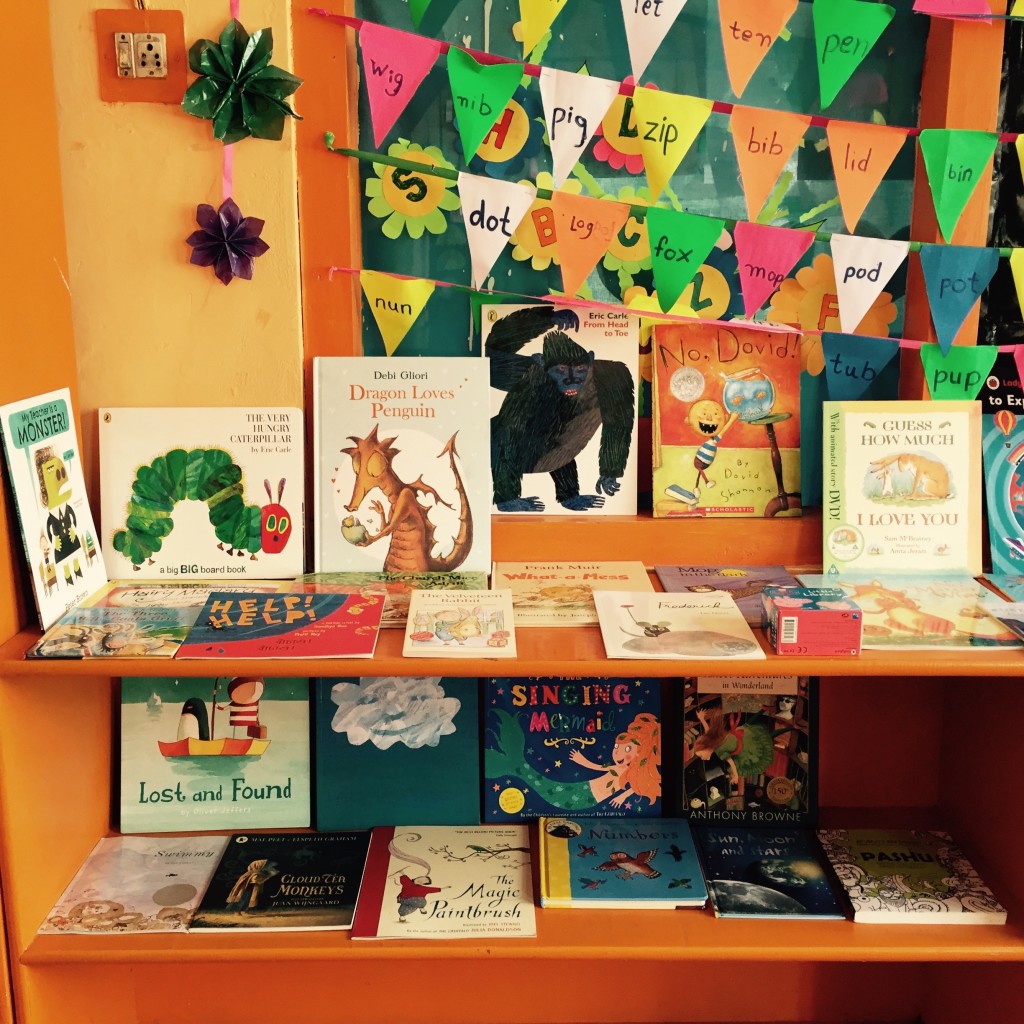
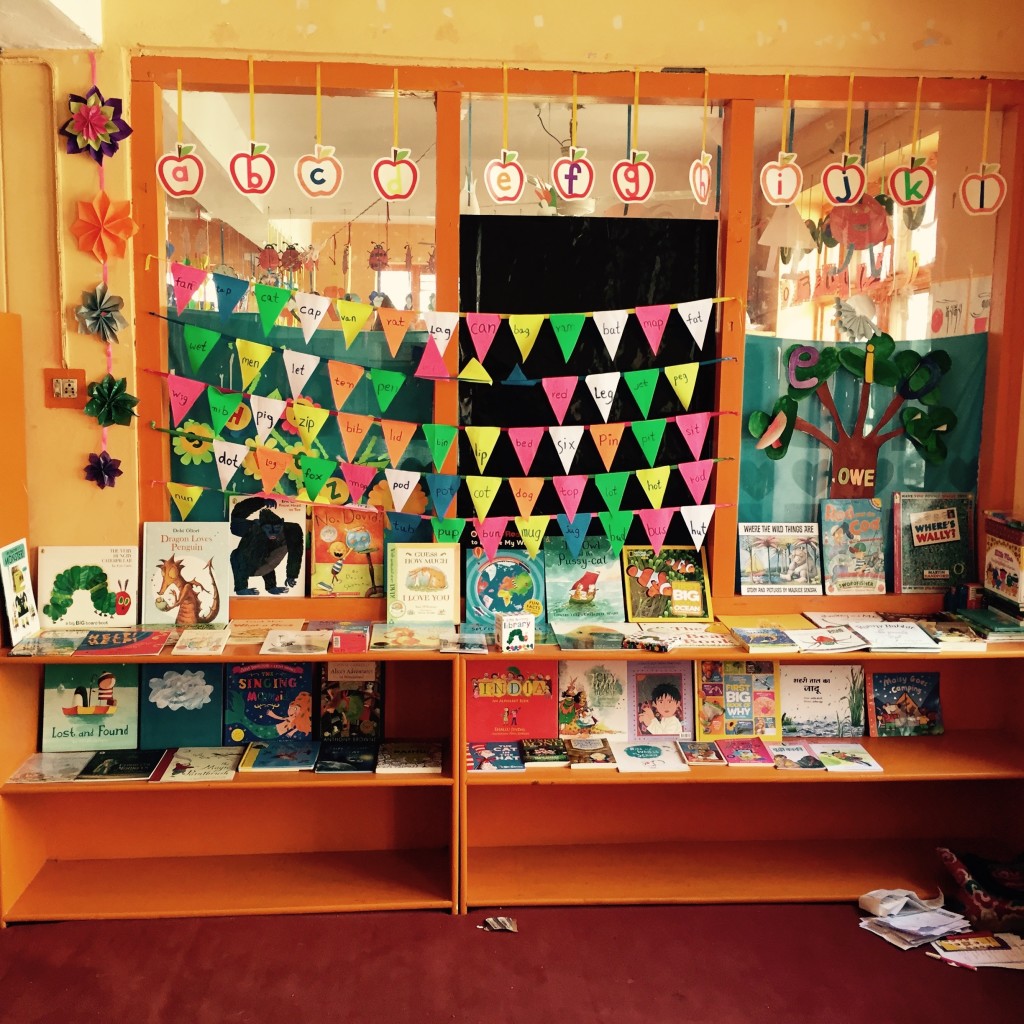
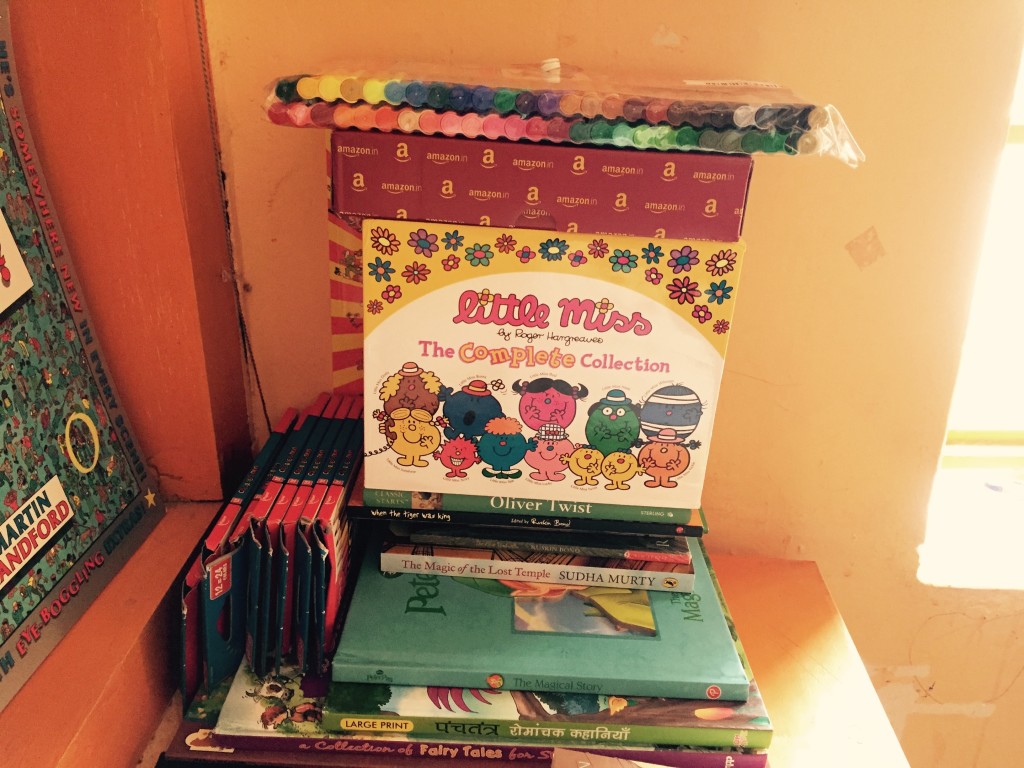
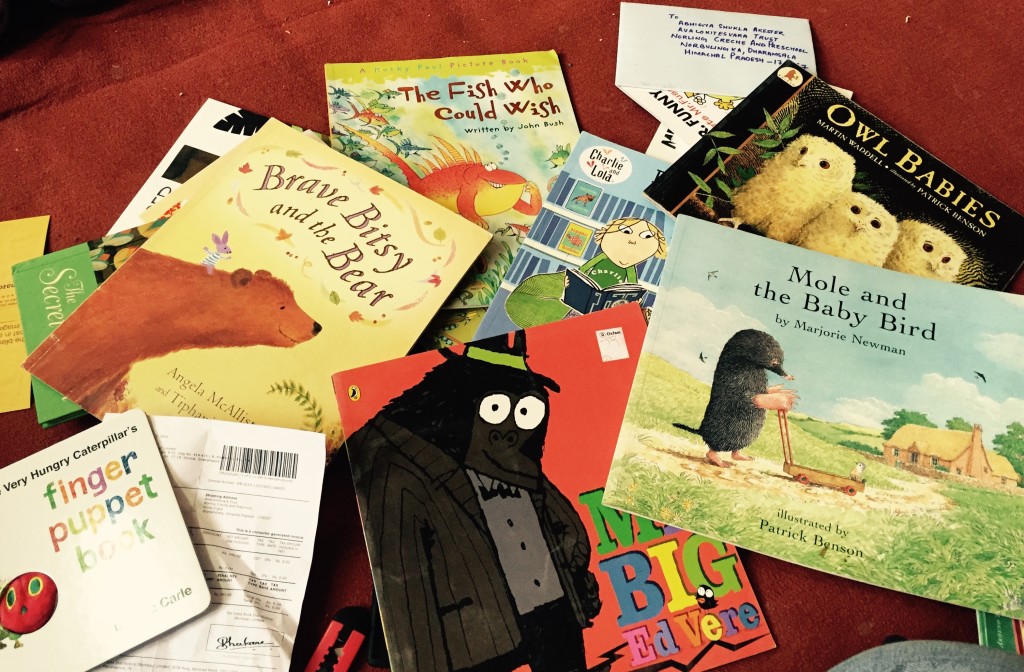
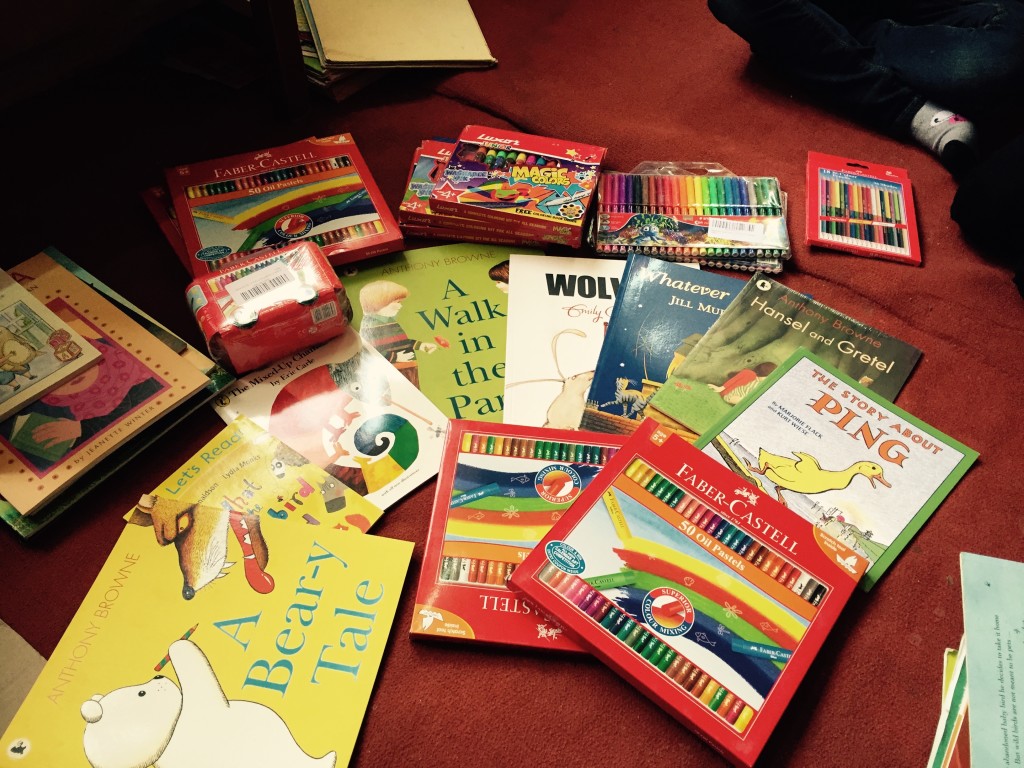
Books and creative materials need moisture protection as well. Cartons should be raised from floors and kept away from exterior walls, while frequently used books can be covered and rotated through the collection. Musical instruments, art supplies and children’s books should be selected for durability, repairability and a useful lifespan rather than sent simply because they are available.
Ways Australian volunteers can help
Support can be organised around familiar Australian routines. People in Sydney, Melbourne, Canberra and other cities commonly travel by train, tram or bus, making evening video briefings practical for remote volunteers. A short online session after a workday can still connect book catalogue volunteers, fundraisers and craftspeople with colleagues in Ladakh.
On-site assistance is most valuable when it complements local expertise. Snow clearing, electrical checks, document repair and workshop preparation can be useful skills, but volunteers should not decide independently when roads or buildings are safe. A strong placement includes a local coordinator, cultural preparation, suitable accommodation and a clear limit on responsibilities.
Anyone working directly with children must follow the safeguarding requirements of the relevant jurisdiction. This includes obtaining the appropriate screening, obtaining consent for photographs and avoiding unsupervised access. Volunteering should never be framed as a substitute for paid local roles, particularly where consistent adult relationships are important for children who attend the reading room regularly.
Australian funding, legal and market realities
Money sent in Australian dollars may incur conversion and transfer charges, so donors should compare the total cost and ask whether a direct bank transfer or another supported method is available. Tax treatment also requires attention. The Charities Act 2013 and Australian Taxation Office rules govern deductions for eligible gifts, but a donation to an overseas organisation is not automatically deductible. Donors should confirm whether the recipient appears on the Department of Foreign Affairs and Trade list of eligible overseas aid organisations.
State and territory laws differ for volunteers, particularly in regulated child-related work. NSW uses Working with Children Checks, while Victoria operates the Working with Vulnerable People regime. Work health and safety duties also vary, and organisations should confirm insurance, supervision and emergency procedures before anyone travels or works with vulnerable participants.
There are several ways to assist, each with different practical value. Comparing options helps donors avoid sending goods that are expensive to ship but difficult for the community to use.
| Support option |
Practical value |
Main consideration |
| Unrestricted funding |
Local staff can address fuel, maintenance and staffing needs |
Requires confidence in financial oversight |
| Equipment purchased in Australia |
Gives access to established hardware and electrical markets |
Must be suitable for local systems and transport rules |
| Remote volunteering |
Supports fundraising, catalogues, translation and programme administration |
Works best with reliable internet access |
| Specialist in-person assistance |
Provides temporary training, repairs or technical support |
Travel, safeguarding and winter access need careful planning |
A durable winter operating plan
The strongest winter arrangements are agreed before conditions deteriorate. Local leaders can define closure thresholds, assign responsibilities and preserve an emergency reserve, while Australian supporters can help ensure that money and equipment arrive before the heaviest snow. Regular contact after storms also helps identify whether a closure reflects building damage, blocked access or a shortage of staff.
The practical takeaway is to agree on one snow-day threshold, one safe access route, one communications method and one funding reserve before the next storm. These four decisions give a reading room the best chance of staying warm, stocked and accessible while protecting the children, young monks and staff who depend on it.