Keeping Learning Powered in Remote Himalayan Communities
In a Himalayan village, a charged phone or tablet can connect a child with a lesson, a teacher with educational materials, or a small reading room with a wider world of books. When electricity is intermittent or unavailable, however, every device becomes part of a careful daily calculation. Power is needed for communication, lighting, record keeping and learning, yet reliable charging may depend on weather, distance and limited infrastructure.
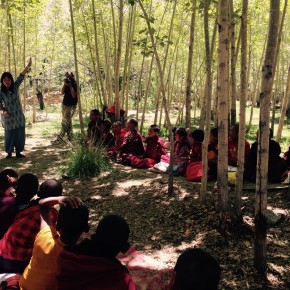
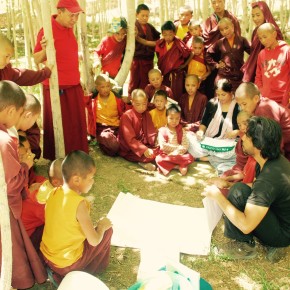
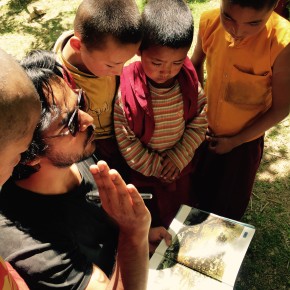
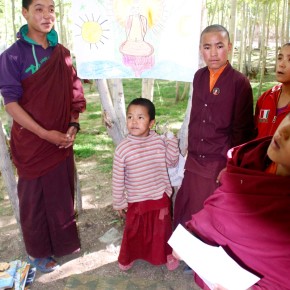
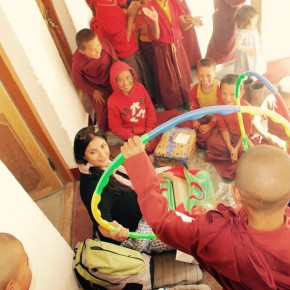
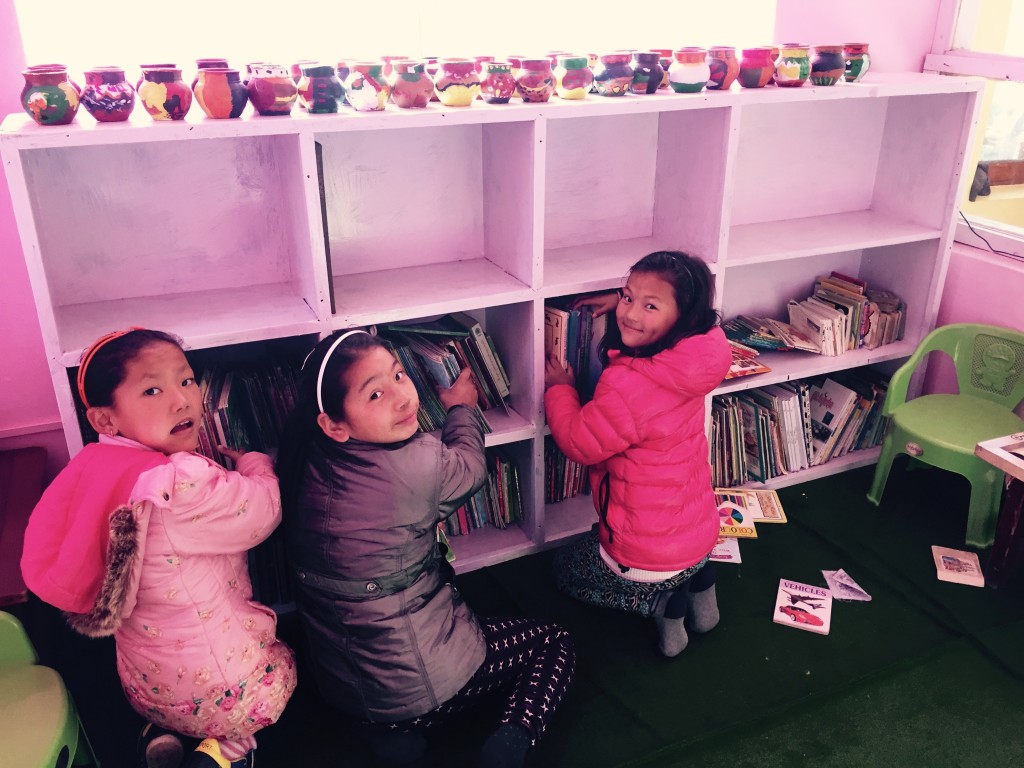
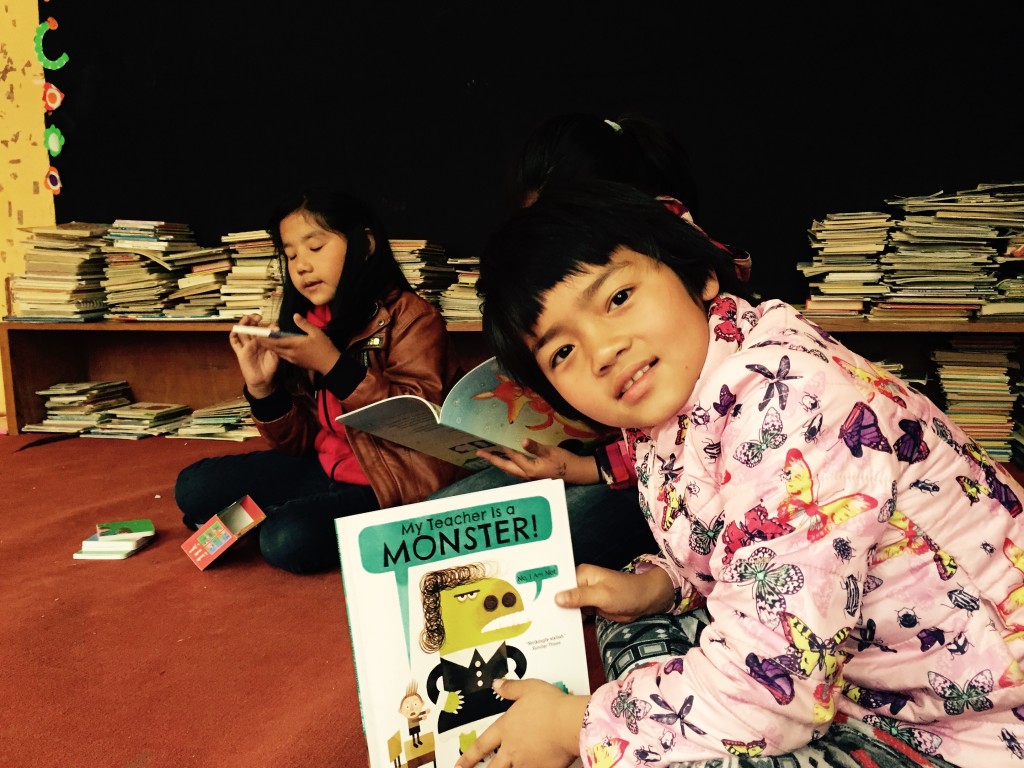
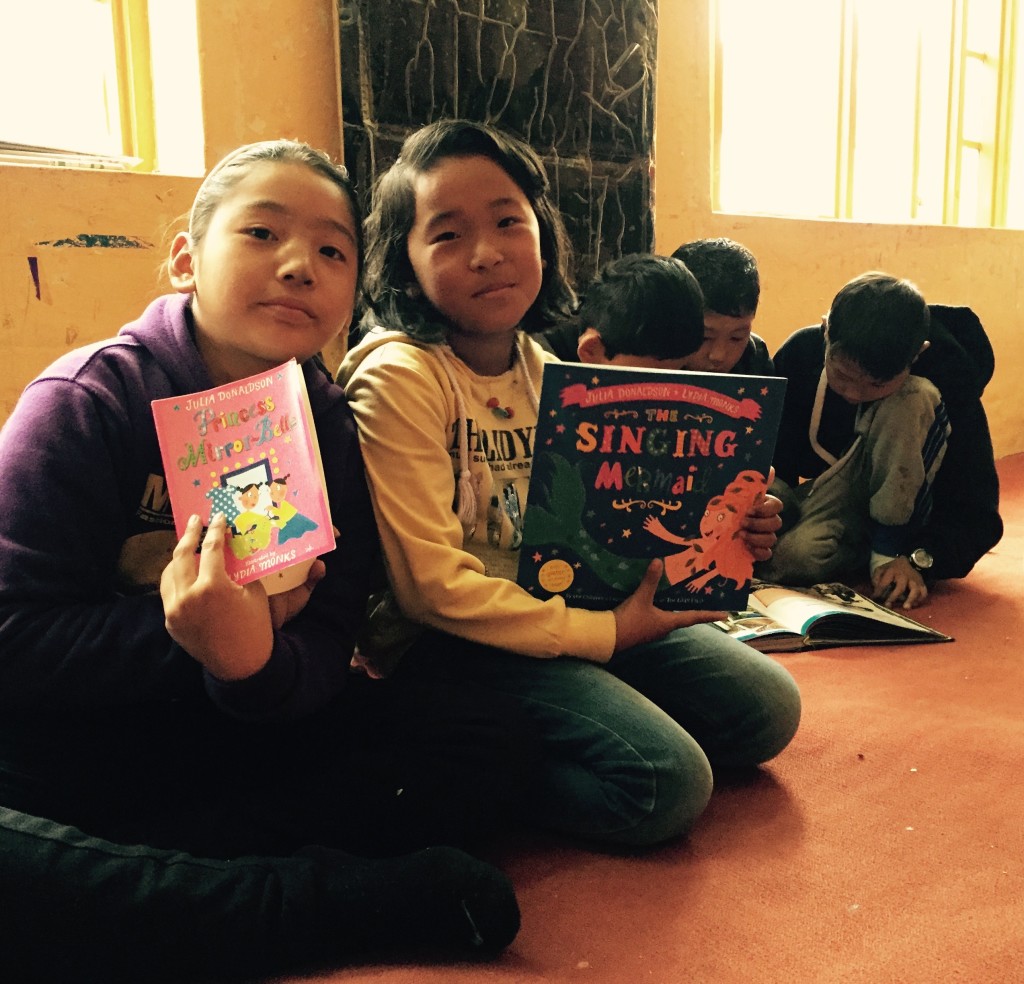
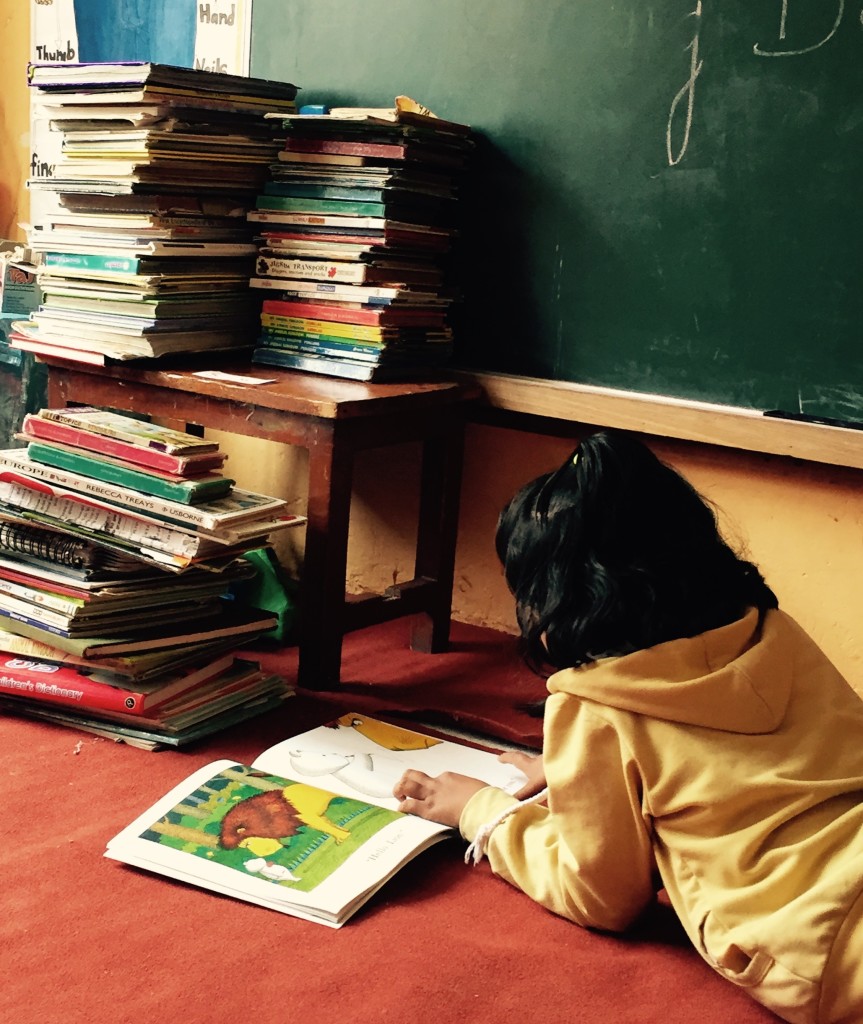
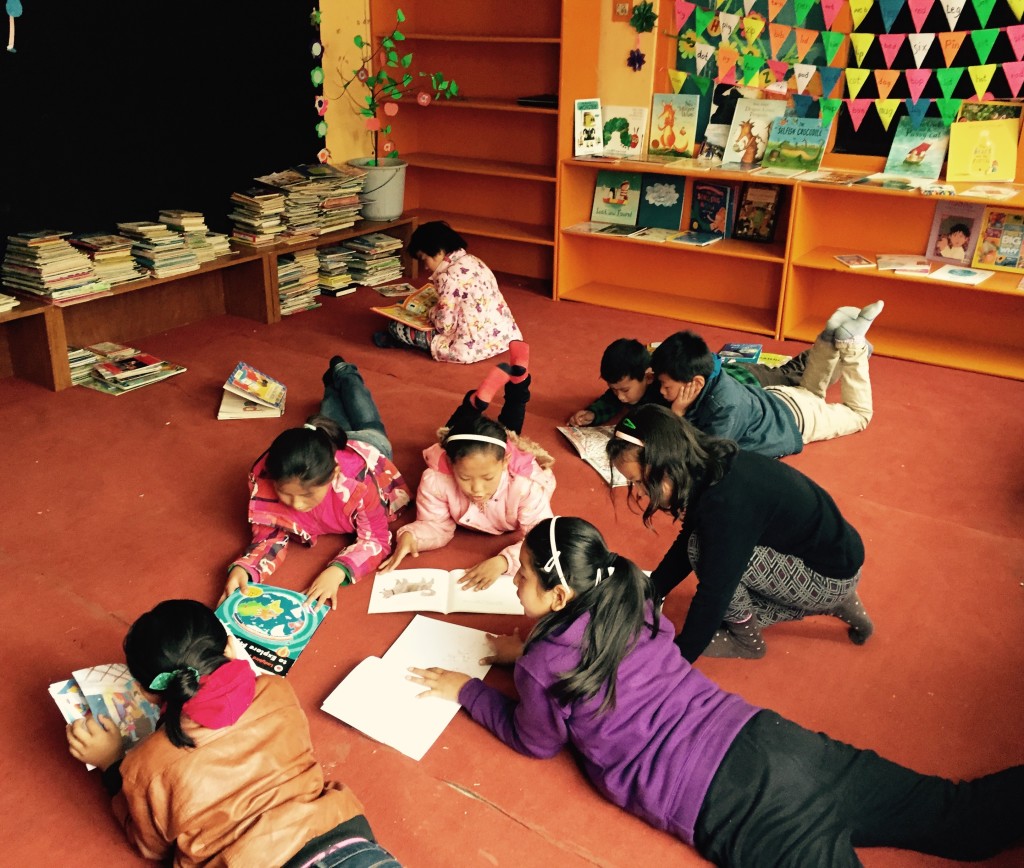
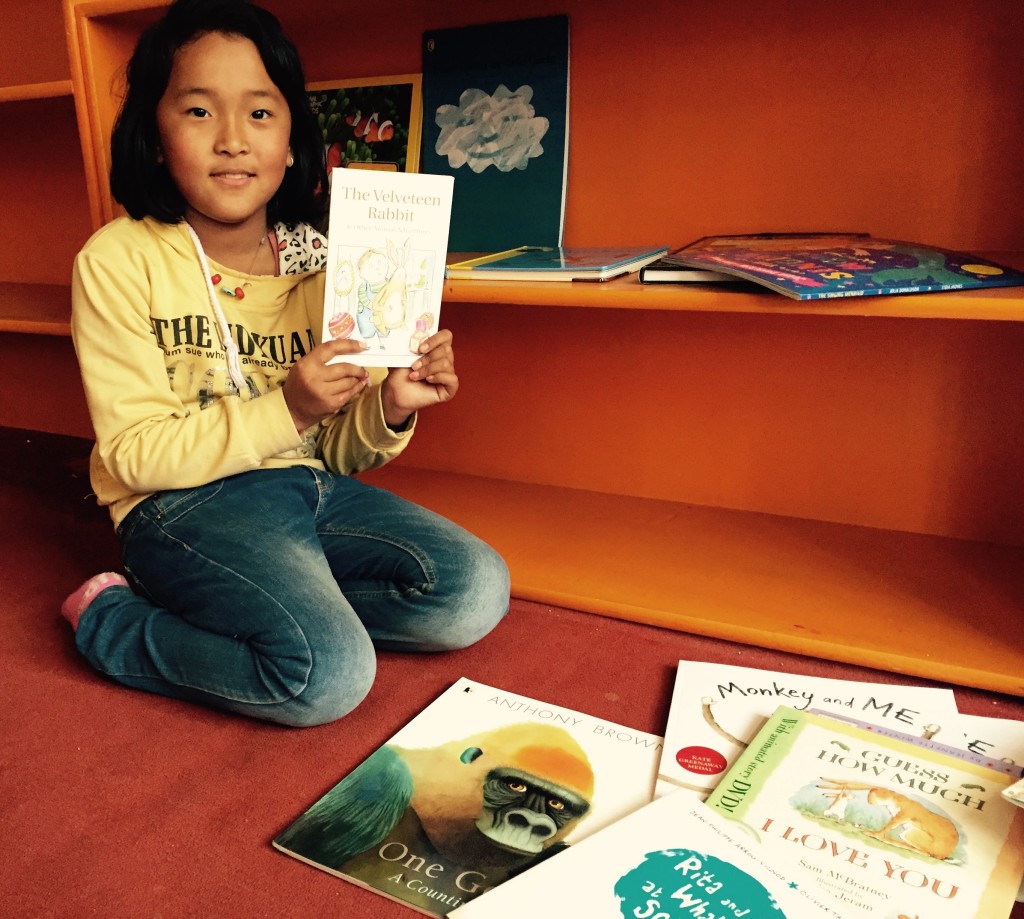
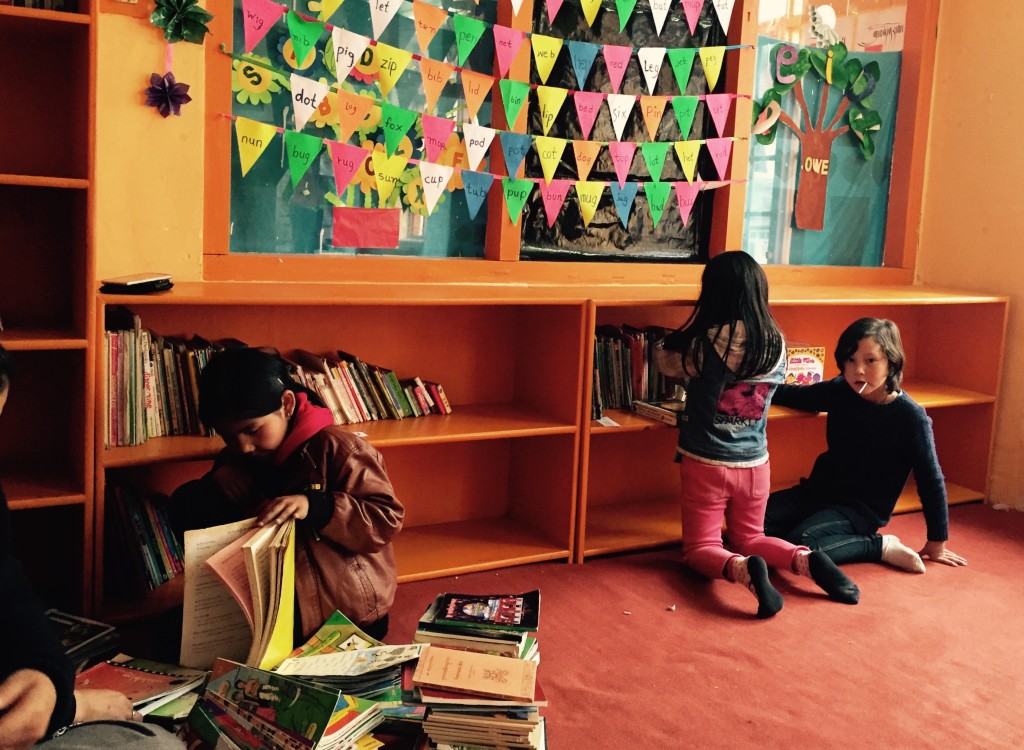
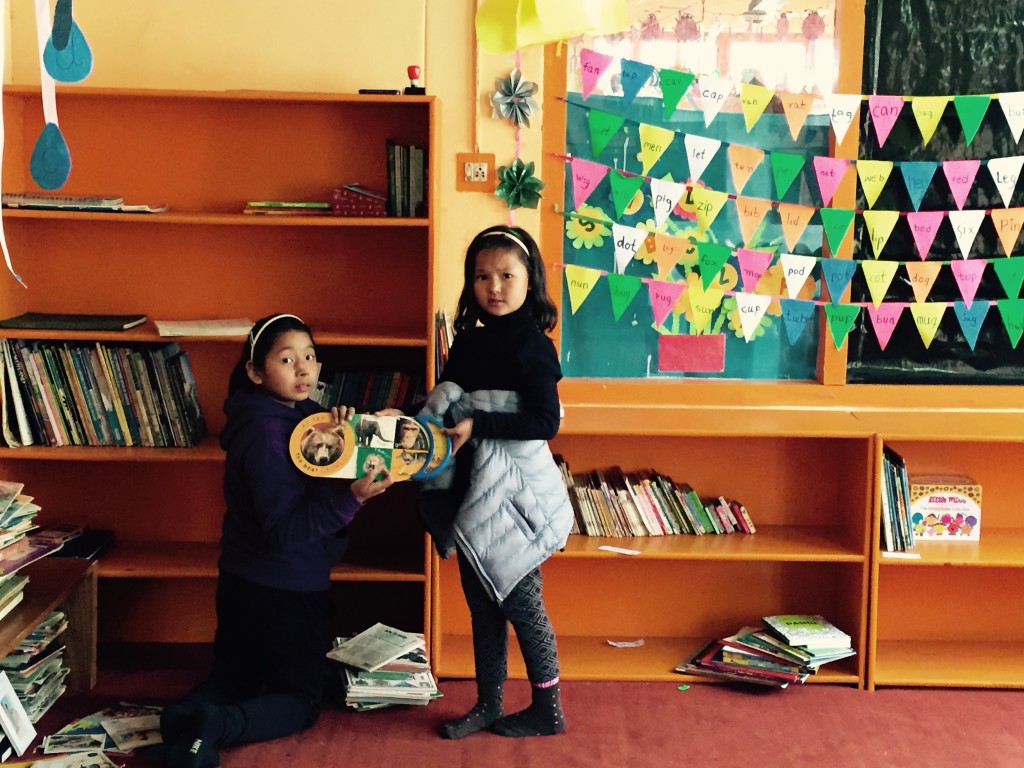
For children and young monks in Ladakh and neighbouring communities, this challenge is closely linked to education. A reading room may have digital photographs, audio resources or downloaded lessons, but these materials are useful only while the equipment has enough battery. A volunteer may carry a laptop for an arts activity, while a local coordinator relies on a mobile phone to organise supplies. A flat battery can interrupt all of these activities at once.
Australian supporters often take dependable electricity for granted. In Sydney, Melbourne or Brisbane, a flat device can usually be recharged at home, a library or a café, and a replacement cable is easy to find. Remote Himalayan settlements require a different approach: equipment must be durable, energy-efficient and simple enough to maintain locally.
Why Charging Becomes Difficult in Mountain Communities
Many Himalayan settlements are separated by steep roads, high passes and long distances between service centres. Deliveries can be delayed by snow, landslides or seasonal road closures. Even when a village is connected to a power network, supply may be irregular, with voltage fluctuations or scheduled outages affecting homes, monasteries and community facilities.
Altitude and cold weather add further complications. Batteries generally lose performance in low temperatures, and devices left overnight in an unheated room may run down more quickly than expected. Solar panels can produce useful energy in bright conditions, but output falls when panels are shaded by surrounding mountains, covered in snow or facing the wrong direction.
The pattern of use also matters. A reading room may be busiest after school, when natural light is fading and several children want to use the same small collection of devices. Charging everything at once can overload a modest system. If mobile phones, lamps, speakers and laptops compete for limited energy, a simple timetable becomes as important as the hardware itself.
Choosing Equipment for Reliable Off-Grid Power
The most effective solution is rarely a single large battery. A dependable charging system usually combines several modest components: solar panels, a charge controller, a battery bank, suitable cables and protected power outlets. This arrangement can store energy during the day and release it gradually when children are reading, studying or attending a creative session.
Portable power stations may be useful for occasional activities, while fixed solar installations can support a permanent reading room. USB-C charging is increasingly valuable because one standard can serve phones, tablets, cameras and some laptops. However, compatibility must be checked carefully. A cable that fits a device may still fail to deliver enough power, and inexpensive adapters can create safety risks.
For organisations buying equipment in Australia, familiar retail channels can help with research and replacement parts. Jaycar stores and Australian electronics suppliers stock cables, connectors, inverters and battery accessories, while Bunnings can be a practical source of basic solar and electrical equipment. Products should be selected for their repairability and warranty support rather than advertised capacity alone.
Practical choices for a safer charging station
- Use durable solar panels with a charge controller designed for the battery type.
- Choose power banks and battery systems with clear capacity ratings and built-in protection.
- Standardise cables and label each charging port to reduce loss and confusion.
- Store batteries indoors, away from moisture, extreme cold and direct heat.
- Keep a small reserve of essential cables, fuses and replacement connectors.
- Record charging times and faults so local staff can identify problems early.
Making Limited Energy Support Learning
Energy planning should begin with educational priorities. Lighting for reading, a phone used for coordination and a device supporting a lesson may be more important than charging every visitor’s personal electronics. A simple sign-in sheet can help staff understand which equipment is used most often and when demand peaks.
Downloaded resources can reduce dependence on an unreliable internet connection. E-books, language recordings, visual art references and offline lessons can be stored on a tablet or laptop before a programme begins. This approach also saves energy because children do not need to stream content repeatedly. A teacher can prepare a complete activity while power is available and deliver it later without an internet connection.
Low-energy devices make a noticeable difference. E-readers, LED lamps and small speakers generally require less power than full-size computers or bright screens. Screen brightness can be reduced, automatic sleep settings can be enabled and devices can be switched off rather than left in standby mode. These habits are simple, yet they extend the useful hours available from a solar battery.
Building Systems That Local People Can Manage
A charging project is more sustainable when local staff and community members can operate it without waiting for a specialist from another region. Training should cover basic battery care, safe cable use, panel cleaning, fault reporting and what to do when a system stops working. Instructions with clear diagrams can be more useful than technical manuals written for engineers.
Equipment should suit the actual building. Dust, cold, moisture and uneven floors can damage exposed connections. Lockable storage protects batteries and devices, while raised shelves help prevent water damage. Ventilation is important for some battery systems, and all electrical equipment should be installed according to appropriate safety standards.
Maintenance funding deserves as much attention as the original purchase. Solar panels need periodic cleaning, batteries eventually need replacement and cables disappear through ordinary wear. A donation that covers installation but ignores future repairs can leave a reading room without power after a preventable fault. Setting aside a modest reserve for maintenance gives local coordinators greater independence.
Australian supporters can contribute useful knowledge from their own experience with remote energy. Communities in regional Western Australia, the Northern Territory and far north Queensland often use solar systems, backup batteries and generators because grid access is limited or outages are disruptive. The conditions are different from Ladakh, but lessons about energy conservation, spare parts and routine inspections can still inform project planning.
Working Within Weather, Travel and Seasonal Limits
Seasonal planning is essential. A book drive, volunteer visit or arts workshop should include a realistic plan for charging equipment during the journey and after arrival. Spare power banks need to be fully charged before departure, while solar equipment must be packed so panels and connectors are protected from impact. Extra weight matters when supplies travel by road and then continue on foot or by local transport.
Weather can affect both energy production and programme schedules. A cloudy period may require the reading room to prioritise lamps and essential communication rather than extended screen activities. During bright weather, staff can charge batteries and prepare devices for several days. Clear routines allow children to continue learning without making unreliable electricity the centre of every activity.
The same principle applies to communications. A charged phone can help coordinate a volunteer team, report a supply issue or share photographs of a children’s activity with supporters. Yet devices should be used thoughtfully, with battery reserves protected for safety and essential contact. A small, written schedule can identify which phone or radio is reserved for urgent communication.
For visitors from Australia, practical habits are familiar: carry a power bank when travelling, protect equipment from dust and cold, and expect plans to change. The difference is that in a remote Himalayan community, these habits may determine whether an educational session can proceed at all. Preparation should therefore be respectful and collaborative, based on local knowledge rather than assumptions imported from city life.
Turning Energy Access Into Lasting Educational Access
Reliable charging is a support system for literacy, creativity and community connection. It does not replace books, teachers or face-to-face activities, but it helps those resources remain available when distances are great and infrastructure is limited. A well-powered reading room can offer a quiet place for children to read, listen, draw, practise music and explore materials beyond their immediate surroundings.
Projects should measure success in practical terms. Useful signs include fewer cancelled sessions, longer reading-room hours, safer device storage, better communication with families and less time spent searching for working cables or outlets. Local feedback is equally important. Children, young monks, teachers and coordinators can explain which devices genuinely assist learning and which equipment is rarely worth charging.
Donors can support this work by funding an integrated system rather than sending unplanned electronics. The right contribution may cover a solar panel, a battery replacement, protective storage, offline educational content or training for the person responsible for daily checks. Australian donors may also compare prices in the local market, where warranty terms and readily available parts can make a major difference.
The most useful next step is to fund a small, locally managed charging assessment for one reading room: document its devices, daily energy needs, sunlight conditions and maintenance capacity before selecting equipment.