Finding Books Where Every Child Can See a Place
A child often begins reading by looking for a familiar face. That face may share their language, skin colour, family structure, disability, faith, landscape or way of seeing the world. When books reflect those details with care, reading becomes a personal experience rather than a lesson about someone else’s life.
For children in Ladakh and other Himalayan communities, finding such books can be difficult. Many library collections rely on imported titles, limited local publishing and donations chosen without enough knowledge of the children who will read them. A shelf may be full while still leaving children searching for characters who feel recognisable.
This issue matters in Australia too. Children in Sydney, Melbourne, Brisbane and regional towns grow up in multilingual, multicultural communities, yet access to genuinely representative children’s literature varies between schools, libraries and family budgets. Understanding the gap can help donors, volunteers and educators build collections that offer both a window into other lives and a mirror of a child’s own.
| What a Collection Offers |
Likely Benefit |
Common Risk |
| International classics |
Familiar reading structures and broad perspectives |
Limited connection to local identity |
| Regional stories |
Recognition of local landscapes, customs and families |
Smaller supply and fewer translations |
| Books by authors from represented communities |
More authentic voices and cultural detail |
May be harder to source consistently |
| Diverse contemporary fiction |
Wider understanding of identity and belonging |
Diversity may be superficial or tokenistic |
| Bilingual and wordless books |
Access for emerging readers and language learners |
Often underrepresented in donations |
Why Representation Shapes A Child’s Reading Life
Children learn about belonging long before they can explain it. A story that includes a grandparent-led household, a child who wears traditional clothing, or a village that resembles home can communicate that these experiences deserve space in literature. Recognition can strengthen confidence, vocabulary and willingness to choose books independently.
The absence of familiar characters sends a quieter message. If heroes always live in wealthy cities, speak with the same accent or have the same family life, a child may assume that adventure belongs to somebody else. This does not mean every book must resemble the reader. Children need imaginative distance as well. They need collections that balance familiarity with discovery.
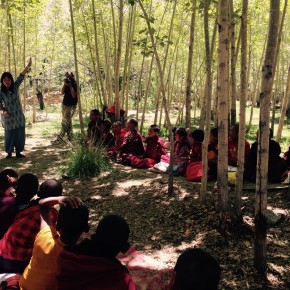
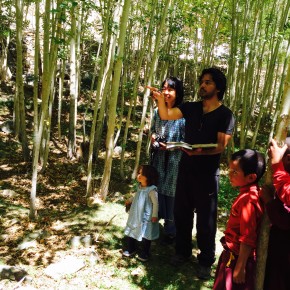
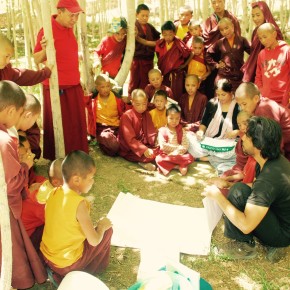
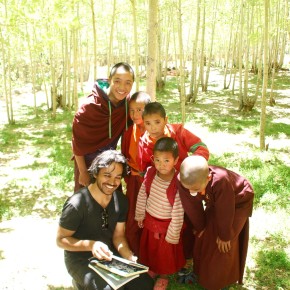
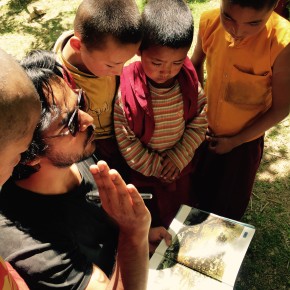
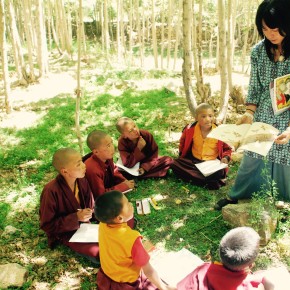
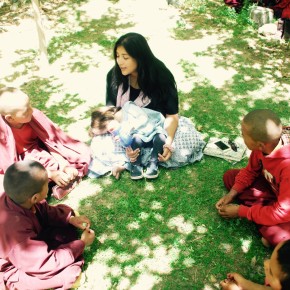
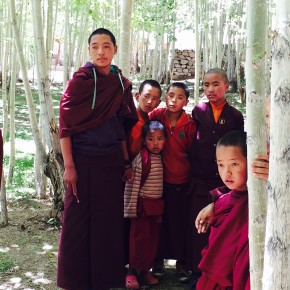
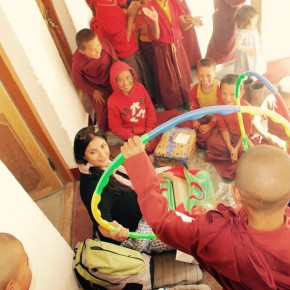
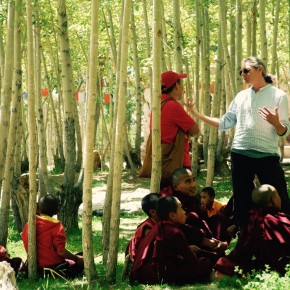
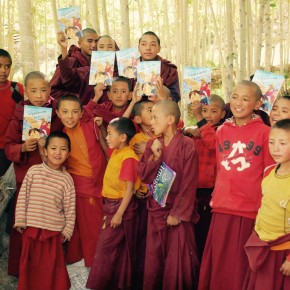
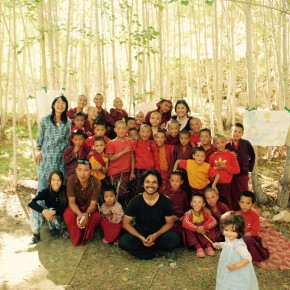
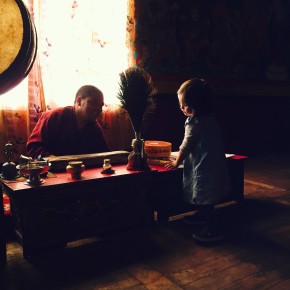
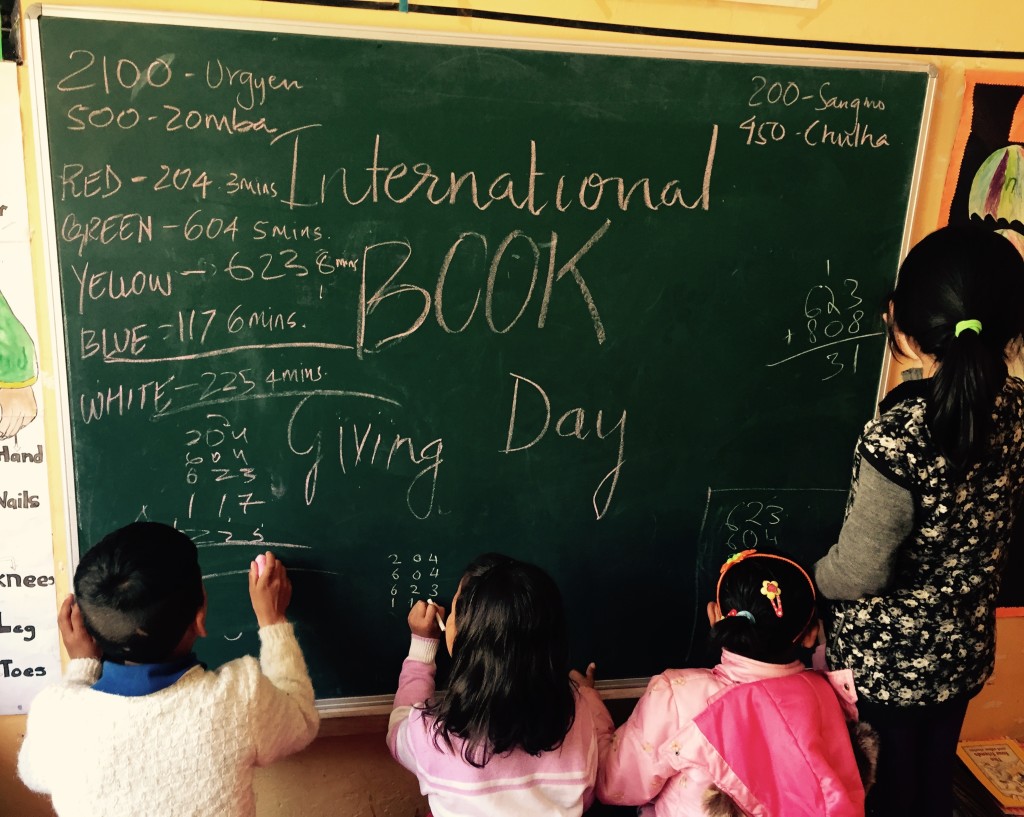
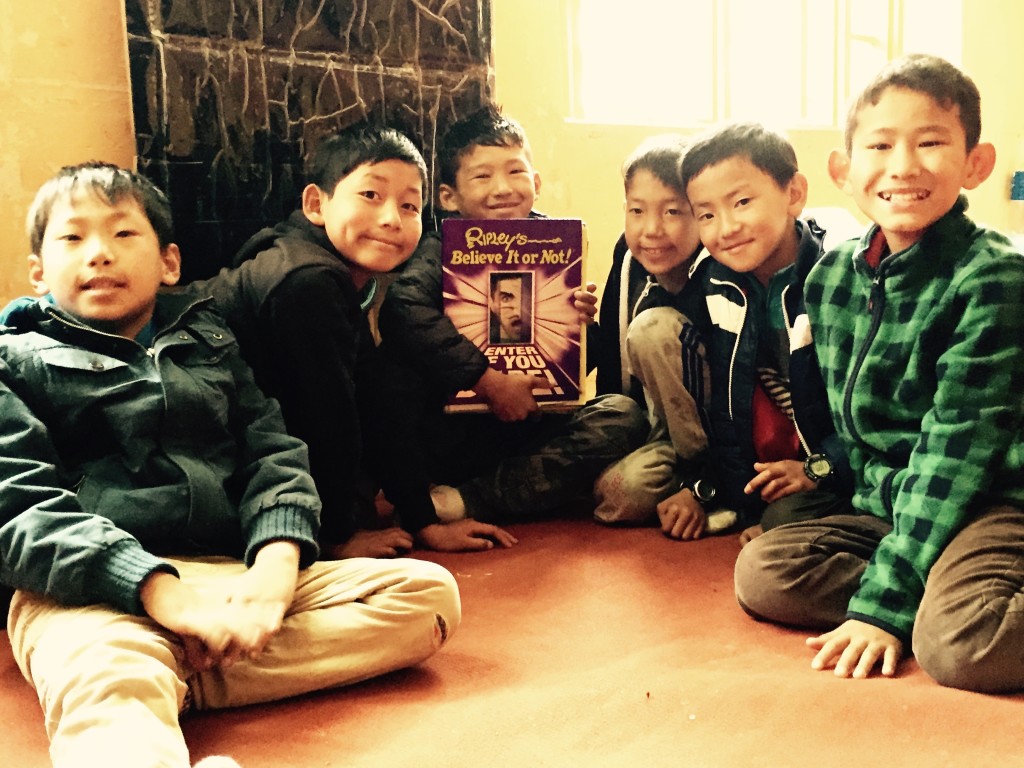
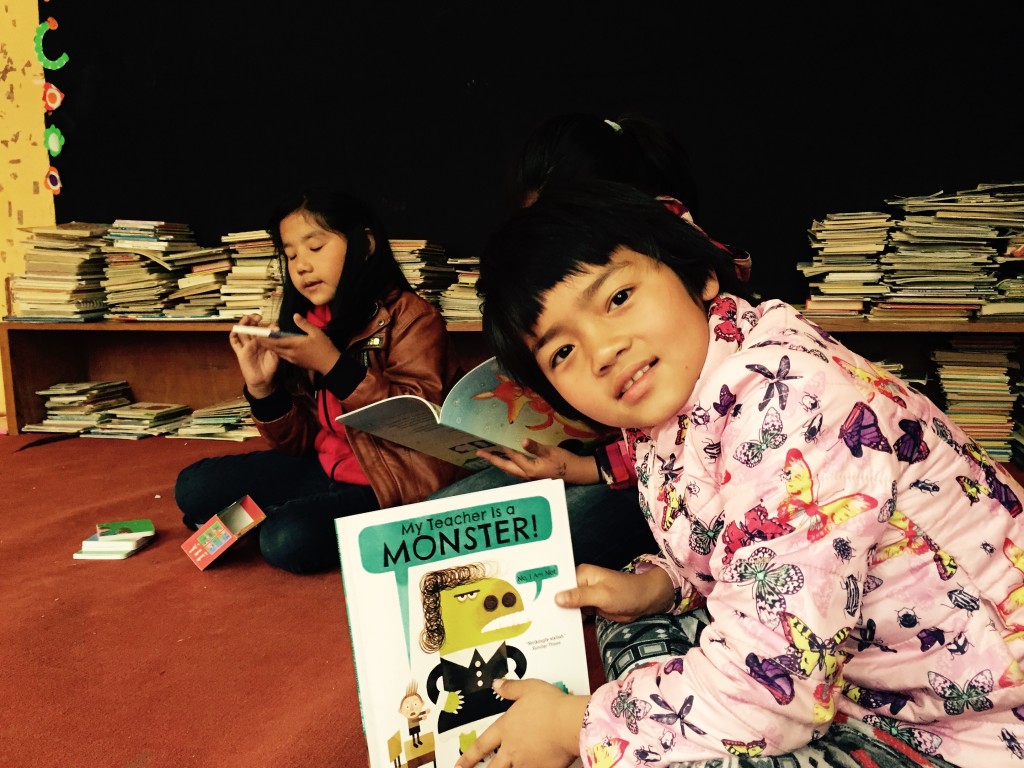
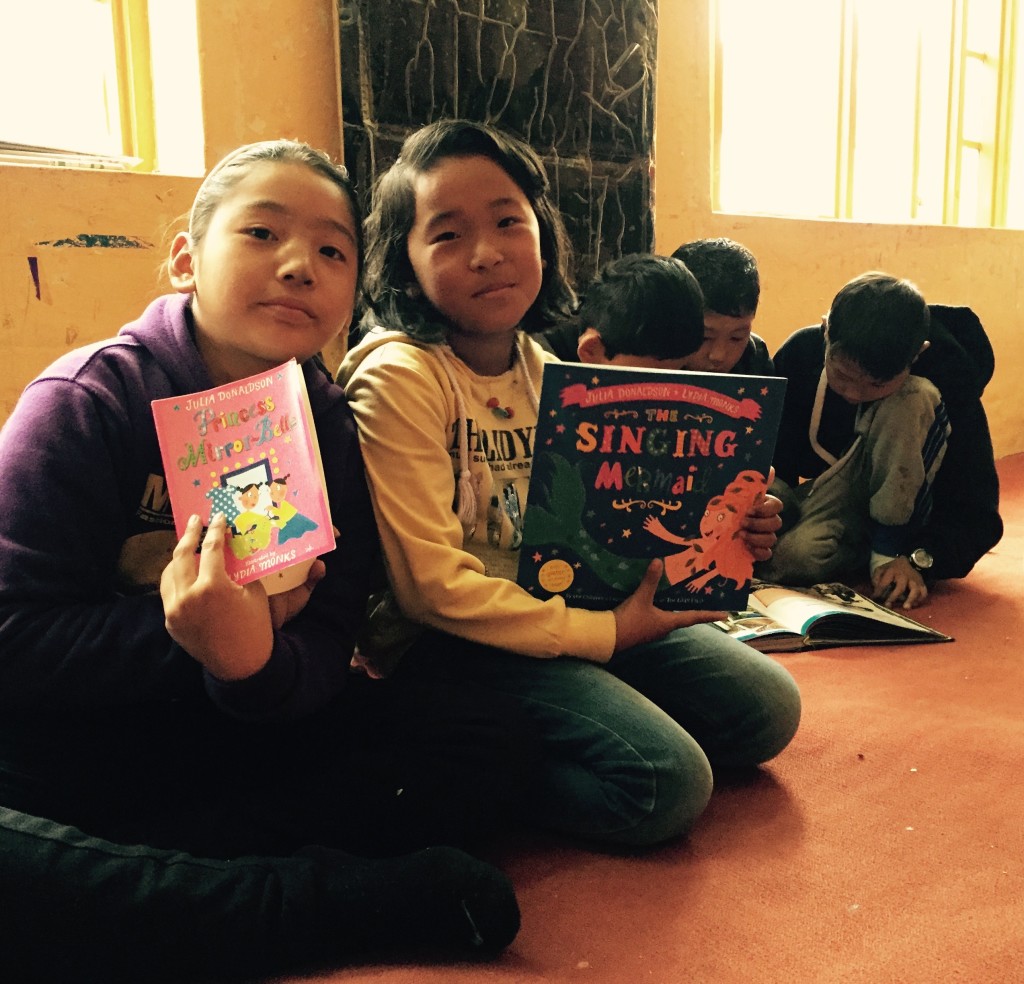
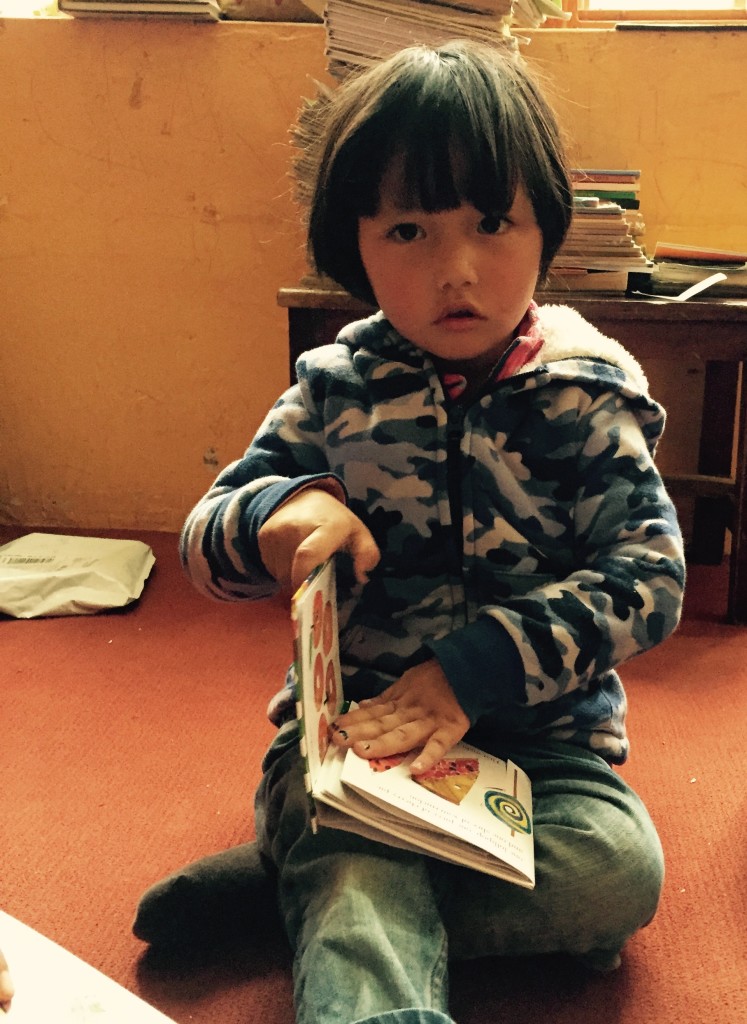
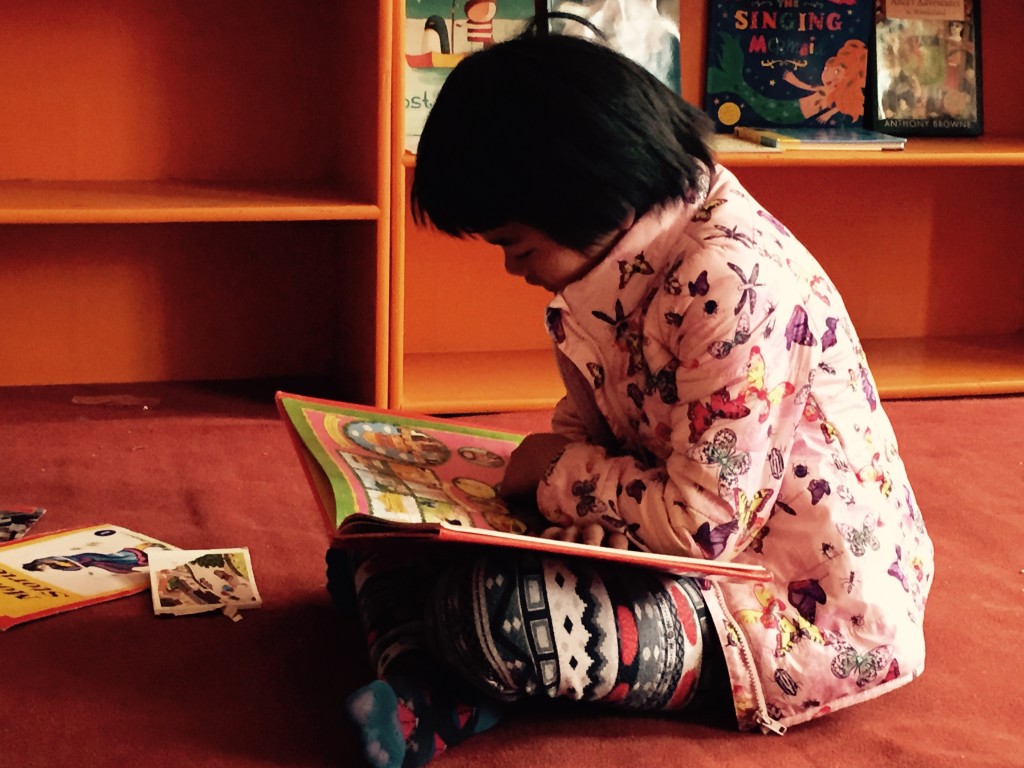
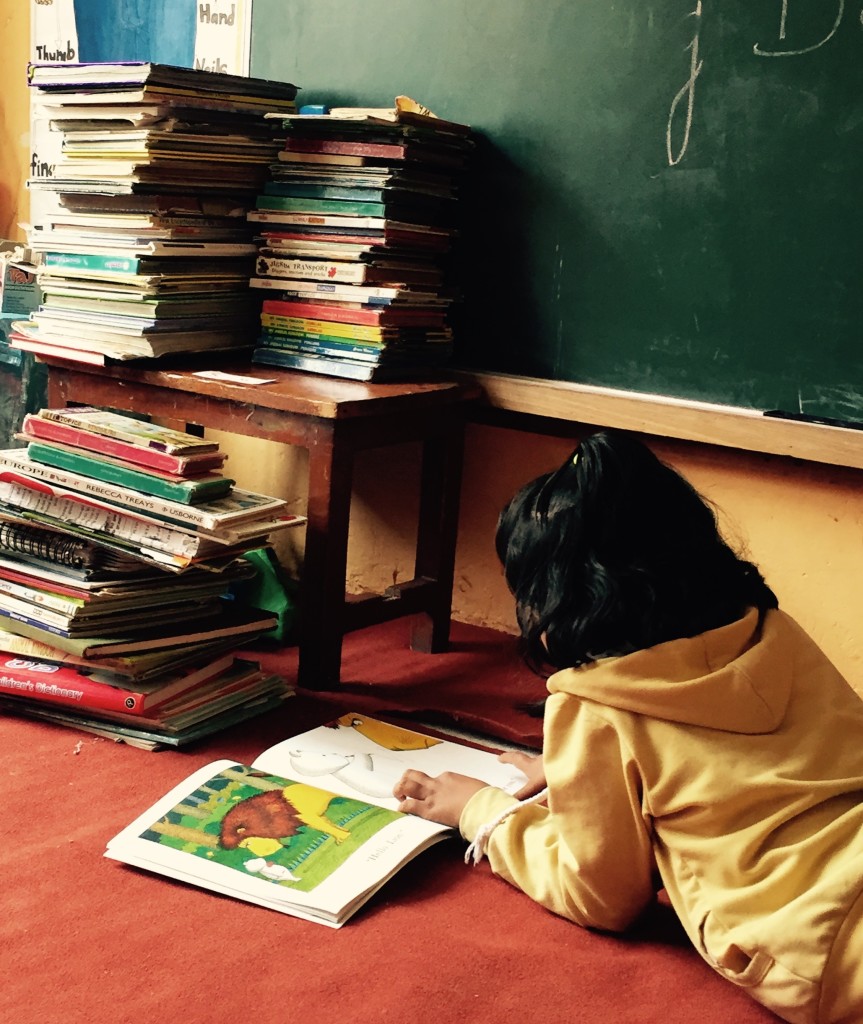
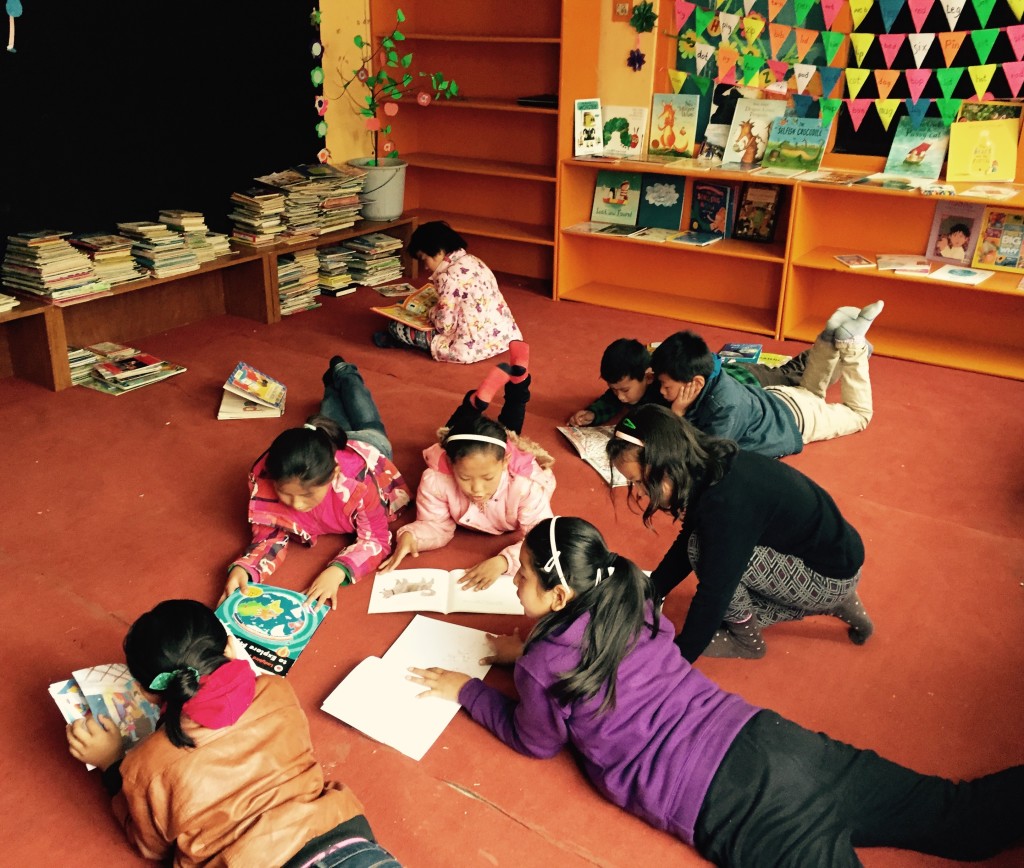
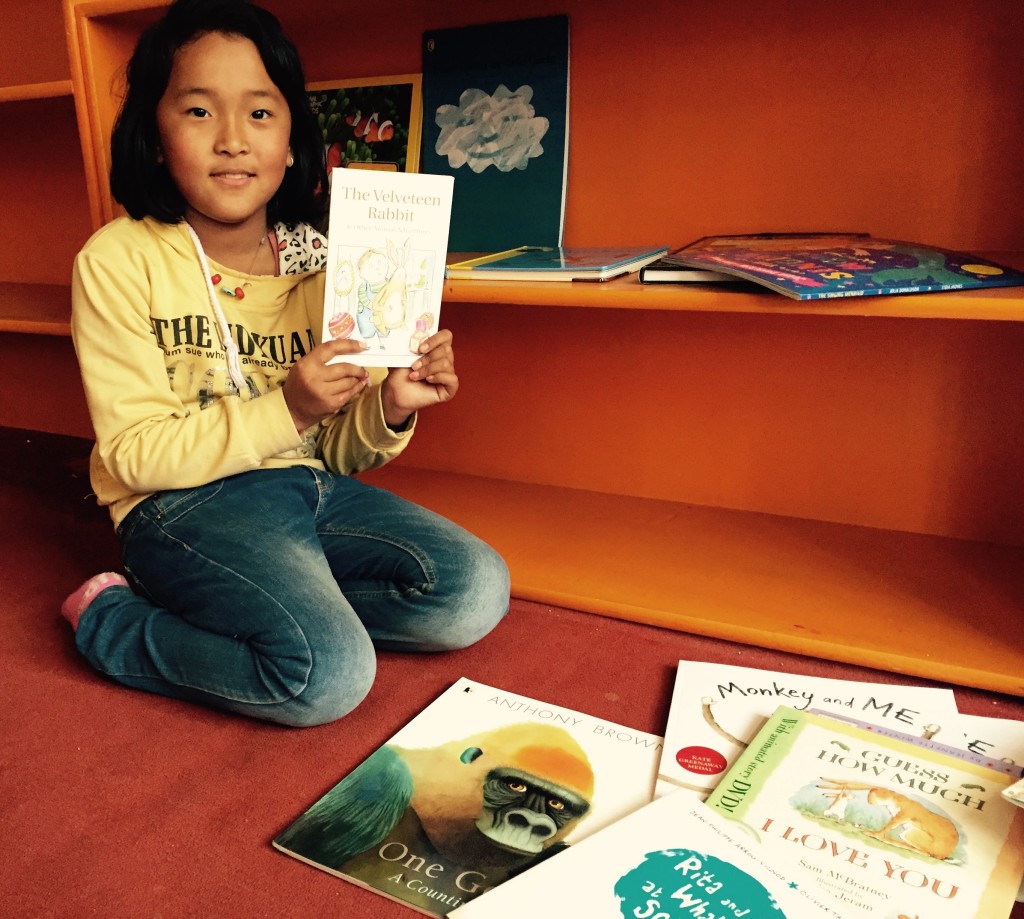
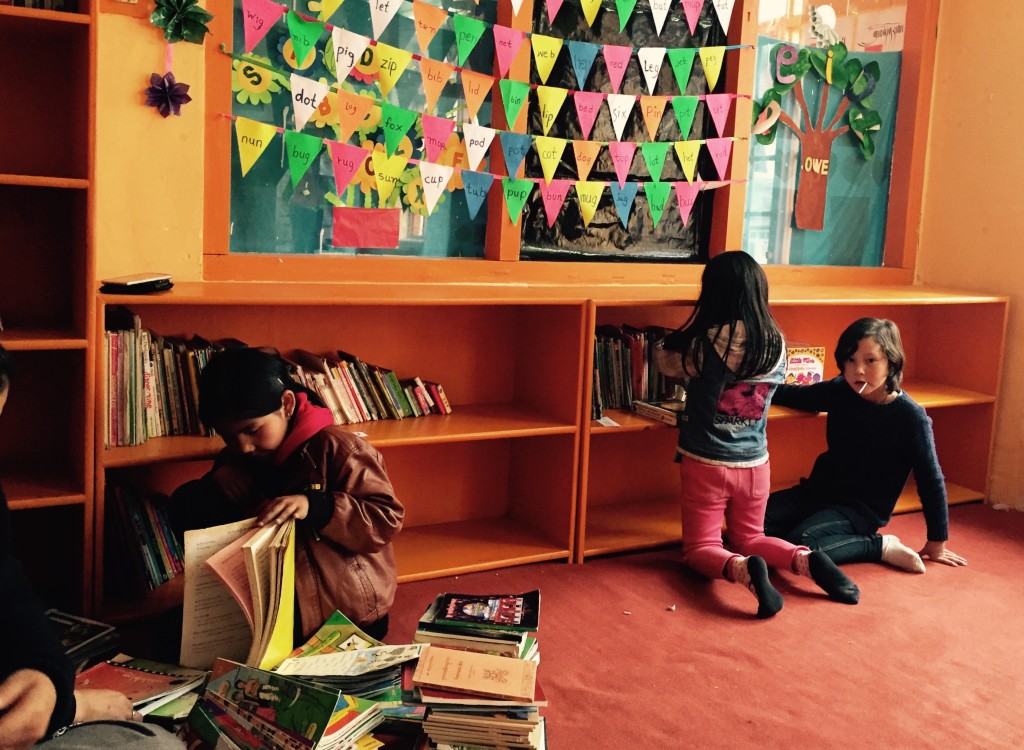
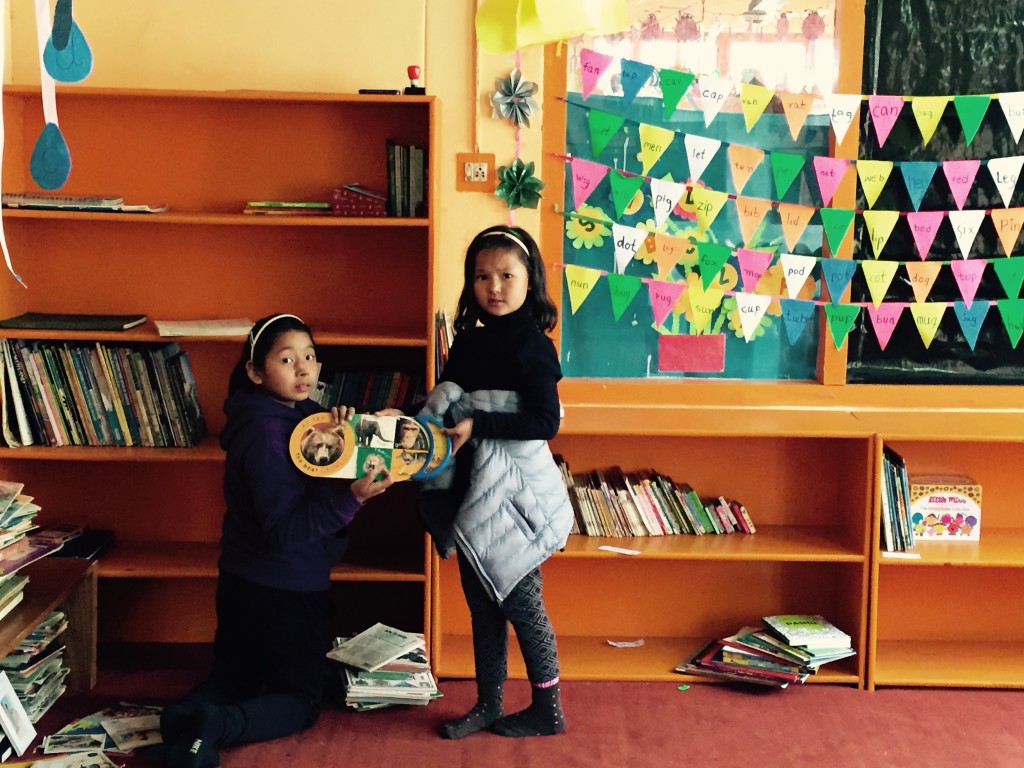
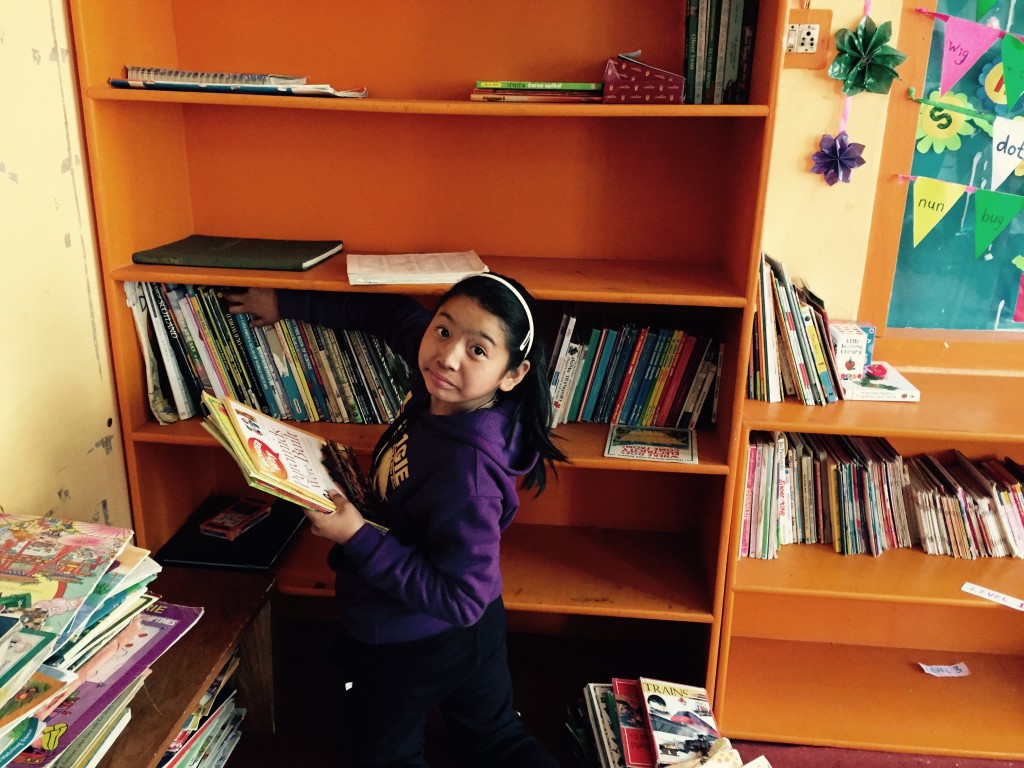
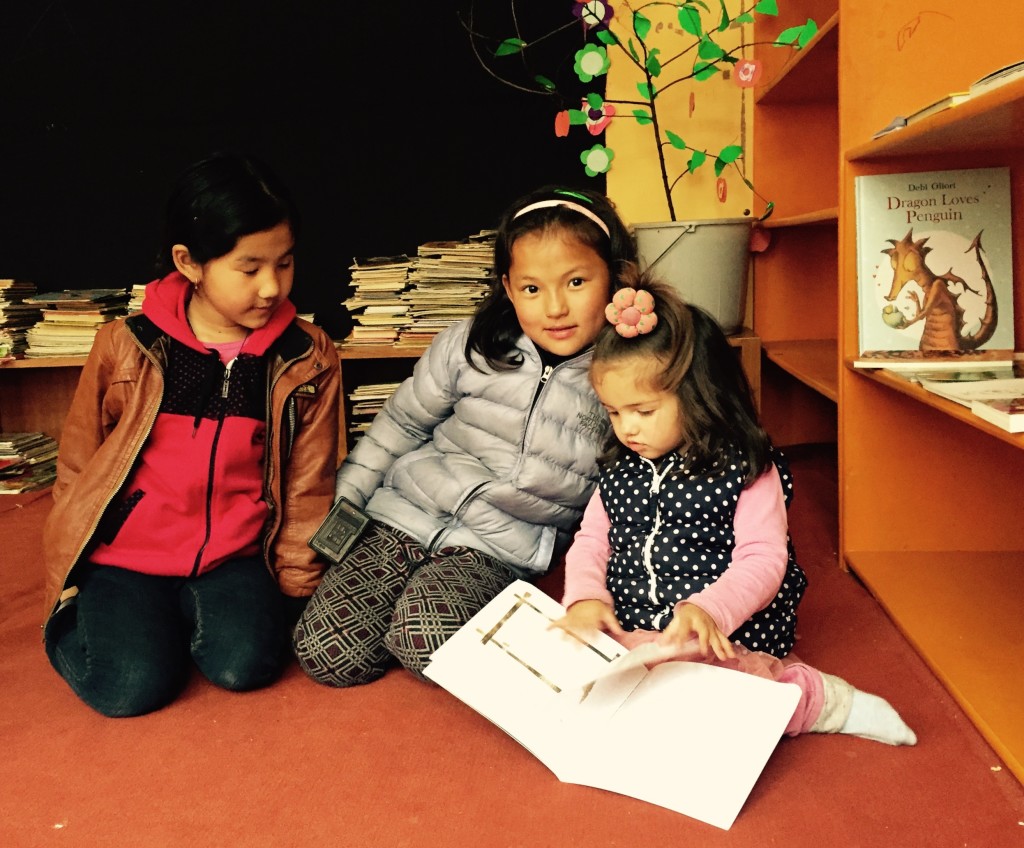
For young monks, village children and students using reading rooms in the Himalayan region, a well-chosen story can connect learning with daily life. Books about mountains, community responsibility, friendship, creativity and spiritual practice may support conversations that feel relevant rather than imposed.
What Children Look For On The Page
Representation is more complex than placing a child from a particular background on a cover. Readers notice names, food, landscapes, family relationships, celebrations, clothing, disability, humour and the way adults respond to children. They also notice whether a character from their community is allowed to be funny, inventive, imperfect and central to the plot.
Quality matters as much as visibility. A child should not appear only as a victim, a cultural guide or a symbol of hardship. Strong stories give characters motives, choices and ordinary pleasures. A Ladakhi child might be solving a mystery, making music or helping a friend, rather than appearing only in a story about poverty or remote geography.
Australian readers benefit from this broader standard. A book featuring an Aboriginal child, a recent migrant family or a child with a disability should carry the full range of human experience. Publishers and book buyers need to consider who created the story, whose knowledge it uses and whether the details feel respectful rather than decorative.
Why Suitable Books Can Be Hard To Find
The children’s publishing market is shaped by commercial expectations. Publishers often favour subjects thought to have a large audience, while books from smaller language communities may receive fewer print runs, limited distribution and less promotion. This affects Himalayan languages and regional cultures, just as it affects many minority voices elsewhere.
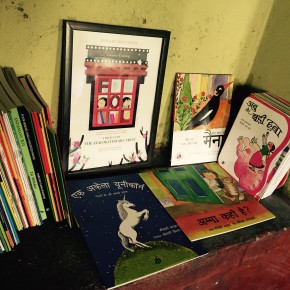
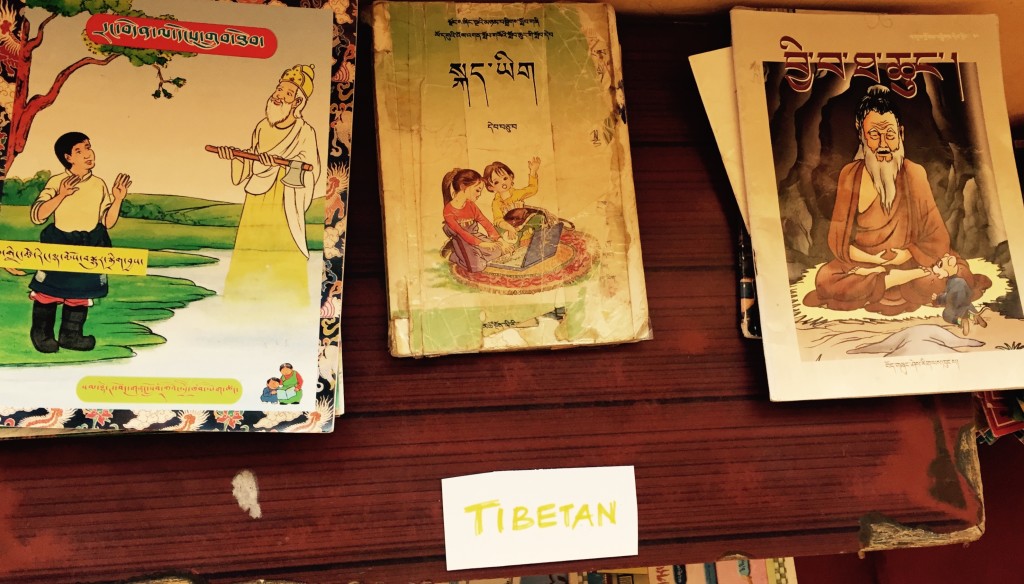
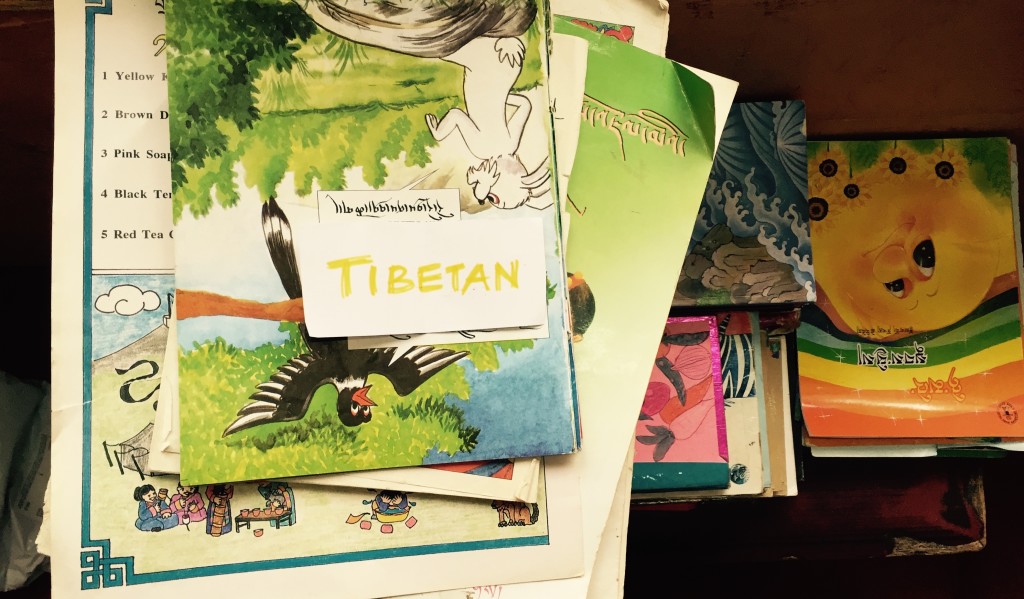
Translation creates another barrier. A story may exist in Tibetan, Ladakhi, Nepali or another local language but remain unavailable to children who read mainly English. Translators must preserve humour, rhythm and cultural meaning, while libraries need the funds and expertise to acquire editions in more than one language.
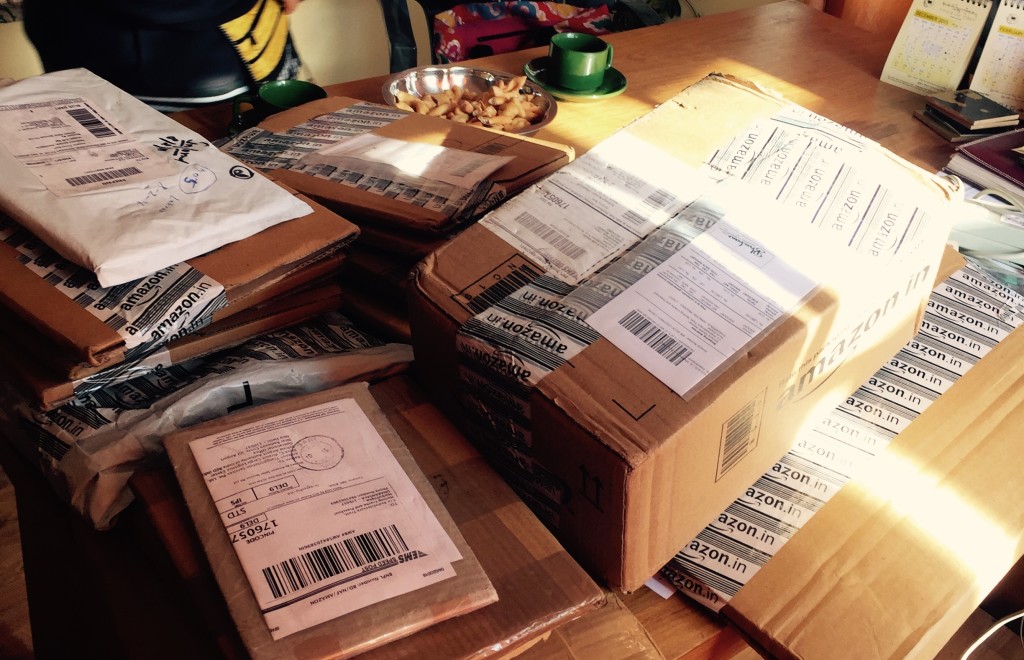
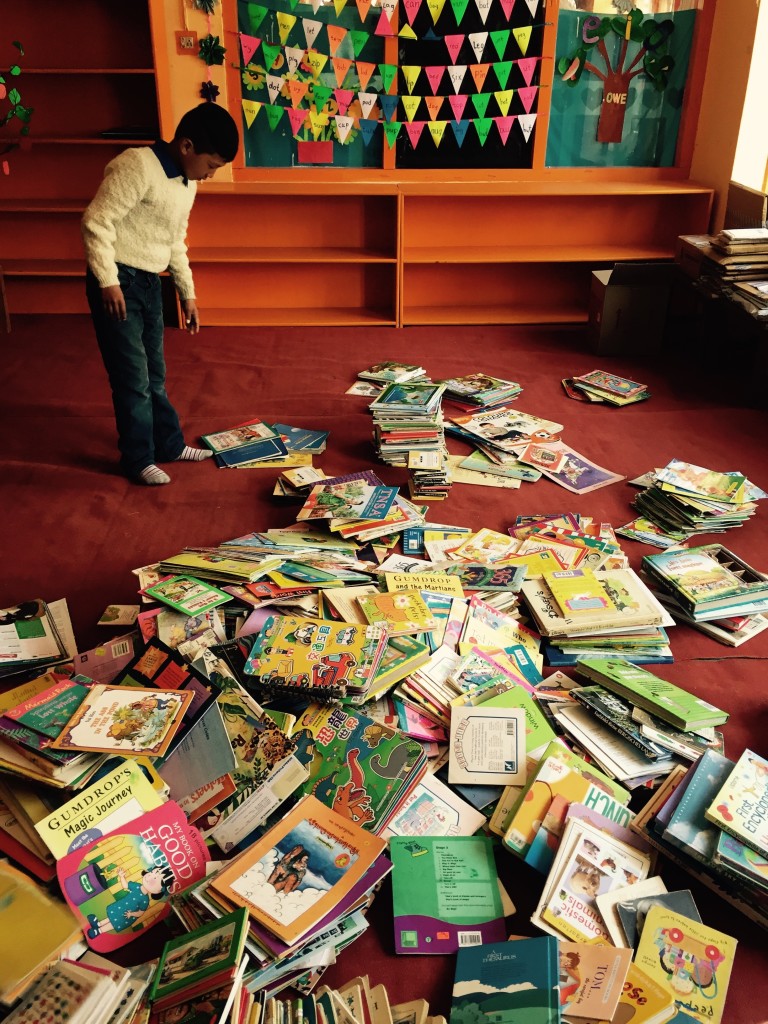
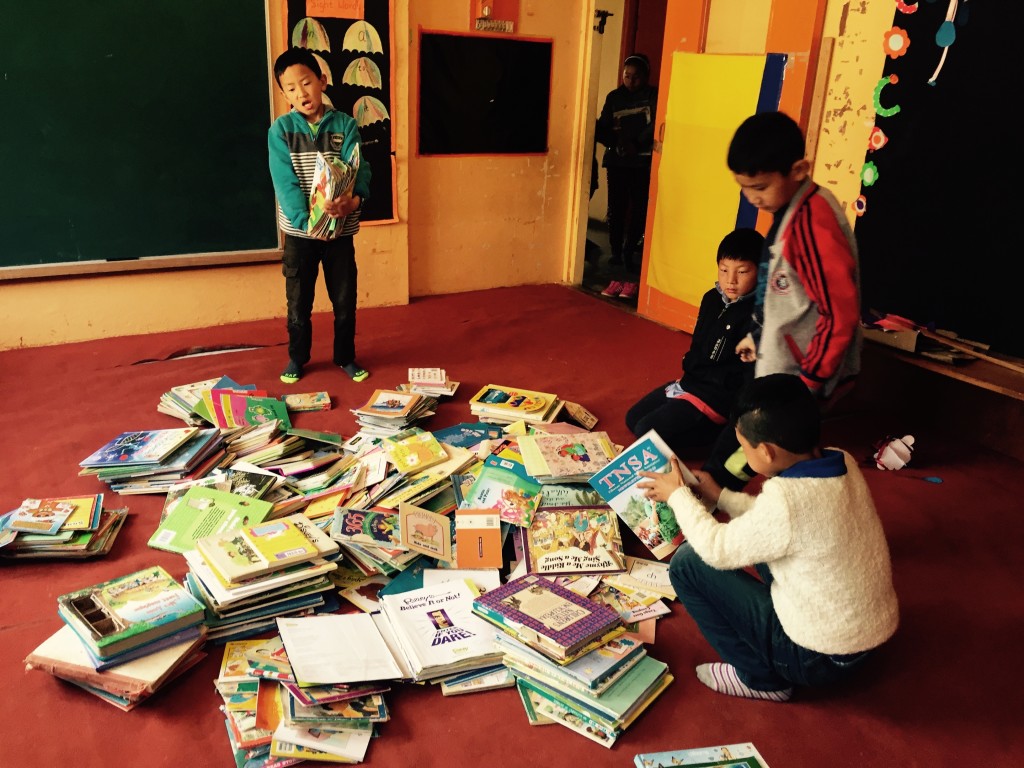
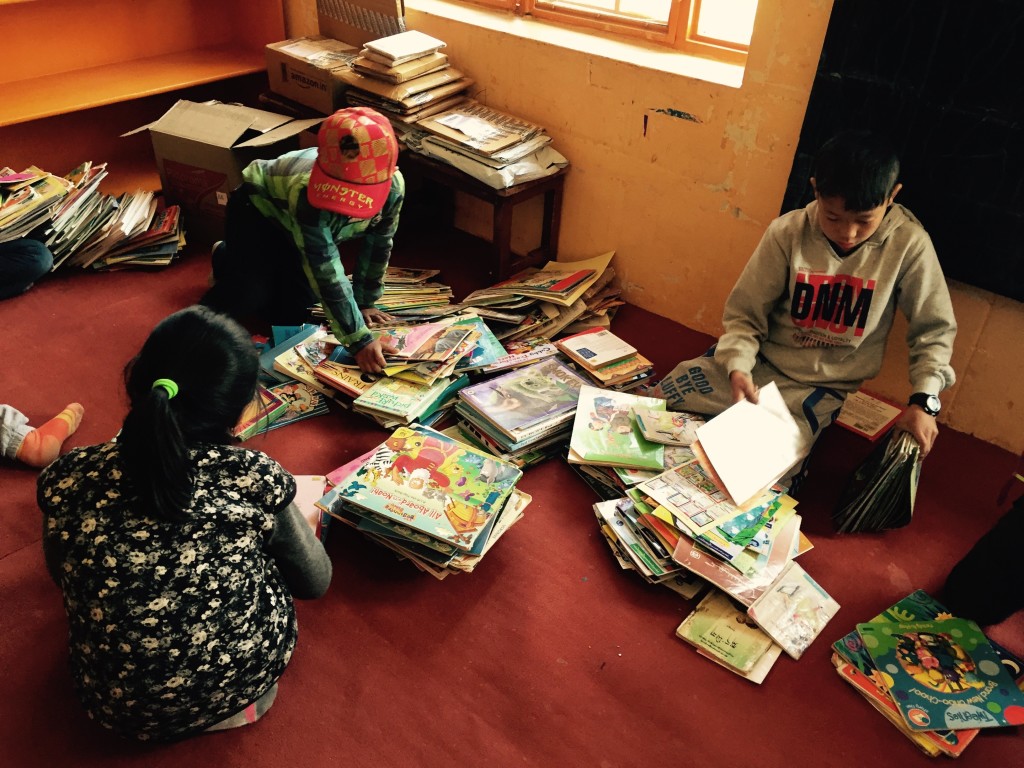
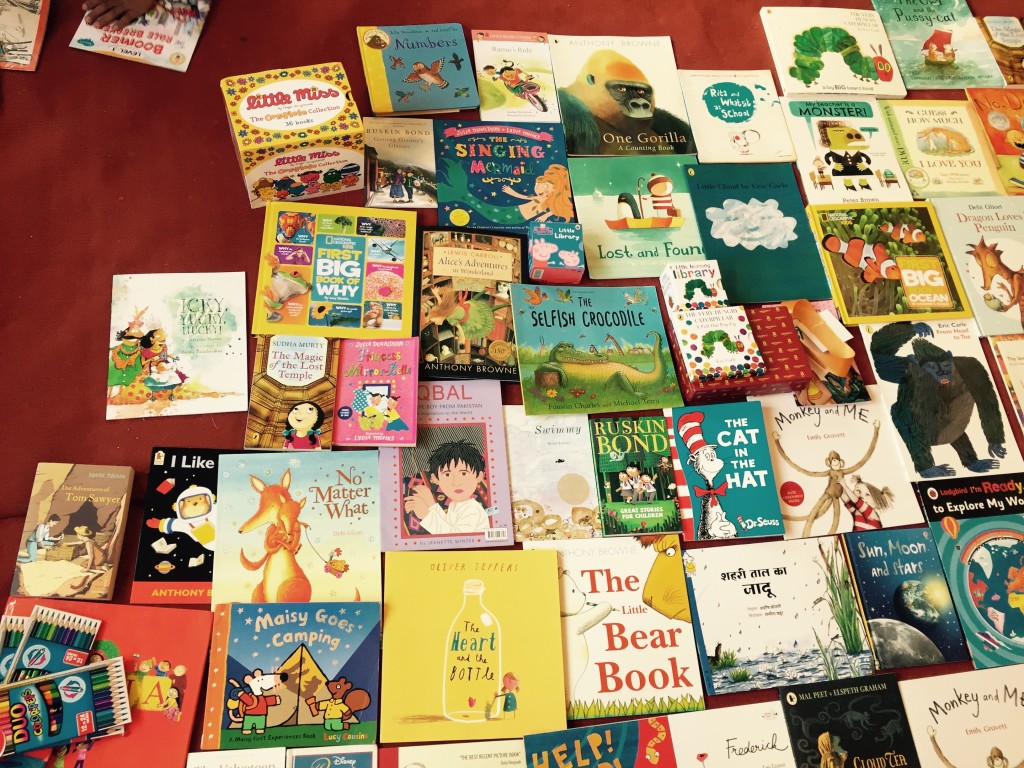
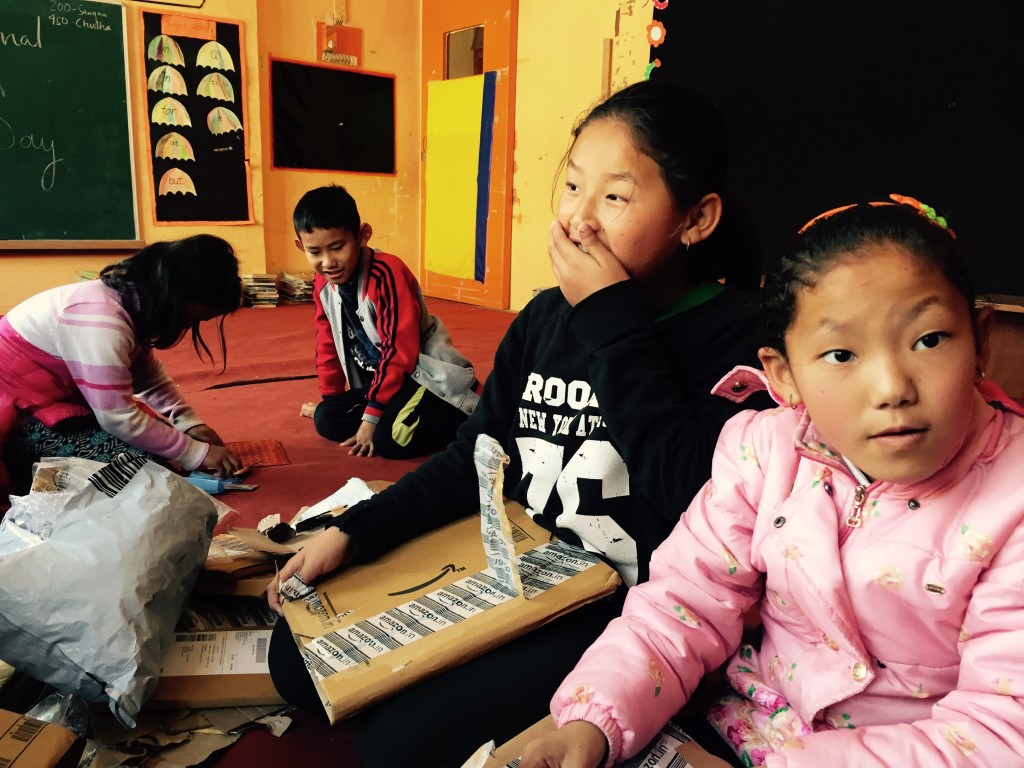
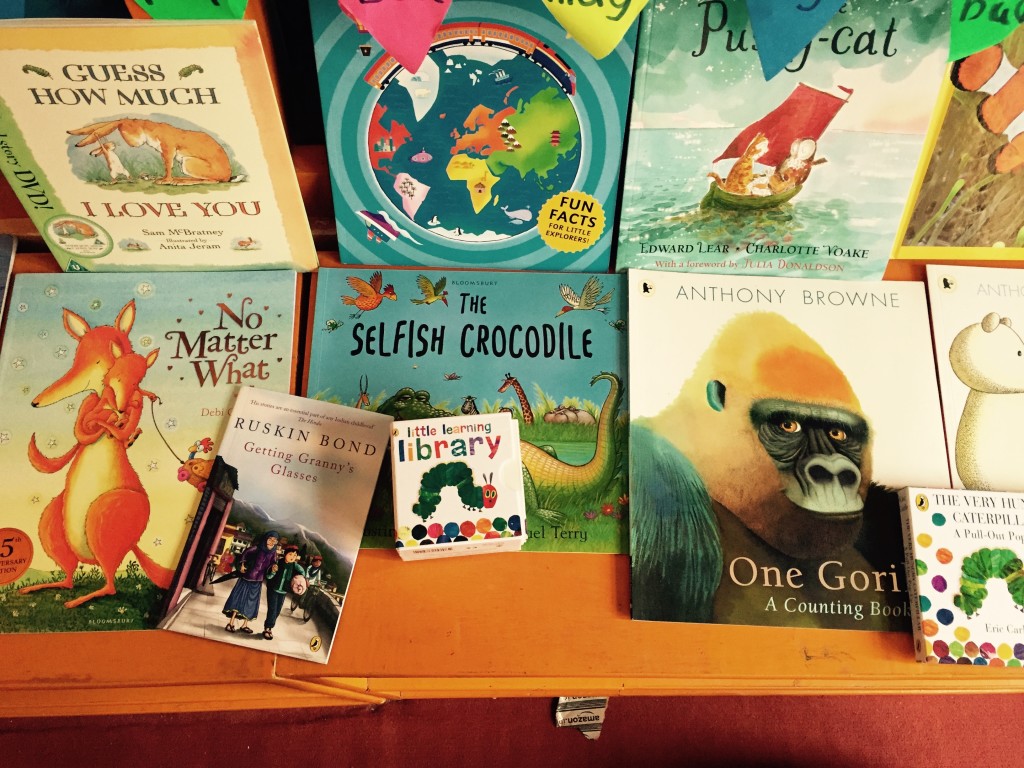
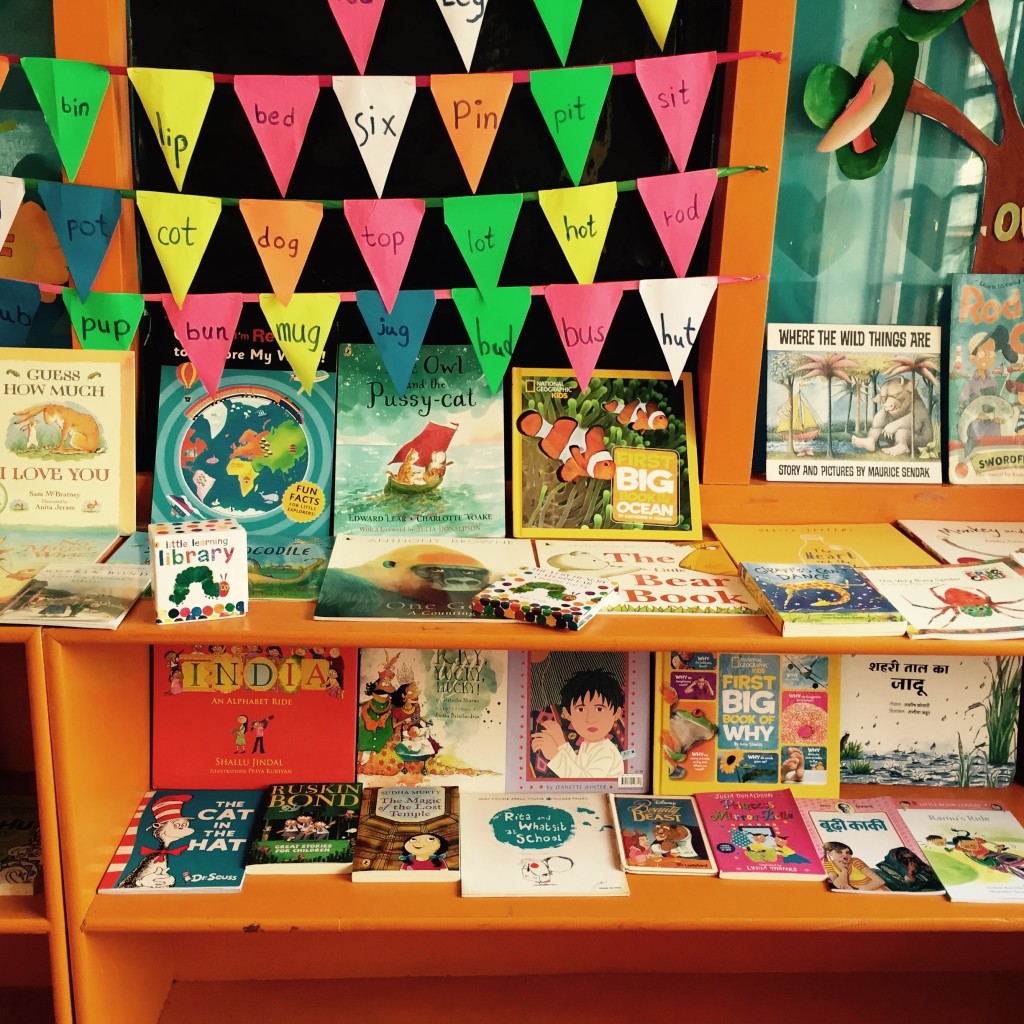
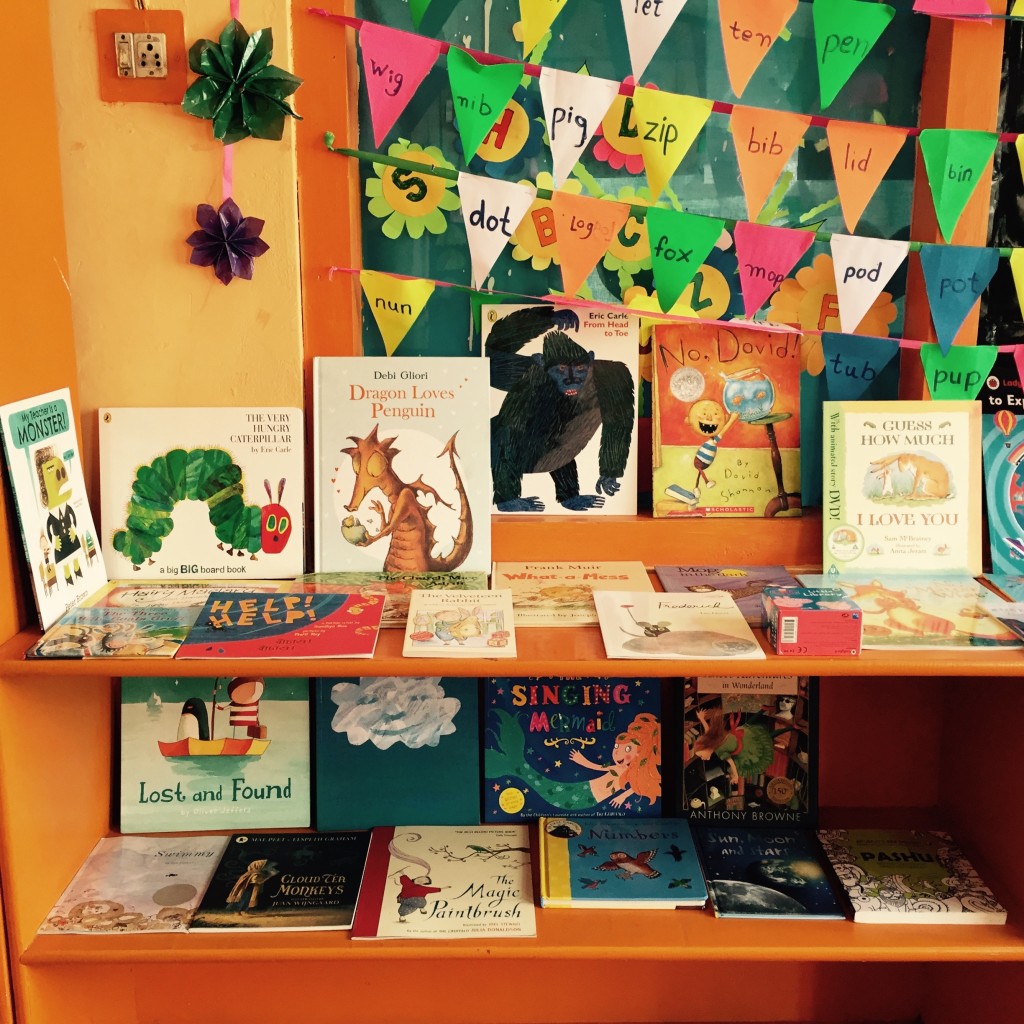
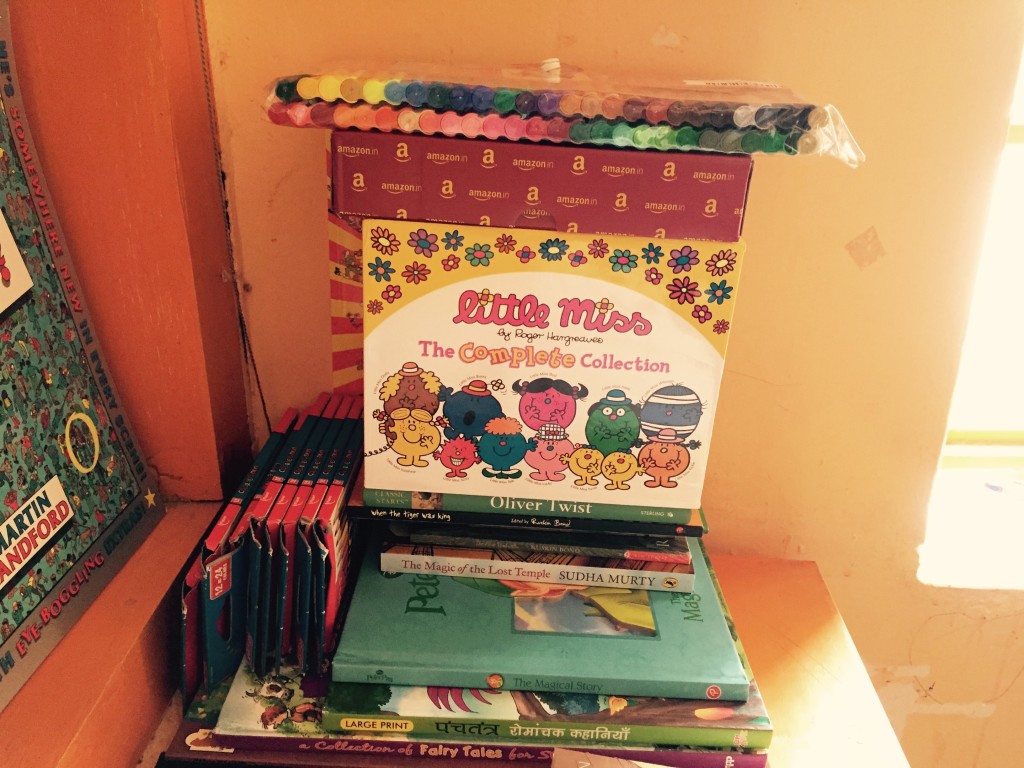
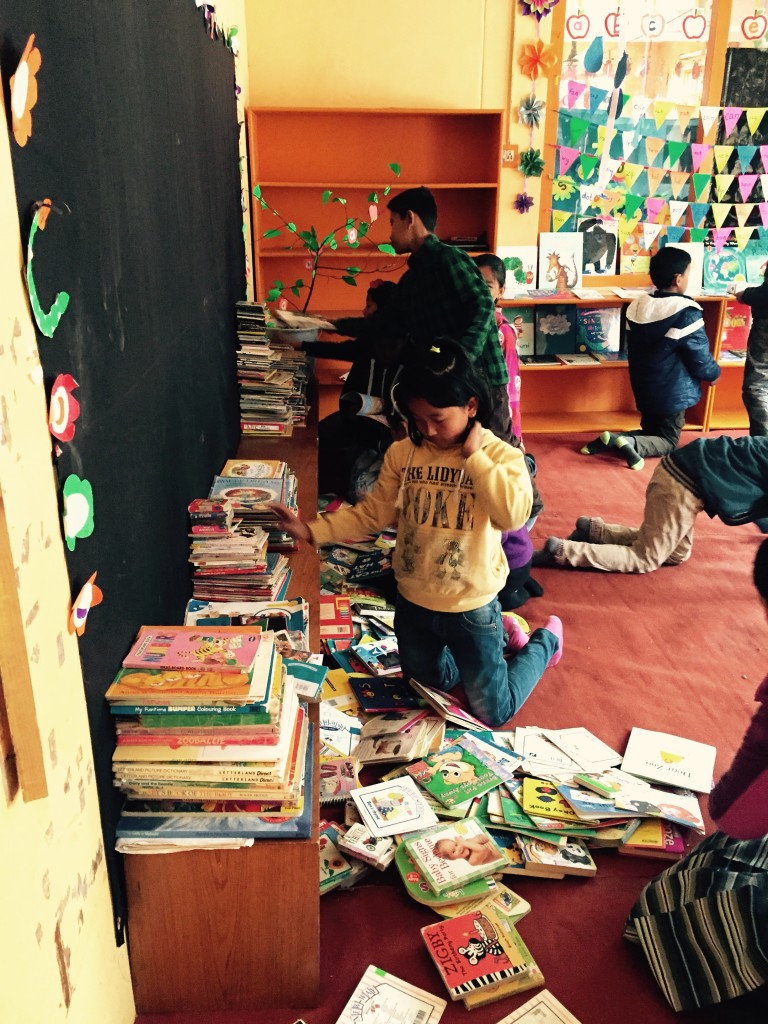
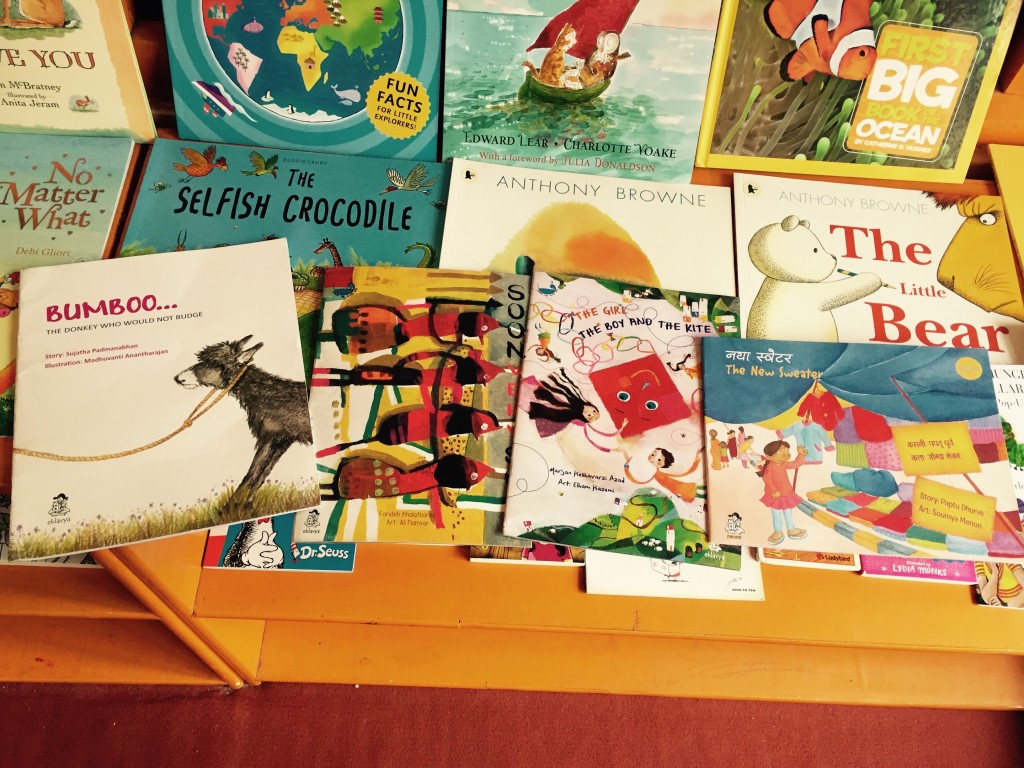
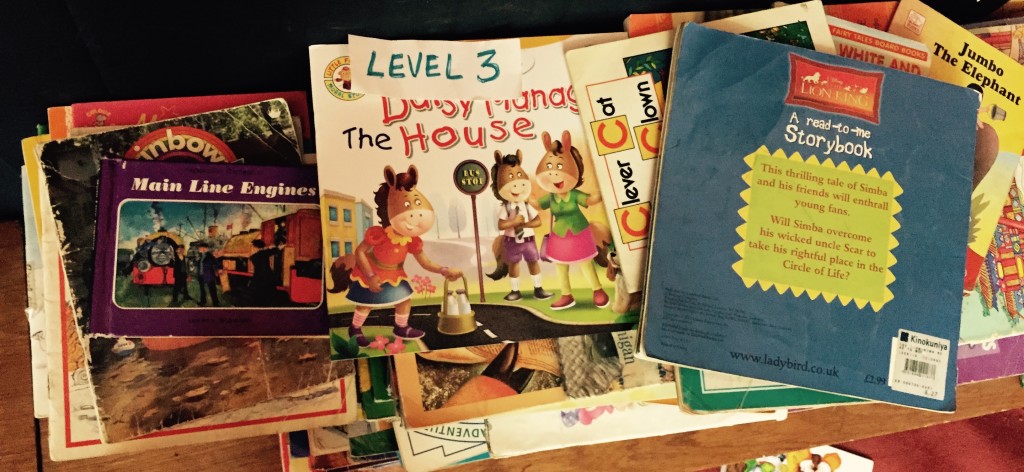
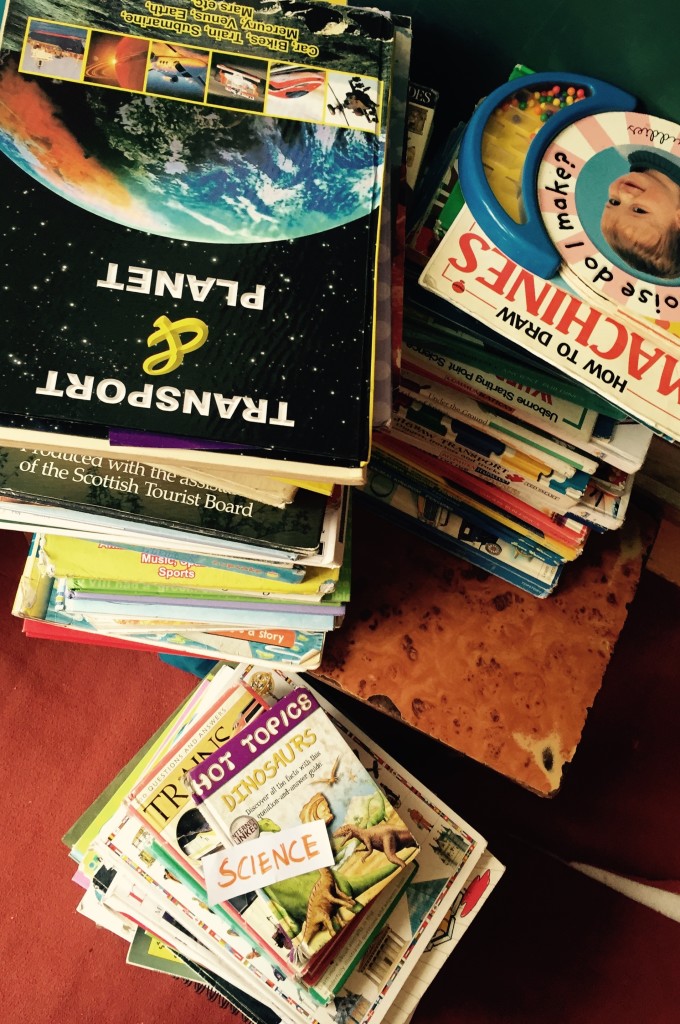
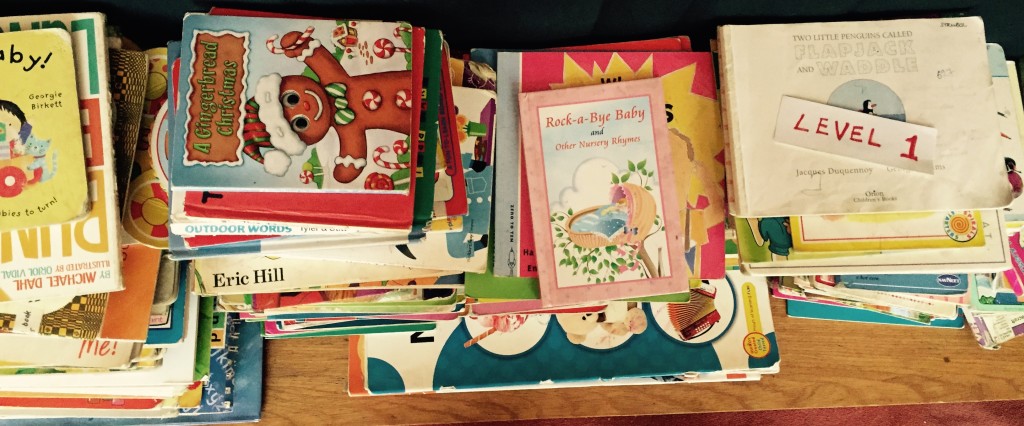
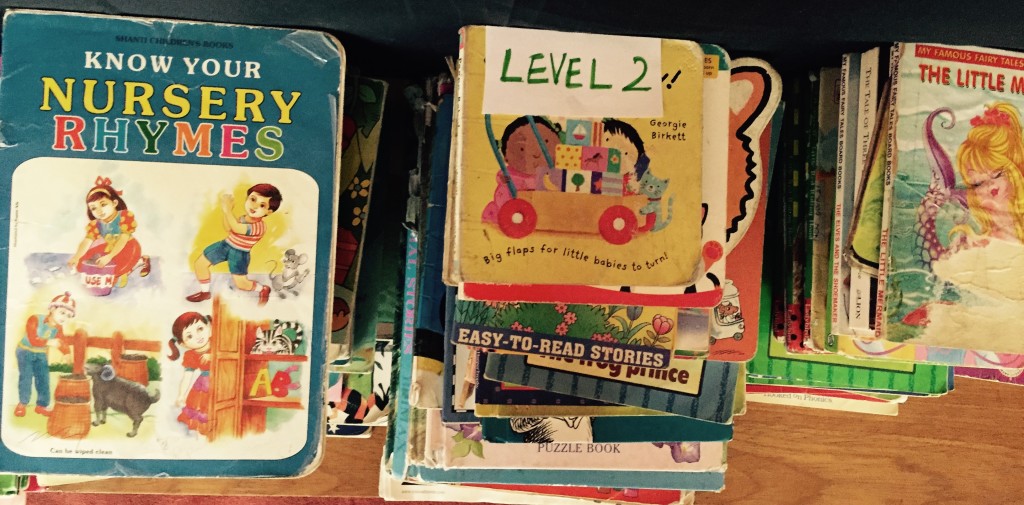
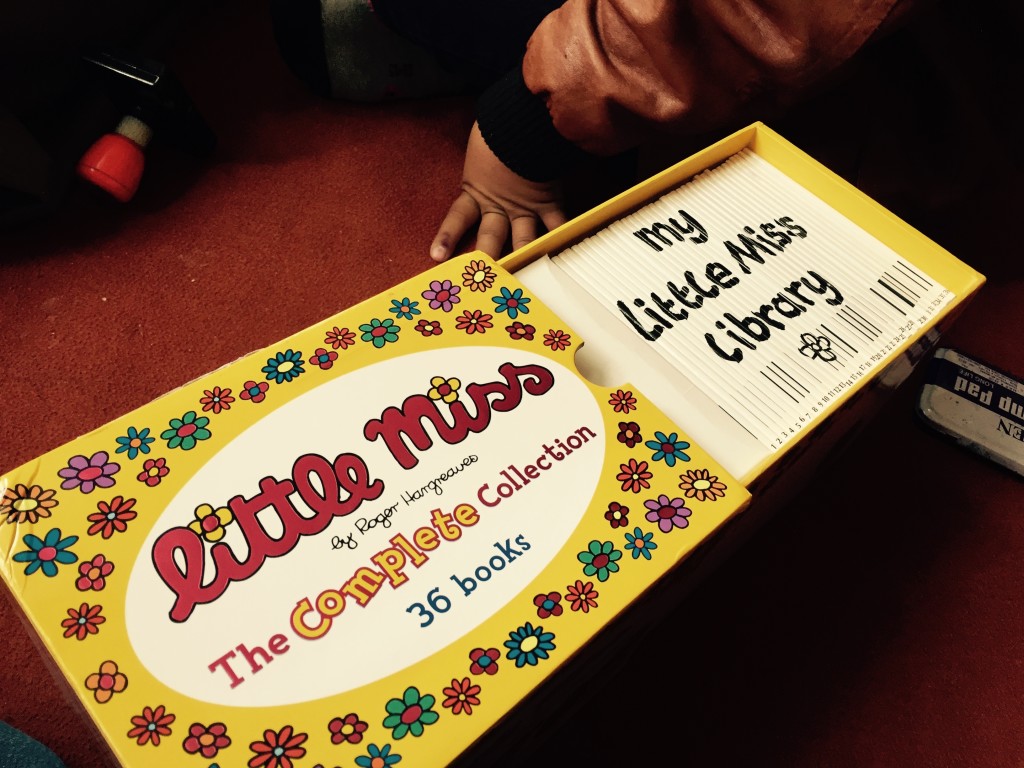
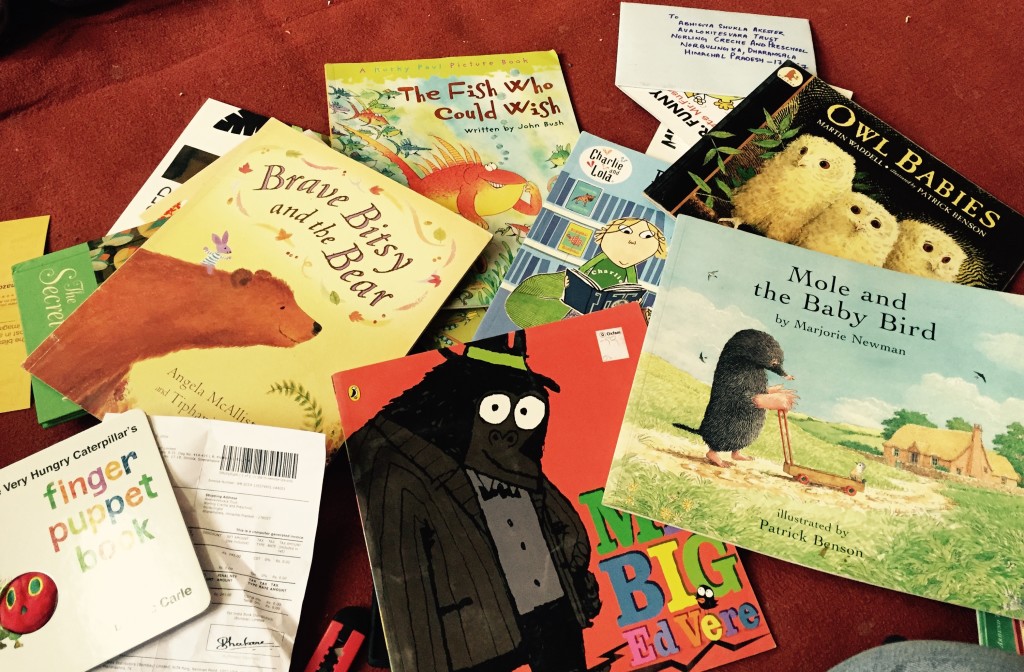
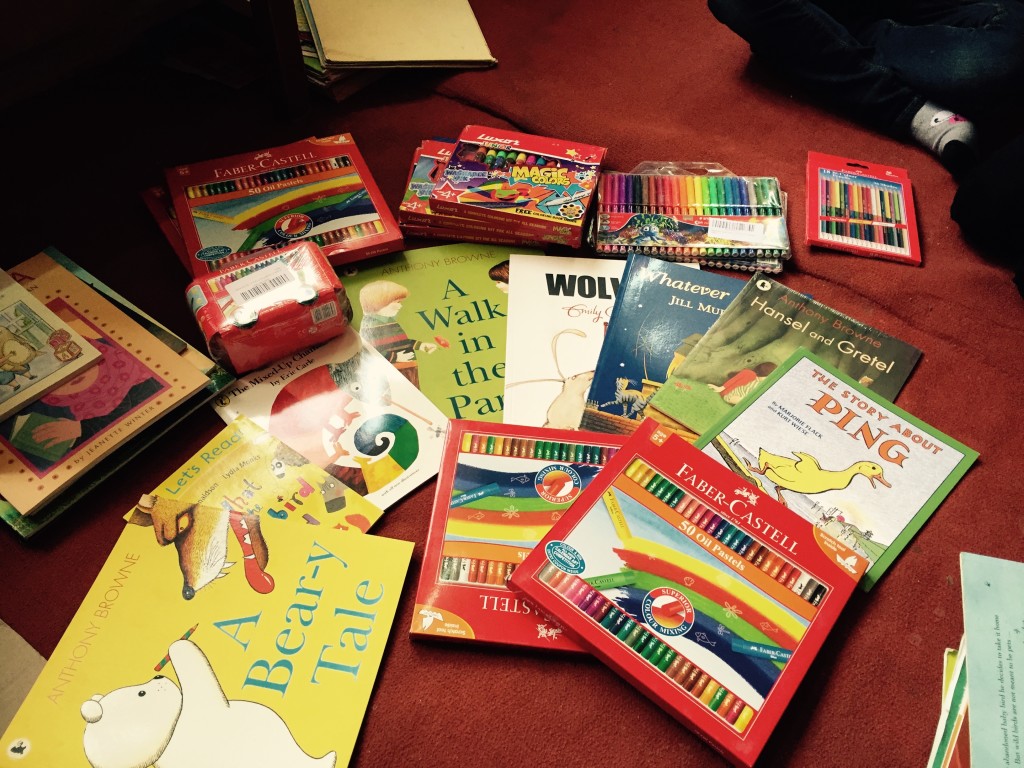
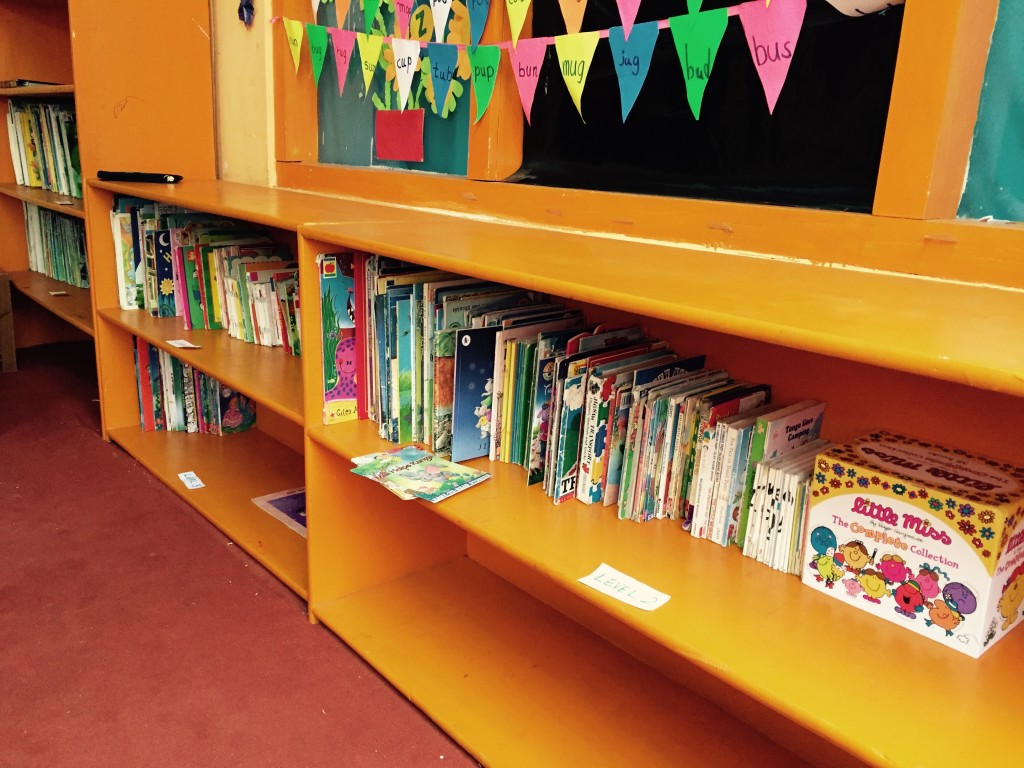
Donated books can unintentionally deepen the problem. Well-meaning supporters may send titles that are old, damaged, culturally inaccurate or disconnected from the children’s interests. A collection needs selection, not simply volume. Newer picture books, graphic novels, poetry, music books and local stories can make reading rooms more inviting than boxes of unrelated titles.
Local Stories And Himalayan Contexts
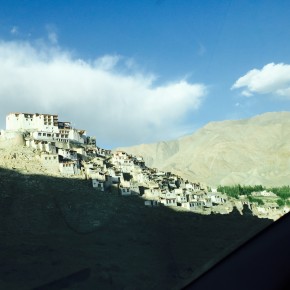
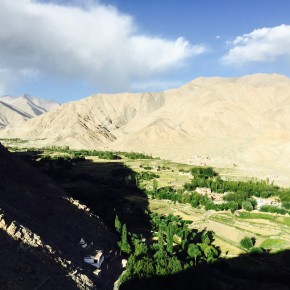
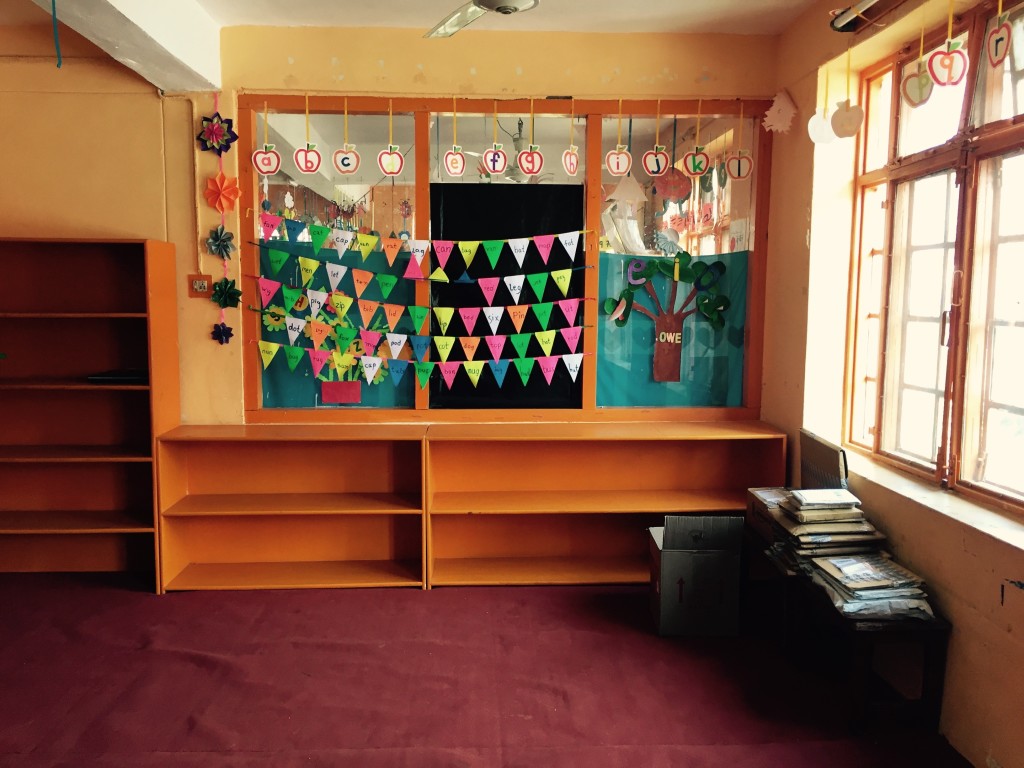
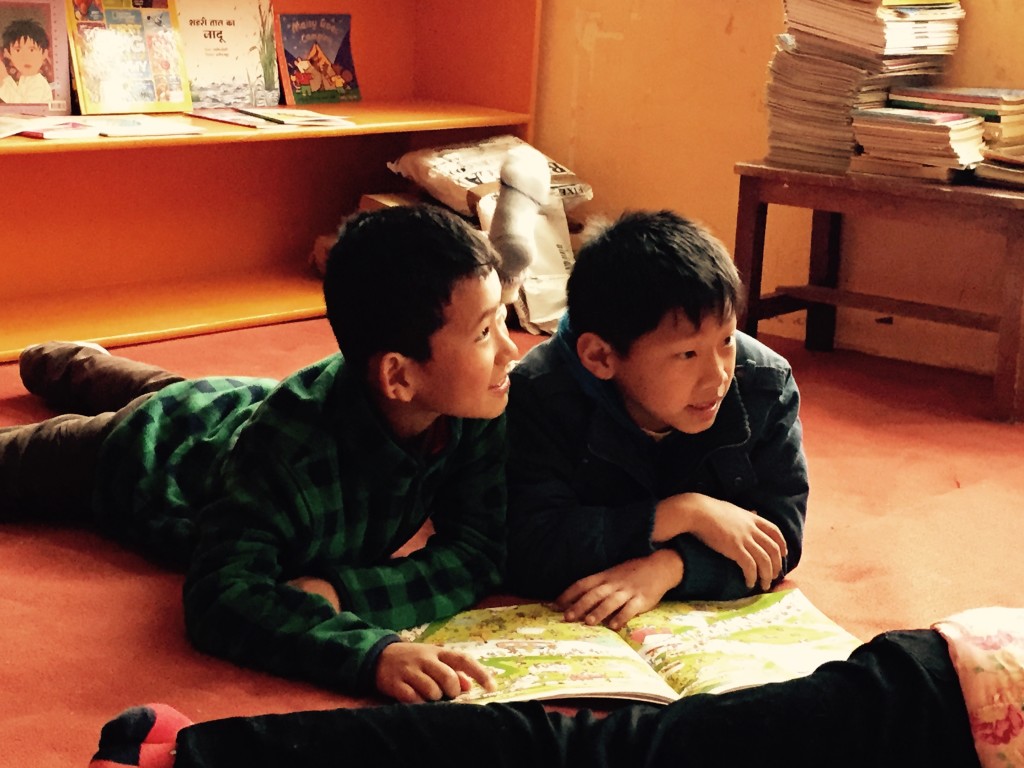
In Ladakh, geography affects access to education and books. Communities are separated by long distances, difficult roads and seasonal conditions, while schools and reading spaces may have limited budgets. A carefully chosen shelf can therefore serve many purposes: quiet reading, shared storytelling, language development, creative work and a place for children to exchange ideas.
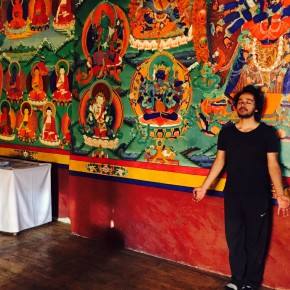
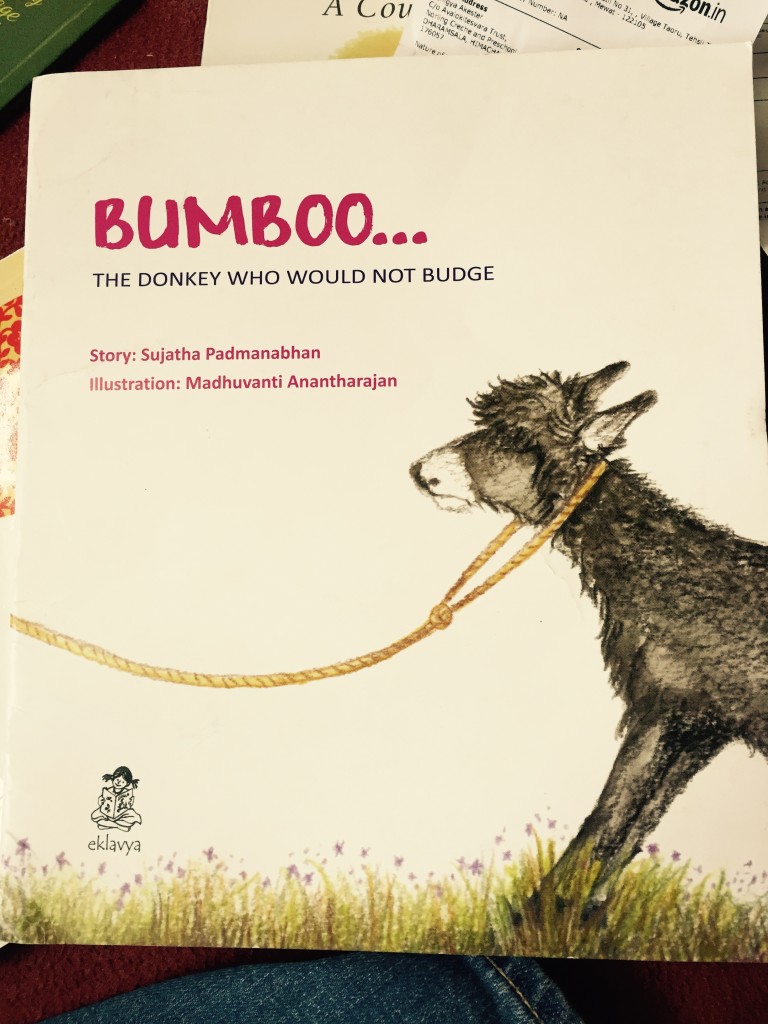
Books that reflect Himalayan life do not need to be narrowly educational. Stories can include festivals, animals, family work, mountain weather, monasteries, village relationships and the changing experience of young people. Fiction, biography and visual art can help children see their world as worthy of attention while introducing possibilities beyond it.
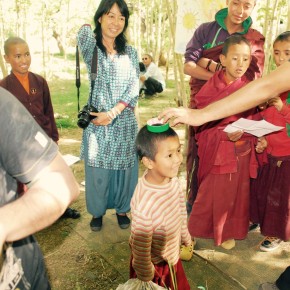
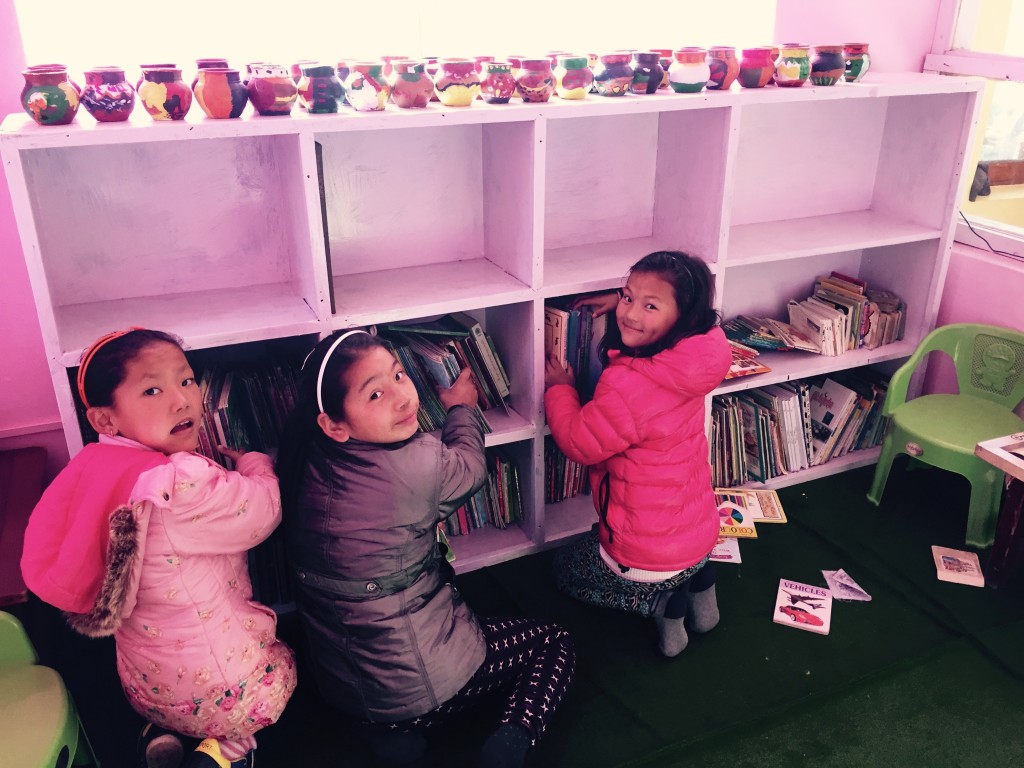
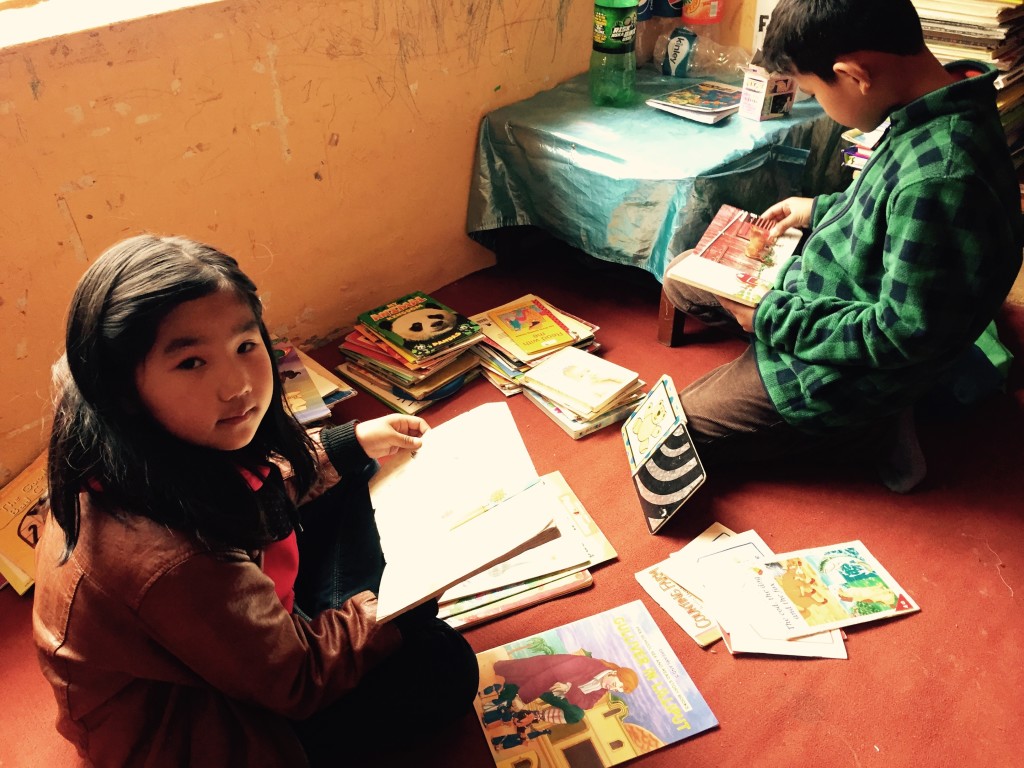
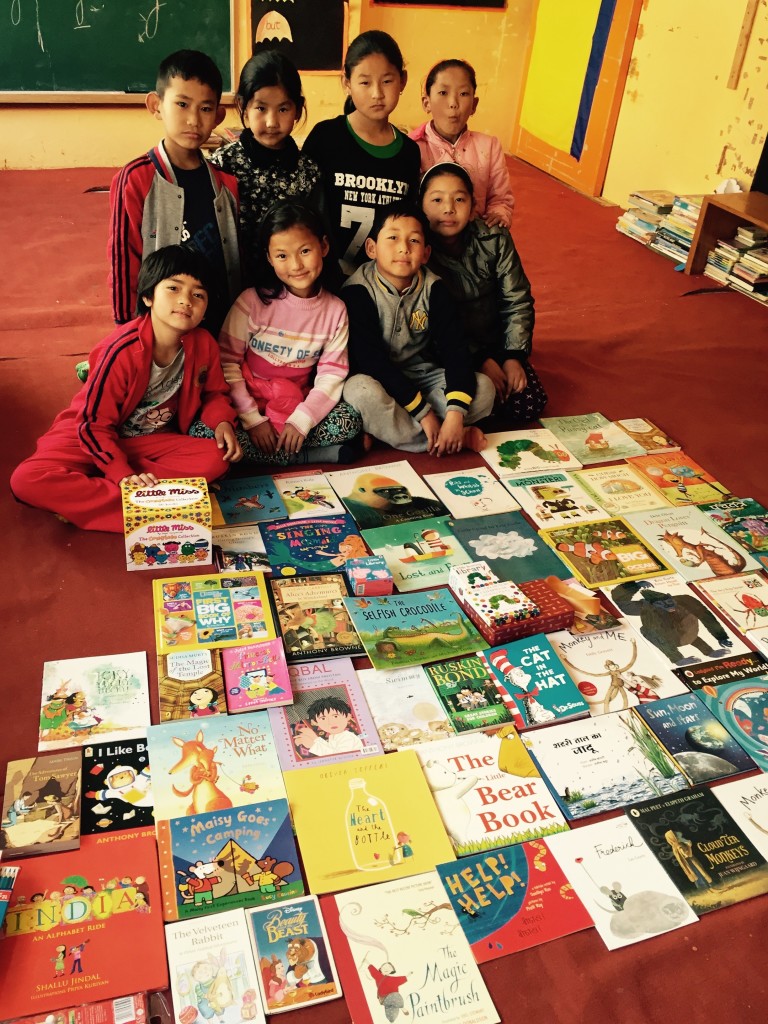
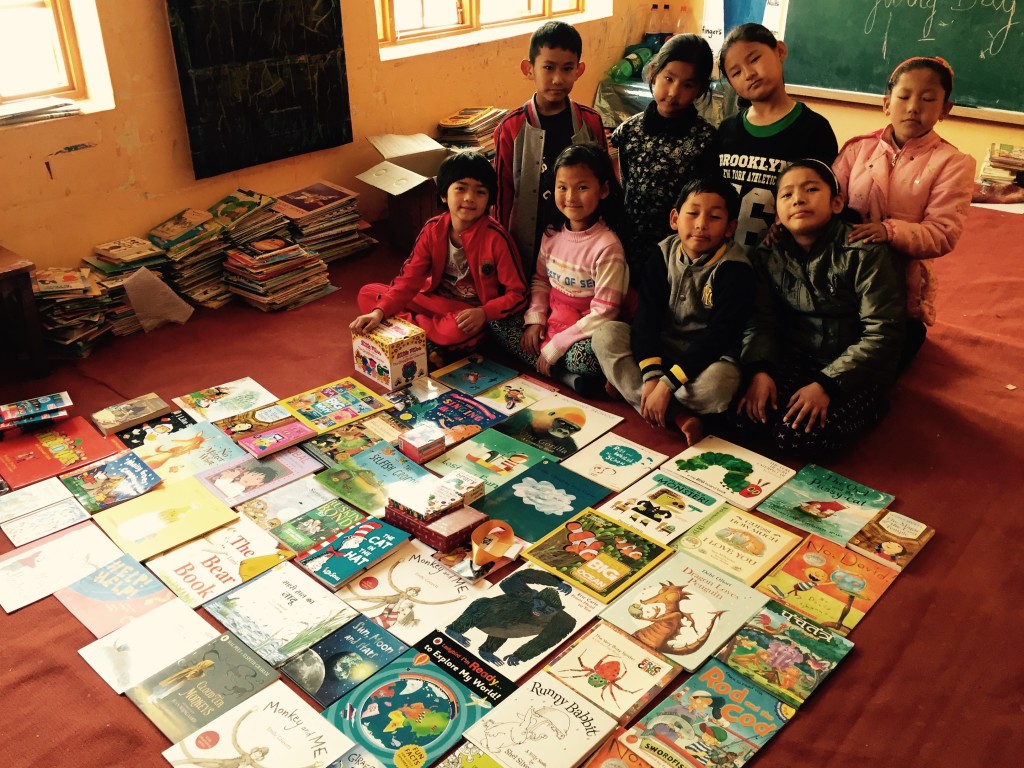
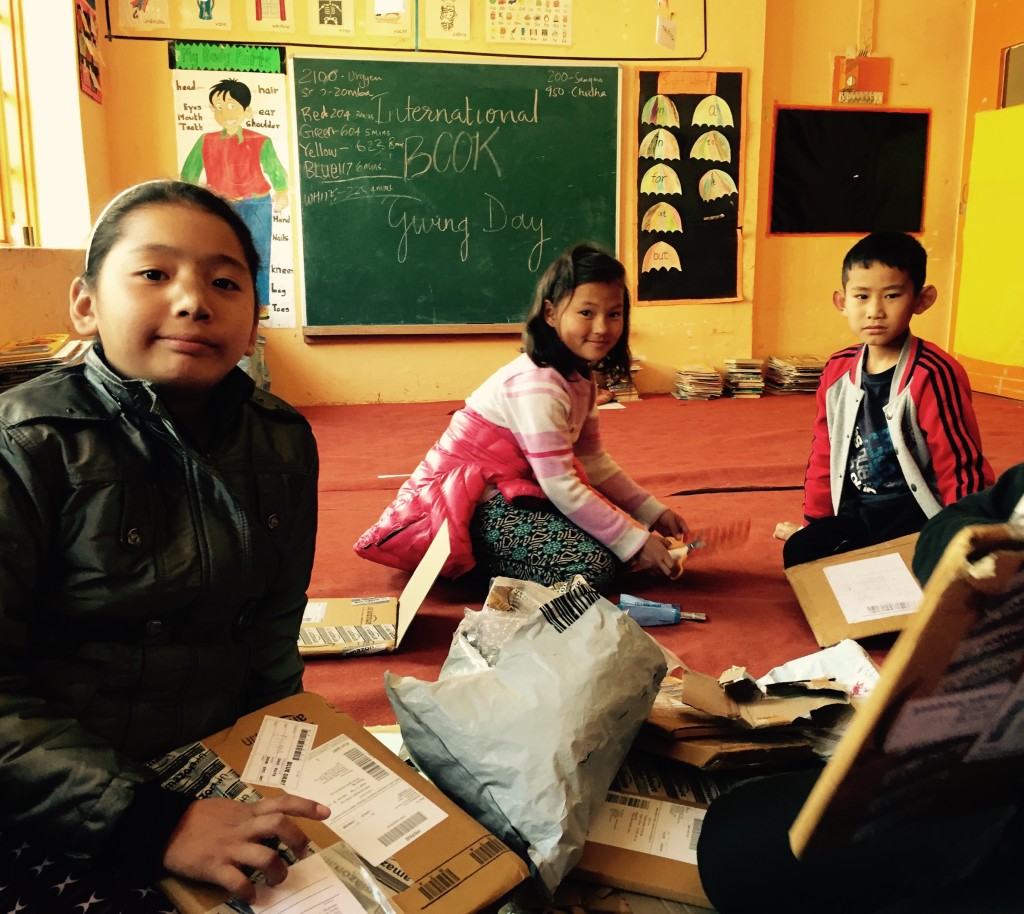
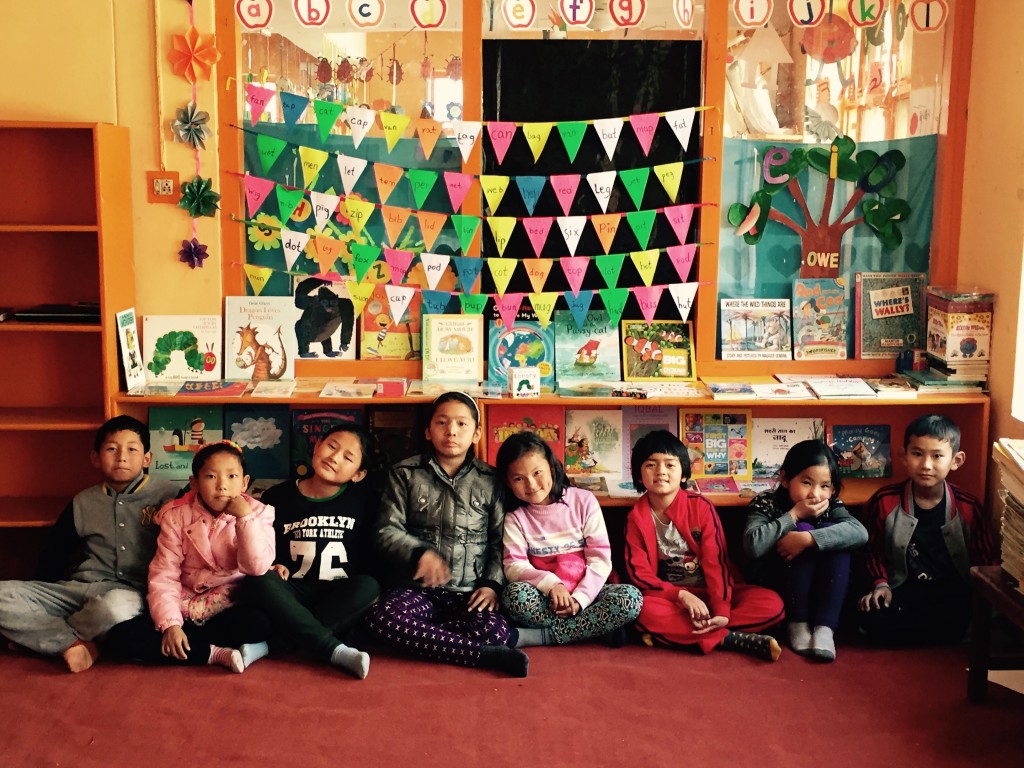
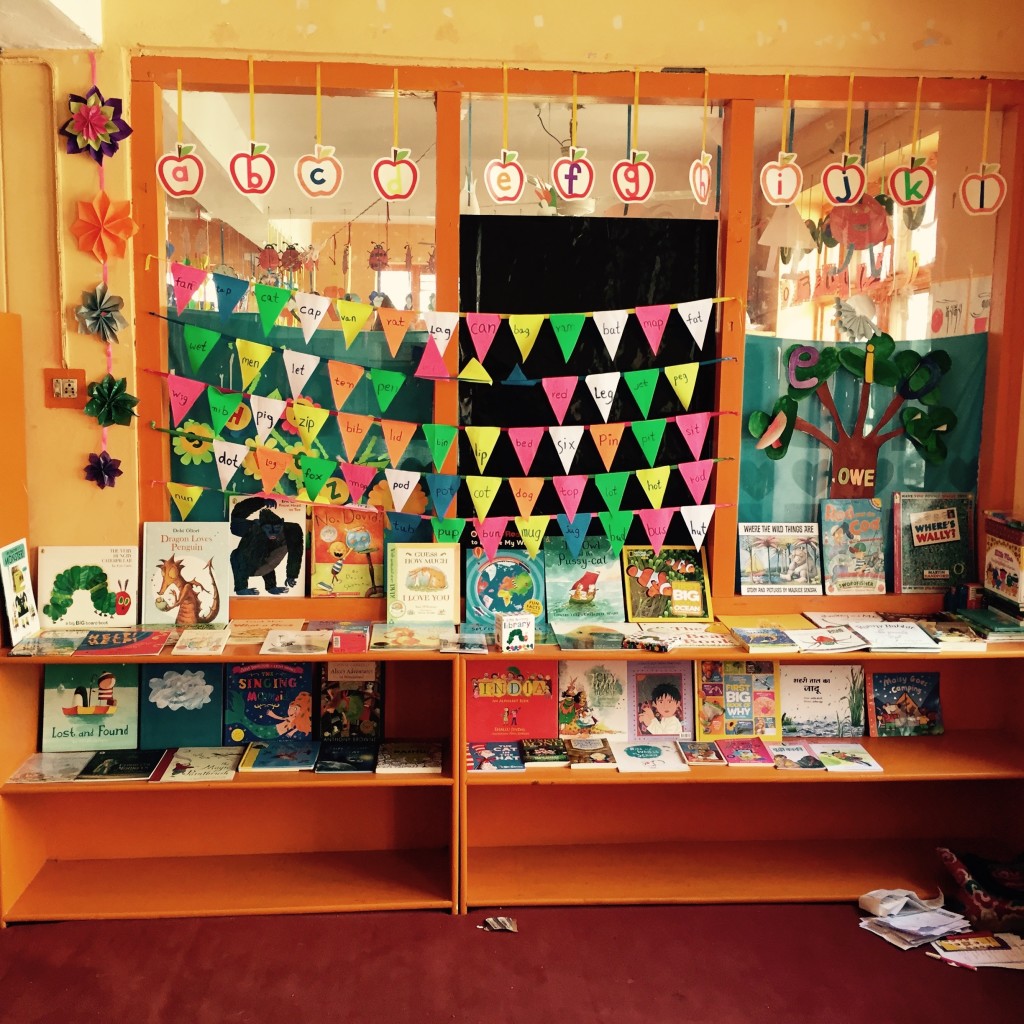
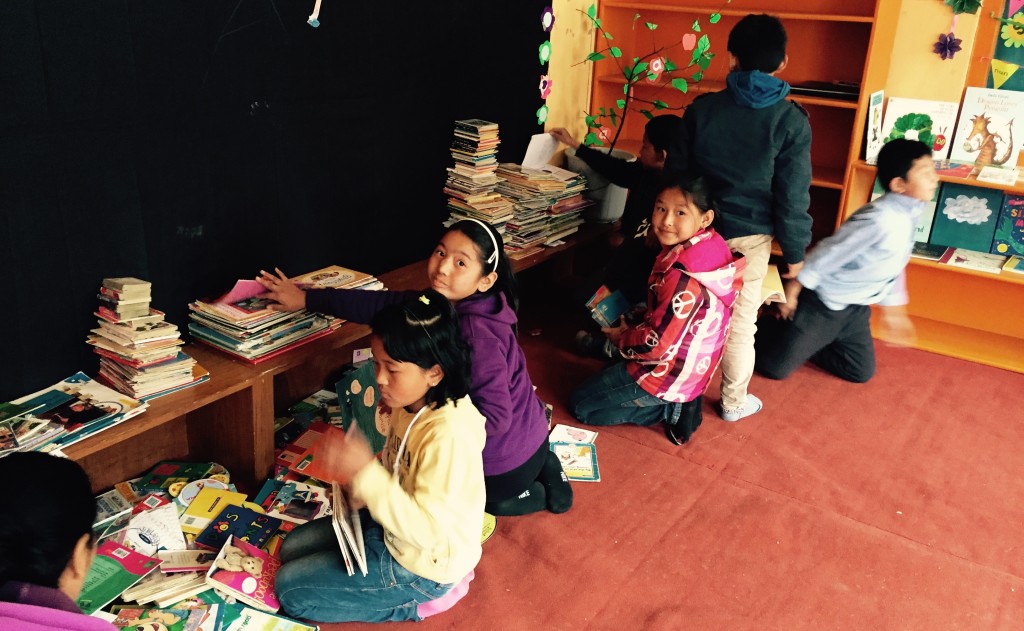
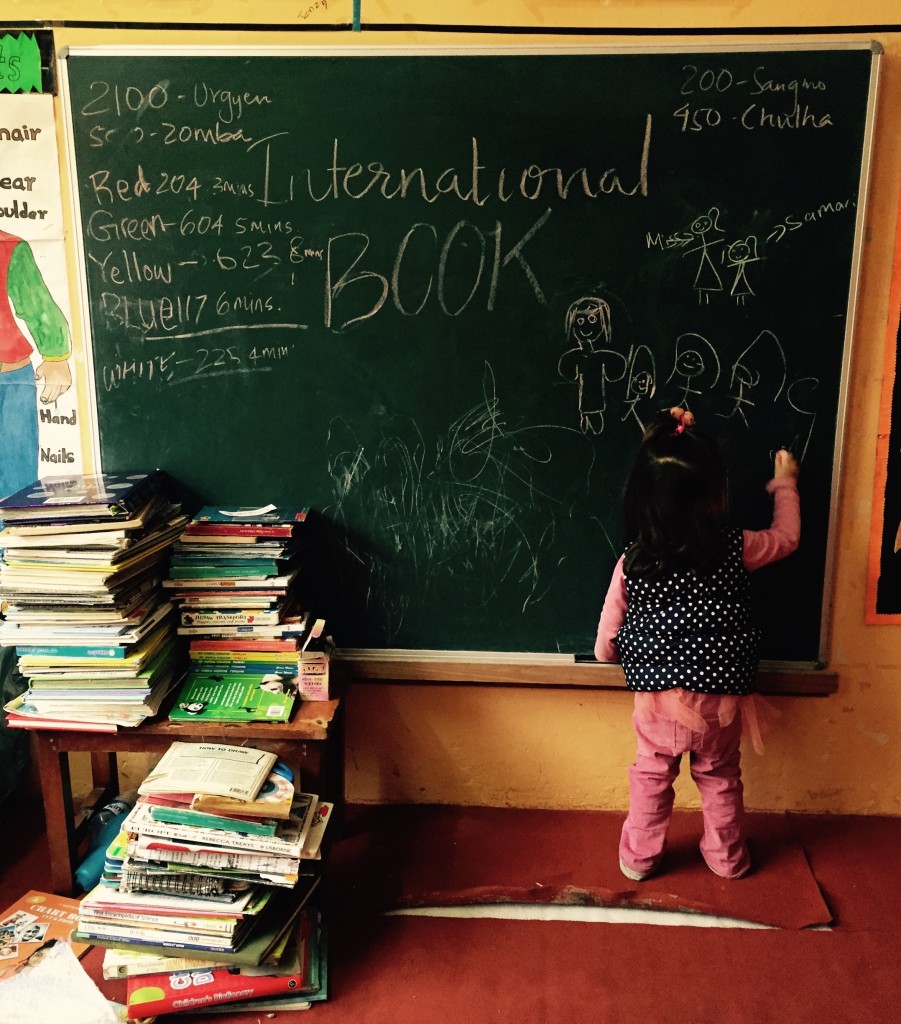
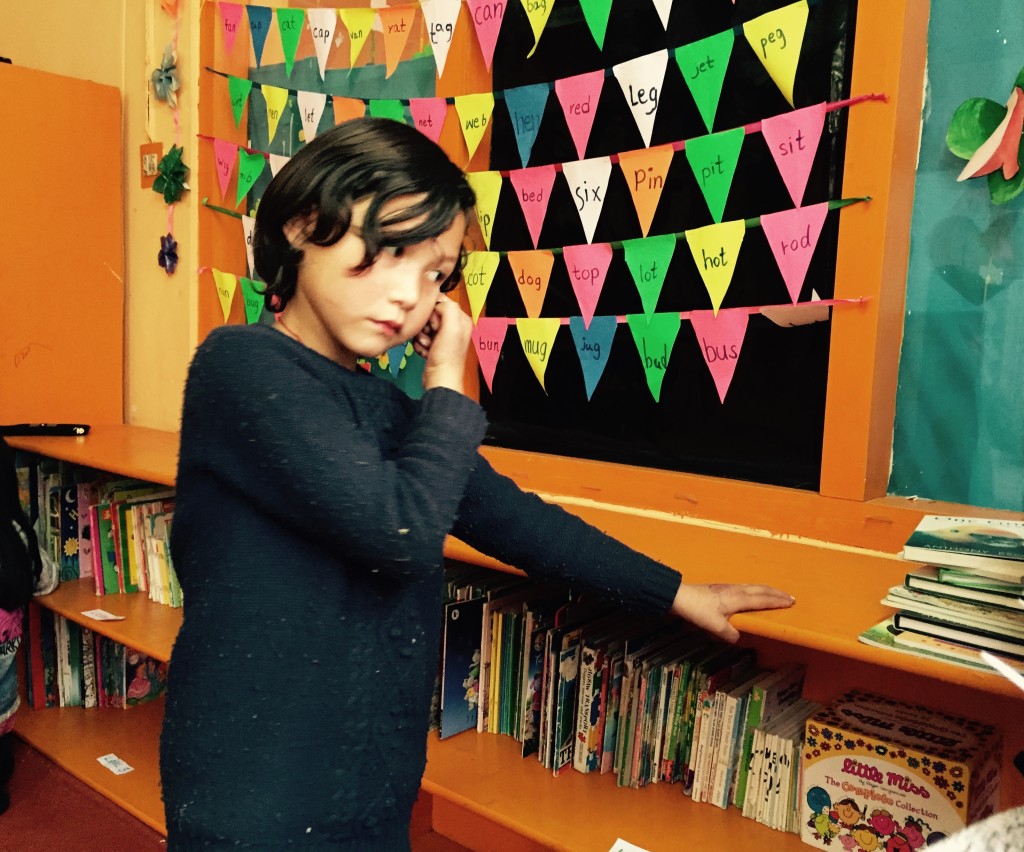
The Avalokiteśvara Trust’s reading rooms and book drives provide a practical setting for this work. When collections are developed with local teachers, families, monks and children, the result is more likely to reflect genuine interests. Children can help choose books, recommend favourites and contribute drawings or stories of their own.
Lessons From Australian Bookshelves
Australia has a strong network of public libraries, school libraries, independent bookshops and literacy organisations, yet access is uneven. A family in inner Melbourne may find multilingual picture books at a nearby library or shop, while a child in a remote community may depend on school resources and occasional outreach. Distance, transport and household income influence what reaches the shelf.
The local market also has useful models for inclusive buying. Australian publishers increasingly offer books by First Nations creators, culturally diverse writers and illustrators, and authors exploring disability, migration and different family structures. Organisations such as the Australian Children’s Book Council draw attention to quality children’s literature, while bookshops such as Readings and community libraries often curate local and translated titles.
Customs around reading can shape participation. School book weeks, library story time, shared family reading and gifting books at birthdays create opportunities for children to encounter varied characters. Supporters can bring the same care to international projects by choosing books with artistic merit, checking cultural accuracy and asking partner communities what they actually need.
Building A More Representative Collection
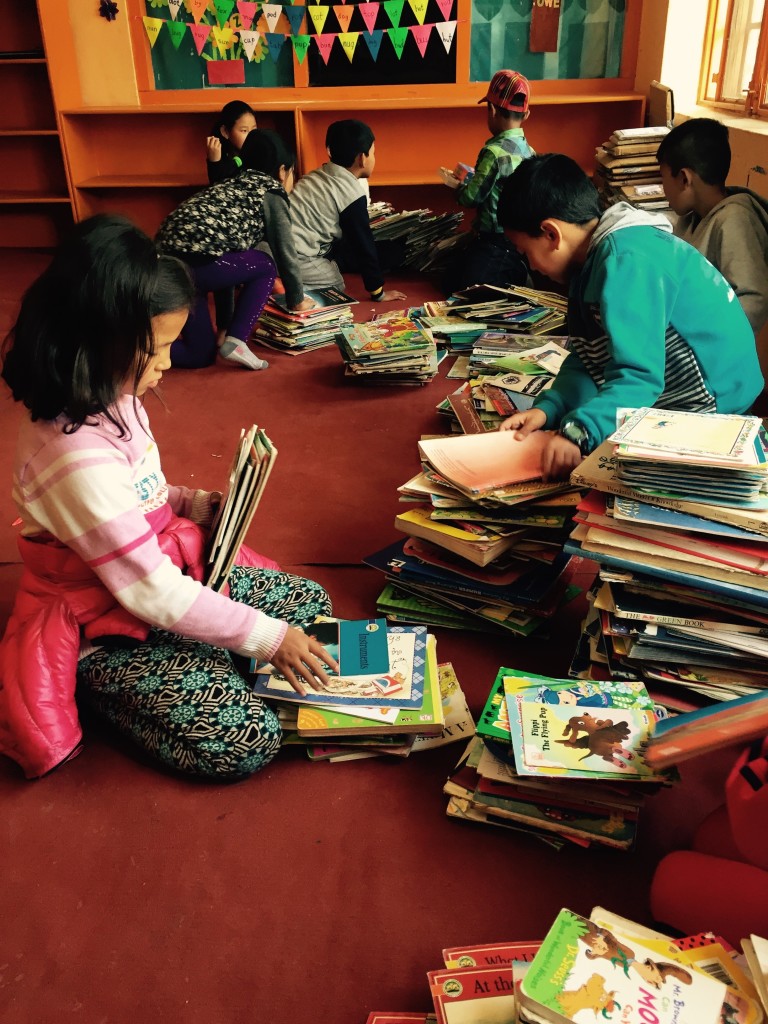
A useful collection should be planned around readers rather than donors. Before purchasing, organisers can identify reading ages, languages, literacy levels and preferred formats. Picture books with little text, bilingual editions, comics, poetry and books about art or music can include children who are still developing confidence in English.
The following principles can guide book drives and donations:
- Ask local educators and children which subjects, languages and formats they want.
- Prioritise books created by authors and illustrators connected to the communities represented.
- Include joyful everyday stories alongside books about history, hardship or social issues.
- Check translations, cultural references and images for accuracy and respect.
- Choose durable, appealing editions suited to frequent use in shared reading rooms.
- Include books for different ages, abilities and levels of reading confidence.
- Keep a record of what is already available so future donations fill genuine gaps.
This approach is relevant to an Australian donor sending books from Perth, Adelaide or Canberra as much as to a school organising a drive in Sydney. A smaller shipment selected with local guidance can have greater value than a large, random consignment. Good books should arrive ready to be read, discussed, borrowed and loved.
When Children Help Shape The Shelf
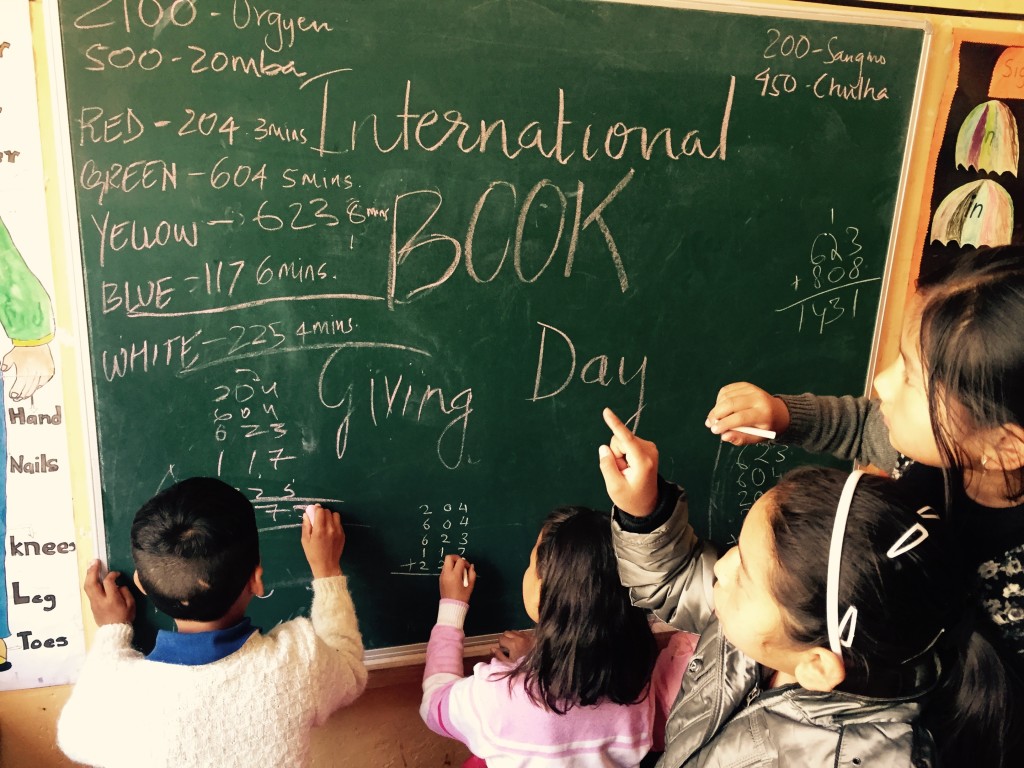
Children are experts in their own reading lives. They know which stories make them laugh, which pictures invite repeated viewing and which subjects they want to explore. Inviting their opinions gives them ownership and helps adults avoid assumptions about what a community needs.
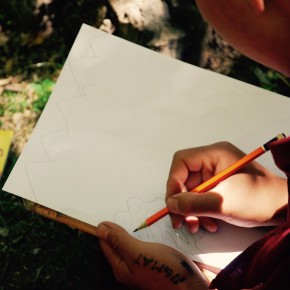
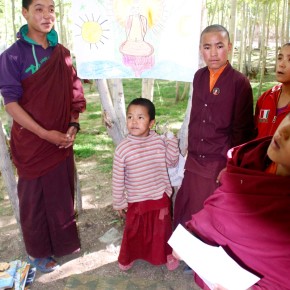
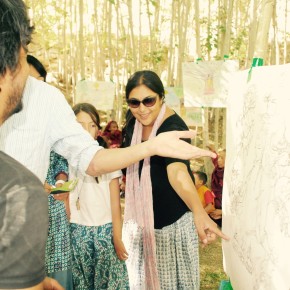
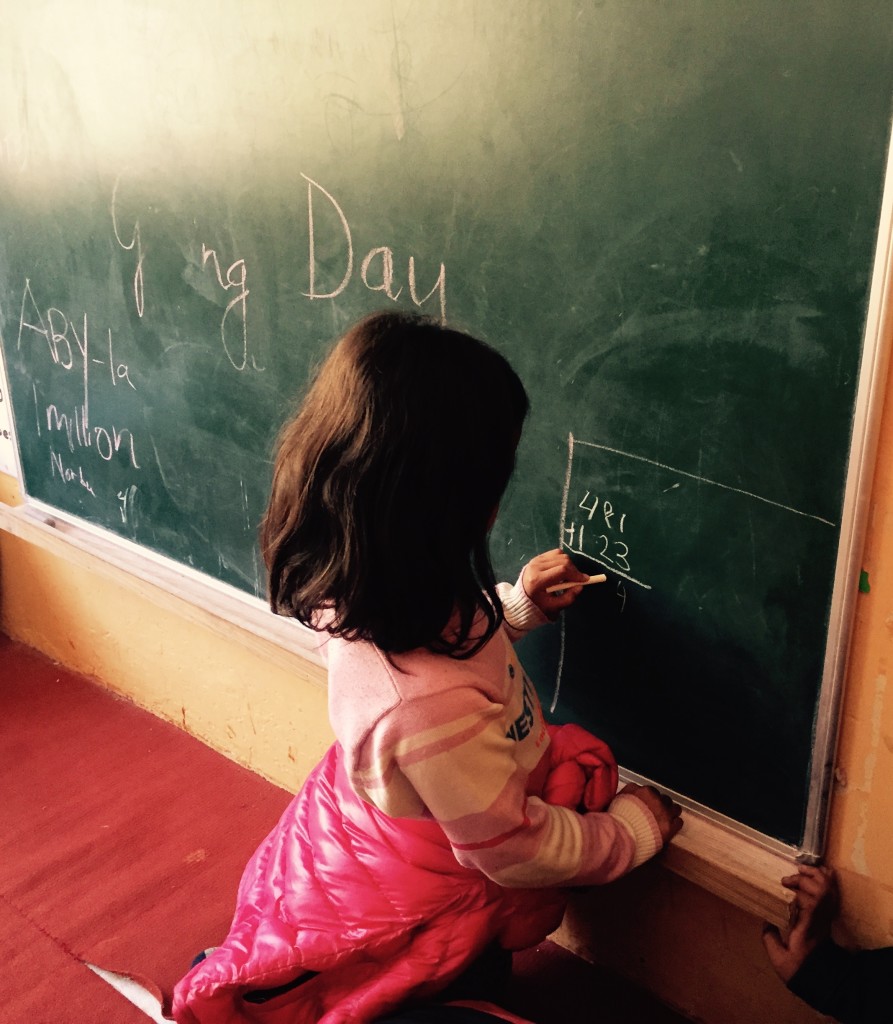
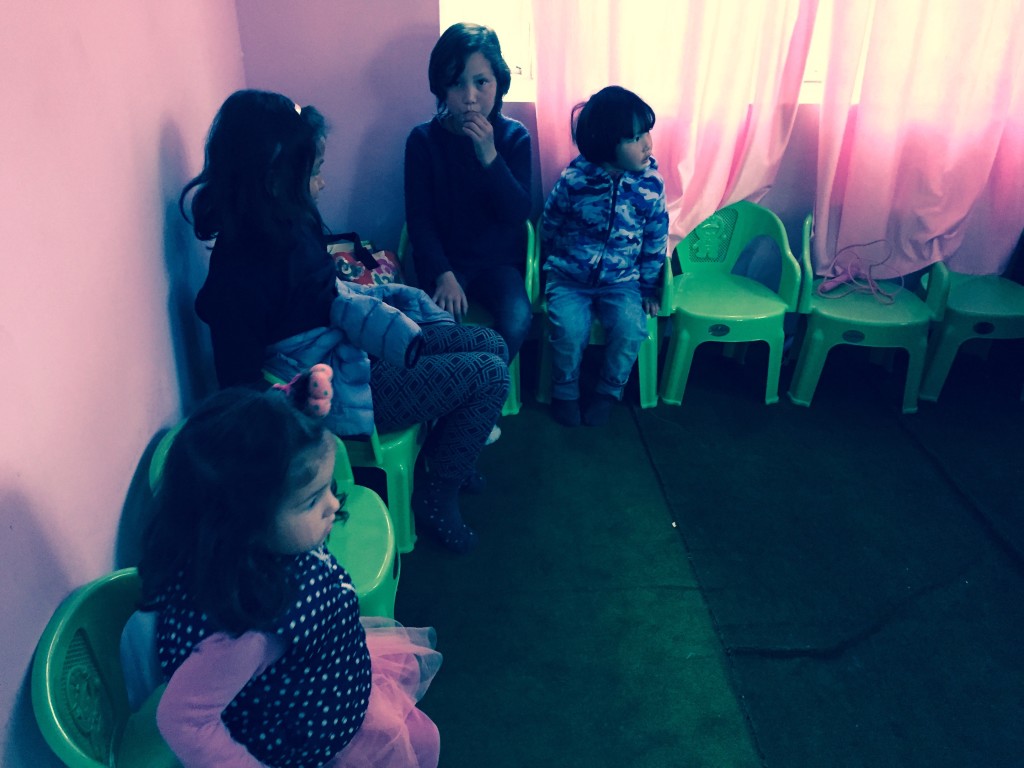
A reading room can become a place where children see themselves in published books and create new representations themselves. Drawing characters, writing short stories, recording songs or making a community book can sit alongside donated titles. These activities show that children are not simply recipients of culture; they are storytellers with knowledge worth sharing.
The practical test is straightforward: look at a collection through the eyes of the children who use it. Are there characters who resemble their lives? Are there stories that let them imagine a wider future? A balanced, locally guided shelf should answer both questions with enough variety that every child can find a meaningful place to begin.