Science Books That Teach Without Power
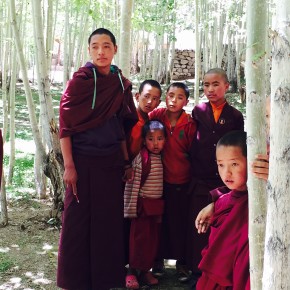
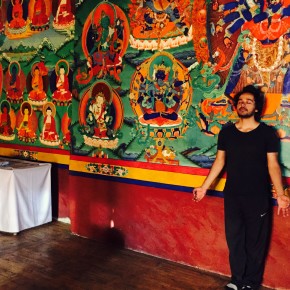
A science lesson should not depend on a charged tablet, a reliable signal or a room full of working lights. For children in Himalayan communities, a well-chosen paperback can open a window onto astronomy, animals, weather and the human body whenever curiosity appears. It can be read in a monastery courtyard, shared in a reading room or carried between villages without a plug, battery or internet connection.
This matters to Australian supporters too. Many families know the value of a sturdy book during a blackout, a long road trip through the Outback or an afternoon at a remote school where online resources are limited. Printed science resources can travel from a city book drive to Ladakh, giving young readers a dependable way to investigate the world through pictures, diagrams, stories and experiments.
Why Electricity-Free Science Books Matter
A digital lesson can be excellent, yet it assumes access to hardware, charging facilities and suitable content. In Himalayan regions, those assumptions may not hold consistently. Power cuts, weak connectivity and cold, remote conditions can interrupt a carefully planned activity. A book remains available after the screen goes dark.
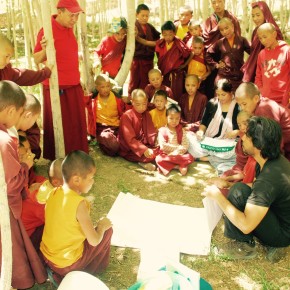
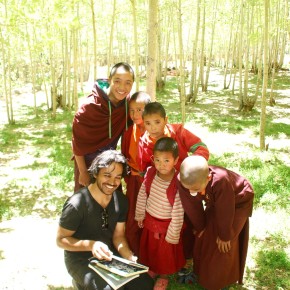
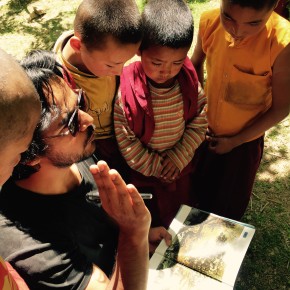
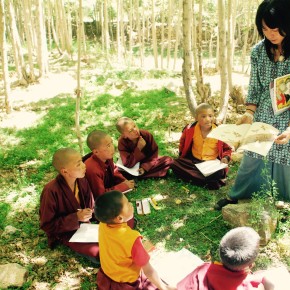
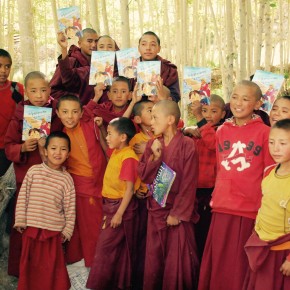
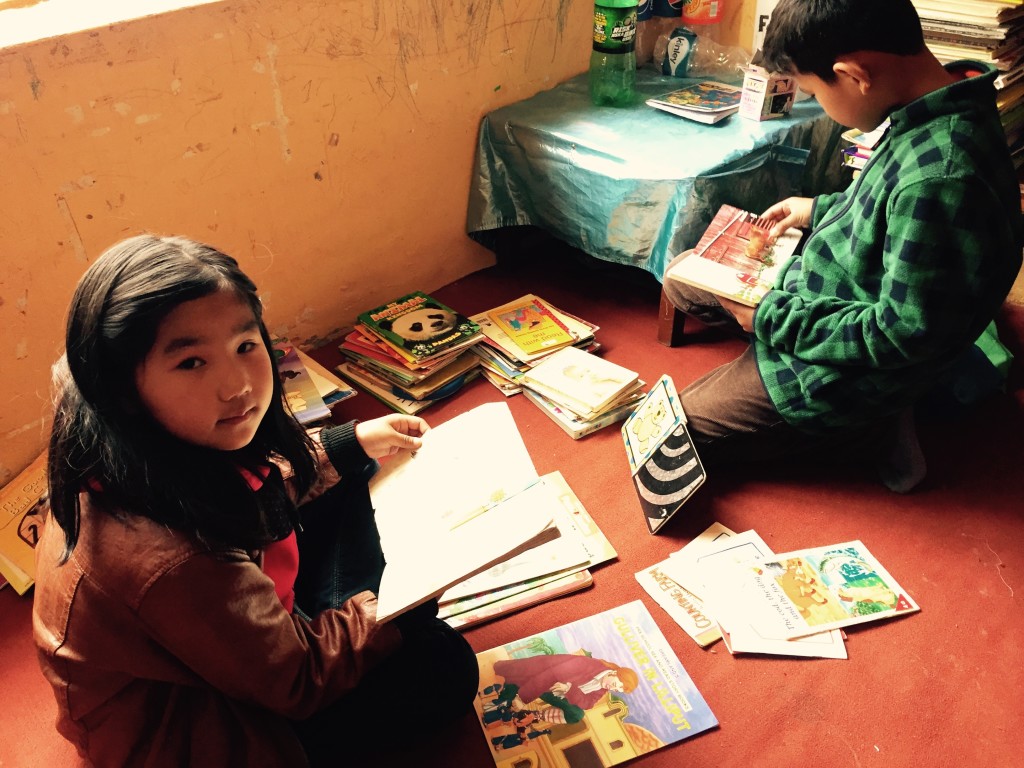
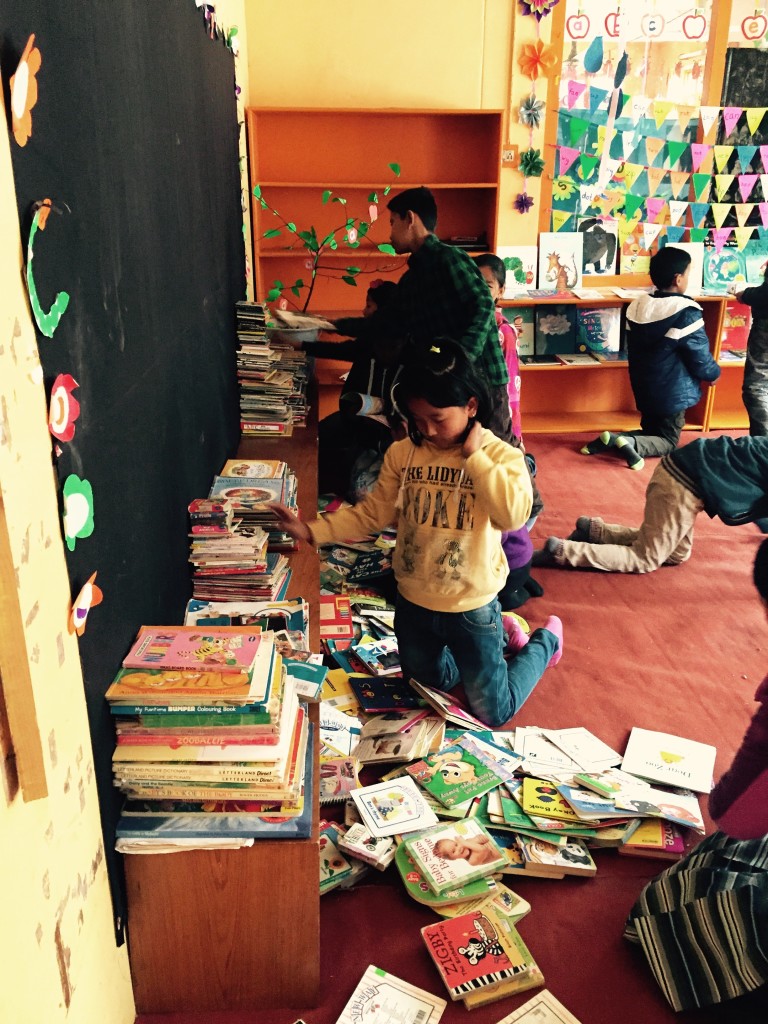
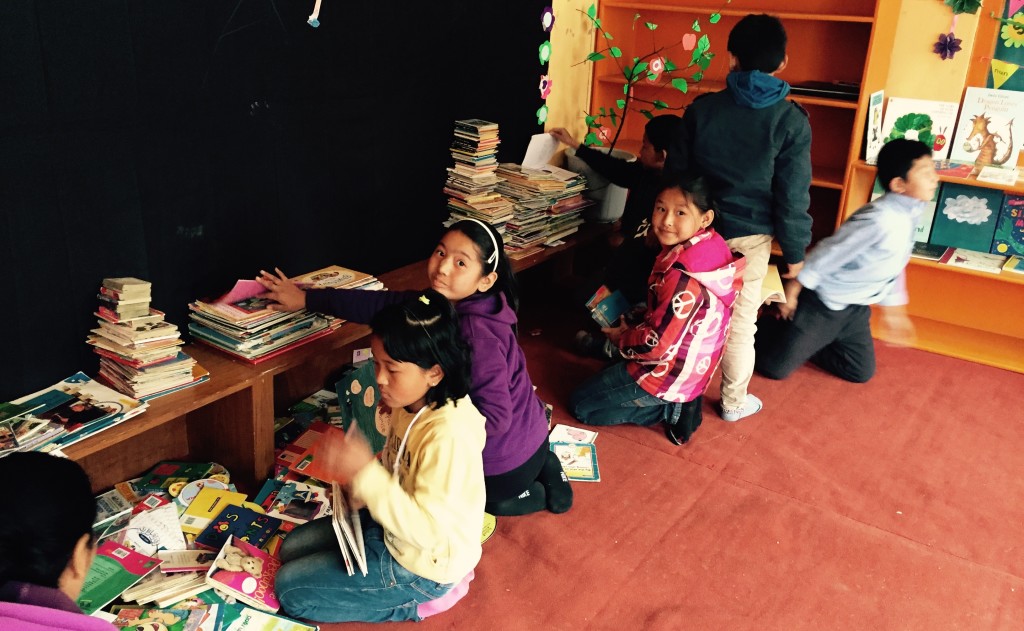
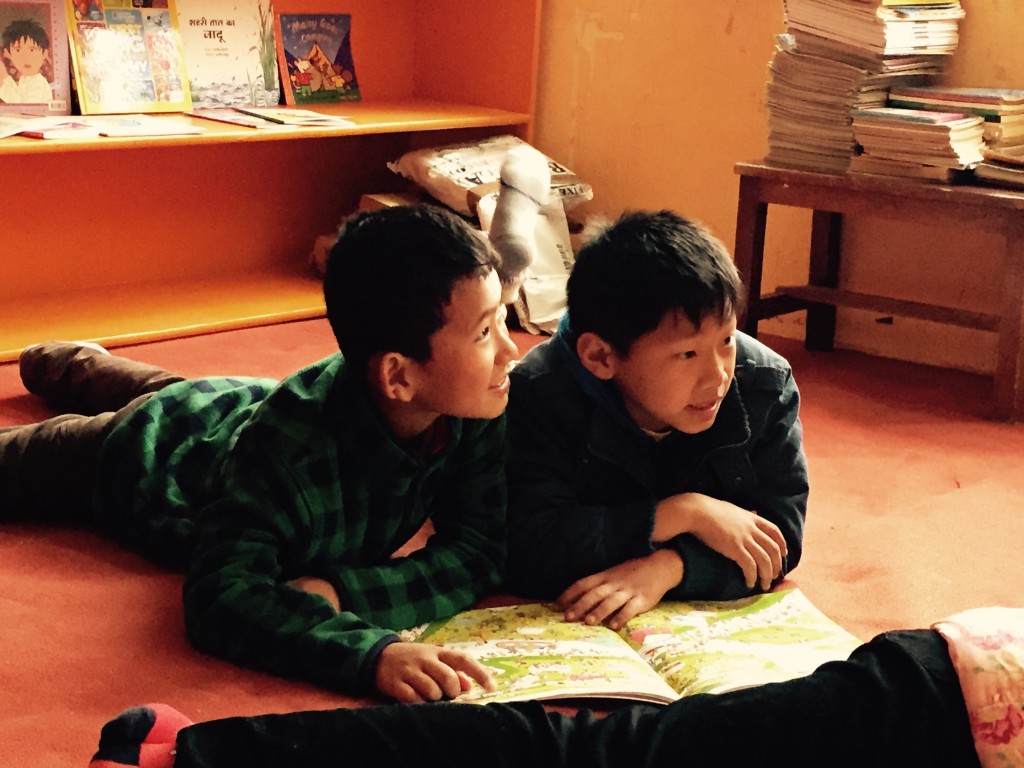
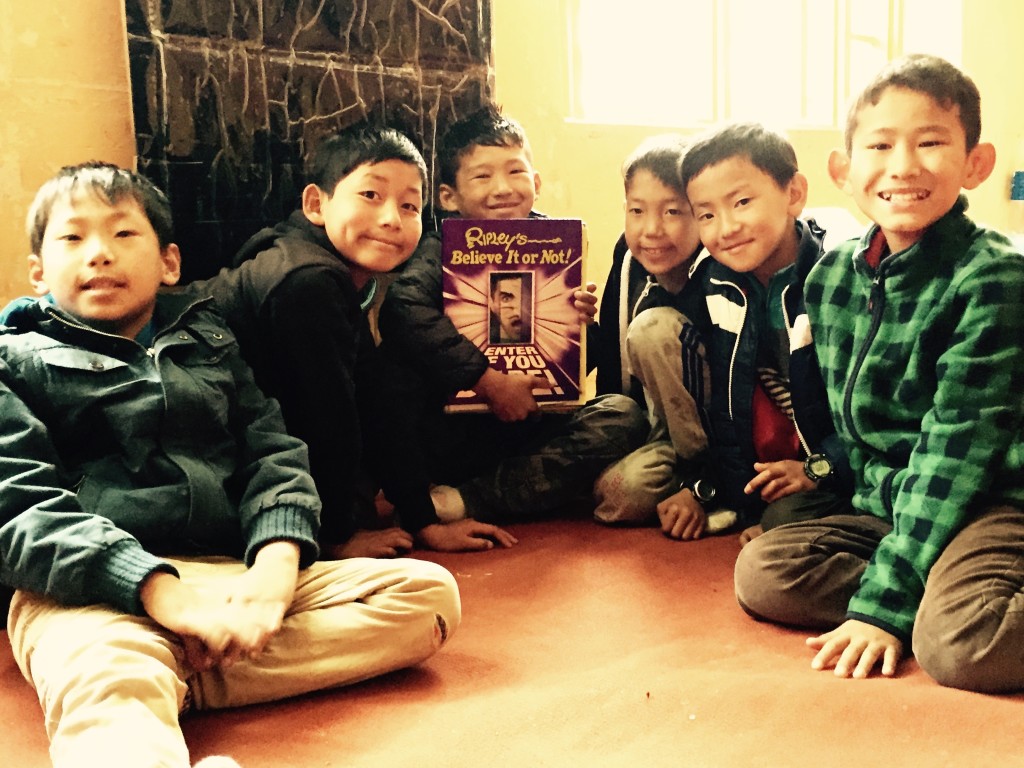
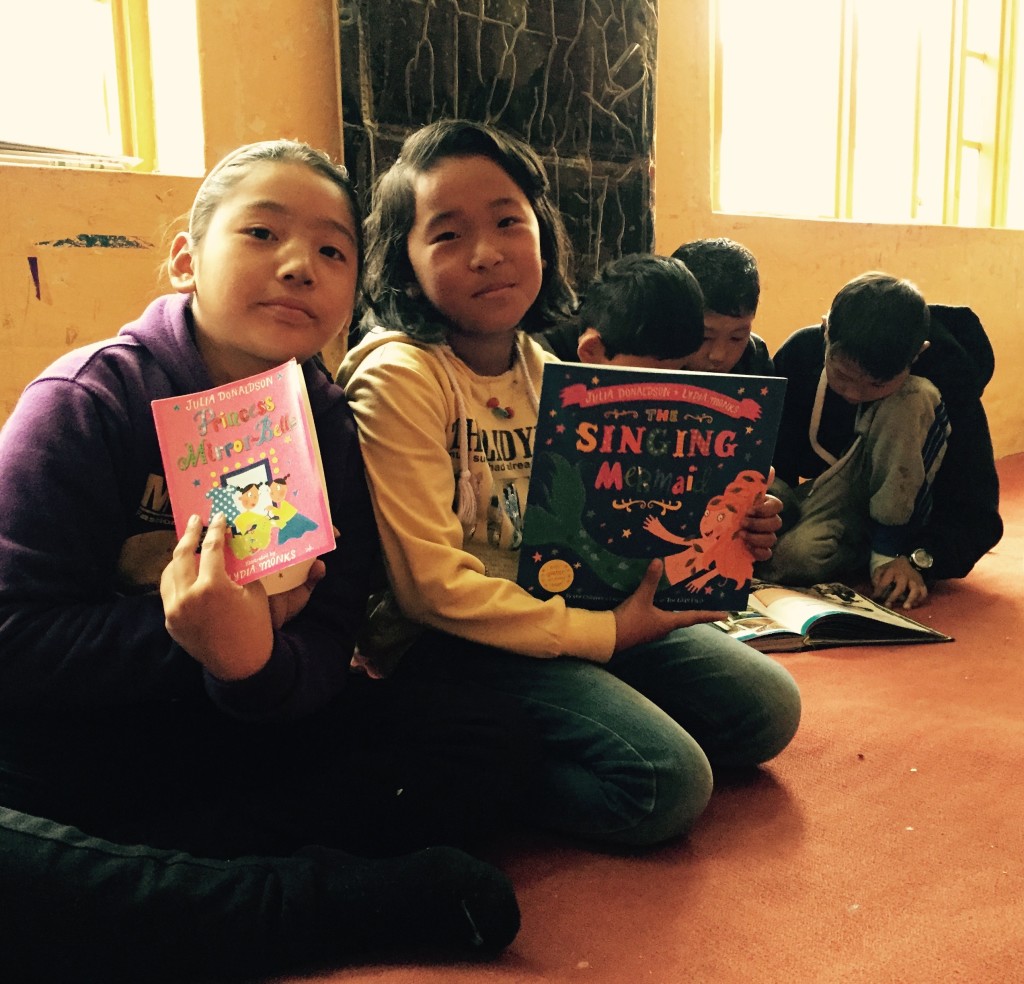
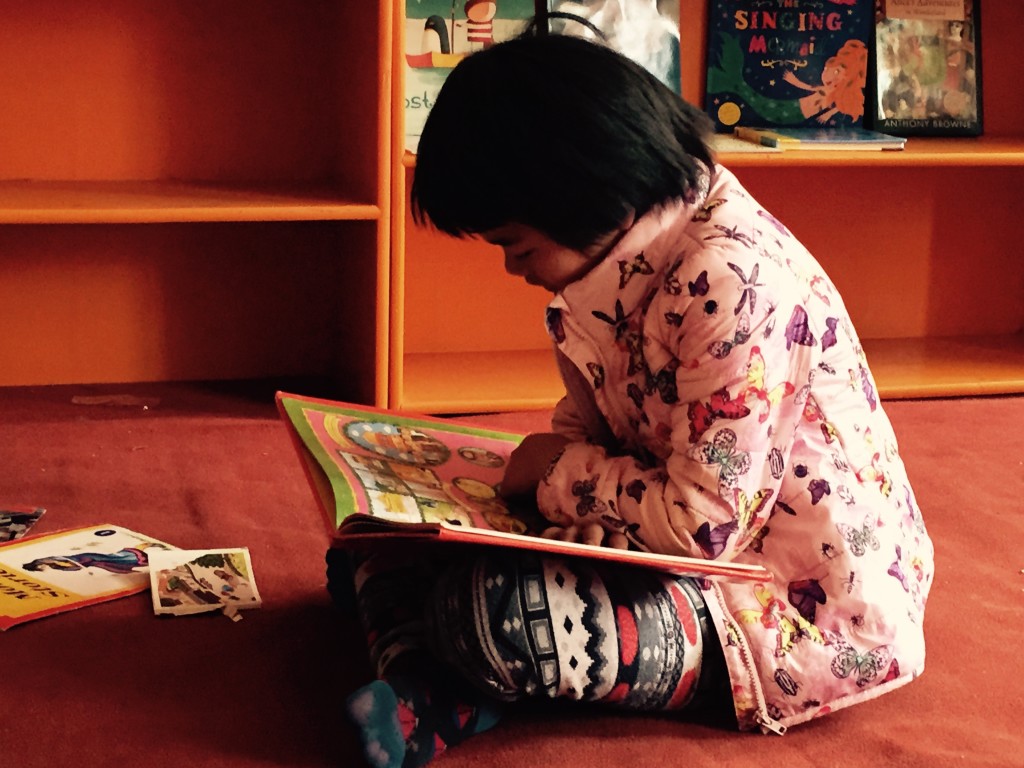
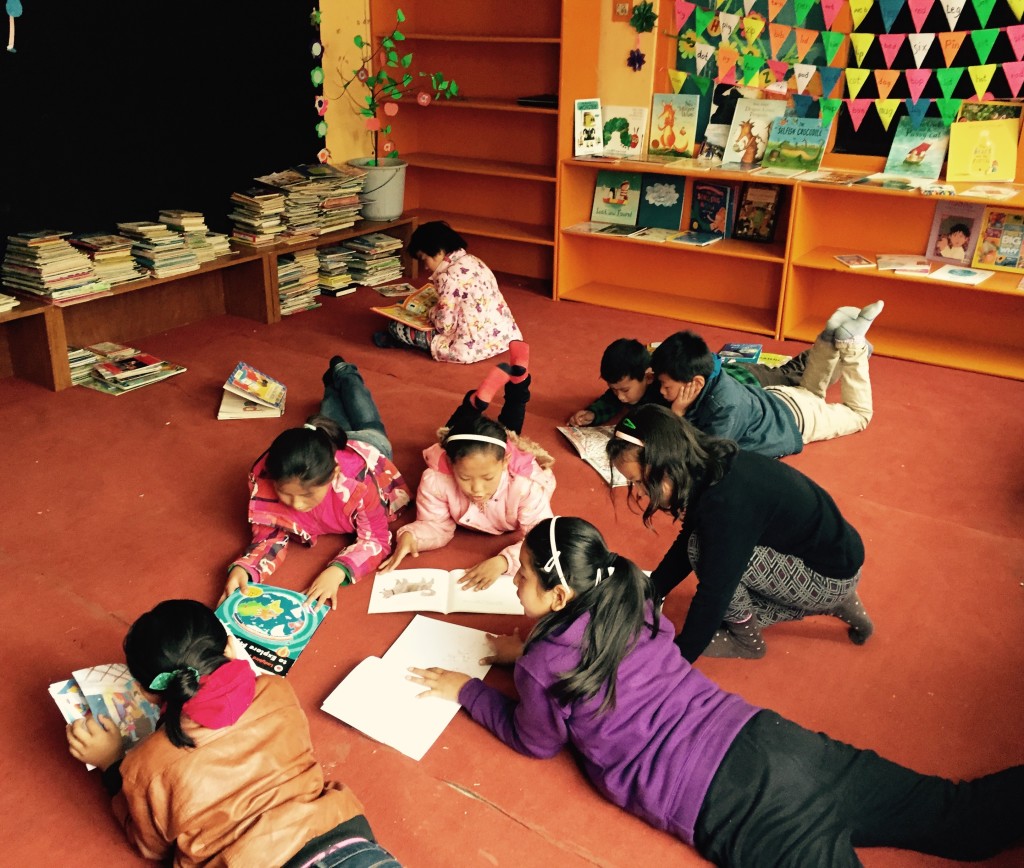
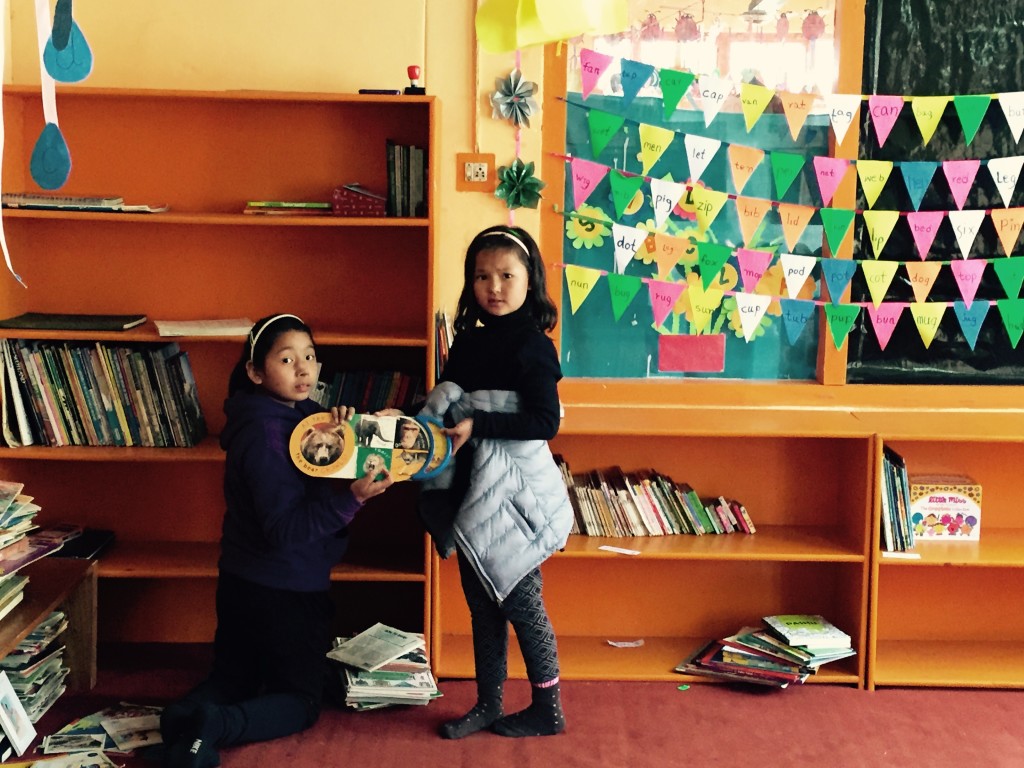
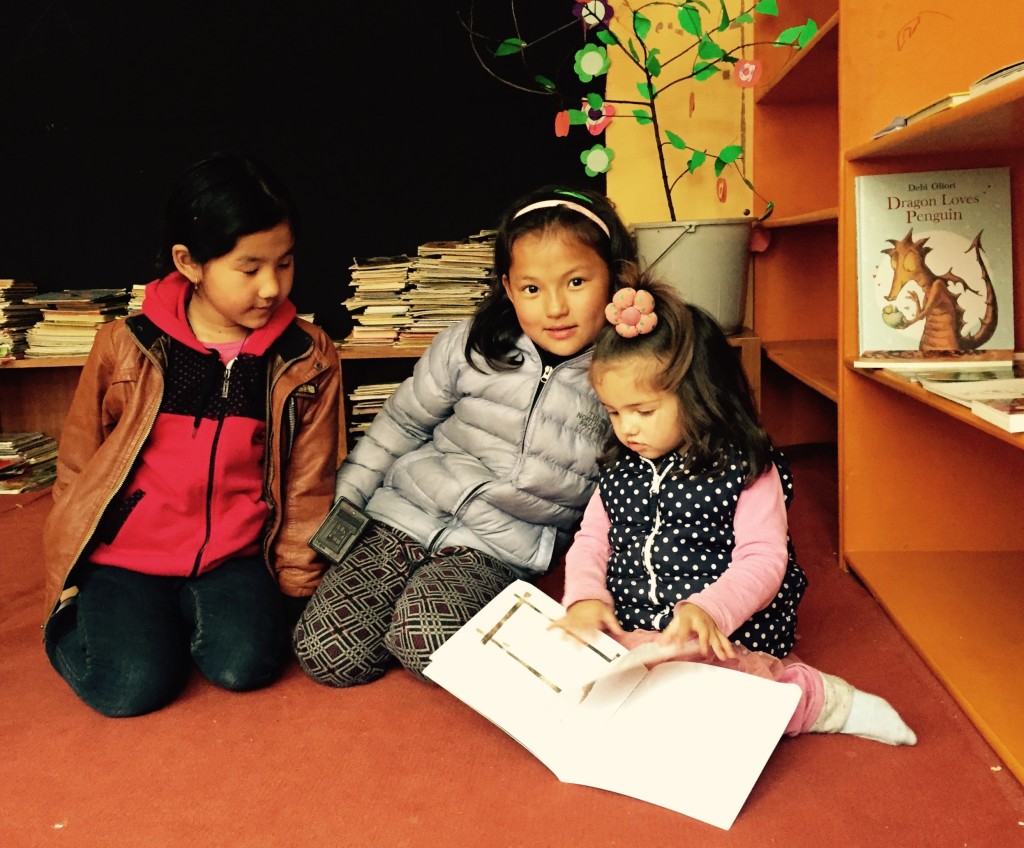
Printed science books also encourage shared learning. Several children can gather around an illustrated volume, take turns reading a caption and discuss what they see. Young monks may compare a diagram of the water cycle with snowmelt outside, while another child connects a chapter about seeds with a family garden. The physical object creates a pause for observation rather than rushing from one screen to the next.
For donors in Australia, this is a practical way to think about educational giving. A quality reference book may be used by hundreds of children over several years. In communities where replacement technology is expensive or difficult to transport, durability and reusability are as important as novelty.
What Makes A Science Book Work Offline
The strongest titles use clear language, visual explanation and a logical sequence. A child should be able to open the book at almost any page and understand the basic idea from the heading, illustration and short passage. Diagrams must be large enough to study, while captions should explain rather than merely label.
Books should also invite investigation without requiring special equipment. A section on shadows can encourage children to observe the sun; a chapter on air can lead to a simple paper experiment. These activities need to be safe, culturally appropriate and possible with ordinary materials. The aim is to build scientific habits—looking closely, predicting, testing and explaining.
| Book feature |
Why it helps young readers |
Useful example |
| Strong illustrations |
Supports understanding when English is developing |
A labelled diagram of a flower |
| Short sections |
Makes shared reading manageable |
Two pages about clouds |
| Local and global examples |
Connects new knowledge to daily life |
Snow, rivers, insects and stars |
| Durable binding |
Withstands frequent handling |
Sewn pages and a flexible cover |
| Simple experiments |
Turns reading into discovery |
Measuring shadows with a stick |
| Glossary and index |
Helps children revisit ideas independently |
Definitions for “orbit” and “habitat” |
| Inclusive images |
Allows readers to see themselves in science |
Children from varied communities |
Australian schools and libraries know the value of accessible collections, particularly in regional areas. A classroom in Western Australia may need books that withstand dust and repeated use, while a small Northern Territory library may prioritise resources that work when internet access is intermittent. The same principles apply when selecting books for a Himalayan reading room.
Building A Balanced Science Shelf
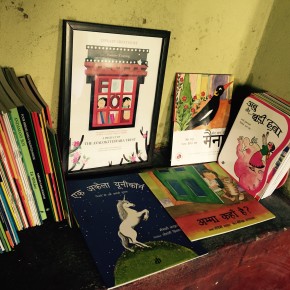
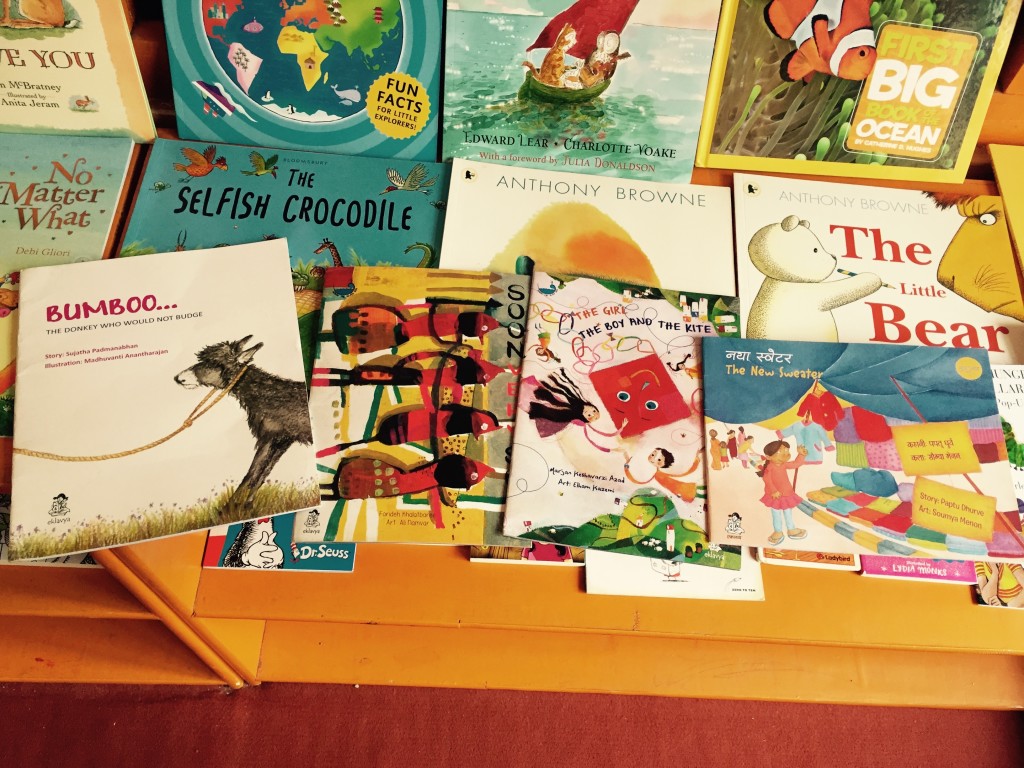
A collection becomes useful when it offers different ways into scientific thinking. Story-led books can draw in a reluctant reader, while fact books support questions that arise during group discussions. Picture atlases, field guides and biographies of scientists add variety without making the shelf feel like a textbook cupboard.
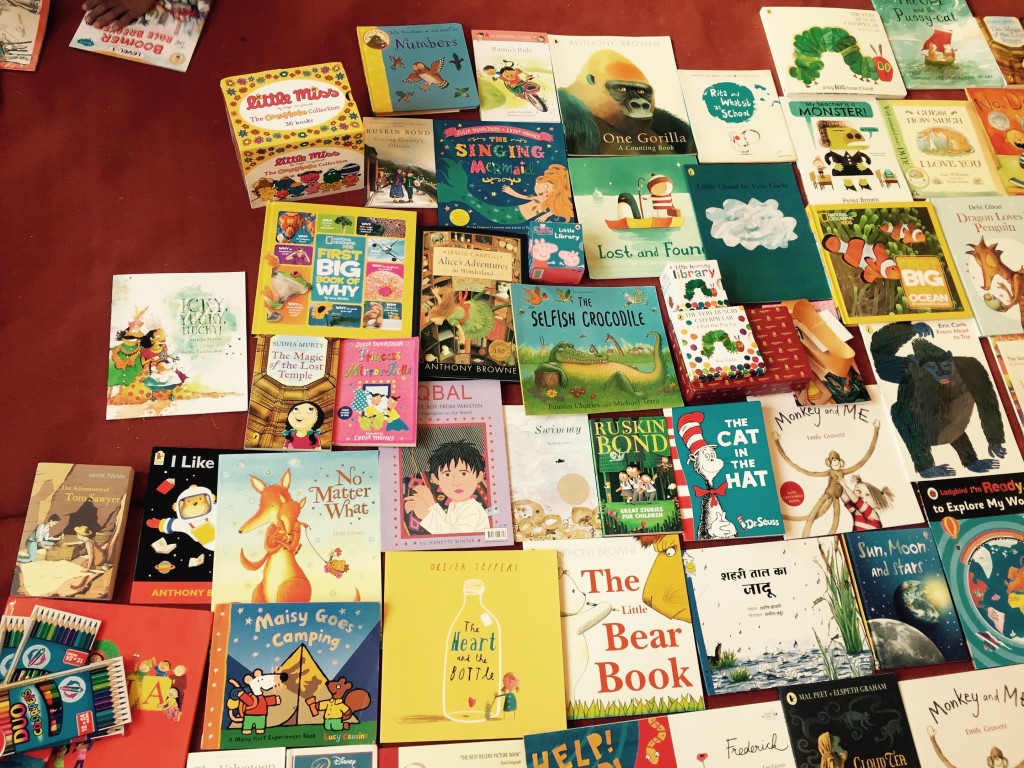
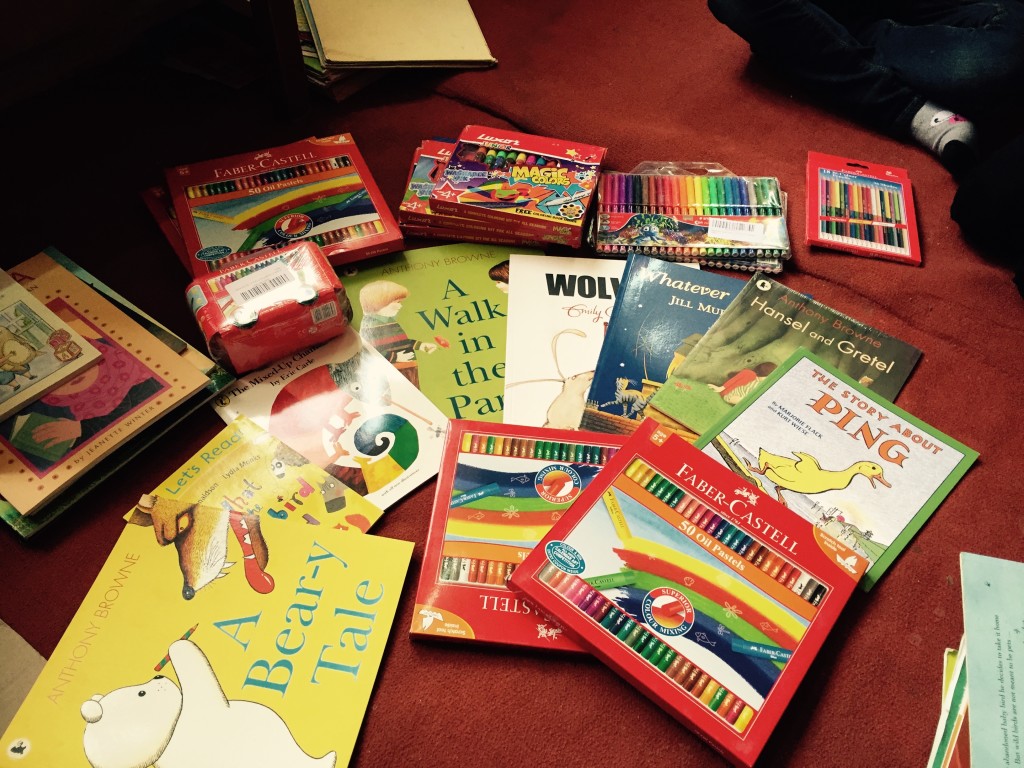
Book drives should therefore avoid collecting only one type of title. A pile of advanced encyclopaedias may look impressive but leave younger readers behind. Organisations such as the Avalokiteśvara Trust can help donors consider age range, reading level, subject balance and condition before books begin their journey.
Useful categories for a non-electric science collection include:
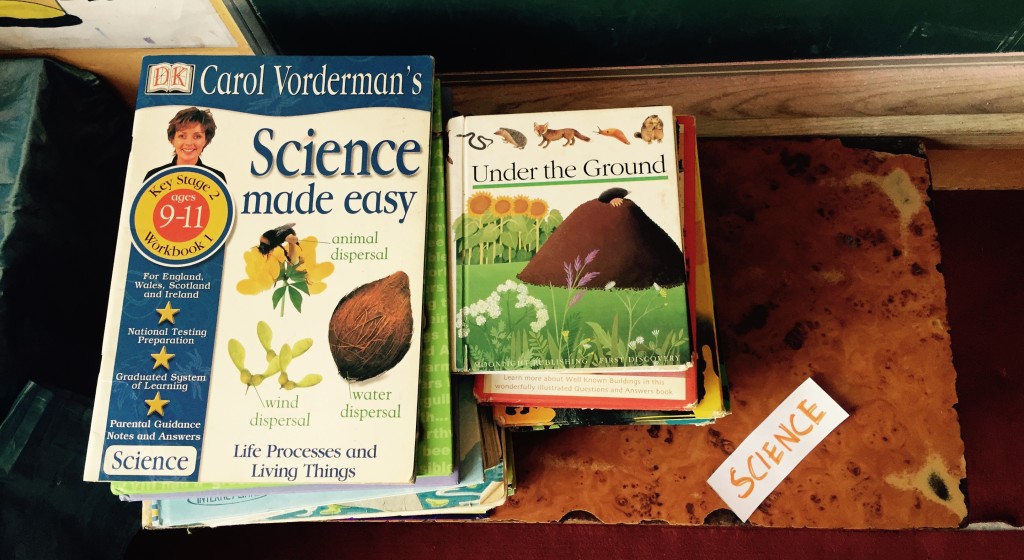
- Earth and space books about stars, planets, mountains, rivers and weather
- Life science titles covering animals, plants, habitats and the human body
- Hands-on activity books using paper, water, stones, string or sunlight
- Illustrated biographies of scientists, explorers, doctors and inventors
- Visual dictionaries and beginner encyclopaedias for independent browsing
A good shelf should include books that children can finish in one sitting and others that reward repeated visits. A young reader might first enjoy a picture book about snow leopards, then return to a field guide to identify an animal, and later use a habitat book for a drawing or writing project.
Making Books Usable In Remote Classrooms
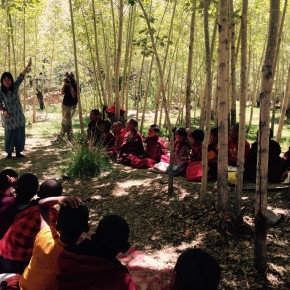
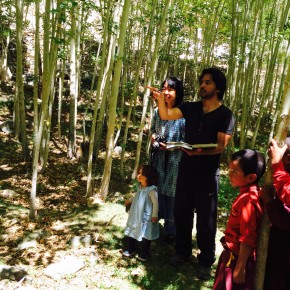
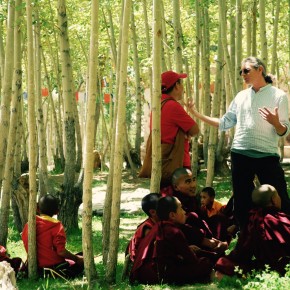
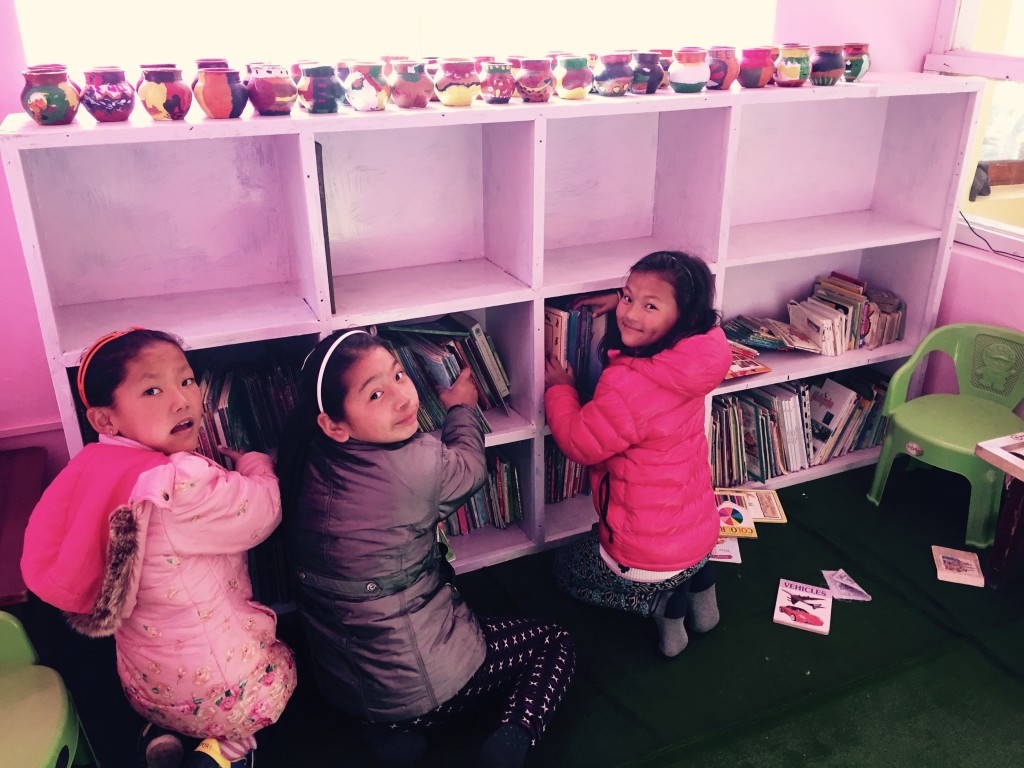
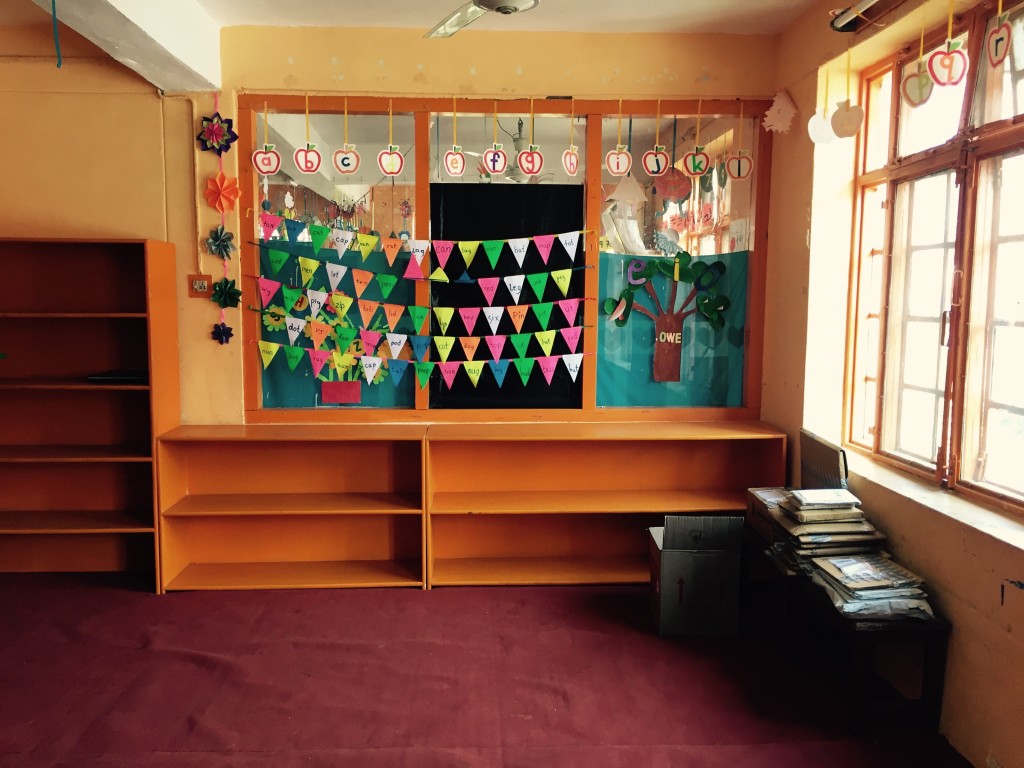
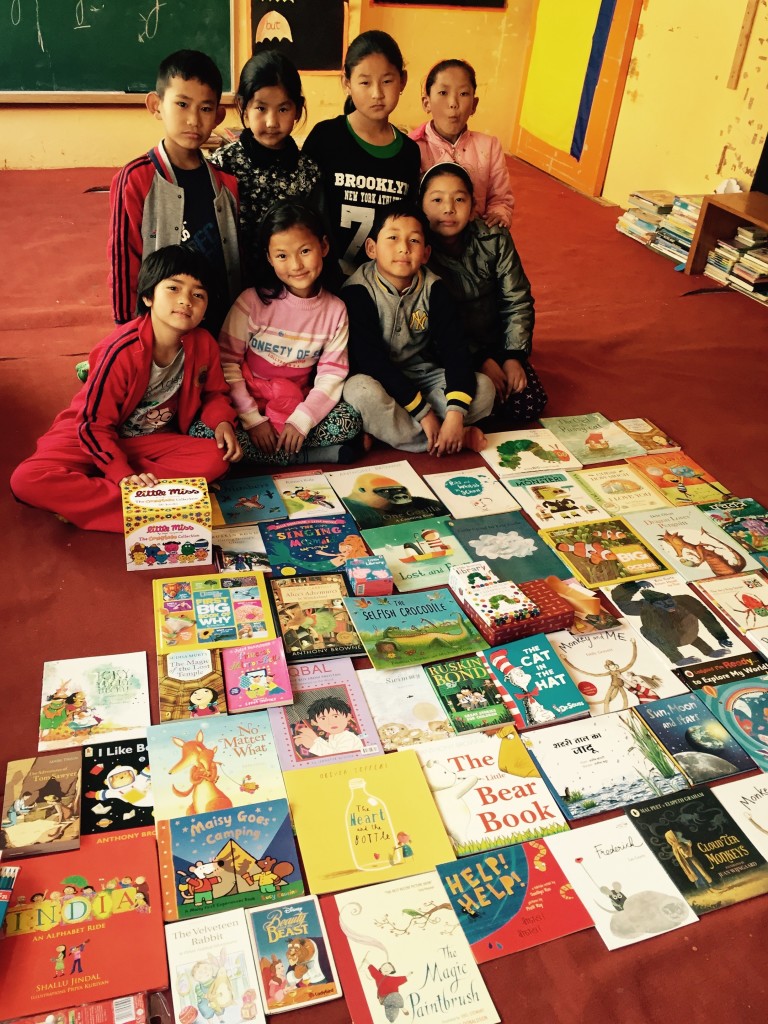
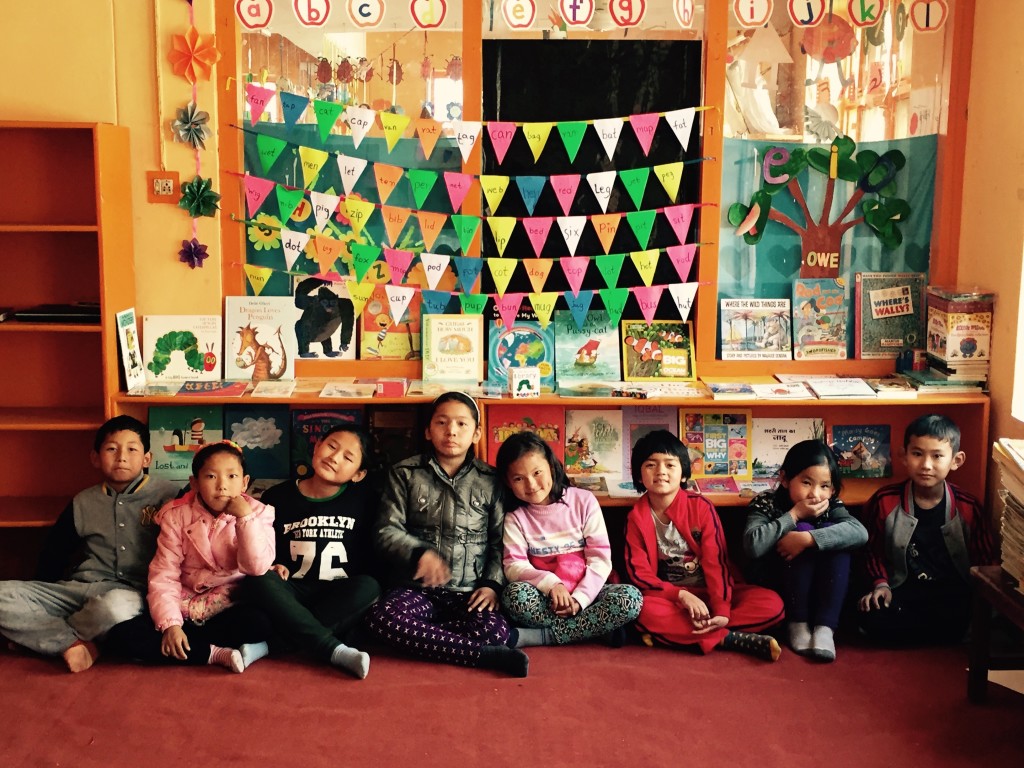
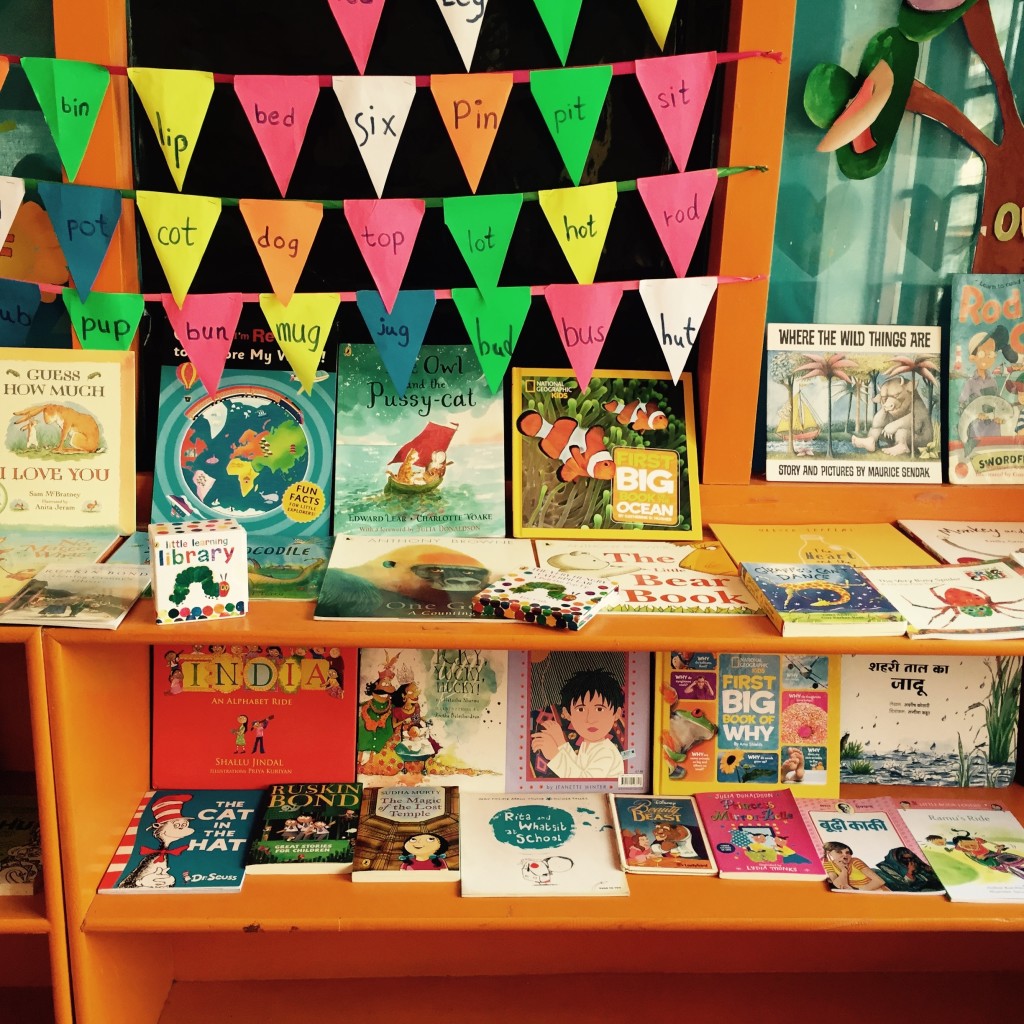
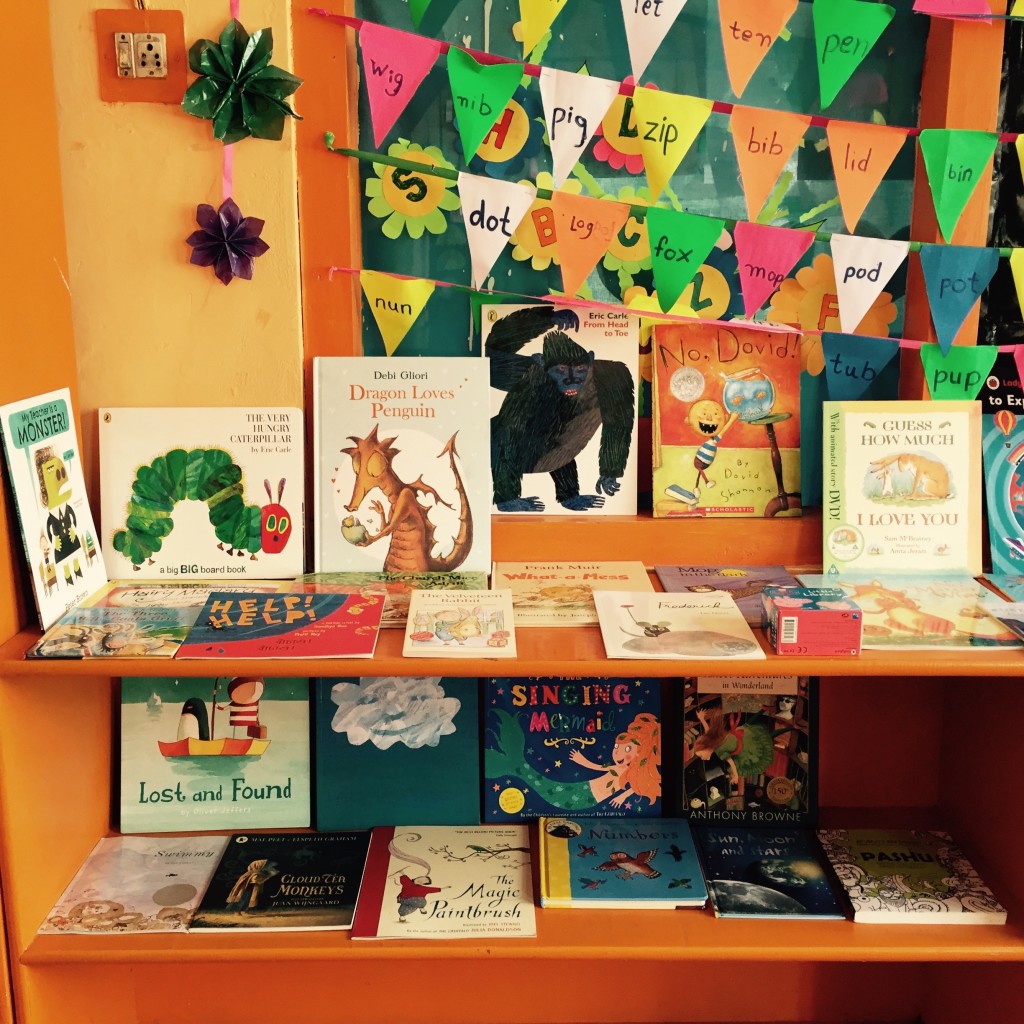
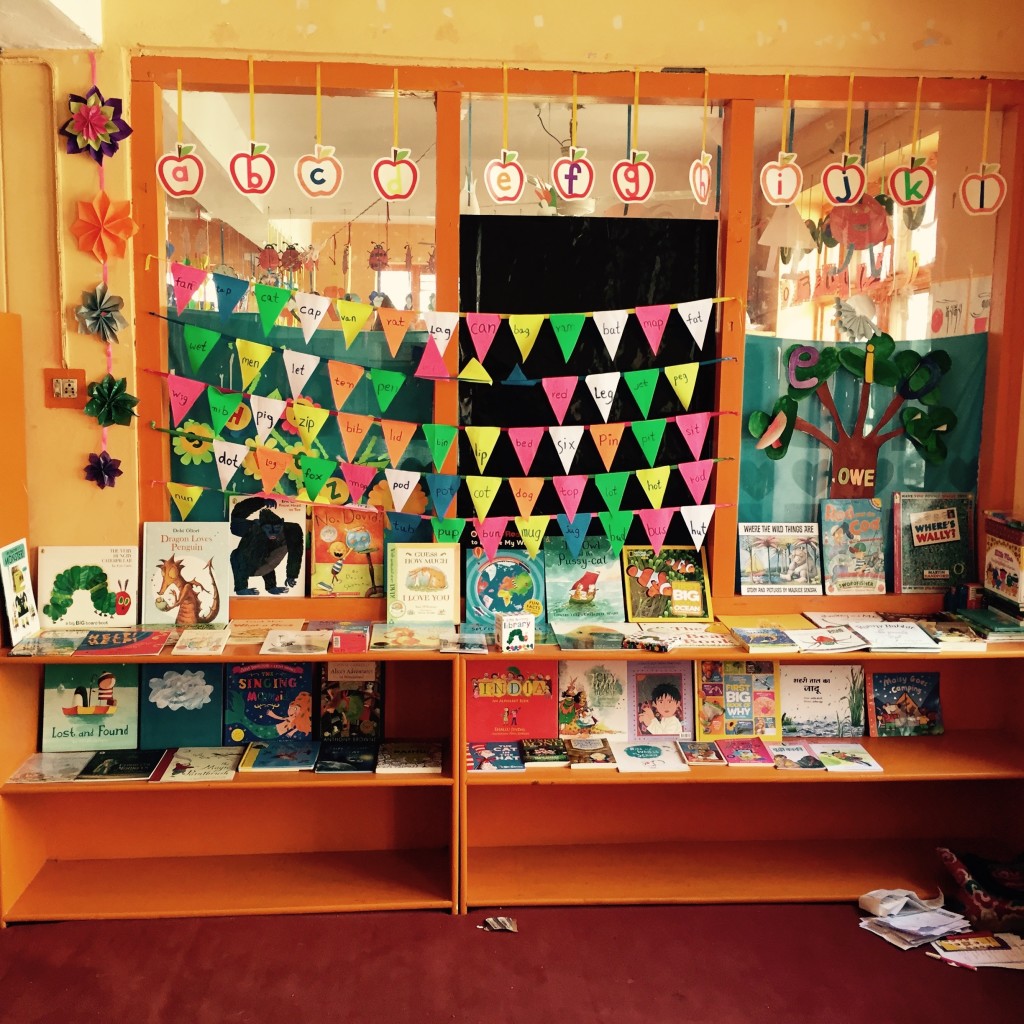
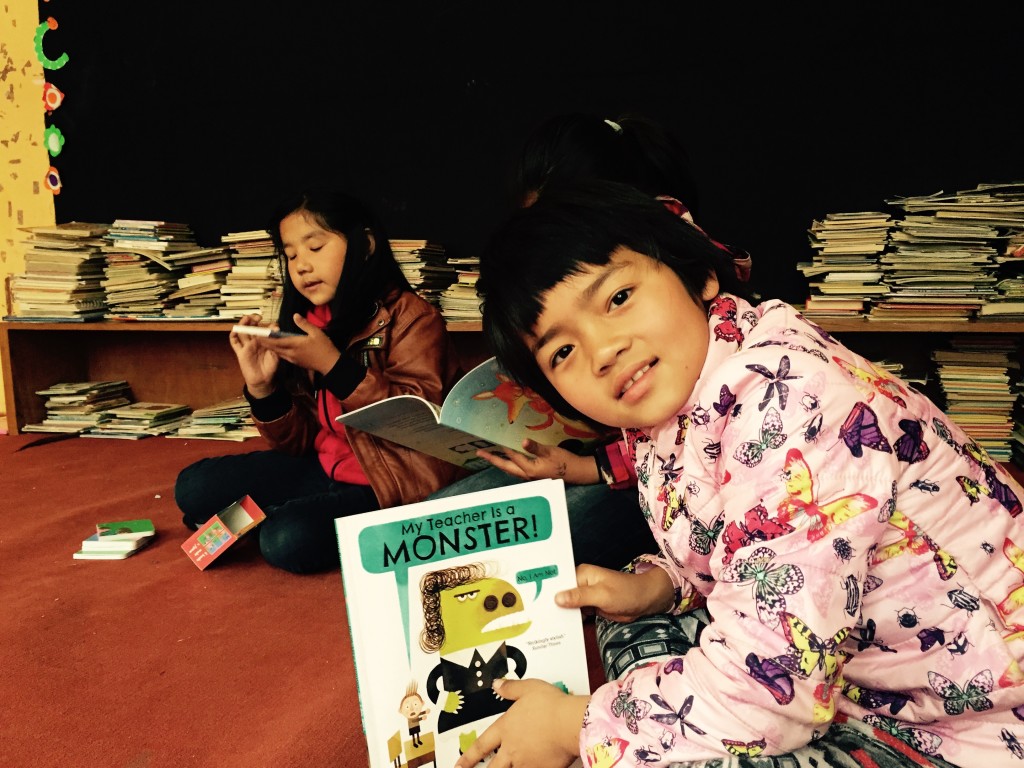
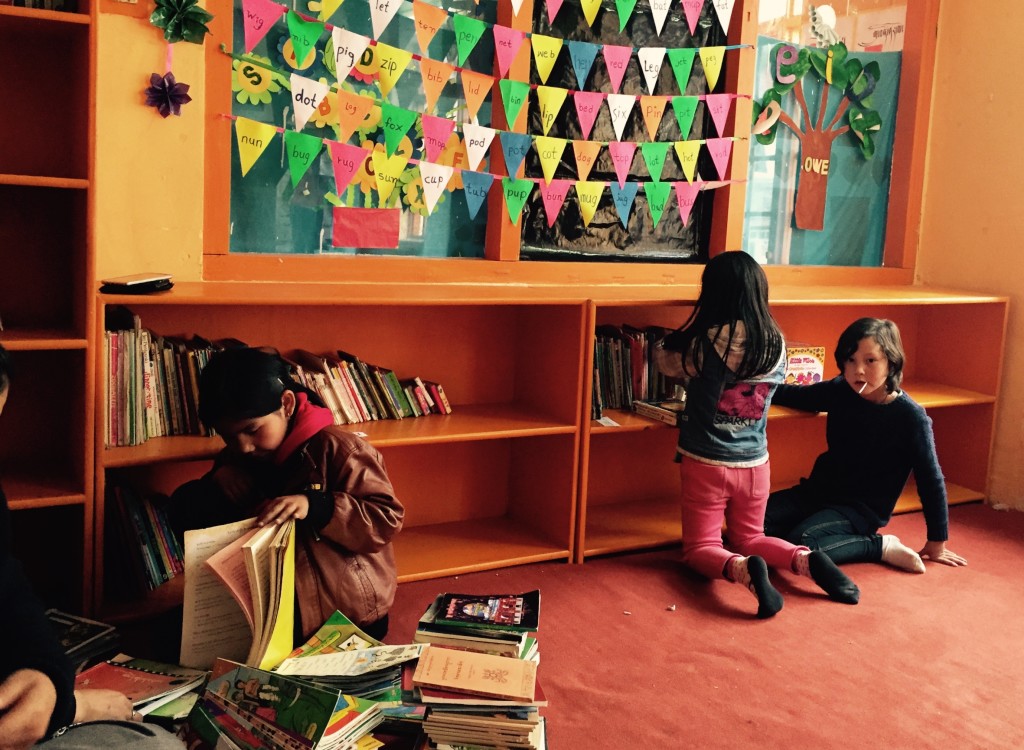
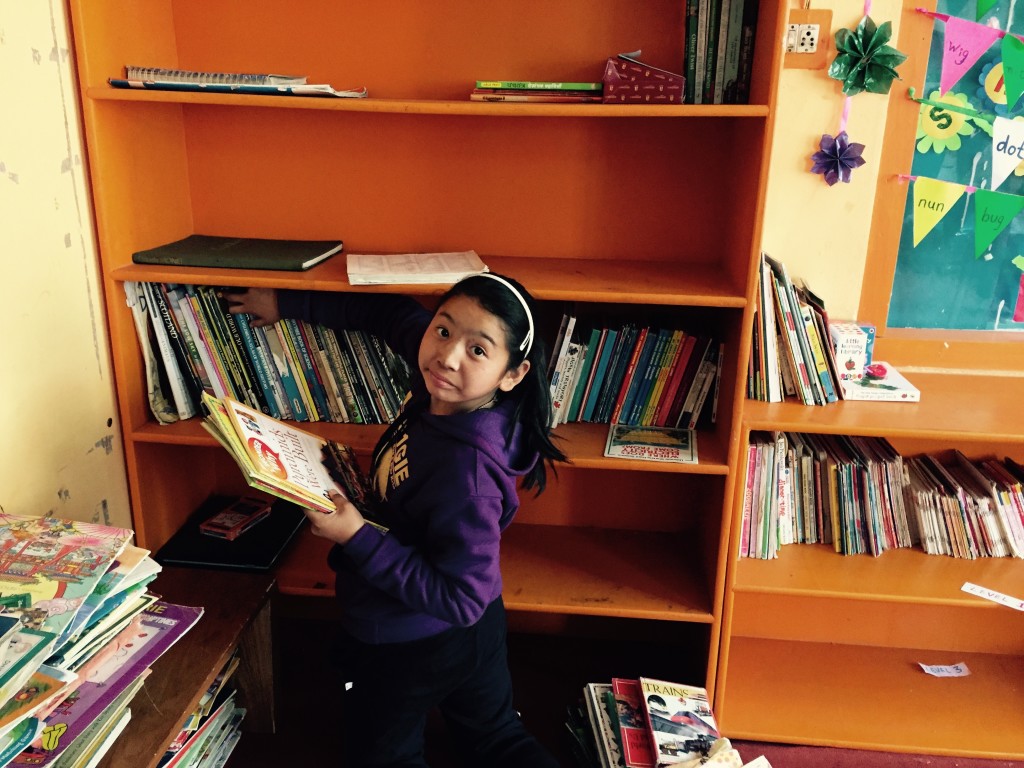
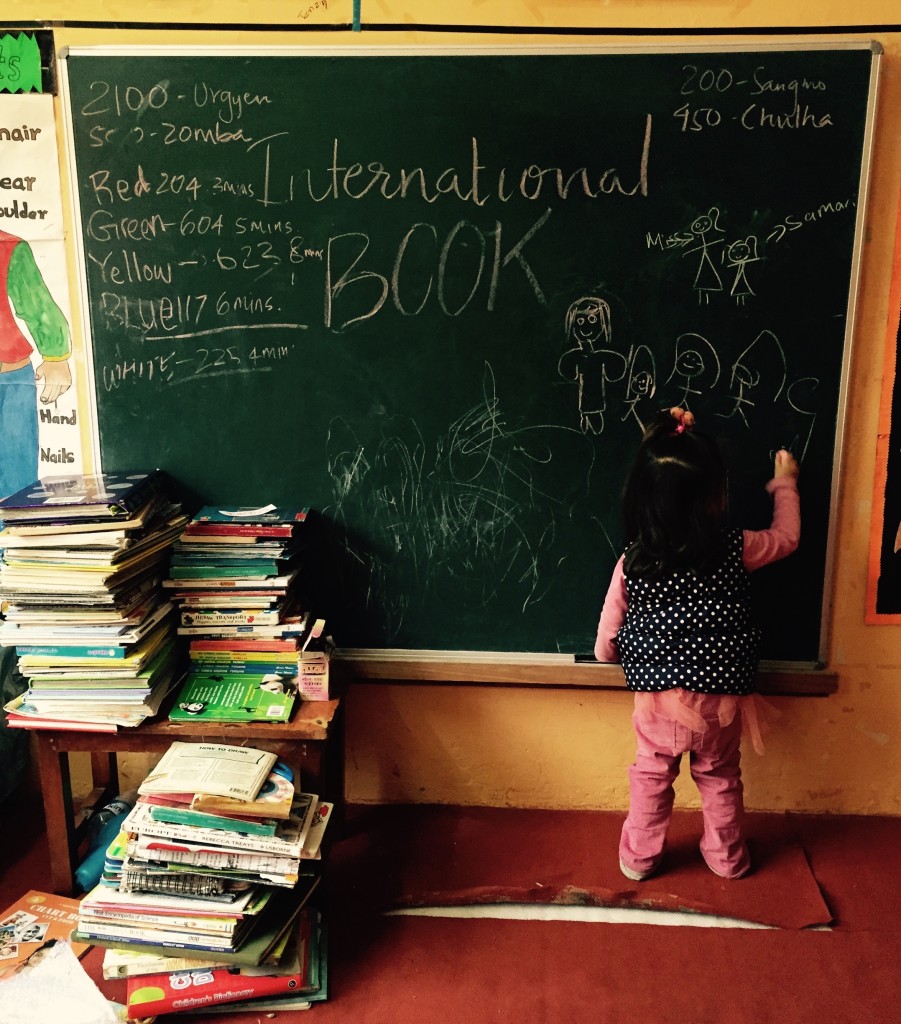
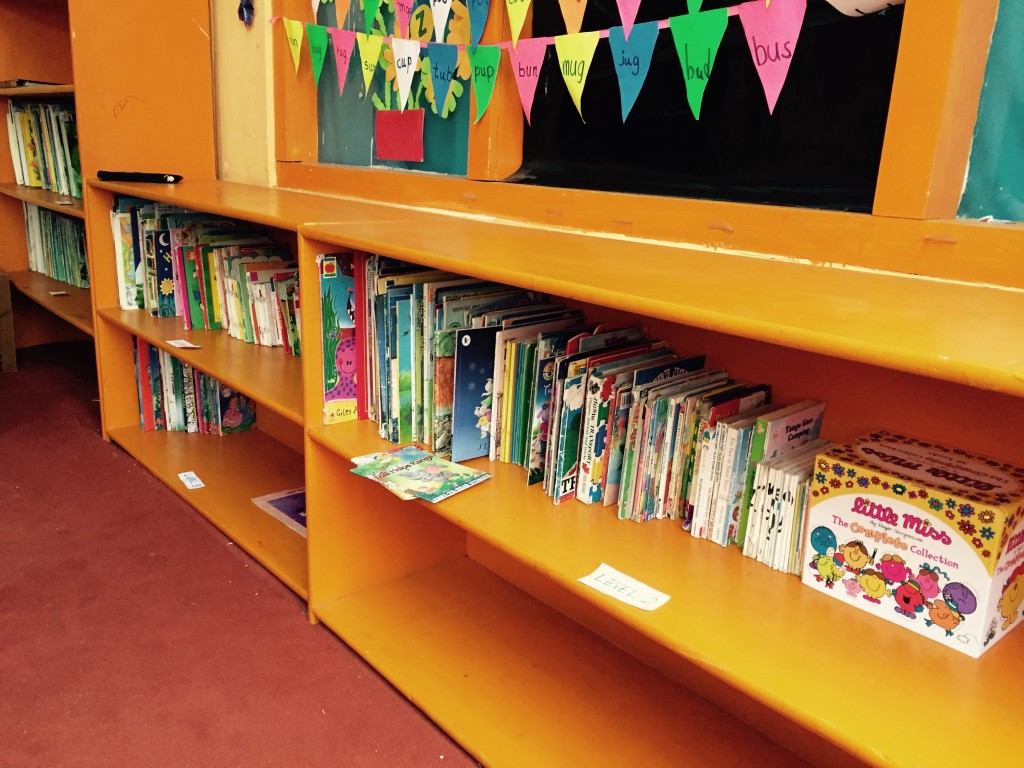
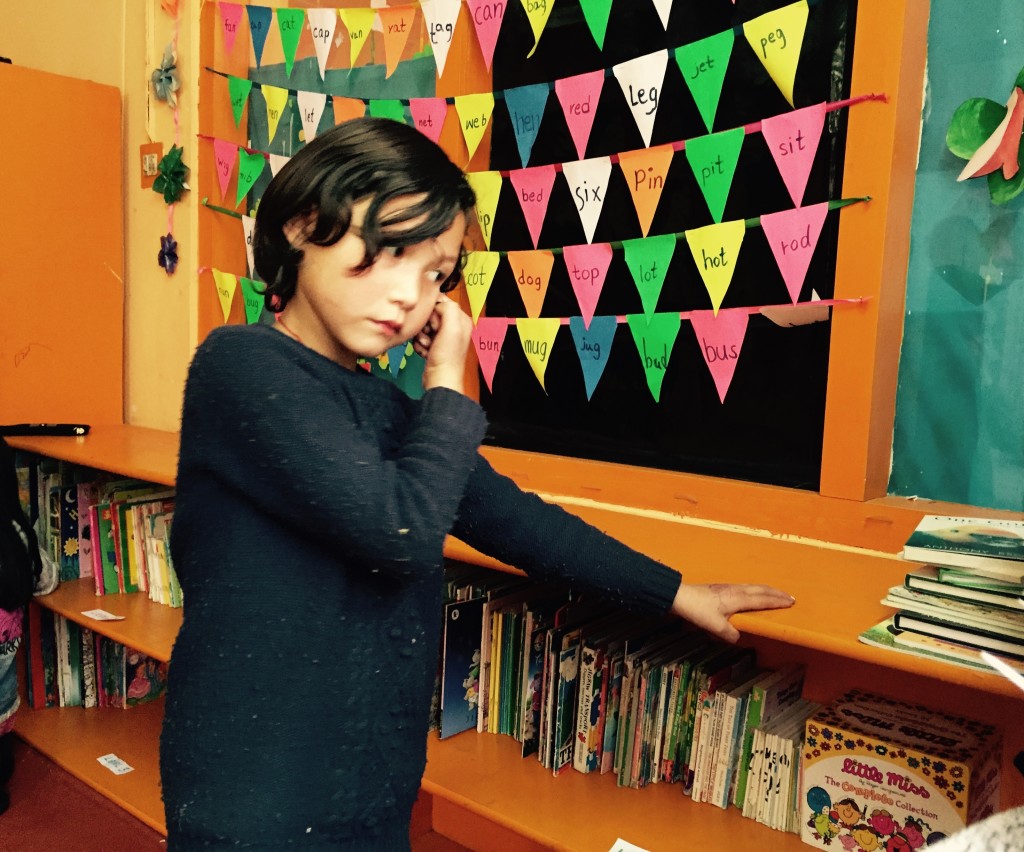
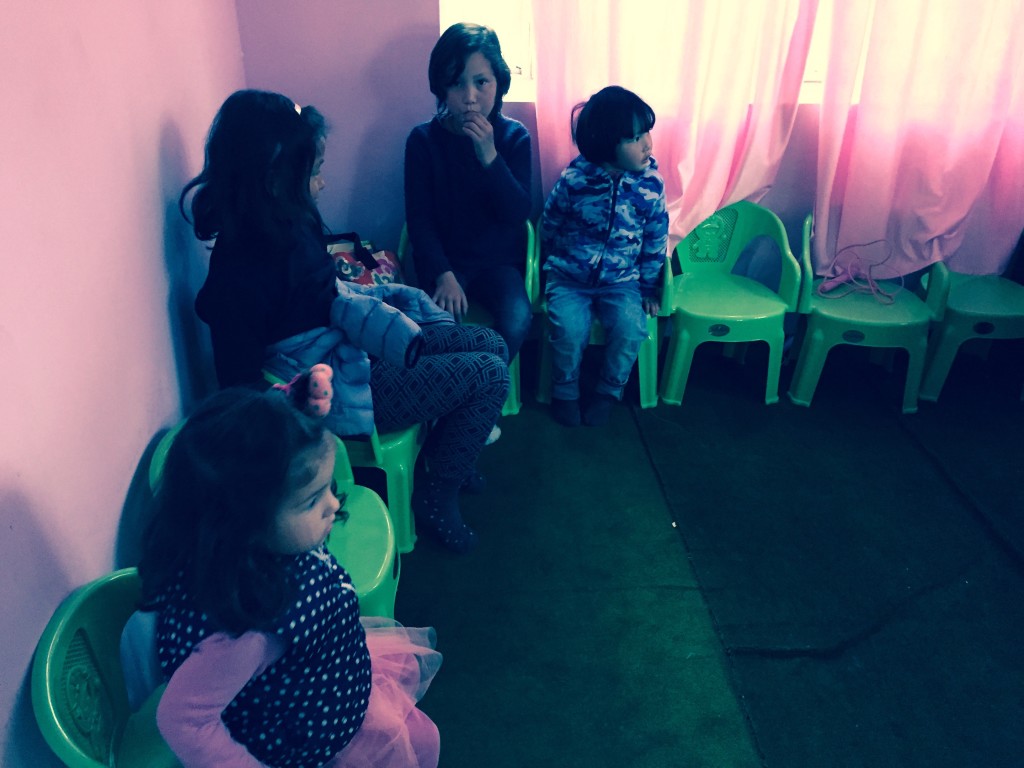
The book itself is only part of the learning environment. Reading rooms work best when children can sit comfortably, browse freely and see that books are treated with care. A low shelf, a mat and a few labelled subject areas can turn a bare room into an inviting place for discovery. In a monastery or village setting, flexible arrangements allow a volunteer, teacher or older student to lead a session.
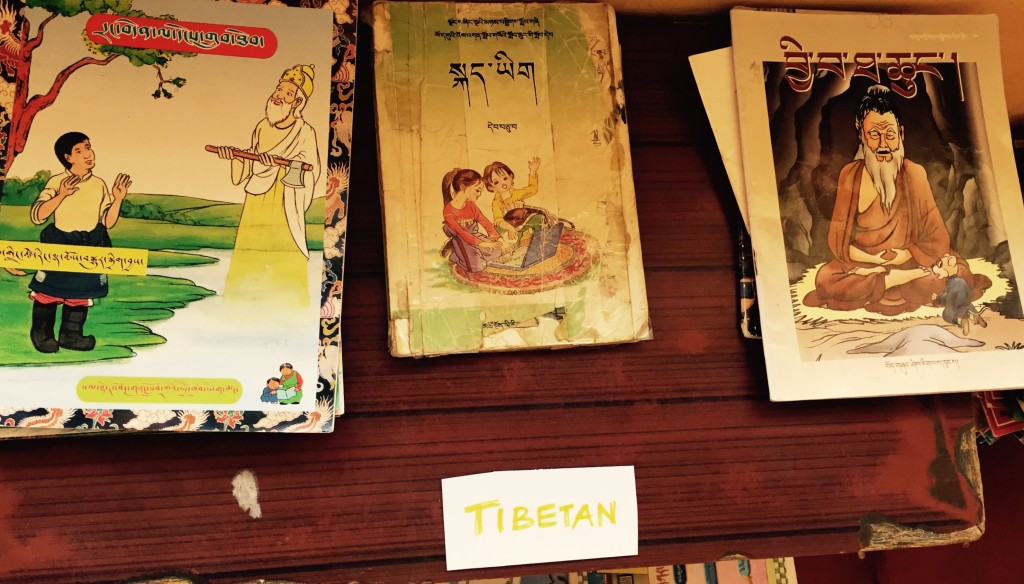
Language deserves careful attention. English-language resources may provide valuable vocabulary, but unfamiliar terms can block understanding. Picture clues, pronunciation support and bilingual discussion help children move from recognition to confident use. Volunteers can create simple vocabulary cards or encourage children to draw what a new word means.
Books should also reflect the science children can observe around them. A chapter on glaciers may become meaningful beside a mountain landscape. A discussion of evaporation can connect with drying clothes, cooking or changing snow. In Australia, children might relate the same ideas to bushfires, drought, reef ecosystems or water tanks. Science feels relevant when it begins with the visible world.
A modest reading-room programme can include an “object of the week”: a leaf, stone, feather, map or simple instrument. Children read about the object, sketch it and describe what they notice. No electricity is required, yet the activity develops vocabulary, classification and evidence-based thinking.
Choosing Titles For Australian Donors
The Australian book market offers many ways to find suitable science resources, from public library sales and school clear-outs to second-hand bookshops and community op shops. Families in Melbourne, Sydney, Brisbane and Perth may have access to specialist children’s bookstores, while regional donors often rely on library networks, local markets or online sellers. Checking condition and postage before purchasing prevents a generous donation from becoming costly to transport.
Donors should look for books that are accurate, visually engaging and sturdy enough for a shared collection. Older books can still be excellent if the science remains sound, though dated information about planets, technology or climate should be checked. A quick review of the publication date, author credentials and current terminology can protect children from avoidable confusion.
Helpful selection checks include:
- Choose clear diagrams, readable type and pages free from mould, writing or loose binding
- Match the reading level to the children who will use the collection
- Prefer broad scientific concepts over books built around short-lived technology trends
- Include Australian examples alongside resources about Himalayan landscapes and wildlife
- Avoid activity books that depend on batteries, printers, specialist chemicals or online videos
- Group books by age and subject so volunteers can distribute them efficiently
Australian donors often speak of sending a “care package”, but books need more planning than ordinary household goods. International freight, customs requirements and storage can affect what is practical. A coordinated collection of selected titles is generally more useful than several heavy boxes filled with unsuitable or damaged books.
From Donated Books To Living Learning
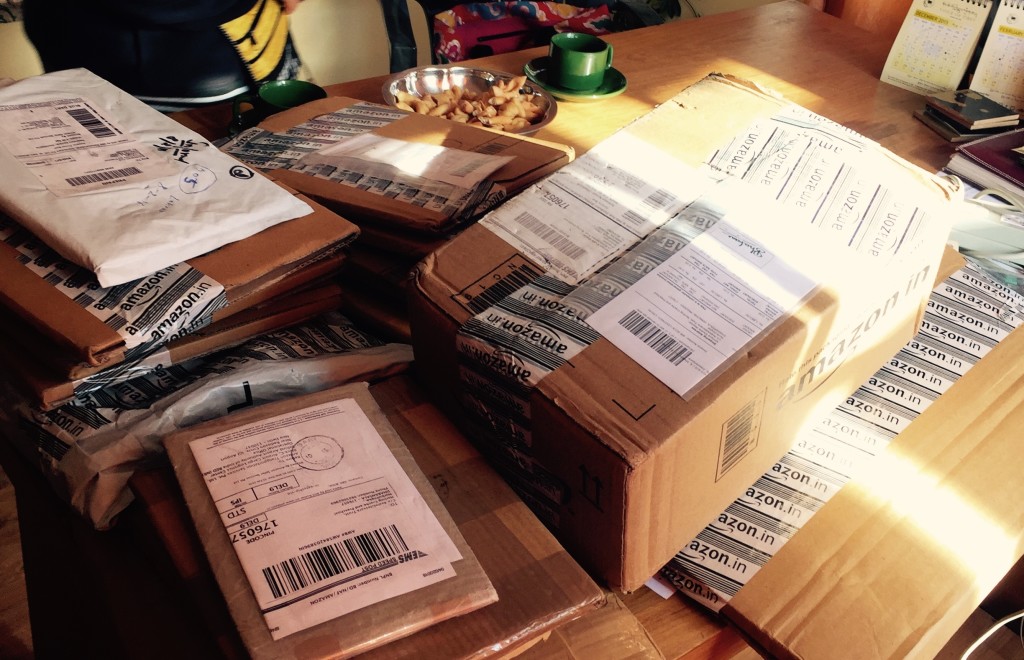
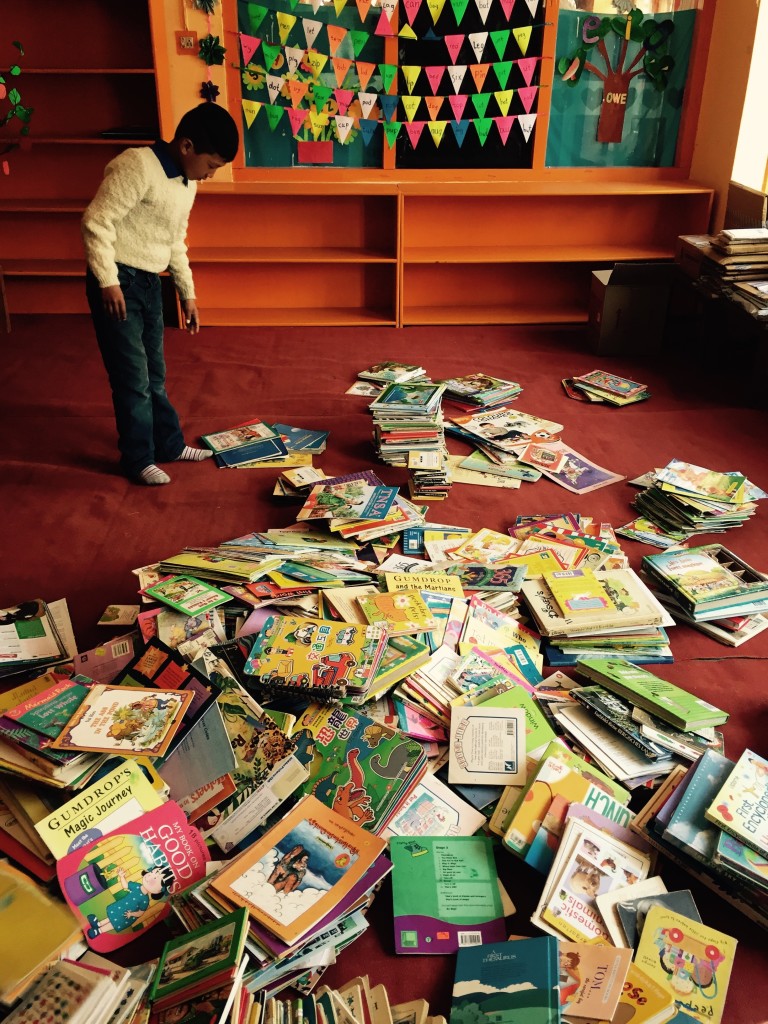
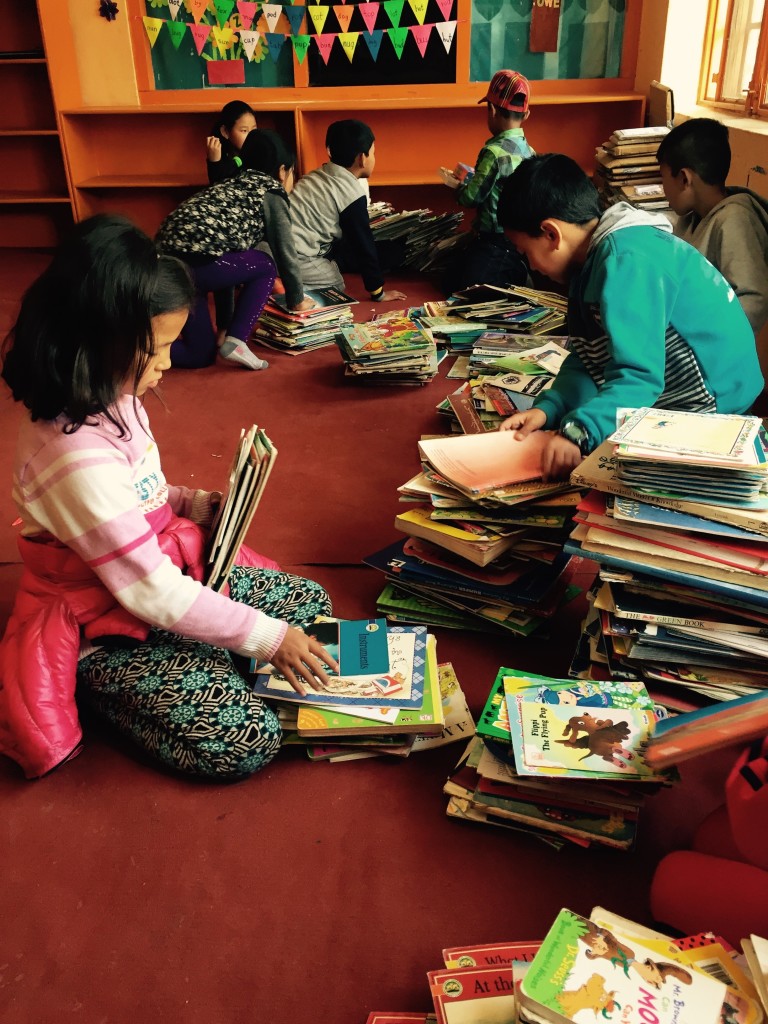
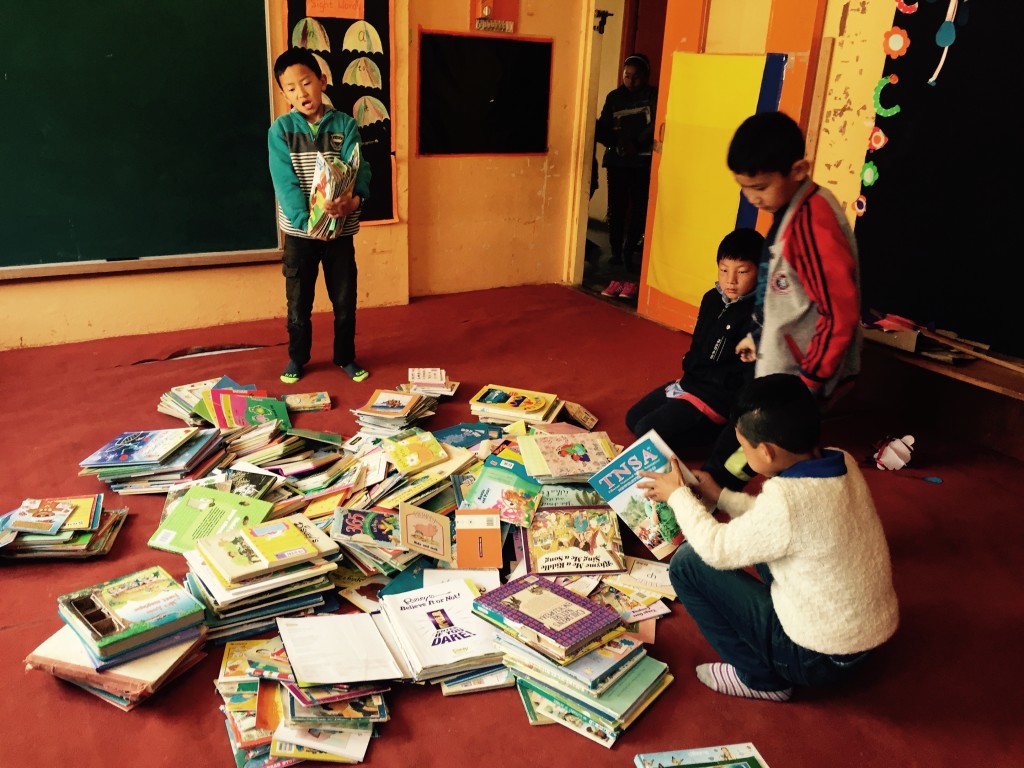
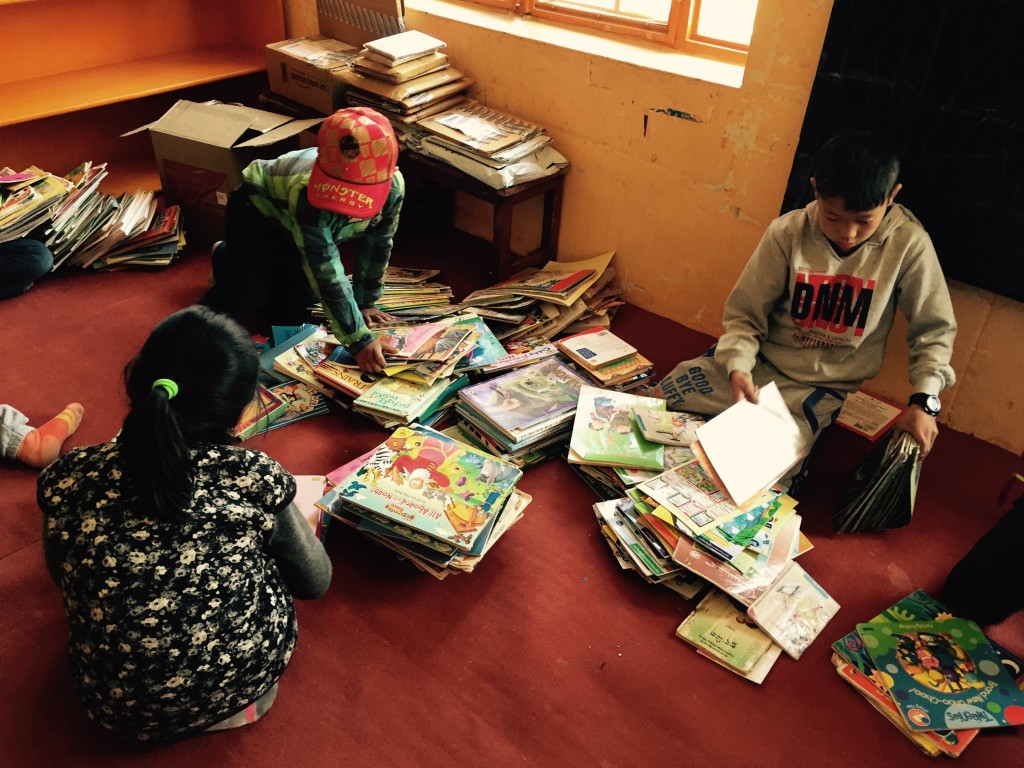
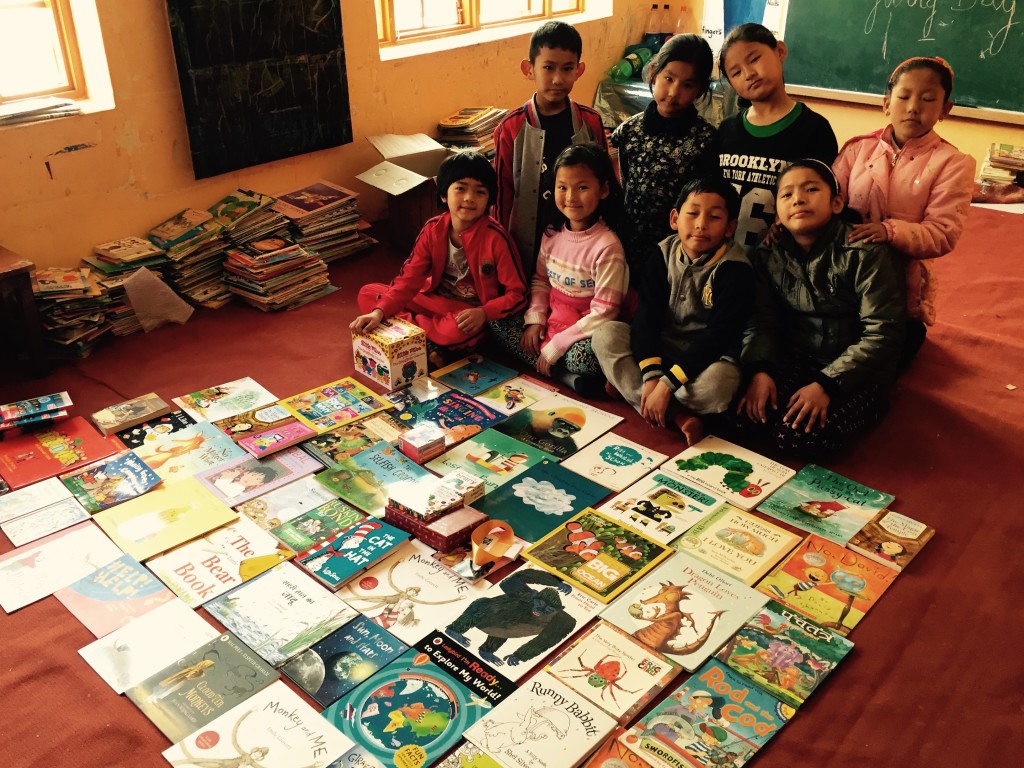
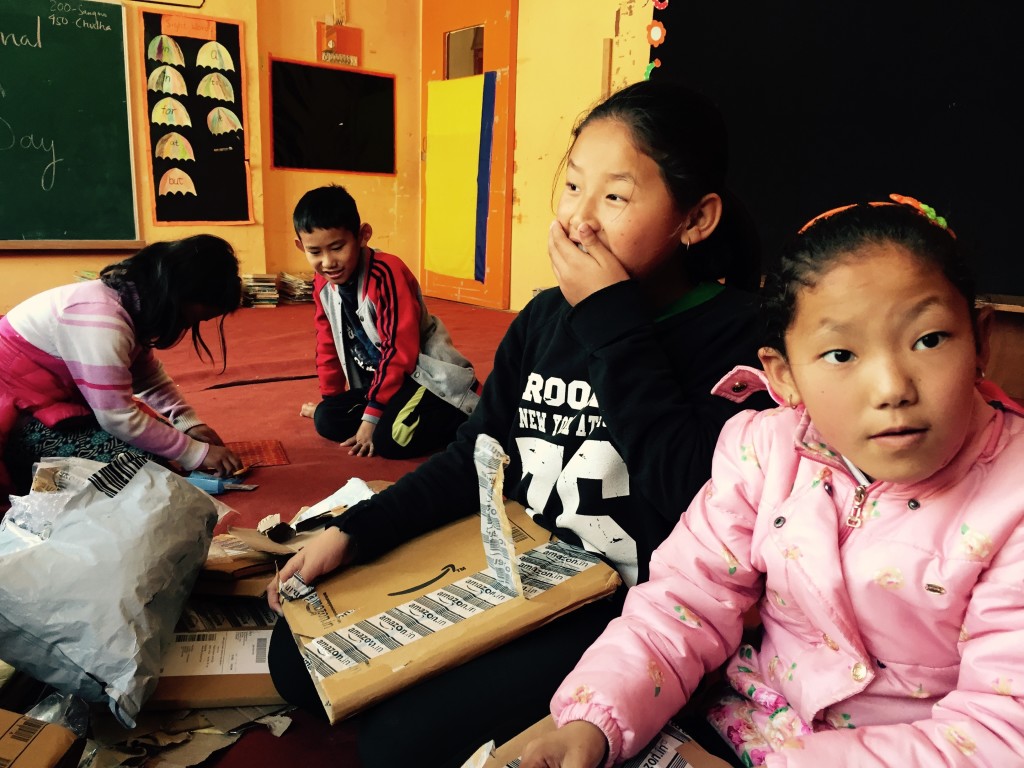
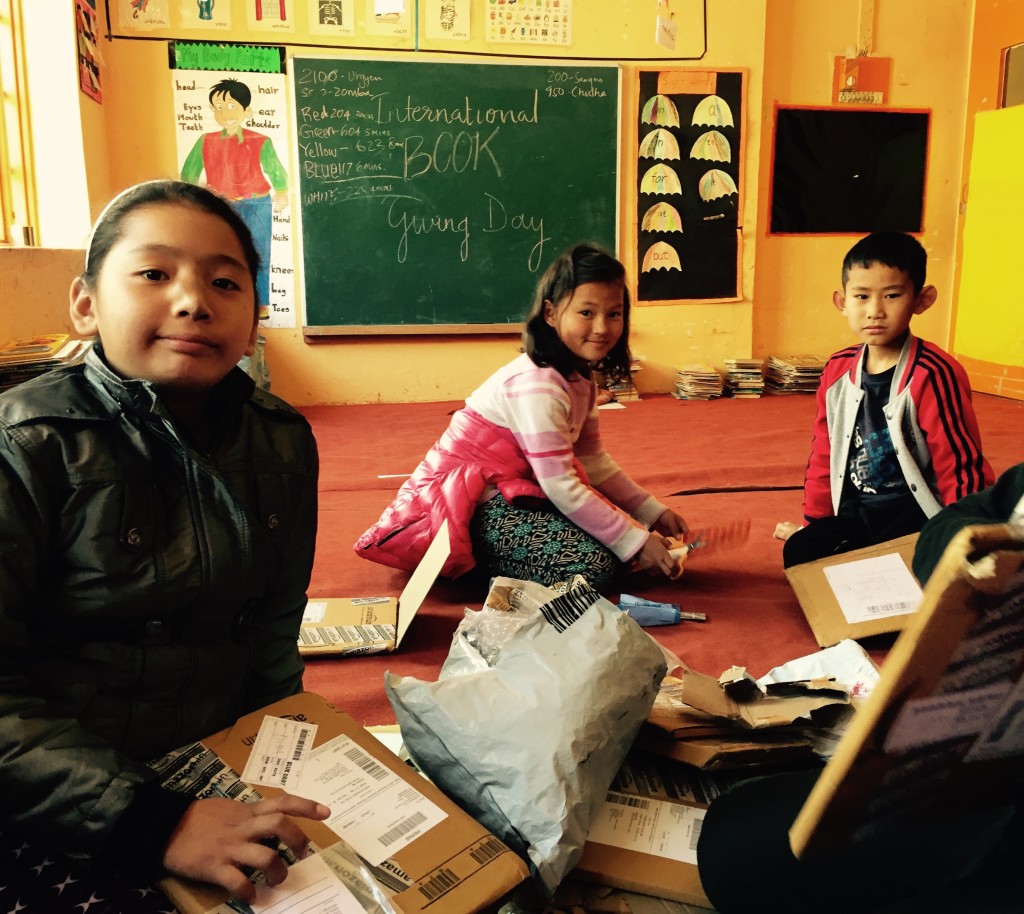
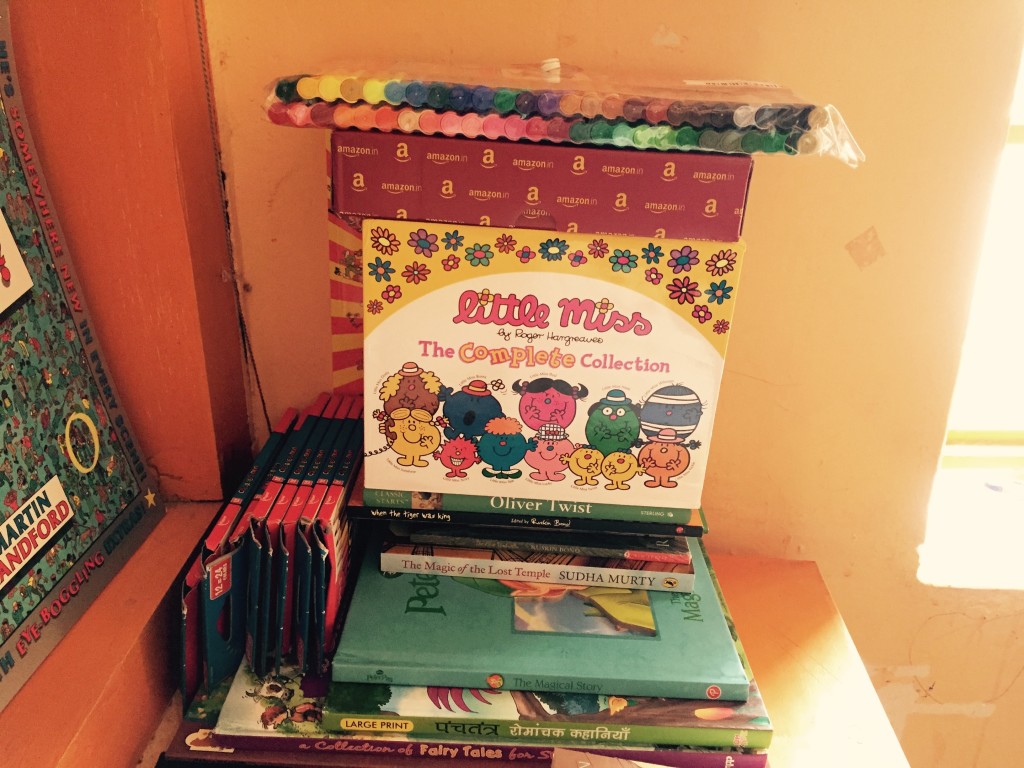
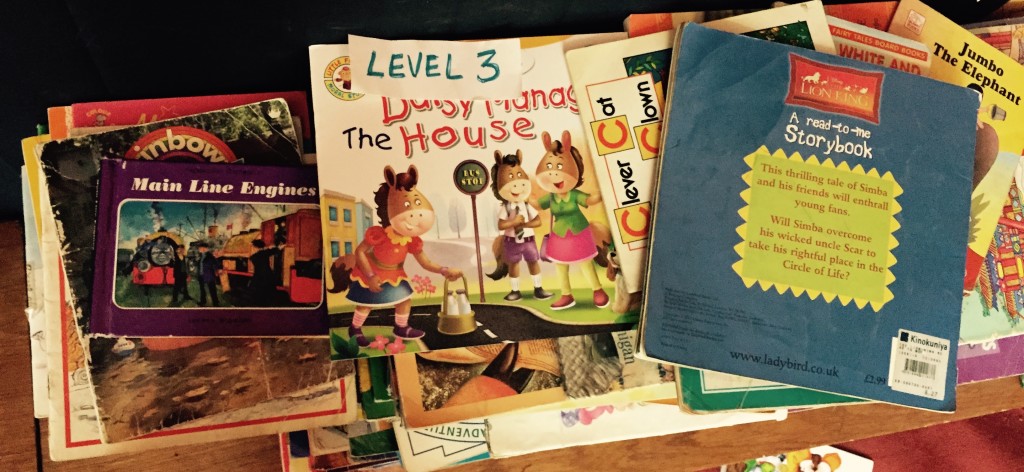
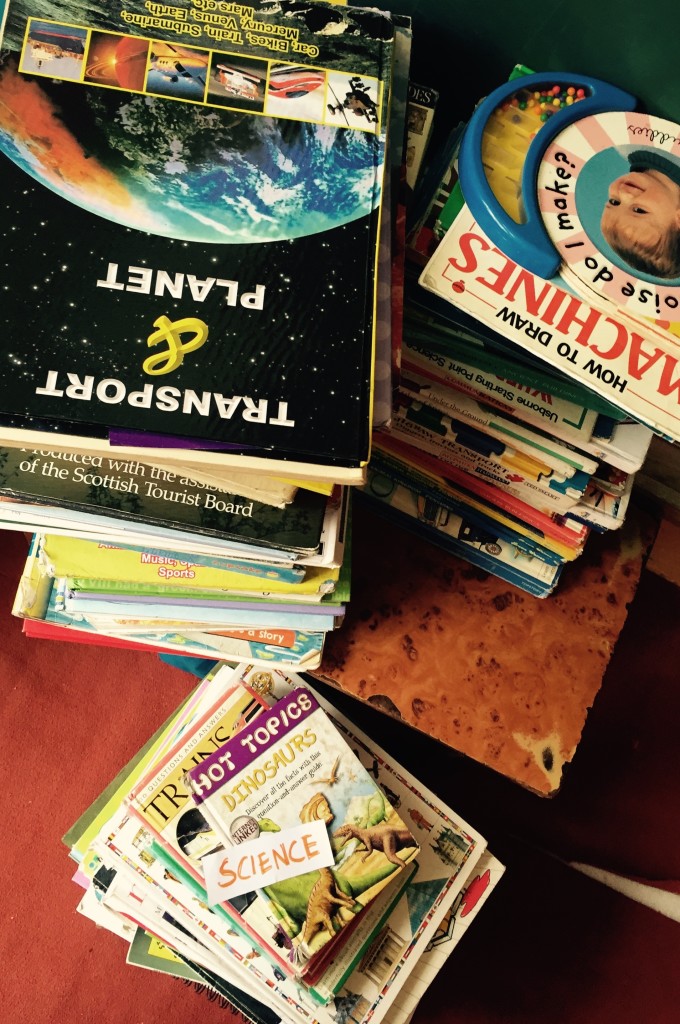
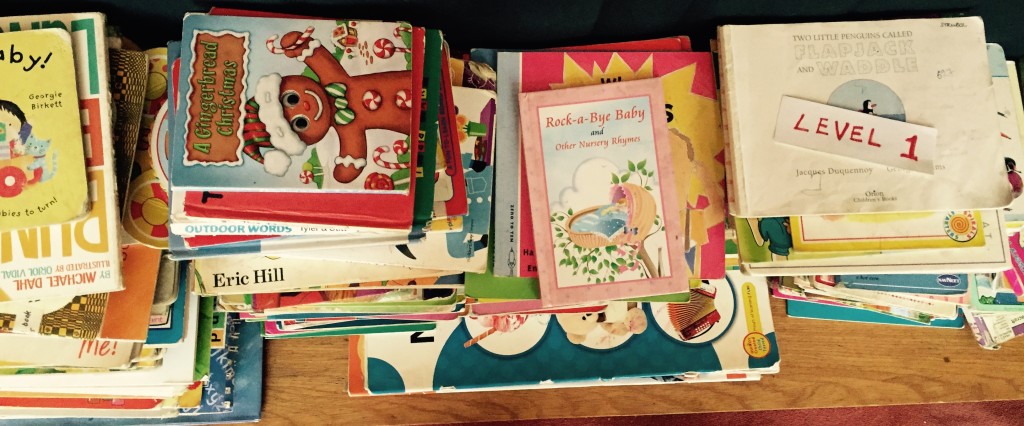
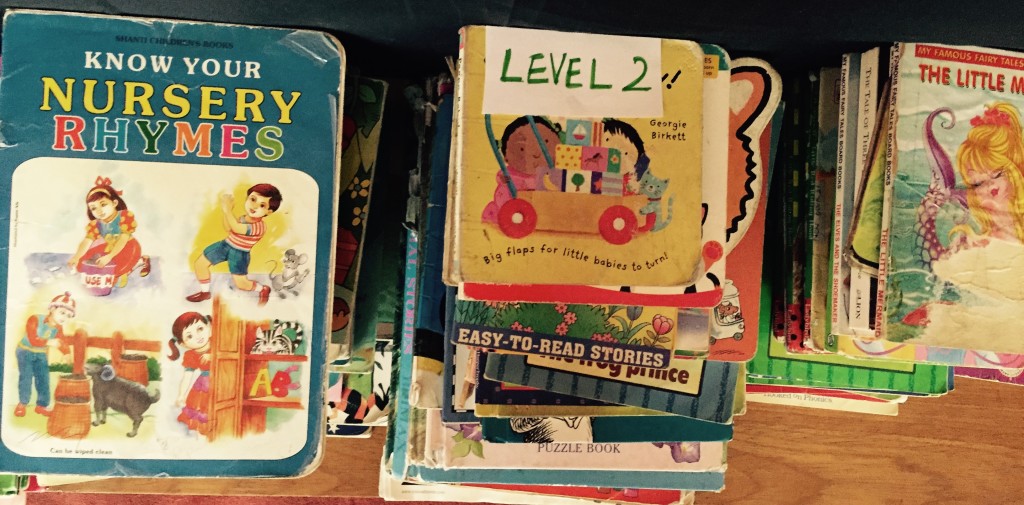
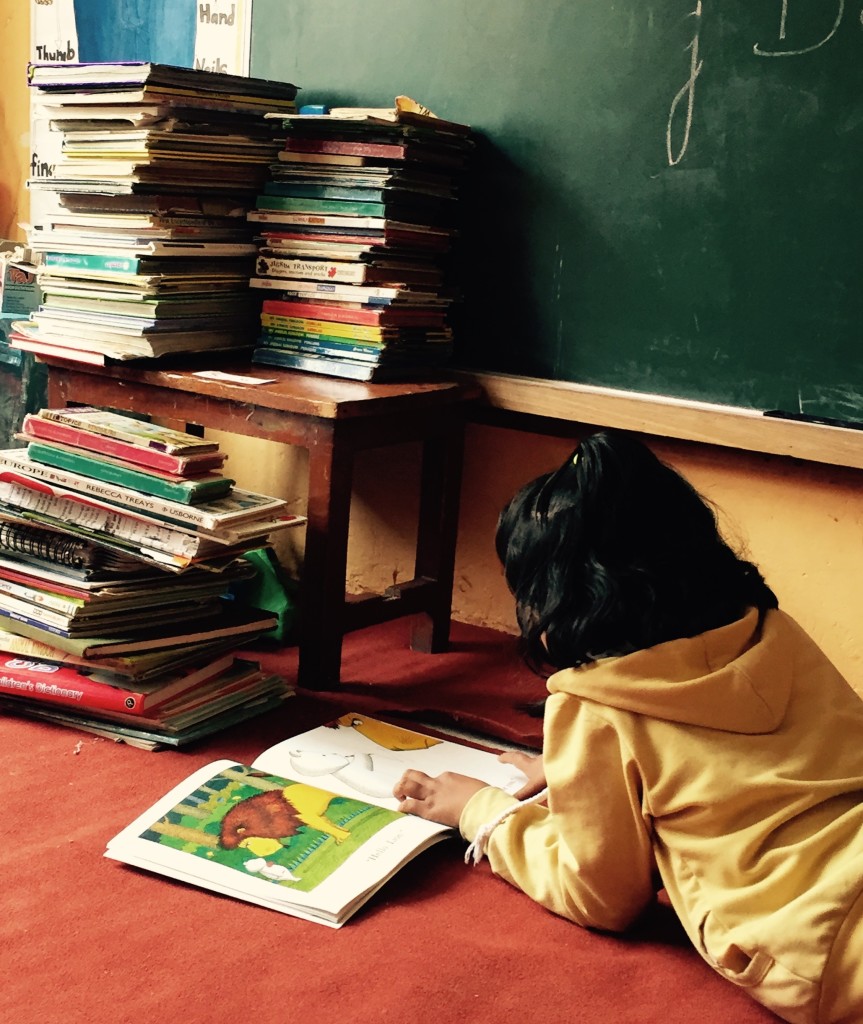
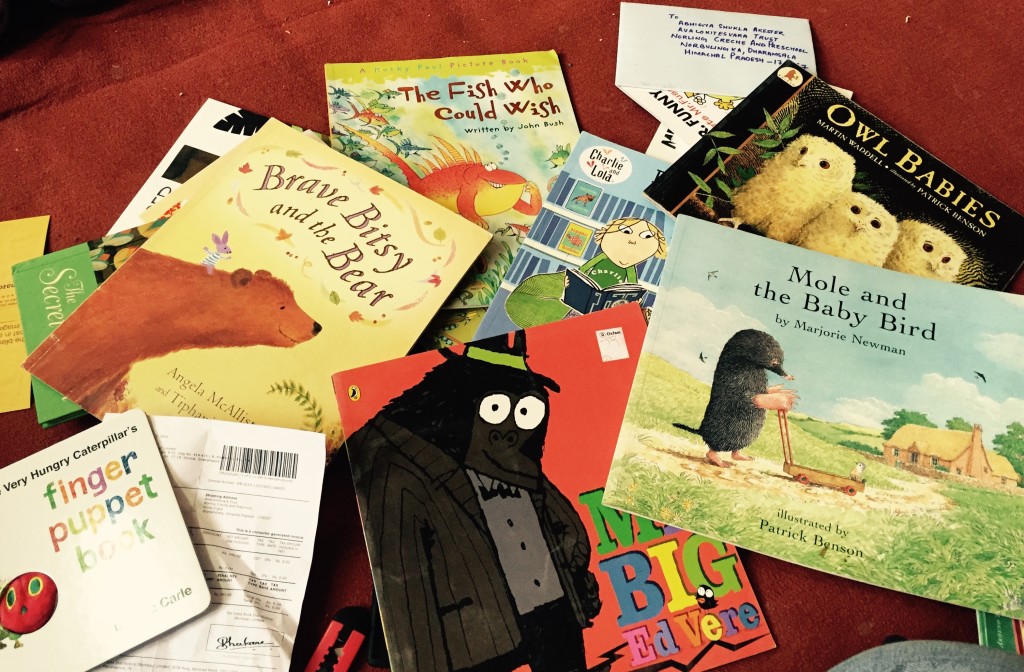
The journey from a book drive to a child’s hands involves sorting, packing, transport and local stewardship. Volunteers can record titles, remove duplicates and separate books by age before shipment. Clear labels help a receiving team place science resources where they can be found quickly instead of leaving them in unopened cartons.
Community knowledge should guide the final selection. A local teacher or reading-room coordinator may know that children are fascinated by birds, medicinal plants, astronomy or the geology of their valley. That information is more valuable than a generic assumption about what children “need”. Books become powerful when they meet existing interests and invite deeper questions.
Australian supporters looking for practical examples of community-led library fundraising can explore library book-drive ideas while planning a local collection. The principle is simple: ask people for high-quality, relevant books, explain where they will go and make it easy to contribute responsibly.
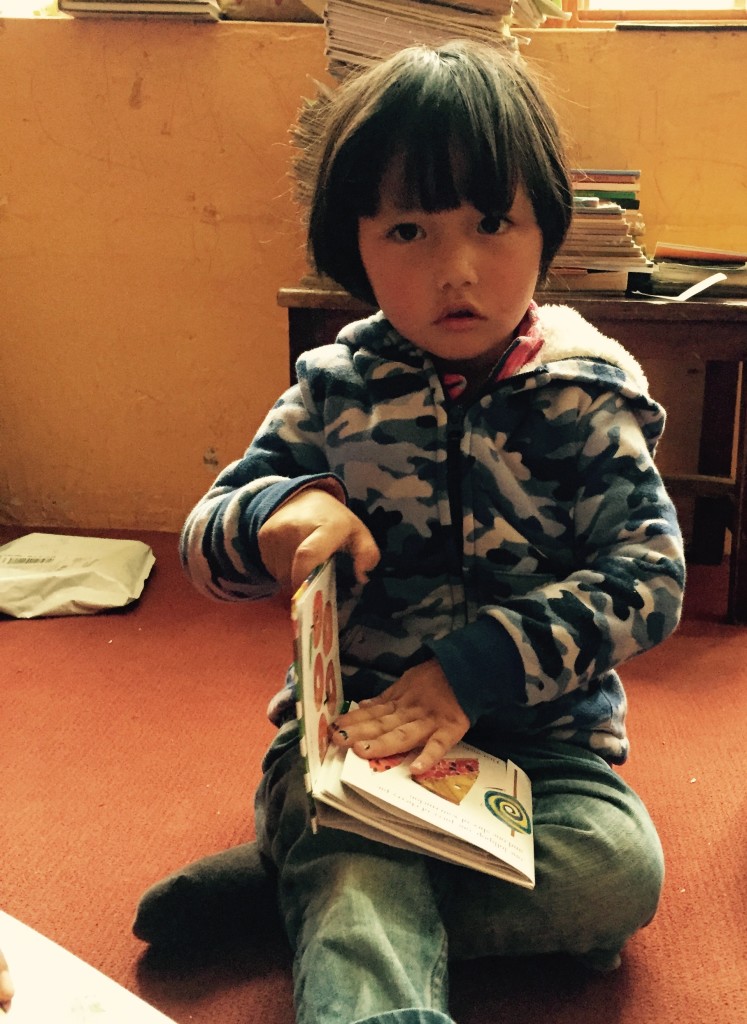
Once books arrive, their influence grows through repeated use. A young monk may discover a diagram of the Moon, ask why its shape changes and bring the question to a group session. Another child may read about insects, observe a moth near the doorway and begin keeping a small sketchbook. These moments show why offline science books are more than substitutes for digital media: they are durable invitations to notice, wonder and learn.
The next practical step is to assemble a small, carefully checked box of science books, grouped by age and subject, for a reading-room collection serving children in the Himalayan region.