Cataloging Books by Hand in a Remote Himalayan Library
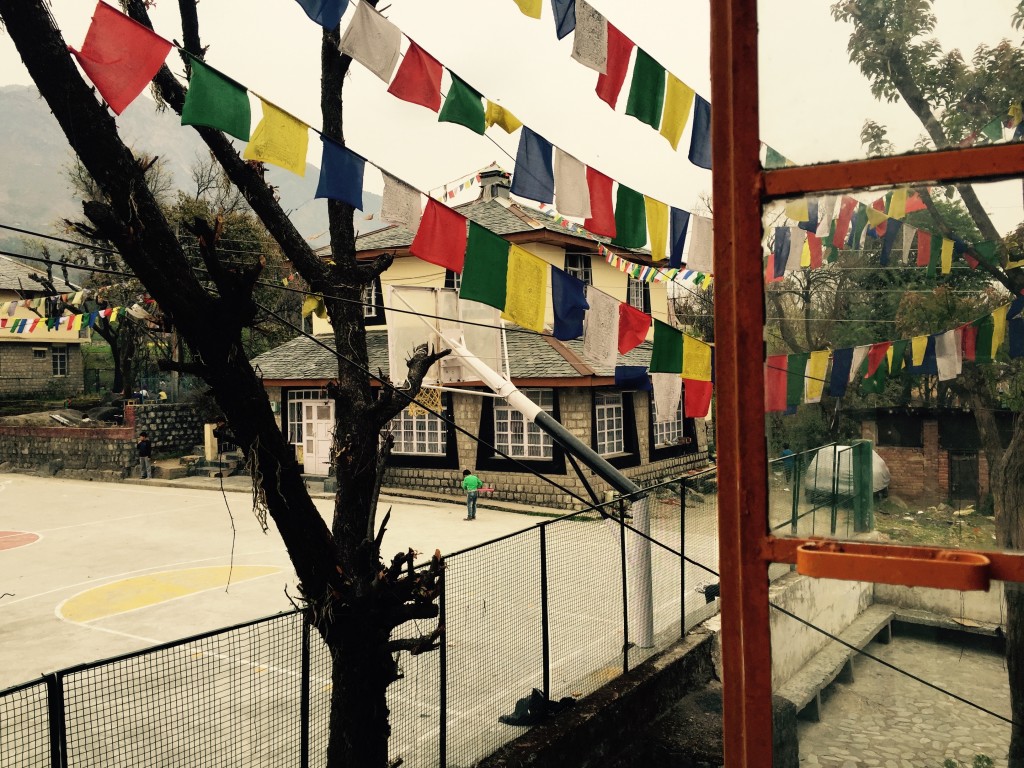
The wind off the Indus valley carries more than dust in the early morning. It moves through the prayer flags strung outside the reading room, slips past hand-painted signs, and settles on the spines of donated paperbacks waiting to be processed. In small monastic libraries scattered across Ladakh and Zanskar, cataloging is not a digital click but a slow, deliberate ritual that binds a community to its books. Volunteers who arrive expecting computer screens and barcode scanners soon discover that a pencil, a rubber stamp, and a stack of index cards can carry the weight of an entire literary inheritance.
The work resembles what librarians in nineteenth-century Sydney or Melbourne once performed, long before the Dewey Decimal system migrated online. It also echoes the grassroots cataloging efforts still alive in some of Australia's most isolated reading rooms, from the corrugated-iron library at Birdsville to the volunteer-run shelves at the Ti Tree community in the Northern Territory. Understanding how remote Himalayan librarians approach their collections reveals something about patience, preservation, and the kind of quiet dedication that rarely makes the news.
For those who have grown used to scanning QR codes at the local branch of the State Library of Victoria or borrowing e-books through the OverDrive app, the manual catalog offers a welcome recalibration. Every title must be opened, examined, and entered by hand. Mistakes cannot be corrected with a single keystroke, but neither can they vanish into a server crash that takes an entire catalog with it.
The Setting Where Mountains Meet Manuscripts
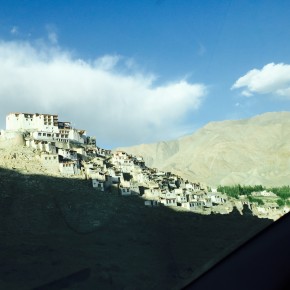
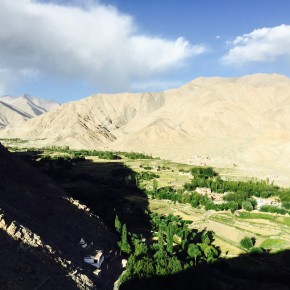
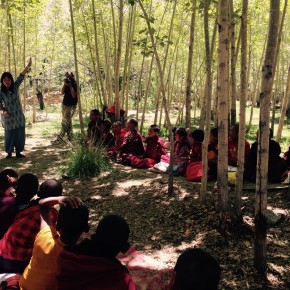
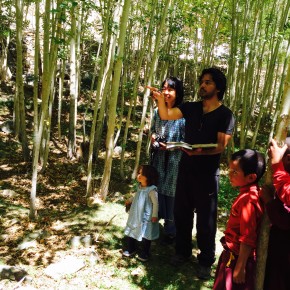
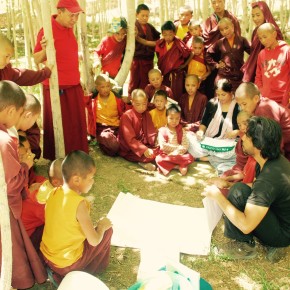
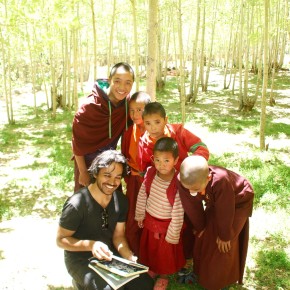
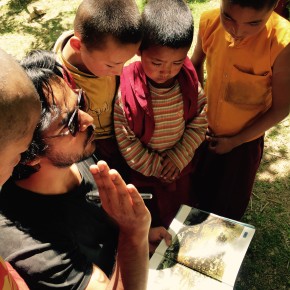
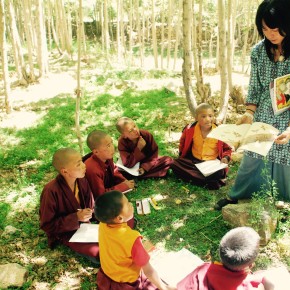
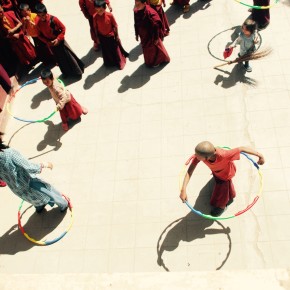
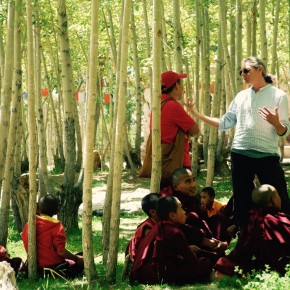
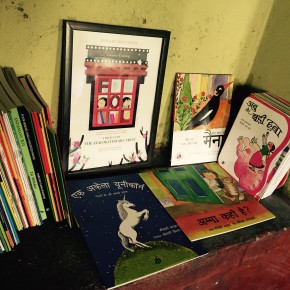
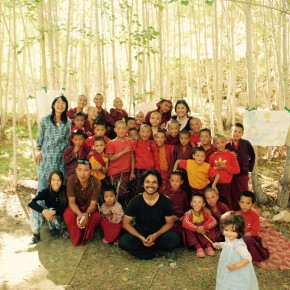
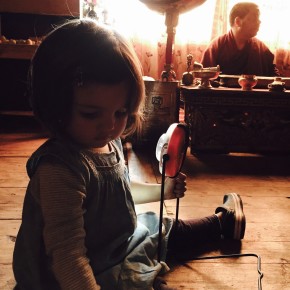
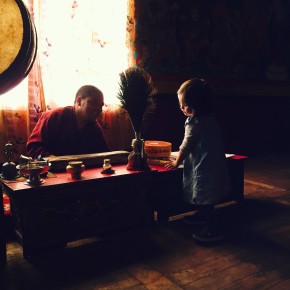
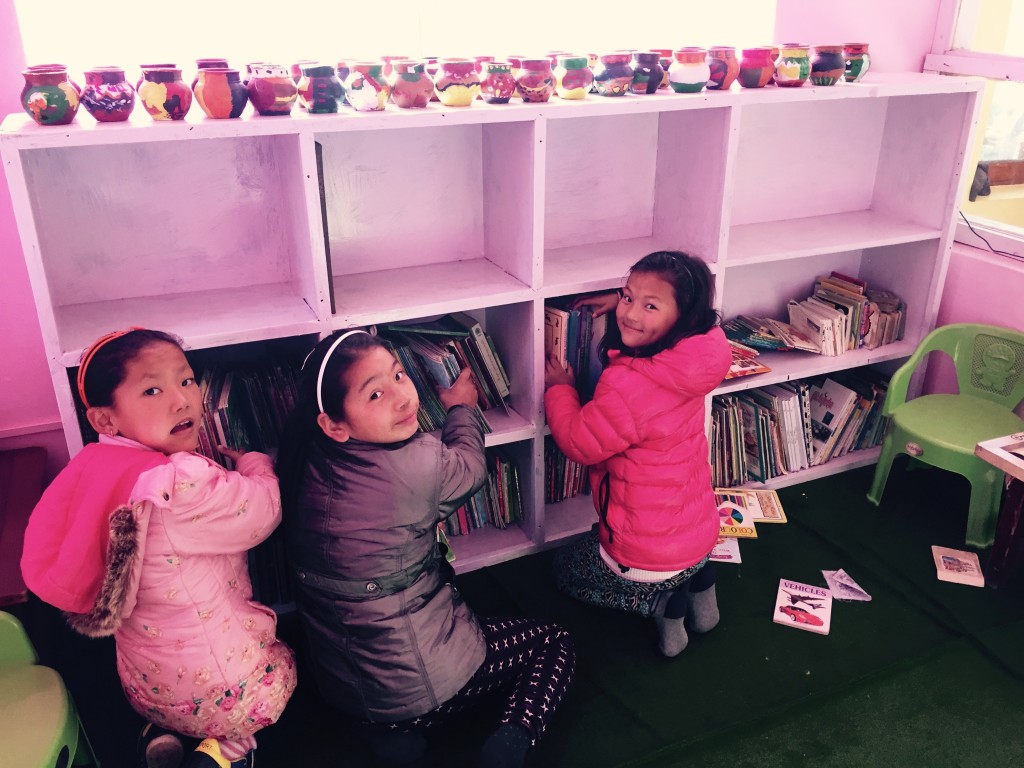
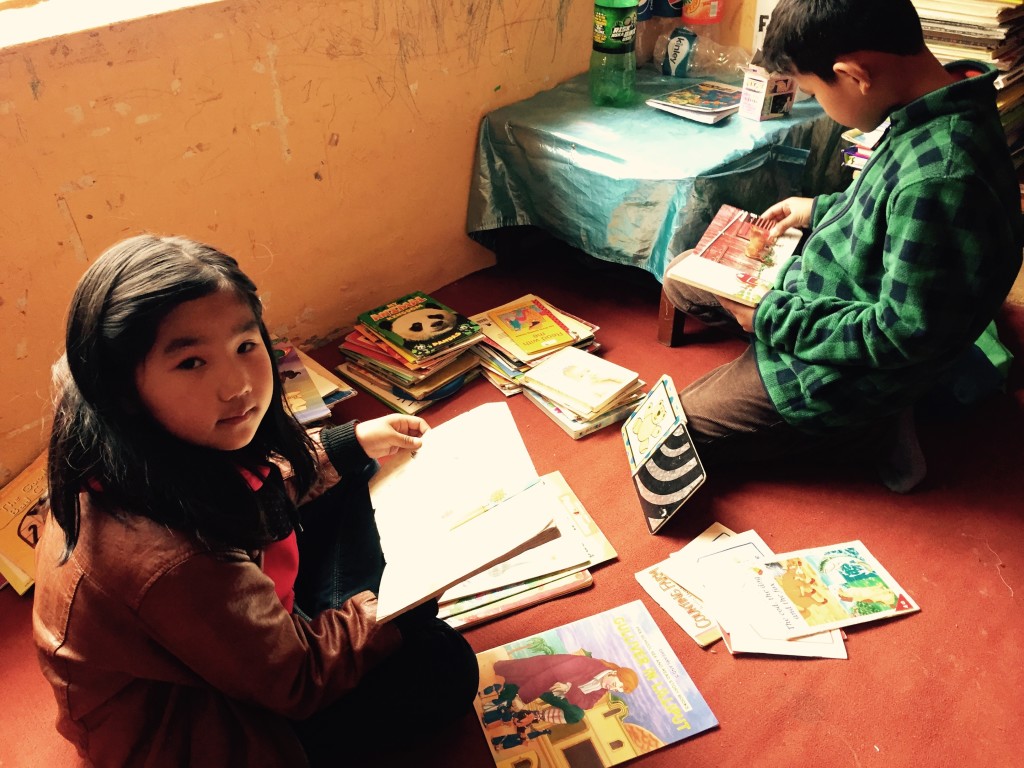
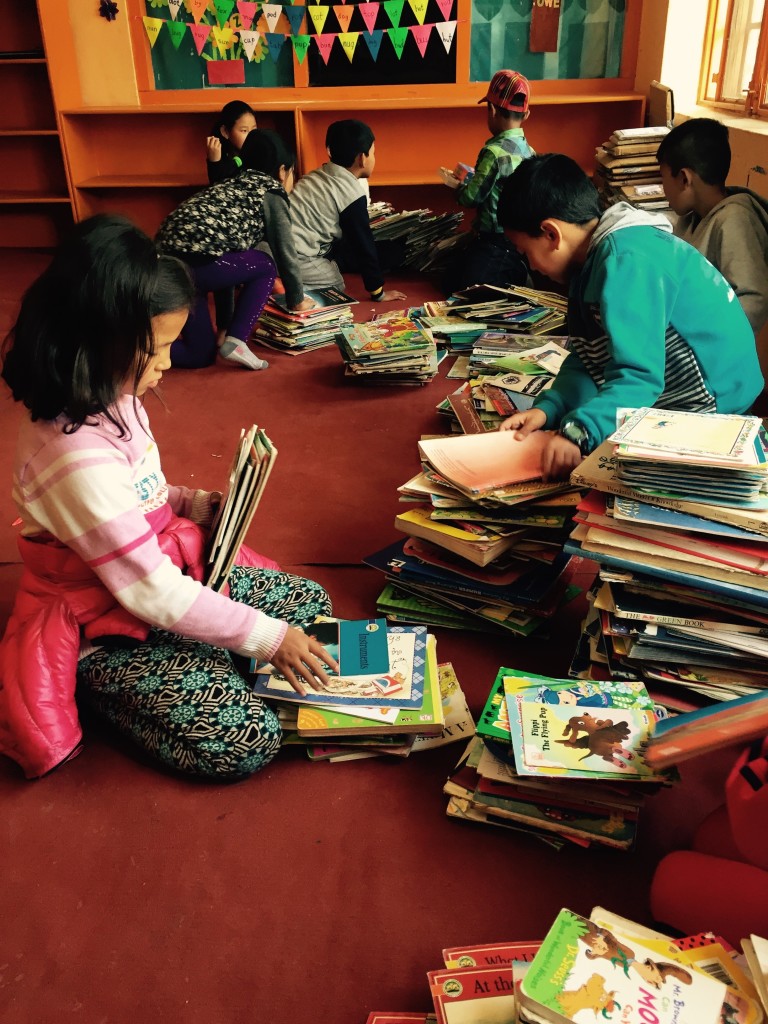
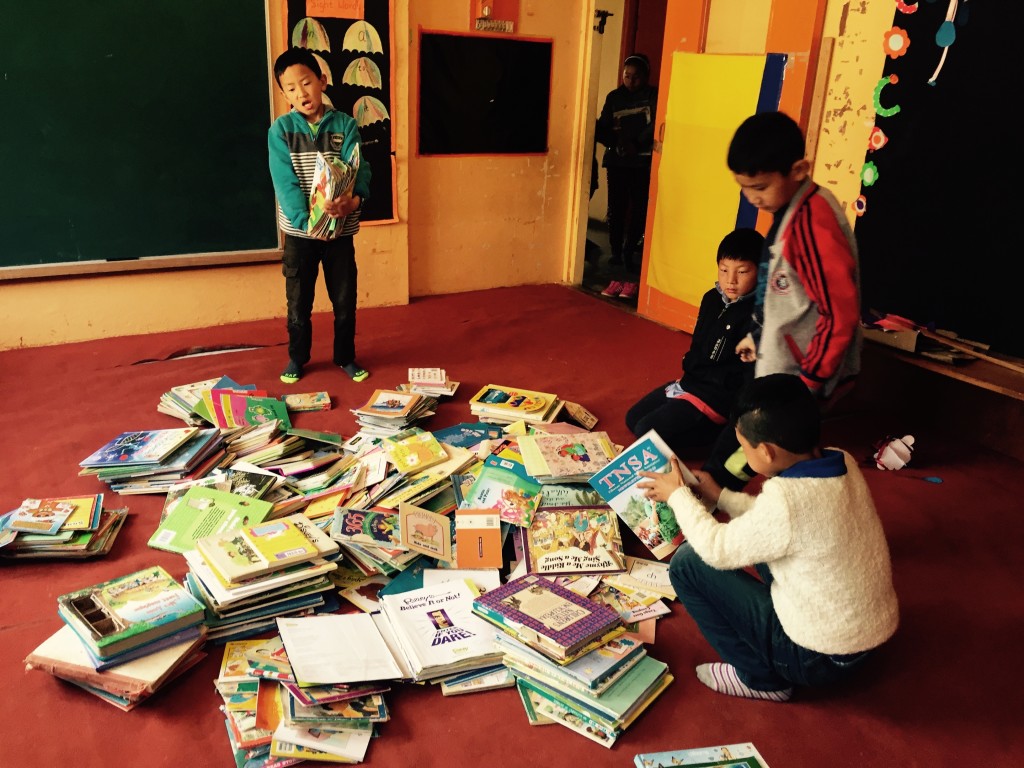
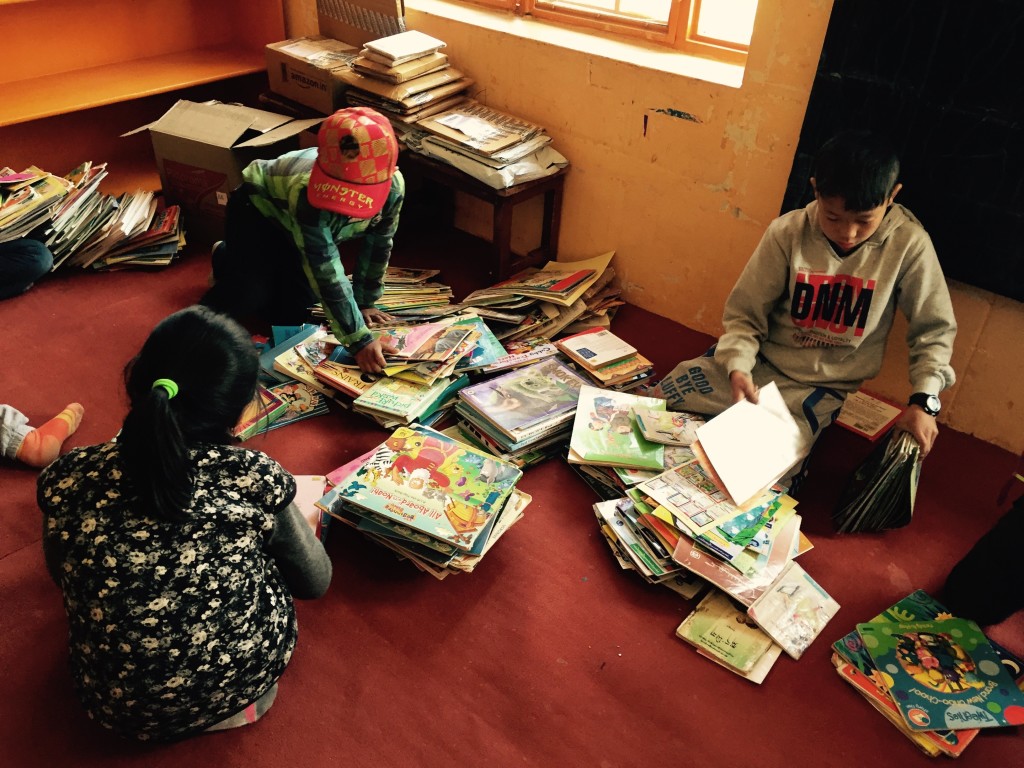
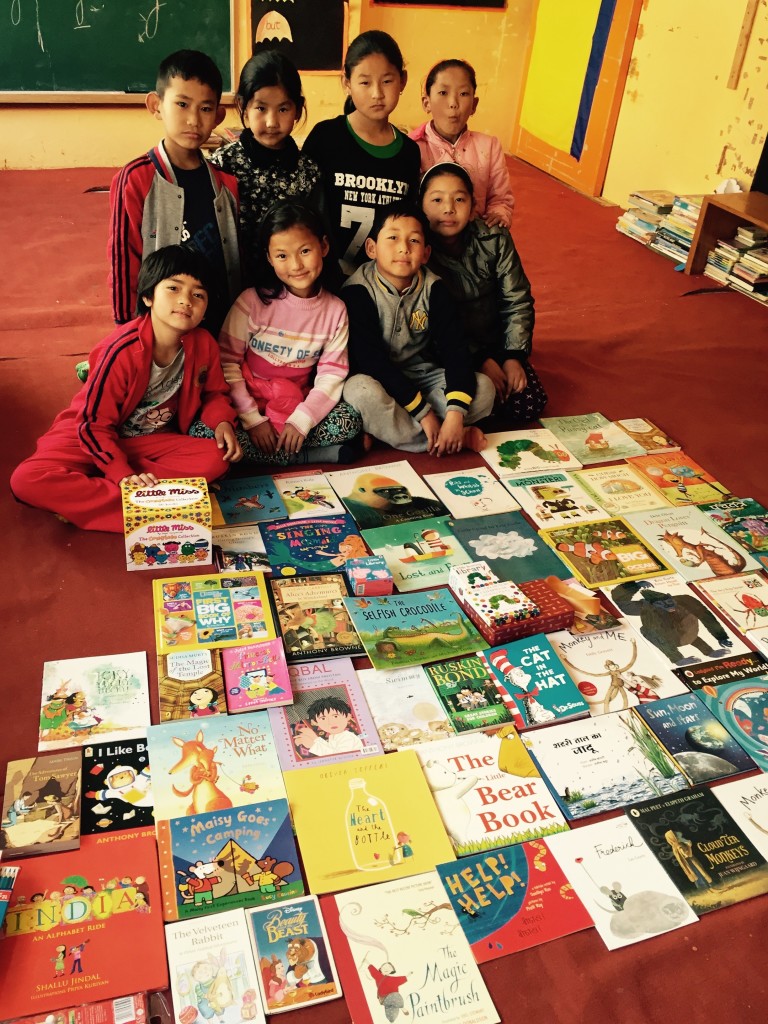
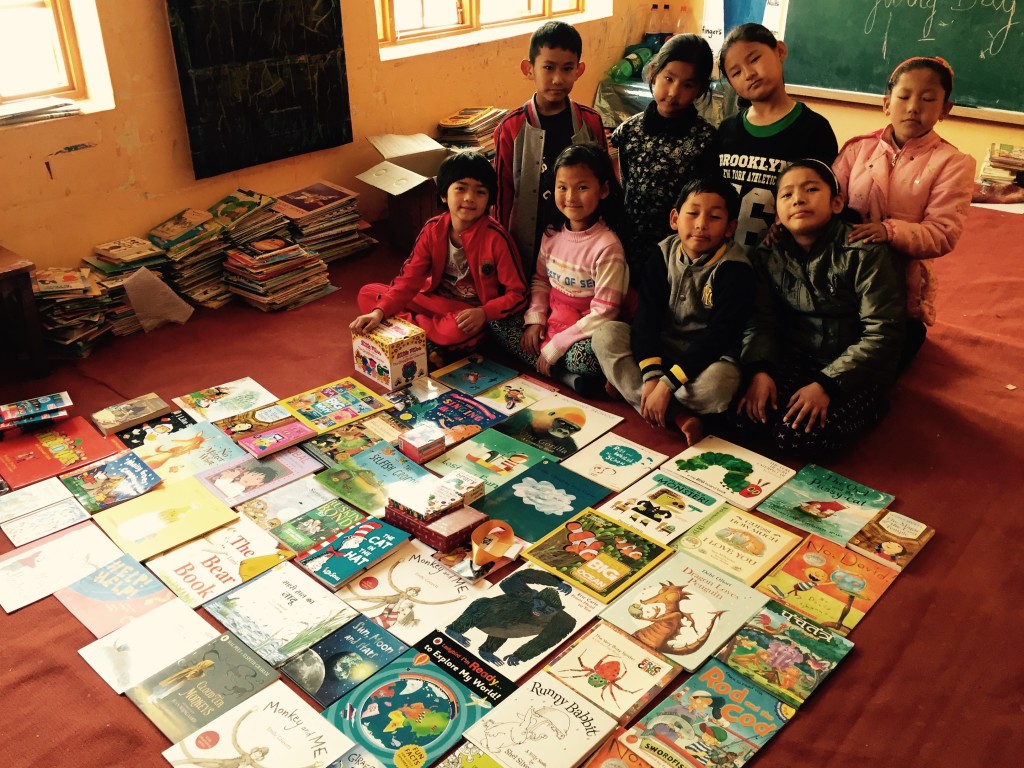
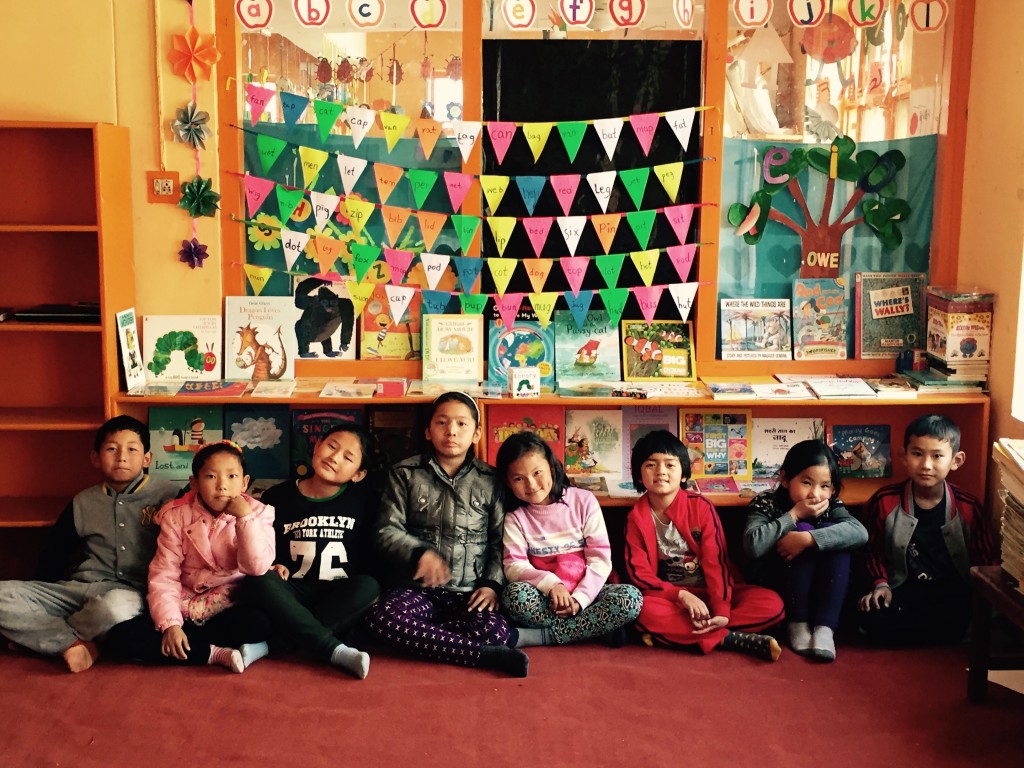
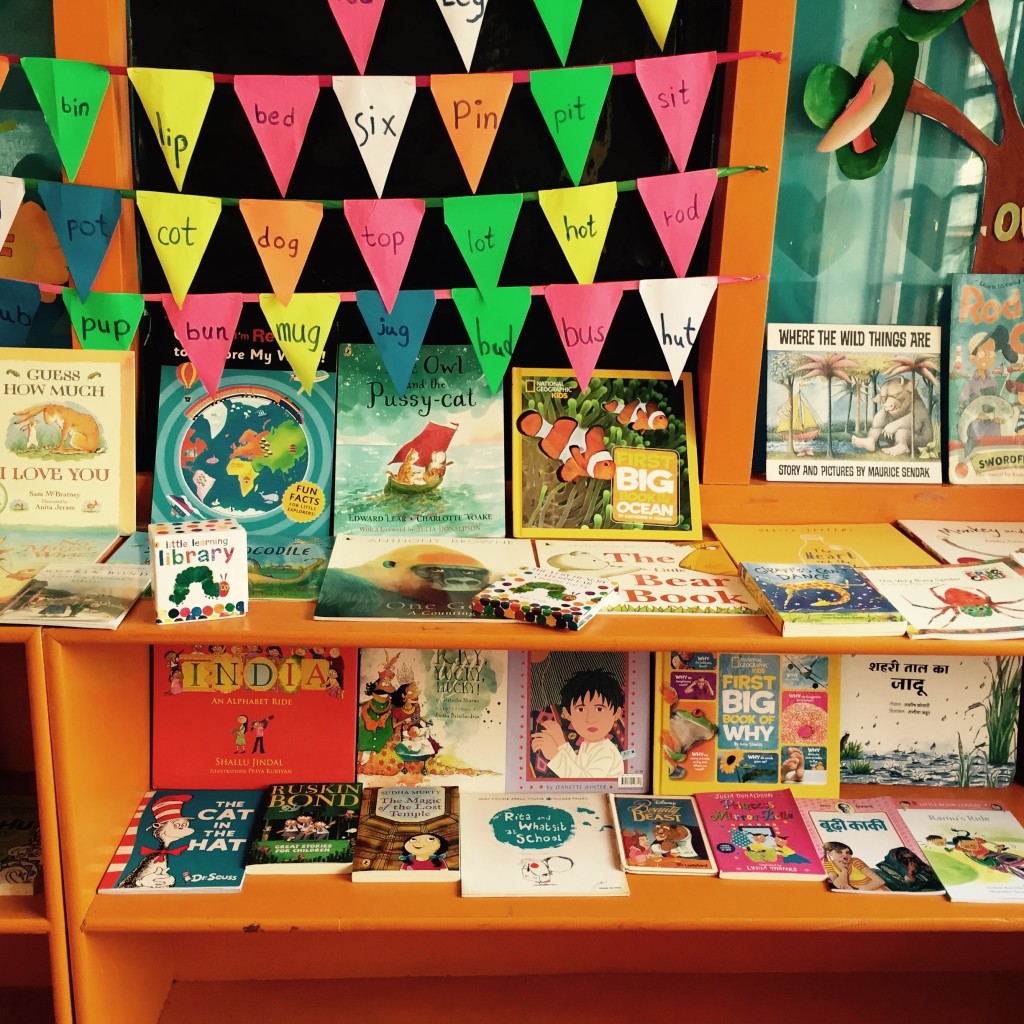
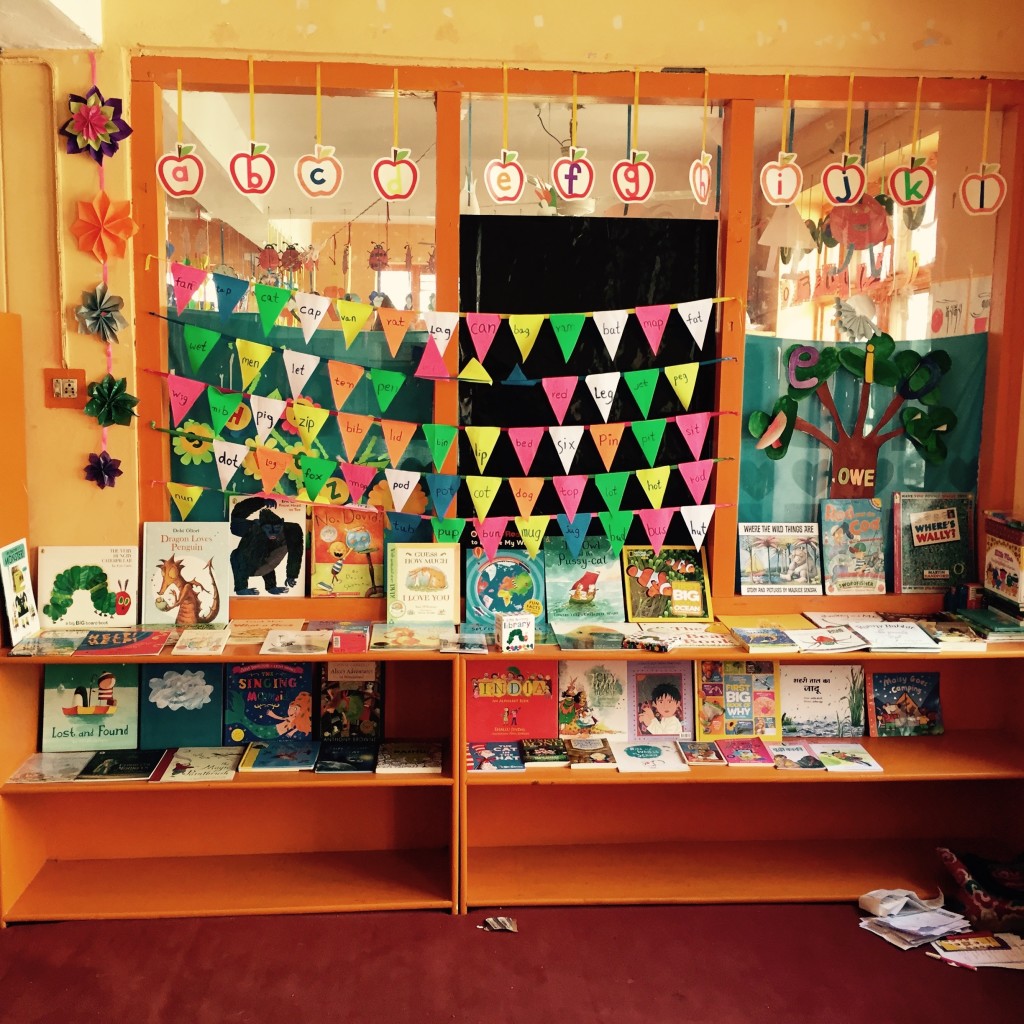
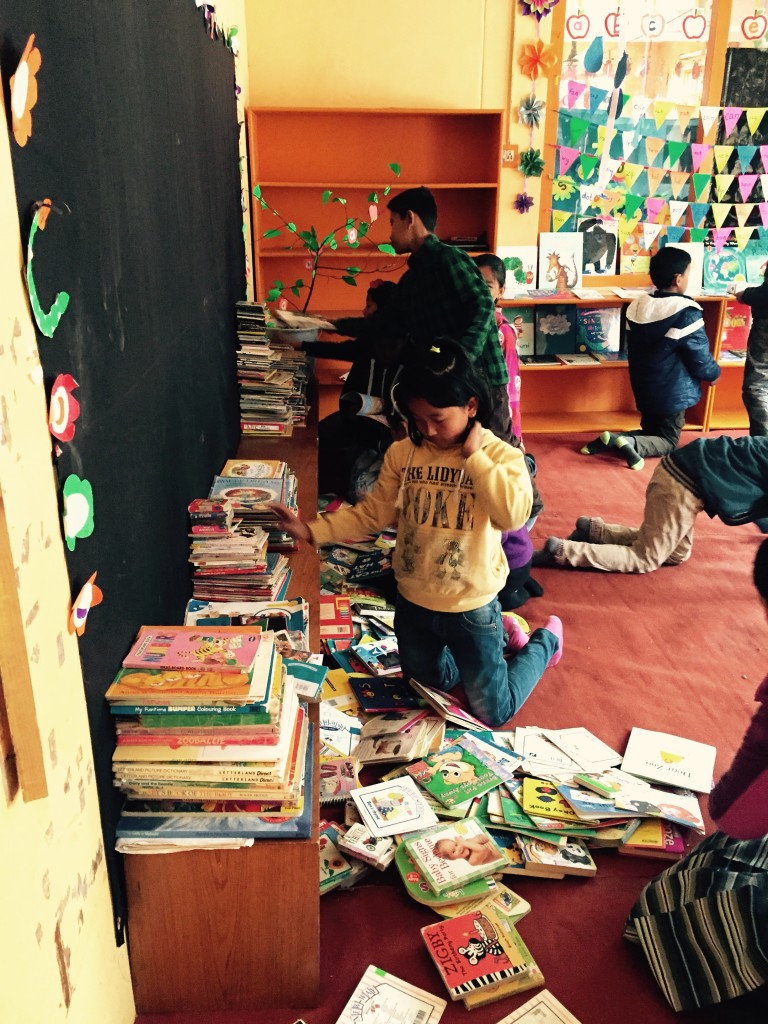
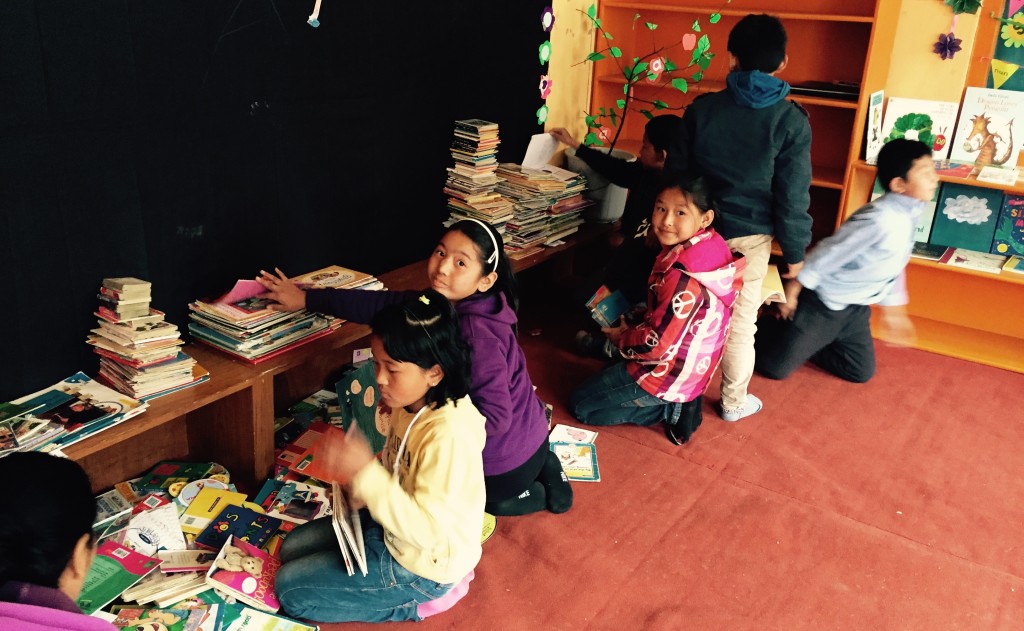
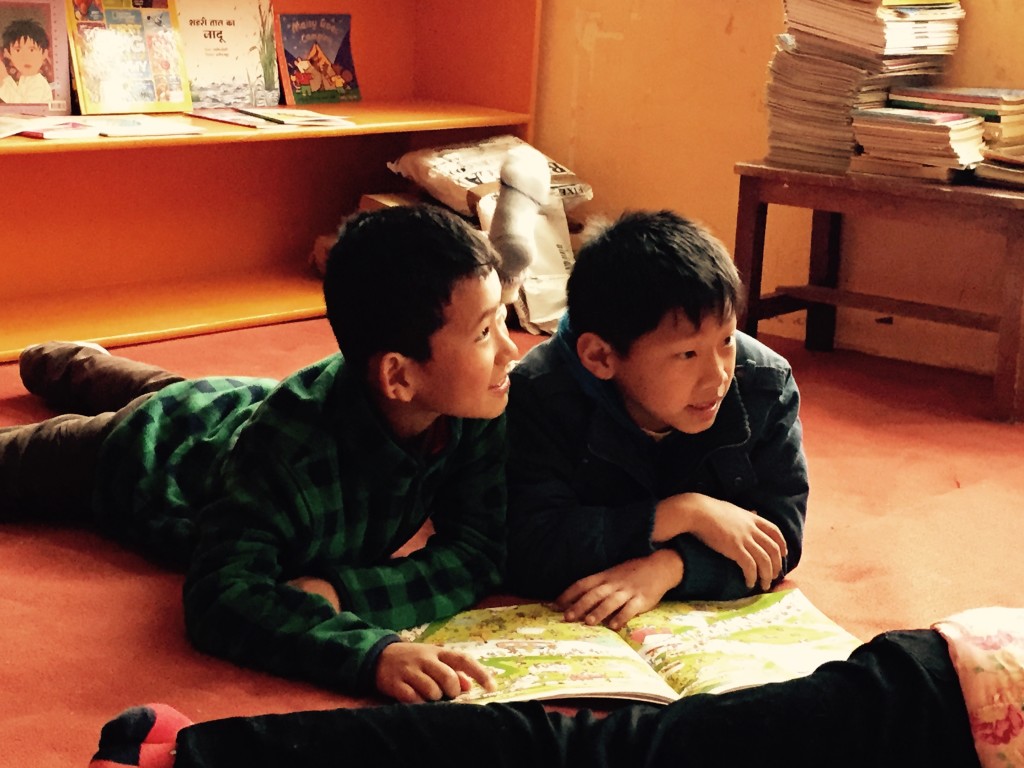
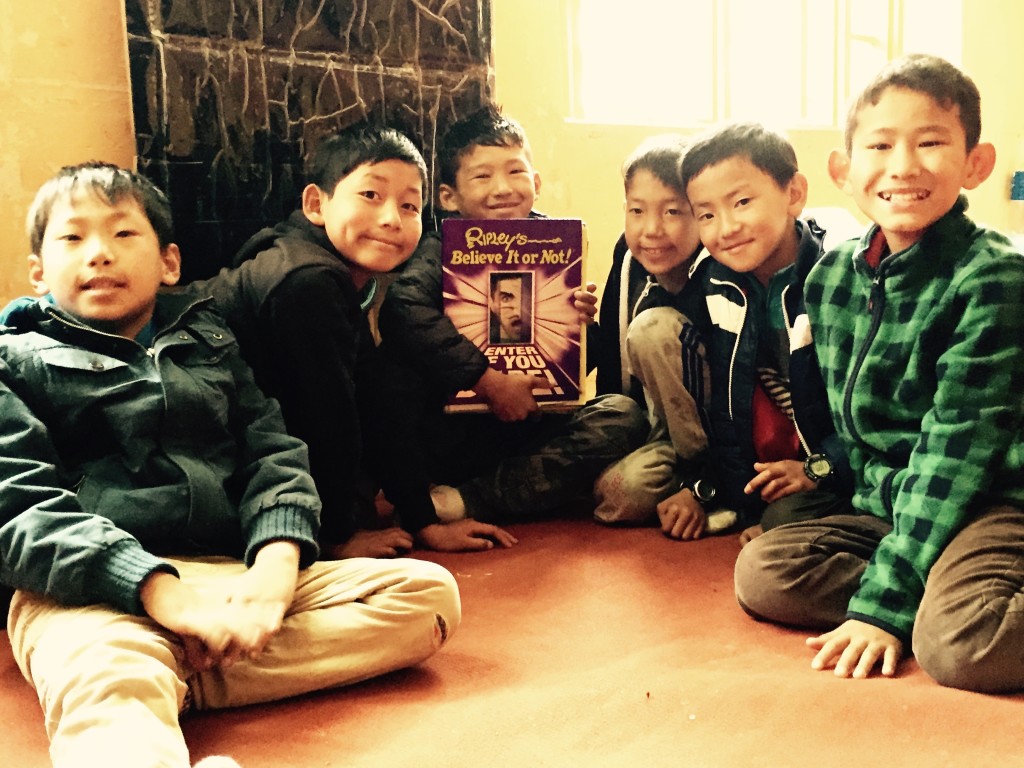
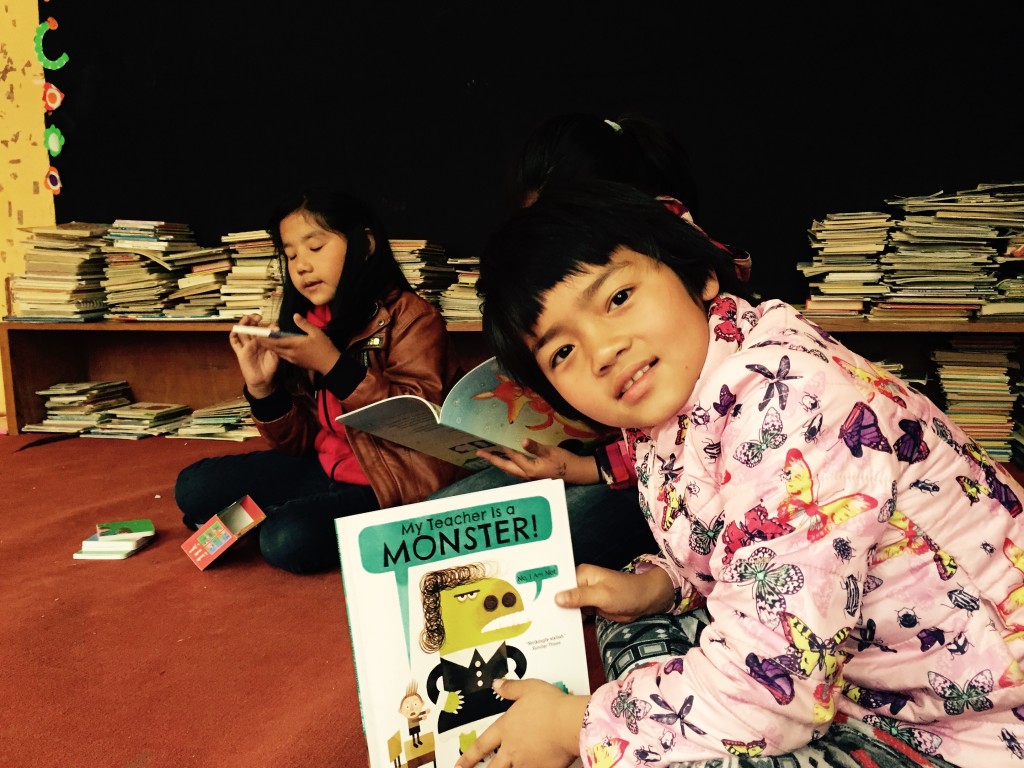
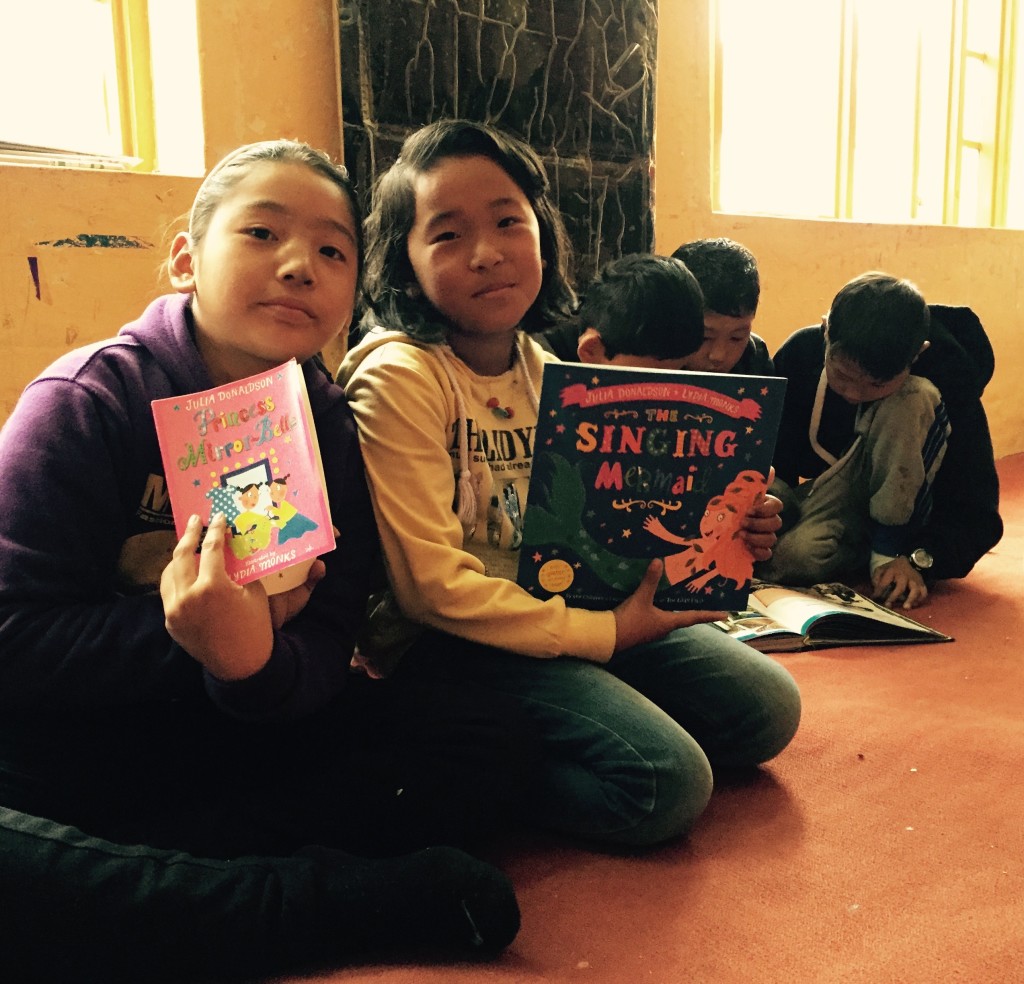
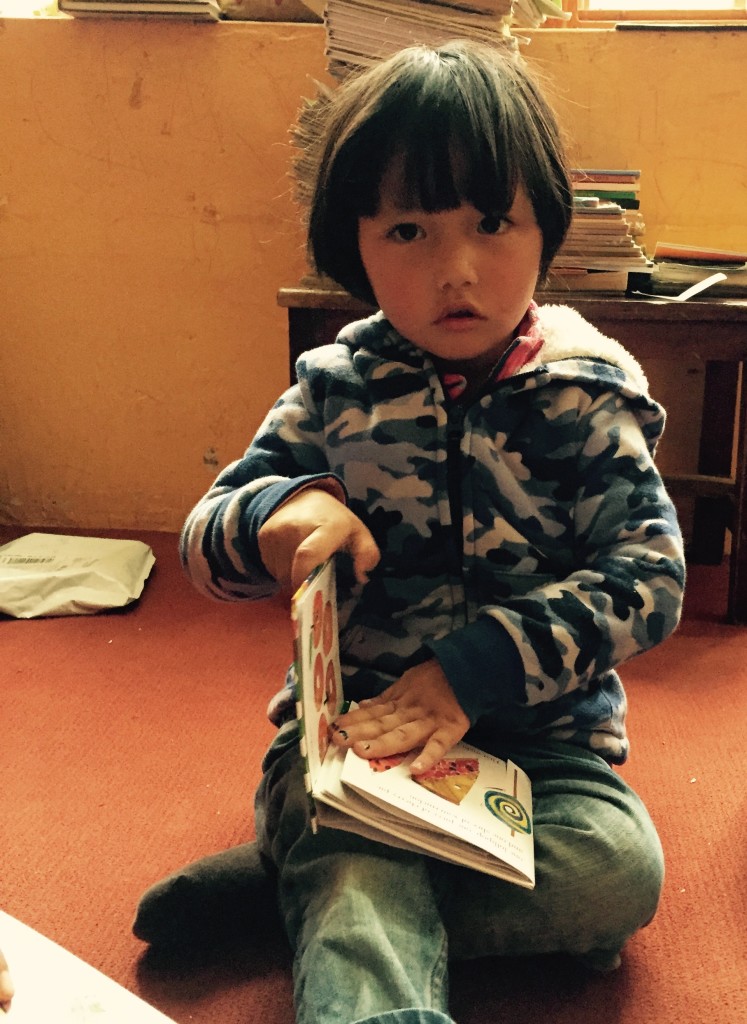
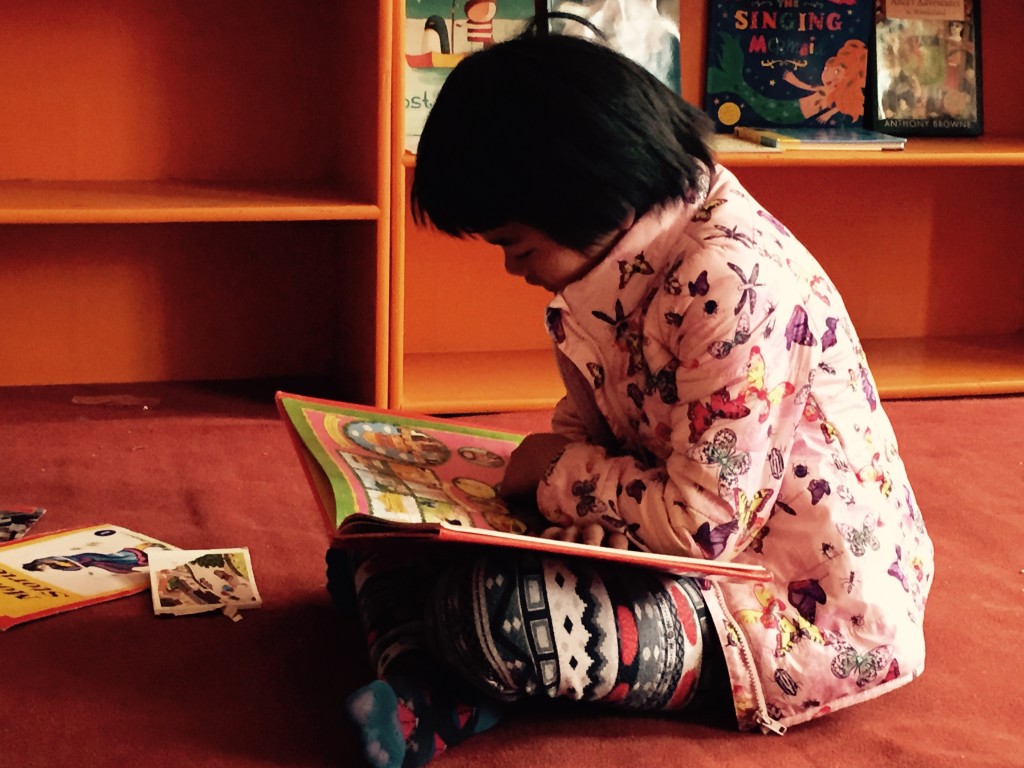
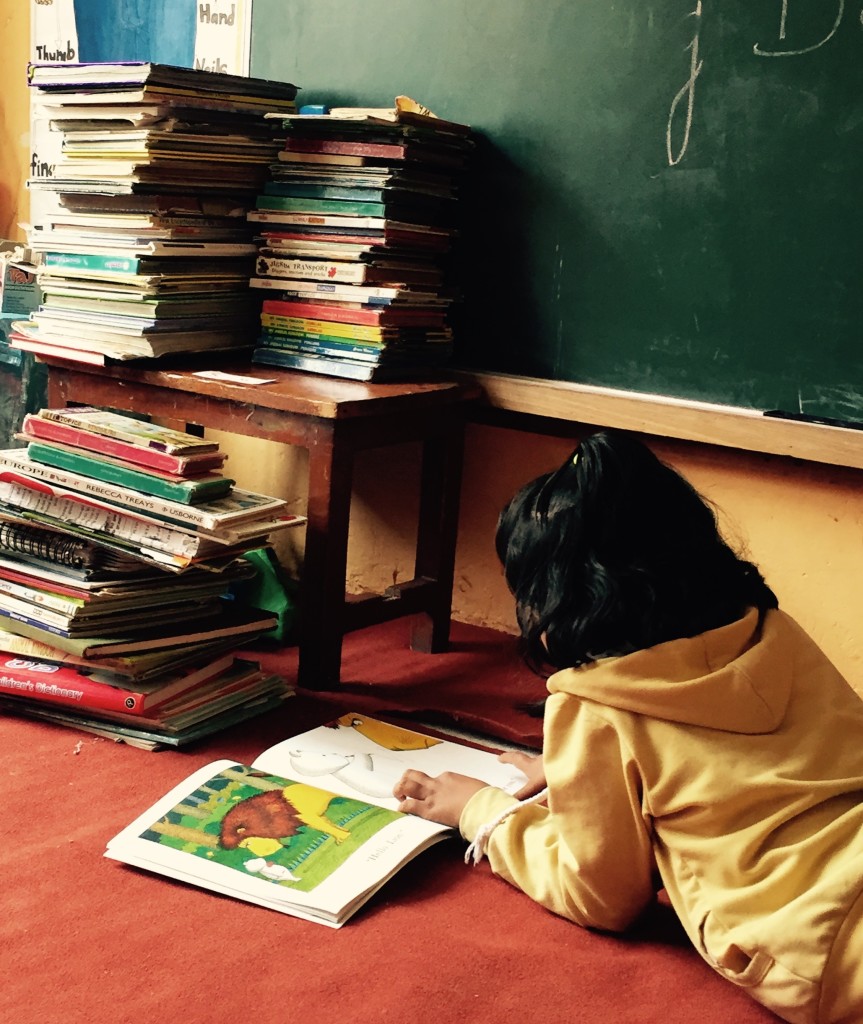
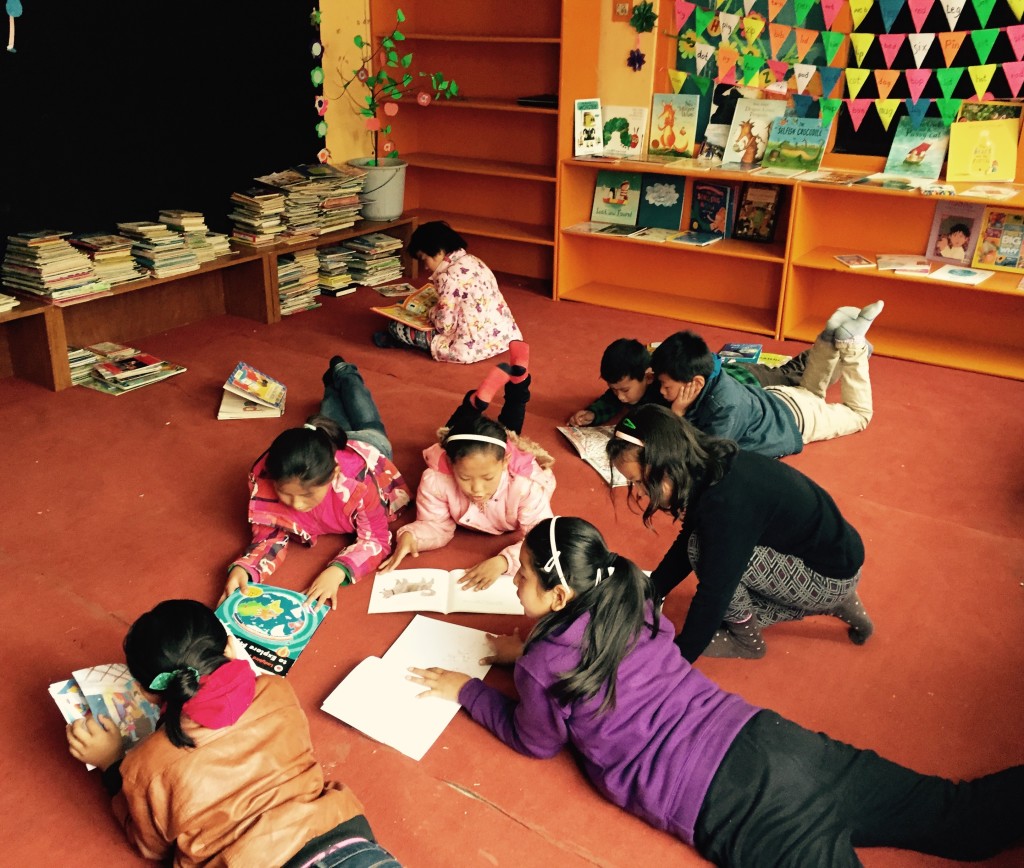
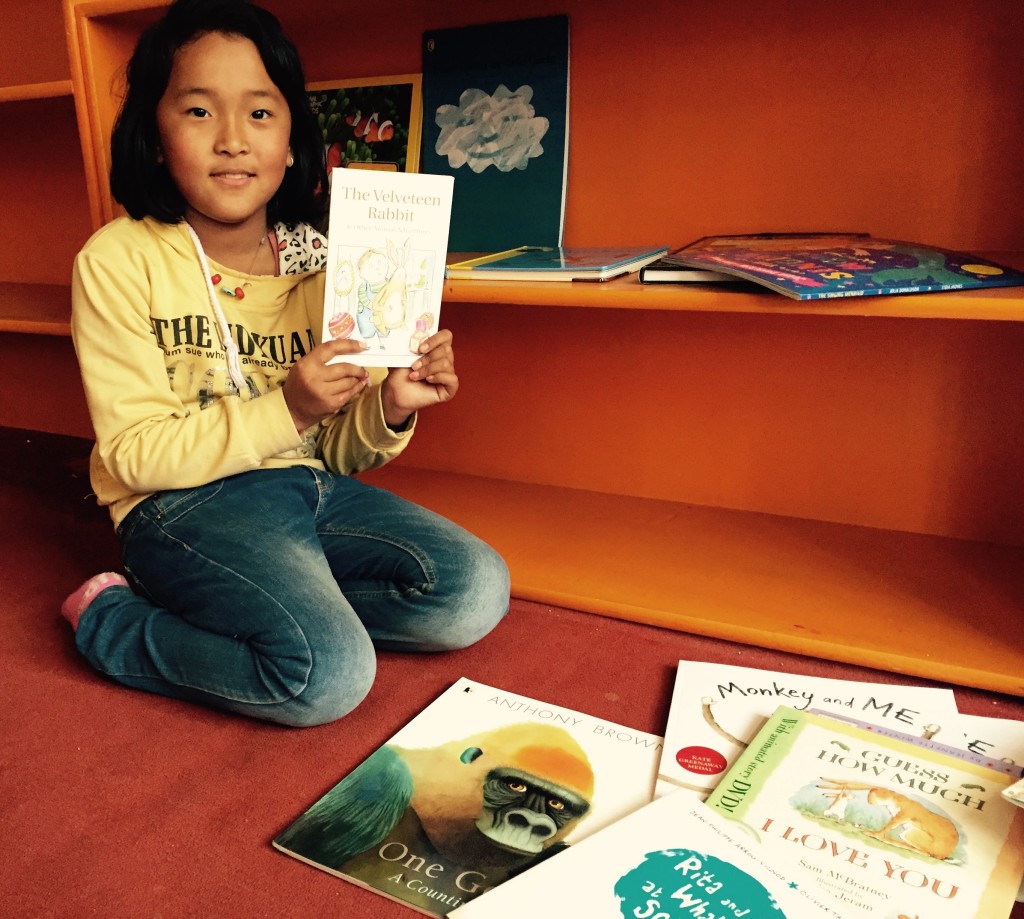
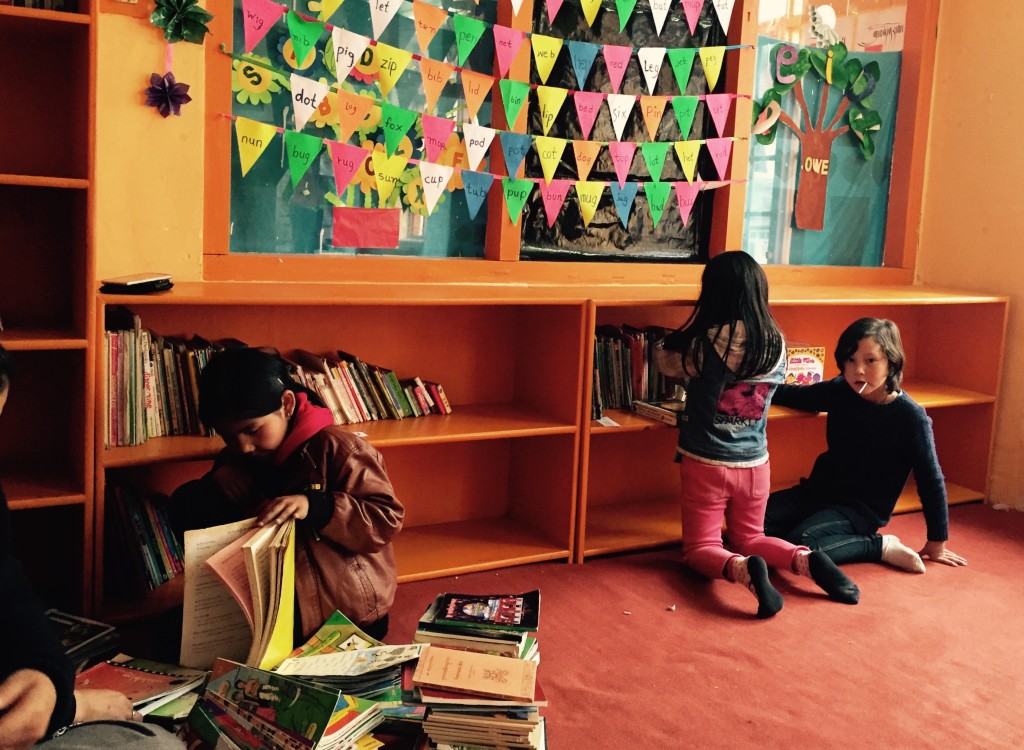
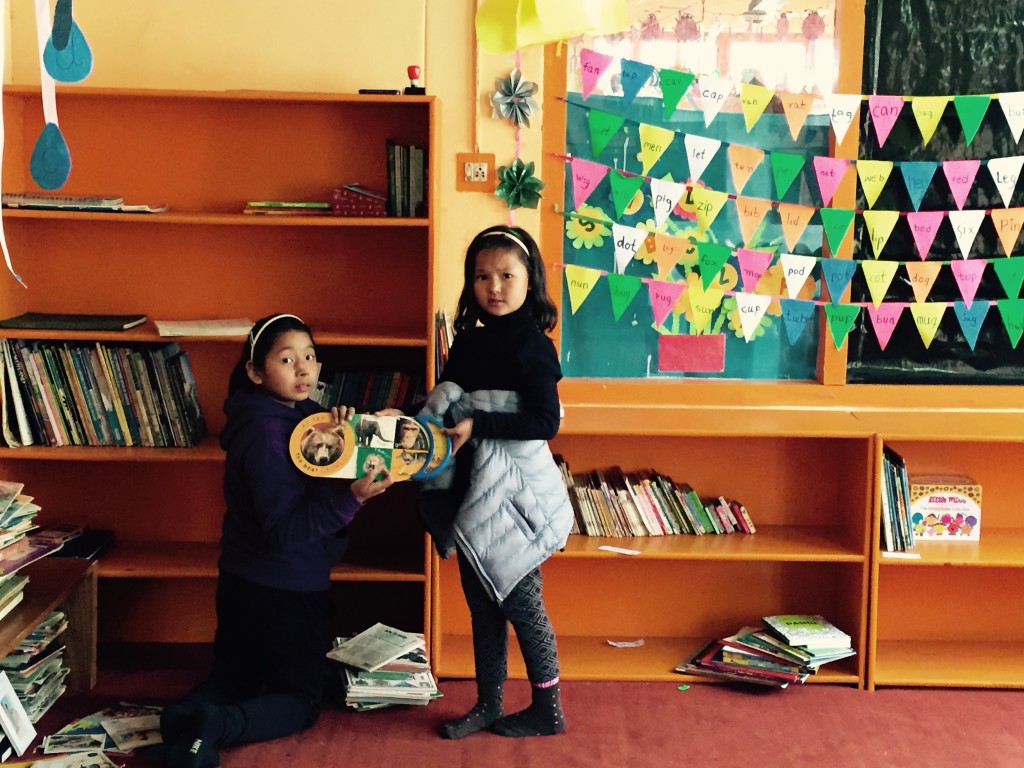
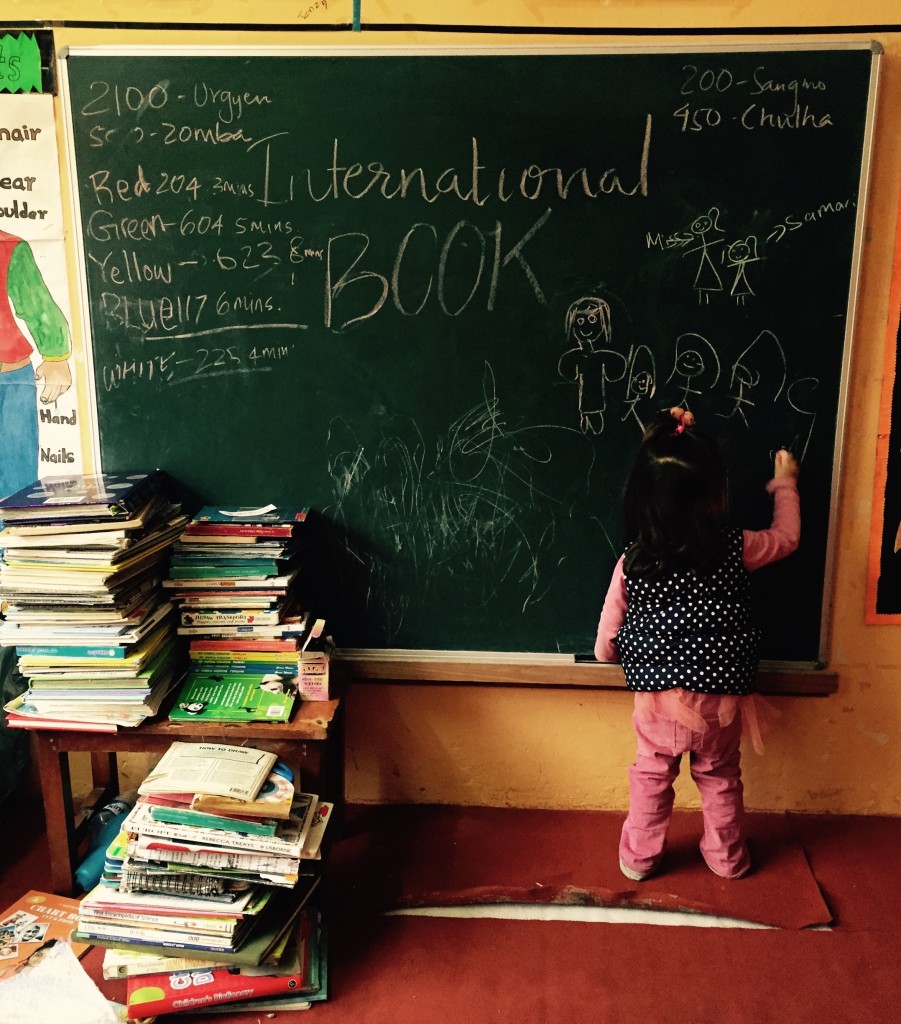
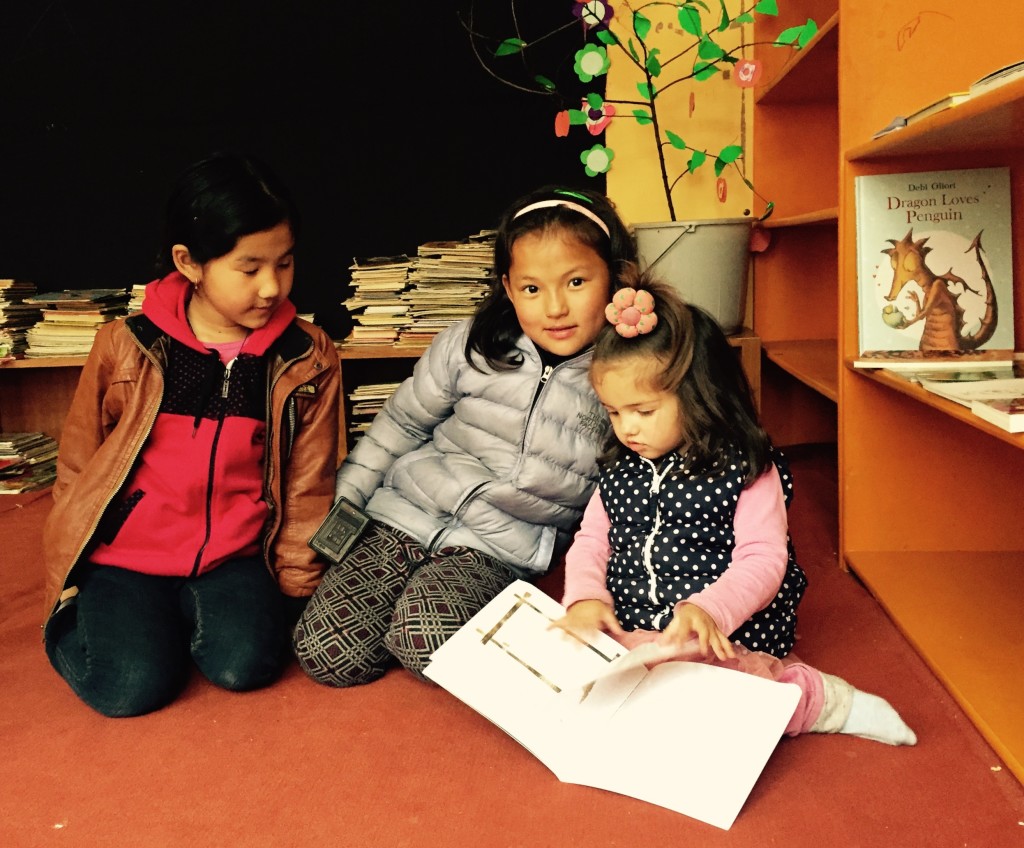
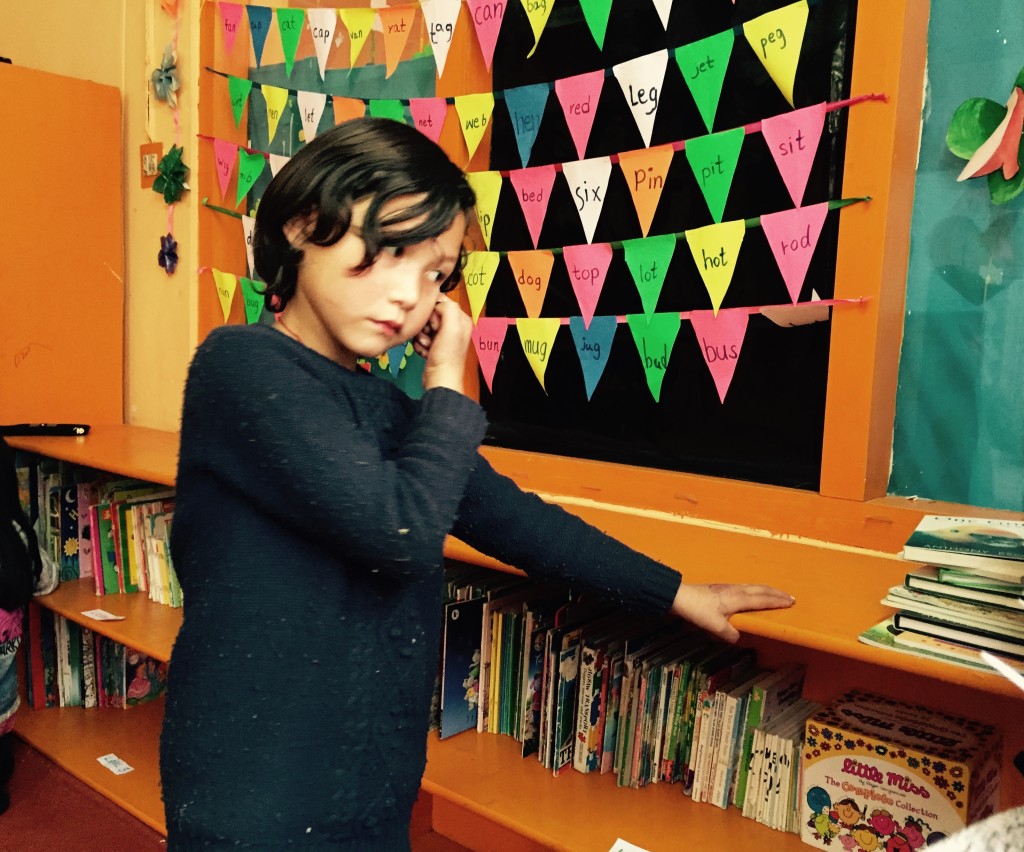
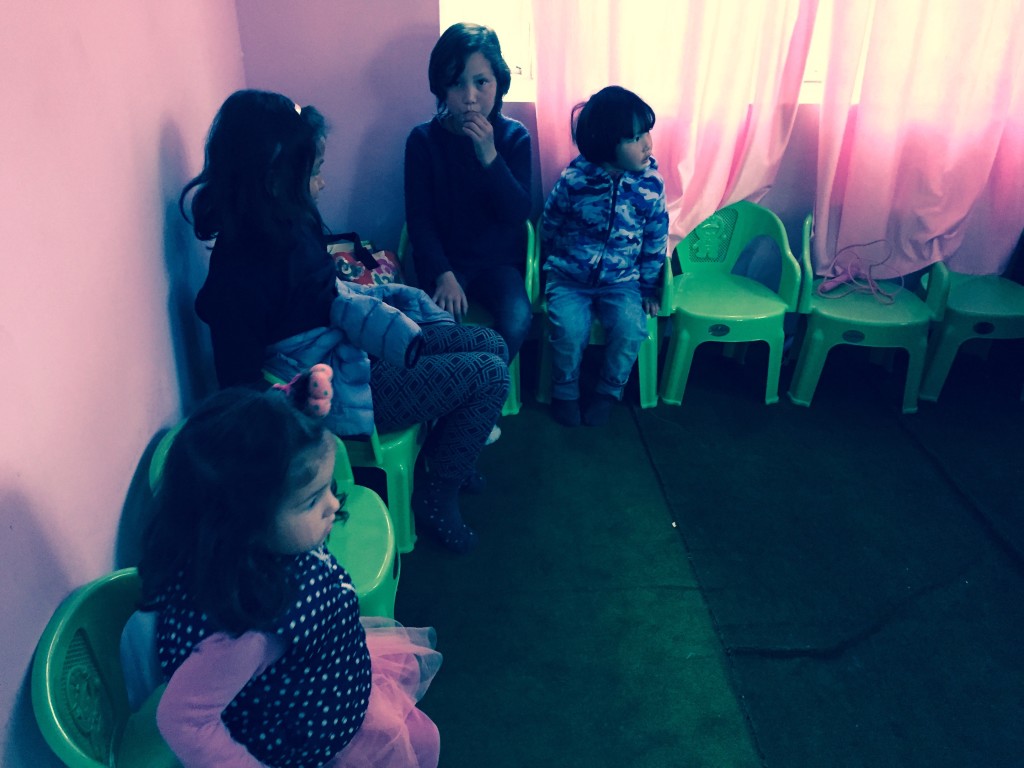
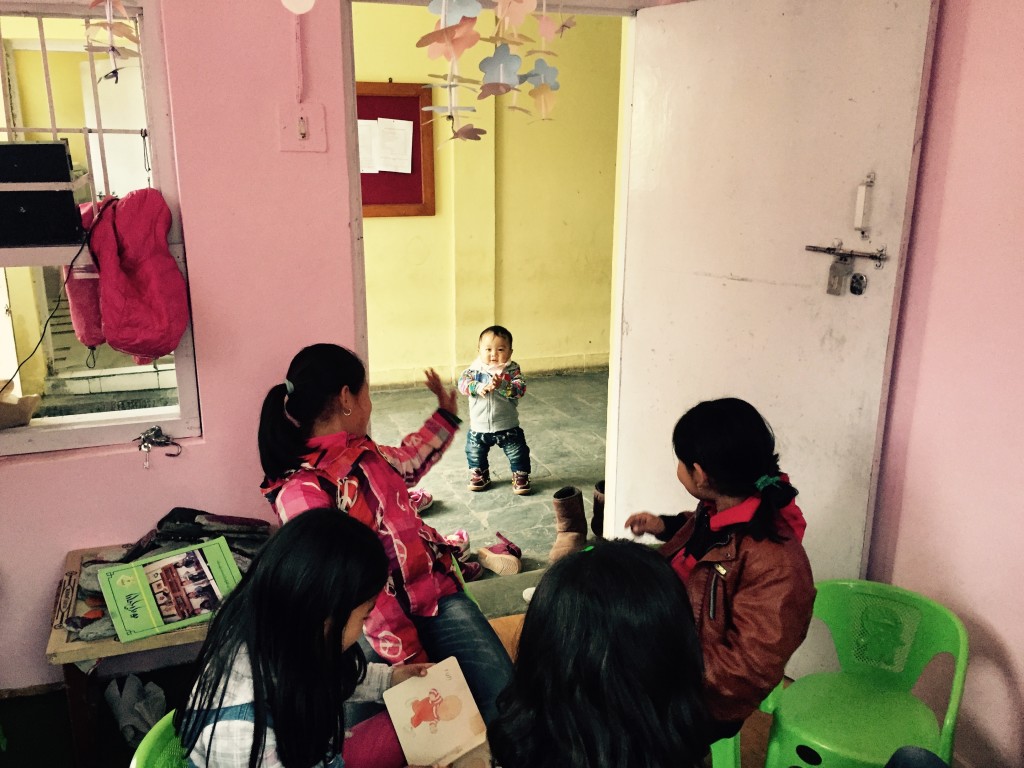
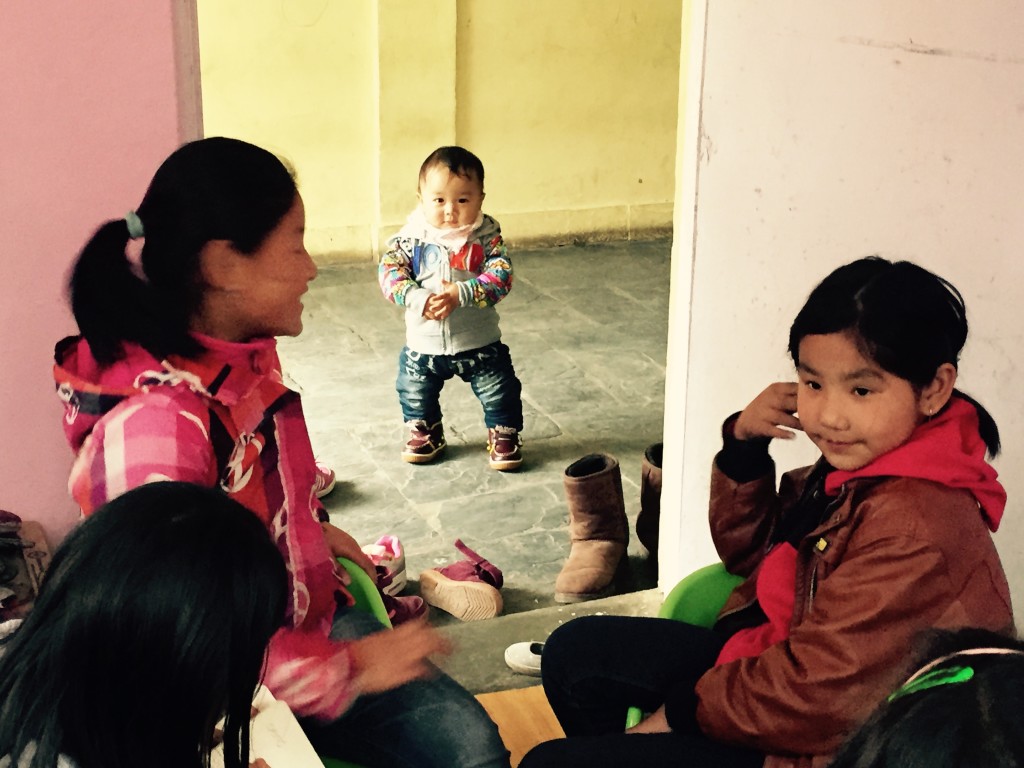
Most of the libraries supported by the Avalokiteśvara Trust sit above three thousand metres, where winter temperatures drop below minus twenty and summer brings brief, intense light through windows that frame snow peaks rather than suburban streets. Children arrive after walking from nearby villages, sometimes carrying younger siblings on their hips, eager to swap picture books or read aloud to the resident dog. Young monks, robes brushing the floorboards, settle into corners to study English primers, Buddhist parables, and the occasional battered thriller left behind by a trekker.
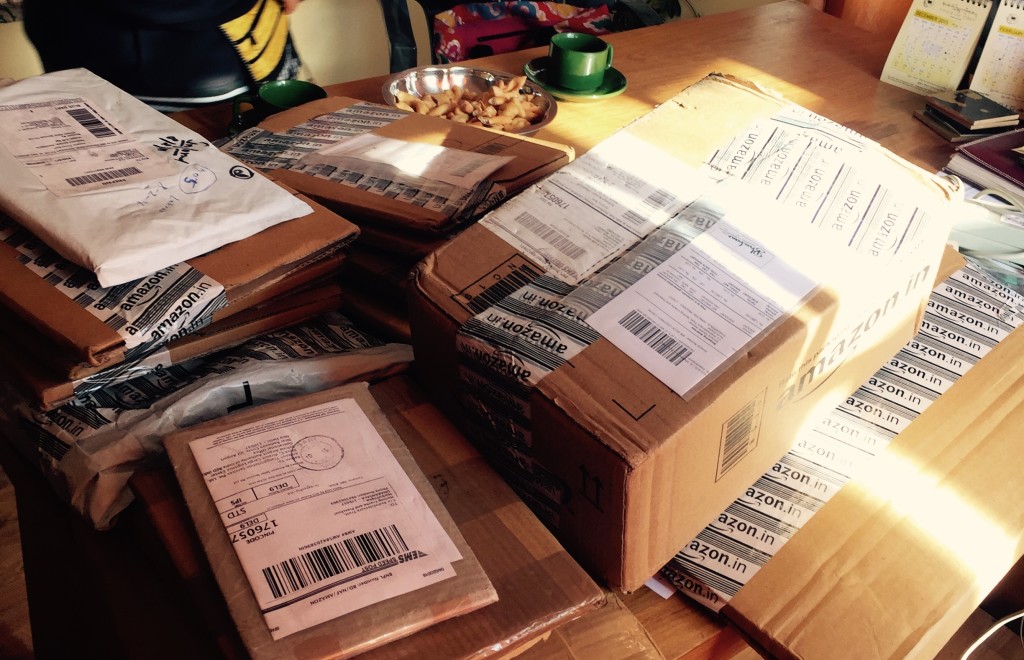
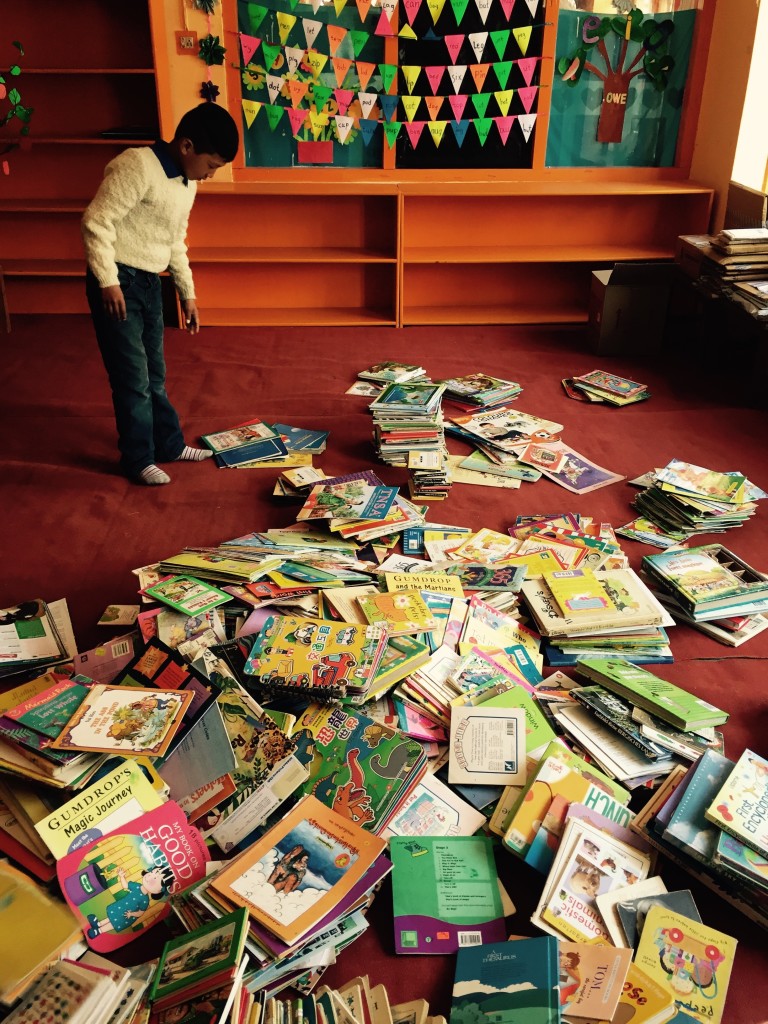
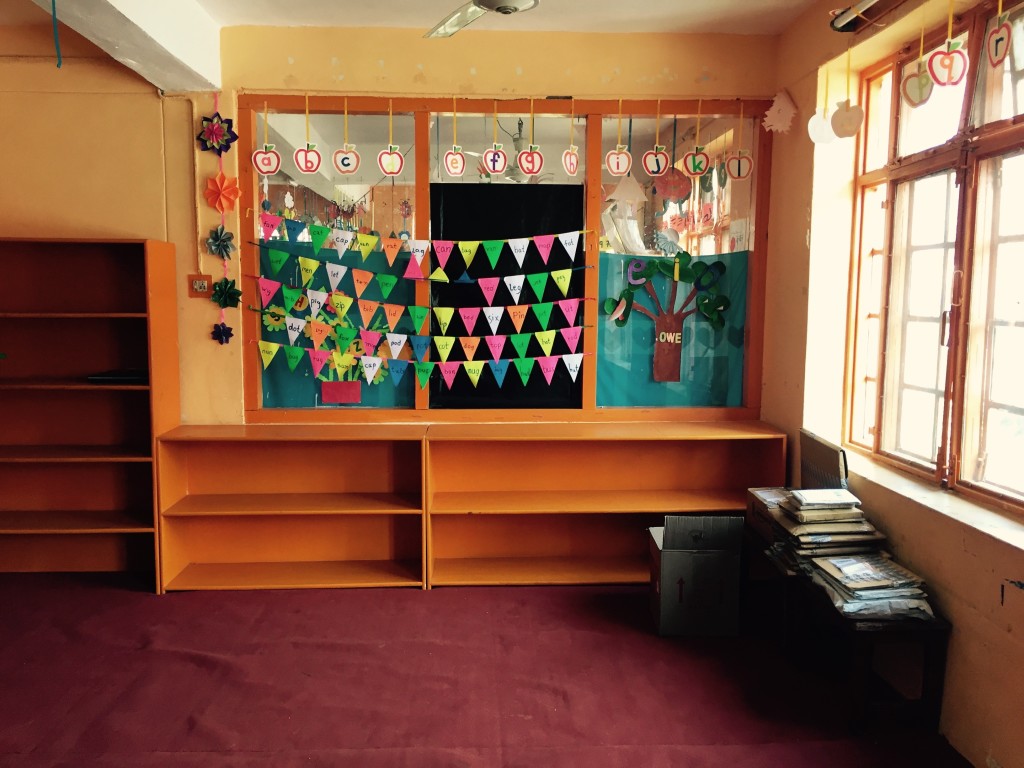
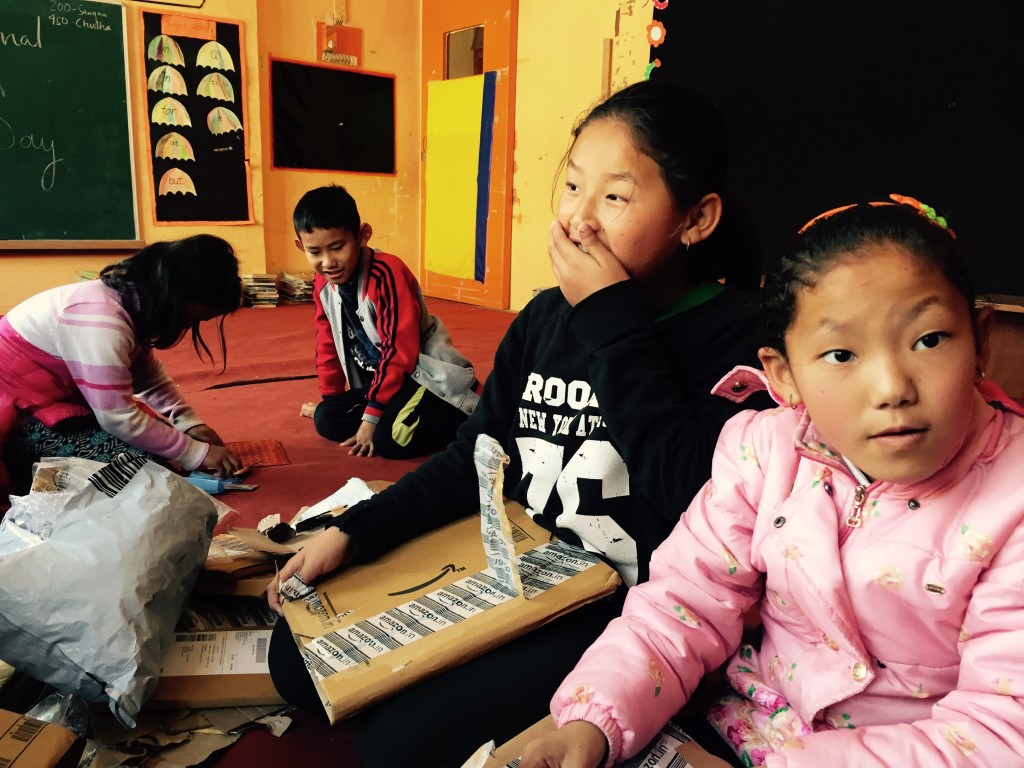
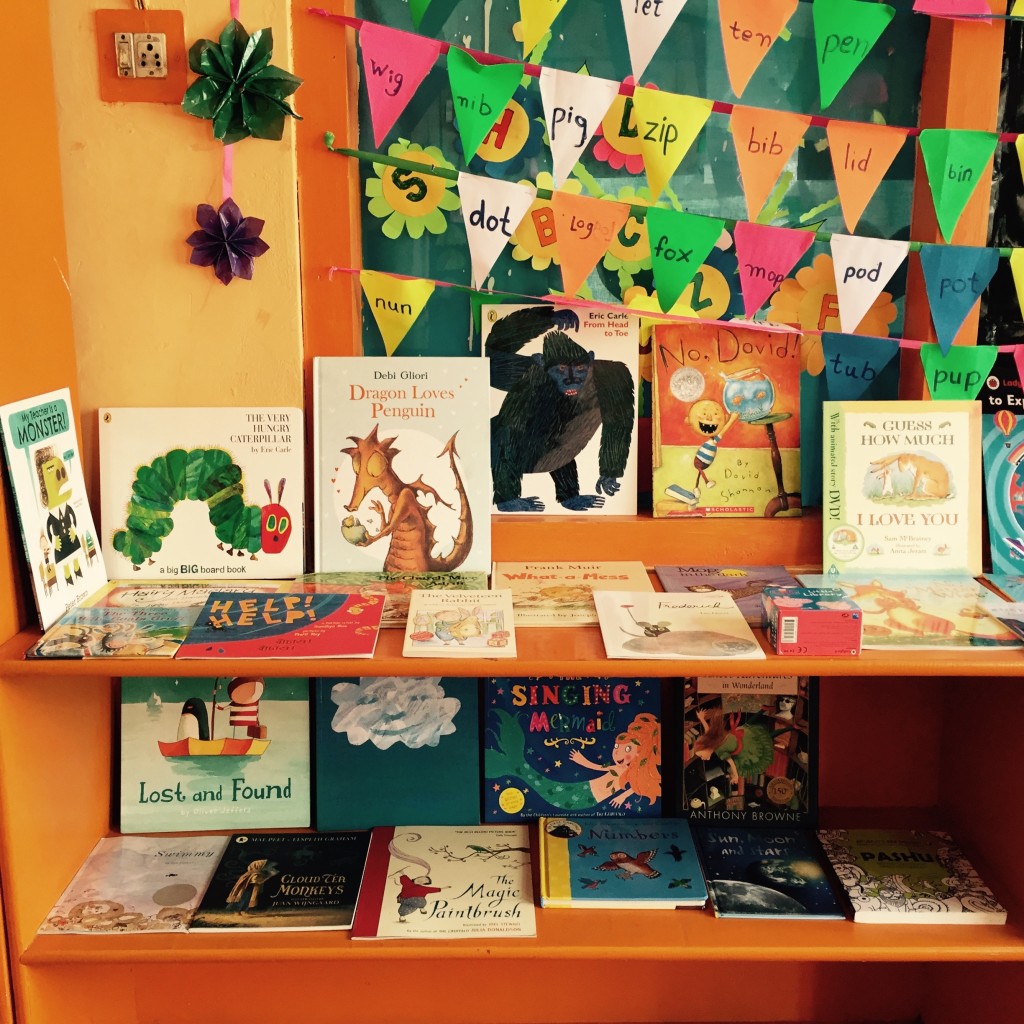
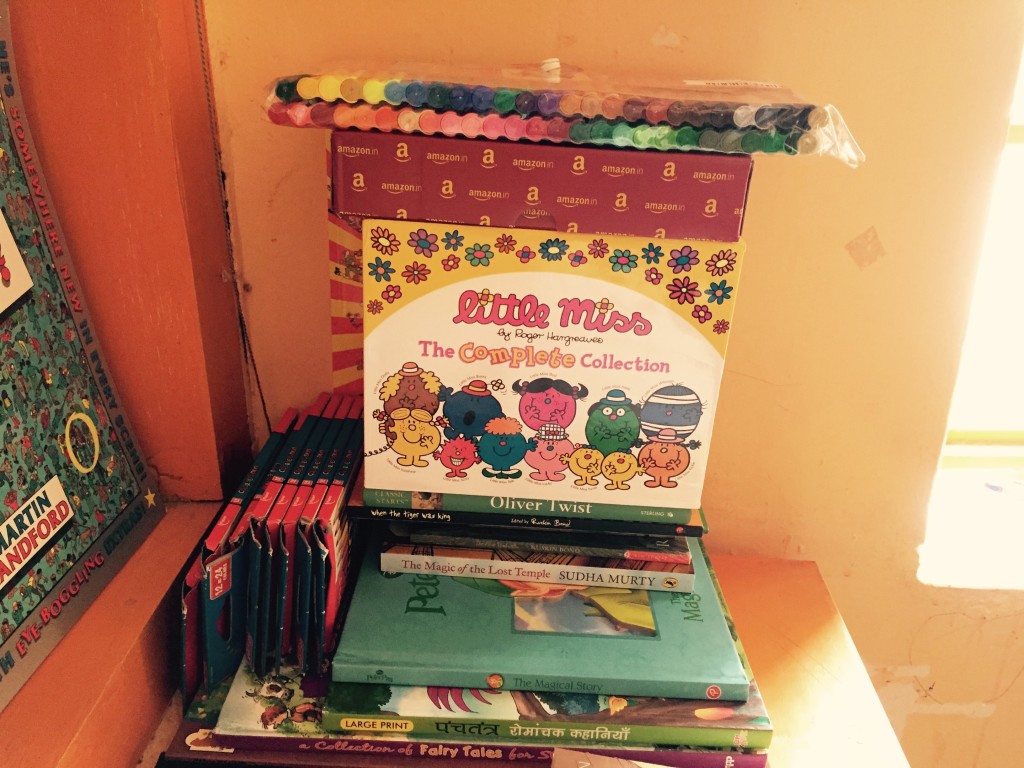
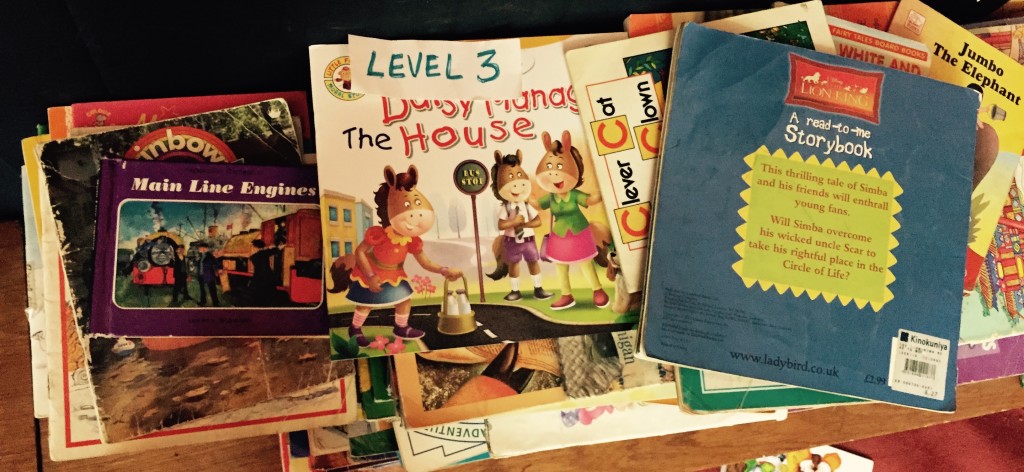
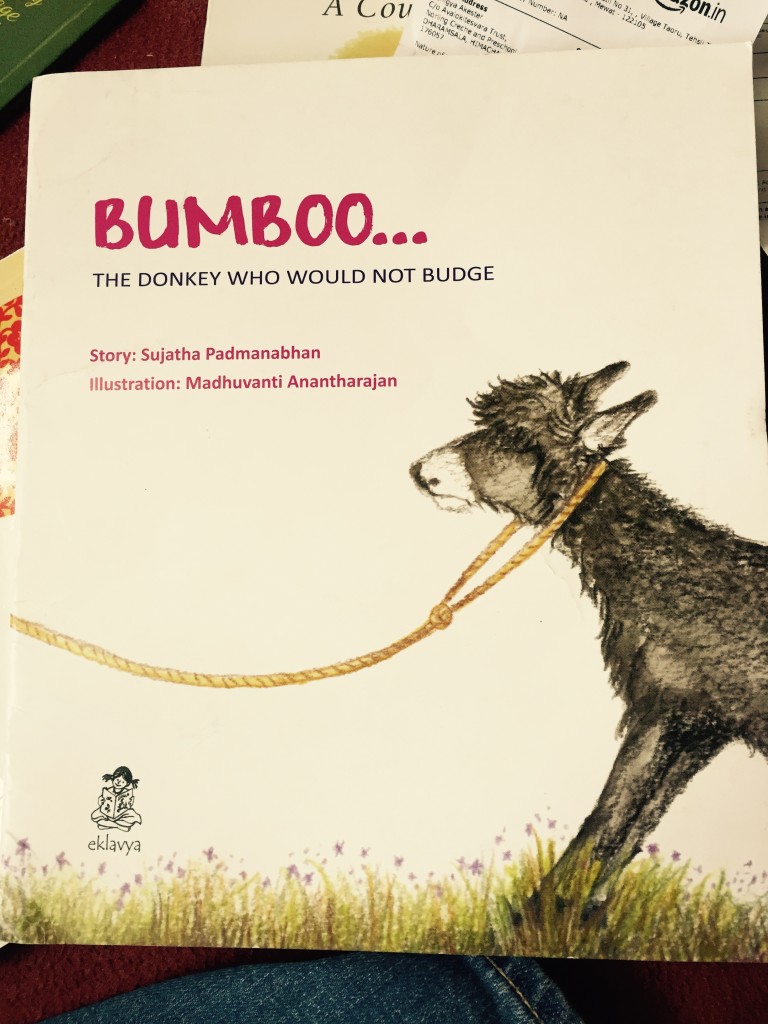
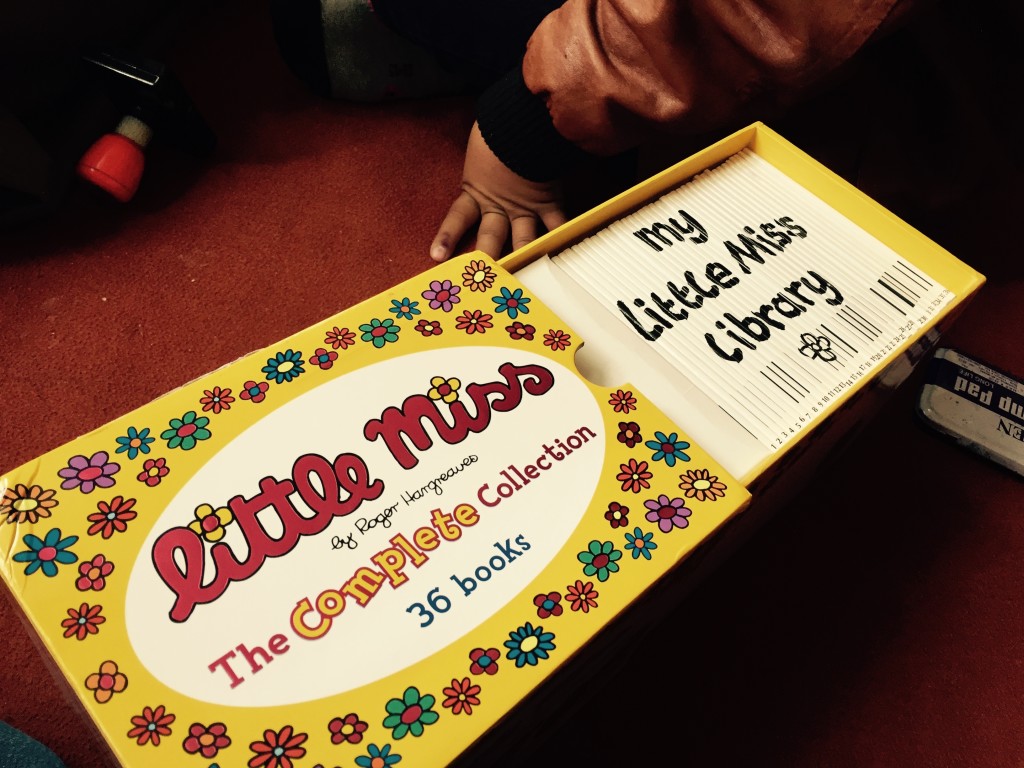
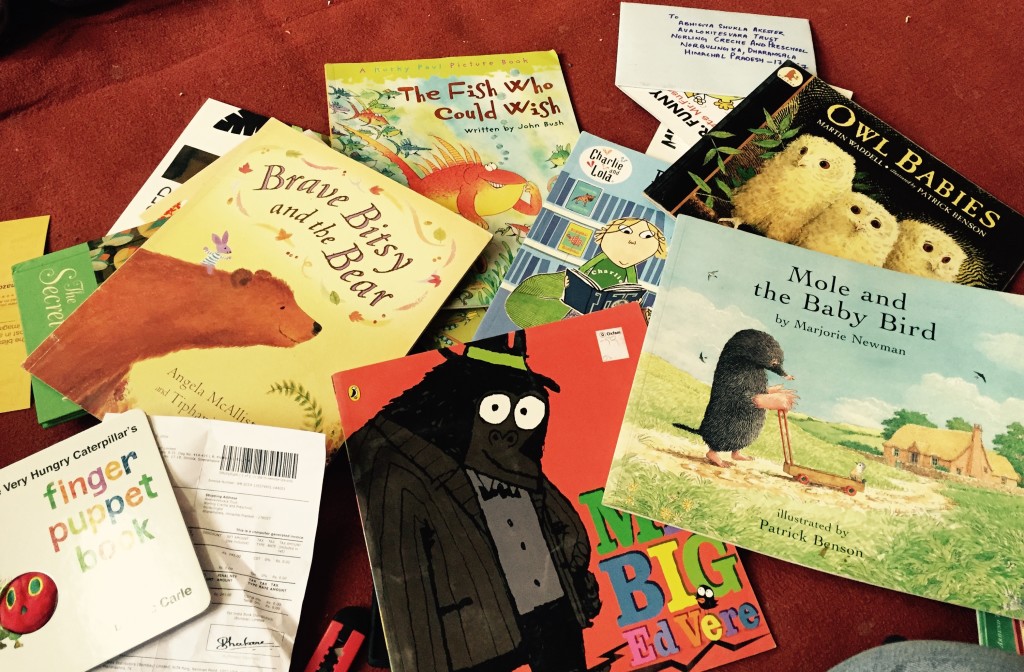
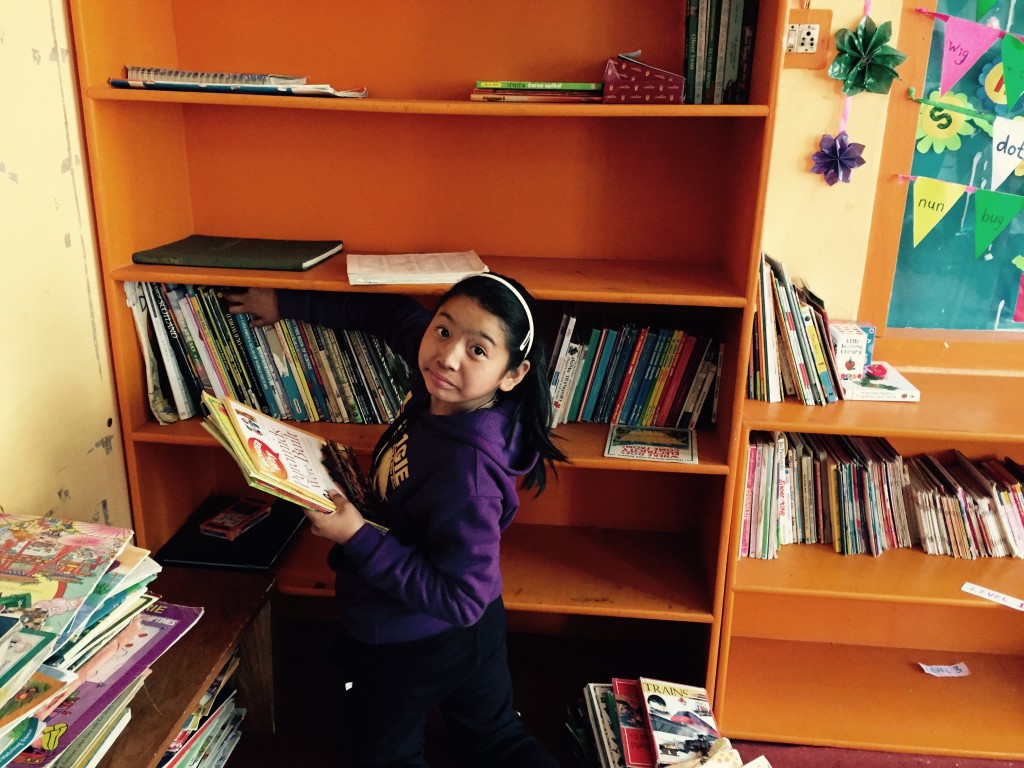
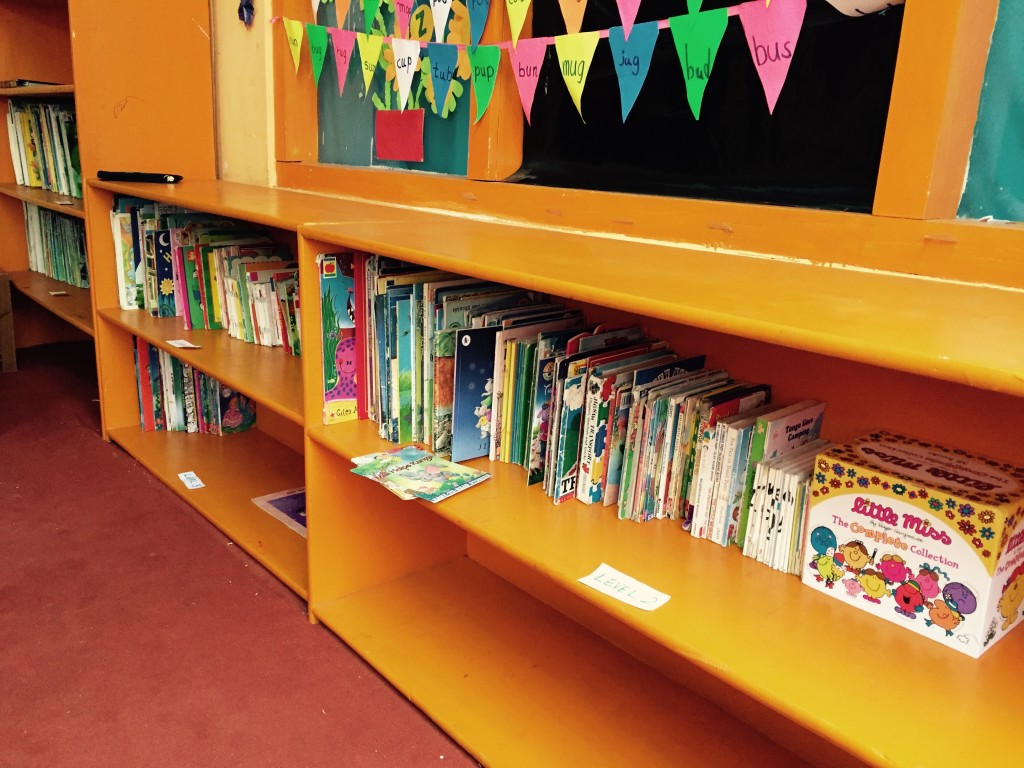
A typical reading room might hold between four hundred and two thousand volumes, mixed together on shelves built by local carpenters from poplar planks. Donations arrive in tea chests from cities as far away as Delhi and Bengaluru, and occasionally from overseas, including parcels mailed by supporters in Brisbane and Perth who want their old favourites to find a second life. The catalog that holds it all together is often the work of a single volunteer, working a four-hour morning shift before the children arrive and the room fills with laughter.
Tools of the Trade in a Place Without Plugs
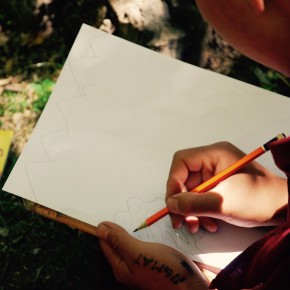
Cataloging by hand demands equipment that would look at home in a 1950s Australian school library. Pencils must be HB or softer, since ink fades in the dry air and can smear when a child spills nimboo pani across a ledger. Rubber stamps are used for acquisition numbers, often borrowed or improvised from old Tibetan printing blocks. Index cards, ideally ruled and of decent weight, are arranged in wooden trays that were once mango crates. For larger collections, a Kardex-style rotating file can hold thousands of entries within arm's reach.
The absence of reliable electricity means that even a modest laptop is a liability rather than a help. Solar chargers work for part of the year, but long winter nights and cloudy afternoons can leave a tablet dead for days. Volunteers learn quickly to keep a paper backup for every digital entry, and many end up preferring the paper version for its portability and clarity. A handwritten card can be carried across a frozen courtyard, consulted by lamplight, and shared with a curious reader without any fear of a password prompt or a frozen screen.
Weather, Dust, and the Daily Endurance Test
The Himalayan climate is unkind to paper. In Leh, summer dust filters through every window screen, settling on spines and turning page edges a soft ochre. During the winter, when the passes close and supply flights are cancelled, humidity inside unheated rooms can plummet, causing bindings to crack. Catalogers learn to inspect each book for foxing, mould, and insect damage before it is entered into the system. A small hand lens becomes as essential as a pencil.
Australians who have spent time in remote postings, whether managing a station library in the Kimberley or helping to sort donations for the Indigenous Literacy Foundation, will recognise the rhythm. You learn to keep cleaning cloths within reach, to check stock for silverfish, and to rotate the most fragile titles away from windows. The work is repetitive, sometimes exhausting, but it builds a quiet pride. By the end of a week, the index drawers have a satisfying weight, and the shelf list begins to resemble something permanent.
Language as Both Barrier and Bridge
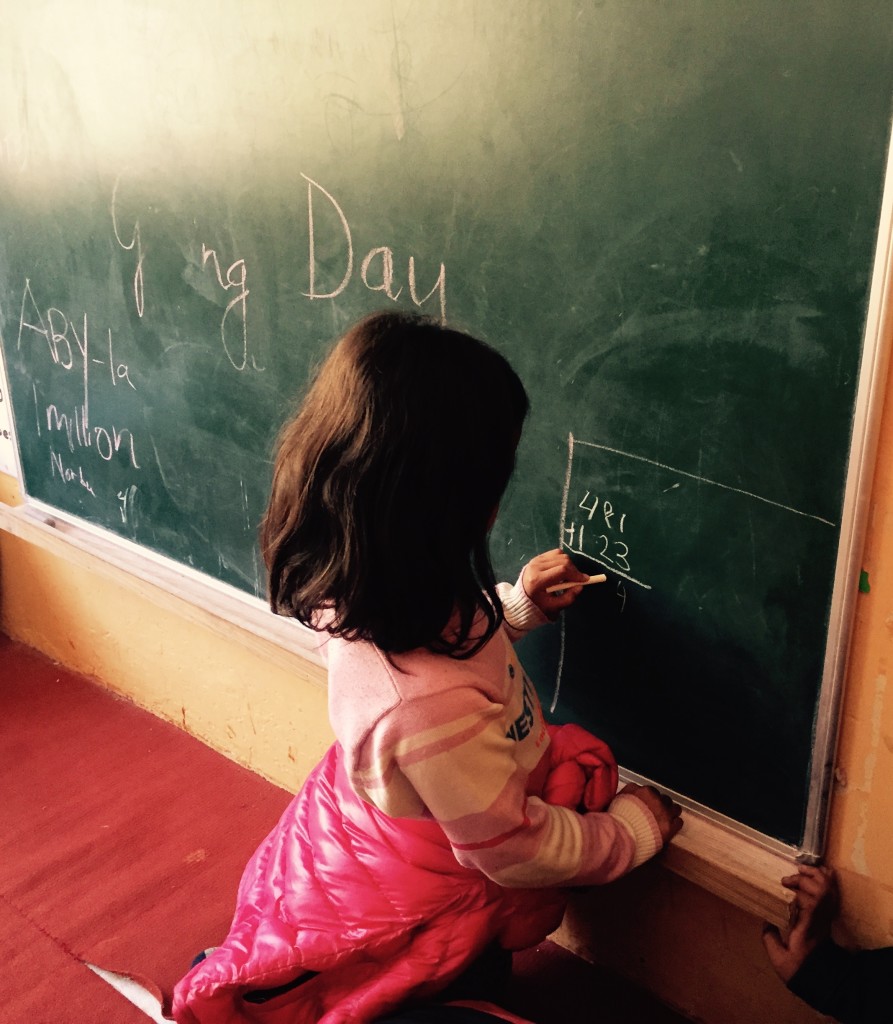
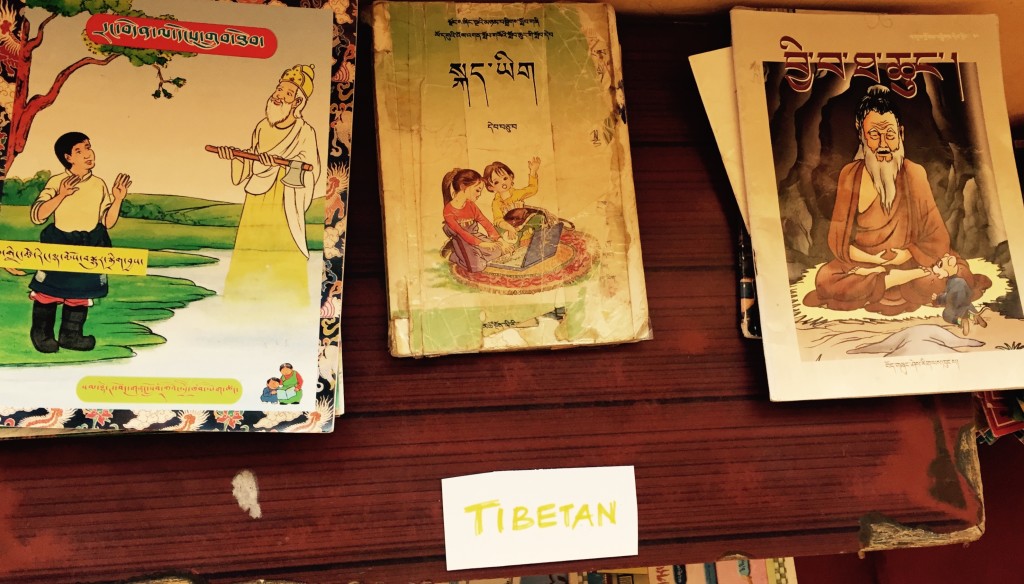
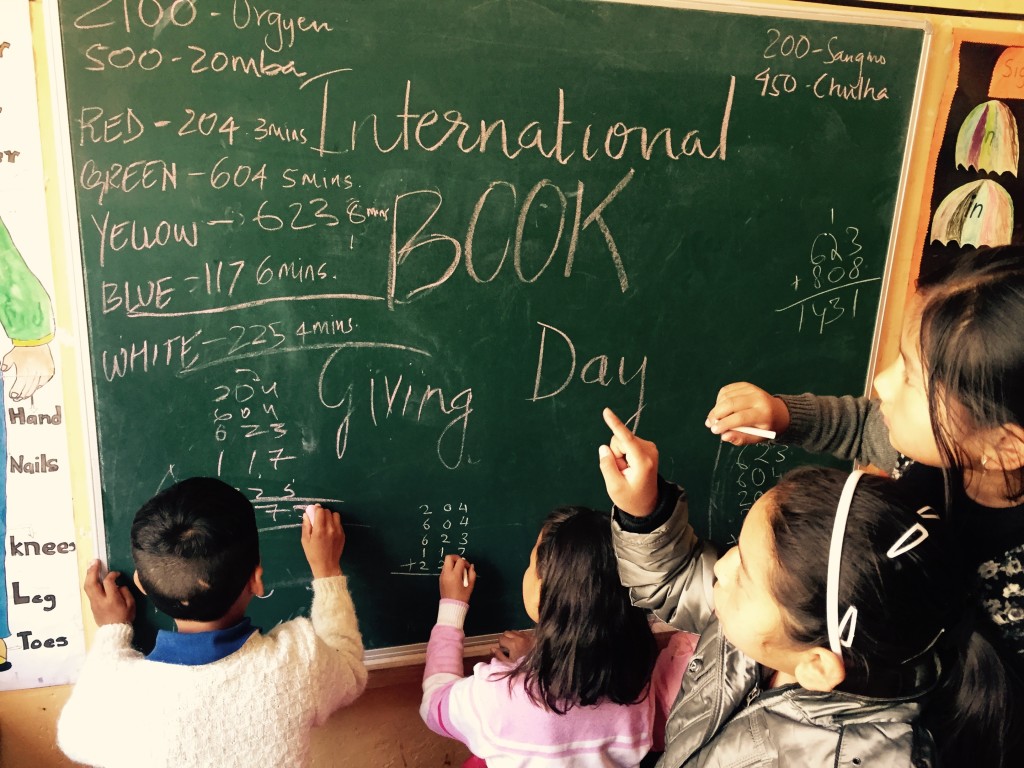
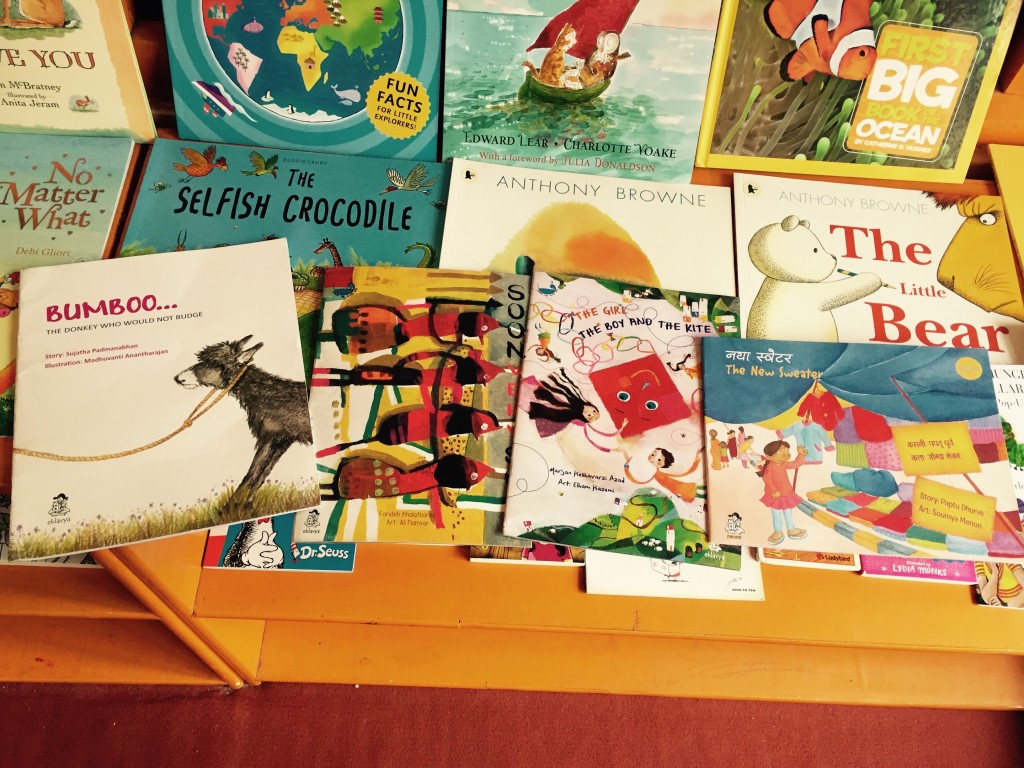
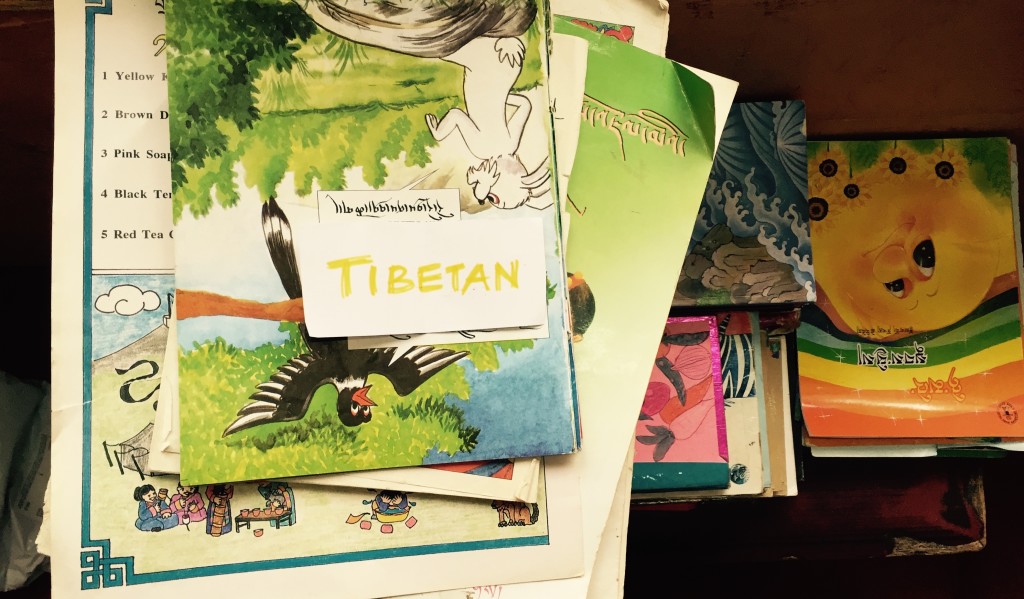
Cataloging in Ladakh often involves juggling three or four scripts on a single card. A children's picture book might be entered in English, Tibetan, Hindi, and sometimes Ladakhi, depending on the donor and the intended reader. Volunteers without a working knowledge of Tibetan script quickly learn the basic numerals and the letters needed to file by author surname. For those who do read the script, the work becomes a small act of cultural preservation, ensuring that titles from local publishers are not lost among the foreign donations.
This multilingual challenge has parallels in Australia, where librarians in Darwin and Cairns regularly catalogue titles in Kriol, Torres Strait Islander languages, and Mandarin alongside English. The lessons overlap: clear cross-references, generous spacing, and a willingness to ask local readers how they would prefer to find a book. Both contexts teach that a catalog is not just a finding aid but a record of who a community is and what it values.
The Quiet Triumph of a Completed Shelf
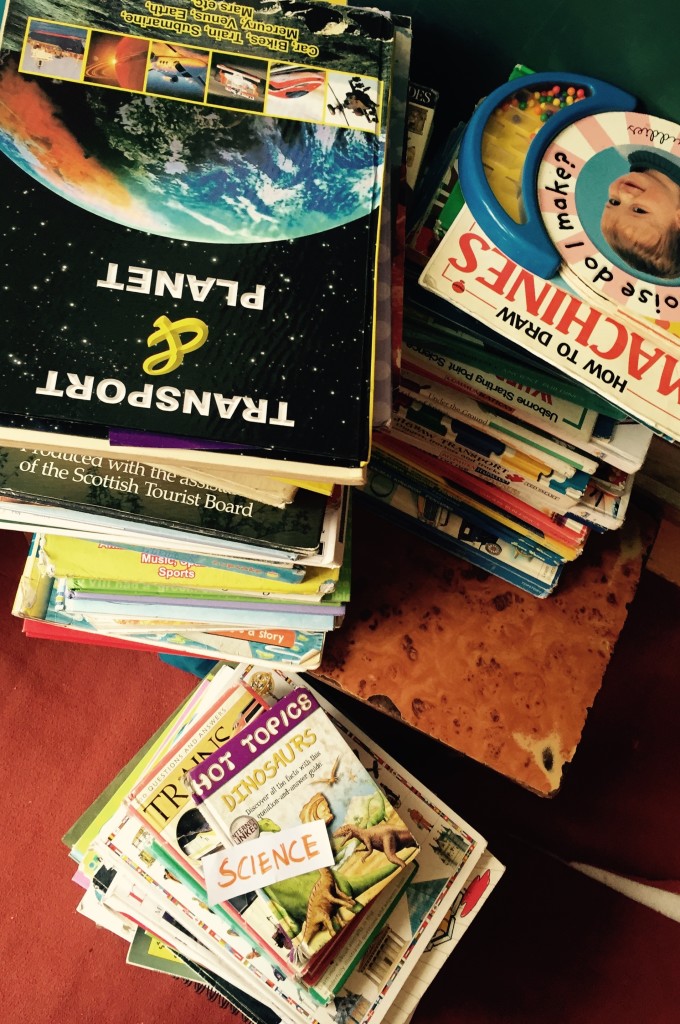
There is a particular satisfaction that arrives when the last book is finally entered, the drawers are closed, and the room is swept clean. The catalog becomes a kind of map, guiding readers to stories they might otherwise never find. For the children who use the library, it means faster access to the astronomy books they love or the poetry collections their grandparents enjoyed. For the young monks, it ensures that commentaries and reference works stay ordered through long years of study.
Surveys of small regional libraries in New South Wales and Queensland have found similar outcomes: a well-kept handwritten catalog correlates strongly with higher borrowing rates and longer retention of donated stock. The pattern holds whether the collection sits in a sandstone schoolhouse in Bathurst or a whitewashed monastery above the Indus. Organisation invites use, and use invites care, and care invites further donations.
What Australian Supporters Bring to the Work
Australian involvement in the Avalokiteśvara Trust's work has grown steadily over the past decade, shaped by both practical needs and cultural curiosity. Under the Australian Charities and Not-for-profits Commission guidelines, supporters can claim tax-deductible status for donations over two dollars, which has encouraged regular giving from professionals in Sydney and Melbourne who want to back literacy programs abroad. Several university programs in Adelaide and Hobart now offer practicum placements for students studying librarianship, who travel north to spend a season learning manual cataloging in situ.
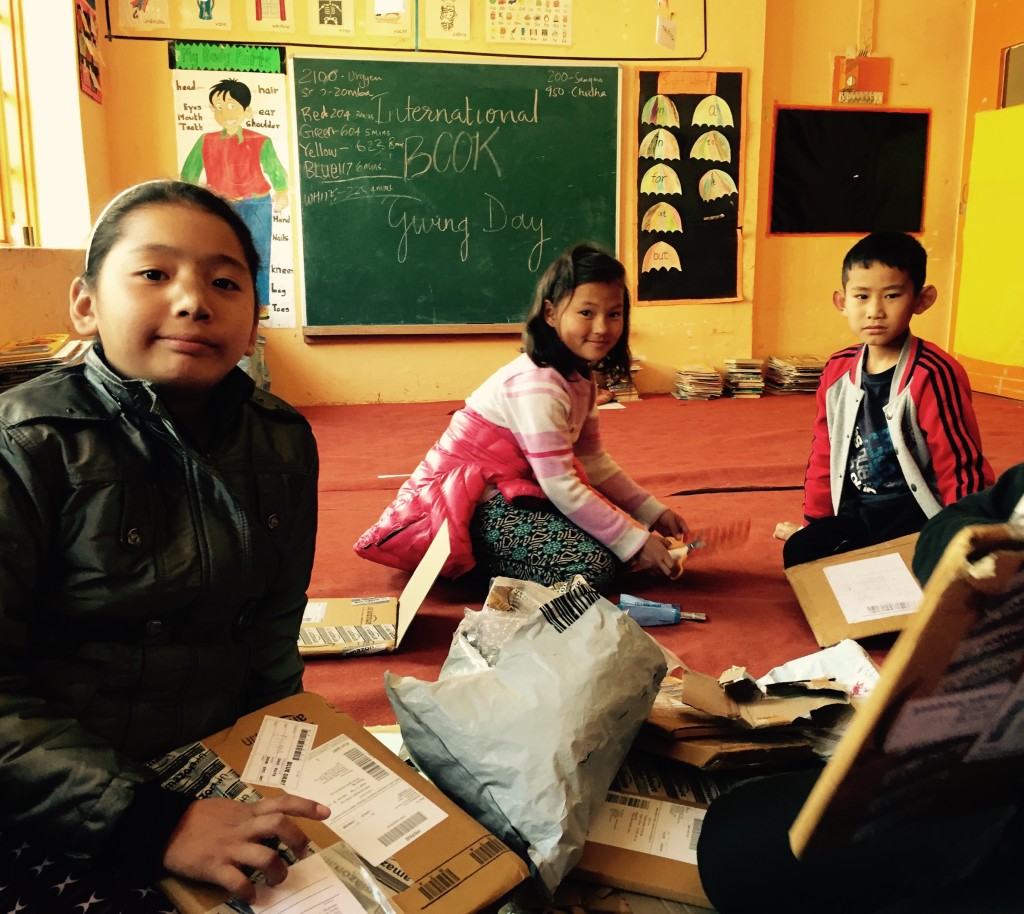
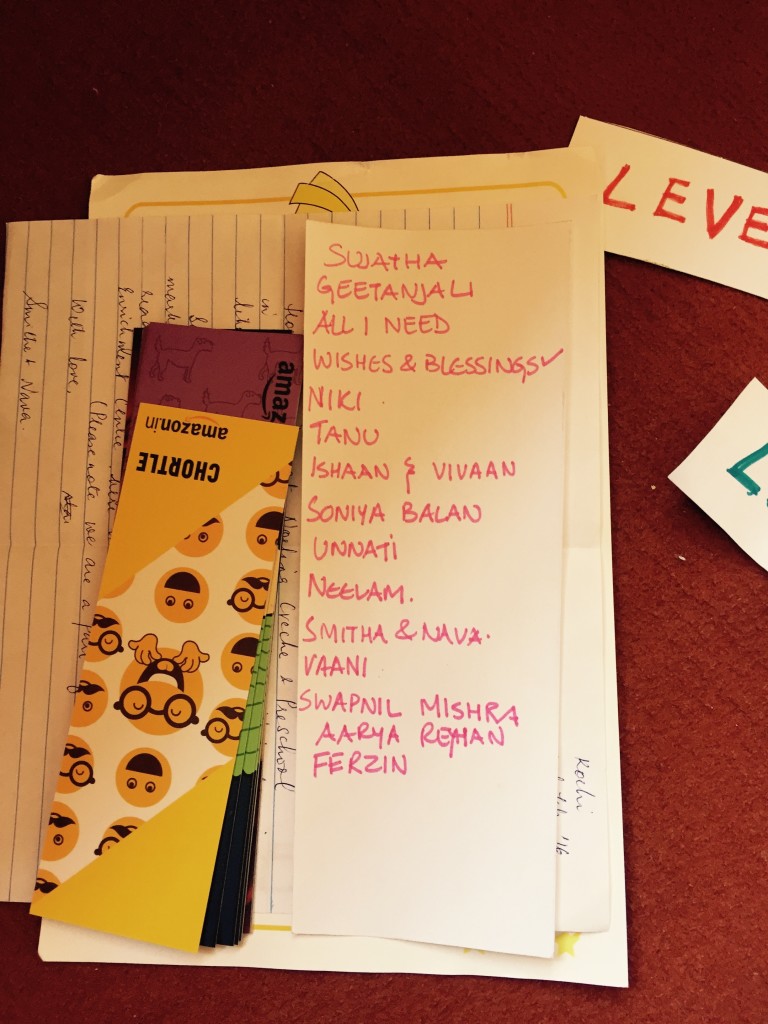
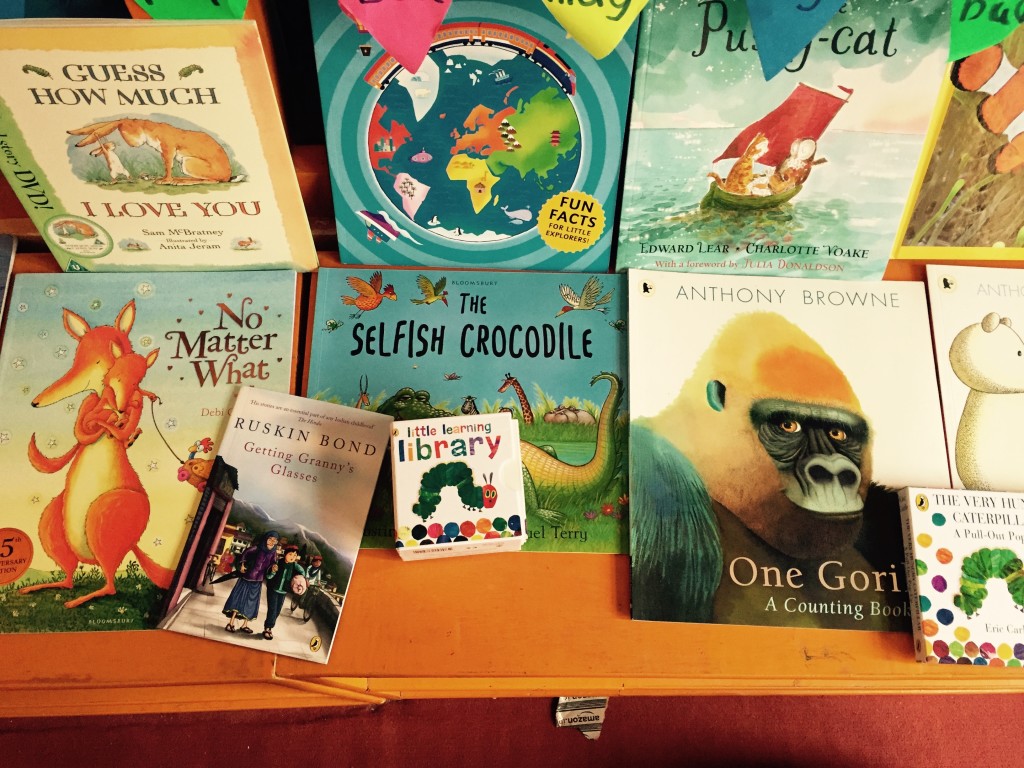
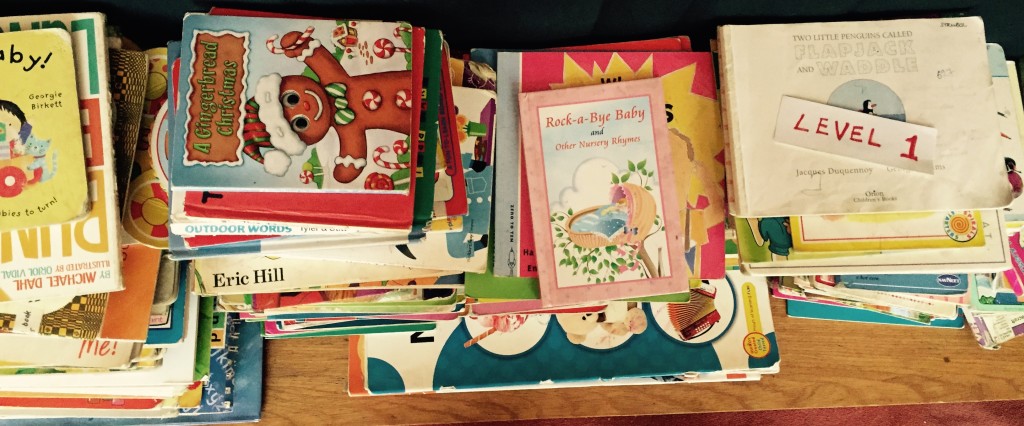
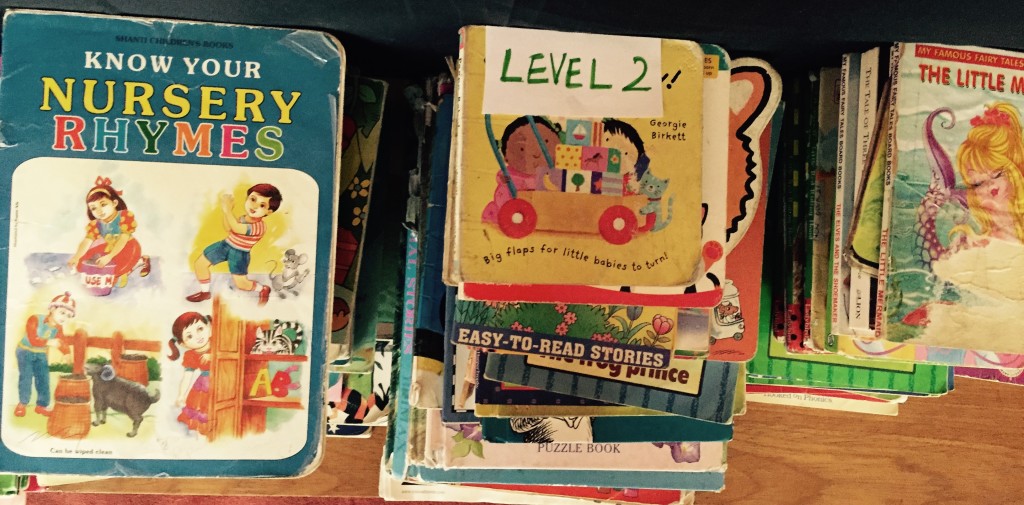
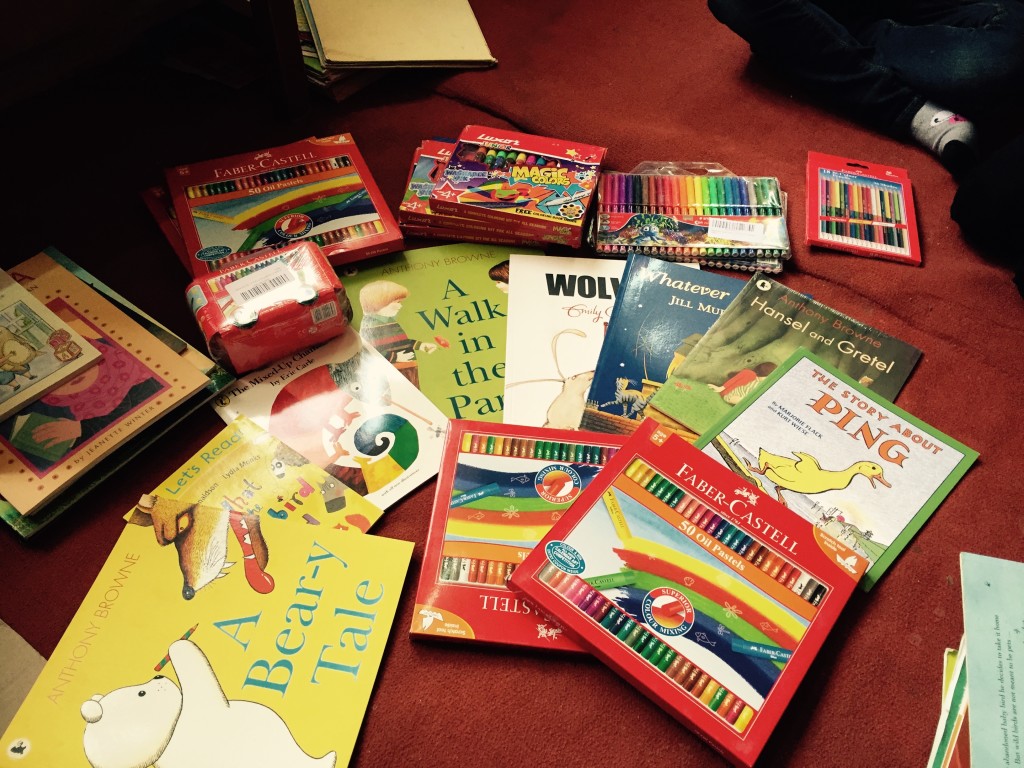
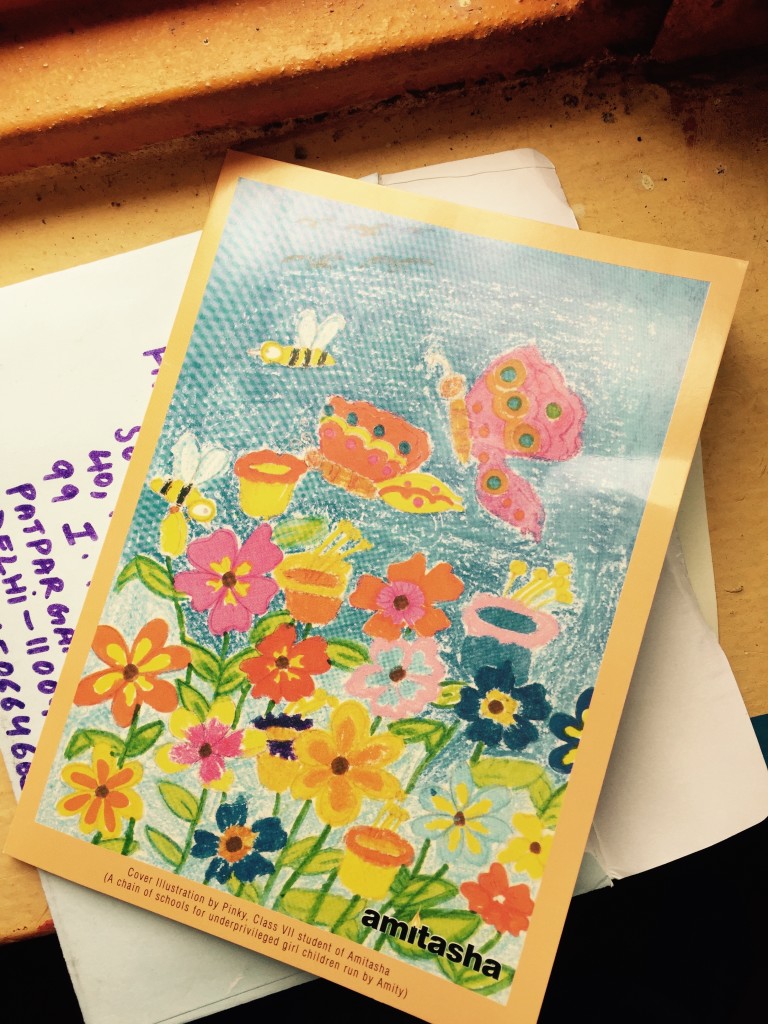
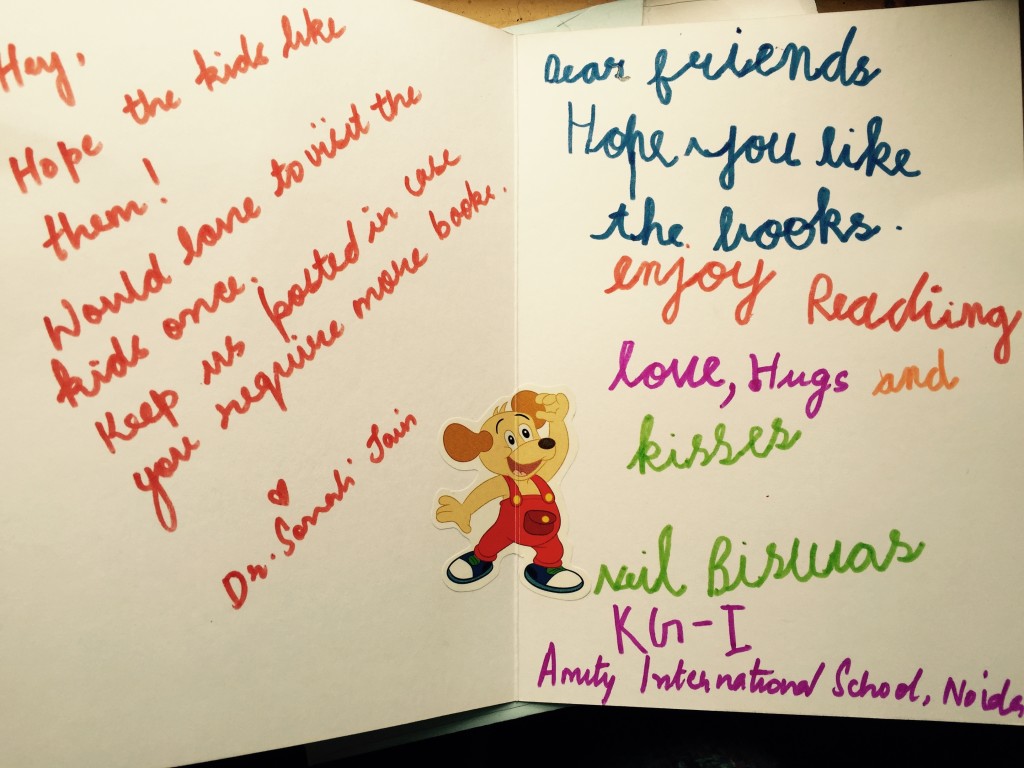
Donations of physical books travel through volunteer networks, often coordinated by small groups in Perth and Canberra who collect unwanted paperbacks from school fairs and op shops. They arrive labelled, sorted by reading level, and accompanied by handwritten notes that become part of the library's archive. For those interested in learning more about volunteering or sponsoring a cataloging shift, the Avalokiteśvara Trust website offers a clear overview of upcoming needs and seasonal projects.
Lessons from a Card Catalog That Travels by Foot
The lessons learned in a remote Himalayan library travel further than the books themselves. They reshape how volunteers approach cataloging back home, whether they are sorting shelves in a suburban branch library in Geelong or helping to set up a community reading room in a satellite town outside Dubbo. The patience required to write each entry by hand, the humility to ask local readers for guidance, and the willingness to maintain paper backups in a digital age all become habits that strengthen any library.
Perhaps the most enduring reward is the simplest: knowing that a child somewhere in Ladakh will pull a card from a wooden tray, walk to a shelf, and find exactly the book they were hoping to read. It is a small, silent miracle repeated many times a day, made possible only by hours of careful, unspectacular work. For catalogers who have tasted that quiet success, no database shortcut ever quite replaces it.
A practical takeaway for anyone inspired by this work: start small, stay consistent, and respect the local readers who know their collection best. Whether you spend a fortnight in Ladakh or an afternoon reorganising a forgotten shelf at your local community centre, the discipline of cataloging by hand builds a bridge between giver and receiver that no algorithm can replicate.