The Best Board Games for Building Vocabulary in Young Learners
Vocabulary grows through repeated exposure, meaningful conversation, and opportunities to use new words in context. Board games bring these elements together in a format that feels playful rather than instructional. Children hear language, make choices, explain ideas, and encounter unfamiliar terms while working toward a shared goal.
The strongest language-learning games suit the child’s age, reading level, and interests. A game with simple rules can help beginners recognize letters and common words, while a story-based game can encourage older learners to describe emotions, places, actions, and relationships. The right choice leaves children eager to play again, giving them repeated contact with useful language.
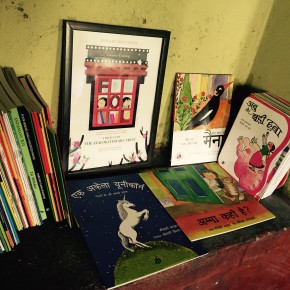
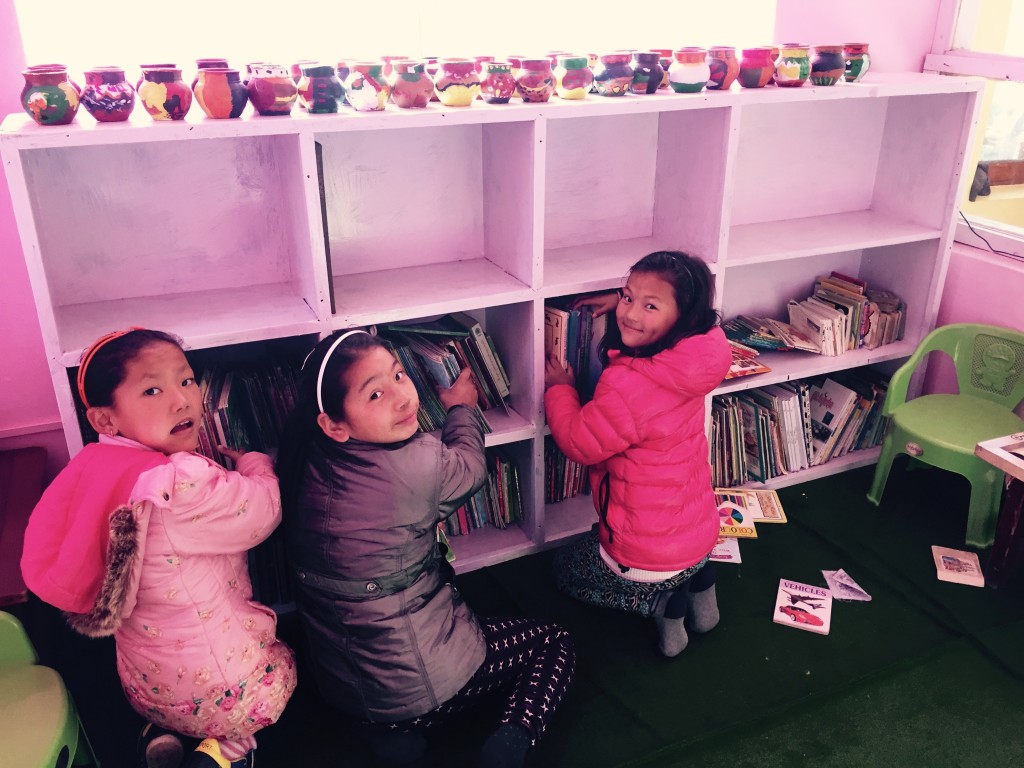
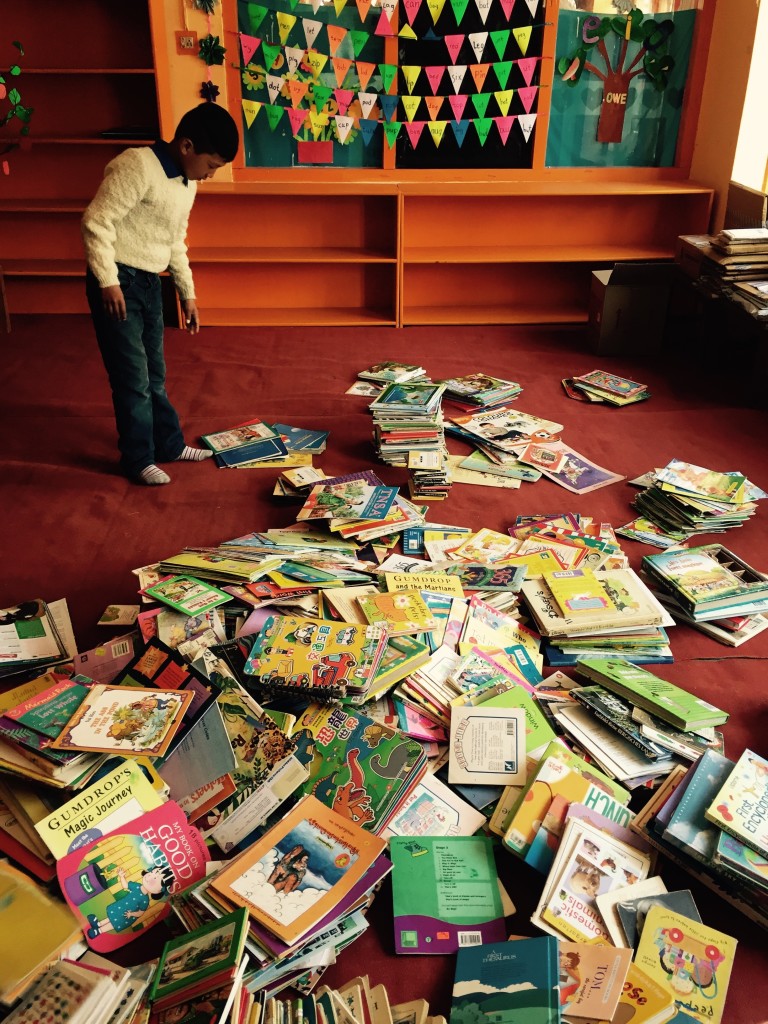
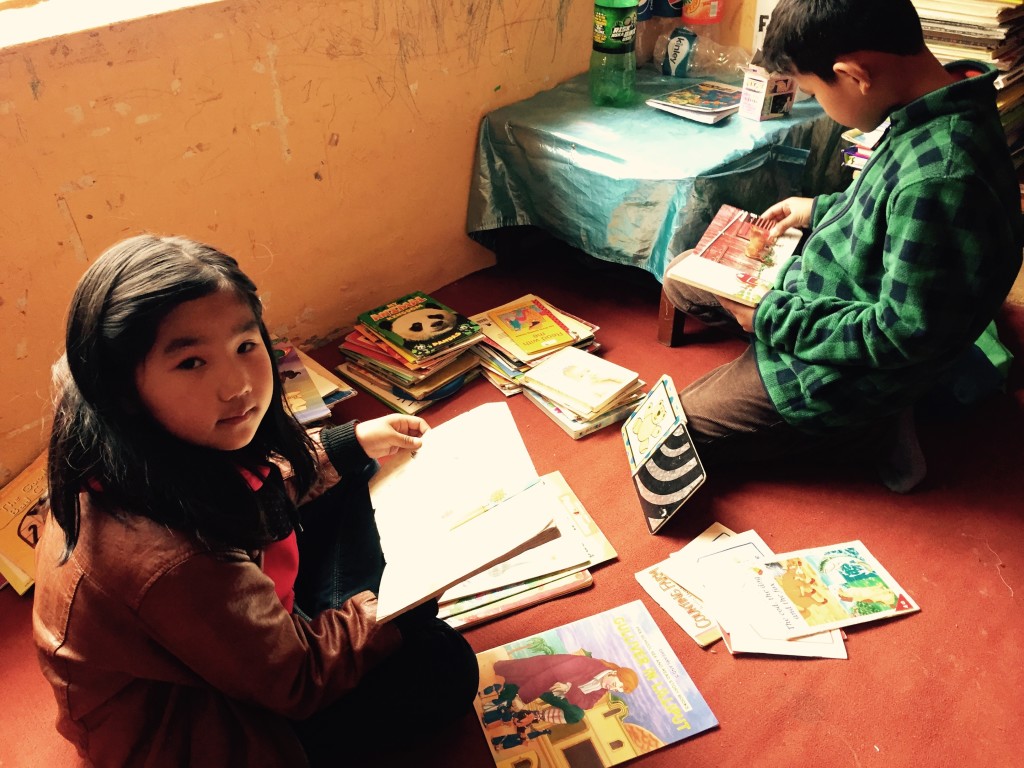
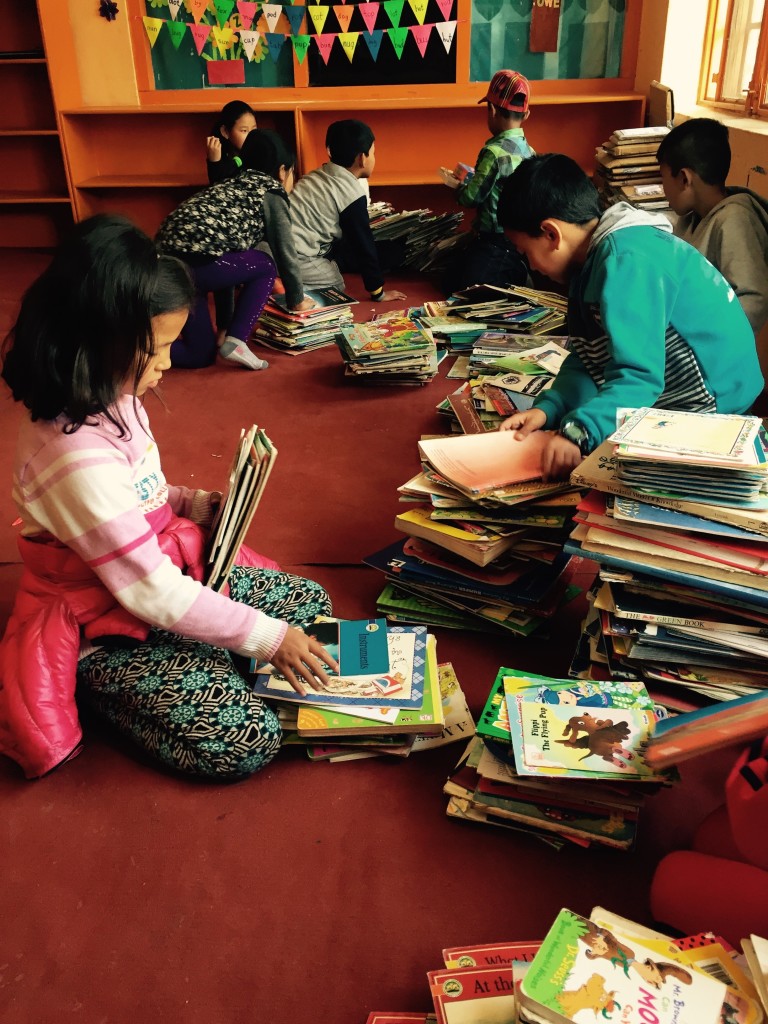
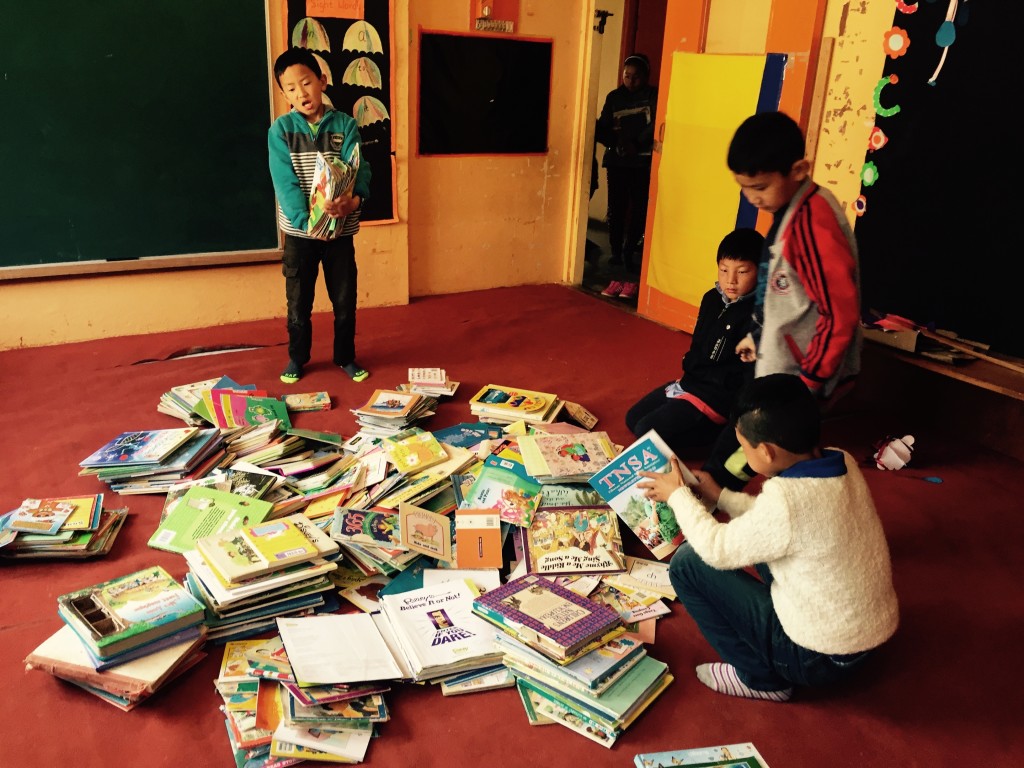
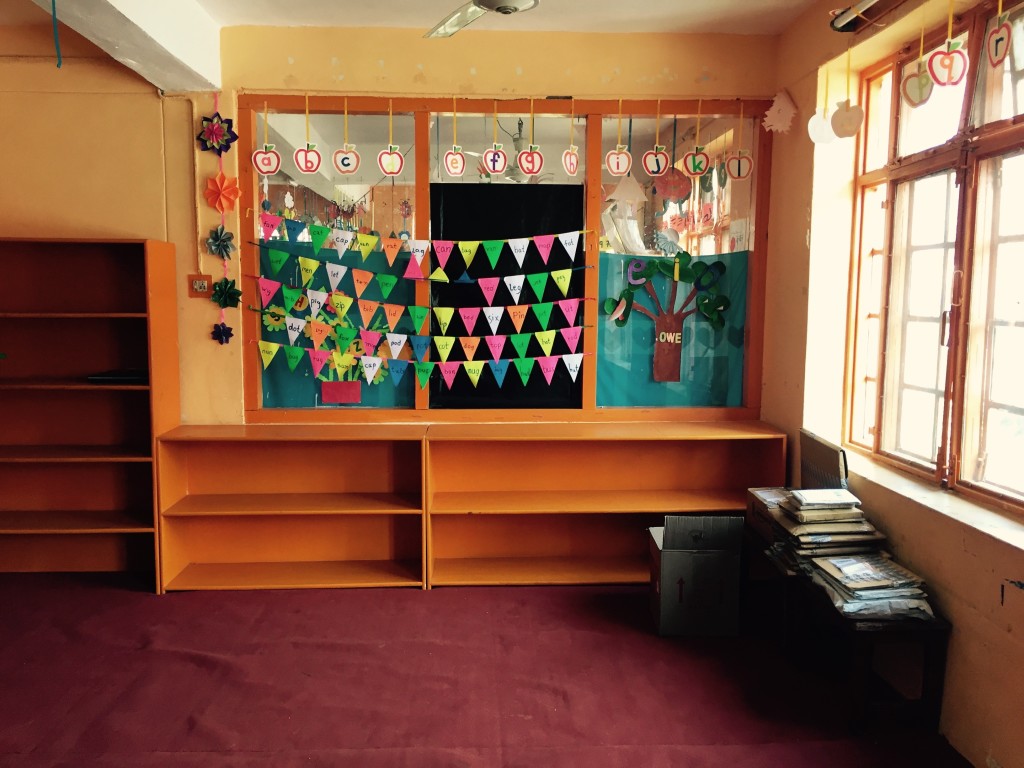
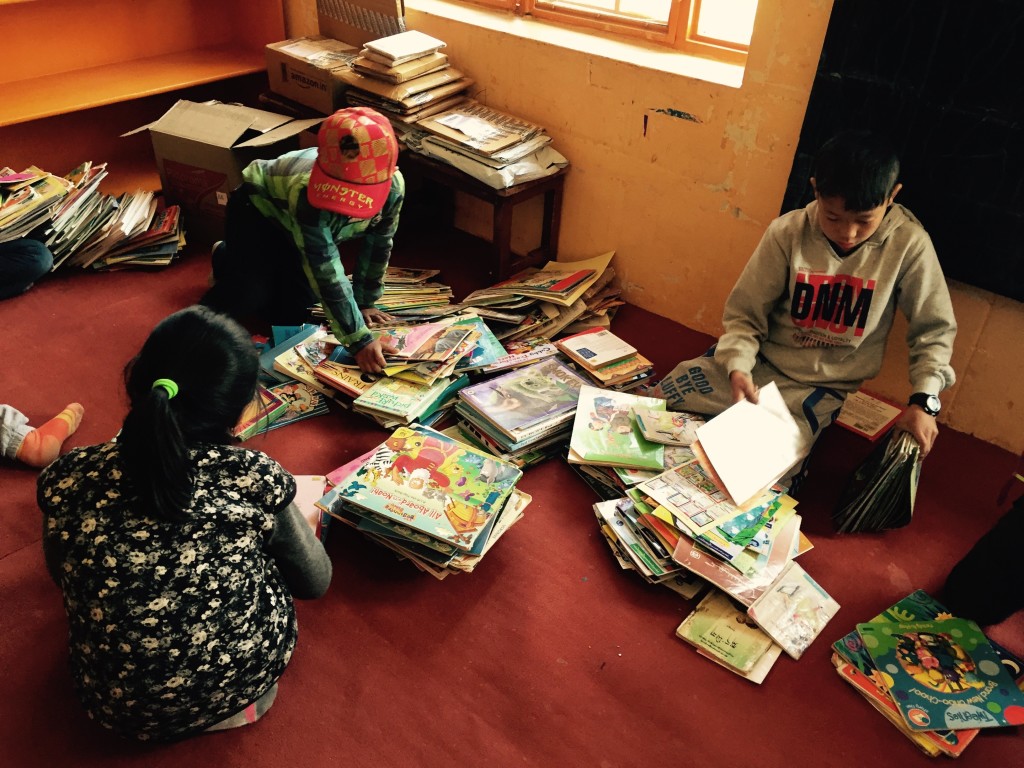
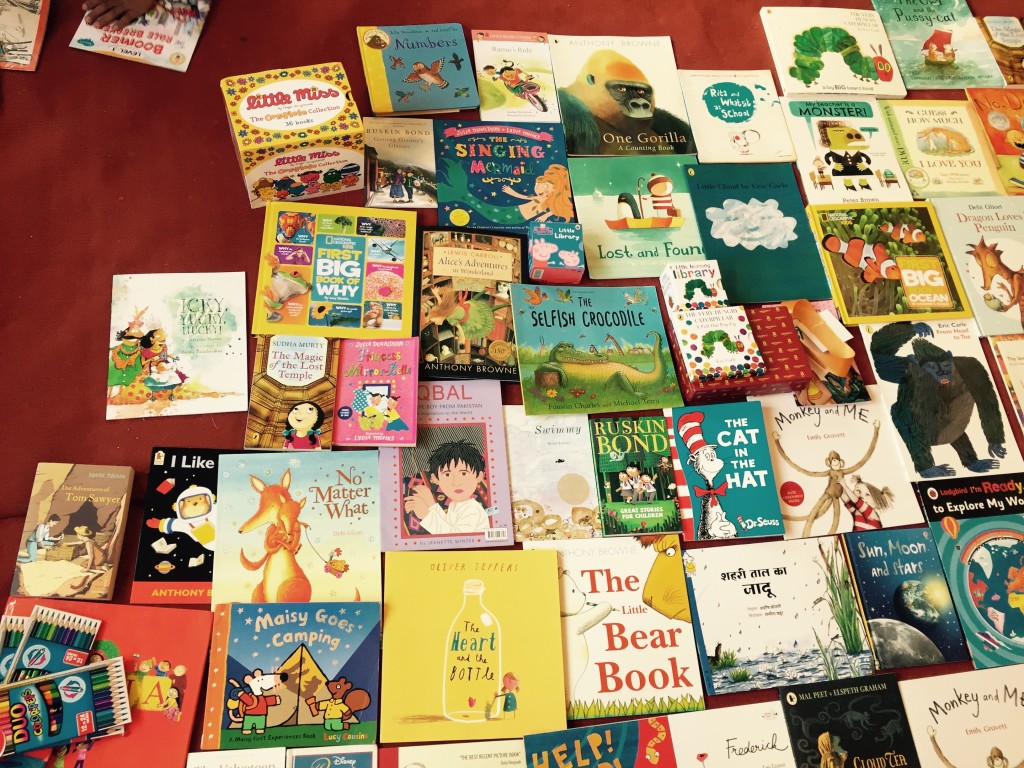
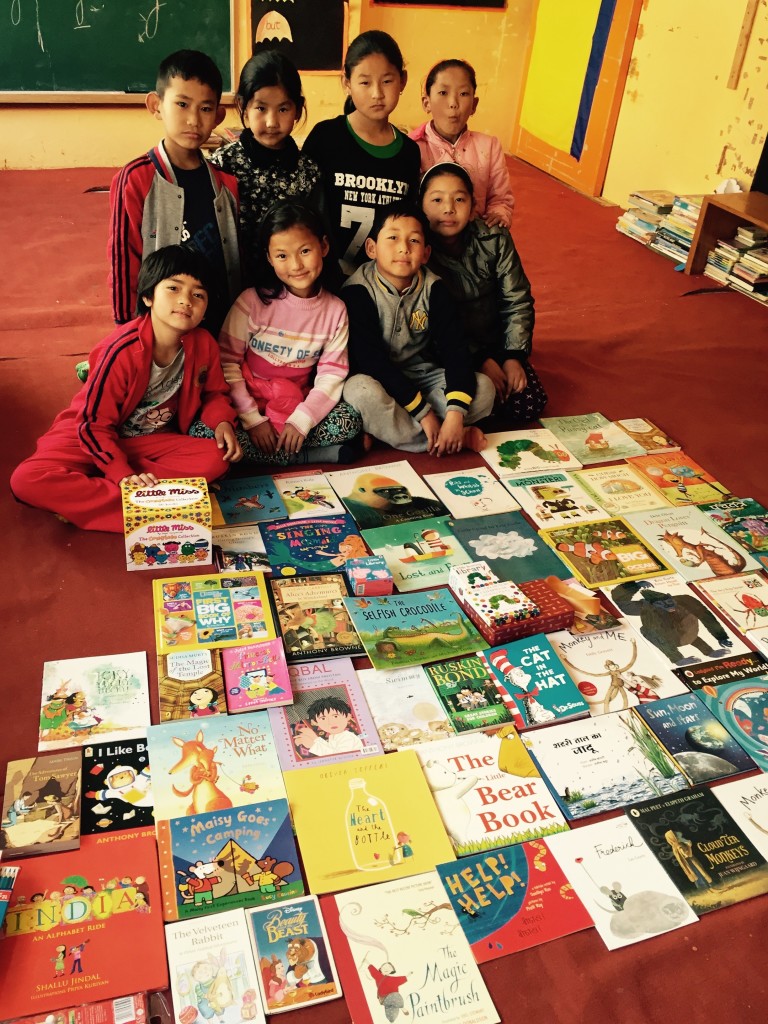
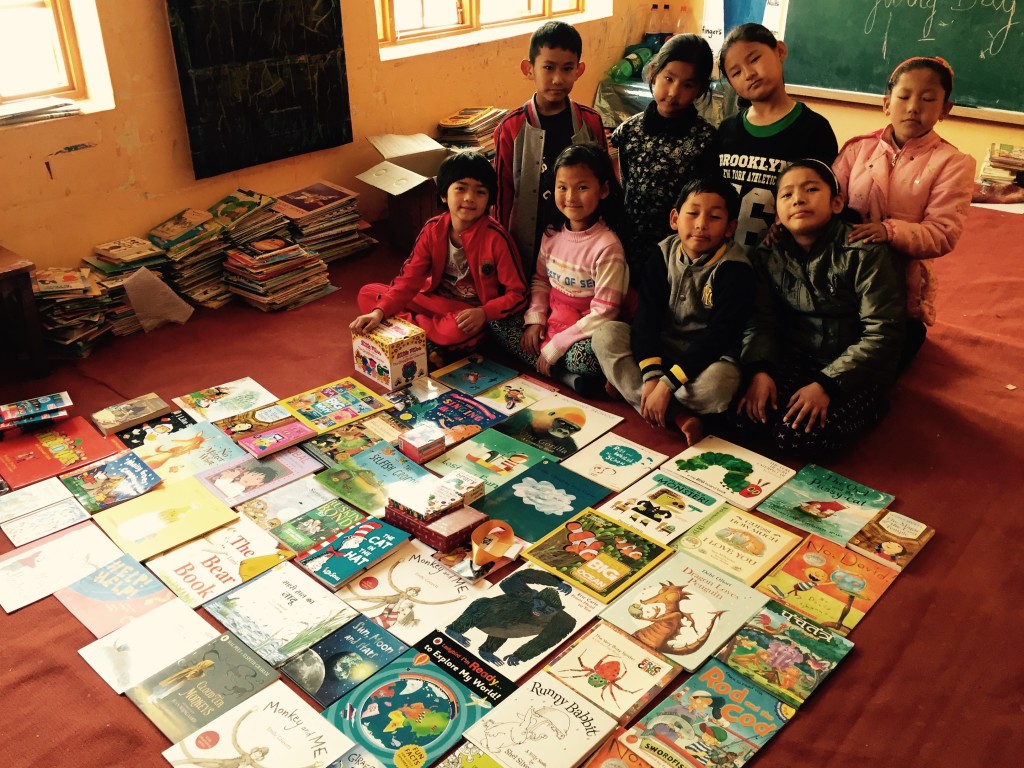
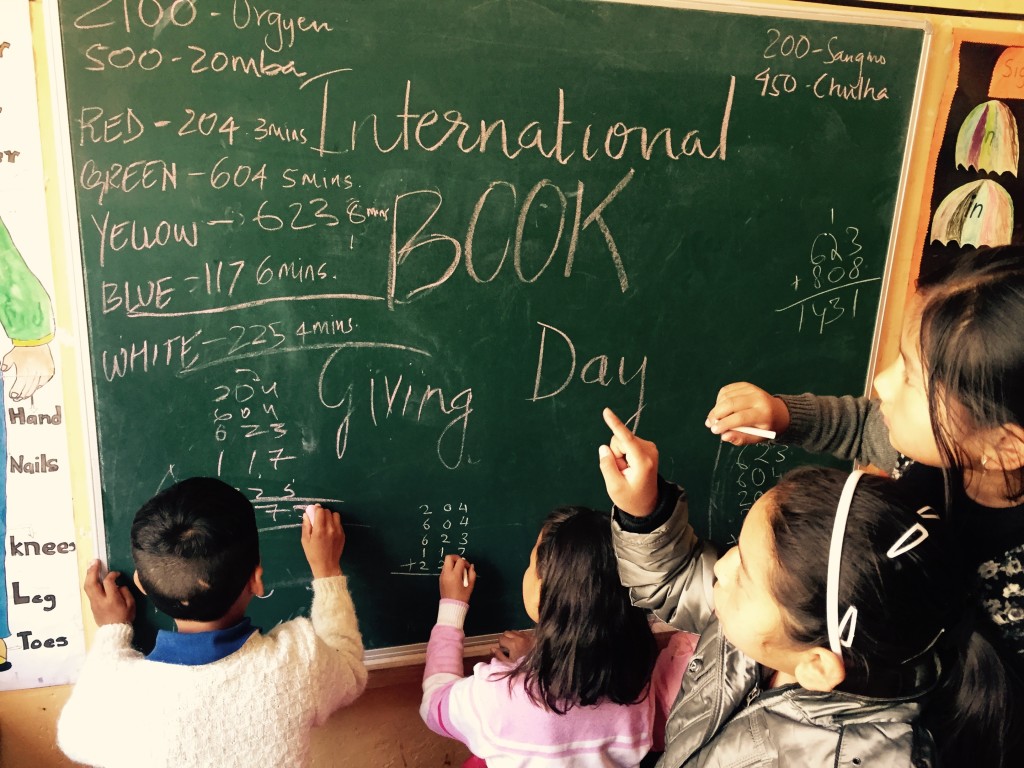
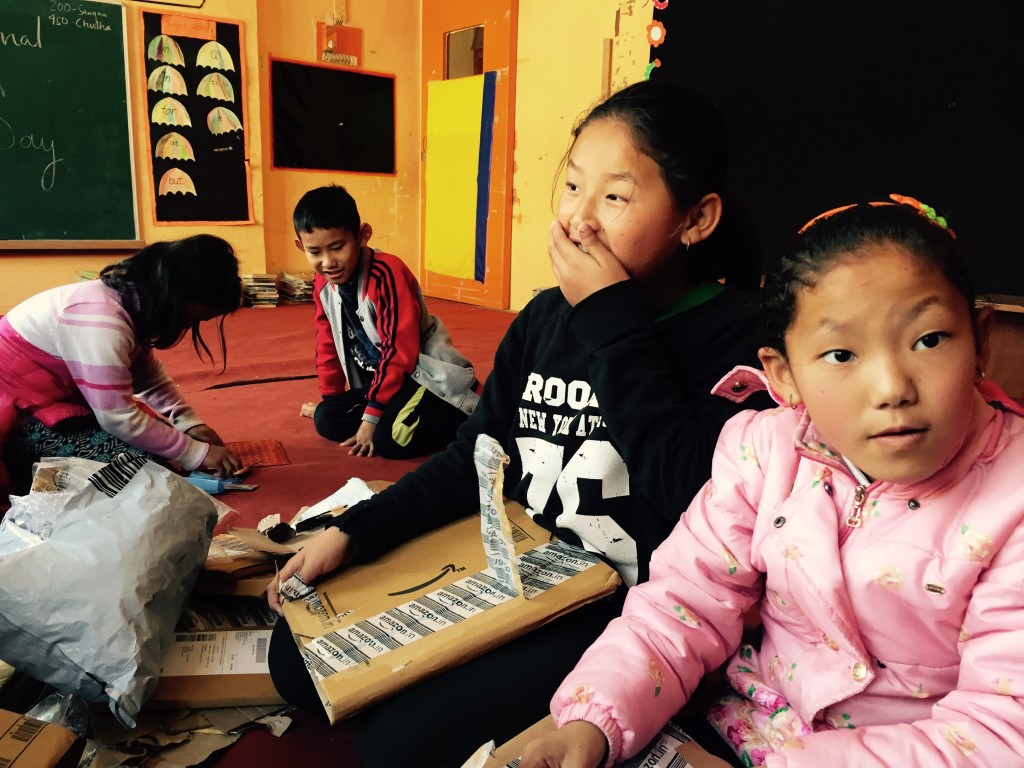
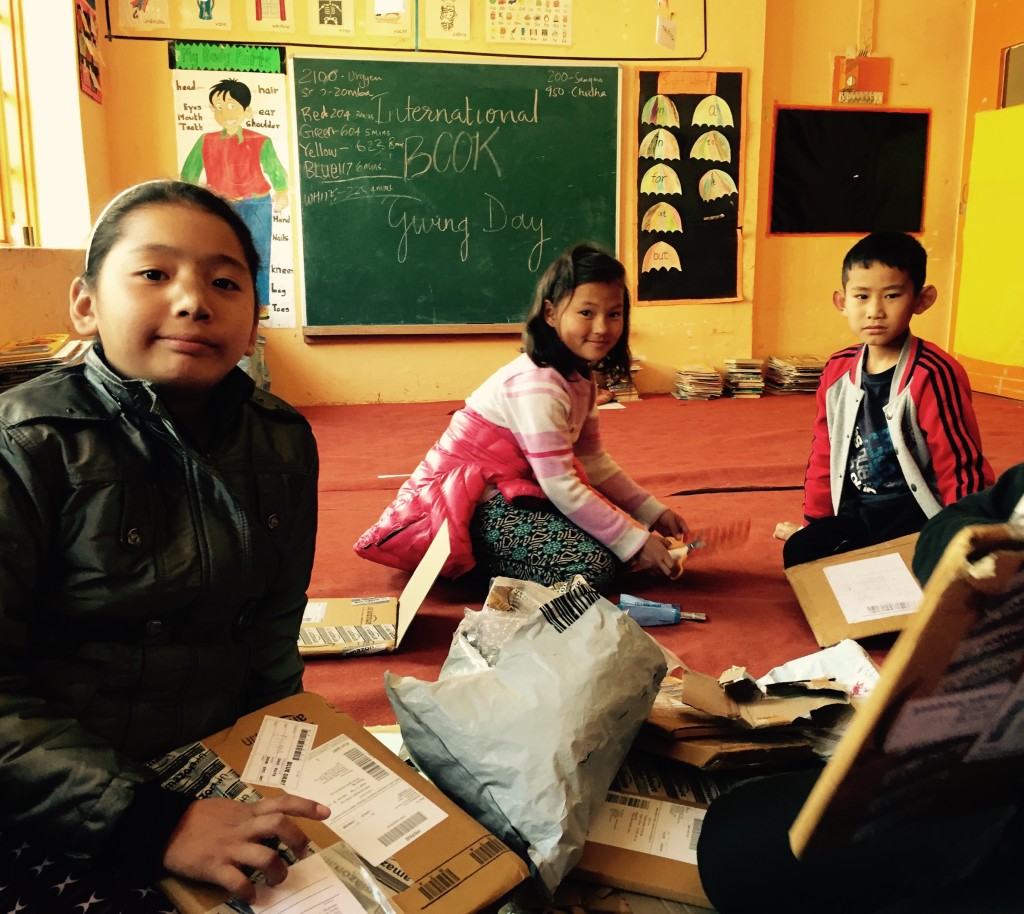
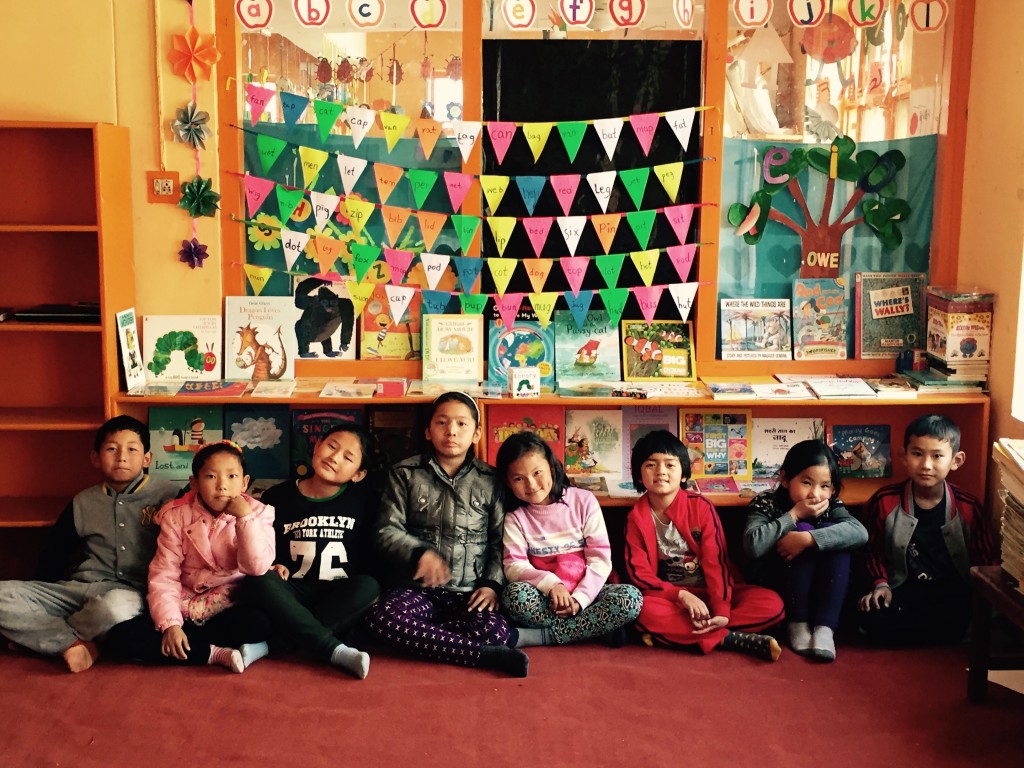
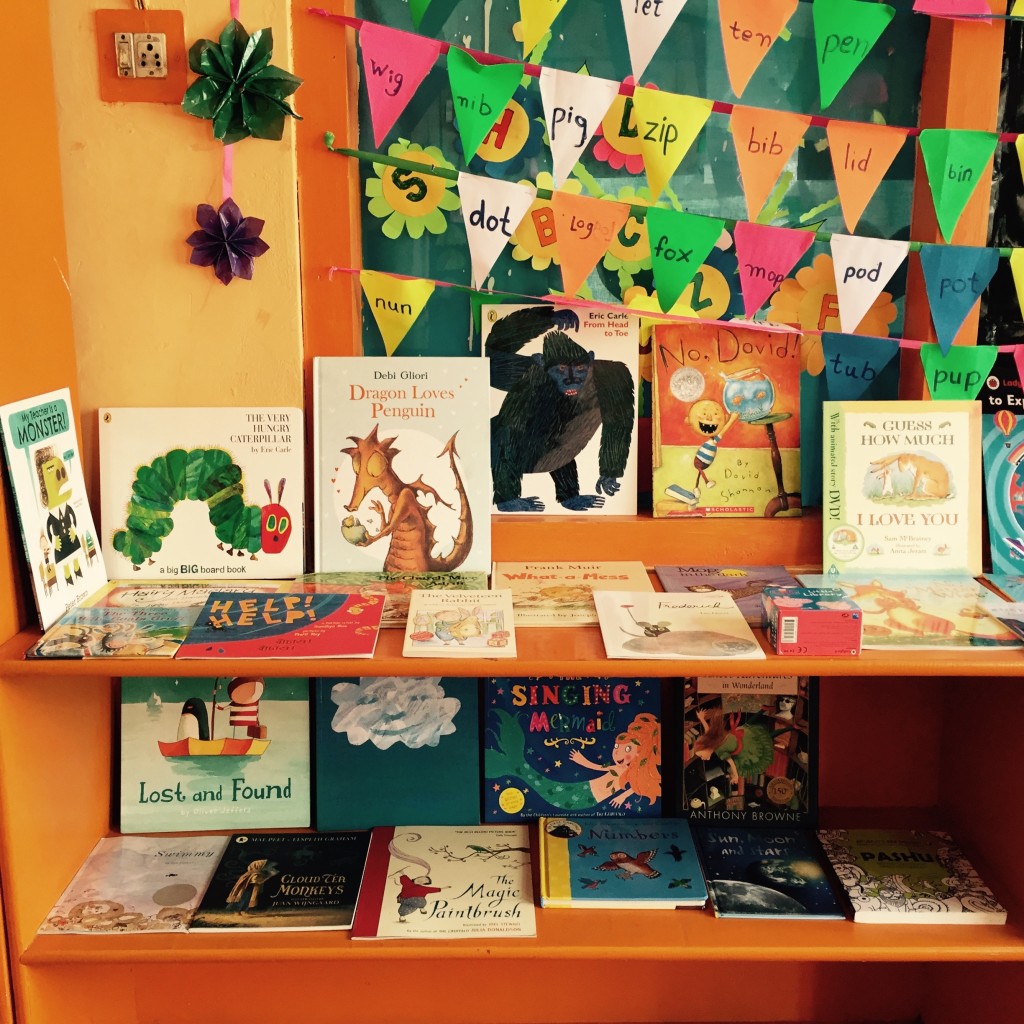
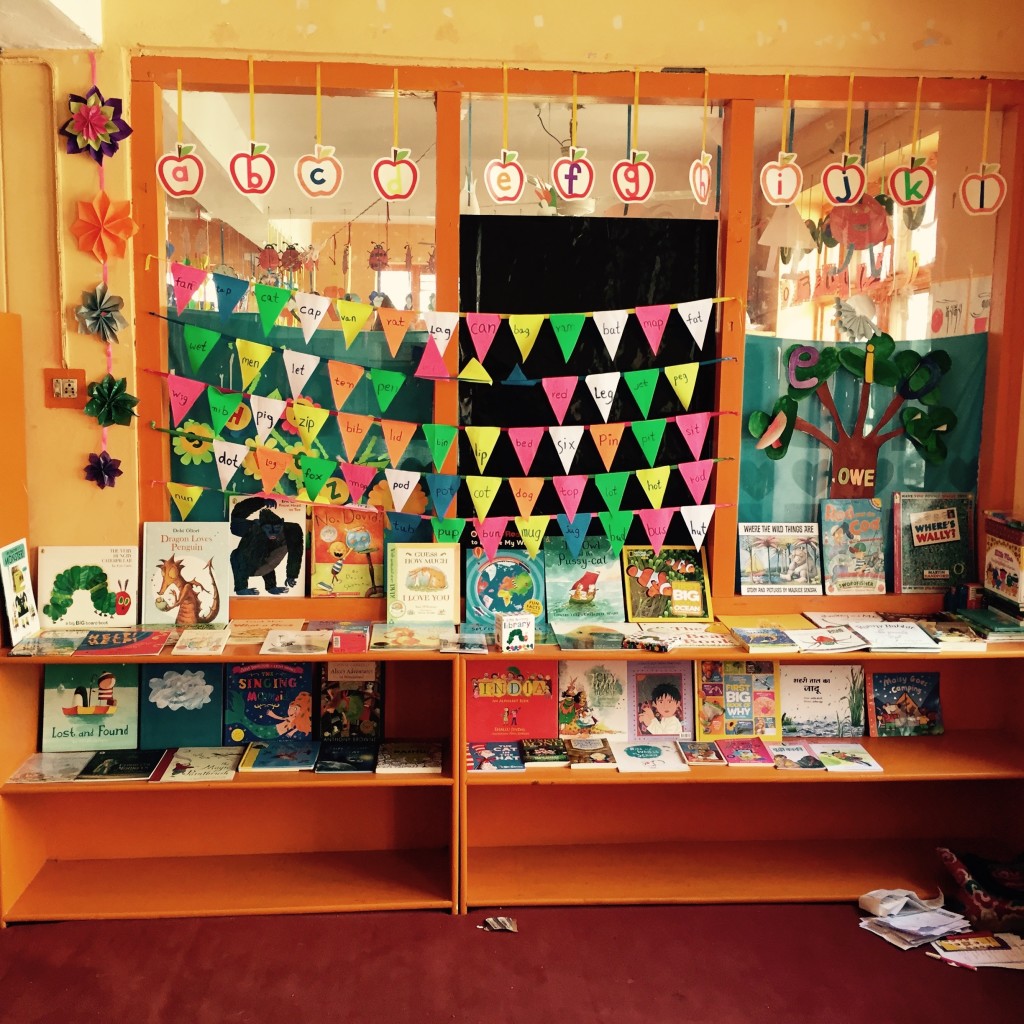
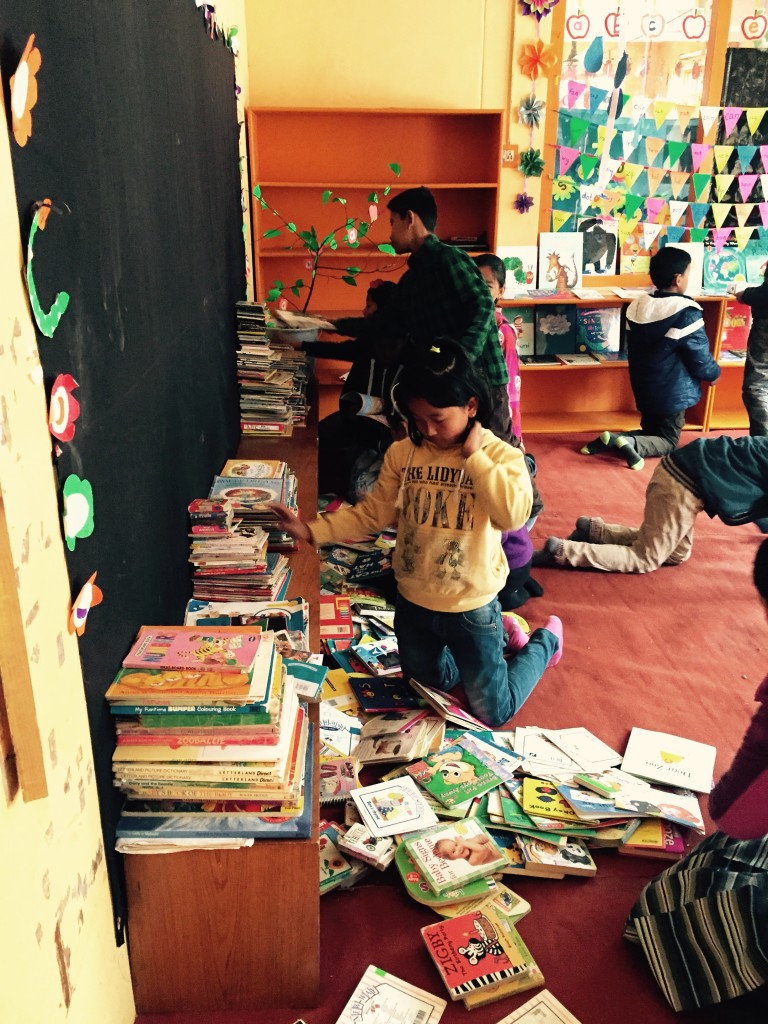
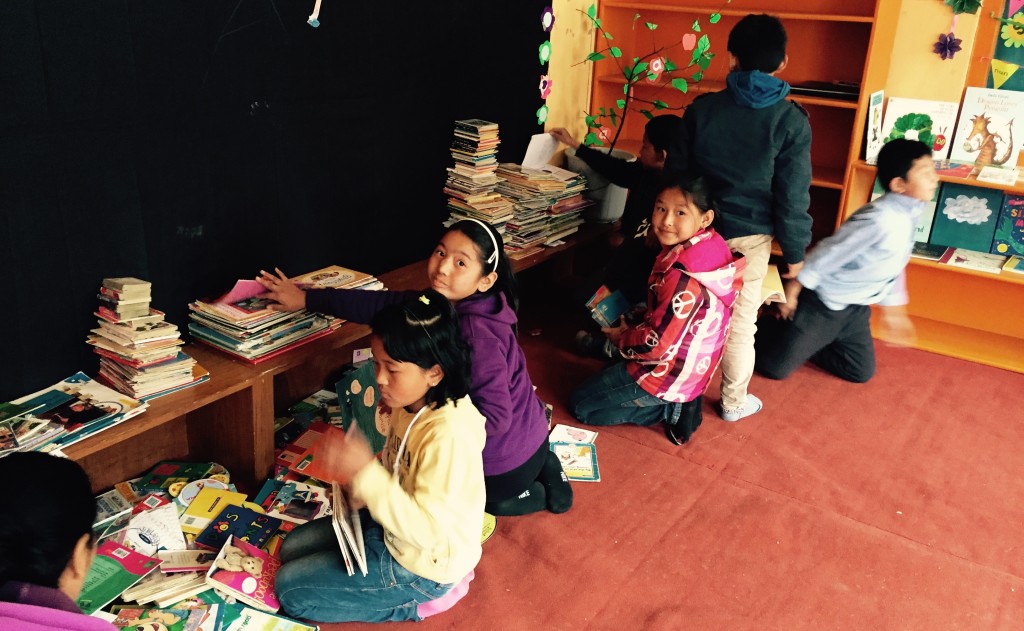
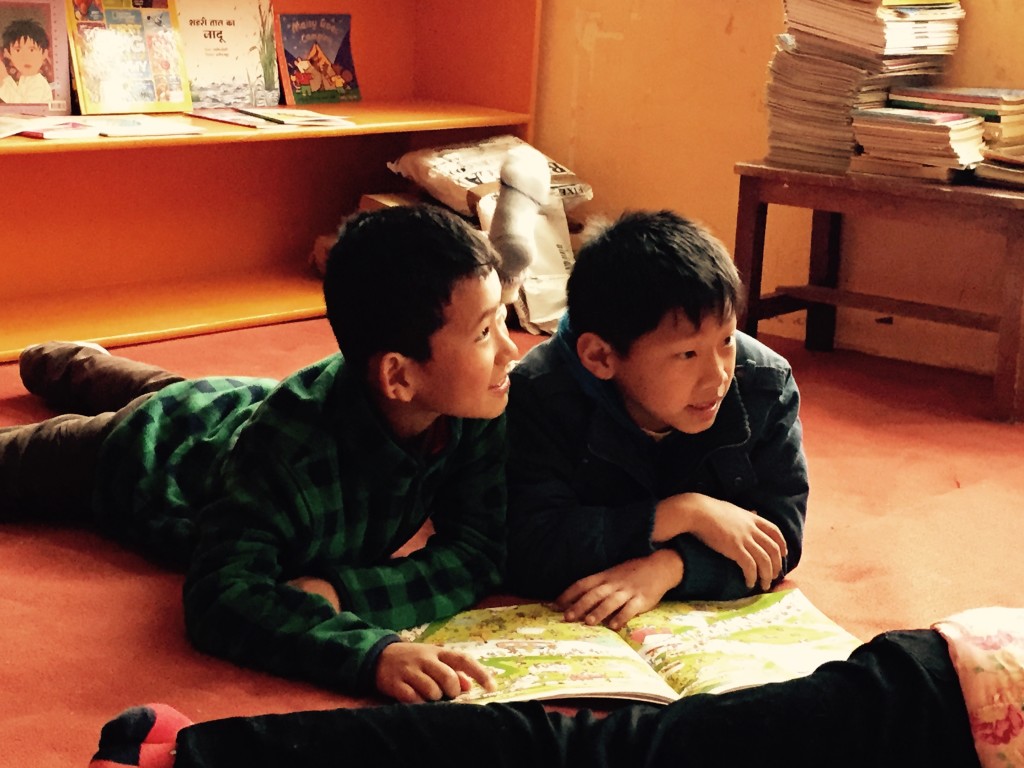
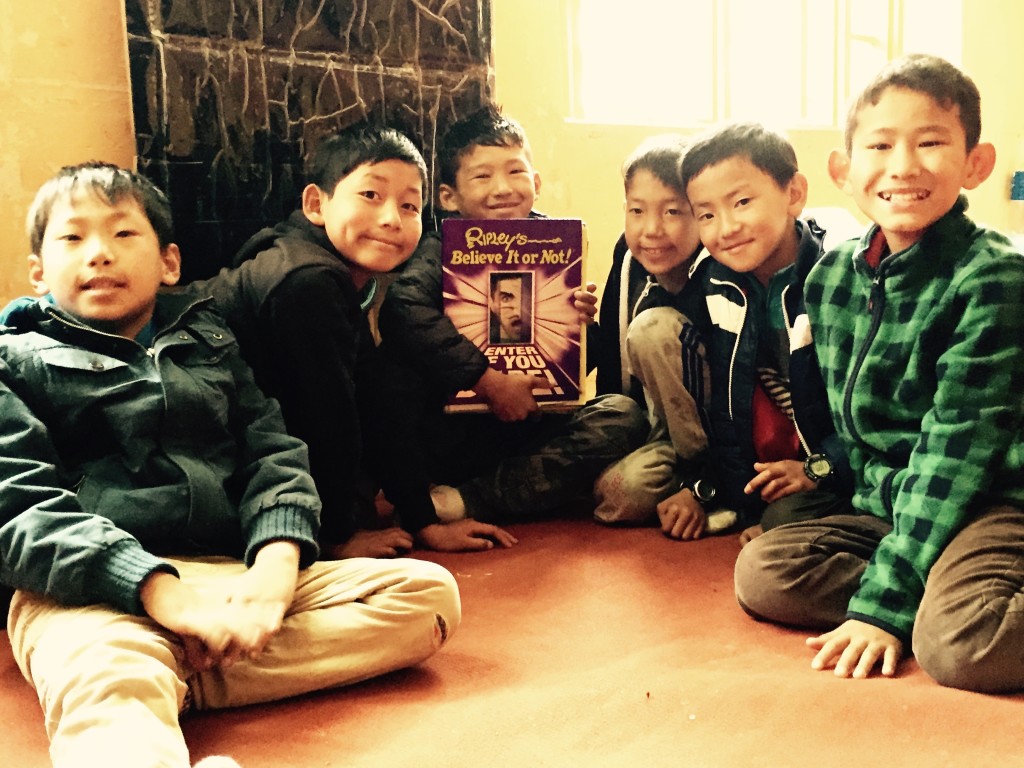
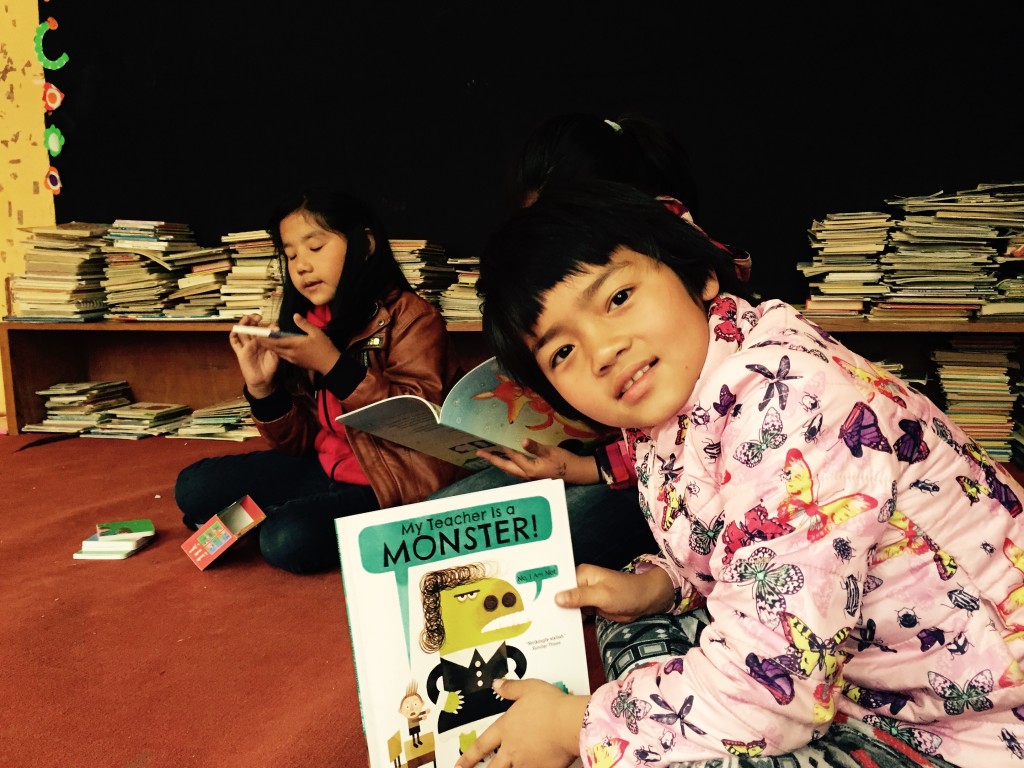
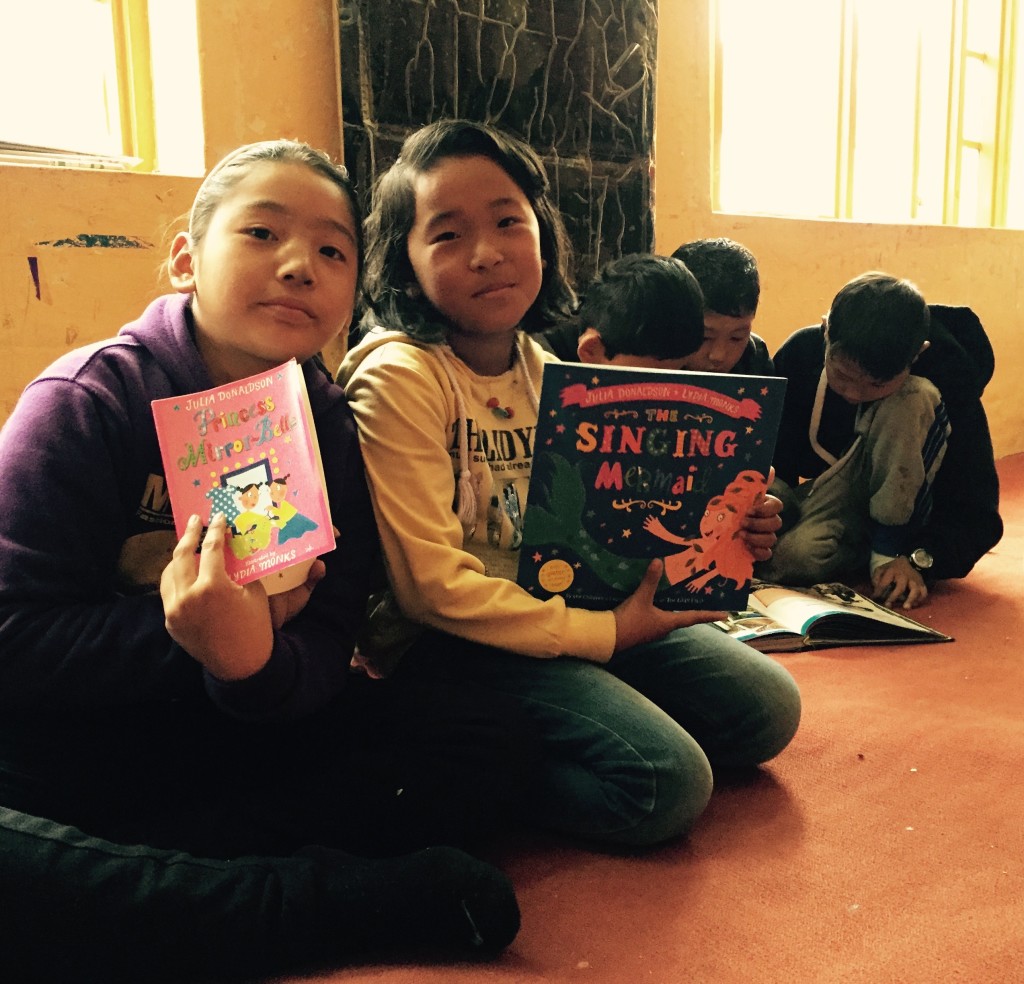
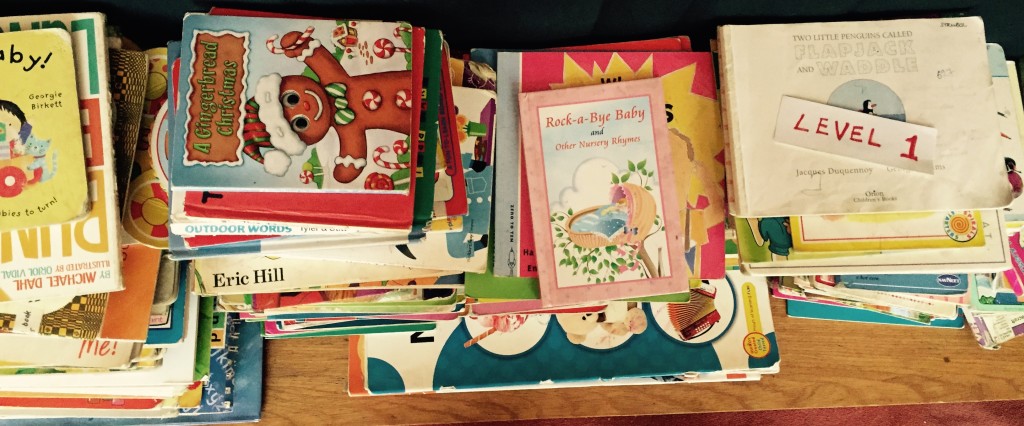
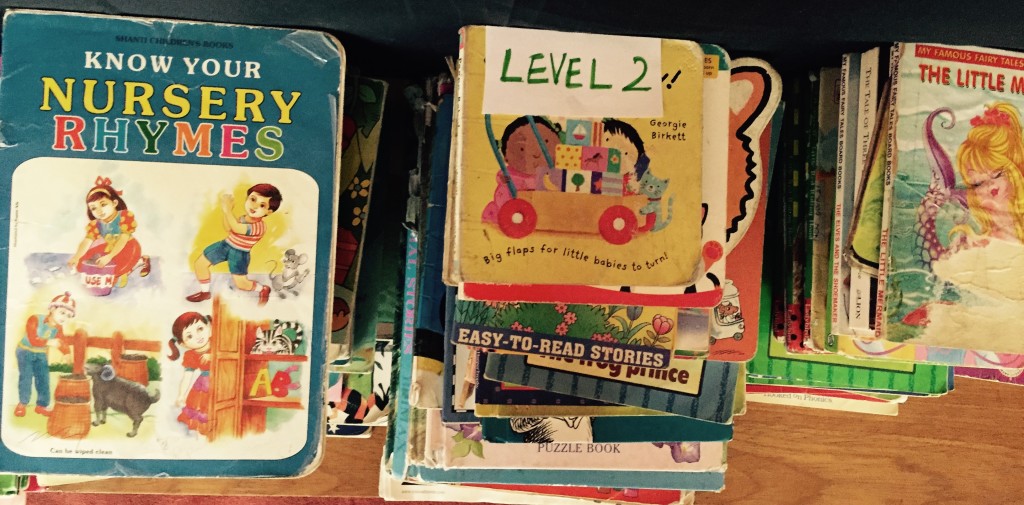
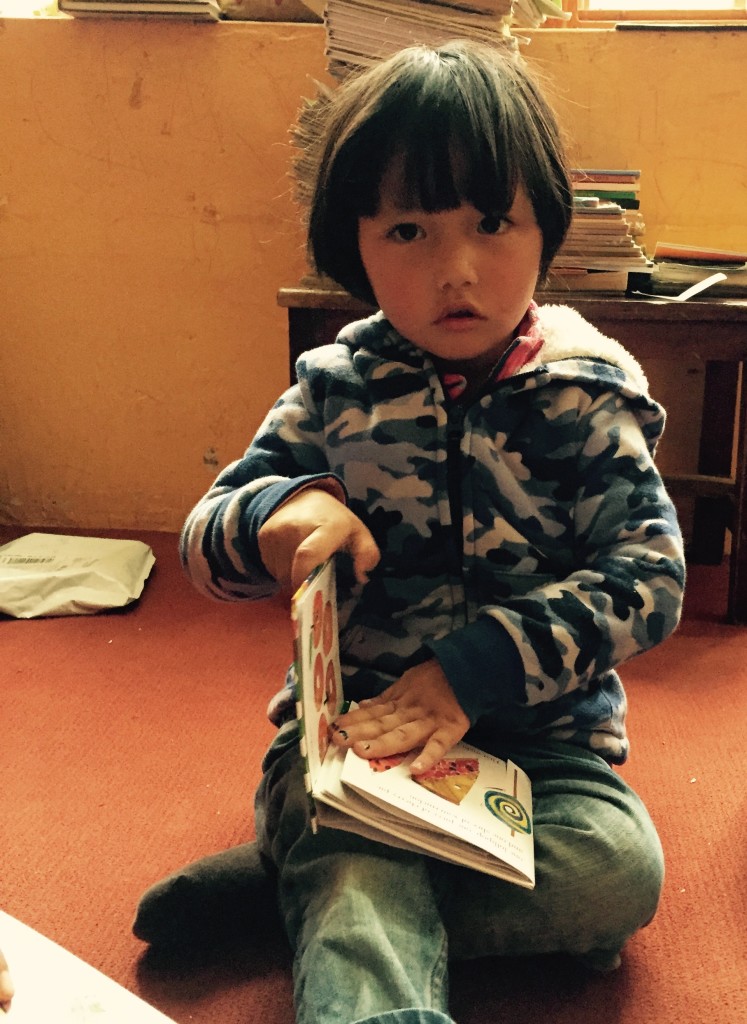
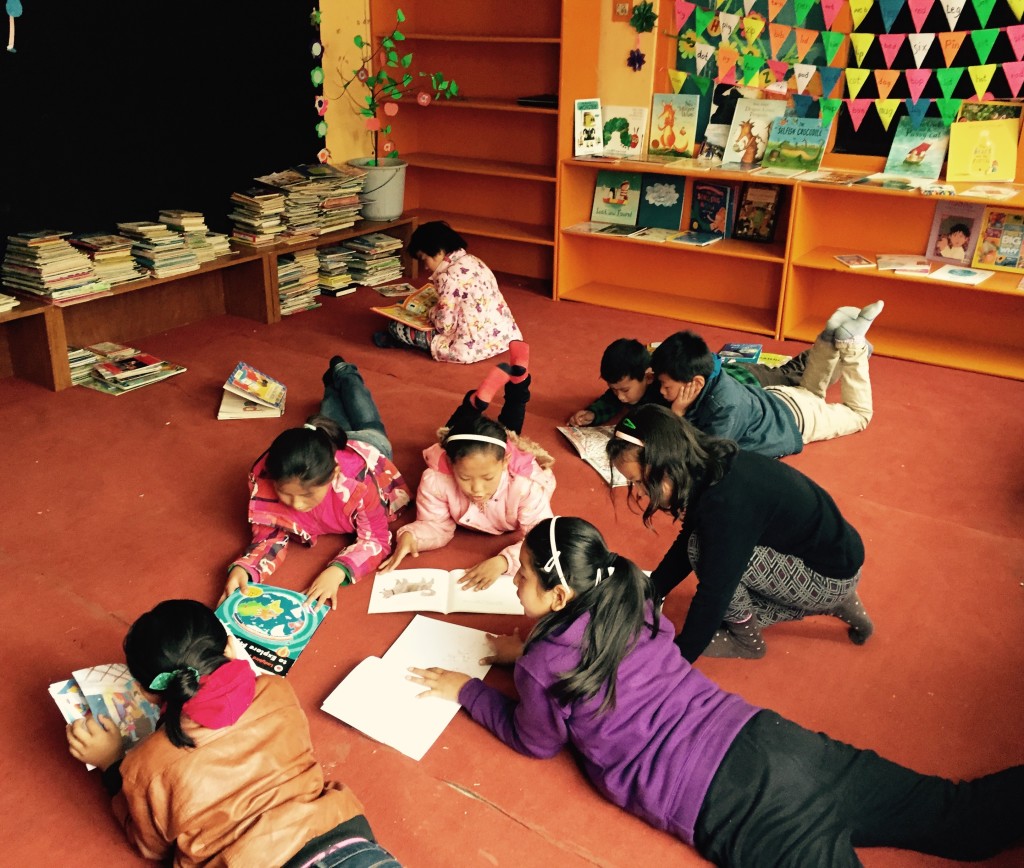
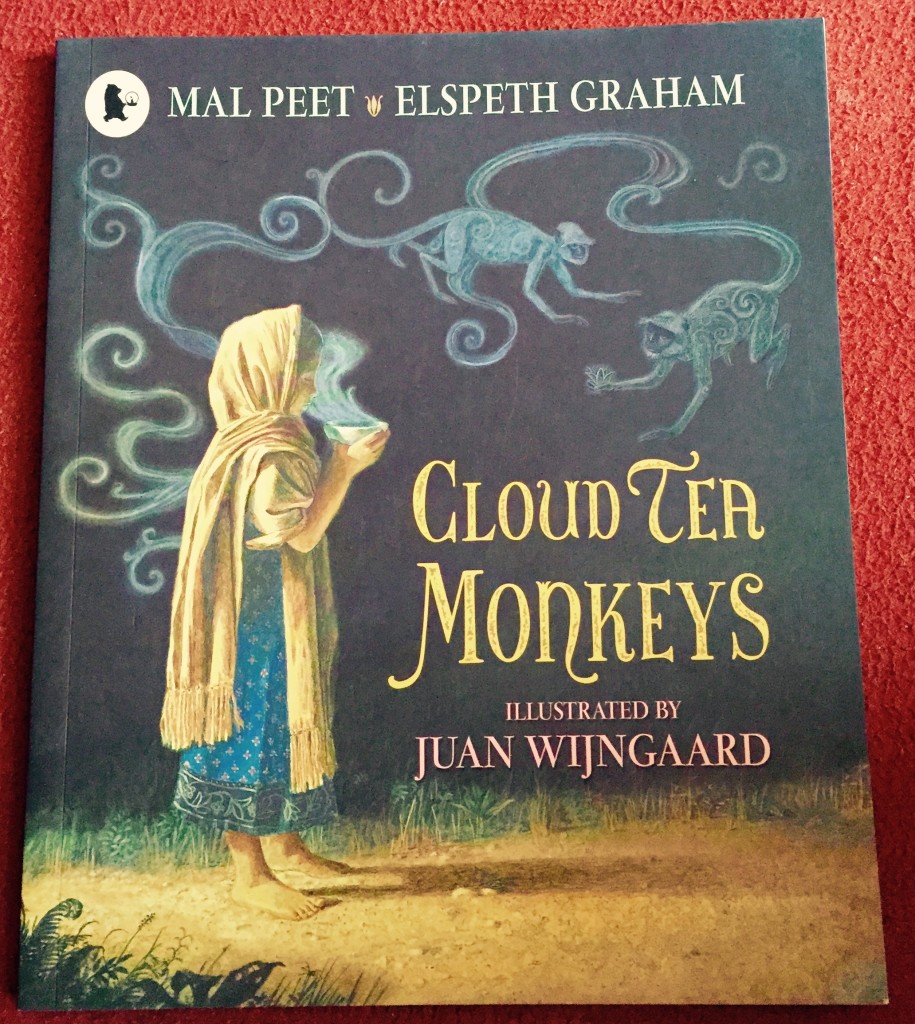
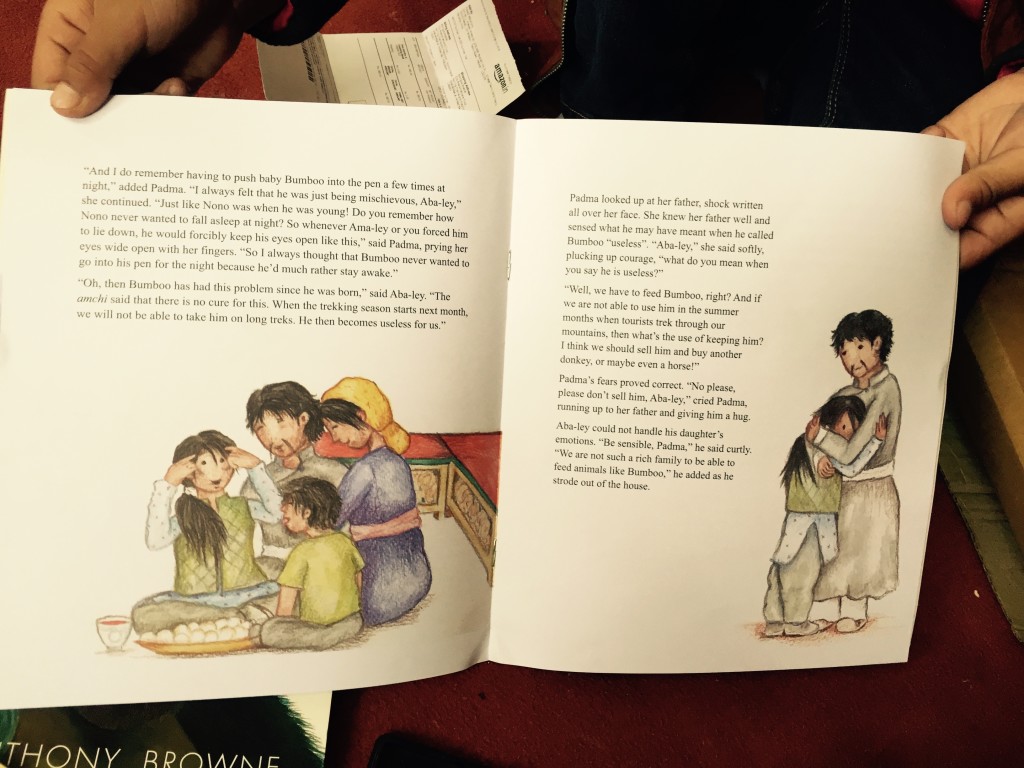
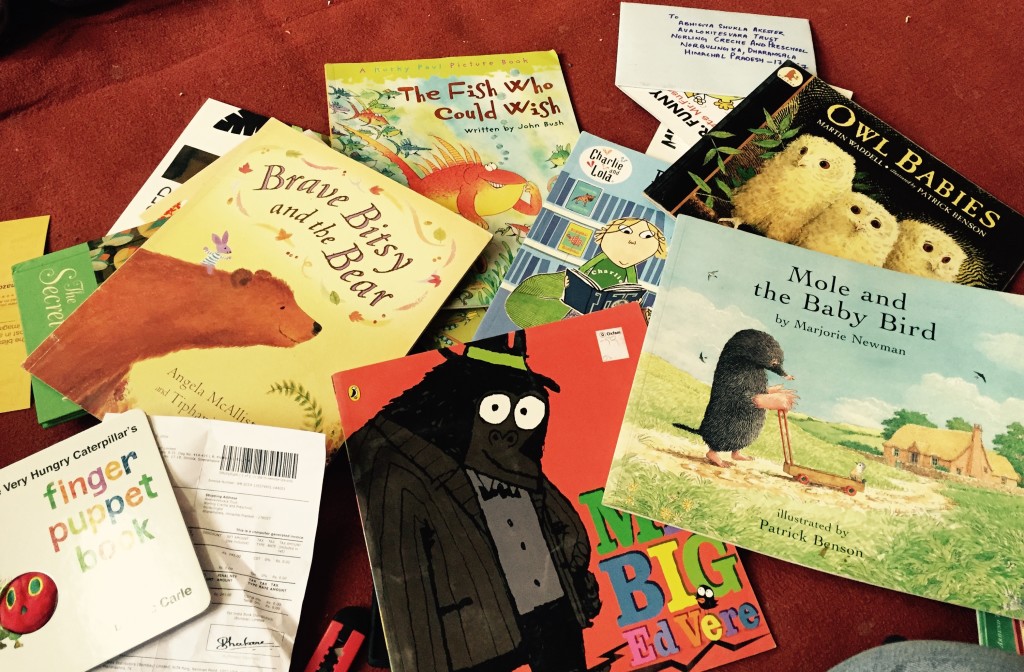
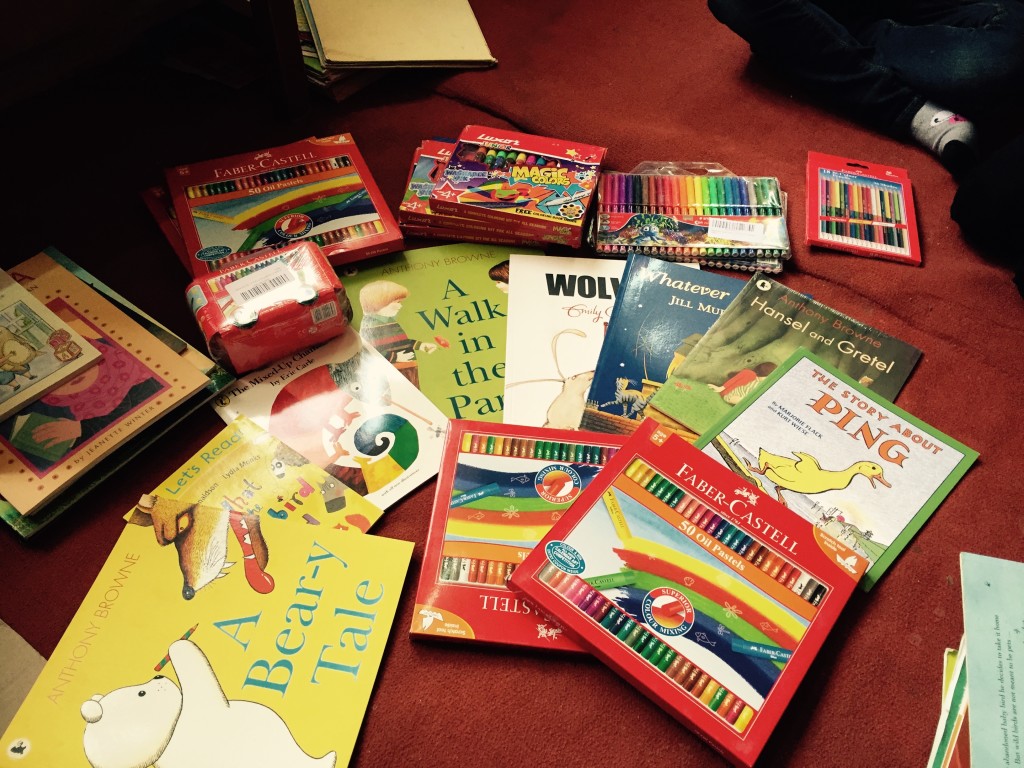
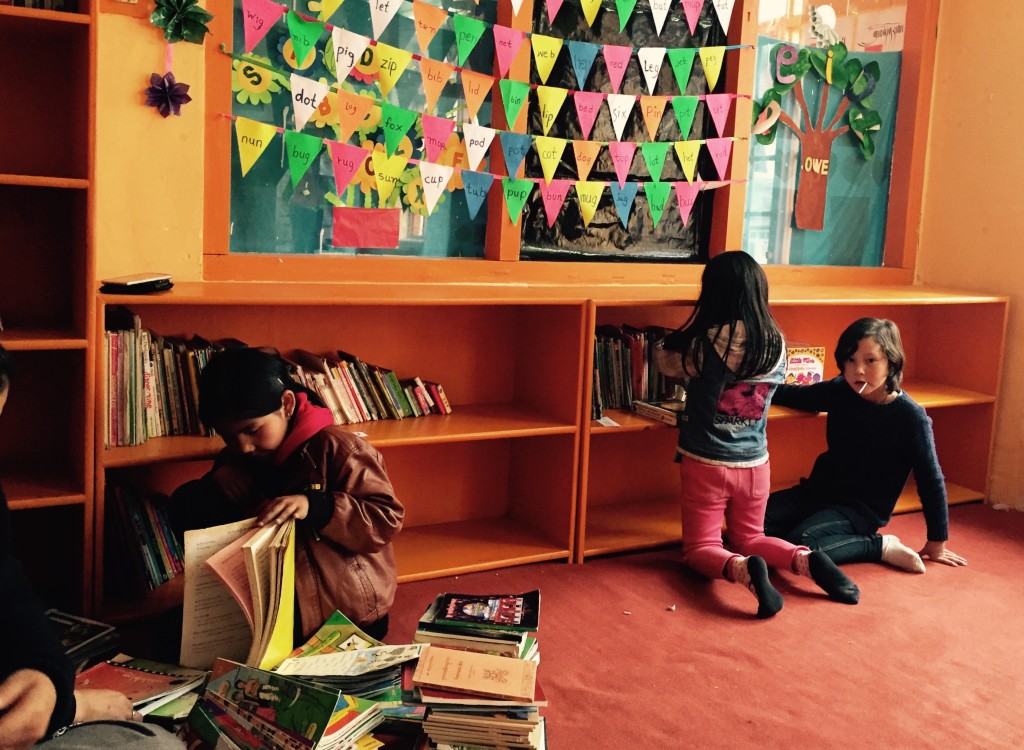
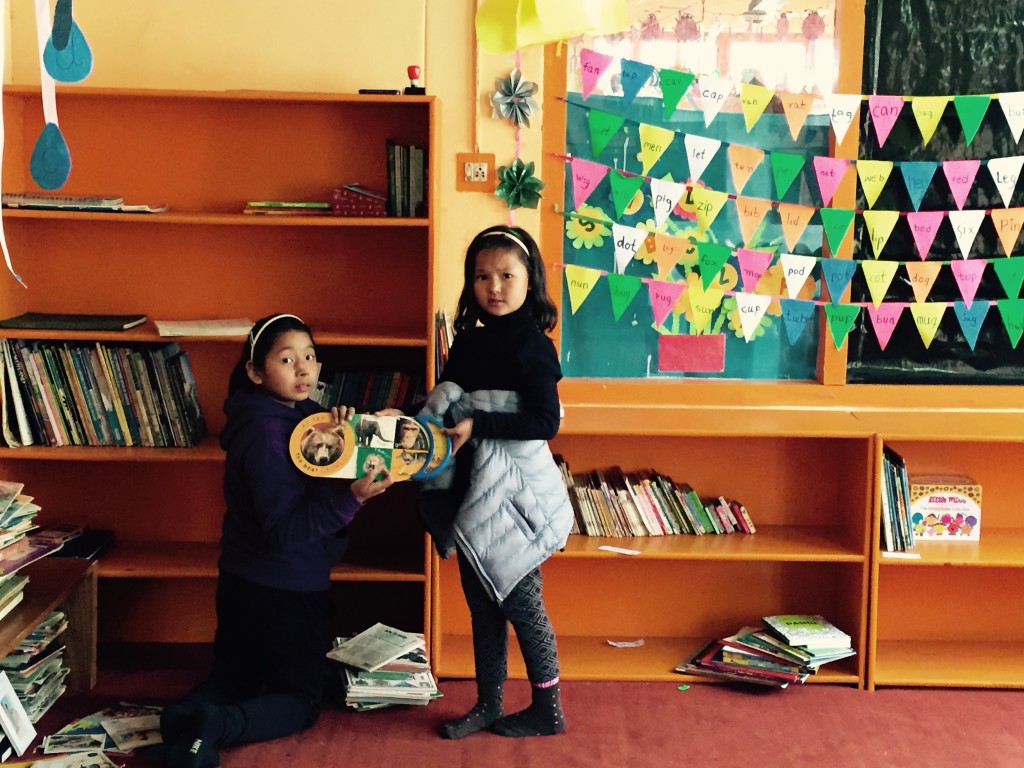
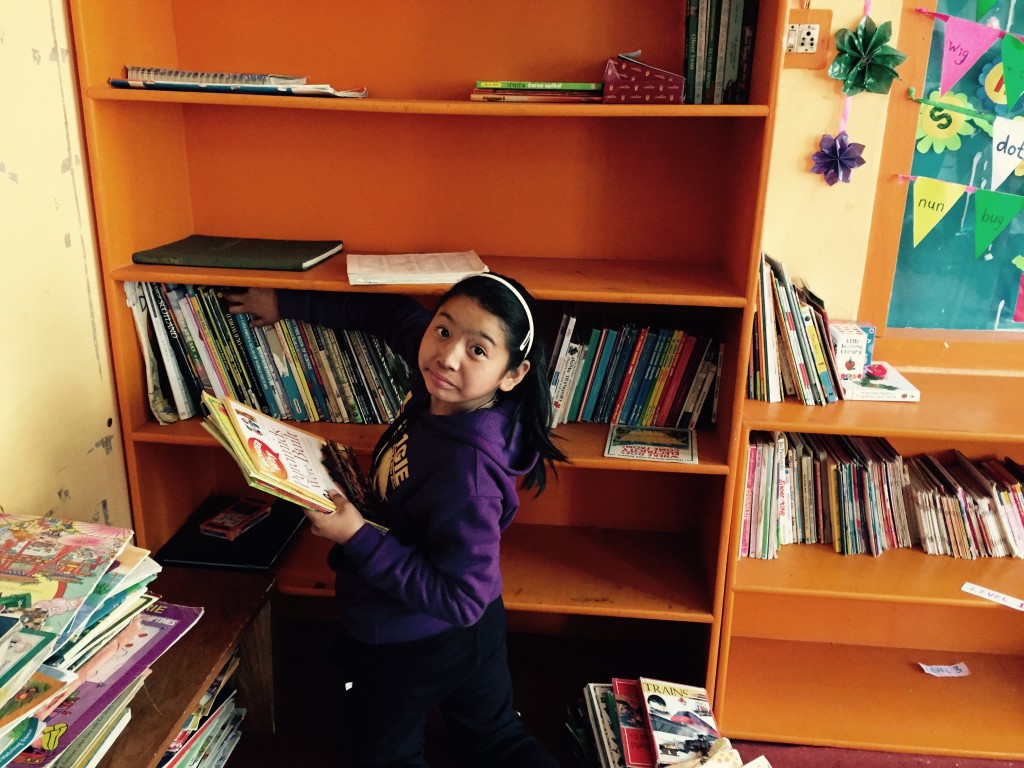
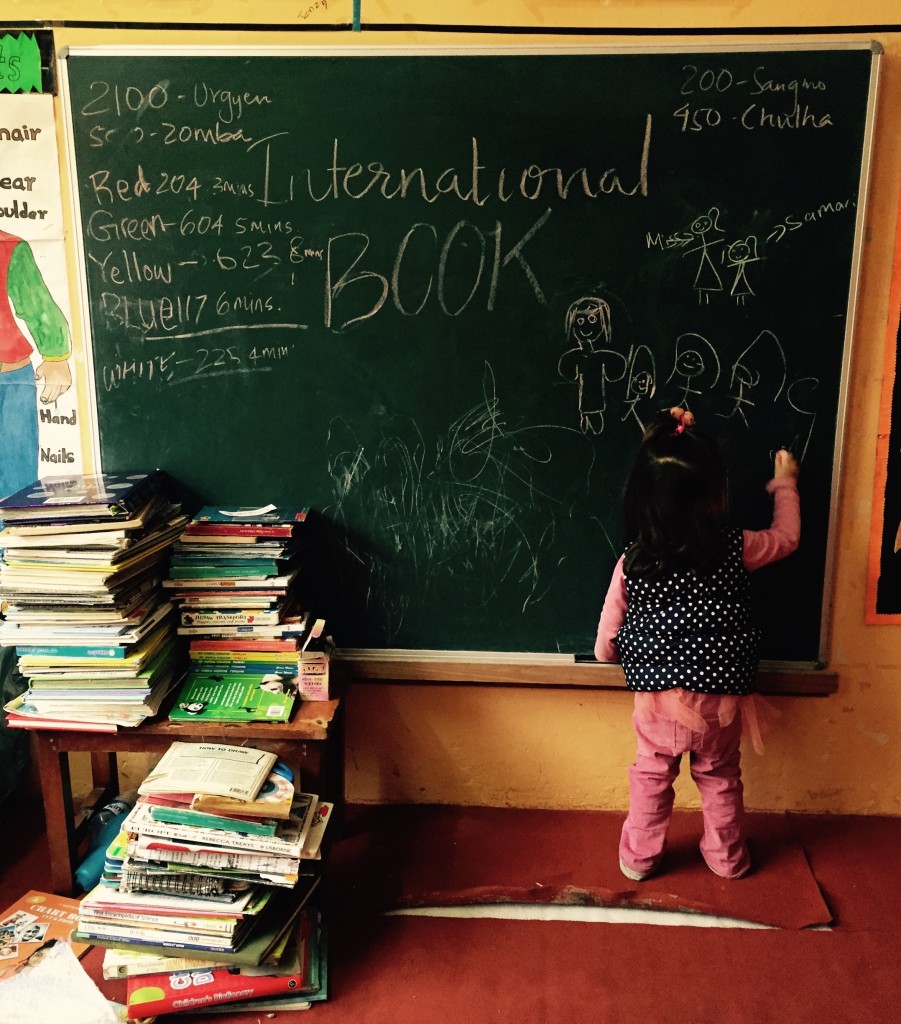
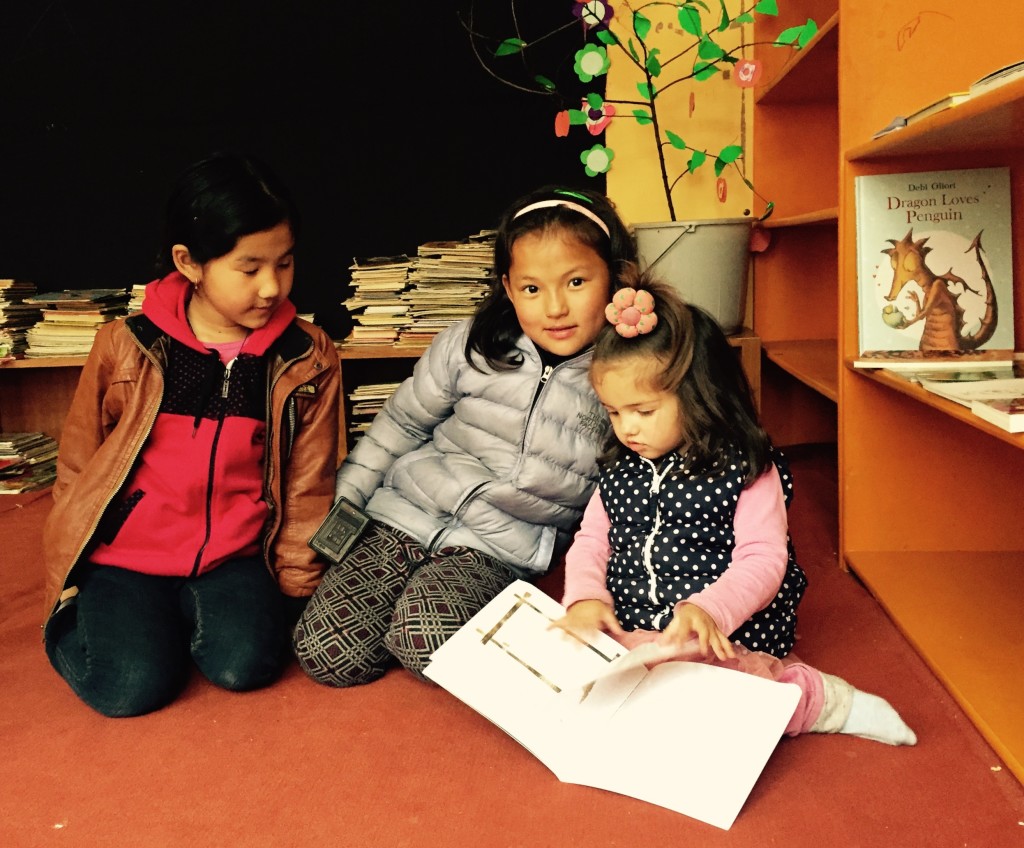
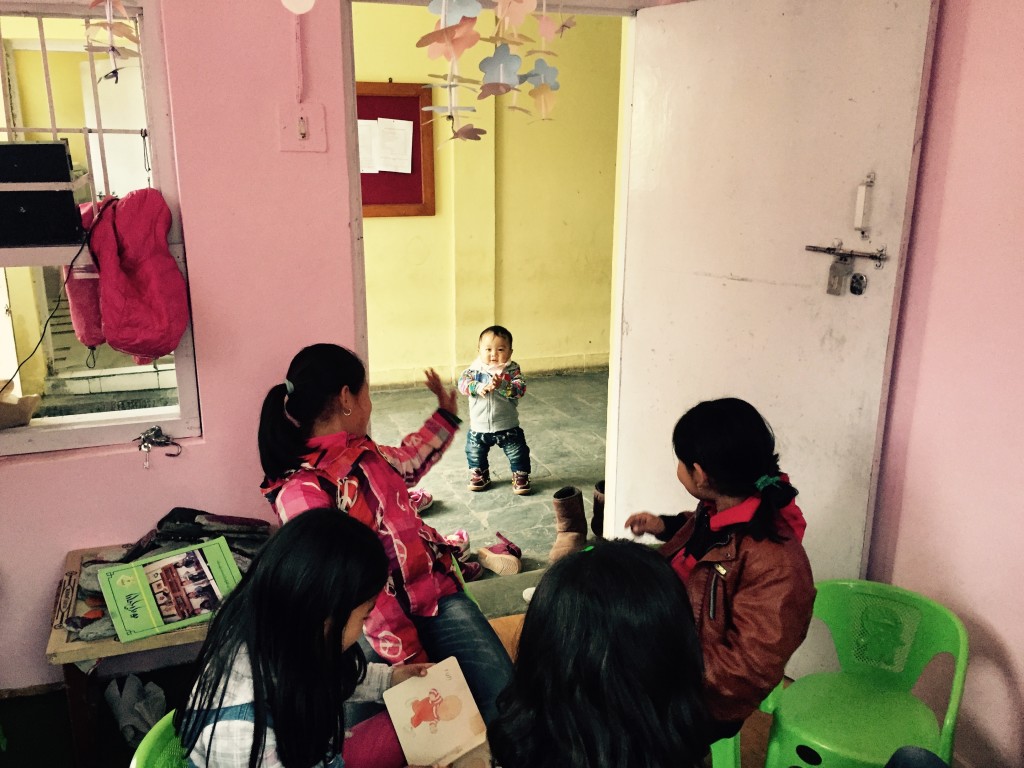
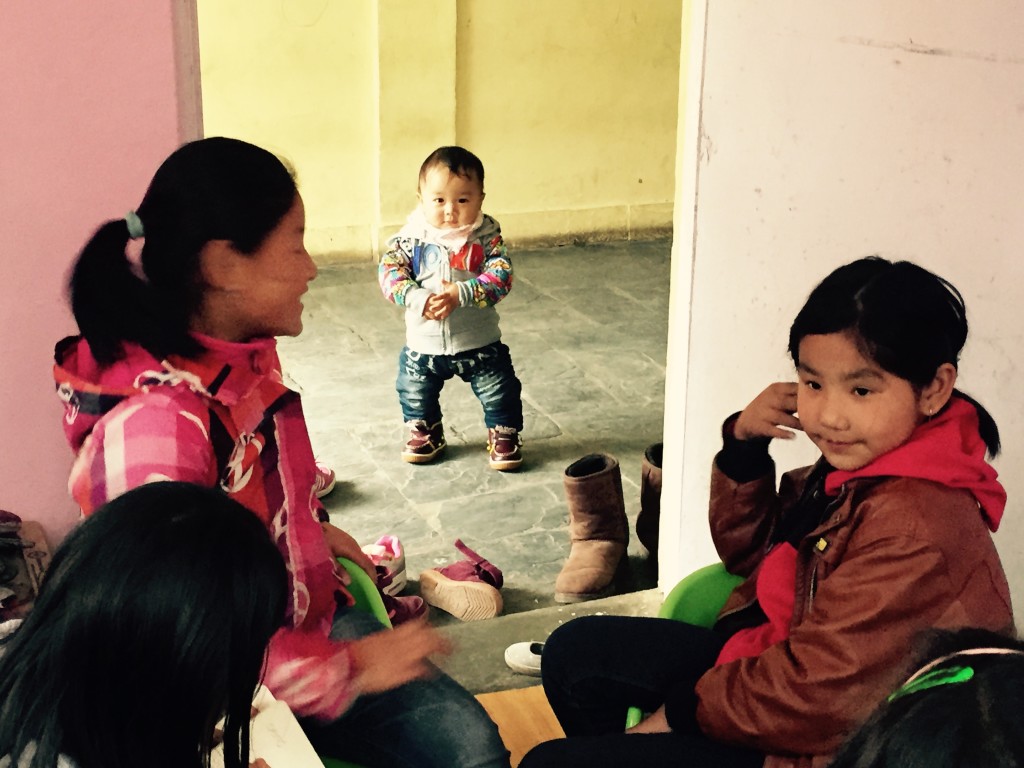
In classrooms, family rooms, libraries, and community reading spaces, word games can also create a welcoming bridge between different learning backgrounds. They encourage cooperation and confidence, especially when adults treat mistakes as natural parts of play. Organizations such as community reading work show how books, creative activities, and supportive spaces can widen children’s access to learning.
Why Word Games Support Language Growth
Board games give vocabulary a purpose. A child may learn a word more effectively when it helps complete a sentence, describe a picture, earn a point, or communicate a strategy. This active use strengthens memory because the word becomes connected to an action and a social experience.
Games also develop receptive and expressive language at the same time. Players listen to instructions, interpret clues, read cards, spell terms, and explain their thinking. Even children who are reluctant to speak may contribute when the rules provide a clear structure and everyone has a turn.
The social setting matters. Adults can model pronunciation, expand a child’s sentence, and introduce synonyms without interrupting the flow of play. Instead of correcting every error, they can repeat the idea using accurate language, helping children hear a natural version of the word.
Choosing Games For Different Learners
Early readers often benefit from games built around letter recognition, picture-word matching, and short familiar words. Games with large print, colorful components, and limited reading demands reduce frustration. Children can begin by identifying a picture or sound, then progress toward spelling and independent reading.
More confident readers may enjoy games that require definitions, categories, word associations, or storytelling. These formats broaden vocabulary beyond isolated nouns. Players encounter descriptive adjectives, action verbs, transition words, and terms for feelings or reasoning.
For multilingual children, visual prompts and cooperative rules are particularly useful. A child can explain a picture in one language, learn the equivalent word in another, and then use both during play. This approach respects existing knowledge while adding new English vocabulary. Games should support communication rather than turn language differences into a disadvantage.
Games Compared By Language Skills
No single game develops every part of vocabulary equally. Some are best for spelling and word formation, while others encourage oral fluency, descriptive language, or flexible thinking. The following comparison can help adults select a suitable starting point.
| Game |
Best For |
Typical Language Practice |
Helpful Adaptation |
| Scrabble Junior |
Early spelling |
Letter sounds, short words, basic vocabulary |
Let beginners use picture prompts or a shared word bank |
| Bananagrams |
Word building |
Spelling patterns, prefixes, suffixes, speed and flexibility |
Remove the timer and play with a smaller set of letters |
| Apples to Apples Junior |
Meaning and categories |
Adjectives, nouns, comparison, discussion |
Ask players to explain why a card fits |
| Dixit |
Descriptive speech |
Imagery, inference, emotions, storytelling |
Accept phrases or drawings from emerging readers |
| Taboo-style children’s games |
Oral fluency |
Definitions, synonyms, circumlocution |
Allow gestures and first-language support |
| Story Cubes |
Narrative vocabulary |
Verbs, settings, sequencing, imaginative language |
Build one group story instead of competing |
Scrabble Junior and Bananagrams are especially useful when spelling is the main goal, but they can become difficult if speed dominates the experience. Removing a timer or allowing cooperative word building keeps attention on language. Story Cubes and Dixit are better choices when the group needs more speaking practice than written work.
A balanced collection includes both structured word games and imaginative options. Children who dislike spelling may become enthusiastic when vocabulary is connected to pictures and storytelling. Children who prefer clear rules may feel more secure with letter tiles and visible scoring.
Making Play More Inclusive
The adult facilitator has an important role in adjusting the challenge. A younger child might match a word to a picture, while an older child defines it or uses it in a sentence. Everyone can participate in the same round when the task has several levels of difficulty.
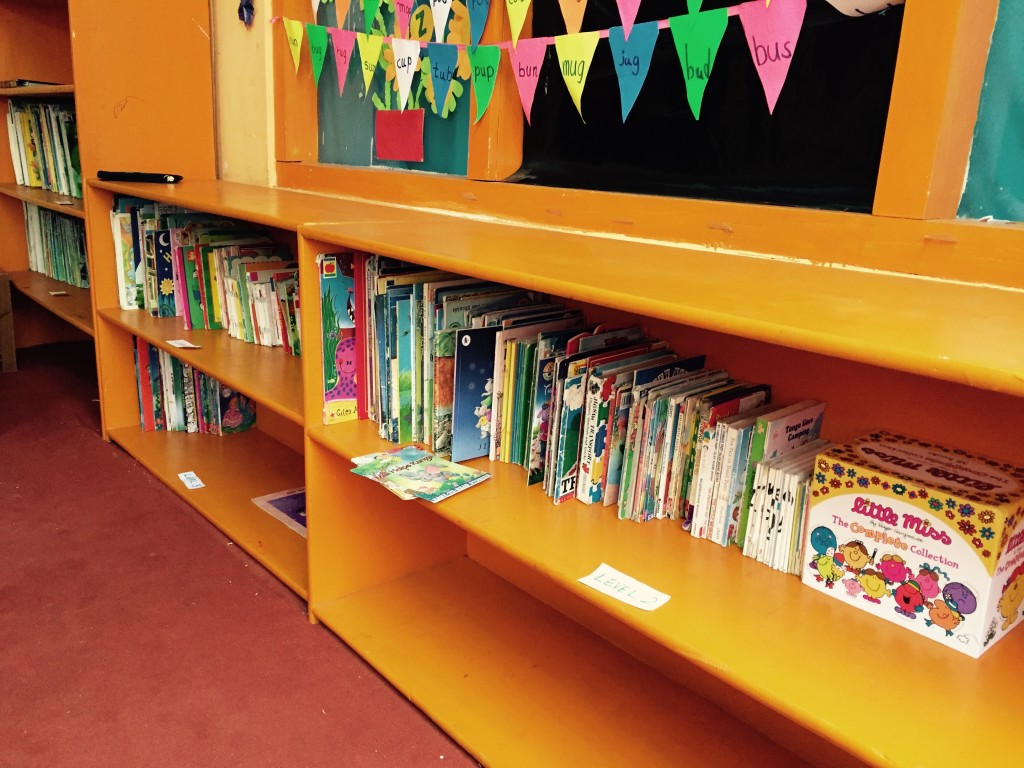
It also helps to create a “language shelf” beside the game. This may include illustrated dictionaries, bilingual word cards, notebooks, and lists of recently learned terms. When a new word appears, players can record it, draw it, translate it, or connect it to a familiar word. Reviewing these entries before the next game turns a brief activity into a continuing vocabulary routine.
In a reading room or youth center, cooperative play is often more effective than intense competition. Teams can solve clues together, share letter tiles, or earn a collective reward for using new words. Cooperative formats build peer support and allow stronger readers to model strategies without taking over every turn.
Turning Each Session Into Learning
A short preparation stage can make a major difference. Introduce three to five useful words before play, using objects, gestures, pictures, or simple explanations. Avoid presenting a long list. A small group of high-frequency or topic-related terms is easier to remember and apply.
During the game, encourage complete thoughts without making speech feel like a test. Prompts such as “Can you describe it?” or “What is another word for that?” invite elaboration. If a child gives a one-word answer, an adult can gently extend it: “Yes, it is enormous—a very large mountain.”
Afterward, revisit the vocabulary in a new context. Children might draw one word, act out a verb, write a two-sentence story, or find the term in a book. This final step helps move language from short-term game memory into practical reading, writing, and conversation.
Building A Practical Game Collection
A small, carefully chosen collection can serve many ages and ability levels. Before purchasing, check whether the game has readable instructions, durable pieces, culturally accessible images, and enough flexibility for adaptation. Games that depend heavily on speed, advanced spelling, or obscure cultural references may exclude children who are still developing English.
Consider beginning with one spelling game, one storytelling game, and one clue or description game. Rotate them regularly so children experience repetition without boredom. Store vocabulary cards and child-created stories with the games, allowing each session to build on the last.
Useful choices for a shared learning space include:
- Select games with visual support for beginning readers and multilingual learners.
- Prefer cooperative or adaptable rules when children have different language levels.
- Keep a notebook for new words, example sentences, drawings, and translations.
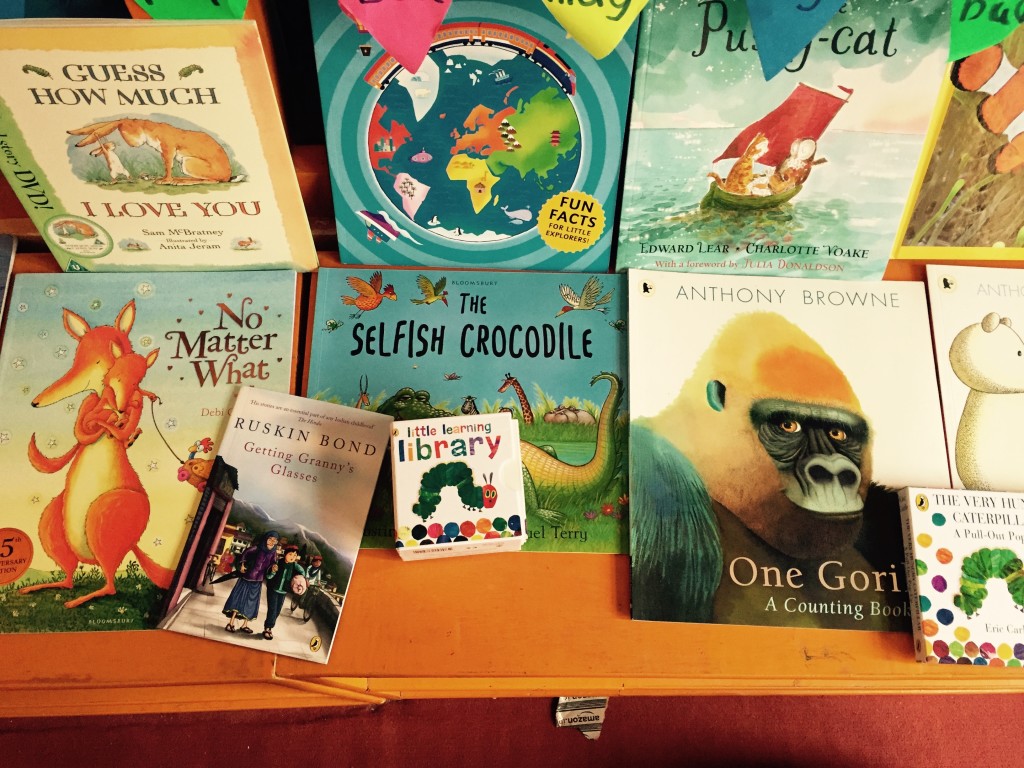
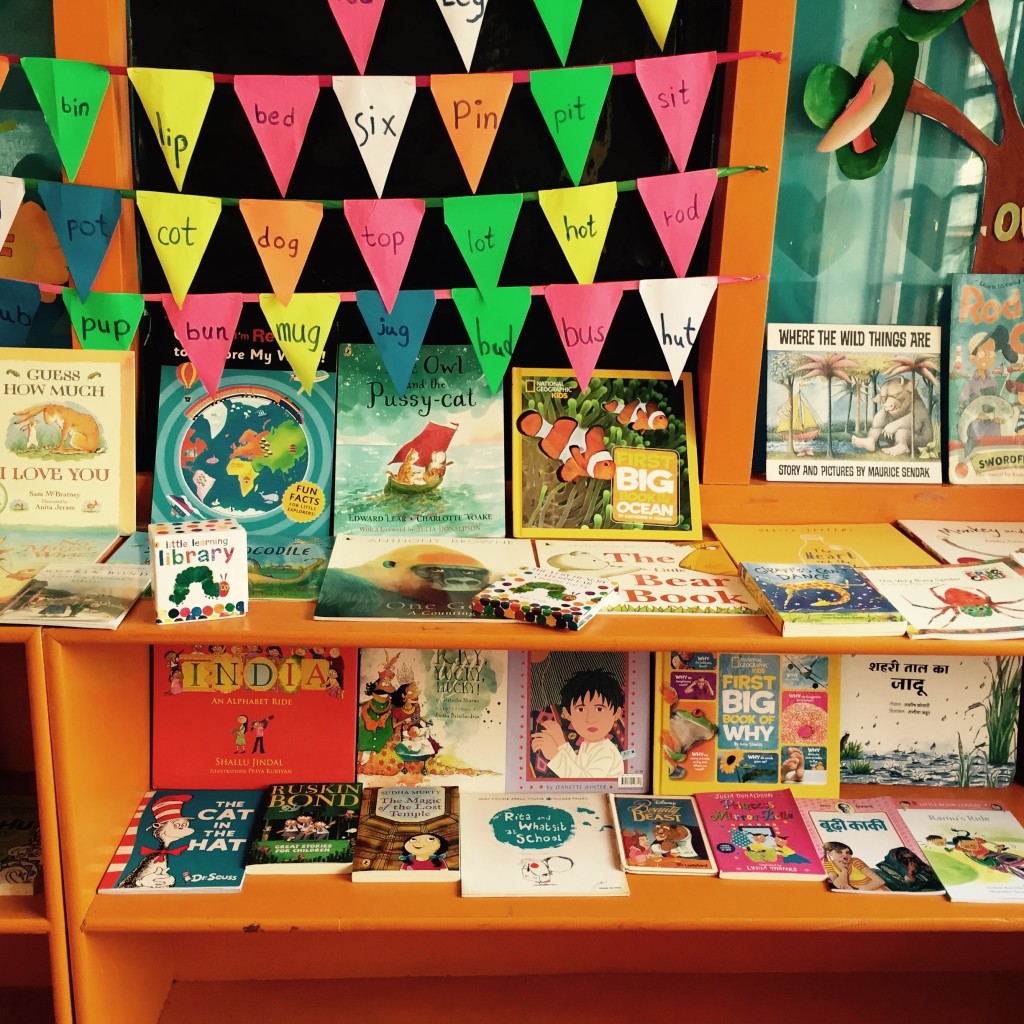
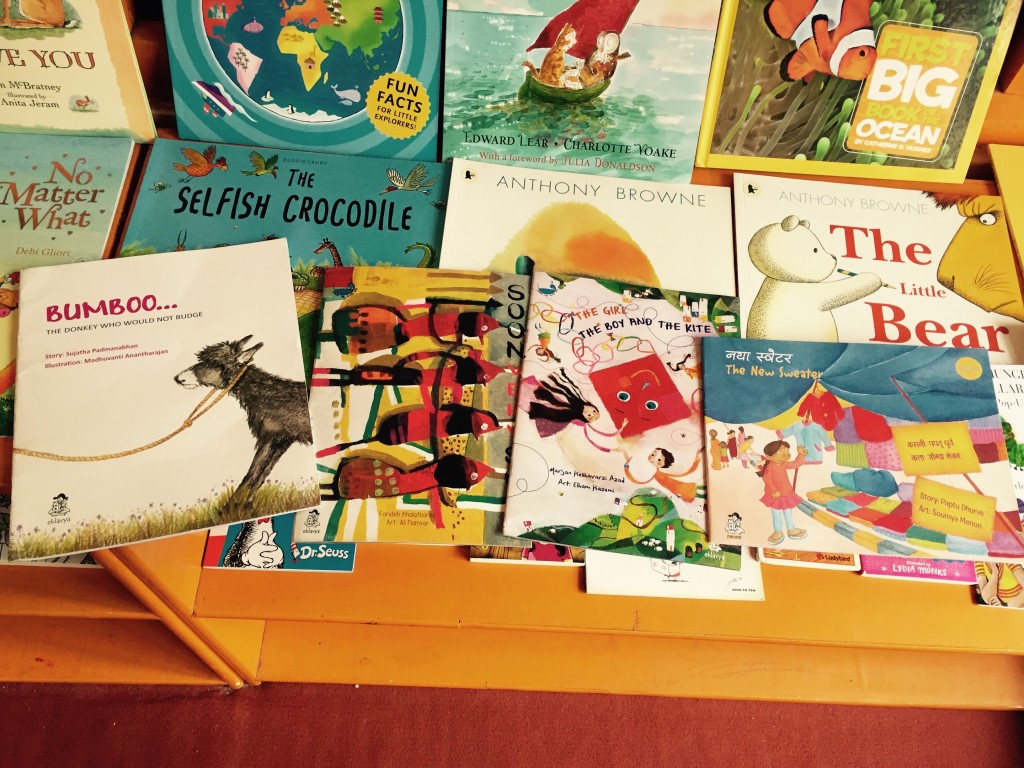
- Pair every word game with books that use related themes or vocabulary.
- Invite children to invent cards, clues, or board spaces for a sense of ownership.
Helping Children Read, Speak, And Create
Board games are most powerful when they sit within a wider literacy environment. A child who encounters the word “journey” in a game can later find it in a story, discuss a character’s journey, and use it in a drawing or song. This connection between play, books, art, and conversation makes vocabulary memorable and personally meaningful.
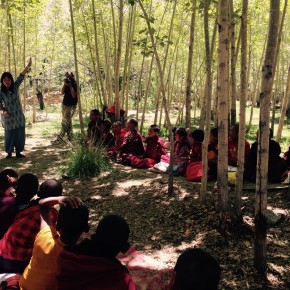
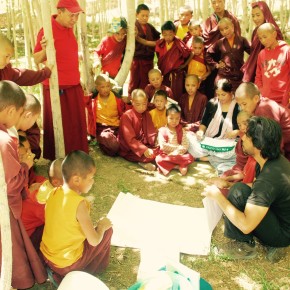
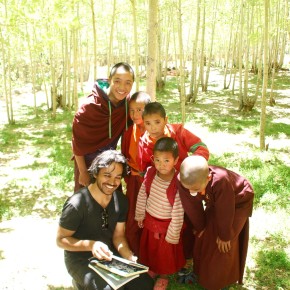
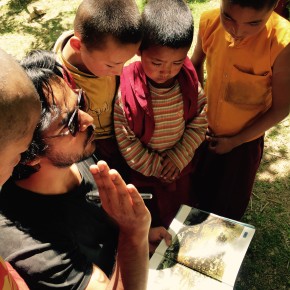
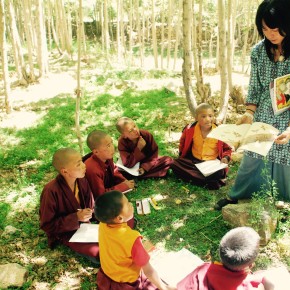
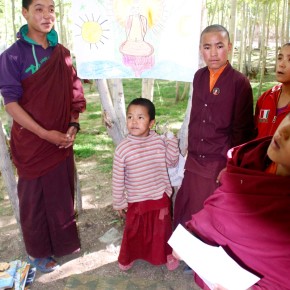
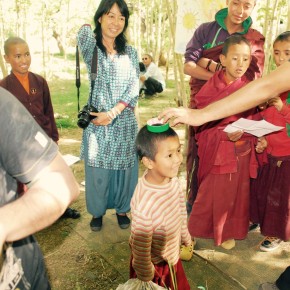
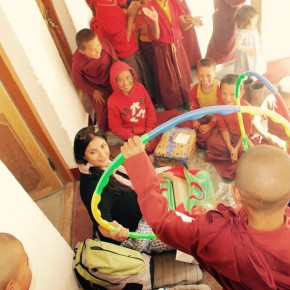
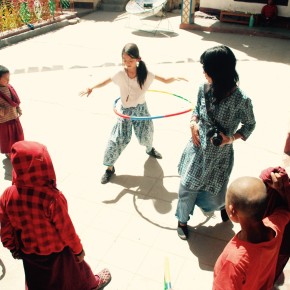
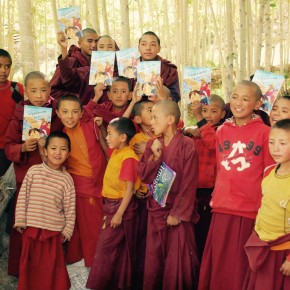
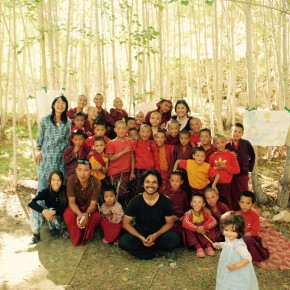
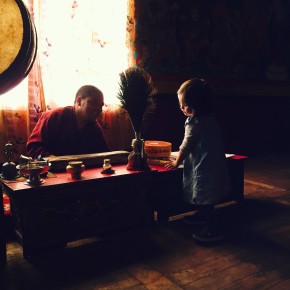
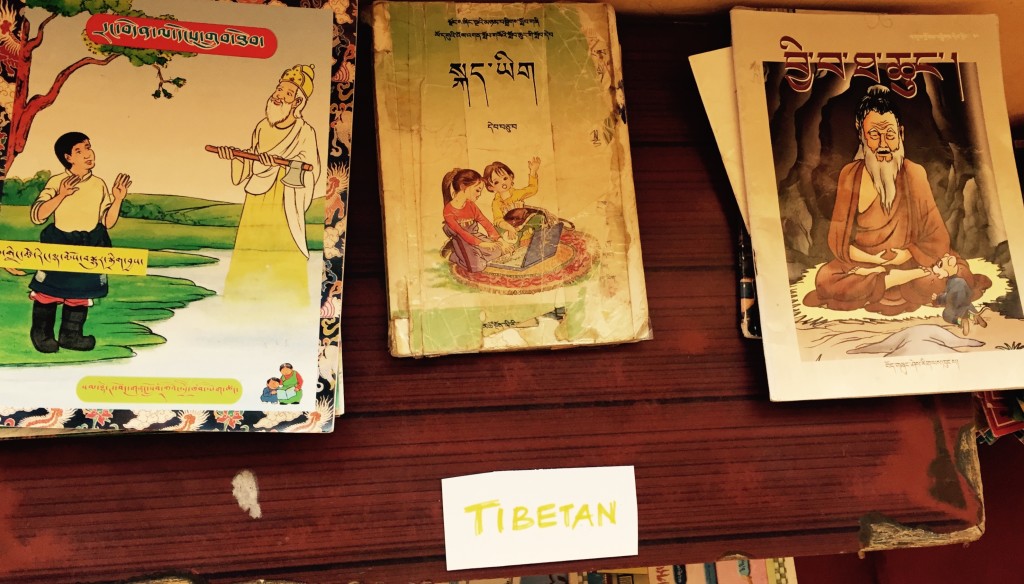
For young monks and children in Himalayan communities, carefully selected games can offer an inviting way to practice English alongside local languages and established learning traditions. Volunteers and educators can adapt examples to nearby landscapes, festivals, animals, and daily routines, making new vocabulary feel relevant rather than distant.
A game lasts only as long as the people who use it keep creating opportunities around it. Place one accessible word game beside a shelf of engaging books, gather children in small groups, and let their questions guide the next round. Support literacy and creative learning by donating books, resources, or time through Avalokiteśvara Trust’s work with children and young learners.