Thangka Painting And The Living Work Of Reading Rooms
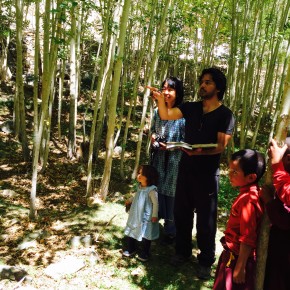
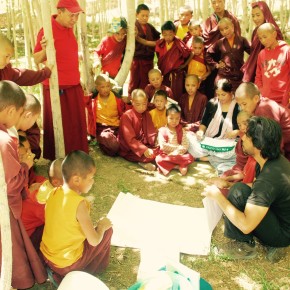
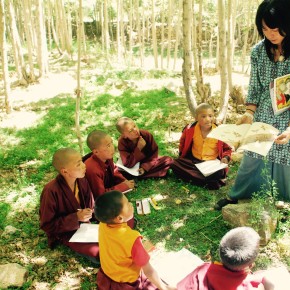
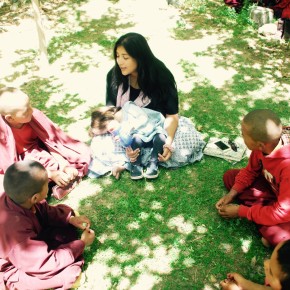
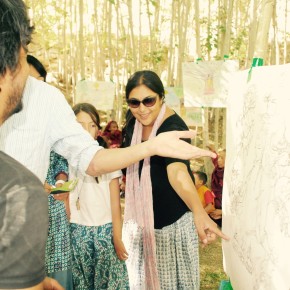
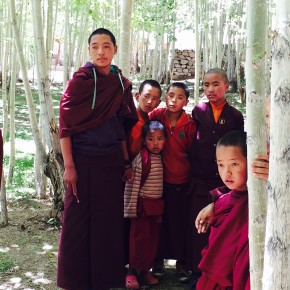
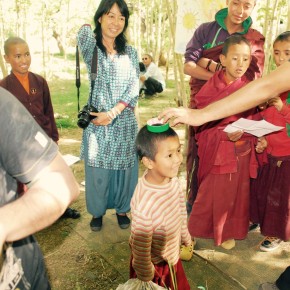
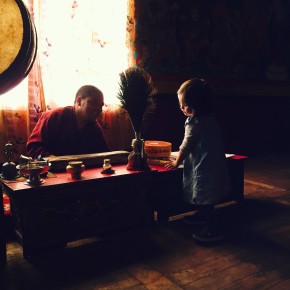
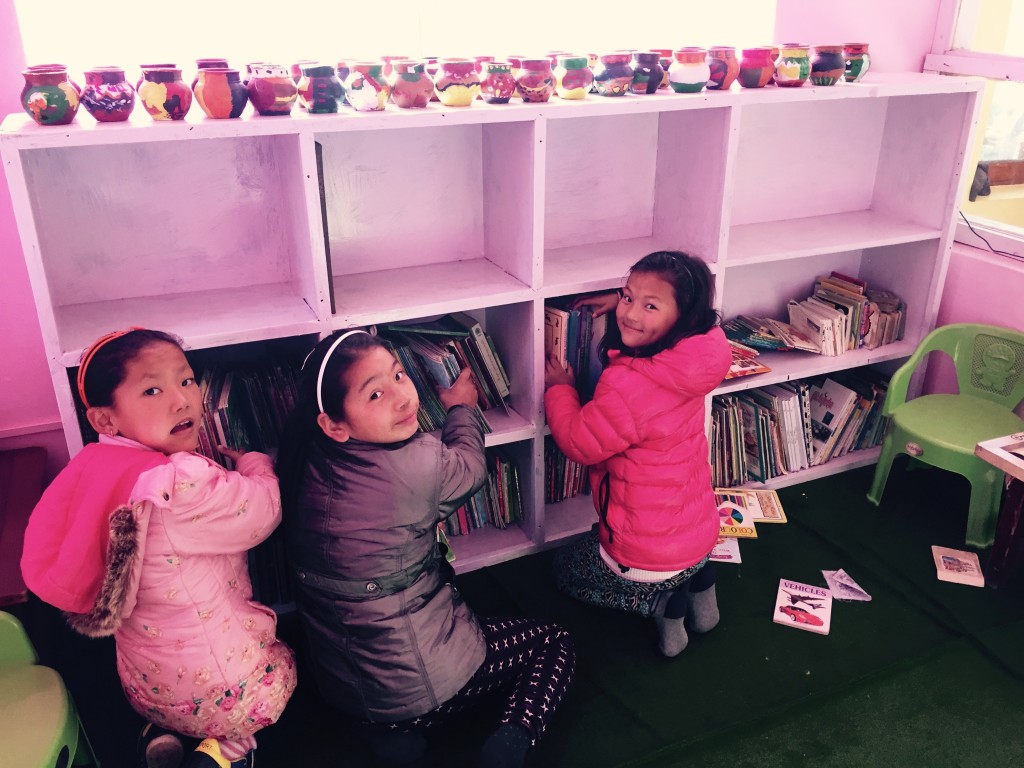
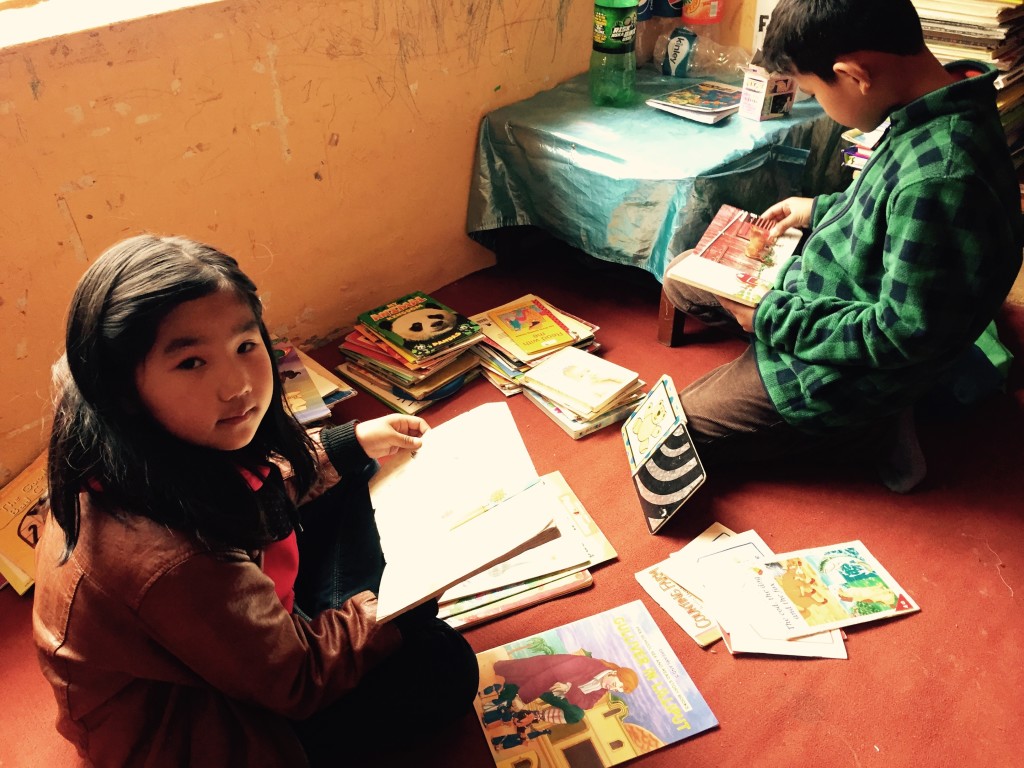
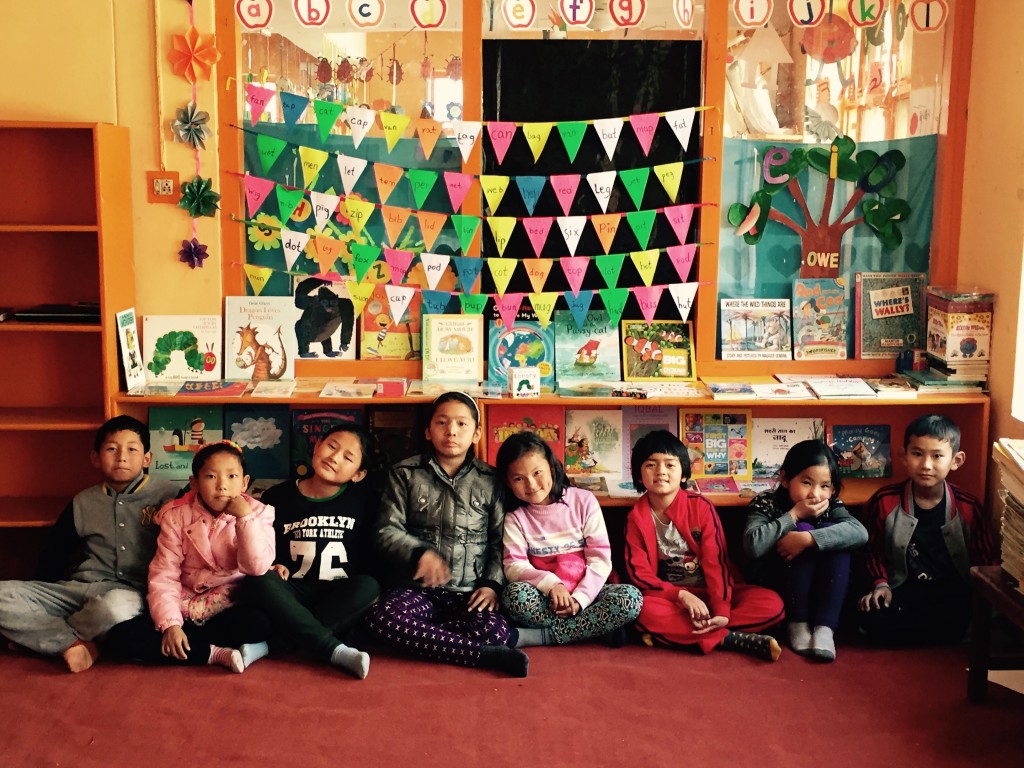
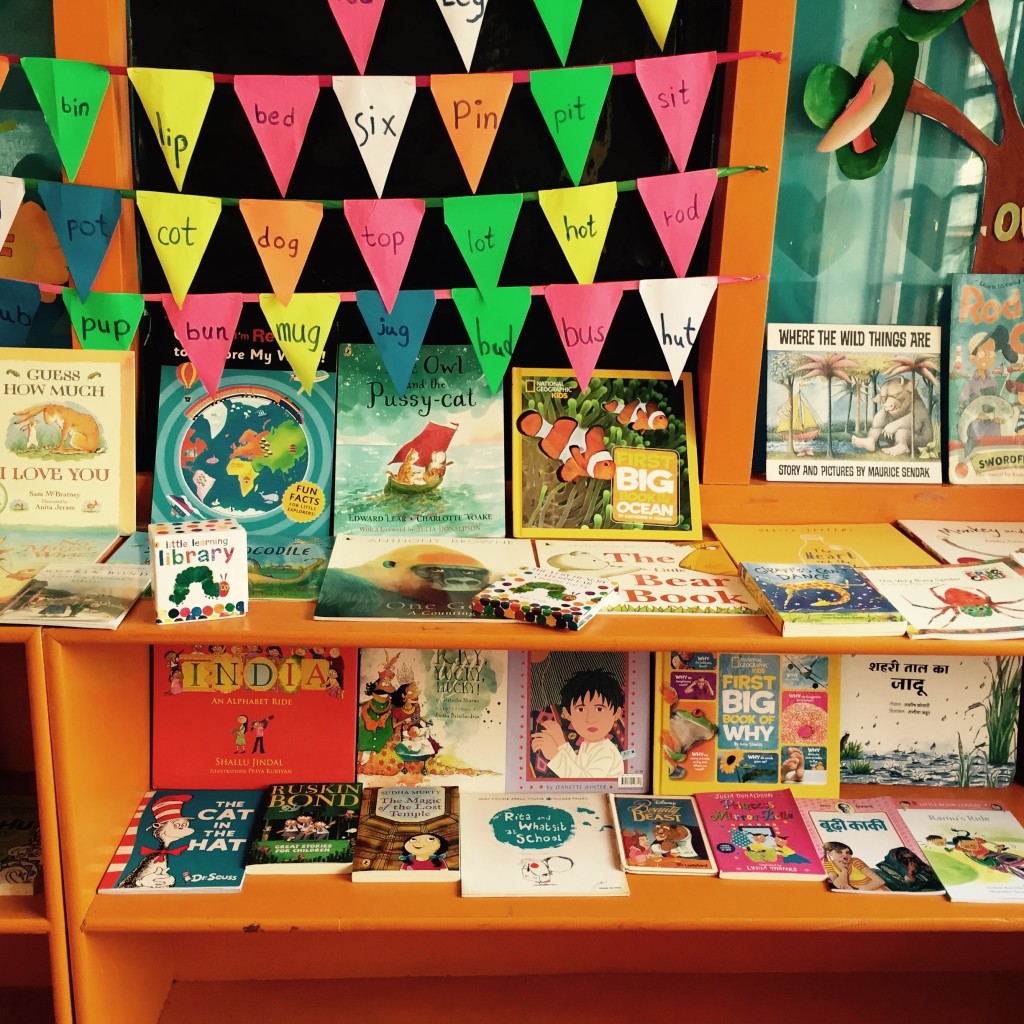
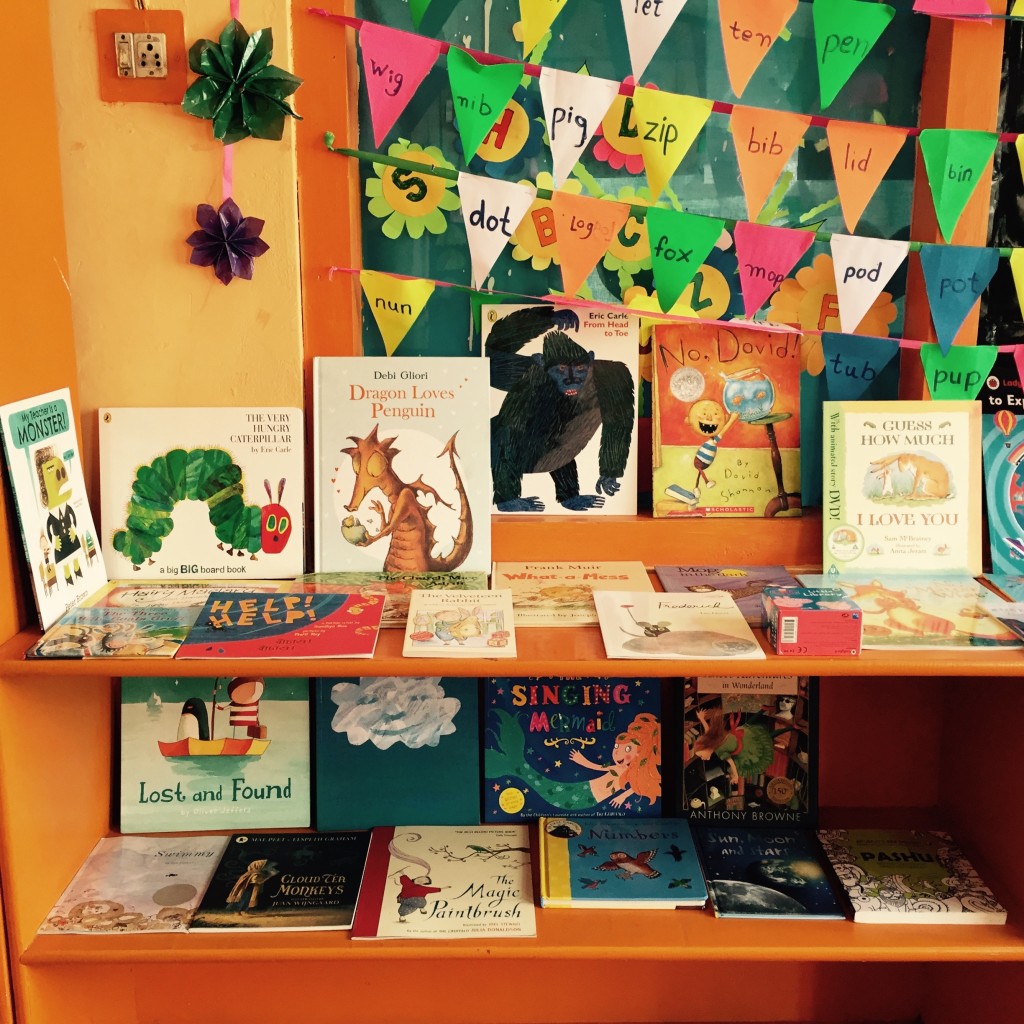
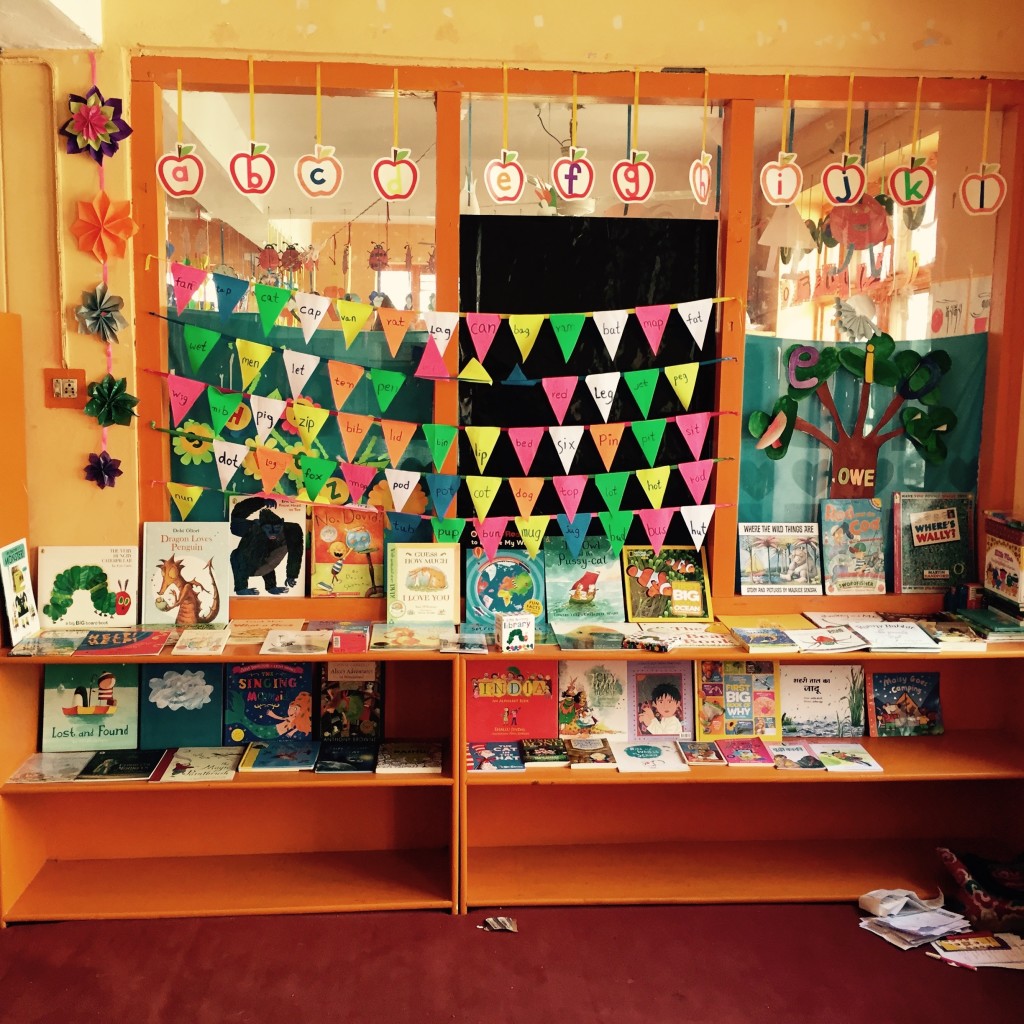
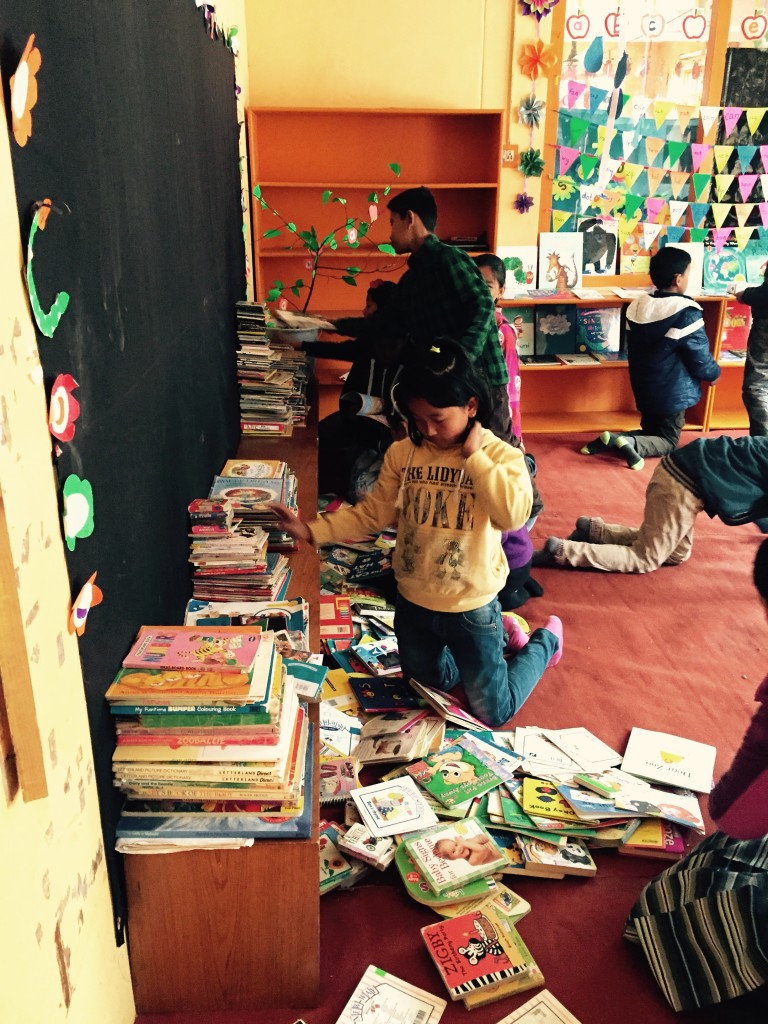
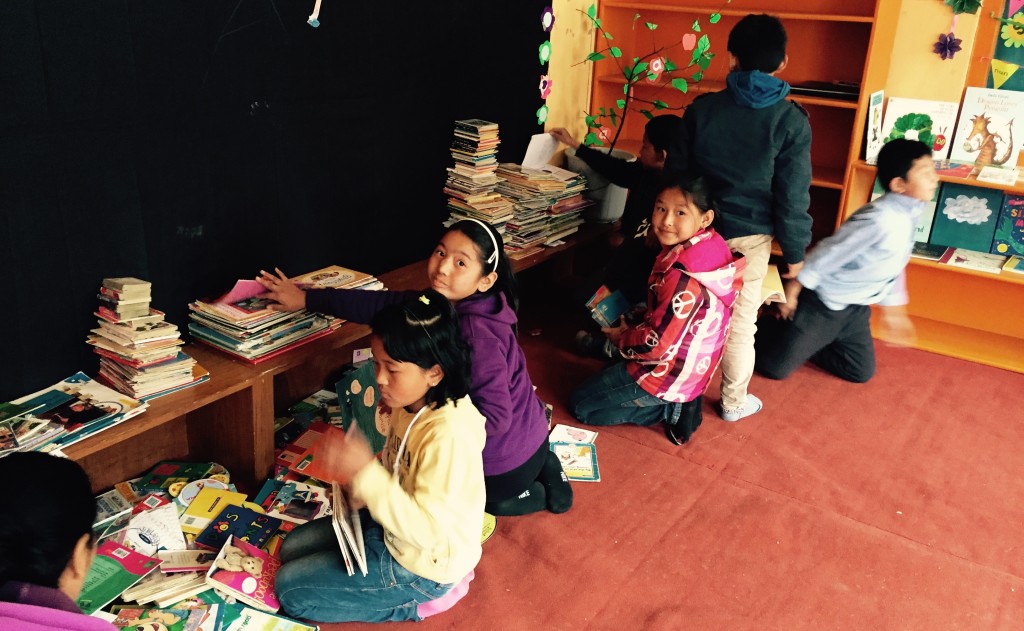
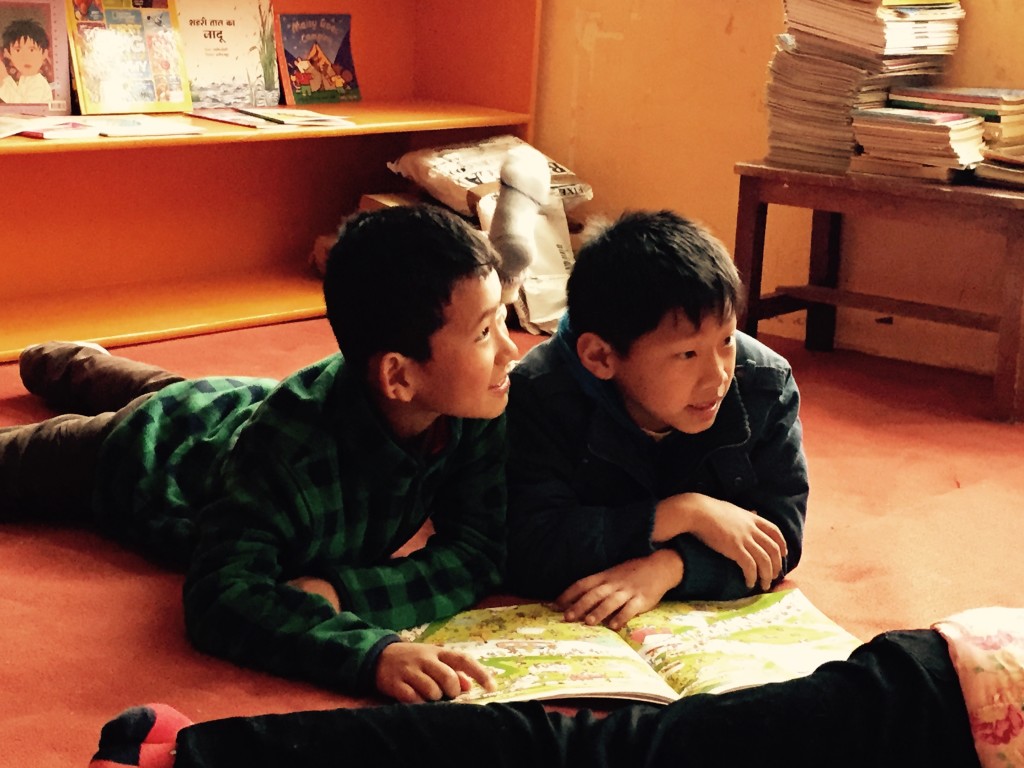
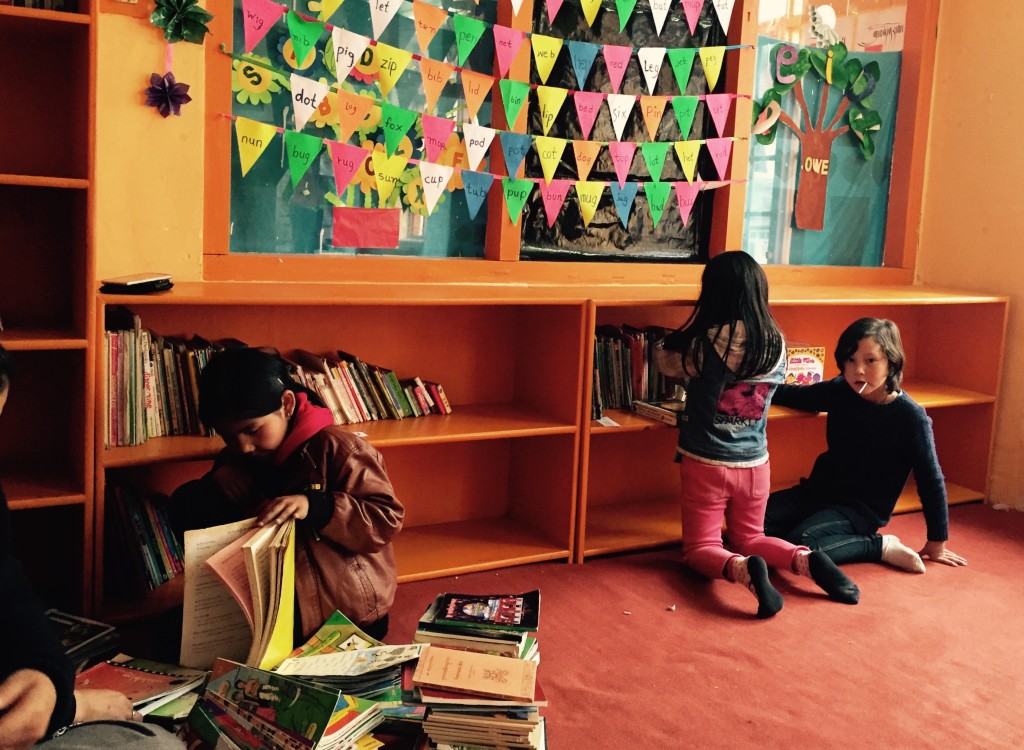
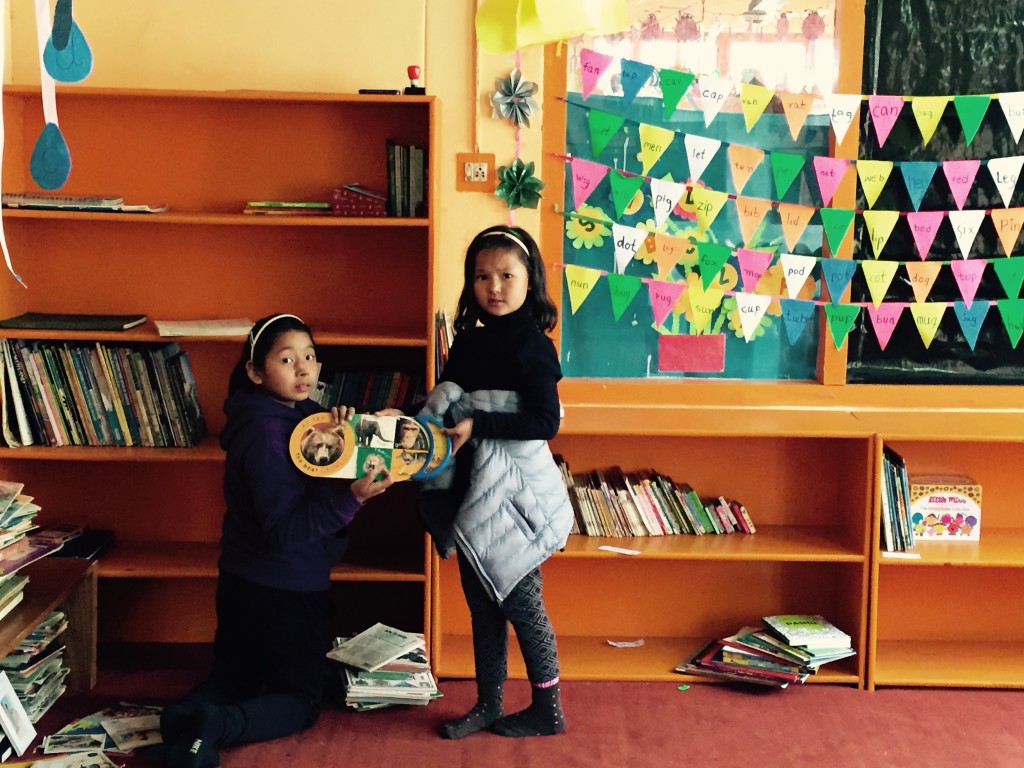
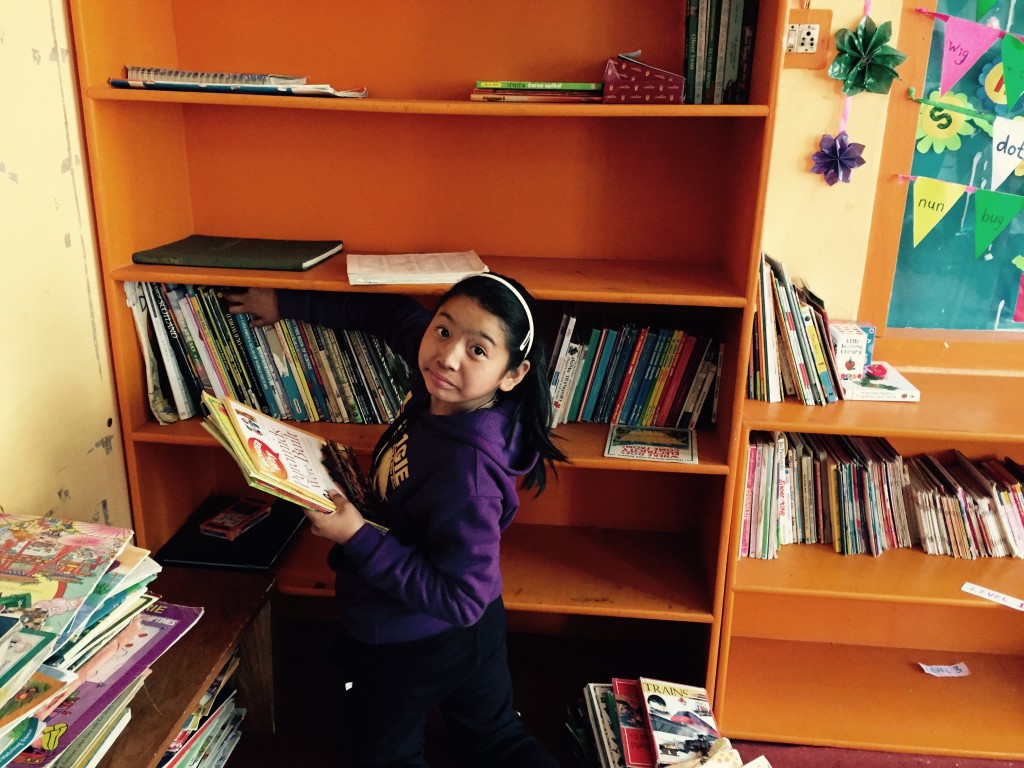
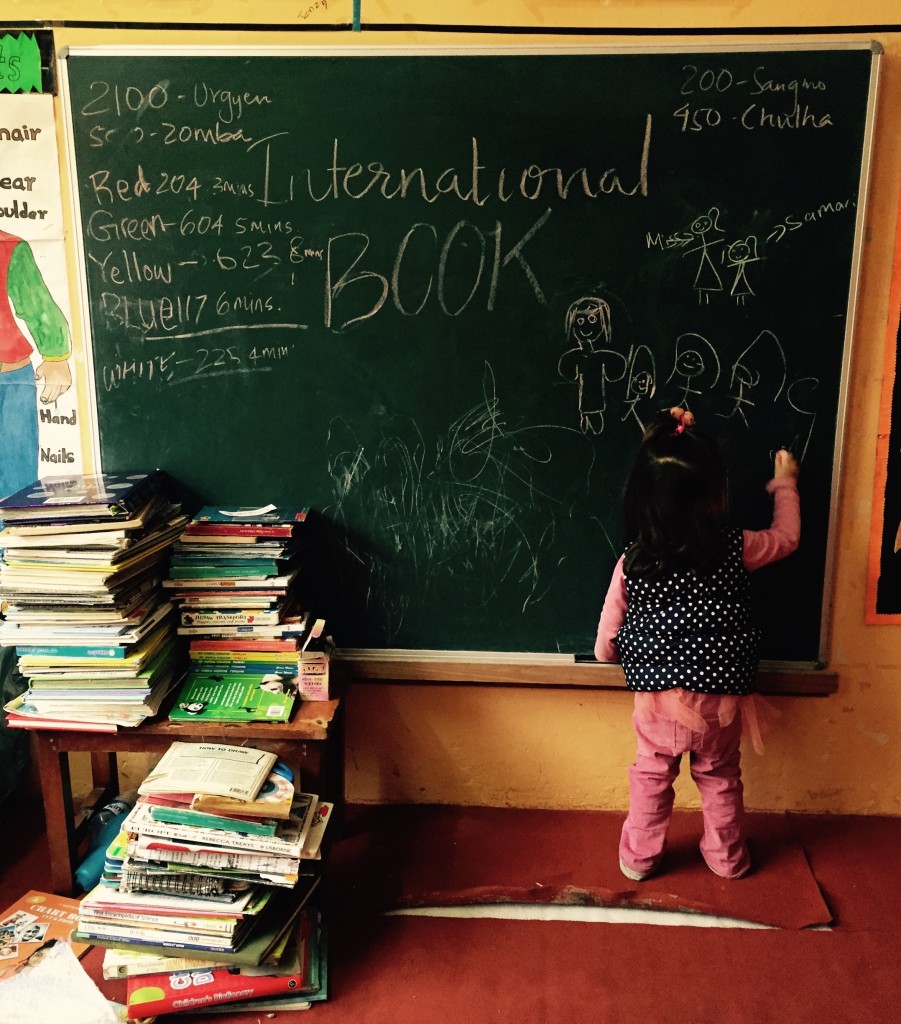
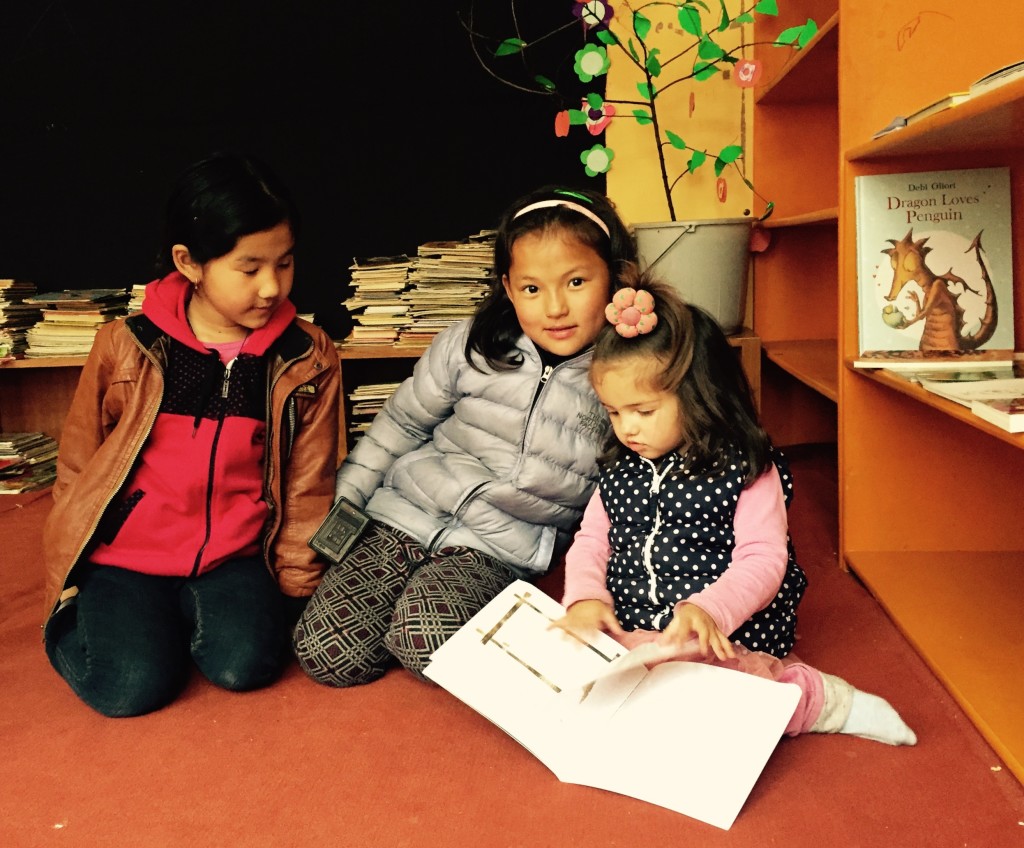
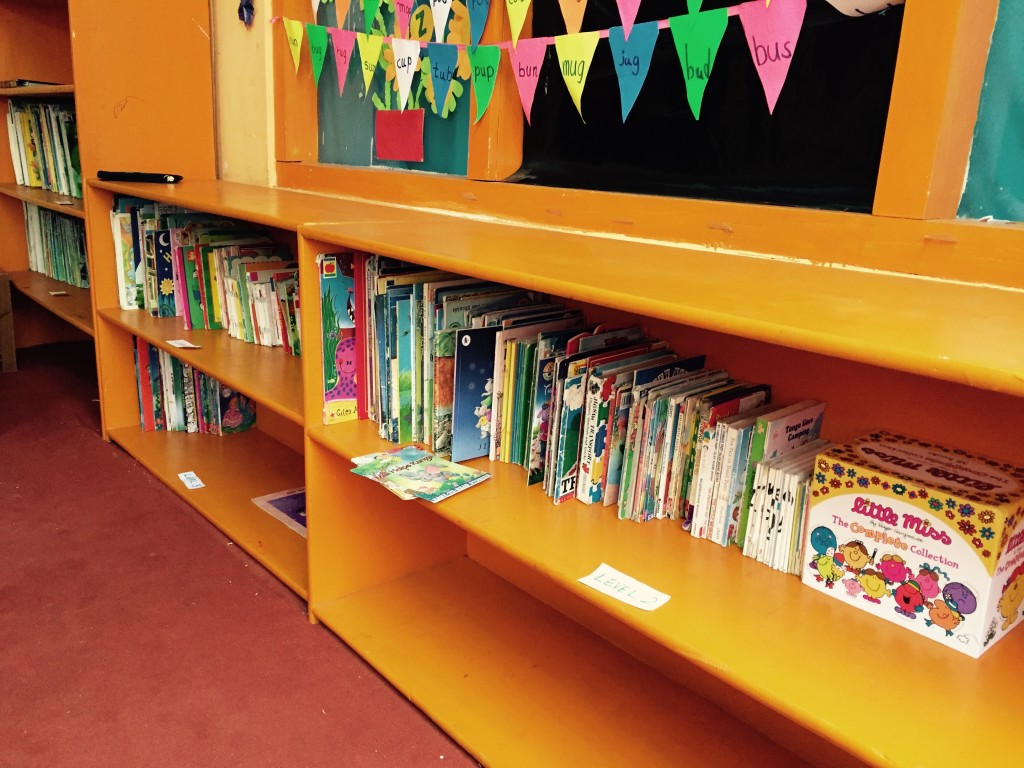
A reading room can be much more than a quiet place filled with shelves. In Ladakh and other Himalayan communities, it can become a meeting point where children discover stories, practise new skills and encounter forms of knowledge that connect everyday life with history. Introducing thangka painting into this setting gives young readers a chance to explore colour, patience, symbolism and hand-made beauty alongside books.
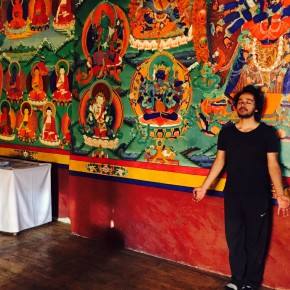
Thangka painting is a traditional Tibetan Buddhist art form, usually created on cotton or linen and framed with textiles. It often presents a Buddha, bodhisattva, lineage figure, mandala or carefully arranged landscape. A workshop for children should respect its religious purpose while making space for age-appropriate observation and creative activity. For Australian supporters, the idea also offers a meaningful bridge between local library culture and Himalayan artistic traditions.
Why Thangka Painting Belongs In A Reading Room
Thangka painting teaches children to look closely. A face may be built from measured proportions, a lotus may carry symbolic meaning, and a border may guide the eye around the central image. These details encourage visual literacy, the same kind of careful attention that helps a child understand illustrations, maps, diagrams and unfamiliar scripts in a book.
The process also supports habits that reading rooms are designed to nurture. Painting requires concentration, sequencing and the willingness to return to a task over several sessions. A child might begin by learning about Buddhist iconography, read a story about a Himalayan monastery, sketch a flower, and then develop a small painted panel. The creative work becomes a doorway into history, geography, religion and literature rather than an isolated art lesson.
Traditional thangkas are religious objects, so educational activities need clear boundaries. Children should be told that a classroom-style painting inspired by the visual language of thangka is different from a consecrated devotional image. Teachers and visiting artists can avoid copying sacred figures casually, focusing instead on line, pattern, natural pigments, landscape and respectful study of authentic works.
From Himalayan Workshops To Australian Libraries
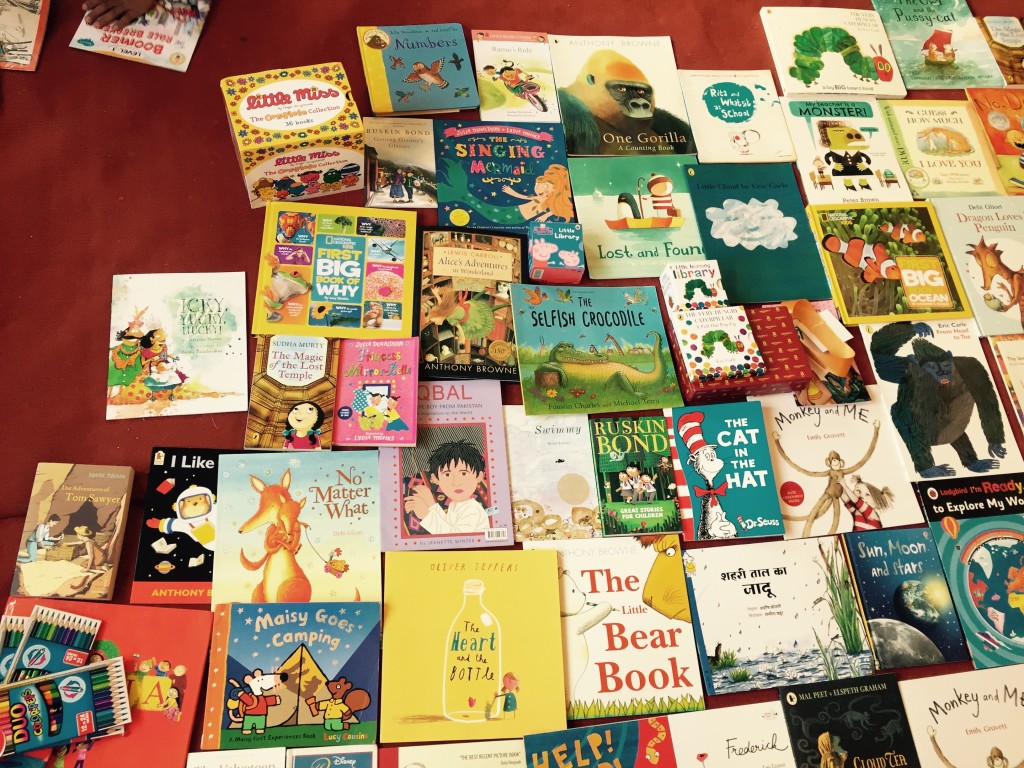
Australian children already encounter many kinds of visual storytelling through public libraries, school libraries and community arts programmes. A reading room in Melbourne, Sydney or Brisbane may display picture books beside graphic novels, First Nations stories, science resources and translated titles. A thangka activity can sit within this broad culture of learning when its background is explained carefully and its religious context remains visible.
Everyday Australian habits can also shape the programme. Weekend library visits, school-holiday workshops and family craft sessions are familiar ways to bring children into shared learning spaces. In regional towns, a travelling display or book-and-art day may reach families who cannot attend a city gallery. In cities, Tibetan, Himalayan and broader Buddhist communities may offer cultural knowledge that makes the activity more grounded and collaborative.
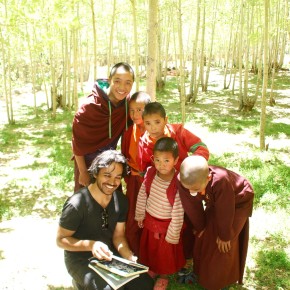
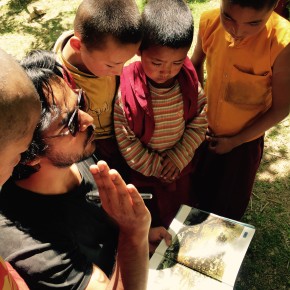
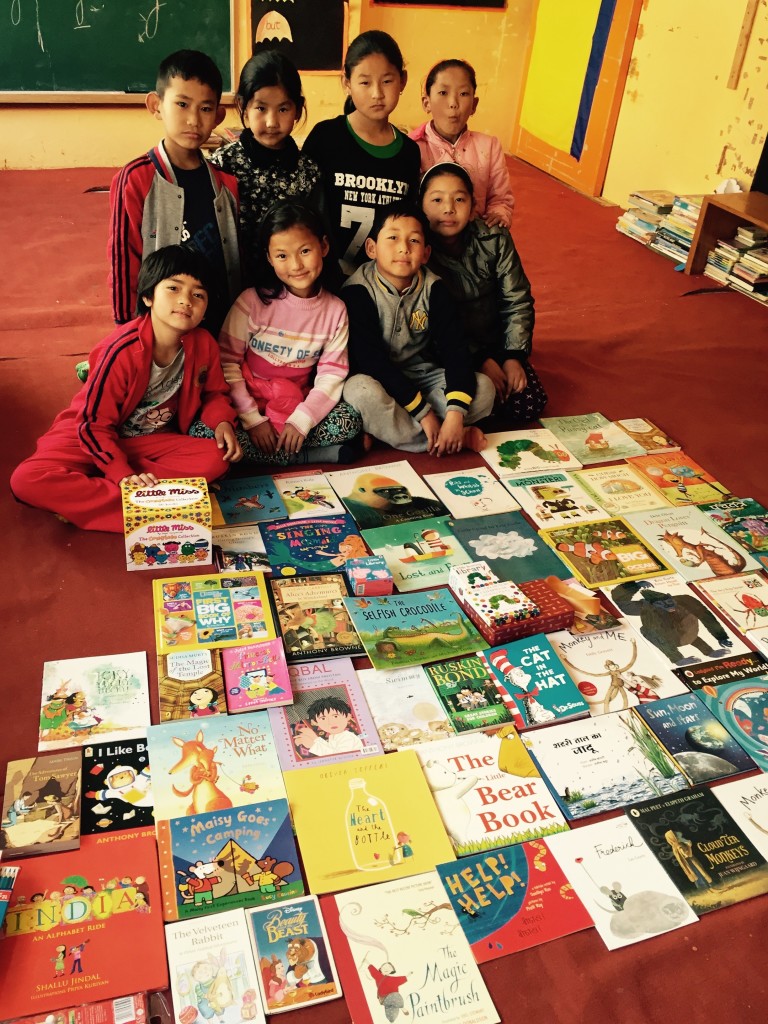
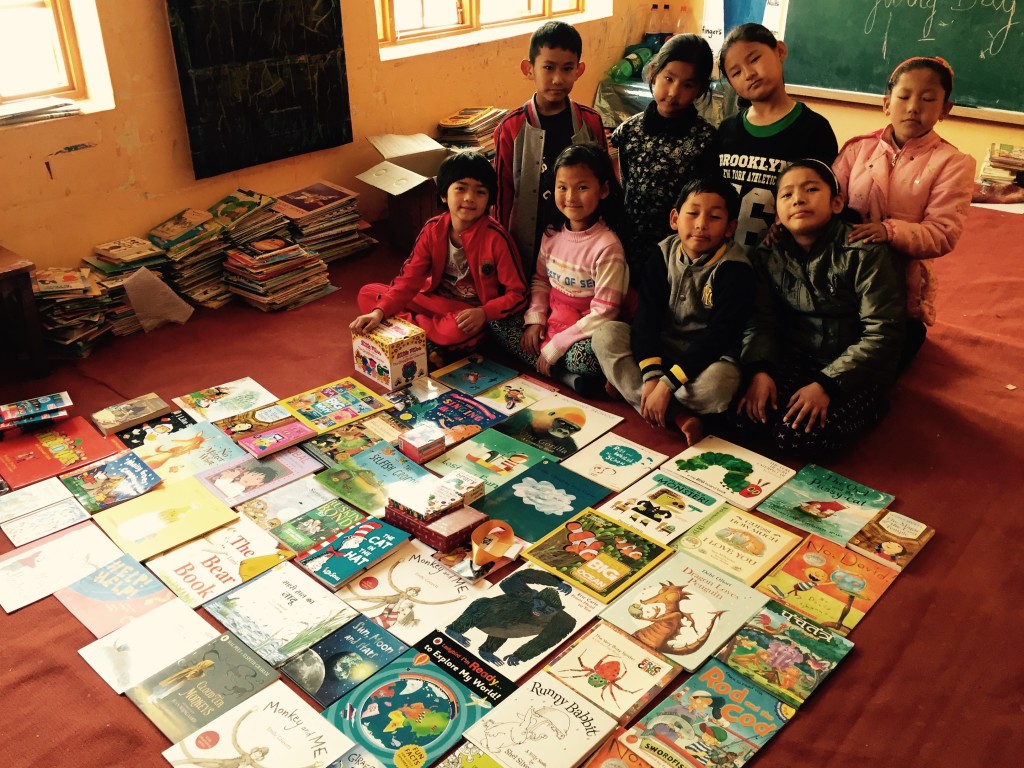
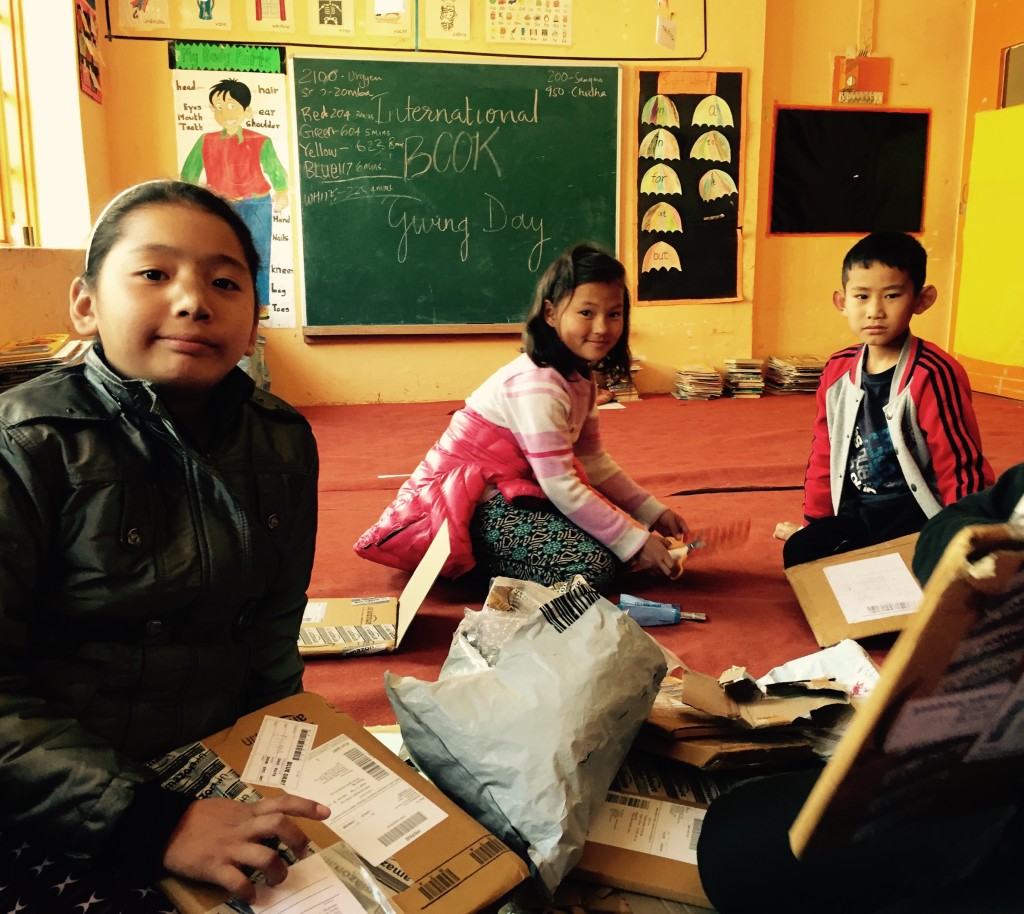
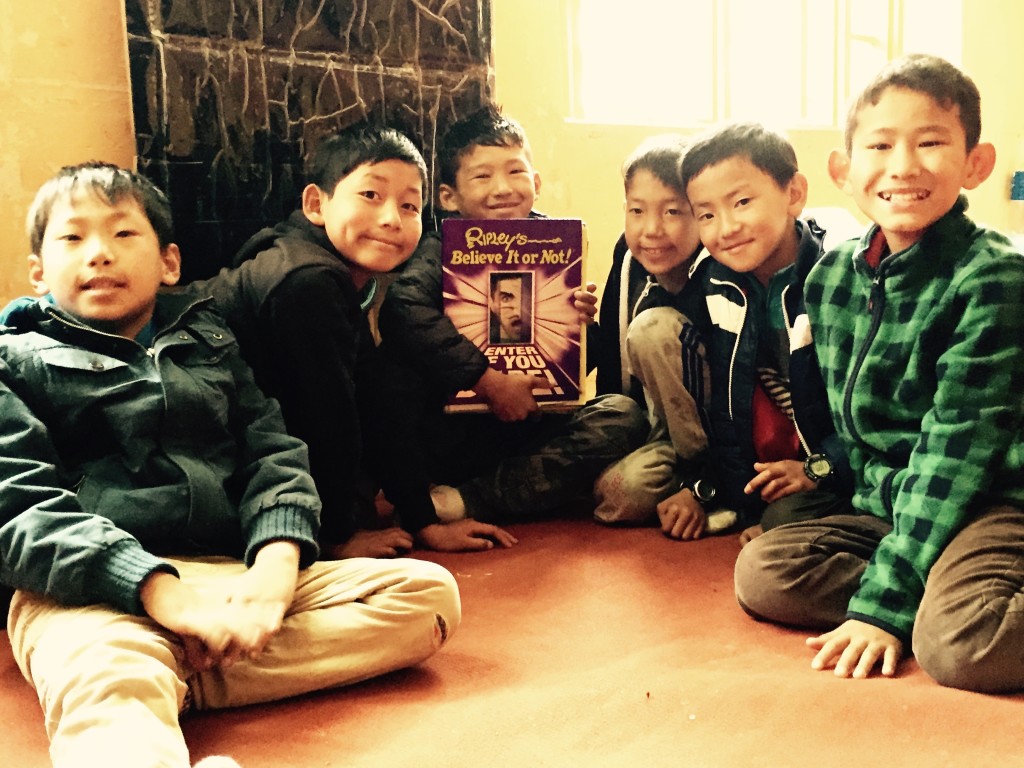
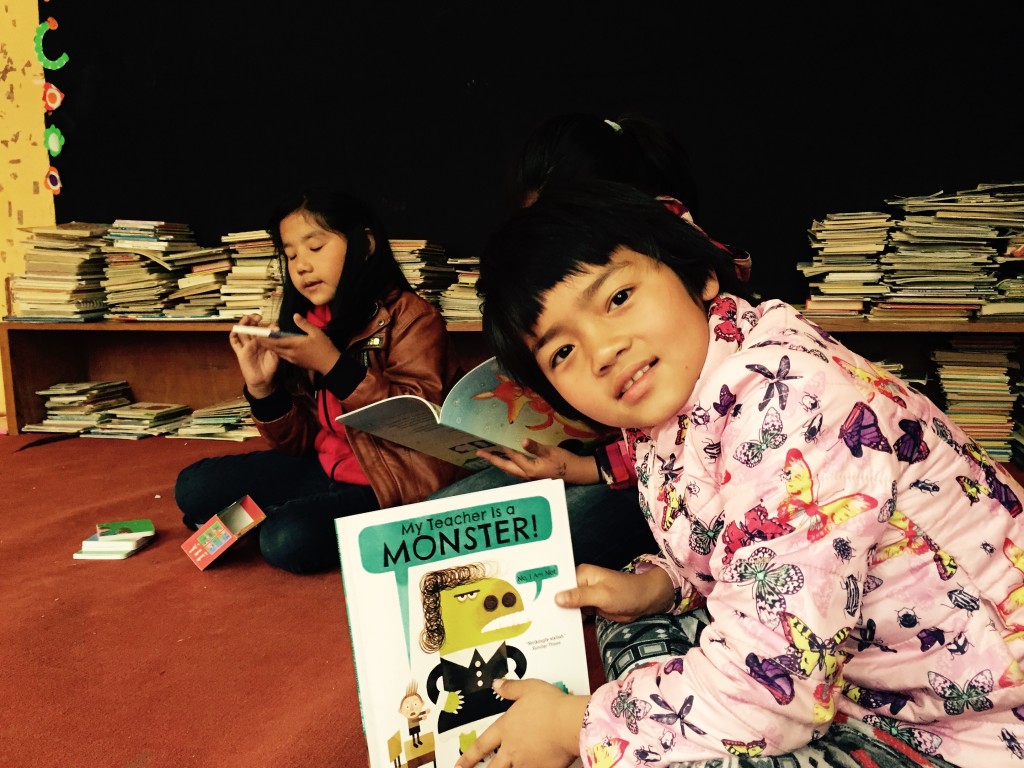
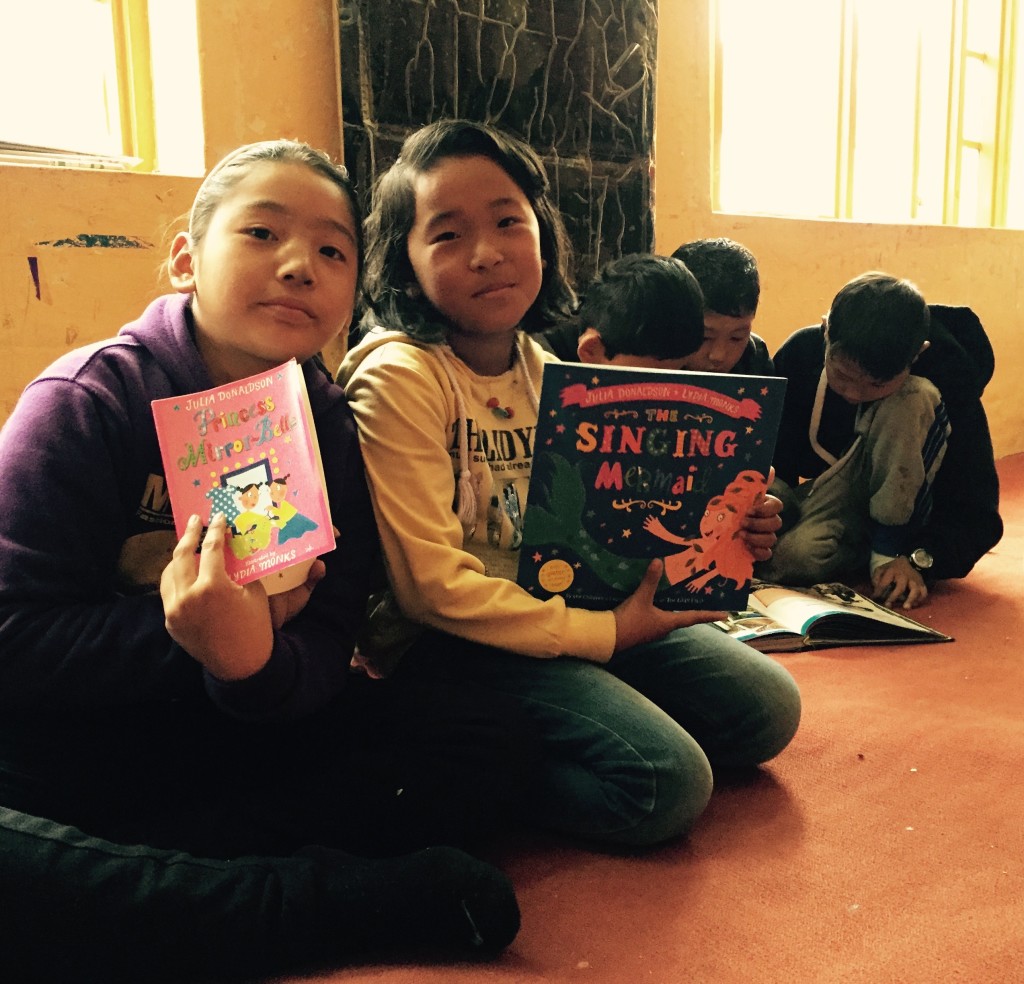
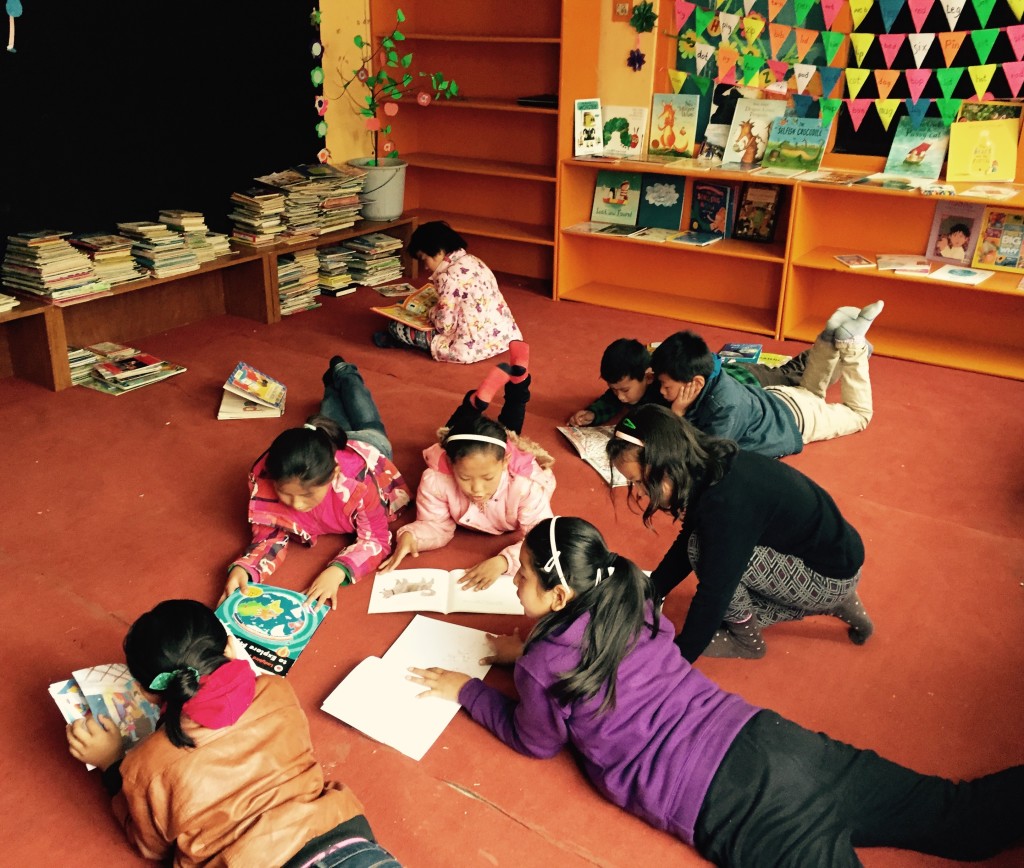
A practical partnership could connect an Australian library with a Himalayan reading room through photographs, recorded explanations and children’s artwork. Supporters can follow the reading room projects of Avalokiteśvara Trust to understand how literacy, creativity and access to books work together in communities supporting children and young monks.
Learning The Visual Language
A well-designed session begins with looking rather than painting. Children can examine reproductions of thangka paintings and identify repeated forms: lotus petals, clouds, mountains, halos, jewellery, robes and geometric frames. They can compare a painting with a story or biography about the figure represented, learning that visual symbols often carry information in the same way that words do.
The teacher can then introduce the structure of an image without asking children to reproduce a sacred icon. A simple exercise might involve dividing a page into a central shape, a surrounding field and a decorative border. Students can create a mountain landscape, an imaginary protector of books or a symbolic scene showing friendship and learning. This keeps the activity creative while avoiding careless imitation.
Useful themes for reading-room activities include:
- The relationship between a picture and the story it tells
- Repeating patterns found in architecture, textiles and nature
- The use of symmetry, proportion and calm visual balance
- Himalayan landscapes, animals, plants and seasonal changes
- The difference between a devotional image and an art study
These themes can lead children back to the shelves. A display might pair a book about the Himalayas with a map, a folktale with painted motifs, or a book about conservation with drawings of snow leopards and high-altitude plants. Reading becomes part of the making process, and the finished artwork gives children another way to remember what they have learned.
Materials, Technique And Care
Authentic thangka painting traditionally involves prepared cloth, finely ground mineral or plant pigments, controlled brushwork and layers of colour. Gold may be applied for highlights, while natural glue or binders help the paint adhere to the surface. In a children’s reading room, safe water-based paints, recycled card and washable brushes are more suitable, while demonstrations can explain how traditional materials differ.
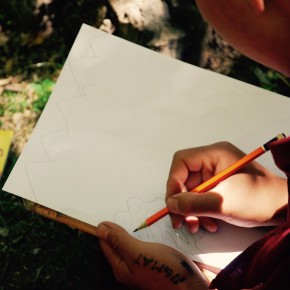
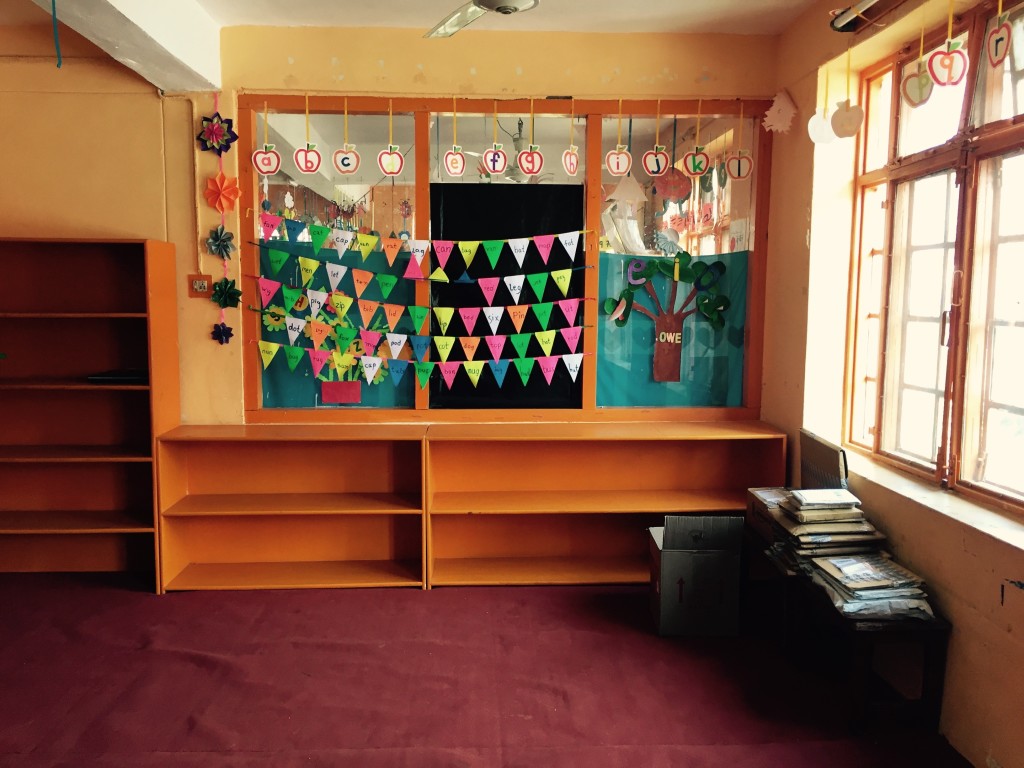
The physical setting matters in remote Himalayan communities. Supplies may be expensive to transport, storage may be limited, and cold or dry conditions can affect paper, cloth and paint. A modest programme can begin with drawing pencils, locally available paper, cotton scraps and a small shared collection of reference images. Quality does not depend on costly equipment; it depends on thoughtful teaching and regular opportunities to practise.
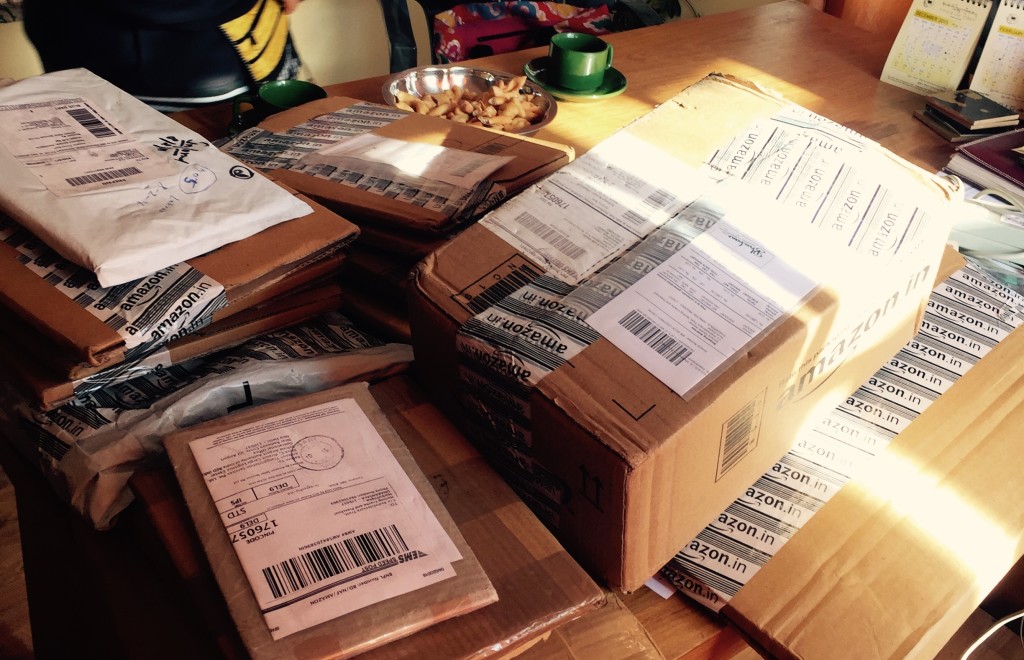
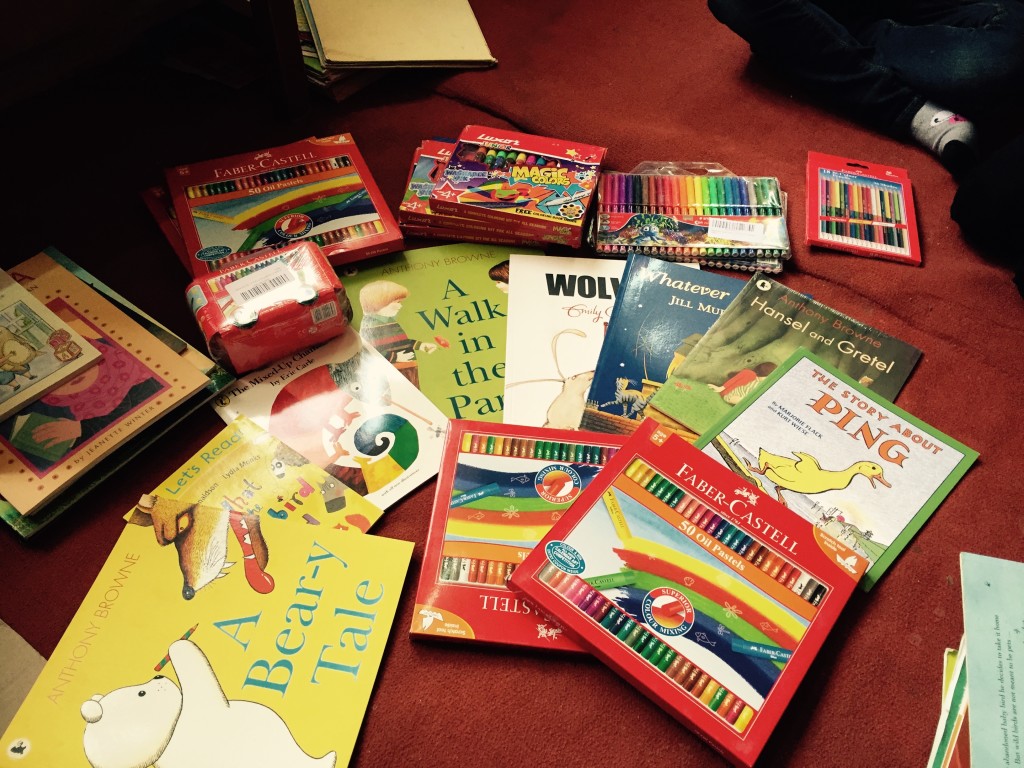
Australian groups sending materials should consider usefulness rather than quantity. A box of assorted craft supplies is valuable only if the receiving centre can store, distribute and safely use it. Clear packing lists, durable materials and communication with local organisers reduce waste. For Australian charities, the Australian Charities and Not-for-profits Commission provides governance guidance, while any claim that a donation is tax deductible depends on the organisation’s specific status, including possible Deductible Gift Recipient endorsement.
Designing A Respectful Workshop
A workshop can run across several short sessions rather than one busy afternoon. The first session might introduce Himalayan geography and the purpose of a reading room. The second could focus on symbols and composition, followed by drawing. Later meetings can explore colour layering, borders and presentation. This slower rhythm reflects the discipline of thangka painting and gives children time to read between activities.
The facilitator should use accurate language and acknowledge living communities. It is better to say that a particular symbol has a religious or cultural meaning than to describe it as a decorative design with no context. Where possible, invite a monk, artist, cultural educator or Himalayan community member to review the activity. Their guidance can prevent errors and help children understand that traditions change through people, practice and place.
A safe and inclusive workshop may include:
- A short explanation of the religious and cultural setting
- Reproductions from reliable museums, artists or community sources
- A choice between painting, drawing, writing and observation
- Time for children to discuss what they noticed in a book or image
- A display label explaining the activity and its sources
Australian organisations also need to follow local child-safety requirements. A visiting facilitator may need a Working With Children Check, depending on the state or territory and the role being performed. Clear supervision, permission for photographs and sensible handling of children’s names are essential when artwork or project stories are shared online.
Keeping The Connection Alive
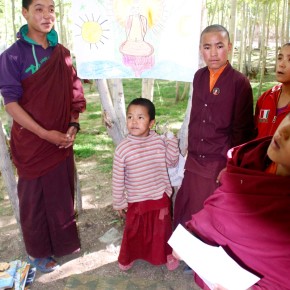
A single workshop can be memorable, but a continuing programme gives the art deeper value. Children might keep visual journals, build a shared book of patterns, or create a small exhibition about landscapes and stories from Ladakh. Young monks could contribute drawings or descriptions from their own surroundings, creating a two-way exchange rather than an activity designed entirely from outside.
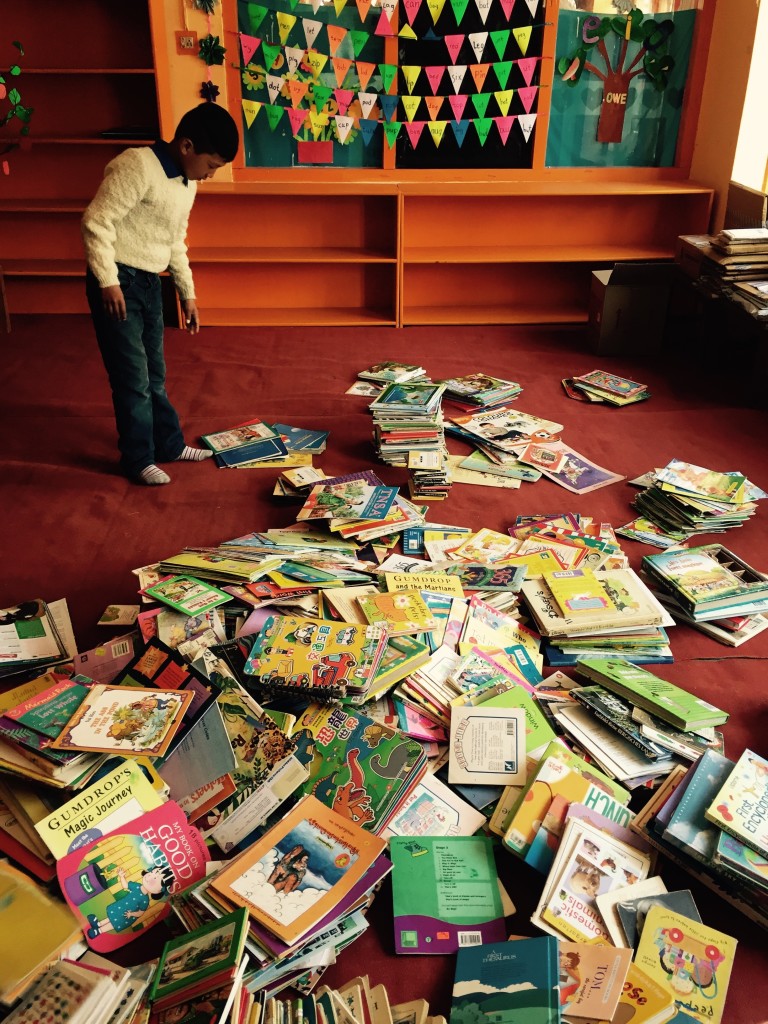
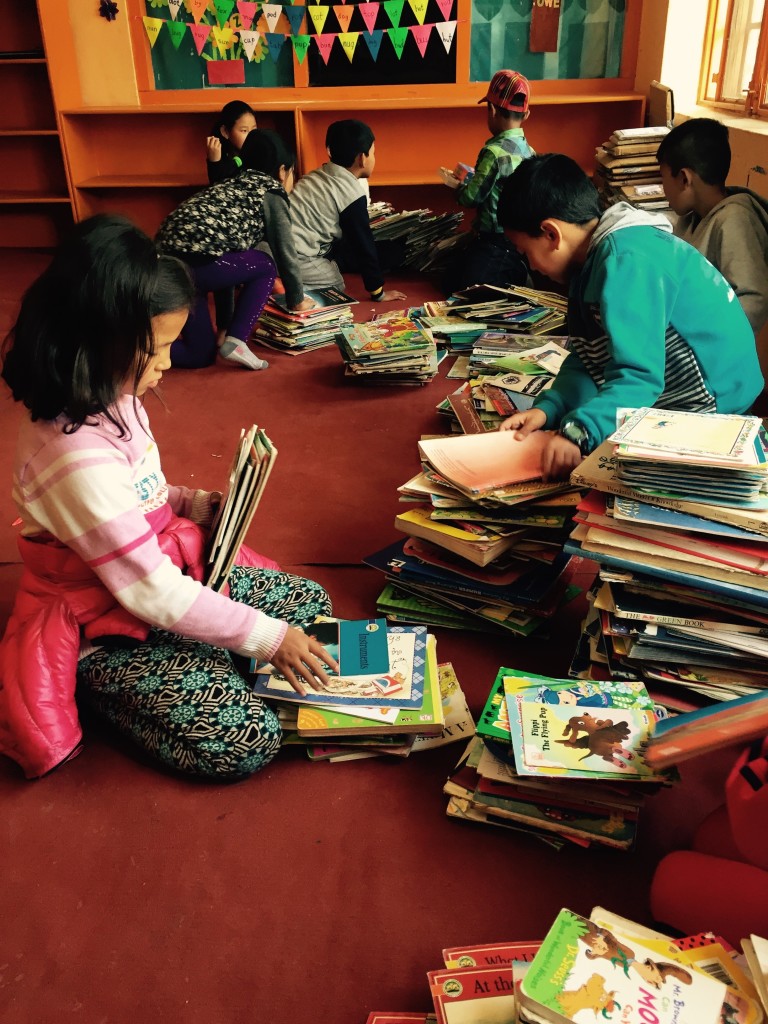
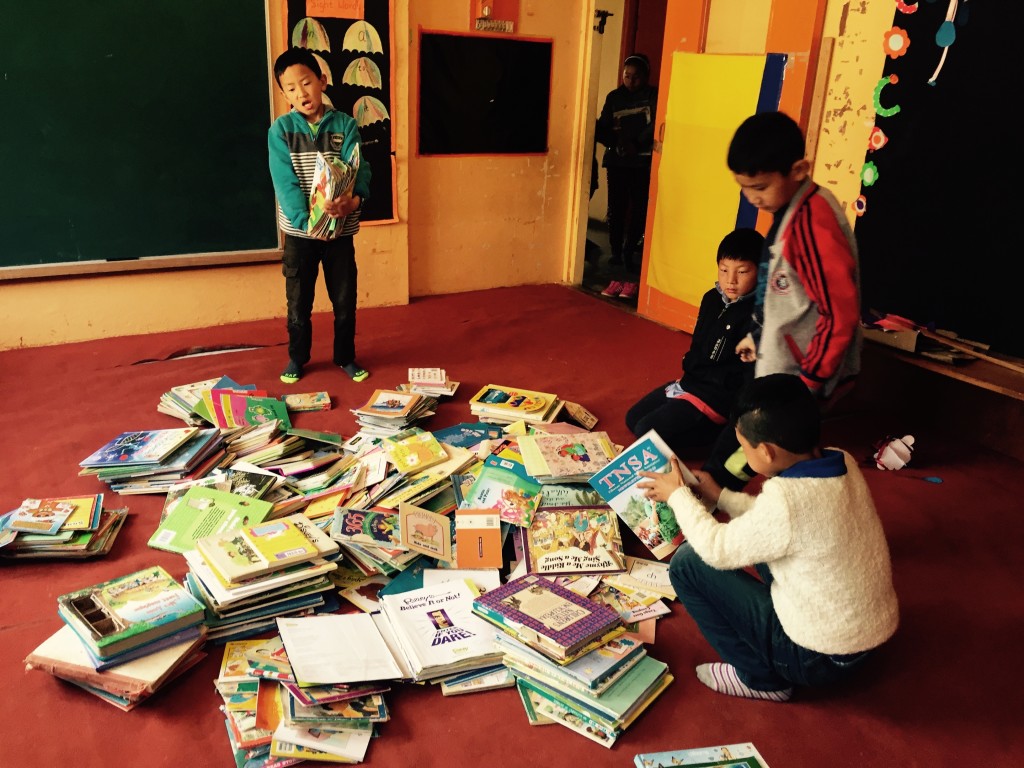
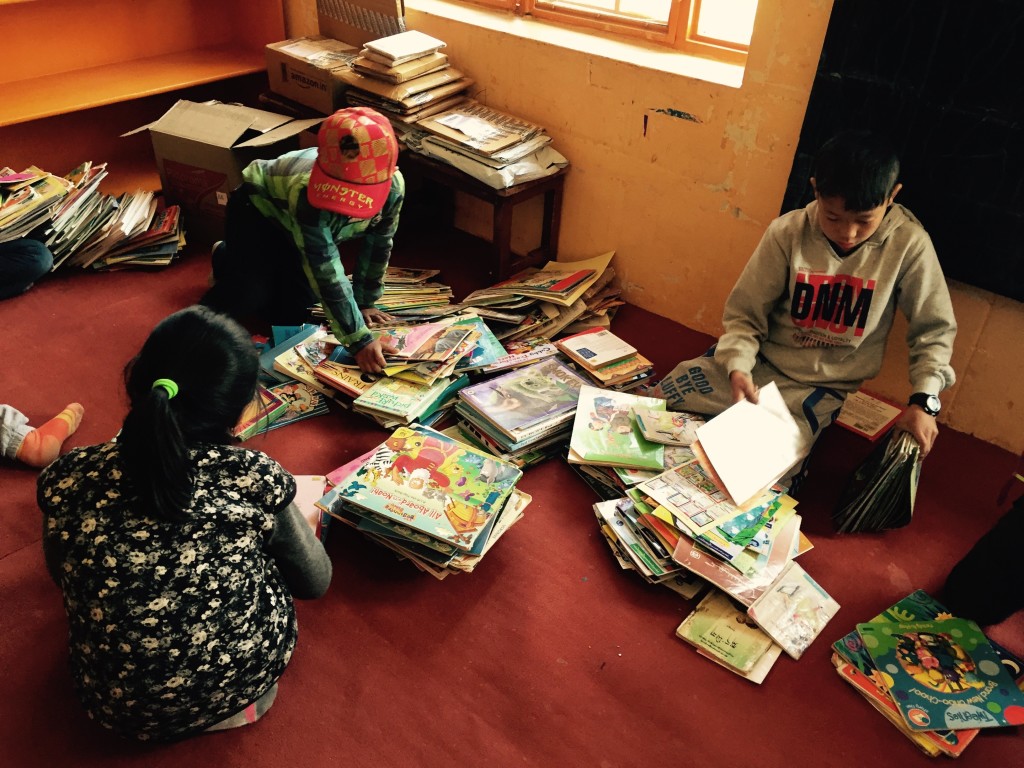
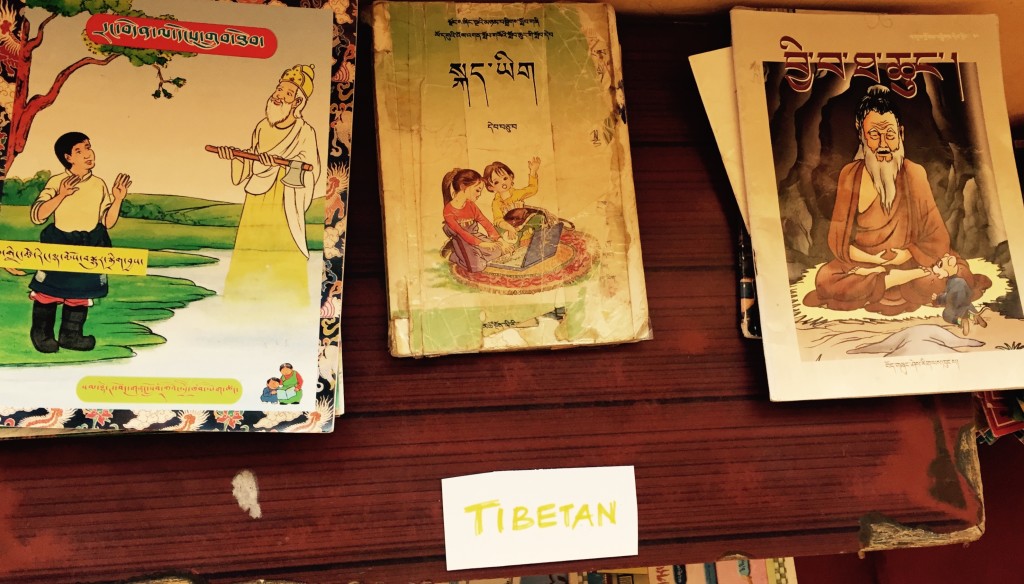
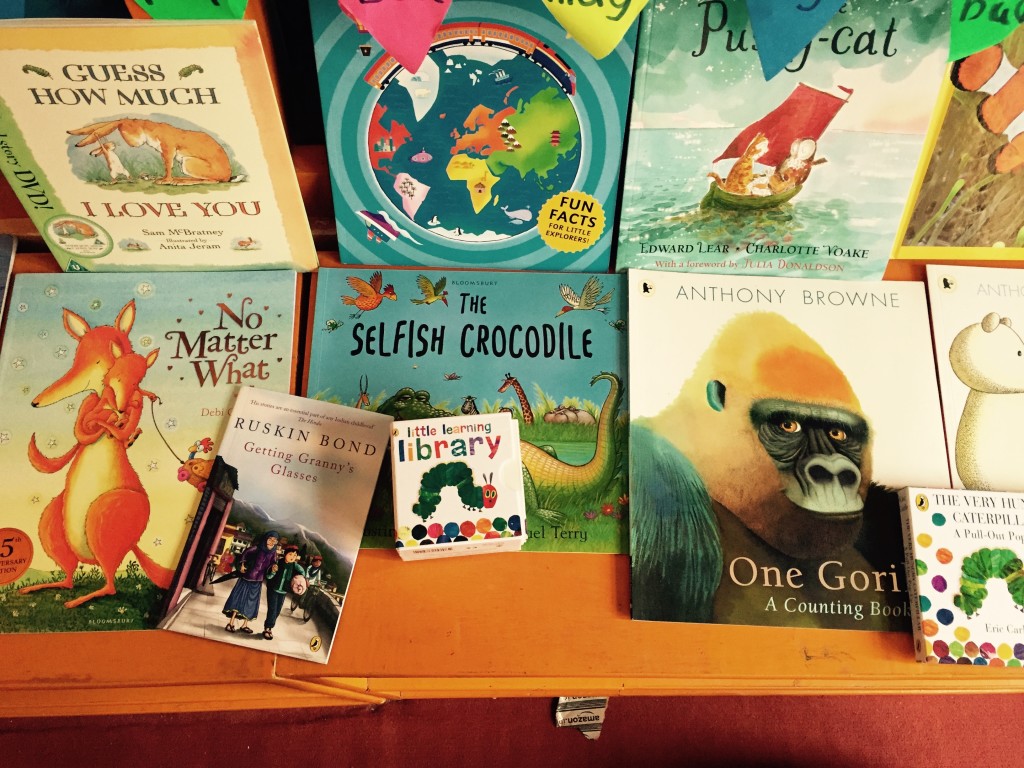
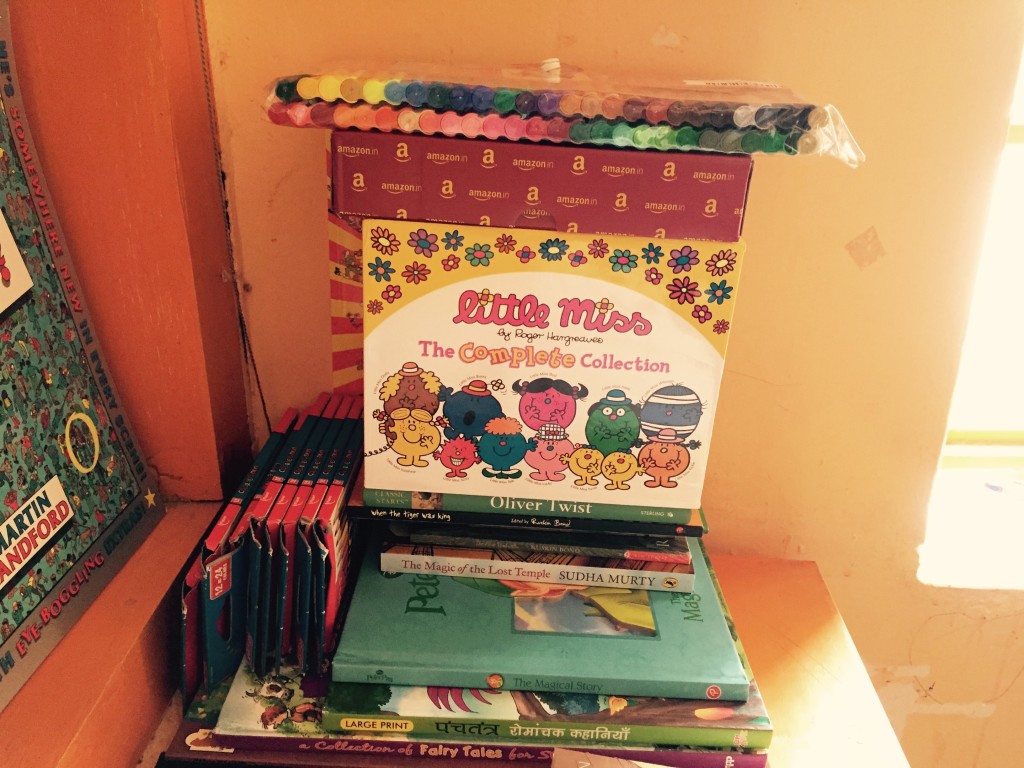
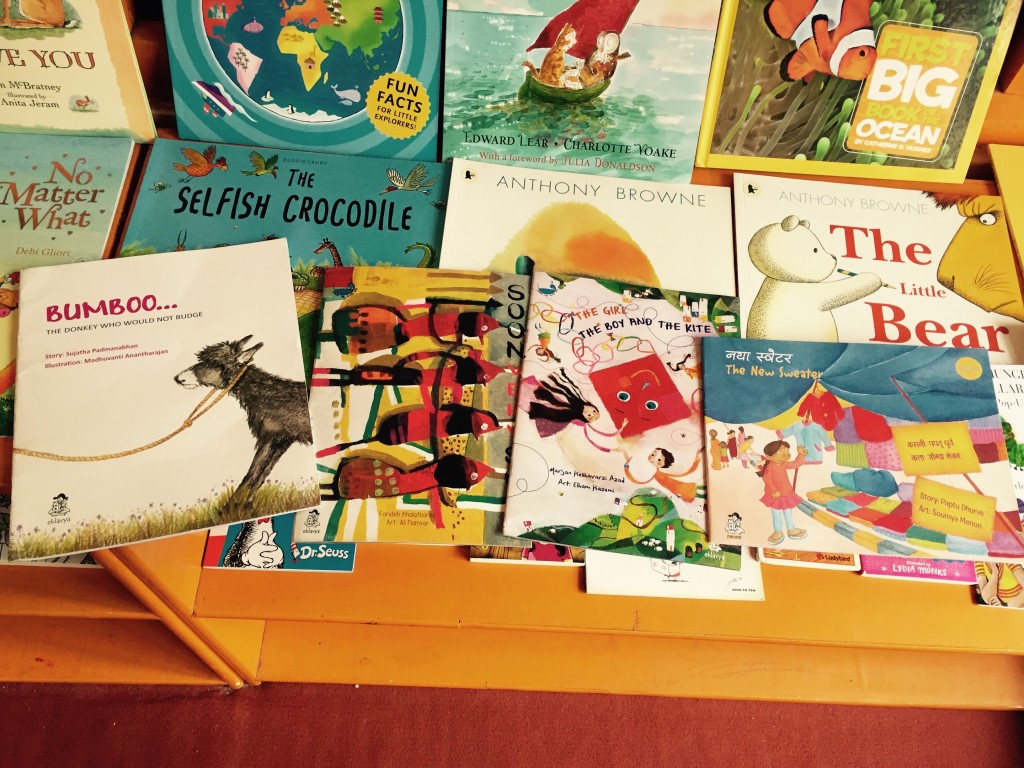
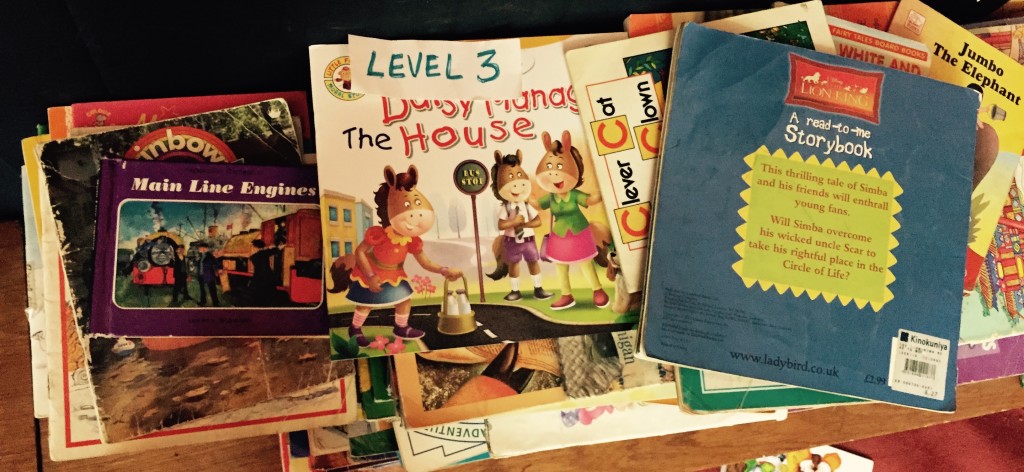
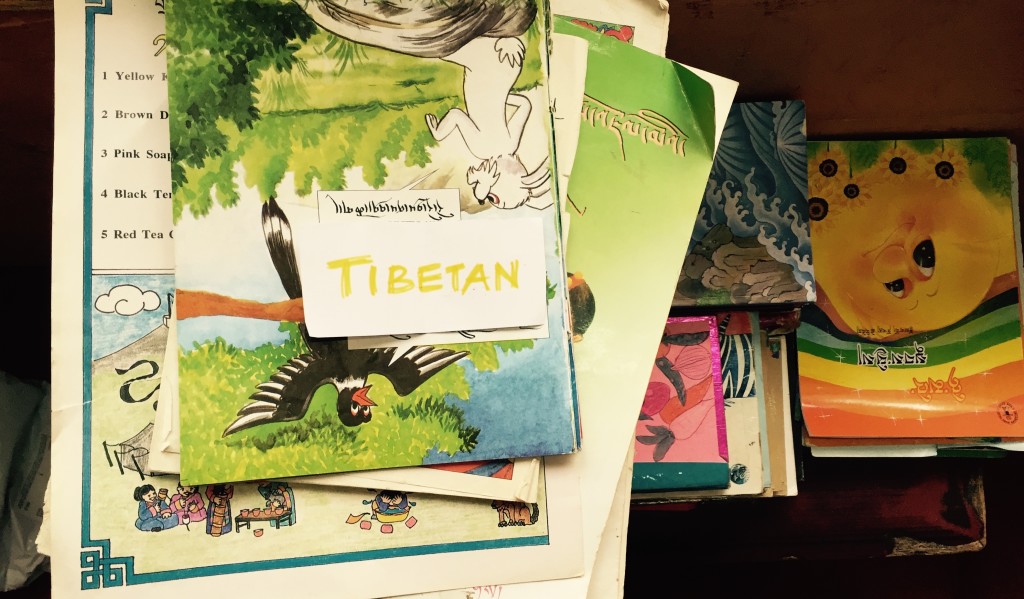
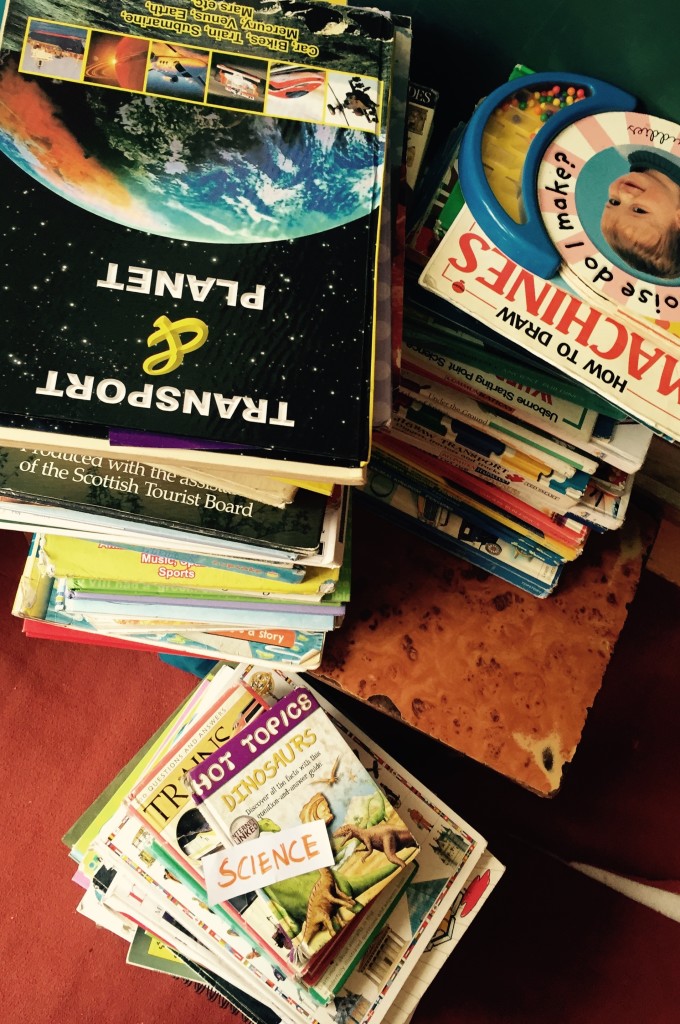
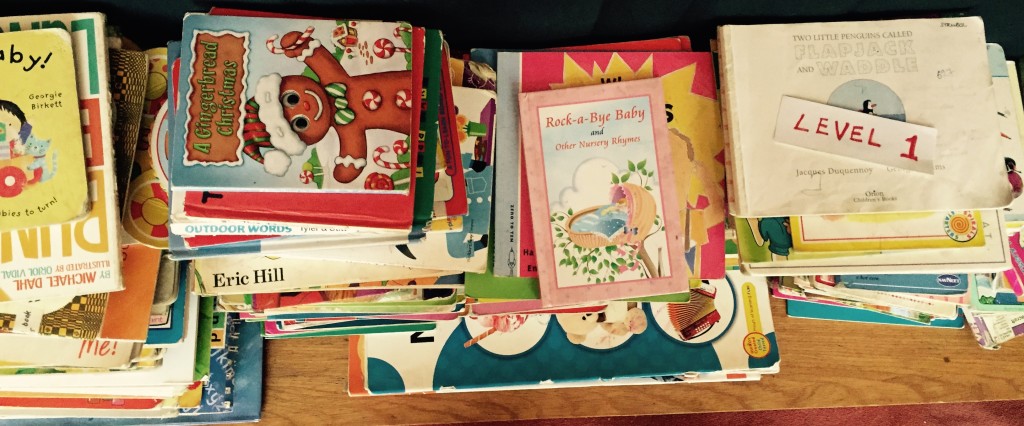
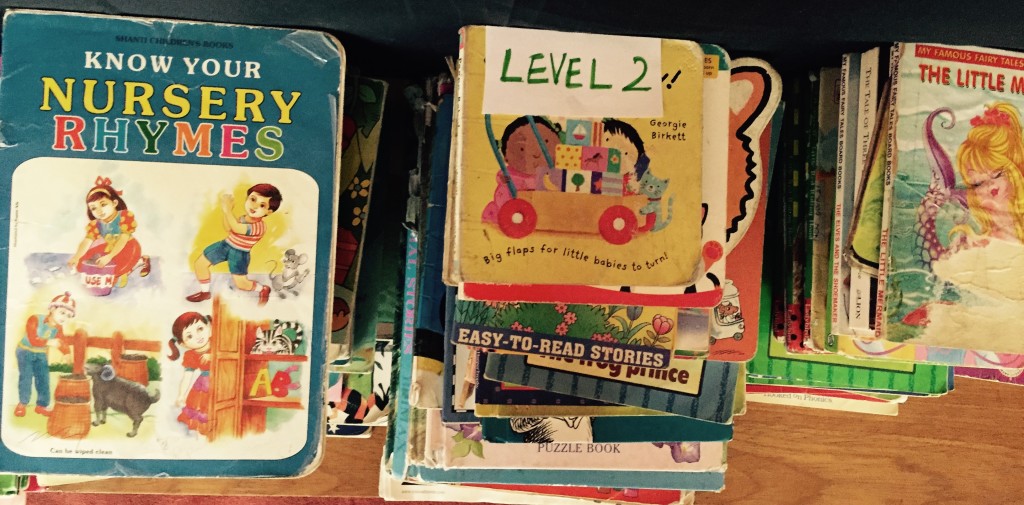
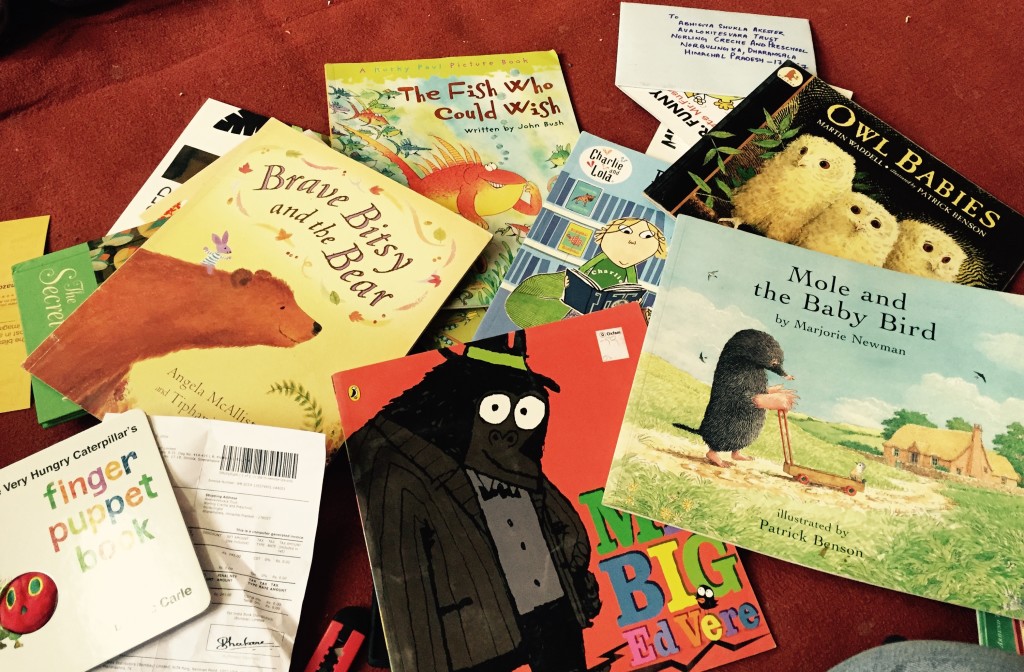
Book drives can strengthen that exchange when selected thoughtfully. Titles about art, Buddhism, Himalayan ecology, world cultures and children’s fiction can support the project, but books should match reading levels, languages and local interests. A well-chosen collection is more useful than a large shipment of unsuitable volumes. Digital scans, artist interviews and translated captions may also supplement printed resources where internet access permits.
The Australian market offers several practical fundraising settings. Community stalls at a weekend market in Adelaide, Perth or Hobart can sell postcards, handmade bookmarks or child-created pattern prints, provided the organisation follows venue rules and represents the work honestly. A school library event or local bookshop partnership can raise funds while explaining why quality books and art materials matter in remote communities. Any sale or donation arrangement should be recorded transparently, with receipts and financial reporting handled according to the organisation’s obligations.
Thangka painting can therefore become a living part of literacy work: an invitation to read images, histories and landscapes with care. In a Himalayan reading room, it may encourage concentration and pride in local cultural knowledge. In Australia, it can help families see international education as a relationship built through books, respectful exchange and shared creative practice.
The next concrete step is to choose one age group, select three reliable thangka reproductions and pair them with three suitable books for a small pilot session.