The art of papier-mâché in Leh’s creative classrooms
In Leh, a sheet of old newspaper can become a mountain goat, a painted monastery, or a bright mask inspired by Himalayan festivals. Papier-mâché workshops give children a simple way to transform everyday materials into objects that carry imagination, local identity, and personal expression.
The craft is especially well suited to community learning spaces. It requires few expensive tools, can be adapted for different ages, and encourages children to work with their hands while developing patience and visual thinking. A classroom becomes a small studio where stories, colours, and ideas take physical form.
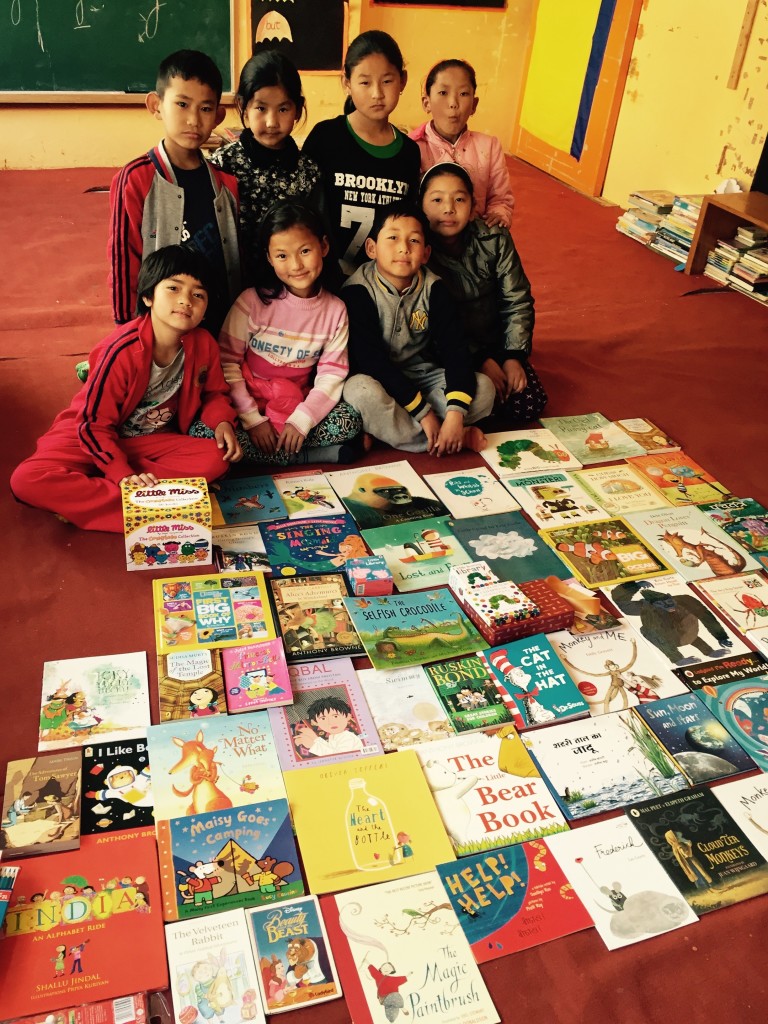
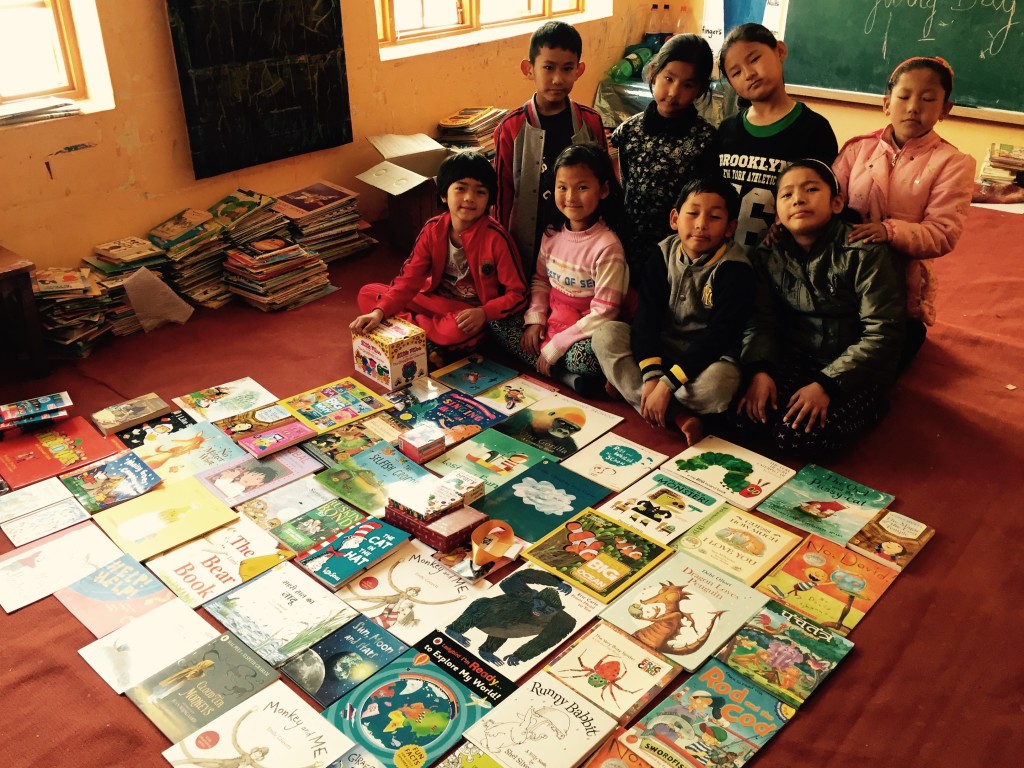
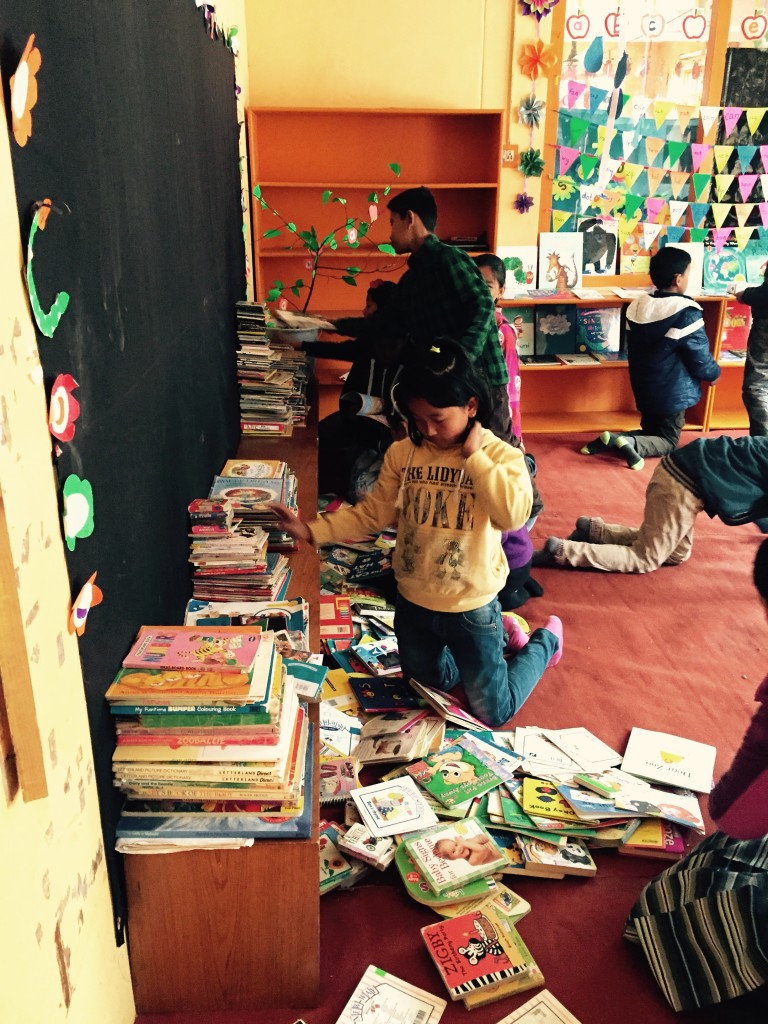
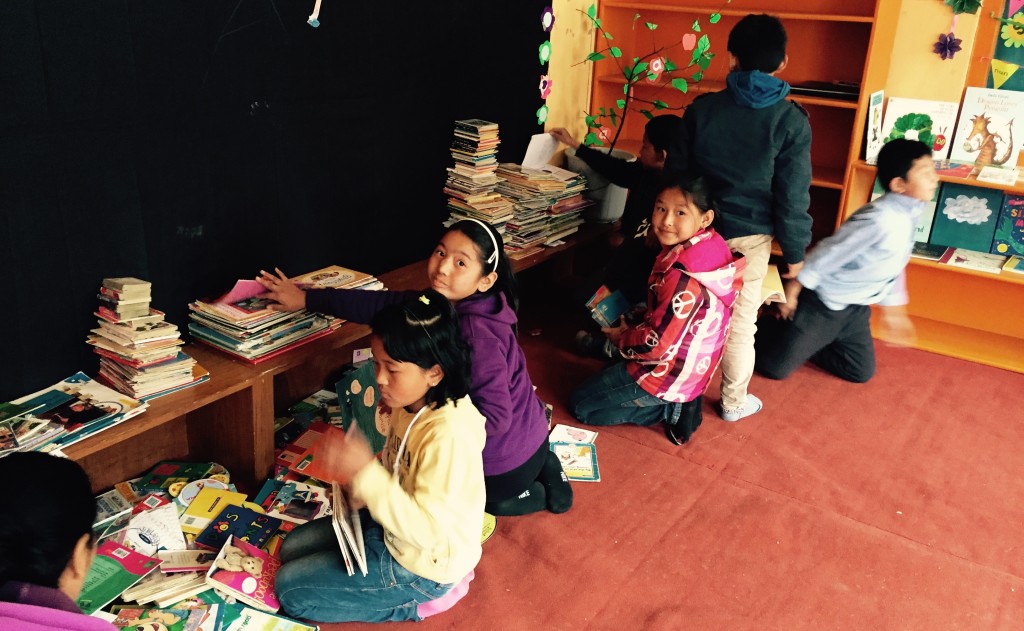
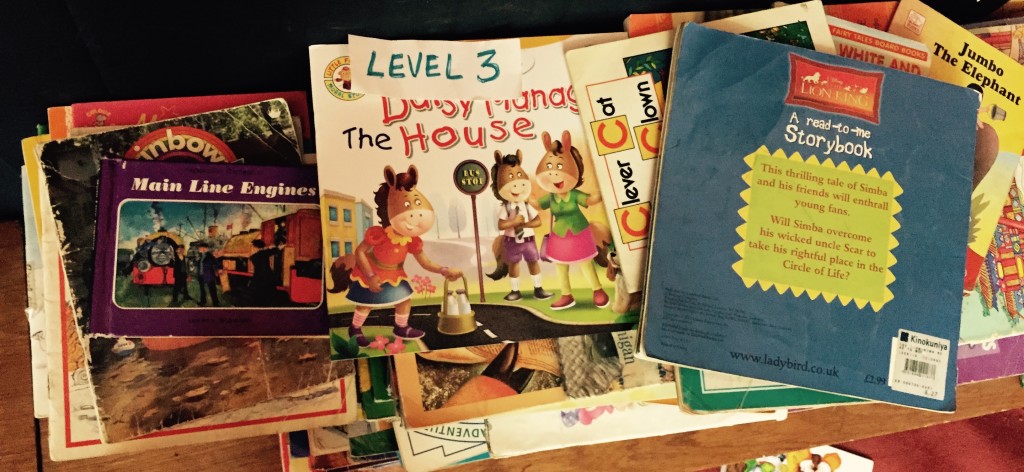
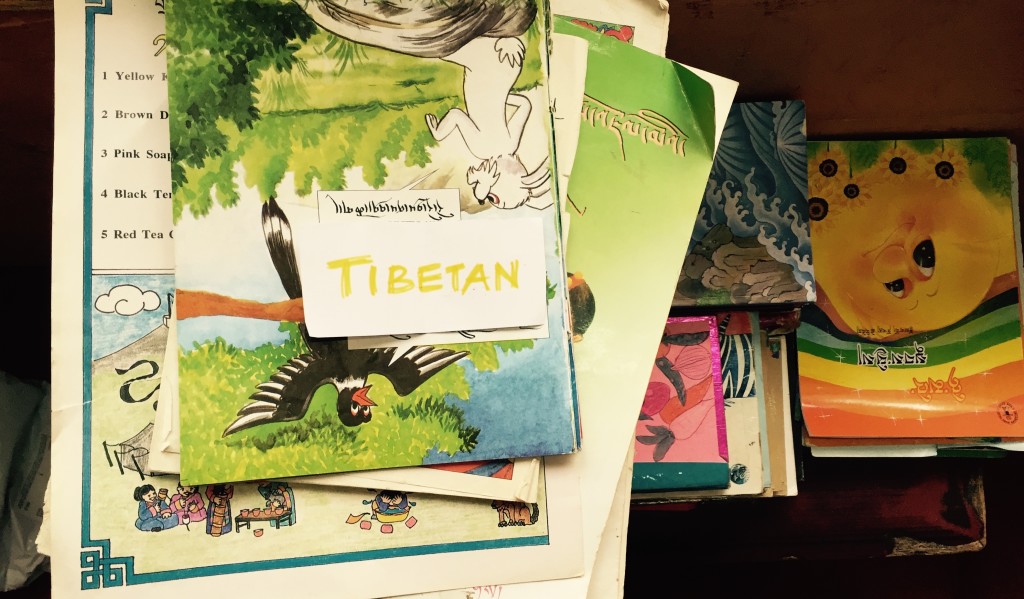
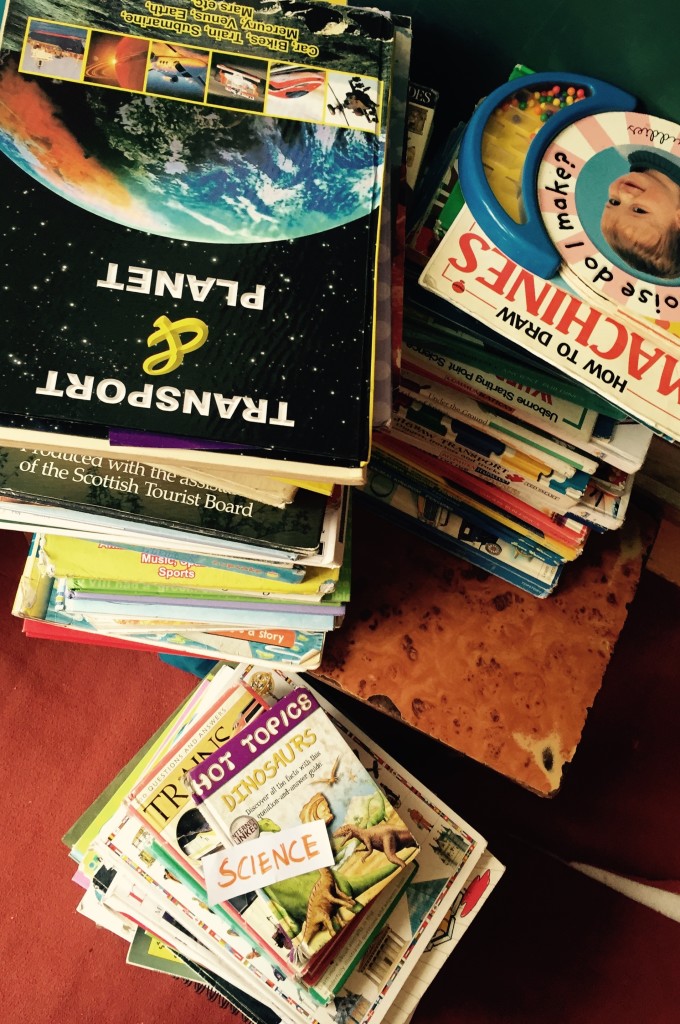
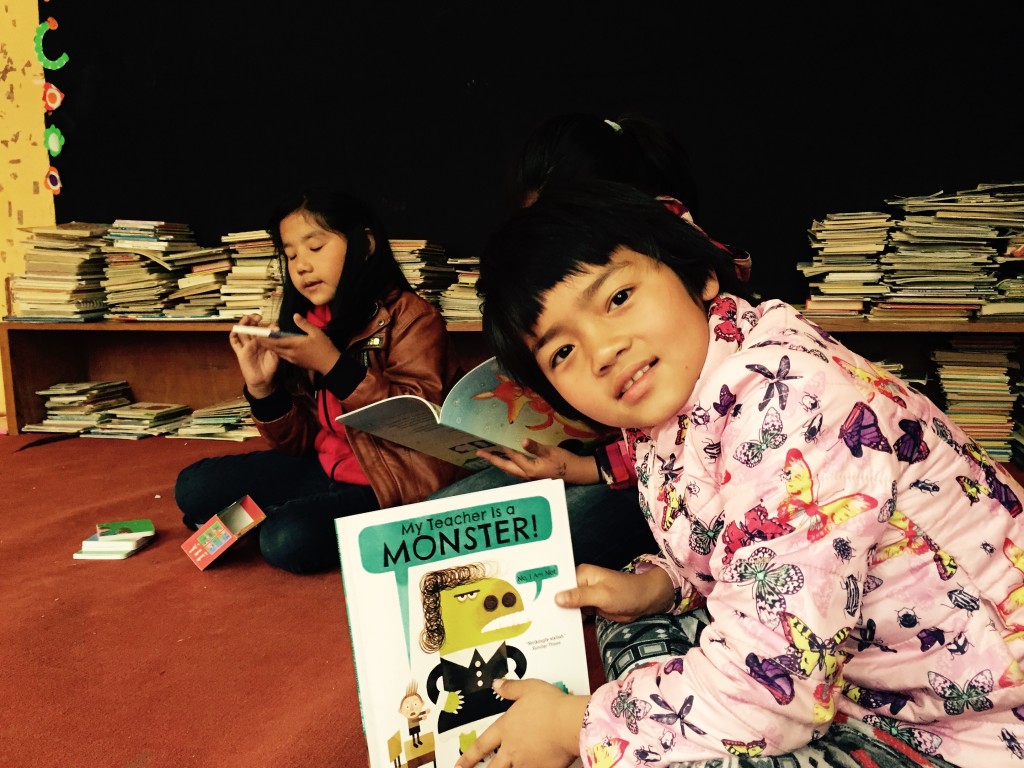
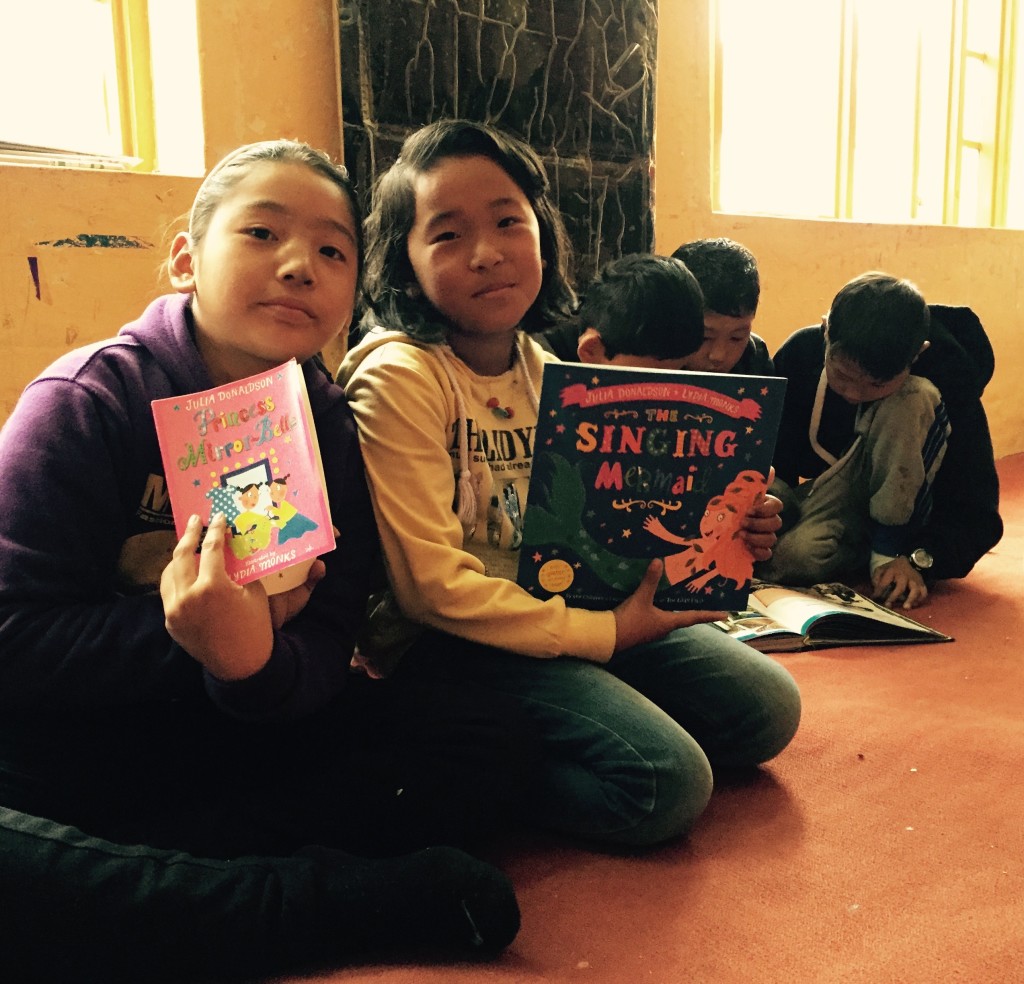
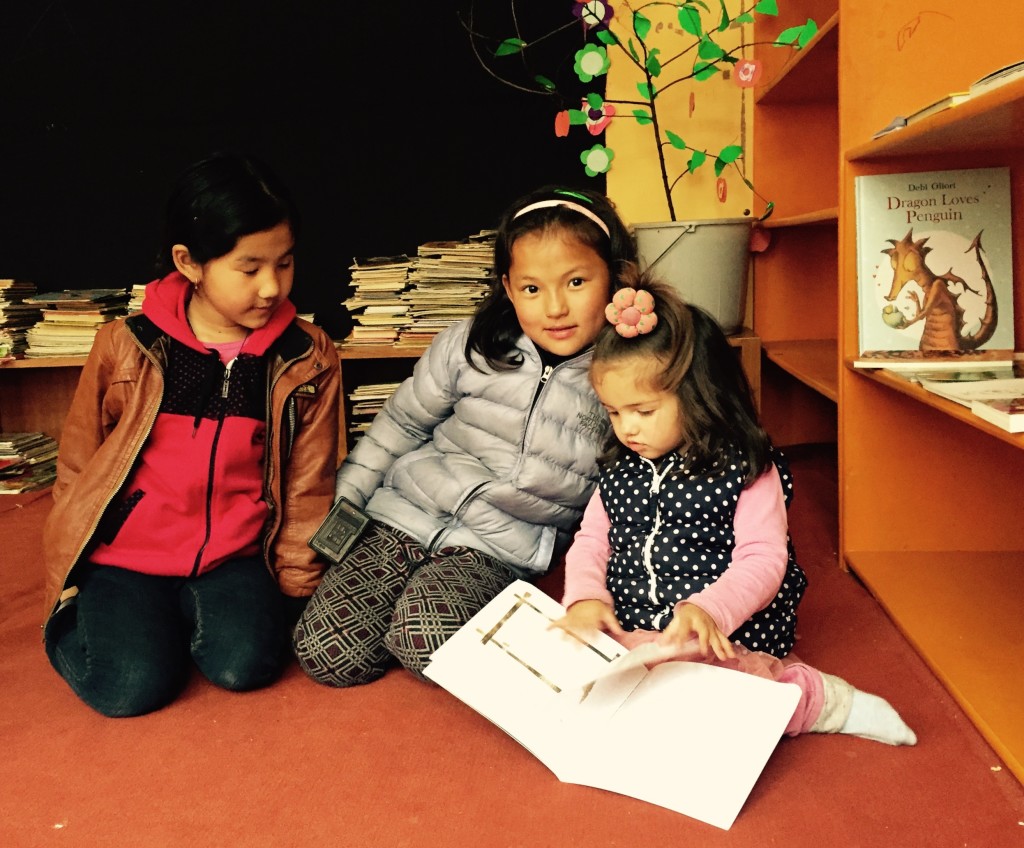
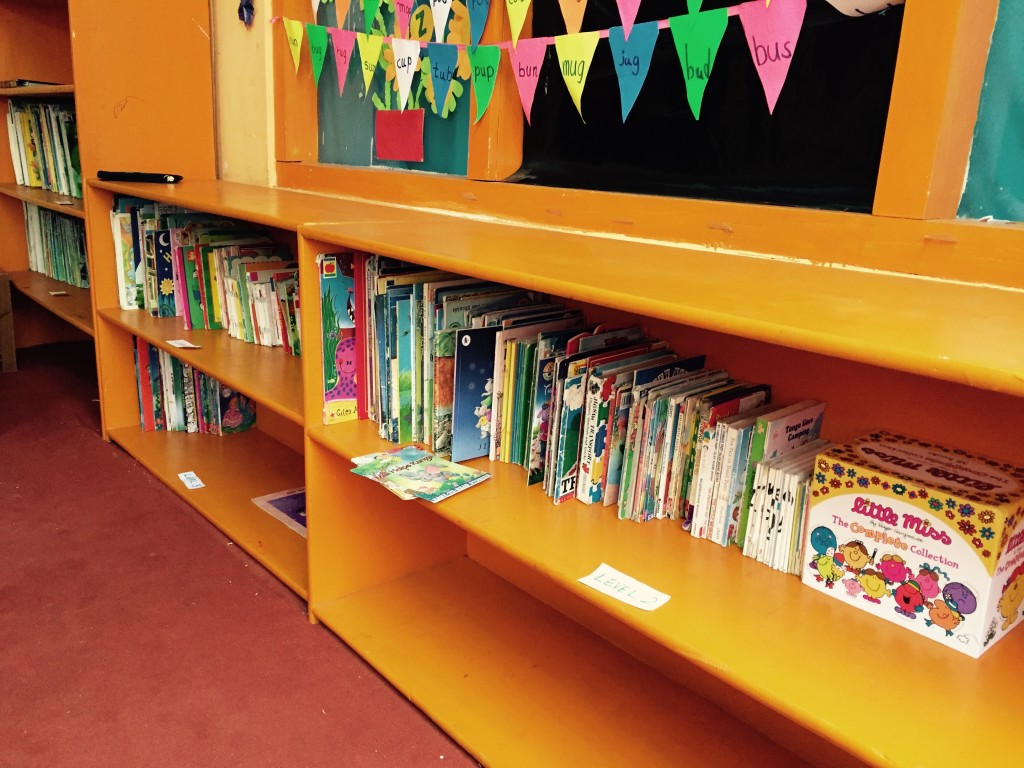
Creative activities also have a social role. When children share paste, paper, brushes, and design ideas, they learn to cooperate and appreciate different approaches. Through projects in Ladakh, Avalokiteśvara Trust connects artistic learning with access to books, reading rooms, and wider educational opportunities.
Why papier-mâché suits learning in Leh
Papier-mâché is made by layering paper with an adhesive over a form, allowing it to dry, and then decorating the hardened surface. Children can use balloons, cardboard shapes, clay moulds, or lightly crumpled paper as a base. This flexibility makes the activity accessible even when a workshop has limited equipment.
The craft also supports several areas of development at once. Tearing paper strengthens hand control, brushing paste builds coordination, and shaping a form introduces basic principles of volume and structure. Painting adds opportunities to explore colour, pattern, symbolism, and storytelling.
Leh’s high-altitude environment creates practical considerations. Dry air can speed up drying, while cold rooms may require extra time for layers to set. Small batches of paste, thin paper layers, and well-ventilated work areas help children enjoy the process without rushing or creating unnecessary mess.
Building a workshop around local stories
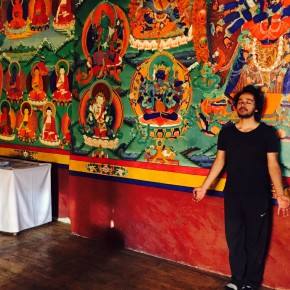
A strong workshop begins with a theme that feels familiar. Children might create snow leopards, yaks, ibex, prayer flags, mountain flowers, traditional musical instruments, or imagined guardians of the Himalayas. These subjects invite discussion about landscapes, wildlife, family memories, and community traditions.
Stories from Ladakh can guide the design without limiting individual creativity. A child may turn a traditional motif into an abstract pattern, combine a monastery shape with an animal figure, or invent a colourful character who protects a reading room. The aim is to encourage curiosity rather than demand perfect cultural imitation.
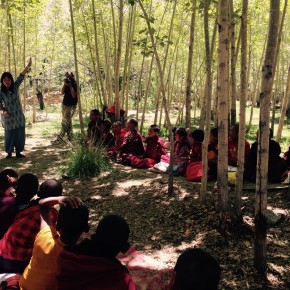
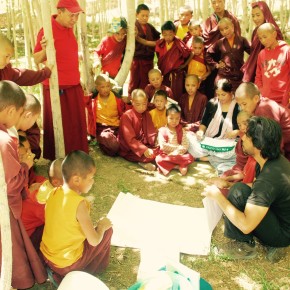
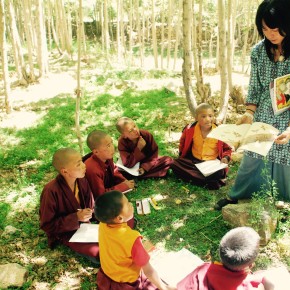
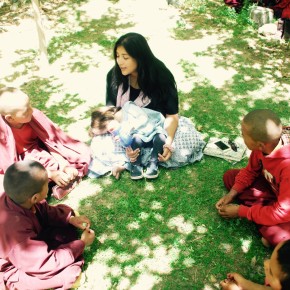
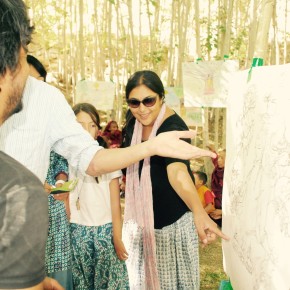
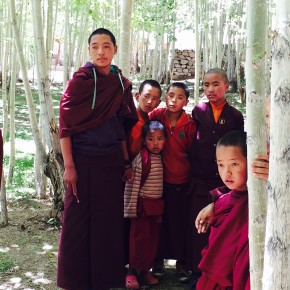
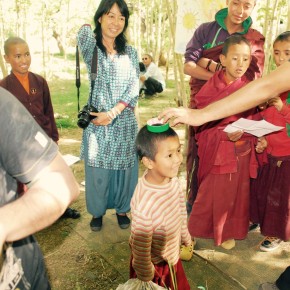
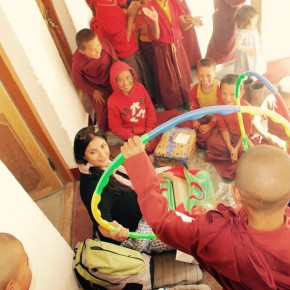
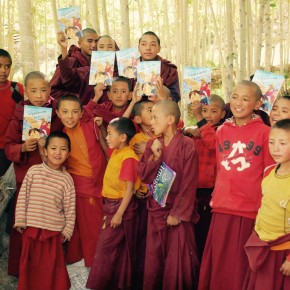
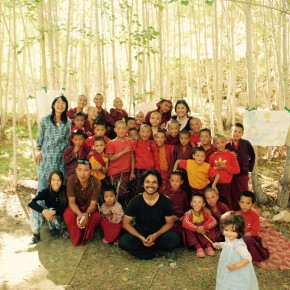
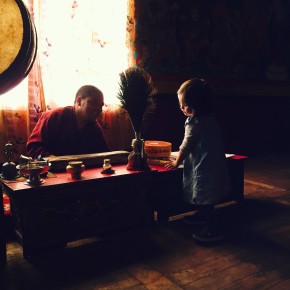
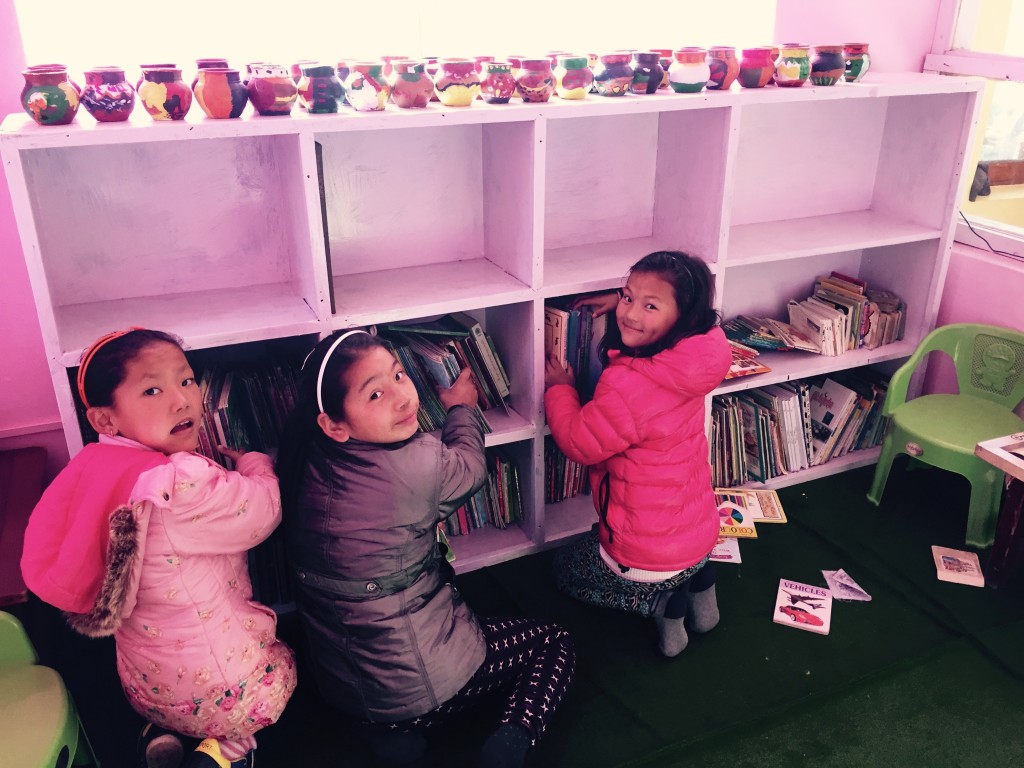
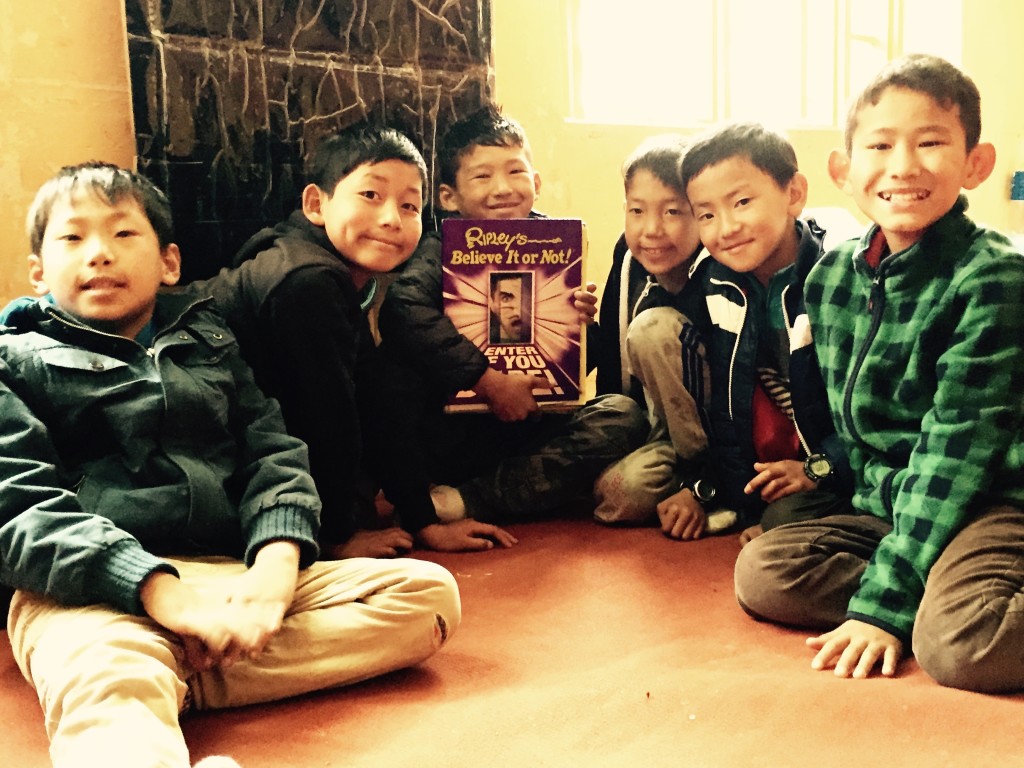
Young monks and school-age children can work together on collaborative pieces, such as a large mountain mural or a collection of masks. Each participant can contribute one section, colour family, or decorative detail. The finished artwork then becomes a visible record of shared effort and a welcoming feature in a classroom or community centre.
Materials, methods, and safe choices
The best supplies are affordable, reusable, and easy to clean. Newspaper, discarded notebooks, paper bags, cardboard packaging, flour, water, non-toxic glue, tempera paint, and brushes can support many projects. Reusing paper also gives children a practical lesson in resourcefulness and responsible consumption.
A basic paste can be made from flour and water, cooked or mixed carefully to a smooth consistency. For younger children, a ready-made, non-toxic craft adhesive may be easier to manage. Adults should prepare paste in advance when hot water or cooking is involved, and children should wash their hands after handling materials.
| Material or method |
Useful for |
Benefits |
Points to watch |
| Flour-and-water paste |
Simple layered forms |
Low cost and widely available |
Use fresh paste and dry pieces thoroughly |
| Non-toxic craft glue |
Detailed or durable projects |
Smooth application and stronger bonding |
Check labels and avoid skin or eye contact |
| Newspaper strips |
Animal figures and masks |
Flexible, lightweight, and easy to find |
Use thin layers to prevent cracking |
| Cardboard bases |
Signs, plaques, and relief art |
Provides shape and stability |
Smooth sharp edges before children begin |
| Natural or poster colours |
Final decoration |
Bright results and easy blending |
Protect tables and allow paint to dry fully |
Children should wear aprons or old clothing, while tables can be covered with reusable cloth or paper. Tools must be age appropriate, and adults should supervise cutting, stapling, and any use of heated water. Finished pieces need complete drying before they are painted or displayed.
From first layer to finished artwork
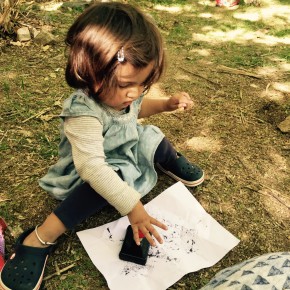
A workshop can begin with a short demonstration. The facilitator shows how to tear rather than cut paper, dip one strip into paste, remove excess adhesive, and smooth it over the form. Children then build two or three thin layers, leaving enough time between sessions for the structure to dry.
The next stage is refinement. Once the base is firm, children can add small paper shapes for ears, horns, noses, wings, or architectural details. These additions should be secured with narrow strips and allowed to dry before painting. Simple forms often produce the strongest results because they remain stable and are easier for young artists to handle.
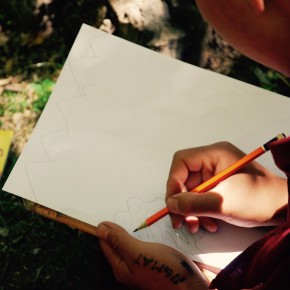
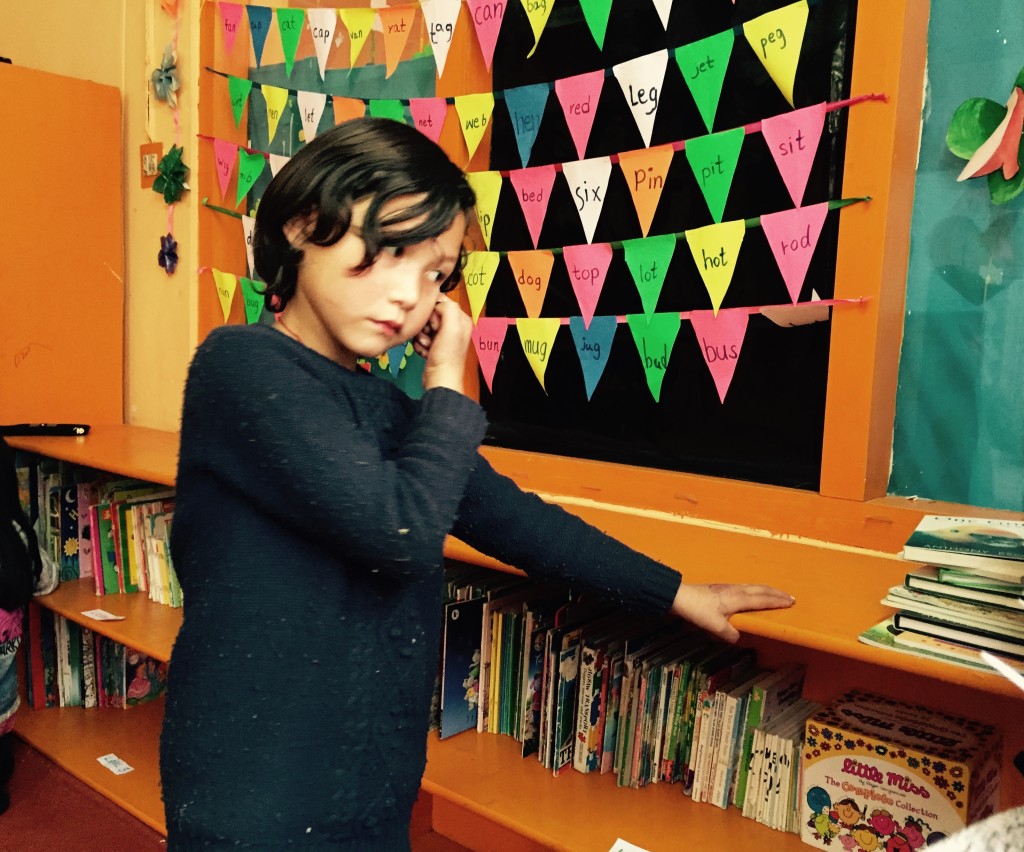
Decoration turns the object into a story. Children can choose colours based on Himalayan landscapes, festival clothing, local flowers, or their own imagined worlds. They may also add written words, short poems, or labels explaining what their artwork represents. This connection between making, language, and display can reinforce literacy in a memorable way.
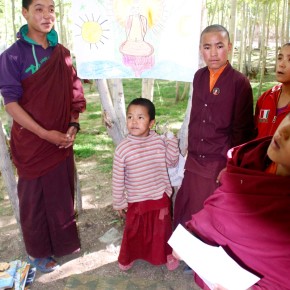
Photographs of the creative process can be shared with families and supporters, while the finished objects can decorate a reading room. An exhibition gives children a reason to describe their choices and listen to others. Recognition does not need to be competitive; every piece can be presented as evidence of learning and participation.
Recommendations for a meaningful session
A well-organized activity leaves room for experimentation while providing enough structure for children to feel confident. The following practices help facilitators create an engaging and inclusive papier-mâché workshop:
- Begin with a local story, natural object, or book illustration to inspire the project.
- Prepare forms, paste, table coverings, and drying areas before children arrive.
- Divide the activity into short stages across several sessions rather than rushing one long class.
- Offer varied roles, including shaping, painting, storytelling, photographing, and arranging an exhibition.
- Display every child’s work with their name and a brief description of the idea behind it.
Facilitators can adapt the project for different ages and abilities. Younger children may decorate pre-built shapes, while older students can design armatures or plan a larger group sculpture. Children who are less comfortable with painting may enjoy mixing colours, writing captions, or creating patterns with stamps and textured materials.
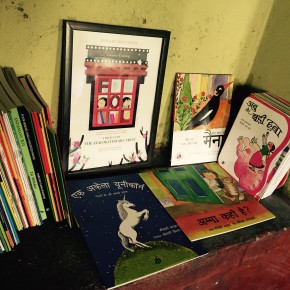
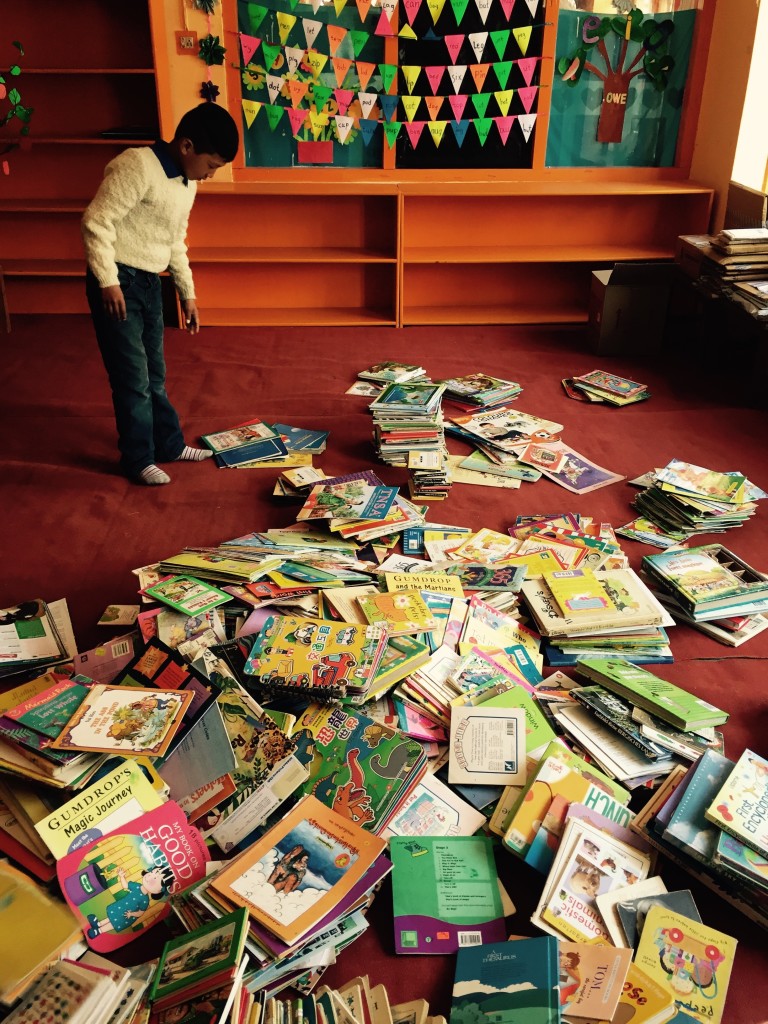
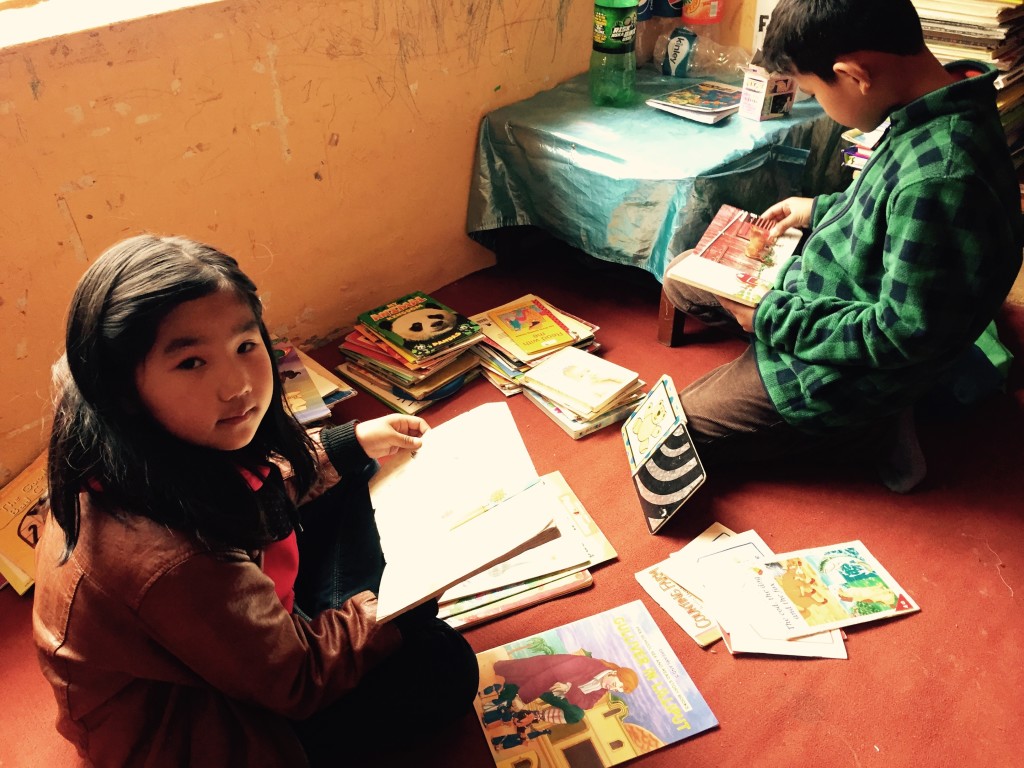
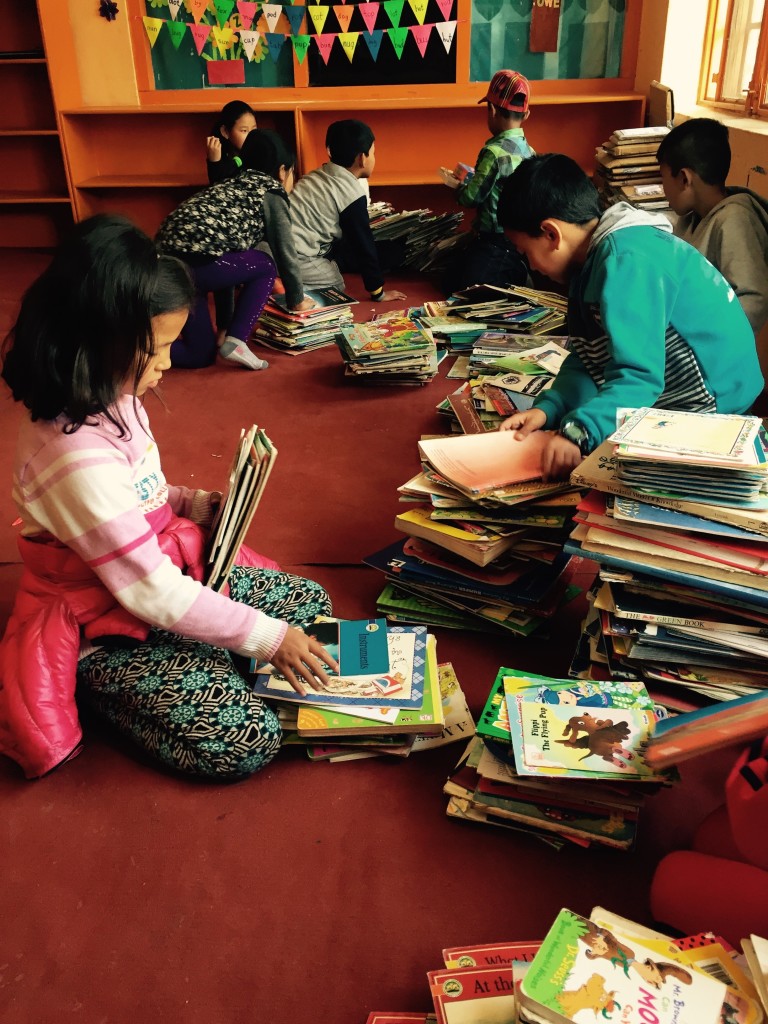
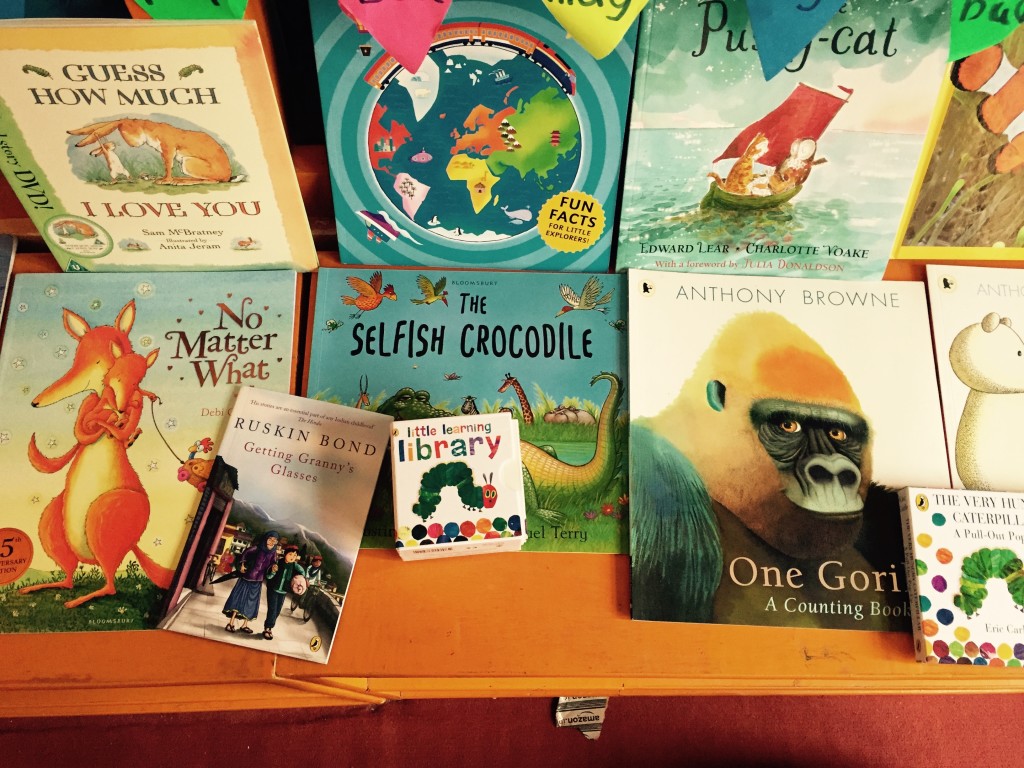
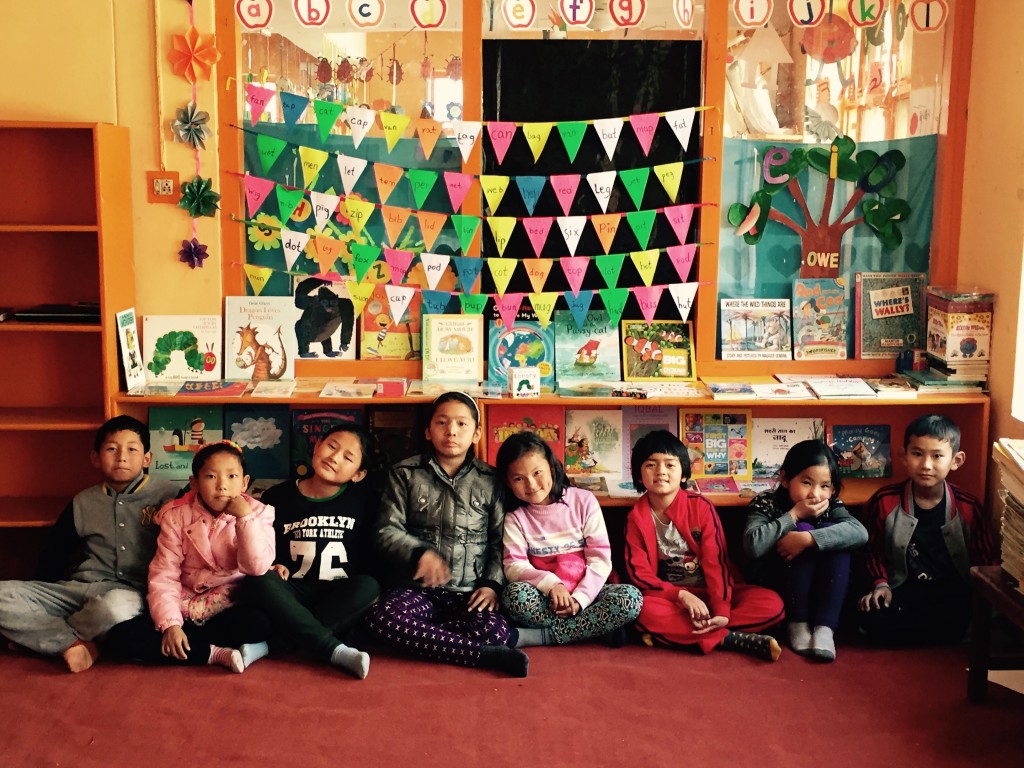
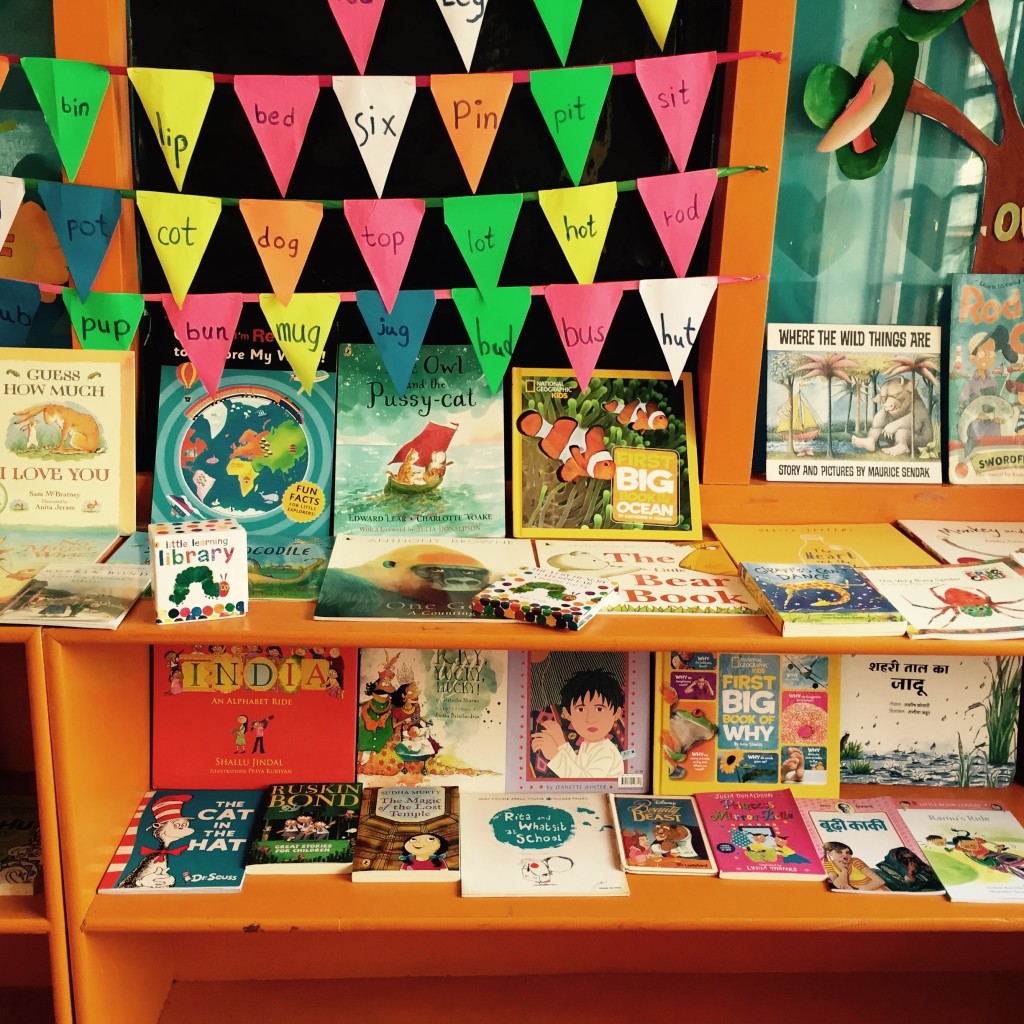
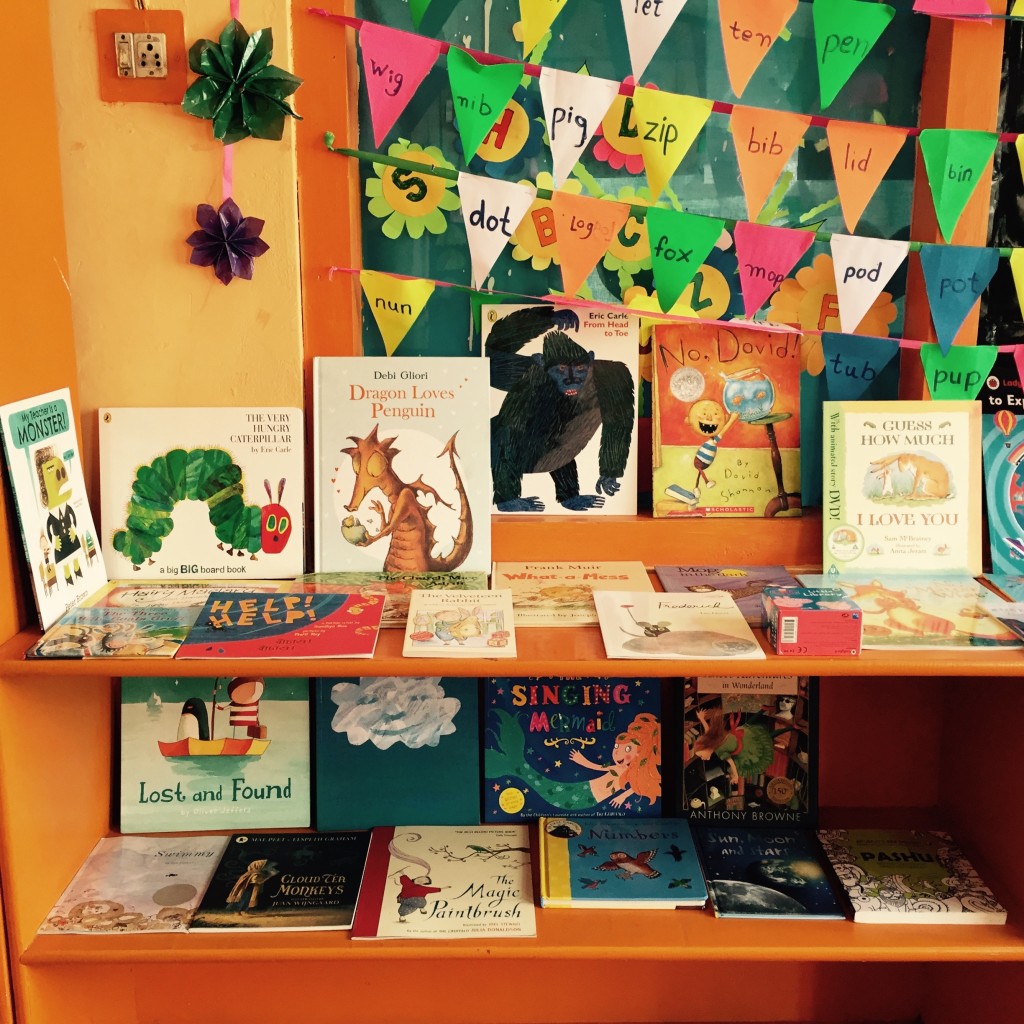
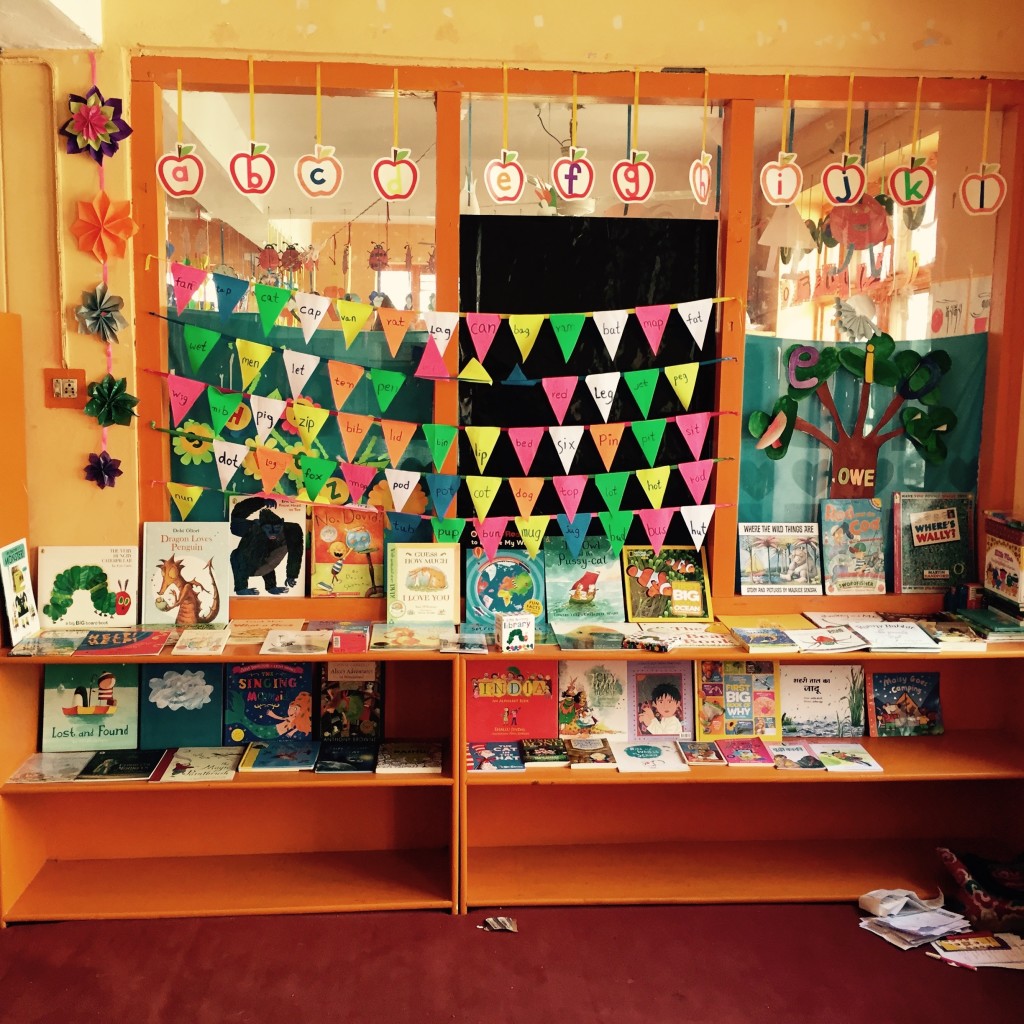
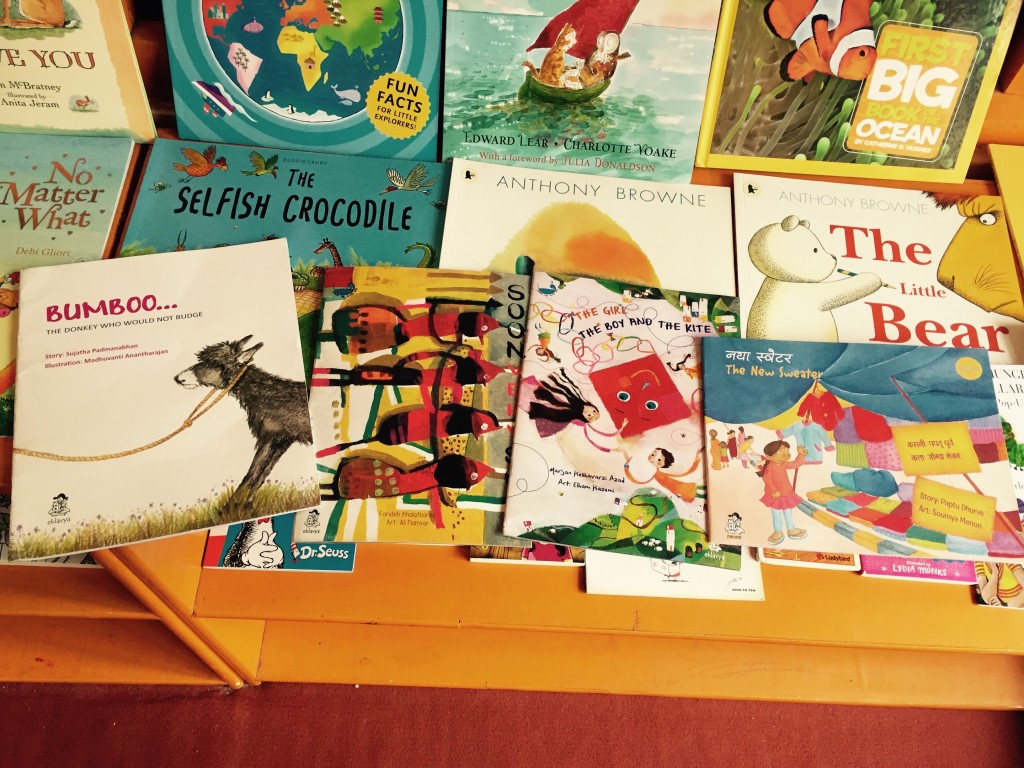
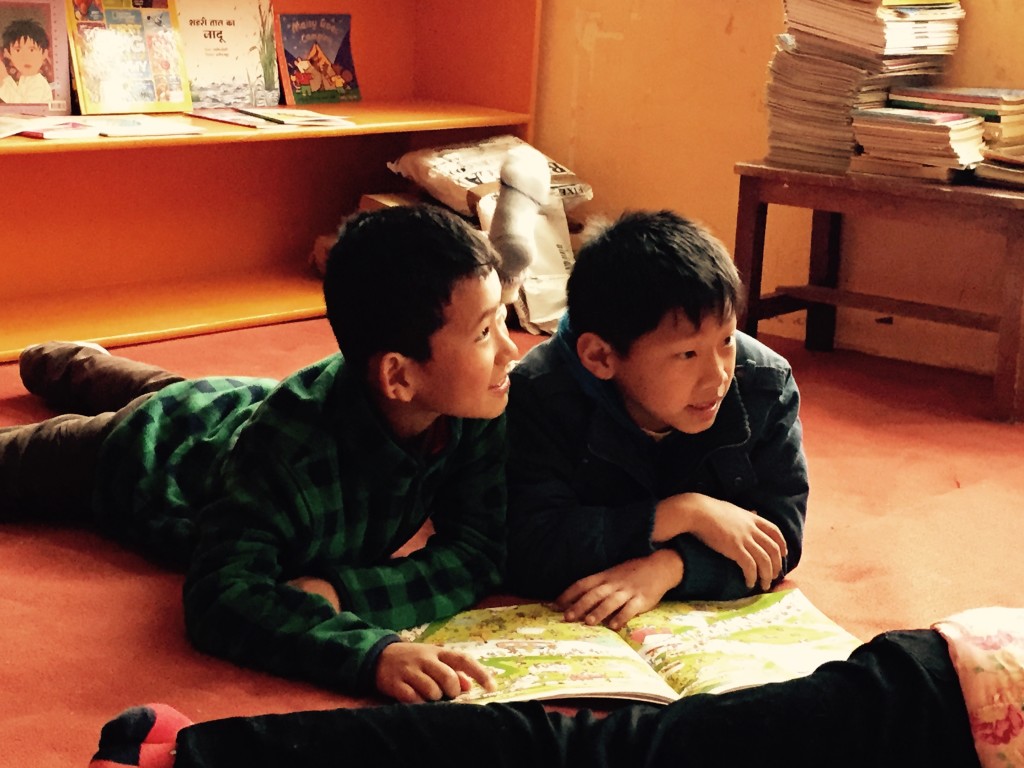
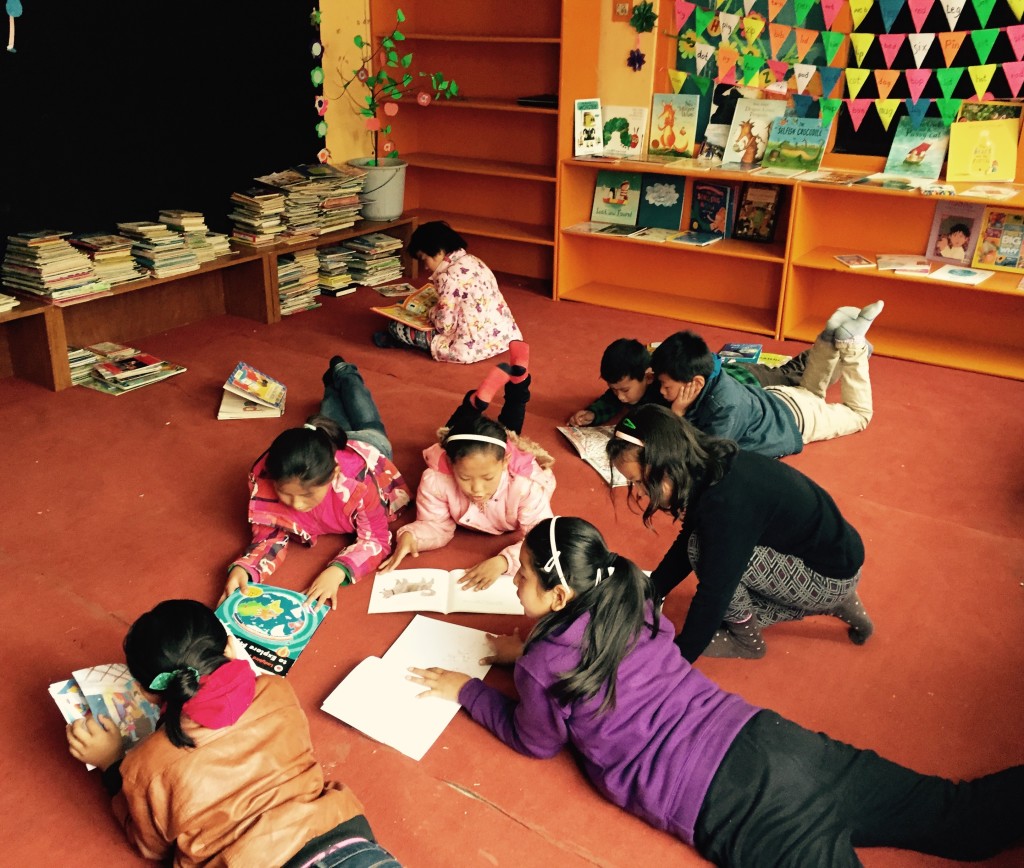
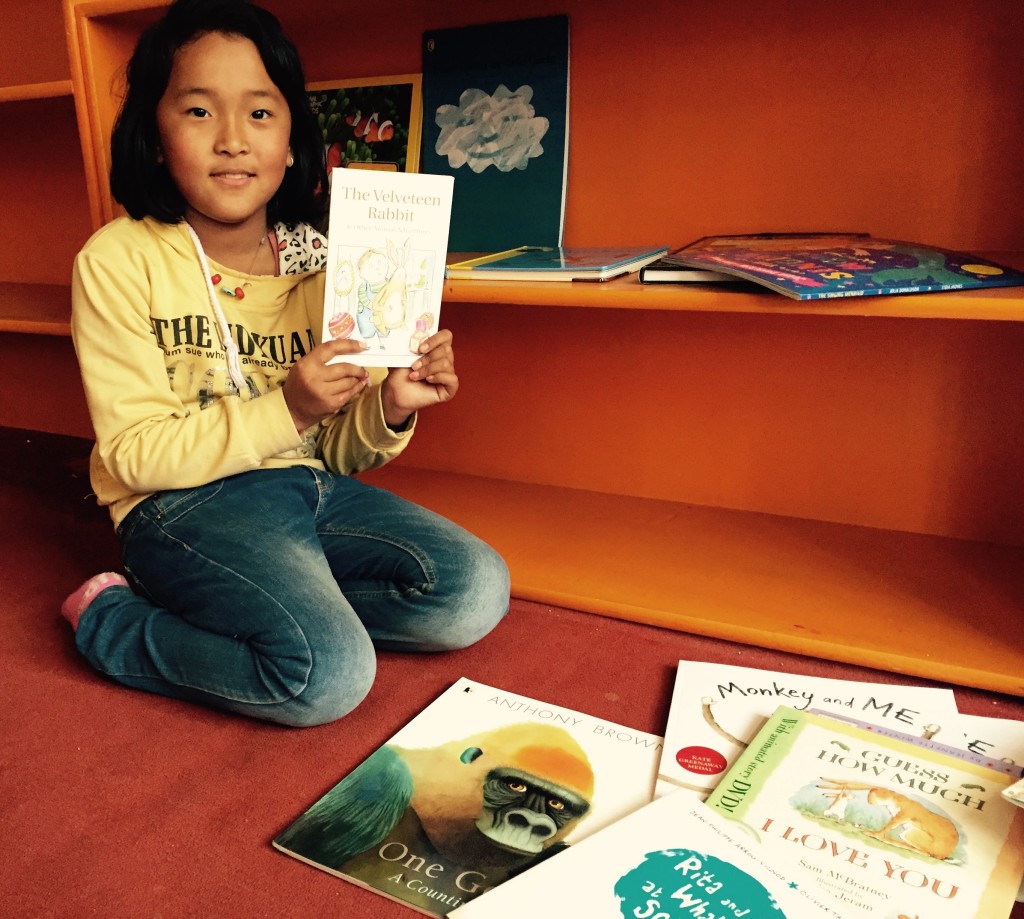
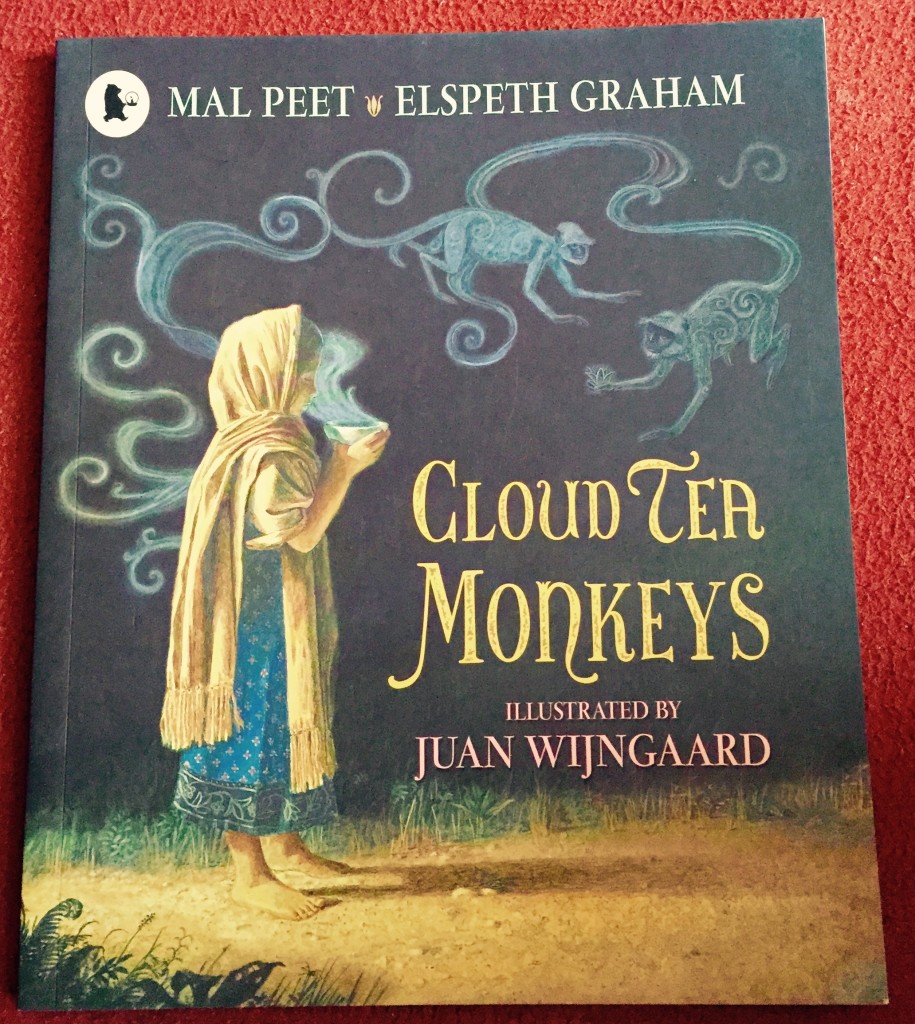
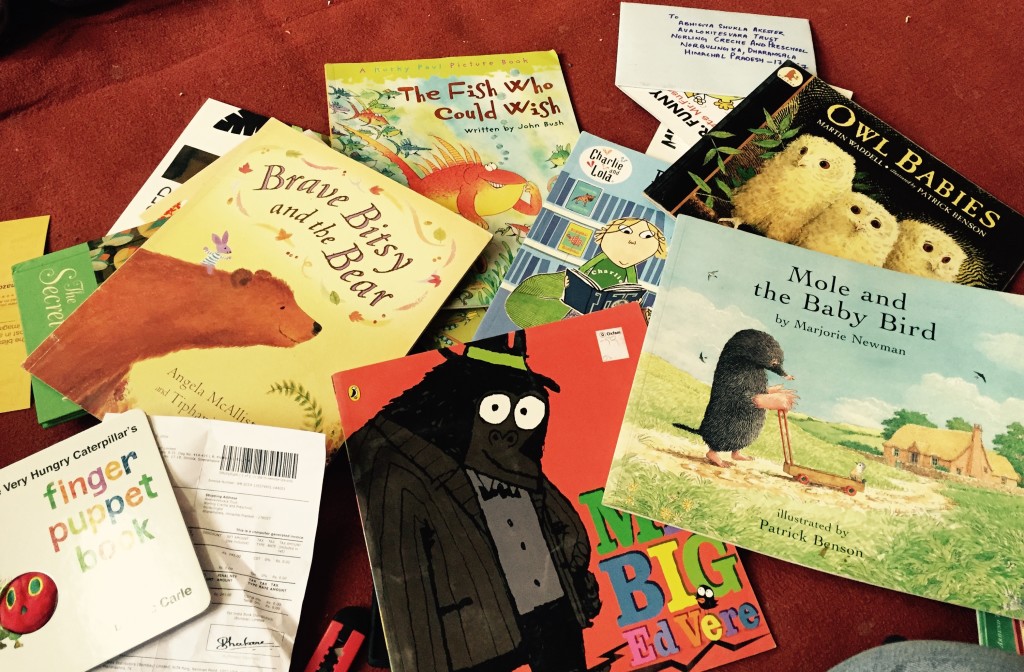
The workshop can also become a bridge to reading. A class making animal figures might explore a wildlife book, while a mask project could lead to stories about festivals, theatre, or characters from local legends. When creative work grows from books and returns to the reading space, literacy becomes active, social, and connected to daily experience.
Keeping the creative spirit alive
Papier-mâché is valuable because the finished object is only part of the achievement. The deeper outcomes include concentration, cooperation, confidence, and the freedom to make decisions. A child who learns that a torn sheet of paper can become a meaningful sculpture may begin to view other ordinary materials and everyday challenges with fresh possibility.
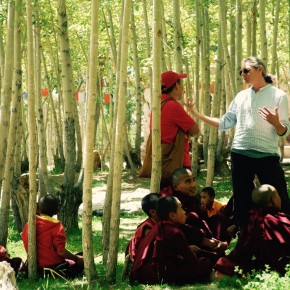
In Leh, these workshops can create warm moments of exchange across generations and communities. Local artists, teachers, volunteers, families, and young monks may each bring a different perspective to the activity. Their collaboration helps children see art as something that belongs in classrooms, reading rooms, homes, and public life.
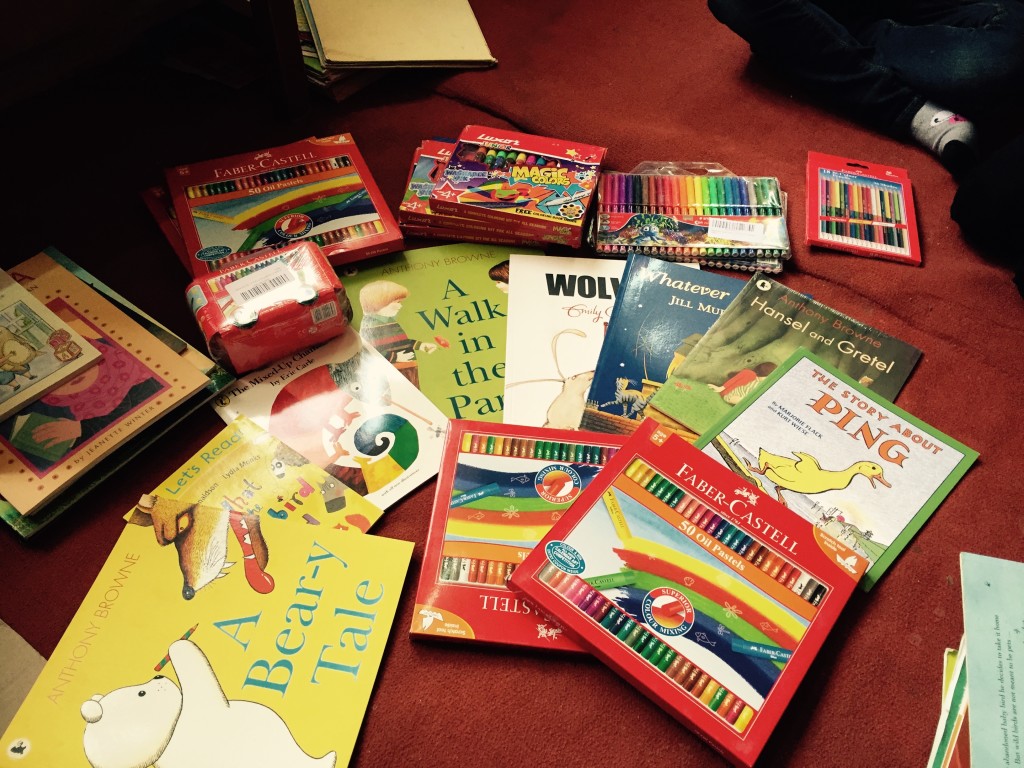
Support for books and hands-on education makes creative opportunities more consistent. Donations of paper, paints, storage boxes, or workshop time can help sustain regular sessions, while volunteers can contribute skills in art, storytelling, documentation, or classroom support.
A child’s papier-mâché creation may begin as a humble paper form, yet it can become a symbol of confidence and belonging. Help make more spaces for children in Leh to read, create, and share their ideas by supporting the educational and artistic work of Avalokiteśvara Trust today.