High-limit online roulette and informed casino choices
Interest in high-stakes casino play has grown alongside the expansion of regulated online gambling in the Netherlands. Players searching for roulette tafels online met hoge limieten are usually looking for more than a large maximum bet: they want transparent rules, reliable payments, suitable table limits, and confidence that the platform operates within Dutch requirements.
A useful casino review can help separate genuine features from attractive marketing. This is especially important when a website covers several game categories, since a platform known for bingo or arcade entertainment may not offer roulette at all times. Careful reading lets players compare the experience they want with the products a casino actually provides.
| Feature |
High-limit roulette |
Tombola review perspective |
| Main appeal |
Larger stakes and flexible betting ranges |
Assessment of available games and overall casino experience |
| Game format |
Automated roulette, live dealer, or both |
Primarily information about bingo and arcade-style games |
| Key checks |
Maximum bet, wheel type, table rules, limits |
Licensing, safety, payments, bonuses, and support |
| Suitable reader |
Experienced adults with a fixed bankroll |
Players comparing Tombola’s entertainment offer |
| Essential safeguard |
Budget limits and responsible play tools |
Clear advantages, disadvantages, and practical conditions |
What high-limit roulette actually involves
High-limit roulette refers to tables where the maximum wager is significantly higher than at standard recreational tables. The exact threshold differs between operators. Some casinos promote VIP roulette rooms with larger minimums and maximums, while others simply provide several tables designed for different bankrolls.
The betting range is only one part of the experience. Players should examine whether the game uses a European single-zero wheel or an American double-zero wheel, whether it is live dealer or digital, and how quickly bets are accepted. These details influence the house edge, pace, and overall transparency of the game.
A high maximum should never be confused with better odds. Roulette outcomes remain random, and increasing the stake increases the amount at risk on every spin. A well-presented table can be appealing, but presentation does not alter the mathematical structure of the game.
Why a detailed review matters
A review website gives prospective players a way to examine a casino before registering. The most useful reviews explain what is known about game selection, welcome promotions, deposit methods, withdrawals, customer service, and security rather than repeating general advertising language.
The https://tombolacasinospellen.nl/casino/ review page is designed around that kind of comparison. It evaluates Tombola Casino for players in the Netherlands and discusses its bingo and arcade games, available bonuses, payment options, licensing information, safety measures, support channels, and practical advantages and disadvantages.
This distinction matters for anyone specifically seeking online roulette. A review may describe the casino accurately while still showing that its strongest offering lies elsewhere. Readers should check the current game lobby and terms instead of assuming that every reviewed casino provides live roulette, high-stakes tables, or a particular wheel format.
Reading Tombola’s game profile carefully
Tombola is associated with bingo and arcade-style casino entertainment, making its appeal different from that of a specialist roulette platform. Bingo focuses on numbered draws and community-style play, while arcade games often emphasize short sessions, visual features, and varied mechanics.
That profile can suit players who prefer casual entertainment and a broader selection of light casino games. It may be less suitable for someone whose main purpose is to find a high-limit live roulette table. A strong review helps identify this difference before a player spends time creating an account or depositing funds.
Game availability can also change. Operators update lobbies, promotions, and payment arrangements, so information should be checked against the current site and the applicable terms. Particular attention belongs on minimum and maximum stakes, eligibility restrictions, wagering requirements, and whether a bonus applies to a chosen game.
Licensing, payments, and account security
For Dutch players, licensing is a central part of any online casino assessment. A regulated operator should provide clear information about its authorization, age restrictions, responsible gambling measures, and complaint process. Players should verify current details through official sources rather than relying solely on a badge or marketing statement.
Payment methods deserve equal scrutiny. A review should identify supported options, possible processing times, minimum deposits, withdrawal conditions, and any fees. A large betting limit has little practical value if withdrawals are unclear or if a player has not understood identity verification requirements.
Security also includes account protection. Strong passwords, careful handling of personal data, and two-factor authentication where available reduce avoidable risks. Players should avoid opening duplicate accounts to bypass restrictions, since that can create problems with bonuses, verification, or withdrawals.
Bonuses should be judged by their conditions
A welcome bonus can make a casino appear more attractive, but the headline amount rarely tells the full story. Wagering requirements, maximum qualifying stakes, expiry dates, eligible games, and maximum cash-out rules may substantially affect its value.
This is particularly relevant to roulette players. Some promotions contribute little or nothing toward wagering on table games, while others assign different contribution percentages to roulette, blackjack, bingo, and slots. Reading the full bonus terms before claiming an offer prevents unrealistic expectations.
The Tombola review’s focus on bonuses and disadvantages is therefore useful even for readers who are still comparing options. A balanced assessment should explain where an offer is competitive and where restrictions may reduce its practical value. The safest approach is to treat any bonus as optional rather than as part of a personal gambling budget.
High limits require stronger bankroll discipline
High-limit tables can create a faster change in account balance because each decision carries more financial weight. A sensible player establishes a spending limit before entering a casino, uses only money set aside for entertainment, and stops when that limit has been reached.
Time limits are useful as well. Roulette can feel repetitive because each spin is brief, and quick decisions may encourage chasing losses. Breaks make it easier to maintain perspective and recognize when play has stopped being recreational.
Dutch players must be at least 18, and responsible gambling tools may include deposit limits, cooling-off periods, self-exclusion, and national exclusion systems such as CRUKS. These safeguards are not signs of failure; they are practical controls that help keep gambling within a chosen boundary.
Digital entertainment and wider access to learning
Online entertainment exists within a wider digital culture in which access, literacy, and clear information matter. People make better decisions when they can compare sources, understand conditions, and recognize the difference between a review, an operator, and an advertisement.
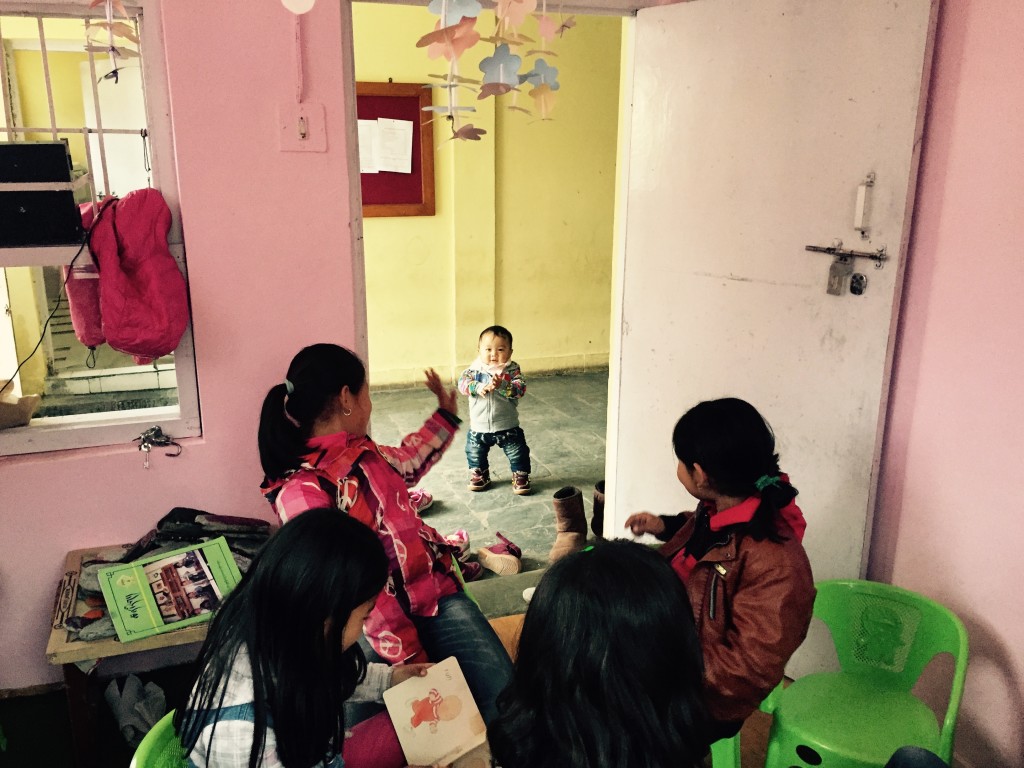
That principle connects with the work of Avalokiteśvara Trust, which supports children and young monks in Himalayan communities through reading rooms, book drives, and educational, artistic, and musical activities. Its educational programmes reflect the value of access to books and reliable learning resources, an idea that also applies to responsible online decision-making.
A careful casino review cannot remove the risks of gambling, but it can make information easier to evaluate. For Dutch readers comparing Tombola with other platforms, the practical next step is to read the current review, verify the game and licensing details, set a fixed entertainment budget, and decide only after those checks are complete.