Bringing Reading Rooms Into Everyday School Learning
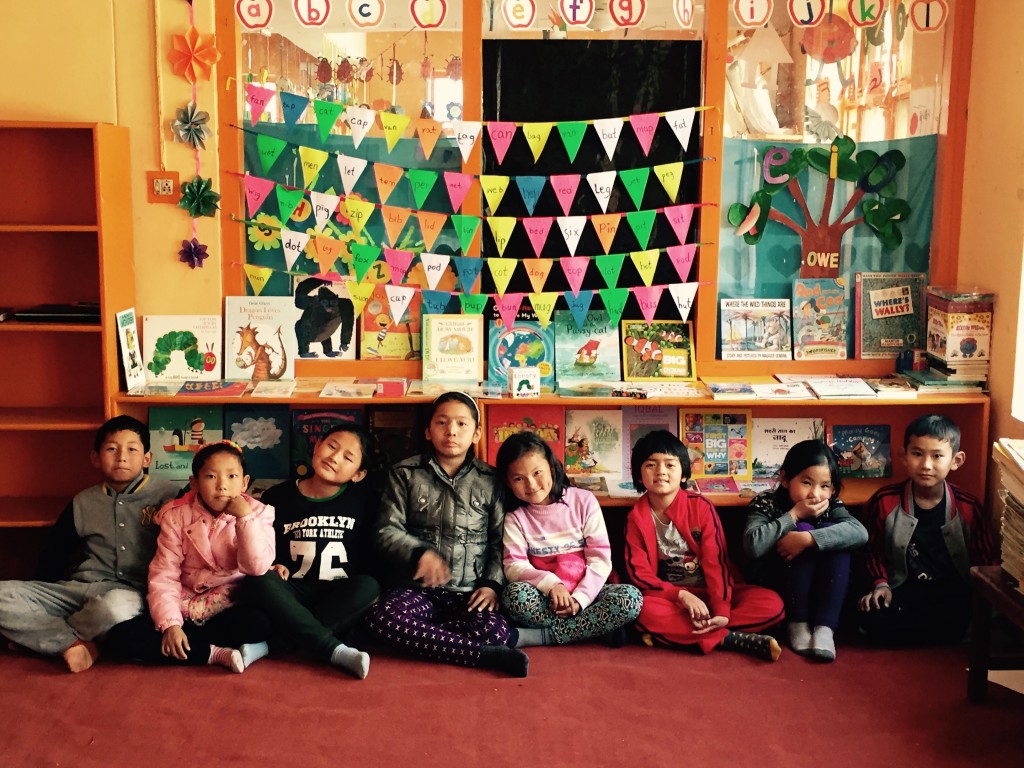
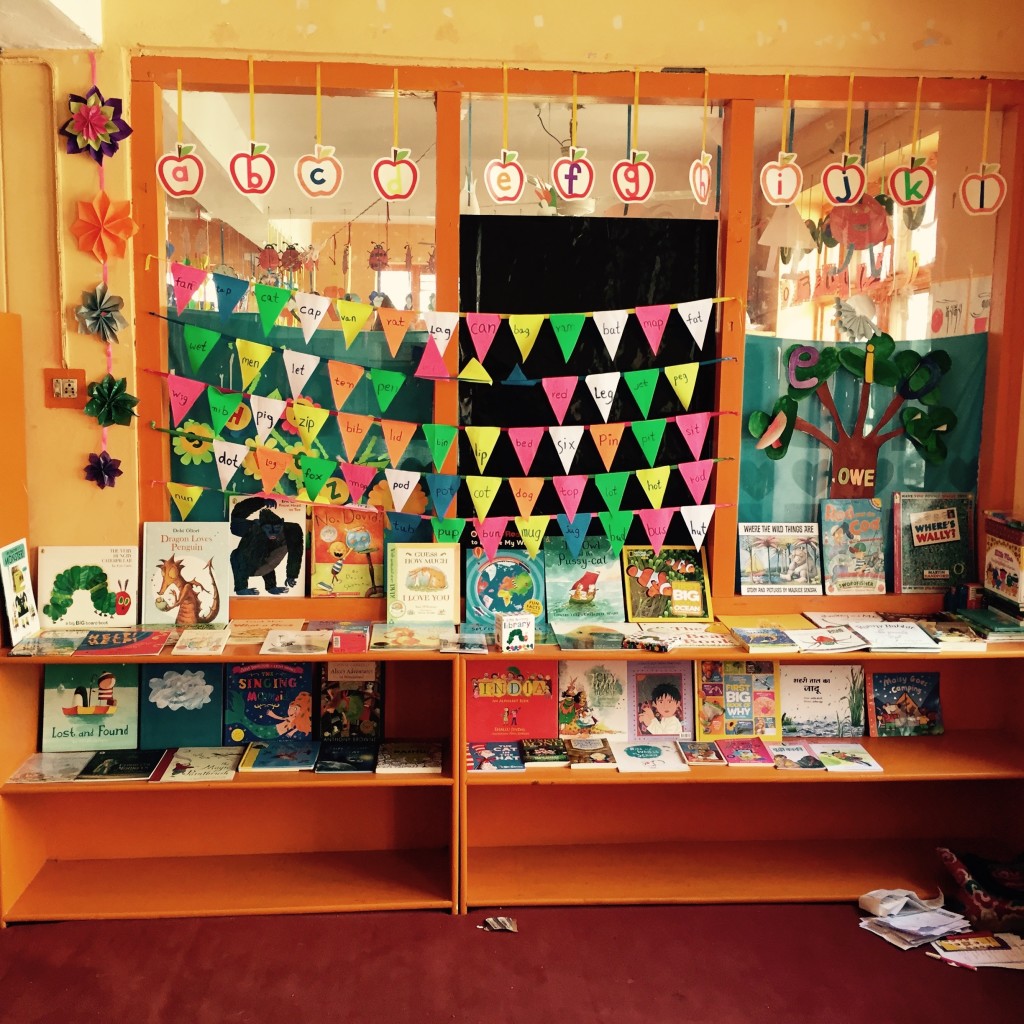
A reading room becomes most valuable when it is connected to the rhythm of school life. In Ladakh and other Himalayan communities, access to inviting, well-stocked spaces for reading can give children more opportunities to explore language, imagination, and knowledge beyond a single lesson or textbook.
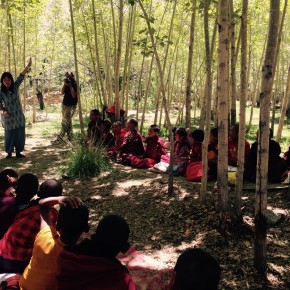
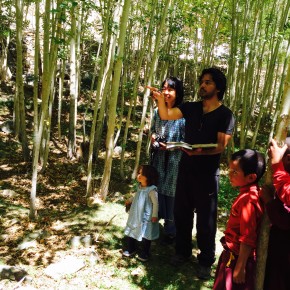
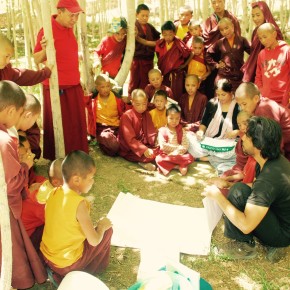
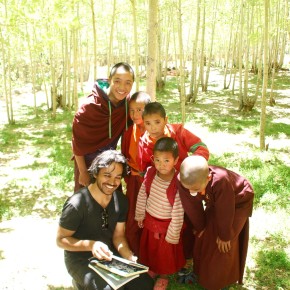
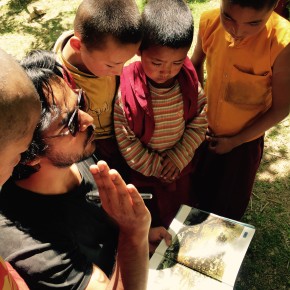
Avalokiteśvara Trust works with local schools to make books part of everyday learning. Through school partnerships, book drives, classroom activities, and support for teachers, reading rooms can become active extensions of the classroom rather than separate spaces used only on special occasions.
This approach respects the knowledge already held by local educators and communities. It also recognizes that every school has different needs, from multilingual collections and age-appropriate stories to comfortable places where children and young monks can read at their own pace.
Why School Partnerships Matter
Schools understand their students, schedules, languages, and learning priorities. Their guidance helps the Trust select resources that are relevant to children’s lives instead of delivering a collection that looks impressive but remains unused. Teachers can identify reading levels, subject interests, and gaps in available materials.
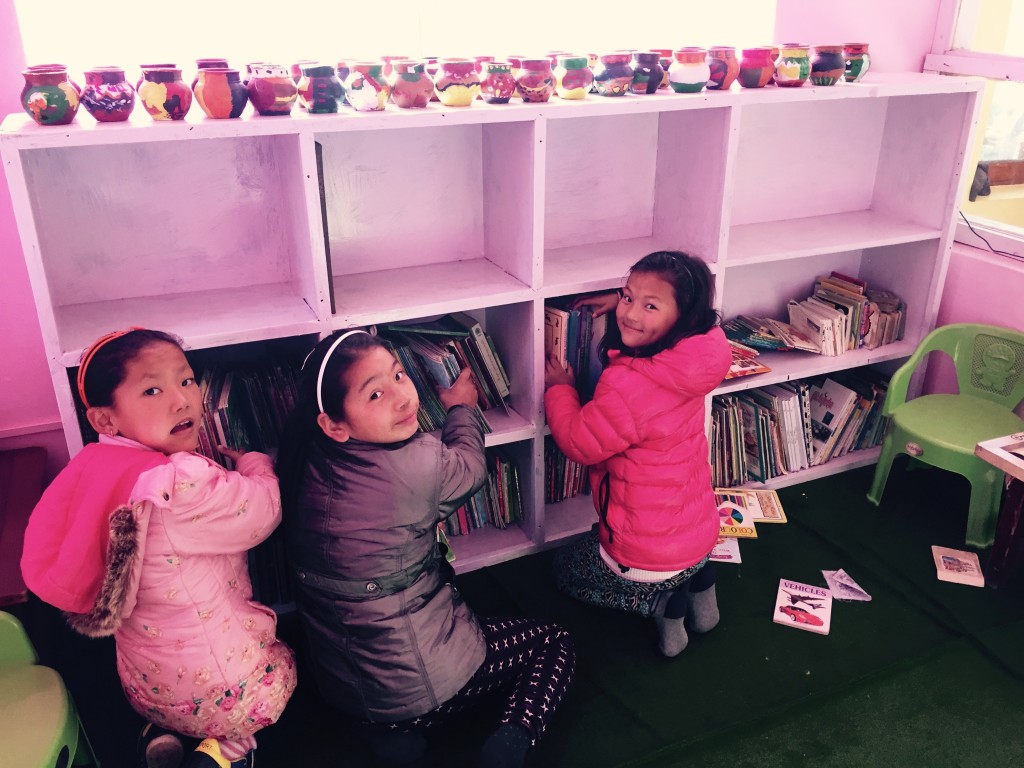
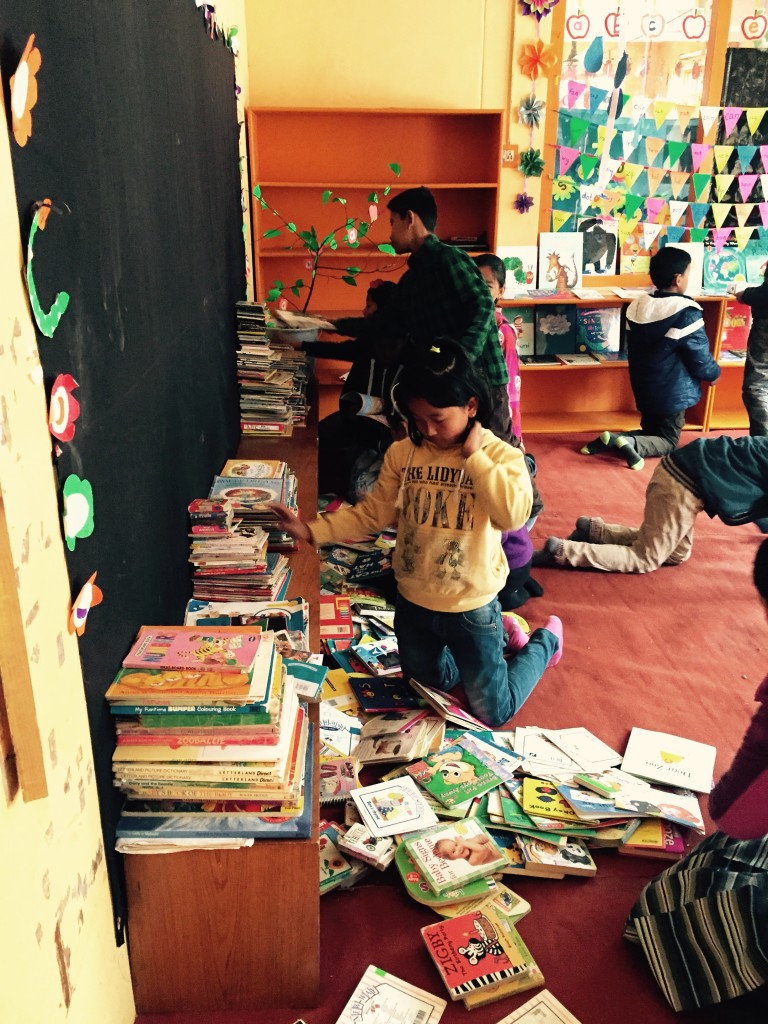
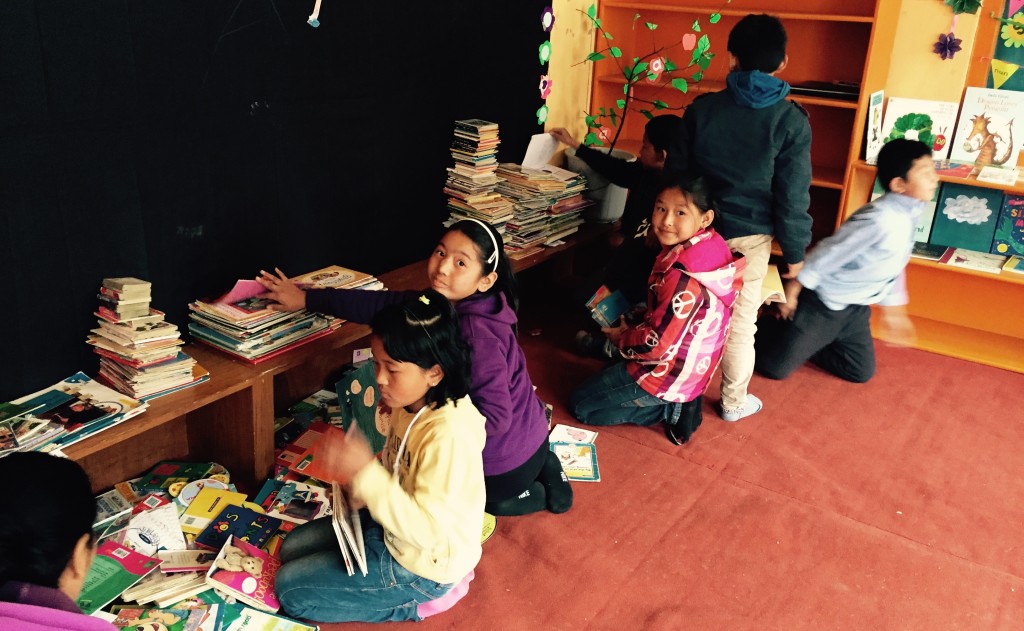
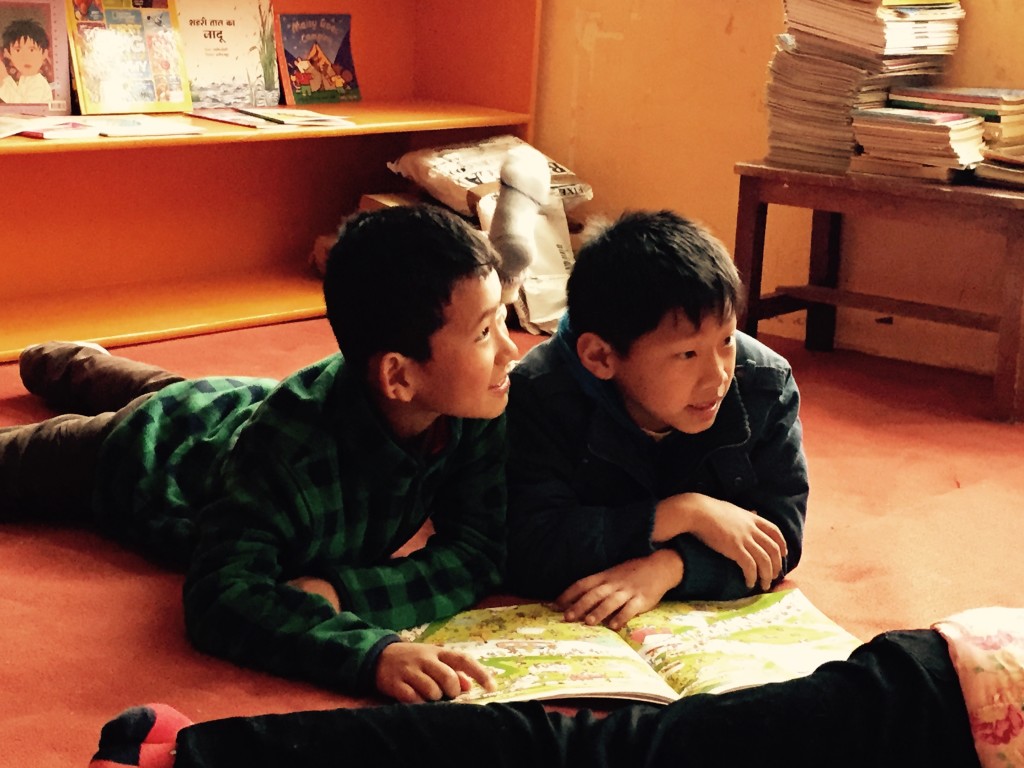
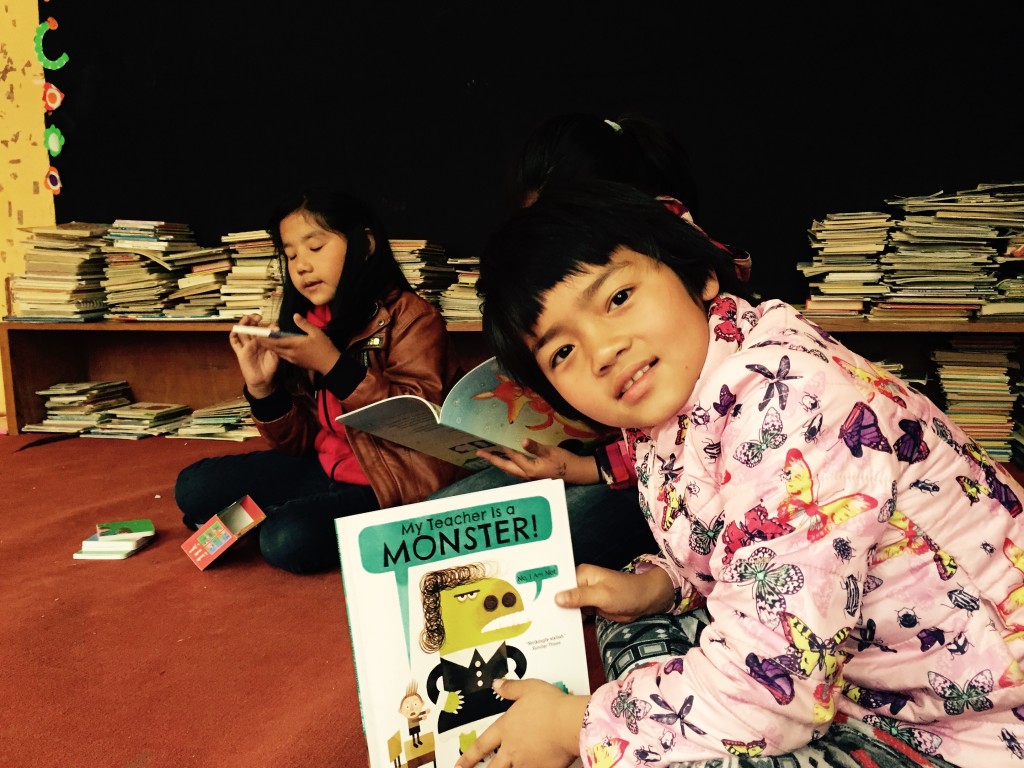
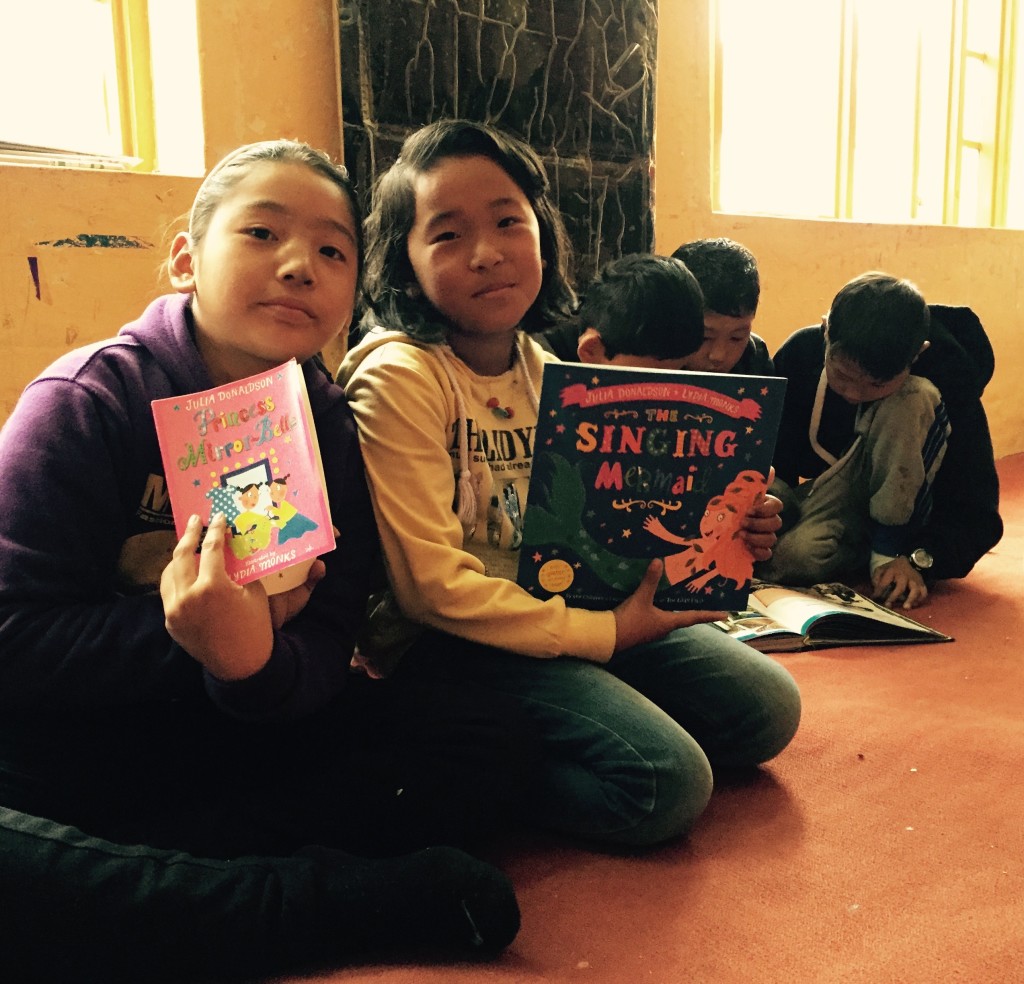
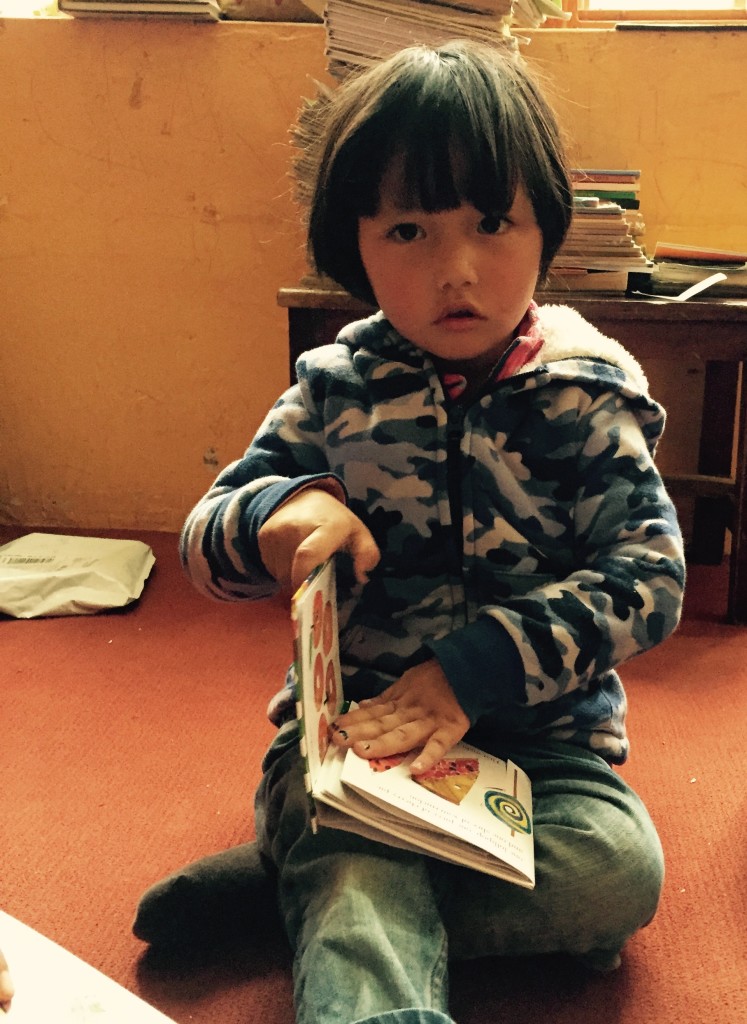
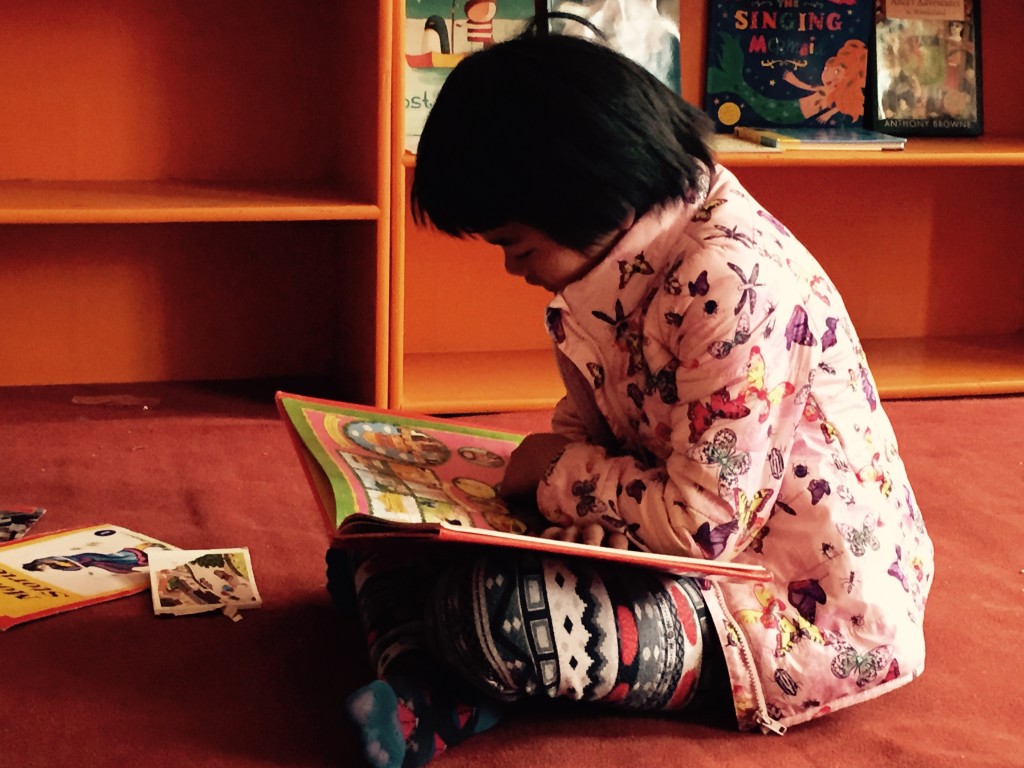
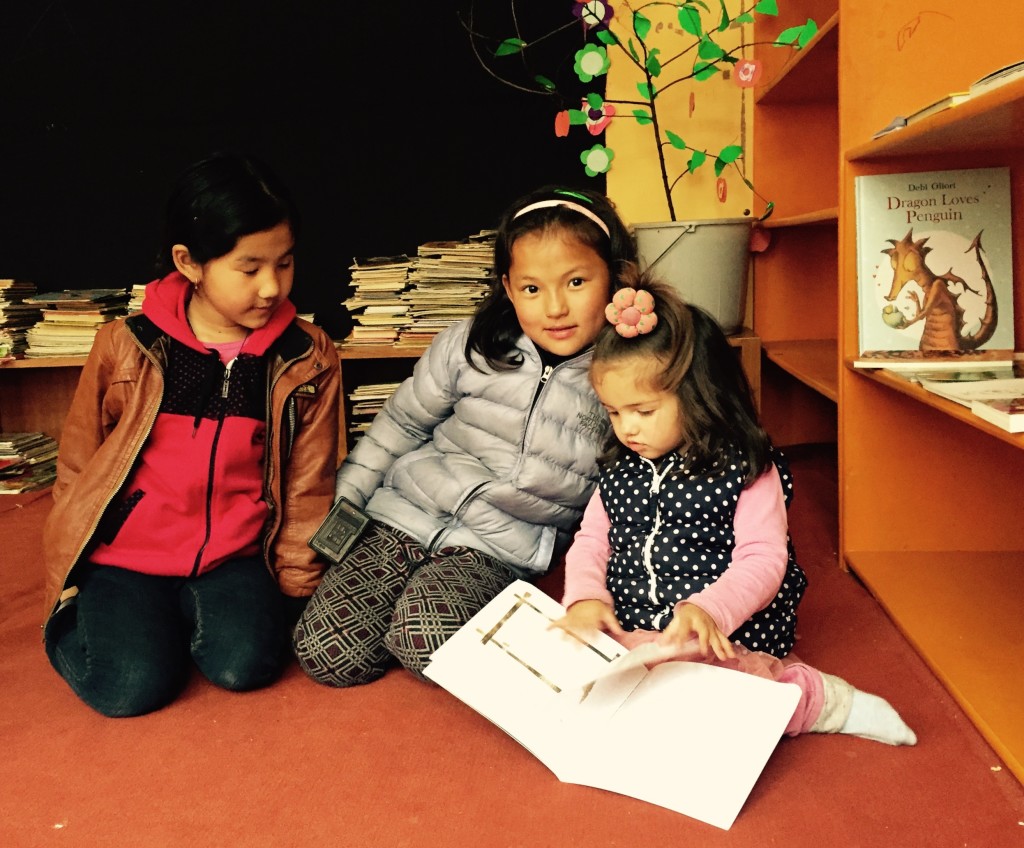
A strong partnership also gives a reading room a permanent place within the school community. When educators invite students to browse, read aloud, research, or share stories, books become connected to regular learning. Children begin to see reading as an enjoyable and practical activity rather than an occasional program.
For schools in remote Himalayan areas, this collaboration can expand educational opportunities without displacing local leadership. The Trust contributes books, creative resources, and organizational support, while teachers and school staff guide the way those resources are used.
From Quiet Room To Active Classroom
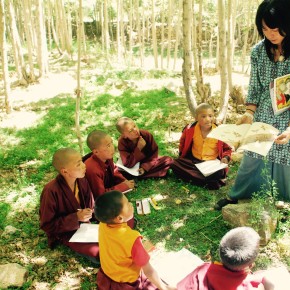
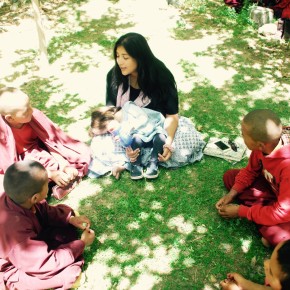
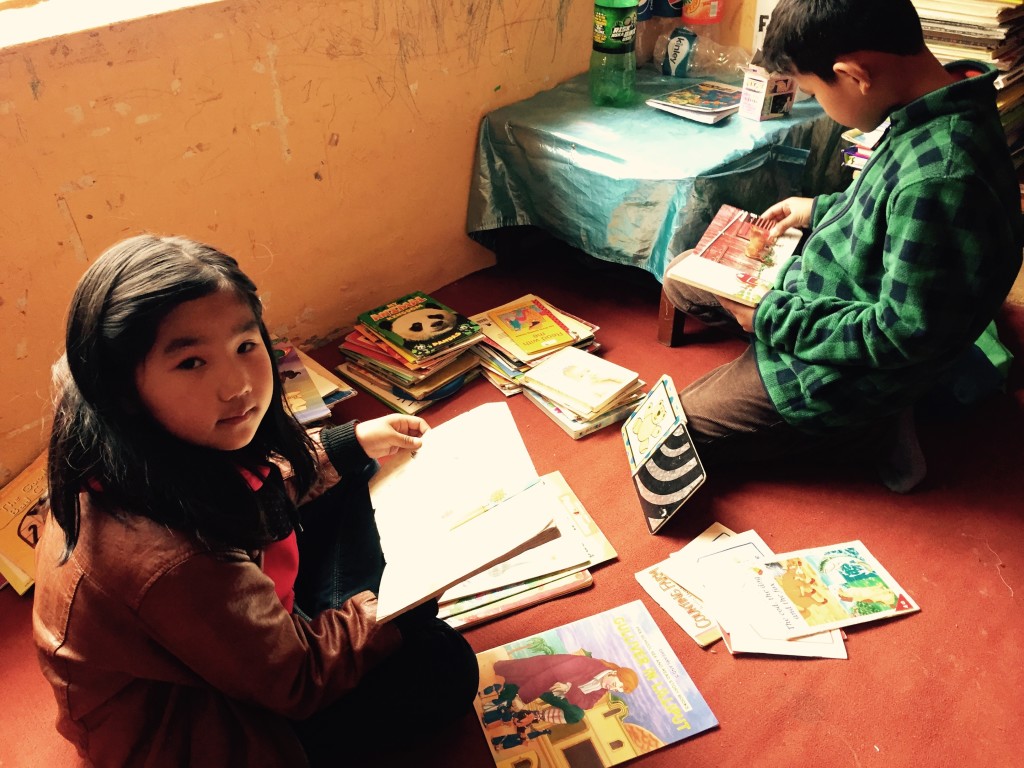
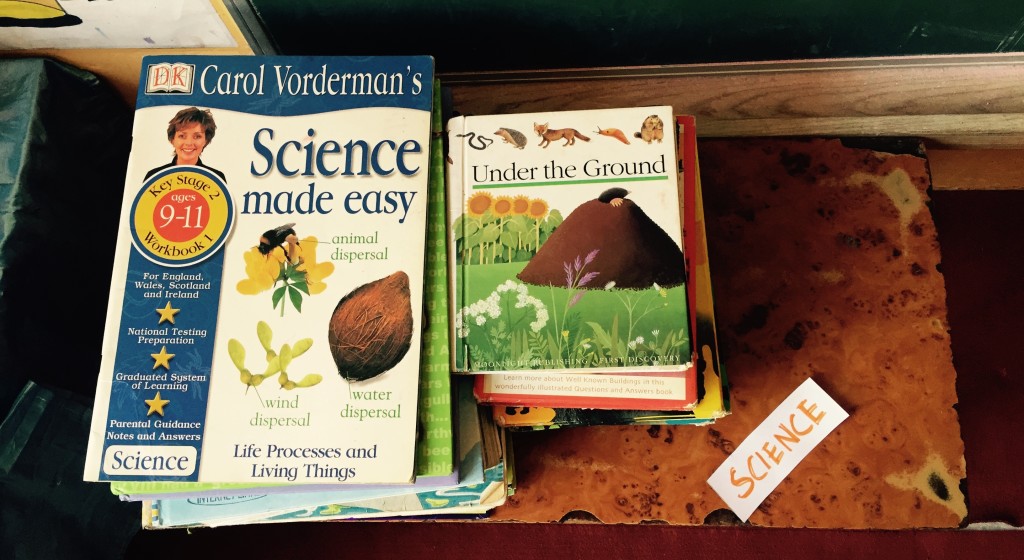
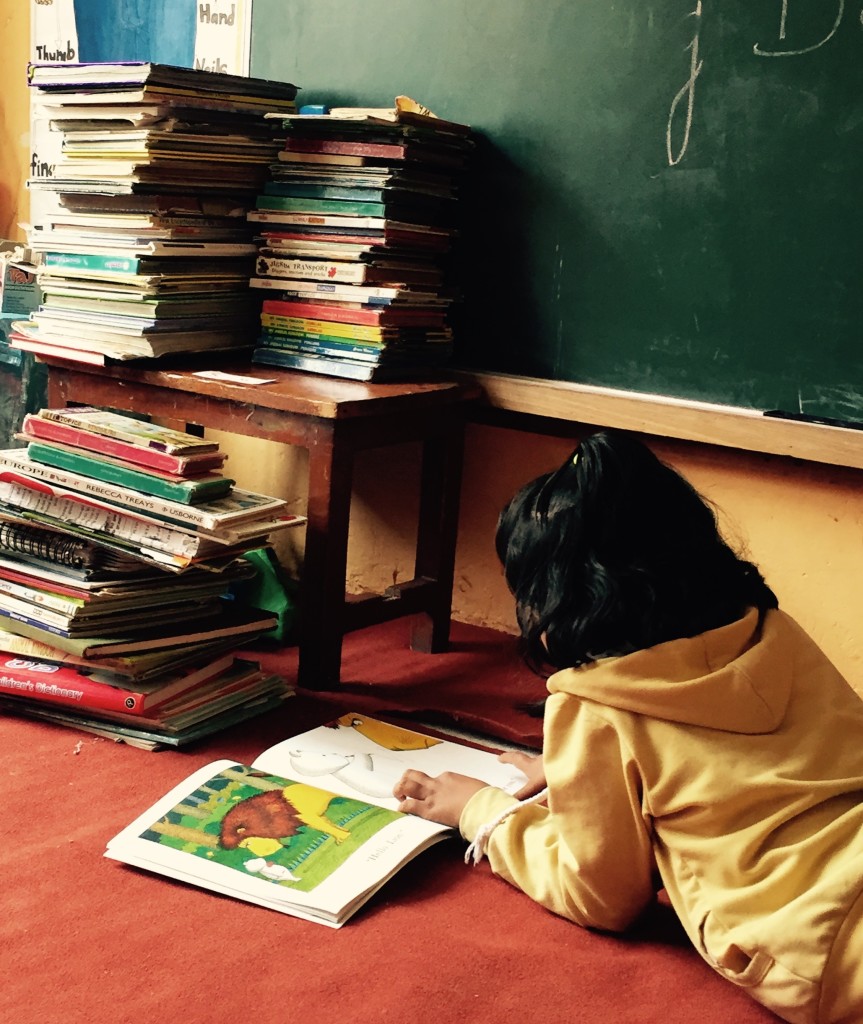
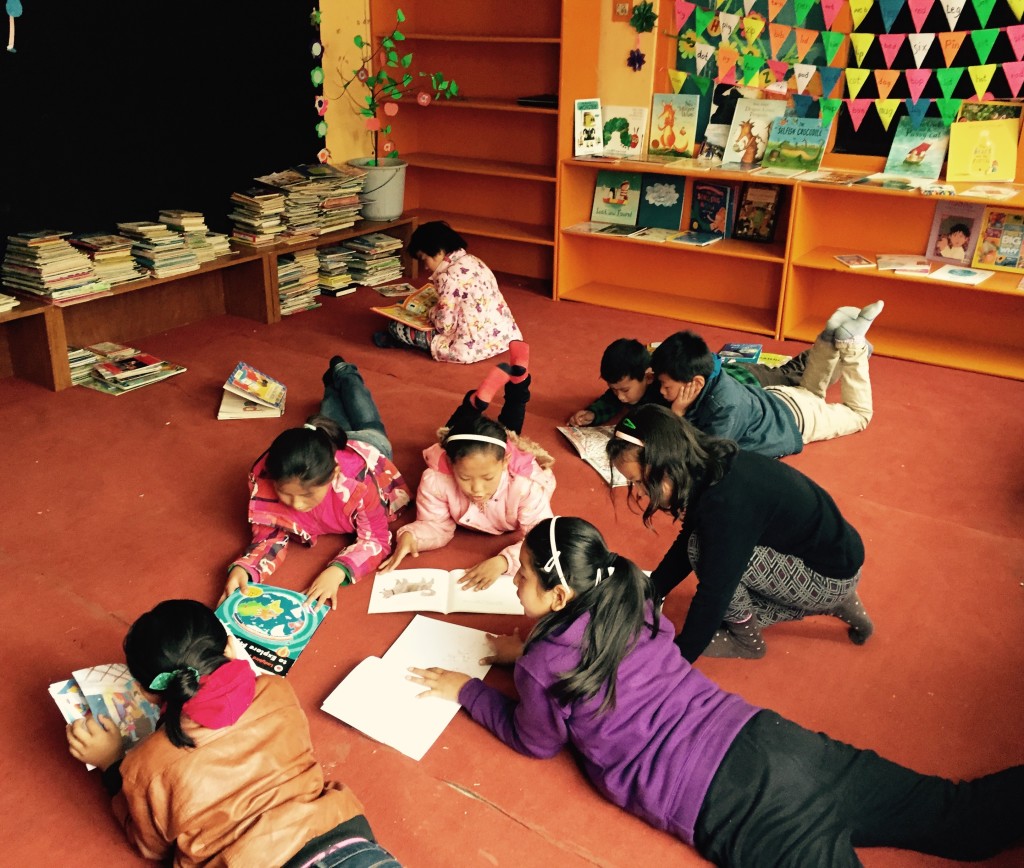
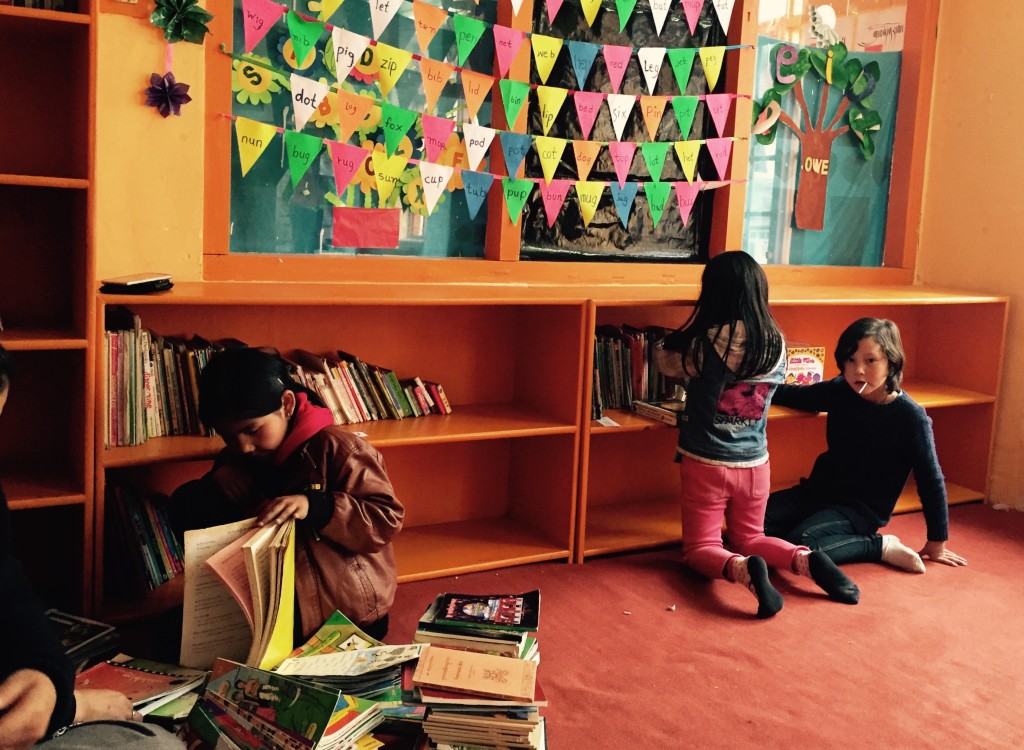
A reading room does not need to be silent all day to support literacy. It can host storytelling, drawing sessions, music activities, group research, and quiet independent reading. A science lesson may lead students to browse books about animals or the natural world. A history project may encourage them to compare local stories with wider accounts of Himalayan culture.
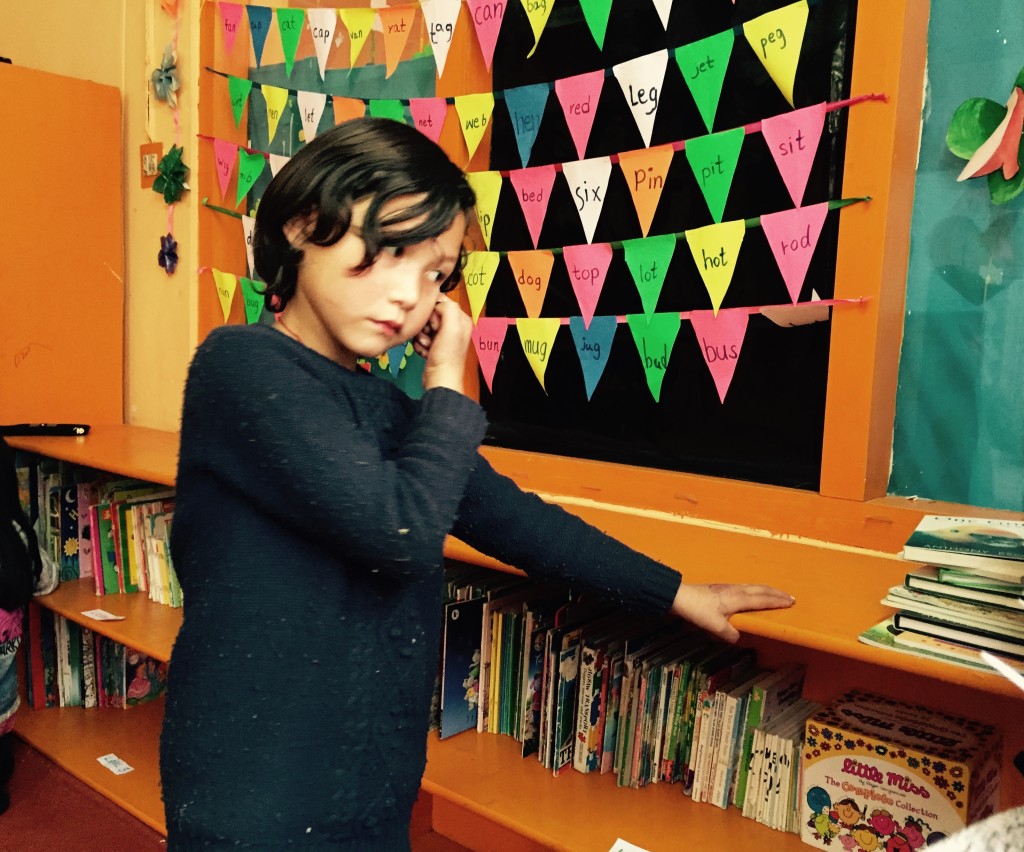
Teachers can also bring small groups into the room for focused activities. Younger students might practice recognizing words through illustrated books, while older students can read longer texts, record new vocabulary, or prepare short presentations. These activities turn the library space into a flexible learning environment.
The connection works in both directions. Books support classroom lessons, and classroom questions guide children toward new books. Over time, this regular movement between the reading room and the classroom helps establish a lasting reading culture across the school.
Collections That Reflect Children’s Lives
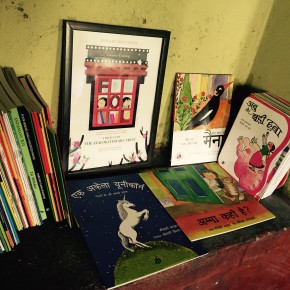
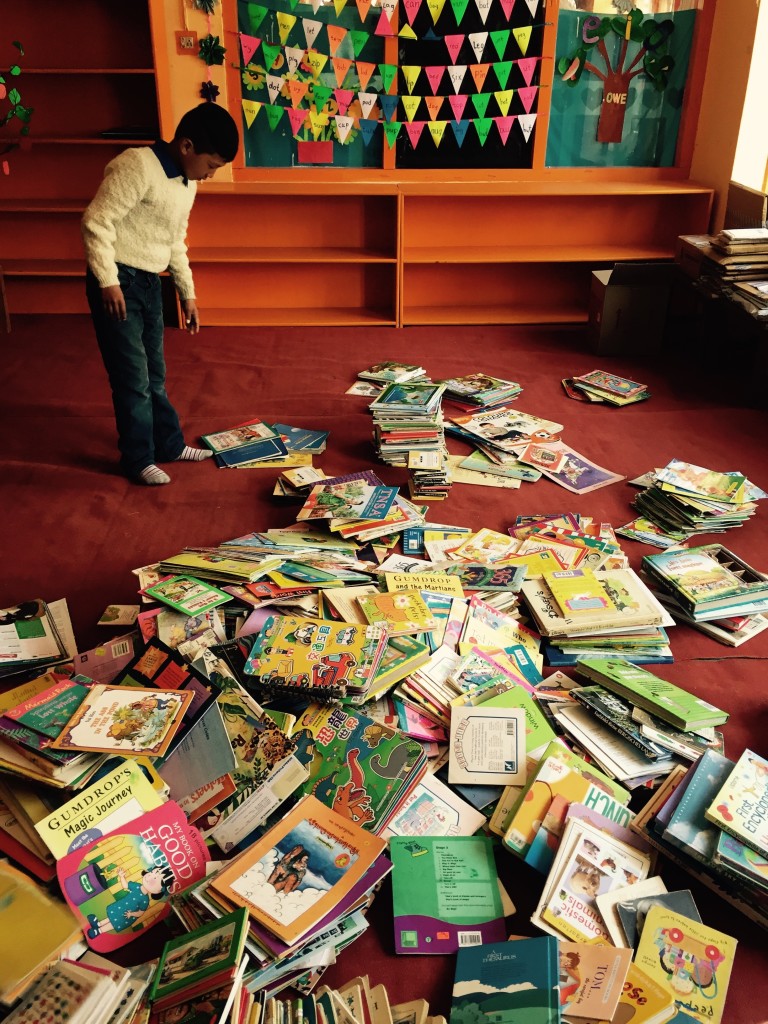
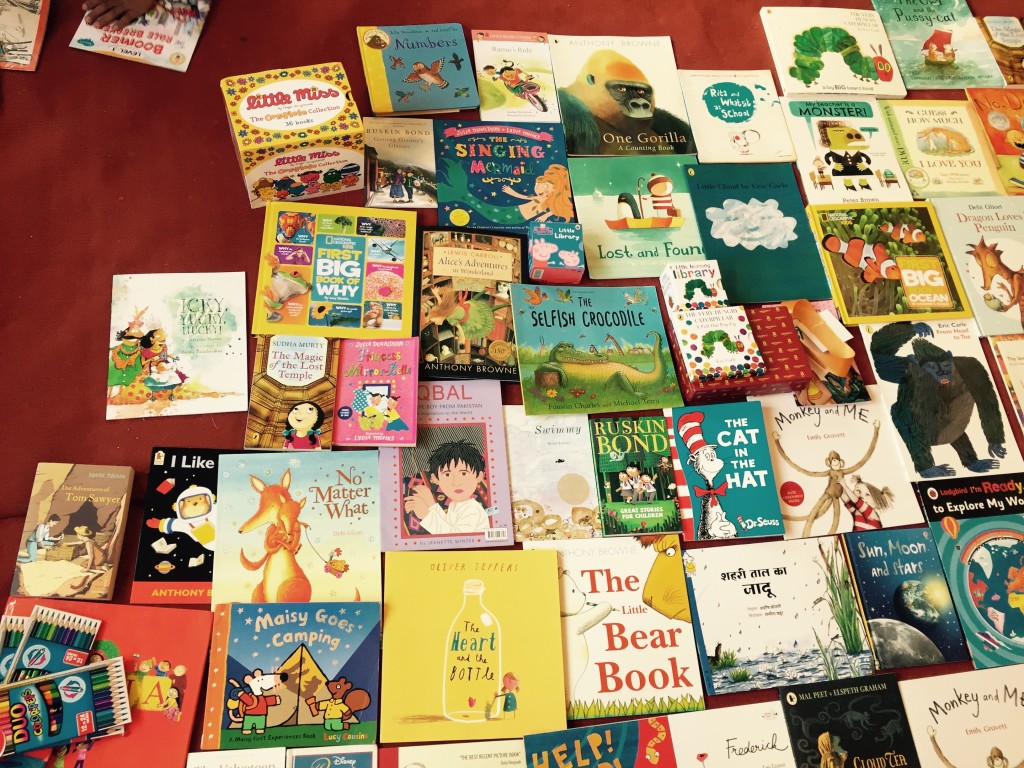
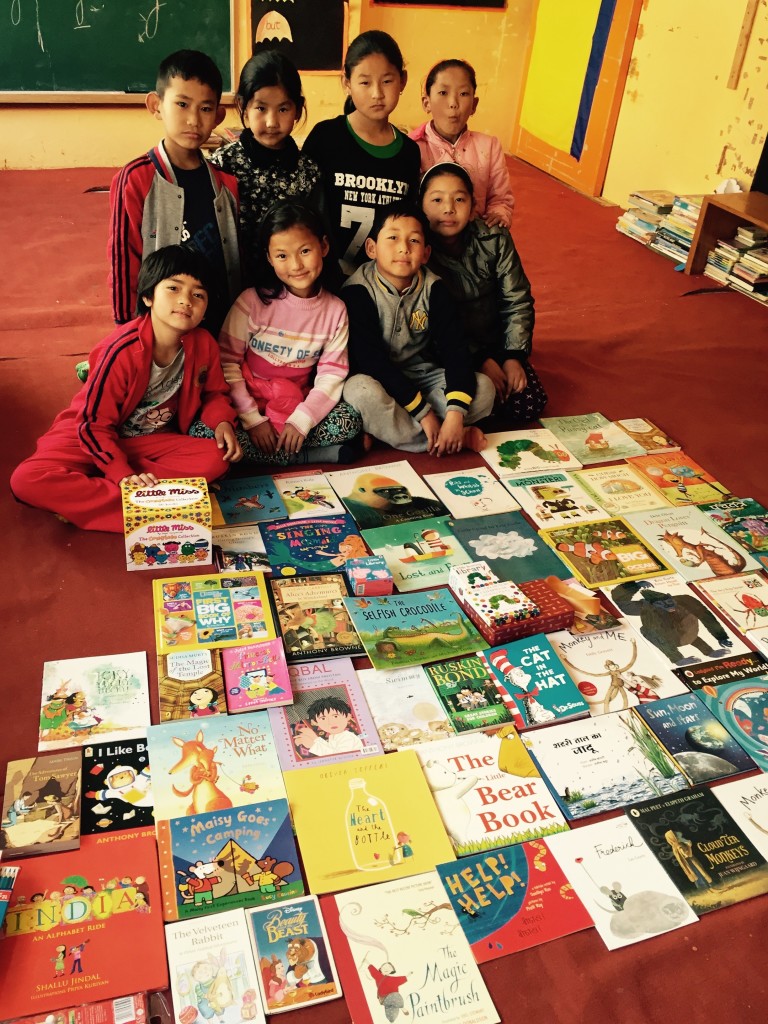
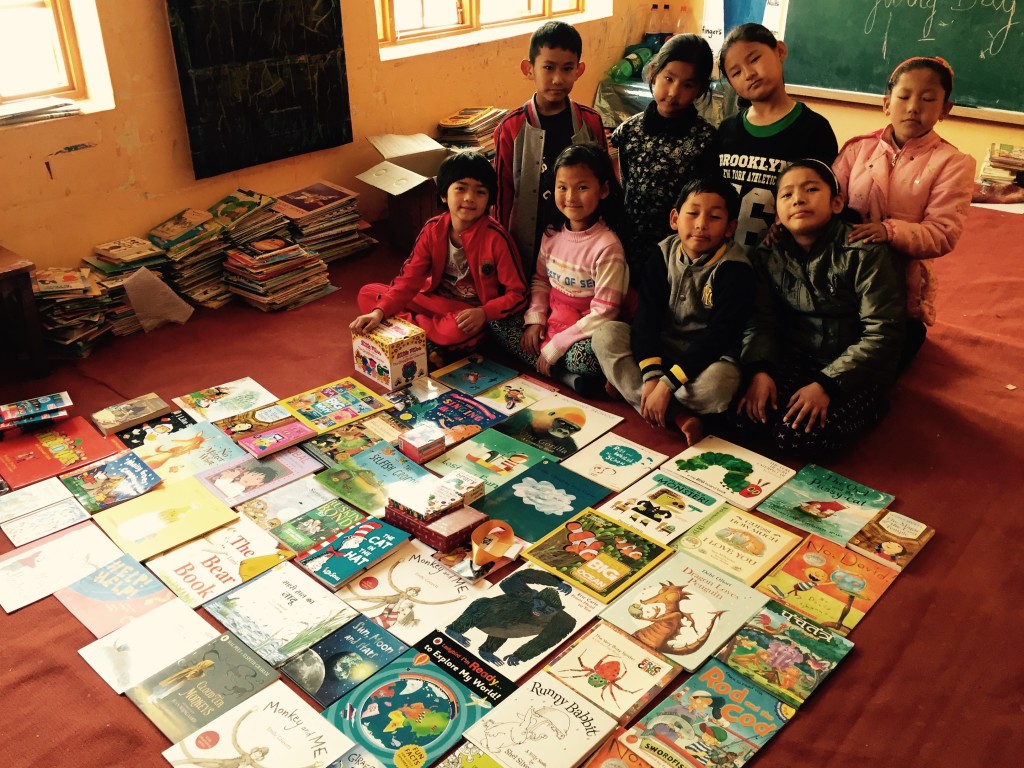
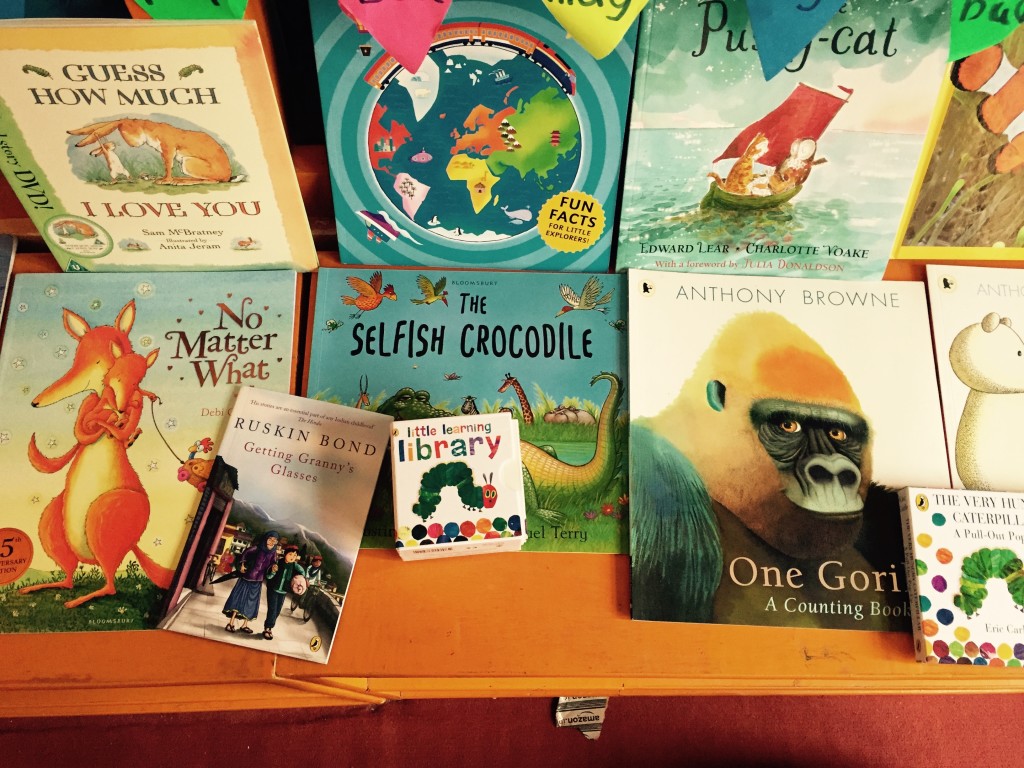
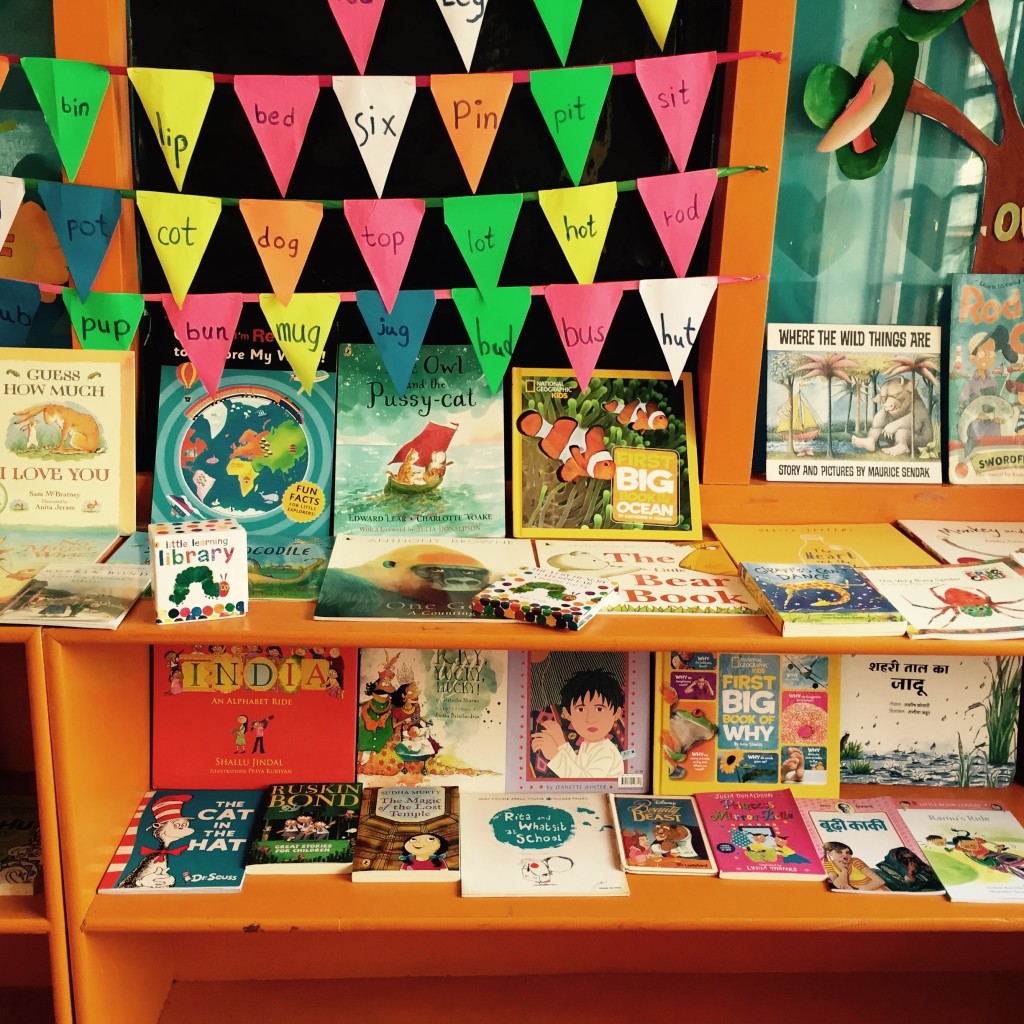
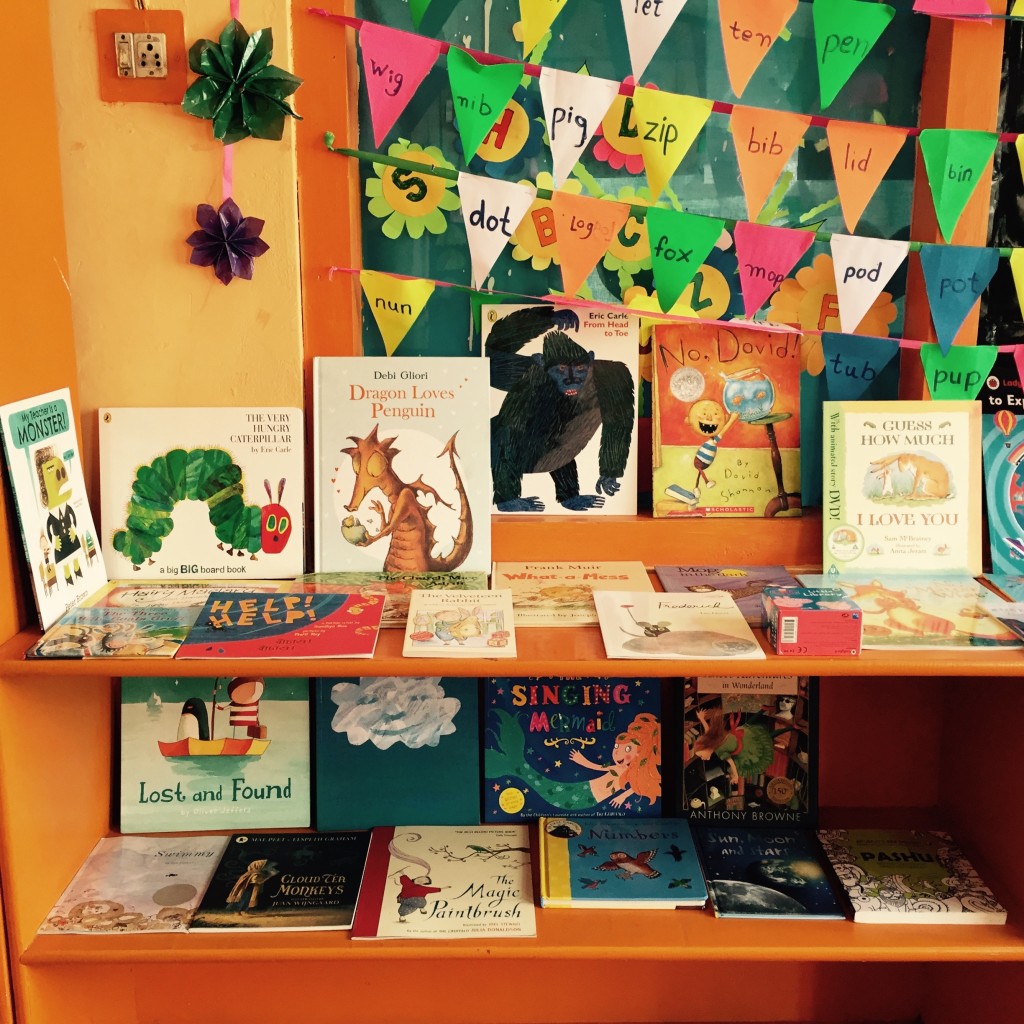
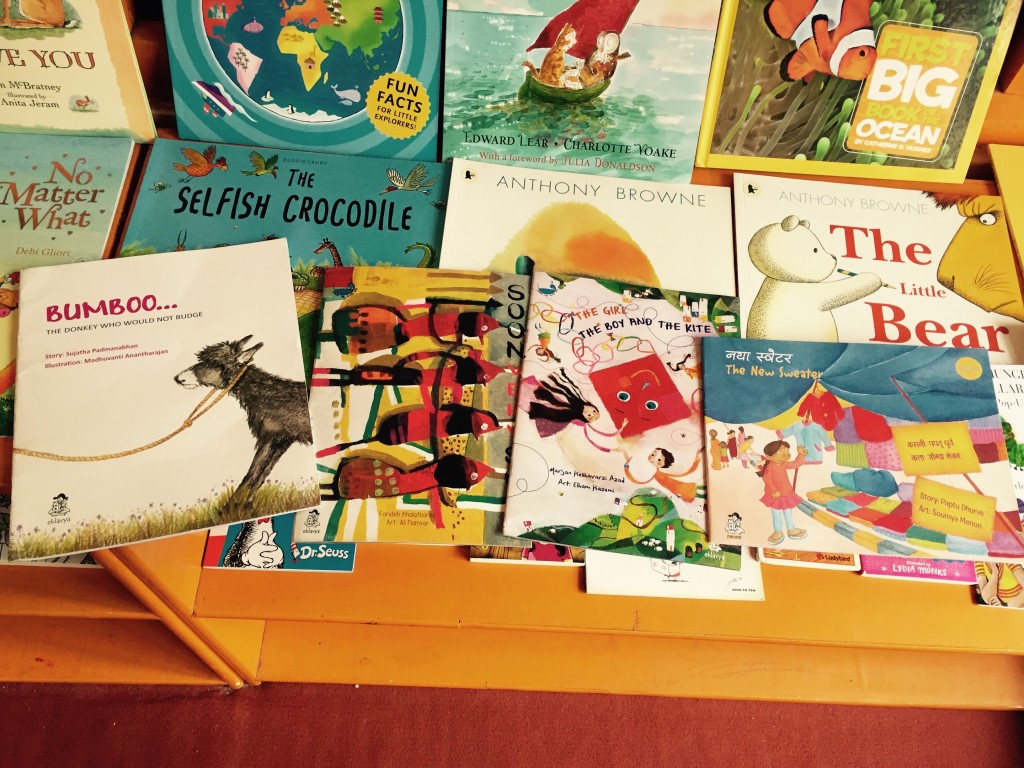
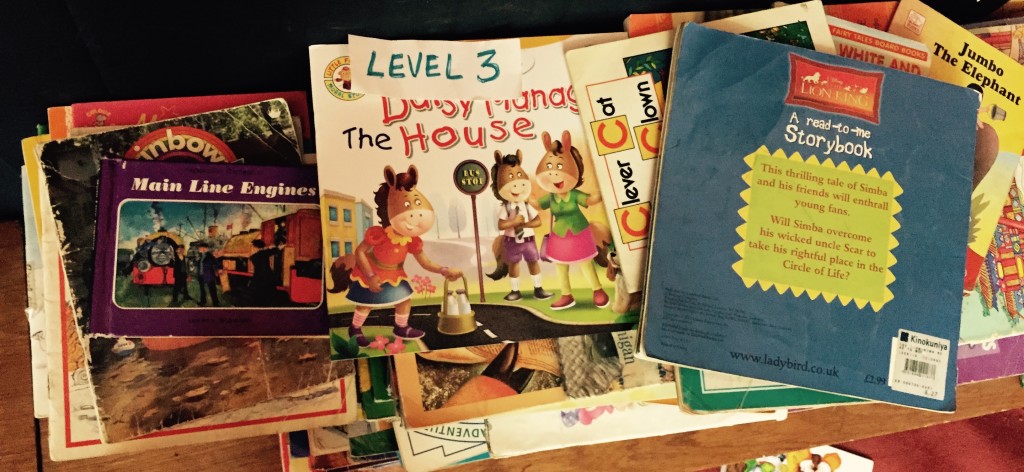
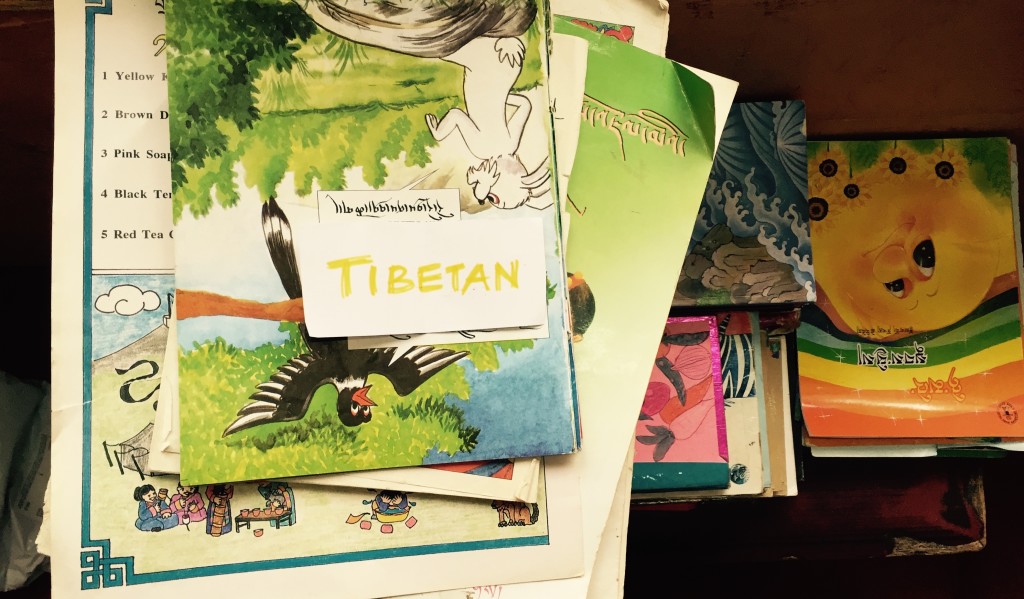
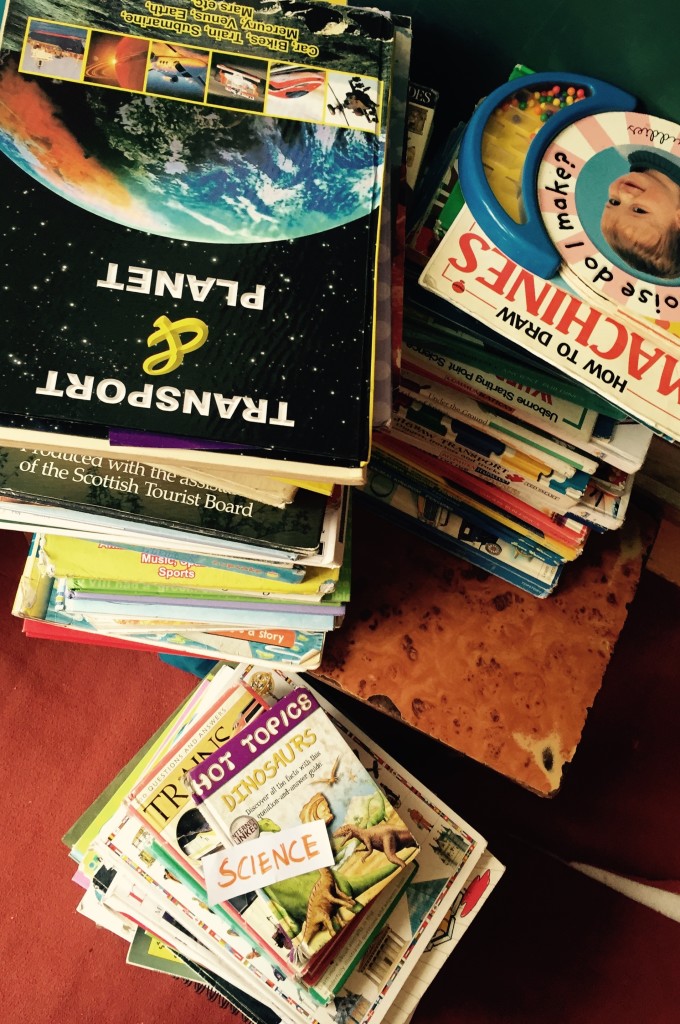
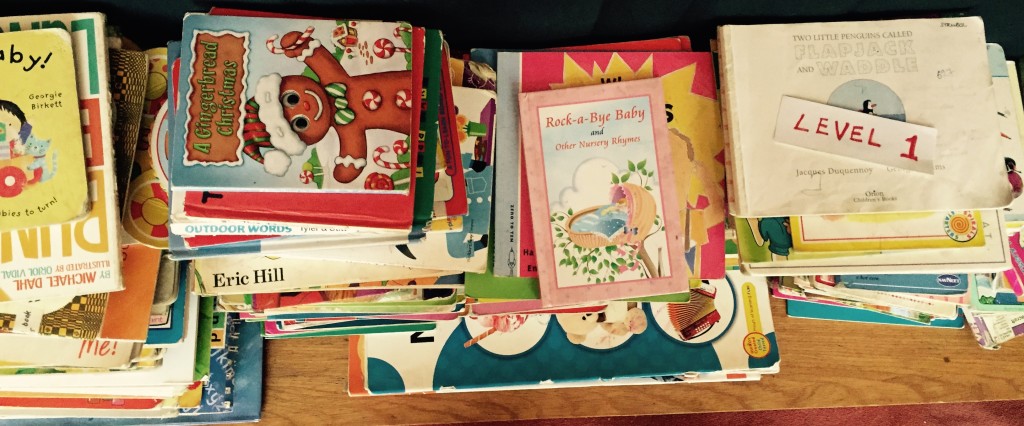
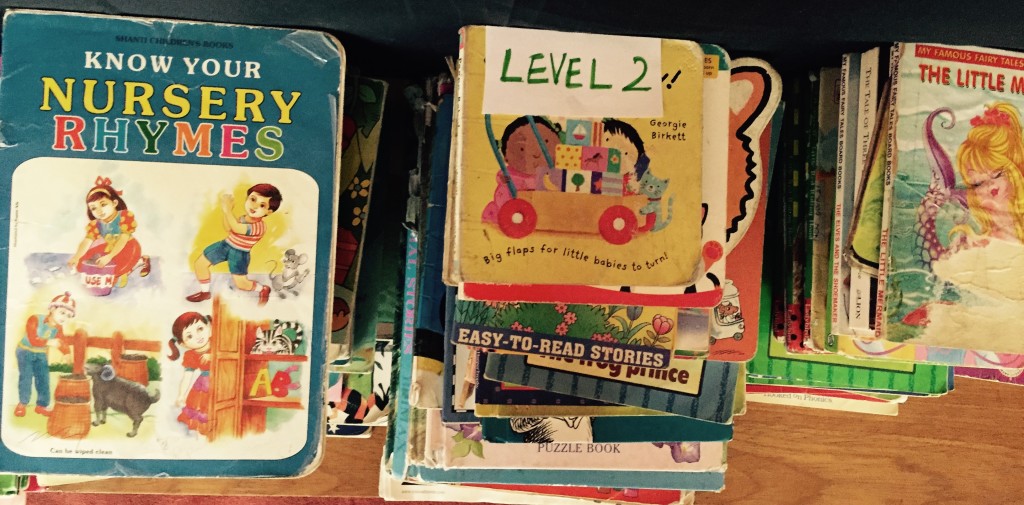
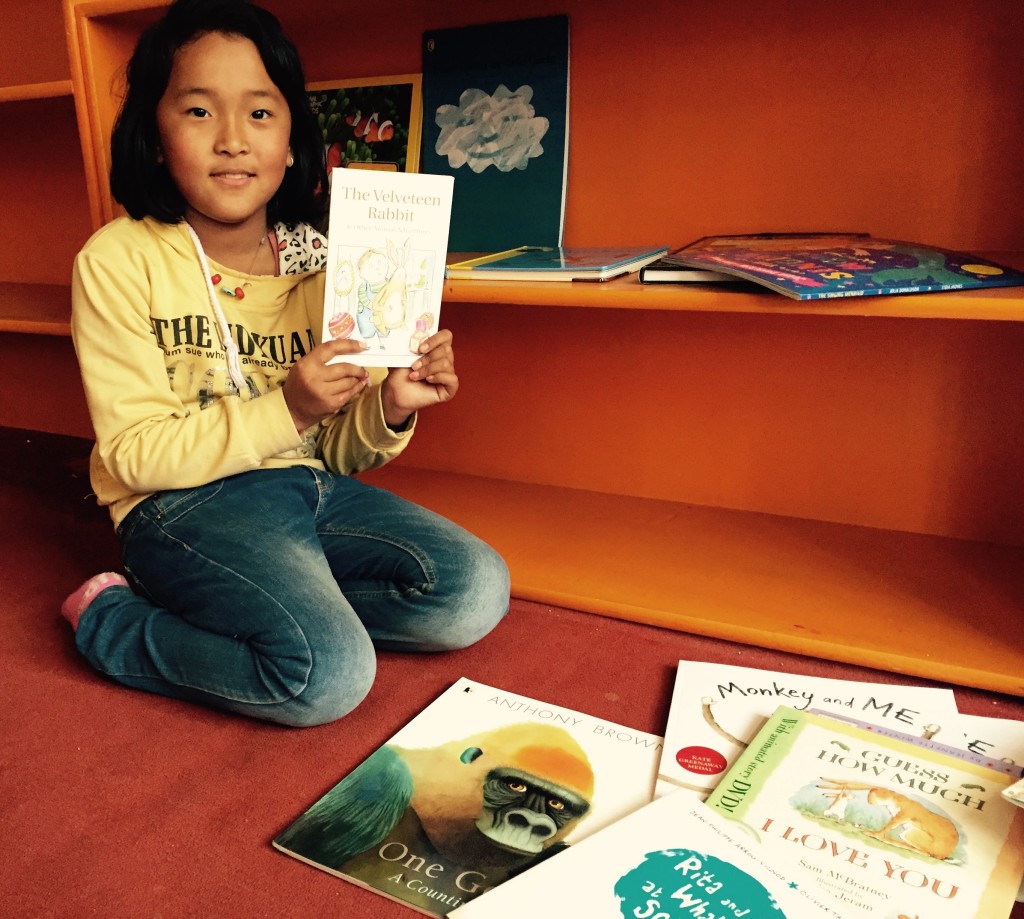
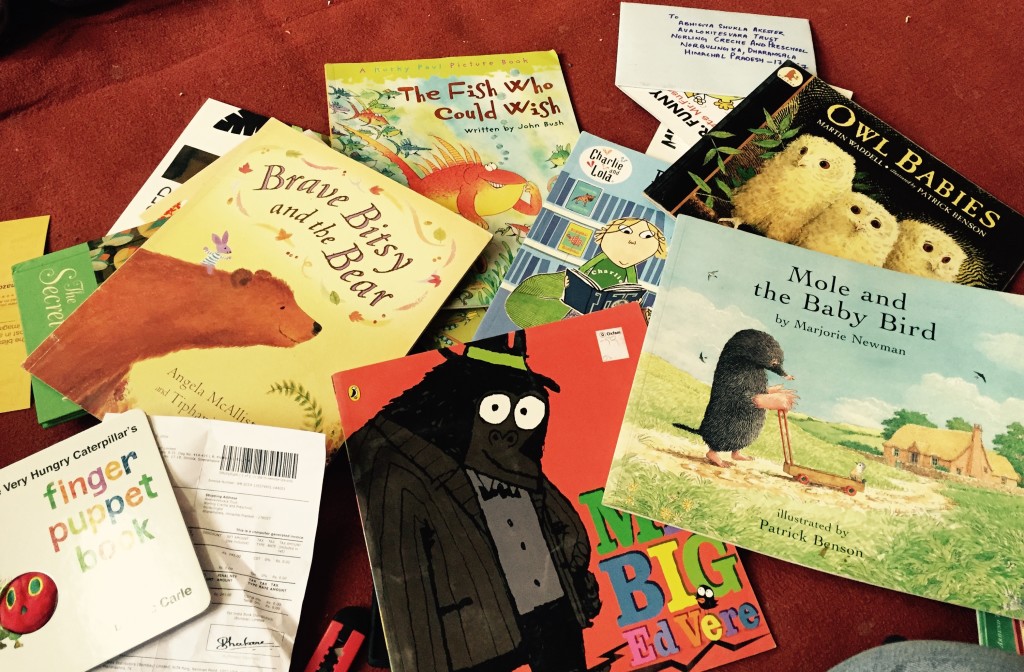
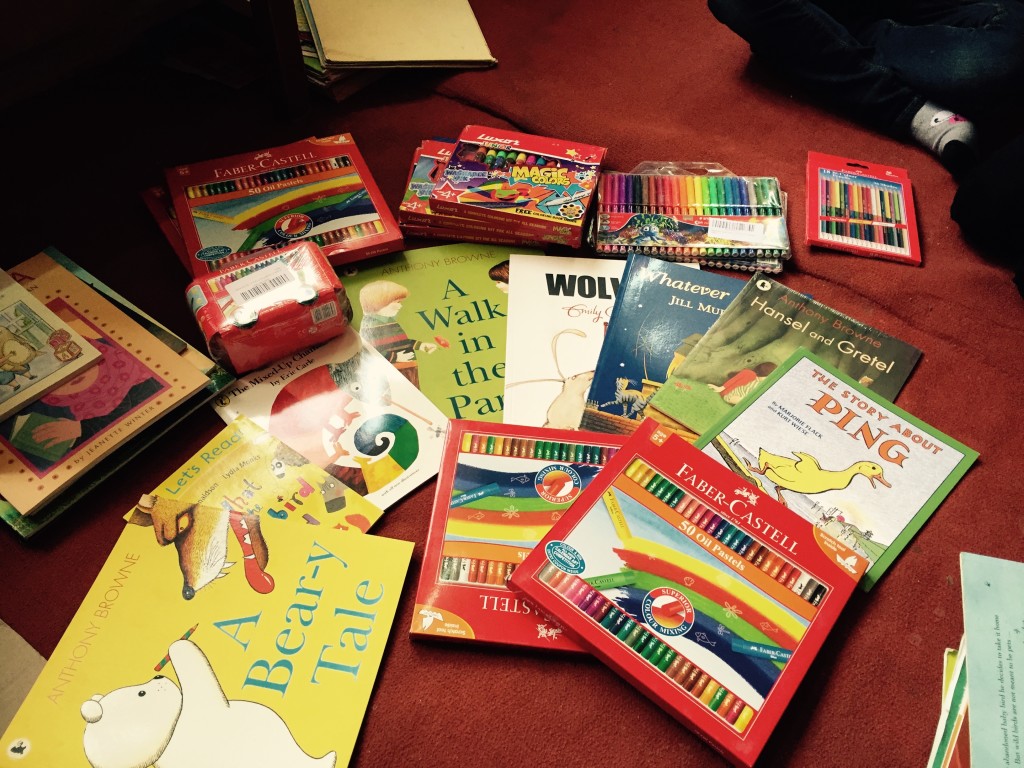
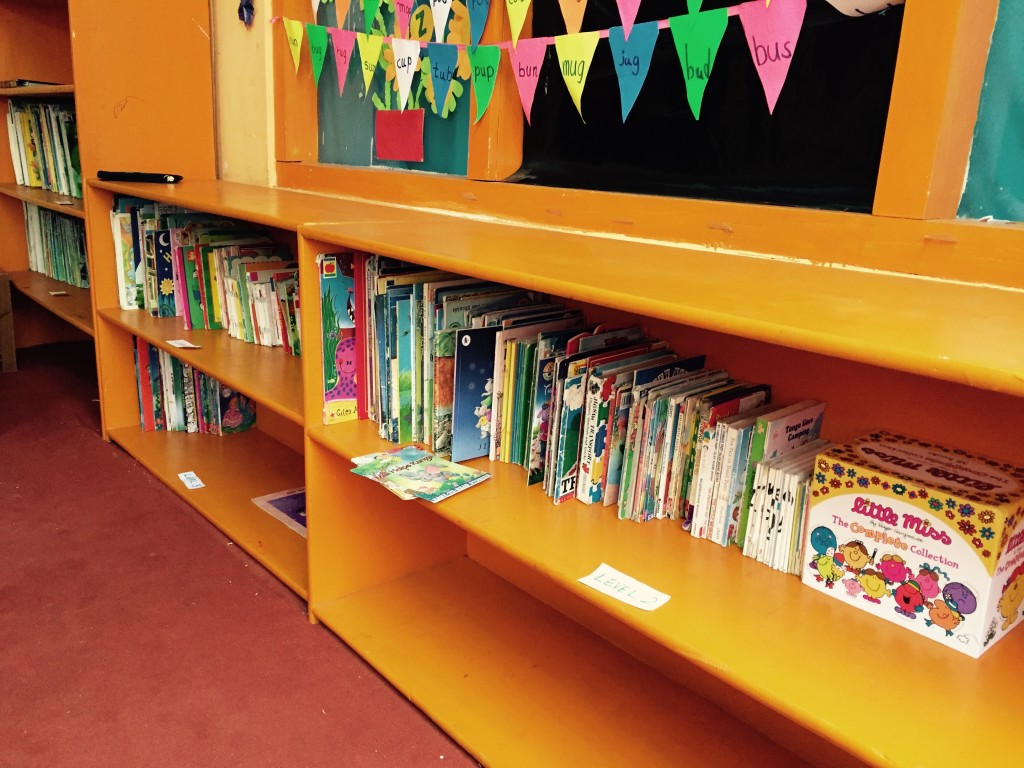
A useful school library needs variety. Picture books, folktales, biographies, poetry, reference works, science texts, art books, and age-appropriate fiction can serve different interests and abilities. Books in English can support language development, while local-language materials help children read with confidence and recognize their own communities in the stories they encounter.
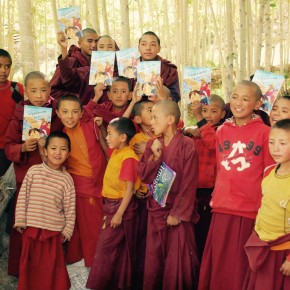
Selection also matters for young monks and students whose educational paths may differ. Books about ethics, philosophy, history, music, and visual art can sit alongside adventure stories and practical learning resources. A balanced collection gives every child a reason to browse.
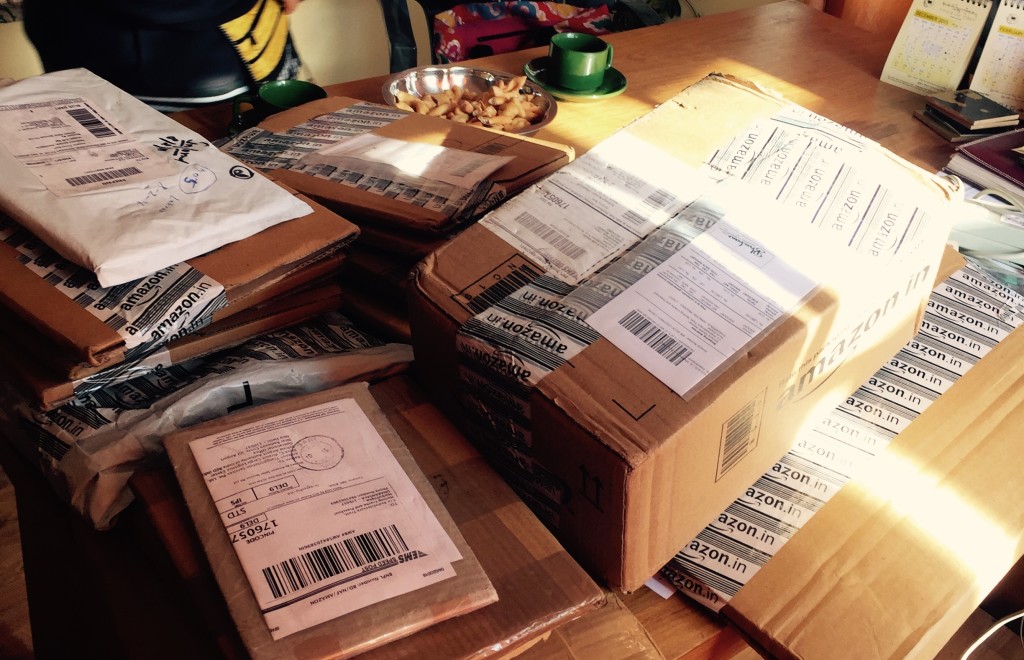
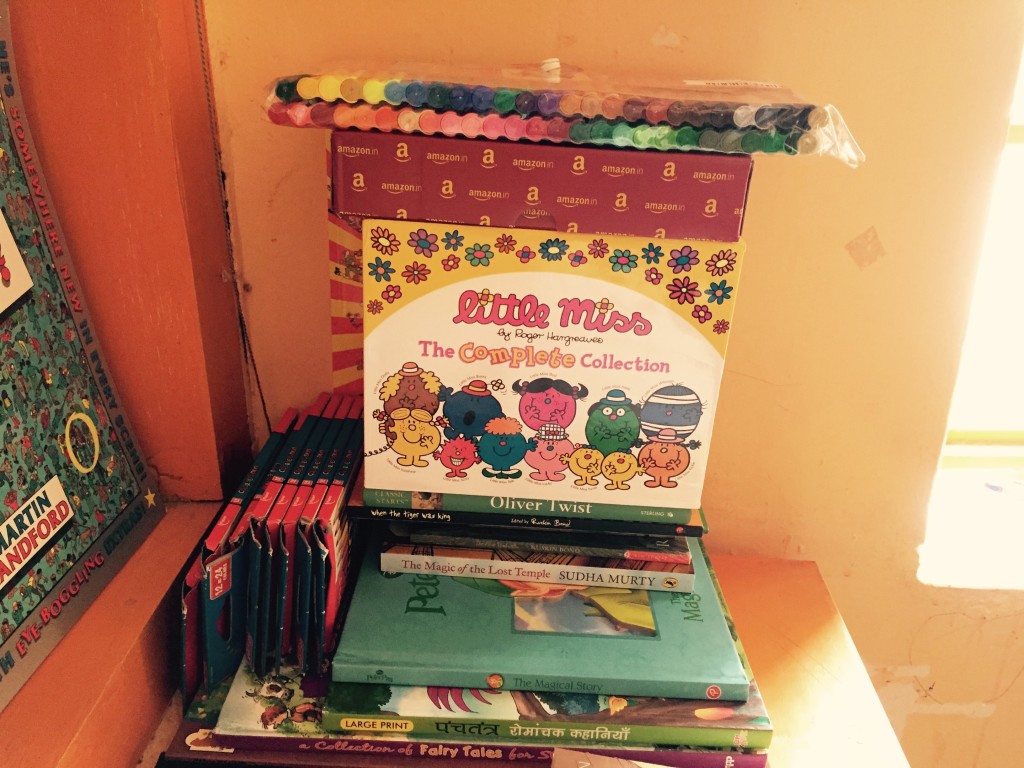
The Trust’s book drives help gather resources, yet quality remains more important than volume. Books should be in good condition, suitable for the intended age groups, and useful within the school’s curriculum and cultural setting. Teachers and local partners play an essential role in reviewing what will make the greatest difference.
| Area of Partnership |
Contribution From Schools |
Support From Avalokiteśvara Trust |
Benefit For Students |
| Collection planning |
Identify ages, languages, and subjects needed |
Source and organize relevant books |
More useful and accessible reading choices |
| Classroom integration |
Connect books with lessons and projects |
Provide activity ideas and creative resources |
Reading becomes part of everyday learning |
| Reading habits |
Schedule visits and encourage book sharing |
Help create welcoming reading spaces |
Greater confidence and regular engagement |
| Creative learning |
Lead art, music, storytelling, or discussion |
Supply materials and program support |
Literacy grows through multiple forms of expression |
| Long-term care |
Maintain routines and involve staff |
Strengthen the room through continued partnership |
A sustainable school library culture |
Making Reading Part Of Every Subject
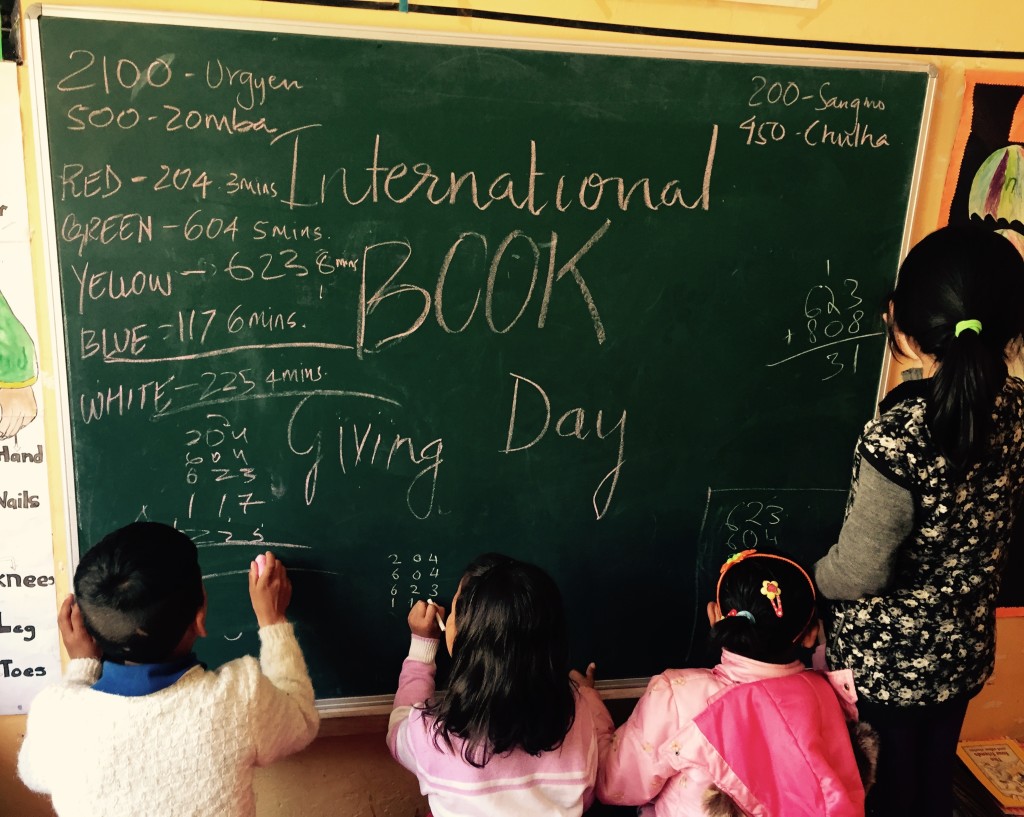
Reading development is strongest when it appears across the curriculum. Mathematics students can explore books about patterns, measurement, and architecture. Environmental studies can include field guides and illustrated texts about mountain ecosystems. Art lessons can draw inspiration from picture books, traditional design, and biographies of artists.
Teachers may use short reading activities to begin a lesson or allow students to choose a related book after completing their main work. These simple routines require limited equipment, yet they create frequent contact with books. Regular exposure helps children improve vocabulary, comprehension, concentration, and the confidence to ask questions.
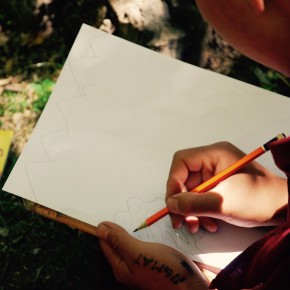
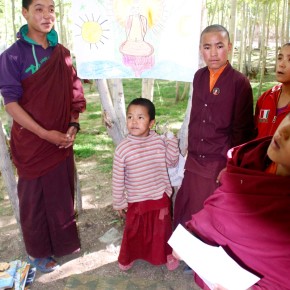
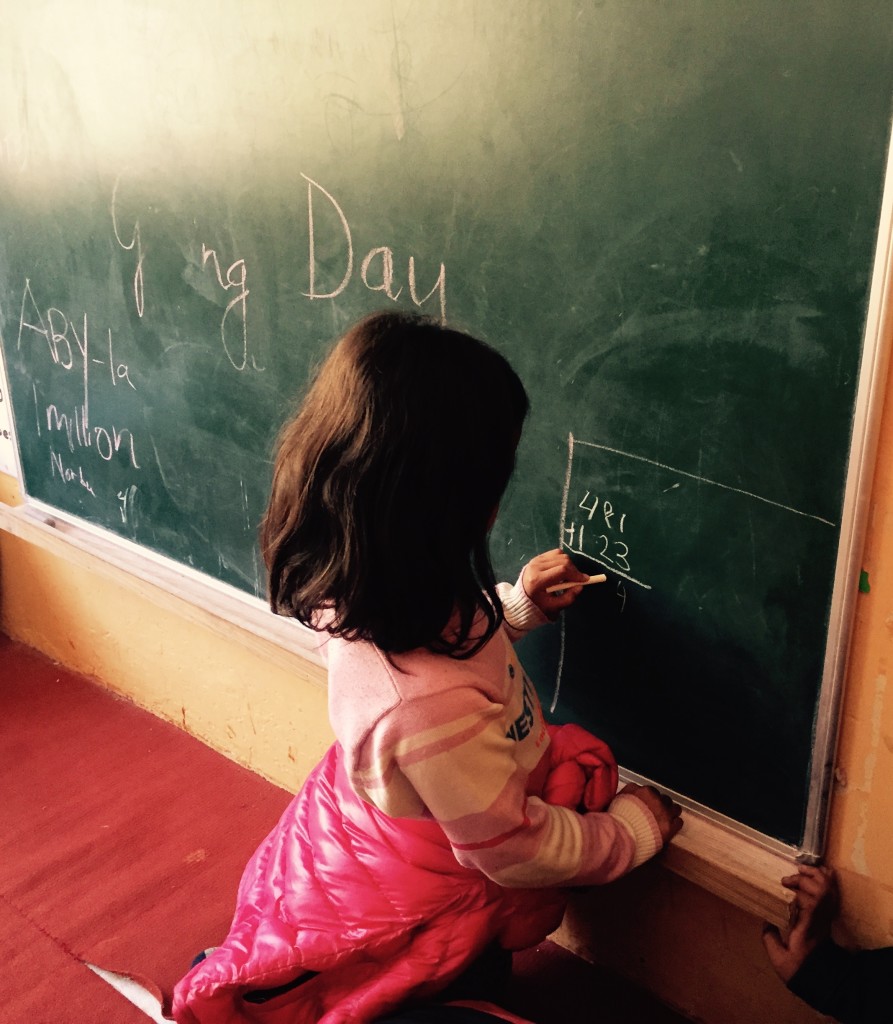
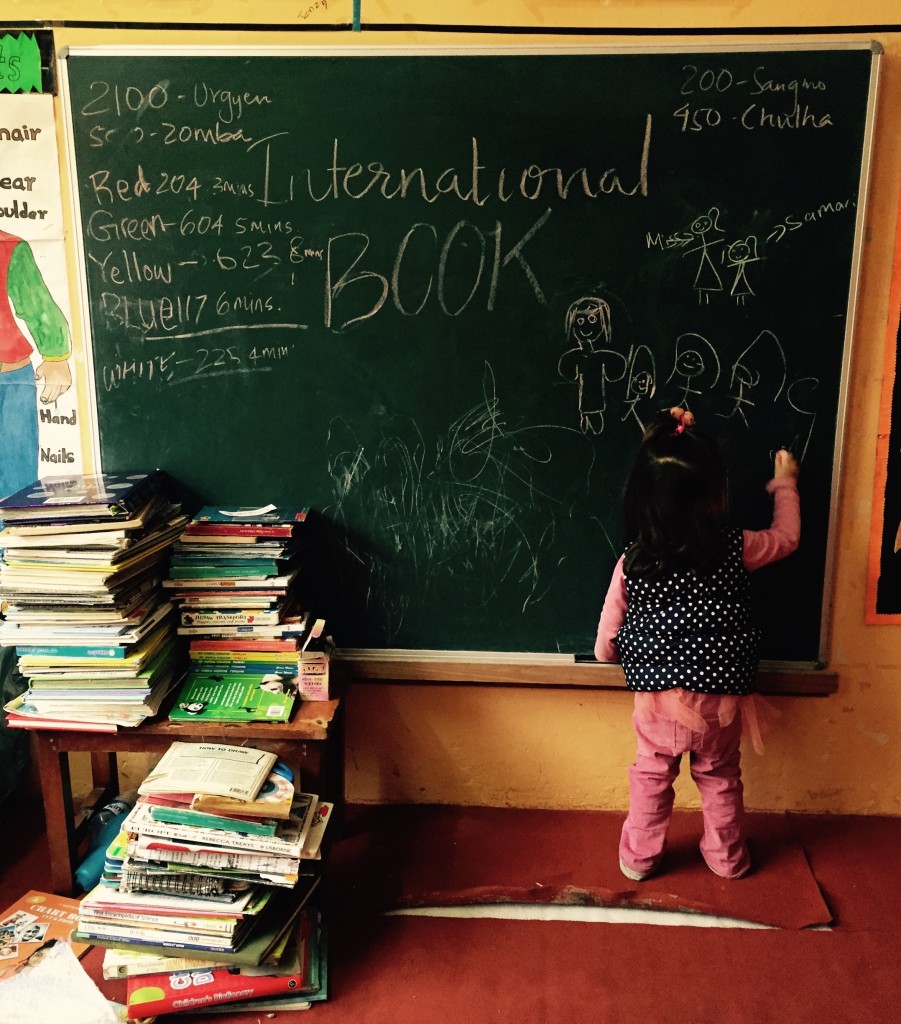
Creative activities make the connection especially memorable. A storytelling session can lead to drawings, songs, role-play, or a student-made booklet. Such projects welcome different kinds of learners and give children a way to demonstrate understanding without relying only on written tests.
A Shared Model For Teachers And Volunteers
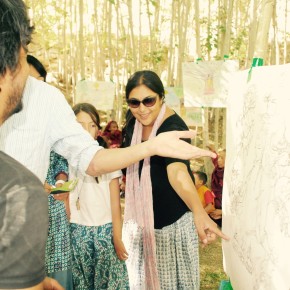
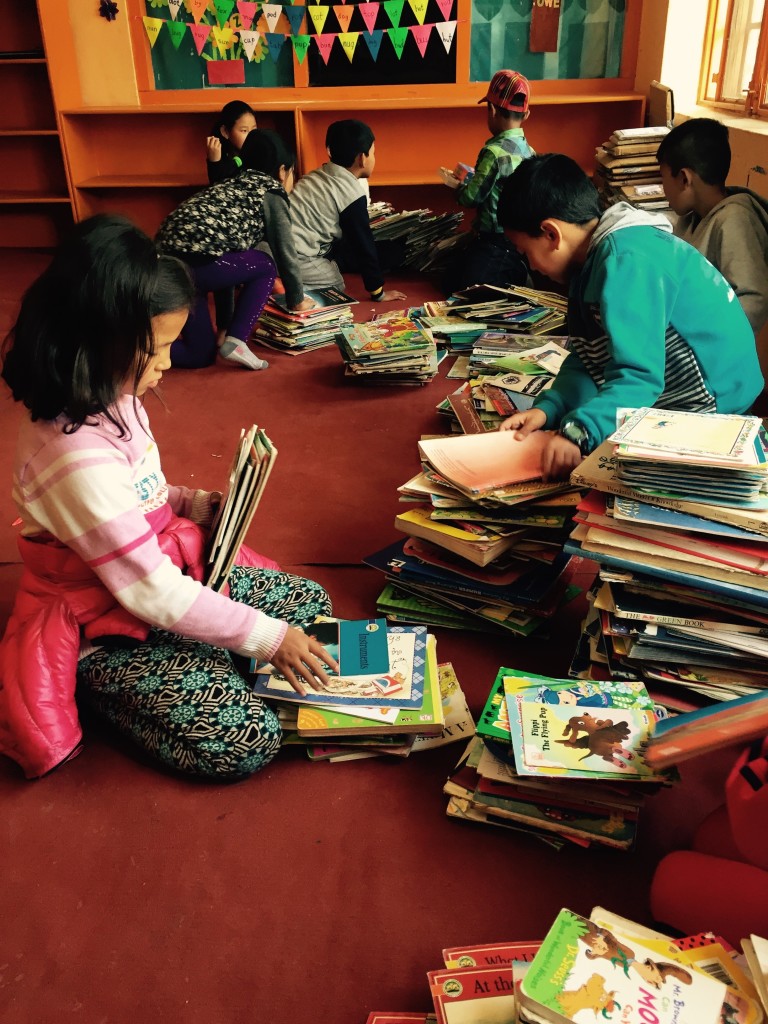
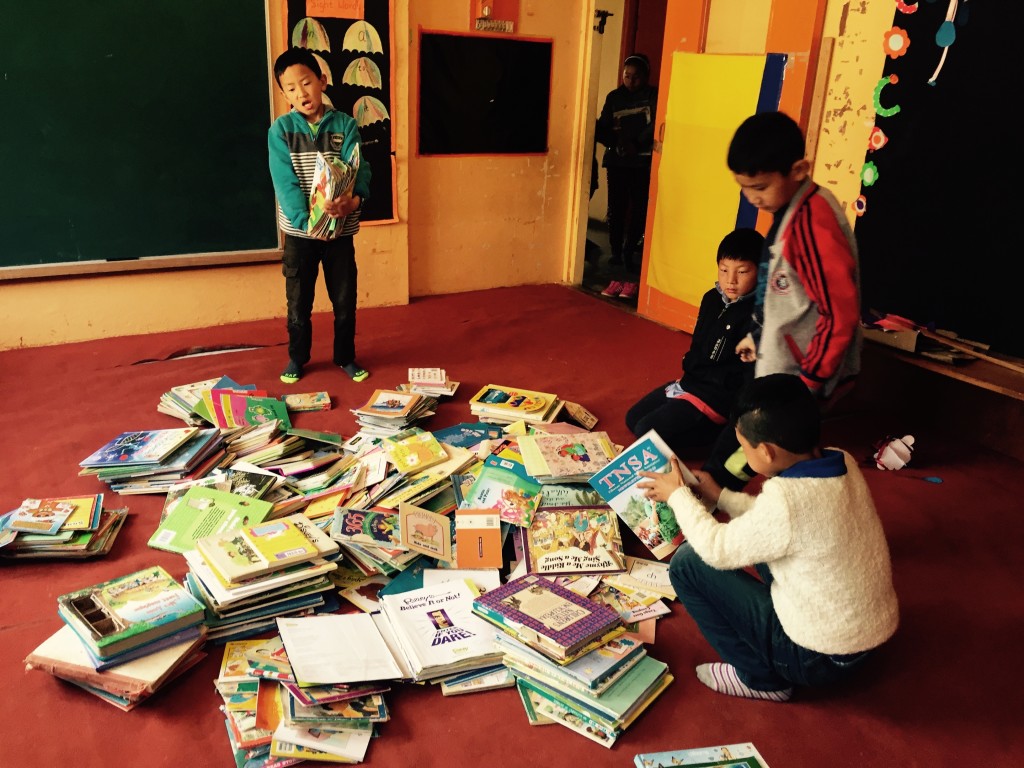
Volunteers can bring energy to a reading room, but local teachers provide continuity. The most effective support model combines both. Volunteers might help sort books, facilitate a story session, organize a reading game, or assist with a book drive. Teachers can then adapt these activities to their students’ needs and continue them after a visit ends.
Clear communication helps everyone contribute responsibly. Before activities begin, volunteers should learn about the school’s timetable, expectations, languages, and safeguarding practices. A respectful approach allows visitors to support existing educational work without treating the community as a blank slate.
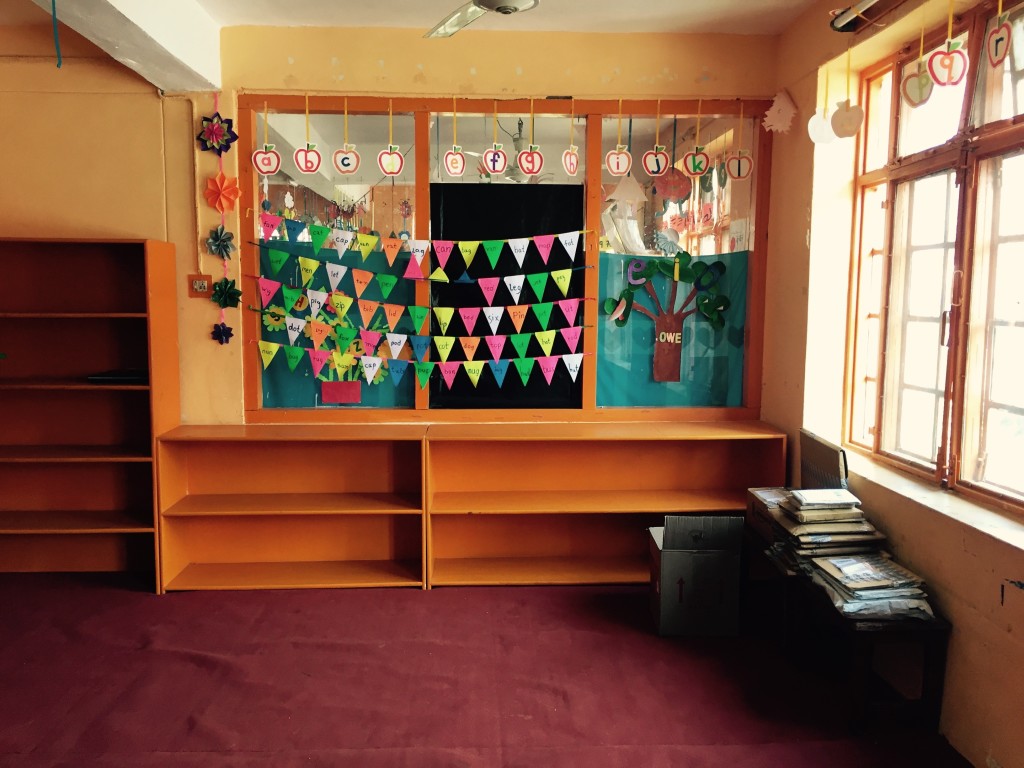
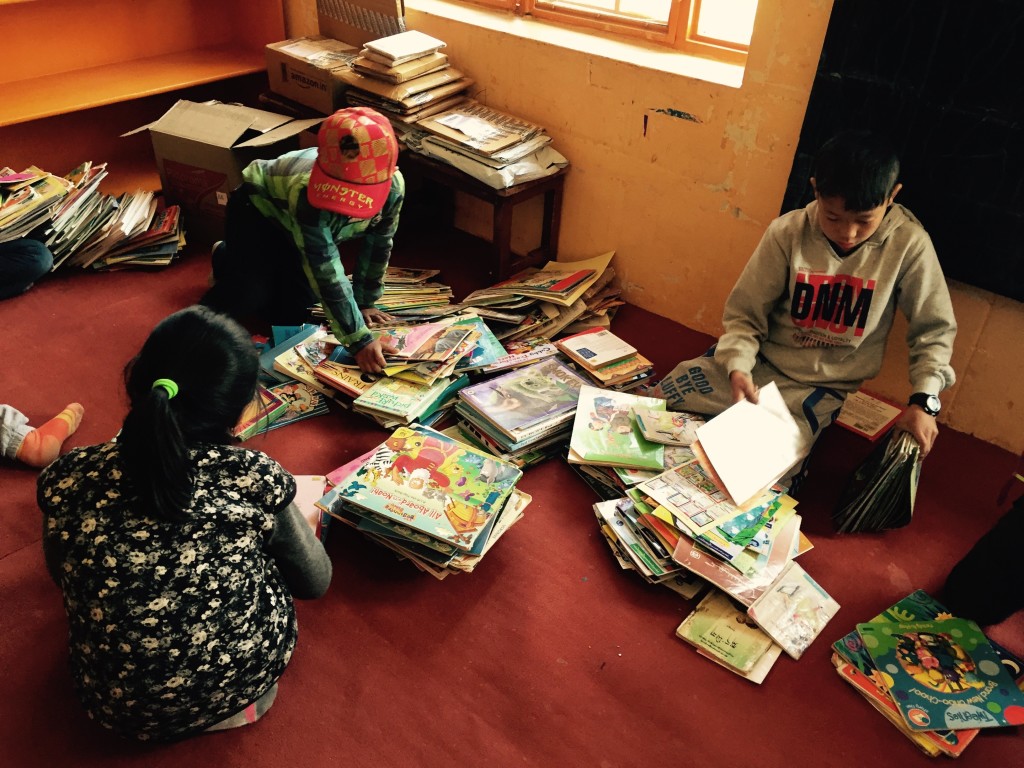
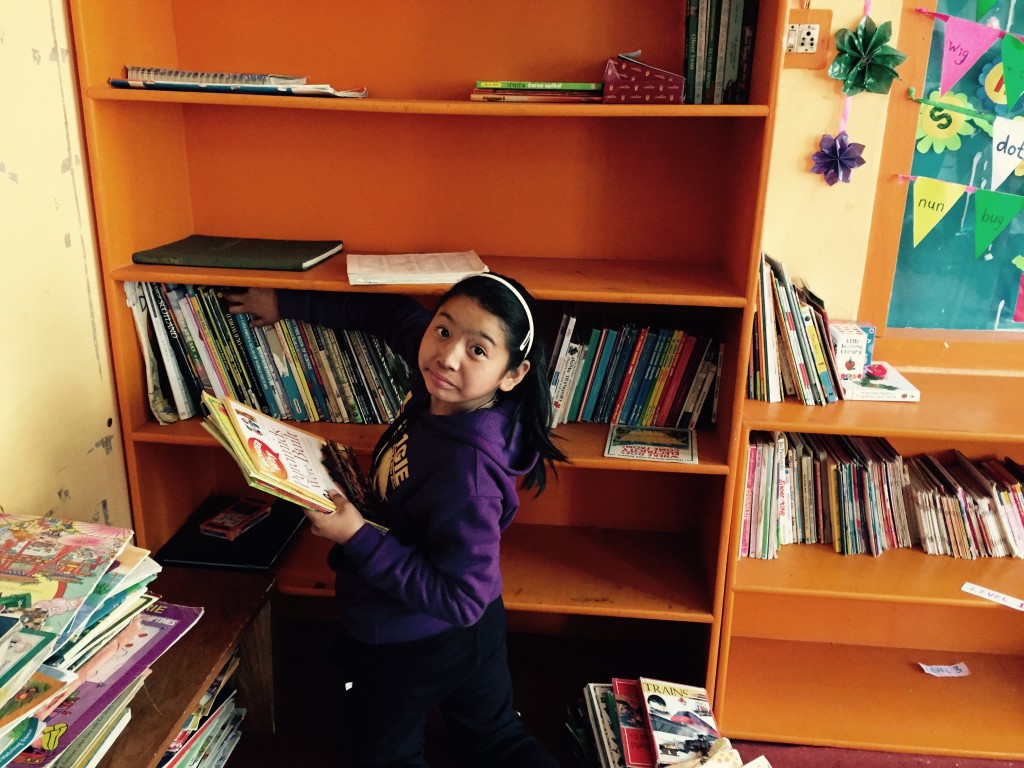
The Trust also values the practical work behind a successful reading room. Shelving, cataloging, labeling, cleaning, and creating simple borrowing routines all matter. A child is more likely to return to a space where books are easy to find and where staff welcome curiosity.
Practices That Sustain A Reading Culture
Long-term impact comes from small, repeatable habits rather than occasional events. Schools can set aside a regular reading period, invite students to recommend books, and display artwork or short reviews near the shelves. Teachers can track which resources are most popular and identify where additional materials may be needed.
A reading room can also become a place for families and the wider community. School open days, book-sharing events, and student performances give parents a chance to see how literacy, art, and music work together. These gatherings strengthen local ownership and encourage children to value the space.
Helpful practices include:
- Schedule regular classroom visits to the reading room throughout the school year.
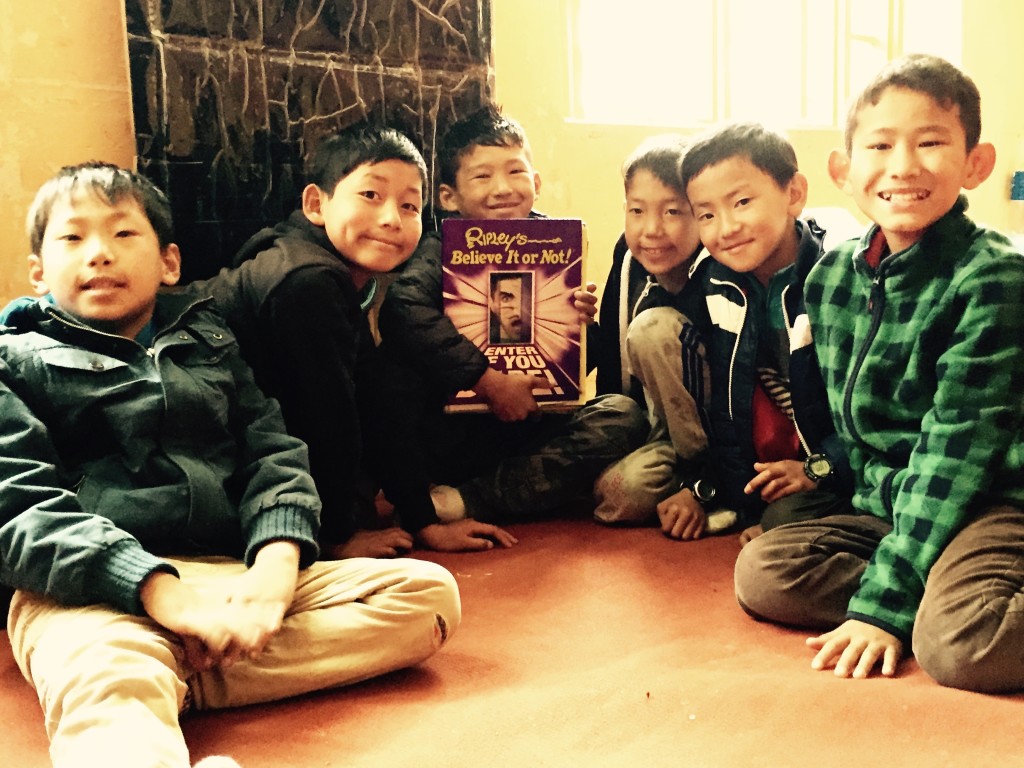
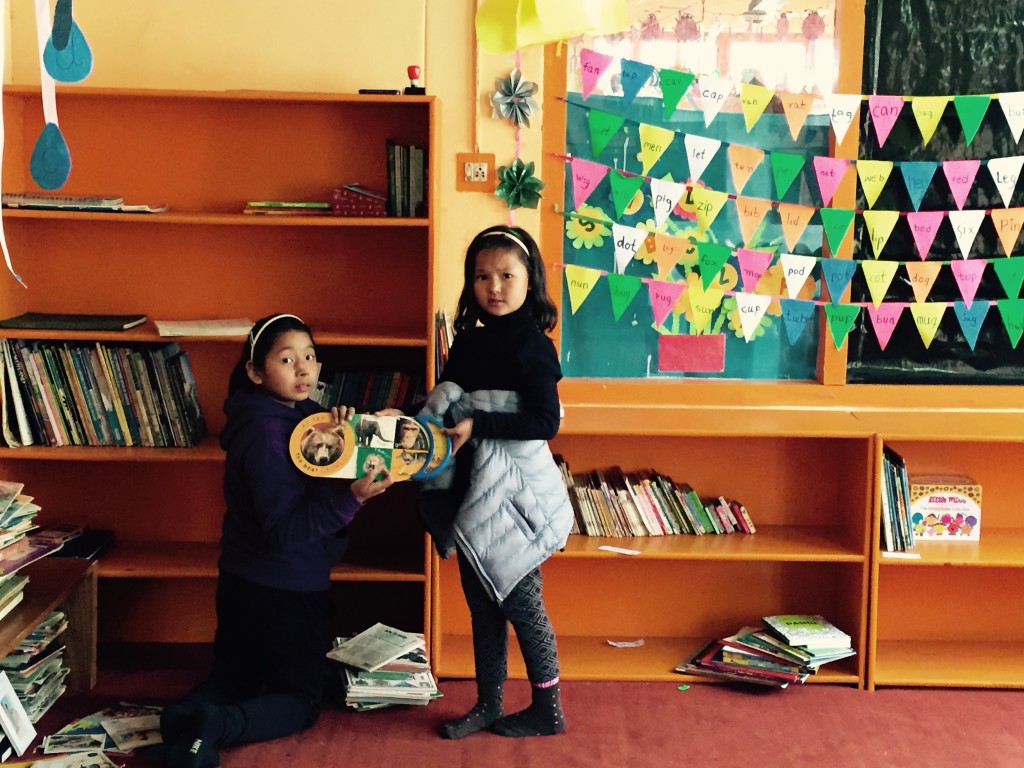
- Invite students to choose books, share recommendations, and help care for shelves.
- Combine reading with drawing, music, storytelling, discussion, and hands-on projects.
- Review the collection with teachers so new donations match local needs.
- Create simple borrowing and maintenance routines that staff can sustain.
Measuring Learning Beyond Book Counts
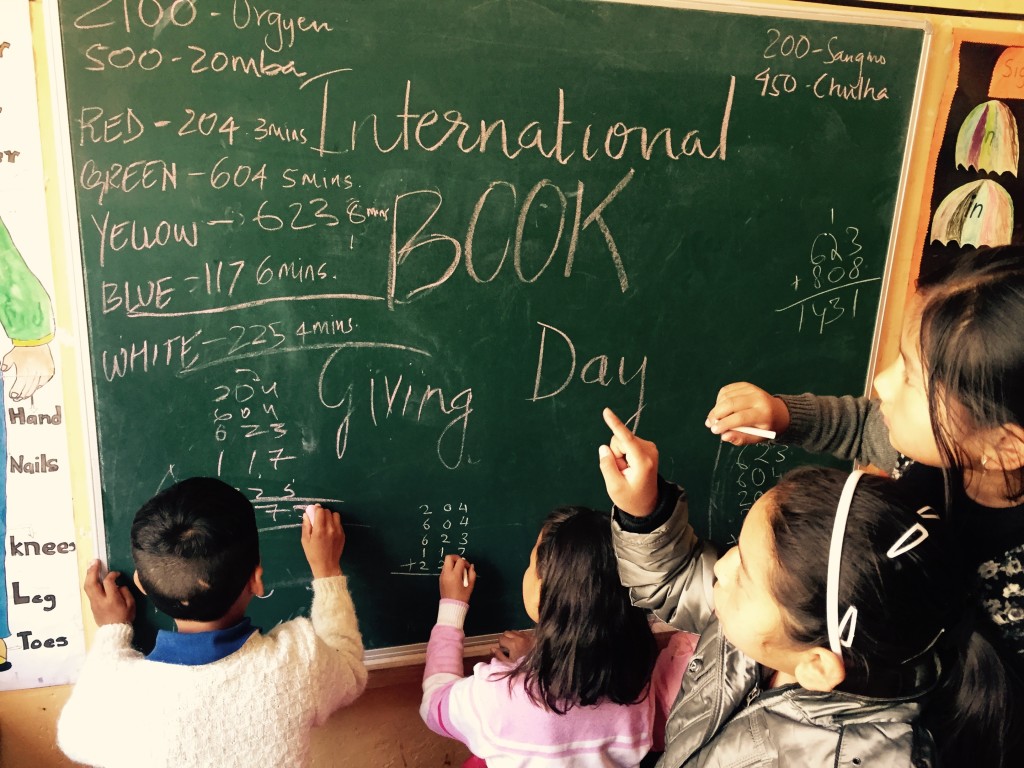
The success of a reading room cannot be judged by the number of books on its shelves alone. Signs of progress may include children visiting voluntarily, asking for particular subjects, reading aloud with greater confidence, or discussing stories with classmates. Teachers may also notice stronger vocabulary, improved concentration, and more willingness to complete independent work.
Listening to students is an important part of this process. Their comments can reveal which books feel engaging, which subjects need more support, and whether the space is welcoming to different age groups. Feedback from educators helps the Trust understand how resources are being used in real classrooms.
Simple records can support thoughtful planning without turning reading into a competition. Schools might note attendance at reading sessions, popular genres, creative projects completed, or new classroom activities inspired by books. These observations help partners direct future book donations and volunteer support where they are most useful.
Help Extend Access To Books
Every well-chosen book can open a path to language, creativity, and independent thought. When local schools and Avalokiteśvara Trust work together, a reading room becomes part of the daily life of a community: a place where children learn, imagine, make music, create art, and discover questions worth pursuing.
You can support this work by contributing to a book drive, helping fund educational resources, volunteering your time, or sharing the Trust’s stories with others. Your support can help schools build welcoming collections and give children across the Himalayan region more opportunities to read, learn, and grow.