Strings of Learning: Guitar Lessons in a Himalayan Monastery
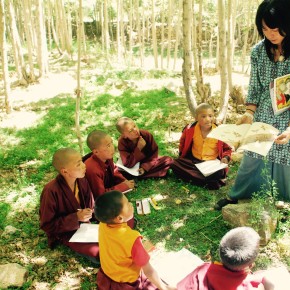
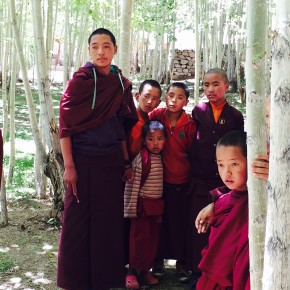
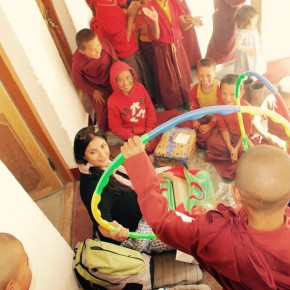
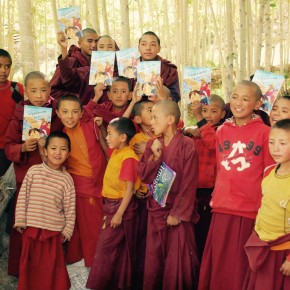
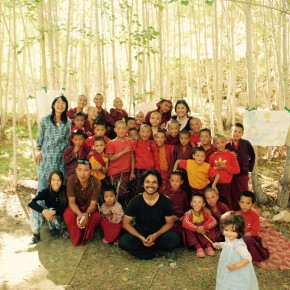
In a quiet Himalayan monastery, a simple guitar can open an unexpected door to learning. Boys who spend their days studying Buddhist philosophy, languages, and traditional texts are discovering rhythm, melody, and teamwork through regular music sessions.
The program brings practical guitar instruction into a setting where education is closely connected with community life. Each lesson gives young monks time to listen carefully, practice patiently, and express themselves through sound. The result is more than a new artistic skill: it is a shared experience that builds confidence and curiosity.
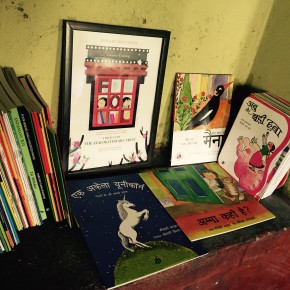
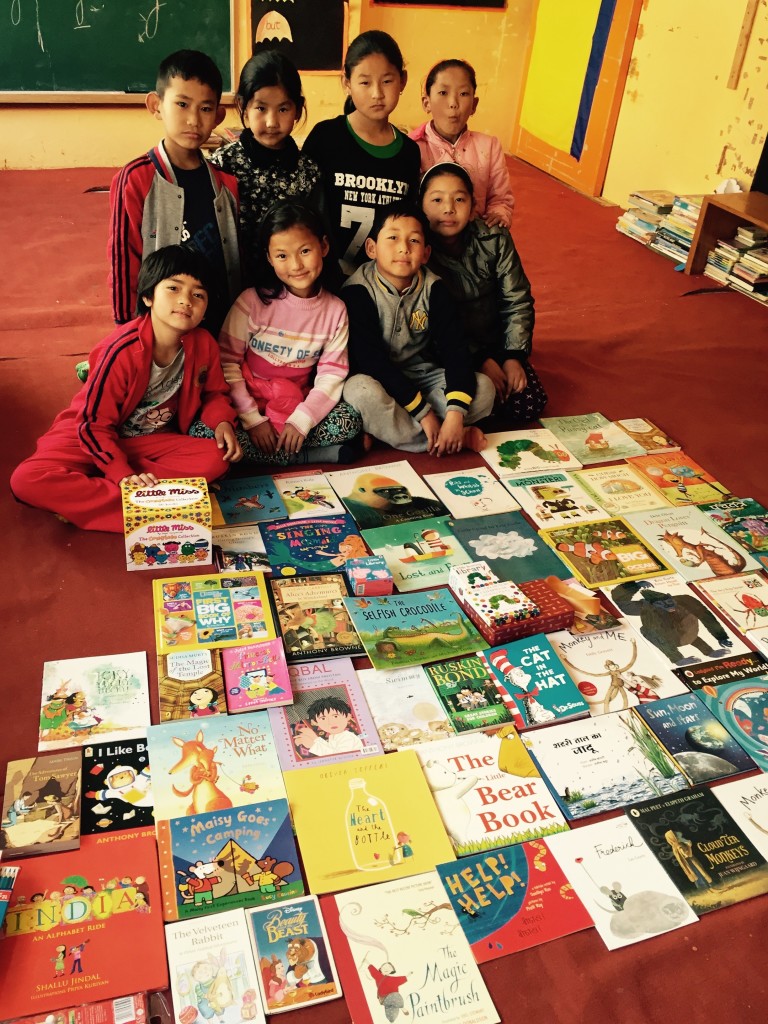
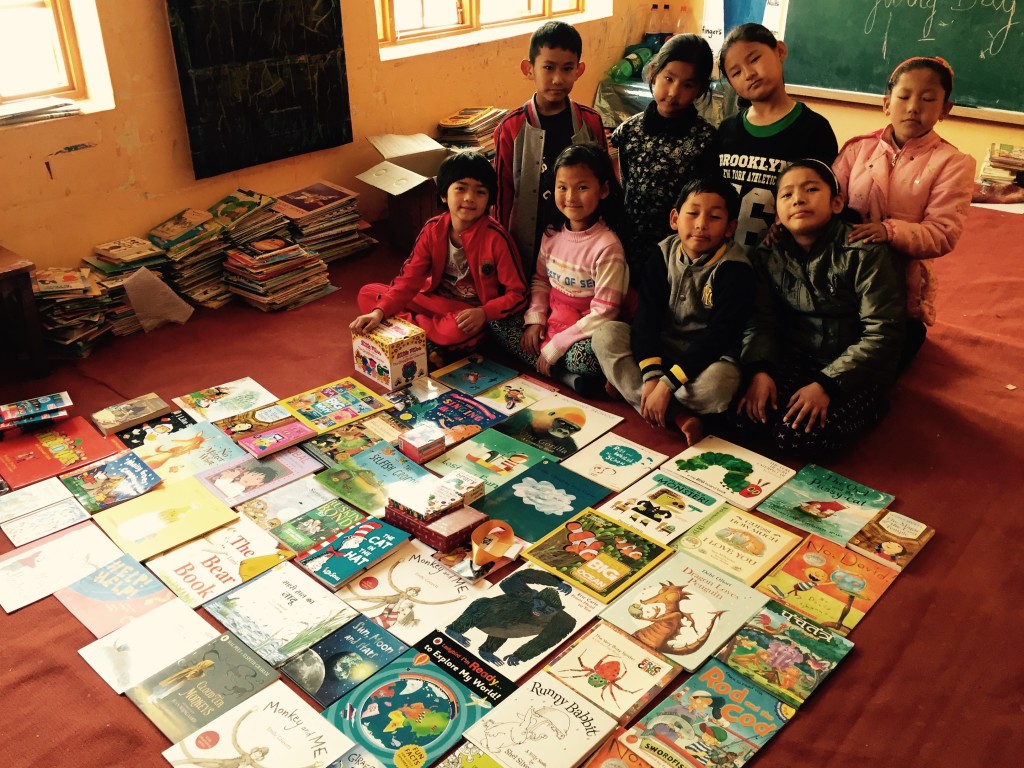
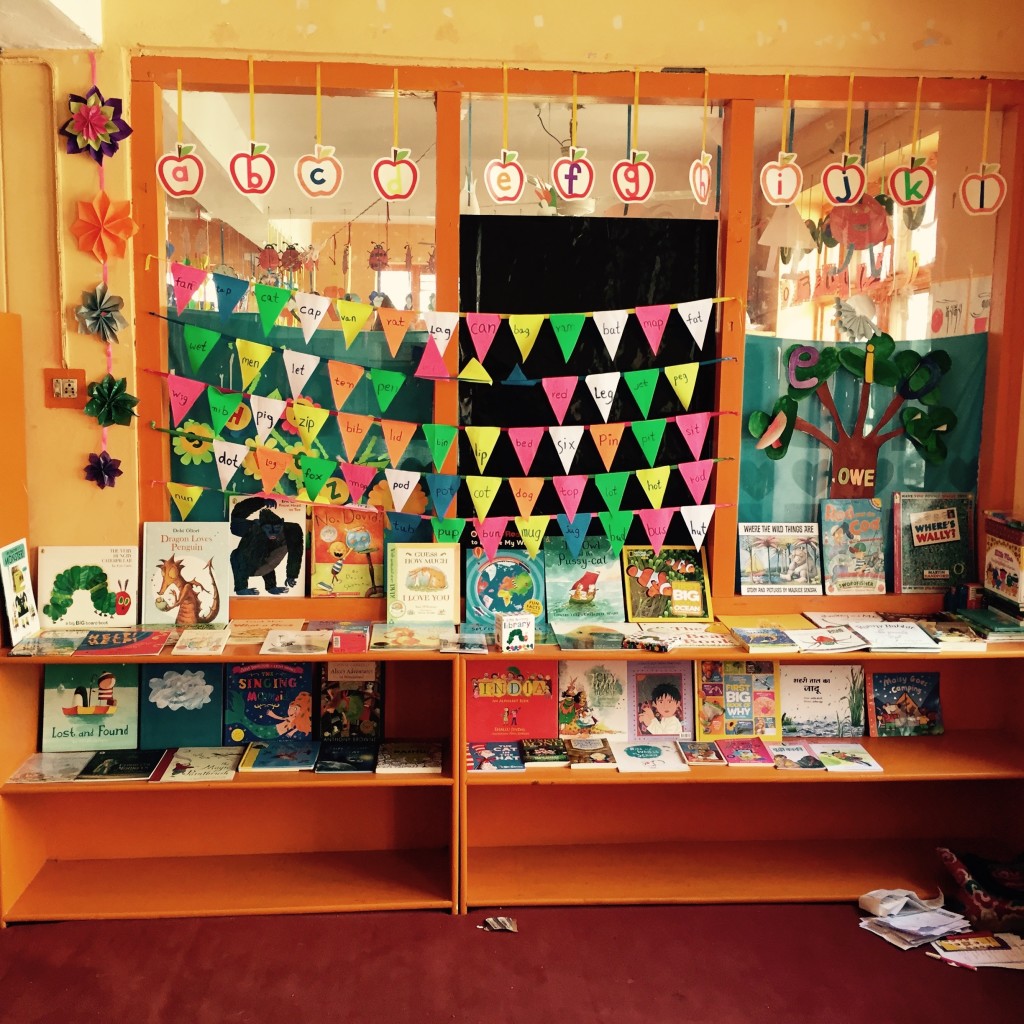
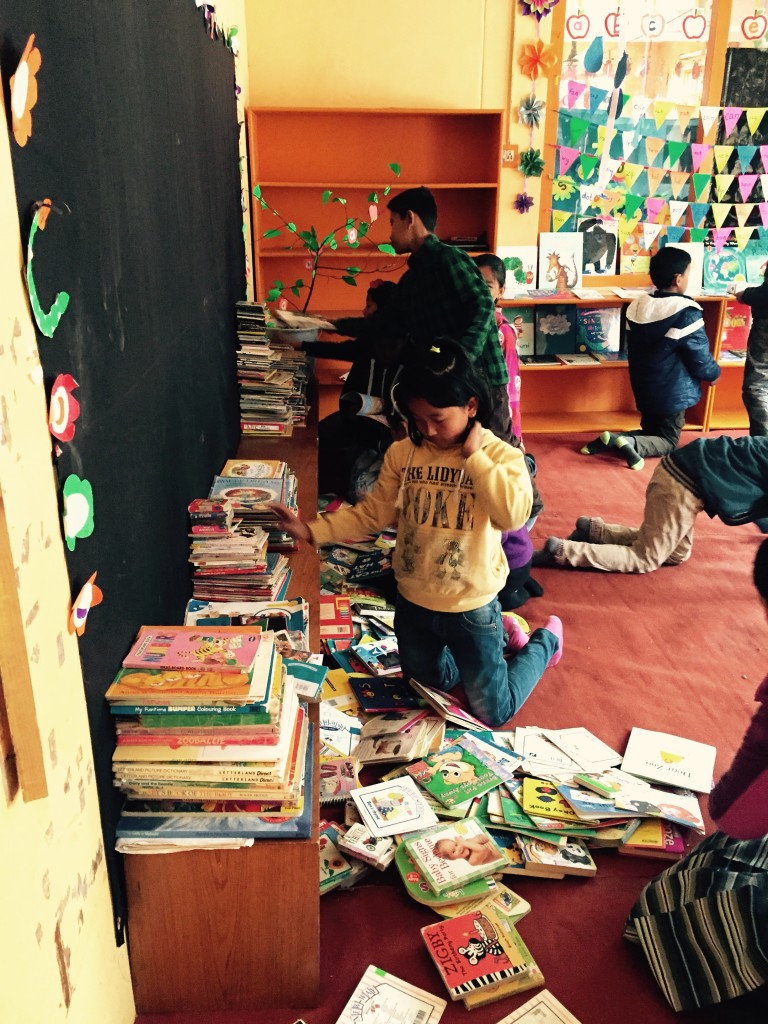
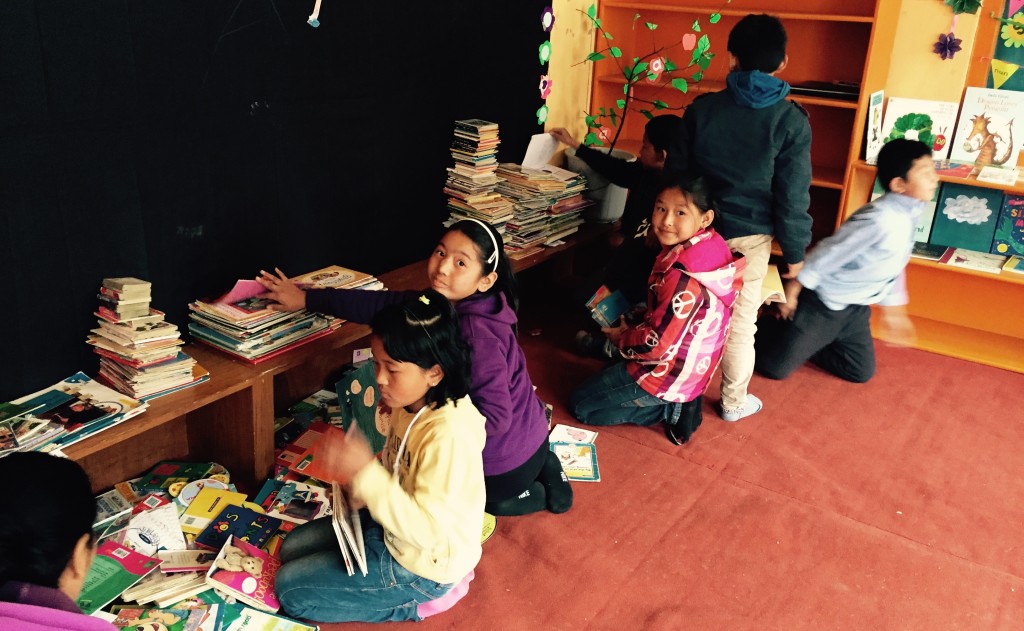
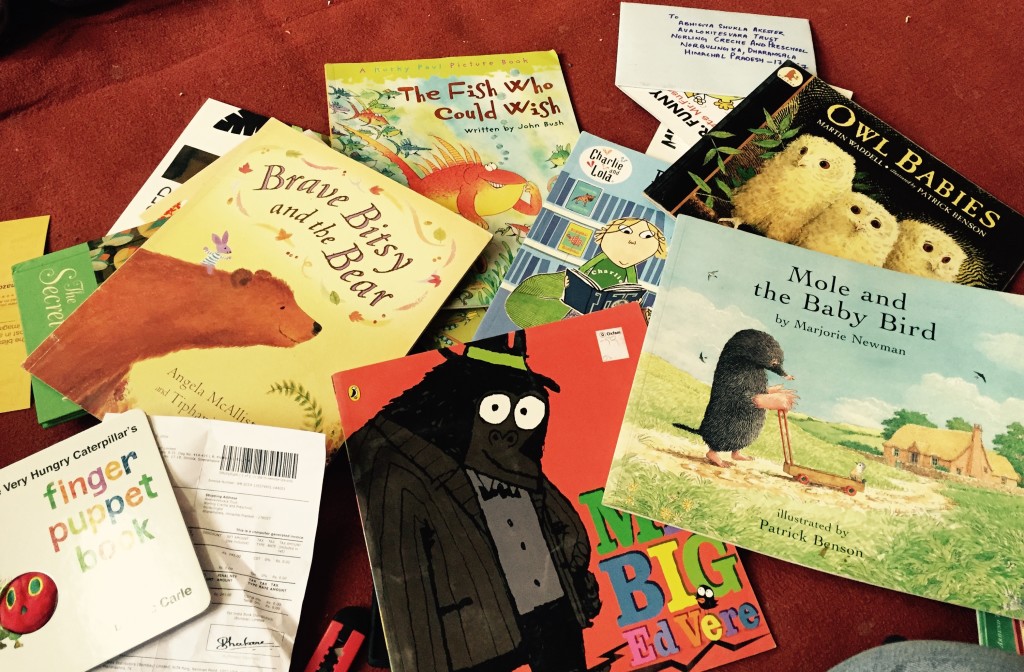
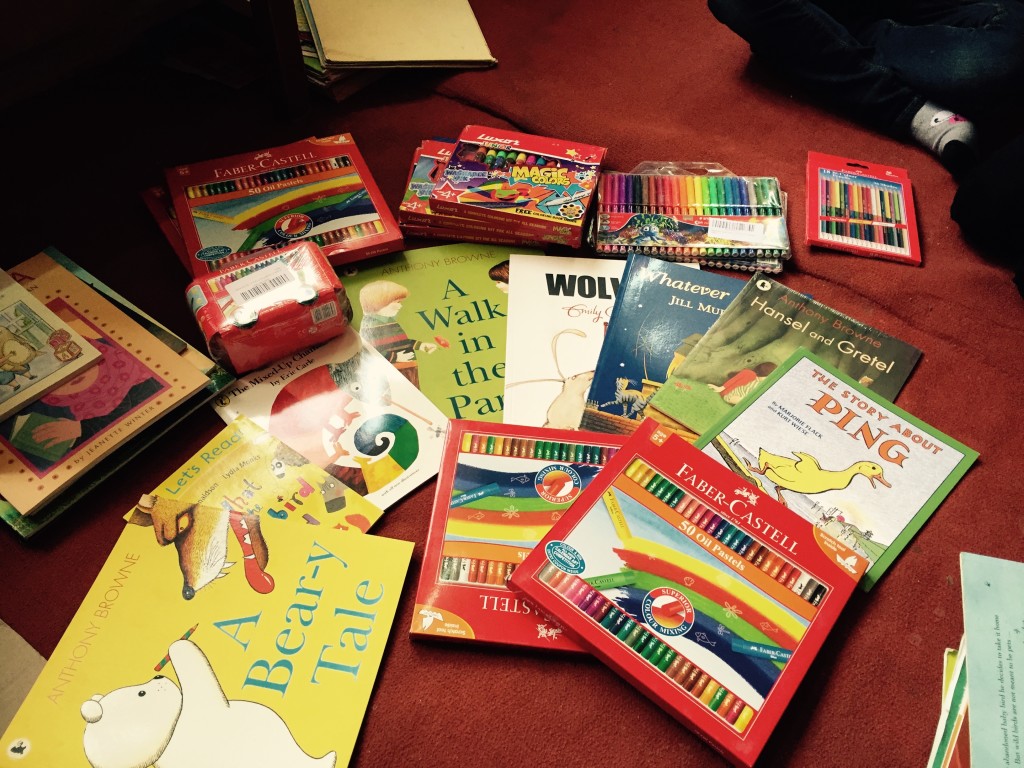
For Avalokiteśvara Trust, creative education is part of a wider commitment to children and young people in Ladakh and other Himalayan communities. Alongside reading rooms, book drives, and learning activities, music creates another way for students to explore their abilities.
Bringing music into monastic life
The guitar classes are designed to complement the monastery’s existing routine rather than compete with it. Lessons are arranged around prayer, study, meals, and other responsibilities, allowing the boys to take part without losing the structure that guides daily life.
A typical session begins with tuning, posture, and a review of earlier exercises. Students then work through basic chords, strumming patterns, and simple melodies. At first, holding the instrument correctly can feel unfamiliar, but repetition gradually turns small movements into a dependable musical foundation.
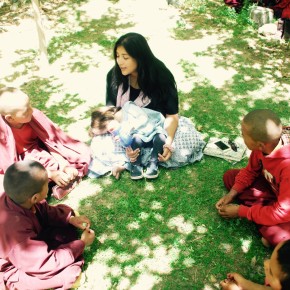
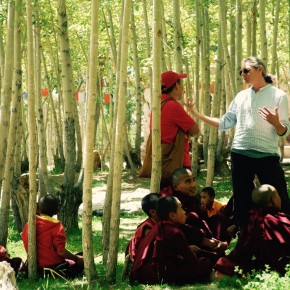
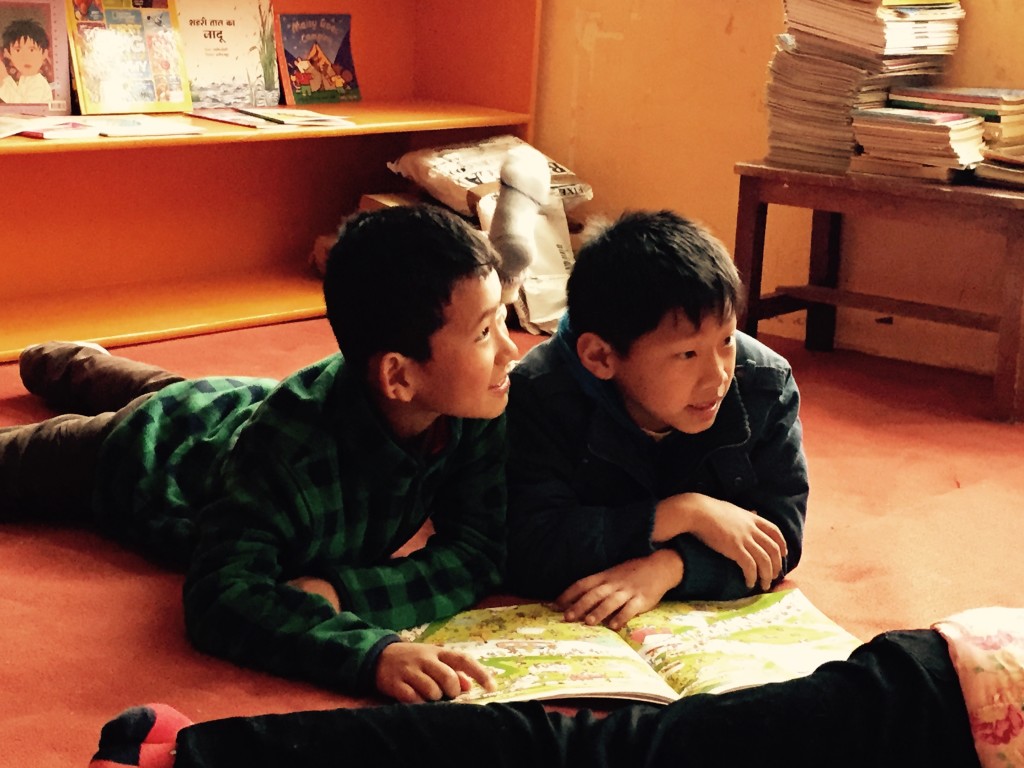
The shared setting also makes the lessons naturally collaborative. A student who has mastered a chord can help a classmate, while those who learn quickly may lead a rhythm exercise. This peer support encourages generosity and creates a positive atmosphere in which mistakes become part of the learning process.
From first chords to confident playing
Learning guitar requires patience. The fingers must grow accustomed to pressing the strings, and the right hand must develop a steady movement. Early sessions may involve only two or three chords, yet these small building blocks can soon support recognizable songs.
Instructors focus on clear, achievable progress. Boys may practice switching between chords, keeping time with a metronome, or following a basic chord chart. These exercises strengthen concentration and coordination while giving learners a visible sense of achievement.
Music theory is introduced through practical examples. Instead of treating notation and rhythm as abstract subjects, teachers connect them to the songs being played. Students begin to understand tempo, repetition, dynamics, and musical structure because they can hear each idea in action.
A learning space shaped by cooperation
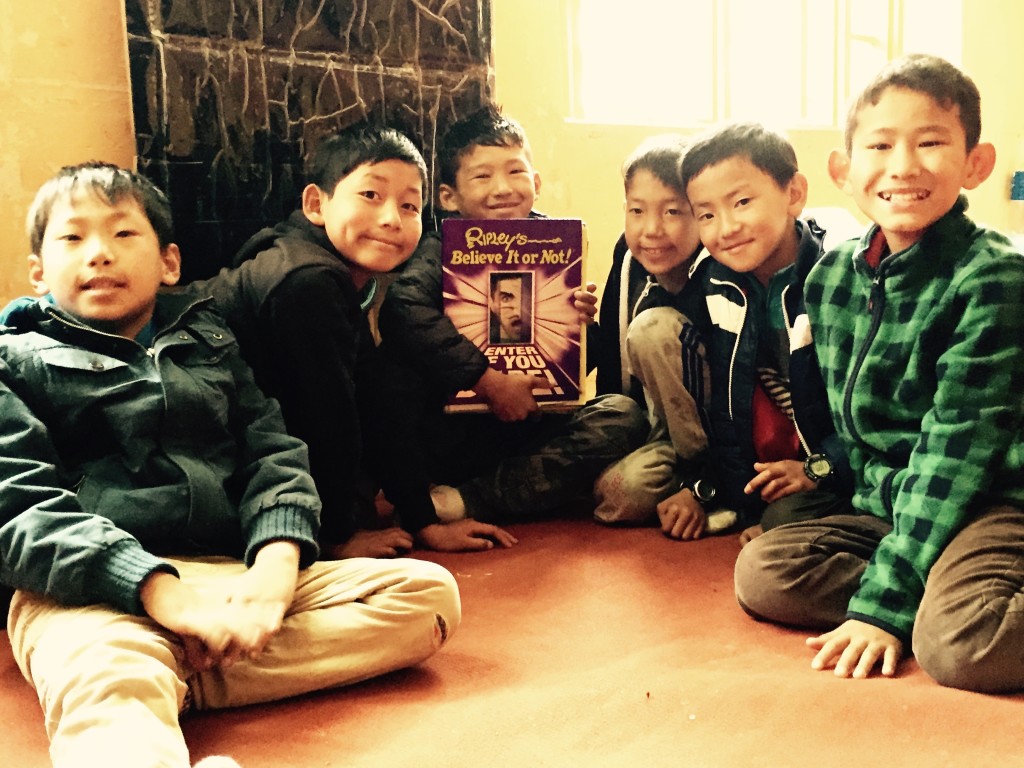
The guitar program supports social and emotional development as much as musical ability. Playing in a group teaches students to listen for one another, wait for the right moment, and maintain a shared tempo. These habits are valuable in the classroom, the monastery, and daily community life.
Group practice also gives quieter boys a comfortable way to participate. A student may not immediately want to perform alone, but he can contribute to a rhythm pattern or play a repeating chord alongside his peers. With time, this low-pressure involvement can lead to greater confidence.
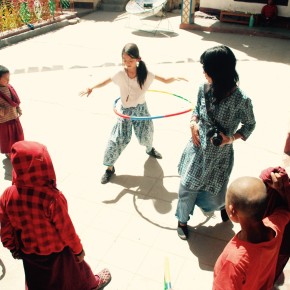
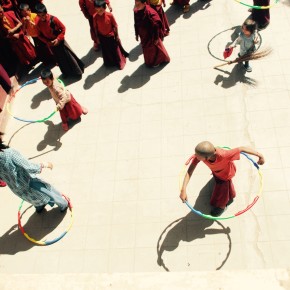
The sessions offer a healthy balance between discipline and play. Practice is taken seriously, but music also brings laughter, surprise, and creative freedom. This balance helps children remain engaged and reminds them that education can involve joy as well as effort.
| Part of the program |
What students practice |
Skills supported |
| Instrument basics |
Tuning, posture, finger placement |
Coordination and care |
| Chord work |
Common chord shapes and transitions |
Memory and perseverance |
| Rhythm exercises |
Strumming, counting, and tempo |
Focus and listening |
| Group playing |
Following a shared progression |
Cooperation and confidence |
| Informal performances |
Playing for peers and visitors |
Expression and self-belief |
Why guitar education matters in Ladakh
Access to instruments and structured arts education can be limited in remote Himalayan communities. A guitar program brings a practical creative resource directly to students who may otherwise have few opportunities for formal music lessons.
The value of the program extends beyond performance. Music encourages close listening, pattern recognition, memory, and fine motor control. It can support broader educational development by helping students concentrate for longer periods and approach difficult tasks in manageable steps.
For young monks, guitar lessons also create a bridge between their traditional surroundings and a wider cultural world. The instrument is contemporary and portable, yet it can be used respectfully within the monastery’s community setting. Students gain a form of expression that can travel with them wherever their education and service take them.
Supporting a sustainable music program
A lasting music initiative depends on more than providing a few instruments. Guitars need strings, tuners, picks, cases, and maintenance. Students also benefit from songbooks, chord charts, music stands, and teachers who can return regularly to build on earlier lessons.
Supporters can contribute to this continuity in several practical ways:
- Help provide durable guitars and essential accessories for group lessons.
- Support transport and teaching costs in remote Himalayan locations.
- Donate beginner songbooks, music theory materials, and replacement strings.
- Fund opportunities for students to share their progress through small performances.
- Encourage arts education alongside literacy, language, and academic learning.
Reliable resources allow the program to move beyond occasional demonstrations. When an instrument is available for regular practice, students can develop muscle memory and take ownership of their progress. A well-maintained guitar may serve many groups of learners over several years.
Partnerships are equally important. Volunteers with guitar teaching experience can offer structured lessons, while local educators and monastery staff provide cultural guidance and continuity. The strongest programs grow from cooperation with the community rather than imposing an outside model.
Music as a lasting form of expression
A guitar lesson may begin with a single open string, a hesitant chord, or a rhythm that keeps stopping and starting. With encouragement, those early sounds develop into songs played by a group of focused young musicians. Each improvement reflects patience shared between students, teachers, families, and supporters.
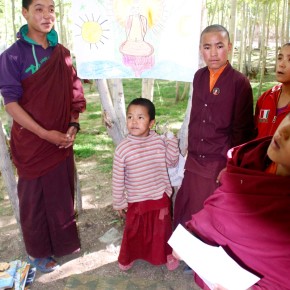
The program also creates memories that reach beyond the classroom. A student may remember the first song he played with friends, the moment he performed for visitors, or the satisfaction of helping someone else learn a chord. These experiences strengthen belonging and give creative work a meaningful place in monastery life.
Arts education can remain with a young person long after a particular lesson has ended. It can offer comfort, friendship, and a way to communicate across language and cultural differences. In Ladakh, guitar teaching is helping young monks discover that learning can be thoughtful, disciplined, communal, and joyful at the same time.
Support this work by learning more about the Trust’s educational initiatives, sharing its mission, or contributing resources that make music lessons possible. Every instrument, teaching session, and set of learning materials helps give Himalayan children and young monks more opportunities to read, create, perform, and grow.