2,000 Books, 200 Children: A Reading Journey in Ladakh
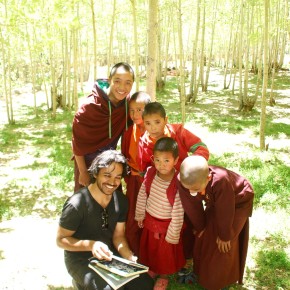
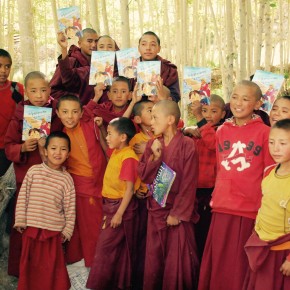
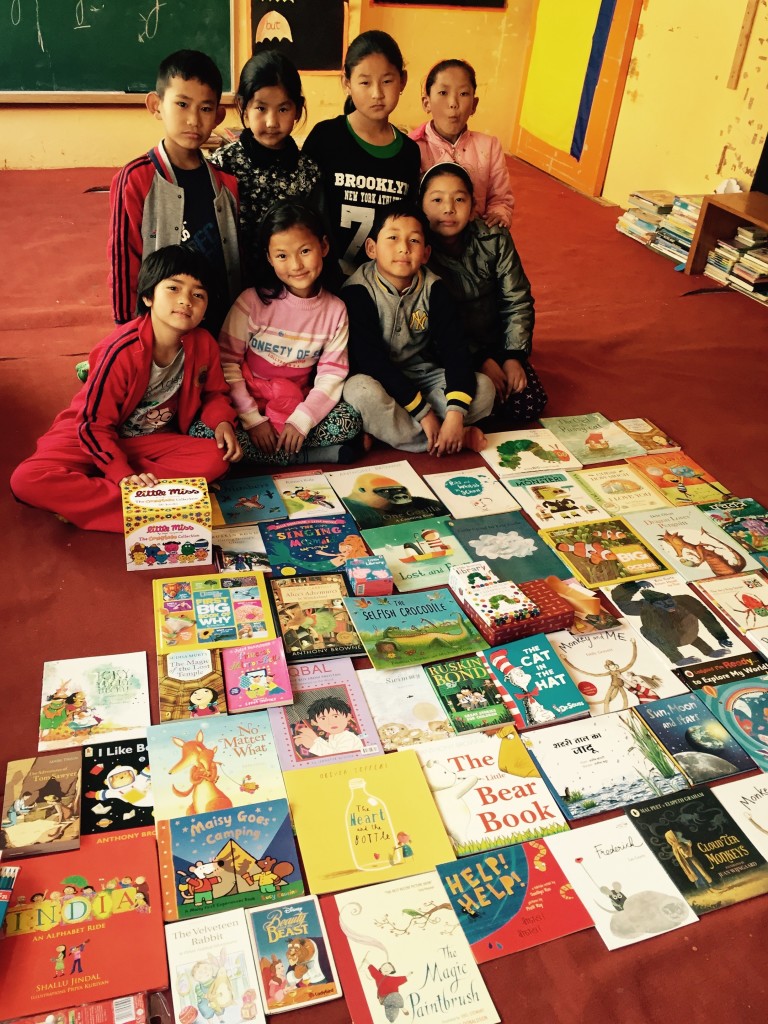
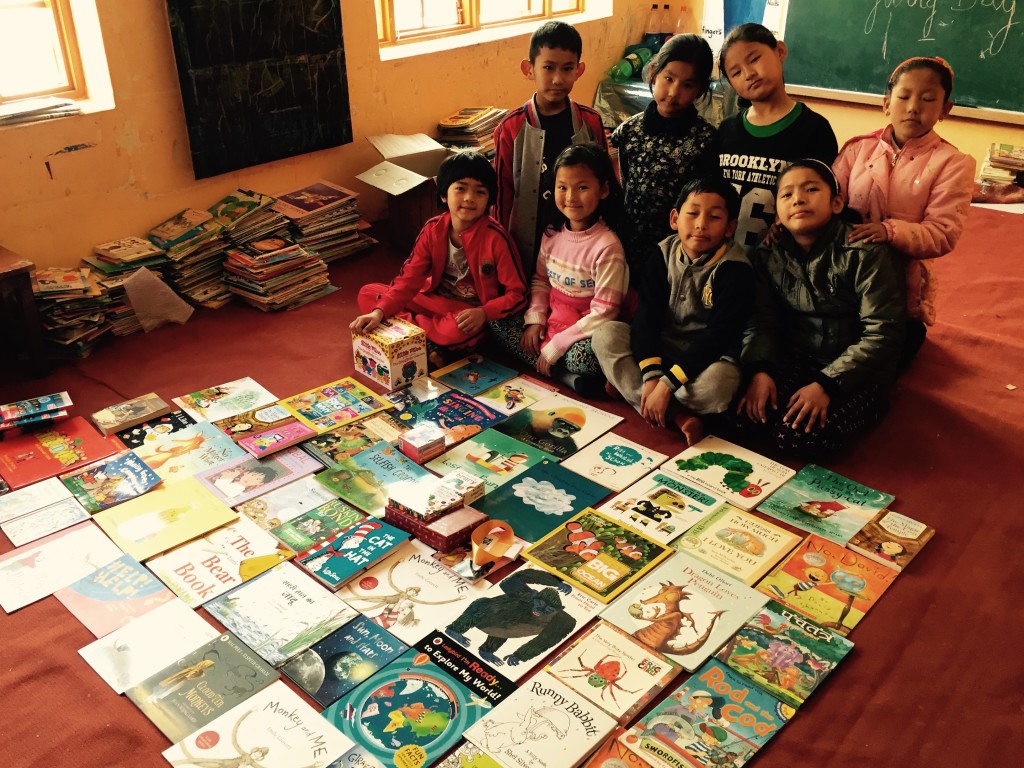
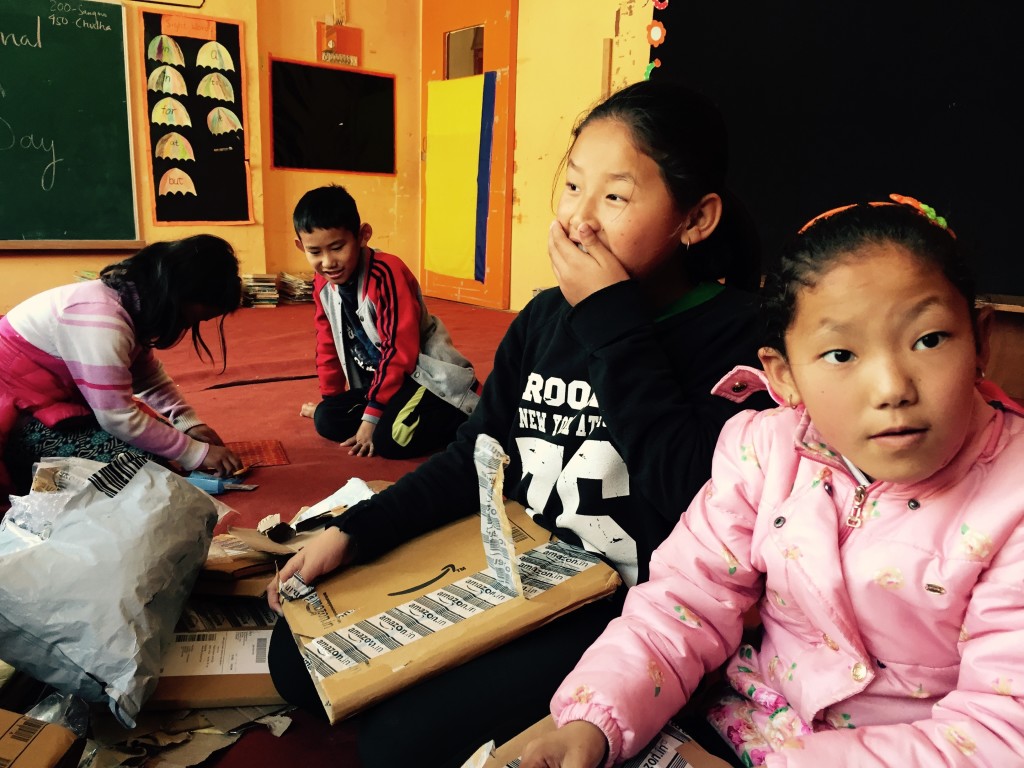
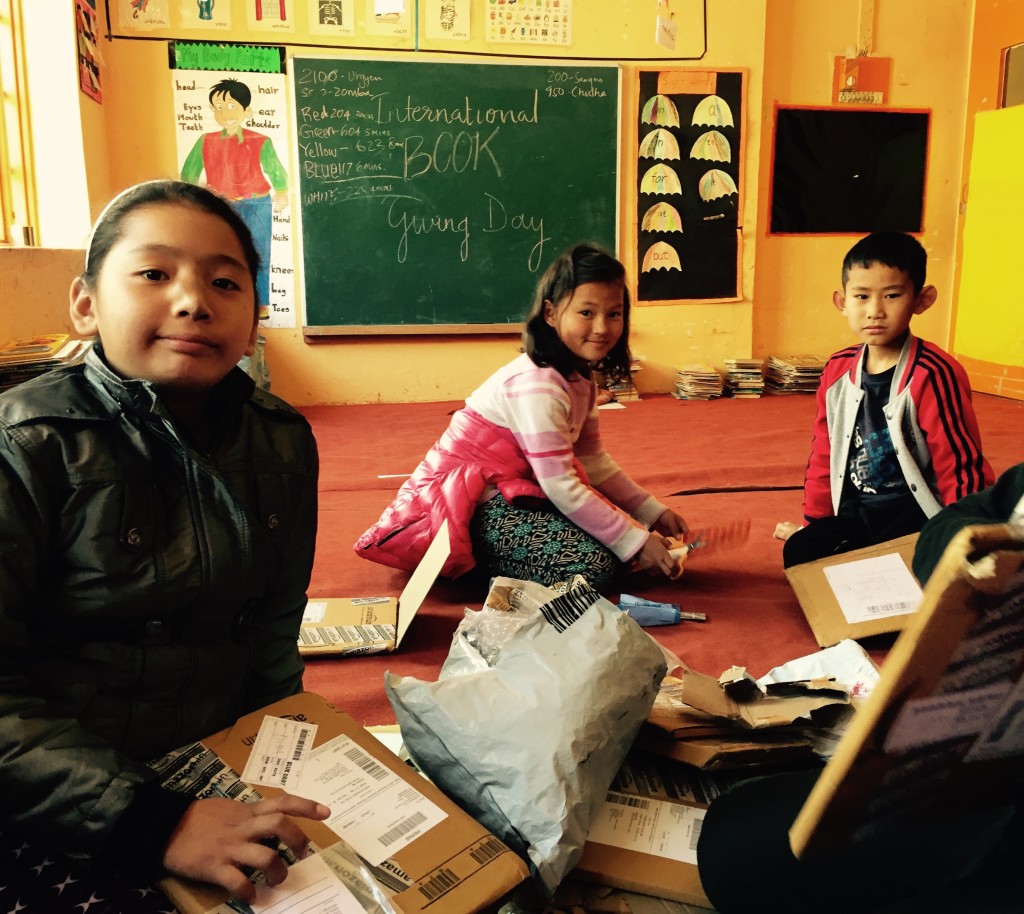
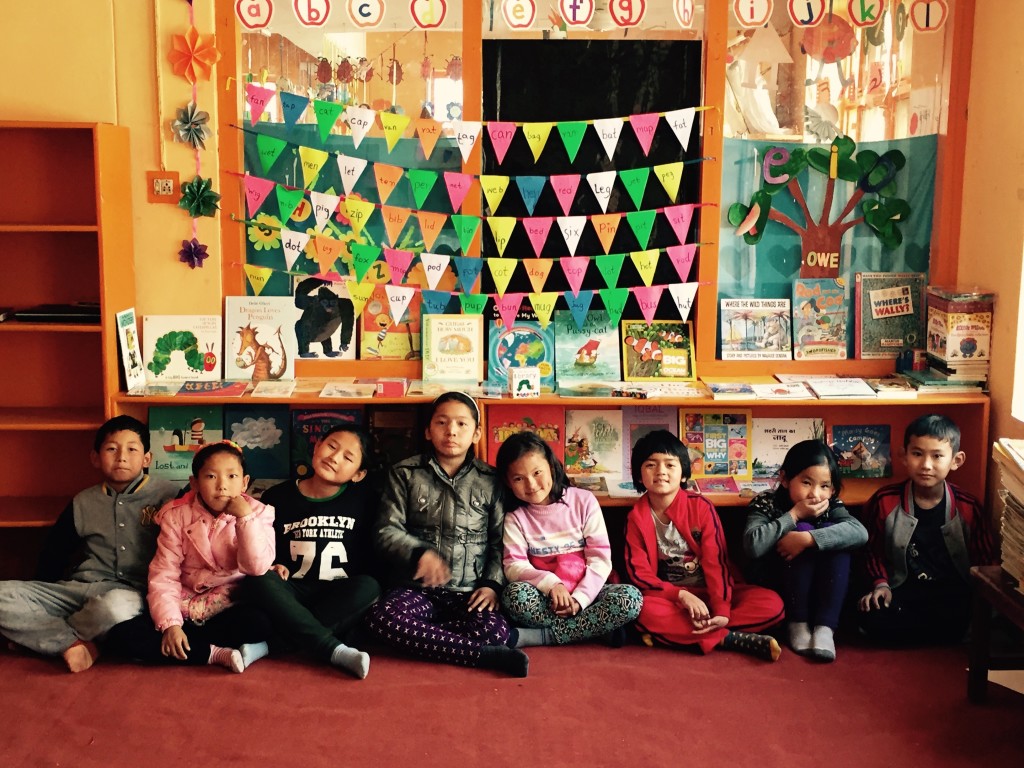
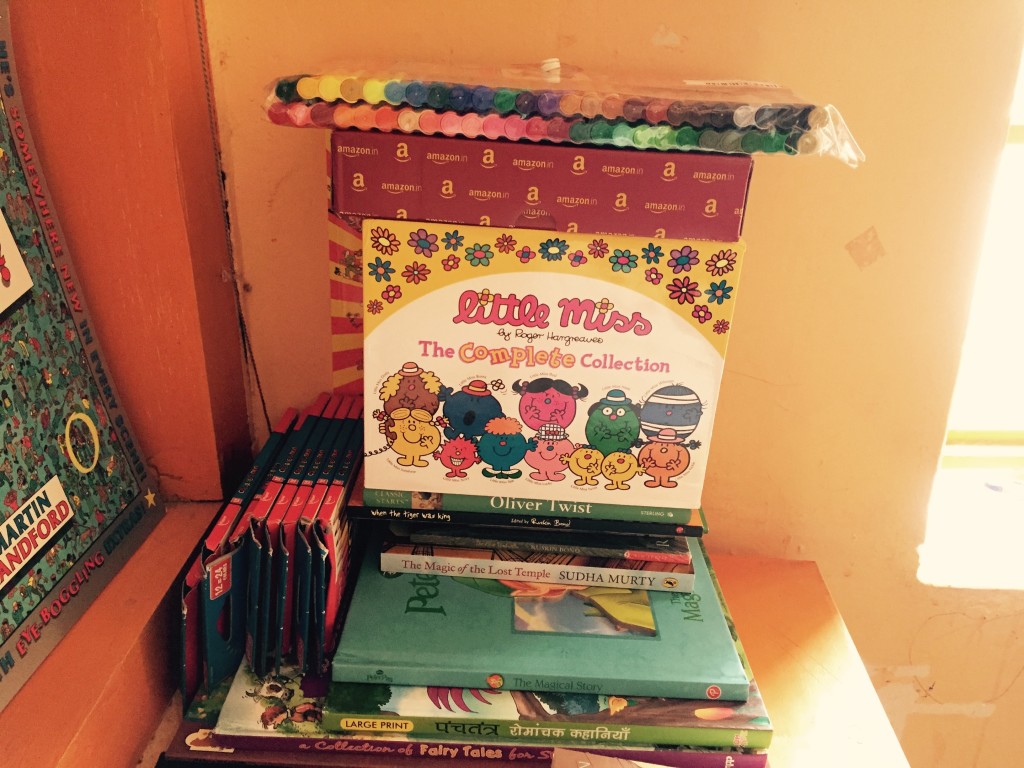
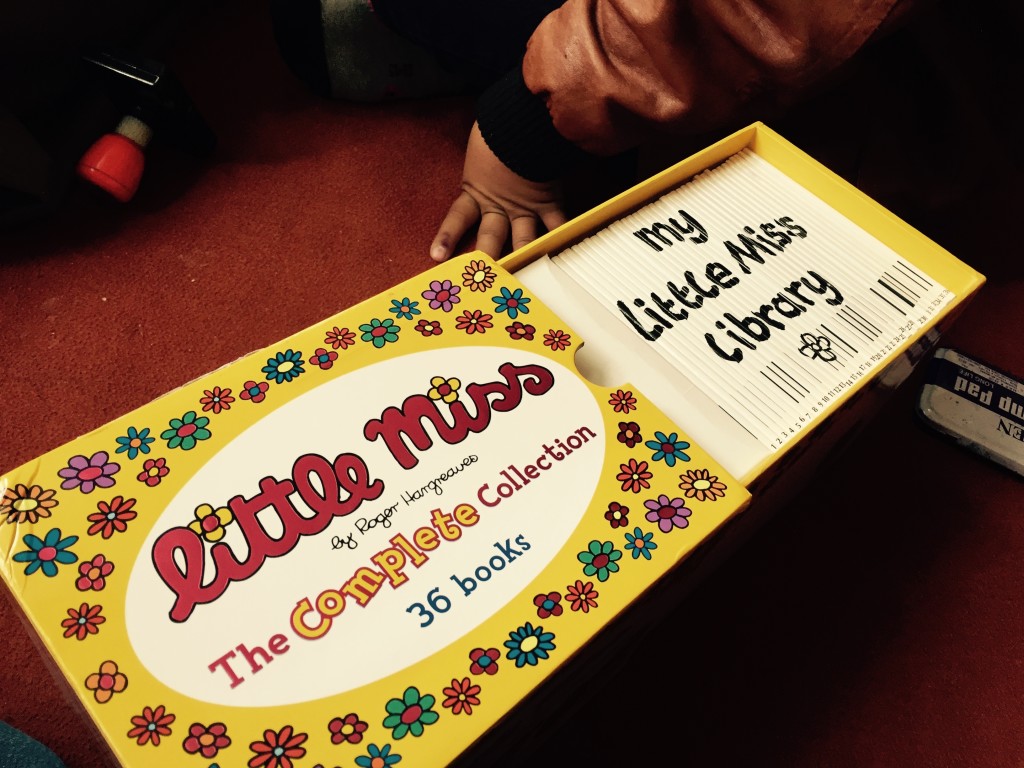
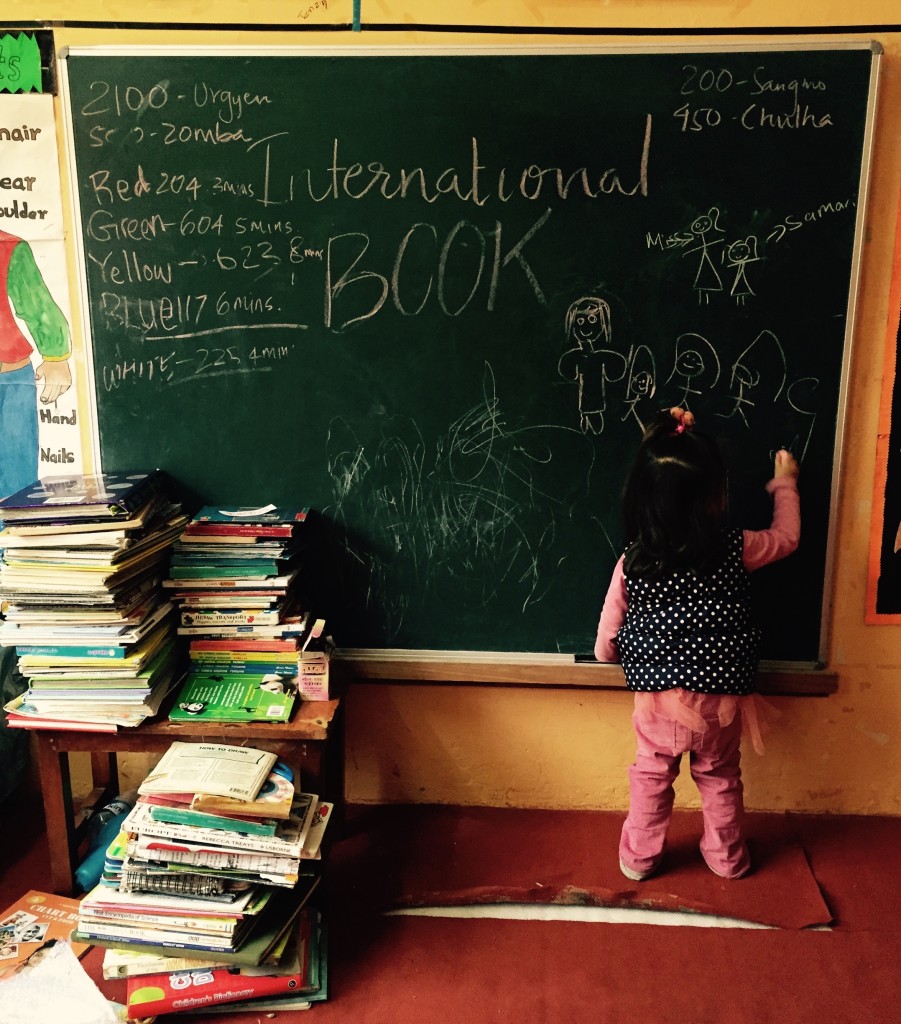
A good book can open a window onto a wider world. For children growing up in remote Himalayan communities, access to that window is often limited by distance, cost, and the small number of books available in local schools or homes. Our latest book drive brought together 2,000 carefully selected books for 200 children, creating a richer reading environment for young learners and young monks.
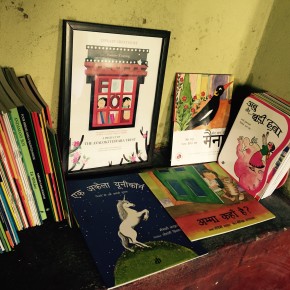
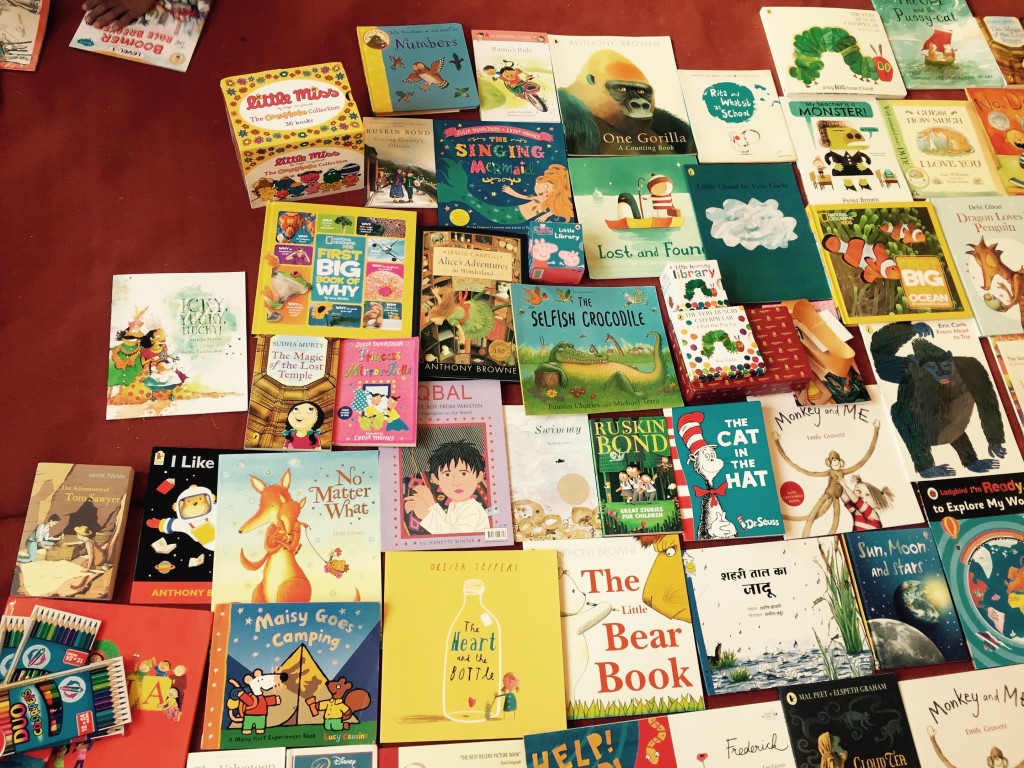
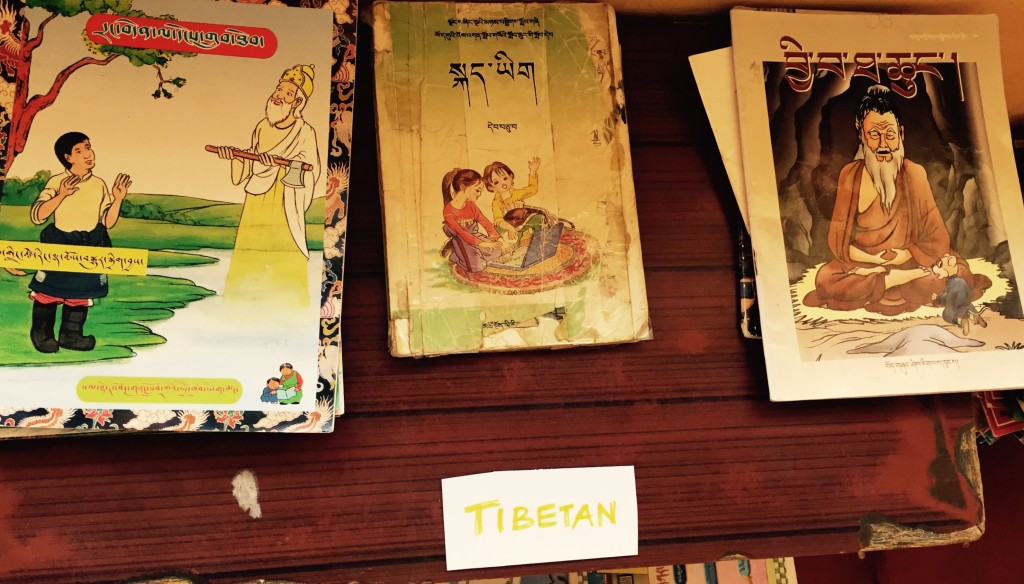
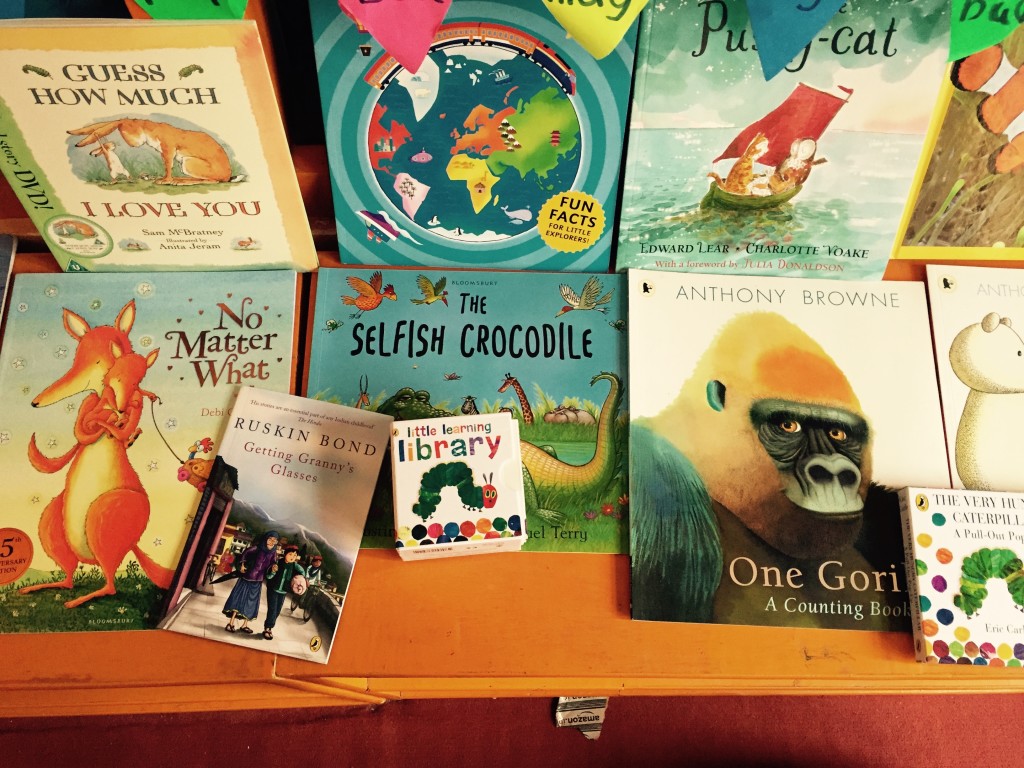
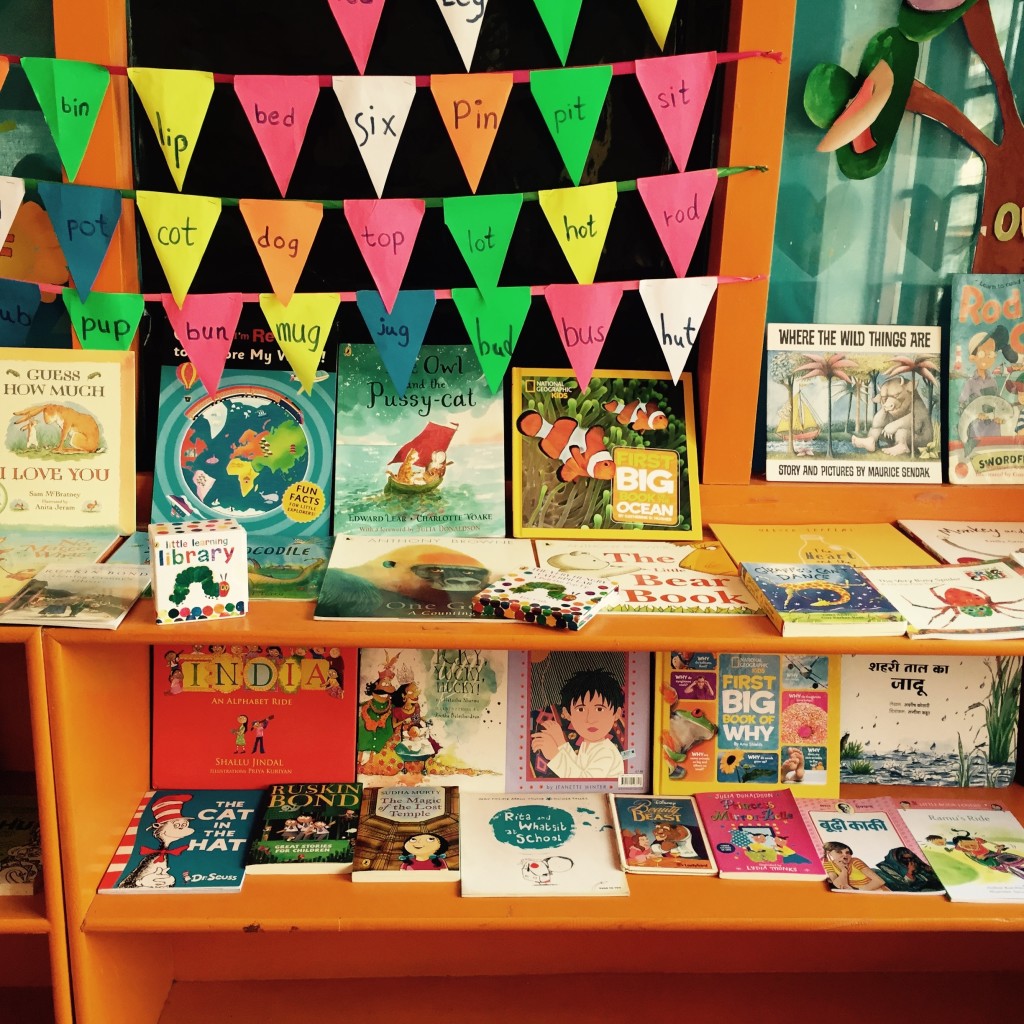
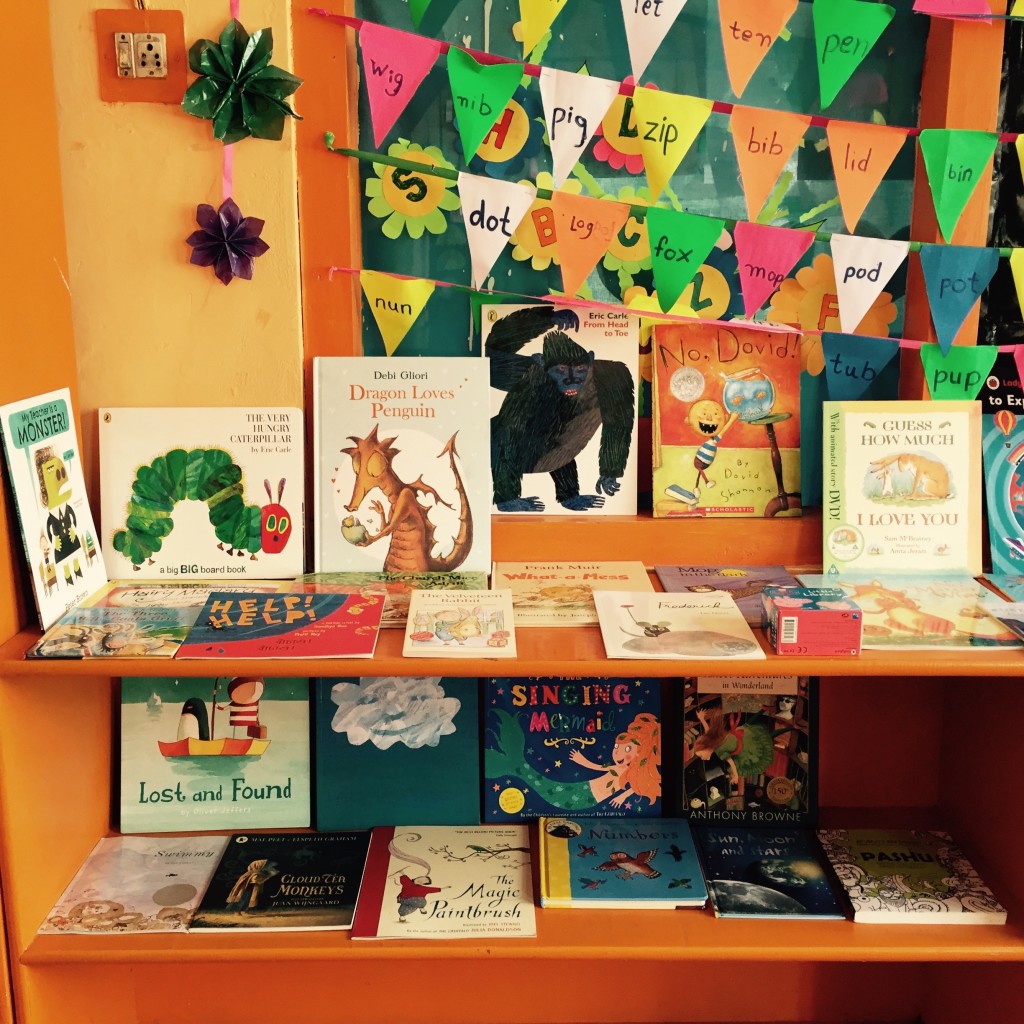
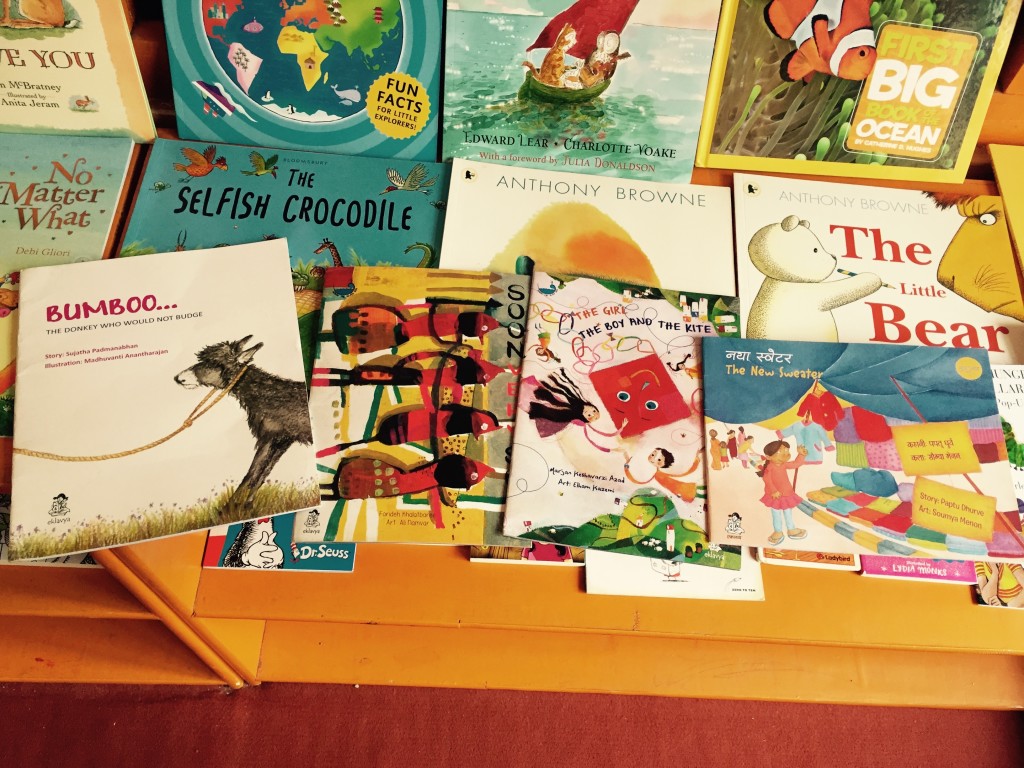
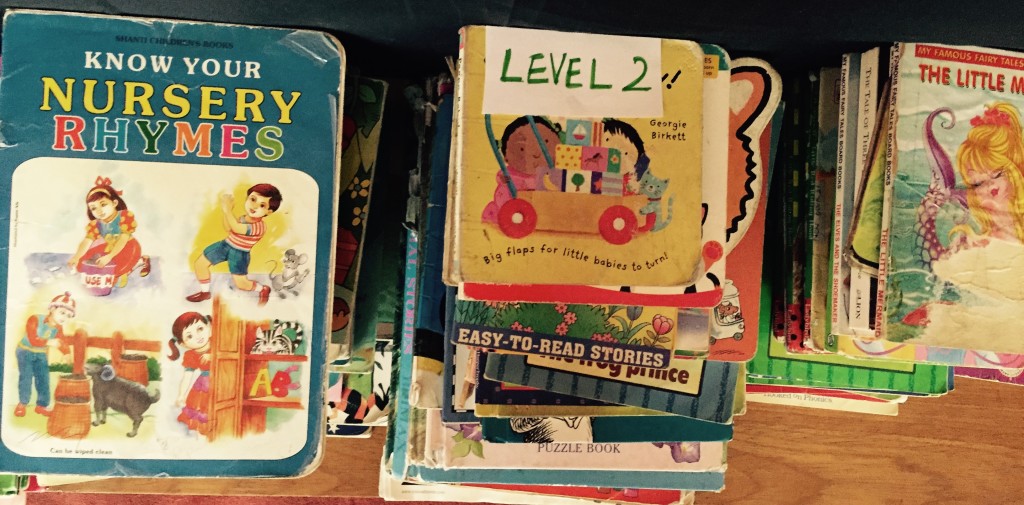
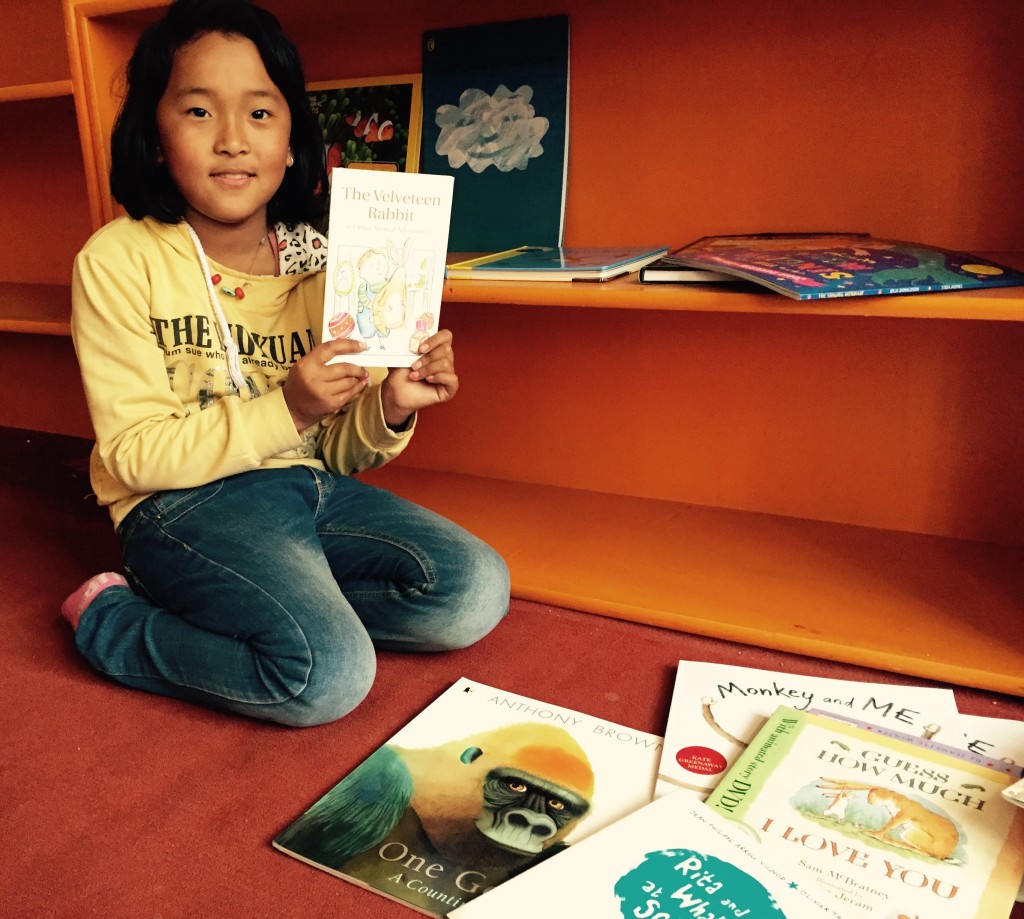
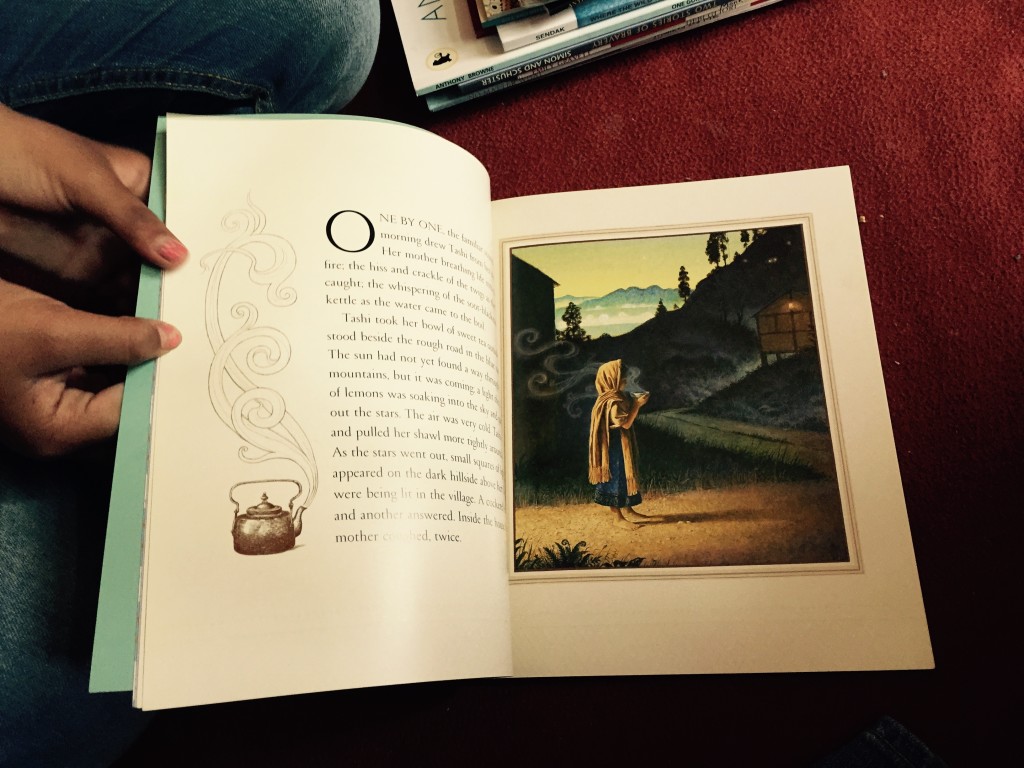
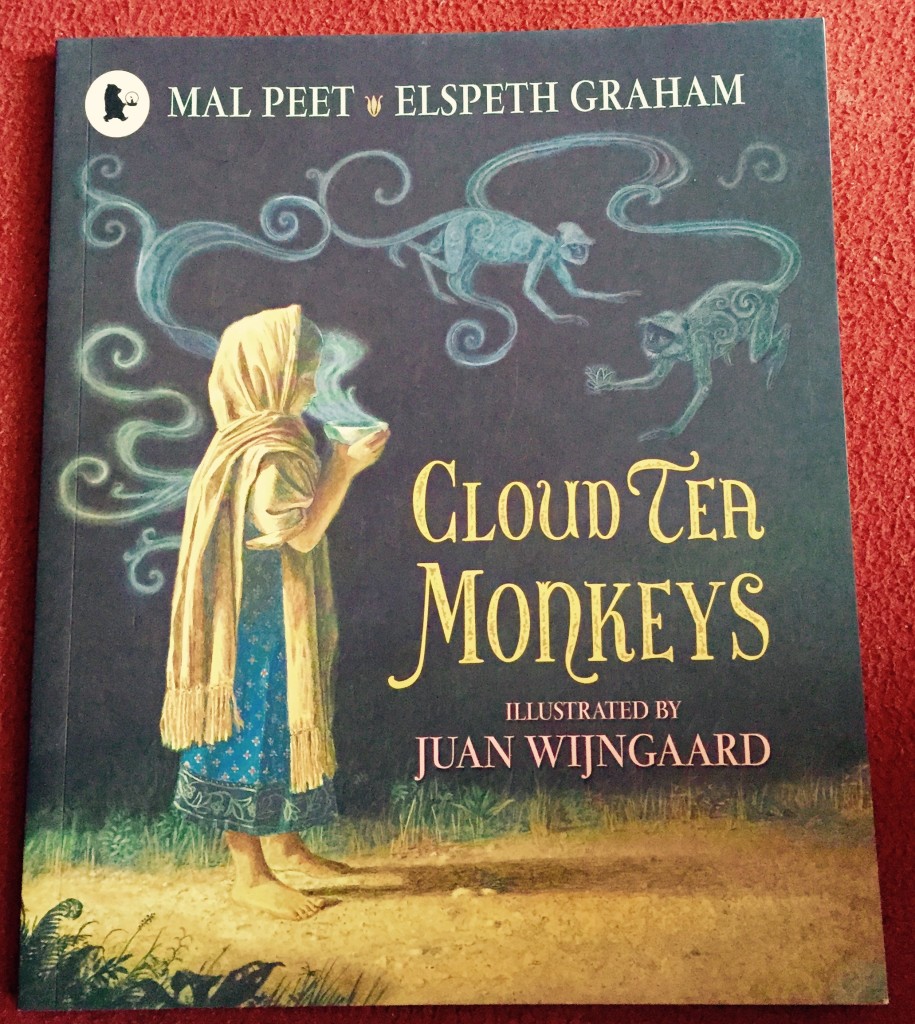
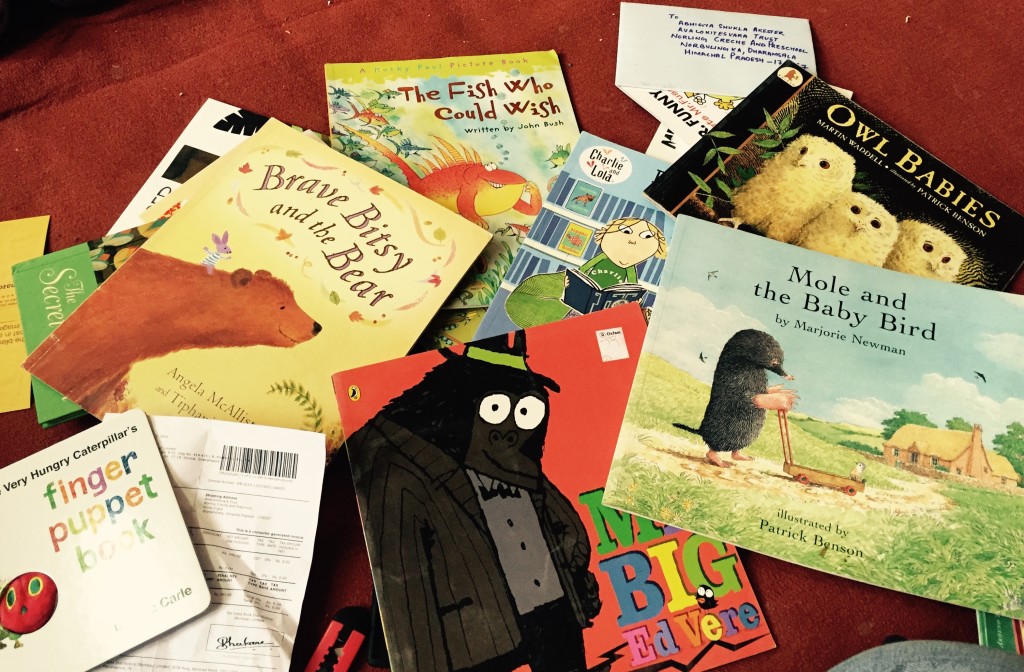
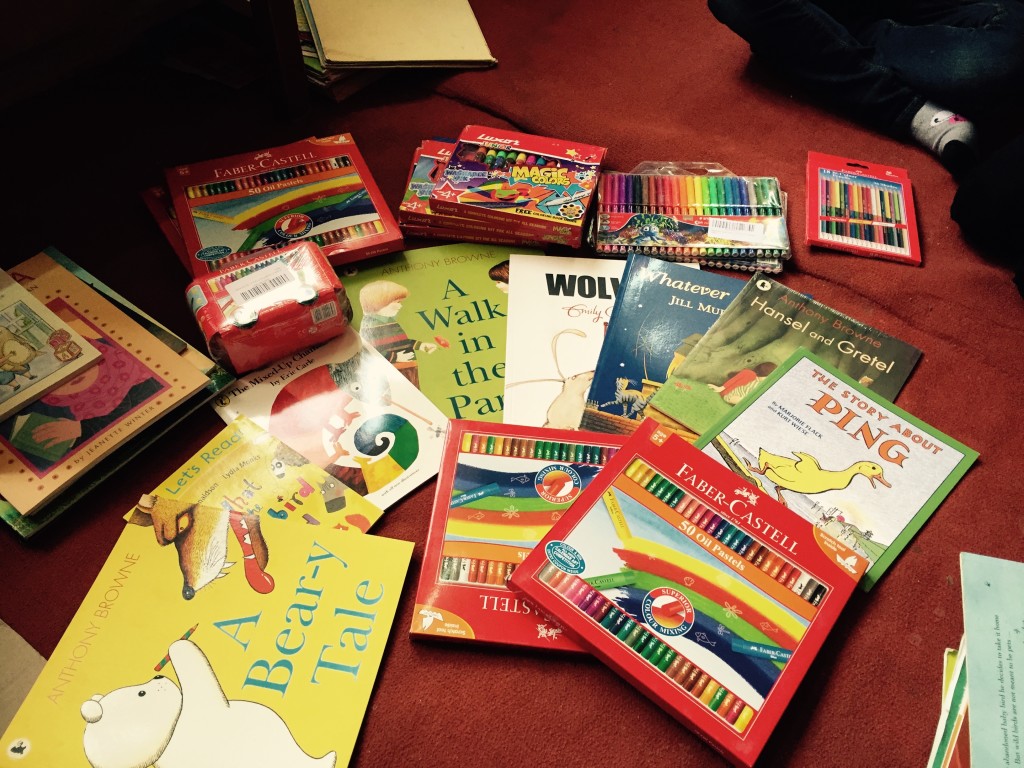
The collection was shaped around curiosity, discovery, and age-appropriate learning. Storybooks, illustrated books, reference materials, creative activity books, and titles that introduce children to different cultures now have a place in reading rooms and community learning spaces. Each book offers an opportunity to practice language, encounter new ideas, or simply enjoy the pleasure of reading.
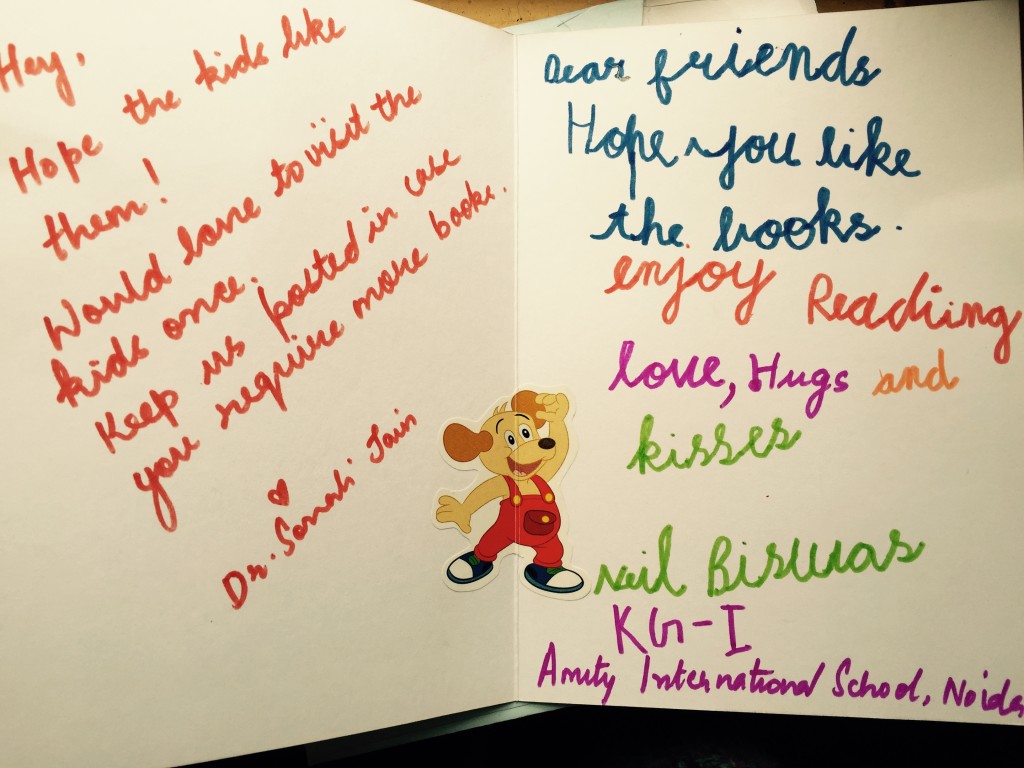
This achievement reflects the generosity of donors, volunteers, schools, publishers, and friends of Avalokiteśvara Trust. It also shows what can happen when educational support is connected to the needs of a specific community. The result is more than a large number of donated books: it is a lasting resource for children, teachers, families, and monastic communities.
A Collection Built Around Children
The success of a book drive depends on relevance as much as quantity. Children need books that match their reading levels, reflect their interests, and invite them to return again and again. Our team therefore looked for a balanced selection rather than accepting unsuitable or damaged materials simply to increase the total.
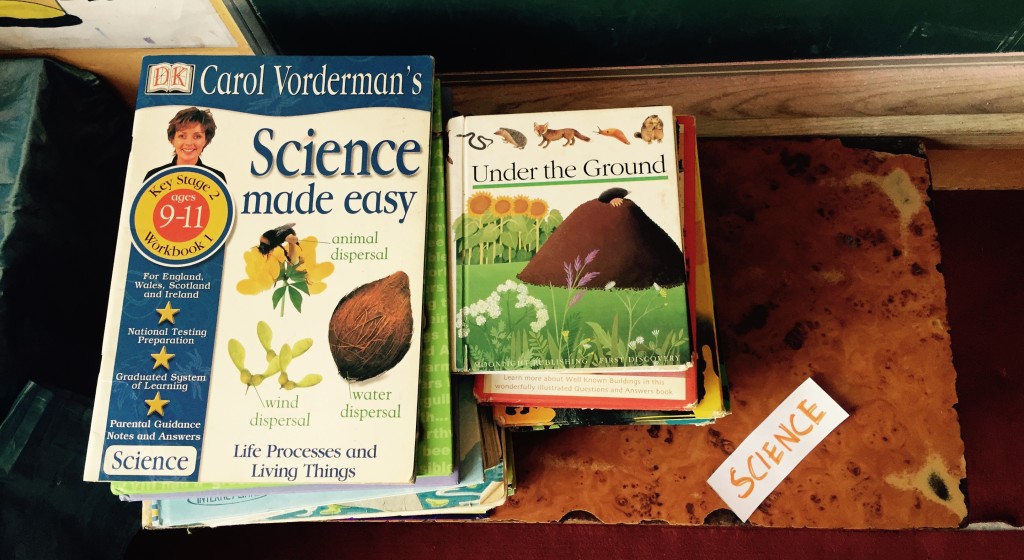
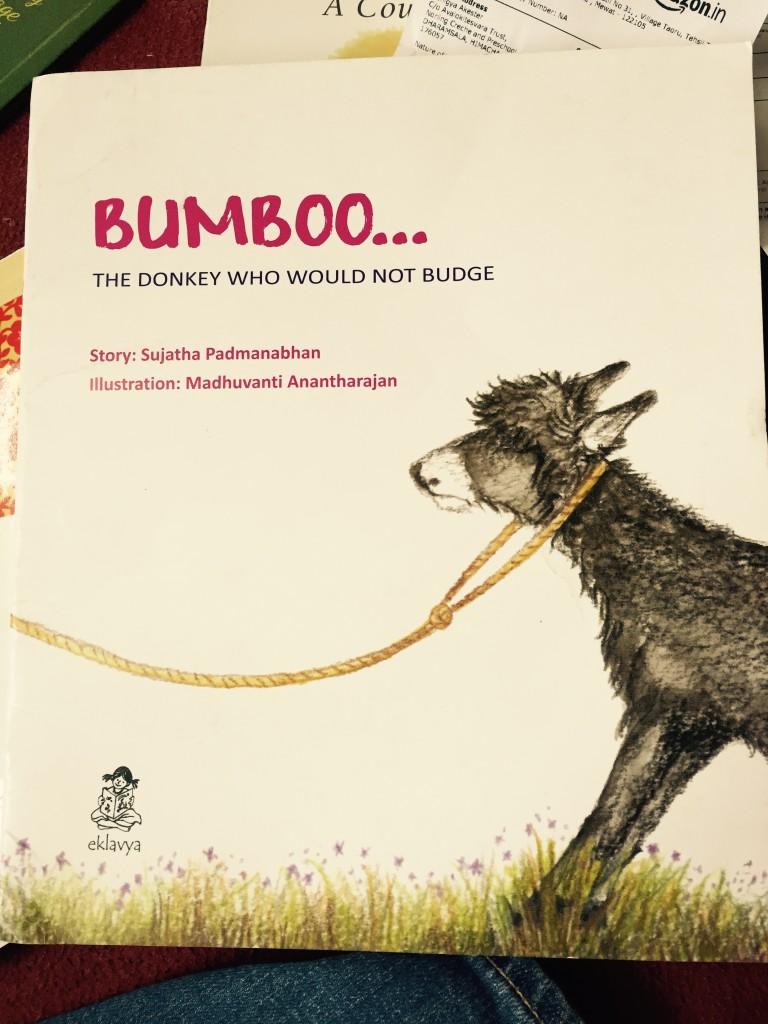
Picture books and early readers help younger children build confidence with words and stories. Fiction encourages imagination and empathy, while nonfiction introduces subjects such as science, geography, nature, history, and the arts. Books with clear illustrations and engaging layouts are especially valuable for children who are still developing fluency in English.
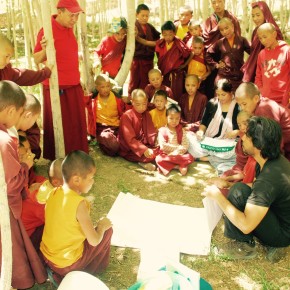
For young monks, the collection also creates a bridge between traditional study and wider educational exploration. Reading can support language development, independent learning, and reflection while complementing existing lessons in philosophy, culture, and community life.
From Donated Books To Local Shelves
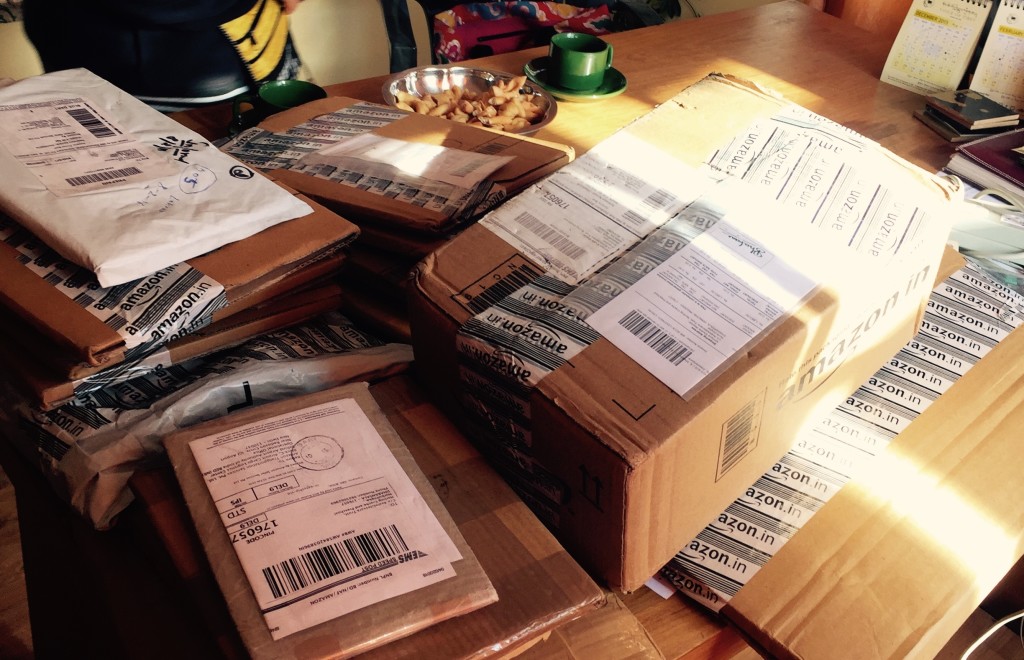
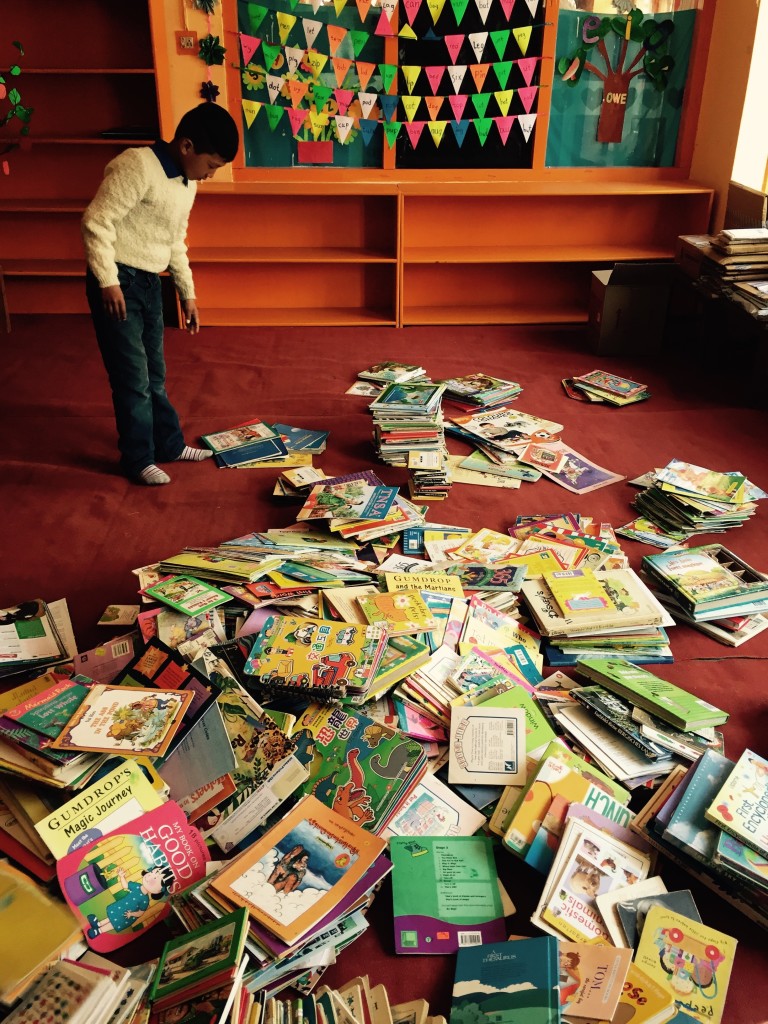
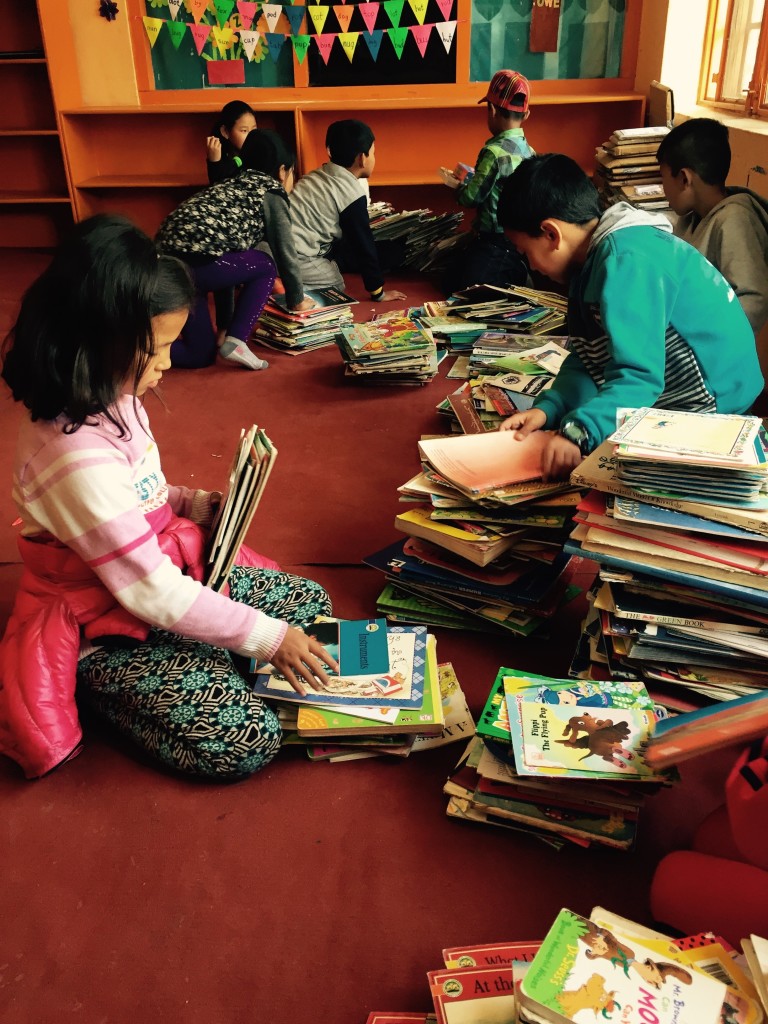
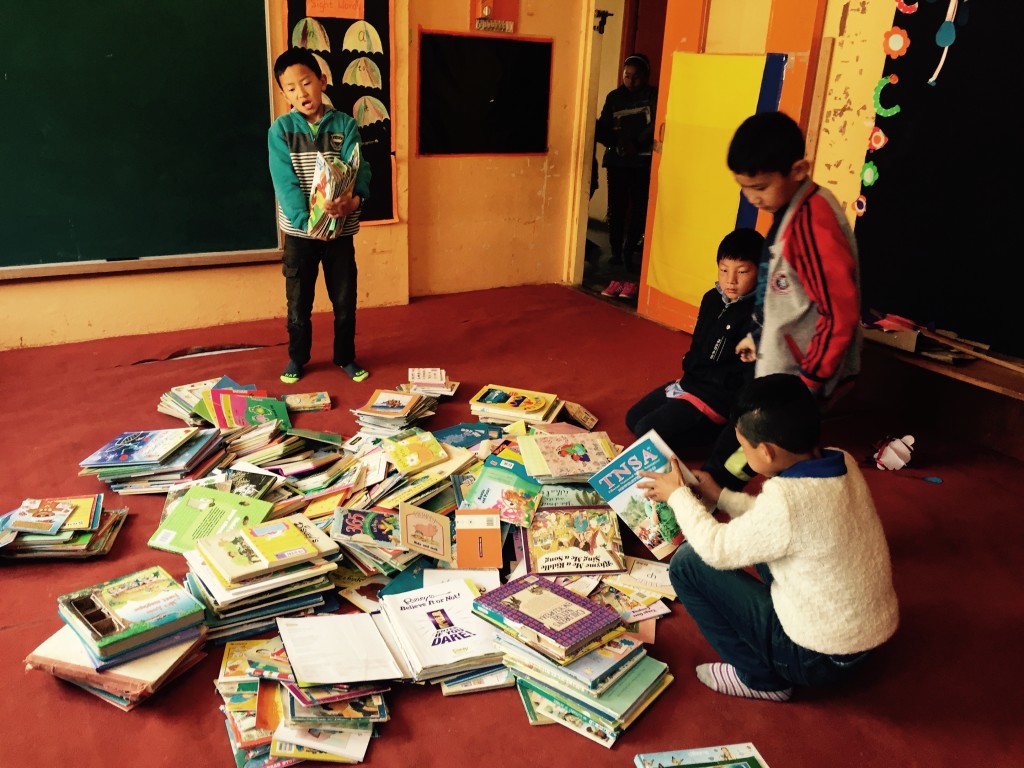
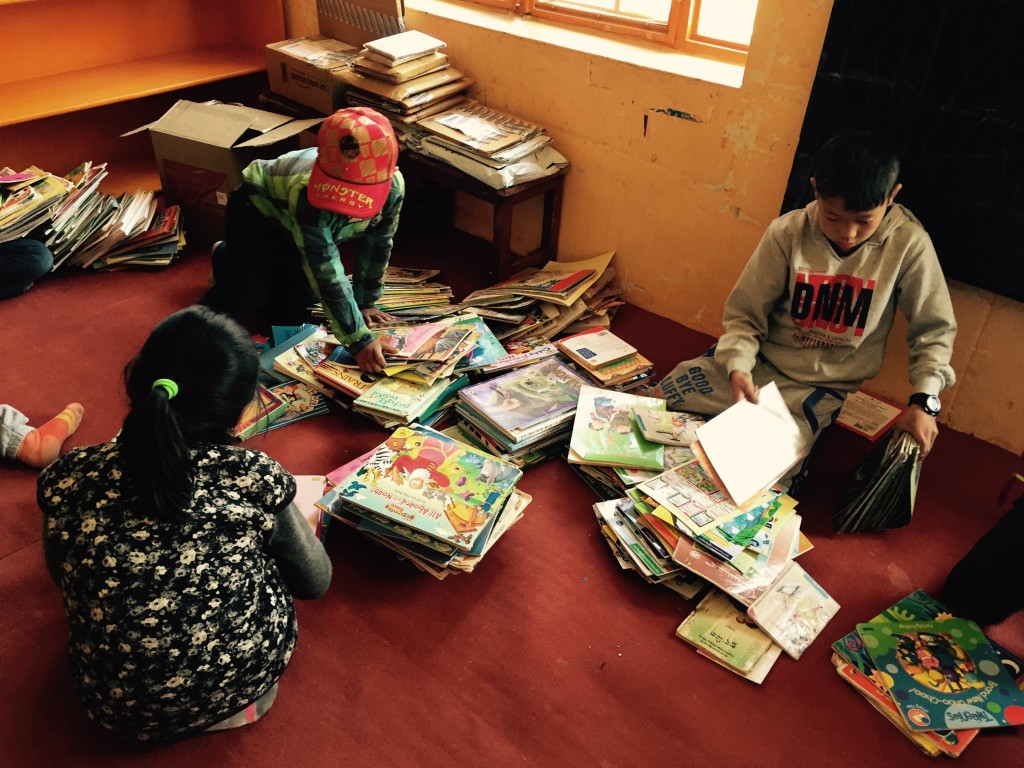
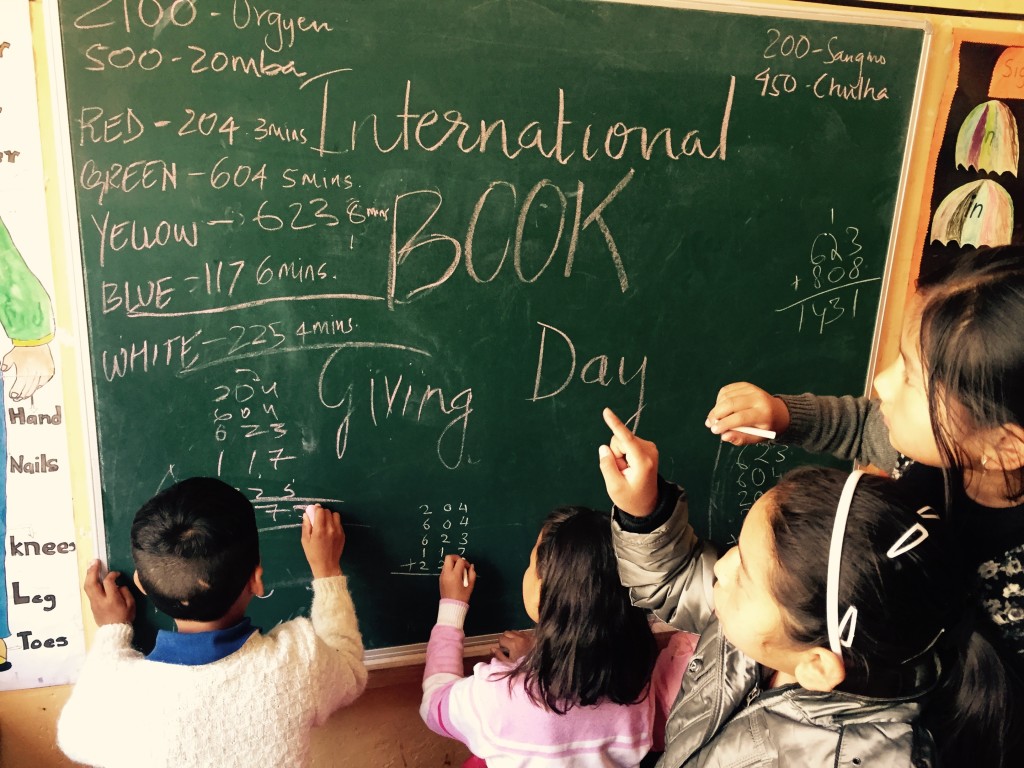
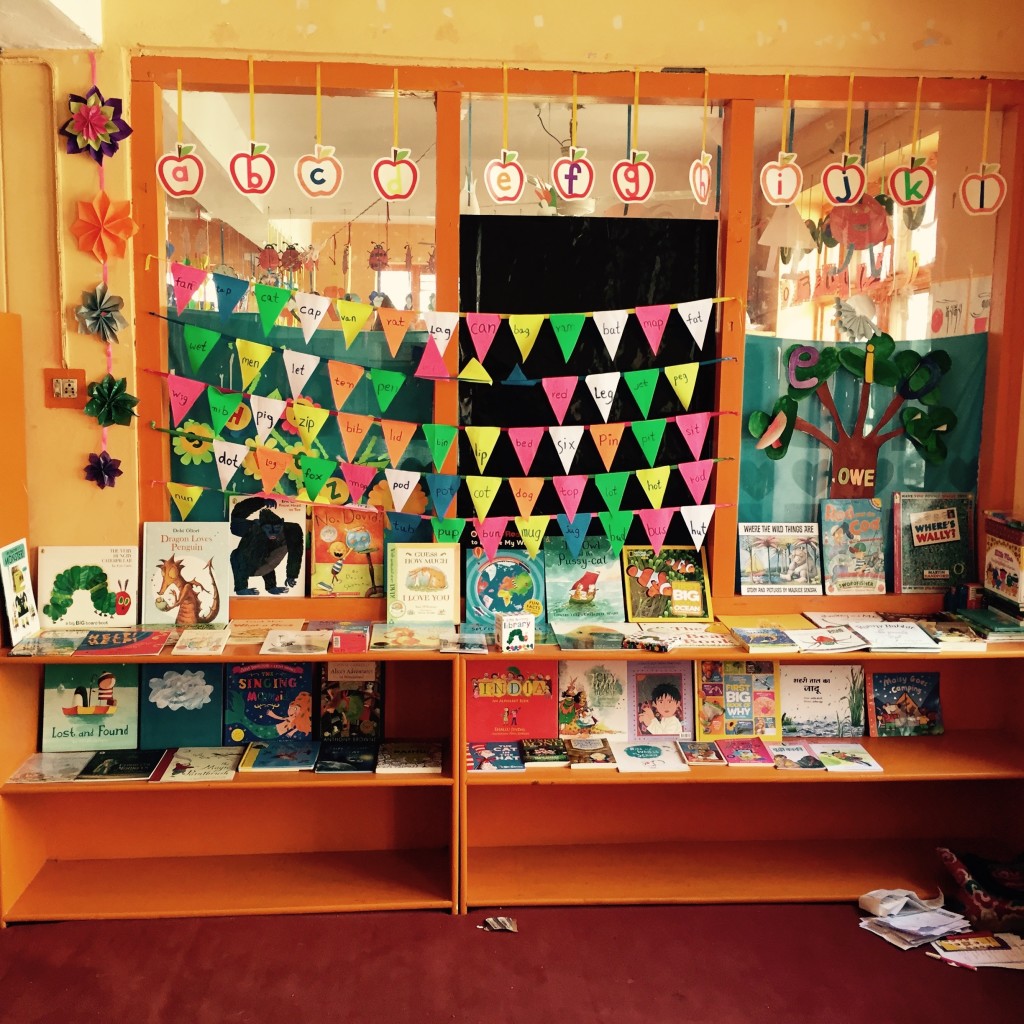
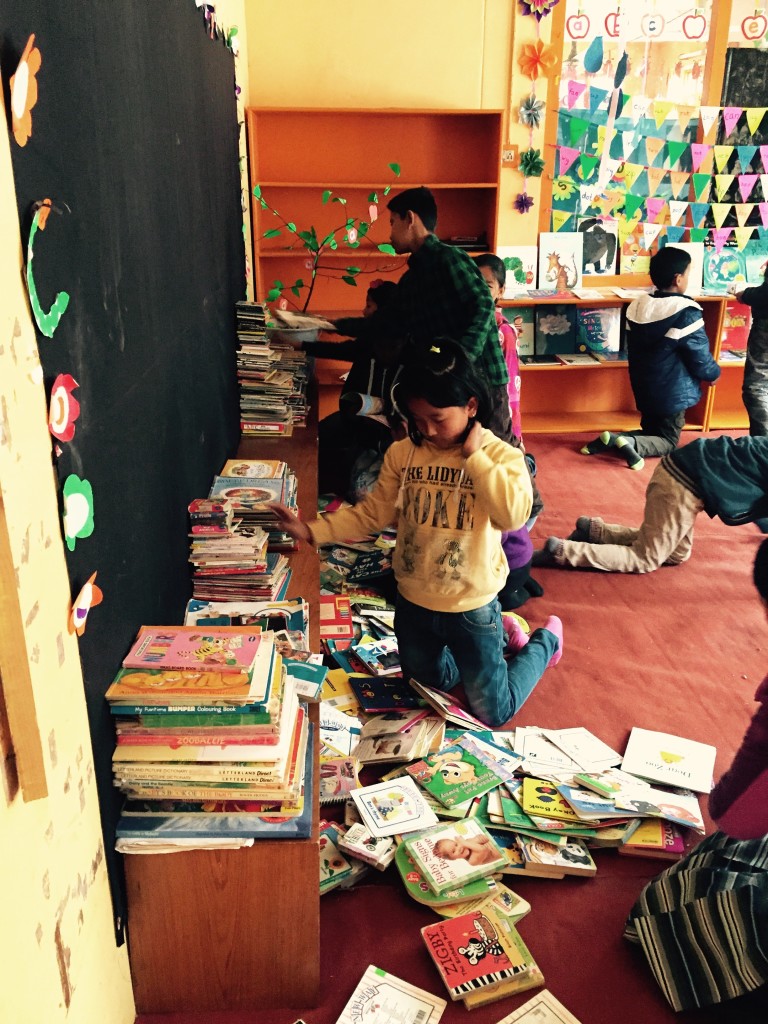
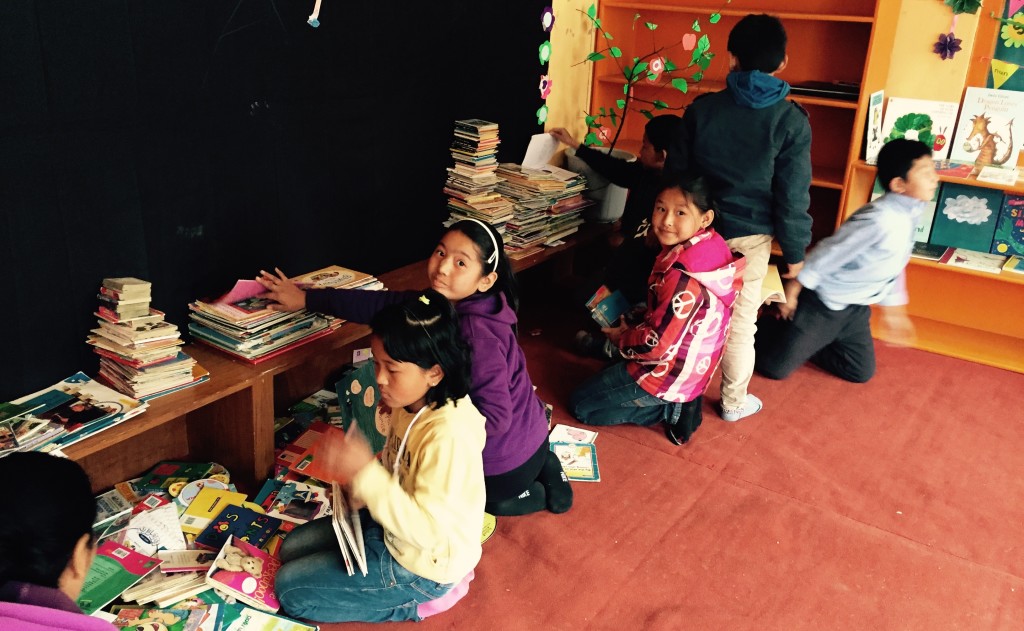
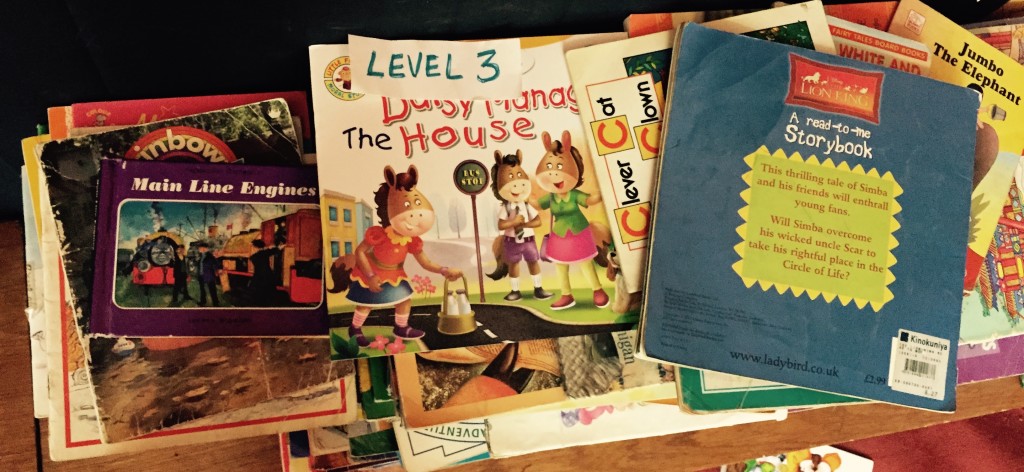
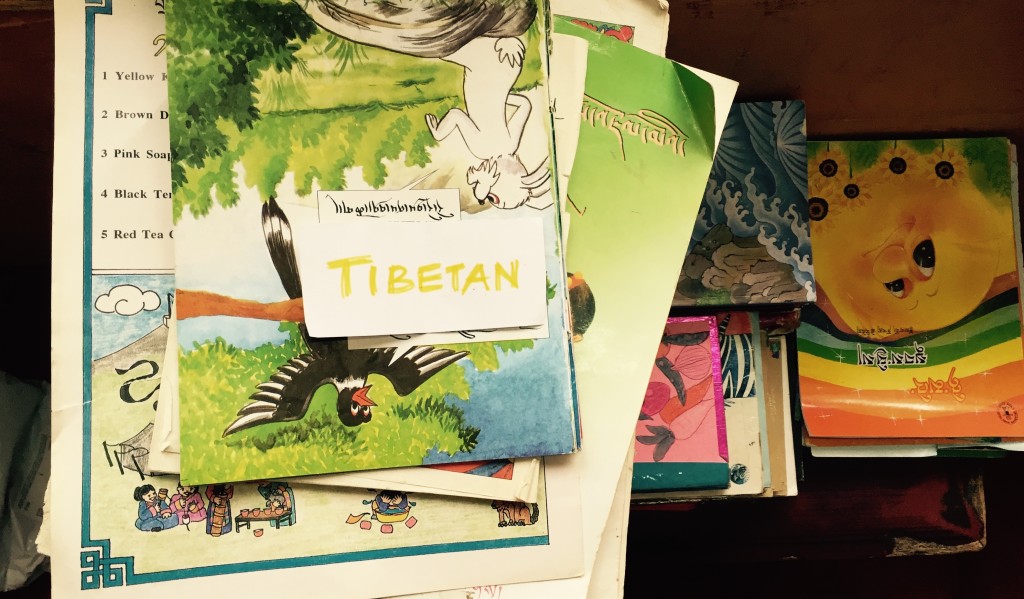
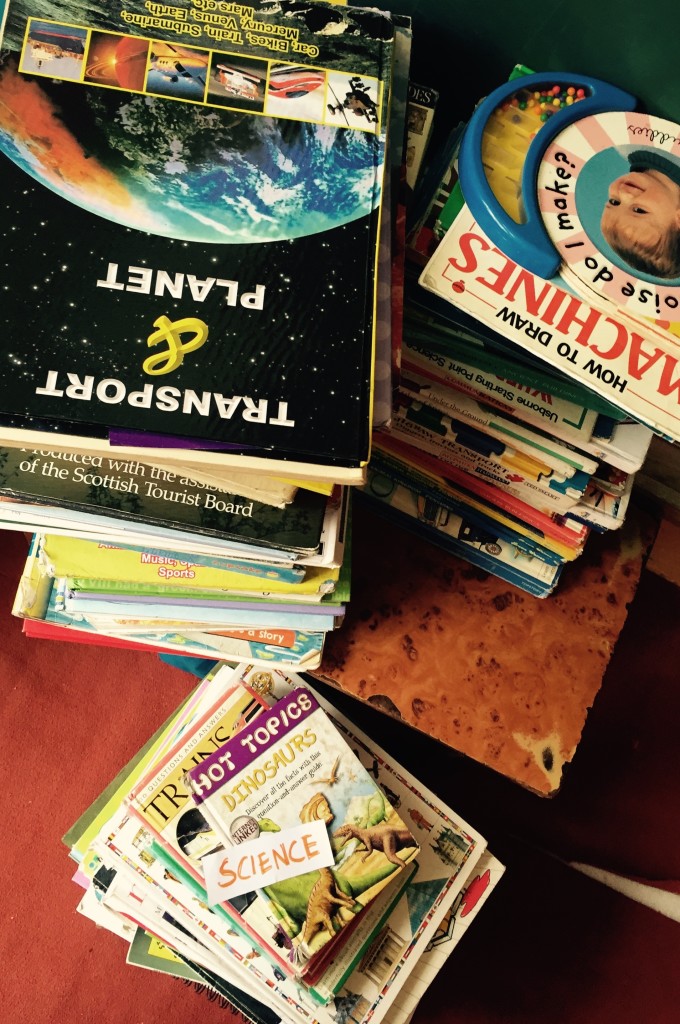
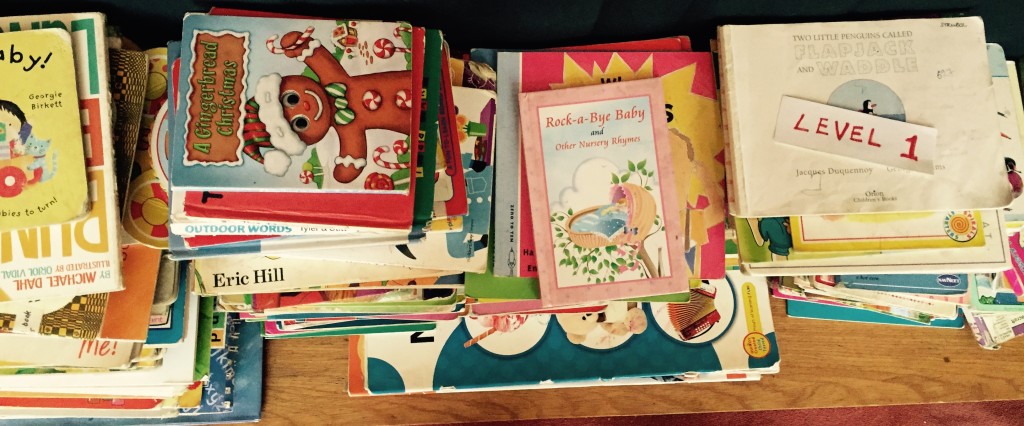
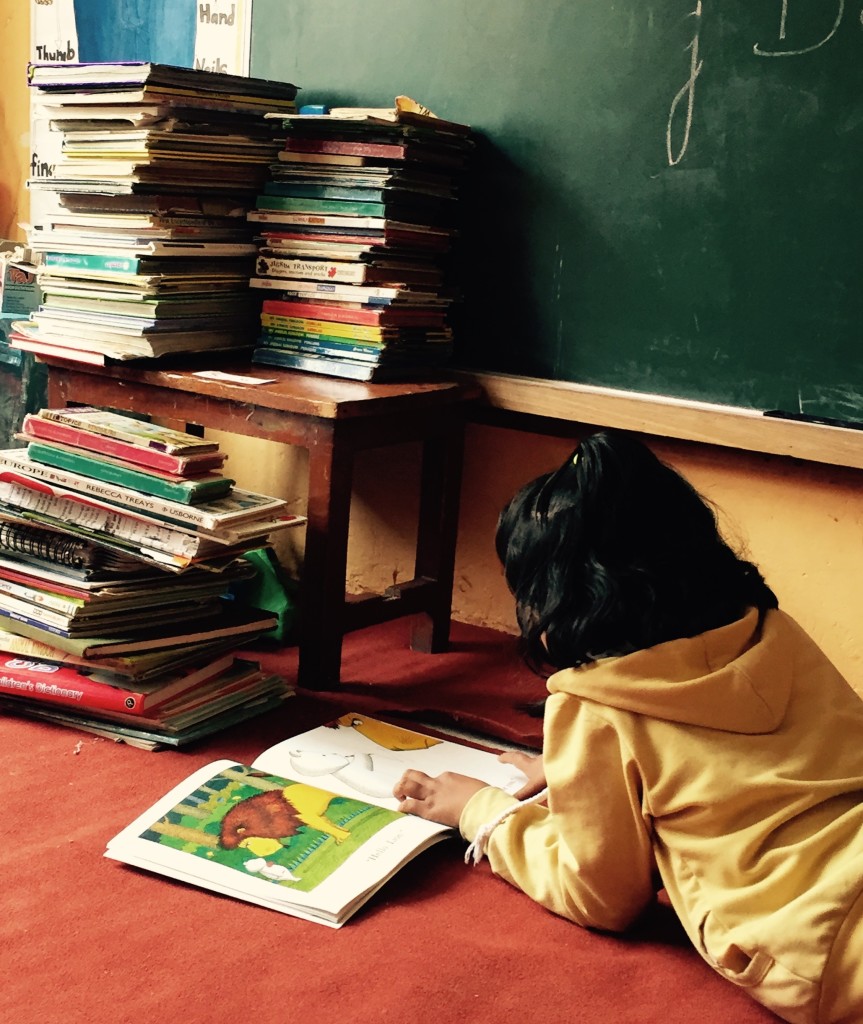
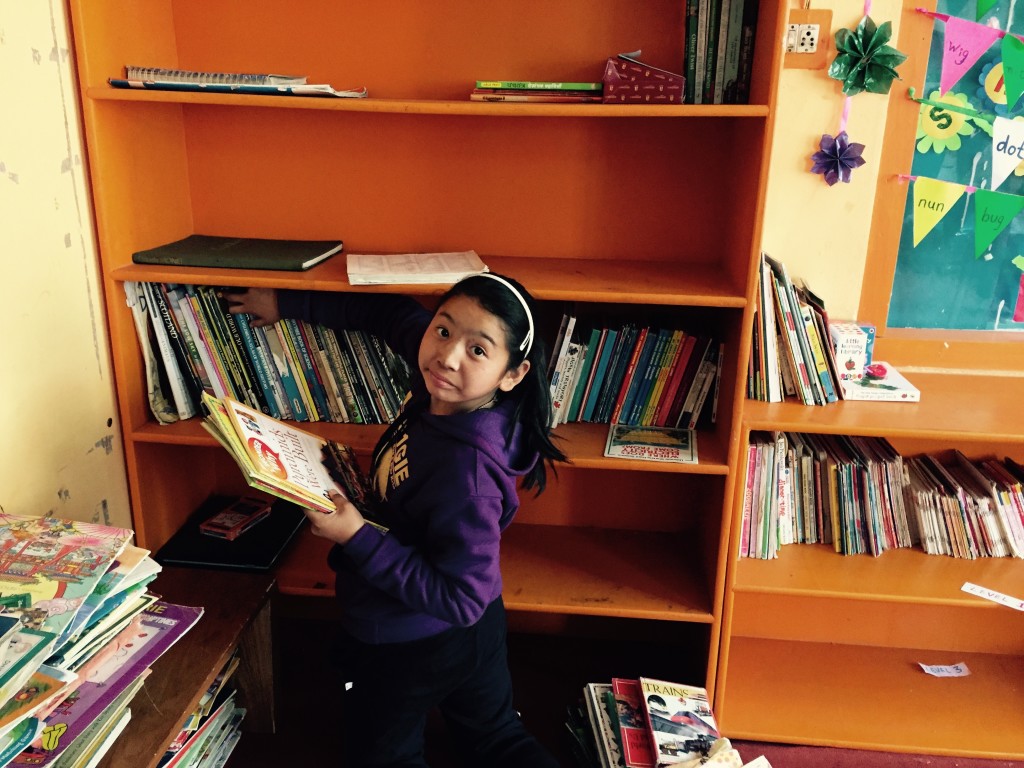
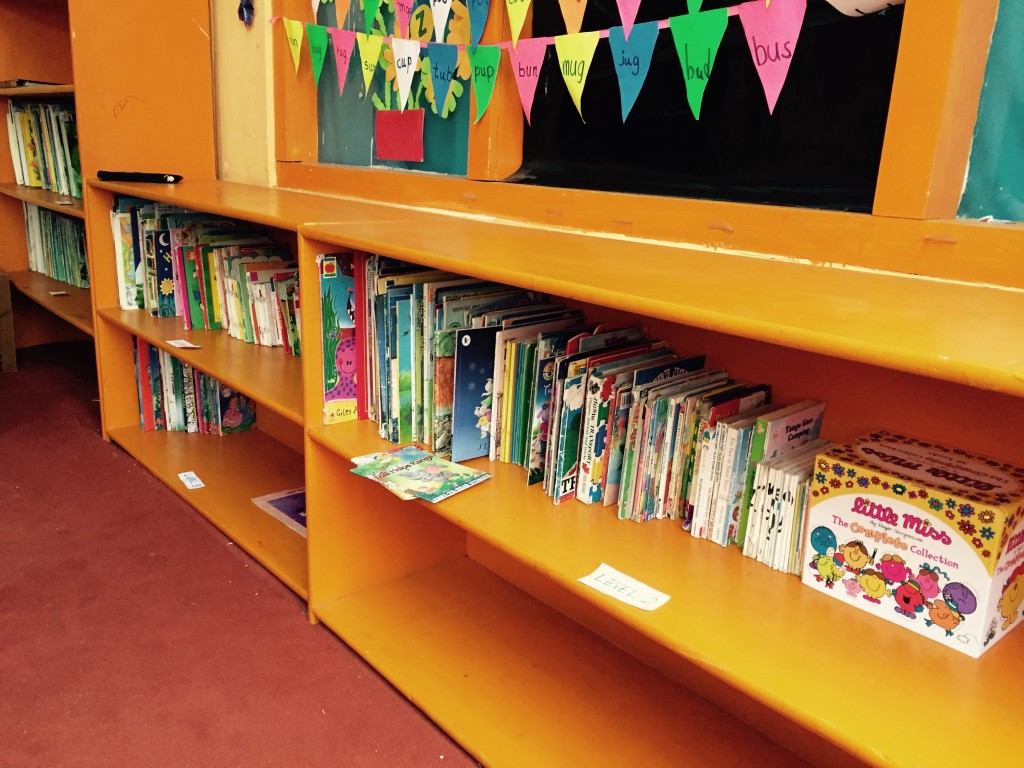
A successful donation reaches children only when the books are organized, transported, and placed where they can be used. Volunteers helped sort the collection by age group, subject, and format. This process made it easier for children to find suitable books and allowed reading room coordinators to build small sections that feel welcoming rather than overwhelming.
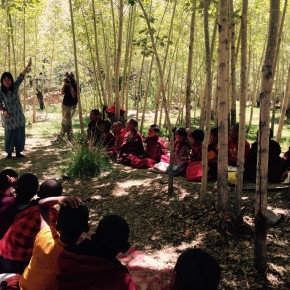
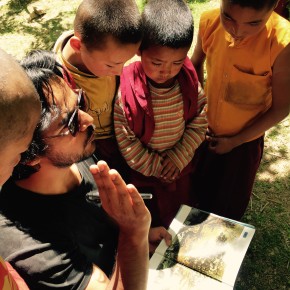
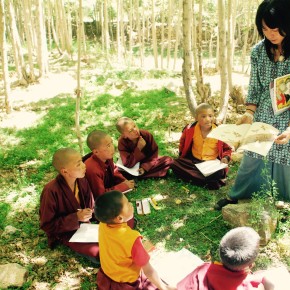
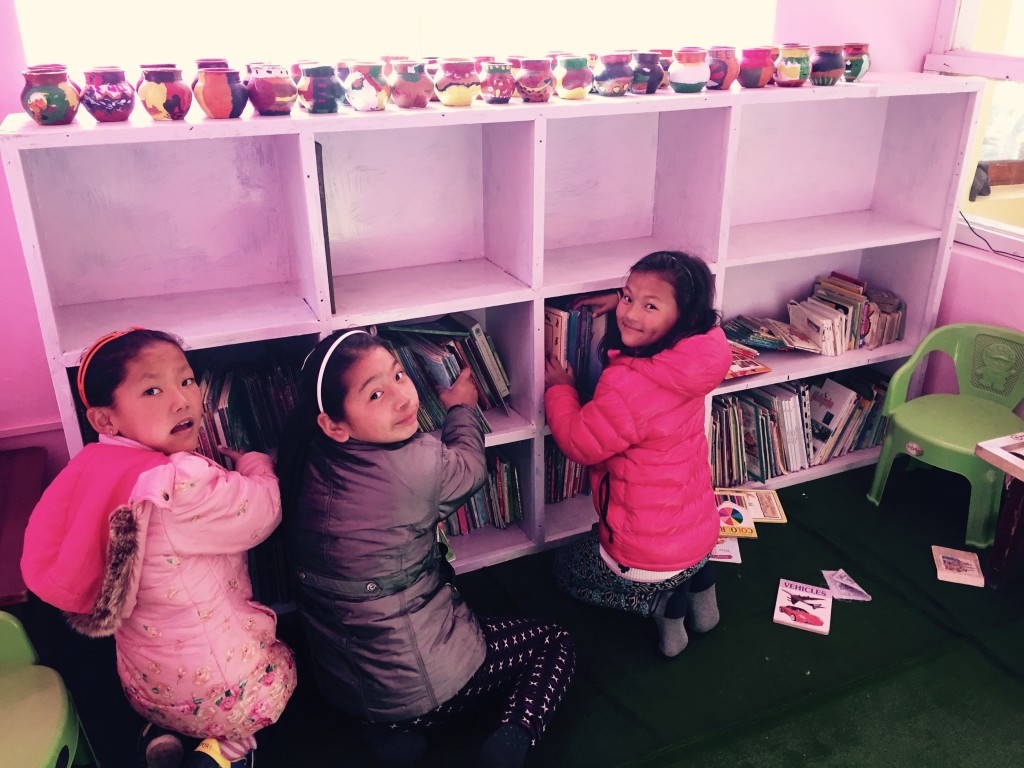
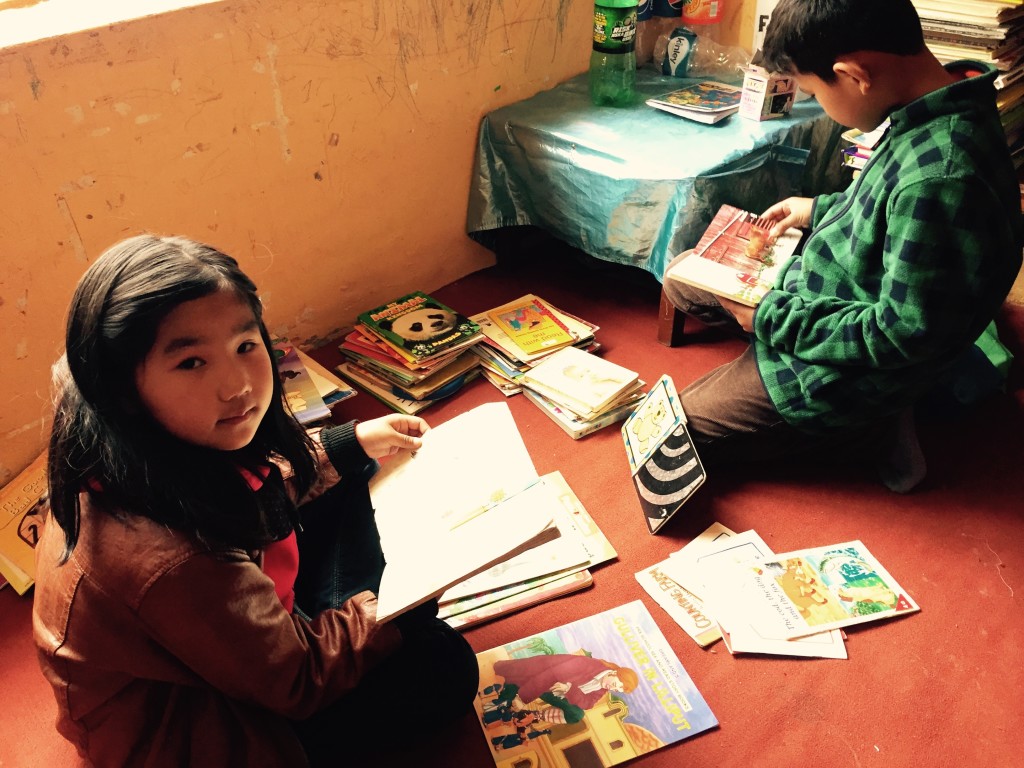
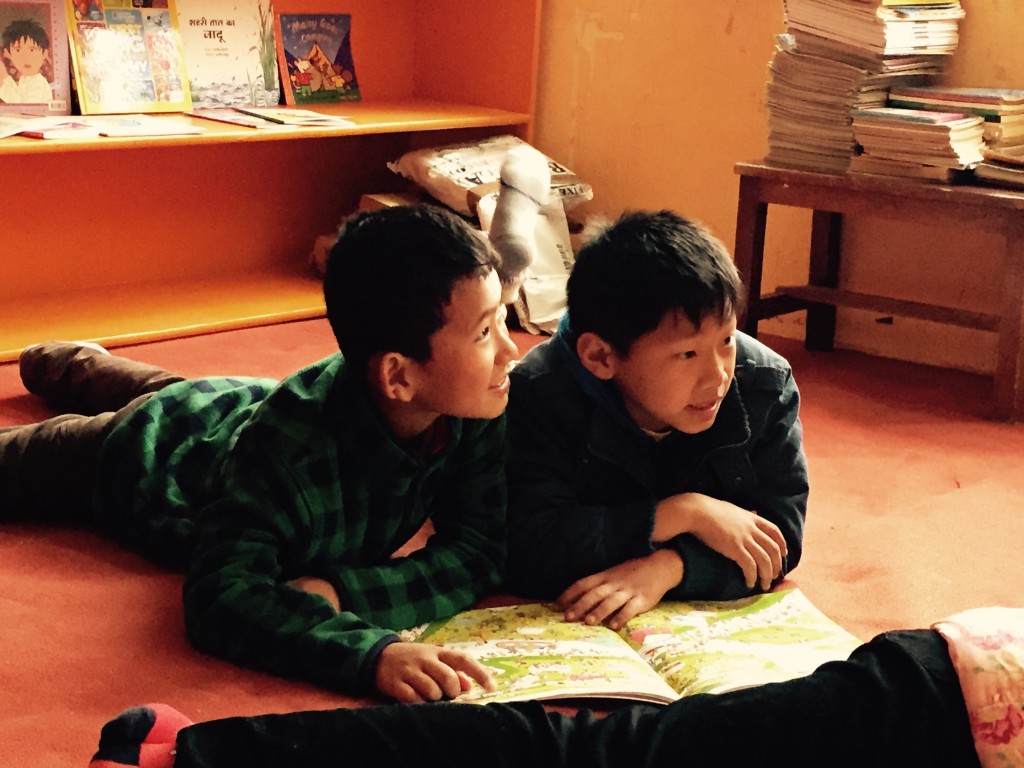
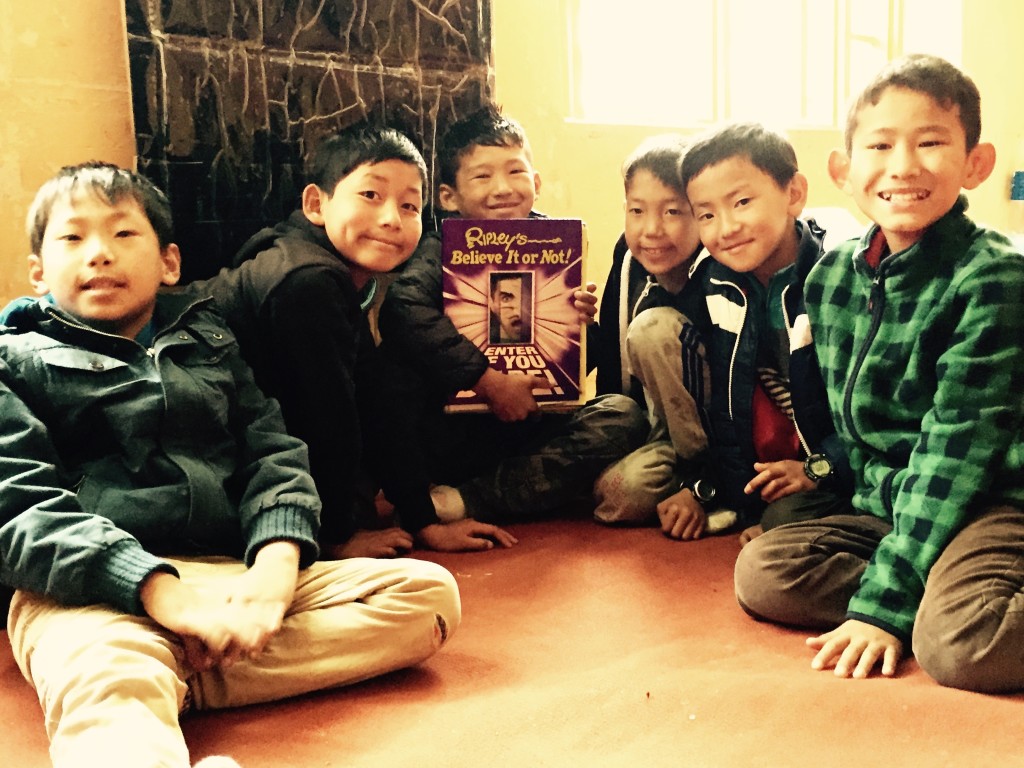
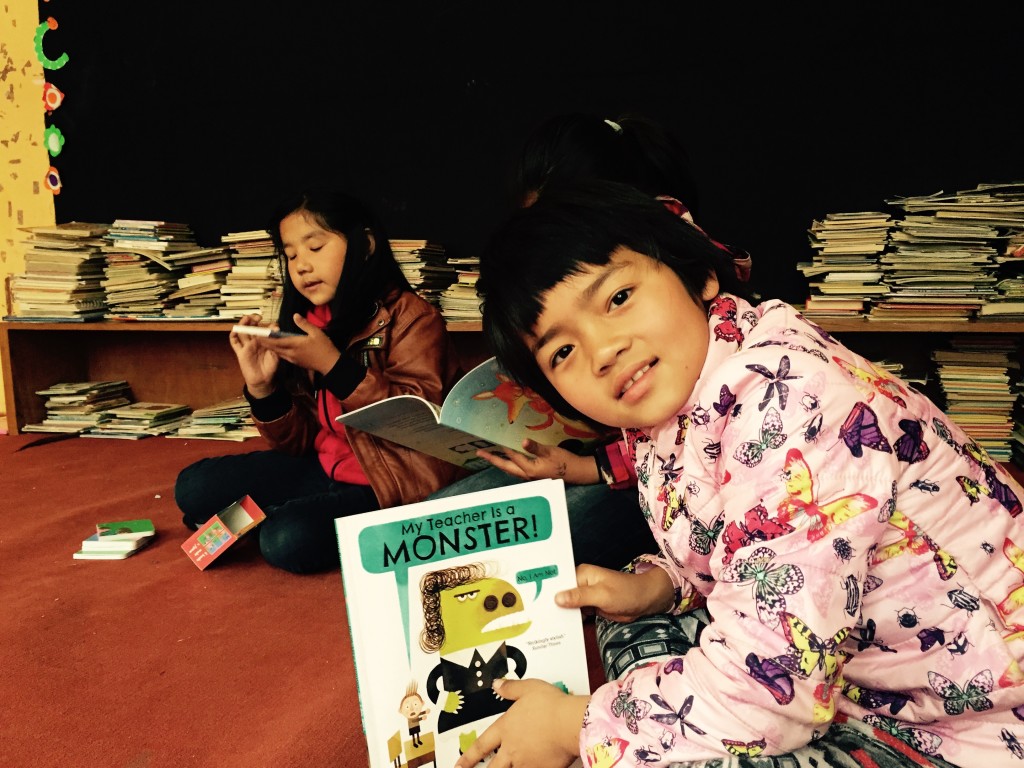
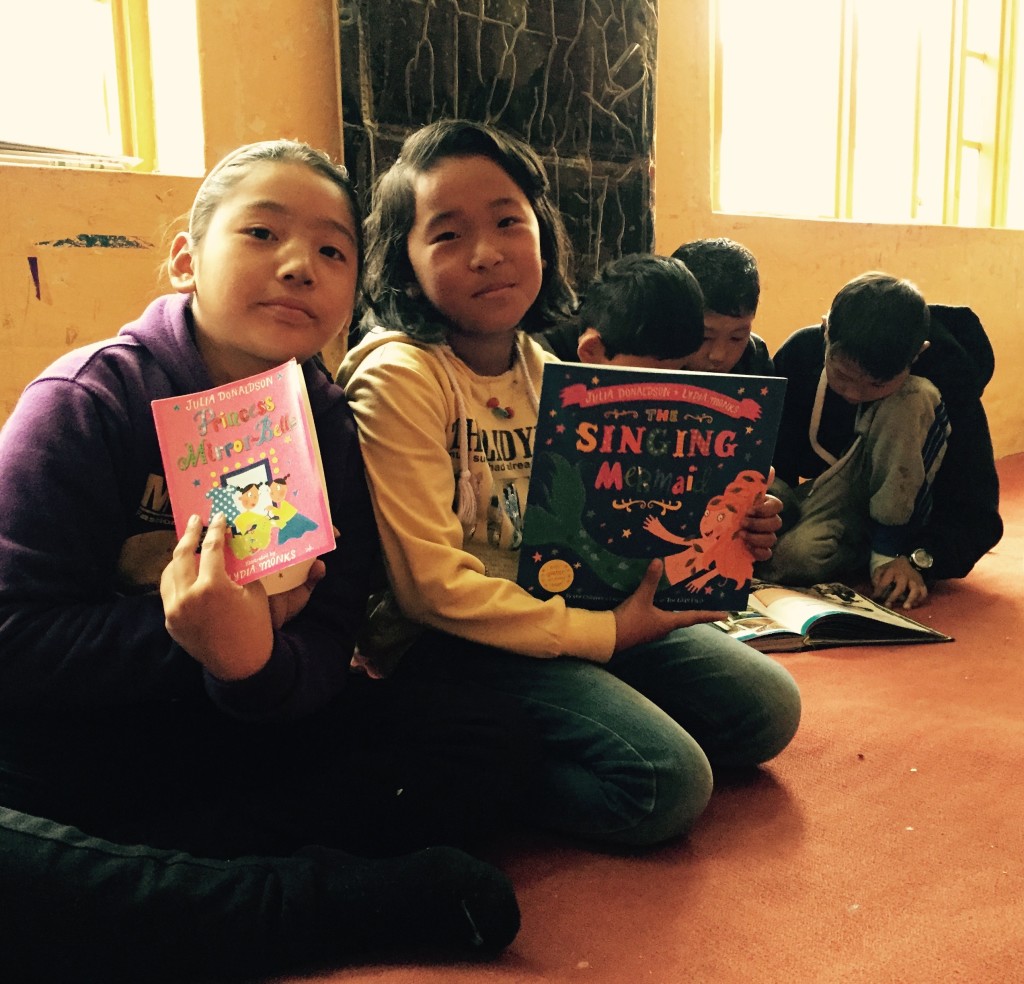
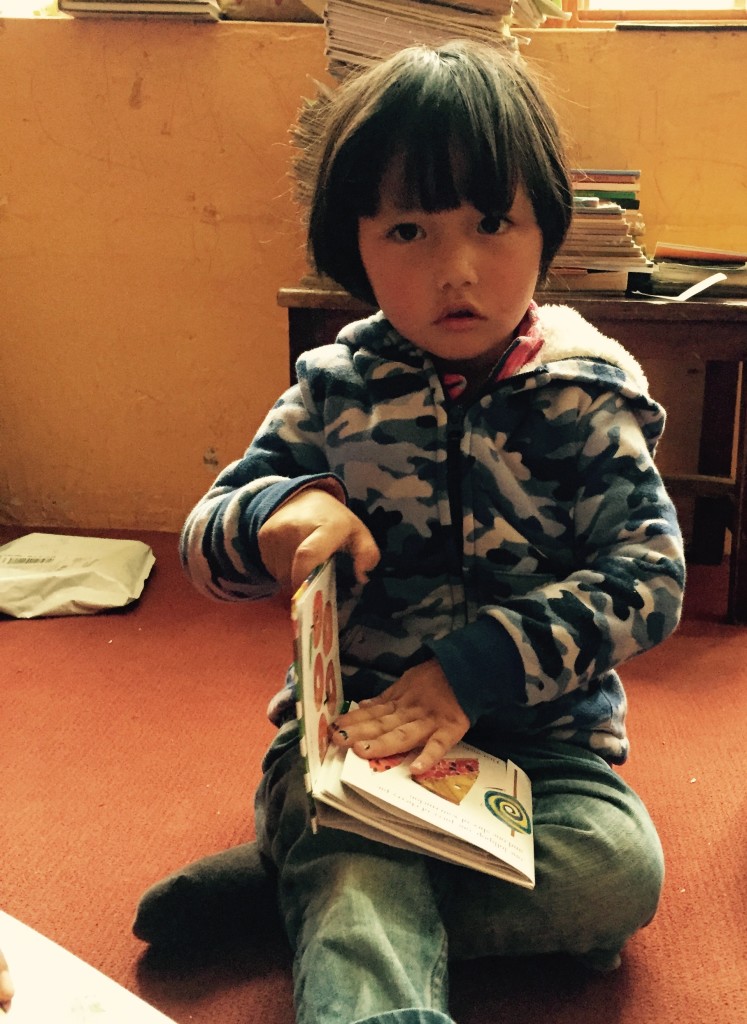
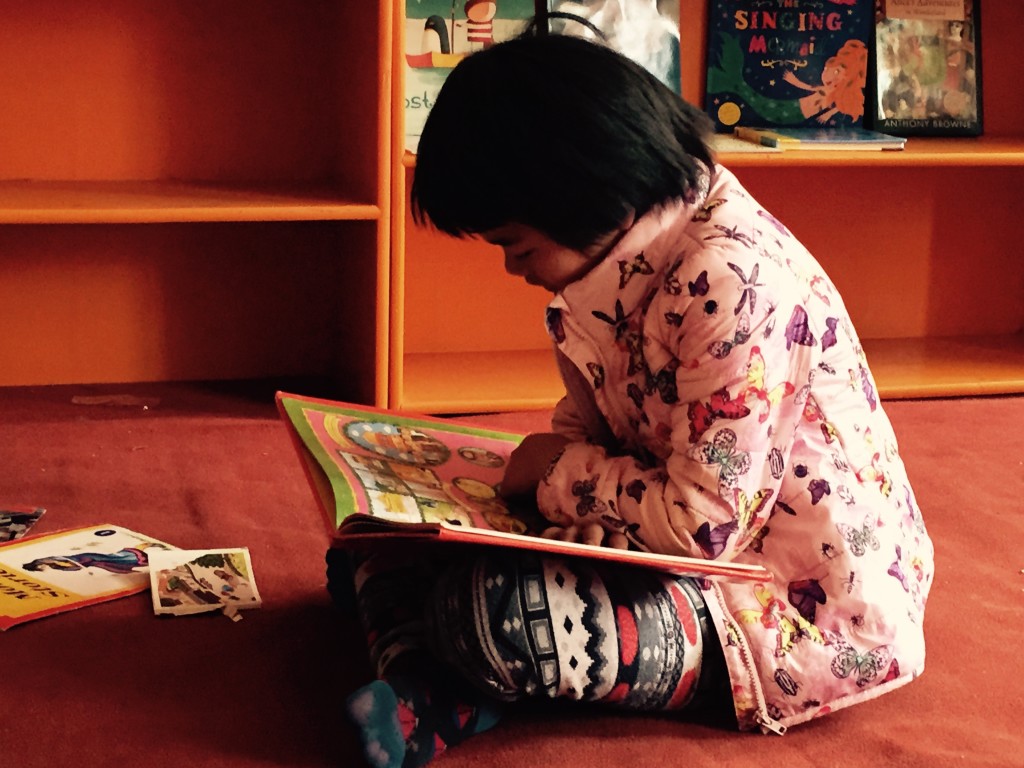
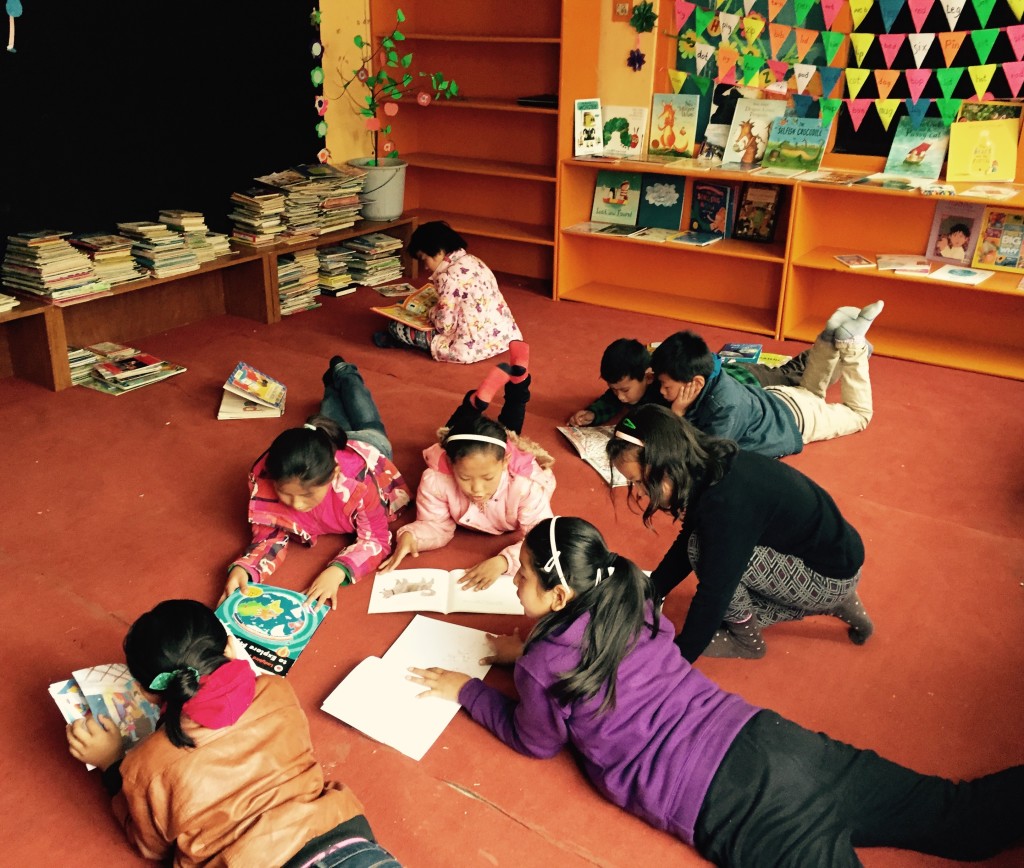
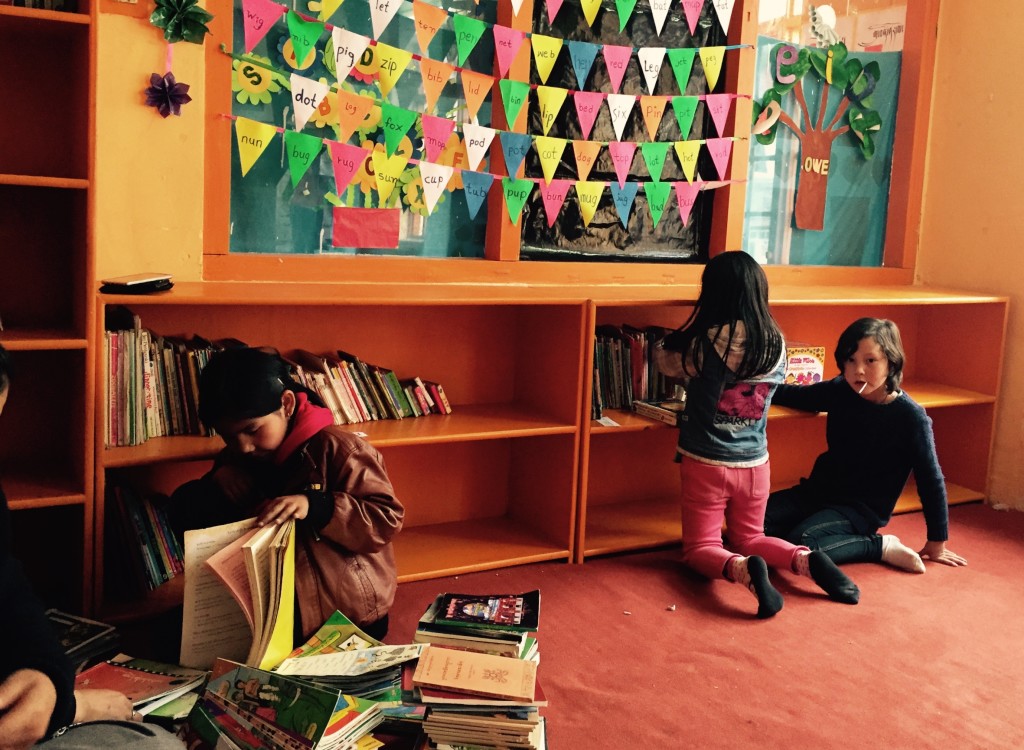
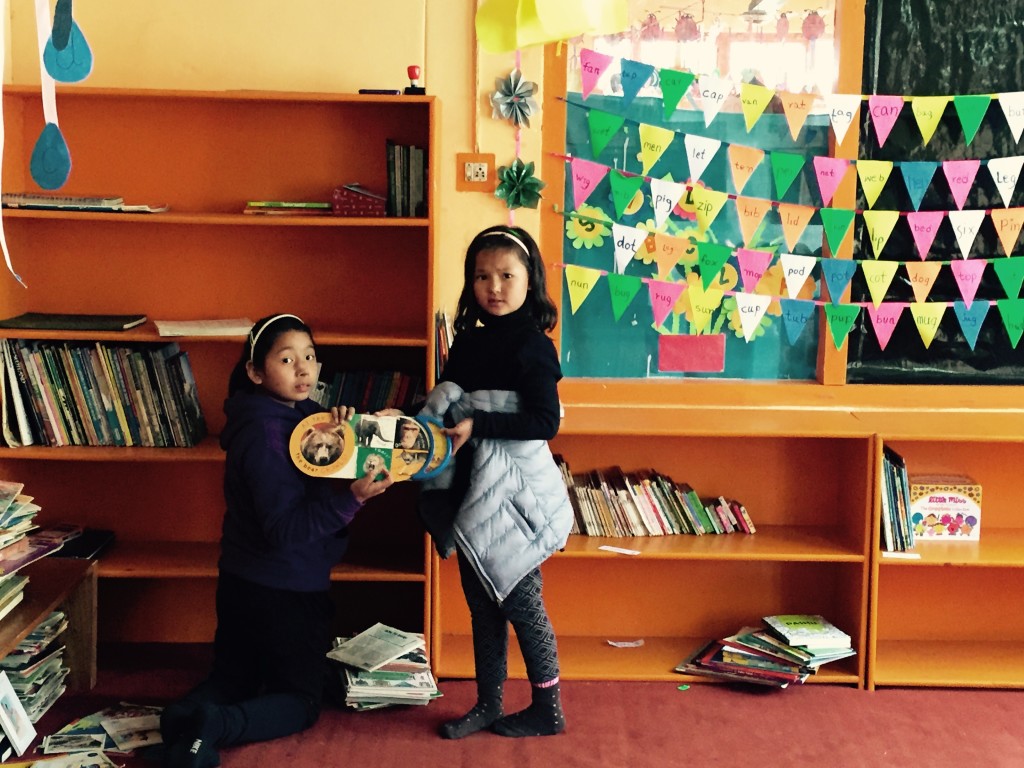
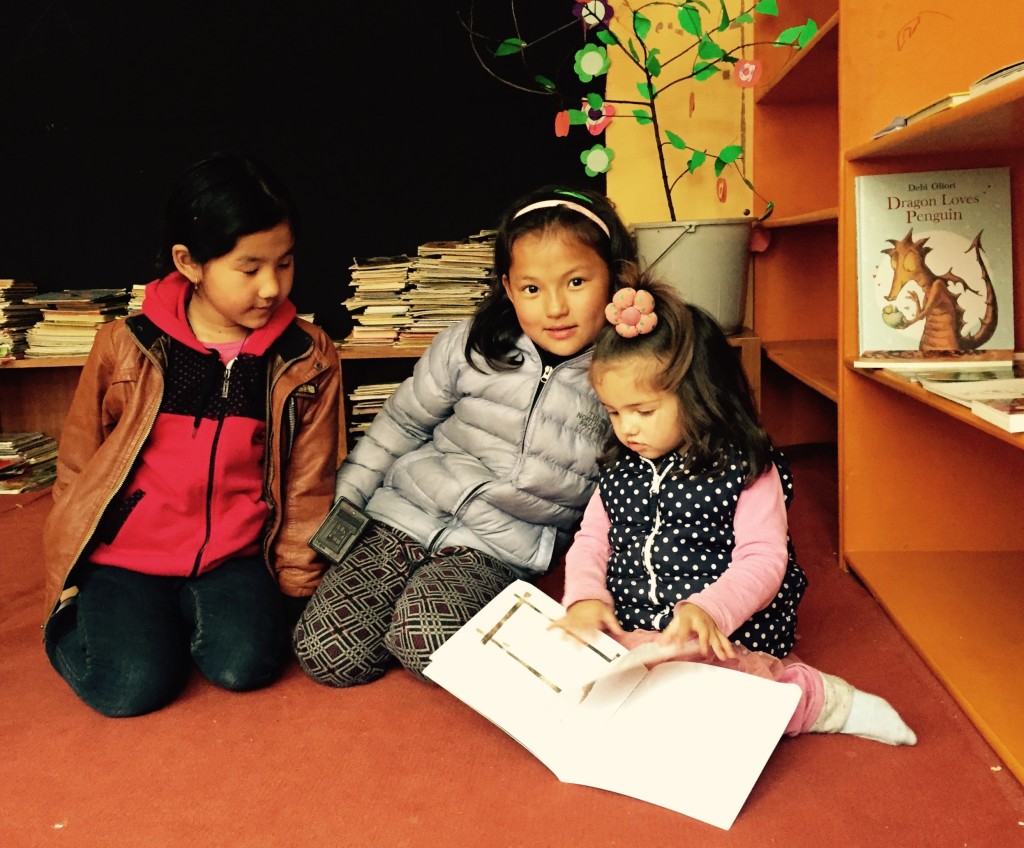
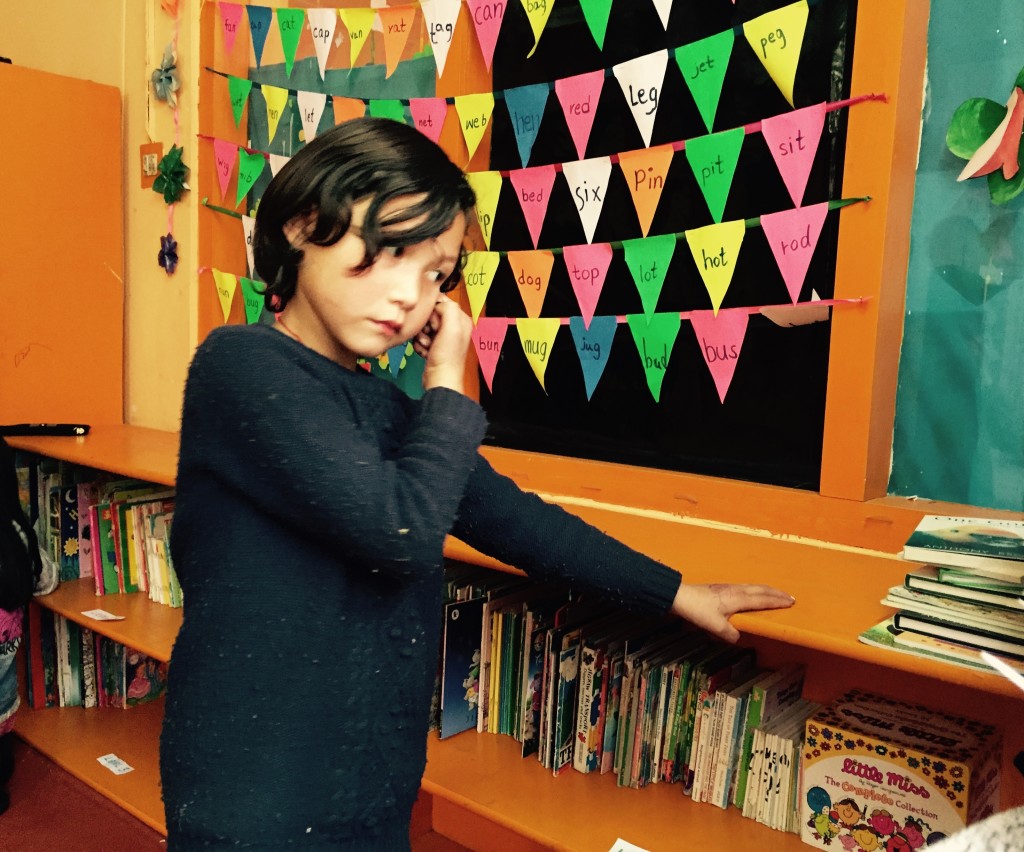
The books are being distributed through reading rooms and educational spaces connected with Avalokiteśvara Trust’s work in Ladakh and other Himalayan communities. These spaces provide a shared setting where children can browse independently, read with friends, listen to stories, or receive help from an adult or older student.
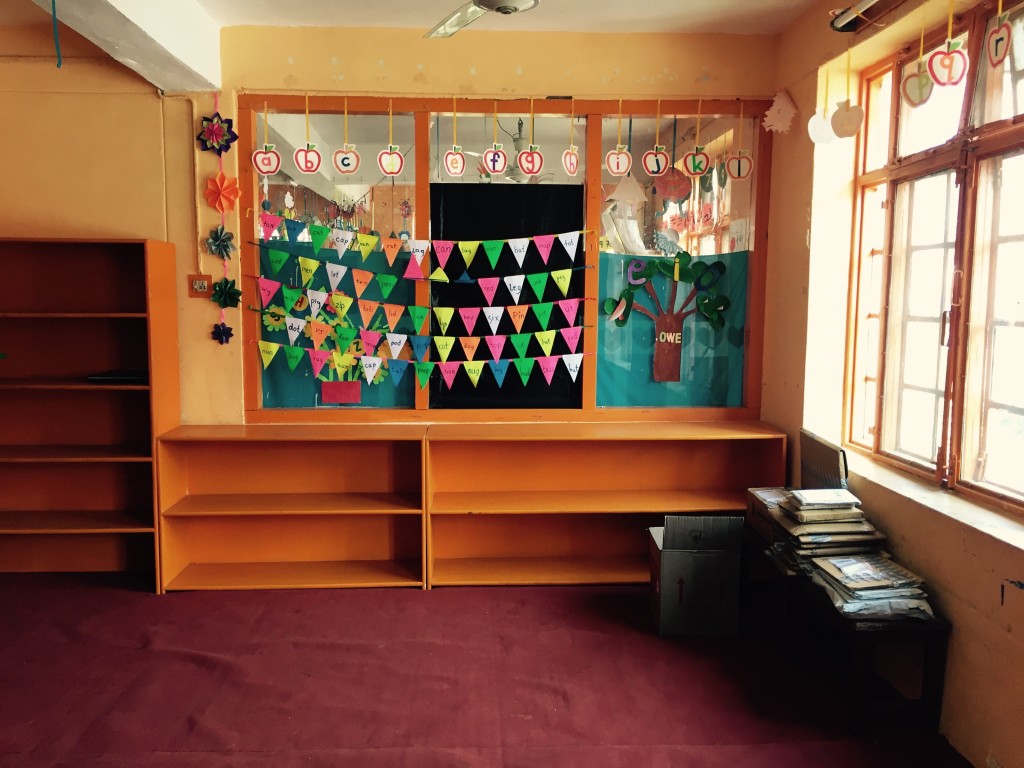
Careful placement also helps protect the collection. In remote areas, books may be difficult and expensive to replace. Shelving, basic cataloguing, and responsible borrowing practices help ensure that the 2,000-book donation remains available to many groups of children over time.
What The Numbers Represent
Two thousand books for 200 children means an average of ten books per child, but the real impact reaches beyond that simple calculation. A shared book can be read by many children, discussed in a group, taken home temporarily, or revisited over several years. The collection is therefore a community resource rather than a one-time gift.
The drive also supports different kinds of learning. Some children may choose adventure stories, while others prefer animals, drawing, music, or factual books. Giving children meaningful choices helps them develop personal reading habits instead of viewing books only as school materials.
The comparison below shows how the collection strengthens everyday learning opportunities.
| Area Of Learning |
Before The Drive |
With The New Collection |
| Reading choice |
A limited selection of shared books |
2,000 books across multiple subjects and reading levels |
| Access |
Books available only at certain times or in small numbers |
More regular access through reading rooms and community spaces |
| Language practice |
Fewer opportunities for independent reading |
Stories, nonfiction, and illustrated books for ongoing practice |
| Creative activity |
Limited printed inspiration |
Art, music, craft, and imaginative activity books |
| Group learning |
Occasional shared reading |
More resources for storytelling, discussion, and peer learning |
| Long-term value |
Resources easily exhausted by repeated use |
A growing community collection that can serve future readers |
Reading Rooms That Encourage Discovery
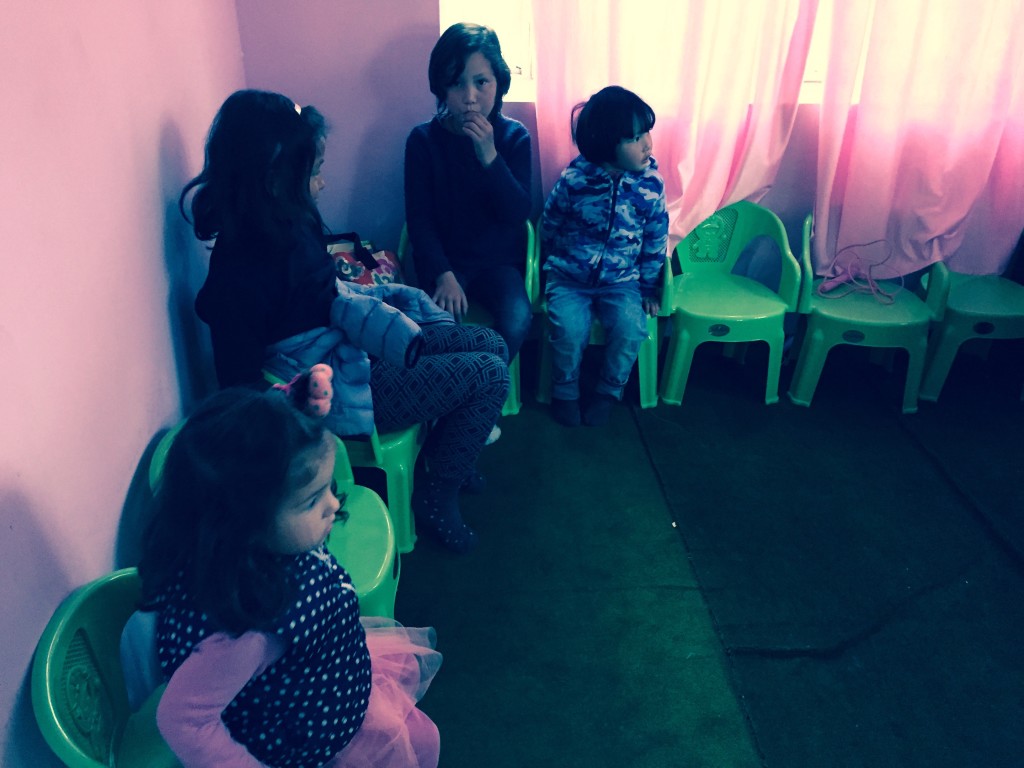
A reading room is more than a place where books are stored. Its atmosphere can influence whether a child feels comfortable opening a book, asking for help, or spending time with a story. Quiet corners, accessible shelves, floor cushions, and displays of new titles can turn reading into a regular and enjoyable part of the day.
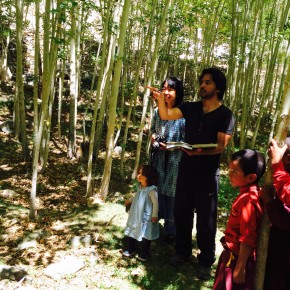
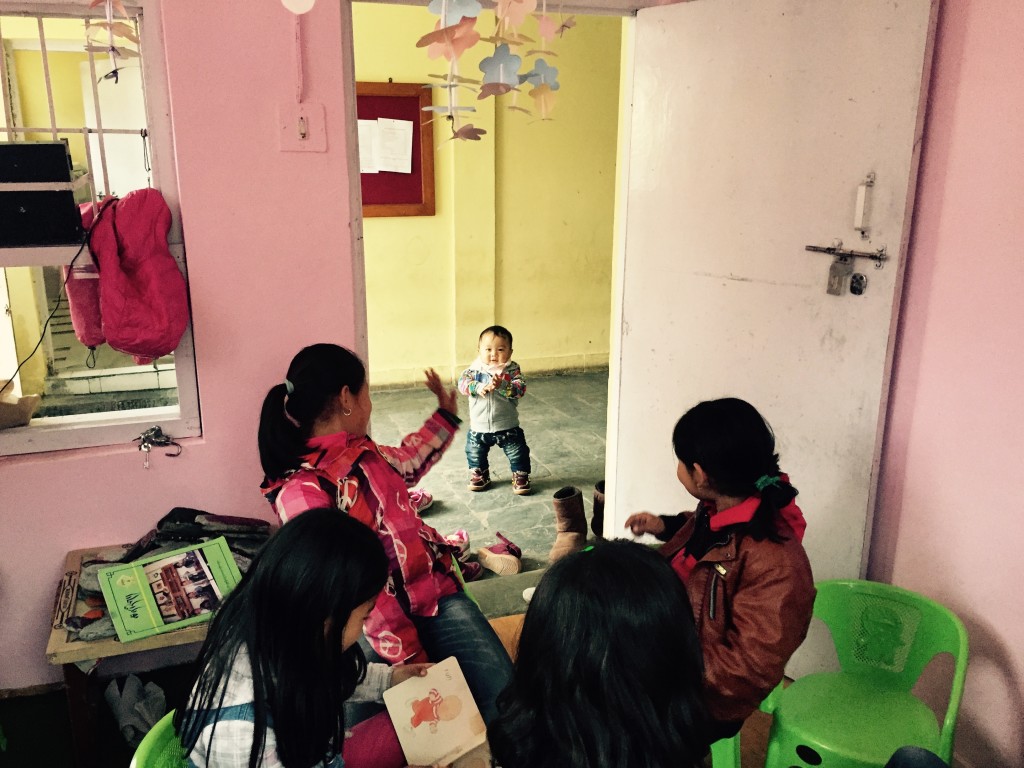
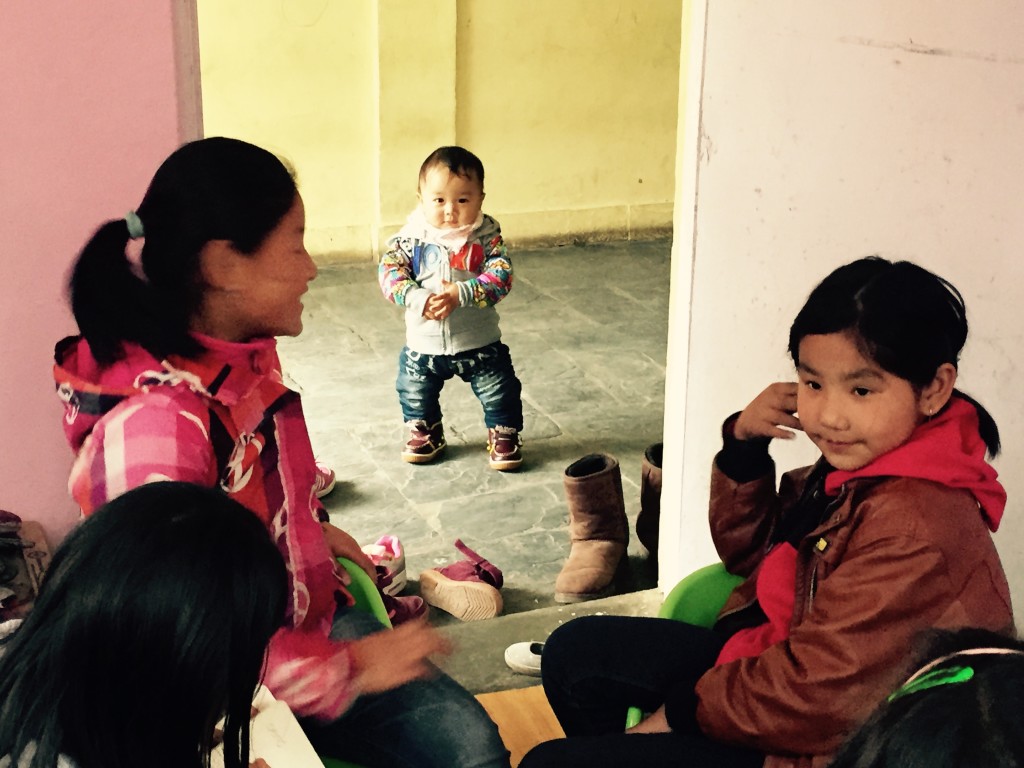
Volunteers and local coordinators play an important role in creating this atmosphere. They may read aloud to younger children, recommend books, help learners choose material, or organize activities linked to a story. A book about wildlife can lead to a nature discussion; a biography can inspire a conversation about perseverance; a picture book can become the starting point for drawing or drama.
These activities make literacy active and social. Children learn vocabulary and comprehension, yet they also learn to listen, express opinions, collaborate, and connect ideas with their own lives.
Beyond Literacy: Creativity And Confidence
Reading support has benefits that extend beyond academic performance. When children encounter different characters, places, and experiences, they develop opportunities to imagine perspectives outside their immediate surroundings. This can nurture empathy and confidence, especially when adults give them time to respond in their own words.
Art and music books add another dimension to the collection. They provide models for creative work and encourage children to experiment with color, rhythm, movement, and design. For communities where extracurricular resources may be scarce, these books can help make creative education part of everyday life.
The collection also supports independent learning. A child who discovers how to find information in a reference book, follow instructions in an activity guide, or choose a story without assistance is building a skill that can continue to grow long after the book drive has ended.
The People Behind The Pages
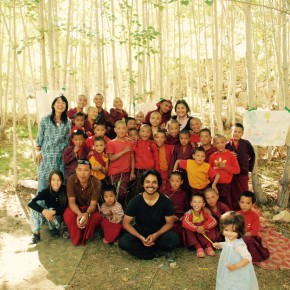
Every donated book carries a story of cooperation. Donors contributed funds or books, volunteers gave time to collect and sort materials, and local partners helped identify how the resources could be used most effectively. The project depended on many forms of participation, each one helping move books from storage into children’s hands.
This shared effort matters in Himalayan regions where transportation, weather, and distance can complicate the movement of educational supplies. A well-planned drive requires patience and coordination, along with respect for local priorities. The goal is to support communities in ways that are practical, dignified, and sustainable.
For Avalokiteśvara Trust, the 2,000-book drive is part of a wider commitment to literacy and access to quality learning resources. Book donations work best when they are connected to ongoing reading programs, educational activities, and relationships with the people who use them.
Ways To Keep The Momentum Growing
The next chapter of this work depends on continued care and participation. Supporters can help strengthen reading culture in several practical ways:
- Donate funds toward books, shelving, transport, and reading room materials.
- Organize a book collection through a school, workplace, community group, or family network.
- Choose new or gently used books that are complete, clean, durable, and suitable for children.
- Sponsor creative sessions that connect reading with art, music, storytelling, or educational games.
- Share the work of Avalokiteśvara Trust with people who value literacy and Himalayan communities.
Two thousand books have created a strong foundation, yet the most meaningful measure of success will be the daily moments that follow: a child selecting a first favorite story, a group listening to a book aloud, a young monk discovering a new subject, or an older reader helping someone younger understand a page.
Your support can help place more books within reach of children who need them. Through a donation, a book drive, or practical volunteer assistance, you can help reading rooms remain active and welcoming across Ladakh and other Himalayan communities. Avalokiteśvara Trust invites you to take part in building a future where every child has the opportunity to read, create, and learn.