Shadow Puppet Workshops Bring Ladakhi Folk Tales into the Hands of Children
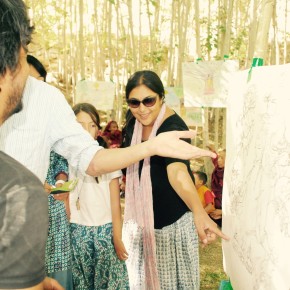
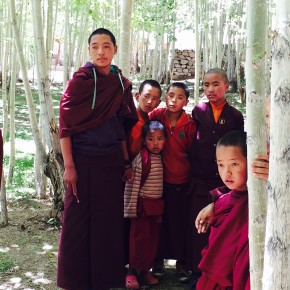
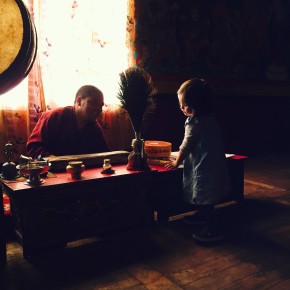
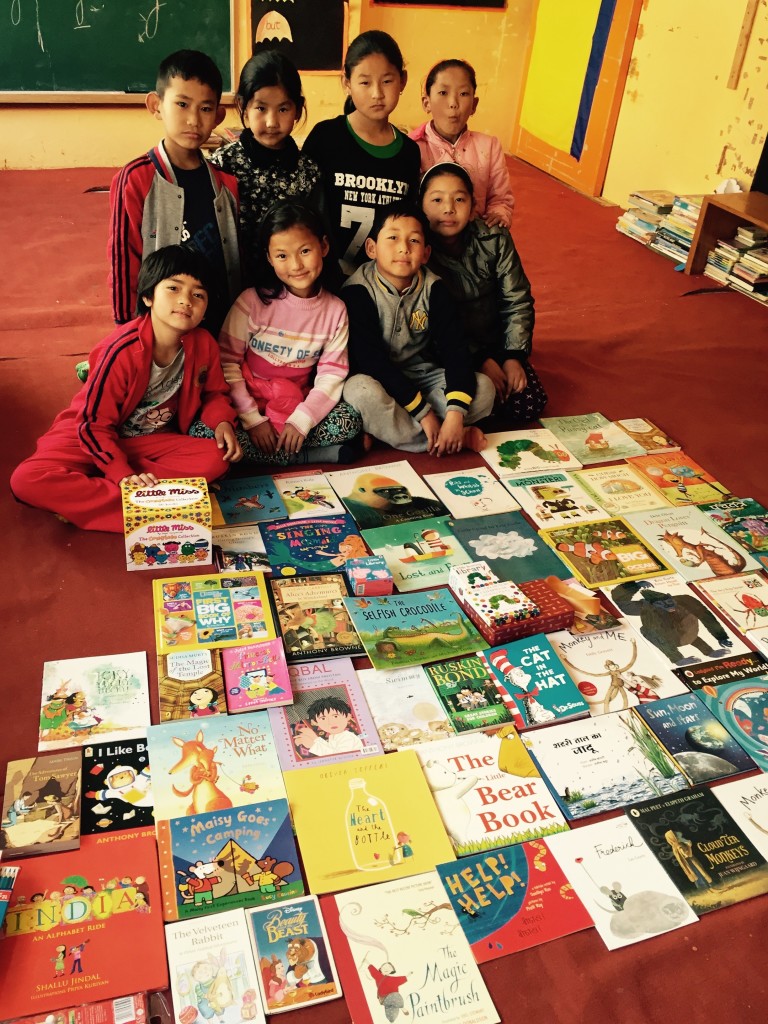
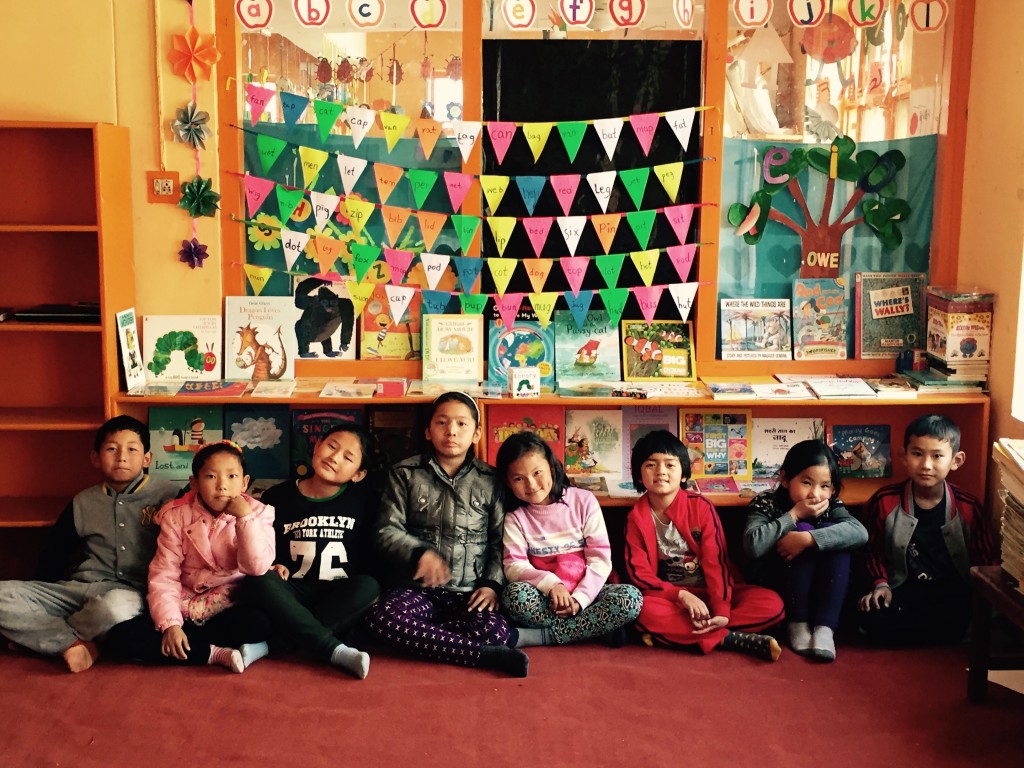
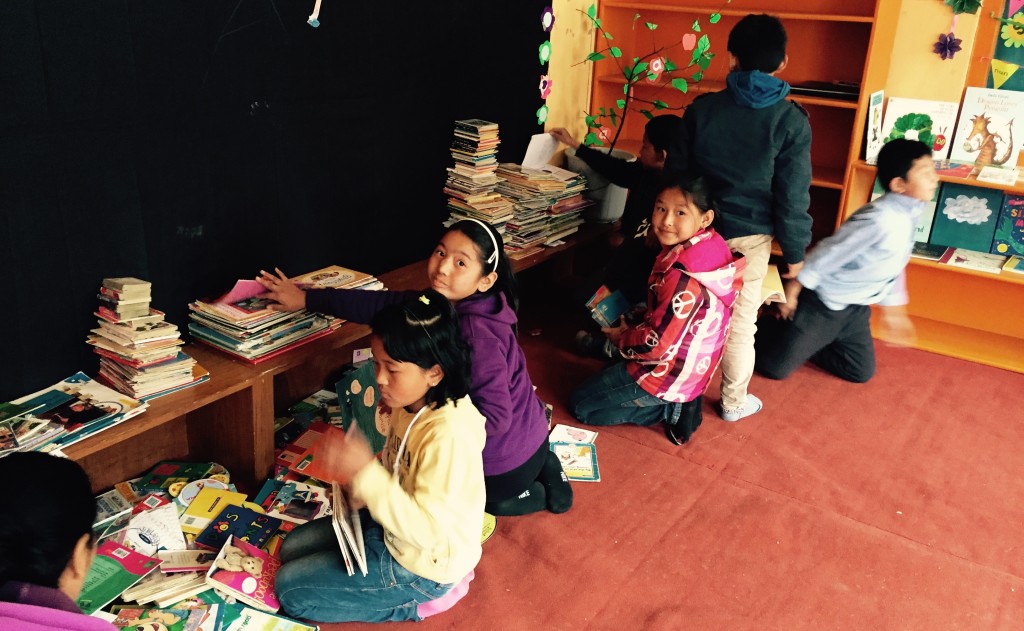
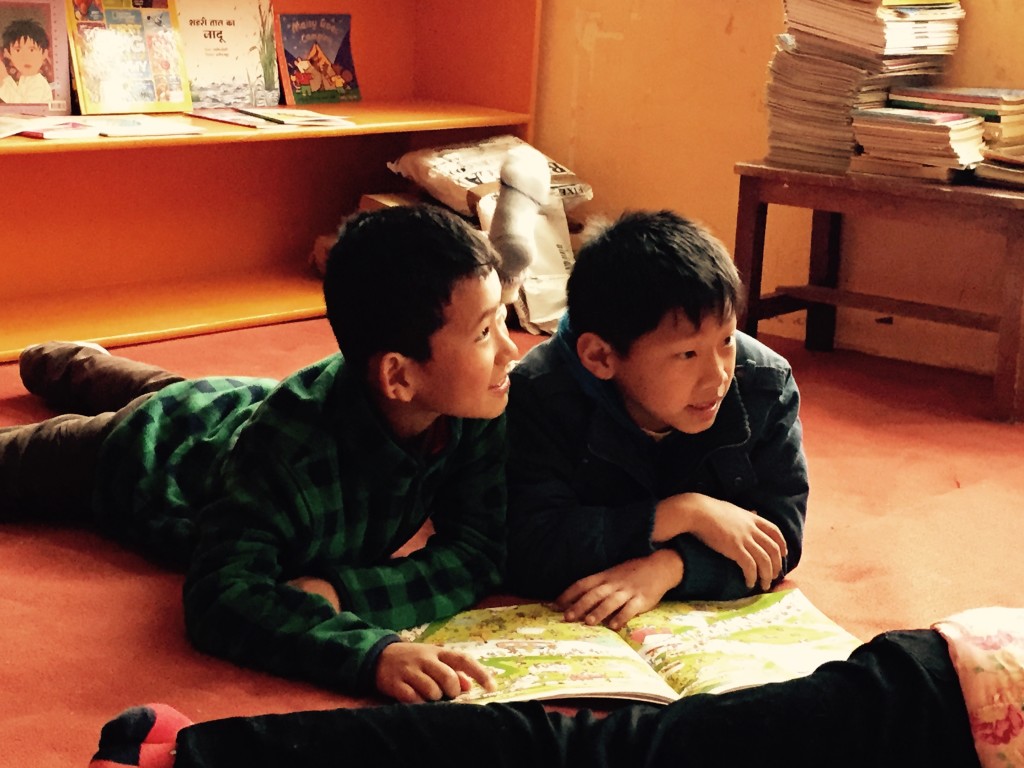
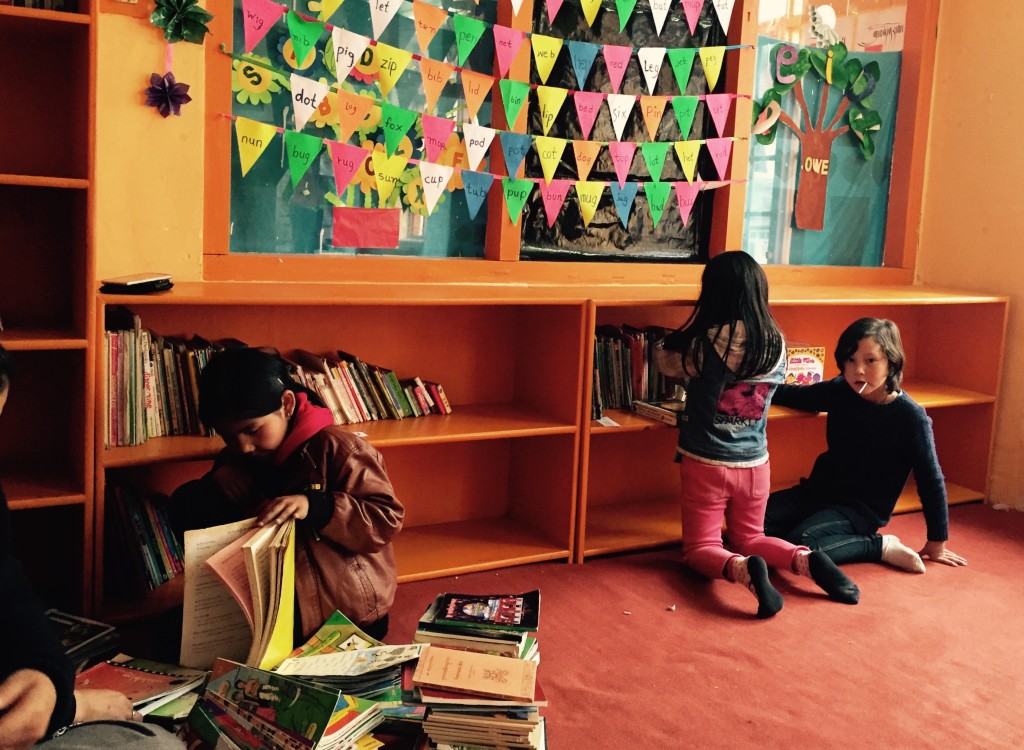
Around a single sheet of stretched cloth, the glow of a paraffin lamp catches the outline of a snow leopard chasing a herder across a paper mountain. Children lean forward, giggling, while an elder quietly translates the whispered Ladakhi narration. Moments like these are the heart of the reading rooms run by Avalokiteśvara Trust in the Indian Himalayas.
Shadow puppetry has travelled the Silk Road for centuries, taking root from Java to Istanbul, from Anhui to the high valleys of Ladakh. The form asks very little of a stage: a light, a screen, a flat figure, and a voice willing to give it breath. That simplicity is a gift in rooms warmed by a single stove and lit by the same lamp children use to read after school.
We use shadow puppetry as a bridge between the printed page and the oral tradition that still runs through mountain villages. Folk tales told by grandmothers, lamas and herders find a new shape when cut from stiff paper or thin leather. Children who already know the ending still gasp when the silhouette of the demon king cracks open the screen.
This piece shares how the workshops are built, what materials we use, and why visitors from Melbourne, Hobart and Perth have begun to take the techniques home. It is also a quiet invitation to teachers, librarians and families who believe a story told with the hands stays in the memory far longer than one read in silence.
Roots in Himalayan Oral Tradition
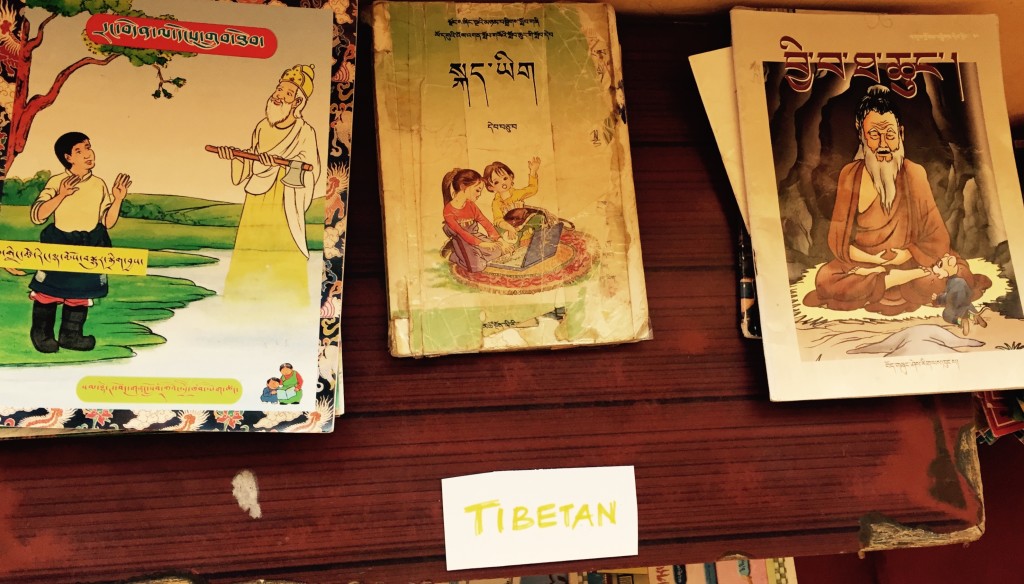
The folk tales we draw upon belong to a long lineage of Buddhist parables, Bon animist stories and family legends from the Indus valley. Many were never written down until recently, and some still circulate only as winter evening recitations.
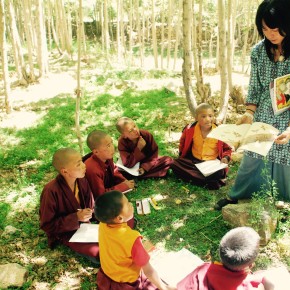
We treat the puppet as a vessel rather than a toy. Before any cutting begins, an elder visits the reading room and tells the story in full, with pauses for questions. Volunteers transcribe the Ladakhi version, then work with the children to choose three or four moments worthy of being cut from the figure. The puppet becomes a summary of the story's spine.
This approach mirrors practices already familiar to Australian educators, where the Australian Curriculum's cross-curriculum priority on Asia and Australia's engagement with the region encourages students to encounter neighbouring cultures through story and craft. A year three class in Brisbane might study Indonesian wayang while our reading rooms work with the same tradition shaped by Himalayan winds.
Crafting the Figures
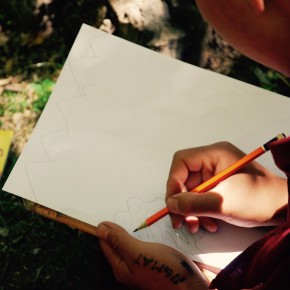
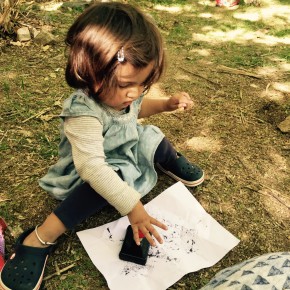
Our puppets are made from heavyweight cartridge paper, sometimes backed with thin goat leather for the larger heroes. We trace silhouettes from small charcoal sketches, pin the paper to a soft board and cut with a fresh blade. Children as young as five hold the knife under close supervision.
Handles are simple bamboo skewers bound with cotton thread, with a secondary rod added when the figure needs moving arms. Joints are scored rather than punched through, which keeps the silhouette crisp against the screen. A coat of watered-down ink darkens the surface without flattening the texture.
The screen is unbleached calico stretched on a light frame, the kind that folds into a backpack from one village school to the next. We have also built smaller versions that fit inside a cardboard box, used during long winter afternoons when children gather in a single room. Volunteers from Sydney often comment that the box version reminds them of dioramas built for Children's Book Week.
Storytelling Sessions in the Reading Room
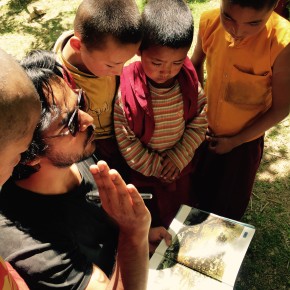
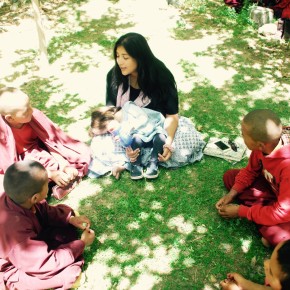
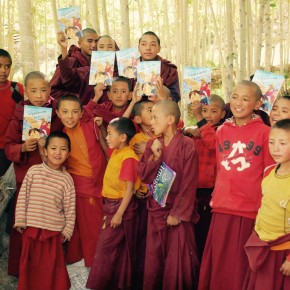
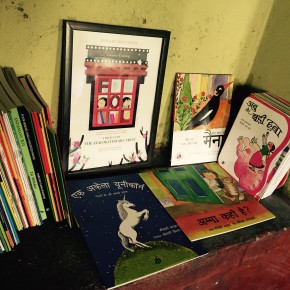
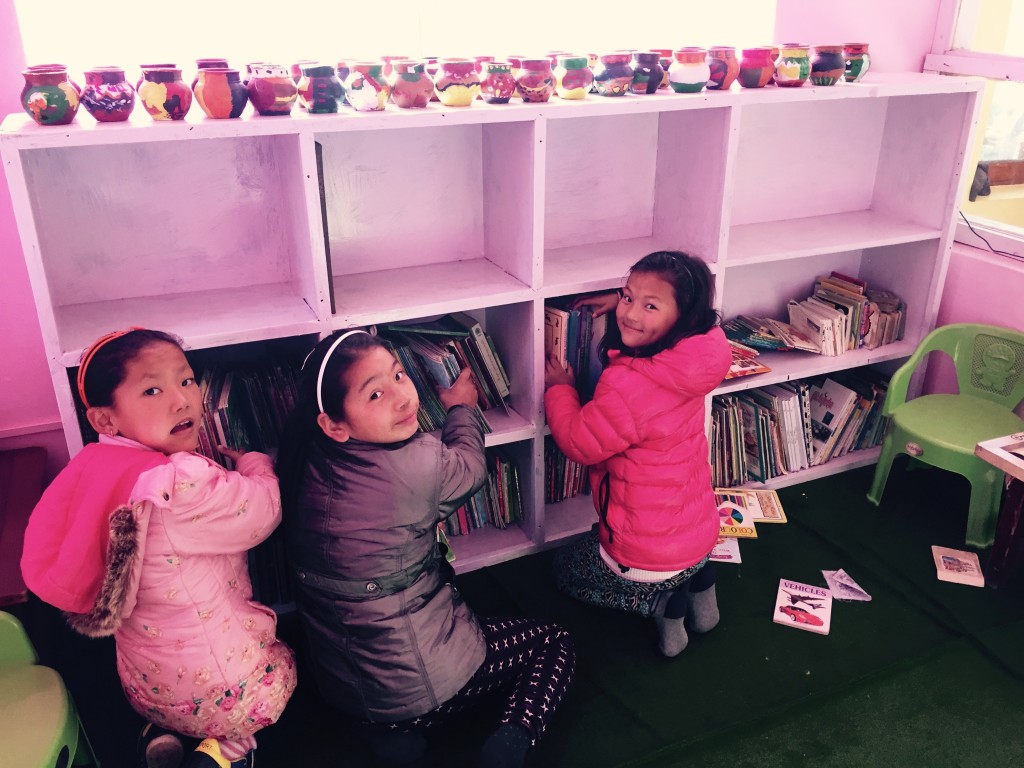
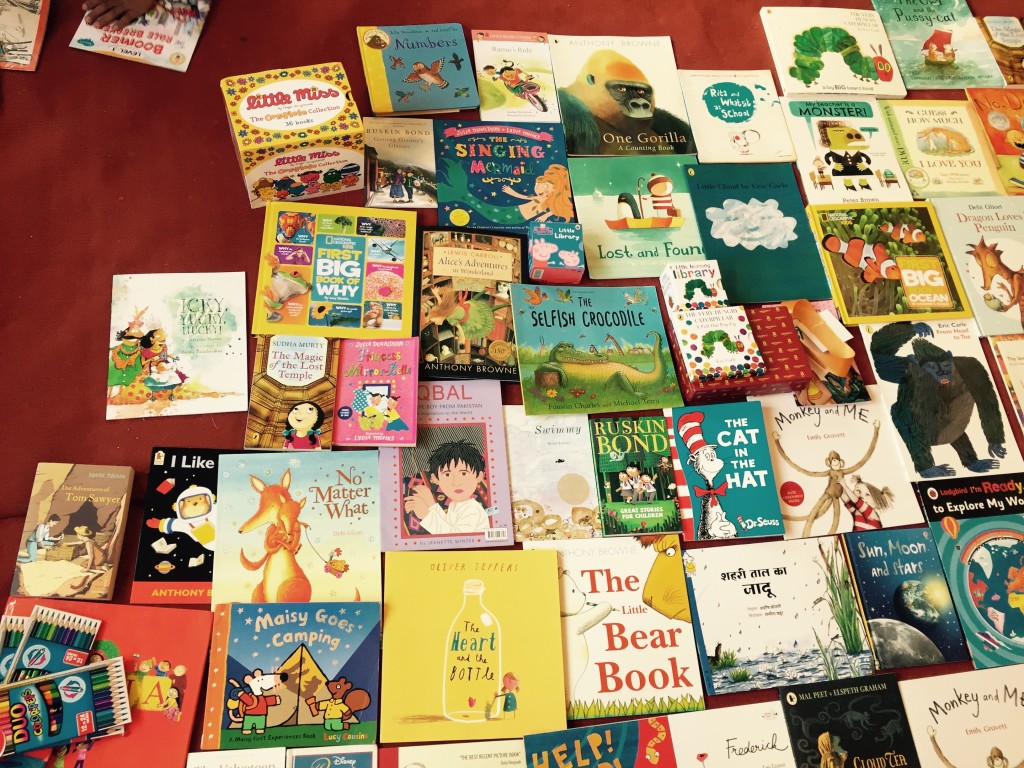
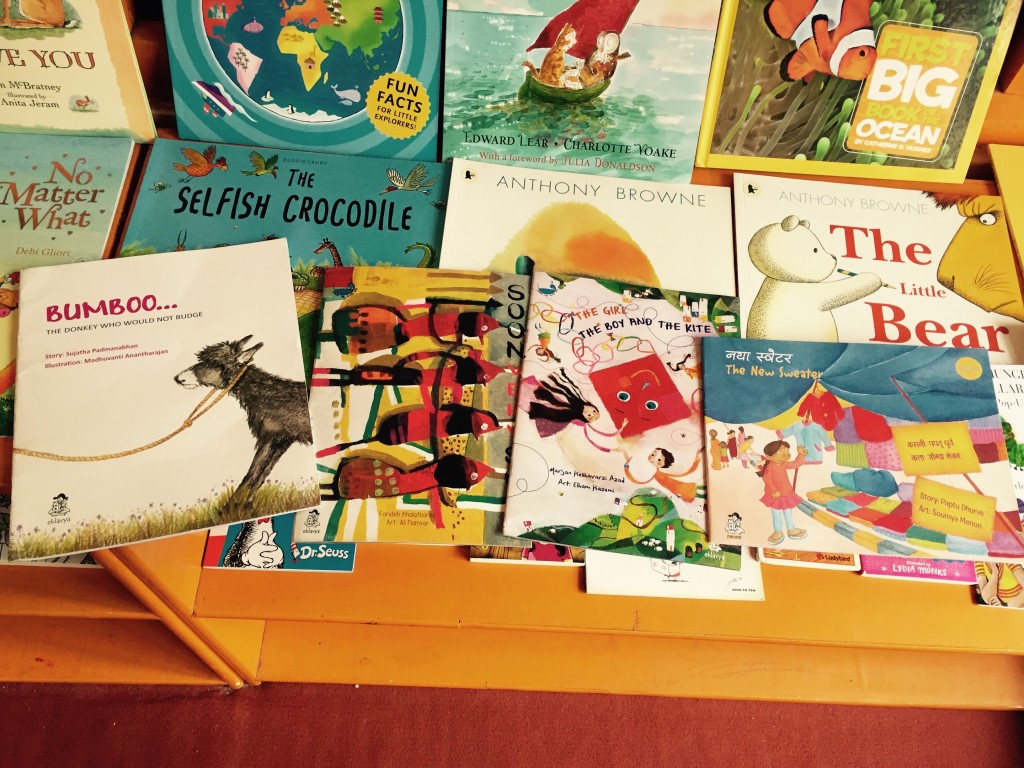
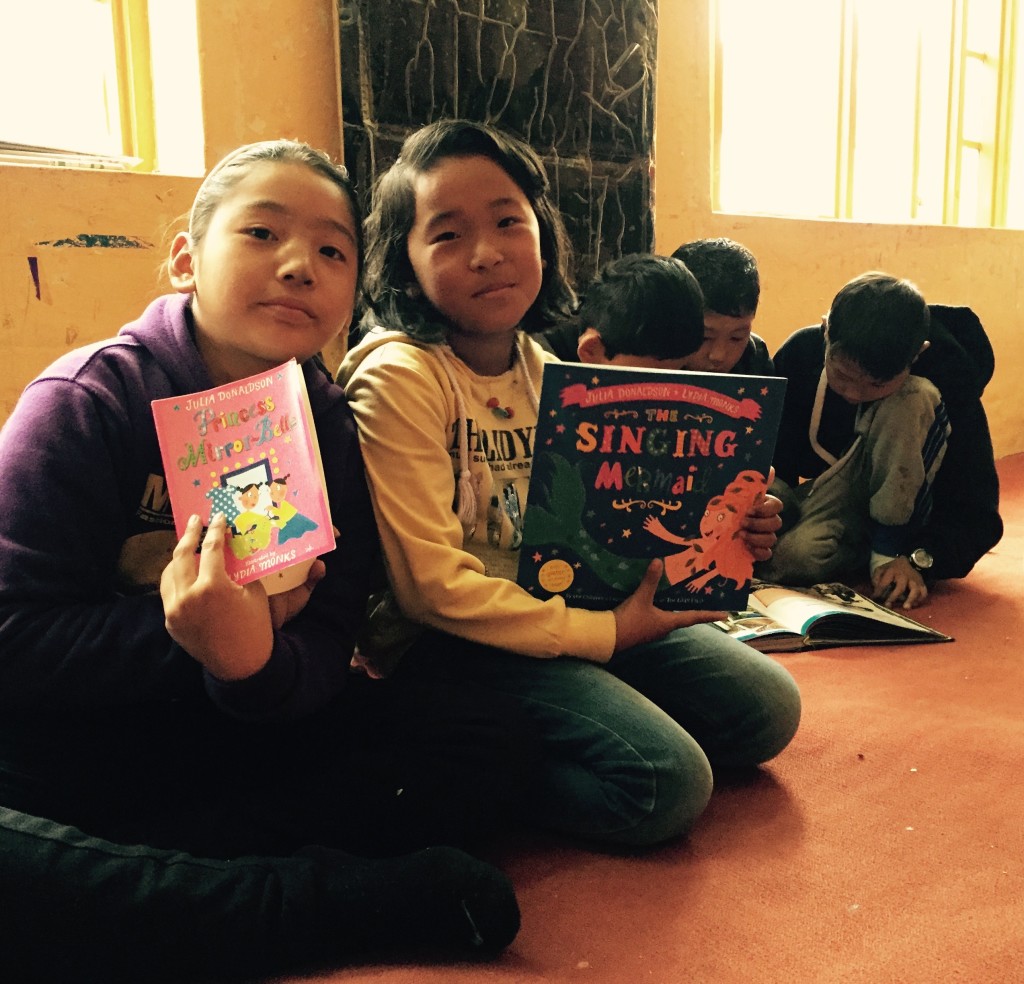
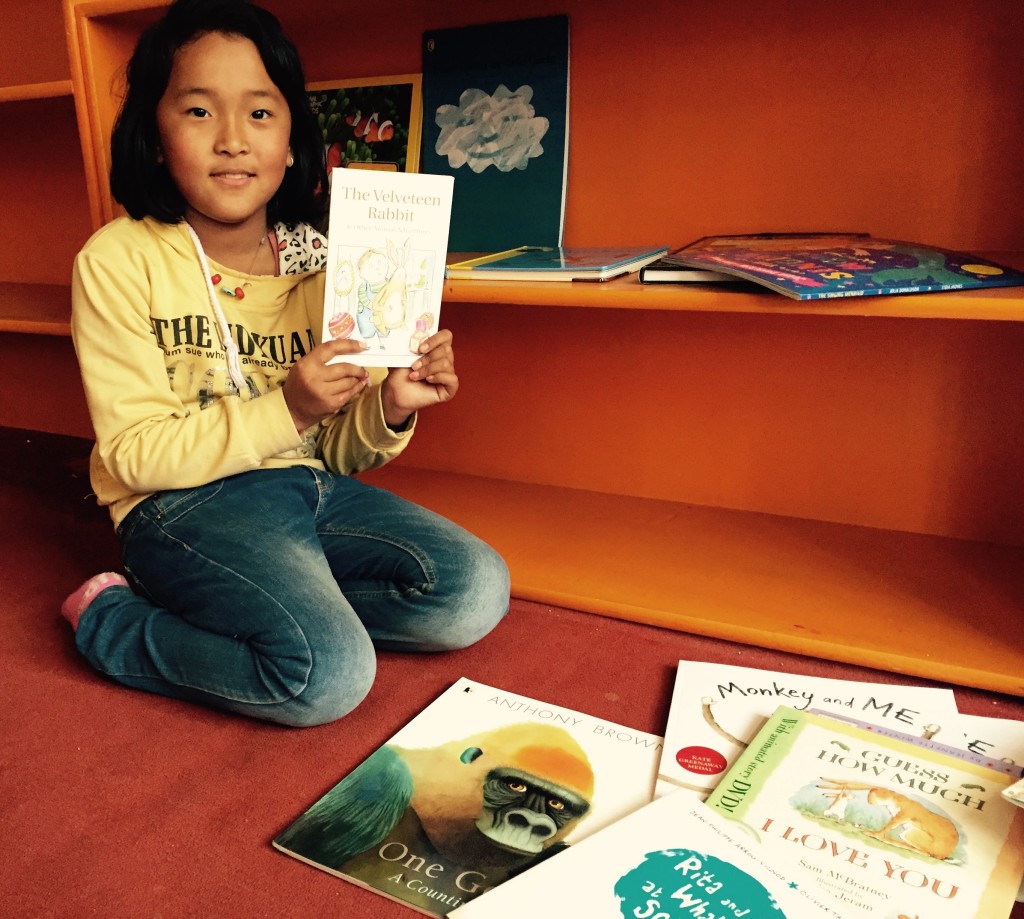
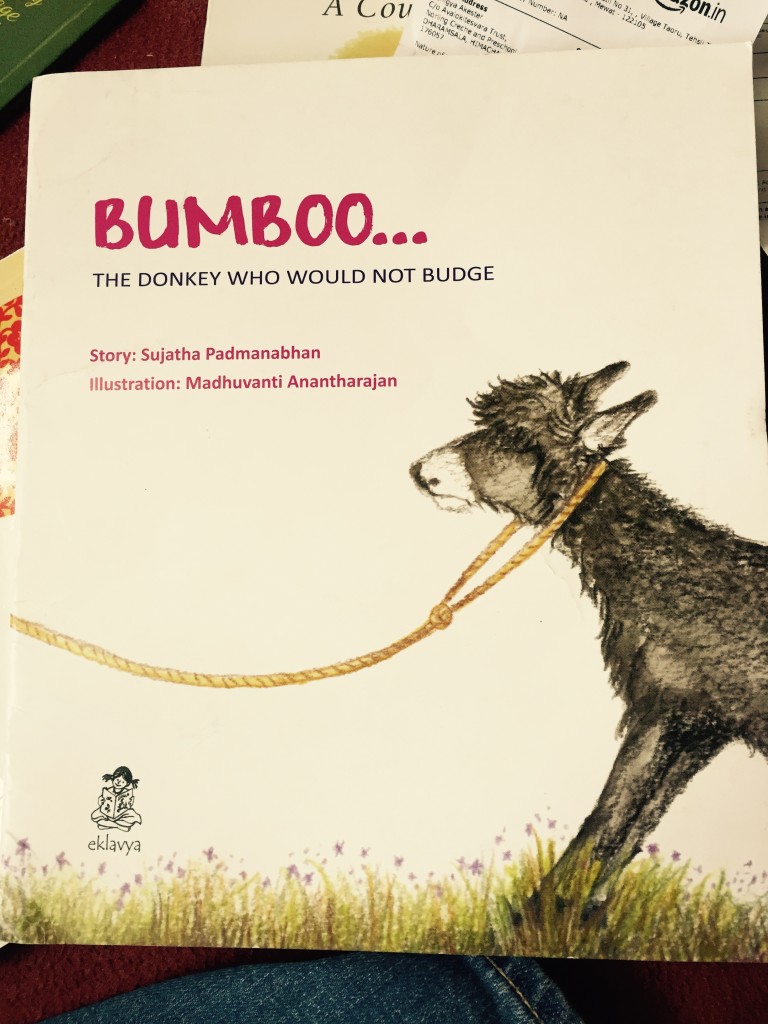
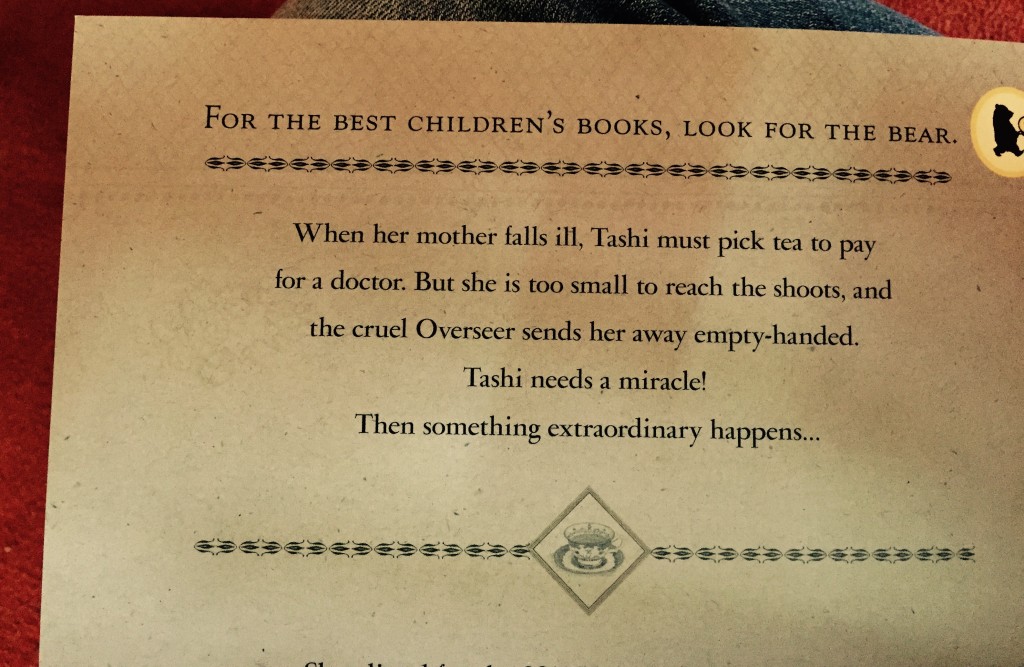
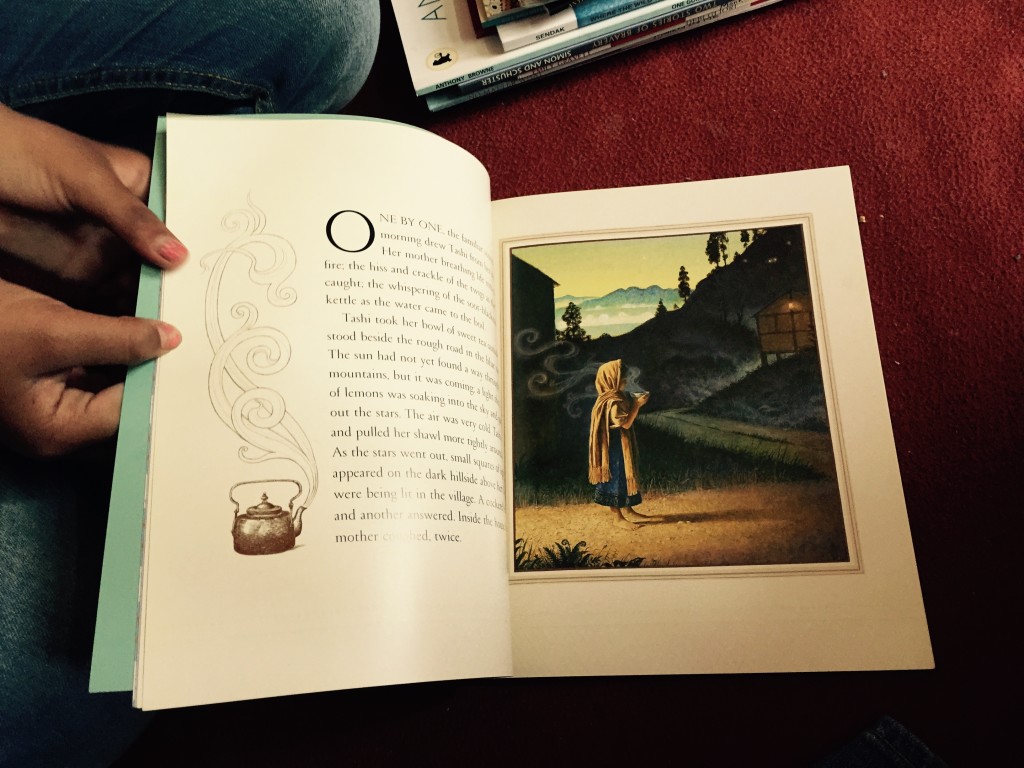
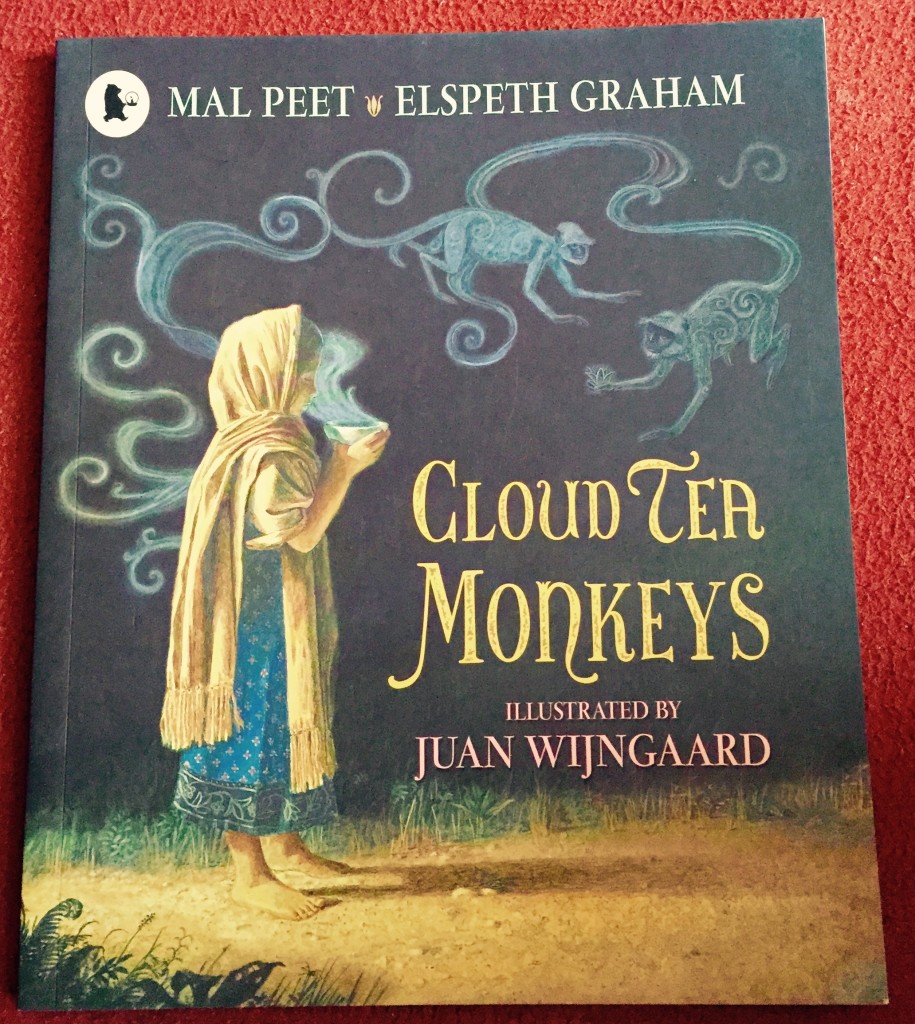
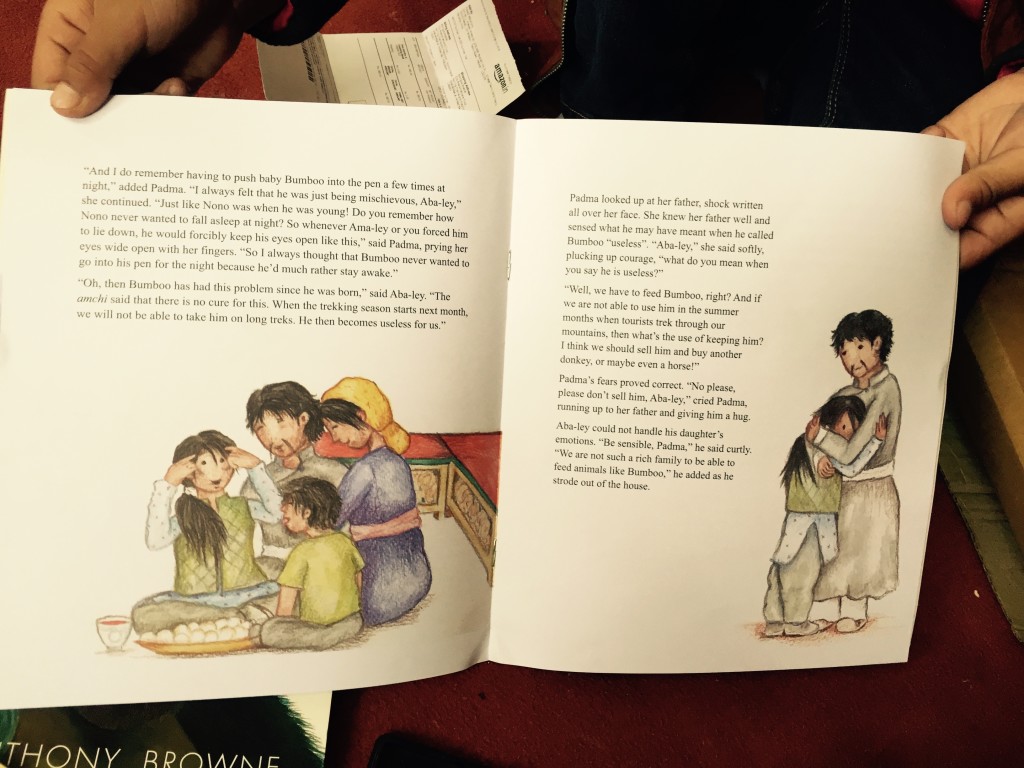
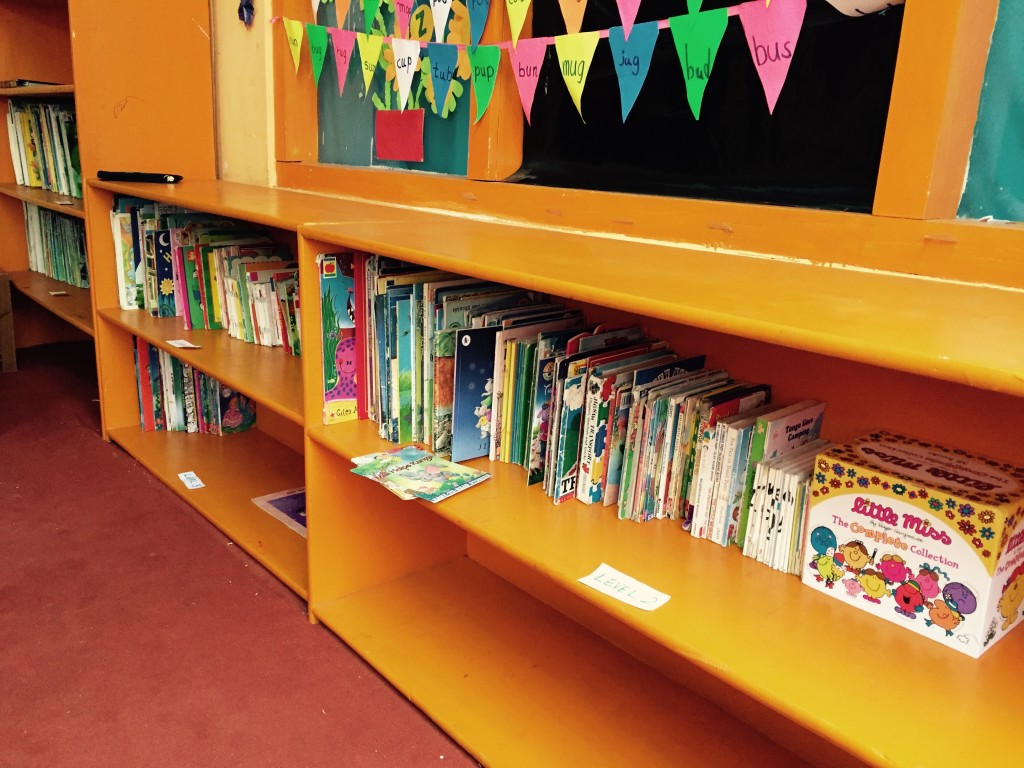
A typical workshop opens with a short reading from a bilingual Ladakhi-English picture book we have collected or commissioned. The story becomes the seed for the puppet scene. By the time the lamp is lit, the children already know the characters' names, and the puppet arrives as a familiar friend.
Narration is shared. One child voices the hero, another the yak, a third the wind. The puppeteer sits behind the screen and listens as much as performs, adjusting the pace to the room's laughter. When a story lands well, we hear the same scene retold in the corridor the next morning.
Visitors from Melbourne and Adelaide are often surprised by how quickly the format translates. A bilingual assistant can swap Ladakhi for English without changing the rhythm, and the visual shorthand of a silhouette crosses language barriers with ease. The same workshop structure is now used in partner schools to stage Aboriginal Dreaming stories and Pacific Island legends.
Voices of Elders, Hands of Children
No puppet in our collection is made without an elder's blessing. The stories we cut belong to families and lineages, and the people who carry them must first agree that a puppet is a respectful way to share them with outsiders. This negotiation is the slowest and most important part of the process.
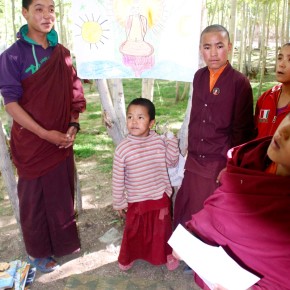
Once consent is given, children take the lead in shaping the figures. They decide that the herder's hat should be wider than the demon's, that the mountain needs three peaks rather than two. These choices show the children that the tradition is theirs to renew.
We have seen quiet children come alive behind the screen. A boy who rarely speaks during reading time will give the yak a low rumbling voice and hold the room for thirty seconds of careful comedy. Speech therapists in Adelaide and Perth use puppetry in early intervention for children who find direct eye contact difficult, and the screen gives similar permission.
Cross-Cultural Exchange with Australian Volunteers
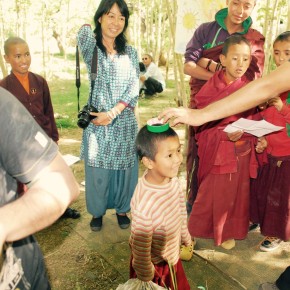
Australian volunteers arrive through partnerships with charities registered with the Australian Charities and Not-for-profits Commission, and donations can be made tax deductible under the organisation's Deductible Gift Recipient status. Volunteers typically spend four to eight weeks in Ladakh, helping with English sessions, book cataloguing and the workshops themselves.
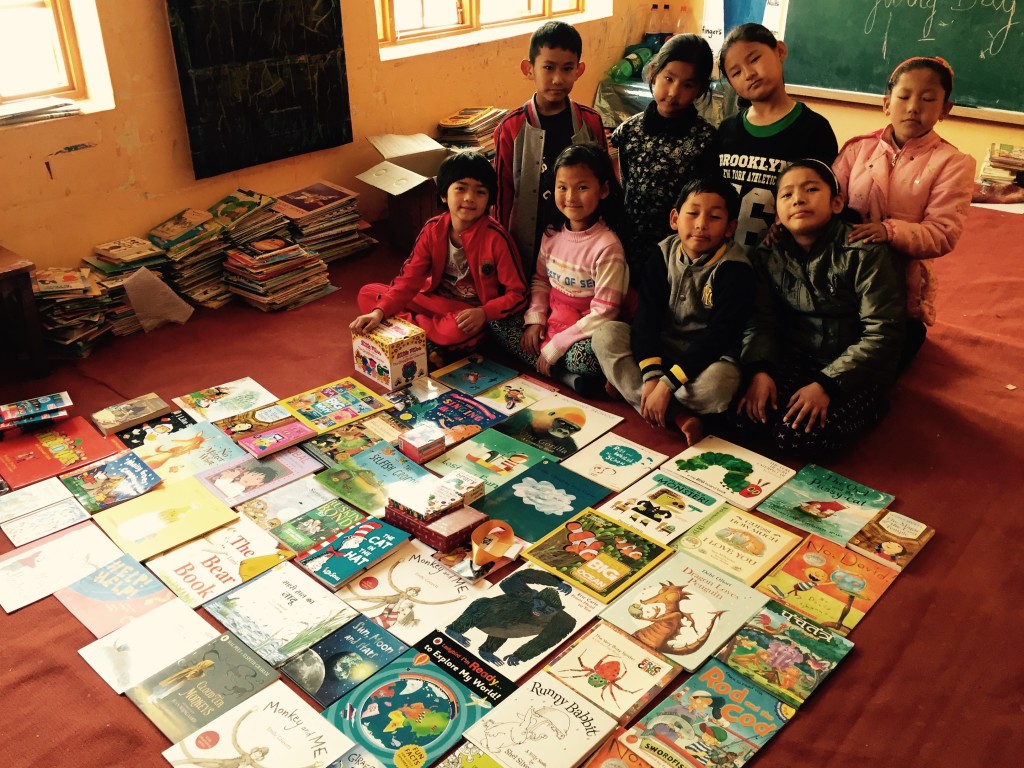
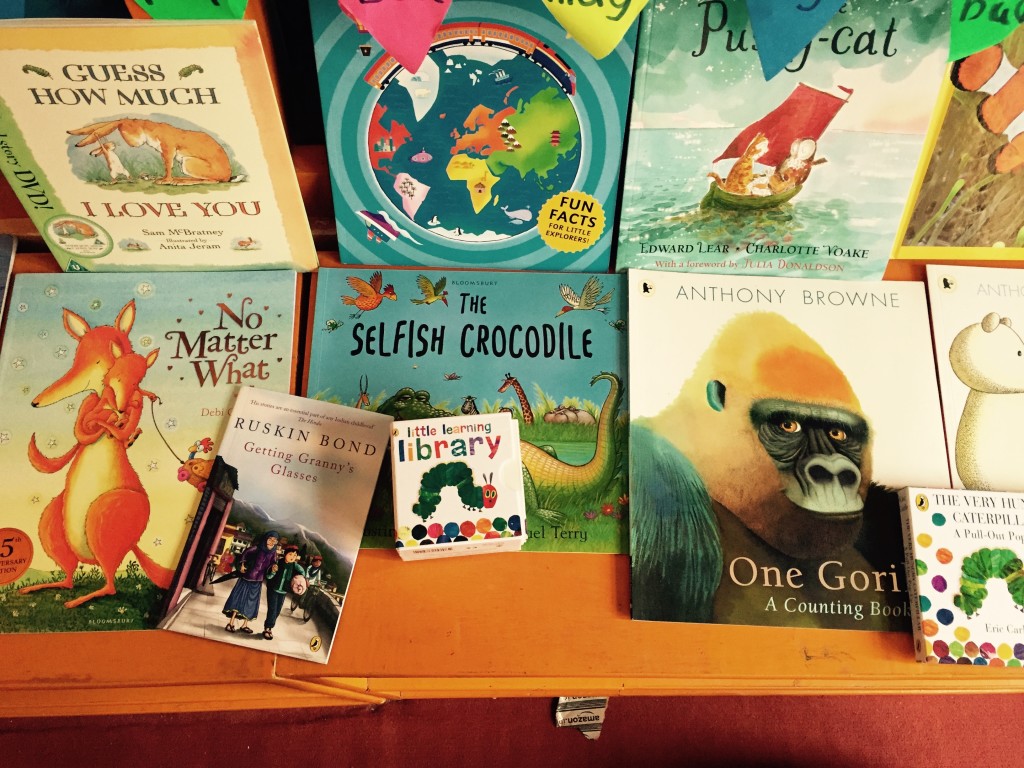
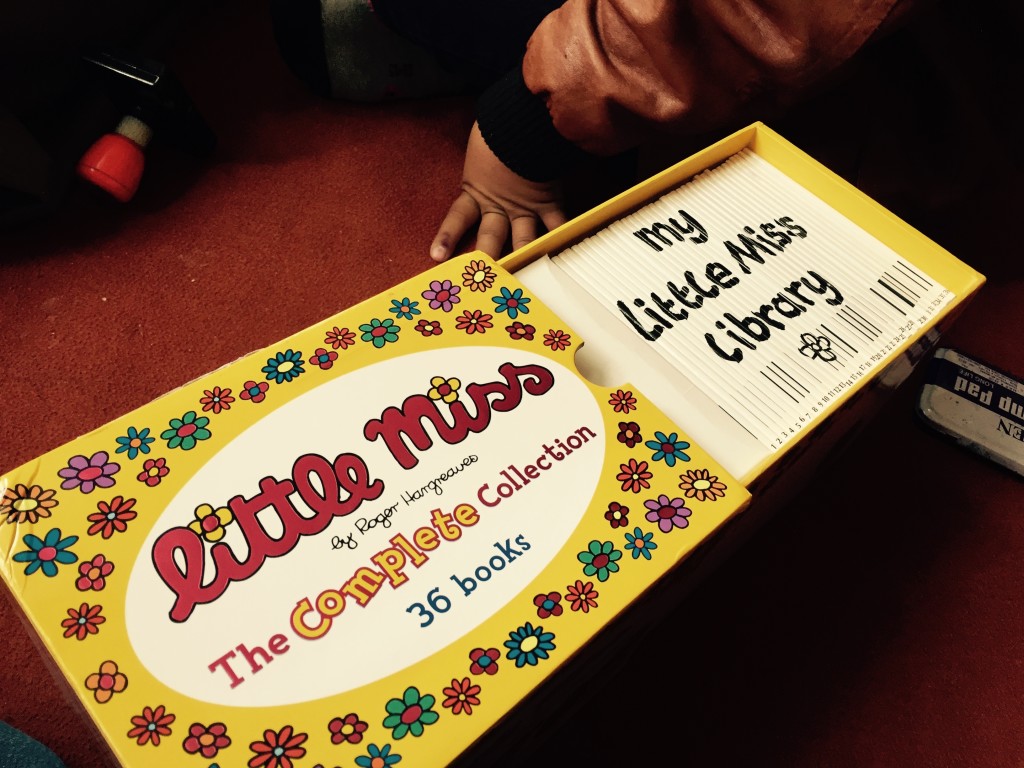
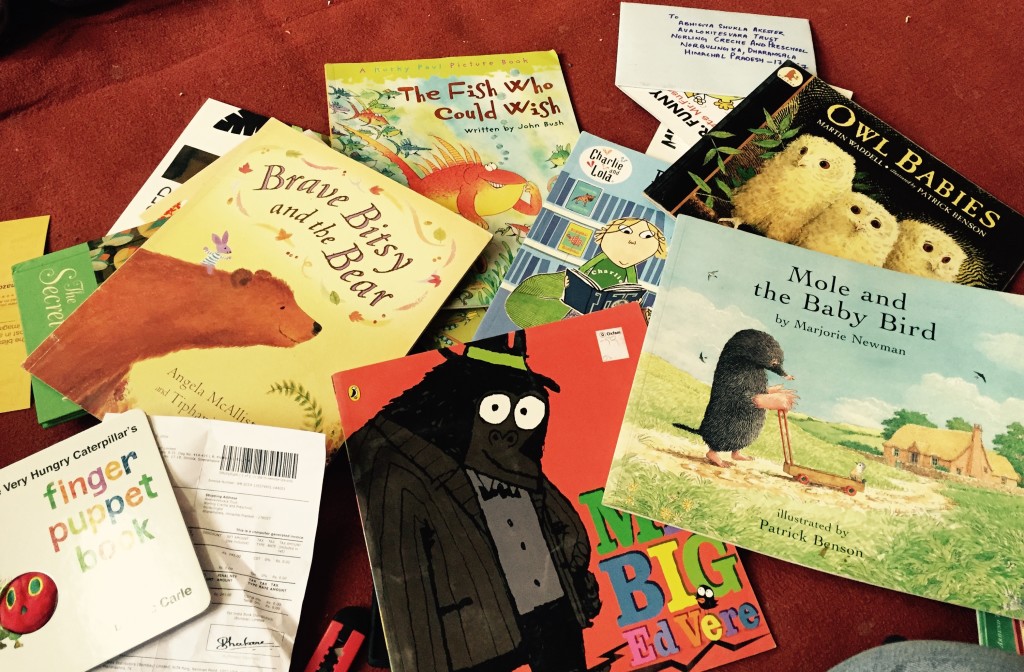
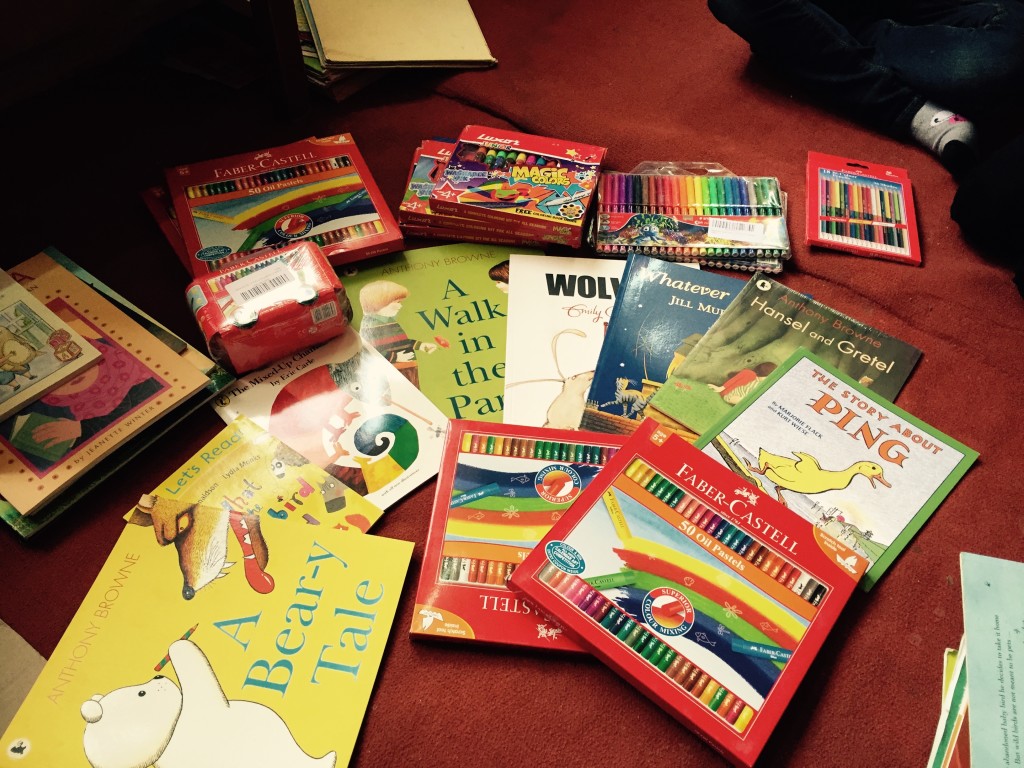
We encourage visitors to bring picture books from Australian publishers, particularly titles recognised by the Children's Book Council of Australia. Stories about desert animals, coastal communities and city skylines sit happily alongside tales of mountain passes. Children read them, then translate the ideas into puppet form, often with surprising results.
A volunteer from Sydney recently helped stage a shadow puppet version of a Murray River story. The Ladakhi children had never seen a billabong, and the comparison between a river that feeds a continent and a stream that feeds a single village opened a long conversation about water and weather.
The table below sets out the shadow puppet traditions that have shaped our approach.
| Tradition |
Region |
Signature Character |
Signature Material |
| Wayang kulit |
Indonesia |
Refined royal hero |
Buffalo hide |
| Piying xi |
Northern China |
Acrobatic general |
Donkey hide |
| Karagöz |
Türkiye |
Plain-speaking everyman |
Camel hide |
| Tholu bommalata |
Andhra Pradesh |
Mythical king |
Goat leather |
| Ladakhi folk puppetry |
Western Himalayas |
Mountain herder |
Cartridge paper |
Our work sits at the spare end of this spectrum, closer to the hill puppets of eastern China than to the gilded courts of Yogyakarta. A simpler puppet is easier to replace when a child drops it in the snow on the walk home.
Workshops for Schools and Community Centres Back Home
For Australians who cannot travel, we offer a downloadable kit of patterns, a short film of a workshop and a guide to building a calico screen from a household ironing frame. State libraries, including the State Library of Victoria and the State Library of Queensland, have hosted family days where the kit is used alongside collections of Asian folk tales.
The format also travels into the classroom. In a year five humanities unit on cultural exchange, a shadow puppet scene can serve as a low-cost assessment task, with students writing narration, cutting figures and performing for parents. Itinerant puppeteers in Hobart use the same techniques to tour regional Tasmania.
We are piloting a small loan library of Ladakhi puppets, sent by post to Australian schools. The puppets return with notes, drawings and sometimes new characters cut by the children who borrowed them. Registered with Australia Post as a cultural exchange parcel, the library keeps postage manageable for schools in remote parts of the Northern Territory and Western Australia.
A Practical Guide for Visitors and Hosts
Those preparing to visit or host a workshop can draw on the following checklist, refined across several seasons of reading room activity.
- Source picture books from the Children's Book Council of Australia shortlists to bring as gifts; they travel well and invite rich cross-cultural comparison.
- Translate every Ladakhi story with an elder present, and keep a written copy in both languages for the reading room shelf.
- Build screens from calico on a folding wooden frame so the kit fits into a backpack or suitcase.
- Cut silhouettes with fresh blades, score joints rather than punching them, and finish with diluted ink for a warm glow.
- Pair every puppet with at least two printed story versions so the scene can be read again after the lamp is put away.
- Register donations through the Australian Charities and Not-for-profits Commission pathway to keep giving simple and tax deductible for Australian supporters.
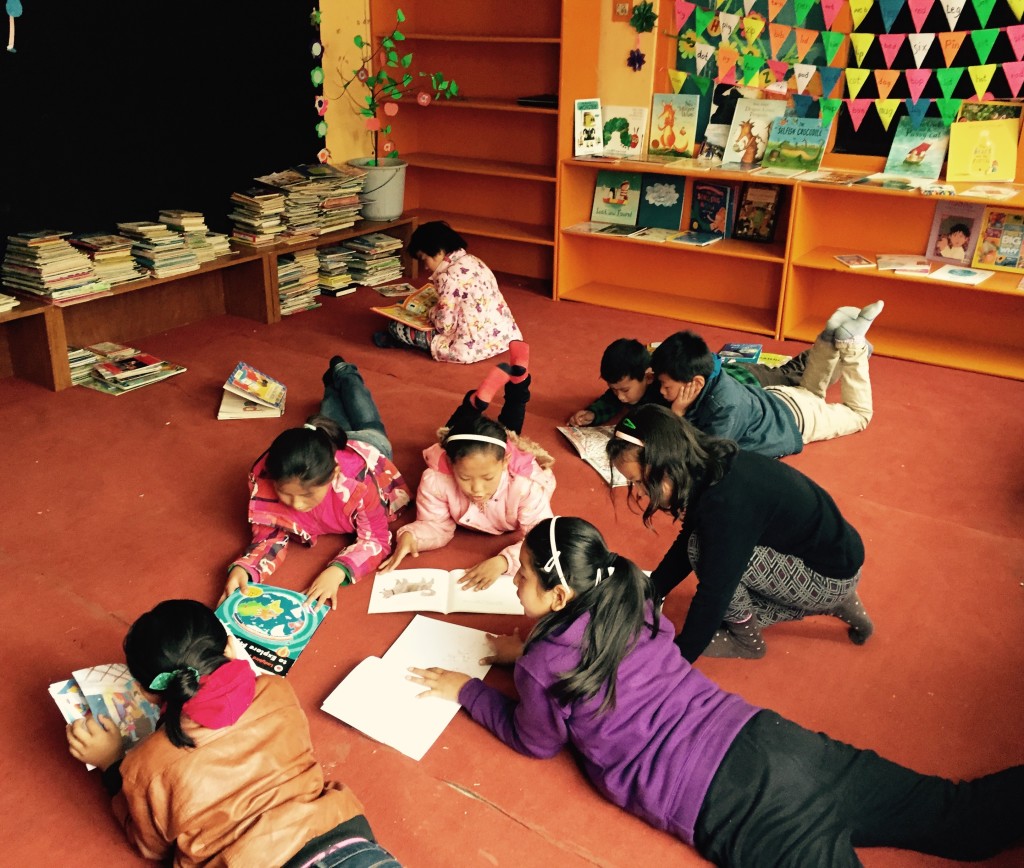
Reading rooms that run regular puppet sessions have seen a clear rise in evening book loans and a marked increase in children who volunteer to read aloud during circle time. Teachers report that children who build puppets are more willing to attempt longer written narratives, because cutting a scene forces a quiet decision about what matters.
A sheet of paper, a blade, a lamp and a voice are still the only tools a workshop truly needs, and they fit inside a single backpack. The children of Ladakh already know how to use them, and they are happy to show anyone willing to sit behind the cloth. What travels home with a visitor is often a folded puppet in a pocket, a phrase in Ladakhi, and a clearer sense of how a folk tale can journey between continents without losing the warmth of the room where it was first told.