How We Use Recycled Materials to Make Book Covers and Bookmarks
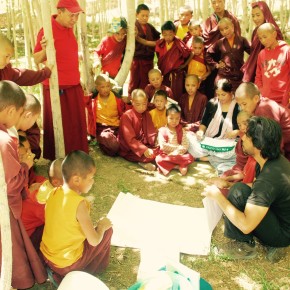
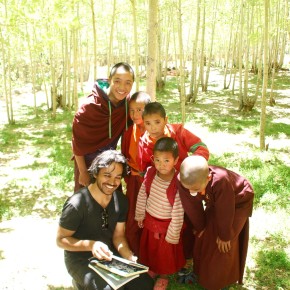
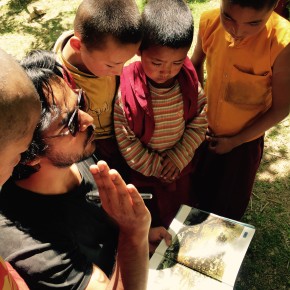
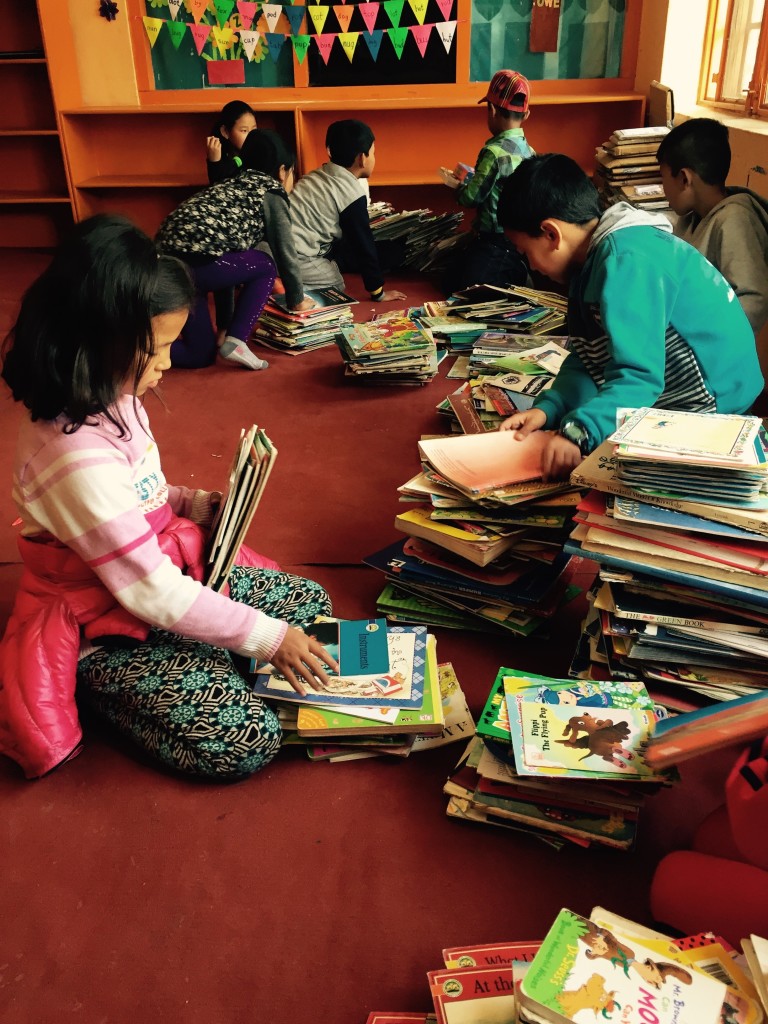
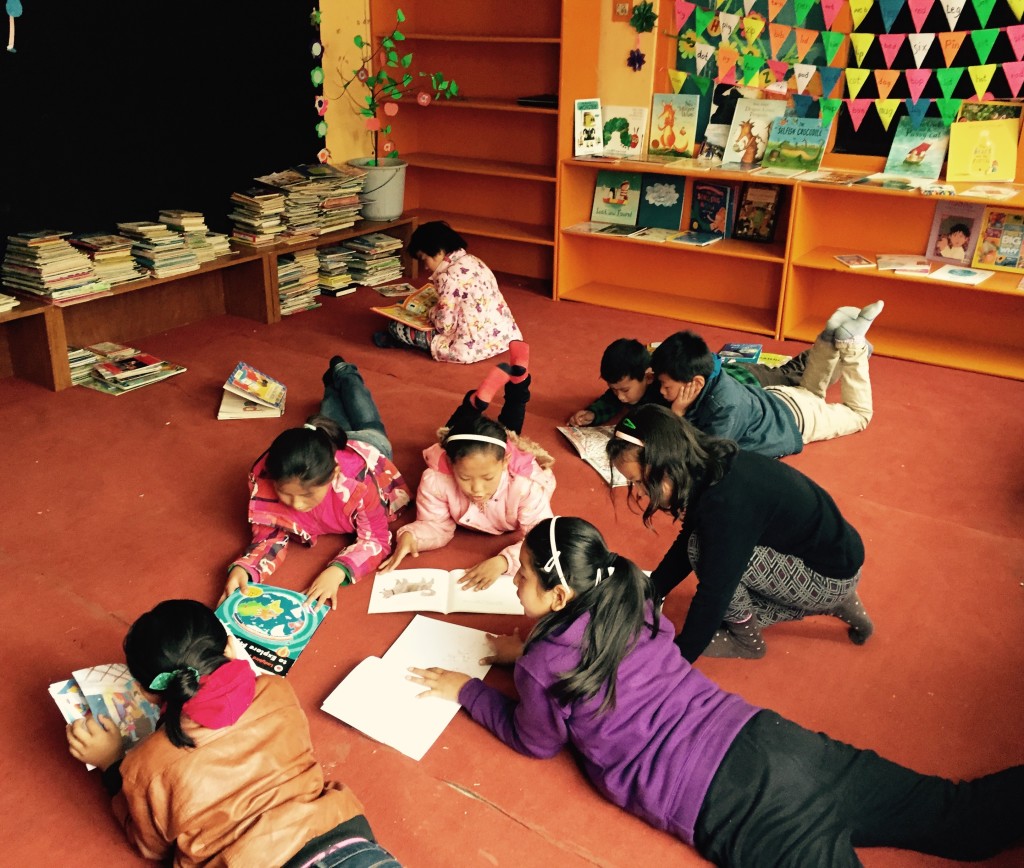
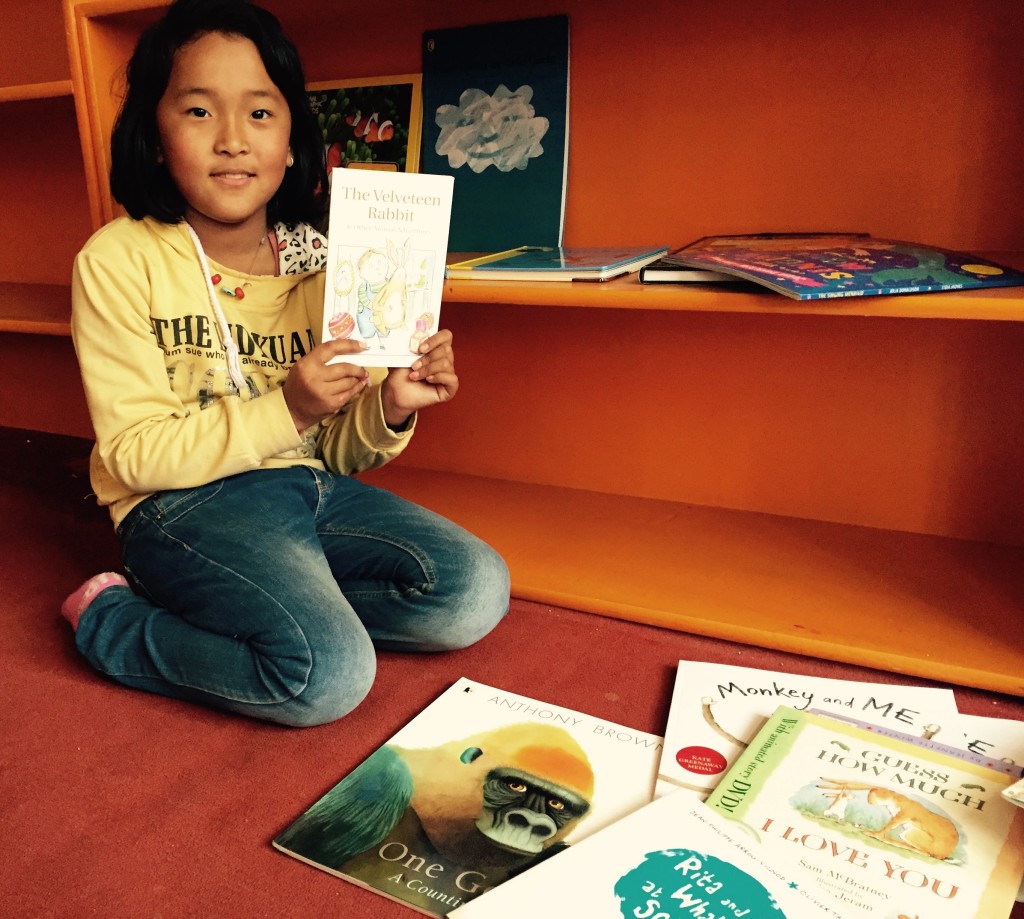
A discarded cereal box, a paper shopping bag or a worn-out map can become part of a child’s next reading experience. At Avalokiteśvara Trust, we reuse these everyday materials to create book covers and bookmarks for children and young monks in Himalayan communities. The activity gives old paper a new purpose while making reading feel personal, colourful and inviting.
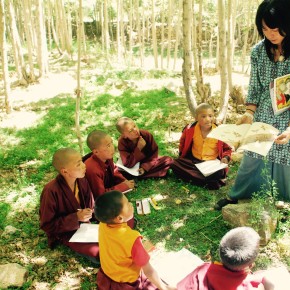
Our workshops connect practical making with literacy. Children choose patterns, fold card, add drawings and experiment with simple collage techniques. A handmade cover can protect a well-loved storybook, while a bookmark helps a young reader keep their place and return to the same story with confidence.
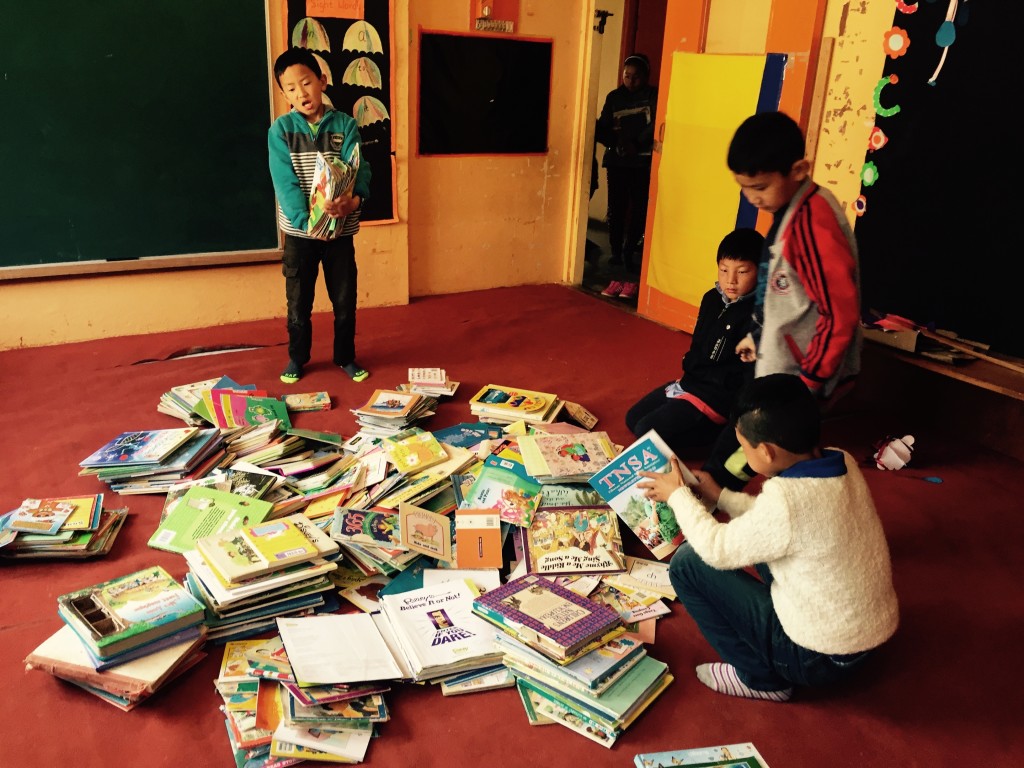
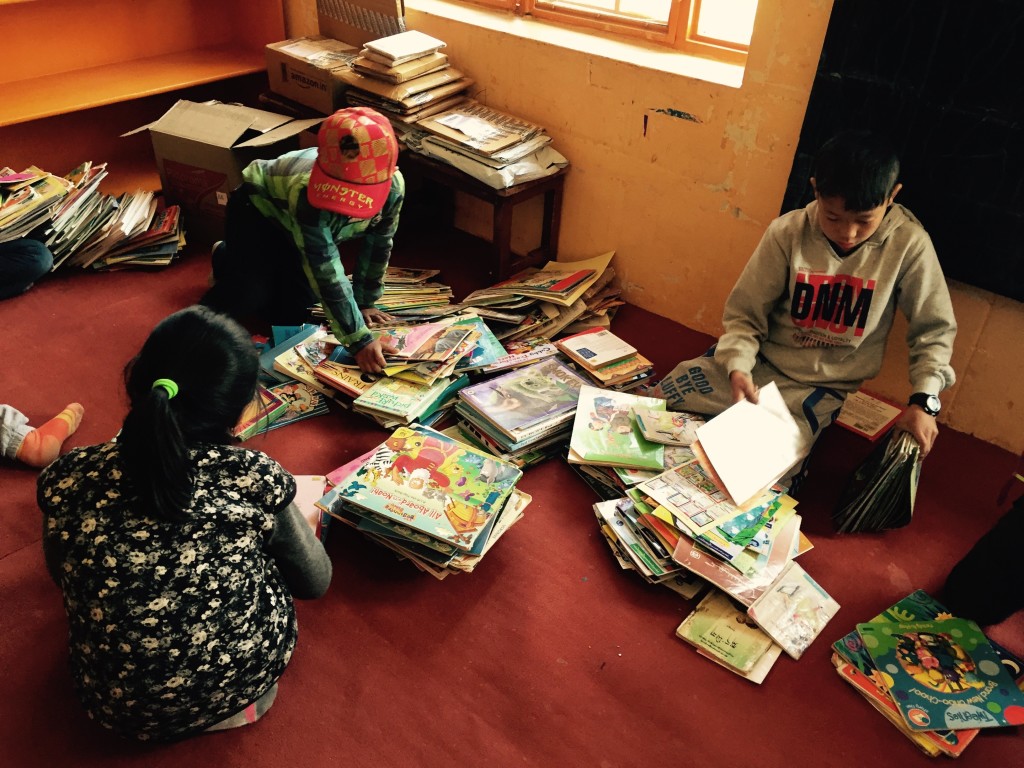
The materials may begin in different places: a school collection in Australia, an office recycling box, a local charity shop or a community craft cupboard. Once sorted and prepared, they can support creative learning in Ladakh and other communities where access to quality books and art supplies is limited.
| Recycled material |
Preparation |
Suitable project |
Important consideration |
| Cereal and food boxes |
Flatten, trim and wipe clean |
Sturdy book covers |
Remove greasy or damp sections |
| Paper shopping bags |
Cut open and smooth |
Covers, collage and bookmarks |
Check for plastic coating |
| Old magazines and calendars |
Select clean pages |
Decorative panels and bookmark designs |
Avoid very thin pieces as the only layer |
| Used office paper |
Separate blank or lightly printed sides |
Drawing, lining and testing templates |
Remove staples and confidential information |
| Maps and brochures |
Cut around useful images |
Feature panels and visual storytelling |
Check for glossy finishes that resist glue |
| Fabric scraps |
Trim loose threads |
Reinforced covers and textured bookmarks |
Use child-safe scissors and non-toxic adhesive |
Why Reuse Matters In A Reading Room
Recycled bookmaking turns sustainability into a visible, hands-on lesson. Instead of treating packaging as rubbish, children can see its strength, colour and design potential. A cardboard panel becomes a protective cover; a narrow strip of paper becomes a place marker; an old calendar image becomes the setting for a new story.
The activity also supports fine motor skills. Measuring, folding, cutting, gluing and pressing require concentration and coordination. Children practise sequencing as they prepare a surface, arrange decoration and allow each layer to dry. These skills complement reading, drawing, handwriting and classroom craft.
Australia provides many familiar examples of this approach. Families in Sydney, Melbourne, Brisbane and regional towns regularly bring home cardboard food packaging and paper bags from shops. Council recycling rules differ from place to place, so materials that cannot go into a kerbside bin may still be useful for a supervised creative project, provided they are clean, dry and safe.
Choosing Materials For Strong, Safe Covers
A good recycled cover needs enough structure to protect pages without becoming difficult for small hands to use. Cereal boxes and other lightweight cartons are often ideal because they are firm, easy to cut and available in many households. Two layers can be joined when a book needs extra protection, with the printed side hidden beneath a plain paper lining.
Paper bags are useful for wrapping, collage and folding. Their natural kraft colour creates a warm background for pencil, crayon or water-based paint. Glossy brochures and magazine pages can add bright details, although their coated surface may need a small amount of roughening before glue will hold securely.
Materials are inspected before use. We remove sharp staples, loose plastic film, food residue, mouldy sections and edges that could scratch. When projects are made with children, we use child-safe scissors, non-toxic glue and washable art materials. Strong solvents, hot glue guns and damaged packaging have no place in a children’s reading activity.
Materials We Collect Carefully
- Clean cereal, tea and biscuit boxes with firm card
- Paper bags without plastic laminate or wet patches
- Unused sections of office paper and school worksheets
- Old calendars, maps, magazines and illustrated brochures
- Fabric offcuts with securely woven edges
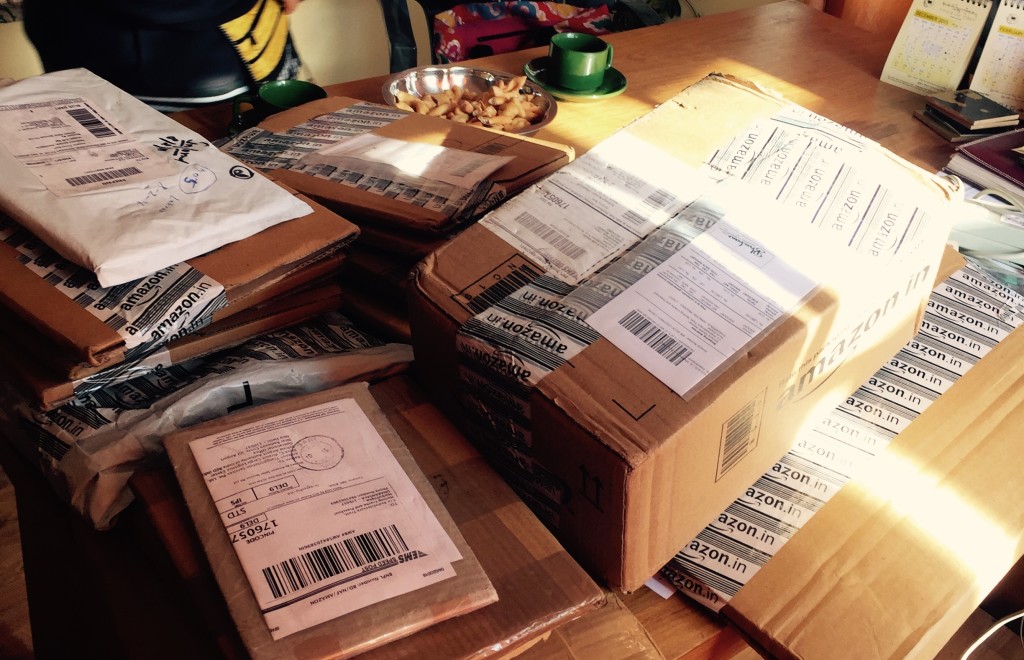
- Cardboard from donated stationery and book parcels
From Flat Packaging To Finished Bookwork
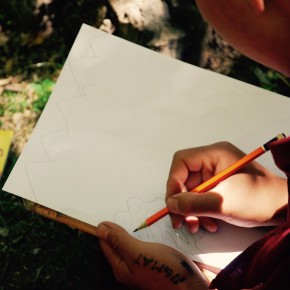
The first step is flattening and measuring. We place the book on the card, leave a small margin around the front and back, and mark the spine area. The card is then scored rather than fully cut along the folds, allowing the cover to open without cracking. A paper template helps children repeat the process for different book sizes.
Next comes the surface design. Some children prefer a simple cover with a title panel, while others build a collage from letters, landscape shapes, animals or musical motifs. A bookmark can be cut as a long rectangle, folded for strength or layered with a contrasting strip. Rounded corners help prevent sharp points from catching on clothing or pages.
Glue is applied sparingly, especially near the spine and edges. The finished piece is pressed beneath clean books while it dries. This creates a flatter surface and reduces curling. If a cover will receive heavy use, a second layer of paper can be added, or the edges can be reinforced with narrow strips of recycled card.
Learning Through Design And Storytelling
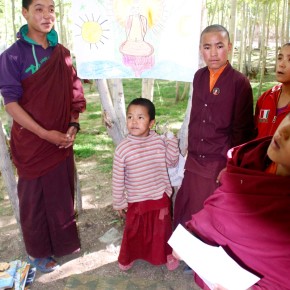
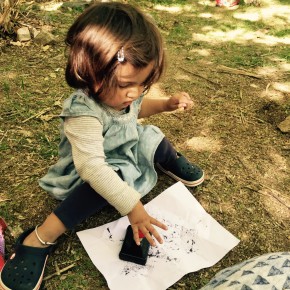
A decorated cover can become the beginning of a story rather than a final embellishment. Children may draw a mountain path, a monastery courtyard, a family meal or an imagined animal and then describe what happens beyond the picture. This gives quieter participants a way to contribute before they are ready to read aloud.
Bookmarks offer another small opportunity for expression. A child might write a favourite word, copy a line from a story, illustrate a local plant or add a bilingual label. In communities where several languages are used, the bookmark can celebrate that variety through scripts, colours and carefully chosen vocabulary.
Workshops also encourage responsible consumption. Rather than buying new decorative paper for every activity, participants learn to look closely at what is already available. That message is relevant in Australia, where households are accustomed to sorting waste, carrying reusable shopping bags and making purchasing decisions around packaging. It also supports a broader understanding of why access to books should be matched with care for the resources used to produce them.
Workshop Habits That Protect The Books
- Wash or wipe reusable surfaces before cutting them
- Keep paper dry during storage and transport
- Remove staples, tape, plastic windows and rough edges
- Use a template so card is not wasted through repeated mistakes
- Share offcuts for small decorations instead of discarding them
- Label finished items with the maker’s name or a positive reading message
Connecting Australian Communities With Himalayan Learning
Donated materials and creative ideas can travel through relationships between supporters, schools, libraries and community groups. An Australian reading group might collect clean packaging during a term, while a local craft circle prepares sample designs. These small contributions can accompany book drives or inspire activities in reading rooms supported by Avalokiteśvara Trust.
Local conditions matter when planning collections. A paper bag from a Melbourne bookshop may be useful, while a takeaway coffee cup from a morning commute usually contains a plastic lining and is better excluded from this project. Office paper can be valuable, but pages containing personal information must be shredded or securely destroyed rather than passed into craft supplies.
Australian packaging claims also require care. The Australian Consumer Law applies when organisations describe products or materials as recyclable, recycled or environmentally beneficial. Clear wording is preferable to broad promises: we can say that a cover uses clean reused card, rather than implying that every part can be recycled indefinitely. The Australian Packaging Covenant Organisation and local council guidance are useful references, while collection rules should always be checked for the relevant suburb or town.
The finished covers and bookmarks are modest objects, yet they carry several messages at once. They show that books deserve protection, that creativity does not depend on expensive supplies and that communities can share practical knowledge across distance. Each item gives a child something made by hand and a reason to spend more time with a book.
The most useful starting point is simple: save clean, dry card and paper, remove anything sharp or confidential, and turn one sturdy piece into a cover or bookmark before buying new craft material.