How We Use Puppetry to Teach Environmental Awareness
A child does not need a long lecture to begin thinking about the natural world. A curious character who wastes water, a mountain spirit who loses its home, or a bird searching for a clean nesting place can make environmental ideas memorable. Puppetry gives children a way to see familiar problems through story, movement, humor, and imagination.
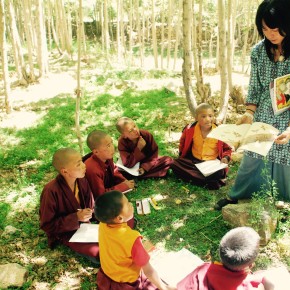
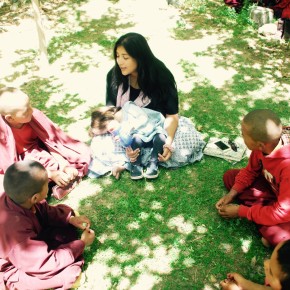
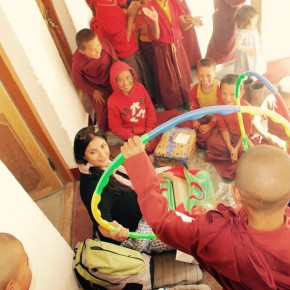
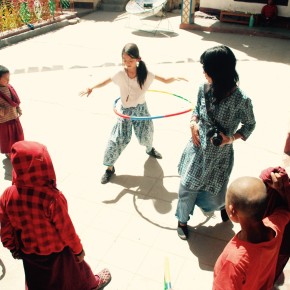
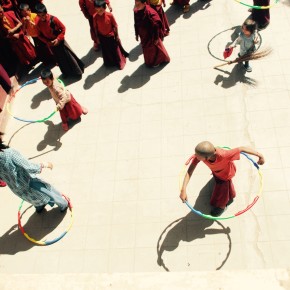
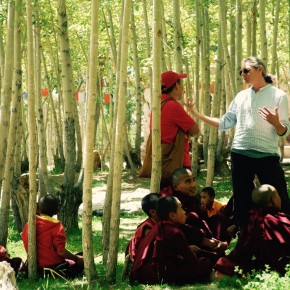
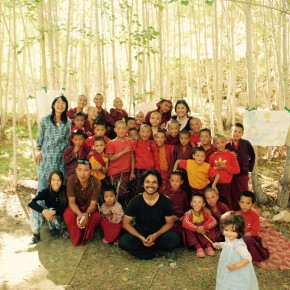
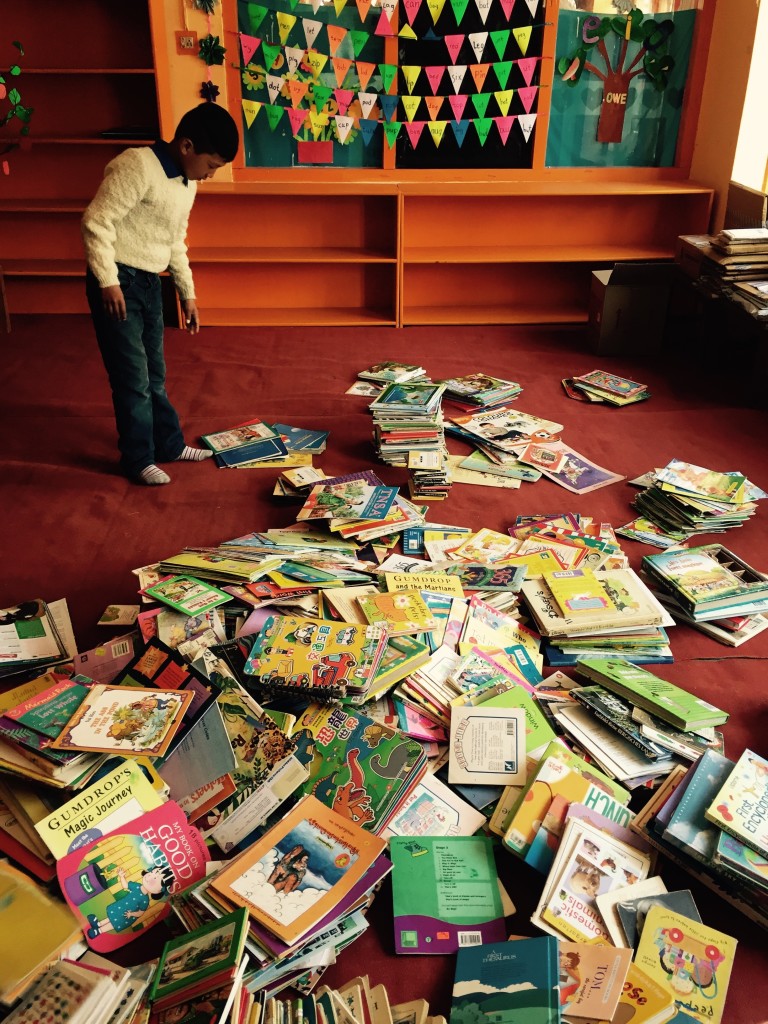
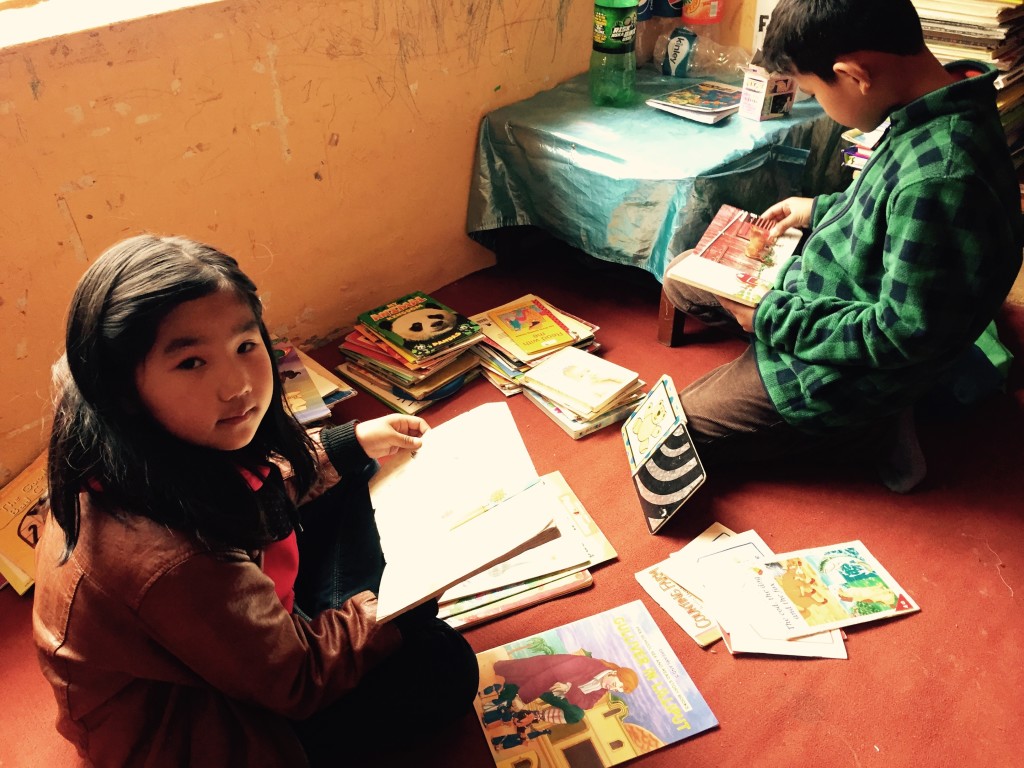
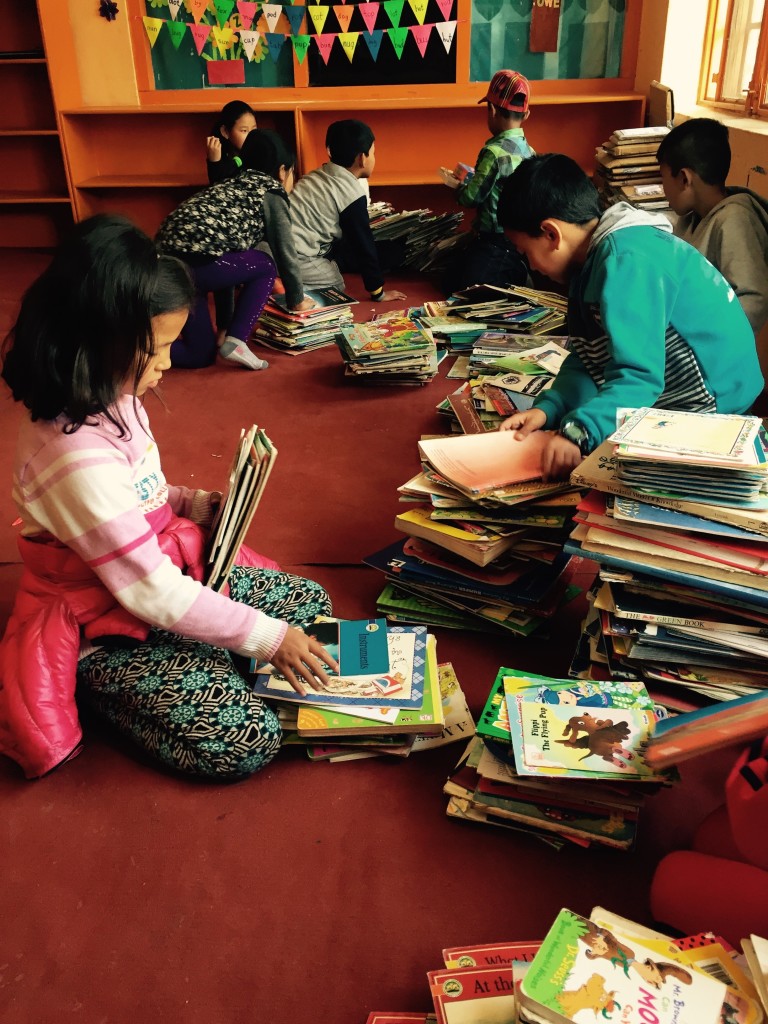
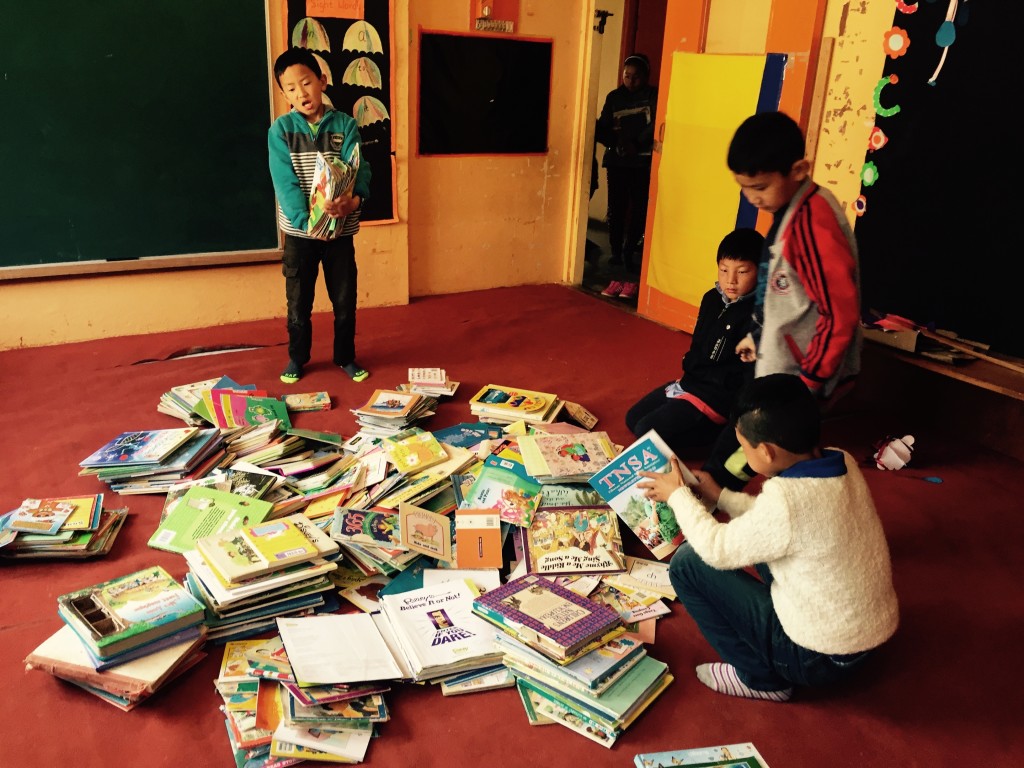
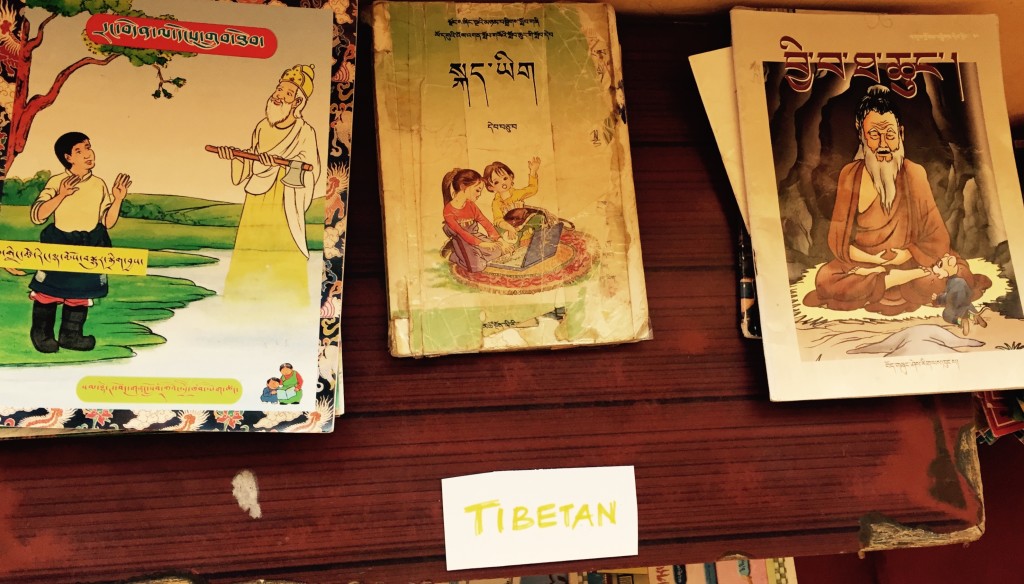
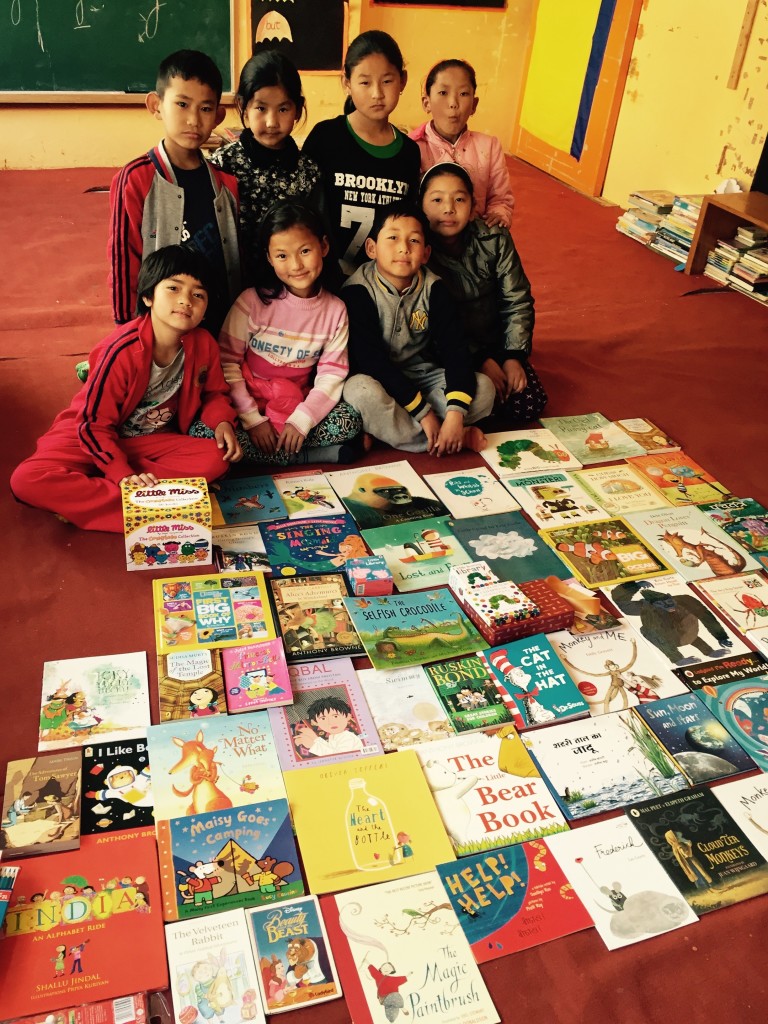
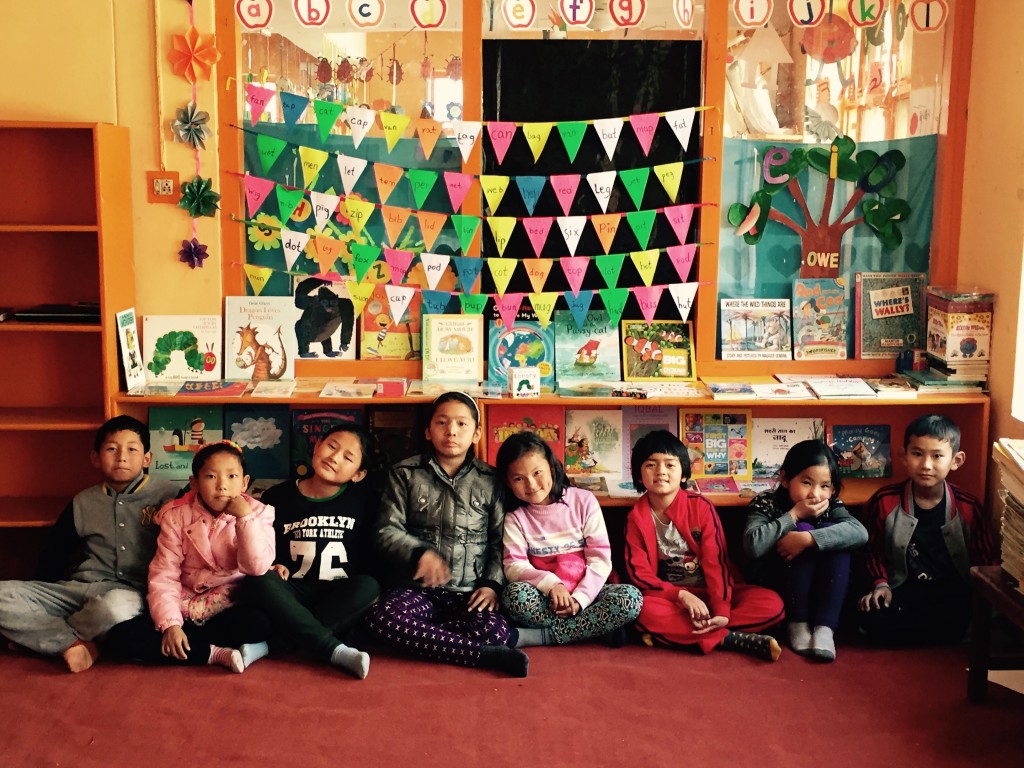
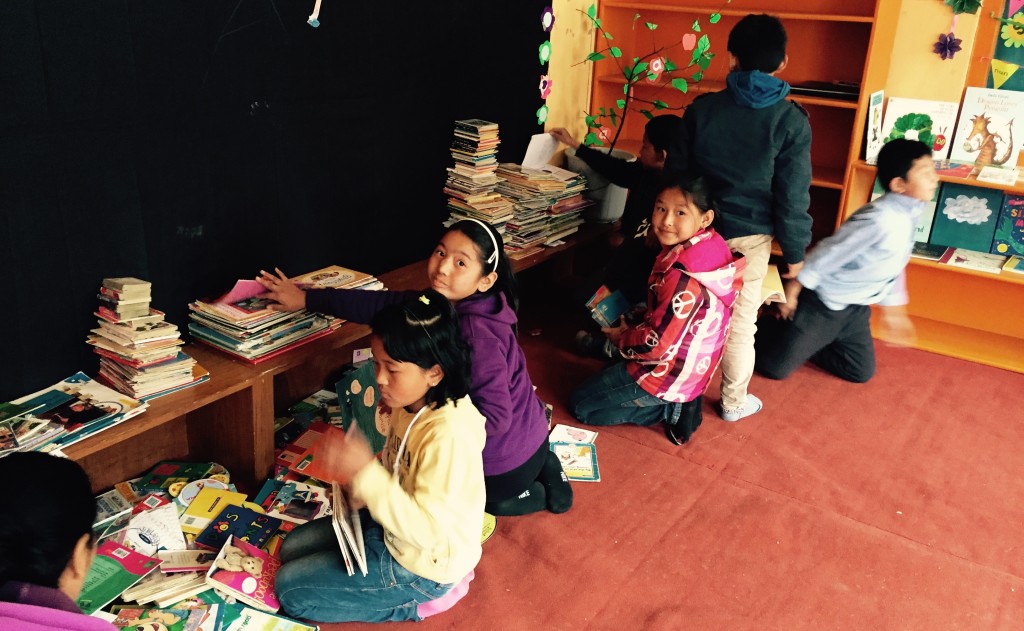
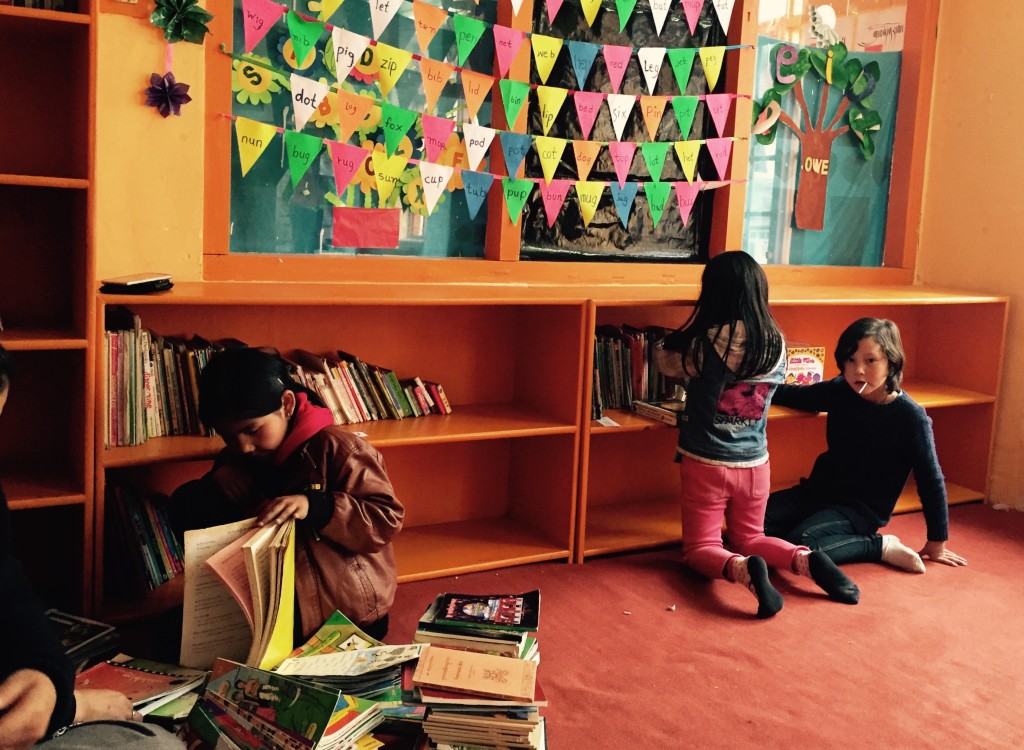
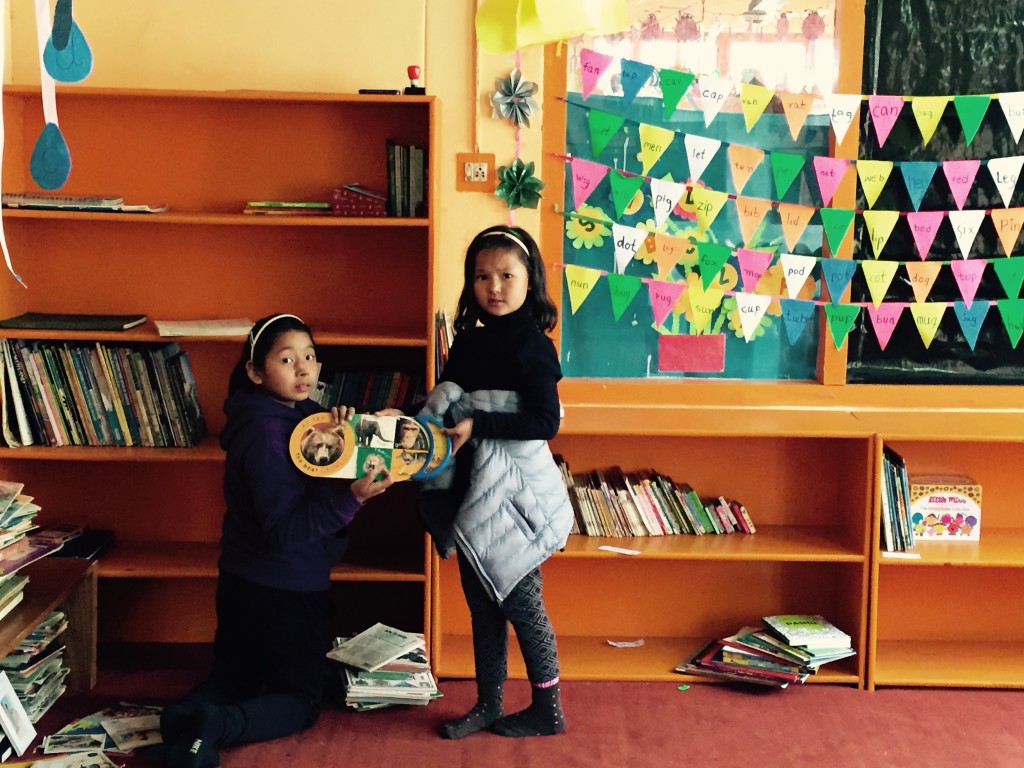
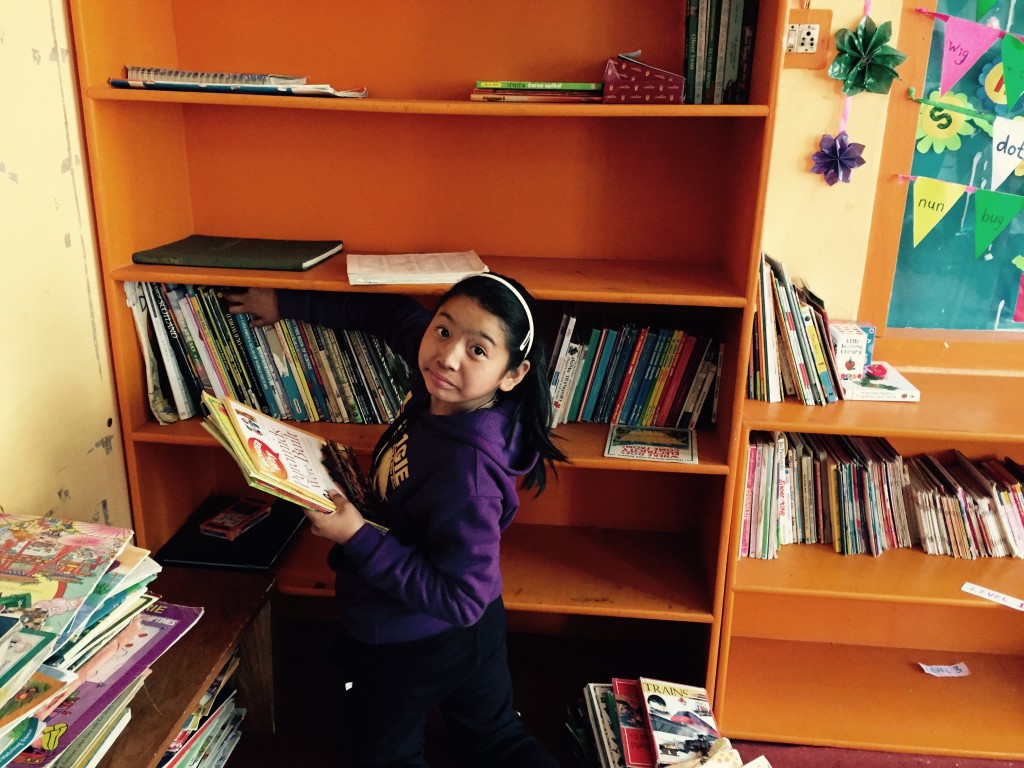
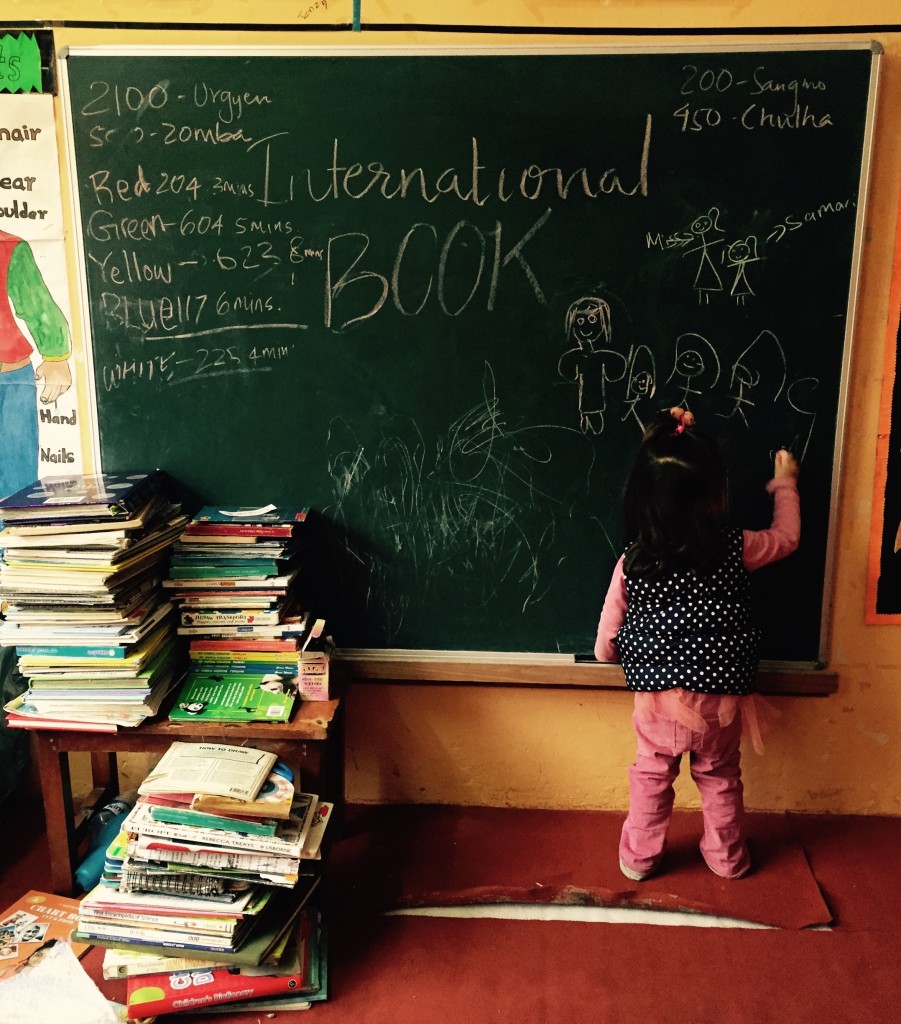
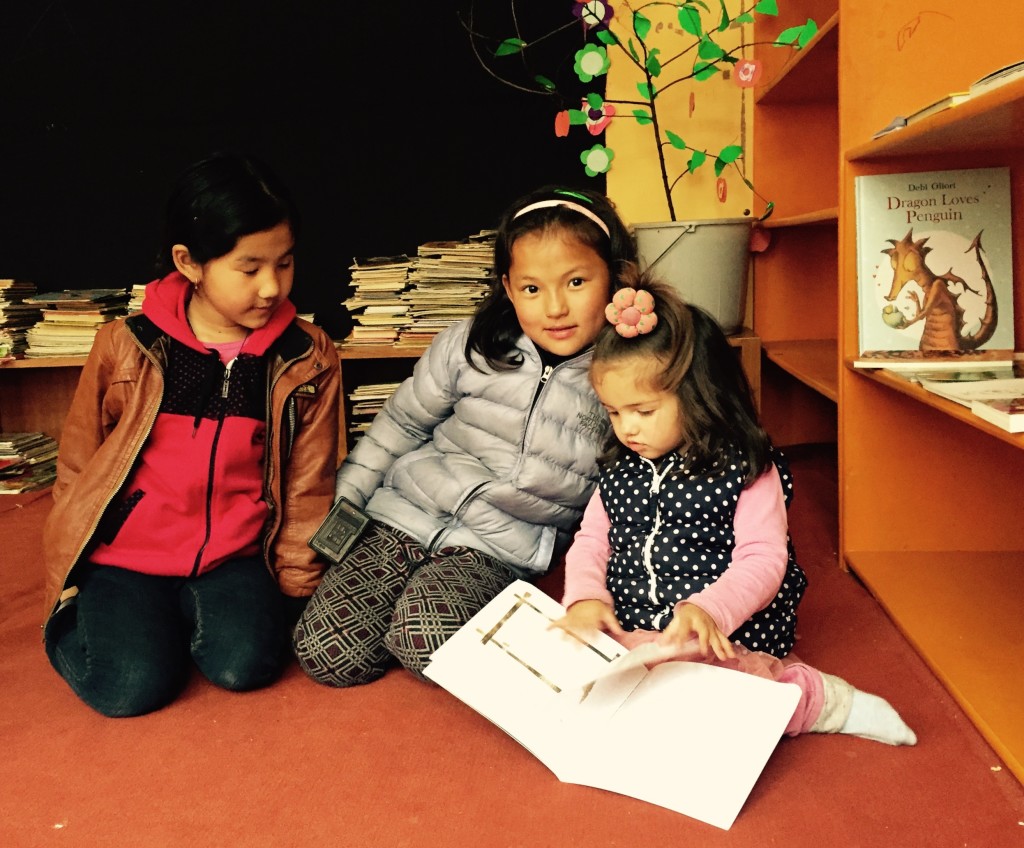
At Avalokiteśvara Trust, creative learning is part of our work with children and young monks in Ladakh and other Himalayan communities. Our reading rooms, book drives, art activities, and music sessions create spaces where children can explore ideas actively. Puppetry adds another doorway into learning, especially for children who may respond more naturally to performance than to written explanations.
Environmental education becomes more meaningful when it connects with daily life. In mountain communities, children may already understand the importance of water, clean paths, healthy soil, animals, and seasonal change. A puppet show helps bring that existing knowledge into a shared conversation and encourages children to consider how small choices affect their families, neighbors, and local landscapes.
Why Stories Reach Young Learners
Environmental subjects can seem distant when they are presented through unfamiliar scientific terms. Words such as conservation, biodiversity, waste management, and climate change have value, but children often understand them more easily when they are attached to a character and a problem. A story gives information an emotional shape.
A puppet can make a mistake without making a child feel judged. When a character throws rubbish into a stream or leaves a tap running, the audience can laugh, identify the consequence, and suggest a better choice. This gentle distance supports discussion. Children become observers, problem-solvers, and sometimes teachers to the characters on stage.
Puppetry also works across different reading levels. Young children can follow color, sound, repetition, and action, while older children can engage with the deeper environmental message. A single performance can therefore include a mixed-age group and create an experience that feels shared rather than divided by ability.
Turning Local Concerns Into Characters
The strongest environmental stories begin with places children recognize. A puppet may live beside a mountain stream, travel through a village, or shelter beneath a high-altitude tree. The setting can reflect local landscapes without turning the performance into a formal lesson about geography.
Characters help us explore concerns such as litter, water conservation, soil protection, responsible use of natural resources, and respect for wildlife. A snow leopard, a crow, a spring, or a yak can each represent a different perspective. The purpose is not to make animals speak for decoration; it is to help children consider how human behavior affects other living beings.
We can also create characters from everyday objects. A discarded bottle, a torn book, or a reusable cloth bag can become part of the story. These figures make waste reduction and reuse visible. Children see that an object has a journey before it reaches a bin, and they can imagine how its next use might prevent unnecessary waste.
From Rehearsal To Understanding
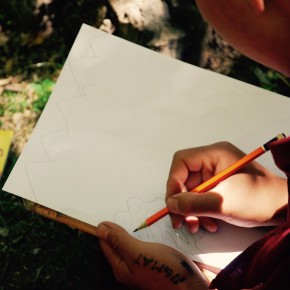
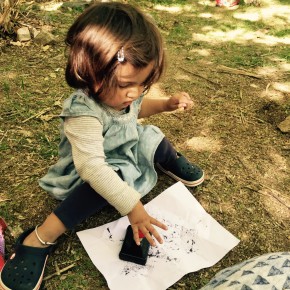
The learning begins before the performance. Children can help design puppets from paper, cloth, cardboard, or safe reused materials. As they choose colors and shapes, they discuss what a healthy river, forest, pasture, or village might look like. Craft work develops creativity while giving environmental vocabulary a practical purpose.
Rehearsals encourage cooperation. One child may operate a puppet, another may narrate, and others may create sound effects or scenery. The group must listen, wait, adapt, and care for shared materials. These social skills are closely connected with environmental responsibility because both require attention to relationships and consequences.
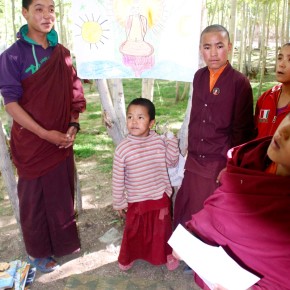
After the show, we make space for reflection rather than ending with applause. Children can retell the story, draw a favorite character, or act out an alternative ending. We may ask them to identify the problem, explain who was affected, and describe a realistic action. This process turns a performance into an ongoing learning activity.
Puppetry In Reading Rooms
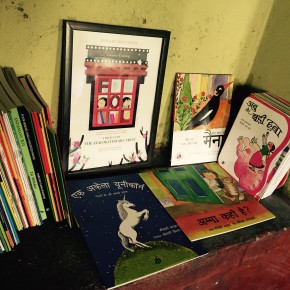
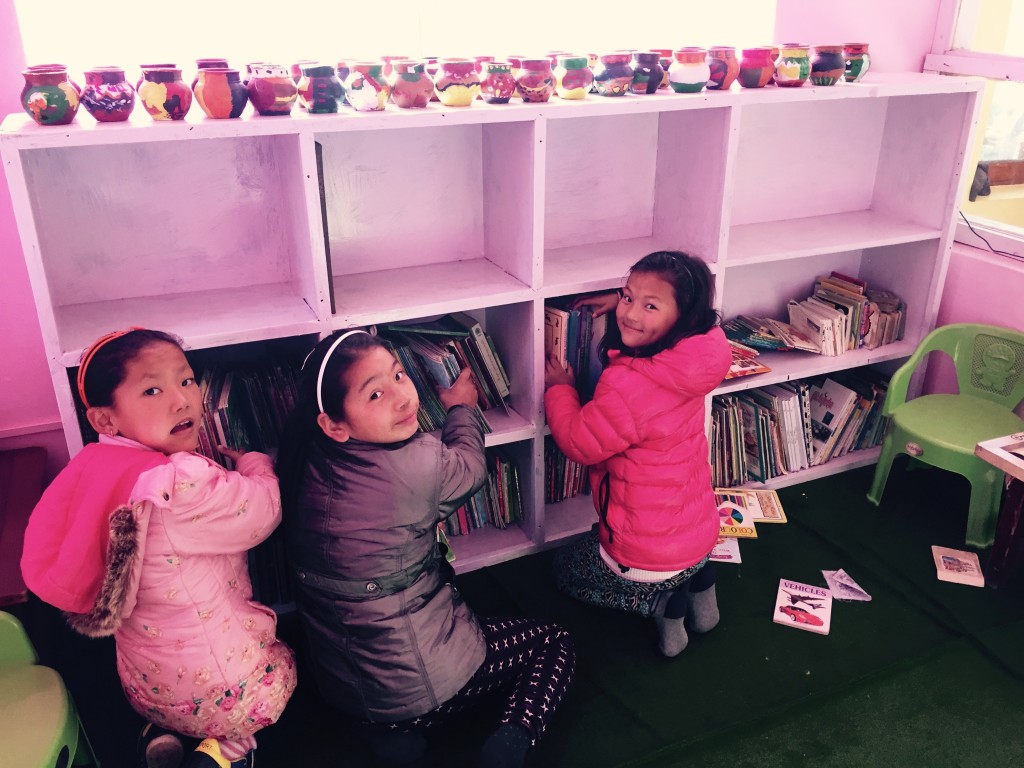
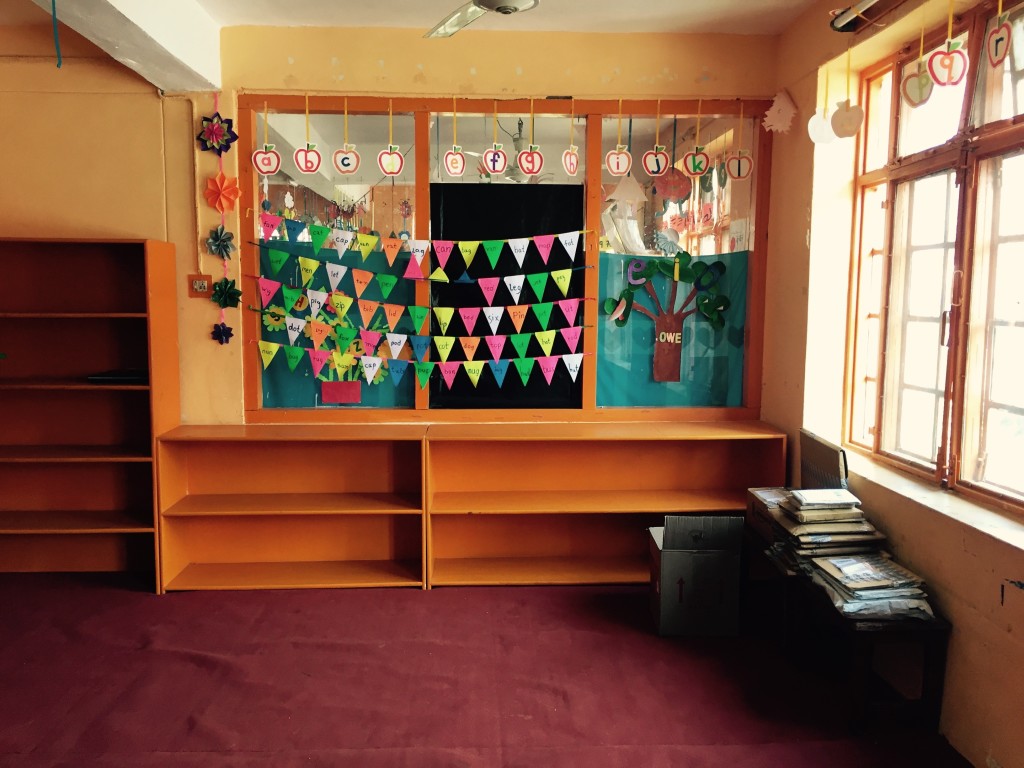
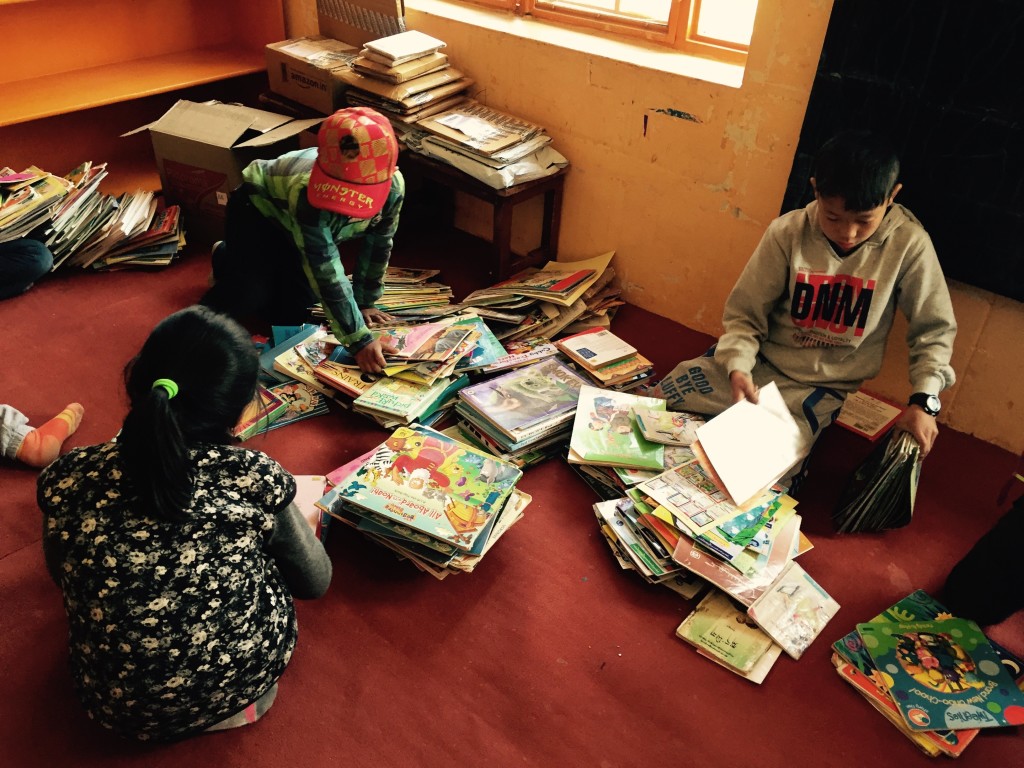
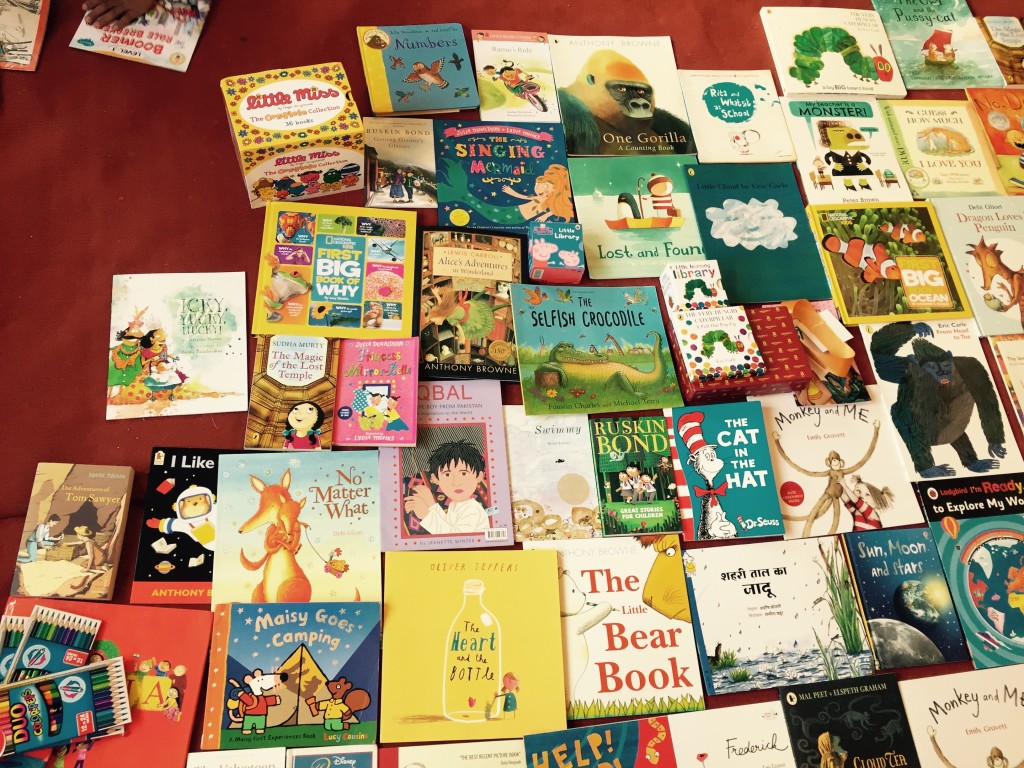
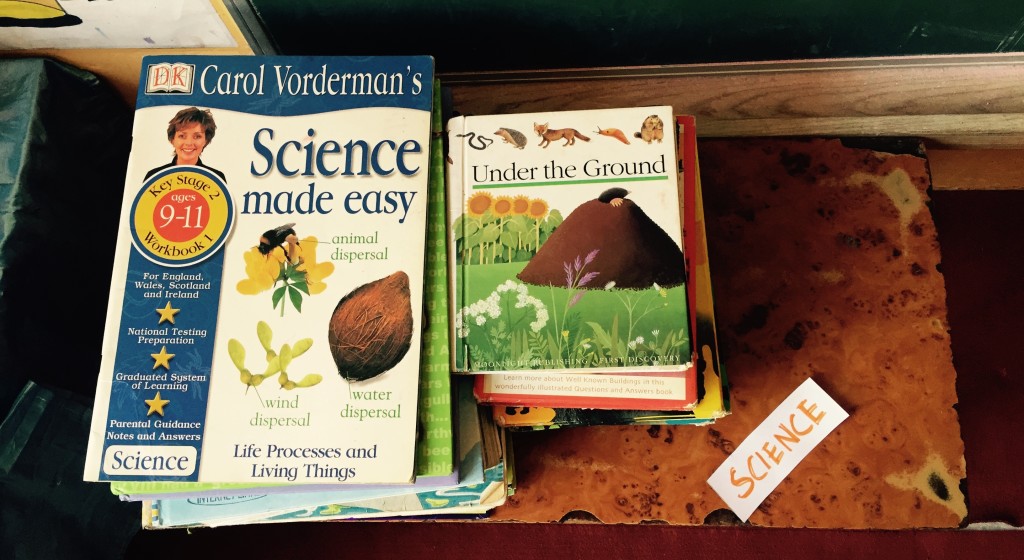
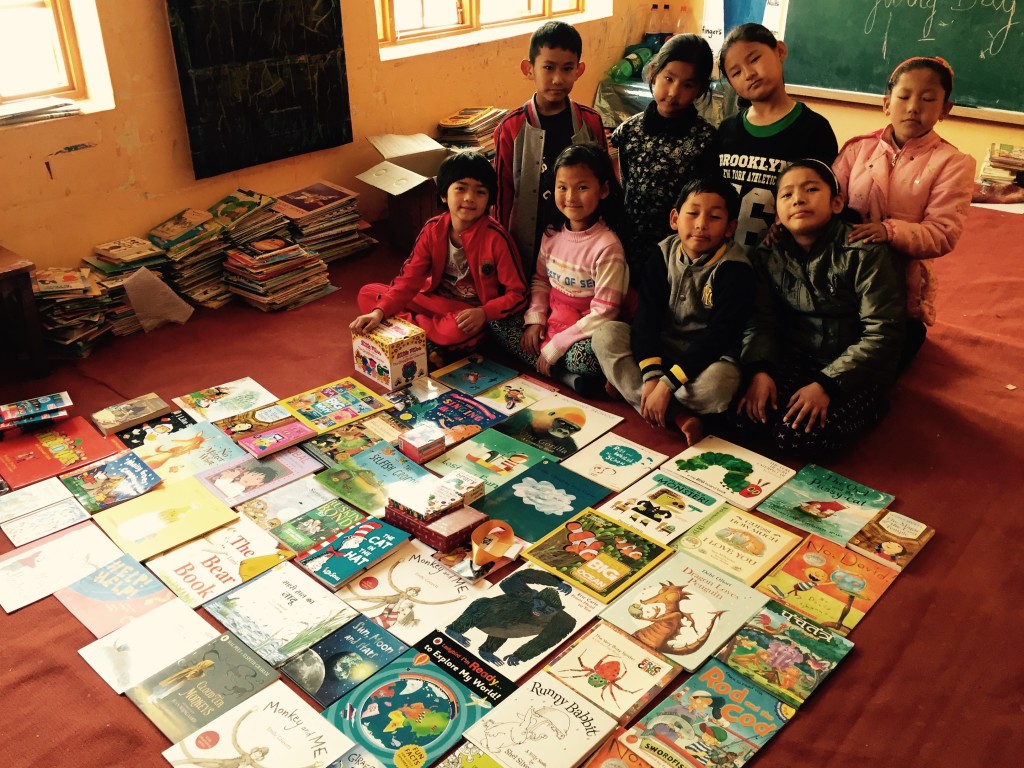
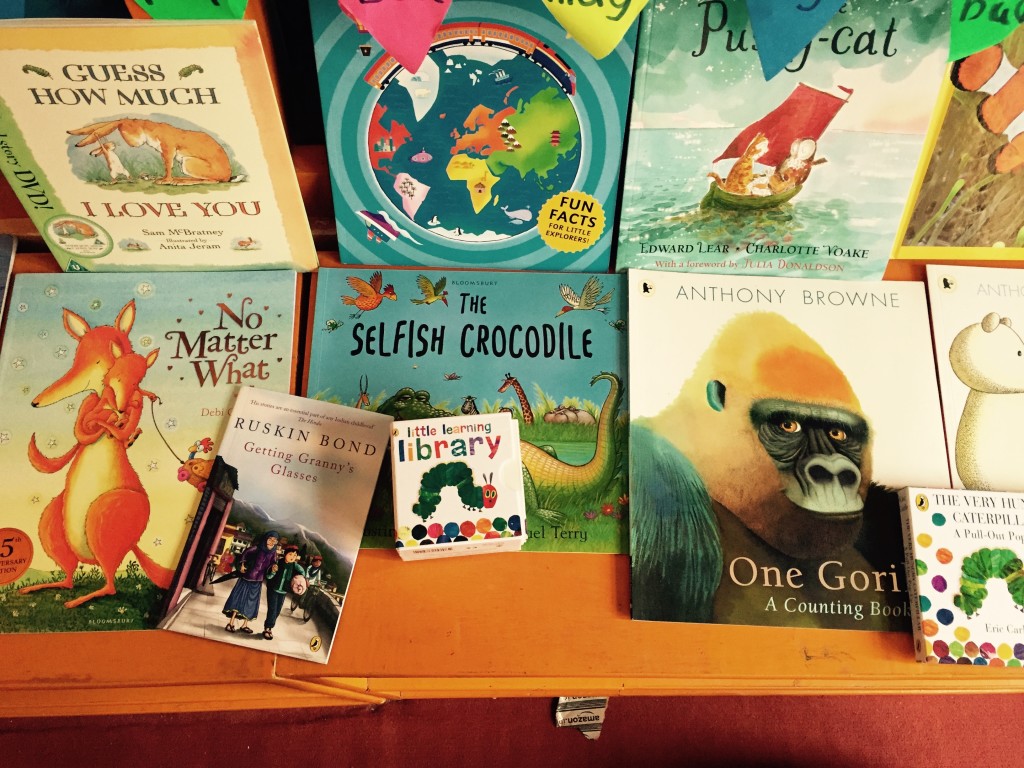
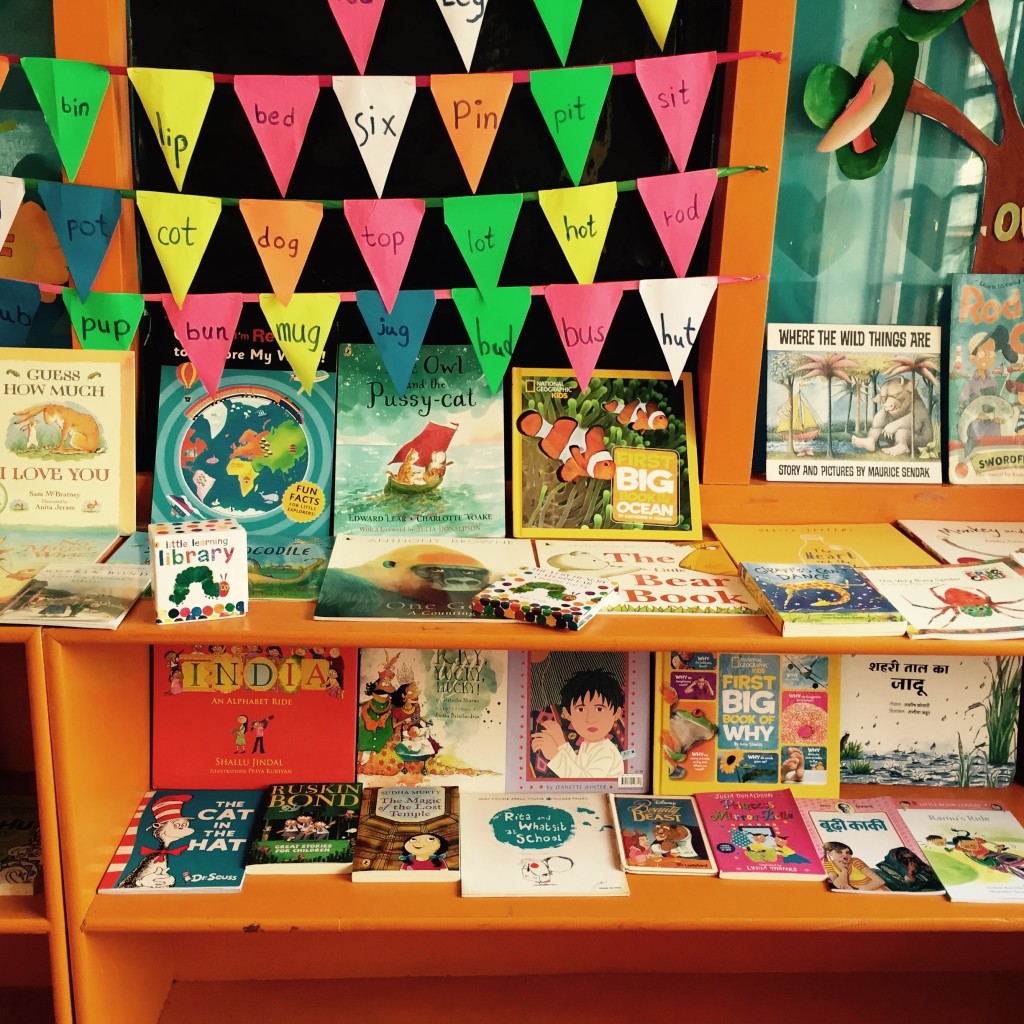
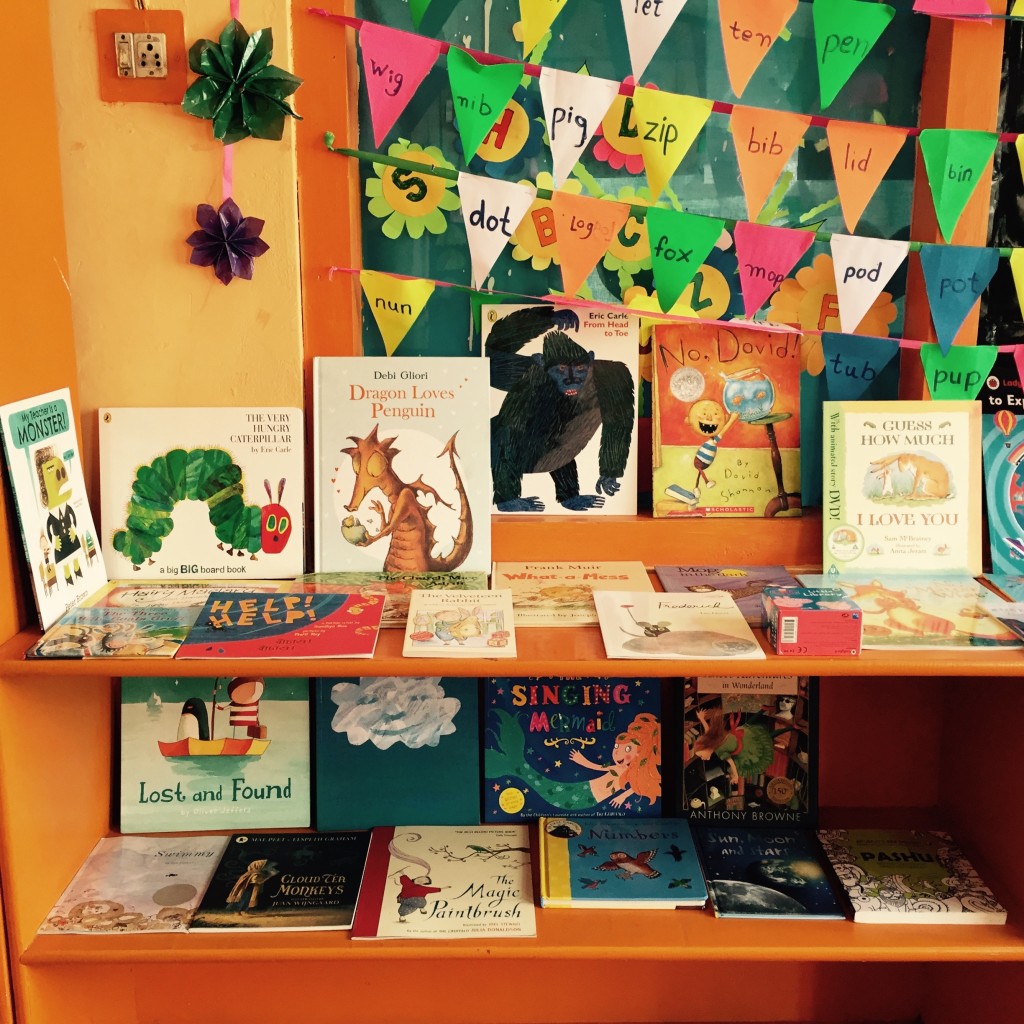
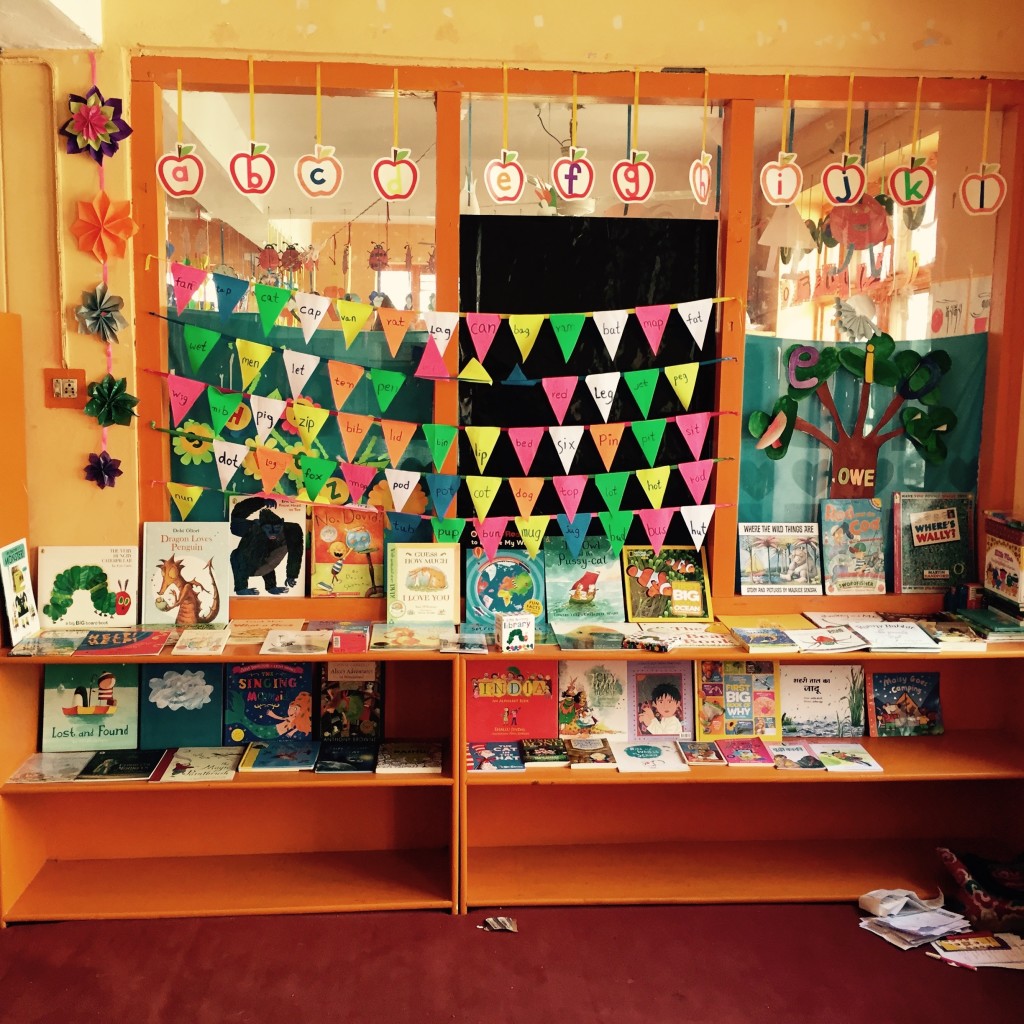
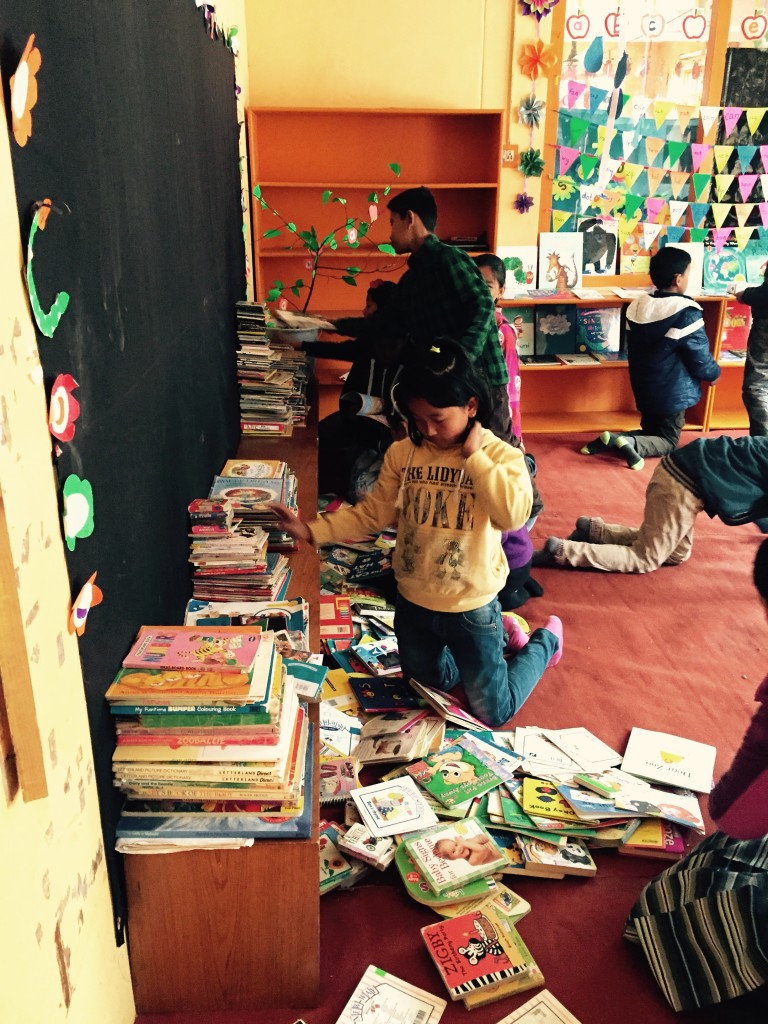
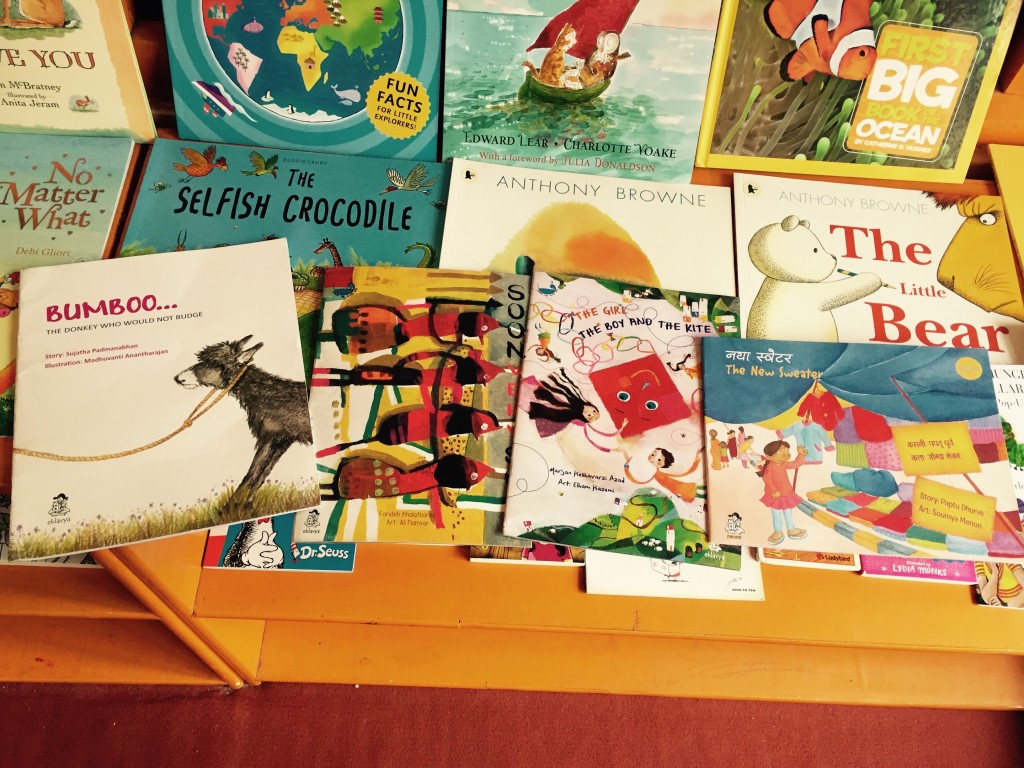
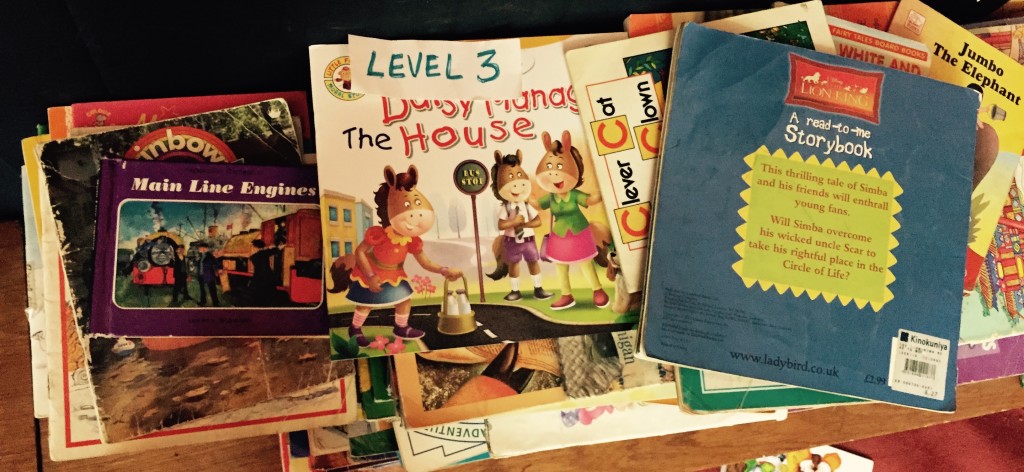
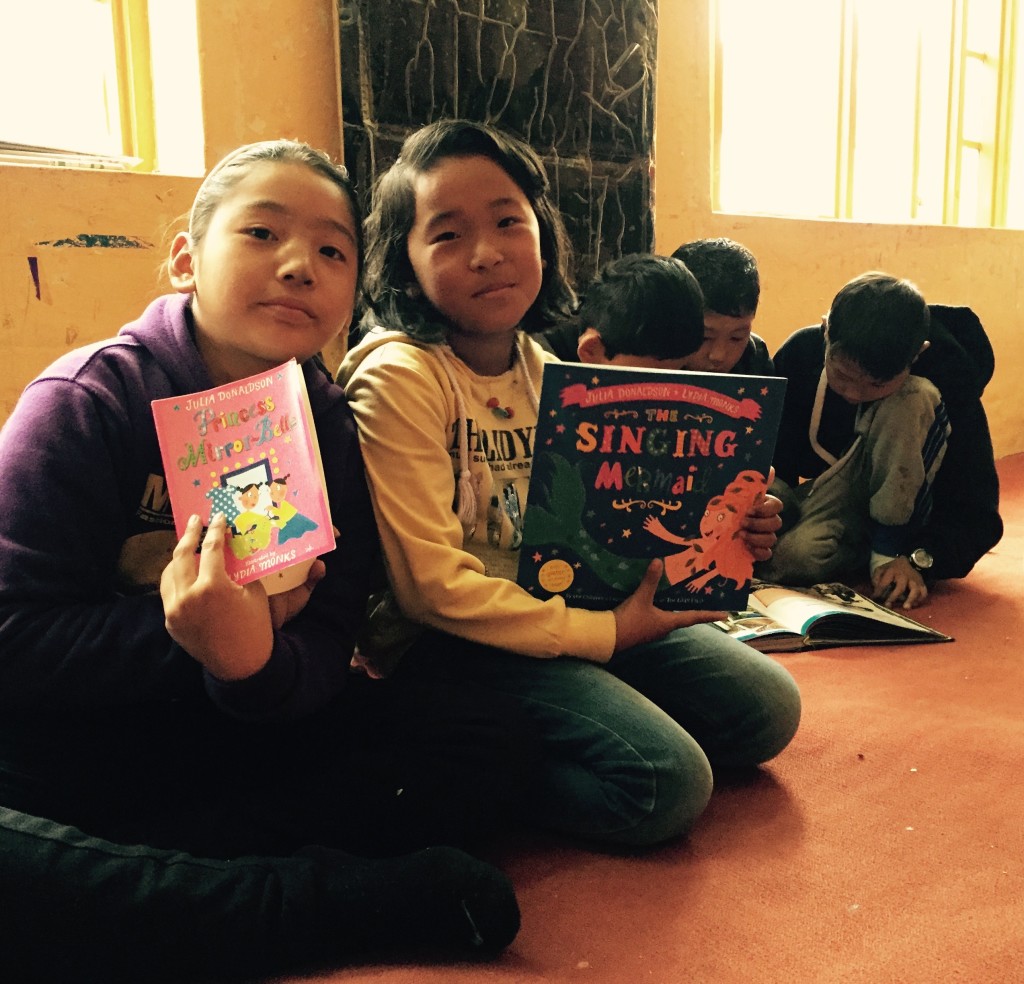
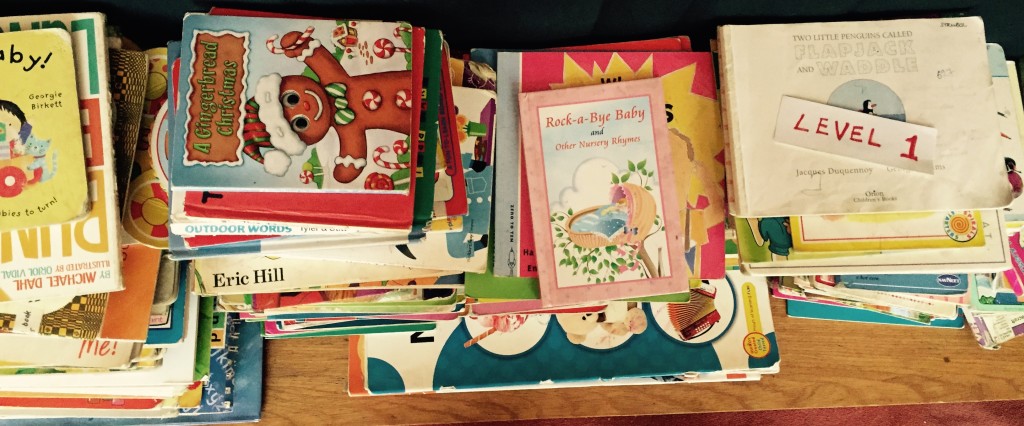
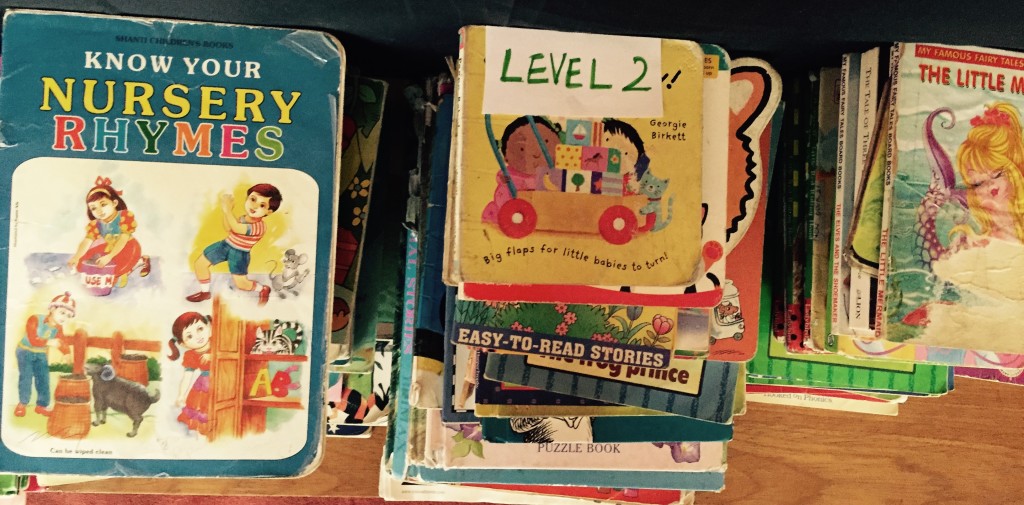
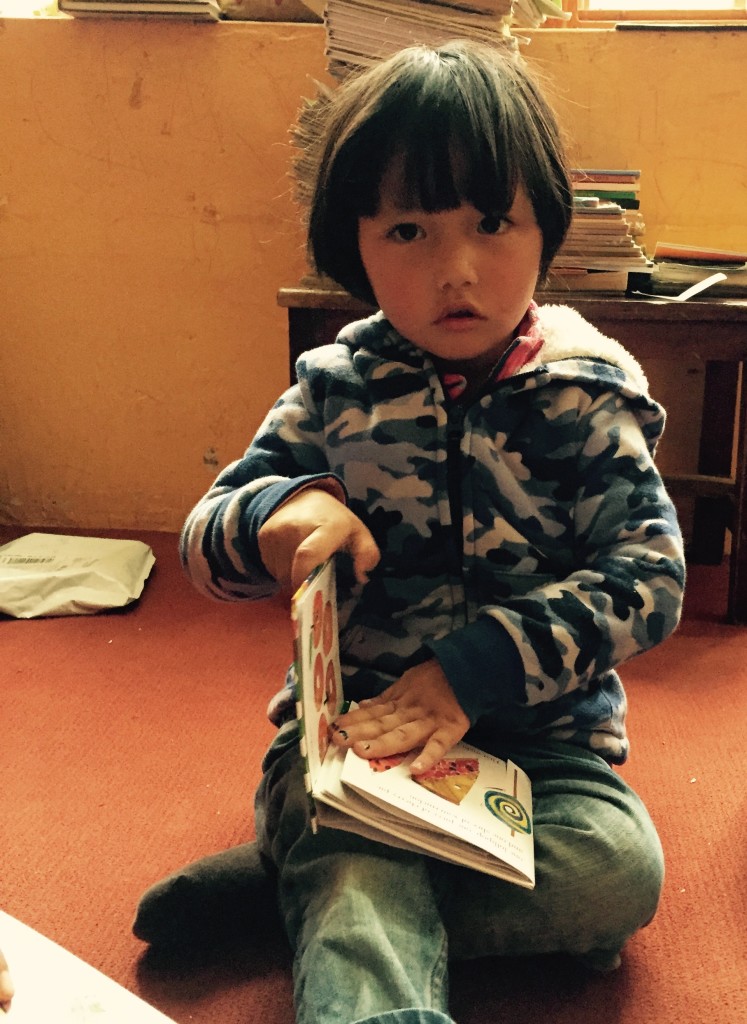
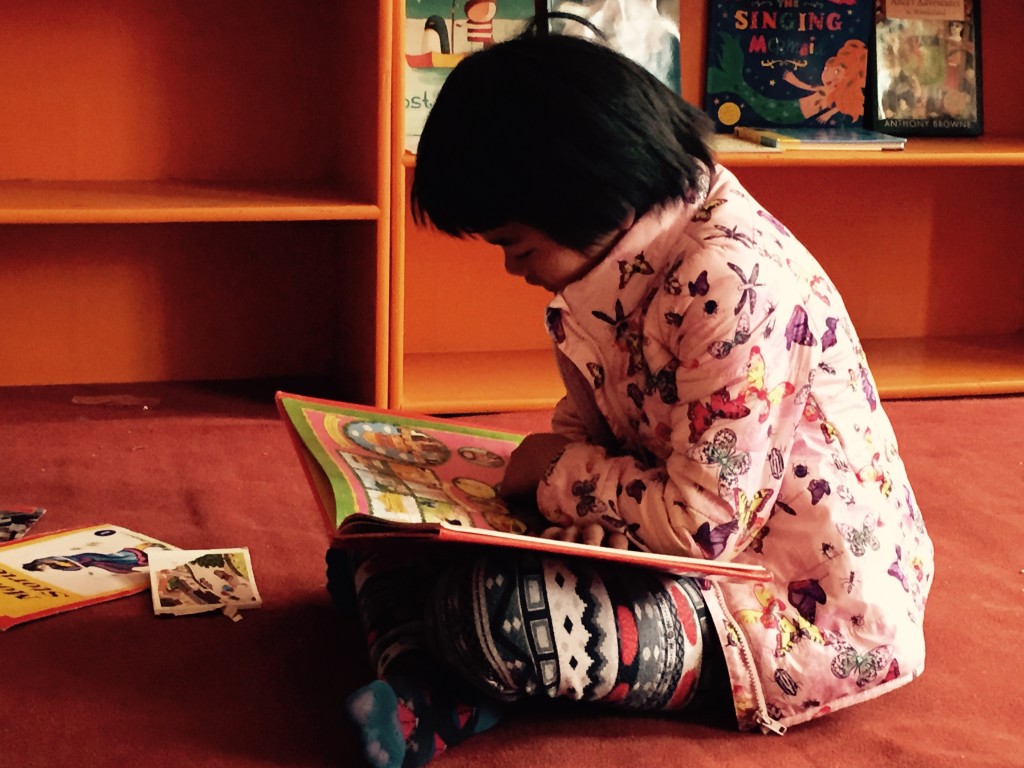
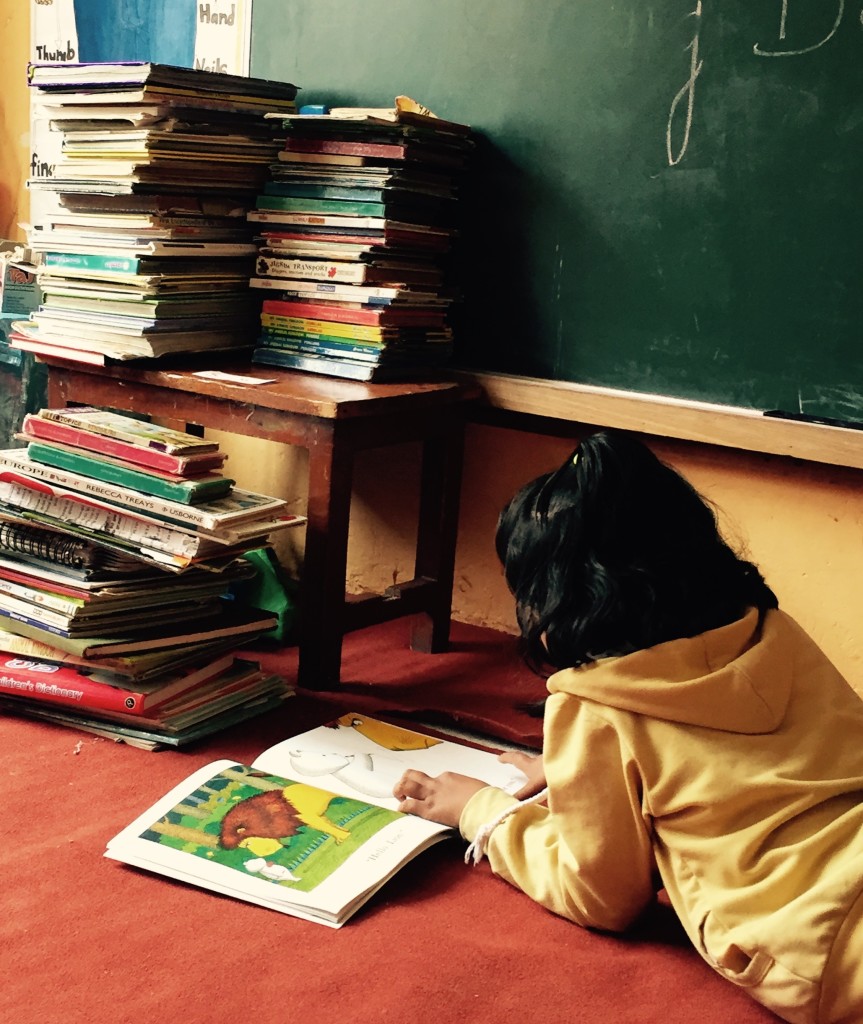
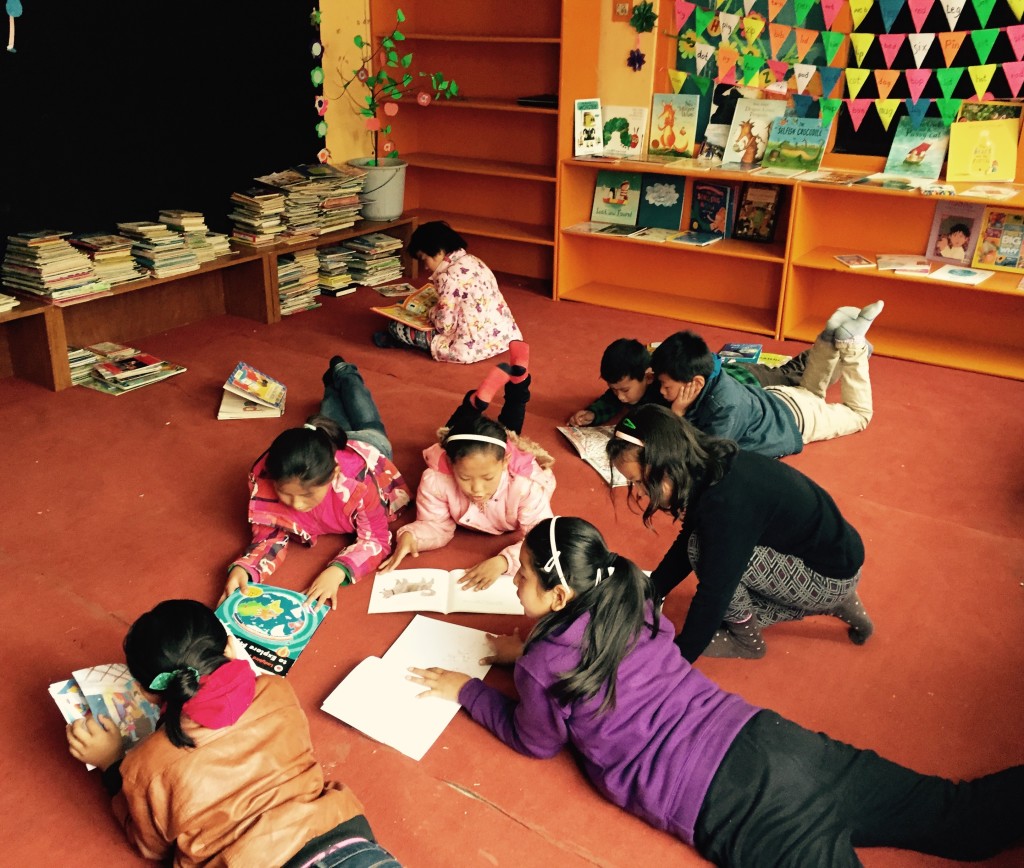
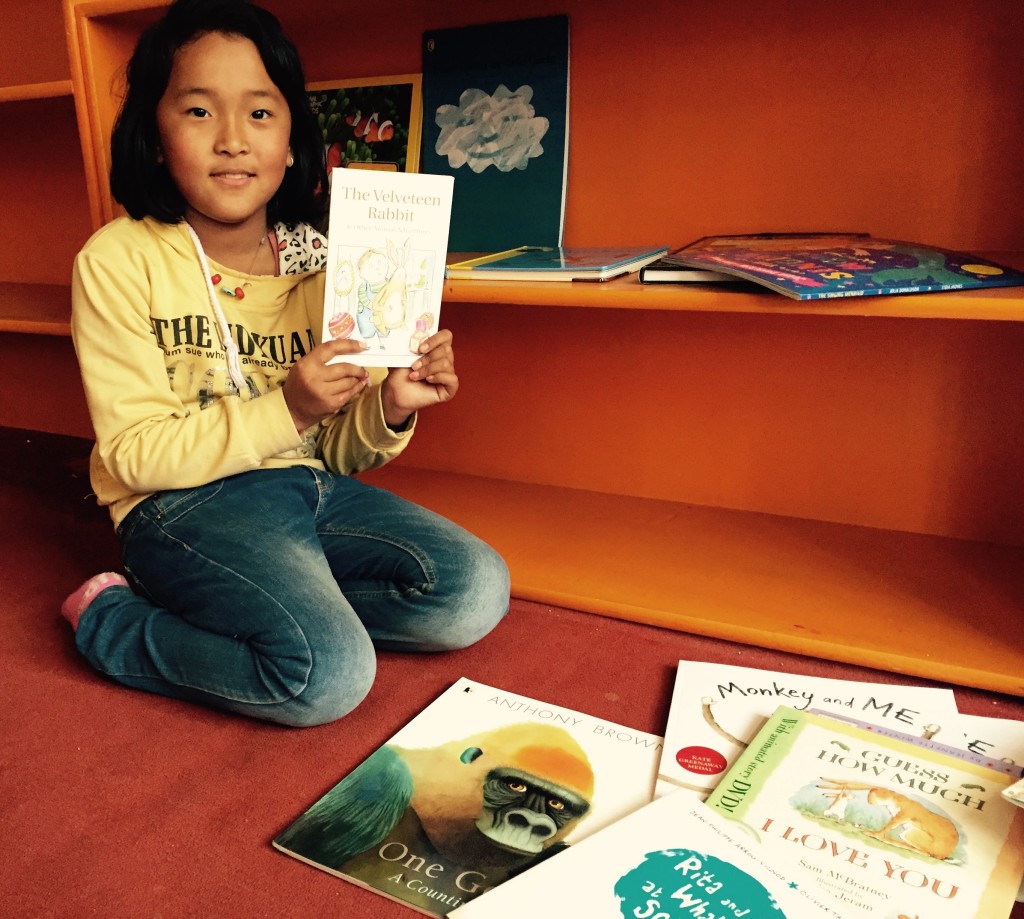
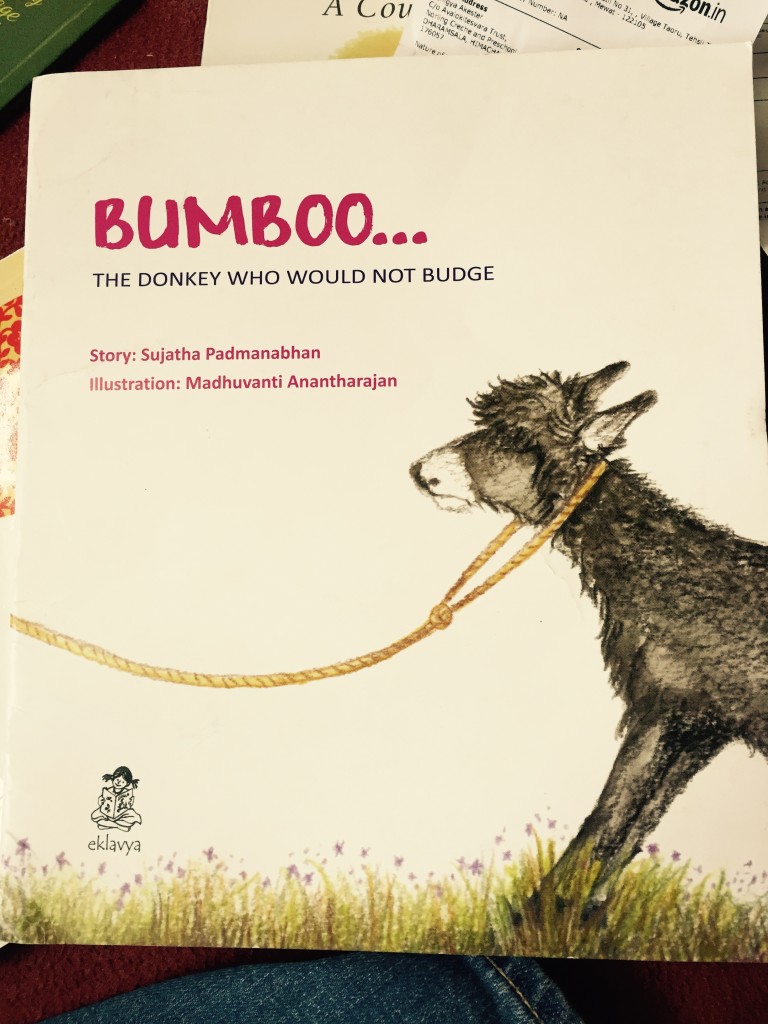
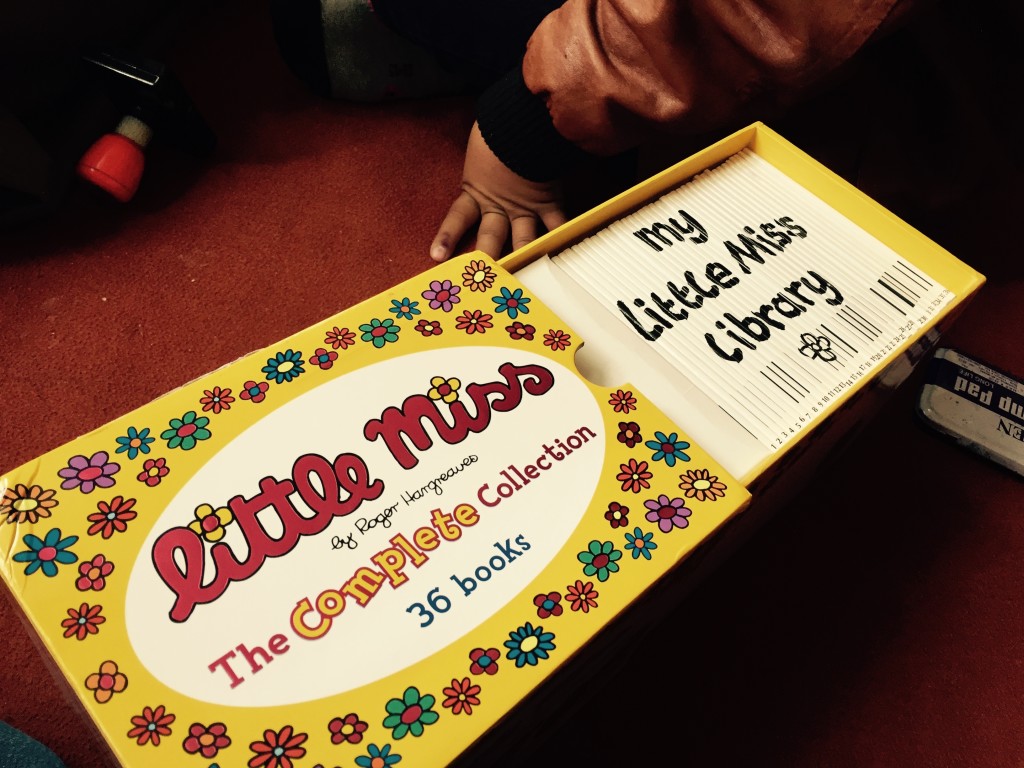
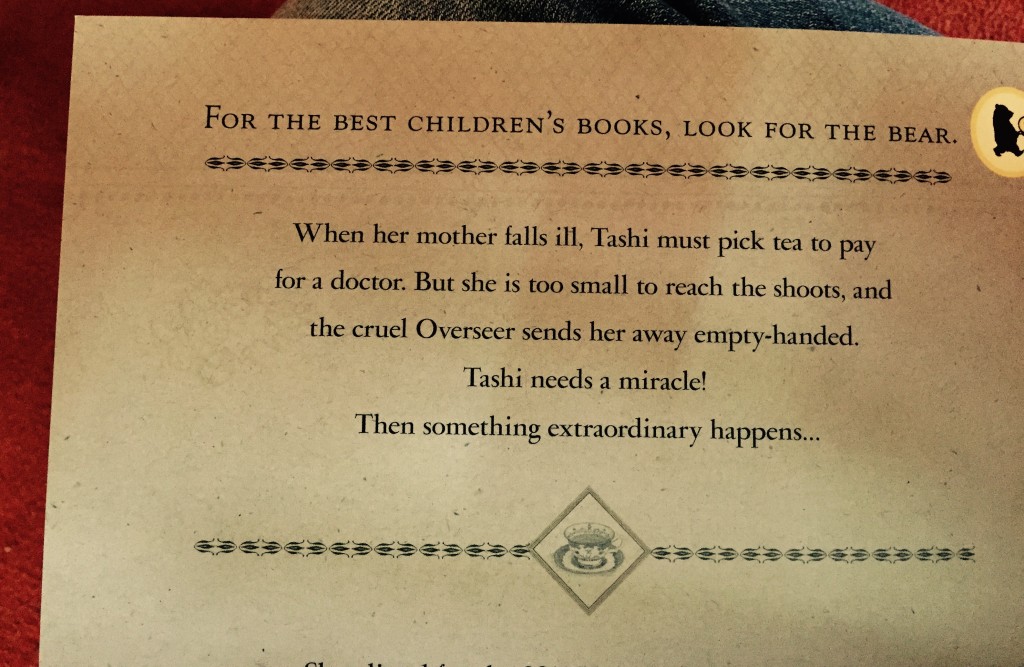
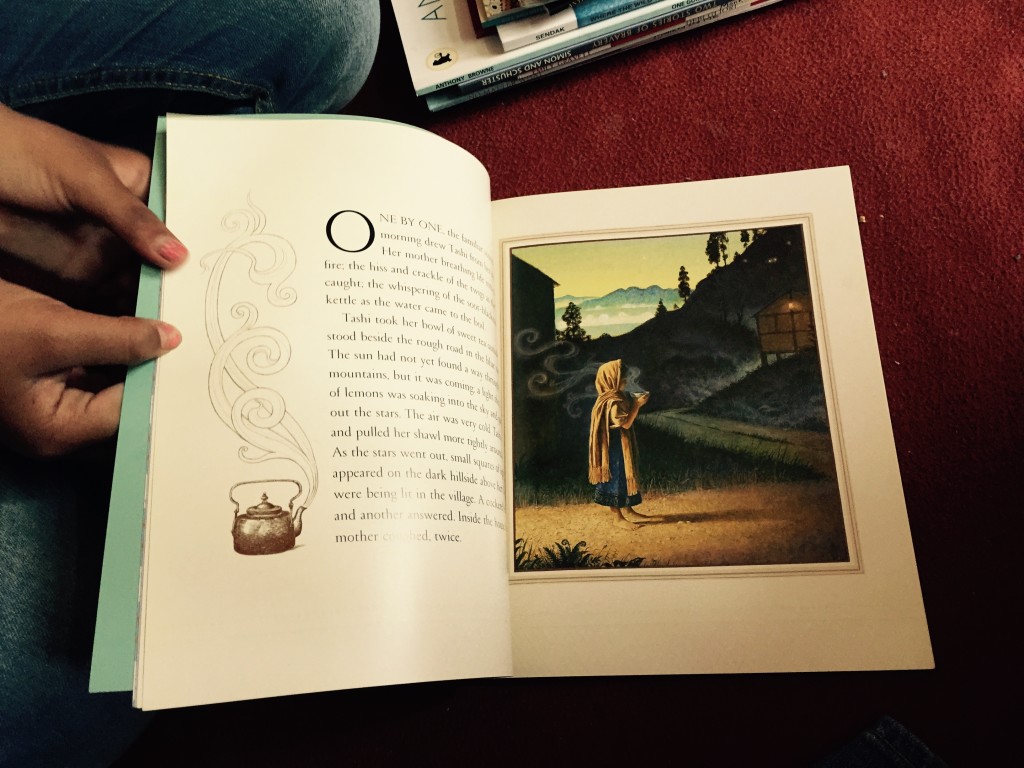
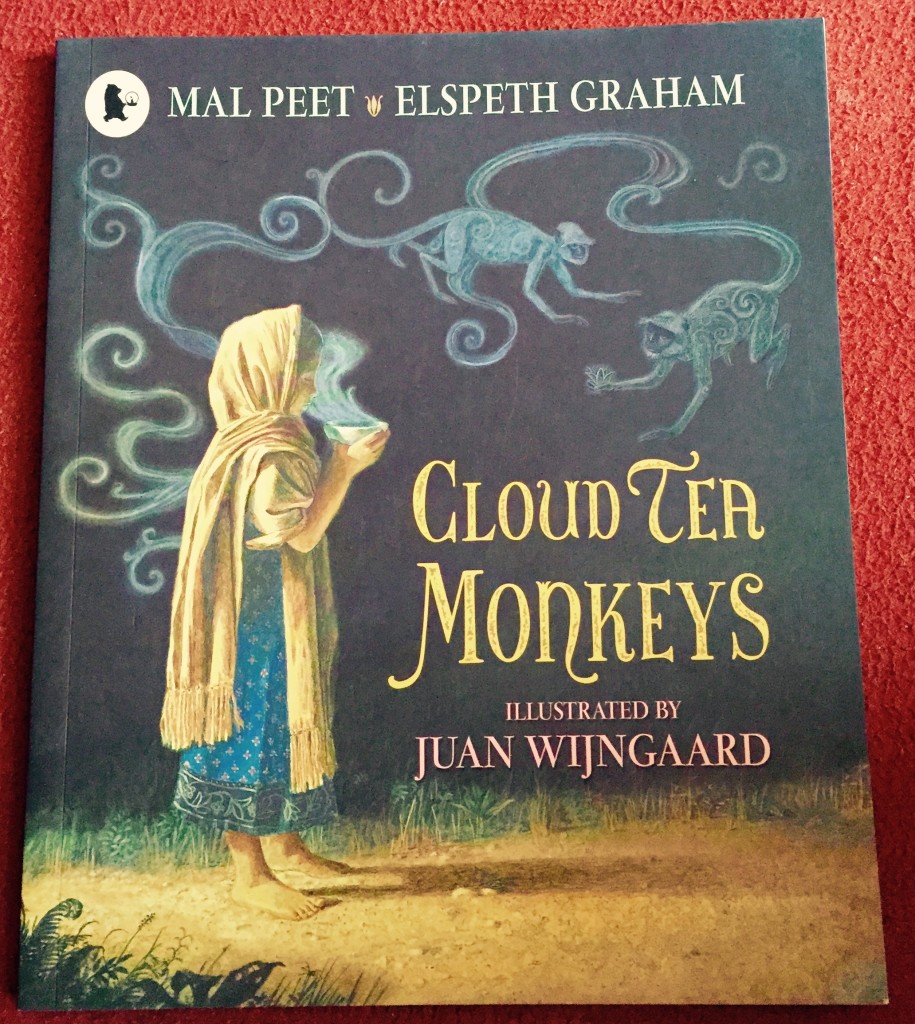
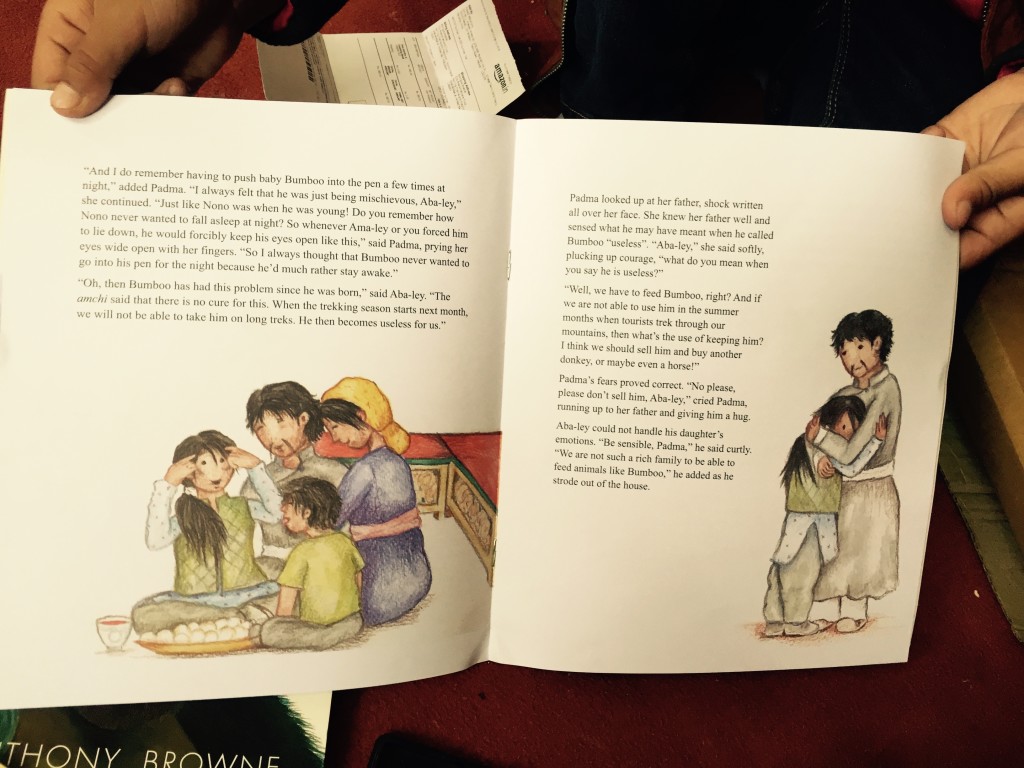
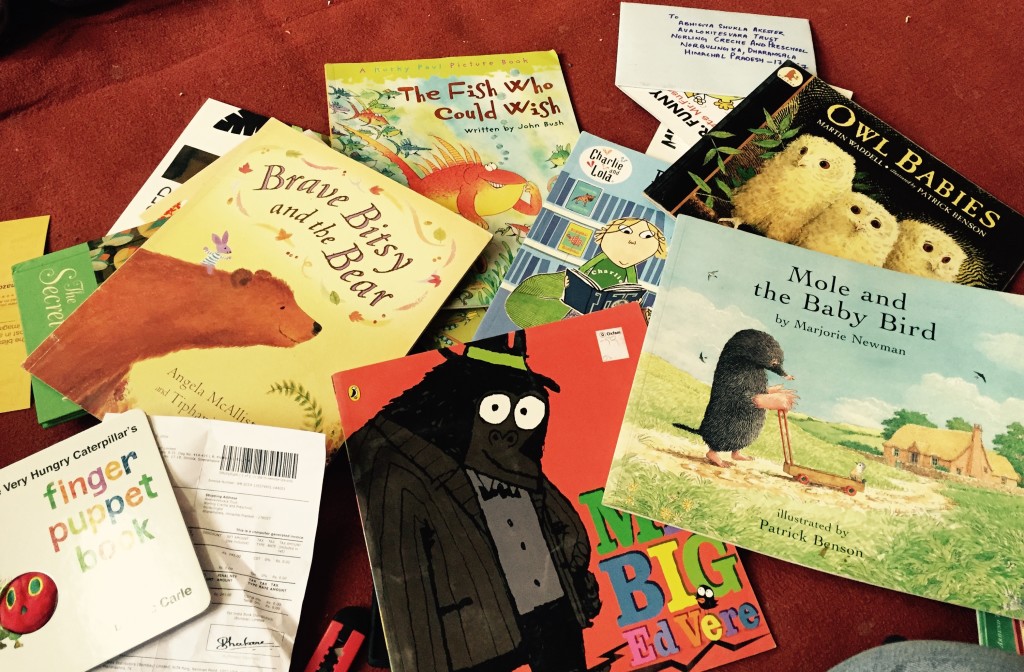
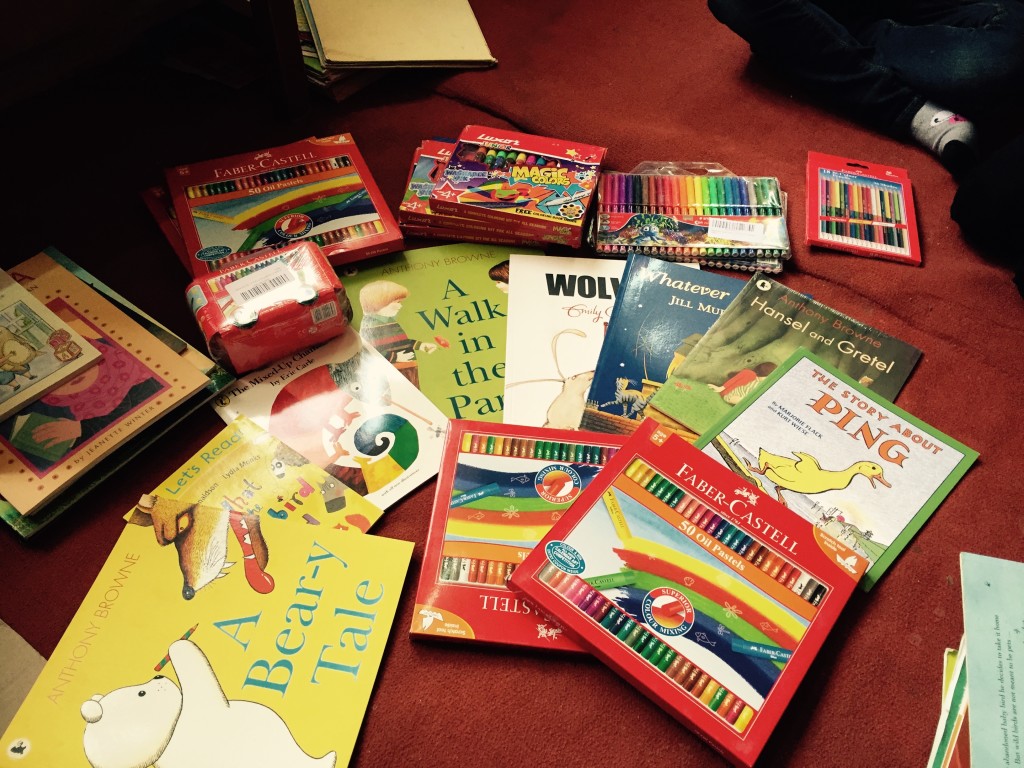
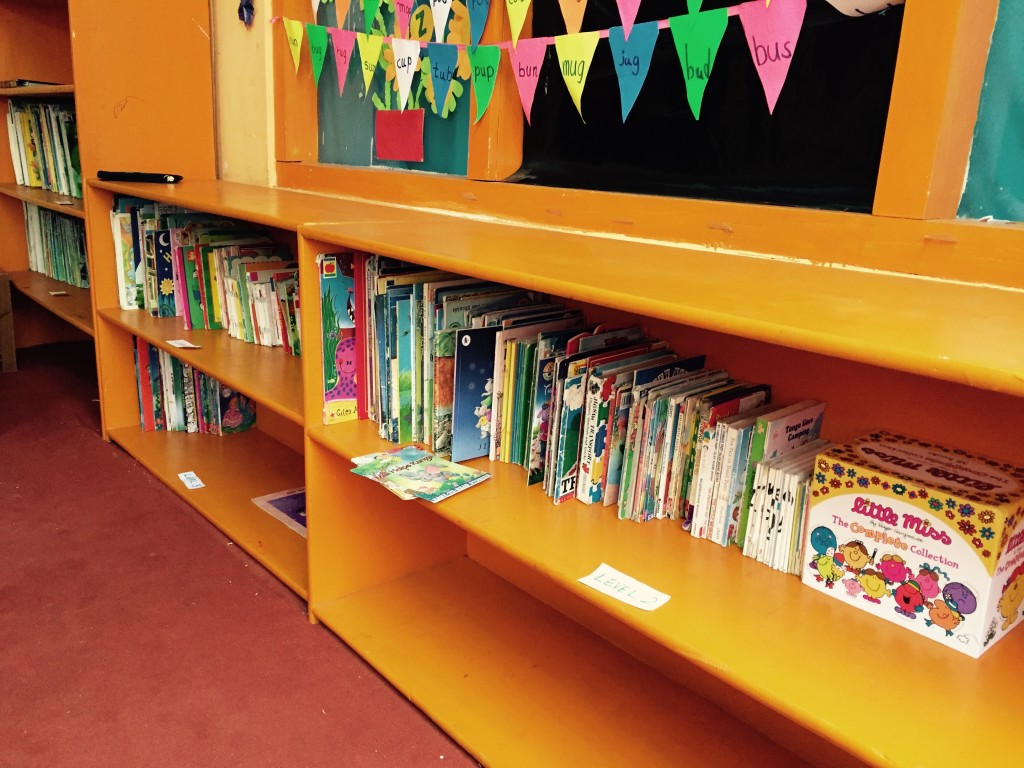
Reading rooms provide a natural home for puppet-based environmental learning. A performance can introduce a selection of picture books, folktales, nature guides, or stories about communities caring for their surroundings. Children then have a reason to browse, read, and continue exploring after the puppets are put away.
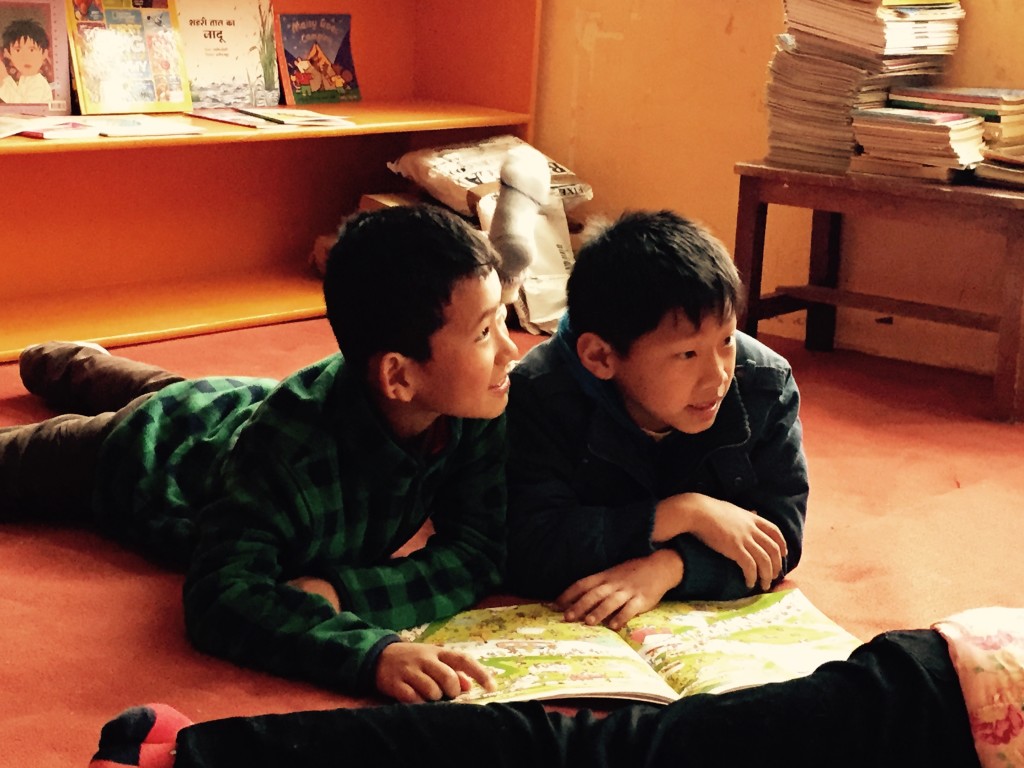
Books and puppets support different kinds of attention. A book allows a child to pause over an illustration or return to a passage. A puppet performance creates a collective moment in which children hear one another’s reactions. Together, they strengthen language development, visual thinking, listening, and comprehension.
Our volunteers can extend the activity with simple reading prompts. Children might search for animals in a book, compare a fictional landscape with their own surroundings, or create a short environmental story. These exercises make literacy and ecological awareness part of the same experience rather than treating them as separate subjects.
Choosing The Right Learning Activity
Puppetry is especially valuable when a group needs participation, emotional connection, and a memorable story. Other activities may be more appropriate when children need detailed information, quiet concentration, or direct observation. Using several approaches allows environmental education to remain flexible and inclusive.
| Learning activity |
Best suited for |
Environmental value |
Role for children |
| Puppet performance |
Introducing a shared issue |
Builds empathy and curiosity |
Watch, respond, and suggest solutions |
| Picture-book reading |
Developing language and detail |
Explains ideas through images and text |
Read, interpret, and retell |
| Nature walk |
Connecting lessons with place |
Encourages observation of local habitats |
Notice, record, and compare |
| Art and craft session |
Making abstract ideas tangible |
Promotes reuse and creative problem-solving |
Design, build, and communicate |
| Group discussion |
Exploring choices and consequences |
Links environmental issues to daily life |
Listen, question, and propose actions |
The purpose is not to choose one perfect method. A puppet show might introduce the importance of clean water, a book might add factual detail, and a short walk might help children notice how water moves through their own community. Each activity reinforces the others.
This combination is useful in communities where resources, weather, travel, or available teaching time can vary. A simple puppet made from local materials can support learning in a reading room, classroom, courtyard, or community gathering. The method is adaptable without losing its central message.
Making Every Performance Actionable
A memorable story should lead toward an achievable action. Children do not need to solve every environmental problem at once. They need opportunities to connect understanding with habits they can practice and share.
We focus on actions that are concrete, visible, and suitable for the local setting:
- Carry a reusable bottle or bag when possible and explain why it reduces waste.
- Turn off taps and lights when they are not needed.
- Keep shared spaces, paths, and water sources free from litter.
- Reuse safe materials for art, puppets, decorations, and learning projects.
- Observe local plants and animals respectfully without disturbing their habitats.
These actions become stronger when children help choose them. A group may create a promise for its reading room, write a short song, or perform a follow-up scene showing how the characters changed their behavior. Publicly sharing the idea gives children confidence and helps environmental care become part of community life.
Learning Through Shared Responsibility
Puppetry also teaches that caring for the environment is a collective responsibility. A single character may begin the story, but the solution usually requires cooperation. The stream needs clean banks, the village needs thoughtful waste practices, and the animal needs a safe habitat. Children can see that individual decisions matter within a larger network.
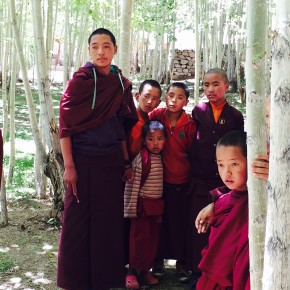
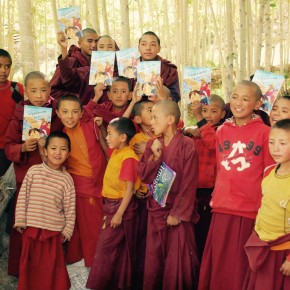
Young monks and other children bring different experiences to these conversations. Some may know local stories about animals, weather, or water. Others may contribute observations from home, school, or travel. Their knowledge deserves a place in the performance, because environmental awareness grows when learning respects lived experience.
Volunteers support this process by listening carefully and keeping activities open-ended. They do not need to deliver a perfect performance or provide every answer. Their role may be to help children shape a character, find a book, organize materials, or guide reflection. The most valuable result is often a child who feels capable of noticing a problem and helping others respond.
Help Bring Creative Environmental Learning To More Children
A puppet can begin a conversation, but people sustain the change. When children have access to books, creative materials, caring mentors, and welcoming learning spaces, they can develop the imagination and confidence needed to care for their communities. Your support can help us continue combining literacy, art, music, and environmental education in Himalayan communities.
You can support Avalokiteśvara Trust by contributing to educational activities, helping provide quality books and materials, sharing our work, or exploring opportunities to volunteer. Every act of support helps create more moments in which a child can learn, perform, read, and discover that protecting the natural world is something they can do together.