How finger puppets help preschoolers tell stories
We use finger puppets to teach storytelling to preschoolers because a small character gives every child an immediate role. A fox can step forward, a cloud can hide and a bird can return with a seed. As the puppet moves, an abstract plot becomes visible, and speaking for a character often feels safer than speaking as oneself.
The method is deliberately simple: one puppet, an open book and a story prompt. Children can move it, change its voice or pass it to a friend. Through these choices, they practise vocabulary, sequence ideas and express feelings while adults listen, ask gentle questions and keep the shared story moving.
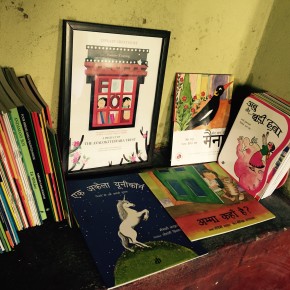
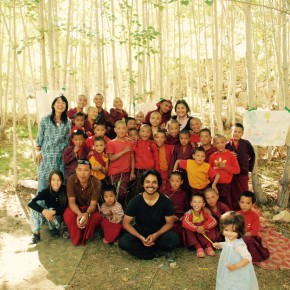
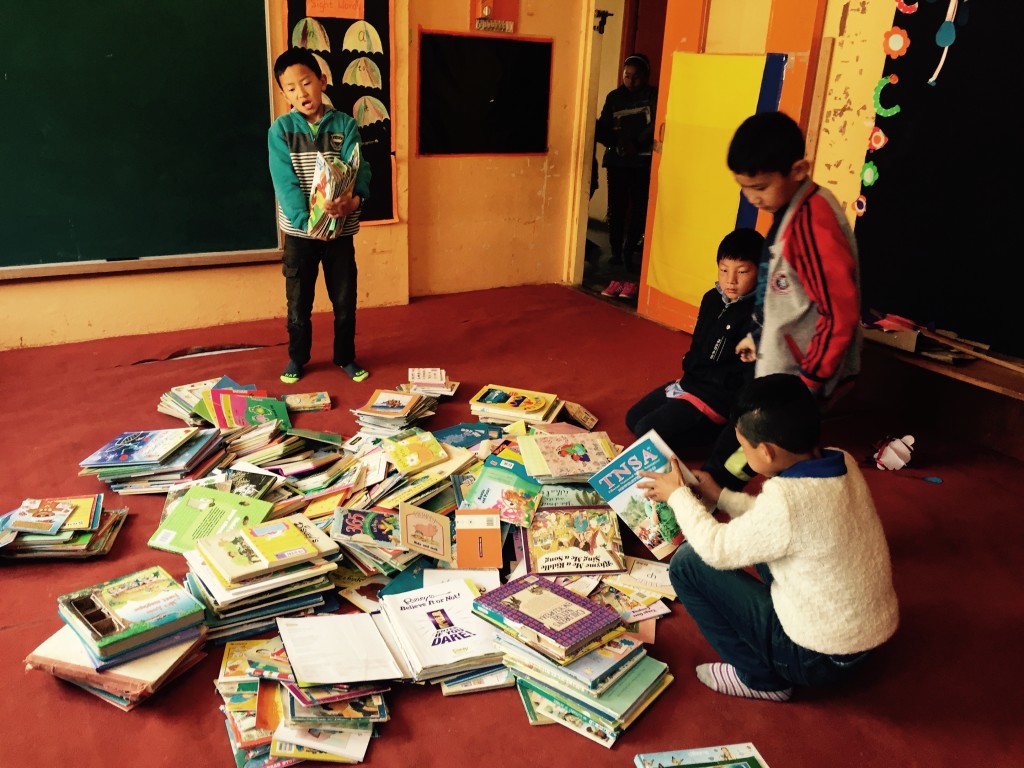
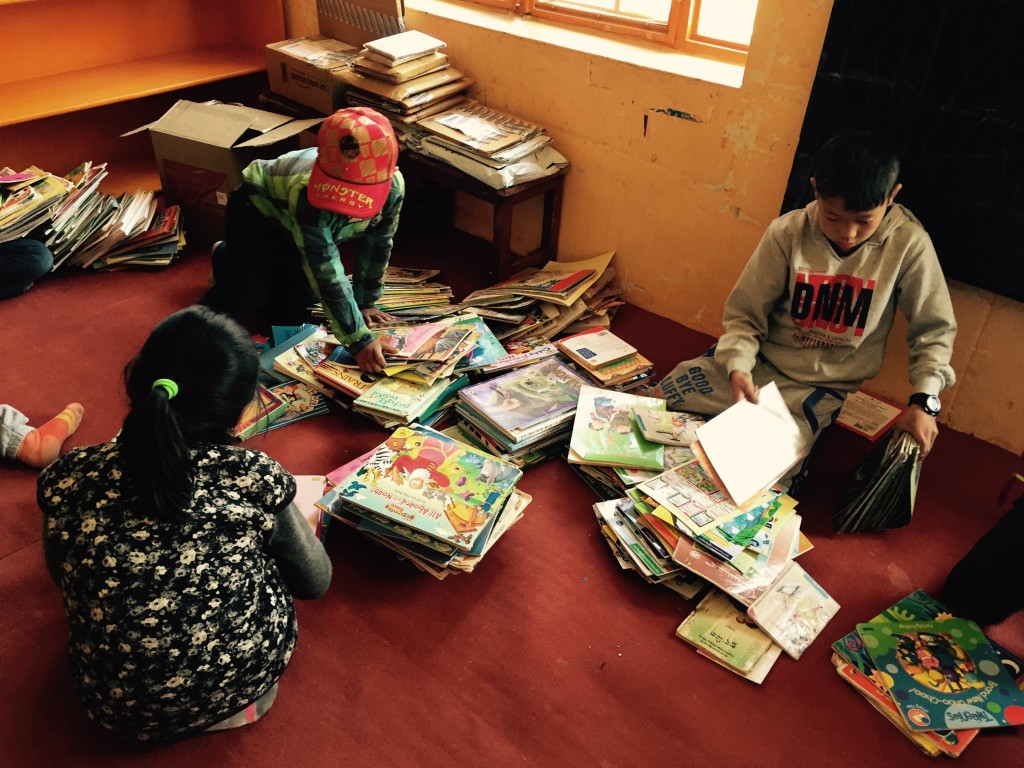
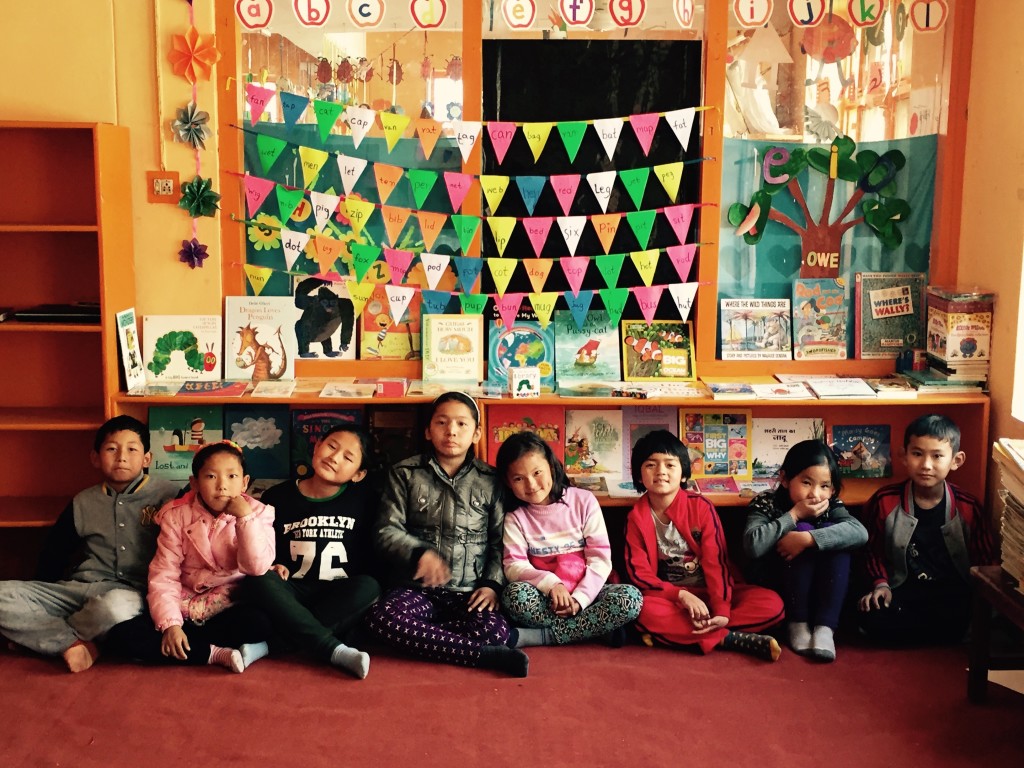
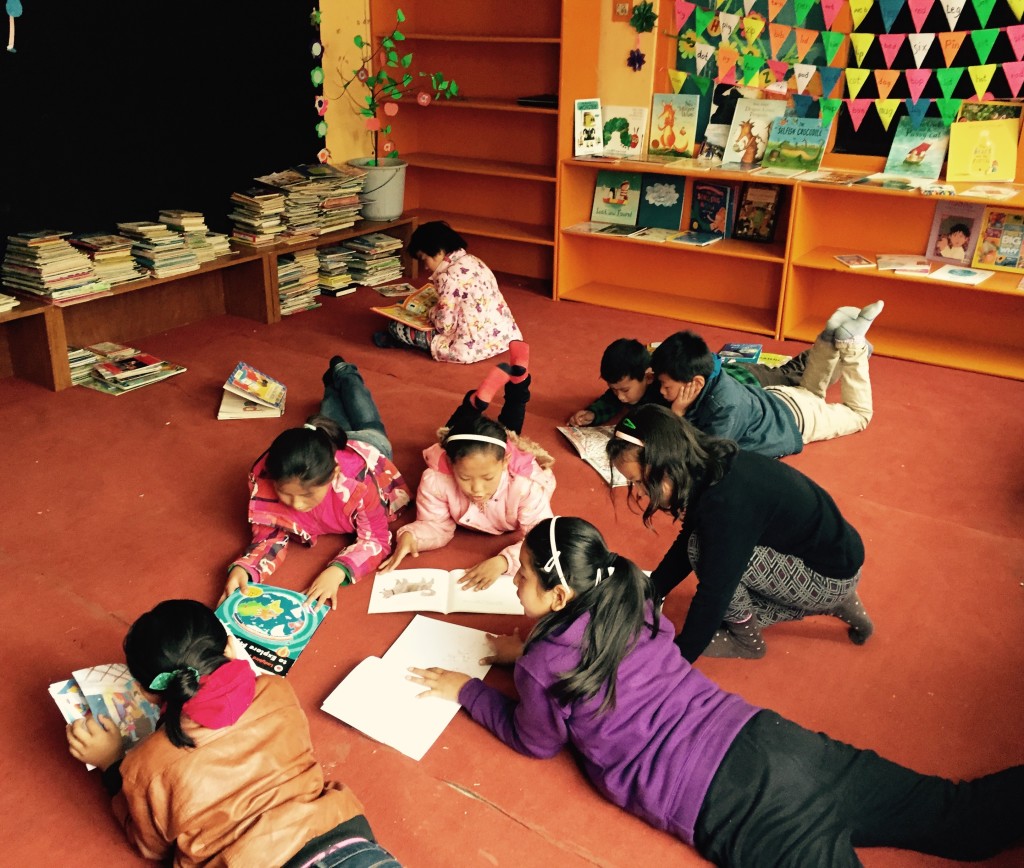
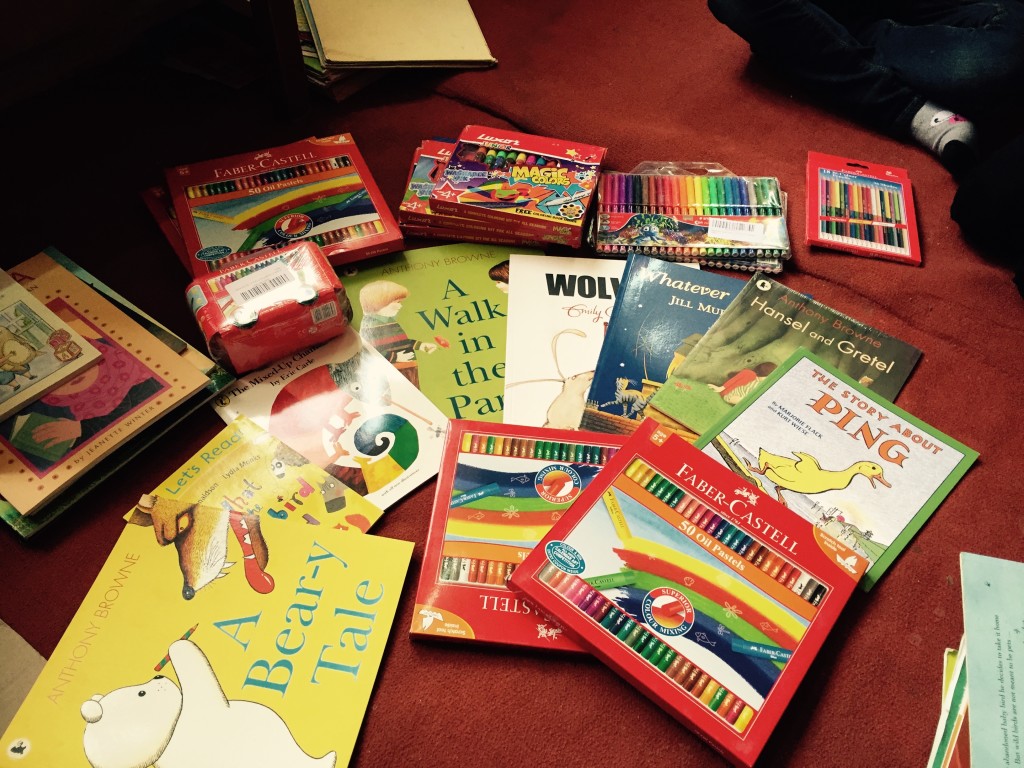
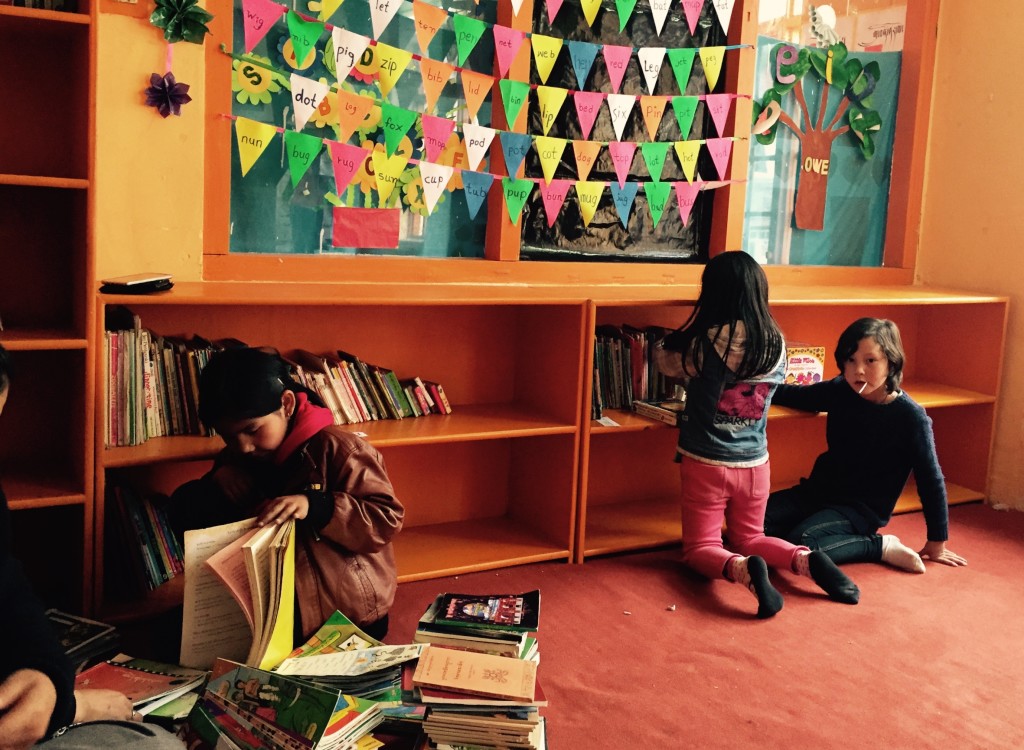
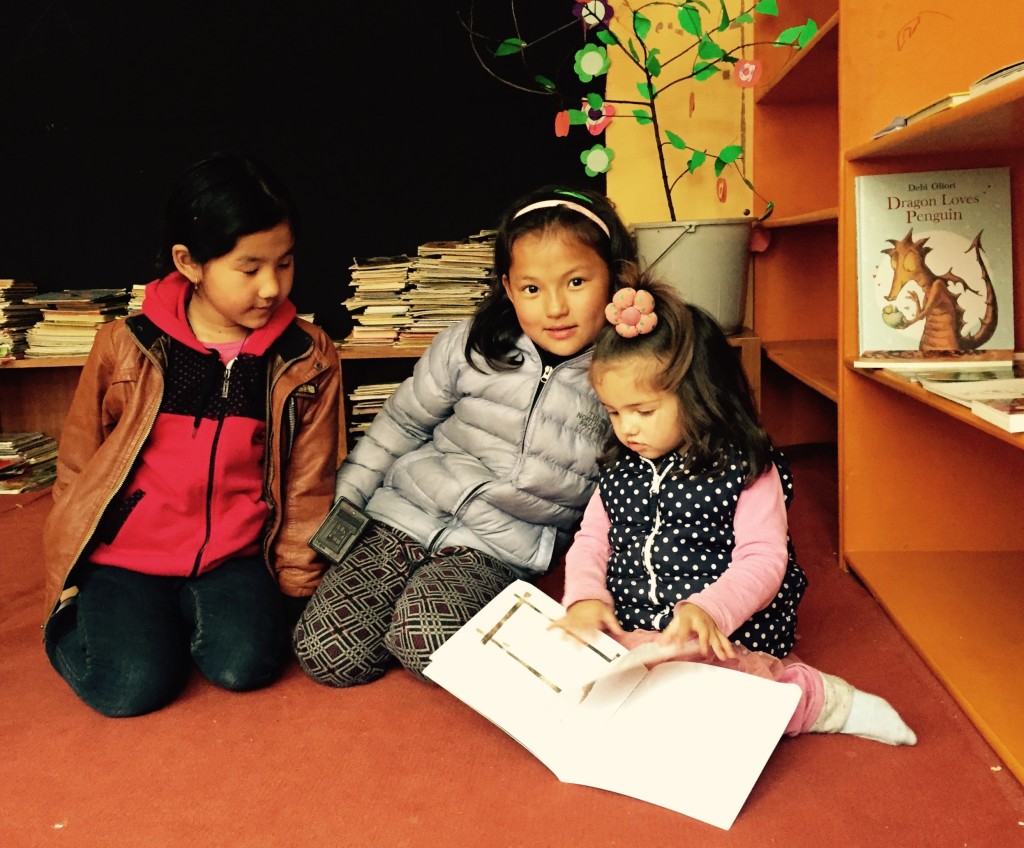
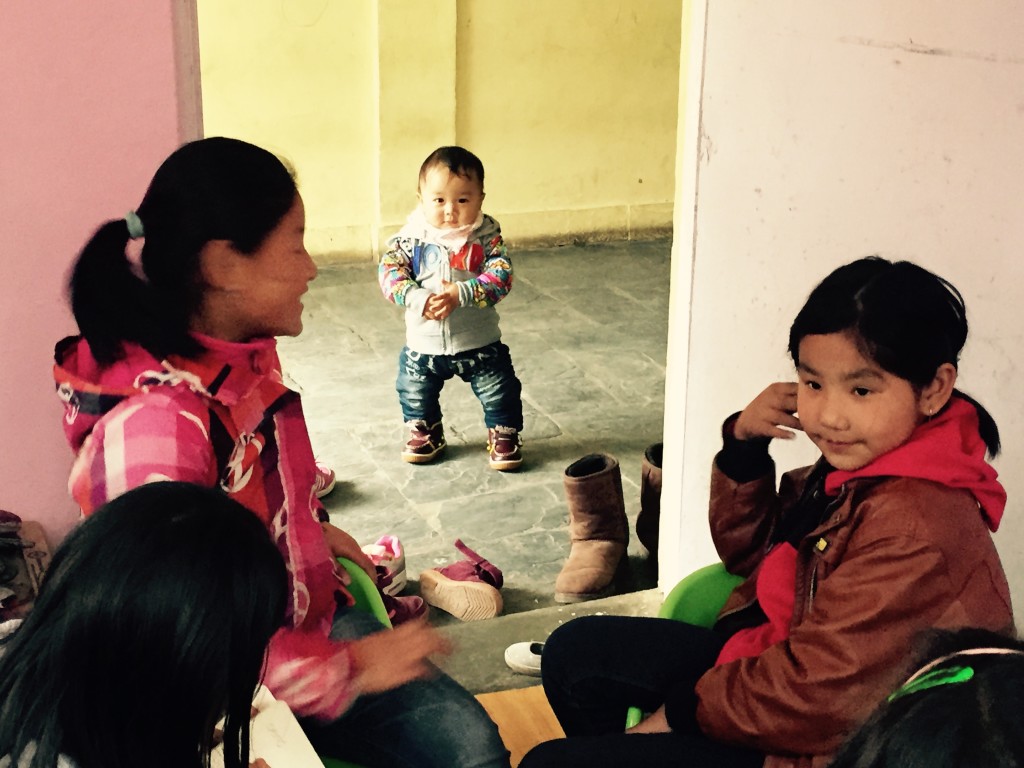
This flexibility suits early childhood education, where a polished performance can distract from communication. The same child-centred purpose guides the work of Avalokiteśvara Trust, which supports children and young monks through reading rooms, book drives and educational, artistic and musical activities in Himalayan communities.
Why small characters open big stories
Stories begin with attention, and a puppet held at eye level quickly becomes the focus. For a three- or four-year-old, its small scale is useful: it does not overwhelm the child or demand a large stage. An adult can place it beside a picture, pause and let the child decide what happens next.
A puppet also creates distance between the child and the narrator. A shy child can whisper to a rabbit, an energetic child can make a dragon roar, and either child can step out of the role when finished. This supports oral language and emotional expression when a story touches fear, anger or sadness.
Because the toy is worn rather than held, one hand stays free. Children can point to book details, turn pages or arrange simple props. Story work then includes handling, concentration and observation, joining verbal learning with the physical play young children naturally favour.
Turning play into a clear story
Free play rarely becomes a story on its own, so an adult can model how events fit together. Begin with a setting, move through a problem and finish with a change. With a mouse puppet, say, “The mouse searched for food, met a cat, and then found a safe garden.” The short pattern is easy to remember.
Open prompts help the child enter the tale: “What did the mouse need?” or “How could the cat help?” Repeated phrases such as “First, next and finally” provide words for time and order. Children can retell while moving the puppet to each matching picture.
A child does not need a new adventure every time. Retelling the same tale with another character or ending shows that a plot can change while relationships remain. The puppet makes it possible to test a consequence quickly: if the bird leaves early, who will water the seed?
A simple storytelling sequence
Choose one theme and gather a few related toys. A seed, a leaf and a small animal are enough for a story about growth; a boat, a wave and a lighthouse suit a journey. Keep the props in a basket so children can see the options without handling everything at once.
Introduce the puppet gradually. Let the child notice it, give it a name and decide how it moves before asking it to speak. Pause after each action, leaving space for a sound, a gesture or an unexpected idea. Improvisation works best when the adult accepts every contribution as part of the story.
Invite a friend to play a second role once the first child feels comfortable. With two puppets, children take turns, share a setting and resolve a small problem. At home, a parent can retell the same story with different voices, making the ending part of the play rather than something to get right.
Bringing the practice into Australian communities
In Australia, early learning teams often connect play-based literacy with the Australian Curriculum and the Early Years Learning Framework. Shared goals help teachers and families see why a puppet session matters: children are practising listening, expressing ideas and using language to organise thought.
Sydney’s public libraries often host story sessions, where a puppet can sit beside the book and react to each page. Melbourne’s multicultural early-learning settings bring together children with many home languages, so retelling in a character’s voice gives new English words an immediate purpose. In Brisbane, outdoor story time can use a puppet to hold attention while the group settles under shade.
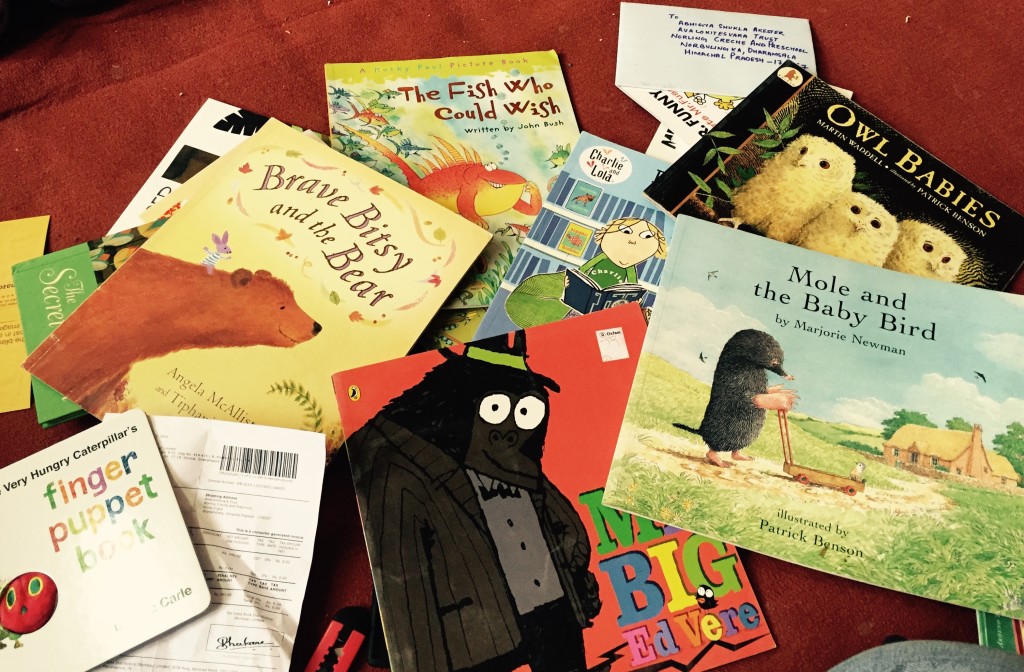
Australian toy shops and online marketplaces commonly stock small animal puppets alongside picture books, plush toys and craft kits. A modest set can support many themes without a large collection. The emphasis stays on shared language and imagination rather than expensive equipment.
Choosing and caring for puppets
Choose puppets that fit comfortably and suit the child’s age and stage. Check product guidance, inspect loose pieces, and avoid long cords, sharp edges or detachable small parts. If a puppet is worn, make sure it does not restrict the hand or pinch the fingers.
Favour washable materials and simple designs. Animals, family figures and everyday objects are usually enough; a varied toy box can represent different communities without relying on a single type of character. Let children select their puppet, while keeping other toys available for a later story.
Keep the activity comfortable. Children can watch without performing, speak in a small group or join from the floor. Clean shared puppets according to their care instructions, and stop if handling becomes rough. A positive story is more valuable than a complete performance.
Matching methods to learning goals
The right method depends on the goal. A picture book works well for enjoying a known story and noticing print. Puppets become especially useful when children need to retell, invent dialogue or explore how a character might respond.
A quick way to match an activity to its purpose is to compare who leads, who speaks and what the child practises. Adult-led puppet theatre models language for younger children; child-led puppet play gives confident narrators more ownership of the plot.
| Approach |
Best for |
Child’s role |
Useful follow-up |
| Shared picture book |
Vocabulary and print awareness |
Listen, point and predict |
Read it again together |
| Puppet retelling |
Sequencing and memory |
Retell with a character |
Match three pictures |
| Group puppet play |
Turn-taking and negotiation |
Invent dialogue and solve a problem |
Try a different ending |
| Improvised storytelling |
Imagination and oral language |
Create a character and setting |
Tell the story another way |
A routine for families and early learning teams
Regular practice matters more than elaborate preparation. A short session can begin with a familiar book, move into puppet retelling and end with a new ending invented by the child. Repetition builds vocabulary and narrative patterns, while variation keeps the routine fresh.
Families and educators can use the same rhythm across settings. A library session might focus on shared reading, a preschool might rehearse a story, and home might offer an improvised adventure with the same puppet. Repetition creates a bridge between those experiences.
- Start with one familiar book and one puppet, so children can focus on the story rather than new equipment.
- Use three linked events: something happens, a problem appears and the situation changes.
- Give each child a role, including watching, moving the puppet or choosing sound effects.
- Pause after each turn and wait at least a few seconds for a response.
- Invite a new ending without correcting the child’s version of the story.
- Retell the story on another day, using different characters or a different voice.
The practical takeaway is simple: one puppet, one book and one story prompt are enough to turn listening into language, imagination and confident participation, with each child finding a role that fits.