How we turn abandoned schoolrooms into cozy reading nooks
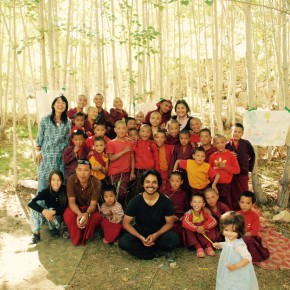
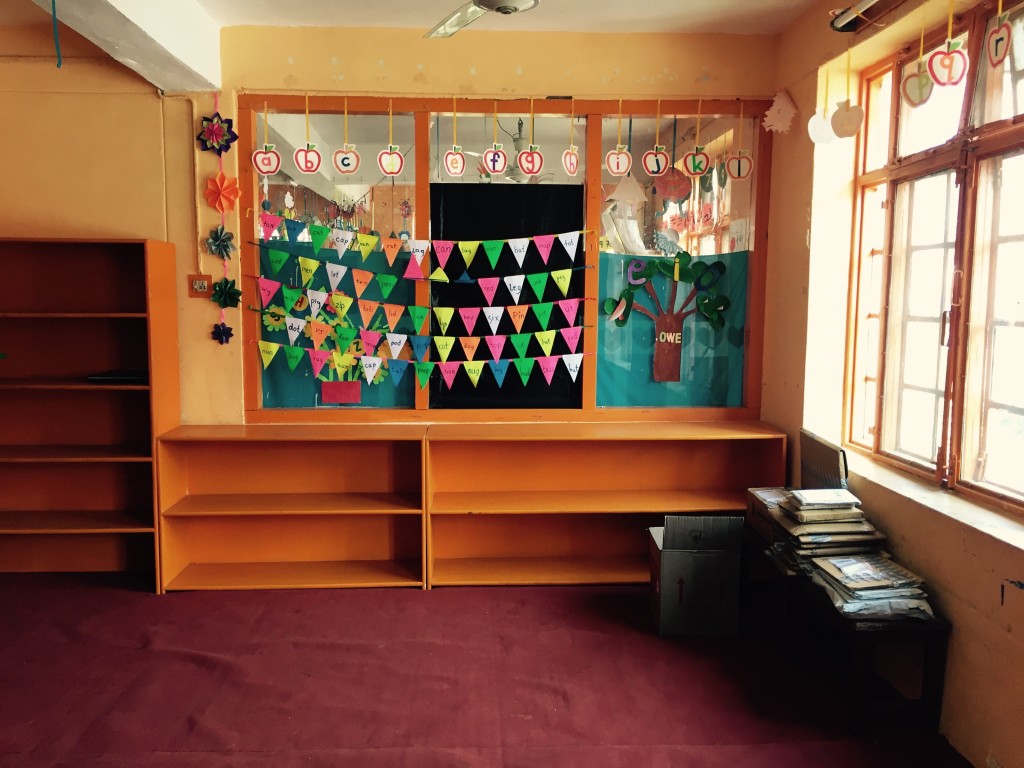
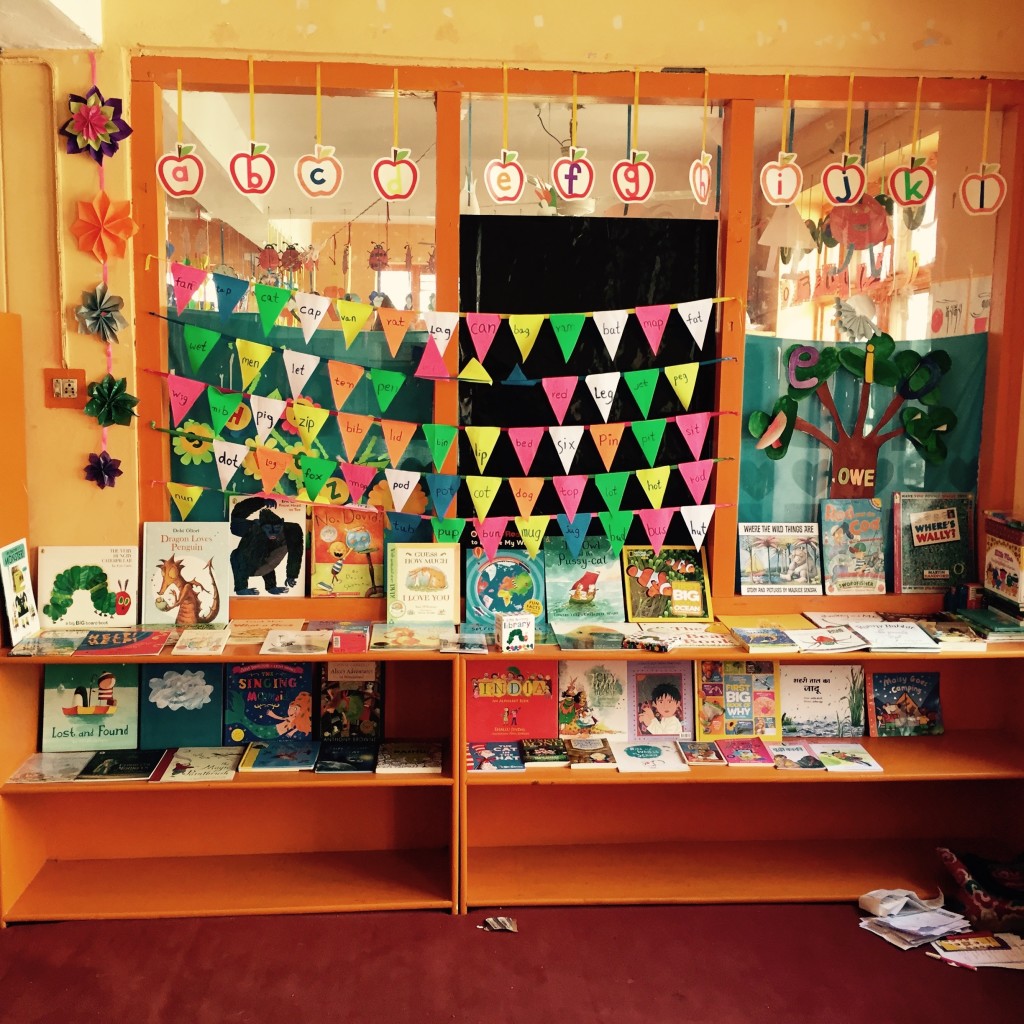
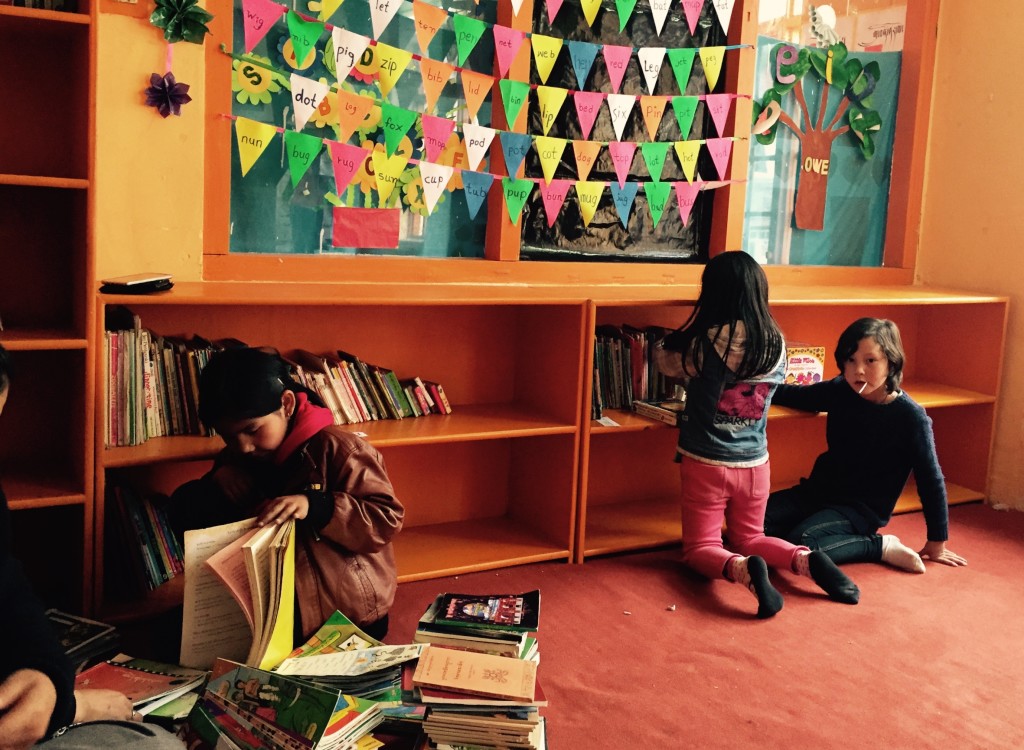
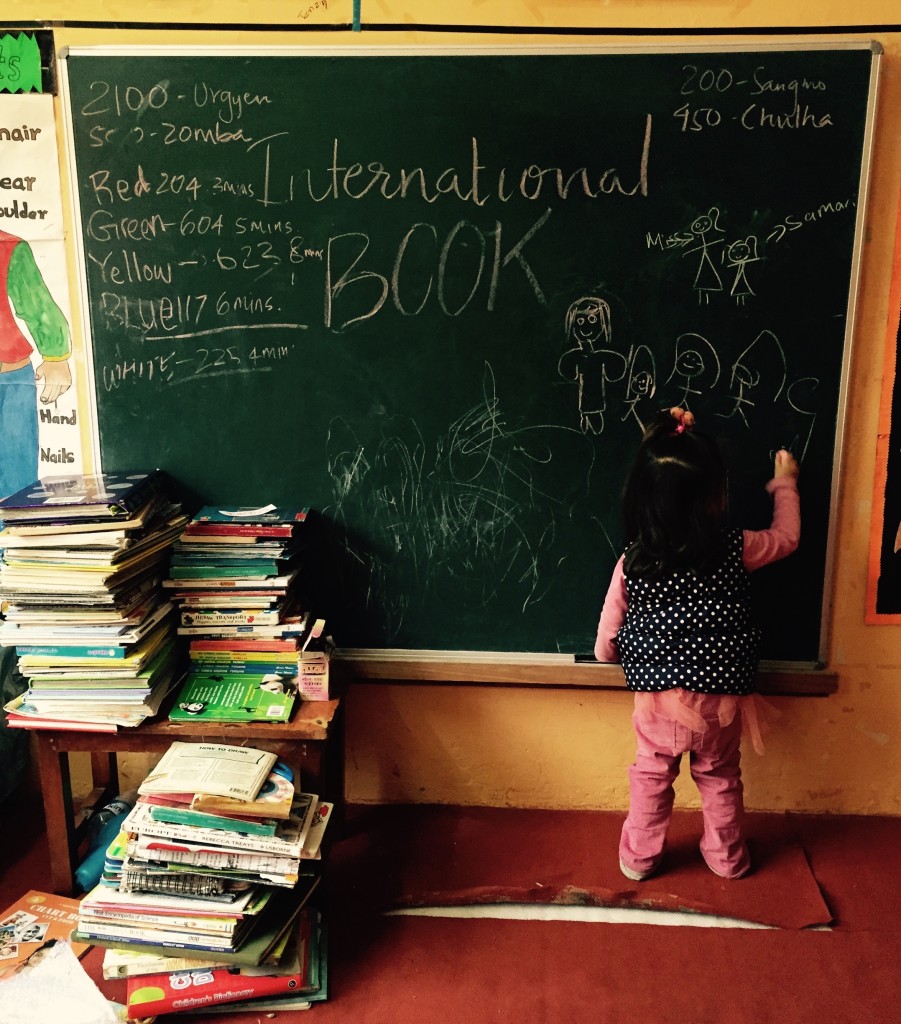
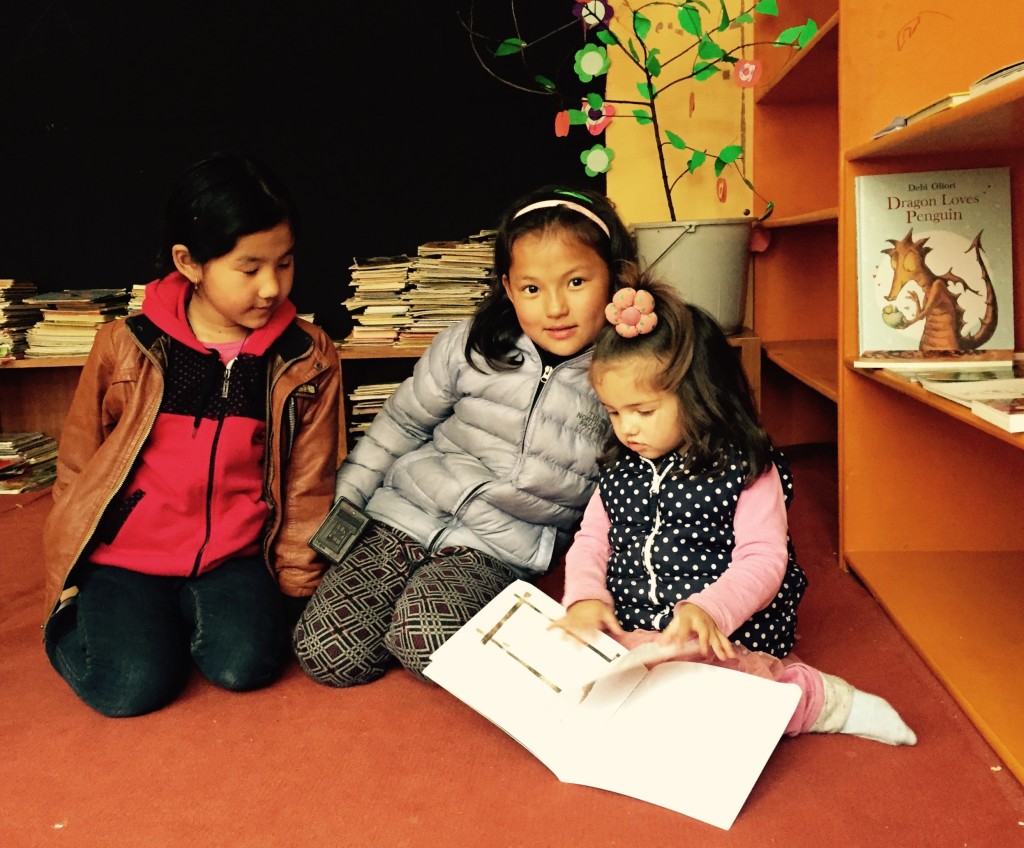
An abandoned schoolroom often has more potential than furniture: a chalkboard, cracked windows, shelves buried under stored equipment, or floor tiles lifted by winter frost. Across Ladakh, we treat such rooms as practical assets rather than empty leftovers. A careful repair and a well-chosen collection can give the building daily purpose and welcome children, young monks and local families back inside.
Each transformation begins with listening. Teachers, caregivers, children and young monks help us understand what the room was used for, what made it uncomfortable and which books or activities would suit it now. Warmth, colour and soft furnishings help, but comfort also depends on good light, reachable shelves, quiet corners and furniture that can withstand heavy daily use.
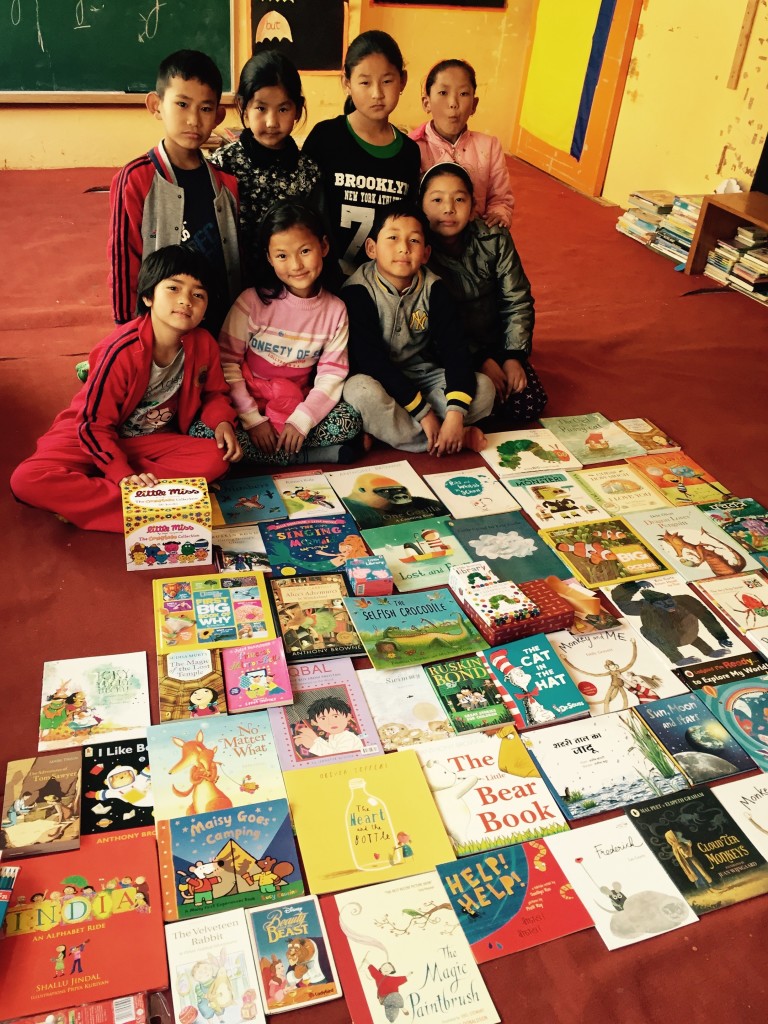
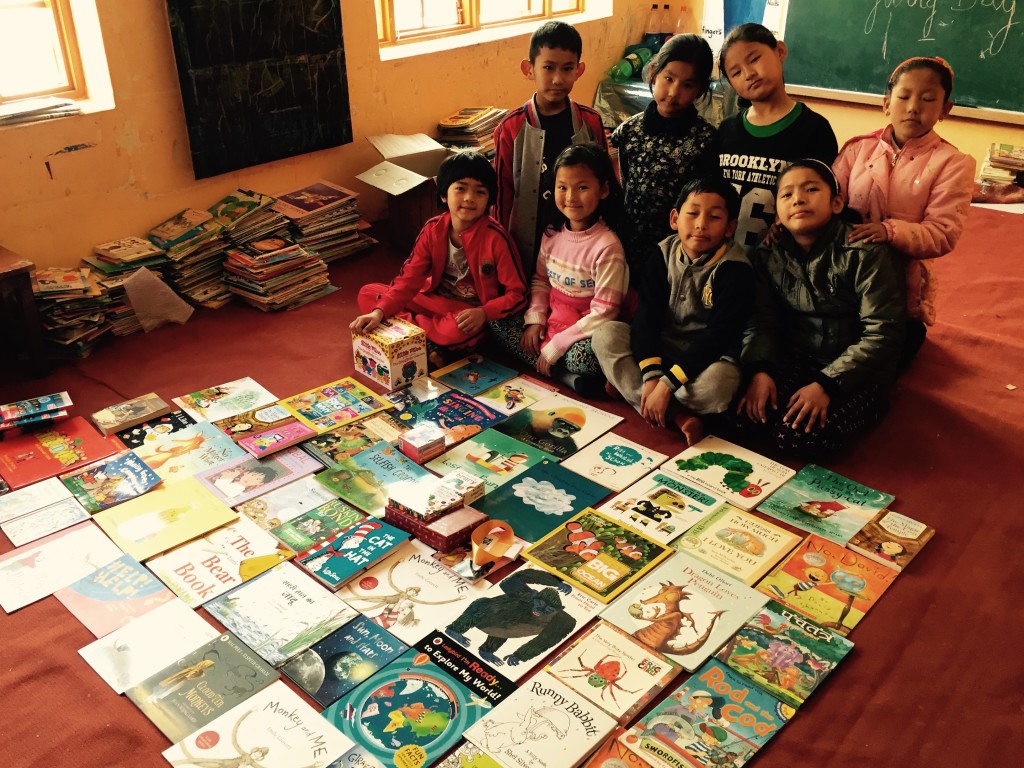
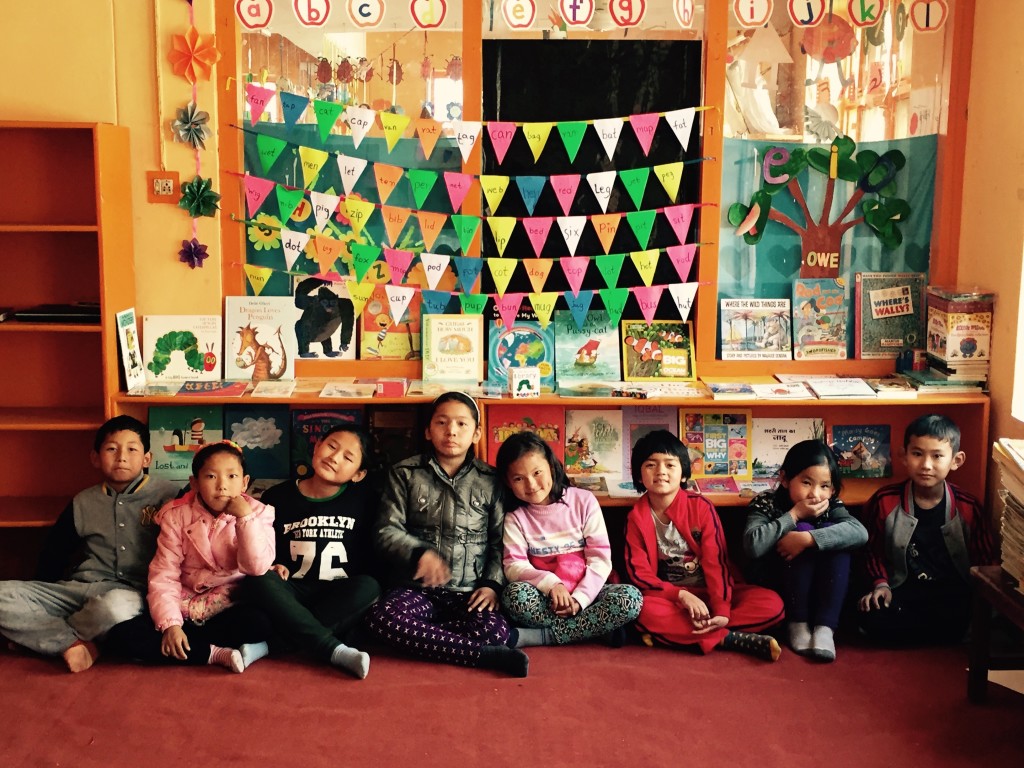
The result should feel cosy without appearing precious or difficult to maintain. Local makers lead much of the work, existing furniture is repaired wherever possible, and every finished room includes a simple care plan. Photographs and short project records then document what changed, allowing supporters to follow the room’s progress from a neglected shell to a useful community learning space.
Starting with the room as it stands
We begin by recording the room honestly. Ceiling cracks, water marks, unsafe wiring, blocked doors and damaged floor tiles need attention before books or cushions arrive. We also note how sunlight moves across the room, where wind enters and how warm it becomes at different times of day. Seasonal changes in the Himalayan region make careful observation essential.
Repair usually offers better value than replacement. Local carpenters and masons can strengthen shelves, repair desks and build storage suited to the room’s proportions. Reusing a sound table preserves resources and gives the project continuity with the school’s past. New materials are reserved for areas where they will solve a clear safety or durability problem.
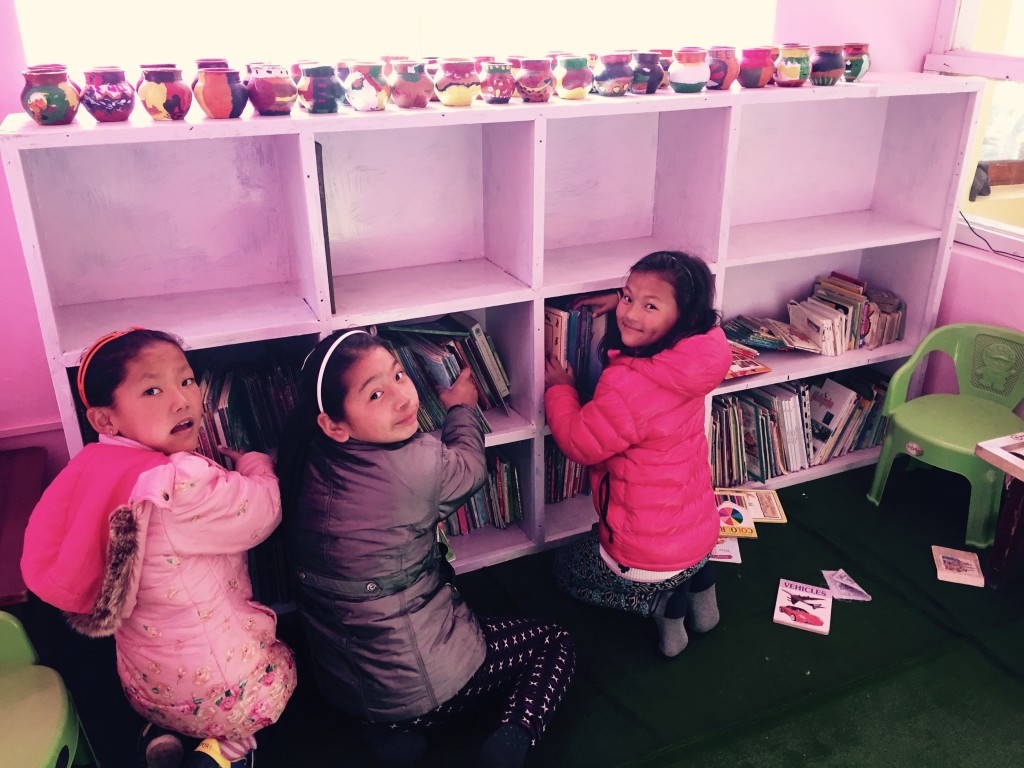
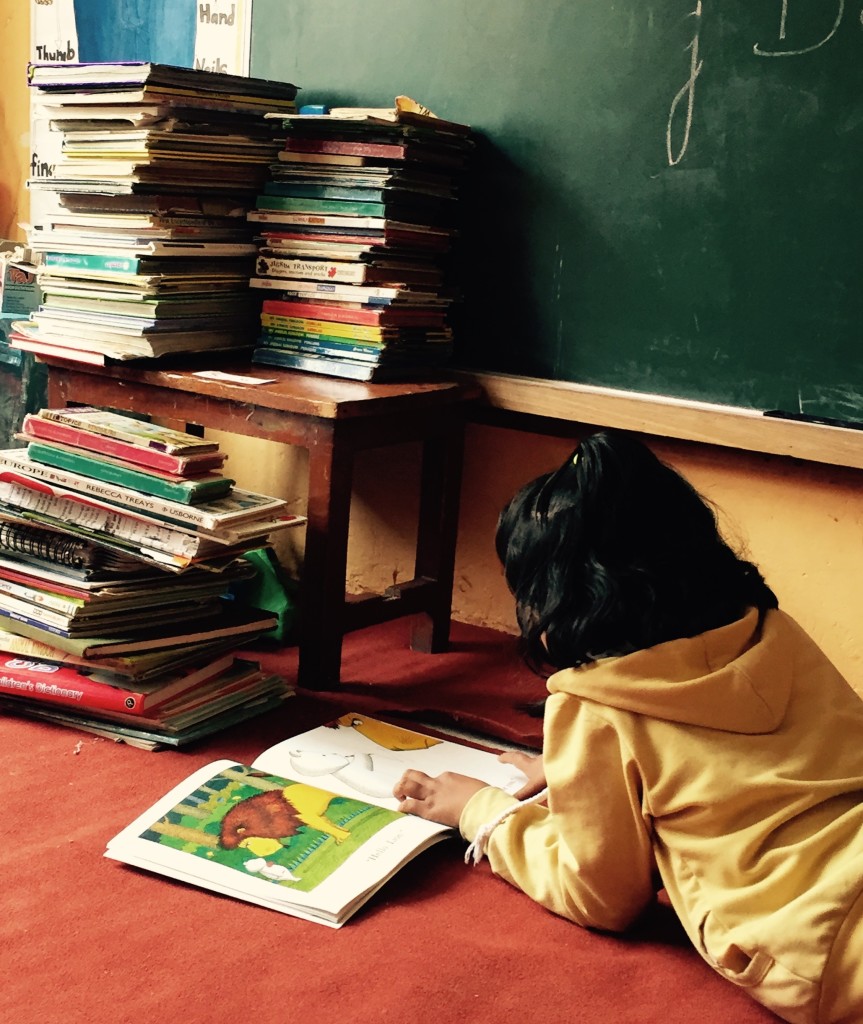
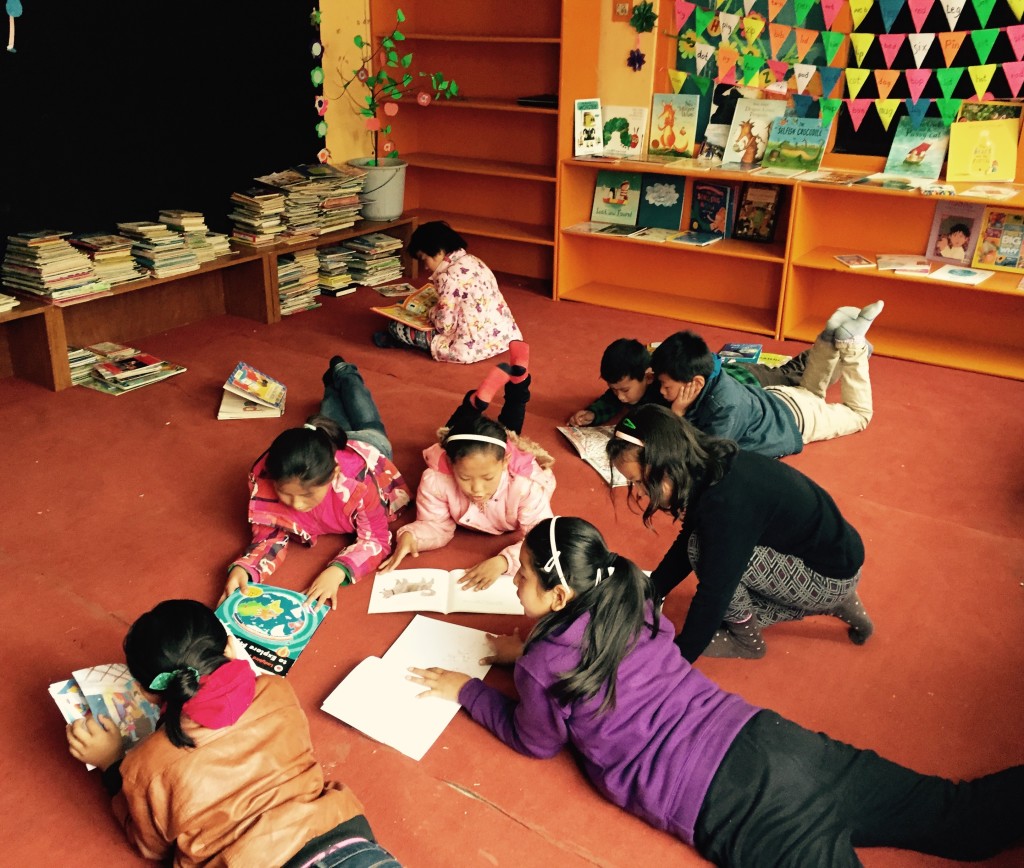
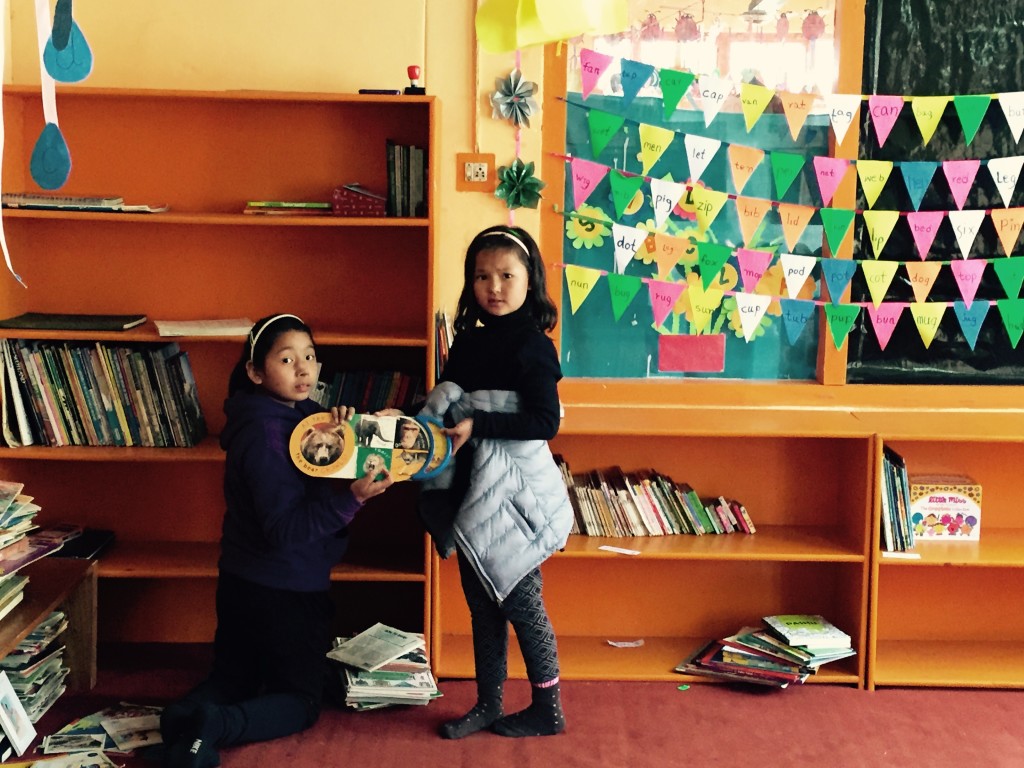
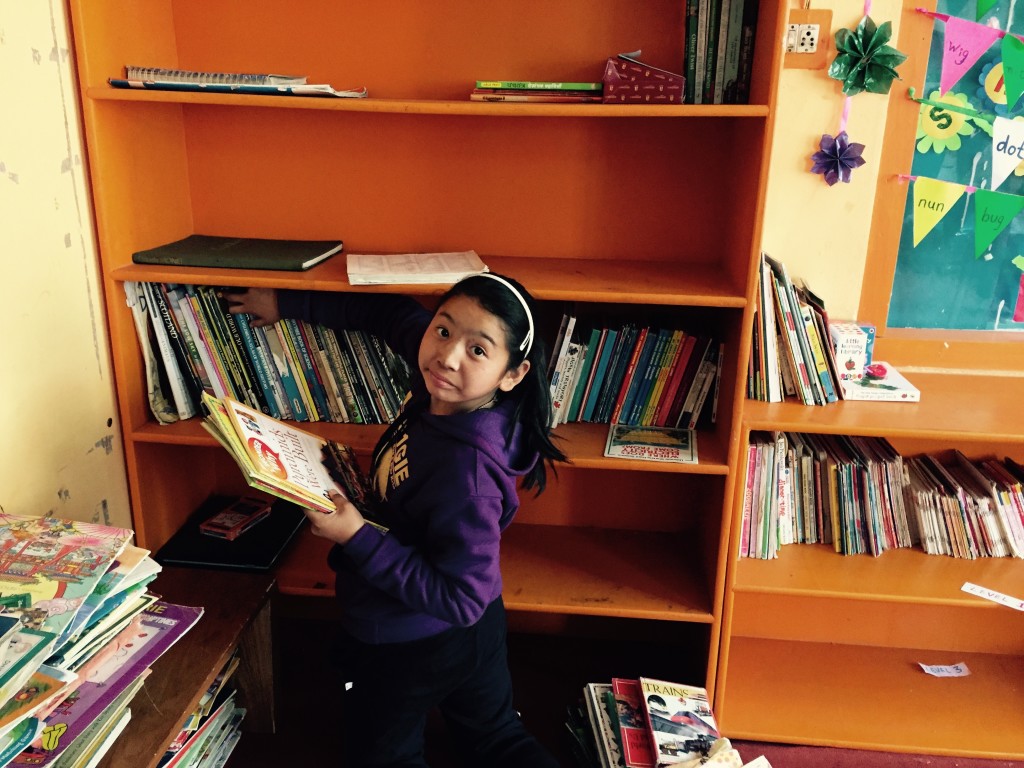
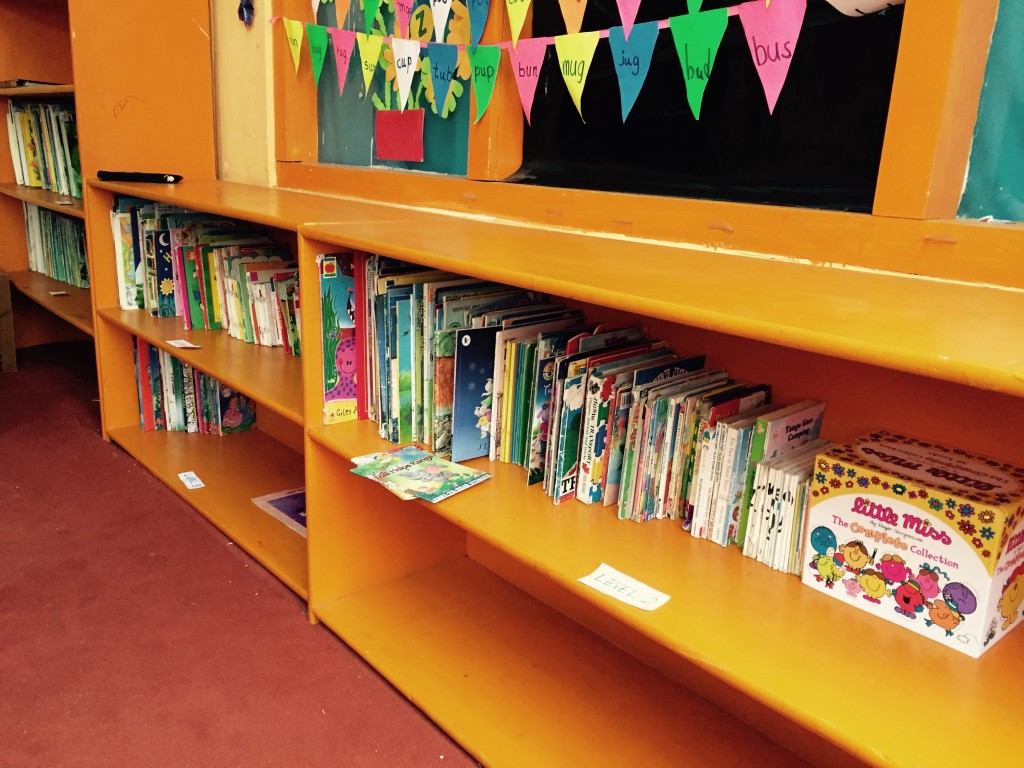
The layout is planned around everyday movement. We create a clear entrance, shelves children can reach safely, seating for different age groups and enough open space to carry books in. A small carpet can define the main reading area, while a table near a window provides a brighter place for picture books and artwork.
Listening to children and young monks
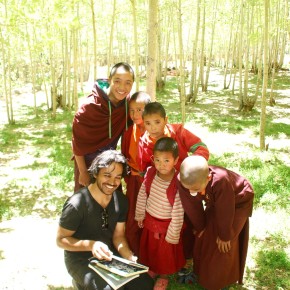
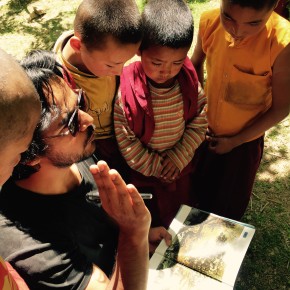
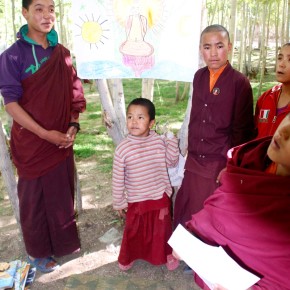
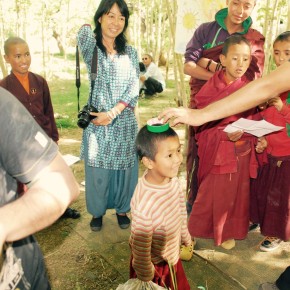
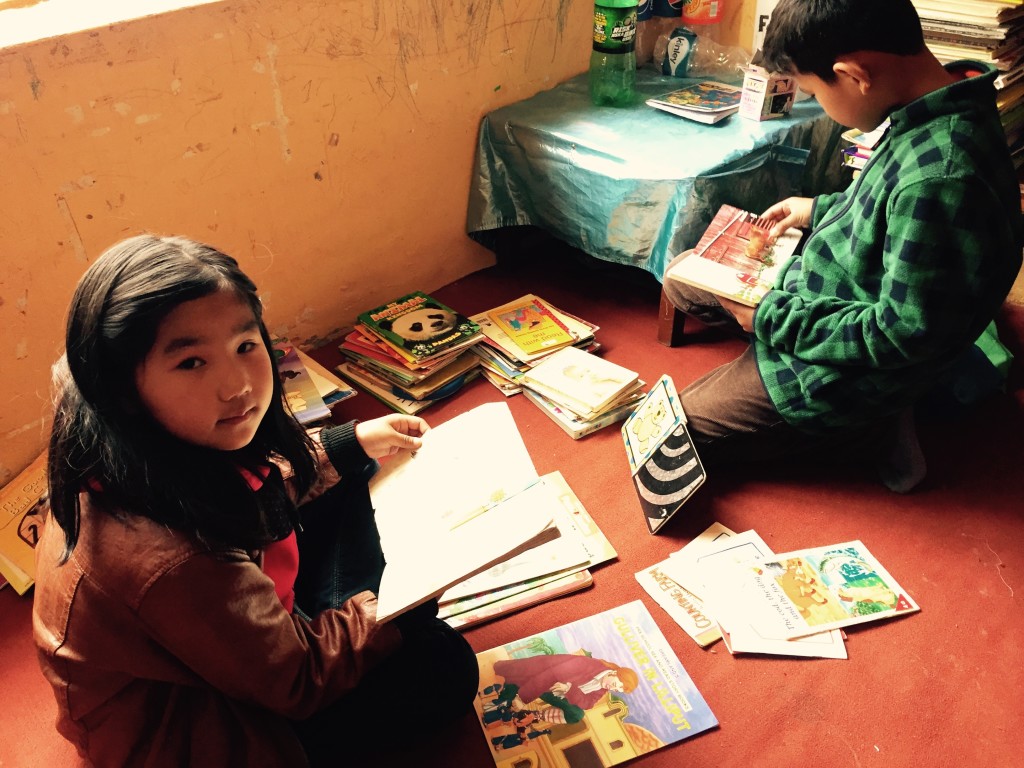
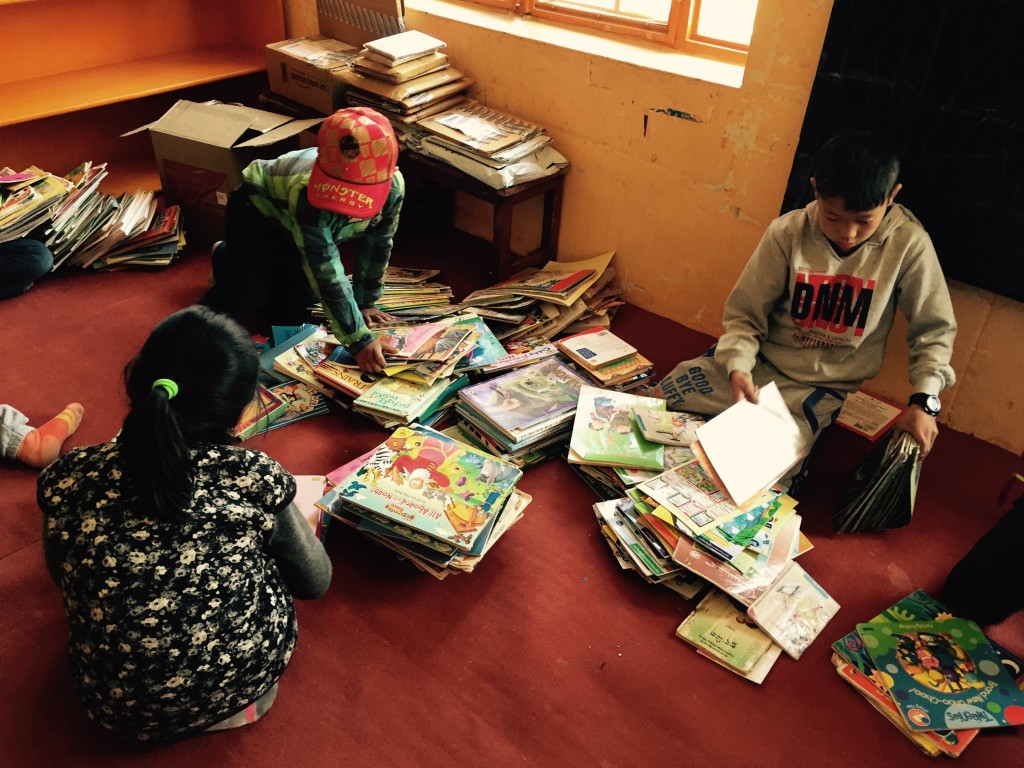
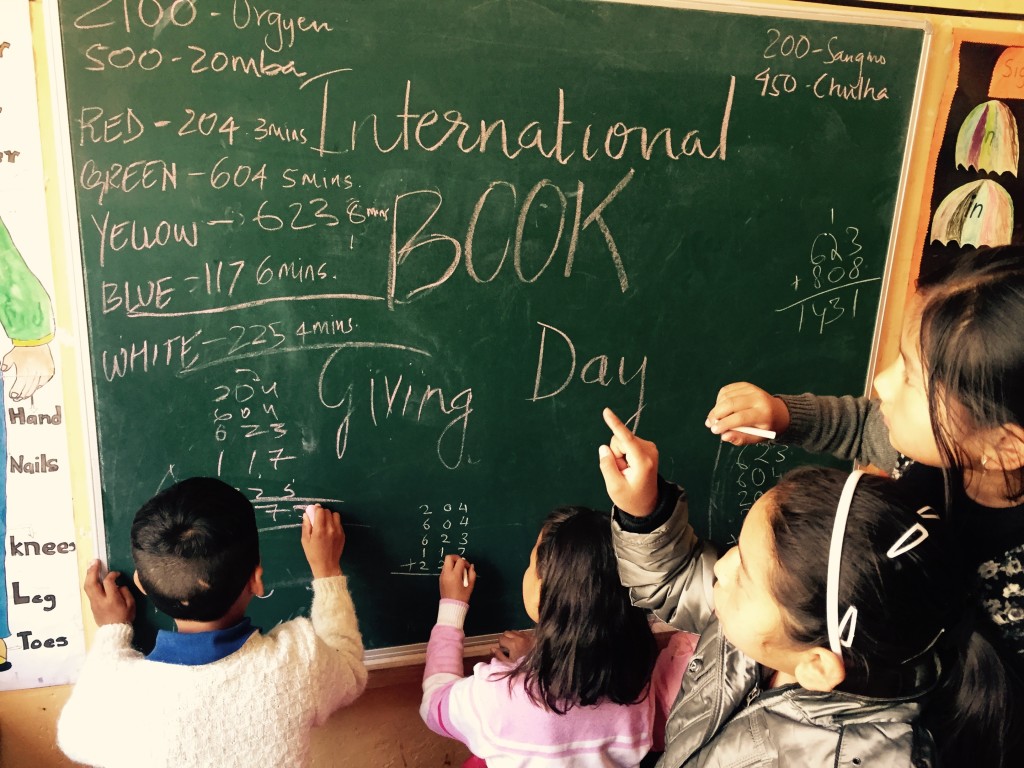
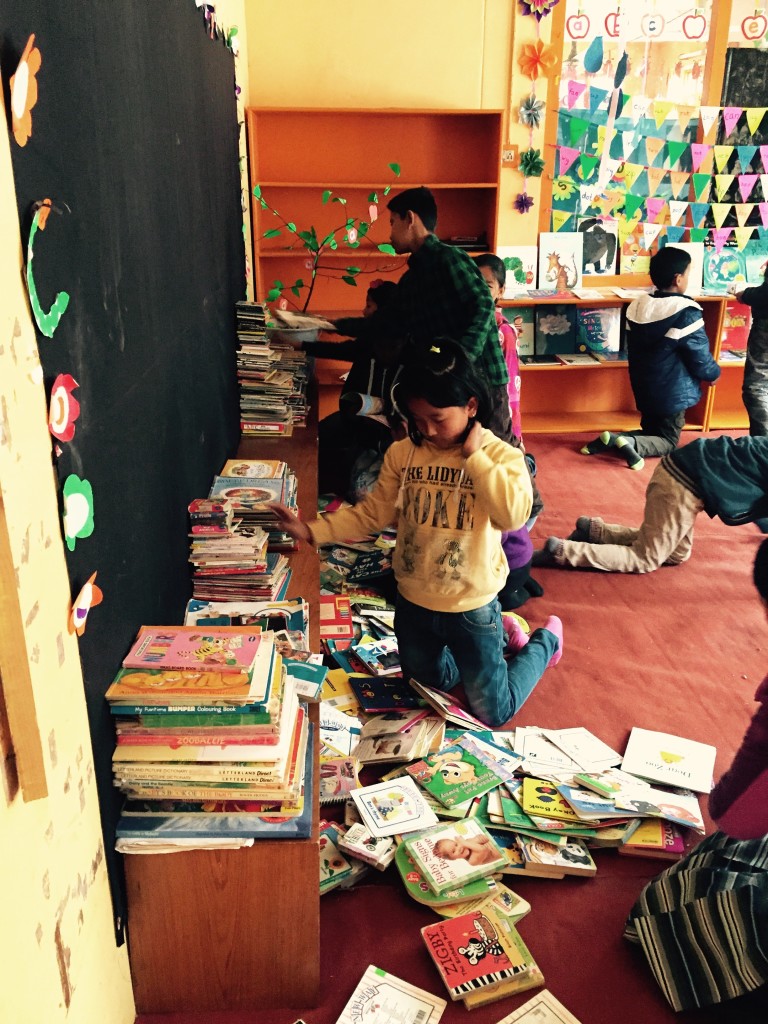
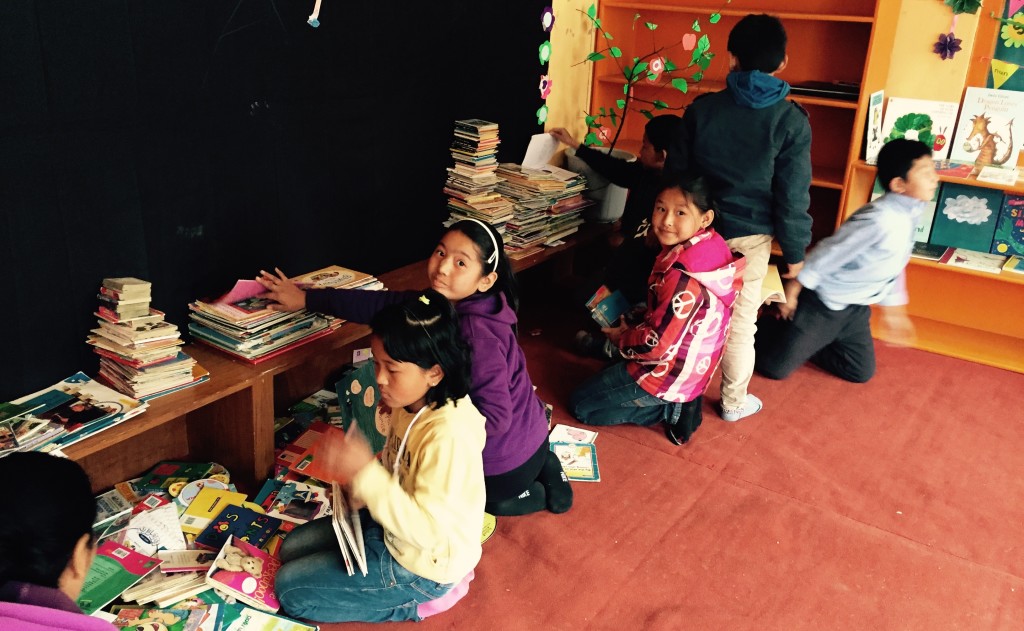
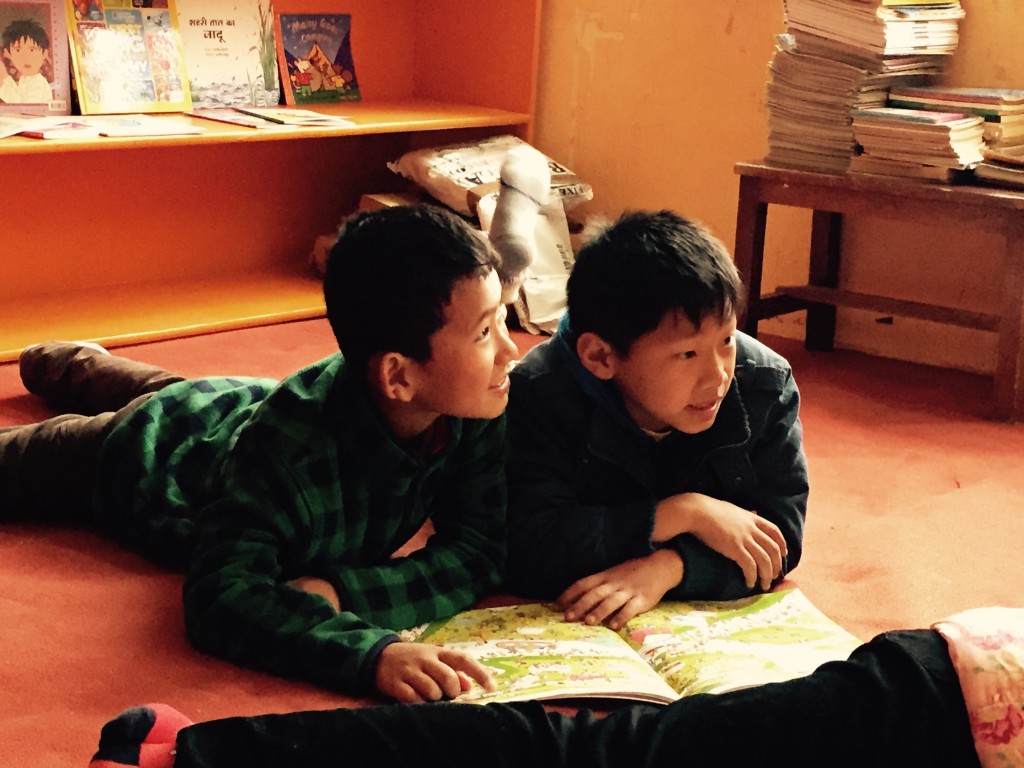
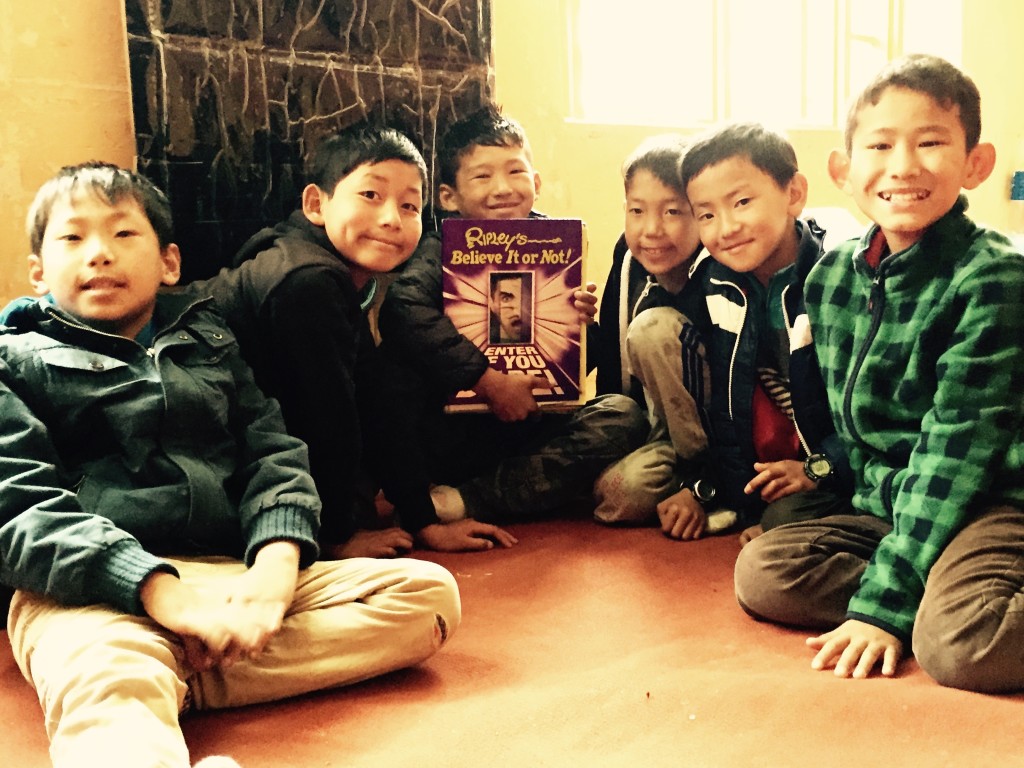
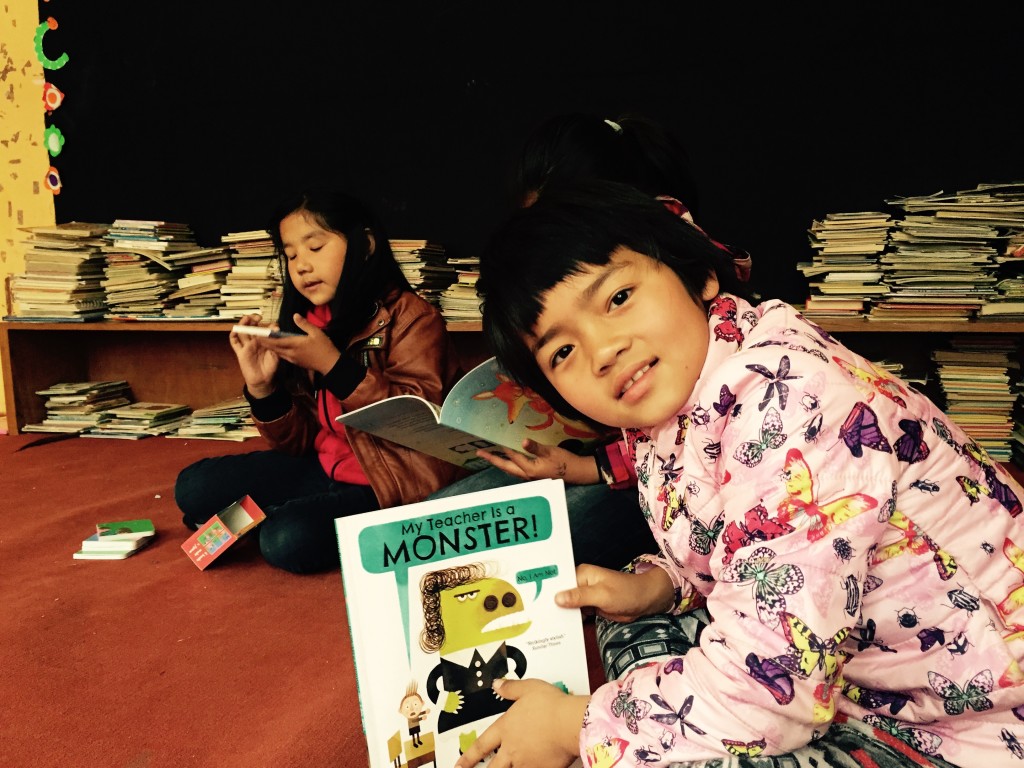
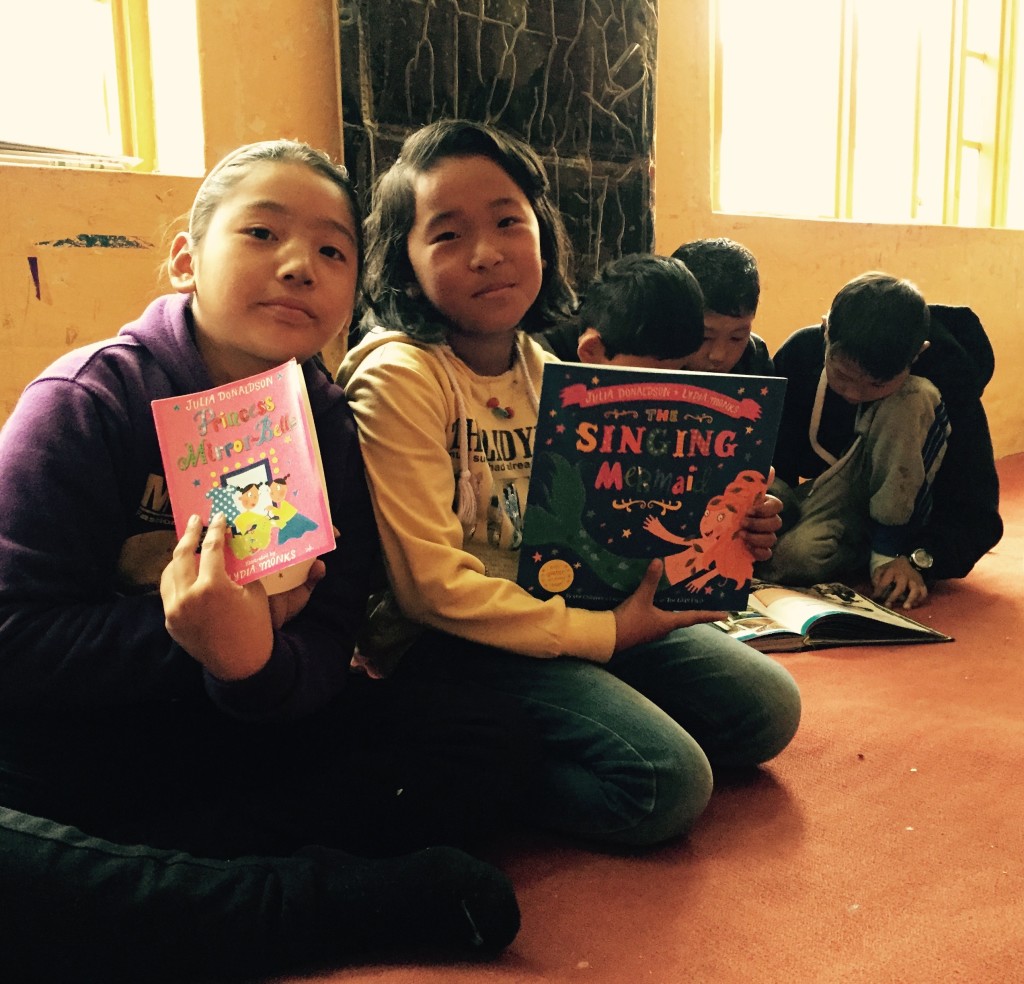
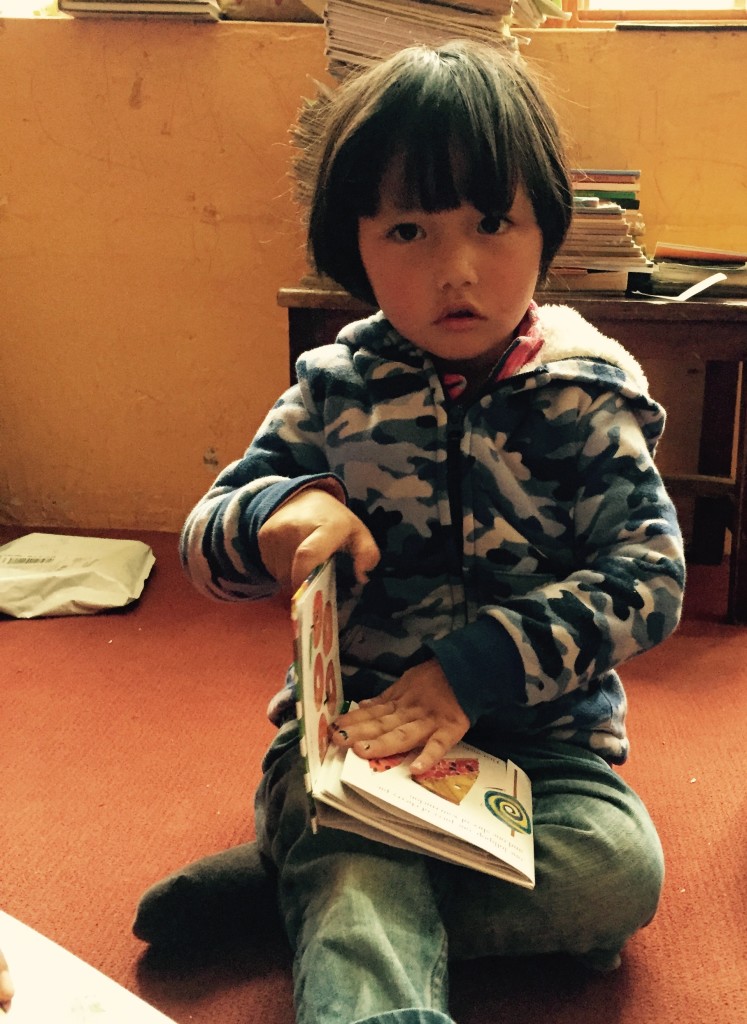
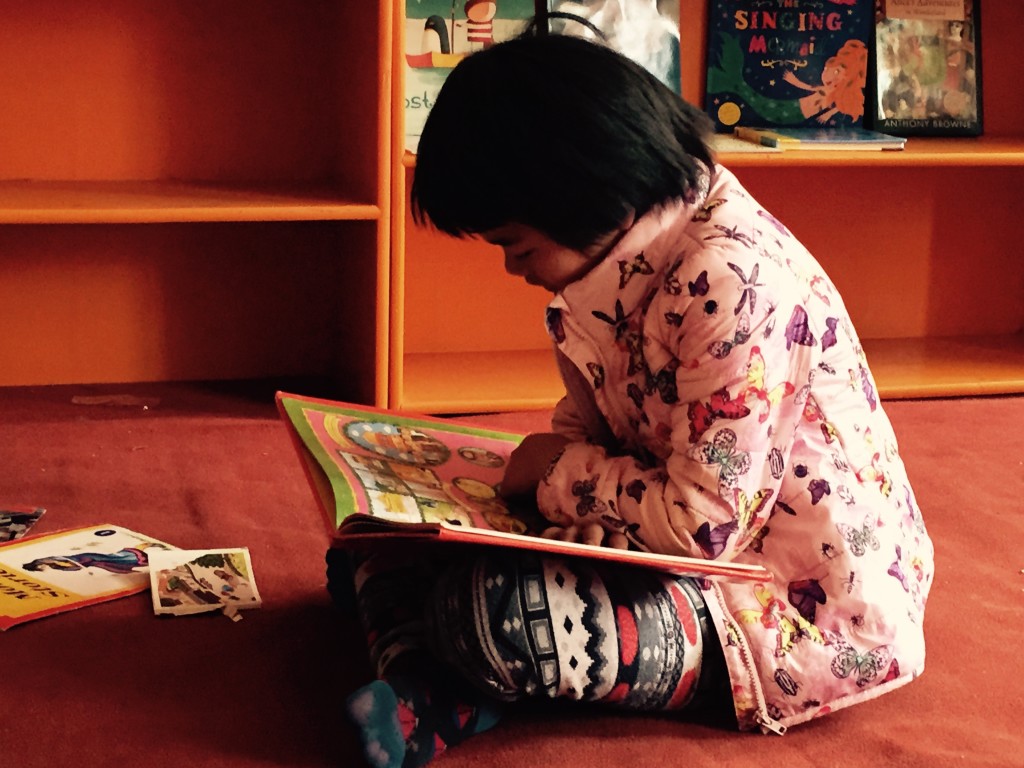
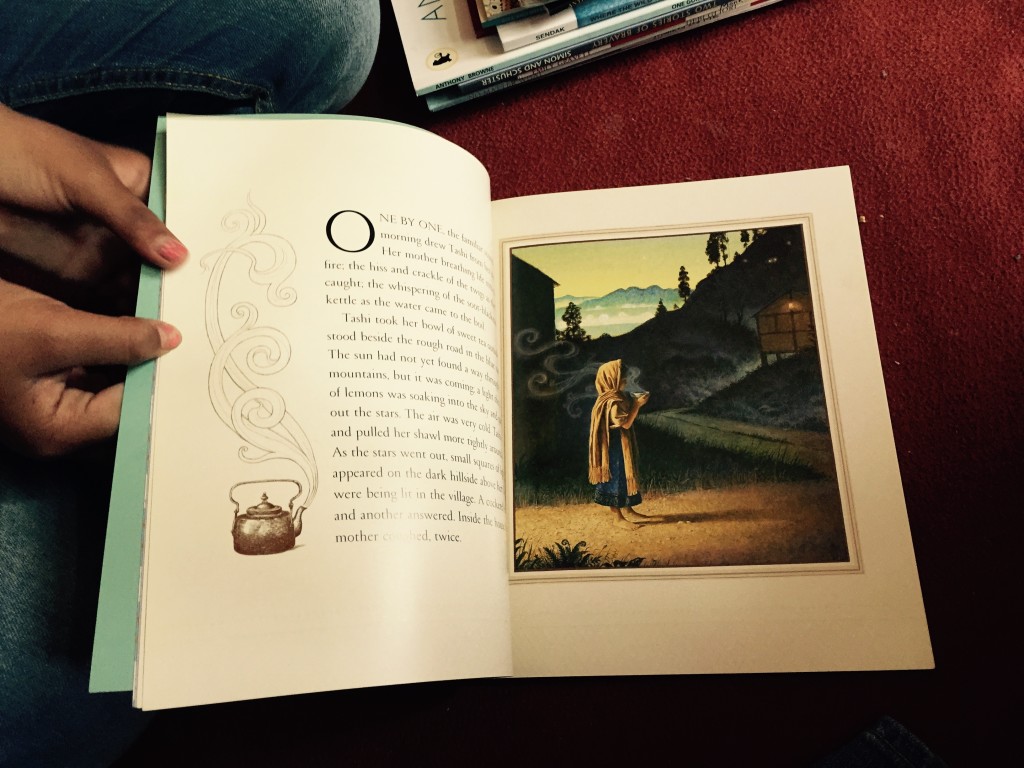
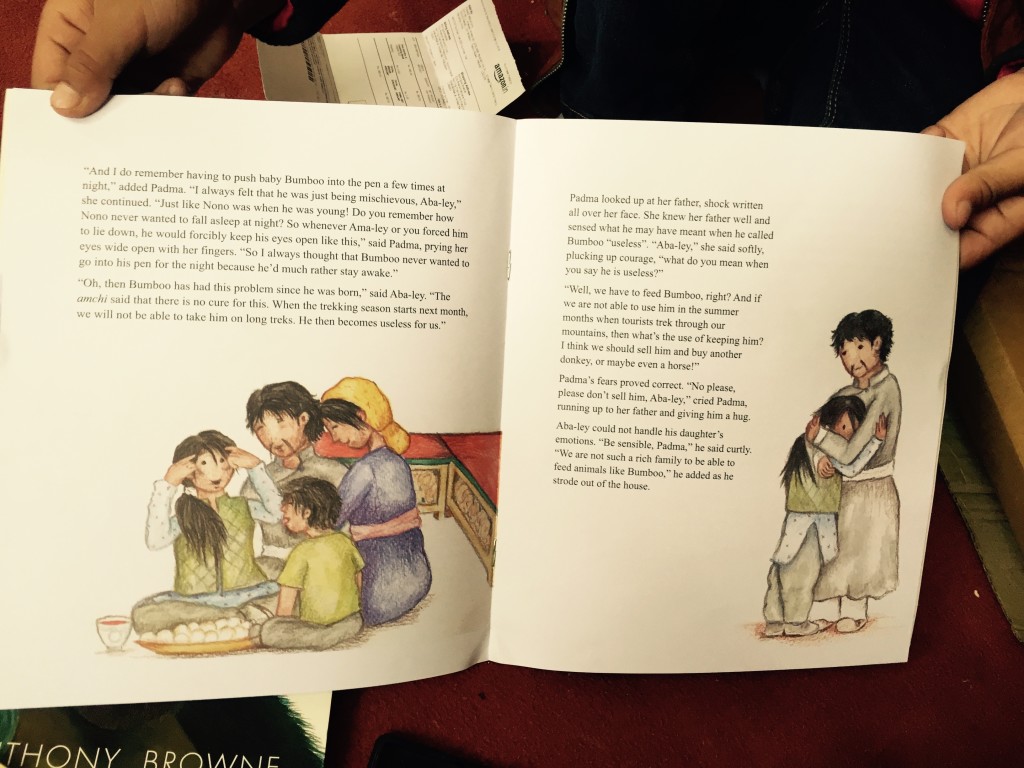
Children rarely need to be asked what they enjoy reading; they reveal their preferences through the stories they retell, pictures they copy and characters they imitate during play. We invite them to sort books, mark favourites and describe the kind of room where they would feel comfortable spending time. Their ideas directly shape the final shelves and seating.
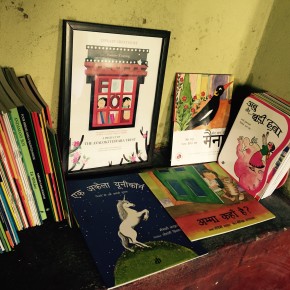
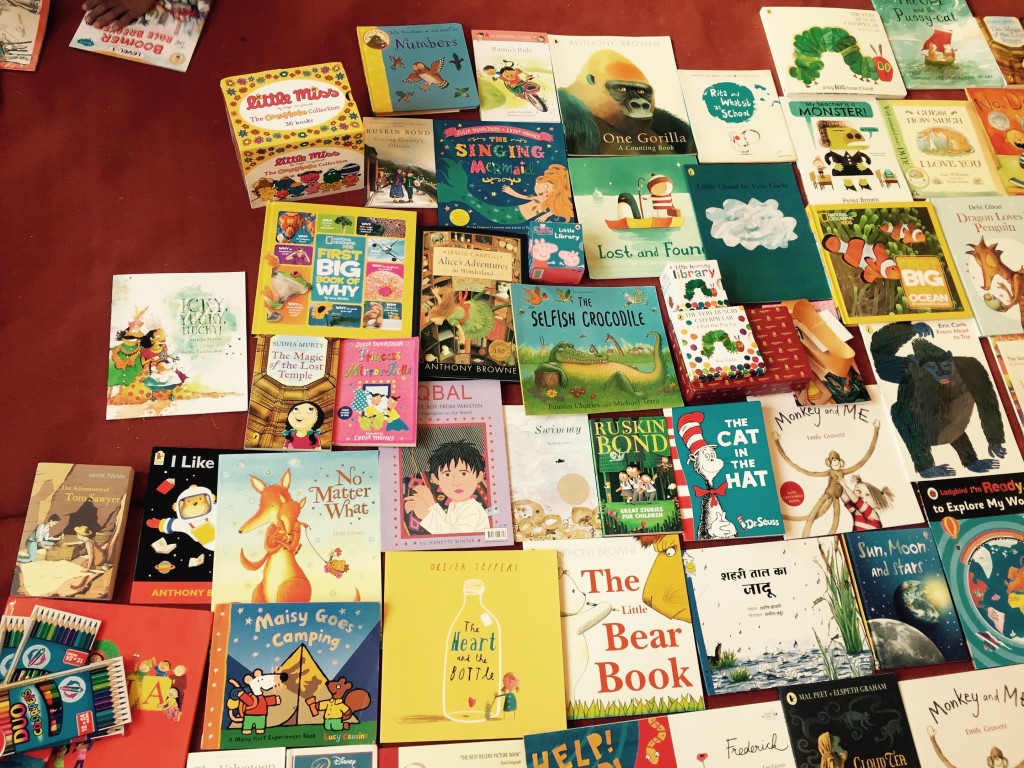
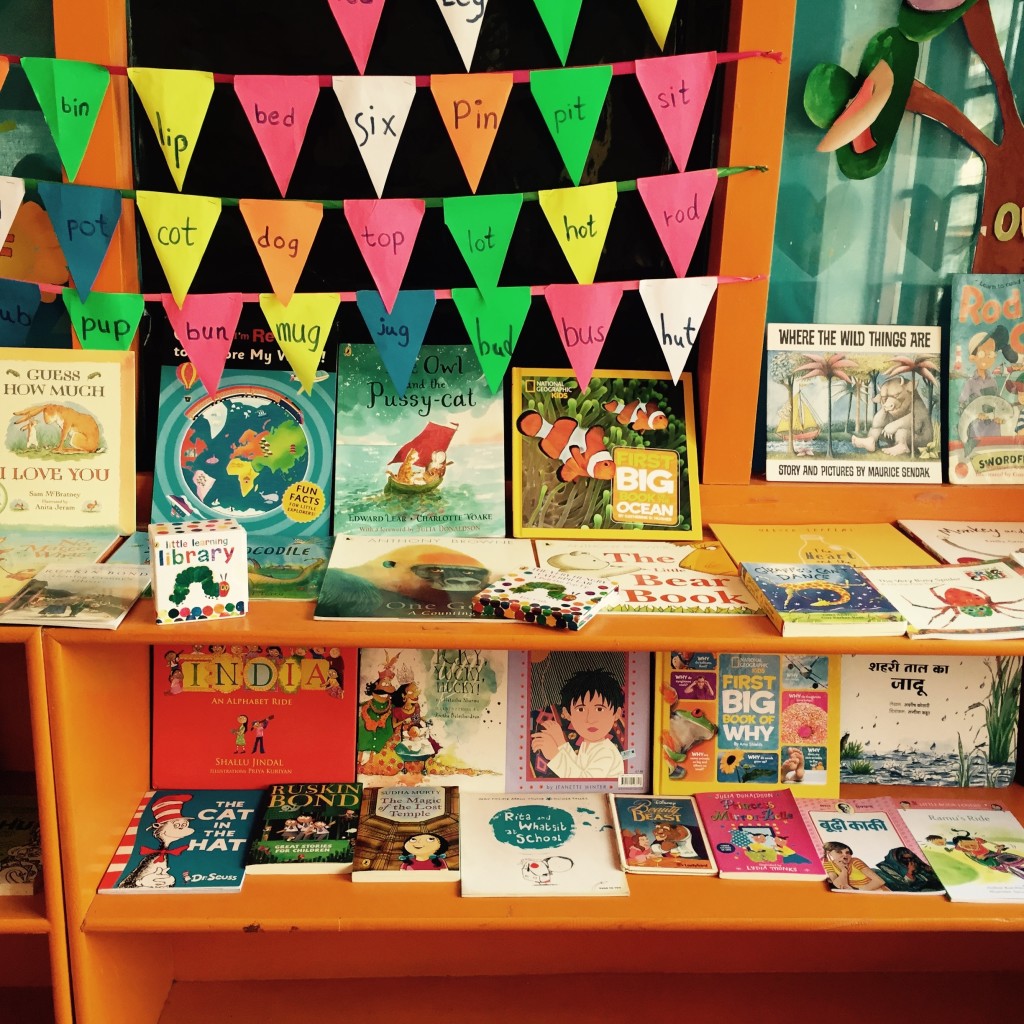
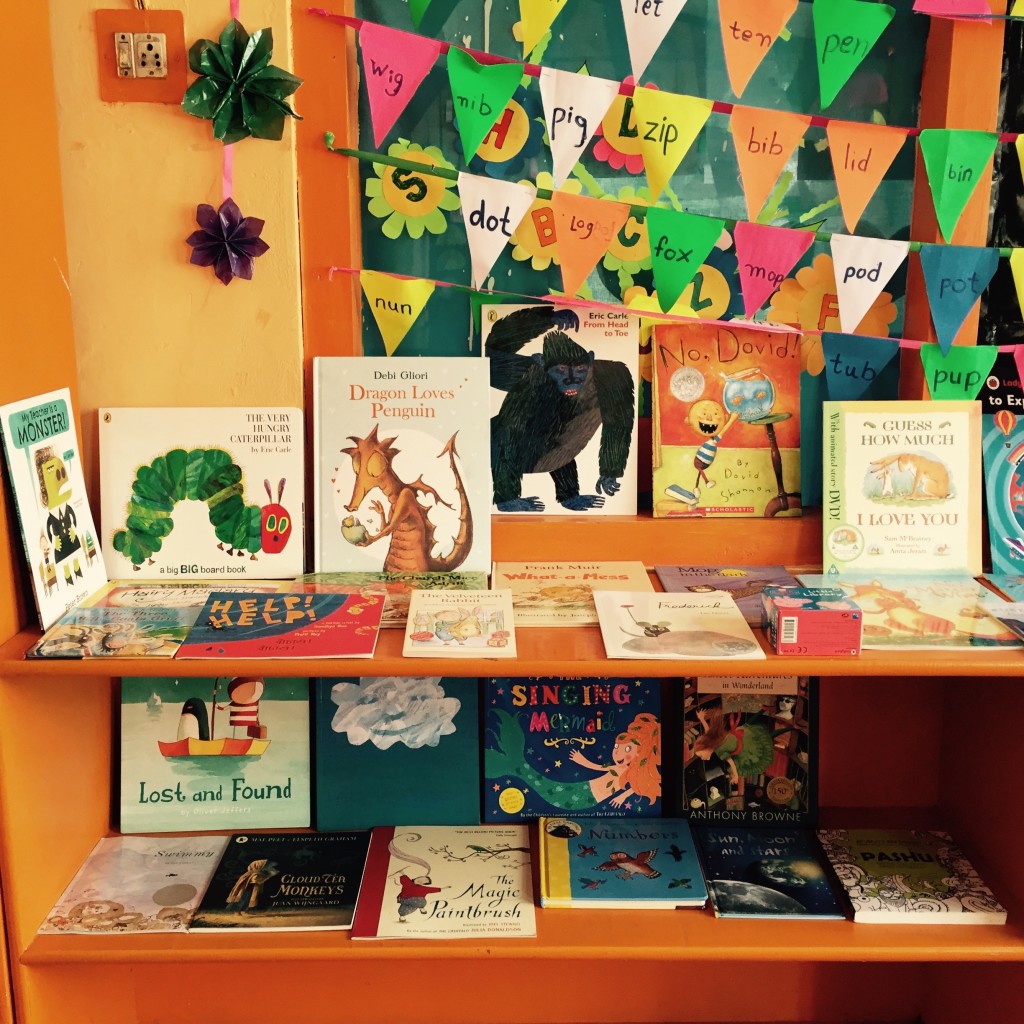
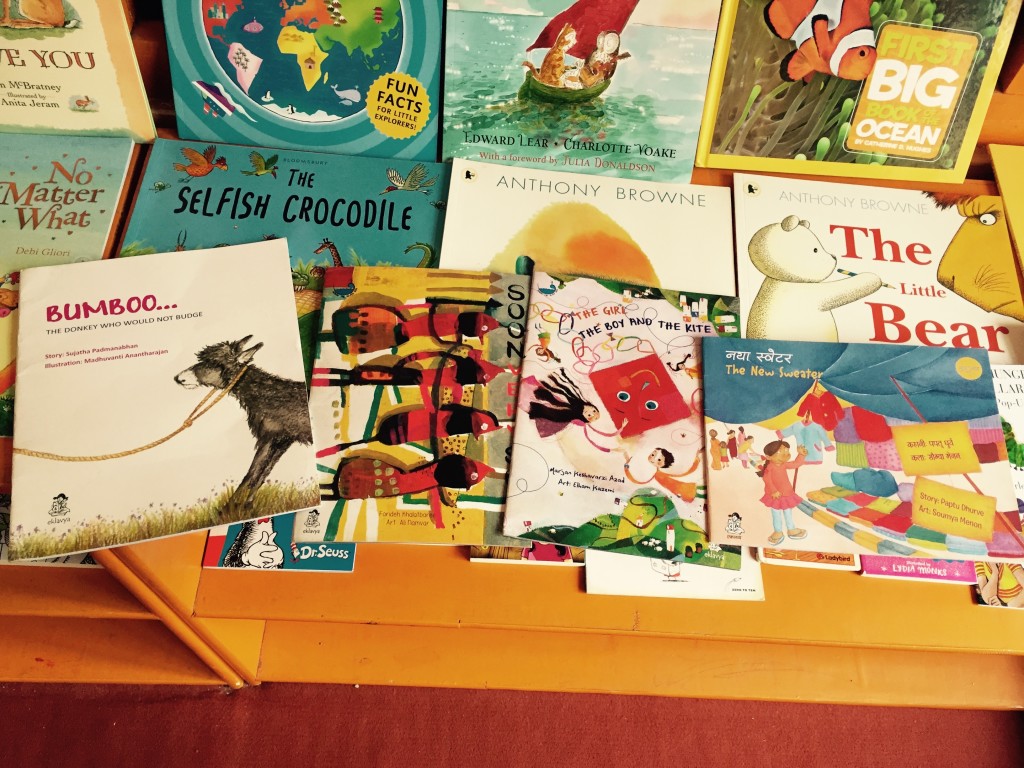
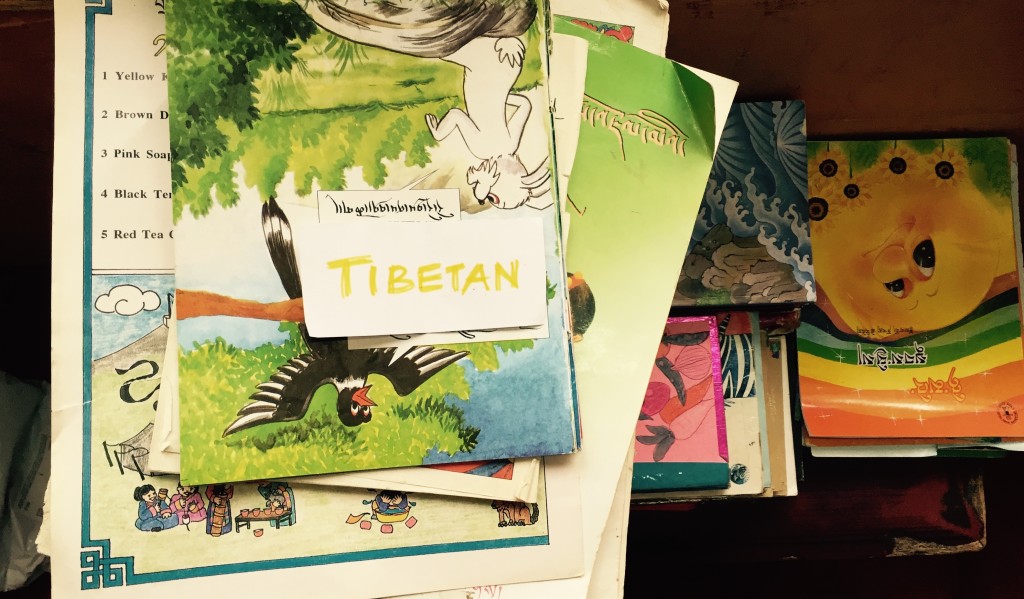
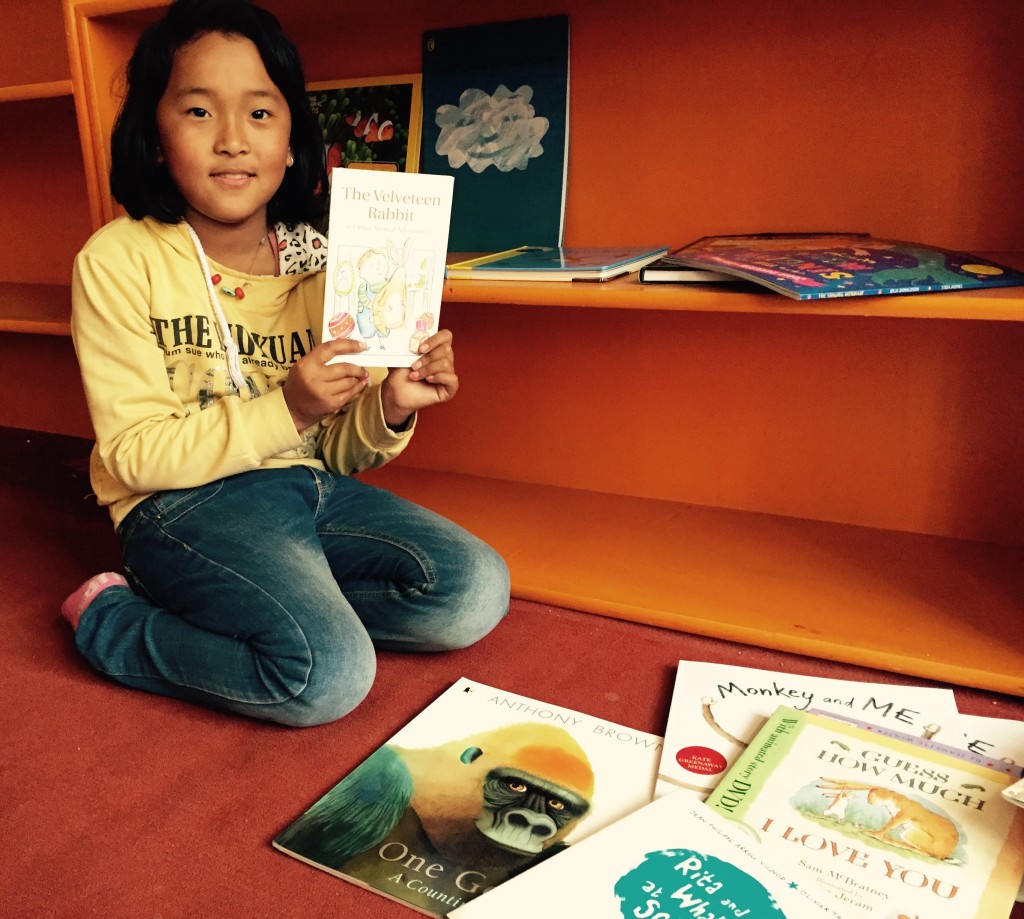
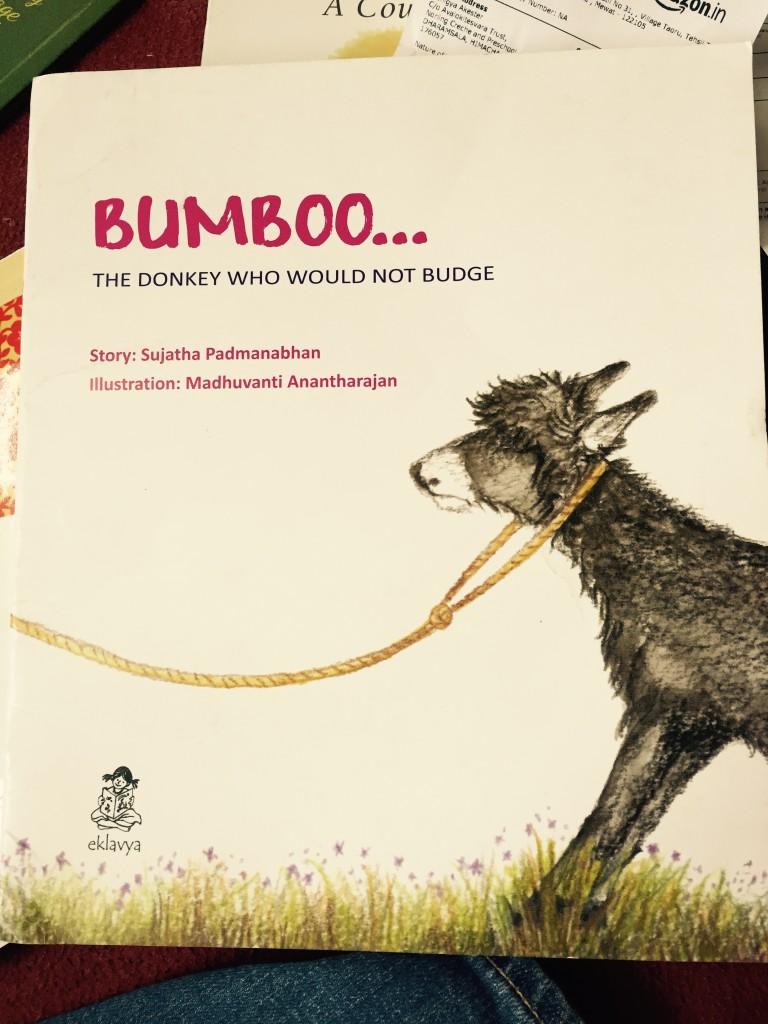
Language matters as much as subject. Depending on the community, the collection may include Ladakhi, Tibetan, Hindi and English books, along with material in additional languages requested by local families. Easy readers sit beside illustrated stories, while folktales, biographies and reference books introduce more difficult vocabulary and sustained reading.
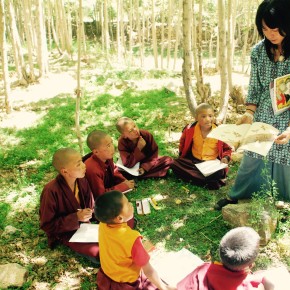
Young monks may visit outside formal school hours, while children often arrive in groups. The room therefore needs both shared storytelling space and quieter areas for individual reading. A movable screen, book trolley or change in furniture orientation can separate those activities without creating a rigid rule about how the space should be used.
The details that make a reading nook welcoming
Before selecting colours or decorative pieces, we check the practical features that help children settle in:
- Washable floor mats and cushions made with durable fabric
- Bright task lamps supported by backup lighting
- Adjustable blinds or curtains to control glare
- Low shelves, display ledges and reachable book trolleys
- Clear walking routes that accommodate bags and mobility aids
The early collection is shaped by local interests and the ages of expected readers:
- Community folktales, histories and stories from the Himalayan region
- Easy readers and illustrated chapter books
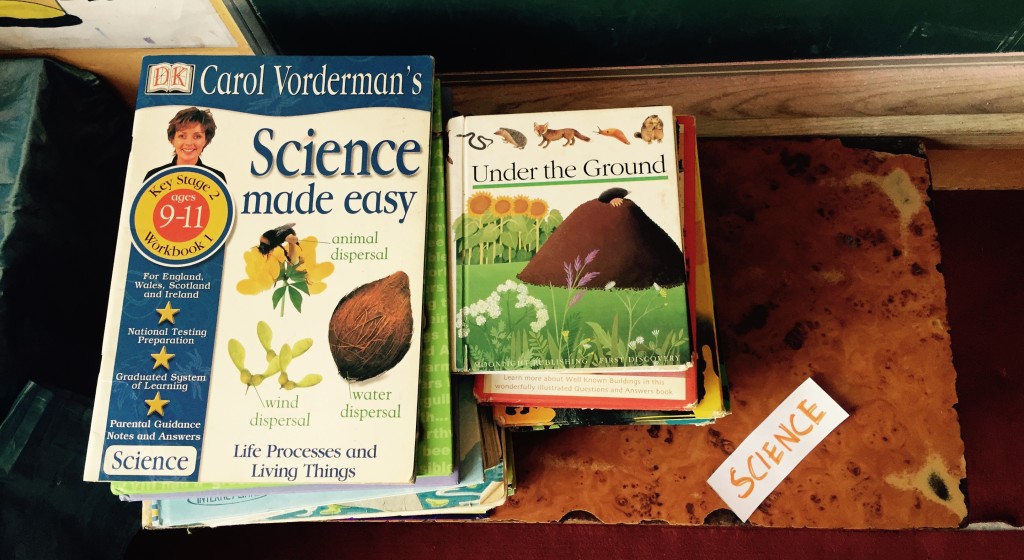
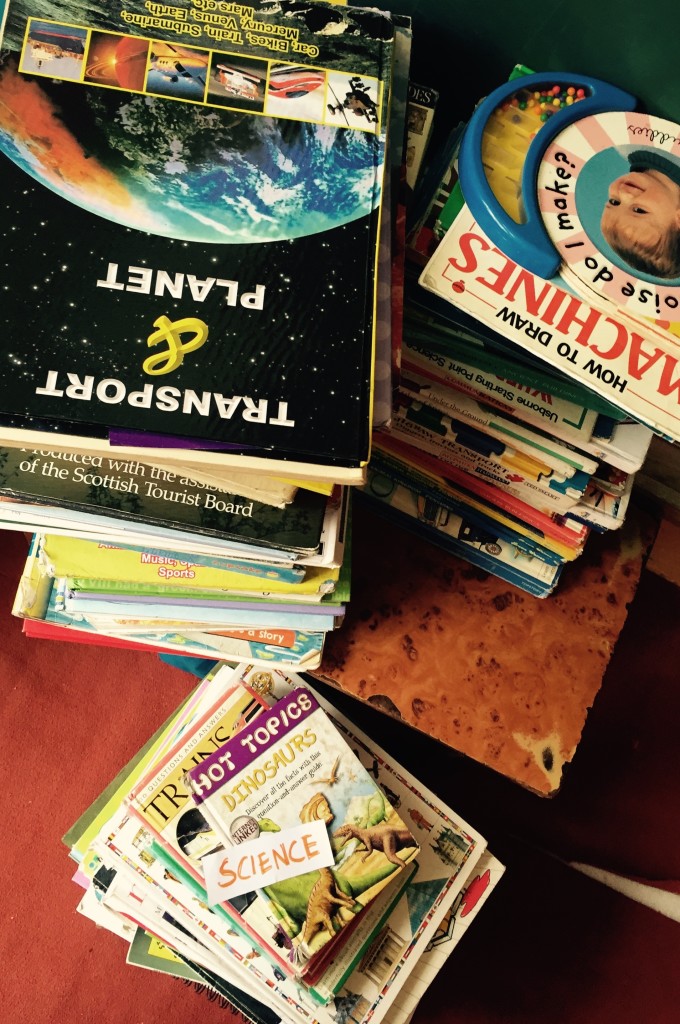
- Nature, science, geography and environmental topics
- Poetry, art, music and books about creativity
- Practical material on health, farming and daily community life
Choosing books that travel well
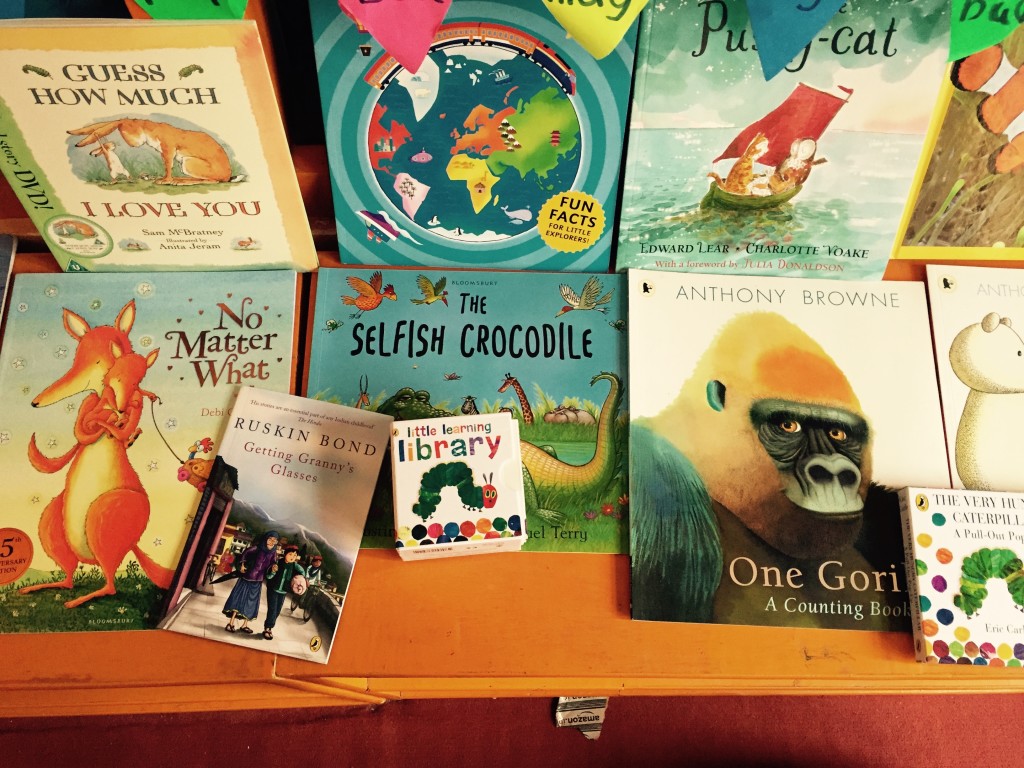
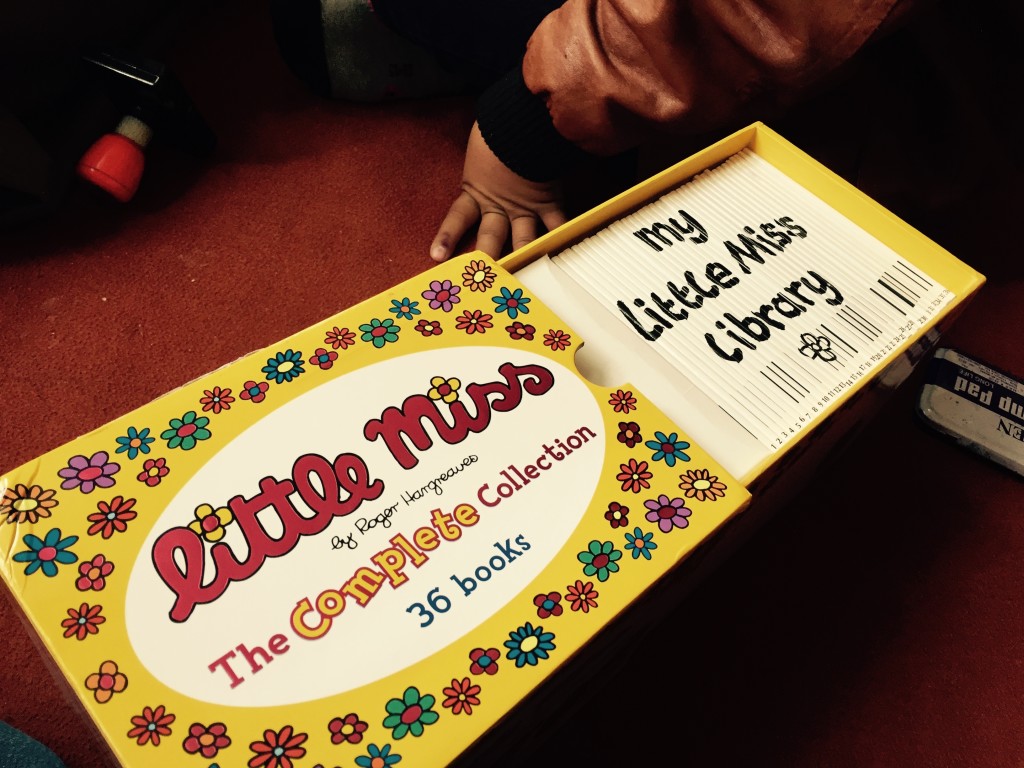
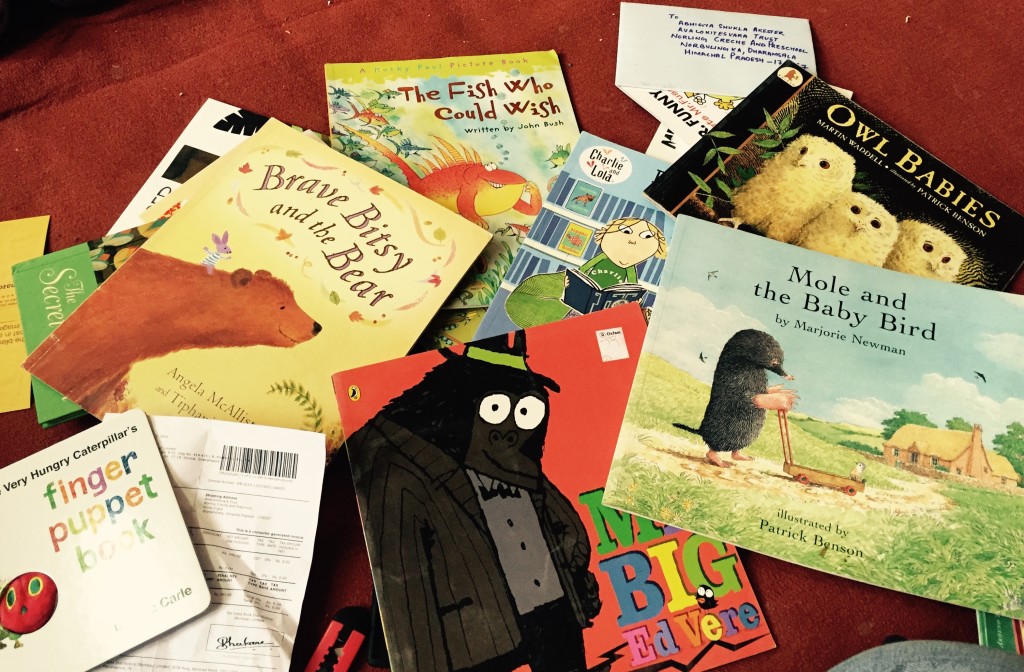
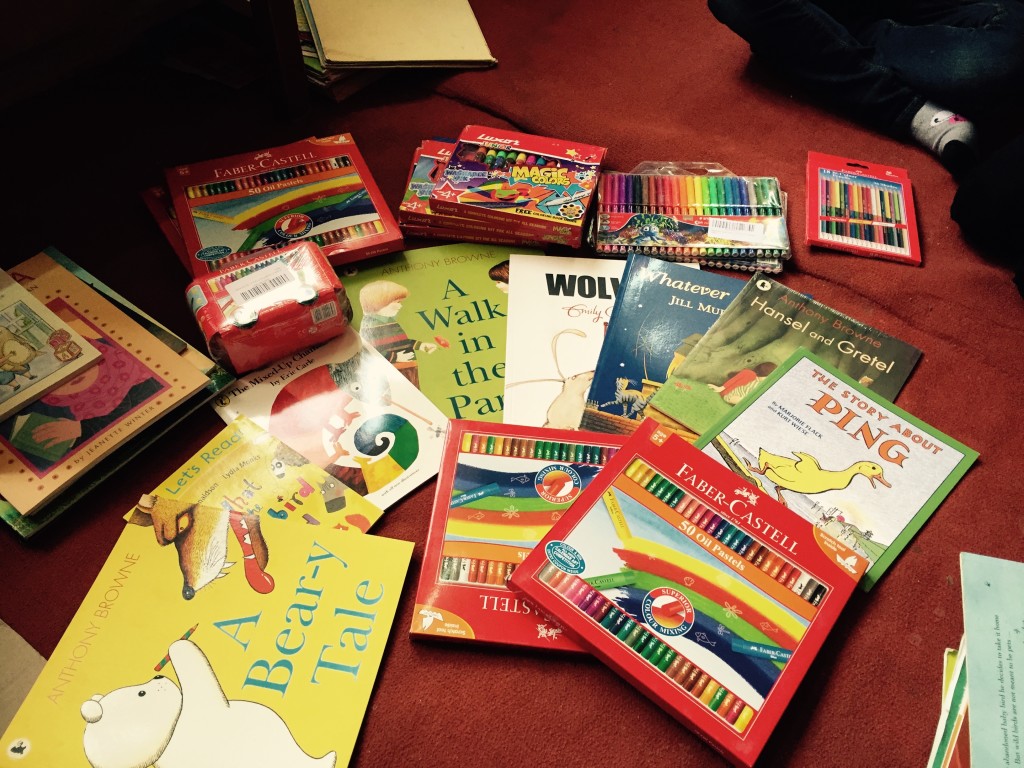
We collect titles before buying new ones. Teachers and reading mentors identify gaps, while families contribute books they already value. A requested book about local wildlife, for example, may be more useful than several unfamiliar novels chosen only because they are inexpensive. The aim is a balanced, approachable collection rather than the largest number possible.
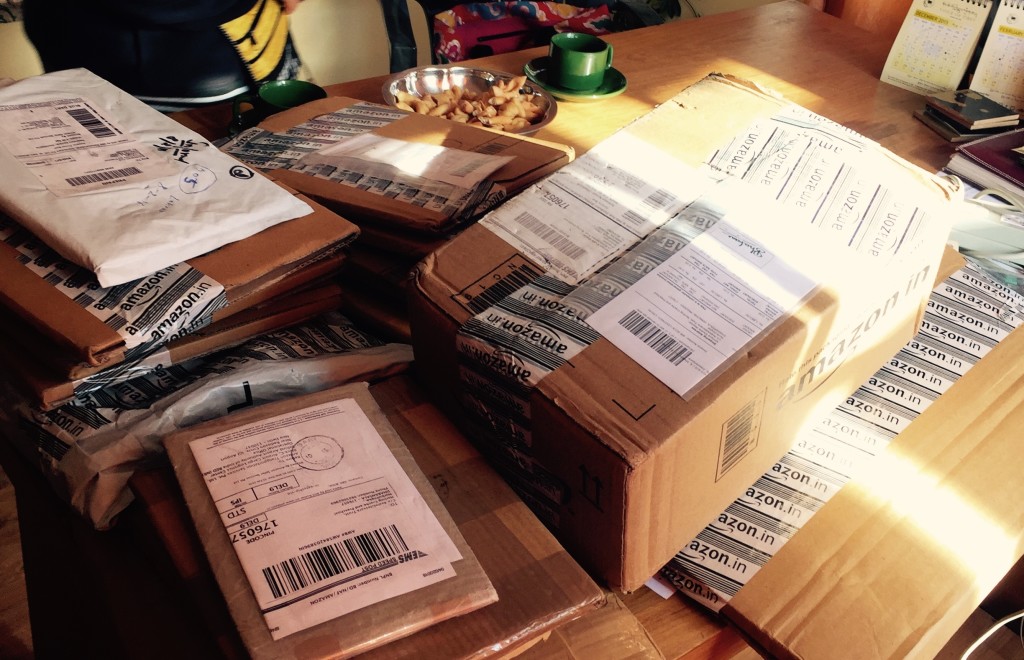
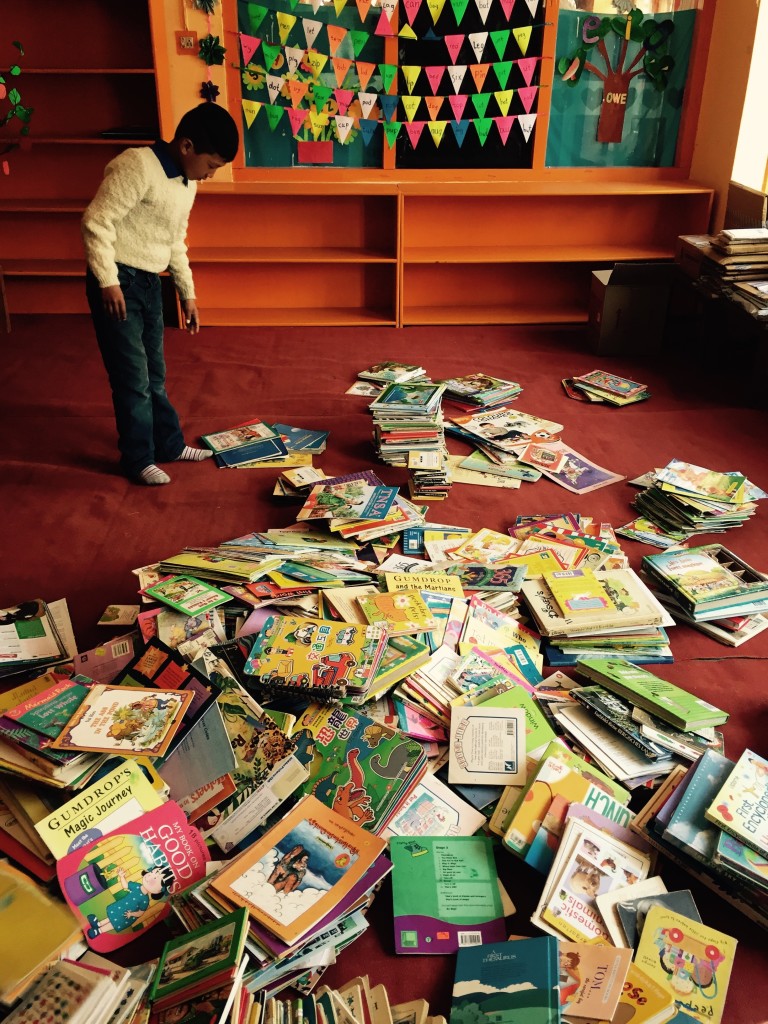
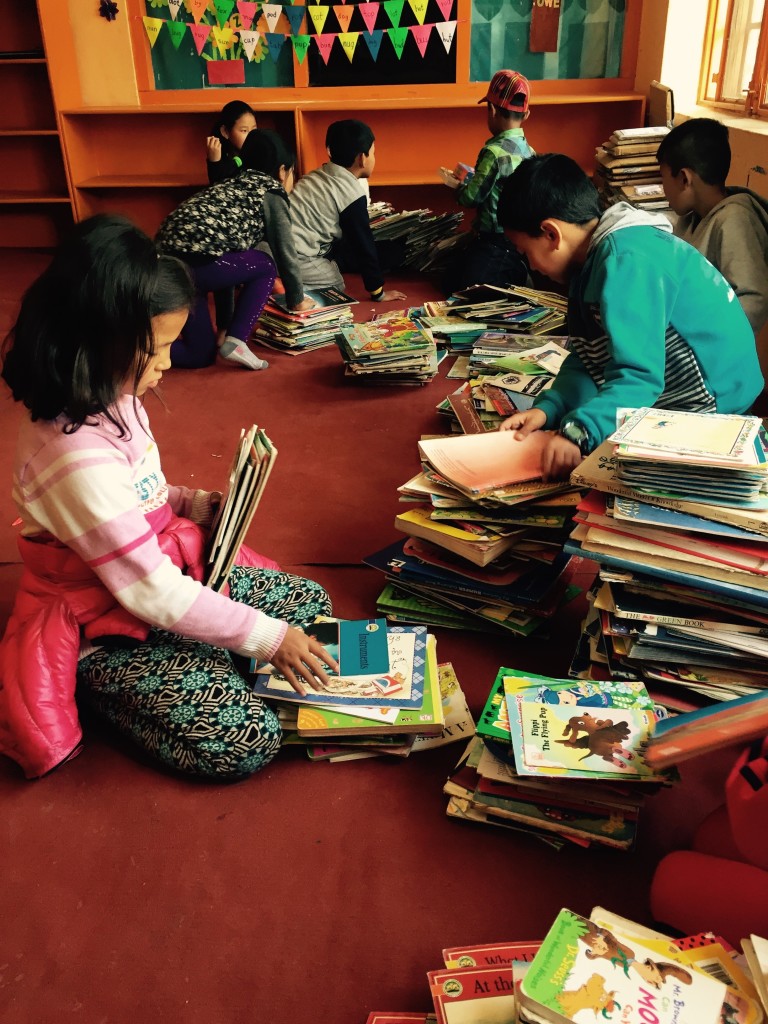
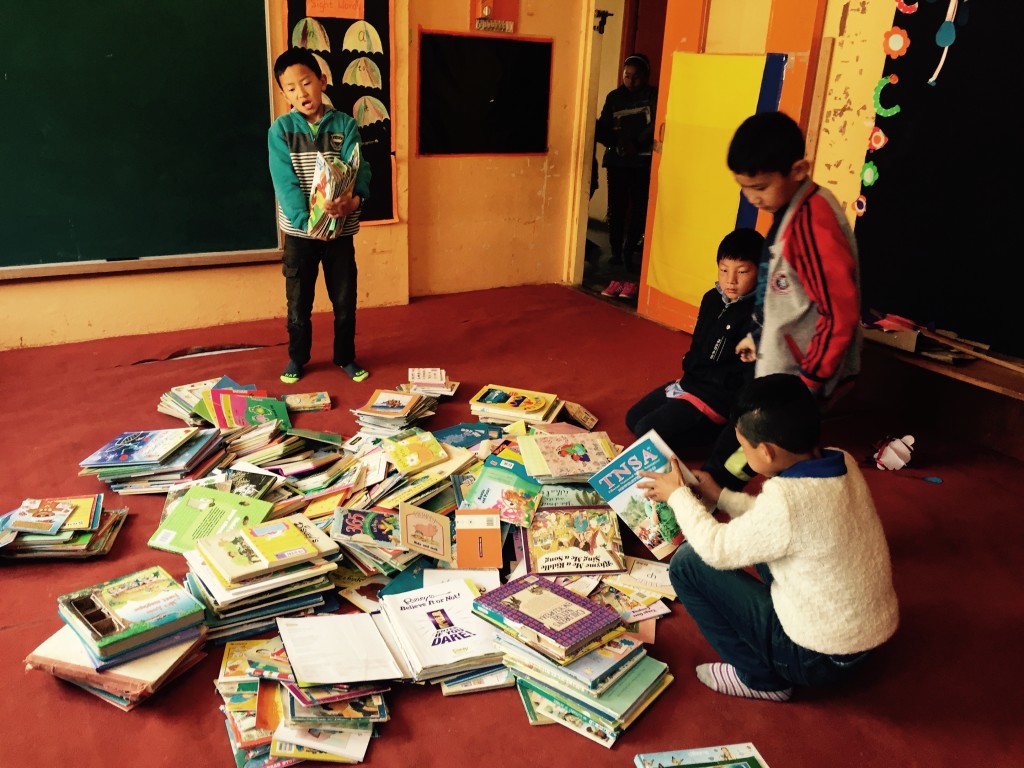
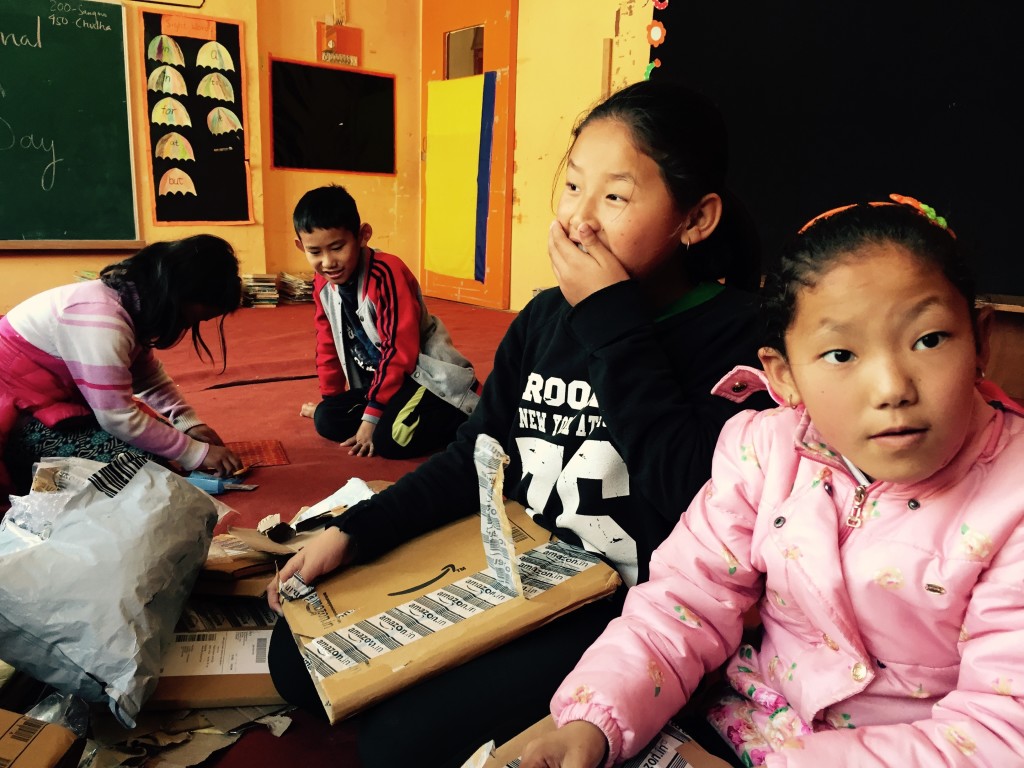
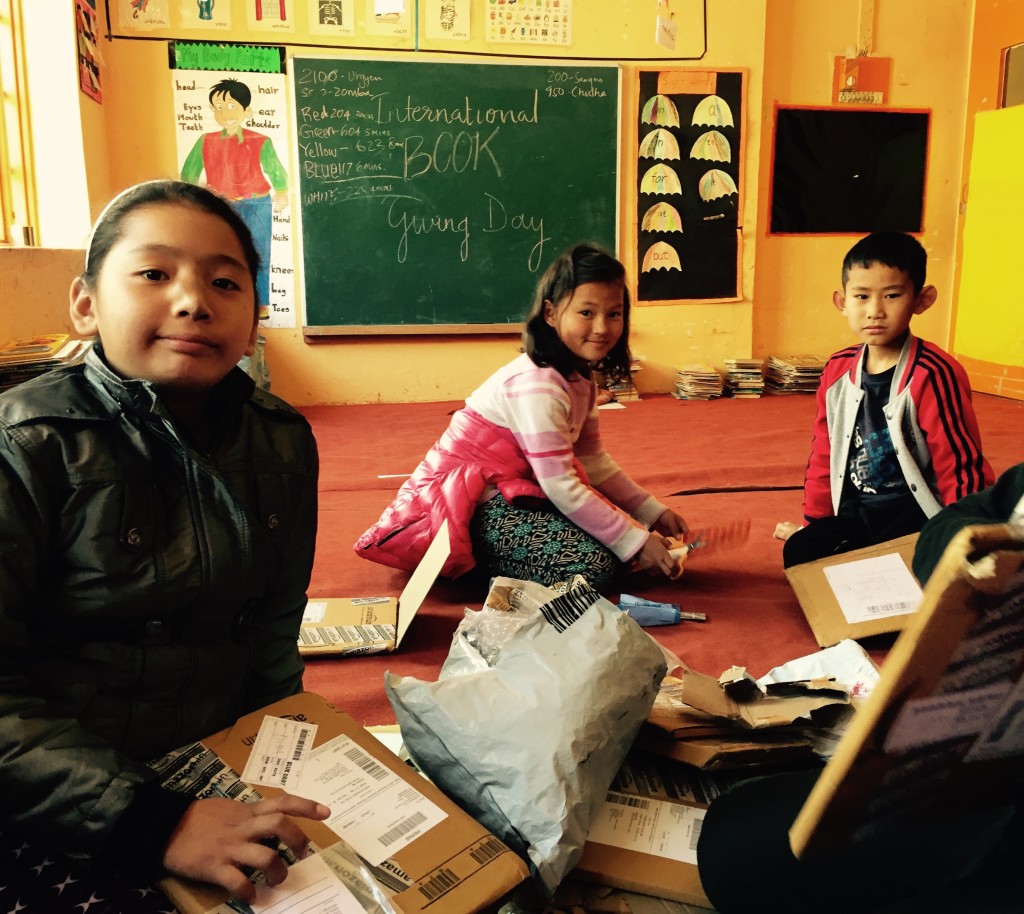
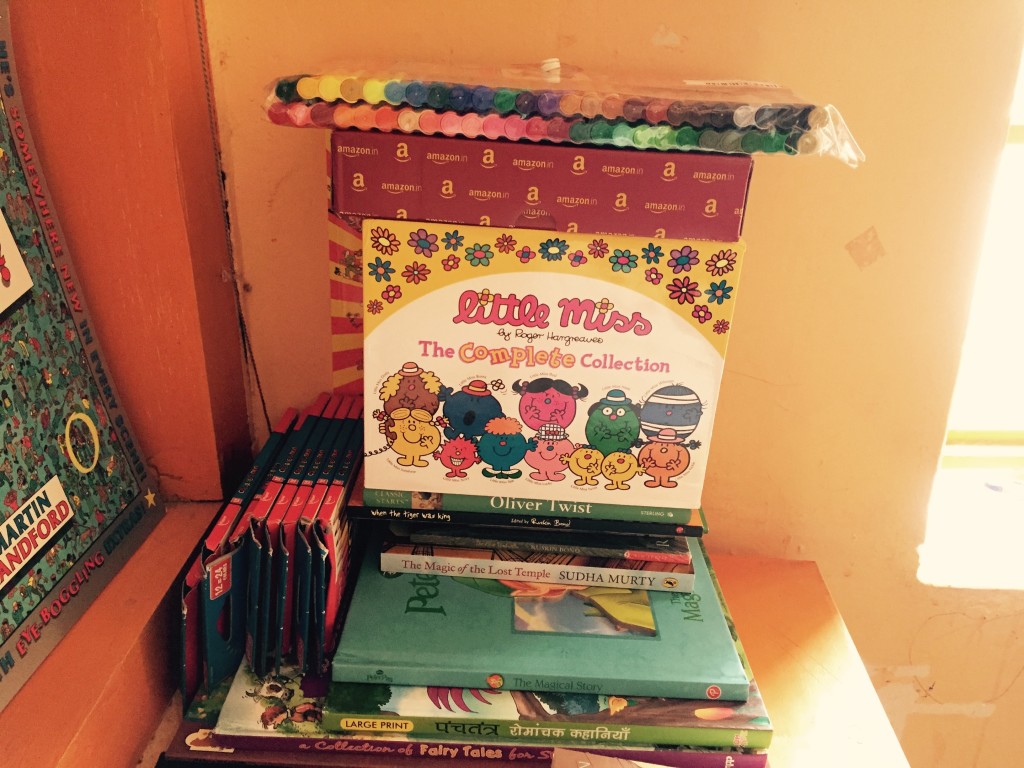
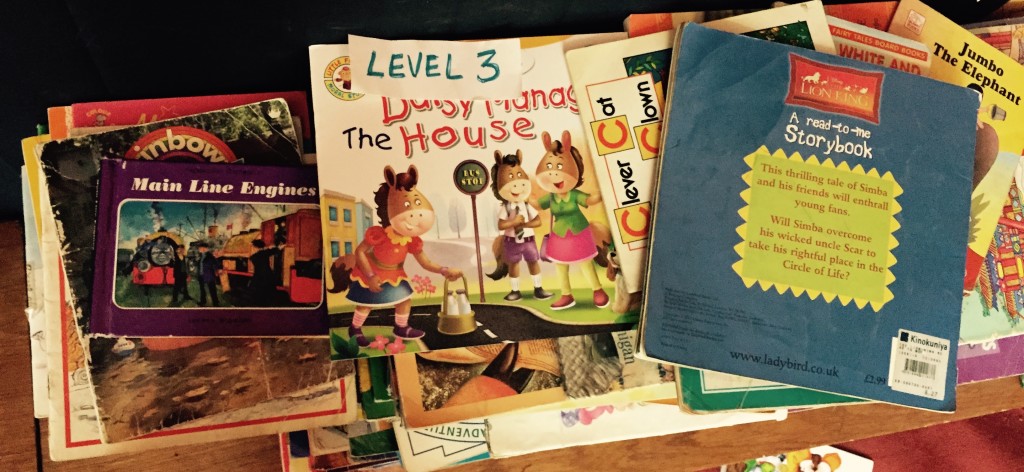
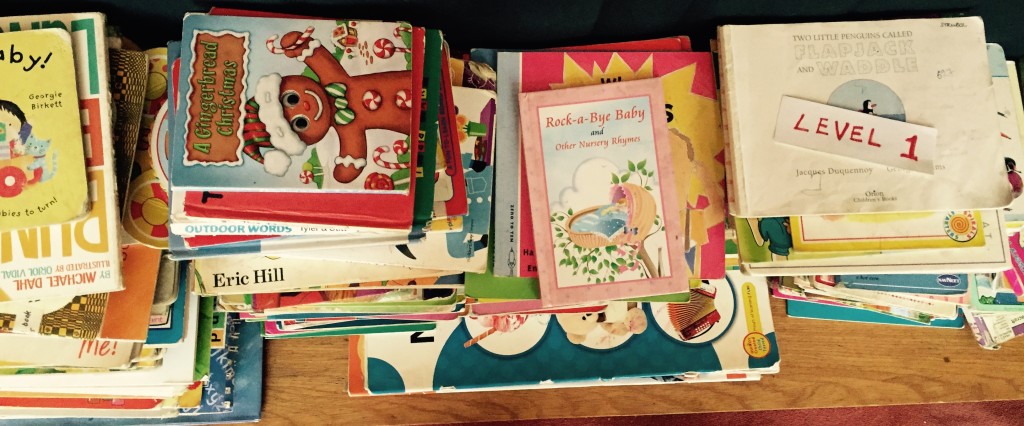
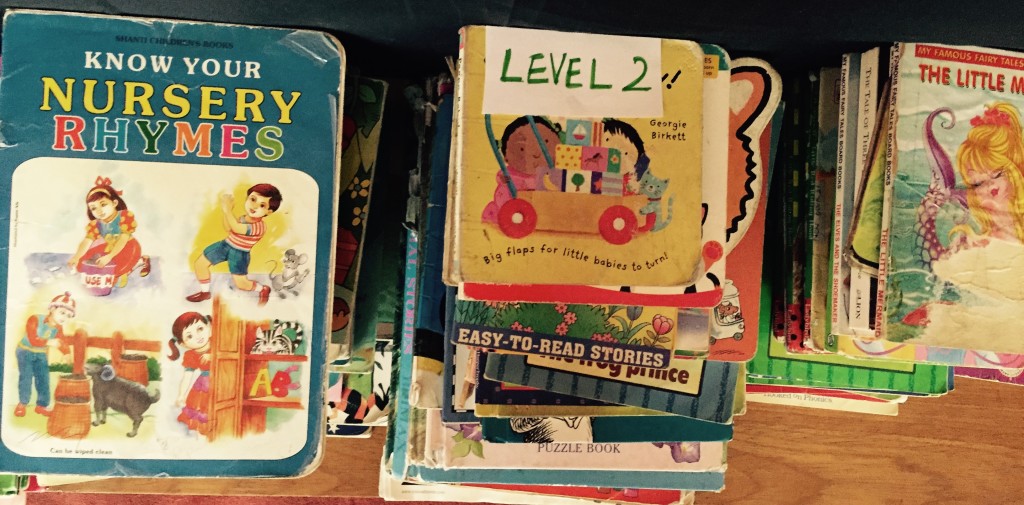
Every donation is sorted by language, reading level, subject and condition. Damaged covers are repaired when economical, while duplicates are distributed among nearby rooms. Books are packed into compact cartons by shelf and age group, making them easier to manage after a long journey to Ladakh.
In Melbourne and Sydney, neighbourhood book days often begin at school fetes, library campaigns and community collections, with op shops providing another well-established source of pre-loved books. Australia’s long distances and courier costs also make consolidation practical. Combining requested titles into fewer, carefully packed shipments usually delivers more value than posting many small boxes.
Making reading part of everyday life
A reading room becomes useful when it has a place in the daily routine. Some rooms open before school for a quiet reading period, while others host short sessions after lessons. A predictable schedule helps children form the habit of visiting, and a simple opening checklist ensures the room is clean, lit and ready when they arrive.
The space also supports creative learning. A story circle can lead to drawing, puppetry, poetry or discussion, while books about music and art can inspire young monks and children to explore different forms of expression. These activities remain connected to the collection because every object on display has a story or skill attached to it.
Children help maintain the atmosphere by choosing a weekly display, recommending books to younger visitors and recording short responses to what they have read. A handwritten recommendation beside a familiar title often encourages another child to try it. The room then develops as a shared environment shaped by its readers rather than a finished display that discourages ordinary handling.
Training local reading room stewards
Every transformed room needs people who understand its daily operation. Local stewards learn how to organise shelves, welcome visitors, identify damaged books and complete simple maintenance tasks. A cleaning rota, lamp check and repair record keep small problems from becoming major disruptions. Training also includes child-safeguarding routines appropriate to the community.
Support from Australia can be practical without requiring overseas travel. Volunteers may help catalogue books, translate instructions, create accessible reading materials or organise fundraising collections. Remote coordination commonly connects city-based volunteers in Melbourne, Sydney and other Australian communities with reading mentors in Ladakh.
The spirit of volunteering in Australia is often described as having a go, and that practical attitude suits this work. Tasks can be divided into manageable pieces and shared across community centres or online groups. Clear agreements, modest expectations and reliable communication allow local stewards to remain in control while receiving useful support when it is needed.
Keeping each reading nook ready for years
Our first priority is sustainability. Replacement lamps, washable fabrics, book repairs and basic cleaning supplies must be included in the budget from the beginning. Funds are also needed when a roof leaks, a window breaks or the power supply fails. A small annual maintenance allocation protects the investment made in each room and reduces the need for a complete rebuild.
Australian supporters often contribute through regular monthly giving, one-off tax-deductible donations, workplace matching or community grants. Those routes can provide dependable income for maintenance as well as new projects. Sharing straightforward financial updates, photographs and lessons from completed rooms helps donors understand where money is used and why those costs are necessary.
The next concrete step is to complete a joint condition check of the next available room, measure its windows and shelves, and prepare a costed worklist with local makers.