From Blank Pages to a Child’s Own Story
A simple notebook can become much more than a collection of empty pages. With a little care, it can become a private place for a child to record a new word, sketch a mountain, describe a family celebration, or make sense of a difficult day. This is how we turn a simple notebook into a child’s personal journal: gradually, respectfully, and with room for the child’s own voice.
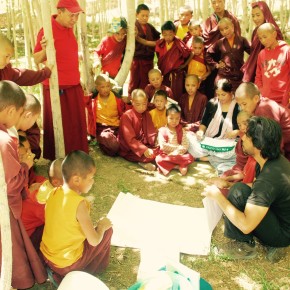
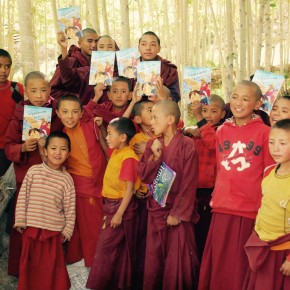
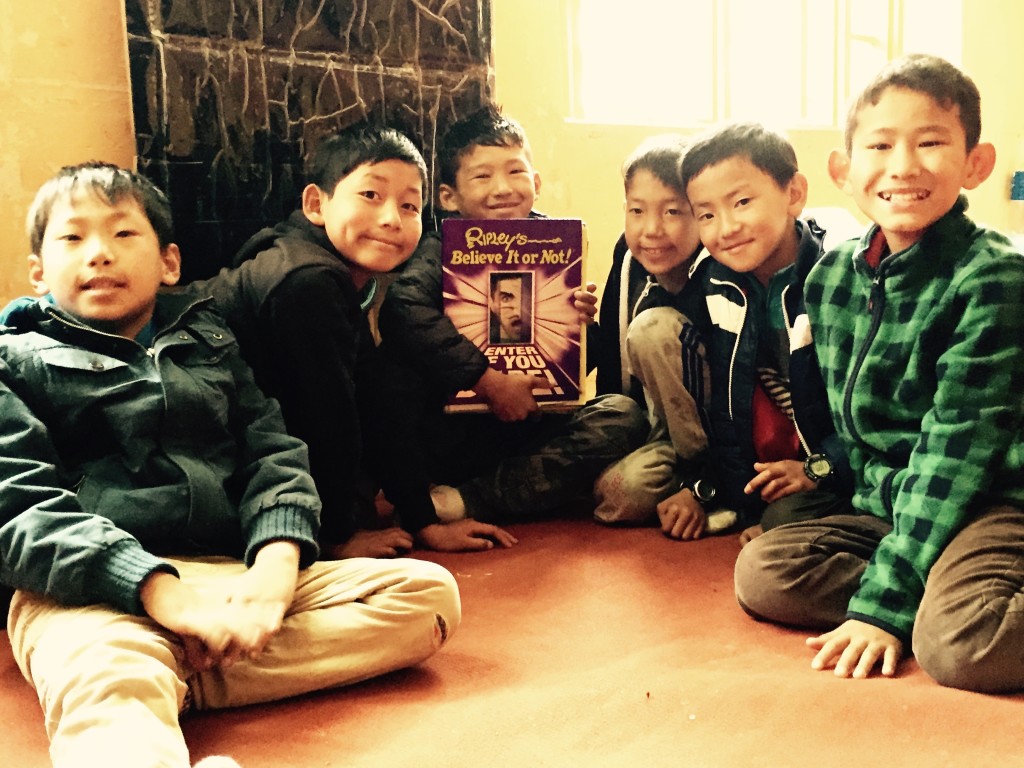
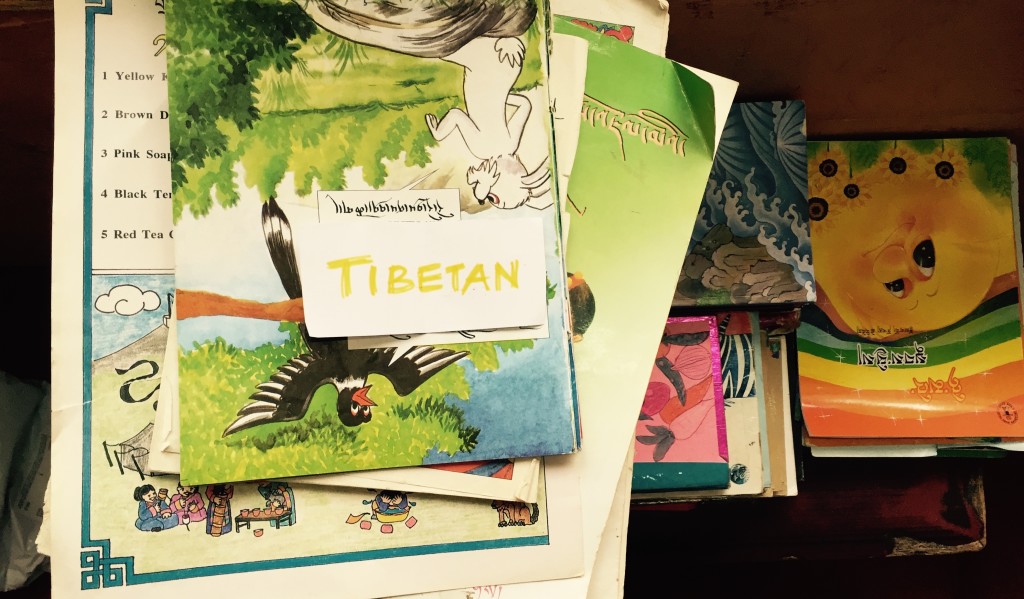
For children and young monks in Himalayan communities, access to books and creative materials can open doors to confidence and expression. A journal does not need expensive paper, elaborate prompts, or perfect spelling. It needs to feel welcoming, personal, and safe enough for a child to return to whenever they have something to share.
The Notebook as a Welcome
We begin by treating the notebook as a gift rather than a task. The cover might be decorated with coloured pencils, local patterns, a favourite animal, or the child’s name written in their preferred script. This first moment matters because it signals ownership: these pages belong to the child, and there is no single correct way to use them.
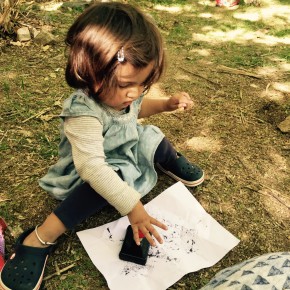
A journal can hold writing, drawings, copied poems, pressed leaves, ticket stubs, vocabulary practice, musical notes, or small observations from daily life. A child who is still developing literacy may communicate through pictures and single words. Another may fill several pages with stories. Both forms of expression are equally valuable.
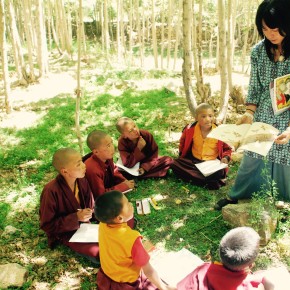
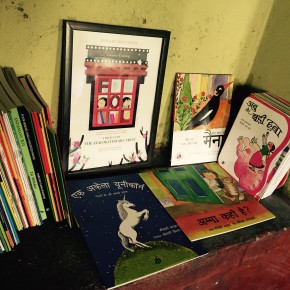
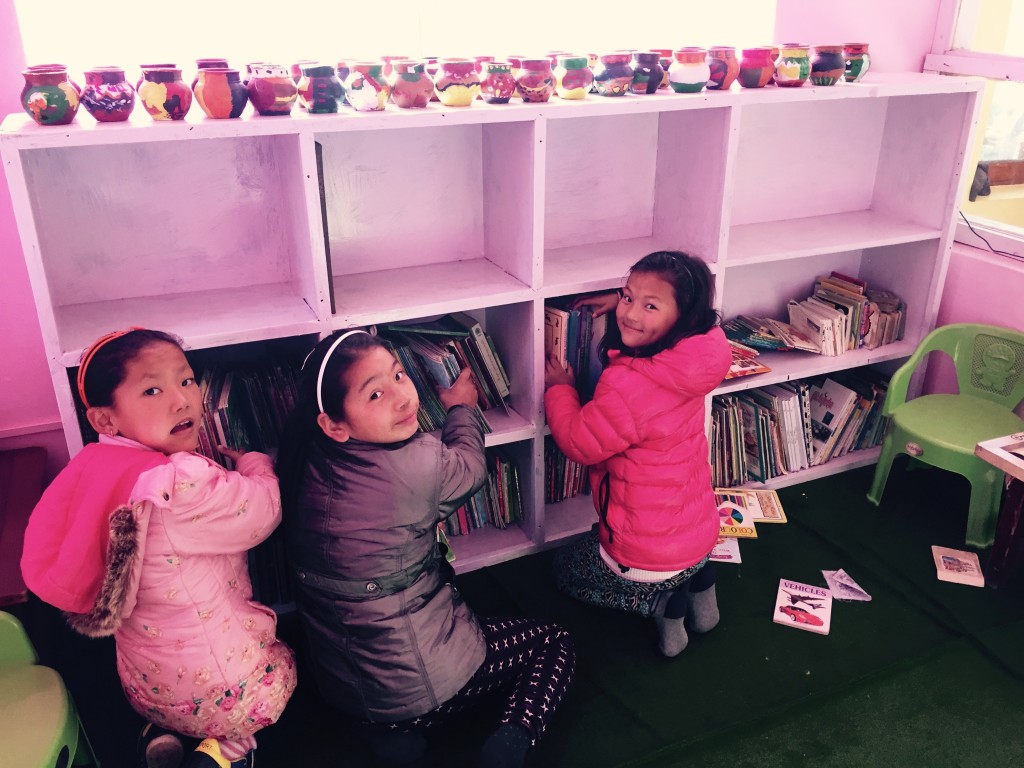
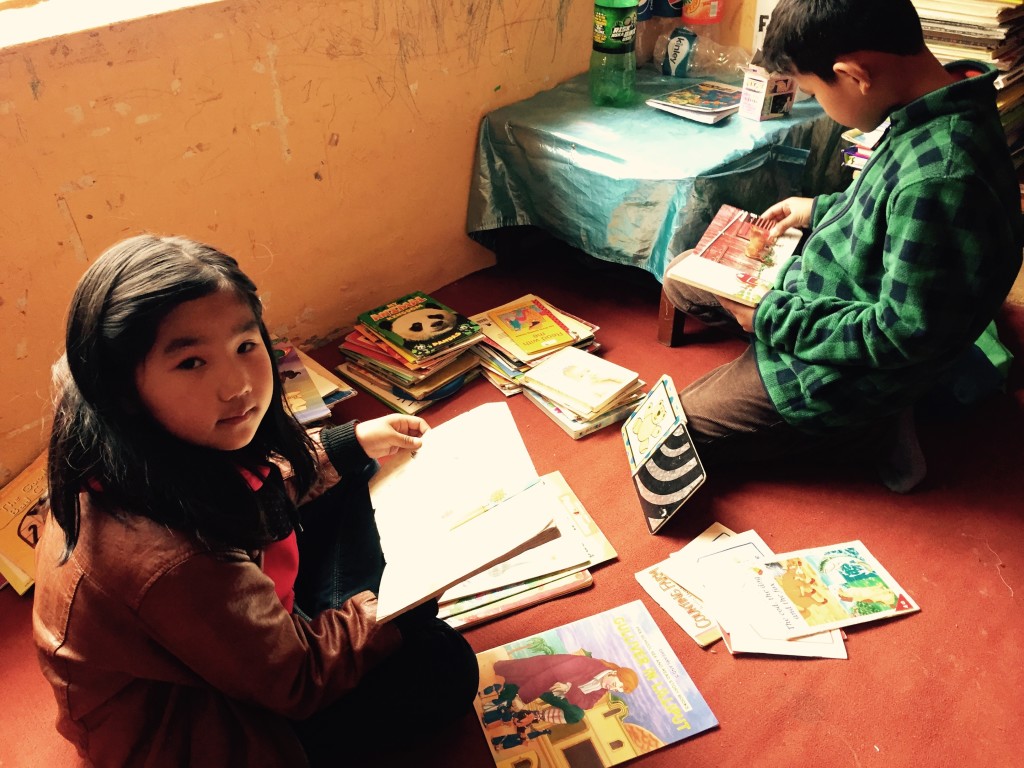
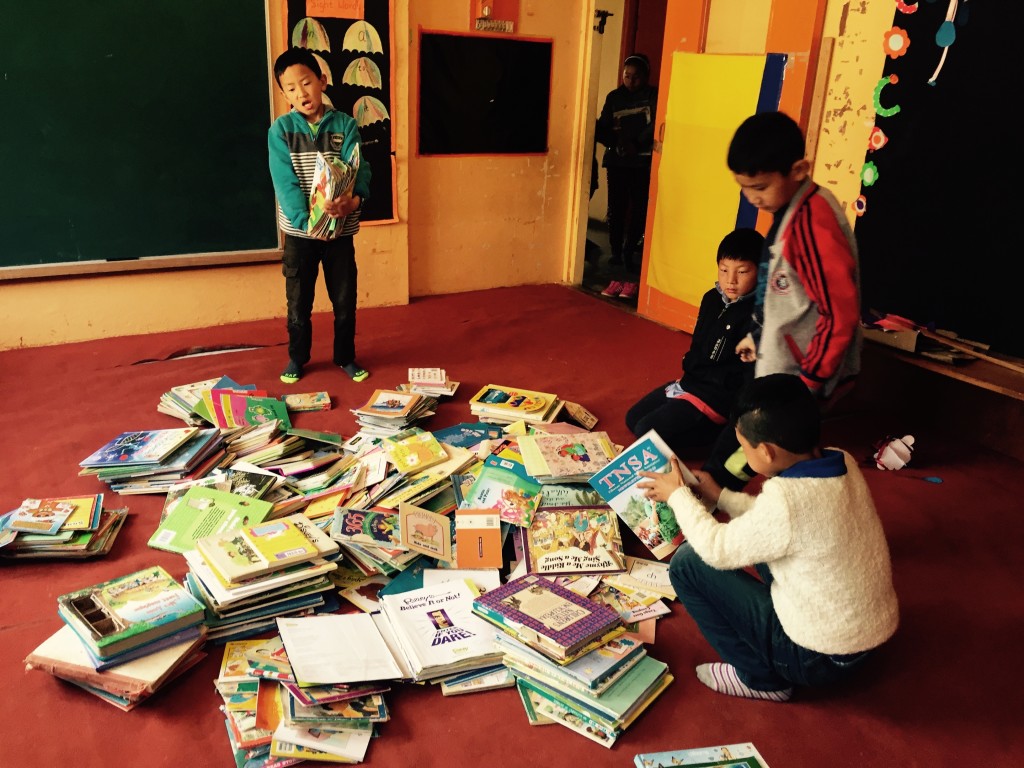
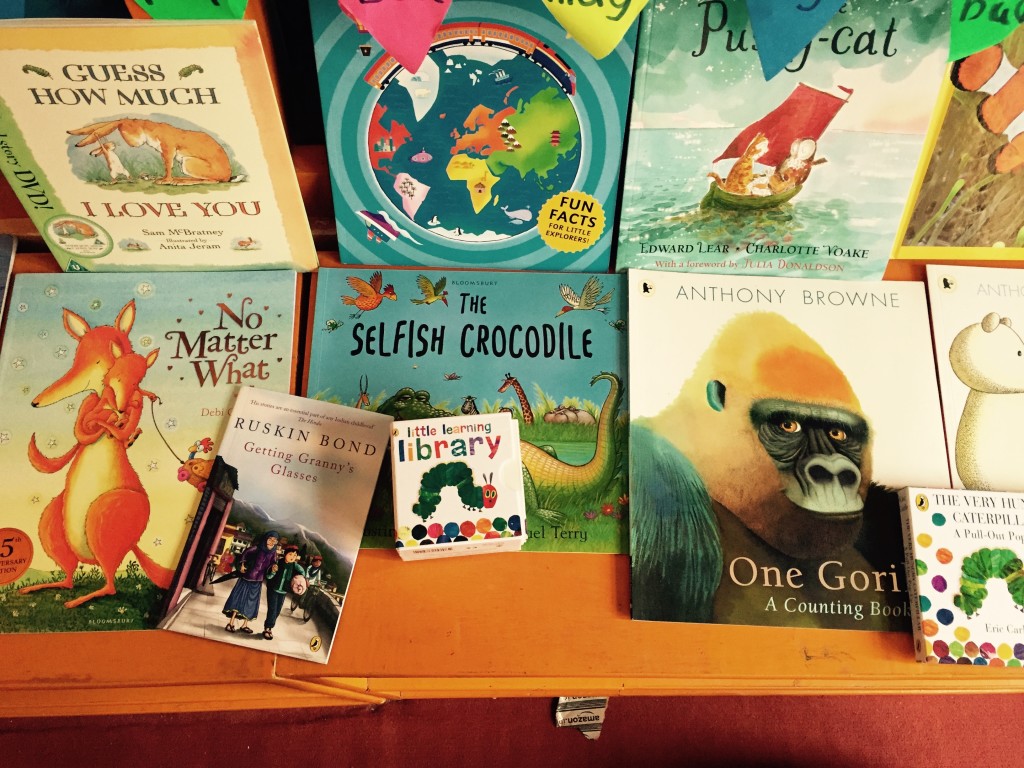
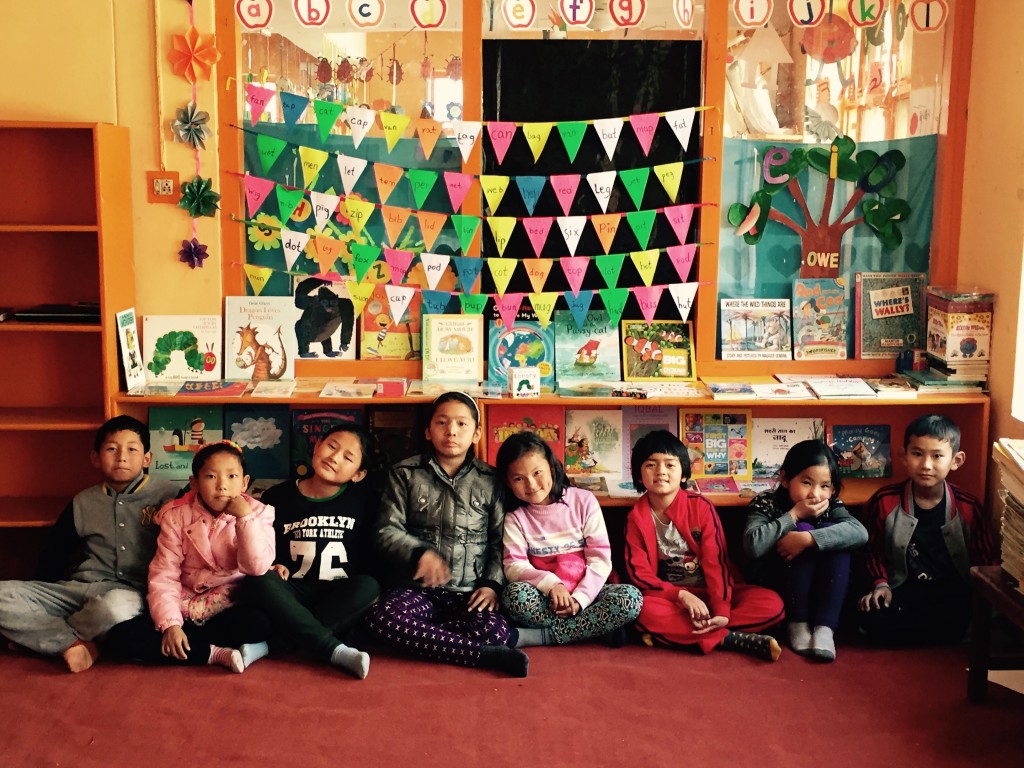
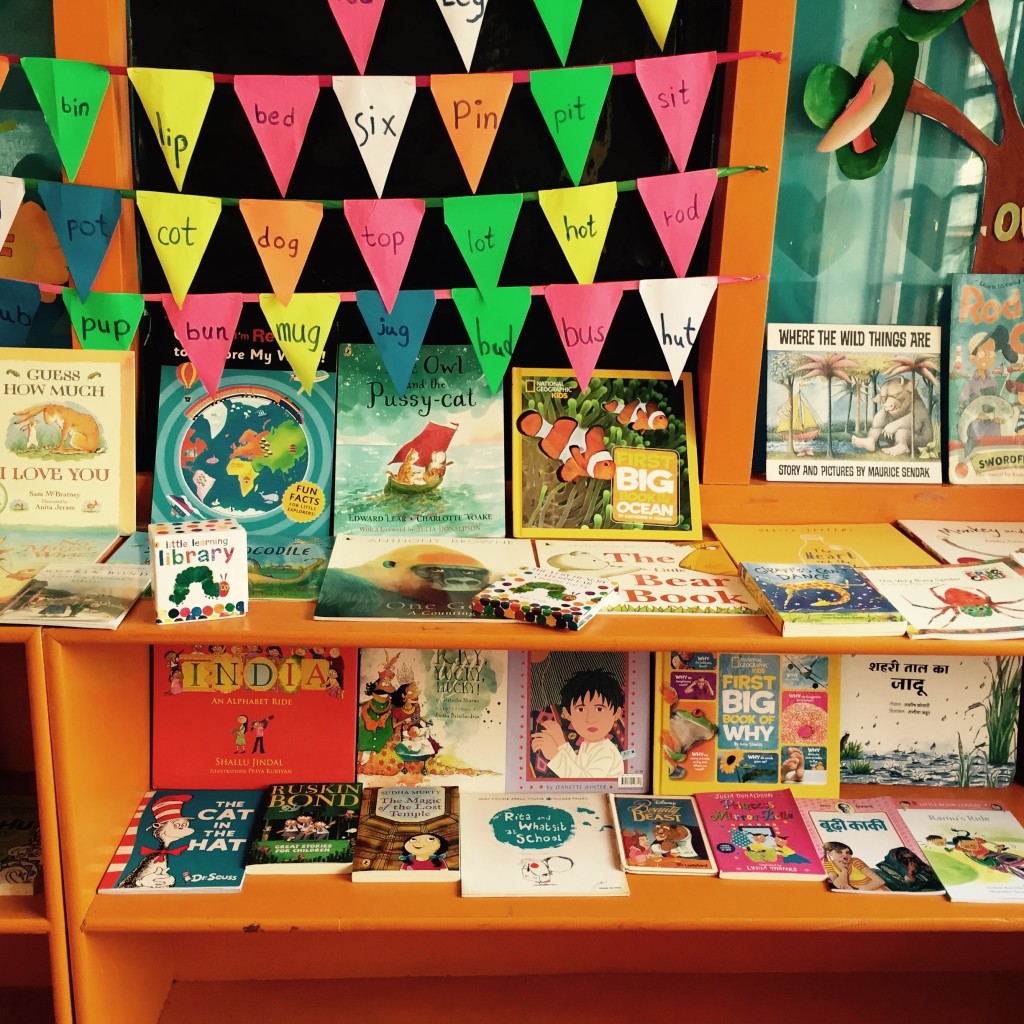
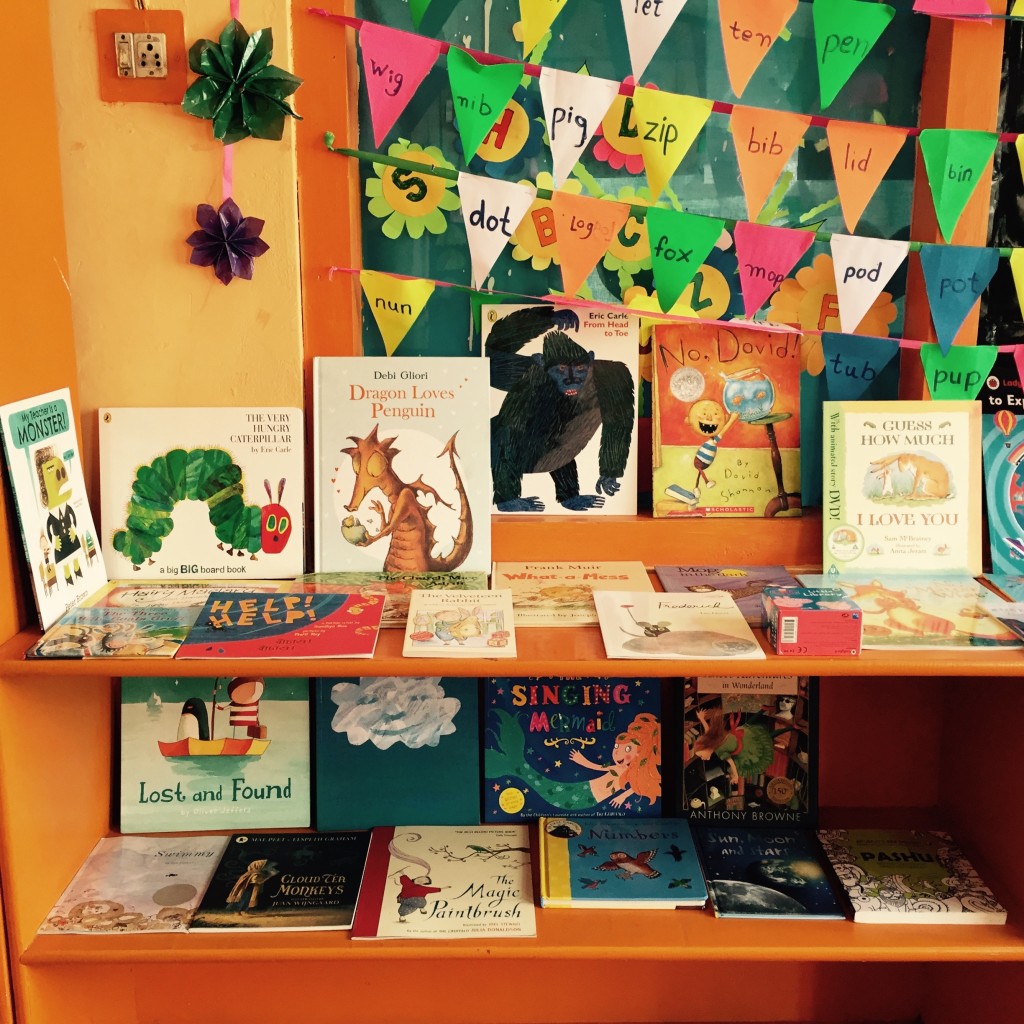
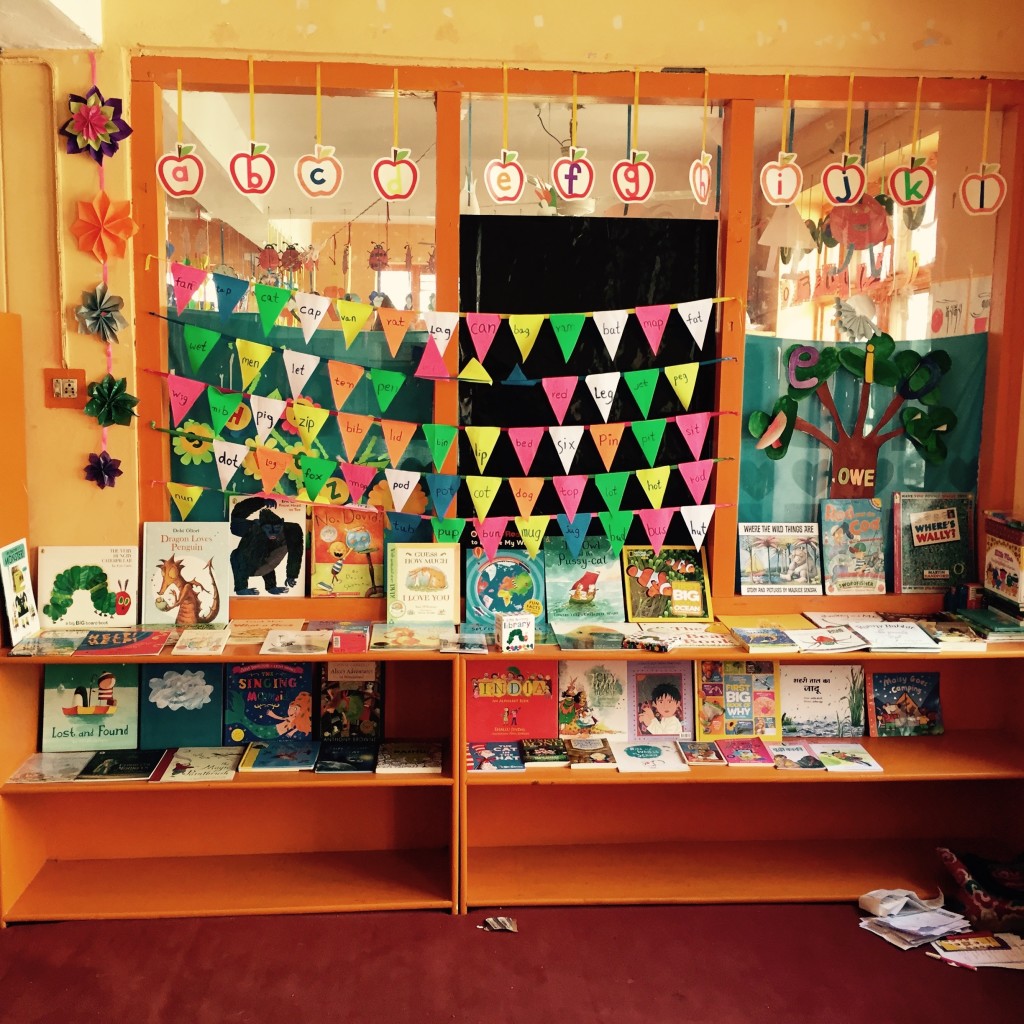
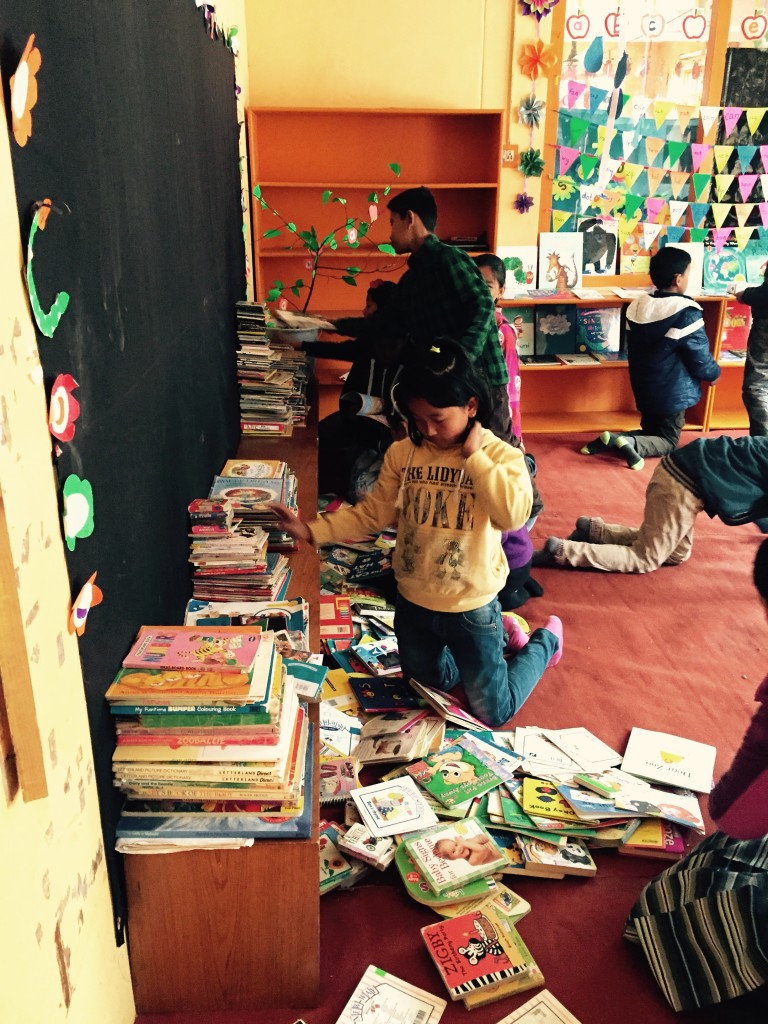
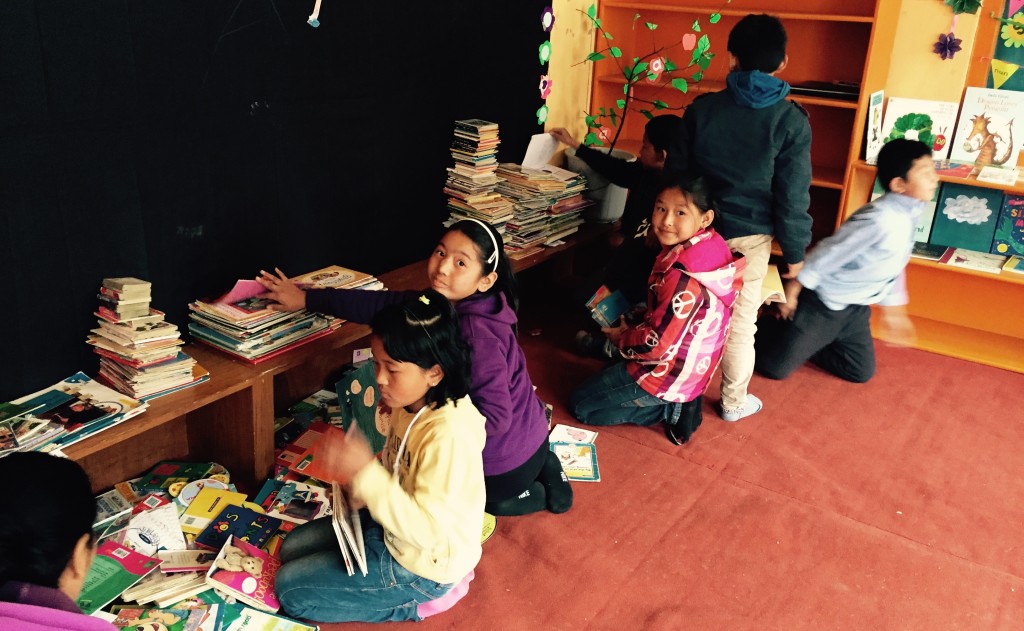
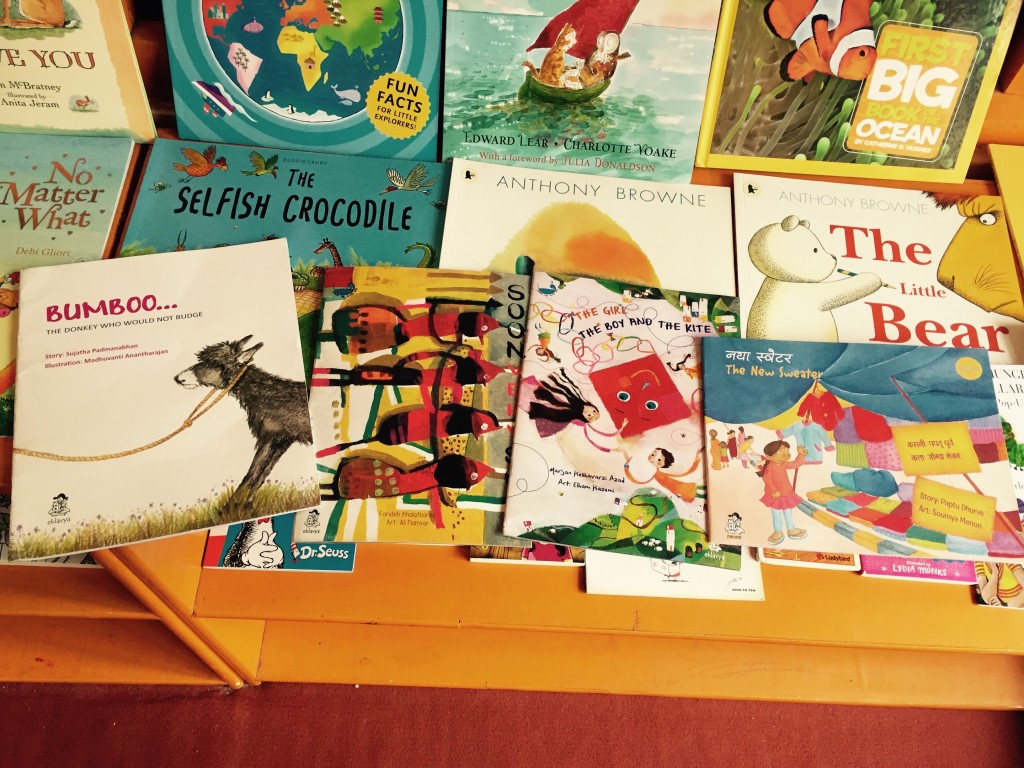
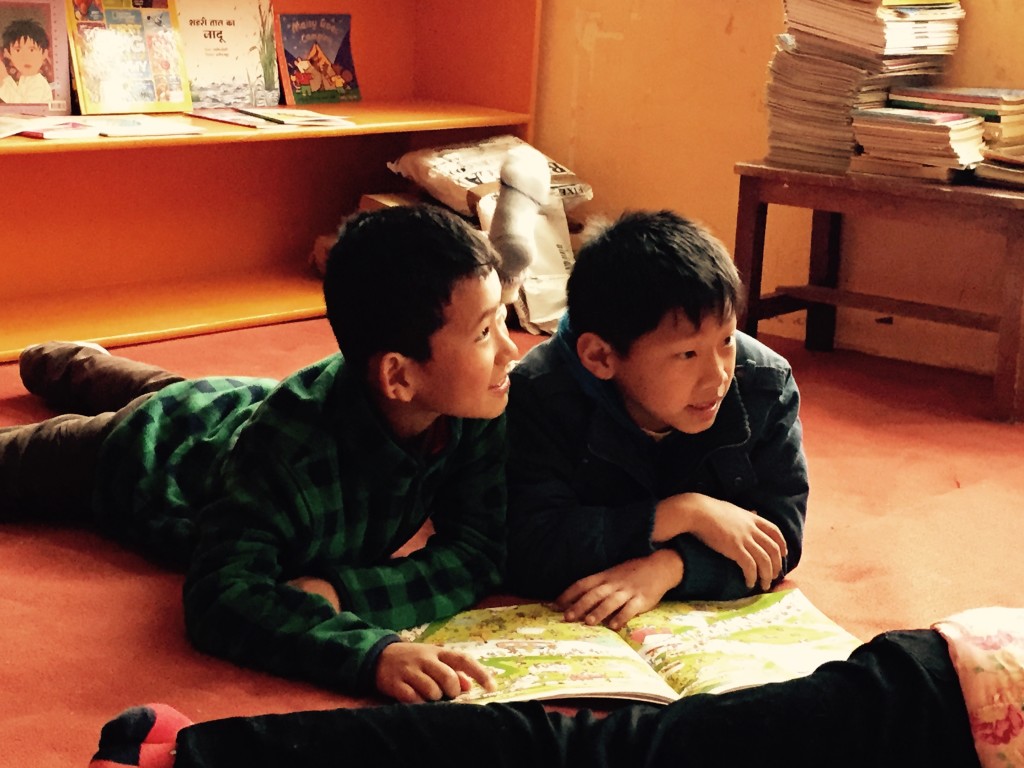
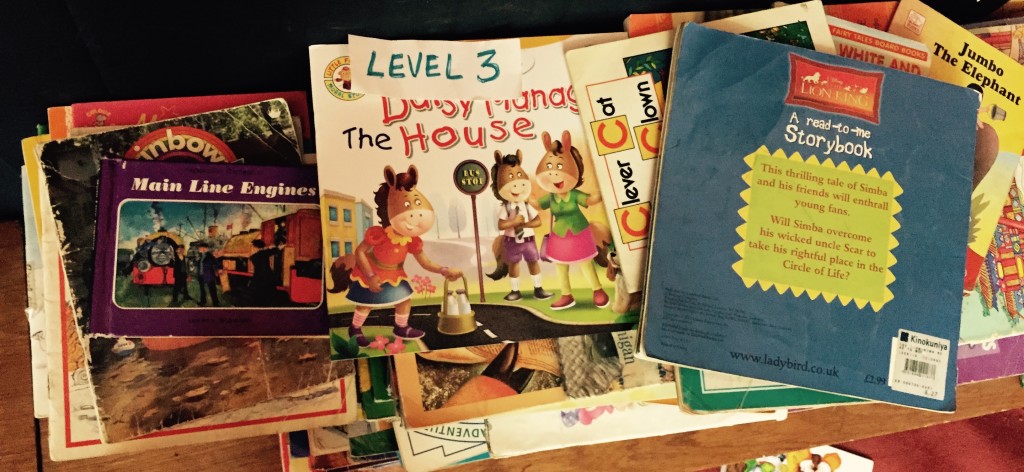
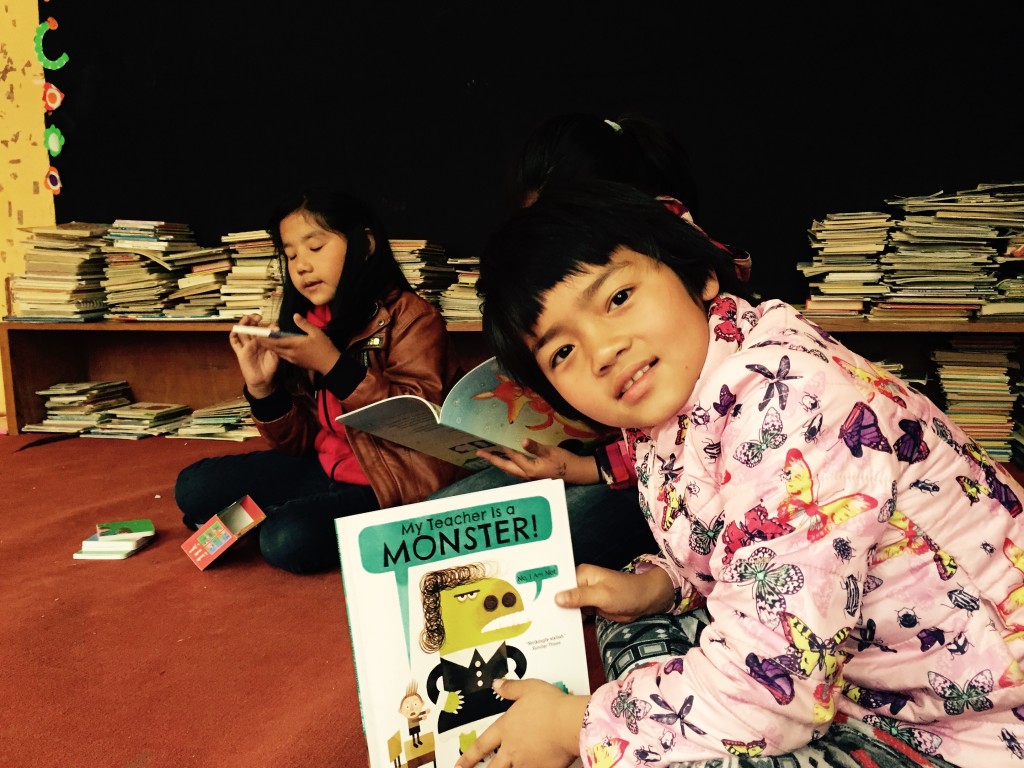
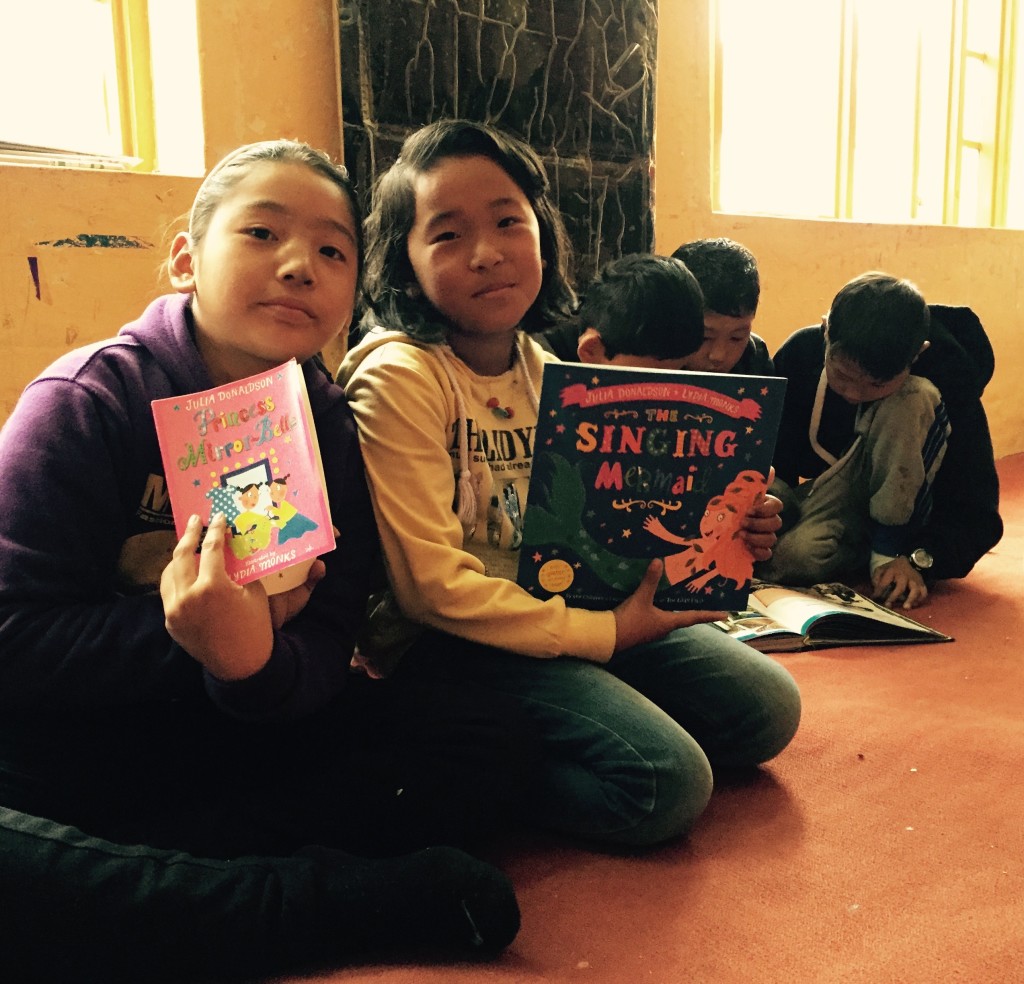
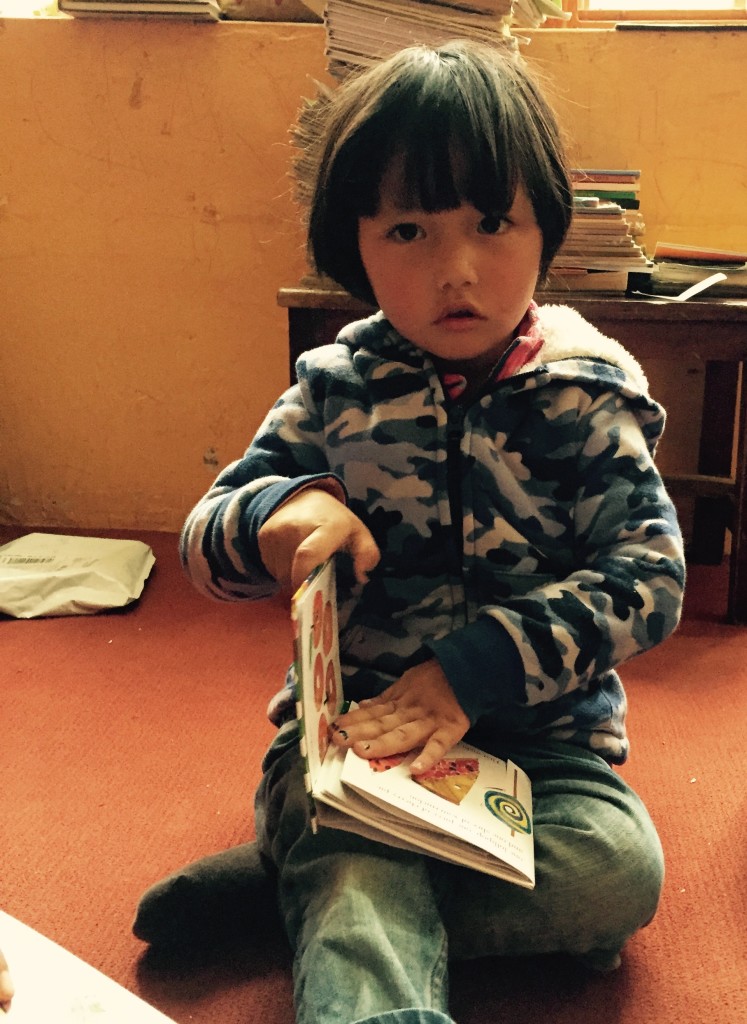
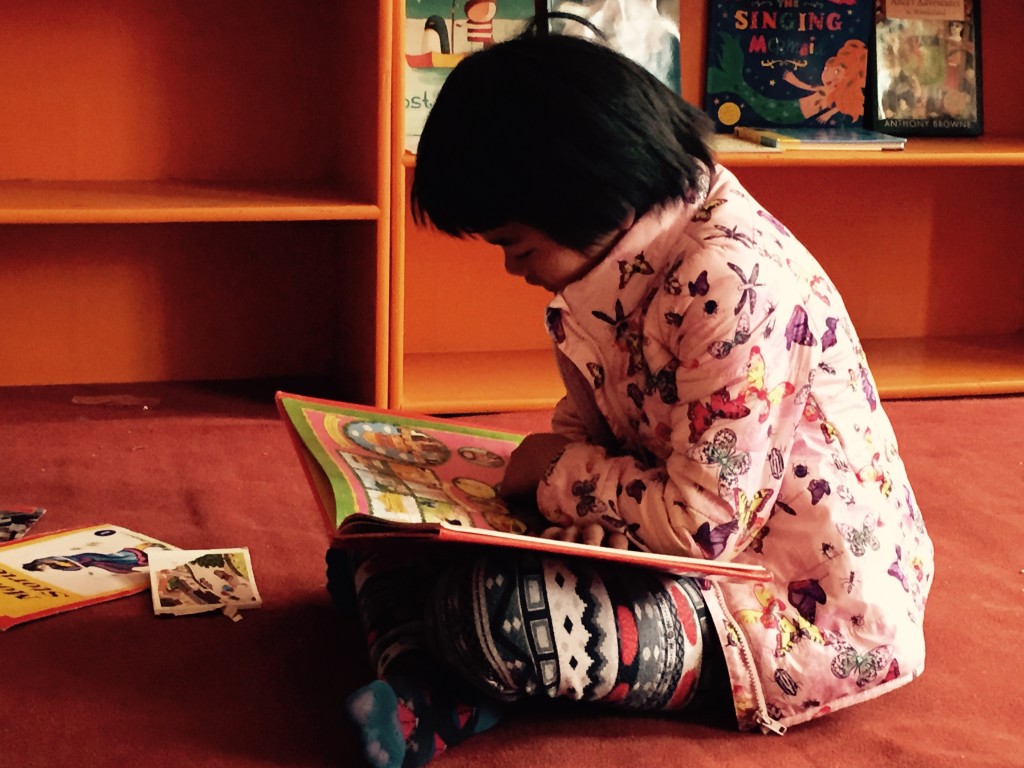
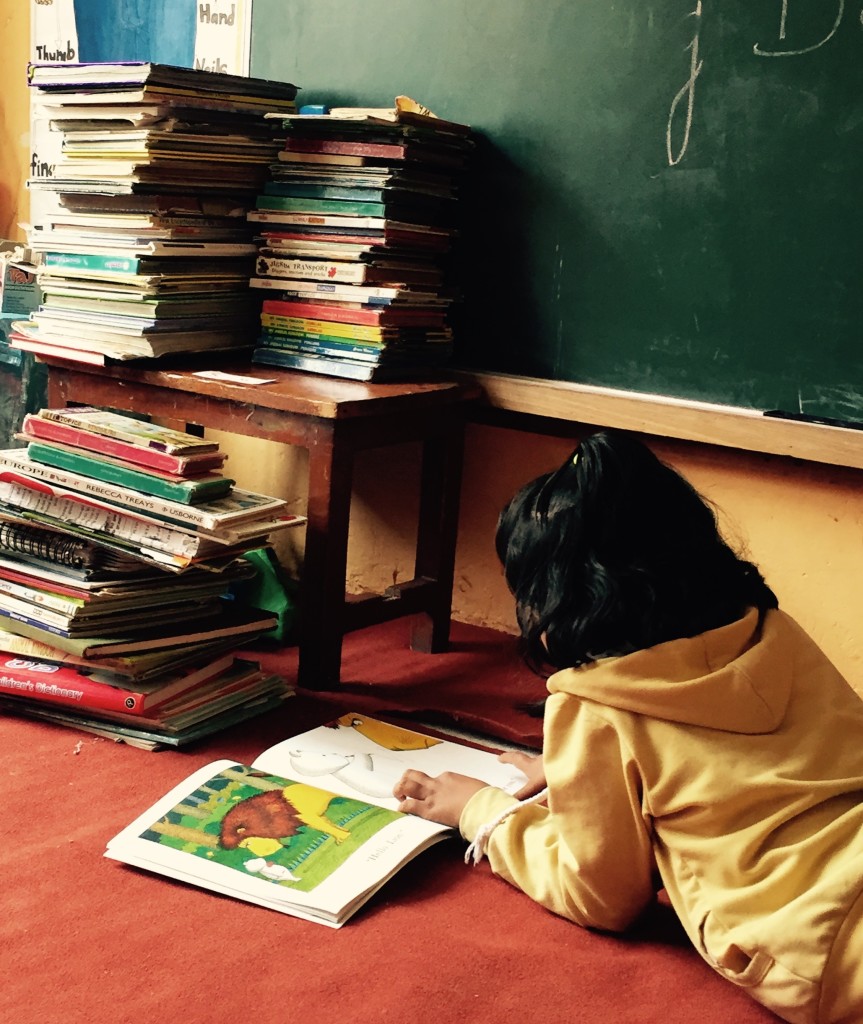
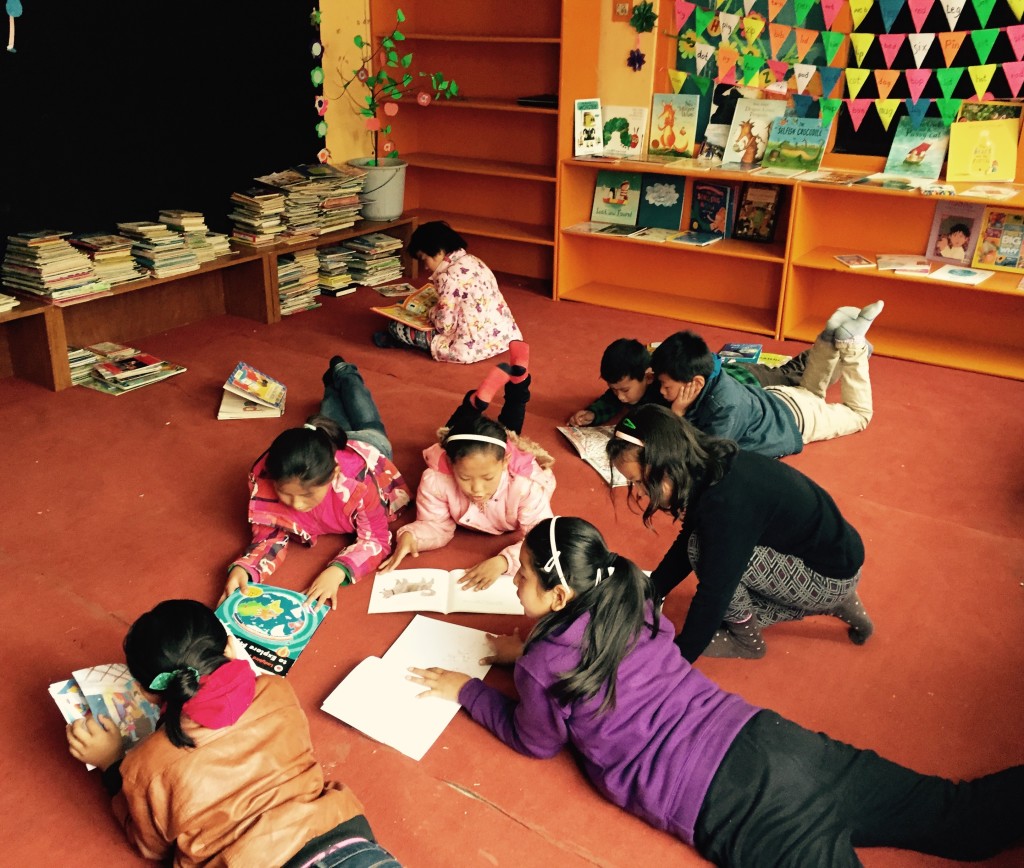
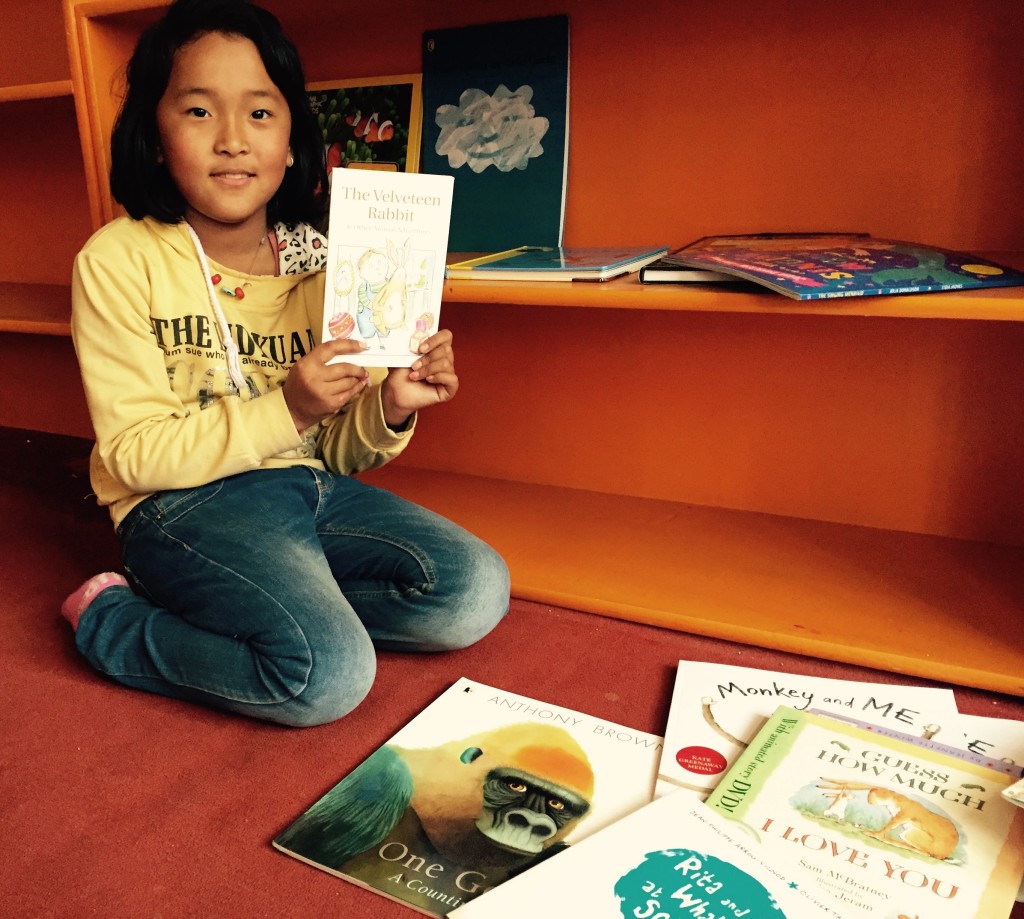
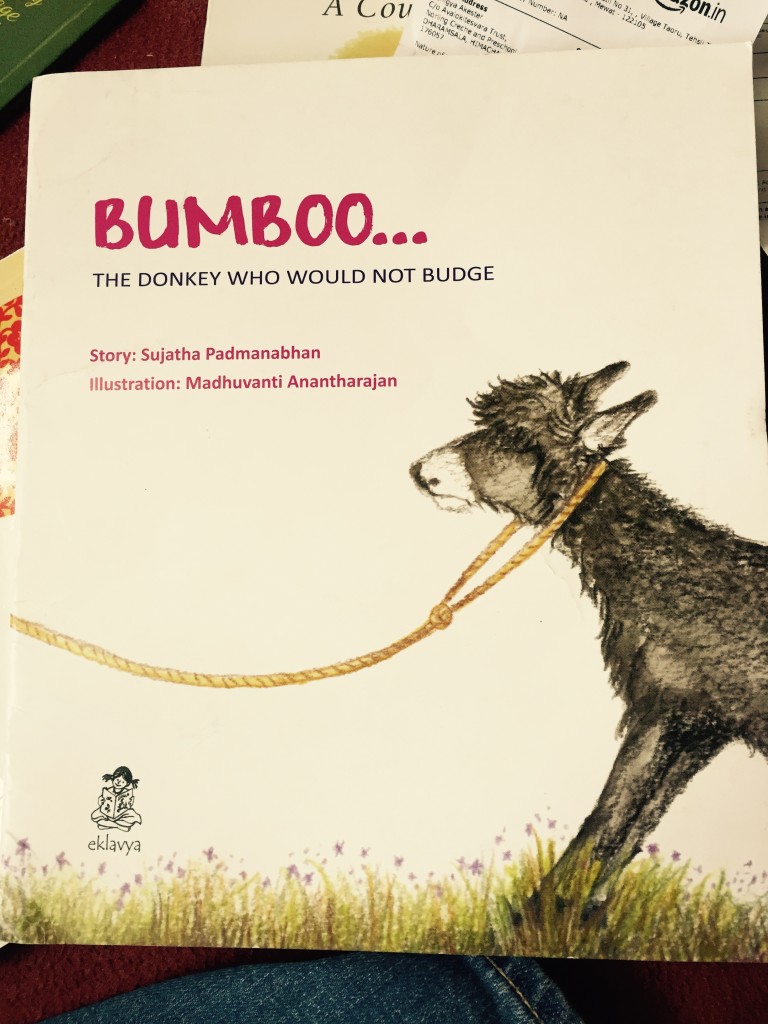
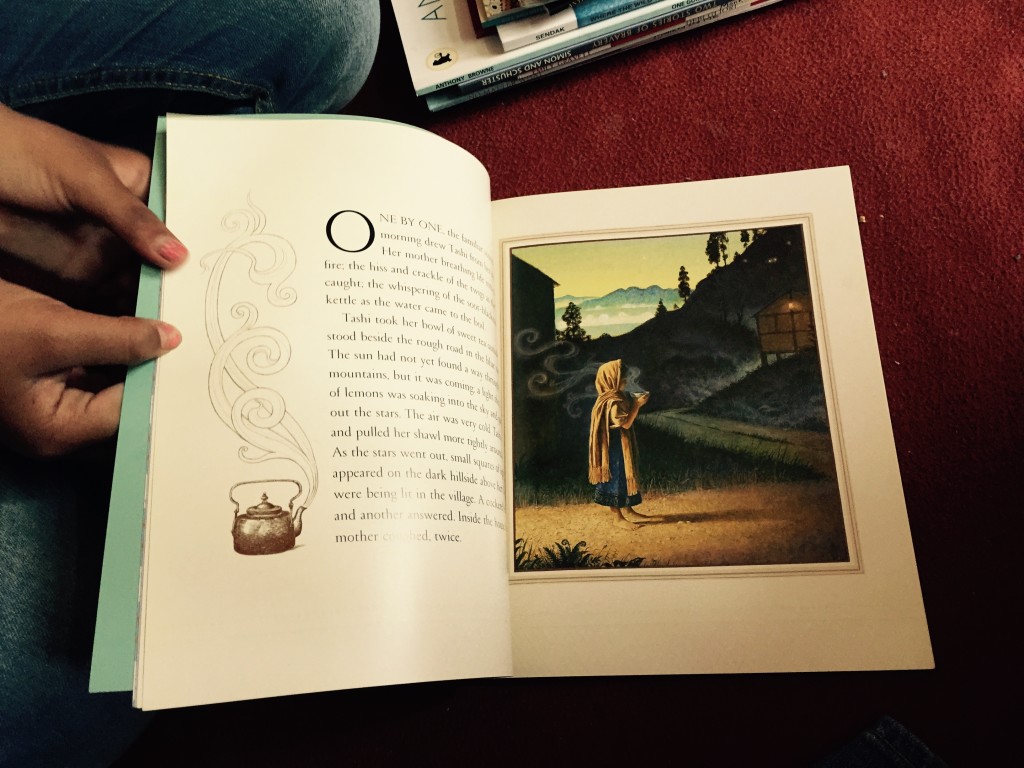
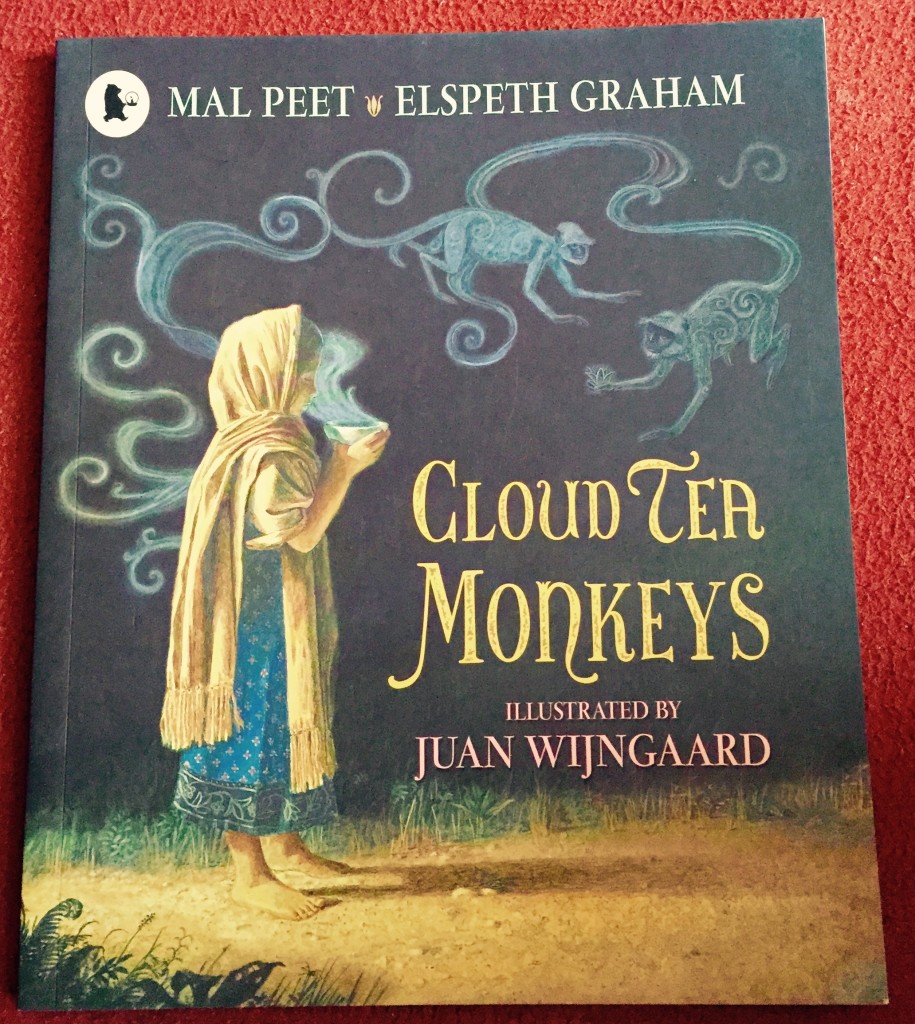
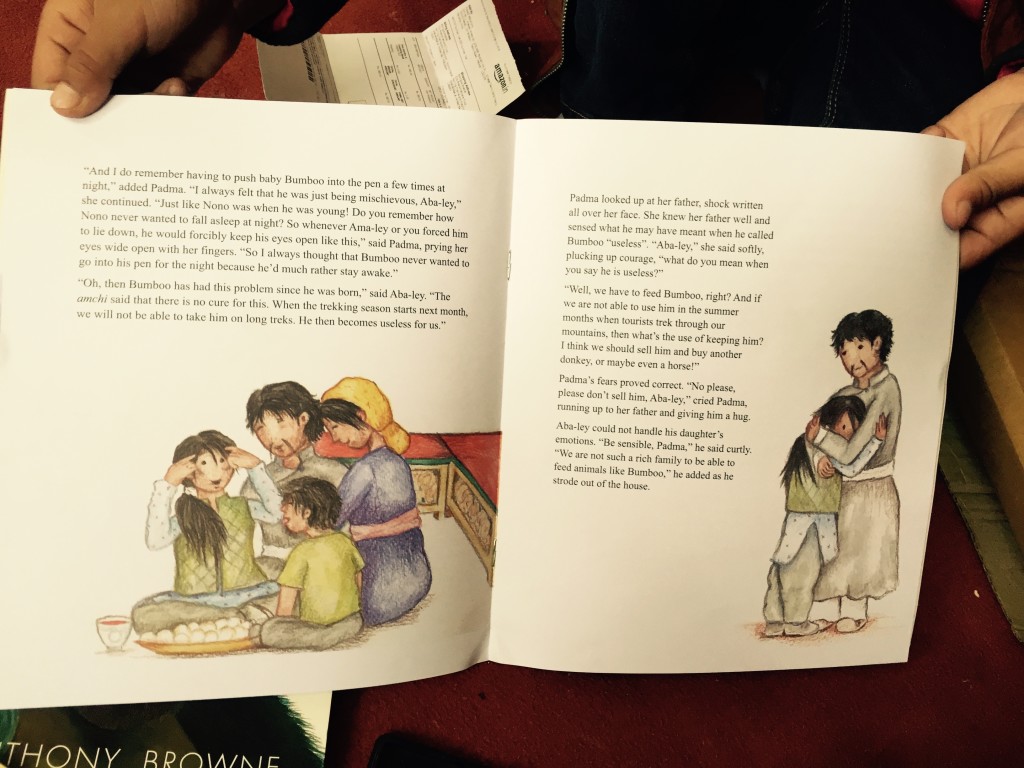
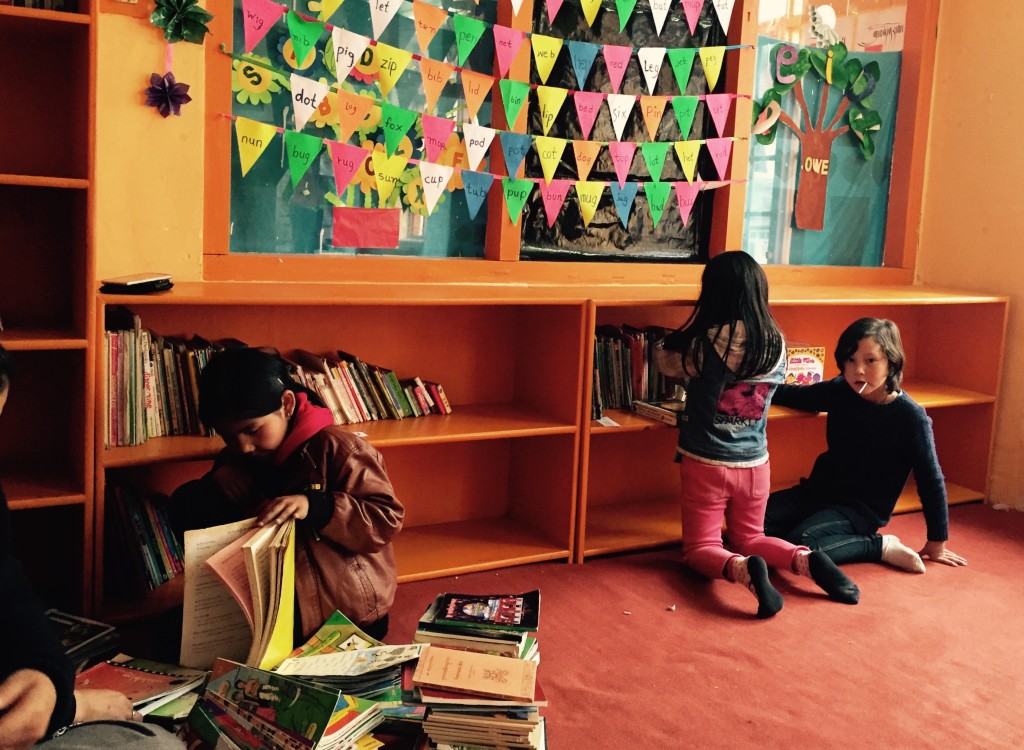
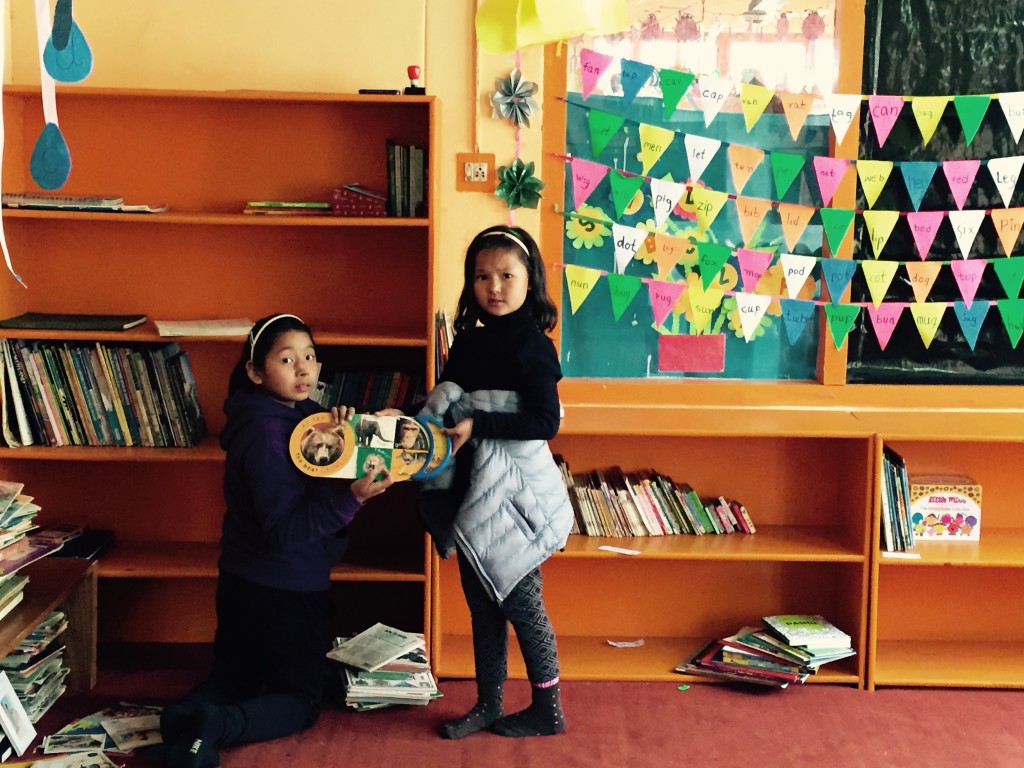
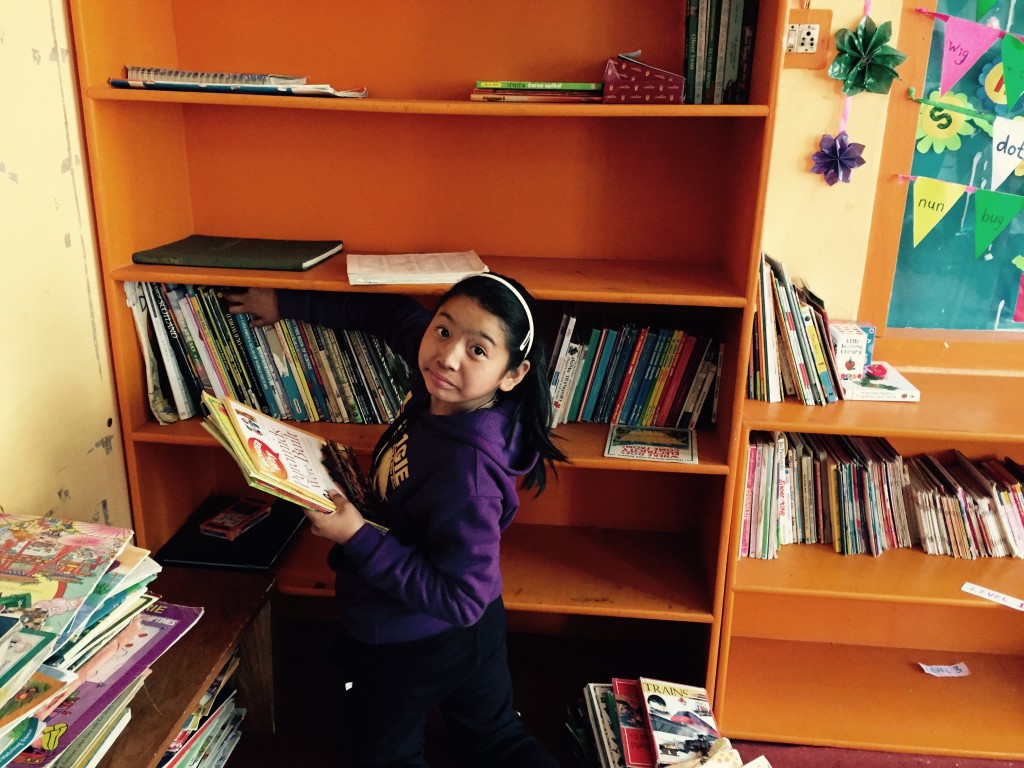
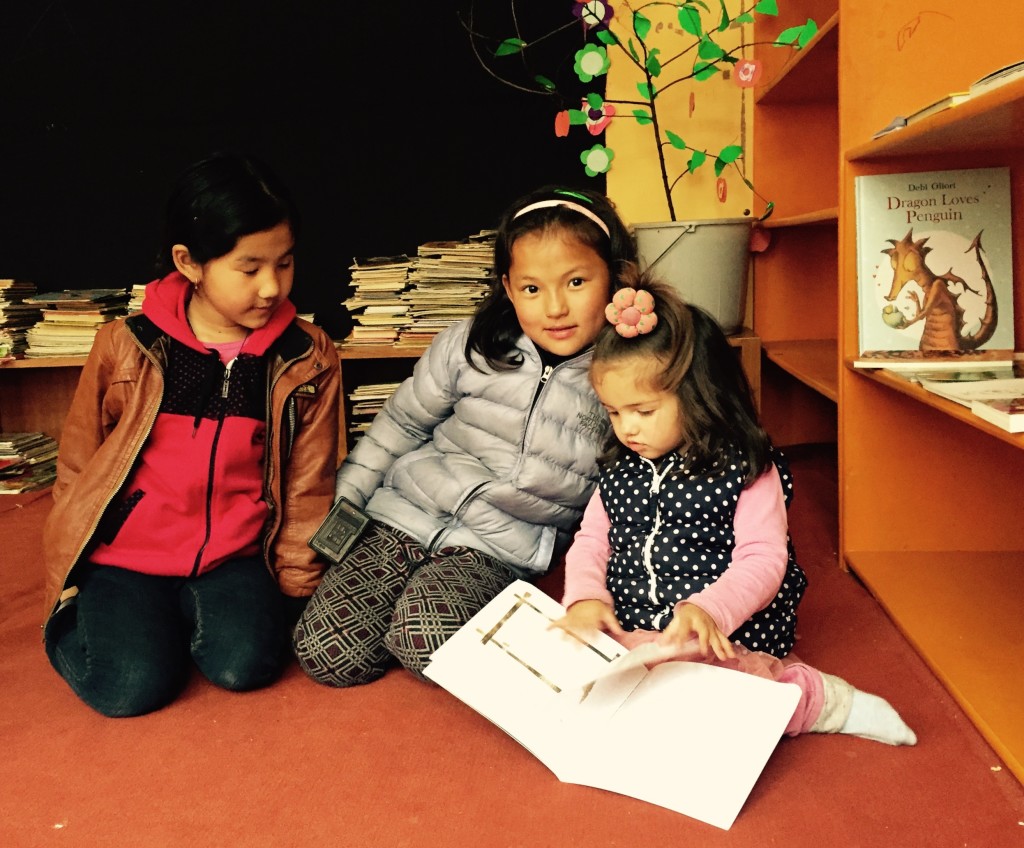
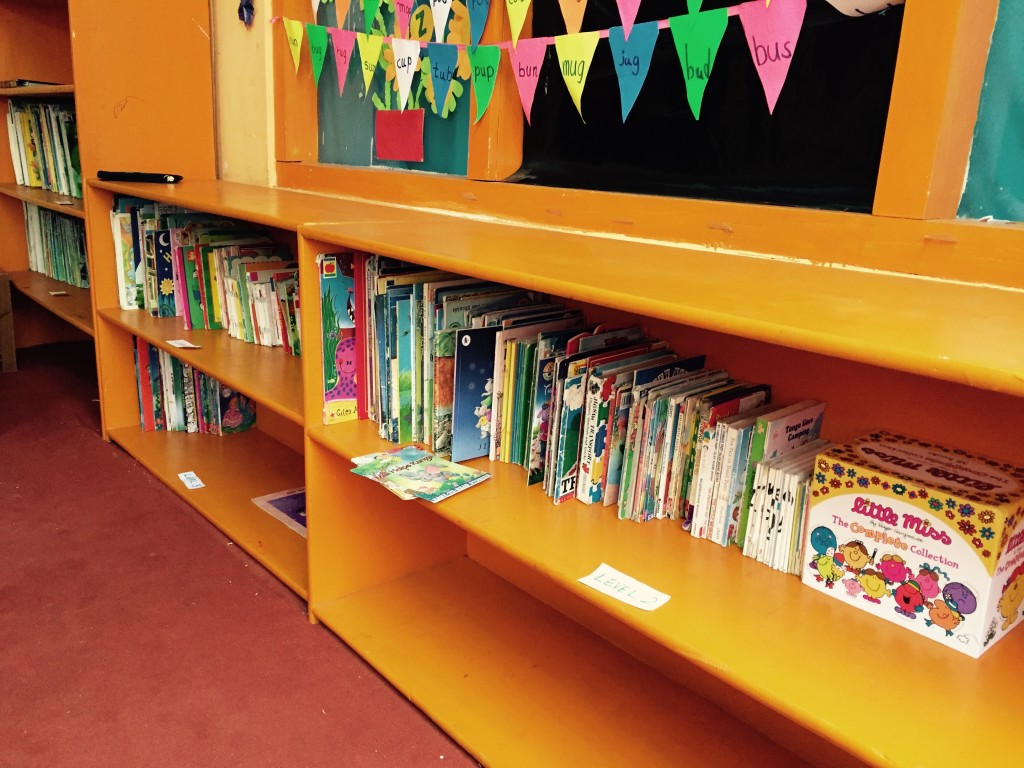
In a reading room, we might place journals beside storybooks so that children can move naturally between reading and responding. A book about rivers may inspire a drawing of a local stream; a folk tale may lead to a new ending; a biography may encourage a child to write about someone they admire.
Choosing Materials That Invite Use
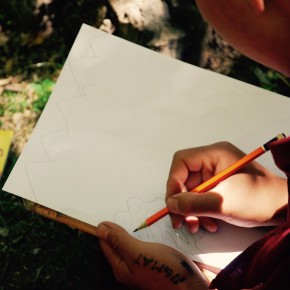
The best journal materials are practical, durable, and easy to replace. A sturdy exercise book, soft-cover notebook, or recycled paper booklet can work well. Thick pages are useful for paint and collage, while ordinary lined paper suits children who enjoy writing. Keeping a small supply of pencils, crayons, sharpeners, glue, and coloured paper nearby makes creative work possible without turning it into a special occasion.
We also pay attention to size. A small notebook can feel private and portable, while a larger one offers space for maps, diagrams, and detailed drawings. In high-altitude communities, where supplies may travel long distances, simple materials are often the most sensible choice. A pencil that can be sharpened and a notebook that can be repaired are more useful than fragile items that are difficult to replace.
Australian supporters may recognise the same principle from school booklists and local library programs. A child in Melbourne, Brisbane, or regional New South Wales does not need a premium stationery set to begin journalling. A recycled exercise book from a school supply drive can carry just as much imagination as a costly diary.
Creating Gentle Prompts
A blank page can be liberating, but it can also feel intimidating. Gentle prompts give children a starting point without deciding what they must say. We might offer “Something I noticed today”, “A place I would like to visit”, “Three sounds around me”, or “A person who helped me”. Children can answer with a sentence, a list, a picture, or a combination of all three.
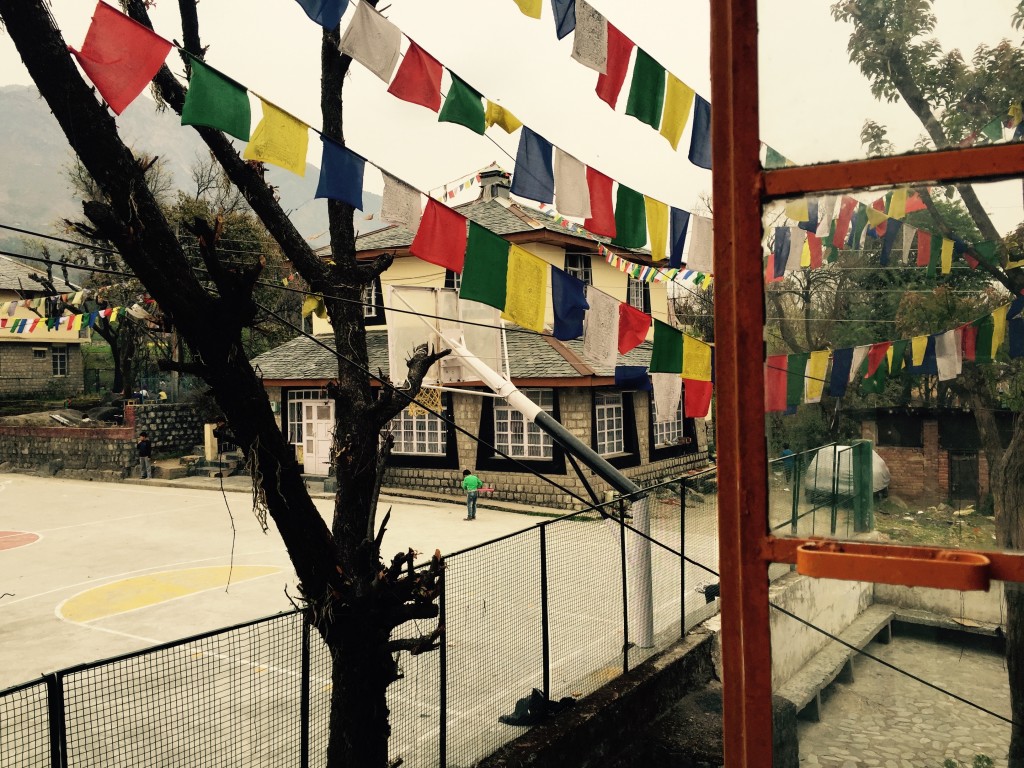
Prompts can connect journalling with the seasons and daily rhythms of Himalayan life. A child might describe the colour of prayer flags in the wind, draw a favourite path through the village, record a monastery bell, or write about preparing for a community gathering. These details help a journal become a record of lived experience rather than a worksheet.
There is value in including playful language activities, too. Children can invent names for imaginary planets, write a conversation between two animals, or create a tiny poem using words they have recently learned. In Australia, educators often speak of “having a go”; that same spirit helps children understand that experimentation matters more than polished grammar.
Making Space for Privacy and Trust
A personal journal must remain personal. Children should know that adults will not read every page without permission. This expectation builds trust and gives them a place to explore feelings, worries, hopes, and ideas that they may not yet want to discuss aloud. If a child chooses to share an entry, the adult’s role is to listen with care rather than correct every mistake.
Clear boundaries are especially important when journals are used in group settings. Children can be invited to share a drawing or read a short piece, but participation should always be voluntary. We avoid competitive displays that rank handwriting, artistic ability, or English fluency. A journal is a space for development, not a test.
Adults also need to respond appropriately if a child records something that suggests they may be unsafe or distressed. Privacy does not mean ignoring a serious concern. Trusted staff should follow safeguarding procedures, speak calmly, and seek the right support while protecting the child’s dignity.
Linking Reading, Art, and Daily Discovery
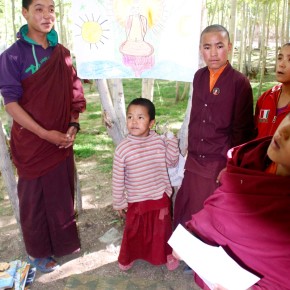
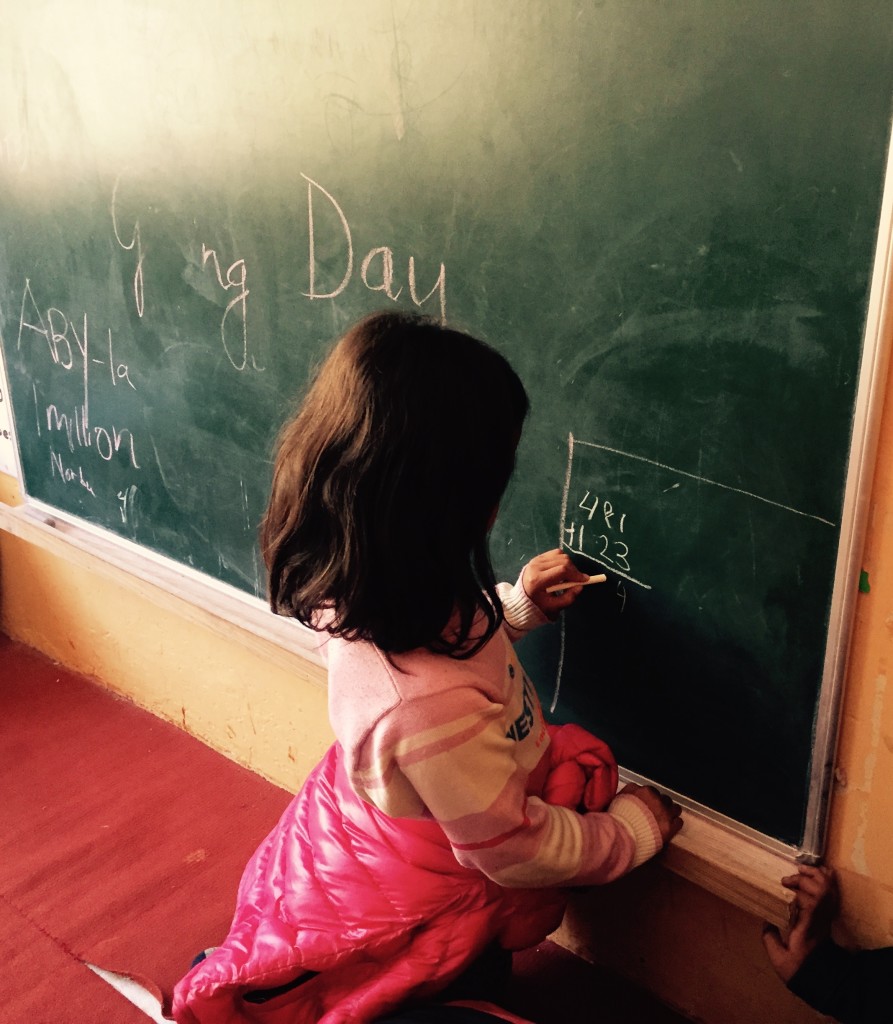
A journal becomes richer when it is connected to the wider learning environment. After a shared reading session, children may draw a scene, write a character’s diary entry, or list unfamiliar words. After an art activity, they can explain their colour choices. After a music session, they might describe the rhythm or invent lyrics for a short song.
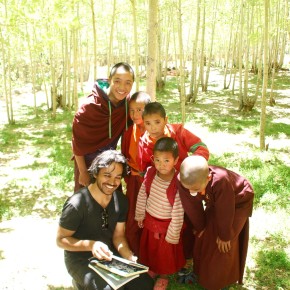
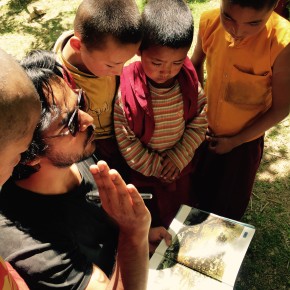
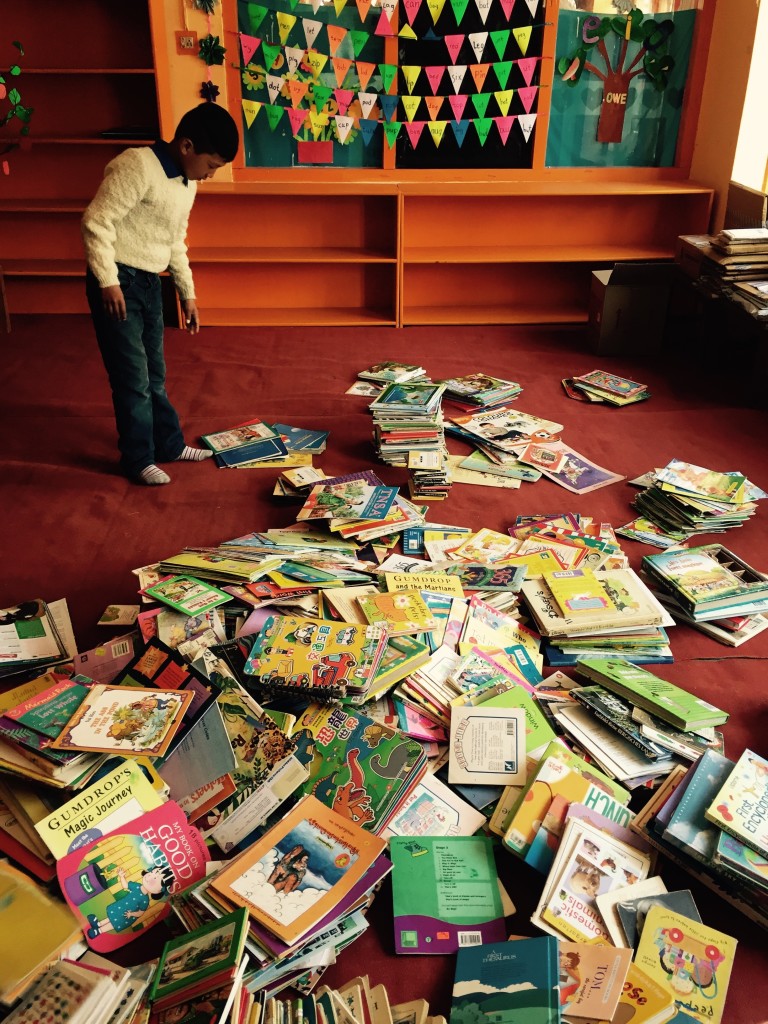
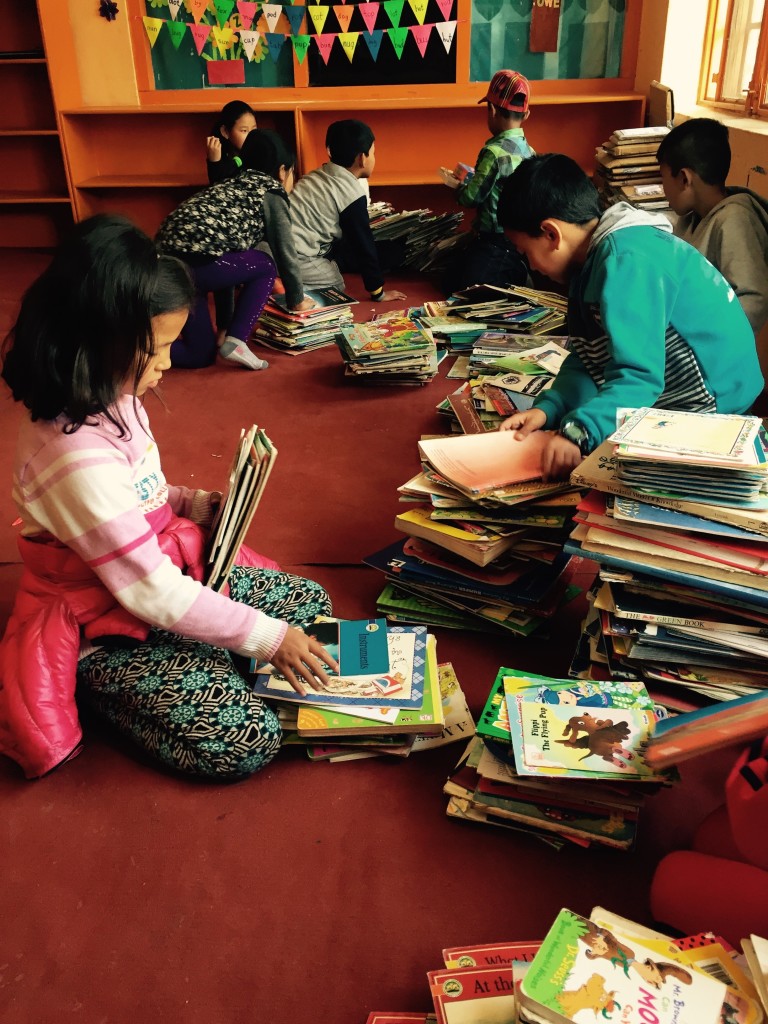
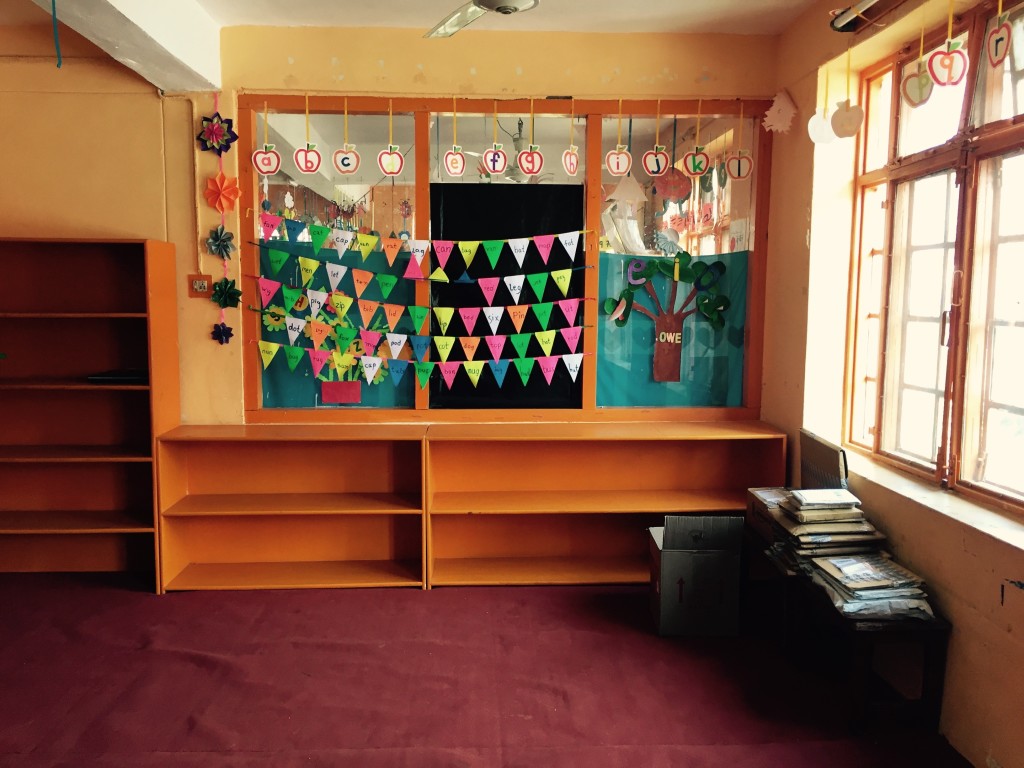
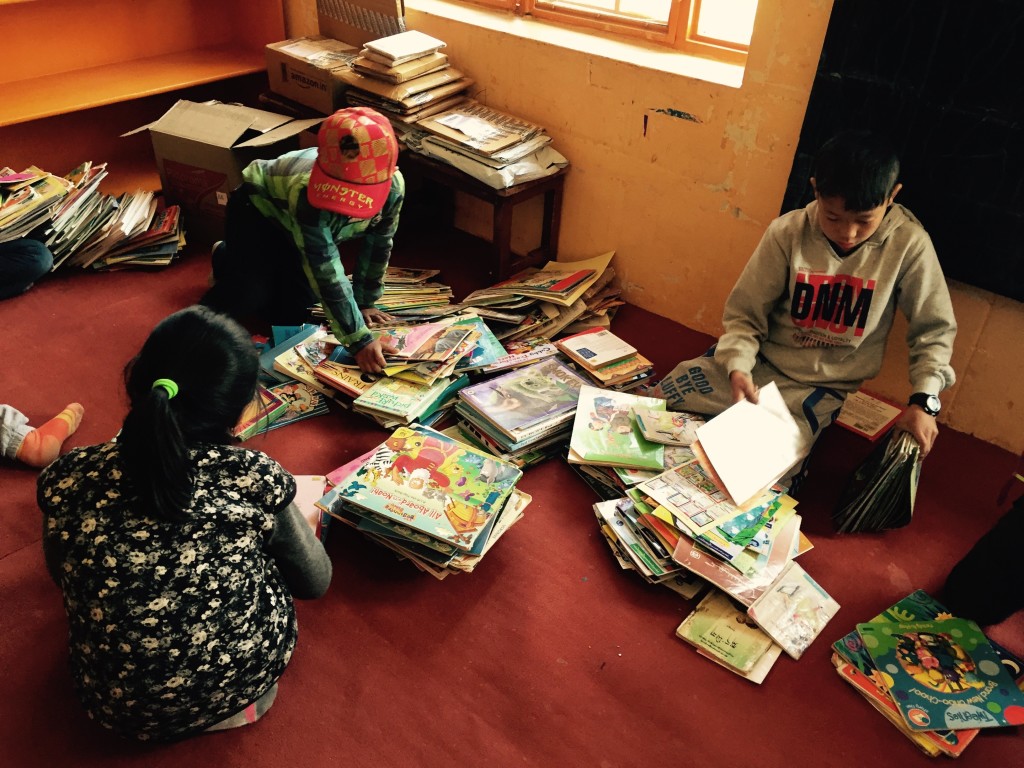
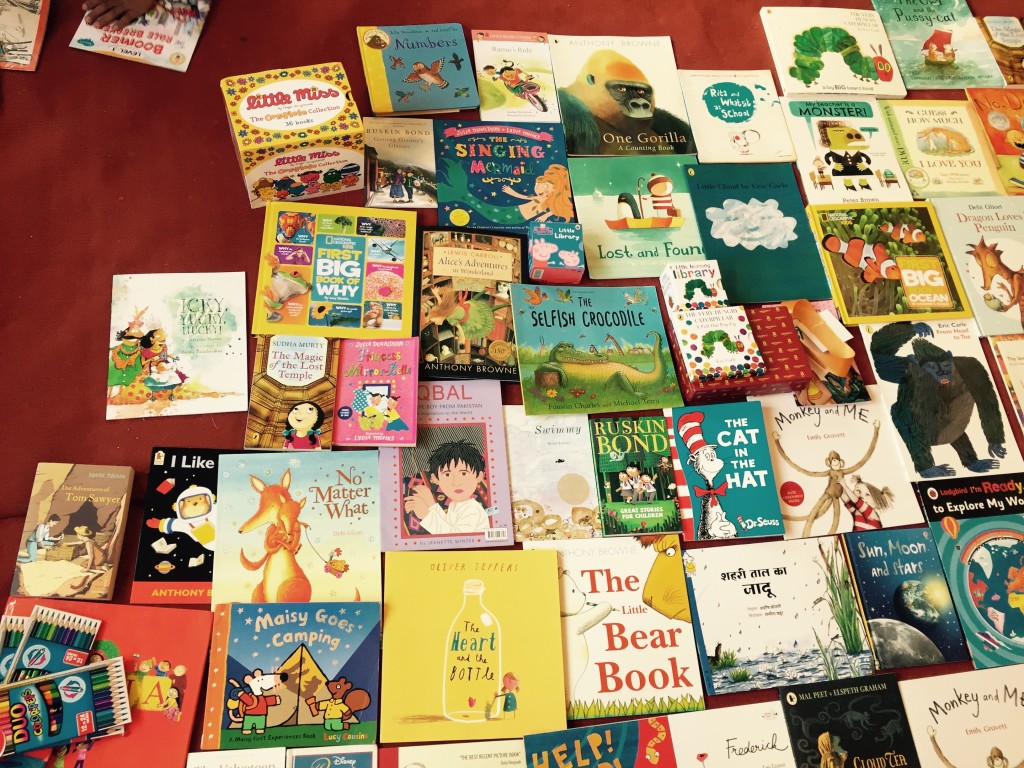
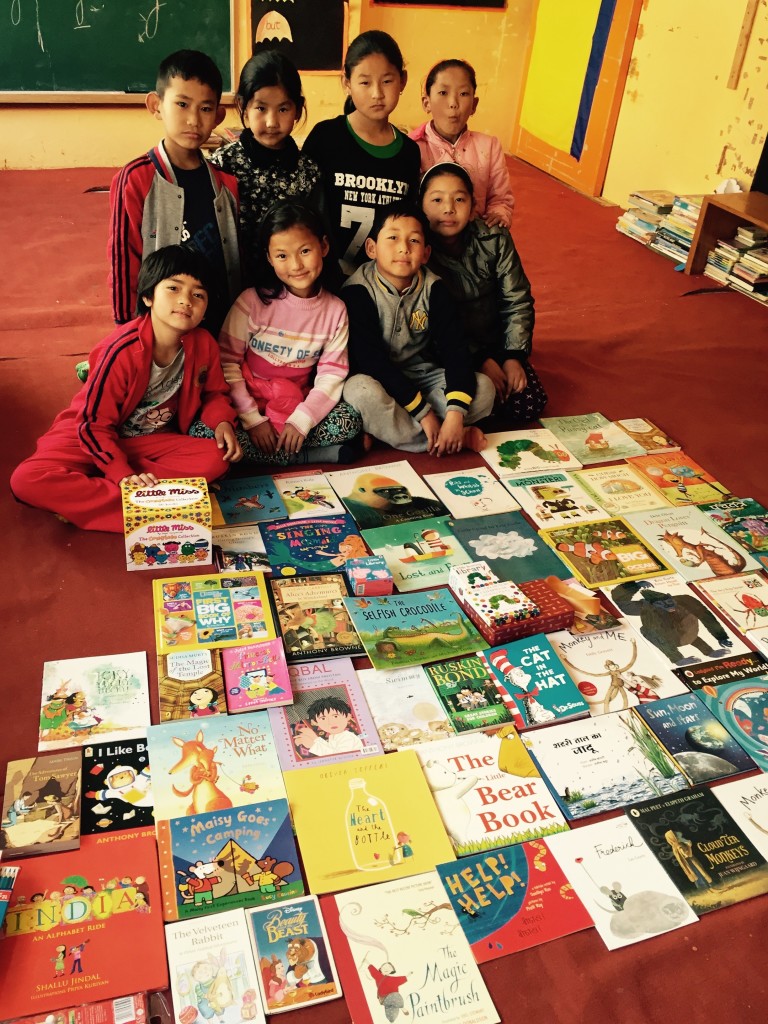
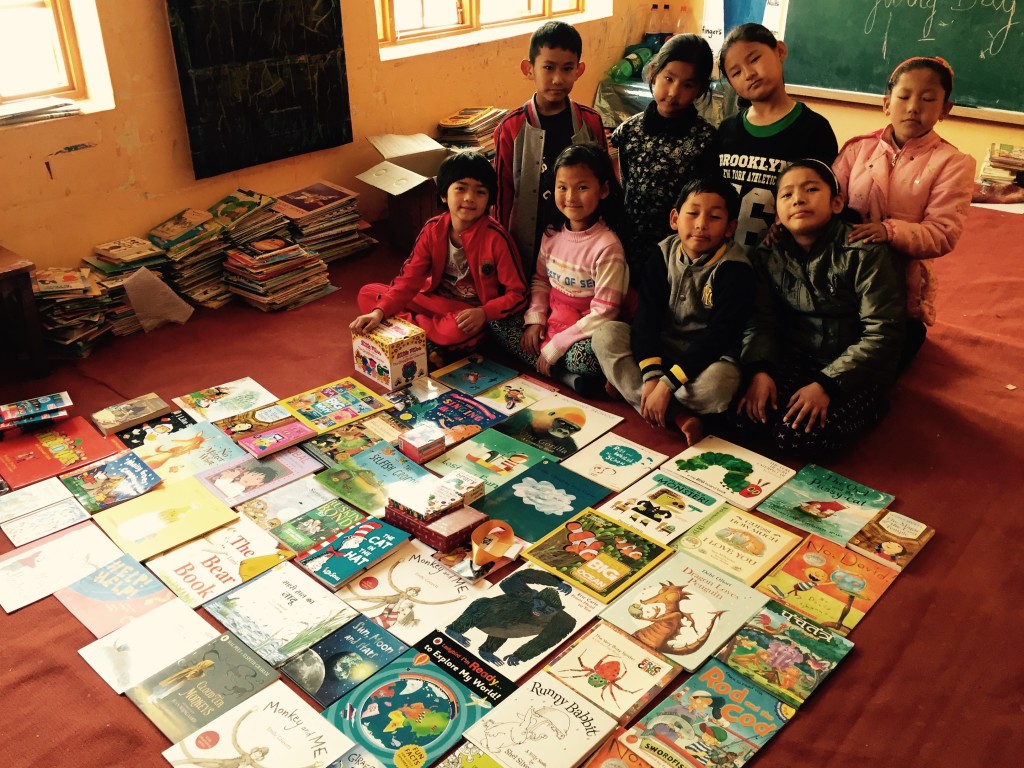
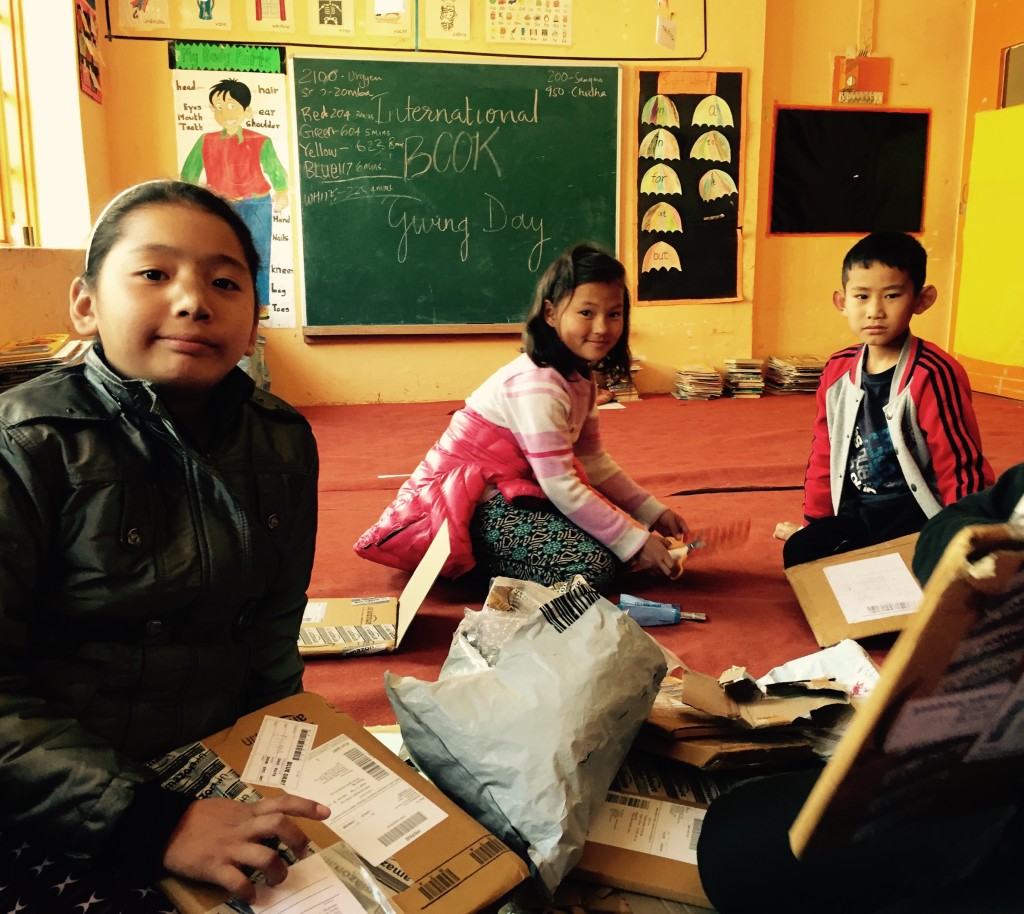
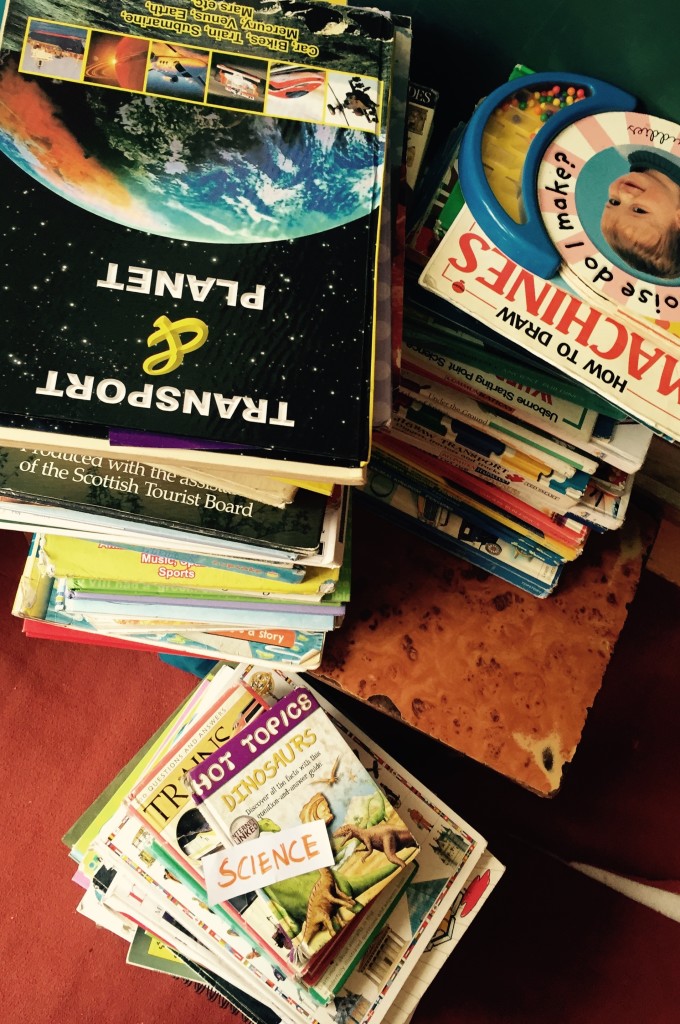
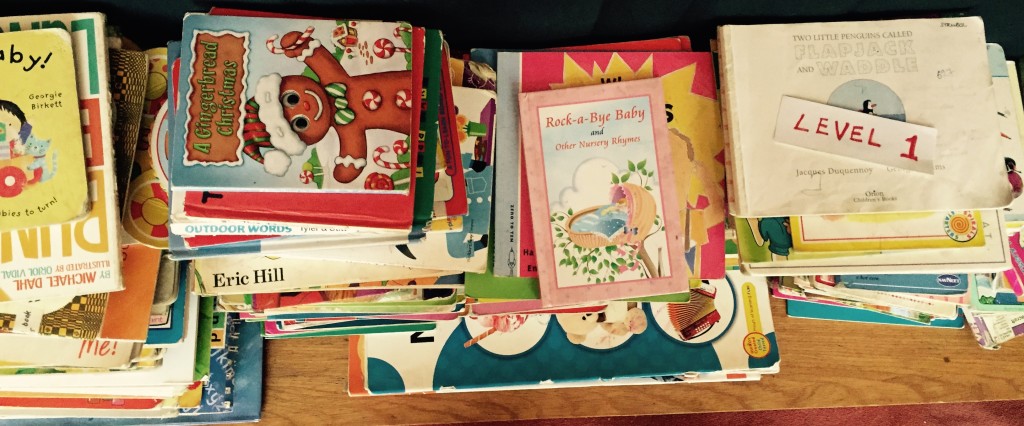
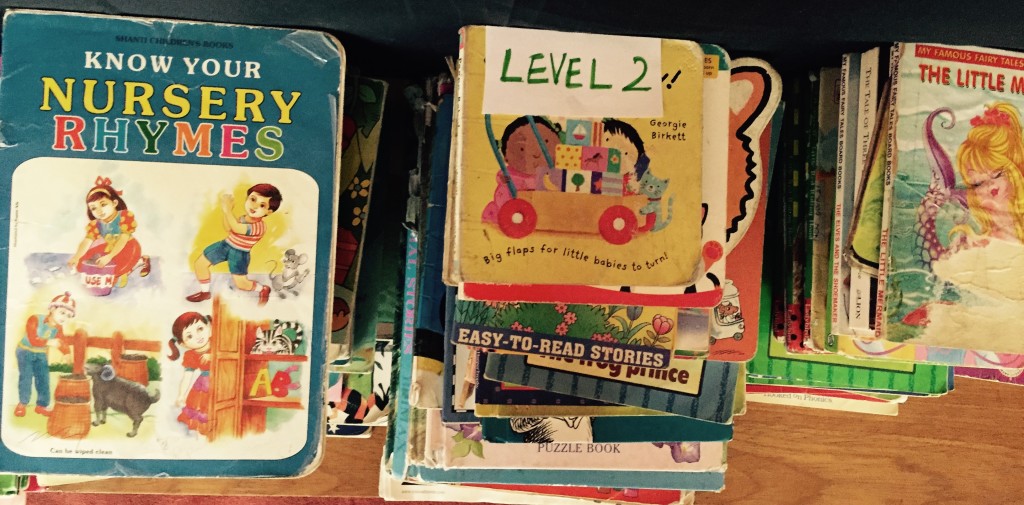
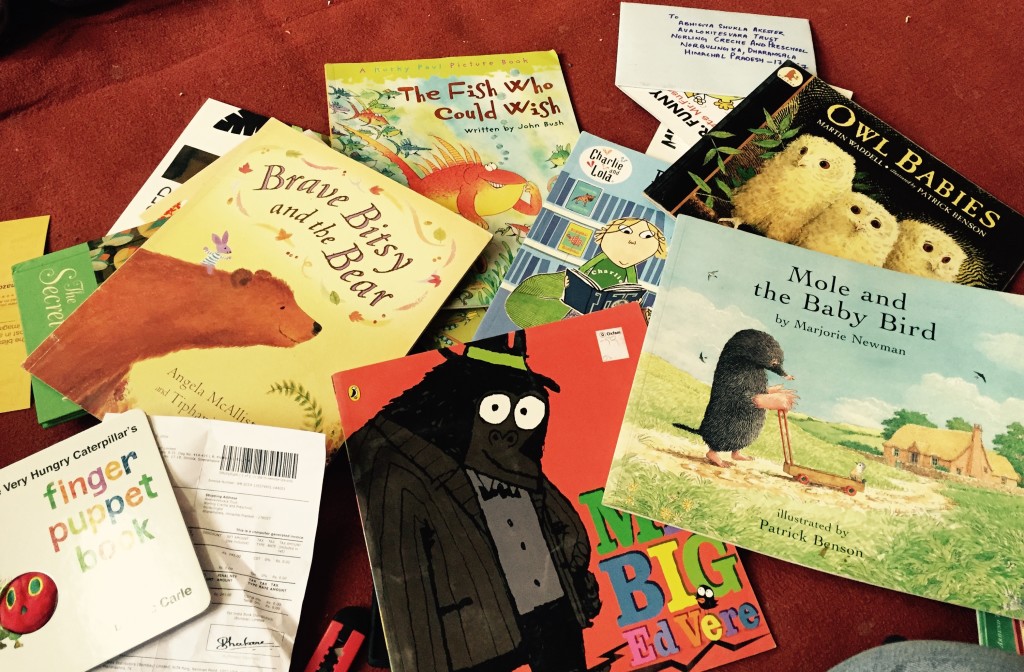
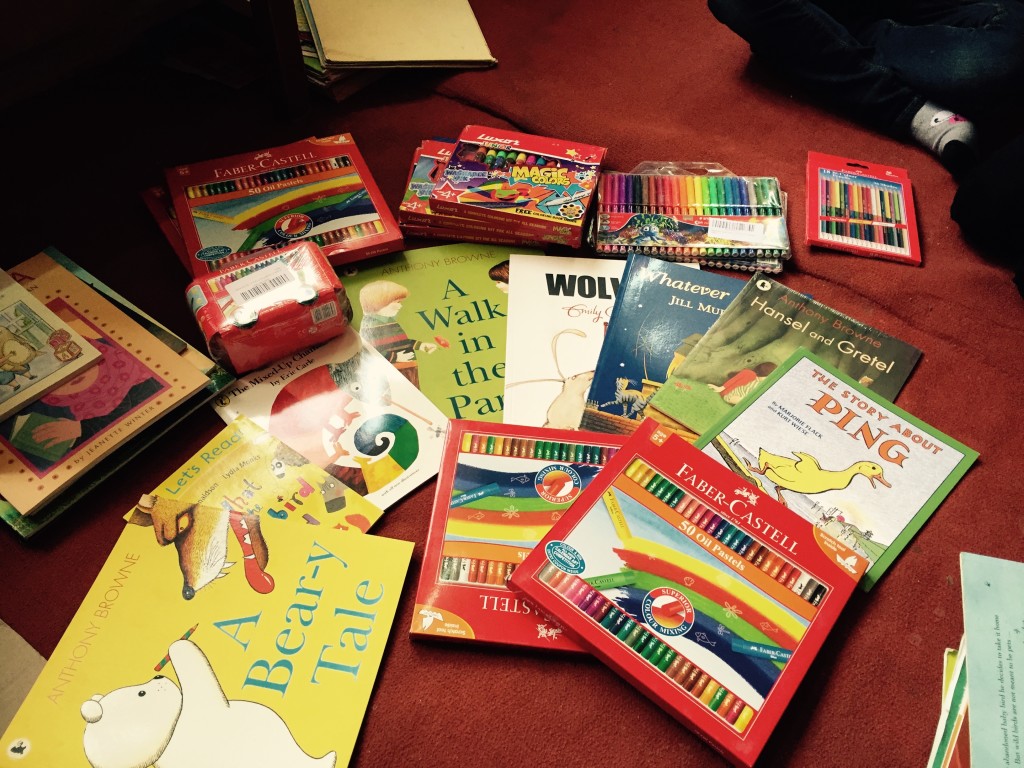
This approach reflects the broader purpose of Avalokiteśvara Trust’s work, where reading rooms, book drives, and artistic activities help children engage with learning in varied ways. Books provide language and ideas; journals give children a place to make those ideas their own.
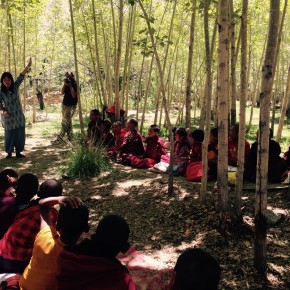
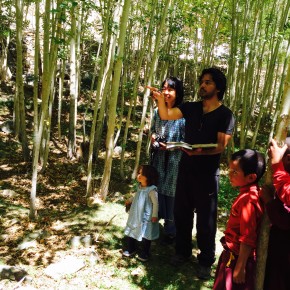
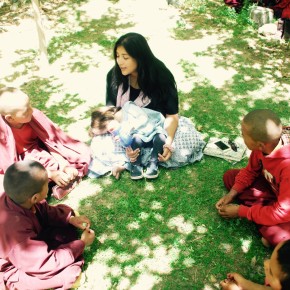
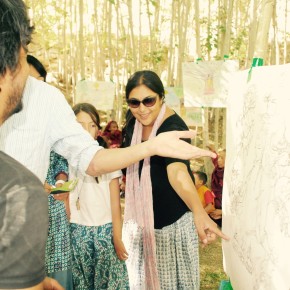
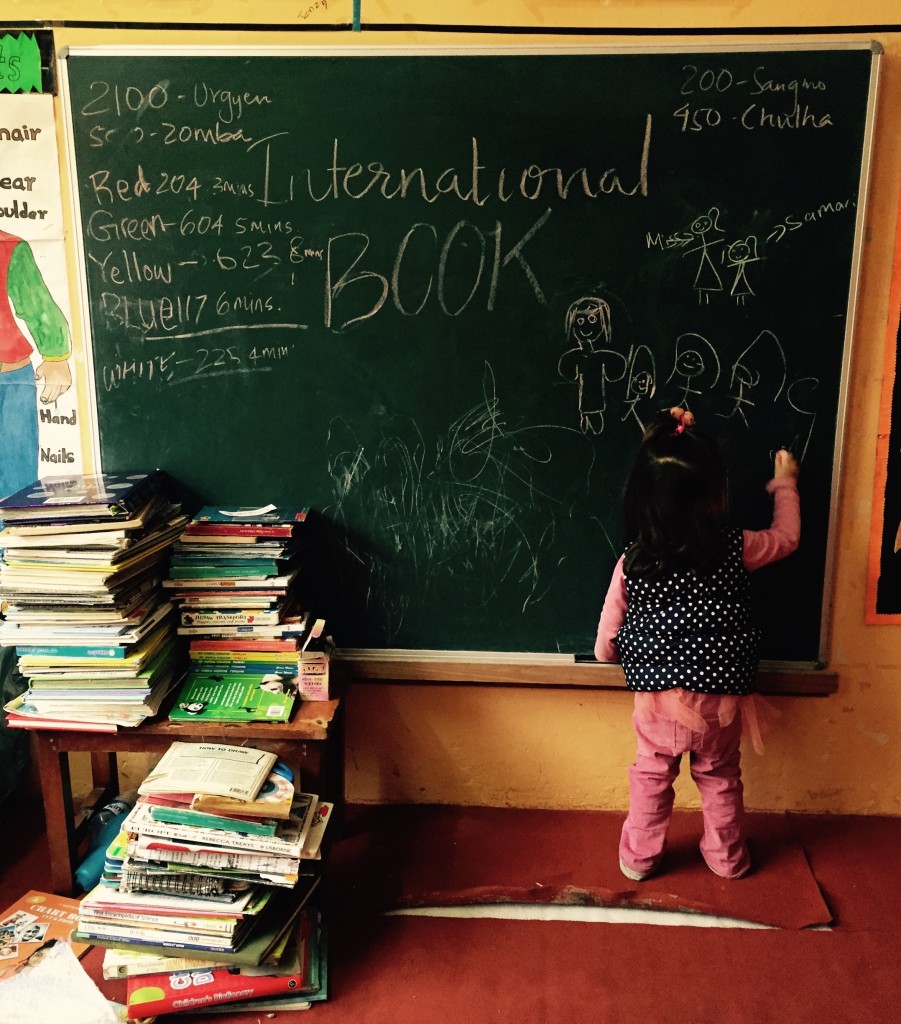
The method also works beyond the classroom. A volunteer might take a small group outside to observe cloud shapes, plants, architecture, or changing light. Children can collect observations without removing anything from the environment, then return to their journals to sketch, label, or describe what they saw. The result is a personal record of curiosity.
Practical Ways to Encourage Journalling
A journal habit grows through consistency rather than pressure. Ten quiet minutes once or twice a week may be enough. Some children will write frequently; others will return to their notebooks when they have a particular idea. Both patterns should be welcomed.
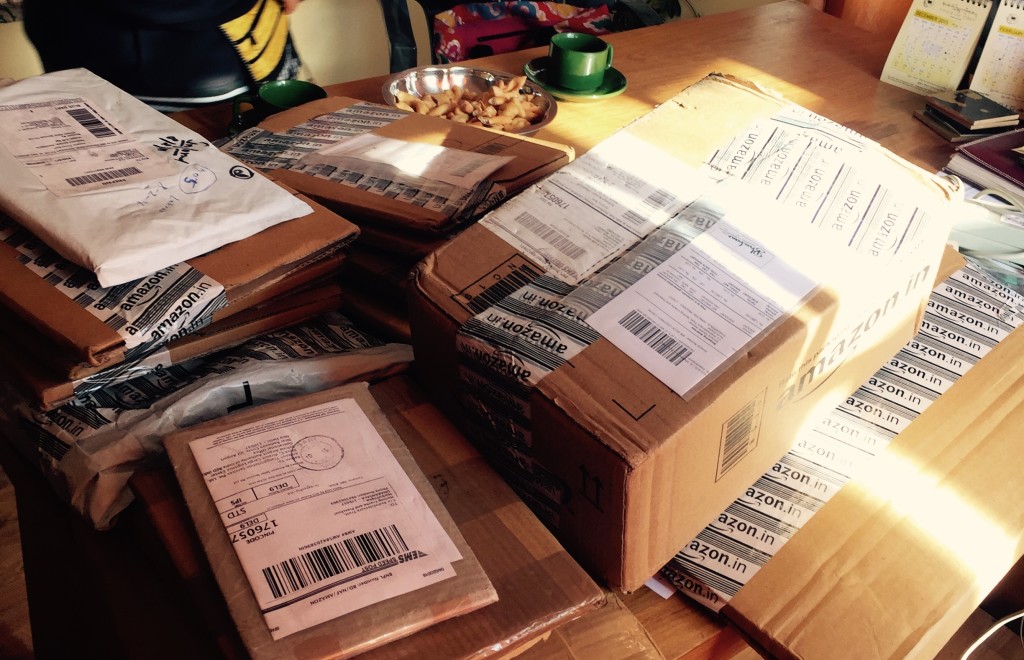
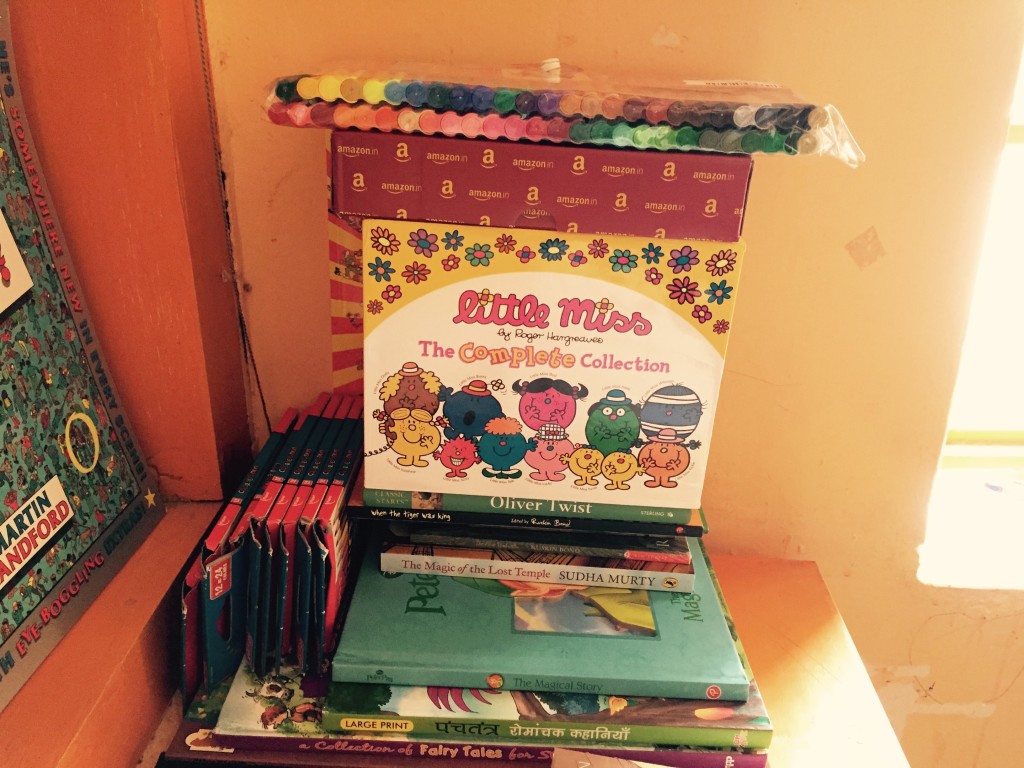
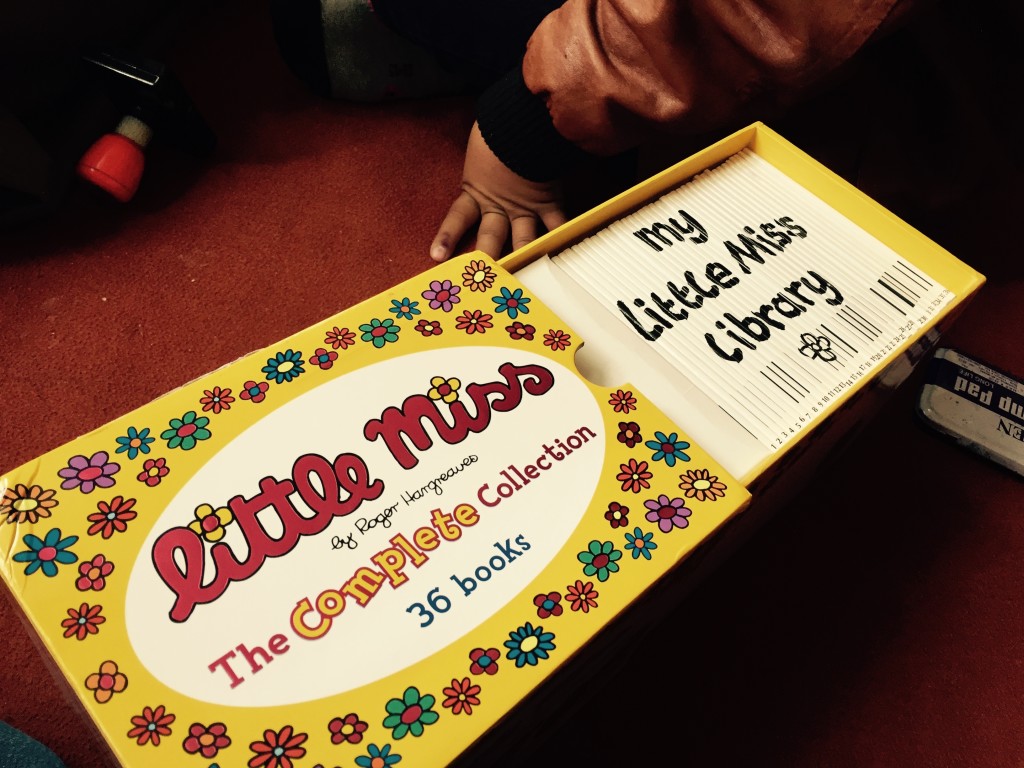
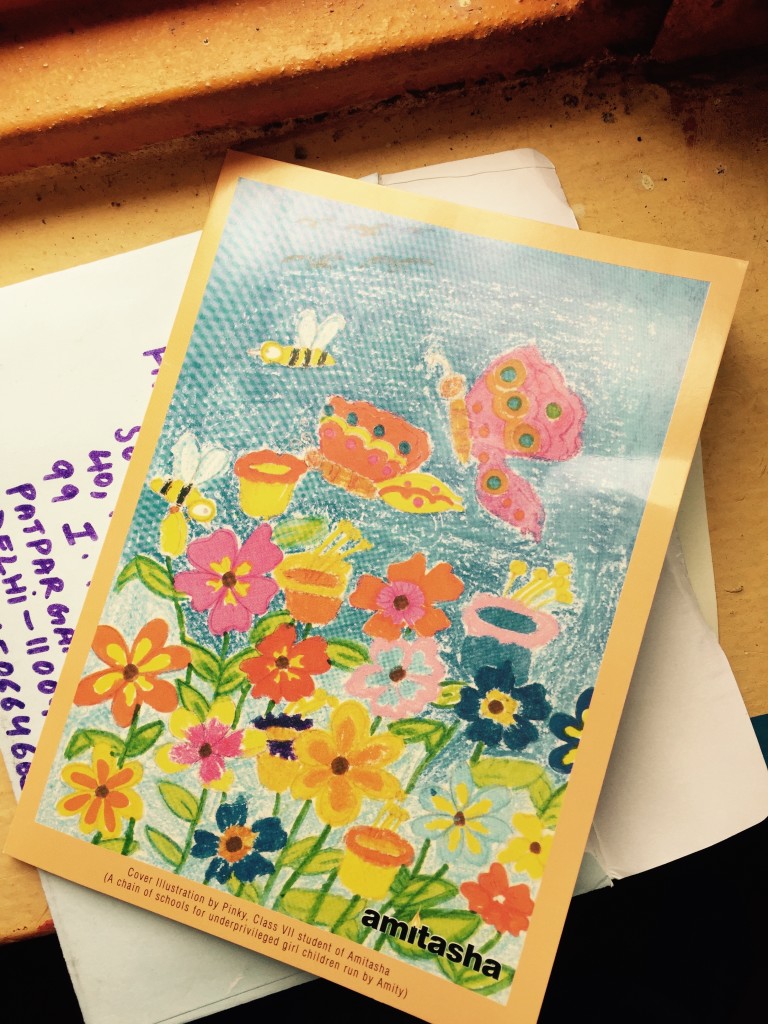
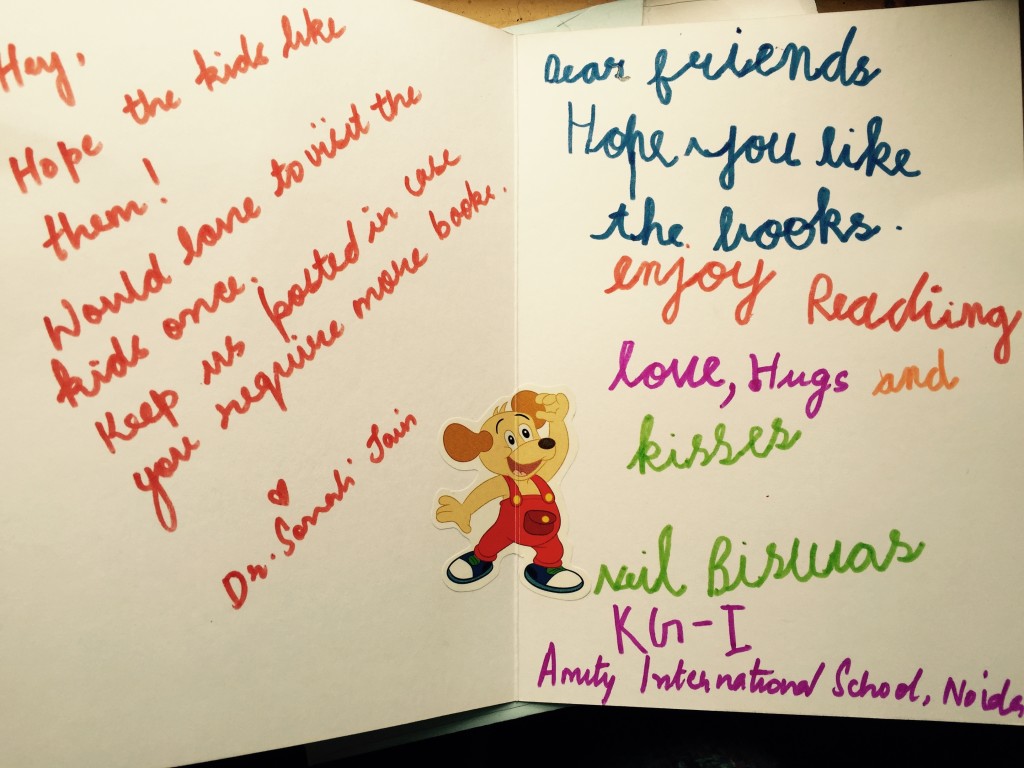
For supporters in Australia, local libraries, primary schools, community groups, and book fairs can be useful places to gather suitable supplies. During school holidays, a neighbourhood activity session can combine a book donation drive with postcard writing, drawing, and journal-making. In the arvo, children might decorate covers while adults sort pencils and notebooks for delivery.
Helpful practices include:
- Let each child choose or personalise their own notebook.
- Offer several prompts, while allowing children to ignore all of them.
- Accept drawings, symbols, home languages, and unfinished thoughts.
- Keep basic supplies accessible rather than saving them for special events.
- Ask permission before reading or displaying a child’s work.
- Date entries so children can look back and notice their growth.
- Celebrate effort, curiosity, and honest observation instead of perfect spelling.
Australian donors may also appreciate that modest contributions can be combined through school communities or local fundraising groups. Where eligible, donations to registered charities may have tax implications, so supporters should check current Australian guidance and keep appropriate records rather than assuming every contribution is deductible.
A notebook becomes meaningful when children can recognise themselves in its pages. It may contain a careful paragraph, a rough sketch, a copied line from a favourite book, or a single word written for the first time. Each entry shows that the child has noticed something and decided it was worth keeping.
Over time, these small records can strengthen literacy, confidence, memory, and imagination. They also remind adults to value quiet forms of learning. The most important part is not how full the notebook becomes, but whether the child feels that their thoughts, language, creativity, and experiences have a place in the world.